Category: Tips & Guides

  • Zucchini Plant Not Producing: 4 Common Reasons?

    Zucchini Plant Not Producing: 4 Common Reasons?

    Fruit is usually the result of a flower but when the flower refuses to yield fruit even with some blooms it becomes a worrying situation. Zucchini plant not producing fruit can have any gardener worried. After all, it is our goal to have a successful yield whenever we plant.

    This summer squash vegetable usually grows beautifully during warm temperatures and they don’t really like frost or chilly temperatures.

    Even though zucchini can be quite easy to grow, growers may still face some challenges. It can be pretty frustrating when you’ve planted and had hopes for your vegetable to give rise to fruit then it refuses to produce.

    Zucchini plant not producing fruit or producing less fruit may be caused by different reasons. We will be looking into some of these reasons and suggest things you can do to resolve the situation if possible.

    Understanding Zucchini’s Mode Of Reproduction

    Before we look into why zucchini may not be producing fruits, let’s first look into the reproductive mechanism of the zucchini plant.

    Just like every other squash plant, the zucchini plant is a monoecious plant. This implies that the plant zucchini has both male and female flowers separately on the same plant. The reproductive part of a plant is present in the flowers of the plant.

    Understanding Zucchini’s Mode Of Reproduction

    Zucchini Plant Not Producing: 4 Common Reasons

    Naturally, fruit production precedes flower so when your zucchini plant does not give rise to fruits after blooming, then something may be wrong. Below are 5 common reasons your zucchini plant may not be producing.

    1.    Young Plant With Only Male Flowers

    As we have explained above, the flower of zucchini is monoecious and tends to produce both male and female flowers on a plant.  However, it may happen that the young plants of zucchini give rise to only male flowers and no female flowers.

    Usually, during the early growing season of zucchini, this squash plant often gives rise to more male flowers than female flowers. So, this may hinder the production of fruit because both the male flower and female flower are required for fertilization to produce fruit.

    Therefore, don’t be surprised if you notice your zucchini plant producing only makes flowers for the first couple of weeks and you see no fruit set. So, if your zucchini plant is still at its young stage, not to worry because it will set fruit later.

    2.    Pollination Not Successful – Zucchini Plant Not Producing

    Honeybees are the major pollinators responsible for transferring pollen grain from the flower of the male zucchini to the female flower. When these pollen grains are successfully transferred, the process will lead to fertilization and result in fruit formation.

    So, bees are important for pollination to be successful and if there is a little population of bees in your area, pollination may be poor and this can lead to little or no fruit production.

    If this is the issue in your area, then you can help the situation by doing self-pollination. This can be done by locating the pollen that looks like yellow dust and dabbing the middle of a male flower using a small paintbrush. Then dab the same paint brush you used on the make flower again on the female flower.

    Alternatively, just pinch off the male flower and take out the petals. Then lightly dab the center into the center or stigma of the zucchini female flower.

    If you will be hand pollinating your zucchini flowers, we recommend you do this early in the morning. This is because the flowers of squash usually open early and only last for a day.

    3.    Hot Weather – Zucchini Plant Not Producing

    When the weather becomes too hot, it can cause unsuccessful pollination of the zucchini flowers. This is because too high a temperature reduces the germination of pollen grains. Hence, this can give rise to incomplete pollination of the zucchini female flower thereby resulting in fruit not setting the way it should.

    Once the temperature during the day is over 90 degrees Fahrenheit and the temperature during the night is more than 75 degrees Fahrenheit, this can depreciate the flower of zucchini. It can cause the zucchini plant to begin to drop fruit even before they get the chance of developing.

    However, during this very hot period, you can help the zucchini plant by watering the plant frequently so the soil does not dry out quickly.

    Sow Right Seeds – Zucchini Squash Seed Collection for Planting Non-GMO Heirloom Packet

    81zRDfzKlDL. AC SX679

    4.    Over-watering

    If you over-water your plant and your plant becomes soggy, it may result in the developing fruit becoming rotten. Hence, this can cause the zucchini plant not to produce adequately.

    How To Further Help Zucchini Plant To Produce

    We have listed some reasons why your zucchini plant may not be producing fruits. Let’s further discuss other things you can do to help your zucchini plant to reproduce:

    • Water When Needed – Zucchini Plant Not Producing

    It is important to water your zucchini, especially during the hot season so your soil doesn’t dry out. Also, zucchini usually requires more watering during their fruiting stage. However, make sure you don’t over-water your plant because it can lead to the rotting of fruit.

    Check Out How Deep To Plant Lettuce- The Ideal Planting Depth

    • Fertilize

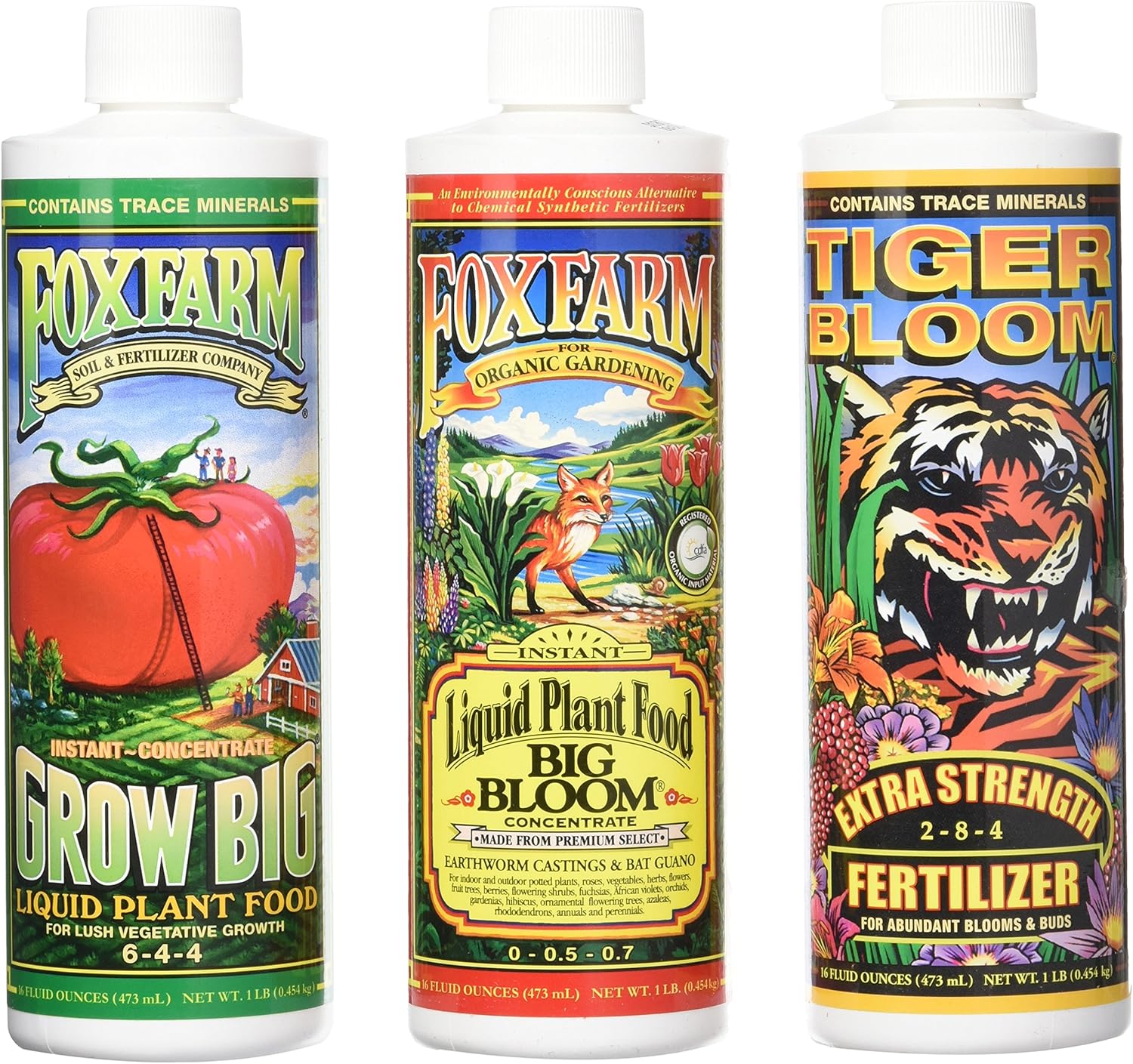
    You can further boost the chance of your zucchini plant giving rise to fruit by fertilizing your plant. Nitrogen fertilizer should be supplied to the soil at the rate of half cup of 46-0-0 fertilizer or at the rate of 1 cup of 2-3-3 fertilizer per 25-foot row. This should be done during their midseason when the plant has grown fully.

    How To Further Help Zucchini Plant To Produce

    Conclusion On Zucchini Plant Not Producing

    Zucchini plant not producing fruits can be pretty discouraging for any gardener. If you’re experiencing this, there are some reasons why this is so and we have listed them in this post. We have also suggested some things you can do to help the situation.

    FAQ’s

    Why are my zucchini plants not producing?

    Your zucchini plants may not be producing due to some reasons. Some of these reasons can be because of unsuccessful pollination because of absence or few bee pollinators, hot weather, and young plant that has only male flowers.

    Why is my zucchini plant flowering but not producing fruit?

    If your zucchini plant is producing flowers alone but yielding fruits, it may be because there are not enough honeybees o pollinate your flowers.

    Why does my zucchini have only male flowers?

    If your zucchini flowers are producing only male flowers, then it is likely because they are still in their young stage. Once the zucchini plant grows, you should begin to have female flowers as well.

    How do I know if my zucchini is pollinated?

    You should know your zucchini is pollinated once you notice a bright green and your squash growing longer by the day.

  • How Deep To Plant Lettuce- The Ideal Planting Depth

    How Deep To Plant Lettuce- The Ideal Planting Depth

    One of the most widely planted vegetables commonly grown in the US is usually lettuce. They are so easy to grow and you don’t need the experience to grow them. How deep to plant lettuce is what this article will give you information on.

    Lettuce is a cool-season crop so they flourish well during spring and fall. Lettuce seeds are easily sown directly into the soil as soon as the ground soil can be worked on.

    It may please you to know that lettuce grows rapidly and it can take only a month from seed planting for baby greens to be harvested. So, you can just add lettuce to your vegetable garden as you will be enjoying lettuce and even save some money instead of going to the grocery store to shop for lettuce.

    How deep to plant lettuce is the information you will get here. So, let’s get some details on the ideal lettuce planting depth.

    How Deep To Plant Lettuce

    The dept that is ideal to plant lettuce seed is around 1/8 to ¼ of an inch deep. It is important you don’t sow lettuce seeds too deep. This is because lettuce seed requires light to germinate so, if the seed is too deep, light may not penetrate the seeds and this may lead to unsuccessful lettuce seed germination. Also, make sure you sow the seeds of lettuce when the soil is not frozen.

    Additionally, to successfully sow lettuce seed, you will need a well-tilled seedbed. Note that stones and large clods of dirt can slow down seed germination. So ensure the seedbed is clear of any obstacles such as these.

    How Deep To Plant Lettuce

    Starting Lettuce Seeds – How Deep To Plant Lettuce

    You can start your lettuce seeds either indoors and then transplant or sow them directly in the garden. How deep to sow your lettuce seeds should be 5mm (1/4”). Or you can plant them where there will be all-around moisture in the soil which is the topmost layer of the soil.

    Because the baby lettuce is usually ready for harvesting while it’s immature, it should be planted densely. Unlike other types of lettuce seeds that don’t really need covering as they are usually planted right at the surface, you should plant pelleted seeds 1cm (1/2”) deep.

    Your pelleted seeds need to be all-around moist when planted newly. Water it more than the way you would have watered the conventional seed variety. However, leaving the soil to dry out will only make the pelleting material suck water from and cause dehydration for the seed.

    This is because the pellet material is clay. This action will lead to a more unpleasant situation which is unequal or lower sprouting. So, give space between thin loose leaf varieties to about 20-25cm.

    As for the heading lettuce varieties, give space of about 30cm between them. Give space of about 45-90cm between rows, for all types of varieties. Also, harvesting can be made easier if baby leaf lettuce seeds are planted by each other in rows that are narrow.

    Tips On Growing Lettuce

    The best soil to grow lettuce in is the type that is well-draining and also high in organic matter. Ideally, the soil pH for growing lettuce must be between 6.0-6.5.

    Before planting your lettuce, say 3 weeks, endeavor to mix compost and lime into the soil. Once it’s 2 or 3 days to transplanting, reduce watering and also move your lettuce plants outdoors.

    This will help harden off the seedlings before transplanting and it will prevent shock transplant. So, this way premature bolting and transplant shock can be avoided.

    While you’re growing lettuce, you should be aware of some growing requirements for a smooth growth. Here are some more tips to help you with growing lettuce.

    Check Out Can Compost Worms Survive Winter?

    • Water Appropriately – How Deep To Plant Lettuce

    Watering lettuce has to be done in an intentional way that will encourage more leaf growth so you can have the “cut and come again.” So, watering should be light, consistent, and frequent. Aim for a moist soil and avoid soggy soil.

    Again, you can just supply the roots of lettuce water and also splash cool water on the leaves, especially during hot days. This is to maintain a happy and refreshed lettuce during hot days.

    Blumat Classic Plant Watering Stakes | Indoor or Outdoor | Automatic Drip Irrigation (6 Pack)

    61alXba2T7L. AC SL1181
    • Soil – How Deep To Plant Lettuce

    The soil you will be using to grow lettuce must be well0drianing. This is so water doesn’t soak up in the root.

    • Cover Or Shade Lettuce When Needed

    During the hot season, you can use row covers to shade the leaves. You can also mulch to maintain a cool root.

    Read more about Do Pepper Plants Grow Back Every Year?

    Growing Lettuce In Container – How Deep To Plant Lettuce

    Lettuce can also be planted in containers easily and you can either do this by direct sowing or transplanting.

    To sow lettuce seed in containers, choose a good soil and before planting, make sure you add half a tablespoon of time-releasing fertilizer per gallon of soil.

    If you will be transplanting lettuce in containers, bury the transplant quarter inch or 0.5 cm deep than they would have been in an outdoor garden. Then ensure the spacing is about 6 to 12 inches apart. However, you can plant lettuce leaf a bit closer than the head type.

    Also, the type of lettuce variety you choose for container growing can go a long way. For instance, some recommended varieties are the Black Seeded Thompson and red or green oak leaf types.

    Loose-leaf lettuce varieties are better used for container growing rather than head lettuce.

    Growing Lettuce In Container

    How Deep To Plant Lettuce: Final Say

    So, we have seen the ideal depth to plant lettuce from the explanation above. So, lettuce doesn’t need to be planted too deep so they can have access to light as it is crucial for their seed to develop.

    FAQ’s

    How shallow can you plant lettuce?

    Lettuce does not need to be planted too deep because their seeds need to reach out to the light to germinate properly. So, plant lettuce seed about a quarter to half inch deep.

    Can you plant lettuce too deep?

    It is not ideal to plant lettuce seeds too deep. This can hinder the seeds from getting access to light which they need to properly germinate. If they are planted too deep, it may result in weak and feeble seedlings. Planting lettuce too deep may even fail to germinate.

    How deep to plant lettuce seeds?

    Ideally, the seeds of lettuce should be planted about half an inch deep to a quarter inch deep. This implies that lettuce seeds do well in shallow spots.
  • Can Compost Worms Survive Winter?

    Can Compost Worms Survive Winter?

    Do you see freezing temperatures approaching in your region? Can compost worms survive winter? Well, the cold climate won’t stop composting worms from working for you in your compost bin.

    Compost worms are meant to break down food scraps. In the northern area, there’s every possibility that the vermicomposting bins built there may become frozen. You may be wondering if all the worms in the bins will die or are there any ways you can save them.

    There are things you may consider doing as a way forward. And the way forward will be for you to either do nothing, heat generation through insulation, prepare a warm spot and then move the worms there or keep the worms in a place with much heat, be it indoors or the basement.

    Whichever way you choose to handle the situation, let’s find out if compost worms can survive winter.

    Can Compost Worms Survive Winter?

    Can compost worms survive winter? The answer is yes and no and we would explain why.

    Worms are resilient creatures and they have been surviving long before humans even came along.

    However, when compost worms are left in the worm bin to freeze, a lot of them will not survive the winter or they may all die. But the good thing is that if the bin was already established before the chilly weather sets in, the worms will likely lay eggs.

    Compost Worms Surviving Winter

    Now, these eggs laid can survive as long as a year in almost any weather including winter.

    So, if all your compost worms get frozen by the winter, not to worry because baby worms can hatch once the weather warms up and they will continue the process of composting.

    Click Here To Get Info About:

    Things To Do To Your Compost When Chilly Weather Sets In

    So, if the chilly weather sets in around your area and you’re worried about your compost, below are some things you can do and your compost should be fine.

    1.    Add Scrap To Your Bin To Increase The Temperature

    When you leave the worms outside, they start to become inactive as the temperature drops down making them inactive. At or below 40 degrees Fahrenheit for example, the worms will become incapacitated due to the cold.

    They will move to the part of the bin that is warmer which is at the middle and the bottom. Although heat is naturally generated during decomposition, it is definitely not sufficient to keep the worms thriving.

    Hence, you can also add organic scraps to the bin, which will help increase the temperature a bit.

    2.    Do Nothing About The Situation – Can Compost Worms Survive Winter

    Another thing is that the older composting worms will begin to lay eggs as they are simultaneous hermaphrodites.

    This is to say that worms have male and female types of reproductive organs. But as for the contented composting worms, what they do is produce cocoons by exchanging DNA.

    So, your composting quest won’t be altered if the vermicomposting bin is left outside in the winter. This is because the cocoons that are being produced can stand the freezing winter, thereby staying preserved, and then luckily, new worms begin to hatch during spring.

    Another intriguing thing about these worms is that their eggs are that no matter the weather, they can survive up to a year. So, you can decide to leave your compost and let it do its thing.

    3.    Heat Generation Through Insulation – Can Compost Worms Survive Winter

    Adding insulation to the vermicomposting bin on the outer part can help increase the warmth on the inside. This will help keep the worms warmer.

    You can use blankets, bales of straw, Styrofoam, or bubble wrap. Remember to leave space in between the coverings in order to allow ventilation into the air holes of the bin. The drainage hole must not be covered.

    Moving the bin to a sheltered location, like indoors, will be a good form of double protection. This is because insulation alone can’t give a hundred percent assurance that your compost worms can survive the winter.

    Worm Factory 360 Black US Made Composting System for Recycling Food Waste at Home

    Can Compost Worms Survive Winter

    4.    Prepare A Warm Spot And Move The Worms There

    The bin can be kept warmer when it is not exposed to cold winter wind. This can be done by moving the bin to a shelter with warmth like a shed or garage. Insulation can also be adopted. Heat sources like an incandescent light or seed tray warming mat can be used.

    The bin can also be kept from freezing by using a 7-watt night light to generate enough heat for increased warmth. You will need to cover the worm bin with newspapers or a worm bin blanket if you’re using light. This is to be able to keep the worms held in the dark.

    5.    Find A Heated Location And Move The Worms There

    On a realistic note, when you feel cold during the chilly weather, the worms are not exempted too.

    This should make you wonder if your compost worms can survive the winter. Hence, another thing you can do to protect your composting worms is to bring your vermicomposting bin indoors when it’s freezing cold. A secluded spot will do, like the cabinet, closet, corner, or beneath a kitchen sink.

    However, it’s better you build a smaller bin indoors if your outdoor bin is dirty or too big to move indoors. To be successful at it, take part in the beddings as well as the composting worms you want to keep by digging them out from the vermicomposting bin. Put them in the spot you’ve created for them indoors. Keeping them in the basement is also a great idea. So, this method will make you not worry so much about how you will get to the worms to get them fed. Worms are usually very active when they and their surrounding is warm.

    Find A Heated Location And Move The Worms There

    Can Compost Worms Survive Winter? Conclusion

    You need not to worry that your composting program will be altered after all now that you know your composting worms can survive in the winter. You can as well leave them outdoor and not worry about anything, so long as they lay their eggs or produce cocoons.

    Their eggs can survive for a year, which gives guarantees of the continuity of your compost program. This is because, after the winter, the eggs will begin to hatch and the new worms will take it up from there.

    However, if you are so worried about leaving your worm bin out in the cold, you can opt for insulation, moving it indoors, or preparing a secluded heated spot for your worms.

    FAQ’s

    How do you keep compost worms alive in the winter?

    Compost worms can be kept alive during winter by leaving them outdoors in the bin for them to lay eggs that will hatch and continue the process of compositing. You can also relocate your compost bin to a warmer place to help them.

    Will my compost worms die in the winter?

    Many of your worms, if not all, may die in the winter. However, there is a huge chance for these worms to lay eggs and their eggs can survive up to a year under harsh weather conditions that includes freezing conditions.

    How cold is too cold for worm bin?

    When the temperature is reaching 40 degrees Fahrenheit or dips below 40 degrees, then it can become too cold for these worms that it can render them inactive.

    What temperature can compost worms survive?

    Ideally, compost worms can require around 59 to 77 degrees Fahrenheit for optimal performance. Once the temperature drops below 40 degrees, it can prove fatal for the worms.

  • Get To Know How Many Basil Seeds Per Pot

    Get To Know How Many Basil Seeds Per Pot

    Although it’s quite easy to just walk into your local garden center and get a basil plant to grow right away: you can also try growing basil from seeds. How many basil seeds per pot should we be looking at if we are growing basil from seed? Let’s find out.

    Basil is an excellent type of herb that is very useful. Growing basil from seed is pretty easy and doing this can even save you some cash. Basil also comes in different types such as sweet basil, dark opal basil, lemon basil, cinnamon basil, lime basil, giant leaf basil, and so on.

    Growing and adding basil to your vegetable garden can be pretty beneficial. Basil is a very versatile plant that is used in our various dishes such as salads, sandwiches, pizza, soups, pasta, and so on. They are also useful in terms of medicinal use.

    You can grow basil either from its plant or simply start from seed. How many basil seeds per pot are what we would like to discuss in this post. So, read further to get some knowledge on the appropriate number of basil seeds to sow per pot.

    Growing Basil In Pot – How Many Basil Seeds Per Pot

    Basil is easily grown in pots or containers and with some attention and extra effort, you can enjoy the result of fresh basil. All kinds of containers can work for basil to be grown in. just make sure you use a top-notch potting soil mix and ensure the container has adequate drainage.

    How Many Basil Seeds Per Pot?

    Ideally, you can sprinkle or sow around 5 to 8 basil seeds per pot or container. Use potting soil and make sure you moist the soil so it can remain a bit moist and make sure the soil isn’t soggy.

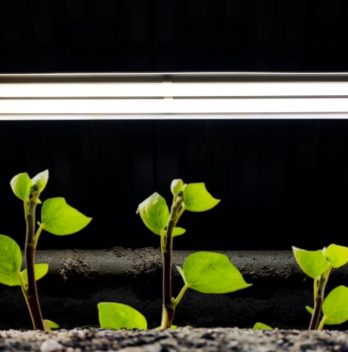
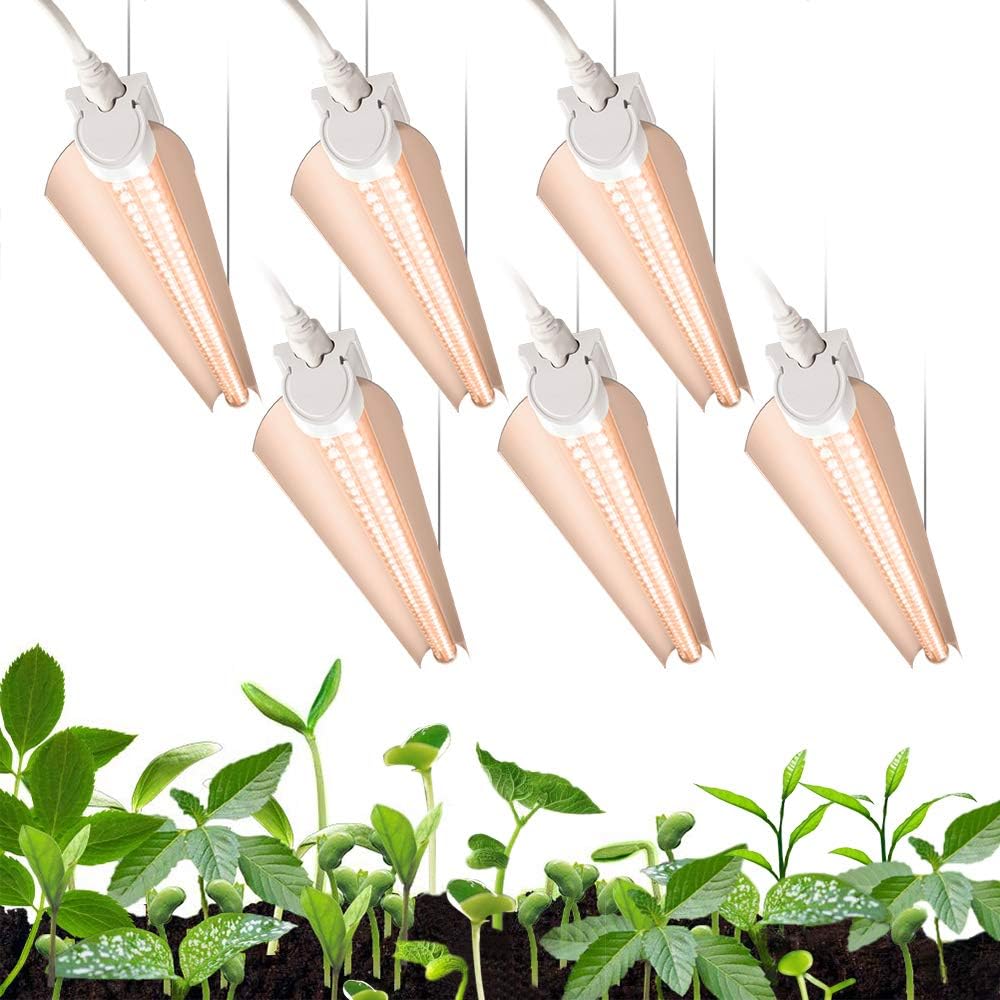
    Also, the seeds of basil are usually started indoors with the pot placed on a warm windowsill or under a grow light.

    You should begin to notice some sprouting after about a week of sowing seed.

    Click Here to Get More Info About:

    Growing Basil From Seed – How Many Basil Seeds Per Pot

    Starting basil plant from seed may sound new to you. But not to worry because this can go pretty easy for you if you do things the right way. Basil is also a fast-growing plant or herb that can germinate from seed in just about a week.

    So let’s look into how we can properly grow basil from seeds:

    • Firstly, you should make sure the danger of frost has elapsed when you plan to grow basil. This is because basil plants are not cold-hardy. Hence, they are sensitive to frost or cold. Matter of fact, you can wait to move your potted basil outdoors garden after about 7 to 10 days of your estimated last frost in your area. This is because the outdoor conditions may still be unpredictable so you can be sure the cold weather is done.
    • Next, plant about 5 to 8 seeds for each pot, or some seeds should be sprinkled in a seed starter kit. Then cover the basil seeds with a fine layer of compost.
    • A top-quality potting soil or a seed starter mix should be used. Mist the soil to make sure the soil remains a little moist but not soggy.

    Organic Basil Seeds Variety Pack – 7 Unique Packets of Non-GMO USDA Certified Organic Pure

    How Many Basil Seeds Per Pot
    • Once you’ve sown your basil seeds, you should begin to see some sprouting in about a week.
    • Then when you begin to see a set of true leaves and not the first tiny seeding leaves, you should thin them down to one or two seedlings for each pot.
    • Also, note that starting basil indoors with your pots should either be done beside a window (a windowsill is appropriate) or with the help of a grow light. You can also do direct outdoor seeding by putting your potted plant in your outdoor garden so far there is no danger of frost.
    • Eventually, the young seedlings of basil grown from seeds are usually transplanted into the garden outdoors. And basil plants usually do well after transplanting. Just make sure they are protected from too much wind or sun for some days until the plant has adjusted enough.

    Why You Should Consider Growing Basil From Seed

    Even though it’s pretty easy and fast to just purchase basil seedlings from your local garden stores or even local farmers’ market. There are still some wonderful benefits to growing basil from seeds. Some of these benefits have been stated below.

    • Growing Basil From Seed Is Easy

    Growing basil from seed is an easy thing to do and does not require any special skill or tools. All you need do is to get the right information on how to go about it and you should be good to go.

    • Cost-effective

    When you decide to grow basil seeds, it becomes an easy way of saving some money because it is a budget-friendly plan.

    Why You Should Consider Growing Basil From Seed
    • Advantages Of Successive Planting

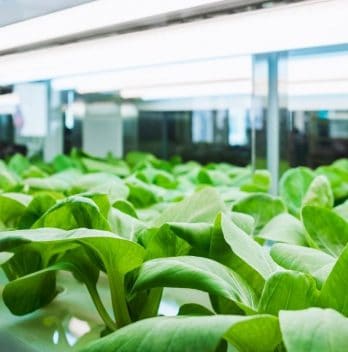
    Around the middle of summer, it may be difficult to find a healthy basil seedling. But if you want a continuous supply of high-quality basil leaves, then you can benefit from this by planting by starting a couple of basil seeds in pots. You can even grow them indoors under grow light and always have a non-stop supply of basil leaves.

    Conclusion On How Many Basil Seeds Per Pot

    So, we can see that apart from growing basil from their plant or seedlings, we can see that growing basil from seed is another easy method. It doesn’t require any special knowledge or tools. How many basil seeds per pot have also been discussed in this article.

    FAQ’s

    How many basil seeds do I need to plant in a pot?

    Ideally, you should plant about 5 to 8 basil seeds in one pot. You can commence your basil seeds indoors if the outdoor climate isn’t stable yet and you are not sure of the temperature outdoors.

    Can you grow multiple basil plants in one pot?

    It is possible to grow multiple basil plants in a single pot. However, it may be hard to maintain moisture when growing multiple basil plants in one container. So, it is recommended to use a very big pot if you plan on growing multiple basil plants in a single pot.

    How much space do you need between basil seeds?

    The ideal spacing between basil seeds should be about 2 to 3 seeds per inch in rows of 18 inches apart. However, a final spacing of basil can go around 4 to 8 inches apart for a healthier and fuller plant.

  • Best Green Beans For Canning

    Best Green Beans For Canning

    Freshly harvested green beans can be canned easily so they can be stored or preserved for year-round use. Best green beans for canning are what we would be looking at in this post.

    Green bean which is also referred to as string beans is an easy vegetable to be grown in our garden and they tend to be quite productive.

    It can be a pretty good idea to can your beans especially if you don’t want to freeze them. Canning beans can help preserve or store your green beans for some good time. So, you can preserve your green beans through canning during their offseason.

    Best green beans for canning are what you should look into if you plan on preserving some certain green beans varieties. So, you are in luck if the best green beans for canning are what you wish to know.

    Best Green Beans For Canning

    Green beans usually come in two styles which are bush beans and pole beans. So, we will be looking at both pole beans and green beans and mention some varieties that are great for canning.

    For pole beans, some of the varieties that are great for canning include:

    • Kentucky wonder
    • Blue lake FM-1
    The Best Green Beans For Canning

    For bush bean variety, some of the best green bean variety for canning includes:

    • Refugee
    • Provider
    • Contender
    • Goldmine
    • Strike
    • Stringless green pod
    • Blue lake 274
    • Tendergreen

    Now that we have seen some of the best varieties of green beans for canning, let’s further look into how the canning process is done.

    Click Here to Get Info About:

    Preparation Of Cans

    Select the canning jars you will be using to can your beans. Then make sure you scrutinize these jars and ensure there are no cracks in the glass. Go ahead and wash these jars in a hot and soapy water, then rinse them properly.

    Further, sterilize the jars by rinsing them a second time using boiling water. Also, the bands of the jar should as well be sterilized before you use them.

    It may please you to know that green beans homed canned beans usually have a better taste commercially canned beans you purchase from the store.

    You can avoid that metallic flavor and because salt is used for only flavoring in canned beans, you can just leave that part. So, this gives you full control over the amount of sodium you will be using in your canned beans.

    Ball Regular Mouth 16-Ounces Mason Jar with Lids and Bands (12-Units), 12-Pack

    717CsfF0XfL. AC SX679

    Green Beans Preparation

    You should select the appropriate green beans for canning to ensure smooth canning. Do a snap test with your green beans and select only crispy and tender pods. For instance, try to bend one of the fresh beans you’ve picked and if it snaps, then the beans are fresh and ready for canning.

    Once the green beans are old and limp, it is usually not ideal to be used for canning. This is because this type of old and limping green beans will tend to taste bad. Hence, make sure you properly sort your beans for canning.

    Any green bean that is showing signs of sogginess, wilting, spoilage or damage from insects should be thrown away.

    How To Properly Can Green Beans

    Here is how you can properly can your green beans:

    ·         Pressure Canner

    Green beans are low acid food so they can only be safely canned with the use of a pressure canner. This is used to achieve a high temperature that is needed to eliminate organisms that may cause food-borne illness.

    ·         Fresh Green Beans Should Be Harvested

    Ideally, harvesting green beans should be done during their prime as this is the period they will feel tender and small to medium size.

    Green beans are fast growers so it is ideal you pick them every day so they won’t grow too big. Choose green beans that are small to medium then tender and crisp to get the best quality of canned beans.

    Even though the large or seedy pods can still taste fine when you eat them, they however won’t hold that much when it comes to canning them. These types of beans usually get soft and even add unwanted starch that makes the canned jar become cloudy.

    Again, your green beans can be washed and stored initially in your bean zipper bags in the refrigerator for a couple of days until you have enough cans to load up your green beans.

    ·         Raw Pack Or Hot Pack Method

    You can pack your green beans into the canning jar using either by using the raw pack or hot pack method.

    Raw pack refers to a cold pack and this means filling the canning jars with raw beans then covering them with boiling water.

    Then when it comes to the hot packing method, the green beans are firstly cooked partially. Then they are packed into the canning jar and covered with boiling water.

    So, we can see that the raw pack is faster because there is no need for partial cooking. However, the hot pack method also has its advantages.

    Partially cooking these beans make them softer so it can create more space when you’re shoving them into the canned jar. Air is also removed from the tissue and this helps enhance the quality and shelf life.

    ·         Canner Cooling

    You need to ensure some time is given for the canner to cool down naturally and don’t try to rush the cooling. Once your green bean is cooled, then they are ready to be canned.

    Canned Green Beans - Canner Cooling

    Conclusion On Best Green Beans For Canning

    Canning beans can help you prolong the self-life. Best green beans for canning have been listed in this article and how you can properly can your green beans have been explained.

    FAQ’s

    Can you snap green beans the night before canning?

    Yes, it is possible to snap green beans a night before canning. So, once you’ve picked your green bean, washed them, stem their ends, then cut them into little portion sizes, you can go ahead and prepare them for canning.

    What is the most tender green beans?

    One of the most tender green bean varieties is the tendergreen improved variety. This green ban variety is great for home gardens for canning as well as for freezing.

    What are the best green beans for canning?

    Some of the best green beans for canning for pole beans are Kentucky wonder and Blue lake FM-1. Then examples of bush green beans variety for canning are provider, goldmine, refugee, contender, blue lake 274, strike, and stringless green pod.

    How do you keep green beans crisp when canning?

    Green beans can remain crisp when canned if you avoid over-processing the canning process. If you over-process them too long, it can cause the beans to go mushy. The ideal canning duration from the USDA is 20 minutes for pints and 25 minutes for quart jars.

  • Will Tomatoes Grow In Shade?

    Will Tomatoes Grow In Shade?

    Ideally, tomato plants thrive well under a normal condition of at least six to eight hours of sunlight every day. But what about a situation whereby you live in a zone where you hardly get sunlight, especially in your garden? Then you ask yourself: Will tomatoes grow in shade?

    Well, the answer is yes! You can grow tomatoes in the shade. However, there are certain varieties of tomatoes that are shade-tolerant that you can choose to plant. This and more are what you will find out about in this article.

    So if you’re asking if tomatoes will grow in shade?  Then yes, tomato plants can adjust to growing in shade but they will be more leggy. This is because of the way they try to get to where the light is. But let’s find out more.

    Will Tomatoes Grow In Shade?

    Certainly, tomatoes can grow in the shade even if they require direct sunlight. Tomatoes can adapt to shades. However, the plant will become leggier as they attempt to reach sunlight.

    Although, growing tomatoes in full sun is the best with at least six hours of sunlight daily. However, partial shade may still be okay. Look to choose the best spot for planting your tomatoes, then the center of your garden or by a wall that is facing south will be perfect.

    Furthermore, don’t plant them by a wall facing north or beneath a tree. At this point, you may still be wondering if tomatoes will grow in a shade. Planting tomatoes in a shade can still turn out great, however, do bear in mind that the yield won’t be as much as expected when they are being grown under the light.

    Read more about Reasons For Wilting Tomato Plants In Pots

    Tomato Varieties That Are Shade-tolerant

    Tomato plants grown in the shade will not yield many fruits and the fruits won’t get ripened quickly. Hence, this is why it’s advisable to go for small varieties of tomatoes like cherry tomatoes to be grown under shade.

    Going for the bigger tomato varieties can also turn out great in partial shade if it’s the ones with a shorter maturity date.

    So if you’ve decided to grow tomatoes in the shade, then take cognizance to make sure that factors like nutrients, water, and airflow are in high supply. This is really important, as it will determine how healthy your tomato plants will be as well as the plants’ yield while growing in the shade.

    Let’s see the list of the varieties of tomato that can be grown in the shade.

    • Classic Round Tomatoes: Carmello (Red), Arkansas Traveler (Deep Pink), Green Zebra, Siberia Red, Early Wonder (Dark Pink), Belize Pink Heart (Deep Pink), and Marglobe (Red).
    • Cherry, Grape, and Pear: Golden Sweet, Black Cherry, Ildi (Yellow), Evans Purple Pear, Juliet Hybrid (Red), Isis Candy Cherry, and Principe Borghese (Red).
    • Plum and Paste: Roma (Red), Mama Leone (Red), Redorta (Red), and San Marzano (Red).

    14 Rare Tomato & Tomatillo Garden Seeds Variety Pack 800+ Non-GMO Heirloom

    Will Tomatoes Grow In Shade?

    Providing Good Light For Tomato Seedlings

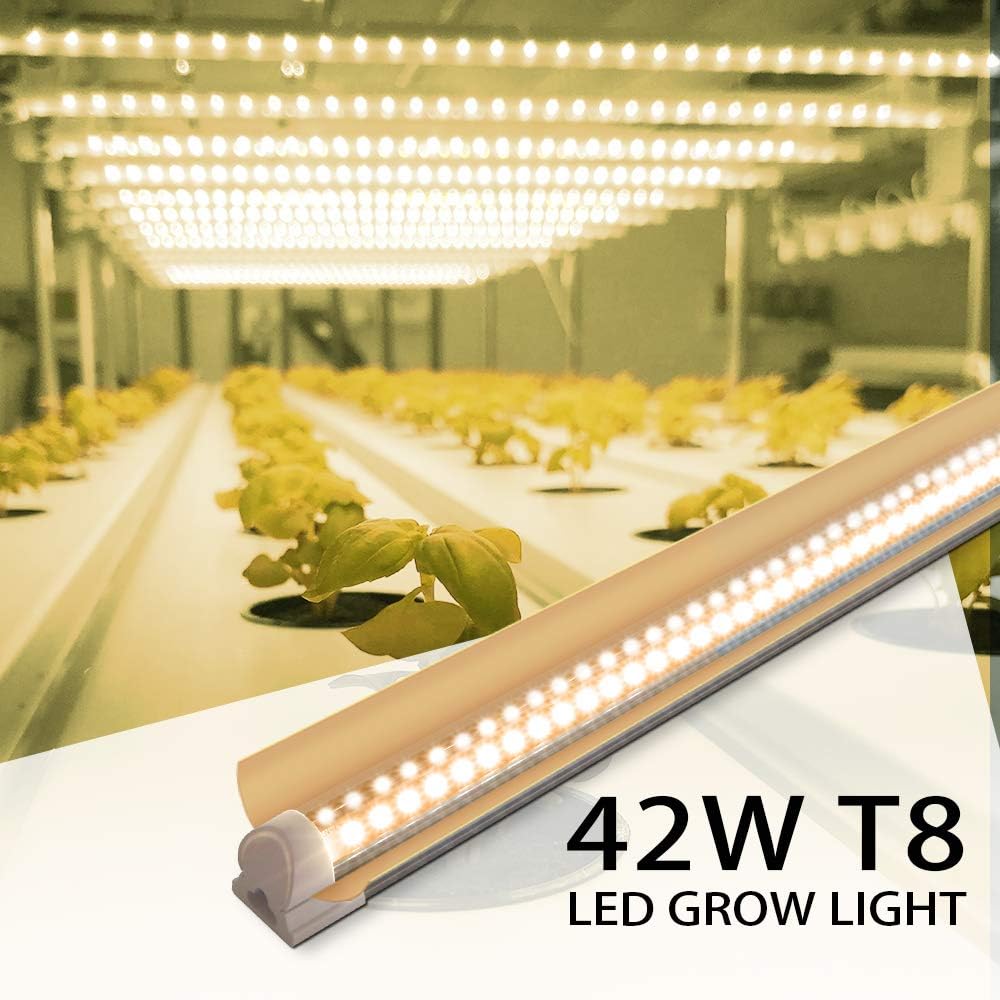
    Try providing adequate light, like a grow light, if you’re starting your tomato seeds indoors. This is because it is important they get adequate light when they are beginning to grow.

    Naturally, tomato plants form roots along their stem as they grow as sprawling vine. When you want to transplant your tomato seedlings and you find out they are leggy, you should remove part of the leaves at the bottom.

    Go ahead and transplant the seedling deep in the soil leaving a stem of at least two inches, with leaves, at the surface.

    Click Here to Get Info About:

    Looking At The Bright Side Of Growing Tomato Plants In The Shade

    Now that you have answers to your question: Will tomatoes grow in shade? So, let nothing stop you from going ahead and selecting shade-tolerant tomatoes and planting them in your shady garden.

    However, if it’s not a shade-tolerant variety, you should always have fewer expectations about your plant yield. You won’t be getting as much harvest compared to when growing tomatoes in full sunlight. But growing tomatoes in the shade will still turn out well if it’s a shade-tolerant variety.

    Looking At The Bright Side Of Growing Tomato Plants In The Shade

    Harvesting – Will Tomatoes Grow In Shade?

    If you want to know when your harvest will be ready, check the packet of your seeds for the maturity date. You should be expecting to begin harvesting your fruits after a few weeks from the maturity date.

    Hence, you should boycott growing the beefsteak varieties that don’t usually get ripened quickly even if they are grown in full sun. In partial shade, medium-sized and sometimes large varieties of tomatoes will turn out well at the end with good harvests.

    Growing cherry tomatoes in partial shade in addition to at least three to four hours of direct sun will turn out well at the end also.

    Furthermore, always bear in mind that tomatoes grown in the shade, be it partial or full, tend to have their roots and leaves remain moist for long when watered. This is due to the fact that they have the tendency of retaining water for too long as they don’t get enough sunlight to dry them out. Hence, the plants may become prone to disease if the soil is soggy.

    Hence, if you’re going to plant tomatoes in the shade, endeavor to space the plants and have them pruned. Make sure you create a channel from where there can be unhindered airflow. This will help in making the soil and leaves dry quickly.

    Harvesting - Will Tomatoes Grow In Shade

    Conclusion – Will Tomatoes Grow In Shade?

    Exploring growing tomatoes in shade or partial shade is a way of not limiting yourself to a particular set of vegetables to grow in your shady garden.

    Now that you are certain that some variety of tomato can grow in shade, go ahead and try your hands on the aforementioned varieties in this article.

    Don’t forget to let us know how the journey to growing tomato plants under shade turns out at your end.

    FAQ’s

    What happens if tomatoes don’t get enough sun

    If you’re growing tomatoes under partial-shade, have the expectation of lesser yield and slow fruit ripening from your plants. This is due to the absence of enough sunlight for at least six to eight hours.

    Can tomatoes grow without direct sunlight

    Yes, tomatoes can grow without direct sunlight. If you’re starting your seeds indoors, try providing adequate light, like a grow light for the plants. This is because it is important they get adequate light at their early stage of growth.

    How many hours of sun does a tomato plant need

    Ideally, a tomato plant should get at least six to eight hours of direct sunlight every day for a bountiful yield of fruits.

    Do tomato plants like morning or afternoon sun

    The time when the sunlight gets to hit your tomato plants doesn’t really matter. What matters is that the plants get at least six to eight hours of direct sunlight, be it in the morning or afternoon. Your tomatoes can be grown successfully.

  • What Is The Right Zucchini Plant Size?

    What Is The Right Zucchini Plant Size?

    Zucchini plant size is affected by the growing conditions turning out as tall or as short as the conditions you provided. Zucchini plants can grow to be quite big, so you want to make sure you have plenty of room in your garden. Most gardeners do not pay attention to the plant size but to others, it is a concern.

    So What is The Ideal Zucchini Plant Size?

    Well, it all depends on the type of zucchini that you grow and the space you have. If you want the best zucchini size, you should give this question some thought and try to figure out what works best for your environment.  This will help you make the right decision for your zucchini plants.

    How To Grow Taller Zucchini Plant Size

    Zucchini plants can generally grow to be around two to three and a half feet tall and four feet wide. To get taller zucchini plants, you need to provide more nutrients to the plant and make sure you provide adequate space for your plants.  You should also keep the fertilizer amount constant in order to keep the plant healthy. 

    The other thing is to not apply fertilizers too early or too late.  You should fertilize the plants during their growth stages so that they can grow and be healthy. Fertilize your zucchinis when planting and when they first bloom.

    Fertilizers such as fish emulsion, compost tea, and organic fertilizer are all good choices.  You also need to make sure that you don’t overwater the plants because this will stunt the growth of the plant. 

    You should give your zucchini plants about one inch of water a week, keeping the soil moist but not soggy. This will prevent the plants from becoming over-watered.

    Growing Zucchini – Zucchini Plant Size

    Growing zucchini plants is the easiest way to get a steady supply of fresh zucchini for summer meals. Grow a few of these plants and you’ll have fresh zucchini all summer long.

    Starting seeds

    Start seedlings indoors two to four weeks before the last frost date.  Zucchini seeds germinate quickly, so you don’t need much space or time to grow them.

    Sow Right Seeds – Non-GMO Heirloom Packet

    81zRDfzKlDL. AC SX679

    Transplanting

    Then transplant them outside as soon as the soil can be worked in spring. Plant them in rows between two to three feet apart. 

    Spacing

    Zucchini plants grow quickly, so give them enough room. The right spacing for Zucchini is six to eight inches between plants. You may need to experiment with the spacing to find what works best for your situation.

    You will also need to space out the pots that you have planted with Zucchini. The pot for your zucchini plant should be at least 12 inches deep and 24 inches wide. You should also not plant more than one Zucchini plant per small pot.

    Water

    For best growth, provide one inch of water a week.  Watering your zucchini often will keep them consistently growing at the right pace. Plant your zucchinis in a location where they will get full sun.

    Watering daily is not as important as you might think.  Zucchini need a lot of light and air so daily watering will not cause them any harm.

    Fertilize

    Fertilize when planting your zucchini outside and again when the flowers begin to bloom with a high-nitrogen fertilizer.

    Companion plants

    To keep pests away from zucchini, plant marigolds around the perimeter of the garden. Or use organic insecticide to deal with any kind of pests.

    How To Harvest – Zucchini Plant Size

    Wait until the fruit is six to eight inches long, then pick it. Pick the fruit before it’s too big, as it has the best flavor at six to eight inches long. They will be ready for harvest when the flowers have turned brown and dried up.

    When they are ready for harvest, cut them from the main stem using a sharp knife or scissors.  Avoid pulling them from the plants to prevent damage.

    How To Harvest Zucchini

    Final Thoughts On Zucchini Plant Size

    The zucchini plant size is an indication that the plant is either well fed or not. Be sure to use fertilizer and give your zucchini adequate space to grow. If your zucchini plants are bigger than average, this could be due to a defect or a disease.

    On the other hand, zucchinis should not be left to grow too big as they will not be as flavorful.  Start harvesting them when they are at least six inches long.

    Zucchini plants are usually harvested before they get very large as this will ensure that they continue to produce zucchini fruit for a longer time. There are many ways of growing zucchinis and choosing the right method can be very important.

    As mentioned before, it is best if you choose to grow them in containers as it can help to ensure that you have a good yield of zucchini fruits. You should also choose a variety that is suitable for your area because different areas have different environmental conditions and this will affect how the plants grow.

    FAQs

    How much space does zucchini need in the garden?

    Zucchinis can be grown on a large scale with a lot of space. Plant them in two to three feet apart spaced six to eight inches. They require sunlight for the best growth and can be grown in containers or raised beds.

    How many zucchinis do you get per plant?

    Zucchinis are easy to grow and produce lots of fruit per plant. Some varieties of zucchinis produce more fruit than others. On average, a zucchini plant will produce three to ten pounds of fruit per season.

    Do zucchini plants need support?

    Support is not required for most varieties of zucchini plants. However, some varieties of zucchini plants are so large that they may require support to keep them from toppling over. 

    What size grows bag for the zucchini plant?

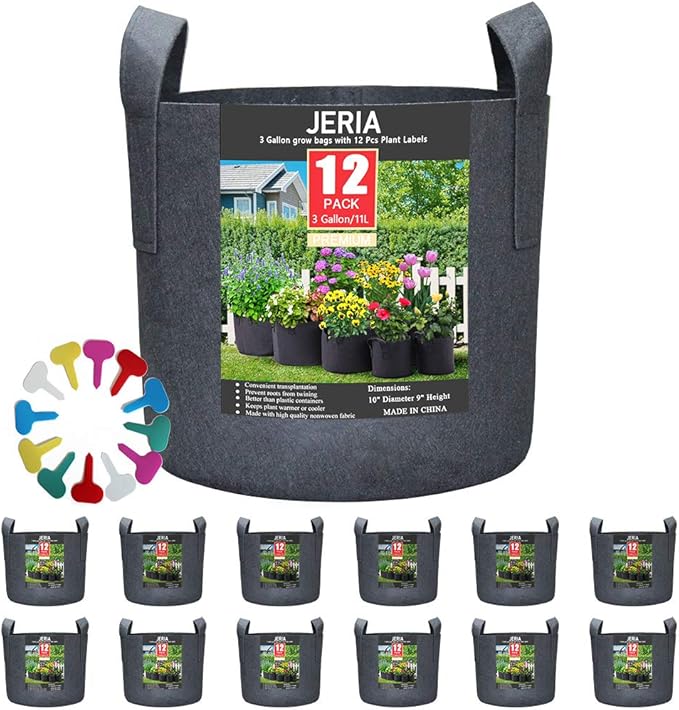
    You will need a very large grow bag (at least 5 gallons) for your zucchini plant. You can get one from Amazon or any other gardening store.  Zucchini plants are best planted in late April and May. However, some people prefer to start their seeds indoors in March so they have a head start on the summer heat. In general, most varieties of zucchini plants are started in late April and May.