Category: Tips & Guides

  • Low Light Succulents List

    Low Light Succulents List

    Do you know plants that are low light succulents? The space in your home might be limited for some extra house plants and you can’t display them where there is sunlight. You probably exhausted the number of windows where there is a shade to put your succulents.  Or perhaps there might not be enough sunlight in your area.

    Not too worry. We got a solution for you. Some succulents do well in low light and we will be giving you examples of these succulent plants. So read on to find out.

    Low Light Succulents

    Below are some examples of low light succulents that will do fine in whatever low light conditions they find themselves in:

    • The Snake Plant

    Snake plant, also known as the Mother-in-Law’s Tongue is one of the well-known succulents that can handle low light.

    This plant can handle the poorest management and it is regarded as indestructible! Snake plants can withstand low light to inconsistent watering, and so on. However, if you want them to keep looking buoyant and cheerful, you should give them adequate care.

    The snake plant
    • Aloe Vera

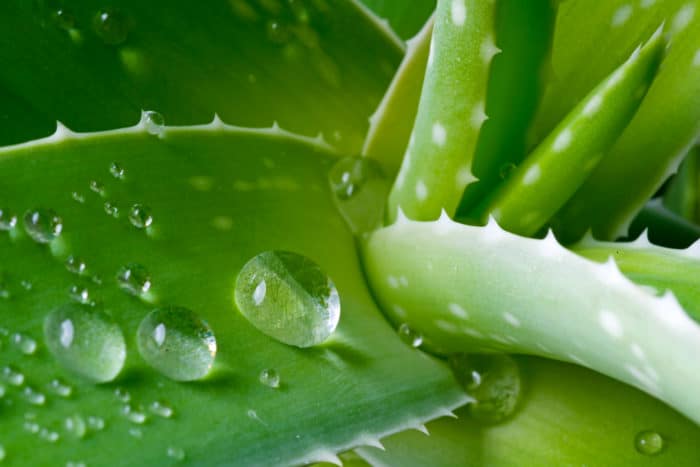
     Aloe Vera plant is also one famous houseplant. They do well in low light conditions. Their leaves are thick, fleshy, and green to bluish with some spines on their leaves’ edges. Its juicy thick leaves reserves adequate water thus, they can tolerate drought.

    • Schlumbergera or Holiday Cacti

    Schlumbergera also known as a holiday cactus is an epiphyte plant. The succulent cactus of this plant lives in a canopy tree.

    The holiday cacti cannot withstand too hot temperature and frost. Therefore, they fall under low light succulents. It is the absence of light that allows them to bloom beautifully. Examples of the holiday cacti include Christmas cacti, Thanksgiving cacti, and Easter cacti.

    • Rhipsalis

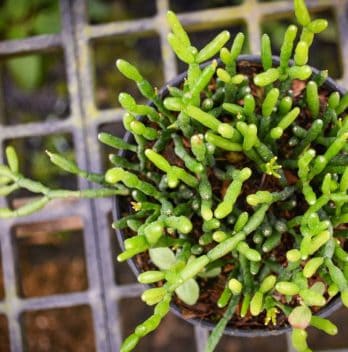
    Rhipsalis is an epiphyte, they grow on other plants and it’s from the cacti family. They are native to the rainforest.

    Rhipsalis can be a great addition to your low light succulents. They don’t do well in too hot climate or dry soil as their leaves can burn. It loves a cool or humid environment; therefore a bathroom is an ideal area to place it.

    Miracle-Gro Succulent Plant Food, 8 oz
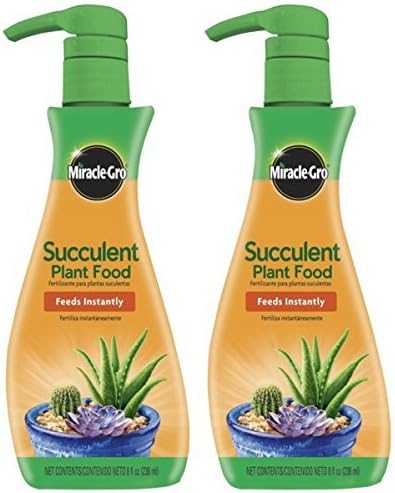
    511c%2BU

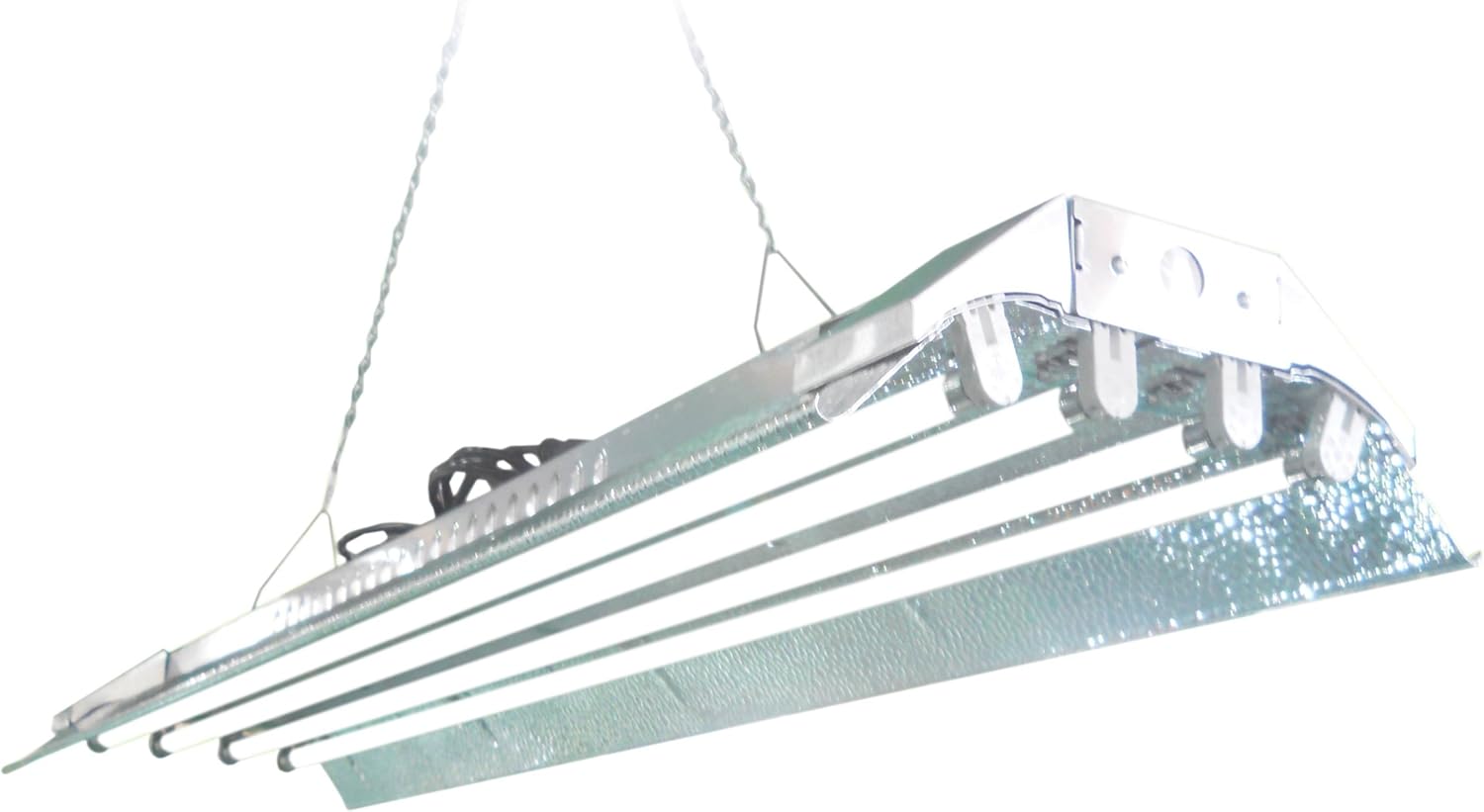
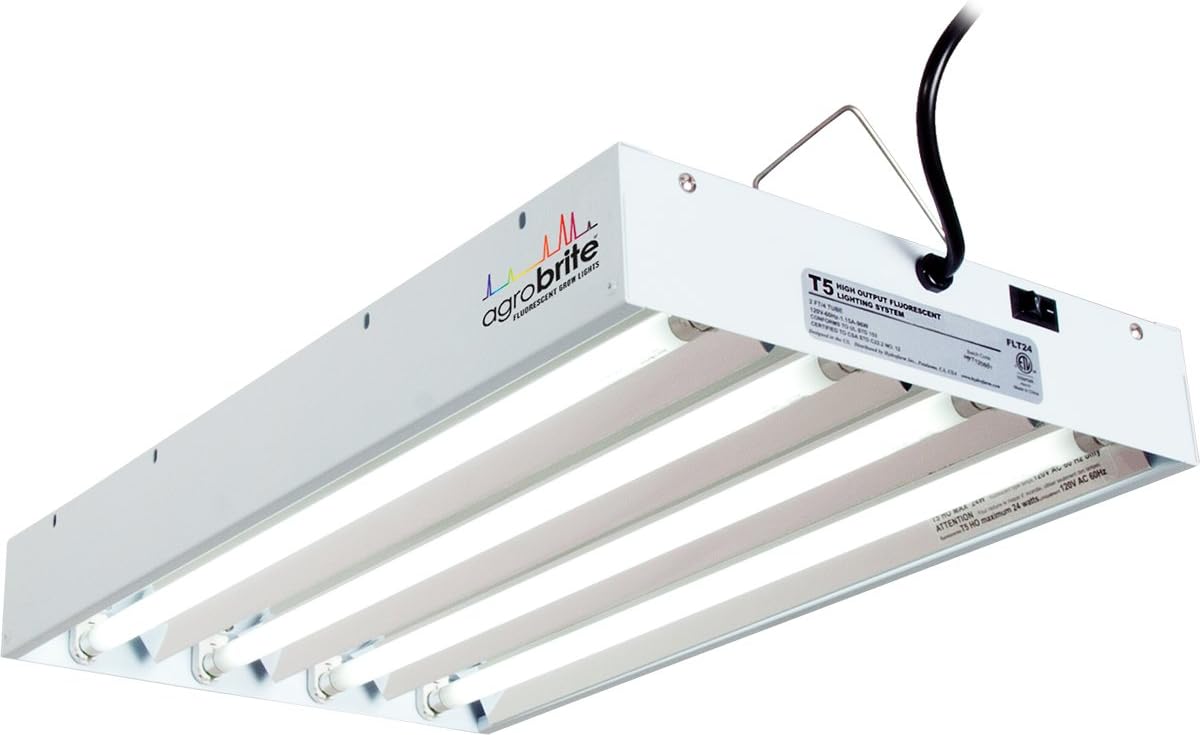
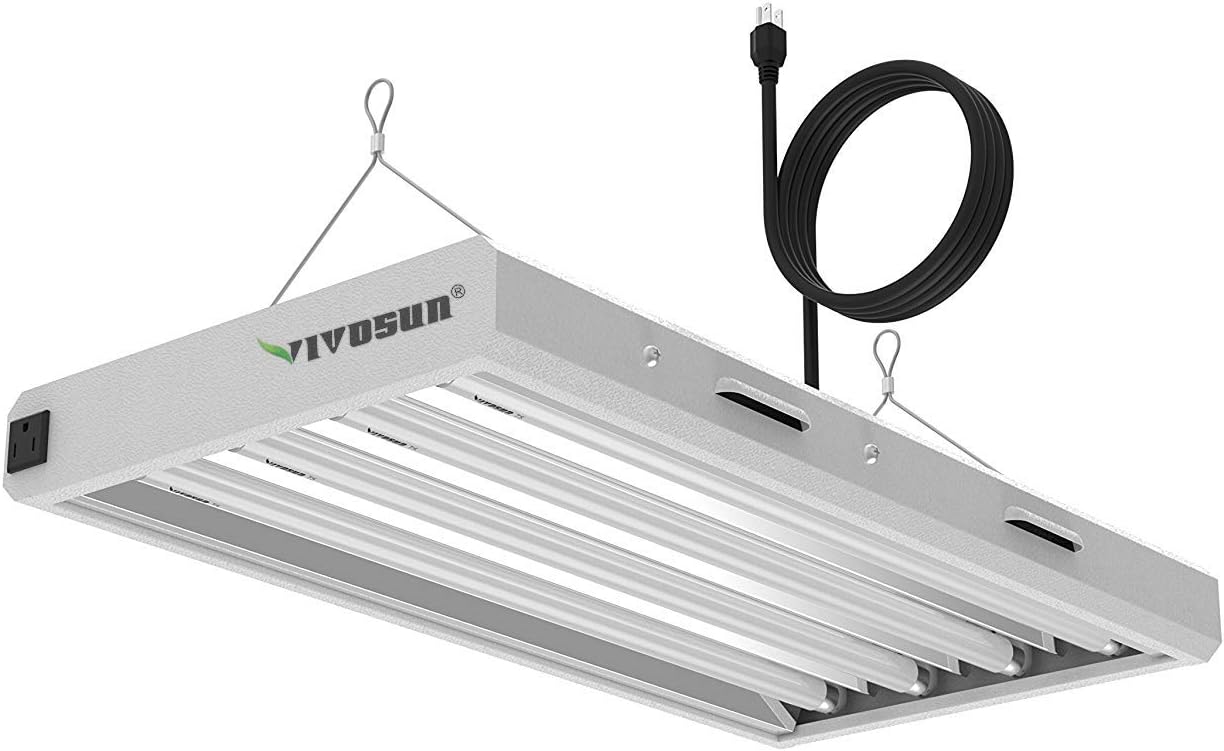
    Check out A List of Quality but Cheapest LED Grow Lights Online

    • Sedum Morganianum

    The Sedum Morganianum, Burro’s tail is a type of succulent that will thrive in low light. Their stems are thick which full of water to withstand drought.

    • Haworthia, Zebra Cactus

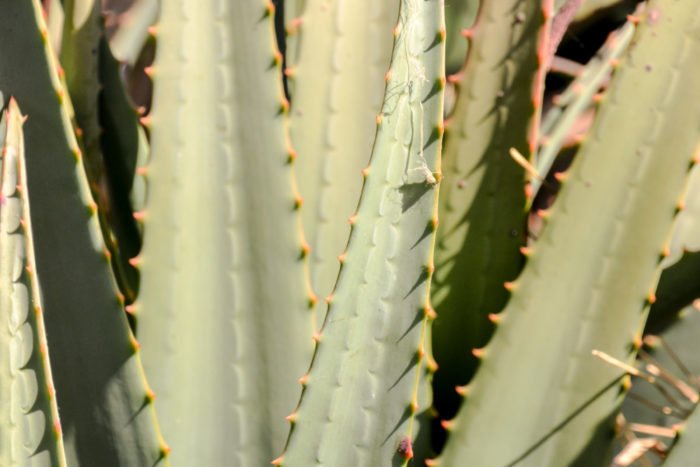
    Harworthia also known as zebra cactus is another example of low light succulent. However, they can also do well in a warm, bright environment. They mostly grow under bushes therefore they can thrive in partial shade.

    One major downside of Haworthia is watering, especially when associated with lower light conditions. Therefore, take care so you don’t over-water.

    • Gasteria

    Gasteria is another great choice for indoor plants that do not require much light. It’s best to keep them away from direct sunlight. Too much exposure to direct sunlight can cause their green color to turn yellow.

    Also, they do not need too much watering as their leaves can store adequate water.

    Gasteria
    • Ponytail Palm

    Ponytail palm also known as Beaucarnea recurvata are succulents from the Agave family. Even though they require bright light, they can as well flourish in low lights.

    Succulent Light Conditions

    Nowadays, more people are participating in house gardening and succulents are most of these common houseplants.

    This is because succulents plants are easy to manage and they don’t need a lot of supervision. They can store adequate water, they are drought resistant, and don’t require regular watering like every other houseplant. They also have the ability to preserve nutrients in their leaves.

    The first image most people have of succulents is desert! But this is mostly not so for all succulents. Some varieties of succulents do well in deserts or dry conditions, while some can as well flourish in non-desert conditions.

    Take for example the epiphyte succulents such as the Christmas cactus. Christmas cactus grows on large trees with a big canopy over the Christmas cactus. This canopy usually causes the absence or reduction of light and even with such conditions, they still do well.

    Normally, most succulents flourish in vivid light or medium-light at least. Even though they are very adaptive, there are various groups of succulents that may begin to etiolate with lack of sunlight. Etiolate happens when plants extend in search of sunlight. This may cause your succulent body growth to look somehow.

    The good news is there are a couple of these succulents that can handle lower light situations as listed above.

    FAQ’s

    Are succulents OK in low light?

    Succulents are fine in low light situations, although some species will do better than others.

    Succulents such as aloe vera and agaves are quite happy growing in full sun, but they do best with moderate amounts of direct sunlight. A few succulents such as the cacti prefer direct sunlight, but many prefer to grow under trees or shrubs. This is because the plants want to be in the shade, so if you want to grow them near trees or shrubs, you need to make sure there’s enough light to keep them happy.

    Are there shade loving succulents?

    Shade loving succulents are those that do best in partial or complete shade. Most prefer the cool temperatures of afternoon shade and full sun is not a requirement. Many grow in light shade in the home, but are very happy to be out in the garden too. Some prefer the shade of large trees, some are happy with the shade of shrubs and others like the shelter of a rock wall.

    Many succulents are naturally adapted to drought tolerant conditions and will only flower when they have enough water. It’s important to keep these plants well watered during the summer months. Some are also hardy in USDA zone 8 and can survive temperatures of up to 45°F. The most popular species are Aloe vera, Sedum and Sempervivum. These are all hardy in USDA zones 8 through 11, and are often used as houseplants or in pots. Sedum is also a popular choice for container gardens. Here’s a list of some popular shade loving succulents that will do well in a variety of locations. Some are easy to grow, others need more attention, but if you give them the right conditions they will reward you with their beauty year after year.

    Can succulents survive without sun?

    Some succulents do very well in partial shade, but not all. For example, the commonly available ‘Jade Plant’ (Crassula ovata) will not tolerate shade and is probably best grown with some direct sunlight. Similarly, Cacti do not like full shade, but are happy with some sun. A good place to start looking for your specific plant is on the Succulent Society of America’s web site at http://www.succulent.org/.

    Can succulents survive in a windowless room?

    Succulents are like mini trees, so they will grow just fine in a windowless room (as long as they get enough light to survive), but you can’t mist them. You will need to water them daily. I would not recommend fertilizing them unless you know what you’re doing. They can be easily damaged by over-fertilization.

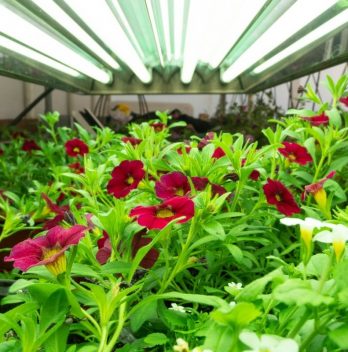
    Can succulents grow under fluorescent lights?

    Yes, they can. Fluorescent lights are a great option for people looking to grow plants in their home. They’re also easy to grow and maintain. The only downside is that you can’t leave them on for very long without burning your plants. If you’re growing under florescent lights, make sure to have your plants on a timer so you don’t burn them.

    Final Note

    Have in mind that not all succulents can tolerate low light. So be enlightened when you decide on choosing succulents for your home.

    With the points we have listed in this guide, we do hope you can make the right decision when it comes to picking low light succulent for your houseplants.
  • How To Propagate Succulents With Honey

    How To Propagate Succulents With Honey

    Succulent propagation is easy and fun. You just need to place your cuttings in the soil and watch it grow. Some ingredients can boost your propagated plants, and honey is one of these ingredients. Either you are propagating from a leaf or stems cuttings, we will teach you how to propagate succulents with honey.

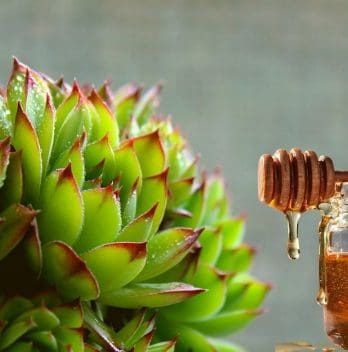
    Honey is a great substance for plants especially succulents. It contains nutrients that enhance root growth, thus, can be used as a rooting hormone. Therefore, if you would like to propagate your succulents, you can definitely make use of honey as root growth hormones.

    So, let’s discuss how you can propagate succulents with honey.

    Honey as Rooting Hormone in Succulent Propagation

    Honey will encourage the root growth of your succulents. Honey is a natural substance. So if you are the one that does not like using a chemical substance on your plants, you can opt for honey as a natural rooting hormone.

    More so, honey is readily available and affordable which is even better. Honey has antibacterial and antifungal properties which will go along way for the cutting of your root.

    Examples of the easiest succulent to grow with honey as a rooting hormone are Aloe Vera plants, Jade plants, Echeveria, Zebra plants, Panda plants, Sedum, Graptoverias, etc.

    How to Propagate Succulents with Honey

    For you to multiply small succulent plants, propagation by stem cuttings or leaf cuttings is the best way.

    Now when it comes to propagating your cuttings, you can either use water or plant succulents directly into the soil. We recommend you plant directly into the soil. Propagating with a water-based medium may not be ideal, your succulent root may rot and not grow well and your plants may eventually die.

    Planting your succulents directly into the soil is a great way. However, it may take a longer time for your succulents to root. This is why using a root growth hormone such as honey will be helpful. Honey will hasten the development of your succulent roots and protect the rotting of the root.

    Propagating Succulents from Leaves and Cuttings

    Firstly, when propagating your succulents, select only the healthy-looking succulents. Also, avoid plants with damaged leaves or dehydration.

    Leaves Propagation: carefully remove a couple of leaves from the bottom of your succulent plant with your fingers. The entire leaves must come off. Do this by gently twisting the leaves back and forth till it comes off.

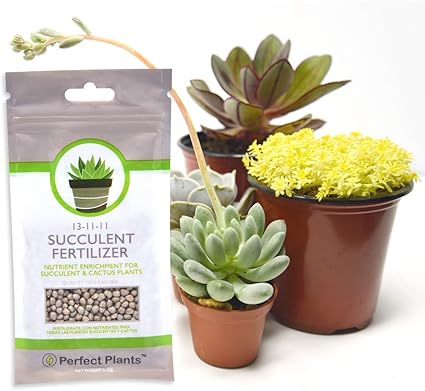
    Succulent Fertilizer by Perfect Plants – Light Rate

    61hhakUzSyL. AC SX425

    Read more about Scoria and Pumice: Pros and Cons for Succulent Growing

    Stem Cuttings Propagation: with stem cuttings propagation, make use of scissors or a sharp tool. Cut off then stem from the mother plant or you can cut an offset.

    After cutting, you will need to wait for some days for them to be dried out. Your cutting is like a cut and should be hardened till it forms a crustaceous covering. This covering is important to avoid cuttings infection.

    Applying Honey to Succulents

    Now, you can insert the open end of the dried out succulent into raw honey.

    Honey is an organic substance and you don’t have to worry about using chemicals on your succulent plants. It is an agent that will help stimulate the natural root hormones in your succulent cuttings.

    Honey will protect your developing propagated succulents from pathogens such as fungi and bacteria that may develop into root rot. Your propagated succulents will be kept safe till they grow stronger and bigger.

    Next thing is to find a tray with a drainage hole in the bottom and fill it with a cactus mix. Now lay the cuttings on the soil and make sure you don’t bury them. Ten you water your plant.

    Applying Honey to Succulents

    Watering is essential for rooting succulents. However, ensure you don’t water too much to prevent root rot. You can simply make use of a spray bottle to wet the soil sparingly. Only the topsoil needs to be wet and wet the topsoil whenever you see they are dry.

    Position the tray in indirect sunlight till plants begin to establish themselves. Avoid putting them in direct sunlight to prevent leaves burn.

    Have a lot of patients and you will begin to see small roots emerge in a few weeks. When you notice your plant’s roots have properly developed mature, you can slowly introduce them to direct sunlight. You can now transplant them into individual pots.

    Additional Information

    Even though there are other natural rooting hormones such as cinnamon and apple cider vinegar: honey can be your best option. Honey is affordable, easily accessible, and effective compared to other options.

    The main thing the rooting hormone does is to maximize the chance of rooting your succulents. However, you will need to add other factors to maximize the success of your succulent propagation.  These factors include good soil mix, choosing healthy succulents, well-draining pot, right watering, sunlight, and so on.

    FAQs

    Can you use honey to root succulents?

    Yes, you can use honey to root succulents! Honey is a great food for plants.

    It’s easy to work with and can be used in any potting mix.

    What are the benefits of using honey to root succulents? Succulents need a lot of water. They grow better in a humid environment, but some like to dry out. If they dry out too much, they will wilt and die. Honey can be used to add moisture to the soil or plant. It also adds nutrients and minerals to the soil, which helps keep the plants healthy.

    Honey is also a natural insect repellent and attracts beneficial insects to your garden. The ants that live around your house are a good example of this.

    What is the quickest way to propagate a succulent?

    If you want to grow your own plant from seed and have it thrive, there are three main methods: Sow the seed in a pot of soil with the correct light, temperature, and humidity levels, and leave it alone for a few months.

    After that, transplant the seedling to a larger pot and water it regularly. Eventually, the roots will grow out of the soil and into the soil. If you’re interested in growing your own plants, check out these articles about propagation. If you’re looking to buy plants, you can find them at many nurseries or online. Succulents are one of the easiest plants to propagate because they don’t need much care to grow. They like high temperatures and bright light, so you should be able to get them to thrive by giving them the right conditions.

    Is it better to propagate succulents in water or soil?

    You should propagate succulents in the same media that you want them to be potted up in later on. So in your case, if you want them to be potted in soil, then you should also propagate them in soil.

    The reason for this is that you are less likely to get any root rot issues when propagating them in soil. Another factor to consider is the pot size. If you are using small pots, then you may need to use soil as a medium because of the limited space inside the pot. But if you are using large pots, then you should probably just use water to propagate your succulents.

    Why are my succulents not propagating?

    If your succulents are not growing, they may be suffering from a lack of water. The best way to ensure that your plants receive the right amount of water is to use a rain gauge. You can also use a hydrometer or a rain gauge to check the amount of water in the soil. It’s important that you keep track of how much water your succulents need and how often they need to be watered.

    This will help them grow strong and healthy. Succulents require a lot of attention. They require plenty of sunlight and water.

  • Hydroponic Strawberries

    Hydroponic Strawberries

    Growing plants that produce fruits may not be quite easy with hydroponics, especially for beginners. This is so because of the required intensive work inputs and necessary maintenance.  However, that is not the case when it comes to growing strawberries with hydroponic.

    Strawberries cultivated in hydroponics do well and can yield abundant fruits all through the year. It is one of the easiest fruits one can grow with hydroponics. Let’s dive in and discuss some facts about growing strawberries with hydroponic.

    Hydroponic Strawberries

    Strawberry is a healthy food people love and the demand for it keeps increasing day by day. This is why farmers are designing various ways to meet market demands.

    A hydroponic farming system is one method you can use to cultivate strawberries fast and easy. For this reason, farmers prefer to cultivate their strawberry plants using hydroponics from runners.

    Growing Strawberries with Hydroponic

    One popular fruit to grow is the strawberries. Growing strawberries from their seeds with soil can take 2 to 3 years to mature. But when it comes to growing strawberries in hydroponics, it is fast and easy.

    The hydroponic system makes use of water solutions in which nutrients have been dissolved to grow plants. The method is fast, healthy, and will result in an abundant production of fruits.

    Getting Started: Growing Strawberries with Hydroponic

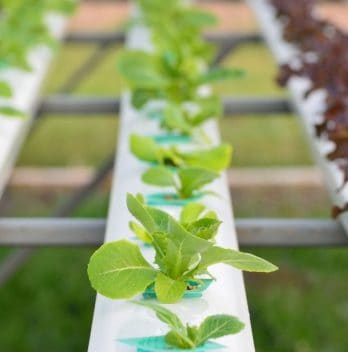
    Of course, the very first thing you need to do is to purchase a hydroponic system. You can either make use of a vertical hydroponic system or a hydroponic kit. However, a vertical hydroponic system will give you more space for growing and maximum yield.

    Procedures

    Next thing is to choose if you want to grow your strawberry from a seed or a young strawberry plant.

    The best way is to use a young strawberry plant and plant them in the net holes of your hydroponics system. You will need to rinse off the soil from the young strawberry plants and insert them into the net holes of the hydroponic system. Fill them with nutrient-rich water for hydroponics afterward.

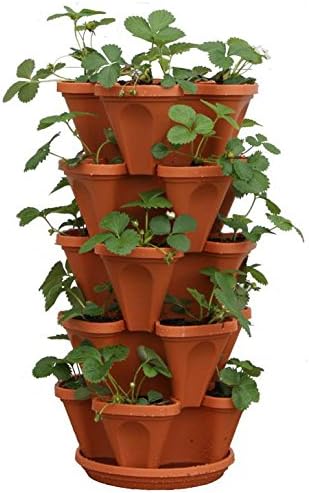
    Large 5 Tier Vertical Garden Tower

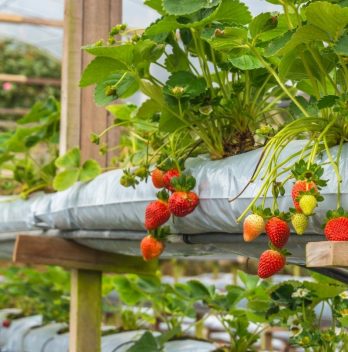
    Hydroponic Strawberries - Vertical System

    Read about Vertical Hydroponics System

    Light Requirements

    Next, you want to feed your strawberry with some proper light and adequate temperature. It is essential you provide adequate light to your strawberry plants so they can flourish and grow well. The temperature strawberry plants like is around 65 to 80 degrees Fahrenheit. Feed your strawberry plant with 8 to 10 hours of light daily. If you decide to grow your plants in a greenhouse, then your strawberry plants can obtain their light naturally. However, if they will be grown indoors, grow light will be needed to feed your strawberry plant with the needed light.

    Quality of Water

    Another important thing is water quality. Since the main ingredient providing nutrients is in the water, ensure you make use of a water filter instead of tap water. This way, you reduce the risk of introducing impurities to your plant water.

    pH Range

    The pH levels of your nutrient-filled water should range between 5.8 to 6.2. Use a pH meter to know the status of your pH level.

    Growing Medium

    Now to the medium used. Although there are various mediums available to be used, we suggest you use a simple, affordable, and available medium like coco coir. Coco coir is inactive and won’t interfere with the pH or nutrient level of your strawberry plant.

    Pollination Requirements

    When it comes to pollination, it is a key concern and must be planned. Strawberry plants possess both male and female flowers. Pollination is different in the outdoor and indoor hydroponic systems of strawberries. Outdoor hydroponic strawberry pollination is done by wind and bees. On the other hand, indoor pollination is done artificially by using a fan or gently brushing your hands along the flowers of the strawberry plants.

    Pollination Requirements - Hydroponic Strawberries

    Benefits of Growing Strawberries with Hydroponics

    There are lots of benefits of growing strawberries with hydroponics. Here are a couple of these benefits:

    • The Soil-based Disease Reduced: since there is no soil used, there is no room for soil-based pests, microorganisms, or pathogens to thrive.
    • Reduction in Use of pesticides: the need for pesticides and insecticides spraying on your strawberries fruits are reduced. This way, you enjoy fresh and healthy fruit production.
    • Fast Growth and Plenty Yield: using a hydroponic system for strawberries gives a quick yield and abundant production all year round.

    FAQ’s

    Do strawberries do well in hydroponics?

    Yes, strawberries do well in hydroponics. The trick is to choose the right nutrients for your system. They have shallow roots and are very sensitive to nutrient deficiencies. When I grew them in a hydroponic system, I had to fertilize the plants every two weeks. 

    For example, you need a good source of phosphorus for healthy roots. You also need calcium and potassium, which are more available in nutrient solutions than in soil. Also, you want a good source of nitrogen. Strawberries have shallow roots that grow into the medium in which they’re planted. If you put them in a hydroponic system, you need to provide some type of medium in which to grow the roots. For example, you could use sand, perlite, or peat moss. 

    When can you give strawberries their nutrients in a hydroponic system?

    With a hydroponic system, you can provide all the nutrients that your plants need right from the start. For strawberries, you want a medium that will hold moisture and nutrients without getting soggy. Strawberries are shallow rooted, and they like a loose medium.

    This means that you can just sprinkle the medium over the strawberries. You don’t have to worry about keeping it evenly moist. If you’re using sand or perlite, you can make the medium by mixing the sand or perlite with enough water to get it to the consistency you want.

    How do you make sure they get enough nitrogen?

    There are three ways you can get nitrogen into the plant:

    1. Use a foliar spray,

    2. Feed your plants with a liquid fertilizer, or

    3. Grow the plant on a medium that contains nitrogen.

    A foliar spray is simply water with a small amount of fertilizer mixed in. The fertilizer will be absorbed by the leaves and then carried to the roots. Liquid fertilizers are similar to foliar sprays in that they provide nitrogen, phosphorus, and potassium. They also usually contain a little bit of iron and calcium as well.

    What are the most important nutrients?

    First, let’s talk about why you might want to grow strawberries in a hydroponic system. You need a good source of phosphorus for healthy roots.

    With a hydroponic system, you can get phosphorus right into the plant from the start. Second, you want a good source of potassium. Potassium is used to build strong cell walls in plants. If you don’t provide a good source of potassium, the plant will have weak cell walls. You can get potassium from the soil, but it’s not always available. You also need nitrogen. Nitrogen helps the plant make amino acids. These amino acids are needed to build proteins, which help the plant grow.

    Final Say

    Strawberry fruit is one of people’s favorite and it might not be so easy to cultivate. It can take a lot of time to produce results from seed. But with a hydroponic strawberry system, it has becomes so simple for farmers to cultivate and meet people’s demands.

  • 5 Best Hydroponic Kits You Can Find

    5 Best Hydroponic Kits You Can Find

    The yield of your crops can be doubled or tripled in a well-maintained space such as a hydroponic garden kit.

    If you are one that lives in an urban environment and you don’t have adequate space for gardening outdoor traditionally: a hydroponics kit is for you. Also, if the season in your region is not favorable for an outdoor all year planting, a hydroponics system will solve the problem.

    What is Hydroponic Farming?

    Hydroponic farming is a means of cultivating plants without the use of soil. A hydroponic system is used for hydroponic farming. Hydroponics makes use of water which is a nutrient-filled aqueous solution, instead of the traditional soil.

    Hydroponics farming has revolutionized farming techniques in this 21st century. Different kinds of plants can be grown with a hydroponic kit such as herbs, root crops, flowers, fruits, and vegetables.

    Advantages of Hydroponic Kits

    Making use of hydroponic kits comes with a lot of benefits. Here are a couple of these benefits:

    Relies on water: Hydroponic relies on water instead of soil. All the necessary nutrients your plants will need for adequate growth is provided in the water of the hydroponic system. Therefore, there is no need for the plant’s roots to stretch and search for water, oxygen, and other nutrients.

    Gardening in minimal space: as we have mentioned, the plant root does not need to stretch for nutrients and other basic things. For this reason, your plants can be grown close to each other in a minimal space and you still enjoy optimal production.

    Climate controlled environment: you enjoy farming indoors where there is control in weather conditions. Thus, no need for your plants to endure or adapt to the harsh outdoor climatic conditions.

    Minimal pest and weed: most plant diseases are soil-borne. But with a hydroponic kit, there is a reduction in pests as well as weed control.

    Minimal use of chemicals: since there is a reduction of pest disease, there will also be minimal use of chemicals such as pesticides, fungicides, etc. Therefore, you enjoy clean, safe, and healthy foods.

    All year round farming: hydroponic kits offer you the advantage of growing each crop continuously, all year round.

    Aquaponics: another interesting advantage is the ability to raise both fish and vegetables. Aquaponics involves a closed system where water from the fish tank serves as the plants’ fertilizer.

    List Of The Best Hydroponic Kits

    If you want to save yourself the stress of DIY hydroponics grow system, you should select other options available in the market.

    Even though there are various types of hydroponic kits available in the market, choosing the appropriate one is important. This is why we have made the job of choosing easy for you by selecting the 5 best hydroponic kits. So, check them out to know your best pick.

    The best Hydroponic Kits

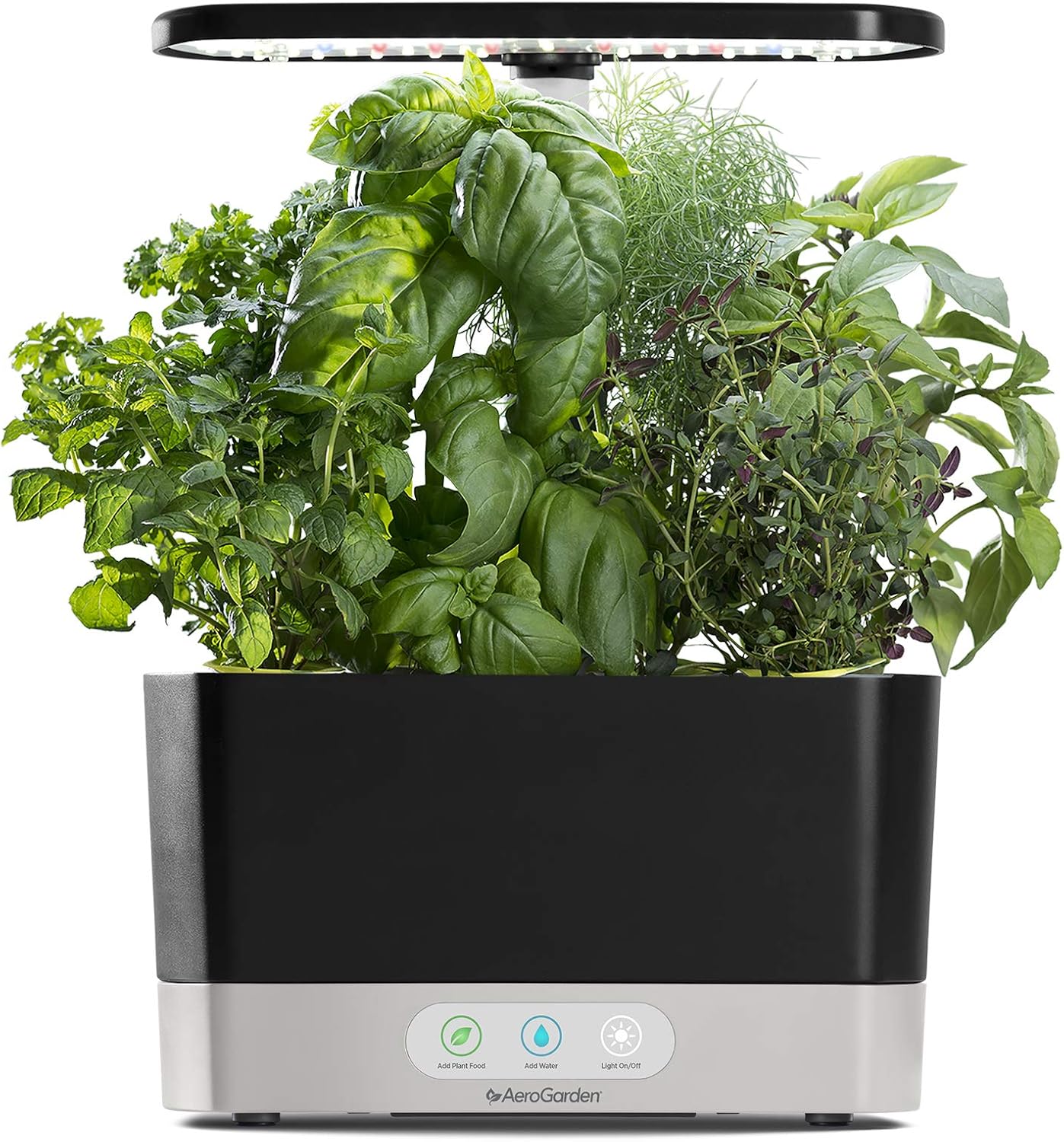
    1. AeroGarden Harvest-Black Indoor Hydroponic Garden

    Aerogarden Harvest Hydroponic offers you the pleasure of gardening in the comfort of your home. It is pretty comfy and can be placed anywhere in your home but it will be perfect if placed in your kitchen.

    Features

    The super easy to control Aerogarden Harvest Hydroponic saves you the stress and mess of dealing with soil.

    Additionally, you get to grow your plant naturally in water. It comes with a control panel that alerts you whenever water is needed. You can grow as many as 6 plants at once and your plants can grow tall up to 12 inches.

    The LED growing light has a great performance with a full spectrum output that imitates the outdoor natural sunlight. This light will maximize photosynthesis and increase natural growth which will result in plentiful yield.

    The automatic lights which have a timer turn on for approximately 18 hours, and off for 6 hours. However, there is a variation of this light depending on the type of plants. The effectiveness in the energy LED grow light maximizes the growth of plants.

    The liquid plant food is included and there is a reminder that always tells you when to add plant food.

    The beautifully designed Aerogarden Harvest Hydroponic is great as a present for any occasion. It can be gifted as a birthday gift, Christmas gift, thanksgiving gift, or a gift for your loved ones.

    The drawback is that the light is very bright and might hinder your eyes. This is why we recommend you find somewhere in your home where the reflection won’t have much effect on you.

    Pros

    • Easy to operate.
    • Saves you the stress and mess of dealing with soil.
    • Enjoy 5 times growth rate and yield.
    • Plant food and water reminder.
    • Automatic light with timer.

    Cons

    • Too bright light and might obstruct one’s eye.
    Hydroponic Kits - AeroGarden

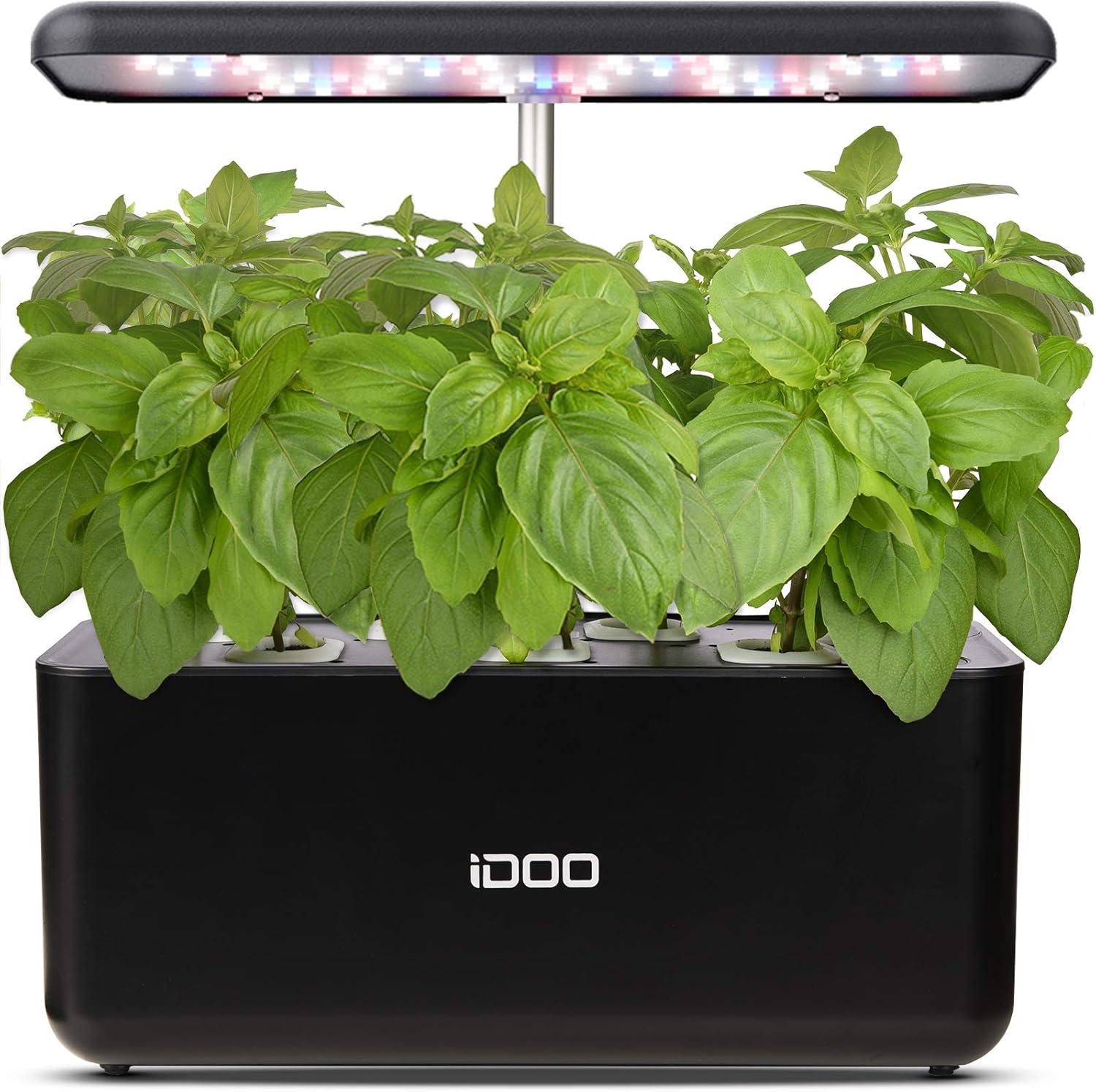
    2. iDOO Hydroponics Growing System, Indoor Herb Garden Starter Kit

    The iDOO Hydroponics Growing System, indoor herb garden starter kit features LED grow light, smart garden planter for the home kitchen, automatic timer germination Kit, and Height Adjustable.

    Features

    The 7 pods iDOO Hydroponic System is specially designed for planting vegetables and herbs. It allows you the pleasure of growing up to 7 different plants. Get to enjoy fresh veggies and herbs in your kitchen exactly when needed.

    We appreciate the various grow light modes which will help your plant grow adequately. The automatic light timing of the LED full-spectrum system is highly essential for the germination of your plants. The full-spectrum LED light mimics sunlight allowing your plants to grow faster, maximizing harvest.

    Additionally, there is a feature of height adjustability. As your plants grow continually at their various stages, you can adjust the top part of the lightening up to 13.4 inches.

    One negative point of iDOO Hydroponic system is that it doesn’t come with seeds, but it has every other thing needed.

    Pros

    • Comes with 7 pods to plant 7 different plants.
    • Adjustable heights.
    • Adequate light mode for optimal growth.

    Cons

    • Seeds are not included.


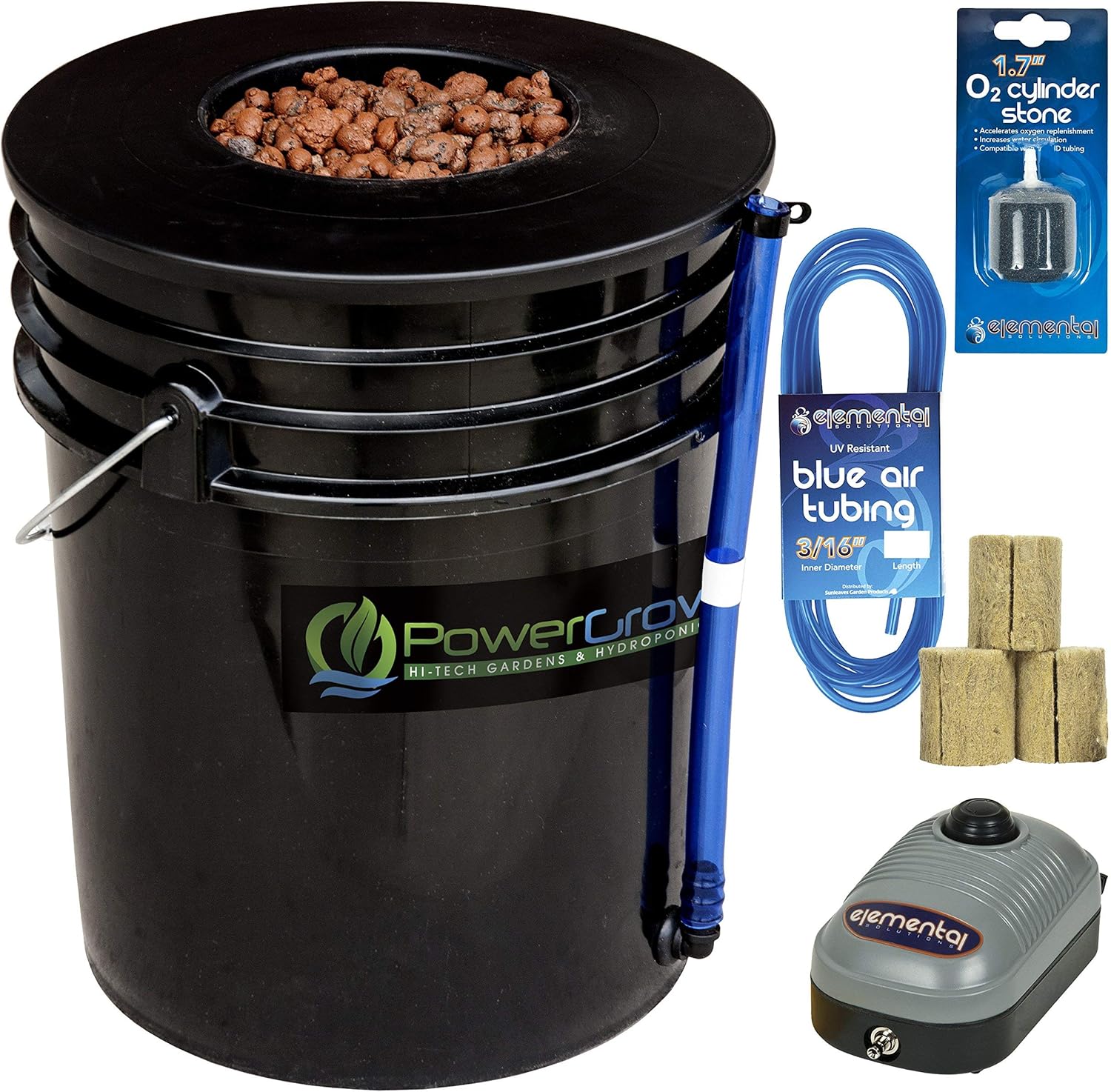
    3. Deep Water Culture (DWC) Hydroponic Bucket Kit 5 Gallon, 6 inch

    Another hydroponic kit we recommend is the deep water culture hydroponic bucket kit. This hydroponic complete system is easy to use and it’s budget-friendly.

    Features

    Deepwater culture hydroponic kit is perfect for beginners because it is easy to operate. It is a great option for most plants. The bucket is firm and durable making it a great option for bigger plants.

    There is an indicator for the blue water which is transparent. The bucket is also able to drain.  Also, the air pump operates quietly.

    The solution which is abundant in oxygen and other nutrients will boost the root and general growth of your plants. Be rest assured of rapid growth and robust harvest.

    The main downside is the pump. Although the pump is okay it could be improved.

    Pros

    • Perfect for beginners and easy to operate.
    • Ideal for bigger plants.

    Cons

    • The pump could be improved.
    • Airstone could be made better.
    Hydroponic Kits - Power Grow

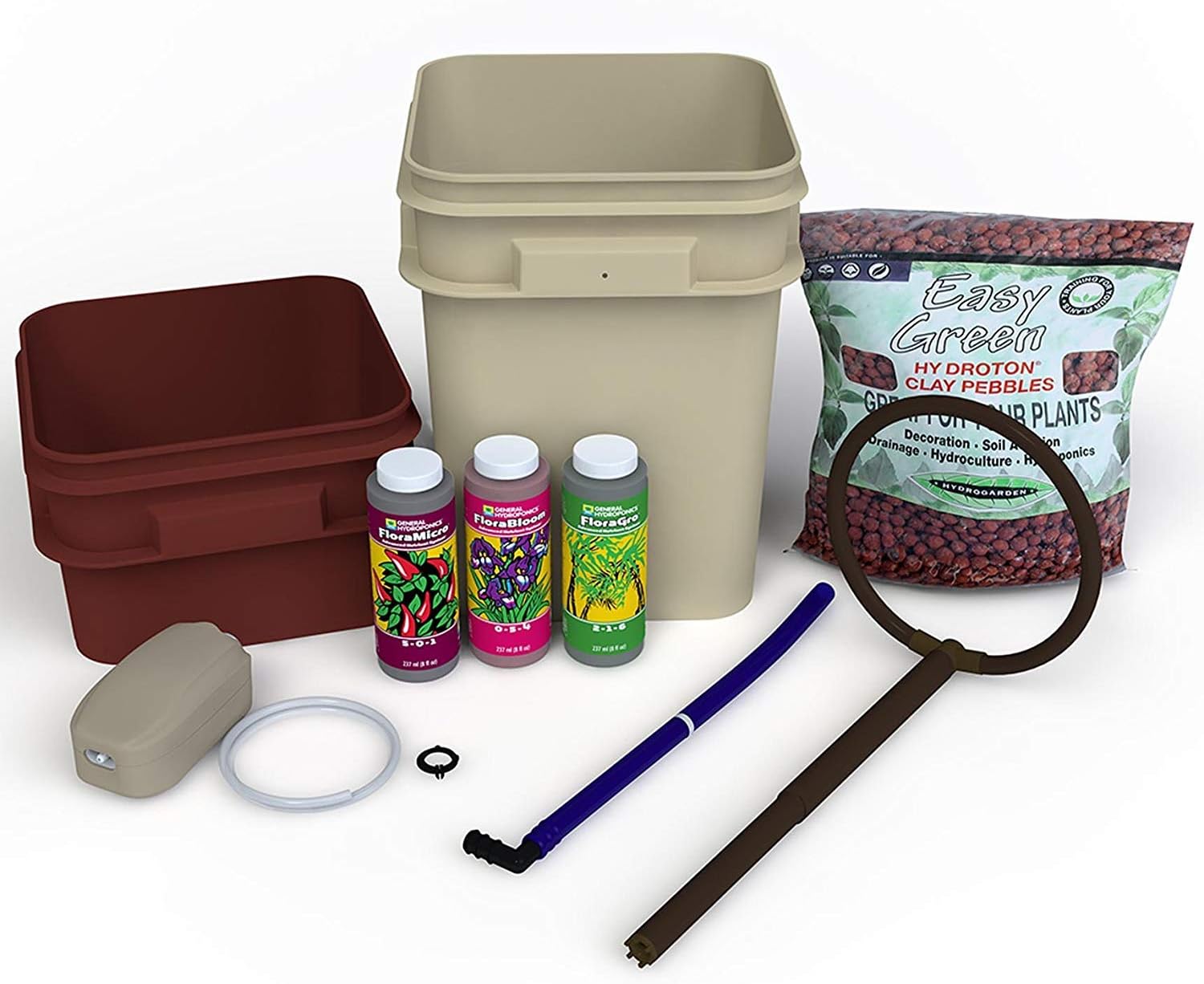
    4. General Hydroponics Waterfarm Complete Hydroponic System Grow Kit

    With this General Hydroponics Water farm, you get the value for your money spent.  You can add this hydroponic to one of your picks.

    Features

    General Hydroponics (GH) water farm is easy to operate and it’s durable and lasts longer. It is ideal for growing all sizes of plants (small, medium, and large).

    An additional feature is the water timer which can run as long as you set it. It does not consume much water.

    It comes with GH nutrients, air stone, air pump, and every other thing. It’s an all in one package. Therefore, there’s no need to spend extra money on anything.

    The drawback is the pump splashes water a little but it can be managed.


    Pros

    • Easy to operate.
    • Water timer.
    • Comes with everything you need.
    • You can grow all plant sizes.

    Cons

    • Water may splash a little.
    • The pump can be a bit noisy. 
    71W1T9MlV1L. AC SL1500

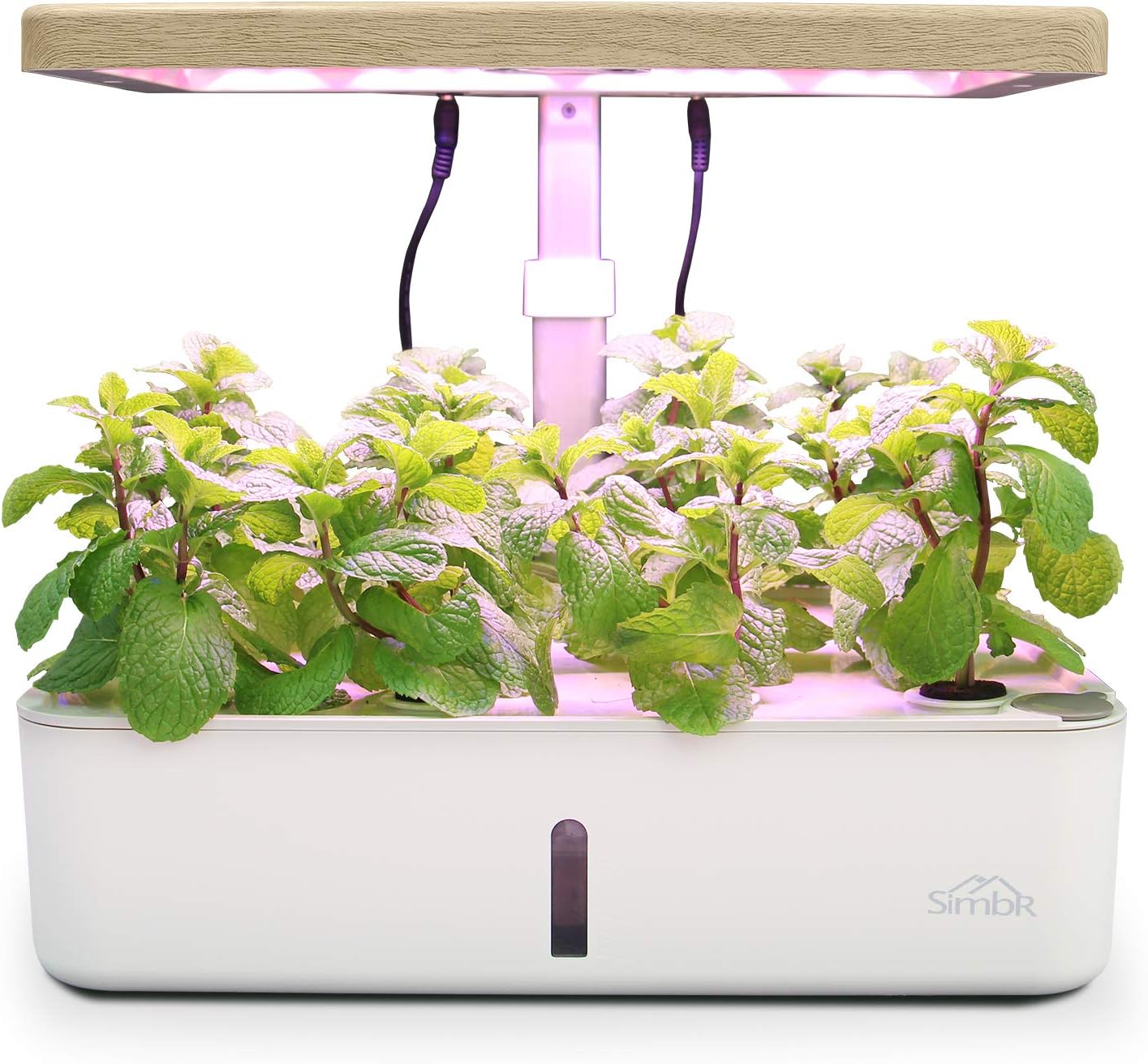
    5. inbloom 12 Pods Hydroponics Growing System Kit, Herb Garden Planter Indoor Kit

    The inbloom Hydroponics growing system is ideal for indoor gardening. It is well equipped and easy to set up even with your kids.

    Features

    You can grow up to 12 different plants with inbloom Hydroponics kit. It is perfect for growing herbs, foliage, or vegetables. You can as well grow flowers and fruits.

    It comes with automatic in-built LED lights. The LED light maximizes photosynthesis which will feed your plant growth and harvest rapidly.

    We admire the adjustable height from 7 to 12 inches tall growing with your plants. There is also an in-built fan and water pump for adequate oxygen. The 4-liter tank is sufficient to last for 2 weeks when filled and the water level is very visible.

    inbloom Hydroponics kti can be a lovely gift for anyone. It will look beautiful anywhere you decide to set in your home.

    Pros

    • Garden kit for 12 different plans.
    • Adjustable height up to 11.8 inches.
    • A 4-liter water tank that lasts up to 2 weeks.

    Cons

    • No seed included.
    71S5vWjnrmL. AC SL1500

    Buying Guide for Hydroponic Kits

    In other to increase your chance of picking the best hydroponic kits, we will give you some tips on how to pick. There are some things you should consider when choosing. We have identified these points so you can make the right decisions.

    Points to Consider When Choosing Hydroponic Kits

    • Dimension: The first thing you should consider is space. Know the exact dimensions of the product so you can have where to keep it in your home.
    • Height: Also check for the height of the hydroponic system. Is the height adjustable? You will need more vertical space just in case you want to grow taller plants.
    • Plant holding capacities: This is so you know how many numbers of different plants it can contain.
    • Automated: Some hydroponic are automated and basic things can be taken care of. Things such as light provision, pumping water, oxygen pump, etc. This way you know how much or less you need to contribute.

    FAQ’s

    Which hydroponic system is best?

    Before you buy a hydroponic system, you need to know what you’ll be growing. Will you be growing vegetables or herbs? Some hydroponic systems are more suitable for one than the other. For example, some systems are better suited for herbs because they have a larger reservoir. If you’re going to grow tomatoes, you’ll want to get a system that has a reservoir with a large volume to store water. The size of the reservoir will depend on how much food you want to grow and how big you want your plants to be. You’ll also need to know whether you’re going to use an LED light fixture or a HID light fixture. LED lights are more energy efficient and produce a better color spectrum than HID lights, which makes them better for growing flowers and veggies. You can find hydroponic systems with both LED and HID lights, so you can decide which is best for your needs. If you’re growing indoors, you’ll need to make sure there’s enough room to build your system. You don’t want to have to move your system every time you want to water it. You may have to plan ahead for this if you’re growing in a small apartment or condo. If you’re growing outdoors, you may not need as much space. Just make sure that you have enough space for the tubing to run through. You may have to dig a trench for the tubing, depending on the size of the system. This will allow you to move the system around and keep it from getting damaged. Most hydroponic systems are DIY projects, so you’ll need a few basic tools. You’ll need to have some pipe cutters, pliers, and a hacksaw. You’ll also need a drill, a saw, a hammer, and a hand saw. If you don’t have any of these, you can get them at your local hardware store.

    What is the difference between AeroGarden and hydroponics?

    Aeroponics and hydroponics are both types of farming that use a combination of air and water to grow plants. Aeroponics is a type of hydroponics that involves placing growing medium in an airtight chamber, usually called a rooting container, with the roots of a plant hanging down into it. The plant’s leaves hang above the surface of the rooting container, while the roots remain submerged.
    The roots are fed nutrients through a misting system or misting dome. The roots take in these nutrients from the air, and the leaves receive them from the nutrient solution. Aeroponics is often used for high-value crops, such as leafy greens and herbs. Hydroponics, on the other hand, uses water and growing medium (such as soil, peat, sand or vermiculite) instead of air. The roots of a plant grow through a growing medium that holds the nutrients required for growth. Hydroponic growing mediums are usually placed in trays or pots, which can be filled with growing medium or water. Hydroponic systems have become more popular in recent years because they are easier to maintain and require less space than traditional soil-based gardening methods. They also don’t rely on soil-borne pests, which means that pests are less likely to attack your plants. There are many types of hydroponic systems available today. Some are designed for indoor use, while others are intended for outdoor use.

    Conclusion

    We hope this article guides you in choosing which option suits your needs when it comes to picking the best hydroponic kits.

    So, get to enjoy total control over gardening with hydroponic kits!

  • Neem Oil Fungicide

    Neem Oil Fungicide

    If you are struggling to mitigate fungal disease in your garden, one sure solution is neem oil fungicide. Apart from the pesticide job that neem oil does, it can also work as a fungicide and miticide. Therefore, neem oil works three in one!  Amazing, right?

    Fungi Disease

    It can be pretty disturbing when fungi invade your plants. The majority of plant diseases are caused by fungi. You must act fast when you spot any fungi activities in your garden before they spread uncontrollably.

    Signs of Fungal Infestation

    The first step to battling this fungal disease is to identify the presence of a fungal infestation. Fungal infestation can affect any plant. Here are the signs to look at for when it comes to fungal infestation.

    • White Mold: white mold, a fungi infestation, caused by sclerotinia begins to form on your plant leaves and also cause stem rot. It can eventually lead to plant death.
    • Powdery Mildew: fungal infestation will cause powdery mildew on your plant leaves.
    • Stem Rust: the stem of your plant begins to rust with a fungal infestation.
    • Leaf Yellowing and Rust: the leaves start to rust, especially corn leaves. Also, you may notice your plant leaves start to turn yellow. Sometimes your plant leaves may have some brown spot.
    • Seedling: your plant seedlings start to dampen.
    • Berries: you may notice some bird-eye spot on your berries.

    Neem oil as Fungicides Treatments

    When you have confirmed fungal infestation in your garden, you can now opt for neem oil as a treatment. Neem oil is an organic fungicide treatment safe for treating fungal infestation as well as protection against subsequent infection.

    Neem oil treatment is non-toxic and can be applied to a fruit tree, leaves, stem, and soil.

    Fungi Disease

    Apply neem oil every 7 to 14 days as a preventive measure against fungi disease. To effectively treat fungal disease already present, spray neem oil on the affected plant on a 7-day schedule. Do this until the fungal disease is eliminated.

    Spray neem oil fungicides in the evening time or early morning only. Avoid spraying neem oil during the hot periods to prevent the burning of leaves.

    Recommended Neem Oil Fungicide

    We recommend these neem oil fungicides for your plant:

    Garden Safe HG-83179 Neem Oil Extract Concentrate

    Garden Safe, a component of neem oil, is a three-in-one product (fungicide, insecticide, and pesticide). It is a safe measure for treating and controlling different fungal diseases such as powdery mildew, white mold, leaf and stem rust, bird-eye spot, tip blight, and so on.

    Simply mix concentrated garden-safe neem oil with water and spray your plants. Make sure you read the label and follow the instructions for accurate results.

    Garden-safe neem oil can be applied to flowers, roses, houseplants, and ornamental trees. It can also be applied to vegetables, fruits, and shrubs. With Garden Safe, you can assist your plants and help them grow safely and healthy throughout the growing season.

    It can also be used as a dormant spray, protecting your plants throughout the season.

    Amazon Choice Selection
    Garden Safe Neem Oil Extract Concentrate
    $10.97

    For Organic Gardening, Fungicide, Insecticide, Miticide, Neem Oil For Plants, 10 fl Ounce

    We earn a commission if you make a purchase, at no additional cost to you.
    06/12/2026 01:05 pm GMT

    Monterey Neem Oil Insecticide, Miticide and Fungicide Ready to Use Spray

    Another 3 in 1 neem oil is the Monterey neem oil. There is no need to mix it. It is ready to use; all you need to do is spray Monterey on your plant.

    Monterey is formulated to prevent and control all kinds of fungi diseases, insects, and mites.

    It works well on houseplants, flowers, roses, vegetables, fruits, shrubs, and trees.

    Monterey Neem Oil Insecticide, Miticide and Fungicide Ready to Use Spray
    $24.49

    Controls Black Spot, Powdery Mildew, Rust, Need…

    We earn a commission if you make a purchase, at no additional cost to you.
    06/11/2026 04:05 pm GMT

    Pure Zuprime Neem Oil for Plants

    Pure Neem Zuprime pure neem oil concentrate offers effective fungicide control on houseplants, flowers, trees, and shrubs.

    Apply 3ml to 7ml of neem organic pure oil per quart of water inside a spray bottle and spray your plant. Spray neem oil organic early in the morning or late in the evening to avoid burning the leaves. Ensure you always read the instructions on the label for accurate results.

    Neem oil organics can also serve as a dormant spray by protecting your plants throughout the seasons.

    Pure Zuprime Neem Oil for Plants – Organic Neem Oil Spray for Plants
    $25.99

    100% Cold Pressed Neem Oil, All-Natural Neem Oil Concentrate Leaf Polish for Plants, Pure Neem Oi…

    We earn a commission if you make a purchase, at no additional cost to you.
    06/11/2026 03:02 pm GMT

    Neem Oil as a Fertilizer: Benefits for Your Garden

    While neem oil is primarily known for its pest-repellent properties, it can also offer benefits as a natural fertilizer. Neem oil is rich in nutrients that improve soil health and plant growth. Here are some key advantages of using neem oil as a fertilizer:

    1. Rich in Nutrients: Neem oil contains nitrogen, phosphorus, potassium, and micronutrients that are essential for plant growth. These nutrients support healthier roots, stronger stems, and increased foliage.
    2. Improves Soil Health: When neem oil breaks down, it enriches the soil with organic matter. This improves soil structure, boosts moisture retention, and promotes beneficial microbial activity, which enhances overall plant health.
    3. Natural Pest Control: One of neem oil’s unique advantages is its dual role. It acts as a fertilizer while also deterring harmful pests like aphids, spider mites, and whiteflies. This reduces the need for chemical pesticides and keeps your garden healthy.
    4. Slow-Release Properties: Neem oil breaks down slowly, releasing nutrients over time. This provides a steady supply of nutrition to your plants, reducing the need for frequent fertilization.
    5. Safe for the Environment: Being organic and biodegradable, neem oil is eco-friendly and safe to use around pets, children, and beneficial insects like bees and ladybugs.

    Neem Oil as a Mosquito Repellent

    In addition to its uses in gardening, neem oil is an effective natural mosquito repellent. Its strong odor and active compounds make it an eco-friendly alternative to chemical repellents. Here’s how neem oil helps keep mosquitoes at bay:

    1. Natural Insect Repellent: Neem oil contains compounds like azadirachtin, which disrupt mosquitoes’ lifecycles. It repels adult mosquitoes and prevents larvae from developing, reducing their population over time.
    2. Safe for Skin: Neem oil can be applied to the skin when mixed with a carrier oil, such as coconut or olive oil. When used, it creates a protective barrier that mosquitoes dislike, making it a natural alternative to DEET-based products.
    3. Long-Lasting Protection: Unlike chemical repellents, neem oil provides durable protection without harmful side effects. It can be reapplied as needed, making it ideal for outdoor activities.
    4. Environmentally Friendly: Neem oil is biodegradable and non-toxic, making it safe for use around pets, plants, and the environment. It doesn’t pollute water sources or harm beneficial insects.

    Using neem oil as a mosquito repellent allows you to enjoy outdoor spaces without worrying about harmful chemicals or constant mosquito bites.

    Let’s take a look at some of what we discussed above:

    • Neem oil fungicide is a safe organic treatment for various fungal diseases in plants.
    • Applying neem oil on all food plants is safe.
    • Neem oil works amazingly as an all-purpose insecticide repellant, mite repellent, as well as fungicide treatment.
    • You can also make use of neem oil as a dormant spray which will protect your plant all through the seasons.
    • Apply neem oil 7 to 14 days as a preventive fungicide, for control measure; apply on a 7 days schedule.

    By using neem oil in your garden, you not only nourish your plants but also protect them from pests in an environmentally responsible way.

    FAQ: Neem Oil Fungicide

    1. What is neem oil used for in gardening?
    Neem oil is used as a fungicide, insecticide, and miticide. It helps combat fungal diseases like powdery mildew and prevents pest infestations.

    2. Is neem oil safe for edible plants?
    Yes, neem oil is safe for vegetables, fruits, and herbs. Just ensure proper dilution and wash produce before consuming.

    3. Can neem oil burn plants?
    Neem oil can cause leaf burn if applied in direct sunlight or excessive amounts. Apply in the early morning or evening.

    4. How often should neem oil be applied?
    For pest prevention, apply neem oil every 7-14 days. For active issues, use it weekly.

    5. How does neem oil work as a fungicide?
    Neem oil disrupts fungal growth by interfering with spore germination, effectively controlling the spread of diseases like rust, black spot, and mildew.

  • Is Gypsum A Good Fertilizer?

    Is Gypsum A Good Fertilizer?

    Being a Gardner, there is a lot of work to be done when it comes to having a fruitful healthy garden. Fertilizing your plant is one good step to improving garden results, and there are various fertilizers you can use. So if you are wondering if gypsum will be a good fertilizer for your garden, we will let you know in this guide.

    Certainly, Gypsum is a Good Fertilizer

    Apart from other garden fertilizers, gypsum is a good fertilizing ingredient for the growth of your garden. Gypsum has been used as soil amendments as well as soil fertilizer for over 200 years. Gypsum is a great source of fertilizer that will improve the yield of your crops.

    Certainly, Gypsum is a Good Fertilizer

    Benefits of Applying Gypsum as a Fertilizer

    Gypsum is applied to the soil to improve soil conditions. Here are some benefits of applying gypsum as a fertilizer to your soil:

    1.    A great Source of Calcium

    Calcium is vital as it helps with plant growth, especially for roots and shoots support. Deficiency of calcium in your plant can cause weak stem, stagnant or dead buds, weak roots, dropping of flowers, and abnormal patches of fruit colors. Gypsum contains 21 percent calcium essential for your plant structure. Calcium provided by gypsum prevents end rot in tomato plants, watermelons, peanuts, and apples.

    2.    More Efficient than Limestone

    Gypsum is also preferably to limestone which some gardeners use as a calcium source. Limestone is not water-soluble like gypsum. Also, limestone might not get into the soil where it’s needed most. However, with water, gypsum will dissolve well into the soil and move quickly right where it’s needed.

    3.    Does not Affect Soil pH

    Gypsum does not have any effect on the pH of any soil. It is a natural mineral that neither adds nor removes minerals already existing in the soil.

    4.    Excellent Source of Sulfur

    Sulfur is a vital nutrient for protein synthesis in plants. Gypsum application ensures sulfur is provided to your soil. The sulfur in gypsum is readily available for immediate use. Unlike elemental sulfur which is unavailable to plants and requires soil bacteria to oxidize sulfur for availability.

    5.    Amends Soil Compaction

    Heavy clay soil is one big headache for farmers because of its tightly packed soil that can make work difficult. When gypsum is added to heavy clay soil, it will amend soil compaction and increase soil aeration. It will improve the soil structure increasing water porosity, nutrient penetration, and better root development.

    6.    Amends Damages from Salt and Pet Urine

    Coastal or arid areas where salt meets the melted snow during winter can cause damages to your garden crops or lawns. The good thing is adding gypsum to your soil will help neutralize the effect of this salt damages as well as repair them. Gypsum is also a good pet urine neutralizer.

    Gypsum Application as a Fertilizer

    Naturally occurring minerals are contained in gypsum which is vital for your crops to flourish. Be it vegetables, flowers, trees, shrubs, or turfs, gypsum application will work wonders on your garden or lawn. Gypsum is harmless, therefore, it’s safe for usage around humans, pets, and crops.

    Gypsum comes in different forms such as granular, pelleted, and pulverized. The exact form of gypsum you may require will be based on the manner you decide to apply it to your garden or lawn.

    Forms of Gypsum Fertilizer

    Here are the various forms of gypsum:

    • Pelleted Gypsum: Pelleted gypsum is fast-acting. They have low dust formula which is easy to work with any fertilizer spreader.
    • Granular Gypsum: Granular gypsum is a slower release formula and low dust. Granular gypsum can be spread freely and easily and it works with any fertilizer spreader.
    • Pulverized Gypsum: Pulverized gypsum is a perfect form of gypsum that will deliver extended-release. It performs better in broadcast or drop-style spreader device for powder.

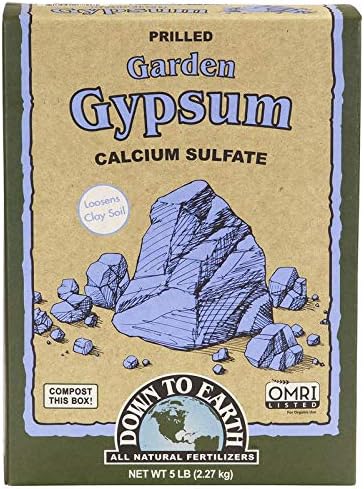
    Down to Earth Organic Garden Gypsum Calcium Sulfate

    51kfpT2enTL. AC

    The quantity of gypsum you will require for your garden or lawn will solely depend on how you intend to use it: it will also depend on the status and conditions of your soil. This is why we suggest you perform soil analysis to be sure that the application of gypsum is favorable to your plants.

    For instance, if the compacted clay soil in your area is high, you will require a bigger level of gypsum to give you the desired outcome and vice versa.

    Also, ensure you water deeply the gypsum into your soil right where the gypsum is needed.

    FAQ’s

    Should I use gypsum as a fertilizer?

    Gypsum is an excellent fertilizer for most plants. It’s very rich in phosphorous, which is needed by all plants.

    The only drawback is that gypsum tends to be somewhat acidic and may make your soil too acid for certain plants. This can be mitigated with the use of lime, which should be applied in conjunction with gypsum. In fact, gypsum and lime are often used together as a soil-conditioning mixture. 

    Gypsum is pretty inert.

    Gypsum has been used for weed control for over a century and it works by creating a barrier to stop seedlings from emerging. It also discourages the growth of roots. You’ll find it used in many gardening books on how to control weeds in vegetable gardens. Gypsum is a common ingredient in fertilizers and if you do some research you’ll find that it’s used in many commercial fertilizers. I’ve been using it for years to control weeds in my garden and it really works well.

    The only thing you need to watch out for when using it is that it can make the soil too dry, but that shouldn’t be a problem since it’s mainly used as a mulch.

    Gypsum should be added to pots after you’ve watered them. If your soil is too wet you might want to add some dry material like vermiculite or perlite. These will help to dry out the soil and allow for more air circulation. 

    Can you put gypsum around plants?

    Gypsum is a mineral. You can’t put it around plants, because it’s too heavy for them to support.

    It can be sprayed on plants, but it is not a good insecticide.

    Can you mix gypsum and fertilizer together?

    Yes, it can cause problems. Mixing fertilizer and gypsum is not a good idea. It’s better to buy one or the other. Fertilizer alone does not have enough nutrients for the plants and gypsum is very slow to break down and release the nutrients. I think that you should use gypsum on your lawn first. You can use fertilizer as a top dressing after it has been applied to the lawn.

    What are the benefits?

    The benefits of using gypsum to improve your garden are numerous. It is inexpensive, easy to use, and has many other uses. It improves soil structure Gypsum adds strength to soil by creating a strong surface layer. This prevents water from soaking into the soil too deeply. In addition, the water that does get into the soil is more evenly distributed, which helps prevent erosion. This makes it easier for plants to absorb nutrients and water, making them grow healthier. It eliminates salt build-up When you apply gypsum to your soil, it will absorb any excess salt that is present in the soil.

    Conclusion

    With the above information, it’s safe to conclude that gypsum is a good fertilizer for your vegetables, trees, shrubs, flowers, and turfs. Gypsum is a harmless fertilizer and it will supply your plants with some beneficial nutrients to make your plant grow healthy.

  • Gypsum For Lawns

    Gypsum For Lawns

    Gypsum application is a great idea if you want to improve your lawn’s health. For this reason, choosing the most appropriate gypsum for your lawn is fundamental.

    When you apply gypsum to your lawn, it will rectify most of your lawn problems. It will bring your lawn back to life and improve your turf’s growth.

    We will discuss more of why gypsum is needed for your lawn, some of its benefits, and recommend some gypsum you can apply to your lawn.

    Why You Need Gypsum for Your Lawns

    If you are particular about giving your lawn that beautiful green look, you will need gypsum.

    You need gypsum for your lawn, especially during the winter months. When the cold, snowy winter approaches and your area is salty (especially coastal and arid regions), salt tends to gather up near the melted ice, giving your turf unpleasant patches, which can damage your lawn.

    However, applying gypsum to your lawn will help it survive winter and emerge from it flourishing.

    Why You Need Gypsum for Your Lawns

    Gypsum will control this salt by making it leach away into the subsoil. The salt will be leached below the roots of your lawn. Therefore, the root of your lawn remains harmless.

    With gypsum application, much water will be needed to help the leaching process.

    Gypsum not only removes excess salt, but it also replaces salt with calcium in the soil. As such, there will be a great deal of improvement in the soil structure of your lawn.

    What is Gypsum

    Gypsum is a naturally occurring mineral of calcium sulfate dihydrate (CaSO₄·2H₂O). Due to its beneficial properties, it’s widely used in construction, agriculture, and various industries.

    Common Uses of Gypsum:

    1. Construction: Gypsum is a key component of drywall or plasterboard, often called sheetrock. It’s also used in plaster and cement to control setting times.
    2. Soil Amendment: In agriculture, gypsum improves soil structure and drainage. It helps to break up compacted soil, especially in clay-heavy soils and provides essential nutrients like calcium and sulfur.
    3. Gardening: Gardeners often use gypsum to improve soil quality, reduce compaction, and prevent salt buildup, particularly in regions with hard or saline soils.
    4. Industrial Applications: It’s used as an additive in the production of fertilizers, ceramics, and even some food processing.

    Gypsum is valued for its versatility, making it applicable across various fields.

    Benefits of Applying Gypsum to Your Lawns

    There are other benefits you get to enjoy using gypsum for your lawns. Just take a look at some benefits of feeding your lawn with gypsum:

    • Reduces Coil Compaction: if the soil in your area is compact, especially clay soil, gypsum will greatly help the soil. Gypsum will help diminish the compaction of soil, which in turn opens up the pours in your soil. This helps increase the condition of soil aeration in your lawn. Now, your lawn will enjoy that full, thick, beautiful turf look!
    • Neutralizer for Pet Urine: most homeowners with pets suffer from pets urinating on their lawns. Pet urine is not healthy for your lawn. It can cause yellow patches on your lawn, and they may not recover, making it unpleasant to the eyes. The good news is gypsum can serve as a neutralizer for pet urine, solving the problem of yellow spotting on your lawn. It is a harmless neutralizer and safe for humans, pets, turf, soil, and plants.    


    Recommended Gypsum For Your Lawns

    Below are some recommended gypsum for your lawns:

    Gypsum Powder – Purest and Soluble Houseplant Food Fertilizer

    We suggest Gypsum Powder from Supply Solutions gypsum soil conditioner as one of the gypsums you can apply to your lawn as it is a great valued product in comparison to cometitors. It serves as a good neutralizer from pets’ urine, which can burn your lawn. Gypsum Powder from Supply Solutions soil conditioner will also neutralize burns caused by salt spread in melted ice.

    Another advantage of the Epsoma gypsum soil conditioner is that it helps breaks up those compact heavy and clay soils. With this, the soil in your lawn will thrive better with good air circulation.

    Pros

    • Neutralizer for pet urine.
    • Improves heavy clay soils rapidly.

    Cons

    • If enough water is not added to leach away salt, the product might not work well.
    Amazon Choice Selection
    Gypsum Powder – Purest and Soluble Houseplant Food Fertilizer
    $53.03

    For Indoor Plants, Outdoor, Lawn, Vegetables – Indoor Plant Nutrients, Improve Plant Growth (50 P…

    We earn a commission if you make a purchase, at no additional cost to you.
    06/12/2026 02:04 pm GMT

    The Andersons NutraSoft OP Pelletized Gypsum

    The Andersons NutrSoft OP Pelletized gypsum will benefit your lawn and work very fast! It will help break up those thick soils, making the turf’s roots easier to work through and receiving more air circulation.

    The Pennington gypsum will work wonders on your lawn, making them grow green and healthy.

    Pros

    • Quickly disperses and dissolves into the soil after irrigation
    • Faster and more effective than traditional gypsum products

    Cons

    • None that we could find yet.
    Amazon Choice Select
    The Andersons NutraSoft OP Pelletized Gypsum
    $34.38

    6,600 sq ft 40 lb Bag

    We earn a commission if you make a purchase, at no additional cost to you.
    06/11/2026 02:03 pm GMT

    Earth Science Fast Acting Gypsum

    Earth Science Gypsum is a type of pelleted gypsum that will boost the growth of your lawn, make your turf green and attractive, and help repair salt-damaged soils from pets or roads.

    It will also help loosen and improve tightly packed heavy and clay soil. Your soil becomes well-aerated, and it is easier for the roots to work through during gypsum application.

    Pros

    • Neutralizes salt de-icing from winter.
    • Loosens clay and compact soils to promote growth.
    • Safe for Pets and Children

    Cons

    • Lots of water is needed for the leaching process.
    Earth Science Fast Acting Gypsum
    $21.95

    Soil Conditioner Adds Calcium, Repairs Salt Damage & Root Growth with Nutri-Bond Runoff R…

    We earn a commission if you make a purchase, at no additional cost to you.
    06/12/2026 02:04 pm GMT

    How do you apply gypsum to your lawn?

    Applying gypsum to a lawn is a simple way to improve soil quality, particularly in clay or compacted soils, and to add essential nutrients like calcium and sulfur. Here’s a step-by-step guide on how to apply gypsum to your lawn:

    Step 1: Test Your Soil

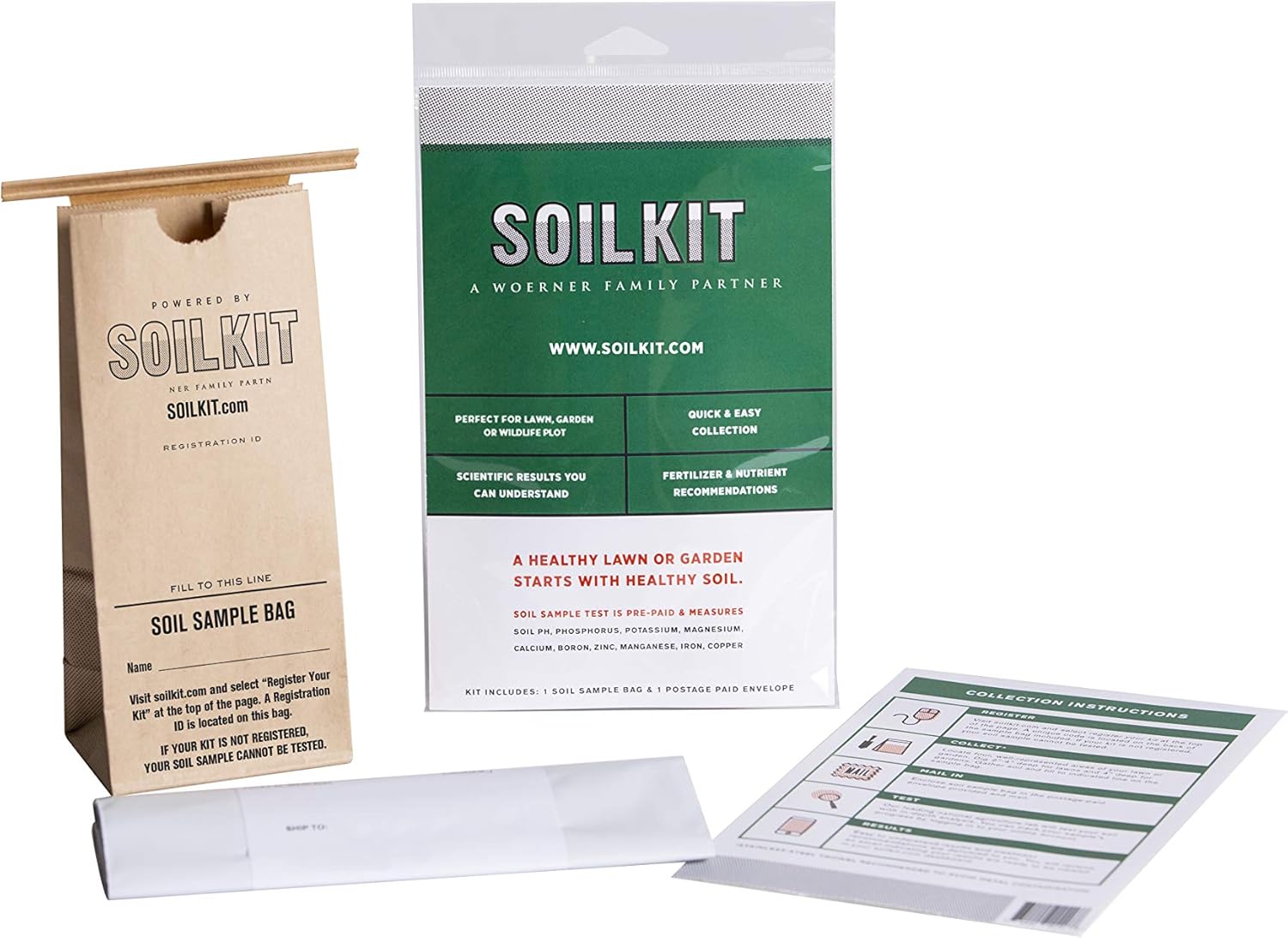
    Before applying gypsum, it’s important to test your soil to determine whether it needs it. A soil test can reveal whether your soil has a calcium deficiency or high sodium content, both of which gypsum can help correct.

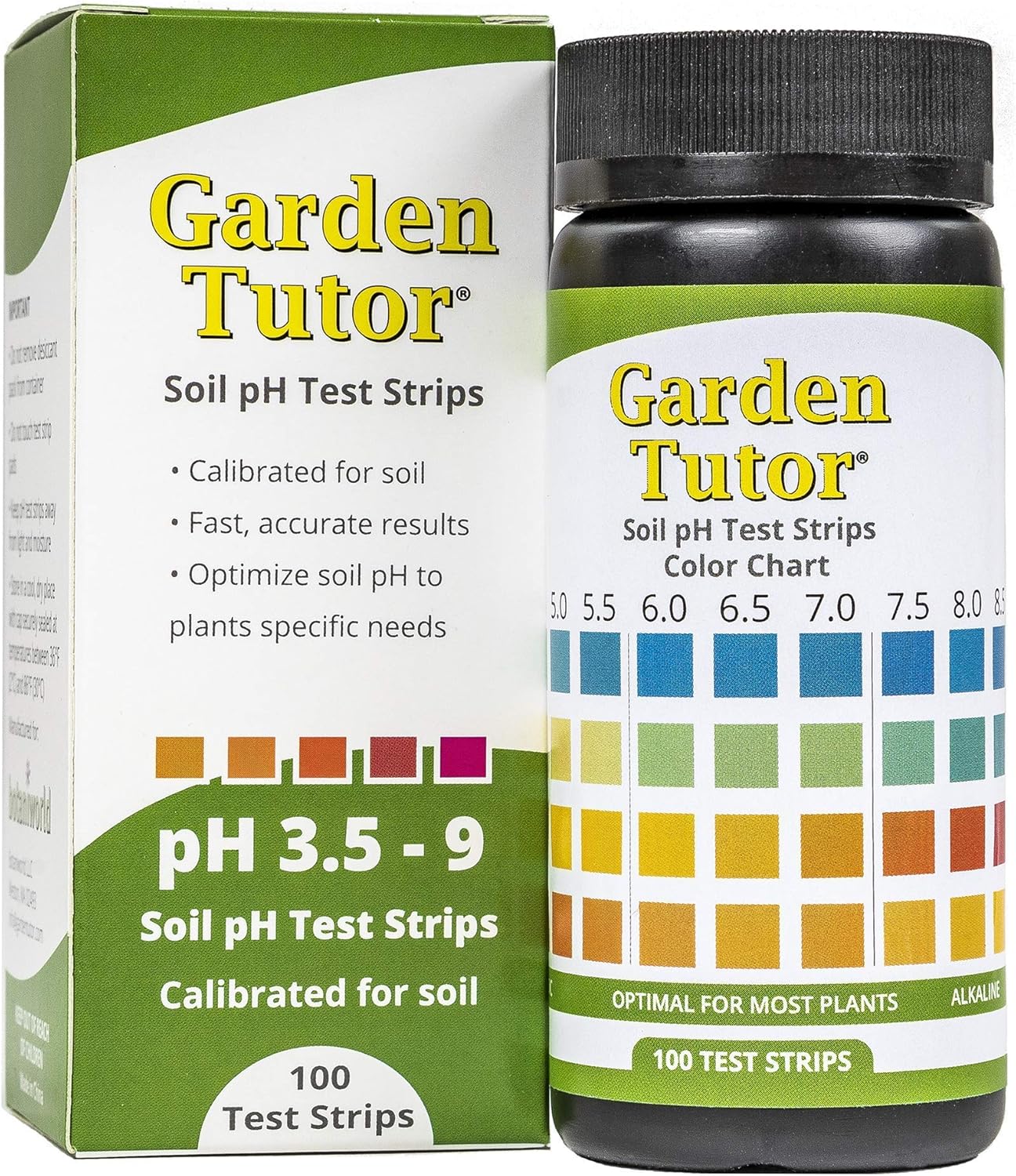
    Garden Tutor Soil pH Test Kit (3.5-9 Range) | 100 Soil pH Tester Strips – Test Soil Acidity and Alkalinity of Garden Lawn Grass Flower Vegetable Compost Indoor and Outdoor Plants
    $12.98
    We earn a commission if you make a purchase, at no additional cost to you.
    06/12/2026 02:03 pm GMT

    Step 2: Choose the Right Type of Gypsum

    Gypsum comes in various forms, including:

    • Powdered: Easy to spread but can be dusty.
    • Granular or Pelleted: Easier to handle and spread, especially for large lawns.

    Step 3: Calculate the Application Rate

    For most lawns, apply gypsum at 20 to 50 pounds per 1,000 square feet. Check the packaging for specific recommendations for your lawn’s needs, as the rate may vary based on soil conditions.

    Step 4: Spread the Gypsum

    • Manual Spreading: Use a handheld or broadcast spreader to distribute the gypsum evenly.
    • Mechanical Spreader: A mechanical spreader will make the task easier and ensure even coverage for larger areas.

    Step 5: Water the Lawn

    After spreading gypsum, water the lawn thoroughly to help the gypsum penetrate the soil. This also activates the gypsum, allowing it to start improving soil structure and supplying nutrients.

    Step 6: Reapply if Needed

    You may need to reapply gypsum once or twice a year for heavily compacted soils. Regular applications can help prevent soil compaction and improve overall lawn health.

    By following these steps, you’ll enhance soil structure and promote a healthier, more vibrant lawn.

    By now, you should know why applying gypsum to your lawns is a great thing to do! You can apply gypsum to your lawn at any period of the year. However, you should read instructions to know the best application time that will suit your lawn. You can apply gypsum to your lawn two or three times a year.


    FAQ


    What does it help with when you apply gypsum to a lawn? 

    Gypsum is used for a number of purposes, in this case it would be applied to the top layer of soil to raise it’s water holding capacity and improve its aeration. It may also be applied to lawns with clay soils to provide a base for grass seed to establish itself. This can be done as an overlay or through injection. The injectable forms are preferred because they’re more likely to penetrate the soil and allow the grass to establish itself.

    Gypsum is used in a number of ways to improve the appearance and health of lawns, shrubs, trees, and other plants. Gypsum’s major benefit comes from its ability to absorb and hold water, helping to keep your soil and surrounding environment moist.

    It stops weeds, keeps the grass from drying out.

    Gypsum is the active ingredient in many “weed-and-feed” products. You spread it on the lawn, and it helps prevent weed seeds from germinating. It’s also very good at getting rid of existing weeds. I’ve used it several times on my lawn, and I like how it works. It’s not toxic, and it doesn’t harm your lawn or the environment.

    I think the idea is to apply it in the fall before a winter freeze. Then it will hold moisture better and protect the grass from freezing. 

    When should I apply gypsum to my lawn? 

    I use it at the beginning of the growing season and then again when it gets hot. My lawn is very thick so I don’t think it will be a problem. It does get compacted a little bit but I just rake it back down. I like it because I can see where I’m applying it and I don’t need to water it as often. I use gypsum at the beginning of the season and then apply a couple of weeks later.

    Will it hurt my plants?

    No. It can actually be beneficial to your plants, but some types of plants do not like gypsum and will not tolerate it.

    Where is the best place in the lawn to add gypsum?

    The best place for gypsum is where the lawn has lots of grass, as the salt in the gypsum will encourage the grass to grow. That will also improve the look of your lawn, and save you money on fertilizer.

  • The Best pH Meter – An Ultimate Guide For Your Soil

    The Best pH Meter – An Ultimate Guide For Your Soil

    It is critical to use the best pH meter to test your soils’ status to ensure your plants are getting the nutrients they need to be healthy. 

    One of the most critical factors that determine if your plants will thrive in the soils’ acidity or alkalinity. If the pH value of the soil is off even a little bit, it can have disastrous effects on your plants. For this reason, it is vital to use the best soil pH testers to ensure your plants grow happy and healthy. The pH determines the availability of the nutrients that the plants need. If the pH is too low the soil is acidic with nutrients like Phosphorous being less available. Other things can accumulate in acidic soil and make it toxic. Soil that is too acidic is not a good home for beneficial bacteria. 

    Soil with a very high pH is alkaline. It prevents the plants from having enough iron, copper, manganese, zinc, and phosphorous. Iron is vital to plants especially the evergreens. 

    What to Consider when Buying the Best pH Meter

    A good soil pH tester will get the job done each time you want to test your soil. All the soil pH readers do not have the same build. Here are key features that you need to check as you shop for the best pH meter. 

    What to Consider when Buying the Best pH Meter
    1. Accuracy of the pH Meter. Always go for a pH tester that offers accurate results. Generally, there is a range that your pH must measure. It can be anything from 3.5 to 8, some ranging slightly larger or smaller. The instructions part contains details that you need to know before buying the pH tester. Pay close attention to these instructions they give you an idea of how to get the best pH meter.
    2. Probe the Depth Length of the Soil Tester. Soil pH testers come in singles or doubles designs. These probes are made out of silver, aluminum, copper, or an amalgamation of metals. The probe depth is critical – the longer the probe the better it is in giving you the best results. This is because it not only tests the top layer soil
    3. Single or MMlti-function. Some pH tests the soil’s alkalinity or acidity only. Others can test other factors too like the moisture content and light levels. By buying 3 in 1 test kits you will be able to test your soil of all the tests that influence your plant growth.
    4. Portability. Go for a soil pH tester that is lightweight, compact, and durable. The probes could be gentle, but the unit must be strong enough to give you value for your money. 
    5.  The power source. Most pH testers are battery-free meaning you use them without the need to plug in the batteries. Others require batteries to work. You can opt to use either of the pH testers. There is no proof that those with batteries work better than those without. 

    Read more about The best Soil Moisture Meter in the Market

    How to Read a Soil pH Meter Results 

    Before you can interpret the results of your pH tester, first understand the basics of the acidity or alkalinity. These basics run from 0-14, with 7 being the neutral number. Anything above 7 is alkaline while anything below 7 is acidic. Most testers come with a chart to help you read the results. 

    Most electronic pH testers have a probe that inserts directly into the soil to get the readings. In some of these cases, you might not get accurate results. The best way to ensure you get the right results is by making a mixture of distilled water and soil. Put soil in a container, add distilled water and stir so that it mixes well. With the mixture ready, you can use the pH strips or electronic tester to get accurate results. You can try it a few times to see if you get the same results especially if you are new to testing.  

    Be sure to use the chart that comes with the tester. This helps you get the correct decoding for the results every time you carry out the tests. 

    The Top Best pH Meter

    Now that we have seen why it’s important to test your soil’s pH, let’s look at some of the best soil testers in the market today

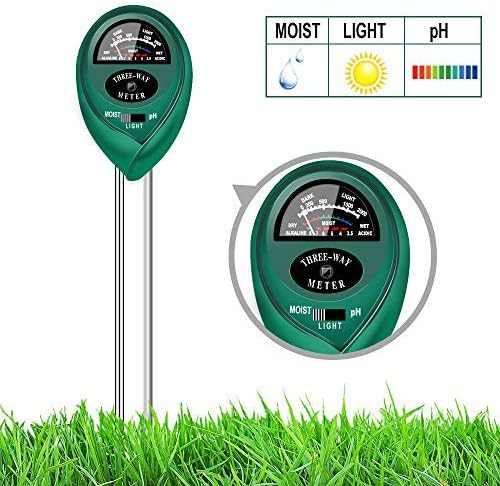
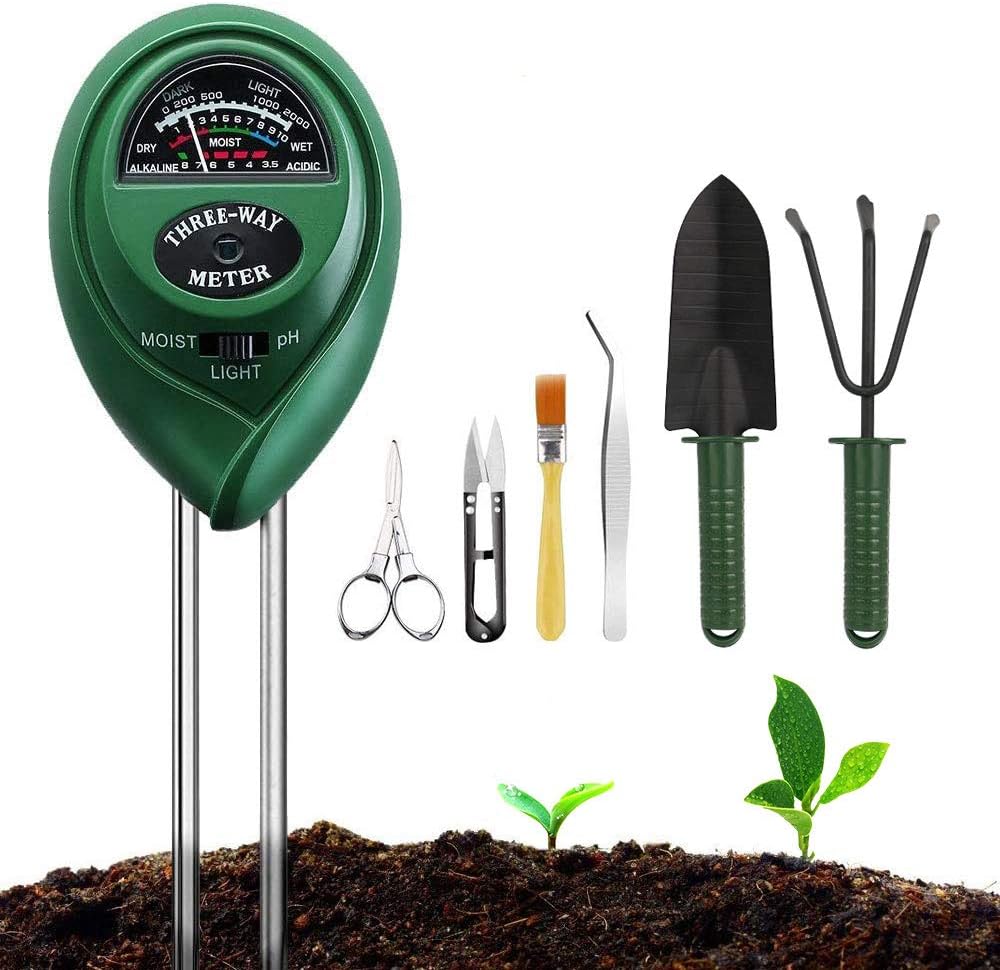
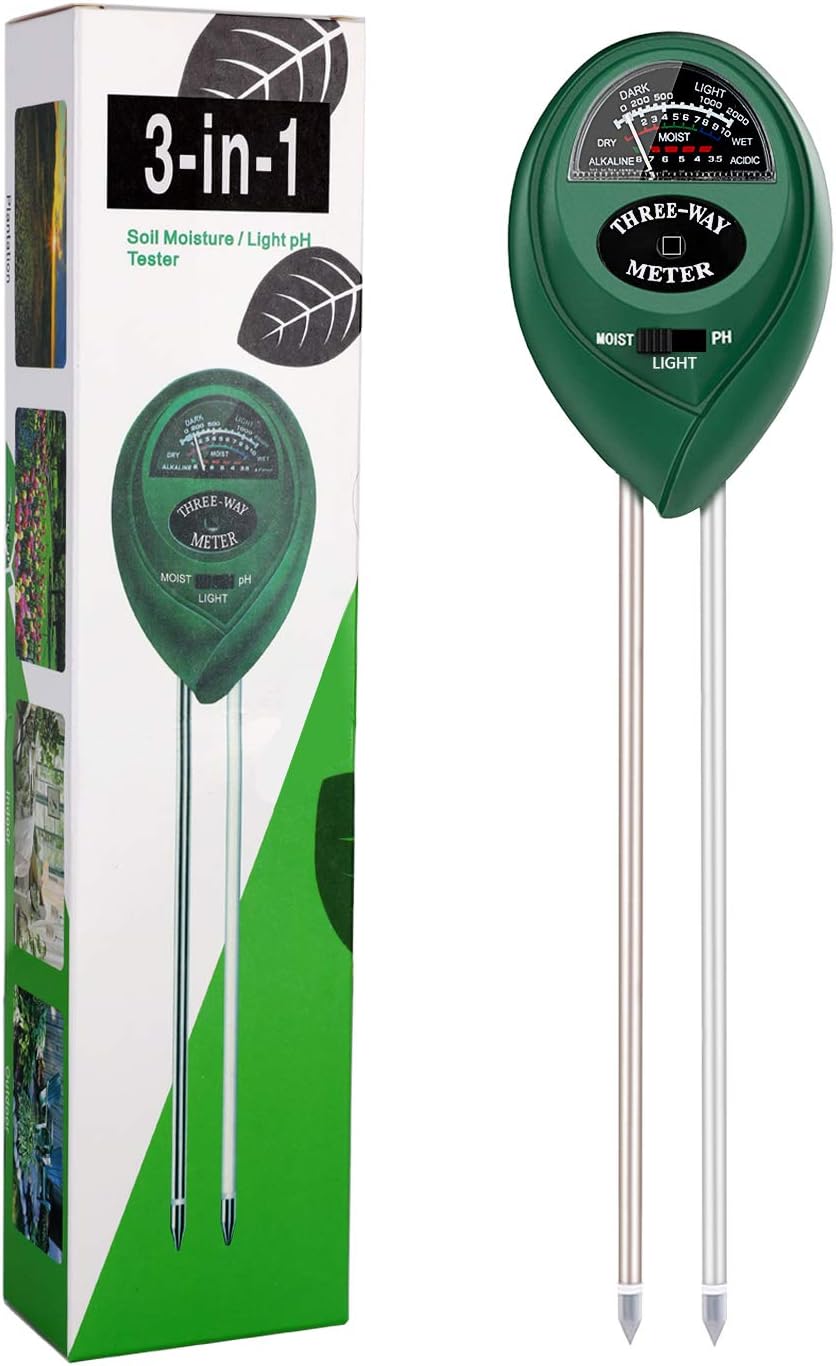
    YOYOMAX Soil Test Kit pH Moisture Light Tester

    YOYOMAX pH tester has a 3 in 1 design that tests the pH, soil moisture, and sunlight. It’s an analog tool that neither uses batteries nor charger and is ready to go right out of the box!  This tool is easy to use even for beginners – switch what you want to test and insert the probes into the soil about 2-4 inches deep. Give the test kit for about 10 minutes and read the results. The YOYOMAX test kit measures the pH from 3.5 to 8. 

    This test kit is small and portable so you can carry it with you and use it anywhere. It’s best for indoor plants. 

    Pros 

    • No batteries or chargers needed
    • It’s a 3 in 1 measuring light, pH, and moisture 
    • It is affordable 

    Cons 

    • Takes about 10 minutes to give the results 
    513pw2jekfL. AC

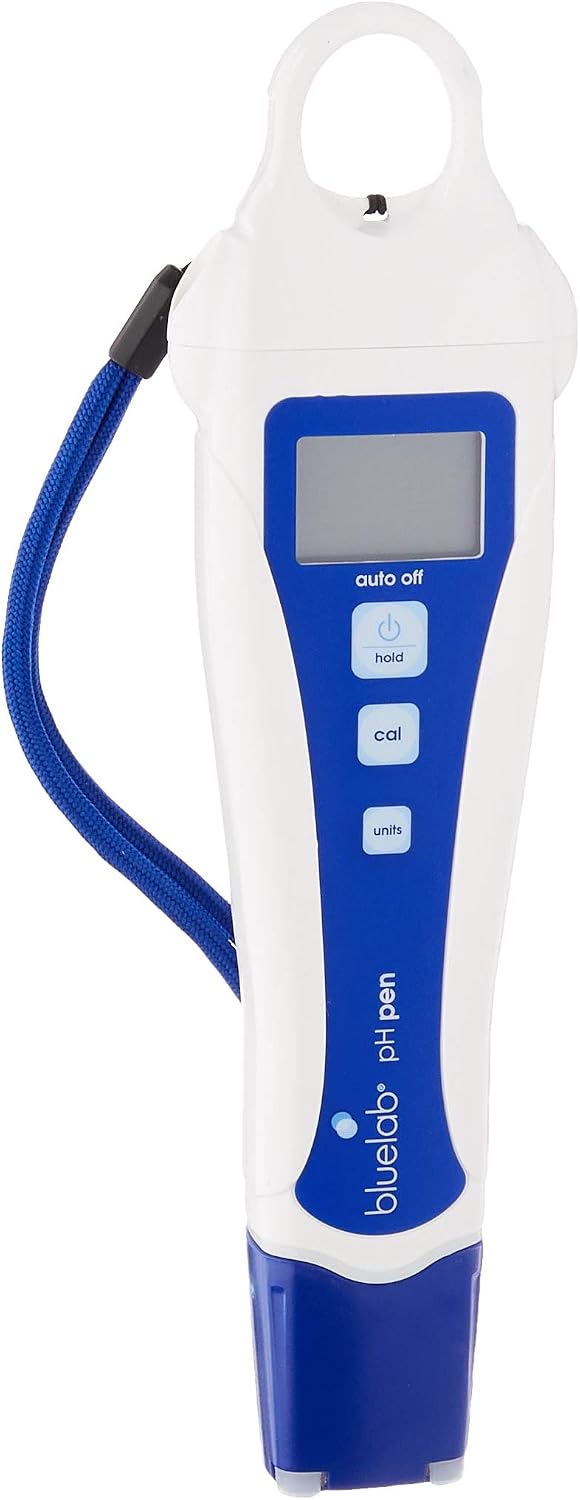
    BLUELAB PENSOIL pH Pen 

    BLUE LAB pH pen is a new technology pH testing kit that uses a lab-quality probe. It measures the pH in swimming pools, brewing industries, and hydroponic gardening. 

    Calibration with this test kit is easy ensuring the accuracy of the results. The backlit LCD makes it easy to read the results and reminds you when it’s time to calibrate. 

    It is simple to use by inserting the probe into soft soil. The pH reads from 0 – 14 and the temperatures between 32 – 122 degrees Fahrenheit. This pH meter uses 1 AAA batter 

    Pros  

    • Comes with a 1-year warranty
    • Has the ability to calibrate
    • It is waterproof

    Cons 

    • It costs higher in price
    21YFWcEHBsL. AC

    GARDEN TUTOR Soil pH Test Strips Kit

    GARDEN TUTOR offers pH test strips that are calibrated to deliver quick results. Each strip measures the pH between 3.5 – 9. These strips deliver more accurate results than the universal test strips. 

    The kit comes with a 16-page handbook for sulfur and lime application charts that are based on your soil’s pH. Most garden plants need a pH value of about 6.5 and this handbook included helps you to achieve that.

    This kit is affordable considering the number of tests it performs. It comes with clear instructions to follow in testing your soil and getting the right results. The testing process takes about 20 -30 minutes. 

    Pros  

    • This kit has 100 test strips lasting you a long time 
    • Results are easy to determine using the easy to read the chart
    • The strips only measure the pH and give accurate and reliable results 

    Cons 

    • The testing process is tedious and takes longer than other testing methods
    91mSHUhbukL. AC SL1500

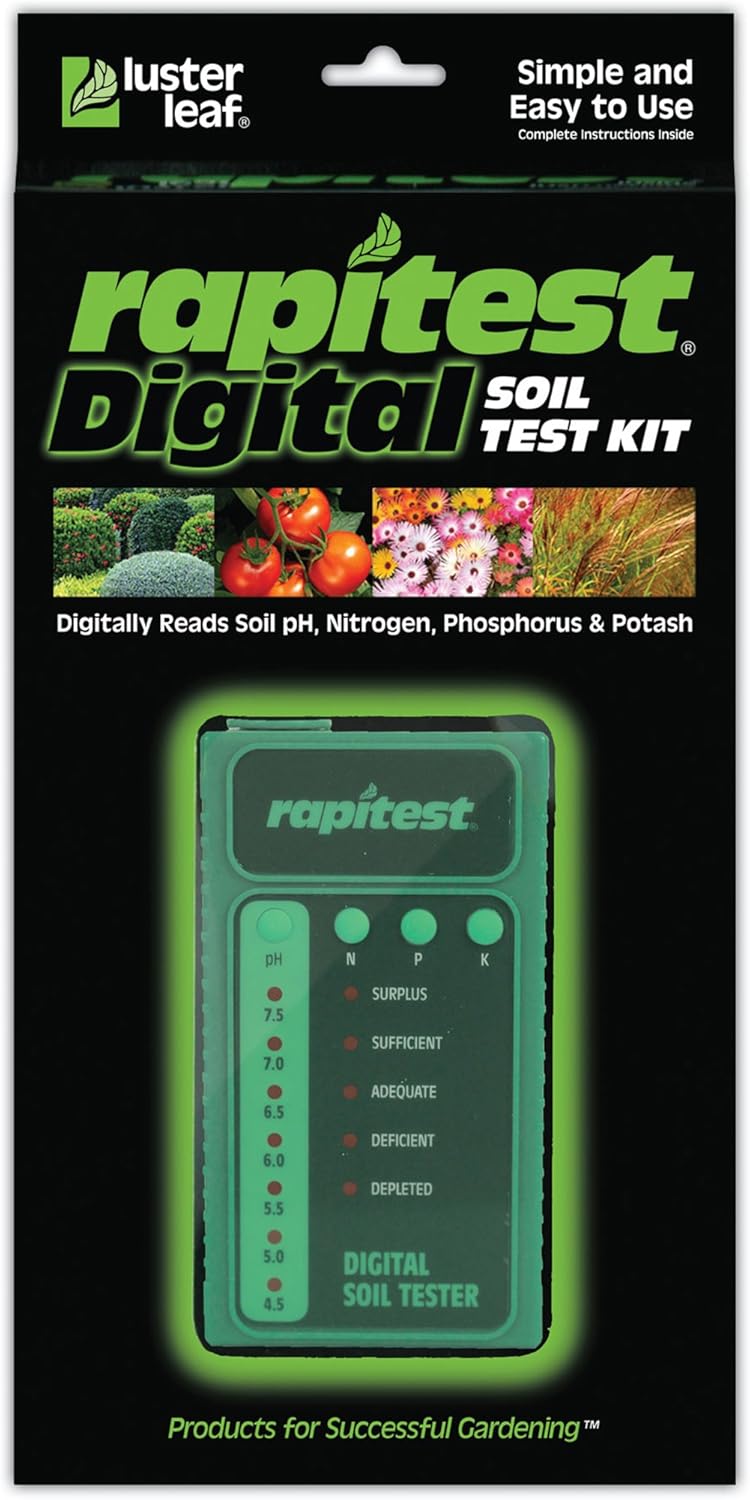
    LUSTER LEAF 1835 Rapitest Dig 3W Analysis

    LUSTER LEAF pH soil tester is easy to use and gives accurate results. It measures the pH level, soil temperature, and fertility rate.

    The results are easy to read and displayed on the digital screen. The screen displays 1 result at a time but it’s easy to press up and down buttons to display the rest of the results.

    LUSTER LEAF is easy to work with insert the probe into the soil and read the on-screen results. The probe is fragile and should be handled with care. Always wash it before use and never force it in dry hard soil because it could break. 

    Pros 

    • It provides accurate readings within a short time
    • It was designed in the USA
    • The fertility test takes into account the NPK levels in the soil and gives a reading of 1 – 10. 

    Cons 

    • It too gentle 
    • Cleaning and caring for the probe is tedious 
    71LmygkK2eL. AC SL1242

    BLUE LAB METCOM Combo Meter

    BLUELABMETCOM is one of the best pH meters for hydroponic farming. It specifically tests the water used in hydroponic. This combo tests the pH, temperature, and conductivity. It is lightweight and portable with a long probe of 6.5 feet. 

    This makes it easy to stretch and get whatever readings I need. It is easy to read the digital display because the buttons are marked. It is powered by 2 AAA batteries and comes with an auto shut off feature that helps you save power.

    Pros 

    • Includes a 5-year warranty
    • Saves you power through its auto shut off button 
    • Allows pH calibration to take place by the push of a button

    Cons  

    • Instructions might be difficult to understand 
    • Results can be less accurate
    51I5Pj1HB8L. SL1000
     

    FAQs

    What should I consider when shopping for a Ph meter?

    The most accurate way to measure pH is with a pH meter. The only problem with pH meters is that they are not cheap and they require some maintenance, but if you are doing research or have a large area to sample, then a pH meter is the way to go. The pH scale can vary by about 0.2 units from lab to lab and even more than that depending on the pH of the water used.

    If you are using a meter that isn’t calibrated, it will have an error. You can buy meters that are calibrated for your soil type and the amount of acidity in your area, but even these meters will not be perfect. A good calibration can help you determine the amount of acidity in your soil and also help you understand how to adjust the readings when you dig new holes.

    What is the most accurate soil pH meter?

    There are a variety of soil pH meters available on the market. Soil pH is one of the most common chemical analyses performed by a home or professional gardener. The most accurate soil pH meter will give you a more accurate reading, which in turn will provide you with an idea of what type of fertilizer to use.

    Many of the soil pH meters available on the market are designed to be used by a professional who has access to a lab and is trained in the use of such equipment. However, there are many soil pH meters that can be used in the home, so it is important to know how to select one that will provide the best reading. There are many factors that go into choosing a soil pH meter for your home garden. First of all, you want to make sure that the meter can be used in the field. Some soil pH meters are designed to be used in the laboratory, while others are designed for the home gardener. Also, you want to make sure that you get a soil pH meter that will provide you with an accurate reading. A soil pH meter should give you a reading that is within one pH unit of the true pH value of the soil.

    What makes the most accurate soil pH meters so accurate?

    Soil pH is a measurement of how acidic or alkaline a soil is. The best soil pH meters measure the actual soil pH and then convert it into a pH number that you can see on your meter. Most people use a soil pH meter to find out what is causing their plants to be sick, and if they need to add some lime or sulfur to make the soil more acidic or alkaline.

    The most accurate soil pH meter should be able to measure soil acidity or alkalinity in a wide range of soil types, and be able to measure the acidity of the soil at the depth where the test sample is taken. Soil pH testing requires knowledge of both soil chemistry and soil physics, as well as knowledge of how the pH meter is calibrated. It is also important to understand the limitations of using a soil pH meter.

    Soil pH meters can be found in a wide range of prices and accuracy. 

    The Best pH Meter – An Ultimate Guide For Your SoilConclusion

    For your plants to grow to their full potential, the right pH is important. If you notice your plants’ leaves are turning yellow or any other color, it is best to check the pH stage of your soil.

    It is critical to use the best pH meter to get the most accurate results. Especially if you are working to correct the soil pH. Always recheck your soil after treatment. This ensures you have the best results before you continue with your gardening. The pH tester should test before and after soil treatment always. 

    Choose the 3 in 1 tester so that you can be able to test your soils for its health. Your plants will thank you and happily thrive! 

  • The Best Soil Test Kit – Foundation For Healthy Plants

    The Best Soil Test Kit – Foundation For Healthy Plants

    Did you know finding the best soil test kit is a big challenge especially if you don’t know the different types that the market stocks? 

    As a gardener, it is very important to have good quality soil. Quality soil is the foundation for all successful gardening. Good soil means that it has the right pH level for your plants. Depending on what you are growing, your soil’s pH levels vary. Some plants like it acidic while others are alkaline. 

    The best way to ensure that your soil is perfect for any plant you grow is to use a test kit. The best soil test kits will give you detailed information about your soil and what it needs to improve it. 

    What is a Soil Test Kit?

    A soil test kit tests your soil and provides you with a solution to your issue. Soil test kits are different with each testing a different element of the soil. These test kits include: 

    The most common one is a pH test kit. This kit tests and analyzes the nutrient content of your soil showing the deficiencies. It also allows you to make adjustments using fertilizer or other healthy nutrients.

    Other soil test kits will tell you about the different components found in the soil. Elements like Nitrogen and Potassium plus their quantities are analyzed and shown. 

    Another test kit measures the moisture content of the soil. This is important to plants that need specific amounts of water. 

    What Does the Best Soil Test Kit Test the Soil for?

    There is an endless amount of things you can test your soil for. But some are more important than others. The most important soil tests for most homeowners are as follows: 

    The pH levels – These levels run from 0 to 14. 7 is neutral, anything below 7 is acidic and above 7 is alkaline. 5.5 to 7 is a good range for most plants. 

    • (N) Nitrogen 
    • (K)Potassium 
    • (P)Phosphorous
    • Soil moisture 

    There are many other nutrient tests that you can undertake. The above are the most important ones that you will need. 

    Advantages of Using a Soil Test Kit

    There are many advantages why you should test your soil. Here is a sneak peek at a few of the advantages.

    Advantages of Using a Soil Test Kit
    • Know what nutrient is deficient and perfect it. When you test your soil, you will know what your soil is missing and add the right products to perfect it. With the perfect soil, your plants can grow well and produce more. 
    • Maintain healthy soils. Healthy soils are ideal for the growth and production of your plants. By testing the soils you confirm if they are well-formed with the 3 most critical nutrients – NPK. Your soil should also be moist, soft, and well-aerated helping the roots to feed the plant well. 
    • Eliminates all guesswork in gardening. Every time you see plants grow slowly; you wonder what the problem could be. You may try to add fertilizers or water them more times or add compost manure. While all these efforts are excellent, they could mislead you to think you have given your plants what they need. Using the test kits eliminates all guesswork out of gardening. And make it easy for you to know what the main problem is. 

    Types of Soil Test Kits

    • Mail-in – This is one of the most precise soil test kits. It requires you to collect a sample and mail it to a lab for testing. These test kits provide the most detailed results. It can take a week or more to get these results. 
    • Probe – A probe soil test is easy to carry out at home and get your results instantly. This test demands you insert a metal probe into the soil to get instant results of your soil. These test kits reveal the soil’s pH value, moisture levels, and sunlight intensity. This test kit is the least precise among the rest. 
    • Slurry – Slurry soil test kits are a little involving. Take some soil sample, mix it with distilled water, add a reagent, and then dip the test strip into the slurry to get your results. These kits test the soil’s pH, Nitrogen, Phosphorous, and Potash. These tests need more work than the probe test kits and, they are a little more precise.
    Types of Soil Test Kits

    Recommended Best Soil Test Kit

    This comprehensive testing kit list shows some of the top kits that you can choose. They test the soils for macronutrients and micronutrients. This makes the gardening journey easy and more accurate. 

    LUSTER LEAF 1601 Rapid Test Kit for soil pH, Nitrogen, Phosphorous, and Potassium

    LUSTER LEAF kit provides quick results that you get from the comfort of your home. The kit contains several tests that you can use to test your soil in different parts of your property. You need together to use distilled water with this kit. This kit will give you immediate pH results and nutrient levels.

    The kit comes with various soil amendment suggestions and detailed suggestions for plant nutrient intake. Everything is well color-coded to avoid any mix-up making it easy to use. This kit is perfect for homeowners and farmers. It is advisable to use it to check the soil before planting. This helps to determine the right fertilizers to use during the growing season. 

    Pros 

    • Low price 
    • Easy to use 
    • Multiple tests included 

    Cons 

    • Not very detailed to help solve serious problems 
    81lMIyoIrfL. AC SL1500

    WHITETAIL Institute laboratory Soil Test Kit

    The WHITETAIL Kit is designed specifically for soils used for producing garden beds. If you plan on growing your fruits and vegetables, consider using this great kit. This kit tests the soil pH and organic materials so that you can get an understanding of what your soil consists of. 

    You need to mail your specimens to the lab for final results. Expect the results to come within a week via the mail or email. 

    Pros 

    • Easy to use 
    • Fast results turnaround
    • Great for soil amendments

    Cons 

    • Must pay to main in results 
    • Only one test per kit 
    • Not made for lawns

    SOILKIT Soil test kit

    SOILKIT tests the soil for pH, NPK, and other select micronutrients to provide a detailed analysis of the fertilizers required. This test kit is best for both lawns and gardens.

    You will need to mail your soil samples and the results should reach you in about a week. The results come with detailed descriptions of the area tested. They also include the possible help that the vegetation around the area can receive. 

    Pros 

    • Helps with easy soil problems 
    • Easy to use with fast results 
    • Easy to follow prescription based on results

    Cons 

    • You only can test one area at a time
    71hGvYSw9LL. AC SL1500

    BLUEBAB PENPH Ph Fully Waterproof Pocket Tester

    BLUEBAB is the best tool to measure the soil’s temperature and pH. It is the best option if you need help with managing the growth of your plants, checking the nutrient uptake, and the plant health of your plants. It uses a battery and comes with a backlit LCD. Best kit for sprouting plants. 

    Pros 

    • Easy to use 
    • Long-lasting 
    • Compact and handy

    Cons

    • It is not durable 
    61hPRhS5z8L. AC SL1500

    LUSTERLEAF 1605 Rapitest Digital Soil Tester

    LUSTER LEAF is a digital soil tester that is a simple and economical soil test kit that is easy to use and maintain. This kit is designed with ease of use in mind so that everyone can use it. Push the button to get your results in seconds.

    This kit can also be used by beginners who are starting their soil testing journey. It allows you to perform over 25 tests and covers about 450 plants. 

    Pros

    • Long-lasting 
    • Simple and easy to use 
    • Accurate

    Cons

    • Its readings are not as accurate as other testers
    • May need to buy and add test chemicals
    81zzEi6OvNL. AC SL1500

    G TASTE Soil Moisture Meter, 3 in 1 Sunlight and soil pH tester

    The 3 in 1 soil test kit comes with other handy tools needed for your home garden. It comes in 7 pieces of Bonsai tools. 

    They are: 

    • 1 piece folding scissors, 
    • 1stainless steel tweezers, 
    • 1 pruning scissors,
    • 2 wooden spades. 
    • 1 wooden rake, 
    • 1 wooden cleaning brush 

    This kit is analog; it doesn’t use either batteries or charge. Features a firm build that is attractive. It is easy to use even for beginners who are learning how to use the soil kit tester. Designed to work in any condition and space indoors and outdoors. 

    Pros 

    • Easy to use and handy
    • Useful both indoors and outdoors
    • Nice design
    • Affordable 
    • Comes with other necessary garden tools 

    Cons

    • Not very precise
    61fSH0tAJbL. AC SL1000
     

    FAQs

    What makes a soil test kit great?

    Soil tests are an easy way to determine your soil health and fertility levels, as well as give you information about what your plants need to grow optimally.

    To find out which soil test kit is best for your needs, look at the features and benefits of each soil test kit. Each soil test kit has different features and benefits, so you need to carefully review the information provided before making a final decision. Keep Learning The most popular soil test kit is called a multi-test kit. This kit comes with several different tests that can be used to determine the quality of your soil.

    There are many soil test kits available on the market. The most important aspect is that they should be accurate. Accuracy means that you can trust the results and not waste your time testing again. If your soil is of poor quality, the soil test kit will not be able to detect it, so it’s essential to have one that is accurate.

    You can get an accurate reading with a moisture meter, but it is much more difficult to use and requires more experience than a soil tester. A soil tester will give you a pretty good idea of what type of soil you are dealing with. In general, if your soil is sandy (sandy loam, clay loam, silty sand) then you can probably get away with a soil tester.

    There are many different types of soil testers that can be used to test your soil. The type of soil you are testing will determine which one is best for you. Some people use a soil tester when they want to test their soil for organic matter content. They use this information to determine what plants and crops to grow. Others may want to know what kind of nutrients are in their soil. They use this information to determine what plants and crops to plant.

    There are some people who want to see if they have enough minerals or nutrients in their soil. When you are purchasing your soil tester, you need to decide what you want to test. There are two types of soil testers that are available. These are the soil pH tester and the soil nutrient tester. The soil pH tester is used to test the pH of your soil.

    A soil test kit is a device used to determine the chemical composition of the soil. It is usually used for testing pH and other chemicals such as nitrogen, phosphorus, magnesium, potassium, sulfur, calcium and other trace elements. Most soil test kits contain a sample tube which you need to add your soil sample and then a reagent solution, which will react with the soil sample to produce an indication of its chemical composition.

    Is an Electricity-Based Soil Tester the best option?

    There are two types of soil testers, the ones that use electricity and those that use light. Electricity-based soil testers emit a high frequency of radio waves that bounce off of the particles in the soil and measure how much energy is returned to the receiver. Light-based soil testers emit light and measure the amount of light reflected back to the receiver. 

    For soil testing, your best bet is to go with an electricity-based soil tester as it’s important to be able to test for electrical conductivity. You need a soil tester that will give you accurate results and not just read the voltage.

    An electricity-based soil tester is a device that can help you determine which soil conditions are best for growing your plants. The process involves applying a certain voltage across the soil and measuring the current. It’s important to note that there are different types of soil testers. The idea is that the electrical conductivity of the soil varies with different conditions. For example, sandy soil has high electrical conductivity. When soil is saturated, it’s like a sponge and has low electrical conductivity.

    The most popular soil tester is called a “Wet/Dry Meter” or simply a “Wet/Dry Meter” (see our article on How to Buy a Wet/Dry Meter). These are popular because they are easy to use and inexpensive.

    What are the best soil kits?

    Rapitest Premium Soil Test Kit

    Luster Leaf 1605 Rapitest Digital Soil Test Kit

    Soil Savvy Soil Test Kit

    Conclusion

    Plants need enough amount of water, light, and air. Above it all, they need the soil to thrive. Soil test kits were invented to help keep the soil in check. That’s why it is vital to choose the best soil test kit. Whether you buy off the counter or from an online shop you need to be sure you are getting one with the best features. Both mail-in and probe are easy to use and perfect for learning about your soil health. Why wait until you have any problems with your soil when you can use these kits to correct them before they destroy your plants. Choose a test that will sort out your problems. 

  • Best Soil Moisture Meter In The Market Today

    Best Soil Moisture Meter In The Market Today

    It is possible to get to know how your plants are doing by using the soil moisture meter to test the wetness or dryness of your soil.

    Do you sometimes wonder what’s going on under the surface of your soil? Do you watch your plants struggle to thrive despite all the efforts you have put? Technology today offers us an easy solution to these problems. The soil meter is the best solution. 

    What is a Soil Moisture Meter

    A soil moisture meter is a simple tool that probes your soil to find out if the moisture content around your plant roots is efficient. In an instant, you get to learn whether your soil needs more water or no water at all for the next few days. 

    What is a Soil Moisture Meter

    If you have been for a solution like this one, go ahead and get yourself a moisture meter.  A soil meter is an easy tool to work with. Anybody can be able to use it without professional help. Simply insert the metal probe into the soil to reach the roots of a plant. The tip of the probe sends a reading to the dial that is located at the top of the meter. From the dial, you can get to know the moisture content of your soil fast.  Depending on the reading and the type of plant you have, you can choose to either water or refrain for a few days. 

    Why use a Moisture Meter?

    Here are a few benefits of using the soil meter:

    1. Helps you understand your plant better. The main reason why you use a soil meter is so you can understand your plant better. This will help you care for it better. Poor watering schedules can either cause the plant to be dry or waterlogged. This leads to long term damage or the demise of the plant. Being able to know how much moisture the soil holds under the surface, you get to know exactly how to water your plants.
    2. Saves you water. Especially for outdoor plants, you might be wasting a lot of water by overwatering. By checking the moisture content of the coil, you can end the guesswork of when you should water. This potentially saves you lots of water.
    3. Saves you money. By saving the amount of water you use on your farm, you save the money you pay the water bill. Some plants are also very expensive to buy and if you destroy them by overwatering you loose on some good money. A moisture meter will help you water your plants properly and save you money on replacing dying ones. 

    Features to Look for When Buying a Soil Meter

    The type of soil meter you need depends on where you want to use it. 

    • For indoor use, select a moisture meter that has a short slender stem. 
    • For outdoor use, choose a more robust meter with a long and sturdy stem. These long-stemmed meters are a bit expensive compared to the slender short stem meters. 
    • For hard soil like clay, choose a very thick and strong stem meter to prevent damage. 

    The Best Soil Meter to Work with

    There are all kinds of soil meters in the market today. They range from a few dollars to hundreds and they come in all types. Finding the best one can be a challenge.

    Let’s help you out with finding the best in different categories. Using our buyer’s guide you get to learn a few things about the best moisture meters and choose the right one for yourself. 

    Best Overall: XLUX T10 Soil Moisture Sensor Meter 

    XLUX soil moisture meter is a slim 7-inch probe that checks the moisture level of your outdoor and indoor plants on a scale of 1-10. It can also be used in the lawns, flower beds as well as the soil of shrubs and trees. This moisture meter is analog requiring no batteries or charging. It gives an instant reading of the moisture levels. 

    This moisture meter is not considered heavy duty; it warns you not to jam it with hard or compact soil. The soil should not be very dry or hard otherwise you will damage the meter. This tester offers excellent guidance on how wet or dry the soil is and requires simple maintenance.

    To read the moisture level, simply put the moisture meter’s stem into your soil and read the large dial. The dial has a color-coded reading system that identifies the moisture in the soil. Farmers who have used this meter are happy with its quality and the low price.   Though it offers farmers an 18-month warranty, it is delicate and should be used with a lot of care. 

    Pros 

    • Low cost 
    • 18-month warranty
    • Simple to use 
    • No batteries or charging required
    • Works effectively

    Cons 

    • Very delicate 
    • Best suited for soft soil 
    71rBE3r88DL. AC SX425

    Best Digital Display: ECOWITT WH0291 Soil Moisture Tester with LCD Display

    ECOWITT moisture meter has an easy to read wireless LCD that shows the soil moisture levels in percentage. The display also includes the current time and can be positioned within 300 feet of the moisture probe. It works best for outdoor plants, patio plants, or any indoor plant as long as it within its range of the display. 

     This digital meter is easy to use and accurate. It can be calibrated for both low and high humidity environments adding to its accuracy. It uses 2 AA batteries that will need replacement often.  

    Pros 

    • Easy to use 
    • Comes with an LCD 

    Cons

    • Uses batteries that you have to replace often
    soil moisture meter - ecowitt

    Best Built: REOTEMP Garden and Compost Meter

    REOTEMP is a battery-powered moisture meter made from stainless steel. The moisture content is measured at the tip of the stem that is 15 inches long. It reaches deep into the soil and is used in the compost too.

     This meter has a scale of 0-10 wetness scale. It adjusts depending on the specific moisture requirements of a plant. The meter uses 1 AAA battery that powers it. Do not use this meter to read soils with high salt content because soil affects the moisture readings. 

     REOTEMP is well built and sturdy. It has a steel stem and aluminum casing that makes it a tough meter. This tester can be inserted deep into dense soil without the fear of breaking or bending. It is easy to do the calibration with this meter helping you take care of your plants better.

    Pros 

    • It is sturdy 
    • Has a long stem
    • Easy to calibrate 
    • Suitable for both soil and compost 

    Cons 

    •  Fairly costly 
    51w2Gm0D5bL. AC SX425


    Best Analog: DR. METER S10 Soil Moisture Sensor Meter

    DR. METER comes with an 8-inch metal stem that reads the moisture levels at the root of the plants. It has an easy to read dial with a color-coded display for moist, dry, and wet readings. This meter does not require batteries or charging and it works both indoors and outdoors. 

    It is suitable for both indoors and outdoors but does not work on hard ground which could damage it. Do not submerge it in waterlogged soils because you will destroy it.

    Pros 

    • Low cost 
    • No batteries required
    • Gives sensitive readings
    • Easy to use 

    Cons 

    • Not for use in hard soils
    soil moisture meter - dr. meter


    Best Digital reader: LUSTER LEAF Digital Moisture Meter

    LUSTER LEAF is best for use on soil only. It comes with a 3-inch long stem and is suitable for checking houseplants, window boxes, hanging baskets, and container gardens.

    It offers a digital reading that comes with information on over 150 types of plants. This helps you understand what to do with the readings you have received. It uses batteries to work and comes with a special cleaning pad.

    Pros 

    • Low cost 
    • Digital reader
    • Easy to use 
    • Batteries and cleaner included

    Cons 

    • Only used in container plants 
    • Has a short probe
    71vlFEv34RL. AC SL1500


    Best 3 in 1: SURENSHY Soil Tester Meter

    SURENSHY has a 3 in 1 ability to test soil pH value, the sunshine intensity, and the dry humidity of the soil. It is one of the best gardening tools that provide reliable data for your plants.

    It is easy to use by inserting the soil tester kit into the soil up to 5 or 6 inches. Press the button that corresponds to Light, pH, or moisture to get the corresponding results. Always water the soil before testing as it does not test dry soils.

    SURENSHY meter does not need a battery or charge to read. It is easy to use by inserting it into the soil and getting the right soil value. It is convenient for both indoor and outdoor use.

    Pros 

    • Easy to use 
    • 3 in 1 soil reader 
    • Does not need batteries or charge

    Cons 

    • Does not test hard soils
    soil moisture meter - 3 in 1

    FAQs

    Which is the most popular soil moisture sensor?

    Soil Moisture Sensors that use the Capacitance Method Capacitance-based soil moisture sensors are by far the most popular type of soil moisture sensor on the market today. They’re also the most accurate and are easy to use. They measure the electrical capacitance between two parallel metal plates. The higher the capacitance, the more water there is in the soil. Capacitance-based soil moisture sensors can be installed anywhere in the soil profile, including at or below ground level. The downside is that they require a power source and typically need to be powered by an AC outlet.

    1.They can also be quite expensive.

    What are some other quality moisture sensors?

    Soil Moisture Sensors that Use the Resistance Method Resistance-based soil moisture sensors measure the amount of electrical resistance between two metal plates. The higher the resistance, the more water there is in the soil. They can be installed anywhere in the soil profile, including at or below ground level. The downside is that they require a power source and typically need to be powered by an AC outlet. They can also be quite expensive.

    Soil Moisture Sensors that Use the Infrared Method Some soil moisture sensors use infrared (IR) technology. They measure the amount of heat emitted from the surface of a sensor pad. The higher the temperature, the more water there is in the soil. These sensors are very sensitive to the environment and have a limited range. They’re usually installed at or below ground level. The downside is that they require a power source and typically need to be powered by an AC outlet.

    Soil Moisture Sensors that Use the Thermocouple Method Some soil moisture sensors use thermocouples. They measure the amount of heat generated by the thermocouple when it comes into contact with the soil. The higher the temperature, the more water there is in the soil. These sensors can be installed anywhere in the soil profile, including at or below ground level.

    What should you consider when shopping around?

    1.Soil Moisture Meter Features You Need to Consider We’ve put together a list of some of the most important features that you should consider when buying a soil moisture meter.

    2. Accuracy The first thing you need to look at is the accuracy of your soil moisture meter. This will be one of the most important factors in determining if this is the right soil moisture meter for your farm. When you’re considering purchasing a soil moisture meter, make sure to look at the accuracy of the device. There are several different ways to measure soil moisture, but one of the best ways to check the accuracy of your soil moisture meter is by testing it against a standard. The National Irrigation Association recommends using a device called a “reference meter”. A reference meter is basically a standard measuring device that you can use to compare your soil moisture meter to. If you find that your soil moisture meter is off, then you know you need to get a new meter.

    3. Watering System Size It’s also important to consider how much water your farm will be using. If you have a large farm with lots of acres, then you may want to invest in a larger watering system than what you need for a smaller farm. The size of your farm will affect the size of your irrigation system. If you’re looking for a small and portable watering system, then you can opt for a low-pressure system that is easy to move from one place to another. A higher pressure system may not be suitable for a smaller farm. You can also get a solar watering system. Solar watering systems are perfect for farms with no access to electricity. This will allow you to water your plants throughout the year even when there isn’t any power.

    4. Watering Options

    When it comes to watering your crops, there are several different options you can choose from. One of the most common watering options is drip irrigation. Drip irrigation is a great option because it doesn’t waste as much water as other methods. With this type of system, you can control how much water is going into the soil and how much is being wasted by running off. Another type of watering system is sprinklers. Sprinklers are usually used to irrigate large areas, such as lawns and golf courses. You can also use sprinklers to water individual plants. It’s important to consider how much water you will need to use on your farm. This will help you decide which type of watering system will be best for your farm.

    5. Water Conservation

    A good way to conserve water is to make sure that you don’t over-water your crops. If you have a drip irrigation system, then you can easily turn the water off when your crops are done being watered.

    How much does a soil moisture meter cost?

    The average soil moisture meter costs between $35 and $100, but prices vary greatly based on the brand. The prices for these devices can be lowered by purchasing used models, but there are also some risks involved when buying used equipment. Keep Learning Most soil moisture meters use a combination of radio waves and sensors to determine the amount of water in the ground.

    Conclusion 


    In the end, the goal is to make sure you end up with the right meter for your kind of soil. If a simple device like this one can help you gauge your soil’s moisture, then you are set to prosper in your farming. Going a step ahead and getting a 3 in 1, will help you get value for your money. Make this tool an essential part of your gardening journey and you will get the desired results! 

  • A Step By Step Guide On How To Sterilize Potting Soil

    A Step By Step Guide On How To Sterilize Potting Soil

    Those who enjoy gardening and growing indoor plants need to learn how to sterilize potting soil to destroy all the bugs and pathogens.

    Sterilized and clean soil will do a lot of good for your plants. Using the same potting soil repeatedly can lead to a buildup of fungal spores, weed seeds, harmful pathogens, and garden pests. If you opt to reuse the same soil instead of replenishing it, it would be best to sterilize it often. This leaves you with clean uncontaminated growing soil for your plants.

    Why Should You Sterilize Potting Soil?

    Sterilizing potting soil is very important! Soil contains harmful bacteria, pathogens, and fungi that harms or kills the plants. Insects and larvae may also be present causing harm to plants. Store-bought soil that claims to be sterilized cannot be trusted. It may be contaminated through bag punctures, mishandling, shelf life, or other elements.

    Why Should You Sterilize Potting Soil

    How to Sterilize Potting Soil

    Sterilizing your potting soil is easy and beneficial to plants. You only need a few household items and about 45 minutes to complete the process.

    Materials Required

    • Large roasting pan or a baking sheet
    • Oven
    • Aluminum foil
    • Meat thermometer
    • Mixing spoon
    • Fertile soil
    • Water

    Black Gold 1311002 8-Quart Seedling Mix

    how to sterilize potting soil - fertile soil

    Read more about Gypsum Soil Amendment

    Steps to Follow when Sterilizing Potting Soil

    • Prepare your soil for sterilization. The soil must be moist enough to be able to compact into a ball. But it should crumble when pressure is removed. This is done by packing a ball of soil between your hands and adding a little water. Mix until you get the right consistency.
    • Place the soil into the roasting pan or baking sheet. Evenly distribute it in the pan and break any soil lumps available. Keep the soil under 4 inches deep and do not fill the edges of the pan. Cover the pan or sheet tightly with a foil. The foil must be tight and secure to prevent moisture loss and the soil burns. Make a hole in the center of the foil large enough for the meat thermometer to fit in through it.
    • Start the sterilization process. Set the oven at a low temperature and Place the tray inside. The temperature for sterilization should be 180 degrees Fahrenheit. Temperatures above this may cause burning. Burning the soil changes the chemical composition of the soil. The burnt soil will cause harm to plants. Allow the soil to burn for about 30 minutes at a steady temperature. You must pay close attention to temperature fluctuation to avoid using too high or too low heat.

    • Cool your use before using it. After baking for 30 minutes, remove the soil from the oven and let it sit until it reaches room temperature. To allow heat to escape, carefully lift the corner of the foil. Be very careful as you do this as the escaping steam will be very hot and can cause burns.
    • Use your soil. Once the soil has cooled down and removed from the pan, go ahead and place it in the pot. Remember to sterilize your growing pots too so that they do not infect the new soil. Plant your seeds no deeper than 4 times the diameter of the seed. Water the sterilized soil with a mister to avoid flooding it. Place the soil and the sown seeds into a cool room, avoid direct sunlight until germination.

    Conclusion

    Sterilizing potting soil indoors will bring a repulsive odor that is awful and smells earthy. Some people can tolerate it while others cannot and might be allergic to the odor. Before sterilizing your soil, open your windows and turn on a fan. The odor will not linger for long if the indoor air is circulating with the outdoor fresh air.

    FAQs

    What shouldn’t use to sterilize soil?

    I’ve tried bleach, I used a little bleach to clean up some moldy soil (which had been sitting in a bag for a long time) and then put it in my garden, and it seemed fine. I used one cup of bleach in three gallons of water. It smelled like rotten eggs for a couple days and I had to throw out all of my plants. I would never use bleach again.

    I’ve tried soaking it in ammonia, but it didn’t do much.  But I don’t think it’s necessary or recommended. 

    What does work?

    The easiest way to sterilize soil is to use a heat gun. This is actually a form of pasteurization, which is much faster than using steam or steam heat. The pasteurization process takes about 3 minutes to achieve a kill of all bacteria, while it would take days for a slow-acting sterilant like ethylene oxide to kill all of them. So, you can kill 99% of the bacteria in 3 minutes. It can be used to kill all kinds of bacteria and fungi. You can also use chemicals, which are usually toxic and will kill the organisms that you want to keep. The most common chemicals for this are chlorinated hydrocarbons. They have a low toxicity and are easy to use. A third option is to use physical methods such as digging up the soil and moving it to another location. Rubbing alcohol can be used as a disinfectant and also as a solvent to get rid of stubborn soil-based disease. Make sure you do not use it in any area with soil that has been previously treated with a fungicide, as it will react with the active ingredient and make the soil unusable. Hydrogen peroxide is another option. A better option would be to use an autoclave, which is a pressurized chamber that kills bacteria, viruses, fungi, and other pathogens.

    Why sterilize soil?

    Soil contains living organisms.

    These organisms include bacteria, fungi, mites, nematodes, protozoa, and viruses. The presence of these organisms in soil is often considered undesirable. For instance, bacteria can cause disease or spoilage in food products.

    What’s the kind of mold that I should be worried about?

    I’m not sure if you’re aware, but there are two types of mold: “black” and “white”. Black mold is toxic and may cause illness. White mold is not. You can easily tell the difference by looking at the mold, it will be white for “healthy” mold. If the mold is black, it’s probably toxic and you should throw it away.

  • What Is Coconut Coir & Recommended Products

    What Is Coconut Coir & Recommended Products

    In the past decade, high-quality horticultural coconut coir has become popular as a growing medium for greenhouses and hydroponics farmers. 

    If you love gardening or hydroponics, now is the time to consider using coco coir for your plants. The correct pronunciation or coir is coy-er according to the Cambridge dictionary.  

    What Is Coconut Coir? 

    Coir is the fibrous husk and dust that make up the outer layer of a ripe coconut. This part is least seen as it is removed before the fruits arrive in the market. But it is available as a soilless growing medium.  

    Coconut coir is common in India and Sri Lanka. These are areas where the Cocos Nucifera coconut palm grows in plenty. The growing medium can either work alone or mixed with another material. This material is perlite.

    Why Use Coconut Coir? 

    In hydroponics and pot gardening, coir is a substitute for peat moss. It is a renewable resource with a more neutral pH. It helps manage the nutrients in the hydroponics systems. Coir decomposes slower than peat moss releasing its nutrients in a slow economic way. This is one of the greatest benefits of using coir in hydroponics because the nutrient solution has a huge impact on growing success.  

    Types Of Coco Coir 

    Every time you buy coconut coir, you are buying three types mixed – the fiber, pith, and coco chips. These three together provide a powerful growing medium very healthy to plant growth.

    1. Coco pith or coco peat is the fine ground coconut or pear moss. It’s absorbent and fine with small particles. It must age well before it goes to the farm. 
    2. Coco fiber is not very absorbent and adds air pockets into the growing medium. These air pockets provide oxygen to the root zone. This fiber breaks down fast with the air pockets decreasing over time. 
    3. Coco chips are a hybrid between the coco fiber and coco peat. They are large pieces that create air pockets and absorb the water well. It helps keep your plants well hydrated. 
    Types of Coconut Coir 

    The coconut coir must be a mixture of these three types to achieve the best results. 

    Find more information about How To Use Coconut Coir In Gardening

    Where To Buy Coco Coir- Recommended Products

    Here are a few of the best-recommended products.

    CANNA Coco Brick 

    CANNA is one of the top coconut coir providers. This company monitors the production of their coir to ensure it is well dried, aged, and flushed of all salts. They package their coir in 40L expandable bricks. You will have to rehydrate the medium after receiving it.

    61W4lRLqWRL. AC SL1500

    FOXFARM FX14100 Coco Loco

    Fox is also a top coir provider. Just like CANNA they track their product to ensure it is well dried, flushed out salts, and aged before packaging it. FOXFARM packages their product in a 2 cu ft. expanded bag. 

    81ldkquPJ1L. AC SL1200

    General Hydroponics COCOTEK Coco Growing Media

    COCOTEK consists of all three types of compressed media. It has low levels of sodium and one of the best for first-time growers. This is a cheaper option compared to CANNA and FOX FARM. It is packaged in 5kgs with a decent mix of coco fibers and pith. 

    61Gb2Td2ZDL. AC SL1024

    FAQs

    What is coconut coir good for?

    Coconut coir, also known as coco coir, is a natural material that can be used in a variety of ways. It is made up of the fibres of coconut shells and is used in many different industries, including in agriculture, horticulture, and forestry. For example, coconut coir is used as a soil amendment to improve soil structure and nutrient levels. This helps to create fertile soil and increases crop yield.

    It’s a natural and organic alternative to plastic mulch, which can be harmful to both plants and animals. Coconut coir is made from the stalks of the coconut palm tree. It’s a renewable resource that is naturally occurring in tropical climates.

    The production of coconut coir is highly labour intensive, as the coconut fibres need to be removed from the coconut shell before they can be processed into coconut coir. The majority of coconut coir is produced in India and Indonesia. In recent years, production has increased significantly, with India alone producing about 80,000 tonnes of coconut coir per year. Coconut coir is primarily used in agricultural applications such as soil amendment and organic fertiliser. It is also used in horticultural applications such as garden mulch, ornamental plant pots, and as a growing medium for houseplants. It is also used in forestry applications such as tree planting, and it is commonly known as coconut fibre or coco fibre. Coconut coir benefits The benefits of coconut coir are numerous. Nutrients Coconut coir is an excellent source of potassium, magnesium, phosphorous, and calcium.

    How is it used?

    The stalks are cut, dried and shredded into fine pieces. The shredded coconut is then mixed with water to create a thick, clay-like mixture. This mixture is then spread over the ground as mulch to help with soil building, prevent weeds and retain moisture.

    Why Is Coconut Coir So Great?

    It is considered to be a highly efficient organic growing medium, which improves soil quality and reduces the need for chemicals. The fibres have many beneficial uses in horticulture, including as a mulch and for growing houseplants.
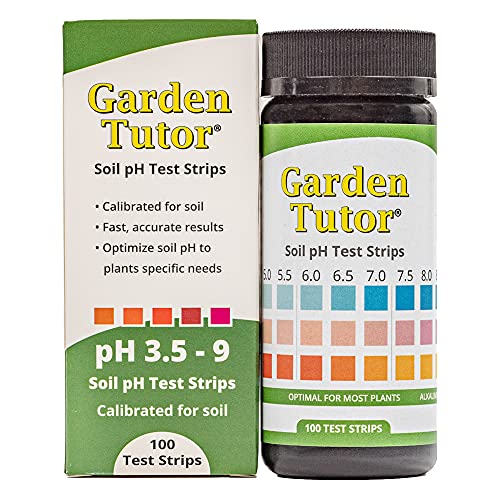
    The main benefits of using coconut coir for plants include:

    improving soil structure, reducing disease, improving water retention, reducing weed growth, reducing the need for chemical fertilisers, enhancing the appearance of plants, increased yields and pest control.

    Coconut coir can be used to make a wide range of different products and there are many ways to use it. It is a very versatile material, so you can easily adapt its uses for whatever purpose you wish.

    Are there different types of coconut coir?

    Coconut coir is actually a byproduct of coconut oil processing. It’s similar to chaff or straw, and can be used as mulch or composted.

    There are many different types of coconut coir, and most of them are made from the husks of mature coconuts. Coconut husk is a material that has been used for centuries in making a variety of products.


    Conclusion

    Whether you choose to use this media in hydroponic or in containers, by itself or mixed with other media, the coconut coir works magic. It plays a key role in providing an ideal growing environment for your plants. 

  • 5 DIY Tomato Trellis Design Ideas To Borrow

    5 DIY Tomato Trellis Design Ideas To Borrow

    If you want to grow any variety of tomatoes you will need a tomato trellis to help you support your plants and their produce. Here are some tomato trellis design ideas you can use to support your tomato plants.

    What Is A Tomato Trellis

    Tomato trellis is a freestanding structure that is made from metal or wood. It is used to contain and support the sprawling vines and the heavy tomato fruit. Trellis provides support for your tomato plants. It keeps them healthy all through their growing season. The use of trellis ensures you get maximum produce yields per plant. There is nothing better than growing tomatoes in your backyard.

    If you choose to grow the vining type you will need to prune them and use trellis for support. Not only does the trellis keep these plants off the ground, but they also ensure your plants receive enough sunlight.


    Let’s Look At The Tomato Trellis Design Ideas You Could Use

    String Trellis

    The simplest way to support your tomato plants is to use a string to tie the vine to a frame. String trellis is an available and inexpensive method that requires only a few materials. If you are growing the tomatoes in a greenhouse, you can attach the strings to the rafters or studs. If you are growing them outdoors, you can choose to use a horizontal or vertical frame.

    String tomato trellis

    Stake Fence Trellis

    This is a simple and inexpensive design idea yet long-lasting. It works best for both vining and bush tomatoes and you can adjust the size and width according to your preferences. You use strings to attach the plants to keep them growing off the ground.

    Stake Fence Trellis

    DIY Tomato Trellis Triad

    Many farmers who grow cherry tomatoes love this support. It is made from wood, wire mesh, string support, and U hooks at the top of the structure. The mesh fence is best for cherry tomatoes and any other variety that grows under 7 feet.

    triad trellis tomato

    Horizontal Tomato Plant Trellis

    If you have a smaller average-sized yard, a homemade horizontal trellis can be of great help to you. The mesh panels are supported by wooden posts in each corner. The tomatoes grow through the fencing and sprawl out as wide as possible without much care.

    Stake and String Trellis

    The stake and string method are like the vertical hanging in the string trellis. The design is simple and involves pounding a wooden stake next to each plant. The stake provides early support for the plant. This is later tied or clipped to a string that suspends it to a horizontal frame or greenhouse ceiling. Cedar is a good wood to use for stakes since it is rot resistant and sisal strings are biodegradable.

    Hydrofarm GCTR Tomato Trellis 

    610tKwyEBuL. AC SL1000

    Read more about How to Fix Blossom End Rot on your Tomatoes

    FAQs

    How do you make a tomato trellis?

    Simple. Cut a piece of wood and drill holes into it for the tomato vines to grow through. Then, you can train the plants upward and toward your home. Make a trellis using 2x4s and a cinder block or other sturdy material. Cut the 2x4s to be the same length as your posts and set them at a 45-degree angle on the ground. Then, dig a hole that is about 6 inches deep and 3 inches wide.

    Put in the 2x4s and fill with soil. Make sure the bottom is planted deep into the soil. Next, plant the tomato vines. If you are using cinder blocks, you’ll need to use a hammer and nail to drive the blocks into the ground.

    What can I use for a tomato trellis?

    The best trellises are made out of wire or wood. These will hold the tomato plants in place without damaging their roots. If you don’t want to build a trellis, there are many other options that can work. You could use a sheet of plywood placed over the ground. Or you could tie your plants to the side of a building or fence. The main thing is that you make sure your trellis is sturdy and strong enough to support your tomato plants.

    Plastic or wooden supports are lightweight and easy to adjust. I have used wooden ones with my tomato plants for years. They  are very durable and light. If you use a plastic trellis, there is probably a brand that is more permanent than the other. For example, I have a 4′ x 8′ trellis that I got from Lowe’s that has lasted me a long time. It is made of a soft plastic and seems like it will last forever. It is adjustable and very easy to use.

    How tall should a trellis be for tomatoes?

    A trellis is just a fancy word for a vertical structure. It can be made out of anything that will hold the plants up. Trellises can be as simple as a straight stick placed into the ground, or as elaborate as a wooden box with slats and a ladder. The main purpose of a trellis is to give your plants support while they grow.

    Trellis height is a function of what you want to grow on the trellis. If you are growing tomatoes, you can go with a height of 3 feet or 6 feet, depending on what kind of tomatoes you are growing. The trellis needs to be sturdy enough that it can support the weight of the plants, but also allow for enough airflow so that the plant roots don’t get too hot.

    Trellises can be made of wood, metal, plastic or other materials. If you are planning on growing your tomatoes in containers, consider a container trellis as an option.

    Conclusion

    With so many available options for supporting your tomato plants, it is easy to find a design that meets your needs. How big is your garden? What variety do you want to grow? When do you want to harvest them? Answering these questions will help you settle on the right option for your kind of tomato farming.

  • Rhaphidophora Tetrasperma Care Guide

    Rhaphidophora Tetrasperma Care Guide

    Rhaphidophora tetrasperma is a green leafy tropical plant that grows fast and one of the best plants among indoor enthusiasts.  This vine plant is easy to care for and has split leaves that make it look like the Monstera deliciosa. 

    This is a new plant that has a huge demand, everyone wanting to try it out. This plant is from the late 1800s and, it is a native in Southern Thailand and parts of Malaysia. 

    In some parts of the world, this plant is rare, you are among the lucky ones if you grow it. If you like to grow Monstera deliciosa in your house but have limited space, rhaphidophora tetrasperma is an excellent option. It has a similar flair but takes up a smaller space. These two plants are members of the aroid plant family.

    How To Care For Rhaphidophora Tetrasperma 

    There are a few essential care requirements for the RT plant. 

    • Adequate Lighting. Give your RT plant bright indirect light! Direct sunlight is not recommended, but some of it is fine. The afternoon direct sun can be too much for this plant some morning sun is healthy. Be sure to diffuse the sun using a window. Poor light gives you the plant’s slow growth and small foliage.
    • Best Soil Quality. Well-drained soil is the best to avoid giving the plant root rot. A mixture of organic matter with perlite and sphagnum is best.
    • Provide a Moss Pole. Rhaphidophora tetrasperma is a climbing plant that will need a moss pole to support it. You will also need to trim it so that it does not grow in every direction.

    • Humidity. The perfect humidity for the RT plant is between 30 to 40%. Sometimes household humidity is usually too low for this plant to thrive. If you notice mist on its leaves, use a humidifier or plant other houseplants to help it get the right humidity. Use a humidifier during winter to increase the moisture levels.
    • Watering. Keep the plant well moist but do not waterlog it. This plant does not like to dry out it thrives inadequate moisture. If you let it dry out you will notice the lower leaves turning yellow. Water the plant until the water flows out of the drainage hole. Wait until the top inch of the pot is dry before you water again. During winter, be careful not to waterlog your plant as the soil takes longer to dry out. Always feel the soil to know whether it needs more water before you can water it. Do not follow a watering schedule blindly. 

    How To Propagate Rhaphidophora Tetrasperma (Mini Monstera Plant)

    The best way to propagate the RT plant is via stem cuttings.

    • Cut the plant into sections that contain 1 or 2 nodes.
    • Place it in water and wait for several weeks or a month for the roots to form.
    • Finally, plant your new plant in a well-draining potting mix.

    Hormex Rooting Hormone Powder #1 | for Easy to Root Plants

    Rhaphidophora tetrasperma - rooting powder

    Learn How to Propagate your favorite Plants using rooting Powder and Water

    FAQs

    Is Rhaphidophora tetrasperma easy to care for?

    If you live in a warm, sunny area, then yes, it’s probably fine. It can get quite large and I wouldn’t recommend planting it in a pot though. It should do well in the garden, but you may have to keep watering it. It also needs more water in dry seasons. 

    In dry areas, like in the Southwest, it can be a little bit difficult. You might consider keeping it in the shade.  I’ve seen some plants growing in a pot that was at least 5 inches in diameter. It’s possible to grow them in smaller pots, but you might have to water more often. They do need fertilizer.

    How often should I water my Rhaphidophora tetrasperma?

    The average temperature for the day of watering is 72°F. Water your plant when the soil surface is dry to the touch, but still has some moisture. Use a regular, hand-held sprayer and apply an even layer of water over the top of the pot.

    Wait until the water begins to soak into the soil before you water again. The plant will absorb water faster if you water in the morning or evening rather than during the day. When it’s time to water, do so thoroughly but only once a week. If you wait too long between waterings, the plant may become stressed. If you notice any leaves yellowing or wilting, don’t water at all for several days. Instead, place the pot in a sunny window. Check the soil and see if there are any problems, such as mold or pests.

    How do I grow Rhaphidophora tetrasperma?

    Your Rhaphidophora tetrasperma may be grown from seed or from root cuttings. If you order a Rhaphidophora tetrasperma plant from a nursery, the plant should come with instructions on how to care for it. Follow the care instructions carefully. Your plant will look best if you water it regularly. Be sure to keep the soil evenly moist. If you notice any leaves yellowing or wilting, don’t water at all for several days. Instead, place the pot in a sunny window. Check the soil and see if there are any problems, such as mold or pests.

    It will grow in most types of pots, including plastic, terracotta, clay and stone. Use a standard 10 to 12-inch pot. A 12-inch pot is large enough for plants to grow up to 4 inches tall. What light does Rhaphidophora tetrasperma need? This plant grows best with filtered or natural light. Direct sunlight can burn the leaves and cause the plant to wilt.

    How big do Rhaphidophora tetrasperma leaves get?

    Rhaphidophora tetrasperma, also known as the four-leaf waterwheel plant, is a perennial aquatic herb that grows in lakes, ponds, and slow moving streams. It has been called the “queen of the lotus” because its leaves are arranged in a distinctive four-leaf rosette. The leaves grow from a thick, creeping rhizome and are usually about 2 inches long.

    Rhaphidophora tetrasperma is native to Asia but it can be found in many other countries. In Europe, the plant is very rare and is protected by law. In North America, the plant is common and widespread and may be found in almost any pond or lake. The leaves of R. tetrasperma are arranged in a circular pattern on the top of the stem. They are covered with small hairs and have tiny spines along their edges. The underside of each leaf is smooth. Each leaf grows from a thick creeping root that spreads out from the base of the plant.

    Conclusion

    RT is one of the fastest-growing plants in the Aroid family. Given the right conditions, the plant can grow up to 6 to 12 feet in a single season. You have every reason to get this amazing plant as part of your household plants collection. 

  • How To Sprout Potatoes Before Planting Them

    How To Sprout Potatoes Before Planting Them

    Do you know how to sprout potatoes so you can harvest them a little earlier than the expected growth time? 

    Potatoes do not have seeds, so they grow in a different process than other vegetables. Potatoes grow from the products that you set aside as seeds. These seeds must have ‘eyes’ where the new sprout will form. These eyes sprout and form new tubers that grow into potatoes. 

    A potato’s eyes form and sprout under the right conditions. Let’s look at the right conditions needed for chitting potatoes.

    What Do Potatoes Need To Sprout? 

    1. Organic Potato Seeds. It’s best to use organically grown potatoes as seed. Chemically grown potatoes have a sprout retardant that slows down sprouting or completely stops them.

    2. Darkness and Light. Let’s understand this point here. Potatoes like to sprout in darkness. But you need to expose them to light when they begin sprouting. They are like other seedlings; they will need light to grow. You can keep your potato seeds near a bright window or a fluorescent light to sprout them.  

    3. Moisture and Warmth. To speed up the sprouting process, keep your potato seeds in an area with good warmth and moisture. Do not put them in standing water as they will rot. You can layer them in damp leaves indoors to create the right environment. When the sprouts are about 1 cm long, they are an ideal length for planting. 

    How To Sprout Potatoes The Right Way

    Start sprouting your potatoes three to four weeks before planting them. 

    • Get your Seeds Ready – Buy your seeds from a reputable potato seed seller or get your own from a previous harvest. Your potato seeds must be organic. Never use potatoes that are treated as they may not sprout. 
    • Place your Potato Seeds where you want them to Sprout – Some people use an open egg carton to sprout their seeds. Put them in a dark place where there are enough warmth and moisture. Once they start sprouting, get a fluorescent light, or keep them near a window. Ensure you keep the potatoes stable so that the fragile sprouts do not get broken. In about 1 week, you will notice that the potatoes are sprouting. After 3 to 4 weeks the potatoes are ready for planting. 
    • Plant the Sprouted Potatoes in the Garden – the same way you would plant un-sprouted potatoes. Be sure to plant the potatoes with the sprouts facing up handling them with care not to break the shoots.
    Best Seller
    Visible Potato Grow Bags 10 Gallon with Flap
    $27.99

    3-Pack – Potatoes Growing Containers with Handles and Visible Space, Heavy Duty Thickened Aeratio…

    We earn a commission if you make a purchase, at no additional cost to you.
    06/11/2026 04:04 pm GMT

    Read about How to grow Alfalfa Sprouts

    A Bonus Tip For Sprouting Potatoes

    Did you know you can increase the size of your potatoes? Yes, it is possible to do so! Rub off some of the shoots from the tuber before planting to remain with 1 or 2 healthy sprouts. If you leave all the shoots intact, you end up encouraging too much competition on the plant, and the produce will be small potatoes.  

    A Bonus Tip - Sprouting Potatoes

    FAQs

    Do potatoes need to sprout before planting?

    Potatoes need to be sprouted before planting. They will grow well, but they won’t be as big. Sprouting them increases the number of eyes on each potato, which means more potatoes per plant. It also increases the number of roots, which means that you’ll harvest more potatoes from the same space.

    You can plant potatoes at any time of year, provided that they are healthy and not rotting.

    What should I use to sprout them?

    You can grow sprouts in a wide variety of ways. You can use a jar, tray, or any other container. You can also use a hydroponic method, where you use a solution of water and nutrients to feed the sprouts. However, the more water and air you give the sprouts, the faster they will grow and the longer they can remain in the jar.

    Potato sprouts can be planted in small pots, in a tray, or in a shallow box. They need plenty of light, so they can be grown outside under a tent or greenhouse, or in a sunny window.

    Is it easy to sprout potatoes?

    Potato sprouts are a nutritious and easy-to-grow way to get a good dose of vitamin C, fiber, potassium, and B vitamins in your diet. The easiest way to grow them is by sprouting. To do so, you simply place the potatoes into a jar with some water, close it up, and let the sprouts grow. They will take about a week to sprout, but it’s best to start them as soon as you can.

    Can I plant potatoes with long sprouts?

    I would say that is not a good idea. You can do it, but it’s not advisable. The reason is that the sprouts are part of the tuber and will grow until they reach the potato.

    How do you speed up a sprouting potato?

    My answer has always been: Don’t. You can speed up the growth of a sprouted potato by exposing it to sunlight, but you’ll get no more than a few days more of growth than you would without sun.

    Do potatoes sprout in the dark?

    It is indeed true, they will sprout in dark.

    You can place them under fluorescent lights or lamps with a blue spectrum. Potatoes are a member of the Nightshade Family, along with tomatoes, peppers, eggplant and tobacco.

    Best Way To Sprout Potatoes- Conclusion  


    Now that you have learned how to sprout potatoes, go ahead and grow your own. You will enjoy a good potato harvest a little earlier. You will love the taste of your early harvest with their skins on and deliciously waxy texture!

    🥔 Potato Growing Supplies

    Potato Grow Bags,Potato Planters with Flap and Handles,Vegetables Garden Planting Bags for Onion,Fruits,Tomato,Carrot (10gallon-4pack)
    We earn a commission if you make a purchase, at no additional cost to you.
    Organic Potting Mix by Perfect Plants for All Plant Types – 8qts for Indoor and Outdoor Use, Great for Veggies, Spices, and Holistic Herbs
    $19.99
    We earn a commission if you make a purchase, at no additional cost to you.
    06/12/2026 09:07 am GMT
  • T5 Grow Lights – A Guide And Recommended Products

    T5 Grow Lights – A Guide And Recommended Products

    best t5 grow lights

    If you are tired of putting your seedlings on a windowsill that doesn’t get much sun, then you should consider t5 grow lights.

    T5 grow lights are helpful in the propagation stage of plant development. They are best for their consumption of low power compared to other lighting methods. They emit only a tiny amount of heat. The heat is favorable for vegetative and propagation lighting solutions.

    T5 lights are specifically for indoor use. They have features that favor the kind of environment they provide, unlike the t8 and t12 lights.  Using these lights enables you to grow your plants on and off season when the sun may be long gone to help with propagation.

    What Are T5 Grow Lights?

    T5 grow lights are a type of fluorescent lighting for gardening. The T stands for tubular, which is the shape of the lamp. The 5 gives the size of the diameter measured in increments of 1/8 of an inch.

    Types Of Fluorescent T5 Grow Light

    T5 lights are set side by side in a parallel manner, usually in a reflective way. This arrangement offers the greatest spread of light for your gardening needs.

    The t5 lights come in four different sizes

    • 2 foot long 2 light panel
    • 2 foot long 4 light panel
    • 4 foot long 4 light panel
    • 4 foot long 8 light panel

    The 2 foot long systems come with 24w bulbs while the 4 foot long are supplied with 54w bulbs. The full amount is different for each system. The output is calculated by multiplying the wattage by the total number of lamps.

    Recommended Best T5 Grow Lights

    There are a lot of t5 manufacturers and resellers in the market today. It is a hard decision to make when choosing one that is of good quality and affordable. Here is an in depth buyer’s guide and our top choices to help you make the right decision.

    #1 Durolux t5 Ho Grow Light

    Durolux t5 is an excellent budget choice and a best seller among the t5 grow lights.

    Its key features include:

    • Lightweight weighing 9.75 inches
    • Quality light fixture at an affordable price
    • 20,000-lumen output
    • Comes with hanging hooks, chains, power outlets, and a 14 inch power cord

    This light is best suited for growing seedlings but not ideal for fruiting plants. It is advisable to choose the 4 feet long lights for the best results.

    Pros

    • It is more affordable than most options
    • Comes with hanging hooks, chains, outlet, and cord for easy assembling
    • It is flexible and easy to move around
    • Returnable 30 days after sale guarantee

    Cons

    • Gets too hot on the metal around it – needs lots of care to handle
    71QdoUzI%2BLL. AC SL1500

    #2 Hydrofarm Agrobrite FLT24 t5 Fluorescent

    This grow light is a best seller for a reason – it comes in 2 and 4 inches lengths. The 2 inches tube offers 2, 4, or 8 tubes and the 4 inches offers 4, 6, 8, or 12 tubes. The 2 inches bulb is best for indoor gardens. It is perfect for growing in tight spaces either horizontally or vertically.

    Key features include:

    • Has an expected bulb life of 20,000 hours
    • Comes with an off/on switch for each bulb

    Hydrofarm is a well-known manufacturer with this light being their most popular product. You can choose from their variety of bulb sizes and numbers from 96w or 40,000 Lumens to 648w, 60,000. Two tubes of 4 inches can give you up to 6 daily light integrals within a 16 hour performance. This is enough light for growing seedlings.

    This light is best for lettuce and other green vegetables that require 12 DLI or above to achieve maximum yield. For this, you need a 4 by 4 inches tube fixture or a larger option.

    Pros

    • Offers a 5-year warranty
    • Offers a year of coverage against defects

    Cons

    • They emit some heat and can be dangerous to closed spaces
    • Does not come with hanging chains except its newer option
    61SjEs4AtoL. AC SL1200

    #3 VIVOSUN 6500K 2FT t5 HO Fluorescent Grow Light

    Vivosun has an average lifespan of 20,000 or 2000 lumens with a temperature of 6500k for the vegetative stage and 3000k for the flowering stage. This fluorescent light gives full-spectrum light that includes all colors, UV, and infrared radiations. These are essentials for bacterial protection and plant growth. These tubes also help with growing clones or seedlings.

    Pros

    • Lightweight compared to other t5 lights
    • Less expensive
    • Has in built ventilation

    Cons

    • They are more fragile and prone to getting damaged
    • Do not come with a warranty
    • No fixtures are not part of the package, you have to buy them separately
    61NkkHVC9tL. AC SL1500

    #4 Barrina LED t5 Integrated Single Fixture

    Barrina 4 foot integrated light bar includes both the bulb and the fixture and is complete. You don’t need anything else, making it easy to use this t5 LED bulb. These bars replace the 6500K fluorescent tube.

    They are best for cloning and seedling growth but not for flowering. This light is effective in supplementing red heavy light like an HPS light. The bars are known to be energy efficient as they only use 20w so you don’t have to use too much power. Though they use less power, they give a similar output of 2200 lumen.

    You can actually connect up to 8 bars together and plug the fixtures directly to each other while connecting end to end. You can use the included cords to plug them into each other. The fixtures come with snap clips that make hanging easy.

    Pros

    • They have a 3-year warranty
    • Very affordable cost
    • You can use them in different spaces either vertically, horizontally, above or below
    • Use low power 22w
    • Can connect up to 8 together

    Cons

    • They do not have a reflector so the light spreads around at a 270-degree angle
    • Its color spectrum contains far more blue color than red – doesn’t work well for flowering

    t5 lights for veg,

    -For the vegging stage of growth, you’ll want to use a T5 fluorescent grow light with a 6400k spectrum of light– that’s going to give you a white/blueish spectrum. When it’s time to flower you’re going to go with a 2700k bulb to give you a yellowish/white spectrum of light that stimulates flower growth.

    -It is short for vegging, which refers to the vegging stage of plant growth

    -It is short for vegging, which refers to the vegging stage of plant growth

    -egetables need to veg, just like other plants.

    And afterward, vegetables that fruit and/or flower will also need to go through the flowering stage of growth.

    -l plants veg, i.e. they go through the vegging (or growth) phase. During this phase, they grow. Ideally, they want more blue light during this stage, which is why vegging bulbs emit a cool white light that contains more light in the blue wavelengths (color temp around 6000K to 6500K).

    t5 full spectrum grow lights

    -High-Output, Full-Spectrum Replacement T5 Bulbs for SunLite® Gardens. When it’s time to replace the light bulbs in your SunLite Garden, these fluorescent bulbs are the perfect choice. The full-spectrum light mimics natural sunlight, encouraging healthy, vigorous growth of seedlings and houseplants.
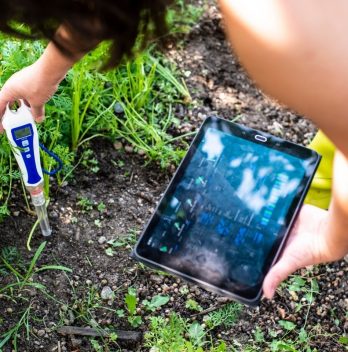
    • High-output fluorescent tubes simulate natural sunlight
    • Full spectrum light encourages healthy plant growth
    • Choice of three sizes
    • Sold individually
    • Note: These bulbs are only for use in fixtures that are designed for T5 bulbs

    FAQs

    What’s the problem with them?

    The main drawback to growing with T5 lights is that they do not provide the same amount of light as a traditional outdoor garden would. While T5 lights are a great way to grow plants for personal use, they are not an ideal method for commercial purposes.

    Growing with T5 lights is much more expensive than a traditional outdoor garden.

    Are TS5 grow lights?

    T5 lights are often referred to as “grow lights” but that’s not quite accurate. The reason being that T5 lights are used for indoor plant growth, whereas grow lights are used for outdoor plants.
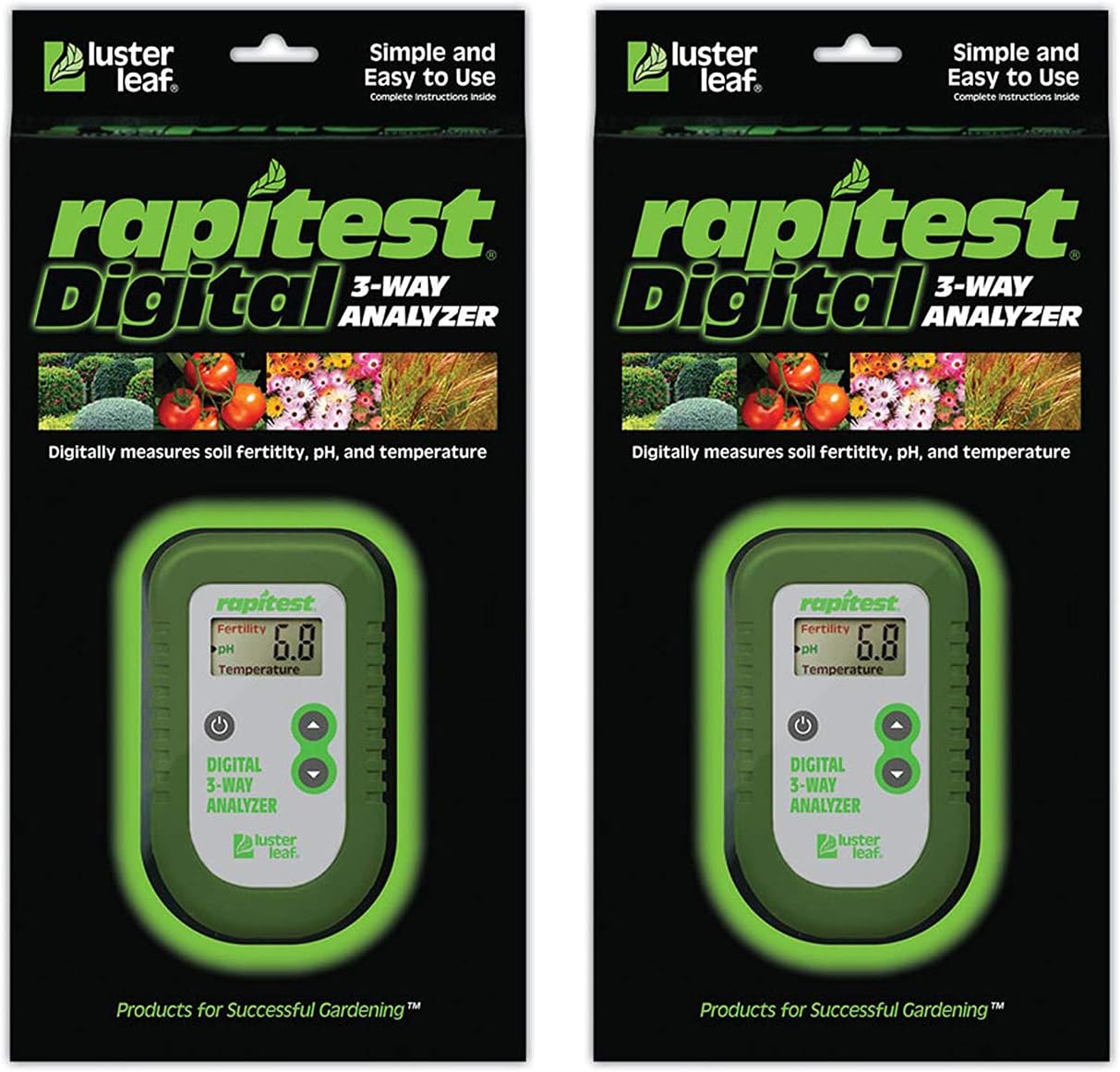
    The difference is that grow lights are designed to produce a lot of light, whereas T5 lights are designed to produce a lot of light in a very small space. If you want to know the best way to grow weed with T5 lights, then you’ve come to the right place. So, what exactly are T5 lights? T5 lights are also referred to as fluorescent tubes. They’re commonly used to illuminate office spaces, restaurants, and retail stores. In fact, they’re so common that they’re also used indoors for growing weed. T5 lights have an advantage over HID lights in that they use less electricity, which means that you can grow more plants per watt. The downside to T5 lights is that they’re not really suitable for outdoor growing because they don’t provide enough light.

    Are they good for growing lettuce?

    Yes, I’d recommend getting some T5HO’s and growing from seed. They do fine indoors and if you get a good light schedule (16/8. you can grow an absolute ton of greens indoors. A lot of people are growing lettuce in them right now, and it’s absolutely amazing.

    T5 Led Grow Lights Conclusion

    T5 grow lights are great when it comes to vegetative growth and propagation. If you have not yet tried the fluorescent lighting for the growth stages, we recommend using a t5 grow light. You will be surprised by the good results you get.  As well as the easy way to light up your plants when the natural sunlight is not around.  A cool way to still enjoy your favorite vegetables and flowers off-season! 

  • What Is Azomite And How To Use It In Gardening

    What Is Azomite And How To Use It In Gardening

    Most farmers do not have a proper understanding of what azomite is and how to use it in gardening, especially if they practice organic farming.

    The continuous propagation and leaching effects of water deplete the essential minerals and micro-nutrients from the soils. Such soils remain weak and cannot support the production of fruits and vegetables.

    Azomite minerals contain micronutrients that supplement the soil. It also balances the minerals needed for growth and overall productivity. Constant use of this mineral rejuvenates your soil, renewing its potency.

    What is Azomite?

    Azomite is a naturally mined mineral product that is ready to use. It’s a unique rock that comes from a mine in central Utah. Azomite requires no mixing or special preparation before use. It is derived from volcano ash that spewed out millions of years ago. The “What is Azomite” question is now answered, but for more clarification, see the video below.

    What is Azomite Video: Azomite Organic Growing Explained.

    Azomite contains the widest range of minerals of all rock dust in the world. It provides plants with 70% essential elements, including magnesium, calcium, potassium, and silicon, which are necessary for plant growth.

    Facts About Azomite Fertilizer

    • It’s a natural mineral – 100% natural with no fillers or additives
    • Does not contain any harmful elements
    • Requires no special preparation before use
    • It’s odorless – very friendly to use
    • Does not restrict water penetration or aeration
    • Is easily broken down and absorbed into the soil
    • Does not burn plants

    How To Use Azomite For Plants

    Azomite should accompany compost, manures, hummus, or other fertilizers. It provides additional nitrogen, potassium, and phosphorous. It can either be lightly turned into the soil surface or applied in the row when planting.

    Azomite Application Rate

    • When Planting: Use ¼ cup per plant. For larger areas, apply 44 lb per acre based on rows that are approximately 18” apart with 12” apart.
    • For House Plants: Use 1 teaspoon per 2-inch pot with potting soil before planting. Use 1 teaspoon in a 1-gallon watering can quarterly.
    • For Gardens: Apply 1 lb per 25 root feet or 10 lbs per 100 square feet by watering or top dressing. If planting in rows, mix into the soil along the rows at a rate of 1 lb per 25 ft of row. If using an established bed, sprinkle around each plant.
    How To Use Azomite For Plants
    What is Azomite
    • For Trees: Apply 1 to 5 lbs each, depending on the tree size. For grapes, roses, and shrubs, use 1 lb per plant, spread it around the root zone, and rake it.
    • New Lawns: use 5 lb per 1000 square feet.
    • Established Lawns: use 3 lbs per 100 square feet. Apply once per year in spring or fall, broadcasting evenly and watering it.
    • When Transplanting Seedlings: Add 1-3 tablespoons per seedling

    Where to Buy Azomite

    Getting the right azomite is essential.  Beat the quacks by buying from the company or finding sellers on Amazon. Be sure to get the right product in its purest form for excellent results.

    Amazon Choice Seleciton
    Handy Pantry 2 Lbs of Azomite – OMRI Organic Trace Mineral Soil Additive Fertilizer
    $15.66

    AZOMITE can improve plant and root system growth, crop yields, and quality as well as re-mineralize nutrient depleted soils

    We earn a commission if you make a purchase, at no additional cost to you.
    06/11/2026 09:02 pm GMT

    FAQs What is Azomite, and how is it used in the garden?

    How Often Should I Apply Azomite?

    The type of plants you are growing, and the specific soil conditions will determine how often you should apply Azomite to the ground. Generally, Azomite is a slow-release fertilizer. You should apply it once or twice a year. If you use Azomite as a soil amendment, you can apply it at planting time or mix it into the soil before planting. If you are using Azomite as a fertilizer, you can apply it according to the instructions on the product label.

    It is important not to overapply Azomite. This can lead to excess nutrients in the soil and potentially harm your plants. If you are unsure how often to apply Azomite, consult a local gardening expert or the product manufacturer for more specific advice.
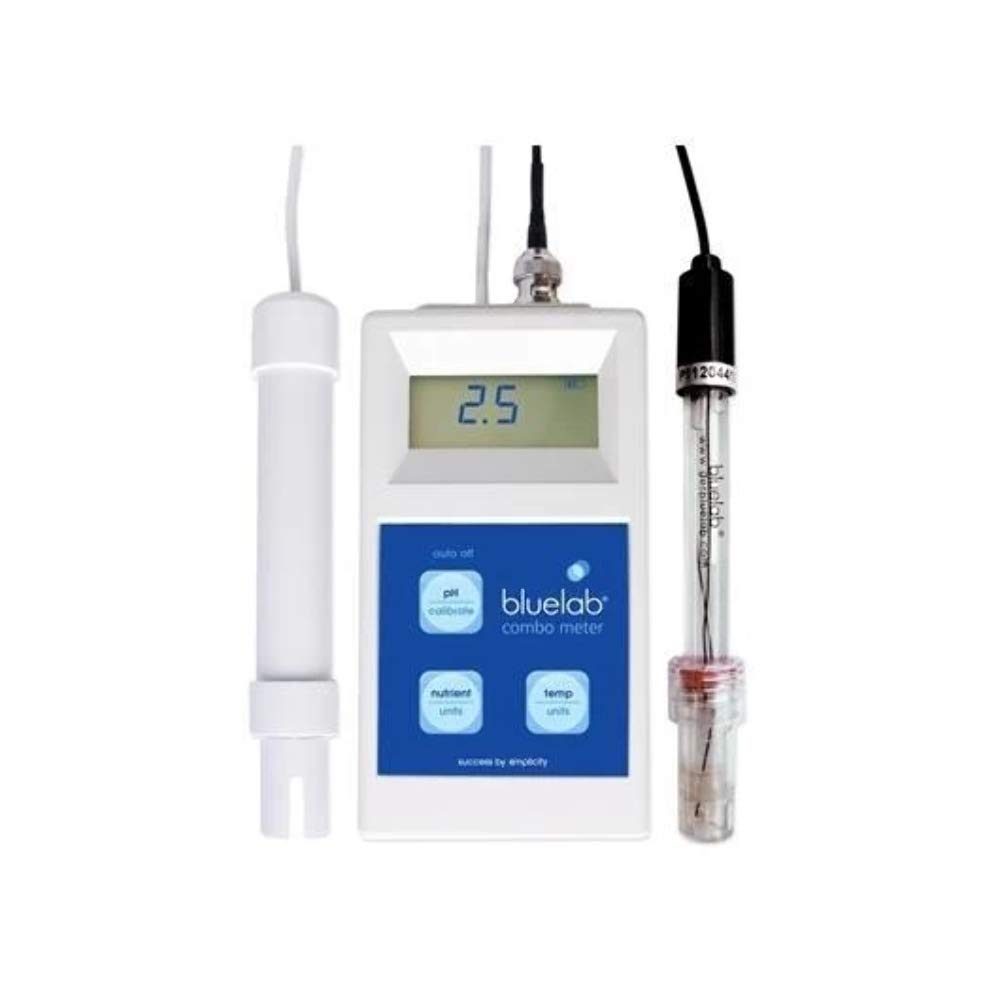
    How Long Does it Take for Azomite to Work?

    The amount of time it takes for Azomite to affect your plants will depend on a variety of factors. These include the type of plants you are growing and your specific soil conditions. Because Azomite is a slow-release fertilizer, it can take several weeks to months for plants to show improved growth and health.

    If you use Azomite as a soil amendment, you may see immediate effects like an improved soil structure and increased water retention. Other benefits will only become apparent over time. It is essential to be patient.

    What Color is Azomite?

    Azomite is a mineral product composed of minerals and trace elements. It is typically light brown or tan in color and has a granular or powdery texture. Depending on the specific minerals and trace elements it contains, azomite can also sometimes have a reddish or orange tint.

    Generally, the color of Azomite is not important. Trace elements and minerals benefit plants.
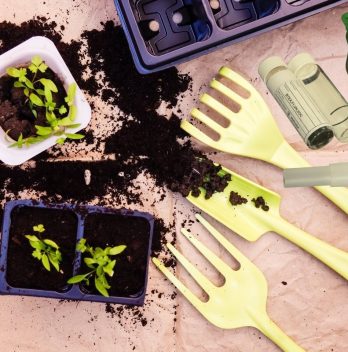
    What is The pH of Azomite?

    The pH of Azomite is not a fixed value. It can vary depending on the specific minerals and trace elements that it contains. Generally, Azomite is considered t be neutral to slightly alkaline. Its pH can range from
    6.5 to 8.0.

    The soil in which you are applying Azomite is a more important factor to consider. This will affect the availability of nutrients to plants.

    Does Azomite Have Iron in It?

    Azomite does not contain iron as a standalone ingredient, but it may have small amounts of it as a trace element. Iron is an essential nutrient for plant growth and is required in tiny quantities to produce chlorophyll and ensure the proper functioning of enzymes.

    While Azomite does not contain large amounts of iron, it can still help plants grow and thrive with the trace amounts it has. Additionally, the other minerals and trace elements present in Azomite can help improve the soil‘s overall health, which can support the uptake of iron by the plants.

    Does Azomite Expire?

    Azomite does not have an expiration date. It is a natural mineral product that does not spoil or go bad over time. The minerals and trace elements in it do not break down or lose their effectiveness over time.

    However, Azomite may lose some potency if it is stored improperly or exposed to extreme conditions such as very high temperatures or prolonged exposure to moisture. It is generally best to keep Azomite in a cool, dry place and to use it within a few years of purchase to ensure that it is at its full potency.

    If you are unsure whether your Azomite is still effective, you can consult the manufacturer or a local gardening expert for more information.

    How Much Azomite is Needed Per Cubic Foot of Soil?

    The amount of Azomite you should use per cubic foot of soil will depend on the specific plants you are growing and the conditions of your soil. Generally, it is recommended that you use 1 – 2 cups f Azomite per cubic foot of soil.

    However, this is just a general guideline. You may need to adjust the amount of Azomite you use based on the specific needs of your plants and soil. It is also essential to follow the product label instructions and avoid overapplying Azomite. Doing this can lead to excess nutrients in the ground and potentially harm your plants.
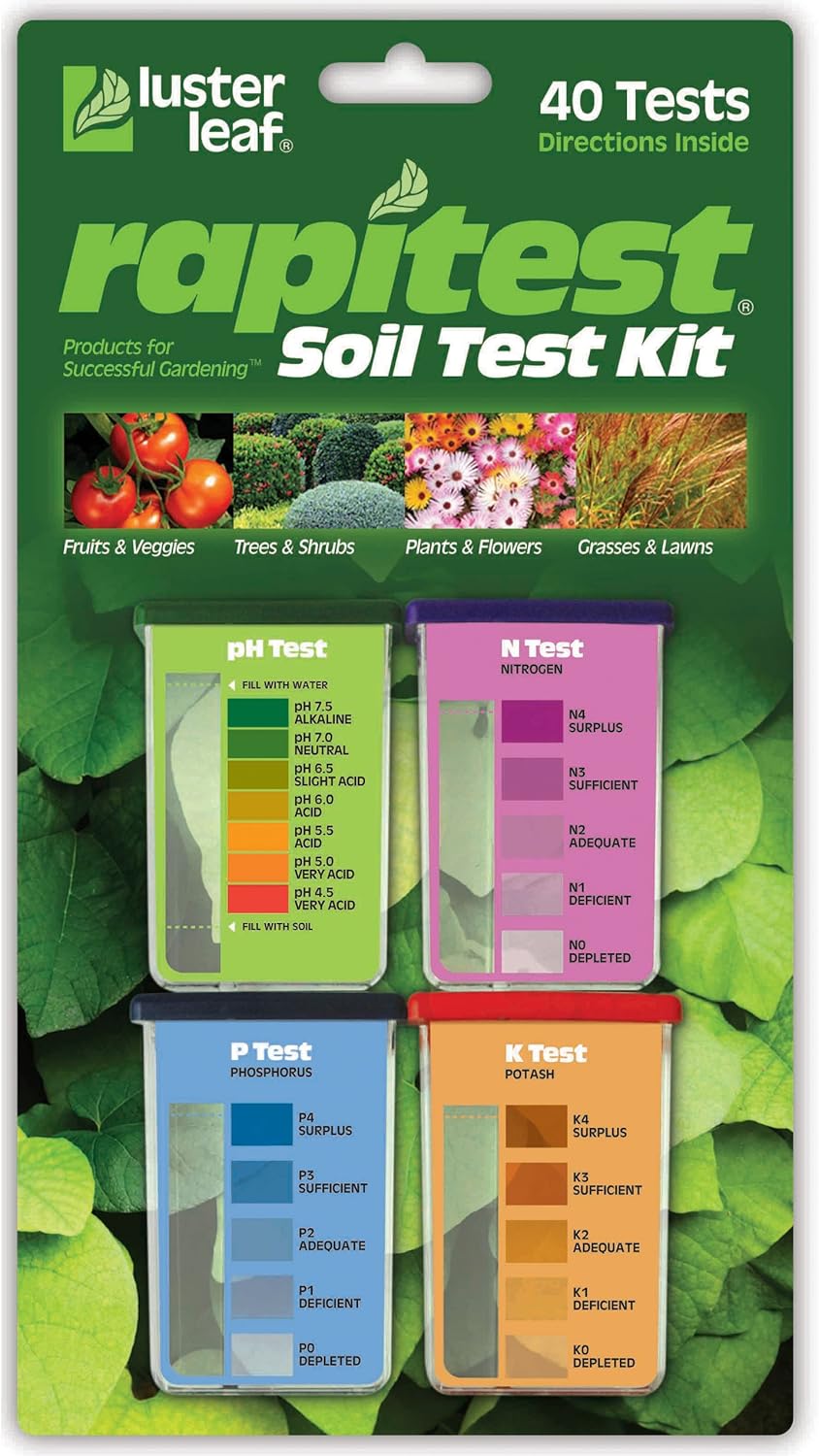
    What is Azomite and how is it used in gardening?

    Azomite is a natural mineral product used as a soil amendment to provide essential trace elements for plant health.
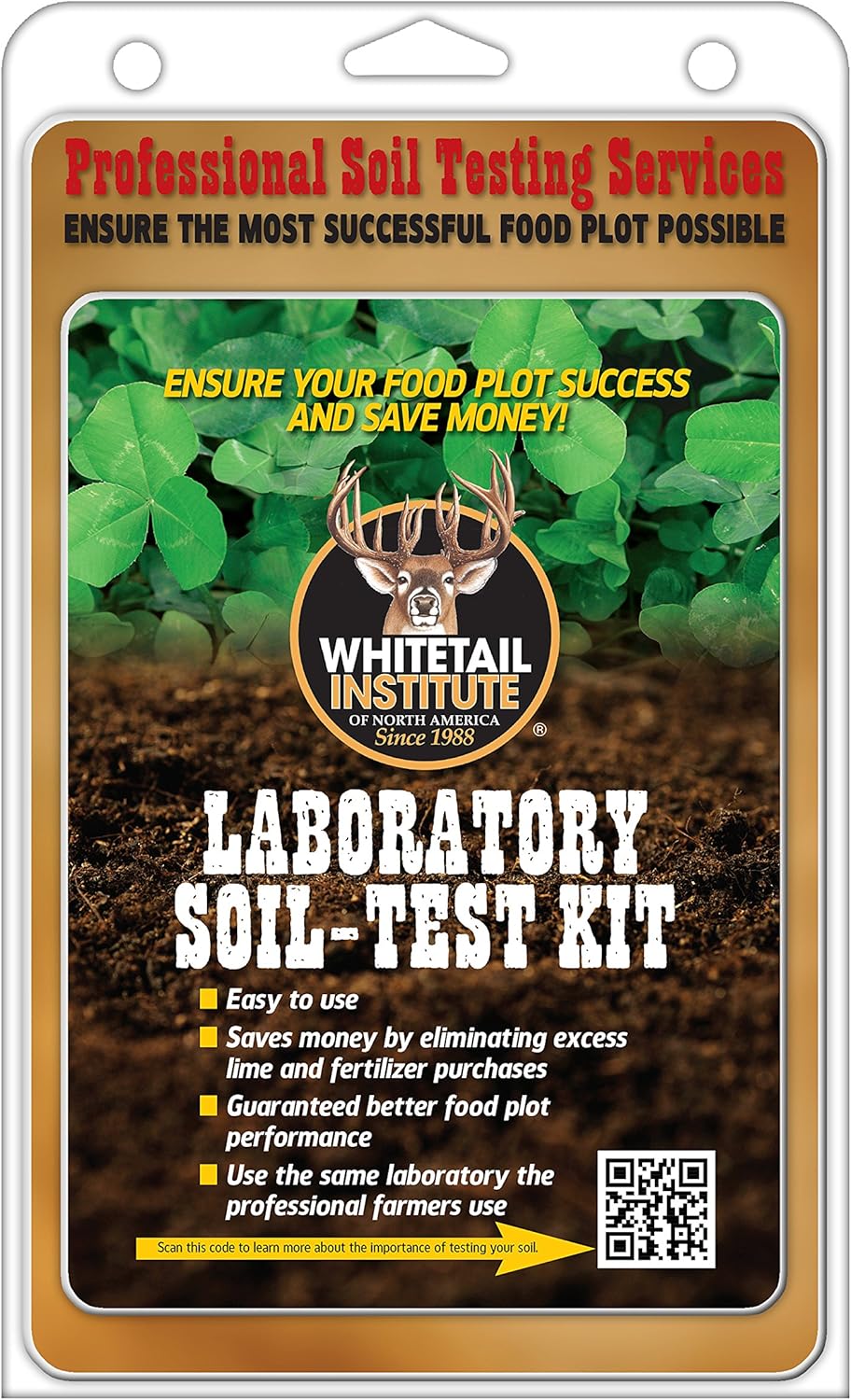
    What are the benefits of using Azomite in soil?

    Azomite improves soil fertility, enhances plant growth, and supports stronger roots by supplying 70+ trace minerals.

    How do you apply Azomite to plants?

    You can apply Azomite by sprinkling it on the soil or mixing it with water as a foliar spray.

    Is Azomite safe for organic gardening?

    Yes, Azomite is OMRI-listed and approved for organic gardening.

    What nutrients are found in Azomite?

    Azomite provides minerals like calcium, magnesium, potassium, and iron.

    How much Azomite should I add to my soil?

    Typically, you apply 1 to 2 pounds of Azomite per 10 square feet for gardens or ½ to 1 pound per inch of pot diameter for potted plants.

    Can Azomite improve crop yield?

    Azomite can improve crop yield by enhancing nutrient availability and plant health, resulting in more robust growth.

    Is Azomite the same as rock dust?

    Azomite is a type of rock dust, but it’s unique because it originates from volcanic ash deposits, making it rich in trace minerals.

    Conclusion

    Nature has a way of healing itself if we give it that chance. Volcanic eruptions are dangerous, especially to those living around the area, but what a blessing in disguise to get the volcanic ash to feed the soil and plants in return! What is Azomite has been answered and now you know how to apply it to your organic garden.

  • How To Natural Homemade Root Hormone

    How To Natural Homemade Root Hormone

    Have you ever transplanted herbs or seedlings in your garden beds? Do you propagate plants from your garden? If you have, you must have noticed that some of the transplants and/or stem cuttings don’t stay alive after a few days. If you follow the instructions of this how-to post, you will achieve better transplants and a higher rate of survival of your cuttings through preparing and applying your homemade root hormone. 

    In my first gardening years, I started experimenting with plant propagation and transplants, without much success. My cuttings suddenly looked weak, then they languished, and finally wilted. Watering was no solution because the cuttings didn’t have a root system to absorb water or nutrients. Sooner or later I learned some homemade recipes to prepare rooting hormones. 

    Homemade Root Hormone Willow Water

    Willows are very special from which we can prepare a very good root hormone. New branches and leaves from these trees are packed with rooting hormones (from the auxin family). The Willow Water can be prepared in two simple ways, which only vary in the cooking tools, not in the ingredients. For this homemade root hormone, known as willow water, you will need:

    • A few branching tips of a well-identified Weeping Willow (or another tree from the Salix relatives), 
    • A big jar or container with a lid. 
    • Enough water to cover the willow branch-tips.

    Homemade Root Hormone Willow Water

    How To Prepare and Use Willow Water Root Hormone

    1. Collect some young willow branches with new and growing leaves. These branches are yellowish or have a light brownish appearance. 

    2. Remove the leaves off the branches (you may compost them).

    3. Cut the leftover branches in small stems, of about 1” (2.5 cm) long. 

    4. Put the branch pieces in the container and cover them with boiling water, just like you would make a very concentrated tea. Let it stand overnight. 

    5. Strain the willow tea, which now has become the willow water, and keep it in the container until you wish to use it. 

    6. To use, pour some of the Willow Water in a flask, add water, and put your cuttings in for a few hours (or overnight) so they can absorb the root hormones in it. Plant the cuttings and observe them for new growth signs in the next few days. 

    Alternative Procedure to Prepare the Willow Water

    There’s another way of preparing the Willow Water, but it takes a bit longer. Follow steps 1-3, put the willow pieces in a jar with water, close the lid. Let it soak for at least three days and proceed with steps 5 and 6. 

    Useful Tips to Preserve Your Willow Water

    The Willow Water can be saved in a jar for up to two months if kept in the fridge. Remember to label it appropriately (with the substance name and date of preparation).

    You may also find very deep and interesting info about the willow trees (Salix species) and a detailed procedure to prepare the willow water in Deep Green Permaculture

    In case you can’t get the ingredients for your homemade root hormone, or maybe you don’t have the time to prepare it, here is a small list of the best root hormones available for sale. These products are mostly organic extracts that have a strong growth effect on your plants’ roots.

    Useful Tips to Preserve Your Willow Water


    FAQs

    How can I make rooting hormone at home?

    Rooting hormone is made from the sap of a number of plants. The sap of the American Beech tree is often used, but there are others including the sap of the Japanese Beech (Fagus crenata) and the Sapwood Ash (Fraxinus excelsior). If you want to try making your own, then start by collecting some sap from the trees in question.

    Make sure that you clean the sap well before using it, because the plant sap can contain bacteria and fungi. Once you have collected the sap, you will need to boil it for several minutes, or until the bubbles stop rising. You can then strain the sap through a fine mesh strainer and let it cool. If you like, you can add some of this mixture to your garden soil, but this will probably make your plants more susceptible to attack from fungus and disease.

    What can I use instead of root hormone?

    The most common alternative is to use an organic fertilizer (such as compost) and then water thoroughly. The organic fertilizers have a lot of nutrients that will help the plant grow.

    What is a good amount of hormone for a plant?

    There isn’t an exact amount of hormones that is right for every plant. When you start with hormones, it’s best to keep a small amount on hand. As you gain experience, you’ll learn how much to add to the soil. Also, as you get more experienced, you’ll be able to tell if a plant needs more or less hormones.

    How can I increase my root growth naturally?

    If you have a pot with poor drainage, it can be difficult to grow plants that need water. You can use a piece of wood as a base to help the plant stay upright. If you have a large pot, then you will need to dig out the pot and add more drainage. It is important that you get the right soil for your plant. If you are not sure what type of soil to use, then you should get some advice from a gardener or nursery.

    Can sugar water help plants grow?

    Sugar water is a solution of sugar dissolved in water. Sugar water is made with sugar that has been dissolved in water. The sugar solution provides essential nutrients to the plants. It also attracts water to itself. These are the reasons why using sugar water can help plants grow. The sugar acts as a fertilizer. It encourages the plant to absorb more water and nutrients. It also improves the environment in which the plant is growing.  When the sugar water enters the roots of the plant it attracts water to itself.

    This leads to a higher level of hydration. When this happens the cell walls are also strengthened. This makes it easier for the plant to absorb nutrients from the soil. Sugar water also helps to improve the root environment. The root environment includes the air around the roots, the soil and the water. By improving the root environment it helps to improve the growth rate of the plant.  

    Conclusion

    I hope you try the Willow Water to improve the success rate of your cuttings in the garden and that you may also feel more confident in the process of plant propagation. Please tell me all about your experiences and if it works its wonders please share this post with your friends and gardening buddies. 

  • Where To Buy Sulfur Powder And How To Add It To The Soil

    Where To Buy Sulfur Powder And How To Add It To The Soil

    Every organic farmer who wants to improve their soil pH and add natural nutrients ought to know where to buy sulfur powder and how to add it to the soil.

    Sulfur powder is a natural pure element that comes as a yellow powder. It is one of the world’s oldest remedies for human ailments and for improving the soil for farming.

    Where to Buy Sulfur Powder?

    Most farmers wonder where to buy sulfur powder. It is common to find it in the most popular online markets by verified sellers.  Like other online shops, Amazon is one of the best stockists in the world.

    Sulfur Plant Fungicide, Organically Controls Rust, Leaf Spot and Powdery Mildew
    $21.99
    We earn a commission if you make a purchase, at no additional cost to you.
    06/12/2026 12:04 pm GMT

    Where Does Sulfur Powder Come From?

    It originates from volcanic emissions and ancient mined sulfur around volcanoes. Today, sulfur comes from a by-product of crude oil and gas processing. It is an essential element containing all living cells.

    How to Add It to the Soil

    This powder has many benefits to the soil; all farmers need to learn how to add it. Application for this powder depends on the type of soil you are working with. Below is a table showing how the sulfur powder should be distributed to lower the soil pH to 4.5.

    Sulfur powder needs to lower the pH of the soil (lb/acre)


    SOIL TYPE

    CURRENT pHCLAYLOAMSAND
    5.0175530800
    5.535010301600
    6.053015402300
    6.566020203030
    7.084025603800

    Advantages of Adding Sulfur Powder to The Soil

    This fantastic powder has many health benefits for the soil. They include:

    • Lowering the soil pH value.  The best soil pH ranges from 5.8 to 7.0. Some soils, especially in the limestone regions, may have a high pH of about 8.0 with 50% lime. Such soils lack essential minerals like iron, manganese, and zinc. The leafy plants growing in such soils may become yellow due to deficiencies. Adding sulfur powder to the soil solves these problems.
    • It is a great fungicide.  This powder controls fungus and mildew on leaves. It is best known to prevent mold, especially when applied before the fungus settles on the leaves. It works best when used on dry leaves.
    • It is best used as a pesticide. Sulfur powder is one of the oldest, best-known pesticides. It is best used in vegetables and fruits. It controls thrips and spider mites. One has to wear a protective mask when applying this powder.
    Advantages of Adding Sulfur Powder to the Soil

    • It offers essential nutrients to plants. Sulfur carries essential plant nutrients that include, Potassium, Nitrogen, and Phosphorous.  It also improves the soil and assists in fixing phosphorous and nitrogen.
    • Used as a snake repellant – Snakes do not like the smell of sulfur powder. It is one of the best repellants for your outdoor surroundings without killing them.
    • Used as an insect repellant on pets. Rubbing sulfur powder on pets eliminates chiggers, ticks, and other pests.

    Learn more about organic fertilizers like Kelp Meal.

    Where Do Plants Get Sulfur From?

    Sulfur is an essential micronutrient for the growth and development of plants. It is mostly absorbed by plants as sulfate from the soil. It is then translocated to plastids in the leaves, where it is then assimilated into organic products,

    Sulfur plays a vital role in plant photosynthesis, respiration, and the formation of cell membrane structures.  It originates from rocks and minerals released by water weathering, temperature changes, and chemical reactions. When exposed to air, sulfur combines with oxygen to form sulfate which is the form that is available to plants.

    Sulfur is stored in raw organic material and humus in most soils. Microorganisms in the soil work to decompose this organic matter, and in the process, the organic sulfur is converted to sulfate, the form in which plants can absorb it.

    Does Epsom Salt Add Sulfur to Soil?

    Epsom salt is magnesium sulfate, meaning it contains a form of sulfur.

    It is essential for plants as it helps their seeds germinate, makes the plants grow bushier, and produces more flowers. It can also help to improve chlorophyll production and deter insects and pests such as slugs and voles. Epsom salt may be a great addition to conventional fertilizer as it can supplement vital nutrients.

    The best way to use Epsom salt is to drench the soil with 1 tablespoon of Epsom salt solution for 1 gallon of water. Apply this solution to the soil after seeding to help keep the sulfur levels in the soil up.

    Another way to apply sulfur to the soil through Epsom salts is by sprinkling a cup on a seeded bed. This will significantly benefit your plants.

    Epsom salts also have the added benefit of adding another nutrient to the soil: magnesium. This can give your plants a boost, but it should only be used when there are deficiencies in the soil.

    How Long Does it Take For Sulfur to Lower Soil pH?

    One of the cheapest ways to lower the pH of the soil is to add sulfur. Bacteria in the soil transform sulfur into sulfuric acid, which reduces the soil pH.

    The application rate needs to be reduced by 2 points to about 2000 lb per square acre area.

    Using sulfur to lower soil pH is a slow process so large pH changes are unlikely to happen quickly. It may take up to years to see a noticeable change.

    A pH change may take about 2 to 3 months for a smaller area. Make sure you get the best quality Epsom salts to achieve this. Add sulfur this year to lower the pH for the following year or the next growing season. This will give the sulfur and bacteria in the soil enough time to react and produce their required results.

    When Do You Apply Sulfur to Soil?

    A spring application of sulfur usually works best. It is during this season that you will have the highest activity of bacteria that will transform sulfur to sulphuric acid, which will help lower the pH

    Because this is such a slow process, you may have to repeat the application over the years to get the best results.

    What Should Sulfur Levels Be in Soil?

    The critical limit of sulfur in the soil is approximately 7-15 ppm. Anything below this range may hamper plant growth and production.

    Take Away

    Finding one powder that takes care of so many problems like this one is not common. This one is beyond doubt!

    FAQs

    How do you add sulfur powder to soil?

    Sulfur (S) is an important mineral that’s often added to the soil. You can add it directly, or if you’re working with a large volume of soil, you can add it as a liquid or powder and then mix in the soil.

    You don’t need to add sulfur to the soil, but you can use it as a fertilizer. It is sold as a dry powder for use in garden and flower beds, and you mix it with water and water-soluble fertilizers to create a water-soluble product. It will be available at your local garden center or nursery.

    If you need to add sulfur to your soil, you need to find a source of elemental sulfur, or hydrogen sulfide.

    Sulfur is applied to the soil as a component of a sulfur-based fertilization program. The amount of sulfur applied to soil is determined by the type of soil and climate you are growing in.

    What is sulfur good for?

    Sulfur is a key ingredient of soil. It helps plants to absorb nutrients, and it also improves soil structure. Sulfur is found in many different sources such as soil, compost, gypsum, wood ash, seaweed, sulphate of lime, sulphate of magnesia and gypsum.

    Sulfur is an essential nutrient for plant growth and development. Plants require sulfate for the synthesis of many important compounds, such as amino acids, fatty acids, proteins, nucleic acids, chlorophyll, and vitamins.

    Sulfur is a mineral that can be added to your garden. It will increase the number of healthy plants and decrease the number of sick plants.

    If you are trying to boost your soil’s fertility, adding sulfur to your soil is an important step. Sulfur is a key component of the process that converts atmospheric nitrogen into plant-available nitrogen.

    Where can you buy powdered sulfur?

    Powdered sulfur is sold in chemical supply stores. It’s usually labeled “sulfur”, “sulfate” or “S”. The “powder” part of the label means it’s fine, and not a coarse rock powder. I’ve seen it in a couple of different grades, but I’d suggest the cheapest one that still gets the job done.

    You can use elemental sulfur (sulfuric acid) or sodium sulfate. These are sold in garden centers as “plant food”, or as “plant food pellets” (I have not seen them for sale under any other name). They are very cheap and easy to use.

    How much sulfur should I add to my soil?

    Plants have different needs for sulfur, and you need to test the soil in your garden and add the proper amount. There are different ways to measure sulfur. The most common way is to use the sulfate of potash method. This involves mixing up a little water with the soil.

    Sulfur is found in all soils but its availability is low because most plants cannot use it. Sulfur is also very mobile and can be carried out of the soil by water.

  • How Do You Water Aloe Vera Appropriately?

    How Do You Water Aloe Vera Appropriately?

    Aloe Vera is well-known worldwide for its medicinal and agricultural uses. It is a succulent plant, which means it can endure arid climates because of its ability to retain water in its engorged, jelly-like, and plump parts.

    Though it is known that aloe is a succulent, one of the most common dilemmas of people who want to grow the plant is knowing how often should you water aloe. It may be because an aloe plant is very easy to take care of, but one simple mistake can also kill this plant easily.

    If you’re planning to get aloe as an addition for your indoor plants at home or outdoors in your garden, please continue reading. I hope we can help you take better care of this plant through this article.

    How Do You Water Aloe?

    Though aloe vera is a succulent, they need water just like any other plants. But, watering an aloe may be tricky and may not be as easy as you think. Research proves that there are different watering needs for this plant.

    How Do You Water Aloe Vera Appropriately?

    Take note of the following important factors below to ensure that you are doing the appropriate irrigation for your aloe vera plants:

    • Depth – you should water aloe deeply and heavily, as it allows built up salts to seep through the soil. Succulent plants are sensitive to chemicals and minerals in water supplies.
    • Frequency – watering this plant needs to be constant enough to develop growth but not too often as it can drown your plant.
    • Type of Water – while we’re talking about water supplies, let me tell you that not all kinds of water can be good for aloe vera. Tap water can harm your plant, while filtered water is on the safer side. Some people even use distilled water if their aloe seems to be down and sickly.
    • Soil Moisture – irrigating your aloe plants cannot be based on your calendar, rather on its soil moisture. To keep it short, you will only need to water your aloe if the soil is thoroughly dry.

    How to Check Soil Moisture?

    Soil Moisture is one of the key points you need to remember in growing your aloe plant. So we have listed below some of the ways you can keep track of your plant’s soil moisture.

    How Do You Water Aloe Vera Appropriately?

    • Touch Test

    You can dig and put your fingers deep into the soil to touch and feel it. Check whether the soil is completely dry or if it still has moisture in it. Again, only water your aloe if the soil is thoroughly dry.

    • Soil Moisture Meter

    This video shows us how to use a soil moisture meter or sensor. There are a lot of soil moisture meters out in the market, so you don’t need to fret on where to find this item. 

    I checked out the best moisture meters to make things easier for you, and here are some that I can recommend:

    Kensizer 3-in-1 Soil Tester
    Gain Express Ph and Soil Moisture Meter
    VIVOSUN Soil Tester 3-in-1 Plant Soil Moisture Meter
    Sonkir pH Soil Moisture Meter
    Dr. Meter S10 Soil Moisture Sensor

    • Deciding by Weight

    You basically just need to lift your pot up right after you water it; then, after a few days, you can do the same thing and decide if it feels lighter than the last time you watered your aloe plant. If you want to be meticulous and accurate, you can even use a weighing scale, no one will judge you. But obviously, this method is not suitable for aloe plants that are not in pots. 

    What Are the Cases When Aloe Needs More Water?

    Different conditions cause your aloe vera to require various amounts of water during particular times.

    How Do You Water Aloe Vera Appropriately?

    • Pot size – more petite pots are more likely to dry out quicker than the others.
    • Weather – aloe plants in brighter/hotter conditions tend to use up more water because the soil definitely dries up more instantaneously. So obviously, you need to water your plants more frequently during summer and even more scarcely in winter.
    • Type of pot – terra cotta pots is the most recommended for aloe vera plants as it dries out faster than glazed ceramic, plastic, or anything that is not porous in the material.

    What Are the Common Problems in Growing Aloe Vera?

    Overwatering

    This the top most common mistake an aloe plant owner commits, especially for first-time plant owners. When you start seeing soggy, droopy leaves, that’s the first symptom that your aloe is overwatered.

    If left untreated, your plants may not recover, as it will definitely develop a mushy base or root rot that will eventually kill your aloe vera.

    Drainage Holes

    Selecting a pot with drainage holes is one of the most important things to remember when preparing to grow an aloe vera, whether indoors or outdoors. Waterlogged condition for your plant is a definite no-no, thus adding a drainage hole in your pot becomes a necessity.

    Excessive Sunlight

    Aloe vera needs lots of light but not direct sunlight. You can grow an aloe plant indoors, but it doesn’t mean that it’s a low light plant. Drooping and discoloration of leaves are usually caused by intense sunlight.

    Too Much Fertilizer

    This succulent does not really need fertilizing as much as other plants, but you can do so if you see that your plant needs more nourishment. Using fertilizers on aloe plants, especially liquid fertilizers, should only be done once a month. 

    Make sure to remember that you need to water your plant 12 hours before you administer the fertilizer. By the time you use it, just enough water is left to protect the roots of your plant from the strong chemical contents of your fertilizer.

    FAQ’s

    Do you water aloe from top or bottom?

    If you’re growing aloe for its medicinal properties, it’s a good idea to water your aloe plants from the bottom. Aloe plants use their roots to absorb nutrients, so if you water them from the top, they may be shorting out on nutrients.

    A healthy plant will usually have a few leaves hanging over the pot. Water in the morning and check the plants again at noon. If they are still looking healthy, you can add a little more water and check them again at dinner.

    How can I tell if my aloe vera needs water?

    Aloe vera is a succulent that grows in the tropics, and it’s one of the most popular plants at nurseries. It’s also very easy to grow.

    The plant requires moderate amounts of water, but it doesn’t need to be watered often.

    Aloe vera needs about an inch of water per week.

    Do aloe plants need direct sunlight?

    The Aloe plant needs plenty of sunlight.

    They prefer bright light and warm temperatures. You may want to provide some shade for the first few months, until your indoor plant grows strong enough to tolerate full sun. It can be grown indoors or outdoors, but it prefers a sunny location.

    How long can aloe vera go without water?

    Aloe vera can go for a few months without water, but it will start to wilt and turn brown. It is best to keep the plant in a cool environment (60-70 degrees Fahrenheit) with bright light (natural or fluorescent). Aloe vera plants also need indirect sunlight and should not be placed near windows. The plant needs regular watering, as it does not like sitting in water.

    Where is the best place to put an aloe vera plant?

    I would recommend putting it in a sunny window. It should get bright light, direct sun all day and indirect shade during the afternoon or evening. Aloe plants like warm temperatures. They don’t like very cold or very hot temperatures. They also like a humid environment.

    How do you make aloe vera grow bigger?

    It is possible to make aloe vera grow larger. It is also possible to grow it with a white flower and a green leafy plant. You can grow the plant indoors, but it will take a while. You can buy a seed kit that includes instructions for growing it. Some of these kits include an indoor light bulb.

    It is best to grow the plant in a pot or container. The more sunlight and water the plant gets, the better it will grow.

    Can I put my aloe plant outside in the summer?

    Aloe plants are known to be very hardy. They will do well outdoors all year long and can even survive a light frost. However, they like warm temperatures and should not be placed directly in the sun. You may place it where it gets morning sun and afternoon shade. It should receive direct sunlight during the day and at least half the shade of the sun at night.
    If you want it to be happy, you should take it inside. But you can’t make it grow without light. If you put it in a sunny spot, it will grow, but it won’t get much bigger than it is now.

    Conclusion

    There is no general answer or exact irrigation scheme for aloe plants. But, you do need to memorize the key component in growing this plant – water. Knowing when, how, and what to water your plant will help greatly in making your aloe vera survive.

    Feel free to comment below if you have additional information regarding the topic or if you have a better suggestion on how to take care of Aloe Vera.