Category: Tips & Guides

  • When To Plant Peppers

    When To Plant Peppers

    Peppers are one of the most popular plants people grow in their gardens. Knowing when to plant peppers is important to ensure you get the best possible crop. There are many different great varieties of peppers you can grow, each that are delicious.

    No matter your experience as a gardener, you can grow peppers with the right knowledge. They are one of the easier plants to grow and they often produce a good-sized harvest. From red bell to jalapeno, there are some tasty options you can grow at home.

    When To Plant Peppers

    Whether you grow them in your garden or a container, peppers make great plants to grow. Though they can grow in many different areas, they do best in warm weather.

    There are many great varieties of sweet and hot peppers that you can grow. You can eat peppers raw or cooked, as they taste great both ways. They are great for stuffing, casseroles, grilling, salads, and much more.

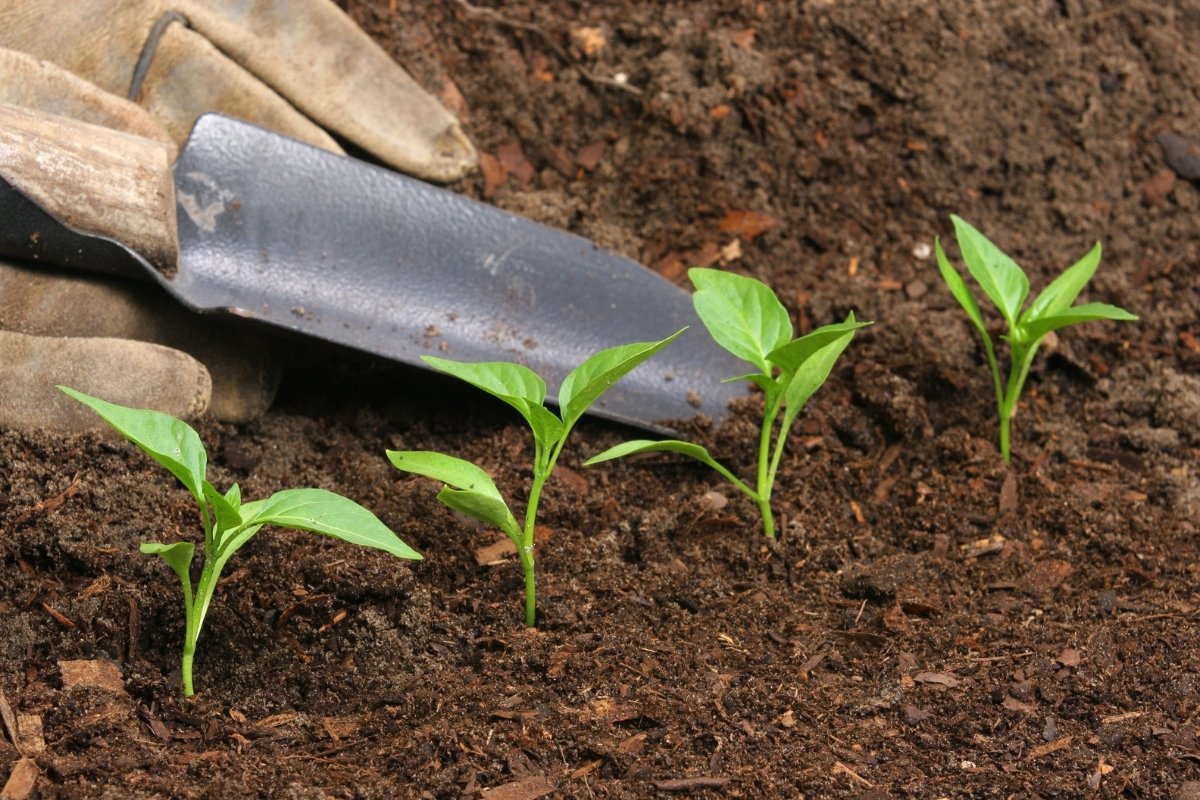
    Since peppers need warmth to grow, most people start growing them indoors before planting them outdoors. In most cases, growers will sow their pepper seeds in late winter or early spring indoors. Peppers will need about 8-10 weeks before the last frost date from sowing to transplanting until you can move them outside.

    When To Plant Peppers Outside

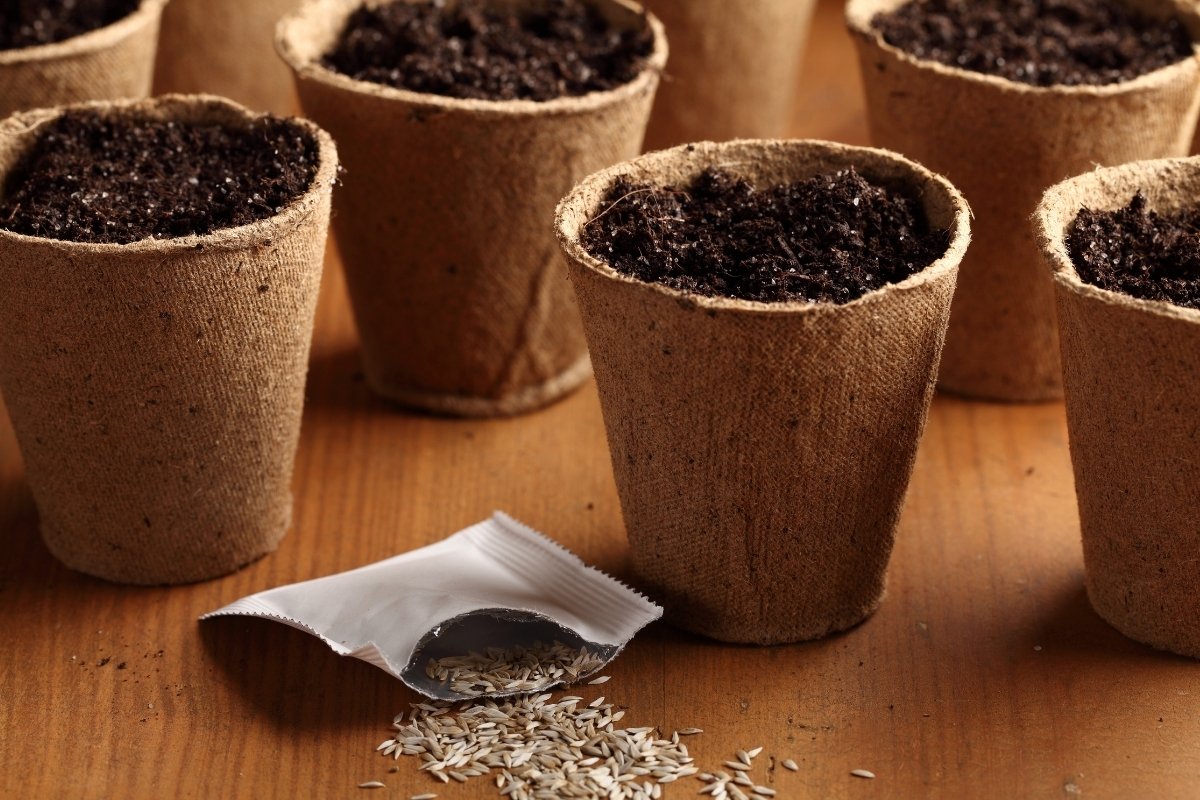
    Sow the seeds into pots or trays, at least one inch apart. It is best to begin growing them with a temperature around 70 degrees Farenheit.

    Once nighttime temperatures are consistently above 55 degrees Farenheit at night, you can transplant your pepper plants outside. Peppers will thrive in daytime temperatures of 70 to 85 degrees Farenheit.

    Plant your peppers around 16 to 24 inches apart. Be sure to plant them in areas where they get at least six to eight hours of sun as peppers do best in full sun. You can plant them in garden beds or containers that are at least are at least 1.5 gallons in size.

    Pepper Care – When To Plant Peppers

    Pepper plants need around one inch of water a week. You should allow the soil to almost dry up between waterings. On average, you will need to water them one to three times a week.

    Pepper plants do best in slightly acidic to neutral soil. The soil should be sandy loam soil that has plenty of organic matter and drains well.

    When the plants begin to produce flower buds, you can use a liquid feed high in potassium on a regular basis. Tomato fertilizer can be a great option for your pepper plants. After the first peppers grow, you can switch to using a low-nitrogen fertilizer.

    General Hydroponics FloraMicro 5-0-1, Use with FloraBloom & FloraGro

    61DRZxzL mL. AC SX569

    Be sure to weed carefully around your peppers, being sure not to disturb their roots. If necessary, you can use cages or stakes to support your plants.

    Though pepper plants strive in warm weather, they can struggle if the temperatures get too hot. If you are experiencing a heatwave, it may be a good idea to move your peppers back inside for a bit.

    Best Peppers To Grow

    There are many tasty varieties of peppers you can grow. You can go with the mild taste of sweet peppers or spice it up with hot peppers.

    Bell

    Bell peppers are one of the most popular types of peppers to grow. They are versatile, as you can prepare them in many different ways. These large sweet peppers can be red, yellow, orange, or green.

    Bell peppers are great as you can stuff, grill, saute or eat them raw. Their delicious flavor goes well in a variety of dishes.

    Poblano – When To Plant Peppers

    Poblanos are mild chili peppers that are green in color. They are large in size and make a great pepper for stuffing. In addition, they are also great for roasting and sauteing.

    Thai – When To Plant Peppers

    Thai peppers are a type of hot pepper, making them great for adding some spice to your meal. They are particularly popular in Asian cuisine. They are smaller in size and can be green or red when ripe.

    Jalapeno

    Jalapenos are one of the most popular types of hot peppers. They taste great on tacos, burgers, wraps and sandwiches. They tend to mature faster than most hot peppers, making them particularly great for gardeners up north.

    Habanero – When To Plant Peppers

    Habaneros are a spicy hot pepper with just a slightly sweet kick to them. They are orange at maturity and are relatively small in size. They are great in salsas, salads, and spicy dishes.

    Banana

    Banana peppers are medium-sized mild chili peppers with a mild tangy taste. They are typically bright yellow in color and are great on sandwiches, salads, and pizzas. They also taste great when they are pickled.

    Banana peppers

    Growing Your Own Peppers

    Peppers make great plants to grow, no matter your experience level in gardening. You can opt for sweet peppers or hot peppers, depending on your preference.

    Plant your pepper seeds 8-10 weeks before the last frost inside and once temperatures reach 55-60 degrees overnight, you can plant them outside. Be sure to water them one to three times a week and plant them in full sun. The soil should be sandy loam soil that is well-drained and use should use liquid feed high in potassium regularly when the flowers bloom.

    Do you have any questions regarding when to plant peppers? If so, please ask any questions regarding growing peppers in the comment section.

    FAQ’s

    When to Plant Peppers Outside?

    You should plant peppers outside when the overnight temperature has consistently been 55-60 degrees Fahrenheit or warmer. You will want to plant them after the last frost as they strive in warm temperatures.

    When to Plant Green Peppers?

    Plant green pepper seeds indoors 8-10 weeks before the last frost. Then, when overnight temperatures reach at least 55-60 degrees Farenheit, you can plant them outside. Plant green peppers 18-24 inches apart.

    When to Plant Banana Peppers?

    Plant your banana pepper seeds around eight weeks before that last frost. Plant them two weeks after your last frost or when overnight temperatures are around 55-60 degrees Fahrenheit or warmer.

    When to Plant Hot Peppers?

    Plant hot peppers 8-12 weeks indoors before the last frost. Once the overnight temperatures have risen to 60 degrees or warmer, you can plant them outside.

  • How Much Water Does Basil Need? – Gardening Secret Revealed!

    How Much Water Does Basil Need? – Gardening Secret Revealed!

    How much water does basil need is a question asked by most gardeners who want to grow this herb for their personal use.

    Basil is a perennial herb that grows from the root system. It needs full sunlight, lots of moisture, and a warm temperature to grow. It has a long life span, which means you can grow it all year round.

    You can start the seed indoors or outdoors. Basil is easy to grow and is one of the best herbs to grow in a pot. You can grow it in pots and grow it in the ground. The most important thing to know about basil is that it needs a lot of water, more than any other herb.

    So How Much Water Does Basil Need?

    Before you get planting, you will want to know how much water does basil need. In order to have a healthy basil plant, you need to provide adequate amounts of water. 

    The soil should be kept moist but not saturated. You should use a timer to make sure your basil gets enough water. You can also keep the soil dry by watering once or twice a week.

    Watering frequency for basil: Watering every 3-4 days to once a week is the best way to ensure your basil stays healthy. On hot, sunny summer days, you will generally want to water your basil plant daily.

    How much water does basil need? The amount of water your basil needs depends on the weather, the season, and your basil variety. In most cases, basil will need an inch of water a week.

    So How Much Water Does Basil Need

    The best time to water your basil is when it’s just starting to grow. In summer and autumn, basil grows in the shade, which means it gets less sunlight and therefore needs less water. If you live in a hot climate, you may want to water your basil in the morning or evening to prevent wilting and heat stress.

    If you are worried about over-watering your basil, check the soil’s moisture content. The soil should be slightly moist, but it should not be soggy by any means.

    Water your basil when it’s actively growing, but not when it’s dormant. It’s best to water your basil when it’s just started to grow, but it can be watered any time of the day.

    Dangers Of Over-watering Basil – How Much Water Does Basil Need?

    Over-watering is dangerous to basil as it kills it. When a basil plant is over-watered, it can develop yellow, droopy leaves.

    When watering your basil, make sure to water only the base of the plant. If you have a large pot, you can fill it up to the rim and then continue to water until it runs out.

    It is generally best not to water from the top, as it can be too much for this plant. It is best to water from the base and not above the leaves. Too much moisture on the leaves can potentially cause disease and fungus growth and not allow enough water to get to the roots.

    The water has to travel through the leaves and get into the stem before it reaches the roots. If the leaves are dry, then the plant doesn’t need water.

    Blumat Automatic Watering System for 5 Plants (Starter Kit)| Fully Automatic Drip Irrigation Kit

    61r+42ztj3L. AC SX569

    If you have a large pot, you can water it until water runs out of the drainage holes. You should only water your basil when the soil is dry to the touch.

    So if you have a big pot, fill it up to the rim. If it is not full, then you need to keep watering until it is. Then let it dry out and leave it for a few days.

    Over-watering will cause the leaves to turn yellow and drop off.  If you don’t water your basil often enough, it will wilt. Wilting might lead to death if you don’t save your plant early.

    Check Out A Guide To Growing Cucumbers In Containers

    The Best Schedule For Watering Basil

    In a small amount of time, you can grow herbs that will provide your family with delicious fresh food, medicine, and even beauty. You can grow herbs indoors or out, in containers, raised beds, or on a patio.

    To grow these herbs it’s important to have a watering schedule. If you water regularly your plants will grow well. When your plants are young they need more frequent watering than when they’re older.

    The best time to water is just after sunrise. Watering in the evening or night can cause the leaves to get too wet and the plant will stop growing. You should water your plants every day.

    If you wait until the soil gets dry, you can water the plant with a spray bottle. Herbs are very easy to grow and can be grown indoors in pots on a sunny windowsill or outside in the garden.

    Summary Of How Much Water Does Basil Need

    So how much water does basil need?  Basil is one of those plants that will actually grow better with a good amount of water. The reason is that basil is a tropical plant and it needs lots of water. However, when it does not get enough water, it will start to wilt.

    FAQ’s

    How much water and sun does basil need?

    Basil will grow anywhere from a minimum of 10 to 20 inches tall. It does best in full sun, but it can tolerate some shade. It is drought-tolerant and thrives in most soils.

    How much water does basil need per day?

    The amount of water basil needs will depend on a variety of factors, including the weather and growing conditions. However, a general rule of thumb is that basil requires about one-half to one-third the amount of water that tomatoes do. To grow healthy basil plants, keep an eye out for signs of stress such as wilting, yellowing leaves and brown tips on the leaves.

    How much water and sun does an indoor basil plant need?

    Indoor Basil plants are very easy to grow, but they do require a lot of light. You can get a good plant by placing it in a bright window with a south-facing aspect. In cooler northern climates, you can also provide heat by using a warm room or heated mat (in summer). The ideal temperature for your indoor basil plant is around 75°F.

    How much water does basil need in liters to survive?

    Basil will tolerate low water conditions and will grow even better in poor drainage. It prefers slightly moist soil but will tolerate dry conditions for a limited time. What are the ideal temperatures for growing basil? Basil prefers warm weather with lots of sun, and will not tolerate cool weather. It can be grown indoors in a greenhouse or in a heated bed outdoors.

  • A Guide To Growing Cucumbers In Containers

    A Guide To Growing Cucumbers In Containers

    Any cucumber lovers in the house?  Growing cucumbers in containers is possible and easy and provides you with fresh cucumbers.

    Cucumbers are very popular in Australia as a summer fruit, and there is a huge range of different types, shapes, and sizes of cucumbers. Most people grow them for eating fresh or as part of salads and sandwiches, but there are many other ways of using them.

    So what if you want to grow your own cucumbers? There are several reasons why this is a good idea.

    • Firstly, the price of cucumbers is increasing, so it makes sense to grow your own.
    • Secondly, cucumbers are one of the easiest vegetables to grow from seed in a greenhouse.
    • Thirdly, cucumbers are very easy to grow in containers. Cucumbers are also very easy to grow in pots or baskets and can be used as decorative plants or to provide shade for other plants.

    Growing Cucumbers In Containers Successfully  – A Step By Step Guide

    There is no doubt that growing cucumber plants in containers is the most popular way to grow these vegetables. But, when it comes to growing cucumbers in containers you will need to take into account a number of things before deciding whether to go ahead with this process.

    There are two ways to grow cucumbers indoors: in raised beds and in containers. Raised beds are great if you have a lot of space, but they can also be expensive and difficult to keep clean. Containers are easy to use, inexpensive, and require less space.

    If you decide to grow cucumbers in containers, you’ll need a few things. You’ll need a container, a potting mix, and fertilizer.

    Find A Good Container That Suit Your Needs

    There are many different types of containers that can be used for growing cucumbers. The size of the container you choose depends on how much space you have available. A large container will hold more plants than a smaller one. You can choose between plastic or glass. Glass containers are easier to keep clean, but plastic is more durable and won’t break if the container is dropped. When choosing a potting mix, it’s important to pick one that has enough nutrients for your plants. You’ll also need a fertilizer that is specifically designed for your plants.

    Get Your Potting Mix Ready – Growing Cucumbers In Containers

    You’ll need to buy a potting mix that contains nutrients. This type of soil is specially made to grow vegetables. It’s easy to make at home using ordinary garden soil. You can also buy a commercial potting mix, which is similar to garden soil, but with added nutrients and other additives. It will cost more money than homemade potting mix. When you’re choosing a potting mix, you’ll want to look for one that is free of chemicals. If you live in an area where there is heavy rainfall, it’s best to avoid using a potting mix that contains fertilizer. This can cause your plants to rot.

    Plant Your Cucumber Seeds Or Seedlings

    Cucumbers are easy to grow from seed. To get started, the first plant the seeds on a sunny windowsill. You should start the seeds indoors about three weeks before you plan to transplant them into the pots or garden. Cucumbers need full sun, so keep this in mind when you decide where you want to plant your seeds. If you live in an area with a hot, humid climate, protect your cucumber plants from direct sunlight.

    Sow Right Seeds – Cucumber Seed Collection for Planting – Non-GMO Heirloom Seeds

    81KFjIGOj1L. AC SX569

    Plant your seeds or seedlings. As soon as your plants have two sets of true leaves, you can begin to plant them into the ground. You can plant your cucumbers as soon as the weather is warm enough and the soil is moist. If you’re planting seeds, sow them directly into the ground. If you’re planting seedlings, be sure to choose a site that has plenty of room for them to grow. Space your plants about 2 inches (5 cm) apart.

    Watering Your Plants Or Seeds

    Water your seeds or seedlings daily. Water your seeds or seedlings daily. This will encourage them to grow roots. Watering daily also helps prevent the growth of fungus. When you water, don’t let your seeds or seedlings sit in water for too long. Remove any excess water with a paper towel before letting the plants dry out. Keep your cucumber plants watered. You’ll need to keep your cucumber plants watered. Don’t let the soil become dry around your cucumber plants.

    When growing cucumbers in containers, you should mist your plants every other day. This will encourage them to grow strong roots. Cucumbers like moist soil, so make sure that your container is never completely dry.

    To help your plants grow, apply a layer of mulch around them. Cucumbers like moist soil, so make sure that your container is never completely dry.

    Fertilize Your Plants – Growing Cucumbers In Containers

    Fertilize your cucumber plants when they start to flower. Cucumbers are heavy feeders. To help them grow, feed your plants with a general-purpose fertilizer that has a high nitrogen content.

    Growing cucumbers in containers - Fertilize Your Plants

    Use A Trellis To Support Your Cucumber Plants

    Trellis are great for growing cucumbers in containers vertically. Trellis allows you to train the vines to grow straight up. The trellis also helps the vines stay strong. To help prevent weeds, cover the bottom of the trellis with a piece of plastic.

    Summary Of Growing Cucumbers In Containers

    Growing cucumbers in containers as we have seen takes some work but the rewards are great.  For cucumber lovers, you know how it feels to have that fresh crunchy cucumber for your salad. Cucumbers are a type of summer vegetable and they are a very easy crop to grow in containers.

    FAQ’s

    Do cucumbers grow well in pots?

    Yes, they can. Cucumbers are easy to grow and the fruit should not need a lot of water as they grow in the soil.

    How deep should a container be for cucumbers?

    The ideal depth is 1.5 times the width of the cucumber, or about 2 cm (1 inch). This will allow the cucumber to breathe and not sit too deep in the water and cause it to rot. If you are growing your own cucumbers in soil or sand, you can place them at a depth that is deeper than this.

    Do container cucumbers need a trellis?

    Container cucumbers are usually grown in the open, but if you have room for a small trellis, it is possible to grow them in cages on this. The trellis is used to keep the plants upright and to provide additional support for the plant.

  • A Guide On Growing Bell Peppers in Pots

    A Guide On Growing Bell Peppers in Pots

    Growing bell peppers in pots is easy and produce an attractive harvest of a good crop. in addition, it will encourage you as a gardener to grow more peppers.

    Bell peppers are the most common and most popular of all the different types of peppers, especially among adults.  The reason for this popularity is because they are versatile.  You can use them in many different ways in salads, soups, appetizers, as a side dish, and even as a topping for meat.

    A well-kept secret about growing bell peppers in pots is that they can be grown in the same way as other vegetables such as tomatoes.  So if you are looking for a good harvest of this fruit, but don’t have a garden, then you might want to consider growing bell peppers in pots. This guide will help you grow bell peppers in pots successfully.

    How To Grow Bell Peppers in Pots Successfully

    The first step to growing bell peppers in pots is to select the right variety. There are many different kinds of bell peppers, each with its own unique flavor and color.  If you are growing your bell peppers from seed, you should select a variety that produces small, round, and smooth fruit.

    You can also choose a variety that is mild in taste, like the “Sweet Banana”, or you can choose one that is spicy, like the “Crimson Cayenne”.  You can even choose a variety that is both sweet and spicy, like the “Thai Hot”.

    If you are new to growing peppers in pots, then you will want to start with some general information first. The first thing you will need to do is decide whether you want to grow hot or sweet peppers.

    Hot peppers are more pungent, while sweet peppers are milder and sweeter.  Both types can be used for a variety of different purposes. For example, you can use hot peppers to make salsa, as a topping for meat, or even as a salad dressing.

    Sweet peppers are best when they are used for making sauces, jams, and jellies. You can use the seeds of the pepper you are growing to make your own salsa, or you can also save the seeds and plant them next year.  

    The same method applies to growing bell peppers in pots. You can grow them in either a hot or sweet pepper variety.

    Once you have selected the right variety, you should start planting your seeds at least two weeks before your last frost date.  In fact, if you have a greenhouse, then you should start your seeds indoors a month before your last frost date.  This will give your plants a head start on growing.

    Check Out A Guide On Pepper Plant Spacing

    Choose a Good-sized Pot and Potting Soil

    The pot size should be at least six inches high, and preferably taller than the tallest plant you plan on growing in it. The best way to do it is to choose a pot that has a wide bottom and is shallow enough so that the water can drain easily.

    Another important consideration when choosing a pot is what soil you will be using.  If you are using a potting mix, then you should only use one type of soil

    If you are using organic soil, then you can mix a couple of different types of soils together.  You may even want to use a fertilizer that is specifically designed for growing peppers.

    WONDER SOIL Organic Potting Soil | Ready to Plant Coco Coir Fully Loaded with Nutrients

    Growing bell peppers in pots

    Once you have chosen the right sized pot and soil, then you need to decide how big your plants will get.  Once your bell pepper plant is mature, you want to make sure to use a pot that is 10 to 12 inches wide and 10 to 12 inches tall.

    You should also make sure that the soil in the pot is loose and rich.  If the soil is too dense, it will be difficult for the roots to grow. 

    In order to grow bell peppers in pots successfully, you need to keep the soil moist at all times.  This is especially important during the first few weeks of the plant growing.

    Set a Watering Schedule

    Once the plant has grown a little bit, you can gradually reduce the watering schedule. The most common mistake that beginners tend to make when growing bell peppers is to give them too much water.  By doing so, they often end up with weak, spindly stems. 

    When this happens, the pepper cannot get enough nutrition from the soil and the plant will eventually die. When the soil dries out, it will be difficult for the pepper to grow.

    To prevent this, keep your pepper plant in a spot where it receives ample sunlight. Water it every two or three days. After about three months, you should notice the stem of the pepper starting to get stronger.

    At this point, you can start reducing the frequency of watering. You should water your plant with about one to two inches of water every week.  This will prevent the stem from getting too dry and allow the plant to continue growing properly.

    Set A Watering Schedule

    Growing Bell Peppers in Pots – Harvesting

    When the pepper is ripe, it will start to look a little bit like a small tomato. You may notice a few black spots on the pepper’s skin.

    The pepper should be firm and have good color. If the pepper is too young, it will still be green and the pepper will be hard. It is best to harvest when the pepper is mature and the pepper has a good color.

    Final Thoughts On Growing Peppers in Pots

    Growing bell peppers in pots indoors or growing bell peppers in pots outside can be a great way to grow peppers for your use. The plants will grow fast and you won’t have to worry about watering them. You can also plant different varieties of peppers in your pots and give each one its own space.

    Growing peppers in pots will help you save space in your garden. Go on and start your bell pepper potted garden.  And while at it have some mad fun!

    FAQ’s

    Do bell peppers grow well in pots?

    Yes, bell peppers will grow in almost any pot. They are a very forgiving plant and will even grow in a pot if the bottom is slightly wet. You can also put bell pepper on a window sill or on the ground.

    Do bell peppers need sun or shade?

    Bell peppers like most vegetables will do better in a bright, well-lit position. They also do best if they get a good amount of sunlight. If you have a shady area, place the pepper plants in the shadier part of that area to help them grow and avoid sunburn.

  • A Guide On Pepper Plant Spacing 

    A Guide On Pepper Plant Spacing 

    Pepper plant spacing is highly important as it directly affects the yield of your pepper plants causing them to either produce much or little.

    Pepper plant spacing in greenhouse or pepper plant spacing in pots is very important.  There are many methods of plant spacing. But we have narrowed down my research to 3 methods and will show you how to space your plants.

    Pepper Plant Spacing By Row- 1st Method

    Spacing your plants by row is done by simply planting your plants in a row and then using spacers to space them apart. The spacers can be purchased from the garden center or you can make your own. You can use anything that fits between your rows, from bricks to small rocks, as long as they are between the plants. This is also the method used in organic gardens.

    Plant your seeds and cover them with a thin layer of soil (or compost) and water well. Once the seeds sprout, remove the spacers. When the plants are about 2-3 inches tall, remove the spacer and water well again. Spacing your plants by the square foot is done by simply planting your plants in a square or rectangle and then using spacers to space them apart. The spacers can be purchased from the garden center or you can make your own.

    Pepper Plant Spacing By Row

    Pepper Plant Spacing In Blocks – 2nd Method

    Planting your pepper plants in blocks. This is the most popular method of spacing peppers. It also gives you the opportunity to get a close look at how much space each plant will occupy in the garden. The spacing between the rows should be based on the size of the plant, not the distance from the previous row. For example, if your plant is 2 feet tall and you want it to grow 3 feet wide, then space each plant 4 feet apart.

    You can plant peppers anywhere you like, but we recommend planting them in blocks. A block is simply a rectangular area of ground. You can make the block any size you want. Make it big enough for your pepper plants to grow to maturity. Planting them in blocks allows you to make sure they don’t overlap or touch. If you plant them individually, you will have to figure out a way to keep them apart.

    Check Out The Mega 5000-Watt Inverter

    Pepper Plant Spacing – 3rd method

    Planting your pepper plants in rows and then using spacers.  The first method is easiest to do, but not the best as it limits your plants to one row. If you want more than one row of peppers, then this method is the way to go.  There are two ways you can do this:

    • Method 1:  Planting in Rows.  Soak the seed in water for 3 hours before planting. After that, plant in rows. The rows should be spaced 2 inches apart. Plant each seed 2 inches deep. Water the seeds when they sprout, but make sure the soil is dry between plants. You may also use a spacer between the plants to keep them apart.

    Square Foot Gardening Template by Seeding Square

    81s Y+9k1gL. AC SX569
    • Method 2: Planting in Rows Soak the seed in water for 3 hours before planting. When you plant your seeds, space them 6 inches apart in rows. If you are planting in a small garden, make sure to space the rows at least 12 inches apart. If you are planting in a large garden, make sure to space the rows at least 24 inches apart.

    Why Is Pepper Plant Spacing Important

    Spacing pepper plants is important because pepper plants grow very fast. If the plants are too close together, they will compete for sunlight and space. This can cause pepper plants to be stunted or have other problems. Some varieties of pepper plants like ‘Big Jim’ and ‘Big Bertha’ grow extremely large. They can reach heights of 50 feet or more. When you grow these types of peppers, you may need to leave about 25-35 inches between plants.

    Spacing peppers is also important because if peppers are planted too close together, the plants can block each other’s airflow. This can cause them to grow weak stems and leaves. Pepper plants need a lot of air circulation to keep their leaves healthy and strong.

    If you plant peppers too close together, they may not get enough airflow and could become stunted. If you grow peppers on a trellis, you should space them about 1/4 of an inch apart.  When you plant peppers, you want to space them at least a few inches apart so that they will have room to grow.

    If you grow peppers too close together, they may compete for sunlight, and this can cause problems such as stunted growth or even death. They may also block each other’s airflow, which can cause them to become weak and spindly.

    Pepper plants also need a lot of air circulation to keep their leaves healthy and strong. If you plant them too close together, they may not receive enough air and could become stunted.

    Final Words On Pepper Plant Spacing

    Pepper plant spacing is important as we have seen above if you would like to get a good harvest. How far apart should the pepper plant spacing be? We suggest planting at least two pepper plants about 2-3 feet apart.

    This is enough distance to make sure the pepper plants are spaced out enough. If you plant more than two pepper plants, you might want to space them further apart. We recommend planting at least two pepper plants about two feet apart. This is enough distance to make sure the pepper plants are spaced out enough.

    FAQ’s

    How close together can I plant peppers?

    Plant your peppers as soon as you buy them, and leave them in a warm place until they sprout. They should be ready to transplant about 3 weeks after planting. You can plant the seedlings at any time, but wait until the weather is warmer than 60° F. before you start the process.

    How many peppers can you put in a 5-gallon bucket?

    We have found that the best way to pack peppers is to first place them in a large mixing bowl, and then place a second mixing bowl on top of the first bowl. The top bowl should be approximately 1/4 inch lower than the bottom bowl so that the pepper juices don’t spill out when they are packed into the bucket.

  • Quantum Board LED- What Are They?

    Quantum Board LED- What Are They?

    Quantum board LED: what exactly are they and how do they work? The market is full of various types of grow light. Light-emitting diodes (LED) are one efficient and popular type of grow light.

    Quantum board LED is one latest tech that has been getting the LED growing users to begin to ask questions about this type of technology. The fact that it is one of the latest LED techs makes it easy for people to want to jump on it as people like to indulge in new trends.

    But do you know exactly what quantum boards for LEDs are? Do you know if they are as good as they claim? If these questions have been troubling your mind about the quantum board, not too worry.

    By the time you’re almost done reading this page, you should be able to have a good clue on what quantum board LED is all about and its advantages and disadvantages.

    LED Lights

    LED lights have been popularly used amongst indoor growers and they have been widely accepted by many growers over these past few years. This is because they have been offering wonderful lightning capacity to our indoor plants.

    Also, LED lights have now been widely adopted because of economic, energy, as well as environmental reason. However, there is an increasing demand for high-power and high brightness LED lights.

    So, designers came up with a common solution which is to make use of the chip on board (COB) LED style. But now there is this new technology that is known as the quantum boards.

    LED Lights

    Quantum Board LED Grow Light: What Exactly Is It?

    The people who designed or came about the term quantum board are the Horticulture Lighting Group (HLG). This implies that they were the very first group to make the first quantum boards. They were typically the new supplier for LED grow lights.

    So, when we talk about quantum board it refers to a large circuit board that comprises hundreds of mid-power in which LEDs are mounted to it. Then these LEDs are connected are arranged and connected together in series to form strings.

    Now, these strings are joined together in a parallel configuration. This is done just to ensure they are compactable with common high-powered constant current drivers such as HLC 80-H-C, 240-H-C, OR 320-H-C series.

    Click Here to Learn:

    Configuration Of The Boards

    As of now, there are two models available namely QB304 and QB288 where the number in the model numbers represents the number of diodes.

    HLG 300L Rspec 270w 120 Volt- Horticulture Lighting Group Quantum Board LED Grow Light

    71YKq0BHJQL. AC SX569

    Advantages Of Using Quantum Board LED

    There are good benefits when it comes to choosing quantum boards type of grow light compared to other types of regular grow light. So, here are the benefits you stand to gain when using quantum board LED:

    ·         Efficiency

    Quantum board can offer you a better output and will only consume little wattage.

    ·         Spectrum

    There is a generation of full-spectrum white light by the Samsung diodes and this has every visible wavelength of light. These are available in many different color temperatures and they can mimic the natural sunlight making it a great spectrum for plants.

    ·         Light Spread

    The light quantum board generates tends to spread out from many points across a large board. Quantum board type of grow light has a more direct path to the canopy of the coverage area. Compare this to other light that can come from a smaller fixture and emanates further outwards.

    Therefore, you can have a more evenly spread light because there will be less intensity in the middle of the coverage area and more intensity around the outside.

    ·         Affordability

    Compared to the other traditional LEDs or COBs that usually give similar outputs, quantum boards cost less.

    ·         The Option For DIY

    Manufacturers including HLG sell kits that make it easy to set up your own light. Therefore, this can help you save some money.

    ·         Heat Management

    A thin piece of aluminum or sometimes a heatsink is where the quantum board is usually mounted to. This helps pass cool air to the diodes. Therefore, you don’t really need fan for cooling. However, quantum board fixtures still tend to get hot.

    Drawbacks To Quantum Board LED

    Quantum board lights may offer good advantages. However, there are a few downsides to using them.

    Drawbacks To Quantum Board LED
    • Penetration Of Canopy

    Although, quantum board white lights tend to penetrate better into the canopy of your plant due to the presence of green wavelength. This gives quantum grow lights more advantage over blurple LEDs.

    However, more powerful LEDs, such as COBs, tend to give deeper penetration compared to quantum lights.

    • Heat Misconception

    When it comes to thermal management, you need to understand how the quantum board works. Just as LED lights tend to give rise to a huge amount of heat even though they run cooler compared to other types of grow lights, quantum board lights are no exception.

    Just because it’s been said that quantum light runs cool and doesn’t require a fan does not mean they are free from heat. The diodes of quantum boards still tend to heat up a lot.

    But generally, you can expect lesser heat of around 30% when we compare them to HID grow lights.

    • Open Built Components

    Quantum boards are built in a simpler way. LED on the other hand is fixed directly to a board.

    The diodes of quantum boards are often exposed and even their wires may be exposed. However, a couple of the manufacturers of quantum boards have started adding plastic covers to the exposed wires. However, you may still find a lot of them with open-wire.

    This simply implies that the components of quantum boards are less protected but this helps to reduce their cost.

    Open Built Components

    FAQ’s

    What is a quantum board led?

    Quantum board LED is a type of LED light that has small pieces of boards that are lined up with their LED chips.

    How to build a quantum board led for growing weed?

    You can make a quantum board led for growing your weed by making use of the components used in HLG. You can easily purchase components from HLG as well as some other manufacturers that sell DIY kits.

    Why quantum board led?

    Quantum board LED has low energy consumption, they are efficient, and they have a reliable light spectrum and other advantages you stand to gain from using them.

    Conclusion

    So, from the information we’ve listed above, we do hope you’ve had good knowledge of what quantum board LEDs are.


  • Growing Acorn Squash – Tips And Tricks 

    Growing Acorn Squash – Tips And Tricks 

    Growing acorn squash is rewarding as you get to harvest a large crop of about five fruits per plant from some varieties.

    Acorn squash is a type of winter squash that is similar to pumpkins. Keep reading to learn the differences between both fruits and to know how to grow acorn squash.

    Differences Between Acorn Squash And Pumpkin

    The major differences between these two fruits are:

    • Acorn squash and pumpkins vary by the shape of the fruit, the size of the fruit, and the seeds.  Acorn squash is round in shape and has about 4-6 seeds in each fruit. Pumpkins have a different shape and have a hard shell with one seed inside.
    • When you pick acorn squash, the skin is should be tough and green, with the flesh being tender and delicious. When harvesting pumpkins, they will also have tough skin and should be fully colored with firm flesh.
    • As for the nutrition values, the acorn squash has about 115 calories per cup while the pumpkin has about 137 calories per cup.  Acorn squash also has more fiber and less fat than pumpkin. However, if you want to make the best-tasting pumpkin pie, then it’s better to buy canned pumpkin instead of acorn squash.
    • After cooking, pumpkins will have a crunchy texture while acorn squash will have a softer texture.
    • Pumpkins are larger than acorn squash. Pumpkins are large, orange-fleshed gourds that are grown as a fruit. Acorn squash is a small, yellow-fleshed gourd that is grown as a fruit.
    • Acorn squash and pumpkin can be eaten raw, though pumpkins taste better when cooked.
    Differences Between Acorn Squash And Pumpking

    Growing Acorn Squash – Step By Step Guide

    Growing acorn squash from seed is easy and fun. It’s the best way to start your own garden. Growing acorn squash from seed takes about 80-100 days and is a great learning experience.

    The seeds are inexpensive and can be planted directly into the ground without first having to be soaked. Acorn squash seeds take about six weeks to germinate, so you will have a baby acorn squash in about two months. It’s a wonderful winter squash that grows large and tastes delicious.

    Let’s see how we can grow acorn squash from seeds:

    • Step 1: Preparing seeds

    First of all, you need to get good quality seeds. The best way is to buy it from a specialized shop. If you don’t have one near you, you can try to find it online. When buying the seeds, make sure they are healthy and fresh. It’s better to get them in a shop where they keep them in cool, dry conditions.

    • Step 2: Germinate

    Place the seeds on a damp paper towel to help them germinate. However, this is not necessary if the growing medium is moist and warm. The germination period will last around 6 to 12 days.

    • Step 3: Plant

    Once germinated, plant them in a pot with a little soilPlant the seeds in a sunny spot, but not in direct sunlight. When the seeds sprout, keep an eye on them. Make sure that they don’t dry out.

    • Step 4: Harvest

    When the squash is ready to be harvested, it should have a nice shape and size. You can start picking them when they are small, but it’s better to wait until they are big enough to eat. It will take between 10 to 12 weeks to grow the acorn squash.

    • Step 6: Ready to eat!

    Once the acorn squash is ready to eat, you can cut off the stem and peel off the skin. If you want, you can wash the squash, but it’s not necessary. It’s also possible to eat it raw. The acorn squash is an easy and healthy food to add to your diet.

    Squash Seeds- Table Queen Acorn- Heirloom- 40+ Seeds

    Growing Acorn Squash

    Requirements For Growing Acorn Squash

    The following are some of the things you should know about growing acorn squash.

    • Acorn squash is winter squash. It can be grown during the summer if it is protected from freezing temperatures.
    • The ideal soil temperature for growing acorn squash is 70°F to 75°F. If you live in a colder area, you may want to grow it indoors.
    • You should plant your squash seeds no more than one inch deep and at least two inches apart in full sun.  The direct sun makes them sweeter.
    • Water your squash plants thoroughly when they are small. Don’t let your squash sit in water; allow it to dry out before watering again.
    • Fertilize your squash plants with a slow-release fertilizer every two weeks until the plants start producing fruit.

    Take-Home – Growing Acorn Squash

    Growing acorn squash is easy and fast and you can expect a big harvest from a few plants. As long as you provide them with the right growing conditions, acorn squash will be good to go.

    You can grow them in a container on a deck or patio. You can also plant them in the garden. However, be sure to provide a trellis so that they don’t fall over. When growing squash in a container, add a few small stones to help the roots establish themselves.

    FAQ’s

    What does acorn squash look like when growing?

    Acorn squash is a round, oblong, or pear-shaped fruit with green skin and tan flesh. It grows in a bunch of 5 to 8 fruits on a long stem called a “pistil.” The stem is about 2 feet long.

    What is the growing season for acorn squash?

    The growing season for acorn squash is between March and November.

    How long is the growing cycle of acorn squash?

    According to the USDA’s National Agricultural Statistics Service (NASS) publication, “Agricultural Statistics,” from the USDA’s Crop Production and Agronomy Statistics, Acorn Squash (Cucurbita maxima) has a “days to harvest” of 155. This is the number of days from seeding to harvesting.

    Do acorn squash need a trellis?

    Yes. It is best to grow these on a trellis because the vine can become very long and difficult to manage. It is possible to grow them on a wall but they are prone to slugs and snails which can cause damage.

  • Simple Steps On How To Cut Broccoli Like a Pro

    Simple Steps On How To Cut Broccoli Like a Pro

    Let’s learn how to cut broccoli the right way to avoid wasting too much good stuff from these precious vegetables.

    Broccoli is a member of the Brassicaceae family, also known as the mustard family or cabbage family, and is related to cauliflower, kale, collard greens, kohlrabi, and bok choy.  If you are looking to add more greens to your diet, you should try broccoli. It’s a very nutritious vegetable and full of vitamins A, C, K, and Folic Acid.

    The leaves of broccoli can be eaten raw as a salad or added to stir-fries. They also make a great addition to soups, especially when combined with other veggies like carrots.

    If you want to try adding broccoli to your diet, start with a small amount. Start with a few cups of chopped broccoli and see how it goes. You may find that you enjoy it and can eat it regularly.

    Broccoli is a delicious and nutritious vegetable that needs to be prepared with care. It can be very hard to cut or chop if you do not know the correct method. The most important thing is that we do not waste anything.

    Why is it Important To Cut Broccoli Properly?

    It’s easy to eat raw broccoli, but you can get a lot of vitamins and nutrients from it if you cook it. However, broccoli is one of the vegetables that are very easy to overcook.

    Broccoli is a cruciferous vegetable. It belongs to the family Brassicaceae, which also includes kale, cabbage, and cauliflower. We love broccoli. In fact, we love it so much that we can eat it raw with no problem at all.  There are times, though, when we want to make a salad out of our broccoli and we find it hard to decide what to do with it once we’ve prepared it.

    Why Is It Important To Cut Broccoli Properly

    Is it better to chop it up and put it in a salad bowl? Or is it better to leave it whole and put it on a plate? Cooking broccoli is an easy way to get a lot of nutrients from this vegetable.

    The best thing to do with raw broccoli is to eat it raw in salads or by itself. But for cooking, there are several ways you can go about it.

    You can either cut the broccoli into small pieces and cook them separately or you can chop the broccoli into smaller pieces and cook the broccoli as one piece. The choice is yours.

    Broccoli is easy to overcook. That’s why we usually choose to cut the broccoli into smaller pieces before cooking it.

    How To Cut Broccoli Like a Pro

    Step #1: Wash off your broccoli plant.

    Step #2: Take a sharp chef’s knife and slice off the broccoli floret right where it meets the larger stalk. If you cut off the florets right where they each attach, you will end up with stubby-looking florets. 

    Step #3: Cut the large broccoli florets in half.

    Step #4: Start by cutting the base of the stem of any large floret in half, pulling it apart using your fingers. Try to cut them in similar sizes making them perfect and beautiful even when cooked.

    Step #5: Cut the stalks if you wish to, slicing them into 1/4-inch-sized pieces.

    Step #6: The stalks are edible too, so you don’t have to throw them away.  Slice them up and use them as you would the florets.

    And that is how to cut broccoli florets ready for cooking.

    Please note:  You can cut your broccoli into tiny bits if you would like to use them for broccoli soup, or if you like to just have them in smaller bits.

    How To Cut Broccoli From Your Garden

    Once your broccoli heads are ready for harvest, you can go ahead and cut them off the plants.  But how exactly do you do that? Well, it’s actually quite easy to cut broccoli from your garden.

    What you will need to cut broccoli (and store it)

    • A sharp knife or scissors
    • A container or basket to carry your broccoli home

    Step #1: Cut the broccoli off by slicing it at the stem. You’ll notice that there are leaves attached to the bottom of the stem. Leave 2-3 inches of the main stem on the broccoli plant when you harvest it. Cut with sharp scissors or a knife to avoid damaging the stem of the plant.

    Step #2: Place the cut broccoli in a large bowl or basket for easier storage and transportation.

    Step #3: Store your broccoli in the fridge for up to two days.

    Do not wash your broccoli before storage as it attracts mold due to high levels of moisture trapped inside it. This mold leads to rotting even when refrigerated.

    Garden Guru Hori Hori Gardening Knife for Weeding, Digging, Pruning, and Cultivating

    How To Cut Broccoli

    Summary Of How To Cut Broccoli

    Cutting vegetables, such as broccoli and cabbage, is a skill that all cooks need to master. This skill comes in handy when you want to cook broccoli or cabbage in a way that the vegetable retains its bright green color and fresh flavor.

    Broccoli and cabbage have a tendency to turn brown when cooked. The browning of broccoli and cabbage is caused by the Maillard reaction, which occurs when amino acids are heated with sugars.  To avoid this, ensure that you cook them lightly so you don’t destroy the vitamins in these foods.

    FAQ

    How to cut broccoli florets?

    In a nutshell, you need to cut the stems first. Then cut the florets in half lengthwise, and then cut each half into smaller pieces.

    How to cut broccoli from plants?

    Cut your broccoli using a sharp knife that will cut the broccoli head from the stem at the level where the head joins the stem.

    How to cut broccoli from the garden?

    Cutting broccoli from the garden is simple. Check to see that broccoli is ready for harvesting before you cut it off. Once you ensure it’s ready, cut the broccoli head off from its stem, leaving two to three inches of the stem, using a sharp knife or scissors.

    How to clean and cut broccoli?

    Broccoli should be washed with water before cutting. It is also recommended to use a sharp knife when cutting so you get a clean cut.

  • A Guide On Planting Carrot Seeds – Important Soil Requirements

    A Guide On Planting Carrot Seeds – Important Soil Requirements

    Planting carrot seeds requires tons of patience as they take a long time to germinate which could make one think they died.

    Carrots are biennial plants that need at least two seasons to produce any vegetable. Carrots are usually planted after the last frost date of spring. They should be sown in well-prepared seedbeds or holes.

    Planting Carrot Seeds

    Sowing Method

    Carrot seeds can be planted in either direct or indirect planting methods.  Direct planting means that the seeds are planted directly into the soil, without a growing medium.  Indirect planting means that the seeds are first grown in a growing medium such as vermiculite or peat moss, then planted into the soil.

    If carrots are to be planted in direct soil, it is best to sow in a shallow container and transplant them into the soil later. Sow carrot seeds in rows, 10” apart and 2-3″ deep.  The seedlings will grow about 3-4 inches tall before they are transplanted. 

    If starting seeds indoors, use a germination tray to cover the seeds. The seeds should be sown after the last frost date of spring, which is usually in mid-May.  Thin your seedlings to at least 3-4 inches apart to allow air to circulate.

    Germination

    Carrots seeds take a long time to germinate, 14-21 days. During the germination time, the soil should be kept moist.

    Jiffy Seed Starting Greenhouse with 72 36mm Peat Pellets

    Planting Carrot Seeds

    Thin The Seedlings Once They Germinate

    It is advisable to thin the seedlings to about 4-6 inches apart.  The seedlings need to be thinned every two weeks until the plants have reached a length of 8-10”, after which time it is not necessary to thin anymore. A few weeks before planting, thin the seedlings so that only the strongest plants remain.

    Keep The Plants Moist

    Irrigate with water whenever the soil dries out.  Carrot is a cool-season crop and requires cool weather for optimum production.

    The plants can be harvested from late fall through early spring. Carrots are very popular vegetables and there are many different varieties available.

    Read more about Low Nitrogen Fertilizer

    Seedling Care

    Seeds are best planted in a sunny location with well-drained soil.  The soil should be kept moist until the seedlings have emerged from the ground.  

    Once the seedlings emerge, they should be watered every day until they are large enough to be transplanted into their permanent home.  The plants should be transplanted into a well-drained, but not too dry, soil as soon as possible after they reach two inches in height.

    Carrots should receive at least one inch of water a week during the growing season. When grown in dry soil, carrots may become misshapen, or develop a bitter taste.

    Carrot Seedling Care

    Carrot Varieties

    Some of the popular varieties commonly grown are:

    • Cortland – This variety has long taproots and high yield potential.
    • Early Burpee – Early maturing and high yielding variety.
    • Excel – This variety is hardy and productive and is best grown in cooler climates.
    • Giant Winter – The largest carrot variety available.

    Requirements For Planting Carrot Seeds

    Carrots need to have a frost-free period of at least six weeks to produce good-quality roots.

    • Soil Temperature.  Soil should be kept warm enough so that the soil is moist when the seeds are planted, and that the temperature does not drop below freezing. Ideal soil temperatures for germination are between 60 to 70 degrees, with little or no germination happening below 40 degrees.
    • Soil Moisture. The soil should be kept moist but not soggy.  Watering can be done by overhead sprinkler or by hand.
    • Sunlight.  Carrot seeds need light to germinate and to help them grow.
    • Spacing.  Carrots seedlings need 6-8 inches of space to grow and should be thinned out once they are large enough to handle.
    • Soil Fertility.   When planting carrots, it is important to provide a good balance of nitrogen, phosphorus, and potassium.  Carrots need an abundance of nitrogen to produce a strong root system and healthy plants.  Phosphorus and potassium are also important for healthy growth.
    Requirements For Planting Carrot Seeds

    Summary For Planting Carrot Seeds

    Planting carrot seeds requires enough preparation before putting those seeds on the soil or germinating trays. You must also provide them with proper nutrients to ensure they grow healthy and strong.

    FAQ’s

    How to germinate carrot seeds before planting?

    Carrot seeds are the most popular seed type, but they are often difficult to start. It is not necessary to soak your seeds for a long time.

    What month do you plant carrot seeds?

    Carrot seeds can be planted from late March to early April. When the temperature reaches 10°C (50°F) the soil should be moist, and then you need to water the seeds.

    Should I soak carrot seeds before planting?

    Seeds should be soaked in water for a few hours to soften and make them easier to handle. If you soak the seeds for too long they will begin to rot. After soaking, drain the seeds and then place them on a clean surface to dry out. After 2-3 days the seeds should be ready to plant.

    How long does it take to grow carrots from seed?

    Carrots can be grown from seed in about two months, though it is not necessary to start seeds indoors. The time from planting seeds to eating fresh-picked carrots will vary depending on the season and the variety of carrots.

  • UV Light For Plants: Can They Be Beneficial?

    UV Light For Plants: Can They Be Beneficial?

    It is a general knowledge that it is necessary for grow lights to give off a certain wavelength for plants to flourish adequately and grow. But apart from these light wavelengths, some growers have come to terms that UV can benefit plant growth. UV light for plants is one wavelength that has been highly contested.

    Most of our knowledge about ultraviolet light has been non-appealing because we’ve been mostly told to avoid it in our day-to-day activities. However, a minimal dose of ultraviolet light can still be safe to be exposed to.

    You can even assimilate a safe dose of UV light as it can give you a great tan without actually causing any damage to your skin.

    So, if you’ve ever wondered about the importance of UV light to your plants then you can get some information about this here.

    About UV Light

    UV light also referred to as ultraviolet light is a type of light wavelength and also it’s a type of electromagnetic radiation. UV is a light that is invisible to the naked eye of humans and the light is measured in nanometers (nm).

    Although humans can’t see UV light with their naked eyes, many other creatures including plants use it to survive.

    About UV Light

    Between 400 nm to 700 nm is where the visible spectrum of light falls under. Then the wavelength of UV light sits between 10 nm to 400 nm.

    The 3 primary types of UV lights include UV-A, UV-B, and UV-C.

    UV Light For Plants

    Generally, grow lights need to generate a certain wavelength of light for plants to thrive well and develop.

    Grow lights can generate red wavelengths which are necessary for the flowering stage of a plant. Then we have the blue light for the vegetative stage of the plant. And there are other colors or wavelengths of light that can enhance our plant perform photosynthesis and other necessary processes.

    UV light for plants is also a type of wavelength that your plant can benefit from when supplied in a safe dose. Even though some have claimed they didn’t notice a difference in the usage of UV light for their plants: others have however claimed that UV rays can bring out the natural flavor and scent of a plant better than when UV isn’t used.

    But the truth of the matter is that UV lights can be helpful to indoor grow room plants. However, you need to have a good knowledge of how to use these UV lights for your plants.

    Let’s look into the types of UV lights and see how they can benefit our plants.

    Read more about Low Nitrogen Fertilizer

    The Types Of UV Light And Their Benefits To Plants

    1.    UV-A

    UV-A is the most common or abundant type of ultraviolet light on earth that reaches or gets to us here from the sun. This type of UV makes up about 98.7 percent of all types of ultraviolet light that get down to earth. The electromagnetic wavelength of UV-B is between 400 nm to 315 nm.

    Plants are generally exposed to some level of UV light in their natural environment. Hence, UV-A can’t cause harm to your indoor plants if it is included in the grow light you’re using for your plants.

    UV-A light exposure to plants in a safe dose has been shown to enhance the production of CBD and THC.

    2.    UV-B – UV Light For Plants

    UV-B is the second most common type of ultraviolet light to get to us here from the sun. The wavelength is between 314 to 280 nm. This type of ultraviolet ray makes up about 1.3 percent of what’s reaching the earth’s surface.

    When you expose your indoor plants to UV-B in the appropriate dosage, it can benefit your plants this UV-B light spectrum encourages plants to manufacture their own sunscreen.

    UV Plant Lights Grow Lamp Dual Switch for Indoor Plants Veg and Flower 1000w

    71KL ML5+iL. AC SX569

    3.    UV-C – UV Light For Plants

    UV-C light wavelength ranges between 280 nm to 0 nm. This type of ultraviolet light ray is absent in the light rays that reach the earth’s atmosphere. The ozone layer usually absorbs this light wavelength. Therefore, no UV-C wavelength usually penetrates the earth’s surface.

    UV-C light rays can be pretty damaging to both plants and humans. This is why it is prevented by the ozone layers and it does not get to the earth’s atmosphere.

    So, because UV-C wavelengths are not naturally present in the earth’s atmosphere, they are therefore not suitable to be exposed to plants. UV-C can be one pretty damaging light ray to plants if they are exposed to it.

    Can You Use UV Light In Your Grow Room?

    Even with the different drawbacks that we have heard UV light causes, there are still some good to them, especially to our plants.

    UV light for plants can help enhance the quality of your plant’s yield. And you can use UV lights for a large, commercial operation or for smaller, private use.

    The Ideal UV Light For Plants

    Click Here to Learn Is Zucchini A Fruit?

    The Ideal UV Light For Plants

    We can therefore see from the above that both UV-A and UV-B are the most ideal type of ultraviolet light to use for plants. No benefits whatsoever are seen from using UV-C light wavelengths.

    Additional Say – UV Light For Plants

    We have seen that some ultraviolet rays can be quite beneficial to plants. It can even encourage or improve canopy penetration. Thus, it encourages plants to produce more.

    There are primarily three types of ultraviolet light you can find and they are UV-A, UV-B, and UV-C. However, only two of them (UV-A and UV-B) are suitable for plant use.

    Also, ultraviolet light has also been known to encourage different photomorphogenic responses in plants. Plants that are supplied with the appropriate dose of ultraviolet light tend to create a higher level of natural sunscreen compounds that include THC, CBD, antioxidants, flavonoids, terpenes, and vitamins.

    Trichomes are another natural mechanism that can be used to supply protection from UV light. Therefore, plants tend to produce more trichomes that helps manufacture natural sunscreen compound when they are exposed to UV light rays.

    You should also note that some grow lights can naturally emit UV-A light through the means of chemical exchange. Then other grow lights like LED can be built with specialized UV-B bulbs.

    FAQ’s

    Can you use a UV light to grow plants?

    Yes, UV can offer some beneficial properties to your plants. But you need to use them in the correct dose so they don’t cause harm to your plants.

    How to use uv light for plants?

    UV light can be used to speed up germination process when it comes to starting seeds indoors.

    How to make uv light for plants?

    UV lights can be made by passing an electric current through a gas (usually vaporized mercury).

    How long should plants be under UV light?

    The duration of leaving UV lights under your plants will depend on the type of plants been grown and their needs.

  • Low Nitrogen Fertilizer

    Low Nitrogen Fertilizer

    Sometimes, gardeners prefer not to use fertilizers with high nitrogen if their garden soil already contains a high level of nitrogen. Low nitrogen fertilizer is what you need if your soil already contains nitrogen.

    So, before adding fertilizer to your garden, you should consider doing a soil test. This will help in knowing if what your soil needs are low or high nitrogen fertilizer.

    There are plants that do not require a high level of nitrogen such as plants that produce vegetables, fruits, and flowers. But for some other types of plants, the reverse is the case. These are plants that produce large foliage like lawn grass.

    When the level of nitrogen in the soil is high, the plants produce abundant foliage instead of much of the expected crops. But fertilizers with low levels of nitrogen, plants will be able to produce much of their fruits than leaves.

    Therefore, let’s take a look at how to identify and also know the benefits of low nitrogen fertilizer.

    Low Nitrogen Fertilizers: How To Know Fertilizers That Are Low In Nitrogen

    To identify a package of fertilizer that is low in nitrogen, take note of the three numbers on the package. Every fertilizer has three numbers indicated on it and these numbers signify the levels of the three nutrients in the fertilizer. The available nutrients in the fertilizer are represented by these three numbers.

    You will see the nutrients indication as N-P-K. “N” stands for nitrogen, “P” stands for phosphorus while “K” stands for potassium. A fertilizer with low nitrogen will have a low or zero the first number. This means that it’s either the nitrogen in the fertilizer is minimal or there’s none.

    Low Nitrogen Fertilizers - How To Know Fertilizers That Are Low In Nitrogen

    Let’s take for example a package with the indication “5-10-10”. This simply means Nitrogen is 5, Phosphorusis 10 while Potassium is 10. This package contains low nitrogen. But any package with an indication such as “0-10-10” means it contains no nitrogen.

    So, take note that apart from these three nutrient figures which are NPK, choose the one that suits your plant needs.

    Factors To Consider Before Using Fertilizer

    Before adding any type of fertilizer to your soil, be it low or high nitrogen fertilizer, there are factors you need to put into consideration.

    ·         Test The Soil

    Get your soil tested first in order to know the soil pH and nutrient levels. This will help in knowing the decision to make regarding any amendments in your garden. It helps in knowing what will be good to use to make your soil healthy and ready for planting.

    You can get your soil tested yourself by buying a do-it-yourself soil test kit. This can be bought online or from a garden center.

    Another way to get your soil tested is by taking a soil sample and sending it to the agricultural extension lab close to you. The lab will be able to advise you and give you some recommendations, on keeping your soil healthy, based on what you want to plant.

    Test The Soil

    ·         Stick To The Fertilizer Label Instructions

    Check for the instructions labeled on the fertilizer and follow them when you want to add fertilizer to your soil.

    Don’t add too much fertilizer to the soil early. It can cause fertilizer burn, thereby causing serious irreversible damage to your plants. Adding fertilizer to your soil should be a gradual process.

    ·         Overall Soil Health Is Important

    Look to achieve and maintain good overall soil health first. And then, every other thing like using fertilizer, compost, manure, and mulch can follow.

    Keeping your soil in good condition in regards to its texture, water retention, and microorganisms, is very important.

    Manure With Low Nitrogen

    Apart from using commercial fertilizers with a minimal level of nitrogen, there are natural types of soil nutrients that contain low nitrogen.

    A way to add organic material and other necessary nutrients to your garden soil without burning your plants is with low-nitrogen manure. But have it in mind that, it is not all manure that is being made in an equal manner. You should remember that every type of manure has a different level of nitrogen in it.

    Black Kow Composted Cow Manure 4 lb. Size

    810sH8R7KlL. AC SY879

    The level of nitrogen in manure is determined by the type of animal the manure is gotten from. And also, its water content.

    For example, chicken manure contains more nitrogen. For this reason, it will be hotter than that of a cow which can burn the plant. Typically, the nitrogen in chicken manure is 6% by weight and this also depends on the amount of water in it.

    Compost With Low Nitrogen

    Before you begin planting in your garden soil, it is a great idea to first prepare the soil by adding compost.

    This helps to provide nutrients and organic materials to your soil. When looking at the nitrogen content in compost, know that the level of nitrogen in the compost depends on all that is being added to the pile.

    Pile components such as grass clippings or cuttings from pruned plants are “greens” are high in nitrogen. But pile components like sawdust and straw or any other components are “browns” are high in carbon.

    All these components that are contained in the compost decompose gradually with the help of microorganisms.  E.g worms and bacteria in the soil. This way, there will be a gradual release of nutrients to your soil in a small dose.

    Bone Meal

    Bone meal contains is a soil additive that contains a low amount of nitrogen, but lots of calcium and phosphorus. If you want to add calcium or phosphorus to your soil without adding much nitrogen, you can opt for a bone meal.

    Reasons For The Use Of A Low Nitrogen Fertilizer

    Sometimes, a garden soil may contain a high level of nitrogen which can be as a result of adding high-nitrogen fertilizers to the soil improperly in time past. For this reason, it will be advisable to carry out a soil test. Also, get recommendations on the amount of nutrients to add to your soil.

    Too much nitrogen in the soil can lead to plants not producing as many flowers and fruits as they should. Hence, adding fertilizer with less amount of nitrogen can help encourage the plants to produce more flowers and fruits than leaves.

    Low Nitrogen Fertilizer: Conclusion

    With the help of this article, it’s certain you now understand the benefits, as well as everything about a low nitrogen fertilizer. You should have also learned about where and how to get them.

    FAQ’s

    What is a low nitrogen fertilizer?

    Low nitrogen fertilizer is any fertilizer package where the first number amongst the three nutrient numbers is low. For example, a package that has 5-10-10 on it which stands for NPK means that the amount of nitrogen in the fertilizer is low.

    Why is fertilizer with low nitrogen hard to find?

    This may be because most farmers may find it a bit hard to get all the necessary things they need to make low nitrogen fertilizer.

    Which fertilizer is low in nitrogen?

    A fertilizer that is low in nitrogen is the type that the first number in the ratio is low. All fertilizers come with 3 numbers as the ratio of the percentage of each of the nutrients available in them. The first number stands for nitrogen.
    To get a fertilizer with low nitrogen, look out for a package with a low first number.

    What is low nitrogen fertilizer good for?

    Low nitrogen fertilizer is good for encouraging plants to produce more flowers as well as fruits.

  • Purple Green Beans

    Purple Green Beans

    Purple Green Beans are a particularly unique species of green beans. Just like the name indicates, these beans are purple as opposed to the common green colored green beans. Surprisingly, although they are purple when fresh, their color turns red when they are cooked.

    This article is a brief guide into how to grow purple green beans, the steps to follow when preparing the soil and harvesting. This article also briefly discusses how these unique beans can be utilized after harvesting.

    Purple green beans are also commonly known as the Royal Burgundy.

    Health Benefits Of Purple Green Beans

    Now, before we delve into planting purple green beans, let’s consider some of their nutritional and health benefits.

    If you were not previously knowledgeable about purple green beans, you may be in wonder as to their nutritional benefits. Let us briefly consider some of its nutritional benefits:

    • Healthy Weight: Green beans contain very low calories and virtually no fat and a very low amount of sugar. This means that if you are interested in watching your weight, you are very likely to benefit from green beans.

    • Support Heart Health: Another key benefit of consuming green beans is that it provides huge support for your heart health. Green beans contain fiber which may help lower blood pressure and reduce the occurrence of heart inflammation. The low sodium content of purple green beans makes it even more ideal for heart support.

    Health Benefits Of Purple Green Beans
    • High Protein Content: Green beans are renowned for containing very high protein. Protein generally helps to maintain healthy bones, hair, organs, and muscles in the body. A balanced protein intake is also essential to a healthy immune system.

    • Vitamins and Minerals: In addition to the above, this plant is a great source of vitamins and minerals. Essential vitamins such as vitamin A, vitamin C, vitamin K, and Vitamin E are all contained in green beans. Similarly, minerals like calcium, iron, zinc, potassium are contained in green beans.

    • Other Benefits: There is a wide variety of other benefits to be derived from consuming purple green beans. These include cancer prevention; improved chances of pregnancy and fertility, healthy bones, amongst other benefits are attained.

    Check Out Popular Types Of Basil

    Growing Purple Green Beans

    You should make sure to observe the following tips when growing purple green beans so as to achieve the best possible result:

    • Warm Sunny Location: Very importantly, purple green beans like other varieties of green beans require a warm sunny location. The soil temperature should be between 60 and 80 degrees Fahrenheit.

    • Best Type of Soil: The best type of soil for growing purple green beans is organically rich loamy soil. The soil should be one with good water drainage. Ensure you prepare the soil by providing required nutrients, removing weeds, and moisturizing before planting your beans.

    Sow Right Seeds – Royal Burgundy Bean Seed for Planting – Non-GMO Heirloom

    81eZvNiXa0L. AC SX569
    • Preparing the Beans for Planting: Purple green beans must be prepared adequately before planting takes place. This is done by soaking the beans overnight in a bucket of cool or slightly warm water. Make sure to stir sufficient inoculant into beans before planting.

    • Fertilizer Application: Since purple green beans are legumes, they usually fix the nitrogen content in the soil. As such, you should avoid nitrogen-rich fertilizers. It is best to use a 10-20-10 fertilizer when growing purple green beans.

    • Time for Planting: The best time to plant purple green beans is usually any time after the last spring frost date. At this time, the temperature of the soil has improved significantly.

    Read more about How Long Does It Take Lantana Seeds To Germinate?

    Planting Purple Green Beans

    When planting purple green beans, make sure to do the following:

    • Prepare Seed Beds: You should dig rows of about 18 to 36 inches apart on which the seeds will be planted.

    • Dig Trench Down the Middle of Each Row: After making the rows upon which the seeds are to be planted, you should dig a trench right in the middle of each row. The prepared bean seeds should be placed 2 inches apart in the trench and thereafter the seeds covered with soil.

    • Succession Planting: If you wish your harvest to be sustained for the duration of a long period of time, you should adopt succession planting. This means that all available rows should not be planted at the same time. You should spread your planting may be over a month.

    • Water Consistently: Green beans require some moisture if it is to flourish. You should therefore water consistently, keeping the soil moist but not soaking wet. A total water supply of about 1 inch is required weekly by green beans for the duration of the growing season.

    Click Here to Learn about The Types Of HID Grow Lights

    Harvesting Purple Green Beans

    Royal Burgundy beans also known as Purple green beans are usually ready for harvesting between 50 to 69 days. Knowing when to harvest and how to go about the harvesting process is key to getting the best possible nutrition from the beans.

    You can harvest the tender young beans when they have grown to about 3 to 4 inches in length. At this time, they usually give out the best possible flavor.

    The harvesting period usually takes between two to three weeks, thereafter, the plant stops producing the beans. There is no need to wait after time for more harvest. This is because continued care of the plant will only benefit the leaves, but will not yield any other harvest.

    Harvesting Purple Green Beans

    How To Store/Preserve Purple Green Beans

    Eating Purple green beans after it is freshly harvested is no doubt the best way to enjoy most of the nutritional value.

    To preserve the beans, you may decide to cook. This however is very likely to cause a reduction in nutrients like vitamin C. You may also decide to store purple green beans in a refrigerator after putting them in a plastic bag. You can preserve green beans this way for up to a week after harvesting.

    Purple Green Beans: Final Say

    So, what we have seen above are purple green beans which are one of the varieties of green beans. Although it has a purple color when fresh, it turns green when cooked. It has a lot of nutritional benefits when consumed also.

    FAQ’s

    Why do purple beans turn green when cooked?

    You will notice a change of coloration as you cook your purple green beans. This is because the cells begin to rupture and lose water. When this happens, the acid around the anthocyanins is diluted allowing the green chlorophyll to show.

    Do all purple beans turn green when cooked?

    As a result of the heat involved in cooking, all purple green beans turn green when being cooked. This is because the heat causes the anthocyanins to deteriorate.

    What do purple green beans taste like?

    The flavor of purple green beans can be likened to a French green bean with grassy notes and a sweet finish.

    How To Cook Purple Hull Green Beans?

    You can cook your purple hull green beans by following the following steps:
    • Wash your beans and cut off the end of the beans. Heat your water and oil and add the green beans when the oil is hot. Stir to coat and allow to boil for 5 minutes. Uncover the pot and check if they are done. You should note that the longer they are cooked, the less crispy they become. Sprinkle with salt and pepper. Serve warm and enjoy.

  • The Types Of HID Grow Lights

    The Types Of HID Grow Lights

    When we make use of grow light in our indoor garden, it is an artificial way of providing light to our plants. HID grow lights are lights that are used for indoor gardens and it mimics the work done by sunlight.

    When it comes to indoor gardening, growers need to choose suitable grow lights that will help boost plant growth and yield. As a grower, you need to know the appropriate type of grow light to use for your indoor garden.

    Although, LED and fluorescent grow lights are still one of the leading types of grow light. HID grow lights are still great lights you can use apart from other types of grow lights. So, let’s look into some things you need to know about using HID grow lights in our indoor gardens.

    What Are HID Grow Lights?

    First, HID stands for high-intensity discharge lights. Hence, this type of grow light is used to grow plants that need a higher intensity of light compared to other types of low intensifying lights. HID grow lights are also fairly affordable compared to other types of grow lights such as LED lights.

    To put it in an easy way, HID is a type of light bulb and it is usually a big light bulb about the size of your forearm. HID light is a sealed tube filled with gas and it generates gas once the gas is ignited.

    The regular household bulb is a bit similar to HID bulb. For the regular household bulb, it has this small metal filament inside that lights up. The bulb in HID on the other hand has two electrodes that arc electric current between them and this lights up the gas.

    What Are HID Grow Lights

    Also, HID bulbs are usually defined by the type of gas used in the bulb. The major types of HID used for plant cultivation are:

    • Metal halide (MH) and
    • High-pressure sodium (HPS)

    The Main Components Of HID Grow Lights

    There are 3 major components of HID lighting system. They include:

    • A bulb
    • A ballast used to power the high-intensity discharge (HID)
    • Then a reflector or a hood is used to maximize the efficiency of the bulb (and this is done by directing the light over the surface of the plant).

    The Two Types Of HID Grow Light

    As we’ve mentioned, there are two types of HID grow light that can be used for indoor cultivation. They include:

    1.    Metal Halide (MH)

    So, metal halide grow is a type of high-intensity discharge (HID) lighting. The lamp of this metal halide contains a quartz tube filled with a noble gas.

    The bulb off MH comprises metal halide and the gas burns with a cool white light that has a huge amount of light in the blue wavelengths.

    Metal halide bulbs can last for long hours (up to 20,000 hours). However, they tend to degrade long before this period and become less effective as grow lights.

    All in all, metal halide bulbs are quite efficient, but they aren’t as efficient as high-pressure sodium or ceramic metal halide bulbs. Metal halide grow light can be used by any indoor grower of all skill levels.

    Metal halide grow lights are used for the vegetative stage of a plant. But they are known to generate lots of heat so caution needs to be taken when using them so they don’t burn our plants.

    2.    High Pressure sodium (HPS)

    HPS tends to produce red light spectrum and they are easy to use and they are affordable. HPS are great to be used by any indoor grower of all skill levels.

    Normally, once your plants have entered their flowering stage, HPS grow lights are used to replace metal halide bulbs to boost flowering.

    When you’ve decided to use high-pressure sodium for your indoor gardening, you should use the wattage to figure out the grow room size the HPS lamp can cover. This is to ensure you get optimal results.

    For instance, 150-watt HPS grow lights are ideal small room sizes of around 4 square feet. This 150-watt HPS grow light can be used to grow lettuce, herbs, as well as other small plants. Then 400 watts of HPS grow lights can cover up to 16 square feet and thus they are able to produce high yield.

    iPower GLSETX400DHMWING20 Horticulture 400 Watt HPS MH Digital Dimmable Ballast Grow Light System

    71tv+twF3JL. AC SX569

    We also have up to 1000 watts of HPS grow light and these are the most powerful ones that can cover a wider area of about 49 square feet.

    However, the downside to these lights is that they tend to emit heat especially the ones with higher wattage. Hence, they should be positioned a bit far away from your plants to avoid plant burns.

    More About HID Grow Lights

    You should know that both metal halide and high-pressure sodium emit heat. So the right distance to mount these grow lights should be noted.

    For instance, HPS grow lights can be positioned between 6 to 34 inches and this distance will also depend on the type of plant you’re growing. Therefore, it is crucial you fully research the type of plant you will be growing when using this type of grow light and get to know the ideal distance to mount your grow light.

    Although most HPS grow lights are meant to be used in combination with MH bulbs, there are still a few cases where you can still use these bulbs as a stand-alone grow light.

    For instance, some HPS grow lights have been designed to have a higher blue light spectrum. Now, this allows your plant benefits from the vegetative stage which in turn removes the need to use metal halide grow lights.

    More About HID Grow Lights

    Led Grow Light Strips

    LED strips can help boost the growth of our indoor plants. However, using them alone won’t be bright enough to help most seedlings to develop. So, LED lights are usually used alongside other brighter and bigger bulbs.

    Conclusion

    High-intensity grow lights are great to be used for our various indoor gardening for all kinds of skill level growers. HID grow lights may not be the best of the best grow lights, but they can still do good work for our indoor plants.

    There are two types of HID grow lights namely metal halide and high-pressure sodium and these two lights are usually used in combination to produce a nice yield.

    FAQ’s

    How long do hid grow lights last?

    The bulbs of HID grow lights can last for about 10,000 hours for MH, then 18,000 hours for HPS.

    What kinds of plants grow under hid lights?

    Different plants can be grown under HID light, Some of them includes lettuce, herbs, tomatoes, cucumbers, tomatoes, strawberries, and so on.

    How much hid grow lights increase production?

    A higher wattage of HID grow light tends to increase production. But you need to match the right type of plants for a particular grow light wattage.

  • Outdoor Outlet Timer

    Outdoor Outlet Timer

    Outdoor outlet timer basically helps keep your light and other electrical devices on to whatever time you’ve scheduled them to be running. Therefore, it helps you run your electrical devices without wasting electricity because it has given you full control over what should be kept running for a particular period.

    Outdoor outlet timer is pretty easy to use or set up and they can be quite beneficial for our daily use. It can offer you some good control over your outdoor electrical appliances.

    This timer is great to be used outdoor because they are built to be resistant to weather in various conditions.

    So, let’s look into some more details on the outdoor outlet timer and see how useful this device can be for our various electrical appliances.

    Outdoor Outlet Timer

    Outdoor outlet timer is also known as an outdoor electrical outlet and it is a device that helps keep your light as well as other electrical devices on at your preferred or set time or schedule.

    This outdoor outlet timer differs from an indoor outlet timer and this means that both outdoor and indoor outlet timers are slightly built differently. The outdoor outlet timer has watertight covers and this protects the outlet especially when they have a plug in cord. Therefore, they are built in a way that can endure various outdoor weather conditions.

    outdoor electrical outlet

    This outdoor electrical outlet timer is suitable to be used for your different outdoor appliances including lights.

    The outdoor outlet timer works in a way that you can plug your electrical appliance and set them up to a specific running time. So, your devices will be up and running at scheduled periods and you end up saving electricity.

    Read more about A Guideline On How To Harvest Spinach

    Outdoor Outlet Timer With Photocell Light Sensor

    Outdoor outlet timer can as well be hooked up with a photocell light sensor. They can work hand in hand to give you that versatile option that can give you automatic control over your light or other appliances.

    • Photocell light sensor is also known as a photoresistor and this works by changing its resistance anytime light shines on it. This light changes a photocell makes always depends on the light striking its face or surface. Usually, a light incidence that is high that will strike the surface of a photocell will and this will cause a lower resistance. Then a lower light intensity will give rise to higher resistance in a photocell. It works with dusk and dawn.

    Outdoor outlet timer can work with a photocell light sensor. In fact some outdoor timers can come with multiple options that can feature a dial that can be set to a photocell light sensor. Then it usually offers you the option to activate that dusk to dawn light setting. You also have the option to activate different times such as the time a programmed 2 hours, 4 hours, 6 hours, or 8 hours dial settings.

    An outdoor outlet timer that features a photocell light sensor is very versatile and can be used for many different applications. They can be used in your yard, for security, outdoor party or wedding, for Christmas time, or even in a restaurant.

    You can also have that more outdoor automation control for your seasonal lighting, landscape, patio lighting, and so on.

    Click Here to Learn:

    Advantages To Be Enjoyed When Using Outdoor Outlet Timer

    There are many advantages you get to enjoy using an outdoor outlet timer and they include:

    • Safety

    Outdoor outlet works to automatically switch on or off your electrical appliances. Let’s take your lighting appliances for instance, when it turns dark, your light will be turned on automatically with the help of your outdoor outlet timer.

    So, anytime your property turns dark, the outdoor timer you’ve set will light up your yard. So, you can see things clearly and feel safe because you have an illuminated spot.

    Also, you can even minimize the chances of thieves lurking around your yard with the aim of invading houses that are not occupied. When you’re away may be on holiday, once you automatically set your light to switch on at specific periods, especially at night, it gives the impression that someone is home. Hence, it may help give the sign to intruders to keep off your property.

    BN-LINK 24 Hour Mechanical Outdoor Multi Socket Timer

    71BWwr1WK1L. AC SX425
    • Convenience – Outdoor Outlet Timer

    You can imagine the ease and convenience you get when you set up your porchlight and lampposts to switch on at dusk. You don’t even need to get up and manually turn your lights on.

    • Cost-effectiveness And Saves You Electricity

    The fact that this outdoor outlet timer helps you put on lights or appliances that are scheduled to be on at specific periods makes it easy for you to save electricity. Therefore, there’s no wastage of electricity because your appliances will be on at the set time when you need them to be on. Hence, it can help you save some money

    It’s even more useful especially when you’re out on holiday and you don’t want to keep your lights on all day.

    Also, most of these outdoor outlet timers are fairly affordable so there’s no excuse for you not to have one.

    Check Out Quick Facts About Spiny Backed Orb Weaver

    • Can Help With Farm Productivity

    Some farmers may want to have light time switches just to enhance farm productivity. For instance, light timer switches can enhance egg productivity in chickens at night.

    Again, the automatic light switches can help bring convenience to farm management.

    Can Help With Farm Productivity

    Conclusion On Outdoor Outlet Timer

    So, from the above, we have discussed what an outdoor outlet timer is. We have also emphasized some good advantages you stand to gain using this device.

    Outdoor outlet timers are great devices to use in our homes and gardens. This device gives control over our electrical appliances as they can be switched on and off at a specified time. As we’ve discussed above, using this device can offer you convenience, safety, effectiveness, and save you electricity.

    So, anytime you hear about this outdoor outlet electrical timer, you can be sure of the great works and benefits they can offer you.

    FAQ’s

    How to set a six outlet outdoor timer?

    To set a six outlet outdoor timer, you should locate the set timer pin and set it to the time you wish the timer to be on. Then plug your different electrical device into any of the 6 outlets.

    How to hook up an outdoor electrical outlet to a intermatic mechanical timer switch?

    This can be done by simply linking your electrical appliances to the intermatic mechanic timer switch and set up the time you wish your electrical appliance to be on and off.

    Westinghouse 6 outlet outdoor timer what outlets are controlled?

    The pins control the timer and they are in the down position and must be pulled up before you program the timer. Then rotate the dial until the indicator points at the time of the day.

  • A Guideline On How To Harvest Spinach

    A Guideline On How To Harvest Spinach

    Knowing how to harvest spinach goes a long way to impact the growth of the plant after harvest. Spinach is a really fast-growing plant, as such, it has the ability to yield quite a lot of leaves in a short time.

    Growing spinach must be done with tact and with careful attention paid to the plant. The trick with growing spinach lies in making the plant last as long as possible, even after harvesting. This article gives you a guide on how to harvest spinach so as to keep the plant alive for a long period.

    Before we delve into how to harvest spinach, let’s briefly consider how to grow the plant.

    Guide On Growing Spinach

    When growing spinach, ensure to take note and observe the following tips:

    • The best time to plant spinach is during the cool weather- very early spring, late summer or early fall, and late fall through mid-winter.
    • Ensure to space spinach plants about 12 inches apart in well-drained soil with a pH of 6.5 to 7.0. The plant should be prepared with the appropriate soil nutrient.
    • You should check the soil moisture from time to time and ensure to keep it consistent.
    • If you want to attain tender and very rapid leaf production, you should feed on a regular basis with water-soluble plant food.
    • You should begin to harvest once leaves are large enough to be eaten, starting with the outermost leaves.
    Guide On Growing Spinach

    Harvesting Spinach – How To Harvest Spinach

    Knowing how to harvest your spinach goes a long way to affect the lifespan of the plant. A convenient way to harvest spinach is to do so with scissors by cutting the leaves at the stem. This should be done by first focusing on the outer and older leaves first, and then gradually harvesting to the center.

    Another method that may be adopted when harvesting spinach is to cut the whole plant off at the base instead of the stem. This method allows the plant to re-sprout and give you another partial harvest. You should ensure to decide when you intend to use the plant before harvesting.

    If you want the plant to continue to flourish and last for long, you must take further precautions when harvesting. One of these is to ensure not to take more than 25-30% of a single plant at any point in time. This gives the plant room to continue to grow and blossom.

    When harvesting baby spinach leaves, you should cut off individual outer leaves, but also ensure to leave the crown of the plant. Leaving this intact will allow the plant to regrow for a future harvest. You should halt after two harvests, and carry on the third only after the baby leaves are fully mature.

    VIVOSUN 2-Pack Gardening Hand Pruner Pruning Shear with Straight Stailess Steel Blades

    How To Harvest Spinach

    When To Harvest Spinach

    Knowing the best time to harvest your spinach also goes a long way to impact harvest and yield. Generally, the best timing for your harvest is dependent primarily on the type of green you are growing.

    When you planted is baby spinach, they are usually ready to be harvested between 20 to 30 days after the seeds were sown. During this timeline, baby spinach leaves are still round in shape and very tender.

    Where on the other hand, you are growing mature spinach, you may need to wait longer. The leaves will have to get thick, broad and in some varieties crinkled. These mature spinaches are usually ready to harvest between 38 and 50 days after planting.

    Can You Plant Spinach In Succession To Aid Harvest Yield?

    You may have wondered if Spinach is one of those vegetables that can be planted in succession, say for instance every week instead of planting at once. This is referred to as succession planting.

    Succession planting of spinach seeds has been discovered to be the best way to maximize your harvest. When adopting this planting style, spread the sowing of the seeds out over several weeks. By doing so, you ultimately spread your harvest over a long period of time.

    Planting And Growing Spinach For Best Harvest

    You should do the following when planting and growing spinach so as to attain the best possible harvest:

    • The seeds should be sown about 0.5 inches deep every 2 inches. You should plant in rows of about 12 to 18 inches apart.
    • You should adopt succession planting if you wish to get the best possible result.
    • Thinning should be done when seedlings sprout about 2 inches apart. The ideal spacing should be about 3-4 inches apart.
    • Spinach does well with water, so water regularly and mulch so as to retain as much water in the soil as possible.
    • The nutrient application should be done even as plants continue to grow. It is appropriate to add nitrogen fertilizer when the plant begins to grow so that the leaves can retain their green color.
    • Spinach may get affected by pests and diseases such as leaf miners, bolting, leaf spot, Cercospora among others. You should therefore be very observant with your spinach and apply the appropriate pesticide when needed.

    Preserving Spinach

    It is very important to note that harvesting spinach requires some effort because of the nature of the plant. It is, therefore, best to harvest the amount of spinach that you will be needing immediately. By so doing, you don’t need to bother with preserving or storing the vegetable.

    Preserving Spinach

    Where, however, you have a bumper harvest that cannot be consumed immediately, you can preserve the extra by freezing it in a sealed container or bags. By doing this, you may retain the nutritious and delicious taste of the harvested spinach for some time.

    Check Out These Helpful Tips To Growing Yellow Squash

    Conclusion on How To Harvest Spinach

    From the above, you would notice that growing and harvesting spinach is not an entirely difficult task to do. You must however pay very close attention when harvesting the plant. Harvesting the proper way may help elongate the lifespan of the plant long after harvest.

    Harvesting may be done in different ways depending on the result you wish to attain. Planting, caring for and harvesting spinach is not difficult if these simple tips are followed.

    FAQ’s

    How to harvest spinach without killing the plant?

    If you wish to harvest spinach without killing the plant, you should be careful enough to cut only the leaves from the stem and not cut the stem. Also, ensure that you do not harvest more than one-third (1/3) of the leaves on a plant.

    How to harvest spinach seeds?

    The spinach seeds are usually attached to the stem of the female spinach plant. The seeds begin to appear when the spinach plant begins to mature. You should pick up the seeds as they fall or remove them from the plant just before they fall from the stem.

    How to harvest spinach so it keeps growing?

    If you wish to harvest spinach so it keeps growing, you must exercise some caution when harvesting. You should be careful enough to cut only the leaves from the stem and not cut the stem. Also, ensure that you do not harvest more than one-third (1/3) of the leaves on a plant. As much as possible, try to harvest from the outside down to the inside. For baby spinach, you should be careful not to cut off the crown when harvesting.

    How long to harvest spinach?

    Baby spinach should be harvested between 20 to 30 days after being planted. However, for mature spinach, you should wait longer. It should be harvested between 38 to 50 days.

  • Helpful Tips To Growing Yellow Squash

    Helpful Tips To Growing Yellow Squash

    Growing yellow squash is an option for a healthy garden. Yellow squash is a rich versatile vegetable and one of the species of summer squash. It is a vegetable that grows fast, rich in vitamins, and can be used to make cheesy casseroles, a healthy pasta substitute, and even baked parmesan bites.

    Growing yellow squash may be a little tricky to grow as the plant require a varying amount of nutrients and may be easily affected by pests and diseases. It is therefore important that you take note of a few vital points when planting and growing yellow squash so as to attain the best result.

    This article gives you a guide on the things you should note when planting and growing yellow squash. The best time to plant in the year and the likely time to expect harvest are all covered here. A few practices to adopt so as to prevent pests and diseases from attacking the plants are here also.

    Now let’s begin with things you should note when planting and growing yellow squash.

    Tips On Planting Yellow Squash

    The following are some important planting conditions you should take note of when planting yellow squash:

    Yellow Squash Grows Better In The Summer

    This plant is highly susceptible to cold and as such does not do well in cold soil or frost. It is, therefore, best to plant in the middle or towards the end of spring when the temperature is about 65 degrees Fahrenheit. From mid-March to April is the best time for early harvest, while from late July through August is the best time for fall harvest.

    It Requires A Lot Of Sunlight

    This vegetable requires a lot of sunshine for the best possible result to be attained. Planting Yellow squash in a shady place or under an umbrella tree or plant will not yield the best result. Ensure the plant receives about eight hours of sunlight daily.

    Click Here to Learn:

    Pick A Location That Drains Water Well

    Yellow squash does not do well in a place where water is accumulated. This is bad for the root and may lead to root rot which may ultimately kill the plant. Avoid low grounds and water accumulated sites when planting.

    pH Soil Levels

    For yellow squash to do well, the pH level of the soil should be between 6.0 and 6.5. Where this level is not the case for your garden, take steps to augment it accordingly. You should take steps to check your soil pH level from time to time.

    Luster Leaf 1601 Rapitest Test Kit for Soil pH, Nitrogen, Phosphorous, and Potash

    Growing Yellow Squash

    Support Your Soil With More Nutrients

    Squash is considered to be a heavy feeder, and this implies that it requires a lot of nutrients to thrive. As such, improve your soil with organic compost and natural, slow-release fertilizer before and after planting. You should however be careful not to use fertilizers with lots of nitrogen as this encourages leaf growth which may be good for a young plant, but not at the fruit-giving stage.

    Check Out A Guide On Saving And Growing Persian Cucumber Seeds

    How To Plant Yellow Squash – Growing Yellow Squash

    You can do the following when planting yellow squash:

    • Prepare the Soil: You do this by confirming the soil pH level, ensuring water drains well from the soil, and adding the relevant nutrients to boost the soil.
    • Sow Seeds: Two or three seeds should be sown every nine to twelve inches. The depth of the seed should be between 1 and 1.5 inches into the soil. When planting seeds, ensure the temperature is about 65 to 70 degrees Fahrenheit since the plant is frost-sensitive.
    • Cover the Seeds: After planting, you should cover them slightly with a mulch. This could be straw, wood chips, or dried leaves. This helps to keep the weeds down and maintain the soil moisture pending when the plant begins to grow leaves.
    • Keep Soil Moist: During the germination period, keep the soil moist and water regularly. Ensure to be careful when watering so as to prevent leaf diseases. It’s best to water at ground level and not directly on leaves.
    How To Plant Yellow Squash
    • Thinning: Yellow squash usually spread and cover available space easily. As such, you should thin to the strongest single seedling of the 2 or 3 you planted in each group.
    • Harvesting: It all depends on the desired result. “Scallop” yellow squashes are best picked when they are between 3 to 5 inches across, while “Crookneck” and “Straightneck” are best left until they are about 4 to 7 inches. If you delay harvesting early enough, the skin may become thick and tough, with dense interior seed pockets.

    Common Pests And Diseases That Affect Yellow Squash

    Yellow squash is often affected by a wide array of pests and diseases. As such, extra care must be taken when growing the plant. They are plagued by squash bugs, cucumber beetles, squash vine borers, slugs, and snails. In addition to these, sap-sucking whiteflies and aphids are pests to the plant.

    Yellow squash is also affected by diseases like mosaic viruses, squash blossom blight, and cucumber bacterial wilt. It is therefore imperative that you regularly check the plant to ensure that they are not disturbed by any of these diseases or pests. Treat swiftly once you notice any of the above.

    Different ways are adopted when dealing with these pests and diseases. For example, squash bugs usually become active and lay their eggs in early spring. Squash visible eggs laid on the stem of the plant and use pesticides to eliminate those that are laying eggs or have hatched.

    Common Pests And Diseases That Affect Yellow Squash

    In the case of cucumber beetles, mulching the ground with stray, hay or any other item is a good way to deter the beetles from laying eggs. Also, by planting cucurbits later in the season, you are sure to scare the beetles away.

    Growing Yellow Squash: Final Say

    Growing yellow squash is a bit intricate as you have seen from above. You must therefore be willing to give the requisite attention when growing yellow squash. Ensure to plant at the right time and in well-prepared soil. These are factors that will likely improve the result obtained.

    This plant like some other plants is susceptible to pests and diseases. Therefore, this means that you must put into consideration some necessary precautions to deal with these diseases.

    FAQ’s

    Why is my yellow squash growing deformed?

    There are different reasons why your yellow squash may be growing deformed. Some of these reasons include pest infection, boring insects, excess calcium in the soil, or the result of a disease, more likely a mosaic virus.

    Why are my yellow squash growing small?

    If you are having problems with the size of your yellow squash, and the plant does produce ample flowers, then you are dealing with a pollination issue. So, you need pollination or a physical transfer of pollen from male flowers to female flowers, usually by bees. If this is not happening, then you will have issues with the size of your fruit.

    When to start growing yellow squash from seed?

    From mid-March to April is the best time to plant from seed for early harvest, while from late July through August is the best time to plant from seed for fall harvest.

    How long does it take to grow yellow squash?

    It usually takes between 45 to 60 days from planting to harvest for most varieties of yellow squash.

  • Quick Facts About Spiny Backed Orb Weaver

    Quick Facts About Spiny Backed Orb Weaver

    Spiny backed orb weaver is one type of colorful spider that may intrigue you and it may have you wondering what they are. Not too worry. We will be sharing some quick facts about this fascinating spider in this post.

    Spiny backed orb weaver is a common animal seen along the southeast coast of the United States. It is one common inhabitant to different yards in Florida. The small bodies colorful creature has this distinctive physical appearance that cannot be missed.

    Many people may often wonder what this unique and intriguing spider is. You may even wonder if they are poisonous or not; or if they can bite? We will answer all that and more in this article. So, dive in further for more information on this.

    Quick  Facts About Spiny Backed Orb Weaver

    So here are some facts about the spiny backed orb weaver.

    What types of animals and class of animals are they? Spiny backed orb weavers are easily categorized as spiders due to their colorful physical features and red-colored spine. They belong to the family of arthropods and the class of Arachnida.

    Appearance And Characteristics

    • Size – The size of this spiny backed orb weaver is around one inch and another half inch in length.
    • Appearance – The spiny backed orb weaver looks like a crab and takes the shape of a crab. However, they are not closely related to the true crab spiders. They are also referred to as the Crablike Spiny Orbweaver. The body of this spider can be seen to have spines protruding from its abdomen.
    • Color – One of the most unique and distinctive features about this spider is the color. It has this radiant color which makes them easy to identify or spot. This spider usually has a hard abdomen. This abdomen can come in white with red markings and black spines that emerge from the edges of the abdomen.
    • Behavior – This spiny backed orb weaver tends to web in trees, shrubs. They can also web in the corner of windows as well as similar outdoor areas of buildings. Spiny backed orb weaver can’t harm you and if not for their radiant and distinctive color, you may not even notice them. Also, these spiders aren’t invaders unless you mistakenly carry them indoors from a potted plant they may be living in.

    Check Out All About LED Grow Light Distance Chart

    Male And Female Spiny Backed Orb Weaver – Typical Lifestyle

    • Male Spiny Backed Orb Weaver: The male spiny backed orb weavers are smaller in size compared to the females. They also lack point spines. Normally, the male spiny backed orb weavers are eaten by the female spiny backed orb weaver after the mating process.
    Quick  Facts About Spiny Backed Orb Weaver
    • Female Spiny Backed Orb Weaver: The female spiny backed orb weavers are bigger in size than the male. They also tend to be longer. The females can be about 5 or even 9 mm in length and 10 to 13 mm in width. When the female and male spiny backed orb weavers have mated, the female feeds on the male. Then she keeps on living for a couple of weeks and produces eggs. Then the female will hang the egg sac she produces on the web under leave. This is to indicate she is done with her egg laying and that she has completed her breeding process. Then the female will look after her offspring for a couple of days and then she dies.

    So, the above shows the typical lifecycle of the spiny backed orb weaver. And generally, their life span is around one year.

    Read more about The Differences Between Greensand Vs Azomite

    Habitats Or Location Spiny Backed Orb Weavers Can Be Found

    You can find spiny backed orb weaver across the world then you can particularly find them in some parts of the United States. The spider can be widely distributed and can range anywhere in the southern state and can range from southern California to Florida. Spiny backed orb weaver is a common inhabitant in the yards of Florida.

    They are usually found on the trees or woodland, citrus groves, and shrubs or shrubby gardens. You can also find them around houses or nurseries especially in citrus groves.

    Spiny Backed Orb Weaver Bite: Is Their Bite Poisonous?

    It is true that the spiny backed orb weaver can bite. But they aren’t aggressive creatures and they won’t just bite you for no reason. Usually, they tend to bite when they are picked up or when they are provoked.

    Their bite isn’t even a serious issue as the bite doesn’t really cause a serious symptom. So, spiny backed orb weaver isn’t a dangerous or poisonous creature.

    Common Spiders of North America

    91UndfDcwfL

    Matter of fact, they can be beneficial creatures as they are known to feed on flying and even crawling insects. So, they can help you clean up any unwanted flying or crawling insects around your yard. They usually prey on insects such as mosquitoes, beetles, moths, and the likes.

    They often create or make their web in their preferred location such as leaves of trees, shrubs, citrus groves, and so on. They make their webs in these locations and wait until any small insects become trapped and they feed on them.

    Click Here to Learn About:

    What’s The Life Span Of The Spiny Backed Orb Weaver?

    Spiny’s backed orb weaver life span is approximately one year. The male spiny orb weaver dies just after they’ve mated with the female. However, then the female tends to live longer and this is mainly because they need to lay eggs and feed their offspring.

    The female after laying eggs and feeding their offspring for a couple of days dies off and this indicates that her breeding session is over.

    What’s The Life Span Of The Spiny Backed Orb Weaver

    Conclusion

    There are so many interesting facts about the spiny backed orb weaver and we have listed some things you need to know about them. so, if you’ve ever found yourself wondering about what the spiny baked orb weaver is all about, then you should look through our guide for a quick knowledge about them.

    FAQ’s

    What ecosystem do spiny backed orb weaver live in?

    Spiny backed orb weavers are mainly found on trees or in woodland areas. They can also be found in the citrus grove, shrubs or shrubby gardens.

    Spiny backed orb weaver what do they eat?

    They capture flying and even crawling insects and feed on them.

    Is the spiny-backed orb weaver venomous?

    No. Spiny backed orb weavers aren’t venomous or dangerous.

  • A Guide on Saving and Growing Persian Cucumber Seeds

    A Guide on Saving and Growing Persian Cucumber Seeds

    Persian cucumber seeds are easily available in garden centers and online stores making them accessible to gardeners across America.

    Persian cucumbers are classified as a single crop, also known as Cucumis melo var. flexuosus, belonging to the family of Cucurbitaceae. They are native to India but nowadays they are cultivated in many regions worldwide including Europe and North America. Persian cucumbers are also known as Beit Alpha, Middle Eastern cucumber, or Lebanese cucumbers.

    The fruit length is between five to six inches. The fruits are cylindrically shaped with wrinkled skin covering firm flesh which can be white or green colored.

    The plant growth habit is a bush type that has good resistance to pests, diseases, and drought conditions. One of the benefits of the Persian cucumber is that it requires very little space for growth since the plant size is small compared to others.

    Growing Persian Cucumber Seeds

    Growing Persian cucumber seeds is not difficult but their germination time is considered long. Persian cucumber planting requirements are different compared to other vegetable crops. These requirements include:

    Planting depth

    The seeding depth of Persian cucumbers is not recommended to be less than 1/2″ or more than 3/4″.

    Seeding rate

    The seeding rate for Persian cucumber seeds should be around four to eight lbs per acre depending on soil fertility.

    Sowing time

    The best time to sow Persian cucumber seeds is early spring after the frost danger period is over. These cucumbers are best suited to warmer areas with long summers. When sowing the soil temperature should be between 65 F to 70F for the best germination rate.

    Seed spacing

    Persian cucumbers are planted in rows with 60 cm between each row and from plant to plant should be at least 30 cm.

    Health Benefits Of Persian Cucumber Seeds

    Persian cucumbers are considered healthy, here are several health benefits they provide:

    • Good Source of Antioxidants. Persian cucumbers are a good source of antioxidants which is necessary to keep the intracellular environment healthy and free from damage by free radicals.
    • Rich in Vitamin C. Persian cucumbers is a significant source of Vitamin C which helps strengthen our immune system, improving skin health and reducing the risk for urinary tract infections.
    • Rich in Dietary Fiber. Persian cucumber seeds contain a high amount of dietary fiber that is beneficial for the digestion system by regulating bowel movements and helping control blood sugar levels.
    • Good for Skin. Persian cucumber seeds have been shown as a powerful weapon against acne, eczema, psoriasis, and sun damage due to their antibacterial properties.
    • Anti-inflammatory Properties. According to a recent Persian cucumber study, these cucumbers have been found to carry a powerful anti-inflammatory food that can fight against arthritis and heart disease by preventing the development of inflammatory compounds in the body.
    • Aids Weight Loss. Persian cucumbers are very low in calories making them ideal for weight loss diets. Many studies have shown that Persian cucumber seeds help to improve blood sugar levels in diabetic patients.

    Click Here to Learn About:

    How To Save Persian Cucumber Seeds?

    When growing Persian cucumbers, you can save your own seeds from overgrown fruits. The best time to collect Persian cucumber seeds is when the fruits become yellowish or after they fall on the ground.

    The Persian seeds should be allowed to dry at room temperature before storing them in a cool dark place. Both dried and fresh Persian cucumber seeds can be stored for a long time without losing their germinating ability.

    Cucumber Seeds for Planting Outdoors 5 Variety Pack

    6178VCpfXmL. AC SX569

    Here are the steps to follow when saving Persian cucumber seeds:

    • Step 1: Pick fruits when they are overgrown or have fallen on the ground.
    • Step 2: Cut them open to reveal the seeds inside.
    • Step 3: Scoop out the seeds and discard the fleshy part of the cucumber.
    • Step 4: Spread the seeds in a dry place for several days until they are fully dried.
    • Step 5: Store them in an air-tight container and place them in a cool dark room or cupboard.

    Check Out The Differences Between Greensand Vs Azomite

    How To Grow Persian Cucumbers From Home Seeds

    Once you have saved your Persian cucumber seeds, it’s time to grow them again in the next season. Here are a few things to consider when growing Persian cucumbers from home seeds.

    Ensure your soil is rich. When growing Persian cucumbers, you need to start with farm soil that is rich enough with organic matter, liming materials, and well-drained. The pH level should be between 6.5 to 7.5 which can be achieved by adding limestone on-farm soil before planting your home seeds.

    Water them regularly. Persian cucumbers require a lot of water to grow healthy and produce a high yield. They should be watered regularly during the growing season every day until fruits are harvested to keep the soil moist.

    Protect them from plant enemies. Persian cucurbit seeds are vulnerable to fungal infections such as Downy mildew, powdery mildew, and bacterial wilt.

    It’s important to take preventive measures against these fungi during the growing periods by using disease-free planting material. In addition, Persian cucumber seeds can be treated with fungicides for better results.

    How To Grow Persian Cucumbers From Home Seeds

    Conclusion

    Persian cucumber seeds as described in this article are a little difficult to germinate and therefore require the best growing conditions.

    The best growing conditions for this plant include rich soil that is well-drained, enough water, protection from plant enemies, and good air circulation.

    If you choose to save your own seeds, remember to dry them completely and store them in a cool dark space. You can store your seeds long enough but you need to check them from time to time for any fungal infections that may lead to rot.

    You can incorporate these scrumptious vegetables in several recipes like salads, dips, stews, and curries.

    FAQ’s

    What variety are Persian cucumbers?

    The most common variety of Persian cucumbers is burpless. There are several other varieties including lemon, San Diego market, long green etc. The largest variety is the burpless cucumber which has a mild, sweet flavor.

    Are Persian cucumbers easy to grow?

    When compared to other cucumber types, Persian cucumbers are a little trickier to grow. They prefer warmer climates and should be planted after the soil temperature has reached at least 60 degrees Fahrenheit.

    Persian cucumbers require a moderate amount of water during the growing season so they may not survive in locations where summer rainfall is very scarce.

    How can I save Persian cucumber seeds?

    If you wish to save Persian cucumber seeds, separate the seeds from Persian cucumber flesh after harvesting them. Rinse the cucumber pulp in water to remove any dirt or debris left behind.

    Spread the Persian cucumber seeds out on a paper towel to dry for about two weeks before storing them in an airtight container placed in a cool dark room or cupboard. Persian cucumber seeds can be stored for many years without losing germination ability if properly dried and stored for future use.

    Can I grow Persian cucumber from home seeds?

    When growing Persian cucumbers from home seeds, the process is very simple and straightforward. The Persian cucumber plant needs full sun exposure in order to produce fruits. They are known as warm-season crops that prefer soil temperature of at least 65 F or higher for the best germination rate.

    Sowing Persian cucumber seeds directly into garden beds or containers should give you the same great results since both methods work well if you provide proper care to your plants.

  • A Complete Guide To Growing Lettuce From Seed

    A Complete Guide To Growing Lettuce From Seed

    Growing lettuce from seed is an easy and fun activity to do with your young ones and later enjoy its good harvest.

    Although growing lettuce is incredibly easy, there are some important factors to consider when growing it. Lettuce requires quite a lot of sunlight to grow properly, so if you live in low-light areas then growing lettuce may not be for you.

    Also, growing salad greens like this will require more nutrients than their head-forming counterparts (it takes up to 20 days for them to form heads). If you plan on growing your vegetables over the summer or winter, make sure that you prepare the soil beforehand!

    Step By Step Guide To Growing Lettuce From Seed Indoors

    As you will see below, how to start growing lettuce from seed is easy and fast.

    • Step 1: Germinate

    To germinate lettuce seeds, you will need a growing medium. Any sterile growing mix is suitable for growing lettuce from seed, although there are specific growing mixes available at your local garden center.

    • Step 2:  Give them some space!

    Fill the growing tray with the growing mix and level it out slightly before sowing your seeds evenly across the surface of the growing medium. It’s important to note that a single pickling cucumber plant requires 100 square feet of space!

    • Step 3: Keep an eye on them

    Cover them in a thin layer of fine compost or vermiculite and give them a good misting over with some water. Keep an eye on them throughout the first few weeks as young lettuce plants appreciate moist soil conditions – do not let their roots dry out.

    • Step 4:  Ready to transplant?

    During the growing period, ensure the growing conditions are right for your plants. You will find that your young plants will rapidly germinate and start growing. Within a few weeks, they will have developed their first set of leaves and be ready to transplant into another growing container or module tray for a longer growing cycle.

    You can choose to grow your seedlings indoors in this case. However, if you do not have enough space on your windowsill, it’s best to move them outside so long as the weather is starting to turn warm again.

    You may wish to cover your seedling with some shade netting overnight. This is a good idea until they get used to being outdoors if you’ve been growing them indoors for a while – particularly during cold winter.

    Read more about Growing Romaine Lettuce In Container

    Growing Lettuce From Seed Outdoors

    You’ll need to prepare the growing area by spading and preparing the soil with some sand beforehand – don’t forget it will require a lot of nutrients!

    Hoe the surface until it has turned to fine soil and level it with your hand or rake and transplant your growing plants. Ensure that your growing containers are at least eight inches deep so that they have enough room to develop their roots.

    Growing Lettuce From Seed Outdoors

    Once planted, water them well and wait for those tender little green shoots to appear above ground. Make sure you keep an eye on them if there’s any possibility of frost as cold weather may cause them to “bolt” (run-up like a flower) rather than grow into a mature plant.

    Once the weather starts to warm up, you will have lovely green leaves growing in no time! Harvest your lettuce when it is large enough and enjoy it with some tasty dressing or dip. I like to add nuts or dried fruit for an extra taste sensation.

    Well, that’s about it – growing lettuce from seed requires very little work and attention – excellent if you’re busy but still want something productive growing on your windowsill. Enjoy!

    Check Out How To Grow Salad Bowl Lettuce In Containers

    What Is The Right Temperature For Growing Lettuce From Seed In A Greenhouse?

    When growing your lettuce inside a greenhouse, ensure your plants have the right temperatures.

    At night, when growing lettuce from seed in a greenhouse, the temperature should be at least +5°C (41°F). If the temperature goes lower than +5°C (41°F) outdoors, then you should consider bringing your growing tray with growing plants under the shelter. During the day, temperatures in the greenhouse should be at least +18°C (64.4°F).

    Overall, the temperatures in the greenhouse should range between 20-30°C (68-86°F). However, growing lettuce from seed can withstand higher temperatures up to 35°C (95°F).

    Seed Needs, Lettuce Lovers Seed Collection (8 Individual Packets) Non-GMO Seeds

    91c14JGXJEL. AC SX569

    What Type Of Fertilizer Does Growing Lettuce From Seed Require?

    When growing your lettuce indoors you don’t need any additional fertilizers for growing. However, when planting your young plants outside you should consider fertilizing them with an organic liquid fertilizer such as fish emulsion or seaweed extract plus bonemeal. When growing indoors and outdoors use only half the recommended dosage that is read on the package.

    Growing Lettuce From Seeds In Containers

    Growing lettuce from indoor starts requires very little time.  Plants will need a minimum of four hours of full sun per day outside and twelve hours per day inside.

    You will need containers that are around eight inches deep if you’re planting them outdoors or about five inches if growing them indoors. Black plastic pots are best as they absorb the maximum amount of light and heat (perfect for plants like lettuce and tomatoes).

    Plant your seeds about 1/8 inch deep into moist potting soil in either small individual pots or one large container that measures approximately eight inches deep. Keep the growing medium moist but not wet at all times to ensure your success with these fast-growing plants.

    Growing Lettuce From Seeds In Containers

    Conclusion On Growing Lettuce From Seed

    Growing lettuce indoors is nice if you don’t have the space outside or you can grow them all year round inside where it’s warm without worrying about cold temperatures (for growing plants only after they are mature enough).

    FAQ’s

    What temperature is fit for growing lettuce in the greenhouse?

    Growing lettuce in the greenhouse requires a growing temperature of +5°C (41°F) at night and a minimum growing temperature of +18°C (64.4°F) during the day.

    How do you grow lettuce seeds indoors?

    You should start growing lettuce indoors early in the growing season. Plant your growing seeds about 1/8 inch deep into moist potting soil in either small individual pots or one large container that measures approximately 5 inches deep. Keep the growing medium moist but not wet at all times to ensure your success with these fast-growing plants.

    How do you grow lettuce from seed outdoors?

    Growing lettuce outside is very easy, however, growing indoors is a little different from growing outdoors. Start by sowing the seeds indoors to transplant outdoors after the danger of frost has passed and the soil has warmed up.

    Plant your seedlings in a prepared growing garden bed, spacing them 12-24 inches apart (30.5-61cm). Ensure you water your lettuce once a day in the morning when there is no chance of rain in the forecast.

    How do you grow lettuce from seed?

    Growing lettuce from growing seed requires very little effort – you don’t need any special growing techniques! Ensure to sow your seeds at the right growing season and feed them with organic liquid fertilizer if growing them outdoors. Whether you are growing lettuce indoors or outdoors, on your window sill or in the greenhouse, timely sowing of seeds is critical.

  • All About LED Grow Light Distance Chart

    All About LED Grow Light Distance Chart

    An LED grow light distance chart is essential to help every gardener determine how much light the plants receive from grow lights.

    During the winter months, many LED grow lights enthusiasts use panels closer than their usual distances for an extended period to ensure successful growth indoors under limited natural sun exposure. Although this technique does work, LED plant lights should only be used closer for limited periods and not left on plants 24/7.

    A single LED lamp tends to dissipate its energy in all directions, thus creating a sphere of light around the actual lamp itself.  Therefore, if positioned too close (over 2-3″/5-7 cm)to the top of the plant canopy, these lamps can scorch or burn leaves and flowers.

    The LED grow light distance chart is the most useful resource for finding out how far your garden lighting should be from plants.

    The LED Grow Light Distance Chart

    This is determined by various factors that include measurements, dimensions, and other variables essential for determining how far you can place light.

    Another factor that determines LED grow light distance is the wattage of each lamp you are using.  Lamps with high wattage (100 watts +) will need to be placed further away than lower wattage lamps so as not to damage sensitive the garden foliage.

    The LED Grow Light Distance Chart

    How To Use The LED Grow Light Distance Chart

    This is a very simple exercise that will let you know how far away your plants are from your LED lamps so that they receive the optimum amount of light without being burnt by an excess of heat.

    Simply place one or two LED garden lamps on the floor at equal distances between each other, then look up at the top interior side of your canopy, which is where the grow light fixture should be hanging.

    Then measure the distance between LED lights and your plant, but make sure you use a tape measure as this will ensure consistency of the measurements taken.

    After which you should check against the LED grow light distance chart to determine whether or not you are within range of your garden lamps.

    Read about The Differences Between Greensand Vs Azomite

    The LED Grow Light Distance Calculator

    Found on most LED lighting manufacturers’ sites, they can tell you how far away from the plants your grow bulbs need to be so that they do not burn them. This is essential if you want to avoid scorching or burning of the foliage.

    To calculate how far your plants are from the LED bulb, follow these steps:

    • Measure the distance between LED grow light and plant so that you can use that as your X measurement in the grow light distance formula.
    • Next, measure the distance of the LED panel to the plant up top near the hood, which is where the garden lights should be placed according to this grow light chart.
    • Now take those amounts of inches (or cm’s) and divide them by two (in case there are two bulbs on your LED panel).

    LEOTER Grow Light for Indoor Plants – 80 LED Lamps, Full Spectrum & Red Blue Spectrum

    For example: If your LED lamp is 36 inches away from your plant..  divide 36 by 2; now you will have 18 inches. .  Then look at the LED grow light distance chart below to determine if it is too close or not.

    Don’t forget your LED grow light calculator to determine the plant distance!

    This LED grow light distance chart will ensure that your plants receive enough light, especially during winter months when there is limited sun exposure outdoors.

    Using LED lights for growing vegetation indoors does have its advantages, but only if they are positioned at the right distances away from plants to avoid scorching of the leaves and flowers.

    Check Out What Does An Artichoke Plant Look Like?

    The LED Grow Light Distance Chart Seedlings

    This is one of many LED grow light distance charts that focus on the lights for young seedlings.

    One of the LED grow light distance charts helps you identify how far your grow lights are from your plants.

    There are plenty of factors that go into the correct measurements needed for each plant in your indoor garden.  This makes it essential that you have an LED grow light distance chart seedlings at all times so that you can ensure optimum growth conditions leading up to outdoor harvesting.

    The ability to utilize the LED grow light distance chart seedlings is something many grow light enthusiasts will find extremely useful.

    Full-spectrum LED Grow Light Distance Chart

    The full spectrum LED grow light distance chart provides you with detailed information on these lights so that you can place them correctly in your garden.

    If your LED grow light is too far away, your plants will not receive enough light to photosynthesize, while a light placed too close can cause the burning of leaves.

    This is why it’s important to know how far away to keep LED lamps from the plants, while at the same time receiving just enough full-spectrum lights for proper growth conditions.

    There are plenty of factors that go into measuring LED plant lights correctly, with many gardening companies making LED grow light distance charts for this purpose.

    For example, make sure you are using a tape measure when taking measurements between LED lamps and your plants, as this will ensure consistency of LED grow measurements.

    Most LED grow light distance charts focus on the lamps for garden plants specifically.  However, some of these charts provide detailed information that can be useful to anyone wanting to know the distance of the correct light between their grow lights and the plants.

    Click here to learn about Grow Room Cost Calculator

    The 600W LED Grow Light Distance Chart

    This 600W LED grow light distance chart 600w is one of many LED grow light distance charts that can be found online.

    Many gardening enthusiasts find the 600W LED grow light distance chart useful for this reason, it can provide detailed information that has been collected over time by experienced LED gardeners.

    The 600W LED Grow Light Distance Chart

    While many LED light distance charts provide grow measurements in inches, the plant height can vary quite a bit when these lights are involved. For this reason, make sure you know the exact height of the LED lamps when using the 600w grow light distance chart led to getting accurate readings.

    Most gardeners will find that their plants need less than 18 inches in distance from LED lighting within the first few weeks following germination.  During flowering and vegetation periods, most indoor plants will require over 10 inches of space between an LED lamp and a plant for best results.

    Final Thoughts

    The LED grow light distance chart is a tool that every grow light enthusiast should have available to use even as gardening becomes more popular. Knowing the correct wattage and how far away you should place LED lamps from the plants will ensure optimum conditions for your garden.

    You can take measurements either with a tape measure or ruler when using an LED grow light distance chart.  This information will be useful if you’re planning on growing indoor plants.

    FAQ’s

    How far should plants be from LED grow lights?

    Most LED light distance charts will advise you to keep the lamps at least 2-4 inches away from plants, with 18-24 inches being optimal.

    How far away should LED grow lights be from seedlings?

    Most LED grow lights distance charts Recommend that the garden plants under 2-3 inches be kept at least 3-4 inches away from the growing lights.

    How far apart should grow lights be from each other?

    On average, most growers will want to leave about 6 inches between LED lights during vegetation periods (with the exception of flowering periods, which usually require more space).