Tag: indoor gardening

Indoor gardening brings the joy of growing plants into your home regardless of outdoor space or weather. From herbs and microgreens to houseplants and vegetables, indoor gardening opens up year-round growing possibilities. Our indoor gardening guides cover essential topics like choosing the right grow lights, managing humidity and temperature, selecting containers with proper drainage, and preventing common indoor plant problems. Whether you’re setting up a hydroponic system, growing herbs on your windowsill, or maintaining a collection of low-light houseplants, we provide practical advice for success. Learn about the best plants for indoor growing, how to maximize limited space, and techniques for indoor seed starting that give your garden a head start.

  • When & How to Harvest Rosemary

    When & How to Harvest Rosemary

    The smell and taste of freshly harvested rosemary from the garden have got to be the most refreshing things you can experience. While the process of harvesting is very simple and easy, it is important to know when & how to harvest rosemary the right way so that your plant keeps producing for you to have a long and continuous harvest.

    Rosemary is a cut-and-come-again type of crop, meaning the more of it you pick, the more you will be able to harvest. This is provided you do it properly. If you want to learn how to harvest rosemary properly, and get tips on what to do with it afterward, keep reading.

    The Rosemary Plant

    Rosemary (Salvia rosmarinus) is a perennial herb that can be grown in so many different climates all year round even if they are flowering, as long as the environmental conditions are right.

    The rosemary plant is a shrub with fragrant, evergreen, needle-shaped leaves. It can also have white, pink, purple, or blue flowers depending on where it is in its growth cycle. It is native to the Mediterranean region and will survive the winter in warmer climates.

    Rosemary however very sensitive to extremely cold conditions such as freezing temperatures. If you have this kind of weather approaching, you might need to harvest all your rosemary before the cold kills it. Either pull the entire plant from the soil or gather the leaves and young stems. You can also just cut the plant all the way back.

    If you have plants that are sure to withstand the winter cold, or you live in a place with a warm climate, having one or two will usually be enough for you to use throughout the summer and still have enough to store for use through the fall and winter months.

    Rosemary is a herb that makes a great companion for many vegetable dishes such as cabbage, broccoli, and carrots. If you fancy growing and enjoying this herb, learn how to harvest rosemary without killing the plant.

    How to Harvest Rosemary Without Killing the Plant

    Rosemary has two parts of the plant that you can harvest, these are the new tips or sprigs, and the leave. Both parts of the plant are edible.

    Most of the flavor and aromatic oils of rosemary are found in the leaves of the plant. This makes them ideal for use in cooking, making tea, and many other uses. The tender tips of the stems are the best ones to use for cooking. The older ones tend to get woody and tough and are best used to infuse flavors rather than eating.

    If your rosemary plant is newly planted, you will need to have to wait until it has grown a bit of length and start to bush out before you start harvesting it.

    Step-by-step guide

    Step 1: Harvest the plant at the right time

    The best time to harvest rosemary is in the spring and summer when the plant is actively growing. Avoid harvesting it in the winter season, when it is dormant.

    Step 2: Harvets new shots that are at least 8 inches long

    New shoots are best for cooking as they have a lot of flavors and are tender. Shoots that are still too young need to be given time to grow so that you can have a continuous harvest.

    Step 3: Cut 3/4 of the plant stems at the maximum

    Never harvest all the stems of your plant at any one time. Leaving the plant with some stems will allow it to regenerate.

    Step 4: Leave at least a quarter of the branch intact with as many leaves as possible

    Leaving branches with some leaves will help your plant to keep producing.

    Step 5: Water the plant thoroughly

    While harvesting your rosemary, make sure that you keep watering it so that it can continue to put out new shoots.

    Step 6: Give the plant some fertilizer

    Giving fertilizer to the plant will help it to recover after it gets harvested.

    Step 7: Monitor your plant for any spots or signs of unusual development or stress

    Keeping a careful eye on your plant will help you to quickly notice any unusual signs on your plant so you can remedy what you can to keep your plant healthy.

    harvesting rosemary

    How to Cut Rosemary From Plant

    Most gardeners cut off full sprigs, and then strip off the leaves depending on the intended use. To strip off the leaves, simply run your fingers along the length of the stem from top to bottom. You can also just pinch them off with your fingers.

    Instead of cutting off full sprigs of rosemary, you can also just take individual needles from the plant as needed.

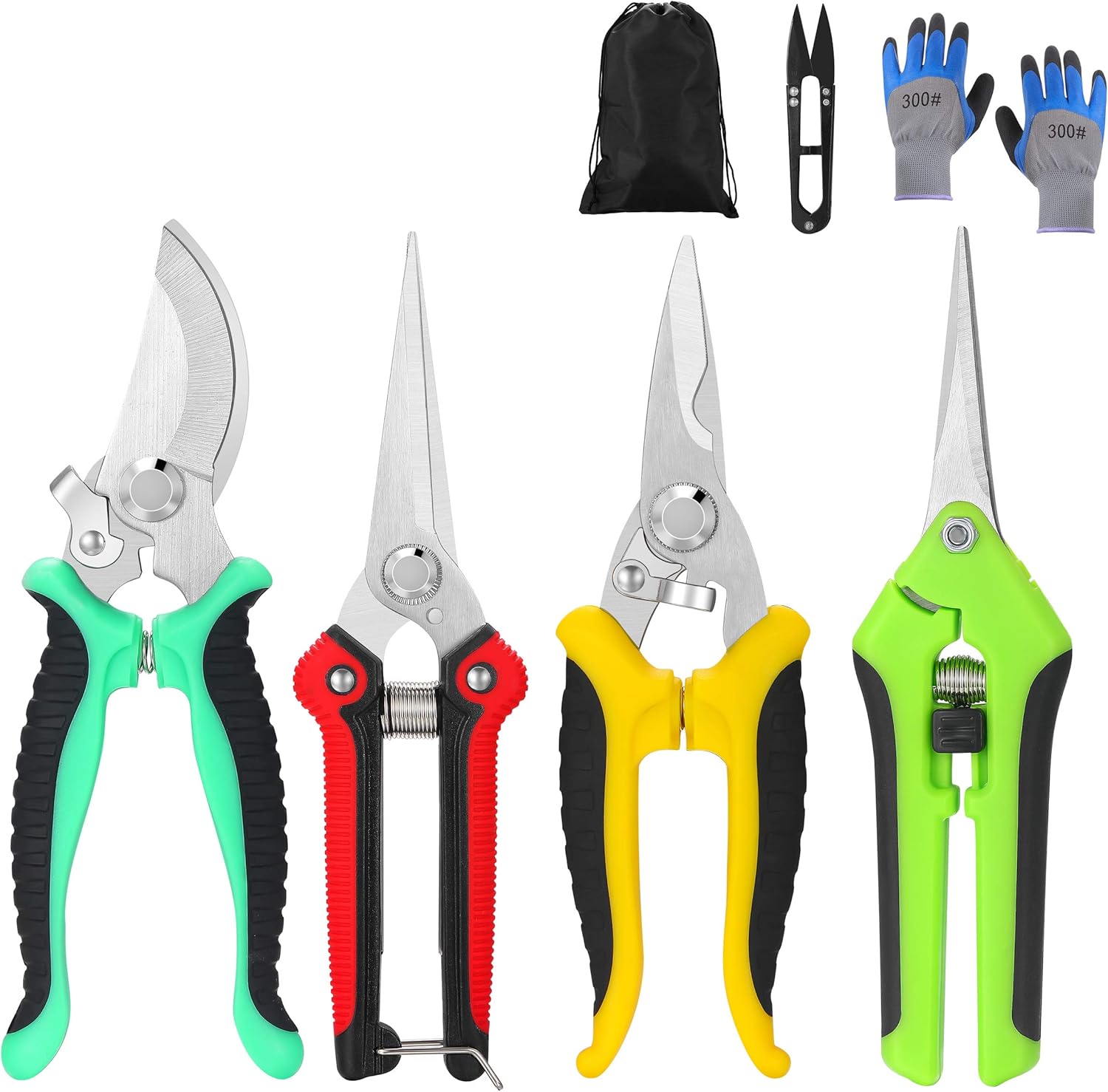
    However, you choose to harvest rosemary, always cut the tender, new tips or stems. The best ones to harvest are those that are 8 inches or longer. Identify those and cut off the top 2-3 inches with sharp pruning shears.
    81cp7+JhD4L. AC SL1500

    How often you harvest your rosemary will depend on a few factors. These factors include the age or size of your plant and how much you harvest at a time.

    If you are cutting a few sprigs here and there, you can harvest as often as you like with no fear of overharvesting your plant. If you take a large harvest at a time, about 1/3 of the plant’s total size at any one time, the plant will definitely need more time to recover.

    Always use sharp pruners or kitchen scissors to cut off the stems instead of pulling or tugging on the branches. And be careful not to harvest too much at a time or your plant may not be able to recover.

    Only pick the healthy stems that have green leaves. If you notice any yellowing, browning, or dry needles, do not harvest them as they may not taste good. You can however cut them off and give the plant a chance to grow healthy foliage.

    Regularly trim the plant even if you do not harvest for use. Doing this every two weeks will help to encourage new plant growth. You can freeze some of your trimmed-off rosemary for long-term storage in an airtight container or ziploc bag.

    When to Harvest Rosemary

    The best time to pick rosemary is in the spring and summer when the plant is actively putting on new growth. It is best to pick the sprigs in the morning after the dew has evaporated before the afternoon heat has set in.

    As soon as your plant is established and is putting out new growth, you can harvest it during these time periods. Look out for supple green stems emerging from the already existing branches to know when the plant is ready for harvest.

    Are Rosemary Flowers Edible?

    Rosemary buds are tiny flowers that appear when the rosemary plant is in bloom. These flowers are edible and can be used for many different things.

    They have a slightly sweeter flavor than the leaves. They are perfect for garnishing various dishes and adding colors to salads. They have a similar flavor and aroma to the leaves and stems, only taste a bit sweeter.

    What to Do With Freshly Harvested Rosemary

    Refrigeration

    Freshly picked rosemary can be enjoyed right away but chopping it up and adding it to soups, stews, sauces, or even roasts, or infused into other foods. Any leftovers can be safely stored in a small glass or vase and kept in the fridge for use within a few days. If it is whole sprigs, keep the ends submerged in clean water and they can last for up to two weeks.

    Refrigeration is a good short-term storage solution and will keep rosemary fresh for about 2-3 weeks. There is no need to wash the sprigs for refrigeration, it might actually help them store longer. Simply clean them with a damp towel. Place your cleaned sprigs in a container and store them in the crisp drawer of the refrigerator.

    Freezing

    If you want to store your rosemary for longer, you can freeze it. These silicone ice cube trays are great and easy to use to turn rosemary into ice cubes and store them in an airtight container or ziploc bag so they do not get any off flavors.

    71mmcQ5quML. AC SL1500

    Drying

    Another long-term storage option for rosemary is drying it. Unlike other herbs such as parsley and basil, rosemary does not lose its flavor when dried.

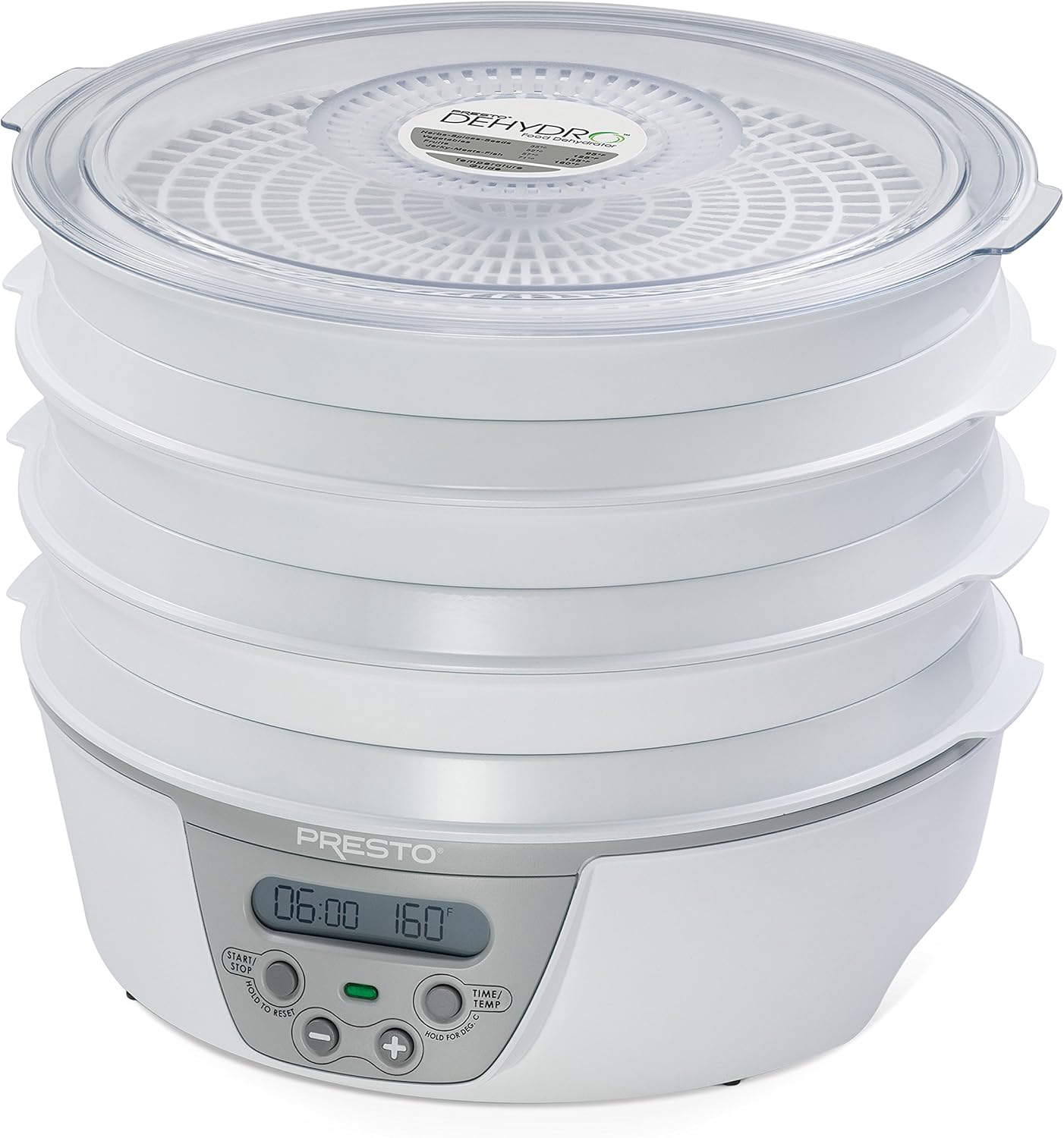
    Using a food dehydrator is one quick way of drying the herb. You can dry whole sprigs using a low setting that is suitable for herbs. If you do not own a food dehydrator, use the traditional method of air drying.
    For drying, it is best to harvest stems of about 6-8 inches, but any length will do. Hang them up in bunches in a dark, dry, and warm place, or lay them flat on wire racks, and make sure you do not tack them in layers as this may delay drying or even make them rot. Place a tray under the drying herbs so it will help to catch any bits that fall off as the herbs dry.

    Keep in mind that dry rosemary is much harder and woody than when it is soft. You can crush or grind the dried leaves to make them easier to cook with, but they retain flavor better if they are kept whole.

    How Long is Rosemary Good For?

    This fragrant, vigorous, and evergreen herb can be harvested all year round, although the best time to harvest it is in the summer and spring, just before it flowers and when the aromatic oils are at their best and the plant essence is best preserved.

    If you take good care of your plant, it will keep producing healthy, and if you harvest it the right way might keep it around for about 15 years or more.

    Once harvested, you have multiple options on how to store it:

    • Refrigerating for up to three weeks
    • Freezing for up to six months
    • Drying for as long as you desire

    If you do any of these the right way, your rosemary will stay good.

    Tips to Improve Your Rosemary Harvest

    1. Rosemary is a relatively drought-tolerant plant, but you must water it regularly if it is in a spot or pot that does not get a lot of rain. This will surely keep your rosemary harvest good. The plant also hates getting too wet, so make sure you grow it in well-draining soil to avoid any water-logged conditions that may kill the plant.
    2. If you are in a colder zone, plant your rosemary in containers so that you can bring them in during the cold winter months.
    3. If your previously healthy plants are getting less vigorous over the growing seasons, take cuttings from them and grow new plants to replace them. They may be losing vigor due to age.

    Quick Summary: How to Harvest Rosemary

    Knowing and using the right method of harvesting rosemary is key to maintaining the productivity and vigor of your plant, and will determine how long your plant will last. If you want only a little bit to prepare a dish, you can simply just pluck individual needles directly from the plant as needed.

    Most gardeners snip off full sprigs and then strip the leaves when they harvest rosemary. This way they only get what they need and leave the plant to keep growing.

    Harvest rosemary by snipping sprigs with pruners or kitchen scissors, and avoid any pulling which may damage the plant. Harvest the new growth on the plant to get the best flavor for cooking. New growth will be flexible and lighter green while older growth will be woodier and darker.

    We hope you found this article informative and that you will now confidently grow and harvest your rosemary the right way.

    Happy growing!

    🌿 Herb Growing Supplies

    Indoor Herb Garden Starter Kit – Heirloom, Non-GMO Herb Seeds – Basil Thyme Parsley Cilantro Seed, Potting Soil, Pots, Scissors – DIY Grow Kits for Growing Herbs Indoors, Kitchen, Balcony, Window Sill
    $19.99
    We earn a commission if you make a purchase, at no additional cost to you.
    06/12/2026 09:02 am GMT
    Indoor Plant Food | All-purpose House Plant Fertilizer | Liquid Common Houseplant Fertilizers for Potted Planting Soil | by Aquatic Arts
    $12.65
    We earn a commission if you make a purchase, at no additional cost to you.
    06/12/2026 05:04 pm GMT
  • How to Harvest Parsley Without Killing the Plant – 8 Easy Tips

    How to Harvest Parsley Without Killing the Plant – 8 Easy Tips

    Parsley is one of the most widely used herbs in the world. It is extremely easy to grow and harvest, meaning you can plant in and always have parsley when needed. It is however key to know how to harvest parsley without killing the plant.

    Once harvested, it stores extremely well and you can preserve it in many different ways to ensure a continuous supply of this herb all year round. Although usually used as a garnish, it has amazing flavors that can take both cooked and raw dishes to the next level. To keep enjoying this plant, keep reading to learn the exact way to harvest it without killing the plant.

    The Parsely Herb

    Parsley (Petroselinum crispum) is a flowering plant belonging to the Apiaceae family. It is native to the Mediterranean regions of Greece, Morocco, and the former Yugoslavia. It has since been introduced to Europe and all other areas in the world where the climate is suitable for its growth. It is widely cultivated as a herb and used in various dishes.

    The plant is bright green and is a biennial with feather-shaped leaves. It prefers temperate climates but does well in a range of conditions.

    There are two primary varieties of parsley, that is flat leaf and curly parsley. The curly leaf is the more popular of the two, but both varieties are used for culinary purposes. The flat leaf parsley is also known as Italian parsley.

    Both varieties of parsley have a refreshing earthy taste and a subtle scent and are mostly used in vegetable dishes, stews, soups, salads, and sauces. Parsley is more commonly used in traditional Middle-Eastern and Greek foods.

    In addition to having a great state, parsley has various nutritional benefits. It is rich in many nutrients, especially vitamins A and C, and iron.

    The ideal growing conditions for parsley include moist, well-drained, and loamy soils, and full to partial sunlight. It prefers warmer climates but can withstand light frost without too much damage, and will re-emerge in the spring. It is also an easy plant to grow from seed and has high rates of germination.

    If you are a lover of butterflies, parsley has n added benefit for you and your garden. It is an excellent host for swallowtail caterpillars (Papilionidae) and will multiply in your garden if you grow parsley.

    How to Cut Parsley Plant

    The parsley plant is harvested for its flavourful leaves as well as its seeds. When doing this, it is best to cut the younger plants for leaves. Younger stems have a stronger flavor. The older plants, which may maybe be in their second growing season are better suited for harvesting seeds.

    Does Parsley Grow Back?

    Parsely takes about two to three weeks to grow back after harvest. As a result, you need to plan your harvests accordingly to give your herbs enough time to grow again before the next harvest.

    If you cut down the parsley plant entirely, it will eventually grow back. It will just take a long time to do so. Only cut what you need at any time to allow the plant to continue growing and producing for a long time.

    parsley fun facts

    How to Prune Parsley

    Parsely should be pruned back regularly to increase yield. Even if you do not plan on using the herb, you need to prime it once every couple of weeks. The more you cut, the bushier your plant will grow back.

    Here are simple tips on how to prune parsley for a better harvest:

    • Whenever you harvest your parsley for use, also snip off some stems on the outside of the plant
    • Trim off any yellow or brown leaves and stems to encourage new, healthy growth
    • Trim the plant at the base of the stem, closer to the soil. If you trim higher, you may slow down plant growth
    • The plant prefers a clean cut, so when you cut, use a sharp pair of scissors instead of pinching off the plant

    When to Harvest Parsley

    Parsley takes about 70-90 days to grow before it s ready for harvesting. You do not have to wait this long before you can start harvesting some leaves. It is however advisable to wait until the plant has produced ample foliage before you start harvesting the leaves.

    If all this sounds confusing and you are still unsure, just wait until your plants start getting bushy and have lots of branching leaves before you start to harvest them.

    Parsley is a biennial plant that is often grown as an annual and grows back when cut or harvested. When grown in temperate climates, it can be harvested all year round because the temperature stays right for it to keep growing. In other regions, the growing season of the herb is from spring right through fall.

    The best time of day to harvest parsley is in the morning before it gets too hot in the day. The plant has the most potent flavor during this period during the high content of essential oils.

    How to Pick Parsley – 8 Simple Steps

    When it comes to harvesting parsley, you want to make sure that you do it in a way that will keep your plant growing. Follow these eight simple steps to ensure this.

    Step 1: Choose younger plants

    Younger plants have the best and strongest flavor. These can be harvested after the first year of growth. These can be harvested even in the first year of growth provided that are big enough. This will help the plant to keep putting out new growth.

    Step 2: Only harvest plant stems that have at least three segments

    Stems that have three segments are considered mature enough for harvest. Those that have only one or two should be left alone.

    Step 3: Cut at the base of the stem

    It is better to cut the plant at the base than at the top of the stem. This will help the plant to bush out better when it grows back.

    Step 4: Cut leaves from the outer parts of the plant

    Harvesting the older outer leaves of the plants will help the plant to direct its energy toward new growth.

    Step 5: Harvest continually

    Harvest your parsley in small batches throughout the growing season. Doing this will help the plant to have enough leaves and stems on it to keep regenerating for a continuous harvest. A good rule of thumb is to always leave ½ – ⅔ of the plant intact when harvesting. Always give your plant about a week to recover between harvests.

    Step 6: Bulk harvest at the end of the season

    If parsley is planted outside and it is in a cold climate, it is most likely going to get killed by the winter. So right before the winter comes, harvest all your plants and store them. This will give the plant a chance to grow back in the next season.

    Step 7: Use your harvested parsley

    You can use your parsley freshly harvested

    Step 8: Store your harvested parsley

    You can store it by refrigerating, freezing, or drying it for long-term storage.

    Harvesting Parsley Seeds

    After a parsley plant has grown and matured, it produces seeds. This does not happen in the first year of growth. If you would like to harvest seeds from your parsley plants, closely monitor them when they enter the second year of growth. This is when they typically flower ad produce seeds, at the end of their life cycle.

    To get a good crop as the growing seasons go by, remove any weak, unhealthy, or imperfect parts of the plant at the end of the first season. This will allow the second-year growth to be much stronger, and healthier and produce good-quality seeds.

    You will see that the seeds are ready to harvest when they have darkened. At this point, you can cut them from the plant by removing the stem right below the seed head. You can use sharp scissors to do this, or simply use your fingers to pinch off the seed heads.

    Do not move the seed heads too much while harvesting as shaking them will cause the seeds to scatter. Because the seeds are very small, they will be hard to recover. Place the harvested seeds in a paper bag and let them dry. Once they are dry, shake the bag to separate the seeds from their heads. and then you can store them in a cool dry place until they are ready to use.

    How to Store Fresh Parsley

    Fresh parsley can be stored at room temperature for short-term storage. To do this, bundle the stems together and snip the ends. Then place the stems in a glass or vase filled with water. This way, your parsley will last for about 2-3 days. Wash the parsley before you use it.

    You can also store them in the refrigerator for short-term storage. To store them this way, wash your harvested stems and remove any dirt or dust from them. Use a paper town or a dry kitchen cloth to dab them dry. Place them in the vegetable crisper section of your refrigerator, and they will stay fresh for up to 10 days.

    Freezing is an option for a longer-term storage solution. You can freeze whole sprigs or cut the leaves small and freeze them with some water in ice cube trays. Frozen parsley will retain its flavor but lose its crispiness. Keep this in mind if you freeze it.  Frozen parsley can store for up to six months.

    One of the best ways to store parsley for a long time is to dry it. Hang harvested and washed whole sprigs upside down in a warm, dark, and well-ventilated area for them to air dry. It will take about 7-10 days to dry completely. Once completely dry, crumble the leaves and store them in an airtight container or bag.

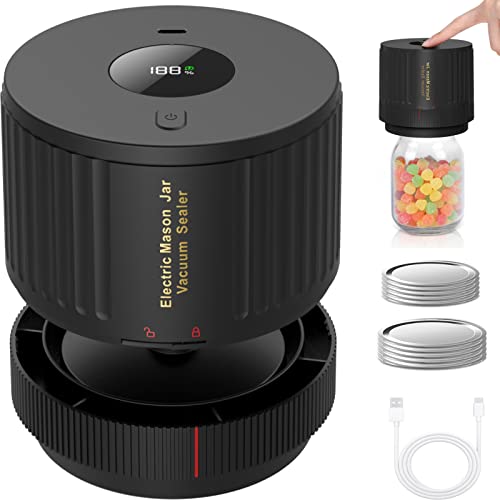
    Another drying option is to use a food dehydrator to dry your parsley quickly and easily. Only use the air drying option as high heat can negatively impact the flavor of the herbs. Store your dried herbs in a mason jar sealed with a food saver and jar sealer attachment.  Use dried parsley within 2-3 years.

    Amazon Choice Selection
    Electric Mason Jar Vacuum Sealer Kit for Mason Jars
    $26.99

    The electric Mason jar vacuum sealer contains two sizes of …

    We earn a commission if you make a purchase, at no additional cost to you.
    06/12/2026 12:04 pm GMT

    Quick Summary – How to Harvest Parsley without Killing the Plant

    Harvesting parsley is an extremely easy and quick process, and can be done in a way that will allow you to harvest continually throughout the growing season. To do this, just take what you need each time you harvest.  Don’t cut the plant all the way back, and don’t pull the plant. – just snip off a stem or two or three. This will allow your plant to grow back healthier and bushier.

    Be gentle when harvesting. Use sharp scissors or knives but do not give in to the temptation to pull or tug on the plant, even if it is a bit hard to cut. Pulling may damage the plant and ultimately kill it.

    Remember also to harvest the older leaves first, to allow the plant to direct energy into growing new foliage. As a result, your plant will keep producing parsley all season long.

    Harvest your herb continually, even if you do not plan n using it. Pruning the plant, and taking off the outer leaves and stems will encourage new growth and will cause your plant to grow better.

    We hope this article has provided you with everything you needed to know about how to harvest parsley without killing the plant.

    Happy growing!

    🌿 Herb Growing Supplies
    Indoor Herb Garden Starter Kit – Heirloom, Non-GMO Herb Seeds – Basil Thyme Parsley Cilantro Seed, Potting Soil, Pots, Scissors – DIY Grow Kits for Growing Herbs Indoors, Kitchen, Balcony, Window Sill
    $19.99
    We earn a commission if you make a purchase, at no additional cost to you.
    06/12/2026 09:02 am GMT
    Organic Potting Mix by Perfect Plants for All Plant Types – 8qts for Indoor and Outdoor Use, Great for Veggies, Spices, and Holistic Herbs
    $19.99
    We earn a commission if you make a purchase, at no additional cost to you.
    06/12/2026 09:07 am GMT
  • How to Harvest Thyme Without Killing the Plant [Best Tips]

    How to Harvest Thyme Without Killing the Plant [Best Tips]

    Thyme is one of the most commonly grown household herbs due to its ease of growth. To get a prolonged harvest and enjoy more of this herb, you need to know how to harvest thyme without killing the plant.

    Thyme grows really fast and well if provided with the right growing conditions, and is an extremely versatile herb for adding flavor in cooking and baking. Keep reading to learn more about this incredible herb.

    The Thyme Herb

    Thyme, scientific name Thymus vulgaris, is a plant native to the Mediterranean but is currently grown almost everywhere in the world. It is a hardy, perennial plant belonging to the mint family that is extremely easy to grow. Because of this and its size, it can be grown in a variety of areas such as in the garden, on the porch, and in any indoor environment.

    This wonderful herb has a pleasant, pungent clover flavor that brings some people, good memories of summer!

    Thyme comes in at least 50 varieties with different flavors and fragrances. Different thyme varieties are used for different purposes. These are the fragrant ornamental and culinary varieties. The culinary varieties of thyme are usually evergreen, and the English variety is mostly used in cooking.

    Taking care of or maintenance of this herb is quite simple. It does not require much care and develops easily. For starters, it is drought friendly so it has low watering needs. If you are into bees, you will love it even more because it will attract bees to your garden. It is usually harvested in the summer months but depending on the climate where you live, you can easily harvest it late into the fall.

    Harvesting Thyme Herb

    Harvesting thyme the right way is of utmost importance. It is difficult not to know when the right time to harvest thyme is, as it can be quite easy to tell. The most important thing with harvesting thyme is to wait until the plant has grown to 8″ – 10″ in height. Once it has reached this height, you can safely harvest the herb without the risk of killing the plant.

    Only trim a few stems at a time for cooking. If you want to do a larger harvest, you should wait until the plant has developed more and produced larger biomass. Regardless of what stage of growth you harvest your thyme at, always leave a few leaves on the plant for it to regenerate.

    When harvesting thyme, do it right before the plant starts to flower. This is when the flavor is the most intense. It reduces after the plant flowers. If you can, always harvest thyme in the morning when the plant’s dew has dried from the leaves. The flavorful essential oils are at their peak at this time.

    facts about thyme

    How to harvest thyme so it keeps growing

    Just as important as knowing when to harvest thyme, you need to know exactly how to harvest it without killing the plant. Here are the steps that you need to follow:

    1. If you want enough to cook one dish, simply cut one or two stems by clipping the stems back to the woody section of the plant.
    2. If you want only a few leaves for a smaller meal, rinse the whole stem while it is still on the plant. Then use your fingers or a herb stripper to pull the leaves off the stem.
    3. To harvest thyme for drying, use a pair of garden clippers or scissors to cut off the top 5-8″ of growth and leave the tough and woody plants behind.
    4. Whatever purpose you want to harvest your thyme for, you can cut back as much as you want from the plants but always leave about 4-5″ of growth behind so that your plants can regenerate. If you harvest your thyme in this way, you will be able to easily get 2-3 harvests from the same plant before the winter arrives.
    5. Trim your plants regularly. Trimming your plants regularly is very good for them so do not be afraid to do it. It will encourage new growth to keep coming, while also helping keep the plant in a compact shape. This is especially desirable if you are growing your plant indoors or in a compact space. When you trip, always be careful to leave at least five inches of growth. This will keep your plant thriving.
    6. The first time you harvest your thyme, do not harvest more than a third of the plant. This way your plant will keep growing and establish well, then you will be able to harvest more from it in the future. If you overharvest it early on, it may not recover.
    7. Trim your thyme plant whenever it gets leggy to encourage continuous growth.

    How to Preserve Thyme

    As we have already mentioned, a healthy maintained thyme plant can produce so much herb that you can harvest and store, even more, if you have multiple growing plants. Depending on how long you wish to store your thyme, there are various ways that you can preserve it.

    Store fresh spring

    Keep a fresh spring or sprigs of thyme in a glass of cool water, like you would keep flowers in a vase. Change the water regularly and make sure that the glass never runs dry. You can keep them fresh for a couple of weeks this way.

    Refrigeration

    Fresh thyme leaves that are still attached to the stem can be kept fresh in the refrigerator for about a week or two before they go bad or loses their flavor. Store fresh thyme leaves in the refrigerator in an airtight container with damp paper towels. They will help to maintain freshness.

    Drying

    If you want to store the herbs for a longer period though, drying might be the best way to do it. The good news is that thyme is one of the easier herbs to dry. If the temperatures are warm enough, you can even let it air dry.

    To dry your thyme:

    • Gently rinse off harvested thyme stems in cool water from the tap or fill a sink or bowl and wash them thoroughly.
    • Pat them dry with a paper towel or a clean towel and then let them air out for about two years or until they are completely dry.
    • Gather the stems into bundles that you can use per dish that you prepare. Tie the stalks of the bundles together at their ends using a string or twine. Hang the bundles in a dark, warm, and well-ventilated area. Spread them out on a paper towel, rack, or tray in a single layer, especially in a humid area. Keep them away from direct sunlight.
    • You can place the herb bundles in paper bags with slits if you wish. This will protect the herbs as they dry and catch leaves that may fall off.
    • Expect to wait about 2-3 weeks for the herbs to dry. The exact amount of time will depend on the humidity levels and other environmental conditions. Because thyme leaves a quite small, check on them regularly as they may dry quicker than expected. You will know that the leaves are sufficiently dry when they turn crispy and start crumbling. At this stage, you can take and store them in storage containers, and label and use them as you go. Stored this way, your thyme can last for up to two years. The one disadvantage of dried thyme is that it does not have as strong of a flavor as its fresh counterpart. But you will still get to enjoy it.
    81bsrdr4hwL. AC SL1500

    Freezing

    Another option for long-term storage option for thyme is freezing. You can do this by chopping the leaves up into small pieces, putting them in ice cube trays, and then filling them up with water all the way. Frozen thyme can store for a few months. If however, your thyme starts to turn brown before you use it, it is best to toss it as consuming it in that state may be unsafe.

    You can also make herb oil cubes. Pick thyme leaves from the stems and place them in an ice cube tray. Cover the leaves with olive oil and store them in the freezer. These cubes will last for a few months and will be convenient for easy cooking as you can take one or two cubes and toss them into a pan to cook.

    Conclusion – How to Harvest Thyme Without Killing the Plant

    Thyme is an incredibly versatile herb that is so easy to grow and enjoy. To keep enjoying the long-term benefits of growing this plant, it is important to know how to harvest thyme without killing the plant. If you follow the advice provided in this article, you should confidently be able to grow, harvest and store your thyme so you can enjoy it for as long as you like, whether it is in or out of season.

    We hope you found this article helpful.

    Happy growing and harvesting!

    🌿 Herb Growing Supplies

    Indoor Herb Garden Starter Kit – Heirloom, Non-GMO Herb Seeds – Basil Thyme Parsley Cilantro Seed, Potting Soil, Pots, Scissors – DIY Grow Kits for Growing Herbs Indoors, Kitchen, Balcony, Window Sill
    $19.99
    We earn a commission if you make a purchase, at no additional cost to you.
    06/12/2026 09:02 am GMT
    VIVOSUN 100pcs 4 Inch Planter Nursery Pots, Plastic Pots for Flower Seedling
    $19.99
    We earn a commission if you make a purchase, at no additional cost to you.
    06/12/2026 11:03 am GMT
  • How to Harvest Dill Properly and Save It for Later- 4 Steps

    How to Harvest Dill Properly and Save It for Later- 4 Steps

    Do you know how to harvest dill properly and save it for later? Do you grow and harvest a lot of dill and would like to know how to preserve it to get maximum use out of your harvest? Keep reading this article to learn more about how to enjoy the many different uses of this fast-growing plant.

    Dill pairs really well with many dishes and adds a great flavor and lovely fragrance. So you will want to learn how to save it. Keep reading.

    Quick Summary:

    Dill, like most herbs, can be harvested continuously throughout the growing season, because it grows really fast. The best way to harvest dill is if you cut it off next to the stem and the plant will continue to grow.

    About Dill

    Dill, scientific name Anethum graveolens L., is also often referred to as dill weed because it can grow like a weed if the growing conditions are ideal.

    The dill plant grows in slender, hollow stems that have green feather-shaped leaves of fennel. The delicate leaves of dill have their own distinct aroma. The dill seeds are brown and flat and have a great mild citrus flavor, and smell a lot like caraway.

    Depending on where it is grown, the taste of dill can vary. There are also many different varieties of dill to choose from, which again can differ in taste.

    The different types of dill plants can be dwarf, or taller. The dwarf types of plants are the Fernleaf and Nano. Because these varieties only grow up to 12-18 inches, they are ideal for growing indoors in pots and window boxes. You can also use a smart pot to grow dill.

    The taller variety, appropriately named the Mammoth can reach heights of 5 ft 10 in when fully matured. This type of dill plant has large umbrella-style flowers.

    Dill is a seasonal herb and thrives in the cooler months of the year. Depending on the climate, it is possible to grow and harvest dill all year round. This means that you can enjoy fresh dill all year round. In cases where greenhouses are used, dill can also be grown all year round since the temperatures can be controlled to create an ideal growing environment.

    The dill plant has been used in Ayurvedic medicines since ancient times. Although it is most popularly used as a spice, it also yields good quantities of essential oils that are much loved for their aroma. Other uses of dill include the use as a digestive herb that provides a relaxing and calming effect on the gut. It can also be used to relieve nausea, colic, and wind while also assisting with appetite.

    You can read the following article if you want to grow other types of herbs: Popular Herbs With Shallow Roots

    Harvesting Dill

    Knowing how to harvest dill properly, and save it for later is very important. Dill, like most herbs, can be harvested continuously throughout the growing season, because it grows really fast. If you cut it next to the stem, the plant will keep growing. As long as you harvest it the right way, you can be sure to have a constant supply of dill throughout the year.

    Here are the steps to follow to ensure that you use the best way to harvest dill.

    1. Give your dill plant sufficient time to grow

    Dill takes anywhere between 4-8 weeks to grow and fully mature. So when they grow to about 6 inches in height, then you know they are ready to harvest.

    Harvesting the largest, older outer leaves of the plant is best. This will give the smaller leaves more time to mature and give you a continuous supply.

    2. Water your dill plant before harvesting

    Water the dill plant about one day before harvesting to ensure that the plant stays hydrated. Watering the plant before harvest will keep it hydrated so that it will recover faster after the older leaves are cut off.

    3. Trim the leaves

    To trim the leaves, use a sharp pair of garden scissors or pruning shears, and cut them next to the stem right where they meet the growth point on the main stem. If you don’t have cutting implements, you can simply use your hand to pinch the stems off. This will work even better if the stems are still young and tender.

    61RHSTpjyPL. AC SL1500

    4. Limit the leaves you cut off

    Pay careful attention to the number of leaves you harvest from one plant. Only take about a quarter to a third of the leaves to allow new growth to develop so that you can have a continuous harvest.

    how to harvest dill

    When to Harvest Dill

    As already mentioned, it takes about 4-8 weeks for dill to get mature. Dill can be harvested after this time period, After this amount of time has passed and your dill has at least 4-5 leaves, you can go ahead and harvest it. Remember to only pick the outer, older leaves so that the smaller leaves can have time to grow.

    Harvesting the outside leaves will prompt new shoots and foliage to develop. It will also delay flowering and the formation of seeds.  Removing the flower stalks can also help to prolong leaf production. Do not harvest the center of the plant as it may not grow back.

    You can harvest dill early in the growing season by either cutting it back to about 4 inches of growth or from all around the plant.

    The best time to pick dill leaves is just before the flowers open. They should be sprayed with water at least overnight before harvest and should be picked up early in the morning.

    How to harvest dill edible flowers

    In addition to the leaves, dill flowers are also edible and can be harvested. They are bright yellow and delicious. Dill flowers are great for garnishing both sweet and savory dishes and sales. They are best consumed fresh. To harvest the flowers, simply snip off what your need. They can even be stored in the freezer for later use.

    Read about Are Cilantro Flowers Edible?

    How to harvest dill seeds

    To prune dill, use a sharp pair of scissors or pruning shears to cut off the frond-like leaves at the top of the plant, above the leaf set. 

    The Best Way to Store Dill

    Freshly harvested dill can wilt quite quickly, and as it does so will start to lose its flavor and aroma. If stored properly, however, this should not be a concern. There are various ways that you can store your dill, these are;

    • Store it in the refrigerator’s crisp drawer – it will stay fresh for a few days
    • Put it in water – harvest dill with the stems and place them in a glass of water, and cover the top with a plastic bag. This way, dill leaves will stay fresh for about a week.
    • Freeze it – chop your dill into small pieces and freeze it with some water in ice cube trays. This way, you can store your dill for up to 4 months.
    • Dry it – drying will reduce the flavor of the dill but it can still be used and will store for a very long time. Chop the dill up and dry it until it is crumbly. You can then store it in an airtight container.
    • Stick to hang drying – instead of cutting the dill up before drying it, you can hang the dill leaves together. Tie them up with a string, and hang them upside down in a well-ventilated area. Allow them to air dry until they are crumbling and then store them in an airtight container or ziplock bag.

    Conclusion – How to Harvest Dill Properly and Save It for Later

    There you have it, the best way to harvest dill and save it properly. Dill is such an easy herb to grow and has so many versatile uses from culinary to health to fragrances. Once you start growing it, it can take over your growing environment if it is not properly controlled.

    Knowing how to harvest dill properly and save it for later will help you to enjoy the best out of your harvest. There are so many different ways that you can store dill, depending on how long you want to keep it. You can freeze, refrigerate and even dry this amazing herb for later use, ensuring that you can have a constant supply all year round without having to wait for its ideal growing season.

    Depending on where you live, you may even be able to grow dill all year round depending on the climate. If that is not an option for you, you can just select the dwarf variety of dill that can be grown indoors where you can manipulate temperatures.

    With so many options to choose from when it comes to varieties, growing conditions, and storage of dill, you can definitely find an option to suit you. There is absolutely no reason why you can’t enjoy this amazing and versatile herb.

    Happy gardening!

    🌿 Herb Garden Supplies

    Indoor Herb Garden Starter Kit – Heirloom, Non-GMO Herb Seeds – Basil Thyme Parsley Cilantro Seed, Potting Soil, Pots, Scissors – DIY Grow Kits for Growing Herbs Indoors, Kitchen, Balcony, Window Sill
    $19.99
    We earn a commission if you make a purchase, at no additional cost to you.
    06/12/2026 09:02 am GMT
    Indoor Plant Food | All-purpose House Plant Fertilizer | Liquid Common Houseplant Fertilizers for Potted Planting Soil | by Aquatic Arts
    $12.65
    We earn a commission if you make a purchase, at no additional cost to you.
    06/12/2026 05:04 pm GMT

    Dill seeds have a teardrop shape and have a characteristic brown stripy coat. To harvest them, wait for the flowers to open and turn brown before trimming them off and drying the seed. 

    Another way to harvest them is to cut off the fading flowers and place them in a paper bag, in an upside-down position. Tie this bag and hang it up somewhere where it will be exposed to sunlight, where it will dry. After the seeds ripen, they will fall into the bag and then they will be ready for storage.


    How to Prune Dill

    Pruning dill can extend its life span. Picking it often, like with most herbs and vegetables can encourage growth and will result in strong healthy plants.

    To prune dill, use a sharp pair of scissors or pruning shears to cut off the frond-like leaves at the top of the plant, above the leaf set. 

    The Best Way to Store Dill

    Freshly harvested dill can wilt quite quickly, and as it does so will start to lose its flavor and aroma. If stored properly, however, this should not be a concern. There are various ways that you can store your dill, these are;

    • Store it in the refrigerator’s crisp drawer – it will stay fresh for a few days
    • Put it in water – harvest dill with the stems and place them in a glass of water, and cover the top with a plastic bag. This way, dill leaves will stay fresh for about a week.
    • Freeze it – chop your dill into small pieces and freeze it with some water in ice cube trays. This way, you can store your dill for up to 4 months.
    • Dry it – drying will reduce the flavor of the dill but it can still be used and will store for a very long time. Chop the dill up and dry it until it is crumbly. You can then store it in an airtight container.
    • Stick to hang drying – instead of cutting the dill up before drying it, you can hang the dill leaves together. Tie them up with a string, and hang them upside down in a well-ventilated area. Allow them to air dry until they are crumbling and then store them in an airtight container or ziplock bag.

    Conclusion – How to Harvest Dill Properly and Save It for Later

    There you have it, the best way to harvest dill and save it properly. Dill is such an easy herb to grow and has so many versatile uses from culinary to health to fragrances. Once you start growing it, it can take over your growing environment if it is not properly controlled.

    Knowing how to harvest dill properly and save it for later will help you to enjoy the best out of your harvest. There are so many different ways that you can store dill, depending on how long you want to keep it. You can freeze, refrigerate and even dry this amazing herb for later use, ensuring that you can have a constant supply all year round without having to wait for its ideal growing season.

    Depending on where you live, you may even be able to grow dill all year round depending on the climate. If that is not an option for you, you can just select the dwarf variety of dill that can be grown indoors where you can manipulate temperatures.

    With so many options to choose from when it comes to varieties, growing conditions, and storage of dill, you can definitely find an option to suit you. There is absolutely no reason why you can’t enjoy this amazing and versatile herb.

    Happy gardening!

    🌿 Herb Garden Supplies

    Indoor Herb Garden Starter Kit – Heirloom, Non-GMO Herb Seeds – Basil Thyme Parsley Cilantro Seed, Potting Soil, Pots, Scissors – DIY Grow Kits for Growing Herbs Indoors, Kitchen, Balcony, Window Sill
    $19.99
    We earn a commission if you make a purchase, at no additional cost to you.
    06/12/2026 09:02 am GMT
    Indoor Plant Food | All-purpose House Plant Fertilizer | Liquid Common Houseplant Fertilizers for Potted Planting Soil | by Aquatic Arts
    $12.65
    We earn a commission if you make a purchase, at no additional cost to you.
    06/12/2026 05:04 pm GMT
  • Philodendron Red Moon: 10 Key Facts

    Philodendron Red Moon: 10 Key Facts

    4. The philodendron red moon can be kept in a wide variety of environments, including indoors and outdoors.  However, it does need sunlight to thrive but should be kept in areas with dappled sunlight as direct full sun can cause damage. The red moon is a popular plant in the home because of its striking appearance.

    5. The philodendron red moon can grow in well-drained, peat moss, and sphagnum moss-based soil.  The plant has an extensive root system and benefits from soil rich in organic matter. It should be watered when the top two inches of soil are dry. It also does not like sudden temperature changes, so it is best to keep it indoors during the winter months.

    6. As with most houseplants, the philodendron red moon will be affected by many pests and diseases. When infested with pests such as aphids, spider mites, or whiteflies, the plant can be harmed. It is important to keep the soil moist and clean to avoid these problems. Be careful as the plant is susceptible to bacterial leaf spots and root rot.

    7. The philodendron red moon is sensitive to direct bright sunlight. Too much sun can damage the leaves of the plant. Though it grows best in dappled sunlight, it also grows well in bright, indirect sunlight and afternoon shade.

    8. The philodendron red moon does not require fertilizers. However, it can benefit from an occasional fertilizer, such as three times a year. This can help boost the plant’s growth.

    9. The philodendron red moon can be maintained using regular watering and dappled sunlight. It will need to be repotted every two to three years. This will allow the roots to grow deeper and help prevent the plant from getting too crowded.

    10. The philodendron red moon has several uses in the home and garden. They are grown for their striking appearance, beautiful foliage, and ability to keep their leaves green and healthy all year long. When grown indoors they can be used as houseplants, but when grown outdoors they make an ideal ground cover. They also make a great addition to the garden, as they add color and texture.


    Read more about Everything You Need To Know About Repotting A Snake Plant

    Philodendron Red Sun vs Red Moon

    Now we’ve looked at the Philodendron Red Moon, let’s take a closer look at the Philodendron Red Sun. This plant is also part of the Araceae family. It’s an ornamental plant that’s relatively easy to care for. The leaves are typically red and yellow. They should be kept away from direct sun, but indirect light is ideal. It’s important to keep the soil moist, but not overwatered.

    Philodendron Yellow Flame vs Red Moon

    Next is the Philodendron Yellow Flame. This plant is a rare find and it’s very expensive to buy. The leaves are huge and yellow. The Yellow Flame is a climber that requires little care and works great as a houseplant. They do best in warm, or at least, humid, conditions. The soil should be kept moist, but not soggy. The leaves need sunlight, but indirect as best, as you want to avoid scorching.

    Philodendron Fertilizer Ratio

    You may be wondering what the best fertilizer is to use for Philodendron. Typically, a 20:20:20 fertilizer works best. However, it’s always best to research the specific variety of Philodendrons that you’re growing.

    Red Philodendron Varieties

    There are many red varieties of Philodendron that we haven’t already looked at. Let’s take a closer look at some of our red favorites.

    • Philodendron Black Cardinal. While the leaves of this plant eventually turn black, they start as a light bronze color. The flowers themselves will be a deep red color. You’ll need to ensure this plant has enough CalMag as it is prone to being deficient in both. It’s important to grow in moist soil.
    • Philodendron Green Congo. While the leaves eventually turn green, as the name suggests, they do start as bright red. This plant is native to South America. It’s the perfect indoor houseplant that will blow your mind.
    • Philodendron Burle Marx. If you’re looking for a plant that’s easy to look out for, then look no further. It grows between two to four feet and is an ideal houseplant. When it flowers, they’ll be small and white. The colors can be red, green, or even silver or gold.
    • Philodendron Martianum. You may know this plant better as the Flask Philodendron and it comes from Brazil. The flowers will be both white and deep red. The spikes can reach up to three feet! This plant can grow quite large so it must have ample space to grow.
    • Philodendron Red Congo. You may know this better as the Rojo Congo; a popular, exotic hybrid plant. This is a fast-growing Philodendron that has dark red leaves. It grows to around four feet in height and width and makes for the ideal houseplant. While the leaves will start as green, they will eventually turn red, and then back to green again. It should also sprout one red flower too.

    Philodendron Red Moon

    Take Home

    The philodendron red moon is a rare plant that is grown by dedicated gardeners.  It is best to start from a seedling as it will grow fast and easily. If you don’t have this plant yet, it’s time to get yourself one!

    Do you have any interesting facts about this much-loved plant? If so, please feel free to let me know in the comments below. And remember, sharing is caring! 

    FAQs

    How can you tell if a philodendron is a red moon?

    The leaf color of the red moon philodendron varies from green to reddish with red stems. 

    How much light does a red philodendron need?

    The red moon philodendron can benefit from dappled sunlight or afternoon shade. It will do fine in the shade, too. Avoid direct sunlight in the heat of the day.

    How do you take care of a red moon philodendron?

    This philodendron does not require a lot of care. You can water it when the soil is dry, but don’t overwater. The plant also thrives in moist to moderately moist conditions.

    Is philodendron red heart rare?

    Philodendron red heart is a rare cultivar with the color of the leaves and stems making a beautiful addition to any home. 

    The philodendron red moon is a rare but loved plant that most gardeners love to grow indoors or outdoors. This is a tropical plant that grows in warm, moist rainforests. It is part of the ornamental Philodendron variety. Let’s take a closer look at the plant and some interesting facts.

    Description of the Philodendron Red Moon

    The philodendron red moon is a tropical plant that grows to be about three feet tall. It can be grown indoors or outdoors.

    This plant does best with bright, dappled sunlight and likes mildly moist soil. It should be grown in temperatures between 60 to 80 degrees Fahrenheit. The humidity levels should be kept above 60 percent for the best growth results.

    It can be grown in both indoor and outdoor pots. The plant is sensitive to frost and can be damaged by cold temperatures.

    Description Of The Philodendron Red Moon

    Appearance

    The philodendron red moon is a tropical plant that has beautiful green and red leaves with red stems.

    Propagation

    This is a tropical plant that is easy to grow from cuttings. It can be propagated by taking cuttings from the stems or by starting with a cutting and growing it in soil

    It can also be propagated from seed. Growing from seed can be difficult, however, because of its long dormancy period.

    Check Out the 11 Best West Facing Window Plants

    Facts About the Philodendron Red Moon

    1. It is a fast-growing plant that should be grown in a warm environment.

    2. The philodendron red moon is a stunning indoor houseplant. 

    3. The philodendron red moon is a tropical plant that grows best at temperatures between 60-80 degrees Fahrenheit. In areas with colder temperatures, the philodendron red moon will not grow as well.

    Costa Farms Aglaonema Live Indoor Plant, 14-Inches Tall


    81RPaGhZUlL. AC SX569


    4. The philodendron red moon can be kept in a wide variety of environments, including indoors and outdoors.  However, it does need sunlight to thrive but should be kept in areas with dappled sunlight as direct full sun can cause damage. The red moon is a popular plant in the home because of its striking appearance.

    5. The philodendron red moon can grow in well-drained, peat moss, and sphagnum moss-based soil.  The plant has an extensive root system and benefits from soil rich in organic matter. It should be watered when the top two inches of soil are dry. It also does not like sudden temperature changes, so it is best to keep it indoors during the winter months.

    6. As with most houseplants, the philodendron red moon will be affected by many pests and diseases. When infested with pests such as aphids, spider mites, or whiteflies, the plant can be harmed. It is important to keep the soil moist and clean to avoid these problems. Be careful as the plant is susceptible to bacterial leaf spots and root rot.

    7. The philodendron red moon is sensitive to direct bright sunlight. Too much sun can damage the leaves of the plant. Though it grows best in dappled sunlight, it also grows well in bright, indirect sunlight and afternoon shade.

    8. The philodendron red moon does not require fertilizers. However, it can benefit from an occasional fertilizer, such as three times a year. This can help boost the plant’s growth.

    9. The philodendron red moon can be maintained using regular watering and dappled sunlight. It will need to be repotted every two to three years. This will allow the roots to grow deeper and help prevent the plant from getting too crowded.

    10. The philodendron red moon has several uses in the home and garden. They are grown for their striking appearance, beautiful foliage, and ability to keep their leaves green and healthy all year long. When grown indoors they can be used as houseplants, but when grown outdoors they make an ideal ground cover. They also make a great addition to the garden, as they add color and texture.


    Read more about Everything You Need To Know About Repotting A Snake Plant

    Philodendron Red Sun vs Red Moon

    Now we’ve looked at the Philodendron Red Moon, let’s take a closer look at the Philodendron Red Sun. This plant is also part of the Araceae family. It’s an ornamental plant that’s relatively easy to care for. The leaves are typically red and yellow. They should be kept away from direct sun, but indirect light is ideal. It’s important to keep the soil moist, but not overwatered.

    Philodendron Yellow Flame vs Red Moon

    Next is the Philodendron Yellow Flame. This plant is a rare find and it’s very expensive to buy. The leaves are huge and yellow. The Yellow Flame is a climber that requires little care and works great as a houseplant. They do best in warm, or at least, humid, conditions. The soil should be kept moist, but not soggy. The leaves need sunlight, but indirect as best, as you want to avoid scorching.

    Philodendron Fertilizer Ratio

    You may be wondering what the best fertilizer is to use for Philodendron. Typically, a 20:20:20 fertilizer works best. However, it’s always best to research the specific variety of Philodendrons that you’re growing.

    Red Philodendron Varieties

    There are many red varieties of Philodendron that we haven’t already looked at. Let’s take a closer look at some of our red favorites.

    • Philodendron Black Cardinal. While the leaves of this plant eventually turn black, they start as a light bronze color. The flowers themselves will be a deep red color. You’ll need to ensure this plant has enough CalMag as it is prone to being deficient in both. It’s important to grow in moist soil.
    • Philodendron Green Congo. While the leaves eventually turn green, as the name suggests, they do start as bright red. This plant is native to South America. It’s the perfect indoor houseplant that will blow your mind.
    • Philodendron Burle Marx. If you’re looking for a plant that’s easy to look out for, then look no further. It grows between two to four feet and is an ideal houseplant. When it flowers, they’ll be small and white. The colors can be red, green, or even silver or gold.
    • Philodendron Martianum. You may know this plant better as the Flask Philodendron and it comes from Brazil. The flowers will be both white and deep red. The spikes can reach up to three feet! This plant can grow quite large so it must have ample space to grow.
    • Philodendron Red Congo. You may know this better as the Rojo Congo; a popular, exotic hybrid plant. This is a fast-growing Philodendron that has dark red leaves. It grows to around four feet in height and width and makes for the ideal houseplant. While the leaves will start as green, they will eventually turn red, and then back to green again. It should also sprout one red flower too.

    Philodendron Red Moon

    Take Home

    The philodendron red moon is a rare plant that is grown by dedicated gardeners.  It is best to start from a seedling as it will grow fast and easily. If you don’t have this plant yet, it’s time to get yourself one!

    Do you have any interesting facts about this much-loved plant? If so, please feel free to let me know in the comments below. And remember, sharing is caring! 

    FAQs

    How can you tell if a philodendron is a red moon?

    The leaf color of the red moon philodendron varies from green to reddish with red stems. 

    How much light does a red philodendron need?

    The red moon philodendron can benefit from dappled sunlight or afternoon shade. It will do fine in the shade, too. Avoid direct sunlight in the heat of the day.

    How do you take care of a red moon philodendron?

    This philodendron does not require a lot of care. You can water it when the soil is dry, but don’t overwater. The plant also thrives in moist to moderately moist conditions.

    Is philodendron red heart rare?

    Philodendron red heart is a rare cultivar with the color of the leaves and stems making a beautiful addition to any home. 

  • How Big Can Succulents Get? 3 Tallest Species

    How Big Can Succulents Get? 3 Tallest Species

    Succulents are a type of plant that typically have thick leaves and stems with small flowers. They grow in different shapes, colors, textures, and sizes depending on the species. Some succulent plants can reach up to 10 feet tall while some smaller types only get up to 3 or 4 inches high!
    The “how big can succulents get?” is a question that has been asked many times. The truth is, it all depends on the type of succulent you’re growing. We’ll be taking a closer look at this article.

    How Big Can Succulents Get?

    The size that succulents can get varies massively. It all depends on what type of succulent you’re growing. In saying that, the average size can be anywhere from 6″ to two feet! However, some varieties can be even taller than that! You simply need to choose the variety that works for you.
    It’s also important to mention that it all depends on the living conditions of your succulent. To attain the fullest height it can, it needs to be in a thriving environment. For example, they need ample sunlight, nutrients, and of course, water. It’s also worth mentioning that you may need to be patient, as succulents are slow-growing plants.

    How to Make Succulents Grow Bigger

    You may be wondering how to help your succulents grow bigger and reach their biggest size. Let’s take a closer look at some tips.

    • Choose species wisely. If you’re wanting a large succulent, you should opt for a species that you know is capable of growing to the size that you’re looking for.
    • Change the pot regularly. Your succulents need space to grow and changing your pot regularly to a larger size will allow your plants to have the opportunity to expand to the size you’re looking for.
    • Plant in the garden. Planting in the garden will give your succulent the space to grow, as well as access to ample sunlight, which most succulents need; especially larger ones.
    • Use succulent potting mix. While your succulents will grow using a standard potting mix, a succulent potting mix will ensure your plants get the nutrients they need to thrive to the fullest.

    What Are the Biggest Succulents?

    There are many larger varieties of succulents, but some of the tallest can reach up to eight feet tall! And those species are the Elephant Bush and Jade Plant.
    Biggest Succulents

    How Big Do Mini Succulents Get?

    Mini succulents can be tiny! Some of them can only grow up to around an inch tall! Let’s take a closer look at some of the most common types of mini succulents.

    • Jelly bean plant. This is the plant that will only grow to around an inch in height. It gets its name from its jelly bean-like appearance.
    • Zebra plant. This plant will grow to around five inches in height. It has stripes, which is how it gets its nickname. It looks similar to an aloe vera but much smaller.
    • Campfire crassula. This plant will grow to around six inches in height. It has red flowers and is a hardy succulent.
    • Lithops. Another succulent that’ll only grow to around an inch in height. You may know it better by its nickname: living stones.

    Tall Succulent Species

    There are many tall species of succulents; some are more common than others. Let’s take a closer look at some of our favorites.

    • Jade plant. One of the tallest succulents that have been known to grow up to eight feet tall! However, typically, it grows to around five feet. It’s low maintenance and has white flowers.
    • Queen of the night. The Queen of the Night has been known to grow up to twenty feet tall! However, this is rare. It would need the perfect environment to achieve this height. It has white flowers.
    • Aloe vera. This is most likely the succulent you’re most familiar with; particularly due to its other uses, such as soothing. It typically grows around three feet in height.

    How Fast Does Succulents Grow?

    The speed at which succulents grow all comes down to which species you’re growing. However, they are known for being plants that grow slowly. It ranges from around a few months to a year for your succulent to grow. But some can even take three years to hit maturity.

    What Does It Mean When a Succulent Flowers?

    When succulent flowers, it means that the plant has reached its reproductive phase. This typically happens when the plant is about six inches tall and has leaves that are green and shiny. The plant will then produce flowers on top of the leaves. These flowers will be white or yellow and have a sweet smell.

    Should I Let My Succulents Flower?

    If you want to let your succulents flower, then it is up to you. However, some people may not want to do this because they believe that the flowers will die and take away from the beauty of their plants.

    When Should Succulents Be Pruned?

    Succulents should be pruned when they start to get a lot of leaves. This is because succulents need light and air to grow, so if the leaves are blocking that from happening, it’s best to remove them.
    Succulents are a type of plant that is known for their ability to survive in low-light conditions. This means they can grow in places with little or no sun. However, this also means that they need some other source of light to keep them alive and healthy. Reference: do succulents need sun?

    Conclusion – How Big Can Succulents Get

    I hope this post has helped to answer the question: “how big can succulents get” and given you an idea of the best ways to make your succulents grow even bigger. Whether you’re looking for a small or large succulent, they’re incredibly diverse and they’ll be one to suit your needs. Do you have any interesting facts about how big succulents can get? If so, please feel free to let us know in the comments below. And remember, sharing is caring!
    Watch this video:

    Related Tags

    • large succulents
    • do succulents grow back
    • do succulents grow bigger in bigger pots
    • how big do succulents get indoors
    • biggest succulents
  • How to Tell if Cilantro is Bad? 3 Key Signs

    How to Tell if Cilantro is Bad? 3 Key Signs

    Cilantro is a popular ingredient in many savory dishes. In addition, it is also great to grow if you have your own garden, as it is best picked fresh. However, if you cook with it you will want to know how to tell if cilantro is bad.

    Whether in tacos, salsa, or salad, cilantro brings a wonderful flavor addition. It is a versatile herb that pairs nicely in many different dishes. However, it is perishable, so it is important that you properly store your cilantro to keep it fresh for as long as possible.

    What is Cilantro?

    Cilantro, also known as coriander, Chinese parsley, or dhania, is an annual herb that is part of the family Apiaceae. Though all parts of the plant are edible, the leaves and seeds, which are dried up to make spice, are the most commonly used parts.

    To many, cilantro has a tart, lemon/lime type of taste. However, for about 25% of people, it will taste like dish soap. This is because some people have a variation in a group of olfactory-receptor genes, which leads them to experience the soapy-flavored aldehydes in cilantro leaves.

    Cilantro is commonly used for chutneys, salads, salsa, and guacamole. In addition, it is a popular garnish for soup, fish, and meat.

    The seeds are also used as both whole dried and ground. By heating the seeds, the aroma, and flavor heighten. As a spice, it is used in garam masala and Indian curries, German sausages, beer, and pickling as well.

    Cilantro also has many health benefits as well. It can help with your digestive health and is even beneficial for your skin. This unique herb can also help with pain, inflammation, and anti-fungal properties.

    How Long Does Cilantro Last?

    Fresh, raw cilantro will last for about seven to 10 days in the fridge. Since it is highly perishable, it will only last for a few hours at room temperature after you pick it up. You will want to know how to tell if cilantro is bad to know how long it lasts.

    If it is too warm for too long, it will begin to wilt and dry up, making it undesirable to eat.

    How to Properly Store it

    Since cilantro is sensitive, you want to properly store it to ensure that it will stay fresh for as long as possible. Once you bring your cilantro home from the store, remove the rubber band that holds them together.

    The best way to store your cilantro is to fill a glass with an inch of water. Then, place your cilantro in the glass of water and lightly cover it with a plastic bag to maintain freshness.

     how long does cilantro last

    The best place to store it is in the crisper drawer or on the middle shelf of your fridge. You want to keep it in one of the coolest areas of your fridge to maintain freshness. You can also store it in a produce bag as well in your fridge.

    Though washing your cilantro before using it is important, you want to wait to wash it until you are ready to use it. Excess moisture can cause it to go bad quickly and will lead it to become inedible.

    How to Tell if the Cilantro in Your Fridge Has Gone Bad

    If you cook regularly, it is important to know how to tell if cilantro is bad. If your cilantro is soft and becomes discolored, it is no longer good.

    In addition, if you notice an off-smell or taste, it is best to just disregard it. If you notice any mold or it feels slimy, throw it out right away, bad cilantro is not safe to eat.

    Can you freeze it?

    You can freeze cilantro, which is a great way to prevent throwing out any extra before it goes bad. To freeze, start by washing it, then trim and chop it. After that, make sure to thoroughly dry it to remove any moisture.

    Once dry, you can place the leaves in a Ziploc bag, removing as much air as possible. Then, place the bag in your freezer and use it as needed. Your cilantro will last for around three to four months in the fridge.

    Ziploc Gallon Food Storage Freezer Bags, Grip ‘n Seal Technology for Easier Grip

    91ZgE9msTsL. AC SX679

    In addition, you can also freeze your cilantro in cubes as well. To do this, add the cilantro to your blender with water and olive oil to create a thick paste. Then, place the paste in ice cube trays and freeze them.

    Once they are frozen, add your cubes to a plastic bag and return them to the freezer for up to six months. Then, you can use them for curries, soups, and other dishes as well.

    How to Grow Cilantro

    The best time to plant cilantro is in cool weather, such as early spring. It does best in loose soil, with good drainage where it has full sun. You can grow it in your garden or a planter, just be sure not to plant it too close to taller plants that will take away its sunlight.

    Plant the seeds one to two inches apart and about 1/4 to 1/2 an inch deep for best results. Keep the soil moist, but not soggy; about one inch of water a week. Cilantro will do best in temperatures between 60-70 degrees.

    Knowing How Long is Cilantro Good For

    Once you pick it, cilantro will not last long at room temperature. Fresh, raw cilantro will only last for a few hours at room temperature. In the fridge, you can keep it for up to seven to 10 days, or in the freezer for up to four to six months.

    Knowing How Long Is Cilantro Good For

    The best way to keep your cilantro is in a jar with about an inch of water. Then cover the top loosely with a plastic bag to help keep them crisp and excess moisture out. You can also keep it in a produce bag in the crisper drawer of your fridge.

    To freeze it, keep it in a Ziploc bag or blend it with olive oil or water to make a paste. Both of these options will keep well in the freezer and are easy to use.

    Signs to Look Out for When Cilantro Has Gone Bad

    You may be wondering what the key signs to look out for are when you’re trying to see if your fresh cilantro is still safe to eat. There are a few ways you can test this. Let’s take a closer look.

    • Appearance. One of the easiest ways is to look at your cilantro simply. Your cilantro should be green in color when it’s at its freshest. However, if you notice that your cilantro has a yellow tinge or even a slightly brown tinge, it means it’s on its way to going bad or is already bad. As well as this, if you notice any black spots, or spots of mold, they should be discarded immediately. Your cilantro may also become floppy, and limp when it’s starting to go bad.
    • Smell. Another good way of checking is to simply smell your cilantro. It should smell leafy and earthy; but mild. However, if it has a sour smell, it’s likely it’s already gone bad and you should discard it.
    • Taste. If it’s passed the first two tests and you’re still unsure, try a small amount of cilantro. If it doesn’t have much flavor, then discard it, just to be safe. Cilantro loses flavor over time, so the more flavorful it is, the fresher it is.

    What Do Black Spots on Cilantro Mean?

    If you notice black spots on your cilantro, then you should discard it right away. This usually means that your cilantro has a bacterial leaf infection. You could become quite ill if you decide to eat cilantro with black or brown spots.

    What Happens if You Eat Bad Cilantro?

    If you eat bad cilantro, you’ll likely be ill; depending on how much you eat. You may experience gastrointestinal symptoms such as sickness and abdominal pain. The following bacteria can be found on herbs like cilantro: E. coli, listeria, and salmonella. All of these can be very dangerous, so it’s best to avoid bad cilantro, when possible.

    What to Do With Cilantro Before It Goes Bad?

    If you notice that your cilantro has past its peak freshness, you may be wondering what to do with it. With any leftover cilantro, why not try using it in one of the following:

    • as seasoning or flavoring
    • in breakfasts, such as eggs
    • salsa topping
    • taco topping
    • salad dressing
    • in smoothies
    • on top of rice

    Does Dried Cilantro Go Bad?

    Dried cilantro lasts significantly longer than fresh cilantro. However, it does still deteriorate. Depending on your storage method, it can last anywhere from 1-3 years.

    How to Dry Cilantro

    You may be wondering how to dry your cilantro. I’ve found that the easiest way to do this is in the oven. To do this at home, all you’ll need to do is:

    1. Preheat oven to 300F and wash and completely dry your cilantro, in preparation.
    2. Grab a baking sheet and spray lightly with nonstick cooking spray. Add the leaves to your prepared baking sheet, and spread them apart.
    3. Place in the center of your preheated oven and dehydrate for around 20-30 minutes. The leaves should be completely crisp and dry.
    4. Leave to cool and then crush your leaves and add them to an airtight jar. Keep in a cool, dry place and use within a year.

    cilantro is bad

    Conclusion

    I hope this post has helped to answer the question: of how to tell if cilantro has gone bad, and given you the warning signs to look out for. Do you have any tips or tricks for knowing if cilantro is bad? If so, let us know. And remember, sharing is caring! 

    Do you have any questions regarding how to tell if cilantro is bad? If so, please ask any questions about how to store this herb in the comment section below.

    FAQs

    How can you tell if cilantro has gone bad?

    The best way to figure it out is by taste.

    If it tastes good, then it’s good. If it tastes bad, then it’s bad. A few weeks ago, I got a call from a friend who wanted some good quality cilantro for her salad. She wanted to make sure she had some good cilantro, because she knew that some of the cilantro she was getting was a little on the stale side. So she called me and asked me what she should do. I told her that the best thing to do is to eat it. So she did. And her salad was delicious. So in this case, she found out that it wasn’t the cilantro that was bad, it was the salad. And that’s the way you find out if your herbs are bad or not.

    What do I do if my cilantro tuns black when I chop it?

    I’ve seen this before. It’s usually caused by too much heat or a too long drying time.

    In either case, it’s better to just throw out the bunch and buy a new one.

    It’s called oxidation, and can happen when you cut the cilantro in the sun or on a hot surface. You can minimize the amount of this happening if you put the bunch in the fridge for a few hours after you’ve cut it.

    Should I buy organic cilantro?

    Yes, cilantro is an herb that you want to buy organically. It is known to have antibiotic resistance so it is best to buy organic.

    How does bad cilantro smell?

    When it’s not a pleasant one. The smell is so strong and pungent, that you can almost imagine it being used as an insect repellent. And it’s not just the smell that makes bad cilantro bad; it’s also the taste.

    Can I eat cilantro with brown spots?

    The answer to your question is: it depends.

    The brown spots are actually dead leaves that have fallen onto the cilantro plant.

    Can I eat limp cilantro?

    Yes, but it’s not the same as fresh. Use fresh, and it’ll taste better. 

    It’s considered “very low risk” for food poisoning because it has a high water content.

    How long does cilantro last in the fridge?

    The general rule is that it will keep for a week or two if you remove the stems and leave the leaves. You can freeze it and it should be ok for about 6 months. If you store it in the refrigerator, it will go bad faster than if you store it in the freezer.

  • How To Harvest Fresh Mint – Tips For Growing And Cutting Mint Leaves

    How To Harvest Fresh Mint – Tips For Growing And Cutting Mint Leaves

    If you want to know How to Harvest Fresh Mint, then the information in this blog post would be advantageous to you. Mint is a perennial herb with tiny purple, pink, or white blooms and extremely aromatic leaves. The leaves can often be shiny or fuzzy, smooth or crinkled, or bright green and variegated. However, plants from the mint family can always be identified by their square stems.

    Mint essentially grows on its own. In addition to giving meals and drink a pleasant, aromatic flavor, it also has medicinal benefits that include easing headaches and promoting digestion. When growing them, the best way to prevent this perennial plant from spreading throughout your yard is to keep them contained in a container or small area.

    This article has information and advice about mint planting, maintenance, and growth. Mint is also utilized as herb remedies, air fresheners, ground coverings, and landscape embellishments in addition to being a cooking companion. They are both aesthetically pleasing and useful, easy to grow, and thrive in both sun and shade in North American regions. Have a look at the information below to learn more about this beneficial herb.

     Do you pick mint leaves from the top or bottom?

    Does Mint Regrow After Cutting?

    Yes, mint does regrow after cutting. In general, it is advisable to cut the plant by no more than a third, as pruning mint frequently will promote fresh foliage development and keep you in good supply. To promote new stems, prune mint above a leaf node. Mint plants in pots can live for a long time since they grow back every year.

    This plant should survive for more than five years, barring extremely poor potting soil. Every two to three years, mint should be replanted in new soil to increase its flavor and perfume. Keep in mind that if you’re planting from seed, you would have to wait roughly 90 days for it to reach maturity. This timespan indicates that it will reach its full height, which is typically 1 to 2 feet, and be ready for harvest.

    However, it is essential to know how to harvest fresh mint so that you do not flaw your plant. To begin with, it can be harvested when it is about one inch above the earth. After about a month and a half, it will regrow to harvesting height once again. Regularly pinch off the top two pairs of leaves for mint to grow bushier and healthier. Cutting leggy mint plants to the ground will produce fresh, leafy shoots that are scented. To learn more about how to care for and plant mint, here’s a great video

    Do You Pick Mint Leaves from the Top or Bottom?

    It is essential to know how to harvest fresh mint, especially if you have a bunch of them growing in your garden. By pinching off stems, mint leaves of any size can be harvested. When the flavor is at its peak, just before the plant blooms, harvest a considerable quantity by cutting the entire plant just above the first or second set of leaves. By doing this, you will encourage bushier growth and get rid of the bottom yellowing leaves.

    Listed below are a few things that you should consider when growing and picking mint leaves:

    • It is ideal to gather mint leaves early in the day because the essential oils that give the herb its flavor are concentrated at their peak in the morning.
    • Snipping mint sprigs right above the leaf nodes, where fresh leaves sprout from the stem, or plucking leaves straight off the stems from the top to the bottom is recommended.
    • When buds start to form, you can pinch them or prune the plants to encourage a larger yield.
    • You can also prune the plants back twice or three times in the second year of growth.
    • In order to avoid pests and diseases like anthracnose that would otherwise overwinter in the plants, mint must be cut down to the ground before winter.
    • Trim the ends of each stem by roughly one-third using a pair of shears.
    • Mint is a fast-growing, somewhat hardy herb, so don’t be scared to cut them as your plant will regrow.

     Does mint regrow after cutting?

    Should I Let Mint Flower?

    The natural life cycle of plants includes flowering. Plants bloom when they are ready to procreate and use their flowers as reproductive organs. Like most other plants, mint also flowers when they want to reproduce. So, the answer is yes, it is okay to let mint flower. Usually, the blooms are seen when the plant is subjected to hotter conditions or other factors that promote bolting.

    Seeing that this plant is considered a perennial, it still thrives after blossoming. It is a hardy perennial that thrives in favorable conditions. You can grow these plants from seeds or by re-rooting a clipping.

    You’ll also note that the mint plant’s leaf production begins to decline as summer fades into fall. This is entirely typical so you should not be alarmed. Above its lush foliage, you’ll find tiny white and purplish mint blooms during this time. The stem will also appear less bushy and woodier as its nutrient resources are used for growing blooms.

    However, keep in mind that although mint blooms don’t need to be taken out as they don’t impact the leaf quality, it may be beneficial to remove the blossoms before the seeds develop. This is an act that will prevent it from self-seeding and multiplying into numerous new plants which may prove beneficial if you don’t want it to take over your garden. If it does take over your garden, knowing how to harvest fresh mint and store it will be beneficial.

     How do you cut mint leaves?
    How Do You Cut Mint Leaves?

    Mint cutting is crucial for both practical and aesthetic reasons. The more you cut them, the more they produce. By trimming them during the growing season they will develop new leaves and stay bushy. Hard pruning after the flowering season is also recommended. You should also have a fair knowledge of how to harvest fresh mint and how to use the leaves for culinary and medicinal purposes.

    Here are a few tips that you can use when cutting mint leaves:

    1. Regular mint leaf cutting enhances root growth and plant health while defending the plant against insects and illnesses.

    2. Midway through the growing season, just before the flowers start to bloom, is the ideal time to collect mint leaves.

    3. However, as soon as the plants are at least 4 inches tall, you can begin gathering individual leaves.

    4. Pick the plant’s green leaves as needed for fresh use. You should be able to harvest your mint plant three to four times during the growth season.

    5. Thereafter, within two to three weeks, the plant will often begin to produce new foliage. For a speedy recovery, keep the soil around your plant moist.

     Should I let mint flower?

    Conclusion

    Mint is one of the most widely used plants in the world because it has a cool flavor, is fragrant, and energizing. It can be used in a variety of dishes, from delectable sauces to desserts, cocktails, curries, and tea amongst others. It is also a typical component of beauty cosmetics and can also be found in chewing gum, mouthwash, toothpaste, and other products.

    There are currently more than 30 different varieties of mints that are endemic to every continent but Antarctica. Spearmint and peppermint, two of the most popular types, are also well-known in the culinary world. Fresh, dry, powdered, or frozen mint is often eaten throughout the world.

    If you enjoy the cold, revitalizing flavor of this flavorful plant, you may go one step further and cultivate it in your garden as it can be easily grown. It is crucial to note that the mint plant has the potential to spread, which is why gardeners frequently grow them in containers. Make sure you don’t have runners extending to neighboring soil when you grow them in a pot, and that you take heed of our tips on how to harvest fresh mint! Here is some great information about these beneficial plants from the Utah State University Yard and Garden Extension

    🌿 Mint Growing Supplies

    Indoor Herb Garden Starter Kit – Heirloom, Non-GMO Herb Seeds – Basil Thyme Parsley Cilantro Seed, Potting Soil, Pots, Scissors – DIY Grow Kits for Growing Herbs Indoors, Kitchen, Balcony, Window Sill
    $19.99
    We earn a commission if you make a purchase, at no additional cost to you.
    06/12/2026 09:02 am GMT
    T4U 6 Inch Self Watering Pots for Indoor Plants 6 Pack White
    $23.99
    We earn a commission if you make a purchase, at no additional cost to you.
    06/12/2026 10:02 pm GMT
  • Rosemary Hedge Plants – Learn More About Your Plants To Keep Them Healthy

    Rosemary Hedge Plants – Learn More About Your Plants To Keep Them Healthy

    Rosemary Hedge Plants are sun-loving shrubs with needle-like leaves that are edible. To flavor meat, soups, and many other foods, you can use its fresh or dried leaves as it offers a particular flavor. The optimum time to plant rosemary is in the spring season. Although these are quite hardy plants that can withstand drought, they still need regular watering during dry summers.

    Hedge plants can provide privacy, define a space, and add structural interest to the garden, among many other advantages. Imagine a hedge that accomplishes these tasks as well as being aromatic and beautiful, edible, medicinal, and feeding and housing beneficial creatures.

    Rosemary cultivars with upright growth make good hedges. Most of them will reach heights of 4 to 7 feet when fully grown. The Tuscan Blue rosemary plant is one of the most striking because of its stature and beautiful dark blue blooms. To learn more about these beneficial hedge plants, take heed of the information below.

    How Long Do Rosemary Bushes Live?

    If the conditions are good, rosemary plants typically live between 10 and 30 years. Rosmarinus officinalis, as it is scientifically known, is a perennial herb. It is an evergreen shrub with woody stalks and many leaves. It grows untamed near the coastlines and has its origins in the Mediterranean.

     Are rosemary roots invasive?

    It develops as an evergreen semi-shrub in its native climate when given plenty of warmth. It grows quite bushy in warm weather and is spindlier and shorter in colder climates. The flowers are small and have an eye-catching purplish blue color, with the occasional bearing of blue-white blooms.

    Early summer is when the flowers can be seen as they spread out in clusters when grown as rosemary hedge plants. In moderate climate zones, the blossoms can be a good supply of nectar for bees in late winter and early spring. There are several types of rosemary which include the most commonly known blue lagoon, Lockwood de Forest, R. lavandulaceus which is a dwarf variety of rosemary, and the Tuscan blue amongst others.

    Are Rosemary Roots Invasive?

    One of the most well-known and valuable scented bushes is rosemary hedge plants. However, there are many different varieties that you could opt for. Therefore, knowing whether or not a particular plant is invasive before planting is crucial. Let us help you understand the rosemary root system so you will have a better understanding of these valuable shrubs.

     Does rosemary come back every year?

    Rosemary Plant Root System and Additional Tips Explained:

    1. Rosemary has a fibrous root structure which means it is quite shallow, so they are not typically regarded as invasive.
    2. Therefore, they can be planted around any foundation without worrying about the roots causing damage.
    3. Rosemary plants that are cultivated in a regulated geographic area will have access to adequate amounts of water, sunlight, and nutrients, which will keep their roots tamed. This is because they won’t have to delve very far in quest of water and nutrients.
    4.  Keep in mind that these plants come in a variety of forms which also include rosemary shrubs and seaside rosemary which are two different species. Because of their differences in growth patterns, they are sometimes regarded as an invasive species in some regions of the world.
    5. In some areas with a Mediterranean climate, rosemary is utilized as an ornamental plant in gardens and for xeriscape landscaping due to its beauty and resistance to drought. This is because it is thought to be both pest-resistant and simple to grow. The groundcover cultivars are extensively distributed and have a tough texture.
    6. Rosemary thrives in open, sunny areas with loam soil that has adequate drainage. With average fertility, it thrives in neutral to alkaline environments with a pH of 7–7.8.
    7. From an existing plant, it can be propagated by cutting a shoot that is 10-15 cm long, removing a few leaves from the bottom, and inserting it directly into the ground.

     How do you keep rosemary from going woody?
    Does Rosemary Come Back Every Year?

    Since rosemaries are perennial herbs, they will keep growing year after year. However, if planted in a pot, it will gradually grow less new growth and become extremely woody if not repotted.

    If you bring rosemary indoors prior to the onset of freezing conditions, it will survive if you live in USDA plant hardiness zones 7 or lower. Listed below are a few vital tips that you should consider to ensure that your plant grows healthily.

    Rosemary Plant Care Tips:

    Rosemary Hardiness Zones

    You can grow rosemary plants outdoors all year round with protection during the chilly months in zone 8. Keep in mind that when they are fully matured, they do spread out. As a result, the plants offer good ground coverage. Because of this, people cultivate rosemary in their gardens so that the plants can colonize the entire space, which also adds aesthetic value.

    Growing Rosemary from Cuttings

    Rosemary plants can also spread from their stems. By stem cutting, you can increase the number of plants you want to grow substantially. However, you must ensure that you cut the strong stems from the roots which will result in the growth of another rosemary plant. This technique will also afford you an increase in size or number.

     How long do rosemary bushes live?

    Rosemary Winter Warning and Care

    After Winter, if the rosemary is brittle and brown, it may have experienced root rot. To save your plant and bring it back to its glorious self, check for any healthy growth from which to take cuttings for propagation.

    Due to the cold, moist soils of winter, rosemary is particularly susceptible to fungal disease. Prior to suddenly collapsing in the middle of winter, rosemary plants may appear healthy. Therefore, it is likely that you will have to start fresh come spring with new plants.

    Learn how to prune your rosemary in this great video. 

    How Do You Keep Rosemary From Going Woody?

    Lack of pruning, plant aging, excessive watering, and overgrowth are the main causes of your rosemary growing woody. However, seeing that rosemary is a shrub, it is only normal for it to become woody. But, this can be avoided with a little extra care and maintenance. This is because rosemary plants require routine pruning to stay in their best shape.

    Additionally, these perennials prefer milder temperatures in the winter and sunny, dry settings in the summer. They are extremely resilient and can endure a significant shortage of water and sunlight, even for extended periods of time.

    Here are a few tips and suggestions to keep your rosemary hedge plants from turning woody:

    • Rosemary shrubs grow differently in our wetter, milder environments, so it’s crucial to prune them twice a year to keep them looking good.
    • For rosemary, temperatures below 17 degrees Fahrenheit are too cold, and your plant may not survive.
    • You can safeguard your shrub by covering it with a horticultural frost cover if winter temperatures in your region drop.
    • During the growing season, rosemary needs about 6 to 12 hours of direct sunlight.
    • Make sure to choose light, sandy, and grippy soil that drains well to keep your plant thriving.
    • Since rosemary is a naturally drought-tolerant plant, only water it when the soil is mostly dry.
    • Overwatering is another factor that can flaw its appearance.
    • However, you must keep in mind that a rosemary bush will naturally become woody with age, aside from any mishandling that may have occurred. This is so because only the leaves of rosemary shrubs are usually picked as the stems and branches are not harvested.

     rosemary hedge plants

    Conclusion

    Giving your rosemary hedge plants some protection during harsh winters and in particularly cold places can keep them healthy. Crop covers, commonly referred to as horticultural fleece, are soft, translucent materials with fibers.

    Placing them over or around delicate plants will shield them from weather-related issues and promote plant growth. After the rosemary blooms start to fade, trim back stems to keep them compact; otherwise, they will grow lanky. In colder climates, rosemary plants often develop their stems in the spring and early summer.

    The new growth is more likely to harden off and turn woody when the dormant season starts. The stem will stop growing in length after this, but it will keep expanding in diameter for the rest of the plant’s life. Here’s a link with essential information about how to grow rosemary plants. 

  • Aloe Vera Plant Gets Too Much Sun!

    Aloe Vera Plant Gets Too Much Sun!

    If your Aloe Vera plant gets too much sun, it can die. While these house-friendly succulents are easy to care for, you need to keep a few things in mind if you want yours to thrive. 

    Succulents are mainly easy to maintain, but Aloe Veras has some specifications. Many owners lack the knowledge they need to care for these specific plants. This is typically when their plants get damaged. Knowing your Aloe Vera’s sun needs will help you better care for them and place them in a spot that helps them stay healthy and growing.

    In this article, I share how much sun an Aloe Vera needs, what happens when your plant is exposed to too much sun, and help you heal your Aloe Vera from sunburn.

    Aloe Vera Sunlight Needs

    Aloe Vera Plant Gets Too Much Sun – The best place to grow your Aloe Vera is in the window, where sunlight access is easy but not overwhelming. 

    These succulents require a minimum of six hours of sunlight daily. They can tolerate bright light but prefer shady areas in warm locations. If you experience a hot week or live in an area known for its scorching summers, you’ll have to water your Aloe Vera more frequently. 

    Aloe Veras are pretty hard to kill, but exposing them to too much sunlight could cause them to turn brown and eventually die. Keeping your Aloe Vera inside on a windowsill instead of outside will significantly decrease its risk of sunburn. 

    What Happens When An Aloe Vera Plant Gets Too Much Sun

    If your Aloe Vera gets too much sun, it will literally dry out. The leaves lose their moisture and turn yellow and brown. Their structure will start to fail, and your Aloe will drop dead if you don’t prevent further damage. 

    Keep in mind that too much shade and overwatering can also cause issues. Succulents need significantly less water than your average houseplant – no more than once or maybe twice a week. Your Aloe’s soil should be moist but never dry or wet. 

    Aloe Veras are usually not that hard to care for. If they’re not too warm or cold, you should have a thriving plant!

    Take Out Time to Also Read:

    How Do Aloe Veras Recover From Sunburn – Aloe Vera Plant Gets Too Much Sun

    If your Aloe Vera gets sunburned and seems to be drying out, there are still ways to revive your plant. 

    Start by cutting off dried and dying leaves, if there are any. This will help healthy leaves get enough nutrients. You can also cut healthy leaves from a plant beyond saving to start new ones.

    Next, identify the primary cause of your Aloe Vera’s problem. Look at their sun-to-water ratio and whether they’re getting too much or little of these. You might need to move your plants to a better spot or start watering them more.   

    Things like root rot and ground fungus can be a health risk too. These typically happen when your succulents aren’t getting enough water or too little sun. 

    Harris Premium Succulent and Cactus Potting Soil Mix, Fast Draining with Added Nutrients, 4 Quarts

    Aloe Vera Plant Gets Too Much Sun

    What Are The Signs Of A Healthy Aloe Vera?

    Healthy Aloe Vera plants have tan and white roots. If your plant’s roots are brown or black and crumbly, you might be facing root rot issues. 

    Leaves should be thick and green with a crunchy sound when you cut a piece for use. 

    Unhealthy Aloe Vera’s lose their vibrant green appearance. If you notice your plant changes color, you might be neglecting them a bit. 

    Check Out:

    The Benefits Of Healthy Aloe Vera Succulents

    Aloe Veras are capable of wonderful things, and if you take proper care of your plants, you’ll experience these benefits. 

    Adapting Aloe Vera into your life is a good choice and will help in small ways that will become significant in the long run.

    • The plant has antioxidant and antibacterial properties to keep your entire family healthy!
    • Aloe Veras can speed up the healing of wounds, and it’s claimed that these plant saps can reduce the appearance of scars. 
    • Aloe Vera juice can ease constipation and lower blood sugar levels.
    • Regularly using the plant sap can improve your skin condition and prevent wrinkles.
    • These succulents can even reduce dental plaque. 

    If you have the basic knowledge and means to properly care for your Aloe Vera plant, you will reap the endless benefits in no time!

    The Benefits Of Healthy Aloe Vera Succulents

    In Summary, Aloe Vera Plant Gets Too Much Sun

    Aloe Veras are easy to care for if you know what they need. These succulents make excellent indoor and outdoor plants. They add vibrant greenery to any area by sitting in pots or hanging in containers. 

    You can have hundreds of Aloe plants by taking proper care of one. If you make a cutting from a healthy Aloe, you can regrow them in different pots for more succulents! Aloe Veras grow fast under the right conditions and need little maintenance if you got their sun and watering needs down.

    I hope you enjoyed this article and that you found it helpful. If you have more questions about Aloe Veras and their health, ask them in the comments!

    FAQ’s

    Can Aloe recover from too much sun?

    If your Aloe’s sunburn isn’t too severe, they can recover with a shadier spot and water. You can also add a nutrient booster to speed up recovery.

    How do you revive a sunburned Aloe plant?

    To revive your sunburnt Aloe plant, start by cutting off any dead leaves. Next, place it in a spot that receives indirect sunlight and give it water. Keep an eye on your Aloe to ensure it gets enough sun and water.

    Can Aloe Vera survive in direct sunlight?

    Aloe Veras need about 6 hours of direct sunlight daily. Try to place your plant in a brightly lit room, windowsill, or garden area that gets enough sun and shade per day.

    Can I put my Aloe plant outside in the summer?

    An Aloe plant can survive outdoors. Find a spot that gets some shade, and ensure you water your succulent enough.

  • What Are The Tiny Grey Bugs In Houseplant Soil?

    What Are The Tiny Grey Bugs In Houseplant Soil?

    If you are growing any type of houseplant, you may wonder what are those tiny grey bugs in houseplant soil and how to treat them.

    There are many types of houseplants that are easy to grow, however, bugs are a big problem for houseplants. To help us understand these tiny grey bugs, let’s learn what they are and how to control them.

    What Are The Tiny Grey Bugs In Houseplant Soil?

    Houseplants are home to a number of beneficial insects, including ladybirds, lacewings, and hoverflies. But houseplants also harbor a range of pests that can cause problems for you and your plants. One common pest is the small grey bug, which feeds on the roots of houseplants.

    These tiny grey bugs are actually called nematodes. They can be parasites or predators. These are not normal bugs, but microscopic creatures that can harm other insects, mites, or worms.

    Nematodes - Tiny Grey Bugs In Houseplant Soil

    Nematodes have a hard outer covering and move slowly through the soil. They feed on bacteria and other tiny organisms in the soil. Some species can even eat other nematodes. We have a lot of different types of nematodes, some of which are good for plant growth.

    Click Here to Get Info About:

    How Do The Tiny Grey Bugs In Houseplant Soil Affect The Plants?

    Some nematode species can be harmful to houseplants. A common problem with these is called root gall. This is when a worm has entered the roots of a houseplant and started feeding on them. If a worm gets into the root system of a plant, it may cause damage to the plant. The root cells can be destroyed, and nutrients can be lost from the plant. This can make the plant weak, or it can even kill it.

    The plant will not grow as well as it could, and may even die. This can happen when you have a new plant in your house. If you have not looked after the plant properly, you may have just placed it in your house. It may have been bought from a garden centre or other shop.

    The most common type of nematode is called the roundworm. This is a common pest in the soil around houseplants. It is often found in soil that has been treated with fertiliser. This can attract many different types of pests to the soil. These nematodes can feed on bacteria and other microorganisms in the soil, and then move up into the roots of plants. They are usually found in soil that is high in nitrogen. This is because they feed on bacteria and fungi, which are more common in nitrogen-rich soil.

    What Are The Causes Of Nematode Infestation?

    The most common cause of nematode infestation in the garden is the use of contaminated seeds. If you buy seeds and plants from a reputable supplier, there is no reason why you should not have a healthy garden. It is important to remember that most seeds sold as organic or heirloom are not free from contamination.

    What Are The Symptoms Of Nematode Infestation?

    There are different types of nematodes that cause symptoms in your garden. Some are visible, others are not. The most common symptom is a general weakening of the plant, however, this can be caused by a number of other factors.

    How Can I Prevent Nematode Infestation?

    Nematode infestation can be avoided by buying only from a reputable supplier who ensures that their stock is free from contamination. The supplier should also provide a guarantee for the quality of the eggs and larvae.

    How Do I Treat Nematodes? – Tiny Grey Bugs In Houseplant Soil

    Nematode treatment should only be carried out by a professional. You should only use a professional pest control service, or you will risk spreading them further around your home. Professional treatments are best carried out using specialised equipment and techniques.

    Preventing the spread of nematodes is easier than treating them. The best way to prevent nematode problems is to avoid over-watering your garden and lawn, especially during summer.

    Growers Trust Nematode Control Non-Toxic, Biodegradable – Natural Nematode -Treatment (Solution Makes 5 Gallon RTU )

    81CEzu3uaZL. AC SY879

    The best time to treat for nematodes is when you see the first signs of damage, and as soon as possible. This will reduce the risk of spreading the infestation to other parts of your garden.

    You can try to prevent nematode infestations by applying a pesticide to your garden at least two weeks before planting, but it may not always be effective.

    Take Home – Tiny Grey Bugs In Houseplant Soil

    The earlier you notice and deal with the tiny grey bugs in houseplant soil, the better in ensuring your plant’s safety. We recommend that you check your plants every two weeks for signs of infestation, and if you do find bugs, remove them from your houseplant immediately. You don’t want to be doing any damage to the plant while you’re trying to get rid of it.  The earlier you get rid of them, the better.

    FAQ’s

    What are these tiny grey bugs?

    These tiny grey bugs are some of the most destructive pests you will ever come across n your houseplants.

    How do you get rid of mites in houseplant soil?

    The best way to remove them from your houseplants is to wash your plant and use a spray bottle to wet the leaves thoroughly and spray them with a solution of water, dish soap and a few drops of dishwashing liquid. Do this once every week or two and the mites will disappear.

    Are soil mites harmful to plants?

    Yes, they are harmful to the plants but the good news is that they are easy to get rid of!  A good way to keep them under control is to wash your plant thoroughly and spray it with a solution of water, dish soap and a few drops of dishwashing liquid. Do this once every week or two and you will be fine!

    What do houseplant mites look like?

    They look like tiny grey bugs that crawl around on your plant leaves. They can be found on the underside of the leaf and often near the midrib of the leaf.  If you notice that your houseplants have become stunted or have yellowing leaves, this is a sure sign that they are infected with mites. If this happens, you should contact your local nursery for advice on how to deal with the problem. It is completely safe to use dishwashing liquid to control mites on your houseplants. You just need to make sure that you use the right dilution. It is best to use a 10-20% solution. A 20% solution means that you will be spraying your plants with 1 part dishwashing liquid to 10 parts of water. The dishwashing liquid will help to loosen up the soil so that the mites can be washed away.

  • An In-depth Look Into Jade Plant Meaning

    An In-depth Look Into Jade Plant Meaning

    The fabulous and low-maintenance jade plant is a pleasant plant to have. It should interest you to know that there are rich meanings and symbols to this lovely plant. Jade plant meaning explains why the plant is often gifted to our loved ones.

    Once you know the significance and symbol of this plant, you may be intrigued by the plant. So, you should learn more about jade plant meaning as well as its benefits. Not only will jade plant beautify your home, but it can also usher in some good vibes.

    Now let’s delve in and discuss the meaning and symbol of jade plants in various cultures and philosophies around the world.

    Jade Plant Meaning

    Jade plant meaning is something any plant lover should be aware of. This plant is often referred to as a prosperity plant in various belief systems.

    Jade plant is a type of succulent that is believed to represent wealth, success, and good luck. For this reason, jade plant is usually known to be the “money plant” or “money tree.” Another meaning of the jade plant is renewal, permanence, and growth.

    Jade Plant Meaning

    Click Here to Get Info about:

    Association Of Jade Plant With Money

    Jade plant is often referred to as the money plant or money tree. There is this ancient spiritual practice from China, Feng Shui that is believed to attract the flow of money. In this practice, the plant is associated with good fortune, success, and financial wealth.

    If you ventured into a new business, having a jade plant means you’re ushering in good luck to your business.

    You should however take note that there are other plants that have this same nickname “money plant.” For instance, the Pachira Aquatica and Pilea peperomoides are also regarded as the money plant. However, these plants aren’t succulents.

    Jade Plant’s Association With Friendship

    Jade plant meaning is numerous and one of their many names is the “friendship tree.” So, the flowering jade plants are traditionally given as gifts.

    Take note that the flower of jade requires certain conditions to flower successfully. Therefore, when you put in extra effort to nurture jade plant like this, it requires good dedication. So, when you gift this plant you’ve nurtured with a close dedication to a friend, it signifies how dedicated you are to the friendship. The foliage of stands for the energy and joy you have as friends.

    Then the scent of this white flower seen on jade plant represents a fragrance of a strong friendship bond.

    Sunset Jade Plant – Crassula – Easy to Grow House Plant – 4″ Pot

    61GzpzR5hBL. AC SL1000

    What Does Gifting Jade Plants To Loved Ones Represent?

    Because this plant signifies some good things, it can be gifted to our loved ones in different ways.

    • You can gift jade plant as a housewarming gift. So, if you have any family or friend that is moving into a new house, simply gift them a jade plant. it can signify prosperity and friendship amongst others.
    • Jade plant can also stand well in an office setting, restaurant, and the like. So, if your loved one just opened or started a new business, you can give jade plants to them just to wish them good fortune, success, and prosperity.

    More Symbolic Meaning Of Jade Plant

    Here is more meaning to jade plant:

    • When jade plant is positioned by the door of your home, office, or restaurant, it invites prosperity and good fortune.
    • When you position jade plant in the east location of your home, it ushers in harmony and good health.
    • Then placing jade plant in the southeast of your home can bring luck of wealth.
    • The Northwest positions are for the luck of mentors and teachers.
    • Those that believe in Feng Shui should avoid placing their jade plant in the bathrooms or bedrooms. This is because the flushing water is believed to have the power of flushing the positive energy away from the plant.

    Furthermore, let’s look at some folklore, myths, as well as symbolism associated with jade plants.

    • Apart from the Feng Shui belief associated with jade plant, the Chinese now use jade plant to cultivate good fortune and prosperity for the year ahead. For instance, some people can put their investment documents underneath their jade plant just to wish for a higher payoff.
    • Another culture associated with jade plant is to tie small red envelopes that have coins or money inside onto the jade plant using a red ribbon. They refer to these envelopes as “lai see” and they are means to seeking for good luck. This significant practice started in China during the Han Dynasty and since then, it has spread to other cultures in Asia.
    • Another traditional practice associated with jade plants is that they serve as fantastic gifts for new business owners. So, these kinds of gifts are given just to bless the business with success as well as good fortune.
    • Jade plant also serves as traditional housewarming or birthday gifts.

    Benefits Of Jade Plant

    Jade plant is believed to have both medicinal and non-medicinal uses and some of them include:

    • Jade plant can aid in enhancing air quality by getting rid of toluene and acetone.
    • Some African tribes and Chinese cultures make use of jade plant extract to treat wounds, stomach upset, diabetes, and warts. This extract is made with tea gotten from the leaves.
    • Because this plant is an evergreen plant, it symbolizes good luck and consistency.

    Jade Plant Meaning – Final Word

    Jade plants are amazing plant that is easy to care for and can enhance the look of any space with its beauty. Jade plant meaning is pretty interesting and they also symbolize some things that have been discussed here.

    FAQ’s

    Why is the jade plant called the money tree?

    Jade plant is referred to as the money plant because it is used in the practice of Feng Shui to attract the flow of money. It is believed that the jade plant is associated with financial wealth, good fortune, and success.

    What are the benefits of a jade plant?

    Jade plant has different benefits that include purifying or enhancing the quality of air, assimilating carbon dioxide at night, elevating humidity level, has medicinal properties, and so on.

    What does a jade plant symbolize?

    Jade plant symbolizes good luck charm in Asia and it is believed to activate financial energies. Furthermore, the plant symbolizes prosperity and wealth.

    Which type of jade plant is lucky?

    Crassula ovate which is also known as jade plant is known to be a lucky plant. The plant is thought to have protective lucky charm energy.

  • All You Need To Know About The Purple Aloe Vera

    All You Need To Know About The Purple Aloe Vera

    Purple aloe vera is a plant that most gardeners do not understand why all of a sudden it’s changing its color. This article will tell you all you need to know about this plant.

    About Aloe Vera

    Aloe vera is a succulent plant. It has thick skin which is very tough. It grows in the wild in many places around the world. Aloe vera has been used for thousands of years. Aloe vera has many uses. This plant has been used for thousands of years. Aloe vera is known by different names, some of them are Aloe barbadensis, aloe, and aloe vera.

    Purple aloe vera is a rare color of the aloe vera plant that happens when it is too exposed to the sun or harsh weather. The purple color of the aloe vera comes from the anthocyanin pigment that is found in the leaves of this plant. Anthocyanin is a type of chemical that gives plants their colors. The anthocyanin in the purple aloe vera has a deep red color.

    About Aloe Vera

    Purple aloe vera can be used to make a lot of different things. You can use the leaves of the purple aloe vera to make jelly or ice cream. You can use the leaves of the purple aloe vera to make shampoo. You can use the leaves of the purple aloe vera to make soap. You can also use the leaves of the purple aloe vera to make lip balm. If you want to grow purple aloe vera then you should know how to grow it.

    Check Out A Guide On Feeding A Pitcher Plant – How To Do It

    How To Help Purple Aloe Vera Turn Green

    When you first plant the aloe vera, it will be green but when expose to harsh weather it turns purple.  Follow these steps and work   You should follow these steps to help your purple aloe vera turn green.

    Step 1:  Add Organic Matter to Your Soil. Make sure that the soil in the pot is well-drained and full of organic fertilizer.

    Step 2: Re-plant the Purple Aloe Vera Plant.  Re-planting this plant helps start it off again with the proper growing matter.

    Step 3: Water Your Plant.  Keep watering the aloe vera every day. Water it at least twice a week.

    Step 4: Keep Your Purple Aloe Vera Away from Direct Sunlight. This plant needs direct sunlight only in the morning.

    Step 5: When the Aloe Vera Starts to Grow, You Should Cut Off Extra Leaves. The more leaves you cut off, the bigger your plant will be.

    Aloe Vera Soil Blend, Hand Blended Aloe Vera and Succulent Soil Mix

    About Aloe Vera

    Caring For The Aloe Vera Plant

    The aloe vera plant is succulent with very attractive and unusual leaf color. It is also one of the easiest plants to care for if you follow these simple rules. Below you will see Aloe vera plant care and plant requirements.

    Water Frequently. Aloe vera needs at least 1 inch of water per week. This is especially important during the first few months after planting. When to water your aloe vera plant. During the first few months after planting, your aloe vera plant will need at least 1 inch of water per week. After that, it will need water only as needed, so you will know when it needs watering.

    The best way to tell if your aloe vera needs more water is to look at the underside of the leaves. If they appear dry and leathery, then your plant needs more water. If they appear moist and plump, then your plant is getting enough water. You can use a timer to help you know when to water your aloe vera plant. Simply set the timer for 2 hours, and you will be watering your plant at the appropriate time.

    Fertilize Regularly. Fertilizing with a general-purpose fertilizer every two weeks will provide nutrients that will help your aloe vera grow. You can use a 10-10-10 fertilizer or a 5-5-7 fertilizer.

    Add Mulch. Aloe vera likes to be in shady areas, and if you do not have enough shade, you may want to add mulch to your planting area. Mulch keeps soil moisture from evaporating, and it also helps keep the soil cool. You can use straw or grass clippings, or you can use a layer of bark chips, which will decompose naturally over time.

    Provide Consistent Temperatures. Aloe vera does best in temperatures between 65°F and 85°F (18°C and 29°C). If you live in a very cold climate, you may want to move your plant to a warmer location during winter. If you live in a hot climate, you may need to bring your plant inside at night during summer.

    Keep Out of Direct Sunlight. Aloe vera does not like direct sun. During the day, keep the plant under a large shade tree or in an area with plenty of shade.

    Prune Some Leaves. Harvest your plants regularly. When the leaves on the aloe vera plant start to turn yellow, they are ready for harvest. You can harvest leaves every two to three weeks until they have completely yellowed.

    In Conclusion,

    The purple aloe vera should be on your list to work with and help it grow back its green color.  Growing this plant is easy just as it is to help it grow back to its green color.

    FAQ’s

    Why is my aloe gel purple?

    Purple aloe is one of hte many types of aloes available.  Though its rare, it maintains its purple color all through its growth process. 

    Is purple aloe vera gel safe?

    Yes, there are no side effects associated with using aloe vera. In fact, it’s been used to treat skin conditions since ancient times. It’s also a natural antioxidant and antibacterial agent. 

    What does it mean if aloe vera is purple?

    Purple is the color of aloe vera. The purple color comes from anthocyanins, which are antioxidant compounds found in the leaves of the plant. This is why aloe vera is such a great healing agent.

    Can I use purple aloe vera?

    Yes! Aloe vera has many health benefits. Purple aloe vera is simply the color of this specific type.  It’s also safe for pets and most other animals. However, it may stain clothing. Do not give it to children under the age of 12 years old without medical advice.

  • Can You Grow A Bedroom Snake Plant? 

    Can You Grow A Bedroom Snake Plant? 

    Is it possible to grow a bedroom snake plant meaning it will always be in your bedroom and not any other part of your home?

    Snake plants are easy to grow both indoors and outdoors.  When grown indoors, they can be kept in any part of the house – living room, bedroom patio, bathroom, etc.

    About Snake Plant

    The snake plant is one of the easiest houseplants to grow because of its versatility.  It does well in any type of lighting and it only needs to be watered when the soil drys out.  

    When grown outdoors, it does well in bright indirect light.  It can also be planted in containers.  It’s very easy to maintain and will grow quickly.

    It also makes a good gift for anyone who loves snake plants. The leaves are generally dark green with green-banded leaves and with a yellow border. They are a great size for growing indoors as they can grow anywhere from six inches to eight feet.

    The common or garden snake plant is also known as mother-in-law’s tongue because of the shape of its leaves.  It is native to tropical Western Africa. 

    It has become one of the most popular houseplants because of its easy care and fast growth.  Snake plants can be grown in a sunny location in any type of lighting.  It does best in sandy well-drained soil.

    Care And Maintenance For A Bedroom Snake Plant

    Check Out What Is The Bleeding Heart Flower Meaning?

    Bedroom Snake Plant Growing Conditions

    Snake plants growing in the bedroom require proper growing conditions that include:

    A cool and humid room

    Snake plants grow best in temperatures between 65 to 85 degrees Farenheit. The ideal humidity level is between 30 to 50 percent. A humidifier can help to maintain moisture in very dry conditions. 

    Soil

    Snake plants can grow in a loose, well-drained potting mix and they go well with sandy soils. The proper growing environment for your bedroom snake plant is a large, well-lit room with air circulation.

    Light

    Snake plants do well in bright, indirect light indoors. They can grow in many different lighting conditions including full sun, partial sun, and shade. However, be careful placing them directly under a window because the heat may damage the plant.

    Watering

    Watering can be a problem for snake plants. Too much water can cause problems for snake plants. They only need to be watered when the soil is dried out. 

    Pruning

    Snake plants are hardy plants and will need to be pruned now and then.  Simply prune the lower old leaves that are dead and leave the newer ones, which means they don’t need to be pruned. Pruning can cause damage if not properly done.

    T4U 8 Inch Plastic Plant Pots – Indoor Self Watering Planter Flower Pot with Drainage Hole

    71JsrKWot2L. AC SX569

    Care And Maintenance For A Bedroom Snake Plant

    It is important to keep your snake plant healthy and happy by following these maintenance tips:

    Tip 1: Remove dead leaves as they appear

    Dead leaves stagnate the growth of your plant so remove them as often as they appear.

    Tip 2: Water your snake plant occasionally

    Water your snake plant when the soil is dry. They do not need to be watered frequently.

    Tip 3: Keep your snake plant in bright light

    Your snake plant will grow best if it has bright, indirect light.

    Tip 4: Repot your snake plant every two years

    It is recommended that your snake plant be repotted every two years as the soil may dry out and the roots may become too cramped for the plant to grow.

    Tip 5: Keep the leaves clean and free from debris

    Clean your snake plant regularly with a soft brush or a damp cloth. Remove any dead leaves or debris that accumulate.

    Tip 6: Fertilize your snake plant

    Though snake plants don’t need to be fertilized, it can be beneficial. Fertilize with a mild cactus fertilizer during the growing season and do not fertilize in winter. 

    Tip 7: Check for insects

    If you see any signs of disease or insect infestation, consult your local gardening expert.

    Tip 8: Protect from frost

    Keep your snake plant indoors and away from cold drafts during winter. 

    Read more about An Indepth Study On Alocasia Sumo

    Final Words – Bedroom Snake Plant

    The snake plant is one of the easiest to grow and more so in your bedroom. It does not need a lot of attention and will reward you with its beautiful leaves.

    It is a great plant to grow indoors and it is beginner friendly since it does not need much maintenance. The plant can also be easily propagated through seeds or cuttings, which makes it an affordable option for beginning gardeners.

    FAQs

    Can snake plant be kept in the bedroom?

    Yes, snake plants can grow in the bedroom as long as you provide enough light.

    What is the best way to propagate snake plants?

    Snake plants can be propagated by dividing the roots or by leaf cuttings.

    Do snake plants help you sleep?

    Snake plants are a good source of oxygen which can help you sleep better.

    Do plants steal your oxygen at night?

    Snake plants do not steal your oxygen at night but they do produce oxygen. You can sleep as long as you want with the snake plant. They produce oxygen that helps you sleep.

    Where should you place a snake plant?

    Snake plant can be placed both indoors and outdoors and continue thriving. Indoors it does best in an area with bright indirect light.

  • How To Propagate an Umbrella Plant – 3 Easy Methods

    How To Propagate an Umbrella Plant – 3 Easy Methods

    The following is a guide on how to propagate an umbrella plant with ease as long as you provide it with the right growing conditions.

    There are different ways how to propagate umbrellas, one of them is through seed propagation and another one is through air layering or better still cuttings.

    How To Propagate an Umbrella Plant

    Method #1: Seed propagation

    This method is very easy, all that you have to do is to remove the seeds, then soak the seeds with hot water and then plant them in light potting soil.

    To propagate an umbrella plant from seeds, you will want to prepare a germination tray with light soil. Before planting the seeds, soak them in hot water for 12 hours to improve germination.

    How To Propagate Umbrella Plant By Seed

    Plant medium-sized seeds in the soil at a depth twice their size. Water lightly to keep the soil moist but not soggy.

    The container should be placed in an area where it will receive bright light, but not direct light from the sun. Maintain temperatures between 75 to 86 degrees Fahrenheit to best help the seeds grow. Germination takes around two to three months and you should transplant your plants when they reach one to two inches in height.

    Click Here to Get Info About:

    Method #2: Cuttings

    It is the easiest way of propagating the umbrella plant because all that you have to do is to take a cut of a leaf and begin growing it in a new pot.

    The umbrella plant can also be propagated through cuttings.  This method is used to propagate new plants from the cuttings of the plants that are already grown in the garden.  Cuttings should be taken from healthy, well-developed shoots that are at least two leaves thick. 

    The length of the cutting should be at least four to six inches long.  Cuttings should be planted in a pot filled with good quality soil.

    The plant can also be propagated through grafting.  The grafting technique is used to propagate the plant by grafting the scion onto the rootstock.  The rootstocks of the umbrella plant should be healthy and vigorous in order to support the growth of the scion.

    It is recommended to remove the bark from the rootstock using a sharp knife.  The cut should be made about two inches from the root at an angle.  After this, the cut should be rubbed with a piece of cloth dipped in water.  The cut should then be firmly pressed against the rootstock with the help of forceps.

    Method #3: Through Air Layering

    Air layering is a unique method for propagating an umbrella plant that can be very effective. This method creates a new plant while it is still attached to the original plant.

    To propagate with air layering you need:

    • sphagnum moss
    • a sheet of clear plastic
    • tape
    • rooting hormone powder

    How to do it?

    1. Start by removing the leaves from a three to a four-inch section of the plant stem.
    2. Carefully peel the outer bark from the cleared area to reveal the white section of the stem directly under the bark known as the cambium layer.
    3. Dust the area with a small amount of rooting hormone.
    4. Wrap the area with moist sphagnum moss, being sure to cover the entire area of the exposed stem portion.
    5. Then, wrap the moss with clear plastic and seal it with tape in order to create a humid environment.

    The air layering process will take about four to five months, but it will in a perfect clone of your existing plant. Once you notice the exposed end of the stem starting to grow, check to see if roots are growing where you cut the stem. Once healthy roots have formed, it is safe to cut the new plant from the original umbrella plant.

    By creating a humid environment, you can speed up the propagation process. The roots will begin to grow right out of the sphagnum moss.

    Once the plastic covering is full of roots:

    1. Carefully cut the stem at a point directly below the root ball.
    2. Then, carefully transplant your new plant into a container.

    Tips:

    • It is recommended that the newly planted umbrella plants are placed in a warm, sunny location.
    • Plants should be watered regularly in order to promote their growth.  I
    • f the plants are in a shady location, it is recommended that they should be protected from direct sunlight using a sunshade.
    • The leaves should be carefully inspected for any pests or diseases before they are distributed to the new plants. 
    • The new plants should be checked regularly for any pest or disease.
    • In order to ensure proper germination of the seeds, the seeds should be kept moist by adding water to the tray. 
    • Seeds can also be sown directly in the garden.

    Bonide BND925 – Bontone II Rooting Powder, Hormone Root Fertilizer 1.25 Oz

    How To Propagate Umbrella Plant

    Diseases That Affect Umbrella Plants

    There are several diseases that affect the umbrella plant.  These include powdery mildew, spider mites, scale insect, and fungal diseases.  These diseases can cause damage to the leaves, flowers, stems, or roots of the plants. 

    The plants can also be infected by other diseases such as viruses, bacteria, and nematodes.  These diseases can also lead to the death of plants.

    Powdery mildew is caused by a type of fungus called Erysiphe graminis.  It is a major disease that affects many types of plants, including the Umbrella plant. It is a fungal disease that affects the leaves of plants and causes white spots. 

    It is a problematic disease for the production of vegetables because it can cause the death of plants. The powdery mildew spores are spread through the air.  They are very small and are easily blown away by the wind. 

    They can also be spread from infected to healthy plants.  Spores can also be spread from infected plants to other plants.  When the spores land on the leaves of the plants they enter the plant.

    In Summary – How To Propagate an Umbrella Plant

    The above guide will help you learn how to propagate an umbrella plant from cuttings, seeds, or by air layering. How will you choose to propagate your umbrella plant?

    FAQ’s

    How do you take cuttings from an umbrella plant?

    You can take cuttings from your own plants or buy some from nurseries and garden centres. Take cuttings in late spring when the plants are dormant. Cut the stems off close to the crown with a sharp knife. Trim away all the leaves and soft growths, and then insert the cut end into moist soil.

    How do you propagate umbrella plants from stems?

    Take cuttings in late spring when the plants are dormant. Cut the stems off close to the crown with a sharp knife. Trim away all the leaves and soft growths, and then insert the cut end into moist soil.

    How do you root an umbrella plant in water?

    You can take cuttings from your own plants or from those you find at nurseries and garden centres. Take cuttings in late spring when the plants are dormant.

    Cut the stems off close to the crown with a sharp knife. Trim away all the leaves and soft growths, and then insert the cut end into a glass of water.

    Where do you cut an umbrella plant?

    Take cuttings in late spring when the plants are dormant. Cut the stems off close to the crown with a sharp knife. Trim away all the leaves and soft growths, and then insert the cut end into moist soil.

  • How To Keep Indoor Plants Warm in Winter

    How To Keep Indoor Plants Warm in Winter

    Summer will not endure forever, despite how hot and humid it is. And if you’re like millions of other gardeners, you know how you feel about your plant babies. You adore them and find it difficult to say goodbye at the end of the season! Protecting your plants from unexpected cold snaps or early frosts might help you extend the growing season.

    That isn’t to say you can’t squeeze a few more weeks out of your garden. If you suspect an early frost or a harsh freeze is on the way, apps like Accuweather can help. You can take several things to give some insulation, which may help your plants survive a bit longer. There’s always a risk when we talk about nature—but they’re worth trying. And believe us when we say there’s always more to learn about gardening! 

    Here are some ideas for keeping indoor plants warm during the winter:

    1. Reduce your watering and use warm water for your plants.

    Most houseplants lie dormant during the fall and winter months, even if your plants are indoors. Less light implies less growth, which means less water and fertilizer. It may also mean less feeding for your indoor plants in the winter.

    As per standard watering guidelines, water only when dry an inch or two below the surface. Make sure your plants don’t sit in water for long periods. It can create root rot, fungus, mold, and other problems. If you notice yellow leaves or moldy soil, you should reduce your water. You may wish to water your plants in the winter with warm water. It is preferable to water plants in the winter. It helps them grow faster and larger and keeps them warm.

    Most houseplant owners follow a weekly watering schedule. You may want to stick to it for consistency’s sake and avoid breaking the rhythm. But, reduce the amount of water you offer by 25 to 50 percent on your weekly watering days. 

    2. Give them plenty of light.

    We all need light, and it’s challenging to get enough of it when the days are as short as they are now. Plants, like people, need light to thrive, even indoor plants. During the winter, homes receive a limited quantity of light. If your house does not face the appropriate direction, you may only get light in specific rooms and windows. 

    Prepare to transfer your plants near windows and light-filled locations during the winter. For optimal light, make sure the windows are clean both inside and out. Make sure to remove any dust accumulated on the leaves to absorb the light more effectively. Almost any houseplant benefits from the winter sun.

    If you don’t have any bright windows, artificial lighting can undoubtedly help. If you don’t have enough window space in the winter, use a grow lamp to augment your plants’ light needs.

    White Red LEDs for Indoor Plants

    61pUrl7WK L. AC SL1000

    3. Increase humidity.

    When it comes to the health of your houseplants, humidity is a significant factor. Most houseplants are from tropical locations, ranging from 77% to 88%. They are also grown under ideal humidity levels in nurseries. 

    But, when you bring the same plants home, you will expose them to a frigid air conditioner. Doing so may continually suck away moisture. If it’s winter, your heating system is drying up the air, which is bad for your houseplants.

    Low moisture does not suit tropical plants. Imagine doing your best to care for them by reading their needs and marking the calendar for watering schedules. But you may still end up with dry, limp leaves. Humidity conditions in your home can contribute to your indoor plants‘ poor appearance. Here are some of the best ways to increase room’s humidity for your indoor plants.

    plants' light needs

    4. Keep your indoor plants clean.

    Dust on houseplant leaves can clog pores and harbor pests. So it’s critical to clean foliage regularly. Additionally, permanently remove damaged and diseased leaves. They can carry illnesses or pests. 

    Dust smooth-leaved plants with a brush before spraying with water. Instead of spraying or washing hairy plants or cactus, use a brush. Pinch out the stems at the base of the plant to remove damaged, yellowing leaves. Insects prefer to hide in the dust on the leaves, making it challenging to discover them. Your plant is more vulnerable in the winter because it falls into dormancy. It prevents it from growing out of bug damage.

    Put your plants in the bathtub every couple of weeks and give them a gentle shower with a handheld sprayer. You can also wipe the dust and filth off with a moist towel. Keeping the leaves clean allows them to perform photosynthesis more efficiently.

    5. Reduce plant fertilizers.

    Fertilizing your indoor plant is essential for healthy, bushy growth. Should you fertilize your indoor plants during the fall and winter dormant seasons? Will fertilizing our plants during the dormant season benefit them, or will it harm them?

    Most houseplants develop in the spring and summer and go dormant in the winter. So, it would help if you didn’t fertilize them. Fertilizing your plants in the winter can cause a variety of issues. It can have an impact on their general health. It would be best to only fertilize indoor plants in the spring and summer.

    Fertilization is essential for plant health. But, excessive fertilization or fertilization at the wrong time of year might cause various issues with your plant.

    Before adding fertilizer, check your soil for nutrient deficiencies. Use a soil test kit to determine the levels of phosphorus, nitrogen, and potassium and the pH of the soil.

    6. Keep an eye on the temperature. 

    Most plants prefer temperatures between 65 and 75 degrees Fahrenheit and above 50 degrees Fahrenheit at night. Keep your plants away from cold drafts and sources of heat like radiators, ovens, fireplaces, and electronic devices. 

    Temperature fluctuations can kill houseplants just as quickly as continuous heat or cold spells.

    Final Word

    Now you know more about how to keep indoor plants warm in winter!

    During the winter, your houseplants will be vulnerable to life-threatening threats. Several winter stress factors can influence indoor plants. Check temperature fluctuations from afternoon heat to evening chill. Dry air and short days restrict the quantity of light they receive. Changing the way you care for your houseplants is the key to keeping them warm during the winter.

  • The Complete General Care Guide For Alocasia Sinuata

    The Complete General Care Guide For Alocasia Sinuata

    Alocasia sinuata is a rare type of plant that can be a nice addition to your indoor space. All you need d is to care for this plant adequately and enjoy its beauty in your indoor space such as homes and offices.

    This plant is characterized by its lush foliage that looks broad, shiny, and dark green. It tends to be a compact plant making them the best candidate for indoor propagation.

    Alocasia sinuata is a must have if you’re a lover of indoor houseplants because they tend to look pretty good in an indoor setting.

    So, to enjoy this plant, you need to know how to properly maintain it. This is why we will be discussing how you can take care of this stunning plant. We will also talk briefly about their propagation so let’s begin.

    Alocasia Sinuata General Care Guide

    Properly caring for alocasia sinuata plant gives it a better chance for the plant to grow fast and optimally. So, below is the general care guide for this plant:

    1.    Light Requirement

    The light requirement for alocasia sinuata is bright indirect sunlight so this means the plant will do well under bright shade.

    Their outdoor growing nature is under canopied trees and this has made them evolved to plant that can thrive in low light conditions and with little direct sun exposure. Therefore, growing alocasia indoors is fine if you can provide the plant with bright light. You can as well make use of bright artificial indoor grow lights.

    Alocasia Sinuata General Care Guide - Light Requirement

    If you expose this plant to too much direct sun, their leaves begin to wilt, the color fades, and can exhibit curled leaves with burned edges.

    Too little sun exposure on the other hand can cause drooping of leaves and the plant may begin to bend or stretch towards the direction of sunlight as it tries to get light. To help the plant in this situation, ensure you always rotate the plant so it can obtain equal sun exposure.

    2.    Watering Requirements

    It is very crucial you get the correct watering scheme for this plant. It can die of excess water but the soil also needs to be a bit damp.

    You can do a simple test by inserting your finger into the soil to check for soil moisture when you want to water it. Check about one inch of the soil with your finger and if the soil feels dry then it’s time to water your plant.

    When watering, water the plant evenly and make sure at least 2 to 3 inches of the soil is dry before you water.

    3.    Soil

    The best soil conditions for alocasia sinuata plants is a well-aerated, crumbly, and fast-draining soil. Maintain moist soil but avoid over-watered soil. If your soil is soggy, it can predispose the plant to infections and even cause root rot.

    For a proper soil combination for alocasia sinuata, you can mix sand with cocopeat.

    4.    Fertilization

    During the growing season of alocasia sinuata (which is spring and summer), they tend to feed heavily. A good fertilizing plan is using liquid fertilizer or a little portion of granular fertilizers.

    You can use a balanced fertilizer but we recommend using it with a higher nitrogen value so that the plant can grow bountifully.

    Plant Food Indoor Plant Food Liquid Fertilizer for Philodendron Micans

    71J52dIUUfL. AC SX569

    So, during their growing season, you should fertilize every 2 to 3 weeks. However, when the plant is in its dormant period, don’t fertilize them.

    5.    Humidity

    Alocasia sinuata flourish under high humidity and higher humidity can help prevent spider mites that are the most common pest of alocasia sinuata.

    6.    Temperature

    Alocasia sinuata thrives well with warm temperatures. The ideal temperature to grow alocasia sinuata is around 60 to 80 degrees Fahrenheit. When the temperature dips below this range or during extreme conditions such as winter, the plant tends to enter dormancy.

    Therefore, it is crucial you avoid putting your alocasia sinuata plant close to heaters or air conditioners. This can prevent extreme temperature variations.

    Check Out All You Need To Know About Sansevieria Night Owl

    7.    Potting

    Because of the natural compact habitat, alocasia sinuata prefers a relatively smaller pot that fits their size. If you use a big pot, the plant can grow in an unhealthy manner.

    8.    Trimming

    Trimming your plant encourages healthier and faster growth. When you trim off damaged or diseased parts of the plant, it can help reduce or stop the spread of fungal infections or pests.

    Trimming Alocasia Sinuata

    Alocasia Sinuata Propagation

    Propagating alocasia sinuata is pretty easy so if you wish to have more of this lovely plant, you can always propagate it. There are various ways of propagating alocasia sinuata and some of them include;

    1.    Division Of Alocasia Sinuata

    This method involves carefully dividing the rhizome of the plant into two equal parts. One of the parts is placed into a separate pot and it will re-grow into a complete plant.

    2.   Propagation Through Offset

    You can propagate alocasia sinuata through offset by simply separating the baby plant from the mother plant. Then you repot the baby plant separately.

    3.   Seed Propagation Of Alocasia Sinuata

    The seeds of alocasia sinuata are isolated and soaked overnight. Then sow the damp seeds quarter an inch into a pot. Take note not to dry the seeds because this can reduce the viability of the seeds. We recommend you sow your seeds in the fall season.

    Then maintain optimal conditions (such as indirect sun, moisture, high humidity, warmth, and so on) for your newly potted plant.

    Final Remark

    Alocasia sinuata is a nice plant that is easy to take care of and you can always enjoy the beautiful nature of this plant wherever you place it in your indoor space. Propagating alocasia sinuata is also fairly easy if you get the proper knowledge.

    FAQ’s

    Is alocasia Sinuata rare?

    Yes, alocasia sinuata is indeed a rare type of plant and it is endemic to the Philippines. Alocasia sinuata falls under the species of plant that is seriously endangered.

    How do you care for alocasia Sinuata?

    It is easy to care for alocasia sinuata and you can do this by providing bright indirect sunlight to the plant. Other care to give the plant also includes high humidity, warm temperature, damp soil, pruning, and fertilization.

    Does Alocasia need water?

    Yes, alocasia requires water to grow and it needs the plant’s soil to be mosit. However, you should ensure the plant isn’t water-logged because this can predispose the plant to infections and root rot.

    What is the rarest Alocasia?

    The rarest Alocasia species is Alocasia Azlanii or Red Mambo. This type of Alocasia is a very unique and attractive species that has its leaves that appear to be dark purple with red or pinkish veins.

  • 3 Major Ways For How To Propagate Thyme

    3 Major Ways For How To Propagate Thyme

    How many ways do you know how to propagate thyme that you can share with us?  We will list the different ways you can use it and add any we might not include.

    What is Thyme?

    Thyme is a medicinal herb, popular for its culinary uses. It is also used in the treatment of colds, skin problems, and digestive issues. It is a popular herb in cooking and can be added to teas.

    The leaves and flowers are the parts of the plant that are most commonly used. The leaves have a distinctively strong and aromatic flavor.

    Let’s look at different ways how to propagate thyme.

    What month do you plant thyme seeds

    Propagation Methods – How To Propagate Thyme

    Seed

    The seeds are the most common form of propagation, but they are slow-growing. The germination process can take up to 14 to 28 days.  They can be planted outdoors as soon as the soil has been properly prepared.

    The seeds can be germinated on a windowsill. Seeds need to be planted about 1/4 inch deep in moist but well-drained soil.

    Division

    This method is used to create new plants from an existing plant.  It is often done in the spring. Carefully dig up the whole plant and then gently break the plant into sections. You will generally get three to four divisions and be sure each section has healthy roots. 

    It can be beneficial to cut off some of the bottom leaves. Plant each of the segments into different containers and keep them in there until they grow roots and leaves. Then, transplant them to your garden or leave them in the container. 

    Cuttings

    This is another method of propagating thyme.  This method is commonly used to start new plants from cuttings taken from mature plants. It is best done in spring and fall. 

    Carefully cut the sprig on the stem where the leaves attach. After making a clean, strip about two inches off the sprig.  Cut the tip of the spring at a 45-degree angle and dip it in growth hormone if possible.

    If using growth hormone, you can put the cutting in well-draining potting soil. If not, place the thyme in a cup of water for three to four weeks with two inches of bare stem fully submerged. Once roots begin to grow, you can transfer the plant to potting soil.

    Plant Root Growing Box Kit – 20 Pcs

    71P5pjhhAaL. AC SL1500

    Growing Thyme – Characteristics

    • Thyme is generally hardy in USDA zones 5-9. However, thyme can struggle in hot summers.
    • It is best to plant it in spring when the threat of frost has passed. Thyme will tolerate drought well, but you should water it regularly during dry periods.
    • Thyme generally grows six to 12 inches tall. To grow your own thyme, simply purchase seeds at a local nursery or garden center.
    • Thyme loves the sun so you should plant it in an area where it gets full sun. If growing indoors, place it on a sunny windowsill.
    • Thyme is easy to grow and can be started indoors or in pots. Your thyme should be planted at least three feet apart.
    • If you live in a cold climate, mulch around your thyme plants with straw to protect them from frost. Thyme is a hardy perennial and will return every year. It can be left outside in the winter as it will grow leaves again in spring. 

    Benefits Of Growing Thyme

    • It is a favorite herb for cooking and can be used as a natural insect repellent.
    • It is also beneficial for the skin because it contains thymol, which has antibiotic properties.
    • You can use thyme for cooking, tea, and soap.

    Herbal remedies:

    • Thyme is used in many herbal remedies for different ailments. Here are some of the most common uses for thyme:
    • Thyme helps to relieve stomachaches. 
    • Thyme tea is a natural treatment for colds. Boil two cups of water, add one teaspoon of thyme, and steep for 10 minutes. Strain out the herbs and serve.
    • Thyme is used as an insect repellent. Sprinkle thyme around your house to keep insects away.
    • You can also use thyme to make soap. 
    • You can also use thyme to help cleanse the skin. Just be careful as some people may be sensitive to using thyme on their skin.

    In Conclusion – How To Propagate Thyme

    Knowing how to propagate thyme allows you to enjoy the many benefits of this herb.  It is possible to propagate by seed, cuttings or division. It is often best to propagate by seed.

    This method has the least amount of problems and is the easiest way to grow thyme. Cuttings are the second option.

    It is more difficult to establish a cuttings culture than it is for seed. In the case of thyme, it can be propagated from seed or cuttings.

    FAQs

    Is thyme easy to grow from seed?

    Yes, thyme is easy to grow from seed. In fact, it is a very popular herb garden plant, and many people grow it in their gardens because it is a good low-maintenance herb to grow in a pot or in the ground. You can buy thyme plants from your local nursery or garden center, or you can grow your own from seed.

    Should I soak thyme seeds before planting?

    You don’t need to soak thyme seeds before planting them. Just plant the seeds directly into your garden soil and they will germinate within a few days.

    How long does it take to grow thyme from seed to harvest?

    Thyme can be grown from seed in two to three months. However, if you want to harvest some leaves or flowers sooner, you can use cuttings from mature plants to start new thyme plants.

    What month do you plant thyme seeds?

    If you are growing thyme for culinary purposes, you should plant your seeds in spring, after the threat of the last frost has passed.

  • The Ultimate Plant Care Guide For Red Moon Philodendron

    The Ultimate Plant Care Guide For Red Moon Philodendron

    Red moon philodendron is one lovely plant that is characterized by its radiant lime green foliage. If you’re lucky enough to get your hands on this beauty, then it’s only logical for you to know how to properly care for this charming plant.

    The red moon philodendron, due to its pale lime foliage, is a popular ornamental Philodendron. You can find it growing as a climber beneath large trees where it can get access to bright but stippled sunlight, in the rainforests.

    The foliage of red moon philodendron can grow in a red full manner sometimes featured with these glowing splotches. Alternatively, they can appear like half moon varieties where one of their leaves displays equal red and yellow coloring.

    However, if you have a matured red moon philodendron, you should notice a lovely red stem that is darker on some of the leaves.

    Red moon philodendron plant care is not so difficult to figure out if you get the right knowledge. So, you can get the knowledge of how to care for the red moon philodendron.

    Red Moon Philodendron: Plant Care Guide

    Red moon philodendron naturally grows and thrives in a dense and tropical forest. If you wish to provide good care for red moon philodendron, the best thing is to mimic the natural conditions where this lovely plant is been grown.

    So, let’s look into how to properly take care of red moon philodendron:

    1.    Light Requirements

    Red moon philodendron prefers bright and indirect sunlight. The plant can also cope with lower light conditions.

    So, when it comes to lightning, for you to achieve that natural growing condition filtered sunlight is what should be provided to the red moon philodendron.

    You can also refer to filtered sunlight as dappled light and this implies that the plant hardly gets direct rays of sunlight.

    In their natural habitat, these filtered sunshine rays are achieved by the presence of open-canopied where light is always filtered.

    You can replicate these filtered sun rays indoors with the help of a thin curtain or a net that is near a window. So, this means red moon philodendron is great for indoors.

    2.    Soil

    The type of soil red moon philodendron do well in is a damp aroid potting mix and this type of soil needs to be well-draining. The organic content of the soil must be high quality as well.

    An example of this type of soil mix is a mixture of perlite, coco coir, orchid bark, and horticultural charcoal and this should be combined with a top-notch quality potting soil. Be sure to avoid soils that are too wet or too dry and avoid sandy soil.

    To further improve the soil quality, you may top the soil with some worm casting. This serves as a natural fertilizer and good soil enrichment.

    Furthermore, the pot or container used should have adequate drainage for easy flow of water.

    Gardenera Professional Succulent Soil Premium All Purpose Blend | Pre-Mixed Ready to Use

    81fKM0UQH7L. AC SX569

    3.    Temperature

    Red moon philodendron thrives well in fairly warm conditions. Preferably, the temperatures should be around 60 to 80 degrees Fahrenheit.

    Also, ensure the temperature doesn’t go below 55 degrees Fahrenheit. If the temperature drops below this, your red moon philodendron can go into shock and it can result in slow and improper growth of your plant.

    4.    Humidity

    Provide medium to high humidity for your red moon philodendron plant so it can flourish. If you can supply higher humidity to this plant, then you can enjoy broader, thicker, and bigger leaves.

    To help increase the humidity level of your red moon philodendron, you can use a humidifier.

    You can also use line a tray of water and add pebbles then put the plant pot on the pebbles and not in the water. Doing this can naturally increase the level of humidity around your plant through transpiration.

    5.    Fertilization

    This plant requires fertilization three times every year and fertilization should preferably be done during the spring and summer growing months.

    Different fertilizers are available for you and some examples are balanced liquid, granular, and slow release.

    The Ideal Watering Requirement For Red Moon Philodendron

    Being a tropical plant, red moon philodendron thrives in moist soil. However, it dislikes soggy soil, so you just have to get the right watering plan.

    A guide test is before you water, try to check for the soil moisture with your hand. Dip your finger into about one inch of the soil and if it feels dry, then it’s time to water your red moon philodendron. But if there is still a bit of moisture, hold off watering the plant for a little while. Always wait and allow the upper soil layer to dry out before you water again. You can also tell when red moon philodendron requires watering with the help of a humidifier.

    The Ideal Watering Requirement For Red Moon Philodendron

    When you are watering your red moon philodendron, take note not to splash water on the leaves because wet leaves can predispose the plant to diseases. The ideal thing to do is aim to water the roots of the soil.

    The root balls need to be totally soaked and the water should drain out from the pot when watering. You don’t have to worry about over-watering so far you’re using well-draining soil and good drainage holes. The water should drain well and flow out of the pot.

    During winter, the red moon philodendron should be watered lesser. Then from spring through summer, you should water red moon philodendron more frequently because this is when they are actively growing.

    Check Out  The Different Types Of Arugula

    Conclusion

    Red moon philodendron is a nice and lovely plant to have especially as a house plant. Taking care of this lovely plant shouldn’t be so hard if you can follow the right care guide.

    FAQ’s

    Is philodendron red Moon rare?

    Yes, red moon philodendron is indeed a rare type of plant. This stunning plant is native to warm and damp forests and the plant is usually canopied by taller plants because it thrives on filtered light (indirect sunlight).

    How can you tell if a philodendron is a red moon?

    The appearance of the leaves of philodendron should help you identify if it is a red moon species. The red moon philodendron is characterized by pale green with red streaks running on each leaf.

    How much light does a red philodendron need?

    Ideally, you can provide red moon philodendron with an hour or two hours of direct sun in the morning. The ideal sunlight you should provide red moon philodendron is bright and indirect light.

  • Detailed Information About Alocasia Azlanii

    Detailed Information About Alocasia Azlanii

    The Alocasia Azlanii is a beautiful, dark purple foliage that has darker edging and purple veins that make the leaves look like a stormy sky.

    Alocasia Azlanii is beautiful foliage that has dark purple leaves with darker purple veins. It makes a beautiful addition to any landscape and can be planted in a variety of locations. Alocasia Azlanii has a widespread and the foliage can get up to two feet tall.

    This plant is easy to grow, needs minimal care, and will tolerate drought.  You should grow it in full sun or partial shade. The Alocasia Azlanii will bloom in spring and fall continuously if it is not cut back after it blooms.

    If you are looking for a plant that has a good amount of foliage and flowers but does not require much maintenance this plant is a perfect choice.

    About the Aclocasia Azlanii

    The Alocasia Azlanii is a plant native to Brunei. It is a species of flowering plant that is a member of the family Araceae. The Azlanii is one of the 97 Alocasia species known around the world.

    Though rare, the plant makes a beautiful tropical houseplant. However, it is important to note that the plant is toxic to pets.

    What is the rarest Alocasia

    Description:

    This plant grows up to two feet tall. The plant grows into a mound shape with deep green to purple glossy leaves. The leaves are shaped like a fan and have a leathery texture. The edges of the leaves are serrated and are covered in fine hairs.

    Alocasia Azlanii Planting Requirements:

    Soil

    Alocasia Azlanii requires well-drained potting soil. It grows best in average to fertile, well-drained soils.

    The ideal soil temperature is about 65 to 75 degrees F. The plant does not tolerate frost. Alocasia Azlanii has been cultivated in gardens for centuries.

    Propagation

    Alocasia Azlanii can be propagated from seed or by division. Seeds germinate readily and should be sown at least two weeks before the last frost. Sow seeds 1/2 inch deep in a sunny location and keeps moist until germination occurs. Cover lightly with a plastic bag to help create humidity.

    Plant Grow Lights Indoor

    71BNrFOeD3L. AC SL1500

    Fertilize

    Provide additional fertilizer when the plants begin to grow vigorously. Keep plants evenly moist but do not let them get wet. Fertilize with a 10-10-10 fertilizer once every two weeks.

    Watering

    Water during dry spells, but avoid over-watering. Once the top two inches of soil are dry then it is time to water again.

    Dividing

    For best results, divide the plant in spring or fall. Divide the rhizomes in fall by planting each piece three to four inches deep in a pot or flat. Each piece should be three to four inches wide at the top of the root ball and at least two inches wide at the bottom.

    Repotting

    Repotting the alocasias every two to three years by digging up the plant, loosening the roots, and repotting into a new container using a sphagnum moss mix.

    Pests & diseases

    There are no pests or diseases associated with this plant.  Aphids and whiteflies may be a problem; spray with insecticidal soap or horticultural oil as needed.

    In Conclusion

    The Alocasia Azlanii is one of the most beautiful plants you can ever grow.  You will find it to be very easy and rewarding. I have been growing this plant for years, but have never had a problem with it.

    It has always done well and has even bloomed in my pots. This is the perfect plant to grow indoors or out. It does not get too big and is not too heavy.

    Alocasia Azlanii does not require complicated growing conditions to thrive. It’s one plant you can grow easily with easily available conditions. Use regular potting soil and some fertilizer to nourish the plant.

    A good consistent wearing schedule works best for this plant, watering once the top two inches of soil are dry.  As far as pests go, Alocasia Azlanii is generally fine, but may suffer from spider mites, mealybugs, scale, and aphids. If you are interested in growing this plant, why not give it a try?

    Read more about Jungle Velvet Calathea – Plant Care Tips.

    FAQs

    What is Alocasia Azlanii?

    Alocasia azlanii is a member of the araceae family, and is native to Brunei. It has deep green to purple waxy leaves that are oval-shaped.

    How big can Alocasia Azlanii grow?

    The Alocasia Azlanii can grow to be up to two feet tall. It can make a beautiful tropical houseplant.

    What is the rarest Alocasia?

    Alocasia azlanii is a rare plant in cultivation.

    Can you propagate Alocasia from leaves?

    No, this plant cannot be propagated from leaves but you can propagate it from stem cuttings or seeds. The temperature of the ideal growing environment for Alocasia azlanii is between 65 to 75 degrees F.