Category: Tips & Guides

  • Do You Know How To Cut Cilantro? – Learn With Our Step-by-step Guide

    Do You Know How To Cut Cilantro? – Learn With Our Step-by-step Guide

    Do you know how to cut cilantro or a guide on how to do it correctly will help you get some tips?

    Cilantro is not only used in cooking but it is also considered a herb. Cilantro or coriander leaves are popular in many parts of the world and most especially in Asia and Europe.

    Coriander is often seen in Asian dishes such as Vietnamese, Thai, Indian, and Chinese meals because this herb brings out the best flavors when combined with other ingredients.

    Since cilantro grows fast and can easily be propagated by breaking apart clumps into smaller sections that contain one stem and several leaves, it can be grown in a home garden.

    Both the leaves and stems of the cilantro plant are edible. The leaves are soft and tender, whereas the stems are fibrous and more flavorful.

    How To Cut Cilantro From Plants?

    If you want to know how to cut cilantro without killing the plant, here’s how:

    Step 1: Select a stem on the periphery of the clump and cut it off using sharp kitchen shears. Cutting at this stage will remove only the stem and some leaves but not all. This method helps you harvest cilantro several times.

    Step 2: After removing one stem, use your fingers to separate the remaining stems so you can find how to cut cilantro from a plant with ease. If there are no other stems visible anywhere in your garden, be sure to check again as they might still be hidden underneath larger leaves.

    How To Cut Cilantro From The Garden?

    Now that you know how to cut cilantro from plants, let’s learn how to correctly cut your cilantro leaves from the garden. Here is a step-by-step guide:

    Step 1: Hold a stem firmly in one hand and a clean pair of scissors in the other.

    Step 2: Cut cilantro stems right above a leaf node to retain most of your plants. A leaf node is where leaves are attached to the stem. Removing leaves below this area will seriously affect how to cut cilantro from the garden because it can disturb its growth pattern plus you’re left with shortened stems that won’t be as strong. 

    Step 3: Cut off your cilantro stems with a single clean cut to ensure you don’t damage the plant. Whatever you do, never cut your cilantro in a zigzag manner because this will tear the stem open and expose it to air which encourages its tissue to dry up.

    Follow this how-to cut cilantro guide correctly and your garden will always be full of culinary delights!

    Click here for A Guide To Growing Black Beauty Zucchini

    How To Cut Cilantro Leaves In The Kitchen

    Once you have harvested your cilantro, it’s time to learn how to cut cilantro leaves in the kitchen. Follow these steps to get it done easily:

    Step 1: Start by washing your hands. Always handle your food with clean hands.

    Step 2: Start pulling off the large outer leaves from the stems. Be sure to tear the leaves off instead of cutting with a knife.

    Step 3: Once you have enough leaves pulled off, wash them with clean water to get off dirt and insects if any.

    Joyoldelf Gourmet Herb Scissors Set

    614FZtCO6tL. AC SX569

    Step 4. Roll these leaves upholding them between your first three fingers. Place them flat on your cutting board and hold them firmly so they won’t move. Hold your knife with a comfortable grip, keeping it in one position. Slowly slice the how-to-cut cilantro leaves length.

    Step 5: Cut these leaves into thin strips by holding your knife at an angle, about 30 degrees against the leafy pile. The thicker part of the cilantro leaves should be placed on top while the narrow end should be facing down towards your cutting board for stability.

    Now you know how to cut your cilantro and get them ready to garnish your food.

    Read more about How Does An Artichoke Grow?

    How Long Does Cilantro Last After Harvesting?

    Now that you know how to cut cilantro, you need to know that proper storage is important after harvesting.

    Store your cut cilantro in a glass of water by covering it with a plastic bag and placing it on your refrigerator’s top shelf. Remember that cilantro tends to wilt fast so it’s best you only harvest what you need currently. If you want them to stay longer, you can also freeze the cilantro leaves inside baggies for up to six months.

    If you’re cutting fresh cilantro leaves from your garden, don’t leave it out at room temperature even if it’s only one stem – never leave any food uncovered especially with how long cilantro lasts.

    How Long Does Cilantro Last After Harvesting

    Conclusion – How To Cut Cilantro

    After harvesting cilantro from your garden, always store them properly in the fridge. Cut the cilantro stems or leaves with a single clean cut to ensure you get perfect results every time.

    Cilantro is a companion to every chef, as it has both health and medicinal properties that most people use. It can be used fresh or dry.

    When used fresh, it has a very different taste than when it is dried. Fresh coriander leaves are an essential ingredient in many Asian dishes and American foods as well as Middle Eastern dishes.

    Coriander has many health benefits which include its ability in helping to control diabetes. It also helps ease muscle pain and detoxifies the body when used topically or orally. In addition, it also lowers blood cholesterol levels, boosts good bacteria in your gut, and helps with digestion.

    Happy gardening everyone!

    FAQ’s

    What part of cilantro do you cut?

    There are many parts of cilantro you can cut. Different parts of how to cut cilantro can be used for different recipes.
    Shallot – the white part that grows below the green leaves.

    Green onion – the longest green stalk minus roots.

    Root – it’s actually how to cut cilantro from the plant so you have to dig up the plant first before harvesting this part.

    Do you use the stems of cilantro?

    Yes, cilantro stems are edible too. However, how to cut cilantro stems is not always efficient because it takes a lot of time and effort before you can make all those leaves come out.

  • Growing Black Beauty Zucchini – Important Facts

    Growing Black Beauty Zucchini – Important Facts

    A guide to growing black beauty zucchini is essential to gardeners who would love to grow this scrumptious vegetable.

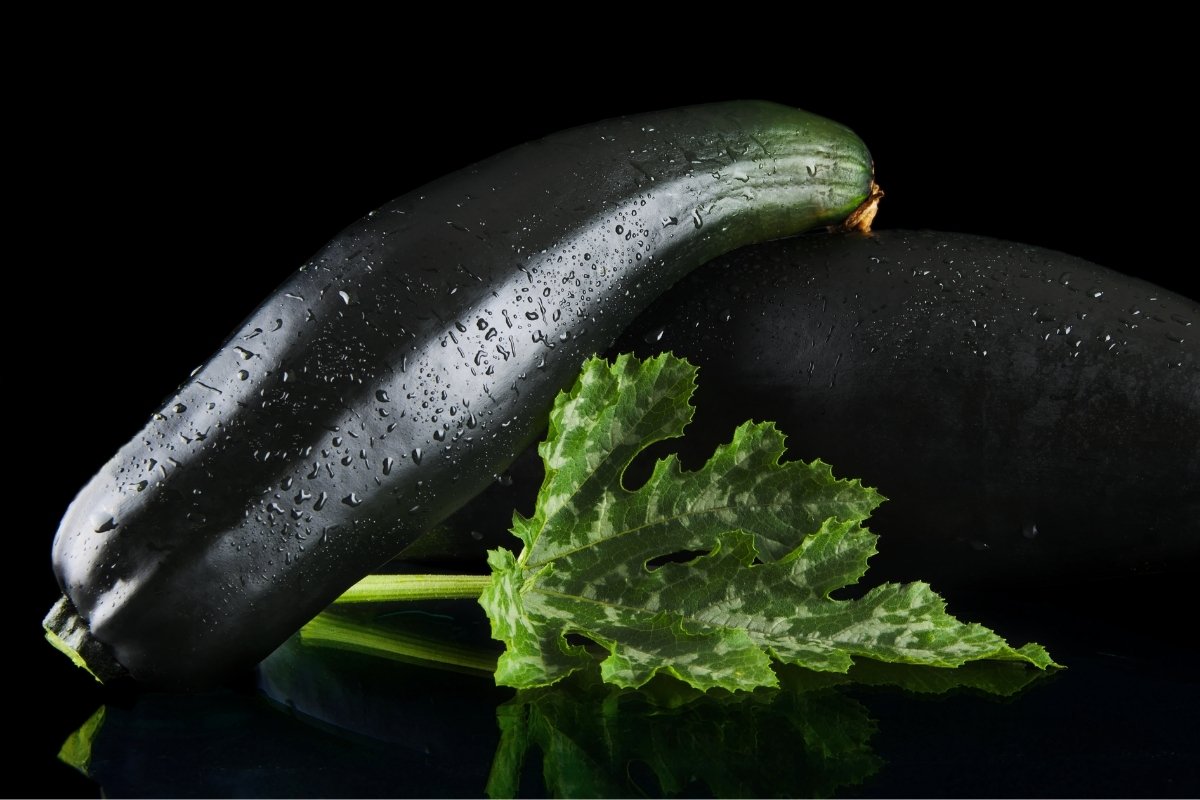
    Black Beauty zucchini is the classic dark green, straight, thin-necked summer squash. It was introduced by W. Atlee Burpee in 1902 and quickly became popular because of its productivity, good flavor, smooth texture, and long shelf life. This vegetable produces well even under less-than-perfect growing conditions.

    FoxFarm Liquid Nutrient Trio Soil Formula: Big Bloom, Grow Big, Tiger Bloom (Pack of 3-16 oz Bottles) 1 Pint Each + Twin Canaries Chart
    $45.99
    We earn a commission if you make a purchase, at no additional cost to you.
    06/16/2026 01:05 pm GMT

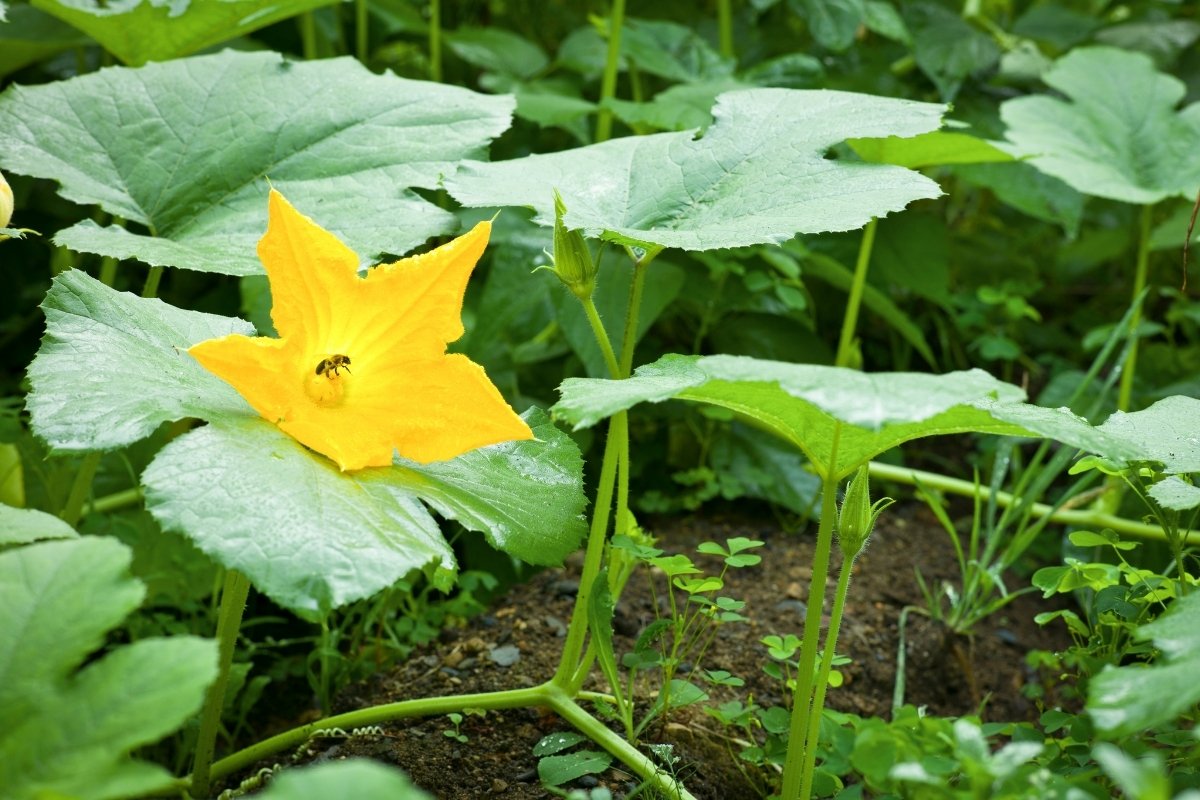
    However, you do not have to stick to tradition if you don’t want to. The bright yellow or gold flowers are edible as well as the young leaves which are added to salads.

    Growing Black Beauty Zucchini

    This plant is easy to grow if you know some tips and tricks. Here are several tricks that should be able to help you grow it.

    • Starting Seeds. You may start black beauties indoors before transplanting them outside after all danger of frost has passed. If you transplant them in the fall, black beauty zucchini will provide a steady supply of tender, dark green squash in your home garden until frost.
    • Ideal Planting Location. Black beauty zucchini thrives in the warm weather, so you should plant it in a location that is exposed to full sunlight and is sheltered from cold winds.
    • Mulching. You should also use black plastic mulches around young plants to help them grow well by retaining more of the soil‘s warmth and moisture.
    Growing Black Beauty Zucchini
    • Watering. Water black beauties regularly during the growing season because summer squash needs regular watering especially after it starts flowering or fruiting. You can check whether your black beauty zucchini needs watering by sticking your finger in the soil up to your first knuckle and feeling whether the soil feels dry.
    • Fertilizing. You should use black beauty zucchini fertilizer when planting black beauties and once every two weeks until it starts fruiting. While black beauties do not need much nitrogen, they still require nutrients such as potassium and phosphorus to grow well.

    For the best flavor, harvest black beauty zucchinis when they are young. They can be enjoyed raw or cooked and they will also freeze well.

    Read more about How Does An Artichoke Grow?

    How Often To Feed Black Beauty Zucchini?

    Black beauties are heavy feeders so make certain that they receive regular applications of liquid fertilizer throughout their growing season.

    Black beauty zucchinis need ample nitrogen to develop their dark green foliage. Organic vegetable gardeners may want to plant black beauty zucchini along with green beans or peas because they fix nitrogen in the soil.

    You can also nourish black beauties by mulching around them with compost or aged animal manure. The best fertilizer to use on these plants is the one providing nitrogen and potassium in low amounts. Organic fertilizer is also good for black beauty zucchini. Feed your plants at least once every two weeks with black beauty zucchini fertilizer.

    FoxFarm Liquid Nutrient Trio Soil Formula: Big Bloom, Grow Big, Tiger Bloom

    714api VhHL. AC SX569

    How Long Does It Take Black Beauty Zucchini To Grow?

    Black beauties are very fast-growing summer squash.  Their maturity time depends on how often you water them and fertilize them as black beauties need more moisture than most vegetables.

    They can be harvested in about 55-60 days after planting black beauty zucchini seeds or transplants. If you start black beauties indoors early enough and give them ideal growing conditions, they will be ready for harvest 50-55 days after planting.

    Check Out The Differences Between Greensand Vs Azomite

    When To Harvest Black Beauty Zucchini

    Black beauty zucchini is ready when it reaches six to eight inches long and two inches in diameter. It is best to harvest them when they are under eight inches as this is when they have the best flavor.

    Harvest them when the skin is glossy black with white stripes or solid black. Use them within two or three days after picking for the best flavor and texture, before they become seedy and coarse.

    Once black beauty zucchini starts producing fruit, you should harvest them several times a week. Black beauties produce abundant crops of high-quality summer squash over a long period.

    When To Harvest Black Beauty Zucchini

    When picking black beauties, cut them off with a sharp knife or pruning shears while leaving 1/2 inch of stem attached. Alternatively, just twist off black beauties while supporting their weight in your hand – similar to handling a ripe melon. Harvesting these fruits carefully will keep them fresh longer which is essential if you want to use them for longer.

    How Big of a Pot Do You Need For Black Beauty Zucchini?

    Did you know you can also grow your black beauty zucchini in pots? Ideally, you should use a container that measures at least eight inches deep. Black beauty zucchini is a very productive black summer squash that doesn’t need much space and can be grown in large pots.

    You can grow black beauties in small pots 3-4 feet wide. These vegetables are extremely easy to grow and produce lots of nutritious black summer squash.

    Fill the pot with a good quality soil or cactus mix, mixed with 30 percent fine sand and 10 percent composted manure to ensure optimum drainage.

    Start fertilizing these plants every two weeks from planting until you start seeing the fruit forming. Use black plastic mulch to help them retain soil moisture and warm the plants up earlier. Water black beauties regularly during the growing season to provide adequate moisture.

    Conclusion On Black Beauty Zucchini

    If you are interested in growing black beauty zucchini, we hope you find the guide above useful. Have you grown this plant before and have tricks up your sleeve you would like to share with us? If so, please share any tricks for growing black beauty zucchini in the comments.

    FAQ’s

    Is Black Beauty zucchini a bush or vine?

    Black summer squash is an annual, warm-season vegetable grown for its tender black fruit. They are vining black zucchini plants that can grow up to 6 feet tall x 3 feet wide black zucchini bush. Vines are not very suitable for container growing black beauty zucchini, but this one can still get decent production in pots.

    How much space does Black Beauty zucchini need?

    Black zucchini squash plants are vines that can spread up to 6 feet – meaning it’s not too big. You can also successfully grow them in pots.

    How much water does black beauty zucchini need?

    Black beauties need regular watering to help them fruit well because their fruits are particularly sensitive to drought. Water black beauty zucchini deeply, soaking them until the top 8 inches or so of soil are quite moist.  However, don’t let them sit in wet soil black winter squash because this will rot them.

  • How Does An Artichoke Grow?

    How Does An Artichoke Grow?

    Artichokes are a popular and versatile vegetable.  However, due to their unusual appearance, you may wonder, how does an artichoke grow? Though they may take some experience, they are great vegetables to grow in your garden.

    Artichokes are packed full of health benefits. There are many different tasty ways you can prepare them to enjoy. They are a great vegetable that you can grow in your own home garden with the right experience.

    How To Grow Artichokes

    Artichoke plants are a type of herbaceous perennials that are part of the Asteraceae family. This group of plants includes thistles, dandelions, and sunflowers.

    Artichokes are short-lived perennials when grown in warmer climates but in cooler regions, they are grown as annuals. They are grown for their unique edible flower buds, which people harvest before the flowers open.

    How To Grow Artichokes

    Originally, artichokes are from the Mediterranian area. They are still mainly grown here today, but they are also grown commercially in other areas too such as California.

    Though commercially they are mainly grown in California, home gardeners grow them all over. However, they’re very large plants so you will need to have plenty of space.

    How Does An Artichoke Grow?

    Artichokes are commonly described as architectural plants, due to their tall, branching build. They have big, silvery-green leaves that can be prickly and thick stems large flower buds. The buds are the part of the plant we eat and a healthy plant will produce around six to nine buds.

    You can grow them without the worry of animals eating them, because very few do. They can be harvested at will, but the unique plants and textural leaves will add an interesting look throughout the season. Despite not being grown commercially in many areas, they can grow well in most regions.

    At maturity, artichokes can be three to six feet tall and four to five feet wide. If you grow them at home, you need to have a large garden with plenty of space. Place them four to six feet apart in rows and place the rows six to eight feet apart to make growing and watering easier.

    Proper Growing Conditions – How Does An Artichoke Grow

    Depending on the climate, artichokes will be planted at different times of the year. If grown in cooler climates as annuals, they should be planted in the spring. In warmer climates, they can grow as perennials and can be planted as seeds in late spring or as young plants in mid-fall.

    Artichokes can grow in zones 7-11. They need soil that is well-drained, light, and fertile. You should be certain to plant your artichokes in an area where they can receive full sun.

    Ideally, the pH level of the soil should be slightly alkaline. Artichokes prefer warmer, drier weather, which is why they thrive in California and the Mediterranean. If you grow them as a perennial, you will want mild winters and cool, moist summers.

    Watering And Fertilizer

    Artichokes do best with a balanced vegetable plant food fertilizer that is applied every two weeks during the growing season. They should be watered one to three times a week. This will allow the plant to develop a strong root system while keeping the buds fleshy and tender.

    Burpee Organic Blood Meal Fertilizer | Add to Potting Soil

    61vM2KsOMcL. AC SX569

    Varieties

    There are a few different varieties of artichokes. Some of the most common varieties include Big Heart, Green Globe, Imperial Star, Purple of Romagna, and Violetto. Green Globe tends to be one of the most popular varieties.

    How To Trim An Artichoke

    Though it can be tricky at first, trimming an artichoke is a pretty straightforward process once you get the hang of it. After harvesting, it requires a few steps to get them to the point where you can eat them.

    To begin, cut off the top third of the artichoke bud using a serrated knife. Next, remove the outer two layers of leaves that are around the stem. Then, you will use kitchen scissors to trim off any sharp tips remaining on the outer leaf.

    Peel the stem off the artichoke. If you don’t plan on using the artichoke right away, you can place it in a bowl with lemon water to keep it fresh until you are ready to use it.

    Common Ways To Prepare Artichokes

    You can cook artichokes in many different ways including steaming, baking, grilling, braising, or stuffing. Steaming is often the most popular way to cook artichokes as it is the easiest.

    Artichokes also taste great in dips, salads, soups, stew, and hash. They come with many health benefits including being low in fat and rich in fiber, antioxidants, vitamins, and minerals.

    Common Ways To Prepare Artichokes

    Growing Your Own Artichokes

    Artichokes are a versatile and healthy vegetable that you can grow in your own garden with the proper room and knowledge. They can grow in zones 7-11 and need full sun along with well-drained, light, fertile soil.

    Do you have any questions regarding how does an artichoke grow? If so, please ask any questions relating to growing artichokes in the comment section below.

    FAQ’s

    How Long Does it Take to Grow an Artichoke?

    Most artichokes take around 85-100 days to reach harvest once planted. The center of the bud matures the fastest, followed by the sides of the bud.

    How Much Water Does it Take to Grow an Artichoke?

    Artichokes should be watered thoroughly one to three times a week. This will allow the roots to grow strong and allow the buds to become tender and fleshy. During production season, they will need about 15 inches of water in order to be healthy.

    Are Artichokes Easy to Grow?

    Artichokes are not particularly hard to grow, but most importantly you need plenty of space to grow them. Most intermediate and advanced gardeners have no problem growing them with the right knowledge. In order to enjoy a bountiful harvest, you need proper planting, watering and pruning.

    How Tall Does an Artichoke Plant Grow?

    Artichoke plants can grow to be as tall as three to six tall. They can be as wide as four to five feet.

    Due to their large size, you need to have plenty of room in your garden to grow artichokes. You should plant them four to six feet apart in rows and the rows should be six to eight feet apart to make growing and watering easier.

  • The Differences Between Greensand Vs Azomite

    The Differences Between Greensand Vs Azomite

    If you are an avid gardener, you might have looked into the benefits of using Greensand vs Azomite for your plants. As they are both naturally occurring substances, they are used to amend the soil, improving the conditions. They are both particularly popular to use with indoor plants.

    Both Greensand and Azomite have advantages and disadvantages for using for your garden. It is important to understand the differences between the two along with the pros and cons so you can decide which one is best for your gardening needs. Both substances can be great options to improve your plants as long as you know how to use them right.

    Greensand Vs Azomite

    Both Greensand and Azomite are substances that are used in potting mix, primarily for indoor plants though you can use them in outdoor gardens too. They help benefit the soil to help your plants grow strong and healthy.

    Greensand is a type of sand also known as sandstone that is greenish in color. It is rich in Potassium, Magnesium, Iron, and Silica and is a popular choice among organic gardeners. It offers great drainage and works well as a fertilizer.

    The main ingredient in Greensand is Glauconite, which gives it its green appearance. It is mined in New Jersey from oceanic sedimentary deposits. It has been used by gardeners for decades as a reliable fertilizer

    Greensand Vs Azomite

    Azomite comes from dust rocked that is mined in Utah. It is the most popular type of rock dust used in gardening. It is extracted from ancient volcanic ashes and it is one of the rarest minerals.

    Azomite contains a distinct combination and quality of crystalline minerals unlike any other mineral deposit in the world. It is mainly Silica, but it also contains Boron, Magnesium, Iron, Copper, Potassium, and Zinc. Known as the “A to Z of Minerals” it contains an excellent source of micronutrients plants can benefit from.

    Check Out A Guide On When To Pick Basil Leaves

    Benefits Of Greensand Vs Azomite

    There are many benefits that come with using Greensand for your plants. Since it is natural, it is safer to use than artificial fertilizer.

    Greensand works as a natural fertilizer for your plants and since it contains potash, it increases disease resistance in plants. It also adds a free-draining texture and the green color can look great with your plants. Greensand is also non-toxic, so it is safe to use around pets and children.

    Greensand is particularly great to use with clay and sandy soils. It can help loosen up clay while helping sandy soil better retain water. It can also enhance soil structure, increase root growth and improve the overall health of your plant.

    Down to Earth Organic Greensand Fertilizer, 5 lb

    81vgL+dJuPL. AC SY741

    Greensand is neutral on the pH scale and is great for providing your soil with essential nutrients. You can use it as a potting mix for indoor plants or for your outdoor garden as well. You can even use it on your lawn as well to improve grass growth and it is safe to use on sensitive plants.

    Cons Of Greensand Vs Azomite

    If you use too much Greensand, it will end up releasing the nutrients too slowly, not giving them the benefits that they need. Depending on where you live, Greensand can be hard to find and it can get a bit expensive.

    Benefits Of Azomite

    Azomite is packed full of many beneficial nutrients that plants need. It is natural, so it is safe to use for indoor and outdoor plants.

    Azomite can produce larger fruits and vegetables while also improving their taste. It promotes root growth while also improving depleted soil.

    Azomite provides 70 micronutrients, many more than traditional fertilizer does and it is safer to use. Though its pH is alkaline, it is safe to use on all types of soil.

    Though you can use Azomite with just about any plant, it is particularly great to use with vegetables and fruits. It increases the concentration of sugars and can produce healthier fruits and vegetables. Since it is nontoxic, it is safe to use around pets and children in your household.

    Cons Of Azomite Vs Greensand

    Since Azomite is rock dust, overexposure from excessive inhalation can lead to problems with your lungs. This, however, is true for all forms of dust. Depending on where you live, it may be hard to find at local garden centers and it can be pricey as well.

    Excellent Choices For Your Gardening Needs – Greensand Vs Azomite

    Both Greensand and Azomite come with many benefits that outweigh the negatives. Both can be very beneficial fertilizers for your garden and they are both natural and non-toxic, making them safe to use. Your gardens will see many benefits from using either of these natural fertilizers.

    Do you have any questions regarding Greensand vs Azomite? If so, please ask any questions in the comment section below regarding these two natural fertilizers for your plants.

    FAQ’S

    What is Greensand?

    Greensand is a type of sandstone that is greenish in appearance. It contains mainly Glauconite and is also full of many beneficial nutrients for your plants. It comes from oceanic sedimentary deposits and is mined in New Jersey.

    Greensand is non-toxic and is a great fertilizer to use for clay and sandy soil. You can use it for your indoor plants, outdoor garden and even your lawn.

    What Does Azomite Do for Plants?

    Azomite provides plants with 70 micronutrients that are beneficial for growth. It can help increase the yields of fruits and vegetables while also making them taste better.

    Azomite also promotes root growth while enhancing depleted soil. It is non-toxic and it is safe to use for all soil types.

    Greensand or Azomite, Which is Better?

    Greensand and Azomite both come with many benefits and can both be used as fertilizers for your plants. They are both safe to use and provide your plants with important nutrients to help them grow.

    Azomite releases its nutrients faster and contains more minerals than Greensand, making it the better option for some. It is especially great to use for growing fruits and vegetables. Greensand is still an excellent choice and it is particularly great for clay or sandy soil.

  • Can You Eat Cross Pollinated Squash? Yes Or No?

    Can You Eat Cross Pollinated Squash? Yes Or No?

    Can you eat cross-pollinated squash? This is one common question that some growers would like to know and we will answer this in this post. We have different types of squash and they come from the family of Cucurbitaceae plants. Squash examples include zucchini, pumpkins, guard, and the like.

    Squash is a type of fruit that has seeds in its internal part and they are derived from a flowering plant of plants.

    Cross-pollination happens when two separate plants exchange their pollen grains and pistil to give rise to a new variety that has the characteristic of the two parent plants. Now cross-pollination can occur between different types of squash variety.

    It is possible for different squash varieties that are planted close to each other to cross-pollinate even when that is not our intention in the first place. Can you eat cross-pollinated squash? Is cross-pollinated edible the question we would like to know?

    So, this article will give you the answer to your troubling questions about if you can eat cross-pollinated squash.

    Are Cross Pollinated Squash Edible Or Consumable?

    Can you eat cross-pollinated squash? The straight-up answer is that cross-pollinated squash is mostly inedible. It isn’t a good thing to consume cross-pollinated squash. The reason is that they contain a large amount of cucurbitacin. Consuming cross-pollinated squash may simply be toxic to your health.

    Now the normal squash contains a reasonable amount of cucurbitacin which is safe for consumption. However, the high concentration of cucurbitacin tends to taste very bitter.

    Are Cross Pollinated Squash Edible Or Consumable

    Squash Cross-Pollination

    From what we mentioned above, cross-pollination occurs by exchanging male and female gametes between two separate plants to produce offspring. Cross-pollination does occur among squash. If you plant two same or different squash varieties, they may cross-pollinate with each other to yield new offspring.

    Cross-pollination can occur in squashes and pumpkins. All these species can cross-pollinate with each other.

    Check Out A Guide On When To Pick Basil Leaves

    Seed Saving From Squash

    It is pretty rewarding to save seeds from your garden. However, you need to be careful of the type of seed being saved particularly if they have been cross-pollinated. If the seeds of cross-pollinated offspring of squash are saved and planted the following year, it may give rise to a totally different plant that is inedible.

    Although, not all types of squash are compactable to cross-pollinate. Below we have listed some categories of squash that tend to cross-pollinate with each other.

    What Squash Will Cross Pollinate With Other Squash?

    As we have mentioned, different squash can cross-pollinate with each other. The following squashes from each group can cross-pollinate with each other.

    • Zucchini, acorn, delicata, pattypan, yellow crookneck, and spaghetti squash. Pumpkins and gourds can also cross-pollinate with these groups of squash.
    • Buttercup, butternut, Hubbard, and turban squash.

    All these plants can be easily cross-pollinated by insects. Their separate male and female flower increase the chances of the female flower becoming fertilized with different pollen grains from a different variety of species or the same species. These combinations of plants may end up yielding inedible fruits.

    Read more about What Does An Artichoke Plant Look Like?

    Why Cross Pollinated Squash Tends To Be Toxic?

    Normally, the plants of the Cucurbitaceae family are meant to produce a toxic compound which is cucurbitacin. This toxic compound usually acts as a natural defense against insects.

    This cucurbitacin toxic compound is present in wild squash, cucumbers, as well as other cucurbits in a substantial amounts. So, because of the large amount of cucurbitacin compound in the wild, these types of squash and cucumbers tend to taste very bitter.

    However, the domesticated variety often contains a very little amount of this compound that isn’t harmful to humans when consumed. Also, the domesticated squash variety that is grown in the garden and the ones purchased from the stores usually have a less bitter taste. And this is due to the varying amount of bitter compound.

    But some factors can cause this bitter and toxic compound to increase its concentration in squash. They are; other product that has been cross-pollinated with wild plants and some types of stress during their growth (stress like lack of water or poor fertilization).

    Our Pick
    Squash Seeds for Planting 5 Individual Packets – Zucchini, Delicata, Butternut, Spaghetti and Golden Crookneck
    $9.95

    Gardeners Basics Squash Seeds for Your Non-GMO Heirloom Vegetable Garden

    Check Amazon Price
    We earn a commission if you make a purchase, at no additional cost to you.
    06/16/2026 01:06 pm GMT

    Therefore, if you come across any squash such as zucchini, pattypan, acorn squash, and the like, and you didn’t plant them in your garden, you should definitely avoid them. Even consuming a small amount of this type of cross-pollinated squash can be pretty toxic to your health.

    Click Here to Learn How Much Bone Meal Per Tomato Plant?

    Can Insect Pollinating Bees Cross Pollinate Squash?

    Squash are insect-pollinated plants. Hence bees can cross-pollinate squash. You may even be growing just one type of squash variety in your garden, bees can simply collect a different pollen grain from your neighborhood and cross-pollinate it with yours. Then this gives rise to new offspring.

    As we said, you should totally avoid any type of squash you didn’t plant in your garden. They are simply toxic squash and should be removed from your garden.

    How To Avoid Cross-Pollinated Squash In Your Garden

    If you wish to avoid cross-pollination between squashes, do the following;

    • It is required you separate them by a good distance of one and a half to a mile.
    • Additionally, you can build some barriers to drastically reduce the chances of pollinators cross-pollinating your plants. Large barriers such as thick standing trees, a hill, large buildings, and so on may help slow down pollinators from around your neighborhood.
    • Furthermore, you can cage or net your entire plants. Or you can simply tape new male and female flowers as they begin to form (i.e. right before they open). But this method usually requires hand pollination of flowers once they are ready to pollinate.
    How To Avoid Cross Pollinated Squash In Your Garden

    Can Cantaloupe Cross-Pollinate With Zucchini?

    It’s unlikely that cantaloupe will cross-pollinate with zucchini. The female flower of each crop will only be fertilized with pollen from the same species. Cantaloupe and zucchini are both members of the Cucurbitaceae family. As a result, these fruits can cross-pollinate. However, the natural occurrence is rare. 

    Cross-pollination occurs when one plant’s pollen is transferred to another’s stigma. This results in fertilization and the production of seeds. Bees and other critters are responsible for this. It can happen when these insects visit flowers on both plants and transfer pollen from one to the other. Cross-pollination can also occur when pollen is carried by the wind or when humans inadvertently transfer pollen from one plant to another by handling the flowers or plants.

    You can separate the plants if you are worried about cross-pollination between your cantaloupe and zucchini crops. Plant them in different areas of your garden or use physical barriers like netting screens to separate them. Alternatively, choose cantaloupe and zucchini varieties that aren’t prone to cross-pollination. 

    How Do You Cross-Pollinate Zucchini?

    To cross-pollinate zucchini, you can follow these steps:

    1. Identify the male and female flowers on the zucchini plant. Male flowers have a thin stem on the plant’s main branches. Female flowers have a small, immature zucchini at the base of the flower and are located on the main stem or branches of the plant.
    2. Gently remove the petals from a male flower to expose the stamen, which is the pollen-producing part of the flower.
    3. Use a small paintbrush or cotton swab to gently dab the stamen on the stigma of a female flower. The stigma is the sticky, receptive part of the female flower that receives the pollen.
    4. Repeat this process with multiple female flowers to ensure cross-pollination.

    It’s important to know that zucchini plants can also self-pollinate. This means they can produce fruit without cross-pollination. However, cross-pollinating can help improve the genetic diversity of the plant and may result in stronger, healthier plants and fruit.

    There are several reasons to consider cross-pollinating your zucchini plants. These include:

    Improves Genetic Diversity

    Cross-pollination introduces new genetic material into the plant, which can result in offspring with traits that are different from those of their parents. This can lead to plants that are more resistant to diseases and pests and that are better adapted to their environment.

    Increased Fruit Production

    Cross-pollination can lead to more flowers and fruit, as the plant’s genetics may be more favorable for fruit production.

    Improved Fruit Quality

    Cross-pollination can result in improved size, shape, and flavor, as well as longer shelf life.

    Increased Seed Viability

    Cross-pollination can result in seeds that are more viable and able to germinate and grow into healthy plants.

    Whether you leave your zucchini plants to self-pollinate or offer a helping hand is up to you. Although cross-pollination has added benefits, it can be tricky to master. 

    Conclusion

    So, we have answered the question; can you eat cross-pollinated squash? Hence, if you encounter a cross-pollinated squash, it is very likely they contain a huge amount of the toxic compound cucurbitacin.

    So, do well to avoid eating them so you don’t experience serious illness as a result of consuming them.

    FAQ’s

    Are Cross Pollinated Squash Edible?

    No. Cross pollinated squashes aren’t edible. Because they contain a large amount of cucurbitacin.

    What Squash Will Cross Pollinate?

    Zucchini, acorn, delicata, patty pan, yellow crookneck, and spaghetti squash are squashes that can cross pollinate each other.

    Can Bees Cross Pollinate Squash?

    Yes. Bees can pollinate squash because squash are insect pollinated plants.

  • The Easiest Guide On When To Pick Basil Leaves

    The Easiest Guide On When To Pick Basil Leaves

    This guide on when to pick basil leaves will help you discover the right time to pick these herbs when growing them at home.

    Basil is a type of herb that is found in the Mediterranean region. It is from the plant family called Lamiaceae, which makes it closely related to other herbs such as mint and sage.

    When growing basil at home, you can use the leaves for cooking purposes or just for aesthetic appeal. When harvesting your leaves from this herb, it is important that you only harvest when your leaves are vibrant in color and when they have a nice smell.

    When To Pick Basil Leaves

    Knowing when to pick basil leaves is important to get the best flavor possible. The right time to pick basil leaves is when they are a deeper green in color and when they have a distinct smell. It is advised that you do not pick basil when it is flowering as this will stop the growth of the plant.

    Helpful tips when trying to determine when to harvest your leaves from the basil.

    • The best time to harvest basil is when the plant has turned around its development cycle so it can now create new flowers. You can identify when this happens by looking at the stem where the new sprouts grow from. Once these sprouts have started growing, it’s a sign that harvesting will help promote more leaves to grow.  Pick young leaves off your plants for aesthetic purposes
    When To Pick Basil Leaves
    • If you just want beautiful-looking leaves on your crops for selling purposes, then picking young leaves when they are smaller and when they have a nice green color will help you achieve this.
    • On the other hand, if you want to harvest basil when it is fully mature then allow the plant to grow until it has started producing flowers. Once these flowers start appearing, you can pick them and use them as garnishes or in various recipes for their distinct taste and smell.

    Read more about How Much Bone Meal Per Tomato Plant?

    When is Basil Ready For Harvest? – When to Pick Basil Leaves

    If you are growing basil for cooking purposes, when is it ready to harvest?  It takes about 50 days from planting for basil to be ready for harvesting.

    Basil seeds can take a few weeks to germinate so when growing seedlings, you will have to wait about 8-9 weeks before harvesting them. The basil plant will be ready to harvest when it is about six to eight inches tall.

    Another method that people use when harvesting basil is when the leaves are just starting to branch out. Harvesting basil at an early stage means that you don’t have to wait for too long before your crop is ready to be harvested. You can either pick off individual leaves or cut down the entire stem of the plant if it’s grown big enough.

    Indoor Herb Garden Starter Kit – Certified USDA Organic Non GMO

    When To Pick Basil Leaves

    How To Pick Basil Leaves So it Keeps Growing

    When to pick basil is now clear. But how to harvest basil so it keeps growing more is still a question to many gardeners.

    When harvesting basil leaves, choose to pluck the leaves from the top part of the basil stem. This is the part of this plant that is most flavorful.

    If you can see flowers developing on the stems, then leave some leaves on there. Note that even if this looks like new growth on the stems, it is still not ready for harvest.

    If you want to preserve your basil for several weeks, then using stem cuttings will help you achieve this. Harvest the basil when there are flowers on your plants. Then, put the stem and put it in water until new growth emerges from the stems.

    You can use some kind of rooting hormone when doing this method to get the best results when growing new basil plants.

    Remember when harvesting basil leaves, don’t forget to pick the stems off your plant. In addition, also make sure you don’t break or cut these too close to your main stem when doing so. This will only cause the plant to lose stability and when this happens, it will no longer produce new shoots when harvested.

    What Leaves To Pick Off Basil When Harvesting?

    It is not only important to know when to pick basil leaves, but also what leaves to pick. You can pick basil leaves when they are young and when they have a nice green color. 

    When the plant has flowers starting to grow on its stems, it’s best not to remove them so you can harvest basil for longer periods. This will help preserve some of your plants when growing new ones.

    Harvesting the leaves both when they are young and mature helps the basil plant to continue growing.

    Take-Home On When To Pick Basil Leaves

    When to pick basil leaves is now clear among other essential details. As long as the plant has both flowers on its stems when harvesting, it will keep growing new shoots when you harvest the leaves properly.

    If you notice the leaves starting to branch out when harvesting, this means that your plant can continue growing more even as you harvest. You can harvest basil from your plant for a long period without exhausting it if you had provided it with the right growing nutrients.

    You will also need to carefully pick the leaves without damaging the plant so that it continues to produce more leaves for days to come.

    FAQ’s

    Do basil leaves grow back after you pick them?

    Yes, the leaves will grow back when you harvest them when they are young and when they have a nice green color.

    Where should I cut my basil?

    If you are cutting the entire plant when harvesting, then cut it close to the main stem so that you don’t damage it.

    When should you pinch basil?

    Basil should be pinched when the plant is just starting to grow in readiness for harvesting.

    How do you pick basil leaves so it keeps growing?

    When harvesting basil, pluck the leaves from the top part of the plant when they have a nice green color. Make sure you don’t break or cut these too close to your main stem when doing so. Harvesting the leaves when they are young and when they have a nice green color helps the basil plant to continue growing when harvesting.

  • Growing Lettuces In Pots – 7 Useful Care Tips!

    Growing Lettuces In Pots – 7 Useful Care Tips!

    Growing lettuces in pots is possible if you currently don’t have a garden to grow them in. It comes with several advantages and is a great option for gardeners of all skill levels.

    Lettuce is an all-time favorite crunchy vegetable that we all love in our salads, burgers, sandwiches, and everything in between. Lettuce is one of the easiest vegetables to grow. Anyone can successfully grow this plant whether in the garden or in containers.

    Growing Lettuces In Pots

    Can lettuces be grown in pots? Yes, it is possible to grow lettuce in containers. You can grow them indoors during wintertime or when the climate conditions are not favorable for growing them outside.

    Planting lettuce in containers is straightforward. Simply add your potting mix to the container of your choice and leave a few inches from the top of the growing medium to allow for your plants to develop.

    Growing Lettuces In Pots

    You can plant at least one to two lettuce plants per pot for maximum productivity. Ideally, your pot should be at least six to twelve inches in diameter.

    From sowing seeds to harvest, this plant takes about one month to mature. Once mature, the leaves are ready for harvesting by simply pinching the leaves.

    Lettuce leaves are full of nutritional benefits as they contain potassium, iron, calcium, and vitamins A, B6, and C.

    Read more About What Does An Artichoke Plant Look Like?

    How Deep Do Containers Need To Be For Lettuce?

    Growing lettuce in pots requires good drainage and a well-draining growing medium. To provide the perfect growing conditions that this plant needs, you can create a beautiful garden by growing lettuces in containers.

    Start by adding soil into your container followed by an inch layer of coarse sand or gravel then finishing by adding the growing medium. Loose, well-drained soil with plenty of organic matter, such as compost and peat, works as the best growing medium for lettuce. The growing medium should be moist but not wet and you can add fertilizers when planting your lettuce plants.

    Growing lettuces in pots requires deep containers that have a depth of at least 8 inches to accommodate growing lettuce plants. Their width can be about 8 inches as well, but it is up to you to choose the width you like. You can use plastic, clay, or wooden pots depending on the kind of look you are going for in your garden.

    Ensure that your pots have holes in the lower side for proper drainage. Excess water after watering your lettuce plants can cause root rot if they stay stagnant for too long.

    3 Tier Stackable Garden – Indoor / Outdoor Vertical Planter Set

    718oOpqBfBL. AC SY741

    Care Tips for Potted Lettuce

    Growing lettuces in pots will need you to provide them with good that includes;

    Tip #1: Provide full sun exposure, at least six hours daily

    You should, however, protect your growing lettuce from overheating as this can cause slow growth and spoil the leaves.

    Tip #2: Provide a well-draining growing medium

    Your growing medium must be able to hold the right amount of moisture so that your growing lettuce can take advantage of it. Do not overwater them, but at the same time do not allow the growing medium to dry out completely.

    Ensure your pots have good drainage. Since lettuce plants need a moist growing medium, excess water tends to accumulate in their pots and starts rotting their roots if not drained properly. Provide holes at the bottom side of the container for proper drainage.

    Tip #3: Consistent watering

    Keep the growing medium moist but not soggy or wet to encourage deep root growth. You can monitor its moisture by sticking your finger into the growing medium. If it feels dry then you should water them again.

    Consistent Watering Lettuces in Pots

    Tip #4: Fertilize it

    Add your fertilizer when you plant them to encourage faster growth. If you are growing them in containers, it is best during a liquid fertilizer every week during the first month. You can also use organic manure to fertilize your growing medium before planting your lettuce. Organic manure has more nutrients than a regular growth medium.

    Tip #5: Avoid temperature shock

    If you are growing your lettuce in containers outdoors during springtime, avoid exposing them to temperature shock. If the light conditions change from sunny to cloudy, ensure that they have quick access to shade by moving their pots accordingly.

    Tip #6: Protect them from disease

    If growing lettuce outdoors, avoid placing them too close to other plants because this can lead to disease issues such as mildew.

    Tip #7: Harvest when ready

    This is one of the best parts because you get to enjoy fresh homegrown lettuce leaves! The harvesting technique depends on which type you are growing (head or leaf) but generally it involves cutting off mature leaves by slicing them off with a sharp knife.

    You’ve finished growing your lettuces! Now it is time to eat them up… But remember… they need to be washed before eating because lettuces contain natural protection mechanisms against predators that function even if picked. It is recommended not to wash them too much though, but just enough for any dust or debris off the leaves. Once clean they’re ready for consumption! Bon Appetit!

    Lettuce growing in pots is a great way to have fresh lettuce year-round, even when growing seasons are not so favorable for growing outside.

    You can easily grow lettuce in pots with the tips provided above, but you will need to pay more attention to keeping its growing medium moist. Without this consistency of maintaining medium moisture, your lettuce may suffer from root rot or other issues that can lead to poor growth.

    Conclusion

    Growing lettuces in pots are quite simple and provide many benefits and the luxury of growing almost anywhere without worrying about pests or diseases that may affect your garden.

    You can easily move them outside when the growing season starts or bring them inside when growing seasons end – thus extending your growing season. With good lighting and proper moisture growing lettuce in pots is easy!

    FAQ’S

    How do you keep potted lettuce alive?

    You can ensure growing lettuce in pots by having consistent moisture in a growing medium. Water them when the growing medium is dry so the growing lettuce has the water it needs to survive.

    Does lettuce need full sun?

    Lettuce growing in pots requires partial sun. The partial sun generally means a few hours of indirect sunlight per day. If growing your lettuce indoors, be sure to use a window sill that receives bright light throughout the day.

    How do you harvest lettuce so it keeps growing?

    You can harvest growing lettuces by cutting off leaves that are ready for eating. If growing in pots, be sure to take care not to harm growing lettuce roots/medium when harvesting, as the growing lettuce is likely potted.

  • What Does An Artichoke Plant Look Like?

    What Does An Artichoke Plant Look Like?

    What does an artichoke plant look like and what features does it have that will cause you to identify it easily?

    Artichokes are a much-loved delicacy that most Americans love to eat. However, what many do not know is that it takes a lot of time and commitment to grow your artichokes. It can take up to 85-100 days for artichokes to be ready to harvest. But once mature, it will produce what looks like a big purple and green center bud with little yellow flowers.

    It takes at least one year before what comes out of that bud is edible. However, it takes even longer than that if you want really large artichokes!

    What Does An Artichoke Plant Look Like?

    How do you identify an artichoke plant? Identifying an artichoke plant is easy because of its very unique look.

    An artichoke plant starts as a baby bud and grows into what looks like a large green bush with spiky leaves. When fully grown, the center of the plant will have what looks like a big purple bud with little yellow flowers on it.

    An Artichoke Plant Looks Like

    When this flower bud blossoms, something might come out of it that looks like an artichoke! If you leave the baby buds on the plant, what you will be left with is what looks like a purple and green center.

    It can take up to one year before what comes out of that bud is edible. However, you will need to wait longer than that if you want really large artichokes!

    How Long Does It Take To Grow An Artichoke?

    If you intend to grow your artichokes, don’t be shocked if they take too long to grow. The total growing time for artichokes can be up to 180 days.

    When started from seed, how long does it take for artichokes to germinate? It takes at least 10 to 21 days to germinate.

    Once germinated, give them some time to grow some more before transplanting them. It can take up to 60 days until they are ready to be planted outside.

    Transplant them at least two weeks after the last frost date has passed and the soil has warmed up. Once transplanted, artichokes will take about one year. Most artichoke plants are ready to harvest within 80-100 days. If you want to grow really large artichokes, it will take even longer!

    Seed Needs, Green Globe Artichoke (Cynaria scolymus) Twin Pack of 30 Seeds Each Non-GMO

    What Does An Artichoke Plant Look Like

    How Many Artichokes Do You Get From One Plant?

    How many artichokes you get from one plant varies by the time your artichoke plant starts producing buds? There’s a chance that what comes out of the artichoke flower is a tiny thing no bigger than a broccolini. It can take up to three years for this size to grow.

    However, if you want something in between, maybe the size of a regular store-bought one. The number also depends on how long it takes the plant to grow what looks like a big purple bud with little yellow flowers.

    A full-grown artichoke plant produces at least 10 to 20 mature artichokes for a period of two to three weeks during the artichoke flower’s blooming period.

    So bottom line, the number of mature artichokes you can get from one plant varies.

    For example, you could get as many as five to ten if the plant takes less than 20 months. However, most artichoke plants provide six to nine buds per plant.

    Some artichoke plants will produce smaller buds that are more numerous. This will happen if it takes less than 10 months to grow the big purple bud with little yellow flowers.

    Final Thoughts On What Does An Artichoke Plant Look Like

    So what does an artichoke plant look like? Once you identify what does an artichoke plant look like, you can also learn how long it takes to grow this plant.  These flower-like edible buds are beautiful to look at as you await them to grow to maturity. Though a much-loved delicacy, artichokes take a long time to grow, however, they are worth the wait.

    So next time you think of growing your artichokes, be patient enough to allow them to grow to maturity. When you practice patience, you will surely enjoy a good crop from the sumptuous artichokes.

    Want to share recipes that you can make from artichokes so we also get to try them? Let us know in the comments below.

    FAQ’S

    Where can you buy an artichoke plant?

    You can buy a young artichoke plant from your local nursery. It’s also possible to purchase a young artichoke plant that looks like it has a big purple bud with little yellow flowers from online nurseries.

    What does an artichoke plant look like?

    The best way to tell what an artichoke plant looks like is by its leaves. They look similar to what you’ll find on an asparagus plant because they are fern-like and delicate looking. Another way that you can identify what an artichoke plant looks like is the center of the bud – it is purple and green.

    What do artichokes look like when they bloom?

    One way to tell what looks like what an artichoke flower looks like is by the sounds they make. When you touch them, they sound similar to how silk feels when you rub your hands against them. 

  • Ebb And Flow Hydro Systems

    Ebb And Flow Hydro Systems

    Hydroponics gardens are excellent ways of growing different plants without soil and ebb and flow hydro systems are one type of hydroponic system. Ebb and flow hydro systems are fairly easy to use if you have the right knowledge and you can set them up easily.

    Ebb and flow hydro systems are a versatile hydroponic system that is widely recognized and they are also regarded as flood and drain systems.

    Understanding the principle of ebb and flow system setup is a great way to go about building, using, and maintaining this hydroponic system.

    In this article, you will find out how to set up an ebb and flow system, the advantages and disadvantages of it, the best growing medium to use for this system, and so on. So, let’s delve in and discuss more on the ebb and flow hydro system.

    Ebb And Flow Hydroponic System

    As we mentioned, the ebb and flow hydro system is a type of hydroponics system and it is also referred to as a flood and drain system.

    This type of hydroponic is a versatile system as it can accommodate containers or pots of different sizes. They can even be customized to grow just about any kind of plant and achieve great results.

    How Do You Set Up An Ebb And Flow Hydroponic System?

    The setup of ebb and flow may vary depending on how you wish to customize your setup. However, you should know that all these different set up works under the same concept.

    The main components to set up an ebb and flow system are plant tray, timer, nutrient solution reservoir, and submersible pump.

    ·         Plant Or Flood Tray

    This plant tray is a big and shallow container. It is also referred to as the flood tray. This is where the plants are placed in pots that are perforated and filled with growing medium. The flood or plant tray is always flooded by pumping nutrient-filled water from the reservoir below.

    So, the nutrient-filled water flows from the pot below up into the plant’s root. Then the water is drained back outside and this allows the root of the plant to become dry and receives oxygen. Then after this, the tray is flooded again and the mechanism continues.

    ·         Reservoir, Timer, And Submersible Pump Action

    Directly below the flood or plant tray, you will find the reservoir. The setup from the reservoir connects to the flood tray through a drain tube or fill tube. The drain tube is connected to the submersible pump with a timer. This timer help control the flow of water up into the flood tray.

    Then the power of gravity allows the tube to be pulled back out and drained into the reservoir once the plant tray has been flooded. So, the water is reused as this mechanism is repeated time and time again.

    Hydrofarm Active Aqua Grow Flow Ebb & GRO 12 Site 2Gal Hydroponic System

    71uSWfgV9ZL. AC SX569

    This nutrient-filled water from the reservoir can be reused for up to a week. But the nutrient-filled water will need to be changed so to maintain and renew nutrients for the plants.

    Customization of your ebb and flow hydro system is possible with the timer and submersible pump. It allows you to control the length and frequency of watering according to your garden or plant needs.

    Check Out When To Harvest Oyster Mushrooms – Guide On The Best Harvest Time

    What Is The Best Grow Medium For Ebb And Flow?

    When it comes to the best-growing media to be used in your ebb and flow hydro systems, any grow media is actually great to be used. Anything from coco coir to Hydroton, perlite, Rockwool, oasis cubes, and so on.

    What Is A Major Advantage Of The Ebb And Flow System?

    We have discussed the setup of ebb and flow hydro systems. Now let’s delve into the advantages they offer:

    • Affordability: this type of hydro system is pretty affordable and efficient. It is a low-cost hydroponic system that can save you money especially if you build it yourself.
    • No expertise is Needed: you don’t need to be an expert to set up the ebb and flow hydro system. This is in comparison to other complex and expensive hydroponic system that usually requires the knowledge of an expert. Hence, it is easy to build a hydroponic system.
    • Easy Operation: the operation of this hydroponic system is also pretty easy. Just make sure optimal nutrient solution is always available to your plants.
    What Is A Major Advantage Of The Ebb And Flow System
    • Abundant Nutrient Supply for Plants: additionally, your plants get abundant nutrient supply because of the flood and drain concept. Your plant or grow tray is frequently flooded with nutrient-filled water. This is beneficial to plants such as strawberries that need heavy loads of nutrients.
    • Little to no Technical Assistance or Supervision: again, this hydro system doesn’t need too much supervision and maintenance. Therefore, little to no technical assistance will be required. When it comes to using these ebb and flow hydro systems, your chances of achieving great success with plants that don’t do well in other hydroponic systems are increased. For instance, you can grow plants such as beans, tomatoes, cucumbers, and other media to large-sized plants.

    Read more about Vertical Hydroponics System

    What Are The Disadvantages Of Ebb And Flow?

    Even though ebb and flow hydro systems offer great benefits, there are still some cons to this hydroponic system. They include:

    1. Possible PH Fluctuation: There is the possibility of pH fluctuation if the system fails. It may cause water to overflow into the containers and consequently flood the pants in your flood trays. Hence, this causes unbearable pH that can have harmful effects on your farm.
    2. Possible Power Failure: Any equipment failure that may be due to power failure can cause your system not to operate. Thereby causing system failure.
    3. Possible Breakdown of The System: Your ebb and flow system may break down due to any little mistake. This is why you need to be extra careful with setting up your system. The most common breakdown experienced by most growers is with their pumping machines.
    What Are The Disadvantages Of Ebb And Flow

    Conclusion

    Ebb and flow hydro systems are easy to use hydroponic and they are also cost-effective. This hydroponic system is versatile and customizable. Hence, this makes it an excellent choice for hobbyist hydroponic rowers.

    FAQ’S

    How Do You Set Up An Ebb And Flow Hydroponic System?

    The set up of ebb and flow may vary depending on how you wish to customize your set up. However, you should know that all these different set up works under the same concept.
    The main components to set up an ebb and flow system are plant tray, timer, nutrient solution reservoir, and submersible pump.
    • Plant or flood tray
    This plant tray is a big and shallow container. It is also referred to as the flood tray. This is where the plants are placed in pots that are perforated and filled with growing medium. The flood or plant tray is always flooded by pumping nutrient-filled water from the reservoir below.
    So, the nutrient-filled water flows from the pot below up into the plant’s root. Then the water is drained back outside and this allows the root of the plant to become dry and receives oxygen. Then after this, the tray is flooded again and the mechanism continues.
    • Reservoir, timer, and submersible pump action
    Directly below the flood or plant tray, you will find the reservoir. The set up from the reservoir connects to the flood tray through a drain tube or fill tube. The drain tube is connected to the submersible pump with a timer. This timer help control the flow of water up into the flood tray.
    Then the power of gravity allows the tube to be pulled back out and drained into the reservoir once the plant tray has been flooded. So, the water is reused as this mechanism is repeated time and time again.
    This nutrient-filled water from the reservoir can be reused for up to a week. But the nutrient-filled water will need to be changed so to maintain and renew nutrients for the plants.
    Customization of your ebb and flow hydro system is possible with the timer and submersible pump. It allows you to control the length and frequency of watering according to your garden or plant needs.

    What Are The Disadvantages Of Ebb And Flow?

    Even though ebb and flow hydro systems offer great benefits, there are still some cons to this hydroponic system. They include:
    1. Possible PH fluctuation: there is the possibility of pH fluctuation if the system fails. It may cause water to overflow into the containers and consequently flood the pants in your flood trays. Hence, this causes unbearable pH that can have harmful effects on your farm.
    2. Possible power failure: any equipment failure that may be due to power failure can cause your system not to operate. Thereby causing system failure.
    3. Possible breakdown of the system: your ebb and flow system may break down due to any little mistake. This is why you need to be extra careful with setting up your system. The most common breakdown experienced by most growers is with their pumping machines.

    What Is A Major Advantage Of The Ebb And Flow System?

    We have discussed the set up of ebb and flow hydro systems. Now let’s delve into the advantages they offer:
    1. Affordability: this type of hydro system is pretty affordable and efficient. It is a low cost hydroponic system that can save you money especially if you build it yourself.
    2. No expertise is needed: you don’t need to be an expert to set up the ebb and flow hydro system. This is in comparison to other complex and expensive hydroponic system that usually requires the knowledge of an expert. Hence, it is an easy to build a hydroponic system.
    3. Easy operation: the operation of this hydroponic system is also pretty easy. Just make sure optimal nutrient solution is always available to your plants.
    4. Abundant nutrient supply for plants: additionally, your plants get abundant nutrient supply because of the flood and drain concept. Your plant or grow tray is frequently flooded with nutrient-filled water. This is beneficial to plants such as strawberries that need heavy loads of nutrients.
    5. Little to no technical assistance or supervision: again, this hydro system doesn’t need too much supervision and maintenance. Therefore, little to no technical assistance will be required. When it comes to using these ebb and flow hydro systems, your chances of achieving great success with plants that don’t do well in other hydroponic systems are increased. For instance, you can grow plants such as beans, tomatoes, cucumbers, and other media to large sized plants.

    What Is The Best Grow Medium For Ebb And Flow?

    When it comes to the best growing media to be used in your ebb and flow hydro systems, any grow media is actually great to be used. Anything from coco coir to Hydroton, perlite, Rockwool, oasis cubes, and so on.

  • When To Harvest Oyster Mushrooms – Guide On The Best Harvest Time

    When To Harvest Oyster Mushrooms – Guide On The Best Harvest Time

    Do you know when to harvest oyster mushrooms? In this guide, you will learn or find out how and when you can correctly harvest oyster mushrooms.

    One mushroom variety that is commonly loved by most gardeners is oyster mushrooms. When it comes to growing oyster mushrooms, it can be a fairly easy thing to do so far you have the right knowledge on how to go about it.

    So, once you’re done growing your oyster mushroom, the right time to harvest is also important to know. This is so you harvest them properly and you don’t keep them past their due date.

    So, in this article, we will be looking into when to harvest oyster mushrooms. So, keep on reading to know more about the harvesting period for oyster mushrooms.

    When To Harvest Oyster Mushrooms

    Getting to know when to harvest oyster mushrooms is pretty important so you don’t keep them past their due date harvest them too early.

    So, the stage we gardeners are always anticipating when growing our oyster mushroom is the harvesting period. We would like to know when to harvest oyster mushrooms.

    Once, you’ve successfully introduced your spawn and inoculated it into the growing medium of your choice, then your mushroom should begin to fruit.

    When To Harvest Oyster Mushrooms

    The fruiting stage is the phase to look out for as this is the stage you should start getting ready to harvest your oyster mushrooms. This is because as fruiting begins, things tend to move very fast so far you are maintaining nicely hydrated fungus.

    So, fruiting usually commences once the substrate has been entirely colonized by the spawn. This fruiting you see is the last surviving response of the mycelium.

    During this fruiting period, you should begin to notice your mushrooms growing bigger every hour. Therefore, it is imperative you keep a close eye on your mushrooms and start preparing to harvest your oyster mushrooms. This is so your mushroom doesn’t grow too big and dry.

    Click Here to Learn more about:

    How Do You Know When Oyster Mushrooms Are Ready?

    So, to know when to harvest oyster mushrooms, there are some physical characteristics you should notice.

    Once you notice your oyster mushrooms are starting to flatten out at the top of the edges or they begin to turn upwards, then it’s time to harvest. They should be harvested at this point and harvesting should not be delayed so they don’t start to drop lots of spores.

    Although, this stage may be quite confusing to judge particularly if it’s your first time growing oyster mushroom. But with frequent practice and the right guide, you should become familiar with it.

    Additionally, if you see that your oyster mushrooms are growing larger, then harvesting time is set. Also, if they are beginning to dry out or they are dropping lots of dust, then it’s time to harvest. Drying out is a sign that the oyster mushroom has been left to grow longer and should have been harvested sooner. But you can still go ahead and harvest them.

    Furthermore, when you buy a complete mushroom kit, it usually comes with instructions for you to know the particular time frame for picking your oyster mushroom. You can follow this time frame and work on it.

    You can also make an estimate of when your oyster mushroom should be ready depending on the conditions your mushroom grew under.

    Read more about When To Plant Bush Beans

    How To Harvest Oyster Mushrooms

    When it comes to harvesting your oyster mushroom, you should aim to harvest the edge of the mushroom cap once you see these caps have begun to flatten out. These mushroom caps can be twisted with your hands or you can cut the cluster off with a sharp knife or scissors.

    How Long Do Oyster Mushrooms Take To Grow?

    Oyster mushrooms are easy to grow and they are fast growers. They can grow as fast as 20 days or they may take some weeks. However, how fast they grow usually depends on the type of species you’re growing and the process by which you choose to grow them.

    Root Mushroom Farm—Golden Oyster Mushroom – All in one Gourmet Mushroom Growing kit

    71QlzXEOGYL. AC SL1500

    Here are a few things to consider you should know about how long your oyster mushroom may take to grow:

    • If you’re just buying a complete mushroom grow kit and just fruiting, then it can take around 10 days for the mushroom to form.
    • The type of oyster mushroom species you choose can also determine the period length they tend to grow.
    • If you are using a low nutrient regime, then it may take longer to grow.
    • Using a high nutrient substrate on the other hand can increase your yield and fruiting can happen faster. However, a high nutrient plan requires sterilizing media, and a lab is required for inoculations.
    • Some substrate can also determine how fast your oyster mushroom can grow. Some of these substrates include straw, toilet paper, woodchips, etc. These substrates can take around 3 to 5 weeks to grow. But using substrates such as logs for instance can take about 6 months or more to grow.

    How Many Times Can You Harvest Oyster Mushrooms?

    You can harvest your mushroom about 3 times before the mycelium fruit is exhausted. And you can get a new flush of mushrooms approximately every 10 days for 5 to weeks depending on the variety of oyster mushrooms.

    How Do You Store Oyster Mushrooms After Harvesting?

    Now that we know when and how to harvest our oyster mushrooms, then let’s get to know how to store them.

    So, after harvesting your oyster mushroom, you should wrap them in a damp paper towel. Then put them in a brown paper bag. Once you do this, it will stop them from drying out.

    How Do You Store Oyster Mushrooms After Harvesting

    Then you should keep your wrapped oyster mushroom at the bottom of the fridge with other vegetables. This part shouldn’t be as cold as other parts of the fridge.

    When To Harvest Oyster Mushrooms Conclusion

    Oyster mushrooms are great-tasting mushrooms that you and your family can eat and they are very healthy. Harvesting these mushrooms is pretty easy and we have given you some good tips on how to go about it. So, do well to look through our guide.

    FAQ’S

    How Long Do Oyster Mushrooms Take To Grow?

    Oyster mushrooms are easy to grow and they are fast growers. They can grow as fast as 20 days or they may take some weeks. However, how fast they grow usually depends on the type of species you’re growing and the process by which you choose to grow them.
    Here are a few things to consider you should know about how long your oyster mushroom may take to grow:
    • If you’re just buying a complete mushroom grow kit and just fruiting, then it can take around 10 days for the mushroom to form.
    • The type of oyster mushroom species you choose can also determine the period length they tend to grow.
    • If you are using a low nutrient regime, then it may take longer to grow.
    • Using a high nutrient substrate on the other hand can increase your yield and fruiting can happen faster. However, a high nutrient plan requires sterilizing media, and a lab is required for inoculations.
    • Some substrate can also determine how fast your oyster mushroom can grow. Some of these substrates include straw, toilet paper, woodchips, etc. These substrates can take around 3 to 5 weeks to grow. But using substrates such as logs for instance can take about 6 months or more to grow.

    How To Harvest Oyster Mushrooms

    When it comes to harvesting your oyster mushroom, you should aim to harvest the edge of the mushroom cap once you see these caps have begun to flatten out. These mushroom caps can be twisted with your hands or you can cut the cluster off with a sharp knife or scissors.

    How Do You Know When Oyster Mushrooms Are Ready?

    So, to know when to harvest oyster mushrooms, there are some physical characteristics you should notice.
    Once you notice your oyster mushrooms are starting to flatten out at the top of the edges or they begin to turn upwards, then it’s time to harvest. They should be harvested at this point and harvesting should not be delayed so they don’t start to drop lots of spores.
    Although, this stage may be quite confusing to judge particularly if it’s your first time growing oyster mushroom. But with frequent practice and the right guide, you should become familiar with it.
    Additionally, if you see that your oyster mushrooms are growing larger, then harvesting time is set. Also, if they are beginning to dry out or they are dropping lots of dust, then it’s time to harvest. Drying out is a sign that the oyster mushroom has been left to grow longer and should have been harvested sooner. But you can still go ahead and harvest them.
    Furthermore, when you buy a complete mushroom kit, it usually comes with instructions for you to know the particular time frame for picking your oyster mushroom. You can follow this time frame and work on it.
    You can also make an estimate of when your oyster mushroom should be ready depending on the conditions your mushroom grew under.

    How Many Times Can You Harvest Oyster Mushrooms?

    You can harvest your mushroom about 3 times before the mycelium fruit is exhausted. And you can get a new flush of mushrooms approximately every 10 days for 5 to weeks depending on the variety of oyster mushrooms.

    How Do You Store Oyster Mushrooms After Harvesting?

    Now that we know when and how to harvest our oyster mushrooms, then let’s get to know how to store them.
    So, after harvesting your oyster mushroom, you should wrap them in a damp paper towel. Then put them in a brown paper bag. Once you do this, it will stop them from drying out.
    Then you should keep your wrapped oyster mushroom at the bottom of the fridge with other vegetables. This part shouldn’t be as cold as other parts of the fridge.

  • Grow Room Cost Calculator

    Grow Room Cost Calculator

    Do you have a grow room where different sizes of plants are grown in a controlled environment? If the answer is yes. Then a grow room cost calculator is important for proper planning. So, let’s discuss grow room cost calculator.

    A typical or a commercial grow root setup is fast becoming a thing in the United State. Electricity will surely be required in your grow room. So, calculating the cost of electricity for your grow room and other things to be used is essential so you can understand how to run your system and so you don’t go out of budget.

    It may be pretty confusing calculating the cost of electricity that your grow will consume. But with the right knowledge, you can work your way around it.

    So, this is why we would be discussing grow room cost calculator so you can plan your indoor garden properly.

    How Much Would A Grow Room Cost?

    The cost of your grow room usually depends on some factors. You need to factor in all the equipment and supplies to determine the cost you will be using inside your grow room. But you can read below to have a brief idea of the cost of a grow room.

    How Much Would A Grow Room Cost

    How Much Does It Cost To Start A Growing Operation?

    Before you begin making serious plans to start a grow room operation, you need to ask yourself how much the cost for a grow room operation is. It is a very crucial question so you can make proper plans.

    Answering this question may not be so easy or straightforward, but we would give you some clue as to the estimated cost so you can be enlightened on this.

    Now when it comes to estimating the cost of grow-room operation, there are some things or factors that need to be considered when establishing the operation cost.

    Factors such as light, temperature, ventilation, irrigation, climate control, and so on should be considered. This is because all these things need to be artificially controlled.

    However, an average estimate for a grow room cost operation for a large-scale operation is around 42 dollars per square foot. But this estimated cost can vary in many ways and this depends on the type of facilities and cultivation methods.

    Take for example; when we are referring to the start-up cost per square foot for a greenhouse, it is around 50 dollars. Then for an indoor grow room cost on the other hand is around 75 dollars per square foot. But outdoor cultivation is the least expensive at around 10 dollars per square foot.

    But let’s generally look into more details on some factors that can determine the cost of grow room so that you can make proper plans.

    How Much Does It Cost To Start A Growing Operation

    Grow Room Cost Calculator: Some Factor To Determine Cost

    • Light

    Grow lights are essential for an indoor room cost calculator. So, when it comes to grow-light. We have two most common types and they are light-emitting diodes (LED) and high-intensity discharge (HID). LED grow lights usually cost more while HID is moderately priced.

    However, HID grow light emits lots of heat and can increase the cost of your climate control. LED on the other hand doesn’t generate too much heat. They only tend to be more expensive. However, LED grow light may consume more electricity thereby making you save more money eventually.

    • Climate Control And Temperature

    You need to have an upper hand regarding the climate control of your grow room. This is because climate control tends to have a good impact on the well-being and profit of your plants. This is particularly important when it comes to temperature. Air circulation and humidity are also other climate conditions to factor in.

    Therefore, you should put things in place such as fans, air conditioners, and so on.

    • Irrigation

    Even hand watering can be used in your grow room; making use of an ideal irrigation system will make things much easier for you. Also, the ideal irrigation system will deliver the appropriate amount of water to each of your plants.

    VIVOSUN 48” x 48” x 80” Hydroponic Mylar Grow Tent with Observation Window

    Grow Room Electricity Calculator

    Grow room cost calculator can be estimated using the formula:  Cost of electricity x Number of hours x Watts/ 1000) = Total cost

    So, let’s look into each part of the equation above to determine how to get our values for the equation.

    • Cost Of Electricity

    The cost of electricity is mainly what you pay for your electricity and this is mostly found in your electricity bill. The cost of electricity is measured in kWh.

    • Number Of Hours

    You will need to run your electrical appliance in your grow room. This needs to be estimated.

    For instance, most growers like to keep their grow light on for about 18 hours. Then switch the grow light off for about 12 hours just to give the plant some rest. This is to achieve a light and dark phase for your plants.

    On the other hand, some growers can opt to keep their grow lights all through 24 hours every day because it helps speed up the vegetative phase.

    • Watts

    With the different electrical appliances, you have in your grow room, they all will draw some number of watts from the wall. These electrical appliances include grow-light, rotating fans, exhaust, and so on. All these electrical appliance wattage needs to be calculated. Grow room cost calculator needs their values to estimate the cost of your grow room.

    So, after obtaining all these listed above values, you can input them into the equation. Then divide it by 1000 just to convert the number of watts to KiloWatts (kW).

    Number Of Hours

    Do Grow Lights Use A Lot Of Electricity?

    The electricity used by your grow light usually depends on the type of grow light used. The most common grow light known to indoor growers are light-emitting diodes (LED) and high-intensity discharge (HID).

    Even though LED grow lights are usually more expensive than HID, LED grow light usually consumes lesser wattage compared to HID grow lights.  LED also offers bright light with lesser wattage. HID on the other hand consumes more wattage and doesn’t give much brightness,

    Grow Light Cost Calculator – Additional Say

    You can calculate your grow light cost by knowing the amount of time you will be running your grow light. You should note that different stages of the plant phase (vegetative, flowering, and fruiting) require different light duration.

    Then figure out the actual wattage your grow light consumes from the wall to determine the grow light cost.

    FAQs

    How Much Would A Grow Room Cost?

    The cost of your grow room usually depends on some factors. You need to factor in all the equipment and supplies to determine the cost you will be using inside your grow room. But you can read below to have a brief idea of the cost of a grow room.

    How Much Does It Cost To Start A Growing Operation?

    Before you begin making serious plans to start a grow room operation, you need to ask yourself how much the cost for a grow room operation is. It is a very crucial question so you can make proper plans.
    Answering this question may not be so easy or straightforward, but we would give you some clue as to the estimated cost so you can be enlightened on this.
    Now when it comes to estimating the cost of grow room operation, there are some things or factors that need to be considered when establishing the operation cost.
    Factors such as light, temperature, ventilation, irrigation, climate control, and so on should be considered. This is because all these things need to be artificially controlled.
    However, an average estimate for a grow room cost operation for a large-scale operation is around 42 dollars per square foot. But this estimated cost can vary in many ways and this depends on the type of facilities and cultivation methods.
    Take for example; when we are referring to the start-up cost per square foot for a greenhouse, it is around 50 dollars. Then for an indoor grow room cost on the other hand is around 75 dollars per square foot. But outdoor cultivation is the least expensive at around 10 dollars per square foot.
    But let’s generally look into more details on some factors that can determine the cost of grow room so that you can make proper plans;

    Do Grow Lights Use A Lot Of Electricity?

    The electricity used by your grow light usually depends on the type of grow light used. The most common grow light known to indoor growers are light emitting diodes (LED) and high intensity discharge (HID).
    Even though LED grow lights are usually more expensive than HID, LED grow light usually consumes lesser wattage compared to HID grow lights. LED also offers bright light with lesser wattage. HID on the other hand consumes more wattage and doesn’t give much brightness,

  • Hydroponics Medium Types

    Hydroponics Medium Types

    Let’s talk hydroponics medium types. Hydroponics medium is one of the types of growing medium that may be used for growing plants. A growing medium basically involves any solid material which may be fibers, sponge, pebbles, shreds, or barks. These materials are used to hold nutrient solutions and then slowly released to plant roots.

    So, when using the hydroponic system, the grower does not depend on soil to support plants and supply nutrients. You would rather depend on a selected hydroponic media to provide support for the roots and maintain water content.

    While there are different systems of hydroponics you should know about, these systems work on the basis of suitable materials. This means that the growing media you chose for growing your plants will be as important as the system you use them in.

    The hydroponics growing medium involves the selection of a wide variety of growing media to be used. This is a guide on how to use the hydroponic growing media and the hydroponics medium types are also discussed. The strength of the different growing media is also discussed.

    Before we delve into the major hydroponics medium types, let’s discuss what the medium of hydroponics truly means.

    What Is The Medium Of Hydroponics?

    The growing medium of hydroponics involves a system where the plant growing medium takes the place of soil. The medium does not act as a nutrient provider like the soil but serves as a support to keep the plant upright. Virtually inert materials are used as a growing medium.

    The Hydroponics growing medium basically involves a simple soil-less material that is largely porous. This feature makes it possible for moisture and oxygen to be well circulated to the root system of the plant. Where a non-porous hydroponic material is used, there will be a need for more watering.

    The use of hydroponics growing medium and continuous watering of plants with ordinary water will not yield fruits. For you to get any meaningful result, you must water the plant with nutrient-filled nutrients. This is because, unlike the soil, the hydroponics medium lacks nutrients for growth.

    Although it cannot be said that one hydroponic growing media is better than another, some are easier to use. There are however a lot of factors that must be considered when picking a growing media. The system with which you will use it, and how it’s designed are big factors to consider.

    The goal of a hydroponic system is basically to keep the roots of plants moist- not saturated nor soggy. Where the growing system allows for too much water, the roots will suffocate from lack of oxygen. This would very easily lead to root dying or rot.

    Major Hydroponic Growing Media

    The following are the major types of hydroponics growing media:

    ·         Coconut Coir

    Also referred to as coco coir; it is made from the outer husk of coconuts. Coco coir is a byproduct made from the rough, brown, fibrous husks of coconuts. It is an entirely organic material that holds water exceptionally well and allows for proper aeration. It is also an eco-friendly material, completely renewable, and can easily be composted when no longer needed. Most users use it alongside other media like perlite for best results.

    Coco Bliss Premium Coconut Coir Pith 10 lbs Brick/Block

    Hydroponics Medium Types

    ·         Rockwool – Hydroponics Medium Types

    This is a fascinating material for hydroponic growing media for plants. This material is created by melting rock and thereafter spinning it into fibers. The Rockwool fibers are thereafter compressed into cubes of different sizes used for hydroponic plant growing.

    This media has good water retention abilities and excellent aeration. The drawbacks of this media are that it is not environmentally friendly and it has high pH content. The dust from the fiber may also cause a serious irritant to the eyes.

    ·         Expanded Clay Pellets

    This is one of the most used hydroponic media used in recent times. It is made by expanding clay so as to form round balls of porous material. The clay pellets have the advantage of having a neutral pH level, being reusable, and releasing almost no nutrients to the soil.

    ·         Rocks And Gravel

    Natural rocks gravel processed from rocks such as perlite and vermiculite are also used as growing media. They have the advantage of being cheap, readily available, and drain very well. The downside however is that they are heavy and hold very little water. This makes them very undesirable in systems where the root relies on some water.

    ·         Perlite – Hydroponics Medium Types

    This is one of the most common growing media. Perlite is usually made from volcanic glass. When the volcanic glass which normally contains tiny pockets of water is subjected to high temperature, the water expands.

    This expansion creates thousands of tiny pores from which perlite is gotten. Due to the small size of the perlite, it is used to add drainage, water, and air to a plant growing medium.

    Major Hydroponic Growing Media - Perlite

    Hydroponic Growing Medium Alternatives

    If you are not interested in using hydroponic growing media, you may consider the use of hydroponic alternatives. Below are some growing alternatives:

    • Sawdust: the use of sawdust has recorded some success as a hydroponic growing medium alternative. There are lots of factors that come into play in determining how well this works. The type of wood used and how pure such wood was are a few. Also, there is a high possibility of sawdust being contaminated by diseases or pathogens.
    • Rice Hulls: this is the byproduct of the rice milling process. This process usually involves the use of the coating of unprocessed rice which has peeled off. This alternative is usually used in places where rice processing is largely a practice.
    • Sand: sand is another widely used alternative to the hydroponic growing medium. One major con with the use of sand is that it lacks the ability to retain water and it has very poor aeration abilities. Sand is usually packed together making it difficult for roots to be exposed to air. It however has the advantage of being readily available.
    Hydroponic Growing Medium Alternatives

    Hydroponics Medium Types Conclusion

    Hydroponics Medium is a system as you have seen above that can be used for plant cultivation. It largely involves the absence of soil when growing plants. It offers plants the advantage of media with water retention abilities and excellent aeration.

    Some of the major hydroponic media and their alternatives are discussed above. If you are interested in trying out this method of plant cultivation, this should be a good guide for you.

    FAQ’s

    What Is The Medium Of Hydroponics?

    The growing medium of hydroponics involves a system where the plant growing medium takes the place of soil. The medium does not act as a nutrient provider like the soil but serves as a support to keep the plant upright. Virtually inert materials are used as a growing medium.
    The Hydroponics growing medium basically involves a simple soil-less material that is largely porous. This feature makes it possible for moisture and oxygen to be well circulated to the root system of the plant. Where a non-porous hydroponic material is used, there will be a need for more watering.
    The use of hydroponics growing medium and continuous watering of plants with ordinary water will not yield fruits. For you to get any meaningful result, you must water the plant with nutrient-filled nutrients. This is because, unlike the soil, the hydroponics medium lacks nutrients for growth.
    Although it cannot be said that one hydroponic growing media is better than another, some are easier to use. There are however a lot of factors that must be considered when picking a growing media. The system with which you will use it, and how it’s designed are big factors to consider.
    The goal of a hydroponic system is basically to keep the roots of plants moist- not saturated nor soggy. Where the growing system allows for too much water, the roots will suffocate from lack of oxygen. This would very easily lead to root dying or rot.

  • Hydroponic Nutrient Chart For Vegetables – Helpful Guide To Follow

    Hydroponic Nutrient Chart For Vegetables – Helpful Guide To Follow

    Hydroponic nutrient chart for vegetables can help guide you on the nutrient regime to give your vegetable plants. We will be giving you a helpful tip on the hydroponic nutrient chart here for your vegetables so you can have proper guidance on the nutrients to provide your plants so they can flourish and yield great results.

    Hydroponics majorly deals with growing plants in the absence of soil in which soil is replaced by water. The nutrient solution is usually dissolved in this water and it supplies the plant the required nutrient to grow.

    But do you actually know the type or amount of nutrient plan to supply your vegetables? Let’s delve into the hydroponic nutrient chart for vegetables to know more about this.

    Hydroponic Nutrients Guide

    It is crucial to supply the right balance of nutrients and amounts of nutrient solution in your hydroponic garden. This is important so your plants can grow well. Plants have various needs.

    Here are some tips to guide you when it comes to hydroponic nutrient needs for your hydroponic gardening.

    Hydroponic Nutrients Guide
    • Basic Nutrients

    The basic nutrients are one of the most essential needs of a plant. They are responsible for the biological process that plants needs for survival. Plants need to respire, obtain moisture, and photosynthesize just to survive.

    These basic nutrients responsible for the biological process of plants include hydrogen, oxygen, carbon, and nitrogen. They need to be taken care of first because, without them, plants will die. But plants can still live without other remaining nutrients but they just won’t thrive properly.

    • Macro-nutrients And Micro-nutrients

    So macro and micro-nutrients are the remaining nutrients needed by plants. Macro-nutrients include nitrogen, potassium, phosphorous, calcium, sulfur, and magnesium. Then micro-nutrients include iron, zinc, boron, and manganese.

    What Nutrients For Hydroponic Vegetables?

    The nutrients that your hydroponic vegetables require include nitrogen, phosphorous, potassium, calcium, sulfur, zinc, manganese, and zinc. All these nutrients can help improve the growth and quality of your vegetables.

    Hydroponic Nutrient Chart For Vegetables

    A hydroponic nutrient chart for vegetables has been shown below. So, we’ve given below a chart to describe the nutrient regime for some of your favorite vegetables;

    S/NPlantPPMECpH
    1Asparagus980- 12601.4- 1.86.0- 6.8
    2Artichokes560-12600.8- 1.86.5- 7.5
    3Broccoli1960- 24502.8- 3.56.0-6.5
    4Basil700- 11201.0-1.65.5-6.5
    5Lettuce560- 8400.8- 1.25.5- 6.5
    6Parsley560-12600.8- 1.85.5- 6.0
    7Spinach1260- 16101.8- 2.35.5- 6.6
    8Swiss chard1260- 16101.8- 2.36.0- 6.5
    9Thyme560- 11200.8-1.65.5- 7.0
    10Watercress280- 12600.4- 1.86.5- 6.8
    • PH

    We have also added the pH chart because nutrient and pH usually comes hand in hand. The right pH helps in the appropriate absorption or intake of nutrients by your plants.

    • EC And PPM

    Electrical conductivity, EC, measures the level of salt or nutrient in your hydroponic system. Hence, it is an indirect way of measuring the concentration of the nutrient solution. So, the electrical conductivity of your nutrient solution is measured using an EC meter.

    After measuring the electrical conductivity of the nutrient solution, the value gotten is then converted to a measure of the total dissolved solids in PPM (i.e. part per million).

    Using an EC meter can help in ensuring your nutrient solution is in the right concentration and remain at this state over time. Therefore, you don’t have to worry about nutrients becoming too concentrated.

    How Much Nutrients Do I Need For Hydroponics?

    The amount of nutrients supplied to your hydroponic plants can make a big difference in their outcome. Too little nutrients can hinder your plants from attaining their peak. Then too much nutrient can fry your plants.

    Hydroponic gardening is based on water rather than soil and this water has nutrients that have been dissolved into them. But the question we would like to know is the amount of nutrient solution is needed in your hydroponic garden?

    The answer mainly depends on some factors and they include:

    ·         Reservoir Size

    The size of your hydroponic reservoir is one major determining factor when it comes to how much nutrients your plant needs. Generally, for a 16 gallon of water, you will need around 1 to 2 cups of pre-mixed liquid nutrient solution.

    ·         Plant’s Stage

    The plant stage is another factor to consider. The plant has different growth stages such as seedling stage, flowering stage, vegetative stage, fruiting stage, and so on. Each of these plant stages requires different nutrient amounts. You can buy a pre-mixed nutrient solution or you can make one by yourself.

    When using a pre-mixed solution, you can go for multiple prepared solutions just to achieve your desired ratio.

    On the other hand, when using a prepared hydroponic nutrient solution, it is important to follow the instructions on the label. This is to determine the right amount of nutrients for your reservoir.

    Ideally, less amount of nutrients should be supplied during the early part of your plant’s life cycle. Then you will need to increase the nutrient plan once your plant has reached the big or major part of its growth. While you’re at it, ensure you start with less and increase it along the line so you don’t overdo the nutrient supply.

    ·         The Type Of Plant

    The type of plant is another determining factor when it comes to the amount of nutrients for your hydroponics. For example, peppers and tomatoes need a bit more fertilizer compared to most vegetables or leafy greens.

    The good thing is that you can get some suggestions about the nutrient plan for the type of plant from the nursery where the plant was purchased.

    General Hydroponics HGC718125 FloraMicro 5-0-1

    Hydroponic Nutrient Chart For Vegetables

    Conclusion On Hydroponic Nutrient Chart For Vegetables

    The hydroponic nutrient chart for vegetables has been explained in this guide. So, if you would love to start a vegetable hydroponic garden for your indoor farming, you can look through our guide.

    Even though the amount or dosage of the nutrient is pretty important, you don’t really have to worry about perfection. There are too many factors that can affect the accurate or precise amount that can lead to a perfect nutrient regime.

    Just ensure you do the best you can to supply your plants with the appropriate amounts of the nutrient regime. Then you can see your plant flourish and enjoy that bountiful harvest.

    FAQs

    How much nutrients do I need for hydroponics?

    The amount of nutrients supplied to your hydroponic plants can make a big difference in their outcome. Too little nutrients can hinder your plants from attaining their peak. Then too much nutrient can fry your plants.
    Hydroponic gardening is based on water rather than soil and this water has nutrients that have been dissolved into them. But the question we would like to know is the amount of nutrient solution is needed in your hydroponic garden?
    The answer mainly depends on some factors and they include;
    • Reservoir size
    The size of your hydroponic reservoir is one major determining factor when it comes to how much nutrients your plant needs. Generally, for a 16 gallon of water, you will need around 1 to 2 cups of pre-mixed liquid nutrient solution.
    • Plant’s stage
    The plant has different growth stages such as seedling stage, flowering stage, vegetative stage, fruiting stage, and so on. Each of these plant stages requires different nutrient amounts. You can buy a pre-mixed nutrient solution or you can make one by yourself.
    When using a pre-mixed solution, you can go for multiple prepared solutions just to achieve your desired ratio.
    On the other hand, when using a prepared hydroponic nutrient solution, it is important to follow the instructions on the label. This is to determine the right amount of nutrients for your reservoir.
    Ideally, less amount of nutrients should be supplied during the early part of your plant’s life cycle. Then you will need to increase the nutrient plan once your plant has reached the big or major part of its growth. While you’re at it, ensure you start with less and increase it along the line so you don’t overdo the nutrient supply.
    • The type of plant
    The type of plant is another determining factor when it comes to the amount of nutrients for your hydroponics. For example, peppers and tomatoes need a bit more fertilizer compared to most vegetables or leafy greens.
    The good thing is that you can get some suggestions about the nutrient plan for the type of plant from the nursery where the plant was purchased.

    What nutrients for hydroponic vegetables?

    The nutrients that your hydroponic vegetables require include nitrogen, phosphorous, potassium, calcium, sulfur, zinc, manganese, and zinc. All these nutrients can help improve the growth and quality of your vegetables.

  • How Far Apart To Plant Bush Beans

    How Far Apart To Plant Bush Beans

    How far apart to plant bush beans is one question that may be on your mind as a grower. Beans are common staples we make use of in our various dishes and bush beans are one nice tasting beans variety. When it comes to growing bush beans it is pretty easy to grow particularly in a square foot garden.

    Ideally, beans are of two types which are bush beans and pole beans and their differences mainly refer to their growing style. Then other several beans varieties come from these two types of beans.

    When growing bush beans, they are inclined to spread wide as this is their growing style. They usually don’t require support, unlike pole beans.  But when it comes to their plant spacing, what is the ideal spacing for bush beans?

    In this post, we will be discussing the question; of how far apart to plant bush beans. Now let’s get into this.

    How Far Apart To Plant Bush Beans; Bush Bean Spacing

    We know bush beans variety tends to grow by spreading. But what is the appropriate spacing for bush beans?

    Even though bush beans plant grows in a compacted manner, you still need to space them appropriately for them to grow optimally and flourish.

    How Far Apart To Plant Bush Beans; Bush Bean Spacing

    So, when it comes to the spacing of bush beans, below is the spacing rule you should follow;

    • Seed Spacing; When you’re ready to sow the bush bean seed, you should sow seeds about 3 inches apart. The seed should also be sown about one inch deep into the soil.
    • Row Spacing; When it comes to the row spacing of bush beans, your plants should be spaced 18 to 24 inches apart.
    • Container Spacing; For container spacing, the bush bean seeds should be spaced around 3 inches apart and at most 2 inches from the side of the container or pot.

    Additionally, you can always check the seed package instructions for the appropriate plant spacing for your bush beans.

    How Wide Do Bush Beans Grow?

    The rate at which bush beans tend to spread wide will mainly depend on the type of bush bean variety. Some bush bean variety and their width spacing are;

    • Contender – The contender bush bean that is heat-resistant is inclined to grow about 18 to 30 inches tall and wide. You can harvest your pods in around 55 days. They are resistant to the common mosaic virus (BCMV).
    • Provider – This is a type of vigorous compact bush beans. They can grow up to 18 inches in height and they can spread to about 10 inches wide. Their root system is pretty strong. Harvesting of the provider beans should be ready in around 50 to 60 days. Provider beans variety is not only resistant to the common mosaic virus (BCMV), it is also resistant to powdery mildew and downy mildew.

    Survival Garden Seeds – Provider Bush Bean Seed for Planting

    71Hpy9np ML. AC SL1500
    • Blue Lake 274 – This type of bush bean variety tends to grow 15 to 20 inches tall and spread to about10 inches wide. This makes them ideal for growing in pots or containers and also garden beds. The crop should be ready for harvest in around 50 to 70 days. The blue lake 274 is one popular type of bush bean that is determinate. It is a very high-yielding bush bean variety. These beans are resistant to the common mosaic virus (BCMV).

    How Many Bush Beans Are In A Square Foot Garden?

    Because bush beans tend to grow in a compacted or spreading manner, one can grow them in a small space and still get abundant yield. So, when it comes to a square foot garden, you can actually plant about 9 bush beans per square foot garden.

    How Do Bush Beans Grow Successfully?

    It is quite easy and straightforward to grow bush beans. It is crucial you provide your bush beans with optimal growing conditions to achieve great results.

    So, below are some tips you can follow to successfully grow bush beans:

    ·         Soil

    The bush bean tends to flourish well in clay or silt loam soil that is neutral or sparingly acidic with a pH of around 6 to 7. Therefore, we recommend you perform a soil test for your garden soil to find out the soil pH. Alternatively, you can make use of pH test strips and do the soil test yourself.

    ·         Sunlight

    Bush bean plant will thrive well under full sun supply. Ideally, between 6 to 8 hours of direct sun supply daily would be great.  However, bush beans can still survive or tolerate some shade. But if you want a vigorous and more productive outcome, then you should provide them with full sunlight.

    ·         Fertilizer – How Far Apart To Plant Bush Beans

    Fertilizer application may be quite tricky. This is because legumes such as beans don’t need too much nitrogen supply. They tend to make or fix nitrogen from the air. If you add excess nitrogen to the plant, it will enhance leafy growth rather than pod production. Hence, a fertilizer that is heavy in nitrogen should be avoided for bush beans.

    You can use organic compost, worm casting, sheep manure, and so on to supply your bush bean plant with extra organic matter.

    ·         Climate

    The ideal temperature to grow bush beans successfully with a great outcome is around 65 to 85 degrees Fahrenheit.

    For germination to proceed successfully, the soil temperature must be around 70 to 80 degrees Fahrenheit. However, once the soil drops below 80 degrees Fahrenheit when you’re sowing your seeds, the seeds may rot in the ground even before they have the chance to germinate.

    Therefore, if the weather in your area is cool, do well to wait until the temperature warms up before sowing your seeds.

    ·         Watering

    Bush beans need good drainage and they also require constant moisture. Hence, maintain moist soil and not waterlogged or soggy soil.

    How Do Bush Beans Grow Successfully - Watering

    How Far Apart To Plant Bush Beans: Final Thoughts

    Bush beans are great vegetables to add to your garden collections and you will enjoy lots of benefits from them. They are easy to grow and they offer abundant harvest.

    How far apart to plant bush beans is an important factor to put into consideration so you can enjoy the full growing benefits this plant has to offer.  We have talked about the spacing of bush beans in this post so do well to follow our guidelines on this.

    FAQs

    How Wide Do Bush Beans Grow?

    The rate at which bush beans tend to spread wide will mainly depend on the type of bush bean variety. Some bush bean variety and their width spacing are;
    • Contender; the contender bush bean that is heat-resistant is inclined to grow about 18 to 30 inches tall and wide. You can harvest your pods in around 55 days. They are resistant to the common mosaic virus (BCMV).
    • Provider; this is a type of vigorous compact bush beans. They can grow up to 18 inches in height and they can spread to about 10 inches wide. Their root system is pretty strong. Harvesting of the provider beans should be ready in around 50 to 60 days. Provider beans variety is not only resistant to the common mosaic virus (BCMV), it is also resistant to powdery mildew and downy mildew.
    • Blue lake 274; this type of bush bean variety tends to grow 15 to 20 inches tall and spread to about10 inches wide. This makes them ideal for growing in pots or containers and also garden beds. The crop should be ready for harvest in around 50 to 70 days. The blue lake 274 is one popular type of bush bean that is determinate. It is a very high-yielding bush bean variety. These beans are resistant to the common mosaic virus (BCMV).

    How Many Bush Beans Are In A Square Foot Garden?

    Because bush beans tend to grow in a compacted or spreading manner, one can grow them in a small space and still get abundant yield. So, when it comes to a square foot garden, you can actually plant about 9 bush beans per square foot garden.

    How Do Bush Beans Grow Successfully?

    It is quite easy and straightforward to grow bush beans. It is crucial you provide your bush beans with optimal growing conditions to achieve great results.
    So, below are some tips you can follow to successfully grow bush beans:
    • Soil
    The bush bean tends to flourish well in clay or silt loam soil that is neutral or sparingly acidic with a pH of around 6 to 7. Therefore, we recommend you perform a soil test for your garden soil to find out the soil pH. Alternatively, you can make use of pH test strips and do the soil test yourself.
    • Sunlight
    Bush bean plant will thrive well under full sun supply. Ideally, between 6 to 8 hours of direct sun supply daily would be great. However, bush beans can still survive or tolerate some shade. But if you want a vigorous and more productive outcome, then you should provide them with full sunlight.
    • Fertilizer
    Fertilizer application may be quite tricky. This is because legumes such as beans don’t need too much nitrogen supply. They tend to make or fix nitrogen from the air. If you add excess nitrogen to the plant, it will enhance leafy growth rather than pod production. Hence, a fertilizer that is heavy in nitrogen should be avoided for bush beans.
    You can use organic compost, worm casting, sheep manure, and so on to supply your bush bean plant with extra organic matter.
    • Climate
    The ideal temperature to grow bush beans successfully with a great outcome is around 65 to 85 degrees Fahrenheit.
    For germination to proceed successfully, the soil temperature must be around 70 to 80 degrees Fahrenheit. However, once the soil drops below 80 degrees Fahrenheit when you’re sowing your seeds, the seeds may rot in the ground even before they have the chance to germinate.
    Therefore, if the weather in your area is cool, do well to wait until the temperature warms up before sowing your seeds.
    • Watering
    Bush beans need good drainage and they also require constant moisture. Hence, maintain moist soil and not waterlogged or soggy soil.

  • When To Plant Bush Beans

    When To Plant Bush Beans

    When to plant bush beans is what we will be looking into in this post. The green beans belong to the family of species called Phaseolus vulgaris that is also known as “common beans”. The many types of green beans have two different ways of growing which are “bush” or “pole.”

    It’s the style of growth that distinguishes bush beans from pole beans. In this article, when to plant bush beans will be discussed extensively.

    Bush beans are the type of bean crop that a beginning gardener can grow for a first-time trial. It is so because it is easier to grow. It is easier to maintain because it doesn’t require trellising.

    The best time to start planting bush beans is during early spring which is after the last frost date in your area. This is because bush beans are warm-season crops. They thrive well under full sun.

    Let’s take a further look into the step-by-step process of sowing. When to plant bush beans is also discussed here.

    Bush Beans Plant

    As their name implies, bush beans grow in a bush way, usually up to 2 feet tall. They don’t take up much space to grow. Bush beans plant doesn’t need trellis support to grow.

    That is why bush beans are one of the best bean crops for beginning gardeners to try out. The most common bush bean varieties are contender, burgundy, and blue lake.

    Bush Beans Plant

    Plant only during the right season which is after the last spring frost date. Planting when the temperature is lower and when the soil is moist will cause the seeds not to germinate. This will eventually cause the seeds to rot.

    Planting Bush Beans: When To Plant Bush Beans

    The best time to begin planting bush beans is when the ambient and soil temperature is between 65 to 85 degrees Fahrenheit. So. begin planting once the temperature and planting conditions are favorable.

    Also bear in mind the variety and the time it will take for the fruits to mature. Given that the last plantation produces fruits and matures before the first date of frost. But the bush beans take up to 50 to 55 days to produce.

    So, to plant bush beans:

    1. Choose a Right Spot – Choose a spot in your garden that faces direct sunlight for at least 6 to 7 hours daily. Bush beans thrive well under full sunlight.
    2. Prepare to Start Planting in your Garden – Make sure the soil is rich in loam and organic matter. The soil should be like a shaft and not compacted. This will encourage draining and aeration.
    3. Sow the Seeds – For planting in the same spot, plant the seeds one inch deep into the soil. Give them space of 3 inches apart. Also, give about 18 inches of space in the case of planting more rows. This gives the plant enough space to grow well. Don’t compact the soil when covering the seed. Cover the seed with soil lightly.

    1. Water the Seeds – After planting, water your planted seeds lightly. This will help nourish your seed and give it a head start for growth.
    2. Thinning the Plants – Thin your plants once you see at least two leaves sprout. Use garden shears to thin them. Endeavor to make sure each of the plants is 6 inches apart. Then watch your bean grow.

    Growing Bush Beans: Tips To Successful Growth

    Below are tips to grow your bush beans successfully;

    ·         Weeding – When To Plant Bush Beans

    Don’t give weed any chance around your bush beans. Do this by removing weeds growing around your bush beans immediately you see any. Control weeds around your bush beans by putting mulch on the soil around the plant.

    Adding mulch to the soil also helps to retain moisture in the soil. Remember the roots are shallow but mulch helps to keep them cool.

    ·         Watering

    Growing bush beans requires keeping the soil moist evenly. Bush beans will stop flowering if you don’t water them when necessary. Water the plants with two to three inches of water every week.

    Don’t sprinkle water on the leaves but rather water the plants at the base of your plants that have been infected with powdery mildew. It is also advisable to water you’re soil early in the morning. The sun will dry out the soil before it gets cooler at night.

    Raindrip R560DP Automatic Watering Kit for Container and Hanging Baskets

    When To Plant Bush Beans

    ·         Don’t Use Nitrogen Fertilizers

    Nitrogen-rich fertilizers are a no-no for bush beans. This is because bush beans add nitrogen from the air to the soil naturally. Using nitrogen-rich fertilizer will only make your plants grow more leaves and lesser bean pods.

    ·         Avoid Pests

    Avoid pests around your bush beans by picking the insects when you see any. Spraying them with a hose is also another alternative.

    Many types of pests target bush beans a lot. These are pests like Mexican bean beetles, aphids, and spider mites. Use non-abrasive pesticides like insecticidal soaps if the pests keep coming.

    How Late Can You Plant Bush Beans

    Actually, bush beans are one of the best types of green beans to plant if you’re considering planting beans late. The green beans stand as the best choice for late planting. This is because the green beans have varieties with a short maturity date.

    Bush beans can be planted in midsummer with a good harvest, depending on the date to maturity chosen. Also, put into consideration the declining amount of sunlight on a daily as it gets to fall.

    How Late Can You Plant Bush Beans

    There are usually no issues of shorter days during mid-summer. But as the late planting season progresses, the day length starts to retrogress. Ideally, it takes 75 days till the first real threat of frost in your zone to have a successful late planting of beans.

    Also, there are a lot of bush beans varieties that will mature around 60 days. Really tasty ones actually. Just make sure, according to the variety, you choose a date that is based on the average first frost date in your zone for your late planting.

    Can You Plant Bush Beans In Winter?

    From the above, we can answer the question of if you can plant bush beans in winter. Bearing in mind that bush beans are warm-season crops and cold-sensitive. Bush beans rarely germinate as quickly expected during temperatures below 60 degrees Fahrenheit.

    In most cases during frost, the bush bean seeds will rot before getting any chance to germinate.

    Do You Soak Bush Beans Before Planting?

    Lastly, you might have this question in mind “Do you soak bush beans before planting?”  No, it’s not ideal to soak bush beans before planting them.

    It ruins their chances of germination because the seeds get starved of oxygen while being soaked in water. This damages the embryos of the seeds.

    Do You Soak Bush Beans Before Planting

    Conclusion On When To Plant Bush Beans

    When to plant bush beans has been discussed in this article and we hope this information has helped enlighten you about this.

    FAQs

    How late can you plant bush beans?

    Actually, bush beans are one of the best types of green beans to plant if you’re considering planting beans late. The green beans stand as the best choice for late planting. This is because the green beans have varieties with a short maturity date.

    Bush beans can be planted in midsummer with a good harvest, depending on the date to maturity chosen. Also, put into consideration the declining amount of sunlight on a daily as it gets to fall.

    There are usually no issues of shorter days during mid-summer. But as the late planting season progresses, the day length starts to retrogress. Ideally, it takes 75 days till the first real threat of frost in your zone to have a successful late planting of beans.

    Also, there are a lot of bush beans varieties that will mature around 60 days. Really tasty ones actually. Just make sure, according to the variety, you choose a date that is based on the average first frost date in your zone for your late planting.

    Can you plant bush beans in winter?

    From the above, we can answer the question of if you can plant bush beans in winter. Bearing in mind that bush beans are warm-season crops and cold-sensitive. Bush beans rarely germinate as quickly expected during temperatures below 60 degrees Fahrenheit.

    In most cases during frost, the bush bean seeds will rot before getting any chance to germinate.

    Do you soak bush beans before planting?

    Lastly, you might have this question in mind “Do you soak bush beans before planting?” No, it’s not ideal to soak bush beans before planting them.

    It ruins their chances of germination because the seeds get starved of oxygen while being soaked in water. This damages the embryos of the seeds.

  • Popular Herbs With Shallow Roots

    Popular Herbs With Shallow Roots

    If you are limited on garden space, herbs with shallow roots are a great option to grow. They are great for use in some of your favorite dishes, as you can’t beat the taste of fresh herbs. No matter your gardening experience level, they can be great to grow.

    There are many different varieties of herbs you can grow in your home garden, many of which due great in shallow pots. You can grow them whether you live in a house with a small yard or in an apartment. Herbs are versatile and you can use them fresh or dry them out.

    How Deep Do Herb Roots Grow?

    The root depth of herbs will vary based on the variety, however, most will grow to be three to 12 inches long, with some growing up to 18 inches. Due to this, most varieties will do well in shallow pots, allowing you to easily grow different varieties of herbs. This makes herbs great for growing indoors on window shelves or in small gardens.

    The great thing about herbs is that they are adaptable and do great in a variety of conditions. As long as they receive a reliable source of warmth, sunshine, water, and nutrients they will do just fine in shallow pots.

    How Deep Do Herb Roots Grow

    Best Herbs For Shallow Pots

    If you are wanting to grow herbs but are limited on space, do not worry, as you are in luck. There are many herbs you can grow in shallow pots that will thrive. They are also generally easy to maintain, making them a great option for gardeners of all levels.

    Chives – Herbs With Shallow Roots

    Chives are one of the shortest herbs, as their roots grow to be only three inches long. This makes them particularly great for growing in the windowsill of a garden. They thrive in full sun and well-drained soil and you can easily grow them indoors in a bright, sunny location.

    Chives make a great topping on many dishes including potatoes, fish, sandwiches, quiche, and much more. During their first year, you can harvest them three to four times. After that, you will want to cut plants back monthly.

    Oregano

    Oregano is a popular and versatile herb that can strive in six inches of soil. There are several different varieties of oregano you can grow, with Greek and Syrian being among the most popular.

    Oregano does best in full sun and prefers well-drained soil. It pairs great with dishes that contain tomatoes, such as pizza and pasta, as well as being great for marinades and vinaigrettes.

    Best Herbs For Shallow Pots - Oregano

    Parsley

    Parsley is a versatile herb that grows well in garden beds and pots. Their roots grow up to six inches long, making them another great contender for growing in shallow pots.

    Parsley does best in full sun with well-drained soil that is packed full of nutrients. It is great for adding to pasta, soups, chicken, and potatoes.

    Basil – Herbs With Shallow Roots

    Basil is one of the most popular herbs to grow that smells and tastes great. Their roots generally grow to be six to eight inches long and you can easily grow them in garden beds or pots indoors.

    Basil, which comes in many varieties, thrives in well-drained soil and should get at least six hours of sun a day. It tastes great on pizza, pasta, chicken, salads, and even lemonade.

    Cilantro

    Cilantro is another great herb to grow, as it does well with at least eight inches of soil. Though many people grow in garden beds, it is also great for growing in pots as well.

    Cilantro does best in full sun, with rich, organic soil that is well-drained. It is great for using in salsa, guacamole, and tacos.

    Indoor Herb Garden Starter Kit – Certified USDA Organic Non GMO – 5 Herb Seed

    91tEr5EpRUL. AC SX569

    Thyme

    Thyme is low maintenance, making it particularly great for growing in containers. The roots of thyme generally grow to be six inches long.

    Thyme does best in full sun with soil that is well-drained and loamy. It is great for cooking with lamb, beef, pork, chicken, and vegetables. There are several varieties you can grow including Lemon and English.

    Mint – Herbs With Shallow Roots

    Mint is a versatile herb that smells amazing and tastes great. They are generally easy to maintain, whether you plant them in your garden or pot and they often grow in abundance.  Their roots generally grow to be around six inches.

    Mint does well in full or partial sun and does best in soil that is light with good drainage. There are several different varieties of mint including peppermint, strawberry, and spearmint. As a versatile herb, you can use it in drinks, cooking, and baking.

    Rosemary

    Rosemary is another popular herb to grow. Though the roots can grow up to 12 inches long, it is a relatively low-maintenance herb that does well indoors.

    Rosemary does best in well-drained sandy soil with at least six to eight hours of sunlight a day. It goes great with chicken, beef, steak, potatoes, and vegetables.

    Tips For Growing Herbs In Shallow Pots

    Herbs grown in shallow pots need to be watered more often than ones grown in garden beds. If growing them on a  windowsill, be sure to choose one that gets plenty of sun, around five to six hours at least. South-facing windows are often a good choice for herbs.

    Make sure to use good soil that is full of organic matter, rich in nutrients, and well-drained. Try to keep the soil slightly moist to the touch, but avoid making it soggy.

    If you are limited on growing space, there are many great herbs you can grow in shallow pots. They are great for growing on your windowsill and taste especially delicious when freshly picked. They will elevate your homemade meals to the next level.

    Some of the most popular shallow herbs include chives, parsley, oregano, basil, mint, thyme, cilantro, parsley, and rosemary. No matter your experience level in gardening, they are great to grow and are generally low maintenance.

    Do you have any questions regarding herbs with shallow roots? If so, please ask any questions regarding growing shallow root herbs in the comment section.

    FAQs

    How Deep Do Herb Roots Grow?

    The root depth of herbs will vary based on the variety, however, most will grow to be three to 12 inches long, with some growing up to 18 inches. Due to this, most varieties will do well in shallow pots, allowing you to easily grow different varieties of herbs. This makes herbs great for growing indoors on window shelves or in small gardens.

  • Top Best String-Less Green Beans To Grow

    Top Best String-Less Green Beans To Grow

    The best string-less green beans to grow in your garden are the ones you like the most and the ones you enjoy, whether cooked or raw.

    What are string-less green beans? String-less green beans are beans that don’t have strings, literally. String-less beans also tend to be smaller than other types of green bean pods. Sometimes, the whole pod is eaten instead of just the seeds inside. You can eat them raw or cooked.

    Green beans are a trendy vegetable across America that most people love to enjoy fresh. Best of all, they’re easy to grow at home on a balcony, patio, or garden! Start growing green beans from seed or seedlings. You can use green bean seeds as starter plants too.

    Why Eat Green Beans?

    In addition to being delicious and string-less, green beans provide lots of nutrients and contain disease-fighting antioxidants that help reduce the risk for chronic diseases such as heart disease and cancer.

    Why Eat Green Beans

    String-less green beans reduce prep time. If you’ve ever harvested a garden full of beans and then spent the next hour or two de-stringing them before cooking, you know what we’re talking about! You also don’t have to worry about eating the strings; they are edible and not tough at all.

    What Are The Best String-Less Green Beans To Grow In Your Garden?

    You can experiment with different variations of string-less green beans and see which ones you like the most! Here are some names of the string-less green beans that you can grow – Blue Lake, Contender, Jackpot II, and Kentucky Wonder, along with many more names! Green Beans can be eaten cooked or raw, depending on your preferences. Best of all, every part of the plant is edible – pods, seeds, and even flowers. If you let them bloom, they will provide lots of nectar for bees!

    Best tasting green beans to grow should be an easy choice – eat the ones you like the most! Best tasting green beans to grow means that you will be able to eat the most delicious string-less beans. You can also grow many different beans in containers on your patio or porch.

    String-less green beans are versatile and can be enjoyed raw, steamed, sautéed or stir-fried. Best string-less green beans may vary by preference and region because different regions favor certain varieties of string-less green bean plants over others. Best tasting green beans to grow will also depend on whether you like them raw or cooked.

    What Is The Most Flavorful Green Beans?

    So how do I know this is the best tasting green beans to grow? If you want to give your family something nutritious that they’ll eat right off their plates at dinner time, try growing some of the best string-less green beans to grow. Some of our favorites include Blue Lake, Jackpot II, Contender, Kentucky Wonder, and many more.

    Best tasting green beans are all about preference! You may have to experiment with multiple best string-less bean types until you find one that’s the perfect match for your taste buds.

    Best string-less green beans to grow can also depend on where you live. Each region has different types of varietals that are well suited for growing in that area.

    Best tasting green bean plants will also vary by if they’re eaten raw or cooked. The best green bean plants should be tasty when enjoyed, whether raw or cooked. Some people prefer green beans that stay green, while others love them when they turn yellow or purple during cooking.

    Green Bean Seeds – Kentucky Dreamer – Bush Type Stingless – (250 Seeds)

    Best String-less Green Beans To Grow

    How To Grow String-Less Green Beans?

    The best string-less bean plants can be grown in containers on your patio or in flowerpots, but they will need at least 6 hours of sun each day. Let’s learn what is crucial in growing your string-less beans.

    • Start your Seeds Indoors. You can start green bean seeds indoors in peat pots before planting outdoors when temperatures reach 45 degrees Fahrenheit during the day and 40 degrees Fahrenheit at night.
    • Spacing. Your string-less bean plants should be spaced about 18 inches apart within rows that are 36 inches apart for maximum production. You can thin your seedlings or transplant them to their ideal growing location once they reach a height of about 3 inches.
    • Grow String-less Beans as Companion Plants. You can use the best string-less green beans as companion plants by growing them near lettuce, onions, and other vegetables known for repelling insects away from your garden.
    • Soil. String-less beans will do well in fertile well-draining, moist soil conditions. Organic manure is an excellent choice to fertilize your soil and make it more productive.
    • Watering. Water your string-less beans at least 1-inch of soil. Do not overwater them to avoid fungal root diseases.
    • Support your Plants. You can support your string-less green beans with stakes if needed, so they don’t fall over during high winds or heavy rainstorms.
    How To Grow String-Less Green Beans

    Conclusion

    The best string-less green beans to grow are all about preference. The best-tasting green bean plants should be tasty when enjoyed raw or cooked.

    Some people prefer green beans that stay green, while others love it all colorful – yellow or purple during cooking. And what’s more wonderful is you can grow your string-less beans in your patio, garden or a few containers.

    FAQ’S

    What are the best string-less runner beans to grow?

    The best string-less runner beans to grow to include, Blue Lake String-less, Kentucky Wonder, Mr Big and many more. Best string-less runner beans are the top well-known varieties that are easy to grow and produce delicious string-less tasting beans.

    What’s the difference between green beans and runner beans?

    Green beans and string-less green beans are both varieties of the common bean (Phaseolus vulgaris). String-less green beans grow on climbing plants known as “pole beans” while traditional green vegetable bean plants grow on bushes.

  • How To Know If You Are Overwatering Tomato Plants In Pots

    How To Know If You Are Overwatering Tomato Plants In Pots

    Tomatoes are one of the most popular plants to grow as they are easy to grow and produce an abundance of fruit. Another great thing about them is you can grow them in pots, which is ideal if you are limited on space. However, it is important to know if you are overwatering tomato plants in pots.

    Growing plants in pots is a great option if you live in an apartment or you are limited on space in your garden. It is key to properly water your tomato plants to ensure they will grow healthy. Though overwatering is common, there are ways you can still save your plant from dying from too much water.

    How Often Should You Water Tomato Plants In Pots?

    In general, tomato plants need one inch of water per week in order to be healthy. When watering a tomato plant in a pot, water the plant slowly until the water just begins to come out of the drainage holes. By doing so, it will help prevent root rot and other problems within the plant.

    The best way to tell if your tomato plant needs more water is to check the soil. Stick your finger approximately two inches down into the pot of soil. If the soil is dry, it is time to water your plant, if it is wet, then you don’t need to water yet.

    How Often Should You Water Tomato Plants In Pots

    Can You Overwater Tomato Plants?

    So, can a tomato plant have too much water? Though tomato plants need a lot of water to thrive, you can overwater them if you aren’t careful. If you continue to water your tomato plant while the soil is still wet, you can overwater your plant.

    What Are The Signs Of Overwatered Tomatoes?

    Overwatering is one of the most common mistakes beginner gardeners make. They are eager for their plant to grow so they keep watering it, not realizing that too much water can actually be a problem. Fortunately, there are some signs to tell if you have given your plants too much water that will help you save your tomatoes before it is too late.

    Dull Appearance

    The vine and leaves of the tomato plant should be bright green in color. If you notice that they are dull and even turning brown, this is a sign that you have been giving your plant too much water.

    Cracked Fruit

    When ripe, the fruit of tomato should be firm, with just a bit of give when you squeeze it gently. It should have a bright color, whether that is red or orange, depending on the variety. If the fruit is cracked when ripe, this is a sign of too much water.

    Blumat Classic Plant Watering Stakes, Indoor or Outdoor Water Spikes for Plants | Automatic Drip Irrigation

    Overwatering Tomato Plants In Pots

    Rotting Roots

    If the soil becomes too saturated, the roots will begin to drown, rot and die. The soil can not handle the excess of water and it will begin to affect the root system of the plant.

    Blisters Or Bumps on Leaves

    When a tomato plant receives too much water, blisters and bumps may begin to appear on the lower leaves. This condition, known as Edema, is derived from the malabsorption of water. In addition, you may notice that the plant feels wet and will begin to wilt.

    Read more about Runner Beans Vs Green Beans

    Mold Or Mildew Growth

    Excess moisture on your plant can lead to mold or mildew growth. It commonly happens when your plant is unable to process the amount of water it is receiving. Mold and mildew can spread and have devastating effects on your garden.

    How Do You Save an Overwatered Tomato Plant?

    Fortunately, it is often not too late to save your plant if you have been overwatering. With the right steps, you can save your plant and get it back to being healthy.

    Eliminate Standing Water

    Standing water can be a big problem for your tomato plant. This can lead to root rot and mold/mildew growth, along with other problems. Make sure that your pot has good drainage so water doesn’t build up and be sure to remove any standing water from your pot right away.

    Relocate Plant

    In some cases, it is best to relocate your plant entirely. Move it to a pot with proper drainage and soil that isn’t too wet, that also has the popular nutrients it needs. In addition, make sure your plant is somewhere where it can get plenty of sunlight as well.

    Click here to Learn About All You Need To Know About The Tomato Hornworm Killer

    Treat the Roots

    If the roots have been oversaturated, they will need some help. Remove any dirt that is on the hair and lateral branches of the plant and then proceed to cut off any spoiled or unhealthy root. Be sure to sanitize your garden tools so you don’t spread any diseases among your plants.

    Dry Out the Soil

    Allow your soil to fully dry out before watering again and if need be, dig up the plant and let it dry out as well. You don’t want to leave your soil oversaturated and cause more problems for your tomato plant.

    Dry Out the Soil

    Change Your Watering Routine

    Be sure to come up with a new watering routine if you have been overwatering. Check the soil before watering to ensure that your plant actually does need to be watered again.

    Water slowly and don’t just dump a pot of water on your plants. Invest in a good watering can or irrigation system in order to best water your plants. In addition, make sure the overflow water drains out and doesn’t become stagnant in the pot.

    FAQs

    How often do you water tomatoes in pots?

    Tomatoes like their soil moist, but too much water can lead to root rot. Tomatoes are also sensitive to cold temperatures. If your tomatoes are getting more than 5 inches of rain a week, you should probably move them to a protected area. The best way to water tomatoes is by hand.

    Most experts recommend watering your tomato plants every day or two. While there is no harm in watering them more often than this, it is better to err on the side of caution. The amount of water needed depends on the type of plant, but for most varieties of tomatoes, 1/3 cup of water per plant is usually enough. If you notice that your tomato plants are looking particularly thirsty, you may need to increase the amount of water that you give them.

    The general rule is that you need to give them one inch of water per week per every square meter.

    I use a big, heavy hand watering can with a very fine spray that gives me plenty of control over where I’m watering. You can also use a hose and nozzle, but I think the spray is better because you can water any part of the plant, not just the soil around the roots. 

    Can you overwater tomato plants in pots?

    You can, and so it’s a good idea to keep an eye on the soil. You want to be sure that it stays moist but not soggy, and you’ll need to make sure you get a good root-to-soil contact.

    Tomatoes, like most other plants, need to be watered regularly. A plant that is not watered properly will often show signs of stress, such as yellowing leaves or stunted growth. However, this is a topic that has been the subject of much debate in the gardening world.

    Overwatering causes the roots to rot and die back. The leaves will wilt. Soak the pot in water for at least 15 minutes before filling it with soil. Water the plant once or twice a week. If you are growing in a garden, remember that the soil may be dry and need watering more often. If you don’t have time to water, use a soaker hose.

    Will Overwatered tomato plants recover?

    It’s hard for tomatoes to recover in this situation. The stems will often not regrow after being killed by over watering. You can either let them dry out or harvest them. If you want to harvest them, just cut them off at the soil line, remove the seeds and compost them.

    What time of day should you water tomato plants?

    I’ve found that watering in the morning works best. However, I find that it’s best to water only once a day, even if your plants are small.

    What do under watered plants look like?

    This is what a typical “under watered” plant looks like. Notice the poor growth, the smaller leaves, and the yellowed/browned leaves on the lower part of the plant. Underwatering is the single most important cause of poor plant health.

    No More Overwatering Tomato Plants In Pots

    Many beginner gardeners become eager and will accidentally overwater their tomato plants, incidentally causing them harm. This can lead to cracked fruit, root rot, Edema, a dull appearance, and even mild/mildew growth. Fortunately, you can still save the plant by treating the plant, drying the soil, relocating it, eliminating standing water, and changing your watering routine.

    Do you have any questions regarding overwatering tomato plants in pots? If so, please ask any questions regarding tomato plants, overwatering, and how to properly water your plant in the comment section down below.

  • Can You Eat Kabocha Squash Skin?

    Can You Eat Kabocha Squash Skin?

    If you are a fan of winter squash, you may have wondered, can you eat kabocha squash skin? Kabocha squash is flavorful and healthy, making it great for eating. It has become an increasingly popular food, as there are many different ways you can cook it.

    Sweet and great for roasting, it is a wonderful squash to grow in your garden. This versatile squash makes a great go-to ingredient for fall cooking. There are several different ways you can prepare, whether you are baking or cooking, that are all delicious.

    What Is Kabocha Squash?

    Kabocha squash, which is also called Japanese Pumpkin, is a variety of winter squash. It is a variety of Cucurbita Maxima and it grows to be 9-12 inches in diameter, weighing three to four pounds when mature.

    Kabocha squash has dark green skin with white speckles or lines on the outside. It has a smooth, round shape with a few ridges, similar to the shape of orange pumpkins.

    The flesh of the squash is bright orange and firm, similar to that of a sweet potato. It has a sweet flavor, even sweeter than butternut squash. It has a flavor that is sweet, nutty flavor that is slightly earthy in taste.

    Kabocha is used in a variety of different dishes, including soups, stews, casserole, croquettes, curries, nimono, and vegetable tempura. In addition to savory dishes, it is also popular in a variety of sweet dishes including pies, cookies, quick bread, muffins, ice cream, and pudding.

    Kabocha can be prepared by itself in many different ways. It is most commonly roasted, but it can also be sauteed, grilled, steamed, boiled, stir-fried, and deep-fried. In addition, the cream-colored seeds can be roasted and eaten as a snack.

    Kabocha squash is primarily grown in Japan, where it is widely used in a variety of different dishes. It is also grown in Asia, America, South America, New Zealand, and South America. Though it can be grown throughout the world, oftentimes Kabocha squash is exported from Japan.

    Where Can You Buy It?

    Most of the time, you can find Kamocha squash at grocery stores or farmer’s markets throughout fall, winter, and the beginning of spring. It can be harder to find than other varieties of winter squash.

    Since it is a winter squash, it has a much longer shelf life than summer squash varieties. Store it in a cool space away from sunlight, with an ideal temperature of 50 degrees Fahrenheit. Once you cut it open, it will last up to four days in an airtight container in the fridge.

    How To Grow?

    Kabocha squash is not commonly grown outside of Japan. However, you can grow it in certain areas as long as you have the space and live in the right environment.

    Kabocha squash needs plenty of space in your garden and needs soil that is fertile and well-draining, with a pH of 6.0-6.8. The seeds should be grown inside, at least four weeks prior to your last frost inside. Once soil temperatures reach 70 degrees Fahrenheit, you can plant them outside.

    When planting the seedlings, create a mound that is at least three inches tall. Plant them in an area where they will receive partial to full sun and provide them with a form of support since they are a vining plant.

    The squash will be ready to harvest after about 50-55 days. When you tap it, it should have a slightly hollow sound, as that is a sign that it is ripe.

    cutting kabocha squash

    How To Cook Kabocha Squash?

    There are many different ways to cook kabocha, as it is a versatile squash. It is a great source of beta carotene, while also being high in fiber and is full of iron, vitamin C, and some B vitamins.

    Some of the most common ways to cook it include roasting, sauteeing, grilling, boiling, and frying. You can enjoy it in many different ways in both sweet and savory dishes. When cutting kabocha squash, be sure to use a sharp, durable knife as the skin is tough.

    To roast your squash, start off by thoroughly washing off the skin. Then, cut the Kabocha in half and scoop out all of the stringy pulp and seeds from the middle. Slice the squash into slices and then drizzle olive oil on top and season with salt and pepper.

    On a roasting sheet, bake the squash for 25-30 minutes at 400 degrees Fahrenheit. You will know when it is done when you can easily pierce the shell.

    Can You Eat Kabocha Squash Skin?

    Yes, you can eat the skin of the Kabocha squash. Though the skin is hard, kabocha squash skin is edible and there are many recipes that keep the skin on. Certain Japanese recipes, particularly kabocha tempura and nimono, leave the skin on as part of the recipe.

    Leaving the skin on can give it a nice texture and it becomes tender after cooking. In addition, it also provides a pleasant flavor as well. Kabocha skin is a particularly good source of beta-carotene.

    Though many people enjoy eating Kabocha with the skin on, you can also take it off while cooking it. It will taste great whether you prepare it with the skin on or off. Some people prefer to keep the skin on as the tender texture is pleasant and tastes good as well, compared to other winter squash.

    Read more about Kabocha Vs Buttercup Squash

    Winter Squash Hokkori Hybrid

    71eDAPZ keL. AC SL1072

    FAQs

    Can You Eat Kabocha Squash Skin?

    Yes, you can eat the skin of the Kabocha squash. Though the skin is hard it is edible and there are many recipes that keep the skin on. Certain Japanese recipes, particularly kabocha tempura and nimono, leave the skin on as part of the recipe.

    How do you know if a kabocha squash is ripe?

    You can tell they’re ripe by the color of the skin. They should be golden brown and have some wrinkles on the skin. If you can see green inside the skin, it’s probably not ripe. Squash that aren’t ripe will have an astringent taste. Squash that are ripe will be sweeter and less tart. The flesh of a squash should be tender when it’s cut with a knife. When you cut into the squash, you should be able to see the seeds easily. If you put the squash in water, the squash should float. The stem of a squash should be soft and flexible.

    How long does it take to grow kabocha squash?

    Kabocha squash can be grown for 2-3 months, depending on variety and growing conditions. This plant has a long growth cycle and can be hard to grow in colder climates because of the long dormancy period. You can grow kabocha squash in containers or in the ground.

    How do you grow Kabocha Squash from seeds?

    Seed your squash seeds in soil and water them regularly. The seedlings will emerge after 2-3 weeks. When the plants reach about 1 foot tall, they should be transplanted into a larger container or into the ground. If you are planting in the ground, make sure that the container is deep enough to allow for root development. After transplanting, keep the soil moist and fertilize the squash plants as needed. Water and feed the plants once a week. To prevent aphids from harming your squash plants, you can apply a pesticide to the leaves. Alternatively, you can purchase an organic insecticide such as pyrethrin.

    What month do you plant squash?

    Kabocha squash is one of the first summer squashes to mature and is best grown in hot climates as it does not tolerate cold weather. Kabocha squash can be grown as a biennial plant and should be planted in mid-to-late spring in a protected area such as a greenhouse. It is an easy squash to grow and can be planted from seed or started from seedlings. It is a good summer squash with delicious flavour.

    What is kabocha squash good for?

    Kabocha squash is a Japanese winter squash with a bright orange skin and yellow flesh. The squash has been cultivated in Japan since the late 1800s, but has gained popularity in the United States and Europe in recent years. It is easy to grow and requires minimal maintenance. Kabocha squash is also a very versatile vegetable that can be used as a side dish or main course in soups, stir-fries, stews and curries.

    Kabocha squash is an excellent source of vitamin A and iron. It contains more fiber than most other squashes. Kabocha squash also contains potassium, which is important for muscle contraction and fluid balance.

    A Delicious And Healthy Winter Squash

    Kabocha squash is a delicious, sweet variety of winter squash that is grown mainly in Japan. It is versatile, as you can enjoy it in a variety of different sweet and savory dishes. If you have ever wondered ‘can you eat kabocha squash skin?’, the answer is yes.

    Many recipes, including traditional Japanese dishes kabocha tempura and nimono, keep the skins on Kabocha. Though the skin is tough, once cooked, it becomes tender and edible, making it good to eat. However, you can also remove the skin if desired and the squash will still taste delicious.

    Do you have any questions regarding can you eat Kabocha squash skin? If so, please ask any questions about Kabocha squash and how to cook it in the comment section below.

  • How Many Tomato Plants Per 5-gallon Bucket?

    How Many Tomato Plants Per 5-gallon Bucket?

    How many tomato plants per 5-gallon bucket is a question most gardeners ask in order to plan their container gardening?

    Are you planning on growing tomatoes in a container? You may be wondering how many tomatoes to grow in a container.

    It is important to know that growing tomatoes in containers is highly beneficial to the gardener who does not have plenty of garden space to do so.

    However, you must provide the plant with the right growing conditions, even on the container. So let’s learn about the tomato plants you can grow per 5 gallons bucket.

    How Many Tomato Plants Per 5-Gallon Bucket?

    Besides the convenience associated with container planting, tomatoes also perform well because they have plenty of room and adequate nutrients. Container-grown tomatoes do not share nutrients with other plants as they are grown on their own.

    So to answer the question of how many tomatoes per 5-gallon container, you will need to plant only 1 plant.

    Whether you are growing determinate or indeterminate cultivars, it’s best to plant one tomato per 5-gallon bucket to get the best results.

    Tomato plants do well in warm soil! Black buckets are ideal for growing tomatoes as they absorb up heat providing warm soil even at night.

    Just 1 Tomato Plant Per 5-Gallon Bucket

    Will Tomato Plants Grow In A 5-Gallon Bucket?

    One of the most important things in growing tomatoes in containers is to ensure you use a large container – the bigger, the better.

    Generally, for each plant, you need a container that is at least 1 square foot; however, 2 square feet is better.

    A five-gallon bucket is ideal for one tomato plant, whatever the type. Fill this container with a high-quality potting mix and ensure it has proper drainage.

    Some gardeners add small herbs or other plants in the same container you are growing the tomato; however, we advise you not to do it as a new gardener. Even if you have a bigger container, you do not want to plant other plants that may compete with the tomato plants for nutrients and water.

    How Do You Grow Tomatoes In A 5-Gallon Bucket?

    The practical part of growing tomatoes in a 5-gallon bucket is what we will look at

    What You Need

    • 5-gallon bucket per seedling
    • Drill
    • Peat Moss
    • Potting soil
    • Perlite
    • Tomato Seedlings
    • Tomato cages
    • Water-soluble fertilizer

    JERIA 12-Pack 5 Gallon, Vegetable/Flower/Plant Grow Bags, Aeration Fabric Pots with Handles

    71dT1Keu13L. AC SX679

    Please Note: Indeterminate tomatoes grow tall and require caging or staking to support both the plant and fruit. Determinate tomatoes grow to a specific height of about 1 1/2 to 2 feet and stop growing.

    The Determinate variety might need some support, especially if the fruit is heavy. However, some types are entirely self-supporting, including, Tumbler and  Window Box Roma.

    Steps to follow when planting tomatoes in a 5 –gallon bucket

    Drill Drainage Holes

    Turn your bucket over and drill at least 4 to 6 half-inch drainage holes, spacing them evenly over the bottom of the bucket.

    Look For An Ideal Place To Grow Your Tomatoes

    Place the ready bucket in an area receiving full sun for at least 6 to 8 hours a day.

    Add The Potting Mix

    Once you have set your bucket in an ideal growing location, fill it ½ to ¾ with a mixture of equal parts perlite, peat moss, or sand, plus organically rich potting soil.

    Plant The Seedling

    Transplant your tomato seedling from its nursery to the ready container. Position the seedling in the center of the bucket, leave the top 2 to 4 leaves above the surface. Fill in the soil around the roots and stem and firm it down using your hands to secure the seedling. Be very careful not to damage the roots.

    Add A Trellis

    If growing indeterminate tomatoes or if your determinate one requires support, add a stake, trellis, or tomato cage immediately after planting to avoid disturbing the roots later.

    Water Deeply

    Water your planted tomatoes deeply until it overflows through the bottom of the bucket.

    Add Fertilizer

    Apply a water-soluble fertilizer to the moist soil. The fertilizer must be designed for tomato plants. Put more fertilizer every 10 to 14 days.

    Add Fertilizer

    Maintain Soil Moisture

    All through the growing season, water your plant thoroughly, whenever the soil feels dry at least 1 inch below the surface. During the hot and dry spells, adjust watering to daily. The soil in containers is prone to drying more quickly than garden soil. Lack of water makes your tomato plants stressed, preventing the absorption of calcium from the soil. Excessive dryness causes blossom end rot in your tomatoes.

    How Much Soil Do I Need For A 5-Gallon Bucket?

    Before we even think of how much soil a 5-gallon bucket needs, let’s look at the condition of the potting soil.

    Fill your containers with rich well-draining soil. Ordinary potting soil is available but you can add a bit of compost, perlite, and sand to lighten it up even more and provide plenty of nutrients.

    Compost manure really adds serious power to the soil. It is also incomparable with all its natural benefits. Perlite is white, a popcorn-like substance that you can also add to your potting soil. Perlite keeps soil loose allowing good drainage while lightening the weight of the soil.

    Filling The Buckets

    A 5-gallon bucket is about 14 inches high and 12 inches in diameter. You will need about .75 cubic feet of potting soil to fill it. The amount of soil you put can vary with the drainage material you put at the bottom of the bucket.

    Learn how to display your buckets maybe in a  planter box to make them more attractive. Place your trellis and other support you choose along with the pots as soon as you plant.

    How Much Soil Do I Need For A 5-Gallon Bucket


    FAQs

    How many tomato plants can you put in a 5 gallon bucket?

    There is a limit to the number of tomato plants you can grow in a bucket. However, it is not a fixed number; the more water you use, the fewer plants you can fit in the bucket. That said, it is not a good idea to have a bucket full of water when you are trying to grow plants. If you do this, you’ll be wasting water and the plants will probably not grow well. I like to grow tomato plants in pots because I like to look at them. I don’t want to have to bend down to look at a bucket. And I like to keep my plants out of the way of other plants.

    It depends on how large your bucket is. I have a 5 gallon bucket that I use for growing tomatoes. When I first started, I planted a single tomato plant in it. Then after a few days, the plant grew so much that I was able to place another tomato plant in the same bucket. In this way, I was able to keep two plants in the bucket, with room to grow.

    How many tomato plants should I plant?

    The most important thing to remember is that it’s not just the number of plants that matters, but also their age, spacing, and environment. If you have a greenhouse or heated garage, you’ll likely be able to grow several more plants than if you’re trying to grow tomatoes in the middle of winter. You’ll need to consider the amount of light you have available, as well as any issues with temperature, humidity, and soil.If you have a large garden, you can count on using 3/4 of a cup per plant. If you’re growing a few plants in a small area, you can use 1/2 of a cup per plant. If you’re growing lots of plants in a small space, you’ll want to use more like a cup per plant.If you’re growing in pots, you’ll want to use about twice as much compost as you would if you were growing directly in the ground.

    How do you know when you are ready to transplant your tomatoes?

    When you can see the tomato leaves start to bend over and touch the ground.

    Where do you drill a 5 gallon bucket for tomatoes?

    I have found that drilling only one side gives me enough ventilation for the fruit to breathe. I don’t know if it’s necessary or not, but I’ve never had a problem. If you drill both sides you may end up with a weak bucket because the holes will weaken the plastic.

    What should you do if your tomato plant starts to look weak or sickly?

    If your tomato plant looks weak, do not let it go to waste! If you find that your tomato plant is beginning to wilt or turn brown, try to remove it from its pot. Then take a bucket and fill it with water.

    Make sure to add some bleach or chlorine to the water. This will help keep the bacteria and fungus at bay. Place your tomato plant in the bucket and let it soak for at least 2 hours. Be sure to change the water every so often. After 2 hours, remove the plant from the bucket and pat dry. If you want to repot your tomato plant, use a pot that is larger than the one you used before.

    Final Thoughts

    Who says you cannot enjoy some homegrown tomatoes just because you don’t have a garden? A 5-gallon bucket can be your garden providing you with plenty of tomatoes all through the season. More so, you can have beautiful tomato plants on your patio, balcony, porch, deck, or driveway.

    It’s now your turn to get practical! By learning how many tomato plants per 5-gallon bucket, you can avoid the mess of overcrowding your plants. And don’t forget to share the results.