Tag: Squash

  • Best Bug Hotel Ideas

    Best Bug Hotel Ideas

    Bug hotels are a great way to attract beneficial insects to your garden, helping with pollination and natural pest control. This article will help you find some of the Best bug hotel ideas for your garden. These charming garden additions shelter various insects, such as ladybugs, bees, and butterflies, while enhancing biodiversity.

    I’ve had several different bug hotels in my garden over the years. We received a bug hotel a few years ago as a gift, but it was of cheap quality and only lasted a season. Now, we have two bug hotels, which are better quality and have survived the third season. So, investing in a Bug Hotel with proper wood and construction will last longer in the elements of your garden and bring joy to your garden and plants.

    If you’re looking for inspiration, here are some of the Best bug hotel ideas for your garden or backyard:

    1. Wildlife World Solitary Bee Hive

    This bee hive is perfect for attracting solitary bees, such as mason and leafcutter bees, which are excellent pollinators. The Bee Hive offers multiple trays for bees to lay their eggs, easily removable for inspection or cleaning. Crafted from FSC-certified timber, this eco-friendly bug hotel provides a safe haven for solitary bees while helping your garden thrive.

    Key Features:

    • A hinged roof allows you to open it and see the bee activity in the hive
    • Made from sustainable materials
    • Weather-resistant roof for year-round use
    • Attracts important pollinators to your garden
    Best Seller
    Solitary Bee Hive with Hinged Roof

    The Bee House Through A Clever Swivel Roof whic…

    We earn a commission if you make a purchase, at no additional cost to you.

    2. Lulu Home Wooden Insect Hotel

    The Lulu Home Wooden Insect Hotel is designed to attract beneficial insects like butterflies, ladybugs, and bees to your garden. This eco-friendly bug house is made from natural materials and provides a safe habitat for various pollinators and pest controllers. The multi-chamber design accommodates different species, offering them shelter to nest and hibernate. It enhances your garden’s ecosystem by promoting biodiversity and natural pest control.

    Key Features:

    • Promotes Garden Health: Attracts beneficial insects like ladybugs and bees, which help with natural pest control and pollination.
    • Eco-Friendly Materials: Made from natural wood, providing a sustainable and safe habitat for various species.
    • Multi-Chamber Design: Offers shelter for different types of insects, supporting biodiversity and enhancing your garden’s ecosystem.
    Amazon Choice Selection
    Lulu Home Wooden Insect Hotel
    $13.99

    Lulu Hanging Insect Hotel made from wood,  Habitat, Bug Hotel Garden, 10.4 X 3.4 X 5.4 Inch<...

    We earn a commission if you make a purchase, at no additional cost to you.
    02/06/2026 12:04 pm GMT

    3. TIHOOD Natural Wooden Hanging Bee House

    The TIHOOD Natural Wooden Hanging Bee House is a stylish and functional insect house that attracts beneficial bugs like bees, ladybugs, and butterflies. Crafted from natural wood, this eco-friendly bug hotel provides a perfect habitat for various species, promoting pollination and natural pest control in your garden. Its multi-chamber design offers separate sections for different insects, helping enhance biodiversity and overall garden health.

    Key Features:

    • The multi-chamber design supports different insect species for a balanced ecosystem.
    • Encourages pollinators and pest controllers in your garden.
    • Eco-friendly construction with natural wood materials.
    TIHOOD Natural Wooden Hanging Bee House
    $24.99

    For Gardens Natural Wooden Butterfly Hotel for Bee, Butterfly, Ladybirds, Habitat, Bee Hotel Gard…

    We earn a commission if you make a purchase, at no additional cost to you.
    02/06/2026 02:03 pm GMT

    4. Esschert Design WA46 Insect House S

    The Esschert Design WA46 Insect House S is perfect for small gardens or urban spaces. This compact yet highly effective bug hotel provides a home for bees and other pollinators, supporting your plants’ growth. Made from untreated FSC wood, it’s safe for insects and environmentally friendly, making it an excellent choice for eco-conscious gardeners.

    The construction of this particular Bug Hotel stands out. It has a metal roof, which will help the wood last longer in the elements.

    Key Features:

    • Compact and space-efficient
    • Made from eco-friendly materials
    • Metal roof
    Esschert Design WA46 Insect House S
    $89.53

    Great design and metal roof make this a long-lasting option for your garden

    We earn a commission if you make a purchase, at no additional cost to you.
    02/06/2026 12:04 pm GMT

    5. Navaris Wood Insect Hotel

    The Navaris Insect Hotel is a well-rounded bug house with sections for bees, butterflies, ladybugs, and other insects. It includes compartments filled with natural materials such as bamboo, wood, and pine cones to suit various species. This stylish bug hotel attracts beneficial insects and serves as a decorative element in your garden.

    Key Features:

    • Large, multi-chamber design
    • Made from natural, untreated wood
    • Metal roof to protect the wood from rain and the elements
    • Attracts a wide range of helpful insects
    Our Pick
    Navaris Wooden Insect Hotel
    $26.49

    Give back to your garden in the best way possible by providing a home to pollinators like wild be…

    We earn a commission if you make a purchase, at no additional cost to you.
    02/06/2026 06:04 am GMT

    Why Add a Bug Hotel to Your Garden?

    Bug hotels provide crucial shelter and nesting spaces for beneficial insects that support your garden. Pollinators like bees help flowers, fruits, and vegetables grow, while predatory insects like ladybugs naturally control pests such as aphids. A well-placed bug hotel can increase biodiversity, promote healthier plants, and reduce the need for chemical pesticides.

    best bug hotel ideas 2

    Tips for Setting Up a Bug Hotel

    • Location, Location, Location: Place the bug hotel in a sunny, sheltered spot, ideally close to flowers or garden beds. If possible, find a spot with less rain exposure, which will help the bug hotel last longer.
    • Materials: To attract different insect species, your bug hotel should include a variety of materials, such as bamboo, wood, and pine cones.
    • Maintenance: While bug hotels are low maintenance, they should be checked occasionally to ensure they are clean and functioning correctly.

    Conclusion

    Investing in a bug hotel helps the environment and supports a healthy and thriving garden. I hope this article helped you determine the best bug hotel ideas. Whether you want to attract bees for pollination or ladybugs for natural pest control, these bug hotels offer a range of options to suit different gardens and budgets. With the correct setup, your garden can become a sanctuary for helpful insects, creating a balanced and eco-friendly environment.

    🐝 Our Top Bug Hotel Pick

    Our Choice
    Premium Bug Hotel Kit
    $34.99

    DIY Solid Cedar Wood Craft Kit for Building Your Own Bee Hotel, Lady Bug House, or Mason Bee Hous…

    Check Amazon Price
    We earn a commission if you make a purchase, at no additional cost to you.
    02/06/2026 08:02 pm GMT
    Best Seller
    Solitary Bee Hive with Hinged Roof

    The Bee House Through A Clever Swivel Roof whic…

    We earn a commission if you make a purchase, at no additional cost to you.
  • Can You Eat Cross Pollinated Squash? Yes Or No?

    Can You Eat Cross Pollinated Squash? Yes Or No?

    Can you eat cross-pollinated squash? This is one common question that some growers would like to know and we will answer this in this post. We have different types of squash and they come from the family of Cucurbitaceae plants. Squash examples include zucchini, pumpkins, guard, and the like.

    Squash is a type of fruit that has seeds in its internal part and they are derived from a flowering plant of plants.

    Cross-pollination happens when two separate plants exchange their pollen grains and pistil to give rise to a new variety that has the characteristic of the two parent plants. Now cross-pollination can occur between different types of squash variety.

    It is possible for different squash varieties that are planted close to each other to cross-pollinate even when that is not our intention in the first place. Can you eat cross-pollinated squash? Is cross-pollinated edible the question we would like to know?

    So, this article will give you the answer to your troubling questions about if you can eat cross-pollinated squash.

    Are Cross Pollinated Squash Edible Or Consumable?

    Can you eat cross-pollinated squash? The straight-up answer is that cross-pollinated squash is mostly inedible. It isn’t a good thing to consume cross-pollinated squash. The reason is that they contain a large amount of cucurbitacin. Consuming cross-pollinated squash may simply be toxic to your health.

    Now the normal squash contains a reasonable amount of cucurbitacin which is safe for consumption. However, the high concentration of cucurbitacin tends to taste very bitter.

    Are Cross Pollinated Squash Edible Or Consumable

    Squash Cross-Pollination

    From what we mentioned above, cross-pollination occurs by exchanging male and female gametes between two separate plants to produce offspring. Cross-pollination does occur among squash. If you plant two same or different squash varieties, they may cross-pollinate with each other to yield new offspring.

    Cross-pollination can occur in squashes and pumpkins. All these species can cross-pollinate with each other.

    Check Out A Guide On When To Pick Basil Leaves

    Seed Saving From Squash

    It is pretty rewarding to save seeds from your garden. However, you need to be careful of the type of seed being saved particularly if they have been cross-pollinated. If the seeds of cross-pollinated offspring of squash are saved and planted the following year, it may give rise to a totally different plant that is inedible.

    Although, not all types of squash are compactable to cross-pollinate. Below we have listed some categories of squash that tend to cross-pollinate with each other.

    What Squash Will Cross Pollinate With Other Squash?

    As we have mentioned, different squash can cross-pollinate with each other. The following squashes from each group can cross-pollinate with each other.

    • Zucchini, acorn, delicata, pattypan, yellow crookneck, and spaghetti squash. Pumpkins and gourds can also cross-pollinate with these groups of squash.
    • Buttercup, butternut, Hubbard, and turban squash.

    All these plants can be easily cross-pollinated by insects. Their separate male and female flower increase the chances of the female flower becoming fertilized with different pollen grains from a different variety of species or the same species. These combinations of plants may end up yielding inedible fruits.

    Read more about What Does An Artichoke Plant Look Like?

    Why Cross Pollinated Squash Tends To Be Toxic?

    Normally, the plants of the Cucurbitaceae family are meant to produce a toxic compound which is cucurbitacin. This toxic compound usually acts as a natural defense against insects.

    This cucurbitacin toxic compound is present in wild squash, cucumbers, as well as other cucurbits in a substantial amounts. So, because of the large amount of cucurbitacin compound in the wild, these types of squash and cucumbers tend to taste very bitter.

    However, the domesticated variety often contains a very little amount of this compound that isn’t harmful to humans when consumed. Also, the domesticated squash variety that is grown in the garden and the ones purchased from the stores usually have a less bitter taste. And this is due to the varying amount of bitter compound.

    But some factors can cause this bitter and toxic compound to increase its concentration in squash. They are; other product that has been cross-pollinated with wild plants and some types of stress during their growth (stress like lack of water or poor fertilization).

    Our Pick
    Squash Seeds for Planting 5 Individual Packets – Zucchini, Delicata, Butternut, Spaghetti and Golden Crookneck
    $9.95

    Gardeners Basics Squash Seeds for Your Non-GMO Heirloom Vegetable Garden

    Check Amazon Price
    We earn a commission if you make a purchase, at no additional cost to you.
    02/06/2026 08:05 am GMT

    Therefore, if you come across any squash such as zucchini, pattypan, acorn squash, and the like, and you didn’t plant them in your garden, you should definitely avoid them. Even consuming a small amount of this type of cross-pollinated squash can be pretty toxic to your health.

    Click Here to Learn How Much Bone Meal Per Tomato Plant?

    Can Insect Pollinating Bees Cross Pollinate Squash?

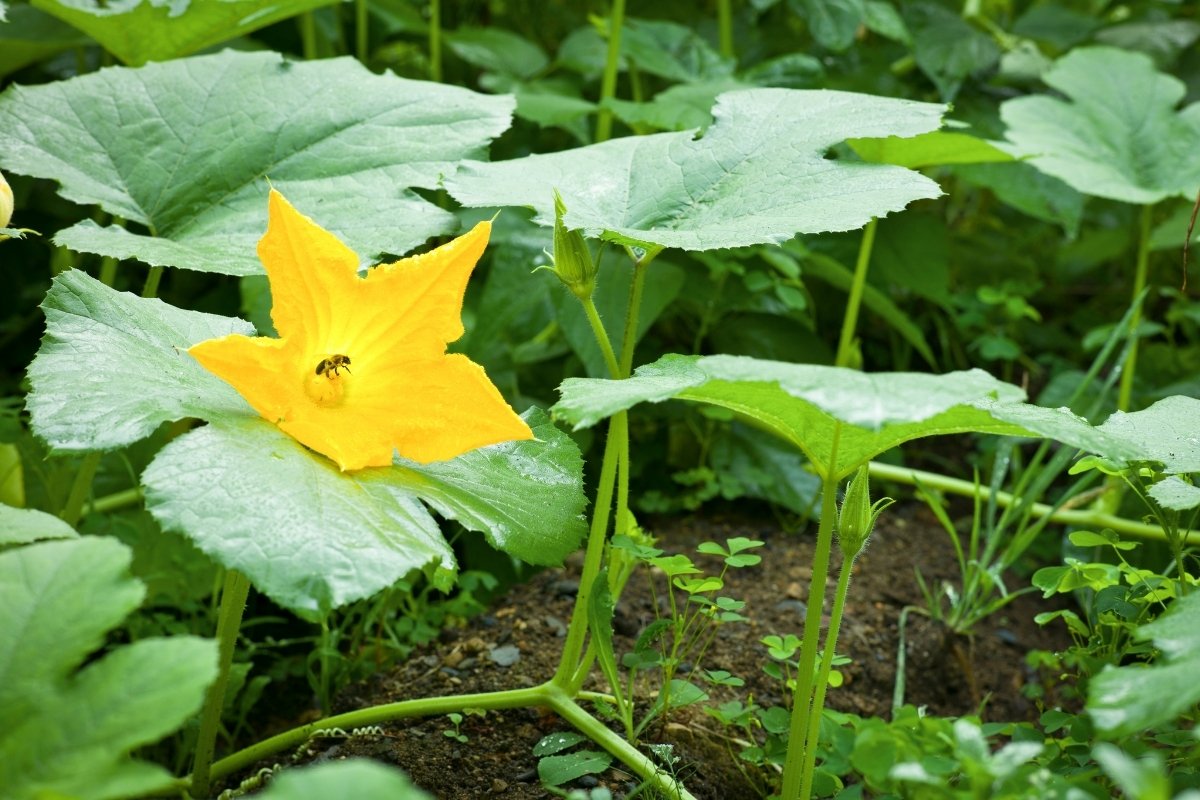
    Squash are insect-pollinated plants. Hence bees can cross-pollinate squash. You may even be growing just one type of squash variety in your garden, bees can simply collect a different pollen grain from your neighborhood and cross-pollinate it with yours. Then this gives rise to new offspring.

    As we said, you should totally avoid any type of squash you didn’t plant in your garden. They are simply toxic squash and should be removed from your garden.

    How To Avoid Cross-Pollinated Squash In Your Garden

    If you wish to avoid cross-pollination between squashes, do the following;

    • It is required you separate them by a good distance of one and a half to a mile.
    • Additionally, you can build some barriers to drastically reduce the chances of pollinators cross-pollinating your plants. Large barriers such as thick standing trees, a hill, large buildings, and so on may help slow down pollinators from around your neighborhood.
    • Furthermore, you can cage or net your entire plants. Or you can simply tape new male and female flowers as they begin to form (i.e. right before they open). But this method usually requires hand pollination of flowers once they are ready to pollinate.
    How To Avoid Cross Pollinated Squash In Your Garden

    Can Cantaloupe Cross-Pollinate With Zucchini?

    It’s unlikely that cantaloupe will cross-pollinate with zucchini. The female flower of each crop will only be fertilized with pollen from the same species. Cantaloupe and zucchini are both members of the Cucurbitaceae family. As a result, these fruits can cross-pollinate. However, the natural occurrence is rare. 

    Cross-pollination occurs when one plant’s pollen is transferred to another’s stigma. This results in fertilization and the production of seeds. Bees and other critters are responsible for this. It can happen when these insects visit flowers on both plants and transfer pollen from one to the other. Cross-pollination can also occur when pollen is carried by the wind or when humans inadvertently transfer pollen from one plant to another by handling the flowers or plants.

    You can separate the plants if you are worried about cross-pollination between your cantaloupe and zucchini crops. Plant them in different areas of your garden or use physical barriers like netting screens to separate them. Alternatively, choose cantaloupe and zucchini varieties that aren’t prone to cross-pollination. 

    How Do You Cross-Pollinate Zucchini?

    To cross-pollinate zucchini, you can follow these steps:

    1. Identify the male and female flowers on the zucchini plant. Male flowers have a thin stem on the plant’s main branches. Female flowers have a small, immature zucchini at the base of the flower and are located on the main stem or branches of the plant.
    2. Gently remove the petals from a male flower to expose the stamen, which is the pollen-producing part of the flower.
    3. Use a small paintbrush or cotton swab to gently dab the stamen on the stigma of a female flower. The stigma is the sticky, receptive part of the female flower that receives the pollen.
    4. Repeat this process with multiple female flowers to ensure cross-pollination.

    It’s important to know that zucchini plants can also self-pollinate. This means they can produce fruit without cross-pollination. However, cross-pollinating can help improve the genetic diversity of the plant and may result in stronger, healthier plants and fruit.

    There are several reasons to consider cross-pollinating your zucchini plants. These include:

    Improves Genetic Diversity

    Cross-pollination introduces new genetic material into the plant, which can result in offspring with traits that are different from those of their parents. This can lead to plants that are more resistant to diseases and pests and that are better adapted to their environment.

    Increased Fruit Production

    Cross-pollination can lead to more flowers and fruit, as the plant’s genetics may be more favorable for fruit production.

    Improved Fruit Quality

    Cross-pollination can result in improved size, shape, and flavor, as well as longer shelf life.

    Increased Seed Viability

    Cross-pollination can result in seeds that are more viable and able to germinate and grow into healthy plants.

    Whether you leave your zucchini plants to self-pollinate or offer a helping hand is up to you. Although cross-pollination has added benefits, it can be tricky to master. 

    Conclusion

    So, we have answered the question; can you eat cross-pollinated squash? Hence, if you encounter a cross-pollinated squash, it is very likely they contain a huge amount of the toxic compound cucurbitacin.

    So, do well to avoid eating them so you don’t experience serious illness as a result of consuming them.

    FAQ’s

    Are Cross Pollinated Squash Edible?

    No. Cross pollinated squashes aren’t edible. Because they contain a large amount of cucurbitacin.

    What Squash Will Cross Pollinate?

    Zucchini, acorn, delicata, patty pan, yellow crookneck, and spaghetti squash are squashes that can cross pollinate each other.

    Can Bees Cross Pollinate Squash?

    Yes. Bees can pollinate squash because squash are insect pollinated plants.

  • Is Green Squash And Zucchini The Same?

    Is Green Squash And Zucchini The Same?

    The question we will be answering today is: is green squash and zucchini the same? Has this question ever crossed your mind? Do you know for sure if they are actually related or not? Let’s find out.

    A lot of people may get confused when they hear these two names (green squash and zucchini), especially for the first time. Squash and zucchini are usually used interchangeably which makes them difficult to tell if they are actually the same or different.

    To make things clear and easier, let’s look into these two terms green squash and zucchini. Then we will see if green squash and zucchini are the same things. So, let’s begin.

    Green Squash vs Zucchini: Are They The Same?

    So, answering the question is green squash and zucchini the same is actually yes. In the actual sense, zucchini is a type of green squash and it belongs to the family of summer squash.

    However, when it comes to green squash generally, we have different types and they can belong to either winter squash or summer squash category.

    Also, squash is a kind of plant species under the family of the gourd. This is further divided or categorized into summer squash and winter squash.

    Green Squash vs Zucchini - Are They The Same

    The types of winter squash include acorn squash, butternut squash, buttercup squash, kabocha squash, pumpkins, banana squash, and so on.

    On the other hand, the types of summer squash include yellow crookneck squash, pattypan squash, yellow zucchini, as well as the classic green zucchini.

      • Zucchini Squash: All zucchini are actually considered squash; however, not all squash are zucchini. Therefore, zucchini is a type of green squash. Apart from the green zucchini, it can as well come in a yellow variety. But the green zucchini is the most common type.

      • Green squash: Green squash is a general term used to refer to different squash vegetables. Both winter squash and summer squash fall under green squash. Therefore, zucchini is a type of summer squash that also falls under the green squash category.

    Therefore, we can say zucchini and green squash are more or less the same thing.

    More On Zucchini Squash

    So now that we know zucchini squash is the same as green squash, let’s look more into what zucchini squash is.

    As we said, zucchini is a type of green squash and it is a member of the cucumber and melon family. This squash is usually harvested when they are in their immature stage. Therefore, the rind tends to be hard, tender, and edible just like all other summer squash.

    In relation to botanic, zucchini is considered a type of fruit. This fruit is a type of berry known as pepo and it germinates from the zucchini flower.  But with the way it’s been used in culinary applications, zucchini is often treated as vegetables because it is cooked and served as a savory dish.

    Survival Garden Seeds Zucchini & Squash Collection Seed Vault

    815t78D9v6S. AC SX569

    Green squashes which are also known as zucchini is grown locally all through the summer. Just like every other green squash, zucchini originated from the Americas.

    However, the zucchini squash variety was developed or cultivated in Northern Italy around the mid 19th century. It was later introduced back into the United States by the Italian immigrants and we have always referred to them as zucchini.

    However, some can refer to them as green summer squash just to differentiate them from yellow summer squash. Now this yellow summer squash is almost the same size as the green summer squash which are usually used interchangeably.

    Is Green Squash And Zucchini The Same: Are There Any Differences?

    Even though green squashes and zucchini are typically the same, we still have some slight terms we can use to differentiate these two terms.

      • Zucchini: so, when it comes to zucchini, they are only known as summer squash. They can come in different colors such as light green, dark green, deep yellow, or orange. Zucchini mostly comes in cylindrical shapes. However, it can also come in a round shape.

      • Green Squash: green squash on the other hand can be either summer squash or winter squash. They come in cylindrical shapes. Green squash can as well come in round or round flattened shapes.

    Is Green Squash And Zucchini The Same - Are There Any Differences

    Applications Of Green Squash

    This great-tasting green squash can be incorporated in many ways. Zucchini squash is also loaded with great nutritional value such as vitamin C and manganese. It is a perfect addition that can be integrated into your various dishes.

    This summer squash can be served either cooked or raw. It can as well be boiled, steamed, baked, grilled, fried, and barbecued. You can also use them in baked bread or sliced thin which can be used in place of noodles.

    Zucchini can as well be grated and it works well in sweet and savory dishes. It can even be combined with fresh herbs and feta cheese in fritters. It can also be combined with cinnamon, sugar, or cocoa powder for bread and cakes.

    Zucchini is so versatile which makes it one of the most loved culinary vegetables. This green squash has a mild vegetal flavor with a hint of sweetness and nuttiness. It also tends to be watery making it an ideal ingredient for adding moisture to bread and cakes.

    Storing Zucchini

    You can find zucchini in grocery stores readily available to you all year round. The garden-fresh zucchini can be stored well in the refrigerator while it’s fresh, whole, and not washed. You can store them this way for about one or two weeks.

    Simply store them in an open plastic bag or paper bag in the crisper drawer of the fridge. You can as well store zucchini at room temperature in your kitchen for about a week so far your kitchen isn’t too warm.

    FAQ’s

    Yes, it’s also called zucchini. Zucchini is just another name for summer squash.

    Yes, it’s also called zucchini. Zucchini is just another name for summer squash.Yes, it’s also called zucchini. Zucchini is just another name for summer squash. Zucchini is the common name for the vegetable. The term “green squash” is a catch-all term used to describe any type of squash that is green when young and mature, regardless of its specific variety. It can be yellow, orange, or any other color as long as it has the characteristic of being green when immature.

    Can green squash replace zucchini?

    Green squash is similar to zucchini in flavor, but smaller. It’s also easier to grow because it doesn’t require a trellis. You can grow up to two plants per pot or container.
    You can plant them in the spring when the soil is warm enough. They will produce fruit throughout the summer and into the fall. You can plant several types of squash in your garden.

    Are yellow and green zucchini the same?

    Both are zucchini, but they have different uses. It’s small and doesn’t have much of a flavor. Green zucchini has a stronger flavor and is larger.

    Is zucchini a summer squash?

    Zucchini is a summer squash that is available in many varieties. There are several kinds of zucchinis, with some being more common than others. The type of zucchini you buy will depend on your preferences and what you intend to do with it. Some people prefer the round, or “courgette” type. Others prefer the long, straight, or “cucurbit” variety.

    What is a good vegetable substitute for zucchini?

    It’s a common question and the answer is it depends on what type of squash you are using. Zucchini is a summer squash, but if you use a winter squash, it will look like a larger version of that squash. The same thing goes for all squash. 

    You can grow zucchini, summer squash, crookneck, yellow crookneck, hubbard, pattypan, etc. There are many varieties of squash and each one looks different.

    Can squash and zucchini be planted together?

    Squash and zucchini are both summer squash and they can be interplanted, though there is a slight difference in the time of planting. Zucchini will need to be seeded 6 weeks before the last frost, and squash 2-3 weeks before the last frost. Zucchini is a bush plant, and you can expect about 5 plants per square foot.

    How many zucchini does a plant produce?

    Zucchini are not easy to grow. If you’re new to gardening, they can be a bit of a pain. They do take a long time to mature,. But they also have a lot of fruit, so there’s a good chance that your plant will produce something! Zucchini is an annual vegetable that belongs to the cucurbit family.

    There are a few main varieties of zucchini available for home gardeners, and they all have their pros and cons. The zucchini you see in the store is usually a heirloom variety from Italy. It’s been around for centuries, and it tastes wonderful when cooked. However, it can take several months to grow to maturity. The average yield is about 10 to 15 pounds per plant.

    Conclusion

    So, we can conclude that zucchini is a type of green squash that belongs to the family of summer squashes. However, green squash also has other varieties that come from both summer squash and winter squash. Therefore, green squash and zucchini are typically the same things.

  • Yellow Squash vs Zucchini

    Yellow Squash vs Zucchini

    Zucchini and yellow squash are both popular fruits, though culinary wise they are often referred to as vegetables by how they are prepared. However, many people don’t know the differences between yellow squash vs zucchini. Though they do share many similarities, they are also quite different.

    Zucchini and yellow squash are among some of the easier plants to grow. They make a great addition to your garden, no matter if you are an expert or beginner. There are also so many great dishes you can make with these two fruits.

    Yellow Squash Vs Zucchini

    Both yellow squash and zucchini are a type of summer squash. Though all zucchini is considered a type of squash, not all squash is zucchini.

    Squash refers to a type of plant species within the gourd family. There are two categories of squash: winter, and summer.

    Common winter squash includes butternut, spaghetti, and acorn squash. They have hard skins that are unedible and include tough seeds.

    There are several different types of summer squashes that come in many different shapes and sizes. They can be long, round, flat, straight, or tapered. Unlike winter squashes, they have soft, thin skin that is completely edible.

    Yellow Squash and Zucchini

    Summer squashes, including zucchini and yellow squash, can be eaten raw or cooked. They tend to have mild flavors that can even be slightly sweet. They can be eaten alone or incorporated into many other types of dishes, both sweet and savory.

    Due to their similar appearance, zucchini and yellow squash are often confused. Though they are similar in many ways, the two varieties of squash also differ. They can not always be used interchangeably due to their differences.

    Summer squash grows quickly and is often easy to maintain. They are packed full of many important nutrients, making them a very healthy addition to your diet. Other common varieties include Patty Pan, Cousa, and Zephyr squash.

    Green Zucchini

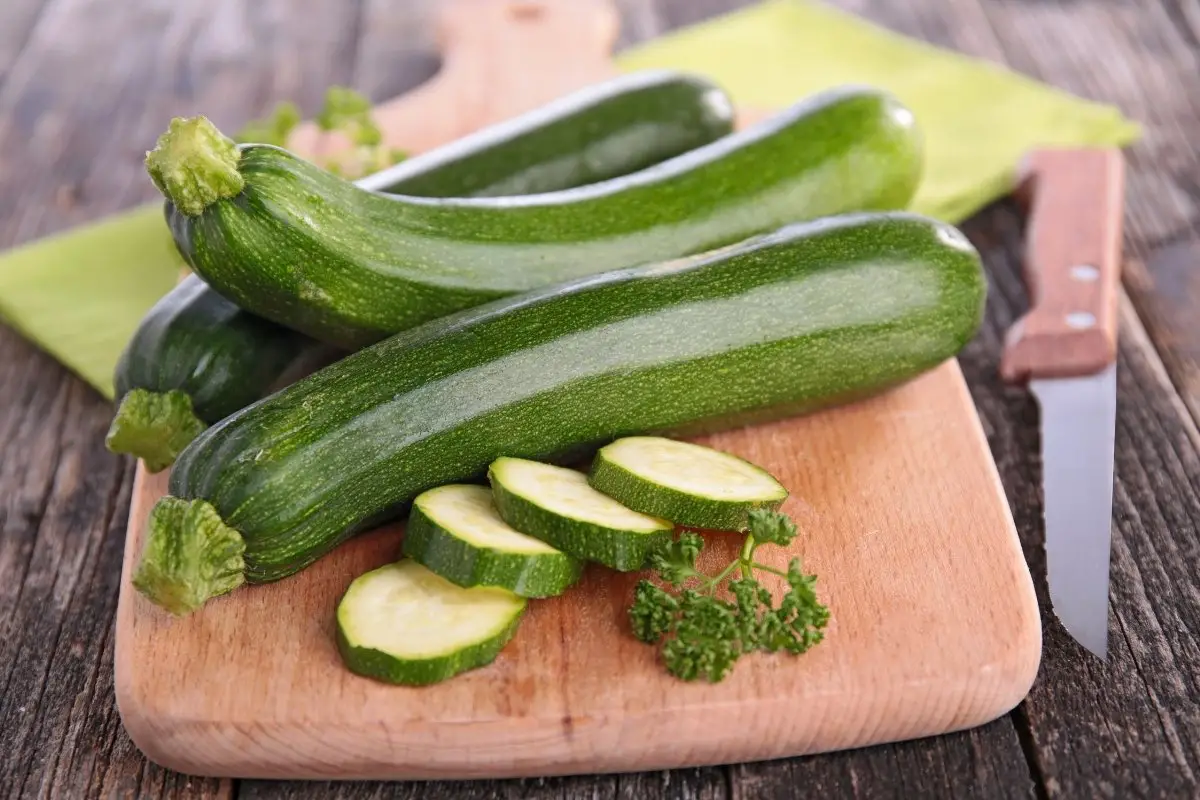
    Green zucchini is the most recognizabletype of zucchini. It has a rich, deep green color with a long, sometimes tapered shape. The flesh is white and has a mild flavor that can be slightly sweet.

    It can generally be found all year round in grocery stores, but its peak season is in summer. Green zucchini has a soft, thin skin that you can eat or peel off, depending on your preference. You can eat it raw, fried, sauteed, grilled, roasted, and steamed.

    Green zucchini squash is also a popular addition to bread, cakes, cookies, and muffins. It provides baked goods with a wonderful moist texture without changing the flavor. You won’t be able to notice that zucchini was added to baked goods, however, you will be able to taste how delicious it makes them.

    It also tends to grow in abundance, which is why it is so great to add to your baked goods. It also makes amazing fritters, salads, pasta dishes, and much more. No matter how you prepare it, it is a great addition to have in your kitchen.

    Yellow Zucchini

    Yellow zucchini is not to be confused with yellow squash, as they are two different things. Sometimes called golden zucchini, it does not taper at the end like other summer squashes.

    Yellow zucchini also has soft, thin skin that you can eat or peel off if you like. It has white flesh and is typically slightly sweeter than green zucchini. Their cylindrical shape makes them ideal for spiralizing.

    Yellow Zucchinis can often be used interchangeably or with green zucchinis in recipes. They are great for baking, roasting, frying, pasta, sauteing, grilling, and steaming. They also taste delicious when eaten raw and are great for salads and other vegetable dishes.

    Survival Garden Seeds Zucchini & Squash Collection Seed Vault – Non-GMO Heirloom Seeds for Planting

    815t78D9v6S. AC SX569

    Yellow Squash

    Though both green and yellow zucchinis are squash, yellow squash is not a zucchini. Yellow squash comes in two different types, straight neck, and crookneck neck. Both varieties have fatter bottoms that then taper as the neck curves.

    The skin is thin and can be smooth or slightly bumpy, though no matter the texture, it is edible. Their flesh is a creamy white color and they tend to have larger seeds than other types of summer squash.

    Crookneck yellow squash, which is notable for its distinctive bent neck, tends to have waxier skin than the other type. It is generally harvested once it has a more mature crookneck in order for the optimum flavor and texture.

    Straightneck yellow squash tapers at the neck but does not curve. It is best when it is harvested at around six inches long or slightly shorter as this is when it will have its best flavor and texture.

    Summer squash tastes great when you roast, grill, fry, saute or steam it. It also tastes wonderful when it is added with zucchini and baked as a casserole. It has a mild flavor, but it is not as slightly sweet like zucchini is.

    Yellow Squash

    FAQs

    Are yellow squash and zucchini the same?

    No. The difference between them is that zucchini is a member of the Cucurbit family (squash and pumpkin), while yellow squash belongs to the summer squashes (such as the patty pan, and summer squash). Both of these vegetables can be used in many different dishes such as soups, stews, casseroles, and salads.

    They are both delicious and easy to grow. Zucchini is best eaten when it is young, as its flavor becomes more intense as it ages. Yellow squash can be eaten in a variety of ways, but its most popular method is grilling. Both of these vegetables are very low in calories and fat. If you are looking for ways to add variety to your diet, these two vegetables are a great choice.

    What nutrients do they have?

    Zucchini and yellow squash are high in fiber and potassium. These nutrients help regulate blood sugar levels and help prevent constipation. Zucchini and yellow squash are also great sources of vitamins C, A, B6, and K. It is important to get these nutrients in your diet because they will boost your energy and help you stay healthy. Try to eat them every day, but if you can’t find time, at least eat them several times a week.

    Zucchini and yellow squash are great low-calorie foods to eat while losing weight. They contain almost no fat and are low in calories. It is low in calories, has a high water content and contains a number of vitamins and minerals.

    They have a lot of fiber. Zucchini has much more of it than squash because it’s lower in carbs and higher in protein.

    If you are looking for something that will boost your immune system, squash is the way to go.

    Can you eat raw zucchini and yellow squash?

    Zucchini and yellow squash are among the most versatile vegetables on the planet. They can be grilled, fried, roasted, baked, boiled, sautéed, pureed into sauces, or chopped and added to soups.

    You can eat them raw or cooked (although some people are very allergic to it). I personally would not consume it as much as other veggies, as it has a high oxalic acid content, which can cause kidney stones.

    When is the best time to plant zucchini and yellow squash?

    The best time to plant zucchini and yellow squash depends on your climate. Planting in late fall or winter can give you a good crop in the spring. Zucchini and yellow squash plants grow best in warmer weather. They will be more productive when temperatures are above 60°F. In cooler temperatures, they tend to produce less fruit and have a shorter growing season.

    Zucchini plants are very sensitive to heat and drought. They need a lot of water during the summer months to keep from wilting.

    I would recommend you get some small, shallow pots or planter boxes and put your zucchini plants in them. They will grow a lot faster than in the ground.

    Understanding Summer Squashes: Knowing the Difference Between Zucchini vs Yellow Squash

    Both zucchini and yellow squash are a variety of summer squash. They are notable for their mild flavor and soft, thin skins, which differ from the winter varieties of squash. Both of them grow in abundance during the summer season and are full of many beneficial nutrients, making them a great addition to your garden.

    Zucchini can be either green or yellow. Both the green and yellow types can generally be used interchangeably, with the yellow type often being slightly sweeter. They are a great choice for using in both sweet and savory recipes, thanks to their mild flavors and moisture they bring to baked goods.

    Yellow squash can be either straight neck or crookneck. Both types have thin skin, that can be anywhere from smooth to slightly bumpy in texture. They tend to have larger seeds than other varieties of squash and are also great for cooking in many different savory dishes.

    Do you have any questions regarding the similarities and differences between yellow squash vs zucchini? If so, please ask any questions regarding these two popular varieties of summer squash in the comment section down below.