Category: Tips & Guides

  • When Are Tomatillos Ripe?

    When Are Tomatillos Ripe?

    You might be wondering about this; When are tomatillos ripe? Tomatillo is a small round green fruit that has a similar appearance to green tomatoes. But take note that tomatoes and tomatillos are two entirely different fruits.

    Their fruits of tomatillos usually have husks around them. From inside the husk, the fruits are usually formed on plants.

    You can harvest so much on a tomatillo plant which gives you the advantage of preparing lots of salsa verde. When you know the right time to pick tomatillos, you get to pick the fruits only when it’s in their full flavor.

    Physalis philadephica and Physalis ixocarpa are the two types of tomatillos and these two types of tomatillos have many varieties. These several varieties of tomatillos are native to Central America and Mexico.

    When tomatillos are ripe is what we would like to know but before we look into this, let’s briefly discuss growing tomatillos.

    Growing Tomatillos – When Are Tomatillos Ripe?

    Discussing about knowing when tomatillos get becomes ripen may not be complete without going into little details about how they are being grown.

    You can either plant tomatillos in warmer climates if you’re planting from seed or plant them indoors first. This should be before the last expected frost, like six weeks before then. It usually takes like 75 to 100 days, from planting to harvesting tomatillos.

    Growing Tomatillos

    Remember a tomatillo plant can yield a lot of fruits. But two or more tomatillo plants, at least, are needed in order for them to yield fruits. This is because tomatillo plants are not self-pollinating.

    A lot of yellow flowers are then produced, which later begin to transform into round husks that are empty (from the calyx). It is inside the husks the tomatillos will begin to form gradually and then totally occupy the husks. You need lots of patience when growing tomatillos.

    Read more about The Ultimate Care Guide To Growing Philodendron Thai Sunrise

    Step By Step 

    Choose a spot with full sun and with soil that drains well. Even moisture is important for the plant to be healthy and grow to its full potential. This is even more important after the setting of fruits.

    Well, you can say tomatillos and tomatoes share some similarities in how they are being cultivated. And as it is also called Mexican husk tomatoes and Mexican ground cherries, tomatillos can take time to set fruit.

    At this point, you may need to self-pollinate the plant, so, go ahead and hand pollinate them if you want to. But be very observant once you notice signs of the setting of fruits.

    Once the tomatillo fruits begin to develop, you will notice that the plants are becoming heavier. Sometimes these plants will begin to lean for support due to how heavy they’ve become.

    To avoid disturbing the roots or breaking the branches when the plants are more matured, cage or stake the plants when they are yet smaller during earlier in the season. The strongest-looking tomatillo plant can cause by a sudden summer storm. This is why caging or staking the plants will be the best thing to do.

    Click Here to Get Info About:

    When Are Tomatillos Ripe?

    When are tomatillos ripe and ready to be picked? Well, the fruit of tomatillos should be ripe and ready for picking once you notice that the papery husk that surrounds the fruit turns green to tan. Then they will begin to split.

    The fruit of tomatillos is usually bright green, purple, or yellow and this often depends on the variety.

    Once the fruit of tomatillos is ripened or matured, the size will be like that of cherry tomatoes or a bit bigger. Note that the smaller fruit of tomatillos is usually tastier than the larger ones.

    Also, tomatillos are usually ready to be harvested from 65 to 100 days after sowing and about 65 to 85 days after transplanting. However, this can vary depending on the weather conditions, growing conditions, and variety.

    You can however allow your plant a good 2 to 3 months of growing before you begin to check the fruit for ripeness. Then when the fruits have begun to ripen, you will be picking them for 1 to 2 months.

    The plant of tomatillos yields abundantly and a single plant can give rise to 60 to 200 individual tomatillos. This is about 2 and a half pounds for each plant.

    However, once tomatillo’s mature stage has passed, you will notice the gloss of the fruit becoming dull.

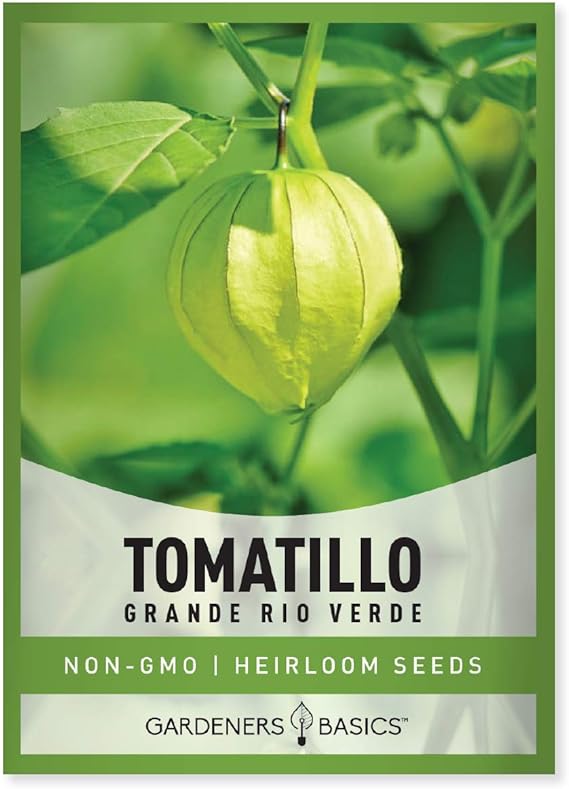
    Tomatillo Grande Rio Verde Seeds for Planting Heirloom Non-GMO
    When Are Tomatillos Ripe?

    Harvesting Tomatillos – When Are Tomatillos Ripe?

    It is best to harvest tomatillos when they are still green. This is because it is the stage when they still have the most flavors. To foster the yielding of fruits continuously, knowing how to harvest tomatillos is important.

    • You should harvest tomatillos by gently twisting or slightly turning the plant with the help of a garden pruner or scissors.
    • Then go ahead and peel the back a little part of the husk and ensure the fruit is blemish-free.
    • If you notice the fruit is sticky when you remove the husk, simply wash it off with mild soapy water.
    • Also, you should pick the fruits whose husks have been burst open and have not been infected with diseases or mold. Not with insect damage also. When there are any damaged fruits, separate them from the plant and compost them. To prevent these affected fruits from harming other healthy fruits and stems, cut them off the plants.

    Check Out In-depth Knowledge On What Ox Heart Tomatoes Is

    Storage Of Tomatillos – When Are Tomatillos Ripe?

    Once you’ve harvested the fruit of tomatillos, it is best you use them while they are fresh and green.

    However, if you wish to store them, you can store them in their husk for around two weeks in a paper bag in the section for crisper vegetables in the refrigerator. Note that tomatillos can suffer injury if stored below 41 degrees Fahrenheit.

    Storage Of Tomatillos

    Final Say On When Are Tomatillos Ripe?

    Tomatillo is a cool crop you can add to your vegetable garden and always enjoy the tasty result anytime. We have given some great hints to help you know when this tasty fruit is ready to be picked so you can comfortably enjoy your harvest.

    FAQ’s

    Can you eat unripe tomatillos?

    It may not be necessary for tomatillos to become ripe for you to eat them. The small unripe tomatillos may be fine to be eaten but they often taste sour and you won’t get that sweet and flavorful feel when you eat the ripe ones.

    Will tomatillos ripen after being picked?

    Yes, tomatillos can continue to ripe and mature after they have been picked. But ideally, tomatillos usually fall off the vine before fully ripe so they can continue their maturity once picked.

    What part of tomatillos are poisonous?

    The parts of tomatillos plants that are poisonous include the leaves, husk, and the stem. Once the fruit ripens, their papery husk will let out the fruit inside them.

    What is the sticky stuff on tomatillos?

    The sticky stuff on tomatillos are chemicals called withanolides and along with their husk, they help deter insects away from them.

  • All About Monstera Acacoyaguensis And General Plant Care Tips

    All About Monstera Acacoyaguensis And General Plant Care Tips

    Monstera acacoyaguensis is one uncommon tropical plant that is easy to grow. This plant is a trailing or climbing plant that is native to Belize, Guatemala, and Mexico.

    Monstera acacoyaguensis is a lovely plant that is characterized by its appealing oval, semi-leathery, and glossy green juvenile foliage. The plant looks lovely and it can even be one of your favorite amongst all your collection of plants.

    Now, if you’re new to this plant and you wish to know more about it, then this post will is for you. In this article, we will be educating you on the basic things you need to know about Monstera acacoyaguensis. We will also give you some great plant care tips for this lovely plant.

    Information About Monstera Acacoyaguensis

    Monstera acacoyaguensis is a type of tropical plant that is a subspecies of the Monstera adansonii. Hence, their full name is known to be Monstera adansonii acacoyaguensis. The plant originates from Central America and it thrives well in humid and warm conditions.

    The plant Monstera acacoyaguensis may be regarded as a rare plant but it isn’t as rare as Monstera Obliqua which is another variety of Monstera that is more rare.

    The plant is also referred to as the Swiss cheese plant due to its unique holes and patterns in their leaves and each of its leaves is just like an individual work of art. Once this plant matures, it tends to develop perforations.

    Information About Monstera Acacoyaguensis

    The plant is a climbing plant and once Monstera acacoyaguensis gets fuller, it tends to look messier. The plant of Monstera acacoyaguensis is native to rainforest.

    The size of the Monstera acacoyaguensis plant is about 20 feet (5 m) high when they are outdoors in their native habitat. Then they can about 4 to 6 feet tall or even more when grown at home.

    Monstera acacoyaguensis usually grow close together and intertwine their long aerial roots with neighboring plants then they form a lovely green mat on the floor of the forest.

    Read more about Some Interesting List Of Plant With Purple And Green Leaves

    General Care Tips For Monstera Acacoyaguensis

    If you have plans on introducing Monstera acacoyaguensis to your collection of plants, you will need to have some information on how to take care of this plant for it to flourish. So, below are some growing tips for Monstera acacoyaguensis plant:

    1.    Lightening

    The light requirement for Monstera acacoyaguensis is moderate. Provide the plant with an indirect light that is diffused or filtered. Take note that the plant can’t tolerate direct sun for too long hours on a regular basis or they will get scorched. This is why it is easy to grow them indoors.

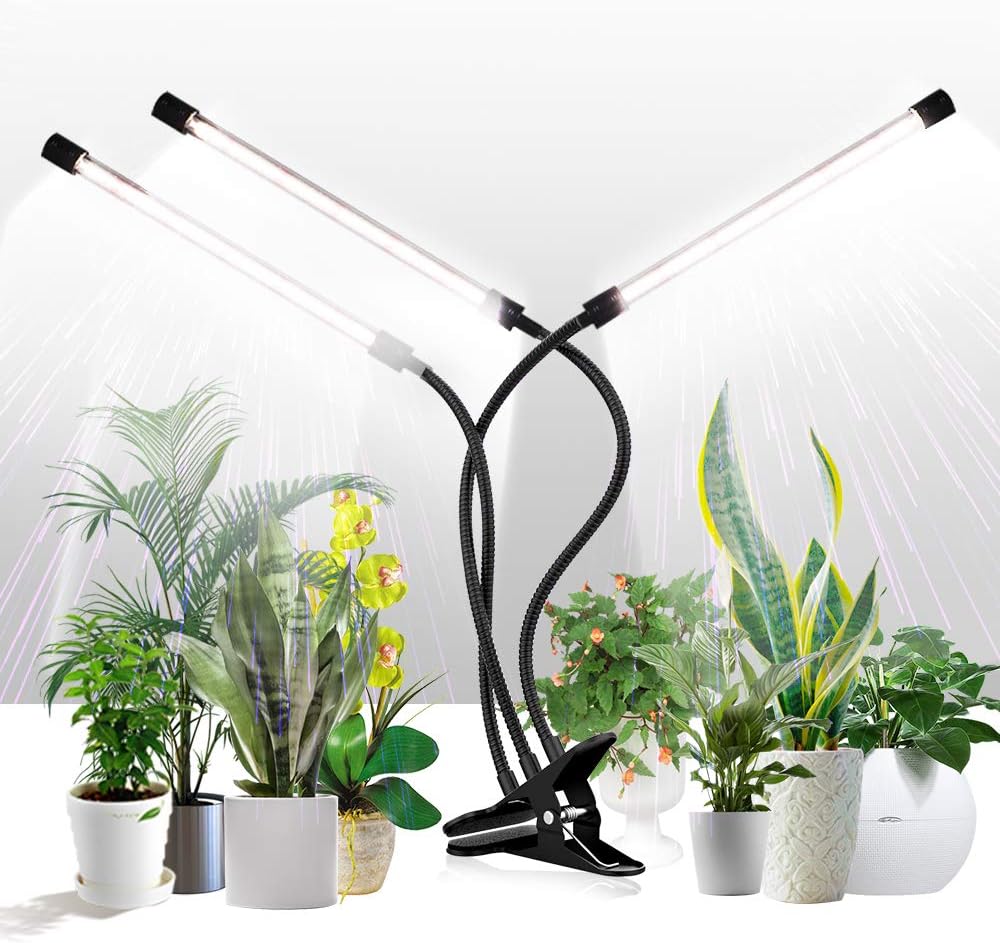
    So, when nurturing the plant indoors, you should provide the plant with indirect sunlight and bright light that is facing the east or west window. If there isn’t a natural light, you can make use of a grow light as it can stimulate outdoor sunlight.

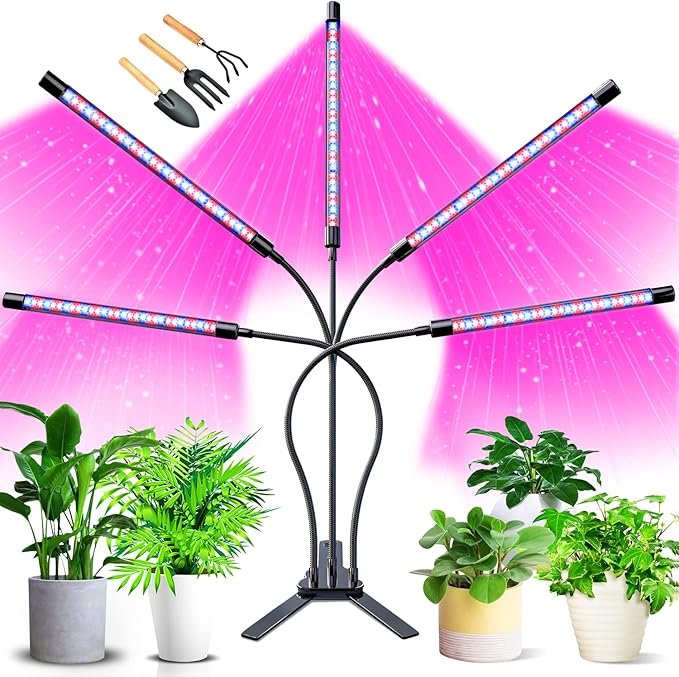
    Grow Lights for Indoor Plants, GroDrow 150 LED Grow Light for Seed Starting with Red Blue Spectrum

    81iSbA0oUdL. AC SX679

    Take note that light is crucial to the growth of Monstera acacoyaguensis because it promotes photosynthesis that produces food for the plant.

    The ideal light duration for the young plant of Monstera acacoyaguensis is 14 hours of light daily. Then once the plant matures, it can light duration of 10 hours per day is fine.

    2.    Temperature

    The plant Monstera acacoyaguensis is native to Central America and South America so they are accustomed to light even through the winter periods. The prevailing climate in their native region is warm and hot and this depends on the time of the year.

    But the plant is usually covered by a forest canopy so it can be protected from intense heat. Notwithstanding, the plant still lives in a warm or even hot environment.

    So, the appropriate temperature for Monstera acacoyaguensis is around 65 to 80 degrees Fahrenheit. But it can still do well in temperatures around 55 to 95 degrees Fahrenheit.

    However, this plant isn’t a cold-hardy plant. Hence, ensure you shield the plant away from chilly weather. So, take the plant away from cold months because it won’t survive winter.

    Also, when placed indoors, ensure they aren’t close to anywhere around places such as air conditioners.

    3.    Watering

    Once the topsoil has dried out, you should water your Monstera acacoyaguensis plant. The plant likes to be watered thoroughly and if they are not watered properly, it can cause wilting, but avoid over-watering.

    General Care Tips For Monstera Acacoyaguensis - Watering

    4.    Soil

    Use soil that can hold moisture and the soil should be rich in nutrients. An equal amount of peat moss, sand, and perlite can be used. You can also make use of just peat moss as your potting medium. The pH of the soil should be around 6.5.

    To further improve the humidity of the soil, you can mix a little moss into your soil. However, ensure the root is not covered too much because the plant will need some air in its root system.

    Check Out The Ultimate Care Guide To Growing Philodendron Thai Sunrise

    5.    Potting

    This plant growth rate isn’t slow or fast. The growth rate is somewhere in between. For this reason, repotting every 2 or 3 years may be required.

    So, whenever you’re transplanting, ensure the new pot you will be using is a bit bigger than the old one.

    Spring is the best period to re-pot Monstera acacoyaguensis because this will increase their chances of blooming and also provide healthy growth for new green leaves all through the year.

    Furthermore, ensure the pot has adequate drainage holes for easy flow of excess water.

    6.    Fertilization

    The plant Monstera acacoyaguensis usually requires fertilization once per month. Fertilize only during their growing season (spring to summer).

    Monstera Acacoyaguensis: Final Note

    Monstera acacoyaguensis is one lovely plant that you can add to your collection of plants. They are mostly suitable for indoors and the plant is quite easy to grow and take care of.

    FAQ’s

    Is Monstera Acacoyaguensis rare?

    The plant of Monstera acacoyaguensis is considered rare but it is not as rare as Monstera Obliqua which is another variety of Monstera that is more rare.

    How long does Monstera Acacoyaguensis take to mature?

    The duration it takes for the adult plant of Monstera acacoyaguensis to mature is around 1 to 3 years. However, the exact growth of the plant can vary depending on its growing conditions.

    Does Monstera Adansonii need direct sunlight?

    Ideally, Monstera requires indirect sunlight. The plant will not do well if it has been exposed to direct sunlight for a long period because it can scorch the plant.

    Do Monstera Adansonii like to be misted?

    Yes, the plant likes to be misted because the humidity is a key requirement to its growth. Therefore, if you will be growing this plant indoors, ensure you provide good humidity to the plant by misting the leaves several times a week.

  • In-depth Knowledge On What Ox Heart Tomatoes Is

    In-depth Knowledge On What Ox Heart Tomatoes Is

    Ox heart tomatoes are characterized by their huge and fleshy fruits. This type of tomato variety may sound new to you or not. But ox heart tomatoes have been around for a very long time (almost a century).

    Ox heart tomatoes are this type of versatile tomato variety that is similar to the beefsteak tomato variety. This tomato variety is quite easy to grow and it can take around 80 days for tomato fruits production. It is also a low-maintenance that can give rise to huge fruit.

    If you’ve ever wondered what an ox heart tomato is all about, here is where you can get some good info about them. We will be discussing some information about this amazing tomato variety and more so continue reading for some insight on them.

    Ox Heart Tomatoes: Some Info About Them  And Their Characteristics

    Ox heart tomatoes come in big sizes and they have this pointed bottom that looks like a beef heart which is where their name is derived from. This unusual shape of ox heart tomato is a result of a mutation that causes their blossom end to become elongated. However, you may find that some are deep ribbed ox heart tomatoes.

    Ox heart tomatoes are categorized to be under the group of beef tomato group and their fruit can weigh around 100 to over 1000 grams.

    This tomato variety is from mid-season to late season. They have a close resemblance to beefsteak tomato and because of this reason, some gardeners may be looking at them as an alternative to the regular beefsteak tomato variety.

    Ox Heart Tomatoes: Some Info About Them  And Their Characteristics

    It’s been suggested that the ox heart tomato originated from Russia as this was where it’s been first mentioned towards the end of the 19th century. Then this ox heart tomato got to the United States where it has been widely cultivated till date. This tomato variety is also popular in France and Italy where their fruits are usually sold at the markets of farmers.

    They are indeterminate and the majority of ox heart tomato comes in red or pink. However, you may still find some yellow, green, orange, or purple just like you can find in other types of tomatoes.

    Just like in most beef tomatoes, the seeds contained in ox heart tomato are usually small. The majority of ox heart tomatoes are heirloom and the newer varieties are hybrid and these tend to yield sterile seeds.

    The good thing is that if you’re able to find an heirloom ox heart tomato variety, then you can easily propagate your oxheart plant using their seeds.

    Check Out General Information About Grape Tomatoes vs Cherry Tomatoes

    What Does Ox Heart Tomatoes Taste Like?

    Ox heart tomatoes have this delightful aromatic sweet taste with a bit of acidic taste.

    Once the fruit of the ox heart plant ripens, it usually turns soft quickly. Therefore, it is best you eat it as soon as possible or process the fruit soon once you’ve harvested them.

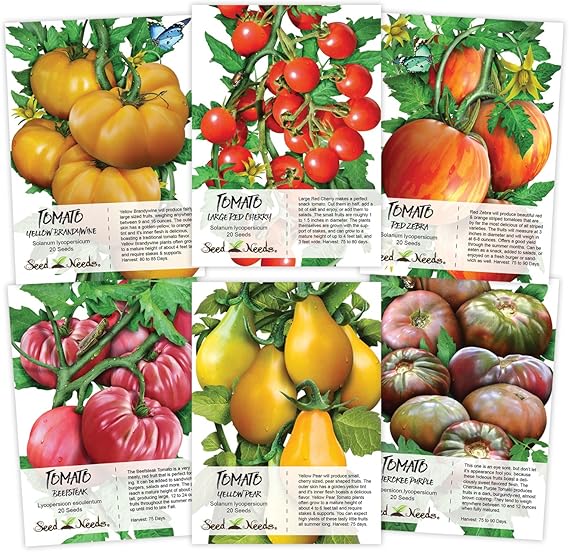
    Multicolor Tomato Seed Packet Collection (6 Individual Packets) Non-GMO Seeds by Seed Needs

    Ox Heart Tomatoes

    Some Of The Best Ox Heart Tomato Variety To Go For

    There are many varieties of ox heart tomato. But here are some of the best varieties of ox heart tomatoes you can go for:

    • Orange Russian: this is one lovely ox heart tomato variety that is heart-shaped and orange-marbled. Their fruit can weigh up to 300 grams and they have this amazing taste that is fruity, sweet, and spicy. Also, this variety is best grown in a greenhouse.
    • Coeur de Boeuf: this ox heart variety is well-loved among growers and may even be one of the best known varieties of ox heart tomato. Their fruits form light red fruit with strong ribs. This variety of ox heart is from France and they ripen from the middle of July. They can grow as high as 200 cm and they are ideal for outdoor cultivation with a bit of protection from rain.
    • White Oxheart: this ox heart variety gives rise to light-yellow fruits and the plant can grow as tall as 200 cm. They usually do well and produce great in a greenhouse.
    • Anna Russian: this ox heart tomato variety yields large heart-shaped tomato fruits that changes to deep pink once they are matured or ripe.
    • Bulgarian Oxheart: this variety grows numerous pink heart-shaped tomato fruits during summer. The plant of this variety can grow as tall as 180 cm.

    • Hungarian Heart Tomato: this ox heart tomato variety originated from outside of Budapest Hungary, around 1900. They are characterized by their radiant reddish-pink tomato fruit and they can be almost a pound heavy. Their fruit is quite heavy and meaty just like every other ox heart tomato.

    Click Here to Get Info About:

    Applications Of Ox Heart Tomatoes

    Ox heart tomatoes are great to be used for slicing tomatoes in salads and sandwiches. They also work well when you incorporate them into soups and sauces.

    If by any chance you end up harvesting more ox heart tomatoes than you can consume, these tomatoes are blessed with adequate flesh that makes them ideal for processing and canning.

    But ox heart tomatoes aren’t pasted tomatoes. Hence, it might take longer for them to thicken into sauce or paste.

    Again, thanks to their huge size, these tomatoes are great for stuffing and their scooped-out and meaty innards a nice to be used for sauce and or add to your dishes.

    All in all, these huge ox heart tomatoes are wonderful flavor and versatile in the kitchen.

    Applications Of Ox Heart Tomatoes

    Conclusion On Ox Heart Tomatoes

    We have seen that ox heart tomato is another type of tomato you can go for. Ox heart tomatoes are as huge as beefsteak tomatoes and we have given some in-depth knowledge on what this wonderful tomato variety is.

    FAQ’s

    What does oxheart mean?

    When we talk about oxheart, we are referring to a huge variety of sweet cherries. Then oxheart tomato is a type of tomato variety that is huge and fleshy.

    What can I do with oxheart tomatoes?

    Oxheart tomatoes are nice to be used in our different cooking such as soups and sauces. You can also use them in your sandwich and salads. So, you can enjoy the delightful flavor of oxheart tomato in your kitchen.

    Is ox heart tomato heirloom?

    Most varieties of ox heart tomatoes are heirloom then the newer varieties of ox heart tend to be hybrid that gives rise to sterile seeds.

    Are oxheart tomatoes easy to grow?

    Yes, oxheart tomatoes are pretty easy to grow and it is pretty easy to be successful at growing them. just ensure you provide them with full sun, proper watering, and fertile soil.

  • 3 Ways On How To Propagate Rosemary 

    3 Ways On How To Propagate Rosemary 

    Have you ever wondered how to propagate rosemary? There are several ways to propagate rosemary that we will look at today to help us learn how to do it correctly.

    Rosemary is one of the most common herbs that most gardeners love to grow. It is easy to grow and has good taste.  It does not require much space and can be grown anywhere.

    It only needs to be watered every one to two weeks, but if you want it to produce more leaves, you will have to water it more often.  The leaves can be used for flavoring food or tea.  Rosemary also makes an attractive garden plant.

    It is easy to grow and has many uses in the kitchen.  Some people even use rosemary as a herb in their cooking.

    You can dry the leaves and use them for tea, as well as for other purposes.  They are also good to dry and use for soap making.

    How To Propagate Rosemary

    propagate rosemary in water

    Knowing how to propagate rosemary is helpful if you are an avid gardener. To propagate rosemary, we need to first understand what it is.  Rosemary is a perennial herb that grows from a root system.  There are several ways to propagate rosemary that include:

    Growing the plant from seed

    The most common way to propagate rosemary is by seed propagation.  Seeds are the easiest way to propagate rosemary because they are relatively quick to start and easy to get. Rosemary seeds germinate in about 15-25 days and require lots of warmth.

    Growing from cuttings

    Rosemary can also be propagated by cutting.  Rosemary cuttings should be taken from healthy sprigs four to six inches long.  Rosemary cuttings will root easily in containers or soil and are easy to grow. 

    Strip the leaves off of the bottom two inches of the branch and dip in growth hormone if possible. If using growth hormone, you can place the cutting directly in well-drained soil. If not, place the cutting in a glass of water with the bottom two inches of the stem submerged for three to four weeks. Once there are mature roots you can plant them in potting soil.

    Rosemary cuttings should be pruned off regularly to encourage new growth. Though division is a great way to propagate other plants, it does not work well for rosemary. Division involves digging up a plant and dividing the root stems into individual sections.

    Layering

    Another common way to propagate rosemary is through layering. Layering involves getting stems to develop new roots while still attached to the parent plant. To do so, start by digging a trench that is approximately two inches deep and one inch wide at the spot where the stem of the rosemary reaches the ground.

    Using a sterilized sharp knife, carefully strip the leaves and bark from the bottom of the stem. Then, place it in the trench while leaving about two to three inches of foliage and stem intact at the tip.

    To pin the stem in the ground, use a garden staple and refill the trench with soil. Regularly water the layered stems until you see rootlets have grown and new growth appears where the exposed tip is.

    To check for new roots, very carefully dig around the area of the buried stems. This process is successful but can take many months to achieve. 

    Hanging Cylindrical Hydroponic Planter and Stand

    81Qj9n05HiL. AC SL1500

    How To Propagate Rosemary From Cuttings

    Propagating rosemary from cuttings is easy. There are several ways you can do this, and it depends on what you want to achieve.

    You can use this method if you want to keep some plants alive for the winter. In addition, if you just want to grow more plants next year you can use this method.

    To do so, you will need to grow a cutting and take it into a propagator where it will root and grow into a new plant.  To grow rosemary from cuttings, follow these steps:

    Step 1: Prepare the cuttings

    Cut off a sprig about four to six inches long and remove the leaves from the bottom two inches.

    Step 2: Water the cuttings

    Propagate rosemary in water by placing the cuttings in the water for around three to four weeks.

    Step 3: Take the cuttings out of the water

    Carefully remove the cuttings from the water, and place them in a tray of moist soil.

    Step 4: Place the cuttings in a propagator

    Grow your new cutting in a tray of well-drained potting soil, preferably in a warm environment, and water regularly. 

    Step 5: Plant the rosemary cuttings

    Once the cuttings are ready, take the cuttings out of the tray.  You can plant the cuttings in a pot filled with compost, or you can plant them in a large container such as a garden or patio planter. You can also plant the cuttings directly into your garden.

    Rosemary propagation is one of the easiest to do especially when you have a healthy rosemary plant.  The most important thing to consider is the way you prepare your cuttings so that they root easily and fast.  

    Final Words On How To Propagate Rosemary

    No more wondering about how to propagate rosemary, as the methods are discussed above and all of them are successful.  Your choice of propagation method depends on the results you want to achieve and the amount of time you are giving your plant. Knowing how to propagate rosemary is easier than one may think.

    For example, if you want this low-maintenance plant with a nice aroma, you can let it grow from cuttings from a well-grown plant and plant them. Also, remember that you can successfully propagate rosemary using cuttings because you will end up with many small plants.

    If you plant from seed, you have to wait for these plants to grow before they produce leaves, which is time-consuming.  When propagating seeds you can choose between sowing them in soil and using seed trays. Knowing how to propagate rosemary is beneficial for any gardener.

    Read more about General Information About Grape Tomatoes vs Cherry Tomatoes. 

    FAQs

    How to grow rosemary from seed?

    The simplest method for growing rosemary is from seed. This is recommended when you wish to establish a new plant in a pot or garden bed, or if you want to grow a rosemary hedge in your garden. Rosemary can be sown as soon as the soil has been warmed up. To sow, simply sprinkle seed evenly over the surface of a prepared bed and water well.

    How to propagate rosemary from cutting?

    A cutting taken from an established plant will root more quickly than seeds. Simply take a cutting, leave it in water, and water well. The cuttings can be rooted in a single growing season.

  • How To Use Ph Up And Down In Hydroponics – The Perfect Adjustment

    How To Use Ph Up And Down In Hydroponics – The Perfect Adjustment

    When it comes to hydroponics, learning how to use pH up and down is essential to maintaining healthy plants throughout their growing process.

    The pH is one of the most important aspects to consider when growing your plants. It can be used to determine the overall health of the plants. If your water has a high pH, it can mean that you are having trouble keeping your roots healthy.

    There are many reasons why your pH may be off. Your tap water could have a higher pH than normal, which is due to the alkalinity of the water.

    What Does pH Mean?

    pH is a measure of acidity or alkalinity in an aqueous solution and can be expressed as a number from 0 to 14. A pH between 7 and 8 is considered neutral (or neither acidic nor alkaline). The lower the pH, the more acidic the solution is, and the higher the pH, the more alkaline the solution is.

    In hydroponics, you want your nutrient solution to be around 5 or 6 pH.  Your plants need the proper balance of nutrients and minerals to grow optimally. If the pH is too high or too low, it can lead to nutrient deficiencies and disease.

    How Do pH Up And Down In Hydroponics?

    1. Buying pH Up and Down

    Many gardening stores and online retailers sell a product called pH Up and Down. It features two bottles of liquid, one for increasing pH levels and one for decreasing pH levels. This product allows you to adjust the pH levels for your plants by adding base or acid.

    After testing your water or soil, you can add either a small amount of base or acid. Add just one drop at a time before you achieve your desired pH levels. Be sure to thoroughly read the instructions before using.

    2. The easiest way is to use a pH meter

    A pH meter is an easy-to-use, inexpensive tool that helps you determine the exact pH of your nutrient solution.  You simply add the meter to the water or soil you are testing and follow the instructions on the label. The meter will tell you the exact pH of the solution.

    You can find pH meters online, in superstores, and in most gardening centers. They are generally easy to use and efficient.

    3. Another option is to use an inexpensive aquarium pH controller

    These are available in stores or online. They are easy to use and work well for small systems. They come with a built-in pH meter. They not only monitor but also control the pH level of water.

    You will need to calibrate them every once in a while.  You can do this by adding some water with a known pH to the tank and then adding the controller.

    4. Another option is to use a soil pH indicator

    These are available at most garden centers or online. They are very cheap and work well for small systems. It works by inserting a small strips into the solution. 

    The strip will then indicate the pH level of your soil. The colors of the strip will indicate the pH level of your soil after testing.

    5. An even better option is to use an auto-pH controller

    An auto-pH controller is an automated pH correction system that automatically monitors and adjusts the pH in your solution. These controllers can be purchased from most hydroponic supply stores. They are very easy to use, require no maintenance, and will make sure you have a perfect pH in your solution every time.

    Amazon Choice
    SONKIR Soil pH Meter, MS02 3-in-1 Soil Moisture/Light/pH Tester Gardening Tool Kits for Plant Care, Great for Garden, Lawn, Farm, Indoor & Outdoor Use (Green)
    $7.97
    • 3 METERS IN ONE: Soil moisture level, Soil pH value and Sunlight level could be tested easily according to your need by switching the function button of this soil meter.
    • NO BATTERY NEEDED: Simply insert the meter into soil, wait few minutes, accurate test results will be displayed on the readout panel. No battery is needed.


    We earn a commission if you make a purchase, at no additional cost to you.
    02/12/2026 05:04 pm GMT

    How Do I Keep My Hydroponic Plants Happy?

    Keep your plants healthy with proper nutrition.  Make sure you use a balanced fertilizer that has all the nutrients your plants need.  Use a good-quality liquid fertilizer that will not contain any harmful chemicals. The best way to ensure that your plants get the nutrients they need is to use a nutrient solution that has all the required nutrients in the proper balance.

    One of the most important parts of keeping your plants healthy is to make sure they have enough light.  If you are using a grow light, be sure to adjust it so that it shines on the plants evenly.  Many types of plants need direct, full light to grow at their maximum rate.

    It is also important to keep the hydroponic water temperature for your plants at 65 to 80°F.  If you are growing indoors, make sure that your lights are set on a timer so that the lights turn off and on automatically each day.

    Keep your plants healthy by adding fresh air.  Make sure to open the windows in your grow room as often as possible to provide plenty of fresh air.  If possible, most plants will also benefit from a few hours outside every day.

    In Summary – pH Up And Down

    The ph up and down in hydroponics as we have learned above is essential for the growth of these plants. Hydroponics being a sensitive method to grow plants fast requires the proper growing conditions otherwise the plants will fail.

    ph up and down solution

    FAQs

    How to use ph up and ph down?

    After testing your water or soil, you can add either a small amount of base or acid from your pH up and down kit. Add just one drop at a time before you achieve your desired pH levels. Be sure to thoroughly read the instructions before using pH up and down in your garden.

    What happens if you use ph up and down in the same water?

    In this case, the command ph up will be ignored and the ph down will be executed.

  • Timber Grow Lights For Plants – Grow Light Info

    Timber Grow Lights For Plants – Grow Light Info

    Timber grow lights is a US brand that manufactures and sells grow lights in America.  They may be a bit high priced than other imported brands because they are made following the high standards of the American market.

    Grow lights are necessary and can be used for a variety of purposes but the most common use is to provide light to your plants.  Plants require light in order to photosynthesize, which is the process of converting sunlight into energy for the plant.  This process occurs in the leaves, stems, and roots of the plant.

    Light is also required to trigger flowering and fruiting.  Light is also important in helping the plant determine when it is time to produce seeds.  The timing of these events will vary based on the specific species.

    General Info About Timber Grow Lights For Plants

    When you buy a grow light for plants, you should know how many watts you need to use.  This is determined by the size of your growing area.

    You also need to know if you want to run your grow light 24 hours a day or if you want to use it during the day and turn it off at night.  If you are going to run your grow light 24 hours a day, you need to make sure that your grow light will be able to produce the amount of light that you need.

    If you are going to use it during the day, you will want to look at the light spectrum that you can provide to the plants.  You may be able to get away with running a fluorescent bulb at full power, but if you are going to use a high-intensity discharge (HID) bulb, you will need a ballast to run it.

    Some lights have built-in ballasts, so you don’t need to purchase one.  Most grow lights come with their own ballasts, so you just need to plug them in.  The light spectrum that you choose for your grow light should depend on what kind of plants you are growing.

    When it comes to providing light to your plants, you must provide light that is as close to sunlight as possible.  Plants that are grown indoors are not going to receive enough sunlight to grow properly, so you will need to provide them with light that is as close to sunlight as possible.

    The most effective way to do this is to use a grow light.  There are many types of grow lights on the market, so you should look at what you can afford and what kind of light you want to provide.  The best lights for indoor plants are those that have a high lumen output.  This means that they provide a lot of light for your money.

    Choosing Timber Grow Lights For Plants

    There are many factors that you will need to consider when choosing a Timber Grow Light. Some of these factors will be discussed below.

    Location and sunlight

    The first thing to decide is where you will be growing your plants and what time of year you will be growing plants. The light must be able to reach the plants at this time of year. If you want to grow in the winter, then you must select a grow light that can provide enough light to ensure the plant has all the nutrients it needs.

    Size of the grow light

    When choosing a grow light, you will first need to determine the size of the light that you need. The size of your light will be determined by the size of the plants that you want to grow. The size of your plants will determine the distance between your light and your plants.

    The distance between your grow lights and your plants will determine how much light you can get into your plants. For example, if you have small plants and they are located close to your grow lights, then you will only be able to get a limited amount of light into your plants. If, however, you have large plants that are far away from your grow lights, then you will be able to get more light into your plants.

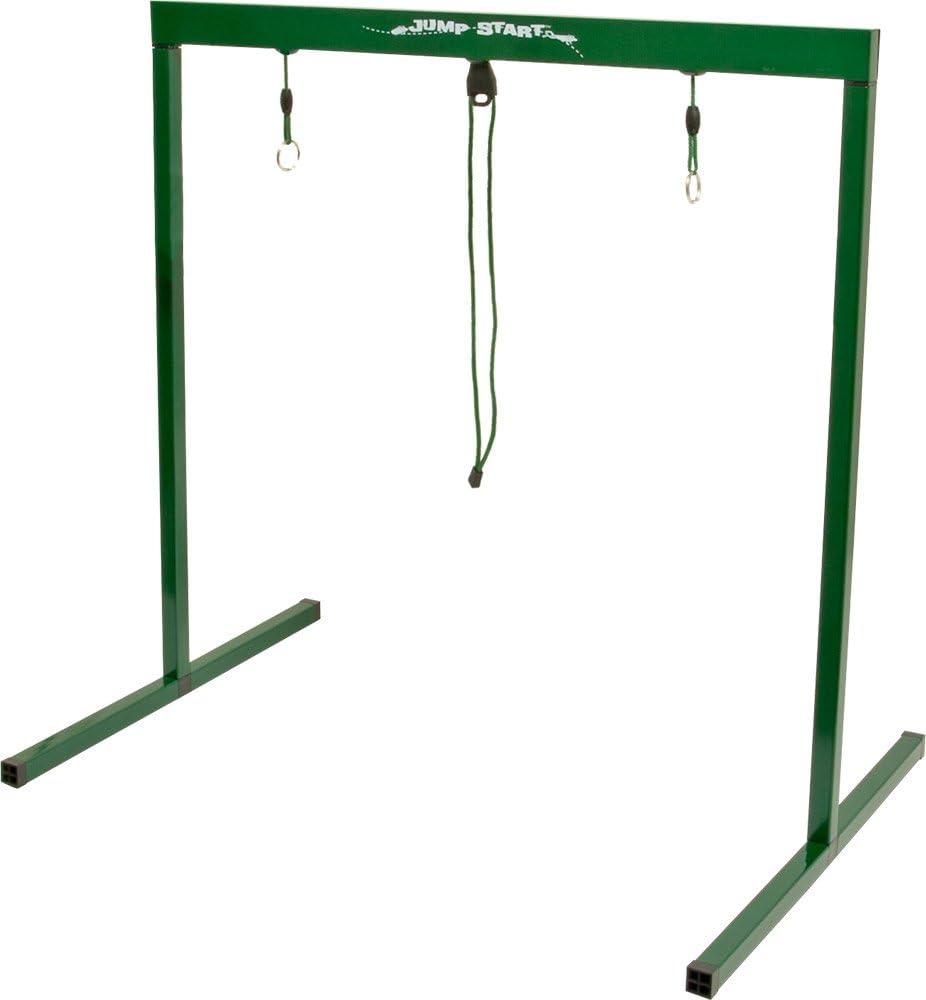
    Hydrofarm JS10065 2-Feet Jump Start Stand for Plants

    51+FYFSMqnL. AC SL1000

    Power consumption

    How much power is required to run the light? It is important to make sure that you are getting the best quality light for your budget. The higher the wattage, the more expensive it will be. You should also make sure that the light is energy efficient. You should look for a light that uses less electricity than a traditional lamp.

    Placement

    The next thing to consider is where you will be placing the grow light. You will need to decide on where in the house you want to put it. You may want to place it near your plants or you may prefer to place it in a corner of the room. You may also want to position the light at an angle so that it is not too high or too low.

    In Summary – Timber Grow Lights

    Choosing the best grow lights for your plants is a sure step to enabling proper growth for your plants indoors. Timber grow lights are just some of the grow lights you will find in the market.  Know what you are looking for before making this important decision for your plants.

    What type of grow light is best

    FAQs

    How to wire timber grow lights?

    You can purchase a 3-in-1 connector (used for outdoor, indoor and LED grow lights) from most hardware stores. This will make wiring much easier than if you use the standard three prong connectors found in the United States.  You can easily switch between different light sources by simply plugging in your light into the 3-in-1 connector.

    Are timber grow lights good?

    Timber Grow Lights are safe, powerful, and efficient. The grow light is specifically designed to provide optimal light for cannabis plants. Timber Grow Lights are made with a strong aluminium frame that withstands the rigors of your outdoor environment.

    They come with a long-life light bulb (60+ hours) that provides plenty of light for your plants. The grow light features an innovative design that allows it to be used in both indoor and outdoor environments.

    The design of the grow light allows it to be easily mounted on a garden trellis, post, or pole. The grow light also features an easy-to-use push-button switch that makes it possible to turn the light on and off from any location.

    What type of grow light is best?

    There are two types of grow lights: Full Spectrum and Low-Heat. In general, Full Spectrum lights will produce more bud per watt than Low Heat grow lights. However, it is important to note that the spectrum of light produced by a grow light depends on how close the light is to the plant.

    How many watts should a grow light be?

    The amount of wattage required for your specific grow room depends on a variety of factors such as the size of the grow room, how far away the light source is from the plants, the number of plants you have, the time of day you are growing, and whether or not you are using a nutrient solution. The wattage of a grow light can vary widely.

    If you are looking for the highest wattage grow light, then you may want to consider purchasing a full spectrum grow light. A full spectrum light will produce more bud per watt than a low heat grows light.

  • Get To Know How Often To Water Ivy

    Get To Know How Often To Water Ivy

    How often to water ivy is what we would like to know. An important thing is for you to always follow the right watering schedule for the kind of location where you’re growing your ivy plants. Be it inside or outside. This will help keep them healthy.

    Your plants will definitely thrive well in the best location and the appropriate growing conditions. When the upper layer, like an inch, or the soil is getting dried your ivy plants need to be watered appropriately.

    Don’t forget to spray the leaves every week with water if you’re growing them indoors. This will help increase humidity.

    In order to prevent root rot and maintain green ivy plant leaves, the requirement is for you to water ivy once a week. However, the climatic condition will determine this.

    You should read further for more enlightenment on how often to water ivy plants be it in your garden or home. So, this article will be shedding more light on the watering requirements for water ivy.

    The Ideal Watering Frequency For Watering Ivy Plants For Both Indoors And Outdoors

    Woodlands and forests are where ivy plants grow and adapt. They grow in soil that is relatively moist and well-draining while being sheltered from humidity and forceful wind.

    You can find ivy growing and thriving in different kinds of habitat which are usually soil types that are evenly moist and contains high organic matter. However, this kind of soil dries out slightly after each interval of watering.

    Watering ivy can be carried out successfully both indoors and outdoors if the water cycle and exact levels of soil moisture of that of their native habitat can be replicated.

    • A quick tip that will always be helpful in knowing how often to water ivy is that, during spring and summer, water your ivy plants once every week. However, watering is needed only once in two weeks during winter.
    • Another tip is to always make sure the first top inch of the soil becomes dry first, then you can go ahead and water your ivy. This is regardless of whether your ivy plants are indoors or outdoors.
    • It is important to spray the leaves with water if you’re growing them indoors. This is because the air indoors, especially with the presence of home appliances like an air conditioner or heater for the winter season, is usually very dry. A low humid micro-climate that is exactly like the one present in ivy’s native woodland environment can be created by misting the leaves. Misting also helps in the reduction of loss of water in the leaves.
    • The pot size also matters as it is much quicker for smaller pots and containers to get dried way faster than pots that are larger.

    Click Here to Get More Info About:

    Watering Frequency Schedule – How Often To Water Ivy

    To create a watering frequency schedule for your ivy plants depending on your regional climate and conditions, firstly check for the level of moisture in the soil. Do this by using your finger to feel the first inch of the surface of the soil. Don’t water the soil yet if the soil feels moist.

    However, if it is that the soil is dried out from the touch, then you have the perfect time to give the soil some watering.

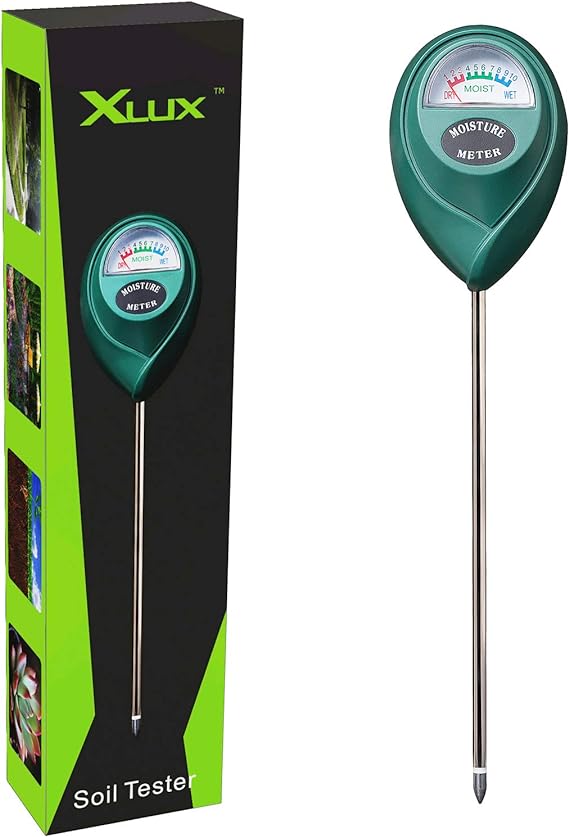
    XLUX Soil Moisture Meter, Plant Water Monitor, Soil Hygrometer Sensor for Gardening

    71rBE3r88DL. AC SX569

    And there you have the perfect scheduled time from knowing the time interval it will take for your ivy plants to need watering. You can incorporate it into your schedule and stick to it. This way, your ivy plants will remain healthy, regardless of if they are indoors or outdoors.

    Check Out All About Golden Goddess Philodendron And General Care For The Plant

    Detecting When Ivy Plants Need Water

    The first obvious sign that indicates ivy plants are not well-watered or going through drought stress is the formation of brown lines on the leaf margins, thereby making the leaf become brown. This is due to the low level of humidity. It could even get worse with every part of the leaves turning brown, crispy, and brown as a result of lack of water.

    Another thing is that leaves will begin to fall off if the soil you’re growing your ivy plants in has dried out. Give your ivy plants some water and spray the leaves immediately you begin to see these signs.

    The ivy plants can be resuscitated after undergoing drought stress by means of misting the leaves. You can do this just once every week.

    Signs That Show That Ivy Plants Have Been Over-watered

    When there is too much water around the root ball of ivy plants, they will begin to turn yellow and their leaves will also fall off. This excess water is due to too much watering and pots that don’t have a good channel for drainage.

    This is why you need to establish the right frequency of how often to water ivy. Ideally, the best soil to plant ivy in is a well-draining soil and damp soil is not the type that its roots can thrive in. When there’s too much water in the soil, oxygen will be excluded.

    Signs That Show That Ivy Plants Have Been Over-watered

    Also, it doesn’t allow root respiration to take place which doesn’t allow the smooth process whereby the roots absorb water and nutrients. This is what causes the leaves to become yellow.

    An ivy plant is hardy, yet it doesn’t recover easily from too much watering but can recover easily from drought. So, in that case, to be on the safer side, endeavor to maintain slightly dry soil.

    How Often To Water Ivy: Conclusion

    Knowing how often to water ivy gives the advantage of preventing unpleasant situations like root rot, symptoms of drought, stunted growth, and more. With this article, it is certain you will learn about when, how, and how much you need to water your ivy plants.

    FAQ’s

    Can you water ivy too much?

    Ivy plant dislikes being watered too much so don’t water the plant too lavishly. To water the right way, make sure the upper inch of the soil is completely dried out.

    How do you save Overwatered ivy?

    To try to save an overwatered ivy plant, try to drain the soil if it’s in a container and improve the water drainage. Repot if necessary to prevent root rot.

    Why is my indoor ivy dying?

    Your indoor ivy may be dying due to underwatering, excess exposure to the sun, or the pot or container used is too small that it makes the soil dries out too fast. Hence, you may notice the leaves turning brown and drying out.

    How can you tell if ivy is underwater?

    You can tell when your ivy is underwatered when you notice wilting of the plant, the lower leaves begin to drop, the leaves start to turn yellow, and you may even notice stunted growth.

  • All About Golden Goddess Philodendron And General Care For The Plant

    All About Golden Goddess Philodendron And General Care For The Plant

    Golden goddess philodendron is one eye-catching houseplant you can grow. This mesmerizing plant is a climbing houseplant that has bold foliage that is pretty visible even across the room.

    Golden goddess philodendron plant is a rare type of hybrid plant that was created in Thailand.  It is also regarded as Malay gold or lemon-lime philodendron. This plant is pretty easy to care for and it can usher in vibrancy and life to any home or indoor spot.

    You can showcase this stunning plant on a tabletop or desk when they are in their small stage. Then you can relocate this plant to a floor planter once they mature.

    We are all about the golden goddess philodendron in this post and we will also look into how you can easily care for this radiant plant.

    Golden Goddess Philodendron: More Details About This Plant

    Golden goddess philodendron is a vibrant-looking plant with bright yellow-green foliage. It is a climbing plant that is usually placed in a climbing spot and this plant can grow up to 6 feet or 2 meters.

    When the plant of golden goddess philodendron is in its young stage, it can serve as a good choice for a desk or tabletop. Now when this plant grows over time with good care, it can grow at tall as 6 feet or even more, and it can grow to become a showpiece.

    Golden Goddess Philodendron - More Details About This Plant

    This plant is an epiphyte plant that flourishes well in warm and bright conditions. The plant prefers medium to bright indirect light. They are vigorous climbers and they may require some assistance to keep upright once they are reaching their maturity stage.

    Check Out Peppers Rotting On Plant – Causes And Solutions

    Caring For Golden Goddess Philodendron

    This wonderful glowing golden goddess philodendron is quite easy to grow and care for. So, the plant is a low-maintenance houseplant and can do well both indoors and outdoors.

    Golden goddess philodendron is also a fast-growing plant and can do well with the help of trellis support as they attain maturity.

    So, below are some general caring tips for the golden goddess philodendron:

    1.    Light

    Golden goddess philodendron plants flourish or grow well with light. However, the light shouldn’t be a direct light because direct light can cause sunburn to the plant.

    Notwithstanding, this stunning plant can still do well with low light. However, it will delight you to know that when you position this plant in a bright spot with indirect sunlight, you can be mesmerized by the radiant yellow color it shows off when bright light hits the plant.

    Indoor Plant Food | All-purpose House Plant Fertilizer

    81q2TgqsEdL. AC SY879

    2.    Watering

    This plant thrives well in humid or damp soil but the plant doesn’t like to waterlog. So, maintain evenly moist soil, especially during the months of spring and summer. Also, note that the amount of water you provide this plant will vary depending on the temperature, light, and humidity.

    However, a general rule is to check for the top 1 to 2 inches of the soil for complete dryness and water again.

    If you’re making use of potting soil, ensure there are enough drainage holes so that excess water can flow out of the soil while you water the plant.

    Also, note that this plant can still withstand being a little under-watered in case watering skips your mind. However, over-watering is not allowed because it can cause adverse effects on the plant.

    Read More About Major Reasons For Yellow Leaves On Tomato Plants In Containers

    3.    Soil

    Being an epiphyte plant, it requires a potting mix that is rich, airy, moist and well-draining soil. A good soil combination is equal parts indoor potting soil, perlite, and orchid bark. Then the plant can also benefit from the addition of bone meal or worm casting to the soil mixture.

    4.    Humidity And Temperatures

    A warm and humid condition is what the golden goddess plant wants. A humidity range between 25% to 49% levels is ideal for the plant to thrive well. However, if your home is dry, you may need to provide the plant with some extra humidity.

    So, during the summer months, maintain moist air. Then during winter, if you have your heater on, note that this may cause your philodendron plant to dry out easily. So, make sure you mist the leaves when needed and you can use a humidifier if possible.

    Then when it comes to temperature, a steady warm temperature between 65 to 5 degrees Fahrenheit is ideal. The philodendron plant doesn’t do so well in chilly or low temperatures.

    5.    Fertilization

    The plant of the golden goddess can benefit a lot from fertilization, especially during its growing season which is the spring and summer months. A balanced fertilizer is recommended and this should be applied during watering periods.

    Avoid over-fertilization because it can cause leaf tip curls and over-fertilization can also damage your plant.

    6.    Trimming

    This climbing plant can appear leggy so this will require some good trimming. Trimming also helps keep things tidy and maintain a good shape of your philodendron plant.

    Make use of a clean sharp pruning shears or scissors and make any cut along the stem. We recommend trimming during spring or summer when the plant is in its active growing period.

    Furthermore, the trimmed parts can make leaf and stem cutting for your neighbor, family, or, friends.  It can even make a nice present due to the scarcity of this unique plant.

    Caring For Golden Goddess Philodendron

    Final Say

    This golden goddess philodendron can be a fascinating plant to have around you as they have this welcoming radiant glow. The plant is very easy to grow and take care of and we have given some tips on how you can take care of this plant.

    FAQ’s

    Is Golden Goddess philodendron rare?

    Yes, this stunning, radiant, and mesmerizing golden goddess philodendron is a rare type of hybrid plant that was created in Thailand.

    How big does a philodendron golden goddess get?

    Golden goddess philodendron can grow so big and can attain a height of up to 6 feet or even more. The plant is also a climbing plant that usually needs support as they mature.

    Are philodendron golden goddess and lemon lime the same?

    Both philodendron golden goddess and lemon lime can serve as house plants. However, they are not the same. The shape of the leaves of these two plants differs and philodendron (6 feet or more) tends to grow a little bigger than lemon lime plants (4 feet to 6 feet).

    Can a golden goddess turn into a Thai sunrise?

    It is not possible for the golden goddess philodendron to turn into a Thai sunrise. Although these two plants can appear similar but if you take a closer look, you will see they are different plants.

  • Major Reasons For Yellow Leaves On Tomato Plants In Containers

    Major Reasons For Yellow Leaves On Tomato Plants In Containers

    Tomato plants are pretty easy to grow and you can even grow them in containers. But not everything tends to go rosy when it comes to growing plants generally. Yellow leaves on tomato plants in containers are one of those issues that any gardener can experience when it comes to growing tomatoes.

    When it comes to growing tomato plants in containers, there are some things you need to do right so you can have a smooth and successful growth of your tomato plant. If you fail to properly take care of the tomato plant, it can stand the risk of giving rise to leaves that changes to yellow.

    Different reasons can be responsible for why your tomato plant is turning yellow. Yellow leaves on tomato plants in containers may be a natural cause that doesn’t need too much worrying about. However, it may also mean something serious.

    Whichever situation this plant may be, we will be looking into the reasons why your tomato plant may be turning yellow. We will also look into how to resolve the issues if possible.

    Yellow Leaves On Tomato Plants In Containers: The Major Reasons

    So, below are some of the major reasons why your tomato plants in containers may be turning yellow. We have also looked at how you can fix the situation.

    1.    Overwatering

    One common reason why your tomato potted leaves may be changing colors to yellow is if they have been overwatered.

    Plants in pots have their limit to spreading their roots in the soil to draw moisture required by the plant. So, this may cause some growers to continue watering their tomato plant because tomato needs a good amount of water to thrive.

    However, when the watering is in excess, it can drown the roots of the plant. This may cause oxygen, nutrient, as well as moisture to be limited in their movements from the soil through the roots of the plant.

    Hence, this results in stunted growth and yellowing of leaves. So, when there is too much moisture in your potted tomato plant, it can cause humid conditions that usually attract fungal diseases. Then the tomato roots will begin to rot and begin to turn brown or brown then it can give a soggy texture.

    Solution

    It is important you avoid over-watering in the first place. So, when you want to water, ensure you check the moisture level to know if watering is needed. An easy test is to dip your finger into 1 to 2 inches of the soil then water only if your finger is dry. Also, ensure there are enough drainage holes for easy flow of water.

    However, if you already have rotten rot from over-watering your tomato plant, it is necessary you take the plant out of the potting soil. Then trim the dead, soggy, and black roots and leave out the healthy white roots.

    So, you should re-pot in a fresh batch of potting soil using a sterilized pot.

    2.    Under-Watering – Yellow Leaves On Tomato Plants In Containers

    Alternatively, under-watering your potted tomato can lead to the yellowing of leaves. This is because the plant isn’t receiving adequate water. Hence, the lack of water can result in a lack of nutrients and oxygen from the roots to the leaves.

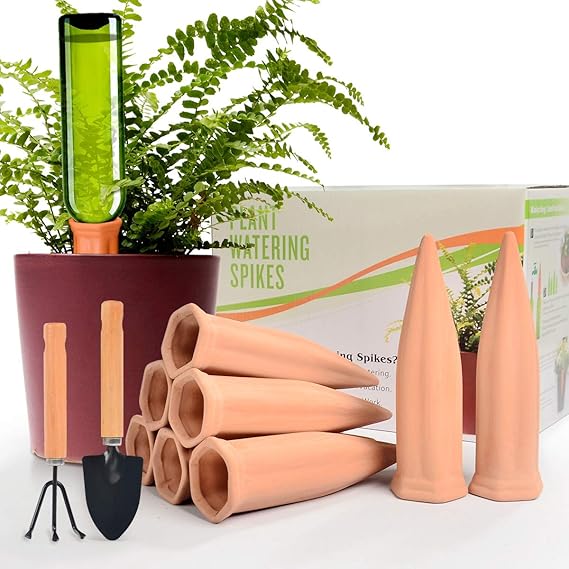
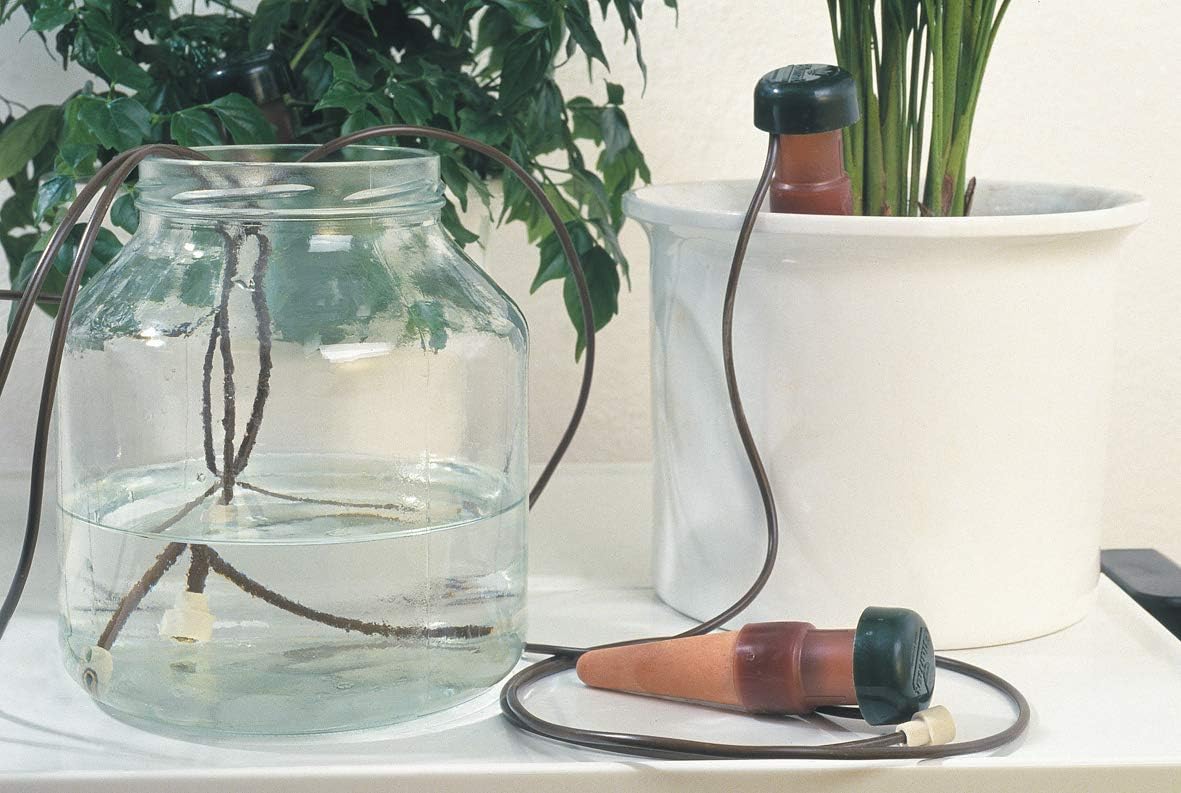
    B SEPOR Automatic Plant Waterer Terracotta Self Watering Spikes Drippers Irrigation System

    Yellow Leaves On Tomato Plants In Containers

    Solution

    Under-watering can be solved easily and what you need to do is simply water the plant as needed. You can make it a habit to check your container tomato plant every day in the morning to see if the soil is dry.

    Do an easy moisture check by dipping your finger into 1 or 2 inches of the soil. Then if you see your finger looks dry, it is an indication that your potted tomato plant needs watering.

    3.    Sunlight Deprivation

    When your tomato plant isn’t receiving enough sunlight it can show signs of yellowing of leaves. The plant tomato requires full sunlight to thrive and a duration of around 6 to hours of daily sunlight is required.

    Lack of sunlight can cause your potted tomato plant to struggle to produce nutrients through photosynthesis thereby turning the color of your leaves to yellow.

    Solution

    Ensure your potted plant isn’t growing near a shade or ensure there are no obstructions around your plant that can block sunlight. Also, when it is required you can adjust or move your container tomato to a spot it can receive adequate sunlight.

    4.    Inadequate Nutrients Or Lack Of Nutrients

    Just like other vegetable plants, tomatoes are also heavy feeders. Therefore, a sufficient amount of nutrients needs to be supplied to your plant. Else, the leaves can begin to turn yellow.

    Inadequate Nutrients Or Lack Of Nutrients

    Solution – Yellow Leaves On Tomato Plants In Containers

    So, adding compost to your potting soil when you prepare it can be beneficial to your tomato plant. A slow-releasing fertilizer that is high in nitrogen can also be used. This fertilizer will release the required nutrients into your potting soil whenever you water your plant.

    The nitrogen-rich fertilizer you have been supplying your tomato plant should then be reduced once the tomato plant has matured. If not, the nitrogen will keep encouraging leaves to grow and you have more leaves rather than tomato fruits.

    Therefore, switch to a low nitrogen fertilizer once the plant has matured and use higher potassium. Doing this will help boost the container tomato plant to develop flowers that will end up producing tomato fruits.

    Conclusion – Yellow Leaves On Tomato Plants In Containers

    Yellow leaves on tomato plants in containers can be a result of different things and we have listed some of them from the above. We have also helped you figure out some possible solutions when you experience any of the listed effects on your tomatoes plant.

    FAQ’s

    How to stop yellow leaves on tomato plants in containers

    You can stop yellow leaves on your tomato plants in containers by first determining the cause of the yellowing of leaves. Then you can find the solution according to what you have figured out.

    Why are my potted tomatoes leaves turning yellow?

    Your potted tomato plants may be turning yellow due to different reasons. Some of these reasons can include over-watering, under-watering, lack of sunlight, inadequate nutrients, over-fertilization, or poor potting soil.

    How do you fix yellow leaves on tomato plants?

    The first thing to do when it comes to resolving or fixing the yellowing of tomato leaves is to figure out what the cause of the problem is. Once, you’ve determined the issue, you can proceed to fix your tomato plant by facing the problem they have.

    Should I remove yellow leaves from tomato plant?

    You can decide to remove the yellow leaves you may notice on your tomato plants. But generally, when the plant has attained a height of 12 to 18 inches, you can remove any yellow leaves.

  • Peppers Rotting On Plant – Causes And Solutions

    Peppers Rotting On Plant – Causes And Solutions

    Peppers rotting on plant can be frustrating, especially after putting all that time and energy into planting and then waiting to harvest healthy ripe fruits.

    The rotting of the bottom of peppers is caused by a condition called blossom end rot. When your plant has blossom end rot, it only means that there are not enough nutrients in the soil or the pH is not balanced.

    Knowing the symptoms and causes of blossom end rot in pepper will equip you with the knowledge of preventing any future occurrence of rotting.

    According to the University of Tennessee, the reason for blossom end rot is a lack of calcium or not enough moisture in the soil. Enough soil moisture is important for pepper plants in order for easy absorption of calcium.

    As we all know calcium is responsible for the growth of healthy bones in humans, it also helps in maintaining a healthy plant. However, there are solutions that you can proffer to the issue of peppers rotting on plants. This will help restore their health and capacity to continue producing healthy fruits. So, kindly read further.

    Pepper Rotting On Plant: What Causes Blossom End Rot?

    Blossom end rot usually causes the appearance of dark spots at the bottom part or side of peppers. As we have mentioned, blossom end rot is caused by the deficiency of calcium in the plant. This condition takes place when the fruits of the plant don’t have healthy skin.

    This is as a result of the inaccessibility of the calcium in the plant when fruits are being produced. Hence, the condition of the plant root rot occurs. The fruits will find it hard to develop new and healthy skin if the calcium contained in the plant is not made available when fruits are being produced.

    As a result of this, patches of dark brown, gray, or black begin to form on each fruit at the blossom end. This happens mostly during cool weather when there’s a high rate of moisture fluctuations.

    Pepper Rotting On Plant: What Causes Blossom End Rot

    As the vegetable grows, new skin forms at the bottom of the fruit, which is where blossom end rot starts.

    Sometimes, the problem might not be about your soil needing more calcium even if it is known that the issue is the plant being low on calcium. The availability of calcium in the pepper plant is very important as it is needed for the formation of the pepper fruit cell walls.

    There are implications of the lack of calcium in the pepper plant. Or when the growth of the fruit is way too fast making it difficult for the supply of enough calcium by the plant.

    Hence, rotting will begin at the blossom end of the pepper fruit as the walls of the cell are already dying.

    Getting calcium from the soil and constantly making calcium available for the healthy production of the fruits may be the real problem. Although, solving the problem of peppers rotting on plants will be trickier because of this type of situation.

    Whichever way, it’s better to begin proffering a possible solution early in order to help your plants recover.

    Preventing Your Pepper Fruits From Rotting On The Plant

    Your first mindset and action is to not allow blossom end rot to surface at all. It’s better to prevent it from occurring right from the onset. Chances of preventing the occurrence of a blossom end rot can be increased with the help of the following tips.

    1. Avoid watering your pepper plants less often.
    2. Avoid watering your pepper plants more than necessary to prevent blossom end rot.
    3. Make use of proper fertilizer in the right amounts for your plants
    4. Another thing to do is to reduce the amount of nitrogen in the fertilizer for your plant when it starts producing fruits. This is because nitrogen will make your plants grow more leaves rather than produce fruits.
    5. Prune older leaves and leaf branches on pepper plants.
    6. Before planting each year, mix crushed eggshells in the soil to increase calcium. Oftentimes, blossom end rot may not be due to low calcium in the soil.

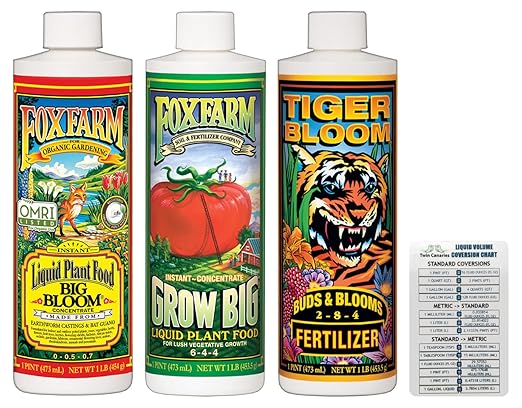
    FoxFarm Liquid Nutrient Trio Soil Formula: Big Bloom, Grow Big, Tiger Bloom

    Peppers Rotting On Plant

    Solution To Peppers Rotting On Plant

    If you don’t begin the process of curing blossom end rot quickly, your chances of getting a great healthy harvest from your planting period will be slim. So, get to the action quickly once you see dark bottom ends on your peppers.

    1.    Pruning Too Much Foliage – Peppers Rotting On Plant

    Like its being explained earlier on, the supply of calcium, other than availability, is what blossom end is all about. Hence, making sure calcium becomes available to your fruits during their developing period is important.

    Pruning too many leaves from your pepper plants can be adopted. Foliage, even during stressful conditions, thrives with transpiring water.

    When you prune excess leaves away from around your pepper plants regularly, the leaves on your plant reduce. This way, more water will be channeled towards the production of more fruits.

    Check Out A Detailed Guide On What Type Of Fertilizer For Tomatoes

    2.    Even Moisture Is Important

    The total well-being of your plants can be determined by the level of moisture in your plant. Your plants will become stressed due to inconsistent moisture by getting dried out then getting watered and later becoming dried out again. So, moisture in the soil must be maintained at all times.

    3.    Helping The Plants To Absorb More Calcium – Peppers Rotting On Plant

    Come to think of it, the fact that the deficiency in calcium is the cause of blossom end rot doesn’t mean that the calcium needed is not in the soil. Oftentimes, it may be that it is the plants that are in need of the calcium present in the soil but can’t get access to it. So, you can adopt means of making this element available to the plants and easy to be absorbed by the plant.

    Conclusion On Peppers Rotting On Plant

    In conclusion, to help fix the situation of peppers rotting on plants, you can choose from the previously listed guidelines on how to help plants absorb calcium. It is certain that this article will be very helpful.

    FAQ’s

    Why are my hot peppers rotting before they ripen?

    Your hot peppers may be rotting before they have the chance to get ripen if they have a low supply of calcium and this condition is referred to as blossom end rot.

    Can you eat peppers with blossom end rot?

    It is still safe to eat peppers with blossom end rot because it is not a bacterial problem. All you need do is to cut away the affected parts of the fruit and eat the remaining part.

    What causes rotten spots on bell peppers?

    The rotten spots noticed on bell peppers are known as blossom end rot and it is mostly caused by calcium deficiency.

    How do you know when a bell pepper has gone bad?

    You can know your bell pepper has gone bad if you see things such as softness or large sunken spots. If you also notice the bell pepper has begun to rot and grow mold, then it has gone bad.

  • A Guide On How To Give Plants Calcium

    A Guide On How To Give Plants Calcium

    This guide will look at how to give plants calcium and how much fertilizer you should add to your plants as they grow.

    Calcium is an essential element for all plants, as it is important for growth and development in plants. In addition, calcium is also required for is required for structural roles in the cell wall and membranes. It is also involved in cell division.

    How To Give Plants Calcium?

    Calcium is an important nutrient for plants as it is often deficient in soil due to weathering and soil acidity. Calcium is also important for plant growth and development and is essential for seed germination, stem and root elongation, and flowering. The concentration of calcium in some soils is too low to support optimal plant growth.

    What is the best source of calcium for plants?

    Here are two ways how to give plants calcium:

    Cal-Mag

    Calcium can be added to your plants’ water through the use of a calcium product called Cal-Mag. It is highly fortified calcium, magnesium, and iron plant supplement that is designed to correct common deficiencies in the soil

    The amount of calcium released from Cal-Mag will depend on how much calcium is available in your soil, how much water you use in your garden, and the amount of calcium that your plants need. You can add Cal-Mag to your plants’ water by following the directions that come with the Cal-Mag. It is ideal for use on lettuce, tomatoes, peppers, fruit, and flowers. 

    A typical dose of Cal-Mag is one teaspoon with one gallon of water. Alternatively, you can add Cal-Mag to your soil or compost. The amount of calcium that needs to be added to the soil or compost will depend on how much calcium is available in the soil and what your plants need.

    Foliar feeding

    Calcium can also be added directly to the plant, in which case it is known as foliar feeding. This is a calcium compound that is applied directly to the leaves of the plant and is absorbed by the plant. The amount of calcium released from foliar feeds will depend on how much calcium is available in the soil, the amount of water used by your plants, and the amount of calcium that your plants need.

    You can apply foliar feeds either with a sprayer. Foliar feeds can be bought at nurseries, but they are also sold through some garden centers.

    Our Pick
    Kitsch Spray Bottle for Plants – Continuous Water Mister with Ultra Fine Mist
    $9.99

    Stylish and versatile water mister is perfect for your plants and garden.


    We earn a commission if you make a purchase, at no additional cost to you.
    02/12/2026 06:04 pm GMT

    How Do I Know If My Plants Are Getting Enough Calcium?

    If you have read the previous sections of this chapter, you will have already learned how to give plants calcium. There are two ways to check the calcium level in your soil:

    Calcium can be measured using a soil test kit. The kit will tell you the calcium level of your soil and the calcium level of your soil so that you can assess whether or not your plants are getting enough calcium.

    A soil test kit is only as accurate as the information that you give it. If you decide to use a soil test kit, then follow these steps:

    • Find a store that sells soil test kits that can test for calcium levels.
    • Buy one and take it home.
    • Take a few samples of your soil and carefully follow the directions.
    • Put the samples into the soil test kit.
    • Wait for the results.

    Once the results are out, review the calcium levels of the soil to see how much calcium your plants are getting. Soil test kits usually measure other nutrients in the soil as well.

    Be sure to research the calcium needs of your plants. The amount of calcium a plant needs can vary by the type of plant.

    Calcium is often included in fertilizers because it helps strengthen plant roots. This can help plants grow larger and healthier.

    If You Want To Fertilize Your Plants With Calcium, Follow These Steps:

    Choose a fertilizer that has high levels of calcium. Carefully follow the instructions on the fertilizer. If your plants do not seem to be growing as well, try adjusting the pH of the soil or adding more compost.

    Fertilizer is available in many different forms such as granular and liquid. Read the label on the package before purchasing as not every fertilizer can be used for every plant. Follow the directions on the package for use.

    Final Comments: How to Give Plants Calcium

    Calcium is an essential nutrient for healthy plant growth and it’s important to learn how to give plants calcium. Plants absorb calcium from the soil as they grow.

    When plants start to die or are stressed, calcium in the soil may be absorbed by the roots and translocated into the plants.  The amount of calcium available in your soil will determine how much is needed by the plants you are growing.

    Read more about How Much Water Do Peppers Need? 

    FAQs

    What is the best source of calcium for plants?

    Plants need calcium to develop and grow. It is an essential element for all plants for structural roles in the cell wall and membranes. It is also involved in cell division.

    How do I feed my plant’s calcium?

    Feeding your plants calcium is easy and can be done through fertilizer, a foliar spray or through foliar feeding. Calcium is a major component of the cell walls of leaf tissues, so when calcium is present in the cell, there are fewer spaces for pathogenic organisms to enter and cause disease. Calcium also has other benefits, such as increasing the rate of photosynthesis, improving fruit quality and increasing the rate of root growth.

    How do you fix calcium deficiency in plants?

    The best way to feed your plants calcium is through foliar feeding. You can use a foliar spray that contains calcium or foliar feeding with calcium-rich fertilizers.

    What can you add to the soil to increase calcium?

    There are many ways to improve calcium availability in the soil, including the use of lime and eggshells. If you have enough calcium in your soil, you won’t need to add more to your soil. However, if your soil is deficient in calcium, you can add it by using a foliar feeding solution containing calcium. You can also apply a calcium-rich fertilizer to your plants.

  • How Much Water Do Peppers Need? – Important Facts!

    How Much Water Do Peppers Need? – Important Facts!

    How much water do peppers need and how often should you water your pepper plants? It is important to know the growing requirements for peppers if you plan on having them in your garden.

    Peppers are a very popular garden plant.  They grow fast, are easy to grow, and taste great!  But when you start to look into the specifics of how to grow peppers, there is a lot of conflicting information. 

    The most common advice for growing peppers is to give them regular watering.  But how much water is that and what about the frequency?  Should you water them once a day, or twice?

    How Much Water Do Peppers Need? 

    When growing peppers, you want to give them regular water. There are a few factors that will influence how often you should water your peppers. They include weather, location, variety, and whether you are growing your pepper plant indoors or outdoors.

    You should water your peppers when the soil is dry.  Water the peppers about once to twice a week, providing about one to two inches of water a week. 

    When the weather is hot, you will need to water your pepper plants more often, such as two to three days a week. If you have been experiencing lots of rainy weather, then you will have to water your peppers less.

    Be careful not to over-water your pepper plants. Too much water can cause wilted leaves and rain rot. In addition, it may also cause sunburned fruit or may cause the leaves to drop.

    When you are ready to harvest, you should cut the peppers off at the stem. The size and color of the pepper will vary on the variety. 

    How often should a pepper plant be watered?

    Growing Peppers: How Much Water Do Peppers Need?

    Growing peppers is easy and most gardeners have been able to grow their peppers.  Here is a step-by-step guide to growing peppers.

    Step 1:  Choose an ideal location

    A sunny location with at least six hours of sunlight is best for growing peppers, but they can also be grown in partial shade.

    Step 2:  Choose the right soil

    Peppers need rich, well-drained soil with plenty of organic matter to provide nutrients and retain moisture. They can grow in all types of soils but do best in soils that are heavier and well-drained.

    Step 3:  Prepare the area

    Dig over the area to remove all weeds.  Ensure the soil is well aerated and has proper drainage.

    Step 4: Add compost

    Tsing compost to grow your peppers is important as it provides nutrients required for your plants.  Compost provides nitrogen, phosphorous, and potassium.

    Step 5:  Plant the seedlings

    Make sure that the seedlings are 12 to 18 inches apart, depending on the variety.  If you don’t have enough space to plant them, you can try to transplant them from another location. 

    It is recommended that the plants be transplanted when they are about three to four weeks old, when they begin to produce their third set of true leaves,  When planting, make sure that the seedlings are not touching each other and don’t crowd the roots.

    Step 6:  Water the seedlings

    They should be watered regularly until they get about 3-4 inches tall, every few days to daily. After this stage, you can stop watering them and let them dry out for about a week.  

    Step 7:  Fertilize your peppers

    Fertilize your peppers when first transplanting them and then again when they start to bloom. It is a good idea to use a 5-10-10 fertilizer. 

    Step 8:  Harvest your peppers

    When the peppers get to maturity, harvest them by cutting them off the stem. Store them at room temperature for a few days or in the fridge for around a week. 

    Amazon Choice Selection
    Watering Can 1 Gallon for Indoor Plants, Garden, Outdoor Plant House Flower, Gallon Large Long Spout with Sprinkler Head (Blue)
    $18.99
    We earn a commission if you make a purchase, at no additional cost to you.
    02/12/2026 11:04 am GMT

    The growth process of peppers is an easy one.  They can be susceptible to pests and diseases but are generally hardy plants to grow. Common pests include aphids, caterpillars, and hornworms.

    They eat the leaves, flowers, and fruits of the plants.  Aphids are small insects, which have green or brown bodies.

    Final Thoughts – How Much Water Do Peppers Need?

    The amount of water that peppers require is about one to two inches of water a week.  The best way to learn how much water do peppers need is to provide your peppers with water around once to twice a week. Peppers are easy to grow and give you a thriving crop if you provide the right growing conditions.

    If you harvest your peppers when they are fully mature, they can last longer and you can harvest more from the same plant.  Be careful not to damage the plant as you harvest the peppers or you will lose the rest of the harvests.  Use a sharp knife or a pair of scissors to cut the pepper from its plant instead of pulling it out.  Happy gardening!

    Read more about Do Zucchini Plants Climb And Require Support? 

    FAQs

    How often should a pepper plant be watered?

    If you have well-drained, loose soil, you should water your plants once to twice a week .

    If you live in a very hot climate, you might need to water more frequently than this. Watering can be done manually by hand or with a soaker hose.

    How do you know if you are overwatering pepper plants?

    The most obvious sign that your peppers are too wet is when they start to rot. If you don’t have a greenhouse or a patio covered area, you can also check your plants by looking at the bottom of the leaves.

    The leaves should be dark green and not droopy. You can also use your finger to gently feel the leaves. If the leaves feel soft and spongy, you need to water your plants more frequently.

    How much water do bell peppers need?

    Peppers need about one to two inches of water a week. They are one of the easiest plants to overwater. It is important to keep your pepper plant roots moist, but not soggy.

    The easiest way to tell if your peppers are getting enough water is to look at their leaves. If they are drooping, then you need to water your plants more frequently. It may take a few days for your peppers to show that they are getting enough water.

    How do I know if my peppers need fertilizer?

    Fertilizer is usually recommended for all types of peppers. When growing peppers, you should fertilize your plants when transplanting and again when they bloom. Peppers have a strong root system and will absorb nutrients from the soil if it is not fertilized.

    Fertilizers can help your peppers grow faster and produce larger fruits. You can use any type of fertilizer that you want as long as it contains nitrogen, phosphorus, and potassium.

    Do peppers need lots of water?

    Peppers generally only need one to two inches of water a week. If you water them too much, they may start to rot. Peppers also need a lot of sunlight to grow properly.

    During the day, your pepper plants will need at least six hours of sunlight to grow. If you have the right kind of soil and plenty of sunshine, growing peppers should be relatively easy. If you plant them in the fall, they will germinate quickly and will have time to grow before the weather gets cold.

  • Do Zucchini Plants Climb And Require Support? 

    Do Zucchini Plants Climb And Require Support? 

    Do zucchini plants climb and require support as they grow? It is important to provide these plants with all the proper care they need in order to yield the best results.

    It is important to keep zucchini plants in a warm environment and moist, but not soggy. The best location for the plant is sunny or in partial shade. If the soil is too wet, the plants will be spindly and weak, and may even die.

    Do Zucchini Plants Climb and Require Support?

    You are correct that Zucchini plants will climb if given the opportunity. However, you don’t need to provide any support, though providing support can be beneficial. Zucchini plants will not grow vertically if given no support, only horizontally.

    If you want your zucchini to grow vertically, you need to provide some form of support.  Most gardeners use a trellis to do this. The trellis should be set up at least two feet above the ground.

    The trellis should be strong enough that it doesn’t break when your zucchini plants start to grow. The trellis should be set up in an area that receives full sunlight. If you are unsure how tall your trellis needs to be, you can measure it with a tape measure or yardstick.

    Your zucchini plants will climb up the trellis and will continue to grow until they reach the top of the trellis. At that point, your zucchini plants will continue to grow vertically, but will no longer climb.

    How do I make my zucchini climb?

    What Is The Difference Between A Zucchini And Summer Squash?

    Though all types of zucchinis are summer squash, not all summer squashes are zucchinis. Here are some carachteristics:

    • Zucchini is a variety of summer squash.
    • The size of a zucchini varies depending on the variety. Some zucchini varieties may grow as long as 10 inches.
    • Summer squashes are generally not the most flavorful, but they are versatile.
    • You can serve summer squashes raw in salads or cook them in a variety of ways, from stir-fry to grilling.
    • Zucchini is generally available year-round and is often less expensive than other summer squashes. 
    • Both yellow squash and zucchini are part of the same family.
    • The color of a squash varies depending on the variety. Some varieties have white flesh and others have yellow flesh. Generally, the more yellow the flesh of the squash, the sweeter it will taste.
    • Zucchini plants grow quickly and can produce large amounts of fruit in a short period.
    • You can eat zucchini straight out of the garden or you can enjoy it baked, cooked, or pickled.
    • Zucchini is a cool-season vegetable that can be grown in areas with mild winters.
    • Zucchini is a low-maintenance, easy to grow, and versatile vegetable.

    BetyBedy 5 x 15FT Trellis Netting

    71toiZOuezL. AC SL1500

    Growing Zucchini Plants From Seed

    Growing zucchini from seed is a great way to start your own vegetable garden. You can choose to plant seeds directly into your garden or you can plant them in containers before moving them to your garden. Many prefer to start their plants in containers because the container method also allows you to move your plants around and plant them in different areas of the garden.

    Starting zucchini from seed will give you the best results if you plant the seeds directly in the garden and don’t transplant them. When planting outside, make sure the soil is at least 60 degrees Farenheit.

    Starting the seeds

    Zucchini seeds need to be planted into the ground when they are fully dry. Start by preparing the planting site by raking the area smoothly. This will make it easier for the seeds to settle into the soil.

    Planting

    The planting hole should be about three times as wide as the seed, and one inch deep. It should be slightly deeper than the seed so that the roots can easily develop. Use a trowel to dig the planting hole.

    The soil

    The soil should be loose and well-drained. If the soil is compacted or hard, you should add more organic matter before planting. When planting seeds, try to plant them in rows or in groups. If your garden has a raised bed, you can create raised beds by putting in cinder blocks, bricks, or pavers.

    Spacing

    Make sure that the seeds are evenly spaced. Planting them too close together will reduce the amount of space between each seed. Cover the seeds with a thin layer of fine soil. If you have small seeds, you may want to cover them with a seedling starter mix. This is a mixture of peat moss, vermiculite, perlite, and other organic materials.

    Watering

    Water your seeds thoroughly. The seeds need to be moist but not dripping wet. When you water the seeds, you’re helping them to germinate. Once planted, water your seedlings often to ensure they don’t dry up.

    Take-home: Do Zucchini Plants Climb and Require Support?

    So do zucchini plants climb?  Yes, some zucchini plants do climb especially when they are provided with a place to climb.  However, if it does not get a place to climb on, it can still grow and bear fruits without support. So you can still plant and harvest the fruits from them.

    Read more about Do Tomatoes Grow On Vines?

    FAQs

    How do I make my zucchini climb?

    If you want your zucchini to climb, you need to make sure it gets plenty of water. Zucchinis love moisture and will grow best in a container that is kept slightly damp. The soil should be moist but not soggy. In this way, the plant can keep the roots in the top half of the pot and the leaves in the bottom half.

    Do I need a trellis for the zucchini?

    You might need a trellis if you have a large zucchini that needs to be trained up to a vertical position. A trellis is also recommended for growing cucumbers and melons.

    Is there a vining zucchini?

    Yes, there are several varieties that have been bred specifically for growing in containers. These include “Eureka”, “Sunshine” and “Lemon”. They are usually available from nurseries or garden centers.

    Can I grow zucchini upright?

    Yes, if you want to try growing it vertically. This is usually done by using a trellis or growing it up a stake. If you do this, make sure the stake or trellis is at least 6 feet tall so the plant can get enough light.

  • Do Tomatoes Grow On Vines? – How They Grow

    Do Tomatoes Grow On Vines? – How They Grow

    Do tomatoes grow on vines?  In this article, we will look at tomatoes and how they grow.

    We know that tomatoes are a fruit and that they grow on vines. But what do you call a tomato plant? What does the word “vine” mean in this context? 

    A tomato plant is a type of plant with vines that produces tomatoes. This is why we can say “tomatoes grow on vines”.

    It is also called a vegetable plant because it grows food for humans to eat. Most varieties of tomato plants grow to be two to three feet tall. In this article, we will look at the question do tomatoes grow on vines.

    Do Tomatoes Grow On Vines?

    The short answer is yes! Tomatoes can grow on vines, with some varieties being commonly grown on trellises or poles.

    There are many types of tomato plants and they grow in different ways. We will look at the most common types of tomato plants and what they look like.

    Do tomatoes grow like a vine?

    Types Of Tomato Plants

    There are two main types of tomato plants: vine and bush. The two terms can be confusing because all tomatoes grow on vines.

    • A vine tomato plant is a type of tomato that grows tall and needs staking for support. Also known as indeterminate, they have much longer stem growth. Vine tomatoes grow all season long, continuing to grow until the weather begins to get cold.
    • A bush tomato plant is a type of tomato plant that is shorter than the vine tomato plant. Also known as determinate, they are a good choice for growing in containers. They tend to have thicker skins with fewer seeds and are a good choice for canning. They also have a shorter growing season than vine tomatoes.

    How Do You Grow Tomatoes? – Do Tomatoes Grow on Vines?

    Tomatoes grow best in full sun and in loose, well-drained soil. They need at least six hours of direct sunlight every day. Tomatoes grow best in temperatures between 65°F and 85°F.

    If you live in a cold climate, make sure your soil stays warm enough to grow tomatoes. You can also grow tomatoes in a greenhouse. This is a great option if you live in a very cold climate.

    In the fall, when the weather starts cooling down, it’s time to start thinking about getting your tomato plants ready for the winter. It’s not too early to get started on preparing your tomato plants for winter.

    You should water your plants regularly, but not too often. It is best to water tomato plants in the morning. They need about one to two inches of water a week.

    You should fertilize your tomato plants when you first plant them and then every three to four weeks throughout the growing season. You should use a fertilizer that has macronutrients such as nitrogen, phosphorous, and potassium. Avoid fertilizers that are fast-release and avoid high nitrogen.

    When you’re ready to harvest your tomatoes, gently twist the bottom of the tomato to remove it from the plant. You can also store them on the countertop for a few days or in the fridge for around a week.

    You can also freeze your tomatoes in plastic bags. To do this, wash the tomatoes thoroughly before freezing.

    Final Thoughts: Do Tomatoes Grow on Vines?

    So if you are growing vine tomatoes, it’s best to use support to keep them growing straight.  Do tomatoes grow on vines?  Yes, all tomatoes grow on vines and they can be broken into vine or bush categories.

    So what is the difference between the two?  Well, bush tomatoes grow well in pots, and vine tomatoes need a stake for support. Within the two categories, there are several different varieties. There are many uses for vine and bush tomatoes that you can enjoy using.

    Read more about How Long Does It Take For Lettuce To Grow?

    iDOO 20 Pods Indoor Hydroponic Growing System with LED

    71 wiRTTJoL. AC SL1500

    FAQs

    Do tomatoes grow like a vine?

    Yes. Tomatoes are actually a type of climber that grows on a stem and has tendrils that help them grasp other objects. You can use a regular tomato cage that is designed to keep tomatoes from breaking the stems or their supports when they grow and mature.

    What’s the difference between vine tomatoes and regular tomatoes?

    Tomatoes grown for fresh market or home use, as opposed to processing, are called “vine” or “indeterminate” tomatoes because they can grow on a trellis or support. They are usually smaller in size than “determinate” tomatoes, which are grown for processing. The best-tasting tomatoes are generally the ones that have been harvested at a younger stage.

    If you pick your tomatoes too late, they will be less sweet and flavorful. Tomatoes that have started to turn yellow or purple are also not suitable for canning because they are beginning to lose their flavor.

    Do cherry tomatoes grow on vines?

    Cherrry tomatoes do grow on vines and can grow to become quite tall. Indeterminate cherry tomatoes can benefit from a tomato tower or a trellis to help them grow strong and produce a maximum yield.

  • How Long Does It Take For Lettuce To Grow? 

    How Long Does It Take For Lettuce To Grow? 

    Are you planning to grow lettuce? If so, you will want to know how long it take for lettuce to grow from seed to harvesting.

    Lettuce is a very popular vegetable around the world, and its popularity has grown tremendously over the past years. Lettuce is not only used as a food, but it also has many other uses.  Lettuce is used in many different ways and in many different cultures.

    Lettuce can be eaten raw or cooked.  There are many different types of lettuce, such as romaine, cos, butterhead, and others.  

    Most people enjoy fresh lettuce salad for lunch. It is also a common ingredient in a variety of different recipes. Lettuce is very easy to grow and does well in almost any kind of soil.

    What is the quickest lettuce to grow?

    Step-by-step Guide to Grow Lettuce

    Step 1:  Choose the planting season

    It is best to plant lettuce during the spring and summer months. It should be planted when the temperature and soil are both warm.

    Step 2:  Prepare the soil

    For optimum growth, it is best to plant lettuce in rich, well-drained soil in a sunny location.  The soil should not be too moist or dry.  It should be kept moderately moist so that the roots are not stressed.

    This is to help them grow quickly and develop into healthy plants.  When growing lettuce in the ground make sure the area is weed-free, has a good amount of organic matter, and any rocks and other hard objects in the soil are removed.

    Step 3:   Planting the seeds

    Seeds are best planted around 3/4 to 1” deep.  Make sure the seeds are planted evenly.  There should be at least two seeds per inch.

    The seeds should be planted in a shallow hole. If the soil is too wet, the roots of the lettuce will rot.

    Make sure that you don’t plant the seeds too deep because they will not germinate. Lettuce can be planted between two rows of other vegetables, such as beans or corn. This will help to keep the weeds out.

    Step 4:   Watering

    Water the soil and let it dry for several days.  Then water again, but make sure not to overwater.  If the soil is too wet, the lettuce will rot. 

    Lettuce needs around one to two inches of water a week during the growing season. Once the plants have been watered and the seeds have germinated, the plants should be spaced approximately three inches apart.

    Step 5:   Fertilizing

    When the plants are about two weeks old, you should start fertilizing them.  Make sure that you fertilize your plants in the early spring before the soil is too cold. 

    Use a nitrogen-rich fertilizer such as alfalfa meal, fish meal, balanced water-soluble fertilizer, granular fertilizer or composted manure. Make sure to apply it around the base of the plant, but don’t apply it too close to the stem or it will burn the plant.

    Step 6:   Harvesting

    You will know when to harvest the lettuce when it gets big and full of leaves.  Harvest your lettuce when the heads are full and this is in about 6 to 8 weeks.

    You should wait until you see that the head has turned green before harvesting it.  You can then use the harvested leaves to make salads or add them to sandwiches.  You can also plant your lettuce seeds indoors, in seed trays.

    This way, you will have a head of lettuce in the garden by early spring.  Make sure that the seedlings are not too big or else they may not survive.  You can also buy transplants from your local garden store.

    Types Of Lettuce

    There are many types of lettuce that you can grow and enjoy.  You can choose from iceberg, romaine, leaf, butterhead, bibb, crisphead, red leaf, green leaf, and stem lettuce. 

    The names are self-explanatory and it’s easy to tell which type is which. There are other types of lettuce, such as butterhead lettuce, iceberg lettuce, and romaine lettuce.

    Each variety has its own unique characteristics, but they are all part of the same family. There are a lot of other varieties of lettuce that you can plant and they all are delicious.

    Take-home – How Long Does It Take For Lettuce To Grow?

    How long does it take for lettuce to grow?  A good 6 to 8 weeks is the period lettuce takes to grow from seed to maturity. Lettuce can be planted anytime, however, the best time to plant is in spring.

    The longer you wait the better your lettuce will be.  Plant lettuce seeds in a large, deep hole and cover them with about an inch of soil. The seeds should be planted at a depth of about 4-6 inches.

    GHodec Grow Light for Indoor Plants

    61GafIocfCL. AC SL1000

    FAQs

    How long does it take for lettuce to grow from a seedling?

    Lettuce seeds germinate in 3–4 days, depending on the weather and soil conditions. The seedlings grow in about a week. Lettuce requires frequent watering to maintain its good growth and health. Watering also helps remove soil salts that accumulate in the lettuce plants.

    What is the quickest lettuce to grow?

    The quickest type of lettuce to grow is the romaine, iceberg, butterhead, or cos lettuce varieties. These types of lettuces are more sensitive to cold temperatures, so they need to be planted at the beginning of spring when the soil is warm enough to promote rapid growth.

    How long does lettuce take to flower?

    Lettuce takes about a month after maturity to flower. The flowers appear in early summer and continue to produce fruit until the fall. The lettuce plants should be cut back in the late fall to promote new growth for the following year.  Lettuce can be harvested at any stage of maturity. The young lettuce leaves are best picked when they have just reached full size. Lettuce grows quickly, so it is important to pick it up before it becomes too large. The first harvest should be about one month after the seeds were sown.

    How long is lettuce germination time?

    Lettuce seeds usually need at least 1 to 2  weeks to germinate and produce a plant. Seeds should be planted in moist soil with temperatures above 60F (15C). If temperatures drop below 55F (13C), seeds will not germinate.  Seeds should be planted when temperatures reach between 50 and 65F (10 and 18C). Germination takes place when the temperature of the soil rises above 60F (15C).

  • Using Crab Shells In Compost- A Detailed Guide

    Using Crab Shells In Compost- A Detailed Guide

    Are you aware that your crab shell doesn’t have to go to waste because you can make use of crab shells in your compost? Yes! Those leftover crab shells can be put to good use in your garden. Crab shells in compost can be pretty beneficial to your plants.

    Crab shells will fine alongside other types of shellfish. So, you can easily add crab shells to your compost pile because they are quite biodegradable. Even though it may take some time for these shells to biodegrade, you can also crush them just to hasten up the process.

    Crab shells in compost can enrich your compost because they are loaded with good nutrients to help your plant develop.

    If you wish to learn how to compost crab shells, then we’ve got you covered here. Read on to find out about using crab shells in your garden and turn those leftover crabs into rich fertilizer for your plants.

    Crab Shells In Compost

    It is very possible to compost crab shells. Crab shells in compost are an easy thing to do so far you get the right knowledge.

    Crab shells are made up of calcium carbonate and chitin (a type of carbohydrate).

    Crab Shells In Compost

    How To Compost Crab Shells: A Detailed Guide

    Follow the steps below to learn how to compost crab shells:

    Step 1- Cleaning Of The Shell Crab

    Clean the shell of your crab just to eliminate any salt or other foodstuffs you don’t want in your compost.

    Generally, seafood such as crab contains a high level of salt. Although the presence of salt isn’t so toxic to the compost, however, it is not so beneficial to your compost. But the excess amount of salt can be harmful to beneficial worms or another vermiculture setups.

    Again, the crab shells are safe to be composted. However, the fat and meat are not so safe. This is mainly because they may throw off the balance of your compost pile and this may give rise to an unpleasant odor or even invite pests to your plant when you use this compost.

    Read more about Zucchini Plant Not Producing: 4 Common Reasons?

    Step 2- The Shell Of The Crab Should Be Crushed

    Usually, crab shell tends to take a long time to decompose compared to other compostable materials. Hence, when you crush the crab shell into tiny bits, then it can hasten up the breakdown of the compost pile.

    If you are however wondering how to grind or crush your crab shell, you can simply use a hammer to crush them into bits. But if you wish to skip this process, you can. Your compost will just be taking a while longer to decompose.

    Step 3- Crab Shells Can Be Distributed Throughout Your Compost

    After crushing the crab shell into tiny bits, it may not be enough. You may still need to mix the pieces into existing compost instead of allowing the crab shell to sit in large compost.

    Step 4- A Balanced Compost Heap Should Be Maintained

    A healthy compost can’t be simply created from just one material. If you want a good result, you can pair crab shells with other compostable kitchen scraps. A bonus tip is to add a carbon-rich material such as dead leaves, grasses, woodchips, or cardboard.

    Step 5- Composting – Crab Shells In Compost

    Turn the compost mixture using a pitchfork or spade. Ensure you change the layers of the compost pile so it can supply oxygen to the microbes that are responsible for decomposing the organic mixture. Doing this will give rise to heat and the compost temperature can go as high as 160 degrees Fahrenheit.

    Make sure you also add water to the organic mixture of the compost pile. If moisture isn’t present, the microbes won’t be able to decompose the organic matter and you may not get the ideal compost result. However, ensure the water is minimal because adding too much water can make the compost turn out to be smelly and squishy.

    Additionally, you can poke some holes in the compost pile just to allow air to go inside the compost and enhance decomposition.

    Down to Earth Organic Crab Meal Fertilizer Mix 4-3-0, 5 lb

    91qonWKIzaL. AC SY879

    Step 5- Monitoring – Crab Shells In Compost

    Finally, continuous monitoring or checking your compost pile daily just to keep tabs on the moisture because adequate moisture is also crucial for easy and fast decomposition.

    Check Out How Deep To Plant Lettuce- The Ideal Planting Depth

    Benefits Of Composting Crab Shells

    Crab shell compost is rich in nutrients that your plants can benefit from and a good number of plants can benefit from crab shell compost. Below is some awesome nutrient crab shells can offer your plant:

    • Calcium

    The shells of crabs are particularly rich in calcium. Now plants depend on calcium to produce strong cell walls and combat many common plant diseases.

    • Magnesium

    Regarding photosynthesis, it cannot take place if magnesium is absent. Crab shells naturally contain magnesium. So, they can be an alternative to the magnesium-containing fertilizer that you may find at your local garden store.

    • Phosphorous

    Phosphorous helps and serves as a building block to a plant’s life. Genetic reproduction as well as photosynthesis needs phosphorous to aid their process. So, crab shell is a good source of phosphate that your plant can benefit from.

    Benefits Of Composting Crab Shells - Phosphorous
    • Chitin

    Phosphorous, calcium, and magnesium are all important for the proper development and healthy growth of your plant, and crab shell contains these essential nutrients. But apart from these nutrients, the crab shell is also rich in chitin.

    Chitin enhances the growth of certain beneficial bacteria and enzymes. Now, these bacteria and enzymes help to wade off organisms that are harmful such as nematodes, fungi, and soil-borne insects.

    Conclusion On Crab Shells In Compost

    Crab shells in compost can be an excellent addition to your compost pile because they are loaded with good nutrients that can help your plant grow. This crab shell is rich in essential nutrients such as phosphorous, magnesium, and calcium. It is also rich in chitin.

    FAQ’s

    Are crab shells good for garden?

    Yes. Crab shells are good for garden. Even if you do not have a compost pile to mix the crab shell, you can simply put these shells directly into your garden.

    Can you put seafood shells in compost?

    Yes. You can put seafood shells in your compost and let your plant enjoy the benefits they offer. They are loaded with calcium as well as other crucial micronutrients needed by plants.

    Are crab shells good for fertilizer?

    Certainly, crab shells are good for fertilizer s because of the benefits of adding some essential nutrients to plants. Crab shells even offer extra benefits that cannot be found in other types of fertilizers such as chitin. This chitin present in crab enhances the growth of chitin-eating bacteria.

    Does crab shell decompose?

    Yes, crab shells can decompose. However, the rate at which they decompose can be slow or a bit fast depending on their state. If you crush or break crab shells into pieces before composting, then the decomposition can be hastened up. But if the crab is not crushed, the decomposition can be pretty slow.

  • Zucchini Plant Not Producing: 4 Common Reasons?

    Zucchini Plant Not Producing: 4 Common Reasons?

    Fruit is usually the result of a flower but when the flower refuses to yield fruit even with some blooms it becomes a worrying situation. Zucchini plant not producing fruit can have any gardener worried. After all, it is our goal to have a successful yield whenever we plant.

    This summer squash vegetable usually grows beautifully during warm temperatures and they don’t really like frost or chilly temperatures.

    Even though zucchini can be quite easy to grow, growers may still face some challenges. It can be pretty frustrating when you’ve planted and had hopes for your vegetable to give rise to fruit then it refuses to produce.

    Zucchini plant not producing fruit or producing less fruit may be caused by different reasons. We will be looking into some of these reasons and suggest things you can do to resolve the situation if possible.

    Understanding Zucchini’s Mode Of Reproduction

    Before we look into why zucchini may not be producing fruits, let’s first look into the reproductive mechanism of the zucchini plant.

    Just like every other squash plant, the zucchini plant is a monoecious plant. This implies that the plant zucchini has both male and female flowers separately on the same plant. The reproductive part of a plant is present in the flowers of the plant.

    Understanding Zucchini’s Mode Of Reproduction

    Zucchini Plant Not Producing: 4 Common Reasons

    Naturally, fruit production precedes flower so when your zucchini plant does not give rise to fruits after blooming, then something may be wrong. Below are 5 common reasons your zucchini plant may not be producing.

    1.    Young Plant With Only Male Flowers

    As we have explained above, the flower of zucchini is monoecious and tends to produce both male and female flowers on a plant.  However, it may happen that the young plants of zucchini give rise to only male flowers and no female flowers.

    Usually, during the early growing season of zucchini, this squash plant often gives rise to more male flowers than female flowers. So, this may hinder the production of fruit because both the male flower and female flower are required for fertilization to produce fruit.

    Therefore, don’t be surprised if you notice your zucchini plant producing only makes flowers for the first couple of weeks and you see no fruit set. So, if your zucchini plant is still at its young stage, not to worry because it will set fruit later.

    2.    Pollination Not Successful – Zucchini Plant Not Producing

    Honeybees are the major pollinators responsible for transferring pollen grain from the flower of the male zucchini to the female flower. When these pollen grains are successfully transferred, the process will lead to fertilization and result in fruit formation.

    So, bees are important for pollination to be successful and if there is a little population of bees in your area, pollination may be poor and this can lead to little or no fruit production.

    If this is the issue in your area, then you can help the situation by doing self-pollination. This can be done by locating the pollen that looks like yellow dust and dabbing the middle of a male flower using a small paintbrush. Then dab the same paint brush you used on the make flower again on the female flower.

    Alternatively, just pinch off the male flower and take out the petals. Then lightly dab the center into the center or stigma of the zucchini female flower.

    If you will be hand pollinating your zucchini flowers, we recommend you do this early in the morning. This is because the flowers of squash usually open early and only last for a day.

    3.    Hot Weather – Zucchini Plant Not Producing

    When the weather becomes too hot, it can cause unsuccessful pollination of the zucchini flowers. This is because too high a temperature reduces the germination of pollen grains. Hence, this can give rise to incomplete pollination of the zucchini female flower thereby resulting in fruit not setting the way it should.

    Once the temperature during the day is over 90 degrees Fahrenheit and the temperature during the night is more than 75 degrees Fahrenheit, this can depreciate the flower of zucchini. It can cause the zucchini plant to begin to drop fruit even before they get the chance of developing.

    However, during this very hot period, you can help the zucchini plant by watering the plant frequently so the soil does not dry out quickly.

    Sow Right Seeds – Zucchini Squash Seed Collection for Planting Non-GMO Heirloom Packet

    81zRDfzKlDL. AC SX679

    4.    Over-watering

    If you over-water your plant and your plant becomes soggy, it may result in the developing fruit becoming rotten. Hence, this can cause the zucchini plant not to produce adequately.

    How To Further Help Zucchini Plant To Produce

    We have listed some reasons why your zucchini plant may not be producing fruits. Let’s further discuss other things you can do to help your zucchini plant to reproduce:

    • Water When Needed – Zucchini Plant Not Producing

    It is important to water your zucchini, especially during the hot season so your soil doesn’t dry out. Also, zucchini usually requires more watering during their fruiting stage. However, make sure you don’t over-water your plant because it can lead to the rotting of fruit.

    Check Out How Deep To Plant Lettuce- The Ideal Planting Depth

    • Fertilize

    You can further boost the chance of your zucchini plant giving rise to fruit by fertilizing your plant. Nitrogen fertilizer should be supplied to the soil at the rate of half cup of 46-0-0 fertilizer or at the rate of 1 cup of 2-3-3 fertilizer per 25-foot row. This should be done during their midseason when the plant has grown fully.

    How To Further Help Zucchini Plant To Produce

    Conclusion On Zucchini Plant Not Producing

    Zucchini plant not producing fruits can be pretty discouraging for any gardener. If you’re experiencing this, there are some reasons why this is so and we have listed them in this post. We have also suggested some things you can do to help the situation.

    FAQ’s

    Why are my zucchini plants not producing?

    Your zucchini plants may not be producing due to some reasons. Some of these reasons can be because of unsuccessful pollination because of absence or few bee pollinators, hot weather, and young plant that has only male flowers.

    Why is my zucchini plant flowering but not producing fruit?

    If your zucchini plant is producing flowers alone but yielding fruits, it may be because there are not enough honeybees o pollinate your flowers.

    Why does my zucchini have only male flowers?

    If your zucchini flowers are producing only male flowers, then it is likely because they are still in their young stage. Once the zucchini plant grows, you should begin to have female flowers as well.

    How do I know if my zucchini is pollinated?

    You should know your zucchini is pollinated once you notice a bright green and your squash growing longer by the day.

  • How Deep To Plant Lettuce- The Ideal Planting Depth

    How Deep To Plant Lettuce- The Ideal Planting Depth

    One of the most widely planted vegetables commonly grown in the US is usually lettuce. They are so easy to grow and you don’t need the experience to grow them. How deep to plant lettuce is what this article will give you information on.

    Lettuce is a cool-season crop so they flourish well during spring and fall. Lettuce seeds are easily sown directly into the soil as soon as the ground soil can be worked on.

    It may please you to know that lettuce grows rapidly and it can take only a month from seed planting for baby greens to be harvested. So, you can just add lettuce to your vegetable garden as you will be enjoying lettuce and even save some money instead of going to the grocery store to shop for lettuce.

    How deep to plant lettuce is the information you will get here. So, let’s get some details on the ideal lettuce planting depth.

    How Deep To Plant Lettuce

    The dept that is ideal to plant lettuce seed is around 1/8 to ¼ of an inch deep. It is important you don’t sow lettuce seeds too deep. This is because lettuce seed requires light to germinate so, if the seed is too deep, light may not penetrate the seeds and this may lead to unsuccessful lettuce seed germination. Also, make sure you sow the seeds of lettuce when the soil is not frozen.

    Additionally, to successfully sow lettuce seed, you will need a well-tilled seedbed. Note that stones and large clods of dirt can slow down seed germination. So ensure the seedbed is clear of any obstacles such as these.

    How Deep To Plant Lettuce

    Starting Lettuce Seeds – How Deep To Plant Lettuce

    You can start your lettuce seeds either indoors and then transplant or sow them directly in the garden. How deep to sow your lettuce seeds should be 5mm (1/4”). Or you can plant them where there will be all-around moisture in the soil which is the topmost layer of the soil.

    Because the baby lettuce is usually ready for harvesting while it’s immature, it should be planted densely. Unlike other types of lettuce seeds that don’t really need covering as they are usually planted right at the surface, you should plant pelleted seeds 1cm (1/2”) deep.

    Your pelleted seeds need to be all-around moist when planted newly. Water it more than the way you would have watered the conventional seed variety. However, leaving the soil to dry out will only make the pelleting material suck water from and cause dehydration for the seed.

    This is because the pellet material is clay. This action will lead to a more unpleasant situation which is unequal or lower sprouting. So, give space between thin loose leaf varieties to about 20-25cm.

    As for the heading lettuce varieties, give space of about 30cm between them. Give space of about 45-90cm between rows, for all types of varieties. Also, harvesting can be made easier if baby leaf lettuce seeds are planted by each other in rows that are narrow.

    Tips On Growing Lettuce

    The best soil to grow lettuce in is the type that is well-draining and also high in organic matter. Ideally, the soil pH for growing lettuce must be between 6.0-6.5.

    Before planting your lettuce, say 3 weeks, endeavor to mix compost and lime into the soil. Once it’s 2 or 3 days to transplanting, reduce watering and also move your lettuce plants outdoors.

    This will help harden off the seedlings before transplanting and it will prevent shock transplant. So, this way premature bolting and transplant shock can be avoided.

    While you’re growing lettuce, you should be aware of some growing requirements for a smooth growth. Here are some more tips to help you with growing lettuce.

    Check Out Can Compost Worms Survive Winter?

    • Water Appropriately – How Deep To Plant Lettuce

    Watering lettuce has to be done in an intentional way that will encourage more leaf growth so you can have the “cut and come again.” So, watering should be light, consistent, and frequent. Aim for a moist soil and avoid soggy soil.

    Again, you can just supply the roots of lettuce water and also splash cool water on the leaves, especially during hot days. This is to maintain a happy and refreshed lettuce during hot days.

    Blumat Classic Plant Watering Stakes | Indoor or Outdoor | Automatic Drip Irrigation (6 Pack)

    61alXba2T7L. AC SL1181
    • Soil – How Deep To Plant Lettuce

    The soil you will be using to grow lettuce must be well0drianing. This is so water doesn’t soak up in the root.

    • Cover Or Shade Lettuce When Needed

    During the hot season, you can use row covers to shade the leaves. You can also mulch to maintain a cool root.

    Read more about Do Pepper Plants Grow Back Every Year?

    Growing Lettuce In Container – How Deep To Plant Lettuce

    Lettuce can also be planted in containers easily and you can either do this by direct sowing or transplanting.

    To sow lettuce seed in containers, choose a good soil and before planting, make sure you add half a tablespoon of time-releasing fertilizer per gallon of soil.

    If you will be transplanting lettuce in containers, bury the transplant quarter inch or 0.5 cm deep than they would have been in an outdoor garden. Then ensure the spacing is about 6 to 12 inches apart. However, you can plant lettuce leaf a bit closer than the head type.

    Also, the type of lettuce variety you choose for container growing can go a long way. For instance, some recommended varieties are the Black Seeded Thompson and red or green oak leaf types.

    Loose-leaf lettuce varieties are better used for container growing rather than head lettuce.

    Growing Lettuce In Container

    How Deep To Plant Lettuce: Final Say

    So, we have seen the ideal depth to plant lettuce from the explanation above. So, lettuce doesn’t need to be planted too deep so they can have access to light as it is crucial for their seed to develop.

    FAQ’s

    How shallow can you plant lettuce?

    Lettuce does not need to be planted too deep because their seeds need to reach out to the light to germinate properly. So, plant lettuce seed about a quarter to half inch deep.

    Can you plant lettuce too deep?

    It is not ideal to plant lettuce seeds too deep. This can hinder the seeds from getting access to light which they need to properly germinate. If they are planted too deep, it may result in weak and feeble seedlings. Planting lettuce too deep may even fail to germinate.

    How deep to plant lettuce seeds?

    Ideally, the seeds of lettuce should be planted about half an inch deep to a quarter inch deep. This implies that lettuce seeds do well in shallow spots.

  • Can Compost Worms Survive Winter?

    Can Compost Worms Survive Winter?

    Do you see freezing temperatures approaching in your region? Can compost worms survive winter? Well, the cold climate won’t stop composting worms from working for you in your compost bin.

    Compost worms are meant to break down food scraps. In the northern area, there’s every possibility that the vermicomposting bins built there may become frozen. You may be wondering if all the worms in the bins will die or are there any ways you can save them.
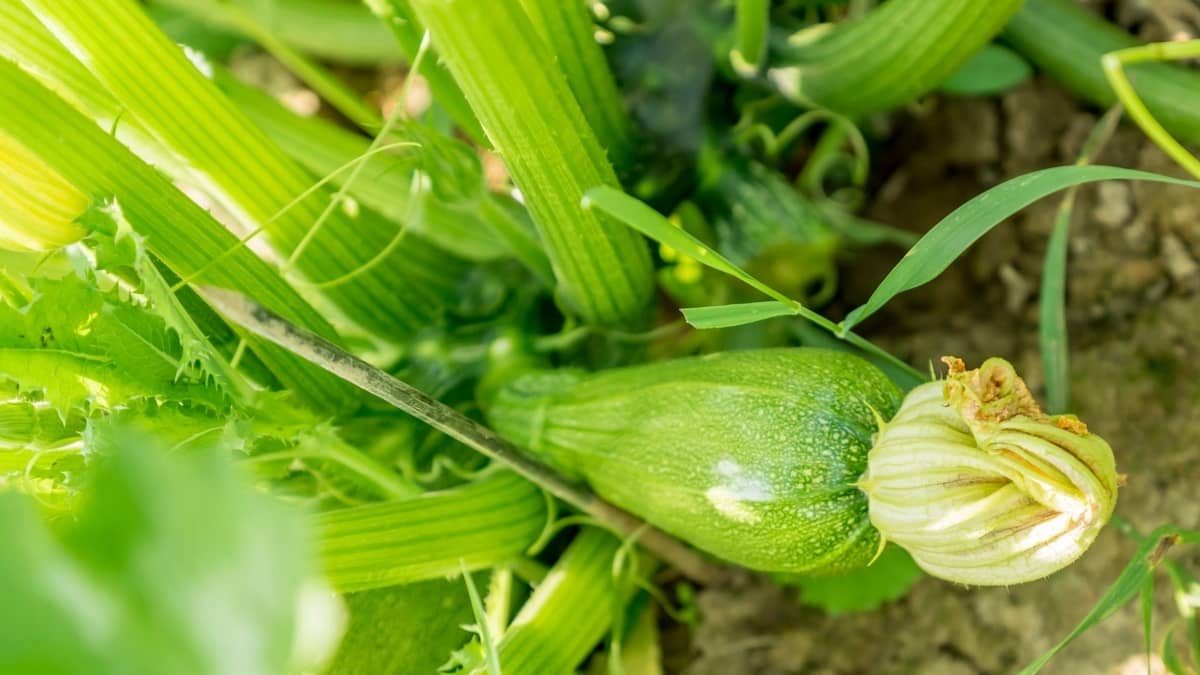
    There are things you may consider doing as a way forward. And the way forward will be for you to either do nothing, heat generation through insulation, prepare a warm spot and then move the worms there or keep the worms in a place with much heat, be it indoors or the basement.

    Whichever way you choose to handle the situation, let’s find out if compost worms can survive winter.

    Can Compost Worms Survive Winter?

    Can compost worms survive winter? The answer is yes and no and we would explain why.

    Worms are resilient creatures and they have been surviving long before humans even came along.

    However, when compost worms are left in the worm bin to freeze, a lot of them will not survive the winter or they may all die. But the good thing is that if the bin was already established before the chilly weather sets in, the worms will likely lay eggs.

    Compost Worms Surviving Winter

    Now, these eggs laid can survive as long as a year in almost any weather including winter.

    So, if all your compost worms get frozen by the winter, not to worry because baby worms can hatch once the weather warms up and they will continue the process of composting.

    Click Here To Get Info About:

    Things To Do To Your Compost When Chilly Weather Sets In

    So, if the chilly weather sets in around your area and you’re worried about your compost, below are some things you can do and your compost should be fine.

    1.    Add Scrap To Your Bin To Increase The Temperature

    When you leave the worms outside, they start to become inactive as the temperature drops down making them inactive. At or below 40 degrees Fahrenheit for example, the worms will become incapacitated due to the cold.

    They will move to the part of the bin that is warmer which is at the middle and the bottom. Although heat is naturally generated during decomposition, it is definitely not sufficient to keep the worms thriving.

    Hence, you can also add organic scraps to the bin, which will help increase the temperature a bit.

    2.    Do Nothing About The Situation – Can Compost Worms Survive Winter

    Another thing is that the older composting worms will begin to lay eggs as they are simultaneous hermaphrodites.

    This is to say that worms have male and female types of reproductive organs. But as for the contented composting worms, what they do is produce cocoons by exchanging DNA.

    So, your composting quest won’t be altered if the vermicomposting bin is left outside in the winter. This is because the cocoons that are being produced can stand the freezing winter, thereby staying preserved, and then luckily, new worms begin to hatch during spring.

    Another intriguing thing about these worms is that their eggs are that no matter the weather, they can survive up to a year. So, you can decide to leave your compost and let it do its thing.

    3.    Heat Generation Through Insulation – Can Compost Worms Survive Winter

    Adding insulation to the vermicomposting bin on the outer part can help increase the warmth on the inside. This will help keep the worms warmer.

    You can use blankets, bales of straw, Styrofoam, or bubble wrap. Remember to leave space in between the coverings in order to allow ventilation into the air holes of the bin. The drainage hole must not be covered.

    Moving the bin to a sheltered location, like indoors, will be a good form of double protection. This is because insulation alone can’t give a hundred percent assurance that your compost worms can survive the winter.

    Worm Factory 360 Black US Made Composting System for Recycling Food Waste at Home

    Can Compost Worms Survive Winter

    4.    Prepare A Warm Spot And Move The Worms There

    The bin can be kept warmer when it is not exposed to cold winter wind. This can be done by moving the bin to a shelter with warmth like a shed or garage. Insulation can also be adopted. Heat sources like an incandescent light or seed tray warming mat can be used.

    The bin can also be kept from freezing by using a 7-watt night light to generate enough heat for increased warmth. You will need to cover the worm bin with newspapers or a worm bin blanket if you’re using light. This is to be able to keep the worms held in the dark.

    5.    Find A Heated Location And Move The Worms There

    On a realistic note, when you feel cold during the chilly weather, the worms are not exempted too.

    This should make you wonder if your compost worms can survive the winter. Hence, another thing you can do to protect your composting worms is to bring your vermicomposting bin indoors when it’s freezing cold. A secluded spot will do, like the cabinet, closet, corner, or beneath a kitchen sink.

    However, it’s better you build a smaller bin indoors if your outdoor bin is dirty or too big to move indoors. To be successful at it, take part in the beddings as well as the composting worms you want to keep by digging them out from the vermicomposting bin. Put them in the spot you’ve created for them indoors. Keeping them in the basement is also a great idea. So, this method will make you not worry so much about how you will get to the worms to get them fed. Worms are usually very active when they and their surrounding is warm.

    Find A Heated Location And Move The Worms There

    Can Compost Worms Survive Winter? Conclusion

    You need not to worry that your composting program will be altered after all now that you know your composting worms can survive in the winter. You can as well leave them outdoor and not worry about anything, so long as they lay their eggs or produce cocoons.

    Their eggs can survive for a year, which gives guarantees of the continuity of your compost program. This is because, after the winter, the eggs will begin to hatch and the new worms will take it up from there.

    However, if you are so worried about leaving your worm bin out in the cold, you can opt for insulation, moving it indoors, or preparing a secluded heated spot for your worms.

    FAQ’s

    How do you keep compost worms alive in the winter?

    Compost worms can be kept alive during winter by leaving them outdoors in the bin for them to lay eggs that will hatch and continue the process of compositing. You can also relocate your compost bin to a warmer place to help them.

    Will my compost worms die in the winter?

    Many of your worms, if not all, may die in the winter. However, there is a huge chance for these worms to lay eggs and their eggs can survive up to a year under harsh weather conditions that includes freezing conditions.

    How cold is too cold for worm bin?

    When the temperature is reaching 40 degrees Fahrenheit or dips below 40 degrees, then it can become too cold for these worms that it can render them inactive.

    What temperature can compost worms survive?

    Ideally, compost worms can require around 59 to 77 degrees Fahrenheit for optimal performance. Once the temperature drops below 40 degrees, it can prove fatal for the worms.

    🪱 Composting Supplies

    Chef’n 401-420-120 EcoCrock Counter Compost Bin Black and White 3.3 liter 1
    $55.64
    We earn a commission if you make a purchase, at no additional cost to you.
    02/12/2026 07:04 pm GMT
    Amazon: rotating compost bin
    We earn a commission if you make a purchase, at no additional cost to you.
  • Get To Know How Many Basil Seeds Per Pot

    Get To Know How Many Basil Seeds Per Pot

    Although it’s quite easy to just walk into your local garden center and get a basil plant to grow right away: you can also try growing basil from seeds. How many basil seeds per pot should we be looking at if we are growing basil from seed? Let’s find out.

    Basil is an excellent type of herb that is very useful. Growing basil from seed is pretty easy and doing this can even save you some cash. Basil also comes in different types such as sweet basil, dark opal basil, lemon basil, cinnamon basil, lime basil, giant leaf basil, and so on.

    Growing and adding basil to your vegetable garden can be pretty beneficial. Basil is a very versatile plant that is used in our various dishes such as salads, sandwiches, pizza, soups, pasta, and so on. They are also useful in terms of medicinal use.

    You can grow basil either from its plant or simply start from seed. How many basil seeds per pot are what we would like to discuss in this post. So, read further to get some knowledge on the appropriate number of basil seeds to sow per pot.

    Growing Basil In Pot – How Many Basil Seeds Per Pot

    Basil is easily grown in pots or containers and with some attention and extra effort, you can enjoy the result of fresh basil. All kinds of containers can work for basil to be grown in. just make sure you use a top-notch potting soil mix and ensure the container has adequate drainage.

    How Many Basil Seeds Per Pot?

    Ideally, you can sprinkle or sow around 5 to 8 basil seeds per pot or container. Use potting soil and make sure you moist the soil so it can remain a bit moist and make sure the soil isn’t soggy.

    Also, the seeds of basil are usually started indoors with the pot placed on a warm windowsill or under a grow light.

    You should begin to notice some sprouting after about a week of sowing seed.

    Click Here to Get More Info About:

    Growing Basil From Seed – How Many Basil Seeds Per Pot

    Starting basil plant from seed may sound new to you. But not to worry because this can go pretty easy for you if you do things the right way. Basil is also a fast-growing plant or herb that can germinate from seed in just about a week.

    So let’s look into how we can properly grow basil from seeds:

    • Firstly, you should make sure the danger of frost has elapsed when you plan to grow basil. This is because basil plants are not cold-hardy. Hence, they are sensitive to frost or cold. Matter of fact, you can wait to move your potted basil outdoors garden after about 7 to 10 days of your estimated last frost in your area. This is because the outdoor conditions may still be unpredictable so you can be sure the cold weather is done.
    • Next, plant about 5 to 8 seeds for each pot, or some seeds should be sprinkled in a seed starter kit. Then cover the basil seeds with a fine layer of compost.
    • A top-quality potting soil or a seed starter mix should be used. Mist the soil to make sure the soil remains a little moist but not soggy.

    Organic Basil Seeds Variety Pack – 7 Unique Packets of Non-GMO USDA Certified Organic Pure

    How Many Basil Seeds Per Pot
    • Once you’ve sown your basil seeds, you should begin to see some sprouting in about a week.
    • Then when you begin to see a set of true leaves and not the first tiny seeding leaves, you should thin them down to one or two seedlings for each pot.
    • Also, note that starting basil indoors with your pots should either be done beside a window (a windowsill is appropriate) or with the help of a grow light. You can also do direct outdoor seeding by putting your potted plant in your outdoor garden so far there is no danger of frost.
    • Eventually, the young seedlings of basil grown from seeds are usually transplanted into the garden outdoors. And basil plants usually do well after transplanting. Just make sure they are protected from too much wind or sun for some days until the plant has adjusted enough.

    Why You Should Consider Growing Basil From Seed

    Even though it’s pretty easy and fast to just purchase basil seedlings from your local garden stores or even local farmers’ market. There are still some wonderful benefits to growing basil from seeds. Some of these benefits have been stated below.

    • Growing Basil From Seed Is Easy

    Growing basil from seed is an easy thing to do and does not require any special skill or tools. All you need do is to get the right information on how to go about it and you should be good to go.

    • Cost-effective

    When you decide to grow basil seeds, it becomes an easy way of saving some money because it is a budget-friendly plan.

    Why You Should Consider Growing Basil From Seed
    • Advantages Of Successive Planting

    Around the middle of summer, it may be difficult to find a healthy basil seedling. But if you want a continuous supply of high-quality basil leaves, then you can benefit from this by planting by starting a couple of basil seeds in pots. You can even grow them indoors under grow light and always have a non-stop supply of basil leaves.

    Conclusion On How Many Basil Seeds Per Pot

    So, we can see that apart from growing basil from their plant or seedlings, we can see that growing basil from seed is another easy method. It doesn’t require any special knowledge or tools. How many basil seeds per pot have also been discussed in this article.

    FAQ’s

    How many basil seeds do I need to plant in a pot?

    Ideally, you should plant about 5 to 8 basil seeds in one pot. You can commence your basil seeds indoors if the outdoor climate isn’t stable yet and you are not sure of the temperature outdoors.

    Can you grow multiple basil plants in one pot?

    It is possible to grow multiple basil plants in a single pot. However, it may be hard to maintain moisture when growing multiple basil plants in one container. So, it is recommended to use a very big pot if you plan on growing multiple basil plants in a single pot.

    How much space do you need between basil seeds?

    The ideal spacing between basil seeds should be about 2 to 3 seeds per inch in rows of 18 inches apart. However, a final spacing of basil can go around 4 to 8 inches apart for a healthier and fuller plant.