Category: Tips & Guides

  • Can You Use Fig Tree Cuttings To Grow A New Tree? 

    Can You Use Fig Tree Cuttings To Grow A New Tree? 

    It is possible to grow fig tree cuttings to form a new tree by using healthy cuttings from a mature tree.

    Fig trees are important components of urban and rural landscapes, providing a variety of benefits including food, shelter, beauty, and wildlife habitat. There are many different varieties of fig trees available for planting, but all have the same basic characteristics.

    They require full sun, good drainage, good air circulation, and lots of water. The majority of fig trees will be grown from seed, although in some cases this is not possible.

    Growing Fig Tree Cuttings

    Fig tree cuttings taken from a mature tree will generally produce a more vigorous plant. The fig tree is more likely to survive than cuttings taken from a dormant tree past the chance of frost. It is important to note that it is possible for a cutting to take root and grow into a new tree if the soil conditions are appropriate.

    However, the cuttings will generally be slower to establish than when planted directly from the seed. It is also important to note that fig trees require well-drained soil, so if you are planting in a location that has poor drainage, it may be difficult to establish the trees successfully.

    It is very important to keep the fig tree well-watered until it begins to produce fruit. Figs are one of the most sensitive fruits to over-watering. When young, fig trees should be deeply watered at least once a week.

    If you are planning on taking cuttings from an established fig tree, it is best to wait until over winter, when the tree is dormant.

    When can I take cuttings from a fig tree

    Cutting your own cuttings

    There are several ways to take fig tree cuttings. The best way to take cuttings is to use a secateur or pruner to remove some of the lower growth and leave a small, sharp-edged cutting. It is best to take a cutting that is between 6 and 12 inches long from a branch 1/2-inch in diameter.

    When taking cuttings, it is best to take cuttings from the lower part of the tree. Cut branches that are at least two to three years old.

    Preparing your fig tree cuttings for planting

    The cuttings should be wrapped in paper towels and placed in a plastic bag to provide a humid environment for two weeks. Though not necessary, the rooting hormone can be beneficial. 

    After about two weeks, plant the cuttings in pots filled with potting soil.  Bury the cuttings so that half of each cutting is below soil level. Place the potted cuttings in indirect sun and keep the soil moist.

    A little bit of sunlight can help the cuttings grow faster.  However, they are more likely to die if exposed to direct sunlight. When planting your cuttings, you should water them regularly.

    Be sure to water them deeply because it helps with their root development. In addition, you should transplant them after 2-3 months if the plants have grown enough roots.

    6 Pack Plant Rooting Grow Box

    617qwmXH7pL. AC SL1200

    Transplanting them

    When planting them, you should choose a location that receives plenty of light.  When planting them, you should use well-draining soil.

    To help them grow faster, you should water them frequently.  You can do this by adding a small amount of water to their soil or directly spraying them.  You can feed them with fertilizer when they are growing.

    Use a high-nitrogen fertilizer every four weeks in the spring and summer if growing in a pot.  This will help with their development.  Most fig trees not grown in containers don’t need fertilizer. 

    You should avoid over-fertilizing your plants because it will reduce their ability to absorb nutrients.  Instead, you should add some fertilizer when your plants need it.

    Harvesting figs

    Fig trees will produce fruits three to five years after planting them.  It will require some patience to get some figs from your own tree. The figs will be ready for harvesting when the fruit starts to change color from green to purple or brown depending on the variety and be slightly soft to the touch.

    Figs are harvested by hand. They must be picked before they turn ripe, so you can expect to have a large number of unripe fruits in the beginning.

    You can let them mature and ripen on the tree. Figs are very perishable and can not be stored for long periods.

    In Conclusion

    The fig tree cuttings are one way to help you grow your own fig trees.  It is considered easier than growing this tree from seed. 

    Do you want to try growing your fig tree?  Get some good fig tree cuttings from your neighbor or friend and in 10 years you will be harvesting your own figs.

    FAQs

    When can I take cuttings from a fig tree?

    Plant cuttings are taken from mature, healthy plants in order to propagate them for planting. Cuttings should be taken when the tree is dormant during the winter. The cuttings should be from trees two to three years old.

    Can you root fig tree cuttings in water?

    Cuttings can be soaked in wet paper towels. They can also be rooted using a ‘hardening off’ method, where the cuttings are put in a nursery pot and grown for a period of time until they are strong enough to be planted out.

    How long does it take for fig cuttings to root?

    Fig cuttings generally root in about two weeks. If you are planning to take cuttings from a young tree, then you will need to allow longer for the roots to develop.

    Is it easy to root fig cuttings?

    It is fairly straightforward to root fig cuttings. The key thing to remember is that the cutting must be dormant before it is rooted. If you have taken the cutting from an actively growing tree, then it won’t root. You can also use a hardening off method if you want to root the cuttings more quickly.

  • Is a Mushroom a Producer or What Can It Be Called? 

    Is a Mushroom a Producer or What Can It Be Called? 

    Is a mushroom a producer or a decomposer?  What class would you classify mushrooms especially if you want to start growing them?

    Have you ever grown mushrooms? Mushrooms are fungi and they have a very unique appearance. 

    Fungi can be single-celled or very complex multicellular organisms that often grow on dead organic matter, such as wood, plant material, and decaying matter.  There are millions of species of fungus, including many edible ones.

    Is a Mushroom a Producer?

    Fungi can be saprobic, parasitic, or mutualistic. Saprobes eat organic material and are decomposers. Decomposers play an essential part in the survival of the ecosystem.

    Mushrooms are decomposers and they only eat dead organisms. They break down the nutrients in the dead
    organisms they consume, then return them to the food web. Mushrooms will eat dead producers or
    consumers. 

    Defining a producer and decomposer:

    Is a mushroom a producer? A producer is an organism that produces food for itself and other organisms. Producers, which are plants, use energy and simple inorganic molecules to create organic compounds.

    In the case of mushrooms, they are decomposers. Mushrooms break down dead plants and animals and then release simple inorganic molecules back into the environment. 

    The decomposers are those organisms that eat dead organic matter, such as insects, to get its energy. For example, earthworms eat the soil and convert the organic matter to new soil for plants to grow in.  So, the earthworm is a decomposer and not a producer.

    Growing Mushrooms

    Growing mushrooms is not for the fainthearted.  If you have never grown mushrooms before, it is important to start with compost and a tray. The more you grow, the more you will learn about the various species.

    For beginners, we recommend starting with the most common species of mushroom: the shiitake. The shiitake is easy to grow, and it’s a good beginner’s mushroom because they are quite forgiving.

    We also recommend growing oyster mushrooms. Oyster mushrooms are delicious when they are young, but they can grow to be very large. If you like oyster mushrooms, you will be pleased with the variety of sizes and flavors available in your garden.

    For growing mushrooms you will need:

    • For best results, use a 14×16-inch tray about six inches deep.
    • Mushroom compost material.
    • A spade or garden fork.
    • A mushroom spawn bag. The most common mushroom spawn bags are made from polypropylene. The advantage of using a mushroom spawn bag is that it keeps your mushrooms from getting waterlogged.
    • Heating pad.
    • Potting soil.
    • Spray bottle.

    Mushroom Grow Bag with Sterilized Grain and Substrate

    81 B7riHPIL. AC SL1500

    Step-by-step directions:

    Step 1. Preparing the mushroom tray

    Use a 14×16-inch tray about six inches deep. The tray should resemble seed flats. Fill your trays with mushroom compost material and then sprinkle spawn on top. 

    Step 2. Growing the mushrooms

    For the first three weeks, use a heating pad to keep the soil temperature at 70 degrees Farenheit. Once white, rootlike growths called mycelium appear lower the temperature to 55 to 60 degrees Farenheit. Cover the mycelium with about an inch of potting soil.

    Be sure to always keep your soil moist during the growing period. Also, be sure to keep your growing tray out of direct sunlight. 

    Step 3. Harvesting the mushrooms

    After three to four weeks, the mushrooms will be ready to harvest. You know that they are ready to harvest when the caps open fully and separate from the stems. 

    Use a sharp knife to carefully cut the mushroom at the stem, do not pull it out. Wrap the mushrooms in paper towels then place them in open plastic bags or paper bags and keep them in the fridge. You can now use the mushrooms in recipes or freeze them for later use.

    Are all Autotrophs producers

    In Conclusion – Is A Mushroom A Producer?

    So is a mushroom a producer or a decomposer?  As we have seen in the above article, a mushroom is a decomposer and not a producer. 

    Read more about Best Oyster Mushroom Substrate.

    FAQs

    What is a mushroom classified as?

    A mushroom is a fungus that forms fruiting bodies and spores. Fruiting bodies are the reproductive structures of the mushroom.

    The most common form is a spore-producing structure called a cap. Caps can be single or multiple and can be attached to the substrate or free-standing.

    A spore-producing structure called a stalk grows from the base of the cap. Mushroom stalks can also be free-standing or attached to the substrate.

    Does mushroom belong to Basidiomycetes?

    Yes. Mushrooms are basidiomycetes which are a diverse and abundant group of fungi. They comprise of around 1/3 of all known fungal species.

    Why is a mushroom not a plant?

    Plants are the dominant life forms on Earth. Plants have a root system, photosynthetic leaves, and reproductive structures. Mushrooms are not plants. They do not have roots, they do not produce chlorophyll, and they do not photosynthesize. Mushrooms are fungi that form fruiting bodies and spores.

    Are all Autotrophs producers?

    An autotroph is a type of organism that can produce its own food using inorganic substances. So, autotrphos are producers.

  • The Unique Snake Plant Flower

    The Unique Snake Plant Flower

    Have you ever seen a snake plant flower?  If yes, what is the color of its flowers, and at what stage does it bloom? We will learn all about it in this article.

    The snake plant is a succulent plant native to tropical Western Africa.  It is also called the mother-in-law’s tongue and it belongs to the family Asparagaceae. 

    It prefers sandy, well-drained soil and is great for growing in pots.  It can grow up to eight feet, but more commonly it will be around two to four feet tall.

    The snake plant is easy to grow and maintain as it requires little care. It is a great plant to grow indoors and is beginner-friendly. 

    Description

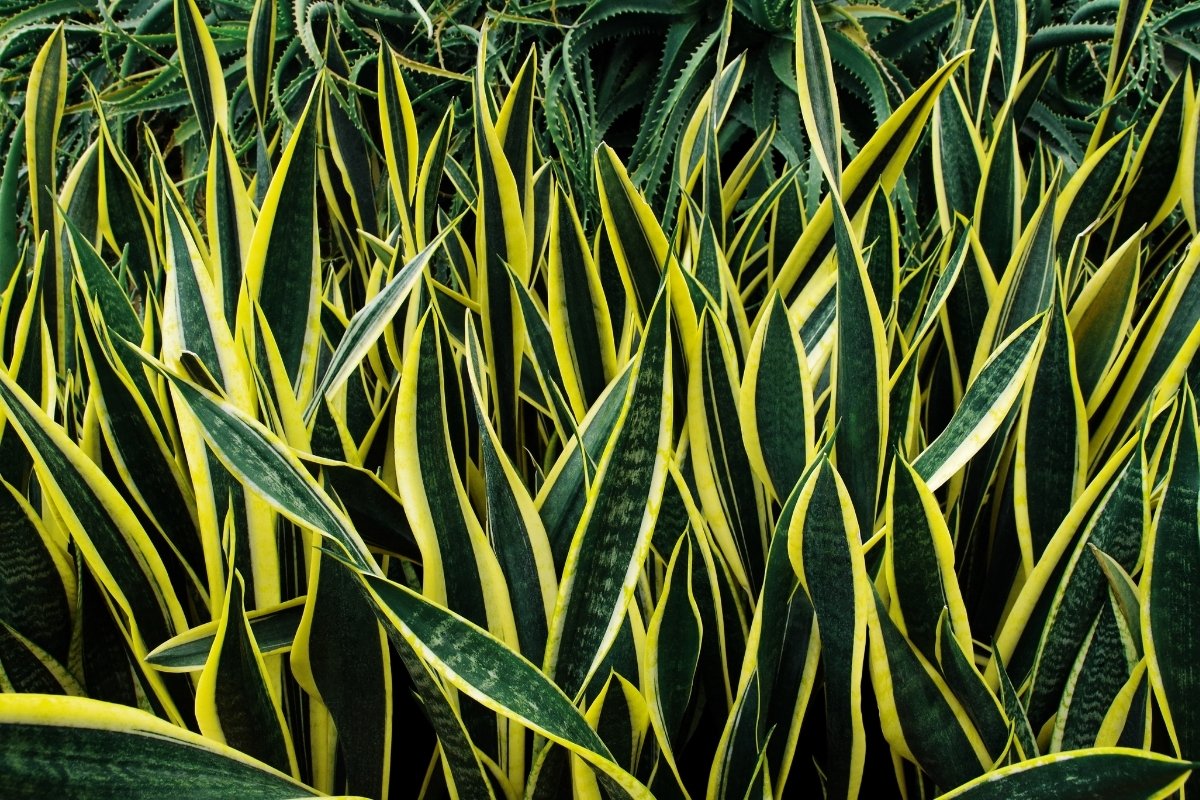
    The snake plant is a stemless evergreen perennial that can vary in color though most commonly they have green-banded leaves and a yellow border.  It grows in full sun, partial sun, and shade. Let the soil dry out between waterings and avoid over watering as this can be harmful.

    Snake plants do best in slightly acidic to slightly alkaline pH values. It can be propagated easily from cuttings or seeds.

    4pcs Coconut Fibers Tree Mulch Ring Mat

    81T9LFp

    Reproduction –  Snake Plant Flower

    The snake plant rarely blooms when grown indoors. However, it does flower annually when its water, sun, and humidity needs are meant. Flowers appear on mature plants during the springtime. 

    When it does bloom, greenish-white flower clusters appear on tall spikes. The flowers have a lovely fragrant smell. 

    Like other plants in the family, snake plants bloom at night. The tubular flowers have thin petals and share a resemblance to honeysuckle. 

    Though the snake plant is native to the tropical areas of Western Africa, it is grown throughout the world. It is one of the most popular house plants to grow. 

    The snake plant adds a beautiful touch to any home.  However, it is important to note that it is toxic to dogs and cats. 

    The snake plant is suitable for growing in a range of different light conditions.  It prefers temperatures between 65 to 85 degrees Fahrenheit.  It does not require a lot of water.

    The snake plant does not require fertilization and it does not tolerate frost well. The snake plant is cultivated for its ornamental value.  It is commonly grown as an ornamental plant, as it is used to add interest to the garden.  It can be grown as a potted plant.

    What Can You Do With The Snake Plant Flower?

    Once your snake plant blooms, the flower is beautiful and you cannot just leave it that way. There are many things that you can do with the snake plant flower.  The following are some of the best things that you can do with the snake plant flower.

    • Use the snake plant flower for decoration.  You can put it at the center of the table or anywhere in the house.
    • You can give a flowering snake plant to your friend as a present. It will be very nice if you give it to someone.
    • You can add a flowering snake plant to a gift basket. You can make a nice gift basket. You can put some fruits and the snake plant in it.
    • You can use the snake plant flower as a centerpiece. They will make beautiful centerpieces for kitchen tables, weddings, and special events. 

    When Does A Snake Plant Flower?

    The snake plant is a pretty and unusual-looking houseplant. It has been around for a long time, but in recent years it has become very popular.

    It is possible to grow this plant from seed, but this requires a lot of patience and skill. A snake plant can flower when it is fully mature.  Snake plants can be planted outdoors in full sun where they will be more likely to flower.

    If you live in an area where winter temperatures get below freezing, make sure you place the pot in a warmer spot during the winter months.

    In Conclusion

    A snake plant may flower in the spring, but it does not happen often when grown indoors. It needs certain water, sun, and humidity needs in order to flower. 

    Do snake plants smell

    Read more about How To Repot A Snake Plant.

    FAQs

    Is snake plant supposed to flower?

    Snake plants will rarely flower when they are grown indoors. If they do flower, it will happen to mature plants during spring.

    What do I do when my snake plant flowers?

    Flowering is a sign that the plant is healthy. Once you notice flowers, you should water it regularly as the flowers will wilt if not given enough water.

    How do I get my snake plant to flower?

    The first thing to do is to provide the right amount of water for your snake plant. It will also need the right amount if humidity and light in order to bloom.

    Do snake plants smell?

    The snake plant does not have a particular smell itself. However, its flowers are fragrant and have a lovely smell.

  • The Ultimate Plant Care Guide For Red Moon Philodendron

    The Ultimate Plant Care Guide For Red Moon Philodendron

    Red moon philodendron is one lovely plant that is characterized by its radiant lime green foliage. If you’re lucky enough to get your hands on this beauty, then it’s only logical for you to know how to properly care for this charming plant.

    The red moon philodendron, due to its pale lime foliage, is a popular ornamental Philodendron. You can find it growing as a climber beneath large trees where it can get access to bright but stippled sunlight, in the rainforests.

    The foliage of red moon philodendron can grow in a red full manner sometimes featured with these glowing splotches. Alternatively, they can appear like half moon varieties where one of their leaves displays equal red and yellow coloring.

    However, if you have a matured red moon philodendron, you should notice a lovely red stem that is darker on some of the leaves.

    Red moon philodendron plant care is not so difficult to figure out if you get the right knowledge. So, you can get the knowledge of how to care for the red moon philodendron.

    Red Moon Philodendron: Plant Care Guide

    Red moon philodendron naturally grows and thrives in a dense and tropical forest. If you wish to provide good care for red moon philodendron, the best thing is to mimic the natural conditions where this lovely plant is been grown.

    So, let’s look into how to properly take care of red moon philodendron:

    1.    Light Requirements

    Red moon philodendron prefers bright and indirect sunlight. The plant can also cope with lower light conditions.

    So, when it comes to lightning, for you to achieve that natural growing condition filtered sunlight is what should be provided to the red moon philodendron.

    You can also refer to filtered sunlight as dappled light and this implies that the plant hardly gets direct rays of sunlight.

    In their natural habitat, these filtered sunshine rays are achieved by the presence of open-canopied where light is always filtered.

    You can replicate these filtered sun rays indoors with the help of a thin curtain or a net that is near a window. So, this means red moon philodendron is great for indoors.

    2.    Soil

    The type of soil red moon philodendron do well in is a damp aroid potting mix and this type of soil needs to be well-draining. The organic content of the soil must be high quality as well.

    An example of this type of soil mix is a mixture of perlite, coco coir, orchid bark, and horticultural charcoal and this should be combined with a top-notch quality potting soil. Be sure to avoid soils that are too wet or too dry and avoid sandy soil.

    To further improve the soil quality, you may top the soil with some worm casting. This serves as a natural fertilizer and good soil enrichment.

    Furthermore, the pot or container used should have adequate drainage for easy flow of water.

    Gardenera Professional Succulent Soil Premium All Purpose Blend | Pre-Mixed Ready to Use

    81fKM0UQH7L. AC SX569

    3.    Temperature

    Red moon philodendron thrives well in fairly warm conditions. Preferably, the temperatures should be around 60 to 80 degrees Fahrenheit.

    Also, ensure the temperature doesn’t go below 55 degrees Fahrenheit. If the temperature drops below this, your red moon philodendron can go into shock and it can result in slow and improper growth of your plant.

    4.    Humidity

    Provide medium to high humidity for your red moon philodendron plant so it can flourish. If you can supply higher humidity to this plant, then you can enjoy broader, thicker, and bigger leaves.

    To help increase the humidity level of your red moon philodendron, you can use a humidifier.

    You can also use line a tray of water and add pebbles then put the plant pot on the pebbles and not in the water. Doing this can naturally increase the level of humidity around your plant through transpiration.

    5.    Fertilization

    This plant requires fertilization three times every year and fertilization should preferably be done during the spring and summer growing months.

    Different fertilizers are available for you and some examples are balanced liquid, granular, and slow release.

    The Ideal Watering Requirement For Red Moon Philodendron

    Being a tropical plant, red moon philodendron thrives in moist soil. However, it dislikes soggy soil, so you just have to get the right watering plan.

    A guide test is before you water, try to check for the soil moisture with your hand. Dip your finger into about one inch of the soil and if it feels dry, then it’s time to water your red moon philodendron. But if there is still a bit of moisture, hold off watering the plant for a little while. Always wait and allow the upper soil layer to dry out before you water again. You can also tell when red moon philodendron requires watering with the help of a humidifier.

    The Ideal Watering Requirement For Red Moon Philodendron

    When you are watering your red moon philodendron, take note not to splash water on the leaves because wet leaves can predispose the plant to diseases. The ideal thing to do is aim to water the roots of the soil.

    The root balls need to be totally soaked and the water should drain out from the pot when watering. You don’t have to worry about over-watering so far you’re using well-draining soil and good drainage holes. The water should drain well and flow out of the pot.

    During winter, the red moon philodendron should be watered lesser. Then from spring through summer, you should water red moon philodendron more frequently because this is when they are actively growing.

    Check Out  The Different Types Of Arugula

    Conclusion

    Red moon philodendron is a nice and lovely plant to have especially as a house plant. Taking care of this lovely plant shouldn’t be so hard if you can follow the right care guide.

    FAQ’s

    Is philodendron red Moon rare?

    Yes, red moon philodendron is indeed a rare type of plant. This stunning plant is native to warm and damp forests and the plant is usually canopied by taller plants because it thrives on filtered light (indirect sunlight).

    How can you tell if a philodendron is a red moon?

    The appearance of the leaves of philodendron should help you identify if it is a red moon species. The red moon philodendron is characterized by pale green with red streaks running on each leaf.

    How much light does a red philodendron need?

    Ideally, you can provide red moon philodendron with an hour or two hours of direct sun in the morning. The ideal sunlight you should provide red moon philodendron is bright and indirect light.

  • Get To Know The Different Types Of Arugula

    Get To Know The Different Types Of Arugula

    Arugula, which is also known as Eruca sativa, will get you hooked from the first peppery bite. You will be amazed to know that there are so many different types of arugula. Types of arugula are what will be listed here.

    This leafy green will have you falling in love with its peppery deliciousness except, you’re yet to have a taste of one of its varieties that you will like. Or it might be that it’s the bagged one sold at the grocery store that you’ve eaten.

    The Arugula plant is an annual leafy vegetable that grows very fast such that you can begin to harvest the leaves in just a few weeks. It belongs to the mustard family grown as a salad green that is flavorful.

    Its flavor is kind of tart and peppery. The leaves are usually 3 to 6 inches in length and are deeply lobed. Arugula usually grows in rosettes. Since it’s a cold season vegetable, arugula should be planted at the beginning of spring or late summer.

    Let’s take a look at some of the types of arugula varieties that you can grow in your vegetable garden.

    Types Of Arugula: Some Of The Best Varieties

    Below are some deliciously zippy varieties that you can consider growing in your garden.

    1.    Italian Cress

    Italian Cress is a good addition to sandwiches and salads, with its lettuce-like leaves that are large. Unlike other skinnier varieties, each leaf of the Italian cress is packed with lots of greens that are edible which makes.

    This makes this variety perfect for those who will be impatient with the skinnier varieties. This way, you don’t have to pick so many leaves at once for your salads. This variety is as well perfect for gardeners with limited space and indoor planting of greens over the winter. In just 30 days, Italian Cress will reach maturity.

    Types Of Arugula - Italian Cress

    These large leaves will taste so well in soups and stews or sautéed like spinach.

    2.    Astro

    The Astro cultivar’s mild but peppery flavor may be a perfect recommendation for those who like arugula but are not the too spicy type. You can harvest the baby greens around 3 weeks or better still be patient till the 38th day for tender leaves that are mature.

    You can also brighten up your salads with edible white flowers. But once the plant starts producing flowers, the leaves will somehow taste a bit sharper.

    3.    Slow bolt

    The arugula plant can grow more quickly and bolt during hot weather. A confirmation that it can set flowers and go to seed a bit faster than harvesting it.

    For gardeners living in zones 8 and above in the USDA that are hardy, the heirloom ‘Slow Bolt’ is a win-win. Compared to some other non-slow-bolting varieties, the ‘Slow bolt’ variety matures in 43 days.

    And you get to have more time to harvest the mild baby leaves. These larger mature leaves can be added in your salads and sandwiches and also in stews and soups to get a mild peppery flavor.

    4.    Garden Tangy

    Garden tangy is a cultivar from Italy and as well can be used to garnish all Italian-style dishes perfectly. It has frilly leaf edges reminiscent of kale and a spicy flavor. It also has this ‘Garden Tangy’ flavor in pasta dishes, salads, and many more and it matures very fast.

    You can sure pluck 10-12 inches leaves from the plant of this variety in just 30 to 35 days. The Garden Tangy thrives in cool weather and sunshine just like all other arugula varieties.

    Sow Right Seeds – Arugula Seed for Planting – Non-GMO Heirloom Seeds

    81erCfSZl8L. AC SX569

    5.    Red Dragon

    This variety, out of the types of arugula, has serrated leaves like the shape of an oak leaf. The difference is that the ‘Red Dragon’ cultivar leaves have a red vein branch at the center, unlike the oak tree leaves.

    This variety will be perfect for a nice salad. Due to its not-so-peppery flavor, it can be served to guests that have not eaten arugula before for a full flavor of the vegetable but not with an imposed trial impression.

    This variety grows slowly. It matures in 45 days with a mature height of 5 to 6 inches.

    The Ideal Period To Plant Arugula

    Generally, it takes 40 days from seeding for arugula to be ready for harvesting. Well, it is possible to have two arugula seasons if you time it right. The first can be during spring to the beginning of summer and then another at the end of summer into fall.

    However, the midsummer is not really a good time because it won’t grow well in the high heat. As soon as the soil is workable during spring, you can begin planting.

    If you want to harvest continuously, you should plant more additional seeds every two to three weeks till the weather becomes hot in summer or frosty during fall. Arugula is also tolerant of frost and light freezing cold too.

    Check Out How To Repot A Snake Plant

    Planting Arugula

    Here is a brief on planting arugula:

    • When planning arugula, sow seeds about quarter-inch deep then one inch apart in rows 10 inches apart.
    •  You should begin to notice seeds sprouting in about a week. A bonus tip for speeding up germination is soaking seeds in water for a few hours before you plant.
    • Then new seeds can be sown every 2 or 3 weeks so you can enjoy non-stop harvest later.

    Conclusion On Types Of Arugula

    Arugula tends to grow faster and it has a bolder flavor compared to other greens. There are different types of arugula that you can always enjoy. Types of arugula have been listed in this post.

    FAQ’s

    What is the spiciest arugula?

    One spicy arugula variety is Arugula Coltivata and this variety tends to become spicier when the weather is hot.

    Are rockets and arugula the same?

    Arugula leaves can as well be referred to as rocket and they are tender and bite-sized that offers that tangy flavor.

    Is there purple arugula?

    Purple stemmed rockette is a variety of arugula that gives rise to a lovely purple tint that is quite attractive.

    Is arugula like cilantro?

    Arugula and cilantro are not related and they both come from two different plant families. The family cilantro comes from is Apiaceae, while the family arugula comes from is brassicaceae.

  • Causes Of Snake Plant Brown Tips

    Causes Of Snake Plant Brown Tips

    Why does it seem like one of the toughest and durable plants to nurture also comes with a whole lot of issues? What are the most common snake plant problems and how can we deal with them? Snake plant brown tips problem and many more are what we shall be diving into in this article.

    You might wake up one day and discover the tip of your plant has turned brown and the question in your mind will be why is the tip of my snake plant turning brown? The tip of the snake plant doesn’t just turn brown without reason. So, let’s find out the causes of this issue.

    About Snake Plant

    Snake plant (sansevieria trifasciata) is well known for its toughness and durability. It is popularly referred to as the mother-in-law’s tongue obviously because of its strong upright shape and it is a plant-filled with so many health benefits.

    It serves as an oxygen purifier because of its ability to remove toxins from the air which makes your home free from airborne pollutants and toxic elements. It can tolerate quite a neglect, wide range of lighting conditions.

    About Snake Plant

    This is a well sought-after plant because of its easy growth and grooming pattern. It is a fantastic low-pressure nature characteristic is great as well as its ability to withstand harsh weather conditions. However, the toughest humans or creature have their breaking point. The same goes for the snake plant and one of its problems is the brown tips.

    Check Out Different Methods Of Umbrella Plant Propagation

    Why Does My Snake Plant Have Brown Tips?

    These indestructible plants are expected to be easy to care for but they won’t flourish unless they are being accorded suitable conditions.

    When those needed conditions are lacking, the leaves of the snake plant will take a different color and it will become an issue of serious concern because if proper care and attention aren’t given, it may lead to the end of the plant.

    Factors causing the tips of your snake plant to turn brown include the following:

    1.    Unstable Or Improper Watering Pattern – Snake Plant Brown Tips

    The snake plants’ leaves are thick and succulent so they can store a lot of water. This is why the plant can withstand a little bit of nonchalance and spend some time without a drink. However, the health condition of the plant will suffer a serious blow if not correctly watered.

    Waterlogged conditions affect and reduce the chances of the snake plant’s root absorbing the needed nutrients for proper growth and development. This can cause snake plants to begin to show brown tips.

    This can also lead to root rot and fungal infection and to avoid this, don’t allow the plant sit in water especially during winter because, during this season, the plant enters its dormant state where it needs little water.

    Plant Watering Devices 6 Pack Terracotta Vacation Plant Waterer Wine Bottle

    Snake Plant Brown Tips

    2.    Cold Sensitivity

    The snake plant’s most preferred temperature shouldn’t be colder than 550F. Although they can withstand harsh weather conditions, they are liable to sudden climatic and lighting changes so any weather below this temperature can lead to stress in the plant and cause your resilient snake plant to develop brown tips.

    3.    Potting System – Snake Plant Brown Tips

    It is crucial for the pot size to be just the right size because a huge pot gives room for fungi and bacteria breeding while a small-sized pot causes root-bound (a situation where the plant roots are bounded together thereby affecting the nutrient and water intake).

    4.    Slow Growth

    A major problem with snake plants is that they have a minimal growth level when grown indoors and also at a certain time of the year. Also, the size of the pot used in growing the plant plays a major role in how fast and big it’s going to grow and how far its root will spread.

    Slow growing pace in the snake plant can also be caused by incessant breaking, trimming, and cutting off the tip of the plant. This affects how high the plant can grow. It has been discovered that growing the plant outside (in front of a window that has 2-3 hours of direct sunlight) can help it grow taller and of course, make use of a larger variety of the plant.

    5.    Pest Invasion – Snake Plant Brown Tips

    The presence of bugs such as mealybugs, spider mites, and fungus gnats can cause brown tips on the leaves of your snake plant. These bugs suck out the sap in your plant and leave them dehydrated which leads to stress on the part of the plant, resulting in snake plant brown tips.

    Once you discover there’s a pest invasion on your plant, try to eradicate it as fast as you can using either a natural pest control method and when that doesn’t work out, you can resort to the chemical pest control method.

    Click Here to Get Info about:

    6.    Poor Drainage System

    Since it’s been known that the snake plant gets waterlogged quickly, an improper drainage system for the plant pot can cause it to be overwater thereby denying it of the nutrients needed for proper growth. Also, using the common garden soil to replant the snake plant can reduce the soil drainage pattern thereby causing hurt to the plant.

    7.    Excess Fertilization – Snake Plant Brown Tips

    Snake plants are naturally known for their tough and succulent nature so their nutrient requirement is not so much. When you feed it with excess fertilizer or you fertilize it too often, it can cause serious damage to the roots which is another main cause of brown tips in them.

    Snake Plant - Excess Fertilization

    Conclusion On Snake Plant Brown Tips

    Snake plant brown tips can happen to any gardener and to fix this problem, the cause must be identified. Once the problems of your snake plants have been identified, sorting out the problems will be easy.

    Note that even after all the plant issues have been sorted, the brown tips won’t go away but not to worry. As long as the plants get the care they need, they will grow more healthy leaves and with time, the impact of the brown tip will be less apparent. You also can choose to trim off the affected leaves.

    FAQ’s

    Will snake plant tips grow back?

    It is usually rare for the plant tips of snake plants that have turned brown to grow back. But you can trim of that part just to encourage new growth.

    Should I remove dead leaves from snake plant?

    Yes, you should remove dead leaves from the snake plant. The right thing to do is to take out damaged and dead leaves so that the appearance of your snake plant can be palatable.

    How often should I water my snake plant?

    Ideally, you should water your snake plant every 2 or 3 days. Also, you can do a simple test by touching the soil it is dry or moist to determine if you should water it.

    How do I make my snake plant grow straight?

    Make sure your snake plant gets light in all directions of the plant otherwise the part that isn’t receiving light can start to bend over in search of light.

  • The Ideal Blueberry Soil PH Requirement

    The Ideal Blueberry Soil PH Requirement

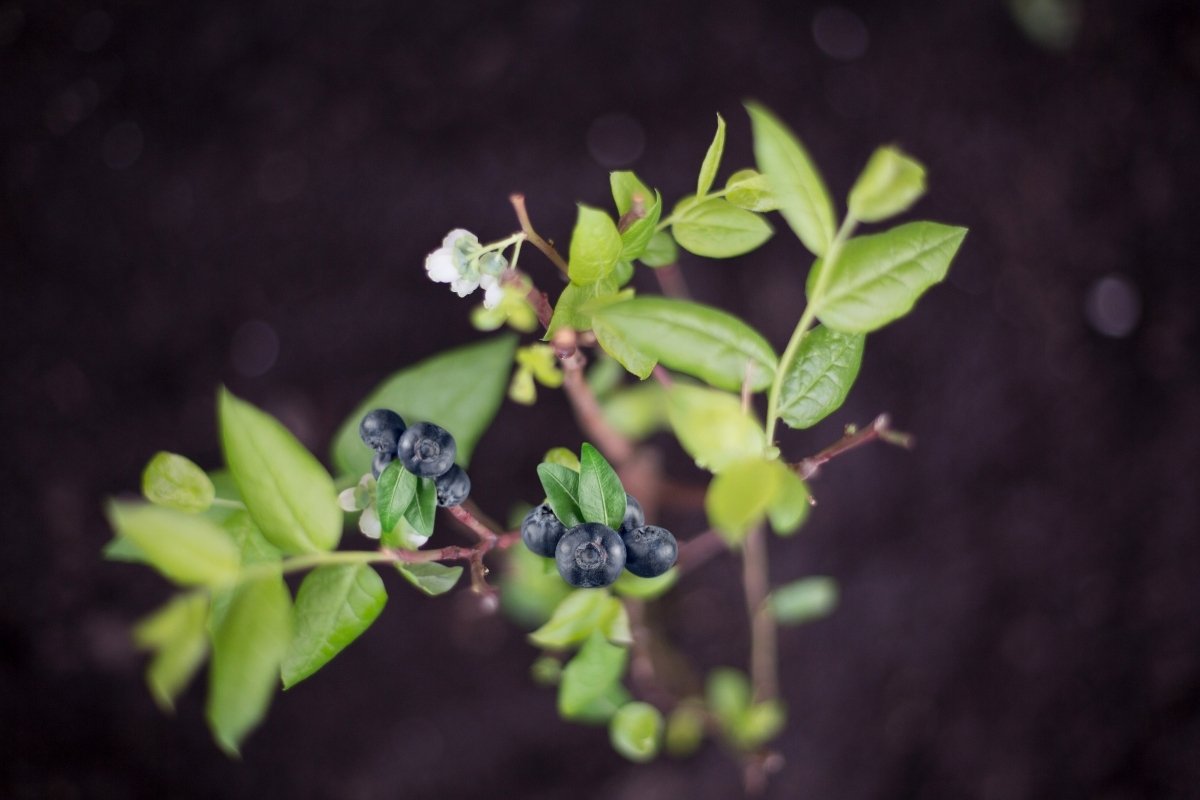
    It is necessary to maintain an ideal pH for the blueberry soil so the plant can flourish. Blueberry soil pH can range from 4.2 to 5.5 so this implies that they need acidic soil to thrive and yield fruits.

    The pH of the soil is one of the most important things to put in place when planting blueberries. For you to properly plan your blueberry planting, you need to know the status of your soil and do the appropriate amendments necessary for your plant to flourish.

    The information we will be provided in this article will outline more about blueberry soil requirements.

    Blueberry Soil PH: The Ideal PH Requirement

    So, the correct pH level you should provide for the soil for growing your blueberry is between 4.2 to 5.5 and this shows that acidic soil is the best pH for the plant.

    This pH range for blueberry is pretty unique given the fact that most vegetables and fruit plants thrive well in a soil pH range between 6.5 to 7.5.

    But when it comes to blueberry plants, if you want to follow the usual pH range for most fruits and vegetables (which is around 6.5 to 7.5), the plant’s growth can slow down, show yellowish leaves, and even produce only a few fruits or no fruit at all. This is why you need to test your soil and lower the pH when necessary.

    Blueberry Soil PH: The Ideal PH Requirement

    To reduce the pH of your soil, you can simply amend it by adding sulfur to the soil. This sulfur can be in form of elemental sulfur, sphagnum peat moss, or you can simply use a widely available sulfur amendment gotten from your local garden stores.

    Check Out Giraffe Retractable Garden Hose Reel – The Best Garden Hose Out There On The Market

    How You Can Test The Soil To Determine Soil PH

    When you plan to grow blueberry, it is very important to determine the status of your soil pH. Once you’re able to determine the soil pH, you can know the right amendments to do. The appropriate pH status required to grow blueberry ranges from 4.2 to 5.5

    You can determine the soil pH by simply obtaining some soil samples in the area of the plant site you will be planting your blueberries and submit this sample to a lab.

    Now, once you’ve identified the status of your soil, you can now decide on the appropriate soil amendments for your soil. If the soil is high in pH, this means you should amend the soil by lowering the pH and if the soil level pH is low, you can leave it but make sure the level is between 4 to 5 pH levels.

    Read more about Growing The Pink Spider Lily From Seed

    Way Of Amending Soil PH To Suit Blueberry

    So, below are some great ways you can amend the soil pH:

    1.    Sulfur – Blueberry Soil PH

    Sulfur should be applied to the planting site. But if you would be making use of sulfur to amend your soil to plant blueberry, it is recommended to amend your soil pH the fall before you plant. It is suggested you do this because it can take several months for the pH to be amended after sulfur application.

    Monterey LG7115 Dr Soil Acidifier Granules Iron and Elemental Sulfur Acidic Fertilizer, 7 lb

    Blueberry Soil PH

    2.    Sphagnum Peat Moss – Blueberry Soil PH

    Sphagnum peat moss is also great to be used to amend the soil. This is particularly if your soil has not been amended yet and you wish to plant your blueberries this spring. So, the addition of an acidic growing medium such as sphagnum peat moss can be added to the planting site to help amend the soil.

    This method will even be more ideal if the originally the soil pH is around 5.5 to 7.0. So, just add about 4 to 6 inches of sphagnum peat moss to the upper layer of about 6 to 8 inches of the soil.

    We recommend you go further by amending the whole planting site for your blueberries. This is because the roots of blueberries are inclined to expand and outwards. Hence, it is better to amend a soil area of about 2 to 3 feet wide just to ensure the roots of the blueberries plant have access to acidic soil.

    3.    Fertilize With An Acidic Fertilizer – Blueberry Soil PH

    Blueberry soil pH planting site can as well be amended using acidic fertilizer. Some of these acidic fertilizers include ammonium sulfate, ammonium nitrate, or sulfur-coated urea.

    Guidelines For Planning Out A Blueberry Planting Site

    Let’s further look into some guidelines to put you through planning out a blueberry planting site:

    1. You should begin soil amendments by planning ahead because the soil can need several months to adjust once it has been amended. If possible, you can amend the soil in the fall before you plant
    2. At your planting site, you need to plant blueberries 5 feet apart. It may seem like this distance looks far, but the plant is capable of growing out and filling the space. Just make sure you don’t plant too close because it can create competition amongst the plants and it can even increase the chances of insect and disease damage.
    3. Make sure the blueberry variety you’re purchasing is from a reliable or reputable store.
    4. Preferably, don’t plant against a wall because the wall may generate extra heat that can cause damage to the leaves of the plant.
    5. You can expect 6 to 8 pounds of fruits each year for each plant and begin 3 to 4 years after planting.

    Final Note On Blueberry Soil PH

    Blueberry soil pH needs to be in the right range which is around 4.2 to 5.5 because this pH range will ensure blueberry plant thrives well and produce.

    Soil testing should be the first factor to consider when planning your garden site for your blueberry and once you’ve determined the pH level, just amend the soil accordingly to suit blueberry growth.

    FAQ’s

    How do I make my soil acidic for blueberries?

    You can make your soil acidic for blueberries planting by simply adding sulfur to your soil, amending it with sphagnum peat moss, or fertilize the soil using acidic fertilizer.

    Should you put lime on blueberry bushes?

    The addition of lime to soil usually neutralizes the soil pH to a pH range of around 6.0 to 7.0. However, blueberry needs an acidic soil of lower pH (which is between 4.2 to 5.5) to flourish. So, lime may not be so great in helping blueberry plant amend their soil to the right pH range.

    Can I put coffee grounds on my blueberry plants?

    You may decide to put coffee grounds on your blueberry plants because they are highly acidic. However, if your soil is already high in nitrogen and you apply coffee ground, it may stunt the growth of flowers and fruit production.

    How do you add sulfur to blueberries?

    Sulfur helps amend blueberry soil by lowering their pH, so if you want to reduce the pH range of sandy soil, you need to add ¾ pound of sulfur per 100 square feet of the garden planting site.

  • Tips When Growing The Pink Spider Lily From Seed

    Tips When Growing The Pink Spider Lily From Seed

    In this article, we will learn how to grow the pink spider lily and the perfect conditions to provide this plant so that it thrives.

    The Pink Spider Lily also known as the Resurrection lily or “surprise lily,”  is a popular plant among gardeners. It is a bulbous plant with large flowers. The flowers have an amazing fragrance and are bright pink.

    These flowers are also known for their longevity. They bloom just when many other blossoms are fading, adding a late-season pop of beautiful color. These flowers have unique trumpet-shaped blooms.

    This makes them very appealing to gardeners. They do not require a lot of space and are low maintenance. They require moderate water during the summer.

    How To Grow The Pink Spider Lily

    What does the pink spider lily symbolize

    Tip #1: Bulb germination

    Bulbs are usually the best way to start your Pink Spider Lily. This will ensure that you get a healthy plant with no problems. Plant the bulbs with 1/4 inch exposed above the soil. The soil should be organically rich and well-drained. 

    Plant the bulbs about six to nine inches apart. At maturity, they will grow to be 18 to 24 inches tall. In addition to planting in gardens, you can also grow them in pots.

    Tip #2: Sun and watering needs

    Your Pink Spider Lily should be planted in an area where it will get full sun to partial shade. They have moderate watering requirements, no more than one inch of water a week.

    Tip #3: Blooming

    The flowers will bloom from late summer to fall. They have a beautiful pink color with a very fragrant smell. The flowers will cluster atop tall stems.

    Tip #4: Feeding your pink spider lily:

    Pink Spider Lillies do not need fertilizer. Some people may choose to supplement the soil with organic fertilizer before planting, but it is not necessary in most cases.

    Handheld Fertilizer/Grass Seed Spreader

    81Yz4oz7sKL. AC SL1500

    Tip #5: Transplanting

    You can transplant your lilies the first thing in spring or fall when the flowers begin to die back. Be sure to move them to an area where they will get full sun to partial shade with well-drained soil.

    Use a trowel to carefully loosen the soil around the bulbs. Then, carefully slide the trowel underneath the bulbs and gently lift them from the soil. Separate the bulbs and remove any that are rotten.

    Carefully move the bulbs to their new location and plant them at the same depth they were before. The bulbs can be sensitive when they are moved so they make take some time before they begin growing again.

    Summary

    The Pink Spider Lily is one of the lilies that are commonly grown by gardeners.  They are easy to grow and bloom easily when provided with the right growing conditions. As you try to grow your own, have a happy time!

    FAQs

    What does the pink spider lily symbolize?

    The pink spider lily symbolizes the purity of a woman and the innocence of a child. The flower is associated with the goddess Diana, who was worshipped in ancient times as the patroness of women and children. The flower’s name comes from the Latin word for “spider,” which is associated with the goddess.

    Are pink spider lilies poisonous?

    Pink Spider Lilies are poisonous if eaten. Their poison severity is low and can cause abdominal pain, salivation, shivering, nausea, vomiting, and diarrhea.

    Is spider lily an indoor plant?

    Yes, spider lily is both an indoor and outdoor plant. It benefits from full sun and should be placed in a sunny spot. However, it will still grow in semi-shade if given enough light.

    Do spider lilies spread?

    Spider lilies are perennial plants and do not spread. It is native toand Asia. It has an upright growth habit and grows to around 18-24 inches tall.

  • Detailed Information About Alocasia Azlanii

    Detailed Information About Alocasia Azlanii

    The Alocasia Azlanii is a beautiful, dark purple foliage that has darker edging and purple veins that make the leaves look like a stormy sky.

    Alocasia Azlanii is beautiful foliage that has dark purple leaves with darker purple veins. It makes a beautiful addition to any landscape and can be planted in a variety of locations. Alocasia Azlanii has a widespread and the foliage can get up to two feet tall.

    This plant is easy to grow, needs minimal care, and will tolerate drought.  You should grow it in full sun or partial shade. The Alocasia Azlanii will bloom in spring and fall continuously if it is not cut back after it blooms.

    If you are looking for a plant that has a good amount of foliage and flowers but does not require much maintenance this plant is a perfect choice.

    About the Aclocasia Azlanii

    The Alocasia Azlanii is a plant native to Brunei. It is a species of flowering plant that is a member of the family Araceae. The Azlanii is one of the 97 Alocasia species known around the world.

    Though rare, the plant makes a beautiful tropical houseplant. However, it is important to note that the plant is toxic to pets.

    What is the rarest Alocasia

    Description:

    This plant grows up to two feet tall. The plant grows into a mound shape with deep green to purple glossy leaves. The leaves are shaped like a fan and have a leathery texture. The edges of the leaves are serrated and are covered in fine hairs.

    Alocasia Azlanii Planting Requirements:

    Soil

    Alocasia Azlanii requires well-drained potting soil. It grows best in average to fertile, well-drained soils.

    The ideal soil temperature is about 65 to 75 degrees F. The plant does not tolerate frost. Alocasia Azlanii has been cultivated in gardens for centuries.

    Propagation

    Alocasia Azlanii can be propagated from seed or by division. Seeds germinate readily and should be sown at least two weeks before the last frost. Sow seeds 1/2 inch deep in a sunny location and keeps moist until germination occurs. Cover lightly with a plastic bag to help create humidity.

    Plant Grow Lights Indoor

    71BNrFOeD3L. AC SL1500

    Fertilize

    Provide additional fertilizer when the plants begin to grow vigorously. Keep plants evenly moist but do not let them get wet. Fertilize with a 10-10-10 fertilizer once every two weeks.

    Watering

    Water during dry spells, but avoid over-watering. Once the top two inches of soil are dry then it is time to water again.

    Dividing

    For best results, divide the plant in spring or fall. Divide the rhizomes in fall by planting each piece three to four inches deep in a pot or flat. Each piece should be three to four inches wide at the top of the root ball and at least two inches wide at the bottom.

    Repotting

    Repotting the alocasias every two to three years by digging up the plant, loosening the roots, and repotting into a new container using a sphagnum moss mix.

    Pests & diseases

    There are no pests or diseases associated with this plant.  Aphids and whiteflies may be a problem; spray with insecticidal soap or horticultural oil as needed.

    In Conclusion

    The Alocasia Azlanii is one of the most beautiful plants you can ever grow.  You will find it to be very easy and rewarding. I have been growing this plant for years, but have never had a problem with it.

    It has always done well and has even bloomed in my pots. This is the perfect plant to grow indoors or out. It does not get too big and is not too heavy.

    Alocasia Azlanii does not require complicated growing conditions to thrive. It’s one plant you can grow easily with easily available conditions. Use regular potting soil and some fertilizer to nourish the plant.

    A good consistent wearing schedule works best for this plant, watering once the top two inches of soil are dry.  As far as pests go, Alocasia Azlanii is generally fine, but may suffer from spider mites, mealybugs, scale, and aphids. If you are interested in growing this plant, why not give it a try?

    Read more about Jungle Velvet Calathea – Plant Care Tips.

    FAQs

    What is Alocasia Azlanii?

    Alocasia azlanii is a member of the araceae family, and is native to Brunei. It has deep green to purple waxy leaves that are oval-shaped.

    How big can Alocasia Azlanii grow?

    The Alocasia Azlanii can grow to be up to two feet tall. It can make a beautiful tropical houseplant.

    What is the rarest Alocasia?

    Alocasia azlanii is a rare plant in cultivation.

    Can you propagate Alocasia from leaves?

    No, this plant cannot be propagated from leaves but you can propagate it from stem cuttings or seeds. The temperature of the ideal growing environment for Alocasia azlanii is between 65 to 75 degrees F.

  • The Magnificent Red Spider Lily And All There Is To Know

    The Magnificent Red Spider Lily And All There Is To Know

    The red spider lily or the Lycoris radiate blooms in the late summer and early fall. As a carefree plant that grows easily, it is capable of growing in most parts of the country.

    Also known as the hurricane lily, it is a herbaceous perennial plant that has a wide variety of uses. It can be used as a groundcover or on borders.

    The red spider lily has a beautiful, distinct look. In this article, we will give you all the information you need to know about this plant.

    History Of The Red Spider Lily

    The red spider lily is native to Southeast Asia. In 1854, Captain William Roberts of the U.S. Navy acquired three red spider lily bulbs from Japan.  Though described to be “in such a dry condition that they did not show signs of life until the War between the States” they were eventually planted in America.

    Despite their conditions, the three bulbs survived and grew in their new home in North Carolina. They began spreading across the Southern United States before becoming popular nationwide.

    It is considered to be one of the most beautiful plants in the world. It is also one of the easiest plants to grow. The coral-red flowers have exceptionally long stamens which give the plant a unique look.

    Characteristics Of The Red Spider Lily

    The red spider lily has vibrant, coral-red flowers that have a slight golden sheen in the sunlight. The petals are delicate and curl inward and the stamens of the flower are long, wiry, and prominent.

    The red spider lily has a nice aroma that is not too overwhelming. This plant bloom depends on your location, blooming from late summer to early fall.  The flowers are large, red, and bloom for about two weeks.

    Propagation

    This plant is easy to propagate as it can be grown from bulbs. When planting bulbs, you need to make sure that you plant them in an area where there is enough light.

    The bulbs should be planted at a depth of about four to six inches and should be in a place where they will get full or partial sunlight. Water them well and keep them moist until they sprout.

    Growing

    The red spider lily grows from a bulb that can be planted in fall or early spring.  The bulbs of this plant are very easy to grow and need little care. They can grow in USDA zones 6-10. 

    Red spider lilies are very hardy and can handle most conditions. They should be planted in soil that is well draining and rich in organic matter.

    The soil should have moderate moisture so it will not dry out. During the growing season, they will need around one inch of water a week.

    Breathable Jute Fabric Raised Garden Planter Bed

    81PpsRNwZfL. AC SL1500

    Maintenance

    The red spider lily has very little maintenance. You just need to water the plant about one inch of water a week and that is it. It does not need much fertilizer.

    It is best to feed high-nitrogen fertilizer in the spring, as this will provide the plant with the nutrients it needs for growth. A fertilizer that is high in potassium and phosphorus can be beneficial after bloom to help with root growth and hardiness.

    Soil

    The red spider lily likes well-draining soil that has good drainage. The soil should be rich in organic matter. Ideally, the soil should be slightly alkaline.

    Temperature

    The red spider lily does not like cold temperatures. If you are growing them in zones six or seven, it is best to add mulch to protect the leaves and exposed bulbs from cold winter weather.

    Humidity

    The red spider lily does best in relative humidity around 40-50%.

    What does a red spider lily symbolize

    Harvesting

    When you want to harvest the red spider lily, wait until it has finished flowering. Then cut the stalk at the base of the plant. After you harvest it, place your flower in a vase of water.

    In Conclusion

    The red spider lily is one of the most attractive plants one can grow in America. These flowers are stunning and make your lawn or garden look so beautiful. Why not try growing them today?

    Read more about Growing The Pink Spider Lily From Seed.

    FAQs

    What does a red spider lily symbolize?

    The red spider lily symbolizes final goodbyes and the story goes that they grow wherever people part ways for good. The red spider lily is also said to guide the dead through the cycle of rebirth in Buddhism.

    Can I touch a red spider lily?

    It is not recommended that you touch a red spider lily due to its fragility. If you choose to cut them for a bouquet, be very careful. 

    Do Red spider lilies come back every year?

    Yes, red spider lilies will bloom annually in most cases. They are hardy perennials that prefer well-draining soils. They grow best in full or partial sun, and they are drought tolerant.

    Do Red spider lilies grow wild?

    Yes, they can be found growing naturally in the southeastern United States.

  • Everything You Need To Know About Aloe Vera Bloom

    Everything You Need To Know About Aloe Vera Bloom

    The aloe vera plant is loved by many people who grow it both as an outdoor and an indoor plant. However, not many people know about the aloe vera bloom.

    The aloe vera bloom is a small, but very attractive flower which grows on the leaf of the aloe vera plant. It has a long stalk which is usually green but can also be yellow or red.

    The aloe vera bloom can grow to around 3-5cm in length. It is most commonly found in the dry regions of Africa, Asia, Europe, and America. It is also grown for its medicinal properties.

    The Aloe Vera Bloom And Its Uses

    The aloe vera flower can be used as a food additive, to make soap, hair care products, toothpaste, lip balm, and even as a breath freshener!

    It is also used for skin care products such as lotions, creams, ointments, and soaps.  Aloe vera has been used to treat burns, dermatitis, acne, psoriasis, eczema, diaper rash, ringworm, and other conditions. It is most commonly used in the treatment of sunburn and minor skin irritations.

    The juice from the leaves can be used for skin care, and the gel made from it can be used as a moisturizer. The gel is also useful for wound healing.

    The gel can be used in combination with other oils to make a cream that helps wounds heal faster. It can also be applied directly to wounds as an anti-inflammatory and antibacterial agent.

    The juice from the leaves can be added to make beverages such as juices, lemonades, iced teas, and soft drinks. Aloe vera juice can be used to make jelly, jams, and jellies. The plant is used for cooking purposes as well.

    When Does Aloe Vera Bloom?

    Aloe vera plants are easy to grow as they do not require too much care and maintenance.  Once grown, a mature aloe vera plant gets to the bloom stage.  This happens when the plant is about four years old and has produced many new leaves.

    Aloe vera plants generally begin developing buds during winter. The flowers will then begin to bloom from early spring to summer.

    The aloe vera bloom has different colors depending on the aloe vera type.  They include – red, yellow, and orange.

    How To Harvest The Aloe Vera Bloom?

    Once your aloe vera plant has matured and bloomed, it’s time to harvest these blooms.  It is a good idea to harvest the blooms when they are at their most potent.

    To harvest the blooms, simply pinch off the flower heads, and hang them upside down to dry.

    Once dry, remove the leaves from the stem of the plant and store them in a jar or vase until needed. The flower heads of the aloe vera plant can be used in a variety of ways. You can use the flowers directly for decoration or you can also infuse them with oil and use the resulting oil as an all-natural hair conditioner.

    The oil made from aloe vera blooms is a popular product in the beauty industry today. Aloe vera oil has been used for centuries to treat various skin conditions and disorders. It has a strong healing effect on the body and is often used as an after-bath or before-bedtime moisturizer.

    Sustane Compost Tea Bags

    81thATrFpTL. AC SL1500

    How To Grow Aloe Vera?

    Aloe vera can be grown from cuttings or seeds. The process of growing aloe vera from cuttings is easier than growing it from seeds.  In case you want to grow aloe vera from cuttings, then you should take cuttings from mature plants. 

    The plants are usually about one year old.  You should take a leaf from a mature plant and make sure that it has healthy roots.

    Once you have taken the leaf, then you should let it dry out for a few days.  After a few days, place the cutting in a container with well-draining potting soil and keep the soil moist by misting until roots begin to grow.  This will help the plant grow into a mature aloe vera plant.

    What to do when aloe is flowering

    In Conclusion:

    Aloe vera bloom is a symbol of a mature aloe plant.  Aloe vera bloom does not appear as a single bloom rather it is a group of beautiful flowers growing together. They come in different colors depending on the type of aloe you are growing.

    FAQs

    What to do when aloe is flowering?

    Aloe is a succulent plant, which means that it stores water in its leaves and buds. As aloe flowers, stop watering it, so the leaves dry out, start to wilt and curl up.

    To encourage the new growth of aloe, it is important to remove the old, wilted leaves and cut back on watering. This can be done at any time during the year.

    How often does aloe vera bloom?

    Aloe blooms approximately once a year after about four years of growing from seed or cutting. During the spring, the plants will begin to flower.

    In the summer, aloe will be in its most productive stage of growth, and the leaves will be at their largest. Aloe also flowers in the fall and winter, but this is usually less abundant than during the spring and summer months.

    Why do aloe vera plants bloom?

    During the spring, aloe vera begins to flower because of warmer temperatures and longer days. This is when it is most beneficial for the plant to produce seeds. However, it is not common for an aloe plant to bloom.

    How do you get an aloe vera plant to bloom?

    Aloe vera is a plant that blooms on its own. However, the plant needs warm weather and a long day to bloom. If you want to get an aloe vera plant to bloom, you need to provide the conditions it requires.

    Aloe vera needs at least 12 hours of sunlight per day during the spring. Also, it needs to be kept in temperatures of 65-75 degrees Fahrenheit. These conditions are necessary to create the environment that is needed to bloom.

    🌸 Aloe Vera Care Products

    Aloe Vera Soil Blend, Hand Blended Aloe Vera and Succulent Soil Mix, Re-Pots 3-4 Small Plants or 1-2 Medium Plants, All Natural (2qts)
    $9.99
    We earn a commission if you make a purchase, at no additional cost to you.
    06/11/2026 11:02 am GMT
    The Grow Co Succulents & Cactus Plant Food – Gentle Long Lasting Formula, Slow Release Fertilizer (Liquid Alternative) for All Potted Succulent, Cacti & Aloe Vera Plants (5 oz)
    $8.97
    We earn a commission if you make a purchase, at no additional cost to you.
    06/11/2026 07:02 pm GMT
  • The Different Methods Of Umbrella Plant Propagation

    The Different Methods Of Umbrella Plant Propagation

    The umbrella plant is a nice houseplant to have and they are easy to maintain and care for. If you want to have more of this plant or you wish to share them with your loved ones, you can simply propagate them. Umbrella plant propagation is quite easy to achieve.

    The Umbrella plant which is also known as Schefflera may not be so popular compared to other houseplants, but it can add graceful foliage to your room.

    There are various ways you can propagate umbrella plants, but stem cutting has been one good way of going about this and you can get a better chance using stem propagation.

    So, if you have an interest in learning how to propagate this plant, then you can get some good knowledge about this here. Umbrella plant propagation as well as tips for caring for the propagated umbrella plant will be discussed here so let’s begin.

    Umbrella Plant Propagation

    Umbrella plant propagation can be done by stem cutting, seed propagation, or air layering. However, stem cutting has been shown to be a good method that can offer you a better chance of successful propagation. But naturally, the umbrella plant reproduces through seeds.

    When you are propagating this plant, you need to provide it with the ideal conditions such as temperature, humidity, light, and soil moisture.

    Umbrella Plant Propagation

    Click Here to Get Info About:

    Different Methods Of Umbrella Plant Propagation

    When propagating umbrella plant, be sure to select a healthy plant that is pests and diseases free.

    1.    Stem Cutting

    Ideally, if you want to propagate umbrella plants, it’s best you take your stem cuttings during early summer or spring. This is mainly because warm weather helps your cutting root properly. So, to propagate umbrella plants, follow this process

    • Get a good soil mix and moisten the soil evenly.
    • Use a sharp and sterile cutting tool to cut 4 to 6 inches of the umbrella stem just above the leaf node. Ensure the size of the stem is at least the diameter of a pencil. Make sure the cutting does not dry out.
    • The bottom of the leaves should be pruned off and leave at least a complete set of leaf.
    • Then stimulate the root on your cutting by dipping the cutting into the soil mix and cover and secure the cutting. (You may dip rooting hormone at the end of the cutting just to stimulate root growth).
    • Then slightly water the soil and make sure the soil mix remains moist but not waterlogged.
    • Supply the cutting with indirect light. Then provide the cutting with high humidity.
    • You should begin to notice sprouting in about a month. Then you can transplant once new growth on top is seen.

    2.    Propagation By Air-layering – Umbrella Plant Propagation

    Look for an open spot on the stem of umbrella plant that has leaves both above and below. Then about one inch wide around the stem, take out the outer layer of the plant. This part should then be covered or wrapped with damp sphagnum moss and this should form a clump around the size of a baseball that covers the wound totally.

    The moss should be covered with plastic wrap that secures each end using tape to make the sound airtight.

    Then in about one or two months, you should begin to notice roots showing inside the plastic. So, you can now clip this stem below the moss wrapping and go ahead and plant the newly rooted part inside its container.

    3.    Propagation By Seed

    Although it may take a longer time to grow a full-sized umbrella plant from seed, it can still be achieved. To further improve or give you a better chance at this, it is important you go for fresh and healthy seeds that come from quality stock.

    Now, to commence the process of propagating umbrella plant using seed, prepare your germination tray and make use of light potting soil.

    To further enhance the germination rate, before you sow the seeds, we recommend you soak the seeds in hot water at a temperature of 140 degrees Fahrenheit for 12 hours.

    AeroGarden Liquid Nutrients (1 Liter)

    61Y4WPDkIXL. AC SX569

    Each seed should be sown to a depth that is two times its size. Then water the set up sparingly and ensure the soil remains moist but not too wet.

    The temperature should be maintained between 75 to 86 degrees Fahrenheit. The set up should be positioned in a bright but indirect sunlight.

    You should begin to notice germination from two to three months. So, you can go ahead and transplant them into individual containers once the seedlings attain a height of one to two inches.

    Read more about Some Interesting List Of Plant With Purple And Green Leaves

    Tips On Caring For Umbrella Plant After Propagation

    Once you’re successful with propagating umbrella plant and the plant has rooted, you need to care for them properly. Here are some tips to help you care for them:

    • So, once you’ve transplanted the rooted cuttings into their individual pots, the tap shoots should be trimmed just to encourage branching.
    • Provide the rooted plant with bright indirect sun. Then you can gradually introduce them to more light as they mature.
    • The plant is a heavy feeder so the soil needs to be rich in nutrients, particularly for the young plant.
    • The pot should have good drainage holes and you should make a drainage layer in the new pot before you add the potting soil.
    • Provide the soil with moist conditions and avoid water-logging the soil.
    Tips On Caring For Umbrella Plant After Propagation

    Umbrella Plant Propagation Conclusion

    Umbrella plant propagation may not be so easy but you can still achieve successful results if you can follow the right way. We have listed the 3 main ways you can propagate umbrella plants and we’ve also given some plant care tips.

    FAQ’s

    Can umbrella plant grow in water?

    The plant of umbrella can thrive in a damp boggy soil, so they can withstand water of up to 6 inches.

    How long does it take for a cutting to root in water?

    Ideally, it may take about 3 to 4 weeks for a cutting to root in water, and ensure you always resupply fresh water until the cuttings have rooted fully.

    Where do you cut an umbrella plant?

    The right place to cut the umbrella plant is right above the growth node. So, this implies that you should cut just above the spot where the leaf has germinated.

    What are umbrella plants good for?

    The Umbrella plant is an excellent plant that you can use to decorate your homes or offices. The plant doesn’t require too much maintenance and it can help purify the air in your home by assisting in filtering out pollutants such as toluene, benzene, and formaldehyde from the air.

  • Snake Plant Problems And Ways Of Fixing Them

    Snake Plant Problems And Ways Of Fixing Them

    Snake plant is an easy-to-grow plant and the plant requires minimal care. Snake plant problems may arise when growing or taking care of this plant but if you can quickly and accurately identify the problems, then there may be solutions to the issue you’re facing with the plant.

    But why does it seem like one of the toughest and most durable plants to nurture also comes with some issues? We will find out soon.

    Another name for snake plant is mother-in-law’s tongue and this plant is one of the most popular house plants on the market. Snake plant is a common houseplant that their leaves tend to grow upright and their leaves appear like sword-like shaped leaves.

    This snake plant may appear easy to grow and even require little attention when taking care of them; but there may still be some issues that can affect the growth and development of this plant. Snake plant problems are what we will be discussing in this post and we will be discussing how you can solve these issues.

    Characteristics Description Of Snake Plant

    Here are some characteristics of the snake plant for you to identify the plant:

    • The leaves of the snake plant are inclined to grow upwards and the leaves are stiff and broad.
    • Their upright leaves can range from around 6 to 8 feet high.
    • The color of the snake plant may vary. But the majority of these plants are characterized by green-banded leaves that feature a yellow border.
    • Snake plants are pretty easy to grow and care for and they are almost indestructible.
    • They are great for houseplants.
    • Snake plants have been known to survive in most unsuitable growing conditions.
    Characteristics Description Of Snake Plant

    Click Here to get Info About:

    Snake Plant Problems And Fixing The Them

    Because this plant is known to be extremely carefree in nature, it may surprise you that snake plants can still face some issues. The plant is known to handle plenty of neglect, so it’s difficult to imagine that anything can go wrong with the plant.

    Snake plant problems can indeed arise, but the good part is that most of these issues can be solved easily and your plant should return to its normal conditions.

    So, here are some problems that may arise with snake plants and some solutions to resolving the issues:

    1.    Drooping Of Leaves Or Bending Of Leaves – Snake Plant Problems 

    The leaves of the snake plant are known to be firm and upright in shape and this is what we most love about this plant. Now, once these firm and upright leaves begin to bend or fall over, they begin to lose their striking look and we begin to wonder what might have gone wrong.

    The common cause of drooping or bending leaves is usually over-watering. The leaves of the snake plant tend to be succulent and the leaves can store up water for weeks which is why it is easy to neglect this plant, especially in terms of watering.

    2.    Potting System – Snake Plant Problems 

    An inappropriate potting system can cause damage to the leaves of the snake plant and cause it to fall off.

    Therefore, the pot size has to be just right because a huge pot gives room for fungi and bacteria breeding while a small-sized pot causes root-bound (a situation where the plant roots are bounded together thereby affecting the nutrient and water intake).

    3.    Overwatering

    The snake plants’ leaves are thick and succulent so they can store a lot of water. This is why they can withstand a little bit of nonchalance and go a while without a drink.

    But waterlogging conditions affect and reduce the chances of the snake plant’s root from absorbing the needed nutrients for proper growth and development. It’s the same rule that applies to humans who suffer from a lack of balance between water and sodium in the blood due to overhydration.

    This can also lead to root rot and fungal infection and to avoid this, don’t allow the plant to sit in water especially during winter because, during this season, the plant enters its dormant state where it needs little water. They can stay up to a month without requiring water during this time.

    It should also be known that overwatering of the snake plant can lead to droopy or bent leaves and stunted growth among others.

    4.    Poor Drainage System – Snake Plant Problems 

    Since it’s been known that the snake plant gets overwatered quickly, an inadequate drainage system for the plant pot can cause it to be waterlogged thereby depriving it of the nutrients needed for proper growth.

    Also, using the common garden soil to replant the snake plant can reduce the soil drainage pattern thereby causing damage to the plant.

    Plant Pots Set of 2 Pack 8 inch,Planters for Indoor Plants with Drainage Holes and Removable Base

    61S9WklJXhL. AC SX569

    5.    Temperature Sensitivity

    The snake plant’s most preferred temperature shouldn’t be colder or lower than 550F. . Although they can withstand harsh weather conditions, they are still liable to sudden climatic and lighting changes.

    If they fall below this temperature range, their leaves can turn scarred. And this condition is mostly permanent. Hence, it is best to prevent this condition in the first place.

    Therefore, ensure you provide the snake plant with the ideal temperature which should be above 55 degrees.

    Final Say On Snake Plant Problems 

    Even though this snake plant is quite notorious for being an indestructible plant, the plant may still face some issues once in a while.

    So, When you notice your snake plant isn’t growing properly as it should, investigate closely what could be the most likely cause of the problem and rectify it one after the other until all the possible symptoms are eliminated and you have a healthy snake plant again.

    FAQ’s

    How can I tell if my snake plant is dying?

    There are some signs your snake plant will give to tell you they might be dying. One common symptom you may notice may be on the root that shows or turn brown and mushy and this is a typical sign of root rot. Then when the root rot progresses, the leaves turn yellow, wilt, and droop and these problems may be not rectifiable.

    How do I fix my snake plant drooping?

    To fix your drooping snake plant, you can repot or simply move your snake plant. drooping of leaves is often as a result of excessive water that drowns the plant.

    How do I keep my snake plant healthy?

    You can maintain a healthy snake plant by not over-watering, always water the bottom of the pot and if possible avoid splashing water on the leaves, and during winter periods you should water less because the plant is not so active.

    Should I cut brown tips off snake plant?

    Yes, you can cut off brown tips you notice on your snake plant. These brown tips you notice are as a result of stress exposure to the plant.

  • When Are Tomatillos Ripe?

    When Are Tomatillos Ripe?

    You might be wondering about this; When are tomatillos ripe? Tomatillo is a small round green fruit that has a similar appearance to green tomatoes. But take note that tomatoes and tomatillos are two entirely different fruits.

    Their fruits of tomatillos usually have husks around them. From inside the husk, the fruits are usually formed on plants.

    You can harvest so much on a tomatillo plant which gives you the advantage of preparing lots of salsa verde. When you know the right time to pick tomatillos, you get to pick the fruits only when it’s in their full flavor.

    Physalis philadephica and Physalis ixocarpa are the two types of tomatillos and these two types of tomatillos have many varieties. These several varieties of tomatillos are native to Central America and Mexico.

    When tomatillos are ripe is what we would like to know but before we look into this, let’s briefly discuss growing tomatillos.

    Growing Tomatillos – When Are Tomatillos Ripe?

    Discussing about knowing when tomatillos get becomes ripen may not be complete without going into little details about how they are being grown.

    You can either plant tomatillos in warmer climates if you’re planting from seed or plant them indoors first. This should be before the last expected frost, like six weeks before then. It usually takes like 75 to 100 days, from planting to harvesting tomatillos.

    Growing Tomatillos

    Remember a tomatillo plant can yield a lot of fruits. But two or more tomatillo plants, at least, are needed in order for them to yield fruits. This is because tomatillo plants are not self-pollinating.

    A lot of yellow flowers are then produced, which later begin to transform into round husks that are empty (from the calyx). It is inside the husks the tomatillos will begin to form gradually and then totally occupy the husks. You need lots of patience when growing tomatillos.

    Read more about The Ultimate Care Guide To Growing Philodendron Thai Sunrise

    Step By Step 

    Choose a spot with full sun and with soil that drains well. Even moisture is important for the plant to be healthy and grow to its full potential. This is even more important after the setting of fruits.

    Well, you can say tomatillos and tomatoes share some similarities in how they are being cultivated. And as it is also called Mexican husk tomatoes and Mexican ground cherries, tomatillos can take time to set fruit.

    At this point, you may need to self-pollinate the plant, so, go ahead and hand pollinate them if you want to. But be very observant once you notice signs of the setting of fruits.

    Once the tomatillo fruits begin to develop, you will notice that the plants are becoming heavier. Sometimes these plants will begin to lean for support due to how heavy they’ve become.

    To avoid disturbing the roots or breaking the branches when the plants are more matured, cage or stake the plants when they are yet smaller during earlier in the season. The strongest-looking tomatillo plant can cause by a sudden summer storm. This is why caging or staking the plants will be the best thing to do.

    Click Here to Get Info About:

    When Are Tomatillos Ripe?

    When are tomatillos ripe and ready to be picked? Well, the fruit of tomatillos should be ripe and ready for picking once you notice that the papery husk that surrounds the fruit turns green to tan. Then they will begin to split.

    The fruit of tomatillos is usually bright green, purple, or yellow and this often depends on the variety.

    Once the fruit of tomatillos is ripened or matured, the size will be like that of cherry tomatoes or a bit bigger. Note that the smaller fruit of tomatillos is usually tastier than the larger ones.

    Also, tomatillos are usually ready to be harvested from 65 to 100 days after sowing and about 65 to 85 days after transplanting. However, this can vary depending on the weather conditions, growing conditions, and variety.

    You can however allow your plant a good 2 to 3 months of growing before you begin to check the fruit for ripeness. Then when the fruits have begun to ripen, you will be picking them for 1 to 2 months.

    The plant of tomatillos yields abundantly and a single plant can give rise to 60 to 200 individual tomatillos. This is about 2 and a half pounds for each plant.

    However, once tomatillo’s mature stage has passed, you will notice the gloss of the fruit becoming dull.

    Tomatillo Grande Rio Verde Seeds for Planting Heirloom Non-GMO

    When Are Tomatillos Ripe?

    Harvesting Tomatillos – When Are Tomatillos Ripe?

    It is best to harvest tomatillos when they are still green. This is because it is the stage when they still have the most flavors. To foster the yielding of fruits continuously, knowing how to harvest tomatillos is important.

    • You should harvest tomatillos by gently twisting or slightly turning the plant with the help of a garden pruner or scissors.
    • Then go ahead and peel the back a little part of the husk and ensure the fruit is blemish-free.
    • If you notice the fruit is sticky when you remove the husk, simply wash it off with mild soapy water.
    • Also, you should pick the fruits whose husks have been burst open and have not been infected with diseases or mold. Not with insect damage also. When there are any damaged fruits, separate them from the plant and compost them. To prevent these affected fruits from harming other healthy fruits and stems, cut them off the plants.

    Check Out In-depth Knowledge On What Ox Heart Tomatoes Is

    Storage Of Tomatillos – When Are Tomatillos Ripe?

    Once you’ve harvested the fruit of tomatillos, it is best you use them while they are fresh and green.

    However, if you wish to store them, you can store them in their husk for around two weeks in a paper bag in the section for crisper vegetables in the refrigerator. Note that tomatillos can suffer injury if stored below 41 degrees Fahrenheit.

    Storage Of Tomatillos

    Final Say On When Are Tomatillos Ripe?

    Tomatillo is a cool crop you can add to your vegetable garden and always enjoy the tasty result anytime. We have given some great hints to help you know when this tasty fruit is ready to be picked so you can comfortably enjoy your harvest.

    FAQ’s

    Can you eat unripe tomatillos?

    It may not be necessary for tomatillos to become ripe for you to eat them. The small unripe tomatillos may be fine to be eaten but they often taste sour and you won’t get that sweet and flavorful feel when you eat the ripe ones.

    Will tomatillos ripen after being picked?

    Yes, tomatillos can continue to ripe and mature after they have been picked. But ideally, tomatillos usually fall off the vine before fully ripe so they can continue their maturity once picked.

    What part of tomatillos are poisonous?

    The parts of tomatillos plants that are poisonous include the leaves, husk, and the stem. Once the fruit ripens, their papery husk will let out the fruit inside them.

    What is the sticky stuff on tomatillos?

    The sticky stuff on tomatillos are chemicals called withanolides and along with their husk, they help deter insects away from them.

  • All About Monstera Acacoyaguensis And General Plant Care Tips

    All About Monstera Acacoyaguensis And General Plant Care Tips

    Monstera acacoyaguensis is one uncommon tropical plant that is easy to grow. This plant is a trailing or climbing plant that is native to Belize, Guatemala, and Mexico.

    Monstera acacoyaguensis is a lovely plant that is characterized by its appealing oval, semi-leathery, and glossy green juvenile foliage. The plant looks lovely and it can even be one of your favorite amongst all your collection of plants.

    Now, if you’re new to this plant and you wish to know more about it, then this post will is for you. In this article, we will be educating you on the basic things you need to know about Monstera acacoyaguensis. We will also give you some great plant care tips for this lovely plant.

    Information About Monstera Acacoyaguensis

    Monstera acacoyaguensis is a type of tropical plant that is a subspecies of the Monstera adansonii. Hence, their full name is known to be Monstera adansonii acacoyaguensis. The plant originates from Central America and it thrives well in humid and warm conditions.

    The plant Monstera acacoyaguensis may be regarded as a rare plant but it isn’t as rare as Monstera Obliqua which is another variety of Monstera that is more rare.

    The plant is also referred to as the Swiss cheese plant due to its unique holes and patterns in their leaves and each of its leaves is just like an individual work of art. Once this plant matures, it tends to develop perforations.

    Information About Monstera Acacoyaguensis

    The plant is a climbing plant and once Monstera acacoyaguensis gets fuller, it tends to look messier. The plant of Monstera acacoyaguensis is native to rainforest.

    The size of the Monstera acacoyaguensis plant is about 20 feet (5 m) high when they are outdoors in their native habitat. Then they can about 4 to 6 feet tall or even more when grown at home.

    Monstera acacoyaguensis usually grow close together and intertwine their long aerial roots with neighboring plants then they form a lovely green mat on the floor of the forest.

    Read more about Some Interesting List Of Plant With Purple And Green Leaves

    General Care Tips For Monstera Acacoyaguensis

    If you have plans on introducing Monstera acacoyaguensis to your collection of plants, you will need to have some information on how to take care of this plant for it to flourish. So, below are some growing tips for Monstera acacoyaguensis plant:

    1.    Lightening

    The light requirement for Monstera acacoyaguensis is moderate. Provide the plant with an indirect light that is diffused or filtered. Take note that the plant can’t tolerate direct sun for too long hours on a regular basis or they will get scorched. This is why it is easy to grow them indoors.

    So, when nurturing the plant indoors, you should provide the plant with indirect sunlight and bright light that is facing the east or west window. If there isn’t a natural light, you can make use of a grow light as it can stimulate outdoor sunlight.

    Grow Lights for Indoor Plants, GroDrow 150 LED Grow Light for Seed Starting with Red Blue Spectrum

    81iSbA0oUdL. AC SX679

    Take note that light is crucial to the growth of Monstera acacoyaguensis because it promotes photosynthesis that produces food for the plant.

    The ideal light duration for the young plant of Monstera acacoyaguensis is 14 hours of light daily. Then once the plant matures, it can light duration of 10 hours per day is fine.

    2.    Temperature

    The plant Monstera acacoyaguensis is native to Central America and South America so they are accustomed to light even through the winter periods. The prevailing climate in their native region is warm and hot and this depends on the time of the year.

    But the plant is usually covered by a forest canopy so it can be protected from intense heat. Notwithstanding, the plant still lives in a warm or even hot environment.

    So, the appropriate temperature for Monstera acacoyaguensis is around 65 to 80 degrees Fahrenheit. But it can still do well in temperatures around 55 to 95 degrees Fahrenheit.

    However, this plant isn’t a cold-hardy plant. Hence, ensure you shield the plant away from chilly weather. So, take the plant away from cold months because it won’t survive winter.

    Also, when placed indoors, ensure they aren’t close to anywhere around places such as air conditioners.

    3.    Watering

    Once the topsoil has dried out, you should water your Monstera acacoyaguensis plant. The plant likes to be watered thoroughly and if they are not watered properly, it can cause wilting, but avoid over-watering.

    General Care Tips For Monstera Acacoyaguensis - Watering

    4.    Soil

    Use soil that can hold moisture and the soil should be rich in nutrients. An equal amount of peat moss, sand, and perlite can be used. You can also make use of just peat moss as your potting medium. The pH of the soil should be around 6.5.

    To further improve the humidity of the soil, you can mix a little moss into your soil. However, ensure the root is not covered too much because the plant will need some air in its root system.

    Check Out The Ultimate Care Guide To Growing Philodendron Thai Sunrise

    5.    Potting

    This plant growth rate isn’t slow or fast. The growth rate is somewhere in between. For this reason, repotting every 2 or 3 years may be required.

    So, whenever you’re transplanting, ensure the new pot you will be using is a bit bigger than the old one.

    Spring is the best period to re-pot Monstera acacoyaguensis because this will increase their chances of blooming and also provide healthy growth for new green leaves all through the year.

    Furthermore, ensure the pot has adequate drainage holes for easy flow of excess water.

    6.    Fertilization

    The plant Monstera acacoyaguensis usually requires fertilization once per month. Fertilize only during their growing season (spring to summer).

    Monstera Acacoyaguensis: Final Note

    Monstera acacoyaguensis is one lovely plant that you can add to your collection of plants. They are mostly suitable for indoors and the plant is quite easy to grow and take care of.

    FAQ’s

    Is Monstera Acacoyaguensis rare?

    The plant of Monstera acacoyaguensis is considered rare but it is not as rare as Monstera Obliqua which is another variety of Monstera that is more rare.

    How long does Monstera Acacoyaguensis take to mature?

    The duration it takes for the adult plant of Monstera acacoyaguensis to mature is around 1 to 3 years. However, the exact growth of the plant can vary depending on its growing conditions.

    Does Monstera Adansonii need direct sunlight?

    Ideally, Monstera requires indirect sunlight. The plant will not do well if it has been exposed to direct sunlight for a long period because it can scorch the plant.

    Do Monstera Adansonii like to be misted?

    Yes, the plant likes to be misted because the humidity is a key requirement to its growth. Therefore, if you will be growing this plant indoors, ensure you provide good humidity to the plant by misting the leaves several times a week.

  • In-depth Knowledge On What Ox Heart Tomatoes Is

    In-depth Knowledge On What Ox Heart Tomatoes Is

    Ox heart tomatoes are characterized by their huge and fleshy fruits. This type of tomato variety may sound new to you or not. But ox heart tomatoes have been around for a very long time (almost a century).

    Ox heart tomatoes are this type of versatile tomato variety that is similar to the beefsteak tomato variety. This tomato variety is quite easy to grow and it can take around 80 days for tomato fruits production. It is also a low-maintenance that can give rise to huge fruit.

    If you’ve ever wondered what an ox heart tomato is all about, here is where you can get some good info about them. We will be discussing some information about this amazing tomato variety and more so continue reading for some insight on them.

    Ox Heart Tomatoes: Some Info About Them  And Their Characteristics

    Ox heart tomatoes come in big sizes and they have this pointed bottom that looks like a beef heart which is where their name is derived from. This unusual shape of ox heart tomato is a result of a mutation that causes their blossom end to become elongated. However, you may find that some are deep ribbed ox heart tomatoes.

    Ox heart tomatoes are categorized to be under the group of beef tomato group and their fruit can weigh around 100 to over 1000 grams.

    This tomato variety is from mid-season to late season. They have a close resemblance to beefsteak tomato and because of this reason, some gardeners may be looking at them as an alternative to the regular beefsteak tomato variety.

    Ox Heart Tomatoes: Some Info About Them  And Their Characteristics

    It’s been suggested that the ox heart tomato originated from Russia as this was where it’s been first mentioned towards the end of the 19th century. Then this ox heart tomato got to the United States where it has been widely cultivated till date. This tomato variety is also popular in France and Italy where their fruits are usually sold at the markets of farmers.

    They are indeterminate and the majority of ox heart tomato comes in red or pink. However, you may still find some yellow, green, orange, or purple just like you can find in other types of tomatoes.

    Just like in most beef tomatoes, the seeds contained in ox heart tomato are usually small. The majority of ox heart tomatoes are heirloom and the newer varieties are hybrid and these tend to yield sterile seeds.

    The good thing is that if you’re able to find an heirloom ox heart tomato variety, then you can easily propagate your oxheart plant using their seeds.

    Check Out General Information About Grape Tomatoes vs Cherry Tomatoes

    What Does Ox Heart Tomatoes Taste Like?

    Ox heart tomatoes have this delightful aromatic sweet taste with a bit of acidic taste.

    Once the fruit of the ox heart plant ripens, it usually turns soft quickly. Therefore, it is best you eat it as soon as possible or process the fruit soon once you’ve harvested them.

    Multicolor Tomato Seed Packet Collection (6 Individual Packets) Non-GMO Seeds by Seed Needs

    Ox Heart Tomatoes

    Some Of The Best Ox Heart Tomato Variety To Go For

    There are many varieties of ox heart tomato. But here are some of the best varieties of ox heart tomatoes you can go for:

    • Orange Russian: this is one lovely ox heart tomato variety that is heart-shaped and orange-marbled. Their fruit can weigh up to 300 grams and they have this amazing taste that is fruity, sweet, and spicy. Also, this variety is best grown in a greenhouse.
    • Coeur de Boeuf: this ox heart variety is well-loved among growers and may even be one of the best known varieties of ox heart tomato. Their fruits form light red fruit with strong ribs. This variety of ox heart is from France and they ripen from the middle of July. They can grow as high as 200 cm and they are ideal for outdoor cultivation with a bit of protection from rain.
    • White Oxheart: this ox heart variety gives rise to light-yellow fruits and the plant can grow as tall as 200 cm. They usually do well and produce great in a greenhouse.
    • Anna Russian: this ox heart tomato variety yields large heart-shaped tomato fruits that changes to deep pink once they are matured or ripe.
    • Bulgarian Oxheart: this variety grows numerous pink heart-shaped tomato fruits during summer. The plant of this variety can grow as tall as 180 cm.

    • Hungarian Heart Tomato: this ox heart tomato variety originated from outside of Budapest Hungary, around 1900. They are characterized by their radiant reddish-pink tomato fruit and they can be almost a pound heavy. Their fruit is quite heavy and meaty just like every other ox heart tomato.

    Click Here to Get Info About:

    Applications Of Ox Heart Tomatoes

    Ox heart tomatoes are great to be used for slicing tomatoes in salads and sandwiches. They also work well when you incorporate them into soups and sauces.

    If by any chance you end up harvesting more ox heart tomatoes than you can consume, these tomatoes are blessed with adequate flesh that makes them ideal for processing and canning.

    But ox heart tomatoes aren’t pasted tomatoes. Hence, it might take longer for them to thicken into sauce or paste.

    Again, thanks to their huge size, these tomatoes are great for stuffing and their scooped-out and meaty innards a nice to be used for sauce and or add to your dishes.

    All in all, these huge ox heart tomatoes are wonderful flavor and versatile in the kitchen.

    Applications Of Ox Heart Tomatoes

    Conclusion On Ox Heart Tomatoes

    We have seen that ox heart tomato is another type of tomato you can go for. Ox heart tomatoes are as huge as beefsteak tomatoes and we have given some in-depth knowledge on what this wonderful tomato variety is.

    FAQ’s

    What does oxheart mean?

    When we talk about oxheart, we are referring to a huge variety of sweet cherries. Then oxheart tomato is a type of tomato variety that is huge and fleshy.

    What can I do with oxheart tomatoes?

    Oxheart tomatoes are nice to be used in our different cooking such as soups and sauces. You can also use them in your sandwich and salads. So, you can enjoy the delightful flavor of oxheart tomato in your kitchen.

    Is ox heart tomato heirloom?

    Most varieties of ox heart tomatoes are heirloom then the newer varieties of ox heart tend to be hybrid that gives rise to sterile seeds.

    Are oxheart tomatoes easy to grow?

    Yes, oxheart tomatoes are pretty easy to grow and it is pretty easy to be successful at growing them. just ensure you provide them with full sun, proper watering, and fertile soil.

  • 3 Ways On How To Propagate Rosemary 

    3 Ways On How To Propagate Rosemary 

    Have you ever wondered how to propagate rosemary? There are several ways to propagate rosemary that we will look at today to help us learn how to do it correctly.

    Rosemary is one of the most common herbs that most gardeners love to grow. It is easy to grow and has good taste.  It does not require much space and can be grown anywhere.

    It only needs to be watered every one to two weeks, but if you want it to produce more leaves, you will have to water it more often.  The leaves can be used for flavoring food or tea.  Rosemary also makes an attractive garden plant.

    It is easy to grow and has many uses in the kitchen.  Some people even use rosemary as a herb in their cooking.

    You can dry the leaves and use them for tea, as well as for other purposes.  They are also good to dry and use for soap making.

    How To Propagate Rosemary

    propagate rosemary in water

    Knowing how to propagate rosemary is helpful if you are an avid gardener. To propagate rosemary, we need to first understand what it is.  Rosemary is a perennial herb that grows from a root system.  There are several ways to propagate rosemary that include:

    Growing the plant from seed

    The most common way to propagate rosemary is by seed propagation.  Seeds are the easiest way to propagate rosemary because they are relatively quick to start and easy to get. Rosemary seeds germinate in about 15-25 days and require lots of warmth.

    Growing from cuttings

    Rosemary can also be propagated by cutting.  Rosemary cuttings should be taken from healthy sprigs four to six inches long.  Rosemary cuttings will root easily in containers or soil and are easy to grow. 

    Strip the leaves off of the bottom two inches of the branch and dip in growth hormone if possible. If using growth hormone, you can place the cutting directly in well-drained soil. If not, place the cutting in a glass of water with the bottom two inches of the stem submerged for three to four weeks. Once there are mature roots you can plant them in potting soil.

    Rosemary cuttings should be pruned off regularly to encourage new growth. Though division is a great way to propagate other plants, it does not work well for rosemary. Division involves digging up a plant and dividing the root stems into individual sections.

    Layering

    Another common way to propagate rosemary is through layering. Layering involves getting stems to develop new roots while still attached to the parent plant. To do so, start by digging a trench that is approximately two inches deep and one inch wide at the spot where the stem of the rosemary reaches the ground.

    Using a sterilized sharp knife, carefully strip the leaves and bark from the bottom of the stem. Then, place it in the trench while leaving about two to three inches of foliage and stem intact at the tip.

    To pin the stem in the ground, use a garden staple and refill the trench with soil. Regularly water the layered stems until you see rootlets have grown and new growth appears where the exposed tip is.

    To check for new roots, very carefully dig around the area of the buried stems. This process is successful but can take many months to achieve. 

    Hanging Cylindrical Hydroponic Planter and Stand

    81Qj9n05HiL. AC SL1500

    How To Propagate Rosemary From Cuttings

    Propagating rosemary from cuttings is easy. There are several ways you can do this, and it depends on what you want to achieve.

    You can use this method if you want to keep some plants alive for the winter. In addition, if you just want to grow more plants next year you can use this method.

    To do so, you will need to grow a cutting and take it into a propagator where it will root and grow into a new plant.  To grow rosemary from cuttings, follow these steps:

    Step 1: Prepare the cuttings

    Cut off a sprig about four to six inches long and remove the leaves from the bottom two inches.

    Step 2: Water the cuttings

    Propagate rosemary in water by placing the cuttings in the water for around three to four weeks.

    Step 3: Take the cuttings out of the water

    Carefully remove the cuttings from the water, and place them in a tray of moist soil.

    Step 4: Place the cuttings in a propagator

    Grow your new cutting in a tray of well-drained potting soil, preferably in a warm environment, and water regularly. 

    Step 5: Plant the rosemary cuttings

    Once the cuttings are ready, take the cuttings out of the tray.  You can plant the cuttings in a pot filled with compost, or you can plant them in a large container such as a garden or patio planter. You can also plant the cuttings directly into your garden.

    Rosemary propagation is one of the easiest to do especially when you have a healthy rosemary plant.  The most important thing to consider is the way you prepare your cuttings so that they root easily and fast.  

    Final Words On How To Propagate Rosemary

    No more wondering about how to propagate rosemary, as the methods are discussed above and all of them are successful.  Your choice of propagation method depends on the results you want to achieve and the amount of time you are giving your plant. Knowing how to propagate rosemary is easier than one may think.

    For example, if you want this low-maintenance plant with a nice aroma, you can let it grow from cuttings from a well-grown plant and plant them. Also, remember that you can successfully propagate rosemary using cuttings because you will end up with many small plants.

    If you plant from seed, you have to wait for these plants to grow before they produce leaves, which is time-consuming.  When propagating seeds you can choose between sowing them in soil and using seed trays. Knowing how to propagate rosemary is beneficial for any gardener.

    Read more about General Information About Grape Tomatoes vs Cherry Tomatoes. 

    FAQs

    How to grow rosemary from seed?

    The simplest method for growing rosemary is from seed. This is recommended when you wish to establish a new plant in a pot or garden bed, or if you want to grow a rosemary hedge in your garden. Rosemary can be sown as soon as the soil has been warmed up. To sow, simply sprinkle seed evenly over the surface of a prepared bed and water well.

    How to propagate rosemary from cutting?

    A cutting taken from an established plant will root more quickly than seeds. Simply take a cutting, leave it in water, and water well. The cuttings can be rooted in a single growing season.

  • How To Use Ph Up And Down In Hydroponics – The Perfect Adjustment

    How To Use Ph Up And Down In Hydroponics – The Perfect Adjustment

    When it comes to hydroponics, learning how to use pH up and down is essential to maintaining healthy plants throughout their growing process.

    The pH is one of the most important aspects to consider when growing your plants. It can be used to determine the overall health of the plants. If your water has a high pH, it can mean that you are having trouble keeping your roots healthy.

    There are many reasons why your pH may be off. Your tap water could have a higher pH than normal, which is due to the alkalinity of the water.

    What Does pH Mean?

    pH is a measure of acidity or alkalinity in an aqueous solution and can be expressed as a number from 0 to 14. A pH between 7 and 8 is considered neutral (or neither acidic nor alkaline). The lower the pH, the more acidic the solution is, and the higher the pH, the more alkaline the solution is.

    In hydroponics, you want your nutrient solution to be around 5 or 6 pH.  Your plants need the proper balance of nutrients and minerals to grow optimally. If the pH is too high or too low, it can lead to nutrient deficiencies and disease.

    How Do pH Up And Down In Hydroponics?

    1. Buying pH Up and Down

    Many gardening stores and online retailers sell a product called pH Up and Down. It features two bottles of liquid, one for increasing pH levels and one for decreasing pH levels. This product allows you to adjust the pH levels for your plants by adding base or acid.

    After testing your water or soil, you can add either a small amount of base or acid. Add just one drop at a time before you achieve your desired pH levels. Be sure to thoroughly read the instructions before using.

    2. The easiest way is to use a pH meter

    A pH meter is an easy-to-use, inexpensive tool that helps you determine the exact pH of your nutrient solution.  You simply add the meter to the water or soil you are testing and follow the instructions on the label. The meter will tell you the exact pH of the solution.

    You can find pH meters online, in superstores, and in most gardening centers. They are generally easy to use and efficient.

    3. Another option is to use an inexpensive aquarium pH controller

    These are available in stores or online. They are easy to use and work well for small systems. They come with a built-in pH meter. They not only monitor but also control the pH level of water.

    You will need to calibrate them every once in a while.  You can do this by adding some water with a known pH to the tank and then adding the controller.

    4. Another option is to use a soil pH indicator

    These are available at most garden centers or online. They are very cheap and work well for small systems. It works by inserting a small strips into the solution. 

    The strip will then indicate the pH level of your soil. The colors of the strip will indicate the pH level of your soil after testing.

    5. An even better option is to use an auto-pH controller

    An auto-pH controller is an automated pH correction system that automatically monitors and adjusts the pH in your solution. These controllers can be purchased from most hydroponic supply stores. They are very easy to use, require no maintenance, and will make sure you have a perfect pH in your solution every time.

    Amazon Choice
    SONKIR Soil pH Meter, MS02 3-in-1 Soil Moisture/Light/pH Tester Gardening Tool Kits for Plant Care, Great for Garden, Lawn, Farm, Indoor & Outdoor Use (Green)
    $9.99
    • 3 METERS IN ONE: Soil moisture level, Soil pH value and Sunlight level could be tested easily according to your need by switching the function button of this soil meter.
    • NO BATTERY NEEDED: Simply insert the meter into soil, wait few minutes, accurate test results will be displayed on the readout panel. No battery is needed.


    We earn a commission if you make a purchase, at no additional cost to you.
    06/11/2026 11:04 am GMT

    How Do I Keep My Hydroponic Plants Happy?

    Keep your plants healthy with proper nutrition.  Make sure you use a balanced fertilizer that has all the nutrients your plants need.  Use a good-quality liquid fertilizer that will not contain any harmful chemicals. The best way to ensure that your plants get the nutrients they need is to use a nutrient solution that has all the required nutrients in the proper balance.

    One of the most important parts of keeping your plants healthy is to make sure they have enough light.  If you are using a grow light, be sure to adjust it so that it shines on the plants evenly.  Many types of plants need direct, full light to grow at their maximum rate.

    It is also important to keep the hydroponic water temperature for your plants at 65 to 80°F.  If you are growing indoors, make sure that your lights are set on a timer so that the lights turn off and on automatically each day.

    Keep your plants healthy by adding fresh air.  Make sure to open the windows in your grow room as often as possible to provide plenty of fresh air.  If possible, most plants will also benefit from a few hours outside every day.

    In Summary – pH Up And Down

    The ph up and down in hydroponics as we have learned above is essential for the growth of these plants. Hydroponics being a sensitive method to grow plants fast requires the proper growing conditions otherwise the plants will fail.

    ph up and down solution

    FAQs

    How to use ph up and ph down?

    After testing your water or soil, you can add either a small amount of base or acid from your pH up and down kit. Add just one drop at a time before you achieve your desired pH levels. Be sure to thoroughly read the instructions before using pH up and down in your garden.

    What happens if you use ph up and down in the same water?

    In this case, the command ph up will be ignored and the ph down will be executed.

  • Timber Grow Lights For Plants – Grow Light Info

    Timber Grow Lights For Plants – Grow Light Info

    Timber grow lights is a US brand that manufactures and sells grow lights in America.  They may be a bit high priced than other imported brands because they are made following the high standards of the American market.

    Grow lights are necessary and can be used for a variety of purposes but the most common use is to provide light to your plants.  Plants require light in order to photosynthesize, which is the process of converting sunlight into energy for the plant.  This process occurs in the leaves, stems, and roots of the plant.

    Light is also required to trigger flowering and fruiting.  Light is also important in helping the plant determine when it is time to produce seeds.  The timing of these events will vary based on the specific species.

    General Info About Timber Grow Lights For Plants

    When you buy a grow light for plants, you should know how many watts you need to use.  This is determined by the size of your growing area.

    You also need to know if you want to run your grow light 24 hours a day or if you want to use it during the day and turn it off at night.  If you are going to run your grow light 24 hours a day, you need to make sure that your grow light will be able to produce the amount of light that you need.

    If you are going to use it during the day, you will want to look at the light spectrum that you can provide to the plants.  You may be able to get away with running a fluorescent bulb at full power, but if you are going to use a high-intensity discharge (HID) bulb, you will need a ballast to run it.

    Some lights have built-in ballasts, so you don’t need to purchase one.  Most grow lights come with their own ballasts, so you just need to plug them in.  The light spectrum that you choose for your grow light should depend on what kind of plants you are growing.

    When it comes to providing light to your plants, you must provide light that is as close to sunlight as possible.  Plants that are grown indoors are not going to receive enough sunlight to grow properly, so you will need to provide them with light that is as close to sunlight as possible.

    The most effective way to do this is to use a grow light.  There are many types of grow lights on the market, so you should look at what you can afford and what kind of light you want to provide.  The best lights for indoor plants are those that have a high lumen output.  This means that they provide a lot of light for your money.

    Choosing Timber Grow Lights For Plants

    There are many factors that you will need to consider when choosing a Timber Grow Light. Some of these factors will be discussed below.

    Location and sunlight

    The first thing to decide is where you will be growing your plants and what time of year you will be growing plants. The light must be able to reach the plants at this time of year. If you want to grow in the winter, then you must select a grow light that can provide enough light to ensure the plant has all the nutrients it needs.

    Size of the grow light

    When choosing a grow light, you will first need to determine the size of the light that you need. The size of your light will be determined by the size of the plants that you want to grow. The size of your plants will determine the distance between your light and your plants.

    The distance between your grow lights and your plants will determine how much light you can get into your plants. For example, if you have small plants and they are located close to your grow lights, then you will only be able to get a limited amount of light into your plants. If, however, you have large plants that are far away from your grow lights, then you will be able to get more light into your plants.

    Hydrofarm JS10065 2-Feet Jump Start Stand for Plants

    51+FYFSMqnL. AC SL1000

    Power consumption

    How much power is required to run the light? It is important to make sure that you are getting the best quality light for your budget. The higher the wattage, the more expensive it will be. You should also make sure that the light is energy efficient. You should look for a light that uses less electricity than a traditional lamp.

    Placement

    The next thing to consider is where you will be placing the grow light. You will need to decide on where in the house you want to put it. You may want to place it near your plants or you may prefer to place it in a corner of the room. You may also want to position the light at an angle so that it is not too high or too low.

    In Summary – Timber Grow Lights

    Choosing the best grow lights for your plants is a sure step to enabling proper growth for your plants indoors. Timber grow lights are just some of the grow lights you will find in the market.  Know what you are looking for before making this important decision for your plants.

    What type of grow light is best

    FAQs

    How to wire timber grow lights?

    You can purchase a 3-in-1 connector (used for outdoor, indoor and LED grow lights) from most hardware stores. This will make wiring much easier than if you use the standard three prong connectors found in the United States.  You can easily switch between different light sources by simply plugging in your light into the 3-in-1 connector.

    Are timber grow lights good?

    Timber Grow Lights are safe, powerful, and efficient. The grow light is specifically designed to provide optimal light for cannabis plants. Timber Grow Lights are made with a strong aluminium frame that withstands the rigors of your outdoor environment.

    They come with a long-life light bulb (60+ hours) that provides plenty of light for your plants. The grow light features an innovative design that allows it to be used in both indoor and outdoor environments.

    The design of the grow light allows it to be easily mounted on a garden trellis, post, or pole. The grow light also features an easy-to-use push-button switch that makes it possible to turn the light on and off from any location.

    What type of grow light is best?

    There are two types of grow lights: Full Spectrum and Low-Heat. In general, Full Spectrum lights will produce more bud per watt than Low Heat grow lights. However, it is important to note that the spectrum of light produced by a grow light depends on how close the light is to the plant.

    How many watts should a grow light be?

    The amount of wattage required for your specific grow room depends on a variety of factors such as the size of the grow room, how far away the light source is from the plants, the number of plants you have, the time of day you are growing, and whether or not you are using a nutrient solution. The wattage of a grow light can vary widely.

    If you are looking for the highest wattage grow light, then you may want to consider purchasing a full spectrum grow light. A full spectrum light will produce more bud per watt than a low heat grows light.

  • Get To Know How Often To Water Ivy

    Get To Know How Often To Water Ivy

    How often to water ivy is what we would like to know. An important thing is for you to always follow the right watering schedule for the kind of location where you’re growing your ivy plants. Be it inside or outside. This will help keep them healthy.

    Your plants will definitely thrive well in the best location and the appropriate growing conditions. When the upper layer, like an inch, or the soil is getting dried your ivy plants need to be watered appropriately.

    Don’t forget to spray the leaves every week with water if you’re growing them indoors. This will help increase humidity.

    In order to prevent root rot and maintain green ivy plant leaves, the requirement is for you to water ivy once a week. However, the climatic condition will determine this.

    You should read further for more enlightenment on how often to water ivy plants be it in your garden or home. So, this article will be shedding more light on the watering requirements for water ivy.

    The Ideal Watering Frequency For Watering Ivy Plants For Both Indoors And Outdoors

    Woodlands and forests are where ivy plants grow and adapt. They grow in soil that is relatively moist and well-draining while being sheltered from humidity and forceful wind.

    You can find ivy growing and thriving in different kinds of habitat which are usually soil types that are evenly moist and contains high organic matter. However, this kind of soil dries out slightly after each interval of watering.

    Watering ivy can be carried out successfully both indoors and outdoors if the water cycle and exact levels of soil moisture of that of their native habitat can be replicated.

    • A quick tip that will always be helpful in knowing how often to water ivy is that, during spring and summer, water your ivy plants once every week. However, watering is needed only once in two weeks during winter.
    • Another tip is to always make sure the first top inch of the soil becomes dry first, then you can go ahead and water your ivy. This is regardless of whether your ivy plants are indoors or outdoors.
    • It is important to spray the leaves with water if you’re growing them indoors. This is because the air indoors, especially with the presence of home appliances like an air conditioner or heater for the winter season, is usually very dry. A low humid micro-climate that is exactly like the one present in ivy’s native woodland environment can be created by misting the leaves. Misting also helps in the reduction of loss of water in the leaves.
    • The pot size also matters as it is much quicker for smaller pots and containers to get dried way faster than pots that are larger.

    Click Here to Get More Info About:

    Watering Frequency Schedule – How Often To Water Ivy

    To create a watering frequency schedule for your ivy plants depending on your regional climate and conditions, firstly check for the level of moisture in the soil. Do this by using your finger to feel the first inch of the surface of the soil. Don’t water the soil yet if the soil feels moist.

    However, if it is that the soil is dried out from the touch, then you have the perfect time to give the soil some watering.

    XLUX Soil Moisture Meter, Plant Water Monitor, Soil Hygrometer Sensor for Gardening

    71rBE3r88DL. AC SX569

    And there you have the perfect scheduled time from knowing the time interval it will take for your ivy plants to need watering. You can incorporate it into your schedule and stick to it. This way, your ivy plants will remain healthy, regardless of if they are indoors or outdoors.

    Check Out All About Golden Goddess Philodendron And General Care For The Plant

    Detecting When Ivy Plants Need Water

    The first obvious sign that indicates ivy plants are not well-watered or going through drought stress is the formation of brown lines on the leaf margins, thereby making the leaf become brown. This is due to the low level of humidity. It could even get worse with every part of the leaves turning brown, crispy, and brown as a result of lack of water.

    Another thing is that leaves will begin to fall off if the soil you’re growing your ivy plants in has dried out. Give your ivy plants some water and spray the leaves immediately you begin to see these signs.

    The ivy plants can be resuscitated after undergoing drought stress by means of misting the leaves. You can do this just once every week.

    Signs That Show That Ivy Plants Have Been Over-watered

    When there is too much water around the root ball of ivy plants, they will begin to turn yellow and their leaves will also fall off. This excess water is due to too much watering and pots that don’t have a good channel for drainage.

    This is why you need to establish the right frequency of how often to water ivy. Ideally, the best soil to plant ivy in is a well-draining soil and damp soil is not the type that its roots can thrive in. When there’s too much water in the soil, oxygen will be excluded.

    Signs That Show That Ivy Plants Have Been Over-watered

    Also, it doesn’t allow root respiration to take place which doesn’t allow the smooth process whereby the roots absorb water and nutrients. This is what causes the leaves to become yellow.

    An ivy plant is hardy, yet it doesn’t recover easily from too much watering but can recover easily from drought. So, in that case, to be on the safer side, endeavor to maintain slightly dry soil.

    How Often To Water Ivy: Conclusion

    Knowing how often to water ivy gives the advantage of preventing unpleasant situations like root rot, symptoms of drought, stunted growth, and more. With this article, it is certain you will learn about when, how, and how much you need to water your ivy plants.

    FAQ’s

    Can you water ivy too much?

    Ivy plant dislikes being watered too much so don’t water the plant too lavishly. To water the right way, make sure the upper inch of the soil is completely dried out.

    How do you save Overwatered ivy?

    To try to save an overwatered ivy plant, try to drain the soil if it’s in a container and improve the water drainage. Repot if necessary to prevent root rot.

    Why is my indoor ivy dying?

    Your indoor ivy may be dying due to underwatering, excess exposure to the sun, or the pot or container used is too small that it makes the soil dries out too fast. Hence, you may notice the leaves turning brown and drying out.

    How can you tell if ivy is underwater?

    You can tell when your ivy is underwatered when you notice wilting of the plant, the lower leaves begin to drop, the leaves start to turn yellow, and you may even notice stunted growth.