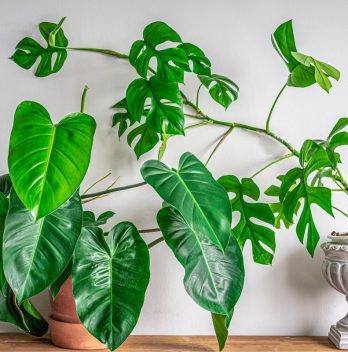
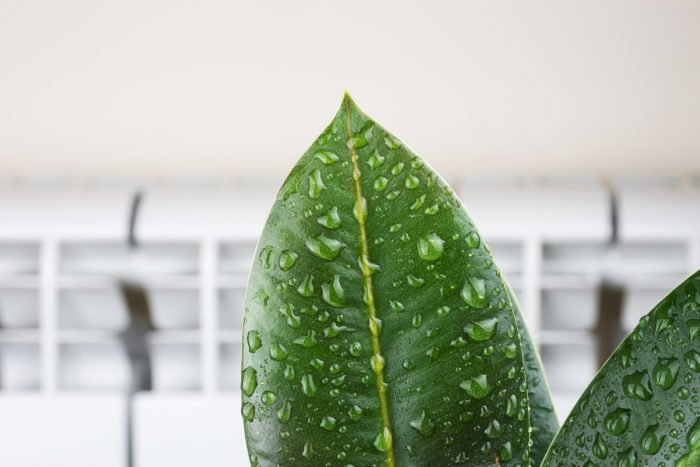
Rhaphidophora tetrasperma is a green leafy tropical plant that grows fast and one of the best plants among indoor enthusiasts. This vine plant is easy to care for and has split leaves that make it look like the Monstera deliciosa.
This is a new plant that has a huge demand, everyone wanting to try it out. This plant is from the late 1800s and, it is a native in Southern Thailand and parts of Malaysia.
In some parts of the world, this plant is rare, you are among the lucky ones if you grow it. If you like to grow Monstera deliciosa in your house but have limited space, rhaphidophora tetrasperma is an excellent option. It has a similar flair but takes up a smaller space. These two plants are members of the aroid plant family.
How To Care For Rhaphidophora Tetrasperma
There are a few essential care requirements for the RT plant.
Adequate Lighting. Give your RT plant bright indirect light! Direct sunlight is not recommended, but some of it is fine. The afternoon direct sun can be too much for this plant some morning sun is healthy. Be sure to diffuse the sun using a window. Poor light gives you the plant’s slow growth and small foliage.
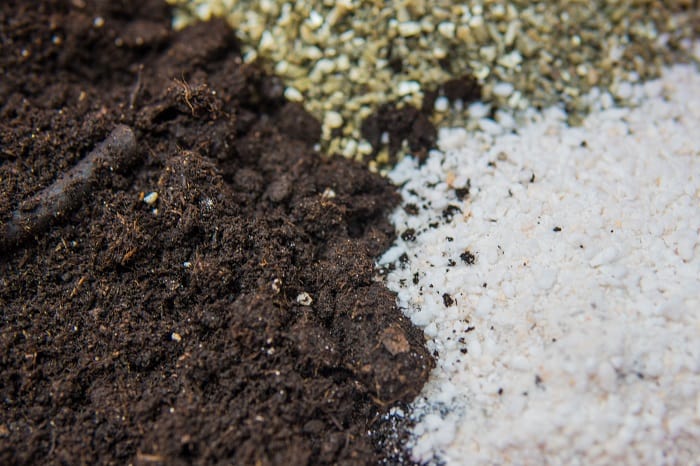
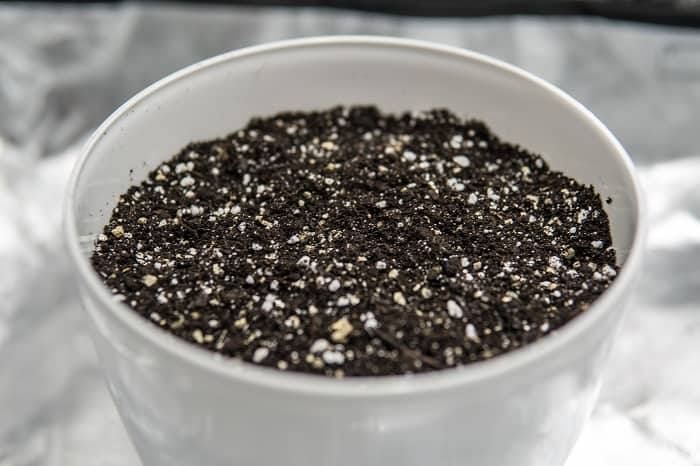
Best Soil Quality. Well-drained soil is the best to avoid giving the plant root rot. A mixture of organic matter with perlite and sphagnum is best.
Provide a Moss Pole. Rhaphidophora tetrasperma is a climbing plant that will need a moss pole to support it. You will also need to trim it so that it does not grow in every direction.
Humidity. The perfect humidity for the RT plant is between 30 to 40%. Sometimes household humidity is usually too low for this plant to thrive. If you notice mist on its leaves, use a humidifier or plant other houseplants to help it get the right humidity. Use a humidifier during winter to increase the moisture levels.
Watering. Keep the plant well moist but do not waterlog it. This plant does not like to dry out it thrives inadequate moisture. If you let it dry out you will notice the lower leaves turning yellow. Water the plant until the water flows out of the drainage hole. Wait until the top inch of the pot is dry before you water again. During winter, be careful not to waterlog your plant as the soil takes longer to dry out. Always feel the soil to know whether it needs more water before you can water it. Do not follow a watering schedule blindly.
How To Propagate Rhaphidophora Tetrasperma (Mini Monstera Plant)
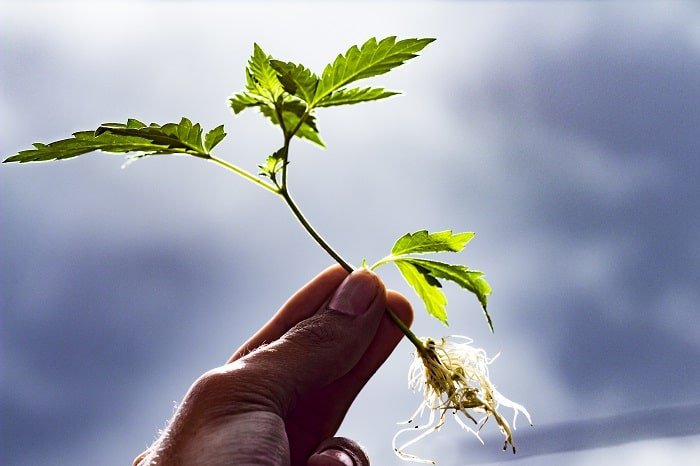
The best way to propagate the RT plant is via stem cuttings.
Cut the plant into sections that contain 1 or 2 nodes.
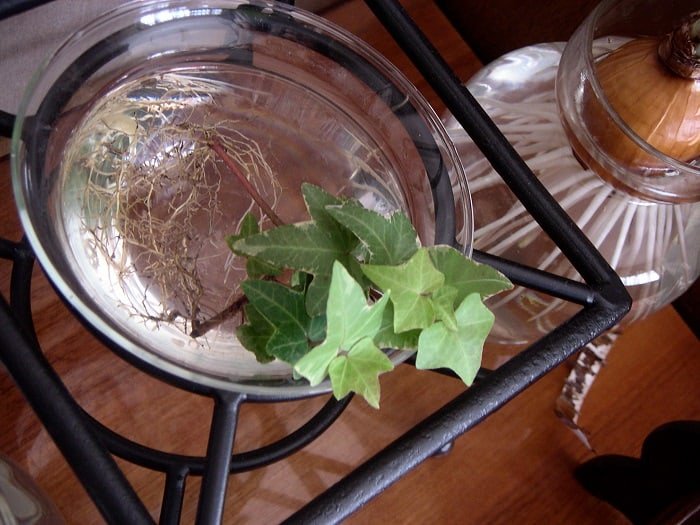
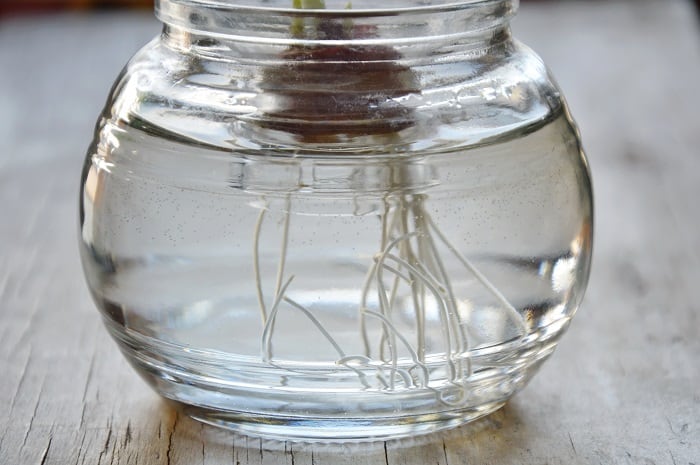
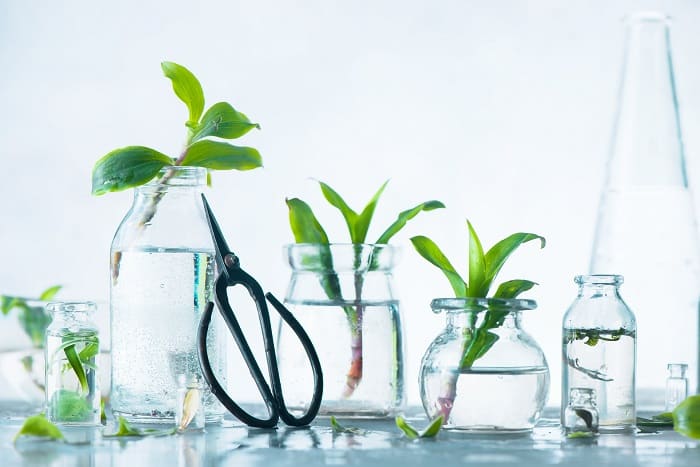
Place it in water and wait for several weeks or a month for the roots to form.
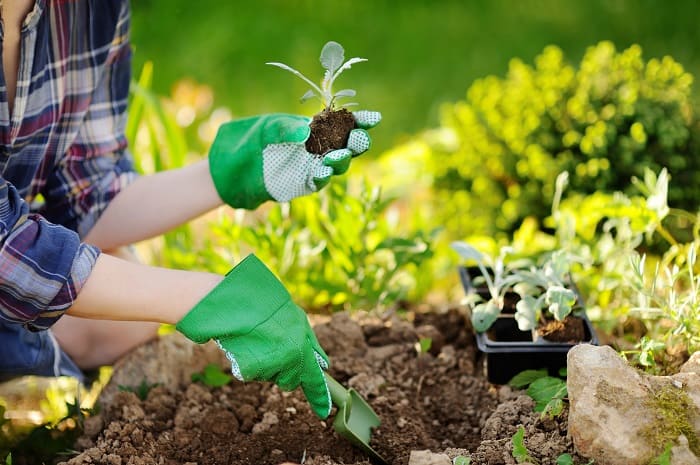
Finally, plant your new plant in a well-draining potting mix.
If you live in a warm, sunny area, then yes, it’s probably fine. It can get quite large and I wouldn’t recommend planting it in a pot though. It should do well in the garden, but you may have to keep watering it. It also needs more water in dry seasons.
In dry areas, like in the Southwest, it can be a little bit difficult. You might consider keeping it in the shade. I’ve seen some plants growing in a pot that was at least 5 inches in diameter. It’s possible to grow them in smaller pots, but you might have to water more often. They do need fertilizer.
How often should I water my Rhaphidophora tetrasperma?
The average temperature for the day of watering is 72°F. Water your plant when the soil surface is dry to the touch, but still has some moisture. Use a regular, hand-held sprayer and apply an even layer of water over the top of the pot.
Wait until the water begins to soak into the soil before you water again. The plant will absorb water faster if you water in the morning or evening rather than during the day. When it’s time to water, do so thoroughly but only once a week. If you wait too long between waterings, the plant may become stressed. If you notice any leaves yellowing or wilting, don’t water at all for several days. Instead, place the pot in a sunny window. Check the soil and see if there are any problems, such as mold or pests.
How do I grow Rhaphidophora tetrasperma?
Your Rhaphidophora tetrasperma may be grown from seed or from root cuttings. If you order a Rhaphidophora tetrasperma plant from a nursery, the plant should come with instructions on how to care for it. Follow the care instructions carefully. Your plant will look best if you water it regularly. Be sure to keep the soil evenly moist. If you notice any leaves yellowing or wilting, don’t water at all for several days. Instead, place the pot in a sunny window. Check the soil and see if there are any problems, such as mold or pests.
It will grow in most types of pots, including plastic, terracotta, clay and stone. Use a standard 10 to 12-inch pot. A 12-inch pot is large enough for plants to grow up to 4 inches tall. What light does Rhaphidophora tetrasperma need? This plant grows best with filtered or natural light. Direct sunlight can burn the leaves and cause the plant to wilt.
How big do Rhaphidophora tetrasperma leaves get?
Rhaphidophora tetrasperma, also known as the four-leaf waterwheel plant, is a perennial aquatic herb that grows in lakes, ponds, and slow moving streams. It has been called the “queen of the lotus” because its leaves are arranged in a distinctive four-leaf rosette. The leaves grow from a thick, creeping rhizome and are usually about 2 inches long.
Rhaphidophora tetrasperma is native to Asia but it can be found in many other countries. In Europe, the plant is very rare and is protected by law. In North America, the plant is common and widespread and may be found in almost any pond or lake. The leaves of R. tetrasperma are arranged in a circular pattern on the top of the stem. They are covered with small hairs and have tiny spines along their edges. The underside of each leaf is smooth. Each leaf grows from a thick creeping root that spreads out from the base of the plant.
Conclusion
RT is one of the fastest-growing plants in the Aroid family. Given the right conditions, the plant can grow up to 6 to 12 feet in a single season. You have every reason to get this amazing plant as part of your household plants collection.
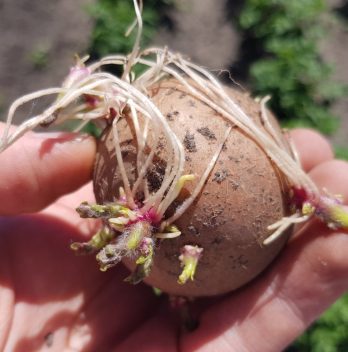
Do you know how to sprout potatoes so you can harvest them a little earlier than the expected growth time?
Potatoes do not have seeds, so they grow in a different process than other vegetables. Potatoes grow from the products that you set aside as seeds. These seeds must have ‘eyes’ where the new sprout will form. These eyes sprout and form new tubers that grow into potatoes.
A potato’s eyes form and sprout under the right conditions. Let’s look at the right conditions needed for chitting potatoes.
What Do Potatoes Need To Sprout?
1. Organic Potato Seeds. It’s best to use organically grown potatoes as seed. Chemically grown potatoes have a sprout retardant that slows down sprouting or completely stops them.
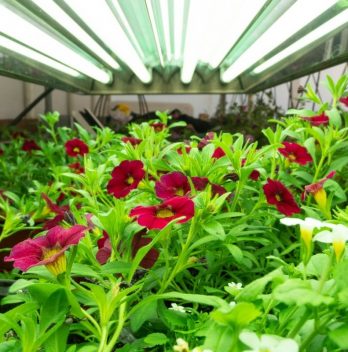
2. Darkness and Light. Let’s understand this point here. Potatoes like to sprout in darkness. But you need to expose them to light when they begin sprouting. They are like other seedlings; they will need light to grow. You can keep your potato seeds near a bright window or a fluorescent light to sprout them.
3. Moisture and Warmth. To speed up the sprouting process, keep your potato seeds in an area with good warmth and moisture. Do not put them in standing water as they will rot. You can layer them in damp leaves indoors to create the right environment. When the sprouts are about 1 cm long, they are an ideal length for planting.
How To Sprout Potatoes The Right Way
Start sprouting your potatoes three to four weeks before planting them.
Get your Seeds Ready – Buy your seeds from a reputable potato seed seller or get your own from a previous harvest. Your potato seeds must be organic. Never use potatoes that are treated as they may not sprout.
Place your Potato Seeds where you want them to Sprout – Some people use an open egg carton to sprout their seeds. Put them in a dark place where there are enough warmth and moisture. Once they start sprouting, get a fluorescent light, or keep them near a window. Ensure you keep the potatoes stable so that the fragile sprouts do not get broken. In about 1 week, you will notice that the potatoes are sprouting. After 3 to 4 weeks the potatoes are ready for planting.
Plant the Sprouted Potatoes in the Garden – the same way you would plant un-sprouted potatoes. Be sure to plant the potatoes with the sprouts facing up handling them with care not to break the shoots.
Best Seller
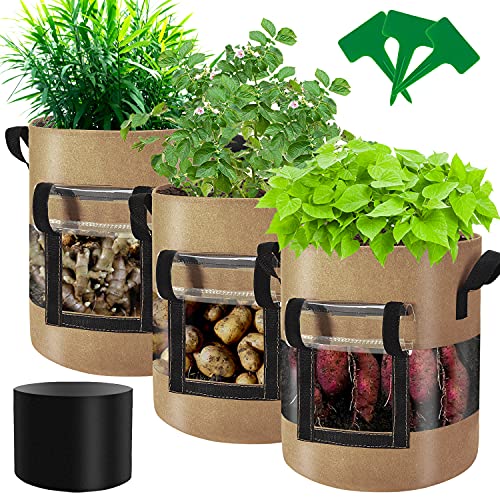
Visible Potato Grow Bags 10 Gallon with Flap
$27.99
3-Pack – Potatoes Growing Containers with Handles and Visible Space, Heavy Duty Thickened Aeratio…
Did you know you can increase the size of your potatoes? Yes, it is possible to do so! Rub off some of the shoots from the tuber before planting to remain with 1 or 2 healthy sprouts. If you leave all the shoots intact, you end up encouraging too much competition on the plant, and the produce will be small potatoes.
FAQs
Do potatoes need to sprout before planting?
Potatoes need to be sprouted before planting. They will grow well, but they won’t be as big. Sprouting them increases the number of eyes on each potato, which means more potatoes per plant. It also increases the number of roots, which means that you’ll harvest more potatoes from the same space.
You can plant potatoes at any time of year, provided that they are healthy and not rotting.
What should I use to sprout them?
You can grow sprouts in a wide variety of ways. You can use a jar, tray, or any other container. You can also use a hydroponic method, where you use a solution of water and nutrients to feed the sprouts. However, the more water and air you give the sprouts, the faster they will grow and the longer they can remain in the jar.
Potato sprouts can be planted in small pots, in a tray, or in a shallow box. They need plenty of light, so they can be grown outside under a tent or greenhouse, or in a sunny window.
Is it easy to sprout potatoes?
Potato sprouts are a nutritious and easy-to-grow way to get a good dose of vitamin C, fiber, potassium, and B vitamins in your diet. The easiest way to grow them is by sprouting. To do so, you simply place the potatoes into a jar with some water, close it up, and let the sprouts grow. They will take about a week to sprout, but it’s best to start them as soon as you can.
Can I plant potatoes with long sprouts?
I would say that is not a good idea. You can do it, but it’s not advisable. The reason is that the sprouts are part of the tuber and will grow until they reach the potato.
How do you speed up a sprouting potato?
My answer has always been: Don’t. You can speed up the growth of a sprouted potato by exposing it to sunlight, but you’ll get no more than a few days more of growth than you would without sun.
Do potatoes sprout in the dark?
It is indeed true, they will sprout in dark.
You can place them under fluorescent lights or lamps with a blue spectrum. Potatoes are a member of the Nightshade Family, along with tomatoes, peppers, eggplant and tobacco.
Best Way To Sprout Potatoes- Conclusion
Now that you have learned how to sprout potatoes, go ahead and grow your own. You will enjoy a good potato harvest a little earlier. You will love the taste of your early harvest with their skins on and deliciously waxy texture!
🥔 Potato Growing Supplies
Potato Grow Bags,Potato Planters with Flap and Handles,Vegetables Garden Planting Bags for Onion,Fruits,Tomato,Carrot (10gallon-4pack)
If you are tired of putting your seedlings on a windowsill that doesn’t get much sun, then you should consider t5 grow lights.
T5 grow lights are helpful in the propagation stage of plant development. They are best for their consumption of low power compared to other lighting methods. They emit only a tiny amount of heat. The heat is favorable for vegetative and propagation lighting solutions.
T5 lights are specifically for indoor use. They have features that favor the kind of environment they provide, unlike the t8 and t12 lights. Using these lights enables you to grow your plants on and off season when the sun may be long gone to help with propagation.
What Are T5 Grow Lights?
T5 grow lights are a type of fluorescent lighting for gardening. The T stands for tubular, which is the shape of the lamp. The 5 gives the size of the diameter measured in increments of 1/8 of an inch.
Types Of Fluorescent T5 Grow Light
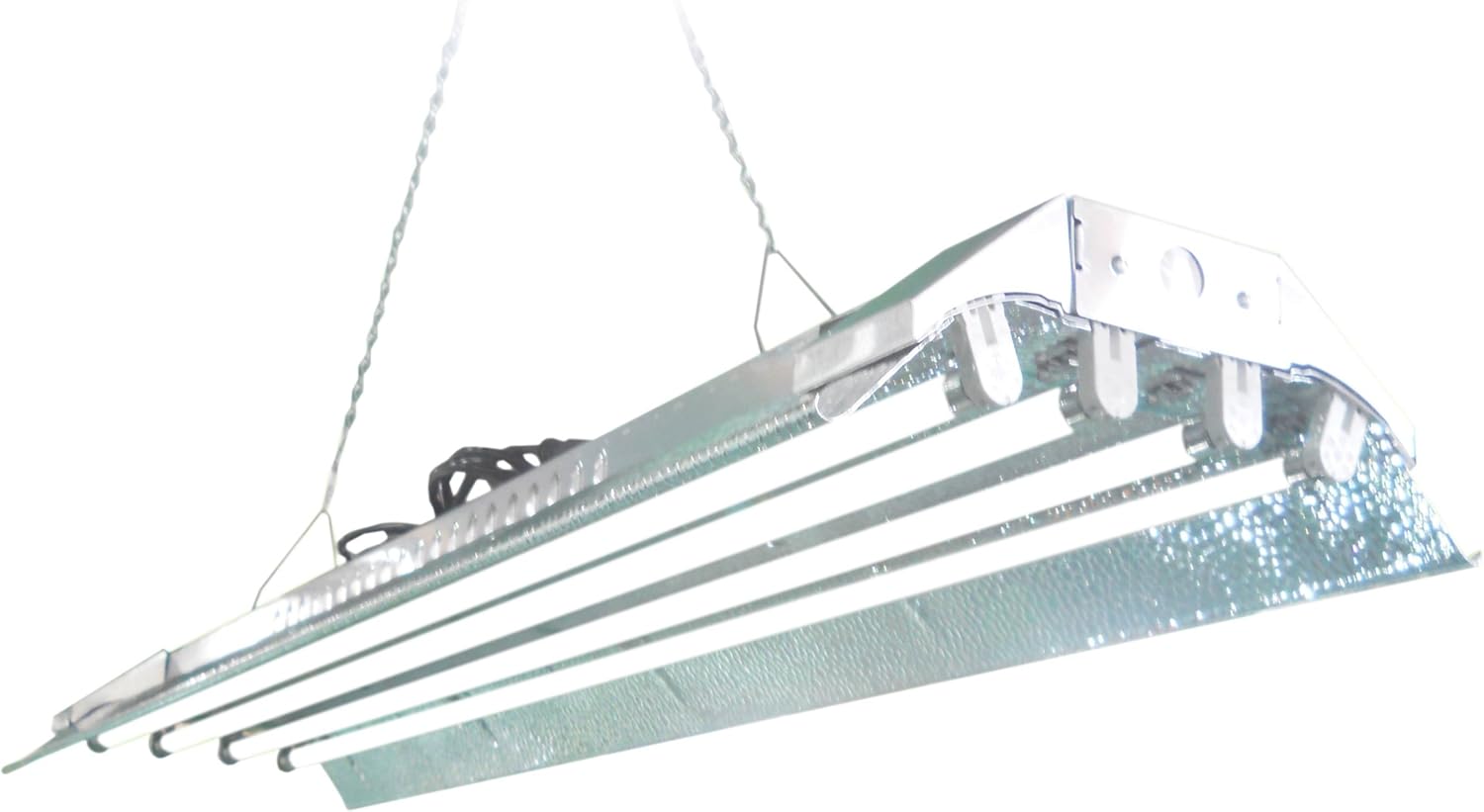
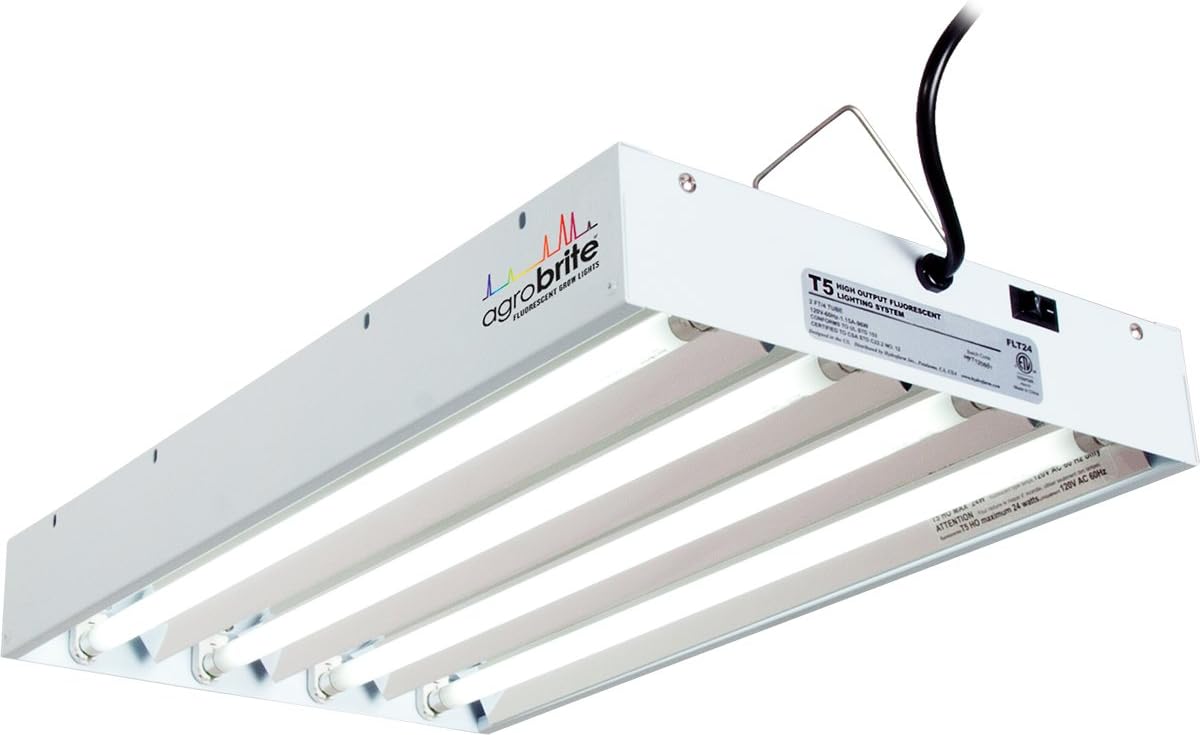
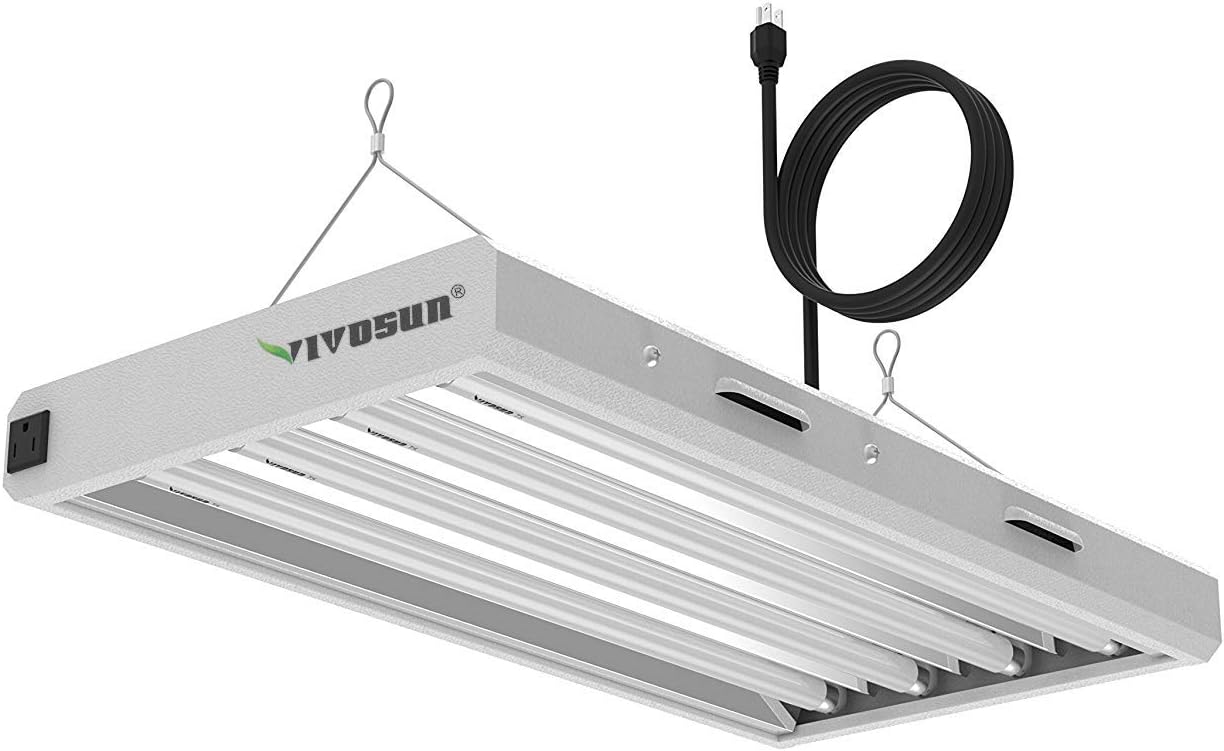
T5 lights are set side by side in a parallel manner, usually in a reflective way. This arrangement offers the greatest spread of light for your gardening needs.
The t5 lights come in four different sizes
2 foot long 2 light panel
2 foot long 4 light panel
4 foot long 4 light panel
4 foot long 8 light panel
The 2 foot long systems come with 24w bulbs while the 4 foot long are supplied with 54w bulbs. The full amount is different for each system. The output is calculated by multiplying the wattage by the total number of lamps.
Recommended Best T5 Grow Lights
There are a lot of t5 manufacturers and resellers in the market today. It is a hard decision to make when choosing one that is of good quality and affordable. Here is an in depth buyer’s guide and our top choices to help you make the right decision.
Durolux t5 is an excellent budget choice and a best seller among the t5 grow lights.
Its key features include:
Lightweight weighing 9.75 inches
Quality light fixture at an affordable price
20,000-lumen output
Comes with hanging hooks, chains, power outlets, and a 14 inch power cord
This light is best suited for growing seedlings but not ideal for fruiting plants. It is advisable to choose the 4 feet long lights for the best results.
Pros
It is more affordable than most options
Comes with hanging hooks, chains, outlet, and cord for easy assembling
It is flexible and easy to move around
Returnable 30 days after sale guarantee
Cons
Gets too hot on the metal around it – needs lots of care to handle
This grow light is a best seller for a reason – it comes in 2 and 4 inches lengths. The 2 inches tube offers 2, 4, or 8 tubes and the 4 inches offers 4, 6, 8, or 12 tubes. The 2 inches bulb is best for indoor gardens. It is perfect for growing in tight spaces either horizontally or vertically.
Key features include:
Has an expected bulb life of 20,000 hours
Comes with an off/on switch for each bulb
Hydrofarm is a well-known manufacturer with this light being their most popular product. You can choose from their variety of bulb sizes and numbers from 96w or 40,000 Lumens to 648w, 60,000. Two tubes of 4 inches can give you up to 6 daily light integrals within a 16 hour performance. This is enough light for growing seedlings.
This light is best for lettuce and other green vegetables that require 12 DLI or above to achieve maximum yield. For this, you need a 4 by 4 inches tube fixture or a larger option.
Pros
Offers a 5-year warranty
Offers a year of coverage against defects
Cons
They emit some heat and can be dangerous to closed spaces
Does not come with hanging chains except its newer option
Vivosun has an average lifespan of 20,000 or 2000 lumens with a temperature of 6500k for the vegetative stage and 3000k for the flowering stage. This fluorescent light gives full-spectrum light that includes all colors, UV, and infrared radiations. These are essentials for bacterial protection and plant growth. These tubes also help with growing clones or seedlings.
Pros
Lightweight compared to other t5 lights
Less expensive
Has in built ventilation
Cons
They are more fragile and prone to getting damaged
Do not come with a warranty
No fixtures are not part of the package, you have to buy them separately
Barrina 4 foot integrated light bar includes both the bulb and the fixture and is complete. You don’t need anything else, making it easy to use this t5 LED bulb. These bars replace the 6500K fluorescent tube.
They are best for cloning and seedling growth but not for flowering. This light is effective in supplementing red heavy light like an HPS light. The bars are known to be energy efficient as they only use 20w so you don’t have to use too much power. Though they use less power, they give a similar output of 2200 lumen.
You can actually connect up to 8 bars together and plug the fixtures directly to each other while connecting end to end. You can use the included cords to plug them into each other. The fixtures come with snap clips that make hanging easy.
Pros
They have a 3-year warranty
Very affordable cost
You can use them in different spaces either vertically, horizontally, above or below
Use low power 22w
Can connect up to 8 together
Cons
They do not have a reflector so the light spreads around at a 270-degree angle
Its color spectrum contains far more blue color than red – doesn’t work well for flowering
-For the vegging stage of growth, you’ll want to use a T5 fluorescent grow light with a 6400k spectrum of light– that’s going to give you a white/blueish spectrum. When it’s time to flower you’re going to go with a 2700k bulb to give you a yellowish/white spectrum of light that stimulates flower growth.
-It is short for vegging, which refers to the vegging stage of plant growth
-It is short for vegging, which refers to the vegging stage of plant growth
-egetables need to veg, just like other plants.
And afterward, vegetables that fruit and/or flower will also need to go through the flowering stage of growth.
-l plants veg, i.e. they go through the vegging (or growth) phase. During this phase, they grow. Ideally, they want more blue light during this stage, which is why vegging bulbs emit a cool white light that contains more light in the blue wavelengths (color temp around 6000K to 6500K).
t5 full spectrum grow lights
-High-Output, Full-Spectrum Replacement T5 Bulbs for SunLite® Gardens. When it’s time to replace the light bulbs in your SunLite Garden, these fluorescent bulbs are the perfect choice. The full-spectrum light mimics natural sunlight, encouraging healthy, vigorous growth of seedlings and houseplants.
Full spectrum light encourages healthy plant growth
Choice of three sizes
Sold individually
Note: These bulbs are only for use in fixtures that are designed for T5 bulbs
FAQs
What’s the problem with them?
The main drawback to growing with T5 lights is that they do not provide the same amount of light as a traditional outdoor garden would. While T5 lights are a great way to grow plants for personal use, they are not an ideal method for commercial purposes.
Growing with T5 lights is much more expensive than a traditional outdoor garden.
Are TS5 grow lights?
T5 lights are often referred to as “grow lights” but that’s not quite accurate. The reason being that T5 lights are used for indoor plant growth, whereas grow lights are used for outdoor plants.
The difference is that grow lights are designed to produce a lot of light, whereas T5 lights are designed to produce a lot of light in a very small space. If you want to know the best way to grow weed with T5 lights, then you’ve come to the right place. So, what exactly are T5 lights? T5 lights are also referred to as fluorescent tubes. They’re commonly used to illuminate office spaces, restaurants, and retail stores. In fact, they’re so common that they’re also used indoors for growing weed. T5 lights have an advantage over HID lights in that they use less electricity, which means that you can grow more plants per watt. The downside to T5 lights is that they’re not really suitable for outdoor growing because they don’t provide enough light.
Are they good for growing lettuce?
Yes, I’d recommend getting some T5HO’s and growing from seed. They do fine indoors and if you get a good light schedule (16/8. you can grow an absolute ton of greens indoors. A lot of people are growing lettuce in them right now, and it’s absolutely amazing.
T5 Led Grow Lights Conclusion
T5 grow lights are great when it comes to vegetative growth and propagation. If you have not yet tried the fluorescent lighting for the growth stages, we recommend using a t5 grow light. You will be surprised by the good results you get. As well as the easy way to light up your plants when the natural sunlight is not around. A cool way to still enjoy your favorite vegetables and flowers off-season!
Most farmers do not have a proper understanding of what azomite is and how to use it in gardening, especially if they practice organic farming.
The continuous propagation and leaching effects of water deplete the essential minerals and micro-nutrients from the soils. Such soils remain weak and cannot support the production of fruits and vegetables.
Azomite minerals contain micronutrients that supplement the soil. It also balances the minerals needed for growth and overall productivity. Constant use of this mineral rejuvenates your soil, renewing its potency.
What is Azomite?
Azomite is a naturally mined mineral product that is ready to use. It’s a unique rock that comes from a mine in central Utah. Azomite requires no mixing or special preparation before use. It is derived from volcano ash that spewed out millions of years ago. The “What is Azomite” question is now answered, but for more clarification, see the video below.
What is Azomite Video: Azomite Organic Growing Explained.
Azomite contains the widest range of minerals of all rock dust in the world. It provides plants with 70% essential elements, including magnesium, calcium, potassium, and silicon, which are necessary for plant growth.
Facts About Azomite Fertilizer
It’s a natural mineral – 100% natural with no fillers or additives
Does not contain any harmful elements
Requires no special preparation before use
It’s odorless – very friendly to use
Does not restrict water penetration or aeration
Is easily broken down and absorbed into the soil
Does not burn plants
How To Use Azomite For Plants
Azomite should accompany compost, manures, hummus, or other fertilizers. It provides additional nitrogen, potassium, and phosphorous. It can either be lightly turned into the soil surface or applied in the row when planting.
Azomite Application Rate
When Planting: Use ¼ cup per plant. For larger areas, apply 44 lb per acre based on rows that are approximately 18” apart with 12” apart.
For House Plants: Use 1 teaspoon per 2-inch pot with potting soil before planting. Use 1 teaspoon in a 1-gallon watering can quarterly.
For Gardens: Apply 1 lb per 25 root feet or 10 lbs per 100 square feet by watering or top dressing. If planting in rows, mix into the soil along the rows at a rate of 1 lb per 25 ft of row. If using an established bed, sprinkle around each plant.
What is Azomite
For Trees: Apply 1 to 5 lbs each, depending on the tree size. For grapes, roses, and shrubs, use 1 lb per plant, spread it around the root zone, and rake it.
New Lawns: use 5 lb per 1000 square feet.
Established Lawns: use 3 lbs per 100 square feet. Apply once per year in spring or fall, broadcasting evenly and watering it.
When Transplanting Seedlings: Add 1-3 tablespoons per seedling
Where to Buy Azomite
Getting the right azomite is essential. Beat the quacks by buying from the company or finding sellers on Amazon. Be sure to get the right product in its purest form for excellent results.
Amazon Choice Seleciton
Down to Earth Organic White Azomite Powder for Improving Plant Growth 0-0-0.2, 1 lb
$9.99
AZOMITE can improve plant and root system growth, crop yields, and quality as well as re-mineralize nutrient depleted soils
We earn a commission if you make a purchase, at no additional cost to you.
03/02/2026 05:03 am GMT
FAQs What is Azomite, and how is it used in the garden?
How Often Should I Apply Azomite?
The type of plants you are growing, and the specific soil conditions will determine how often you should apply Azomite to the ground. Generally, Azomite is a slow-release fertilizer. You should apply it once or twice a year. If you use Azomite as a soil amendment, you can apply it at planting time or mix it into the soil before planting. If you are using Azomite as a fertilizer, you can apply it according to the instructions on the product label.
It is important not to overapply Azomite. This can lead to excess nutrients in the soil and potentially harm your plants. If you are unsure how often to apply Azomite, consult a local gardening expert or the product manufacturer for more specific advice.
How Long Does it Take for Azomite to Work?
The amount of time it takes for Azomite to affect your plants will depend on a variety of factors. These include the type of plants you are growing and your specific soil conditions. Because Azomite is a slow-release fertilizer, it can take several weeks to months for plants to show improved growth and health.
If you use Azomite as a soil amendment, you may see immediate effects like an improved soil structure and increased water retention. Other benefits will only become apparent over time. It is essential to be patient.
What Color is Azomite?
Azomite is a mineral product composed of minerals and trace elements. It is typically light brown or tan in color and has a granular or powdery texture. Depending on the specific minerals and trace elements it contains, azomite can also sometimes have a reddish or orange tint.
Generally, the color of Azomite is not important. Trace elements and minerals benefit plants.
What is The pH of Azomite?
The pH of Azomite is not a fixed value. It can vary depending on the specific minerals and trace elements that it contains. Generally, Azomite is considered t be neutral to slightly alkaline. Its pH can range from 6.5 to 8.0.
The soil in which you are applying Azomite is a more important factor to consider. This will affect the availability of nutrients to plants.
Does Azomite Have Iron in It?
Azomite does not contain iron as a standalone ingredient, but it may have small amounts of it as a trace element. Iron is an essential nutrient for plant growth and is required in tiny quantities to produce chlorophyll and ensure the proper functioning of enzymes.
While Azomite does not contain large amounts of iron, it can still help plants grow and thrive with the trace amounts it has. Additionally, the other minerals and trace elements present in Azomite can help improve the soil‘s overall health, which can support the uptake of iron by the plants.
Does Azomite Expire?
Azomite does not have an expiration date. It is a natural mineral product that does not spoil or go bad over time. The minerals and trace elements in it do not break down or lose their effectiveness over time.
However, Azomite may lose some potency if it is stored improperly or exposed to extreme conditions such as very high temperatures or prolonged exposure to moisture. It is generally best to keep Azomite in a cool, dry place and to use it within a few years of purchase to ensure that it is at its full potency.
If you are unsure whether your Azomite is still effective, you can consult the manufacturer or a local gardening expert for more information.
How Much Azomite is Needed Per Cubic Foot of Soil?
The amount of Azomite you should use per cubic foot of soil will depend on the specific plants you are growing and the conditions of your soil. Generally, it is recommended that you use 1 – 2 cups f Azomite per cubic foot of soil.
However, this is just a general guideline. You may need to adjust the amount of Azomite you use based on the specific needs of your plants and soil. It is also essential to follow the product label instructions and avoid overapplying Azomite. Doing this can lead to excess nutrients in the ground and potentially harm your plants.
What is Azomite and how is it used in gardening?
Azomite is a natural mineral product used as a soil amendment to provide essential trace elements for plant health.
What are the benefits of using Azomite in soil?
Azomite improves soil fertility, enhances plant growth, and supports stronger roots by supplying 70+ trace minerals.
How do you apply Azomite to plants?
You can apply Azomite by sprinkling it on the soil or mixing it with water as a foliar spray.
Is Azomite safe for organic gardening?
Yes, Azomite is OMRI-listed and approved for organic gardening.
What nutrients are found in Azomite?
Azomite provides minerals like calcium, magnesium, potassium, and iron.
How much Azomite should I add to my soil?
Typically, you apply 1 to 2 pounds of Azomite per 10 square feet for gardens or ½ to 1 pound per inch of pot diameter for potted plants.
Can Azomite improve crop yield?
Azomite can improve crop yield by enhancing nutrient availability and plant health, resulting in more robust growth.
Is Azomite the same as rock dust?
Azomite is a type of rock dust, but it’s unique because it originates from volcanic ash deposits, making it rich in trace minerals.
Conclusion
Nature has a way of healing itself if we give it that chance. Volcanic eruptions are dangerous, especially to those living around the area, but what a blessing in disguise to get the volcanic ash to feed the soil and plants in return! What is Azomite has been answered and now you know how to apply it to your organic garden.
Have you ever transplanted herbs or seedlings in your garden beds? Do you propagate plants from your garden? If you have, you must have noticed that some of the transplants and/or stem cuttings don’t stay alive after a few days. If you follow the instructions of this how-to post, you will achieve better transplants and a higher rate of survival of your cuttings through preparing and applying your homemade root hormone.
In my first gardening years, I started experimenting with plant propagation and transplants, without much success. My cuttings suddenly looked weak, then they languished, and finally wilted. Watering was no solution because the cuttings didn’t have a root system to absorb water or nutrients. Sooner or later I learned some homemade recipes to prepare rooting hormones.
Homemade Root Hormone Willow Water
Willows are very special from which we can prepare a very good root hormone. New branches and leaves from these trees are packed with rooting hormones (from the auxin family). The Willow Water can be prepared in two simple ways, which only vary in the cooking tools, not in the ingredients. For this homemade root hormone, known as willow water, you will need:
A few branching tips of a well-identified Weeping Willow (or another tree from the Salix relatives),
A big jar or container with a lid.
Enough water to cover the willow branch-tips.
How To Prepare and Use Willow Water Root Hormone
1. Collect some young willow branches with new and growing leaves. These branches are yellowish or have a light brownish appearance.
2. Remove the leaves off the branches (you may compost them).
3. Cut the leftover branches in small stems, of about 1” (2.5 cm) long.
4. Put the branch pieces in the container and cover them with boiling water, just like you would make a very concentrated tea. Let it stand overnight.
5. Strain the willow tea, which now has become the willow water, and keep it in the container until you wish to use it.
6. To use, pour some of the Willow Water in a flask, add water, and put your cuttings in for a few hours (or overnight) so they can absorb the root hormones in it. Plant the cuttings and observe them for new growth signs in the next few days.
Alternative Procedure to Prepare the Willow Water
There’s another way of preparing the Willow Water, but it takes a bit longer. Follow steps 1-3, put the willow pieces in a jar with water, close the lid. Let it soak for at least three days and proceed with steps 5 and 6.
Useful Tips to Preserve Your Willow Water
The Willow Water can be saved in a jar for up to two months if kept in the fridge. Remember to label it appropriately (with the substance name and date of preparation).
You may also find very deep and interesting info about the willow trees (Salix species) and a detailed procedure to prepare the willow water in Deep Green Permaculture.
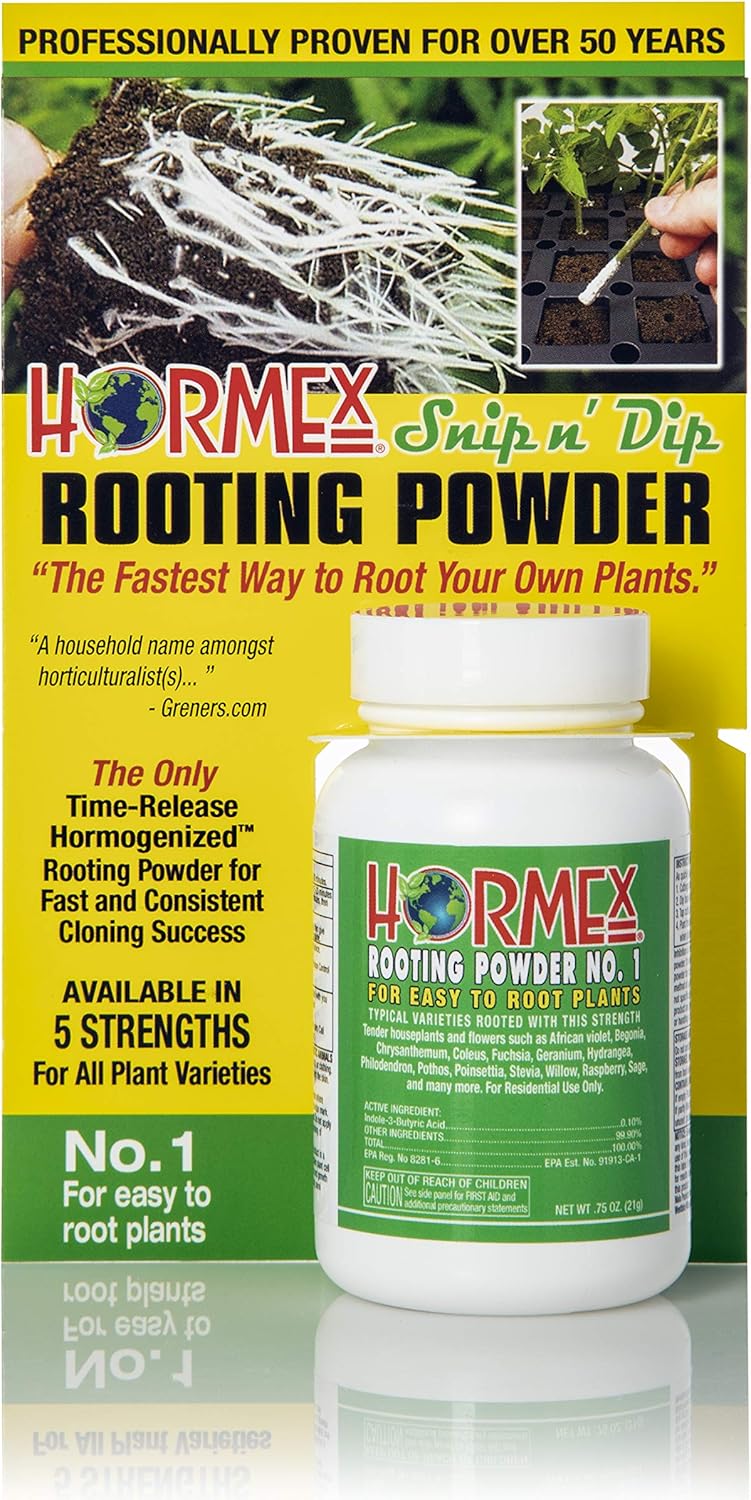
In case you can’t get the ingredients for your homemade root hormone, or maybe you don’t have the time to prepare it, here is a small list of the best root hormones available for sale. These products are mostly organic extracts that have a strong growth effect on your plants’ roots.
Rooting hormone is made from the sap of a number of plants. The sap of the American Beech tree is often used, but there are others including the sap of the Japanese Beech (Fagus crenata) and the Sapwood Ash (Fraxinus excelsior). If you want to try making your own, then start by collecting some sap from the trees in question.
Make sure that you clean the sap well before using it, because the plant sap can contain bacteria and fungi. Once you have collected the sap, you will need to boil it for several minutes, or until the bubbles stop rising. You can then strain the sap through a fine mesh strainer and let it cool. If you like, you can add some of this mixture to your garden soil, but this will probably make your plants more susceptible to attack from fungus and disease.
What can I use instead of root hormone?
The most common alternative is to use an organic fertilizer (such as compost) and then water thoroughly. The organic fertilizers have a lot of nutrients that will help the plant grow.
What is a good amount of hormone for a plant?
There isn’t an exact amount of hormones that is right for every plant. When you start with hormones, it’s best to keep a small amount on hand. As you gain experience, you’ll learn how much to add to the soil. Also, as you get more experienced, you’ll be able to tell if a plant needs more or less hormones.
How can I increase my root growth naturally?
If you have a pot with poor drainage, it can be difficult to grow plants that need water. You can use a piece of wood as a base to help the plant stay upright. If you have a large pot, then you will need to dig out the pot and add more drainage. It is important that you get the right soil for your plant. If you are not sure what type of soil to use, then you should get some advice from a gardener or nursery.
Can sugar water help plants grow?
Sugar water is a solution of sugar dissolved in water. Sugar water is made with sugar that has been dissolved in water. The sugar solution provides essential nutrients to the plants. It also attracts water to itself. These are the reasons why using sugar water can help plants grow. The sugar acts as a fertilizer. It encourages the plant to absorb more water and nutrients. It also improves the environment in which the plant is growing. When the sugar water enters the roots of the plant it attracts water to itself.
This leads to a higher level of hydration. When this happens the cell walls are also strengthened. This makes it easier for the plant to absorb nutrients from the soil. Sugar water also helps to improve the root environment. The root environment includes the air around the roots, the soil and the water. By improving the root environment it helps to improve the growth rate of the plant.
Conclusion
I hope you try the Willow Water to improve the success rate of your cuttings in the garden and that you may also feel more confident in the process of plant propagation. Please tell me all about your experiences and if it works its wonders please share this post with your friends and gardening buddies.
Every organic farmer who wants to improve their soil pH and add natural nutrients ought to know where to buy sulfur powder and how to add it to the soil.
Sulfur powder is a natural pure element that comes as a yellow powder. It is one of the world’s oldest remedies for human ailments and for improving the soil for farming.
Where to Buy Sulfur Powder?
Most farmers wonder where to buy sulfur powder. It is common to find it in the most popular online markets by verified sellers. Like other online shops, Amazon is one of the best stockists in the world.
We earn a commission if you make a purchase, at no additional cost to you.
03/02/2026 10:03 am GMT
Where Does Sulfur Powder Come From?
It originates from volcanic emissions and ancient mined sulfur around volcanoes. Today, sulfur comes from a by-product of crude oil and gas processing. It is an essential element containing all living cells.
How to Add It to the Soil
This powder has many benefits to the soil; all farmers need to learn how to add it. Application for this powder depends on the type of soil you are working with. Below is a table showing how the sulfur powder should be distributed to lower the soil pH to 4.5.
Sulfur powder needs to lower the pH of the soil (lb/acre)
SOIL TYPE
CURRENT pH
CLAY
LOAM
SAND
5.0
175
530
800
5.5
350
1030
1600
6.0
530
1540
2300
6.5
660
2020
3030
7.0
840
2560
3800
Advantages of Adding Sulfur Powder to The Soil
This fantastic powder has many health benefits for the soil. They include:
Lowering the soil pH value. The best soil pH ranges from 5.8 to 7.0. Some soils, especially in the limestone regions, may have a high pH of about 8.0 with 50% lime. Such soils lack essential minerals like iron, manganese, and zinc. The leafy plants growing in such soils may become yellow due to deficiencies. Adding sulfur powder to the soil solves these problems.
It is a great fungicide. This powder controls fungus and mildew on leaves. It is best known to prevent mold, especially when applied before the fungus settles on the leaves. It works best when used on dry leaves.
It is best used as a pesticide. Sulfur powder is one of the oldest, best-known pesticides. It is best used in vegetables and fruits. It controls thrips and spider mites. One has to wear a protective mask when applying this powder.
It offers essential nutrients to plants. Sulfur carries essential plant nutrients that include, Potassium, Nitrogen, and Phosphorous. It also improves the soil and assists in fixing phosphorous and nitrogen.
Used as a snake repellant – Snakes do not like the smell of sulfur powder. It is one of the best repellants for your outdoor surroundings without killing them.
Used as an insect repellant on pets. Rubbing sulfur powder on pets eliminates chiggers, ticks, and other pests.
Learn more about organic fertilizers like Kelp Meal.
Where Do Plants Get Sulfur From?
Sulfur is an essential micronutrient for the growth and development of plants. It is mostly absorbed by plants as sulfate from the soil. It is then translocated to plastids in the leaves, where it is then assimilated into organic products,
Sulfur plays a vital role in plant photosynthesis, respiration, and the formation of cell membrane structures. It originates from rocks and minerals released by water weathering, temperature changes, and chemical reactions. When exposed to air, sulfur combines with oxygen to form sulfate which is the form that is available to plants.
Sulfur is stored in raw organic material and humus in most soils. Microorganisms in the soil work to decompose this organic matter, and in the process, the organic sulfur is converted to sulfate, the form in which plants can absorb it.
Does Epsom Salt Add Sulfur to Soil?
Epsom salt is magnesium sulfate, meaning it contains a form of sulfur.
It is essential for plants as it helps their seeds germinate, makes the plants grow bushier, and produces more flowers. It can also help to improve chlorophyll production and deter insects and pests such as slugs and voles. Epsom salt may be a great addition to conventional fertilizer as it can supplement vital nutrients.
The best way to use Epsom salt is to drench the soil with 1 tablespoon of Epsom salt solution for 1 gallon of water. Apply this solution to the soil after seeding to help keep the sulfur levels in the soil up.
Another way to apply sulfur to the soil through Epsom salts is by sprinkling a cup on a seeded bed. This will significantly benefit your plants.
Epsom salts also have the added benefit of adding another nutrient to the soil: magnesium. This can give your plants a boost, but it should only be used when there are deficiencies in the soil.
How Long Does it Take For Sulfur to Lower Soil pH?
One of the cheapest ways to lower the pH of the soil is to add sulfur. Bacteria in the soil transform sulfur into sulfuric acid, which reduces the soil pH.
The application rate needs to be reduced by 2 points to about 2000 lb per square acre area.
Using sulfur to lower soil pH is a slow process so large pH changes are unlikely to happen quickly. It may take up to years to see a noticeable change.
A pH change may take about 2 to 3 months for a smaller area. Make sure you get the best quality Epsom salts to achieve this. Add sulfur this year to lower the pH for the following year or the next growing season. This will give the sulfur and bacteria in the soil enough time to react and produce their required results.
When Do You Apply Sulfur to Soil?
A spring application of sulfur usually works best. It is during this season that you will have the highest activity of bacteria that will transform sulfur to sulphuric acid, which will help lower the pH
Because this is such a slow process, you may have to repeat the application over the years to get the best results.
What Should Sulfur Levels Be in Soil?
The critical limit of sulfur in the soil is approximately 7-15 ppm. Anything below this range may hamper plant growth and production.
Take Away
Finding one powder that takes care of so many problems like this one is not common. This one is beyond doubt!
FAQs
How do you add sulfur powder to soil?
Sulfur (S) is an important mineral that’s often added to the soil. You can add it directly, or if you’re working with a large volume of soil, you can add it as a liquid or powder and then mix in the soil.
You don’t need to add sulfur to the soil, but you can use it as a fertilizer. It is sold as a dry powder for use in garden and flower beds, and you mix it with water and water-soluble fertilizers to create a water-soluble product. It will be available at your local garden center or nursery.
If you need to add sulfur to your soil, you need to find a source of elemental sulfur, or hydrogen sulfide.
Sulfur is applied to the soil as a component of a sulfur-based fertilization program. The amount of sulfur applied to soil is determined by the type of soil and climate you are growing in.
What is sulfur good for?
Sulfur is a key ingredient of soil. It helps plants to absorb nutrients, and it also improves soil structure. Sulfur is found in many different sources such as soil, compost, gypsum, wood ash, seaweed, sulphate of lime, sulphate of magnesia and gypsum.
Sulfur is an essential nutrient for plant growth and development. Plants require sulfate for the synthesis of many important compounds, such as amino acids, fatty acids, proteins, nucleic acids, chlorophyll, and vitamins.
Sulfur is a mineral that can be added to your garden. It will increase the number of healthy plants and decrease the number of sick plants.
If you are trying to boost your soil’s fertility, adding sulfur to your soil is an important step. Sulfur is a key component of the process that converts atmospheric nitrogen into plant-available nitrogen.
Where can you buy powdered sulfur?
Powdered sulfur is sold in chemical supply stores. It’s usually labeled “sulfur”, “sulfate” or “S”. The “powder” part of the label means it’s fine, and not a coarse rock powder. I’ve seen it in a couple of different grades, but I’d suggest the cheapest one that still gets the job done.
You can use elemental sulfur (sulfuric acid) or sodium sulfate. These are sold in garden centers as “plant food”, or as “plant food pellets” (I have not seen them for sale under any other name). They are very cheap and easy to use.
How much sulfur should I add to my soil?
Plants have different needs for sulfur, and you need to test the soil in your garden and add the proper amount. There are different ways to measure sulfur. The most common way is to use the sulfate of potash method. This involves mixing up a little water with the soil.
Sulfur is found in all soils but its availability is low because most plants cannot use it. Sulfur is also very mobile and can be carried out of the soil by water.
Aloe Vera is well-known worldwide for its medicinal and agricultural uses. It is a succulent plant, which means it can endure arid climates because of its ability to retain water in its engorged, jelly-like, and plump parts.
Though it is known that aloe is a succulent, one of the most common dilemmas of people who want to grow the plant is knowing how often should you water aloe. It may be because an aloe plant is very easy to take care of, but one simple mistake can also kill this plant easily.
If you’re planning to get aloe as an addition for your indoor plants at home or outdoors in your garden, please continue reading. I hope we can help you take better care of this plant through this article.
How Do You Water Aloe?
Though aloe vera is a succulent, they need water just like any other plants. But, watering an aloe may be tricky and may not be as easy as you think. Research proves that there are different watering needs for this plant.
Take note of the following important factors below to ensure that you are doing the appropriate irrigation for your aloe vera plants:
Depth– you should water aloe deeply and heavily, as it allows built up salts to seep through the soil. Succulent plants are sensitive to chemicals and minerals in water supplies.
Frequency– watering this plant needs to be constant enough to develop growth but not too often as it can drown your plant.
Type of Water – while we’re talking about water supplies, let me tell you that not all kinds of water can be good for aloe vera. Tap water can harm your plant, while filtered water is on the safer side. Some people even use distilled water if their aloe seems to be down and sickly.
Soil Moisture – irrigating your aloe plants cannot be based on your calendar, rather on its soil moisture. To keep it short, you will only need to water your aloe if the soil is thoroughly dry.
How to Check Soil Moisture?
Soil Moisture is one of the key points you need to remember in growing your aloe plant. So we have listed below some of the ways you can keep track of your plant’s soil moisture.
Touch Test
You can dig and put your fingers deep into the soil to touch and feel it. Check whether the soil is completely dry or if it still has moisture in it. Again, only water your aloe if the soil is thoroughly dry.
Soil Moisture Meter
This video shows us how to use a soil moisture meter or sensor. There are a lot of soil moisture meters out in the market, so you don’t need to fret on where to find this item.
I checked out the best moisture meters to make things easier for you, and here are some that I can recommend:
You basically just need to lift your pot up right after you water it; then, after a few days, you can do the same thing and decide if it feels lighter than the last time you watered your aloe plant. If you want to be meticulous and accurate, you can even use a weighing scale, no one will judge you. But obviously, this method is not suitable for aloe plants that are not in pots.
What Are the Cases When Aloe Needs More Water?
Different conditions cause your aloe vera to require various amounts of water during particular times.
Pot size – more petite pots are more likely to dry out quicker than the others.
Weather – aloe plants in brighter/hotter conditions tend to use up more water because the soil definitely dries up more instantaneously. So obviously, you need to water your plants more frequently during summer and even more scarcely in winter.
Type of pot – terra cotta pots is the most recommended for aloe vera plants as it dries out faster than glazed ceramic, plastic, or anything that is not porous in the material.
What Are the Common Problems in Growing Aloe Vera?
Overwatering
This the top most common mistake an aloe plant owner commits, especially for first-time plant owners. When you start seeing soggy, droopy leaves, that’s the first symptom that your aloe is overwatered.
If left untreated, your plants may not recover, as it will definitely develop a mushy base or root rot that will eventually kill your aloe vera.
Drainage Holes
Selecting a pot with drainage holes is one of the most important things to remember when preparing to grow an aloe vera, whether indoors or outdoors. Waterlogged condition for your plant is a definite no-no, thus adding a drainage hole in your pot becomes a necessity.
Excessive Sunlight
Aloe vera needs lots of light but not direct sunlight. You can grow an aloe plant indoors, but it doesn’t mean that it’s a low light plant. Drooping and discoloration of leaves are usually caused by intense sunlight.
Too Much Fertilizer
This succulent does not really need fertilizing as much as other plants, but you can do so if you see that your plant needs more nourishment. Using fertilizers on aloe plants, especially liquid fertilizers, should only be done once a month.
Make sure to remember that you need to water your plant 12 hours before you administer the fertilizer. By the time you use it, just enough water is left to protect the roots of your plant from the strong chemical contents of your fertilizer.
FAQ’s
Do you water aloe from top or bottom?
If you’re growing aloe for its medicinal properties, it’s a good idea to water your aloe plants from the bottom. Aloe plants use their roots to absorb nutrients, so if you water them from the top, they may be shorting out on nutrients.
A healthy plant will usually have a few leaves hanging over the pot. Water in the morning and check the plants again at noon. If they are still looking healthy, you can add a little more water and check them again at dinner.
How can I tell if my aloe vera needs water?
Aloe vera is a succulent that grows in the tropics, and it’s one of the most popular plants at nurseries. It’s also very easy to grow.
The plant requires moderate amounts of water, but it doesn’t need to be watered often.
Aloe vera needs about an inch of water per week.
Do aloe plants need direct sunlight?
The Aloe plant needs plenty of sunlight.
They prefer bright light and warm temperatures. You may want to provide some shade for the first few months, until your indoor plant grows strong enough to tolerate full sun. It can be grown indoors or outdoors, but it prefers a sunny location.
How long can aloe vera go without water?
Aloe vera can go for a few months without water, but it will start to wilt and turn brown. It is best to keep the plant in a cool environment (60-70 degrees Fahrenheit) with bright light (natural or fluorescent). Aloe vera plants also need indirect sunlight and should not be placed near windows. The plant needs regular watering, as it does not like sitting in water.
Where is the best place to put an aloe vera plant?
I would recommend putting it in a sunny window. It should get bright light, direct sun all day and indirect shade during the afternoon or evening. Aloe plants like warm temperatures. They don’t like very cold or very hot temperatures. They also like a humid environment.
How do you make aloe vera grow bigger?
It is possible to make aloe vera grow larger. It is also possible to grow it with a white flower and a green leafy plant. You can grow the plant indoors, but it will take a while. You can buy a seed kit that includes instructions for growing it. Some of these kits include an indoor light bulb.
It is best to grow the plant in a pot or container. The more sunlight and water the plant gets, the better it will grow.
Can I put my aloe plant outside in the summer?
Aloe plants are known to be very hardy. They will do well outdoors all year long and can even survive a light frost. However, they like warm temperatures and should not be placed directly in the sun. You may place it where it gets morning sun and afternoon shade. It should receive direct sunlight during the day and at least half the shade of the sun at night. If you want it to be happy, you should take it inside. But you can’t make it grow without light. If you put it in a sunny spot, it will grow, but it won’t get much bigger than it is now.
Conclusion
There is no general answer or exact irrigation scheme for aloe plants. But, you do need to memorize the key component in growing this plant – water. Knowing when, how, and what to water your plant will help greatly in making your aloe vera survive.
Feel free to comment below if you have additional information regarding the topic or if you have a better suggestion on how to take care of Aloe Vera.
Regardless if you’re a highly-skilled cultivator or just a hobbyist, growing crops can be a difficult task to achieve due to weather conditions, pest infestation, and weed growth that competes with your crops’ nutrients. Fortunately, this problem can be solved with the use of a grow tent.
Given that each plant has its specific temperature, you need to be wary of controlling the desired temperature for your crops to grow. One common dilemma most beginners face is how to increase humidity in grow tent for plants that need enough moisture to grow healthily.
What Is a Grow Tent?
In order to understand the use of a grow tent, it’s practically important to know what it is. A grow tent is used as a preferred alternative in cultivating plants that are difficult to grow.
It’s a transportable grow room that’s suitable for plants that are difficult to cultivate. Indoor plants, for instance, are suitable for grow tent since they’re highly sensitive to weather conditions. Moreover, a grow tent has built-in grow lights for your crops’ insulation which is essential for their growth.
How Important Is a Grow Tent?
There are specific crops that are difficult to grow due to their strict weather requirements. Depending on natural weather alone can be a challenging task as it may vary from time to time. Slight changes in the temperature can hinder the growth of some plants or cause them to deteriorate over time.
Due to the instability of the weather outdoor, some growers seek healthy alternatives for their sensitive crops to grow no matter the weather may be outside. Having a grow tent in your household is more than enough to enclose your plants in one space and receive an equal distribution of the needed requirements like humidity.
This item actually gives growers full control of the climate and lighting for the plants to ensure that they can grow healthily. With grow tent making indoor planting possible, more plants have reached their optimum growth – all thanks to the right amount of temperature and lighting set for indoor plants.
The Importance of Humidity in Plants
Humidity greatly affects your plant’s growth in such a way that it prevents plants from experiencing water evaporation. Keeping the humidity in the environment high allows the stomata (the pores in a plant that absorb water vapor in the air and enable gas exchange) to be open, hence keeping the photosynthesis working by absorbing CO2.
A low amount of water in plants will result in the closure of the stomata which stops the photosynthesis since CO2 is a requirement to keep the said process going. If photosynthesis stops, plants won’t be able to generate food.
Keeping the stomata open is much significant than providing light for your plants. Even under low light, photosynthesis will continue to occur as long as the stomata are open. However, enough source of light and open stomata can provide optimal photosynthesis.
How to Increase Humidity in Grow Tents
Learning the significance of humidity in plants, you should set an effective way for your plants to experience high humidity levels for optimal growth. Without enough humidity in the environment, this will negatively affect its growth as well as its development.
You can increase the total humidity in grow tents through the following:
Lowering the Extraction Fan Level
Making use of a fan is important to allow proper circulation and distribution of air to the plants. There has to be an exchange between the air produced inside the grow tent and outside source to prevent microorganisms from lurking the place.
Setting the fan level lower minimizes the air to dry quicker in contrast to a high setting. If ever you set the fan level higher, the plants nearby will absorb the vapor. Installing a humidifier can be a good option as well.
Lowering the Temperature Inside the Grow Tent
Decreasing the temperature inside the grow tent makes the air moist, hence providing a higher rate of water vapor for your plants to absorb. As a result, your plants won’t get dried up at all and will instead keep on producing energy through photosynthesis since the stomata are open.
To achieve a low-temperature level inside the grow tent, set your heater lower or airconditioner higher. Another way to drop the temperature is lowering the power of the UV light used for your plants as the heat emitted from the light hastens water evaporation.
As mentioned above, moisture is more significant than light for your plant, as the former will continuously open the stomata in your plant and absorb an adequate amount of CO2 for energy production.
Provide Water Sources in the Area
Placing water sources within the vicinity will increase water vapor levels aside from the moist air. There are several ways in providing water sources for your plants, hence making this process less concerning.
The heat generated from the light will gradually evaporate the water which, in return, increases the humidity in the area.
Add Large Plants Inside the Grow Tent
Instead of seeing larger plants competing against the small ones in absorbing nutrients from the environment, they can instead help in the growth and development of younger plants in their own ways by emitting water vapor from their system.
In addition, larger plants have larger stomata which means that more water vapor will be evaporated to the environment for smaller plants to absorb as well.
Conclusion
Cultivating plants can be a difficult and challenging task since you need to be wary of the weather condition, temperature levels, and even possible pest infestation that might eat your plants. Due to these types of problems, growers start considering grow tent as a better alternative to growing highly maintained plants.
A grow tent allows you to take control over the temperature and overall condition of its environment which is an advantage when handling sensitive plants. To fully maximize your plant’s growth, it’s always best to increase the grow tent’s humidity. To achieve this, you need to lower the extraction fan, maintain proper temperature inside the tent, provide water sources, and place large plants inside.
FAQs
Why is the humidity so low in my Grow Tent?
A Grow Tent is basically a portable greenhouse and it comes with built-in lighting and heating facilities. You have a low relative humidity which means that there is not enough water vapor to be held within your air space. Humidity is the amount of water vapor in the air. Relative humidity is the ratio of the amount of water vapor in the air compared to the total amount of water vapor present. You can find the relative humidity using the hygrometer in your grow tent. A relative humidity of 50% or more is usually ideal for plant growth. Raising the humidity level in your Grow Tent is something that you should do at least once a week, as too low humidity levels can cause some plants to wilt.
How can I raise the humidity in my plants using a humidifier?
You can add a humidifier to your plant room to help raise the humidity level. The Grow Tent is designed to be used with a humidifier.
The higher the humidity, the more water your plants will need. You can use a manual humidifier or automatic humidifier to raise the humidity. If you don’t have any extra space for a humidifier, you can also purchase a small, portable humidifier that you can take with you when you go outside.
Humidifiers are good for raising the humidity, but they are not necessary. Some people say that using a humidifier doesn’t seem to make much difference. You can use a simple, inexpensive dehumidifier and place it on top of a radiator or underneath a fan to increase the air flow. Make sure that the radiator is not too close to your plants. You don’t want to heat up the air above your plants.
It’s important to understand that your Grow Tent will not be able to get humid enough to prevent mold, mildew, or any of the other fungi and bacteria that thrive in a dry environment. This means you will need to increase the humidity in your tent when you are growing indoors.
Use a humidifier with a water reservoir attached to it, as this will ensure that you never run out of water. You can use a ‘sponge’ humidifier to raise the humidity level in your Grow Tent.
If you use a sponge humidifier, then you must make sure that you add water regularly.
You must also make sure that the water reservoir is clean and that the sponge is not blocked with dirt or mold. You must also remove any dead or dried up leaves from the sponge before adding more water to it.
If you use a sponge humidifier, then you must replace it with a new one every two months.
How can I raise the humidity in my plants without using a humidifier?
You can try putting a towel in the Grow tent. This works, but it’s hard to keep track of it. I also tried spraying my plants with water from a spray bottle. This seems to work okay, but there is no way to control the amount that goes on the plants.
Alternatively, you can spray water on the surface of the soil in your Grow Tent.
Do not allow the Grow Tent to get too hot, and ensure that the temperature of the air inside your Grow Tent is set at 75°F.
Make the best premade super soil ever for your beautiful garden! The secret to a blooming plant begins with a good quality mixture of soil. You just have to use good soil to get a good outcome. Use bad quality soil and you’ll most likely end up with unyielding plants. So, let’s start by knowing how to create a super soil to end up growing super plants.
It’s easy to buy ready-made soil mixes, but unfortunately, they usually cost more than making your own. Hence, why spend your money on dirt made by others when you can make your own best premade super soil right at the comforts of your home!
Almost all plants bloom in fat fertile soil, and there is an easy way to make super soil for your plant containers using 3 basic ingredients: upper soil/topsoil, a mixture of decayed plants/compost, and moss that grows on wet (perlite) land/peat moss. The key to making a good super soil is to mix them all together at the right amounts.
What are the Ingredients Needed
The following are different recipes suggested by different successful gardeners and authors:
This first recipe is complex and is composed of base ingredients, nutrients and minerals, and extras.
The Second Recipe is an alternative recipe for beginners.
6 portions of soil– pulverize your own soil before adding it up for mixing.
4 portions of compost- compost contain all the needed nutrients to feed your plants during summertime. Pure compost helps keep your plants alive during hot days and you need not water them that much. So, if you don’t have it, start making a pile now!
1 portion of perlite/ peat moss- the unobstructed pores of perlite helps in both retaining water and draining water which also keeps the soil less heavy. This is just right for your plant containers! Plus, it has a pH of 7 which is considered as neutral; thus, it doesn’t disturb the pH level of the completed mixture. Though peat moss can be used instead of perlite, perlite is still the better choice.
This recipe can be made in any amount as long as the proportions are just right. But if your soil is not that fertile for some reason, you can make some changes to the proportions and make your super soil work for you.
If your soil is rich in clay, add one portion of granulated sand and one more portion of compost.
If your soil is too sandy, replace the portion of perlite with one portion of compost.
Lastly, your plant containers should have an effective drainage to keep your plants breathing.
If you are just at the beginning of your gardening journey, I suggest you follow the second recipe mentioned above, as it requires only lesser ingredients to complete the first good quality super soil you want to achieve. But if you’re an experienced gardener and you want the best, I suggest you follow the second recipe mentioned, as it goes down into details of the volume of ingredients needed to make the best-premade super soil!
What are the Steps in Completing your Super Soil
1. Choose the Right Container and Mixer
A good container would be half the size of your plant’s drip line. Here are three choices of containers you can possibly use:
Fabric pot- is the standard pot for any type of plant growth.
Air pot- is designed with holes on its sides that allow roots to simply root out, which also at the same time allows you to prune the roots easily.
Bed- is usually used for larger growth of plants. It is wider compared to pots, and you can plant more than one plant using each one.
Also, you need to prepare your mixer; its size should depend on how much ingredients you are going to use. Any will work as long as it holds your ingredients and isn’t hard to work with. With the right approach, this should all go well.
2. Know the Volume of Soil Needed
For your containers, convert your gallon measurements to cubic feet soil. Use the formula below to know how many cubic feet of the super soil is needed for your containers: No. of containers x gallons per container divided by 7.5 = cubic feet of soil
This equation makes up for the overall volume of super soil you will make from the base materials you’re going to use.
3. Add Base Materials
Base Materials
15% of Compost
15 % of Vermicompost- this ingredient is rich in nutrients, enhances porosity, and has lesser chances of carrying bacteria or viruses with it. Vermicompost/ Worm Castings are waste products produced by earthworms, or they are also known as worm poo. Make sure that the vermicompost that you have is of high quality if you plan to buy it from the market.
30% of Peat Moss
30% of Scoria- scoria is a complex-shaped igneous rock that improves porosity, penetrability, and aeration due to its huge surface area. Commonly, super soil recipes use perlite to improve porosity, but scoria is a better choice. Perlite doesn’t simulate the natural system of the soil, except for making more pores.
10% Biochar- this char is created from carefully heating organic matter until it becomes black earth. With this ingredient, your soil will improve its porosity and CEC. Cation exchange capacity (CEC) allows the soil to hold on to important nutrients, and it also serves as a protection against soil acidification.
½ cup/ cubic foot of Crustacean Mix- this mix is made up of grounded crustaceans such as crabs and shrimps. These creatures provide your soil with essential nutrients like magnesium, calcium, phosphorus, and nitrogen.
½ cup/ cubic foot of Neem Seed- this ingredient acts as an organic pesticide.
½ cup/ cubic foot of Kelp- this grounded up seaweed wakes up plant hormones to improve resiliency and tolerance from diseases.
½ cup/ cubic foot of Glacial Rock Dust- this is rich in micronutrients such as potassium, magnesium, calcium, and iron.
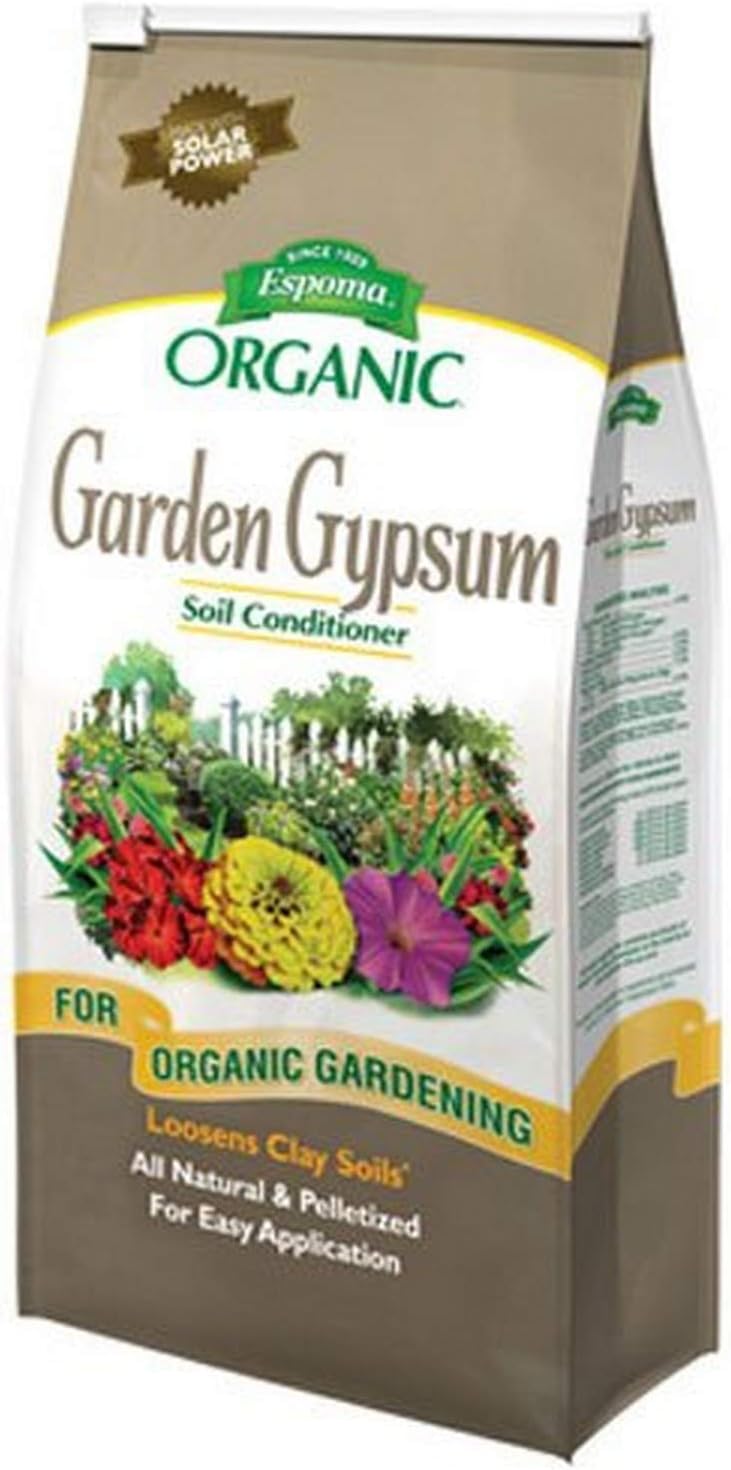
1 cup/ cubic foot of Gypsum Dust- this dust contains a huge amount of sulfur and calcium, and also has a neutral pH.
1 cup Basalt Dust per cubic foot- this ingredient is also rich in micronutrients; it also has paramagnetic properties.
4. Mix All the Ingredients
Pour everything into your mixer and use a hand tool that helps you mix your super soil until it gains consistency. It doesn’t have to be perfect as the ingredients will settle by itself after you place your plant.
5. Test your Soils pH and Biology
To make sure that it’s the best super soil, you should test its pH by using the right equipment. Or to make things easier, you can send it to a lab for evaluation by professionals.
Now it’s time to place your plant in the super soil. Thoroughly do this step to avoid unwanted troubles.
7. Add on the Extras
Add 1 cup per 4 square feet of Vermicompost. Place the castings in on the topsoil surface but don’t allow any worm to touch the stem or leaves of the plant!
Lastly, add mulch. Mulch decreases the evaporation of water in your soil. These include rice straw, barley, wheat, etc.
8. Mission Accomplished!
Now that you have followed the right steps to achieve your super soil, you’re now ready to fill up your empty garden with beautiful and fast-growing plants!
FAQ’s
Do cover crops help make the soil you start out with better?
Yes, this is first thing I recommend is to plant cover crops.
This will add nutrients and increase the diversity of life in your soil, which will result in a richer soil. What is a Cover Crop? Cover crops are plants that are planted between rows of vegetables or flowers to help keep weeds down, fertilize the soil and reduce erosion. There are many different types of cover crops, but the most common are grasses, legumes and clovers.
The idea behind a cover crop is to maintain the health of the soil for the next season, but not necessarily to grow a harvestable crop. Some cover crops can be harvested for their leaves and stems (like clover), but most are planted with the intention of being left in the ground. Why do we need cover crops? Why not just plant something like tomatoes in a row or two and let it go? Well, there are a few reasons.
What’s a great way to make super premed super soil?
’m a big believer in making your own soil. I love the feeling of working with soil and watching it grow. However, I also love to have a ready made soil mix that I can just add to my garden. I’ve had a good friend who is a farmer for over 20 years and he always makes his own soil mix.
It’s an easy way to get started and you can customize it to your soil type. He calls it his “magic dirt” and I think it’s the best soil mix I’ve ever had. I was lucky enough to get a sample of this magic dirt and am so excited to share it with you!
How to Make Your Own Magic Dirt First off, make sure you have all of your supplies ready. You’ll need:
1. A bucket of potting soil or compost. This is what you’ll use to mix your magic dirt.
2. 1/4 cup of bone meal. Bone meal is great for improving soil structure, improving nutrient levels and providing calcium.
3. 2 cups of sand. Sand helps loosen soil and can be used as a filler in your mix if you don’t want to add too much potting soil.
4. 1/4 cup of leaf mold. Leaf mold is soil that has decomposed leaves and other organic matter in it. It is great for building soil structure and adding nutrients.
5. 1/2 cup of peat moss.
6. Peat moss adds moisture retention, improves drainage and has other wonderful properties.
7. 1/2 cup of compost. Compost is a great way to improve the fertility of your soil and add nutrients.
8. A shovel. I suggest a wide blade shovel because it will help you scoop out the mix.
9. Optional: A trowel or garden fork. You’ll be able to dig your garden beds with this.
If you’re feeling lazy, you can just buy all of these materials at your local nursery or garden center. However, if you’re really looking to save money, you can buy a bag of potting soil and then add your own ingredients!
Mixing Your Magic Dirt Mix
Now that you have all of your ingredients, it’s time to mix your magic dirt. You’ll need to scoop up about 2 cups of soil from the bucket into a mixing bowl. Add your bone meal to the soil in the mixing bowl. I like to mix mine in with my fingers and then use my spoon to spread it around evenly. Then, add your sand. I use my hands and scoop it into the bowl. Next, add your leaf mold and compost. Mix these in with your hands as well.
Finally, add your peat moss. You can mix this by hand as well. However, I find that using a spoon is more efficient. Scoop the peat moss into the mixing bowl and mix it in. Once the mix is completely mixed together, scoop it into your garden beds. You may want to wet the top of your beds before you add your magic dirt. This will help the dirt stick better. It also helps keep weeds from growing. After you’ve added your magic dirt to your beds, you’ll want to water the dirt well. Make sure that you water the dirt after you have watered your plants. The moisture in the soil will help the soil retain nutrients. Once the soil has had some time to settle, you can begin planting!
Can you add nutrients to super soil?
Short answer: Yes. Long answer: It depends. There are many ways to make a good soil. But if we are talking about super soil, then there is only one way, and that’s to use compost or manure. Both will provide the necessary nutrients and microbes needed to produce healthy plants.
Tips in Making the Process Effective
Grow your Plants in Raised Beds. This type of container makes a good draining system, prevents soil from getting compact, reduces the growth of weeds, and protects your plants from pests.
Plant Different Kinds of Crops. Planting different kinds of plants for different seasons helps in controlling known root diseases, improves soil fertility, and is a good defense system for weeds and pests. This technique needs planning; it is advisable to group your plants into four: beans, vegetables, fruits, and green leaves.
Did you enjoy the tutorial? Well, I hope you did! The detailed step by step instructions I mentioned above are essential for you to make the best super soil you’ve always wanted to achieve. You just need due diligence to follow the instructions I provided, and in the end, all the efforts will be worth it.
Please state your thoughts in the comments section below. Also, please like and share this article with family or friends who might be interested in pulling off the whole project.
Alfalfa sprouts are usually seen on sandwiches, aisles, and in many salads. Most of us love sprouts too because they add flavor to dishes and come with nutritional benefits. I know you love them also.
I have been moving away from commercial foods recently and trying to grow organic foods that I can harvest fresh off my garden. So while I was eating an alfalfa sandwich the other day, I asked myself if I could grow the sprouts myself. This prompted me to research how to grow alfalfa sprouts and compiled this piece.
Here is How You Can Grow Alfalfa Sprouts at Home
Alfalfa sprouts sprout within one week, and you can easily grow them in a tray or a jar. To begin, you have to find the alfalfa seeds. I buy them at a local food store, but you can also get them from feed stores or online shops.
How to Grow Alfalfa Sprouts Using a Jar
Step 1: Measure one tablespoon of the alfalfa seeds
A tablespoon of the sprouts will sprout about one and a half cups of alfalfa sprouts, which can serve a maximum of two meals.
Step 2: Sort and wash the seeds
Sort out the healthy-looking seeds and rinse them using a mesh sieve or a piece of cheesecloth. Remember to make sure you only wash seeds you plan to sprout immediately.
Find a flat-sided quart jar; it works best since it can be laid on its side for better circulation.
Step 4: Completely cover the seeds with about 2 inches of cold water
Use a pantyhose or a cheesecloth to cover the jar and secure the cover with a rubber band. The cover will help to hold the seeds in the jar when draining the water.
Step 5: Let the alfalfa seeds soak for at least half a day
You should keep the jar in a dry and warm place.
Step 6: Drain the water in the jar after twelve hours elapse
Do not remove the covering cheesecloth since it will hold the seeds in the jar while you drain out the water.
Drain all the water from the jar to prevent the seeds from rotting.
Step 8: Place the jar lying on its side in a dark place
Closets and pantries are great locations since they provide ideal temperatures. Spread the seeds across the base of the jar.
Step 9: Rinse the alfalfa seeds after every eight to twelve hours
Use lukewarm water to rinse the alfalfa seeds and completely drain the water each time. Repeat this step for four days until the seeds sprout to about two inches long.
Step 10: Move the jar into a sunlit area
Spread out the seeds on a dish or platter and place them close to a sunny window for fifteen minutes until the sprouts turn green. Sunlight activates enzymes, which make the sprouts healthy.
Step 11: Store the sprouts in a refrigerator
The cold temperatures slow down the sprouting for up to six days.
How to Grow Alfalfa Sprouts Using a Clay Tray
Step 1: Measure one tablespoon of alfalfa seeds and store the remaining seeds a sealed plastic bag or in the original packaging bag.
Step 2: Sort and rinse the seeds. Sort out the seeds removing any discolored or damaged seed. Place the healthy seeds on a piece of cheesecloth and rinse them.
Step 3: Place the seeds in a jar and soak them with two inches of cold water. Make sure the seeds are completely covered with water then cover the jar with a cheesecloth bound by a rubber band.
Step 4: Place the jar in a dark room and let the seeds soak for twelve hours.
Step 5: Drain the seeds through the cheesecloth. You should drain out all the water to prevent rotting and rinse the seeds again using lukewarm water.
Step 6: Spread the alfalfa seeds over the clay tray. You can use any type of clay tray, but if possible, use a tray with a red terra cotta. Spread the seeds to cover the base of the tray evenly.
Step 7: Place the tray on a bigger pan with water. The water in the pan should cover the tray halfway up, but make sure the water does not spill into the tray.
Step 8: Place the pan and tray in a dark location and leave the seeds to sprout. The clay tray absorbs moisture from the pan that helps the seeds to sprout. I love this method since there is no need to rinse the seeds every few hours.
Step 9: Refill the pan for four to five days. Check on the level of water in the pan and refill accordingly. The seeds will not sprout if the pan runs out of water for the seeds to absorb.
Step 10: Place the tray in the sunlight when the sprouts reach two inches in length. Let the sprouts stay in the sunshine for about 15 minutes to activate essential enzymes. The sprouts are ready to eat when they turn green.
Both processes yield fresh and organic sprouts. The method to use solely lies on your preference or interest.
You can remove the hulls from the sprout if you like or leave them since they are also edible. Fresh sprouts taste the best, but if you plan to eat them later, you can store them in a dry plastic bag and refrigerate them.
FAQ’s
How long does it take to grow alfalfa sprouts?
The answer depends on how you start your sprouts. If you buy a sprouting kit, it takes about five days for the seeds to sprout. If you grow them from seed, it will take four to six weeks. Which is the better way to grow sprouts? Both methods have their pros and cons. With the kit, there are no worries about soil conditions or temperature.
You can purchase an inexpensive kit that usually comes with a sprouter, but you can also just put your sprouts in a glass jar with a lid. If you want to grow sprouts from seed, start them in an indoor potting soil. Sprinkle the seeds over the surface of the soil and place the pot in a warm location, such as a sunny window. Keep the sprouts moist, but don’t let the soil become too wet.
You should see sprouts emerging after two weeks. The easiest way to keep your sprouts fresh is to store them in a plastic bag in the refrigerator. But if you live in a warm climate, you might want to take them outside. If you do, make sure you have some type of cover for the sprouts. A screen works well because it keeps out the bugs and wind. Sprouts are nutritious and packed with protein, fiber, vitamins, minerals and antioxidants. The nutrients in alfalfa sprouts are especially beneficial for children and pregnant women. Sprouts are also a good source of iron and zinc. They also contain calcium and magnesium. Alfalfa sprouts are high in antioxidants, which help prevent cancer and other diseases. A study by the University of Illinois found that alfalfa sprouts contained about 1.5 milligrams of the antioxidant glutathione per gram of sprout.
Do I need to wash alfalfa sprouts?
Do I need to wash alfalfa sprouts?
Alfalfa sprouts are a great source of nutrients and fiber. The sprouts are harvested when the sprouts are still small, and have a tender texture. Alfalfa sprouts can be eaten raw or cooked. Sprouts should be kept in the refrigerator because they spoil easily.
Sprouts will lose their crispness if stored for too long, so it is recommended that you use them within 3-5 days of purchase. How to cook alfalfa sprouts? Alfalfa sprouts are a great source of protein and vitamins. To make sprouts, first rinse the sprouts under cold water.
Then, drain the sprouts and cut them into halves or quarters. For a side dish, cook the sprouts in boiling water for about 1 minute or until tender. For a main dish, steam the sprouts in a steamer or on a wok-style pan with lid. You can also add some salt to enhance the flavor.
What do you do with alfalfa sprouts?
You can make a salad out of them, but that’s pretty much it. But if you think about it, alfalfa sprouts are pretty similar to lentils in that they don’t really have an established culinary identity in the U.S., and while both have a long history as an ingredient in Asian cuisine, they are mostly unknown here.
Conclusion
With the above steps, you can enjoy fresh alfalfa sprouts straight from your home. Both methods work well, and it all comes down to what equipment is available to you. I would recommend trays such as the hawos Terracotta Sprouter Clay Sprouting Pot if you are using the clay tray method, or you can try Ball Quart Jar with Silver Lid if you are using the jar method.
Leave a comment if you have any questions and I will gladly respond.
It is always a good idea to grow your own vegetables. It is also an economical hobby as you never have to buy your veggies; with this, you can be sure if you are eating something that you know is well taken care of and groomed. More and more, people are into cloning plants. Whether you are a first-time grower or a more experienced gardener, plant cloning can be rewarding if you do it the right way. With this, it is important that you know how to make clones root grow faster.
Waiting for the fruit of your labor is exciting. If you are fond of growing your own veggies, then harvesting it will be your ultimate goal. Growing plants can be a great hobby, and it becomes even better when you see the fruit of your labor. Cloning can be beneficial to growers, and speeding up the growth of the plants can even be a better and satisfying hobby. But, before you put in your time and energy into it, you need to know first what cloning is.
What is Plant Cloning?
Plant cloning is also known as asexual plant propagation. This is the method of getting a piece of the plant, like the stem or roots, and placing it in a suitable planting container or location with moist soil. This, then, allows the obtained part to grow as an independent plant. Aside from moist soil, you can also use coir, perlite, rock wool, and expanded clay pellets for your plant cloning base.
How to Clone Plants?
It is just normal to be frustrated to wait for your clones to grow. Any gardener or vegetable grower would feel anxious waiting for results. Consequently, they would seek for ways to make the plants grow faster to allow them to harvest their products at the soonest possible time. But before all that, a gardener or a plant grower must choose a good plant to get the cuttings from. As they say, cloning from a good plant will yield more good plants. Here are sure-fire instructions to speed up clone roots growing.
Prepare Needed Materials
Getting the materials ready will make your cloning procedure faster to finish and hassle-free. You will need:
Cloning tray with holes
Soil, rock wool, or clay pellets
Pair of scissors
Razorblade
Rooting powder or rooting gel
Mixing bowls
Spray bottles
Prepare your Cloning Tray
You will need to make sure that your soil, pellets, or rock wool are moist enough. If you are using soil or rock wool, you just have to sprinkle water to it; then, place it inside the tray. But if you are using clay pellets, you still need to expand it by soaking in a bucket of water. Allow it to fully expand; then, squeeze out excess water. Finally, you can place it on the tray.
Get Clones from the Mother Plant
To make clones grow faster, you need to cut from the lower part of the plant; choose the part that is closest to the root. Also, choose the larger section of the plant. Keep in mind that small section or stems will take a longer time to grow. It is also better to get the part with some leaves, as the leaves can give more energy to the plant. In this step, you can use the razor blade to cut the large section of the plant at a 45-degree angle.
Prepare the Cuttings for Planting
The obtained cuttings from the mother plant should be first placed in a bucket of cold water; using such will prevent air bubbles from forming inside the cutting. Your cuttings should also be of the same length so that you can monitor which ones are growing faster. Once the cuttings are trimmed, you can dip it in rooting powder or gel; it is better if you could use both. Dip the cutting first into the gel; then, to the powder. Now, it is time to plant it in the cloning tray. Press down the cutting into your soil, rock wool, or clay pellets making sure that it is stable and will not fall out.
Provide Needed Environment
Ideally, you have to put the clones in a place that has moisture, warmth, and light. It will need 18 hours of light per day. You also have to make sure that the place is not too cold or too hot. Daily misting will also be needed to keep the tray moist. Misting prevents the plant from drowning.
Plant cloning is a daily thing. To make sure that the clones grow faster, moisten the clone tray every day. Everyday misting will help keep the clone tray moist and provide needed water to the plant.
Daily Monitoring
Always check on the progress of your plants. See if the plants are already developing roots and leaves and if it is already getting bigger.
FAQ’s
How long does it take for clones to grow roots?
I’ve had several clones growing for a couple of weeks now and I’m curious if it will take longer for them to grow roots. They have been potted in a mix of perlite, vermiculite, and potting soil.
How do you make clones grow bigger?
The easiest way to clone plants is by cutting them with a clean knife. The cut must be as clean and sharp as possible, and the knife should be sterilized before use. Then, you place the cutting in a water-tight container such as a ziplock bag or other airtight container, and keep it on a warm surface. The warmth will speed up the growth of the cutting.
You may want to place the cuttings on a heating pad, or even in an incubator.
Can I put my plant clones straight into soil?
The answer is Yes, you can. You do need to ensure that the plants are well watered when they arrive, but after that, they will need to be planted in a pot and placed in a place where they will get enough light.
Can you clone from a leaf?
The answer is yes. You can clone plants from leaves or other parts of the plant, but you have to take extra care. Most plants are propagated by seeds, which are small and easy to grow. But some plants are propagated by cuttings. Cuttings are small pieces of a plant that are cut from the parent plant. They are usually rooted in a rooting medium, such as soil or sand.
Can you clone a plant too many times?
My answer to that question is no. You can never clone a plant too many times. The reason for this is that every time you clone a plant you are creating a clone of that plant. Each cloned plant is identical to the original plant and they will grow into identical plants.
This means that each one of those plants will be genetically identical to the original plant and so on.
How do you keep clones healthy?
You should always use a well-established, disease-free clone. Disease-free means that the plants have been through a quarantine process and have no diseases or pests. It is also important to follow your nursery’s standards for growing your plants. Starting seeds indoors can be a good option. You will need to invest in some pots and soil to begin with. The first year you can plant outside, and the second year, you can move your plants into larger pots.
Growth
In case, you notice the plants developing roots and the stem becoming larger, you can then transfer it to its natural and new home. Remove the dome and transfer it to a larger pot. Place it in an environment where it can have natural light and a normal environment.
Plant cloning is more common these days, but the issue is that cloning takes a lot of time to grow and produce the fruits you want to see. The main idea of speeding up the growth of your clone plants is to start right. The instructions given will help even first-time growers to achieve faster growth for their clone plants. Once this is achieved, your next planting will be easier and hassle-free. If you find this article helpful, please feel free to share it with your friends and family, and let us enrich our world and provide people with good plants around.
Composting can be an effective way to make use of kitchen waste and yard scrap. If you do the proper composting procedures, it can also provide garden soil with rich nutrients for plant growth.
You can either choose to start a compost pile or make use of a compost tumbler, it all depends on which one you prefer. While most gardeners are familiar with a compost pile, most will encounter some difficulties when starting a compost tumbler for the first time.
Fall into this category?
You can read up more about a compost tumbler and how to use one in the guide below.
What is a Compost Tumbler?
A compost tumbler is a sealed container that makes composting simpler and faster. It helps to retain the heat needed for decomposition and also turns the organic materials in the box.
Most times, the containers are made from recycled plastic and adequately sealed, unlike compost bins.
There are different types of compost tumblers, and they differ from one another based on their design. The sealed drum compost tumblers consist of few parts and are a much simpler model compared to the others. Some models have rollers on them, which makes it easy to move them around the garden.
Aerated drum compost tumblers are designed to provide the compost materials with all the oxygen required to speed up the process. You can also choose the dual-bin compost tumblers. Although they are more expensive, they produce compost faster than the others.
Starting a Compost Tumbler
The first thing you want to do once you decide on a starting a compost tumbler is to choose a suitable box for your garden. There are different types and designs of compost tumbler, so you want to look out for the one that best suits your garden.
Choose a Compost Tumbler
You can check your local garden supply shop or browse online for a compost tumbler. You want to do your research and find the best compost tumbler for your garden. Find one that suits your needs and falls within your budget.
Pick the Right Spot
Where you place your compost tumbler also determines how well it functions. You should set your compost tumbler in an area that is covered. It is best to reduce the amount of moisture that gets into the compost tumbler from outside. Place your bins under the tree or use a cover material to protect it from the elements.
Use the Right Type of Organic Materials
Composting requires kitchen or yard waste as raw organic materials, so you have to make sure that they are readily available for your compost tumbler.
You need to put in the right type of compostable materials into the compost tumbler, and it is the only way for microbial activity to take place. Kitchen waste such as eggshell and vegetable scraps are suitable compost materials. Still, you also need to ensure that your papers and other dense documents are of the right size before adding them to your tumblers.
Balance the Nitrogen and Carbon Materials
You will have to balance the nitrogen and carbon materials in the compost tumbler if you want decomposition to take place. Most gardeners get it right up until this spot; they don’t know how to choose the right brown and green materials for their compost pile.
You need to take note of all that you toss into the compost tumbler. It will be wrong to throw in anything that isn’t useful in the kitchen or around the home. The materials have to be rationed if you hope to get results soon enough. Ideally, the right mix should be a mixture of 75% brown materials and 25% green materials. Examples of brown carbon-rich materials include hay, sawdust, paper, and leaves. While green, nitrogen-rich materials provide a source of protein and include vegetable clippings, grass, coffee grounds, eggshell, and other kitchen scraps.
Remove Dirt and Debris for Your Compost Tumbler.
Just because composting looks messy doesn’t mean it is alright to throw anything into the collection. You want to avoid adding anything that can contaminate your composting efforts. Keep your compost pile free from any materials such as toxic chemicals and anything that isn’t safe for your soil and plants.
Compost in Batches for a Better Finished Compost
A compost tumbler might work magic when it comes to preparing compost, but you should know that this can take anywhere from a few weeks to a month to finish. So you want to ensure that you are patient enough and not tempted to add in new materials. Adding new elements to a compost pile that is already decaying will only increase the composting time.
If you intend to compost numerous materials, you can choose to buy a dual-bin compost tumbler or separate ones for your kitchen waste and yard scrap.
Practice Proper Composting Process
As a gardener, you need to know the right composting methods if you want to get the best from the process. The first thing you need to know is that after adding the materials into the compost tumbler, you may need to start the microbial activity on your own. While this can take place naturally, doing it will only speed up the composting process and time.
You can do this by adding in horse or cow manure and garden soil to your compost materials.
You will also be required to turn compost tumbler as often as three times a week. Although, it is much easier to rotate a compost tumbler than a compost pile. All that is required is to hold the handle and spin the barrel continuously until you are satisfied; the materials are adequately mixed.
Monitor the Composting Process
You will need to check up on your compost regularly. You need to keep tabs on the temperature level, moisture content, and the color and consistency of your compost materials. While this may sound difficult, all you need is a few hours a week spread between two or three days to check with your compost.
FAQ’s
How do you make a compost tumbler?
You do want to make sure that turn your compost pile. It is easy enough to do manually, but if you have the time and energy, you can make a tumbler composting machine.
I’ve had good luck with this tumbler setup. It’s not as fast as a composter, but it’s more convenient and works just fine for me.
The procedure to make a tumbler composting machine is to first build a compost bin, and then assemble the tumbler.
Start with an empty plastic trash can (the larger the better). Fill it to the brim with your garden waste. The larger the better because the waste will be less compacted. Place your garden waste in the tumbler and cover it with a lid.
If you don’t have a lid, then use a plastic bag that is big enough to cover the tumbler. Check your compost every couple of days and turn it with a large spoon. I usually wait about a week before adding new ingredients to my compost bin. If you are using a metal tumbler, you may need to add some kind of binder to keep the waste from flying out of the container.
What size of compost bin should I use?
This really depends on what type of soil you have and how much garden waste you want to add. If you live in an area with sandy soil, then it’s best to go with a small bin. You’ll be able to use your bin more often and get more compost out of it. If you live in an area where you don’t have sandy soil, then go with a large bin.
How often should I rotate my compost tumbler?
Many composting experts recommend that you turn your compost tumbler at least twice a week. It’s important to remember that the material in your compost should be damp before turning. If it is dry, you will create heat and cause decomposition to be slower. If you have lots of green waste such as grass clippings or weeds, you may need to turn your compost more often.
Should I put my compost tumbler in the sun?
This is a good idea as it will make the decomposing process go faster, just remember that it will dry it out, so you do need to keep this under consideration.
What should you not put in a compost tumbler?
It’s true that some things, like meat and dairy products, should not be put into a tumbler. But it’s not always as simple as that as it really can come down to amounts that you put.
Other things that you shouldn’t put in a tumbler include, fats, wood that has been treated with pesticides, disease or infected plants, charchoal and pet waste.
Final Note
Starting a compost tumbler is not all that difficult, especially if you know a little bit about composting. For first time gardeners, you will need to pass through the learning curve to become expert compost farmers. You can mix finished compost to your soil to improve its nutrients and enjoy its benefits.
If you have a question or would like to contribute to the topic of starting a compost tumbler, feel free to do so in the comment section. We will love to hear from you.
Wondering how much gypsum can you add to soil? Most farmers and gardeners resort to using gypsum to salvage Alkali soils. Aside from it, home gardeners also faced hardpan types of soil or clay soil which is not suitable for plant growth. Gypsum for soil remedies this problem by breaking down compacted soil to allow good drainage and nutrient absorption, essential in plant growth.
However, applying too much gypsum in the soil may also mean eliminating essential nutrients from the soil such as aluminum, iron, and manganese. Removal of these nutrients may lead to poor plant growth. Therefore, it is vital to exactly know how much gypsum to add to the soil.
What is Gypsum?
Before we go into the details as to how much gypsum can you add to the soil, let’s first discuss what is gypsum. Gypsum (CaSO4.2H20) is an evaporated naturally occurring mineral that is one of the excellent sources of calcium — an important nutrient for plant growth. It also works as a balancing element for soils and plants. It protects the soil from a nutrient deficiency or excess caused by heavy metal contamination and pH levels.
How Does Gypsum Help in Plant and Soil Health?
Here are some of the benefits of using gypsum for our garden:
1. It is a Good Source of Sulfur and Calcium.
Gypsum is a good source of calcium and sulfur which is essential for improved plant growth. As time passes, plants are having less amount of sulfur which is essential in plant nutrition and enhancing crop harvest. Even if the soil is not giving enough of it, thus applying gypsum will boost the amount of sulfur in the soil to provide to the plants. Calcium also helps speed up root growth thus allowing more nutrients to be absorbed by the plants.
2. Improves the Structure of the Soil
The calcium in Gypsum improves flocculation or soil aggregation. Flocculation is vital to allow water and air movement and root growth in the soil.
3. Reduce Aluminum Toxicity
Gypsum helps treat aluminum toxicity which often goes together with soil acidity in subsoils. With this, it allows deeper rooting of plants that proves to be beneficial to the crops.
4. Enhances Water Access
Applying gypsum in the soil enhances the water permeation of the soil due to swelling clay and increased amounts of sodium, thus allowing water to have access and move in the soil making our crops go well. This also improves the chance of the crops surviving drought as it improves the structural properties of the soil that allows the positive soil-water relations to take place.
With incorrect use, gypsum can also cause damage to our gardens. It can wash out manganese, iron, and aluminum from the soil. The removal of these elements may contaminate the watershed areas and will have a detrimental effect on the growth of plants.
Is it Necessary to Apply Gypsum?
Before you choose to apply gypsum in your garden, a soil analysis must be done to determine if it is really necessary to apply gypsum to your soil. Also, you must consider the type of soil you have in your garden. For instance, those living in coastal areas might need to apply gypsum to reduce the salt levels of their soil while those who have sandy soils must not do so to avoid excess calcium accumulation. Furthermore, in places where there are already low levels of sodium, applying gypsum may also deprive the soil of salt.
How Much Gypsum to Add to Soil?
As aforementioned, it is important to know how much gypsum can you add to your soil to avoid over-application which may cause detrimental effects on our soils and plants. For home gardeners like me, spread 40 pounds of granular grade gypsum per one thousand square feet of soil. One application will be sufficient for three years, and it can be applied at any time of the year. No worries, as gypsum is neutral and not toxic to animals and humans.
If you are planning to plant vegetables, shrubs, and flowers, then mix well 20 to 30 pounds of gypsum per thousand square feet into the soil and water.
If you plan to apply gypsum in the presence of plantings, then a rate of 40 pounds per one thousand square feet should be used. Just spread the gypsum on the soil beds, and simply water it, no need to mix it into the soil. Same with home gardening, a single application will be enough for three years.
The rate of gypsum would also vary especially if there are high levels of sodium and magnesium in the soil that may cause scattering of the clay particles. You can ask for assistance to know the proper rate for such soils.
Just remember to apply gypsum as instructed on the label, watch the next video to learn how to apply gypsum to the soil.
Will Gypsum Work Immediately after Application?
Numerous factors will affect the effectiveness of gypsum in your soil one of which is the sodium levels in the soil, but the effects of gypsum will not eventually take place right after application. However, you will see a marked improvement in your soil with every growing season. Don’t expect that soils will be restored with just one application.
As soon as the calcium levels reach the optimum level of 75% base saturation, the structure of your soil will show great improvement, the development of your roots will speed up, and crop yields will increase.
Check these brands of gypsum for your soil:
Greenway Biotech– Gypsum Powder with Calcium Sulfate, is 100% water-soluble, improves soil drainage, and increases earthworms in the soil.
Down to Earth– Organic Garden Gypsum (Calcium Sulfate), is listed by the Organic Materials Review Institute (OMRI) for use in organic production and Registered Organic Input Material (CDFA).
Espoma-GG6 Garden Gypsum Fertilizer, pelletized for easy application, helps cure turf burns from ice melters and pets and is suitable for organic gardening.
Gypsum is not clay. It is more commonly known as calcium sulfate and occurs naturally. Clay, on the other hand, is made from silica, alumina, and magnesia. It’s soft and loose.
Where to Buy Granulated Gypsum Soil Conditioner?
You can buy granulated Gypsum to condition your soil at many plant nurseries. Stores specializing in agricultural goods and online outlets will likely stock it too. I suggest contacting the places you think are likely to sell it for price comparisons. You can then check online to see which route works best for you.
How to Lower The pH in Soil with Gypsum?
You can’t lower your soil pH with Gypsum. This mineral can only add calcium to your soil. However, if you have acidic soil, Gypsum can help your plants. It can encourage root development to ensure crops have an easier time growing in this soil type.
Can You Use Garden Gypsum for Mushrooms?
Agricultural Gypsum does wonders for mushrooms! It’s an excellent soil amendment if you want to increase your yield. You can use granulated or pelletized Gypsum. I suggest using Gypsum for every stage of mushroom cultivation.
Can Gypsum Kill Grass?
Gypsum has successfully been used as a soil amendment for lawns. If your soil contains clay or sodium, Gypsum can improve its quality.
You can use Gypsum to reduce compaction, increase air circulation, and reduce drainage speed. If your soil contains sodium, Gypsum will help lawn roots grow healthier by ensuring moisture is kept in the ground.
I suggest testing your soil before adding Gypsum. A pH test will help you understand what is already in your lawn soil so you don’t add too much Gypsum. Overusing this mineral can kill your lawn.
How Do I Know If My Lawn Needs Gypsum?
If your lawn needs Gypsum, you’ll see signs of salt damage or calcium deficiency. Grass grown in soil with high sodium levels can appear yellow and have burned spots. Without treatment, it will discolor to brown and then black. If your soil needs calcium, your lawn will have weak or stunted growth.
Can You Put Gypsum and Grass Seed Down at The Same Time?
You can sow grass seed directly after applying Gypsum. However, if you have clay soil, giving the Gypsum time to work would be best.
Gypsum can take up to three months to break up clay soil. It’s a slow process, but the results are worth the wait! This mineral changes the soil structure. If you give it the time it needs, your soil will be left more fertile than before.
Grass seeds need loamy soil to thrive. Loam soil drains well and is loose enough for grass roots to grow freely. It should also contain minerals and organic matter. Gypsum can make clay soil absorbent while ensuring it drains fast enough to prevent water buildup and root rot. The calcium it adds will also keep grassroots healthy.
If you have heavy clay soil, the grass seeds won’t benefit when sown at the same time as Gypsum.
How Much Gypsum To Add To Clay Soil
The amount of gypsum to add to clay soil depends on the specific soil conditions and desired outcome. Generally, you should do a soil test before adding it.
A standard recommendation is 10-20 pounds of gypsum per 100 square feet of soil. Two or three handfuls per square meter should be enough if you use powdered gypsum. You should work the gypsum to a depth of 6-12 inches into the soil.
How Long Does Gypsum Take To Work
Gypsum typically takes several months to show results in improving soil structure. The exact time frame will depend on several factors, including soil type, climate conditions, and the application method.
You should apply gypsum in the fall and give it time to work through the winter. This will ensure the soil is ready for planting in the spring. Gypsum needs time to break down before it can work.
The Risks of Adding Too Much Gypsum In Soil
Applying too much gypsum to soil can have negative impacts on plant growth. Some potential consequences of excessive amounts of gypsum include:
Salt Buildup: Gypsum is a source of salt, and high levels of salt in soil can be toxic to plants.
Altered Soil pH: Gypsum can have a liming effect on soil. This can increase pH levels, making it more alkaline. This can be harmful to plants that prefer more acidic soil.
Reduced Nutrient Availability: Excessive gypsum application can tie up essential nutrients, like iron, making them less available to plants.
Poor Root Development: High salt levels in soil can damage plant roots, leading to poor root development and reduced plant health.
It’s important to follow recommended application rates for gypsum. Knowing how much gypsum to add to the soil and having the soil tested regularly to monitor changes in soil chemistry and nutrient availability is important if you want to find the perfect balance.
How Much Gypsum To Add To Lawn
Adding gypsum to lawns is not straightforward. A common recommendation is to apply 40-50 pounds per 1,000 square feet of soil.
Established Lawn: Use about 10 pounds of gypsum per 150 square feet of soil.
New Lawns: Use 10 pounds of gypsum per 100 square feet of soil.
You should add gypsum in the spring and the fall. It’s important that you evenly distribute the gypsum and water it thoroughly after application.
Doing a soil test before adding gypsum is also recommended. This will help you determine the nutrient and pH levels to ensure you apply the right amount of gypsum.
What You Need to Know About Gypsum pH Levels
Gypsum is a neutral salt with a pH of about 6.7. This is close to the neutral pH of 7.2-7.4 for most soils.
The pH of gypsum does not significantly impact soil pH. It has very low solubility in water and does not contribute significantly to soil acidity or alkalinity.
Gypsum works best when added to soils with high clay content. It can improve soil structure and enhance root growth. While it does not change the soil pH, it can help improve drainage, reduce soil compaction, and increase nutrient uptake by plants.
If you need to raise the pH of your soil, use limestone. Gypsum should not be used for this purpose but only as a fertilizer supplement to improve calcium and sulfate levels.
Conclusion – How Much Gypsum Can You Add To Soil
Gypsum has been widely used to salvage alkali soils and improve soil structure. It only takes one application in three years, but it doesn’t show promising results right there and then. It takes several growing seasons to regain back the soil. However, studies have revealed that adding gypsum to soils didn’t show any effect on the pH, fertility, and permanent structure of the soil, yet you can still benefit from it if you have compacted soils or soils with calcium deficits or high levels of sodium. Before you consider applying gypsum as a soil remedy, a soil analysis must be conducted first.
If you have further questions about the topic, don’t hesitate to contact us or leave a comment below.
FAQ’s
How do you add gypsum to the soil?
To add gypsum to the soil in a small area, you can use a shovel to work the soil. If it’s a large area, make use of a fertilizer or broadcast spreader. To an existing lawn or garden, position the garden spreader or a lawn spreader at the rate of 4 pounds to 100 square feet and spread gypsum evenly over the soil. As for bare or unplanted soil, use 2 to 3 pounds of gypsum per 100 square feet.
In addition, apply compost or organic mulch such as pine straws, leaves, etc, and mix with the gypsum while working it into the soil. Sprinkle some water on your lawn or garden to water the gypsum into the soil.
An important note before adding gypsum to the soil is to always know your soil status. Always do soil testing.
How long does gypsum take to break up clay?
After you must have taken and watered in 2 or 3 handfuls per square meter of gypsum into your soil, the duration which gypsum can take to break up clay soil can take months. Therefore, it can take a long time before you can get its full effect.
Lime can be used to elevate soil pH as it is more alkaline. On the other hand, gypsum can’t be used to increase soil pH therefore it is neutral and does not have any effect on soil pH. Gypsum is also a lot more soluble than lime. Gypsum as well as a great element applied to lawns that are close to arid or salty regions to stay protected from excess salt during winter.
The lime compound can consist of oxide, carbonate, or hydroxide of calcium, while gypsum consists of calcium sulfate.
Also, gypsum and lime can both increase water porosity. But water porosity decreases with lime as pH increases: whereas with gypsum, water porosity can be improved at any pH.
How much gypsum can you add to soil of potted plants?
The amount of gypsum to add to your potted plants should be about 2 or 3 handfuls.
If your soil lacks calcium, mix 2 or 3 handfuls of calcium in a gallon of water and add one or two cups to your plant.
When should you put Gypsum on your lawn?
Usually, a lot of repair work done on lawns should be done in fall or spring and summer should be for maintenance and care of your lawn.
However, if you reside in the salty regions (coastal and arid regions), around winter, salt can accumulate around melted ice. This can give your lawn some undesirable yellow or brown patches which can damage your lawn.
Therefore, we recommend you apply gypsum in late fall so that your lawn will journey beautifully in and out of winter. So if your area is a salty region, gypsum will protect your lawn by leaching the salts down the roots where they cannot harm your lawn.
Every gardener faces the dilemma of pests lurking in their garden. While some of these insects are beneficial insects in the garden, others cause a headache for gardeners. Using the natural approach in getting rid of pests is not only economical but it is more effective and much safer, especially for the end-users, the consumers. One of the most common ways to eradicate pests naturally is by using neem oil soil drenches.
There are different ways how to control pests in your garden. Some would choose the easiest way by using chemical pesticides to eradicate them, but most farmers would prefer the more natural way.
As a small-time gardener, I am inclined to know more about how to use neem oil on plants, and applying neem oil as an insecticide to the soil. Read along as we explore this topic.
What is Neem Oil?
Neem oil is produced from neem seeds from the Azadirachta Indica tree, which is usually cultivated in Southeast Asia. Neem trees contain Azadirachtin, a compound that works as a growth inhibitor and appetite suppressor. Once consumed by pests, it causes them to starve and eventually die. In addition, the compound also inhibits the hormonal system of insects, preventing them from reproducing.
What are the Uses of Neem Oil?
Neem oil gives a lot of beneficial effects including skin and hair care, joint stiffness, pain, wound healing, and so on. However, we’ll just focus on its valuable effects on plants. These are:
An Organic Way of Eradicating Pests
This is the most common and effective way gardeners and farmers use to eradicate unwanted pests in their gardens and farms. It can either be used as a spray, neem cake, or soil drench. If used as a soil drench, then it will act as a systemic pesticide. It will not affect beneficial insects like bees or ladybugs because they will not eat the leaves treated with neem oil. Azadirachtin will be absorbed and distributed throughout the treated plant. Once the pests ingest any part of the treated plant, they will also take in the Azadirachtin compound.
It Works as a Fertilizer
Neem cake, which is composed of the de-oiled residue from neem kernels, acts as a soil amendment for gardens. The oil will also improve the efficacy of other fertilizers by inhibiting nitrification. Neem oil root drench can protect the plant’s roots and prevents root rot.
It Works as a Bactericide
It prevents fire blight, a bacterial disease that makes plants appear wilt like they have been burned. To use neem oil in this case, spray it on trees when it is still in its dormant stage.
It is a Fungicide
Neem oil is also effective in killing fungi in plants. Spray the plants once a week with neem oil to kill the fungi then spray it every two weeks to stop them from coming back.
It Protects Your Crops
Aside from pesticide and insecticide effects, neem oil will also protect your garden from pests’ infestation. It keeps these unwanted foes from lurking again in your garden. Furthermore, insects will not be resistant to neem oil, meaning you can use it again and again either as a pesticide or as protection. It helps to control aphids, leafhoppers, mealybugs, mites, thrips, various kinds of beetles, horn flies, whiteflies, and many more.
The neem oil extract can be applied to your skin to keep mosquitoes away but to be sure, try to apply a small amount of oil in your body first to see if you are sensitive to it.
Why Should you Use the Neem Oil Soil Drench Recipe?
Neem oil as a soil drench is the most effective and healthiest way to use it. Here are the reasons:
Systematic Insecticide
As aforementioned, when you use neem oil insecticide on your soil, it works as a systemic insecticide which means that the neem oil will be absorbed by the plant roots and will be distributed throughout the plant. Once pests ingest any part of the treated plant, that fellow will face the detrimental effects of the neem oil.
Protects from Fungi and Bacteria
Also, neem oil will protect the plant against fungal and bacterial contamination because of the compound Azadirachtin.
Treat Root Rots
Neem oil that is drenched in the soil will also help treat root rots naturally.
Eradicates Harmful Organisms while Keeping the Beneficial Ones
Aside from that, it eradicates nematodes and other harmful soil organisms but safeguards the beneficial earthworms.
It Doesn’t give a Detrimental Effect on Consumers, Wildlife, Pets, etc.
There is a small possibility that it will negatively impact humans, pets, and other wildlife by using neem oil as a spray. However, using neem oil as a soil drench will eliminate the tiny possibility as the oil is absorbed by the plant.
How to Prepare and Use the Neem Oil Soil Drench Recipe?
To make the Neem oil soil drench recipe, here are the needed ingredients:
Mix the ingredients well. We all know that water and oil will not go together, so the liquid dish soap will emulsify the two to stabilize the mixture. Choose a dish soap that is not harsh on plants. It is important to note that you have to prepare the solution in a warm place or use warm water because neem oil will solidify in cooler temperatures. Also, do take note that warm water should be used and not hot, boiling water as it may destroy Azadirachtin.
Our Pick
Pure Neem Oil Concentrate
$33.99
Neem Bliss (32 Fl Oz) – Pure Neem Oil Concentrate – 100% Cold Pressed Neem Oil – All-Natural Neem Oil Concentrate – Pure Neem Oil Extract – Unrefined Neem Oil for Hair – Neem Seed Oil Concentrate
We earn a commission if you make a purchase, at no additional cost to you.
03/02/2026 12:02 am GMT
How To Apply Neem Oil To Soil
Now, you already have with you a Neem oil spray recipe for your soil and plants. To use this as a drench, water the soil first. Then, saturate the mixture around the plant you want to treat. Use this once a week in your plants for pest control, and spray above and below the foliage. To keep these unwanted insects from lurking back in your plants, apply the recipe to drench your soil every two weeks.
Tips To Apply Neem Oil To Soil
Test on a small part of the plant first, if there are no negative effects in 24 hours, treat the whole plant.
Apply it outdoors at sunset and not in full sun to allow the oil to soak into the soil and plant.
Look for 100% pure Neem oil to make this drench soil recipe.
Store your neem oil spray out of direct light and avoid high temperatures.
It is not recommended to mix neem oil with copper fungicide. These products are very different and how they’re used differs too.
Neem oil is a natural pesticide derived from neem tree seeds. You can use it to control various pests and diseases, including aphids, Japanese beetles, leafhoppers, mealybugs, nematodes, spider mites, thrips, and whiteflies. It’s also effective at killing fungal diseases like anthracnose, black spot, leaf spot, powdery mildew, and scab.
Copper fungicide is a synthetic product. You can control fungal diseases like anthracnose, black spot, downy mildew, fire blight, powdery mildew, and rust.
Mixing neem oil and copper fungicide can reduce the effectiveness of both. It could also create harmful byproducts. Neem oil is best used to treat existing issues, while copper fungicide is best for prevention. I suggest using each separately. Remember to follow the label instructions to ensure satisfactory results.
Can Neem Oil Be Mixed With Fungicide?
You can mix neem oil and selected fungicides after establishing their compatibility. However, the practice is widely recommended.
If you want to try mixing neem oil with a fungicide, choose a dormant or delayed dormant spray. Test for compatibility by mixing a small amount at first. If the two products combine well without clumping, you can give them a go.
A better option, however, might be investing in a tripel-action product. Choose one that’s an insecticide, fungicide, and miticide in one.
Which Indoor Plants Don’t Like Neem Oil?
Not all plants like neem oil. Some may be sensitive and damaged if you treat them with neem oil or products containing them. It’s essential to research each plant carefully before using this insecticide/fungicide on it.
You should avoid spraying neem oil on indoor plants with delicate or wispy leaves. This includes the iron-cross begonia, peacock plant, prayer plant, nerve plant, ti plant, china doll, inch plant, fatsia, people, palms, purple passion, aralia, and ferns. These plants may be damaged if treated with neem oil, and it is best to avoid using the product on them or to consult a professional before doing so.
If growing herbs indoors, you should also avoid using neem oil on many of them. Herbs that don’t react favorably when neem oil is used on them include:
Basil
Thyme
Oregano
Dill
Caraway
Marjoram
Cilantro
Parsley
Conclusion
Using a neem oil soil drench recipe in the soil is one of the most efficient and beneficial ways of eradicating and keeping harmful pests in your garden. Aside from it, they also remove the tiny possibility of harmful effects on people, pets, and others.
Now that we are made aware of its beneficial effects and how easy it is to prepare and incorporate it into our soil, we can already start using it. May you have a healthier and pest-free garden from now on.
FAQ’s Neem Oil Soil Drench
What bugs does neem oil kill?
The organic neem oil pesticide kills or eliminates more than 200 species of bugs or insects. A couple of them are aphids, whiteflies, thrips, cabbage worms, gnats, roaches, termites, mites, scale, caterpillars, mealybugs, lice, leafhoppers, psyllids, etc.
However, note that neem oil insecticide will not kill bugs all bugs when sprayed alone. It will mostly kill bugs that eat the leaves of the plants you spray them with.
The special powerful organic ingredient azadirachtin can also repel and suffocate any harmful insect that feeds on your leaves. Therefore, beneficial insects like ladybugs are not harmed because they do not feed on leaves.
Neem oil will also halt any stage of the harmful insect. Be it eggs, larvae, or pupae thereby putting an end to the continuity of any harmful insects. They are as well effective in controlling nematodes and fungi disease issues.
What plants should you not use neem oil on?
Even though neem oil is usually used for a couple of crops such as fruits, herbs, ornamental plants, and vegetables: they are however not suitable for some plants. Neem oil should not be used on seedlings, or plants that have been recently transplanted.
Ideally, you should not use neem oil on plants that can be stressed. Spraying neem oil on some plant foliage may be harmful, they may burn their leaves.
Do I need to rinse off neem oil?
You do not necessarily need to rinse off neem oil. Neem oil when sprayed on plants will dry and when they dry they won’t smell bad if you are worried about the smell.
Even though neem oil is a purely organic insecticide, ensure you wash thoroughly water vegetables, and fruits sprayed with neem oil.
Always use neem oil when the sun is down to avoid leave burns. Also, use the right concentration mixture. If you probably made the mistake of spraying during a sunny day or used too much concentration, you can rinse it off so it won’t burn your leaves.
What if I use too much neem oil?
Some plants may take heavy neem oil applications fine; however, using too much neem oil on other plants may be bad for them. Ideally, you should test a small part of your plant and monitor it for about 24 hours.
This way, you have an idea of how much to use in your garden to avoid too much application and leave burns.
Usually, the right amount used should be 2 to 4 teaspoons mixed with one gallon of water. However, you should check the label and follow instructions to know the right concentration usage.
How long does neem oil take to work?
Neem oil may take some time to work effectively. It may even require a couple of reapplications to totally eliminate and control the harmful insect population.
Neem oil can last up from 3 to 22 days in the soil while in water it can last about 50 minutes to 4 days. Therefore, you can reapply based on this duration for effective results.
If you want to get the best out of using compost on your soil, you want to ensure that you use rich compost, and mix it into your soil. While you can purchase ready-made compost for your garden, you have to know how to mix the compost into your soil bed; If you want to get the best results.
It is not all that difficult to use compost in the garden; If you are the gardener who loves to get handy, you should be just fine.
Before we get into the steps on how to add compost to the soil, let’s talk about the soil amendment and the different methods available.
Why Use Compost On Soil?
Plants need soil nutrients to survive. It doesn’t matter the nature of your garden, you want to ensure that nutrient is available in the soil.
In a bid to improve their yield, most gardeners seek out methods to improve the condition of their soil. One such method is composting. It involves the breakdown of waste for use as manure for plants. The process might not be all that pretty, but it certainly has its benefits. As someone who practices zero waste, I too compost my kitchen waste. The benefits of composting are numerous, and you should consider it to reduce environmental waste.
Composting is safe for your garden plants, which is one of the reasons why I used them on my tomatoes and berries. You want to be careful not to use compost from human waste on your edible plants. You can use humanure on your lawn grass and flower plant, but use compost from kitchen waste in your garden.
It is what I do; I own a compost tumbler which I use in recycling kitchen and paper waste.
Other Soil Amendment Methods
Improving the condition of your soil will be something you need to do regularly as a responsible gardener. Composting is not the only way to improve soil nutrients. Other methods include the use of natural fertilizers, chemical fertilizers, peat moss, slake lime and the use of manure.
Whatever method you choose to stick to, ensure you apply them right to the soil.
It doesn’t matter if you purchased your compost from the store, or you made them yourself, so long they are ready for use, you want to apply them the right way. You can do this by following the simple steps below.
Use Ready-Made Compost
You want to use only compost that has undergone complete decay. Making use of compost that hasn’t fully broken down has its consequences. You can identify ready-made compost by how it appears and smells. Check to see if it is
smooth to the feel
Black or darkish brown
smells like earth (not foul smelling)
crumbly too
Prepare the Garden
You want to prepare your soil bed for composting. Before adding compost to your plant soil, weed your garden, and ensure to keep pest and rodent preventive measures in place. You don’t want all your composting efforts to be in vain.
If you will be adding compost while seeding your pots, use a good quality potting soil from an organic source.
Mixing Compost
The best way to use compost in a potting system is to mix it with the soil. You should do this before adding in the potting soil. Mix the compost and soil in the ratio 1:3. So if you use 1kg compost, you will have to use 3kg potting soil to balance it out.
You should do this in a large container. I make use of the barrow, and the first thing I do is to add the compost and the potting soil and mix with a garden fork.
Most potting soil contains a bit of compost in it already, so if you were going to apply directly to soil bed, you can save yourself the cost of buying potting soil.
You can always make your potting soil by mixing equal amount of:
It is easy to use compost when planting seeds in your garden bed. All you have to do is to plant it the way you normally would. It is slightly different when planting seeds in topsoil. You will need to till the ground and then add compost to the top layer before adding the seeds.
When transplanting seedlings to pot or soil, use compost and soil in the ratio of 1:2. Plants with already established roots would not have a hard time adjusting to the new environment.
On Established Plants
You can also use compost on already established plants. You will need to prepare the soil bed before adding compost. Shovel off a layer of the soil and replace it with compost. You don’t need to add any other ingredients to the mix. We only advise that you perform a soil test so you can be aware of the nutrients that are lacking in your soil.
Extra Tips
The best time to add compost to your garden soil is in the morning before the sun is high in the sky. It should be the first thing you do before watering your garden. Use compost before planting season for a new plant, and at the onset of fruiting for an already existing plant.
You don’t have to make use of too much compost, but you want to get them in the right places. Close to the stem of the plant is good, and you want to till the surface to expose some roots when applying to grown plants.
Lastly, you need to make use of fully decayed compost in your garden. Remove any lump from the mixture and toss it in the compost bag.
Now that you know how to mix compost into the soil, you shouldn’t have a hard time feeding your plant all the nutrients they need.
Composting is a great way to not only help the planet by reducing your waste but also to help your garden grow and thrive. There are a lot of things you can include in your compost, depending on what your diet is and what is your lifestyle. But there is one thing you may not have known you could include. Maybe you had been throwing it out all along! Today we are going to talk about charcoal ash and wood ashes in compost.
Keep in mind that we are going to discuss the use of good quality hardwood ashes. That means, not coming from barbecue grills, cardboard, plywood, painted or pressure-treated woods, etc. These do not have any real agricultural use and should be discarded.
What are Wood Ashes Made Of
Burning wood leaves two types of waste: ash and charcoal, on top of extra pieces of wood that have not burnt completely. Ash is the grey powder that is extra fine and delicate. Charcoal is the black remains. Together we will reference them as “wood ashes”.
Why Is it Good for Compost?
Composition
Wood ashes contain minerals that can help replenish the soil and improve its quality. They have a ton of phosphorus and potassium – specifically they are made up of 10% potassium and 1% phosphorus. If your soil is in need of these, then you are in luck!
You will be also adding micronutrients, like iron, manganese, boron, copper, and zinc. All of these will make their way to your plants by the microbes present in your compost.
Increased Surface Area and Oxygen Pockets
Wood ashes are an incredible way of adding nutrient holding capacity to your compost. It is so porous that just 1 gram of charcoal has about 10% the surface area of a football field.
By adding it, you will include a lot of oxygen pockets into your compost, that means life for your beautiful microbes. This adsorption -referring to gas and not liquid- is great for your plants!
Increasing the pH in your Compost
Another great thing that wood ashes will do for your garden is increasing the pH of the soil. As they are composed of 25% calcium carbonate, the compost will turn more alkaline if you include them in it.
If you have a lot of vegetable waste in your compost, which is very acidic, adding wood ash will neutralize that. Be mindful of your soil’s composition, though, and do not add too much of it if your soil is already alkaline enough.
Usually, areas that experience regular heavy rainfall have highly acidic soils that can benefit from the addition of an alkaline element to balance that out in place of lime.
Good quality wood ashes have half or even 2 thirds of the calcium carbonate that lime has and are just as effective in this purpose.
Note that ideal soil pH is slightly acidic by nature. Swinging it very far in any direction will cause the soil to lock up on specific nutrients and we want it to have the widest range possible. In high concentrations, this could also inhibit plant growth.
This also depends, however, on what plants you are growing. Some plants have very specific soil needs and you should adjust it depending on that.
Although you should not directly apply it to your soil because of these possible issues, you could do use it as a repellent for slugs and snails.
How NOT to Use Wood Ashes in Your Garden
First of all, do not use them in excess. Apart from turning your soil more alkaline, they can contain trace amount of heavy metals. This effect can be mitigated by keeping a healthy microbial environment in your compost and soil.
Do not use them if your compost will go near acid-loving plants like blueberries or azaleas or newly planted seeds and seedlings. It can be detrimental.
FAQ’s
Is it good to add wood ashes to compost?
It’s perfectly fine. It will help break down the lignin and cellulose, and it will add phosphorous, potassium, sulfur and other nutrients that can be beneficial in a compost pile.
You need to know what kind of ash you are talking about. The ash in question is a product made by heating wood with the intent of separating the lignin from the cellulose. It has been called “wood ash” or “biosolids.
Wood ashes are commonly used as a soil amendment, but they may not be the best choice for garden compost. It’s possible to use wood ash as a soil conditioner, but not as a fertilizer. The wood ashes from a wood-burning stove are considered a waste product, and often end up in landfills or incinerators.
It is also one of the most effective ways to increase your compost temperature without using heat. When composting, it is important to keep the compost pile as hot as possible. If you don’t have access to a wood stove or fireplace, a layer of ash in the center of your compost pile will help keep it hot.
Wood ash is a very good mulch material. It helps to maintain the soil’s pH balance and retains moisture. Some gardeners use wood ash as fertilizer for their vegetable gardens, and some use it to help prevent weeds from growing in their lawns. Wood ash also makes a great soil amendment. You can spread it on your lawn or garden beds to keep your soil well-mulched and acidic.
Is it hard?
Anyone can recycle wood ash as an additive to your compost as it is easy to make a simple compost bin from an old wooden box or barrel. You will need to buy composting material such as shredded newspaper, grass clippings and leaves. Then you just need to mix these materials with the wood ash. The wood ash can be bought in bulk or in bags.
What time of the year is best for it?
The best time to add wood ash to your garden is during the autumn, as this is when it will have the greatest impact on your plants.
How much wood ash should you put in a garden?
When it comes to adding ash to your garden, there are two questions to answer: how much and when. Ash is very versatile in the garden, as it’s used for mulch, compost, soil conditioner, fertilizer, pest deterrent and more. You can add ash to any of these uses and still keep your garden healthy and beautiful.
It’s not good for plants to have lots of nitrogen (ammonia) in the soil. Ammonia is toxic to many plants, and also has a bad odor, so it doesn’t really help them grow either. If you’re going to put wood ash in your garden, you’ll want to avoid using high-nitrogen fertilizers like ammonium sulfate or urea.
The amount of wood ash you use depends on the size of your property. You want to apply enough ash to give your plants the nutrients they need, but not so much that you overload them with ash.
Some Recommendations for Using Wood Ashes in Your Garden
1 – We recommend you perform a pH test on your soil before considering adding any wood ashes to your compost. Bearing in mind this information, you should only add a small amount unless your soil is naturally acidic. If it already is alkaline, then avoid them.
2 – Do not burn anything specifically to use the ashes as compost. The gases burning emits are harmful to the environment and therefore will counteract the good things you are doing for the soil. There are other great and easy ways to obtain organic compost.
3 – If the weather is windy, avoid using wood ash as it can blow and scatter everywhere. And on that note, whenever handling it make sure to wear a face mask, eye protection, and gloves. Its alkaline nature can irritate your skin and its particles are easily inhaled.
4 – Use a shovel or scoop to place the ashes into a bag in order to transport it. This way you can also keep some of it to use in the future if you do not need it right away. You could even give another friendly gardener some!
5 – Do not add a whole heap of the ashes to the compost at once. Add it by layers and always put a brown layer on top of your ash. Also, make sure to turn it every time you add new items to keep it healthy.
6 – This one is very important: You should only use ash that comes from untreated wood. This means that ash coming from items like cardboard, stained wood or other substances can contain harmful chemicals and are not beneficial for your garden.
7 – Also avoid using ash from black walnut trees.
8 – Do not mix the wood ash with nitrogen fertilizer. When combined, a reaction can occur that will release ammonia gas. It smells awful!
What do you think? Have you been using wood ash correctly or not? Would you consider using it in the future? Post a picture of your beautiful garden below and tell us how wood ash helped your plants!
Have you ever seen a plant that you feel so in love with you simply HAD to grow it at home? Well, that is a perfectly normal feeling and you can definitely do it very easily. This method of reproduction or cloning is called “cutting” and basically consists of – you guessed it – cutting a part of a plant to create a new one. Today we are going to discuss how to use a rooting powder in water to reproduce your own or other plants!
You could use this method to create another plant to gift a friend that lives far away or to reproduce a beautiful flower you found at a park. Remember, though, to always ask permission to take a cutting from a private location and NEVER! do this in a store. That would actually be stealing!
What is Rooting Powder?
You may have heard the name at your local specialty garden or hydroponics supply shop. Powder rooting hormones are commercially available supplements to help with exactly that – rooting!
Plants use hormones just like our bodies do. They tell the plant what to do: root, bear fruit, flower, grow leaves. We are particularly interested in auxins, the type of hormones that tell the plant to root.
There are a couple of synthetic chemicals that can replace the effect of auxins on plants. They can help promote the growth of new roots.
Although they are best used when you are cutting a part from another plant to clone it in a new pot, they could also be beneficial in other growth stages.
If you use them, the root of the new clone will develop quicker and be of better quality than if you had not used any kind of supplement. This makes it easier to propagate any type of plant, not just those that root easily.
Rooting hormones come in different presentations like gel or liquid, but today we are going to discuss their powder form.
How to Use Rooting Powder
Dosage is the tricky part of it all. If you use too little, it will be as if you had not used any. But if you overdo it, you could have the opposite effect and actually make the plant yellow and wither.
To use the powder, put some of it in a small container. Grab the cutting and dip the end into the powder. Make sure the bottom ½ inch is free of any leaves before doing this. Then shake off the excess and place it into a glass of water to start it.
You should have a thin film of powder that does not exceed a quarter of an inch from the base of the stem. Keep in mind that if the cutting is wet or has little hairs it will pick up too much powder. Make sure it is dry and you double tap it in case of little hairs.
As a general tip, if you are doing this on more than one cutting at a time, replace the powder each time so as not to transmit any diseases from one cutting to the next.
How to Create a Cutting
You will need a clean, shark knife or scissors. Do not use blunt cutters as they will hurt the plant.
Plants that root in water usually have nodes, like vines for example. They will root more easily in water, so you should maybe try them first! In any case, with the help of the rooting powder you could try any plant.
First, identify where you are going to cut. Aim for ¼ of an inch below the node. Then dip your cutting into the rooting powder as described above.
Afterwards, put your cutting into a clean glass. Pour enough room temperature water to make it so that it covers the cutting’s nodes.
You should switch the water every 3 to 5 days. Keep it fresh! We recommend using tap water at room temperature. If there are tiny roots already, clean the slimy film off them before placing them back into water. Also, always remember to keep the forming roots under water.
Depending on the plant, rooting can take from only a couple of weeks to a couple of months. The powder will definitely help but be patient!
Once the roots reach 5 inches in length, you can place the cutting into some soil. Congratulations! You have reproduced a plant!
Put the cuttings near a window where they do not get hit by direct sunlight but are still in a bright area.
Some Tips on Cuttings
Some cuttings need to be aired out or “hardened” a few days before being placed in water. This is true, for example, for geraniums. You should do this in an area without direct sunlight over newspaper or paper towels in a place with a steady 65 to 75°F temperature.
Make sure your cutting has enough leaves on it to perform photosynthesis. It does not need a lot, just a few so that the cutting can benefit from the sunlight. This ratio is also dependent on the season. In Winter you will want more leaves on your cutting than in Summer.
FAQ’s
Can I water plants with rooting powder?
There are lots of different ways to root plants. Rooting powder is used to speed up the process of rooting plants. You put a little on your soil, and let your cuttings root in it for a few days. Rooting powder is used by professionals and homeowners for propagating plants. I have found that the best way to root cuttings is to use a rooting hormone. It is available at nurseries and home improvement stores. Rooting hormone will keep your plants roots healthy and happy. They will be able to absorb nutrients better, they won’t get root bound, and they won’t dry out. The only disadvantage of using rooting hormone is that it must be used immediately after rooting your plant. If you wait until the next day to apply rooting hormone, it will not work as well. I have seen people recommend using both products. They say that they mix them together and then use the mixture. That doesn’t seem like a good idea to me. I think you would need a lot of rooting powder to get any effect. If you can’t find rooting powder, a 1/2 cup of baking soda and 1/4 cup of cornstarch should do just fine.
Do cuttings need light to root?
Cuttings need light, but not direct sunlight. Cuttings can be rooted in a pot on a windowsill or inside a house, as long as they have good light. Cuttings should be kept moist. If you’re using a houseplant container, place the cutting so that it is touching the bottom of the pot, not sitting in water.
It’s important to keep the roots warm because they are growing and the leaves are expanding. You can add heat to the pot with a heater bulb, but don’t put a heater directly on top of the cutting.
Can I put fertilizer in water propagation?
Yes, you can. If you want to feed your seedlings, you need to do it very slowly, using a watering can and a fine mist sprayer. If you want to fertilize the soil, you can use fertilizer that is water soluble, such as fish emulsion or fish emulsion plus.
It’s important that you do not apply the fertilizer with a hose, because the fertilizer will run off into the soil.
Why do cuttings fail?
There are many reasons why plant cuttings fail. Either it did not root because it was too small or the root system is too weak to survive the environment it is placed in., or too much light Plants require a certain amount of light, which they use for photosynthesis, to grow and form roots. When plants are exposed to too much light, they become leggy and spindly. This is caused by a lack of chlorophyll. A change in the weather can have an effect on plant growth. For example, when the temperature rises, plants will often become more active.
Why Use Cuttings and Not Seeds?
Although growing a plant from a cutting takes serious patience, it is really much easier and a shorter wait than doing it by growing a seed. Also, some seeds are difficult to germinate.
Growing cuttings in water is much easier and yields more consistent results, as you are cloning the plant from which you took the cutting in the first place.
Choosing to grow them in water is also great for plant health, as it reduces the risk of the plant contracting some fungus or soil gnats.
What do you think? Will you try growing your own cuttings in water using rooting powder? Tell us below what have been your experiences with this product and post a picture of your favorite plant you have propagated using this method. For us it has worked wonders!
If you are an eco-friendly gardener like me, you’ve probably tried composting household scraps and yard trash to create composts for your garden. While there are best compost suppliers out there, making your own compost is an affordable way to amend your soil and improve the health of your plants. There are numerous compost bins to choose from depending on your needs, space, and budget.
How Does a Compost Bin Work?
Basically, a compost bin is designed to allow waste organic material to decompose so as to
use it as fertilizer. Compost bins are built with the goal of transforming waste food into nutrient-rich soil that will enhance the growth of your garden and reduce the cost of purchasing chemical fertilizers.
In order to create compost material, you need a scrap of food waste like vegetable and fruit peels, eggshells, and coffee grounds. You also need other items like dead flowers, leaves, newspaper shreds, grass clippings, and straws. In order to form dark, rich, and earthy compost, you will need to add soil and water to the pile.
Again, the process of making compost may differ based on the type of compost bin being used. When done the right way, you will end up with rich, clumpy compost that will boost your soil’s fertility and improve the health of your plants.
If you are planning to make your own compost, watch this video for guidelines.
What You Have to Consider When Choosing a Compost Bin
Type of Composter
This is probably one of the most crucial factors to consider when shopping for a composter. Basically, there are three types of composters to choose from; batch composters, continuous composters, and indoor composters. Each type has its own pros and cons, which you must evaluate before making your decision.
Batch composters have a tumbling action which makes it possible to turn organic matter into compost within a short period of time. Continuous composters are designed to hold numerous wastes and scraps which are added on a regular basis. The compost formed is removed several times in a year. The other type is indoor composters or worm bins which are designed for indoor use to turn kitchen waste into compost.
Size of the Composter
The size of the compost bin is an important thing to keep in mind when making your buying decision. Large compost bins are a great choice if you have a vast amount of waste or when you want to make a large compost pile for your yard. However, a drawback of large composters is that they can be difficult to control and mix, owing to the heavy-weight on the axis point.
On the other hand, smaller composters can handle small amounts of refuse and don’t take much space like their large counterparts. The goal is to choose the right size depending on your needs.
Ease of Use
While this factor is often overlooked, it is worth considering before you make any investment. Of course, you want a compost bin that is not only efficient but also very easy to use. This way, you can make the best compost for your garden needs without much struggle.
The Envirocycle composting bin is an innovative composting system that is constructed from BPA, food-safe, and rust-proof materials. This model from Envirocycle has an elegant and compact design that makes it perfect for almost any space.
Made in the USA, this composter weighs around 24.6 lbs and has a 35-gallon capacity, which is adequate for large applications. The drum’s door includes an interlocking design that allows you to seal the lid tightly. And thanks to the 3 air vents, there will be optimum airflow in the compost bin.
A unique spec of this model is that it combines both the compost tumbler drum with the compost tea maker base. As the drum rotates to produce solid compost, the base comes in handy in collecting the liquid compost to give liquid tea. This can be used as organic fertilizer in your garden.
Things We Liked:
Ability to make solid and liquid compost
Sturdy design
Food safe, BPA, UV resistant, and rust-free material
This indoor compost bin boasts a compact design that won’t take much space in your kitchen. With 1.3 gallon capacity, it makes a great choice for anyone looking for a smaller compost bin to recycle organic waste in the kitchen.
A great spec is the built-in replaceable charcoal filter that does a great job in trapping and controlling the odor. You can, therefore, collect the scraps in this compost without worrying about it producing a bad odor.
What’s more, the bin comes in an impressive, stylish, and sleek design that matches any kitchen decor. Weighing just 2.45lbs, the bin can be placed anywhere you like. Impressively, the grade 201 stainless steel construction is very easy to clean, and it doesn’t harbor bacteria or produce dangerous chemicals like plastic materials. It is also very durable, and it does not crack or scratch.
Things We Liked:
High-quality stainless steel construction
Built-in charcoal filter for odor management
Stylish and sleek design
Affordable
Lightweight
Easy to maintain
Things We Didn’t Like:
The lid is too tight
Charcoal filter doesn’t eliminate odor and fruit flies
Are you tired of mixing compost by hand? Well, what you need is this tumbling composter by FCMP Outdoor. As the name suggests, the composter comes in a tumbling design that allows you to mix your compost pile with ease. You simply need to turn the composter 5-6 times every two days or so, and you will have a fresh batch of compost in 2 weeks.
One thing that makes this compost stand out is its two-chambered design that ensures a steady supply of compost. The model features two separate sides, allowing you to compost on one side while you leave the other side to add fresh scraps. You can also swap sides in order to create a healthy pile of compost.
FCMP Outdoor IM4000 tumbler composer has a sturdy BPA free; UV protected polypropylene and galvanized steel construction. The tumbler has a capacity of 37 gallons, and it boasts a metal stand for suitable mixing.
The fact that this compost bin is easy to use makes it a great choice for beginners. You can add scraps and remove compost with ease thanks to the removable door and large openings. Plus, the body features deep fins that offer excellent ergonomic handholds and adjustable air vents for adequate air supply.
With a 65-gallon capacity, this composter boasts a durable, rugged, and weather-proof resin construction that makes it great for outdoor use. Due to its large volume, the bin is the best option for anyone looking for the model for their garden or yard.
This model is equipped with four doors in order to allow additional access points. There is also a handy lift-off lid that allows you to put more waste into the bin with a lot of ease. Best of all are the ventilation holes that are designed to allow adequate oxygen that will help the composting process finish faster. Plus, you can purchase an optional aerator, if you want to speed up the composting process.
Also, the Redmon Green Culture compost bin is an excellent model for anyone with a tight budget. The bin comes with useful composting instructions to help you assemble it without much difficulty. With these features, you will get the value for your money and improve the health of your yard with time.
The classic soil saver compost bin by Algreen Products is a good option for large households, thanks to its large capacity. When fully assembled, the compost bin measures 28” L * 28” D * 32” Height and holds a capacity of over 90 gallons.
The bin is constructed from top-notch post-industrial recycled material that renders it extremely durable and long-lasting. The rugged construction makes it possible for the bin to hold massive amounts of organic waste continually.
The classic compost bin features a self-watering locking lid that allows air to move in the bin while keeping animals out. It is equipped with two doors that easily slide, and a wide opening for easy access and removal of the finished compost. Additionally, the open base quickens the composting process by letting water and worms move through the soil.
Things We Liked:
Large capacity
Self-watering locking lid
Thick resin walls for strength and durability
Rugged, BPA-free construction
Large opening for easy retrieval
Affordable option
Things We Didn’t Like:
Comes with plastic bolts that don’t hold very well
Conclusion
If you are planning to start composting at home, the above compost bins are the perfect place to start. Nonetheless, we were more impressed by the Envirocylce Composer, and we have reasons to believe that it tops all the other composters. Apart from the fact that it is dubbed the most beautiful composter in the world, this model is a great choice for anyone who wants to start composting hassle-free. It doesn’t require any assembling, and it can make compost faster thanks to its tumbling action.
We also find it very impressive that this model can produce both solid and liquid compost. The compost tea adds additional nutrients to the soil. With these and more features, you will without a doubt get the value for your money with the Envirocylce compost bin.
If you’ve been planning to use gypsum for soil amendment, you may be wondering if it is the right option for your garden. The fact is that gypsum has a lot of application in the garden, and can equally be useful in amending clay soil. We encourage you to stick around till the end of this article, as we will be sharing a few details about gypsum and how you can use it in soil amendment.
What is Gypsum?
Gypsum is the naturally occurring mineral referred to as calcium sulfate dihydrate. It is used mainly as a fertilizer and also in the making of drywall, plaster, and blackboard. There are varieties of the mineral that is also used in making sculptural works of art. It appears colorless but can also be defined as yellow, pink, tan, gray, brown, blue, or red, due to the presence of impurities.
In the garden, gypsum can serve a lot of purposes. It can be used as a soil conditioner that can be used in loosening clay soil. This it does by removing the excess sodium that is present in the soil and introducing sodium into the mix. But before you go adding gypsum to your garden soil, there are steps you need to follow. We will discuss more that later in the article.
Uses of Gypsum in the Garden
We use gypsum mainly in our garden to plant vegetables in the heavy clay subsoil we have at our backyard. It made it easy for us to till the soil once we apply the mineral before planting season. It has helped to save us the stress and cost of hiring labor to prepare the land for us.
It has also helped to improve the outcome of our crops resulting in better yield and more profit. Which is what you will be interested in if you are a commercial farmer says Bob who wrote us from Nevada.
Gypsum can be the solution to your clay soil problem. It can be applied directly to the surface of your soil to loosen it and improve the condition of the soil. But you need to be aware that even with the best application practices, it can take up to three years for it to take full effect.
You can also use gypsum to recover damaged soil. Take, for example, you have a soil that has been compacted by heavy machinery, and is no longer useful in growing plants. By simply applying gypsum over it, you can improve the condition and make it workable again.
Gypsum is a readily available and cheap option for soil improvement. It is also easy to spread and use in whatever part of the garden that needs conditioning.
Nutrients Contained in Gypsum
Before you make use of gypsum for soil amendment, it is only right that you find out its nutritional value to your soil. Gypsum is mainly sold for gardening as a dry powder so it can be easily applied. The major nutrients in the gypsum powder are sulfur and calcium. Plants need both minerals to be present in the soil for healthy growth and development.
Calcium is useful to plants as it helps in the transportation of nutrients within the plant and in building thick cell walls. Deficiency in calcium will result in yellowing of leaves and reduced plant growth.
Sulfur is useful in the production of oil and protein in both plants and seeds. It also helps in the healthy development of the plant until maturity. Deficiency in sulfur also results in the coloration of leaves.
Using Gypsum for Soil Amendment
Before you use gypsum in your garden, you must carry out a soil test to determine the nutrient condition of the soil. Gypsum reduces the level of salt in the soil which makes it suitable for use in arid and coastal regions. You shouldn’t use gypsum in sandy soil as it usually doesn’t have much effect on it. A better option will be manure of compost to improve sandy soil.
You will need to perform the test so as you can determine the sulfur and calcium content. If the result shows that they are in abundance, it will be pointless to include more in the form of gypsum.
You also need to be aware that you shouldn’t add gypsum to soil with organic matter content of over 10 percent. You also shouldn’t add it to your soil to improve the fertility, pH, or structure if you follow organic farming principles.
Since soil compaction has a negative side effect on the soil, in terms of moisture retention, percolation, soil composition, root growth, and tilt. Adding gypsum to the soil will be a good way to loosen the soil. You shouldn’t make use of gypsum alone on nutrient-deficient soil and expect to improve the soil fertility. Gypsum should be applied in preparing the soil for planting season.
The effect of gypsum on the soil is short-lived. But with regular application, it can help to soften the soil and make it suitable for plowing and sowing.
Other Alternatives to Gypsum
There are other alternative methods you can use in your garden if you are not comfortable with gypsum. But it doesn’t matter which method you choose, you should be on the lookout for options that can help in improving drainage, increase moisture retention and aeration, reduce crusting of the soil surface, and promote soil aggregation.
You can make use of any of the following alternatives instead of gypsum
Gypsum is also commonly added to soil to improve the ability of the soil to hold water.
There is a point where adding too much gypsum will actually hurt your plants. If you add too much gypsum, it will pull water from the roots and lead to the root rot that everyone has been trying to avoid for years.
Here are some things you can do to prevent this problem:
If you have a high-water table, make sure you don’t have any puddles around the plants. You can also use a moisture meter to check the soil. Make sure you are watering your plants during the day when they need it the most. You can test the soil moisture by using a water bucket.
What does gypsum do for soil?
Gypsum is a mineral that occurs naturally in the earth’s crust. It occurs as white to yellowish-white clay minerals and as crystalline rock.
Gypsum is a very common component of soils. It is also used in many agricultural products such as fertilizer, lime and cement. It has many uses in agriculture. It is used as a soil conditioner and as a slow release fertilizer.
Can you apply gypsum and fertilizer together?
You can apply gypsum and fertilizer at the same time, but it’s best to wait a few days or a week before you apply them. Fertilizer contains nitrogen (N) and phosphorus (P), which are the two main nutrients for plants to use. Nitrogen helps increase the size of your plants and make them grow faster.
The problem is that if you use a liquid fertilizer, it will soak into the ground before the gypsum hardens so the gypsum doesn’t really stick to anything. The best way is to mix the liquid fertilizer with a good amount of sand and then apply it in a thick layer over your grass.
It depends on what you are using for your fertilizer. If you are using a water soluble fertilizer, then you can apply them together. If you are using a fertilizer with a slow release agent (such as nitrogen) you can apply them at the same time, but you will need to apply the fertilizer at a later date to avoid running out of nitrogen before the grass has time to use it.
When should you apply gypsum to soil?
The only time you should apply gypsum to soil is when it is already dry. This includes all soil that has not been wet for a period of at least 72 hours. Gypsum can be applied in either liquid or dry form, and will work best when applied in a powder form.
Conclusion
Gypsum doesn’t contain any plant nutrient but composes mainly of calcium and sulfur. It isn’t a good choice of fertilizer for your soil but can be used as a simple method to loosen clay soil and soften the subsoil.
For amending nutrient deficiency in the soil, you will need to carry out a soil test to determine the mineral content of the soil before adding gypsum. This is because you don’t want to use gypsum on your soil if there is already enough sulfur and calcium.
Which method do you use in improving the fertility of your soil? Have you used gypsum in your garden before? We will like to hear from you in the comment section.
Tomatoes are one of the staples in most plant-based cuisine. However, just knowing where to get them isn’t enough. If you want to have a steady supply of fresh and naturally produced tomatoes, you must also know how to grow them yourself.
When it comes to planting, composting is one of the key factors. If you’re struggling to make compost on your own, then don’t worry. We have prepared some of the key components you can take into account to help you make the best compost for tomatoes.
Farm-to-Table Initiative
The rise to vegan and organic dining had people thinking where their food is coming from – a questioned answered by the Farm-to-Table movement. With that, it’ll be less of a worry for you if you planted your own fruits and vegetables.
At the very least, you get to be sure that your food won’t contain any harmful chemicals and insecticides.
Growing Area
Tomatoes thrive under the sunlight. In fact, they require 8 hours of direct sunlight, that is why you must place them in a strategically sunny area. They also need lots of water and aerated soil. The area must also be full of nutrients and fit for planting.
Soil Preparation
When working on the soil, include composting materials like peat moss, well-rotted manure, or leaf mold. Tomatoes grow well in soil with a pH level of 6.5 to 7.0 which is nearly neutral. You may add lime to achieve the desired acidity level.
Nutrient Requirement
Every plant requires a different combination of elements that will work best for them in terms of fruit yield or blossom. Fertilizers are composed mainly of three key elements: nitrogen (N), phosphorus (P), and potassium (K).
Each of these elements contributes to the fruit yield, size, plant height, and the number of branches.
One of the things you should not include is urea and ammonium nitrate in your fertilizer as they can be toxic to the seedlings. Aside from that, they may also cause plant injury when placed in close proximity to the plant.
When beginning the compost, a pH rating between 5.5 and 8.5 works best
A controlled pH encourages the growth of mold and fungi
Assists in the breaking down of cellulose linings
Why Compost?
You can do your composts indoors and in your backyard depending on your space availability. However, you might wonder: why is there a need to compost?
The answer is pretty simple. Composting offers a handful of benefits aside from reducing your garbage and lowering your carbon footprint. It does the following as well:
Reduces your use of synthetic and chemical fertilizer
Gives you a specific disposal area for your biodegradable garbage
Allows you to customize the nutrient composition for each plant you grow
Produces a healthier yield due to the reduced artificial/ synthetic content
Encourages the natural growth and production of fungi and bacteria that aid in the production of humus, a nutrient-rich material you can use for all your plants
Compost Basics
Given the ratio of nitrogen: phosphorus: potassium, we have this to consider in the attempt to make the most effective and best compost for tomatoes. Generally included in a compost are as follows:
General Compost Inclusions
Avian waste (poultry droppings)
Animal waste (horse, pig, cattle droppings)
Browns and Greens/ agricultural waste (dead leaves, grass cuttings, twigs, selected vegetables, and fruits)
Water
Inclusions to Avoid
Synthetic fertilizers or additives
Dog and cat poop
Fish and meat scraps
Non-biodegradable material
Note: Refrain from including onions and citrus peels to your compost! Yes, they are biodegradable, but they contain chemicals that can kill microorganisms. As a result, they end up delaying the entire decomposition process.
In conclusion to a study conducted in 2013, this information contains the nutrient composition of avian waste, animal waste, and agricultural waste. The following data was published by the European Center for Research Training and Development.
Avian waste has considerably higher nitrogen (N) content, lowest phosphorus (P) content, and highest potassium (K) content out of the three.
Animal waste has the lowest nitrogen (N) content, highest phosphorus (P) content, and the lowest potassium (K) content.
Meanwhile, browns and greens have the median content for all three elements.
With this in mind, the study concludes that a higher nitrogen content should be considered in order to create the best compost for tomatoes. The compost may still include the general inclusions, but you can add a little bit more of poultry droppings for that nitrogen boost.
FAQ’s
What are the types of composts that are used for tomatoes?
There are two types of compost used for growing tomatoes: “compost” and “composted manure.” Compost has been composted, or “cooked,” by microbes to break down organic matter into humus. This compost is usually sold in 5-gallon containers. Composted manure is compost that has been “decomposed” by microbes from livestock manure.
It is often sold in bulk or as a liquid in bags. The liquid manure is diluted with water and sold as fertilizer. If you want to use “compost,” you’ll need to decide how long you want your compost to be effective for. If you want it to be effective for several years, keep adding new material to the pile every year. If you want it to last only until next spring, then add new material every other year.
“Compost” refers to the finished product, not the raw ingredients. “Composted manure” is manure that has been “decomposed” by microbes. Both types of compost can be used to fertilize tomatoes. The best time to add compost is after the last frost.
What is the best soil mixture for tomatoes?
It depends on the climate where you live and the type of soil you have. A general rule of thumb is to add compost to your soil (organic matter), but a great mix would be a combination of compost, blood meal and bone meal. If you’re in a dry climate and you don’t have much soil, you can just plant in peat moss, sand or perlite.
How do you make compost for tomatoes?
If you want to make your own compost, first pick a location that is not too hot or cold. Next, find a source of organic material, such as grass clippings, leaves, or other yard waste. Spread this material on top of a layer of newspaper (or cardboard).
Then add a layer of soil. Finally, cover with more organic material. This is the simplest method of composting and will work fine for small amounts of materials.
It is not a great idea to use kitchen waste on your garden. It’s better to use it as mulch around the plants in your garden, and to add it to your compost pile. Kitchen waste can contain things that could be harmful to plants, like pesticides and chemicals from cleaning products.
What is the best compost to grow tomatoes in?
The question of what is the best compost for growing tomatoes has been asked by thousands of gardeners. The short answer is that no one compost will produce the best results for all varieties of tomatoes. What works well for one type of tomato, may not work for another variety of tomato.
It is also important to remember that a compost heap should not be used as an organic fertilizer in place of regular fertilization. Compost is a natural fertilizer, but it is not a substitute for good organic fertilizer. Composting is the act of breaking down organic material into smaller pieces that are easier to handle. These smaller pieces are then added back into the soil or placed in the yard.
Things to Remember
Now you know what is basically needed in making the best compost for tomatoes, here are a few more tips and tricks to keep in mind:
Keep the compost moist
Avoid non-biodegradables
Avoid leftovers and foul-smelling waste that may attract pests
Situate the compost pit in a shady area
Cover the pit
You’ll know it is ready to be used once the material becomes a rich and dark-colored mush
It takes time and may take anywhere from months to years, but it’ll be worth it
Hopefully, the information above will help you know what you need in order to make an effective compost for your tomato plants. If you have any questions, don’t hesitate to leave a comment below.
As always, thanks for reading, and don’t forget to share this information with your gardener friends!