Category: Tips & Guides

  • Types Of Rooting Hormones

    Types Of Rooting Hormones

    Let’s discuss types of rooting hormones. Plants cuttings are easy to propagate. However, for successful propagation, they require a key element known as rooting hormones. Rooting hormones are great to kick start your propagation and they will assist in accelerated root growth.

    If you’ve never tried rooting hormone for your cuttings then you’re missing a great deal. Rooting hormone will never have a negative impact on your propagation so there’s no harm in trying it.

    We will be looking at the various types of rooting hormones you can use for your cloning. So, let’s dive in and find out the various types of rooting hormones.

    What Is Rooting Hormone?

    Rooting hormones are gel stimulants which contain natural chemicals for plans and it’s used to signal root growth especially for cuttings. These rooting hormones are produced by plants naturally for root growth. Now scientists have generated a way of synthesizing this hormone in the lab for the use of plant cuttings.

    Plants naturally produce hormones for the development of roots and shoots. We have different types of these hormones such as cytokinins, auxins, and gibberellins. The hormone used for rooting is auxins. It is these auxins that stimulate and enhance rooting in plant cuttings.

    What Is Rooting Hormone

    Although auxins are produced by plants for root development, auxins are also synthesized in the lab. The synthesized auxins are the ones commercially available as rooting hormones and they are generated from plants.

    Apart from enhancing root growth, the rooting hormone also maintains a sterile surface for your cuttings. Thus, you also enjoy healthy overall growth.

    Plants cuttings rely on rooting hormones or they might not root properly. Hence, it is an essential key for cloning plants.

    Types Of Rooting Hormones

    There are 3 major types of rooting hormones namely: liquid rooting hormone, gel rooting hormone, and powder rooting hormone.

    1. Liquid

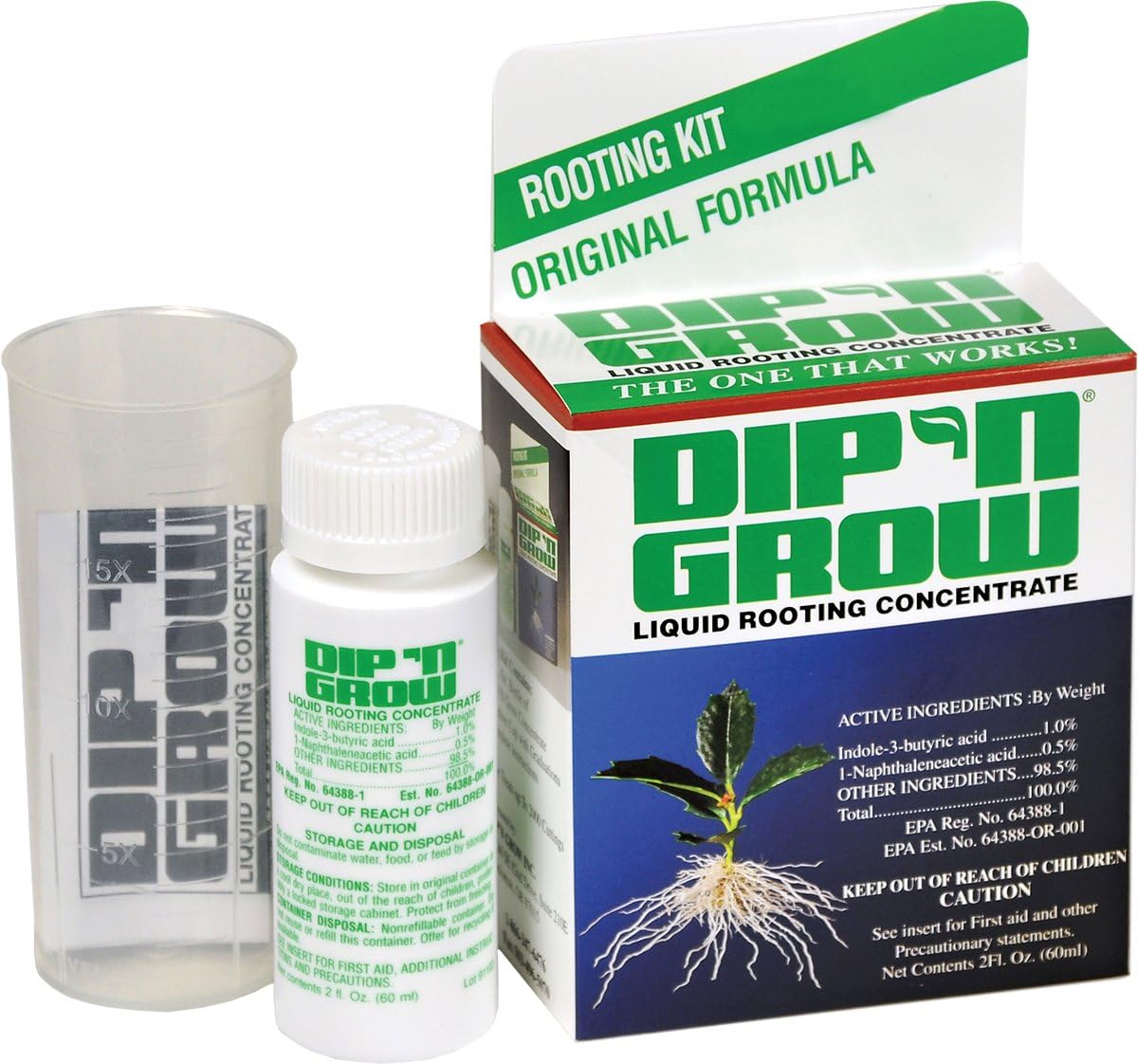
    The liquid rooting hormone is one of the most common types of rooting hormone. The liquid comes in two types: the concentrated and the standard strength (ready to use). The concentration requires diluting before application. The standard strength can be used right away. Note when making use of the ready-to-use liquid rooting hormone, pour the one to be used in a separate container. Do not insert your cuttings directly into the bottle. This is to prevent contamination. Once it’s in a separate container, dip the stem of your cuttings in the liquid rooting hormone. You can now put your cuttings in your growing medium.

    DIP N Grow DG00201 Liquid Hormone Concentrate Rooting Solution, 2-Ounce
    71wWDnceIgL. AC SL1200

    2. Gel

    Out of the various types of rooting hormone, the gel is the most loved among growers. It is pre-mixed and convenient to use. Simply put the portion you wish to use in a container and insert your cuttings into the gel. The gel will comfortably stick to the cuttings giving the stem a thick coat that serves as protection and they won’t wash away easily. With that, your cuttings are ready to go into your growing medium.

    3. Powder

    Powder rooting hormone lasts longer as it offers more shelf life. You can make use of the powder for several growing seasons if stored in the right conditions. To use, pour the powder rooting hormone in a separate container to prevent contamination. You can insert the cuttings into the water to encourage the powder to stick to your cuttings. Now insert the wet cuttings into the powder rooting hormone and give it a little shake to take off excess powder. Then it’s ready to go into your growing medium.

    Homemade Rooting Hormones

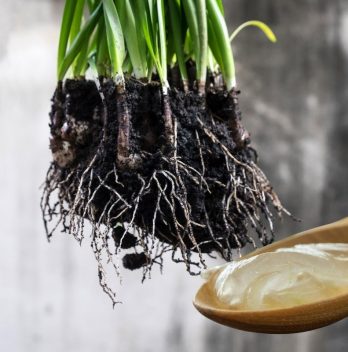
    You may be surprised you may have a rooting hormone in your house. Honey is one perfect example of homemade rooting hormone. Although it may not produce quick results as a commercial rooting hormone. You just need to give it a little time to work.

    Honey has some naturally occurring rooting hormone. In addition, it offers anti fungi and antiseptic features to protect your cuttings from infection. The gel nature encourages a consistent steam coating that sticks.

    FAQ’s

    Which is the best rooting hormone?

    We are all aware that rooting is necessary in order to achieve a successful plant. But we often wonder what is the best rooting hormone to use. Rooting hormone is a compound that is added to the soil mix and helps the roots to grow and penetrate through the soil.

    It is important to understand that there are different types of rooting hormones and they are used in different ways. Rooting hormone is also known as root growth stimulator or root growth promoter. The most common type of rooting hormone is Ipomoea. This is a fast growing plant that can be easily grown indoors. It is not recommended to use Ipomoea when the plants are growing outdoors. You should use it when the plant is in the soil or pot. It is available in different types such as powder, gel and liquid. The powder and gel is available in different concentrations. You can easily dissolve them in water and apply on the root area. The liquid is available in different concentrations and it can be diluted with water and applied on the roots. The powder and gel are easy to use and can be used in both hydroponic and soil based growing systems.

    Are there different types of rooting hormone?

    There are many types of rooting hormones available on the market, and they all do a job for which they were designed. Rooting hormone has two basic functions. First, it promotes the uptake of nutrients into the root by loosening the soil around the roots. Second, it helps the roots to absorb water.

    In the past, the main type of rooting hormone was the so-called “growth hormone,” which was sold as a liquid, or in capsules. Today, most companies sell a combination of growth hormone and a form of calcium that has been shown to be just as effective. When purchasing rooting hormone, always look for one that contains both types of hormone. You can also buy a pre-made combination of growth hormone and calcium in a concentrated form that will dissolve when watered. If you are growing vegetables and flowers indoors, the best thing you can do is to use a product that contains calcium and growth hormone. These products are available from many garden centers and mail-order outlets.

    What is a natural rooting hormone?

    Rooting hormones, also known as root stimulants or growth stimulants, are chemicals used to promote root development in plants. Rooting hormones are often added to the soil around seedlings and plants to encourage root growth. These chemicals can be organic or synthetic.  Organic rooting hormones are made from natural materials, such as plant extracts, and are less toxic than their synthetic counterparts.

    Is banana a rooting hormone?

    Bananas aren’t really a rooting hormone. They are actually quite high in gibberellic acid (GA), a plant hormone that promotes growth. This is why bananas are often used as houseplants and why you see them in nurseries.

    Additional Note On Types Of Rooting Hormones

    Growers depend on rooting hormone for propagation cuttings and it has been showing great results ever since. Rooting hormone is a key element that will stimulate the growth of roots to give you a successful propagation and there are various types of rooting hormone to choose from.

    Apart from making use of rooting hormone for successful propagation, you should as well take some other important factors into consideration for great results. Things like selecting only cuttings from plants with good traits. Avoid infected plants or plants that have no good quality growth features. This will ensure your cloned plant gives excellent propagation at the end.
  • Raising Crappie In Tanks

    Raising Crappie In Tanks

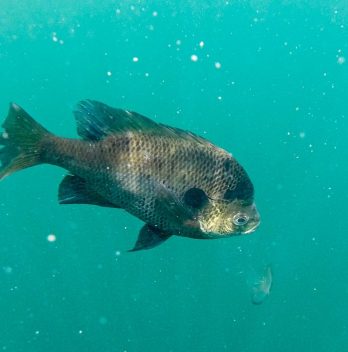
    Raising crappie fish in tanks is possible so far you supply them with the right growing conditions. Even though crappie fish are mostly raised in an outdoor pond, raising crappie in tanks or aquariums is still achievable.

    Crappie is a freshwater fish and can be mostly found in North America. They are one of the most common loving fish in the United States because of their tasteful bite and it’s easy raising crappie fish in tanks.

    Guidelines To Raising Crappie In Tank

    You can achieve a smooth and easy-going fish tank if you follow our guidelines for raising crappie in your fish tanks. First, let’s take a look at the required stocking density for crappie fish.

    Guidelines To Raising Crappie In Tanks

    Recommended Crappie Stocking Density

    Crappie fish requires stocking them in a well-spaced environment, so you should always go for a larger tank. The recommended stocking density for 2 to 3 crappie fish is 80 gallons. Thus, your fish tank should be able to fill at least 80 gallons of water. However, if you wish to raise 4 or more crappie fish, you should go for larger tanks.

    Imitate Their Natural Habitat

    The next step is to imitate their natural habitat. This is crucial because they don’t like a bright environment so you need to set up an environment to suit their needs.

    • Substrate: so, for you to imitate the natural habitat, you can make use of neutral substrate such as sand or dark gravel for the base of the fish tank. Also, crappie fish have this common habit of hiding. The use of dark gravel or sand allows them to hide whichever way they want.
    • Driftwood: you can as well put in some obstacles such as large driftwood for them to hide. Put the driftwood on top of the substrate of your fish tank.
    Imitate Their Natural Habitat - Driftwood
    • Artificial Plants: putting some artificial plants is also a bright idea. Touch up your fish tank with 4 to 6 plants and mix them into small and big plants.
    • Rocks: you can also decorate your fish tank with some aquarium rocks that are neutral in color.

    Set up all these artificial obstacles in your fish tanks along with the substrates. Doing this encourages them to have enough room to hide as this is a regular behavior they love to do.

    Temperature & Water Requirements

    • Temperature Requirements: crappie fish are hardy and very tolerant; therefore they can do well in most temperatures. They usually prefer a temperature of around 55 to 86 degrees Fahrenheit. Thus, they are fine with room temperature water.
    • Water Requirements: make use of clean tap water. When you transfer the water into the fish tank, treat it with a dechlorinator.
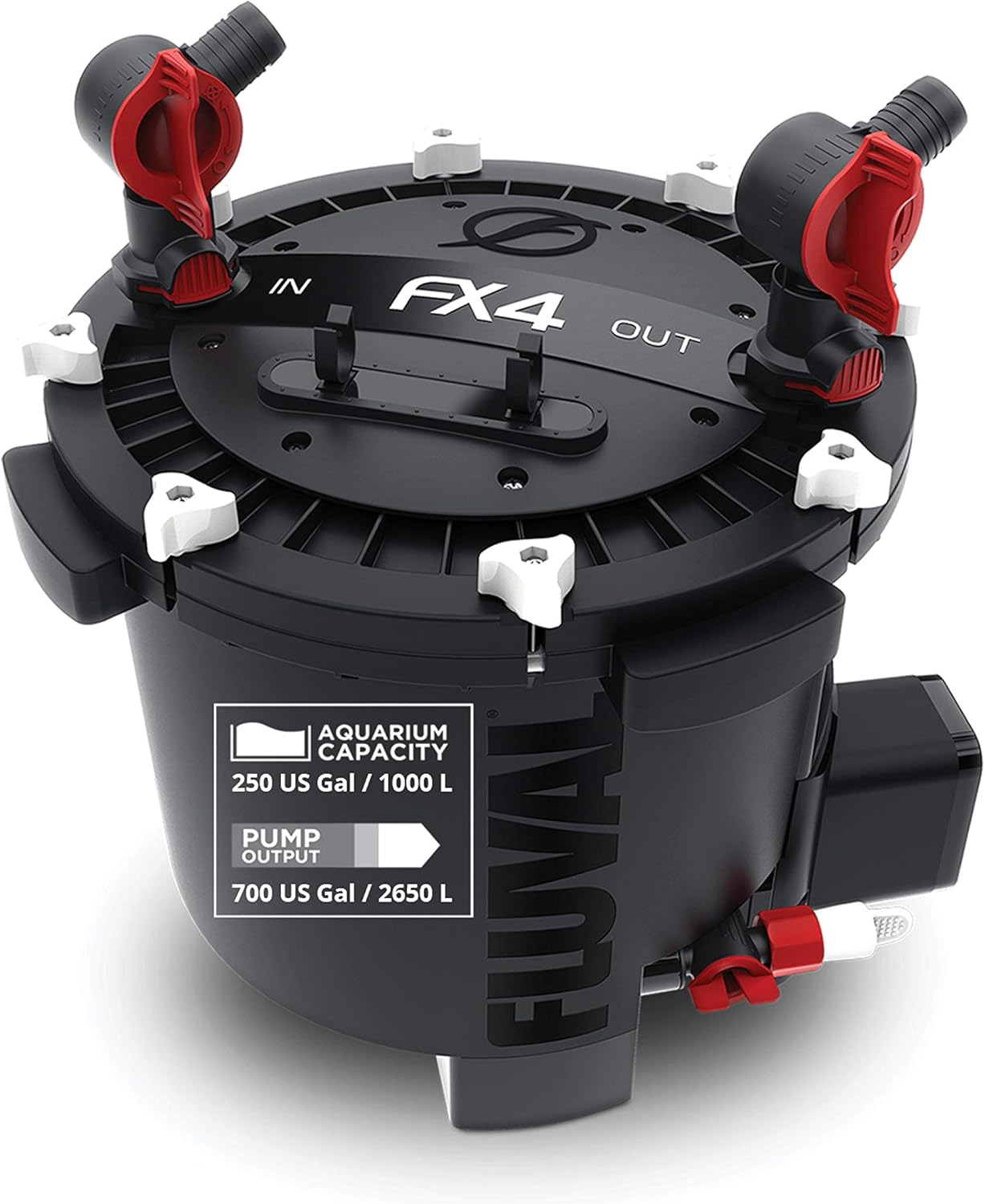
    • Canister Filter: crappie should be raised in a clean environment. You can fix a canister filter to assist in cleaning your fish tank.

    Fluval FX High Performance Canister Filter, External Aquarium Filter

    71qMEL2Ep6L. AC SL1500

    Launch Your Crappie Into Fish Tank

    Before launching your crappie fish into the tank, ensure they have been kept in a tightly packed plastic bag. This plastic bag should be filled with actual lake or river water. The tightly packed plastic bag should now be allowed to float in the fish tank. This way, the crappie fish will have time to blend with the new temperature environment.

    After setting up everything listed above, your crappie is ready to be launched into your fish tank. You can now release your crappie fish into the fish tank.

    Read more about How to Raise Catfish in A Tank

    Crappie Fish Caring Requirements

    After you must have successfully set up your fish tank, you need to take care of your crappie fish so they can thrive and you can enjoy great results. Below are the ways for caring for crappie fish:

    • Feeding: crappie fish requires to be fed every 12 hours. You can feed them with smaller fish, crustaceans, insects, and minnows. You can as well feed them with fish pellets, commercially prepared striped bass, and the likes.

    • Cleaning Your Fish Tank: it will be a good idea if you can clean your fish tank every 2 weeks. Remove all the artificial plants and rocks and wash them with lukewarm water. If you notice any algae, clean and scrub off the tank walls. Ensure your water is clean and clear because crappie fish likes clear water and not muddy water. Note when cleaning the tank, take out the crappie fish with a net and put them in a big bucket of original tank water. You can also let the crappie fish remain in the fish tank while cleaning if you wish to.
    • pH Range: the required pH for crappie fish is 6.6 to 7.8. Sustain this pH range always and test regularly with pH testing equipment.

    FAQ’s

    How much space do they need?

    Crappie like a lot of other fish will do best if they have plenty of space to swim around. I have read that crappies need a lot of space. They can go into a 10-20 gallon tank as long as it has plenty of hiding places.

    If you plan on keeping them in a 20 gallon, then you will want to use a saltwater tank. Crappie are not well suited for freshwater tanks due to their sensitivity to low levels of dissolved oxygen. They require very clean water and good aeration.

    I have never kept any in a small tank but I would think it would be fine. 

    How clean do I need to keep the tank?

    They don’t seem to mind the water quality unless the water is really bad.

    At any rate the tank needs to be cleaned every few months. It’s important to clean the tank before adding new fish, because that way they don’t introduce any diseases from the tank into their system.

    Keep the aquarium with the fish out of direct sunlight, and keep it warm. This will prevent the fish from getting sunburned and/or dehydrated.

    Can you have multiple crappie in the same tank?

    It’s easy. If you have a large enough tank, you can have multiple fish in the same tank. You can do this by transferring the fish into a separate aquarium, and then put the aquarium with the fish in the tank.

    Do they need a lot of food?

    They don’t need as much food as other fish, so they can survive on a high quality diet such as frozen bloodworms or brine shrimp. Crappie are also pretty hardy.


  • Aquaponic Fish To Plant Ratio

    Aquaponic Fish To Plant Ratio

    Now, you might be wondering what the standard aquaponic fish to plant ratio is, we will let you know in this post.

    Aquaponics is an awesome approach to combining fish with plants to yield great results. Aquaponics fish to plant ratio is important to consider if you wish to maximize the end product in your aquaponics system. So let’s discuss what it is.

    Brief Into Aquaponics

    The fish in your aquaponics excretes their waste product as ammonia which is the fertilizer generator. This ammonia is transformed into nitrate by the beneficial bacteria for the use of your plants. The plant in turn purifies these wastes from the fish tank by absorbing them.

    So, the number of fish you are raising should produce adequate fish waste for your plants’ use. Also, the fish food used in feeding the fish should be enough to produce optimal nutrients for plant use.

    If this fish waste is not enough, your plants might be deficient in nutrients and might not grow well. This is why we need to get the aquaponics fish to plant ratio for a better yield.

    Brief Into Aquaponics

    Talking About The Fish To Plant Ratio In Aquaponic

    When we talk about fish to plant ratio in aquaponic, we will need to know the size of grow bed to know the plant ratio. That is, if you’re making use of a grow bed, the size of the grow bed will determine the capacity of the plant.

    It is recommended that the volume of the fish tank should be approximately equal to the grow bed volume. This implies that the ratio of the aquaponics fish tank to plant should be approximately 1:1. However, if we’re looking at it from a commercial structure, we can raise the ratio to 1:3 or 1:4 based on the density of fish and the rate of water flow.

    Let’s talk about the rate at which you feed your fish because it’s a direct factor to consider in the aquaponics ratio.

    Feeding Rate Factor

    You should note that the ratio of fish to plants also depends on how you feed your fish. This is because of the nutrient waste they will provide your plant. Normally, fish can make use of about 80% of food and expel 20% of nutrient waste materials.

    In a standard situation, the recommended grow bed size should be at least 12 inches deep and let’s assume you have 5 feet by 5 feet grow bed. Then the appropriate food to feed your fish will be around 20 to 40 grams per day square meters.

    Other Factors

    Other factors to consider that can influence the capacity of fish to plant are the volume of the grow bed and the density of the growing media used. Note that the growing media encourages good bacteria colony. So, in a standard condition, we can recommend 1 kilo of fish per 50 liters of grow bed.

    Another point to note is the ammonia and bacteria population. A good bacteria population quantity will enhance the conversion of ammonia to nitrate for the use of your plant. This implies if there’s a limit in the bacteria population, you will be limited to the number of fish you can have in your aquaponics system. This will limit you from getting enough fish production and reduce the nutrient that your plant is supposed to receive.

    Quality of Water

    Now, when it comes to the quality of water in aquaponics, you should understand why the fish to plant ratio is important as well as the bacteria population. For example, if the waste materials that serve as nutrients for the fish are not able to be absorbed by your plants, it can pollute the water quality.

    If there’s too many fish in the water and there are not enough bacteria to convert ammonia to nitrates, the bio-filtering plants will not able to absorb and purify all these wastes. This turns into toxic ammonia in the fish water tank and ammonia can be pretty harmful to your fish.

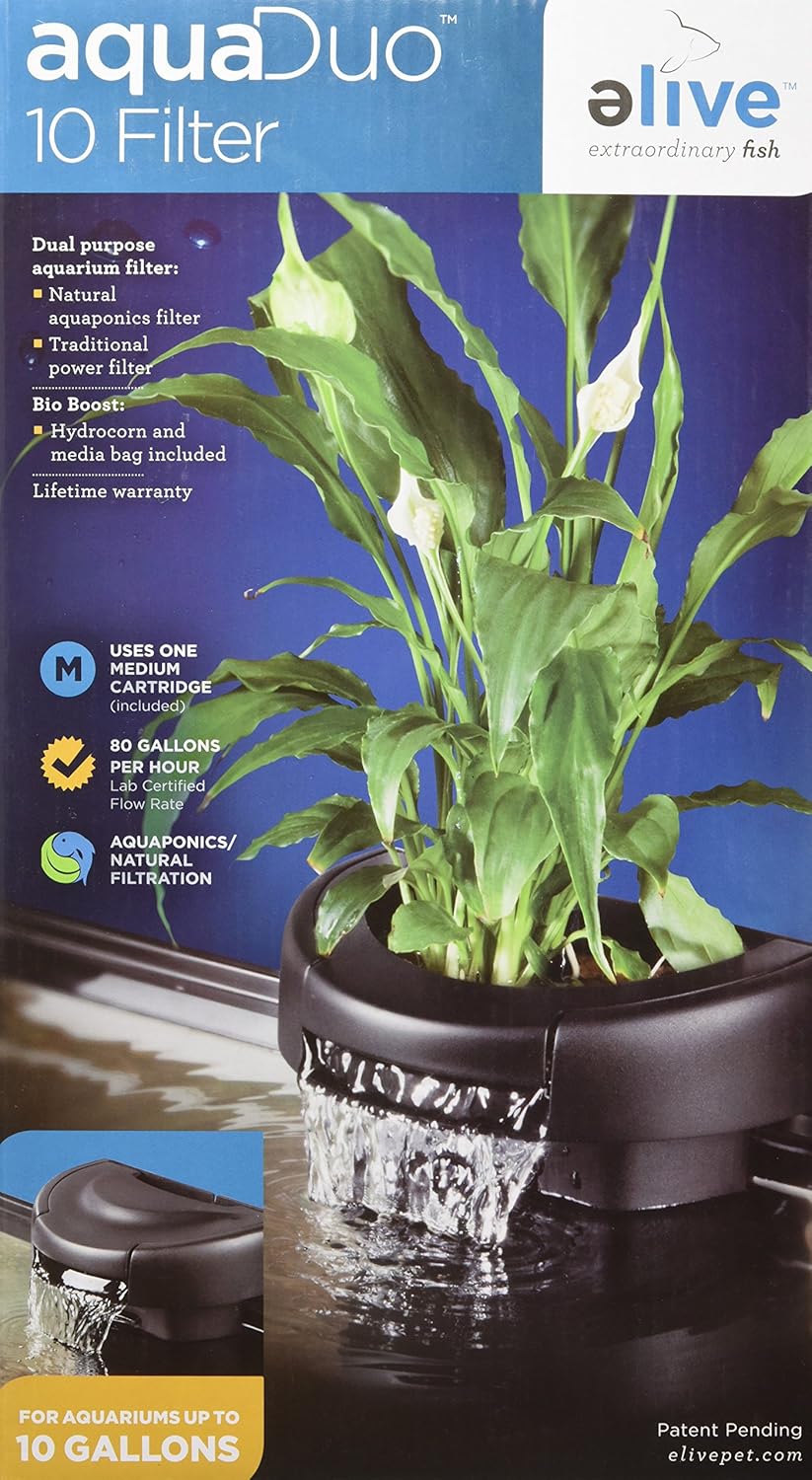
    Elive AquaDuo 10 Aquarium Fish Tank Water Filter, Natural Aquaponics or Power Filter for Tanks Up to 10 Gallons

    91T8wsj8DXL. AC SL1500

    Although a couple of plants may grow, however, the issue of polluted fish water is not solved. This can reduce the growth and activities of the fish. A possible approach to this situation is to introduce enough helpful; bacteria that can convert ammonia to absorbable nitrate for plant use.

    It also helps if you can decrease the fish feed to reduce the fish waste products that are slowing the growth of your fish or simply reduce the biomass of your fish.

    Final Say On Aquaponic Fish To Plant Ratio

    An efficient and productive aquaponics system is the goal of every farmer. Thus, sustaining the nutrient balance from the supply of your fish to your plants is crucial. This is why getting the right aquaponic plant fish to plant ratio in aquaponics is important.

  • Raising Prawns In Aquaponics

    Raising Prawns In Aquaponics

    If you love prawns and you wish to raise some for yourself in your aquaponics, then waste no time in getting started. Raising prawns in your aquaponics can be an excellent way of adding a different touch of diversity to your system.

    It’s possible to raise prawns together with your tilapia fish or any other fish you may have in your system. We will enlighten you on how to introduce freshwater prawns into your aquaponics system. So let’s begin.

    Guidelines On Raising Prawns In Aquaponics

    Raising prawns along with fish is pretty dynamic. Prawns are bottom feeders and they will feed on anything they find. This includes the fish waste that is not absorbed by your plants making them a reliable filtering animal. They can as well feed on snails and other organic matter so if you’re having issues with snails in your aquaponics, adding prawns might be a way out.

    The best type of aquaponics to use for raising prawns is a floating raft. To introduce prawns into your aquaponics, integrate them into your fish tank or under the floating raft. You can as well integrate them in both floating raft and fish tank. Let’s discuss this in detail.

    1. Floating Raft: under your floating raft, it’s usually a habit to have a handful of organic waste such as dead roots, leaves, etc. Prawns like to feed on organic waste so they can be helpful in this aspect. You might also be wondering if prawns will feed on your plants’ roots, the answer depends. In a standard situation, prawns won’t eat your root. However, when they become hungry or when you have too much prawn population, it’s possible they bite on your plant roots. For this reason, ensure you control their population. Take out some if they become too many in your system.
    2. Fish Tank: another possible way to incorporate prawns into your aquaponics is to put them in your fish tank. Prawns are bottom dwellers, so you don’t have to worry about them crawling up to your fish. They will as well feed on excess fish waste thereby maintaining a clean bottom tank.
    3. Both Fish Tank & Floating Raft: it is also possible to incorporate prawns in both your fish tank and floating raft. This is usually the best option as you get to maintain clean both a fish tank and floating raft.

    Precautions To Take When Raising Prawns In Aquaponics

    Remember they both prawns and fish can be territorial so you need to keep both from each other.  There are some precautions you need to put in place so your prawns and fish do not attack each other or even meet each other.

    When prawns are in their juvenile stage, it’s possible for your fish to want to feed on them. So, it’s necessary you create a barrier to keep them away from each other. You can make use of a bird mesh with corner PVC trays by laying them in the bottom of your fish tank. This mesh will separate your prawns from your fish. The mesh is also permeable enough for the fish waste to move through the layers of the mesh to meet the prawns so they can feed on the fish waste.

    Precautions To Take When Raising Prawns In Aquaponics

    Stocking Density

    The recommended stocking density for a single prawn should be about two square feet of tank space.

    Tank Size

    You should have at least 135 gallons or 500 liters of a tank for both fish and prawns. There should however be a barrier like the bird mesh we discussed earlier.

    Temperature Requirements

    Theideal temperature for prawns should fall between 57 degrees to 105 degrees Fahrenheit. However, the standard temperature is around 78 degrees to 88 degrees Fahrenheit.

    Feeding

    Prawns will feed on just about anything. You can however feed them with prawn pellets and planktons.

    PH Range

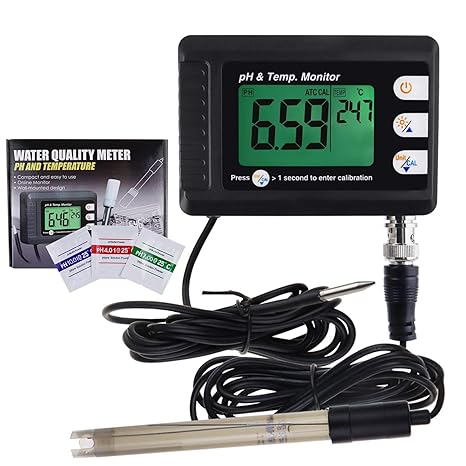
    Another requirement is pH range, therefore, you should ensure you monitor the pH with a quality pH matter. Prawns will do well with a recommended pH range between 7.8 to 8.5.

    Temperature pH Meter Monitor Tester Sensor test Kit 0~14.0pH for Hydroponics Aquarium

    7180qNLFHIL. SX466

    Final Say On Raising Prawns In Aquaponics

    We can see there are great benefits to raising prawns in your aquaponics. You can agree there’s nothing more amazing than having freshly harvested prawns together with fish from your aquaponics system. You get that fresh exclusive meaty taste compared to the regular frozen prawn sold in stores.

    This is what you get raising both prawns and fish and if you plan to sell them it will also be a great investment. Prawns attain market size in about 4 to 6 months, so you can always have a steady sale once they are matured.

  • How To Grow Basil Hydroponically

    How To Grow Basil Hydroponically

    Let’s explore how to grow the flavorful basil hydroponically. Growing various plants hydroponically is becoming an interest to many growers as it offers great benefits such as healthy plants, greater yields, dirt-free process, and many more.

    Basil is one common herb you can grow hydroponically. It is one of people’s favorite and it’s pretty easy to grow. So, read on to discover how to grow basil hydroponically.

    Varieties Of Basil Plant

    Basil plant comes in different varieties and all varieties are suitable to grow hydroponically. These varieties differ in features such as flavor, resistance to disease, yield, and growth. Here are the various types of basil plants you can choose:

    1. Cinnamon basil
    2. Dark opal basil
    3. Lemon basil
    4. Holy basil
    5. Sweet basil
    6. Sweet Thai basil
    7. Purple ruffles basil
    8. Spicy bush basil
    9. Lime basil
    10. Christmas basil
    Varieties Of Basil Plant

    Before choosing the variety to grow, the first thing you should do is to pin down the most appropriate basil plant preferable for your hydroponics. Also, make some inquiries about the productive cultivation necessities.

    However, if we want us to recommend the type to go for, our favorite type is the bush and sweet basil variety. They are both great for growing in hydroponics.

    Get To Know How To Grow Basil Hydroponically

    The first step to commencing how to grow basil hydroponically is to decide how you wish to start. You can commence by seed germination, cloning basil plants, or simply obtaining plants from garden stores near you and transplanting them.

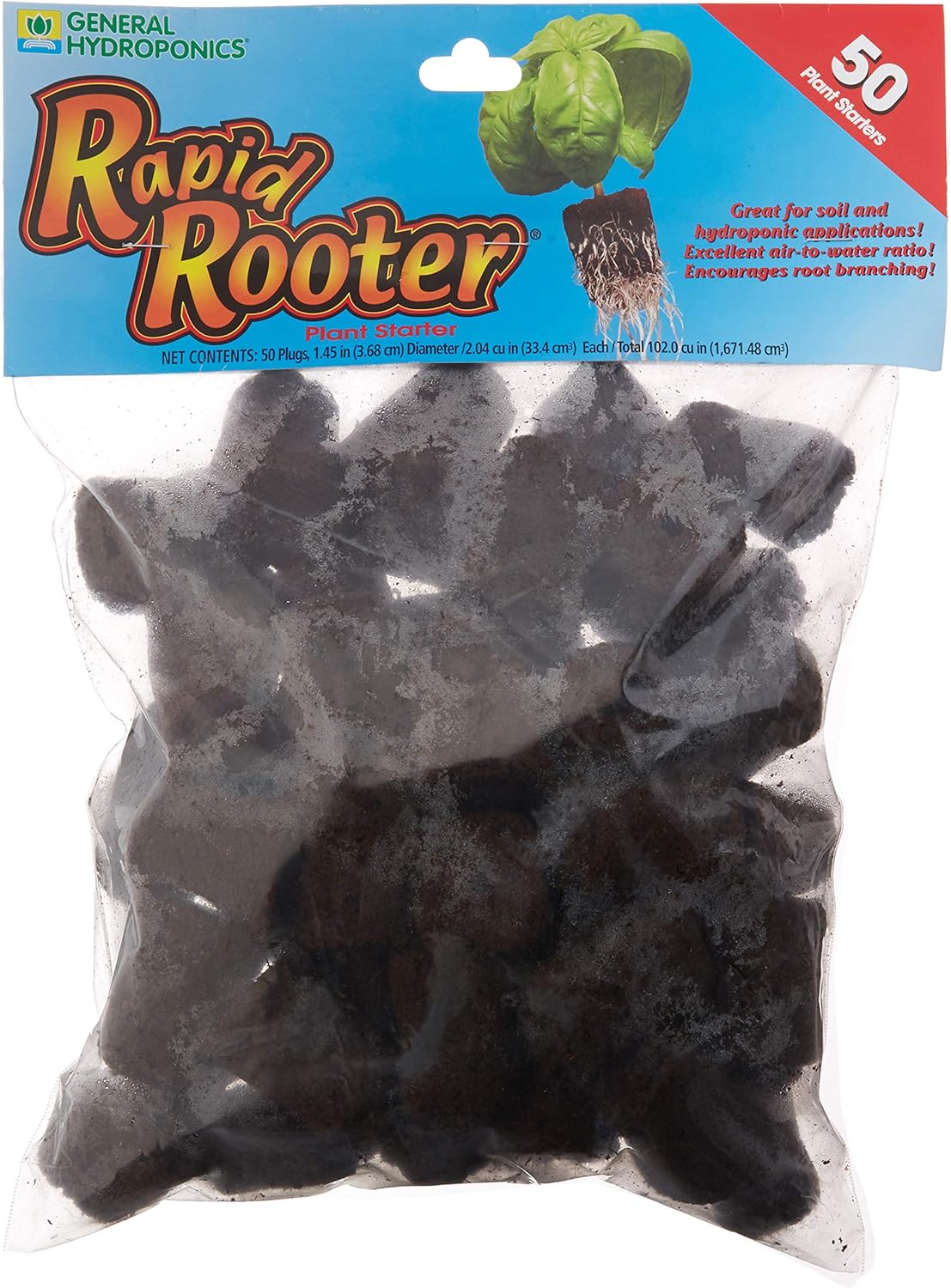
    • Starting With Seed Germination: seed germination is pretty easy to commence basil plants. Just keep them at the appropriate temperature of about 75 degrees. You can make use of a rapid rooter plug for seed germination. You should start to notice germination around 3 to 10 days.
    • Germination From Cuttings: cloning is another way of starting basil germination. Simply get the right plants with healthy growth and great traits.
    • Buying And Transplanting Basil: you can as well buy basil plants from a garden store and transplant them into your hydroponics system.

    Planting Basil Hydroponically

    Most types of hydroponics systems will work with growing basil plants. However, there are a couple of hydroponics systems that will suit and work better compared to others.

    Remember to give your basil plants space of at least 6 to 12 inches to encourage aeration and avoid the growth of fungal.

    Also, trimming your basil plants whenever they are full is recommended. Aim to trim above the lateral buds to stimulate growth. Trimming will increase the yield of your basil plant as there will be more room to grow. Ensure you make use of sharp tools for trimming and avoid pinching.

    You can make use of the trimmed portions for your tasty meal.

    Basil Temperature Requirements

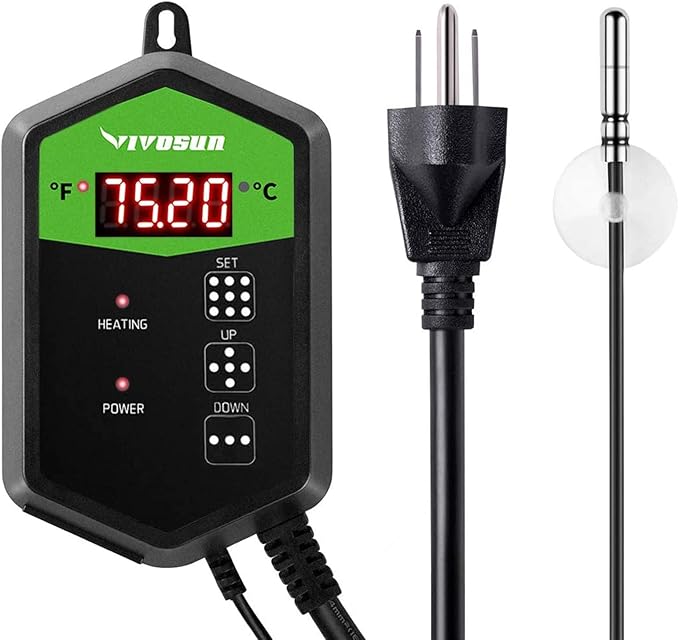
    The required temperature for hydroponics basil is around 65 to 80 degrees. They also require mild humidity for optimal growth.

    VIVOSUN Digital Heat Mat Thermostat Temperature Controller 40–108 ÂșF for Seedlings, Germination, Rooting, Fermentation

    715pl8fMLdL. AC SX679

    Light Requirements

    The hydroponic basil plant will thrive under moderate light. For optimal growth, supply your basil plants 13 to 16 hours to light daily.

    PH Requirements

    Basil plant requires a pH range of 5.5 to 6.5.

    Nutrient Requirements

    The nutrient requirements for your hydroponics basil are pretty simple as the aim is for just its vegetative stage. Thus, what you need is a vegetative nutrient solution.

    You want to supply your basil plants with a nutrient scheme rich in nitrogen. Adding a bit of calcium and magnesium to your nutrient scheme is also fine.

    Harvesting

    The best part of planting is obviously the harvesting time. To harvest, you can harvest the entire basil plant or just take off some leaves.

    Harvesting Basil

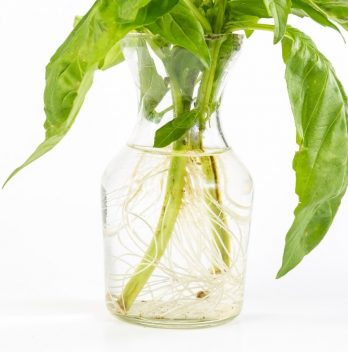
    To store your harvested basil plants, keep them in a vented bag of about 55 to 60 degrees. This way, you can have a stable shelf life with 10 to 12 days duration. It is not recommended to store basil plants in a cooler. A better place is to store them in a jar of water in a cool room.

    FAQ’s

    Is it hard to grow basil hydroponically?

    Growing basil in a hydroponic system is easy. Basil is a very easy plant to grow. If you have the space and time, it is easy to grow from seed. The biggest problem you will have is finding the right type of nutrients and the right equipment to use.

    There are many different types of hydroponic systems available on the market. All you have to do is look for a hydroponic system that has the features that you want. The type of nutrient solution you use is also important. Some nutrients are better than others. You can use a commercial nutrient solution or you can make your own. Making your own is easier than buying one. There are different types of nutrient solutions available on the market. The most popular one is the water-soluble solution. This solution is made from a powder that dissolves in water.

    This method is used by farmers, food producers, and even by some home gardeners. It’s also the best way to grow herbs that have been bred to be hardy in areas where the soil is not suitable for traditional gardening. You can grow basil from seed, or buy transplants from your local garden center.

    How do I grow basil hydroponically?

    First, you will need a system to grow your plants. This could be as simple as a shallow plastic tray or it could be a more elaborate system using a reservoir. If you plan on growing large quantities of plants, you’ll want to buy a system that’s made for commercial use, since these systems have been engineered for high production.

    You’ll need to do is measure the area where you’ll be growing your herbs. The next step is to decide if you want to grow them indoors or outdoors.

    If you’re growing them indoors, you’ll want to figure out how much space you have available. You’ll need to purchase an inexpensive light fixture and set it up. You can purchase a small greenhouse that is made specifically for growing hydroponically, but it can cost as much as $

    If you’re growing your herbs in an outdoor garden, you will need to determine what size garden you need. Most garden centers will have information on how much square footage you need to grow your herbs, and you can use this to figure out how big your garden should be. Once you know how much space you have available, you can begin planning your hydroponic system.

    You can purchase a tray system or you can build your own. In either case, you’ll need to decide if you want to go with a shallow plastic tray or a reservoir. The most common type of system is the shallow tray system, which consists of a tray and a pump. The tray is filled with a solution and placed in the location where the plants will be growing.

    The nutrients are added directly to the tray as needed. With a shallow tray system, you’ll need to refill the tray periodically so that you don’t run out of nutrients. Some growers recommend adding a small amount of fertilizer every day. Others use the same nutrient solution for a week or more, and then change it out every two weeks. You’ll also need to monitor the pH of the solution, since it should be between 3.5 and 4. If the pH becomes too low, your plants won’t be able to utilize the nutrients properly. You’ll need to add an acidifier to keep the pH balanced.

    Once you’ve determined how you’ll grow your herbs, you’ll need to figure out what type of nutrients you want to use. You have several options, including organic fertilizers, compost, and manure. The most common nutrient solution is a 1:1 mixture of fish emulsion and water. You can add other ingredients, such as seaweed and kelp, to the solution to boost the nutritional value. The amount of fertilizer you add will depend on how much light the plants receive. Some growers recommend adding as little as one teaspoon of fertilizer per gallon of solution. Other growers add as much as 2 teaspoons per gallon. If you’re growing your herbs in an outdoor garden, you may want to use compost instead of fish emulsion. Compost is made up of plant materials that have decomposed naturally, so it contains nutrients that your plants can use.

    What are some other concerns?

    If you live in a very humid area, you will need to make sure your nutrients don’t dry out. You’ll also want to provide a place for the excess water to drain off, so that the solution won’t get too saturated. 

    Conclusion On How To Grow Basil Hydroponically

    Growing basil plants hydroponically is easy, fun, and you will enjoy great benefits. No matter the variety you choose, you can be sure of a successful and productive basil growth in your hydroponic system.

    Follow the right steps and supply your basil plants with all the requirements we stated above and you can watch your plant grow bountifully.

    We hope this article has enlightened you on how to successfully grow basil plants hydroponically. Happy growing folks!

  • Best Plants For NFT System

    Best Plants For NFT System

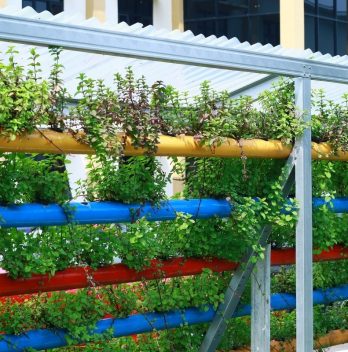
    We will be discussing what plants are best for the NFT system. The versatile Nutrient Film Technique (NFT) is a type of hydroponic system basically used to cultivate leafy greens or vegetables. It is a hydroponics or aquaponics technique that is especially suited for commercial purposes.

    The nutrient film technique makes use of a thin film of hydroponic nutrient solution to run smoothly across the root of your plant. The thin flow of steady nutrient solution to the root of the plants’ channels is where the name of this technique was derived from. Read on to discover the best plants for the NFT system.

    Best Plants Grown In NFT System

    Nutrient film techniques are only fit for growing some particular types of plants. These types of plants include broccoli raab, certain herbs, spinach, salad or leafy greens, cruciferous vegetables.

    Let’s take a look at these plants in details:

    1. Certain Herbs: some certain herbs are ideal for the NFT system and they are the popular options grown in the NFT channel. An excellent type of herbs is basil because they are the simplest and popularly grown. Their root system is not large and they grow pretty fast. Other types of herbs suitable to grow in NFT include cilantro, parsley, Thai, lemon, Genovese, and so on.
    2. Salad or Leafy Greens: they include various types of spinach, lettuce, and arugula.
    3. Brassicaceae Family: also known as cruciferous vegetables include mustard greens and kale. However, the nutrient film technique is not ideal for the types that form heads like broccoli and cabbage because of the space limit. They grow big and have massive roots and their maturity period is lengthened thus, making them inappropriate plants for the NFT system.
    4. Certain Fruits & Flowers: certain flowers and fruits are not left out in the NFT system. Examples of fruits that can be grown in the NFT channel are strawberries. Strawberries are not big growing fruits and they can fit in a shallow system. Thus, making them ideal for NFT. Examples of flowers that can be grown in NFT channels include orchids, pansies, and nasturtiums.

    NFT system is basically for growing leafy greens with a growth period that is short. However, nutrient film techniques are not suitable for larger or taller plants like cabbage, trees or shrubs, and root crops. They are also not suitable for plants with larger root systems or plants that take longer to grow.

    Characteristics To Consider When Choosing Plants For NFT

    The nutrient film technique (NFT) is a narrow and limited channel that allows a thin flow of nutrient-filled solution below the plant roots. This thin channel allows the upper part of the plant to be subjected to air and also remain dry.

    Therefore, when choosing the plants to grow in your nutrient film system, you should consider the following characteristics.

    Characteristics To Consider When Choosing Plants For NFT
    1. The Root System Should Be Minimal: one crucial thing to consider is the root system. The root system should be minimal and accommodating enough to convey the nutrient solution for your plants’ growth. We don’t want a heavy root system as this can consume all the space available and clog up the nutrient film channel.
    2. Plants Should Be Lightweight: because the nutrient film system is narrow, you should only consider growing lightweight plants. Plants that are heavy and need supports like the heavy-hanging fruits are not ideal for the NFT system.
    3. Short Harvest Period: another thing to consider when choosing plants to be grown in your NFT system is the harvest period. The time to harvest should be short. We are talking about plants attaining maturity within 3 months starting from the seed sowing period. Leafy greens are mainly in this group. Some seed pack comes with the information of the harvest time.

    Planting With NFT System

    To commence planting in the NFT system, we normally start with seeds. Usually, most hydroponic growers prefer starting seeds in cubes and transplanting them into the hydroponic system.

    We recommend the same for NFT and as the seedlings attain a height of about 2 inches; they can be transplanted into the NFT channel. Supply the necessary nutrient solution into your NFT channel till your plant attains harvest size.

    When harvest time comes, harvest your crops by carefully lifting your plants out of the NFT channel.

    VIVOSUN Hydroponics Growing System 90 Plant Sites, 3 Layers 10 Food-Grade PVC-U Pipes Hydroponic Gardening System Grow Kit with Water Pump, Pump Timer, Nest Basket and Sponge for Leafy Vegetables
    $99.99
    We earn a commission if you make a purchase, at no additional cost to you.
    06/11/2026 10:03 am GMT

    FAQ’s

    What is a NFT system?

    NFT stands for Nutrient Film Technique. Most of the indoor growing enthusiasts are using NFT for growing plants. NFT is a very popular hydroponic method among growers. In fact, NFT has become a favorite among indoor growers.

    If you are a newbie, then you must be wondering about what exactly is NFT hydroponic system. Well, NFT is a very simple technique which can be used for growing plants without any hassle. This is because NFT is a completely new and innovative concept of hydroponics. This technique helps the plants to absorb nutrients from the solution or water which is being used.

    In this method, a nutrient solution is continuously sprayed on the growing media which helps the plants to absorb nutrients through roots. NFT is a very effective way of growing plants. It is also a very cheap method. This technique is mostly used in the greenhouse.

    Is it affordable?

    Yes it is. It is very easy to maintain and requires very little space. It is also a very cheap method. One can easily buy the required equipment at low cost. Using NFT hydroponic system is eco-friendly as it does not use any pesticides, fertilizers or any harmful chemicals.

    What plants can grow in NFT system?

    There is no hard and fast rule, but here are some examples of plants that will grow well in NFTs. The list is not exhaustive, but it will give you an idea of what you can grow. Hydroponic gardeners can use a wide range of plants to grow, as long as they are adapted to low-nutrient, nutrient-poor media. These include herbs, salad greens, lettuce, and radishes, as well as fruits, vegetables, and flowers. 

    Also, sunflowers, lettuce, tomatoes, peppers, cucumbers, melons, squash, herbs, bulbs. If you want to grow a lot of plants, it’s the best choice. I used NFTs for many years and they worked great.

    Can you grow strawberries in NFT hydroponics?

    The best way to grow strawberries is to use a strawberry grow kit. The benefits NFT hydroponics is an environmentally friendly, easy to use system that allows you to grow your strawberries without any soil or water.

    It’s a very simple system that takes only about an hour to set up, and there are no chemicals involved in growing your strawberries. This is a good system for beginners who are just starting to grow their own fruits and vegetables.

    The benefits of growing strawberries in NFT hydroponics are:

    Grow strawberries anywhere (even on a balcony)

    No need to buy soil or nutrients

    Grow strawberries year-round

    Get great looking plants

    Enjoy the benefits of growing your own food Save money (you don’t have to pay for soil or nutrients)

    Easy to grow (no need for expensive equipment)

    You can grow strawberries in a very small space (compared to traditional gardening methods) You can grow strawberries in areas where there isn’t much sunlight

    You don’t have to worry about pests and weeds The system is very simple to use You don’t need any chemicals You can grow your own food and save money The system is inexpensive to purchase and set up

    The system is very easy to use, and it doesn’t require any training.

    Conclusion

    We have concluded that the best plants for NFT systems are mainly leafy greens. The plants should also have minimal root systems, be lightweight, and have a short harvest time.

    If you can comprehend and follow these rules for planting in NFT systems, you can be sure of enjoying a smooth and productive harvest.

  • Transferring Soil Plants To Hydroponic

    Transferring Soil Plants To Hydroponic

    Transferring soil plants to hydroponic is quite possible if you follow the right steps. Rather than waiting on germinating seeds and growling seedlings, you can simply send them into the soil. So, when they reach about 3 to 4 inches long, they are set to be transferred into your hydroponics.

    However, you need to get the process of transferring soil plants to hydroponic correctly or they won’t come out successful.

    This is why we’ve put together this article to enlighten you on the steps to successfully transfer soil plants to your hydroponics system. So, read on to learn.

    Materials Needed For Transferring Soil To Hydroponic

    The following materials are required for transferring your soil plant into a hydroponic system:

    • A plant from dirt.
    • Water to wash off the root system.
    • Growing medium.
    • Net pots.
    • Hydroponic system.

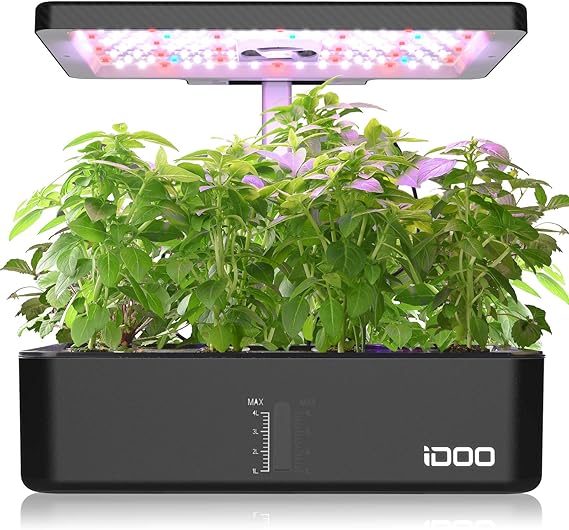
    iDOO 12Pods Indoor Herb Garden Kit

    81zN%2Blc2HfL. AC SX569

    Steps On Transferring Soil Into hydroponic

    Even though transplanting traditional soil plants into the hydroponics system looks pretty easy, it’s important you get the steps right. This way, common errors that some growers make are avoided and you get an accurate result at the end.

    Transferring soil plants to a hydroponic system is pretty easy. Just follow these steps to achieve a smooth transition:

    1. Use Matured Plants Only

    The first thing is to obtain your plant or seedlings and make sure they are fit enough for the transition. Use seedlings that are at least 3 inches tall.

    1. Remove Plants From Soil

    With care, remove the plant from the soil and ensure you don’t pull it out. Make sure the roots are safe and intact as you carefully take them out.

    Remove Plants From Soil
    1. Remove Soil And Clean The Plant

    Next, carefully give the root a little tap and remove the dirt around the plants still ensuring the root is safe. After doing this, go ahead and rinse the plant with water. Try to dip the whole root into the water and rinse carefully.

    If you notice any pests around your plant, rinsing them will take them out. However, you can make use of neem oil to further rid them off.

    1. Place In Hydroponic Net Pots

    Now, get your net pots and put a little growing medium. Gently spread the plant root into the net pot and fill it up with the growing medium of your choice.

    1. Add Appropriate Nutrients

    Supply your plants with the appropriate nutrients. Try not to overfeed or underfeed the nutrient.

    1. Leave Set Up In The Dark

    Allow the plant to adjust its new environment by leaving it in a dim light area for a couple of hours. The root does not really require light to develop.


    Additional Tips To Avoid Shock

    Plant shock when it comes to transferring soil plants to a hydroponic system is not unlikely, especially among beginners. If your transplant fails to develop after transplanting, you might be wondering what you did wrong. Just do a bit of check and try again carefully this time.

    Also, take note of the following tips so you can prevent plant shock as your plant transition into your hydroponics system:

    • Make sure the plant to be transplanted is healthy and matured enough.
    • Prepare your growing medium-well.
    • Sterilize the new environment your plants will be transitioning to. Remember they are vulnerable, so try to keep them healthy.
    • It helps to pick plants to be transplanted during their vegetative and seedlings periods. Never allow them to reach or near their flowering period before transplanting.
    • Make sure the temperature is maintained optimally. Nutrient water temperature should fall between the range of 65 to 75 degrees Fahrenheit.
    • Try to select roots with more hairs or long hairs. This is so the roots are capable of reaching the nutrient reservoir and absorbing adequate nutrients for growth.
    • Try to balance the soil conditions and hydroponic conditions as your plant transition. For example, you need to supply your transplanted plant with the right nutrient for its healing and growth. If you can, it helps to measure the soil nutrient before transplanting so you can keep the same nutrient levels when you transplant.
    Additional Tips To Avoid Shock

    Plants That Has High Chance Of Smooth Transition

    You should know that not all types of plants will transition successfully. Some plants have a higher tendency for the smooth transition than others. Examples are Pepper, tomatoes, spinach, mint, spring onions, basil, parsley, cilantro, and so on.

    Conclusion

    The transition of soil plants into a hydroponic system needs to be done accurately to avoid plant shock. If you follow our guidelines, you can be sure of a successful transition.

  • What To Feed Tilapia In Aquaponics

    What To Feed Tilapia In Aquaponics

    If you’re into raising tilapia and you’re wondering what to feed your tilapia in aquaponics, we’ve got the right answer for you. One added reason, why most farmers love raising tilapia for their aquaponics, is that they feed on broad varieties of food.

    Tilapia feeds on food sources that are at the bottom of the food chain. However, the best type of food to feed your tilapia for your aquaponics system is to feed them with organic tilapia food. This organic fish food contains the right nutrient requirements for your tilapia and plants.

    Types Of Tilapia & Their Feeding

    First, let’s understand the different stages of tilapia feeding.

    • Newly hatched tilapia known as fry feed on organisms that float on water such as detritus and neuston. Their foods should be in smaller pieces.
    • The juvenile tilapias (fingerlings) are omnivores that is; they can feed on both plants and animals such as worms, insects, duckweed, etc.
    • The adult tilapias are herbivores, so they feed on plants such as algae, duckweed, bacteria, detritus, and other plants.
    Types Of Tilapia & Their Feeding

    What Should You Feed Your Aquaponics Tilapia?

    We mentioned earlier that tilapia can feed on a wide variety of food. In their wild habitat such as streams, lakes, etc, they usually feed on diatoms and a lot of blue-green algae.

    However, you should know to keep them far away from feeding on your algae. This is because algae are needed by your plants in the aquaponics system for nutrient recycling.

    Feeding With Pellets

    Adult tilapia can also be feed with pelleted food which comprises all important nutrients like vitamins, minerals, and proteins. You can as well feed the newly hatched fry with pellets, but they should be in smaller pieces.

    Organic Tilapia Feeding

    If you’re a fan of all organic, then everything that goes into your aquaponics should be organic. Examples of organic food to feed your tilapia fish includes cassava plants, lengko plants, duckweed, sweet potato plants, lettuces, cocoyam leaves, etc. Among all these plants, duckweed has the smallest food sizes and it will fit all stages or sizes of tilapia.

    You can combine these organic foods with commercial fish food to increase their proteins and for a more balanced filled nutrient.

    Other Types Of Tilapia Feed

    • Bran chaff feed such as white bran or wheat bran.
    • Pomace feed and cereal feed such as rice sprouts, malt, etc.
    • Oil cake feed such as rapeseed meal, cottonseed meal, or soybean meal.
    • Animal feed such as blood meal, meat and bone meal, fish meal, etc.
    • Compound feeds are the pelleted feed and extruded feed.

    Common Varieties Of Tilapia: What They Feed On

    The common varieties of tilapia are the Nile tilapia, the Mozambique tilapia, and the Blue tilapia. Here is what they feed on:

    • Nile tilapia feeds on detritus and phytoplankton.
    • Mozambique tilapia feeds on vegetation and bottom algae.
    • Blue tilapia feeds on detritus and zooplankton.

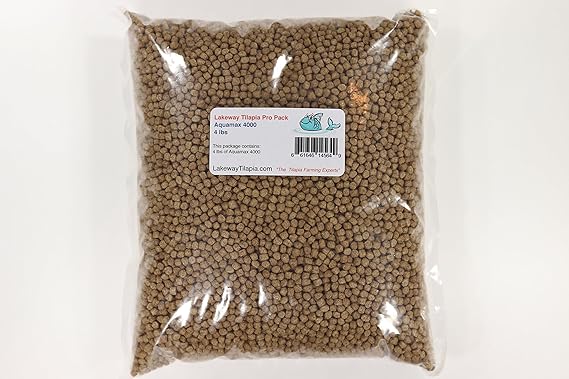
    Lakeway Tilapia Pro Pack 4000 Tilapia Food – 4 Pounds

    91KUEa0GQlL. AC SX569

    Tilapia Nutrient Requirements

    Nutrient requirements in your aquaponics tilapia are crucial so your plants can have access to adequate nutrients.  Although various species of tilapia require various growth periods, thus, their nutrient demand will be a little different.

    Nile tilapia fingerlings for example require about 35% to 40% protein contents. While adult tilapia of about 45 to 50 grams requires 20% to 25% protein content.

    The blue tilapia fingerlings will require a protein content of about 36%. While for the adult blue tilapia, they will require about 26% to 36% protein content.

    Avoid Overfeeding

    You should avoid overfeeding your fish. If you supply your fish with an excess amount of food, these foods will end up in your floating system causing hindrance and water clog. You can scoop out uneaten food. Also, pay attention to how much they eat and readjust when next you feed them.

    You should always feed them twice a day and the food should be eaten within 30 minutes of feeding. However, if you feed them and you notice they aren’t hungry, scoop out the food and don’t feed them for a while.

    Avoid Overfeeding Tilapia

    FAQ’s

    What is the best food to feed tilapia?

    When choosing a tilapia food, you want one that is a good source of calcium and phosphorous, and contains other minerals and vitamins.You can feed them live or frozen. A combination of live and frozen is best, as they both have a more natural flavor. Fish Food – This is another good source of protein. You can purchase dry, freeze-dried, and canned fish food. Tilapia food is typically made from a mix of various ingredients.

    You can also buy foods that are specifically designed for tilapia. Some of these include: Aquarium Fish Food Tilapia – This is a specially formulated tilapia food. It has a high level of calcium, and other nutrients. Tilapia are omnivores, so they need a variety of foods, and this is a good way to ensure that they get all of the nutrients they need. The food will provide them with a more natural flavor, as well as more nutrients.

    Shrimp Food Tilapia – This is another great food for tilapia. It has a natural shrimp flavor, which is beneficial for the health of your fish. Feeding Tilapia Tilapia should be fed on a regular basis. Depending on the size of your tank, you should feed your fish once or twice a day.

    How can I make tilapia grow faster?

    The only thing I can think of is to reduce the size of his ration. If you are feeding him twice a day, he should eat roughly 1/2 of the amount you are feeding the rest of the fish. So if you are feeding 1/4oz. twice a day, then he should eat 1/8oz. of food twice a day. You can also try adding some live plants to the tank. This will increase his appetite.

    What do tilapia eat naturally?

    Tilapia are omnivorous fish that eat both plants and animals. They can be a vegetarian when fed a diet of algae.
    But like most fish, they need meat to survive. So, what’s the best way to feed them? Well, there are two ways to feed them: live food and dry food. Live food is a great option because it keeps your fish in good shape and allows them to grow quickly.

    Tilapia is a freshwater fish that is native to South America and Africa. It is one of the most common fish species in the world, with an estimated total production of about 25 million tons per year. Tilapia are generally kept as aquarium pets, and there are many varieties of them. There are two types of tilapia: the goldfish-like tilapia and the black carp-like tilapia. The goldfish-like tilapia is much smaller than the black carp-like tilapia. Both types of tilapia are commonly found in ponds and tanks in home aquariums. The fish is also known as cichlid or lake tilapia.

    Final Say

    Tilapia feeds on just a bit of everything. It’s why they are the most commonly reared fish in aquaponics. Feeding your tilapia fish the appropriate food will increase their growth in just about 240 days. So, get them eating well so you can have a heavy pound of fish at the same time healthy plants by the end of harvest time.

  • How To Raise Catfish In A Tank

    How To Raise Catfish In A Tank

    Let’s explore how to raise catfish in a tank. Catfish is one common fish that are raised among aquarium hobbyist in the United States. It is particularly raised for its delicious taste, healthy, and proteinous features.

    It is easy for anyone to breed or raise catfish in aquaponics, a pond, aquarium, or a fish tank. You don’t even need to be an expert to rear catfish. Continue reading if you would like to know how to raise catfish in a fish tank.

    Why Raise Catfish In A Tank – Features

    You stand to benefit a lot from choosing catfish as the fish to raise either as a hobby or commercial purpose. The following features will give you some good reason why choosing catfish in your fish tank or aquaponics will be of great benefit to you:

    • Catfish is very easy to raise even for beginners especially in aquaponics.
    • They grow and breed rapidly. So you will enjoy a quick harvest.
    • They are also very forgiving and can tolerate even the least oxygenated water environment.
    • With their resilient nature, they are resistant to most fish diseases and they don’t die easily. However, it’s good to give them good conditions so you can enjoy amazing yield.
    • Catfish will serve as a good source of protein for your family.
    • With the right knowledge, you can be sure of a well invested and profitable commercial produce when dealing with catfish.
    Why Raise Catfish In A Tank - Features

    Learn How To Raise Catfish In A Fish Tank

    Even though we mentioned earlier that catfish is pretty easy to raise. It still requires you to accurately pass through the right guidelines for successful catfish production.

    Catfish Per Gallon Of Water

    Before we go into the main steps on how to raise catfish in a fish tank, we need to first understand how many catfish per gallon of water should be stocked in a fish tank.

    The appropriate stocking density for catfish is one pound of fish (fully grown) per 8 gallons of water. This way, they can have more room to access oxygen thereby reducing stress. Also, catfish grow very fast, so they need to have adequate room to fully grow.

    Catfish Tanks

    One crucial point to note is that catfish will require a large tank to grow. The stocking density of 8 gallons per fish we pointed out alone shows that catfish will need a bigger tank.

    Catfish Per Gallon Of Water

    Raising catfish in tanks is very accessible especially if you are unable to acquire a big land for a fish pond. Just ensure the width and depth of the tank is deep enough to provide spacing for your catfish.

    Water Quality

    Another important tip is to make sure your fish tank can generate a good flow of consistent water. Ensure the water quality is good as this will also boost their appetite encouraging them to eat more.  While low water quality will reduce their appetite and make them susceptible to infection thereby reducing catfish growth.

    Learn more about Where to Buy Fish for Aquaponics Systems and the Best Plants for Small Aquaponics

    Choosing The Type Of Catfish

    Once you’re done figuring the appropriate fish tank and water ratio, you can now proceed to choose the type of catfish you want to raise.

    There are different types of catfish to choose from. However, one of the best types is the channel catfish. Channel catfish are very tolerating and they will grow very fast. They can grow approximately at the rate of 3 pounds in just one year.

    You can start with juvenile catfish but make sure they are of good quality. Low-quality juvenile catfish may result in decreased growth or even death.

    To know a healthy juvenile catfish, they should be moving about actively. Also, make sure their body does not have any defects.

    Catfish Feeding

    Catfish can be feed with fish food pellets. We recommend you feed your catfish 2.5% of their body weight. You can do a rough estimation of their weight to determine this.

    Also, ensure you keep a close eye if there’s any uneaten excess food floating or settling at the bottom of the tank. If this is so, then you will need to adjust their feeding so your fish tank is not polluted.
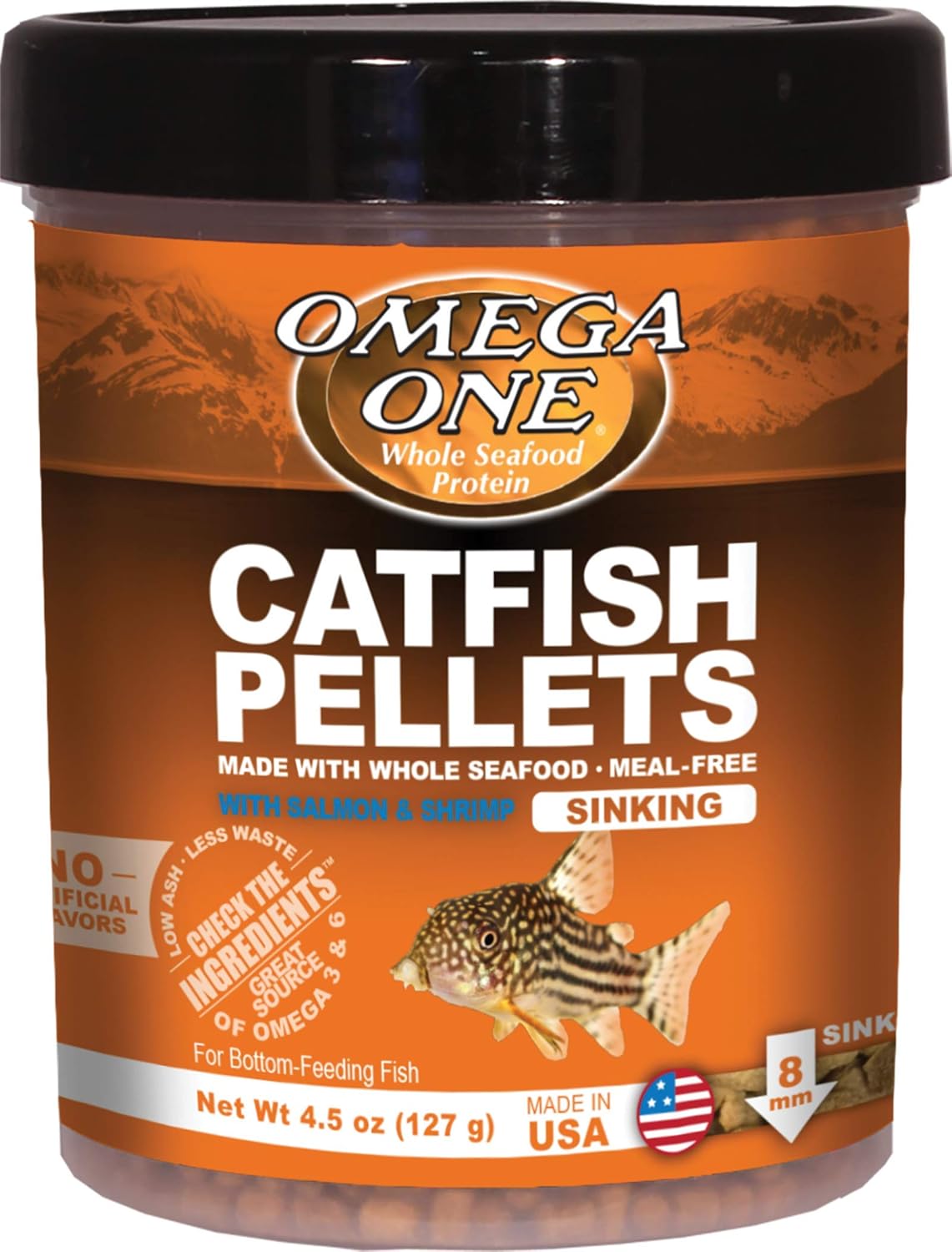
    Omega One Sinking Catfish Pellets with Shrimp

    71YvtU5yC7L. AC SL1500
    FAQ’s

    Can catfish be raised in tanks?

    Yes, but they require a minimum of 4 gallons (1.5 liters) of water to thrive. Catfish are cold-blooded fish so they can’t survive without some sort of heat source. The tank heater is what they need to keep warm. If your tank is too small for the catfish, you’ll have to add a separate heat source. A: The filter should be changed about every two weeks. It is easy to do, but make sure that you use a good quality filter that is designed for aquarium use. A gravel filter is probably the easiest to maintain, but it also uses more water than other filters.

    There are different breeds of catfish, and each breed has different characteristics that make them more suited for certain types of environments than others.

    What are the different ways that you can raise catfish?

    There are different ways to raise catfish. Some people put them in ponds, some people use water tanks and some people use a system called “tournament style”. The problem with pond-raised catfish is that they are usually smaller than tournament-raised catfish. Also, they need a lot of space because you have to keep the water clean and clear for the fish to live.

    Water tanks are a great alternative but it is difficult to raise enough catfish to get good size. That’s why the tournament-style catfishing is so popular because you can catch a lot of big fish in a small area. Most tournament catfishing systems use large plastic water reservoirs that are designed to hold several hundred gallons of water. These systems are used by large commercial catfishermen and they require a lot of maintenance. They can cost thousands of dollars to buy and they can be very expensive to maintain. The best tournament-style catfish system is one that has a self-contained reservoir that does not require a pump or other equipment. This type of system is much less expensive to build and it’s easy to install and maintain. You can have a good tournament-style catfishing system for a fraction of the price of a commercial system.

    How do you raise catfish in a tank?

    It’s pretty easy to raise catfish in a tank, as long as you have the right equipment. You don’t need a fancy aquarium setup to raise catfish in a tank. Just make sure your tank is big enough. They require a lot of space, and they need lots of room to move around. You also need to have a filter and a heater that will keep it clean and warm. There are some other things that you’ll want to consider before you start raising catfish in a tank, however.

    They will eat fish food, but you have to feed them a special diet. It’s called a pellet diet, and you can buy it from your local pet store. 

    Can you have other fish in the tank?

    They don’t like to be kept in an aquarium with other fish, as they don’t get along well. They are very territorial, and won’t let other fish near them.

    Conclusion On How To Raise Catfish In A Tank

    Raising catfish in a tank is absolutely possible with the right knowledge. Simply follow our tips and enjoy great yields of catfish production.

    Remember not to overcrowd catfish in their fish tank so their growth is not hindered. They need enough spacing so they can develop well. One full-grown fish to 8 gallons of water is great.

  • How Much Is A Hydroponic System

    How Much Is A Hydroponic System

    How much a hydroponic system cost varies and will solely depend according to your preference. A hydroponic system can be cost-effective or require more if you put some things into consideration. However, you should know it will require an initial investment to get it up and running.

    Hydroponic farming involves the use of a soilless technique to grow plants and it makes use of a nutrient-filled solution for plants’ development. It is pretty easy to venture into with the right knowledge.

    Either you’re into hydroponic farming for business or a hobby; we will give you an idea of how much a hydroponic system cost.

    A Cost-Effective Hydroponic System

    You can get a hydroponics system for a very reasonable price because there are various types of hydroponics systems to choose from.

    Even with the cost-effective type, you can rest assured of enjoying amazing yield. Again, this cost-effective type of hydroponic does not limit you from growing just a few plants. You can grow as many plants as you can at a time with this moderate hydroponics budget like the compact NFT system.

    However, if you invest more money into hydroponics (about $250 to $500) it will offer you extra features and greater designs. It will also allow you to grow more plants and result in abundant yield.

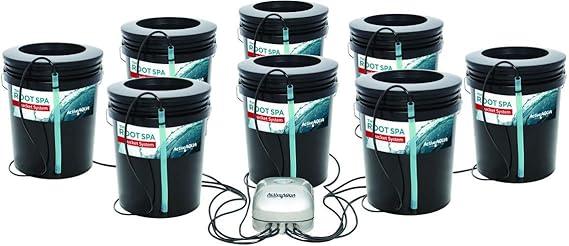
    Hydrofarm RS5GAL8SYS Root Spa 8, 5 Gallon Bucket System

    61awSy 66QL. AC SX569

    Figuring Out How Much A Hydroponic System Will Cost

    A logic we recommend to knowing how much a hydroponics system will cost is to know the components involved with the system.

    You will be better off purchasing a complete hydroponic system rather than sourcing for the various parts as in DIY. Here are the components of a complete hydroponic garden:

    • A hydroponics system.
    • Hydroponic nutrient-filled solutions.
    • Inert media.
    • Light source.
    • Air pump and air stone.

    Types Of Hydroponics Systems

    1. Nutrient film techniques.
    2. Aeroponics.
    3. Deepwater Culture (reservoir method).
    4. Ebb and flow (flood and drain).
    5. Wicking.
    6. Drip system.

    There is also passive hydroponics known as the Kratky method. We can say this is the cheapest type of hydroponics system. It only requires some basic hydroponic components, a container reservoir, and a cover lid opening for plants.

    Types Of Hydroponics Systems

    Types Of Hydroponics Systems According To Cost

    Let’s distinguish the types of hydroponic system standard according to their cost:

    1. High Standard: this type of hydroponics system is of high standard technology that features a complete system control. Commercial growers that seek a high yield of crops for profit usually go for this type. This high-standard technology hydroponic system can cost tens of dollars in thousands. An example is the vertical farming hydroponic system.
    2. Semi-high Standard: this type of hydroponic system is also of standard technology. They are made of quality technology such as water flow control. It also comes with grow light and it has more features. This type of system is used both indoors and outdoors. The cost for this type of hydroponics system is around $350 to $1000.
    3. Moderate Quality/ Standard: this type of is of moderate technology. They are budget-friendly and can be obtained either as a unit or DIY. The cost is about $50 to $200 for both the unit and DIY construction.

    FAQ’s

    Is a hydroponic system worth it?

    The average gardener might look at the price of a hydroponic system and scoff, thinking, “Why would I spend so much money on something that isn’t going to work?”. But it doesn’t have to be this way! A hydroponic system can be installed for a fraction of the cost of an outdoor system. And the quality of your plants is going to be better.

    Here are some great reasons why you should consider a hydroponic system as an option. Hydroponics vs. Indoor Farming: Why You Should Consider a Hydroponic System

    It’s Easy

    If you’re looking to start growing in a new way, there’s nothing like having the freedom to grow whatever you want, whenever you want. This is the main reason why many people opt for hydroponic systems over indoor farming. With hydroponics, you can grow almost any type of plant with no soil or other restrictions. You’re free to grow the exact plant you want at any time of year, and you won’t need to spend a lot of time tending to your crops.

    It’s Safe

    Hydroponic gardening is much safer than growing crops in soil because it eliminates the risk of disease. In fact, you won’t even have to worry about pests, which means that you can plant a wide variety of fruits and vegetables without having to be concerned about insects.

    It’s Affordable

    You can buy a simple hydroponic system for a reasonable price. The systems you can find at your local garden center are usually only going to cost as little as a $100, and that’s a fraction of what it would cost to grow plants in soil, and it will still provide you with the ability to grow food all year long.

    It’s Eco-Friendly

    When you use a hydroponic system, you won’t need to use any pesticides or fertilizers. This is an important benefit because pesticides can have negative effects on the environment and can even be dangerous to humans. With hydroponics, you won’t have to worry about those things.

    In a hydroponic garden, you take the seedlings out of the ground, and you grow them in a nutrient solution that you mix with water. The nutrients are then absorbed by the roots of the plants, and the leaves will get all the water they need from the air.

    Why is hydroponic so expensive?

    There are many factors that go into the price of hydroponics, but the biggest factor is that it’s a new product. There’s no established market for hydroponics as there is for other products in agriculture, such as seeds, fertilizers and pesticides. But hydroponic growers are starting to see some of the same problems that traditional growers have seen with these other products.

    For example, hydroponic plants have been known to develop nutrient deficiencies because they don’t receive all of the nutrients that they need from the soil or nutrient solution. This is why many hydroponic growers use a combination of liquid fertilizer and soil amendments. The cost of growing food, which includes the cost of water, electricity and fertilizers can be quite great. 

    When you grow plants in a hydroponic system, you can control the water quality better than you could in a soil-based system.

    You are paying for the inputs and then charging a premium for the product. Hydroponics is a high maintenance hobby and it requires more equipment and labor. But that doesn’t mean it can’t be done cheaply. You can still do a great job of growing plants in a container without spending a fortune.

    Can you save money hydroponics?

    It is possible to save money hydroponics but it is not easy. You will need to understand what your needs are and what you want to grow and then set out to buy the best equipment that meets those needs and meets your budget. You can save money hydroponics by growing less than you would otherwise, by growing in a less expensive environment, by using cheaper seeds and by growing your own supplies.

    Grow less, grow faster. This is one of the most important ways to save money hydroponics. If you do not have enough space for a full size hydroponic system, do not grow as much or as fast. In a small space, you can get away with only a few trays. You could even grow in a single tray if you wanted to. It is also possible to grow more on less space by using smaller pots or growing containers. The same is true for light. Do not use as much light as you would otherwise. A lot of people think that they need lots of light when they start a hydroponic garden. This is not true. You will be fine with as little as 1/3 of the light you would normally need.

    Other Cost To Consider

    There are additional things you should also consider when it comes to knowing how much a hydroponic system cost. There might be some additional materials you may need to purchase even with your complete hydroponic system.

    For a DIY construction, there will always be arising needs or expenses. You may need to invest in nutrient solutions, grow medium, grow light, etc.

    Other Cost To Consider - Hydroponic System

    However, already built hydroponics may also require extra. For instance, already made hydroponics may still require you to purchase a pH meter, grow medium, grow light, or even nutrient solutions. Just a grow light might cost $15 to $20.

    • Space: another factor to consider is space, ensure you have space for your hydroponic system. If not, that’s an extra and you might need to purchase or rent a farm space. You will have to decide if your space is for a horizontal or vertical system. However, space will solely depend on if you’re considering large-scale hydroponics farming.
    • Size: the size of your hydroponics system will also determine how much a hydroponics system will cost. A smaller hydroponics system used for a hobby will be less expensive. However, if you’re thinking of a higher yield, a larger hydroponics system will be required and it will be pretty expensive.

    Therefore, it’s crucial you consider all these factors so you can accurately sum up how much it will cost to build a complete hydroponics system.

  • Kratky Method For Strawberries

    Kratky Method For Strawberries

    can If you wish to learn about growing strawberries using the Kratky method, we will let you know in this post. A Kratky method is a form of passive hydroponic method and it is known as the simplest form of hydroponic system.

    This type of simple hydroponic technique is named after Bernard Kratky who’s a researcher at the University of Hawaii. You can grow various plants such as herbs, leafy greens, pepper, or tomatoes, as well as strawberries successfully using the Kratky technique.

    Kratky Method

    The Kratky method is another great way of growing various plants without the use of soil or dirt. The plants are suspended above a nutrient solution and it’s a clean and productive way of gardening.

    The only difference is Kratky technique does not make use of an air pump or aeration for air and water circulation. Therefore, no electricity is needed.

    How To Grow Strawberries With Kratky Method

    There are two ways you can grow strawberries from. You can grow strawberries from seeds or a young strawberry plant. However, we recommend you grow strawberries from young plants because growing them from seeds might take a while to get results.

    Growing Strawberries With Young Plant

    For growing strawberries using the Kratky method, you will need the following materials:

    • Container to serve as a reservoir for holding nutrients (most growers use 5-gallon bucket).
    • Net cups.
    • A cover lid or grow tray to insert the net cups.
    • Growing media (such as hydrotons balls, pebbles, rock wool, coco coir, etc).
    • Healthy young strawberry plants.

    To grow strawberries using young strawberry plants, you will need to obtain a healthy young plant either from the soil or from an existing hydroponic strawberry garden. Make sure you rinse off the roots if you are taking your strawberry plants from the soil.

    Next, get your net pots and slide the little plants into the net pots. Fill the net pots with your desired growing medium to support your strawberry plant. Try gently pull some roots of the young plants so that they can come out at the bottom of the net pots.

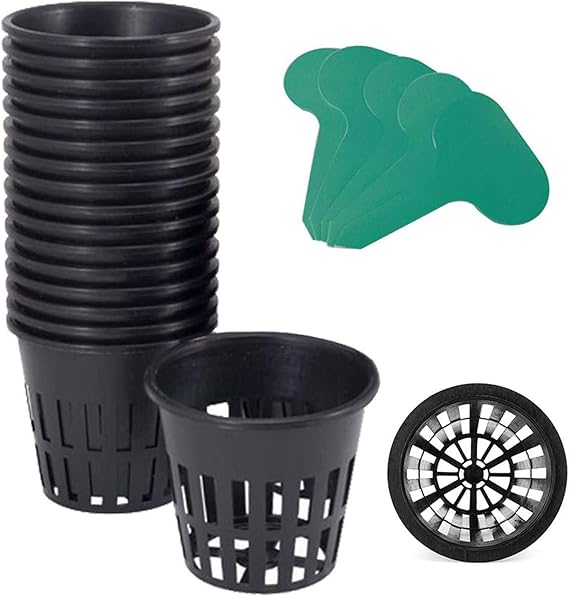
    GROWNEER 25 Packs 3 Inch Net Cups Slotted Mesh Wide Lip

    Kratky Method Strawberries - Net cups

    By doing this, you can perfectly set the roots to sit in the nutrient-filled water. Only the tips of the roots should touch the nutrient solution, we don’t want any part of the upper plant submerged in water. The gaps between the roots supply oxygen to the plants from inside the nutrient container.

    Kratky Nutrient Solution

    Now you can set them in your Kratky nutrient solution. Supply your set up with some grow lights if you’re growing indoors. However, if you’re growing outdoor, find a good sunny spot in your yard and you’re good to go. You should begin to see a new leaf and root growth in a couple of days. After about a month, you should notice some good growth with your strawberry plant with flowers and broad leaves. You should also begin to see some little strawberries growing.

    When the nutrient solution has almost been exhausted, your strawberry plant should have been ready for harvest. This means a single nutrient solution should be enough to go for a growing cycle and no need for replacement. However, if you notice the nutrients solutions are almost completely dried or used up, you should replace them.

    Strawberry Runners

    When strawberry plants get fully established, they will begin to shoot out runners. It will be a great thing if you can cut and replant or clone these runners to another setup so you can have some new strawberry plants. This will also help trim their edges so they don’t look too bushy.

    Strawberry Runners

    Recommended Temperature For Kratky Strawberry

    Temperature is one of the most crucial requirements for strawberry plants. Without the right temperatures, your plant will be slow in flower and fruit yield therefore, no production good growth and production.

    The appropriate temperature range for strawberries is around 60 to 70 degrees.

    Light Requirements

    Strawberry plants usually consume a lot of energy. Therefore, the appropriate light requirements we recommend for your strawberry plants will be 14 to 16 hours daily. This way, your strawberry plant will be well established and yield plenty of fruits.

    Harvesting

    After about 8 to 10 weeks of planting your strawberry, they should start showing their lovely bright red colors. This means they should be ready for picking.

    Harvesting

    FAQ’s

    What can you grow with the Kratky method?

    The Kratky method is a simple way to create a vegetable garden in an urban setting. It’s an easy-to-grow and versatile system, requiring little space and only the time and effort it takes to plant your seeds and water them every few days. It’s also a great way to enjoy fresh vegetables right from the garden.

    Here are some of the most common vegetables you can grow with the Kratky method. Arugula Arugula is one of the easiest plants to grow in the Kratky method. This cool-weather herb is a great addition to any salad or pasta dish. If you want a quick harvest, you can start arugula seeds indoors a month or two before planting out. In cooler climates, wait until the last week of March or first week of April to plant outside. Asparagus Asparagus is another favorite.

    It’s not only delicious, it’s one of the earliest vegetables to mature. You can start asparagus indoors in late February or early March and transplant outdoors after all danger of frost has passed. If you grow in a warm climate, you can expect your asparagus to be ready for harvest in about six weeks. I recommend growing your own because they are much fresher than what you can find at a store. Celery can be planted in May in cooler climates and in July in warmer climates. It will produce for about two months. Chives Chives, carrots and cauliflower are another great plant to grow with the Kratky method.

    Can you grow strawberries using Kratky method?

    You can certainly grow strawberries using the Kratky method. The only thing to keep in mind is that it will take a while for the strawberries to mature. You can start with seeds or transplants (which are called “strawberries” in nurseries).
    Using Kratky Method Kratky Method is a way of growing strawberries in a small area. It’s an old method that was used by people in the past. You can still find it being used today for growing strawberries. The Kratky method is simple and requires very little equipment. You can do this all by yourself.

    There are many ways to grow strawberries using the Kratky method. You can grow them in pots or planters, but a good place for growing strawberries is a sunny spot in your garden. If you have a lot of room in your garden, you can also plant them in rows. You will need to get started with your strawberries by planting them. You can either buy them from a store or you can start them from seed.
    The seeds are tiny and very fragile, so it’s best to buy them already planted. They should be planted right away because they take a long time to grow. Once you have your plants, you will need to keep them watered. If they dry out, the leaves will wilt and the fruit will be damaged. You will need to water them at least once every day for about 10 days after planting. After that, they will need to be watered every other day.

    How do you start the Kratky seed?

    If you start the Kratky seed, then you need to wait until it has germinated. You can do this by placing the seed in a paper cup, with a plastic wrap and water on top of the cup. Check the cup every day and make sure that there is enough water. If you don’t want to use the paper cup, you can use an old, clean coffee cup or even a flowerpot.

    You can start to plant your seedlings as soon as they are about 5cm tall. As long as you plant them in a sunny spot, you should be fine.

    Final Say On Kratky Method Strawberries

    Growing strawberries using the Kratky method is pretty easy and beneficial. It is a soil-free method that will result in abundant fruit production all year round. You also, get to enjoy the fresh and juicy fruits at the comfort of your home.

  • What Is A Bulkhead Fitting For Aquaponics

    What Is A Bulkhead Fitting For Aquaponics

    The question we’re going to be answering today is: what is a bulkhead fitting? A bulkhead fitting is a point of attachment for connecting pipes to tanks or reservoirs.

    Bulkhead fitting helps secure your piping connections thereby preventing leakage. It also helps give the right direction to where water is required to flow through.

    Bulkhead fittings are especially used in hydroponics or aquaponics plumbing connections. These fittings are used to fill water or drain water easily from your hydroponics or aquaponics system.

    Let’s discuss further the key components of bulkhead fittings, how to install a bulkhead fitting, and their uses.

    Main Parts Of Bulkhead Fitting

    Bulkhead fitting materials are usually made of fortified and long-lasting components such as PVC, brass, plastic, and other quality materials. Most parts you will find in bulkhead fittings consist mainly of 3 parts.

    • Body of Bulkhead: the first part of the bulkhead is the body which is the exterior and interior threads.
    • Gasket: the next part of the bulkhead is the gasket. It might come in one or two. The gasket will fit onto the body of the bulkhead.
    • Nut: the third and last part is the nut or locknut. The nut is attached to the exterior thread. It will thread into the place of the bulkhead fittings seating up against the gasket thereby creating a tightly sealed water tank.

    Outus PVC Bulkhead Fitting for Rain Barrels, Aquariums, Ponds, or Water Tanks

    61kQQvLJ8%2BL. AC SX569

    Let’s move forward by learning how to install the bulkhead fittings.

    How To Install A Bulkhead Fitting

    Below are the steps to installing bulkhead fittings:

    1. Hole Drilling: a bulkhead fitting is installed by first cutting or drilling a hole by the bottom of the tank or reservoir to which the pipes can be connected. Make sure you measure and determine the size of the bulkhead exterior so you know the size of the hole to drill.

    2. Bulkhead Fitting: after drilling the hole, you can now insert the bulkhead fitting with the threads inside or outside the tank or reservoir (whichever way you want it to fit your connections).

    3. Gasket and Locknut Fittings: then fit the gasket into place. If you have two gaskets, use each one on either side of the walls. Now thread the locknut down by tightening it with your hand to apply pressure to the gasket. The locknut will then provide a good tight liquid seal with no leaks. But make sure not to over-tighten too much so you don’t break or distort the gasket thereby causing a leak.

    Having fixed all that, you can now go-ahead to connect any type of pipes or PVC fittings.

    Benefits Of Using Bulkhead Fittings

    • Bulkhead fitting will create a perfectly tight liquid sealed connection.
    • They are great for hydroponics or aquaponics plumbing connections.
    • They allow for easy flow of water through the tanks or reservoir.
    • There’s no problem with water leakage with bulkhead fittings.

    Other Uses of Bulkhead Pipe Fitting

    • They are used in hot water pipe systems especially the brass bulkhead fittings.
    • Bulkhead fittings are used in hydroponic and aquaponic systems for connecting pipes to allow easy drainage along with the water tank or reservoir.
    • They are also used in ponds for installing water to connect pipes that enable easy drainage. This makes changing water easier rather than scooping water out of the bucket.
    • The kitchen sink also makes use of several bulkhead fittings for easy flow of water.
    • Generally used in transporting liquid containers.
    • They are as well used in any type of mechanism that requires large drums or barrels that needs to be filled with water.
    Other Uses of Bulkhead Fittings

    What To Consider When Purchasing Bulkhead Fittings

    Anytime you purchase a bulkhead fitting, always consider the type of liquid that will flow through your fittings. If it is a hot liquid you should go for the strong type such as the brass bulkhead fittings. If you will be working with cool water you can go for the regular type.

    Also, put into consideration the speed or pressure at which your water will be flowing. For instance, high speed or pressure will need a strong fitting and vice versa.

    All these considerations are to make sure you don’t end up with a distorted or cracked gasket due to pressure. The goal is to prevent any leakage.

    Find out the 5 Top Feed Drip System Hydroponics and 5 Best Hydroponic Kits You Can Find

    FAQ’s

    What is a bulkhead fitting?

    The most common bulkhead fitting for aquaponics is the standard 1-1/4″ x 1-1/2″ copper pipe. This is an ideal fit for a single tank setup, where you have one sump and one fish tank. However, the 1-1/4″ diameter of the pipe is also too large to be easily used in multiple tanks (more on that later). 

    It is a good choice for any aquaponic system where there is only one fish tank or sump, but it is not suitable for multiple tanks. It is also not recommended for systems where water must pass through a filter. Most standard 1-1/4″ x 1-1/2″ copper pipes are made with 1/8″ thick walls, which is not strong enough for more than one tank. If you have more than one tank in your system, you will need to upgrade to a stronger bulkhead fitting. If you are planning to put your aquaponics in multiple tanks, you should use a bulkhead fitting that has at least 3/8″ thick walls.

    How do you install a bulkhead fitting?

    The standard method is to use a drill and a 1/4″ bit. If you don’t have a drill, then you can use a 1/4″ drill bit. Attach the bulkhead fitting to the edge of the wall with a screw. Drill a hole through the bulkhead fitting and into the stud. Insert a washer (or two) into the hole.

    Attach the screw into the bulkhead fitting, and the washer will hold it in place.

    How do I stop bulkhead fitting from leaking?

    There are many reasons why you might have a leak. First, I would check your system for leaks in the main tank or other components. If you find any, they will need to be repaired before anything else. Second, I would take a good look at the fitting and see if you can identify what is causing the leak. Some leaks occur because of manufacturing defects. Others occur because of damage to the fitting. You may have to disassemble the bulkhead to get a better view.

    Third, you may need to look at the valve that controls the flow of water. If the valve is damaged, it could be leaking as well.

    How do you replace a bulkhead?

    The best thing to do would be to remove the old one and then install the new one. If it is a solid piece of material, it may be difficult to remove without destroying it, but if you can cut it off with a hacksaw or similar tool, it shouldn’t take more than an hour or two to do so. 

    Once the old one is removed, install the new one

    How do you seal a bulkhead fitting?

    If your bulkhead is a simple pipe fitting that has no special features (eg, a threaded nut), then there is no need for a seal. The pipe will be pressed tightly against the wall of the tank, so there won’t be any leakage. If your pipe fitting has a threaded nut, then you’ll need to use an appropriate sealant to prevent leakage.

    Conclusion

    With that said, we do hope you have grabbed one or two things about what a bulkhead fitting is. If you have any questions feel free to drop a comment and we will respond.

  • Can You Transplant Hydroponic Plants To Soil

    Can You Transplant Hydroponic Plants To Soil

    Are you wondering if you can transplant your hydroponic plants to the soil? The straight-up answer is yes! You can definitely transplant your hydroponic plants into the dirt and we will teach you how to go about it successfully. So, read on to learn.

    Transplanting hydroponics into the dirt is not a straightforward process to venture into. You have to consider and follow some fundamental processes for a smooth transition so your plant does not go into shock. Following the right procedure, will allow you to achieve a better performing and healthy plant.

    Transplanting Hydroponic Plants To Soil

    Transplanting your hydroponic plants into the soil can be done from cuttings or seedlings. Small Rockwool starter plugs or rapid rooter plugs can as well be used in cuttings and seedlings and transplanting them into the soil.

    Steps On Transplanting Hydroponic Plants To Soil

    To transplant your hydroponic into the soil, you first transplant it into a potting container. When they have grown and mastered the changes between indoors and outdoors, you can now transplant them into your outdoor garden.

    Before you begin handling your hydroponic plants you wish to transplant, ensure you have all your materials available and set especially for fragile seedlings. This way, you don’t leave your fragile plants to linger and you can start right away. Also, the tender plant root can venture and transit seamlessly into the dirt.

    Steps on Transplanting Hydroponic Plants to Soil

    Another thing before you transplant is to allow the water level in your hydroponic garden to drop and stay low for a few days. Also, don’t put or feed your hydroponic plant with direct LED light but put it close to the light and allow it to search for light.

    Do this for a week or two. This way, the plant starts to adjust and harden off preparing for the outdoor experience.

    Materials required for transplanting your hydroponic plants into soil include:

    Step 1

    Get the growing pot you want to use to transplant. Obtain a pot size that fits the size of your plant. If you are planting a big plant, you should obtain a big pot and the pot should be wide and deep. This way, there is adequate room for growth and there’s space for the root which is important for your plant transition. Give your transplanted plant about 4 to 6 inches of space deep to allow them to grow. If your plants are grown and sticks together, carefully separate by breaking them up. Be careful because the plant can be prone to shock.

    Step 2

    Add your growing medium into the pot. Use a growing medium that has a buffer. You can make use of a potting soil mix that contains compost manure and some perlite. Spread or dig up a hole in your soil and put the hydroponic plant into the growing container and fit it through. Surround it with additional soil and adjust the plant until it’s fixed and sturdy.

    Mother Earth Coco Plus Perlite Mix – For Indoor and Outdoor 

    81lHl YK lL. AC SY879

    Step 3

    The next important step is to water immediately. Always keep the soil moist because hydroponic plants are used to regular water.

    Step 4

    The next step is the feed them with sunlight. Take note to give them only some duration of sunlight. Do not keep them outdoors for long. They need to adjust to sunlight intensity and go through the stage of hardening. This way, they can get accustomed to sunlight and last in outdoor temperatures.

    Plant Shock

    If you followed the right procedure, your plant should come out well. However, your transplanted plant may suffer from shock and it’s not a rare thing to occur. Not too worry. It’s most likely the hydroponic plant transplanted is going through some recovery process as it enters shock.

    You may start to notice the leaves getting soft or falling off. All you need to do is to give it some time. As the plant drops most of its leaves, new leaves will emerge as the plant recovers from shock in a couple of weeks. Always maintain a moist soil and allow the root to adjust and let it look for nutrients from the soil. This way, your plant will start to come back.

    When your plants have fully recovered and are now resilient, they can now be placed outdoors.

    FAQ’s

    Can you repot hydroponic plants to soil?

    You can, but it’s not easy. You’d have to be able to find the roots and then remove them from the pot, then replant them into a new pot of soil, preferably with some compost mixed in as well.

    It’s a good idea to start with a small plant, and then build up the amount of potting mix. You should use as much potting mix as you need for the size of the plant you are growing. It’s a good idea to make a couple of small pots to test out your plants first. You can put the plants in the soil, but it will take them some time to adjust.

    How do you transplant hydroponic seedlings?

    Before you start transplanting your hydroponic plants into soil you need to decide whether you want to transplant the whole plant or just the roots. If you are just starting out in hydroponics I recommend that you just transplant the roots.
    You can do this by using a large pot and filling it with a mixture of peat moss, perlite, and vermiculite. Once the pot is full of the mixture you can take the hydroponic plant and place it in the center of the pot. Then take your knife and cut a hole in the bottom of the pot about two inches in diameter.
    Next take your roots and place them into the hole. Now fill the rest of the pot with more of the peat moss mixture. After you have put in all of the roots fill the rest of the pot with soil and water the plant.
    The most important rule to remember is that you must keep the roots wet. If the roots are dry they will die and you will lose your whole hydroponic garden.

    The best way to transplant seedlings is to use a flat. I have a 5 gallon container with a lid that has a hole in the bottom, and I put my seedlings in there and then cover them with plastic wrap. The plastic will keep the soil moist while they are growing. Then when they are big enough, I take out the plastic and put them in bigger pots.

    Can you use any seeds for hydroponics?

    Yes, you can.
    For seeds, I’d suggest starting out with the best quality seeds. You could buy them from a reputable grow shop, or you can try to get them for free. The main thing to look for is good germination rates.

    What vegetables can be planted using a hydroponic system?

    You can grow any vegetable in a hydroponic system, as long as you provide the correct nutrients and lighting for the specific plant.

    What is the most profitable hydroponic crop to grow?

    Lettuce is the crops that do best in hydroponics.

    Transplanting Hydroponic Plants

    Transplanting hydroponic plants into the soil is really a practical process carried out by most growers. It might be somewhat tough to achieve especially for beginners, however, it’s worth the try.

    But if in the end, it does not work out, you have the choice of carrying on with your hydroponic system.

  • Hydroponic Cucumber Nutrient Formula – Your Complete Guide

    Hydroponic Cucumber Nutrient Formula – Your Complete Guide

    Let’s talk about the hydroponic cucumber nutrient formula. One common vine crop that is popular among farmers and gardeners is the cucumber plant. It is loved for the juicy and delicious fruits that it produces.

    Hydroponic cucumbers can be grown successfully in a greenhouse setting. They are pretty easy to cultivate and they will yield fast and great results. Getting the hydroponic nutrient formula right for hydroponic cucumbers is crucial as this will provide sufficient nutrients for the plants to support all stages of their growth cycle.

    Read on to learn about how to start cucumber hydroponics and the hydroponic cucumber nutrient formula requirements.

    Select The Variety Of Your Choice

    There are over 100 varieties of cucumbers to choose from. Some of these varieties can be easily found in supermarkets, while others are more uncommon and can only be found in specialty shops. These cucumbers can be used in various ways in the kitchen, such as pickling, slicing for salads, sandwiches, or just snacking. 

    Eight of the most common cucumbers are;

    • English cucumbers
    • Persian cucumbers
    • White cucumbers
    • Garden cucumbers
    • Kirby cucumbers
    • Lemon cucumbers
    • Armenian cucumbers
    • Gherkins

    Some varieties are better suited for certain functions, so we that recommend you select the variety based on your preference or purpose. Choose if you want to cultivate cucumber for pickling or slicing. You should also select the variety based on your hydroponic setup. There are also resistant cucumber varieties which are an excellent choice. Note that these varieties can come in various shapes, sizes, and maturation lengths of time.

    Cucumber - Select The Variety Of Your Choice

    Other characteristics differentiate them. These may be useful to know if you plan to grow them:

    • Burpless: this type of cucumber variety tastes more delicious. It is also thin-skinned.
    • Spineless: this type does not have a spine or any prickly stubs. It also has smooth skin.
    • Bitter-free: most cucumbers are known to taste bitter when ignored and left for a long time on the vine. However, this type of cucumber variety is made to be bitter-free.
    • Gynoecious Cucumber: this type gives rise to female flowers. Some gynoecious cucumber varieties do not require pollination, while some do. Both however produce large numbers of flowers and will produce a lot of cucumber fruit over a relatively short period.

    Hydroponic Cucumber Nutrient Formula

    A balanced hydroponic cucumber nutrient formula has the right formula to support the growth of the plants at whatever stage it is at. To make a nutrient solution for cucumbers in a hydroponic medium, this is how you should do it;

    Materials Needed

    Plastic container, expanded clay, net pots, and hydroponic cucumber nutrient formula.

    Starting Hydroponic Cucumber Seedlings

    Started hydroponic cucumber in 3 ways, and they are:

    1. Seed Germination: start with cucumber seed germination. The seeds will germinate quickly and you start to notice seedlings within 3 to 10 days.
    2. Soil Transplant: you can as well transplant cucumber plants from soil to a hydroponics medium. You can purchase some cucumber plants from a garden store near you and transplant them into your hydroponics.
    3. Cloning: start hydroponic cucumber with cloning as this is another great method. You can be assured of getting results of the same features or traits from the plants you used for cloning.


    Type Of Hydroponic System To Choose

    You need to decide which type of hydroponic will suit your cucumber. Variety is also important when choosing the type of hydroponic for your cucumber plant.

    Indoor hydroponics will require space. But if you don’t have much space you can go for the bushy cucumber variety. You can go for the deepwater culture or ebb and flow system for indoor hydroponics.

    We would however recommend you grow cucumber outdoors in the warmer months. This way, they can have adequate space and there will be space to produce more yield. You can make use of vertical hydroponics by training them to grow vertically. You can also opt for the drip, Dutch bucket, and bug ebb and flow systems. Use a trellis for support when your cucumber plants start to grow big.

    Hydroponic Cucumber Nutrient Formula Requirements

    Hydroponic cucumber nutrients have a specific formula. This is especially meant for their vegetative development. You can easily purchase these nutrient solutions online as they are readily available.

    There are some nutrient solutions readily available to usher your cucumber plant into its flowering stage. Other nutrient solutions are also available to gear your cucumber plant throughout its flowering stage. Note for the flowering stage, you are required to change your nutrient scheme to lesser nitrogen. Also, add more potassium and phosphorous.

    General Hydroponics pH Control Kit For A Balanced Nutrient Solution
    $20.99
    We earn a commission if you make a purchase, at no additional cost to you.
    06/11/2026 10:04 am GMT

    The one type of general nutrient scheme may be simple to use. But know that they may not provide your cucumber plants with the required nutrients tailored for the specific growth phase. Along with the right nutrient formula for your hydroponic cucumbers, other crucial environmental conditions should be maintained at an optimal range for efficient growth and production. These are;

    •  pH – water pH for hydroponic cucumbers is key to efficient growth. The ideal pH range that the system should be kept at is between 5.5 – 6.0
    • Temperature – cucumber plants will thrive well in temperatures ranging from 70 to 80 degrees Fahrenheit. This temperature range will encourage and boost the growth of your cucumber plant.

    So, your cucumber should be ready after 5 to 6 weeks after seed sowing.

    Common Hydroponic Cucumber Problems

    While growing cucumbers in hydroponics systems can be quite a breeze compared to growing them in the soil, it is however not without its share of troubles. But because these problems can be quite common and predictable, you can prepare yourself to fight them in case they do occur. Here are the 4 most common problems associated with growing cucumbers in hydroponics.

    1. Powdery Mildew

    Powdery mildew is a white fungus that can grow on the leaves, flowers, and fruits of the cucumber. This fungus thrives in areas that have a warm climate and provide high humidity. Environments like greenhouses are breeding grounds for powdery mildew, so if your hydroponics system is in a greenhouse your cucumbers are at high risk of getting infected. The risk will be higher in the summer and spring months.

    Powdery mildew will not directly kill your cucumbers but it will steal some of the nutrients and water that the cucumber was supposed to use for growth and productivity. This will result in your cucumber plants growing slowly, becoming weak, or not even producing fruit.

    The best way to treat powdery mildew is with the use of an organic fungicide that has sulfur as the main active ingredient.

    Homemade remedies are another option to try. Mixtures that include potassium carbonate, soap, milk, and water work well. You could also add Neem oil to these mixtures for additional fungus-killing power.

    2. Gummy Stem Blight

    Gummy stem blight is another fungus that infects the stem and leaves of the cucumber plant and causes wet black lesions on the leaves and causes the stems to split and ooze a reddish brown sticky substance. If it is left untreated, the blight can travel up to the fruit and cause it to develop into black rot, resulting in the loss of a potentially good crop.

    Commercial fungicides with great strength are used to treat gummy stem bight. They are applied during the prime gummy stem blight season, or when the leaves of the cucumber plant are starting to reach their full size.

    3. Two Spotted Spider Mites

    Two-spotted spider mites thrive in hot and dry environments. They can negatively affect the growth and productivity of cucumbers by interfering with photosynthesis.

    The spider mites paper has tiny spots on the bottom of the leaves that cause them to swell, turn yellow, develop signs of necrosis, and reduced the growth of plant leaves.

    If your cucumber plant is affected by these mites, the outer skin of the fruit will become rough and have a texture like that of sandpaper.

    The spread of two-spotted spider mites is best controlled as soon as possible because they have very fast growth and multiplication rates, especially if the conditions are optimal for their breeding and growth.

    Apply miticides or scrub the cucumber plant leaves with insecticide soap to get rid of them. You could also introduce predatory mite species that will kill the spider mites but not harm the cucumber plants.

    4. Broad Mites

    Broad mites feed and lay their eggs on the bottom of cucumber leaves. When infected, the shoots of the plant become distorted, the leaves begin to curl downward, and the fruits crack. 

    Broad mites thrive and reproduce in hot, humid conditions. They can however still reproduce and spread in cooler conditions, although at a slower rate. These mites can also spread via plant-to-plant contact, tools, and the gardener’s hands if they have come into contact with infected plants.

    The application of miticides may help to a certain extent, but broad mites are resistant to most of these chemicals. The best way to deal with them is to remove all the infected plants in the garden. Also, make sure that you always clean and sanitize all the tools that you use in the garden after each use so that the spider mites do not spread.

    How Long Does It Take To Grow Cucumbers Hydroponically?

    After germination, cucumber plants grow very fast if the right environmental conditions are provided for them. It takes between four and six weeks from when the seed is sown to when the first cucumber is ready to pick. Cucumbers will continue to produce for three to four months after they start. To always have a cucumber crop, you can practice sequential planting

    Can You Grow Cucumbers In Hydroponics?

    Cucumbers are one of the most commonly grown plants in hydroponics due to the ease with which they can be grown. They can be grown as a hobby and they are also grown in hydroponics commercially.

    They are best grown in greenhouses where conditions can be manipulated to suit the growth stage of the plant. Cucumbers grow best in warm temperatures of between 75 and 85 degrees F, and high light. Cooler temperatures and low light can limit the growth of cucumbers in hydroponics.

    Final Note -Hydroponic Cucumber Nutrient Formula

    With that said, we hope you’ve learned some things about growing cucumber hydroponically. Ensure you follow all our tips on hydroponic cucumber nutrient formula to get the best and most productive cucumber crop. Happy growing!

    FAQ’s

    What nutrients do hydroponic cucumbers need?

    The term hydroponic cucumber refers to the fact that you do not have to provide any soil or manure for the plants to grow in. Instead, you supply the plant with a nutrient solution that they will absorb through their roots. Hydroponic cucumbers are grown in small plastic trays that are placed on top of a water source.

    This is done because the water is recirculated, which prevents the growth of algae and other bacteria that could grow in soil-based cucumbers. The nutrient solution provides all the minerals and nutrients that the cucumber needs to grow. The nutrients that are used in hydroponic cucumber growing are called macro and micro nutrients. Macro nutrients are nutrients that are needed by the plant to grow. They include nitrogen, phosphorous, potassium, calcium, magnesium, boron, zinc, copper, manganese and iron. These nutrients are not as available in the soil as they are in the water. Micro nutrients are nutrients that are needed by the plant to grow but are not part of the macro nutrients. They include chlorine, copper, iron, manganese, molybdenum and zinc.

    What is the best nutrient solution for hydroponics?

    There are many nutrient solutions available to growers for hydroponics. However, most of these are not as efficient as they should be. There are many factors to consider when choosing a hydroponic nutrient solution, such as: Sugar content – The sugar content of the nutrient solution is very important, especially for those with high-intensity light. If the sugar content is too high, it can have an effect on photosynthesis and transpiration rates in plants. It can also have a negative effect on plant growth and development. Too low of a sugar content can result in low photosynthetic rates, plant stress, and even death. The best solution would have about 5-10% sugar. Mg/L – Magnesium is necessary for healthy cell division and chlorophyll production in plants. It is also beneficial for root hair growth. It is also essential to reduce the amount of calcium in the soil. Ca/L – Calcium is an essential mineral that is needed by plants for optimal health. Ca is the main component of cell walls, which helps with the strength and integrity of the plant. Calcium also helps promote strong cell walls, which will help the plant grow faster and thicker. K/L – Potassium is a vital element for plant growth and development. It is required for the formation of carbohydrates and proteins, as well as maintaining the cellular membrane. K is also essential to prevent plants from becoming salt-sensitive. Sulfate/L – Sulfate is an important nutrient for plants that is necessary for healthy cell division, chlorophyll production, and root hair growth. It is also essential for healthy plant growth and development. A good sulfate/L ratio is around  The pH level of the nutrient solution is extremely important. A proper pH level is required for plants to properly absorb nutrients. Osmolarity – Osmolarity is a measure of the amount of dissolved solids in a solution. This number is used as a measure of the osmotic pressure of the solution. Osmolarity can be measured with an osmometer. It is important to keep the osmolarity of the nutrient solution at around 300-400 mOsm. This will help prevent the accumulation of excess salts and minerals in the soil or nutrient solution, which can be detrimental to plant growth. Dissolved Oxygen – Dissolved oxygen is one of the most important elements to consider when creating a nutrient solution for hydroponics. Too much oxygen can cause plant stress, and too little oxygen can cause plant death. A good dissolved oxygen level is around 7-10 mg/L.

  • How To Use Rapid Rooters Plugs

    How To Use Rapid Rooters Plugs

    Let’s gain some knowledge about how to use rapid rooters. Rapid rooters are made up of organic materials and composted tree bark. It is a great medium for germinating seeds and cuttings, especially for your hydroponics.

    Rapid rooter is one of the best grow plug to grow your seedlings and rooted cuttings. It will enhance the growth of your roots and it is easy to use, efficient, and clean.

    How to Use Rapid Rooters for Your Hydroponic

    Rapid rooters can both be transplanted in hydroponics and into dirt or soil making them versatile. So follow the steps below to know how to use rapid rooters for your hydroponic garden or soil:

    • Step 1- Soak your Rapid Rooter Plugs

    Get distilled water and soak your rapid rooter plugs to rehydrate them. You can soak them for a few hours or up to 24 hours.

    Before putting your rapid rooter inside its holes where the seeds are to be placed, you can tear a tiny part from the bottom. This way, the seeds are kept in a dark place. When you are done soaking, put the rapid rooter plugs in the grow tray.

    • Step 2 – Seed Planting

    Next is to plant your seeds. Put a seed or more in the holes of each plug. To enhance the rate of successful germination for each of the rapid rooter plug, we recommend you plant more than a seed. These seeds need low light or darkness for seed germination.

    • Step 3 – Keep Moist and Cover Grow Tray

    You will need to keep the rapid rooter moist by filling the grow tray with about a Œ inch of water in the tray below. The rapid rooter plug can absorb moisture from the tray and stays hydrated.

    The success of the germination rate will increase if you apply some heat. To keep a warm temperature, you can make use of a seedling heat mat below the tray.

    Cover the tray with a dome so it can remain in a warm and damp condition. Over-watering them too much is a bad idea.

    General Hydroponics Rapid Rooter Plant Starters

    81HGe8SgavL. AC SL1500

    Transplanting Your Seedlings from Rapid Rooters Plugs

    After a couple of weeks, the seedlings sprout, therefore, they can now be placed under light to boost their growth. When the roots start shooting out of the bottom of the rapid rooter plug, that’s a sign to sign it’s ready to be transplanted into your hydroponics or dirt.

    Transplanting to Your Hydroponics

    You can transplant your seedlings into any hydroponic grow medium, you can also transplant into dirt or soil. After transplanting them into your hydroponic system, supply just a little dose of nutrient solution.

    How to Use Rapid Rooters for Cloning

    Apart from making use of rapid rooters for your seed germination, they are also a perfect choice for starting clones. Also, you can use the cloned plant for your hydroponic or dirt. Follow these steps to use rapid rooters for cloning your plants.

    Cloning your plants with rapid rooters is pretty similar to seed germination. The first thing to do is to soak your rapid rooter in distilled water for a couple of hours to rehydrate them. Now place the rapid rooter in the growing tray that is meant for holding your clones.

    How to Use Rapid Rooters for Cloning

    Afterward, obtain a cutting of the plant you wish to clone, the cuttings should some leaves and stem of a minimum of 2 inches. The bottom of the stem should be an inch or two inches bare. You can take away some leaves at the bottom of the stem to expose them.

    Cut the base of the stem into an angle of 45 degrees. Now insert your prepared cuttings into a rooting hormone. You can now put the cutting into the hole of the rapid rooter. Push the cutting down the rapid rooter so it can stand upright. Now put the clone in your rapid rooter tray and do the above steps for other clones.

    Keep this set up in a dark place and medium heat conditions to promote growth. Therefore, we recommend you use a flat surface tray and heat mat underneath. The tray underneath should also be damp. Do this by putting filling the tray with around a quarter-inch of water. You should begin to see roots shooting out of the base of the rapid rooter plug after a couple of weeks.

    Transplant them to your hydroponics or soil.

    FAQ’s

    How do you use rapid rooter plugs?

    This is a very good question. Rapid rooter plugs are one of the most effective ways to remove roots from your lawn. They are also useful for other jobs, such as plugging cracks in concrete, repairing foundation walls, and removing stumps. There are many different types of rapid rooter plugs, but all of them work on the same principle.

    First, they are used to create a small trench in the ground where you want roots removed. You may use a power trowel or even a trowel with a blade to dig this trench. Then you insert the plug into the hole and tamp it down so that it is firmly in place. Rapid Rooter Plugs for Lawns If you want to remove roots from your lawn, then the first thing you should do is to dig out the area around the roots. This means you have to remove soil from the immediate vicinity of the roots. If you don’t dig up the roots, they will grow back and you will not be able to remove them again. You can use a regular garden trowel to dig out the roots, but it is much easier to use a power trowel to do the job. You will need a power trowel that has a blade.

    To get the best results, you should dig a trench about six inches deep. You may use a power trowel to do this job, but it is easier to use a shovel. You should dig out the root, cut it off at the base, and then dispose of it in a garbage bin. For those who have an older lawn, it might take a bit more time for the grass to grow back. With a new lawn, you should notice that it is growing back quickly. You should be able to see results within a couple of weeks, depending on how big of a hole you dug. The area around the hole should look much better once the roots are removed. You should also be able to see that the roots have been removed. Once you remove all the roots, you can fill up the hole with soil and grass seed. If you want to plant flowers or shrubs in your garden, you can do that now. You will need to keep up with mowing and watering, but you can do this easily by using a power mower and sprinkler system.

    How do you store Rapid Rooter plugs?

    I would say that any type of storage is good for this type of product, but I would suggest keeping them out of direct sunlight or light of any kind. If you do put them in the freezer, make sure that you keep the moisture level low so that they don’t freeze up. I have also heard that if you keep them on a regular basis in your refrigerator, they last longer. You can also clean them by soaking them in vinegar for about 15 minutes and then wash them off in warm water. You might want to keep them in an airtight container to keep them from drying out. I have had my rapid rooter plugs for about 6 years now. They are still good. I keep mine in the freezer because it is cold.

    When can I transplant from Rapid Rooter?

    To get the best growth, we recommend transplanting your rapid rooter as soon as possible. You can even transplant a rapid rooter before it has completely filled with roots. In fact, some people do this with their rapid rooters to start their rapid rooter plants. We suggest you do not let your rapid rooter sit in water for more than 24 hours after transplanting.

    If you do, you will not be able to water your rapid rooter plant properly. Also, don’t wait too long to transplant a rapid rooter. The roots of a rapid rooter need to be exposed to air and light during the transplanting process.

    Conclusion

    Rapid rooters do a great job when used for rooting and they are ideal for cuttings and seedlings. It promotes healthy and vigorous early rooting for the development of your plant.

    Follow our procedure on how to use rapid rooters for your seeds and enjoy great results.

  • Best Bait For Tilapia & Tips to Catching Tilapia

    Best Bait For Tilapia & Tips to Catching Tilapia

    When it comes to catching tilapia, you need to know the best bait for tilapia to make your angling rewarding. To be successful in fishing tilapia, you need to master some skills and be patient to boost your likelihood of catching fish.

    Tilapia fish is mainly herbivores and they are a shy type of fish, making them tricky to entice or lure. We will give you the best bait for tilapia to increase your chances of successfully catching tilapia anytime you go out to fish. So, let’s explore.

    Best Bait to Use for Tilapia

    The best part is tilapias are herbivores therefore you don’t need to spend your money on costly bait such as minnows or nightcrawlers. Their collection of food comprises algae and other little aquatic plants. Below is some of the best bait to catch tilapia fish:

    1. Pea: Peas are great bait for tilapia and we recommend using a frozen pea so they can stay well on the hook. You can easily purchase peas from the stores, online, etc. Whether you make use of shelled green peas or canned peas, they are all the same.

    Best Bait to Use for Tilapia - Peas

    2. Corn: Corn is the most common bait used by fishermen. The five types of corn used in angling include frozen corn, feed corn, canned sweet corn, imitation corn, and flavored corn bait. The most productive corn bait amidst this corn is frozen corn and canned sweet corn. Apart from luring tilapia, corn also lures trout, catfish, and perch.

    3. Bread balls: if pea or corn is not easy to get, you can make use of bread balls. Also if the bread ball does not stay well on the hook, you can freeze the balls. This way, the balls get hard enough to let the hook penetrate and stay well.

    4. Earthworms: you can also opt for earthworms for catching tilapia fish and you can obtain earthworms from vermicomposting. Ensure they are looking like little invertebrates to enhance the chances of these tilapia fish eating them.

    Read more about Where to Buy Fish for Aquaponics Systems

    Tips on How to Catch Tilapia Fish Successfully

    Apart from obtaining the right bait, you need also to know and learn some tips on how to successfully catch a tilapia fish. Here are some tips for successfully catching tilapia fish:

    • Spawning Season, the Best Period to Fish for tilapia: the most productive time to fish for tilapia is during their spawning season. Spawning usually occurs when the water temperature drops 60 degrees Fahrenheit. During this period, tilapias are extremely territorial and they attack anything that comes in the way of their spawning beds. This will improve the chances of hooking down the fish increasing your catch.
    Spawning Season, the Best Period to Fish for Tilapia
    • Shallow Angling: the shallow waters are ideal for angling. This is because, during the spawning period, tilapia prefers to spawn in shallow waters. This is because there is adequate vegetation and they can hide from predators and other fish.
    • Dodge their Spawning Bed: refrain from getting too close to their spawning beds. Tilapias are shy and can be easily spooked. You don’t want to chase them away and miss the opportunity of catching them. Instead, you can fish from the shore.
    • Time of the Day to Catch Tilapia: it is ideal to catch tilapia any time of the day. However, to increase your chances, fish during the early sunrise, evenings during sunset, and midday.
    • Hook Bait the Right Way: sometimes, anglers are not aware their bait has been mouthed by the tilapia fish. Use short lures rather than big lures so you can get a strong hook and ensure the tip of the hook is exposed. Some good tip if you’re a beginner is to take time to practice how to hook various lures.
    Amazon Choice Selection
    Ned-Rig-Kit-Finesse-Baits-Soft-Plastic-Worms-Fising-Lure for Bass Stick Swimbait Minnow Crawfish Lures Shroom Ned Jig Head Kit
    $19.99
    We earn a commission if you make a purchase, at no additional cost to you.
    06/11/2026 10:04 am GMT

    When you’ve successfully caught a tilapia fish, handle the hooked fish with care. You want to avoid tearing the fragile mouth of the tilapia off the hook. We suggest you delay about 5 seconds to set the hook as the fish fight before bringing up the fish rod.

    How to Make Dough Bait for Tilapia?

    You can use this simple recipe for dough bait to better your chances of catching big tilapia: 

    The ingredients you’ll need:

    • 1 cup of flour
    • 1/2 cup of cornmeal
    • 1 tablespoon of sugar
    • 1 teaspoon of salt
    • 1/4 cup of water

    Instructions:

    1. Mix the flour, cornmeal, sugar, and salt in a medium-sized bowl.
    2. Gradually add water to the dry ingredients. Stir it constantly. Mix everything until it forms a dough that’s firm and pliable but not sticky.
    3. Divide the dough into small balls. You can keep a golf ball in mind when thinking about size.
    4. Use the raw dough balls on your hook!

    Note: Be sure to use fresh, high-quality dough balls as bait. Old or stale dough balls may be less effective at attracting fish. 

    How Do You Catch Big Tilapia?

    You can up your chances of catching big tilapia if you use the right bait, fishing techniques, and equipment. Here are some tips to help you:

    Use The Right Bait: Tilapia are opportunistic feeders. This means they’ll eat just about anything they get! Dough bait, worms, and corn are all effective. 

    Use a Heavier Weight: Tilapia are not the strongest fish. Typically, using heavy weights is not necessary. But if you want to catch the big ones, you need to get your bait down to the bottom where the bigger tilapia roam. 

    Use a Longer Rod: You do not need a heavy-duty rod to catch tilapia, but a long one can give you more leverage. 

    Use The Right Fishing Techniques: Tilapia are more active during the early morning and late afternoon. These are the best times to go after the big ones. You should also use moving bait. A slow, steady retrieve can help you catch bigger fish. 

    Note: Be patient when trying to catch tilapia, especially the big ones. Keep your bait in the water for as long as possible, and be ready to set the hook when you feel a bite. 

    How Do You Fish for Tilapia in a Pond?

    Fishing tilapia in a pond slightly differs from fishing in a lake or river. While you can still use the same bait and technique, your fishing equipment will change:

    Use a Lighter Weight: Ponds aren’t as deep. You don’t need a heavyweight to sink your bait. Light weights will help keep your bait flowing more naturally in the water and make it appealing to the fish. 

    Use a Shorter Rod: A short rod will be easier to maneuver in a pond and allow you to quickly set the hook if you feel a bite. 

    How Big Is The Tilapia Fish?

    There are many tilapia species. Each varies in size. The environment they live in and their diet also greatly influence how big they grow. Typically, these fish range from 6 to 12 inches. Some species are known for being bigger, and lengths of up to 2 feet have been recorded. 

    How Much Does a Tilapia Fish Weight?

    Tilapia fish vary in weight. Generally, these fish weigh between 0.5 and 1.5 pounds. Species that grow larger can weigh up to 3 pounds. Factors like sex, age, and overall health influence this. 

    Can You Use Tilapia as Fishing Bait?

    Tilapia is not a good fishing bait. It’s also not typically used. This fish is not known as an effective fish in attracting other fish commonly sought after by anglers. 

    When used live, tilapia is bony, and predators prefer easier meals. If they do attack, they usually go for the stomach and miss the hook. You can use cut-up tilapia pieces or fingerlings if you want to give this bait a go. 

    Better yet, use the bait known for attracting your target species. This usually includes worms, insects, and smaller fish species. 

    Tilapia Fishing Bait – Take Away

    The best baits for tilapia as we outlined are peas, corn, bread balls, and earthworms. Apart from these baits, we recommend you follow our tips on how to successfully catch tilapia to increase your chances of catching tilapia.

    Also, the best time to fish for the delicious tilapia is their spawning period. You should as well avoid getting close to their spawning beds so you don’t spook them. Remember they are the shy type of fish

    An important note is to be aware if there is public free access to fishing in a particular fishing spot. In the United States, not all fishing locations are permitted angling.

    FAQ’s

    What is the best bait for catching tilapia?

    Tilapia love to eat shrimp, crab legs, and worms. They are also known to eat some lures.

    The best bait for catching tilapia are live minnows, because they are small and move in the water. The only problem with live minnows is that they must be cleaned and gutted before using them as bait. I usually use live minnows for night fishing, because it’s easier to find fish that come after night feeding. For day fishing I use dead minnows.

    What will tilapia eat?

    Tilapia are usually fed a diet of live food such as insects, worms and flake food. Some tilapia are also fed brine shrimp or blood worms. The food should be fed at intervals so that the fish does not get bored. Feeding Tilapia should be fed on a regular basis, but not every day.

    Tilapia can survive for up to 4 months without food. However, the average lifespan of a tilapia is around 6 months. The food should be mixed into a specific proportion of water and poured into the aquarium. It should be added on top of the water. The food should be eaten by the fish within 30 minutes of being added. Tilapia should never be fed dry food as it will cause the tilapia to have stomach problems.

    Is bread good fish bait?

    Bread is a good bait for catching tilapia. It will keep the fish interested in the bait. You can use whole wheat, white, or any other type of bread.

    Bread is an easy bait to make. Just cut the bread into pieces and put them in a bag with some cornmeal. Shake the bag until the bread is mixed together with the cornmeal. Tilapia are native to tropical and subtropical regions. They prefer to live in shallow water and they do not like to be too deep. The water temperature should be between 65 and 70 degrees. They are mainly nocturnal feeders and they can be found near the bottom of the river or lake.

    Can I feed rice to tilapia?

    The answer is yes, if you are a true believer in the theory of fish-meal substitution. It will help keep your fish healthier and give them the nutrition they need to grow at their full potential. It is not recommended to feed your tilapia more than twice a week.

    How do I clean tilapia?

    Tilapia is a fresh water fish and therefore has no “fishy” smell or taste. The best way to clean them is by brushing away any dirt or debris. Then rinse the fish well under cold running water.

    🎣 Best Tilapia Fishing Gear

    Catch more tilapia with the right equipment:

    As an Amazon Associate, we earn from qualifying purchases.

  • Know How Many Tilapia Per Gallon For An Aquaponics System

    Know How Many Tilapia Per Gallon For An Aquaponics System

    Are you wondering how many tilapia can fit per gallon? We will let you know in this post. Tilapia is one of the best and most popular fish to raise in aquaponics in the United States, especially for beginners. It is a fast-growing fish, easy to grow, hardy, and highly adaptive to its environment.

    There have been many debates on how many gallons of water one can use for each tilapia. Well, this post is to enlighten you on how many tilapia per gallon of water you can stock in your aquaponics.

    How Many Tilapia Can Fit Per Gallon

    So the obvious question is: How many tilapia can fit per gallon of water? Well, you can fit one tilapia per gallon of water only if they are not grown fully.

    • By Inch – Ideally, the general consensus rule for any fish is that 1 inch of fish will fit 1 gallon of a water tank. Therefore, let’s say you have a 4 inches tilapia fish; each tilapia will then need around 4 gallons of water.
    • By Pounds – If you are measuring in pounds, then a pound of tilapia will fit 3 gallons of water. A tilapia that is fully grown will weigh around 1 pound. However, they can grow bigger and weigh more. Therefore, we can say 1 fully grown tilapia can fit 3 gallons of water or even 6 gallons of water.

    Recommended Tilapia Aquaponics Tank Size

    The tilapia aquaponics fish tank size recommended will solely depend on:

    • The number of tilapia fish you plan to stock in your aquaponics.
    • Also, the number of plants you wish to grow.

    What most people do is begin with a tank of no less than 500 liters. 500 liters will give you around 130 gallons of water. This should give you adequate room for about 20 to 40 grown tilapia, depending on the size of the fish.

    Another thing is to take into account the size of your plant beds. The more your plant beds are bigger, the more fish can fit in the very same 130 gallons of water tank.

    5 Major Tilapia Needs

    There are various species of tilapia and tilapia fish requirements are not so strenuous. Their basic needs include good water quality, food, light, oxygen, and adequate room to swim. Just provide your tilapia with these requirements and watch them grow healthy and faster.

    ECO-Cycle Aquaponics Indoor Garden System with LED Light Upgrade

    61woRPTogRL. AC SL1000

    The beauty of tilapia farming is to comprehend each of these 5 needs. We have explained these requirements below:

    1. Clean water or good water quality- If you plan to consume your tilapia, you should provide your tilapia fish tank with clean water which you would drink yourself. If you can’t drink the water you are supplying your fish then it’s not worth giving them such water. Supply them with safe private clean water. If possible, purchase a water softener, a reverse osmosis system, or a nitrate remover. This way, you keep the water in a condition that your body can consume safely when you consume these fish.

    2. Oxygen – Your tilapia fish will need adequate aeration and water circulation. Make use of air pumps and water which will allow the water to have adequate oxygen to suit your aquatic animals.

    3. Food – Supply your tilapia fish with good food and as well avoid overfeeding and remove uneaten or wasted food. Remove the foods that are not eaten after about 30 minutes and make some adjustments to the next portion of food. This way, the uneaten or wasted foods do not rot inside the system to cause harm to your tilapia fish. Rotten foods can cause disease so you want to avoid such.

    Note that during the early stage of tilapia, they eat more than their body weight per day. However, as they grow, their food consumption reduces.

    5 Major Tilapia Needs

    4. Light – Tilapia requires adequate light to thrive. The deficiency of light will not allow them to move or even eat, and as such, they can die. Thus, provide your tilapia fish with light.

    5. Adequate room to swim – Though tilapia can withstand a crowded environment better than other species of fish, however, there is a limit to this. Too crowded tilapia fish can drain the shared oxygen supply rapidly. Oxygen deprivation in tilapia fish can cause stress and harm the organs and other sensitive parts of the fish.

    Check out Where to Buy Fish for Aquaponics

    FAQ’s

    How many tilapia can go in a 100 gallon tank?

    Tilapia are actually pretty easy to start with, but you should get them as adults. They will be a bit bigger when you get them. They need to eat, and they eat a lot. You want at least one male and one female. Males will fight for a harem of females, so you want to make sure you have at least one male and one female in your tank. You will also want to add a few more plants than that, but I’d say about 6-8 is a good number. The most important thing is to get a really good water conditioner like a Marineland, AquaClear, or similar product.

    Will tilapia reproduce in aquaponics?

    Tilapia can reproduce in an Aquaponic system. 

    You need to be careful not to over-stress them. The Tilapia will have the best chance of survival if you provide a large enough area for them to live and grow in. The more surface area they have to swim around in the tank, the better. Aquaponics is a combination of aquaculture and hydroponics. It has been around since the late 1950’s but was only recently rediscovered in the USA.

    Aquaponics uses a recirculating water system with a closed loop where the fish waste and other nutrients from the fish tanks are used to feed plants in the hydroponic beds. The plant wastes are then returned to the fish tank to be filtered and reused. It works great for small fish like tilapia but I would not recommend it for larger fish.

    How do you start an aquaponic system?

    The first step is to choose your fish. If you’re new to aquaponics, it’s a good idea to start with a simple system with just one fish, such as the European seabass (Dicentrarchus labrax). The European seabass is easy to keep and will provide nutrients for your plants. They’re also small enough to fit into a 4 litre tank. If you already have a fish tank, you can use it as an aquaponic system. In this case, you’ll need to find a way of transferring the fish waste from the tank into the growing bed. You could use a pump and a pipe or siphon to transfer the water. Or you could set up a filter system. You’ll need to find a way to clean the tank every day or two and change the water.

    How Many Tilapia Can I Put in a 50-gallon Tank?

    Tilapia fish are highly tolerant of sibling density. This means that they can withstand a lot of other fish in the tank at the same time. However, you have to remember that they do need quite a bit of space to swim around without bumping into each other and potentially getting damaged by rubbing against each other.

    Depending on the size of the fish, you can fit anywhere between 10 and 12 pounds of tilapia. To make sure that your fish are comfortable and have enough space to maneuver around the tank, work out the appropriate stocking density based on the size of your fish. 

    How Many Tilapia Can Go in a 55-gallon Tank?

    The general rule of thumb with stocking tilapia is that for every pound of tilapia you need three gallons of water. So before stoking your 55-gallon tank, determine the total weight of the fish you want to go into. From this weight, work out 3 gallons per pound to see how many you can fit in your tank.

    Also, remember that your tilapia will grow so you will need to make space provisions to allow them to still have sufficient space to grow, do not completely saturate the tank.  

    How Many Tilapia Can Be Raised in a 250-gallon Tank?

    The number of tilapia that you can grow in a 250-gallon depends on other factors as well. A 250-gallon tank is quite a substantial size tank so you can have a bit of fun with the fish in it. If you can ensure that you have sufficient aeration and an efficient biofiltration system, you can stock more fish and be secure that the filtration system will be able to handle the volume of waste that is generated by the fish.

    The maximum number of tilapia that can be raised in a 250-gallon tank, working on the three gallons for every pound rule of thumb is about 83 pounds of fish. You will obviously need to consider the size of your fish before confirming this number.

    How Many Tilapia in a 1000-gallon Tank?

    Sticking with the three gallons of water for every pound of tilapia, you can safely and efficiently keep and grow about 333 pounds of tilapia in a 1000-gallon tank. Because you have ample space in this tank, it may be wise and even make your tank look better if you put larger or mature tilapia. You will be able to enjoy your fish more because they are more visible, you could even get tilapia of different colors for that extra pop of color and vibrancy in your tank.

    How Many Tilapia Can I Put in a 275-gallon Tank?

    The maximum number of tilapia that you can keep in a 275-gallon tank is 91 pounds. Stocked at this density, your tilapia will have the best chance of survival and will grow efficiently without having to compete for space and resources with the other fish in the tank because they will all be sufficiently provided for. 

    How Many Tilapia in a 20-gallon Tank?

    How many tilapia you can put in a 20-gallon tank depends on what you intend to do with them. The maximum number you can keep depends on how much your fish weigh, just make sure that you keep it to 6 or fewer pounds in the tank. If you want your tilapia to grow more efficiently in this 20-gallon tank, stock them at a lower density and feed them more.

    How Many Tilapia Can You Have in a 200-gallon Tank?

    A 200-gallon tank can accommodate a maximum of 67 pounds of tilapia. With efficient oxygenation and filtration in the tank, your tilapia will be very happy.

    Final Say on How Many Tilapia Per Gallon

    Now, we know 1 inch of tilapia fish can fit per gallon of water. Also, a fully grown pound of tilapia can fit 3 to 6 gallons of water.

    Ensure you always keep an eye on the water quality frequently. Also, always monitor and adjust the quantity of food you supply your tilapia fish.

  • How Often Should You Water A Vegetable Garden

    How Often Should You Water A Vegetable Garden

    One essential aspect of growing a vegetable garden is watering. If you’re a gardener and you’re wondering how often you should water a vegetable garden, we will let you know in this post.

    Almost all vegetables consist mainly of water; as such, water is an essential element for its growth. Overwatering or under watering your vegetable garden can be detrimental to their growth. This is why you should know the adequate amount of water needed for your vegetable plant.

    Get To Know How Often You Should Water Your Vegetable Garden

    The rate at which you should water your vegetable garden will depend on your veggies’ watering needs. This is because crops vary in the quantity of water required.

    Type of Plant: larger veggies will require daily or more watering. On the other hand, smaller veggies will need less watering.

    Type of Root: even though most vegetables are shallow-rooted, you should know that shallow-rooted veggies will require more watering rather than deeply rooted veggies.

    Stage of Plant: young seedlings need to be watered frequently to thrive.

    Get to Know How often You Should Water Your Vegetable Garden

    Learn more about How to Clone a Plant with Water

    Gardening Tips To Know How Much To Water Your Vegetable Garden

    Generally, you should water your vegetable garden one to two inches per week. However, the amount of water you supply your vegetable garden will vary depending on some factors.

    Taking into account these factors will let you know how much influence they will have on your watering schedule. Also, comprehending these circumstances will make watering your vegetable garden less stressful.

    Factors to Consider When Watering Vegetable Gardens

    So below are the factors to consider when deciding on how often you water your vegetable garden:

    • Climate: your surrounding climate will determine how often you should water your vegetable garden. For instance, a hot or dry climate will need frequent watering. On the other hand, rainy seasons will require less watering. Watering lesser or more considering the climatic factor may increase the likelihood of overwatering or underwatering which will not be good for your vegetable plants.
    • Indoor Potted or Outdoor Vegetable Plants: another factor to consider when watering your vegetable plant is if you plant indoors or outdoors. Potted indoor plants will need less watering. Especially potted plants with no drainage hole as the soil in their container will hold more water. On the other hand, outdoor watering will depend on your surrounding climate

    • Quality and Type of Soil: the quality and type of soil is another factor to consider. You should also know the type of soil you have. If your soil is sandy, you will water more but not too much. While clay soil will need less watering because of its ability to hold water. Also, excellent quality soil will increase the chance of water holding capacity. A great way to enhance the quality of your soil is to apply compost or add mulch to your soil.
    • Variety or Type of Vegetable: you need to know the variety of your vegetable plants so you can determine how much watering is required. You should take into account the types of vegetables such as size, roots, etc.

    Ways of Watering Your Vegetable Garden

    Now that we’ve listed some factors to consider when watering, we can now proceed to list ways on how you should water a vegetable garden.

    • Water Deeply: water should be applied at least 5 to 6 inches into the soil. Your veggies should be watered 2 or 3 times weekly.
    • Make Use of a Drip Irrigation System: drip irrigation will allow you to set your timer and it allows you water-specific parts of your vegetable plants. You also know how much water goes into your vegetable garden. Therefore, it gives you total control of the total volume of water going into your vegetables.

    226FT Greenhouse Micro Drip Irrigation Kit Automatic Patio Misting Plant Watering System

    81oeG1Zo aL. AC SX569
    • Water Early in the Morning: watering your vegetable plants early morning is a good thing. This way, you don’t lose water due to evaporation during the days and your plant will have the chance of absorbing adequate water. However, if you’re unable to water early morning, another good option is to water at night or late afternoon. Just make sure the sun is down when watering.
    • Hand Watering: hand watering is a slow way of releasing water. Watering your veggies with a slow stream is better than a fast stream because it will prevent water runoff in your garden.

    FAQ’s

    Should I water vegetable garden every day?

    If you are growing vegetables in your garden, it is important to remember that your soil needs moisture. Too much or too little water will affect the health of your plants and their ability to produce fruit. If you plan to grow vegetables from seed, you should also remember to water them daily. The following are some guidelines for watering your garden: Use a rain gauge. Most rain gauges have a 1 inch or 2 inch tube that you can put into a bucket of water.

    When the gauge fills up, this tells you how much water fell on your yard during the past 24 hours. Watering your yard every day, whether it rains or not, is very important. It helps prevent weeds and keeps your soil from drying out too fast. If you use a rain gauge, keep an eye on it so that you don’t over water. This could cause problems with your garden. Try to use a rain gauge that can be easily read from a distance. If you live in a hot climate, it is important to water your garden when the temperature is above 80 degrees Fahrenheit.

    Can you overwater a vegetable garden?

    Yes, you can overwater a vegetable garden. It’s a bit of an art, and I would only recommend doing it with a good reason. You should never do it to just make the vegetables grow faster. The first thing you need to know is that it’s really hard to tell when your soil is wet or dry. Most people think that it’s only a problem when the water runs off the sides of the pots, but that’s not really true.

    If your plants are growing fine in the pots but they start to rot because their roots are too wet, then you have overwatered them. If you have a very small garden and you overwater all of your plants, then you might be able to tell if it’s getting too wet or not. However, if you have a big garden and you do this, it’s really hard to know how much water you’re giving your plants. If you have vegetable garden in raised beds, you can tell whether the soil is wet or dry right away. When you first put your raised bed together, you can fill it with some good composted soil. This will help keep the soil in the raised bed from becoming too wet. You can also add some sand to the bottom of the bed to help hold the soil together. The problem with raised beds is that it’s harder to water them. This is because when the rain comes, it runs right off of the sides of the raised bed and down into the ground.

    What is the best way to water a vegetable garden?

    Watering is not always an easy task, but it is necessary for healthy plants.

    The amount of water depends on the type of plant and its age. For example, if you have young plants, you should provide more water than older ones. If you want to grow vegetables in a container, then you should add a layer of pebbles to increase the water retention.

    The best way to water is to water deeply, especially when you are growing vegetables. You can also water every day or every two days. It depends on the type of plant and the amount of time it takes for them to grow. For example, if you have tomatoes, you should water them once every three days. First, remove any weeds from around the plants. Next, add some gravel to the bottom of the container. If the container has soil, then you can add it to the container.

    Final Note

    You should also observe your vegetable plants and soil as they can let you know if you are watering them adequately.

    For instance, if you notice your vegetable leaves are wilting, it’s a sign watering is needed. Also, you can check some inches deep into the soil to feel for dryness or moisture.

    Nevertheless, how often you water your vegetable garden is really easy to do if you simply follow our outlined tips.

  • Aloe Vera Stem Too Long? How To Fix It

    Aloe Vera Stem Too Long? How To Fix It

    Now, you might have an Aloe Vera poking out of its soil because the stem is pretty tall. If you are concerned that your Aloe Vera stem is too long, we will tell you what to do.

    Aloe vera plants are great for succulents both indoors and outdoors. They do well in containers, although you can also plant them directly into the soil.

    As your Aloe Vera plant grows more prominent, you might have to report one way or the other. You might even face the situation of a stem that is too long, and you might wonder what you can do. We will give you some steps on solving an Aloe Vera Stem too long, so let’s begin.

    What to Do if your Aloe Vera Stem too Long

    When your aloe vera stem becomes too heavy and long, it might begin to tip over. Even supporting it with a stick to help it stand upright might not work because it might be too heavy. There are a couple of things you can do to solve these issues.

    1.    Repotting Leggy Aloe Vera

    For a small potted that the Aloe Vera plant stem too long and shoots out below, you can simply add more soil to fill the pot. You can opt for this if you don’t want to repot. However, doing this will make your soil full to the brim. This can cause the soil to splash over when you water or when it rains.

    What to Do if your Aloe Vera Stem is too Long

    You can simply repot. We will teach you two ways to repot your aloe vera plants when the stems get too long.

    Method One – This method is for a small Aloe Vera plant.

    • The first step in repotting your aloe vera plant is to remove it from its container and expose the soil.
    • Gently take out all the soil.
    • Next, cut the roots you see coming out of the base as you remove the soil.
    • Place it back into the container (you can either use a new or the same old container).
    • Now, fill up the container with fresh soil. Never use the old soil.

    Method Two—This other method is for medium-sized and bigger-sized aloe vera plants. It is also less disturbing to the root of your aloe vera plant.

    • Get a plastic container and make a big single round hole for drainage at the base of the plastic container. Ensure the hole at the base of the container is bigger than the stem size of your Aloe Vera plant. Now cut or slit the plastic container straight down at the side down to the bottom of the container drainage hole.
    • Make some holes, some little holes side by side, at the side where you slit the plastic container straight down. This tiny hole allows you to thread and seal the pot back after you are done repotting.
    • Now, take the cut container and wrap it around the bigger-sized potted Aloe Vera plant. Fit it on top of the more giant potted Aloe Vera plant and allow it to sit. Then, you can begin to thread upwards the cut holes you punctured so the plastic container can stay well.
    • When you are done threading the second container, fill it with soil. Nurture this structured aloe vera for about a month. After a month, the aloe vera plant will have developed adequate roots to support the upper container. You can now proceed to cut off and remove the second lower pot.


    2.    Repot Deeper

    Another method of repotting deeper is simply obtaining a deeper pot with some compost grains. The deeper pot will accommodate the length of the aloe vera stem. Fill up and bury your aloe vera plant with soil up to the first two or three leaves, depending on the length of your plant.

    You can cut off some leaves below the plant stem to bury the stem deeper into the pot.

    3.    Cut and Repot

    You can cut some parts of your Aloe Vera stem with a sharp knife and repot. Before repotting, allow the cut stem to dry out. It would be best if you also cut off or remove the lowest two leaves because when you bury your Aloe Vera plant, they will eventually rot off.

    Bonsai Succulent and Cactus Soil
    $15.80

    Jacks Gritty Mix #111 – Fast Draining Fights Root Rot Optimized pH (1/2 Gallon / 2 Dry Quarts)

    We earn a commission if you make a purchase, at no additional cost to you.
    06/11/2026 02:03 pm GMT

    How Long Are Aloe Plant Roots?

    Aloe Veras have a shallow root system. They don’t need deep soil. You can plant your Aloe Vera in pots with a depth of 17 inches or more.

    A wide container will work best. While these succulents don’t have deep roots, their roots grow outward. If you want a large aloe vera, you should plant it in a big pot.

    How Long Do Aloe Vera Plants Grow?

    Aloe Veras develop new leaves every 1 to 2 weeks. Under the right conditions, you’ll see growth every month. It will take about 4 years to reach maturity if your plant is just starting.

    Indoor Aloe Vera plants typically reach leaf lengths of 12 to 24 inches. Those grown outdoors in optimal light, soil, and moisture conditions can reach lengths averaging 3 feet!

    How Long Can an Aloe Plant Live Out of Soil?

    An Aloe plant is extremely tough. While opinions on how long it can live out of soil differ, these plants are known to grow without ground. Aloe Veras do well when grown hydroponically in pebbles and water.

    If you remove your Aloe Vera from the ground, most gardeners agree that it’ll live 1 – 2 days at room temperature before going bad. In more ideal temperatures, cutting can survive for weeks. One gardener claimed his Aloe cutting made it for almost a year!

    If you keep your Aloe Vera cuttings moist and ensure it gets sunlight, they’ll live. Many people grow them indoors without soil. This succulent has many purposes. Growing them hydroponically can enhance their quality.

    What Can I Do With Aloe Vera Stems?

    Aloe Vera stems have multiple uses. You can use the gel inside them to tackle various health issues. It’s also an excellent ingredient in beauty routines. Simply cut the leaves open and scoop the gel out with a spoon.

    You can use the gel on skin irritations or burn wounds. It works great for bug bites and sunburn too. If you keep the gel in your fridge, it’ll be soothing and cool when you apply it.

    The gel inside an Aloe Vera stem can make your hair feel more moisturized. Massage the gel into your hair and scalp once a month (or more) and let it sit for an hour. After you’ve rinsed your hair, it’ll feel much better! You can also make a face mask or apply the gel inside the Aloe Vera stem to your feet.

    Some people eat the Aloe Vera stems. The outer skin and gel inside are safe to consume. Ensure you thoroughly wash the skin before eating it. You can cook the Aloe Vera stems in boiling water to soften them or eat them raw.

    How Long Should I Leave Aloe Vera In Water?

    Aloe Vera is a drought-resistant succulent. You should never let it soak in water. This could lead to root rot and dying plants.

    You can keep cutting from your Aloe Vera plant without water for a day. If you plan to eat the cuttings, leave them in water for 10 – 20 minutes beforehand.

    Aloe Vera with too Long Stem Final Note

    After you have finished repotting, don’t water immediately. Wait a couple of days before watering. Allow the newly transplanted Aloe Vera to settle down in its container. This way, your plant will recover well from the stress transplanting.


    FAQ’s Aloe Vera Stem Too Long


    What do I do if my aloe plant is too tall?


    If your aloe vera plant is too tall,

    Repot it in a bigger pot. When aloe plants start to divulge or protrude outside their container, you can also cut or trim down the size by removing the protruding leaves. 


    Use a sharp knife to trim the aloe plant in two portions and replant the upper portion. Don’t worry; doing this won’t harm your aloe plant. They will grow back better than before. 


    You should also know that one of the many reasons your aloe plant is growing tall is that it might not get adequate light. Therefore, indoor aloe plants will mostly grow tall because they have to reach out to light by growing tall and leggy. So, to avoid this, ensure you supply your indoor aloe plant with good sunlight or you can

    feed them with grow light. 


    How do you grow aloe vera leaves thicker?

    You can grow aloe vera leaves thicker by simply supplying them with a good amount of sunlight. Your aloe vera leaves might not grow thicker because they aren’t getting much sunlight. 
    Another thing you can do to make your aloe vera plant thicker is to ensure the pot you are using is not too big for the size of the aloe plant. The pot must also be tight. All succulents love to be pot-bound in a tight spot. 

    Can you regrow aloe from a leaf?

    You can regrow aloe from a leaf. However, the best form of aloe propagation is from its pups or offsets, offering you a faster yield. 
    Do the following to grow an aloe leaf:

    Get a pot, preferably a terracotta pot. Add your potting soil mix and lay the cut aloe vera leaf flat on the soil. 
    Push the leaf into the soil just a bit. Allow some parts to be exposed so they can get sunlight. 
    Water your aloe vera leaf and soil. Water the soil when it gets dry to prevent it from drying out.
    You should begin to notice some sprouting after a few weeks. 

    Should you trim aloe plants?

    It is advisable to trim your aloe plant when it is fully and bountifully grown. Trimming your fully grown aloe plant will help remove impaired and unnecessary parts and

    encourage healthy aloe growth. 

    When trimming your aloe plants, always address the damaged leaves that are brown, dried, or dead. Always aim to trim a whole leaf at a time and refrain from cutting the leaves in half. After taking care of the bad leaves, you can then proceed to trim healthy leaves so your aloe plant can fit into the pot. 

    When should you repot an aloe plant?

    You should repot an aloe plant when they grow bigger and outgrow the pot they are in. Also, repot your aloe plant when they begin to grow pups. Using the root ball size, obtain a new pot that 2 or 3 times bigger than the root. 

  • How Long Do Succulents Take To Grow From Seeds?

    How Long Do Succulents Take To Grow From Seeds?

    Succulent are lovely plants with various colors and shapes. They are easy to maintain and they are awesome for decorating your home. It won’t be a bad idea if you tried an experiment growing succulents from seeds. Now, you might also want to know how long succulents take to grow from seeds. We will cover that in this guide.

    Growing succulents from seeds are exciting and pretty rewarding. You just need to have a little patience. With so many varieties of succulents, you get to experiment with various combinations with just a little amount of money.

    How Long Do Succulents Grow From Seeds

    There are some things to consider to determine how long succulents take to grow from seeds and they include:

    • Variety of seeds: how long succulents take to grow from seeds will depend on different varieties of the seeds obtained.
    • Germination period: each variety has its germination periods. Therefore make sure you are aware of the germination period before you purchase your seeds.
    • Temperature and sunlight: also, temperature and sunlight will determine how long your succulents take to grow from seeds.

    Depending on all these criteria listed, the period succulents may take to grow from seeds can be about 3 days to a few weeks. Others might even take as much as months to a year to grow.

    Therefore, it is essential you make some inquiries before purchasing your seeds. This way you can plan and look forward to the growing time: the reason being that you have to plan during the growing period. You have to monitor your plant closely to check the moisture, weather, and so on.

    Also, this will prevent you from taking them out from the soil too early to transplant if you are growing outdoors. If you choose a good variety and keep the conditions germination clean, you will start to notice the leaves making an appearance (sprouts).

    Easy Succulents Varieties To Grow From Seeds and Their Growing Period

    Here are a few examples of the easy varieties of succulents to grow and their growing period:

    1. Aloe Vera: Aloe Vera is one of the most popular and loved succulents. The seeds of Aloe Vera do sprout easily all you need is a clean and well-draining medium. You can grow them in a container indoors by creating controlled surroundings for your seedlings. You can also grow them outdoors if you live in a warm environment. Depending on the varieties you choose, it may take about 2 to 4 weeks for sprouting to emerge.

    Hoffman Organic Cactus and Succulent Soil Mix

    2. Jade: jade which is grown as a houseplant hardly flowers. However, when planted on the ground, you might be lucky to see a bloom of pink flowers during spring. The best time to sow your jade seed is during spring or summer. It can grow about 3 to 6 inches. Jade plants are slow growers and they can grow as slow as two inches in a year.

    3. Echeveria: it can take about 2 or 3 weeks for the seeds of echeveria to start emerging. However, they can also take months to germinate depending on the variety. So, in case you don’t notice any sprout immediately, no worries. Have some patience, it does take time. If you using a container, their seedlings can stay along time in the container until you’re ready to repot. You can transplant the seedlings to their containers once you notice about 3 or 5 growths of true leaves.

    4. Sedum: with the right conditions, the sedum succulent can take about 2 weeks to 4 weeks for germination to occur. The best period to sow sedum seed is in spring or summer. Once the seedlings have germinated enough, you can proceed to transplant them into individual pots.

    FAQ’s

    How do you grow succulents from seeds?

    Seeds are the most common method of propagation for succulents, and it is a very simple and rewarding process.
    Here’s the basic process: Take a small amount of seed, moisten it with water, and plant it in soil.
    You can germinate seeds indoors. They should be kept in a warm, dark place like a cupboard or closet with the door closed. If you have a windowsill with adequate light, it’s not necessary to keep the seeds in the dark.

    Succulents are plants that store water in their leaves, stems, or roots. The word “succulent” comes from Latin, meaning “sucking” or “gurgling”. The most common succulents are cacti and succulents, which are easily distinguished by the spiny nature of the plants. Cacti have spikes of spines, whereas succulents tend to have soft, fleshy leaves with a waxy coating. Some succulents have an “umbrella”-like growth pattern with multiple layers of leaves. There are many different types of succulents.

    How long does it take for succulents to fully grow?

    They should be growing very fast. It varies depending on the variety of course. For example, the one I use most often is called “Thea” and it is a medium sized plant. It is about 6 inches in height. You can expect it to grow at least 3-4 inches per month. That’s why I would recommend starting with smaller plants. They grow much faster.

    There’s no way to guarantee that your plants will grow faster, but there are some things you can do to help.
    Some common mistakes when growing succulents: not getting enough light, not watering often enough and planting the wrong type of succulent

    How do you grow succulents successfully?

    Evergreen succulents are very easy to grow. They require little water and are hardy plants. They are available in various sizes and sizes. They can be easily grown indoors or outdoors. Succulents are very popular among indoor gardeners because they are easy to grow and require little maintenance. They can survive in different conditions. Succulents can be divided into two groups: evergreen and deciduous. Evergreen succulents don’t lose their leaves even if they are cut off. On the other hand, deciduous succulents lose their leaves if they are cut off. You need to know which type of succulent you want to grow before starting your garden.

    If you want to grow succulents, you should first think about your climate. If you live in a cold country, you should choose cacti, aloe vera and agaves. If you live in a warm country, you should choose succulents that prefer warm climates. For example, if you want to grow aloe vera, you need to use a very different technique than if you want to grow aeonium or agave. You should also know that different types of succulents need different temperatures. Aloe vera and agave need temperatures between 18°C and 22°C during the day and between 15°C and 18°C at night. Succulents that are hardy plants don’t lose their leaves even if they are cut off.

    Succulent Seeds Additional Information

    All your succulent seeds will grow in the appropriate conditions. Bear in mind as you germinate succulent seeds; ensure you keep a sterile medium or soil mix to prevent your baby plants from diseases and death. The medium can be sterilized by microwaving it for about 3 minutes or so.

    Succulent Seeds Additional Information

    If you are making use of containers to grow your succulent seeds, they need to be sterilized also. The containers can be sterilized by cleaning them with alcohol or simply washing it with boiling water.

    Also, when your succulents are ready to be potted individually or changed into a bigger pot, ensure you do so gently. Succulents are pretty tender and they need to be handled delicately. You wouldn’t want to jeopardize and injure your succulents after all the hard work you must have put into them.