Category: Tips & Guides

  • Coffee Grounds On Tomato Plants: Why And How

    Coffee Grounds On Tomato Plants: Why And How

    Adding coffee grounds on tomato plants may benefit your crops. Here’s a few reasons to try it!

    Organic gardening can seem impossible when you’re starting out. The market is flooded with synthetic fertilizers, and gaining knowledge about organic ones takes time. Coffee grounds are a quick, easy-to-use organic fertilizer that even beginners can master.

    In this article, I explain how you can keep your garden organic with coffee grounds on your tomato plants, what coffee does for your soil, and how tomatoes can benefit if you add it to your soil mix. 

    Organic Gardening With Coffee Grounds As Fertilizer For Tomatoes

    Although not scientifically proven, many gardeners believe coffee grounds benefit their tomato plants.

    There’s no concrete evidence to show coffee grounds make tomatoes grow faster or kill pests around them. However, gardeners have taken it upon themselves to test this theory out. 

    Many tomato plant enthusiasts report a difference in their tomato gardens compared to when they weren’t using coffee grounds. Coffee grounds are a popular fertilization method for organic gardening.

    Will Coffee Grounds Kill Plants?

    Coffee grounds won’t necessarily kill your plants, but they may hold some disadvantages. 

    Tomato plants love acidic soil. Coffee grounds bring the pH balance of soil down, making it perfect for this red fruit. The plants next to them don’t like this as much. You might want to skip the coffee grounds if you grow different crops in the same beds as your tomatoes. 

    Coffee grounds can leave other crops without the nutrients they need and suck the water in the soil up. This can stunt growth. 

    Your plants may even dehydrate. Coffee grounds group together to form a thick, hard layer. This can stop water from running through the soil to your plant’s roots. 

    Do Coffee Grounds Add Nitrogen To Soil?

    Apart from making the soil acidic, one of the biggest advantages for tomato plants is the nitrogen present in coffee grounds. Most gardeners use coffee grounds in their organic gardens because of this. 

    Coffee grounds contain nitrogen, phosphorus, and potassium. These vital minerals fertilize the soil and help you grow healthy tomatoes. Coffee also acts as a slow-release fertilizer to ensure your tomato plants are fed for a longer period.

    Reasons To Add Coffee Grounds On Tomato Plants

    Although none of these benefits have been proven, you can still add coffee grounds to the soil around your tomato plants for the next reasons.

    Coffee Grounds Contain Vital Minerals

    Coffee grounds are packed with minerals like nitrogen, calcium, magnesium, potassium, phosphorus, iron, and zinc. Adding them to your soil will slowly release these to your plant roots.

    Coffee Grounds Contain Vital Minerals

    Tomato plants need these nutrients for healthy growth. Potassium helps them photosynthesis while nitrogen encourages stronger leaf growth. Magnesium improves fruit quality. 

    Coffee Grounds Make Soil More Acidic

    Tomatoes thrive in acidic soil. Adding coffee grounds will lower the pH level of your soil to help it meet your plants’ requirements. 

    You should use coffee grounds mixed into peat moss for the best results. The acidity in the coffee grounds will reduce over time.

    Take Out Time to Also Read:

    Coffee Grounds May Prevent Fungal Diseases – Coffee Grounds On Tomato Plants

     Some harmful fungal diseases that affect tomato plants include anthracite fruit rot and early flight. Many gardeners claim that coffee grounds help combat these diseases and keep their plants healthy. 

    Coffee Grounds May Keep Pests Away

    The love slugs have for tomato plants is one-sided. These critters can harm your harvest, leaving ugly and inedible tomatoes behind.

    Researchers tested the effect coffee grounds have on slugs, and it turns out that they don’t want to come near it. There’s no reason to not give this slug repellent a try!

    Cats also don’t like the smell of coffee, so they won’t use your soil as a litter box if you use grounds. 

    Caribou Coffee, Medium Roast Ground Coffee – Caribou Blend 20 Ounce Bag

    Coffee Grounds On Tomato Plants

    How Do You Add Coffee Grounds To Tomato Plants?

    There are many options if you want to add coffee grounds to your organic garden. Here are some ways you can use it to benefit your tomato plants:

    Mixing Coffee Grounds Into The Soil

    You can simply mix some coffee grounds into your soil before planting your tomato seeds or seedlings. This will allow it to act as a root fertilizer.

    The coffee grounds will ensure nitrogen levels in your soil rise. It will also help keep pests away and make the soil more acidic and favorable for tomato growth.

    Just be careful to not add too much to your soil. Doing this can cause drainage issues and harm other plants nearby.

    Use Coffee Grounds In Your Compost – Coffee Grounds On Tomato Plants

    Mixing coffee grounds into your already established compost is the best and safest way to use it. This will ensure your plants receive the benefits of coffee grounds and the compost you choose.

    Your final compost mix should contain a 1 to 4 green to brown ratio. Coffee grounds are considered a green compost material.

    Use Coffee Grounds As A Mulch

    Mulch helps keep moisture in the ground, prevents weed growth, and promotes a healthy composition. Mixing coffee grounds into your regular mulch will ensure your tomato plants get extra nitrogen.

    Add Coffee Grounds In The Water

    You can create a liquid fertilizer by making coffee with coffee grounds and water. You should add no more than 2 cups of ground with 5 gallons of water. 

    I suggest spraying it on your tomatoes at least once a week.

    How Do You Add Coffee Grounds To Tomato Plants

    Wrapping Up – Coffee Grounds On Tomato Plants

    Coffee grounds are relatively cheap, easy to get, and even easier to use in an organic garden. Adding it to your tomato beds can greatly benefit them and help you harvest more healthy tomatoes than ever before!

    While no concrete evidence has been penned about the use of coffee grounds on tomato plants, many gardeners live by it. It’s a key ingredient in keeping tomato plants healthy when organic gardening. If you keep the ratio of coffee grounds to other soil nutrients balanced, you have nothing to lose by at least trying.

    I hope you found this article helpful and enjoyed reading it. If you have more questions about using coffee grounds in your garden, ask them in the comments.

  • 3 Tips For A Landscaping With Golden Mop Cypress

    3 Tips For A Landscaping With Golden Mop Cypress

    Landscaping with golden mop cypress bushes is easier than you may think. If you follow a few simple planting, watering, and pruning tips, your trees will thrive!

    The golden color of these cypress bushes is what attracts most people. If you want this shade in your summer garden, you need to know how to properly landscape with your mop cypress to help it reach its full potential.

    In this article, I list some helpful landscaping tips for golden mop cypress bushes. I also share ideas on how to use them in your garden. 

    The Best Region For A Landscaping With Golden Mop Cypress

    The best growing area for a golden mop cypress is one with lots of sun and little yearly rainfall. This plant prefers warm weather and grows easily in these environments.

    You can place your golden mop cypress to add a pop of color to your garden or create landscaping with a natural bush effect.

    The golden mop cypress can grow up to 5 feet. It’s best to plant them in a big, open area. Since it’s a bush-like plant, planting a golden mop cypress with big trees will look beautiful and create space for it to grow. 

    Hardiness zones 4 to 8 are best for growing a golden mop cypress.

    Take Out Time to Also Read:

    Tips For A Landscaping With Golden Mop Cypress

    #1 Planting Your Golden Mop Cypress

    You should choose a spot with the most direct sunlight daily to plant your golden mop cypress. This evergreen bush grows slowly but thrives in the sun!

    Dig the planting hole for your cypress as deep as its root ball. Ensure it’s twice as wide. 

    Ensure the soil can drain well and avoid areas that get hit hard on windy days. If you’re planting more than one tree, place them at least 3 or 4 feet apart. 

    If you’re transplanting your golden mop cypress from its nursery pot, plant it at the same depth as it was in there. 

    #2 Watering Your Golden Mop Cypress

    The soil around your golden mop cypress should always drain well, although this plant likes wet and moist ground. 

    Since your bush will be in direct sun, you should water it frequently. After planting it in the ground, water your golden mop cypress every 2 – 4 days. You should do this for the first six weeks. 

    Once your plant’s roots have been established, you can water it once or twice a week. Check the ground moisture by sticking your finger into it. If the soil feels wet within the first three inches, you can still wait before watering again. 

    #3 Pruning Your Golden Mop Cypress

    Although these bushes don’t need much pruning, you can do this to fit your aesthetics. If you decide to plant it around your house, you can trim it to maintain its size. For a more manicured look, you can shear it twice a year. Most people prefer to keep it bushy. 

    Fiskars Gardening Tools: Bypass Lopper, Sharp Precision-ground Steel Blade, 28” Tree Trimmer

    Landscaping With Golden Mop Cypress

    If you want to prune your golden mop cypress, do it early in spring. Pruning it during late summer or in fall will cause damage. 

    Great Companion Plants For A Golden Mop Cypress

    The golden mop cypress looks good around camellias, trees, and other bush-like plants. You can also pair them with oakland hollies and hostas. 

    More great companion plants include lavender, olives, and other herbs. These will help give your garden color and scent! Golden mop cypresses get along well with most other plants if they have enough space to grow.

    If you want to be more water-wise, I suggest pairing your golden mop cypress with other cypress plants. Here are some excellent cypress choices:

    • Sawara Cypress (pisifera)
    • Japanese Cypress (obtusa)
    • Lawson’s Cypress (lawsoniana)
    • Atlantic Cypress (thyoides)

    Some of these are bright yellow, and others are green. They all differ in width and size. 

    Click Here to Get Info About:

    Landscaping Ideas With Golden Mop Cypress

    The golden mop cypress is one of the best evergreen shrubs. Because they thrive in so many different zones, almost anyone can plant them!

    If you’re lucky enough to live in an area where this bush grows well, you can use it around your house in many different ways. Landscaping with a golden mop cypress is fun, and you can get creative! 

    Since they get so big, you can create a natural fence with them. Just plant them close enough to intertwine with one another. You can also prune them to keep them small and create decor around other plants.

    Landscaping Ideas With Golden Mop Cypress

    In Ending – Landscaping With Golden Mop Cypress

    Having evergreen bushes in your garden can help it maintain color through every season. The golden mop cypress is an excellent choice if you want an evergreen plant that’s low maintenance. 

    Once you’ve planted it correctly and have its watering needs figured out, your golden mop cypress bushed will be easy to care for. You can choose to prune them or let these bushes grow naturally. 

    I hope this article was helpful and you have a better idea about landscaping with these trees. If you have more questions, ask them in the comments!

    FAQ’s

    Where do you plant gold mop cypress?

    You can plant your gold mop cypress anywhere where your soil drains well. These evergreen bushes also need at least 7 hours of direct daily sunlight. Avoid planting them under shade. You should also ensure their soil stays moist but drains well enough to not cause rotting root issues.

    Can gold mop cypress grow in the shade?

    A golden mop cypress can tolerate shade. If it still receives enough sunlight, you won’t experience any issues.

    How far apart do you plant gold mop cypress?

    It’s best to plant your golden mop cypress bushed 5 feet or more apart. These plants can get rather big and need enough space to grow.

    How big do Golden Mops get?

    The size of your golden mops will depend on how you trim them. These bushes can grow up to 5 feet wide and reach heights of more than 4 feet. If you want to keep yours small, plant it in a container or prune it.

  • When To Pick Ghost Peppers: The Best Time!

    When To Pick Ghost Peppers: The Best Time!

    You should have a pretty good idea about when to pick ghost peppers if you want yours to have the right amount of heat.

    Like other chili pepper, these little red burners need to mature enough before being harvested. If you pick them when they aren’t ready, your peppers will taste and burn unlike they should.

    In his article, I share when you should plant ghost peppers to get the most out of your plant, how many peppers you can expect to harvest, and when the best time is to pluck them.

    The Best Time To Plant Ghost Peppers

    Ghost peppers really take their time to grow! I guess they try to give you enough time to prepare yourself and buy gallons of milk for the much-anticipated burn you’ll feel after the harvesting season!

    Germination on its own can take more than a month, and you may even have to wait a full 4 to 6 months before you can harvest your first ghost peppers.

    Your plants need a very long growing season to produce perfect ghost peppers. You can ensure this by starting your seeds indoors to keep them warm. Start about 8 to 10 weeks before the last frost date.

    The Best Time To Plant Ghost Peppers

    Your ghost pepper seedlings will be ready to grow outside about 6 to 8 weeks after germinating. If you work your dates out right, you’ll be able to transfer them outdoors during Spring.

    Spring is the best season to get your hot little peppers going outside. The night temperatures aren’t as cold, and the sunny days won’t scorch your plants.

    Ghost peppers don’t generate heat from the sun, so you can place them in shaded spots or areas with indirect sunlight.

    Take Out Time to Also Read:

    How Many Ghost Peppers Does A Pepper Plant Yield?

    The long growing season will be well worth the wait because ghost pepper plants aren’t shy. These spicy little pepper trees can produce many ghost peppers per season.

    One plant can give you a whopping 50 ghost peppers! This estimate is only from a single harvest. Sometimes you can get up to 100 ghost peppers from a single plant in a season!

    You’ll have enough ghost peppers to use in food, dry for spices, and make sauces, and other bottled goods by only planting one ghost pepper tree.

    Ghost peppers have an impressive Scoville heat rating of more than 1 million units! A plant with more than 50 of these bright red, shriveled little chilies is one spark away from starting a fire. Imagine that!

    13 Rare Hot Chili Pepper Seeds Variety Pack for Planting Indoor & Outdoors. 650+ Non-GMO

    The Best Time To Plant Ghost Peppers

    When To Pick Ghost Peppers: Signs

    When you notice chilies forming on your ghost pepper plant, you’ll be burning to pick them! But don’t go just yet. There are some signs you should look for to know when your ghost peppers are ripe and ready for harvesting.

    Check The Color Of Your Ghost Peppers

    The color of ghost peppers is the first sign indicating whether they’re ready to be harvested. A fully ripe pepper will be bright red – if you think it’s red enough, wait for it to become even redder!

    Your ghost pepper should have no yellow, orange, or especially green shades. These colors indicate that ghost peppers aren’t ripe enough to be picked yet. Peppers that aren’t ripe are milder and have a bitter taste.

    Feel Your Ghost Peppers – When To Pick Ghost Peppers

    You should squeeze your ghost peppers to see if they’re ready for harvesting. Ripe ghost peppers should be firm. If they budge when you press them, they’re overripe.

    Remember to wash your hands before and after touching these peppers. Actually, wearing gloves and goggles or glasses would be even better! It can lead to a somewhat massive catastrophic event if you touch your eyes or lips with some leftover ghost pepper residue.

    Don’t Rely On The Skin Of Ghost Peppers

    Since ghost peppers are so hot that they start wrinkling up, you won’t be able to tell the ripeness by just looking at their skin.

    If your pepper is smooth, you have a different variety of ghost pepper than the most common ones, or you mistakenly planted some other pepper. Wrinkles don’t indicate readiness, either!

    Go With Your Gut!

    If you think your peppers aren’t safe from the winter frost heading your way, you can pick them when they’re almost ripe. They might have some orange tones in them, but saving them at this stage is better than losing your entire harvest.

    You can ripen ghost peppers if you picked them while unripe. The process won’t be as quick and simple, but it’s possible!

    Check Out Does Epsom Salt Kill Termites?

    Before You Burn, When To Pick Ghost Peppers

    You should never underestimate the burn of ghost peppers. Remember to wear gloves when harvesting them and take caution when using them in meals. Ghost peppers are popular thanks to their spice, but most people can’t stomach them.

    If you’re ready to take the heat, ensure your ghost peppers mature fully before you harvest them. Unripe peppers don’t taste as good. Look at their color, firmness, and wrinkles!

    I hope this article was helpful and great to read. If you have more ghost pepper-related questions, pop them in the comments, and I’ll get back to you.

    FAQ’s

    What color should ghost peppers be when picked?

    Ghost peppers should be bright red and firm. If your peppers have other color tones in them, they aren’t ripe enough yet.

    Why won’t my ghost peppers turn red?

    If your ghost peppers have trouble turning red, they might need some help from the sun. Place them in a sunny spot on the windowsill. Reddening can take a few days to weeks, so be patient.

    Why are my ghost peppers not hot?

    Ghost peppers generate heat thanks to the membranes around their seeds. If your peppers aren’t hot, it could be due to poor soil.

    Do ghost pepper plants come back every year?

    Ghost peppers plants can come back in some hardiness zones. During the winter, they lose their leaves and enter dormancy. Once temperatures rise, your ghost pepper trees will look alive again.

  • My Cypress Tree Is Turning Brown: Here’s What to Do!

    My Cypress Tree Is Turning Brown: Here’s What to Do!

    My Cypress Tree Is Turning Brown! If your cypress tree is turning brown and you have no idea why? Come closer. Here are the reasons and solutions!

    Cyprus trees are hardy, and most gardeners find them pretty easy to grow and maintain. It’s rare to run into problems! These giant trees can live for hundreds of years if you properly care for them. Whether you want a countryside aesthetic or modern landscape designs, cypress trees will look great!

    There are many subspecies to choose from, and each has its own care instructions. Some cypress trees grow tall and skinny, while others turn into shrubs. How you care for your tree will influence its health, appearance, and longevity.

    In this article, I explain why cypress trees turn brown, what you can do if this happens to your tree, and share tips for growing a healthy cypress tree that will outlive you!

    Reasons Why My Cypress Tree Is Turning Brown

    Environment

    Cypress trees turn brown due to environmental issues and pests. 

    Temperature Issues

    Your cypress tree can turn brown if it’s too hot or cold. Temperatures that aren’t ideal will result in stress. 

    Distress can lead to browning needles.

    Insufficient Iron

    Cypress trees need iron for healthy growth. If you plant your trees in soil with insufficient iron, your cypress trees will likely turn brown.

    Dehydration

    Too little water can cause your cypress tree to become chlorotic. When this happens, your tree leaves will become wrinkled and brown.

    Cypress Carpet Moth – My Cypress Tree Is Turning Brown

    Carpet moth larvae feed on cypress tree leaves. You probably have an infestation if you see tiny eggs all over your tree. Once these eggs develop into worms, they’ll gnaw little holes and tear into your cypress tree leaves. 

    If you don’t get this under control, your tree leaves will turn brown.

    Spider Mites

    Another insect infestation to look out for is spider mites. They love sap and will punch a few holes through your cypress tree to reach it!

    If these mites drain the nutrients from your tree, it’ll get weak. A sign of nutrient deficiency includes discolored leaves. 

    My Cypress Tree Is Turning Brown: What to Do

    There are a few ways to get your cypress tree back to a healthy condition after its leaves turn brown! Try these solutions for each problem:

    Temperature Issues: You can’t control the weather, but there are ways to minimize its effect on your cypress tree. Cover your tree in a frost cloth when the cold nears and give it extra water on sunny days.

    Iron Deficiency: You can add iron to the soil around your cypress tree or inject it with iron sulfate for a mineral boost!

    Top Pick
    Chelated Liquid Iron +Plus Concentrate Blend, Liquid Iron for Lawns, Plants, Shrubs, and Trees Stunted or Growth and Discoloration Issues Solve Iron Deficiency and Root Problems
    $45.95


    Pros:
    • Improves plants color
    • Corrects Yellowing
    • Lowers plants stress
    • Sugar-based chelating
    • Safe application
    • No EDTA
    Check Amazon Price
    We earn a commission if you make a purchase, at no additional cost to you.
    12/18/2025 10:03 am GMT

    Chlorosis: If your cypress tree is dehydrated, you’ll need to frequently water it for a few days. 

    Infestations:Using an insecticide will get rid of almost any infestation. You can also prune infected branches, spray your tree to wash insects and larvae off, or spot-treat your tree with soap.

    It takes time for cypress trees to heal, so be patient! You’ll see improvement within a few weeks if you stay consistent in treating the problem.

    Tips To Keep Your Cypress Tree From Turning Brown

    Prevention is always better than running around to find a solution. Keep your cypress tree maintained from the start to minimize health problems. 

    Ensure Enough Sunlight

    Cypress trees like full sun, and you should ensure yours get at least 6 hours of direct sunlight daily. Cover your cypress tree in frost cloth when the winter approaches to keep it warm. 

    Know Your Tree’s Watering Needs – My Cypress Tree Is Turning Brown

    You should water your young cypress tree frequently to help them establish roots. Once your tree is mature, you should only water them during dry spells. 

    If you’re experiencing a scorching day, you should also give your tree extra water regardless of its age. 

    Too much water can lead to root rot. 

    Keep An Eye Out For Pests

    Always keep an eye out for infestations. The sooner you spot pests, the easier it is to eliminate them.

    Pests that infest cypress trees include spider mites, cypress aphids, cypress weevils, carpet moths, and conifer aphids. 

    Prune Your Tree

    It isn’t necessary to prune your cypress tree every month, but an occasional trim will keep it healthy. You should use sharp shears and keep your tree at your desired height. Only remove dead branches that can attract infestations. 

    Reasons Why My Cypress Tree Is Turning Brown

    To Sum It Up, My Cypress Tree Is Turning Brown

    Cypress trees aren’t hard to take care of, and if you have the basics of soil and water down, you’ll only have to check on your trees every now and then. These low-maintenance trees grow fast and are evergreen, making them the perfect choice for a natural fence. You can choose between different subspecies of this plant to find the best for your hardiness zone.

    If you notice any health issues, you should address them immediately. Most problems are reversible if you catch them before they spread throughout your tree. 

    I hope this article was helpful and that you enjoyed it. If you have more questions about cypress trees or any advice to add, pop it in the comments!

    FAQ’s

    Why do cypress trees turn brown?

    There are many reasons why cypress trees turn brown. These include dehydration, infestations, poor soil health, and undesired temperatures.

    How do you know if a cypress tree is dying?

    A dying cypress tree will have brown leaves. These will also fall off when your tree is supposed to be in its prime.

    How often do you water a cypress tree?

    You should water your young cypress tree every other day to help it establish a strong root system. As your tree matures, it will survive longer without water. Mature trees only need occasional water, but if you experience extreme heat, you should water more frequently.

    What is killing my cypress trees?

    A bug infestation, unhealthy soil, lack of minerals, dehydration, and cold temperatures can make your cypress tree ill and cause it to die.

  • Aloe Vera Plant Gets Too Much Sun!

    Aloe Vera Plant Gets Too Much Sun!

    If your Aloe Vera plant gets too much sun, it can die. While these house-friendly succulents are easy to care for, you need to keep a few things in mind if you want yours to thrive. 

    Succulents are mainly easy to maintain, but Aloe Veras has some specifications. Many owners lack the knowledge they need to care for these specific plants. This is typically when their plants get damaged. Knowing your Aloe Vera’s sun needs will help you better care for them and place them in a spot that helps them stay healthy and growing.

    In this article, I share how much sun an Aloe Vera needs, what happens when your plant is exposed to too much sun, and help you heal your Aloe Vera from sunburn.

    Aloe Vera Sunlight Needs

    Aloe Vera Plant Gets Too Much Sun – The best place to grow your Aloe Vera is in the window, where sunlight access is easy but not overwhelming. 

    These succulents require a minimum of six hours of sunlight daily. They can tolerate bright light but prefer shady areas in warm locations. If you experience a hot week or live in an area known for its scorching summers, you’ll have to water your Aloe Vera more frequently. 

    Aloe Veras are pretty hard to kill, but exposing them to too much sunlight could cause them to turn brown and eventually die. Keeping your Aloe Vera inside on a windowsill instead of outside will significantly decrease its risk of sunburn. 

    What Happens When An Aloe Vera Plant Gets Too Much Sun

    If your Aloe Vera gets too much sun, it will literally dry out. The leaves lose their moisture and turn yellow and brown. Their structure will start to fail, and your Aloe will drop dead if you don’t prevent further damage. 

    Keep in mind that too much shade and overwatering can also cause issues. Succulents need significantly less water than your average houseplant – no more than once or maybe twice a week. Your Aloe’s soil should be moist but never dry or wet. 

    Aloe Veras are usually not that hard to care for. If they’re not too warm or cold, you should have a thriving plant!

    Take Out Time to Also Read:

    How Do Aloe Veras Recover From Sunburn – Aloe Vera Plant Gets Too Much Sun

    If your Aloe Vera gets sunburned and seems to be drying out, there are still ways to revive your plant. 

    Start by cutting off dried and dying leaves, if there are any. This will help healthy leaves get enough nutrients. You can also cut healthy leaves from a plant beyond saving to start new ones.

    Next, identify the primary cause of your Aloe Vera’s problem. Look at their sun-to-water ratio and whether they’re getting too much or little of these. You might need to move your plants to a better spot or start watering them more.   

    Things like root rot and ground fungus can be a health risk too. These typically happen when your succulents aren’t getting enough water or too little sun. 

    Harris Premium Succulent and Cactus Potting Soil Mix, Fast Draining with Added Nutrients, 4 Quarts

    Aloe Vera Plant Gets Too Much Sun

    What Are The Signs Of A Healthy Aloe Vera?

    Healthy Aloe Vera plants have tan and white roots. If your plant’s roots are brown or black and crumbly, you might be facing root rot issues. 

    Leaves should be thick and green with a crunchy sound when you cut a piece for use. 

    Unhealthy Aloe Vera’s lose their vibrant green appearance. If you notice your plant changes color, you might be neglecting them a bit. 

    Check Out:

    The Benefits Of Healthy Aloe Vera Succulents

    Aloe Veras are capable of wonderful things, and if you take proper care of your plants, you’ll experience these benefits. 

    Adapting Aloe Vera into your life is a good choice and will help in small ways that will become significant in the long run.

    • The plant has antioxidant and antibacterial properties to keep your entire family healthy!
    • Aloe Veras can speed up the healing of wounds, and it’s claimed that these plant saps can reduce the appearance of scars. 
    • Aloe Vera juice can ease constipation and lower blood sugar levels.
    • Regularly using the plant sap can improve your skin condition and prevent wrinkles.
    • These succulents can even reduce dental plaque. 

    If you have the basic knowledge and means to properly care for your Aloe Vera plant, you will reap the endless benefits in no time!

    The Benefits Of Healthy Aloe Vera Succulents

    In Summary, Aloe Vera Plant Gets Too Much Sun

    Aloe Veras are easy to care for if you know what they need. These succulents make excellent indoor and outdoor plants. They add vibrant greenery to any area by sitting in pots or hanging in containers. 

    You can have hundreds of Aloe plants by taking proper care of one. If you make a cutting from a healthy Aloe, you can regrow them in different pots for more succulents! Aloe Veras grow fast under the right conditions and need little maintenance if you got their sun and watering needs down.

    I hope you enjoyed this article and that you found it helpful. If you have more questions about Aloe Veras and their health, ask them in the comments!

    FAQ’s

    Can Aloe recover from too much sun?

    If your Aloe’s sunburn isn’t too severe, they can recover with a shadier spot and water. You can also add a nutrient booster to speed up recovery.

    How do you revive a sunburned Aloe plant?

    To revive your sunburnt Aloe plant, start by cutting off any dead leaves. Next, place it in a spot that receives indirect sunlight and give it water. Keep an eye on your Aloe to ensure it gets enough sun and water.

    Can Aloe Vera survive in direct sunlight?

    Aloe Veras need about 6 hours of direct sunlight daily. Try to place your plant in a brightly lit room, windowsill, or garden area that gets enough sun and shade per day.

    Can I put my Aloe plant outside in the summer?

    An Aloe plant can survive outdoors. Find a spot that gets some shade, and ensure you water your succulent enough.

  • How To Grow Tomatoes Upside Down – Can You Do This?!

    How To Grow Tomatoes Upside Down – Can You Do This?!

    So, you want to grow tomatoes upside down? You’re in the right place – find all the information you need here!

    Whether you consider it a fruit or veggie, we can agree that tomatoes taste great. This summer crop grows easily and requires little maintenance. If you’re limited on space or want to try a new way to plant yours, using the upside-down method might be what you’re looking for. 

    In this article, I share how you can grow tomatoes upside down in your backyard, list some tips to help you succeed, and explain the benefits you’ll see when planting this way. 
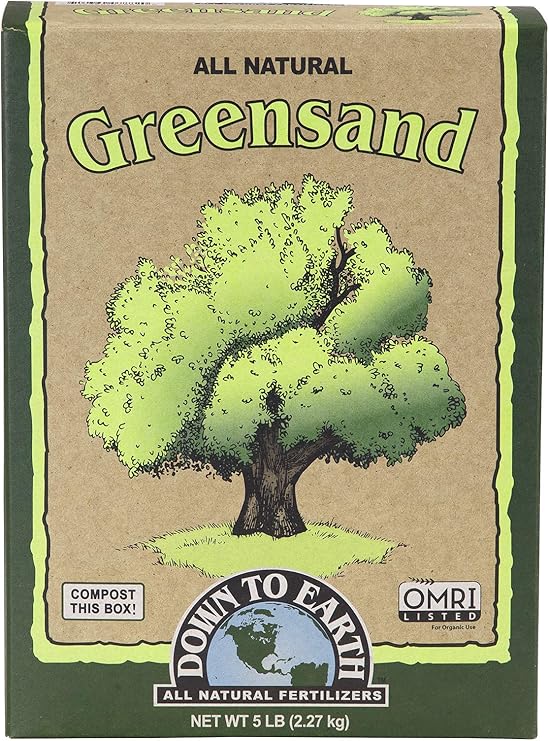
    How To Grow Tomatoes Upside Down

    Growing tomatoes upside down is relatively easy if you have the right equipment and care instructions. Here’s some tips!

    Equipment you’ll need:

    • 5 Gallon bucket
    • Hand drill
    • Tomato plant seedlings
    • Lightweight soil mix
    • Coffee filter or a few sheets of newspaper
    • Sturdy frame
    • Mulch or peat moss

    Create your own upside-down tomato plant hanger by hanging buckets from a sturdy frame of your choice. 

    1. Drill hanging holes at the sides of each bucket and draining ones at the bottom. 
    2. Secure the bottom holes with coffee filters or newspaper.
    3. Fill your pots with soil and mix mulch or peat moss in.
    4. Spread your seedlings and cover them with a thin layer of soil.
    5. Water your tomato seedlings every day and watch them grow!

    Tips For Growing Tomato Plants

    Choose The Right Planter

    You can’t grow your upside-down tomatoes without the right planter! Buy a pre-made one at your local nursery or build it according to your needs. A 5-gallon bucket is a great size to work with. You should also buy sturdy gardening hooks to hang your pots. 

    Pick The Perfect Spot – Grow Tomatoes Upside Down

    The success of crops has a lot to do with their location. Your tomato plants will need at least 8 hours of daily sunlight. The spot you pick for growing your upside-down tomatoes should also be easy-accessible since you’ll need to water them frequently. 
    Use Fertile Soil

    Potting soil is nutrient-rich and works great for growing tomatoes in pots. You can fertilize your soil before you plant and again when your tomato plants are about 6 weeks old.

    Remember to replace your soil if you’re planting for the new season in the same buckets to avoid nutrient depletion. 

    Choose The Right Variety

    Not all tomatoes grow the same, and some varieties work better for upside-down gardening. For starters, smaller tomatoes grow better hanging than big ones. 

    Tumbling Toms: These yellow or red tomatoes are excellent for hanging pots. They produce fruit in about 70 days. 

    Yellow Canary: You can harvest this tomato variety in approximately 55 days, and they need less light than others to thrive. 

    14 Rare Tomato & Tomatillo Garden Seeds Variety Pack for Planting Outdoors & Indoor Home Gardening

    91Vnej RPpL. AC SL1500

    Quick Tips For Maintaining Healthy Tomato Plants

    • Avoid shady areas. Sunlight is your friend!
    • Keep your soil damp but not wet. 
    • Water your tomatoes twice on hot days.
    • Add fertilizer every 4 to 6 weeks. 

    The Benefits Of Growing Tomato Plants Upside Down

    Growing tomatoes upside-down definitely has its ups! Here’s some benefits of this method:

    Space Efficient: If you’re limited on space, you can hang your tomato plants wherever possible. Hanging pots don’t take up much space. 

    Control: Upside-down growing gives you more control over how much water your tomato plants receive. The risk of overwatering decreases, and you’re more likely to give enough water too. 

    Reduces Pests and Diseases: Root rot, infestations, and pest risks are decreased when planting tomatoes in hanging pots. These critters will have trouble reaching your plants, and since you’ll have control over how much water each pot gets, the chances of rotting roots are slim. 

    Extended Season: Hanging pots are easy to move around during seasonal changes. You can place them in different spots to ensure your plants still get enough sunlight. 

    Click Here to Get Info About:

    Issues And Solutions When Growing Tomatoes Upside Down

    Tomatoes love water, sun, and space to spread their roots. Consider these problems you can run into when growing this fruit upside down:

    Inadequate Moisture: Basic science tells us that gravity pulls water. If your soil drains too well, most water will run through the holes at the bottom of your pots, leaving little nutrients for your plants to soak up. 

    Add enough newspaper or coffee filters to cover these holes and slow gravity down. 

    Poor Production: Tomatoes need a lot of sun to produce healthy fruits. Heavy pots typically hang from roof overhangs or a tree with some shade to support their weight. This will influence your plant’s sunlight exposure. 

    Ensure you have a sturdy enough trellis to carry the weight of soil-filled pots and your tomatoes that you can place in direct sunlight.

    Issues And Solutions When Growing Tomatoes Upside Down

    To Sum It Up, Grow Tomatoes Upside Down

    Growing tomatoes in pots is always a good idea if you don’t have much space to work with. Hanging them in the air is even better!

    Your tomato crops will succeed if you have a sturdy enough trellis or hook, a good pot, and the right soil, water, and sunlight balance. Adding care and love to the mix will help you harvest fruits all season long and likely beyond.

    I hope this article was helpful. If you enjoyed reading it or have more questions, let me know in the comments.

    FAQ’s

    Which tomatoes grow the best upside down?

    Small tomato varieties like cherry and Roma grow the best upside down. Since their fruits aren’t big, your hanging pots will have an easier time carrying their weight.

    Do hanging tomato plants grow upside down?

    Tomato plants don’t really grow upside down. Instead, they hang. If you plant them in hanging pots, they’ll drape downwards, creating an upside-down effect.

    Why do you put tomatoes upside down?

    There are many benefits to growing tomatoes upside down. You may also choose to use this method if you have limited space or no backyard.

    Are used coffee grounds good for tomatoes?

    You can use coffee grounds to help keep your tomato plants healthy. It contains nitrogen, phosphorus, and potassium, which benefit tomato growth.

  • N Joy Plant Care Tips

    N Joy Plant Care Tips

    N Joy Pothos is a delightful houseplant to have and this plant really stand out from every other plant. The lovely plant is known for its white and green variegation of leaves. But do you know how to care for the plant? N Joy plant care tips will be discussed in this post.

    N Joy Pothos is from the Araceae family and if you can adequately take care of this plant, it can grow well and attain a height of 8 to 12 inches. Just provide the plant with proper temperature and humidity, bright indirect sunlight, and water the right way.

    This lovely variegated plant is easy to care for. N joy plant care tips are what we will be looking at in this post so let’s begin.

    Overview About N Joy Pothos

    The plant of N Joy Pothos is one charming houseplant you can have. N Joy is well known for its distinctive white and green variegation. The scientific name for the plant is Epipremnum pinnatum ‘Njoy,’

    This gorgeous plant is characterized by its very compact growth, bright, and distinctive green and white variegation foliage.

    N Joy Pothos can grow and attain a height of about 8 to 12 inches and this will depend on how well you take care of the plant. This care includes providing N Joy plant with bright indirect sunlight, well-draining soil, the right watering needs, adequate temperature and humidity, and so on.

    Overview About N Joy Pothos

    N Joy Plant Care Tips

    So here are some great tips on how you can properly care for your N Joy Pothos plant:

    1.    Light

    Lightning is one crucial requirement when it comes to caring for N Joy Pothos plant. The light requirement for N Joy Pothos is bright to moderate indirect light. When indoors, you can position this plant a few feet away from a window that is sunny.

    However, avoid exposing the plant to direct sunlight because this can scorch the beautiful foliage. Too much sun exposure may also cause the leaves to turn pale yellow or white. To help reverse this condition, simply relocate your plant from the sunny spot to a more shaded spot.

    The plant can grow and tolerate low light or a bit of direct sunlight. However, if you only supply N Joy with low light, your plant may not get that full variegated look. So, you will notice great results when you supply your plant with adequate light and your plant will look greener.

    2.    Soil – N Joy Plant Care

    This plant does not demand too much when it comes to the type of soil required and it can do well in most types of soil. An excellent potting mix that is designed for houseplants will do fine. You can do 50% perlite and 50% peat.

    Just ensure the soil has good drainage and also make sure your pot has adequate drainage holes. The growing medium should be free of pests and diseases.

    For instance, you can use a potting mix that is made of peat moss. This medium can retain moisture and nutrient long enough for them to be absorbed by the roots.

    rePotme Houseplant and Tropical Classic Potting Soil Mix – Mini Bag

    51 Y87l2 oL. AC

    3.    Watering Requirement

    Allow the upper part of the soil (about 1 inch) to become a little dry before you give the plant a drink. However, the entire potting mix should not be dried out totally because this can cause wilting of the entire plant. It can also cause the leaves to turn yellow and cause ugly brown and crispy leaf edges.

    But make sure you avoid over-watering your N Joy Pothos plant. Ensure you always discard any excess water that may accumulate underneath the saucer. Waterlogged soil can predispose the plant to root rot.

    4.    Temperature

    This lovely plant will do well with temperatures ranging from 60 to 85 degrees Fahrenheit. However, avoid putting the plant in a place where there are sudden temperature changes. So, don’t put the place close to any heating appliances such as air conditioning units.

    5.    Humidity – N Joy Plant Care

    N joy plant care also involves providing adequate humidity for the plant. This plant is from the tropical region and this implies that it fairs well in humid conditions. Maintain an optimal humidity between the ranges of 50 to 70% and you will see your N Joy plant do well. To help maintain the moisture level, keep the pot on a pebble tray filled with water.

    6.    Fertilization

    N Joy Pothos requires light fertilization. You can supply a balanced feed once in 5 to 6 weeks and this can supply the plant with all it needs for it to grow and flourish. Also, make sure you follow the instruction on the label.

    During autumn and winter, you should reduce the fertilization to once a month. You need to also ascertain that the fertilization you’re using is designed for houseplants.

    7.    Pruning N Joy Plant

    Pruning helps control and removes dead foliage from time to time. Although N Joy Pothos isn’t a vigorous grower and the plant is inclined to stay compact; the plant can still benefit from trimming.

    8.    Pest And Disease Control – N Joy Plant Care

    The common pest that may affect your N Joy Pothos plant is aphids and mealybugs. You can use insecticide to eliminate them if you have an invasion.

    N Joy Plant Care Summary

    Here is a quick recap of some important points we’ve mentioned about caring for N Joy:

    • Water N Joy Pothos only when the top one inch of the soil is a little dry.
    • Provide the plant with bright indirect sunlight always.
    • Use a well draining soil to grow your N Joy plant.
    • Use a light and balanced fertilizer for your N Joy Pothos.
    • N Joy plant care also requires a fairly humid condition.
    • The temperature range should be around 60 to 85 degrees Fahrenheit.

    FAQ’s

    How often do you water Pothos N Joy?

    Generally, you should water Pothos N Joy plant about once or twice weekly. Make sure you allow the top part (one inch) of the soil to dry out before watering.

    Why is my N Joy Pothos Brown?

    The leaves of your N Joy Pothos can begin to turn brown from excess light exposure, over-watering, under-watering, or from leaf spot disease. Additionally, excess fertilizer can result in brown spots and brown leaf tips.

    Is Pothos N Joy rare?

    Pothos N Joy is not a rare plant. However, one rare Pothos you may find is the Harlequin Pothos. This rare Pothos resembles Manjula and has a mix of marble and snow queen with a bit more variegation on the foliage.

    When should I repot Pothos N Joy?

    Once you notice the roots of your Pothos N Joy are emerging from the pot’s drainage holes, then you should repot. Avoid allowing your plant to become rootbound.