Category: Tips & Guides

  • How Often to Run Exhaust Fan in Grow Tent: Best Guide

    How Often to Run Exhaust Fan in Grow Tent: Best Guide

    So how often do run an exhaust fan in grow tent? If you are growing plants in an indoor environment, you need to use an exhaust fan to make it ideal for your plant. It is therefore important that you know how often to run an exhaust fan in grow tent, to get the best efficiency from both your exhaust fan and grow tent.

    In a perfectly designed system, an extracted fan should replace the air in your grow tent at least every three to five minutes. To be able to achieve this efficiency, you have to choose the right size fan to get the job done.

    Grow tent ventilation can actually be very simple, as long as you understand the basics. So let us get right into it.

     Does a sealed grow room need fresh air?

    How Important is an Exhaust Fan in a Grow Tent?

    So why do you need a fan in your to-grow tent? Well, there are several reasons:

    • For removing excess heat

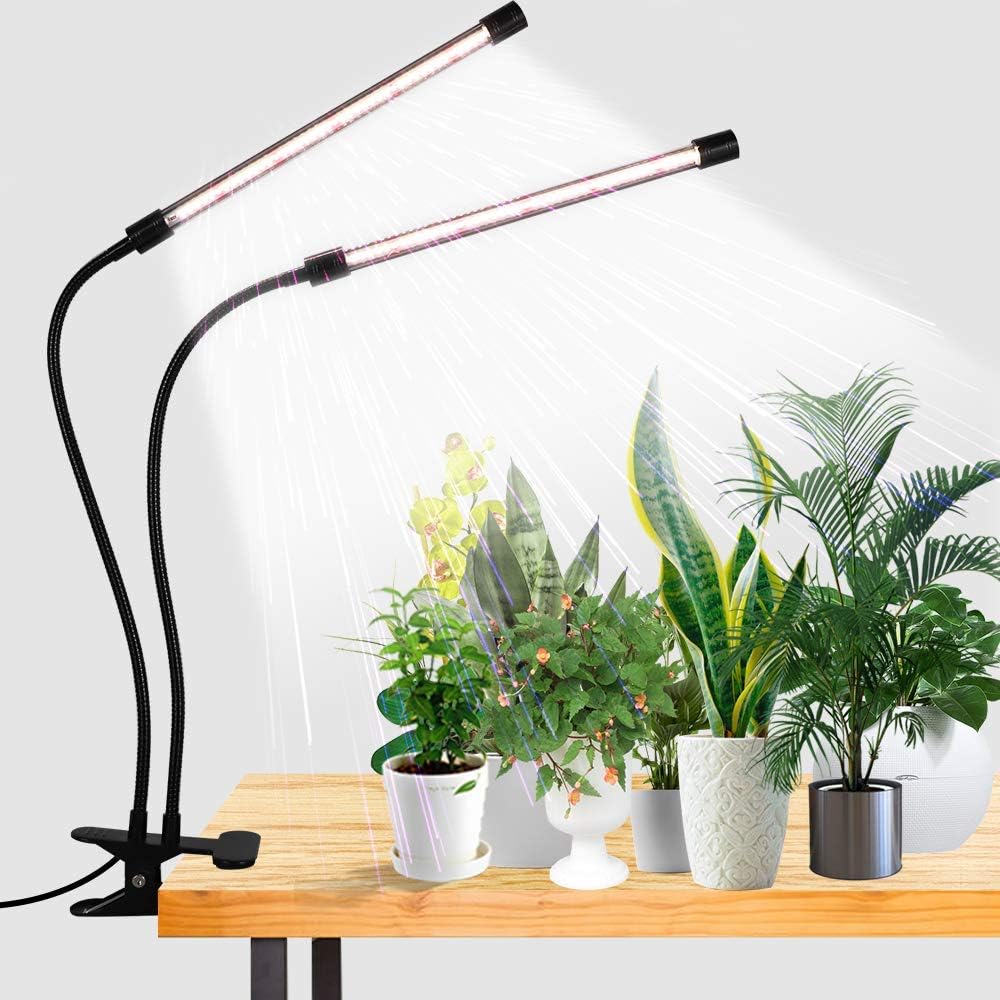
    In an indoor growing environment, there may not be a lot of natural light that enters. In this case, you will need to use grow lights. These grow lights however emit heat which may increase the temperature of the grow tent. This may not seem like much, but a change in a few degrees of temperature can mean the difference between the success and failure of a crop.

    Of course, certain grow lights will emit more light than others. This is often not a problem with LED lights, but all of them produce enough heat to necessitate ventilation. Exhaust fans are necessary to help remove all the excess heat and keep your plants happy.

    • Humidity control

    Plants in a grow tent emit vapor throughout the day which will increase the humidity of the tent. If the humidity is left uncontrolled, it will result in poor growing conditions in the room, which will often result in the development of pests and diseases. An extractor fan will help to suck out all the extra moisture, helping maintain humidity at a minimum.

     How do you set up an exhaust fan in a grow tent?

    • CO2 control

    Because a grow tent is sealed, the level of CO2 will gradually decrease, limiting the growth of your plants. Ventilation from an exhaust fan will bring fresh CO2 from outside and boost plant growth and productivity.

    If grow tent setup is sealed, this means that the level of CO2 in the room gradually decreases, limiting your plants’ growth. Ventilation brings in the fresh air and fresh CO2 from outside and removes the old air from your grow room, boosting growth and yields.

    • Photosynthesis

    Plants need CO2 for photosynthesis. In a grow tent without adequate ventilation, the CO2 will become stale. This will become destructive to your plants if it is not solved with the addition and use of an exhaust fan.

    91fpqkIrYzL. AC SX679

    How Often to Run Exhaust Fan in Grow Tent?

    Different grow tents require different amounts of ventilation. To know how often to run an exhaust fan in grow tent, you will need to first measure the volume of the grow tent in cubic feet.

    61qBBAYmZeL. AC SX425

    The running unit of an exhaust fan is measured in CFM, short for cubic feet per minute. This is an indication of the total volume of air that should be exchanged in the grow tent. If you are unsure how to do this yourself, certain calculators such as this one will help you work out these values.

    Ideally, your exhaust fan should replace the total volume of the air in your grow tent every 3 minutes. Let’s suppose, for example, you have a grow tent with a CFM  of 720. You would divide this number by 3;

    • 720/3 = 240

    If you had an exhaust fan with a capacity of 240 CFM, you would need to run it continually to replace the air in your 720 CFM grow tent. But if you have a full capacity one (i.e. 720 CFM), you would only run it once every three minutes.

    Should I Turn My Fan Off at Night?

    You should always keep your extractor fans running as long as the lights are on in your grow tent. Colder nights may not need ventilation but during summer, you may put them on a schedule. You can also use sensors to detect if any parameters are off so you can know when to turn the fan on.

    Does a Sealed Grow Room Need Fresh Air?

    A sealed grow room needs excellent ventilation to cycle out the cold air and bring fresh air in. Otherwise, your plants will die.

    The total volume of the air needs to be replaced every three to five minutes. Make sure you get the right size fan to get the job done.

    How Do You Set Up an Exhaust Fan in a Grow Tent?

    The best time to install an exhaust fan in a grow tent is during the setup stage. This is so that you will not have to work around existing plants in your system, which may potentially kill them.

    Calculate the total volume of your grow tent to ensure that you get the best fan that will be able to efficiently ventilate.

    Once you have the fan specifications, choose the model and make that you want, in the price range you can afford. You can also look at reviews to help you decide on the best model and make sure you get the best fan for your money. Also, check of the fan comes with a filter, or if you need to purchase one separately.

    If you are mechanically inclined, you can install the fan yourself; otherwise, get a professional to help you install it.

     How important is an exhaust fan in a grow tent

    How Often Should Air Be Exchanged in Grow Room?

    You may be wondering how often the air should be exchanged when in the grow room. The truth is, it depends on the size of the grow tent. However, the rule of thumb is that the air should be exchanged in your grow tent every 3-5 minutes or so, for best results.

    Grow Room Exhaust System Setup

    To set up an exhaust system in your grow room, you’ll need to follow a method to ensure you get the best results. Let’s take a closer look.

    • Choose your equipment. Depending on what you’re growing, you’ll need certain-sized equipment. The first thing you’ll need is your exhaust fan and intake fan, which you should choose accordingly to the size of your room. Ideally, you should get fans of the same size, or a slightly smaller intake fan. You’ll also need a controller, circulation fan, ducting, and carbon filter.
    • Begin installing. You’ll need to install the exhaust fan first, along with the carbon filter. Decide where you think is best, this can be anywhere inside or outside of the tent; assuming it’s within reached. Ideally, it should be inside. Attach with tape and ducting and place the ducting outside.
    • Install further. Now it’s time to install your intake fan. This should be opposite your exhaust fan. Having them opposite one another will ensure you get the best results from your to grow tent. Just like before, secure with ducting and tape.
    • Circulation fan. Now it’s time to add at least one circulation fan; however, I would recommend using two for slightly larger tents. This particular fan should be kept running at all times; irrespective of whether the lights are on or not.
    • Set up the controller. Check everything you’ve already set up is working adequately, then set up the controller to match the cycle you’re following in your grow tent.

    Do I Need to Vent My Grow Tent Outside?

    The truth is, you can vent wherever you want; inside or outside. However, most people like to vent their grow tent outside to ensure no damage is caused to their houses. However, it all depends on what you’re growing. For example, for something like cannabis, you should absolutely try to exhaust it outside. Try to make a decision based on what you’re growing and what you think is best for your plants.

    How Long to Leave Fan on Plants?

    You may be wondering how long to leave your fan on your plants. And in all honesty, it all depends on which fan you’re talking about. For example, your circulation fan should be kept on at all times; regardless of whether your grow lights are on. However, for your inline and exhaust, you can reduce the speed after around 30 minutes of your grow lights being off and then reduce gradually before turning off completely after around three hours,

    However, when your plants are still seedlings, you may decide to keep them on 24 hours a day for best results, as this will ensure they thrive once they’re older. It all depends on what you’re growing.

    Conclusion: How Often to Run Exhaust Fan in Grow Tent

    We hope this article has provided you with the information you needed to make the best decision with regards to getting the best exhaust fan for your grow tent and to know how often to run it so you get the best efficiency and benefits for your plants.

    If you enjoyed reading this article or found it useful, feel free to share it with your family and friends.

  • Hydroponic Asparagus: Best System for Growth

    Hydroponic Asparagus: Best System for Growth

    Interested in hydroponic asparagus? If yes, we will enlighten you about it in this article. The tasty asparagus vegetables can be grown hydroponically with the right knowledge and you will enjoy amazing benefits from it.

    Asparagus is a temperate zone plant, and thus requires warmth for optimal development. You can grow asparagus successfully with hydroponics if you supply them with their required growing needs. We will enlighten you on all the requirements and more so, read on to discover how to go about it.

    A Little About Asparagus

    Known to be warmth-loving plants. In fact, during the cold period, it goes into dormancy to stay alive. This shows it will be great for warm indoor hydroponic farming where you can comfortably adjust the environment to suit its growing needs.

    You can even grow them all year round in your indoor hydroponics without worrying about them going into dormancy. All you need do is to supply it with good warmth in your indoor hydroponics garden to serve you all year round.

    A Little About Asparagus

    Guidelines on Growing Asparagus Hydroponically

    To get started with asparagus hydroponically, you will need to propagate asparagus plants.

    Propagating asparagus

    Asparagus plants can be propagated in two ways, either from seed germination or from crowns.

    1. Propagation by crowns

    Asparagus propagation by the crown will give you a quick result compared to seed germination. The crowns of asparagus are simply one-year-old roots of asparagus which has been grown from seeds. Therefore, they are simply roots ready to be planted. You can purchase asparagus crowns from a garden center or nursery store near you.

    Usually, they should be sold to you as planting stock that comprises a root system and central fleshy crown. However, you should be aware that these plant stocks (crown and root system) are grown in the soil or field. Thus, they will most likely convey soil-borne diseases into your hydroponic farm.

    This is why you need to be very careful when it comes to growing the asparagus crowns gotten from the field into your hydroponics system. Ensure you also make a sterile environment for the transition into hydroponics and take other precautions.

    Purple Pacific 10 Live Asparagus Bare Root Plants -2yr-Crowns from and-Pickedd Nursery

    711gLp2RNDL. AC SL1000
    1. Propagation from seeds

    Asparagus propagation from seeds is also possible. However, it is time-consuming and requires lots of patience as it can take up to a year of growth until harvest time. The good news is that once it gets to the crown stage, asparagus can be grown continually for more than a decade. Properly take care of them and you continually enjoy spears of asparagus for a long time!

    Germination of asparagus seeds can take up to 10 to 15 days. Simply maintain a temperature of around 71 degrees to 79 degrees Fahrenheit. Avoid lower temperatures as this can make their growth process slow.

    Once you start to notice germination of about 3 to 5 inches and they have some root growth: you can transplant them into your hydroponics system.

    As they continue to develop in the hydroponic system, you can supply them with warm temperatures of around 75 degrees to 86 degrees Fahrenheit. This will enhance the developmental rate of the young growing crown and foliage. You can as well introduce light with gradual intensity as the plant matures.

    Hydroponic system to use

    There are various hydroponic systems to make use of. However, we recommend a Dutch bucket system, deep water culture, or Kratky system to raise your asparagus plants.

    The ideal nutrient solution for growing asparagus hydroponically

    A well-balanced nutrient solution suited for the vegetative stage is ideal for it. Use this for the entire active growing stage of hydroponic asparagus.

    Harvesting

    Now to the harvesting period which is our most anticipated period: you can begin harvesting the first year after planting. Just make sure you harvest a few spears from each plant. Don’t do this all in one go, do it for about 2 weeks and stop till the next harvest.

    This way, you can give them a chance for the fronds to unfold and continue to develop a strong root system. It will also encourage them to conserve the energy required to generate plentiful spears the next season. In the next harvesting period, you can increase the harvesting time to 3 weeks and stop till the next season.

    Harvesting Asparagus

    Harvest spears when they are 5 to 7 inches long. Harvest spears by using sharp tools to cut or simply snap them off.

    How to Grow Asparagus From Cuttings

    Growing asparagus from cuttings couldn’t be easier. You can do it either one of two ways: using the soil method or the water method. Let’s take a closer look at both options.

    Soil method

    If you’re a beginner, this is probably the best method to use, as it is the easiest. All you need to do is:

    • Prepare your cuttings. Cut from a fresh plant, and do not use old asparagus cuttings, for best results.
    • Clean your cuttings. Run under cool water and remove any dirt or insects that may be on your cuttings.
    • Cut. Remove any roots on your cuttings. However, you need to leave at least 6 inches, for best results.
    • Prepare your soil. Prepare the soil by making it moist with water.
    • Plant. Place your cuttings into your soil; around 2-3 inches below surface level.
    • Mist. Mist your cuttings now, rather than pouring water o them, for best results.
    • Check regularly. After a week or two, you should see your asparagus beginning to grow.

    Water method

    This method is a little tricky, but better if you want to watch your asparagus as they grow.

    • Prepare your cuttings. Much like above, cut from a fresh plant and wash them under cool water to ensure they’re clean.
    • Place in water. Fill a clear container with water.
    • Add cuttings. Place around 75% of the cutting into water, so the top is sticking out. Over time, you’ll notice your water may change color or become slimy. If this happens, be sure to change the water.
    • Check regularly. After a week or two, you should see your asparagus beginning to grow. Hand-Picked Nursery Asparagus Planting Instructions

    The asparagus from Hand Picked Nursery is infamous in the gardening world and you may be wondering how to plant them. Let’s take a closer look.

    Buy your asparagus and then remove it from the bag once ready to plant. You may want to rinse them before use and then leave them to air dry. For the soil, you’ll need well-draining. You should ensure there’s ample space and depth for your asparagus. For example, each row should be at least a few feet apart.

    pH For Asparagus – What Should it Be?

    As mentioned above, asparagus must be grown in well a drained soil. As for the type of soil, sandy or medium is best. The pH should be anywhere between 6.5-7, which is only just slightly acidic. Any more acidic and your asparagus will not thrive. You can test your soil if you’d prefer,r and add fertilizer according. However, be sure not to use a herbicide fertilizer, as this can cause more harm than good.

    hydroponic asparagus

    Asparagus Water Needs: How Much Do They Need?

    You may be wondering how often you need to water your asparagus. Typically, they are around an inch or two per week, up until they’re around two years old. At this point, they have reached full maturity and will only need around an inch of water per week. These are the best rules to follow when deciding how often to water your asparagus.

    Conclusion on Hydroponic Asparagus 

    Now, we have seen that hydroponic asparagus is possible with the right comprehension. Make sure to follow our guidelines and we wish you successful asparagus growing. Do you have any tips when it comes to hydroponic asparagus? If so, please feel free to let us know in the comments below. And remember, sharing is caring! 

    FAQs

    Can asparagus be grown hydroponically?

    Yes, it can. You will need to fertilize it with a fertilizer that is specifically designed for hydroponic growing. Hydroponic growing is much easier than potting up seedlings, and there are several advantages to using hydroponics instead of soil.

    There are many different ways to grow asparagus in a hydroponic system. The simplest way is to use a plastic tub and place the asparagus spears in it. The water will be pulled up through the bottom of the tub. If you have a shallow tub, then the spears may be planted close together. Otherwise, you can plant them several inches apart. Asparagus is a heavy feeder.

    It loves nitrogen. So, if your growing space is limited, consider using some fish emulsion or blood meal (available at most nurseries) as a fertilizer. The second method is to place asparagus in a floating container. This allows the roots to grow directly down into the water. Floating containers are available from many online retailers, but be careful to avoid the ones that are too large or too small. There are also a variety of hydroponic systems on the market. Many are designed for the home gardener. They come in all shapes and sizes. One of the more popular hydroponic systems on the market today is the NutriWave. These systems allow you to grow your own vegetables with very little effort. It has a vertical growing chamber that holds the nutrients and water. The plant roots go directly into the nutrient solution. This is a great way to start if you are new to growing.

    The best time to harvest asparagus is when it is just beginning to flower. When the stalks are about six inches tall, pick them and enjoy.

    What’s the best nutrient solution to grow asparagus hydroponically?

    There is no best nutrient solution for growing asparagus. The answer depends on what you mean by “best”. What will work best in your particular situation will depend on a lot of factors.

    Asparagus is one of those crops that you can grow very well in a hydroponic system. However, it takes some trial and error to find the right combination of nutrients for your plants. In this case, I’ve had good luck using the following nutrient solution: 2-1-1 Solution (Soltan) Soltan is an all-purpose fertilizer.

    The only thing that I have changed from the package directions is that I add 0.2 grams of Sequestrene per gallon of water. This is because I use more than 1 gallon of water per gallon of soil and Sequestrene is a slow release fertilizer. Soltan’s website says that it is safe for use in a hydroponic system, but I prefer to be extra careful when dealing with fertilizer. If you’re concerned about using a fertilizer that is not specifically designed for use in a hydroponic system, then you could also try mixing Soltan with your regular garden fertilizer. The amount of nutrients that you need depends on what type of asparagus you are growing.

    What type of irrigation system can I use?

    You can use a drip irrigation system with a 4-inch tube running from the water tank to my pots. I have found that it is best to set the timer on the drip system to run for about 15 minutes before setting it to turn off. I do this because I don’t want to waste water by having the drip system run all day. I have also found that the drip tubing needs to be replaced every six months or so. I use PVC tubing that comes in 2-, 3-, and 4-inch sections. I use a hose bib to connect the tubing to my water tank and then to my drip irrigation system. I have attached my drip system to a PVC tee and then connected the other end of the tee to the bottom of my pots. I have also attached an extension piece to the top of the pot. The extension piece allows me to easily remove the pots and move them around. This way, if I want to rotate the plants, I can move them without having to take them out of the water.

    Is it a hardy plant?

    Asparagus is a hardy plant and can withstand a wide range of temperatures, so you should be able to grow it indoors year-round without a problem.

  • Tomatos or Tomatoes – Which is the Correct Plural?

    Tomatos or Tomatoes – Which is the Correct Plural?

    Tomatos or tomatoes? What should more than one tomato be called? You may sometimes find it not so easy to remember how to spell some words because pluralization in English can at times be complicated. But you can still find an easy way to remember how to spell most of these words.

    Tomatoes are one delicious fruit that contains a good amount of essential nutrients for human development. It is often believed that tomato is a type of vegetable. But technically speaking, it is a fruit that is derived from the tomato plant.

    Most people often get the spelling of the delicious red food that goes by the name tomato wrong, especially when it comes to the plural spellings. When it comes to the spelling of some words in English, there are different rules to be followed, especially when it has to do with the construction of plural words.

    In this post, we will compare tomatos and tomatoes and find out which is the correct spelling. So, let’s delve into this.

    Some Info About Tomato – Tomatos or Tomatoes

    The big, round, pulpy, tomato berry is from the genus Solanum of the nightshade family. There are more than ten thousand tomato varieties you can find.

    The tomato is mostly red. However, some varieties can be yellow, orange, pink, black, green, or purple. But what we mostly see is usually red tomatoes.

    If you wish to see or find a multiple-color variety of tomato, you can just head to your local farm shop or greengrocer.

    Some Info About Tomato

    As we mentioned earlier, tomato is a type of fruit but sometimes it can be regarded as a type of vegetable. So, it is an edible fruit that can be eaten raw and integrated into foods like salads, or you can cook them in different meals.

    This tomato fruit is loaded with many great nutritional benefits. This includes being a great source of vitamin C, folate, potassium, and vitamin K. They are also rich in antioxidants that can help get rid of toxins.

    This great-tasting fruit is also rich in lycopene which is available to us naturally. This lycopene is a very strong antioxidant that is crucial for the health of the prostate gland that is found in men. Also, some reports have claimed that lycopene can minimize and protect against certain types of cancer.

    Tomatos or Tomatoes: Which is the Correct Plural Form?

    It’s general knowledge to always add –s to noun words when you’re referring to the word in the plural. However, this may not be the case for some words.

    Generally, when it comes to spelling nouns in English words that end with –o, the plural form of the word often ends with –s added to the words. For example, we have words like -zoos, patios, radios, studios, embryos, avocados, tacos, videos, and so on that end with –s. However, this is not the case for words like a tomato that ends with –s.

    Correct Plural Form - Tomatoes Or Tomatos

    Some people usually make the mistake of adding –s to tomato when it comes to using tomato in the plural. But this is wrong. This is mostly because the singular word for ‘tomato’ doesn’t contain –e at the end of the word. So, it can be understandable when some people get the plural spelling wrong by just adding –s to the end of the word.

    However, the ideal or correct way of spelling tomato in the plural form is to add –es. Hence, the correct spelling for the plural of tomato is tomatoes.

    Other words ending with –o, just like a tomato, also fall into this same category of adding –es to form plural words. Below is a list of other words apart from tomato that also ends with –o that needs –us to be added to the end of their words to form the plural word:

    • Potatoes
    • Heroes
    • Torpedoes
    • Mosquitoes
    • Echoes
    • Vetoes
    • Buffaloes

    Tomato or Tomatoe: Which is the Correct Singular Form?

    It’s understandable if some people get the spelling of tomato confused. This is why we need to know what the right spelling is.

    The correct singular spelling is “tomato.” The singular form or spelling of tomato doesn’t require the addition of ‘e’ to it.

    Sow Right Seeds – Tomato Seed Collection for Planting – 10 Varieties

    Tomatoes Or Tomatos

    Health Benefits of Tomatoes – Tomatos or Tomatoes

    Tomatoes are wonderful food that can offer us great nutritional benefits that can aid in proper body functioning. Some of these benefits include:

    • Tomatoes are a wonderful source of vitamin C and vitamin K. It is also rich in potassium and folate (or vitamin B9).
    • Tomato can be beneficial to your blood pressure control and it can serve as a protection against heart disease. So, regular consumption of tomatoes can help reduce or protect against heart disease; which includes heart attacks and strokes.
    • They are a great source of fiber that can provide around 1.5 grams per average-sized tomato.
    • These fruits are great antioxidants that can help flush out toxic radicals from your system.
    • The lycopene found in tomatoes can help reduce the risk of cancer as well as give some protection against cancer.
    • Your skin can also benefit from tomato use. For instance, food that is based on tomatoes is rich in lycopene as well as other plant compounds that may protect against sunburn. Some studies have even shown that individuals that consume 1.3 ounces (i.e. 40 grams) of tomato paste get about 16 grams of lycopene. Now, when this is combined with olive oil every day for 10 weeks, it can cause 40% fewer sunburns.

    Nutritional Value of Tomatoes

    You may be wondering what the nutritional value is when it comes to tomatoes. Let’s take a closer look. Every 100g of tomatoes contains the following:

    • calories: 18
    • fat: less than 1g
    • cholesterol: 0mg
    • sodium: 5mg
    • carbohydrates: 3.9g
    • fiber: 1.2g
    • protein: less than 1g

    Popular Varieties of Tomatoes

    There are hundreds of varieties of tomatoes; big and small, ranging in color and flavor. But some varieties are more popular than others. Let’s take a closer look.

    • Roma Tomatoes. You may know Roma tomatoes better than plum tomatoes. These types of tomatoes are usually somewhere between small and medium in size. They’re usually sweet, plump, and flavorful. Perfect for soups and salads.
    • Cherry Tomatoes. They’re small tomatoes that tend to explode with flavor as you eat them. I find that these tomatoes work well as a snack, or in sauces.
    • Beefsteak Tomatoes. These are large and plump in size. These work great for when you’re looking for tomato slices to add to your burgers. They’re often mild in flavor, but very juicy.
    • Heirloom Tomatoes. These tomatoes aren’t typically uniform, coming in a selection of sizes and colors. These tomatoes are usually sweet and rich in flavor. These tomatoes work well in any dish and are known as the “purest” tomatoes.
    • Vine Tomatoes. As the name suggests, they grow on the vine and are then sold that way. This means that they’ll be as fresh as possible when you pick them off the vine. They’re versatile and can be used in many dishes.
    • Green Tomatoes. Green tomatoes can either be ripened or unripened; depending on the variety. Green tomatoes are surprisingly common in the US. They have a different taste from usual tomatoes and they can even be quite sour. They’re typically firm, but not as juicy as other varieties.
    • Grape Tomatoes. These are the smallest cherries. They aren’t particularly juicy, but because of their size, you may not want to use them in cooking and they may be best suited as a snack.

    Tomatoes Tomatos Saying

    You may have weird the expression, “tomato, tomahto”, or, “potayto, potahto”; both of which are used interchangeably. It simply means that you have differences, but you’ll have to agree to disagree.

    As well as this, it was also made famous in a popular song by Ella Fitzgerald and Louis Armstrong, called Let’s Call the Whole Thing Off. The lyrics are, “you like potayto, I like potahto, you like tomayto, and I like tomahto, potayto, potahto, tomayto, tomahto, let’s call the whole thing off”. This is essentially saying that we have our differences, but let’s settle this now and stop.

    It is also a cultural difference. British people tend to see “tomahto”, whereas Americans tend to say “tomayto”. Either way is correct!

    Do You Say: Some Tomato or Some Tomatoes?

    If you have more than one tomato, you should say some tomatoes, rather than some tomato. Some tomato does not make grammatical sense and should not be used when you have more than one tomato.

    Tomato Plural Dictionary – What Does the Dictionary Say?

    If you take a look at dictionary.com, tomato is described as a noun, and the plural for a tomato is to·ma·toes.

    tomatoes tomatos saying

    Final Say – Tomatos or Tomatoes

    Even though there may be different ways of tomato pronunciations, the right spelling must be followed. So, when it comes to spelling tomato, there is only one way to spell this word. The word tomato is often misspelled and this is common when it comes to their plural spellings.  But ‘tomato’ is the correct singular spelling, while ‘tomatoes’ is the correct plural spelling.

    Do you know of any other words that end in -o, that are then added with an -es plural? If so, please feel free to let us know in the comments below. And remember, sharing is caring! 

    FAQs

    Which is correct tomatos or tomatoes?

    People often misuse or misspell the word ‘tomato particularly when it has to do with the plural spelling. Even though most words that ends with -o usually have s added to their back when it comes to their plural spelling, this isn’t the case for tomato. So,’Tomatoes is the correct spelling for the plural of the word tomato.

    How to spell tomatoes or tomatos?

    The singular spelling for tomato is ‘tomato’ then the plural is spelled ‘tomatoes.’ So, take note not to get these confused.

    Do you say tomatoes or tomatos?

    Often times words that ends with -o have -s added to them when we want to spell them in their plural form. For example, videos, radios, tacos, and so on. But for the case of tomato that also ends with -o, the plural form is totally different. The correct plural word is tomatoes.

    Why is tomatoes spelled with an E?

    Tomatoes is spelled with E because this is the way the plural of tomato is spelled. Instead of adding -s to the back of the ‘tomato’ word, -es is added to form the plural word for tomato.

  • How to Cool Grow Tent: 6 Best Tips

    How to Cool Grow Tent: 6 Best Tips

    One common issue indoor growers wrestle with heat. Ensuring your grow tents remain cool is of great importance so your plants can successfully make it to harvest time. So, we will be giving you the best tips on how to cool grow tents.

    Fortunately, there are various things you can do to manage heat and ensure your grow tent is kept cool. So, by the end of this article, you should be able to know how to maintain a cool grow tent for the optimal growth of your plant.

    Tips on How to Cool Grow Tent 

    You must keep your grow tent cool and prevent building up excess heat. Too much heat can cause your plant to burn or even damage some of your growing equipment.

    Depending on the extent of heat you’re managing or the size of grow tent you have, you may require one or several methods to keep your grow tent cool. Therefore, ensure you take into account the extent of heat you’re handling to know the approach to take in solving the situation.

    However, even if the heat issue you have is not so big, we recommend you integrate more than one method for effective results.

    So, below are some of the best tips on how to cool grow tent:

    1. Use an air conditioner

    One easy and fast way to cool your grow tent is to use an air conditioner. If you’re using a small tent, you can use one small air conditioner. It can be placed outside, close to your small grow tent in the same room you placed your tent. However, if you’re using a bigger tent, you will require a bigger air conditioner.

    The only downside to this is that an air conditioner may cost you more electricity usage especially if your growing on a large scale. But all in all, using an air conditioner to cool your grow tent is one of the best and most effective methods you can go for.

    2. Inline and exhaust fans

    Another great method of cooling grow room tent is by making use of a combination of inline and exhaust fans. This will cycle in and out of the air in your tent. These fans work by bringing in fresh air into the grow tent and this is done by an inline fan. While the exhaust fan moves the inside air, which is usually hot, outside the grow tent.

    3. Change your grow light to LED

    If you continue to have heat problems in your grow tent, you may want to check the type of grow light you’re using. Some grow lights such as household CFL, HID, HPS, etc, produce more heat. Switching to grow light that will produce heat lesser heat (such as LED, fluorescent grow light, etc) may be required.

    These grow lights will even save you energy as they consume less power and are more effective for growing plants.

    However, if you plan to stick with other types of grow light that emits more heat, you will have to put in extra work to manage the excess heat.

    led grow lights lumens

    4. Use oscillating fans

    Ensure you set up fans inside your grow tent. If you’re using a small tent, one or two portable oscillating fans are enough. If you however have a bigger tent, you will require several oscillating fans to cool down your grow tents.

    As you’re planning to purchase your grow light, always add fans to these plans. The wattage of your grow light will determine how many fans to use. Higher grow light wattage will require more fans and vice versa.

    5. Proper ventilation of tents

    Generally, your grow tent should have proper ventilation such as inlet and outlet vents. Not just that, your grow tent should also have regular vents which may have layers of mesh covering that allow airflow. The combination of inlet and exhaust fans with these vents makes it more effective.

    6. Proper ventilation for grow lights

    Grow light with proper vent allows cool air to be passed across the grow light during operation. We recommend you always go for grow light that has vents on all sides. Set up the necessary fans towards your grow light vent to allow the passage of cool air across the grow light.

    How to Heat Up Grow Tent

    As well as cooling down your grow tent, you may also want to know how to heat your grow tent. Here are some easy ways to ensure your grow tent remains warm enough during the colder seasons.

    • Location. Try moving your grow tent inside to another room, or changing the ventilation. Doing one of these options will instantly provide warmth for your grow tent.
    • Use More Light. An easy way to get warmth is to add more light. As long as the light is evenly spread throughout your grow tent, this is a sensible option.
    • Heater. Heaters are only effective in smaller rooms as they don’t release too much heat. But if you have a small grow tent, this would be ideal.
    • Lower Your Fans. If you use your fans less often than usual, it’ll be warmer than usual. You could also install a thermostat in your grow tent, but this isn’t often recommended.
    • Air Diffuser. Create your own air diffuser by using ducting and running it around your grow tent.

    How to Add AC to Grow Tent

    The easiest way to add AC to your grow tent is to use a portable or small air conditioning unit. If you use one of these, you can simply wheel it into your grow tent. This is ideal if you don’t want to spend time installing AC units.

    Best Small AC for Grow Tent

    There’s a huge selection of portable AC units to use for your grow tent. However, I’ve found that some work far better than others in grow tents. Here are two of my favorites.

    The first is the Serene Life SLPAC10 Portable Air Conditioner. It can be used as an AC unit, fan, or dehumidifier. It can cover around 500 feet and has a voltage capacity of 120V. It works best in a 5×9 grow tent. It is known for being quite a noisy AC unit, so if you’re sleeping or working near your grow tent, this unit may not be ideal. However, it’s great at reducing humidity and controlling the temperature in the tent.

    The second is the Black & Decker BPACT12WT Portable Air Conditioner. It can be used as an AC unit, fan, or dehumidifier. It can cover around 500 feet and has a voltage capacity of 110V. It works best in an 8×8 grow tent. Much like the first, it is known for being noisy; but unfortunately, I’ve found this the case with most AC units. However, it’s easy to use and maintain; as well as great at controlling humidity.

    DIY AC for Grow Tent

    You can even make your own AC for your grow tent. To do this, you’ll need to put in time and effort and have varying equipment. For this, you’ll need the following equipment:

    • ducting
    • drill
    • hose
    • fan
    • bucket
    • cooling pads
    • water pump

    Now all you need to do is:

    1. Drilling. Grab your 5-gallon bucket and fill it with 2 gallons of water. Make a mark where the water reaches and drill holes just above the line you’ve marked. Only make as many holes as you can without damaging the bucket.
    2. Cooling Pads. Cut your cooling pads to size. Around 33″x13″ is ideal. Glue together.
    3. Hose. Connect your house by using tubing to fit the size of your pump. Make holes every 1-2 inches.
    4. Water Pump. Use a 12V water pump and connect the hose to check it works adequately. Cover your 5-gallon bucket with a lid.
    5. Fan. Use a 12V fan; the lower the better, as this continually be running. You can place the fan beneath the lid.
    6. Add Ducting. Place your DIY AC unit outside the tent and add ducting to insert into the entrance of your tent.

    how to heat up grow tent

    Final Thoughts: How to Cool Grow Tent

    With that said, we do hope you have learned some tips on how to keep your grow tent cool. Remember, for an effective result; ensure you go for more than one option or technique we listed above. Do you have any tips or tricks for cooling down a grow tent? If so, please feel free to let us know in the comments below. And remember, sharing is caring!

    FAQs

    How hot is too hot in grow tent?

    The question of whether or not there’s a limit to how hot a grow tent should be has been discussed on this site many times. The problem is that the answer is different for everyone, depending on their tolerance level and what kind of grow they’re doing. I’ve seen some grow tents that are so hot that you can barely walk into them.

    I’ve read that the heat should be between 55-65 degrees, but there are other sources that say that the heat should be around 50-55 degrees.

    How do I keep my grow tent cool?

    If you were growing outside you wouldn’t have to worry about keeping your plants cool. If your plants were outside they would naturally cool the air down in their leaves. 

    However, in a growe tent you do need to take precautions. There are a couple of ways you can keep your grow tent cool. You can use an AC unit to cool the room, or you can use fans to circulate the air in the room. The best way to keep your grow tent cool is to use an AC unit. A properly sized AC unit will keep your grow room cool enough for you to be comfortable in the room and keep it cool enough for your plants to thrive.

    It is not always easy to find the right grow tent that will suit your needs, and this affects the way that heat is dispersed throughout the inside. Many growers end up with a grow tent that does not fit their needs or they end up having to spend money on something that is not a good investment. When selecting a grow tent you should consider the following: Size You want to make sure that you purchase a grow tent that is the correct size for your needs. It is a good idea to get a grow tent that is the same size as your current grow tent.

    How do I know if my plants are too cold?

    Cold temperatures can cause damage to some plants. Plants that are too cold are less likely to bloom, grow and develop healthy buds and leaves. You can tell if your plant is too cold by the way it looks, whether or not its leaves are wilting and the color of the soil. 

  • Best Fertilizer for Green Beans: Updated for 2023

    Best Fertilizer for Green Beans: Updated for 2023

    Using the best fertilizer for green beans when growing the plant will no doubt greatly improve the yield.

    The importance of fertilizers in the place of plant growth cannot be emphasized enough. These supplemental nutrients help plant yield. This is why we would be looking into some fertilizers needed by your green bean to thrive.

    Green beans are one loved vegetable amongst other plants. They are very nutritious and easy to grow if you gain the right knowledge about them.

    In this post, we will be looking at some of the best fertilizers for green beans. So, continue reading to gain some knowledge about this.

    Brief About Green Beans Vegetable

    Before we delve into fertilizers for green beans, let’s discuss some things that you should know about green beans and the nutrient requirement of green beans.

    Green beans which are also known as string beans or snap beans are green vegetables with huge nutritional benefits. There are over 130 varieties of green beans in the world presently.

    Green beans are of two varieties namely bush bean and pole bean. This variety majorly distinguishes them based on their growing styles.

    Brief About Green Beans Vegetable

    Bush beans are inclined to grow compactly and usually don’t require support. They are therefore perfect to be grown in raised beds as well as in a garden with little space. Their growth height is usually around 12 to 24 inches tall.

    Pole beans on the other hand are inclined to grow in a vining manner and will usually require support such as a trellis or cage. The growing height of pole beans can be as tall as 6 feet or more.

    Green beans are also loaded with great nutrients. It has a high amount of Chlorophyll, which can greatly help reduce the chances of having cancer. For women of childbearing age, green beans are a great method of improving fertility.

    Apart from the above, green beans have some other wonderful health benefits such as reducing the risk of obesity, diabetes, heart disease, and mortality generally. Green beans contain calories, fat, carbohydrate, sugar, protein, calcium, iron, etc.

    Fertilizer for Beans

    Generally, bean plants are not so demanding when it comes to fertilization requirements. This is because they are legumes and they basically fix nutrients such as nitrogen. Therefore, they are capable of supplying some of their nitrogen usually. So, all you need may just be a 3 to 4 inches layer of work in compost.

    However, if you have less fertile soil or they lack just one crucial nutrient, your green bean plant may not flourish well.

    Do a soil test to determine the status so you can know if there are any deficiencies in essential nutrients.

    Luster Leaf 1601 Rapitest Test Kit for Soil pH, Nitrogen, Phosphorous, and Potash, 1 Pack

    81lMIyoIrfL. AC SL1500

    Homemade fertilizer for green beans

    Homemade fertilization of green beans can be derived using organic materials such as fish emulsion, compost tea, as well as other organic fertilizers.

    Bean Fertilizer

    Here are some major fertilizers that tend to increase the growth rate of beans:

    Phosphorous – Best fertilizer for green beans

    Phosphorus is one essential nutrient bean plants need to majorly develop a good root system. But as we have mentioned earlier, beans are not heavily nutrient-requiring. Therefore, you can simply use a 3 inches layer of compost to enhance the growth of your green bean plant.

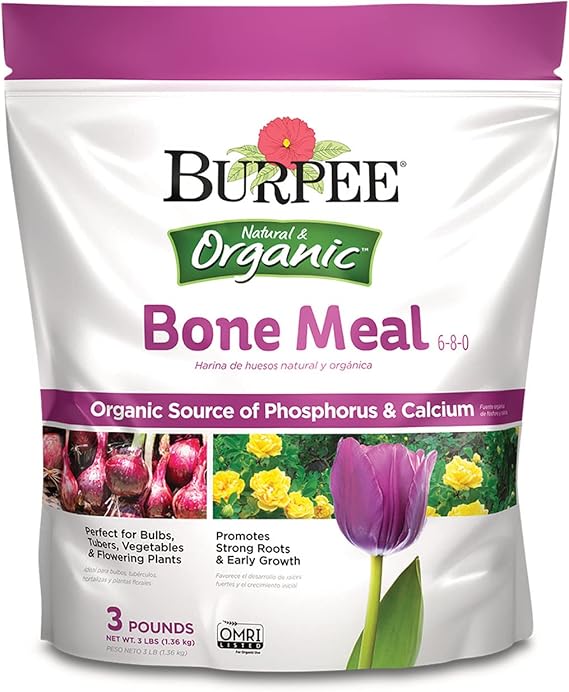
    But in the case where your garden soil test result shows that phosphorous is insufficient or lacking, you can use a 5-10-10 fertilizer. You can optionally make use of 1 pound of bone meal per 100 square feet to achieve moderate nutrient feeding.

    Potassium

    Potassium is another nutrient that can help green beans to grow efficiently. It is like a supporting nutrient in the growth of beans.

    Although potassium doesn’t really offer a major effect on the stem or growth like nitrogen and phosphorus would, potassium will still help in keeping beans healthy. This will therefore encourage or support the growth of the green beans.

    Potassium - Green Beans Vegetable

    A moderate supply or feeding of compost is fine to supply the needed potassium for green beans.

    However, if the soil tests in your garden show very low or infertile potassium, you should make use of 5-10-10 fertilizers. Alternatively, you can make use of 10 pounds of ground granite or 10 pounds of greensand per square foot.

    Is nitrogen needed in beans?

    The very first fertilizers any gardener would think of when it comes to the growth of the plant is nitrogen fertilizers. However, when it comes to legumes such as beans, these plants are nitrogen fixers.

    Hence, they are capable of fixing nitrogen into the soil and this nitrogen is gotten from the air.

    Therefore, avoid supplying your green beans with fertilizer rich in nitrogen because this can hurt your plant. Excess nitrogen can result in excess stem and leaf growth and offer you little or small beans.

    Growing Green Beans

    Green beans are very easy to grow. They are warm-loving crops that should be planted when the danger of frost has elapsed in your zone.

    The ideal growing temperatures for green beans range from 65 degrees Fahrenheit to 85 degrees Fahrenheit. For that successful seed germination, the temperature of your soil should be around 55 degrees Fahrenheit.

    So, once you’ve planted your green beans, monitor your beans to notice any signs of nutrient deficiencies.

    One sign of low nitrogen level is expressed by slow growth and pale green or yellow leaves. You can help the plant by spraying a balanced liquid spray on the green bean plant. This will supply direct nutrients to the plants rather than the soil first.

    Best Branded Fertilizers for Green Beans

    There are many branded fertilizers you can use for your green beans, but I’ve found that some are far better than others. Let’s take a closer look at some of our personal favorites.

    • Miracle-Gro All Purpose Plant Food. This is usually the most popular fertilizer to use on your green beans. It’s an all-around favorite and Miracle-Gro is one of the most trusted brands when it comes to gardening. You can use this fertilizer every few weeks on your green beans and you’ll quickly see the effect. This fertilizer is 24-8-16.
    • Old Farmer’s Almanac Fertilizer. This fertilizer is completely organic and made just for veggies, such as green beans. It helps both growth and root structure. This fertilizer is 8-4-8.
    • Osmocote Vegetable Plant Food. Easy to use and can be used for both perennials and veggies, such as green beans. It helps both root structure and plant growth. This fertilizer is 15-9-12.
    • Miracle-Gro Shake ‘n’ Feed. As mentioned, you can’t go wrong with Miracle-Gro, as it’s such a well-trusted and loved brand. It contains a range of micronutrients, as well as calcium. This fertilizer is 8-2-12.
    • Jobe’s Organic Vegetable Fertilizer. This product is absolutely ideal for green beans. It has a range of benefits besides producing tasty green beans, such as helping the soil and warding away any unwanted pests and diseases. As well as this, it’s also organic. This fertilizer is 2-7-4.
    • Dr. Earth Organic Fertilizer. Another great choice for any green bean enthusiast. It’s non-GMO, bursting with goodness and microbes, and even pro-biotics. This fertilizer is 4-6-3.

    Best Fertilizer Without Nitrogen

    Low nitrogen or nitrogen-free options are important when working with green beans. Some of the best options to use are:

    • bone meal
    • wood chips
    • potash
    • wood ash
    • cow manure
    • kelp meal
    • seaweed fertilizer

    Best Liquid Fertilizer for Beans

    The best liquid fertilizer for green beans is without a doubt Miracle-Gro All Purpose Plant Food. It’s a 24-8-16 fertilizer and is a multi-use fertilizer that can be used for any of your gardening needs. Just simply use your liquid fertilizer every few weeks to start seeing top results.

    pH for Green Beans

    The soil pH when growing green beans is very important. It should be kept anywhere from 6-6.5. This means that the soil should just be a little acidic. If this need isn’t met, it’s unlikely that your green beans will thrive and will likely have stunted growth.

    If you test your soil and notice your soil is too acidic, you’ll need to add something alkaline, such as powdered lime to neutralize the soil. The more acidic your soil is, the more powdered lime you’ll have to add to reach the correct pH of 6-6.5.

    If you test your soil and notice your soil is too alkaline, you’ll need to add something acidic, such as sulfur. The more alkaline your soil is, the more sulfur you’ll have to add to reach the correct pH of 6-6.5.

    fertilizer without nitrogen

    Conclusion on Best Fertilizer for Green Beans

    The basis of what you need to know about the best fertilizer for growing green beans has been covered in this guide. To attain the best possible result, ensure you first test your soil to determine any nutrient deficiency. Then supply your green beans plant with the appropriate fertilizer.

    So, anytime you need to grow green beans, consider any of the above fertilizers mentioned to help boost your plant yield. Be careful when applying to make sure you are applying the proper way.

    Do you have any tips or tricks for choosing the best fertilizer for green beans? If so, please feel free to let us know in the comments below. And remember, sharing is caring! 

    Read more about Discover Types Of String Beans You Can Grow

    FAQs

    What is a good fertilizer for green beans?

    I’ve grown green beans successfully in the past using the following mix: 20-30% Nitrogen (N) 40-50% Phosphorus (P) 10-15% Potassium (K) The only thing I can think of that would help is to add some sulfur. If you have any, use it, as sulfur is an essential nutrient for plants. The best time to plant green beans is from mid-May to early June. You can start seeds indoors or buy plants ready to be transplanted.

    How often do you fertilize green beans?

    You should fertilize your green beans when they are 4 to 6 inches tall, because that’s when they start to produce seeds. Use a fertilizer that has a low phosphorus-to-nitrogen ratio. This will allow your plants to focus on making seeds instead of growing roots. You should also try to keep the phosphorus-to-nitrogen ratio around 1:3 or 1:5. If you live in an area where your soil is acidic, then you should fertilize your green beans with a compound called lime. Lime is a form of limestone that has been treated with sulfur.
    In general, fertilize our beans once a week.

    What nutrients do green beans need to grow?

    Nitrogen, phosphorus and potassium are the three main nutrients for growth of plants.
    Green beans are easy to grow, and they grow well even in average soil. They prefer full sun, but will tolerate partial shade.
    They can be grown year-round in most climates, but if you live in a cold climate, it is best to start them indoors in late winter or early spring.

    How do I grow green beans?

    Seeding green beans is easy. They like to be planted about one inch deep and three inches apart. They also like to be fertilized at planting time with compost, manure or a general purpose fertilizer. As soon as they have sprouted, thin the plants to two inches apart. Water them frequently, especially during the first few weeks. If you are growing green beans in containers, keep them watered until they are tall enough to handle their own weight. In the fall, you can harvest your beans and store them for winter eating.

    How can I increase the yield of my green beans?

    The yield of your green bean crop is directly related to the amount of sunlight that reaches the plant during its growth period. During the early stages of growth, the plant needs to grow quickly, and therefore must be able to capture as much light as possible. The more light it can capture, the bigger it will get. As a result, your plants will be larger and the yields will be greater.
    Also, the quality of your green bean crop is directly related to the soil conditions in which the plants are growing. The more nutrients that are available to the plant, the better the quality will be.

  • Are Beefsteak Tomatoes Determinate or Indeterminate?

    Are Beefsteak Tomatoes Determinate or Indeterminate?

    Ever wondered: are beefsteak tomatoes determinate or indeterminate? Let’s look into this. The bulky meaty beefsteak tomato fruit is one loved tomato variety that can be a great addition to your home garden.

    One common classification you may come across on the label of a tomato plant or a tomato seed packet is indeterminate or determinate. What these two terms are majorly talking about is the growing style of the tomato plant.

    So, regarding the beefsteak tomato, most people would like to know if this tomato variety is determinate or indeterminate so they can select the appropriate tomato for their garden. Not to worry because we will be enlightening you by looking more into this.

    About Beefsteak Tomato Plant

    Beefsteak tomatoes are huge, bulky, meaty, and juicy tomato variety and it is botanically named Solanum Lycopersicum.

    They are one of the largest types of tomato in terms of weight. They can weigh up to a pound or even more. Their color ranges from vibrant red to pink, and then orange. The majority of beefsteak tomatoes have a smooth shape but we can also have ribbed varieties such as Coustralee and Red Ponderosa.

    Beefsteak has this classic tomato flavor and with their different varieties, they can offer a different sweet taste.

    About Beefsteak Tomato Plant

    This tomato plant tends to grow up to 6 feet tall and their late-maturing plant will yield an abundant harvest around 85 days after planting. The size of the beefsteak tomato variety makes it a perfect choice for summer sandwiches or sliced snacks with a sprinkle of sea salt.

    Are Beefsteak Tomatoes Determinate or Indeterminate?

    So the question we would like to know is: are beefsteak tomatoes determinate or indeterminate? The answer is beefsteak tomato variety is primarily indeterminate.

    But let’s further look into what determinate and indeterminate tomatoes are to understand their characteristics.

    Determinate tomato

    Determinate tomato growth is mostly fixed. They will grow and mature to a fixed size and their growth will cease once and they will produce their fruits all at once. But they are still highly productive.

    Therefore, they have a limited growth pattern. This makes them perfect for container gardening or for planting in areas with limited growing space.

    The majority of determinate tomato varieties tend to grow about 4 to 5 feet long. They are also regarded as a bush-type variety because of their small and compact size. Hence, they usually do not require support or staking, or a cage.

    Miracle-Gro AeroGarden Red Heirloom Cherry Tomato Seed Pod Kit

    81ZfIPMMgQL. AC SX569

    Indeterminate tomato: Is beefsteak tomato determinate or indeterminate?

    Beefsteak tomatoes are indeterminate. Indeterminate tomatoes on the other hand tend to grow in a vining manner. They will continue to grow and yield fruits throughout their growing season. So their growth won’t cease until frost kills them.

    This tomato plant variety can also grow in a bulky shrub manner. Therefore, indeterminate tomatoes usually need staking or caging.

    They really don’t have a particular growing length. But we can roughly say they can grow up to 3 feet long in a place that has a short growing season. They can also grow more than 6 feet long in an area with a long growing season.

    You can grow indeterminate comfortably in places where this tomato variety can have the chance to grow upwards and as long as a trellis. Indeterminate tomato variety is also ideal for farmers who wish to have smaller batches of tomatoes spread across their growing season.

    Growing Beefsteak Tomato

    The majority of beefsteak tomato variety often takes up to 85 days to attain maturity and harvest. This is usually unachievable in most parts of the United States. Therefore, we recommend you begin your seedlings indoors.

    Seedlings should be commenced indoors about 6 to 8 weeks before your region’s first frost of spring. They should be ready for transplanting by this time. Around March is usually the best time to plant beefsteak tomatoes indoors.

    Seeds should be sown in flats and you should continue to care for them until they attain a height of at least 8 inches. Make sure you harden off the seedlings before you transplant them.

    Once it’s time to transplant, select a sunny spot and a properly draining garden bed. Supply beefsteak tomato plants with direct sunlight of at least 8 hours or even more daily. Also, ensure no shadows are cast from any nearby trees or buildings.

    Remember before planting, you should work in compost or other organic amendments into the soil. You should also integrate a starter fertilizer just to get your little plants off to a good start.

    There should be adequate spacing to encourage good air circulation. Spacing should be around 19 to 36 inches apart. Beefsteak tomato usually requires lots of spacing as well as training and support.

    Caring For Beefsteak Tomato

      • One major part of caring for beefsteak tomatoes as they grow is staking. Staking is important to train your plant the right way or else they will begin to bend towards the ground.

      • Ensure you minimize weed growth by removing unwanted weeds and mulch between the rows. You will also be conserving moisture by doing this.

      • Apply fertilizer every 3 weeks.

      • Water is about 1 to 2 inches deep per week.

      • You should know that all beefsteak tomato varieties are susceptible to pests and diseases. Therefore, we encourage you to always monitor your plant so you can identify and solve the problems as soon as you notice them.

      • Prune your plants appropriately once they begin to grow. Ensure you trim off any sucker, leaves, as well as stems just below the first branch that has fruits or clusters. This will keep leaves off the ground and doing this can reduce the chances of disease and pests. This should be done weekly all through their growing season and make sure the plant doesn’t grow more than one or two main stems. Doing this will make the plant grow easier with a trellis and will encourage better branching.

    Caring For Beefsteak Tomato

    Why Are My Beefsteak Tomatoes Small?

    Unfortunately, beefsteak tomatoes growing on the small side is one of the most common problems that occur when growing them. This can happen for a range of reasons, including lack of water, pests, disease – and so much more! These reasons can then cause stunted growth. Let’s take a closer look.

    • Wrong variety. It may be that you’ve done nothing wrong at all and that you have simply purchased the wrong seeds. If this is the case, they’ll definitely be on the smaller side if they’re not beefsteak tomatoes!
    • Lack of water. Tomatoes are very thirsty plants and they need plenty of water to keep them moist and juicy. So much so, that the top 4-6 inches of water need to be kept moist at all times. It’s also best to water in the morning.
    • Root problems. When transplanting your tomatoes to a garden, root problems can occur if you do not do this gently enough. The roots of beefsteak tomatoes are very prone to breaking, so as long as you’re careful, this shouldn’t happen.
    • Not enough sunlight. Tomatoes need lots of direct sunlight, to thrive. If you plant them in shade, or somewhere that doesn’t receive much light, this is sure to stunt the growth and end with smaller tomatoes.
    • Too much fertilizer. While small amounts of fertilizer will help your tomatoes to thrive, too much can have the complete opposite effect. Not only can it stunt growth, but it can also change the flavor too! Using a low-nitrogen fertilizer is ideal.
    • Suckers. Too many suckers can cause the growth of your tomatoes to slow down rapidly. This is why it’s best to remove as many as you can from your tomato plant to encourage plump tomatoes.
    • Heat. The temperature of your environment is very important when it comes to beefsteak tomatoes. The hotter it is, the less likely they are to survive. If it is particularly hot, just ensure your tomatoes are kept watered and offer them adequate shade.

    Beefsteak Tomato Sprouts – How Long Does It Take?

    You may be wondering how long it will take for your beefsteak tomatoes to sprout from a seedling. If cared for correctly, you’ll notice signs of sprouting from around 5-10 days after planting.

    Beefsteak Tomato Plant Flowering – How Long Does It Take?

    You may be wondering how long it will take for your beefsteak tomatoes to flower. The truth is, it all comes down to the variety that you’re growing. However, it can be anywhere from 20-60 days. The general rule of thumb is that the larger the variety, the longer they’ll take to flower.

    Beefsteak Tomato Varieties

    There are over 50 different varieties of beefsteak tomatoes. Ranging from orange in color, to pink, to deep red. However, some are tastier than others. Let’s take a look at my top 6.

    • Orange Wellington Hybrid. This type of beefsteak tomato is medium in size and doesn’t have many seeds at all. They’re bright in color but have a sweet flavor profile. What I love about this type is that they can last all season, in all types of weather; when cared for correctly.
    • Delicious. Bursting with flavor, but it has quite a traditional taste. It’s not too sweet and it’s not too acidic. Perfect for slicing and it should go without saying – absolutely delicious!
    • Cherokee Purple. The perfect combination of sweet, yet smoky. As the name suggests, this tomato is extremely dark in color. They are large and extremely tasty.
    • Big Pink Hybrid. This type of tomato is medium in size and as the name suggests, is a blush pink color. It’s slightly sweet in flavor.
    • Darkstar Hybrid. These can come in a range of colors but are on the smaller side of beefsteak tomatoes. It’s a rich tomato flavor but doesn’t have much acidity.
    • Brandywine Pink. If you’re a fan of sweet tomatoes, this is the variety for you. This is known as one of the sweetest, if not the sweetest, beefsteak tomatoes.

    Beefsteak Tomato

    Conclusion: Are Beefsteak Tomatoes Determinate or Indeterminate?

    So, we have concluded that the beefsteak tomato is an indeterminate plant variety and not a determinate variety. Indeterminate tomato variety tends to grow in a vining manner and they will keep growing and yielding fruits all through their growing season.

    Do you have any other useful facts about beefsteak tomatoes? If so, please feel free to let us know in the comments below. And remember, sharing is caring! 

    FAQs

    How do I know if I have determinate or indeterminate tomatoes?

    Tomatoes are an easy-to-grow plant that can be grown indoors or out. Some varieties are determinate, which means they grow to a certain size, while others are indeterminate, which means they continue growing until the plants are harvested.

    A determinate tomato is a small, round tomato. Indeterminate tomatoes are larger, and they keep growing for many years. Indeterminate tomatoes tend to be more popular in warm climates. They are also more prone to fungal diseases than determinate tomatoes. Determinate tomatoes need to be transplanted at least twice a year. Determinate tomatoes are generally considered to have fewer diseases than indeterminate tomatoes.

    Determinate tomatoes are usually less expensive than indeterminate tomatoes.

    Can you tell which kind a tomato is by looking at it?

    You can’t tell by looking at a tomato plant if it is determinate or indeterminate. It is determined by the number of nodes on the stem. Indeterminate means that the plant will keep growing, producing more leaves, until it reaches a certain size. Determinate means that the plant will stop growing once it reaches a certain size. The main difference between the two types of tomatoes is the time to maturity. Indeterminate tomatoes will take longer to mature than determinate ones, so they are more productive over the long run. Beefsteaks are determinate, so they don’t keep growing. Indeterminate tomatoes will produce for several weeks and then stop producing. Determinate tomatoes will only produce for a few days.

    Are beefsteak tomatoes determinate or indeterminate?

    The answer is that they are indeterminate, and there are many reasons for this. First of all, the tomato plant does not have a single determinate fruit in the usual sense of the word. Instead, it produces a variable number of fruit, which can be anywhere from 1 to about 20 or 30 depending on the variety.

    Are beefsteak tomatoes easy to grow?

    Beefsteak tomatoes are easy to grow and can be harvested at the end of summer. They are a good choice for beginners because they are hardy, long-lasting and have a compact growing season. In addition, they are easy to grow and maintain, and they are available at most grocery stores.

    Beefsteak tomatoes are the largest tomato that can be grown in the home garden, and they have a compact growing season. Their fruits are usually harvested when they are ripe and red, and they do not require much care to produce large amounts of fruit. They are a good choice for beginning gardeners because they are relatively easy to grow, and they are available at most grocery stores.

    In general, you can plant beefsteak tomatoes in late spring or early fall. You can also plant them in the fall if your soil is still cool enough. If your soil is too warm, you may get more heat stress.

  • Green Spaghetti Squash: What This Means

    Green Spaghetti Squash: What This Means

    Why do I have green spaghetti squash inside, is it supposed to be this color when ripe, and is it safe to eat?

    Spaghetti squash is one of the most popularly grown vegetables that most people love to eat. It’s like pasta but it’s not pasta.

    Sometimes people notice that the spaghetti squash is green inside instead of its usual yellow or golden color. “Why do I have green spaghetti squash”, this question is typed all over the internet meaning so many people want to find out the answer.

    To demystify this question, let us look at all the information about spaghetti squash.

    Why Do I Have Green Spaghetti Squash Inside?

    When you are at the store buying a spaghetti squash, look for those that have a nice lemon yellow color. If you notice a squash is green inside, it means it isn’t ripe and will have to stay longer before you can use it.

    If a spaghetti squash is green and soft, it is more likely to rot than ripen when off the vine. If it has hints of yellow and the squash appears to be full-sized and sounds solid when tapped, it could be mature and ready for eating.

    So Why Is My Spaghetti Squash Green Inside

    If you are growing spaghetti squash in your garden, look for those that have smooth skin and feel heavier than others. Those are signs of a perfectly ripe spaghetti squash ready to be harvested off the vine.

    However, if the fruit is too mature it may already be rotting inside, so it’s hard to tell what stage it is at by just looking at it. Go ahead and try to cut into the fruit by gently prying open the rind just enough to see inside then softly pressing back together. If you notice any green spots or dark discoloration on the seeds, that is an indication that it has begun to rot.

    How Do You Know if Spaghetti Squash is Bad Inside?

    There are several signs to tell if your spaghetti squash is bad inside. They include:

    • Check to See if it is Green Inside. The first rule of thumb is to not eat or cook spaghetti squash if it is green or almost completely green. The easiest way to know if it’s ready for eating is by looking at its color. A fully ripe one should have a bright yellowish-orange tone.
    • Check the Rind for Any Discoloration. Any discoloration on the rind means the spaghetti could be rotten on the inside. If the rind appears to be saggy or has a dark spot, do not cook it.
    • Check for Any Soft Spots on the Exterior of the Fruit. Any small soft spot can turn into a large dark patch very quickly so if you notice anything with discoloration toss them immediately.
    • Are the Seeds Brown? When you are cooking spaghetti squash at home, do not eat those that have already begun to turn brown on the seeds as this may indicate the presence of harmful molds that can cause foodborne illnesses.
    Our Pick
    Squash Seeds for Planting 5 Individual Packets – Zucchini, Delicata, Butternut, Spaghetti and Golden Crookneck
    $9.95

    Gardeners Basics Squash Seeds for Your Non-GMO Heirloom Vegetable Garden

    Check Amazon Price
    We earn a commission if you make a purchase, at no additional cost to you.
    12/16/2025 06:04 am GMT

    How to Ripen Spaghetti Squash

    If you happen to harvest or buy your spaghetti squash when it is not fully ripe, you can ripen it indoors. Here are several ways you can ripen your spaghetti squash

    • Store it in a cool dry place, away from any direct sunlight for about ten to twelve weeks. Simply put, store spaghetti squash as if you store bananas because they both ripen faster when kept at room temperature instead of cold storage area.
    • Keep it on top of your counter. Ripen spaghetti squash at home by keeping it on top of your counter or kitchen table to allow the fruit to breathe well and avoid overly moist conditions.
    • You can also ripen this winter gourd off the vine but make sure to leave 1/2 inch space between each other so there is enough air circulation around them.
    • To know if your spaghetti squash is ripe, check the bottom for any indentations. Mature spaghetti squash will have roots on the bottom while immature ones do not.

    Check Out The Top 5 Cherry Tomato Varieties Chart

    Spaghetti Squash’s Shelf Life

    How long does spaghetti squash stay outside after picking? Spaghetti squash has a short storage life and should be kept indoors at room temperature for no longer than ten days, so it’s best to use them as soon as possible after harvesting or purchasing from the grocery store!

    Leaving winter squashes out can cause faster deterioration due to moisture loss and rotting because of a quicker oxidation process happening inside the fruit.

    What Color Spaghetti Squash Should I Pick? 

    The skin of your spaghetti squash should be a yellowish-golden hue. It will start as creamy and then transition to bright. If the squash has an even yellow color, it’s ready for harvest. If you notice green-yellow spots, leave it to grow a little more. But be careful. Once your spaghetti squash reaches an orange hue, you will only be able to preserve it for a short time. 

    You can use other methods besides color to determine if your spaghetti squash is ready for harvesting. Just relying on the color can leave you unsure. Here are two other ways to determine ripeness:

    Check the Skin: Ripe spaghetti squash will have almost flawless skin. There won’t be any bruising or indentations. If these are present, your squash is damaged or overripe. 
    The Fingernail Method: You can try pushing your fingernail into the squash skin. Mature fruit will be tough and challenging to penetrate. If you can puncture the squash skin, it needs more time to grow. 

    Spaghetti squash starts as a small fruit with white or green skin. It takes up to 110 days for it to mature. You can use this timeline as another indicator for ripeness if you’re unsure about the color of your squash. 

    Can You Plant Spaghetti Squash in August?

    Spaghetti squash can be grown for a summer or fall harvest. If you’d like a fall harvest, you can plant your spaghetti squash in August. 

    You should choose a spot that gets full sun for at least 8 hours daily. Starting your seedlings indoors can help you yield healthier plants. They’ll be ready to transplant outdoors in August if you start them in June or July. Dig a hole that’s a little bit larger than the plant root. Carefully place the plant inside and fill it with organic soil

    If you want to sow your seeds directly outside, ensure they’re 1 inch deep. You should leave approximately 12 inches between each seed, so your plants have enough space to grow. Spaghetti squash needs watering directly after you’ve planted them. 

    You’ll start seeing fruit form about 8 weeks after you’ve sowed your seeds. The squash will be ready to harvest in another 7 or 8 weeks, ensuring that you have fall squash. 

    When to Harvest Spaghetti Squash?

    The best time is just before the first winter frost has made its way. This is usually around early fall time. One of the easiest ways to tell when your spaghetti squash is ready to harvest is to make a note of when your spaghetti squash has bloomed. Then anywhere from 40-50 days after that, your spaghetti squash is likely to be ripe and ready to harvest.

    When is Spaghetti Squash Ripe?

    As soon as the spaghetti squash turns yellow, either golden or dark yellow; this usually means it’s ripe and ready to pick! This can happen anytime from around 40-50 days after your spaghetti squash has bloomed. Your ripe spaghetti squash should be firm, not soft, or brown.

    How to Tell if Spaghetti Squash is Ripe

    If you’re wondering what the best way is to tell whether your spaghetti squash is ripe, there are actually a few easy methods to ensure you pick your spaghetti squash at just the right time. Let’s take a closer look.

    • Color. If you have green spaghetti squash, it is simply not ready to be picked and it should be left longer. And if you have light orange spaghetti squash, you’ve likely waited too long and it’s now over-ripe. The ideal color for ripened spaghetti squash is golden yellow.
    • Clear Skin. If your spaghetti squash shows any markings, bruising, or indentations, it’s likely too late to save your spaghetti squash. It should have clear skin.
    • Use Your Finger. Gently press your finger onto the spaghetti squash skin. When you press down, it should be firm and not go straight through. However, if it does, then you should discard the spaghetti squash, as it’s now too ripe.
    • Use Your Fingernail. You can also try this with your fingernail. Gently press your fingernail into the spaghetti squash skin. If your fingernail doesn’t go through, it’s a sure sign your spaghetti squash is firm enough to harvest, and enjoy.

    Spaghetti Squash When to Pick: The Ideal Time

    You may wonder when the ideal harvesting time is for your spaghetti squash. The best time to harvest is either in late summer or early fall, before the first winter frost hits. You’ll know when they’re ready because the squash will have turned a golden yellow or a dark yellowish color.

    Nutrition of Spaghetti Squash

    Many people choose spaghetti squash over carbohydrates such as pasta. So, you may be curious as to what the nutrition is when it comes to spaghetti squash. Each cup of spaghetti squash contains the following:

    • calories: 31
    • fat: 0.6g
    • saturated fat: 0.1g
    • carbohydrates: 7g
    • dietary fiber: 1.5g
    • sugar: 2.8g
    • protein: 0.6g
    • cholesterol: 0g
    • sodium: 17.2mg
    • potassium: 109mg

    As you can probably tell from the nutrition, spaghetti squash is much healthier than traditional pasta, so it’s a great substitute if you’re on a low-carb diet, or simply trying to be healthier.

    Spaghetti Squash harvesting

    Conclusion: Green Spaghetti Squash 

    Spaghetti squash, also known as vegetable noodles, has a delicious taste and texture. The flesh of the spaghetti squash has a very mild flavor which makes it a good choice for pairing with almost any sauce or side dish.

    Slice your spaghetti squash thin and use it in place of regular pasta; just be sure to cook it first before you serve. If you’re not planning on using your spaghetti squash right away after cooking you can freeze the remaining half and then thaw it out for later use.

    To freeze cooked spaghetti squash, just cool the leftovers of your spaghetti squash to room temperature then transfer them to an airtight container and place the container in the freezer.

    Why do I have green spaghetti squash? Hopefully, after reading this post you are wiser and can enjoy your spaghetti squash before it goes bad. How about you try new recipes as accompaniments for your spaghetti squash to consume it more often without getting bored?

    Do you have any tips or tricks when it comes to green spaghetti squash? If so, please feel free to let us know in the comments below. And remember, sharing is caring! 

    FAQs

    Is it safe to eat green spaghetti squash?

    Yes, but do not eat them if they are too mature. Spaghetti squash turns green on the inside when it becomes overripe.

    Why is spaghetti squash turning yellow before its time to be harvested?

    Spaghetti squash starts turning yellowish orange or dark greenish color once reaching optimal maturation stage of harvest.

    How do you know if spaghetti squash is bad inside?

    There are several signs to tell if your spaghetti squash is bad inside, they include rind discoloration, green flesh, or soft spots on the exterior of the fruit.