Category: Soils & Plant Nutrients

  • Aglaonema Care Guide: How to Grow Chinese Evergreen

    Aglaonema Care Guide: How to Grow Chinese Evergreen

    Aglaonema, the Chinese evergreen is a low-maintenance and versatile houseplant that comes in wide varieties. This plant is great for adding a bit of color to any working or residential area if well taken care of. In this article, we will give you the best Aglaonema care guide that will help you to get the best out of these stunning plants.

    Some of the qualities that make Aglaonema such a popular and ideal houseplant include its unique, lush, and beautiful foliage. With these qualities, there is no reason why you would not consider having this plant in your living or working space. Another great advantage of this plant is that it adapts really well to different environmental conditions. If you want to know what these conditions are and how best to get your Chinese evergreen to thrive in them, keep reading.

    Aglaonema

    Agloanema, commonly known as the Chinese evergreen is a plant that is Native to the forest areas of Asia. Because this plant grows under canopies of taller plants where it is shielded from direct sunlight, it has adapted to low light conditions. This is one of the qualities that makes it such a good indoor plant.

    When planted indoors, they grow to sizes of 12-24 inches in height. They can be almost as wide as they are long and have lance-shaped leaves. Because it starts small and grows quite slowly, you can keep them on your desks for anywhere between 12-18 months before it gets too big.

    Few plants are as easy or easier to care for as the Chinese evergreen. Although it is adapted to low light conditions due to its natural habitat, it can also tolerate fluorescent lighting indoors if provided with it.

    There are hundreds of different varieties of Aglaonemas and they have different environmental requirements to thrive. It is therefore essential to know the particular variety of the one you have so you can give it just the right growing environments it requires.

    Aglaonemas Plant Care

    As with all other plants, there are ideal environmental conditions you need to maintain to keep them happy. We will discuss these below.

    Temperature

    Aglaonema prefers temperatures between 65-75°F degrees Fahrenheit to thrive. They can tolerate temperatures of about 10 degrees Fahrenheit outside this range without suffering any serious damage. Feed your Aglaonema monthly during the spring and summer, when the temperatures are within this range.

    Light exposure

    Due to the natural habitat of this plant, it prefers bright but indirect sunlight. Never expose it to full sun as it may cause leaf burn and may ultimately kill the plant.

    If you keep the plant indoors, artificial or fluorescent light will be enough to keep it alive and growing.

    The light tolerance levels vary between Aglaonema varieties. The darker green varieties of this plant can tolerate low light intensities. The ones with lighter-colored leaves, however, prefer bright and indirect light. An example of these light-leafed varieties is the Aglaonema Osaka.

    In general, the more colorful varieties of the plant, such as those with pinks, reds, and peaches need more light to maintain their vibrancy.

    Newer cultivars of Aglaonema have bright colors such as red and pink. These normally do not do well in low-light conditions. They can, however, survive in such conditions. But if you notice that they are losing their color, simply move them to an area with more light and you should notice their color should start to come back.

    Humidity

    Chinese evergreen plants prefer more humidity than most homes and indoor spaces can provide. This means that you should provide them with supplemental humidity. You can boost humidity levels in their environment by putting the plant in a pebble tray, using a humidifier, or putting the plants in a group with other plants.

    You can also try misting your plants once to a few times each week. This will only make a minor difference in terms of improving humidity levels. It does however offer the potential benefit of getting rid of pests that may be trying to infest your plant.

    Soil moisture and watering

    Chinese evergreen plants like to stay moist but not soaking wet. When you water the plant, make sure that the water drains completely each time so that it does not get waterlogged. Only water if the first two inches of the soil are dry.

    Overwatering can cause the plant leaves to turn yellow, and the roots of the plant to rot. Another sign of overwatering may be the yellowing of the tanks, as well as mushy stalks and leaves.

    Repotting

    To repot your plants, use good soil with peat and pine bark blended. Never use peat moss directly or by itself as it colds too much water and will not allow the roots of your plant to dry out as needed.

    Repot Chinese evergreens once every 12-18 months. Use the same vessel with new soil, and trim away some of the roots and leaves. Repotting should be done in the spring or summer months only, this is when they are actively growing and have the best chance of surviving the repot.

    If you are repotting a larger plant, do it every 18-24 months. Use a new pot that is about 2-4″ larger than the current one. This will give room for the plant to grow.

    Fertilizing

    Any good, balanced houseplant fertilizer will work for Aglaonema. Feed your Aglaonema monthly during the spring and summer while they are actively growing. Reduce the amount of fertilizer you give them in the fall and completely stop feeding in the winter months as the plants enter dormancy.

    Providing fertilizer to the plants in the winter when they do not need the nutrients for growth can lead to fertilizer buildup in the soil, which will burn the roots over time.

    Rotate your plant

    Rotate your Chinese evergreens from time to time so that they get all sides exposed to sunlight so the plant can grow evenly.

    Inspect your plants for pests

    When taking care of your plants, and dusting the leaves, make sure that you inspect especially the underside of the plant to check for any pests that need to be removed before they cause any damage to the plant.

    aglaonema plant care guide

    How to Grow Aglaonema

    Aglaonema are very low-maintenance plants that are great for even the novice gardener or plant parent. Here are some points on how to grow Chinese evergreens.

    1: Use well-draining soil to grow your plants

    They do really well in well-draining soils as they do not like to have their roots permanently submerged in water. You can add some perlite to the potting soil if you need better drainage.

    2: Provide them with indirect, bright light

    Never expose your Chinese evergreens to direct sunlight as it may burn the leaves.

    3: Let the soil dry between waterings

    This will give the plant roots room to breathe so the plant can grow efficiently. Water only when the top 2 inches of the soil has dried.

    4: Repot

    Repot the plant as required.

    5: Ideal temperature

    Maintain ideal temperatures of between 65-75°F degrees Fahrenheit, and high humidity for your plant to thrive.

    6: Fertilize the right time

    Fertilize your plants in the spring and summer months and never in the winter.

    Aglaonema care indoors is the same as outdoors. The environmental conditions that you should provide the plants are the same regardless of where they are planted. If they are indoors, however, it is easier to get the environmental conditions right as you can manipulate them.

    Types of Aglaonema

    There are many different varieties of Aglaonema that you can cultivate. In the past, there were only green and cream varieties available. However, there are many different Aglaonema shades that you can find. There are more colorful Aglaonema in colors such as pink, red, and peach. Here are five of the most common varieties;

    • Aglaonema Commutatum (Emerald Beauty) – also known as the Maria. It is one of the older varieties and has dark green leaves with light green stripes.
    • Aglaonema (Sparkling Sarah) – has pink stems and midribs. It also has pink mottling on the green leaves of the plant.
    • Ruby Red – The leaves of this Chinese evergreen variety are a beautiful bright red and have stems with a shade of pink.
    • Aglaonema Commutatum (Silver Bay) – The leaves of this variety have a light silver leaf variegation.
    • Siam Aurora Red – has ed stems and midribs. The leaves also have a red frame.

    Problems Associated With Chinese Evergreen Plants

    While these plants are some of the easiest to take care of, they can have their fair share of issues that you should be aware of in case you ever have to deal with them.

    The number one issue is susceptibility to pest infestations. Chinese evergreen plans are susceptible to spider mites, mealybugs, and scale. They get infested most of the time because they are not healthy and stressed. Opportunistic bigs use this window to destroy them.

    Keeping your plants in their best health will help you to avoid this. You can also use this leaf wellness spray to prevent infestations.

    Yellowing of leaves is another common occurrence. This usually signals that your plants are stressed. Investigate which of their environmental conditions are not ideal and remedy it as soon as possible. Your plants should return to good health in no time.

    Dropping leaves or leaf curls are other indicators of stress on plants. This can be a consequence of leaf burn from direct sunlight. If you notice this, move your plants away from sunlight.

    Unfortunately, Chinese evergreen plants are toxic to dogs, cats, and horses. If you have any pets in your house, you will need to keep them out of their reach.

    Conclusion – Aglaonema Care Guide: How to Grow Chinese Evergreen

    Aglaonema are such low-maintenance plants that anyone can keep them in their home or office. So whether you are a novice or an experienced hardener, these plants can be a great addition to your space.

    We hope that you found this Aglaonema care guide useful and that you will be well on your way to growing and maintaining these beautiful plants.

    The most important thing to do is provide them with the kind of environmental conditions that mimic their natural habitat.  These are; high humidity, moderate temperatures, and indirect bright light.

    Happy growing!

  • How Many Potatoes Will Grow Per Plant (and From ONE Seed)

    How Many Potatoes Will Grow Per Plant (and From ONE Seed)

    The potato is one of the world’s most commonly grown, consumed, and versatile vegetables. Its ease of growth contributes to its popularity. Knowing how many potatoes will grow per plant is crucial to knowing how your plants will perform and to deciding how many you should plant to fulfill your needs.

    How many potatoes will grow per plant will depend on certain factors such as the type or variety of potatoes being grown, environmental conditions, and how well their growing needs are being met.

    Keep reading to know how many potato plants to plant to ensure that you harvest enough to last you and your family until the next growing season.

    How Many Potatoes Per Plant?

    How many potatoes per plant can you expect from your harvest? Under ideal growing conditions, the average number of potatoes a potato plant can produce per plant is between three and eight. Different varieties may produce fewer or more potatoes than others. The tubers’ sizes may also differ, ranging from small to extra large.

    If you want to provide for a family, about 40 potato plants may be sufficient for the year. If these plants all grow healthily until harvest, you should expect a harvest of around 125 pounds of potatoes.

    How Many Potatoes Grow From One Potato Seed?

    Seed potatoes vary significantly in size. A small-sized seed potato is planted whole, and a single potato can be produced per plant. However, Larger seed potatoes can be cut into halves or quarters, grown, and produced between two and four potato plants.

    Planting seed potatoes whole will usually produce more vigorous plants. It is, therefore, unnecessary to cut the seed potato unless it is huge.

    A single-seed potato that grows well will produce one plant, and this one plant will produce between 8 and 10 full-sized potatoes. In addition, each potato plant is likely to have a couple of smaller baby potatoes as well.

    Do Different Potato Varieties Produce the Same Number of Potatoes Per Seed?

    How many potatoes per plant seed can differ between different cultivars? To find out how many potatoes your particular variety will produce, read the plant descriptions on the packaging or the resources available online.

    However, the average yield per potato plant listed assumes that ideal growing conditions are met for that particular potato variety. If the conditions are not ideal, the plant may produce fewer potatoes or nothing at all.

    Ideal Growing Conditions for Optimal Potato Yield

    While different potato cultivars will have different specific environmental conditions for maximum yield, here are some things you can do to help ensure that you get optimal productivity out of your potatoes:

    1. Planting distance

    Potatoes are tubers that grow underground. Because of this, they need plenty of space to grow, so it is important to provide them with sufficient room.

    If potatoes are planted too closely, young tubers will not grow as well as you would expect them to, resulting in a poor yield.

    Another reason not to plant them too closely is that they will compete for nutrients, further negatively impacting their growth.

    Potato plants should be planted 12 -14 inches apart and have 3 feet between rows to achieve the best growth and optimum yield. If you plan to harvest your potatoes at the baby stage, however, you can plant them closer to each other, as they will require less space to grow.

    If you have adhered to this recommended planting distance, you should not have to worry about the possibility of them crowding up in the soil. They will adjust themselves and spread out as needed, provided the soil they are planted in is right. The plant roots and tubers will grow well.

    2. Planting depth

    How deep you plant your seed potatoes will have a massive impact on the eventual yield. Seed potatoes need to have enough soil covering them so that no part of the tuber is left exposed. If they do not get completely covered and are exposed to the sun, they will turn green due to the solanine in them. If these potatoes are consumed, they will cause solanine poisoning. Green potatoes should not be eaten and must be immediately discarded. This will lead to a loss of crop yield.

    The best depth to plant your potatoes is 4-6 inches. Start with this depth and hill them up as the plants continue to grow taller to keep them protected.

    You can hill your potatoes up by mounding the soil around them with a spade, hoe, or other implement that you have. Hill them up to within 2-3 inches of the plant foliage. Start hilling them when the plants have attained a height of 8-10 inches, and repeat the process when they get new growth of 8-10 inches.

    The process of hilling your plants will help to provide them with sufficient soil for adequate growth and expansion of tubers underground. The higher level of soil will also help to support the growing foliage on top of the ground. If your plants are not provided with enough soil, they will be exposed to the sun, which will diminish your crop yield.

    3. Soil type

    Potato tubers need to be planted in loose soil for them to grow well and expand underground. Using loose, soft, and well-draining soil will help to increase your potato yield. Potatoes require plenty of space to spread their roots and grow large potatoes.

    Growing potatoes in compacted soil will produce only small potatoes as they will struggle to push against the dirt to increase in size.

    4. Soil fertility

    Soil fertility is an important aspect of increasing your potato yield. Before your potatoes are planted, apply a suitable fertilizer to the soil. It is important to use a fertilizer that is specific for potatoes when you first plant them and mid-way through the season so that they get the boost of nutrients they need to produce as many potatoes as they can.

    Use a 5-10-10 fertilizer in the planting rows and carefully work it into the soil. Follow the instructions on the packaging container. You must also side-dress the potatoes with the same fertilizer before the first hilling.

    5. Soil moisture

    Potatoes need adequate, but not too much watering. Potatoes need about 1 to 2 inches of rain per week. If your area does not receive this amount of rain, you will need t give your potatoes supplemental water.

    Water your potatoes enough to saturate the soil up to the level of the roots and tubers. Water each time the first two inches of the soil feel dry.

    Going for long periods without watering or adequate water will lead to malformations of your potato tubers, which can lead to poor yields. This is because insufficient moisture will cause the potato tubers to grow slowly if they even grow at all.

    If you resumed watering your potatoes or got plenty of rain after a period of no rain, it will cause the tubers to grow rapidly and split or develop malformations.

    To get the best yield out of your potatoes, and get the best shapes, you will need to water them regularly during their growing season.

    potatoes per plant

    6. Pests

    Pests can have a detrimental impact on your potato crop yield. Treat them as soon as you notice them before they have any significant damage to the plants. Insect pests such as the Colorado potato beetle can completely destroy the foliage of the plants. If this happens, the growth of tubers underground will stop because the plants will not have enough support. Eventually, you will have reduced yield and small potatoes.

    7. Sunlight exposure

    Like all other plants, potato plants require sunlight to carry out photosynthesis. Without sufficient sunlight, the growth of the plant will slow down and result in your potato yield is poor.

    Make sure you plant your potatoes in an area that receives at least 6 to 8 hours of direct sunlight each day, for the entire duration of the growing cycle. The plants can and will grow with less light, however, their growth will not be as good as it would be if they received more light. So to get the best growth, health, and ultimately good yield from your potatoes, provide them with plenty of sunlight.

    8. Proper hilling

    Hilling your potatoes at the time they are first planted, and one or two more times during their growing season will help improve crop yield. Hilling provides support for the growing plant foliage, which will force it to grow upwards toward the sunlight and consequently increase the growth of tubers.

    9. Choosing the right potato variety

    There are hundreds of potato varieties to choose from that are readily available from local seed stores and online shops. Before you choose the variety to grow. Do a bit of research around it to find out if it is suited to your climate, or if you will be able to provide it with the growing conditions it requires.

    It is also helpful to know information such as the length of the growing season, the amount of space they need for growth, specific uses of that particular potato, and as well as resistance or susceptibility to disease and parasites.

    Potato varieties such as Pontiac Red, Kennebec White, and Purple Majesty are all great varieties of potatoes that consistently produce high yields of potatoes. If you are you do not know much about potato varieties, you can begin by researching these three to see which one would be best suited to your environment.

    10. Plant your potatoes at the right time

    Potato plants have an ideal time that they should be planted to get the best chance of survival. You should plant them when the soil warms up to about 45 degrees Fahrenheit. In most areas, that would be about two weeks after the last frost date.

    While looking at the timing, it is also key to monitor the soil moisture content. If you have had a wet spring, wait a few weeks until the ground has dried up a bit. If the soil is too wet, it can cause the potato tubers to rot.

    If you have no choice but to plant potatoes earlier than this, look for the varieties that mature earlier, as they are better able to withstand cold conditions. You can plant these up to six weeks before the last first date.

    How Many Potatoes Does a Potato Plant Produce?

    Typically, a single potato plant will produce anywhere between 3 and 5 pounds of potatoes. This may be enough to feed a family of four people twice.

    Keep in mind, however, that different varieties of potatoes will produce different numbers of potatoes. In addition to this, the growing conditions such as sunlight, nutrient provision, adequate growing space, and a good irrigation schedule have to be maintained well to achieve optimum growth.

    Can I Use Store-Bought Potatoes as Seeds?

    Technically, yes. Store-bought potatoes can be used as seeds to grow potatoes. You will have figured this out when you left potatoes out for too long and they started sprouting. If you plant them in the ground during the right growing season, you should harvest some potatoes.

    However, potato growth experts advise against using shop potatoes as seeds. They recommend only using certified potatoes to plant in your garden.

    The reasons for this include that potato growers put sprout inhibitors to slow down the rate of budding when the potatoes are being shipped, and while they are at the store. This may cause the potatoes to grow weak or not produce any growth when planted.

    Another reason that you should not use shop potatoes as seeds is that they often contain a lot of microorganisms and diseases. These can easily spread to plants and completely destroy all other plants in your garden. Seed potatoes that are certified will come with a guarantee that they are free of any diseases or microorganisms that can destroy the potato and other crops.

    Certified seed potatoes are usually strong and healthy, and have a higher chance of having vigorous growth, producing large and strong potatoes, and ultimately a good yield.

    How Do I Know That My Potatoes Are Growing

    Because potatoes grow underground, it may be difficult, especially for new and inexperienced growers to be able to tell what stage their plants are at. It can be difficult to tell whether or not your potato tubers are growing. There are signs that you can look out for.

    Flowering is a great indicator that your potatoes have started growing. If you want to harvest your potatoes in the baby stage, you can go ahead and do so at this point. After the flowers have come and gone, the foliage at the top of the soil will die back. This is so that the plant will start directing its energy towards growing the tubers larger. If you want to harvest full-sized potatoes, you should do so after the plants have died back.

    Another way to know that your potatoes have matured is when the stems of the plants have started to go yellow and die off. This usually happens at the end of summer, or early in the fall.

    If you still want a bit of reassurance that your potatoes are ready to harvest, you can dig a small test spot and get a few tubers out to gauge if they are at your desired harvest size.

    Quick Summary – How Many Potatoes Per Plant (and From ONE Seed)

    Different varieties of potatoes will produce different amounts of potatoes at harvest time. You will need to read the information on the seed packaging to get an idea of how many potatoes per plant your particular variety will produce. Generally, with potatoes, however, if the plant is healthy, you can expect to dig up about five or six full-size potatoes per plant.

    Potato plants yield from five to 10 potatoes per plant depending on the variety, climate, and whether the growing conditions of the plants are met. Usually, a single potato plant produces anywhere between 3 and 5 pounds of potatoes. Knowing this can help you to plan how many plants to plant to you can have enough potatoes until the next growing season.

    Follow the guidelines and tips provided in this article to increase your potato plant harvest. Remember that a single plant has the potential to produce between three and four pounds of potatoes, and a single seed potato will produce above four or five plants. Start from there and then plan how many potato plants to plant for an adequate supply.

    We hope this article has given you all the information you need to know on how many potatoes per plant you can expect from your potato plant. Happy growing!

  • Bone Meal for Tomatoes: Best Uses & How Much?

    Bone Meal for Tomatoes: Best Uses & How Much?

    How much bone meal per tomato plant? This article will help you determine how much bone meal you should give per tomato plant and how to effectively use bone meal for tomatoes. 

    Tomatoes are heavy feeders and require a lot of nutrients. Bone meal is one of the easiest ways to give an extra boost to your tomato’s health and growth. Let’s take a closer look at using bone meal for tomatoes.

    Bone Meal Nutrition Facts

    Bone meal made from animal bones is rich in phosphorus, calcium, and nitrogen. It can be used as fertilizer for tomato plants. Both fresh and dried bone meals are available on the market; however, make sure that you buy organic bone meals without any chemical fertilizers or fillers added.

    Fresh bone meal contains a high amount of water (moisture) which can cause problems if not removed before storage. The dried form provides more nutrient content than the fresh form because it has fewer moisture contents; thus, making it easy to store for a long time without spoiling.

    One tablespoon of bone meal provides seven grams of phosphorus and nine grams of calcium, which equals 13% of the recommended daily value (RDA) for phosphorus and 18% RDA for calcium.

    Bone meal supplies important nutrients that help encourage health in plants because it contains both phosphorus and calcium. The ratio between these two minerals can affect how each nutrient contributes to your plants’ overall health. Using too much phosphorus can cause growth problems, especially for seedlings. Excessive phosphorus can stunt a plant’s root growth and interfere with how well a plant absorbs other nutrients.

    Bone meal is an organic fertilizer that contains a high amount of calcium, an essential nutrient for promoting strong cell wall development in new blossoms and fruits. Calcium also helps fruit to mature properly after harvest.

    You should use bone meal as soon as possible after opening the package because the moisture from the soil or environment may cause it to become moldy or change color over time.

    Is Bone Meal Good for Tomatoes?

    Bone meal is good for tomato plants. It contains a high amount of calcium that helps in fruit formation. It contains nitrogen and phosphorus which are required by plants to produce chlorophyll while the growing stage and calcium during the fruiting stage.

    Please note: you can add bone meal directly to the soil without any preparation or cooking process. However, if you want it cooked before adding it to the soil, you can add it to the compost because raw bone meal contains a high amount of ammonia that can burn roots once mixed with soil.

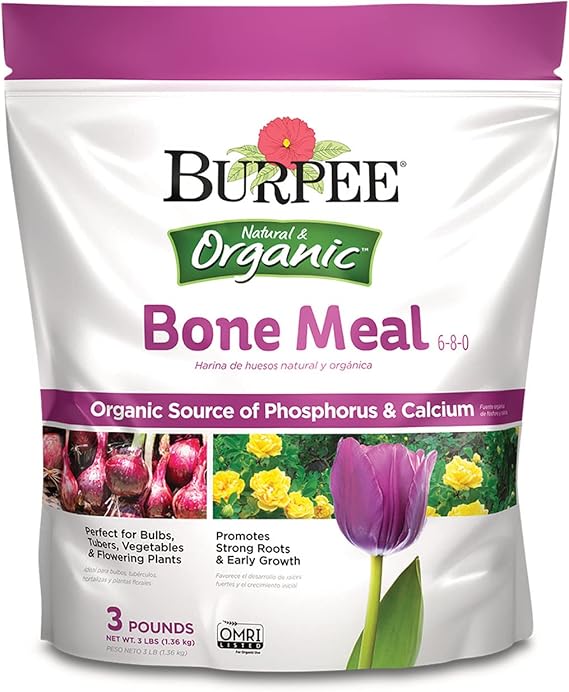
    Burpee Bone Meal Fertilizer | Add to Potting Soil

    How Much Bone Meal Per Tomato Plant?

    How Much Bone Meal for Tomatoes? 

    Now that we know the benefits of this organic fertilizer to tomatoes, how much bone meal per tomato plant?

    Use 3 pounds of fresh or 1 pound of dried bone meals for 100 square feet of garden space. For example, how much bone meal per 10 tomato plants? You will need 1/2 pound of bone meal per tomato plant.

    Can You Add Too Much Bone Meal?

    It is possible to add too much bone meal and hurt your crops. Do not add too much bone meal to the soil because it will cause phytotoxicity in tomato plants. Excess amounts of nitrogen contained in it can damage leaves and slow down fruit formation or growth.

    You should avoid adding more than 0.25% nitrogen level to the soil because even if it contains plenty of phosphorus, calcium, magnesium, zinc, copper, sulfur, and other nutrients, an excess amount of nitrogen will burn the roots after absorption by the soil.

    Bone Meal for Tomatoes Benefits 

    Ways to use bone meal for tomato plants:

    • To boost the health of tomato plants, you can give it every week during the first couple of months of growth. You can also use it as transplanting fertilizer or seedling fertilizers at half the rate of how much you would give to mature plants later on. Bone meal works well for this purpose because it is rich in phosphorus which helps with root formation and healthier stem structure.
    Bone Meal Tomatoes Benefits
    • Bone meal gives a calcium source that is beneficial for both humans and soil microbes. Calcium accelerates the decomposition speed of dead materials, thus increasing nutrient availability to growing tomatoes faster than compost alone. Organic matter content also improves due to the presence of calcium in bone meal.

    Can You Add Bone Meal After Planting?

    Bone meal can be added after planting tomatoes if it is dry. However, do not add bone meal to the soil until you are ready to transplant seedlings into them because tomato plants cannot grow properly when nitrogen levels are too high. Especially for seeds that have just emerged, adding too much bone meal will result in yellow leaves or stunted growth.

    If you want to use bone meal for tomatoes as fertilizer, it is better to mix organic fertilizers with soil before planting tomatoes.

    Bone meal can be used with other organic fertilizers. For example, blood meal, cottonseed meal, and kelp extracts. This combination will provide essential nutrients needed by growing tomatoes. If bone meal is added directly into the garden or container without mixing with other ingredients first, soil microbes may not be able to absorb them properly which can lead to loss of nutrients in time.

    Bone meal works best when mixed with compost piles because they allow microbes to break down the materials slowly over time.

    You should always water your tomato plants after adding any kind of fertilizers into the soil because soluble nitrogen releases quickly into roots which affects how well it absorbs water. Watering your plants first will allow them to take up the nutrients gradually without getting too much nitrogen.

    Can You Add Bone Meal After Planting

    Using Sugar, Epsom Salt, and Bone Meal for Tomatoes

    You may be wondering how else you can use bone meal for your tomatoes. I’ve found that the use of bone meal, along with sugar and Epsom salt works very well. These three are a good trio because the sugar adds sweetness to your tomatoes, the Epsom salts add both sulfur and magnesium and the bone meal adds phosphorus.

    To plant your tomatoes, you’ll need to make a hole larger than you usually would for your tomatoes. Then you’ll need to add a cup of bone meal and a cup of sugar, along with a reasonable amount of mulch. Mix them and place them in your hole, evenly distributing them in the soil.

    Carefully place your tomato plant into the soil; be sure to bury it reasonably deep. Once planted, add around a cup of Epsom salts on top and mix them into the top of your soil using your hands. Finally, water your tomato plants with a good amount of water – and your tomatoes are ready to go.

    Disadvantages of Bone Meal

    We’ve already looked at the benefits of using bone meal for your tomato plants, but you may be wondering if there are any disadvantages. While there aren’t too many negatives, there are a few that you may want to be aware of. Let’s take a closer look.

    You can only use bone meal in soils below 7 on the pH scale. This may not be ideal. However, a good alternative is rock phosphate, which we’ll be taking a look at later in this article.

    If you’re looking for a quick fix, then this probably isn’t the best choice for you, as it’s a fertilizing choice that releases slowly.

    If used too much, overfertilization can occur. If this happens, problems may arise for your tomato plants such as yellowing leaves. It can also lead to deficiencies in other nutrients, like zinc and iron.

    If not used correctly, the smell can attract unwanted wildlife. However, as long as it’s adequately mixed in, this should not be a problem.

    Bone meal is only a good source of phosphorus, so you’ll need to use other fertilizers too, to ensure your tomato plants are receiving all of the nutrients they need.

    Rock Phosphate vs Bone Meal

    Earlier, we mentioned rock phosphate, which is a great alternative to bone meal, if you’d prefer. However, there are quite a few differences between the two. Let’s take an in-depth look at the two.

    They’re similar in that they both contain phosphorus. However, that is where the similarities start and end. The differences between the two are that for the short supply of phosphorus, bone meal is best, whereas, for a long-term supply, phosphorus is best, as it’s slower.

    Another main difference between the two is the price. Bone meal starts at around $13 per lb, whereas rock phosphate starts at around $30 per lb. So if you’re looking for a more affordable option, it’s best to use bone meal.

    Rock phosphate works best on flowers and other leafy plants, whereas bone meal works best on rooted plants, such as carrots and onions. However, you can choose to use both together, if you’d prefer – and reap the benefits of both.

    Rock Phosphate vs meal bone

    Final Thoughts: Bone Meal for Tomatoes

    Bone meal for tomatoes is beneficial in most cases. Adding too much nitrogen to the soil will hurt plants, although you can add it if your plants are mature enough. You should only use bone meal after preparing the soil with compost or manure and not mix it directly into planting holes.

    It s evident that bone meal provides your tomatoes with plenty of benefits like boosting up the nutrient content of the soil, by adding calcium source which creates healthier stem structure and roots.

    FAQs

    How should you mix bone meals for best results?

    You should not mix it directly with planting holes because adding too much phosphorus can affect how healthy tomatoes grow even if they are combined with other organic fertilizers. Therefore, it is better to prepare compost piles or manure before mixing into the soil or using as transplant fertilizer after seeds have germinated and grown some roots.  

    When should I start fertilizing my tomato plants?

    Bone meal should be added to the soil when the first set of tomatoes starts growing. Wait until your plant is about 6 – 8 inches tall before adding bone meal fertilizer. If you add it too early, it will affect how healthy or how tall they grow. 

  • How Often Should I Use Molasses on My Plants?

    How Often Should I Use Molasses on My Plants?

    As someone who’s been growing his own plants, I can say that one of the most beneficial nutrients I gave my crops is sugar. I know it might sound weird; after all, sugar is deemed unhealthy for people. However, the same can’t be said for plants. 

    For them, sugar can act as a valuable source of nutrients and energy, thereby boosting the overall quantity and quality of your harvest. In this article, we’re going to answer the question: how often should I use molasses on my plants?  

    When Should I Add Molasses to My Plants?

    When plants start to mature and bloom, they will need more carbohydrates than they can produce. While molasses can be beneficial for plants throughout their entire life cycle, it is best if you add it during your plants’ transition from their vegetative to the blooming stage. The reason is that it is during these stages that their sugar need is at their highest.

    With the extra carbohydrates found in molasses, you can give your plants a major boost and help them produce more flowers than usual.

    However, before you even grab your bottle of molasses and start pouring it on your plants, here are a few things you should know first.

    When’s the Perfect Time to Add Molasses to Your Plants?

    What is Molasses?

    Molasses is basically the by-product of sugar beets or sugar cane and is extracted from the said crops to collect a highly viscous liquid. Despite being a by-product, it is actually rich in essential vitamins and minerals. This explains why molasses can be used to provide plants with the nutrients they need as well.

    Using Molasses for Gardening

    Using molasses for growing plants is actually something that has been put into practice for quite some time already. Since it contains a lot of calcium, iron, potassium, magnesium, sulfur, and lots of micronutrients, you can use them to provide your plants with a quick source of energy. Apart from that, it can also encourage the growth of microorganisms to help your plants grow.

    The key minerals which make molasses healthy for people can be beneficial for plants as well. For instance, calcium and potassium play an important role during a plant’s budding and flowering stages. What makes it even better is the fact that molasses can act as a natural “chelating” agent, thereby binding nutrients so they can be absorbed by the plants.

    When molasses are combined with organic fertilizers, you can create food that is used by the healthy microbes found in the soil. The higher the number of healthy microbes, the healthier your plants will get.

    When’s the Perfect Time to Add Molasses to Your Plants

    Benefits of Using Molasses on Plants

    Earlier, we talked about molasses being beneficial for plants. However, how exactly is it good for them? To learn more about it, here are the benefits of molasses on plants worth noting: 

    • It comes with a high carbohydrate content

    Due to molasses being a by-product of the sugar refining process, it is packed with carbohydrates which serve as an instant food source for healthy microbes in the soil. By regularly feeding the soil, they will be able to support more beneficial microbes. This, in turn, will provide the plants with more nutrients that are essential for optimal health and growth.

    • It contains trace minerals

    Another important benefit of molasses is that it contains a good amount of trace minerals which are essential for your plant’s growth. These trace minerals come in the form of calcium, iron, potassium, and sulfur which are all helpful in keeping your plants healthy.

    • It can act as a chelating agent

    As mentioned earlier, molasses can act as a chelating agent. This is important since some nutrients are “locked” in the soil, thereby making it hard, even impossible, for plants to absorb. Molasses binds these “locked” nutrients through the process known as chelation. 

    As a result, molasses will “unlock” those nutrients, making them easy to absorb for the plants.

    How to Apply It to Your Plants

    Now that you’ve known when you should apply molasses to your plants, the next step is to apply it. Before you do so, do keep in mind that adding molasses into your plant’s feeding cycle is most effective when you combine it with an organic fertilizer. This is because adding molasses will help make all of the fertilizer’s nutrients readily absorbable by your plants.

    If you prefer a more DIY approach, you can use blackstrap molasses, particularly the unsulfured type. Once you have it, add it to your fertilizer at around 1/4 cup per gallon. Although you might have heard of some people mentioning that you should spray the solution directly on your plants, the problem is that the residue can end up attracting pests to your grow room.

    You can get the most benefits of molasses in your nutrient solution if you use a soil-based system for your plants. However, it can work on hydroponic systems as well. Just make sure to check its pH before you give it since the sugars will make it acidic

    Once your plants are nearing the end of their growing cycle (particularly two to three weeks prior), stop giving them molasses and fertilizers. Instead, you should give them water to “flush” out all those unused nutrients.

    If there are still leftover molasses, you can combine it with water at one cup per gallon and then pour it into your compost pile. This way, it can stimulate healthy microbes in there too.

    How Often Should I Use Molasses on My Plants?

    The reason you’re likely reading this article is to find out how often you should use molasses on your plants. It’s best to use a small amount on individual plants every two weeks or so. While you may be tempted to apply more often, it’s important not to do so. This is because it can even cause damage to your plants, such as causing an imbalance in the pH of the soil.

    Should You Use Molasses for Tomatoes?

    Molasses can be used for many reasons, including to help your tomatoes. As well as aiding the tomatoes in growth and energy, molasses have also been known to make your tomatoes taste even sweeter too! However, it all comes down to the gardener as to whether they think molasses are suited to their tomato plants.

    If you add molasses to your tomatoes, it’s important to add the molasses to water first. This creates a diluted mixture so that you don’t overwhelm your tomato plants. Once diluted, you can either choose to spray or pour it onto your plants. Use once every two weeks in the mornings, for best results.

    Should I Use Unsulfured Molasses for Plants?

    Yes. It is important to use unsulfured molasses for your plants. If it’s not labeled whether the molasses are sulfur or unsulfured, they are likely unsulfured. This simply means that it’s concentrated and pure sugarcane. However, if they’re sulfured, it means that sulfur dioxide has been added. Unsulfured molasses are then added to your plant directly or can be added to compost tea or liquid fertilizers.

    Should You Use Organic Molasses for Plants?

    You may be curious as to whether you should use organic molasses for your plants. And it’s encouraged to use organic blackstrap molasses. We’ve already established that unsulfured molasses are the best choice, and when molasses are unsulfured, they can be classed as organic. This is because they’re free from any chemicals or additives.

    Does Molasses Fatten Up Buds?

    You may be curious as to whether molasses can fatten up your buds. The answer is: absolutely! Much like a human eating sugary foods to help put weight on – the same could be said for your plant buds. Another reason is that it contains potassium. Potassium is known to encourage fast and healthy growth. If you’re looking for fat buds, molasses is the miracle ingredient you’re looking for!

    How to Apply Molasses

    Applying molasses to your plants is super easy to do. Before you begin, you should dilute your molasses, rather than directly adding it to your plants. For every gallon of water, add around one cup of molasses. Mix well and then add to a sprayer or pour onto your soil. Another method you can use for veggies is to mix around 1/4 cup of unsulfured molasses, 1 cup of milk, and 4 cups of water. Mix well and add to a sprayer.

    Whichever method you use, you should not apply it to your plants more than once every two weeks or so. Remember, using molasses too often to feed your plants can cause damage and cause a pH imbalance in the soil.

    molasses for plants

    Conclusion: How Often Should I Use Molasses on My Plants?

    Apart from giving plants a major boost, molasses is also capable of warding off pests, thereby making your garden pest-free. Based on experience, I was able to enjoy healthy plants by adding molasses to my fertilizer solution.

    If you haven’t tried doing it yet, then now is the time to do so. I personally use the organic blackstrap molasses from Plantation, and so far, the results were impressive. 

    How about you? Have you tried applying molasses to your plants? If so, what were the results so far? Please leave a comment below. As always, thanks for reading!

    FAQs

    How do you apply molasses to plants?

    ou use molasses as a mulch, spread it around your plants. The amount you put on the plants will depend on how much of a mulch you want. If you are using more than an inch or so, then you can spread it on top of the soil or mix it into the top inch or so of soil.

    When should I start planting molasses?

    Molasses is a great way to provide nutrition for your plants and is an excellent source of potassium, magnesium, zinc and iron. I started using molasses around five years ago and planted it right after I finished my first season of growing.

    It worked well and I started using molasses for everything I grow. Now I’m on to my second season of growing and I’m thinking about planting molasses in my garden next year. Molasses contains a high amount of sugar so it’s best used in combination with other nutrients. I’ve found that it can be very effective when used as a foliar spray. It can also be used as a soil drench. I’ve found that molasses is very effective when used in combination with kelp, fish emulsion or blood meal.

    What plants benefit from molasses?

    Plants that benefit from molasses include both those that have a preference for the sugar in molasses and others that grow better with it. The best known and most commonly used of these is sugar beet. Molasses is also used to feed pigs, chickens, horses and cattle. It is also used as a fuel for heating and cooking and for making soap.

    Molasses is made by pressing or boiling the juice of sugar cane. It can be made from a mixture of sugar cane and sugar beet, but sugar cane is preferred because it has a higher sugar content than sugar beet.

    How should I use molasses on my plants?

    Molasses is a great plant food, and it has been used by gardeners for centuries. It’s been used as a feed for animals, as well as being an additive in the home for making bread and baked goods. It is rich in nutrients that are readily available to your plants, including calcium, phosphorus, nitrogen, potassium, magnesium, sulfur and iron.

    The only downside is that molasses is sticky and can be hard to get out of your soil after application. You can apply it directly to your plants or mix it into a water-soluble fertilizer such as Fish emulsion or Liquid Fertilizer. You can also add molasses to your compost or use it as a mulch.

    Does molasses lower pH?

    Yes, it can. Molasses is a byproduct of the sugar industry. It’s a thick, dark brown syrup that contains about 40% sucrose. Sugar cane has been around for a long time and has been refined to make many products including molasses. Molasses is acidic, but it doesn’t seem to be as acidic as vinegar or citric acid.

  • Best Substrate for Oyster Mushrooms: Ultimate Guide

    Best Substrate for Oyster Mushrooms: Ultimate Guide

    The oyster mushroom is a popular edible mushroom that is loved by many. Different substrates can be used for growing this oyster mushroom. But do you know which is the best substrate for oyster mushrooms? Let’s find out.

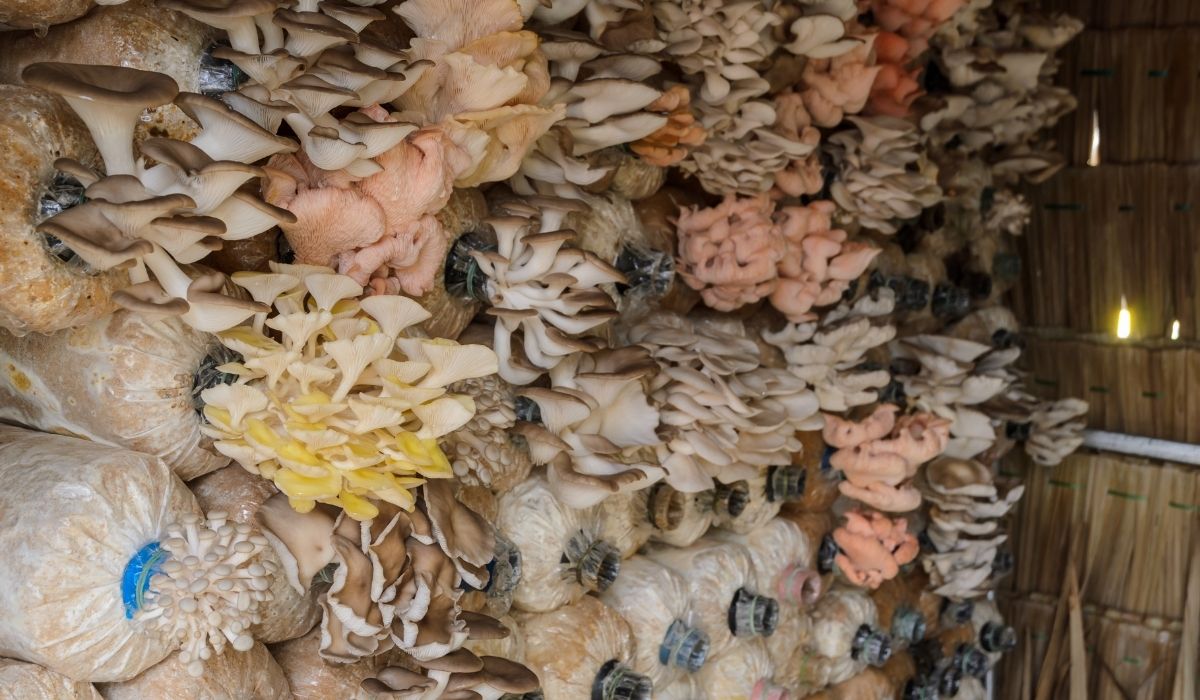
    Oyster mushrooms are a group of gilled mushrooms, and this means they are classified as fungi. However, they are the type of fungi that is totally different from plants. Oyster mushrooms can be enjoyed in your various dishes. They are also known for their great health benefits.

    So, this article covers what you need to know about growing an oyster mushroom, choosing the best substrate for oyster mushrooms, and so on. So, continue reading for some knowledge on this.

    About Oyster Mushroom

    The popular edible oyster mushroom (Pleurotus ostreatus) is a member of the Pleurotus genus. The oyster mushroom is a close relative to the king oyster mushroom, and the oyster mushroom is one of the most cultivated mushrooms around the world.

    These mushrooms were first cultivated by the Germans during World War II. Then this mushroom is now been grown commercially around the world for food.

    The shape of the oyster mushroom tends to be a funneled-shaped cap. It has a white to light brown, to a darker brown color. The flesh is white, then the gills appear whitish-yellow and run up a short off-center stem. The gills of oyster mushrooms tend to be recurrent, and the stalks are short and stout.

    You can find oyster mushrooms in the forest in both temperate and tropical climates. These mushrooms are saprotrophic and are mostly found as fungi on hardwood trees. They can as well be found in unhealthy dying or dying trees or on decaying conifer woods.

    Surprisingly, oyster mushrooms are carnivores that kill and digest nematodes just to obtain nitrogen from them.

    Oyster mushrooms are edible and can be enjoyed in various dishes such as pasta and stir-fries. These mushrooms can be eaten raw or you can cook them. They also offer impressive health benefits.

    What is the Best Substrate for Oyster Mushrooms?

    Generally, when it comes to choosing the best substrate for mushrooms, straw is the most used for growing mushrooms. However, there are other varieties of substrate that you can go for. It all depends on what you have available.

    Other substrates such as wheat straws, sawdust pellets, coffee grounds, cardboard, coco coir, as well as other agricultural waste by-products all make an ideal growing medium for oyster mushrooms. Just go for the substrate that is easier to access.

    Wood pellets are also a great substrate to be used for your oyster mushroom. This is because they come sterilized. You just need to add water to get a good growing substrate for your mushrooms.

    growing oyster mushrooms

    How Do You Make Oyster Mushroom Substrate?

    A substrate is a medium for growing things. A substrate is used to grow mycelium that provides the root of the mushroom. Now, this is essential for the successful cultivation of mushrooms.

    Preparing your substrate refers to the process of inoculation. Now inoculation is the point where you add the mushroom spawns to your growing medium.

    So, when it comes to making or preparing your substrate for oyster mushrooms, you need to be very careful not to contaminate the substrate. Contamination can encourage mold to begin to grow on the substrate and mushrooms, which is what we don’t want.

    Therefore, ensure you wash your hands properly and use a clean kitchen gloves. Then use mild bleach to wipe down all surfaces to eliminate any microorganisms or germs.

    Once you’ve successfully prepared the growing substrate, you can then proceed to the next stage. You can learn further about how you can grow this mushroom below.

    How to Grow Oyster Mushrooms

    Growing oyster mushrooms can be an easy thing if you get the right knowledge about them. Although oyster mushrooms are usually seen growing abundantly in the wild, you can grow oyster mushrooms in your home.

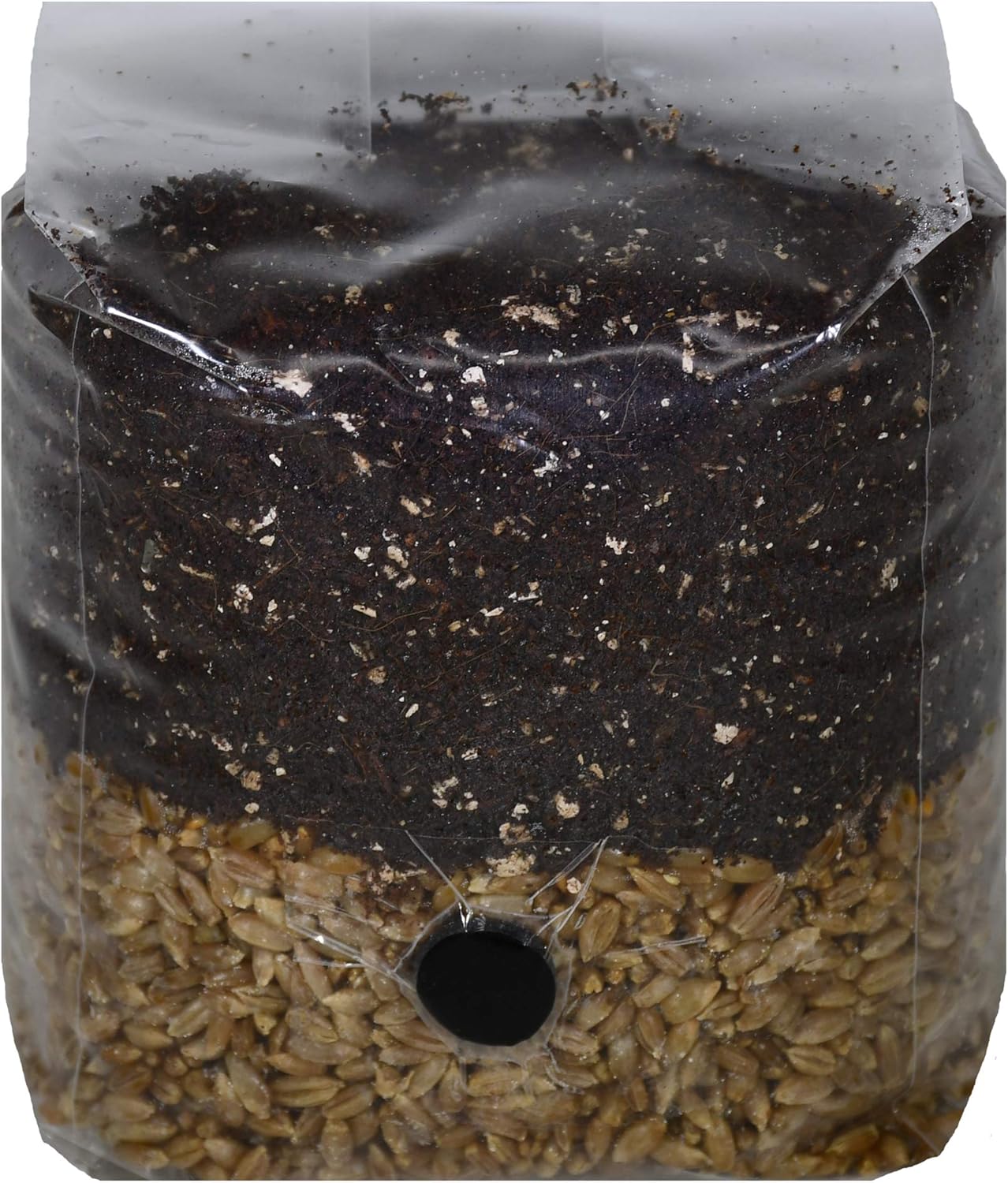
    Mini All-in-One Mushroom Grow Bag

    Here is a quick guide on how you can grow oyster mushrooms at home:

    Supplies needed

    To grow oyster mushrooms, you need to prepare your growing site and procure your growing materials. Here are the important supplies you will need:

    • Growing substrate (e.g. sawdust, straw, coffee grounds, and so on)
    • You will need oyster mushroom spawn
    • Then you will need growing bags or containers (note that oyster mushrooms can be grown in buckets or even Ziploc bags)

    However, you can obtain ready-made growing kits for your oyster mushrooms from some retailers.

    The process of growing oysters can be broken down into 3 phases:

    Oyster mushroom growth stages

    1. Inoculation

    The substrate material of your choice is mixed with the oyster mushroom spawn. The growing medium, which is the substrate, should be placed in the bag or container. Make sure there are holes or air filters in the bag for air exchange.

    1. Incubation

    Next, place the bags in a warm dark room. This is to incubate and begin the first phase of growth.

    For the spawn to grow a full web of root-like threads of mycelium and colonize the growing medium; it only needs about 10 to 14 days to achieve this.

    1. Fruiting

    The mushroom will begin fruiting once the growing substrate has been totally colonized by the spawn. Then the bags or containers will need to be exposed to autumn-like conditions with fresh oxygen, low light levels, high humidity, and cooler temperatures.

    Doing this will signal the mycelium to begin to produce mushrooms. The small pins will start to sprout. So, you will start to notice oyster mushroom pins coming out from the holes of the bag.

    The last surviving response of the mycelium results in fruiting. In the wild, this fruiting is a result of the response to stress from the mycelium that happens due to changes in the environment.

    Hence, imitation of this stress in the form of starvation will give rise to the survival response in your bag or container.

    In just about 5 to 7 days, the tiny pins sprouting will grow and develop into a full-size mushroom.

    Oyster Mushroom Cultivation Using Sawdust

    If you’re wondering how to cultivate oyster mushrooms using sawdust, then look no further. For this recipe, you’ll need the following ingredients:

    • 5 cups of sawdust (ensure you use hardwood pellets)
    • 1.4 liters of water
    • 1 cup of wheat bran

    Now all you need to do is:

    1. Once you’ve measured your ingredients, place your pellets and water into a container, and mix well. At this point, it should look more like the sawdust you’re familiar with. You can use either warm or cool water for this.
    2. Once your pellets are sawdust and loose, add your cup of wheat bran. Distribute evenly in the sawdust and mix well.
    3. Now add the sawdust mixture to grow bags. For every grow bag, you’ll need around 4 lbs and 4oz of the mixture.
    4. Once you’ve added the mixture to your grow bag, you’ll need to add a filter to help fight against contamination. Add the filter and then fold the top of the bag over a few times.
    5. Place the grow bag(s) into a pressure sterilizer. They can be placed on top of one another. Ensure the bags aren’t in direct contact with the base of the sterilizer. Add the water and place something heavy on top to secure the bags. Then leave for around two and a half hours.
    6. Leave to cool for around 8 hours, or overnight. Add grain spawn to your bags and tie them with a zip tie. Shake the bag well.
    7. Leave for around 10-21 days before you notice any results. However, check frequently to see if any problems or contamination are occurring. Once colonization has happened, your mushrooms are set to fruit! Simply cut off the top of your bag and get ready to grow!

    Best Wood for Oyster Mushrooms

    If you’re wondering what the best wood is for oyster mushrooms, then look no further. You can use either softwood or hardwood. However, I prefer to use softwood. Common favorites for mushrooms are soft maple, aspen, or birch sweet gum.

    How to Sterilize Mushroom Substrate

    You can sterilize the mushroom substrate with or without a pressure cooker. We’ll be taking a look at how to do both. Sterilization is important for some mushroom substrates as it’s the best way to avoid contamination. It’s important to note that simply boiling the substrate probably isn’t enough. Temperatures must be above 120C to remove all pollutants.

    Using a pressure cooker, all you need to do is add the substrates to the cooker and cover them with water. Add the lid and allow the temperature to reach 120C to sterilize your substrate.

    If you can not use a pressure cooker for this, you can try fractional sterilization. This is boiling jars until they reach 120C. You can use either an oven or an autoclave for this. However, this may cause your substrate to dry out and render it unusable, so you have to be extremely careful when using this method.

    best wood for oyster mushrooms

    Conclusion: Best Substrate for Oyster Mushrooms 

    When it comes to selecting the best substrate for oyster mushrooms, it really comes down to which substrate you can easily obtain. Most types of substrates will work just fine. Therefore, you can simply go for what you have available.

    Do you have any other ideas for the best substrate for oyster mushrooms? If so, please feel free to let us know in the comments below. And remember, sharing is caring! 

  • Can You Compost Chicken Bones: Best Detailed Guide

    Can You Compost Chicken Bones: Best Detailed Guide

    ‘Can you compost chicken bones’ is one of the frequently asked questions by organic farmers who do not want to waste any material.

    Organic farming means using all the waste around the home to make compost manure. All waste is good but some cannot turn into compost manure.

    Can You Compost Chicken Bones?

    Yes, it is possible to compost chicken bones. Though it takes more work to compost them than the normal waste material, it is possible.

    Chicken bones need more time to break down so do not compost them in haste. You may burn them first to quicken the process of breaking them down. So it can work together with the rest of the organic materials you decompose together.

    Can you Compost Chicken Bones

    How Do You Compost Chicken Bones?

    Do not add chicken bones to the normal compost pile for your fruit and vegetable waste. The bones should go into food waste collection bins instead. This is because the bones get composted differently from the rest of the food matter.

    Do not put the chicken bones in the green bin either. Dairy, meat, and bones should not go into the green bin.

    The best compost to use for bones is hot compost. Hot composting means putting all the organic matter you need into a heap or a compost bin and then adding some heat to quicken the process. The heat acts as a catalyst which quickens the cooking process.

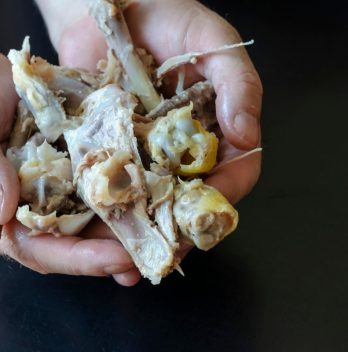
    The best way to compost chicken bones is to chop them off into smaller pieces of about 4cm with secateurs. Carefully break the shells or bone joints into fragments with a hammer. Do not compost any large pieces of bones.

    Chicken bones are generally good for plant growth. They supply the plants with organic phosphorous nitrogen nutrients.

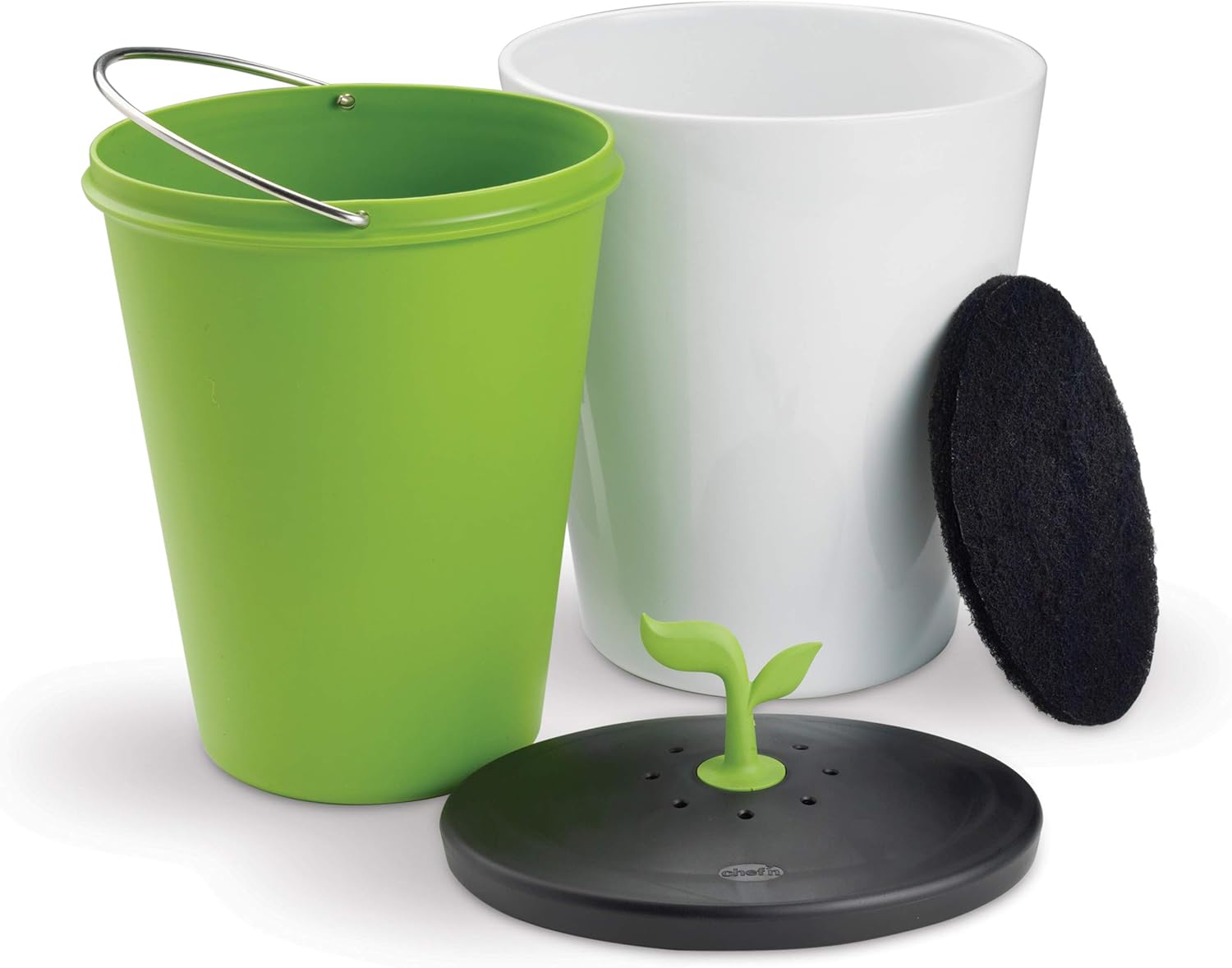
    Chef’n 401-420-120 EcoCrock Counter Compost Bin

    71wLCO LicL. AC SL1500

    Read more about How to mix Compost into Soil

    Step-by-Step Process: Composting Chicken Bones Fast

    • Assemble all the chicken bones you have stored in your freezer and allow them to defrost. Lay them out under the sun to defrost properly.
    • Put them in a container that can be used to burn them, most probably an old cast iron grill.
    • Add a layer of wood shavings, papers, or cardboard to act as a fire starter. Add well-dried wood depending on the number of bones you are burning.
    • Place your chicken bones on top of the wood.
    • Allow the bones to burn till they look charred. Let them cool for a while and crush them into smaller chunks with your hands or use a hammer to do so.
    • You can then dispose of the bones in the compost bin where they’ll decompose.
    Step by Step Process of Composting Chicken Bones fast

    Can You Compost Meat and Bones?

    While you now know that you can compost chicken bones, you may be wondering about other types of bones and meat. The truth is, most fish meat, bones, and seafood can work as compost. But it’s worth noting that some will compost much faster than others. You also should chop your bones and meat into manageable pieces; doing this will increase how quickly it decomposes. Let’s take a closer look at what meat and bones you can compost, and how to do so.

    For bones such as chicken, birds, and fish, you should ensure they’re chopped into manageable pieces. It will decay slowly in hot bin compost; but unfortunately, we do not recommend adding it to cold compost.

    For shells such as lobster, crab, and cockle, you should crush or break the shells into smaller pieces. It will decay slowly in hot bin compost; but unfortunately, we do not recommend adding it to cold compost.

    For cooked meat, that must be it’s in small pieces and no big bones remain. It will decay fast in hot bin compost; but unfortunately, we do not recommend adding it to cold compost.

    Can You Compost Cooked Meat?

    As mentioned above, you absolutely can compost cooked meat! The truth it, if you can eat it, you can usually compost it! However, most people prefer not to use cooked meat as compost as the trouble with this is that it can cause unwanted attention from wildlife. If you do choose to do this, remove any big bones and chop them into manageable pieces.

    How to Dispose of Chicken Bones

    You may be wondering what the best way of composting chicken bones is and there are a few ways you can do this. Let’s take a closer look.

    The best way is in green waste. Unfortunately, not every city has a green waste program, so this may not be possible for you to do. If it is, we would highly recommend this option as you won’t be contributing to the landfill. As well as this, your city will dispose of the waste accordingly.

    Another option is to add to your compost. However, as mentioned above, this is a slow decay rate; even in a hot bin compost. Just be prepared to have your chicken bones composting for a very long time!

    If you don’t have either of these options available to you, simply throw them in your usual trash or garbage. Just be sure it’s sealed properly in the bag as they can be dangerous for wildlife.

    How Long Does it Take For Chicken Bones to Compost?

    You may be wondering how long it takes for your chicken bones to compost. Well, the truth is, it all depends on a variety of factors. It could be months or years; it just comes down to which process you’re following. If you simply bury them as they are, you can expect them to take years to decompose. However, if you add them to hot compost, this will be significantly quicker.

    Are Chicken Bones Good For the Soil?

    You may be curious as to whether chicken bones are even a good choice for your soil – and the answer is, absolutely! While it can be a lengthy method, it’s certainly one that’s worth the effort. And always remember, smaller chunks are better, and will decompose faster.

    Chicken Bones in Compost: Conclusion

    By now your question ‘can you compost chicken bones’ are answered in-depth. Why not try the procedure and tell us how it worked for you? If you also try another method to decompose the bones, let us know so we can try it out too.

    FAQs

    Can you compost a chicken carcass?

    Yes, you can compost a chicken carcass. The problem is that the chicken will be eaten before it decomposes and the carcass becomes food for the worms. To prevent this, you need to freeze the chicken carcass immediately after removing it from the bird. This will slow down the decomposition process and make the chicken more available for the worms to eat.

    How long does it take to compost chicken bones?

    Chicken bones take about 1 month to break down completely. To compost them, place the bones in a bucket with water and a handful of sand or other filler material. Let them sit for two weeks, then move them to a larger container (or a plastic tub).

    Check them weekly and stir the compost regularly.

    Are chicken bones good fertilizer?

    Chicken manure is the most concentrated source of nitrogen and phosphorous in the compost pile.

    Chicken manure is also a good source of potassium, magnesium and calcium. Chicken manure can be applied to your garden as an amendment at any time during the growing season. If you have a deep layer of manure on top of the soil, you can apply it as a top dressing or under mulch.

    Chicken manure should be added at the rate of 1-2 inches per week. You can add chicken manure to your garden during the growing season. The chicken manure will make your soil better for vegetables.

    Are chicken bones good for gardens?

    Chicken bones are the best fertilizer for plants because they are rich in nitrogen, phosphorus, calcium and iron. You can use chicken bones as a fertilizer by adding them directly to the soil or using them in compost. If you add them to the soil they will decompose and release the nutrients into the soil. You can use chicken bones as a fertilizer by adding them directly to the soil or using them in compost. If you add them to the soil they will decompose and release the nutrients into the soil. If you use them in compost, they break down and give the compost more nutrients and make it easier to spread on the garden.

    Are animal bones good for soil?

    Animal manure is a great source of fertilizer. It’s produced by animals that eat plants.

    Animals have special digestive systems that convert plant matter into nutrients that can be used by other living things. Soil that has been fertilized with animal manure is generally more fertile than soil that hasn’t been fertilized. The main difference between animal manure and other kinds of fertilizer is that animal manure has a higher nitrogen content. Nitrogen is one of the most important nutrients for plants. If you want to plant grass or flowers, you need to use a lot of nitrogen. So if you have a field that has been fertilized with animal manure, it will be more fertile than a field that hasn’t been fertilized. You can also add nitrogen to your soil by using synthetic nitrogen fertilizers. But it’s expensive, and you can only add a limited amount to your soil at a time.

  • How Long Does it Take Cow Manure to Compost: Easy Guide

    How Long Does it Take Cow Manure to Compost: Easy Guide

    You may be wondering: how long does it take cow manure to compost? For centuries, new farming techniques have been developed to improve the lives of farmers and food producers as well as to increase food production. These new farming methodologies have been developed through the years, studied, researched, and applied in the farmlands in various corners of the world.

    It is not only in farmlands that certain methods are applicable but also in gardening. One of the basic techniques developed in agriculture and horticulture is utilizing animal manure as a fertilizer.

    Animal manures have been used in agriculture as a fertilizer to enrich the soil. Dungs from different livestock animals and poultry such as chickens and pigs are utilized. Cow manures have also been popularly used as a fertilizer for soil enrichment for crops and other various seedlings to grow.

    However, while cow manure is deemed to be an outstanding fertilizer, fresh cow excrement contains too much salt in it and a high amount of ammonia which can cause plants to burn. Not to mention that this also contains an unpleasant odor.

     To get the best out of cow manure without those disagreeable characteristics, it is suggested to do composting on the excrement. 

    What is Composting?

    Composting is the process of putting together biological and organic remnants. Examples of these biodegradable residues include food wastes and scraps, straws, leaf clippings, and of course, animal excrement. These leftovers are gathered; stacked or piled, and blended and slightly wetted to go through a thermophilic decomposition. 

    Composting products are generally used both in agriculture as a fertilizer and in horticulture; they are used as a viable alternative for peat. It is also noted that compost is put on to enhance the composition of soil and as a microbial supplement to elevate enzymatic activities. 

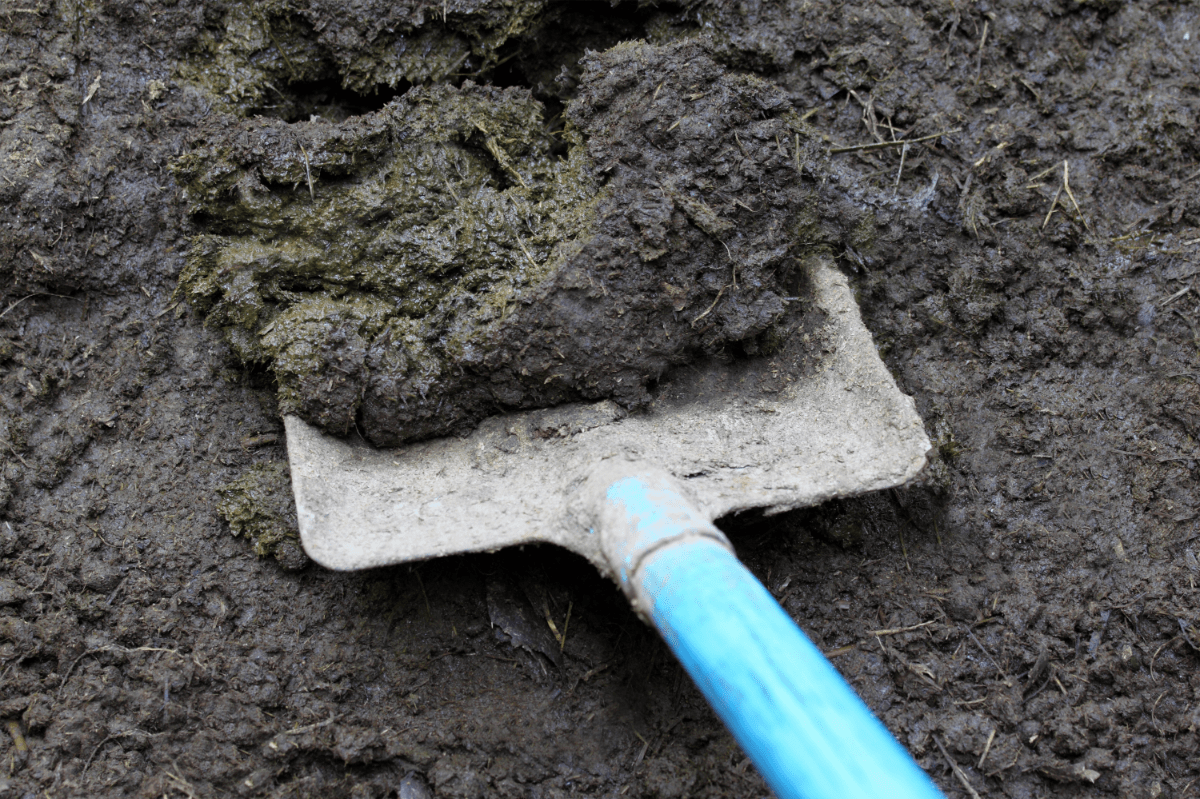
    Easy Guide Composting Cow Manure

    Benefits of Compost

    Composting is used to improve soil fertility; the soil‘s capability to store and hold water and moisture; the organic characteristics of the soil; and lastly, its volume and density. Aside from these, compositing has lessened the odor produced in the soil and the number of fly eggs because of the thermophilic reaction taking place during microbial putrefaction. 

    Unbeknown to many, composting has also helped in eliminating weed seeds and pathogens. Generally, weed seeds happen to pass inside livestock and can multiply in animal manure such as cows. During composting, some weed seeds are eliminated on the 21st day while others take about 42 days to be dispatched.

    Thus, through composting, the volume of herbicides or tillage used for weed control has been reduced. Aside from getting rid of weed seeds, composting has also helped in destroying infectious agents such as Escherichia coli in only 3 days if the appropriate heat has been reached (about 131 degrees Fahrenheit). 

    Composting has also been shown to decrease the density and volume of animal excrement by 50 to 65 percent. 

    Longevity in Making Compost from Cow Manure

    How long does it take cow manure to compost? Normally, the process takes 3 months or less for cow manure to compost. The process depends on several factors; namely, the dimension of the pile utilized for compost, the right combination of carbon and nitrogen content in the compost, and water management. Also, the amount of oxygen being incorporated matters– and of course, the temperature of the compost.

    Making a Compost

    Choosing the site 

    Before making compost, you need to look for the appropriate site. Essentially, the area for the compost must have good drainage into the containment pond, and leached water must not reach any water reservoir. Of course, the site must not be placed beside surficial waters. The composition of the soil must be concrete or loaded. 

    Pile dimension 

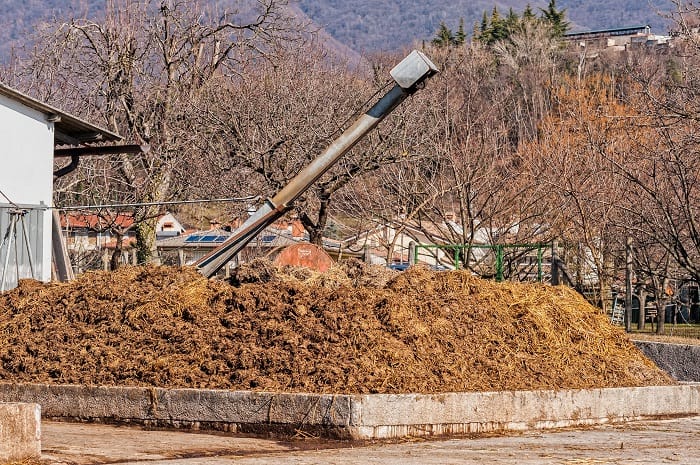
    After selecting a site, you need to gather the manure into a windrow. The dimension of the pile is normally between 10 and 12 feet wide and the height must be 4 to 6 feet. Because of these, in a day or two, the temperature of the pile will reach above 120 degrees Fahrenheit. It must be noted that going for something smaller than the dimension required will cause the pile to not get the exact required heat for a thermophilic reaction while a larger one will cause the pile to acquire less amount of air or oxygen. 

    Carbon to nitrogen ratio

    As soon as the dimensions of the pile have been set, the combination of carbon to nitrogen ratio must be determined. The ratio of carbon to nitrogen must be set to 20:1; loosely, for 20 parts of carbon, there must be one part of nitrogen. This is because approximately half of the metabolized carbon is converted to carbon dioxide. One must also take note that too much nitrogen will cause it to loosen and may cause the pile to smell like vaporous ammonia whereas excess carbon can inactivate nitrogen and decelerate the process of composting. 

    Easy Guide Composting Cow Manure

    Water management

    Water is another important element in the process of making compost. About 40 to 65 percent of the pore space in the compost requires water, and the compost must have an ample amount of moisture. 

    Oxygen 

    A chemical reaction needs to occur; therefore, microorganisms need oxygen to create such a reaction to convert manure to compost. Suitable aerobic conditions must be met. There are different ways to introduce and replenish oxygen in the compost. One, it can be done by turning the compost every 3 days. Second, using a pitchfork, the compost must poke around. Third, it involves the use of Compose Aerator which makes the job easier since air will be established into the pile. 

    Lotech Products Compost Crank Compost Aerator

    21FI9XcuYjL. AC

    Temperature 

    The last fundamental factor that needs to be monitored in the compost is the temperature. A probe-type thermometer can be utilized to observe the temperature of the compost and to detect when to turn the pile. Turning can help the pile if the temperature falls below 110 degrees Fahrenheit. It has been suggested that the temperature of the pile must not be greater than 131 degrees Fahrenheit for 15 days, and turning must be done at least five times.

    On the other hand, temperatures must not reach above 160 degrees Fahrenheit which can cause important microorganisms to be eliminated, thus causing a drop in the activity of microbes and decelerating the process. 

    How Long Does it Take for Cow Manure to Compost?

    There is no straight answer to this question, unfortunately. It all depends on a range of factors: such as the temperature, the size of the pile, and the materials you’re composting. However, typically it’ll take around six months. This is from making your cow manure compost and leaving it until it’s ready to stabilize, and then curing it for at least a few months. Doing it this way will ensure the best for your gardens and soil.

    Is Cow Manure Good for Gardens?

    When it comes to cow manure, you may be wondering if it’s a good fertilizer for your garden. And the answer is – absolutely! It’s an all-purpose fertilizer that’s great for anything you may need fertilizer for. The main draw of cow manure is that it’s bursting with nutrients, but is low in nitrogen. This is ideal if you’re worried about burning your plants. As well as this, it’s low in weed seeds and ideal for improving the structure of your soil.

    If you’re wondering how to add compost to your garden, the easiest way is simply to add the cow manure to the area in your garden you need it for.

    How to Compost Cow Manure

    Composting cow manure doesn’t have to be difficult. You should first start by making two compost bins. You can do this by using pallets. The first is for composting and the second is for curing. Curing can take a few months, but it’s certainly worth the additional effort. The pallet bins should be at least 4 feet high and around 4 feet wide.

    Once you have your bins prepared, fill one with cow manure, along with straw, hay, and leaves. The pile should be relatively moist, add a small amount of water so that when squeezed, a trickle of water comes out. But be sure not to add too much. If it’s too wet, add a small amount of organic matter. Using a shovel or pitchfork, turn the compost several times throughout the month; depending on the temperature.

    Once cool, add to your curing bin and leave for anywhere between three and six months; the longer the better. Your manure is now ready to use. Just simply add the manure to wherever you need it; no deeper than half an inch deep. This will ensure your soil will get the most from your cow manure compost.

    Can You Use Cow Manure for Grass?

    As we mentioned, cow manure is an all-purpose fertilizer, so you can also use it for grass too if you’d like. In saying that, you will need large volumes of cow manure which you may not have available to you. If you do or have a smaller patch of grass, simply use cow manure as compost for your grass and watch the benefits unfold before your eyes!
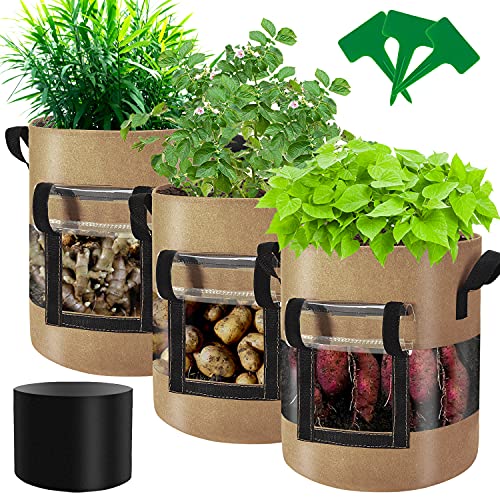
    Manure for Grass

    Conclusion: How Long Does it Take Cow Manure to Compost

    I hope this post has helped to answer the question: how long does it take cow manure to compost? Overall, composting has benefits that can help the soil and the environment as well. This method is practical in a way that it can help eliminate waste by solving it practically and environmentally. Though the process may take a few weeks to complete, a dark, crumbly, and earthy smell of compost as a final product is not bad after all. 

    Do you have any tips and tricks when it comes to composting cow manure? If so, please feel free to let us know in the comments below. And remember, sharing is caring! 
    FAQs

    What are some ways to compost cow manure?

    The most common method is to spread it on your garden. But this method has several drawbacks, not the least of which is that the manure is mixed with urine and excrement from your animals, and therefore it may carry diseases that can harm your plants. Another popular method is to mix it with a composting bin. This method is effective, but it requires constant vigilance, and if you are away for any length of time, your compost could go bad and attract pests.

    You can try to find a friend who has a compost bin or a large quantity of manure and ask him or her if you can dump your scraps in there.

    The composting process will turn your manure into a nutrient-rich fertilizer.

    If you live in a community that has a composting program, you may be able to dump your scraps there.

    What are good steps for composting cow manure?

    Cow manure can be composted by adding it to a bin of other materials, including sawdust, shredded paper and straw. This is the preferred method for most composters, as it produces an excellent product with no odor. To compost cow manure, follow these steps:

    1. Collect cow manure from the barn, or find a local farmer who has cows that have just given birth.

    2. Add the manure to a bin of other materials, such as shredded paper, straw and wood shavings.

    3. Turn the mixture once a week.

    4. When the pile is at least 6 inches deep, add sand to help keep the pile aerated.

    5. Cover the pile with a tarp or plastic to keep it from drying out.

    6. Check the pile every few days to make sure it is not burning.

    7. After about one month, the compost should be ready.

    8. You can spread it on your garden in a fall application. For More Information There are many different methods for composting cow manure, but if you have access to a large quantity of manure, you can apply it to your garden in a fall application.

    Can you apply as fertilizer?

    If you have access to a cow or horse, you can try spreading it on your lawn as fertilizer. It’s not very effective, however, because cows and horses don’t actually eat grass; they eat green plants. You would need to spread the manure on the grass and then mow it into the soil.