Starting a vegetable garden from scratch doesn’t have to be overwhelming. Whether you have a spacious backyard or just a small patio, growing your own vegetables is one of the most rewarding hobbies you can start. This guide will walk you through every step to get your garden thriving.
Choose the Right Location
The success of your vegetable garden starts with location. Most vegetables need 6-8 hours of direct sunlight daily, so scout your yard for the sunniest spots. Avoid areas under large trees or next to buildings that cast heavy shade.
Good drainage is equally important. If water puddles after rain, your vegetables’ roots may rot. Test drainage by digging a small hole, filling it with water, and seeing how quickly it drains. For poor drainage, consider raised bed gardening as an excellent alternative.
Prepare Your Soil
Healthy
Improve your
🛒 Essential Starter Products
FoxFarm Ocean Forest Potting Soil is a nutrient-rich blend of aged forest products, bat guano, and earthworm castings, perfect for indoor and outdoor plants. Its pH-balanced formula promotes healthy growth, making it ideal for seedlings, transplants, and mature plants.

- 3 METERS IN ONE: Soil moisture level, Soil pH value and Sunlight level could be tested easily according to your need by switching the function button of this soil meter.
- NO BATTERY NEEDED: Simply insert the meter into soil, wait few minutes, accurate test results will be displayed on the readout panel. No battery is needed.

Over 25k Non-GMO Heirloom Vegetable Survival Seeds + 2 Free Bonus Items: Clyde s Garden Planner +…

Gorilla Grip Supportive Soft Foam Cushioning for Knee, Water Resistant Construction for Gard…

Pick Your First Vegetables
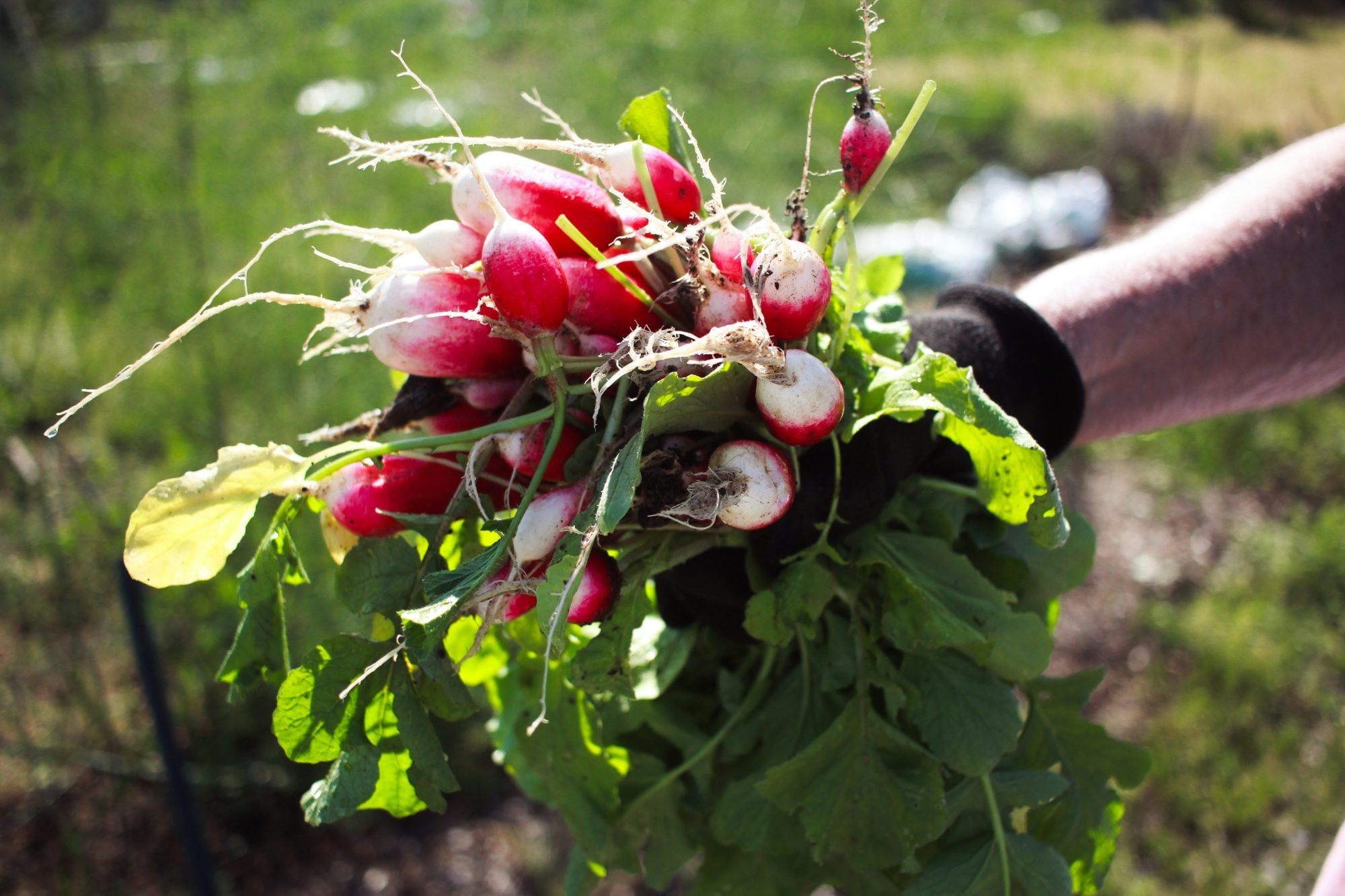
As a beginner, start with easy-to-grow vegetables that forgive mistakes. Tomatoes, lettuce, radishes, zucchini, and
Consider your climate and growing season. Cool-season crops like lettuce and peas thrive in spring and fall, while warm-season crops like tomatoes and peppers need summer heat. Check your USDA hardiness zone and pick varieties suited to your region.
Don’t plant too much at once. Start with 4-5 different vegetables in manageable quantities. You can always expand next season once you’ve learned what works in your specific garden.
Plan Your Garden Layout
Draw a simple sketch of your garden plot before you plant. Place taller plants like tomatoes on the north side so they don’t shade shorter crops. Group vegetables with similar water needs together for easier care.
Leave pathways between rows for easy access. You’ll be weeding, watering, and harvesting regularly, so make sure you can reach every plant without stepping on
If space is limited, try vertical gardening techniques or container gardening to maximize your growing area.
Water and Maintain Regularly
Most vegetables need about 1 inch of water per week, either from rain or irrigation. Water deeply rather than frequently—this encourages roots to grow deeper, making plants more drought-resistant.
Mulch around your plants with 2-3 inches of straw, wood chips, or compost. Mulch suppresses weeds, retains moisture, and regulates
Monitor for pests and diseases weekly. Catching problems early makes them much easier to manage. Remove any diseased leaves promptly and consider companion planting to naturally deter pests.
Start Small and Grow Your Skills
The biggest mistake new gardeners make is planting too much, too soon. Start with a 4×8 foot bed or a few containers. As you gain confidence and learn what thrives in your space, you can expand.
Keep notes throughout the season. Record what you planted, when you planted it, and how it performed. These notes become invaluable reference guides for future seasons.
Remember, even experienced gardeners face challenges—unexpected weather, hungry wildlife, or mysterious plant diseases. View setbacks as learning opportunities, not failures. With each season, your vegetable garden will become more productive and easier to manage.