Category: Tips & Guides

  • How Much Sun Does Lettuce Need? Which Is Ideal, Little Or Excess Sunlight?

    How Much Sun Does Lettuce Need? Which Is Ideal, Little Or Excess Sunlight?

    How much sun does lettuce need is what we would like to know. Do you know if you should give your lettuce little or extra sunlight? We will find out soon.

    Lettuce is an excellent veggie that is loved by many and used in most homes when it comes to cooking. You can incorporate lettuce in almost every dish including sandwiches, soups, and so on. No wonder this veggie is loved by many and it’s only logical for anyone to want to have this tasty veggie in their garden.

    But for you to enjoy the best production of lettuce, you need to provide some growing conditions and one important growing condition is sunlight. You need to know the ideal sunlight requirement for lettuce; if it needs enough sunlight or little sunlight.

    How much sun does lettuce need will be answered in this post. So, let’s delve into this.

    How Much Sun Does Lettuce Need? Lettuce Sun Requirements

    The fact is that lettuce doesn’t need too much sun exposure. But the plant also needs some time under sunlight to flourish. Therefore, it is crucial you know the right sun requirement for lettuce. If not, you may end up having little or nothing to harvest.

    How much sun does lettuce need is one important question that should be on your mind. When you know this, you are a step ahead of averting any problem that may come with improper sun exposure to your lettuce plant.

    How Much Sun Does Lettuce Need? Lettuce Sun Requirements

    However, when it comes to determining the ideal duration to provide sun to lettuce plants, you need to know the type of lettuce variety you are growing.

    There are different lettuce varieties and some of them include Romaine lettuce, Butterhead lettuce, Crisphead lettuce, and leaf.

    Generally, lettuce is fine with around 6 hours of sun exposure. However, some varieties can take more duration that is around 10 to 12 hours of sun exposure. But if it’s not possible to supply your lettuce with as much as 10 to 12 hours of sun duration, then 6 hours of sun exposure is generally fine.

    Also, you don’t have to follow any specific time to provide lettuce with sun. The sun exposure can be in the morning or even in the afternoon.

    Read more about How Long Does It Take For Zucchini To Grow?

    Is Too Much Sunshine Exposure Bad For Lettuce?

    As we mentioned earlier, lettuce does not need excess sun direct sun exposure. The truth is that no variety of lettuce likes or thrives well under hot weather.

    If lettuce is left under hot weather for a long time, the plant begins to lose more water. Bolting occurs which means you get limited or no fresh lettuce leaves and the plant begins to end its growing process.

    Then this usually results in lettuce plant that seeds and flowers really fast than it should. Hence, the result is bitter-tasting lettuce.

    Salad Greens Lettuce Seeds Heirloom Vegetable Seed 23,000 Seeds for Planting Indoors and Outdoor 10 Packs

    71gWvteVyLL. AC SX569

    How Can Lettuce Be Shielded From Excess Sun Exposure?

    The goal of planting lettuce by most growers is to get that big leafy leaves that are used for most cooking applications. Nobody wants to end up with bitter-tasting lettuce that is a result of excess sun exposure.

    So, how do we shield our lettuce plant from excess sun exposure? Let’s look into this;

    1.    Select The Right Variety Such As Hardy Lettuce Varieties

    There are some lettuce varieties that can tolerate more heat. So, you can go for this type of lettuce variety especially if you live in a hot region.

    Examples of such heat tolerating lettuce varieties include Summer Bibb Blend, Green Salad Bowl, and Bibb Buttercrunch.

    2.    Use Shade Covers To Protect Lettuce

    Shielding lettuce leaves from direct sunshine should is another way to protect the plant from excess sun exposure. Once the temperature is high (around 60 to 65 degrees Fahrenheit), your lettuce plant will be prone to bolting.

    Using shade covers can act as a barrier between your lettuce plant and the excess sun exposure.

    3.    Early Season Planting – How Much Sun Does Lettuce Need?

    You can plant lettuce in the early season and you don’t need to wait for sunlight to begin planting. Lettuce can begin to sprout with a temperature that is as low as 39 degrees Fahrenheit.

    Early Season Planting Lettuce

    Then once the weather temperature begins to fall around 60 to 65 degrees Fahrenheit, your lettuce should almost be ready to be harvested.

    Click Here to Get Info About:

    4.    Use Natural Shade

    Natural shades can be used to shield your lettuce plant from too much sunshine. Natural shades such as trees or other tall-growing plants are easy to be used to shield lettuce from direct excess sun exposure.

    You can even aim to plant your lettuce close to these trees or taller plants in a way that partially shades lettuce.

    Just set your lettuce plant in relation to the direction of light all through the day. For instance, you can set your lettuce plant by shading them away from hot afternoon sun rays. Then lettuce plant should be set to receive adequate sun rays in the morning.

    Can Lettuce Grow Under Partial Shade?

    It is possible for lettuce to grow under partial shade and partial shade can even provide protection from heat. However, adequate light is required for the plant to germinate appropriately.

    Therefore, if you still want to grow lettuce under partial shade, just make sure you grow the seeds under adequate light so they can germinate.

    So, once the germination stage has elapsed and the seeds have successfully sprouted, then you can transplant them to partial shade.

    Conclusion On How Much Sun Does Lettuce Need

    Lettuce light requirement is an important factor to consider when growing this tasty vegetable. Provide lettuce with the right duration of sun exposure so they can grow and produce well.

    How much sun does lettuce need has been answered in this post and we hope this can help you plan how to provide lettuce with the ideal sun exposure.

    FAQ’s

    Does lettuce need full sun?

    Yes, lettuce does need full sun as they can benefit from it. However, you should provide full sun only for a specific period which is about 6 hours. Excess sunshine can harm the plant especially when the weather is very hot.

    Does lettuce grow well in the shade?

    Yes, it is possible for lettuce to grow under shade. But when you want to begin the process of growing lettuce from seeds, the seeds will require bright light to germinate, so shade won’t benefit seed germination.

    Can lettuce grow in partial shade?

    Yes, lettuce can be grown under partial shade and partial shade can offer protection from extreme heat. However, when it comes to seed germination for lettuce, it will need direct sun to sprout.

  • Can You Grow A Bedroom Snake Plant? 

    Can You Grow A Bedroom Snake Plant? 

    Is it possible to grow a bedroom snake plant meaning it will always be in your bedroom and not any other part of your home?

    Snake plants are easy to grow both indoors and outdoors.  When grown indoors, they can be kept in any part of the house – living room, bedroom patio, bathroom, etc.

    About Snake Plant

    The snake plant is one of the easiest houseplants to grow because of its versatility.  It does well in any type of lighting and it only needs to be watered when the soil drys out.  

    When grown outdoors, it does well in bright indirect light.  It can also be planted in containers.  It’s very easy to maintain and will grow quickly.

    It also makes a good gift for anyone who loves snake plants. The leaves are generally dark green with green-banded leaves and with a yellow border. They are a great size for growing indoors as they can grow anywhere from six inches to eight feet.

    The common or garden snake plant is also known as mother-in-law’s tongue because of the shape of its leaves.  It is native to tropical Western Africa. 

    It has become one of the most popular houseplants because of its easy care and fast growth.  Snake plants can be grown in a sunny location in any type of lighting.  It does best in sandy well-drained soil.

    Care And Maintenance For A Bedroom Snake Plant

    Check Out What Is The Bleeding Heart Flower Meaning?

    Bedroom Snake Plant Growing Conditions

    Snake plants growing in the bedroom require proper growing conditions that include:

    A cool and humid room

    Snake plants grow best in temperatures between 65 to 85 degrees Farenheit. The ideal humidity level is between 30 to 50 percent. A humidifier can help to maintain moisture in very dry conditions. 

    Soil

    Snake plants can grow in a loose, well-drained potting mix and they go well with sandy soils. The proper growing environment for your bedroom snake plant is a large, well-lit room with air circulation.

    Light

    Snake plants do well in bright, indirect light indoors. They can grow in many different lighting conditions including full sun, partial sun, and shade. However, be careful placing them directly under a window because the heat may damage the plant.

    Watering

    Watering can be a problem for snake plants. Too much water can cause problems for snake plants. They only need to be watered when the soil is dried out. 

    Pruning

    Snake plants are hardy plants and will need to be pruned now and then.  Simply prune the lower old leaves that are dead and leave the newer ones, which means they don’t need to be pruned. Pruning can cause damage if not properly done.

    T4U 8 Inch Plastic Plant Pots – Indoor Self Watering Planter Flower Pot with Drainage Hole

    71JsrKWot2L. AC SX569

    Care And Maintenance For A Bedroom Snake Plant

    It is important to keep your snake plant healthy and happy by following these maintenance tips:

    Tip 1: Remove dead leaves as they appear

    Dead leaves stagnate the growth of your plant so remove them as often as they appear.

    Tip 2: Water your snake plant occasionally

    Water your snake plant when the soil is dry. They do not need to be watered frequently.

    Tip 3: Keep your snake plant in bright light

    Your snake plant will grow best if it has bright, indirect light.

    Tip 4: Repot your snake plant every two years

    It is recommended that your snake plant be repotted every two years as the soil may dry out and the roots may become too cramped for the plant to grow.

    Tip 5: Keep the leaves clean and free from debris

    Clean your snake plant regularly with a soft brush or a damp cloth. Remove any dead leaves or debris that accumulate.

    Tip 6: Fertilize your snake plant

    Though snake plants don’t need to be fertilized, it can be beneficial. Fertilize with a mild cactus fertilizer during the growing season and do not fertilize in winter. 

    Tip 7: Check for insects

    If you see any signs of disease or insect infestation, consult your local gardening expert.

    Tip 8: Protect from frost

    Keep your snake plant indoors and away from cold drafts during winter. 

    Read more about An Indepth Study On Alocasia Sumo

    Final Words – Bedroom Snake Plant

    The snake plant is one of the easiest to grow and more so in your bedroom. It does not need a lot of attention and will reward you with its beautiful leaves.

    It is a great plant to grow indoors and it is beginner friendly since it does not need much maintenance. The plant can also be easily propagated through seeds or cuttings, which makes it an affordable option for beginning gardeners.

    FAQs

    Can snake plant be kept in the bedroom?

    Yes, snake plants can grow in the bedroom as long as you provide enough light.

    What is the best way to propagate snake plants?

    Snake plants can be propagated by dividing the roots or by leaf cuttings.

    Do snake plants help you sleep?

    Snake plants are a good source of oxygen which can help you sleep better.

    Do plants steal your oxygen at night?

    Snake plants do not steal your oxygen at night but they do produce oxygen. You can sleep as long as you want with the snake plant. They produce oxygen that helps you sleep.

    Where should you place a snake plant?

    Snake plant can be placed both indoors and outdoors and continue thriving. Indoors it does best in an area with bright indirect light.

  • Prayer Plant Problems And Possible Remedies

    Prayer Plant Problems And Possible Remedies

    Prayer plant problems can arise in different ways and we will look into that here. The prayer plant is prominent for its leaves that fold and close, in the form of praying hands, at night. This is why it is called the “prayer plant” otherwise known as the Maranta leuconeura.

    It is commonly raised as a house plant by gardeners and in fact, the Texas A&M University confirms it to be one of the best house plants for indoor gardening. Prayer plant problems however are something that can’t be totally avoided.

    Prayer plant can grow up to 2 feet, depending on the cultivar you’ve planted. Also, it sets white flowers. These flowers are set against the foliage.

    In order to enjoy this plant for years, you should try to keep it healthy and safe from issues. Hence, let’s take a look at some prayer plant problems as well as possible solutions.

    Prayer Plant Problems

    Leaves curling up or turning brown due to overwatering, yellowing leaves, change in climate, stress due to repotting or bad soil drainage are all part of maranta problems.

    With proper care, yellow leaf problem, which is well known to happen to prayer plants, can be resolved. Too much light, under-watering, or an environment with low humidity can cause the problem of brown tips on prayer plants.

    Let’s take a look at these problems one after the other in the remaining part of this article. Possible solutions to these issues pertaining to the roots and foliage section of the prayer plant will be proffered also.

    Prayer Plant Problems

    Problems Pertaining To Prayer Plant And Possible Remedies

    Below is the list of possible issues that can occur in the prayer plant and possible solutions as well;

    1.    Low Moisture Pn Prayer Plant

    Low humidity in the house leads to low moistness in prayer plants which creates issues for prayer plants. This is because a high to medium damp habitat is the type of environment this plant can thrive in and not that with low humidity.

    The solution is to change the spot or get a small-sized container, water it and then put it close to the prayer plant. Doing this will help increase the presence of humidity and moistness all around your prayer plant making indoors conducive for it to survive.

    2.    Fungal Infections In Prayer Plant – Prayer Plant Problems

    Leaf spot diseases are the result of fungi infection, especially Dreschslera and other types of fungi like exserohilum spp. Water sports like the size of a pinhead that are either yellow, brown, or purple dapple patches, may be seen on the leaves.

    Such happens due to over irrigated water and the entire droplets of water remaining on the leaves longer than usual. This over wet foliage poses a lot of threats to leaves thereby, resulting in leaf reduction.

    The solution is for you to not water the leaves too much but rather the root section. You can use fungicide chlorothalonil which is commonly used, for conventional methods, in tackling the fungal problem. However, you have to be cautious when watering the plant at the end in order not to water it too much.

    Earth’s Ally Disease Control Concentrate for Plants | Fungicide Treatment for Powdery Mildew, Blight, Black Spot, Fungus

    Prayer Plant Problems

    3.    Chlorosis – Prayer Plant Problems

    This is a type of prayer plant problem that causes the plant leaves to wilt due to the low amount of iron in the potting soil. This issue also results in poor growth, foliage color not so pronounced, and many other possible reasons.

    It also causes new leaves to become yellow. Experiencing this can only mean your plant soil’s pH levels are not right. The solution is to first use a pH testing kit to check for the soil’s pH if it is higher than the value of 5.9. If it is, then it means the iron in the soil is low.

    Contacting your nearest plant care expert for help will go a long way. However, if you’ve bought a good potting mix, you won’t be having many problems with this.

    4.    Unbearable Light Conditions

    Prayer plants only need indirect sunlight as a source of light. But anything other than this, like keeping them in a spot where there’s excess heat or sun, will make them get burned out. It may also cause yellowing tips on the foliage.

    Excessive sunlight poses a threat to the leaves thereby creating an in-conducive environment for the prayer plants to survive.

    5.    Yellowing Leaves On Prayer Plants

    Excess watering, Cold climate, High Humidity, low nutrient, bad potting mix, and many more are mostly the major culprit of prayer plant leaves turning yellow.
    Other culprits are Fungal infection, the infestation of pests, and iron deficiency. The solution is caring for your prayer plant well and also adjusting its watering schedule.

    6.    Too Much Watering – Prayer Plant Problems

    Excess watering is mostly the reason for prayer plant leaves turning yellow. In fact, planting in good soil and the right pot with good draining holes may not guarantee the best condition if you’re over-watering your prayer plant.

    How often you water your prayer plant may take a toll on your plants for a long space of time without any schedule but have watered the plant too much every other day. If you want to water your prayer plant, check the top of the soil first for dryness and then stick your finger inside the soil up to 2 inches to know if it’s wet. However, if it is wet, postpone watering till the next day. If it is dry, you should water it right away.

    But there’s an exception for those living in hot regions. However, people living in regions with temperatures below 50 degrees Fahrenheit should avoid over-watering their prayer plant.

    Conclusion On Prayer Plant Problems

    The prayer plant is an interesting plant that any houseplant collector would love to have. But issues may arise with this fascinating plant. Prayer plant problems can occur but don’t fret because most times, the issue can be resolved if handled on time and the right way.

    FAQ’s

    What am I doing wrong with my Prayer Plant?

    If you aren’t properly taking care of your prayer plant, then issues may arise. Inappropriate watering, low humidity, too much fertilizer application, excess sun exposure, and so on are things that you may be doing wrong.

    How do you revive a dying Prayer Plant?

    To revive prayer plant from issues like over-watering, take out dead leaves and allows the soil dry out totally. Then you can spray the plant with pesticides and water when the soil is completely dried.

    Why are the leaves on my Prayer Plant turning brown?

    The leaves on your prayer plant may be turning yellow due to moisture stress and this may be from either over-watering or under-watering.

    How often should you water a Prayer Plant?

    Once you notice the first inch or two inches deep of the soil has become dried, it’s time to water your prayer plant. You can do 3 to 5 times in a week watering during summer, but always check the moisture status of your soil before watering.

  • How To Propagate an Umbrella Plant – 3 Easy Methods

    How To Propagate an Umbrella Plant – 3 Easy Methods

    The following is a guide on how to propagate an umbrella plant with ease as long as you provide it with the right growing conditions.

    There are different ways how to propagate umbrellas, one of them is through seed propagation and another one is through air layering or better still cuttings.

    How To Propagate an Umbrella Plant

    Method #1: Seed propagation

    This method is very easy, all that you have to do is to remove the seeds, then soak the seeds with hot water and then plant them in light potting soil.

    To propagate an umbrella plant from seeds, you will want to prepare a germination tray with light soil. Before planting the seeds, soak them in hot water for 12 hours to improve germination.

    How To Propagate Umbrella Plant By Seed

    Plant medium-sized seeds in the soil at a depth twice their size. Water lightly to keep the soil moist but not soggy.

    The container should be placed in an area where it will receive bright light, but not direct light from the sun. Maintain temperatures between 75 to 86 degrees Fahrenheit to best help the seeds grow. Germination takes around two to three months and you should transplant your plants when they reach one to two inches in height.

    Click Here to Get Info About:

    Method #2: Cuttings

    It is the easiest way of propagating the umbrella plant because all that you have to do is to take a cut of a leaf and begin growing it in a new pot.

    The umbrella plant can also be propagated through cuttings.  This method is used to propagate new plants from the cuttings of the plants that are already grown in the garden.  Cuttings should be taken from healthy, well-developed shoots that are at least two leaves thick. 

    The length of the cutting should be at least four to six inches long.  Cuttings should be planted in a pot filled with good quality soil.

    The plant can also be propagated through grafting.  The grafting technique is used to propagate the plant by grafting the scion onto the rootstock.  The rootstocks of the umbrella plant should be healthy and vigorous in order to support the growth of the scion.

    It is recommended to remove the bark from the rootstock using a sharp knife.  The cut should be made about two inches from the root at an angle.  After this, the cut should be rubbed with a piece of cloth dipped in water.  The cut should then be firmly pressed against the rootstock with the help of forceps.

    Method #3: Through Air Layering

    Air layering is a unique method for propagating an umbrella plant that can be very effective. This method creates a new plant while it is still attached to the original plant.

    To propagate with air layering you need:

    • sphagnum moss
    • a sheet of clear plastic
    • tape
    • rooting hormone powder

    How to do it?

    1. Start by removing the leaves from a three to a four-inch section of the plant stem.
    2. Carefully peel the outer bark from the cleared area to reveal the white section of the stem directly under the bark known as the cambium layer.
    3. Dust the area with a small amount of rooting hormone.
    4. Wrap the area with moist sphagnum moss, being sure to cover the entire area of the exposed stem portion.
    5. Then, wrap the moss with clear plastic and seal it with tape in order to create a humid environment.

    The air layering process will take about four to five months, but it will in a perfect clone of your existing plant. Once you notice the exposed end of the stem starting to grow, check to see if roots are growing where you cut the stem. Once healthy roots have formed, it is safe to cut the new plant from the original umbrella plant.

    By creating a humid environment, you can speed up the propagation process. The roots will begin to grow right out of the sphagnum moss.

    Once the plastic covering is full of roots:

    1. Carefully cut the stem at a point directly below the root ball.
    2. Then, carefully transplant your new plant into a container.

    Tips:

    • It is recommended that the newly planted umbrella plants are placed in a warm, sunny location.
    • Plants should be watered regularly in order to promote their growth.  I
    • f the plants are in a shady location, it is recommended that they should be protected from direct sunlight using a sunshade.
    • The leaves should be carefully inspected for any pests or diseases before they are distributed to the new plants. 
    • The new plants should be checked regularly for any pest or disease.
    • In order to ensure proper germination of the seeds, the seeds should be kept moist by adding water to the tray. 
    • Seeds can also be sown directly in the garden.

    Bonide BND925 – Bontone II Rooting Powder, Hormone Root Fertilizer 1.25 Oz

    How To Propagate Umbrella Plant

    Diseases That Affect Umbrella Plants

    There are several diseases that affect the umbrella plant.  These include powdery mildew, spider mites, scale insect, and fungal diseases.  These diseases can cause damage to the leaves, flowers, stems, or roots of the plants. 

    The plants can also be infected by other diseases such as viruses, bacteria, and nematodes.  These diseases can also lead to the death of plants.

    Powdery mildew is caused by a type of fungus called Erysiphe graminis.  It is a major disease that affects many types of plants, including the Umbrella plant. It is a fungal disease that affects the leaves of plants and causes white spots. 

    It is a problematic disease for the production of vegetables because it can cause the death of plants. The powdery mildew spores are spread through the air.  They are very small and are easily blown away by the wind. 

    They can also be spread from infected to healthy plants.  Spores can also be spread from infected plants to other plants.  When the spores land on the leaves of the plants they enter the plant.

    In Summary – How To Propagate an Umbrella Plant

    The above guide will help you learn how to propagate an umbrella plant from cuttings, seeds, or by air layering. How will you choose to propagate your umbrella plant?

    FAQ’s

    How do you take cuttings from an umbrella plant?

    You can take cuttings from your own plants or buy some from nurseries and garden centres. Take cuttings in late spring when the plants are dormant. Cut the stems off close to the crown with a sharp knife. Trim away all the leaves and soft growths, and then insert the cut end into moist soil.

    How do you propagate umbrella plants from stems?

    Take cuttings in late spring when the plants are dormant. Cut the stems off close to the crown with a sharp knife. Trim away all the leaves and soft growths, and then insert the cut end into moist soil.

    How do you root an umbrella plant in water?

    You can take cuttings from your own plants or from those you find at nurseries and garden centres. Take cuttings in late spring when the plants are dormant.

    Cut the stems off close to the crown with a sharp knife. Trim away all the leaves and soft growths, and then insert the cut end into a glass of water.

    Where do you cut an umbrella plant?

    Take cuttings in late spring when the plants are dormant. Cut the stems off close to the crown with a sharp knife. Trim away all the leaves and soft growths, and then insert the cut end into moist soil.

  • How To Keep Indoor Plants Warm in Winter

    How To Keep Indoor Plants Warm in Winter

    Summer will not endure forever, despite how hot and humid it is. And if you’re like millions of other gardeners, you know how you feel about your plant babies. You adore them and find it difficult to say goodbye at the end of the season! Protecting your plants from unexpected cold snaps or early frosts might help you extend the growing season.

    That isn’t to say you can’t squeeze a few more weeks out of your garden. If you suspect an early frost or a harsh freeze is on the way, apps like Accuweather can help. You can take several things to give some insulation, which may help your plants survive a bit longer. There’s always a risk when we talk about nature—but they’re worth trying. And believe us when we say there’s always more to learn about gardening! 

    Here are some ideas for keeping indoor plants warm during the winter:

    1. Reduce your watering and use warm water for your plants.

    Most houseplants lie dormant during the fall and winter months, even if your plants are indoors. Less light implies less growth, which means less water and fertilizer. It may also mean less feeding for your indoor plants in the winter.

    As per standard watering guidelines, water only when dry an inch or two below the surface. Make sure your plants don’t sit in water for long periods. It can create root rot, fungus, mold, and other problems. If you notice yellow leaves or moldy soil, you should reduce your water. You may wish to water your plants in the winter with warm water. It is preferable to water plants in the winter. It helps them grow faster and larger and keeps them warm.

    Most houseplant owners follow a weekly watering schedule. You may want to stick to it for consistency’s sake and avoid breaking the rhythm. But, reduce the amount of water you offer by 25 to 50 percent on your weekly watering days. 

    2. Give them plenty of light.

    We all need light, and it’s challenging to get enough of it when the days are as short as they are now. Plants, like people, need light to thrive, even indoor plants. During the winter, homes receive a limited quantity of light. If your house does not face the appropriate direction, you may only get light in specific rooms and windows. 

    Prepare to transfer your plants near windows and light-filled locations during the winter. For optimal light, make sure the windows are clean both inside and out. Make sure to remove any dust accumulated on the leaves to absorb the light more effectively. Almost any houseplant benefits from the winter sun.

    If you don’t have any bright windows, artificial lighting can undoubtedly help. If you don’t have enough window space in the winter, use a grow lamp to augment your plants’ light needs.

    White Red LEDs for Indoor Plants

    61pUrl7WK L. AC SL1000

    3. Increase humidity.

    When it comes to the health of your houseplants, humidity is a significant factor. Most houseplants are from tropical locations, ranging from 77% to 88%. They are also grown under ideal humidity levels in nurseries. 

    But, when you bring the same plants home, you will expose them to a frigid air conditioner. Doing so may continually suck away moisture. If it’s winter, your heating system is drying up the air, which is bad for your houseplants.

    Low moisture does not suit tropical plants. Imagine doing your best to care for them by reading their needs and marking the calendar for watering schedules. But you may still end up with dry, limp leaves. Humidity conditions in your home can contribute to your indoor plants‘ poor appearance. Here are some of the best ways to increase room’s humidity for your indoor plants.

    plants' light needs

    4. Keep your indoor plants clean.

    Dust on houseplant leaves can clog pores and harbor pests. So it’s critical to clean foliage regularly. Additionally, permanently remove damaged and diseased leaves. They can carry illnesses or pests. 

    Dust smooth-leaved plants with a brush before spraying with water. Instead of spraying or washing hairy plants or cactus, use a brush. Pinch out the stems at the base of the plant to remove damaged, yellowing leaves. Insects prefer to hide in the dust on the leaves, making it challenging to discover them. Your plant is more vulnerable in the winter because it falls into dormancy. It prevents it from growing out of bug damage.

    Put your plants in the bathtub every couple of weeks and give them a gentle shower with a handheld sprayer. You can also wipe the dust and filth off with a moist towel. Keeping the leaves clean allows them to perform photosynthesis more efficiently.

    5. Reduce plant fertilizers.

    Fertilizing your indoor plant is essential for healthy, bushy growth. Should you fertilize your indoor plants during the fall and winter dormant seasons? Will fertilizing our plants during the dormant season benefit them, or will it harm them?

    Most houseplants develop in the spring and summer and go dormant in the winter. So, it would help if you didn’t fertilize them. Fertilizing your plants in the winter can cause a variety of issues. It can have an impact on their general health. It would be best to only fertilize indoor plants in the spring and summer.

    Fertilization is essential for plant health. But, excessive fertilization or fertilization at the wrong time of year might cause various issues with your plant.

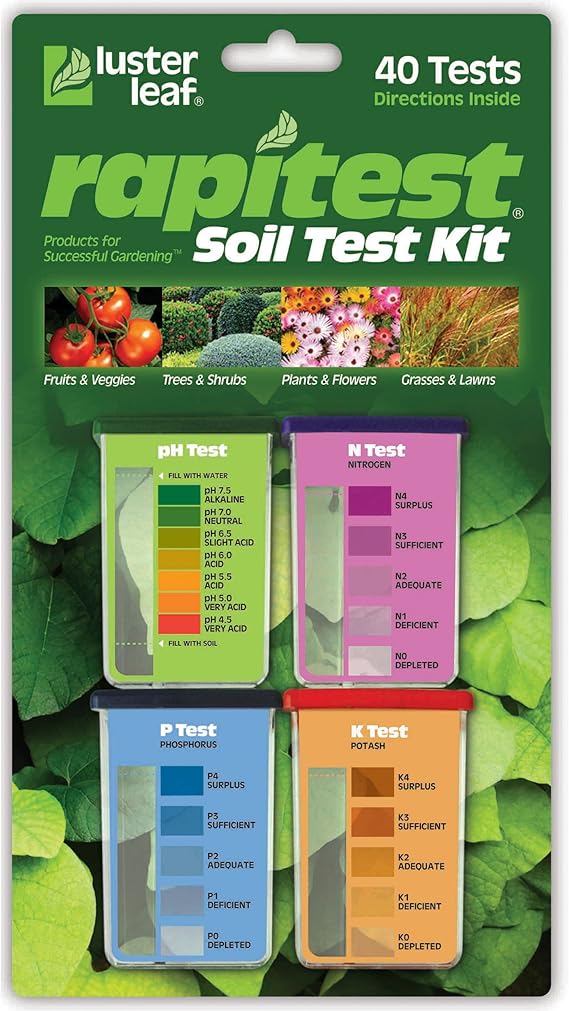
    Before adding fertilizer, check your soil for nutrient deficiencies. Use a soil test kit to determine the levels of phosphorus, nitrogen, and potassium and the pH of the soil.

    6. Keep an eye on the temperature. 

    Most plants prefer temperatures between 65 and 75 degrees Fahrenheit and above 50 degrees Fahrenheit at night. Keep your plants away from cold drafts and sources of heat like radiators, ovens, fireplaces, and electronic devices. 

    Temperature fluctuations can kill houseplants just as quickly as continuous heat or cold spells.

    Final Word

    Now you know more about how to keep indoor plants warm in winter!

    During the winter, your houseplants will be vulnerable to life-threatening threats. Several winter stress factors can influence indoor plants. Check temperature fluctuations from afternoon heat to evening chill. Dry air and short days restrict the quantity of light they receive. Changing the way you care for your houseplants is the key to keeping them warm during the winter.

  • Step By Step Guide On How To Propagate Sage

    Step By Step Guide On How To Propagate Sage

    You may probably want to grow sage in your yard due to the distinctive flavor it brings to culinary dishes. How to propagate sage is actually very easy. So, in this article, you will learn how sage cuttings can be propagated in water or soil.

    The two methods are perfect; however, the success rate at which the water method works is way higher than that if a rooting hormone is not used. The water method also gives you the opportunity of watching the roots grow in water. This sounds like fun, right?

    Another thing is that many other herbs can be propagated through this procedure. They are herbs like rosemary, basil, and other types of sage. So let’s go further into how to propagate sage.

    Brief About Sage

    Sage is a type of plant that is perennial and it is characterized by this stocky and woody stem. These stems produce sprigs of sage that is robust and full of flavor. You may have come across this herb while cooking some time ago or you may have eaten a dish that contains the sage herb.

    Whichever way, sage is a great addition of deliciousness and distinctive flavor to culinary dishes. In the United States and as well as all over the world, it is easy to grow sage in many of the growing zones.

    Growing sage in an herb garden is a great addition to it, with the sage herb’s lovely green color. This thereby gives your kitchen an abundant supply of fresh sage.

    Brief About Sage

    Read more about How To Harvest Kale So It Keeps Growing

    How To Propagate Sage: Step By Step Guide

    Even though sage can surely be grown from seeds, propagation from cuttings is also another great option for growing sage. So, here is how you can grow sage from cuttings;

    Step 1 – Obtain Sage Cuttings

    Begin by getting some sage cuttings and these should be healthy, non-flowering sprigs of sage.

    Step 2 – Strip Off The Leaves – How To Propagate Sage

    After obtaining your sage cuttings, strip off the lower leaves on the end of the stem. About 2 inches of the bare stem on the sprig is needed to serve as a base for future roots.

    Then once you’re ready to propagate, simply cut the tip of the sprig at a degree angle of 45.

    Also, if you would like to dip the bare stem into a rooting hormone it’s fine but this is optional.

    Step 3 – Begin The Structure Of The Root

    This process entails establishing the root structure before you plant it in the soil. To achieve this, put the sage plant in a glass of water and ensure at least 2 inches of the bare stem is totally immersed in water.

    So, after a while, you should begin to notice matured roots and this is when you can plant the cutting in your potting soil.

    You should take note that these cuttings tend to be quite fragile at this point.

    Step 4 – The Waiting Period For Plant Maturity (About 6 To Weeks)

    In around 6 to 8 weeks, the growth should begin to show. Also, provide optimal conditions for your sage plant and a warm and humid area is a good spot to store your sage plant.

    Step 5 – Adequately Care For The New Sage Plant

    So, after the successful propagation of the sage plant, ensure you properly care for your new sage plant.

    Provide lots of sunshine but usually, the plant of sage requires at least half a day of full sunshine exposure.

    The watering requirement of sage plants is moderate watering. It’s easy to decipher if sage plant needs water and this can be done by simply checking the about half-inch of the upper soil. If this part feels dry, then your sage plants need to be watered.

    Once the sage plant has outgrown its original pot, be sure to transplant them into a bigger pot or into the ground.

    Check Out:

    Is It Important To Use A Rooting Hormone To Propagate Sage Cuttings?

    Using a rooting hormone to propagate Sage will make cuttings develop roots successfully and quickly, however, using a rooting hormone is not necessary. So if you skip the rooting hormone, you will only need to use half of the cuttings needed when using a rooting hormone.

    Hormex Rooting Hormone Powder #8 | for Moderately Difficult to Root Plants

    How To Propagate Sage

    The Reason For Propagating Sage

    The process whereby new plants are being created from existing ones is called propagation. Propagation helps you make your personal herb garden larger with so many greens, thereby making provision for giving to friends and family.

    You can even start your very first sage plants with cuttings may be from the local grocery store or from someone who has shared some sage cuttings with you.

    This way, you get to use fresh and nice sage from your own garden in your mouth-watering recipes like whole wheat herb sourdough crackers or butternut squash sage soup.

    Click Here to Get to Know:

    When To Take Sage Cuttings

    Sage cuttings can be taken any time all through the growing season. From spring to the beginning of summer is the best time to propagate Sage cuttings if you live in a type of area with a cold winter climate.

    This idea will help give the new seedlings enough time to grow well and the roots to have a stronghold. This is to also make the seedlings very hardy ahead of when the colder months arrive. This will help increase the seedling’s survival chances during the winter.

    When To Take Sage Cuttings

    Conclusion On How To Propagate Sage

    Sage is a nice plant to have and it can be grown for different reasons such as for food preparations, for its health benefits, or just to enjoy its greenly foliage.

    How to propagate sage has been explained in this article and we do hope you’ve gained some knowledge from this guide.

    FAQ’s

    Can you grow sage in water?

    Yes, it is possible to grow sage in water when you propagate the plant. To grow sage in water, simply cut a healthy sage of about 3 to 4 inches and put the cuttings into a glass of freshwater.

    Can sage be propagated from cuttings?

    Yes, it is possible to grow sage from cuttings and the process is known as sage propagation. You can divide sage plants or take some cuttings just to achieve propagation of sage plants.

    When can I take sage cuttings?

    The best period to take some cuttings from sage plant is during spring. Avoid taking cuttings from sage plant during winter because it might be hard for the plant to scale through the winter period.

    How long does it take to propagate sage?

    The period it takes to propagate sage plant usually depends on the season. But generally, it should take around 6 to 8 weeks for some growth indications.

  • The Complete General Care Guide For Alocasia Sinuata

    The Complete General Care Guide For Alocasia Sinuata

    Alocasia sinuata is a rare type of plant that can be a nice addition to your indoor space. All you need d is to care for this plant adequately and enjoy its beauty in your indoor space such as homes and offices.

    This plant is characterized by its lush foliage that looks broad, shiny, and dark green. It tends to be a compact plant making them the best candidate for indoor propagation.

    Alocasia sinuata is a must have if you’re a lover of indoor houseplants because they tend to look pretty good in an indoor setting.

    So, to enjoy this plant, you need to know how to properly maintain it. This is why we will be discussing how you can take care of this stunning plant. We will also talk briefly about their propagation so let’s begin.

    Alocasia Sinuata General Care Guide

    Properly caring for alocasia sinuata plant gives it a better chance for the plant to grow fast and optimally. So, below is the general care guide for this plant:

    1.    Light Requirement

    The light requirement for alocasia sinuata is bright indirect sunlight so this means the plant will do well under bright shade.

    Their outdoor growing nature is under canopied trees and this has made them evolved to plant that can thrive in low light conditions and with little direct sun exposure. Therefore, growing alocasia indoors is fine if you can provide the plant with bright light. You can as well make use of bright artificial indoor grow lights.

    Alocasia Sinuata General Care Guide - Light Requirement

    If you expose this plant to too much direct sun, their leaves begin to wilt, the color fades, and can exhibit curled leaves with burned edges.

    Too little sun exposure on the other hand can cause drooping of leaves and the plant may begin to bend or stretch towards the direction of sunlight as it tries to get light. To help the plant in this situation, ensure you always rotate the plant so it can obtain equal sun exposure.

    2.    Watering Requirements

    It is very crucial you get the correct watering scheme for this plant. It can die of excess water but the soil also needs to be a bit damp.

    You can do a simple test by inserting your finger into the soil to check for soil moisture when you want to water it. Check about one inch of the soil with your finger and if the soil feels dry then it’s time to water your plant.

    When watering, water the plant evenly and make sure at least 2 to 3 inches of the soil is dry before you water.

    3.    Soil

    The best soil conditions for alocasia sinuata plants is a well-aerated, crumbly, and fast-draining soil. Maintain moist soil but avoid over-watered soil. If your soil is soggy, it can predispose the plant to infections and even cause root rot.

    For a proper soil combination for alocasia sinuata, you can mix sand with cocopeat.

    4.    Fertilization

    During the growing season of alocasia sinuata (which is spring and summer), they tend to feed heavily. A good fertilizing plan is using liquid fertilizer or a little portion of granular fertilizers.

    You can use a balanced fertilizer but we recommend using it with a higher nitrogen value so that the plant can grow bountifully.

    Plant Food Indoor Plant Food Liquid Fertilizer for Philodendron Micans

    71J52dIUUfL. AC SX569

    So, during their growing season, you should fertilize every 2 to 3 weeks. However, when the plant is in its dormant period, don’t fertilize them.

    5.    Humidity

    Alocasia sinuata flourish under high humidity and higher humidity can help prevent spider mites that are the most common pest of alocasia sinuata.

    6.    Temperature

    Alocasia sinuata thrives well with warm temperatures. The ideal temperature to grow alocasia sinuata is around 60 to 80 degrees Fahrenheit. When the temperature dips below this range or during extreme conditions such as winter, the plant tends to enter dormancy.

    Therefore, it is crucial you avoid putting your alocasia sinuata plant close to heaters or air conditioners. This can prevent extreme temperature variations.

    Check Out All You Need To Know About Sansevieria Night Owl

    7.    Potting

    Because of the natural compact habitat, alocasia sinuata prefers a relatively smaller pot that fits their size. If you use a big pot, the plant can grow in an unhealthy manner.

    8.    Trimming

    Trimming your plant encourages healthier and faster growth. When you trim off damaged or diseased parts of the plant, it can help reduce or stop the spread of fungal infections or pests.

    Trimming Alocasia Sinuata

    Alocasia Sinuata Propagation

    Propagating alocasia sinuata is pretty easy so if you wish to have more of this lovely plant, you can always propagate it. There are various ways of propagating alocasia sinuata and some of them include;

    1.    Division Of Alocasia Sinuata

    This method involves carefully dividing the rhizome of the plant into two equal parts. One of the parts is placed into a separate pot and it will re-grow into a complete plant.

    2.   Propagation Through Offset

    You can propagate alocasia sinuata through offset by simply separating the baby plant from the mother plant. Then you repot the baby plant separately.

    3.   Seed Propagation Of Alocasia Sinuata

    The seeds of alocasia sinuata are isolated and soaked overnight. Then sow the damp seeds quarter an inch into a pot. Take note not to dry the seeds because this can reduce the viability of the seeds. We recommend you sow your seeds in the fall season.

    Then maintain optimal conditions (such as indirect sun, moisture, high humidity, warmth, and so on) for your newly potted plant.

    Final Remark

    Alocasia sinuata is a nice plant that is easy to take care of and you can always enjoy the beautiful nature of this plant wherever you place it in your indoor space. Propagating alocasia sinuata is also fairly easy if you get the proper knowledge.

    FAQ’s

    Is alocasia Sinuata rare?

    Yes, alocasia sinuata is indeed a rare type of plant and it is endemic to the Philippines. Alocasia sinuata falls under the species of plant that is seriously endangered.

    How do you care for alocasia Sinuata?

    It is easy to care for alocasia sinuata and you can do this by providing bright indirect sunlight to the plant. Other care to give the plant also includes high humidity, warm temperature, damp soil, pruning, and fertilization.

    Does Alocasia need water?

    Yes, alocasia requires water to grow and it needs the plant’s soil to be mosit. However, you should ensure the plant isn’t water-logged because this can predispose the plant to infections and root rot.

    What is the rarest Alocasia?

    The rarest Alocasia species is Alocasia Azlanii or Red Mambo. This type of Alocasia is a very unique and attractive species that has its leaves that appear to be dark purple with red or pinkish veins.