Category: Tips & Guides

  • Rosemary Hedge Plants – Learn More About Your Plants To Keep Them Healthy

    Rosemary Hedge Plants – Learn More About Your Plants To Keep Them Healthy

    Rosemary Hedge Plants are sun-loving shrubs with needle-like leaves that are edible. To flavor meat, soups, and many other foods, you can use its fresh or dried leaves as it offers a particular flavor. The optimum time to plant rosemary is in the spring season. Although these are quite hardy plants that can withstand drought, they still need regular watering during dry summers.

    Hedge plants can provide privacy, define a space, and add structural interest to the garden, among many other advantages. Imagine a hedge that accomplishes these tasks as well as being aromatic and beautiful, edible, medicinal, and feeding and housing beneficial creatures.

    Rosemary cultivars with upright growth make good hedges. Most of them will reach heights of 4 to 7 feet when fully grown. The Tuscan Blue rosemary plant is one of the most striking because of its stature and beautiful dark blue blooms. To learn more about these beneficial hedge plants, take heed of the information below.

    How Long Do Rosemary Bushes Live?

    If the conditions are good, rosemary plants typically live between 10 and 30 years. Rosmarinus officinalis, as it is scientifically known, is a perennial herb. It is an evergreen shrub with woody stalks and many leaves. It grows untamed near the coastlines and has its origins in the Mediterranean.

     Are rosemary roots invasive?

    It develops as an evergreen semi-shrub in its native climate when given plenty of warmth. It grows quite bushy in warm weather and is spindlier and shorter in colder climates. The flowers are small and have an eye-catching purplish blue color, with the occasional bearing of blue-white blooms.

    Early summer is when the flowers can be seen as they spread out in clusters when grown as rosemary hedge plants. In moderate climate zones, the blossoms can be a good supply of nectar for bees in late winter and early spring. There are several types of rosemary which include the most commonly known blue lagoon, Lockwood de Forest, R. lavandulaceus which is a dwarf variety of rosemary, and the Tuscan blue amongst others.

    Are Rosemary Roots Invasive?

    One of the most well-known and valuable scented bushes is rosemary hedge plants. However, there are many different varieties that you could opt for. Therefore, knowing whether or not a particular plant is invasive before planting is crucial. Let us help you understand the rosemary root system so you will have a better understanding of these valuable shrubs.

     Does rosemary come back every year?

    Rosemary Plant Root System and Additional Tips Explained:

    1. Rosemary has a fibrous root structure which means it is quite shallow, so they are not typically regarded as invasive.
    2. Therefore, they can be planted around any foundation without worrying about the roots causing damage.
    3. Rosemary plants that are cultivated in a regulated geographic area will have access to adequate amounts of water, sunlight, and nutrients, which will keep their roots tamed. This is because they won’t have to delve very far in quest of water and nutrients.
    4.  Keep in mind that these plants come in a variety of forms which also include rosemary shrubs and seaside rosemary which are two different species. Because of their differences in growth patterns, they are sometimes regarded as an invasive species in some regions of the world.
    5. In some areas with a Mediterranean climate, rosemary is utilized as an ornamental plant in gardens and for xeriscape landscaping due to its beauty and resistance to drought. This is because it is thought to be both pest-resistant and simple to grow. The groundcover cultivars are extensively distributed and have a tough texture.
    6. Rosemary thrives in open, sunny areas with loam soil that has adequate drainage. With average fertility, it thrives in neutral to alkaline environments with a pH of 7–7.8.
    7. From an existing plant, it can be propagated by cutting a shoot that is 10-15 cm long, removing a few leaves from the bottom, and inserting it directly into the ground.

     How do you keep rosemary from going woody?
    Does Rosemary Come Back Every Year?

    Since rosemaries are perennial herbs, they will keep growing year after year. However, if planted in a pot, it will gradually grow less new growth and become extremely woody if not repotted.

    If you bring rosemary indoors prior to the onset of freezing conditions, it will survive if you live in USDA plant hardiness zones 7 or lower. Listed below are a few vital tips that you should consider to ensure that your plant grows healthily.

    Rosemary Plant Care Tips:

    Rosemary Hardiness Zones

    You can grow rosemary plants outdoors all year round with protection during the chilly months in zone 8. Keep in mind that when they are fully matured, they do spread out. As a result, the plants offer good ground coverage. Because of this, people cultivate rosemary in their gardens so that the plants can colonize the entire space, which also adds aesthetic value.

    Growing Rosemary from Cuttings

    Rosemary plants can also spread from their stems. By stem cutting, you can increase the number of plants you want to grow substantially. However, you must ensure that you cut the strong stems from the roots which will result in the growth of another rosemary plant. This technique will also afford you an increase in size or number.

     How long do rosemary bushes live?

    Rosemary Winter Warning and Care

    After Winter, if the rosemary is brittle and brown, it may have experienced root rot. To save your plant and bring it back to its glorious self, check for any healthy growth from which to take cuttings for propagation.

    Due to the cold, moist soils of winter, rosemary is particularly susceptible to fungal disease. Prior to suddenly collapsing in the middle of winter, rosemary plants may appear healthy. Therefore, it is likely that you will have to start fresh come spring with new plants.

    Learn how to prune your rosemary in this great video. 

    How Do You Keep Rosemary From Going Woody?

    Lack of pruning, plant aging, excessive watering, and overgrowth are the main causes of your rosemary growing woody. However, seeing that rosemary is a shrub, it is only normal for it to become woody. But, this can be avoided with a little extra care and maintenance. This is because rosemary plants require routine pruning to stay in their best shape.

    Additionally, these perennials prefer milder temperatures in the winter and sunny, dry settings in the summer. They are extremely resilient and can endure a significant shortage of water and sunlight, even for extended periods of time.

    Here are a few tips and suggestions to keep your rosemary hedge plants from turning woody:

    • Rosemary shrubs grow differently in our wetter, milder environments, so it’s crucial to prune them twice a year to keep them looking good.
    • For rosemary, temperatures below 17 degrees Fahrenheit are too cold, and your plant may not survive.
    • You can safeguard your shrub by covering it with a horticultural frost cover if winter temperatures in your region drop.
    • During the growing season, rosemary needs about 6 to 12 hours of direct sunlight.
    • Make sure to choose light, sandy, and grippy soil that drains well to keep your plant thriving.
    • Since rosemary is a naturally drought-tolerant plant, only water it when the soil is mostly dry.
    • Overwatering is another factor that can flaw its appearance.
    • However, you must keep in mind that a rosemary bush will naturally become woody with age, aside from any mishandling that may have occurred. This is so because only the leaves of rosemary shrubs are usually picked as the stems and branches are not harvested.

     rosemary hedge plants

    Conclusion

    Giving your rosemary hedge plants some protection during harsh winters and in particularly cold places can keep them healthy. Crop covers, commonly referred to as horticultural fleece, are soft, translucent materials with fibers.

    Placing them over or around delicate plants will shield them from weather-related issues and promote plant growth. After the rosemary blooms start to fade, trim back stems to keep them compact; otherwise, they will grow lanky. In colder climates, rosemary plants often develop their stems in the spring and early summer.

    The new growth is more likely to harden off and turn woody when the dormant season starts. The stem will stop growing in length after this, but it will keep expanding in diameter for the rest of the plant’s life. Here’s a link with essential information about how to grow rosemary plants. 

  • When To Water Cucumber Plants – The Do’s And Don’ts

    When To Water Cucumber Plants – The Do’s And Don’ts

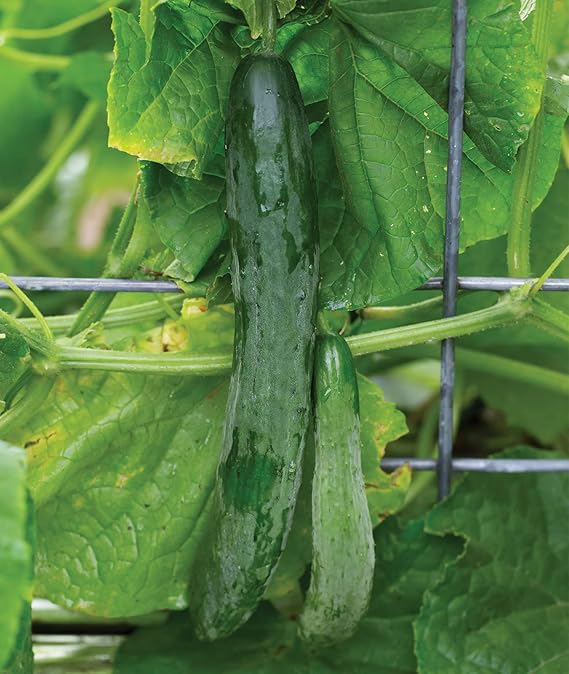
    When growing them yourself, it is essential to know when to water cucumber plants. Who doesn’t like a fresh, crisp piece of cucumber in their salad or refreshing water? On top of these benefits, a lot of us also enjoy the beauty of this plant while it is growing.

    In this article, we will discuss everything about how to take proper care of your cucumber plants, the importance of a good watering schedule, and what you need to do to get the best out of your cucumber plants.

    About Cucumbers

    Cucumbers are widely cultivated creeping vine plants of the Cucurbitaceae family. They originate in South Asia but are currently cultivated in many countries worldwide.

    Cucumber Varieties

    There are many different varieties of cucumbers available in the market today. These versatile plants can be incorporated into many dishes, drinks, salads, and can be pickled. The many different uses of this vegetable make it a favorite among many.

     "Should I water cucumber plants every day?

    Health Benefits of Cucumbers

    Cucumbers also have a bunch of health benefits. But the one big thing about them is their high water content. A raw cucumber with the peel on is 95% water! So while enjoying your cucumber, you are also getting hydration. Isn’t that just awesome?

    However, even though they are mostly water, there is a specific way you should water your cucumbers to keep them healthy and happy.

    What Is The Best Way To Water Cucumber Plants?

    So when, how often and how much water should you give your cucumber plants? When it comes to the best way to water your cucumber plants, a variety of factors should be considered. Factors such as whether the cucumber is planted in the soil or in a pot, whether it is exposed to direct sunlight or partial shade, as well as how dry the soil is at that moment are important.

    Generally, the way to determine whether or not your cucumber plants need to be watered is to check whether the soil is dry. If the top 1/2 inch of your soil is still damp, do not water. If it is dry, then your plant needs to be watered.

     Do cucumbers like wet soil? "

    When To Water Cucumber Seedlings

    Cucumber seedlings need a lot of water when they are still growing and getting established. Because they are often grown in bunches, cucumber seedlings can soak up moisture quite quickly and the soil may get dry faster. But do not worry, they are very quick to respond and will let you know when they need water. So when you see them looking like they are wilting, give them a sprinkle and you will see them “wake up”.

    It is better to water cucumber seedings often, at low rates than to give them a flood of irrigation at once. Flooding them is risky as it may wash away the soil and cause the seedlings to uproot themselves. Remember, their roots are not yet established.

    Should I Water Cucumber Plants Every Day?

    The only cucumber plants that you should water every day are seedlings that are still getting established. Even then, only give them a light sprinkle, just to wet the soil.

    Once the plant gets establishes, only water when the top 1/2 inch has dried. This will not be every day unless if the cucumber plants are exposed to extremely hot temperatures.

    How Do You Tell If You Are Overwatering Cucumbers?

    We often think of wilting only as a sign that a plant needs water, but did you know cucumbers also wilt when they are being overwatered? You should check the moisture of the soil when you observe the plant leaves wilting, sometimes it is not a lack of water sign.

    Do Cucumbers Like Wet Soil?

    It is important to keep the soil in which your cucumbers are grown moist, because cucumbers love moisture in their soil. You should however be careful to just keep the soil damp and not drenched. Cucumber seedlings especially are prone to “drowning” when they are flooded with water. So you should only give them small amounts of water at a time.

    Improving Moisture Retention Capacity Of Soil Around Cucumber Plants

    Sometimes as your cucumber plants grow, for example along a trellis, there may not be enough leaves covering the ground. This will often result in the water evaporating faster and the soil around your plants getting drier faster. You can help reduce the loss of water by mulching. Mulch will help keep the moisture in the soil for longer, saving you the trouble of having to irrigate often.

    Other Pointers For Growing Cucumber Plants Well

    • plant them in temperatures between 75 to 85 degrees F
    • space your cucumber plants 36 to 60 inches apart
    • provide them with extra nutrients by adding a thick layer of organic matter to the soil around them
    • you can also supplement their nutrients by giving them a soluble fertilizer
    • maintain the soil pH at 6.0 – 6.8
    • harvest your cucumbers when they are big enough to eat. If you leave them for too long, they will get bitter

     How do you tell if you are overwatering cucumbers?

    Conclusion When To Water Cucumber Plants

    We hope that this article gave you all the information and tips you needed to be able to grow and water your cucumbers well. Although they are a very easy plant to take care of, an incorrect feeding schedule can spell disaster for your cucumber crop. But now that you have read this article, that worry is no longer relevant to you. You can now confidently go and grow and enjoy your cucumbers.

    Remember that you only need to water your cucumber plants when the soil around them is dry. If it is damp, you do not need to water them.

    You do not need to worry if you have to go for days without watering your plants. Many factors contribute to this. As long as the soil is moist and your plants look happy and healthy, you should not worry about watering.

    If you enjoyed this article or found it useful, please feel free to share it with your family and friends.

    Happy gardening.

  • Problems Growing Spaghetti Squash? – Solutions Revealed!

    Problems Growing Spaghetti Squash? – Solutions Revealed!

    Problems Growing Spaghetti Squash? Let me tell you; growing spaghetti squash isn’t without problems. Like other crops, you’re likely to deal with rot or insects. Luckily, there are solutions to these issues.

    Spaghetti squash is a favorite in our home. We grow this veggie every year. In this article, I share how easy it is to grow and list some common problems we’ve encountered. I also give you the solutions to these. 

    Is It Difficult To Grow Spaghetti Squash? 

    Many people think spaghetti squash is hard to grow since it’s a tough vegetable. Surprisingly, it’s one of those crops that thrive on love alone. 

    This veggie is a popular choice for beginners. It’s straightforward to care for, although it has some specific requirements. Still, giving it enough sunlight, water, and fertilizer isn’t that challenging. You just need to start with the base, which is providing the right soil

    If you don’t get the basics right the first time, some issues could arise. Luckily, these small things can easily be overcome if you identify them and act immediately. You’ll get your spaghetti squash healthy again in no time!

    Check Out Aloe Vera Plant Growing Outwards: Is It Reason For Concern?

    Growing Spaghetti Squash: Problems And Solutions

    There are some squash growing problems that many gardeners have come across over the years. You may face brown spots on your squash or rotting on the vines. 

    The problems in your squash garden can come from several factors. Don’t be discouraged because these problems can be solved just as fast as they occur. 

    Common Problems Growing Spaghetti Squash

    • Squash Rot: This is the most common problem in spaghetti squash plants. When the squash is big and heavy, it may stay on one side of the vine, causing it to rot. 
    • Flowering Without Vegetables: While nobody grows spaghetti squash for the flowers, not having healthy ones could mean no vegetable growth. This usually happens when poor pollination occurs. 
    • Mildew: White powdery substances on your spaghetti squash isn’t a good sign. Mildew can even cause brown spots on spaghetti squash if it is left for too long. 
    • Improper Watering: You need to know precisely how much water any plant needs before attempting to grow one yourself. Spaghetti squash is susceptible to over- and underwatering. 
    • The Wrong Soil: Suitable soil is essential since this is where your squash gets most of its nutrients. The ground you choose is the forever home of your plant, so ensure that it is the right choice. 
    • Pests: Borers and squash bugs feed on healthy spaghetti squash plants. They suck out all the nutrients from your plant, leaving you with an unhealthy or dead one. 

    How To Solve These Problems Growing Spaghetti Squash

    • Squash Rot: Find a way to lift each squash a little. This prevents excess moisture from staying under the vegetable and causing rot. 
    • Flowering Without Vegetables: Have patience before looking for a pollen substitute. The male flower comes first, waiting for a female flower to mate with. Only after this has happened will the vegetables start to grow. If you’ve been waiting for a long time and nothing is happening, you can move on to the next solution. You need to do the pollination yourself or find a way to lure extra bees. 
    • Mildew: Remove any leaves, stems, or vegetables affected by powdery mildew. Cut the piece off and wash the remaining plant if there are any brown spots. 

    Mite Control Biopesticide and Plant Safe Insecticide by Mitexstream

    61tZApAlylL. SX466
    • Improper Watering: Overwatered squash plants can be saved by repotting or moving them into extra sunlight. For under-watered plants because you can add some extra water or watering times to your schedule. 
    • The Wrong Soil: Talk to a professional about suitable soil for your plants. Spaghetti squash needs a specific pH balance and loose, airy soil
    • Mix some compost into the soil to add extra fertilization. Doing this solves more than one problem with a single solution.
    • Pests: Pesticides are your best bet, but try to opt for natural ones. Spray your spaghetti squash plants frequently and manually remove any insects or eggs. 

    Why Is My Spaghetti Squash Dying On The Vine?

    A common problem in growing spaghetti squash plants is some rotting or browning on the vine. The culprits are usually nasty little pests nibbling on your plants.

    If your squash is dying on the vine, it means your plant is now home to some hungry insects. You’ll likely see them if you take a closer look. 

    Squash Vine Borers – Problems Growing Spaghetti Squash

    • These little bugs come from moth eggs. You can see the eggs with the naked eye, but sometimes they hatch before you do.
    • If you can get rid of the adult moths, you should be halfway there. Find a way to keep them away permanently and check the vines for bugs or tiny unhatched eggs. 
    • Some borers manage to hatch before you can remove them. They make a tunnel in your vines to start the process of becoming adult moths. You can find the hole and cut the vine off or just remove the larvae.

    Squash Bugs – Problems Growing Spaghetti Squash

    • All variants of squash bend under the wrath of these insects. Despite their name, they don’t live off the meat from the vegetable but suck on the leaves. 
    • They munch on the leaves of any squash, from spaghetti squash to butternut. When these bugs are done with your plants, the leaves will be dead and wilted. They suck all the nutrients out and leave nothing for the squash. 
    • You must remove them while they’re still in eggs before they can lay a new batch. They start ruining your spaghetti squash leaves as soon as they hatch, by which time they’re challenging to get rid of. 
    Squash Bugs - Problems Growing Spaghetti Squash

    In Conclusion – Problems Growing Spaghetti Squash

    Spaghetti squash is a fall favorite and easy to grow. While you may run into some issues, they all have quick solutions. If you spot them early, you can still save your crops. The key to growing squash is keeping a close eye on them.

    I hope this article was an informative read. If you have more questions about spaghetti squash or an issue you encountered, ask them in the comments. 

  • Your Guide To Growing Shrubs: Golden Thread Cypress Tree

    Your Guide To Growing Shrubs: Golden Thread Cypress Tree

    A golden thread cypress tree can make a great addition to your garden. They can grow from the size of a shrub to a large tree, and if you’re good at propagation, you can make many clones!

    This shrub is very forgiving. While they take long to grow, they’re perfect for beginners. The gold thread cypress tree has yellowish needles that you can prune into your desired shape. 

    In this article, I answer some common questions about the gold thread cypress and share how to best care for it. You’ll also read how I propagate this tree. 

    How Fast Does A Gold Thread Cypress Grow?

    A gold thread cypress tree takes an average of 10 years to grow 2 feet tall. While it can reach heights of up to 7 feet, the growing process is really slow. In rare cases, shrubs have grown up to 15 feet tall within 20 years. No matter how you look at it, this tree requires a lot of patience. 

    How Do You Take Care Of A Gold Thread Cypress?

    The gold thread cypress shrub could be a stunning addition to your garden if you keep it thriving. Taking care of it isn’t that difficult. Below we’ve compiled a guide to help you.

    Take Out Time to Also Read:

    Gold Thread Cypress Soil Needs

    The gold mop shrub does well in many soils. Your tree can thrive whether the ground is clay, loam, or sand. However, some non-negotiables of the soil include its draining capabilities and pH levels. Gold thread cypress shrubs need soil that drains well but retains nutrients. The pH should also be slightly acidic

    If you don’t have the ideal soil for this plant, add organic matter, compost, cocopeat, perlite, or mulch to yours and mix it well. 

    Gold Thread Cypress Watering Needs

    You should keep to a regular watering schedule for your gold thread cypress, especially while it’s small. Once your shrub matures, keep the soil around it moist, but avoid overwatering. 

    Gold Thread Cypress Sunlight Needs

    Your golden thread cypress will thrive in full sun, although some shade won’t harm it. You can plant it in a spot that receives shade in the morning. 

    Without enough sun, your gold cypress shrub won’t have the golden glow it’s famous for. If you’re growing this tree indoors, ensure it receives at least 6 hours of bright indirect light. 

    Gold Thread Cypress Temperature Needs

    The golden thread cypress prefers warm weather. While they can withstand a little cold, keeping them in these conditions for prolonged periods will be detrimental. Your shrub can turn brown and even die. 

    Gold Thread Cypress Pruning Needs

    You should prune your gold thread cypress for better growth and protection from diseases and infections. Pruning will help your shrub sprout new branches and leaves. Since they grow so slowly, keeping up with this is vital if you want to see faster growth. 

    Pruning your gold thread cypress will also help cut out infected parts. This can help your shrub stay healthy all year round. 

    WORKPRO Cordless Grass Shear & Shrubbery Trimmer

    Golden Thread Cypress Tree

    How To Propagate Your Golden Thread Cypress Tree

    If you can’t get enough of your gold shrubs, it might be wise to propagate more! Learning how to grow golden thread cypress trees from cutting can save you tons of money. Here’s how:

    1. Cut a branch from your cypress tree. It should measure at least 4 inches long. Keep the leaves attached and pull a side shoot away from the branch to create a heel cutting. 
    2. Wound your cutting with a razor blade to stimulate new growth. The cut should be deep enough to expose the cell layers between the bark. 
    3. Cut 1 1/2 inches of leaves from the bottom of your branch. 
    4. Fill your pot with soil and make a hole in the middle. Insert your cutting upright. 
    5. Water the newly planted branch well to encourage establishment. 
    6. Cover the pot and branch with a plastic bag to create a humid environment. This will help maintain an ideal temperature for root growth. It can take up to 3 months for this to happen. 
    7. Once healthy roots have been established, you can replant your cypress bush in your garden or into a slightly bigger pot. 

    Read  more about Aloe Vera Plant Gets Too Much Sun!

    Frequently Asked Questions About The Gold Thread Cypress

    What Plants Make Excellent Companions For A Gold Thread Cypress?

    The gold thread cypress pairs well with various plants. My favorite choices include the periwinkle, ultraviolet buddleia, alberta spruce tree, hart’s tongue, maidenhair, and san Jose juniper shrubs. 

    Which Pests Target The Gold Thread Cypress?

    While many insects like to feast on the golden thread shrub, the most common ones are aphids, bark beetles, bark moths, cypress tip miners, caterpillars, scales, and sawflies. If you catch and stop these infestations soon, you could retain your entire gold thread tree. 

    Is The Golden Cypress Evergreen? – Golden Thread Cypress Tree

    The golden cypress tree is an evergreen shrub. Like many other evergreen cypress trees, it has needle-like foliage that holds its color throughout the year. Your golden cypress will stay in hues of yellow and green throughout every season.

    Is The Golden Cypress Evergreen

    How Big Does A Dwarf Gold Thread Cypress Get?

    The dwarf gold thread cypress tree will only grow about 4 feet tall. You won’t need to prune this variety as it won’t grow wide. You can plant your dwarf cypress directly in soil or allow it to fill a large pot. 
    To Sum It Up – Golden Thread Cypress Tree

    If the sun falls right, your cypress tree will boast a golden glow in your garden. This shrub looks stunning all year round and makes the perfect Christmas decoration. With simplistic care, your golden thread cypress tree will thrive in most conditions. When you’re ready to plant more, you can simply propagate branches from your existing shrub to create look-alikes. 

    No matter which aesthetic you’re going for, you can prune your gold thread tree to fit it. This truly is a remarkable shrub!

    I hope this article was helpful. If you have more questions about the golden thread cypress tree, ask them in the comments.

  • The Best Guide For Propagating Burle Marx From Cuttings

    The Best Guide For Propagating Burle Marx From Cuttings

    Do you want to start propagating Burle Marx from cuttings? It’s not as complicated as you might think! Before you know it, you can have hundreds of these mesmerizing vine plants

    Burle Marx grows in clumps and makes beautiful indoor or outdoor plants. You can grow it in containers or let it run free! In this article, I share how to propagate Burle Marx cuttings. You’ll also read about the interesting methods you can use to variegate this plant. 

    How To Propagate Burle Marx Cuttings

    Propagating Burle Marx from cuttings is easy using one of two growing mediums: moss or water. Here’s how!

    Cutting Your Burle Marx

    You need to look for root growth when making a cutting from your parent Burle Marx. Select a stem with at least one node and two leaves. This will ensure your cutting has a better chance of establishing itself and growing. 

    Wait a few hours after you cut the stem for the wounds to heal before placing it in soil or water. If you don’t, your branch could develop propagation rot.

    Propagating Burle Marx In Moss Soil

    You can transplant your Burle Marx to its potting soil once the wounds have dried. Prepare your sphagnum moss by watering it and letting the excess water drain. It’s important that your pot has drainage holes!

    Next, push your finger a few inches into the moss and place the stem of your cutting inside the holes. Fill the gap around the stem to ensure it stays in place. You should place the cutting in a sunny spot. 
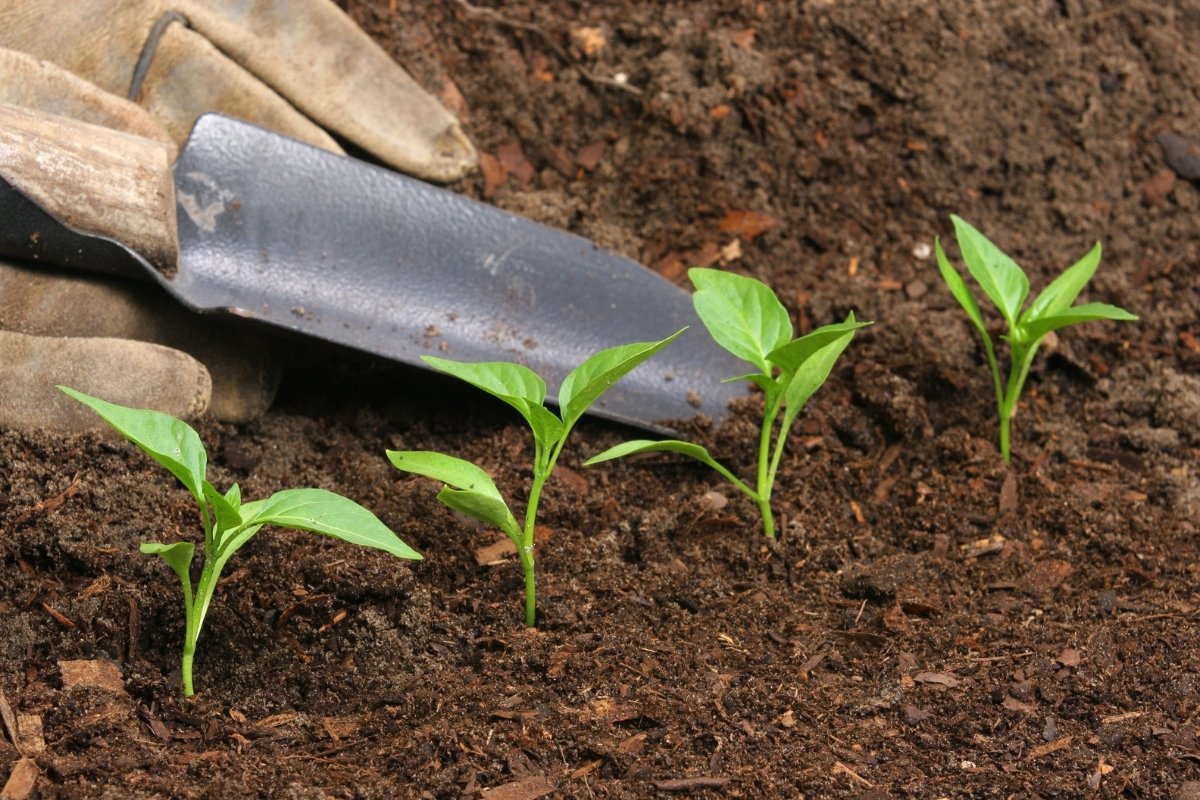
    Over the next few days, ensure to water and fertilize your Burle Marx cutting. This will help the roots establish and mature. Regular watering is vital in the first weeks after transplanting, so keep a close eye on the moisture levels. 

    Take Out Time to Also Read:

    Propagating Burle Marx In Water

    Propagating a Burle Marx cutting in water is pretty straightforward. After the wounds have dried, place your stem in a long see-through vase. This will help you monitor the water levels better. Next, fill the vase with clean water and put it in a sunny spot. 

    You should replace the water every other day to ensure it stays clean. New roots will start forming within weeks! Once your cutting has a healthy root system and more leaves, you can transplant it to soil or leave it as is. 

    Is The philodendron Burle Marx Rare?

    The Burle Marx philodendron is a rare flowering plant native to the Brazilian rainforest. It can reach unimaginable sizes and make any area it’s planted in look like something from a fantasy world!

    Does Philodendron Burle Marx Need A Moss Pole?

    Your Burle Marx philodendron doesn’t need a moss pole, but it will appreciate one. This climbing plant can grow up to two feet tall! Since it’s in Burle Marx’s nature to climb trees, it will easily attach to a moss pole. 

    Is Variegated Burle Marx Stable?

    A variegated Burle Marx can look stunning with stripes, blotches, and multicolored leaves. Unfortunately, it’s not stable. Your variegated Burle Marx can revert to green at any time. Many factors, like the growing conditions, light, and nutrient balance, can cause this. 

    Hormex Rooting Powder #1 – Rooting Hormone for Easy to Root Plants

    Propagating Burle Marx

    How Do You Grow Variegated Burle Marx?

    Variegating a Burle Marx takes time, effort, and experimentation. There are many ways to do this. However, you might not have success with all. It’s not easy to variegate a plant at home. If you get it right, you’re one of the lucky few! 

    A plant can have leaf color variations due to cell mutation or genetics. If the variation is genetic, the variegation is stable. If not, the plant can revert to green due to extreme temperatures or low-light levels.

    Here are 5 ways to grow variegated Burle Marx philodendrons:

    Method 1: Selecting Genetics

    Variegation is genetic for some Burle Marx plants. If you happen to get a hold of one, the best way to grow variegated plants is by creating offspring. You can propagate variegated cuttings from the parent plants to ensure that offspring have this gene. This is referred to as selective breeding. The cutting will produce a plant similar to the parent. 

    Method 2: Radiation – Propagating Burle Marx

    If you expose Burle Marx cuttings to Gamma – or X-rays, they can develop a mutation. While this mutation rarely relates to their leaf color, it happens sometimes. You’ll need a lot of patience to make this method work. Experimenting with the amount of radiation and stage of exposure might keep you busy for a few months!

    Method 3: Chemicals

    You can induce variegation in your Burle Marx plants with chemicals. These can alter the plant DNA and lead to multicolored leaves. Some chemicals worth trying are Ethylene gas and Ethyl methanesulfonate. If you use high concentrations of these, your plant leaves could change completely!

    Unfortunately, most plants revert back to green after about 6 months. The change induced isn’t permanent, and offspring won’t be variegated. 

    Method 4: Viruses – Propagating Burle Marx

    Viral infections could be harmful to your Burle Marx, but if they’re not, it could lead to permanent variegated leaves. The right virus won’t kill your plant but only discolor its leaves. This virus will also be transmitted to new plants. 

    How Do You Grow Variegated Burle Marx

    Method 5: Forcing Variegation

    One way to try and force variegation is by looking for leaves with even the tiniest amount of blotchiness. If you spot one, make offspring to see if the gene passes to them. You should continue to do this until you have a leaf with your desired amount of variegation. This will take a lot of time, but the results will be permanent!

    Last Words – Propagating Burle Marx

    Burle Marx might be rare, but you can produce multiples once you have a cutting in hand! The plant in its most common form is a sight to see, but variegated leaves make it even more stunning. 

    I hope you enjoyed this article and found it helpful. Let me know in the comments once you’ve successfully propagated or variegated your Burle Marx cuttings!

  • Bird’s Nest Anthurium Care Guide: The Dos And Don’ts

    Bird’s Nest Anthurium Care Guide: The Dos And Don’ts

    Caring for a bird’s nest anthurium can be tricky. This plant is somewhat picky compared to other indoor plants. Still, they’re a great addition to any area – indoors or out – making them a popular choice. If you want an excellent bird’s nest anthurium care guide, keep reading!

    In this article, I share everything you need to know when caring for a bird’s nest anthurium. If you look after your plant, it’ll reward you by staying healthy and producing lush leaves. While this plant is fussy, you can keep it happy if you carefully consider what it needs before making any moves. 

    You’ll be surprised by how quickly you get the hang of caring for this plant once you’ve established a routine! Careful planning, a care schedule, and love are all they need to impress you with their beauty. 

    The Basic Bird’s Nest Anthurium Care Guide

    You can follow these guidelines to care for your bird’s nest anthurium, although your plant should be your ultimate lead!

    Birds Nest Anthurium Soil Needs

    The bird’s nest anthurium prefers moist soil. While the plant is in its growing season, you’ll also have to keep the ground fertilized. These plants draw many nutrients from their soil, so it has to be slightly loose to allow plant root movement. 

    If your plant is in clay soil, its roots might have trouble breathing. This could lead to root rot, which you should avoid at all costs. 

    Take Out Time to Also Read:

    Birds Nest Anthurium Watering Needs – Bird’s Nest Anthurium Care

    You should monitor the water intake of your bird’s nest anthurium carefully. While this plant likes moist soil, overwatering can lead to fungi and root rot. If you stick your finger about an inch deep into the ground and it feels dry, you should water your plant again. 

    Checking the plant leaves will also help you determine its watering needs. If your birds nest anthurium is unhappy, its leaves will discolor and shrink. 

    Your birds nest anthurium will go through growing and resting seasons. During its growth season in the summer, it’ll need more water, while cutting back on watering sessions is best when it’s cold. 

    Birds Nest Anthurium Sunlight Needs

    Your birds nest anthurium will need bright, direct sunlight to stay healthy. Without enough light, they won’t photosynthesize properly. Whether you place your plant indoors or out, you should find a sunny spot for it. 

    If you don’t get much sun where you live, grow lights will be practical too. There are many options available, but choose one closest to natural sunlight. 

    Bird Nest Anthurium Fertilizer Needs

    Fertilizing a birds nest anthurium is easy. While it’s still young and growing, you should fertilize it monthly. You can use a high-phosphate fertilizer for the best results. When your plant matures, fertilization is only needed once every quarter. 

    Birds Nest Anthurium Temperature Needs

    The birds nest anthurium doesn’t like cold weather much. Temperatures between 60 and 80 degrees are best for this plant. This makes it perfect for greenhouse growth!

    Your plant leaves will turn dark green or yellow when it gets cold. You should cover your plants at night to ensure they don’t damage and die. Once the day breaks, uncover them to allow their leaves to soak up sunlight! 

    Anthurium Red – 4″ Pot from California Tropicals

    Bird's Nest Anthurium Care

    Birds Nest Anthurium Humidity Needs

    Birds nest anthuriums like humid areas. If the air around it is dry, your plant leaves will turn brown and wilt. It’ll die if you don’t increase the humidity levels around your plant quickly. 

    Birds Nest Anthurium Pruning Needs – Bird’s Nest Anthurium Care

    You should check your birds nest anthurium for dry or browning leaves. If you fail to prune these, they can consume all the energy meant for your healthy leaves. Pruning will also help you eliminate diseases and encourage new leaf growth. 

    If you regularly trim your birds nest anthurium, your plant will look better and be healthier. 

    Can You Root Anthurium From a Cutting?

    You can grow a birds nest anthurium from a cutting. However, doing so from leaves is easier. If you grow this plant from a cutting, you’ll need a lot of patience. 

    If you decide to take this route, you should cut a stem from your parent plant and remove all the leaves, but ensure that there are leaf buds on it. Cut your stem into several pieces, keeping one leaf bud on each. Next, you must place the pieces upright in a pot with loose, well-draining soil

    You should keep the soil moist and try to maintain a soil temperature of up to 30 degrees. If you follow these steps, your cuttings will develop roots and leaves within 28 days. You can transplant your cuttings to large pots or place them directly in the soil when they grow large enough for comfortable handling. 

    Where Do You Cut Anthurium Leaves?

    If you need to trim anthurium leaves, you can cut them all the way to the stem if they’re discolored or dead. You could also cut them in different patterns for aesthetics. 

    How Do You Keep Anthuriums Blooming?

    Anthuriums are picky about their growing conditions. You need to meet all their needs to ensure they keep blooming. Besides placing them in the right spot, keeping their soil moist, and ensuring they get enough nutrients, you should also care for their leaves by trimming unhealthy ones. 

    How Do You Keep Anthuriums Blooming

    In The End – Bird’s Nest Anthurium Care

    Like any other plant, the health of your birds nest anthurium is in your control. If you properly care for it, your plant will thrive. The birds nest anthurium is known for being tricky to grow, but if you follow the guidelines above, your plant will stay healthy. Once your soil requirements and lighting are sorted, your plant only needs the proper watering schedule and pruning practices to look alive!

    I hope this article was helpful and that you enjoyed reading it. If you have more tips for bird’s nest anthurium care or other questions to ask, pop them in the comments.

  • How Much Soil Is Needed For A 5-Gallon Pot?

    How Much Soil Is Needed For A 5-Gallon Pot?

    Container gardening can take some calculations, especially if you’re working with a strict budget. You wouldn’t want to buy anything you don’t need. Knowing how much soil is needed for a 5-gallon pot can ensure you don’t have waste.

    You’ll also need to determine how much fertilizer or water will keep plants in pots of this size thriving. The crop you choose to grow will also influence the soil, water, and fertilizer needs. These are just some factors you need to consider when container gardening.

    In this article, I share how a 5-gallon pot looks, its capacity, and how much soil and water you’ll need for it. 

    5-Gallon Pot Size And Capacity

    You can use a 5-gallon pot or container to grow various crops or flowers. You can even create a bonsai tree display to freshen your indoor areas. Here’s what you need to know about 5-gallon pots before purchasing one:

    5-Gallon Pot Dimensions

    The dimensions of 5-gallon pots differ. Some are wider, while others are deeper. Whether the bucket or container is round or squared also has an influence. 

    Round Pots: The average rounded 5-gallon pot is 12-15 inches tall and has a diameter of 10-12 inches. 

    Squared Pots: A squared 5-gallon bucket typically has a width of 9-11 inches and a lenght of 9 – 12 inches. Most are about 12 – 16 inches deep. 

    The mold used by manufacturers and the specific design of the pot are responsible for these variations. 

    5-Gallon Pot Capacity

    A 5-gallon pot can produce enough fruit or veggies for one person, depending on what you plant. Some crops that grow great in containers and do well in pots of this size include:

    Tomatoes: You can plant cherry or bush tomatoes in a 5-gallon pot. Don’t plant more than one plant per pot. If your plant is healthy, you can harvest about 300 cherry tomatoes and 10-30 pounds of bush tomatoes per season. 

    Eggplant: A 5-gallon pot can house only one eggplant at a time. You’ll harvest up to 15 eggplants from one tree.

    Peppers: You can plant any pepper variety in a 5-gallon pot. Your crop yield will depend on the type you choose. Plant one or two pepper plants per container. 

    Cucumbers: Plant one cucumber per 5-gallon bucket. Use a trellis to help it grow upward. 

    Broccoli: You can grow one broccoli head in a 5-gallon pot. Continue to water your plant after the initial harvest – some plants produce another head.

    Brussels Sprouts: One brussels sprout tree will fill a 5-gallon pot. If your plant gets heavy, stake it. You’ll harvest about five sprouts per week, adding up to more than 30 over the season. 

    How Much Soil Is Needed For A 5-Gallon Pot?

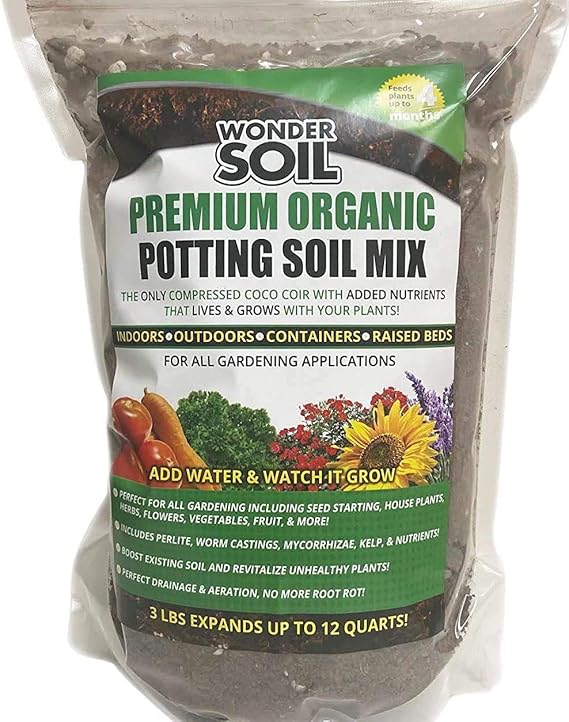
    You’ll need about 0.7 cubic feet of soil to fill a 5-gallon pot. The type of soil you use, what you want to plant, and how it reacts to water will influence this amount.

    If you’re planting crops, you won’t have to fill your pot all the way to the top. Before purchasing potting soil, be sure to research the crops you want to plant in your container garden. You might need less than 0.7 cubic feet per 5-gallon pot. 

    WONDER SOIL Organic Potting Soil | Ready to Plant Coco Coir Fully Loaded with Nutrients

    How Much Soil Is Needed For A 5-Gallon Pot

    How Much Water Is Needed Per Gallon Of Soil?

    On average, you’ll require 2½ gallons of water for a 5-gallon pot filled with soil. This will vary depending on the crops you planted and how well your soil drains. Here’s what you’ll need for other sized pots:

    • 1-gallon pot: ½ gallon of water
    • 3-gallon pot: 1 ½ gallon of water
    • 7-gallon pot: 3 ½ gallons of water
    • 9-gallon pot: 4 ½ gallons of water
    • 11-gallon pot: 5 ½ gallons of water

    Using A 5-Gallon Terracotta Pot: What You Need To Know

    Terracotta is a type of fired modeling clay used to create beautiful pots for gardens. You can use them indoors or out and plant flowers, fruits, or vegetables in them. Just take note:

    • Terracotta clay is porous and absorbs water. You’ll have to water your crops more often or give them more per session if you want them to grow successfully.
    • These pots are fragile. Place them in an area where you won’t move them.
    • Place your terracotta pots in shaded areas to keep them cool. If they dry out fast, they’ll absorb more water.
    • Plant crops that prefer dry soil like beans, corn, and eggplant.
    • Use terracotta pots when planting crops prone to developing root rot or soil diseases. 

    The Benefits Of Container Gardening – How Much Soil Is Needed For A 5-Gallon Pot?

    Whether you plant your crops in 5-gallon pots, other containers, or a square-foot garden, there are many benefits to keeping your crops raised. Here are my favorites!

    Space Saving: You’ll use less space when planting your crops in pots. It’s an ideal solution if you don’t have land or need to garden on a balcony.

    Control: You’ll have more control over your soil, watering sessions, and plant needs when using a raised gardening method. 

    The Benefits Of Container Gardening

    Portable: Planting in 5-gallon or bigger buckets allow you to move your garden around. This is extremely helpful, especially if you live in an area that gets hot days and cold nights.

    Variety: Planting in buckets allow for more variety. You can grow one crop per container to ensure you grow something of everything without the different crops impacting one another.

    Less Work: You won’t have as much maintenance work when planting in pots. There’ll be fewer weeds to pluck, and working with the crops in your containers won’t be as strenuous. 

    Final Words – How Much Soil Is Needed For A 5-Gallon Pot?

    How Much Soil Is Needed For A 5-Gallon Pot? Gardening in a 5-gallon pot is practical and easy. You’ll use less soil and water and have a wider variety of crops. There are different designs and materials to choose from, so shop around until you find a pot that works for you!

    I hope this article was helpful and a good read. If you have more questions about gardening in containers or different-sized pots, ask them in the comments.