Category: Soils & Plant Nutrients

  • A Deeper Look Into What is Potash Good For

    A Deeper Look Into What is Potash Good For

    What is potash good for in gardening and where are you supposed to use plus what plants appreciate having it in their growth journey?

    Potash is also known as fertilizer potassium. The term for it comes from an early production technique in which potassium was leached from wood ashes. Then it would be concentrated by evaporating the leachate in large pots made of iron, leading to the name “pot-ash.” 

    While modern techniques are different, potash is still used today. It is most commonly used in agriculture to help plants grow and be healthy. It is a primary plant nutrient that is vital to the agricultural industry. 

    Potash is also used in many industrial processes such as paper making, glass making, and aluminum processing.  Let’s learn more about what is potash good for.

    What is Potash Good For?

    Potash is used as an agricultural fertilizer. As a fertilizer, potash increases the pH levels of soil. It is essential for synthesizing plant sugars and it is also responsible for the formulation and quality of crops.

    Potash increases water retention in plants. In addition, it influences the taste, texture, and nutritional value of many vegetables and fruits.

    Potash is important for plants because it helps with plant growth. It is important for plants to get potassium. This is because potassium is needed to help regulate the uptake of water.

    Potash is also important for the formation of chlorophyll. Chlorophyll is the pigment that gives leaves and flowers their green color.

    It can be used as a soil amendment to help make the soil more fertile.  You can add it to your soil before planting your seeds or growing your plants.

    The best time to add potash to your garden is from early spring to late summer. This will help your plants to absorb the nutrients from the potash. 

    Potash can also be used to improve the health of your garden by helping to provide potassium. Potash is beneficial to helping plants grow, so it is can be a good choice to add it to your soil before you plant your garden.

    Check Out A Quick Guide On Butternut Squash Spacing

    How Much Potash Can You Add To The Soil?

    It is important to make sure that you are using the right amount of potash. Too much potash can cause problems with root growth. It is also important to remember that different plants like different amounts of potash in their soil, some plants like a lot, others like little.

    In soil that who low potassium levels, add ¼ to 1/3 pound of potash for every 100 square feet. Be sure to till it into the root zone of the plant after adding it in.

    Easy Peasy Plants All-Natural Muriate of Potash Granules – Potassium Fertilizer

    What is potash good for

    How To Increase Soil‘s Potassium

    You might be able to increase the soil‘s potash content by adding some compost. This should raise the potassium levels enough to meet your plants’ needs.

    If you are worried about your plants dying from lack of potash, try adding some fertilizer instead. You can use a general fertilizer such as 10-10-10 or something similar. Fertilizer will also contain nutrients that your plants need.

    If you are growing hydroponic tomatoes, be careful about adding too much potash, as most tomatoes need a balanced fertilizer or one high in phosphorus. Phosphorus helps them produce fruit, while nitrogen helps them grow.

    Before you plant your garden, you want to check the fertilizer requirements for your plants. This will ensure that they will get all the proper nutrients they need. It is also a good idea to do a soil test to see what the nutrient levels are like in your soil.

    How To Increase Soil's Potash

    In Conclusion – What Is Potash Good For?

    What is potash good for?  A whole lot of things!  Potash is used in making fertilizer, as well as making glass, paper,  and other products. 

    It is a very versatile product and is used by the food industry, agriculture, and even in glass or aluminum processing.  The use of potash has been around since ancient times. 

    FAQ

    Which plants benefit from potash?

    Root vegetables such as carrots, parsnips, peas and beans can benefit from potash. In addition, most fruit will appreciate potash as well.

    Is potash good for all plants?

    Not necessarily. Plants require a specific amount of potassium for their growth. If you add more than this amount, they will become too tall or weak, or their roots may grow too long.

    How often should you use potash?

    The amount of potash needed to achieve the desired effect depends on the plant and its growing conditions.  The amount of potash needed by your plant is best measured by using a soil test kit. The kit comes with a nutrient solution that you can use to check if your plant needs more potash or another nutrient.

    A soil test is also useful for knowing when to stop fertilizing. Some plants, such as vegetables, do not need much potash.

    The amount of potash they require is usually supplied by the fertilizer they are fed with. If you are unsure about what amount of potash your plant needs, it’s better to be safe than sorry.

  • All About Brown Vs Green Compost 

    All About Brown Vs Green Compost 

    The difference between brown vs green compost is what most gardeners have been looking for and this article will inform you all about it.

    Composting is a great way to recycle organic matter into the soil. The best type of compost is made from the leftover parts of plants, particularly from kitchen scraps and garden waste.

    When composting is done properly, it will be rich in nutrients for your garden. Compost is usually either brown or green but can also be a mixture of the two. In this article, we are going to go through the differences between these types of compost.

    What is Brown Vs Green Compost?

    Brown compost is created from plant material that has been shredded or turned into smaller pieces. The material can be animal or vegetable matter such as leaves, grass, twigs, fruit, wood, and even manure.

    Green compost is created from plant material that hasn’t been ground into smaller pieces but is still left intact. It is made from whole plants, grasses, straws, weeds, wood, or other plant materials. This type of composting produces a rich, dark green substance that is useful for plants that thrive in darker conditions.

    What Is Brown Vs Green Compost

    Brown and green compost are both beneficial for soil health and gardening.

    What Is Brown Vs Green Compost Used For?

    Brown Compost is used for a number of different applications. It is often used for:

    • Soil building and improving soil health.
    • Strawberry, rosemary, peppermint, and lavender plantings.
    • As a mulch for beds and containers.

    In the composting process, it will turn into a dark rich humus material that can be used in your garden. Green Compost is usually used as a top dressing for flower beds, lawns, and vegetable gardens.

    The two types of compost are also used for different purposes. Brown compost is used in a larger quantity to improve soil health and increase fertility, while green compost is used in smaller quantities and is more for aesthetic purposes.

    Check Out Basil Water Requirements

    Differences Between Brown Vs Green Compost

    Brown vs green compost differences are caused by the materials used in both processes, and the differences are not significant enough to cause any adverse effects. It is important to know how composts are made so that you can decide whether a particular type of compost is right for your situation.

    VIVOSUN Outdoor Tumbling Composter Dual Rotating Batch Compost Bin, 43 Gallon Orange Door

    71wQoo2 hzL. AC SX679
    • Brown Compost is made from kitchen wastes like meat scraps, bones, eggshells, and coffee grounds. These kitchen wastes have a high carbon to nitrogen ratio (C/N).
    • Green Compost is made from yard waste like leaves, grass clippings, and vegetable peels.
    • Brown Compost has high levels of nitrogen because it contains more carbon than nitrogen.
    • Green Compost is nitrogen-rich compared to brown compost because it does not contain as much carbon.

    When you make compost at home, you can make two types of compost: brown and green. The difference between the two is that brown compost is more carbon-rich and green compost is more nitrogen-rich. Both can be used in your garden, but you should choose one based on what you are composting.

    Making Homemade Brown Vs Green Compost

    To make compost, you need to collect kitchen and yard wastes and mix them with water and anaerobic material such as sawdust or newspaper. These materials are then left out in the sun to break down for three to six months.

    If you have a large amount of kitchen waste to compost, consider getting a compost tumbler. This is a small, sealed container that can be placed in your garage or shed to allow the process to take place more quickly. When it comes to food scraps, there are two basic types: wet and dry. Wet food scraps should be combined with water and placed in a pile; this can be done in a plastic bin or a shallow outdoor pit.

    Dry food scraps should be placed on newspaper and covered with a plastic tarp. Making compost doesn’t require any specific equipment, but it does require time. In addition to finding the right materials to use, you also need to figure out what to do with the finished product.

    Compost can be used as a soil amendment, which improves the health and fertility of the soil, or it can be sold to local farmers who will use it for their own gardens. For more information on how to make compost, visit the USDA website.

    Click Here to Learn 

    What Should You Use Green or Brown Compost For?

    Green compost can be used in place of black soil for the following reasons: Black soil has a C/N ratio between 12 and 15.  Black soil will quickly burn plants if they are not kept moist.

    If you plan to grow vegetables, use only black soil in your garden beds. Green compost can be used when you want to add organic matter to your soil, but you don’t have access to black soil.

    Brown compost is used for growing plants that require more nitrogen. For example, tomatoes will produce better with a higher nitrogen content than other vegetables. Brown compost is also useful for improving the soil structure and keeping it from compacting.

    What Should You Use Green Or Brown Compost For

    Final Thoughts About Brown Vs Green Compost

    Brown vs green compost is the way to go if you are into gardening.  The process of making your own compost is simple and effective, as it takes about two weeks from start to finish. You will have a great supply of organic material to use in your garden.

    In addition, this method of composting has the added benefit of creating a nutrient-rich compost that is ready to be used immediately.  This can be especially helpful if you are in a hurry to get your garden started, or if you simply do not want to wait for your compost bin to be full before using it.

    FAQ’s

    What is the difference between green and brown compost?

    The difference between brown and green compost is mainly based on the type of materials used. Brown composts are made from a mixture of organic materials, such as vegetable and fruit peelings, paper, cardboard, sawdust, straw, etc. Green compost is made from yard waste like leaves, grass clippings, and vegetable peels.

    Are coffee grounds considered green or brown compost?

    Coffee grounds are considered a brown compost material because they contain large amounts of carbon and nitrogen. These nutrients help to improve soil health, but they also attract pests and disease organisms that can destroy your crops if not properly controlled.

    What is the ratio of brown to green in compost?

    The proper ratio of brown to green in compost is three parts brown to one part green.

    What counts as a brown matter for compost? 

    Brown matter includes all materials with a higher carbon content than green matter, such as dead leaves, grass clippings, and wood chips. The more carbon-rich the material, the longer it will stay in your compost pile.

  • What You Need To Know About The Best PH For Tomatoes

    What You Need To Know About The Best PH For Tomatoes

    Best pH for tomatoes, do you know what this is? If you are interested in growing tomatoes, there are a few factors you must look out for such as soil nutritional content, soil pH level, the amount of sunlight to expose the plant to, and the best time to plant. All of these have a way of affecting the overall result that is achieved at the end of the day.

    Tomatoes are one of the very important vegetables that is used by many for cooking and preparing different delicacies. Its nutritional benefits are numerous ranging from reduction of the risk of heart disease and cancer to being a great source of vitamin C and K potassium and folate.

    This article considers the best pH for tomatoes to grow and attain the best possible result. Things that may be done in situations where the pH level is too high or too low to bring it to the desired levels are also discussed.

    What Is pH? – Best pH For Tomatoes

    When we talk about pH of a plant, we are referring to if your soil is acidic, alkaline, or in a few cases neutral. The scale of pH usually ranges from 0 to 14.

    It is crucial you know your soil pH before planting because it can determine how available nutrients will be supplied to your plant. This will therefore help your plant thrive well.

    Tomatoes pH Level Requirement

    The ideal soil pH to grow tomatoes is anywhere between levels 6.0 and 6.8 according to research. Although this is the ideal levels, tomatoes can also grow in soils with acidic levels as low as 5.5 on the pH scale.

    If you desire your tomatoes plant to be healthier and blossom as when due, then you must strive to maintain the soil pH level. The farther the tomatoes plant strays from this range, the lower your yields.

    Any soil that is too acidic will generally slow the growth of tomato plants and ultimately reduce harvest. Where the soil is too acidic, it also leads to nutrient deficiencies, resulting in a problem like an end rot on tomato fruit.

    A similar result is bound to be attained where the soil has a high alkaline content. As such, pH levels against 6.8 would greatly affect the growth and yield of the tomatoes plant.

    How To Test The pH Level Of Soil – Best pH For Tomatoes

    In a bid to prevent the problems associated with planting your tomatoes in soil that does not meet the pH requirements, ensure to test the soil. Testing a soil’s pH level can be done in various ways.

    One way of doing this is by sending a sample of your soil to a lab for testing and thereafter waiting for the result. Another way would be to buy the test kits and test on your own using an easy time-saving method.

    Luster Leaf 1601 Rapitest Test Kit for Soil pH, Nitrogen, Phosphorous, and Potash, 1 Pack

    Best pH For Tomatoes

    How To Lower The Soil pH Levels – Best pH For Tomatoes

    Where you discover after your testing that your soil pH level is above 6.8, you may need to lower this level. The following are a few ways to achieve this:

    • Use of Compost: If you add compost to your soil, it will not only feed your soil with very valuable nutrients, it will also help stabilize the pH level. Where the pH is too high, it helps lower it, and when it is too low, it helps increase it. So it’s both manure and pH balancer.
    • Sulfur: The use of sulfur is another way to balance the soil’s pH levels. The use of sulfur just like compost helps to balance the soil’s pH levels. You should however be careful not to add too much sulfur to the soil as this may be harmful to plants.
    • Sphagnum Peat Moss: This is a slow-acting agent for the amendment of the soil’s organic content and pH levels. It is also a good substance to help improve water retention and aeration in your soil.

    How To Increase The Soil pH Levels

    There are also instances where results will show that the soil has very low pH levels (highly acidic) and there is a need to increase the pH levels. The following can be done to get the pH levels increased:

    • Addition of Compost: If you add compost to your soil, it will not only feed your soil with very valuable nutrients, it will also help stabilize the pH level. Where the pH is too high, it helps lower it, and when it is too low, it helps increase it.
    • Limestone (calcium): This is one of the most common ways to lower the soil’s pH levels. By adding limestone to the soil, calcium bicarbonate is formed which helps to improve the soil’s pH levels.
    How To Increase The Soil pH Levels
    • Wood Ashes: This is one of the natural ways to amend the acidic nature of soil as they contain calcium carbonate. Where you have a fireplace, spreading some ashes from the fireplace on the soil may be of great assistance here.
    • Removal of Pine Needles: Recent research has shown that pine needles do not substantially affect soil pH levels. However, freshly dropped pine needles have been discovered to be a very good neutralizer of soil pH.

    Conclusion On Best pH For Tomatoes

    Growing tomatoes require consideration for a number of things. The soil pH level is one of those items that must be considered before growing tomatoes. It is very important to carry out a test to determine the soil’s pH level before growing for the purpose of getting the desired result.

    Where after your test it is discovered that the soil’s pH level is too low or too high, steps can be taken to amend these levels to an appropriate state. These are well discussed in this article.

    FAQ’s

    How do you acidify soil for tomatoes?

    Tomatoes require soil pH levels of 6.0 to 6.8, which is an acidic level. Where this is not the current level of your soil, you may acidify the soil by doing any of the following: addition of compost, sulfur, peat moss, and chelated fertilizer. All of these will help in making sure that the soil is acidified to the right levels.

    What is the best pH levels for tomatoes?

    If you require your tomatoes to blossom and give out fruit bountifully, then the soil’s pH level should be between 6.0 and 6.8. Any level below or above this is not the ideal pH condition for planting tomatoes.

    Do tomatoes prefer acidic or alkaline soil?

    Acidic soil is a soil with pH level below 7, while alkaline soil is one with a pH level above 7. Considering the fact that tomatoes thrive in soil with pH level 6.0 to 6.8, it is correct to say it does well in acidic soils.

    What is the best pH for hydroponic tomatoes?

    Hydroponic tomatoes are those tomatoes grown in a nutrient solution instead of soil. They can as such be grown indoors without natural light and the desired result actualized. Hydroponic tomatoes will usually give the best possible result when grown in a pH condition of 6.0 to 6.5.

  • The High Phosphorous Fertilizer – The King Of Gardening!

    The High Phosphorous Fertilizer – The King Of Gardening!

    A high phosphorous fertilizer is important in a plant’s growth. Phosphorus is one of the main three nutrients found in fertilizer.

    Phosphorus is essential for plant growth and development, and is also known as the ‘life-giving element’.  It is the second most abundant element in our body and the third most abundant element in the Earth’s crust.

    Phosphorus (P) is an essential macronutrient for plant growth, and it has been estimated that more than 95% of it comes from the soil.

    The Work Of Phosphorus

    Phosphorus plays a vital role in the growth of plants and is involved in many key metabolic processes. It can be stored in various forms within the plant, including the cell wall, storage proteins, and even as a phosphate salt.

    The main form of Phosphorus that is available to plants in soil is inorganic phosphorus (Pi).  This includes phosphates (HPO42-). Organic phosphorus (P2O5) can be found in the soil as a result of natural processes such as weathering and microbial activity. Phosphorus is one of the three primary nutrients required by plants: nitrogen, potassium, and phosphorus.

    The other source of Phosphorus in soils is organic phosphorus.  Soil contains inorganic and organic phosphates which are the most available form of P for plants.  Phosphate is found in most soils in both crystalline and amorphous forms.

    In the soil, phosphorous occurs mainly in the form of insoluble mineral phosphate (orthophosphate) in acid soils.  When soil pH increases, orthophosphate becomes less soluble and more available to plants.  However, when soil pH decreases, orthophosphate becomes more soluble and less available.

    Check Out How To Water A Garden

    Phosphorus In The Soil

    The total amount of phosphorus available to a crop depends on many factors, including:

    • Soil type (e.g., sandy or clay)
    • Soil pH
    • Soil texture (i.e., particle size distribution)
    • Soil organic matter content
    • Soil temperature
    • Soil moisture content
    • Available Phosphorous  in the soil
    • Available N and K in the soil
    • Excess P (if any) in the soil
    Phosphorous In The Soil

    Plants are able to take up phosphorus in three different forms:

    • Inorganic Phosphate (Pi). Plant roots have the ability to uptake Pi directly from soil solution or indirectly through transporters located on the root surface.
    • Organic Phosphates (e.g. phosphatides, phospholipids and nucleotides). Organic phosphates are more mobile within the plant cell than inorganic Pi.
    • Polyphosphate (polyP). The phosphate inorganic ion is then absorbed by the plant via the plasma membrane in the root hair zone and subsequently transported into the root cells by a process involving symplastic phloem transport.

    Read more about The 24000 BTU Air Conditioner

    The Best High Phosphorous Fertilizer For A Plant

    You must know that plants need phosphorus to grow. Phosphorus is an element that is found in soil and rocks. It is a nutrient needed by plants to make their cells strong.

    If a plant lacks phosphorus, its cells become weak and break easily. In order to ensure that your plants grow, they must be supplied with the right amount of phosphorus. Most annual plants will benefit from phosphorus.

    You will find many types of fertilizer on the market, but which one should you use? Well, here are some tips that will help you select the right fertilizer for your garden.

    Flower Fuel 1-34-32, 250g – The Best Bloom Booster for Bigger, Heavier Harvests

    71 BWy sBPL. AC SX569

    The high phosphorous fertilizer improves your garden by increasing plant size, leaf and fruit production.

    It is also used to prevent soil acidity and increase plant resistance against diseases and insects.

    Phosphorus is one of the most important nutrients that plants need. It is the main ingredient in the enzyme system that helps plant cells absorb and store nitrogen.

    Phosphorus has a vital role in the production of proteins, nucleic acids and chlorophyll.

    Some phosphorus fertilizers include phosphate rock, bone meal, blood meal, superphosphate and triple superphosphate. High phosphorous fertilizer is available in both liquid and dry forms.

    A phosphorus fertilizer contains phosphorus and calcium in the same molecule. However, when you use a phosphorus fertilizer, make sure you add enough lime (calcium) to neutralize the phosphorus. You can add calcium to your fertilizer by using a calcium-based fertilizer or liming the soil.

    Click For A Comparison Between Thai Basil Vs Basil

    Using A High Phosphorous Fertilizer

    Using a high phosphorous fertilizer is a good way to boost your vegetable garden’s output. In a vegetable garden, there are many different types of fertilizers that can be used to increase the growth of vegetables. These include organic fertilizers and chemical fertilizers.

    Using A High Phosphorous Fertilizer

    Organic fertilizers are composed of nutrients that come from natural sources. These nutrients include:

    • Nitrogen
    • Ammonium
    • Phosphorus
    • Sodium
    • Potassium
    • Magnesium
    • Calcium

    Chemical fertilizers are composed of nutrients like Nitrogen, Phosphorus, and Potassium that have been synthesized in a factory. The nutrient content is regulated by the government and used to label food as organic or not.

    Final Thoughts For High Phosphorus Fertilizer

    High phosphorous fertilizer is very essential as it provides your plants with a major nutrient that they need throughout their growing journey.  Phosphorus boosts your vegetable gardening up to 100%. But, you must use the right amount of fertilizer in order to achieve that.

    FAQ’s

    What fertilizer is high in phosphorus?

    Phosphorus (P) is an essential plant nutrient and can be found in many different forms, including monobasic and dibasic inorganic phosphate (Pi), polyphosphate (PolyP), and organophosphate (OP). Phosphorous is involved in all aspects of plant metabolism, including photosynthesis, cell wall formation, and respiration. The fertilizer that has high levels of phosphorous include Diammonium phosphate (DAP) (18% P2O5), Monoammonium phosphate (MAP) (15% P2O5), and triple superphosphate (TSP) (20% P2O5).

    What is an effective fertilizer?

    An effective fertilizer provides the necessary nutrients that your plants require to grow healthy and strong. An effective fertilizer also helps your plants to take up nutrients more quickly.

    What organic fertilizer is high in phosphorus?

    There are many different sources of phosphorus. In the soil, it is present as an organic compound called phosphatic. There are two main types of phosphatic fertilizer, phosphate, and phosphite. Phosphate fertilizers have a higher phosphorus content than phosphate fertilizers, but they are less stable. Phosphate fertilizers are usually applied in the form of phosphate rock.

    What homemade fertilizer is high in phosphorus?

    If you have a high concentration of phosphorous in your soil, it can be hard to grow plants. Most commercial fertilizers contain phosphorous as a component. But not all are created equal. To find out which homemade fertilizer is best for your plants and the specific needs of your garden, use our fertilizer calculator. How does organic matter affect the pH level in my garden soil?

    What organic soluble fertilizer is high in phosphorus?

    The most phosphorus-rich fertilizers are the slow-release granular products. These are available in a range of P2O5 levels. The higher the P2O5 level, the lower the nitrogen content of the fertilizer and the slower the release of phosphorus. If you’re looking for a product with a higher P2O5 level, choose one with lower nitrogen content.

  • Low Nitrogen Fertilizer

    Low Nitrogen Fertilizer

    Sometimes, gardeners prefer not to use fertilizers with high nitrogen if their garden soil already contains a high level of nitrogen. Low nitrogen fertilizer is what you need if your soil already contains nitrogen.

    So, before adding fertilizer to your garden, you should consider doing a soil test. This will help in knowing if what your soil needs are low or high nitrogen fertilizer.

    There are plants that do not require a high level of nitrogen such as plants that produce vegetables, fruits, and flowers. But for some other types of plants, the reverse is the case. These are plants that produce large foliage like lawn grass.

    When the level of nitrogen in the soil is high, the plants produce abundant foliage instead of much of the expected crops. But fertilizers with low levels of nitrogen, plants will be able to produce much of their fruits than leaves.

    Therefore, let’s take a look at how to identify and also know the benefits of low nitrogen fertilizer.

    Low Nitrogen Fertilizers: How To Know Fertilizers That Are Low In Nitrogen

    To identify a package of fertilizer that is low in nitrogen, take note of the three numbers on the package. Every fertilizer has three numbers indicated on it and these numbers signify the levels of the three nutrients in the fertilizer. The available nutrients in the fertilizer are represented by these three numbers.

    You will see the nutrients indication as N-P-K. “N” stands for nitrogen, “P” stands for phosphorus while “K” stands for potassium. A fertilizer with low nitrogen will have a low or zero the first number. This means that it’s either the nitrogen in the fertilizer is minimal or there’s none.

    Low Nitrogen Fertilizers - How To Know Fertilizers That Are Low In Nitrogen

    Let’s take for example a package with the indication “5-10-10”. This simply means Nitrogen is 5, Phosphorusis 10 while Potassium is 10. This package contains low nitrogen. But any package with an indication such as “0-10-10” means it contains no nitrogen.

    So, take note that apart from these three nutrient figures which are NPK, choose the one that suits your plant needs.

    Factors To Consider Before Using Fertilizer

    Before adding any type of fertilizer to your soil, be it low or high nitrogen fertilizer, there are factors you need to put into consideration.

    ·         Test The Soil

    Get your soil tested first in order to know the soil pH and nutrient levels. This will help in knowing the decision to make regarding any amendments in your garden. It helps in knowing what will be good to use to make your soil healthy and ready for planting.

    You can get your soil tested yourself by buying a do-it-yourself soil test kit. This can be bought online or from a garden center.

    Another way to get your soil tested is by taking a soil sample and sending it to the agricultural extension lab close to you. The lab will be able to advise you and give you some recommendations, on keeping your soil healthy, based on what you want to plant.

    Test The Soil

    ·         Stick To The Fertilizer Label Instructions

    Check for the instructions labeled on the fertilizer and follow them when you want to add fertilizer to your soil.

    Don’t add too much fertilizer to the soil early. It can cause fertilizer burn, thereby causing serious irreversible damage to your plants. Adding fertilizer to your soil should be a gradual process.

    ·         Overall Soil Health Is Important

    Look to achieve and maintain good overall soil health first. And then, every other thing like using fertilizer, compost, manure, and mulch can follow.

    Keeping your soil in good condition in regards to its texture, water retention, and microorganisms, is very important.

    Manure With Low Nitrogen

    Apart from using commercial fertilizers with a minimal level of nitrogen, there are natural types of soil nutrients that contain low nitrogen.

    A way to add organic material and other necessary nutrients to your garden soil without burning your plants is with low-nitrogen manure. But have it in mind that, it is not all manure that is being made in an equal manner. You should remember that every type of manure has a different level of nitrogen in it.

    Black Kow Composted Cow Manure 4 lb. Size

    810sH8R7KlL. AC SY879

    The level of nitrogen in manure is determined by the type of animal the manure is gotten from. And also, its water content.

    For example, chicken manure contains more nitrogen. For this reason, it will be hotter than that of a cow which can burn the plant. Typically, the nitrogen in chicken manure is 6% by weight and this also depends on the amount of water in it.

    Compost With Low Nitrogen

    Before you begin planting in your garden soil, it is a great idea to first prepare the soil by adding compost.

    This helps to provide nutrients and organic materials to your soil. When looking at the nitrogen content in compost, know that the level of nitrogen in the compost depends on all that is being added to the pile.

    Pile components such as grass clippings or cuttings from pruned plants are “greens” are high in nitrogen. But pile components like sawdust and straw or any other components are “browns” are high in carbon.

    All these components that are contained in the compost decompose gradually with the help of microorganisms.  E.g worms and bacteria in the soil. This way, there will be a gradual release of nutrients to your soil in a small dose.

    Bone Meal

    Bone meal contains is a soil additive that contains a low amount of nitrogen, but lots of calcium and phosphorus. If you want to add calcium or phosphorus to your soil without adding much nitrogen, you can opt for a bone meal.

    Reasons For The Use Of A Low Nitrogen Fertilizer

    Sometimes, a garden soil may contain a high level of nitrogen which can be as a result of adding high-nitrogen fertilizers to the soil improperly in time past. For this reason, it will be advisable to carry out a soil test. Also, get recommendations on the amount of nutrients to add to your soil.

    Too much nitrogen in the soil can lead to plants not producing as many flowers and fruits as they should. Hence, adding fertilizer with less amount of nitrogen can help encourage the plants to produce more flowers and fruits than leaves.

    Low Nitrogen Fertilizer: Conclusion

    With the help of this article, it’s certain you now understand the benefits, as well as everything about a low nitrogen fertilizer. You should have also learned about where and how to get them.

    FAQ’s

    What is a low nitrogen fertilizer?

    Low nitrogen fertilizer is any fertilizer package where the first number amongst the three nutrient numbers is low. For example, a package that has 5-10-10 on it which stands for NPK means that the amount of nitrogen in the fertilizer is low.

    Why is fertilizer with low nitrogen hard to find?

    This may be because most farmers may find it a bit hard to get all the necessary things they need to make low nitrogen fertilizer.

    Which fertilizer is low in nitrogen?

    A fertilizer that is low in nitrogen is the type that the first number in the ratio is low. All fertilizers come with 3 numbers as the ratio of the percentage of each of the nutrients available in them. The first number stands for nitrogen.
    To get a fertilizer with low nitrogen, look out for a package with a low first number.

    What is low nitrogen fertilizer good for?

    Low nitrogen fertilizer is good for encouraging plants to produce more flowers as well as fruits.

  • The Differences Between Greensand Vs Azomite

    The Differences Between Greensand Vs Azomite

    If you are an avid gardener, you might have looked into the benefits of using Greensand vs Azomite for your plants. As they are both naturally occurring substances, they are used to amend the soil, improving the conditions. They are both particularly popular to use with indoor plants.

    Both Greensand and Azomite have advantages and disadvantages for using for your garden. It is important to understand the differences between the two along with the pros and cons so you can decide which one is best for your gardening needs. Both substances can be great options to improve your plants as long as you know how to use them right.

    Greensand Vs Azomite

    Both Greensand and Azomite are substances that are used in potting mix, primarily for indoor plants though you can use them in outdoor gardens too. They help benefit the soil to help your plants grow strong and healthy.

    Greensand is a type of sand also known as sandstone that is greenish in color. It is rich in Potassium, Magnesium, Iron, and Silica and is a popular choice among organic gardeners. It offers great drainage and works well as a fertilizer.

    The main ingredient in Greensand is Glauconite, which gives it its green appearance. It is mined in New Jersey from oceanic sedimentary deposits. It has been used by gardeners for decades as a reliable fertilizer

    Greensand Vs Azomite

    Azomite comes from dust rocked that is mined in Utah. It is the most popular type of rock dust used in gardening. It is extracted from ancient volcanic ashes and it is one of the rarest minerals.

    Azomite contains a distinct combination and quality of crystalline minerals unlike any other mineral deposit in the world. It is mainly Silica, but it also contains Boron, Magnesium, Iron, Copper, Potassium, and Zinc. Known as the “A to Z of Minerals” it contains an excellent source of micronutrients plants can benefit from.

    Check Out A Guide On When To Pick Basil Leaves

    Benefits Of Greensand Vs Azomite

    There are many benefits that come with using Greensand for your plants. Since it is natural, it is safer to use than artificial fertilizer.

    Greensand works as a natural fertilizer for your plants and since it contains potash, it increases disease resistance in plants. It also adds a free-draining texture and the green color can look great with your plants. Greensand is also non-toxic, so it is safe to use around pets and children.

    Greensand is particularly great to use with clay and sandy soils. It can help loosen up clay while helping sandy soil better retain water. It can also enhance soil structure, increase root growth and improve the overall health of your plant.

    Down to Earth Organic Greensand Fertilizer, 5 lb

    81vgL+dJuPL. AC SY741

    Greensand is neutral on the pH scale and is great for providing your soil with essential nutrients. You can use it as a potting mix for indoor plants or for your outdoor garden as well. You can even use it on your lawn as well to improve grass growth and it is safe to use on sensitive plants.

    Cons Of Greensand Vs Azomite

    If you use too much Greensand, it will end up releasing the nutrients too slowly, not giving them the benefits that they need. Depending on where you live, Greensand can be hard to find and it can get a bit expensive.

    Benefits Of Azomite

    Azomite is packed full of many beneficial nutrients that plants need. It is natural, so it is safe to use for indoor and outdoor plants.

    Azomite can produce larger fruits and vegetables while also improving their taste. It promotes root growth while also improving depleted soil.

    Azomite provides 70 micronutrients, many more than traditional fertilizer does and it is safer to use. Though its pH is alkaline, it is safe to use on all types of soil.

    Though you can use Azomite with just about any plant, it is particularly great to use with vegetables and fruits. It increases the concentration of sugars and can produce healthier fruits and vegetables. Since it is nontoxic, it is safe to use around pets and children in your household.

    Cons Of Azomite Vs Greensand

    Since Azomite is rock dust, overexposure from excessive inhalation can lead to problems with your lungs. This, however, is true for all forms of dust. Depending on where you live, it may be hard to find at local garden centers and it can be pricey as well.

    Excellent Choices For Your Gardening Needs – Greensand Vs Azomite

    Both Greensand and Azomite come with many benefits that outweigh the negatives. Both can be very beneficial fertilizers for your garden and they are both natural and non-toxic, making them safe to use. Your gardens will see many benefits from using either of these natural fertilizers.

    Do you have any questions regarding Greensand vs Azomite? If so, please ask any questions in the comment section below regarding these two natural fertilizers for your plants.

    FAQ’S

    What is Greensand?

    Greensand is a type of sandstone that is greenish in appearance. It contains mainly Glauconite and is also full of many beneficial nutrients for your plants. It comes from oceanic sedimentary deposits and is mined in New Jersey.

    Greensand is non-toxic and is a great fertilizer to use for clay and sandy soil. You can use it for your indoor plants, outdoor garden and even your lawn.

    What Does Azomite Do for Plants?

    Azomite provides plants with 70 micronutrients that are beneficial for growth. It can help increase the yields of fruits and vegetables while also making them taste better.

    Azomite also promotes root growth while enhancing depleted soil. It is non-toxic and it is safe to use for all soil types.

    Greensand or Azomite, Which is Better?

    Greensand and Azomite both come with many benefits and can both be used as fertilizers for your plants. They are both safe to use and provide your plants with important nutrients to help them grow.

    Azomite releases its nutrients faster and contains more minerals than Greensand, making it the better option for some. It is especially great to use for growing fruits and vegetables. Greensand is still an excellent choice and it is particularly great for clay or sandy soil.

  • Hydroponic Nutrient Chart For Vegetables – Helpful Guide To Follow

    Hydroponic Nutrient Chart For Vegetables – Helpful Guide To Follow

    Hydroponic nutrient chart for vegetables can help guide you on the nutrient regime to give your vegetable plants. We will be giving you a helpful tip on the hydroponic nutrient chart here for your vegetables so you can have proper guidance on the nutrients to provide your plants so they can flourish and yield great results.

    Hydroponics majorly deals with growing plants in the absence of soil in which soil is replaced by water. The nutrient solution is usually dissolved in this water and it supplies the plant the required nutrient to grow.

    But do you actually know the type or amount of nutrient plan to supply your vegetables? Let’s delve into the hydroponic nutrient chart for vegetables to know more about this.

    Hydroponic Nutrients Guide

    It is crucial to supply the right balance of nutrients and amounts of nutrient solution in your hydroponic garden. This is important so your plants can grow well. Plants have various needs.
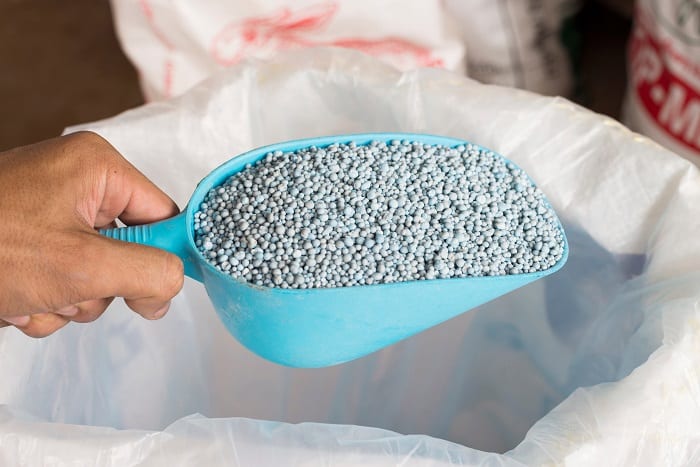
    Here are some tips to guide you when it comes to hydroponic nutrient needs for your hydroponic gardening.

    Hydroponic Nutrients Guide
    • Basic Nutrients

    The basic nutrients are one of the most essential needs of a plant. They are responsible for the biological process that plants needs for survival. Plants need to respire, obtain moisture, and photosynthesize just to survive.

    These basic nutrients responsible for the biological process of plants include hydrogen, oxygen, carbon, and nitrogen. They need to be taken care of first because, without them, plants will die. But plants can still live without other remaining nutrients but they just won’t thrive properly.

    • Macro-nutrients And Micro-nutrients

    So macro and micro-nutrients are the remaining nutrients needed by plants. Macro-nutrients include nitrogen, potassium, phosphorous, calcium, sulfur, and magnesium. Then micro-nutrients include iron, zinc, boron, and manganese.

    What Nutrients For Hydroponic Vegetables?

    The nutrients that your hydroponic vegetables require include nitrogen, phosphorous, potassium, calcium, sulfur, zinc, manganese, and zinc. All these nutrients can help improve the growth and quality of your vegetables.

    Hydroponic Nutrient Chart For Vegetables

    A hydroponic nutrient chart for vegetables has been shown below. So, we’ve given below a chart to describe the nutrient regime for some of your favorite vegetables;

    S/NPlantPPMECpH
    1Asparagus980- 12601.4- 1.86.0- 6.8
    2Artichokes560-12600.8- 1.86.5- 7.5
    3Broccoli1960- 24502.8- 3.56.0-6.5
    4Basil700- 11201.0-1.65.5-6.5
    5Lettuce560- 8400.8- 1.25.5- 6.5
    6Parsley560-12600.8- 1.85.5- 6.0
    7Spinach1260- 16101.8- 2.35.5- 6.6
    8Swiss chard1260- 16101.8- 2.36.0- 6.5
    9Thyme560- 11200.8-1.65.5- 7.0
    10Watercress280- 12600.4- 1.86.5- 6.8
    • PH

    We have also added the pH chart because nutrient and pH usually comes hand in hand. The right pH helps in the appropriate absorption or intake of nutrients by your plants.

    • EC And PPM

    Electrical conductivity, EC, measures the level of salt or nutrient in your hydroponic system. Hence, it is an indirect way of measuring the concentration of the nutrient solution. So, the electrical conductivity of your nutrient solution is measured using an EC meter.

    After measuring the electrical conductivity of the nutrient solution, the value gotten is then converted to a measure of the total dissolved solids in PPM (i.e. part per million).

    Using an EC meter can help in ensuring your nutrient solution is in the right concentration and remain at this state over time. Therefore, you don’t have to worry about nutrients becoming too concentrated.

    How Much Nutrients Do I Need For Hydroponics?

    The amount of nutrients supplied to your hydroponic plants can make a big difference in their outcome. Too little nutrients can hinder your plants from attaining their peak. Then too much nutrient can fry your plants.

    Hydroponic gardening is based on water rather than soil and this water has nutrients that have been dissolved into them. But the question we would like to know is the amount of nutrient solution is needed in your hydroponic garden?

    The answer mainly depends on some factors and they include:

    ·         Reservoir Size

    The size of your hydroponic reservoir is one major determining factor when it comes to how much nutrients your plant needs. Generally, for a 16 gallon of water, you will need around 1 to 2 cups of pre-mixed liquid nutrient solution.

    ·         Plant’s Stage

    The plant stage is another factor to consider. The plant has different growth stages such as seedling stage, flowering stage, vegetative stage, fruiting stage, and so on. Each of these plant stages requires different nutrient amounts. You can buy a pre-mixed nutrient solution or you can make one by yourself.

    When using a pre-mixed solution, you can go for multiple prepared solutions just to achieve your desired ratio.

    On the other hand, when using a prepared hydroponic nutrient solution, it is important to follow the instructions on the label. This is to determine the right amount of nutrients for your reservoir.

    Ideally, less amount of nutrients should be supplied during the early part of your plant’s life cycle. Then you will need to increase the nutrient plan once your plant has reached the big or major part of its growth. While you’re at it, ensure you start with less and increase it along the line so you don’t overdo the nutrient supply.

    ·         The Type Of Plant

    The type of plant is another determining factor when it comes to the amount of nutrients for your hydroponics. For example, peppers and tomatoes need a bit more fertilizer compared to most vegetables or leafy greens.

    The good thing is that you can get some suggestions about the nutrient plan for the type of plant from the nursery where the plant was purchased.

    General Hydroponics HGC718125 FloraMicro 5-0-1

    Hydroponic Nutrient Chart For Vegetables

    Conclusion On Hydroponic Nutrient Chart For Vegetables

    The hydroponic nutrient chart for vegetables has been explained in this guide. So, if you would love to start a vegetable hydroponic garden for your indoor farming, you can look through our guide.

    Even though the amount or dosage of the nutrient is pretty important, you don’t really have to worry about perfection. There are too many factors that can affect the accurate or precise amount that can lead to a perfect nutrient regime.

    Just ensure you do the best you can to supply your plants with the appropriate amounts of the nutrient regime. Then you can see your plant flourish and enjoy that bountiful harvest.

    FAQs

    How much nutrients do I need for hydroponics?

    The amount of nutrients supplied to your hydroponic plants can make a big difference in their outcome. Too little nutrients can hinder your plants from attaining their peak. Then too much nutrient can fry your plants.
    Hydroponic gardening is based on water rather than soil and this water has nutrients that have been dissolved into them. But the question we would like to know is the amount of nutrient solution is needed in your hydroponic garden?
    The answer mainly depends on some factors and they include;
    • Reservoir size
    The size of your hydroponic reservoir is one major determining factor when it comes to how much nutrients your plant needs. Generally, for a 16 gallon of water, you will need around 1 to 2 cups of pre-mixed liquid nutrient solution.
    • Plant’s stage
    The plant has different growth stages such as seedling stage, flowering stage, vegetative stage, fruiting stage, and so on. Each of these plant stages requires different nutrient amounts. You can buy a pre-mixed nutrient solution or you can make one by yourself.
    When using a pre-mixed solution, you can go for multiple prepared solutions just to achieve your desired ratio.
    On the other hand, when using a prepared hydroponic nutrient solution, it is important to follow the instructions on the label. This is to determine the right amount of nutrients for your reservoir.
    Ideally, less amount of nutrients should be supplied during the early part of your plant’s life cycle. Then you will need to increase the nutrient plan once your plant has reached the big or major part of its growth. While you’re at it, ensure you start with less and increase it along the line so you don’t overdo the nutrient supply.
    • The type of plant
    The type of plant is another determining factor when it comes to the amount of nutrients for your hydroponics. For example, peppers and tomatoes need a bit more fertilizer compared to most vegetables or leafy greens.
    The good thing is that you can get some suggestions about the nutrient plan for the type of plant from the nursery where the plant was purchased.

    What nutrients for hydroponic vegetables?

    The nutrients that your hydroponic vegetables require include nitrogen, phosphorous, potassium, calcium, sulfur, zinc, manganese, and zinc. All these nutrients can help improve the growth and quality of your vegetables.