Category: Soils & Plant Nutrients

  • How to Add Compost to Existing Plant

    How to Add Compost to Existing Plant

    Adding finished compost to your garden plant isn’t a difficult task, but you need to do it properly. There are ways to add fertilizer directly to your plant, and you need to be familiar with the process if you are going to get the best out of composting. 

    The main reason for starting a compost bin is to convert your household waste into useful nutrients for your plants. It will be of no use if your plants don’t get the most out of all the effort you put into the whole process. 

    It doesn’t matter if it is your lawn grass or garden bed, adding compost is easy and doesn’t require any specific training. Once you know when to add compost to your garden, and how to do it; you can now get the best out of all the many months and stress of composting. 

    How to Add Compost to Plants? 

    The soil characteristics and climate conditions of your area go a long way to determine how often to apply compost. If you live in regions with cold weather and a single growing season, it is best to add compost once during spring. 

    If you are in a region where it is possible to plant crops all year round, you can add compost twice or thrice a year, depending on how many times a year you plant on your garden. You should do this especially when you plant vegetables, herbs, and flowers; to replenish the lost nutrients after each season

    There are a lot of ways you can add compost to your existing garden plant, but we suggest that you should try any of the methods below for safe practice. 

    • Using Compost to Amend the Soil 

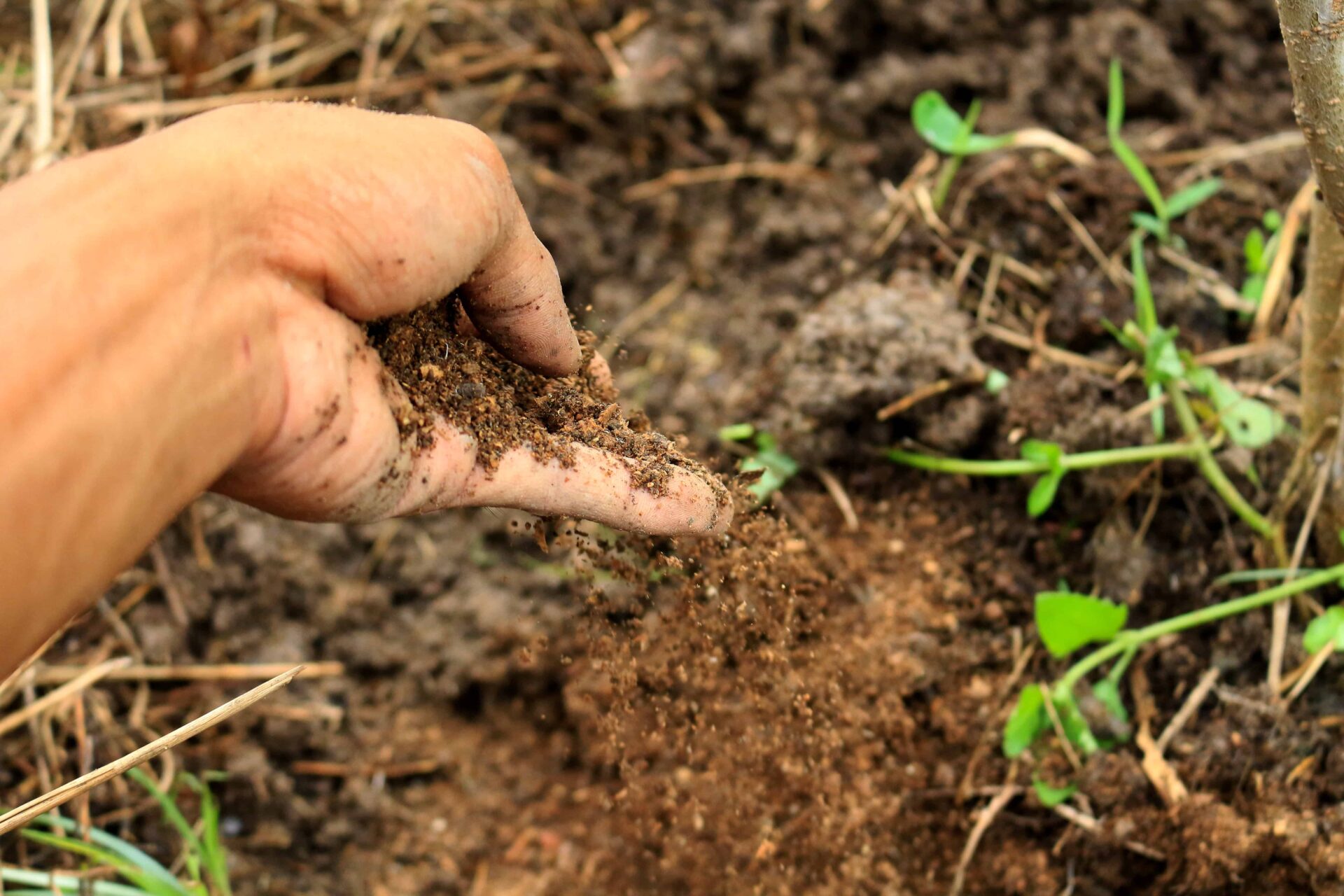
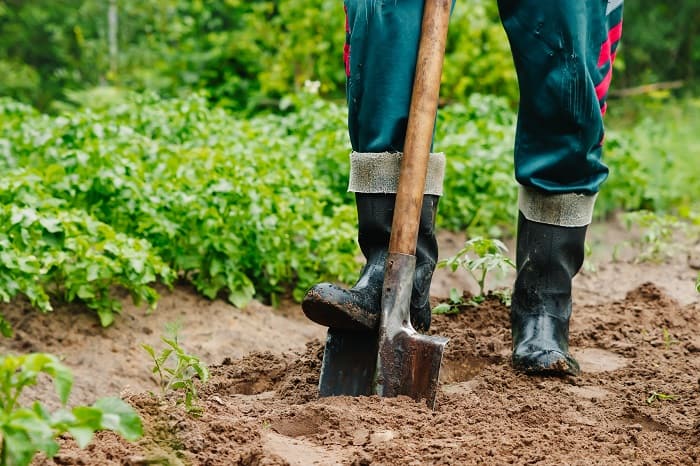
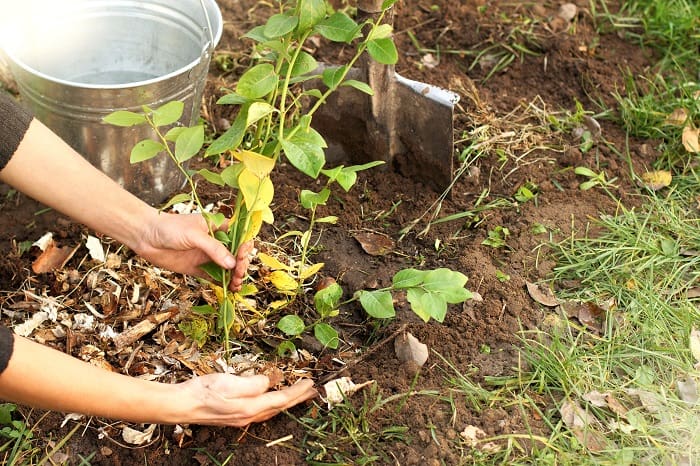
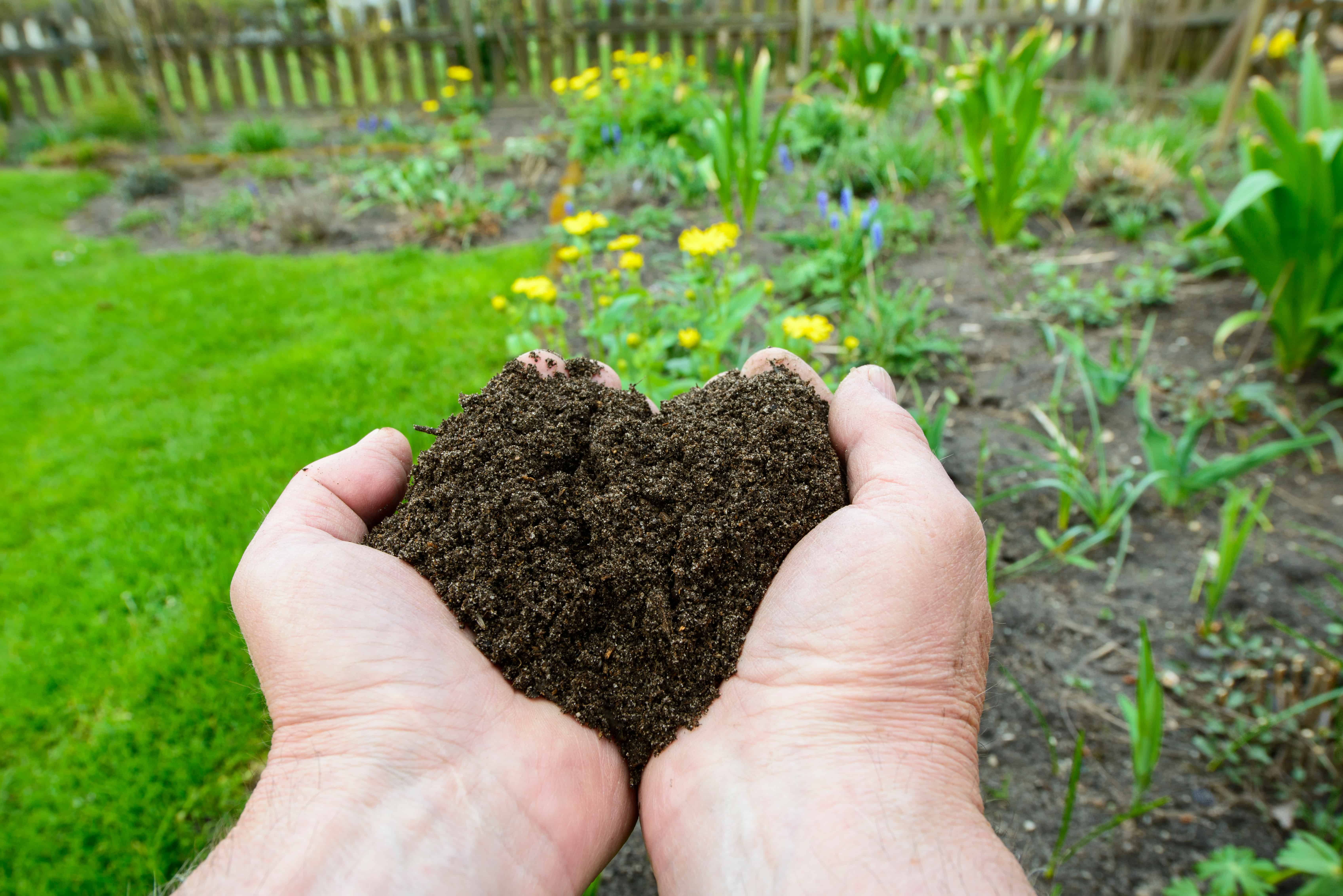
    You can add compost to your soil by slowly using the compost to amend the soil. Since you can’t make use of forks around the roots of your shrubs and vegetables, the safer alternative will be to use your hands. With your bare hands or pair of gloves on, you can spread your compost in layers of up to 4 inches around your plants. You should leave a foot space between the stem or trunk of your plant and the fertilizer, to prevent rotting of plant parts. You can finish off the process by using a rake to mix the compost on the top of the soil, and spread it uniformly for deeper penetration into the soil

    • In the Form of Compost Tea 

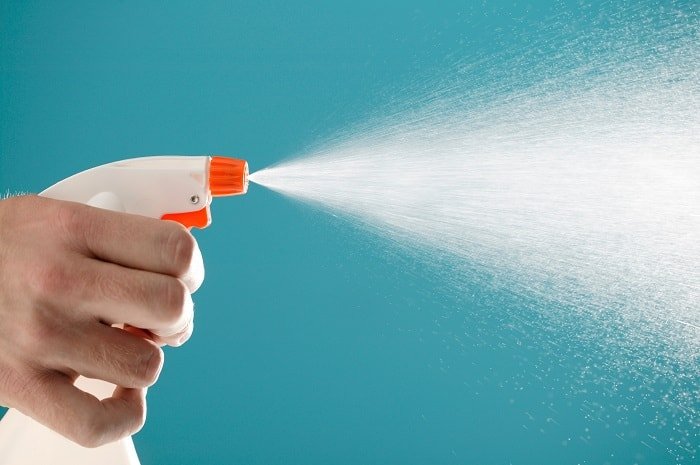
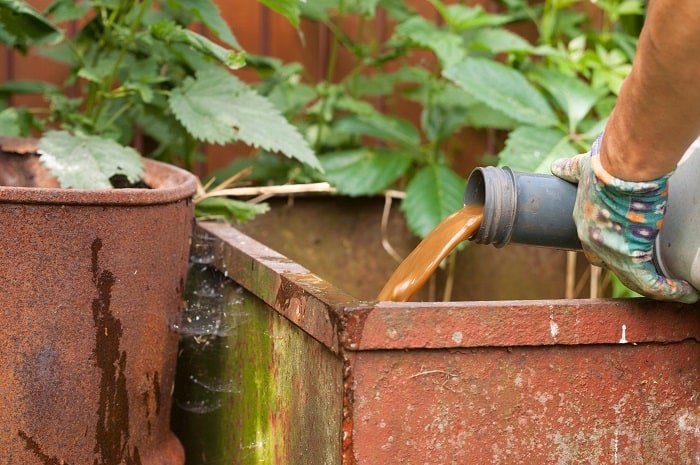
    Compost Tea is also a great way to feed your plants all the nutrients that are beneficial to their growth and development. You can do this by taking a pillowcase, and filling it will ready-made compost. Once it is full, dip it in a bucket of water, and allow it to settle for a few days. After two or three days, the compost should be ready for use. You can tell by looking at the compost tea; if the color is dark brown, it is ready for use. Fill the compost tea into a spray bottle for easy application to your plant leaves and roots. You want to make sure that you apply the compost tea evenly to all parts of your garden. 

    • As a Mulch 

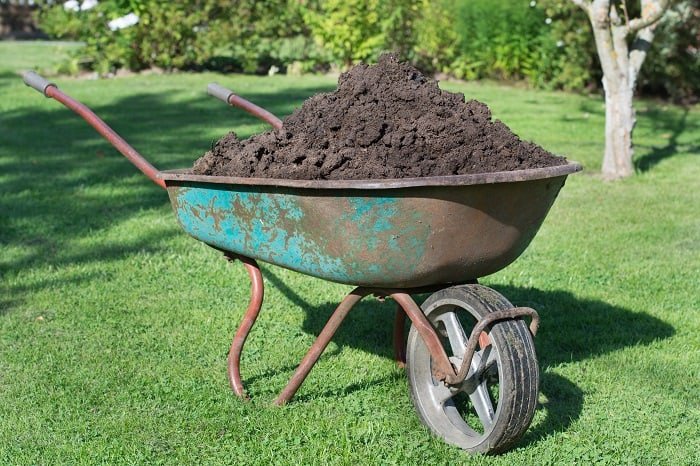
    You can also apply compost to your garden plant as a mulch. Before you begin the process, you want to ensure that you remove all weed and grass from around your plants. You want to do this to avoid them competing for the nutrient with your garden plants. You will need to convert the compost into smaller pieces to be able to use them as a mulch. You can do this by using a mesh to sift the large sizes from the smaller ones. You also want to be careful not to waste too much of the compost during this procedure. So you should do the sifting inside a wheelbarrow, to avoid wastage. Spread the compost uniformly on the surface of the soil, you want to be careful to avoid contact with the stem of the plant. 
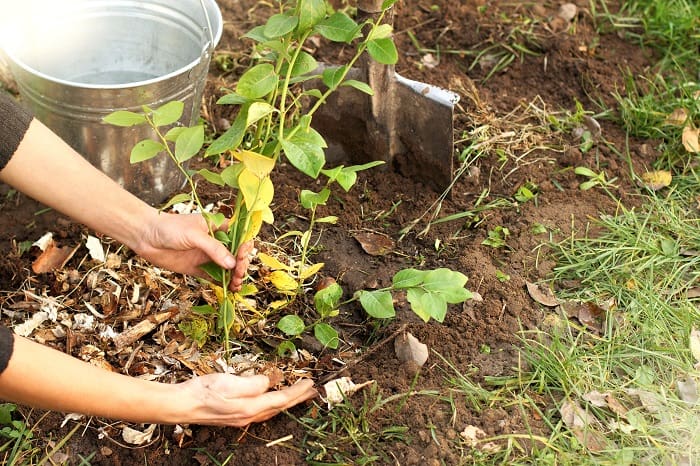
    How to Add Compost to Existing Plant

    • As a Top Dressing 

    Another method you can use to apply compost to your garden is as a top dressing. This method works best for lawn grass since you have to spread the compost and cover it with grass. You will have to make use of a rake to spread the compost into your lawn roots and water your garden afterward. 

    It is best to top-dress your lawn at the onset of spring and the end of fall. 

    Before Adding Compost to Your Garden 

    You want to ensure that you use only high-quality compost in your garden. You want to avoid using compost that contains ingredients that are toxic and can harm your plants. If you are going to be making your compost bin, you want to ensure that you make use of the right materials and follow the best composting practice

    You also want to ensure that your garden is free from weed and grasses to prevent competition for the available soil nutrients. 

    Compost is only safe to use on garden soil when it is fully decomposed, so you want to ensure that you check that there are no lumps or materials in the compost when adding it to your soil

    How to Add Compost to Existing Plant

    FAQ’s

    Can I just put compost on top of soil?

    There’s no doubt that compost is an important part of a garden, but there are some questions about how much compost to use and when.

    This is a great question! It depends on the type of soil. If the soil is very sandy or clay like, then you can probably put it on top. The reason for this is that the sand and clay particles will settle down in the bottom of the pot and your compost can mix into the top layer.

    How often should I add compost to my plants?

    There are two general rules of thumb for adding compost to your garden. The first is that you should use compost every month, or at least every three months. This will help the soil stay healthy and retain moisture.

    Can compost be added to garden after planting?

    It’s best to wait until the soil is warm enough for you to work with it. If you have a tiller, you can dig the compost in and mix it with the soil after planting. If you don’t have a tiller, you could do the same thing by using a spade or hoe to break up the composted material before mixing it into the soil.

    Should I water after adding compost?

    You don’t need to water. It is best to not water in summer because water evaporates, and if you are watering the garden, then it will be used by the plants as a source of nutrients.

    Is compost good for houseplants?

    I had my doubts at first, but after watching and reading about how compost works in the soil, I’m convinced that it can be just as beneficial to houseplants.

    How often should you add compost to potted plants?

    If you want your plants to get the nutrients they need, add compost regularly. The amount you use depends on how large your pots are and the size of the plant you are adding them to. For example, a small pot of soil will need more compost than a larger one. To determine the best time to add compost, refer to your garden centre’s or home improvement store’s recommendations.

    Why You Should Add Compost to your Garden 

    Using compost in your garden is as effective as adding organic fertilizers. Compost is household waste that has undergone biological breakdown and is safe to use on all garden plants. You should be aware that it is unsafe to use human waste in edible garden plants. It will be best to make use of kitchen waste instead and save the humanure for your lawn grass. 

    Now that you know the various methods on how to add compost to existing plants, you shouldn’t have a hard time making use of all that compost in your backyard pile. If you have any more questions or will like to contribute, feel free to make use of the comment section. We will love to hear from you. 

  • Is It Safe to Compost Human Waste?

    Is It Safe to Compost Human Waste?

    If you are a fanatic of green living, then you would be aware of the benefits of recycling waste. It doesn’t matter if it is your leftover food or urine from your toilet, there are methods to convert it into nutrients, for the plant.
     While there may not be many inquests into the safety of composting the kitchen waste, there are concerns about the safety of using human waste in the garden.
     With the right knowledge on how to safely recycle toilet waste, gardeners can channel all that poo to good use.

    Is It Safe to Compost Human Waste? 

    While it is safe to compost human waste, you should be careful not to use humanure on edible garden plants. What this means is that you can use it on ornamental plants and lawn grass, but not on your veggies and fruits. 
    You also should be aware that although human waste in rich in organic matter and nutrients, it is also laden with bacteria, viruses, and pathogens that are not removed by composting. 
    Compared to chemical fertilizers, human waste is a safer option to use on your flowers, potted plants, garden trees, and other plants that you don’t eat. 
    Another reason why most people shy away from composting human waste is that they can’t seem to find a neater way to do it. With the right composting devices, you can make the process easier and save yourself the hassles involved with composting. 

    How to Collect Human Waste? 

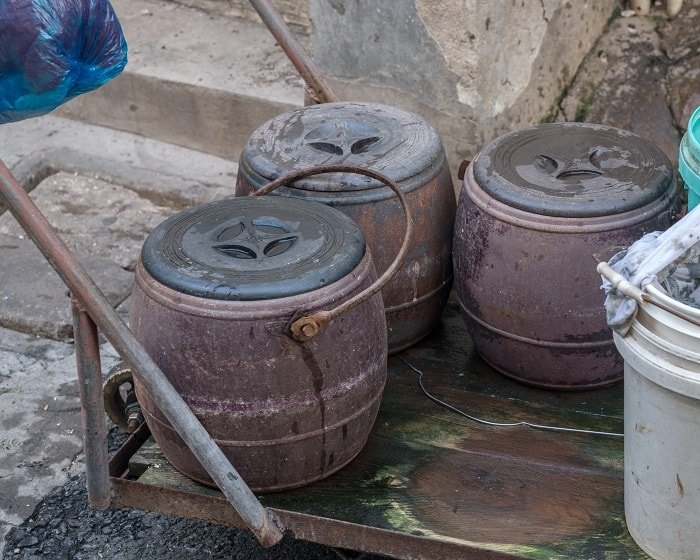
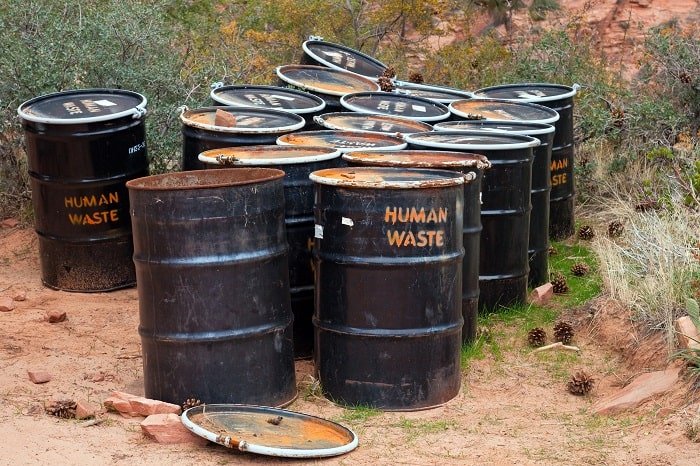
    Commercial composters are large scale facilities with the right equipment to process a high volume of waste. Night soil which is the term that is used to refer to waste collected from pit latrines, septic tanks, pail toilets, and cesspools, is used by these facilities. 
    They hire workers who collect the waste from the city and transport to their out of townsite. 
    On getting to the site, the waste is converted into fertilizer and the cycle continues. Most facilities that engage in the business have customers who are available to purchase the processed fertilizers. In most cases, large scale florists and farmers looking for organic manure for their plants. 
    How to Compost Human Waste: Is It Safe?
    Conversion of human waste into compost before adding to garden soil is necessary to reduce disease outbreak in the garden. These composting facilities follow procedures that manage the sludge in the faces and reduces the negative effects of the manure. 

     What is the Best Method of Composting Humanure?

     A lot of gardeners worry about the safety of using compost on their plants. Many of them, because they do not know how to go about the process.
    While you can make use of a compost bin to convert your kitchen waste to manure, it will be unhealthy to do the same with your toilet waste. So what is the best method to compost human waste? 

    • Use a Composting Toilet 

    A composting toilet is the easiest way to convert your toilet waste to manure without getting your hands dirty. All you need do is to install the system and do your business, then occasionally turn the composter to speed up the whole process. There are different models of composting toilets available to choose from, so you want to do your research properly to find the one that works best for you. You should be aware that some of them cost less than $100, while you can spend up to $10,000 on some systems. 

    |

    Most of the elaborate systems are built on-site and are equipped with everything you need. They are odor-free, self-contained and feature compartments where you can easily access readymade compost. Some other brands have separate paths for collecting urine and feces, while others have separate systems fitted on them. Once one of the systems is full, it is closed, and the other is opened; the process is repeated until there are no new piles available. 

    Tips on How to Successfully Compost Human Waste 

    • Use a Composter 

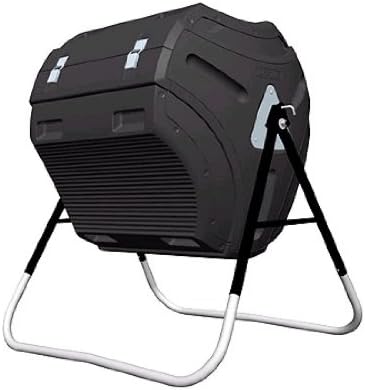
    If you can’t get access to a composting toilet, but still see the need to convert your toilet waste, then you should consider using a compost tumbler instead of a bin. The reason for this is that a compost tumbler turns the pile automatically; whereas you will have to do it manually with a compost bin, which can be messy.  

    • Keep it Dry 

    You want to ensure that human waste is kept dry. You have to ensure that it is covered at all times, to prevent water, snow, and moisture from getting into it. When this happens, it can make the compost smell bad, and reduce the degradation process. You shouldn’t have to worry about this with a compost tumbler since the units are completely sealed. 
    How to Compost Human Waste: Is It Safe?

    • Use Lime

    We always recommend that you add lime to your compost tumblers with human waste. Adding lime to the system helps to kill the pathogens and bacteria and speeds up the entire process. With the addition of lime, your humanure can be ready in less than 4 months, while it can take up to a year without adding lime. So if you are eager to get your result in the shortest possible time, you may want to think about using lime along with a compost tumbler. 

    • Avoid Using it on Edible-Plants 

    You should avoid using human waste on your edible-garden plants. If you eat it, you shouldn’t use toilet waste on it. You don’t want to risk contracting diseases from the plants when it is ingested. You can make a separate compost bin for your kitchen waste for use on your veggies and berries, and all other plants in your garden. There is also the option of purchasing already made organic compost for use in your garden. Whatever method you choose, it doesn’t matter; so long as you don’t make use of chemical fertilizers that are unsafe for your plant and the environment. 
    How to Compost Human Waste: Is It Safe?

    FAQ’s

    Can you use human poop for composting?

    You can use it if you know how to do it properly, but generally speaking, no, human poop is not suitable for composting. It contains high levels of nitrogen and potassium, which can kill plants. In addition, it contains some dangerous pathogens, such as salmonella and E.

    What are the easiest ways to compost human waste?

    there are many ways to compost human waste. For example, you can collect urine in a bucket, mix it with sawdust or newspaper, and add worms. This type of composting is called vermicomposting. Or, you can collect feces and mix it with some organic matter, such as kitchen scraps or manure, and then add worms.

    This process is called anaerobic composting. Another method for composting human waste is to pour the liquid portion of the waste into a pit lined with straw, and then pile the solid portion of the waste on top of the liquid. When the liquid drains into the pit, the solid waste will decay and eventually break down to form new soil. You can also compost human waste in a worm bin. A worm bin is a special container that holds worms that will eat the waste.

    The worms will turn the waste into rich, fertile soil.

    When shouldn’t I use human waste?

    If it smells bad, DON’T. It’s not healthy for the ecosystem and will probably attract unwanted critters like flies and beetles.

    Why is human waste so harmful?

    It’s because the pathogens in human waste can be transferred to our food and water supplies, as well as into the environment. Pathogens are germs that cause diseases. They come from animal or human feces, as well as from insects, plants, soil and water. The term “pathogen” is used when we are speaking about bacteria, viruses, protozoa or other microorganisms.

    Is human faeces alone good for plants?

    The answer is a resounding “no.” The waste products of the human body have many harmful effects on plants, including soil quality and plant health.

    There are two main reasons why we should be concerned about our waste:

    1. The soil is the source of life. Soil acts as a filter, separating out nutrients and pollutants from the water that flows through it.

    If the soil becomes polluted, it will eventually cause problems for plants.

    2. Humans need food to live. When we eat food, we take in many nutrients, including vitamins, minerals, fiber, and proteins. When those nutrients enter the human body, they are transformed into waste. When our waste is not properly disposed of, these nutrients can pollute our soil and waterways, which may then cause problems for other organisms, such as fish and wildlife.

    Conclusion 

    Composting is of great benefit, as it is a great way to convert waste into organic matter for use in agriculture. If you are a gardener, you can provide your plants with rich soil nutrients by starting a backyard compost bin. 

  • Keter Decorative Composter Bin Review 2021 – The Revolutionary Way of Composting

    Keter Decorative Composter Bin Review 2021 – The Revolutionary Way of Composting

    Nowadays, people are becoming more enthusiastic about saving the earth in their littlest way. One, simple way to do so is by composting. Composting does not only reduce tons of garbage to be piled up in landfills but it also yields chemical-free products that are beneficial to the family. Furthermore, it also lets you save a few coins from your pocket.
    I, for one, can attest to that. Before, we usually buy vegetables and fruits in the market, and sadly, they easily wither off. After that, I tried to grow my own vegetable garden, but still, I am not quite happy with the low-quality produce. So, I tried to make my own compost, with a DIY- composter, in my garden, and luckily, I got to produce healthier vegetables for me and my family to munch on. 
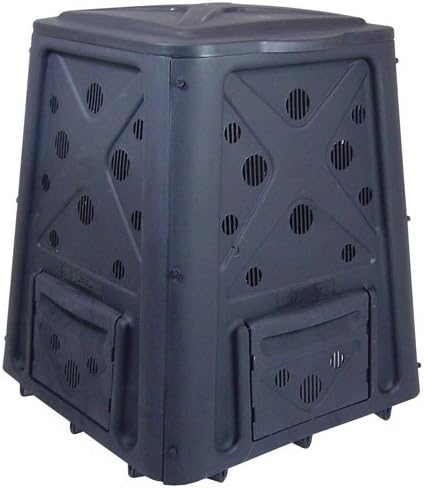
    Now, I already have my own vegetable garden but my problem is I cannot extend it further because my DIY composter bin could not accommodate more composts for my garden. Had I known about keter® e-composter 120-gallon compost bin,  I would have bought it then.  This compost bin could hold up to 120 gallons of composts, and it can easily take out the bottom compost by pulling the small compartment in front.

    Things to Consider Before You Buy a Compost Bin.

    There are a lot of things to consider before you buy a compost bin for your garden. Compost bins are used to hold composts before it can be used in the garden. Anyone can buy a compost bin, may it be a mother who grows her own garden or a gardener who grows and sells plants and vegetables for a living. Some may opt to make a DIY composter, which I did, but for some who prefer a ready-made composter, you can easily buy them at hardware stores or even online. Before purchasing a ready-made composter, you must consider these factors first;

    • Size

    The size of the compost bin would greatly affect the availability of your composts. If you have a smaller compost bin, let’s say less than 1 cubic meter, you have to regularly check the contents, temperature, and moisture of your composts to speed up the process. In addition, if you have a large garden, better to buy a compost bin that has a bigger capacity. It is also highly recommended that the height of your compost bin is enough for your pitchfork or shovel to be easily lifted up. 
    Keter Decorative Composter Bin Review 2019 – The Revolutionary Way of Composting

    • Weight

    If the compost bin you are planning to buy is a tumbler type, then you would require it to be easily rotated despite its heavy load of materials. But, if you are planning to purchase a single-container compost bin, then it must be able to be easily lifted up and toppled down.

    • Lids

    It is highly suggested to purchase a lid with a bigger opening so that you will have easy access for you to add your organic waste to your composts.  

    • Access Panels

    Other compost bins have a sliding trap door or a small compartment in front for you to easily access your finished composts. If you only have a sliding trap door make sure your spade can easily fit through it; if not, you will have to scoop your finished product manually by hand. 
    Keter Decorative Composter Bin Review 2019 – The Revolutionary Way of Composting

    • Aeration and Drainage Holes

    Water and air are important factors that speed up your composting process. Therefore, the compost bins you are planning to buy must have good aeration and drainage holes for air and water to pass through. 

    Keter Composter Bin

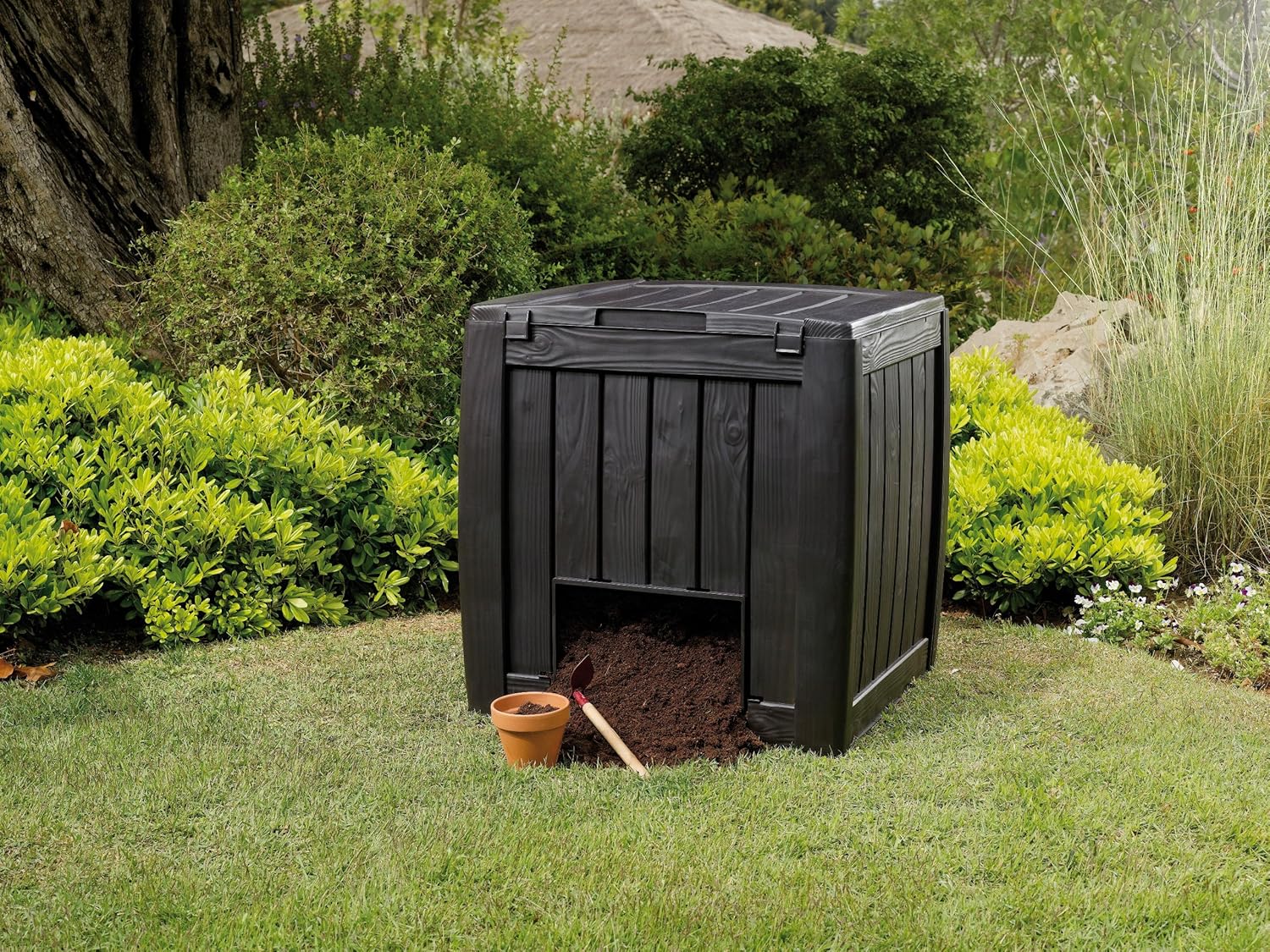
    The Keter E-Composter 120 Gallon compost bin is made from recycled, weather-resistant resin with a slat-like wooden texture that gives a good looking aura to it.  The bin is easy to assemble, and it also has an inner wall connecting system that makes it long-lasting and tough. Furthermore, it has a sleek door that works as a leaf collector plus a watering cup on top that further speeds up composting. It comes in two earthly colors – black and brown, that you could choose from. Actually, this product has a previous version, the Keter Decorative Composter Bin with a smaller 90 Gallon capacity usually used for smaller gardens.

    Pros   

    • It is made of resin which makes it resilient to any weather condition.
    • Holds up to 120 gallons of compost. 
    • Made to last long because of its inner wall system. 
    • It can easily be assembled – even without using tools. 
    • It is a good looking compost bin. 

    Cons

    • Once you assembled it, you cannot undo it. 
    • It has a shorter warranty period. 
    • Only two colors to choose from. 

    A1Ld7r5bAtL. AC SL1500

    Features and Benefits

    The most significant feature of this product is its capacity to hold a bigger amount of compost. It can hold up to 120 gallons, or 340 Litres, of compost. It is very important especially for gardeners who have wide gardens or even for a bigger household that has tons of organic waste to dispose of. If you want to see the full capacity of the product click here.

    Dual-purpose Door

    The next essential feature of the product is its dual-purpose door. Earlier, we have discussed the importance of a wider-opening lid to give easy access to your waste products to the compost. This dual-purpose door is not only big enough for your garbage, but it also serves as a leaf collector for the neighboring trees. It doesn’t not only make your composting process faster but it also makes your composting journey more convenient. 

    Long-lasting Compost Bin

    Another feature that makes the product a good buy is its inner wall connecting system which makes your compost bin long-lasting. Furthermore, it also has a watering cup at the top to speed up your composting process. This is very important especially for big-time gardeners, and even for the small ones too because there will be no need to buy compost bins again and again. 

    Nice Design

    Last but not least, you wouldn’t want your bin to be looking like scrap, just because it has loads of scrap in it. You want your compost bin to be looking sleek and in style without compromising its quality. The Keter E-Composter 120 Gallon is made of high-quality resin, which makes it resistant to any weather condition, with a  slat-like wooden texture in it. It also comes in two variants: brown and black, which gives a natural look to it. To have a good picture of it just click here.

    Alternatives

    If you are not convinced of the product, then there are still other options you could choose from. Some of which are:

    • Garden Composter Bin by D.F. Omer

    The Garden Composter Bin by D.F. Omer has a 110-gallon capacity, slightly lower than the Keter E-Composter, yet more expensive. It is made from recycled plastic, BPA-free, furthermore, the black PP plastic regulates moisture and heat in the composts that means a shorter period of composting time. The Garden Composter is also easy to assemble and comes with a secure lid that keeps unwanted critters from meddling with your food scrap. 

    81m3IaMke L. AC SL1500

    Garden ComposterKeter E-Composter
    • 110-gallon capacity
    • 2-years warranty coverage
    • Easy to assemble
    • Price is high than Keter´s
    • 120-gallon capacity
    • 1-year warranty coverage
    • Easy to assemble
    • Price is cheaper
    • Envirocycle

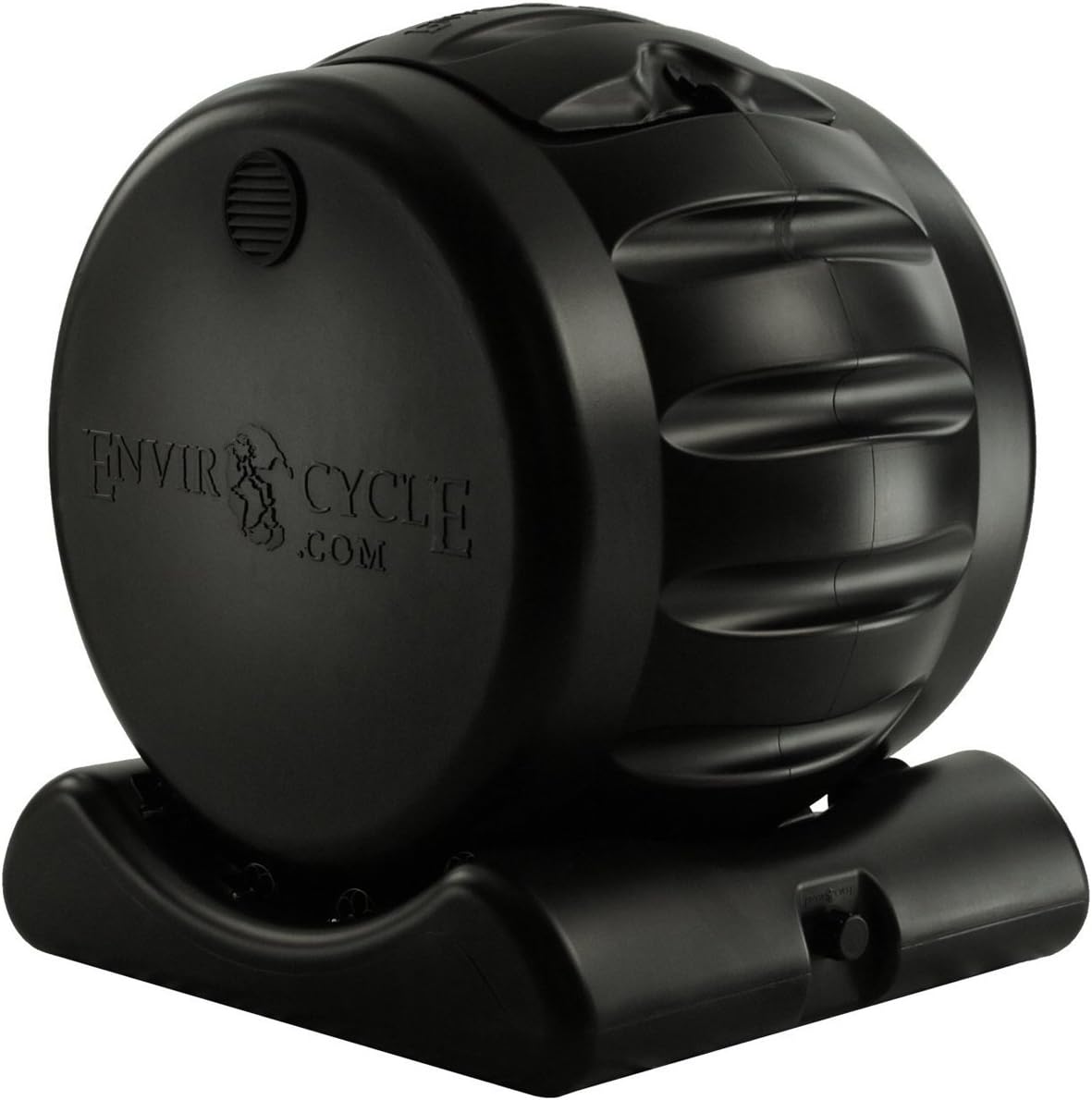
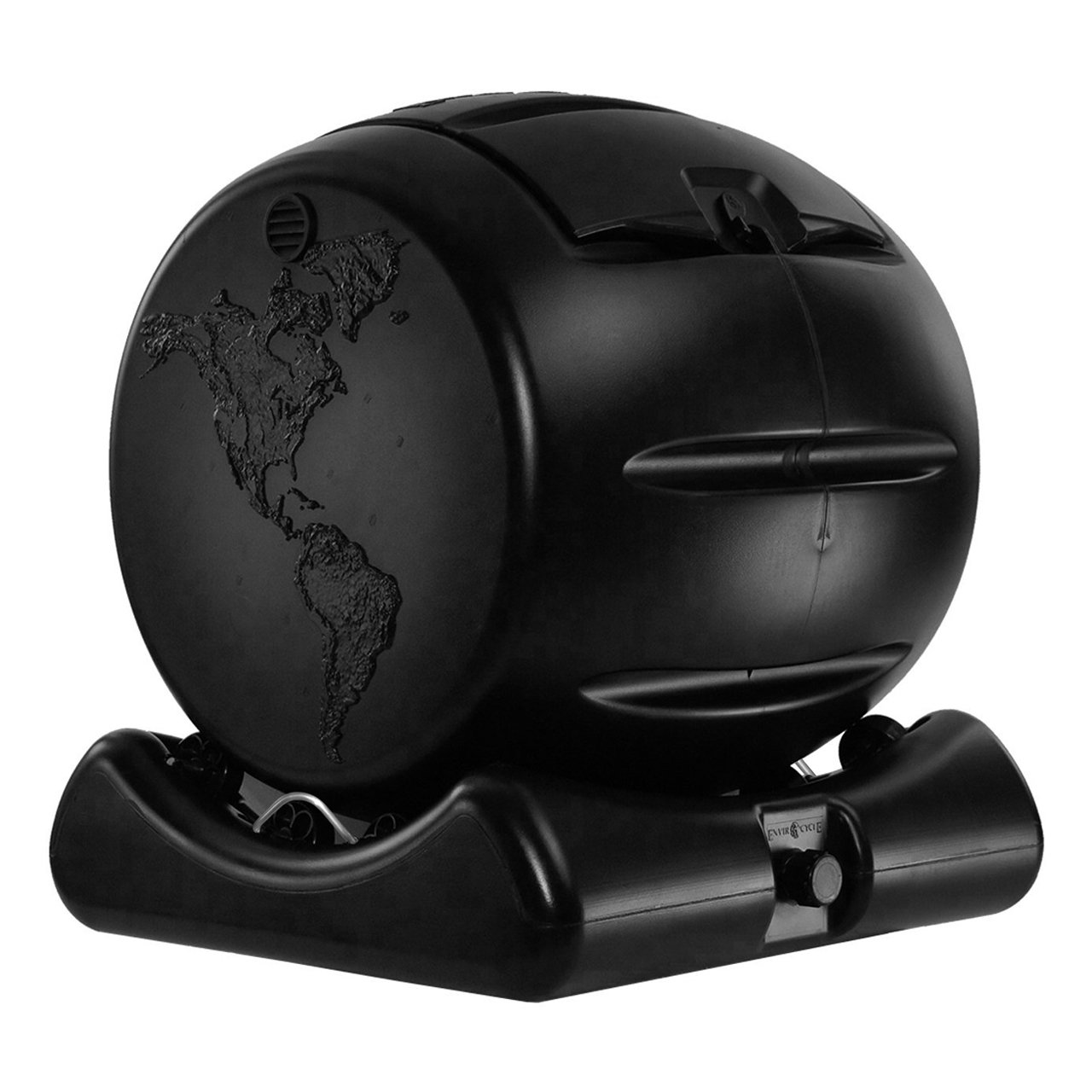
    Envirocycle, as they say, is the most beautiful compost bin in the world. Made of BPA and rust free products, this innovation has a sleek style to it that you could place on your balcony, patio, porch, or garden. Moreover, it has pioneered an innovative design that allows this bin to produce solid and even liquid compost. To produce a solid compost, just rotate the drum slightly above the base, consequently, the base collects the precious liquid which could also serve as a compost tea, a liquid fertilizer. Because of these features, it is expected that the Envirocycle is more on the expensive side. 
    61krtWVizqL. AC SL1280

    • Epica Stainless Steel 

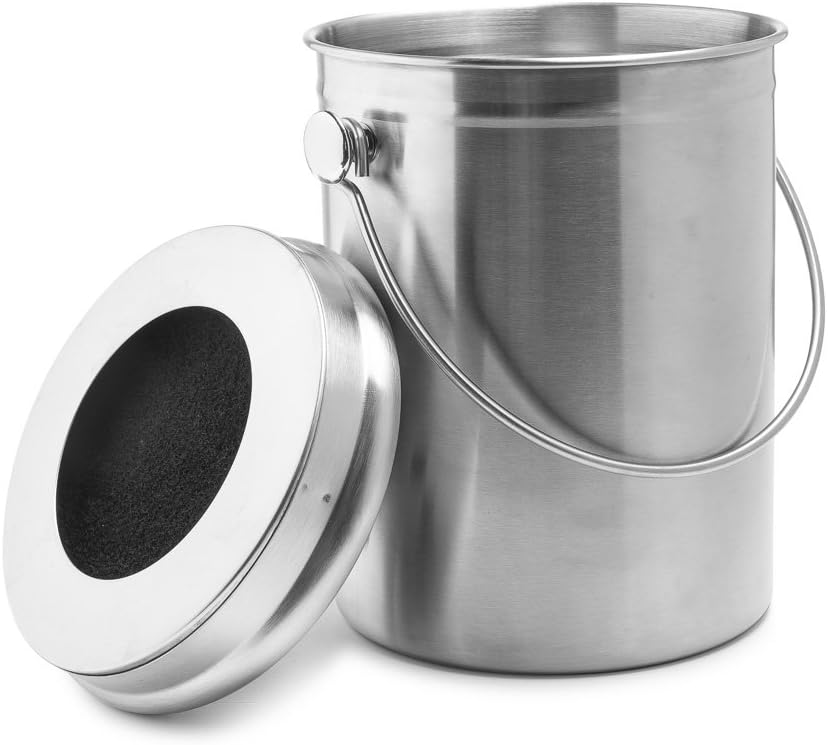
    Epica Compost Bin is made of durable, rust-resistant stainless steel and has the capacity of only 1.3 Gallons. Because of its size, it is not recommended for use in a wide area garden but can only be used for small-time gardeners. But, the good thing about its size is that it can be placed on countertops which means you can easily put your organic waste in the bin. Additionally, there will be no more foul-smelling compost bins in your household, for the key feature of this product is that the lid comes with a replaceable activated charcoal filter that controls the pungent smell of your scrap. Compared to Keter E-Composter, Epica Stainless Steel is more affordable for our budget. 
    61fYJOAiYQL. AC SL1001

    Epica Stainless SteelKeter E-Composter
    • 1.3 Gallon Capacity
    • No assembly required
    • Can be used indoors
    • Price is cheaper
    • 120 Gallon capacity
    • Easy to assemble
    • Too big to be used indoors
    • Price is high than Wpica´s

    If you want to learn more about the alternative products, you can easily click the product for the link or if you want more details you can search for other online stores.  

    FAQ’s

    Is the keter decorative composter bin durable?

    The keter decorative composter bin is a great and durable product that will give your composting experience a boost. This is a high quality product that has been made by an experienced manufacturer. You won’t find any inferior products from this manufacturer.

    This is a product that can be used as both indoor and outdoor compost bins. It can also be used to store other items in your home. This is one of the best products that you will ever find on the market today. You can use this product as a kitchen compost bin, garage compost bin, or even as an office compost bin. The composter bin is made from weather-resistant resin. It’s sturdy and durable.

    It is made from a high quality material. This means that it will last for years. You won’t have to replace the product for a long time.

    It will not break down over time.

    Will it look good in my home?

    This is a product that has been designed to be attractive. This means that it will look good in your home. The product is also easy to clean. You won’t have to do any extra cleaning. It will stay clean all the time.It will also be easy to clean.

    It won’t take up too much space in your home. If you have a small home, then this product will fit in perfectly. It’s also easy to move around. It won’t weigh down your home. It can be moved around easily. The product comes with a carrying bag. You can use this bag to move it around. It can also be used to store other items in your home. You can also keep your garden tools in the carrying bag. This way, they won’t get damaged. If you don’t want to carry the product around, then you can use the carrying bag. This will save you a lot of time.

    Is it easy to clean?

    Yes, it is very easy to clean and can go anywhere in the home or office space.

    Why is it well-designed?

    It has an automatic lid release so it won’t get stuck if the lid gets covered in manure. There is a built-in handle so you can easily move the bin around. It has a mesh base which keeps the manure from clumping and also helps to aerate the compost. The bin is very easy to clean and has a drain hole that allows for quick draining of water when needed. The bin comes with a removable stainless steel screen which can be removed for cleaning. You can easily wash this screen by hand or in a washing machine. It is easy to build the bin and you can do it yourself. The bin is made of high-quality materials and therefore will last you for a long time. It comes with a lifetime warranty so you know that you are getting a high quality product. The bin has a carrying handle which makes it easier to move around.

    Conclusion:

    Composting entails dirty work but for a good cause. When buying compost bins, you must make sure that the bin can last long and hold a good amount of composts. Failure to do so would mean the hustle of buying a new product again and extra costs for your garden. The Keter E-compost would be a great solution for all these problems. If you are interested to know more about the product, you can just click here.

  • Lifetime Compost Bin Review 2021

    Lifetime Compost Bin Review 2021

    Having a lifetime compost bin is exactly what I have been wanting to get for the longest time. Kitchen scraps and wastes from the garden should not be put aside as using a compost bin will enable it to become fertilizer. Also, not having to replace it is much more economical than having to buy a new one every few years. 

    Having a composting bin not only reduces waste but also promotes the healthy growth of plants and trees. Also, it reduces pollution because the wastes are being recycled as a fertilizer. A person should consider buying this item if they acquire a lot of kitchen scraps and preferably those that have a garden in their home, so the compost bin will be of great use. 

    Who Should Not Buy This?

    It is definitely easy to purchase a compost bin but ask yourself first before buying one. Where will you use this, and why? If you decide to buy one, always consider the use of the product. If you plan to have one to have fertilizer, but you don’t have a garden yet, then there’s no point in buying this product anytime soon.

    Lifetime Compost Bin Review 2019

    Things You Need to Think About Before Buying This Product

    • Choosing the Size

    There are different sizes and styles to choose from, and you should make sure that you are getting the right one for your own home. Most people opt to purchase a low maintenance composting bin because of their busy lifestyles, so make sure to research about the different types and get the one that will work best for you.

    •  It Will Take Some Time to Do

    It will take a while before you get accustomed to using your compost bin, and if you have a very busy lifestyle, then buying this might not work for you. You should consider the fact that it could take up to two years (depending on the type of composting method) to achieve the proper compost. Using it simply to dispose of food scrap is not advisable because you will end up having a smelly and possibly, a mosquito-infested bin. 

    • You Should Know How it Works First

    This product is not meant to be a buy and use purchase, especially if you are a beginner. You need to research about the proper ways to use a compost bin before finally having one. Additionally, you also have to think about the pros and cons of your prospective items.

    • Consider the Space

    It is not ideal to have a compost bin if you have limited space in your house. Let’s say you have a small garden in your backyard; it can possibly work as long as it will not be close to your doors, windows, or any entry points in your house. The reason is that even the most maintained composting bins can emit a rather unappealing smell, and you do not want your guests to be turned off because of that. 

    • Get to Know Someone Who is Into Composting

    It will be easier for you, especially if you are just starting out, to get to know someone who already knows the right process and other things that involve composting the right way. To have a healthy compost, you need to have a mixture of green and brown waste. Besides, not all the waste that you see can be put inside the composter. As an owner, it is your responsibility to know all the dos and don’ts to get the right outcome. Failing to do the right way of composting will result in a slimy compost. 

    Lifetime Compost Bin Review 2019

    Lifetime Compost Bin Review

    It is much more durable than other compost bins that are available in the market because it is made from heavy-duty plastic. It is also UV-protected which means that the plastic will not break or peel even if you put it in a place that is directed to sunlight. Upon purchasing, it comes with a warranty of five years. 

    Pros

    • It is made with a polyethylene material which makes it last longer than other compost bins that are available in the market today. 
    • It comes with a five-year warranty, which is already a steal considering that most of the companies only offer their warranties for two years or less. 
    • The unique locking feature prevents the compost from spilling out and because of this, it keeps the rodents from going inside the bin.

    Cons

    • Customers complain about how difficult it was to assemble. It is time-consuming to put together, especially for newbies.
    • Some materials that are delivered to customers are incomplete. For example, the lack of screws and drill bits. 
    • Instructions on the manual aren’t clear enough and you have to follow it step-by-step to assemble it properly.


    41fCUS 8WqL. AC

    Features & Benefits

    • It has a built-in axis for smoother rotation and to balance the compost bin. 
    • It comes with a removable lid that is large enough to put in wastes properly. This feature also has latches that are strong enough to keep the rodents from opening the lid. 
    • It has an ample height, so you don’t need to slouch down to load scraps inside the bin.

    Alternatives

    Redmon is perfect for those young people that are starting out to compost. However, the compost bin cannot be rotated and is stationary, making it difficult for seniors to mix the scraps when you are about to add new ones inside. 

    Both Lifetime and Redmon have an ample opening to put in the scraps conveniently. 

    41EOGHejdsL. AC

    Envirocycle’s compost bin is not as tall as Lifetime’s but is easier to assemble and use. 

    Lifetime and Envirocycle are both durable and are made with materials that will make it last longer.

    61krtWVizqL. AC SL1280

    This compost bin is stainless steel and is small enough to be put in tight places. This is perfect for those people that have limited space in their houses.

    Both Lifetime and Epica are offering various sizes for people to choose from. 

    51KSF9lkUcL. AC SL1001

    FAQ’s

    What Are Lifetime Compost Bins?

    The idea behind the Lifetime Compost Bins is that you can use these bins to compost for free. If you have ever bought a bag of organic waste at the supermarket, you might have wondered why it’s so expensive. The reason is that it’s difficult to compost it yourself, and most people don’t have access to a large enough bin. Lifetime Compost Bins are designed to help solve this problem.

    They are made from recycled materials, and are designed to allow you to compost your food waste in a convenient way. If you are looking to save money on your weekly shop, then these are the perfect solution for you. You can compost for free, using your own organic waste.

    How Do Lifetime Compost Bins Work?

    There are two main ways that these bins work. Firstly, they are designed to be filled with your food waste. This is great, because it means that you won’t need to buy any more bags of organic waste. Secondly, they have been designed to be a convenient size. They are the right size for most households.

    Alternatively, if you want to get more out of these bins, then you can compost your food waste in these bins, and add it to your existing compost heap. This way you will be recycling your food waste, while still being able to compost it.

    What are they made out of?

    Lifetime Compost Bins are made from recycled plastic. They are made to be very durable and easy to use. They are made from durable, heavy-duty materials that will last you a long time. These bins come in different sizes so you can choose the one that best suits your needs.

    Is it a good option for those who are new too composting?

    A Lifetime Compost Bin is usually a small, plastic bin that allows you to safely and easily compost your kitchen scraps. The Lifetime Compost Bin is ideal for those who are new to composting or simply want a more convenient option than a large pile of compost in their backyard. The Lifetime Compost Bin also works great as an alternative to a garbage can. The Lifetime Compost Bin is an attractive, compact bin that is easy to use.

    What sizes does it come in?

    Lifetime Compost Bins come in several sizes: 5-Gallon, 15-Gallon, 20-Gallon, and 30-Gallon. The largest size is perfect for large families or for someone who has a large amount of food waste. The smallest size is ideal for a small home with little food waste. The Lifetime Compost Bins are manufactured from high quality, food grade plastic and will not leach any harmful chemicals into the soil or water.

    Conclusion

    If you are into gardening and would like to purchase a compost bin to make it more convenient for you to have a fertilizer at home rather than purchasing it outside, then Lifetime Compost Bin is a worthy product to choose. First of all, compost bins reduce pollution, help produce healthy plants and trees, and prevent pests from damaging your plants. If you are interested, please check out the product and its features here

  • Can You Compost Wax Paper? What You Need to Know

    Can You Compost Wax Paper? What You Need to Know

    I tend to use wax paper quite often when kneading bread or rolling out pie crusts before baking. After all, it’s really helpful in preventing food from sticking onto surfaces, not to mention it has various other uses as well.
    If you practice composting and use a wax paper on a regular basis like me, you might ask: can you compost wax paper? Let’s find out.

    Can You Compost Wax Paper?

    The answer can be either yes or no. If you’re planning to compost your wax paper after use, then you might want to reconsider. A wax paper can be made of either soybean wax or paraffin. 
    Soybean wax is an organic vegetable wax derived from soybean oil and is most often used in making candles. Upon harvest, the beans are then cleaned, cracked, and processed into flakes where the oil is extracted from. The oil then undergoes hydrogenation which converts unsaturated fats to saturated. This will raise the wax’s melting point, thereby causing it to become solid at room temperature. The finished product is then referred to as soybean wax or simply soy wax.

    "Can You Compost Wax Paper? What You Need to Know "

    On the other hand, paraffin wax is derived as a byproduct of oil purification via a dewaxing process which crude oil goes through. It’s commonly used in a variety of applications including candles, cosmetics, commercial items, wax papers, and more.
    Now let’s go back to the main topic. 
    Basically, it’s possible to compost wax paper based on the type of wax used to coat it. Soybean wax is organic; however, since it is a wax, microbes will have a hard time digesting it. On the other hand, petroleum-based is not, and it should be kept away from your compost or even your garden.  
    Another thing you have to consider is the process used by wax paper manufacturers. Some of them use bleach or chlorine during the papermaking process. While bleach is ideal for destroying pathogens as well as harmful microbes at home, they shouldn’t go into your garden.
    This is because it will end up killing all those beneficial microbes which are essential for the composting process. Aside from that, it will also affect your plant’s growth, even kill it altogether.
    That said, if you’re planning to place the wax paper into your compost bin, you want to make sure it’s coated with organic soybean wax and comes unbleached. However, you have to keep in mind that wax repels moisture. Therefore, your wax paper will remain in your compost for a little while before being completely decomposed.

    Why an Unbleached Paper Matters?

    Since paper is generally made from wood, it will appear brown in its natural state. However, to change a paper’s appearance to white (and make it look more appealing), it will have to undergo pulp bleaching – that’s where the problem begins.
    Although there are different ways of bleaching, most bleached papers will be treated with some type of chlorine-based bleach. The reason is because chlorine is capable of bleaching paper to give it that really white appearance. Apart from that, it also removes the lignin compound in wood which is the reason why paper gets yellow when exposed to the sun. This is a common case among newspapers (due to this, they are chlorine-free and will, therefore, go well in your compost bins).
    Can You Compost Wax Paper? What You Need to Know
    The problem with chlorine is that when it binds with compounds like lignin in wood pulp, it will produce dioxins and other byproducts which are highly toxic and can cause damage to living systems. It is for this reason why wax papers consisting of bleached paper are not advised for composting as they can only kill off those beneficial microbes that are vital for composting.

    What Are Your Options?

    From what we have gathered, we can confirm that wax paper is compostable as long as it’s unbleached and coated with soybean wax. However, if you don’t prefer putting it in your compost bin, you can reuse it instead.
    In fact, wax paper can be reused given that it’s not soiled with any food or grease. You can simply clean it and reuse it for another cooking batch. However, do keep in mind that it is not recyclable due to its wax coating. The paper recycling process involves mixing the paper with water then turning it to a slurry. 
    Unfortunately, wax and water don’t mix, so wax paper isn’t viable for recycling. Once soaked with grease, it can be considered contaminated as it won’t be possible to remove the grease out of it. It’s also impossible to remove the wax layer off the paper to make it recyclable. 
    That said, another option you can use is simply to dispose of your used wax paper properly and go green instead. As mentioned earlier, go for unbleached paper with a soybean wax coating instead of paraffin. You can also try to reduce your usage of wax paper or opt for cellulose bags which are recyclable paper products that can decompose within 30-90 days.
    You may also opt for Ziploc plastic bags which can be recycled at some recycling centers (though you’ll have to check your local recycling center first). Just make sure to check the recycling guidelines in your area if they’re accepting plastic #4. 
    Alternatively, you can instead cook recipes that don’t rely too much on the use of wax papers or even parchment papers. There’s actually a handful of them you can find out there.

    FAQ’s

    Can you compost waxed paper?

    You can use waxed paper, but there are a few things to keep in mind.

    First of all, the wax coating on the paper won’t melt down into the compost. This is good. The wax itself will melt down into the compost, but it won’t harm the bin. The problem comes when the paper melts. If you place a piece of waxed paper on top of the compost bin while it’s heating up, the heat from the heating element will melt the paper.

    This means that the paper will begin to emit gases and odors which will eventually have to be vented outside. The compost won’t smell. It just will have some odors emanating from it. The paper is not a barrier to composting. It doesn’t stop anything.

    How can you control the smell?

    The best way to prevent this is to use a composting bin without any waxed paper on top. The compost will heat up more slowly, which will cause less emissions. This isn’t always possible. Many people use waxed paper because they can put the compost in the bin after they take out the compost material. They don’t want to disturb the compost material. If you do use a composting bin with waxed paper, the best way to prevent this is to put a plastic bag over the top of the bin and then put a lid on the plastic bag. This will cause the paper to become much cooler than the air around it.

    You don’t have to wait until the bin is full to put the bag on top. Just leave the bag there until the compost is done. The next way to prevent the smell is to make sure that you keep the bin clean. If you don’t, then the smell will come from the rotting compost materials. It is very important to keep the bin clean so that the materials can break down properly.

    How long does wax paper take to decompose?

    It depends on the temperature and humidity. If it’s hot outside, your wax paper might be ready to go faster. If it’s cold outside, wax paper might not decompose as fast.

    Generally speaking it should take somewhere between 2 to 4 weeks to decompose.

    Is the wax on wax paper toxic?

    As long as it is food grade wax paper, it isn’t toxic and you can use it for compost with confidence. It may look like it may have harmful chemicals but for the most part you’re good to go.

    If you’re wondering about what the thin coating on wax paper is, it is called paraffin wax and can be composted without any problems.

    Conclusion

    If you just can’t seem to shake off your usage of wax papers, then make sure to go for these eco-friendly options:

    • Instead of buying paraffin-coated, bleached wax papers the next time you buy on the local grocery, make sure to go for those coated with soybean wax and are unbleached.
    • Or better yet, instead of composting them, throw them into your garbage bin and keep them away from your garden for better measures.

    Have you tried placing your used wax papers in your compost bin? What are the results so far? Please let us know in the comments below. Thanks for reading!

  • Compost Tea Feeding Schedule 

    Compost Tea Feeding Schedule 

    Compost tea constitutes a healthy sippy diet for your plants. As a gardener, you can convert your kitchen waste to a rich compost to improve both indoor and outdoor plants. 
    With the right compost tea feeding schedule, you can provide your plants with all the nutrition they need to grow. Imagine not having to worry about your yield at the end of the growing season. 
    While compost tea is useful in the garden, not all gardeners are familiar with how best to prepare or use compost tea in the garden. If you are one such gardener, you are in the right place. You can read up more about compost tea and the best feeding schedule for your plants below. 

    What is Compost Tea? 

    The simplest way to define compost tea is the result of soaking a bag of compost in water. You can imagine soaking your tea bag in a cup of boiling water; it is the same thing. 
    There are several ways to go about making compost tea, but all of them involve transferring the nutrient from the compost to the water. Just like with your morning tea, to get the nutrient in the bag, you have to soak it in water. So the two things you need to make compost tea is compost and water. 
    Compost Tea Feeding Schedule
    Most gardeners have their brewing methods depending on the plant. It is one of the benefits of compost tea; you can experiment with it to find what works best in your garden. 
    If you have an indoor garden, or you make compost tea frequently, you may consider getting some gears to help make things easier. 

    How to Make Compost Tea? 

    Making compost tea is as easy as diluting fresh compost mix in water. Introducing air in the mix improves the concentration of organic matter. Aerobic compost tea is rich in nutrition than with oxygen in the mix. With oxygen in the mix, the microbial solution in the soil increases, which further enhances the plant’s immune system. 
    The aeration process is the most important aspect of brewing compost tea. Most gardeners get the process wrong which can harm the plants, and make the compost tea to stink. Your best bet is to keep the compost tea aerated until you are ready to make use of it. 
    You can make use of an airline to aerate your compost tea. Removing the airline will cause the microbes in the mix to die. 
    A compost brewing unit is a suitable gear for making rich compost tea. You can liken it to a coffee machine. You can save yourself the stress of making compost tea by purchasing a small unit for your plants. Breaking down oxygen is a lot easier with a brewer. You can make use of airstones with the brewer to ensure oxygen is available for microbial activity. 

    Before Applying Compost Tea 

    Your compost tea should be ready for use from the third day after soaking it. For the best result, you should soak your compost for a week.  You will need to allow up to seven days for the compost to dissolve in water. 
    After you are satisfied that the compost tea is ready, you will have to remove the debris from the compost tea. You can do this by using a cloth to strain the tea. You will have to do this if you intend to make use of a foliar spray. 

    Applying Compost Tea 

    There are different methods you can adopt to apply compost tea to your plants. You have to try a few of the methods to find one that works well with you. The best way to apply compost tea is by:

    Foliar Application 

    The simplest way to apply compost tea is with the help of a foliar spray. Spraying your leaves with compost tea is a quick way to accelerate the nutrient supply to your plants. 
    Compost Tea Feeding Schedule
    You can also spray it directly to the roots of the plant. If you make use of a watering can, you can get the compost tea to reach both the leaves and root. It doesn’t matter what you use in spraying your plants, so long as you can get the compost tea to reach all parts of the plant. 

    Best Time to Apply Compost Tea 

    When is the best time to have a cup of coffee? In the mornings, right? So also it is with your plants. You should apply compost tea in the mornings before the sun is high in the sky. The compost tea needs to be absorbed by the plants and the soil. And the best time to feed your plants is in the morning before the sun is hot. Applying your compost tea in the afternoon when the sun is out will cause some of the tea to evaporate in the heat. 
    You can also apply compost in the evenings when the temperature is below 80 degrees. You also want to avoid applying compost tea when it is windy. High winds are capable of drying up moisture, thereby reducing the nutrients available for your plant. 
    You should apply compost tea weekly for the best result. You may need to make it twice a week on the newly transplanted bed to improve the nutrient condition of the growing medium. 

    Compost Tea Feeding Schedule

    In most cases, you can apply compost tea directly without having to dilute it further with water. If you make use of manure as compost material, you should avoid adding too much compost tea to your plants. Manure is high in nitrogen, and this can alter the nitrogen level of the compost tea. 

    FAQ’s

    How often do you feed compost tea?

    It has been made for thousands of years from various sources. It has been used as a fertilizer and as a means of pest control. Compost tea is safe to use on food crops.

    Compost tea is a concentrated liquid fertilizer that you can use as a foliar spray or an all-purpose garden or lawn fertilizer. Compost tea is made from organic materials that are broken down by microorganisms and left to ferment in a bucket or barrel for several weeks. This process creates a nutrient-rich, dark, milky liquid that has the potential to be even more potent than compost itself.

    If you’re a gardener, then you know that you need to give your plants the nutrition they need to grow. As gardeners, we have to be conscious of what we’re giving our plants and how often.

    Compost tea is a very popular fertilizer for gardens. Most gardeners apply one or more of these types of fertilizer each week. In the case of compost tea, this is called a liquid fertilizer.

    Can you over fertilize with compost tea?

    You can over-fertilize with compost tea, but if you do, be sure to read up on how much compost tea you should use, since you will need to add water and/or nutrients to the tea in order for it to work.

    How fast does compost tea work?

    Compost tea is a liquid that contains living organisms, such as bacteria and fungi, which break down the organic matter in compost and other yard waste to release nutrients.

    The first thing to know about compost tea is that it will work. It can take weeks, or even months, for compost tea to fully break down and start working on the target microbe or bacteria that’s causing your problem. However, you’ll notice a difference almost immediately after adding compost tea to your plants.

    How long does compost tea keep?

    In a closed container, I’d expect it to last a few months. My compost tea is almost four years old and still smells great.

    What is the ratio of compost tea to water?

    The ratio of tea to water varies with the amount of organic material added to the tea. For a standard recipe, you’d use 1 cup of tea to 2 cups of water. This would yield 1 quart of tea.

    How do I know when compost is ready?

    You can tell when your compost is ready by the smell. You will notice that the compost has reached its peak of activity, and it’s time to put it in the garden or pot. This means that the compost has become rich, dark and moist. The air should be warm but not too hot.

    Take Away

    The type of compost used determines how rich the compost tea will be, so you must make use of compost with rich organic matter. You should be careful with the mineral concentration of your compost tea. Remember, too much nitrogen in your compost tea, for example, can burn your plants. 
    You also want to avoid using chlorinated water for compost tea. You should also avoid adding slake lime to your water. 
    Now that you are familiar with the compost tea feeding schedule above, you shouldn’t have a hard time preparing a quick fix for your plants.

  • What Does Finished Compost Look Like? 

    What Does Finished Compost Look Like? 

    If you are starting a compost pile, one of the challenges you will face is knowing when your compost is ready for use. It is not like a fruit that you can tell when it is ripe, but you should know that your compost pile like fruits sure do get ripe. 
    There is no saying how long it will take for your compost pile to be ready, this is because there are factors that can decide whether your compost will be ready in a few months or years. 
    Knowing when your compost is ready is important if you intend recycling your kitchen waste for use in your garden. 
    So how then can you tell when compost is ready? 

    How to Tell When Compost is Ready

    Yes, you heard right, finished compost looks like a dark brown crumbled piece of dirt. You almost cannot ignore the appearance of finished compost. It smells different than it used to during the early stage of decomposition. Instead of the rotting smell of vegetables and the wet bacteria-laden bin you are used to, you begin to notice that the bin smells less offensive, and stays dry. 
    There is no science to determining when your compost is ready to be used in your garden. You don’t need to perform any laboratory test or make use of any fancy gadget. You can easily tell your compost is ready by merely looking at it.


    If you are up for it, and willing to spend some cash, you can perform a home test on your compost to see if it is ready for use. These home tests lookout for many criteria when checking the compost. Some of these criteria include the temperature of the compost, microbial activity, and pH concentration. 
    You need to ensure that you use only mature compost on your plants. Making use of immature compost can result in complications in your garden. You don’t want anything to affect your yield at the end of the planting season. 
    Immature compost contains contaminants that can damage your plants. These include pathogens and toxic acids. You can reduce the presence of contaminants in your compost by scrutinizing the types of materials you add to your compost pile. 
    Before we get into the time frame for compost to be ready, let’s take a quick look at some of the things that affect compost time. 

    Things that Affects Compost Time? 

    • Moisture Content 

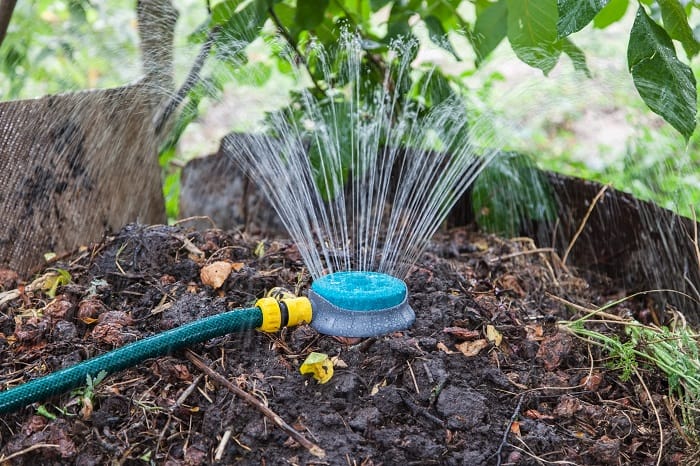
    Your compost pile needs to be moist enough to support microbial activity. Adding moisture to a compost pile is easy, you can do this by wetting with water once or twice weekly. You also want to be careful not to overwater the compost pile. 
    When there is too much water in your compost, it can cause the bin to smell bad, and also make it difficult for other activities to take place. 
    What Does Finished Compost Look Like?
    In a situation when you notice that there is too much moisture in the pile, you can balance things up by adding in more materials to the bin. You want to also ensure you balance things out when reintroducing more ingredients into the compost pile. If you add in more green materials, do well to balance out, by adding brown materials as well. 

    • Not Enough Oxygen 

    Another important factor needed for decomposition to take place is air. There needs to be enough oxygen in the compost pile to encourage the microbial activities going on in the bin. 
    You will occasionally need to turn the compost pile if you are using a bin. You can do this by using a garden fork to turn the materials in the bin. You may need to do this once or twice weekly to ensure that air circulates in the bin. You can save yourself the stress of turning the pile by purchasing a tumbler. Compost tumblers are designed to turn the compost automatically so you don’t have to do it yourself. You can also consider getting one if you stay in an apartment building as they eliminate most of the unpleasantness associated with composting. 

    • Size of Materials

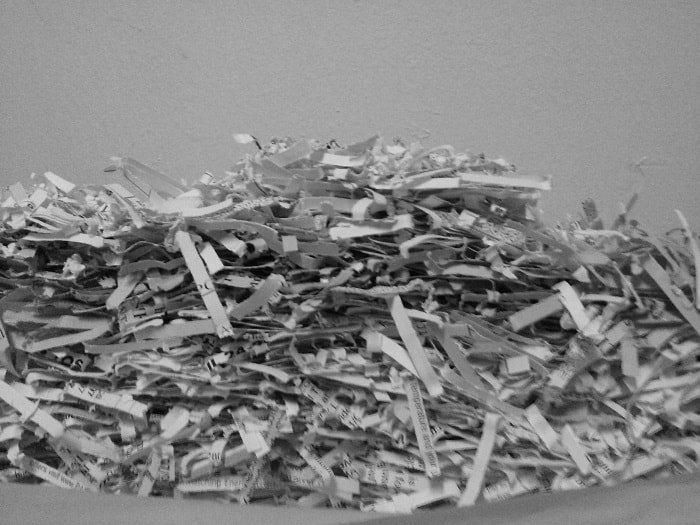
    You also want to consider the size of the materials you throw into your compost bin. Large materials have a hard time decomposing, and that is if they ever do. You should size down all materials to the barest minimum. Make use of shredder if you have to, it is better than throwing in your old newspapers like that. 
    What Does Finished Compost Look Like?

    • Materials 

    The materials themselves also determine if your compost will take longer to mature or not. 
    You want to avoid adding any materials that contain toxic ingredients such as paints, and chemical finishes. They can delay the decomposition time of the material and the potency of your compost. 
    Balance the carbon to nitrogen ratio of the compost pile by using the right amount of brown and green materials.

    • Heat 

    Your compost pile needs to be hot enough to support microbial activity. You can easily achieve this by placing your compost bin at a section of your garden with direct access to sunlight. Using a compost tumbler will save you the stress of finding a suitable heat source for your compost. Truth is you don’t need to spend extra on a tumbler if you can find a suitable heat source. 

    |

    FAQ’s

    How do I know when my compost is done?

    Composting, or vermicomposting, is a great way to recycle your kitchen scraps into something useful for the garden. However, it’s also important to monitor the process and know when your compost is ready.

    There are several ways to tell when your compost is ready. The most obvious is when it begins to smell really good. If you are composting in a bin, you should also be able to see the compost matting begin to separate and the air movement within the pile start to increase.

    How long does it take to get finished compost?

    This is a good question and one that we often get asked. The answer depends on several factors, including the type of compost you are creating. Composting can be slow or fast. In general, the slower the process the better the quality of the end product. If you are creating a compost pile, you will need to wait until the composting material breaks down.

    Slow composting can take up to two years and should be used for garden beds and flower borders. It is best for soil amendments as well as compost that is used in landscape beds or flower gardens. A good compost pile will be dark brown in color and have a strong odor. You should also see worms and other beneficial insects in the pile. The fastest composting method is to use a pile with the intention of using it within a few months.

    What does bad compost look like?

    A few things. You can see it in a pile with dark green leaves on top and mostly brown stuff underneath. Or you can see it in the soil beneath your plants, as dark patches that look very much like mold. But it’s more than just looking at the compost.

    Compost should be a rich, dark, black color. If it’s not, then there are problems with the ingredients or the process. It should smell good, too. If you have a composter, you can check out the condition of the ingredients yourself. If you don’t have one, you can buy composting bins.

    What do you do with finished compost?

    There are many different ways to use finished compost. In a greenhouse, you can use it to fertilize your plants, to water-proof the soil in raised beds, or even to mulch around trees. If you have a yard, you can use it to top-dress your lawn. You can also apply it to your vegetable garden as a mulch or fertilizer. You might even use it as a garden floor for your vegetables.

    Does finished compost smell?

    The smell of finished compost is a combination of several things. Some odors are from the microbes breaking down the organic material, some are from the nutrients and minerals being broken down by the microbes, and some come from the air in your pile. Here’s what you can expect when the compost has reached its peak of maturity:

    Humidity is high, but not so much that it gets moldy. If you live in a humid area or have an area that gets a lot of rain, this may be too dry for your taste. There will be little to no ammonia, though there might be some carbon dioxide.

    How Long Does It Take for Compost to be Ready? 

    When you follow the right composting practice, your compost pile can be ready in less than a month. It can be quicker if you make use of a compost tumbler. 
    On average, it can take several months for your compost to reach maturity. You also need to know that it can take more than a year too. It all depends on whether or not you choose to follow the right methods. 
    Your compost will begin decomposing once the worms and bugs get to work. If there is one sign to look out for that says your compost is on the right course to maturity, is the worms and bugs that swarm around inside the bin. They are the ones responsible for turning your kitchen waste into rich organic matter. 
    Do you have any problems preparing a compost pile? Or achieving any success composting? Let us know in the comment section, and we will be glad to help. 

  • Are Pine Needles Good for Compost? 

    Are Pine Needles Good for Compost? 

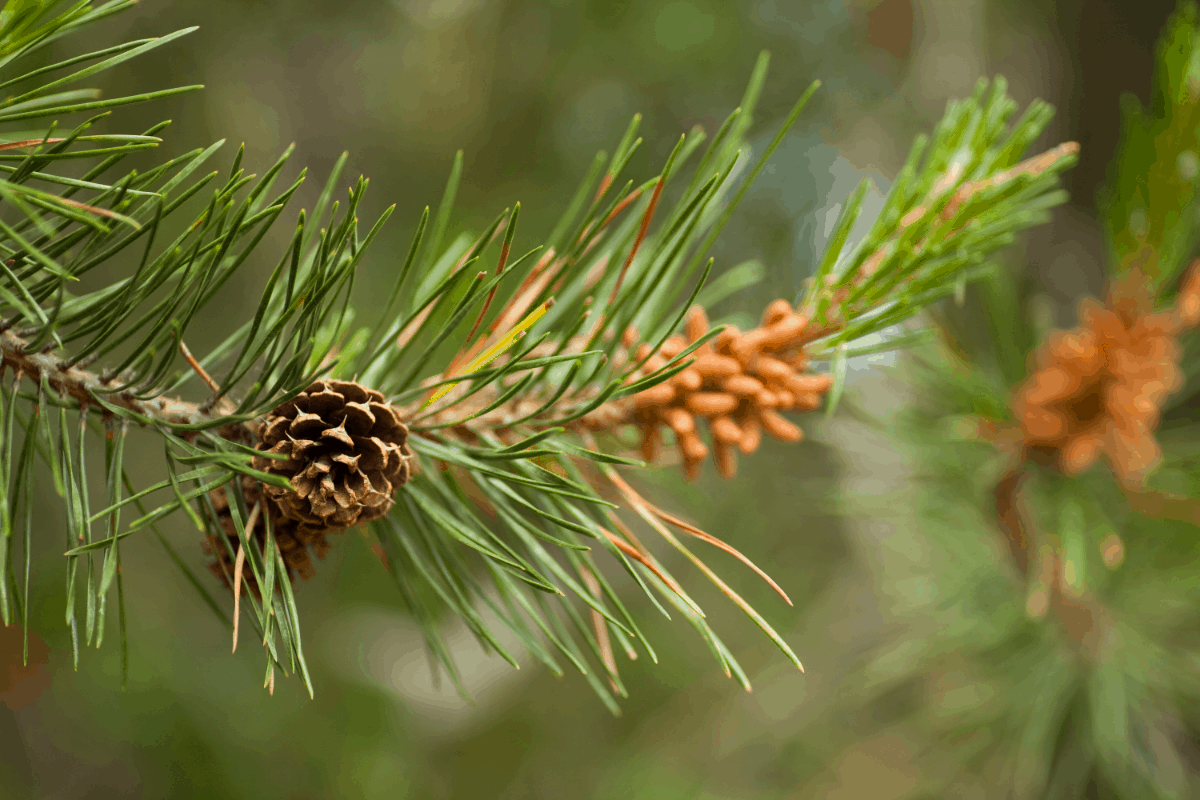
    Pine needles are abundant in nature and found in all parts of the world. They are a rich source of organic matter and are usually added to a compost pile or used as a side mulch. The best way to get the maximum result from adding pine needles to your compost is to ensure that other materials are present in the right proportion. 

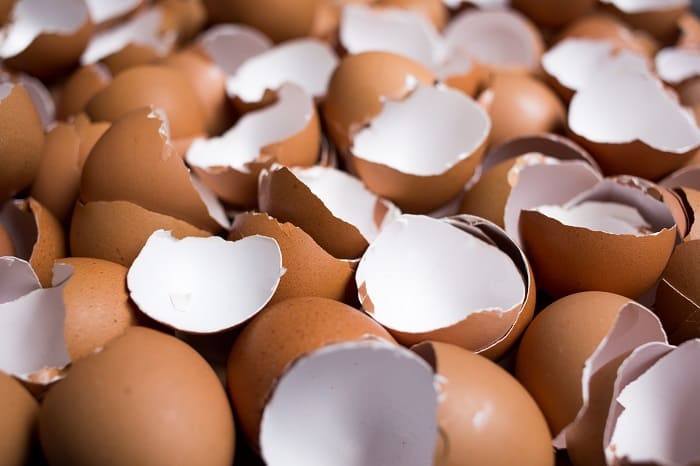
    One of the reasons why most people are against adding pine needles to their compost is because it decomposes slowly. But pines are not the only materials in your compost pile that take too long to break down your eggshells also take a while to get ready.   

    Before we get into how best to compost pine needles, let us first find out how safe it is to include pine in your compost. 

    Are Pine Needles Good for Compost?

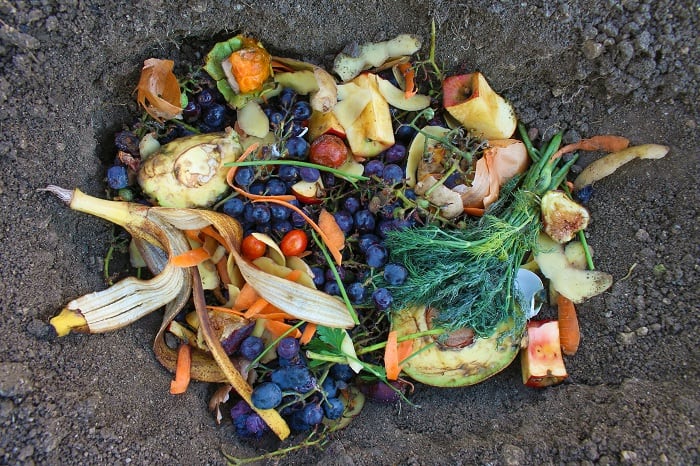
    Composting allows you to convert kitchen waste into pure nutrients for garden plants. So if you do have indoor plants or a front lawn, you may want to consider setting aside your kitchen scrap for the compost bin. Not all materials are compostable, before adding any household waste into a compost bin, you need to confirm that it is organic. What this means is that you cannot include any synthetic material made from chemicals and other additives.

    Are Pine Needles Good for Compost?

    If you look through your trash can, the chances are that you should be able to find organic materials that you can include in your compost bin. 

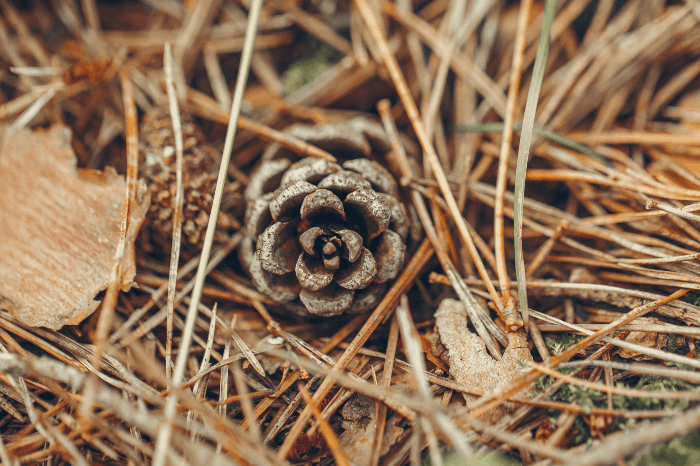
    If you happen to have pine trees growing in your yard, or close to your garden, you can collect fresh pine needles and add them to your compost pile. 

    Some people believe pine needles to be acidic and alter the pH level of the soil when added to it. The truth is that the pH of pine needles ranges between 3.2 and 3.8 when freshly collected, but after composting, it loses all its acidity as a result of the other materials in the bin. 

    Pine needles are good for compost as they are a rich source of carbon for your compost. Their acidic nature makes pine a good addition to the soil of acid-loving plants. Examples of plants that do well in acidic soil are raspberry, rhododendrons, gardenias, and strawberries. So if you have them planted in your garden, you can add in some pine cones or needles next time you make a compost pile. 


    Composting Pine Needles

    A lot of people with a pine tree in their garden don’t bother to rake or clear the fallen leaves. They leave them on the ground to act as mulch for the tree. There is no problem with this method if you are not interested in a compost pile. One good thing about pine needle is that they don’t litter the place when they fall. So you can leave them without worrying about the mess. The pine needles break down slowly and add nutrients to the soil for reabsorption by the tree. 

    Are Pine Needles Good for Compost?


    But if you are interested in making a compost pile with some pine needles, the process is relatively easy. All you need is to 

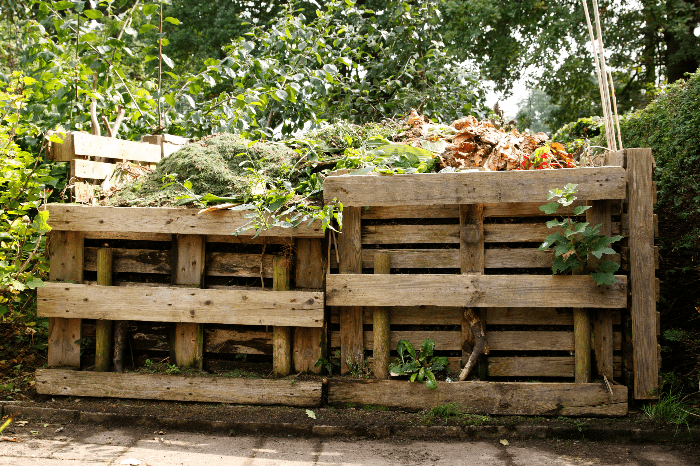
    1. Get a compost bin. You can find one to buy or construct one yourself if you can. The compost bin needs to be large enough to fit all the materials you toss inside. It doesn’t have to be too tight, it also does not have to be spacious. The right bin should fit all the materials you put inside it and be spacious enough to allow air to circulate. You have to consider this if you want your compost to be ready quickly. 

    2. Once you have acquired the right size of the compost bin, you will then need to collect some fresh pine needles. Collect as much as you can and then shred them into tiny pieces. You can do this by running your lawnmower over the heap of pine needles several times. Shredding is an important part of composting. All materials you add to your compost pile need to be broken down. You need to do this if you want the compost to be ready quickly. 

    3. You first need to throw in some grass clipping or vegetable peels to the bottom of your compost bin. The clippings and plant waste need to reach up to 8 inches in the bin. The next step is to sprinkle water on the clippings. You need to be careful to ensure you don’t soak them in water. 

    4. You can then add your freshly chopped pine needles into the bowl. You want to be careful to avoid using too many pine needles in your compost bin. Pine needles shouldn’t be more than 10% of the materials in your compost bin. Add 3 inch of pine needles to the 8 inches of grass clippings already in the bin.   

    5. Add in some water to the pine needles as you did with the grass clippings. 

    6. Once the pine needles are moist, the next step is to include some horse manure into the mix. You can make use of chicken or cow manure if you can access horse shit. 

    7. After adding the manure, you can now water the pile again like you did when you added the grass clippings and the pine needles. 

    8. You will need to repeat the process of adding grass clippings and pine needles if those are the only materials you are composting. Other materials such as kitchen waste, cardboard paper, and wood chips are equally good compostable materials. 

    9. After filling your compost bin with the right materials, you need to keep it in a section of your garden with direct access to sunlight. This way, the materials can get heated and decompose quickly. You also need to ensure you turn the pile regularly so as the materials can get access to air and heat. When you follow the right composting practice, your compost pile should be ready for use in a month or two.

    Are Pine Needles Good for Compost?

    If you are composting indoors, you can make use of compost tumblers instead of bins, they are safe to use in your apartment building. You can also make use of them to compost your pine needles and kitchen waste if you like to reduce food wastage.

    FAQs

    How long does it take for pine needles to compost?

    It depends on the type of pine, how much you pile, and how much water you give them. It will also depend on the amount of organic matter in your soil. The longer the pine sits, the more beneficial.

    This also helps reduce the risk of diseases like black spot. 

    Are pine needles good for garden beds?

    Pine needles are actually a very valuable and useful part of the landscape, so here’s the scoop. Pine needles are the leaf buds of pines. They are produced during the spring and summer months as the trees begin to grow new leaves. As the needles fall to the ground, they may be harvested and used as mulch or even as firewood.

    They also make a great soil amendment for your garden beds. Pine needles have several advantages over other types of mulch. First, they are easy to use. Simply rake up the pine needles, and they’ll add organic matter and nitrogen to your soil without adding bulk. The pine needles break down into humus quickly, so they don’t require much attention after you’ve added them to your garden beds. The needles are also free from diseases and pests that can affect other types of mulch.

    Pine needles aren’t just useful as a mulch; they can also be used to control plant diseases and insects. Since pine needles are an excellent source of nitrogen, they can help promote healthy root growth and help plants tolerate drought and other stresses.

    What plants can I use pine needles on?

    Pine needles are an easy way to add a little extra color and texture to your garden. Not only will they provide some of the nutrients your plant needs, but they also help keep the soil cool in hot weather. You can find pine needles at most gardening stores, and they’re usually used for landscaping purposes (rather than food).

    You can use pine needles as mulch or you can spread them around your garden. Pine needles provide a lot of nutrients for plants, and they’ll help your garden stay healthy and attractive. As long as you don’t let the pine needles get too wet, they’ll be fine. Pine needles are an easy way to add a little extra color and texture to your garden.

    Is pine mulch good for vegetable garden?

    Pine mulch is just another option, not necessarily the best one, but if you have to use something you should make sure it’s safe for your plants. Pine mulch is not as effective as wood mulch because the nutrients from the pine mulch leach out faster. Some people like it because it looks pretty in their flower beds, but it may not be worth the cost.

  • Worms in Compost: Are they a Friend or a Foe?

    Worms in Compost: Are they a Friend or a Foe?

    Composting is the breakdown of organic materials, such as food waste, vegetable scraps, leaves, and plants, to a nutrient-rich soil ideal for gardening. Worm farms or composting worms, or what we call “little helpers”, speed up the process of composting. This process of adding worms in composting is referred to as vermicomposting. 

    Don’t confuse yourself with compost worms and garden earthworms; they are totally different. Compost worms prefer to stay in the surface area with a damp environment, and they prefer to eat raw materials. Meanwhile, earthworms want to burrow themselves to the bottom of the soil, preventing them to gain access to raw materials on the surface area. This calls for the need to mix the compost in order to introduce them to a new raw material. 

    So, are worms in compost good or bad? Mostly, these composts worms are considered to be a gardener’s friend, and here are the reasons why.

    Organic

    The end product of decomposition from earthworms is 100% organic. No chemicals were used to speed up the composting process. 

    Worms in Compost: Are they a Friend or a Foe?

    Introduction of Microorganisms

    As the farm worms pass through the compost, microorganisms such as bacteria and other microbes are introduced into the soil making it resilient to diseases and pests in the garden. Microbes in the soil attract birds which help eliminate pests lurking in the garden. 

    Good Growth

    Gardeners noticed improved growth and a better production because of vermicomposting. It is believed that the earthworms release hormones which make the plant healthier and yield good root growth.

    Healthful

    The nutrients brought about by vermicomposting are raw which makes it easily absorbed by the roots. Due to worm mucus in the compost, vermicomposts are not easily flushed away, thus allowing plants to gain maximum nutrients from the soil at an extended span of time. 

    |

    Retention of Water

    Vermicomposts can retain more water than ordinary composts. This is beneficial especially in times of drought. While water from normal composts evaporates easily, water from vermicomposts evaporates at a slower rate, thus making it more accessible to plants. 

    Free Helpers

    Farm worms are excellent free helpers in the composting process. They not only decompose food wastes and organic materials, but they also mix the compost at the same time. 

    Here are also some of the reasons why these worms pose as a threat to gardening:

    Time-consuming

    Approximately, it takes half a year for these worms to decompose the raw materials to make a healthy compost while an ordinary compost can just take three months with constant mixing. 

    Foul Smell

    The University of Nebraska warns that vermicomposts usually has an earthy smell on its soil. There is also a great tendency that the smell will become too awful if there are certain factors such as too much food wastes, ventilation problems, or too much water in the compost.

    Additional Capital

    It is more expensive to set up vermicompost than a usual natural compost. It requires special materials like containers and lime to neutralize the acidity level of the compost. There are also instances wherein you have to buy special worms if the need arises. 

    |

    Maintenance

    Taking care of the worms is a much more tedious job than you think. Here are some things that need to be done:

    Do not overfeed

    Compost worms get overwhelmed easily. You should not put every organic waste you see in your kitchen, for the worms will not be able to keep up with it. Plus, we also don’t want a smelly garden after all. There is a theory that worms can eat with their weight in a day but a number of factors will still come into play, so there is a tendency that they may eat less than they should. Don’t feed your worms too much, it should be 2-3 days again depending on how much they can handle. Every feeding should be gone by 1-2 weeks depending on your worms and a lot of other factors involved.

    Moisture of Bedding

    Worms need enough moisture for them to endure. If you put too much water, then they may drown and your pit will have an awry smell to it. If you make it very dry, then the worms are likely to die. To test if there is enough moisture on your soil, squeeze a handful of it, if water leaks out, there is too much water. 

    Worms in Compost Are they a Friend or a Foe

    Food

    Ideally, worms prefer to eat less acidic food and vegetable leftovers in a smaller size. Cabbages take a lengthy amount of time to decompose. Salty, spicy, and processed foods can also spoil the bed emitting a foul smell to your compost. Avoid tomatoes, yogurt, and oily foods for they spoil faster. You can add coffee, tea, and even eggshells as they are preferred for the worms. Bear in mind to cut the food into smaller parts for it to break down at speed. 

    Worm Castings

    Worm castings should be separated from the worms when harvesting the compost to leave beds for the worms to live. Tray-based bins may take only 10 minutes while the screen should take approximately 30 minutes to an hour while mounds usually take a day to prepare.

    Pathogen problems

    According to an academic journal published last 2001 titled “Bioresource Technology”, in natural compost, heat is emitted during the process of decomposition, thus making the environment impossible for weed and pathogens to foster. But in vermicompost, worms need enough moisture for them to survive. Thus, the soil from the vermicompost may still harbor pathogens and weeds which will become detrimental to the plants in the long run.  

    FAQ’s

    Are worms in compost good?

    Worms in compost are not only beneficial to the compost, but also to the plants. The worms eat and decompose organic matter. In this way, they make the compost more fertile and the plants grow better. You need to do it right though. Worms can be purchased, but if you don’t know what you’re doing, you may not get as good results. Worms are also very expensive to buy. They will eat everything and do a better job than most humans at composting.

    However, there’s a reason why worms are considered the “poor man’s compost” – they do not produce heat, and can’t be used to warm beds. They do, however, break down organic matter much faster than we can. 

    Worms will eat any organic matter that is available to them, including leaves, grass clippings, vegetable scraps, fruit, bread, paper, and even cardboard boxes (if you have a big enough pile). They are like tiny little farmers, turning organic matter into rich, black soil.

    So yes, worms are great for composting.

    What is the role of worms in composting?

    I think it’s more important to know what isn’t the role of worms in composting. The only thing they do that you can’t do yourself is break down wood and other cellulose material. They do this by eating the organic matter, breaking it down into smaller pieces and then excreting the breakdown products. This is known as anaerobic digestion. Anaerobic means without air.

    Composting is the process of using living organisms to break down organic material and produce humus. In the case of composting, the worms are the organism that does the actual work. Worms eat organic matter, such as vegetable scraps, kitchen waste, grass clippings, and leaves. They then convert it into a form that can be used by plants, and they excrete a liquid rich in nitrogen and other nutrients.

    Worms are not an absolute necessity for any composting system, but they will improve it. They will help aerate the pile, and they will help the compost get to the right temperature for good microbial activity. They can eat plant material that your chickens don’t, so they can be a nice way to supplement their diet.

    Can you have too many worms in your compost?

    You can have as many worms as you want. But, as others have said, the more you have, the less effective they will be at breaking down your compost. You also need to keep an eye on how much moisture your compost is getting. The more moist it gets, the less effective the worms will be. It also depends on how you use them and what kind of compost you are making.

    Conclusion

    Worms in composts have proved their valuable effect in composting. Although it has also its flaws, it is really up to the gardener’s decision whether he will make these worms as his allies or consider it as something bad in his gardening. How about you? Would you try vermicomposting? Or would you prefer the less-hassle way of composting? DO share your thoughts.

  • Organic Materials: Can Meats Be Composted?

    Organic Materials: Can Meats Be Composted?

    The process of composting refers to the idea of placing organic materials on the soil to serve as fertilizers for the plants. Approximately 30% of the total organic materials are being thrown away, and instead of disposing it directly on the trash bin, it’s better to compose it to minimize trashes filling up the landfills – where it releases methane, a hazardous greenhouse gas.
    Can you compost meat?’ is a debatable question commonly asked by the people. This material once composted, however, shares a bit of pros and cons.

    Composting Basics

    Composting is a relatively easy process with simple organic materials needed. The basic materials necessary are the browns composing of twigs, branches and dried leaves, greens, such as grass and vegetable and fruit waste, and water to help breakdown the solid organic materials.
    Brown material emits carbon, green provides nitrogen, and water gives off moisture to help start the entire process. 

    |

    The Importance of Composting

    As mentioned, composting serves as plant fertilizers and minimizes trash. These benefits are often overlooked by the people as they prefer to use commercial fertilizers (with toxic chemicals) rather than the natural composts which they can easily create using organic and raw materials.

    Composting versus Commercial Fertilizers

    Commercial fertilizers, though not all, are mixed with non-organic chemicals which can be toxic to the environment. Nitrogen-based fertilizers, for instance, can be detrimental to the environment, as it is frequently known to pollute water. As a result, it becomes a potential threat to various species, including humans.
    On the other hand, composting is a natural alternative in providing fertilizer to plants. Although the process is slower and messier, the aftermath is safer for the environment.

    Releasing Greenhouse Gas

    Organic materials placed in the landfills release methane, one of the listed greenhouse gases. Greenhouse effect, as caused by these gases, is an exchange between radiations coming in and out, which warms the Earth’s surface.
    As long as these gases, which are responsible for the greenhouse effect, are in the right proportion, the amount of heat emitted is literally safe enough to preserve life. However, once produced in excess, this becomes an environmental problem by drastically changing the climate.

    |

    As the majority of the population practice disposing of organic materials directly in the landfill, the amount of methane produced in addition to other greenhouse gases from other sources exceeds the Earth’s threshold; thus, giving off a negative effect to the environment.
    Therefore, utilizing organic materials as fertilizers lessens the release of greenhouse gas, which in turn, minimizes the greenhouse effect.

    Composting Meat

    Meat is often off-listed in the composting process. Albeit, it is viable to compost meat for the reason that it is organic in nature. The process, however, shares its own pros and cons.

    The Advantage of Composing Meat

    Just as disposing of other materials, getting rid of meat through composting can minimize trashes from excessively piling up in the landfill. However, the process can be tedious in contrast to other materials.
    Deciding to compost meat products to lessen waste production in your household may require you to turn the compost frequently. It should also be continually done until the interior part of the pile to ensure that it’s completely composted.

    The Disadvantages of Composing Meat

    Apparently, the amount of disadvantages exceeds the advantage of composting meat products, apart from its hassle and meticulous process. 

    Introduction of Pests and Other Animals

    Knowing that meat products are one of the most sellable for consumption, unwanted guests or pests start to infiltrate the area where you decide to compost the meat product. Apart from pests, other animals, including dogs and cats (especially stray ones), will also start to consume the product if left in the open.
    Not only will this mess up the area, but this also serves as a potential threat to spreading diseases.
    Organic Materials: Can Meats Be Composted?

    Potential Carrier of Pathogens

    Aside from inviting pests and animals in your space, improper composting of meat can also cause serious problems by culturing bacteria. Bacteria are known to cause certain diseases acquired through water, air, improper cooked food, and so on. As a result, this may lead to the spread of bacterial diseases in the area.
    If your compost pile isn’t hot enough, several bacteria won’t stop spreading through the product. One commonly isolated pathogen, Escherichia coli, can continue to live up to two years.

    Produces Putrid Smell

    Given that bacteria start to infiltrate the meat product, meat products unexposed to high temperatures start releasing foul smell, which can be irritating or even nauseating.
    Cooked meat, in comparison to raw meat, tends to breakdown faster and produces lesser foul smell. Just like green products, meat is also rich in nitrogen – a component necessary in composting.

    |

    Commercially Composting Meat

    After the concise discussion about the positive and negative points about meat composting, it’s still possible to continue practicing the aforementioned as a way to minimize waste in the landfill and also utilize a more natural way of providing fertilizers for the plants.
    Certain compost facilities are readily available to dispose of meat and blood products. They process the products in such a way that it becomes safe to use on specific crops such as tree farms, winter wheat, corn, and hay. Unfortunately, this engineered product isn’t applicable for home gardening.

    FAQ’s

    Can you compost chicken manure?

    You can use chicken manure. Some say yes, some say no. I would try it first in a small area first. You will be amazed at how much chicken manure smells, so you may not want to use it in the main garden. Chicken manure is rich in nutrients and works well as a soil amendment. It contains nitrogen, phosphorus and potassium (NPK), all of which are beneficial to the soil. It also contains some trace elements like zinc and copper. 

    You have to be careful though. Remember that it can contaminate your soil if you’re not careful. The chicken’s waste contains a lot of nitrogen, which is a key element in plant growth. If you add chicken manure to your garden or compost pile, you’re adding too much nitrogen to the mixture.

    Will it attract unwanted animal visitors?

    Some say that it’s not a good idea to mix meat and bone into your compost pile. It will attract vermin like rats and mice. You can add some wood ash or other non-compostable materials to the mix to help deter animals. You can also add other food scraps to the mix to help reduce odors.

    Can You Compost Meat?

    Going back to the original question, meat is an organic material capable of the composting process due to a high amount of nitrogen present. However, unlike other organic materials, meat requires a much tedious process with frequent monitoring to avoid pests and pathogens.
    Deciding to compost meat will require you to do it in a minimal amount and under high temperature with intense monitoring and turning of the pile to ensure that it’s safely composted.
    Organic Materials Can Meats Be Composted

    Can you compost chicken manure?

    You can use chicken manure. Some say yes, some say no. I would try it first in a small area first. You will be amazed at how much chicken manure smells, so you may not want to use it in the main garden. Chicken manure is rich in nutrients and works well as a soil amendment. It contains nitrogen, phosphorus and potassium (NPK), all of which are beneficial to the soil. It also contains some trace elements like zinc and copper. 

    You have to be careful though. Remember that it can contaminate your soil if you’re not careful. The chicken’s waste contains a lot of nitrogen, which is a key element in plant growth. If you add chicken manure to your garden or compost pile, you’re adding too much nitrogen to the mixture.

    Will it attract unwanted animal visitors?

    Some say that it’s not a good idea to mix meat and bone into your compost pile. It will attract vermin like rats and mice. You can add some wood ash or other non-compostable materials to the mix to help deter animals. You can also add other food scraps to the mix to help reduce odors.

    Conclusion

    Composition refers to organic materials placed on the soil to serve as a plant fertilizer and as a way to reduce waste. Meat products, labeled under organic materials, are also viable for compost due to nitrogen present. The process is done in a much specific manner by composting only minimal chunks of meat at a high temperature. Also, it should be continually turned for proper breakdown.
    If you have other methods in composting meat products apart from what’s mentioned above and if you know other advantages of composting meat, don’t hesitate to share your bright ideas below.

  • Can You Compost Cardboard and How To?

    Can You Compost Cardboard and How To?

    Are you planning to start a compost pile? If you are, then you are in the right place. Do we know you might be wondering which materials are compostable? This is why in this guide; we will be discussing how you can compost cardboard papers.

    Not all materials are safe to add to a compost pile. Kitchen waste such as vegetables and other green materials can be composted for use in improving your garden soil. without wasting more time, let’s find out how best to use cardboard in a compost pile.

    Why Compost Cardboard?

    Adding cardboard to your compost is a good way to provide nutrients for your garden plants. It is also a good way for you to reduce paper waste in your home. So if you happen to have a backyard garden, you can toss those empty paper cartons into a compost bin.

    Can you Compost Cardboard and How To?

    Cardboard and empty paper packages are some of the materials that are piling up in landfills. Using them to make compost is a great way to reduce environmental waste and protect the environment. There are different types of cardboard paper so you want to note which one you are adding to your compost.

    Can You Compost Cardboard?

    Yes, you can. It doesn’t matter the type of paper; you can include it in your compost bin. Cereal boxes, empty delivery packages, cartons, and other cardboard materials can be composted with the right practice.

    Cardboard papers coated with other materials such as wax may be difficult to compost. This is why you need to ensure that your cardboard paper is safe to be included in a compost bin.

    Adding Cardboard to Compost

    Cardboard paper is a good way to improve the carbon-to-nitrogen content of your compost pile. When adding cardboard papers to a compost heap, you want to avoid adding the colored ones. This is because they usually contain other additives that may not be safe for your compost pile.

    Brown or plain colored cardboard papers are the best to use in composting. You also want to ensure that they are shredded before adding them to your compost. This makes it easier for it to decompose quickly. Without measures such as this to speed up the compost time, it can take more than a year for your pile to be ready for use.

    Can you Compost Cardboard and How To?

    Speeding the Compost Time

    One of the problems of composting is that it can take a long time for the compost pile to be ready. Without the right compost practice, many of the materials in your compost pile will not undergo any decomposition. So how then can you speed up things and get your compost pile to ready as soon as possible?

    You can achieve this by:

    Ensuring Materials Are Properly Sized

    Before adding your cardboard paper and other materials to your compost pile, you want to ensure that you do your best to shred them. you can make use of a shredder or use scissors to resize your papers. This is important as large size materials take a longer time to turn to organic matter.

    Also, when the compost materials are properly sized, it makes it easy for the microbial activities to begin. A small sized compost pile gets heated up quickly compared to a large one. So you want to take note of this important tip.

    Turn It Regularly

    In addition to ensuring the materials are properly sized, you want to also turn the pile regularly. This is because oxygen is required for microbial activity to take place. And the only way you can do this is to turn the pile manually. You can do this with a rake or a garden fork if you are worried about getting your hand soiled.

    Can you Compost Cardboard and How To

    Poke the garden fork into the materials and try to spread them uniformly. Get the materials at the bottom to the top of the pile. You should do this one a week or twice. This should make it easy for the pile to be aerated and compost quickly.

    Maintain a Balanced Ratio

    A good compost pile should consist of the right amount of green and brown materials. The carbon to nitrogen ratio should be kept at 20:1. Materials that are rich in carbon that you can add to your compost pile include shredded paper, straws, sawdust, wood chips, and corn stalks. While examples of nitrogen-rich materials include kitchen waste, grass clippings, garden weed, and even coffee grounds.

    Water It Regularly

    Your compost pile needs to be kept moist for microbial activity to take place. This means that you will need to add water to it regularly. You don’t need to soak your compost pile in water. Sprinkle water on the materials regularly as often as you turn it.

    Use the Right Bin Size

    A common mistake most people make when composting is using the wrong size of the compost bin. You should ensure that the materials you add to the bin fit properly. You shouldn’t use a large bin to compost small materials. This is because it takes more time for the materials in the bin to get heated, this slows down the rate of decomposition.

    |

    You can purchase a compost bin or use any type of bin that is available to you. But whichever one you choose, you want to ensure that it has a lid and is perfectly sized.

    Other Uses of Cardboard Paper in the Garden

    Apart from composting, you can also use cardboard paper in:

    Mulching

    You can use cardboard paper to mulch your garden. This helps to prevent the outbreak of weeds and diseases. It also helps to improve the condition of the soil. you can add cardboard paper as a side dressing or directly to the surface of your soil.

    Trench Lining System

    Cardboard paper can also be used to build a trench lining system in your garden. These trenches help to retain water for thirsty plants and make nutrients available for plant roots.   

    FAQ’s

    How do you break down cardboard for compost?

    The first thing to do is to cut the cardboard into manageable pieces. You can either use scissors, a knife or a pair of wire cutters. The other option is to use a cardboard shredder that will shred the cardboard into tiny pieces. It is recommended to use a paper shredder, but if you don’t have one, you can use a cardboard shredder.

    When cutting the cardboard, you should try to avoid cutting it into long strips because these strips will be harder to break down. After the cardboard has been broken down, you can add it to your compost bin. Make sure that the cardboard gets mixed in with all the other yard trimmings and leaves.

    How long does it take for cardboard to decompose in a garden?

    Cardboard will decompose fairly quickly in soil. I have seen cardboard boxes disintegrate into small pieces over the course of about 3 weeks. A more recent (2011. study found that cardboard will decompose in soil within 1 year.   Decomposition rates of cardboard in soil vary with temperature, moisture, and time. Soil type also has an effect.

    In general, decomposition rates increase with soil temperatures above 50°F, but decrease at lower temperatures. The rate of decomposition also depends on the amount of oxygen available. The higher the oxygen content, the faster the rate of decomposition. As a rule, decomposition is faster in warmer environments, but it can occur in cooler environments if there are high concentrations of carbon dioxide or oxygen.

    Do pizza boxes go in compost?

    There are many different types of pizza boxes out there. The best ones are made from recycled materials such as paper or cardboard. They are also called “biodegradable” or “compostable.” These boxes will decompose in a compost pile. The ones that have a plastic bottom or are made from styrofoam will not decompose in a compost pile and can be recycled. Many stores sell pizza boxes made from these materials.

    Can I put shredded newspaper in my compost bin?

    This is a no-no. Composting with newspaper will create lots of odor and attract bugs that will eat the newspaper and your compost. 

    Can you compost paper towels?

    The answer is yes, but there are a few things to keep in mind. In general, paper products made from recycled fiber can be composted if they are free of food, medicine, or other substances that might contaminate the composting process. In addition, paper products should not contain additives that could make them difficult to compost.

    Can I put cereal boxes in compost?

    Yes you can put cereal boxes and other containers into your compost bin. You will need to add them to your regular pile or compost pile, and make sure that the bin is not too hot or wet at any time. The best way to do this is to put the boxes on top of your pile. You can also use the box as a cover over the pile, but this will keep the pile from drying out.

    Conclusion

    Cardboard paper is a good compost material you can add to your bin. You want to remember to shred them into tiny pieces and use only plain one sin your compost pile.

    have you made a compost pile before? What are the materials you used? We will like to hear from you in the comment section. 

  • How Much Compost Is Needed For A Lawn?

    How Much Compost Is Needed For A Lawn?

    Adding compost to your lawn helps support your soil’s conditions. It is designed for anyone who wants to support the health of their lawn or garden in an eco-friendly way.
    Compost is beneficial, but what exactly is it? In simple terms, compost is an organic matter that has decayed, and this includes rotten vegetables, old leaves, fruit peels, and leftover food or grass clippings. The decayed organic matter helps amend the soil and add organisms that are beneficial to it. 
    Being a natural supporter of a healthy environment, adding compost to my lawn is only a logical choice. In order to manage lawns, a lot of activity such as mowing and raking takes place. Because of this, the soil compacts and this depletes bacteria, organisms, and fungi. These organisms are essential in feeding and supporting the plant. I also kept asking myself how much compost do I need for my lawn and this lead me to do research.

    How Much Compost Do You Need?

    To determine the number of cubic yards of compost to apply on your lawn, you need to use a compost calculator as seen in this video. Simply enter the dimension of the area and the desired depth to determine the amount of compost you need. 
    Begin by working out the size of the area that you need to spread the compost in square inches. After that, calculate how many cubic inches of compost is required by multiplying the size of the area by the required depth. This is important since different uses need varying depths of compost.
    How Much Compost is Needed for a Lawn?
    The general rule is to apply a depth of ¼ to ½ inch when applying compost on existing lawn and 1 to 2 inches depth when amending the soil. If you are applying compost to flower or vegetable gardens, use 1 to 3 inches and ¼ to ½ inch if you are using it as mulch.
    Once you have this figure, convert it in cubic yards. Since a cubic yard has 46,646 cubic inches, divide your answer with this figure in order to determine how much cubic yards of compost you will need. Compost is usually sold in cubic yards. 
    For instance, if you are planning to apply 4-inches depth of compost to a 20ft x 20ft area, you can calculate the cubic yard of compost through these steps:

    Step 1: Determine the Area in Square Inches that you Need to Cover

    Since 20ft is equivalent to 240 inches, that would mean that 240 inches multiplied by 240 inches is equivalent to 57,600 square inches.

    Step 2: Multiply the size of the area by depth to get the cubic inches of compost needed

    Using the same figures, you multiply 57,600 square inches by 4 to get 230,400 cubic inches.

    Step 3: Convert the result to cubic yards by dividing it by 46,656

    After that, you then divide 230,400 cubic inches by 46,656. This will give you a result of 4.94 cubic yards of compost.
    In this case, you will need to order 5 cubic yards of compost to apply to your lawn. 
    How Much Compost is Needed for a Lawn?
    If you are having a difficult time establishing how much compost you need, Rodale encyclopedia would be a good place to start. Rodale’s Encyclopedia suggests that you make your order based on the average amount per square foot. For instance, 1000 square feet of lawn would need 200 pounds of compost.

    Why Use Compost?

    Now that you know how much compost you need for your lawn, it’s time to talk about its benefits which are as follows:

    • Acts as a Natural Organic Fertilizer

    If you don’t have enough money to buy fertilizer, compost is a good alternative. Compost acts as an organic fertilizer to help improve soil aeration and retain nutrients like nitrogen, potassium, and phosphorous. Instead of throwing organic waste like food scraps in the trash bin, I usually save them in my compost bin and use them to make compost for my lawn.

    • Prevents Soil Compaction

    Lawns are likely to be compacted due to mowing, foot traffic, vehicle traffic, and many more. This makes it hard for plants and grass to thrive. When compost is added, it breaks down the soil to create a favorable environment for grassroots to bloom. 
    How Much Compost is Needed for a Lawn?

    • Supports the Environment

    One of the natural ways that most gardeners use to care for their lawn is by adding compost. A good compost pile comprises of food scraps, plant materials, and green plant materials. All these ingredients contribute to giving you a healthy garden. 
    Also, adding compost to your lawn before the winter season is very important as it will provide your soil with adequate energy to help endure the cold season. 

    • Maintains Microorganisms

    Microorganisms are extremely beneficial for soil health and plant growth. Compost is packed with microorganisms like bacteria and fungi which fix nitrogen in the soil and provide nutrients for the plants. It also sustains these beneficial microorganisms by feeding them.

    Applying Compost

    After knowing how much compost you need, then you should buy enough to cover your entire lawn. Make sure to use an aerating tool to aerate the surface. Aeration helps speed up decomposition and reduces odors. For this process, you can use a shovel or pitchfork to lift and turn the contents over. 
    After aerating, spread the compost manually using a shovel. For my lawn, I prefer adding compost on the perimeter first then scatter the rest on the lawn. If your lawn is large, I recommend using a topdressing machine. You can get it from organic lawn care companies. However, if your lawn is small, you should use a foot press to do the work. 
    Compost topdressing is done to revitalize your existing lawn and involves spreading ¼ inch of compost. For a new lawn, ¼ inch of compost applied as top dressing will help maintain the soil’s moisture. Keep in mind, however, that topdressing is only effective when the soil is first aerated before applying compost. 

    FAQ’s

    How much compost do I need for top dressing lawn?

    In a typical yard, about 4-5 inches of compost should be spread out on the lawn and left to sit for about a month. This will give it time to settle in and break down, then you can rake it into the lawn. If your yard is very sandy, you may want to add more compost. 

    Will grass grow in just compost?

    It is possible to grow grass in compost. It takes some experimentation, but the key is to keep the compost moist. The best method is to mix some soil with compost and then water it down until the compost becomes wet. You can also use a sprinkler to water the mix. After a few weeks, you can cut back on watering and let the grass grow.

    Can you use too much compost?

    Composting is one of the most effective ways to reduce waste and save money, but you might think that there’s a limit to how much compost you can make. While it’s possible to have too much compost, it’s not as simple as piling up your compost bin and hoping for the best.

    It depends on what kind of compost you’re making, but the basic rule is: The more materials you add to your compost, the faster it will break down. This means that if you add less than three cubic metres of compostable material to your bin per year, you’ll need to increase the amount of time you wait before adding any new material. For example, if you wait six months between additions, then you can add five cubic metres of material. If you wait eight months, then you can add seven cubic metres.

    How do I spread compost to my lawn?

    If you are a gardener, then you already know that it is important to have a well-balanced garden with healthy soil. Having the right amount of organic matter in your soil will help to support plants and keep your soil healthy. Organic matter helps to maintain moisture levels and nutrient content in your soil. One way to add organic matter to your soil is by spreading compost around the base of your plants.

    You can use a spreader. What is a spreader? A spreader is a tool used to distribute compost, fertilizers and other soil amendments around the base of your plants. They are usually made from stainless steel or plastic with a large capacity, so you can spread large amounts of compost or other soil amendments on your garden beds. Stainless steel spreaders  are heavy duty tools that can be used to spread a wide variety of materials. Stainless steel spreaders can withstand a lot of wear and tear and will last for many years. They can be used to spread mulch, fertilizer, compost, soil amendments, and more. Some models also have wheels that make it easy to move them around your garden. Plastic spreaders are lighter than stainless steel spreaders and are easier to maneuver around your garden.

    Conclusion

    Compost is a soil enhancer that will rejuvenate your lawn and promote healthy plant growth. Before adding compost to your lawn, we recommend doing a soil test in order to understand your soil’s PH. This will give you an idea of how you need to correct any problems with the soil pH. If your soil pH is low, adding compost will correct it to the right PH. 
    Do you have any questions with regard to applying the right amount of compost for your lawn? Kindly leave a comment below, and we’ll make sure to answer it as soon as possible.

  • Will Mushroom Compost Burn Plants?

    Will Mushroom Compost Burn Plants?

    There are a lot of concerns with using mushroom compost in the garden. This is because it contains salt. This is the reason why most gardeners ask the question will mushroom compost burn my plants?

    Like I said earlier, mushroom compost contains a great deal of salt which could harm your plant when used in excess. So then how can you safely use mushroom compost? In this article, we will be discussing mushroom compost, the pros and cons, and the best method in adding it to your garden plant.

    Without wasting much time, let us dive right in.

    What is Mushroom Compost?

    Often time when you purchase mushroom compost from the store, it reads mushroom soil or feed. This makes a lot of people to believe that it consists mainly of mushroom. But this is not entirely true.

    There are different types of mushroom compost and they are

    Mushroom Substrate

    Mushroom compost is often referred to as the mushroom substrate. This is the medium in which mushrooms are growing. Industrially, a mushroom substrate is made from a mix of manure, gypsum, and wheat straw. In most cases, chicken or horse manure is commonly used since it is readily available.

    To produce mushroom substrate in large quantities, the manufacturer begins by soaking large bales of straw in water. Once the straw is soaked and spongy like, it is chopped into fine pieces by passing it through a chipper or using other methods.

    The gypsum and manure are blended. This is to ensure they mix properly before the straw is then added into the mix. Once ready, the mixture of the gypsum, manure, and straw is then left on a hot compost pile to begin the composting process.

    To ensure that the materials mix properly and compost together, the pile is watered and turned regularly. When done properly, this process can take as fast as 2 weeks.

    Find more information about Best Oyster Mushroom Substrate

    Spent Mushroom

    This type of mushroom compost is low in nutrients compared to the substrate. This is because the spent mushroom is usually used as a recycled compost from the remains of mushroom farming.

    Although the Nitrogen content in this mushroom compost is low, it can be used as a conditioner to improve the soil in your garden. Spent mushroom can be used to improve the soil conditions of your lawn. It can also be added to a raised bed or planting mix to improve water retention.

    Will Mushroom Compost Burn Plants?

    In most cases, when you add mushroom compost to your soil, you notice yellowish colorations on the leaves which is referred to as burning. The truth is that there are a lot of things you need to consider before adding mushroom compost to your plants’ soil.

    You need to note the nutrients that are deficient in your soil. Mushroom compost is alkaline; this means that it will be deficient in some nutrients that your plants need.

    Will Mushroom Compost Burn Plants

    You may need to perform a soil test to determine which nutrients your soil desperately needs. This makes it easy to determine whether you need a mushroom compost or you will be better off with a fertilizer.

    Adding too much mushroom compost with a high salt content can cause your plant to burn. This is why you need to consider the soil test before adding compost or fertilizer to your garden.

    Salt Content in Mushroom Compost

    Mushroom compost contains a lot of salt. This is mostly due to the presence of high levels of sodium in the gypsum and manure. In a recent study, samples of mushroom compost were collected for analysis. And it was discovered that they contained low levels of sodium.

    When the soil is high in sodium, it can cause problems with water retention by the plant root. It can also affect the structure of the soil, which is why you want to carry out a soil test before adding mushroom compost.

    The salt content of mushroom compost depends on how the compost was manufactured. Most manufacturers mix their mushroom compost with nutrient-rich soil. This helps to balance out the deficient nitrogen and also reduce the salt content.

    How to Use Mushroom Compost?

    When applied to your soil properly, mushroom compost can provide nutrients for your soil, improve the water retention and drainage properties, and also work miracles for your soil texture.

    You want to ensure that you take precautionary measures before adding mushroom compost to your soil. This way, you don’t have to worry whether the mushroom compost will burn your plants.

    Some of the things you need to do to prevent your soil form burning are  

    • Ensure that you perform a soil test to determine the nutrients that are deficient in your garden soil.
    • Use mushroom compost with relatively low sodium content. This way, you are certain that your plants won’t be affected by the excess salt that is present in most mushroom compost.
    • Use mushroom compost sparingly in your garden. You can add them at intervals instead of using too much on your garden at once. This prevents excess nutrient and salt deposits in your garden.
    • Use mushroom compost as a mulch and work it gradually into your soil to amend it. You should use not more than 3 inches of mushroom compost to prevent the growth of weed.
    • You also need to be careful to avoid chemicals in your organic mushroom compost. This you can easily do by making your mushroom compost at home or getting from a trusted source.
    • It is best to avoid using mushroom compost on seedlings, young plants, and plants that are sensitive to salt. This includes azaleas and blueberries.

    FAQ’s

    How does mushroom compost help with plants?

    Mushroom compost is one of the most useful composts available. But, just like any compost, it can be misused. Here are some things to keep in mind when using mushroom compost. Mushroom compost is a fantastic way to add nitrogen to your garden. It is also a great way to add mushrooms to your garden! I just recently read an article that mentioned using mushroom compost as a weed suppressant in your lawn.

    However, when you’re using mushroom compost, it is important to understand the difference between a mushroom compost and mushroom spawn. Mushroom spawn is the mycelium, or vegetative body of the mushroom.

    Does mushroom compost burn plants?

    No, mushroom compost will NOT burn your plants. It will only burn you!So make sure to wash your hands after handling it.

    However, if you are making compost with wood and straw, there is a risk that the heat from the decomposition process may burn your plants. This can be avoided by using only fresh, clean materials, including leaves, grass clippings and weeds. If you are making compost with wood or straw, always use them in a way that minimizes the risk of burning plants.

    What’s the salt content of mushroom compost?

    The salt content of mushroom compost varies. If you want to know what kind of salt you are adding, you can always look at the label or ask your supplier. I would recommend that you add no more than a tablespoon of salt per cup of compost, and preferably not any at all.

    How do I choose a good mushroom compost?

    Mushroom compost is a mixture of chopped mushroom stalks and leaves that is used as a soil amendment. It is usually sold in bags or containers that contain between four and ten pounds. There are also liquid mushroom compost products that can be mixed with water or applied directly to the soil. When you buy mushroom compost, make sure it contains the following three ingredients: mushroom stalks, chopped leaves and sawdust.

    How do you test the toxicity of mushroom compost?

    There are a number of ways to test for the toxicity of a mushroom compost:

    Peat – The easiest way to test is to put the compost in water and see if it dissolves. Peat should dissolve quickly, while some other types of compost might take longer. If it doesn’t dissolve quickly, then it may be poisonous. If you don’t know whether your compost is peat or not, try putting it in water and seeing if it dissolves. If it does, then it is probably peat. The easiest way to test is to put the compost in water and see if it dissolves. Peat should dissolve quickly, while some other types of compost might take longer. If it doesn’t dissolve quickly, then it may be poisonous. If you don’t know whether your compost is peat or not, try putting it in water and seeing if it dissolves. If it does, then it is probably peat.

    A pH test – Some fungi have been found to make your compost more acidic than normal. This can be a problem for plants if they have a hard time acclimating to an acidic soil. Some fungi have been found to make your compost more acidic than normal. This can be a problem for plants if they have a hard time acclimating to an acidic soil.

    A soil test – Soil tests are good for checking the general health of your soil, but they are not very helpful when trying to determine whether your compost is toxic or not. Soil tests are good for checking the general health of your soil, but they are not very helpful when trying to determine whether your compost is toxic or not.

    Petri dish – The easiest way is to take a sample and put it in a petri dish with a bit of water and some bacteria. Bacteria will eat away at the compost and tell you how poisonous it is. 

    Testing your compost for toxicity is not necessary if you use a mushroom compost that has been tested and found to be non-toxic.

    Take Away

    Mushroom compost is a good way to improve your plant yield. When used properly, it can provide your soil with all the right conditions to promote healthy growth.

    However, you want to be careful to source your compost from organic farms and use it sparingly if it has high salt content. This way, you can be certain that the mushroom compost will not burn your plants.

    How do you use mushroom compost in your garden? We will like to hear from you.

  • How Can You Compost Egg Shells?

    How Can You Compost Egg Shells?

    Eggshells have a lot of benefits in the garden. What most people don’t know is that instead of tossing broken eggshells into the trash can, it can be collected for use in keeping pests away from the garden and in making compost.

    How can you compost eggshells? A lot of readers have asked this question in the past which is why we decided to come up with this detailed, yet concise guide to help you out.

    Although they may be brittle and crack easily, eggshells take a long while to decompose without the right conditions.

    Adding eggshells to your soil is a good way to improve the soil‘s calcium content. They are also a rich source of potassium, magnesium, and sodium. This makes them a good addition to any soil, which is the reason why many gardeners go through the stress of composting it.

    With the right methods, you can compost eggshells with ease. All you need to do is to ensure that they are dried and mixed with the right amount of green and brown materials to speed up the process.

    How to Compost Eggshells

    There isn’t any science behind the breakdown of eggshells. Let’s not forget that they are tough and would certainly remain in the same state if not properly processed.

    The best way to add eggshells to a compost pile is to first wash them and then dry them out in the sun. once dried, you can then grind it into a fine powder. This makes it easy for it to be broken down by the micro-organisms in the soil or compost pile.

    Washing the eggshell is important to kill the salmonella bacteria that might be left behind from the chicken. Drying the eggshell before grinding is also important to ensure they compost quickly.

    You can also choose to wet the powdered eggshell before adding it to a compost pile. This speeds up the activity of the bacteria needed to begin the decomposition process.

    It is impossible to determine how quickly the eggshells will decompose. But if you ensure that other factors are in place, you should be able to see results in a few months.

    Adding Eggshells to Soil

    You can add eggshells directly to the soil to improve the nutrient content. Yes! Eggshells can be used as fertilizer to improve your garden soil. However, you must process it into the powder form before adding it.

    When the soil is deficient in calcium, it causes the ends of the plant to rot. This can be easily avoided by working powdered eggshells directly into the soil.

    Acidic soils breakdown eggshells faster compared to other soil types. This is not to say that it cannot be added to soil with a different pH.

    It is best to work the powdered eggshell into the soil. This you can do with a trowel, or garden fork. This makes it possible for the soil to easily absorb the nutrients.

    |

    Apart from use as fertilizer, eggshells are also helpful in aerating the soil. When the soil lack oxygen, it can also affect the ability of the soil to retain water. This can lead to plant death and reduced yield.

    Eggshells also help to improve the structure of your soil. This is something you should be particular about especially if you want to improve on your plant yield.

    They provide you with a natural way to improve your soil nutrient and texture without the use of toxic chemicals. This is another reason why it is commonly used in the garden by organic farmers.

    Other Uses of Eggshell

    Apart from composting, there are other ways you can use eggshells in the garden. And they include:

    Mulch

    Eggshells can be used in mulching roses, vegetables, and other tree plants to provide extra nutrients. You would have to grind them into powder first before adding them as a side dressing to your plants.

    The best time to use eggshells in mulching plants is immediately the growing season commences. This is the period when the soil needs calcium the most to support the growing plants.

    |

    Snail Repellant

    Eggshells are also useful in repelling snails and cutworms from your garden. To use eggshells as snail repellants, you don’t need to grind them into a fine powder.

    All you need is to crush them into small pieces and spread them around the plants that are been destroyed by pests.

    You can use eggshells as a pest deterrent on plants that attract snails the most such as tomatoes, peppers, broccoli, and cabbage.

    Reduce Disease Infection

    Since a deficiency in calcium can result in the rotten of leaves and stunted growth, including eggshells in your soil can be a great way to prevent disease to your plants.

    Infections are some of the common problems that reduce your garden yield. Ensuring that your soil doesn’t suffer from any nutrient deficiency is a good way to improve your garden yield.

    Food for Birds

    If you raise poultry in your farm or backyard, then you can also collect your eggshell to add to their diet.

    They are particularly a rich source of calcium to female birds after they lay their eggs. This is why most wild birds consume the shells after they hatch.

    Before using eggshells as bird food, you will have to crush them into small pieces and include other seeds to spice things up.

    How Can You Compost Egg Shells


    FAQs

    How do you prepare egg shells for compost?

    I would soak them in a solution of water and vinegar for an hour or two. This will remove any ammonia from the shells and make the shells easier to break up into smaller pieces when they start to decompose. The vinegar will also help to speed up the decomposition process. You can use white vinegar or cider vinegar, which is a little more acidic than other types of vinegar, so it will break down faster.

    If you have access to a source of heat such as an outdoor stove or fire pit, you can also heat the shells for a few minutes, but this isn’t necessary. The main thing to remember is that eggs are very porous, so if they aren’t broken up before adding them to the compost pile, they can hold moisture inside of them and make the compost pile too wet.
    Also you can compost your eggshells by adding a little bit of chicken manure to the mix.You can also try to add some old hay or straw to help the compost break down. It’s best to not use too much at once or it can get smelly.

    Should eggshells be washed before composting?

    The shell of an egg is like a hard, porous, mineralized cell wall. In order to make a good compost, you need to break down that cell wall. When you wash the shells, you remove the cell walls, which is what makes them bad for composting.

    Eggshells are an excellent source of calcium, which is vital for building strong bones and teeth. They also contain trace amounts of phosphorus, magnesium, and potassium. If you have access to a compost pile or a worm bin, eggshells can make a great addition. The high calcium content makes them ideal for building healthy soil.

    How long do eggshells take to compost?

    Eggshells are a good compost ingredient, but they don’t take very long to break down. You can compost eggshells in a regular compost bin, provided that you don’t have an active worm farm. Worm farms require special composting bins, which can be difficult to find. You can also use a regular compost pile with no worms. Worms eat the eggshells and the eggshells eventually break down. Worms are attracted to eggshells because they contain nitrogen and phosphorous, which are nutrients that the worms need.

    Eggshells may take a few months to break down, but they’ll break down if you add them to your compost. When you add eggshells to your compost bin, be sure to add them in a thick layer. This will help keep them separate from other materials. If you add eggshells to a worm farm, make sure you remove the eggshells after a few days. Worms can eat through eggshells, so it’s best not to leave them in for too long.

    When you compost your eggshells, make sure you use them right away. Eggshells should not be left on the kitchen counter or in a cupboard for too long. They have a high moisture content and will attract pests. If you want to keep your eggshells for a while, put them in an airtight container.


    Take Away

    Now that you know how to compost eggshells, you shouldn’t have a problem improving the yield of your garden by using leftover eggshells.

    Remember that before adding them to your compost or soil, you need to first ensure they are washed and dried properly. Afterward, you can then grind them into a fine powder before working it into your garden soil.

    It takes a while for eggshells to fully breakdown. But you can easily speed things up by ensuring that you balance the ratio of green and brown materials in the compost pile.

    You should also ensure that you turn the pile regularly to ensure all parts of the bin gets enough light and moisture.

    Have you tried adding eggshells to your compost or garden? We will like to hear from you.
  • 5 of the Best Urban Compost Tumblers

    5 of the Best Urban Compost Tumblers

    Adding an excellent quality compost in your garden can actually provide you with a slew of benefits. After all, composting is relatively easy, and it’s for this reason why a lot of gardeners do it in several ways.
    In this article, we’ll talk about the best urban compost tumblers on the market. Whether you are a newbie gardener or a veteran, you can surely appreciate the convenience and efficiency given by such composters. Having this handy tool saves you a lot of time and effort. Say goodbye to the manual work and say hello to ease and convenience.

    How to Choose the Right Compost Tumbler

    Before we talk about the various compost tumblers on the market, let us first consider the things you should watch out for when shopping one. They’re as follows:

    Your Method of Composting

    The first thing you should consider is how you compost. This is really important as it can help you determine the design of your composter. For example, if you plan on adding materials on a regular basis, you would want to go for a dual-chamber version.
    However, if you only choose a single chamber compost tumbler, you’ll have to open it to add new material every now and then.

    |

    Where You’ll Be Placing Your Composter

    Another thing to consider is the location you plan to place your composter. If you plan to place yours in an area with a steep slope, then you should go for a compost tumbler that comes with a broad base.
    Also, composters can easily attract pests such as rats and foxes. Therefore, you should make sure that it’s placed in an area where it can be kept shut. You’d also want to consider the weather condition in your area. If you leave in a hot climate, the composting process will be complete a lot faster. 
    On the other hand, if you live in a cold climate, you’re better off going for a composter with a black finish to help it absorb the sun’s rays and hasten the composting process.

    Ease of Assembly

    Compost tumblers will vary when it comes to their ease of assembly. Some composters on the market come in ready-made setups without any assembly required. However, some would require two persons to set up.
    For this, you’d want to check customer reviews to find out if a composter’s instructions are easy to follow and how long it took them to assemble theirs.

    Why Use a Compost Tumbler

    Most people opt for compost tumblers because they’ve seen them from commercials promising quick and easy composting. Though it’s true as long as the optimal conditions are met, such conditions can be hard to come by. Therefore, why should you consider getting a compost tumbler instead of using other composters? 

    They Allow Easier Heat Management

    The lack of heat can be a major problem for composting, especially during the winter season. Though a typical composter can provide some sort of insulation, compost tumblers can be transferred inside a shed during cold weathers, allowing it to function normally as it would during hot weathers.
    Also, since they’re enclosed, they can heat up readily during hotter weather and even maintain such heat for a long time, effectively killing off any pathogens or weeds that might be present.

    They Provide Protection from Animals

    When composting, you’ll regularly see raccoons, deers, or any animals invade the compost pile in search for food. However, since compost tumblers are designed to be fully enclosed, you can keep your compost protected from such animals.

    They Look Organized

    Lastly, compost tumblers have the benefit of appearing well-organized. As opposed to the traditional compost pile, tumblers can be secured in a specific spot hidden out of plain sight. This can help keep your area clean without all those messy decomposing materials.
    5 of the Best Urban Compost Tumblers

    5 of the Best Urban Compost Tumblers

    Envirocycle Mini Composting Tumbler Bin

    This composting tumbler bin from Envirocycle is perhaps the most appealing compost tumbler on the market as of now. It comes in either black or pink and is capable of holding a maximum capacity of 17 or 35 US gallons. It generates both liquid and solid compost. It’s highly durable and highly innovative.
    It’s made of durable, BPA, and rust-free materials, making it an excellent option if you’re looking for a compost tumbler to last for years. It’s compact enough to fit both rural and urban settings. Its design is also classic which makes it look good whatever your home design is.
    Pros:

    • Attractive design in black and pink colors
    • Rust-free and UV-resistant material
    • No assembly required

    Cons:

    • A bit too expensive compared to other products on this list

    717JN9DeWbL. SL1280

    EJWOX Dual Rotating Compost Bin

    Owing to its larger size, the EJWOX composter is capable of holding up to 43 gallons of composting material. It has a black chamber which makes it useful for absorbing heat from the sun. Thus dual chamber compost bin is ideal for continuous composting. Its aeration system mixes the compost and allows the required airflow. It also has great tumbler design that turns axis on for balanced and smooth rotation. Its easy slide doors are also a huge plus. 
    Moreover, the doors can close up tightly to prevent animals from accessing the contents. It’s also watertight, so you shouldn’t have to worry about water entering the composter and sogging up the contents.
    Pros:

    • Comes in a dual-chamber design
    • Made of powder-coated steel frame
    • Features an aeration system for a more efficient composting

    Cons:

    • Due to its extra capacity, it will be a lot heavier to transfer when full

    51t7aKiDZ0L. SL1000

    HOTFROG Tumbling Composter

    The Hot Frog composter by FCMP Outdoor is a dual body tumbling composter which comes in a round shape and tumbling design to make the entire process of adding scraps or removing compost a lot quicker and easier. It’s very easy to use which makes it perfect for beginners. It has 2 composter bodies which promote consistent flow of healthy and rich compost. Its aeration system is also excellent. Since this is a tumbling composter, the aeration level is far greater than the standard models.
    It comes with a total capacity of 37 gallons for the two compartments. Also, since it’s made of BPA-free materials, there is no need to worry about chemicals leaching into your compost. Finally, it’s highly durable, so you can trust that it stands the test of time.
    Pros:

    • Easy to use thanks to its large openings and removable doors
    • Made of BPA-free and UV-inhibited materials
    • Comes in a tumbling design for easy mixing 

    Cons:

    • Takes a while to fully assemble

    61nv%2BcV3apL. SL1200

    Algreen Terra Tumbling Composter

    The Algreen is one of the few compost tumblers that have an excellent capacity, a dual-chamber design, and durable construction at a moderate price tag. It comes with a sliding access door which allows you to add items and remove compost with ease. It has convenient grip handles, durable center axle, rodent-proof design, and more. It’s easy to assemble and can tackle 2 batches at once.  
    It can hold a maximum load of up to 56 gallons and comes with a center axle which allows you to tumble the compost in a quick and efficient manner.
    Pros:

    • Pretty large capacity of 56 gallons
    • Comes with a sliding access door

    Cons:

    • Not as durable as the other compost tumblers on this list

    51LDSGB84hL. SL1024

    YIMBY Tumbling Composter

    Another excellent product from FCMP Outdoor, the YIMBY composter is a dual-chamber compost tumbler which comes with 8 sides. It features a huge removable door to allow quick access to the compost and adding materials with ease. No more manual digging and mixing of compost. This model gets the job done fast and easy. It has an excellent aeration system as well. 
    It can hold up to 37 gallons of materials and is very easy to use and assemble. Even beginners can figure it out outright. Also, its deep fins on the side make it easy to turn during the composting process. Its contact safe and won’t degrade when exposed to direct sunlight. Finally, its construction is durable, so it really is a worthwhile investment that lasts.
    Pros:

    • Easy to use even for beginners
    • Quick access to the compost with its removable door
    • Features excellent aeration with its aeration holes

    Cons:

    • Emptying its contents can be a bit complicated

    71z%2BDDF YSL. SL1429

    FAQs

    Which compost tumbler is the best?

    If you’re looking for the best compost tumbler, you’ll want to consider the following factors: Size There’s no such thing as a bad size for a compost tumbler. Smaller ones are more portable and easier to use . Larger ones have larger openings that let air get into the composting process.

    You should be able to fill it with some compost material and have plenty of space left over. Material The material you choose will depend on how much compost you want to make. Wood has a natural ability to absorb moisture and rot, so it won’t last long if you’re using it to store compost. Plastic and metal are both durable, but plastic can easily break or crack when exposed to heat or moisture. Metal is also very heavy, which makes it difficult to move around. Cost Most compost tumblers are priced between $20 and $30, though there are some that cost as much as $300. You can usually find a good deal on one at your local hardware store.

    Are compost tumblers worth it?

    A compost tumbler is a good way to turn garden waste into compost. You place the material inside, cover it with a lid, and let it decompose for weeks or even months. Then, you scoop out the finished compost and use it. Tumblers work best if you’re looking for a way to create compost that has a rich, earthy smell and a dark, brown color. Some people also like to add worms to their compost pile, but this isn’t necessary

    The basic principle behind a compost tumbler is that it has a series of compartments that allow for a slow, aerobic breakdown of the compost material. You place the compost in the container, cover it with a lid, and let the material decompose for weeks or even months. Then, you scoop the compost out and use it. How do they work? Compost tumblers don’t actually rot the compost; instead, they let oxygen into the pile and encourage microbial activity. This process creates heat that speeds up the decomposition of organic matter. If you’re looking for something to help you turn your garden waste into compost, then a compost tumbler is the best way to go. How do I know if my compost is ready? You should be able to smell the finished compost. It may not smell like roses, but it should have a pleasant earthy scent. You can also check the color of the compost by mixing it with some water. The water should run clear, and the compost should be a light brown color. You can also test the compost’s pH level. If it’s high enough (6.5 or lower), then the compost is ready to use. If it’s too acidic, you can add some lime to neutralize it. 

    What is a good size compost tumbler?

    There are lots of different sizes available, but if you’re doing a lot of composting, I’d recommend getting a bigger one. The larger the container, the more air it will hold and the better your compost will turn out. For a large pile (100+ lbs), a larger container is ideal. If you’re doing only small amounts at a time, smaller containers work just fine.

    However,, you need a minimum of 4 cubic feet to be effective. Anything smaller will not have enough oxygen in the system to produce a good compost.

    Conclusion

    Of the products reviewed above, the best among the best would be the mini composting tumbler from Envirocycle. Its design makes it very easy to load and unload the contents. Aside from that, you can easily transport it with ease – you don’t even need a wheelbarrow or bucket to do that! When it comes to choosing compost tumblers, choose one that suits your needs and budget. It’s now easy to spot the best deals online. Just do your homework in looking for the right product for you.
    Do you know of any other compost tumblers on the market? If so, please leave a comment below so we can check it out.
  • Gypsum Soil Amendment: Is Gypsum Good for Soil? 

    Gypsum Soil Amendment: Is Gypsum Good for Soil? 

    If you’ve been planning to use gypsum for soil amendment, you may be wondering if it is the right option for your garden. The fact is that gypsum has a lot of application in the garden, and can equally be useful in amending clay soil. We encourage you to stick around till the end of this article, as we will be sharing a few details about gypsum and how you can use it in soil amendment.

    What is Gypsum?

    Gypsum is the naturally occurring mineral referred to as calcium sulfate dihydrate. It is used mainly as a fertilizer and also in the making of drywall, plaster, and blackboard. There are varieties of the mineral that is also used in making sculptural works of art. It appears colorless but can also be defined as yellow, pink, tan, gray, brown, blue, or red, due to the presence of impurities.
    Gypsum Soil Amendment: Is Gypsum Good for Soil? 
    In the garden, gypsum can serve a lot of purposes. It can be used as a soil conditioner that can be used in loosening clay soil. This it does by removing the excess sodium that is present in the soil and introducing sodium into the mix. But before you go adding gypsum to your garden soil, there are steps you need to follow. We will discuss more that later in the article.

    Uses of Gypsum in the Garden 

    We use gypsum mainly in our garden to plant vegetables in the heavy clay subsoil we have at our backyard. It made it easy for us to till the soil once we apply the mineral before planting season. It has helped to save us the stress and cost of hiring labor to prepare the land for us.
    It has also helped to improve the outcome of our crops resulting in better yield and more profit. Which is what you will be interested in if you are a commercial farmer says Bob who wrote us from Nevada.
    Gypsum can be the solution to your clay soil problem. It can be applied directly to the surface of your soil to loosen it and improve the condition of the soil. But you need to be aware that even with the best application practices, it can take up to three years for it to take full effect.
    You can also use gypsum to recover damaged soil. Take, for example, you have a soil that has been compacted by heavy machinery, and is no longer useful in growing plants. By simply applying gypsum over it, you can improve the condition and make it workable again.
    Gypsum is a readily available and cheap option for soil improvement. It is also easy to spread and use in whatever part of the garden that needs conditioning.

    Nutrients Contained in Gypsum

    Before you make use of gypsum for soil amendment, it is only right that you find out its nutritional value to your soil. Gypsum is mainly sold for gardening as a dry powder so it can be easily applied. The major nutrients in the gypsum powder are sulfur and calcium. Plants need both minerals to be present in the soil for healthy growth and development.
    Calcium is useful to plants as it helps in the transportation of nutrients within the plant and in building thick cell walls. Deficiency in calcium will result in yellowing of leaves and reduced plant growth.

    |

    Sulfur is useful in the production of oil and protein in both plants and seeds. It also helps in the healthy development of the plant until maturity. Deficiency in sulfur also results in the coloration of leaves.

    Using Gypsum for Soil Amendment

    Before you use gypsum in your garden, you must carry out a soil test to determine the nutrient condition of the soil. Gypsum reduces the level of salt in the soil which makes it suitable for use in arid and coastal regions. You shouldn’t use gypsum in sandy soil as it usually doesn’t have much effect on it. A better option will be manure of compost to improve sandy soil.
    You will need to perform the test so as you can determine the sulfur and calcium content. If the result shows that they are in abundance, it will be pointless to include more in the form of gypsum.
    You also need to be aware that you shouldn’t add gypsum to soil with organic matter content of over 10 percent. You also shouldn’t add it to your soil to improve the fertility, pH, or structure if you follow organic farming principles.
    Since soil compaction has a negative side effect on the soil, in terms of moisture retention, percolation, soil composition, root growth, and tilt. Adding gypsum to the soil will be a good way to loosen the soil. You shouldn’t make use of gypsum alone on nutrient-deficient soil and expect to improve the soil fertility. Gypsum should be applied in preparing the soil for planting season.
    The effect of gypsum on the soil is short-lived. But with regular application, it can help to soften the soil and make it suitable for plowing and sowing.

    Other Alternatives to Gypsum

    There are other alternative methods you can use in your garden if you are not comfortable with gypsum. But it doesn’t matter which method you choose, you should be on the lookout for options that can help in improving drainage, increase moisture retention and aeration, reduce crusting of the soil surface, and promote soil aggregation.
    You can make use of any of the following alternatives instead of gypsum

    • Compost
    • Lawn clippings
    • Autumn leaves
    • Manure
    • Organic mulch
    • Cover crops

    Gypsum Soil Amendment: Is Gypsum Good for Soil? 

    FAQ’s

    Can you add too much gypsum to soil?

    Yes, you can.

    Gypsum is also commonly added to soil to improve the ability of the soil to hold water.

    There is a point where adding too much gypsum will actually hurt your plants. If you add too much gypsum, it will pull water from the roots and lead to the root rot that everyone has been trying to avoid for years.

    Here are some things you can do to prevent this problem:

    If you have a high-water table, make sure you don’t have any puddles around the plants. You can also use a moisture meter to check the soil. Make sure you are watering your plants during the day when they need it the most. You can test the soil moisture by using a water bucket.

    What does gypsum do for soil?

    Gypsum is a mineral that occurs naturally in the earth’s crust. It occurs as white to yellowish-white clay minerals and as crystalline rock.

    Gypsum is a very common component of soils. It is also used in many agricultural products such as fertilizer, lime and cement. It has many uses in agriculture. It is used as a soil conditioner and as a slow release fertilizer.

    Can you apply gypsum and fertilizer together?

    You can apply gypsum and fertilizer at the same time, but it’s best to wait a few days or a week before you apply them. Fertilizer contains nitrogen (N) and phosphorus (P), which are the two main nutrients for plants to use. Nitrogen helps increase the size of your plants and make them grow faster.

    The problem is that if you use a liquid fertilizer, it will soak into the ground before the gypsum hardens so the gypsum doesn’t really stick to anything. The best way is to mix the liquid fertilizer with a good amount of sand and then apply it in a thick layer over your grass.

    It depends on what you are using for your fertilizer. If you are using a water soluble fertilizer, then you can apply them together. If you are using a fertilizer with a slow release agent (such as nitrogen) you can apply them at the same time, but you will need to apply the fertilizer at a later date to avoid running out of nitrogen before the grass has time to use it.

    When should you apply gypsum to soil?

    The only time you should apply gypsum to soil is when it is already dry. This includes all soil that has not been wet for a period of at least 72 hours. Gypsum can be applied in either liquid or dry form, and will work best when applied in a powder form.

    Conclusion

    Gypsum doesn’t contain any plant nutrient but composes mainly of calcium and sulfur. It isn’t a good choice of fertilizer for your soil but can be used as a simple method to loosen clay soil and soften the subsoil.
    For amending nutrient deficiency in the soil, you will need to carry out a soil test to determine the mineral content of the soil before adding gypsum. This is because you don’t want to use gypsum on your soil if there is already enough sulfur and calcium.
    Which method do you use in improving the fertility of your soil? Have you used gypsum in your garden before? We will like to hear from you in the comment section. 

  • How Long does it Take to Make Compost?

    How Long does it Take to Make Compost?

    Well, the answer to that question depends on a lot of factors.

    On average, it can take up to six months for your compost pile to fully decompose. Like I mentioned earlier, it depends on a lot of factors. For your compost pile to decompose quickly, you will need to ensure that the right conditions are in place.

    When you decide to make a compost pile, you should have it at the back of your mind that it doesn’t happen overnight. Your compost pile can take anywhere between a few months or years to be ready for use. If you want to harvest your compost faster, you will have to put in the necessary work.

    Factors that Affect Composting Time 

    It doesn’t matter the type of materials you toss into your compost pile; the duration it takes for compost to be ready for use depends on the following factors

    1.    Temperature 

    The temperature needed for composting to take place ranges from 32 degrees Fahrenheit to 158 degrees Fahrenheit. 

    2.    Shape and Size 

    The shape and size of your compost materials also determine how long it will take for it to be ready. This is because a large material takes longer to decompose compared to when you break them down into smaller pieces.

    How Long does it take to Make Compost?

    3.    Density 

    Density is another factor that determines how long it takes for compost to be ready. Heavy materials like wood fibers will take a longer time to decompose compared to straws. Reducing the density of the materials you add to your compost bin will help to speed up the decay process. Hence, making sure that your compost is ready sooner.

    4.    Size of Compost Pile 

    The size of the compost pile also determines the composting time. If you pile up too many materials, you should expect it to take longer to decompose compared to when you are composting in a small bin. You can speed up the composting rate by making use of small piles or composting in batches.

    5.    Water and Air 

    Moisture and air are other important elements that need to be right for composting to take place. Your compost materials need to get enough air and moisture for the decomposition to take place. You can speed things up by ensuring you water the bin regularly and turn the pile. We will talk more about this later in the post.

    Best Season to Compost 

    Many of our readers ask us what the best time is to make a compost bin. In practice, composting takes place faster in a warm environment with the right amount of moisture. This is why compost tumblers and hot bins compost materials faster than when left in a pile.

    Summertime or any other season will be okay to start a compost pile. But we do not advise you to start one in winter. This is because the pile wouldn’t get the required heat to start the decomposition process. This means that the pile will only begin to decompose once spring sets in.

    How Long does it Take to Make Compost? 

    Like we mentioned earlier, it can take between three to six months to get your compost pile to fully decay with the right factors in place. There are certain things you can do to speed up the time it takes for your compost pile to be ready. We have broken them down for you below.

    How to Make Compost Faster? 

    You can speed up the compost time by ensuring that:

    • Use the Right Materials 

    if you add the right materials in your compost, there will not be any issues with the decomposition process. Include the green and brown materials in the right ratio and there wouldn’t be any issues with your compost. If you want to harvest your compost faster, you need to use waste that can decompose quickly. Some examples of nitrogen-rich green materials you can use include grass clippings, vegetables, fruits, while carbon-rich brown materials include paper, wood chips, sawdust, and straw.

    |

    • Use a Large Bin 

    If you are composing in a bin, you should endeavor to make use of a large bin. This is because the materials decompose quickly when they have enough space to retain the heat produced in the container. A small size bin will not be able to produce enough heat like a large one. Also, you should opt for plastic bins instead of wooden ones. Compost bins made out of wood do not retain much heat compared to plastic ones.

    • Shred the Materials 

    Before adding any material into the compost bin, you should ensure that it has been shredded into tiny pieces. Adding large-sized materials inside your compost bin only further delays the decomposition process. Shred the papers, trim the grasses, and breakdown the wood into pieces. This makes it easier for the worms and nature to work on the materials quicker than when they are not broken down.

    • Add Moisture 

    You can also speed up the compost time by making sure that the pile is wet. You don’t need to flood the bin with water, a little sprinkle every two or three days will be enough to kick start the decay of the materials in the bin.

    How Long does it take to Make Compost?

    • Turn the Pile 

    This is important if you want to harvest your compost quickly. Turning the pile makes it possible for heat and air to get to all parts of the bin. It also ensures that all the materials get enough heat and moisture. You can make use of a rake to turn the pile once or twice a week. I suggest you do this often if you have the time. This will help the materials to settle in the bin and also encourage the activities of the microorganism needed to speed up the decay.

    • Use a Compost Tumbler 

    A compost tumbler or rotating barrel as it is often called is a quick way to compost in an apartment. These compost tumblers are designed to save the stress and time associated with maintaining a compost pile. They also reduce the smell and make the whole process neat. Let’s not forget also that there are brands that can process compost in less than two weeks. So investing in a rotating barrel might be a good investment if you are looking to harvest your compost quickly.

    FAQ’s

    How quickly can you make compost?

    Many composting facilities are open for you to drop off your kitchen waste. The fastest way to compost is to use a home-composter, which you can set up at home. Home-composters are usually made from plastic or metal.

    You probably already know that the best way to make compost is to use green, brown, and black materials. But how much time do you have to spend on this process? The answer depends on several factors, including:

    What size container do you have? How much time do you want to spend on composting? Do you have a compost pile or an outdoor bin? What kind of soil do you have? If your garden soil is clay, then you may need to add more than a pound of peat moss per cubic foot. If it’s sandy, you might only need to add a half pound per cubic foot.

    In just a few weeks, you can create rich, black soil that holds moisture well and is loaded with nutrients. 

    You may have heard that it takes three to six months to make a good compost. But the reality is, it depends on how much compost material you have available and how often you feed it. Composting is not just a matter of throwing your kitchen scraps into a bin and waiting for the worms to come. It’s an active process that requires constant feeding to keep the compost going.

    The best way to get started with composting is to purchase a container, such as a trash can, or a large plastic bucket, and start your compost pile in your yard. It’s important to get a large enough bin to hold everything you have to add to it, and it should be located out of direct sunlight. If you don’t have a yard, you can use a small plastic trash can.

    Can you make compost in 2 weeks?

    Yes. The first pile you make should be started with one part leaves and one part manure. The leaves should be placed in the center of your pile with the manure on the outside. If your compost is left out in the weather, it will decompose more quickly.

    How do I tell when my compost is ready to use?

    If you’ve made a good pile that looks like brown earth, it’s probably ready for use. Remember, it’s not done until it’s dark enough for your chickens to lay their eggs in it!

    How can I speed up my compost decomposition?

    Compost is basically a pile of organic matter, and you want it to be damp so that the microbes can do their work.

    The more air space, the less likely they are to break down your food. This means that you need to cover the pile with some kind of lid or sheeting to keep out the air. You can add water to help the process along, but if you have a lot of it, you can drown the microbes.

    Conclusion 

    There is no straight answer to the question of how long does it take to make compost. It depends on the factors we have mentioned earlier. You can also speed up the decomposition process by adopting the methods mentioned above.

  • Can you Compost Coffee Filters?

    Can you Compost Coffee Filters?

    Composting is one of the methods you can use to reduce the amount of waste that ends up in landfills. It can also be a good way to provide your plants with additional nutrients that will be of benefit to them. 
    One of the problems most gardeners face when it comes to composting is what to include in the compost pile. If you are wondering if you can compost coffee filters, you have come to the right place. In this article, we will be talking about some of the few things you can compost with and those you shouldn’t add to your compost pile. 

    Can you Compost Coffee Filters?

    You obviously must have read online or somewhere else that you can include coffee grounds in your compost mix. It is true; you can include coffee grounds with their filters into your compost pile. This is because they are wet and can decompose in the shortest possible time. 
    The filters may dry out if you leave them like that on top of the pile in dry weather. This is why you should initiate the decomposition process by ensuring that the filters are moist. This is the same thing you would do with newspapers, cartons, and other paper materials you include in your compost. 
    Can you Compost Coffee Filters?
    You could also include coffee filters into worm compost. The worms compost the filter very quickly depending on the number of worms you have in your factory. As a rule, you should shred coffee filters before including it in a compost tumbler. 
    If you notice that the coffee filters do not compost completely, you can simply transfer the materials that don’t breakdown into a new compost pile. I noticed that the brown coffee filters are quick to decompose while the white chlorinated coffee filters take longer to decompose. So you might want to switch to the brown filters if you are experiencing delays with the other kinds. 

    How to Add Coffee Filters to Compost

    The way you add your coffee filters to your compost pile determines if it will decompose or not. I have noticed that if the filters are left out in the open, it is difficult for them to decompose. You can speed things up by covering it with soil or better still using it in a compost tumbler. 

    |

    Papers such as coffee filters are a good carbon source in compost. But before you toss them into the pile, it is important that you shred them to tiny pieces and ensure they are moist. Also, coffee filters that are made from synthetic materials such as plastic, vinyl, and metal do not decompose easily (that’s if they ever do). This is why you should only use coffee filters that are biodegradable. 
    Check that your coffee filter isn’t bleached or mixed with any synthetic chemicals. This is important if you are looking to maintain an organic garden. 

    Using Coffee Grounds in your Compost

    There have been some concerns as to the safety of coffee grounds in the compost pile. The fact still remains that coffee is a rich source of nitrogen in your compost. This makes it one of the best green materials you can include in composting. But since coffee is acidic in nature, there are speculations that it could change the pH of your pile. The fact is that most of the acid is used up in making your coffee drink and any residue left would be perfect for including in your compost. 

    Other Ways to Use Coffee Grounds in Your Garden

    Coffee grounds are beneficial to your plants and shouldn’t be tossed away in the trash after use. You can collect them for use in your garden to 

    • Use in Mulching

    Adding coffee grounds to your soil helps to improve the nitrogen content. It also helps to improve the soil structure and texture of the soil due to the activity of earthworms. When the coffee grounds are placed on top of the soil, they help the soil to retain moisture and suppress the growth of weed. This is one of the problems you would encounter in your garden and coffee grounds might just be the solution you need. 
    As the coffee ground decomposes into the soil, they help to improve the fertility of the soil. This ensures that your plants are provided with nutrients to support healthy growth and development. 
    Can you Compost Coffee Filters?

    • Add to a Worm Bin

    You could also include your coffee grounds in a worm bin. This is because the worms like to feed on a little coffee. You should, however, be careful not to include too much in your worm bin. This is due to the acidic nature of the coffee grounds. Too much of it in your worm bin can cause the worms to die. A cup of coffee ground a week is good enough to include in a worm bin. 

    • Use as a Liquid Fertilizer

    FAQ’s

    Are coffee filters compostable?

    Yes, if they are clean. The best way to be sure is to remove the filter from the grounds and put them in a plastic bag. Place the bag in your garbage or recycling bin. Coffee filters are made of cellulose, so they will decompose quite quickly.

    The paper used for coffee filter material is usually not completely biodegradable, so it might take longer than you think for the filter paper to break down. If you have a home composter, this might be an easier way to dispose of your coffee filters than throwing them in the garbage.

    Coffee filters can come in different sizes and shapes, but there are basically only two types: paper filters and disposable paper filters. Paper filters are the most common because they are cheap and easy to use. You can buy them at any grocery store, but if you want a reusable filter, then you will need to purchase the disposable paper filters.

    Regular coffee filters are biodegradable, but you should not use them as they are designed for a particular purpose. They are made of polypropylene and cellulose fibers.They are not designed for use in a compost bin or similar.

    Are compostable coffee filters worth it?

    Yes! Compostable coffee filters are a great alternative to paper coffee filters that end up in the trash.

    They break down completely into compost, making them perfect for gardeners, farmers and composters.

    Can I use coffee filters as fertilizer?

    If you are looking for a way to recycle coffee filters without actually having to use a composter or compost, then here is a great idea: Take the coffee filters and cut them into small pieces. Then place them in a glass jar with a lid. You can use the coffee filters as a fertilizer for your garden, which will help your plants grow.

    How much do we throw away in coffee filters?

    Compostable coffee filters are a great alternative to paper coffee filters, but there’s a lot of debate about whether they are worth the extra effort.

    Coffee filters are a huge source of waste. Every year, Americans use between 10 billion and 30 billion paper coffee filters. That’s about 0.2 percent of all the paper that Americans use, and it’s more than many of us realize. The filters are often made of paper or some type of non-woven fabric.

    The researchers analyzed data from the city of Vancouver and found that one-third of households didn’t recycle their coffee filters.

    Are coffee filters green or brown compost?

    They are considered to be a green element compost due to the fact that they have a high nitrogen content.

    Conclusion

    You can also use coffee grounds as a liquid fertilizer to your garden. You don’t have to make use of leftover coffee as a liquid fertilizer for your plants. This is because like we earlier mentioned, it is acidic and can be toxic to plants when added in excess. Instead, pour 2 cups of coffee grounds in five gallons of water. Then allow the coffee grounds to steep for about 12 hours. After which you can then use the resulting liquid as a foliar feed for your plants. 
    Can you Compost Coffee Filters?
    Now that we have answered the question can you compost coffee filters, we are certain that you will be including it in your compost bin. You should remember that it is important that the filters should be of the biodegradable type. The ones made from brown papers are a better option. 
    You should also endeavor to moisten the coffee filters and tear them into tiny pieces before tossing them into your pile. In the case of compost tumblers, you should also do the same thing if you want to harvest your nutrients in a week or two. 
    What are the materials you include in your compost bin? We will like you to share your secret with us.

  • Key Components in Making the Best Compost for Tomatoes

    Key Components in Making the Best Compost for Tomatoes

    Tomatoes are one of the staples in most plant-based cuisine. However, just knowing where to get them isn’t enough. If you want to have a steady supply of fresh and naturally produced tomatoes, you must also know how to grow them yourself.
    When it comes to planting, composting is one of the key factors. If you’re struggling to make compost on your own, then don’t worry. We have prepared some of the key components you can take into account to help you make the best compost for tomatoes.

    Farm-to-Table Initiative

    The rise to vegan and organic dining had people thinking where their food is coming from – a questioned answered by the Farm-to-Table movement. With that, it’ll be less of a worry for you if you planted your own fruits and vegetables. 
    At the very least, you get to be sure that your food won’t contain any harmful chemicals and insecticides.
    Key Components in Making the Best Compost for Tomatoes

    Growing Area

    Tomatoes thrive under the sunlight. In fact, they require 8 hours of direct sunlight, that is why you must place them in a strategically sunny area. They also need lots of water and aerated soil. The area must also be full of nutrients and fit for planting.

    Soil Preparation

    When working on the soil, include composting materials like peat moss, well-rotted manure, or leaf mold. Tomatoes grow well in soil with a pH level of 6.5 to 7.0 which is nearly neutral. You may add lime to achieve the desired acidity level.

    Nutrient Requirement

    Every plant requires a different combination of elements that will work best for them in terms of fruit yield or blossom. Fertilizers are composed mainly of three key elements: nitrogen (N), phosphorus (P), and potassium (K). 
    Each of these elements contributes to the fruit yield, size, plant height, and the number of branches.
    One of the things you should not include is urea and ammonium nitrate in your fertilizer as they can be toxic to the seedlings. Aside from that, they may also cause plant injury when placed in close proximity to the plant.

    |

    Compost Chemistry

    Various key elements serve a purpose in your compost, and the elements that make up your compost will determine its composition. They’re as follows:

    Nitrogen (N)

    • Vital for plant cell growth and function
    • Part of the chlorophyll component that creates the green pigment in leaves
    • Speeds up the growth of shoots and buds
    • Results in higher fruit yield and bigger fruit size

    Phosphorus (P)

    • Regulates protein synthesis for the plants
    • Allows the plant to produce strong roots, rich foliage, and plenty of flowers

    Potassium (K)

    • Aids in photosynthesis and the plant’s intake of carbon dioxide
    • Increases your plant’s resistance to drought and temperature changes
    • Increases resistance to insects and pests
    • Produces fruits that ripen evenly

    Carbon (C)

    • Serves as the energy source for the entire process of decomposition
    • Can be taken from wood and paper inclusions
    • Must work hand-in-hand with nitrogen in order to be processed properly

    Oxygen (O)

    • Can be included through soil aeration
    • Used for producing carbon dioxide
    • Insufficiency of oxygen will make the process anaerobic, thereby limiting microbial activity and causing odors

    Trace Minerals (Calcium, Iron, Boron, Copper, etc.) 

    • Aid greatly in microbial processes involved in decomposition
    • Act as supplements for the main components to ensure good results

    |

    pH Balance

    • When beginning the compost, a pH rating between 5.5 and 8.5 works best
    • A controlled pH encourages the growth of mold and fungi
    • Assists in the breaking down of cellulose linings

    Why Compost?

    You can do your composts indoors and in your backyard depending on your space availability. However, you might wonder: why is there a need to compost?
    The answer is pretty simple. Composting offers a handful of benefits aside from reducing your garbage and lowering your carbon footprint. It does the following as well:

    • Reduces your use of synthetic and chemical fertilizer
    • Gives you a specific disposal area for your biodegradable garbage
    • Allows you to customize the nutrient composition for each plant you grow
    • Produces a healthier yield due to the reduced artificial/ synthetic content
    • Encourages the natural growth and production of fungi and bacteria that aid in the production of humus, a nutrient-rich material you can use for all your plants

    Compost Basics

    Given the ratio of nitrogen: phosphorus: potassium, we have this to consider in the attempt to make the most effective and best compost for tomatoes. Generally included in a compost are as follows:

    General Compost Inclusions 

    • Avian waste (poultry droppings)
    • Animal waste (horse, pig, cattle droppings)
    • Browns and Greens/ agricultural waste (dead leaves, grass cuttings, twigs, selected vegetables, and fruits)
    • Water

    Inclusions to Avoid

    • Synthetic fertilizers or additives
    • Dog and cat poop
    • Fish and meat scraps
    • Non-biodegradable material

    Note: Refrain from including onions and citrus peels to your compost! Yes, they are biodegradable, but they contain chemicals that can kill microorganisms. As a result, they end up delaying the entire decomposition process.

    |

    Chemical Composition 

    In conclusion to a study conducted in 2013, this information contains the nutrient composition of avian waste, animal waste, and agricultural waste. The following data was published by the European Center for Research Training and Development.
    Avian waste has considerably higher nitrogen (N) content, lowest phosphorus (P) content, and highest potassium (K) content out of the three.
    Animal waste has the lowest nitrogen (N) content, highest phosphorus (P) content, and the lowest potassium (K) content.
    Meanwhile, browns and greens have the median content for all three elements.
    With this in mind, the study concludes that a higher nitrogen content should be considered in order to create the best compost for tomatoes. The compost may still include the general inclusions, but you can add a little bit more of poultry droppings for that nitrogen boost. 
    Key Components in Making the Best Compost for Tomatoes

    FAQ’s

    What are the types of composts that are used for tomatoes?

    There are two types of compost used for growing tomatoes: “compost” and “composted manure.” Compost has been composted, or “cooked,” by microbes to break down organic matter into humus. This compost is usually sold in 5-gallon containers. Composted manure is compost that has been “decomposed” by microbes from livestock manure.

    It is often sold in bulk or as a liquid in bags. The liquid manure is diluted with water and sold as fertilizer. If you want to use “compost,” you’ll need to decide how long you want your compost to be effective for. If you want it to be effective for several years, keep adding new material to the pile every year. If you want it to last only until next spring, then add new material every other year. 

    “Compost” refers to the finished product, not the raw ingredients. “Composted manure” is manure that has been “decomposed” by microbes. Both types of compost can be used to fertilize tomatoes. The best time to add compost is after the last frost. 

    What is the best soil mixture for tomatoes?

    It depends on the climate where you live and the type of soil you have. A general rule of thumb is to add compost to your soil (organic matter), but a great mix would be a combination of compost, blood meal and bone meal. If you’re in a dry climate and you don’t have much soil, you can just plant in peat moss, sand or perlite.

    How do you make compost for tomatoes?

    If you want to make your own compost, first pick a location that is not too hot or cold. Next, find a source of organic material, such as grass clippings, leaves, or other yard waste. Spread this material on top of a layer of newspaper (or cardboard).

    Then add a layer of soil. Finally, cover with more organic material. This is the simplest method of composting and will work fine for small amounts of materials.

    It is not a great idea to use kitchen waste on your garden. It’s better to use it as mulch around the plants in your garden, and to add it to your compost pile. Kitchen waste can contain things that could be harmful to plants, like pesticides and chemicals from cleaning products.

    What is the best compost to grow tomatoes in?

    The question of what is the best compost for growing tomatoes has been asked by thousands of gardeners. The short answer is that no one compost will produce the best results for all varieties of tomatoes. What works well for one type of tomato, may not work for another variety of tomato.

    It is also important to remember that a compost heap should not be used as an organic fertilizer in place of regular fertilization. Compost is a natural fertilizer, but it is not a substitute for good organic fertilizer. Composting is the act of breaking down organic material into smaller pieces that are easier to handle. These smaller pieces are then added back into the soil or placed in the yard.

    Things to Remember

    Now you know what is basically needed in making the best compost for tomatoes, here are a few more tips and tricks to keep in mind:

    • Keep the compost moist
    • Avoid non-biodegradables
    • Avoid leftovers and foul-smelling waste that may attract pests
    • Situate the compost pit in a shady area
    • Cover the pit
    • You’ll know it is ready to be used once the material becomes a rich and dark-colored mush
    • It takes time and may take anywhere from months to years, but it’ll be worth it

    Hopefully, the information above will help you know what you need in order to make an effective compost for your tomato plants. If you have any questions, don’t hesitate to leave a comment below.
    As always, thanks for reading, and don’t forget to share this information with your gardener friends!

  • How Does a Compost Toilet Work?

    How Does a Compost Toilet Work?

    How does a compost toilet work? Are you interested to know how this is made and what this is for? If you are, then this informative guide will provide you with everything that you need to know about compost toilets. 

    Knowing what compost toilets are, whether you’re going to make one now or not, is beneficial as you’re given another option when it comes to managing waste. This allows you to consider your options. So, read below to know more about them:

    What is a Compost Toilet?

    For those who are not familiar with what compost toilets are, they are basically just like your typical toilet. However, there are some differences as to how these toilets are made. 

    To put it simply, a composting toilet or a biological or dry toilet is a sewage-treatment system that’s used to decompose human wastes, then making them into a nitrogen-rich material. As water is not needed here unlike your traditional toilet, costs are significantly reduced. 

    These composting toilets decompose the waste and take the phosphorus and nitrogen content in them, which can be used locally and for a variety of uses. As these don’t use water, these compost toilets are often seen in rural areas where water is scarce. However, they’re now being used in suburban and institutional areas as well. 

    For urbanized places, compost toilets are still rarely seen because of stringent health regulations. Also, the lack of space is a concern here. Despite this, more and more environmentally conscious people are becoming more interested in these toilets.

    How Does a Compost Toilet Work?

    Now that you’re aware of what these toilets are, it’s now time that you know how they work. In this way, you’ll be more informed and appreciative of this type of toilet.

    Basically, a compost toilet simply acts as a storage and is a very straightforward type of toilet. This type of waste management mostly does the work through the process of human waste decomposition in this kind of setting. 

    To put it simply, composting toilets just take advantage of the natural decomposition and evaporation process. As the waste excreted from humans are mostly made out of the water, while it’s evaporating, the air derived from this is sent to the compost toilet’s vent system, leaving you with a small amount of solid that’s left inside the compost toilet. The solid material that’s left is then processed to be used as fertilizer or other useful resources.

    So, principally, a compost toilet is just like how a garden composter works, which manipulates the environment inside the chamber to transform human waste into something that’s useful. What makes this unique is that the environment inside the compost toilet is just enough to create the perfect setting – with the right mix of heat, oxygen, moisture, and organic material – to make fertilizer. 

    How to Make a DIY Compost Toilet at Home?

    If you want to make one at home as you’re now convinced of its benefits, it’s pretty easy to make, so you can surely make one right now as long as you prepare all of the materials needed. Here are what you need and the steps to make a compost toilet:

    Materials Needed

    • Medical toilet seat
    • 2 5-gallon buckets
    • A plant pot that would fit inside the 5-gallon bucket
    • Subsoil
    • Red worms
    • Compost

    Steps to Make a Compost Toilet

    The steps are pretty straightforward. This is just a simple compost toilet, so you can surely make other DIYs too. However, this one is a basic and simple one that you can do:

    Step 1: Place the medical toilet set in a secluded area with enough ventilation.

    Step 2: Nearby, prepare the buckets. One bucket will be used for pee, and the other one will be used for poop.

    Step 3: Also, place the sawdust near the area as well. After using the compost toilet, sprinkle sawdust in the buckets. 

    Step 4: When the bucket is full, you can transfer the wastes, after they’re being dried out, in the compost pit that you have at home.

    Benefits of a Compost Toilet

    Compost toilets are easy to make, and you can even make your own DIY that’s unique as long as you’re using the basic materials needed. They’re very flexible as it’s just a very simple contraption that you can make at home. 

    That’s why you’re encouraged to experiment and make of your own. With a compost toilet at home, you’ll surely get a lot of benefits, and here are some of them:

    • Affordable – These are surely an affordable alternative than the traditional toilets as they don’t use water.  
    • Positive Impact – When added at home, they give a positive impact as they help you in a lot of ways, from gardening to saving you money.
    • Space-Saver – As they don’t need a water connection, you can install them basically anywhere. 
    • Minimal Maintenance – Because you don’t have to keep the compost toilet wet, you don’t have to really keep on maintaining it, making it hassle-free.
    • Environmentally-Friendly – Compost toilets are excellent when you want to use organic fertilizer. So, because you’re not using any pesticides, you are actually saving the environment. 

    How Does a Compost Toilet Work

    These are some of the benefits when you’re going to install a compost toilet at home. What’s great about this is that as it’s already quite popular, if you’re not too confident making a DIY compost pit, you can always ask for professional help. They’re accessible and some are affordable too. 

    FAQ’s

    What is a compost toilet?

    Composting toilets are a modern innovation that allows you to use your waste as fertilizer without having to pay for an expensive septic system.

    A composting toilet is a type of low-tech toilet that uses waste from the human body to create fertilizer. The process works by breaking down organic matter, such as food waste, paper, and other materials, using bacteria and other microorganisms.

    They are also known as “composting toilets”, “composting toilet” or “composting toilets”. The composting toilets work by using the biological process to decompose organic materials and turn them into useful soil-like material. The first composting toilets were invented in the year 1787 by Thomas Potter, an American businessman.

    He invented the first composting toilet in America. In this way, it is the earliest form of an ecological sanitation system. This method of converting human waste into fertilizer is commonly used in many developing countries.

    Are composting toilets popular?

    Composting toilets are becoming more popular, and are being used by a growing number of people. They are a simple, eco-friendly way to keep your septic tank from overflowing. These toilets collect human waste and use it as fertilizer for plants in the garden or yard. Remember that you do need a permit from the county to install a composting toilet.

    Where does the poop go in a composting toilet?

    It goes to a hole in the ground. If you look at any “poop” video, they’ll show the end of the toilet pipe dropping into the ground. Then there’s a hole in the ground and dirt or sand around it. When the toilet is full, it’s just a matter of shoveling the contents into the hole.

    How often do composting toilets have to be emptied?

    When you first set up your composting toilet, it will take a few days for the contents of the toilet to reach their full potential. During this time, there will be lots of organic matter and some solid waste that needs to be separated out. If you are composting in the winter months, then you should empty your toilet at least once a week or whenever there is a chance of snowfall.

    If you are not planning on using your composting toilet for more than a couple of weeks, then you can skip this step and continue with the rest of the instructions. However, if you are planning on composting for a long period of time, then you should empty the toilet at least once every two weeks. This will help you to break down any old material that has not been processed yet.

    Conclusion

    Now that you’re aware of what a compost toilet is and how it works, you can now install one at home. While they do have their own disadvantages, their benefits are several, making them worth it. However, it would still depend on your preferences, so do your research first before installing one at home.

    However, for those who are living in an area where water is scarce and where space is minimal, this surely is a great option to take. After all, it’s an eco-friendly alternative, so you’re sure that you’re doing the right thing when you add one into your home.