In this article, we will learn how to grow the pink spider lily and the perfect conditions to provide this plant so that it thrives.
The Pink Spider Lily also known as the Resurrection lily or “surprise lily,” is a popular plant among gardeners. It is a bulbous plant with large flowers. The flowers have an amazing fragrance and are bright pink.
These flowers are also known for their longevity. They bloom just when many other blossoms are fading, adding a late-season pop of beautiful color. These flowers have unique trumpet-shaped blooms.
This makes them very appealing to gardeners. They do not require a lot of space and are low maintenance. They require moderate water during the summer.
How To Grow The Pink Spider Lily
Tip #1: Bulb germination
Bulbs are usually the best way to start your Pink Spider Lily. This will ensure that you get a healthy plant with no problems. Plant the bulbs with 1/4 inch exposed above the soil. The soil should be organically rich and well-drained.
Plant the bulbs about six to nine inches apart. At maturity, they will grow to be 18 to 24 inches tall. In addition to planting in gardens, you can also grow them in pots.
Tip #2: Sun and watering needs
Your Pink Spider Lily should be planted in an area where it will get full sun to partial shade. They have moderate watering requirements, no more than one inch of water a week.
Tip #3: Blooming
The flowers will bloom from late summer to fall. They have a beautiful pink color with a very fragrant smell. The flowers will cluster atop tall stems.
Tip #4: Feeding your pink spider lily:
Pink Spider Lillies do not need fertilizer. Some people may choose to supplement the soil with organic fertilizer before planting, but it is not necessary in most cases.
You can transplant your lilies the first thing in spring or fall when the flowers begin to die back. Be sure to move them to an area where they will get full sun to partial shade with well-drained soil.
Use a trowel to carefully loosen the soil around the bulbs. Then, carefully slide the trowel underneath the bulbs and gently lift them from the soil. Separate the bulbs and remove any that are rotten.
Carefully move the bulbs to their new location and plant them at the same depth they were before. The bulbs can be sensitive when they are moved so they make take some time before they begin growing again.
Summary
The Pink Spider Lily is one of the lilies that are commonly grown by gardeners. They are easy to grow and bloom easily when provided with the right growing conditions. As you try to grow your own, have a happy time!
FAQs
What does the pink spider lily symbolize?
The pink spider lily symbolizes the purity of a woman and the innocence of a child. The flower is associated with the goddess Diana, who was worshipped in ancient times as the patroness of women and children. The flower’s name comes from the Latin word for “spider,” which is associated with the goddess.
Are pink spider lilies poisonous?
Pink Spider Lilies are poisonous if eaten. Their poison severity is low and can cause abdominal pain, salivation, shivering, nausea, vomiting, and diarrhea.
Is spider lily an indoor plant?
Yes, spider lily is both an indoor and outdoor plant. It benefits from full sun and should be placed in a sunny spot. However, it will still grow in semi-shade if given enough light.
Do spider lilies spread?
Spider lilies are perennial plants and do not spread. It is native toand Asia. It has an upright growth habit and grows to around 18-24 inches tall.
The Alocasia Azlanii is a beautiful, dark purple foliage that has darker edging and purple veins that make the leaves look like a stormy sky.
Alocasia Azlanii is beautiful foliage that has dark purple leaves with darker purple veins. It makes a beautiful addition to any landscape and can be planted in a variety of locations. Alocasia Azlanii has a widespread and the foliage can get up to two feet tall.
This plant is easy to grow, needs minimal care, and will tolerate drought. You should grow it in full sun or partial shade. The Alocasia Azlanii will bloom in spring and fall continuously if it is not cut back after it blooms.
If you are looking for a plant that has a good amount of foliage and flowers but does not require much maintenance this plant is a perfect choice.
About the Aclocasia Azlanii
The Alocasia Azlanii is a plant native to Brunei. It is a species of flowering plant that is a member of the family Araceae. The Azlanii is one of the 97 Alocasia species known around the world.
Though rare, the plant makes a beautiful tropical houseplant. However, it is important to note that the plant is toxic to pets.
Description:
This plant grows up to two feet tall. The plant grows into a mound shape with deep green to purple glossy leaves. The leaves are shaped like a fan and have a leathery texture. The edges of the leaves are serrated and are covered in fine hairs.
Alocasia Azlanii Planting Requirements:
Soil
Alocasia Azlanii requires well-drained potting soil. It grows best in average to fertile, well-drained soils.
The ideal soil temperature is about 65 to 75 degrees F. The plant does not tolerate frost. Alocasia Azlanii has been cultivated in gardens for centuries.
Propagation
Alocasia Azlanii can be propagated from seed or by division. Seeds germinate readily and should be sown at least two weeks before the last frost. Sow seeds 1/2 inch deep in a sunny location and keeps moist until germination occurs. Cover lightly with a plastic bag to help create humidity.
Provide additional fertilizer when the plants begin to grow vigorously. Keep plants evenly moist but do not let them get wet. Fertilize with a 10-10-10 fertilizer once every two weeks.
Watering
Water during dry spells, but avoid over-watering. Once the top two inches of soil are dry then it is time to water again.
Dividing
For best results, divide the plant in spring or fall. Divide the rhizomes in fall by planting each piece three to four inches deep in a pot or flat. Each piece should be three to four inches wide at the top of the root ball and at least two inches wide at the bottom.
Repotting
Repotting the alocasias every two to three years by digging up the plant, loosening the roots, and repotting into a new container using a sphagnum moss mix.
Pests & diseases
There are no pests or diseases associated with this plant. Aphids and whiteflies may be a problem; spray with insecticidal soap or horticultural oil as needed.
In Conclusion
The Alocasia Azlanii is one of the most beautiful plants you can ever grow. You will find it to be very easy and rewarding. I have been growing this plant for years, but have never had a problem with it.
It has always done well and has even bloomed in my pots. This is the perfect plant to grow indoors or out. It does not get too big and is not too heavy.
Alocasia Azlanii does not require complicated growing conditions to thrive. It’s one plant you can grow easily with easily available conditions. Use regular potting soil and some fertilizer to nourish the plant.
A good consistent wearing schedule works best for this plant, watering once the top two inches of soil are dry. As far as pests go, Alocasia Azlanii is generally fine, but may suffer from spider mites, mealybugs, scale, and aphids. If you are interested in growing this plant, why not give it a try?
Alocasia azlanii is a member of the araceae family, and is native to Brunei. It has deep green to purple waxy leaves that are oval-shaped.
How big can Alocasia Azlanii grow?
The Alocasia Azlanii can grow to be up to two feet tall. It can make a beautiful tropical houseplant.
What is the rarest Alocasia?
Alocasia azlanii is a rare plant in cultivation.
Can you propagate Alocasia from leaves?
No, this plant cannot be propagated from leaves but you can propagate it from stem cuttings or seeds. The temperature of the ideal growing environment for Alocasia azlanii is between 65 to 75 degrees F.
The red spider lily or the Lycoris radiate blooms in the late summer and early fall. As a carefree plant that grows easily, it is capable of growing in most parts of the country.
Also known as the hurricane lily, it is a herbaceous perennial plant that has a wide variety of uses. It can be used as a groundcover or on borders.
The red spider lily has a beautiful, distinct look. In this article, we will give you all the information you need to know about this plant.
History Of The Red Spider Lily
The red spider lily is native to Southeast Asia. In 1854, Captain William Roberts of the U.S. Navy acquired three red spider lily bulbs from Japan. Though described to be “in such a dry condition that they did not show signs of life until the War between the States” they were eventually planted in America.
Despite their conditions, the three bulbs survived and grew in their new home in North Carolina. They began spreading across the Southern United States before becoming popular nationwide.
It is considered to be one of the most beautiful plants in the world. It is also one of the easiest plants to grow. The coral-red flowers have exceptionally long stamens which give the plant a unique look.
Characteristics Of The Red Spider Lily
The red spider lily has vibrant, coral-red flowers that have a slight golden sheen in the sunlight. The petals are delicate and curl inward and the stamens of the flower are long, wiry, and prominent.
The red spider lily has a nice aroma that is not too overwhelming. This plant bloom depends on your location, blooming from late summer to early fall. The flowers are large, red, and bloom for about two weeks.
Propagation
This plant is easy to propagate as it can be grown from bulbs. When planting bulbs, you need to make sure that you plant them in an area where there is enough light.
The bulbs should be planted at a depth of about four to six inches and should be in a place where they will get full or partial sunlight. Water them well and keep them moist until they sprout.
Growing
The red spider lily grows from a bulb that can be planted in fall or early spring. The bulbs of this plant are very easy to grow and need little care. They can grow in USDA zones 6-10.
Red spider lilies are very hardy and can handle most conditions. They should be planted in soil that is well draining and rich in organic matter.
The soil should have moderate moisture so it will not dry out. During the growing season, they will need around one inch of water a week.
The red spider lily has very little maintenance. You just need to water the plant about one inch of water a week and that is it. It does not need much fertilizer.
It is best to feed high-nitrogen fertilizer in the spring, as this will provide the plant with the nutrients it needs for growth. A fertilizer that is high in potassium and phosphorus can be beneficial after bloom to help with root growth and hardiness.
Soil
The red spider lily likes well-draining soil that has good drainage. The soil should be rich in organic matter. Ideally, the soil should be slightly alkaline.
Temperature
The red spider lily does not like cold temperatures. If you are growing them in zones six or seven, it is best to add mulch to protect the leaves and exposed bulbs from cold winter weather.
Humidity
The red spider lily does best in relative humidity around 40-50%.
Harvesting
When you want to harvest the red spider lily, wait until it has finished flowering. Then cut the stalk at the base of the plant. After you harvest it, place your flower in a vase of water.
In Conclusion
The red spider lily is one of the most attractive plants one can grow in America. These flowers are stunning and make your lawn or garden look so beautiful. Why not try growing them today?
The red spider lily symbolizes final goodbyes and the story goes that they grow wherever people part ways for good. The red spider lily is also said to guide the dead through the cycle of rebirth in Buddhism.
Can I touch a red spider lily?
It is not recommended that you touch a red spider lily due to its fragility. If you choose to cut them for a bouquet, be very careful.
Do Red spider lilies come back every year?
Yes, red spider lilies will bloom annually in most cases. They are hardy perennials that prefer well-draining soils. They grow best in full or partial sun, and they are drought tolerant.
Do Red spider lilies grow wild?
Yes, they can be found growing naturally in the southeastern United States.
Does fertilizer go bad or does it last forever without losing any of its nutrients all this time? This is a question we seek to answer in this article.
Fertilizer is the most important part of the soil. It helps to improve the quality and quantity of crop output. It is the most expensive component of a farm.
Without fertilizer, it would be impossible to produce enough food for everyone. So, if fertilizer goes bad, how can you know that the fertilizer you are using is good? How long does it last? Will it lose its nutrients over time?
We will answer some of these questions in this article. In the process of answering these questions, we will also learn more about fertilizers.
The purpose of this article is to educate people about how to use fertilizers, so that they may make better decisions about their use. Also, we want to provide farmers with information on the benefits of proper fertilization.
Does Fertilizer Go Bad?
In most cases, dry fertilizer doesn’t go bad but it can lose its effectiveness over time depending on the type of fertilizer.
Fertilizer comes in dry and liquid forms. If properly stored, most dry crystallized fertilizer and dry granular fertilizer can last indefinitely.
Liquid organic fertilizer can last for 5-8 years and liquid mineral fertilizer can last for up to 10 years. Fertilizers that contain AI’s (active ingredients) found in weed and pest control products generally last for 1-4 years. This is because pFertilizersesticides and herbicides will lose their potency over time.
If you have a container with your fertilizer you should keep it closed and stored away from heat or sunlight. The best way to store your fertilizer is in the shade. Be sure that the area you are storing it in is also dry as well.
Fertilizer that has nitrogen-rich ingredients may leach some of that nitrogen if they get too wet or too hot. Just be extra careful when storing nitrogen-rich fertilizers to prevent this from happening.
If you are unsure about the fertilizer you purchased, ask the store where you bought it. They may be able to tell you the amount of time until you need to use the fertilizer.
What is a Good Fertilizer For Plants?
You should use a fertilizer that is formulated for your specific plant. Most fertilizer products are labeled with their nitrogen (N), phosphorus (P), and potassium (K) content.
Fertilizers typically contain these nutrients in the form of chemical compounds, which may be inorganic or organic. The chemical composition of fertilizers varies widely and is often proprietary to the manufacturer.
As a general rule, many plants prefer fertilizers that are rich in nitrogen. Nitrogen-rich fertilizers can include nitrate, ammonia, ammonium, or urea, plus micro-nutrients.
Phosphorus-rich fertilizers include rock phosphate, ammonium phosphates, ammonium polyphosphate, phosphoric acid, calcium orthophosphate, and nitric phosphates. Plants do need magnesium, as magnesium helps improve crop yield.
Magnesium-rich fertilizers include dolomitic limestone and seaweed meal. If you have a fertilizer that is labeled with the nutrients you want to add, then it will be better for your plants.
If you have no idea what nutrient you want to add to your soil, then a general balanced fertilizer may be best. There are many different types of general fertilizers, so you should choose one that includes the nutrients you want to add.
The Most Common General Fertilizers Are:
Organic fertilizers, such as compost, peat moss, and fish emulsion.
Inorganic fertilizers, such as ammonium nitrate, ammonium sulfate, triple superphosphate, diammonium phosphate, and monoammonium phosphate.
General fertilizers are usually labeled with their N, P, and K content. You can use a general fertilizer with any nutrient content, but if you are adding a specific nutrient to your soil, then you should use a fertilizer that is labeled with that nutrient.
Does fertilizer go bad? If you have bought liquid fertilizer that has overstayed at the store, it is possible that it will not be as effective as it should but dry fertilizer should not go bad in the right conditions. If you fertilize your lawn or garden every month, you might want to consider how long your fertilizer is available to your plants.
Some fertilizer products are formulated to be used for a specific period, and if the product is overstayed, the plant’s nutrient value will be affected.
Take-Home – Does Fertilizer Go Bad?
So does fertilizer go bad? Most dry crystallized fertilizer and dry granular fertilizer can last indefinitely when properly stored.
Liquid organic fertilizer stays good for 5-8 years and liquid mineral fertilizer can stay good for up to 10 years. Fertilizers that contain active ingredients generally last for 1-4 years.
Organic fertilizers are very similar to natural ones in terms of going bad. Though it’s organic, you can’t keep it for far too long, it will not be potent or helpful to your plants as all the nutrients will be too weak to make an impact.
If properly stored, most dry crystallized fertilizer and dry granular fertilizer can last indefinitely. Fertilizers that contain active ingredients found in weed and pest control products generally last for 1-4 years.
How long can fertilizer be stored?
If properly stored, most dry crystallized fertilizer and dry granular fertilizer can last indefinitely. Liquid organic fertilizer can last for 5-8 years and liquid mineral fertilizer can last for up to 10 years. Fertilizers that contain active ingredients found in weed and pest control products generally last for 1-4 years.
Does fertilizer lose its potency over time?
Some types of fertilizer will lose potency over time. However, if the fertilizer is kept properly stored and used correctly, it will last longer than most other commodities.
Is old fertilizer useful?
Yes, old fertilizer is still good. The only thing to consider is that the fertilizer may not be as potent as the new fertilizer. Old dry fertilizer should be used to replenish nutrients in the soil.
Have you ever wondered how to propagate rosemary? There are several ways to propagate rosemary that we will look at today to help us learn how to do it correctly.
Rosemary is one of the most common herbs that most gardeners love to grow. It is easy to grow and has good taste. It does not require much space and can be grown anywhere.
It only needs to be watered every one to two weeks, but if you want it to produce more leaves, you will have to water it more often. The leaves can be used for flavoring food or tea. Rosemary also makes an attractive garden plant.
It is easy to grow and has many uses in the kitchen. Some people even use rosemary as a herb in their cooking.
You can dry the leaves and use them for tea, as well as for other purposes. They are also good to dry and use for soap making.
How To Propagate Rosemary
Knowing how to propagate rosemary is helpful if you are an avid gardener. To propagate rosemary, we need to first understand what it is. Rosemary is a perennial herb that grows from a root system. There are several ways to propagate rosemary that include:
Growing the plant from seed
The most common way to propagate rosemary is by seed propagation. Seeds are the easiest way to propagate rosemary because they are relatively quick to start and easy to get. Rosemary seeds germinate in about 15-25 days and require lots of warmth.
Growing from cuttings
Rosemary can also be propagated by cutting. Rosemary cuttings should be taken from healthy sprigs four to six inches long. Rosemary cuttings will root easily in containers or soil and are easy to grow.
Strip the leaves off of the bottom two inches of the branch and dip in growth hormone if possible. If using growth hormone, you can place the cutting directly in well-drained soil. If not, place the cutting in a glass of water with the bottom two inches of the stem submerged for three to four weeks. Once there are mature roots you can plant them in potting soil.
Rosemary cuttings should be pruned off regularly to encourage new growth. Though division is a great way to propagate other plants, it does not work well for rosemary. Division involves digging up a plant and dividing the root stems into individual sections.
Layering
Another common way to propagate rosemary is through layering. Layering involves getting stems to develop new roots while still attached to the parent plant. To do so, start by digging a trench that is approximately two inches deep and one inch wide at the spot where the stem of the rosemary reaches the ground.
Using a sterilized sharp knife, carefully strip the leaves and bark from the bottom of the stem. Then, place it in the trench while leaving about two to three inches of foliage and stem intact at the tip.
To pin the stem in the ground, use a garden staple and refill the trench with soil. Regularly water the layered stems until you see rootlets have grown and new growth appears where the exposed tip is.
To check for new roots, very carefully dig around the area of the buried stems. This process is successful but can take many months to achieve.
Propagating rosemary from cuttings is easy. There are several ways you can do this, and it depends on what you want to achieve.
You can use this method if you want to keep some plants alive for the winter. In addition, if you just want to grow more plants next year you can use this method.
To do so, you will need to grow a cutting and take it into a propagator where it will root and grow into a new plant. To grow rosemary from cuttings, follow these steps:
Step 1: Prepare the cuttings
Cut off a sprig about four to six inches long and remove the leaves from the bottom two inches.
Step 2: Water the cuttings
Propagate rosemary in water by placing the cuttings in the water for around three to four weeks.
Step 3: Take the cuttings out of the water
Carefully remove the cuttings from the water, and place them in a tray of moist soil.
Step 4: Place the cuttings in a propagator
Grow your new cutting in a tray of well-drained potting soil, preferably in a warm environment, and water regularly.
Step 5: Plant the rosemary cuttings
Once the cuttings are ready, take the cuttings out of the tray. You can plant the cuttings in a pot filled with compost, or you can plant them in a large container such as a garden or patio planter. You can also plant the cuttings directly into your garden.
Rosemary propagation is one of the easiest to do especially when you have a healthy rosemary plant. The most important thing to consider is the way you prepare your cuttings so that they root easily and fast.
Final Words On How To Propagate Rosemary
No more wondering about how to propagate rosemary, as the methods are discussed above and all of them are successful. Your choice of propagation method depends on the results you want to achieve and the amount of time you are giving your plant. Knowing how to propagate rosemary is easier than one may think.
For example, if you want this low-maintenance plant with a nice aroma, you can let it grow from cuttings from a well-grown plant and plant them. Also, remember that you can successfully propagate rosemary using cuttings because you will end up with many small plants.
If you plant from seed, you have to wait for these plants to grow before they produce leaves, which is time-consuming. When propagating seeds you can choose between sowing them in soil and using seed trays. Knowing how to propagate rosemary is beneficial for any gardener.
The simplest method for growing rosemary is from seed. This is recommended when you wish to establish a new plant in a pot or garden bed, or if you want to grow a rosemary hedge in your garden. Rosemary can be sown as soon as the soil has been warmed up. To sow, simply sprinkle seed evenly over the surface of a prepared bed and water well.
How to propagate rosemary from cutting?
A cutting taken from an established plant will root more quickly than seeds. Simply take a cutting, leave it in water, and water well. The cuttings can be rooted in a single growing season.
These types of soil are composed of loam and sand, with low clay content. These soils are good for growing root crops such as beans, carrots, and lettuce. The rich, organic matter in loam soil will help your tomatoes grow large and flavorful.
Loam soil is great for holding moisture while still providing proper drainage. It works well for a variety of plants.
Type 2: Sandy soils
Sandy soils are made up of gritty textures including sand and gravel, often with high sand content. These soils are pracical for growing root vegetables and herbs native to the Mediterranean. Tomatoes can grow in sandy soil that is slightly acidic.
Type 3: Clay soils
These types of soil are composed of very fine mineral particles, with high clay content. Clay soil provides tomatoes with important nutrients to grow strong and healthy. However, clay soil can be heavy so it is best to mix it with another type of soil.
Type 4: Peat soils
Peat soil is made from organic materials that have been decomposed. They are good for growing root crops such as parsnips, turnips, radishes, beetroot, carrots, and potatoes. Peat moss can be a particularly great option for growing tomatoes.
As we have seen above, tomato roots are deep and need at least two to three feet. They can be grown in a variety of soils including loam, peat, clay, and sand. Planting tomatoes requires proper soil preparation and spacing.
This is especially true if you want to get a yield of 10-20 pounds per plant. In this case, you need to make sure that your soil has plenty of nutrients for the plants to grow well and that there is ample space between each plant.
We have some great tips on how to prepare the soil and planting depth for your tomatoes.
If you are having trouble with your soil, then you may need to add compost or topsoil to it.
You should also make sure that your soil is well-drained. This means that you should not have standing water in your planting area. If you are unsure if the soil is well-drained, then you can test it by putting a small bucket in your planting area. If water drains out of the bucket quickly, then your soil is good for planting. If it does not drain, then you should add more compost or topsoil to your planting area.
If you are planting in pots, then you will need to make sure that your pot is at least two feet deep.
If you are planting directly in the ground, then you will need to make sure that you are planting a full 2/3 of the plant underground. This depth will give your plants plenty of room to grow and get bigger.
You should also make sure that you use fertilizer on your plants.
If you want to plant your tomatoes indoors, then you will need to make sure that you keep your plant area at a temperature of around 70 degrees Fahrenheit.
You will also want to make sure that you water your plants thoroughly. Watering your plants thoroughly will help your plants to get bigger and produce more tomatoes.
In Conclusion – How Deep Do Tomato Roots Grow?
It is important to know deep do tomato roots grow before you get planting. The depth of tomato plants is generally between two to three feet. Different soils can be used and again even the type matters.
The roots can reach a depth of two to three feet, with lateral roots reaching up to two feet. In the field, they grow as a network of fine roots that are used to absorb water and nutrients from the soil.
Is 12 inches deep enough for tomatoes?
You should provide tomato plants with at least two to three feet of depth to provide them plenty of room to grow.
How deep should a raised garden bed be for tomatoes?
The depth of the raised garden bed should be at least 12 inches deep.
How deep do cherry tomato roots grow?
Cherry tomatoes roots will grow to be around two feet deep.
If you are thinking of growing tomatoes, it is important to know just how deep do tomato roots grow to prepare your soil before planting.
Tomatoes are a warm-season vegetable and like most plants, they need to be grown in the right type of soil to perform at their best. This article will help you understand how deep your roots should be planted. This will help ensure that you prepare the correct soil for your tomato plants to grow in.
You can use this information to ensure that you plant your tomatoes in the correct soil. In addition, you can also ensure that your plants are growing in the right way.
How Deep Do Tomato Roots Grow?
So, how deep do tomato roots grow? The depth of your roots depends on the type of soil you are planting in.
In most cases, tomato roots will grow between two to three feet. It is important to know just how deep you need to plant your tomato roots so that you can ensure that the soil is prepared correctly before planting.
Here are some of the types of soil you can plant your tomatoes in.
Type 1: Loam soils
These types of soil are composed of loam and sand, with low clay content. These soils are good for growing root crops such as beans, carrots, and lettuce. The rich, organic matter in loam soil will help your tomatoes grow large and flavorful.
Loam soil is great for holding moisture while still providing proper drainage. It works well for a variety of plants.
Type 2: Sandy soils
Sandy soils are made up of gritty textures including sand and gravel, often with high sand content. These soils are pracical for growing root vegetables and herbs native to the Mediterranean. Tomatoes can grow in sandy soil that is slightly acidic.
Type 3: Clay soils
These types of soil are composed of very fine mineral particles, with high clay content. Clay soil provides tomatoes with important nutrients to grow strong and healthy. However, clay soil can be heavy so it is best to mix it with another type of soil.
Type 4: Peat soils
Peat soil is made from organic materials that have been decomposed. They are good for growing root crops such as parsnips, turnips, radishes, beetroot, carrots, and potatoes. Peat moss can be a particularly great option for growing tomatoes.
As we have seen above, tomato roots are deep and need at least two to three feet. They can be grown in a variety of soils including loam, peat, clay, and sand. Planting tomatoes requires proper soil preparation and spacing.
This is especially true if you want to get a yield of 10-20 pounds per plant. In this case, you need to make sure that your soil has plenty of nutrients for the plants to grow well and that there is ample space between each plant.
We have some great tips on how to prepare the soil and planting depth for your tomatoes.
If you are having trouble with your soil, then you may need to add compost or topsoil to it.
You should also make sure that your soil is well-drained. This means that you should not have standing water in your planting area. If you are unsure if the soil is well-drained, then you can test it by putting a small bucket in your planting area. If water drains out of the bucket quickly, then your soil is good for planting. If it does not drain, then you should add more compost or topsoil to your planting area.
If you are planting in pots, then you will need to make sure that your pot is at least two feet deep.
If you are planting directly in the ground, then you will need to make sure that you are planting a full 2/3 of the plant underground. This depth will give your plants plenty of room to grow and get bigger.
You should also make sure that you use fertilizer on your plants.
If you want to plant your tomatoes indoors, then you will need to make sure that you keep your plant area at a temperature of around 70 degrees Fahrenheit.
You will also want to make sure that you water your plants thoroughly. Watering your plants thoroughly will help your plants to get bigger and produce more tomatoes.
In Conclusion – How Deep Do Tomato Roots Grow?
It is important to know deep do tomato roots grow before you get planting. The depth of tomato plants is generally between two to three feet. Different soils can be used and again even the type matters.
The roots can reach a depth of two to three feet, with lateral roots reaching up to two feet. In the field, they grow as a network of fine roots that are used to absorb water and nutrients from the soil.
Is 12 inches deep enough for tomatoes?
You should provide tomato plants with at least two to three feet of depth to provide them plenty of room to grow.
How deep should a raised garden bed be for tomatoes?
The depth of the raised garden bed should be at least 12 inches deep.
How deep do cherry tomato roots grow?
Cherry tomatoes roots will grow to be around two feet deep.
When it comes to hydroponics, learning how to use pH up and down is essential to maintaining healthy plants throughout their growing process.
The pH is one of the most important aspects to consider when growing your plants. It can be used to determine the overall health of the plants. If your water has a high pH, it can mean that you are having trouble keeping your roots healthy.
There are many reasons why your pH may be off. Your tap water could have a higher pH than normal, which is due to the alkalinity of the water.
What Does pH Mean?
pH is a measure of acidity or alkalinity in an aqueous solution and can be expressed as a number from 0 to 14. A pH between 7 and 8 is considered neutral (or neither acidic nor alkaline). The lower the pH, the more acidic the solution is, and the higher the pH, the more alkaline the solution is.
In hydroponics, you want your nutrient solution to be around 5 or 6 pH. Your plants need the proper balance of nutrients and minerals to grow optimally. If the pH is too high or too low, it can lead to nutrient deficiencies and disease.
How Do pH Up And Down In Hydroponics?
1. Buying pH Up and Down
Many gardening stores and online retailers sell a product called pH Up and Down. It features two bottles of liquid, one for increasing pH levels and one for decreasing pH levels. This product allows you to adjust the pH levels for your plants by adding base or acid.
After testing your water or soil, you can add either a small amount of base or acid. Add just one drop at a time before you achieve your desired pH levels. Be sure to thoroughly read the instructions before using.
2. The easiest way is to use a pH meter
A pH meter is an easy-to-use, inexpensive tool that helps you determine the exact pH of your nutrient solution. You simply add the meter to the water or soil you are testing and follow the instructions on the label. The meter will tell you the exact pH of the solution.
You can find pH meters online, in superstores, and in most gardening centers. They are generally easy to use and efficient.
3. Another option is to use an inexpensive aquarium pH controller
These are available in stores or online. They are easy to use and work well for small systems. They come with a built-in pH meter. They not only monitor but also control the pH level of water.
You will need to calibrate them every once in a while. You can do this by adding some water with a known pH to the tank and then adding the controller.
4. Another option is to use a soil pH indicator
These are available at most garden centers or online. They are very cheap and work well for small systems. It works by inserting a small strips into the solution.
The strip will then indicate the pH level of your soil. The colors of the strip will indicate the pH level of your soil after testing.
5. An even better option is to use an auto-pH controller
An auto-pH controller is an automated pH correction system that automatically monitors and adjusts the pH in your solution. These controllers can be purchased from most hydroponic supply stores. They are very easy to use, require no maintenance, and will make sure you have a perfect pH in your solution every time.
Amazon Choice
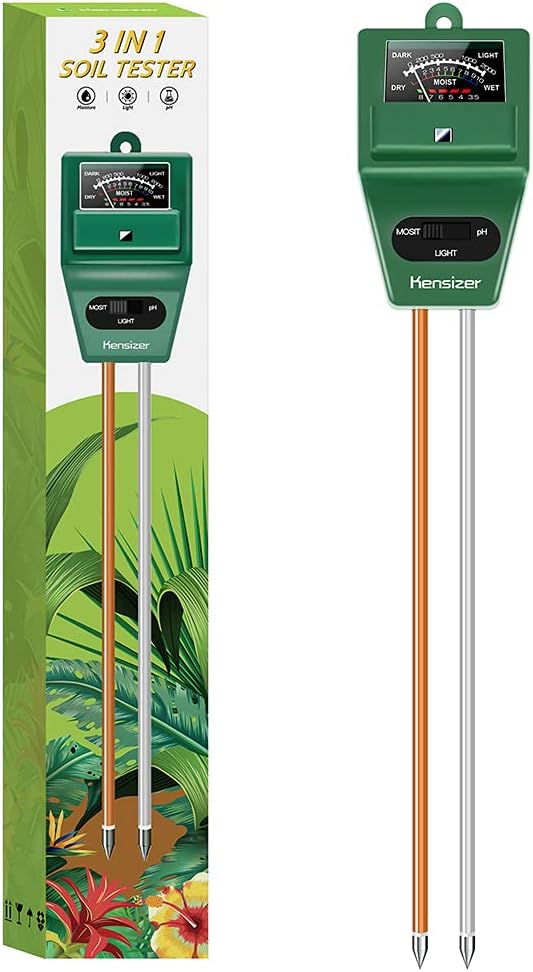
SONKIR Soil pH Meter, MS02 3-in-1 Soil Moisture/Light/pH Tester Gardening Tool Kits for Plant Care, Great for Garden, Lawn, Farm, Indoor & Outdoor Use (Green)
$9.99
3 METERS IN ONE: Soil moisture level, Soil pH value and Sunlight level could be tested easily according to your need by switching the function button of this soil meter.
NO BATTERY NEEDED: Simply insert the meter into soil, wait few minutes, accurate test results will be displayed on the readout panel. No battery is needed.
We earn a commission if you make a purchase, at no additional cost to you.
02/13/2026 06:05 pm GMT
How Do I Keep My Hydroponic Plants Happy?
Keep your plants healthy with proper nutrition. Make sure you use a balanced fertilizer that has all the nutrients your plants need. Use a good-quality liquid fertilizer that will not contain any harmful chemicals. The best way to ensure that your plants get the nutrients they need is to use a nutrient solution that has all the required nutrients in the proper balance.
One of the most important parts of keeping your plants healthy is to make sure they have enough light. If you are using a grow light, be sure to adjust it so that it shines on the plants evenly. Many types of plants need direct, full light to grow at their maximum rate.
It is also important to keep the hydroponic water temperature for your plants at 65 to 80°F. If you are growing indoors, make sure that your lights are set on a timer so that the lights turn off and on automatically each day.
Keep your plants healthy by adding fresh air. Make sure to open the windows in your grow room as often as possible to provide plenty of fresh air. If possible, most plants will also benefit from a few hours outside every day.
In Summary – pH Up And Down
The ph up and down in hydroponics as we have learned above is essential for the growth of these plants. Hydroponics being a sensitive method to grow plants fast requires the proper growing conditions otherwise the plants will fail.
FAQs
How to use ph up and ph down?
After testing your water or soil, you can add either a small amount of base or acid from your pH up and down kit. Add just one drop at a time before you achieve your desired pH levels. Be sure to thoroughly read the instructions before using pH up and down in your garden.
What happens if you use ph up and down in the same water?
In this case, the command ph up will be ignored and the ph down will be executed.
Tomato being a heavy feeder tells us that the plant is a hungry plant that likes to be fed with fertilizer for them to flourish. What type of fertilizer for tomatoes do you think is best considering the fact that tomato is a nutrient-loving plant?
Tomatoes will thrive well when you supply them with lots of fertilizer or nutrients to grow throughout their season. No matter the type of fertilizer you use (organic or chemical), it can boost the growth and production of tomatoes by providing extra nutrients required for tomato plants to flourish.
But the question we would like to know and discuss is what type of fertilizer for tomatoes is best? We would also discuss about the best type of fertilizer for container tomatoes.
What Type Of Fertilizer For Tomatoes? The Ideal NPK Ratio
When it comes to choosing the ideal fertilizer for tomato plants, go for a fertilizer that has a balanced ratio of the three main elements. These main elements include the regular NPK (nitrogen, phosphorous, and potassium). So, they should be balanced in a ratio such as 10-10-10.
Alternatively, you can choose a fertilizer where the middle value (which is phosphorous) is greater than the first number (which is nitrogen). An example is a fertilizer ratio value of 2-3-1.
What To Consider Before Deciding The Type Of Fertilizer To Use For Tomatoes
But one important thing to note when considering what type of fertilizer for tomatoes is to know the status of your soil. Get to know the current nutrient content of your soil and you can know this by simply doing a soil test.
After testing your soil, the result gotten will determine the type of fertilizer to use. For instance, if your soil is correctly balanced or high in nitrogen, a fertilizer that has a low value of nitrogen should be used. Then the phosphorus value should be higher. An example of this type of fertilizer is 5-10-5 or a 5-10-10 fertilizer mix.
On the other hand, if the result of your soil test shows it lacks nitrogen or it is a low nitrogen, then a balanced fertilizer such as 8-8-8 or 10-10-10 should be used to prepare the soil of your tomato plant.
However, if you don’t have the capacity to have a soil test, you can just assume the soil you have is balanced and make use of a higher value of phosphorous tomato plant fertilizer. But make sure the soil has not had any experience of a sickly tomato plant in the past or this may not interfere with your result.
Another important thing to be aware of when it comes to fertilizing tomato plants is to avoid using too much nitrogen. The results of excess nitrogen supplied to tomato soil usually give rise to lush, green leaves, with very few tomatoes.
Therefore, if you have experienced the problem stated above (very few tomato yield), then you can consider providing a bit more phosphorous to the plant rather than a balanced tomato fertilizer.
As we have mentioned, tomato requires 3 major nutrients and they are nitrogen, phosphorous, and potassium. The tomato plant also requires lots of other nutrients apart from the regular NPK as each of these nutrients serves some crucial tasks for plants.
Let’s briefly look at some details on these major nutrients as well as some other nutrients:
Nitrogen: Supplying your tomato with nitrogen fertilizer is important and it will help maintain the leaves of the plant. However, when you use excess nitrogen, the resulting tomato plant usually gives rise to more leaves rather than more tomato fruits. Therefore, you may notice a bushy tomato plant and little tomato fruit yield when you use too much nitrogen.
Phosphorus: Another crucial fertilizer needed for the tomato to grow adequately is phosphorous. Phosphorous is required by your tomato plant for the growth of roots and fruits. This nutrient is an essential component for the first phase and last phase of the development of the tomato plant.
Potassium: Potassium assists your tomato plant to grow rapidly and produce flowers. It is these flowers that end up turning into fruits.
So, apart from the major NPK nutrients, tomato plants also require other small nutrients and elements to grow and some of them include calcium, magnesium, zinc, boron, and so on. Let’s look briefly into some of these smaller nutrients.
Magnesium: magnesium helps your tomato plant to remain green and it can help enhance the quality of flowers and fruits of your tomato plant.
Calcium: calcium can help in producing strong tomato plants. This element will also help in proper root development and leaf development.
Boron and Zinc: both boron and zinc can assist in the flowering process and fruit ripening of your tomato plant.
Best Fertilizer For Tomatoes In Pots – What Type Of Fertilizer For Tomatoes
You can either use organic or chemical fertilizer for your potted tomato. But here are some nice homemade fertilizers you can use for your container tomatoes:
Fertilizer Containing Nitrogen
Corn gluten meal, rabbit poo, and manure are great organic homemade nitrogen-containing nutrients or fertilizers you can use for your potted tomato plant.
Fertilizer Containing Phosphorous
Human urine, kelp meal, sunflower seeds, soya beans, and pumpkin or squash seeds are good fertilizers that is phosphorous-containing that you can use for your potted tomato plant.
Fertilizer Containing Potassium
Fertilizer that contains potassium that you can use for your potted tomato plant includes wood ash, banana peels, potato peels, orange peels, sweet potato peels, and cucumber peels.
Conclusion – What Type Of Fertilizer For Tomatoes
Tomato plants are heavy feeders so it is important you supply them with some good fertilizer so you can enjoy optimal yield. What type of fertilizer for tomatoes has been discussed here and we have also mentioned some nice fertilizers to use for your potted tomato plants.
FAQ’s
What type of fertilizer is needed for tomatoes?
The type of fertilizer needed by the tomato plant should be a balanced ratio fertilizer that has the three main elements which are nitrogen, phosphorous, and potassium (NPK). An example of a balanced fertilizer for tomatoes is 10-10-10.
What can I use to fertilize my tomato plants?
You can make use of a liquid type of fertilizer like compost or worm casting every 14 days to fertilize your tomato plant.
This guide will look at how to give plants calcium and how much fertilizer you should add to your plants as they grow.
Calcium is an essential element for all plants, as it is important for growth and development in plants. In addition, calcium is also required for is required for structural roles in the cell wall and membranes. It is also involved in cell division.
How To Give Plants Calcium?
Calcium is an important nutrient for plants as it is often deficient in soil due to weathering and soil acidity. Calcium is also important for plant growth and development and is essential for seed germination, stem and root elongation, and flowering. The concentration of calcium in some soils is too low to support optimal plant growth.
Here are two ways how to give plants calcium:
Cal-Mag
Calcium can be added to your plants’ water through the use of a calcium product called Cal-Mag. It is highly fortified calcium, magnesium, and iron plant supplement that is designed to correct common deficiencies in the soil.
The amount of calcium released from Cal-Mag will depend on how much calcium is available in your soil, how much water you use in your garden, and the amount of calcium that your plants need. You can add Cal-Mag to your plants’ water by following the directions that come with the Cal-Mag. It is ideal for use on lettuce, tomatoes, peppers, fruit, and flowers.
A typical dose of Cal-Mag is one teaspoon with one gallon of water. Alternatively, you can add Cal-Mag to your soil or compost. The amount of calcium that needs to be added to the soil or compost will depend on how much calcium is available in the soil and what your plants need.
Foliar feeding
Calcium can also be added directly to the plant, in which case it is known as foliar feeding. This is a calcium compound that is applied directly to the leaves of the plant and is absorbed by the plant. The amount of calcium released from foliar feeds will depend on how much calcium is available in the soil, the amount of water used by your plants, and the amount of calcium that your plants need.
You can apply foliar feeds either with a sprayer. Foliar feeds can be bought at nurseries, but they are also sold through some garden centers.
Our Pick
Kitsch Spray Bottle for Plants – Continuous Water Mister with Ultra Fine Mist
$9.99
Stylish and versatile water mister is perfect for your plants and garden.
We earn a commission if you make a purchase, at no additional cost to you.
02/13/2026 07:05 pm GMT
How Do I Know If My Plants Are Getting Enough Calcium?
If you have read the previous sections of this chapter, you will have already learned how to give plants calcium. There are two ways to check the calcium level in your soil:
Calcium can be measured using a soil test kit. The kit will tell you the calcium level of your soil and the calcium level of your soil so that you can assess whether or not your plants are getting enough calcium.
A soil test kit is only as accurate as the information that you give it. If you decide to use a soil test kit, then follow these steps:
Find a store that sells soil test kits that can test for calcium levels.
Buy one and take it home.
Take a few samples of your soil and carefully follow the directions.
Once the results are out, review the calcium levels of the soil to see how much calcium your plants are getting. Soil test kits usually measure other nutrients in the soil as well.
Be sure to research the calcium needs of your plants. The amount of calcium a plant needs can vary by the type of plant.
Calcium is often included in fertilizers because it helps strengthen plant roots. This can help plants grow larger and healthier.
If You Want To Fertilize Your Plants With Calcium, Follow These Steps:
Choose a fertilizer that has high levels of calcium. Carefully follow the instructions on the fertilizer. If your plants do not seem to be growing as well, try adjusting the pH of the soil or adding more compost.
Fertilizer is available in many different forms such as granular and liquid. Read the label on the package before purchasing as not every fertilizer can be used for every plant. Follow the directions on the package for use.
Final Comments: How to Give Plants Calcium
Calcium is an essential nutrient for healthy plant growth and it’s important to learn how to give plants calcium. Plants absorb calcium from the soil as they grow.
When plants start to die or are stressed, calcium in the soil may be absorbed by the roots and translocated into the plants. The amount of calcium available in your soil will determine how much is needed by the plants you are growing.
Plants need calcium to develop and grow. It is an essential element for all plants for structural roles in the cell wall and membranes. It is also involved in cell division.
How do I feed my plant’s calcium?
Feeding your plants calcium is easy and can be done through fertilizer, a foliar spray or through foliar feeding. Calcium is a major component of the cell walls of leaf tissues, so when calcium is present in the cell, there are fewer spaces for pathogenic organisms to enter and cause disease. Calcium also has other benefits, such as increasing the rate of photosynthesis, improving fruit quality and increasing the rate of root growth.
How do you fix calcium deficiency in plants?
The best way to feed your plants calcium is through foliar feeding. You can use a foliar spray that contains calcium or foliar feeding with calcium-rich fertilizers.
What can you add to the soil to increase calcium?
There are many ways to improve calcium availability in the soil, including the use of lime and eggshells. If you have enough calcium in your soil, you won’t need to add more to your soil. However, if your soil is deficient in calcium, you can add it by using a foliar feeding solution containing calcium. You can also apply a calcium-rich fertilizer to your plants.
How much water do peppers need and how often should you water your pepper plants? It is important to know the growing requirements for peppers if you plan on having them in your garden.
Peppers are a very popular garden plant. They grow fast, are easy to grow, and taste great! But when you start to look into the specifics of how to grow peppers, there is a lot of conflicting information.
The most common advice for growing peppers is to give them regular watering. But how much water is that and what about the frequency? Should you water them once a day, or twice?
How Much Water Do Peppers Need?
When growing peppers, you want to give them regular water. There are a few factors that will influence how often you should water your peppers. They include weather, location, variety, and whether you are growing your pepper plant indoors or outdoors.
You should water your peppers when the soil is dry. Water the peppers about once to twice a week, providing about one to two inches of water a week.
When the weather is hot, you will need to water your pepper plants more often, such as two to three days a week. If you have been experiencing lots of rainy weather, then you will have to water your peppers less.
Be careful not to over-water your pepper plants. Too much water can cause wilted leaves and rain rot. In addition, it may also cause sunburned fruit or may cause the leaves to drop.
When you are ready to harvest, you should cut the peppers off at the stem. The size and color of the pepper will vary on the variety.
Growing Peppers: How Much Water Do Peppers Need?
Growing peppers is easy and most gardeners have been able to grow their peppers. Here is a step-by-step guide to growing peppers.
Step 1: Choose an ideal location
A sunny location with at least six hours of sunlight is best for growing peppers, but they can also be grown in partial shade.
Step 2: Choose the right soil
Peppers need rich, well-drained soil with plenty of organic matter to provide nutrients and retain moisture. They can grow in all types of soils but do best in soils that are heavier and well-drained.
Step 3: Prepare the area
Dig over the area to remove all weeds. Ensure the soil is well aerated and has proper drainage.
Step 4: Add compost
Tsing compost to grow your peppers is important as it provides nutrients required for your plants. Compost provides nitrogen, phosphorous, and potassium.
Step 5: Plant the seedlings
Make sure that the seedlings are 12 to 18 inches apart, depending on the variety. If you don’t have enough space to plant them, you can try to transplant them from another location.
It is recommended that the plants be transplanted when they are about three to four weeks old, when they begin to produce their third set of true leaves, When planting, make sure that the seedlings are not touching each other and don’t crowd the roots.
Step 6: Water the seedlings
They should be watered regularly until they get about 3-4 inches tall, every few days to daily. After this stage, you can stop watering them and let them dry out for about a week.
Step 7: Fertilize your peppers
Fertilize your peppers when first transplanting them and then again when they start to bloom. It is a good idea to use a 5-10-10 fertilizer.
Step 8: Harvest your peppers
When the peppers get to maturity, harvest them by cutting them off the stem. Store them at room temperature for a few days or in the fridge for around a week.
Amazon Choice Selection
Watering Can 1 Gallon for Indoor Plants, Garden, Outdoor Plant House Flower, Gallon Large Long Spout with Sprinkler Head (Blue)
We earn a commission if you make a purchase, at no additional cost to you.
02/13/2026 12:05 pm GMT
The growth process of peppers is an easy one. They can be susceptible to pests and diseases but are generally hardy plants to grow. Common pests include aphids, caterpillars, and hornworms.
They eat the leaves, flowers, and fruits of the plants. Aphids are small insects, which have green or brown bodies.
Final Thoughts – How Much Water Do Peppers Need?
The amount of water that peppers require is about one to two inches of water a week. The best way to learn how much water do peppers need is to provide your peppers with water around once to twice a week. Peppers are easy to grow and give you a thriving crop if you provide the right growing conditions.
If you harvest your peppers when they are fully mature, they can last longer and you can harvest more from the same plant. Be careful not to damage the plant as you harvest the peppers or you will lose the rest of the harvests. Use a sharp knife or a pair of scissors to cut the pepper from its plant instead of pulling it out. Happy gardening!
If you have well-drained, loose soil, you should water your plants once to twice a week .
If you live in a very hot climate, you might need to water more frequently than this. Watering can be done manually by hand or with a soaker hose.
How do you know if you are overwatering pepper plants?
The most obvious sign that your peppers are too wet is when they start to rot. If you don’t have a greenhouse or a patio covered area, you can also check your plants by looking at the bottom of the leaves.
The leaves should be dark green and not droopy. You can also use your finger to gently feel the leaves. If the leaves feel soft and spongy, you need to water your plants more frequently.
How much water do bell peppers need?
Peppers need about one to two inches of water a week. They are one of the easiest plants to overwater. It is important to keep your pepper plant roots moist, but not soggy.
The easiest way to tell if your peppers are getting enough water is to look at their leaves. If they are drooping, then you need to water your plants more frequently. It may take a few days for your peppers to show that they are getting enough water.
How do I know if my peppers need fertilizer?
Fertilizer is usually recommended for all types of peppers. When growing peppers, you should fertilize your plants when transplanting and again when they bloom. Peppers have a strong root system and will absorb nutrients from the soil if it is not fertilized.
Fertilizers can help your peppers grow faster and produce larger fruits. You can use any type of fertilizer that you want as long as it contains nitrogen, phosphorus, and potassium.
Do peppers need lots of water?
Peppers generally only need one to two inches of water a week. If you water them too much, they may start to rot. Peppers also need a lot of sunlight to grow properly.
During the day, your pepper plants will need at least six hours of sunlight to grow. If you have the right kind of soil and plenty of sunshine, growing peppers should be relatively easy. If you plant them in the fall, they will germinate quickly and will have time to grow before the weather gets cold.
Do zucchini plants climb and require support as they grow? It is important to provide these plants with all the proper care they need in order to yield the best results.
It is important to keep zucchini plants in a warm environment and moist, but not soggy. The best location for the plant is sunny or in partial shade. If the soil is too wet, the plants will be spindly and weak, and may even die.
Do Zucchini Plants Climb and Require Support?
You are correct that Zucchini plants will climb if given the opportunity. However, you don’t need to provide any support, though providing support can be beneficial. Zucchini plants will not grow vertically if given no support, only horizontally.
If you want your zucchini to grow vertically, you need to provide some form of support. Most gardeners use a trellis to do this. The trellis should be set up at least two feet above the ground.
The trellis should be strong enough that it doesn’t break when your zucchini plants start to grow. The trellis should be set up in an area that receives full sunlight. If you are unsure how tall your trellis needs to be, you can measure it with a tape measure or yardstick.
Your zucchini plants will climb up the trellis and will continue to grow until they reach the top of the trellis. At that point, your zucchini plants will continue to grow vertically, but will no longer climb.
What Is The Difference Between A Zucchini And Summer Squash?
Though all types of zucchinis are summer squash, not all summer squashes are zucchinis. Here are some carachteristics:
Zucchini is a variety of summer squash.
The size of a zucchini varies depending on the variety. Some zucchini varieties may grow as long as 10 inches.
Summer squashes are generally not the most flavorful, but they are versatile.
You can serve summer squashes raw in salads or cook them in a variety of ways, from stir-fry to grilling.
Zucchini is generally available year-round and is often less expensive than other summer squashes.
Both yellow squash and zucchini are part of the same family.
The color of a squash varies depending on the variety. Some varieties have white flesh and others have yellow flesh. Generally, the more yellow the flesh of the squash, the sweeter it will taste.
Zucchini plants grow quickly and can produce large amounts of fruit in a short period.
You can eat zucchini straight out of the garden or you can enjoy it baked, cooked, or pickled.
Zucchini is a cool-season vegetable that can be grown in areas with mild winters.
Zucchini is a low-maintenance, easy to grow, and versatile vegetable.
Growing zucchini from seed is a great way to start your own vegetable garden. You can choose to plant seeds directly into your garden or you can plant them in containers before moving them to your garden. Many prefer to start their plants in containers because the container method also allows you to move your plants around and plant them in different areas of the garden.
Starting zucchini from seed will give you the best results if you plant the seeds directly in the garden and don’t transplant them. When planting outside, make sure the soil is at least 60 degrees Farenheit.
Starting the seeds
Zucchini seeds need to be planted into the ground when they are fully dry. Start by preparing the planting site by raking the area smoothly. This will make it easier for the seeds to settle into the soil.
Planting
The planting hole should be about three times as wide as the seed, and one inch deep. It should be slightly deeper than the seed so that the roots can easily develop. Use a trowel to dig the planting hole.
The soil
The soil should be loose and well-drained. If the soil is compacted or hard, you should add more organic matter before planting. When planting seeds, try to plant them in rows or in groups. If your garden has a raised bed, you can create raised beds by putting in cinder blocks, bricks, or pavers.
Spacing
Make sure that the seeds are evenly spaced. Planting them too close together will reduce the amount of space between each seed. Cover the seeds with a thin layer of fine soil. If you have small seeds, you may want to cover them with a seedling starter mix. This is a mixture of peat moss, vermiculite, perlite, and other organic materials.
Watering
Water your seeds thoroughly. The seeds need to be moist but not dripping wet. When you water the seeds, you’re helping them to germinate. Once planted, water your seedlings often to ensure they don’t dry up.
Take-home: Do Zucchini Plants Climb and Require Support?
So do zucchini plants climb? Yes, some zucchini plants do climb especially when they are provided with a place to climb. However, if it does not get a place to climb on, it can still grow and bear fruits without support. So you can still plant and harvest the fruits from them.
If you want your zucchini to climb, you need to make sure it gets plenty of water. Zucchinis love moisture and will grow best in a container that is kept slightly damp. The soil should be moist but not soggy. In this way, the plant can keep the roots in the top half of the pot and the leaves in the bottom half.
Do I need a trellis for the zucchini?
You might need a trellis if you have a large zucchini that needs to be trained up to a vertical position. A trellis is also recommended for growing cucumbers and melons.
Is there a vining zucchini?
Yes, there are several varieties that have been bred specifically for growing in containers. These include “Eureka”, “Sunshine” and “Lemon”. They are usually available from nurseries or garden centers.
Can I grow zucchini upright?
Yes, if you want to try growing it vertically. This is usually done by using a trellis or growing it up a stake. If you do this, make sure the stake or trellis is at least 6 feet tall so the plant can get enough light.
Do tomatoes grow on vines? In this article, we will look at tomatoes and how they grow.
We know that tomatoes are a fruit and that they grow on vines. But what do you call a tomato plant? What does the word “vine” mean in this context?
A tomato plant is a type of plant with vines that produces tomatoes. This is why we can say “tomatoes grow on vines”.
It is also called a vegetable plant because it grows food for humans to eat. Most varieties of tomato plants grow to be two to three feet tall. In this article, we will look at the question do tomatoes grow on vines.
Do Tomatoes Grow On Vines?
The short answer is yes! Tomatoes can grow on vines, with some varieties being commonly grown on trellises or poles.
There are many types of tomato plants and they grow in different ways. We will look at the most common types of tomato plants and what they look like.
Types Of Tomato Plants
There are two main types of tomato plants: vine and bush. The two terms can be confusing because all tomatoes grow on vines.
A vine tomato plant is a type of tomato that grows tall and needs staking for support. Also known as indeterminate, they have much longer stem growth. Vine tomatoes grow all season long, continuing to grow until the weather begins to get cold.
A bush tomato plant is a type of tomato plant that is shorter than the vine tomato plant. Also known as determinate, they are a good choice for growing in containers. They tend to have thicker skins with fewer seeds and are a good choice for canning. They also have a shorter growing season than vine tomatoes.
How Do You Grow Tomatoes? – Do Tomatoes Grow on Vines?
Tomatoes grow best in full sun and in loose, well-drained soil. They need at least six hours of direct sunlight every day. Tomatoes grow best in temperatures between 65°F and 85°F.
If you live in a cold climate, make sure your soil stays warm enough to grow tomatoes. You can also grow tomatoes in a greenhouse. This is a great option if you live in a very cold climate.
In the fall, when the weather starts cooling down, it’s time to start thinking about getting your tomato plants ready for the winter. It’s not too early to get started on preparing your tomato plants for winter.
You should water your plants regularly, but not too often. It is best to water tomato plants in the morning. They need about one to two inches of water a week.
You should fertilize your tomato plants when you first plant them and then every three to four weeks throughout the growing season. You should use a fertilizer that has macronutrients such as nitrogen, phosphorous, and potassium. Avoid fertilizers that are fast-release and avoid high nitrogen.
When you’re ready to harvest your tomatoes, gently twist the bottom of the tomato to remove it from the plant. You can also store them on the countertop for a few days or in the fridge for around a week.
You can also freeze your tomatoes in plastic bags. To do this, wash the tomatoes thoroughly before freezing.
Final Thoughts: Do Tomatoes Grow on Vines?
So if you are growing vine tomatoes, it’s best to use support to keep them growing straight. Do tomatoes grow on vines? Yes, all tomatoes grow on vines and they can be broken into vine or bush categories.
So what is the difference between the two? Well, bush tomatoes grow well in pots, and vine tomatoes need a stake for support. Within the two categories, there are several different varieties. There are many uses for vine and bush tomatoes that you can enjoy using.
Yes. Tomatoes are actually a type of climber that grows on a stem and has tendrils that help them grasp other objects. You can use a regular tomato cage that is designed to keep tomatoes from breaking the stems or their supports when they grow and mature.
What’s the difference between vine tomatoes and regular tomatoes?
Tomatoes grown for fresh market or home use, as opposed to processing, are called “vine” or “indeterminate” tomatoes because they can grow on a trellis or support. They are usually smaller in size than “determinate” tomatoes, which are grown for processing. The best-tasting tomatoes are generally the ones that have been harvested at a younger stage.
If you pick your tomatoes too late, they will be less sweet and flavorful. Tomatoes that have started to turn yellow or purple are also not suitable for canning because they are beginning to lose their flavor.
Do cherry tomatoes grow on vines?
Cherrry tomatoes do grow on vines and can grow to become quite tall. Indeterminate cherry tomatoes can benefit from a tomato tower or a trellis to help them grow strong and produce a maximum yield.
Are you planning to grow lettuce? If so, you will want to know how long it take for lettuce to grow from seed to harvesting.
Lettuce is a very popular vegetable around the world, and its popularity has grown tremendously over the past years. Lettuce is not only used as a food, but it also has many other uses. Lettuce is used in many different ways and in many different cultures.
Lettuce can be eaten raw or cooked. There are many different types of lettuce, such as romaine, cos, butterhead, and others.
Most people enjoy fresh lettuce salad for lunch. It is also a common ingredient in a variety of different recipes. Lettuce is very easy to grow and does well in almost any kind of soil.
Step-by-step Guide to Grow Lettuce
Step 1: Choose the planting season
It is best to plant lettuce during the spring and summer months. It should be planted when the temperature and soil are both warm.
Step 2: Prepare the soil
For optimum growth, it is best to plant lettuce in rich, well-drained soil in a sunny location. The soil should not be too moist or dry. It should be kept moderately moist so that the roots are not stressed.
This is to help them grow quickly and develop into healthy plants. When growing lettuce in the ground make sure the area is weed-free, has a good amount of organic matter, and any rocks and other hard objects in the soil are removed.
Step 3: Planting the seeds
Seeds are best planted around 3/4 to 1” deep. Make sure the seeds are planted evenly. There should be at least two seeds per inch.
The seeds should be planted in a shallow hole. If the soil is too wet, the roots of the lettuce will rot.
Water the soil and let it dry for several days. Then water again, but make sure not to overwater. If the soil is too wet, the lettuce will rot.
Lettuce needs around one to two inches of water a week during the growing season. Once the plants have been watered and the seeds have germinated, the plants should be spaced approximately three inches apart.
Step 5: Fertilizing
When the plants are about two weeks old, you should start fertilizing them. Make sure that you fertilize your plants in the early spring before the soil is too cold.
Use a nitrogen-rich fertilizer such as alfalfa meal, fish meal, balanced water-soluble fertilizer, granular fertilizer or composted manure. Make sure to apply it around the base of the plant, but don’t apply it too close to the stem or it will burn the plant.
Step 6: Harvesting
You will know when to harvest the lettuce when it gets big and full of leaves. Harvest your lettuce when the heads are full and this is in about 6 to 8 weeks.
You should wait until you see that the head has turned green before harvesting it. You can then use the harvested leaves to make salads or add them to sandwiches. You can also plant your lettuce seeds indoors, in seed trays.
This way, you will have a head of lettuce in the garden by early spring. Make sure that the seedlings are not too big or else they may not survive. You can also buy transplants from your local garden store.
Types Of Lettuce
There are many types of lettuce that you can grow and enjoy. You can choose from iceberg, romaine, leaf, butterhead, bibb, crisphead, red leaf, green leaf, and stem lettuce.
The names are self-explanatory and it’s easy to tell which type is which. There are other types of lettuce, such as butterhead lettuce, iceberg lettuce, and romaine lettuce.
Each variety has its own unique characteristics, but they are all part of the same family. There are a lot of other varieties of lettuce that you can plant and they all are delicious.
Take-home – How Long Does It Take For Lettuce To Grow?
How long does it take for lettuce to grow? A good 6 to 8 weeks is the period lettuce takes to grow from seed to maturity. Lettuce can be planted anytime, however, the best time to plant is in spring.
The longer you wait the better your lettuce will be. Plant lettuce seeds in a large, deep hole and cover them with about an inch of soil. The seeds should be planted at a depth of about 4-6 inches.
How long does it take for lettuce to grow from a seedling?
Lettuce seeds germinate in 3–4 days, depending on the weather and soil conditions. The seedlings grow in about a week. Lettuce requires frequent watering to maintain its good growth and health. Watering also helps remove soil salts that accumulate in the lettuce plants.
What is the quickest lettuce to grow?
The quickest type of lettuce to grow is the romaine, iceberg, butterhead, or cos lettuce varieties. These types of lettuces are more sensitive to cold temperatures, so they need to be planted at the beginning of spring when the soil is warm enough to promote rapid growth.
How long does lettuce take to flower?
Lettuce takes about a month after maturity to flower. The flowers appear in early summer and continue to produce fruit until the fall. The lettuce plants should be cut back in the late fall to promote new growth for the following year. Lettuce can be harvested at any stage of maturity. The young lettuce leaves are best picked when they have just reached full size. Lettuce grows quickly, so it is important to pick it up before it becomes too large. The first harvest should be about one month after the seeds were sown.
How long is lettuce germination time?
Lettuce seeds usually need at least 1 to 2 weeks to germinate and produce a plant. Seeds should be planted in moist soil with temperatures above 60F (15C). If temperatures drop below 55F (13C), seeds will not germinate. Seeds should be planted when temperatures reach between 50 and 65F (10 and 18C). Germination takes place when the temperature of the soil rises above 60F (15C).
Are you aware that your crab shell doesn’t have to go to waste because you can make use of crab shells in your compost? Yes! Those leftover crab shells can be put to good use in your garden. Crab shells in compost can be pretty beneficial to your plants.
Crab shells will fine alongside other types of shellfish. So, you can easily add crab shells to your compost pile because they are quite biodegradable. Even though it may take some time for these shells to biodegrade, you can also crush them just to hasten up the process.
Crab shells in compost can enrich your compost because they are loaded with good nutrients to help your plant develop.
If you wish to learn how to compost crab shells, then we’ve got you covered here. Read on to find out about using crab shells in your garden and turn those leftover crabs into rich fertilizer for your plants.
Crab Shells In Compost
It is very possible to compost crab shells. Crab shells in compost are an easy thing to do so far you get the right knowledge.
Crab shells are made up of calcium carbonate and chitin (a type of carbohydrate).
How To Compost Crab Shells: A Detailed Guide
Follow the steps below to learn how to compost crab shells:
Step 1- Cleaning Of The Shell Crab
Clean the shell of your crab just to eliminate any salt or other foodstuffs you don’t want in your compost.
Generally, seafood such as crab contains a high level of salt. Although the presence of salt isn’t so toxic to the compost, however, it is not so beneficial to your compost. But the excess amount of salt can be harmful to beneficial worms or another vermiculture setups.
Again, the crab shells are safe to be composted. However, the fat and meat are not so safe. This is mainly because they may throw off the balance of your compost pile and this may give rise to an unpleasant odor or even invite pests to your plant when you use this compost.
Usually, crab shell tends to take a long time to decompose compared to other compostable materials. Hence, when you crush the crab shell into tiny bits, then it can hasten up the breakdown of the compost pile.
If you are however wondering how to grind or crush your crab shell, you can simply use a hammer to crush them into bits. But if you wish to skip this process, you can. Your compost will just be taking a while longer to decompose.
Step 3- Crab Shells Can Be Distributed Throughout Your Compost
After crushing the crab shell into tiny bits, it may not be enough. You may still need to mix the pieces into existing compost instead of allowing the crab shell to sit in large compost.
Step 4- A Balanced Compost Heap Should Be Maintained
A healthy compost can’t be simply created from just one material. If you want a good result, you can pair crab shells with other compostable kitchen scraps. A bonus tip is to add a carbon-rich material such as dead leaves, grasses, woodchips, or cardboard.
Step 5- Composting – Crab Shells In Compost
Turn the compost mixture using a pitchfork or spade. Ensure you change the layers of the compost pile so it can supply oxygen to the microbes that are responsible for decomposing the organic mixture. Doing this will give rise to heat and the compost temperature can go as high as 160 degrees Fahrenheit.
Make sure you also add water to the organic mixture of the compost pile. If moisture isn’t present, the microbes won’t be able to decompose the organic matter and you may not get the ideal compost result. However, ensure the water is minimal because adding too much water can make the compost turn out to be smelly and squishy.
Additionally, you can poke some holes in the compost pile just to allow air to go inside the compost and enhance decomposition.
Finally, continuous monitoring or checking your compost pile daily just to keep tabs on the moisture because adequate moisture is also crucial for easy and fast decomposition.
Crab shell compost is rich in nutrients that your plants can benefit from and a good number of plants can benefit from crab shell compost. Below is some awesome nutrient crab shells can offer your plant:
Calcium
The shells of crabs are particularly rich in calcium. Now plants depend on calcium to produce strong cell walls and combat many common plant diseases.
Magnesium
Regarding photosynthesis, it cannot take place if magnesium is absent. Crab shells naturally contain magnesium. So, they can be an alternative to the magnesium-containing fertilizer that you may find at your local garden store.
Phosphorous
Phosphorous helps and serves as a building block to a plant’s life. Genetic reproduction as well as photosynthesis needs phosphorous to aid their process. So, crab shell is a good source of phosphate that your plant can benefit from.
Chitin
Phosphorous, calcium, and magnesium are all important for the proper development and healthy growth of your plant, and crab shell contains these essential nutrients. But apart from these nutrients, the crab shell is also rich in chitin.
Chitin enhances the growth of certain beneficial bacteria and enzymes. Now, these bacteria and enzymes help to wade off organisms that are harmful such as nematodes, fungi, and soil-borne insects.
Conclusion On Crab Shells In Compost
Crab shells in compost can be an excellent addition to your compost pile because they are loaded with good nutrients that can help your plant grow. This crab shell is rich in essential nutrients such as phosphorous, magnesium, and calcium. It is also rich in chitin.
FAQ’s
Are crab shells good for garden?
Yes. Crab shells are good for garden. Even if you do not have a compost pile to mix the crab shell, you can simply put these shells directly into your garden.
Can you put seafood shells in compost?
Yes. You can put seafood shells in your compost and let your plant enjoy the benefits they offer. They are loaded with calcium as well as other crucial micronutrients needed by plants.
Are crab shells good for fertilizer?
Certainly, crab shells are good for fertilizer s because of the benefits of adding some essential nutrients to plants. Crab shells even offer extra benefits that cannot be found in other types of fertilizers such as chitin. This chitin present in crab enhances the growth of chitin-eating bacteria.
Does crab shell decompose?
Yes, crab shells can decompose. However, the rate at which they decompose can be slow or a bit fast depending on their state. If you crush or break crab shells into pieces before composting, then the decomposition can be hastened up. But if the crab is not crushed, the decomposition can be pretty slow.
Do you see freezing temperatures approaching in your region? Can compost worms survive winter? Well, the cold climate won’t stop composting worms from working for you in your compost bin.
Compost worms are meant to break down food scraps. In the northern area, there’s every possibility that the vermicomposting bins built there may become frozen. You may be wondering if all the worms in the bins will die or are there any ways you can save them.
There are things you may consider doing as a way forward. And the way forward will be for you to either do nothing, heat generation through insulation, prepare a warm spot and then move the worms there or keep the worms in a place with much heat, be it indoors or the basement.
Whichever way you choose to handle the situation, let’s find out if compost worms can survive winter.
Can Compost Worms Survive Winter?
Can compost worms survive winter? The answer is yes and no and we would explain why.
Worms are resilient creatures and they have been surviving long before humans even came along.
However, when compost worms are left in the worm bin to freeze, a lot of them will not survive the winter or they may all die. But the good thing is that if the bin was already established before the chilly weather sets in, the worms will likely lay eggs.
Now, these eggs laid can survive as long as a year in almost any weather including winter.
So, if all your compost worms get frozen by the winter, not to worry because baby worms can hatch once the weather warms up and they will continue the process of composting.
Things To Do To Your Compost When Chilly Weather Sets In
So, if the chilly weather sets in around your area and you’re worried about your compost, below are some things you can do and your compost should be fine.
1. Add Scrap To Your Bin To Increase The Temperature
When you leave the worms outside, they start to become inactive as the temperature drops down making them inactive. At or below 40 degrees Fahrenheit for example, the worms will become incapacitated due to the cold.
They will move to the part of the bin that is warmer which is at the middle and the bottom. Although heat is naturally generated during decomposition, it is definitely not sufficient to keep the worms thriving.
Hence, you can also add organic scraps to the bin, which will help increase the temperature a bit.
2. Do Nothing About The Situation – Can Compost Worms Survive Winter
Another thing is that the older composting worms will begin to lay eggs as they are simultaneous hermaphrodites.
This is to say that worms have male and female types of reproductive organs. But as for the contented composting worms, what they do is produce cocoons by exchanging DNA.
So, your composting quest won’t be altered if the vermicomposting bin is left outside in the winter. This is because the cocoons that are being produced can stand the freezing winter, thereby staying preserved, and then luckily, new worms begin to hatch during spring.
Another intriguing thing about these worms is that their eggs are that no matter the weather, they can survive up to a year. So, you can decide to leave your compost and let it do its thing.
3. Heat Generation Through Insulation – Can Compost Worms Survive Winter
Adding insulation to the vermicomposting bin on the outer part can help increase the warmth on the inside. This will help keep the worms warmer.
You can use blankets, bales of straw, Styrofoam, or bubble wrap. Remember to leave space in between the coverings in order to allow ventilation into the air holes of the bin. The drainage hole must not be covered.
Moving the bin to a sheltered location, like indoors, will be a good form of double protection. This is because insulation alone can’t give a hundred percent assurance that your compost worms can survive the winter.
The bin can be kept warmer when it is not exposed to cold winter wind. This can be done by moving the bin to a shelter with warmth like a shed or garage. Insulation can also be adopted. Heat sources like an incandescent light or seed tray warming mat can be used.
The bin can also be kept from freezing by using a 7-watt night light to generate enough heat for increased warmth. You will need to cover the worm bin with newspapers or a worm bin blanket if you’re using light. This is to be able to keep the worms held in the dark.
5. Find A Heated Location And Move The Worms There
On a realistic note, when you feel cold during the chilly weather, the worms are not exempted too.
This should make you wonder if your compost worms can survive the winter. Hence, another thing you can do to protect your composting worms is to bring your vermicomposting bin indoors when it’s freezing cold. A secluded spot will do, like the cabinet, closet, corner, or beneath a kitchen sink.
However, it’s better you build a smaller bin indoors if your outdoor bin is dirty or too big to move indoors. To be successful at it, take part in the beddings as well as the composting worms you want to keep by digging them out from the vermicomposting bin. Put them in the spot you’ve created for them indoors. Keeping them in the basement is also a great idea. So, this method will make you not worry so much about how you will get to the worms to get them fed. Worms are usually very active when they and their surrounding is warm.
Can Compost Worms Survive Winter? Conclusion
You need not to worry that your composting program will be altered after all now that you know your composting worms can survive in the winter. You can as well leave them outdoor and not worry about anything, so long as they lay their eggs or produce cocoons.
Their eggs can survive for a year, which gives guarantees of the continuity of your compost program. This is because, after the winter, the eggs will begin to hatch and the new worms will take it up from there.
However, if you are so worried about leaving your worm bin out in the cold, you can opt for insulation, moving it indoors, or preparing a secluded heated spot for your worms.
FAQ’s
How do you keep compost worms alive in the winter?
Compost worms can be kept alive during winter by leaving them outdoors in the bin for them to lay eggs that will hatch and continue the process of compositing. You can also relocate your compost bin to a warmer place to help them.
Will my compost worms die in the winter?
Many of your worms, if not all, may die in the winter. However, there is a huge chance for these worms to lay eggs and their eggs can survive up to a year under harsh weather conditions that includes freezing conditions.
How cold is too cold for worm bin?
When the temperature is reaching 40 degrees Fahrenheit or dips below 40 degrees, then it can become too cold for these worms that it can render them inactive.
What temperature can compost worms survive?
Ideally, compost worms can require around 59 to 77 degrees Fahrenheit for optimal performance. Once the temperature drops below 40 degrees, it can prove fatal for the worms.
🪱 Composting Supplies
Chef’n 401-420-120 EcoCrock Counter Compost Bin Black and White 3.3 liter 1
In this article, we have prepared a list of plants that like high phosphorus during their growth journey.
Phosphorus is one of the major components of plant cell walls and it also serves as an energy source for plant metabolism. During its growth journey, the phosphorus in plants is used by the plant to build up their biomass. Phosphorus helps in the formation of carbohydrates and nucleic acids. When the plant grows, phosphorus is absorbed from the soil and transported through root cells to other parts of the plant.
The Work Of Phosphorus In Plants
Phosphorus is one of the important nutrients a plant needs to thrive. It is also an essential component for many processes like energy production, cell growth and maintenance, signal transduction, storage of energy, and as a structural component.
Phosphorus is also an important element in the synthesis of nucleic acids, proteins, enzymes, coenzymes, and phospholipids. Phosphorus is present in all living organisms. It is required by plants, bacteria, fungi, and animals.
There are two different sources of phosphorus in the soil, including organic phosphorus and inorganic phosphorus.
Organic phosphorus is usually found in the form of phosphate.
Inorganic phosphorus is mostly in the form of calcium phosphate or calcium-magnesium phosphate.
Plants use both sources of phosphorus to produce energy and maintain their metabolism. They use inorganic phosphorus for the synthesis of nucleic acids and proteins, while they use organic phosphorus to store energy.
Phosphorus is essential to plant growth. It is the second most abundant element on Earth after oxygen. It is also a key component of DNA and RNA, a cofactor of many enzymes, a structural component of many cell membranes, and a major constituent of chlorophyll and chloroplast. Organic phosphorus is available to plants in the form of phosphates, phosphonates, phosphites, and phosphates. Phosphates are organic molecules that contain phosphorus. Phosphonates are similar to phosphates but contain a carbon group instead of a hydrogen group. Phosphites are organic molecules with two phosphorus atoms. They are similar to phosphonates, but they do not have a carbon group.
Here is a list of plants that like high phosphorus (phosphate) in the soil. This list includes not only vegetables but also ornamentals such as roses, ferns, and other houseplants. Some of these plants are good choices for the home garden because they can be grown in containers.
As you look through this list, remember that there is no hard and fast rule about how much phosphorus your plant needs. Many different plants will grow well with differing amounts of phosphorus. Even plants that like high phosphorus do not use the same amount.
This beautiful and popular tropical plant is very easy to grow and it has many uses. It can be used in a container or a garden. The plant blooms from May through October and it does best in a warm, sunny location. Brugmansia likes a lot of phosphorus in the soil so you can add up to 10 lbs of fertilizer per 1000 square feet of soil. You can get this plant at your local garden center or nursery.
Aloe Vera
Aloes are popular houseplants and they are great for containers. They have a strong, flexible root system that is ideal for growing in containers. They do best in areas that get a lot of suns. Most aloes need high levels of phosphorus in the soil to grow well.
Hydrangea
Hydrangeas are great houseplants for containers because they are easy to care for and they are long-lived. They also have a beautiful flower that attracts butterflies. Hydrangeas like bright light and they prefer full sun. If you don’t have a lot of space in your yard, you can use them as an accent plant in a small garden area. Hydrangeas like to be watered regularly but not too often. You can get these plants at most garden centers or nurseries.
Lemon
Lemon is a very popular houseplant and it has many uses. It is a fast-growing plant and it likes lots of sunlight. It is best to place it in areas that get a lot of sunlight. The lemon tree likes phosphorus in the soil so you can add up to 10 lbs of fertilizer per 1000 square feet of soil.
Solanum
This is one of the most popular houseplants because it is easy to grow and it has many uses. It is a fast-growing plant that likes lots of sunlight and warm temperatures. You can grow this plant in a container or a garden.
Mint
Mint is a great houseplant for containers because it is easy to care for. It likes high levels of phosphorus in the soil so you can add as much as 10lbs in 1000 square feet of soil.
Amaranthus
Amaranthus are popular houseplants because they are easy to grow and they have many uses. They like bright light and they are easy to grow. They are very adaptable and they do well in many different types of soils. You can grow them in a container or a garden. You can buy amaranth seeds at your local garden center or nursery.
Bromeliads
Bromeliads are popular houseplants because they are easy to care for and they are beautiful. They have a large variety of colors and they can be found in many different shapes and sizes. Bromeliads are native to Central America but they are now found all over the world. You can buy bromeliad plants at your local garden center or nursery.
Begonias
Begonias are popular houseplants because they are easy to grow, they are pretty, and they have a wide variety of different types of flowers. They are native to South America but they are now found all over the world. You can buy begonia seeds at your local garden center or nursery.
How to Determine Total Phosphorus in Soils?
There are various commercial kits and equipment that you can purchase to test for or determine the total phosphorus content in the soil. These different kits have different methods that are used to test for phosphorus.
One of the methods of soil total phosphorus determination works this way; a soil solution (of water and soil is made), allowed to sit for about 20 minutes to allow for proper mixing. After this, an aliquot of the solution is taken and reacted with sodium molybdate in an acid solution and aqueous hydrazine sulfate. The phosphorus concentration is determined by the blue color formed from this reaction. A spectrophotometer is then used to read the solution and give you a reading of the total phosphorus concentration
How Do You Neutralize Phosphorus in Soil?
Neutralizing phosphorus in the soil may be necessary as a means of correction if the phosphorus content gets higher than needed. High levels of phosphorus in the soil are usually a result of overfertilization or the addition of too much manure. This phenomenon is a problem because it will damage your plants and the phosphorus can also stay in the soil for a long period, creating long-term problems.
Unfortunately, once there is a buildup of phosphorus in the soil, it is not much you can do to get rid of it. There are however measures that you can take to prevent further buildup. Here are some of the measures that you can take:
Avoid the addition of fertilizer or manure which may be high in phosphorus
Plant nitrogen fixing plants in the area that will only put back nitrogen in the soil and not phosphorus
If you have to use fertilizer, make sure that you use phosphorus-free fertilizer
Spray zinc and iron foliar spray on crops planted in soils with high phosphorus levels, as these plants require those minerals for their health
Employing these measures will help keep the phosphorus levels from increasing, and over time the levels will get lower in the soil.
What Are The Pros and Cons of Having High Levels of Phosphorus in Soil From Added Fertilizers?
Pros of high soil phosphorus levels:
Sufficient phosphorus in the soil will help support efficient plant growth, resulting in thicker plant stalks, better crop quality, improved root growth, and earlier crop maturity
Phosphorus helps improve the plants’ resistance to negative unfavorable conditions. It can improve the plants’ resistance to conditions such as frost and other conditions associated with winter.
Cons of high soil phosphorus levels:
High levels of phosphorus in the soil can reduce the plant’s ability to take up certain micronutrients such as iron and zinc even when they are available in sufficient quantities in the soil.
Too much phosphorus can lead to an overgrowth of algae, resulting in eutrophication which will deplete oxygen levels and as a result hamper the growth of the plants.
How Do You Replace Phosphorus in Soil?
Depleted phosphorus in the soil can be replaced by putting manure, bonemeal, compost, and phosphorus-containing fertilizer into the soil. Add it to the soil 1-2 weeks before planting your crops and you will have the best results.
What Plants Put Phosphorus Back Into The Soil?
Plants such as comfrey, lupine, sweet clovers, nettle, or vetches accumulate phosphorus in their tissues. These plants can be harvested and used as manure to put back phosphorus into the soil.
At What pH Range is Phosphorus in The Soil Available For Plant Uptake?
A soil pH range of 6-7 is ideal for maximum phosphorus availability to plants.
Does Animal Waste Remove Phosphorus From Soil?
Animal manure naturally contains phosphorus in organic and inorganic forms. When it mineralizes, organic phosphorus becomes inorganic and becomes available to plants. Therefore, animal waste adds phosphorus to the soil.
In summary
The above list includes plants that like high phosphorus and do well with a lot of it in the soil. They have to be kept moist, but not wet whether growing in pots or the garden. They like to grow in shade and partial shade. A greenhouse is a great place for them. Some of these plants are perennial and some are annuals. There are hundreds of different varieties of plants that like high phosphorus, so choose carefully.
FAQ’s
What grows when phosphorus levels are too high?
All the above plants thrive well when the soil has high levels of phosphorous.
Is high phosphorus good for plants?
Yes, high phosphorous is good for plants. It improves the quality of the plant’s roots and leaves. It also helps in the absorption of nutrients by the plant.
Which vegetable plants need more phosphorus?
Potatoes, corn, tomatoes, carrots and beans require a lot of phosphorus to grow well. They all need high amounts of phosphorus. Other vegetables like cabbage, cauliflower, broccoli, spinach and lettuce can get along with lower amounts of phosphorus.
What is the fastest way to add phosphorus to the soil?
You can add phosphorus to the soil by sprinkling it on top of the soil. This will be the fastest way to add phosphorus to your soil. Different vegetables require different amounts of phosphorus. You need to know how much phosphorus you need to grow a particular vegetable. To determine this amount, you have to know the number of leaves on a plant. For example, the number of leaves on a tomato plant is 6-10.
Have you tested your soil and are wondering what is the right soil pH for peppers? You want to ensure that you are providing your plants with the right growing conditions.
Soil testing is a very important step in starting your vegetable garden. There are many reasons why testing your soil is important. Here we will focus on how it will help you grow peppers and other crops.
Soil testing will help you determine the best way to grow your crops, as well as help you avoid any problems before they occur. Soil testing will also help you know if you need to amend your soil and what amendments you can use.
A soil testing kit is a convenient way to do your own soil testing. This is the most affordable type of soil test available. However, it should be noted that some soil testing kits are not designed to be used for all crops. Some kits are only designed to test for certain crops.
Therefore, it is important to know what crop you are testing your soil for. Soil testing kits come with a small plastic container (usually measuring about 3 x 5 inches) and a soil test kit. The test kit is usually broken down into two main parts, which are the soil testing reagent and the testing stick.
The Right Soil pH For Peppers
Peppers do great when provided with the proper growing conditions. Soil is the primary factor that influences the success of a pepper plant in your garden. Peppers are native to the Americas and thrive in warm, sunny climates with good air circulation.
Peppers do well in soils that have a ph level of 6.0 to 7.0. They like slightly acidic soil. They also like slightly moist soil with good drainage and a neutral pH level.
It’s important to keep in mind that peppers do not like wet soil. If the soil becomes too moist, the roots will rot.
The best soil to grow peppers in is a mixture of organic materials such as compost, well-rotted manure, and peat moss. Organic fertilizers improve the soil and provide it with nutrients, but they also help prevent soil-borne diseases.
Peppers do not need much fertilizer because they take up nitrogen from the air. A good amount of organic matter also improves the soil by improving its structure and providing it with nutrients.
Pests: The most common pests are aphids, mites, and whiteflies. They can be controlled by using insecticidal soap. To avoid problems with pests, you should plant peppers where there are no large trees or shrubs near the plants.
Diseases: Peppers are prone to some fungal diseases including black spots and anthracnose.
You can test the soil’s pH with a soil testing kit and make adjustments to the soil. If your soil is too acidic, you can always add lime to raise the pH level.
If your soil is too alkaline, add sulfur to lower the pH level. You should be able to test your soil at a local garden store.
If you live in an area that experiences long periods of heat and drought, try using peat moss or perlite in your soil mix to help retain moisture. The soil should be amended with compost or a high-quality fertilizer to give the plants the nutrients they need to grow and produce lots of peppers.
Pepper plants are heavy feeders and will benefit from frequent applications of a balanced fertilizer.
There are two types of peppers: hot peppers and sweet peppers. Hot peppers are the ones that most people think of when they hear the word “pepper.”
Hot Peppers come in many different varieties, including jalapeno, cayenne, habanero, and others. These peppers can range from mild to extremely hot, depending on the variety.
Sweet Peppers include bell pepper, green bell pepper, and orange bell pepper. Sweet peppers are also available in various colors, such as yellow, red, and orange.
The health benefits of peppers vary by type. The main benefit is that peppers are an excellent source of vitamin C. One cup of cooked bell peppers has about 60% of the recommended daily amount of vitamin C. Other health benefits include:
Vitamin C – The main antioxidant found in peppers. It helps keep your immune system strong. It also helps keep your blood healthy. Vitamin C is needed to make collagen, a protein that helps build your skin and connective tissues.
Vitamin A – Vitamin A can help protect against the sun’s harmful rays. It is also a good source of antioxidants.
Iron – Iron is needed for oxygen transportation in the body. It is also needed for red blood cell production.
Omega-3 Fatty Acids – Omega-3 fatty acids are heart-healthy. They help keep cholesterol levels low. They also help reduce the risk of heart disease.
Protein – Peppers contain a lot of protein. This makes them a good source of nutrition for vegetarians.
Final Words On Soil pH For Peppers
The soil pH for peppers is a little more acidic than most plants. If you have alkaline soil, then the soil pH will be too high. You can adjust your soil ph by adding lime to the soil, but it will take a long time for the soil to become alkaline again.
If the soil is already alkaline, then you will not see any effect from adjusting the soil pH. Another way to reduce the soil pH of peppers is to use good compost.
FAQ’s
Do peppers like acidic or alkaline soil?
Peppers do respond well to acidic soils, and their production is most successful in areas with low pH levels. Soils that are too acidic will not support pepper growth, as the soil pH drops below two. If you have an area of soil that is too acidic, you can add lime (calcium carbonate) to raise the pH level.
How do you make soil acidic for peppers?
You can use compost, manure, or lime to raise the soil pH level, but it’s best to avoid adding fertilizer to your garden if you’re growing peppers. Fertilizers often contain chemicals that can be toxic to plants.
What pH do peppers prefer?
Peppers like soil that is slightly acidic, with a pH level of 6.0 to 7.0.
What is the best fertilizer for peppers?
The right type of fertilizer is a balanced fertilizer that includes nitrogen, phosphorus, and potassium. Potassium is needed by plants to help them absorb water and nutrients from the soil. Potassium also helps regulate the growth of the plant. Each pepper plant needs about 1/2 teaspoon of fertilizer per week.
What is potash good for in gardening and where are you supposed to use plus what plants appreciate having it in their growth journey?
Potash is also known as fertilizer potassium. The term for it comes from an early production technique in which potassium was leached from wood ashes. Then it would be concentrated by evaporating the leachate in large pots made of iron, leading to the name “pot-ash.”
While modern techniques are different, potash is still used today. It is most commonly used in agriculture to help plants grow and be healthy. It is a primary plant nutrient that is vital to the agricultural industry.
Potash is also used in many industrial processes such as paper making, glass making, and aluminum processing. Let’s learn more about what is potash good for.
What is Potash Good For?
Potash is used as an agricultural fertilizer. As a fertilizer, potash increases the pH levels of soil. It is essential for synthesizing plant sugars and it is also responsible for the formulation and quality of crops.
Potash increases water retention in plants. In addition, it influences the taste, texture, and nutritional value of many vegetables and fruits.
Potash is important for plants because it helps with plant growth. It is important for plants to get potassium. This is because potassium is needed to help regulate the uptake of water.
Potash is also important for the formation of chlorophyll. Chlorophyll is the pigment that gives leaves and flowers their green color.
It can be used as a soil amendment to help make the soil more fertile. You can add it to your soil before planting your seeds or growing your plants.
The best time to add potash to your garden is from early spring to late summer. This will help your plants to absorb the nutrients from the potash.
Potash can also be used to improve the health of your garden by helping to provide potassium. Potash is beneficial to helping plants grow, so it is can be a good choice to add it to your soil before you plant your garden.
It is important to make sure that you are using the right amount of potash. Too much potash can cause problems with root growth. It is also important to remember that different plants like different amounts of potash in their soil, some plants like a lot, others like little.
In soil that who low potassium levels, add ¼ to 1/3 pound of potash for every 100 square feet. Be sure to till it into the root zone of the plant after adding it in.
You might be able to increase the soil‘s potash content by adding some compost. This should raise the potassium levels enough to meet your plants’ needs.
If you are worried about your plants dying from lack of potash, try adding some fertilizer instead. You can use a general fertilizer such as 10-10-10 or something similar. Fertilizer will also contain nutrients that your plants need.
Before you plant your garden, you want to check the fertilizer requirements for your plants. This will ensure that they will get all the proper nutrients they need. It is also a good idea to do a soil test to see what the nutrient levels are like in your soil.
In Conclusion – What Is Potash Good For?
What is potash good for? A whole lot of things! Potash is used in making fertilizer, as well as making glass, paper, and other products.
It is a very versatile product and is used by the food industry, agriculture, and even in glass or aluminum processing. The use of potash has been around since ancient times.
FAQ
Which plants benefit from potash?
Root vegetables such as carrots, parsnips, peas and beans can benefit from potash. In addition, most fruit will appreciate potash as well.
Is potash good for all plants?
Not necessarily. Plants require a specific amount of potassium for their growth. If you add more than this amount, they will become too tall or weak, or their roots may grow too long.
How often should you use potash?
The amount of potash needed to achieve the desired effect depends on the plant and its growing conditions. The amount of potash needed by your plant is best measured by using a soil test kit. The kit comes with a nutrient solution that you can use to check if your plant needs more potash or another nutrient.
A soil test is also useful for knowing when to stop fertilizing. Some plants, such as vegetables, do not need much potash.
The amount of potash they require is usually supplied by the fertilizer they are fed with. If you are unsure about what amount of potash your plant needs, it’s better to be safe than sorry.
The difference between brown vs green compost is what most gardeners have been looking for and this article will inform you all about it.
Composting is a great way to recycle organic matter into the soil. The best type of compost is made from the leftover parts of plants, particularly from kitchen scraps and garden waste.
When composting is done properly, it will be rich in nutrients for your garden. Compost is usually either brown or green but can also be a mixture of the two. In this article, we are going to go through the differences between these types of compost.
What is Brown Vs Green Compost?
Brown compost is created from plant material that has been shredded or turned into smaller pieces. The material can be animal or vegetable matter such as leaves, grass, twigs, fruit, wood, and even manure.
Green compost is created from plant material that hasn’t been ground into smaller pieces but is still left intact. It is made from whole plants, grasses, straws, weeds, wood, or other plant materials. This type of composting produces a rich, dark green substance that is useful for plants that thrive in darker conditions.
Brown Compost is used for a number of different applications. It is often used for:
Soil building and improving soil health.
Strawberry, rosemary, peppermint, and lavender plantings.
As a mulch for beds and containers.
In the composting process, it will turn into a dark rich humus material that can be used in your garden. Green Compost is usually used as a top dressing for flower beds, lawns, and vegetable gardens.
The two types of compost are also used for different purposes. Brown compost is used in a larger quantity to improve soil health and increase fertility, while green compost is used in smaller quantities and is more for aesthetic purposes.
Brown vs green compost differences are caused by the materials used in both processes, and the differences are not significant enough to cause any adverse effects. It is important to know how composts are made so that you can decide whether a particular type of compost is right for your situation.
Brown Compost is made from kitchen wastes like meat scraps, bones, eggshells, and coffee grounds. These kitchen wastes have a high carbon to nitrogen ratio (C/N).
Green Compost is made from yard waste like leaves, grass clippings, and vegetable peels.
Brown Compost has high levels of nitrogen because it contains more carbon than nitrogen.
Green Compost is nitrogen-rich compared to brown compost because it does not contain as much carbon.
When you make compost at home, you can make two types of compost: brown and green. The difference between the two is that brown compost is more carbon-rich and green compost is more nitrogen-rich. Both can be used in your garden, but you should choose one based on what you are composting.
Making Homemade Brown Vs Green Compost
To make compost, you need to collect kitchen and yard wastes and mix them with water and anaerobic material such as sawdust or newspaper. These materials are then left out in the sun to break down for three to six months.
If you have a large amount of kitchen waste to compost, consider getting a compost tumbler. This is a small, sealed container that can be placed in your garage or shed to allow the process to take place more quickly. When it comes to food scraps, there are two basic types: wet and dry. Wet food scraps should be combined with water and placed in a pile; this can be done in a plastic bin or a shallow outdoor pit.
Dry food scraps should be placed on newspaper and covered with a plastic tarp. Making compost doesn’t require any specific equipment, but it does require time. In addition to finding the right materials to use, you also need to figure out what to do with the finished product.
Compost can be used as a soil amendment, which improves the health and fertility of the soil, or it can be sold to local farmers who will use it for their own gardens. For more information on how to make compost, visit the USDA website.
Green compost can be used in place of black soil for the following reasons: Black soil has a C/N ratio between 12 and 15. Black soil will quickly burn plants if they are not kept moist.
If you plan to grow vegetables, use only black soil in your garden beds. Green compost can be used when you want to add organic matter to your soil, but you don’t have access to black soil.
Brown compost is used for growing plants that require more nitrogen. For example, tomatoes will produce better with a higher nitrogen content than other vegetables. Brown compost is also useful for improving the soil structure and keeping it from compacting.
Final Thoughts About Brown Vs Green Compost
Brown vs green compost is the way to go if you are into gardening. The process of making your own compost is simple and effective, as it takes about two weeks from start to finish. You will have a great supply of organic material to use in your garden.
In addition, this method of composting has the added benefit of creating a nutrient-rich compost that is ready to be used immediately. This can be especially helpful if you are in a hurry to get your garden started, or if you simply do not want to wait for your compost bin to be full before using it.
FAQ’s
What is the difference between green and brown compost?
The difference between brown and green compost is mainly based on the type of materials used. Brown composts are made from a mixture of organic materials, such as vegetable and fruit peelings, paper, cardboard, sawdust, straw, etc. Green compost is made from yard waste like leaves, grass clippings, and vegetable peels.
Are coffee grounds considered green or brown compost?
Coffee grounds are considered a brown compost material because they contain large amounts of carbon and nitrogen. These nutrients help to improve soil health, but they also attract pests and disease organisms that can destroy your crops if not properly controlled.
What is the ratio of brown to green in compost?
The proper ratio of brown to green in compost is three parts brown to one part green.
What counts as a brown matter for compost?
Brown matter includes all materials with a higher carbon content than green matter, such as dead leaves, grass clippings, and wood chips. The more carbon-rich the material, the longer it will stay in your compost pile.
Best pH for tomatoes, do you know what this is? If you are interested in growing tomatoes, there are a few factors you must look out for such as soil nutritional content, soil pH level, the amount of sunlight to expose the plant to, and the best time to plant. All of these have a way of affecting the overall result that is achieved at the end of the day.
Tomatoes are one of the very important vegetables that is used by many for cooking and preparing different delicacies. Its nutritional benefits are numerous ranging from reduction of the risk of heart disease and cancer to being a great source of vitamin C and K potassium and folate.
This article considers the best pH for tomatoes to grow and attain the best possible result. Things that may be done in situations where the pH level is too high or too low to bring it to the desired levels are also discussed.
What Is pH? – Best pH For Tomatoes
When we talk about pH of a plant, we are referring to if your soil is acidic, alkaline, or in a few cases neutral. The scale of pH usually ranges from 0 to 14.
It is crucial you know your soil pH before planting because it can determine how available nutrients will be supplied to your plant. This will therefore help your plant thrive well.
Tomatoes pH Level Requirement
The ideal soil pH to grow tomatoes is anywhere between levels 6.0 and 6.8 according to research. Although this is the ideal levels, tomatoes can also grow in soils with acidic levels as low as 5.5 on the pH scale.
If you desire your tomatoes plant to be healthier and blossom as when due, then you must strive to maintain the soil pH level. The farther the tomatoes plant strays from this range, the lower your yields.
Any soil that is too acidic will generally slow the growth of tomato plants and ultimately reduce harvest. Where the soil is too acidic, it also leads to nutrient deficiencies, resulting in a problem like an end rot on tomato fruit.
A similar result is bound to be attained where the soil has a high alkaline content. As such, pH levels against 6.8 would greatly affect the growth and yield of the tomatoes plant.
How To Test The pH Level Of Soil – Best pH For Tomatoes
In a bid to prevent the problems associated with planting your tomatoes in soil that does not meet the pH requirements, ensure to test the soil. Testing a soil’s pH level can be done in various ways.
One way of doing this is by sending a sample of your soil to a lab for testing and thereafter waiting for the result. Another way would be to buy the test kits and test on your own using an easy time-saving method.
How To Lower The Soil pH Levels – Best pH For Tomatoes
Where you discover after your testing that your soil pH level is above 6.8, you may need to lower this level. The following are a few ways to achieve this:
Use of Compost: If you add compost to your soil, it will not only feed your soil with very valuable nutrients, it will also help stabilize the pH level. Where the pH is too high, it helps lower it, and when it is too low, it helps increase it. So it’s both manure and pH balancer.
Sulfur: The use of sulfur is another way to balance the soil’s pH levels. The use of sulfur just like compost helps to balance the soil’s pH levels. You should however be careful not to add too much sulfur to the soil as this may be harmful to plants.
Sphagnum Peat Moss: This is a slow-acting agent for the amendment of the soil’s organic content and pH levels. It is also a good substance to help improve water retention and aeration in your soil.
How To Increase The Soil pH Levels
There are also instances where results will show that the soil has very low pH levels (highly acidic) and there is a need to increase the pH levels. The following can be done to get the pH levels increased:
Addition of Compost: If you add compost to your soil, it will not only feed your soil with very valuable nutrients, it will also help stabilize the pH level. Where the pH is too high, it helps lower it, and when it is too low, it helps increase it.
Limestone (calcium): This is one of the most common ways to lower the soil’s pH levels. By adding limestone to the soil, calcium bicarbonate is formed which helps to improve the soil’s pH levels.
Wood Ashes: This is one of the natural ways to amend the acidic nature of soil as they contain calcium carbonate. Where you have a fireplace, spreading some ashes from the fireplace on the soil may be of great assistance here.
Removal of Pine Needles: Recent research has shown that pine needles do not substantially affect soil pH levels. However, freshly dropped pine needles have been discovered to be a very good neutralizer of soil pH.
Conclusion On Best pH For Tomatoes
Growing tomatoes require consideration for a number of things. The soil pH level is one of those items that must be considered before growing tomatoes. It is very important to carry out a test to determine the soil’s pH level before growing for the purpose of getting the desired result.
Where after your test it is discovered that the soil’s pH level is too low or too high, steps can be taken to amend these levels to an appropriate state. These are well discussed in this article.
FAQ’s
How do you acidify soil for tomatoes?
Tomatoes require soil pH levels of 6.0 to 6.8, which is an acidic level. Where this is not the current level of your soil, you may acidify the soil by doing any of the following: addition of compost, sulfur, peat moss, and chelated fertilizer. All of these will help in making sure that the soil is acidified to the right levels.
What is the best pH levels for tomatoes?
If you require your tomatoes to blossom and give out fruit bountifully, then the soil’s pH level should be between 6.0 and 6.8. Any level below or above this is not the ideal pH condition for planting tomatoes.
Do tomatoes prefer acidic or alkaline soil?
Acidic soil is a soil with pH level below 7, while alkaline soil is one with a pH level above 7. Considering the fact that tomatoes thrive in soil with pH level 6.0 to 6.8, it is correct to say it does well in acidic soils.
What is the best pH for hydroponic tomatoes?
Hydroponic tomatoes are those tomatoes grown in a nutrient solution instead of soil. They can as such be grown indoors without natural light and the desired result actualized. Hydroponic tomatoes will usually give the best possible result when grown in a pH condition of 6.0 to 6.5.