Category: Organic Food

  • Are Beefsteak Tomatoes Determinate or Indeterminate?

    Are Beefsteak Tomatoes Determinate or Indeterminate?

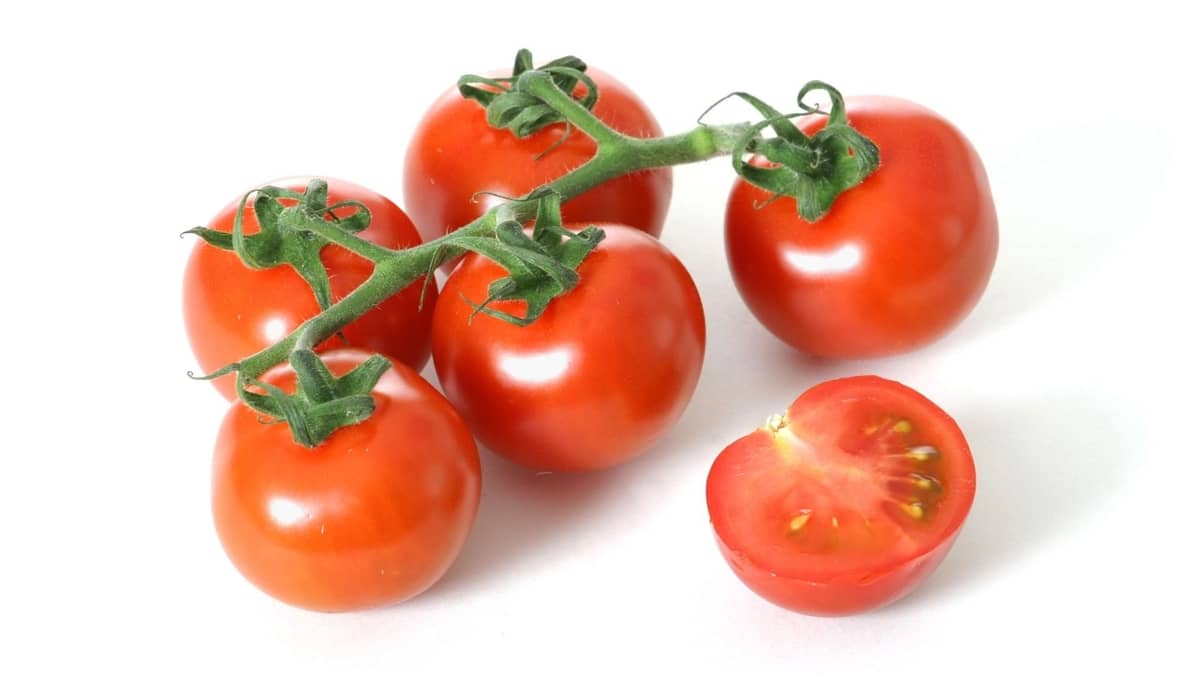
    Ever wondered: are beefsteak tomatoes determinate or indeterminate? Let’s look into this. The bulky meaty beefsteak tomato fruit is one loved tomato variety that can be a great addition to your home garden.

    One common classification you may come across on the label of a tomato plant or a tomato seed packet is indeterminate or determinate. What these two terms are majorly talking about is the growing style of the tomato plant.

    So, regarding the beefsteak tomato, most people would like to know if this tomato variety is determinate or indeterminate so they can select the appropriate tomato for their garden. Not to worry because we will be enlightening you by looking more into this.

    About Beefsteak Tomato Plant

    Beefsteak tomatoes are huge, bulky, meaty, and juicy tomato variety and it is botanically named Solanum Lycopersicum.

    They are one of the largest types of tomato in terms of weight. They can weigh up to a pound or even more. Their color ranges from vibrant red to pink, and then orange. The majority of beefsteak tomatoes have a smooth shape but we can also have ribbed varieties such as Coustralee and Red Ponderosa.

    Beefsteak has this classic tomato flavor and with their different varieties, they can offer a different sweet taste.

    About Beefsteak Tomato Plant

    This tomato plant tends to grow up to 6 feet tall and their late-maturing plant will yield an abundant harvest around 85 days after planting. The size of the beefsteak tomato variety makes it a perfect choice for summer sandwiches or sliced snacks with a sprinkle of sea salt.

    Are Beefsteak Tomatoes Determinate or Indeterminate?

    So the question we would like to know is: are beefsteak tomatoes determinate or indeterminate? The answer is beefsteak tomato variety is primarily indeterminate.

    But let’s further look into what determinate and indeterminate tomatoes are to understand their characteristics.

    Determinate tomato

    Determinate tomato growth is mostly fixed. They will grow and mature to a fixed size and their growth will cease once and they will produce their fruits all at once. But they are still highly productive.

    Therefore, they have a limited growth pattern. This makes them perfect for container gardening or for planting in areas with limited growing space.

    The majority of determinate tomato varieties tend to grow about 4 to 5 feet long. They are also regarded as a bush-type variety because of their small and compact size. Hence, they usually do not require support or staking, or a cage.

    Miracle-Gro AeroGarden Red Heirloom Cherry Tomato Seed Pod Kit

    81ZfIPMMgQL. AC SX569

    Indeterminate tomato: Is beefsteak tomato determinate or indeterminate?

    Beefsteak tomatoes are indeterminate. Indeterminate tomatoes on the other hand tend to grow in a vining manner. They will continue to grow and yield fruits throughout their growing season. So their growth won’t cease until frost kills them.

    This tomato plant variety can also grow in a bulky shrub manner. Therefore, indeterminate tomatoes usually need staking or caging.

    They really don’t have a particular growing length. But we can roughly say they can grow up to 3 feet long in a place that has a short growing season. They can also grow more than 6 feet long in an area with a long growing season.

    You can grow indeterminate comfortably in places where this tomato variety can have the chance to grow upwards and as long as a trellis. Indeterminate tomato variety is also ideal for farmers who wish to have smaller batches of tomatoes spread across their growing season.

    Growing Beefsteak Tomato

    The majority of beefsteak tomato variety often takes up to 85 days to attain maturity and harvest. This is usually unachievable in most parts of the United States. Therefore, we recommend you begin your seedlings indoors.

    Seedlings should be commenced indoors about 6 to 8 weeks before your region’s first frost of spring. They should be ready for transplanting by this time. Around March is usually the best time to plant beefsteak tomatoes indoors.

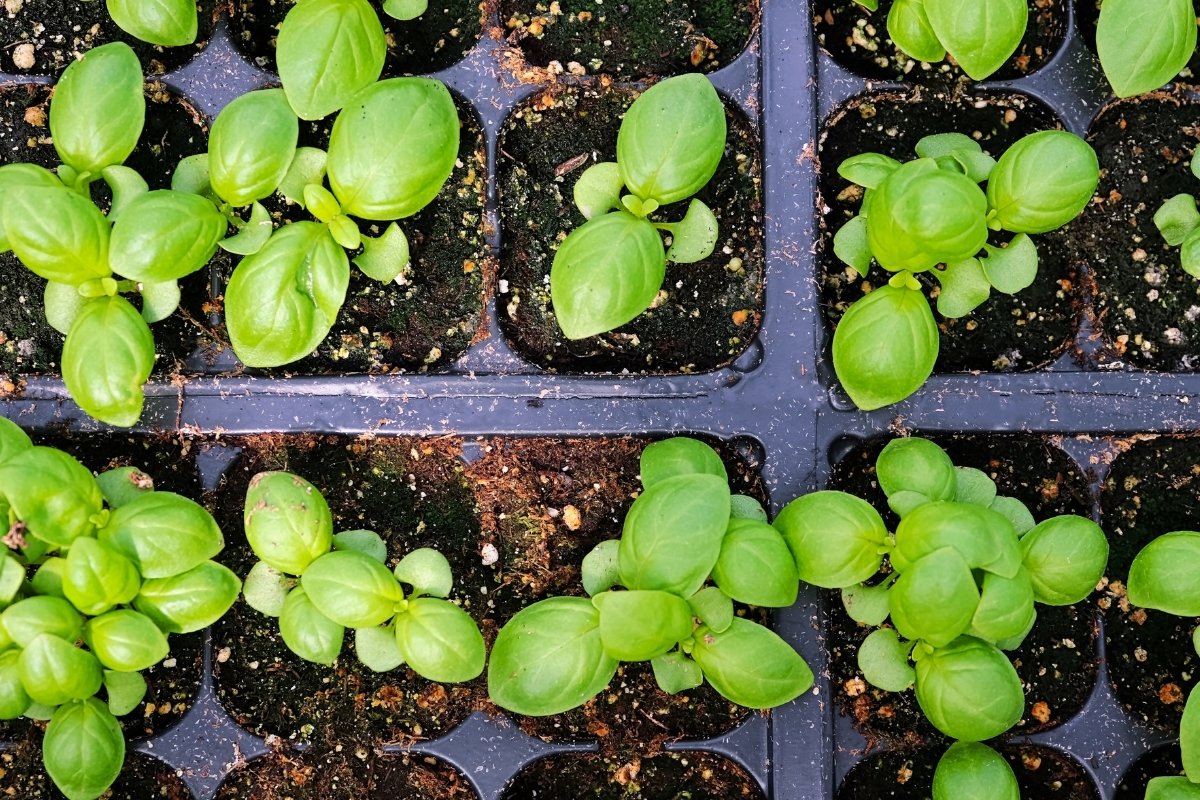
    Seeds should be sown in flats and you should continue to care for them until they attain a height of at least 8 inches. Make sure you harden off the seedlings before you transplant them.

    Once it’s time to transplant, select a sunny spot and a properly draining garden bed. Supply beefsteak tomato plants with direct sunlight of at least 8 hours or even more daily. Also, ensure no shadows are cast from any nearby trees or buildings.

    Remember before planting, you should work in compost or other organic amendments into the soil. You should also integrate a starter fertilizer just to get your little plants off to a good start.

    There should be adequate spacing to encourage good air circulation. Spacing should be around 19 to 36 inches apart. Beefsteak tomato usually requires lots of spacing as well as training and support.

    Caring For Beefsteak Tomato

      • One major part of caring for beefsteak tomatoes as they grow is staking. Staking is important to train your plant the right way or else they will begin to bend towards the ground.

      • Ensure you minimize weed growth by removing unwanted weeds and mulch between the rows. You will also be conserving moisture by doing this.

      • Apply fertilizer every 3 weeks.

      • Water is about 1 to 2 inches deep per week.

      • You should know that all beefsteak tomato varieties are susceptible to pests and diseases. Therefore, we encourage you to always monitor your plant so you can identify and solve the problems as soon as you notice them.

      • Prune your plants appropriately once they begin to grow. Ensure you trim off any sucker, leaves, as well as stems just below the first branch that has fruits or clusters. This will keep leaves off the ground and doing this can reduce the chances of disease and pests. This should be done weekly all through their growing season and make sure the plant doesn’t grow more than one or two main stems. Doing this will make the plant grow easier with a trellis and will encourage better branching.

    Caring For Beefsteak Tomato

    Why Are My Beefsteak Tomatoes Small?

    Unfortunately, beefsteak tomatoes growing on the small side is one of the most common problems that occur when growing them. This can happen for a range of reasons, including lack of water, pests, disease – and so much more! These reasons can then cause stunted growth. Let’s take a closer look.

    • Wrong variety. It may be that you’ve done nothing wrong at all and that you have simply purchased the wrong seeds. If this is the case, they’ll definitely be on the smaller side if they’re not beefsteak tomatoes!
    • Lack of water. Tomatoes are very thirsty plants and they need plenty of water to keep them moist and juicy. So much so, that the top 4-6 inches of water need to be kept moist at all times. It’s also best to water in the morning.
    • Root problems. When transplanting your tomatoes to a garden, root problems can occur if you do not do this gently enough. The roots of beefsteak tomatoes are very prone to breaking, so as long as you’re careful, this shouldn’t happen.
    • Not enough sunlight. Tomatoes need lots of direct sunlight, to thrive. If you plant them in shade, or somewhere that doesn’t receive much light, this is sure to stunt the growth and end with smaller tomatoes.
    • Too much fertilizer. While small amounts of fertilizer will help your tomatoes to thrive, too much can have the complete opposite effect. Not only can it stunt growth, but it can also change the flavor too! Using a low-nitrogen fertilizer is ideal.
    • Suckers. Too many suckers can cause the growth of your tomatoes to slow down rapidly. This is why it’s best to remove as many as you can from your tomato plant to encourage plump tomatoes.
    • Heat. The temperature of your environment is very important when it comes to beefsteak tomatoes. The hotter it is, the less likely they are to survive. If it is particularly hot, just ensure your tomatoes are kept watered and offer them adequate shade.

    Beefsteak Tomato Sprouts – How Long Does It Take?

    You may be wondering how long it will take for your beefsteak tomatoes to sprout from a seedling. If cared for correctly, you’ll notice signs of sprouting from around 5-10 days after planting.

    Beefsteak Tomato Plant Flowering – How Long Does It Take?

    You may be wondering how long it will take for your beefsteak tomatoes to flower. The truth is, it all comes down to the variety that you’re growing. However, it can be anywhere from 20-60 days. The general rule of thumb is that the larger the variety, the longer they’ll take to flower.

    Beefsteak Tomato Varieties

    There are over 50 different varieties of beefsteak tomatoes. Ranging from orange in color, to pink, to deep red. However, some are tastier than others. Let’s take a look at my top 6.

    • Orange Wellington Hybrid. This type of beefsteak tomato is medium in size and doesn’t have many seeds at all. They’re bright in color but have a sweet flavor profile. What I love about this type is that they can last all season, in all types of weather; when cared for correctly.
    • Delicious. Bursting with flavor, but it has quite a traditional taste. It’s not too sweet and it’s not too acidic. Perfect for slicing and it should go without saying – absolutely delicious!
    • Cherokee Purple. The perfect combination of sweet, yet smoky. As the name suggests, this tomato is extremely dark in color. They are large and extremely tasty.
    • Big Pink Hybrid. This type of tomato is medium in size and as the name suggests, is a blush pink color. It’s slightly sweet in flavor.
    • Darkstar Hybrid. These can come in a range of colors but are on the smaller side of beefsteak tomatoes. It’s a rich tomato flavor but doesn’t have much acidity.
    • Brandywine Pink. If you’re a fan of sweet tomatoes, this is the variety for you. This is known as one of the sweetest, if not the sweetest, beefsteak tomatoes.

    Beefsteak Tomato

    Conclusion: Are Beefsteak Tomatoes Determinate or Indeterminate?

    So, we have concluded that the beefsteak tomato is an indeterminate plant variety and not a determinate variety. Indeterminate tomato variety tends to grow in a vining manner and they will keep growing and yielding fruits all through their growing season.

    Do you have any other useful facts about beefsteak tomatoes? If so, please feel free to let us know in the comments below. And remember, sharing is caring! 

    FAQs

    How do I know if I have determinate or indeterminate tomatoes?

    Tomatoes are an easy-to-grow plant that can be grown indoors or out. Some varieties are determinate, which means they grow to a certain size, while others are indeterminate, which means they continue growing until the plants are harvested.

    A determinate tomato is a small, round tomato. Indeterminate tomatoes are larger, and they keep growing for many years. Indeterminate tomatoes tend to be more popular in warm climates. They are also more prone to fungal diseases than determinate tomatoes. Determinate tomatoes need to be transplanted at least twice a year. Determinate tomatoes are generally considered to have fewer diseases than indeterminate tomatoes.

    Determinate tomatoes are usually less expensive than indeterminate tomatoes.

    Can you tell which kind a tomato is by looking at it?

    You can’t tell by looking at a tomato plant if it is determinate or indeterminate. It is determined by the number of nodes on the stem. Indeterminate means that the plant will keep growing, producing more leaves, until it reaches a certain size. Determinate means that the plant will stop growing once it reaches a certain size. The main difference between the two types of tomatoes is the time to maturity. Indeterminate tomatoes will take longer to mature than determinate ones, so they are more productive over the long run. Beefsteaks are determinate, so they don’t keep growing. Indeterminate tomatoes will produce for several weeks and then stop producing. Determinate tomatoes will only produce for a few days.

    Are beefsteak tomatoes determinate or indeterminate?

    The answer is that they are indeterminate, and there are many reasons for this. First of all, the tomato plant does not have a single determinate fruit in the usual sense of the word. Instead, it produces a variable number of fruit, which can be anywhere from 1 to about 20 or 30 depending on the variety.

    Are beefsteak tomatoes easy to grow?

    Beefsteak tomatoes are easy to grow and can be harvested at the end of summer. They are a good choice for beginners because they are hardy, long-lasting and have a compact growing season. In addition, they are easy to grow and maintain, and they are available at most grocery stores.

    Beefsteak tomatoes are the largest tomato that can be grown in the home garden, and they have a compact growing season. Their fruits are usually harvested when they are ripe and red, and they do not require much care to produce large amounts of fruit. They are a good choice for beginning gardeners because they are relatively easy to grow, and they are available at most grocery stores.

    In general, you can plant beefsteak tomatoes in late spring or early fall. You can also plant them in the fall if your soil is still cool enough. If your soil is too warm, you may get more heat stress.

  • How to Tell if Cilantro is Bad? 3 Key Signs

    How to Tell if Cilantro is Bad? 3 Key Signs

    Cilantro is a popular ingredient in many savory dishes. In addition, it is also great to grow if you have your own garden, as it is best picked fresh. However, if you cook with it you will want to know how to tell if cilantro is bad.

    Whether in tacos, salsa, or salad, cilantro brings a wonderful flavor addition. It is a versatile herb that pairs nicely in many different dishes. However, it is perishable, so it is important that you properly store your cilantro to keep it fresh for as long as possible.

    What is Cilantro?

    Cilantro, also known as coriander, Chinese parsley, or dhania, is an annual herb that is part of the family Apiaceae. Though all parts of the plant are edible, the leaves and seeds, which are dried up to make spice, are the most commonly used parts.

    To many, cilantro has a tart, lemon/lime type of taste. However, for about 25% of people, it will taste like dish soap. This is because some people have a variation in a group of olfactory-receptor genes, which leads them to experience the soapy-flavored aldehydes in cilantro leaves.

    Cilantro is commonly used for chutneys, salads, salsa, and guacamole. In addition, it is a popular garnish for soup, fish, and meat.

    The seeds are also used as both whole dried and ground. By heating the seeds, the aroma, and flavor heighten. As a spice, it is used in garam masala and Indian curries, German sausages, beer, and pickling as well.

    Cilantro also has many health benefits as well. It can help with your digestive health and is even beneficial for your skin. This unique herb can also help with pain, inflammation, and anti-fungal properties.

    How Long Does Cilantro Last?

    Fresh, raw cilantro will last for about seven to 10 days in the fridge. Since it is highly perishable, it will only last for a few hours at room temperature after you pick it up. You will want to know how to tell if cilantro is bad to know how long it lasts.

    If it is too warm for too long, it will begin to wilt and dry up, making it undesirable to eat.

    How to Properly Store it

    Since cilantro is sensitive, you want to properly store it to ensure that it will stay fresh for as long as possible. Once you bring your cilantro home from the store, remove the rubber band that holds them together.

    The best way to store your cilantro is to fill a glass with an inch of water. Then, place your cilantro in the glass of water and lightly cover it with a plastic bag to maintain freshness.

     how long does cilantro last

    The best place to store it is in the crisper drawer or on the middle shelf of your fridge. You want to keep it in one of the coolest areas of your fridge to maintain freshness. You can also store it in a produce bag as well in your fridge.

    Though washing your cilantro before using it is important, you want to wait to wash it until you are ready to use it. Excess moisture can cause it to go bad quickly and will lead it to become inedible.

    How to Tell if the Cilantro in Your Fridge Has Gone Bad

    If you cook regularly, it is important to know how to tell if cilantro is bad. If your cilantro is soft and becomes discolored, it is no longer good.

    In addition, if you notice an off-smell or taste, it is best to just disregard it. If you notice any mold or it feels slimy, throw it out right away, bad cilantro is not safe to eat.

    Can you freeze it?

    You can freeze cilantro, which is a great way to prevent throwing out any extra before it goes bad. To freeze, start by washing it, then trim and chop it. After that, make sure to thoroughly dry it to remove any moisture.

    Once dry, you can place the leaves in a Ziploc bag, removing as much air as possible. Then, place the bag in your freezer and use it as needed. Your cilantro will last for around three to four months in the fridge.

    Ziploc Gallon Food Storage Freezer Bags, Grip ‘n Seal Technology for Easier Grip

    91ZgE9msTsL. AC SX679

    In addition, you can also freeze your cilantro in cubes as well. To do this, add the cilantro to your blender with water and olive oil to create a thick paste. Then, place the paste in ice cube trays and freeze them.

    Once they are frozen, add your cubes to a plastic bag and return them to the freezer for up to six months. Then, you can use them for curries, soups, and other dishes as well.

    How to Grow Cilantro

    The best time to plant cilantro is in cool weather, such as early spring. It does best in loose soil, with good drainage where it has full sun. You can grow it in your garden or a planter, just be sure not to plant it too close to taller plants that will take away its sunlight.

    Plant the seeds one to two inches apart and about 1/4 to 1/2 an inch deep for best results. Keep the soil moist, but not soggy; about one inch of water a week. Cilantro will do best in temperatures between 60-70 degrees.

    Knowing How Long is Cilantro Good For

    Once you pick it, cilantro will not last long at room temperature. Fresh, raw cilantro will only last for a few hours at room temperature. In the fridge, you can keep it for up to seven to 10 days, or in the freezer for up to four to six months.

    Knowing How Long Is Cilantro Good For

    The best way to keep your cilantro is in a jar with about an inch of water. Then cover the top loosely with a plastic bag to help keep them crisp and excess moisture out. You can also keep it in a produce bag in the crisper drawer of your fridge.

    To freeze it, keep it in a Ziploc bag or blend it with olive oil or water to make a paste. Both of these options will keep well in the freezer and are easy to use.

    Signs to Look Out for When Cilantro Has Gone Bad

    You may be wondering what the key signs to look out for are when you’re trying to see if your fresh cilantro is still safe to eat. There are a few ways you can test this. Let’s take a closer look.

    • Appearance. One of the easiest ways is to look at your cilantro simply. Your cilantro should be green in color when it’s at its freshest. However, if you notice that your cilantro has a yellow tinge or even a slightly brown tinge, it means it’s on its way to going bad or is already bad. As well as this, if you notice any black spots, or spots of mold, they should be discarded immediately. Your cilantro may also become floppy, and limp when it’s starting to go bad.
    • Smell. Another good way of checking is to simply smell your cilantro. It should smell leafy and earthy; but mild. However, if it has a sour smell, it’s likely it’s already gone bad and you should discard it.
    • Taste. If it’s passed the first two tests and you’re still unsure, try a small amount of cilantro. If it doesn’t have much flavor, then discard it, just to be safe. Cilantro loses flavor over time, so the more flavorful it is, the fresher it is.

    What Do Black Spots on Cilantro Mean?

    If you notice black spots on your cilantro, then you should discard it right away. This usually means that your cilantro has a bacterial leaf infection. You could become quite ill if you decide to eat cilantro with black or brown spots.

    What Happens if You Eat Bad Cilantro?

    If you eat bad cilantro, you’ll likely be ill; depending on how much you eat. You may experience gastrointestinal symptoms such as sickness and abdominal pain. The following bacteria can be found on herbs like cilantro: E. coli, listeria, and salmonella. All of these can be very dangerous, so it’s best to avoid bad cilantro, when possible.

    What to Do With Cilantro Before It Goes Bad?

    If you notice that your cilantro has past its peak freshness, you may be wondering what to do with it. With any leftover cilantro, why not try using it in one of the following:

    • as seasoning or flavoring
    • in breakfasts, such as eggs
    • salsa topping
    • taco topping
    • salad dressing
    • in smoothies
    • on top of rice

    Does Dried Cilantro Go Bad?

    Dried cilantro lasts significantly longer than fresh cilantro. However, it does still deteriorate. Depending on your storage method, it can last anywhere from 1-3 years.

    How to Dry Cilantro

    You may be wondering how to dry your cilantro. I’ve found that the easiest way to do this is in the oven. To do this at home, all you’ll need to do is:

    1. Preheat oven to 300F and wash and completely dry your cilantro, in preparation.
    2. Grab a baking sheet and spray lightly with nonstick cooking spray. Add the leaves to your prepared baking sheet, and spread them apart.
    3. Place in the center of your preheated oven and dehydrate for around 20-30 minutes. The leaves should be completely crisp and dry.
    4. Leave to cool and then crush your leaves and add them to an airtight jar. Keep in a cool, dry place and use within a year.

    cilantro is bad

    Conclusion

    I hope this post has helped to answer the question: of how to tell if cilantro has gone bad, and given you the warning signs to look out for. Do you have any tips or tricks for knowing if cilantro is bad? If so, let us know. And remember, sharing is caring! 

    Do you have any questions regarding how to tell if cilantro is bad? If so, please ask any questions about how to store this herb in the comment section below.

    FAQs

    How can you tell if cilantro has gone bad?

    The best way to figure it out is by taste.

    If it tastes good, then it’s good. If it tastes bad, then it’s bad. A few weeks ago, I got a call from a friend who wanted some good quality cilantro for her salad. She wanted to make sure she had some good cilantro, because she knew that some of the cilantro she was getting was a little on the stale side. So she called me and asked me what she should do. I told her that the best thing to do is to eat it. So she did. And her salad was delicious. So in this case, she found out that it wasn’t the cilantro that was bad, it was the salad. And that’s the way you find out if your herbs are bad or not.

    What do I do if my cilantro tuns black when I chop it?

    I’ve seen this before. It’s usually caused by too much heat or a too long drying time.

    In either case, it’s better to just throw out the bunch and buy a new one.

    It’s called oxidation, and can happen when you cut the cilantro in the sun or on a hot surface. You can minimize the amount of this happening if you put the bunch in the fridge for a few hours after you’ve cut it.

    Should I buy organic cilantro?

    Yes, cilantro is an herb that you want to buy organically. It is known to have antibiotic resistance so it is best to buy organic.

    How does bad cilantro smell?

    When it’s not a pleasant one. The smell is so strong and pungent, that you can almost imagine it being used as an insect repellent. And it’s not just the smell that makes bad cilantro bad; it’s also the taste.

    Can I eat cilantro with brown spots?

    The answer to your question is: it depends.

    The brown spots are actually dead leaves that have fallen onto the cilantro plant.

    Can I eat limp cilantro?

    Yes, but it’s not the same as fresh. Use fresh, and it’ll taste better. 

    It’s considered “very low risk” for food poisoning because it has a high water content.

    How long does cilantro last in the fridge?

    The general rule is that it will keep for a week or two if you remove the stems and leave the leaves. You can freeze it and it should be ok for about 6 months. If you store it in the refrigerator, it will go bad faster than if you store it in the freezer.

  • Green Spaghetti Squash: What This Means

    Green Spaghetti Squash: What This Means

    Why do I have green spaghetti squash inside, is it supposed to be this color when ripe, and is it safe to eat?

    Spaghetti squash is one of the most popularly grown vegetables that most people love to eat. It’s like pasta but it’s not pasta.

    Sometimes people notice that the spaghetti squash is green inside instead of its usual yellow or golden color. “Why do I have green spaghetti squash”, this question is typed all over the internet meaning so many people want to find out the answer.

    To demystify this question, let us look at all the information about spaghetti squash.

    Why Do I Have Green Spaghetti Squash Inside?

    When you are at the store buying a spaghetti squash, look for those that have a nice lemon yellow color. If you notice a squash is green inside, it means it isn’t ripe and will have to stay longer before you can use it.

    If a spaghetti squash is green and soft, it is more likely to rot than ripen when off the vine. If it has hints of yellow and the squash appears to be full-sized and sounds solid when tapped, it could be mature and ready for eating.

    So Why Is My Spaghetti Squash Green Inside

    If you are growing spaghetti squash in your garden, look for those that have smooth skin and feel heavier than others. Those are signs of a perfectly ripe spaghetti squash ready to be harvested off the vine.

    However, if the fruit is too mature it may already be rotting inside, so it’s hard to tell what stage it is at by just looking at it. Go ahead and try to cut into the fruit by gently prying open the rind just enough to see inside then softly pressing back together. If you notice any green spots or dark discoloration on the seeds, that is an indication that it has begun to rot.

    How Do You Know if Spaghetti Squash is Bad Inside?

    There are several signs to tell if your spaghetti squash is bad inside. They include:

    • Check to See if it is Green Inside. The first rule of thumb is to not eat or cook spaghetti squash if it is green or almost completely green. The easiest way to know if it’s ready for eating is by looking at its color. A fully ripe one should have a bright yellowish-orange tone.
    • Check the Rind for Any Discoloration. Any discoloration on the rind means the spaghetti could be rotten on the inside. If the rind appears to be saggy or has a dark spot, do not cook it.
    • Check for Any Soft Spots on the Exterior of the Fruit. Any small soft spot can turn into a large dark patch very quickly so if you notice anything with discoloration toss them immediately.
    • Are the Seeds Brown? When you are cooking spaghetti squash at home, do not eat those that have already begun to turn brown on the seeds as this may indicate the presence of harmful molds that can cause foodborne illnesses.
    Our Pick
    Squash Seeds for Planting 5 Individual Packets – Zucchini, Delicata, Butternut, Spaghetti and Golden Crookneck
    $9.95

    Gardeners Basics Squash Seeds for Your Non-GMO Heirloom Vegetable Garden

    Check Amazon Price
    We earn a commission if you make a purchase, at no additional cost to you.
    12/05/2025 08:03 pm GMT

    How to Ripen Spaghetti Squash

    If you happen to harvest or buy your spaghetti squash when it is not fully ripe, you can ripen it indoors. Here are several ways you can ripen your spaghetti squash

    • Store it in a cool dry place, away from any direct sunlight for about ten to twelve weeks. Simply put, store spaghetti squash as if you store bananas because they both ripen faster when kept at room temperature instead of cold storage area.
    • Keep it on top of your counter. Ripen spaghetti squash at home by keeping it on top of your counter or kitchen table to allow the fruit to breathe well and avoid overly moist conditions.
    • You can also ripen this winter gourd off the vine but make sure to leave 1/2 inch space between each other so there is enough air circulation around them.
    • To know if your spaghetti squash is ripe, check the bottom for any indentations. Mature spaghetti squash will have roots on the bottom while immature ones do not.

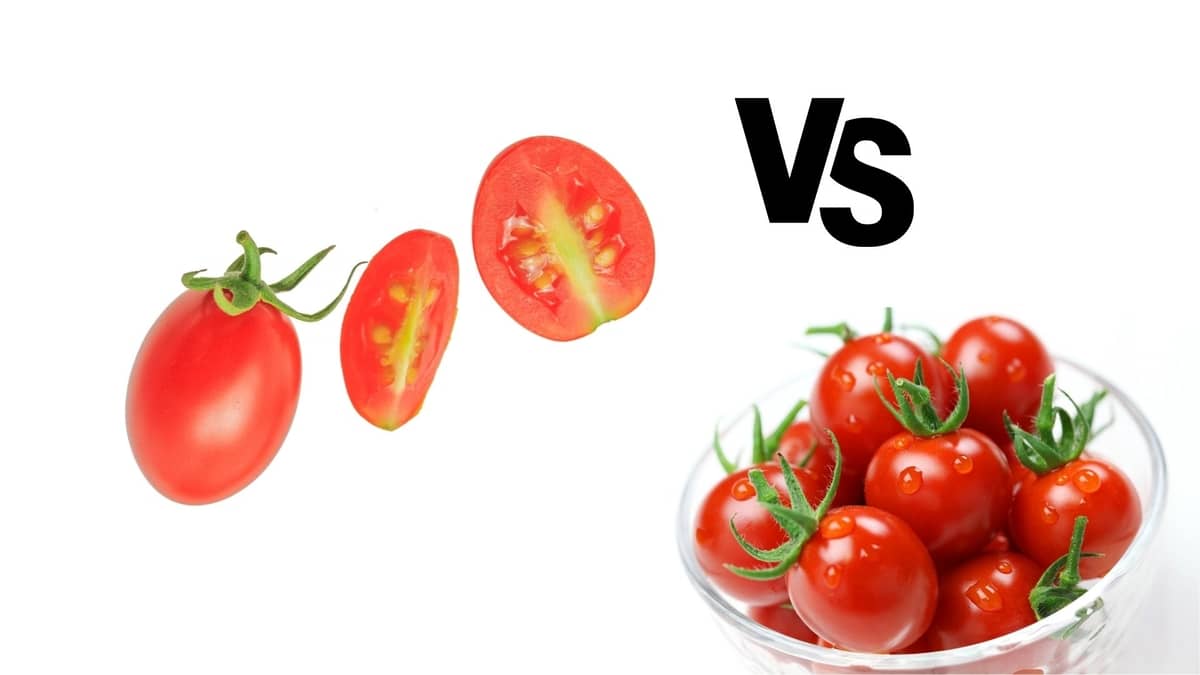
    Check Out The Top 5 Cherry Tomato Varieties Chart

    Spaghetti Squash’s Shelf Life

    How long does spaghetti squash stay outside after picking? Spaghetti squash has a short storage life and should be kept indoors at room temperature for no longer than ten days, so it’s best to use them as soon as possible after harvesting or purchasing from the grocery store!

    Leaving winter squashes out can cause faster deterioration due to moisture loss and rotting because of a quicker oxidation process happening inside the fruit.

    What Color Spaghetti Squash Should I Pick? 

    The skin of your spaghetti squash should be a yellowish-golden hue. It will start as creamy and then transition to bright. If the squash has an even yellow color, it’s ready for harvest. If you notice green-yellow spots, leave it to grow a little more. But be careful. Once your spaghetti squash reaches an orange hue, you will only be able to preserve it for a short time. 

    You can use other methods besides color to determine if your spaghetti squash is ready for harvesting. Just relying on the color can leave you unsure. Here are two other ways to determine ripeness:

    Check the Skin: Ripe spaghetti squash will have almost flawless skin. There won’t be any bruising or indentations. If these are present, your squash is damaged or overripe. 

    The Fingernail Method: You can try pushing your fingernail into the squash skin. Mature fruit will be tough and challenging to penetrate. If you can puncture the squash skin, it needs more time to grow. 

    Spaghetti squash starts as a small fruit with white or green skin. It takes up to 110 days for it to mature. You can use this timeline as another indicator for ripeness if you’re unsure about the color of your squash. 

    Can You Plant Spaghetti Squash in August?

    Spaghetti squash can be grown for a summer or fall harvest. If you’d like a fall harvest, you can plant your spaghetti squash in August. 

    You should choose a spot that gets full sun for at least 8 hours daily. Starting your seedlings indoors can help you yield healthier plants. They’ll be ready to transplant outdoors in August if you start them in June or July. Dig a hole that’s a little bit larger than the plant root. Carefully place the plant inside and fill it with organic soil

    If you want to sow your seeds directly outside, ensure they’re 1 inch deep. You should leave approximately 12 inches between each seed, so your plants have enough space to grow. Spaghetti squash needs watering directly after you’ve planted them. 

    You’ll start seeing fruit form about 8 weeks after you’ve sowed your seeds. The squash will be ready to harvest in another 7 or 8 weeks, ensuring that you have fall squash. 

    When to Harvest Spaghetti Squash?

    The best time is just before the first winter frost has made its way. This is usually around early fall time. One of the easiest ways to tell when your spaghetti squash is ready to harvest is to make a note of when your spaghetti squash has bloomed. Then anywhere from 40-50 days after that, your spaghetti squash is likely to be ripe and ready to harvest.

    When is Spaghetti Squash Ripe?

    As soon as the spaghetti squash turns yellow, either golden or dark yellow; this usually means it’s ripe and ready to pick! This can happen anytime from around 40-50 days after your spaghetti squash has bloomed. Your ripe spaghetti squash should be firm, not soft, or brown.

    How to Tell if Spaghetti Squash is Ripe

    If you’re wondering what the best way is to tell whether your spaghetti squash is ripe, there are actually a few easy methods to ensure you pick your spaghetti squash at just the right time. Let’s take a closer look.

    • Color. If you have green spaghetti squash, it is simply not ready to be picked and it should be left longer. And if you have light orange spaghetti squash, you’ve likely waited too long and it’s now over-ripe. The ideal color for ripened spaghetti squash is golden yellow.
    • Clear Skin. If your spaghetti squash shows any markings, bruising, or indentations, it’s likely too late to save your spaghetti squash. It should have clear skin.
    • Use Your Finger. Gently press your finger onto the spaghetti squash skin. When you press down, it should be firm and not go straight through. However, if it does, then you should discard the spaghetti squash, as it’s now too ripe.
    • Use Your Fingernail. You can also try this with your fingernail. Gently press your fingernail into the spaghetti squash skin. If your fingernail doesn’t go through, it’s a sure sign your spaghetti squash is firm enough to harvest, and enjoy.

    Spaghetti Squash When to Pick: The Ideal Time

    You may wonder when the ideal harvesting time is for your spaghetti squash. The best time to harvest is either in late summer or early fall, before the first winter frost hits. You’ll know when they’re ready because the squash will have turned a golden yellow or a dark yellowish color.

    Nutrition of Spaghetti Squash

    Many people choose spaghetti squash over carbohydrates such as pasta. So, you may be curious as to what the nutrition is when it comes to spaghetti squash. Each cup of spaghetti squash contains the following:

    • calories: 31
    • fat: 0.6g
    • saturated fat: 0.1g
    • carbohydrates: 7g
    • dietary fiber: 1.5g
    • sugar: 2.8g
    • protein: 0.6g
    • cholesterol: 0g
    • sodium: 17.2mg
    • potassium: 109mg

    As you can probably tell from the nutrition, spaghetti squash is much healthier than traditional pasta, so it’s a great substitute if you’re on a low-carb diet, or simply trying to be healthier.

    Spaghetti Squash harvesting

    Conclusion: Green Spaghetti Squash 

    Spaghetti squash, also known as vegetable noodles, has a delicious taste and texture. The flesh of the spaghetti squash has a very mild flavor which makes it a good choice for pairing with almost any sauce or side dish.

    Slice your spaghetti squash thin and use it in place of regular pasta; just be sure to cook it first before you serve. If you’re not planning on using your spaghetti squash right away after cooking you can freeze the remaining half and then thaw it out for later use.

    To freeze cooked spaghetti squash, just cool the leftovers of your spaghetti squash to room temperature then transfer them to an airtight container and place the container in the freezer.

    Why do I have green spaghetti squash? Hopefully, after reading this post you are wiser and can enjoy your spaghetti squash before it goes bad. How about you try new recipes as accompaniments for your spaghetti squash to consume it more often without getting bored?

    Do you have any tips or tricks when it comes to green spaghetti squash? If so, please feel free to let us know in the comments below. And remember, sharing is caring! 

    FAQs

    Is it safe to eat green spaghetti squash?

    Yes, but do not eat them if they are too mature. Spaghetti squash turns green on the inside when it becomes overripe.

    Why is spaghetti squash turning yellow before its time to be harvested?

    Spaghetti squash starts turning yellowish orange or dark greenish color once reaching optimal maturation stage of harvest.

    How do you know if spaghetti squash is bad inside?

    There are several signs to tell if your spaghetti squash is bad inside, they include rind discoloration, green flesh, or soft spots on the exterior of the fruit.

  • Carrots pH Level: The Ideal Soil pH For Carrots

    Carrots pH Level: The Ideal Soil pH For Carrots

    It is critical to offer the ideal carrots pH level to help build a good carrot soil profile that will necessitate an excellent harvest.

    Carrots are among the most universally grown vegetables loved by many gardeners. Because of their radiant colors, diverse shapes, and sizes, the nutritional value demand for carrots is always high.

    Mastering the right carrot culture is well worth the effort as a grower. You will grow more carrots for your consumption and the market at large.

    Best Soil pH For Carrots

    Among other root crops, carrots are best planted directly into the garden in a prepared seedbed. To prepare the seedbed, ensure that your soil is soft enough to work by tilling and adding organic compost amendments.

    They thrive in soil that is moderate, neither too acidic, nor too alkaline, with a pH level of between 5.8 and 6.5. This atmosphere provides the best soil for growing carrots.

    Best Soil pH For Carrots

    Carrots require adequately moist soil that eliminates the growth of tiny hairy roots that destroy the texture of the overall carrot.

    The best soil for carrots should have temperatures ranging between 60 and 65 degrees Fahrenheit. It should be loose, free of debris, and either sandy or loamy.

    How to Fix Your Soil pH: Carrots pH Level

    To build a good profile for your soil, it is essential to carry out a soil test to test the carrot’s pH level. Carrots do not do well when the soil is acidic; if you need to amend your soil in any way do so the year before growing carrots.

    Use garden lime to change the carrot pH level to a more alkaline level. Use a garden fork or a tiller to loosen the soil to a depth of at least 8 inches. Remove any rock debris and break up any large pieces of the soil, ensuring it is soft and uniform.

    While working your soil, add at least 2 to 4 inches of compost manure to help loosen the soil and add the proper nutrients. Add 2 to 4 cups of all-purpose fertilizer per 100 feet and work all that down into the bottom of the bed. Rake out the bed smoothly after removing all the large chunks of soil.

    Why is Carrots’ pH Level Important?

    The pH level affects how carrot plants receive nutrients from the soil. The pH level also impacts how much nutrients are made available in the soil by the bacteria that break down organic matter.

    The ideal pH level suitable for carrots is between 6 to 6.8. However, carrots can do well in pH levels ranging between 5.5 to 7.0 allowing faster nutrient uptake and healthy growth.

    A pH level below 5.5 is too acidic, and anything over 7.0 is too alkaline for carrots to grow. We encourage you to test the pH of your soil with a pH meter before adjusting or sowing your carrot seeds.

    If your soil is too acidic below 5.5, you can add wood ashes or dolomitic lime. If your soil is too alkaline above 7.0, organic matter such as compost peat moss or elemental sulfur can be added.

    Learn more about Which Bell Peppers Are The Sweetest?

    Growing Healthy Carrots

    After adjusting your soil‘s pH level, it’s time to plant your carrot seeds.

    Space your seeds at least 2 to 4 inches apart, planting them under a quarter to half an inch deep. Carrot seeds are very tiny, and this kind of spacing can be achieved by using a seed injector or thinning them after germinating.

    Keep the soil surface moist after sowing your seeds so that it does not dry and crack. Carrot seeds have difficulty germinating if the soil is dry and crusty.

    Side dress the rows using ammonium nitrate fertilizer at the rate of 1 pound per 100 ft of row once your plants are 4 inches tall. Your soft, loose soil for carrots is also favorable to weeds so that they will grow as fast as your carrot seedlings. Pull out as many weeds as you can but avoid deep cultivation near your carrot plants as you can easily damage the roots.

    Harvest your carrots for at least 65 to 75 days from the day of planting or when they reach your desired size.

    Down to Earth Organic Bio-Live Fertilizer Mix 5-4-2, 5 lb

    81iLpUAnWOL. AC SY741

    Soil Management Tasks to Ensure You Get the Best Carrots

    Preparing the seedbed

    Depending on the variety of carrots you’re growing, dig down at least 7 to 8 inches deep into the soil. For straight uniform roots, a deeper seedbed is required. Carrots thrive in loose soil and tilt to a depth of about 10 to 12 inches. Remember to remove any rocks or debris from the soil.

    Fertilizer soil with phosphorus

    Like most root crops, carrots require a good amount of phosphorus to perform their best. Because they have a single thick taproot rather than many fibrous roots, the area they absorb phosphorus is relatively small. Unlike other nutrients, phosphorus is not absorbed by a plant through water absorption. 

    Instead, it is fascinated by a process called diffusion, naturally moving from a high concentration area in the soil to a lower concentration inside the root. The soil area from which phosphorus is absorbed is a very small area around the root itself. If your soil test indicates a need for adding more phosphorus, you can go ahead and add organic phosphorus fertilizer, like rock phosphate or bone meal to the planting area a few weeks before sowing the seeds.

    Balance the soil pH

    Use a soil tester to determine the pH of your garden soil before sowing your seeds. Just like many other vegetables, the carrot soil pH should be between 6 and 6.8. Keep in mind that a pH test should be performed every 2 to 3 years. The effects of sulfur or lime eventually dwindle and the soil returns to its native range.

    Water your carrots properly

    Keep your soil well-watered throughout the growing season but don’t overdo it. Once your carrots are up and going, they will require an ample amount of water to reach their full potential. Carrots are not drought-tolerant plants, and if not provided with enough water, they will gnarl, fork, or turn pithy.

    However, if the soil gets too wet in the later stages of carrot development, it will split open and show signs of rot. Irrigate at ground level to avoid causing fungal diseases like crown rot, powdery mildew, and leaf blight when watering.

    Water Your Carrots Properly

    Keep the carrots covered with soil

    As the carrots grow, the top part next to the leaves may get exposed. If this happens, mound the soil or mulch the exposed places. Exposure to sunlight can cause the exposed parts to turn green and bitter.

    What is the Ideal pH of Carrots?

    You may be wondering what the ideal pH of carrots should be. For the best results when it comes to growing carrots, the soil pH should be around 6-7. This means that the soil should only be slightly acidic, or almost neutral. You should also ensure the soil is well drained; loamy soil is best for growing carrots. You may notice your carrot plants sprouting weeds, but it’s important to not use a weed killer. This is because it may cause damage to the carrot plants themselves.

    Are Carrots Acidic or Alkaline?

    So we know the soil needs to be slightly acidic, but what does this mean for the carrots themselves? Are they acidic or alkaline? The truth is carrot pH levels usually sit between 5.9-6.5. This means that they’re typically slightly acidic. However, it’s very close to being neutral! Anything under 7.0 on the pH scale is considered acidic, so it only just cuts!

    However, carrot pH levels can differ depending on the type of carrots you’re eating. For example, chopped carrots range from 5.3-5.5 on the pH scale, whereas cooked carrots range from 5.6-6 on the pH scale. And canned carrots can range from 5.18-5.22 on the pH scale, whereas pureed carrots range from 4.5-5.2 on the pH scale. One thing is for sure, whichever form they come in, carrots are acidic.

    Best Potting Soil For Carrots

    You may be curious as to what the best potting soil is when it comes to carrots. The main factors are that it should be well-drained and loose. As well as this, it should be packed full of micronutrients. A loamy soil often works best. And the pH level should be between 6-6.5.

    Best Compost For Carrots

    You also may be curious as to what the best compost is when it comes to carrots. As we know, carrots like an environment of 6-6.5 on the pH scale. Using compost that’s full of organic matter and is rich in micronutrients is ideal for your carrots to thrive.

    How to Make a pH Indicator With Carrot

    There are two ways to make a pH indicator with carrots, and this will also work with other fruits and vegetables too, such as eggplant, blueberry, cherry, oranges, etc. To see the color change, your carrots simply need to be made more alkaline or more acidic.

    For the first method, just place your carrot into a blender, then push through a strainer until you have liquid remaining. Pour the liquid into a container and add a small amount of water, if desired (this shouldn’t change the color). Now simply add your acid or alkaline! If you want your carrot neutralized in color, just add a sprinkle of baking soda.

    Another method is simply boiling some water and then pouring it into a bowl. Add grated pieces of carrot to your bowl and leave for around five minutes, stirring often throughout. Leave to cool and your pH indicator from a carrot is ready!

    carrots ph

    Conclusion: Carrots’ pH Level 

    Knowing the right carrots’ pH level is the first step in growing a healthy crop. Gardening is a beautiful experience; especially the joy of putting one seed in the ground and harvesting a large crop of healthy vegetables. Enjoy your gardening journey!

    Do you have any tips or tricks when it comes to growing and harvesting carrots? If so, please feel free to let me know in the comments below. And remember, sharing is caring! 

    FAQs

    Do carrots like acidic or alkaline?

    I have read that carrots prefer an acidic soil, and that this is why they are so good at removing iron from your body. I have a carrot patch in my garden, and I don’t fertilize it with anything. The soil is clayey, but also has a lot of sand mixed in.

    The pH of the soil has some effect on how many carrots a plant will produce. Carrots prefer a pH that’s somewhere between 6 and 7.

    However, it is also true that carrots are very sensitive to changes in soil pH.

    What is the best soil mix for carrots?

    Perhaps the best is organic compost. This is a mixture of organic material (composted manure, grass clippings, etc.) mixed with an equal amount of peat moss. This is usually mixed into the top 6 to 8 inches of the soil, and it should be added at least once every three years. Potting soil — This is usually a mix of sand and peat moss. It is used for growing vegetables in small containers, such as pots or trays. 

    I have read that the soil mix should be well-drained and loose.

    This is what I use:

    1/2 to 1 cup of composted manure 1 cup of vermiculite 1 cup of peat moss 4 cups of sand This is a pretty good mix, but if you don’t have access to these materials, try making your own. I start my seeds indoors in a seed starting mix (usually a peat moss potting mix). I start them in a dark place and make sure they get at least 12 hours of light a day. After 3 weeks, I transplant them to my garden and let them grow for about 2 months before harvesting.

    How do you determine your soil’s pH?

    You can easily test your carrot’s soil with a simple pH test kit. These kits are inexpensive and easy to use. You should test at least three different spots in your carrot bed and average them out. If you do not have the proper pH test kit, you can purchase one online or at your local garden store. Using the pH test kit, you will take a small amount of soil and water it into a cup. Using the provided water, mix the soil thoroughly until it forms a paste.

    Now add an equal amount of water to the cup. This will let you know.

    Where is the best place to plant carrots?

    The best place to plant carrots is in a spot with a deep, fertile, and well-drained soil. This includes areas that have a lot of compost, manure, or mulch. If you do not have these materials, it is better to add them to the soil before planting. For example, if you have a lot of manure, mix it in with your soil. This will help the soil to retain moisture and nutrients. You can also mix in some compost, which will also improve the soil. Carrots also like to be planted in a spot with a lot of sun. Sunlight will help the roots to grow long and strong. Carrots also prefer a location with plenty of water, but they can also survive without water for a while.

  • Nitrogen Rich Foods: 4 Best Foods

    Nitrogen Rich Foods: 4 Best Foods

    One thing about nitrogen is that it plays a key role in biological development. Nitrogen-rich foods are what we will be looking into.

    You should know that nitrogen can come in different forms and this can be confusing. Let’s take nitrates and nitrites as an example. They are used to preserve consumable foods, keeping them from getting spoilt by harmful bacteria.

    Nitrates and nitrites are also added to processed meat, little wonder they say this type of meat is one of the causes of cancer. Another one is about nitrogen being an important building block for amino acids. Hence, it’s common to find nitrogen present in foods high in protein.

    But all nitrates are not bad. There are good ones that provide some benefits with no negative side effects. So let’s find out more.

    What Foods Are Rich in Nitrogen: Nitrogen-Rich Foods 

    Nitrogen is responsible for the production of antibodies in the body system of humans. The regular consumption of foods rich in nitrogen is very important. Furthermore, nitrogen-rich foods are a great recommendation for people that want to keep fit.

    This is because when this food gets into the system, rather than for it to be transformed into fat, it is being transformed into carbs. But when we talk about the amount of protein in food, it is referring to the amount of nitrogen in total that is present in that particular food or food group.

    What Foods Are Rich In Nitrogen

    If you’re thinking of reducing your appetite, consider having foods that contain protein in every one of your meals.

    Also, have it in mind that if you’re trying to keep fit by staying on a protein foods diet and exercising, you will be enjoying benefits like the build-up of new and old muscle material in your body.

    Click Here to Learn:

    Can Nitrogen Be Harmful?

    The reason for the different ways the different types of nitrates and nitrites react, either in a beneficial or harmful way, is because of the compounds they produce.

    Toxic compounds can be formed as a result of the acidity of the stomach and cooking with high heat. Processed meat is a very good example that poses a great threat to the body due to how the compounds in it react. It contains the type of compounds that are found in nitrogen-rich foods that turn out to be harmful.

    But in this article, the focus will be on healthy nitrogen foods. Also bear in mind that the best healthy nitrogen sources are plant-based protein foods. This is because the protein in them is low. Hence, they won’t get to react much.

    Animal-based protein foods are beneficial too. However, most nitrogen is received from plants.

    Nitrogen-Rich Foods: Foods High in Nitrogen 

    1.    Soybeans as Well as Soy Products

    Soybean is rich in protein and it is the reason why they are the best choice for a plant-based source of protein. Any product that is made with soybeans, as well as beans, will contain a high level of nitrogen. Soybeans have a high rate of nutrients in them.

    This is why it is advisable to always have them incorporated into your diet. However, they pose to have a series of controversial theories about several types of food. These issues, amongst others, are that they contain antinutrient factors and compounds that act like estrogen.

    It has also been said that soybeans are genetically modified. This is why a lot of people don’t take soy products.

    However, you can’t be too sure about these theories being 100 percent true because there is yet to be any substantial scientific evidence backing them.

    But if you’re worried that the number of nutrients you absorb will be reduced by antinutrients, the number of vitamins and minerals you will be getting from soybeans at the end will still be much. Hence, there’s no need to avoid soybeans totally.

    Soymerica Non-GMO Soybeans – 7 Lbs (Newest Crop). 100% Product of USA

    71uI1ArgFvL. SX569

    2.    Beans – Nitrogen Rich Foods

    Beans are members of the legume family that are great sources of protein and nitrogen also. Well, beans are popularly known to be a high source of protein, affordable, and don’t usually rot quickly. Beans come in varieties, including different types of colors and sizes. Beans also come in varieties of flavors and textures that can determine your choice of a particular meal.

    It is good to not only focus on the type of beans you like alone but other types too. This is because every type of bean has different nutrient composition. You can get the best of your beans by soaking them before using them. You get to extract the nutrients easily from the more beneficial beans.

    3.    Poultry 

    Poultry is well known as one of the types of foods high in nitrogen with chicken as the commonly consumed choice. This is because chicken is a lean source of protein which is considered healthy and affordable. Another type of poultry that contains lots of protein and nitrogen is turkey.

    4.    Meat – NNitrogen-RichFoods 

    It is no news that meat is a high source of protein and nitrogen food. Any type of meat can give you lots of protein as well as nitrogen. But bear in mind that all meats are not of the same type, especially when it comes to how healthy one type of meat is than the other.

    It is ideal to focus more on consuming lean meat than red meat. It is important to avoid burning and cooking your meat on high heat as this may cause the formation of carcinogens. However, a lot of people still don’t feel part of the variety of meat can pose any threat to their health.

    Meat - Foods High In Nitrogen

    This is common amongst people on a low cab or keto diet. They feel red meat can be highly beneficial to their health as it is high in nutrients.

    But as for processed meat, the fact that it poses a great threat to human health can’t be overemphasized. Processed meat, say bacon, increases the risk of cancer. The fact that they may have been preserved with nitrates and nitrites makes it best to avoid them.

    How to Give Your Plants Nitrogen

    Nitrogen is important for many plants to thrive, so you’ll need to know how to give nitrogen to your plants effectively. Let’s take a look at some of the methods you can use.

    • Use Manure. Chicken and horse manure are bursting full of nitrogen. So much so, that you’ll need to compost it first. Simply add the manure to your garden waste and leave it for a few months. Other types of manure you can use include cow, rabbit, and even goat! While it can take a while for your manure to compost, it’s the most effective method of giving your plants the nitrogen they need.
    • Use Nitrogen Rich Plants. Some plants will make their nitrogen and add it to the soil when they grow. The most common types of plants that do this are legumes.
    • Add Ground Coffee. The best thing about this option is that it can be added directly to your soil. However, you can choose to add to your garden waste and make compost too. If you’re looking for a natural quick fix to ensure your plants have enough nitrogen, ground coffee is a great option.
    • Fish Emulsion. As well as being high in nitrogen, it also is filled with many other micronutrients to help your plants too, such as calcium. You can usually buy this from a garden center, or you can even use your own fish tank water, if you have one!
    • Use Plant Fertilizer. This is the most obvious way to add nitrogen to your plants. Whether you choose to use an organic fertilizer or a synthetic fertilizer, it’s easy to find fertilizers that contain nitrogen. The first number on the NPK ratio will usually be the nitrogen level, so the higher the number, the higher in nitrogen it will be.

    Best Fertilizers With Nitrogen

    If you’re wondering what fertilizers are the best that contain high levels of nitrogen, then look no further. Typically, you should look out for fertilizers that contain the following ingredients: urea and ammonium sulfate. Or simply choose one of the following:

    Miracle-Gro AAll-PurposePlant Food

    While this fertilizer is expensive, it’s worth the extra money, as it’s a well-trusted brand, easy to use, and gets fast results – which is probably everything you’re looking for in a fertilizer. It also comes with a no-scorch guarantee, which means your plants won’t be burned by this fertilizer.

    Jobes Houseplant Fertilizer 13-4-5

    If you’re looking for a high-nitrogen fertilizer to use inside, then the houseplant fertilizer from Jobes is ideal. It’s odorless, which is ideal for indoor use, easy and useful, and perfect for houseplant care.

    Best Organic Nitrogen Sources

    If you’re looking for the best organic nitrogen source, then we’re here to help. Here are some of my favorites and why.

    • Chicken Manure – easy to obtain, inexpensive , and works well
    • Horse Manure – much like chicken manure in that it’s easy to obtain, cheap, works well, and is one of the best
    • Blood Meal – comes as a red powder and is very effective. However, it can attract unwanted wildlife because of the smell
    • Compost Tea – all you need to do is water your plants with this. You can use manure or compost. Just add compost to the stocking (for example) and submerge it in water. Mix daily and leave for a week or so. Your compost tea is ready!

    Why Don’t Legumes Need Nitrogen-Containing Fertilizers?

    When it comes to legumes, it’s important not to use nitrogen-rich fertilizers. This is because they make their own nitrogen as they grow.

    how to give your plants nitrogen

    Conclusion: NNitrogen-RichFoods 

    Foods high in nitrogen can be pretty beneficial. We have listed some sources that are nitrogen-rich foods to enlighten you. Do you know of any other nitrogen rich foods? If so, please feel free to let me know in the comments below. And remember, sharing is caring! 

    FAQ’s

    Which vegetables are high in nitrogen?

    The vegetables that are high in nitrogen are cabbage, spinach, Swiss chard, beets, cauliflower, leek, potato, Asian greens, broccoli, and Brussels sprouts. Generally, most leafy greens are a rich source of nitrogen.

    Which fruit contains nitrogen?

    There are some good numbers of fruits rich in nitrogen. Some of these fruits include citrus fruit, pomegranate, apple, cherry, walnut, and grape.

    What foods are high in nitrogen?

    Some examples of foods that are high in nitrogen include meat, leafy greens, citrus fruits, garlic, beets, dark chocolate, nuts and seeds, and so on.

    What natural foods are high in nitrogen?

    Examples of natural foods that are high in nitrogen are beans, almonds, walnuts, lentils, soy-based proteins, seeds, coffee grounds, and so on.

  • When to Harvest Broccolini – The Best Time 

    When to Harvest Broccolini – The Best Time 

    Knowing when to harvest broccolini is important so you can ensure it will have the most flavor and nutrients. The best time to harvest is once the heads have matured but before they can flower otherwise you will lose the beauty of your vegetables.

    Broccolini, cauliflower, and kale are all cruciferous vegetables. They all share a similar nutritional profile with many vitamins and minerals.

    The most important difference between these vegetables is that broccoli has a high level of indole-3-carbinol (I3C). I3C is an anti-cancer compound that can prevent cancer from developing in the first place. Broccoli also contains sulforaphane, another potent anti-cancer compound.

    Broccolini is a member of the brassica family which includes broccoli, cauliflower, kale, kohlrabi, and cabbage. Created by crossbreeding broccoli and Chinese broccoli. It is very similar to broccoli, however, it has longer, thinner stalks and smaller florets.

    Broccolini is very similar to cauliflower as they both have the same size, shape, and taste. The key difference between them is that broccolini is more tender than cauliflower. Broccolini is a cool-weather crop and it is grown in the northern hemisphere.

    When to Harvest Broccolini – The Best Time

    Broccolini is best harvested when it is young as it will get larger and harder when it growsBroccolini takes about 48 to 60 days depending on the type and growing conditions you provide. It is best planted in the spring for the summer harvest.

    In some areas, you can plant them in the late summer for a fall harvest. Broccolini is an annual vegetable but it can be grown in cooler climates where broccoli would not grow. In warmer climates, it is grown as a biennial vegetable.

    How to Harvest Broccolini

    Now that you know when to harvest broccolini, it’s also important to know how to do it.  Broccolini can be harvested in many different ways.

    The easiest way to harvest broccolini is to just pick it off. Cutting the stalks with scissors will remove the leaves from the stalk and leave the broccolini intact.

    Alternatively, you can cut the stalks at the base with a sharp knife or scissors. This will leave the broccolini intact but cut off the top part of the stalk. 

    Broccolini is usually sold in bunches of three, so when harvesting, cut off three bunches and use the scissors to cut the stalks in half.  You may have to do this process a few times before the stems are cut in half.

    Once you have cut off the heads of broccolini, you should store them in the refrigerator. Store the broccolini in an airtight container with the stems facing down.

    If you are cutting the broccolini into individual pieces, you will need to separate each piece from the rest. Use your hands or a spoon to gently pull the individual pieces out from the bunch. Once you have picked the broccolini, rinse it under cold water and pat dry.

    How to Cook Broccolini – When to Harvest Broccolini

    You can cook the broccolini by boiling it or sauteing it. To boil the broccolini, add a large amount of water to a pot, bring the water to a boil, and then add the broccolini. Let the broccolini simmer in the water for 5-10 minutes, until the broccolini is cooked through.

    Broccoli Seeds for Sprouting & Microgreens | Waltham 29 Variety | Non GMO & Heirloom Seeds

    When To Harvest Broccolini

    To sautee broccolini, heat one tablespoon of oil in a skillet over medium heat. Add the broccolini and cook for 5-7 minutes, until the broccolini is cooked through.

    Broccolini is used as a vegetable in several dishes. It is also a popular side dish as it can be cooked in a variety of ways. It is often stir-fried, steamed, or sauteed and can even be used as a pizza topping.

    Broccolini can be used to make soup and salads, and it’s sometimes used to make pasta dishes.

    Read more about the Top 9 Plants That Like High Phosphorus

    The Benefits of Broccolini – When to Harvest Broccolini

    • Broccolini is a nutritious vegetable that is low in calories. It has a low-fat content. The nutritional value of broccolini is comparable to other cruciferous vegetables such as cauliflower and cabbage.
    • Broccolini is rich in many vitamins and minerals. It is rich in vitamins A, B6, C, E, K, and folate. It is also rich in manganese, phosphorus, potassium, magnesium, iron, zinc, copper, beta-carotene, and fiber.
    • Broccolini is an excellent source of vitamin K and vitamin C. Broccolini is best harvested when the heads are mature. It can be harvested from the end of June through the end of August.
    • Broccolini is a good source of dietary fiber.
    • It is also a good source of omega-3 fatty acids and essential amino acids. It is an excellent source of lysine and methionine.
    The Benefits Of Broccolini

    Broccolini Plant Stages

    When it comes to the broccolini plant, it goes through many stages before it becomes the delicious vegetable we enjoy with our lunches and dinners. It’s considered a tricky plant to grow, but it certainly doesn’t have to be – just as long as you have the right knowledge.

    Before you plant, you should add a few inches of compost to your soil and then add a layer of mulch on top to ensure the best environment for your broccolini to thrive.

    Once your seeds are planted, you should ensure that you’re watering your broccolini often. They’re thirsty plants and need around 1-2 inches of water per week. If the soil looks dry at any point, be sure to add more water.

    If you notice any discoloration of the leaves, you may want to apply liquid feed. You can also add fertilizer to ensure the best results.

    Your plants should now be thriving and when they reach around 8 inches in height, you can add more soil around the stems. This will encourage the broccolini itself to grow; which is, of course, the part that you harvest.

    Broccolini Yellow Flowers – What Are They?

    You may have noticed that your broccolini has yellow flowers. If this has occurred, there’s no need for concern as this part of the plant is completely edible. It simply means the plant is bolting. This tends to happen in hotter climates. If yellow flowers have appeared on your broccolini, it’s likely to taste slightly different. This part of the vegetable has a peppery taste, which I, personally, love.

    Are Broccolini Flowers Edible?

    Absolutely! When it comes to broccolini, the whole vegetable can be consumed safely. Whether you enjoy the stem or the yellow flowers, you can eat them all. And did you know that you can also eat broccolini raw too? Just be sure your broccolini has been rinsed first!

    Where to Buy Broccolini Seeds

    Broccolini seeds are surprisingly accessible. You buy them from many places online, as well as gardening centers and stores. Even online stores such as Amazon and Etsy have broccolini seeds available, and they’re often very reasonably priced too. I usually opt for Park Seed, which comes in packets of 20, and can be bought easily on Amazon.

    Do You Need to Wash Broccolini Once Harvested?

    So you’ve harvested your broccolini and you may now be wondering what you need to do with it. You must wash your broccolini before consuming it, as there may be both dirt and insects on the plant.

    All you need to do is add your broccolini to a colander or sieve and run under cool water to remove any residue of dirt or insects. Be sure to rinse the entire broccolini. It’s important not to use hot water for this as it can make your broccolini limp and soggy.

    You can leave it in a bowl of cool water for around 5 minutes to ensure your broccolini is completely clean. However, you don’t need to do this. I just do this as a precaution.

    when to harvest broccolini

    In Conclusion – When to Harvest Broccolini

    The perfect time when to harvest broccolini is when it’s a bit bigger and has more flavourful stems and leaves than it does when it’s just a baby, tender leaf. Broccolini should be harvested in the morning before the sun gets too strong. Keep the leaves and stalks separate and place the leaves in an open plastic bag with a little lemon juice.

    FAQs

    Can you harvest broccoli too early?

    Yes, it is possible to harvest broccoli in the spring. The only thing you need to be careful about is not overwatering. If you water your plants too much, the plant will grow too fast and not produce a big head of broccoli. You can also try to keep your broccoli from getting too hot. Try to keep the soil at an appropriate temperature, so that the plant can grow properly. When the weather starts getting hot, you might want to harvest some of your broccoli.

    How and when to harvest broccolini?

    Broccolini can be harvested at any time. You don’t have to wait until it is fully mature. It will be ready when the buds start to turn yellow. If you do harvest it, cut off the top leaves before you begin harvesting the broccoli. These are the leaves that get all the sun and will make your broccoli turn bitter.

    What does broccolini look like when ready to harvest?

    The broccolini head will be firm with a deep green color.  If you notice it turning to yellowish color, is it about to flower so it’s best to harvest it immediately.

    Does broccoli grow back every year?

    Yes, the broccoli plant will not come back.  You will have to plant fresh seeds each season. If you let the broccoli head go to seed, the seeds will be planted and will germinate in the next growing season.

  • Brown Spots on Green Beans: Top Tips on Why

    Brown Spots on Green Beans: Top Tips on Why

    Brown spots on green beans may be something you might have experienced as a gardener. But do you know for sure what the reasons are for your beans to start changing color? This is what we are about to find out in this post.

    Green bean is a type of common bean that comes from different cultivars. Green beans have different common names they go by and some of these names include snap beans, string beans, and French beans.

    You can add green beans to any type of healthy diet, or almost any eating plan and this is thanks to their low-calorie and fat contents.

    Green beans are also fairly easy to grow and they grow in either a bushy manner or a climbing manner. But some situations may arise that causes your green beans to turn brown and this can have you wondering what the cause is.

    Let’s look into some of the reasons why your green beans may be turning brown and see if they are safe to eat.

    Brown Spots on Green Beans: Why? 

    Looking at some of the major reasons why green beans turn brown, may be because the beans are not in their best state any longer.

    When you begin to notice some brown spots on green beans, it usually means they are already getting old and stale. These green beans usually become mushy and they do not snap easily when broken into half. Therefore, this type of bean won’t be so fresh when you consume them.

    Green Beans Turning Brown: What Are The Reasons?

    However, this doesn’t mean they aren’t safe to eat. You can still eat them but you just won’t get that fresh taste. You can simply compare them to products or foods that are not spoiled but are simply past their peak of freshness.

    If by any chance you come across this type of brown beans, you can simply make use of them in dishes that have bold flavors.

    Note that both cooked green beans and raw green beans have the same shelf life and they can last up to a week in the fridge.

    Click Here to Get More Info about:

    Ways to Tell if Your Green Beans Have Gone Bad

    Here are a few ways you can tell your green beans have gone bad:

    • Color: As we have pointed out above, the color of the beans should be able to give the state of the green beans. Once you notice the green beans have begun fading in color and they turn very dark green or they turn brown, then it’s a sign they have started turning bad.
    • Smell: Once you perceive an unpleasant odor from your green beans, the beans may already have some bacterial growth. Hence, it is best to discard them.
    SILIVO Lettuce Keeper for Fridge(3 Pack)- 4.5L Vegetable Storage Containers for Refrigerator with Drain Tray Keep Fresh for Veggies and Salad
    $19.98

    Keep Produce Fresh Longer: Produce saver containers for refrigerator helps prevent spoilage, keep fruits and vegetables crisp and stay longer.


    Check Amazon Price
    We earn a commission if you make a purchase, at no additional cost to you.
    12/05/2025 05:04 pm GMT
    • Texture: Another way to tell if your green beans have started to go bad is to feel the texture. The texture of the green beans needs to be firm. Then when you snap or break the green bean, it should snap easily. Once you’ve started noticing that mushy, bendy, or limp look, the beans are probably getting old. It may not necessarily mean they are spoiled, but you just won’t enjoy that fresh taste of green beans.
    • Mold: You need to check for mold on your green beans to know if they are still in good condition to be eaten. When your green beans become moldy or slimy, it’s a sign that they are no longer fresh. So, you should throw them away.

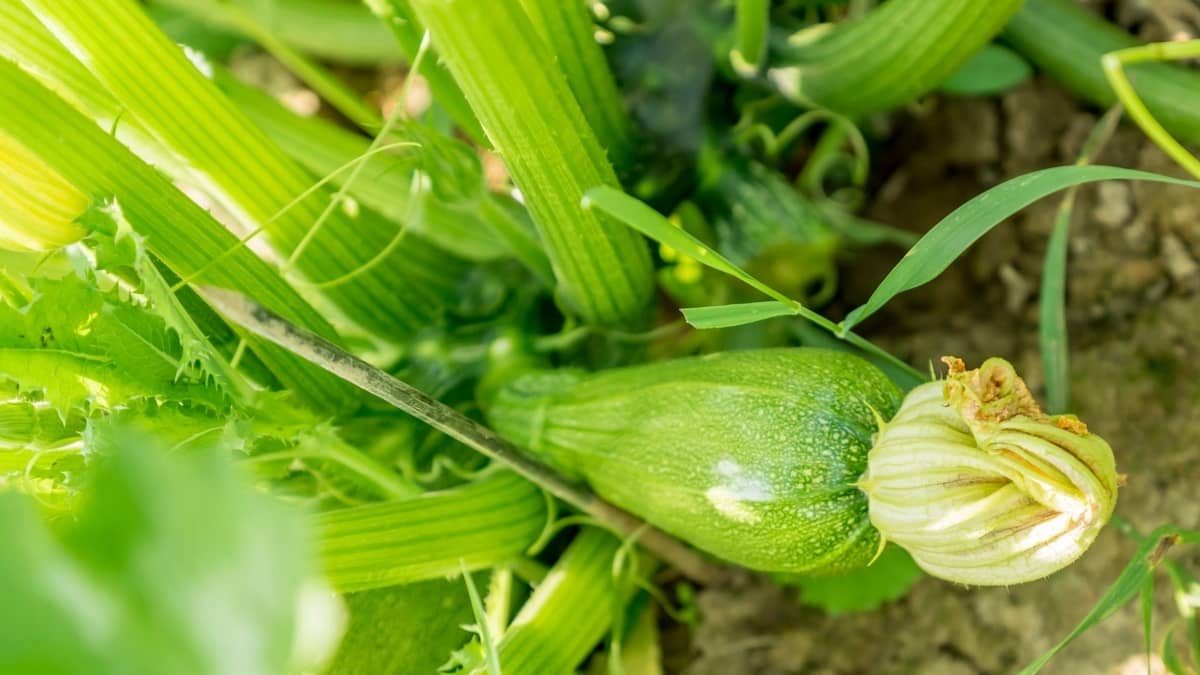
    Read more about What Is The Right Zucchini Plant Size?

    Lasting Duration of Green Beans Outside the Fridge

    Leaving your green beans on the counter outside for 2 days is fine because they can last up to 2 days outside the fridge.

    All you need do is to keep these beans away from direct sources of sunlight like close to a window, or an area on the counter that receives direct sun.

    Lasting Duration of Green Beans in the Fridge

    If you store your green beans properly in the fridge, they should be able to last you up to a week and this is for both raw and cooked beans.

    Just ensure you store them properly in the fridge. Use a container to put the green beans inside the fridge. Avoid tossing the green beans in the fridge so they don’t get wet or else they can go bad faster.

    However, you should look out for any signs that the beans are turning bad such as brown spots or a mushy look.

    Lasting Duration Of Green Beans In The Fridge

    Lasting Duration of Green Beans in the Freezer

    You can store green beans for longer in the freezer. They can last up to 6 months when frozen. It will be easy for you to defrost them when you’re ready to use them. When you freeze green beans, you take pleasure in knowing that they will still taste as good as when you bought them.

    So, if you want that longer storage duration for your green beans, you can store them in the freezer. However, if you just want to use your green beans for about a week, storing them in the fridge will be much easier.

    Check Out the Top 10 Best Cross-Pollinating Vegetables

    How Can I Keep My Green Beans, Fresher, for Longer?

    When you properly store your green beans, it will further help in prolonging their shelf life. For instance, it is recommended you don’t wash your green beans until you’re ready to use them. Once water touches the green beans, it can further speed up the spoiling process. Hence, the shelf life will be reduced.

    Again, your unwashed green beans need to be stored in a plastic bag or container and stored in a vegetable drawer in the fridge.

    Is It OK to Eat Green Beans With Brown Spots?

    When it comes to deciding whether to eat green beans with brown spots, it all depends on how many brown spots there are. If the spots are few and far between, then it’s safe to say you can eat them without any problems. The only issue may be it may not taste as good! However, if the discoloration is significant and there are many spots, then it’s probably best to discard it to avoid any potential problems.

    What Do Rotten Green Beans Look Like?

    The easiest way to tell if green beans are rotten is by their appearance. Brown spots and discoloration is the easiest sign to see that your green beans are going, or have already gone rotten. Other signs may include limpness, sliminess, and misshapen.

    When you’re looking at fresh green beans that have yet to be washed, they should look vibrant and bright. As well as this, they should be able to snap with ease. Instead, they may feel rubbery in texture, or even slimy.

    If you’ve boiled your green beans and then place them back in the fridge, they’re likely to last longer, at around 5-7 days. However, if they start exhibiting any of the signs above before then, it may be best to discard them.

    The same goes for frozen green beans. While freezing does massively increase the shelf life to around 6-8 months; they can still go bad. It may be easier to tell once they are defrosted. Keeping your green beans frozen is a great way to ensure they keep their snap.

    As for canned green beans, they can last anywhere from an amazing three to five years. No matter what the best-by date is on the packaging, it’ll safely last well beyond that date. The only deterioration that may happen is mold, and an odor may eventually appear. If either of these things happens, it’s best to throw the can of green beans away.

    My Green Beans Are Slimy – Why?

    If your green beans are slimy, likely, they are already past the point of no return. You want your green beans to be crisp and snap easily; not limp and slimy. If you notice that only the ends are like this, simply slice them off and wash them under water. When cooking them, you should allow an extra 5-10 minutes to ensure the delicious texture you’re looking for.

    How to Prevent Brown Spots on Green Beans When Growing?

    Brown spots don’t just appear on green beans when harvested. They can occur while the green beans are growing, and this can be for a variety of reasons. But first, you need to determine why this is happening. Is your soil not wet enough, or too wet? Are there any insects around your green beans? Is your soil fertilized enough? These are questions you must ask before you can solve the issue.

    To prevent brown spots, keep your green beans in ample sunlight, with the right amount of fertilizer. You should also ensure you’re watering your green beans daily and checking for any insects, such as aphids. As long as you’re following these guidelines, it’s unlikely your growing green beans will have brown spots.

    Final Words: Brown Spots on Green Beans

    Brown spots on green beans can be a sign of your beans turning bad. It usually implies that the beans have started deteriorating. But there are things you can do to prevent your beans from turning brown and losing their taste and we have listed them in this post. Do you have any tips or tricks when it comes to brown spots on green beans? If so, please feel free to let us know in the comments below. And remember, sharing is caring! 

    green beans are slimy

    FAQs

    Is Brown on green beans bad?

    Usually, when you notice a brown color on your green beans, it often means that the beans have started losing their fresh taste. But they may still be safe to be consumed. Just make sure there is no mold and they are no slimy appearance on the beans.

    How do you know if green beans are bad?

    You can detect if your beans are bad once they are growing mold or looking slimy. If you perceive any unpleasant smell from your green beans then they may be bad. Also, once you snap the beans and they don’t break easily, it may be a sign they are bad.

    Why are my green beans turning brown?

    Green beans are inclined to turn brown when they are not properly stored. Once you leave them outside on the counter for instance for more than two days, they can turn brown.

    How to prevent green beans from turning brown?

    You can prevent green beans from turning brown by storing them properly. For instance, you can store them in the fridge for about a week. Your green beans can also be stored in the freezer for about 6 months.