Using cardboard as a weed barrier in your vegetable garden will help you prevent weeds, making it easier for the plant’s maintenance.
In my experience, there are several factors that can be used to explain why using cardboard in a vegetable garden would be a good idea. It is the purpose of this article to help you understand why this is so and how to use it to your advantage. For the sake of simplicity, we will focus on vegetables that need a lot of space such as tomatoes, peppers, cucumbers, and eggplants.
Why Use Cardboard As a Weed Barrier?
This question might seem to be quite obvious but before we proceed with the explanation, we should know what kind of benefits we can expect from this method. Using cardboard as a weed barrier for a vegetable garden has several advantages compared to other methods. Here is a list of the main ones:
Reason #1: Ease of use
It is very easy to use cardboard as a weed barrier. You don’t have to do anything special, it just works.
Reason #2: Cost-Effective
If you are looking for a cost-effective solution, cardboard is an excellent choice. The material is cheap and you don’t need any special equipment or tools to use it.
Reason #3: Environmental friendly
Cardboard is biodegradable and you won’t have to worry about any chemicals used in its production. This makes it a very environmentally friendly option.
Reason #4: Versatile
You can use cardboard as a weed barrier in almost every type of garden.
It is not limited to a specific type of garden and you can use it in any kind of soil. The most important advantage of using cardboard as a weed barrier is that it is very easy to use.
You can buy the material from your local store and just lay it out where you want. You don’t have to dig holes, you don’t have to do anything other than laying out the cardboard and it will work like magic!
First, you need to prepare the area where you are going to use it. You should clean the soil and remove all weeds.
You generally don’t have to worry if your cardboard has any ink on it as the industry standard ink is soy-based.
Next, you need to cut the cardboard into pieces according to the size of your garden. The cardboard should overlap 6-8 inches to help block sunlight. Be sure to remove any staples and tape from the cardboard before using.
Now, you need to place the pieces of cardboard in the garden. Make sure they are placed in a way that creates a barrier around the plants. They don’t have to be placed perfectly because this is the most important thing and you can always add more pieces of cardboard later if you find that it isn’t working.
After you are done laying out the pieces of cardboard, you need to cover them with soil, approximately three inches or so. You should do this slowly, adding soil in layers so that it doesn’t compact and break the cardboard pieces.
Once you are finished covering the pieces of cardboard with soil, you can use them as a weed barrier. It will prevent weeds from growing through the garden.
What Kind Of Cardboard is Good For Use As a Weed Barrier?
You can use corrugated cardboard or rolled cardboard called ‘B flute.’ Both are cheap, last a long time, and are easy to install.
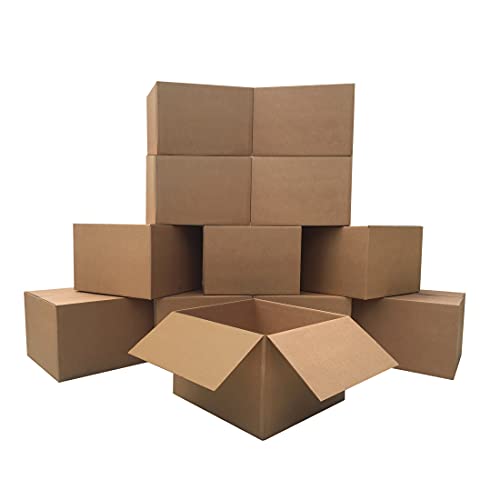
You might try some of the old “bulk” cardboard boxes that come from the store. They have a lot of surface area and are inexpensive.
Use cardboard that doesn’t have any toxins of any kind. Earthworms will enjoy eating the cardboard and in return aerate the soil. The cardboard is fairly easy to remove when need be.
UBOXES Large Moving Boxes 20″ x 20″ x 15″ (Pack of 12)
$49.98
Perfect cardboard boxes to use as weed barrier in your garden.
We earn a commission if you make a purchase, at no additional cost to you.
05/25/2026 02:05 am GMT
In Summary, Cardboard As a Weed Barrier
Using cardboard as a weed barrier is an organic way to cover your soil from drying up and keep your garden free from weeds.
This is a really useful tip for those who love gardening and enjoy having their soil free from weeds and also the plants in it. It is also a very cheap way to get your garden looking good.
The best part of using this method is that you can use the cardboard as a support to your plants or you can even make it into a planter. You can also make it into a pot by making a hole in the middle of the cardboard to hold the soil.
The cardboard will help your garden will look really nice and healthy. Another great way to help your soil stay moist without using any chemicals is to plant herbs in your garden.
They help your soil by drawing moisture from the air and they also help your plants by keeping them clean and free from weeds. So if you love gardening and want to try something new, then use cardboard as a weed barrier. If you are looking for a way to control weeds without using any chemicals, then you should try using this technique cardboard as a weed barrier.
FAQs
Is cardboard good for preventing weeds?
Yes, it works! It prevents weeds from growing because the soil can’t absorb moisture. This also helps keep weeds at bay.
Will roots grow through cardboard?
No, they won’t. The roots won’t be able to penetrate the cardboard. However, the cardboard is organic so it eventually breaks down to the soil and allows the plant to grow through.
Does cardboard under mulch attract termites?
If you have a termite problem, you should be careful if you use cardboard in your garden. Termites enjoy eating cardboard and it can attract them if they are already in the area.
How long does cardboard last weed barrier?
A cardboard barrier lasts as long as the mulch does. If you use weed barrier mulch, the cardboard will not last very long, usually only a few months. It is easy to use and is a good way to keep weeds out of your garden. It won’t harm your plants and it is inexpensive.
Every gardener needs to have a weed remover tool to help remove all the weeds that come up in your garden.
When you’re gardening, it’s not only about growing beautiful plants and vegetables. There are other things you need to worry about. You need to grow healthy plants, but you also need to keep them from getting overtaken by weeds.
If you want to grow healthy and strong plants, then you need to remove weeds. It’s important to keep your garden weed-free because weeds will take over your garden very fast.
When you let weeds grow, they can destroy your plants or your entire vegetable garden. The reason why you need a weed remover tool is that weeds are everywhere and the earlier you get help to eliminate them the better. They grow fast and they grow out of control very easily.
If you don’t have a weed remover tool, then you’re going to be stuck with weeds all the time. You’ll spend more time dealing with weeds than you’ll spend planting your vegetables and herbs. So, before you start gardening, it’s important that you get yourself a weed remover tool.
What Is A Weed Remover Tool?
A weed remover tool is an item that you use to remove weeds from your garden. They are also known as “weed eaters” or “weed pullers”. These tools are usually made out of steel or plastic. They have different shapes and sizes, but they all serve the same purpose: to keep your garden weed-free.
There are many types of weed removers out there and each one has its own advantages and disadvantages. Some of them are cheap and they don’t last very long, others are expensive, but they are much more durable. You can find a lot of different types of weed removers on the market, and that’s why you need to know what kind you want to buy.
If you want to get an electric weed remover, then you should look into getting a weed eater. This is the best choice for any gardener because it does the job very fast. You can use this tool to remove weeds from your garden very quickly.
Small Weed Eater
These weed eaters usually have a small engine. They are great for small gardens and small spaces. They are also easy to maneuver and they are great for removing smaller weeds.
Large Weed Eater
If you’re looking for a larger weed eater, then you should consider getting a large weed eater. It’s much more powerful than the small weed eaters, and it can get rid of bigger weeds. It’s perfect for bigger spaces, and it usually costs more than the small weed eater.
Gas Weed Removers
If you want a gas weed remover, then you should look into getting a weed puller. These are usually used to remove small weeds, and they are usually not very powerful. They’re usually very affordable, but they won’t last very long.
So, if you want to keep your garden weed-free, then you should consider getting one of these weed removers. They will help you to remove all the weeds from your garden very easily.
As we have seen above, a weed remover tool is ideal to help you remove weeds from your garden with ease. So why should every gardener own one?
1. Because it’s Very Helpful to Keep your Garden Free of Weeds. A weed remover can be used to clean up the weeds that have been planted in your garden.
2. Because it Helps Remove Weeds even from Hard-to-reach Areas. A weed remover can be used to remove weeds from your flower bed and other hard-to-reach places. It’s easier to use a weed remover in hard-to-reach areas than to try to pull them out by hand.
3. Because it’s Very Easy to Use. A weed remover is very easy to use. You simply pick up the weed remover and press it against the weeds, that’s all there is to it. The weed remover will remove the weeds from your garden in a matter of seconds.
4. Because it’s Reusable. A weed remover can be used over and over again. You don’t have to buy a new weed remover every time you want to remove weeds.
5. Because it’s Eco-friendly. The weed remover you purchase is environmentally friendly. You won’t have to worry about harming the environment when you use the weed remover. Instead of using chemicals to eliminate weeds, it’s best to use a weed remover tool.
In Conclusion
There are many different types of weed removal tools available in the market. Some are expensive, while others are affordable.
A weed puller that is not strong enough will not be able to do its job properly. So, you need to ensure that the weed puller you are using is the right one for your specific needs. Make sure that you know how to use it, and you can have a great time in the garden.
FAQ’s
How do you make a weed removal tool?
Most weed removal tools are manufactured by companies that are known to produce excellent gardening tools. You can use the DIY method to make your own at home following tutorials from the internet.
How do you remove deep root weeds?
When weeding in clay soil, we should consider using a digging stick or trowel to break the roots of the weeds. It is easy to remove small weeds with these tools.
Weeds have different root systems and the weeds that grow close together may have their roots intertwined. If you are using a hand trowel, you can dig down several inches and break the roots of the weeds with the trowel. This will leave some of the weed roots intact, which makes it easier to pull out.
Which is the best weed puller?
Weed Pullers are made by different manufacturers such as Weed-Eater, Weed Puller, etc. These tools are designed for different purposes, and they are very effective for removing different kinds of weeds.
There are various types of weed pullers, and it depends on the type of weed you are trying to remove. If you need to remove smaller weeds, then you should use a small weed puller. For larger weeds, you should use a larger weed puller.
You should also take care of the size of your weed puller. A larger weed puller will be more powerful, and it will pull up more weeds. But, if you are using a small weed puller, it will not be able to pull up as much weeds. So, you need to choose the right size for your specific purpose.
How do you put weed in a weeder?
It is a simple process to use the weeder as the manufacturer has directed and get the weed in it. Read the manual that comes with the tool before use.
Do zucchini plants climb and require support as they grow? It is important to provide these plants with all the proper care they need in order to yield the best results.
It is important to keep zucchini plants in a warm environment and moist, but not soggy. The best location for the plant is sunny or in partial shade. If the soil is too wet, the plants will be spindly and weak, and may even die.
Do Zucchini Plants Climb and Require Support?
You are correct that Zucchini plants will climb if given the opportunity. However, you don’t need to provide any support, though providing support can be beneficial. Zucchini plants will not grow vertically if given no support, only horizontally.
If you want your zucchini to grow vertically, you need to provide some form of support. Most gardeners use a trellis to do this. The trellis should be set up at least two feet above the ground.
The trellis should be strong enough that it doesn’t break when your zucchini plants start to grow. The trellis should be set up in an area that receives full sunlight. If you are unsure how tall your trellis needs to be, you can measure it with a tape measure or yardstick.
Your zucchini plants will climb up the trellis and will continue to grow until they reach the top of the trellis. At that point, your zucchini plants will continue to grow vertically, but will no longer climb.
What Is The Difference Between A Zucchini And Summer Squash?
Though all types of zucchinis are summer squash, not all summer squashes are zucchinis. Here are some carachteristics:
Zucchini is a variety of summer squash.
The size of a zucchini varies depending on the variety. Some zucchini varieties may grow as long as 10 inches.
Summer squashes are generally not the most flavorful, but they are versatile.
You can serve summer squashes raw in salads or cook them in a variety of ways, from stir-fry to grilling.
Zucchini is generally available year-round and is often less expensive than other summer squashes.
Both yellow squash and zucchini are part of the same family.
The color of a squash varies depending on the variety. Some varieties have white flesh and others have yellow flesh. Generally, the more yellow the flesh of the squash, the sweeter it will taste.
Zucchini plants grow quickly and can produce large amounts of fruit in a short period.
You can eat zucchini straight out of the garden or you can enjoy it baked, cooked, or pickled.
Zucchini is a cool-season vegetable that can be grown in areas with mild winters.
Zucchini is a low-maintenance, easy to grow, and versatile vegetable.
Growing zucchini from seed is a great way to start your own vegetable garden. You can choose to plant seeds directly into your garden or you can plant them in containers before moving them to your garden. Many prefer to start their plants in containers because the container method also allows you to move your plants around and plant them in different areas of the garden.
Starting zucchini from seed will give you the best results if you plant the seeds directly in the garden and don’t transplant them. When planting outside, make sure the soil is at least 60 degrees Farenheit.
Starting the seeds
Zucchini seeds need to be planted into the ground when they are fully dry. Start by preparing the planting site by raking the area smoothly. This will make it easier for the seeds to settle into the soil.
Planting
The planting hole should be about three times as wide as the seed, and one inch deep. It should be slightly deeper than the seed so that the roots can easily develop. Use a trowel to dig the planting hole.
The soil
The soil should be loose and well-drained. If the soil is compacted or hard, you should add more organic matter before planting. When planting seeds, try to plant them in rows or in groups. If your garden has a raised bed, you can create raised beds by putting in cinder blocks, bricks, or pavers.
Spacing
Make sure that the seeds are evenly spaced. Planting them too close together will reduce the amount of space between each seed. Cover the seeds with a thin layer of fine soil. If you have small seeds, you may want to cover them with a seedling starter mix. This is a mixture of peat moss, vermiculite, perlite, and other organic materials.
Watering
Water your seeds thoroughly. The seeds need to be moist but not dripping wet. When you water the seeds, you’re helping them to germinate. Once planted, water your seedlings often to ensure they don’t dry up.
Take-home: Do Zucchini Plants Climb and Require Support?
So do zucchini plants climb? Yes, some zucchini plants do climb especially when they are provided with a place to climb. However, if it does not get a place to climb on, it can still grow and bear fruits without support. So you can still plant and harvest the fruits from them.
If you want your zucchini to climb, you need to make sure it gets plenty of water. Zucchinis love moisture and will grow best in a container that is kept slightly damp. The soil should be moist but not soggy. In this way, the plant can keep the roots in the top half of the pot and the leaves in the bottom half.
Do I need a trellis for the zucchini?
You might need a trellis if you have a large zucchini that needs to be trained up to a vertical position. A trellis is also recommended for growing cucumbers and melons.
Is there a vining zucchini?
Yes, there are several varieties that have been bred specifically for growing in containers. These include “Eureka”, “Sunshine” and “Lemon”. They are usually available from nurseries or garden centers.
Can I grow zucchini upright?
Yes, if you want to try growing it vertically. This is usually done by using a trellis or growing it up a stake. If you do this, make sure the stake or trellis is at least 6 feet tall so the plant can get enough light.
It is possible to grow vegetables that grow in hot weather as long as you know when to plant them and the exact vegetables to go for.
Most gardeners are afraid that the summer heat will destroy their crops. But this is only possible if you do not plant the right crop at the right time.
If you experience the hot summer season, it is critical to plant suitable hot weather vegetables that thrive in hot weather. Failure to do so you will lose your group and your precious seeds to the sun.
Here are some top choices of summer vegetables to plant that will give you a harvest through the summer and fall seasons.
Vegetables That Grow In Hot Weather
Sweet potatoes
Sweet potatoes love the hot weather -hot days and warm nights. Once you plant your sweet potatoes, keep an eye on the seedlings until their well-established. And sure that you water them adequately to keep the soil moist until they form into vines and begin to spread across the ground.
Sweet potatoes need little to no attention, especially once they get established. Within 90 days, you can start harvesting your sweet potatoes and enjoy some fantastic recipes. Sweet potatoes need no weeding and can be easily preserved by storing in a root cellar throughout summer and fall.
Bell peppers
These papers are easy to grow and thrive during the warm summer months, full stop the slightly sweet and not all spicy and can be enjoyed in salads stews, and sandwiches. Gardeners in the south need to look for nematode-resistant varieties when growing. You can grow yellow, orange, red, or green bell peppers.
Okra
Okra is a self-sufficient plant that adapts well in dry, hot conditions. It is widely considered heat and drought-tolerant in most climates worldwide. Whether you plan to enjoy it fried or pickled or toss it into a soup, it is a beautiful plant to grow in your summer garden.
Okra has a deeper root system suitable for hot weather conditions and is less susceptible to nematode problems.
Hot peppers
Hot peppers thrive during the summer months. They start producing from spring to fall with no problems in most hot climates. Some hot pepper varieties slow down the production slightly during the warmer months but increase flavor and heat intensity. The hotter peppers do not slow down in production during the summer at all. Hot peppers grow all around the world during the hot climate.
Eggplant
Eggplant takes the crown for being the best summer crop in all the members of the solanaceous family. The globe-shaped Mediterranean eggplants or the elongated Asian varieties are the best for the hot season.
Growing an heirloom plant is never a bad idea. The more popular black beauty is suitable for Southern America and has a high success rate. It can endure the most intensely hot and humid climates in the world.
Who would think that cucumbers can thrive in the summer? Cucumbers require nutritious and moist soil and a whole lot of sun to give you good produce. A few plants can provide you with plenty of cucumbers to enjoy the whole season. You will likely have more than enough for the summer season which you can always make pickles or enjoy salads throughout the year.
Zucchini
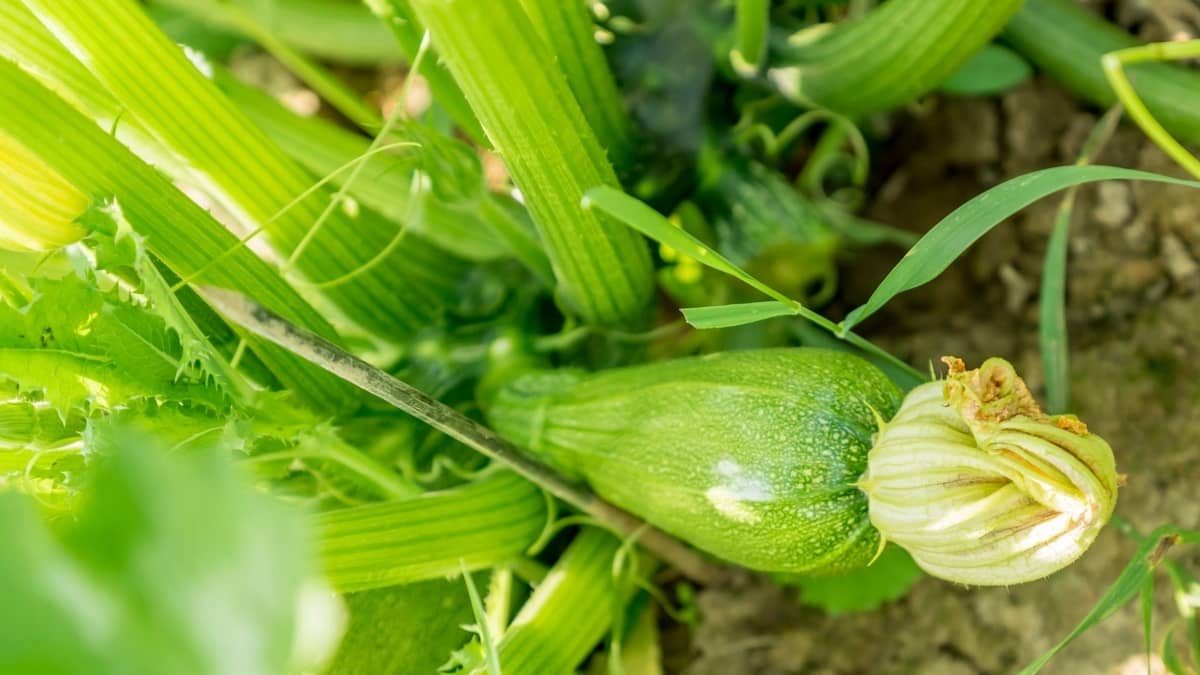
Squash is the summer and winter crop, best in hot weather environments. If you live in a region where the squash bugs or vine borers are an issue, avoid them by starting your seeds indoors and transplanting the seedlings outside in late June or early July. Use row covers to protect your plants until they begin to bloom; then, you will have escaped the problems these pests bring. You can also cover their stems with soil to protect against the vine borer as your plants mature.
Corn
Corn is one of the most popular summer vegetables that you can grow quickly. This mild-tasting vegetable can be grown with little maintenance making it a common choice among many gardeners during summer. Corn tastes excellent on anything salads, soups, wraps, pizza, chili, and anything else you can think of.
Ensure that your corn plants are well-watered; keep an eye out for worms that love to munch on the ears of your plants. If you notice any, remove them and put them in your compost pile, where they will work to the benefit of your garden.
Southern peas
Cowpeas or Southern peas are easy to grow and very versatile. When the pods are young, you can munch on them in the same way you do with snap beans. When mature, the green snap peas make an excellent side dish or a salad topping. You may dry them and store them to cook and eat anytime you wish.
Spinach
Malabar and New Zealand spinach are the best to grow in the warm season. Malabar spinach is a vining plant producing tasty nutrient-rich foliage that you can use for salad green or cook into a delicious side dish. It thrives in climates that have over 90° temperatures throughout the summer.
The New Zealand spinach is not an actual type of spinach. However, it produces lots of leaves during hot weather and can be used as a spinach replacement.
Beans
Green beans and yard-long beans will do well in hot weather. Yard-long beans have a nutty, sweet flavor, also known as asparagus beans. They can be grown on teepees and provide shade for me buying plants that do not love direct sunlight
Green beans are an excellent choice for the summer veggie garden. Choose pole beans so that they can give you a long steady season of production or bush beans for a quick crop.
Tomatoes
Tomatillos and other southern species are excellent for sauces, salsas, and dressing pasta and thrive during the hot weather. These heat-loving fruits grow prolifically in the wild and the garden.
Tomatoes are an excellent choice for summer gardens, with the best varieties being tropic VFN, Neptune, and Ozark pink VF.
FAQs
What vegetable grows best in the heat?
If you’re in a region of the country that has a hot climate, you might be wondering what vegetable grows best in the heat. The answer is cucumbers. Cucumbers are a crop that can grow well in almost any climate. They don’t like cold weather, but they’ll do just fine if the temperatures are in the 70s or higher. The hotter the better
How hot is too hot for vegetables?
Tomatoes, cucumbers, peppers, eggplant, carrots, lettuce, and herbs all do well in the heat. However over 90 degrees Farenheit might be too much heat for them
Too hot soil will kill the roots of your plants, making them susceptible to disease. The best way to gauge your soil’s temperature is with a digital thermometer. However, you can also use your hand as a gauge to determine whether or not your soil is too hot.
Can lettuce be grown in hot weather?
If you are going to grow lettuce in your garden, I would recommend planting it when the soil is cool (60-70 degrees F) and then transplanting it into a garden bed at the time you want it to mature.
How do you garden in hot weather?
There are things you can do to help yourself and your plants.
Watering with a hose or sprinkler works great in a well-drained area. But if you live in an area where the soil is clay or sandy, water your plants from the top down using a soaker hose, which will allow water to soak into the soil for a longer period of time. If you have a drip irrigation system, use it! It uses less water than a sprinkler, and it gives the plants a constant flow of water.
You should also consider growing your plants in pots or trays instead of directly in the ground. This way you can move them around if they get too hot or cold. How do you garden in the winter? If you live in a place where winters are cold, you may want to consider growing plants indoors. Cover the pots with plastic or with straw. Straw is a great insulator, and it doesn’t need to be kept warm.
How do you protect plants from heatwave?
Heatwave is a hot, dry and sunny period which usually lasts for a few days. Heatwave can cause a lot of damage to plants. Plants are sensitive to high temperatures.
The best way to protect your plants from heatwave is to use a sprinkler system, which can provide plants with regular water. You should also take steps to prevent the soil from becoming too dry. If the soil is too dry, it will not be able to hold any more moisture. This could make the plants very thirsty and weak. It could also lead to problems like fungal diseases. You could use a watering can or hose to wet the soil around your plants, but do not leave them standing in water for long periods of time. When using a sprinkler system, you should keep the nozzle at a height that gives your plants enough water. The nozzle should be about 3 feet above the ground. You should turn on the sprinkler system when the temperature outside rises above 25°C. The water flow rate should be set to about 50-100 drops per minute. This will give your plants enough water to survive. You should also turn off the system if the temperature falls below 20°C.
Final Thoughts
All the above listed are vegetables that grow in hot weather and give you plenty of options to choose from when gardening in the summer months.
Remember to keep your vegetables well-watered because the summer sun dries out the soil quickly. Ensure that you enrich your soil with organic compost manure that helps the plants get the proper nutrients. You can also mulch to protect your soil from direct sunlight.
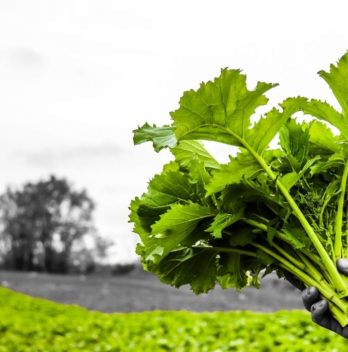
People often wonder as to when the best time is to harvest Broccoli rabe. Harvesting at the perfect time is necessary for some reason. Knowing how to harvest broccoli rabe at the perfect time is also of utmost importance to persons who grow the plant.
This is a short guide that should be followed if you plant Broccoli rabe to ensure that it is harvested at the right time. So, if you are interested in planting this very nutritious vegetable, this is the perfect guide on how to plant, nurture and harvest the plant.
There are some benefits that you will definitely get from growing and harvesting this plant at the most appropriate time.
What Is Broccoli Rabe?
Before we get into learning all there is to know about harvesting this highly nutritious vegetable, let’s deal briefly with what Broccoli rabe really is. Now let’s get into it.
If you are interested in eating very green cruciferous and highly nutritious vegetables or including some in your meal schedule, then there’s no better option than the Broccoli rabe. It is a green vegetable with very edible broad leaves, buds, and stems.
The plant is one that will continue to grow even after it has been pruned. You don’t need to worry about having just one harvest.
All that is required is that you don’t prone the vegetable to the root. After pruning from the stem, the plant will in no distant time begin to grow small shoot again.
The vegetable is very rich in iron, potassium, vitamins, magnesium, energy, and dietary fiber. So, for this reason, it is generally considered to be of huge nutritional benefits.
It also has huge economic benefits as virtually every part of the plant can be sold for money from the stalks to leaves and blossoms.
How To Grow Broccoli Rabe
Before we get into the harvesting stage for Broccoli rabe, it is very important to discuss how to grow this plant. Generally, the plant performs best in cool weather conditions.
Although the plant will grow in hot temperatures, the flavor is hugely affected under such conditions.
To achieve the best possible result, make sure to do the following when growing this vegetable:
Prepare the soil bed
Before you begin planting Broccoli rabe, you must take out time to prepare the soil where it is to be planted. The soil should be loamy, and one that holds water reasonably. There is no need for huge fertilization application as the plant can blossom with little fertilization addition. The soil should be also properly exposed to sunlight during the day for better taste and improved nutritional value.
It is very important you sow the seeds properly if you wish to attain the best possible result. Research has shown that the seeds of Broccoli rabe should not be planted too deep or too shallow. One-quarter of an inch deep should be just perfect.
Also, to ensure that there is no risk of over-crowding in the future, the vegetable should be planted in rows of about eight inches apart.
Continuous application of water
This plant requires continuous application of water for it to blossom properly at the right time. It is therefore imperative to have and observe a strict watering routine to help keep the soil moist.
Watering is most important immediately after planting, before germination to help the seed break dormancy.
Thinning is a process by which sufficient space is maintained between the seedlings after it has begun to sprout. Once the seedlings are about two inches high, you should use shears to thin the seedlings out. This is so that the seedlings become about four inches apart.
Pruning on the other hand is essential to reduce the presence of weeds that compete with the vegetable for available nutrients. You must do all within your power to reduce the presence of weeds from around the vegetable to get the best possible result with the vegetable.
Reduce the presence of pesticides
Broccoli rabe can very easily be a target for garden pests and insects. These can very easily harm the vegetable and affect the quality of its growth. Pests such as cabbage worms, aphids, cutworms should therefore be watched out for.
The use of pesticides, whether natural or artificial can help sort out this problem.
Harvesting Broccoli Rabe
Now you understand how much benefit you are likely to get from this vegetable and how to grow it, let’s delve into when is the best time to harvest the Broccoli Rabe plant.
Harvesting at the right time is a huge determining factor in how the vegetable turns out. Look out for these tips:
Height: The best time to harvest the Broccoli rabe plant is when the plant is about 1 to 2 feet (about 31-61cm) tall. Once the flower has attained this height, be sure to know that the harvesting period is nearby.
Flower: When the broccoli rabe flowers begin to sprout on the vegetable, this is another sign that they are mature for harvesting. The flowers need not blossom before harvesting. Once they begin to appear, that is the sign that the vegetable is ripe for harvesting.
How to Harvest Broccoli Rabe
Harvesting Broccoli rabe is relatively easy. All you need to do is confirm that the vegetable is matured enough for harvesting as explained above.
For harvesting, use a pair of clean and sharp garden shears, cut the stem 5 inches (13cm) below the bud.
When trimming the broccoli rabe, make sure not to trim it down to the ground so as to encourage fresh sprouting. You should also know that when the first shoot is removed, the plant will grow other smaller shoots that are also edible.
How do you know when broccoli rabe is ready to pick?
The trick is to look for the greens on the stalks and not the leaves. They are smaller than the leaves, and if they’re ready to pick, the whole stalk will wilt. But you should still pull the leaves off. If they’re ready, the leaves will turn a bright green. In short, broccoli rabe is ready to eat when the stems are crisp. That doesn’t mean that you can’t enjoy this leafy green in the early stages of development, but if you want the most tender bite out of it, you’ll have to wait.
What’s the difference between broccoli rabe and broccoli? Broccoli rabe has more bite than broccoli. It’s also called rapini or broccoli raab. It’s a member of the brassica family. Broccoli is a member of the cabbage family. It’s also an excellent source of vitamin C. Broccoli rabe is often found in Italian cuisine and can be used in stir-fries, soups and pasta sauces.
Does broccoli rabe grow back?
Broccoli rabe grows back, but you’ll have to wait at least two months before you can harvest the new growth.
Are broccoli rabe leaves edible?
You can eat them if you’re willing to cut off the very tip of the stem. They have a strong taste and some people say they’re inedible.
But most people just toss them. I’ve been eating broccoli rabe for years now, and I love it! It’s so much better than any other type of broccoli that I know of, and I think it’s safe to eat. I like to boil it, but if you’re new at cooking, just steam it until tender.
Is broccolini the same as broccoli rabe?
Broccoli rabe has more bite than broccoli. It’s also called rapini or broccoli raab. It’s a member of the brassica family. Broccoli is a member of the cabbage family. It’s also an excellent source of vitamin C. Broccoli rabe is often found in Italian cuisine and can be used in stir-fries, soups and pasta sauces.
Broccoli rabe is one of the most popular vegetables in the world and is widely used as a substitute for broccoli. However, broccoli rabe is actually the immature form of broccoli and should be cooked like broccoli (blanched and steamed) or tossed in pasta.
Do you cut the stems off broccoli rabe?
No, we just trim them.We just boil it until it gets soft. It takes about 20 minutes.
We use olive oil.We put it on our salad and make it into pasta sauce or soup. We also put it on pizza. You know if it’s done by the color. It goes from a dark green to a bright green. You can freeze it for about three months.
Broccoli rabe is a very hardy, nutritious vegetable that can be harvested throughout the growing season. When harvesting broccoli rabe, you want to choose young plants with small, tender leaves. Harvest when the outer leaves are still thin and tender and the inside leaves are becoming thick and tough. The stems of broccoli rabe are generally too tough to eat.
Conclusion On When To Harvest Broccoli Rabe
Now you have learned about the nutritional value of Broccoli rabe, and how the vegetable can be grown. It is very imperative to know when is the best time to harvest the vegetable. This has also been covered in this article.
Do well to put to practice the above when you are harvesting this highly nutritious vegetable.
If you’re trying to be an environmentally-conscious person and if you have a garden at home, then the best route to go is to use eco-friendly herbicides. Don’t know which ones to choose? Worry not as this guide will provide you with the best organic herbicides for weeds in the market today.
Why Go Organic?
Before we introduce you to the best organic herbicides, you need to know why using organic products is important. Below are some of the reasons why:
They Reduce Your Risk of Getting Illnesses
Let’s face it, using non-organic products will likely give you illnesses, from skin rashes to difficulty in breathing. That’s why, for those who have a garden at home, reduce your risk of possibly getting ill by using organic herbicides.
They Don’t Have Harsh Chemicals
As organic herbicides don’t use harsh chemicals, you’re sure that your plants, produce and soil are safe, thus not only saving the environment but saving your health as well.
They Are Eco-Friendly
For those who value the environment greatly, using organic herbicides is a great choice. Because they are made from organic ingredients, you’re sure that you’re not significantly damaging the environment.
They are Safer to Use
Lastly, when you use organic herbicides to get rid of the weeds at home, you are not subjecting yourself to harsh chemicals, so you’re protected. It’s much safer, so you really don’t have to worry when you use them at all times.
How to Pick the Best Organic Herbicides?
Now that you’re aware of their benefits, you can now start buying one. However, you can’t just pick the first organic herbicide that you see in the market. Of course, you’ll have to consider certain factors so that you can maximize the herbicide.
Luckily, knowing how to pick the best organic herbicide is not that hard. Below are some aspects that you should take note of:
Your Target
First, before you pick a particular herbicide, know first what kind of weed you’re targeting. If your garden is full of a certain type of weed, then it’s better to buy the herbicide that specifically targets that particular weed.
In this way, you can make the most out of the herbicide. You’re not only going to save your time but your money as well since choosing the ideal one is much more effective.
Your Goal
Next, you’ll have to take note of your goal. This means that you’ll have to identify your objective when it comes to dealing with the weeds in your garden.
Do you want to eliminate the already existing weeds in your area? Or are you planning to prevent the weeds from growing beforehand? This is crucial since there are certain herbicides which are made for particular instances such as whether you’re focusing on the elimination process, or on the preventive measures.
Your Needs
Your need means how much of herbicide will you purchase for you to see results. You can start by recognizing how big your garden is and how abundant the weeds are in the area.
Doing this will allow you to buy just the right amount of herbicide for your garden, not too much and not too little.
Your Preferences
Lastly, consider your preferences. This includes the brand, the price, the ingredients used, and the like. Choosing the herbicide that you prefer will give you ease, knowing that it’s something that you’re truly comfortable with.
The Best Organic Herbicides for Weeds
As you already know how to pick the ideal organic herbicide for you, you can now choose from any of the suggested ones below:
The first one on our list is this 30% pure vinegar. It’s effective in killing weeds to the root. In just 4 days, you can already see results. What’s great about this is that once applied, it’s rainproof, lasting up to 2 hours. And because it contains 41% glyphosate, it’s very effective in removing weeds.
Amazon Choice Selection
Natural Elements 30% Vinegar | (4) 1 Gallon Pack | Home and Garden Vinegar
$75.99
Pros:
Versatile as it can be used with other organic blends
This organic herbicide from Avenger Organics is perfect for organic gardening. Made from natural citrus fruits such as oranges and lemons, it can kill weeds without leaving stains or damaging concrete, pavements, or bricks. It’s highly effective with its citrus oil, its active ingredient, as it naturally gets rid of plant cuticles and causes them to dehydrate and finally die.
Avenger Organics, Avenger Weed Killer Concentrate, for Organic Gardening
This one is an organic blend that does not have any toxic formulas at all. What’s more, is that it’s biodegradable. Also, there is no need to mix other formulas here. All you have to do is just spray it in an area, and you’re already good to go.
Natural Armor Weed and Grass Killer All-Natural Concentrated Formula
$29.95
Pros:
Easy to use
Does not contain glyphosate and other chemicals
Fast-acting, so you can see results after a few hours
This certified organic herbicide can already kill weeds after a few hours. It’s a very powerful formula that does not depend on any harsh chemicals at all. The benefit of using this is that it can be applied anywhere, so it’s really convenient and efficient.
If you have pets at home, then this last organic herbicide is the right one for you as it contains only safe ingredients. It also does not need any mixing, and you can already see results after a day or two. This is a great choice if you are dealing with weeds but not so when maintaining your lawn.
We earn a commission if you make a purchase, at no additional cost to you.
FAQs
What is a good organic herbicide?
The two I use the most are glyphosate and horticultural oil. Glyphosate is safe to apply directly to the soil or foliarly (as long as you use a product that is safe for use with that particular herbicide). It is very effective at killing weeds, and works very quickly.
The problem is that it has a tendency to burn the leaves of plants that are not directly targeted by the spray. This can be easily remedied by using a spray that targets all plant parts, like horticultural oil. Horticultural oil is safe to use on plants, but it is not always effective. It will kill weeds, but it can also cause leaves to fall off of some plants (not all). Another thing to consider is that you may have a weed issue with this area.
What is the most environmentally friendly herbicide?
The herbicide with the lowest environmental impact is glyphosate. Glyphosate is a broad-spectrum herbicide that kills many weeds and other plants. It works by disrupting an enzyme called EPSPS (enzyme 5-enolpyruvylshikimate-3-phosphate synthase) found in plant cells. In the last decade, glyphosate has been widely used in crops, especially soybeans, corn and cotton. It has also been found in drinking water. Glyphosate has been proven to be extremely safe according to the U.S. Environmental Protection Agency. It’s hard to beat the fact that it doesn’t persist in the environment and has no negative effects on humans or animals. This isn’t true of all herbicides.
Is vinegar a good herbicide?
Vinegar is a great herbicide for many plants. It can be sprayed directly onto the leaves and stems of most plants in your garden. It will kill weeds quickly, and it will keep them from coming back. Vinegar is also effective as a preventative measure to control the growth of weeds before they start to sprout. The best time to use vinegar is during the first few weeks of spring when the soil has warmed up and is moist. You can use vinegar on weeds, grass, annuals, perennials, shrubs, trees, vegetables, fruits, roses, and even houseplants. It’s important to be careful when using vinegar on your vegetables, however, because it can burn them if it is sprayed directly on their leaves. If you are spraying vinegar on a vegetable, wait until the sun is shining and the temperature is above 60 degrees Fahrenheit.
Is there a natural alternative to glyphosate?
Some people are using vinegar as an alternative to Roundup or other pesticides. Vinegar has antibacterial properties and is good for your plants.
What is the most effective herbicide?
If you’re looking for a broad-spectrum herbicide that will kill all the plants in your garden, then glyphosate (Roundup) is it. It is probably the most effective herbicide we have today. Glyphosate is a broad-spectrum herbicide and has a low toxicity to animals. It kills plants by inhibiting their ability to manufacture amino acids and thus, prevent them from growing.
Conclusion
While all of the mentioned organic herbicides above are great, there is only one winner here, and that’s the Natural Armor Weed and Grass Killer. This is because it’s the most natural amongst all of the mentioned herbicides above.
It does not have harsh chemicals, making it safer and much eco-friendlier to use. Because of this, you’re less likely to get any illnesses at all.
Lastly, as it’s very versatile, it can easily apply to all of the buyers’ needs. One can target all types of weeds with this. Plus, it’s great at eliminating weeds and maintaining a garden, making it the best one in this list.
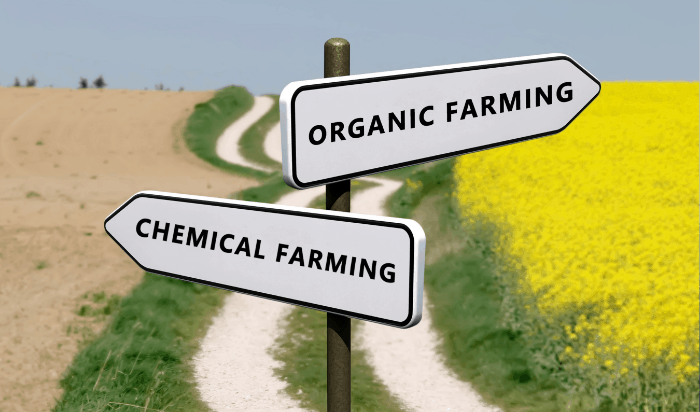
If you have huge farmlands, chances are you’ve probably thought about how to get rid of Johnson grass organically. While there are a lot of herbicides that we can buy in the market today, using homemade ones, which are much more natural, provides more advantages compared to its chemical versions. If you’re looking for a more organic approach to killing this pesky weed, below is a list of some of the most effective and natural ways to eliminate it and some valuable sections that will explain what the Johnson grass is and why it’s beneficial to use organic weed control instead.
The Johnson Grass
This is a type of weed that has been plaguing a lot of farmers since it was introduced as a forage crop. Because of its invasiveness and noxiousness, a lot of states allowed landowners to eliminate this weed, especially when its growth is getting out of hand.
Though used as forage to help stop erosion, it’s deemed as a weed. This is because its foliage, when wilted due to heat or frost, can kill horses or cattle because of its hydrogen cyanide substances, especially when eaten in quantity. It can also lead to bloating in your animals because it’s abundant in nitrates, though it’s still edible as long as it’s taken in small amounts. Because it grows rapidly, it can also take over a large area, thus suffocating the other crops. This makes them some of the most annoying weeds that we know today.
Organic Ways to Get Rid of Them
As mentioned above, there are a lot of herbicides that you can buy in the market at the moment. However, they are harmful to the environment as they’re full of chemicals. That’s why it’s important that you use natural ways to kill this pesky weed.
Below are some organic ways that you can easily find at home to eliminate the Johnson grass:
Boiling Water
Believe it or not but just simply using boiling water can already kill this weed. It’s one of the most environmentally-friendly ways to remove this weed. Just make sure that you pour the hot water not only on the leaves but the roots as well. Doing so will not leave any residue, so you can use this method over and over again. However, make sure that you’re mindful when pouring hot water over the weeds as you may affect the nearby crops, flowers, or vegetables. That’s why you’re encouraged to pour a small splash of the hot water to prevent it from spilling on the other plants.
Hand Pulling
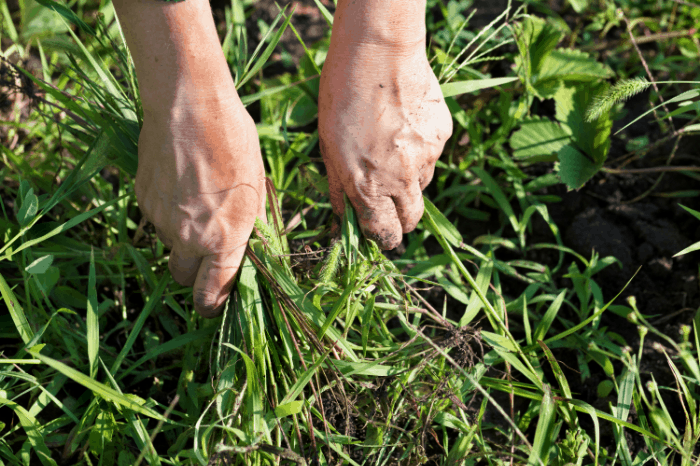
This is another straightforward way to get rid of the Johnson grass weed. To do this, just pull the weed from its base along with its rhizomes as leaving some behind will actually just let the weed regrow. Start pulling off this weed off during the start of spring as the ground during this time is soft and moist, allowing you to remove the rhizomes more successfully.
Newspaper Mulch
You can also use newspapers to eliminate these weeds by smothering them. First, you need to mow the area as short as possible, discard the clippings afterwards. Next, you can now place the newspapers in the area where the Johnson grass grew. Use old newspapers that are non-glossy and spread them over the grass. Make sure that you overlap each newspaper so that there’s no chance for the sunlight, air, or water to enter the gaps. To avoid the newspapers from flying, you can spread a thick layer of wet wood chip or organic mulch over the newspaper layers. Within 2 to 4 weeks, the weeds will start decomposing. This is beneficial as it will organically enrich the soil, giving you a much more fertile area.
Table Salt
Another way to kill the weeds is by using salt, mixing 1 part of it in 8 parts hot water with a few drops of liquid dish soap. Mix the solution and place it inside a spray bottle. However, be very careful when using the solution as it’s very detrimental to the soil. That’s why you should only spray the solution on the leaves. The effects will take some time to show, so don’t stop spraying this solution until you see that the weeds start wilting.
White Vinegar
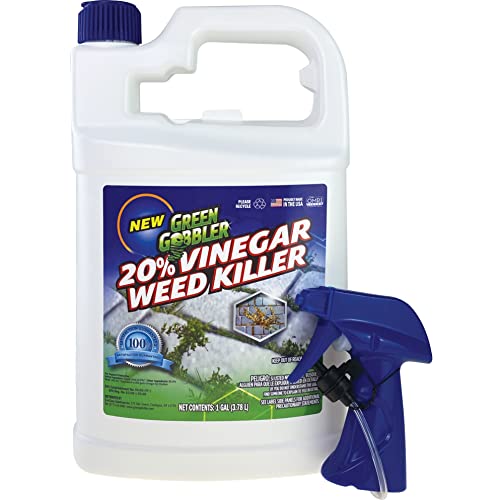
The last organic method that you can use is white vinegar. The acetic acid found in vinegar can effectively kill any weed. Plus, it’s really convenient as vinegar can easily be found at home or in your local grocery shop. You can use your typical vinegar at home, which mostly has 5% acetic acid. However, if you want a stronger solution, some industrial ones like the Pure 20% Vinegar are much more effective. Place the vinegar inside a spray bottle so that you can easily apply the vinegar onto the leaves.
Benefits of Using Organic Weed Control
Though herbicides with chemicals are effective, using organic methods to remove Johnson grass is much more beneficial. This is because it’s not only helpful to the environment, but it’s also healthier for you and your animals.
Luckily, aside from the natural ways of getting rid of Johnson grass mentioned above, there are now organic herbicide solutions that you can purchase in your local gardening stores or online. Some examples of such are the Weed Slayer Organic Herbicide Natural Grass and Weed Control and EarthSafe All Natural Organic Weed Killer from Amazon.
Conclusion
Now that you’re aware of some of the most effective and organic ways to get rid of Johnson grass, you can now clear your farmland from weeds in an environmentally-friendly and healthier way. You can use all of the natural options mentioned above, or you can also opt for the organic items from Amazon. Do you agree that these organic methods are effective? Comment below if you do so, or let us know if you have other natural alternatives that you can suggest. In this way, you’re not only helping the community but the environment as well.
🌿 Organic Weed Control
Petra Neem Oil for Plants – Organic Neem Oil Spray for Plants,100% Cold Pressed Neem Oil, Pure Neem Oil, All-Natural Neem Oil Concentrate Leaf Polish for Plants – (17 Oz)
We earn a commission if you make a purchase, at no additional cost to you.
Amazon Choice
SONKIR Soil pH Meter, MS02 3-in-1 Soil Moisture/Light/pH Tester Gardening Tool Kits for Plant Care, Great for Garden, Lawn, Farm, Indoor & Outdoor Use (Green)
$9.99
3 METERS IN ONE: Soil moisture level, Soil pH value and Sunlight level could be tested easily according to your need by switching the function button of this soil meter.
NO BATTERY NEEDED: Simply insert the meter into soil, wait few minutes, accurate test results will be displayed on the readout panel. No battery is needed.