Category: FAQs

  • Heart Shaped Tomato Variety – A Lovely Tomato

    Heart Shaped Tomato Variety – A Lovely Tomato

    Have you had any experience with or consumed the heart-shaped tomato variety? Do you know about these tomatoes? In this article, we will discuss these beautiful tomatoes. Why they are great and why you should plant them.

    Oxheart Tomatoes

    If you are not familiar with the heart-shaped tomato variety, the oxheart, you may think that is some new kind of tomato but that could not be further from the truth. These tomatoes have been around for nearly a century.

    They can be mid-season to late-season tomatoes and are similar to the beefsteak varieties, and are also just as versatile.

    Oxheart tomatoes are known for their characteristic large size and pointed bottom that resembles a beef heart, hence the name oxheart. Because of their unusual and interesting shape and large size, they are becoming popular with home gardeners as an alternative to the regular beefsteak varieties.

     "What is bull heart tomato?

    Characteristics of Oxheart Tomatoes

    Characteristics of oxheart tomatoes that enable us to differentiate them or make them unique to other varieties include;

    • large size with tapered bottom, creating a shape that resembles a heart
    • when consumed, they are very meaty
    • they have relatively small seed cavities
    • they usually grow to sizes over 1 Ib, with some reaching over 2 lb and even 3 lb.
    • they can be red or pink, but can also be found in yellow, orange, green, and purple just like other tomatoes
    • they are an indeterminate variety of tomatoes, meaning that they produce all season and require constant pruning and support or they will get out of hand

    Varieties of Oxheart Tomatoes

    In addition to the regular size, oxheart tomatoes also have dwarf varieties. One variety, the dwarf purple oxheart tomato will produce all season round, like an indeterminate tomato but will not get as tall in a regular growing season.

    Because these dwarf versions do not get too tall or too large, they can be grown in containers of sizes from 5 – 15 gallons.

     Are ox heart tomatoes heirloom?

    Uses Of Oxheart Tomatoes

    Oxheart tomatoes can be used for anything that regular beefsteak tomatoes can be used to make. They make an excellent addition to salads and sandwiches, because they are great slicing tomatoes that maintain their structural integrity when sliced.

    Because they come in such a variety of colors, they are great for adding a splash of color to your summer salads.

    These tomatoes also store well and are suitable for canning.

    Are Oxheart Tomatoes Easy To Grow?

    Oxheart tomatoes are very easy to grow. They are extremely low maintenance and can produce enormous fruit. They can be grown and treated the same way you would grow any indeterminate, mid-season or late-season tomato.

    Most oxheart tomato varieties take between 70 to 90 days to harvest. To get the best crop, start your seeds indoors, about 4 to 8 weeks before your last average frost date. Transplant your seedlings outside after the night temperatures stay consistently above 50°F.

    Tomatoes are generally heavy feeders so you will need to provide them with sufficient nutrition during their growing season. Apply an all-purpose fertilizer to your garden beds before you transplant your seedlings, or a fertilizer formulated for blooming and fruiting. Carefully follow the directions on the fertilizer packaging to get the best results.

    You will also need to use a soil that is specifically designed for tomatoes. If you are unsure, ask your local gardening expert.

     Are oxheart tomatoes easy to grow?

    What Is Bull Heart Tomato?

    Bull heart tomatoes are an heirloom tomato variety. A very old Russian variety that bears large pink oxheart type tomatoes. This tomato produces fruit with an excellent taste, and sweet flavor. They produce abundantly and their sizes can reach up to 2 lbs.

    It is an indeterminate variety that is best grown in a greenhouse for optimum growth and production

    Are Ox Heart Tomatoes Heirloom?

    Sometimes referred to as beef heart tomatoes, ox heart tomatoes are heirloom varieties that can be found in a number of vibrant colors.

    Heirloom tomatoes are those that have not been hybridized to improve qualities such as shelf life, color, and a uniform appearance. They may sometimes be referred to as “ugly” due to their deep cracks and bumps. Whether you think these tomatoes are ugly or beautiful, their unique appearance and wide range of colors definitely make them interesting

     Heart shaped tomato variety

    How Do You Grow Hungarian Heart Tomatoes?

    If you enjoy growing quirky or unusual-looking tomatoes in your garden, the Hungarian heat tomato is just the tomato for you.

    These tomatoes grow quite large, like other heirloom tomatoes. A single tomato can weigh anything between 8 and 16 ounces since fully mature.

    The best growing conditions for them include full sun exposure, a minimum of six hours a day. This can be natural or artificial light. They prefer moist, well-draining, loamy and slightly acidic soil (with a pH of 6.2 – 6.8), ideally amended with organic compost. They require 1-2 of rain per week for maximum growth, you will therefore need to provide them with the appropriate amount of water. Be careful with the material because they are very sensitive to watering, therefore an efficient watering schedule is important.

    If you provide them with the best growing conditions, your tomatoes will be ready for harvest 85 days after planting.

    Conclusion – Heart-Shaped Tomato Variety

    We hope this article has inspired you to learn more and hopefully go and grow your own heart-shaped tomato variety. With so many varieties to choose from, it will be nothing but joyous to grow these plants in your garden.

    Growing them will be a great way to try a different tomato variety that the regular ones we find at the shops. So why not go ahead and try to grow them? They will brighten up our summer salads and add interesting colors to your everyday dishes.

    They are extremely easy to grow and will produce a good crop for you to enjoy.

    If you enjoyed reading this article or found it helpful, please share it with your family and friends.

  • Cherry Blossom Meanings – The Significance Of The Japanese Sakura

    Cherry Blossom Meanings – The Significance Of The Japanese Sakura

    Have you ever given thought to the Japanese Cherry Blossom Meanings and what they symbolize? Sakura, the name given to cherry blossoms in Japan, is a special flower that has great significance to its people. It is a plant that represents spring, a season of rebirth, and the transient quality of life. However, the flower’s lifespan is quite brief.

    This is because their blossoms begin to fall after two weeks when their beauty reaches its pinnacle. Parties are often hosted at this time of year in Japan together with families and friends to welcome the new blooms and the ambiance it brings. This particular custom is called Hanami, which translates to “cherry blossom viewing.”

    During this time, you will find that designated viewing areas are quite busy with people taking in the blossoms in a lovely, even at night. The nighttime festival is called Yazaka because many couples visit at this time because of the ambiance of the romantic atmosphere that it is known for. Let’s learn about what these gorgeous plants symbolize below!

     Do cherry blossoms symbolize love?Do Cherry Blossoms Symbolize Love?

    Yes, Japan’s cherry blossoms do symbolize love. When this stunning plant is in bloom, it is natural to see families and friends gather for the eagerly awaited, centuries-old custom of hanami. Although it’s a joy to witness the explosion of light pink petals, there’s much more to their beauty than meets the eye.

    The significance of cherry blossom meanings is profound in Japan, where they are treasured as a cultural emblem for their enduring statement of life, death, love, and renewal. It has been stated that anytime couples have a quarrel, they will go under the cherry blossom to renew their love for each other.

    Additionally, they often sit under it to chat because of the peaceful ambiance it provides. It is also believed that finding true love and devoted companions is very likely when you view cherry blossoms. In most cases, people who are looking for true love can find it by opening their hearts to this flowering spectacle. You will also come across dependable friends.

    What is the Spiritual Meaning of a Blossom?

    Have you ever pondered about what the spirit world interprets as a cherry blossom? To begin with, you should know that the spiritual significance of these flowers has a great influence on altering the course of life according to Japanese beliefs. This is because the cherry blossom conveys a variety of spiritual metaphorical meanings, albeit these might vary from culture to culture.

    Hanami is more than just a seasonal pleasure in Japan; it has strong religious and cultural roots. Every April, the Japanese people congregate beneath the cherry blossom trees for a purpose more than appreciation. They are also shedding the past to herald in a bright, promising new year while remembering loved ones who have passed away and reflecting on their own lives.

     Do cherry blossoms symbolize peace?

    Here are a few spiritual cherry blossom meanings that are symbolic of Japanese culture:

    1. Religious Rebirth

    It is thought that the appearance of the cherry blossom can bring about spiritual rejuvenation. This is because of the relationship between the cherry blossom tree and the spirit realm. The blooms are known to lead one on a journey of spiritual rebirth.

    2. Reincarnation

    Every spring, the cherry blossom’s resurrection serves as a reminder that a new life begins after death, transitioning from one reality to another. The tree also symbolizes the possibility of deceased loved ones’ spirits manifesting as flowers in order to brighten one’s life with happiness.

    3. Mountain Deities

    In Japanese traditional religions, cherry blossom trees were thought to symbolize the mountain deities who changed into the gods. Around this period, the Japanese began on springtime pilgrimages to the mountains to revere the trees before relocating them into settlements. Sakura has thus traditionally served as a harbinger of the arrival of spring, a season of hope.

     What do cherry blossom tattoos mean?

    Do Cherry Blossoms Symbolize Peace?

    There are many cherry blossom meanings that are age-old amongst Japanese people. One of them is symbolic of peace that is expected by the flowering of sakura. The springtime bloom is a grand display, but it lasts only two weeks. Although they are native to Asia, these gorgeous trees can be found all over the world and are appreciated for the hope their flowers give.

    This is also due to the symbolic gesture made between the then First Lady of the United States, Helen Terron Taft, and Viscountess Chinda Iwa, the Japanese ambassador’s wife who both individually planted some of the trees in West Potomac Park. Since Japan showed its goodwill by giving Washington these 3,000 Cherry Blossom trees, the flowers have also come to symbolize kindness and tranquil times.

    The National Cherry Blossom Festival in Washington, where locals and visitors alike go to the park to see the full blooms, honors this occasion each year. Therefore, the peace symbol is attached to these gorgeous pink flowers that are sought-after throughout the world today. Here’s a great video that shows you the celebrations of hanami in Japan. 

    What Do Cherry Blossom Tattoos Mean?

    Tattoos of cherry blossoms convey a variety of uplifting messages, including beauty, love, and fresh starts. Many of them have both Chinese and Japanese connotations. The tattoos also represent sensual liberation or are done as symbols in memory of a departed loved one.

    This is because it is believed that if you allow the cherry blossoms to enter your heart and bloom, they will bestow upon you a wealth of virtues. All you need to do is prepare for your future and accept the spiritual meaning it brings.

    Symbolic Cherry Blossom Meanings:

    • Happiness – In Japanese culture, there is a celebration called Hanami that gathers people together to observe the blossom. Finding a cherry blossom tree is therefore a sign that happiness will be present in your life. This is a positive indication that is always accompanied by courage, optimism, and faith.
    • New Beginnings – The cosmos will bring you a cherry blossom as a sign that you can start over in life especially if you have no hope for a certain future. In other words, it is a wonderful chance for you to positively rewrite your life’s tale. Your personality and skills will undergo a new evolutionary phase as a result.
    • Change – A clear indication of a changing season is the cherry blossom. Any time they are in bloom you know that spring is just around the corner. Therefore, it similarly signals the beginning and change that a new season brings.
    • Good luck – It is believed that a person’s life will improve when the cherry blossoms flower. It’s said that stumbling upon a cherry blossom can bring prosperity and abundance. This is due to its strong connection to the feminine spirit that is bestowed by this glorious tree.
    • Strength – It is thought that a blossom’s vigor is what causes it to bloom with all of its brilliance and majesty. Therefore, if you feel weak and unable to realize your aspirations and desires, you can always look up to the cherry blossom for inspiration.

     What is the spiritual meaning of a blossom?
    Conclusion

    The significance of cherry blossom meanings ultimately teaches the Japanese that they are sakura which is a flowering cheery tree. These plants serve as an eternal metaphor for human existence. This is because they are connected to the Buddhist beliefs of mortality, mindfulness, and living in the present.

    The blooming season is a potent, magnificent, and intoxicating time of year. However, it is also sadly ephemeral and serves as a visual reminder of how short life actually is. Change is a given because of the shifting seasons brought on by cherry blossoms. The plant teaches us that change must occur at specific times in our lives which is mostly inevitable.

    Remember that the tree has great spiritual importance in the afterlife with insights and priceless life lessons. As a result, it is believed that when you see a cherry blossom, it’s time to get ready for a change of season and a shift in perspective. Learn more about the Sakura Tree Project in this informative read. 

  • All About Supertunia Vista Bubblegum!

    All About Supertunia Vista Bubblegum!

    If you are interested in learning all about Supertunia vista bubblegum, we will look at it in this article.

    Supertunia Vista Bubblegum is a common plant used by most gardeners in landscaping. In this article, we will look at the history of Supertunia Vista Bubblegum and how to care for it. We will also see the many benefits that this plant has to offer.

    What is Supertunia Vista Bubblegum?

    The Supertunia Vista Bubblegum is a type of petunia hybrid that is a member of the Solanaceae family. In USDA Zones 10-11, they are grown as perennials, but in cooler areas, they are grown as annuals.

    The beautiful flowers of this plant are great for attracting hummingbirds and butterflies. They are a particularly popular plant thanks to the fact they tend to be heat and drought tolerant.

    What Is Supertunia Vista Bubblegum - The  History

    Supertunia Vista Bubblegum – The Appearance and Uses

    The leaves of the Supertunia Vista Bubblegum are green. The flowers of this plant are pink in color red-purple veins. They appear in clusters and have a sweet scent.

    These flowers bloom from planting to a hard frost and are known for being excellent bloomers. They are easy to care for and their stunning blooms make for an attractive addition to any garden.

    It has several different uses which include: gardening, home décor, and landscaping. Supertunia Vista Bubblegum is a herbaceous perennial that grows up to 12-24 inches tall. 

    The most common use for Supertunia Vista Bubblegum is as a hanging basket or in a planter. This plant can be placed on a sunny window sill or in an artificial light setting. It can also be used as a patio plant or landscape plant.

    Supertunia Vista Bubblegum – Propagation

    This plant can be propagated by either seed or cuttings. The best time to propagate this plant is during the summer months. 

    The best way to propagate this plant is by using cuttings. To do this, take a cutting from the top of the petunia plant, be sure to cut a soft, flexible leaf and wrap it in a damp paper towel. Fill a plastic container with a mixture of equal parts peat moss, sand, and plant food.

    Dip the end of the stem in rooting hormone and then make a small hole in the soil mixture. Carefully place the end of the stem in the hole and push soil around it to keep it in place.

    Burpee Bone Meal Fertilizer | Add to Potting Soil | Strong Root Development | OMRI Listed for Organic Gardening

    618a4ZruCgL. AC SX569

    Keep the container out of direct sunlight and water the cutting well.  After about three weeks, carefully check to see if roots have formed. Once the roots have formed, you can remove it from the container and plant it in a new pot of fresh potting soil.

    Click Here to Get Info about:

    Supertunia Vista Bubblegum – Care

    This plant can be grown in both sun and part sun. Supertunia Vista Bubblegum thrive when they get six or more hours of sun a day, but they can also grow in four to six hours of partial shade a day.

    It is also important to water this plant well.  The plant needs medium watering to keep the soil moist. This plant can also benefit from being fertilized on a regular basis.

    Fertilize your soil:  Your soil will be better off if provided with the right nutrients.  Fertilize your Supertunia Vista Bubblegum in the spring by using a slow-release fertilizer such as Osmocote.

    Manage diseases:  Supertunia Vista Bubblegums are often disease resistant. However, they can be suspectable to root rot, gray mold, late blight, and tobacco mosaic virus. The plant might also get pests such as aphids, flea beetles, slugs, and snails.

     To prevent these problems, keep your Supertunia Vista Bubblegum well-watered and look out for any pests or changes in the plant.  You should also keep the soil moist, but not soggy.

    Repot your plant: The best time to repot this plant is in the spring. This will cause less stress to the plants.

    Water thoroughly, but do not overwater and if you notice any sign of disease, re-pot immediately.

    Check Out 11 Best West Facing Window Plants

    Final Remarks

    The Supertunia Vista Bubblegum is a beautiful plant to grow.  It will produce stunning pink flowers with red-purple veins.

    If you have trouble growing it in your climate, look for it at a plant nursery. It’s quite easy to grow, but do not be surprised if it takes a while for it to mature.

    FAQs

    Is Supertunia Vista Bubblegum a perennial?

    In USDA zones 10-11, the Supertunia Vista Bubblegum is grown as a perennial. However, in cooler areas it is grown as an annual.

    What color do bubblegum petunias come in?

    The Supertunia Vista Bubblegum is noted for its signature pink flowers with red-purple veins. However, petunias can come in almost all colors except brown and black.

    How big do Supertunias get?

    The Supertunia Vista Bubblegum can grow to be 12-24 inches tall. They are a particularly great size for growing in hanging baskets and flower pots.

    How long do Supertunias last?

    How long a Supertunia plant last depends on if it is grown as a perennial or annual. A Perennial will regrow every spring, whereas an annual will live for just one growing season, then die off.

  • Can You Grow A Bedroom Snake Plant? 

    Can You Grow A Bedroom Snake Plant? 

    Is it possible to grow a bedroom snake plant meaning it will always be in your bedroom and not any other part of your home?

    Snake plants are easy to grow both indoors and outdoors.  When grown indoors, they can be kept in any part of the house – living room, bedroom patio, bathroom, etc.

    About Snake Plant

    The snake plant is one of the easiest houseplants to grow because of its versatility.  It does well in any type of lighting and it only needs to be watered when the soil drys out.  

    When grown outdoors, it does well in bright indirect light.  It can also be planted in containers.  It’s very easy to maintain and will grow quickly.

    It also makes a good gift for anyone who loves snake plants. The leaves are generally dark green with green-banded leaves and with a yellow border. They are a great size for growing indoors as they can grow anywhere from six inches to eight feet.

    The common or garden snake plant is also known as mother-in-law’s tongue because of the shape of its leaves.  It is native to tropical Western Africa. 

    It has become one of the most popular houseplants because of its easy care and fast growth.  Snake plants can be grown in a sunny location in any type of lighting.  It does best in sandy well-drained soil.

    Care And Maintenance For A Bedroom Snake Plant

    Check Out What Is The Bleeding Heart Flower Meaning?

    Bedroom Snake Plant Growing Conditions

    Snake plants growing in the bedroom require proper growing conditions that include:

    A cool and humid room

    Snake plants grow best in temperatures between 65 to 85 degrees Farenheit. The ideal humidity level is between 30 to 50 percent. A humidifier can help to maintain moisture in very dry conditions. 

    Soil

    Snake plants can grow in a loose, well-drained potting mix and they go well with sandy soils. The proper growing environment for your bedroom snake plant is a large, well-lit room with air circulation.

    Light

    Snake plants do well in bright, indirect light indoors. They can grow in many different lighting conditions including full sun, partial sun, and shade. However, be careful placing them directly under a window because the heat may damage the plant.

    Watering

    Watering can be a problem for snake plants. Too much water can cause problems for snake plants. They only need to be watered when the soil is dried out. 

    Pruning

    Snake plants are hardy plants and will need to be pruned now and then.  Simply prune the lower old leaves that are dead and leave the newer ones, which means they don’t need to be pruned. Pruning can cause damage if not properly done.

    T4U 8 Inch Plastic Plant Pots – Indoor Self Watering Planter Flower Pot with Drainage Hole

    71JsrKWot2L. AC SX569

    Care And Maintenance For A Bedroom Snake Plant

    It is important to keep your snake plant healthy and happy by following these maintenance tips:

    Tip 1: Remove dead leaves as they appear

    Dead leaves stagnate the growth of your plant so remove them as often as they appear.

    Tip 2: Water your snake plant occasionally

    Water your snake plant when the soil is dry. They do not need to be watered frequently.

    Tip 3: Keep your snake plant in bright light

    Your snake plant will grow best if it has bright, indirect light.

    Tip 4: Repot your snake plant every two years

    It is recommended that your snake plant be repotted every two years as the soil may dry out and the roots may become too cramped for the plant to grow.

    Tip 5: Keep the leaves clean and free from debris

    Clean your snake plant regularly with a soft brush or a damp cloth. Remove any dead leaves or debris that accumulate.

    Tip 6: Fertilize your snake plant

    Though snake plants don’t need to be fertilized, it can be beneficial. Fertilize with a mild cactus fertilizer during the growing season and do not fertilize in winter. 

    Tip 7: Check for insects

    If you see any signs of disease or insect infestation, consult your local gardening expert.

    Tip 8: Protect from frost

    Keep your snake plant indoors and away from cold drafts during winter. 

    Read more about An Indepth Study On Alocasia Sumo

    Final Words – Bedroom Snake Plant

    The snake plant is one of the easiest to grow and more so in your bedroom. It does not need a lot of attention and will reward you with its beautiful leaves.

    It is a great plant to grow indoors and it is beginner friendly since it does not need much maintenance. The plant can also be easily propagated through seeds or cuttings, which makes it an affordable option for beginning gardeners.

    FAQs

    Can snake plant be kept in the bedroom?

    Yes, snake plants can grow in the bedroom as long as you provide enough light.

    What is the best way to propagate snake plants?

    Snake plants can be propagated by dividing the roots or by leaf cuttings.

    Do snake plants help you sleep?

    Snake plants are a good source of oxygen which can help you sleep better.

    Do plants steal your oxygen at night?

    Snake plants do not steal your oxygen at night but they do produce oxygen. You can sleep as long as you want with the snake plant. They produce oxygen that helps you sleep.

    Where should you place a snake plant?

    Snake plant can be placed both indoors and outdoors and continue thriving. Indoors it does best in an area with bright indirect light.

  • An In-Depth Study On Alocasia Sumo 

    An In-Depth Study On Alocasia Sumo 

    In this article, we will look at alocasia sumo, what type of plant it is, where it grows and the requirements it needs to thrive.

    Alocasia Sumo is a herbaceous perennial plant in the family Araceae that can grow 10 feet tall or taller. It is an ornamental plant that makes a beautiful focal point in your home or garden. Also known as Elephant Ear, it has large green-burgundy leaves. 

    Alocasia Sumo is a rare, new cross of Alocasia Purple Cloak and Alocasia Portora.  It will need to be repotted once the plant has filled the pot, which is generally every two years to keep it healthy. 

    It grows best in well-drained soil with a good amount of organic matter.  Alocasia Sumo will not tolerate any wet conditions, as this can cause rot.  It does do best in an area with bright, indirect sunlight.

    Alocasia Sumo has a lot of foliage and thrives in temperatures between 65-75 degrees Fahrenheit with high humidity.  Though it does best in bright, indirect sunlight, it will also grow in partial shade. 

    The Alocasia Sumo is a great plant to grow indoors. It can also be grown outdoors in the right environment as it is deer and rabbit resistant. It is winter hardy in USDA zones 8-11.

    Growing Alocasia Sumo

    Alocasia plants are native to tropical and subtropical regions of Asia and eastern Australia. It is a genus of 80 species of tuberous, herbaceous perennials. 

    Alocasia Sumo plants are generally easy to care for and can be very rewarding to grow. However, the plant does not do well in cold weather or in areas indoors where it will get cold drafts. It should be watered when the top two inches of soil are dry.

    Growing Alocasia Sumo

    Click Here to Get Info About:

    Is Alocasia Sumo Edible?

    Alocasia Sumo is toxic to humans and animals, so it should not be eaten. Since the plant contains calcium oxalate crystals, it will irritate the mouth and esophagus if consumed. If you eat Alocasia Sumo, you may experience excessive drooling, swelling of the mouth, and vomiting. 

    Alocasia is often planted in pots or tubs and then transplanted outside once the plants have been established. There are several varieties of alocasia that are available today, including Alocasia Amazonica, Alocasia Micholitziana, Alocasia Reginula, and Alocasia Infernalis.

    Tropical Plants and How to Love Them

    Cultivation

    Alocasia plants are easy to grow from seed pods and can be started in pots or tubs indoors or outdoors. Pots with good drainage are best for growing Alocasia.  If the soil is too wet and there is no drainage then this can cause serious problems for your plant.

    When repotting Alocasia, it is best to remove the plant from its original container and then transplant it into a new container.  The original container should be discarded or used for another purpose.

    To ensure proper drainage, adding a layer of sphagnum moss or peat moss between the soil and the roots can be beneficial.  After repotting, water your Alocasia plant.

    Alocasia plants can be fertilized regularly with a  fertilizer like 10-10-10.  Fertilizer should generally be applied every other month during the growing season.

    Repotting is usually done in early spring before the growing season begins. Be sure to always choose a pot with good drainage. Your new pot should be at least two inches larger than your last one. 

    In Conclusion – Alocasia Sumo

    The Alocasia Sumo is a plant that many gardeners love to grow.  It is easy to grow, and it produces beautiful foliage.

    It should be grown in well-draining soil in an area where it will get bright indirect sunlight.  You should fertilize it every other month during the growing season in most cases. 

    Alocasia Sumo is a great plant to grow indoors but be careful as it is toxic to people and pets.  It is a great addition to any garden.

    FAQs

    How big do Alocasia grow?

    Alocasia can easily grow to reach 10 feet tall or taller. These upward-pointing, dark green-burgundy leaves are huge and grow up to 4 feet long and at 2.5 feet wide.

    What is the largest Alocasia?

    Hotta, the largest Alocasia species as its leaves can reach nearly 20 feet long and be more than nine feet wide across the lamina.

    How do you take care of Alocasia sumo?

    The Sumo variety needs adequate water and nutrients to keep it growing. It requires little attention and can be grown in a pot or in the ground. It needs well draining soil and should be watered when the top two inches of soil are dry.

    Can Alocasia be grown indoors?

    Yes, Alocasia can be grown indoors. Keep the soil moist and the temperature at around 65 to 75 degrees Farenheit.

  • 3 Major Ways For How To Propagate Thyme

    3 Major Ways For How To Propagate Thyme

    How many ways do you know how to propagate thyme that you can share with us?  We will list the different ways you can use it and add any we might not include.

    What is Thyme?

    Thyme is a medicinal herb, popular for its culinary uses. It is also used in the treatment of colds, skin problems, and digestive issues. It is a popular herb in cooking and can be added to teas.

    The leaves and flowers are the parts of the plant that are most commonly used. The leaves have a distinctively strong and aromatic flavor.

    Let’s look at different ways how to propagate thyme.

    What month do you plant thyme seeds

    Propagation Methods – How To Propagate Thyme

    Seed

    The seeds are the most common form of propagation, but they are slow-growing. The germination process can take up to 14 to 28 days.  They can be planted outdoors as soon as the soil has been properly prepared.

    The seeds can be germinated on a windowsill. Seeds need to be planted about 1/4 inch deep in moist but well-drained soil.

    Division

    This method is used to create new plants from an existing plant.  It is often done in the spring. Carefully dig up the whole plant and then gently break the plant into sections. You will generally get three to four divisions and be sure each section has healthy roots. 

    It can be beneficial to cut off some of the bottom leaves. Plant each of the segments into different containers and keep them in there until they grow roots and leaves. Then, transplant them to your garden or leave them in the container. 

    Cuttings

    This is another method of propagating thyme.  This method is commonly used to start new plants from cuttings taken from mature plants. It is best done in spring and fall. 

    Carefully cut the sprig on the stem where the leaves attach. After making a clean, strip about two inches off the sprig.  Cut the tip of the spring at a 45-degree angle and dip it in growth hormone if possible.

    If using growth hormone, you can put the cutting in well-draining potting soil. If not, place the thyme in a cup of water for three to four weeks with two inches of bare stem fully submerged. Once roots begin to grow, you can transfer the plant to potting soil.

    Plant Root Growing Box Kit – 20 Pcs

    71P5pjhhAaL. AC SL1500

    Growing Thyme – Characteristics

    • Thyme is generally hardy in USDA zones 5-9. However, thyme can struggle in hot summers.
    • It is best to plant it in spring when the threat of frost has passed. Thyme will tolerate drought well, but you should water it regularly during dry periods.
    • Thyme generally grows six to 12 inches tall. To grow your own thyme, simply purchase seeds at a local nursery or garden center.
    • Thyme loves the sun so you should plant it in an area where it gets full sun. If growing indoors, place it on a sunny windowsill.
    • Thyme is easy to grow and can be started indoors or in pots. Your thyme should be planted at least three feet apart.
    • If you live in a cold climate, mulch around your thyme plants with straw to protect them from frost. Thyme is a hardy perennial and will return every year. It can be left outside in the winter as it will grow leaves again in spring. 

    Benefits Of Growing Thyme

    • It is a favorite herb for cooking and can be used as a natural insect repellent.
    • It is also beneficial for the skin because it contains thymol, which has antibiotic properties.
    • You can use thyme for cooking, tea, and soap.

    Herbal remedies:

    • Thyme is used in many herbal remedies for different ailments. Here are some of the most common uses for thyme:
    • Thyme helps to relieve stomachaches. 
    • Thyme tea is a natural treatment for colds. Boil two cups of water, add one teaspoon of thyme, and steep for 10 minutes. Strain out the herbs and serve.
    • Thyme is used as an insect repellent. Sprinkle thyme around your house to keep insects away.
    • You can also use thyme to make soap. 
    • You can also use thyme to help cleanse the skin. Just be careful as some people may be sensitive to using thyme on their skin.

    In Conclusion – How To Propagate Thyme

    Knowing how to propagate thyme allows you to enjoy the many benefits of this herb.  It is possible to propagate by seed, cuttings or division. It is often best to propagate by seed.

    This method has the least amount of problems and is the easiest way to grow thyme. Cuttings are the second option.

    It is more difficult to establish a cuttings culture than it is for seed. In the case of thyme, it can be propagated from seed or cuttings.

    FAQs

    Is thyme easy to grow from seed?

    Yes, thyme is easy to grow from seed. In fact, it is a very popular herb garden plant, and many people grow it in their gardens because it is a good low-maintenance herb to grow in a pot or in the ground. You can buy thyme plants from your local nursery or garden center, or you can grow your own from seed.

    Should I soak thyme seeds before planting?

    You don’t need to soak thyme seeds before planting them. Just plant the seeds directly into your garden soil and they will germinate within a few days.

    How long does it take to grow thyme from seed to harvest?

    Thyme can be grown from seed in two to three months. However, if you want to harvest some leaves or flowers sooner, you can use cuttings from mature plants to start new thyme plants.

    What month do you plant thyme seeds?

    If you are growing thyme for culinary purposes, you should plant your seeds in spring, after the threat of the last frost has passed.

  • 10 Things You Need To Know When Growing Philodendron Giganteum 

    10 Things You Need To Know When Growing Philodendron Giganteum 

    If you are a new gardener and want to grow philodendron giganteum, here are some important things you need to know.

    What Is Philodendron Giganteum?

    Philodendron giganteum is a fast-growing, tropical plant that can be used as a houseplant or indoor garden plant. It is commonly known as the ‘Jade Vine’ and ‘Philodendron’. This plant is also called ‘Climbing Philodendron’ and ‘Spider Plant’, which is also a good name for it. It is a perennial plant that grows from a thick taproot, with fibrous roots.

    It can grow up to 10 feet tall. It has glossy, leathery leaves that are about 12 inches long and 2 inches wide. The leaves turn an amazing color of green when they are young, but turn an amazing jade green when they mature. The stems are extremely flexible, and the leaves are very durable.

    Planting:

    There are two ways to start your philodendron, either you buy a plant or grow it yourself. If you are buying one, you need to know the size and the pot that it will be in. You can also choose between indoor or outdoor plants.

    Outdoor philodendrons should be planted in a large pot and kept in full sun. Indoor philodendrons are better suited for small spaces.

    More Things About Philodendron Giganteum

    When growing philodendron giganteum, there are a few important things you should know.  They include:

    • The size of the plant will determine the size of the pot that it needs.

    The plant itself is a slow grower and will not grow any larger than the pot in which it is grown, but will continue to grow until it outgrows the pot.

    • As long as the plant has plenty of light and proper humidity, it should grow at a steady rate.

    It is important to keep the plant watered regularly. You can also fertilize the plant with a liquid fertilizer.

    • Philodendron giganteum is best grown in a sunny location, and it requires a warm temperature. 

    You can place the plant in a room that stays warm throughout the year, and it will be happy.

    Farmlyn Creek Coco Fiber Substrate

    71Z3FowNfwL. AC SL1500
    • Philodendron giganteum is most likely to be found growing in a greenhouse or on the terrace of a house.

    They like bright, indirect light and are very sensitive to changes in temperature.  It is possible to grow them outside, but they will need to be kept indoors during the winter months.

    • Philodendron giganteum has been known to cause problems when growing in the garden.

    The leaves of the plant have been known to wilt and die.  The leaves will sometimes become brown and brittle.

    • You can plant the Philodendron giganteum in the ground or in pots.

    This plant should be watered regularly.  The best way to water it is to fill the pot with water and alow it to seep into the soil slowly until it has had enough to escape through the drainage holes.

    • If you are going to grow your philodendron outside, you will need to make sure that the temperature stays above fifty degrees.

    This is very important because when the temperature is below fifty degrees, it is possible that the leaves of the plant will wilt and die.

    • This plant will grow best in bright, indirect light.

    It will also do well in a room that stays warm throughout the year.  The plant will not like to be in direct sunlight all day, so if you want to keep it in the house, you will have to keep it away from the windows.

    • This plant is toxic to animals and humans and is known to induce adverse effects when consumed.

    Some effects include – swelling and burning of lips, tongue, mouth, and throat.  It also causes severe stomach discomfort when swallowed. Philodendron also causes skin irritation when handled with bare skin.  Therefore, use gloves every time you want to handle this plant.

    • Philodendron is not resistant to press and diseases but is only affected by a few of them.

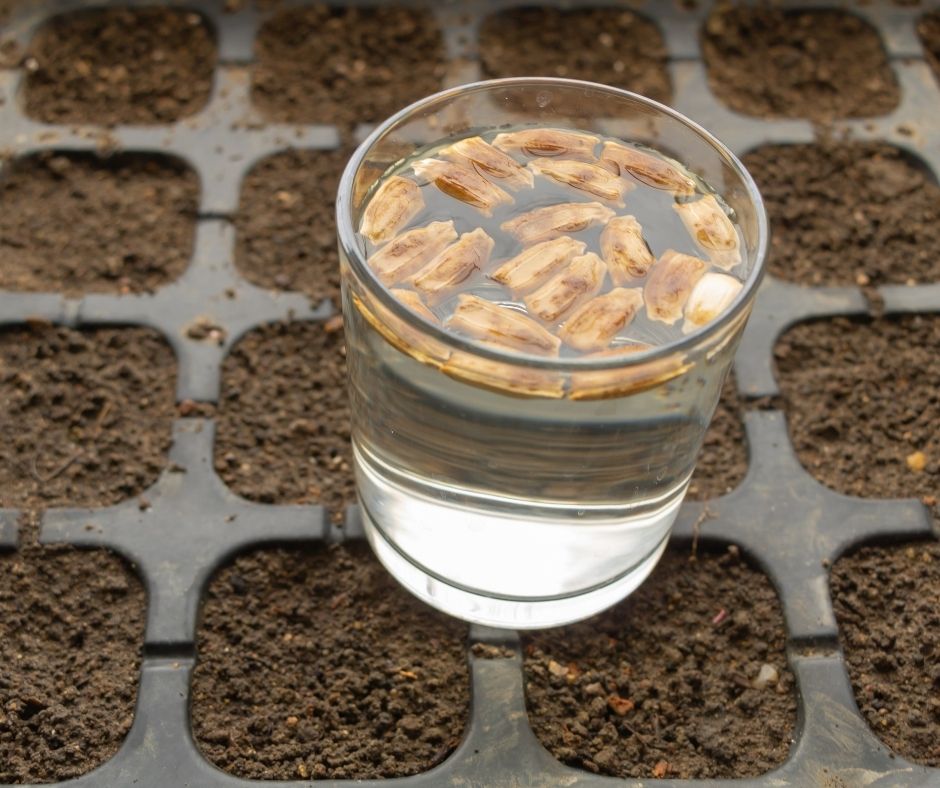
    It is easily propagated from cuttings or seeds.  Seeds should be soaked in water overnight before planting.

    10 Things You Need To Know When Growing Philodendron Giganteum 

    In Conclusion

    Philodendron giganteum is an interesting plant to grow.  It has a good relationship with most gardeners who term it as a go-to plant when you want a plant that does well indoors and outdoors.

    It has a great look that many people love. The only drawback of this plant is that it will need a lot of light, but not direct sunlight especially when grown outside in the summer months. To balance the two, can be difficult for some gardeners.

    Learning this trick will elevate your knowledge of growing this plant.  If you are interested in learning more about this plant, there is a lot of information available.  Try it today and you won’t be disappointed.

    FAQs

    Is philodendron giganteum fast growing?

    Yes, it is a very fast-growing plant. It will grow in 3-4 months from seed to flowering and blooming.  Philodendron giganteum has proven itself to be one of the easiest plants to grow. The large leaves are very forgiving when they get out of shape.

    Is philodendron giganteum a climber?

    No, philodendron giganteum is not a climber.  It is an epiphyte or air plant.

    How much light does a philodendron giganteum need?

    Philodendron giganteum grows best in full sun to part shade.  In the tropics, it will grow in partial shade as long as the temperature stays above 70 degrees Fahrenheit.  It will do better in bright areas in the winter than in shady areas.

    What is a pink princess philodendron?

    The pink princess philodendron (Philodendron chacei) is a popular philodendron because of its unique color.  It is easy to grow and has large flowers with a pink color that are very attractive to butterflies.  The pink princess philodendron also has a very unique growth habit. It starts out as a vine and then eventually it begins to form roots.  The plant will not become a climber until it has been in the soil for a while and it will only grow about 1-2 feet tall.  It can be grown in hanging baskets or other pots.