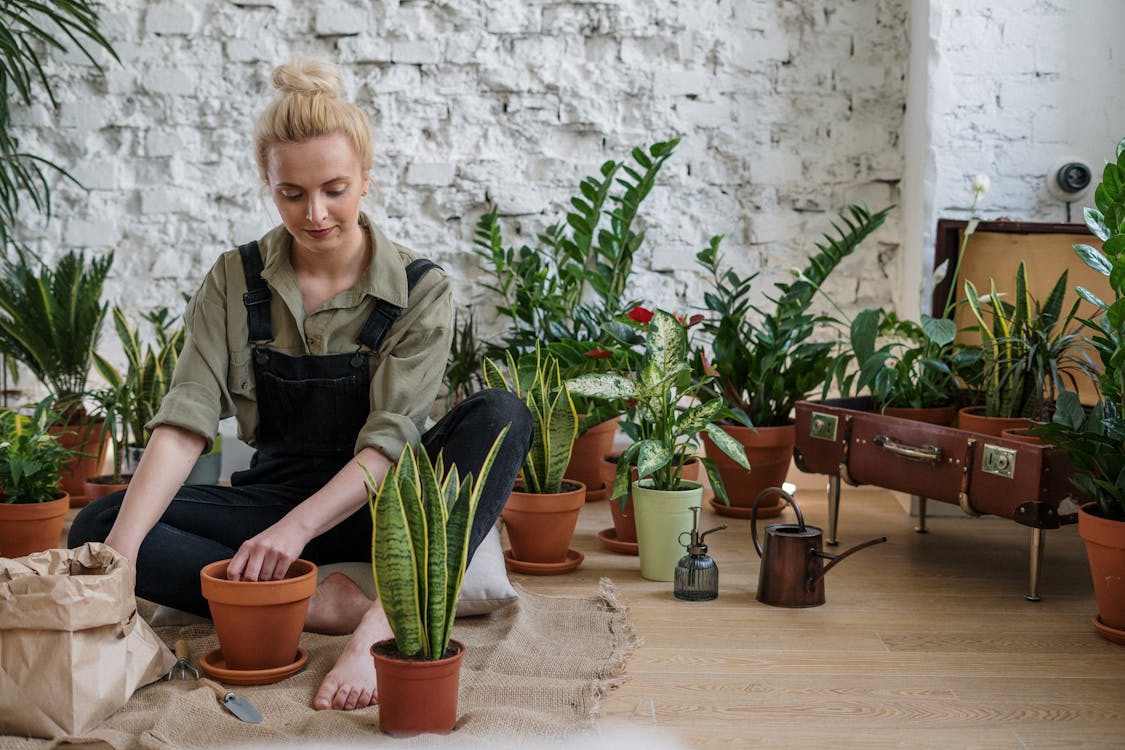
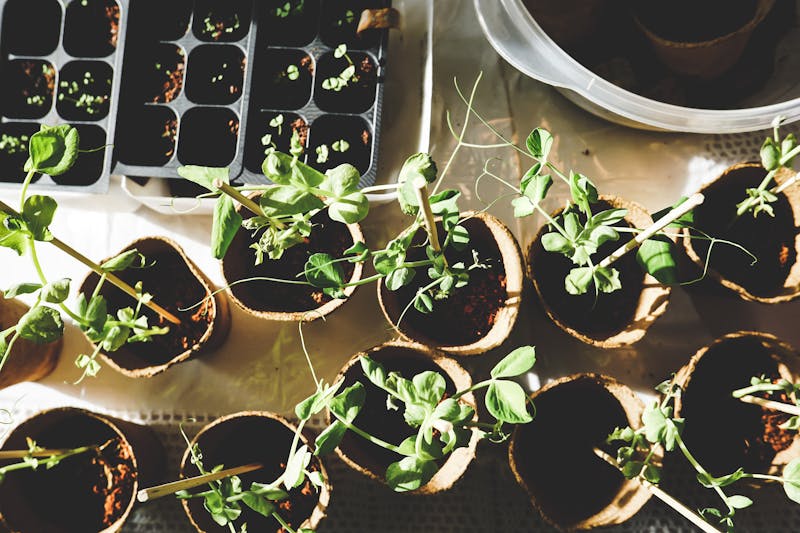
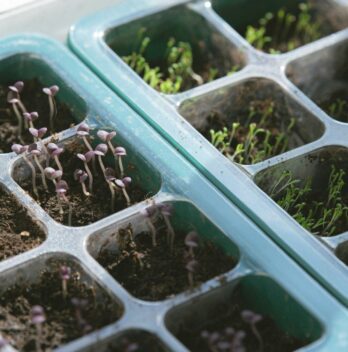
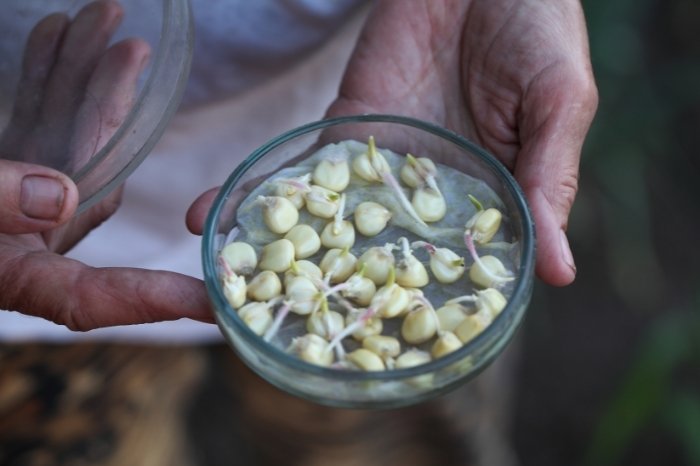
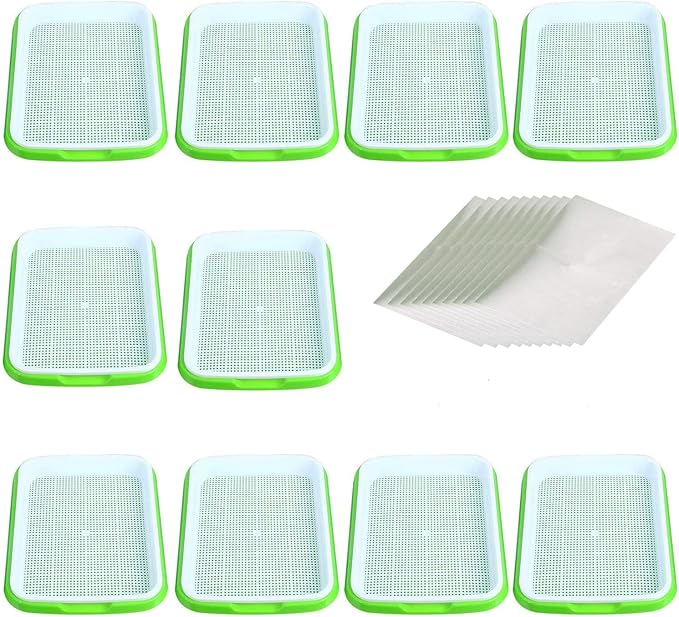
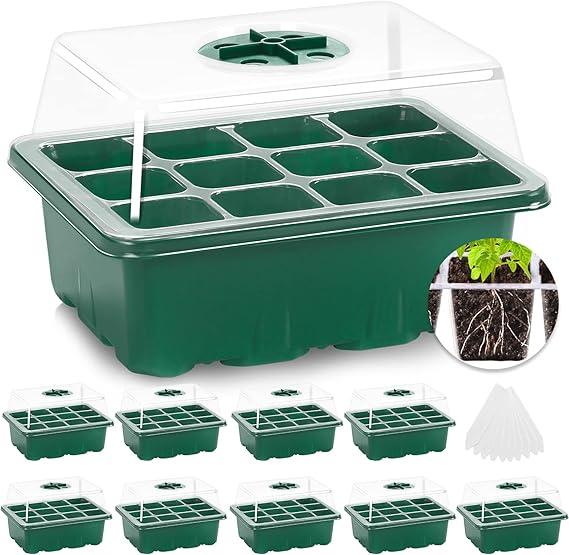
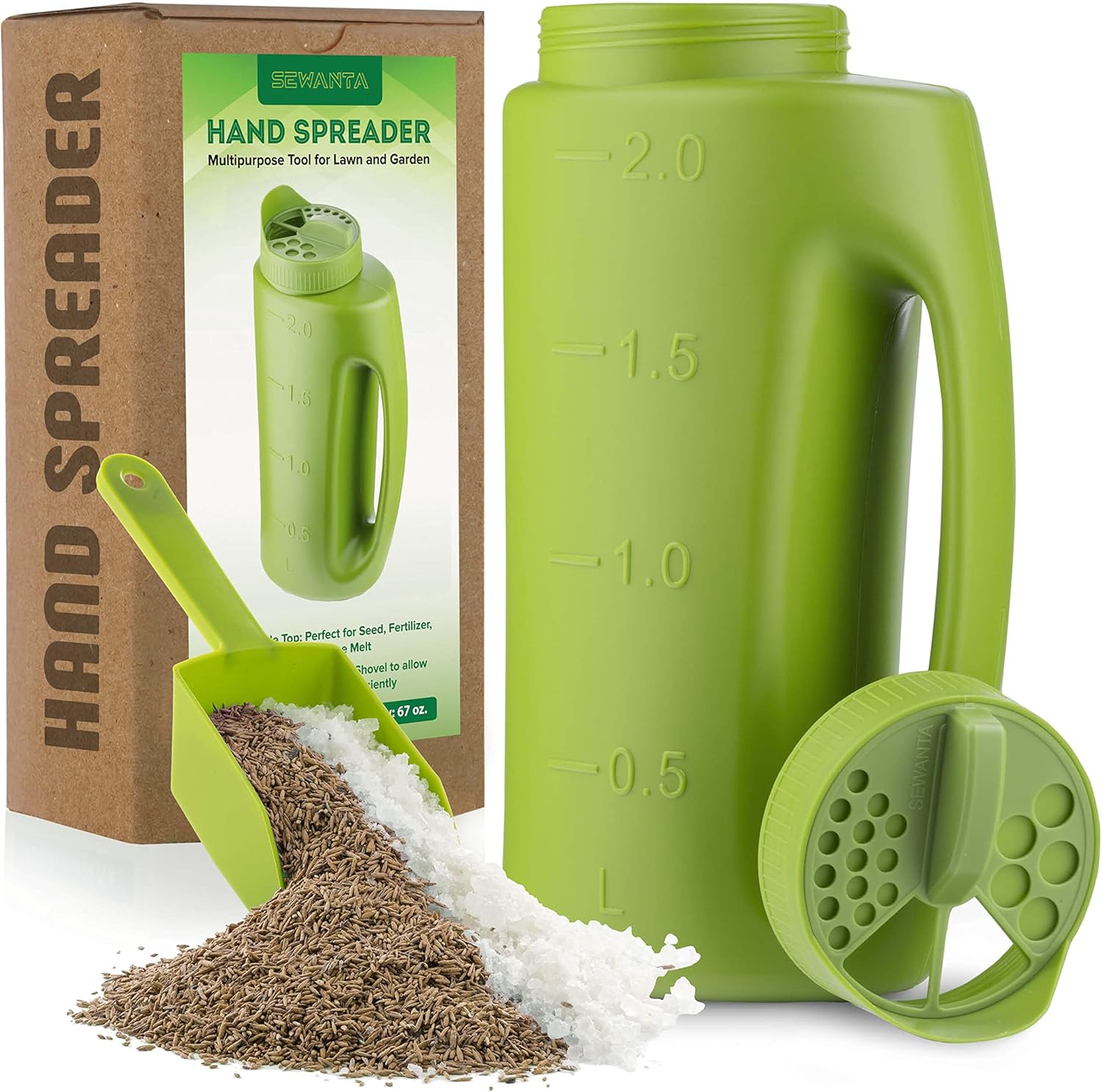
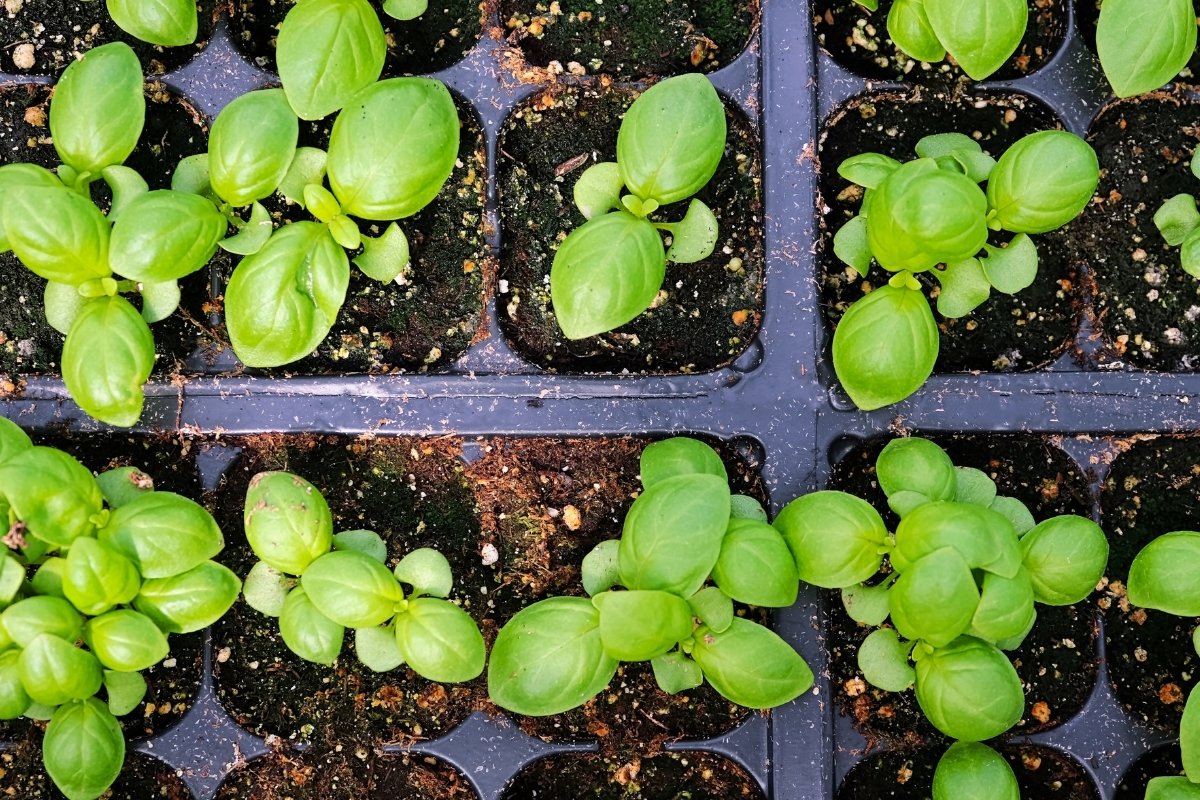
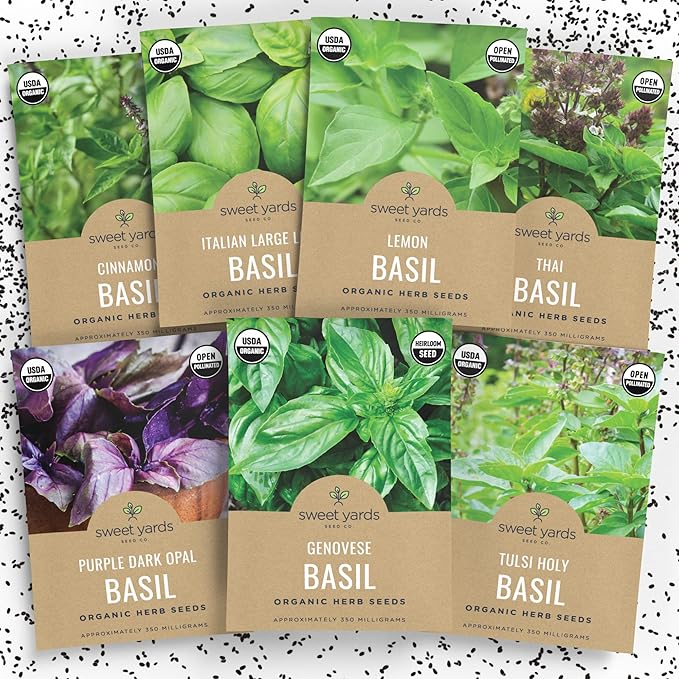
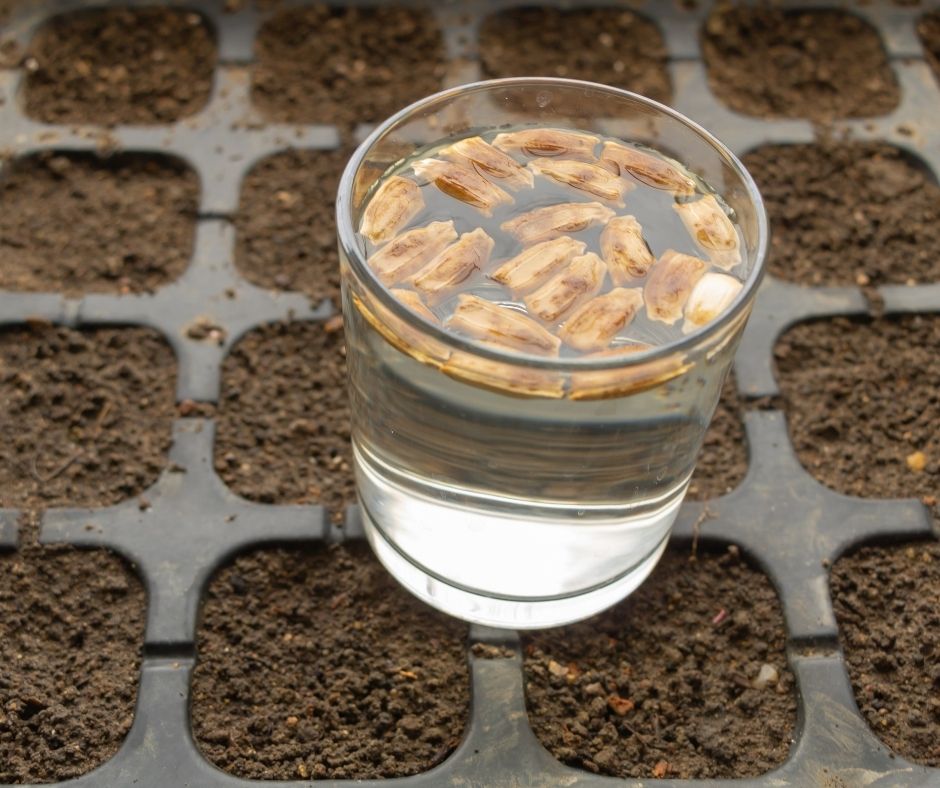
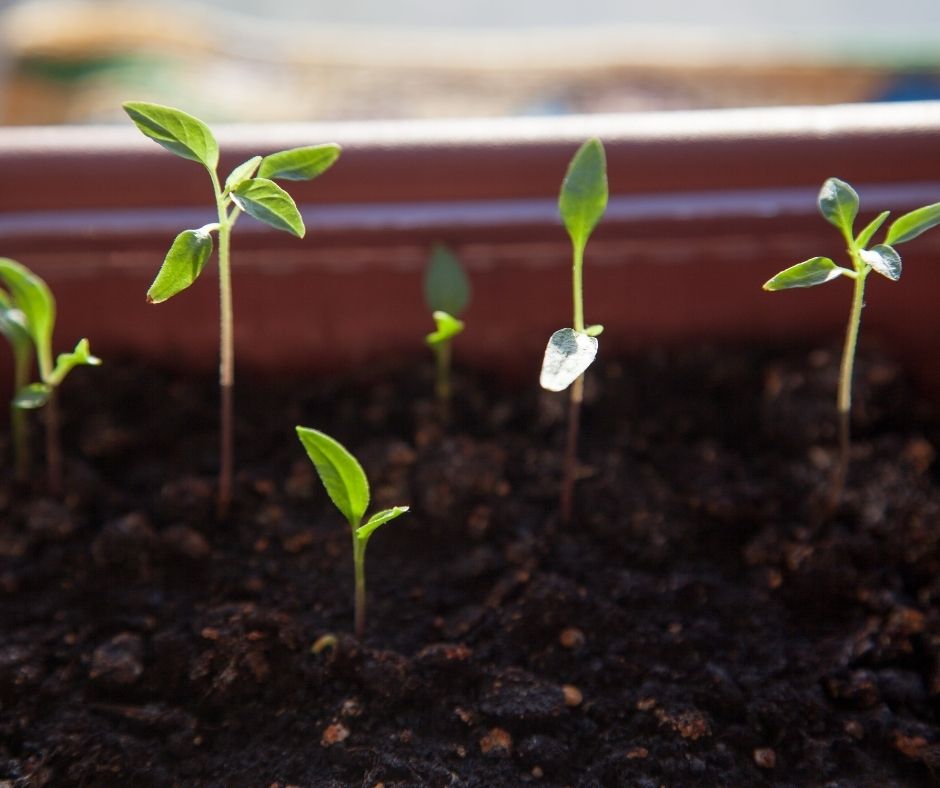
Starting seeds indoors gives you a head start on the growing season and access to varieties unavailable at nurseries. Successful seed starting requires proper timing, quality seed starting mix, adequate lighting, and consistent moisture and temperature. Our seed starting guides cover when to start different vegetables and flowers, choosing containers with drainage, bottom heat benefits, and hardening off seedlings before transplanting. Learn techniques for starting difficult seeds, preventing damping off disease, and managing seedling growth under lights. From tomatoes and peppers to flowers and herbs, we’ll help you grow strong, healthy transplants that thrive in your garden.
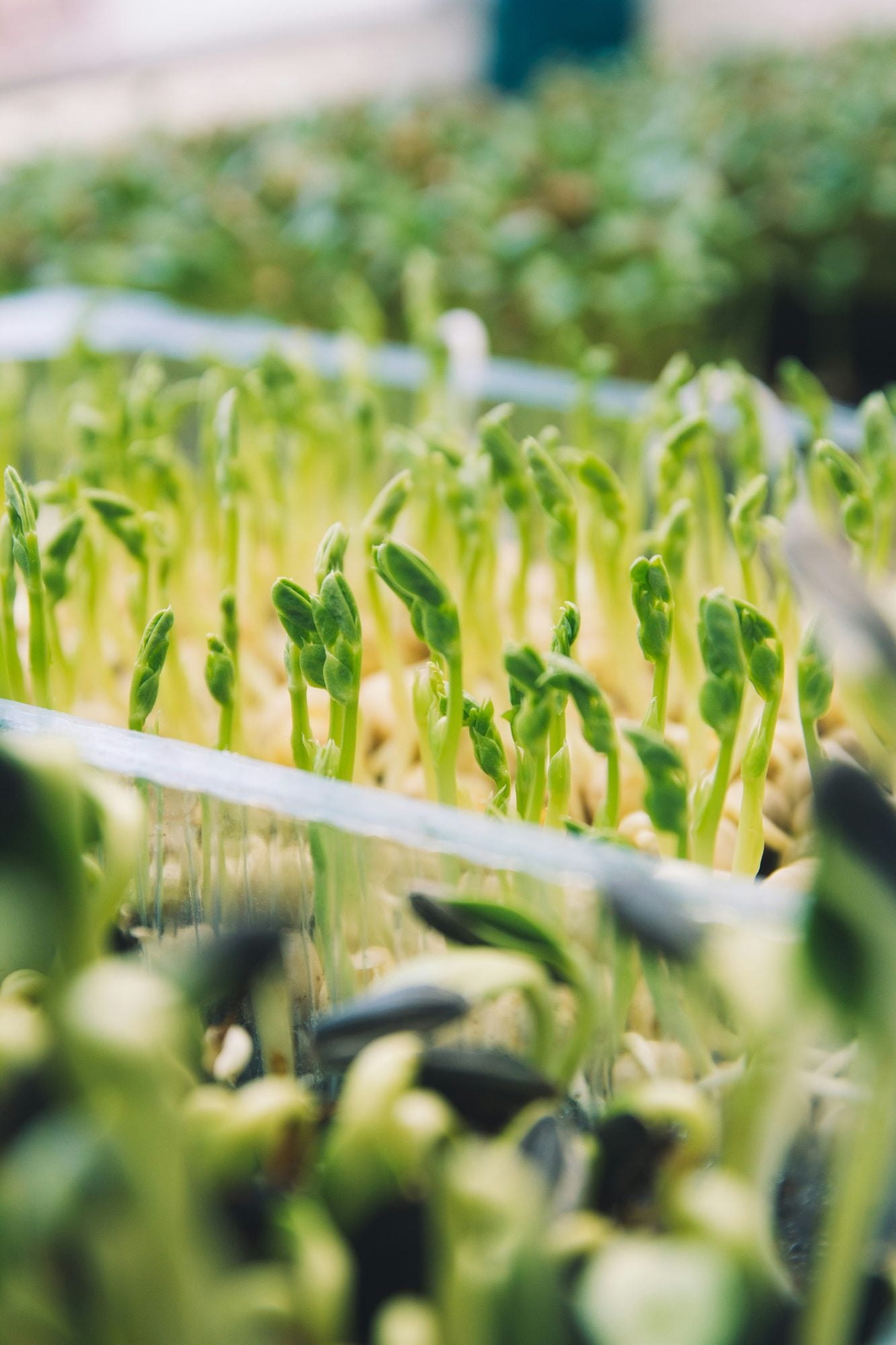
Growing microgreens at home is one of the fastest and easiest ways to add fresh, nutrient-packed greens to your meals year-round. These tiny vegetables pack concentrated flavor and nutrition, ready to harvest in just 7-14 days. Whether you have a sunny windowsill or a small countertop, you can grow fresh microgreens with minimal equipment and effort.
What Are Microgreens?
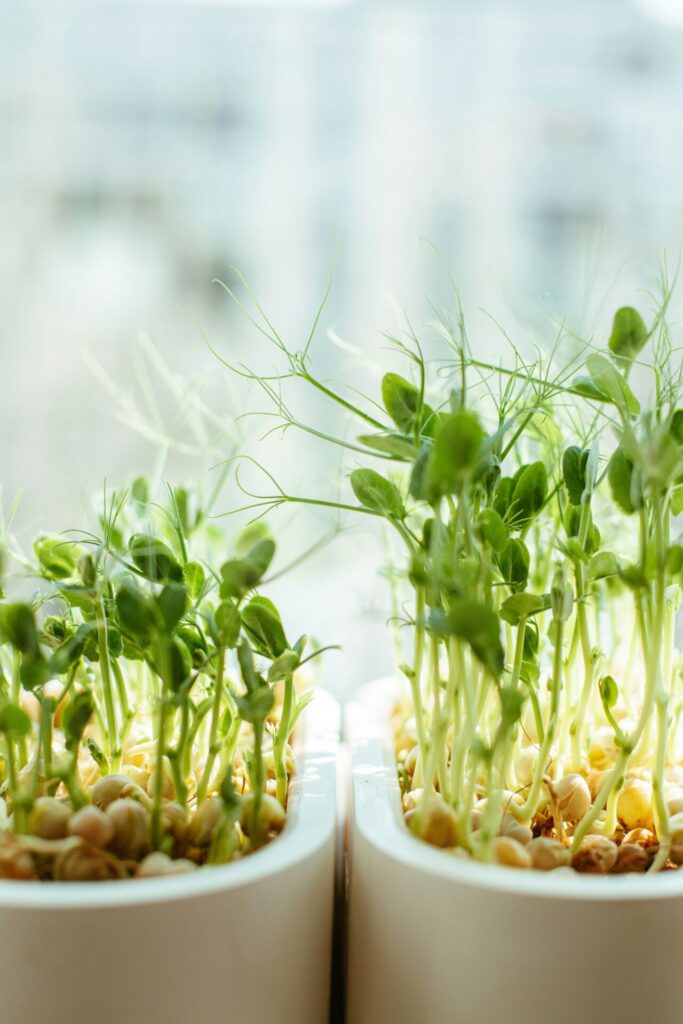
Microgreens are young vegetable seedlings harvested when they’re 1-3 inches tall, right after the first true leaves appear. Unlike sprouts, which you eat root and all, microgreens are cut above the soil line. Popular varieties include arugula, radish, kale, sunflower, and pea shoots. They contain up to 40 times more nutrients than their mature counterparts, making them a superfood you can grow on your kitchen counter.
What You’ll Need to Get Started
Growing Containers: Shallow trays work best, about 1-2 inches deep. You can use seedling trays, disposable aluminum pans, or even takeout containers with drainage holes. For consistent results, consider an indoor herb garden setup with built-in lighting.
Growing Medium: Microgreens grow well in potting soil, coconut coir, or even moistened paper towels. Soil provides the best nutrition for larger seeds like sunflower and pea shoots, while smaller seeds like arugula work fine on coir or hydroponic mats.
Seeds: Choose untreated, organic seeds specifically sold for microgreens. Regular garden seeds work but may have been treated with chemicals. Start with easy varieties like radish, broccoli, or mustard greens for your first batch.
Light Source: Microgreens need 12-16 hours of light daily. A sunny south-facing window works, but LED grow lights give more consistent results year-round and prevent leggy growth.
🛒 Recommended Microgreens Supplies
iDOO Hydroponics Growing System Kit
$85.49
iDOO Herb Garden Indoor with LED Grow Light, Built-in Fan, Auto-Timer, Adjustable Height Up to 11.3″, 12Pods-
We earn a commission if you make a purchase, at no additional cost to you.
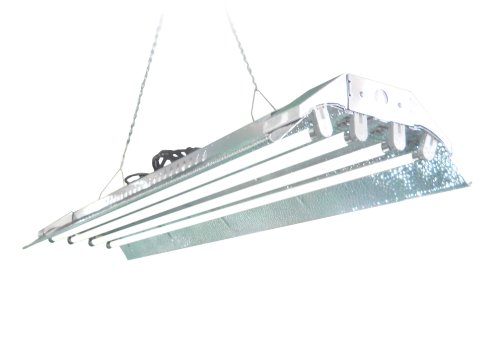
LED Grow Light
$15.99
Zyzykeji grow lights is Designed with 3 light tubes and 3 flexible goosenecks, auto timer function, 3 modes & 10 dimmable Levels, red, blue & white full spectrum grow light is the best choice for your plant growth.
We earn a commission if you make a purchase, at no additional cost to you.
03/12/2026 12:01 am GMT
Step-by-Step Growing Guide
1. Prepare Your Tray: Fill your container with 1-2 inches of moistened potting mix. Level it gently but don’t pack it down. The soil should be damp like a wrung-out sponge, not soggy.
2. Sow Seeds Densely: Sprinkle seeds evenly across the surface. Unlike regular gardening, you want seeds touching or nearly touching—about 10-15 seeds per square inch. For larger seeds like sunflower or peas, soak them overnight first.
3. Cover and Keep Dark: Cover seeds lightly with soil (small seeds) or press them gently into the surface (larger seeds). Place another tray on top to keep them dark and weighted. Check daily and mist if the surface dries out.
4. Uncover After Germination: Once sprouts reach 1-2 inches tall (usually 2-4 days), remove the cover and move the tray to your light source. Keep soil consistently moist but not waterlogged.
5. Provide Light and Air: Position your tray under grow lights or near a bright window. Good air circulation prevents mold, so run a small fan nearby or keep a window cracked if weather permits.
6. Harvest and Enjoy: Cut microgreens with clean scissors just above the soil line when they’re 1-3 inches tall with their first true leaves. Rinse gently, pat dry, and use immediately or store in the refrigerator for up to a week.
Best Microgreens for Beginners
Radish: Ready in 6-8 days, spicy flavor, nearly foolproof. Perfect first crop.
Broccoli: Mild, slightly sweet, ready in 10-12 days. High in sulforaphane, an anti-cancer compound.
Sunflower: Nutty, crunchy texture, ready in 10-14 days. Requires de-hulling after soaking.
Pea Shoots: Sweet, tender, ready in 12-14 days. Great in stir-fries and salads.
Common Problems and Solutions
Mold on Soil Surface: Usually caused by poor air circulation or overwatering. Increase airflow with a fan and reduce watering frequency. A light dusting of cinnamon can help prevent mold naturally.
Leggy, Pale Microgreens: Not enough light. Move closer to your light source or upgrade your grow lights for better intensity. Microgreens need bright light to develop deep color and compact growth.
Seeds Not Germinating: Check seed freshness and moisture levels. Some varieties need pre-soaking (sunflower, peas). Temperature matters too—most microgreens prefer 65-75°F.
Storage and Serving Ideas
Fresh-cut microgreens stay crisp in the refrigerator for 5-7 days when stored properly. Wrap them loosely in a damp paper towel inside a container or plastic bag. Don’t wash until you’re ready to use them, as excess moisture speeds decay.
Add microgreens to sandwiches, smoothies, omelets, or as a garnish for soups and entrees. Their concentrated flavor means a little goes a long way—a handful adds serious nutrition and restaurant-quality presentation to any meal.
Keep Growing Year-Round
One of the best things about microgreens is continuous production. Start a new tray every 3-4 days for a constant supply of fresh greens. With multiple trays rotating, you’ll never run out. Many growers find this rhythm works perfectly with composting their kitchen scraps, creating a sustainable cycle in their kitchen garden.
Growing microgreens at home requires minimal space, equipment, and time—yet delivers maximum nutrition and flavor. Start with one easy variety today, and within a week, you’ll be harvesting your first crop of homegrown superfoods.
Starting seeds indoors gives you a head start on the growing season and opens up a world of plant varieties not available at local nurseries. With the right setup and timing, you can grow hundreds of seedlings for a fraction of the cost of buying transplants.
Benefits of Starting Seeds Indoors
Earlier harvests – Transplant established seedlings when weather warms
Greater variety – Grow unique heirloom and specialty varieties
Cost savings – A packet of seeds costs less than a single transplant
Healthier plants – Know exactly how your plants were grown
Gardening therapy – Tend plants during the long winter months
Essential Seed Starting Supplies
Containers
Options include cell trays, peat pots, soil blocks, or recycled containers with drainage holes. Start small – seedlings don’t need much root space initially.
Growing Medium
Use sterile seed starting mix, not garden soil. Seed starting mixes are lightweight, drain well, and are free of weed seeds and pathogens.
Light
Most seedlings need 14-16 hours of light daily. South-facing windows rarely provide enough light – invest in grow lights for stocky, healthy seedlings.
Heat
Many seeds germinate best at 70-85°F soil temperature. Heat mats speed germination dramatically, especially for warm-season crops like tomatoes and peppers.
When to Start Seeds
Count backwards from your last frost date. Seed packets usually indicate how many weeks before transplanting to start seeds indoors.
Common Timing Guidelines
10-12 weeks before last frost: Onions, leeks, peppers
2-4 weeks before: Squash, melons, beans (or direct sow)
Seed Starting Steps
1. Moisten Your Mix
Pre-moisten seed starting mix before filling containers. It should be damp like a wrung-out sponge, not soggy.
2. Fill Containers
Fill cells or pots with mix, lightly firming but not compacting. Leave a small gap at the top for watering.
3. Plant Seeds
Follow packet instructions for planting depth. General rule: plant seeds 2-3 times as deep as they are wide. Tiny seeds may just need pressing into the surface.
4. Cover and Warm
Cover containers with plastic domes or wrap to retain moisture until germination. Place on heat mats if available.
5. Provide Light
As soon as seedlings emerge, remove covers and provide strong light. Keep lights 2-4 inches above seedlings.
6. Water Carefully
Bottom watering prevents damping off and encourages deep root growth. Avoid letting seedlings dry out completely.
Hardening Off
Before transplanting outdoors, seedlings need to adjust to outdoor conditions. Gradually expose them to outdoor sun, wind, and temperatures over 7-10 days.
As an Amazon Associate, we earn from qualifying purchases.
Conclusion
Starting seeds indoors is one of the most rewarding skills a gardener can develop. Begin with easy crops like tomatoes and lettuce, then expand to more challenging varieties as you gain experience.
🌱 Seed Starting Essentials
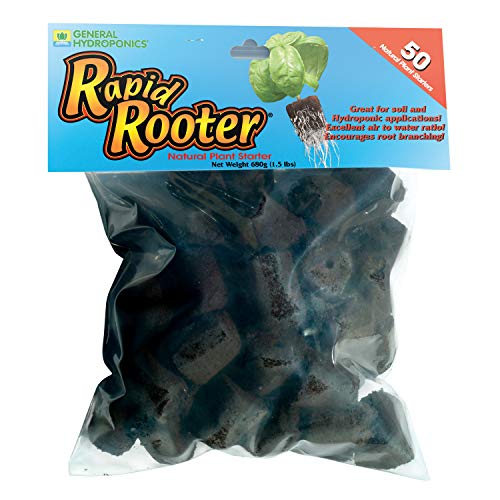
General Hydroponics Rapid Rooter, Starter Plug for Seeds or Cuttings, Great for Soil or Hydroponics Growing System, 50 Plugs
Sprouts are a fantastic, nutritious, and easy-to-grow food that can be cultivated indoors all year round. Rich in vitamins, minerals, and enzymes, sprouts are a living food source, adding a crunchy and fresh element to your diet. The process is very similar whether you want to grow alfalfa, mung beans, lentils, or broccoli sprouts. This guide will walk you through everything you need about growing sprouts at home, from choosing the right seeds to harvesting your crop.
Why Grow Sprouts?
Before we jump into the “how,” it’s important to understand the “why.” Here are some of the benefits of growing sprouts:
Nutrient Density: Sprouts are rich in vitamins A, C, and K, and provide a good source of iron, calcium, and protein.
Cost-Effective: Growing sprouts is inexpensive. A small amount of seed can yield a large quantity of fresh sprouts, making it budget-friendly.
Quick Growth: You can harvest fresh sprouts in just 4–7 days, making them one of the fastest-growing crops.
Now, let’s get started on the practical side of things!
Step 1: Choosing Your Sprout Seeds
The first and most crucial step in growing sprouts at home is selecting the right seeds. Not all seeds are suitable for sprouting, so you’ll need to buy specifically labeled sprouting seeds. Common choices include:
Alfalfa: Known for its mild flavor and high nutrient content, alfalfa is one of the most popular sprouting seeds.
Mung Beans: These are commonly used in Asian dishes and taste slightly nutty.
Broccoli: Rich in antioxidants, broccoli sprouts are known for their health benefits, particularly their high sulforaphane content.
Lentils: Lentil sprouts are crunchy and protein-rich, making them a great addition to salads and sandwiches.
Radish: These sprouts have a spicy flavor, similar to mature radishes.
Amazon’s Choice
Non-GMO Variety Pack Sprouting Seeds
$16.99
Broccoli, Alfalfa, Radish, Mung beans & Salad Mix for Sprouts and Microgreens
We earn a commission if you make a purchase, at no additional cost to you.
03/11/2026 08:02 pm GMT
Where to Buy Sprouting Seeds
You can purchase sprouting seeds online or from health food stores. Ensure they are labeled “organic” and “non-GMO,” as these are safer and healthier options.
Step 2: Equipment You’ll Need
Growing sprouts requires very little equipment, but the right tools will make the process easier and more hygienic. Here’s what you’ll need:
A Sprouting Jar or Tray: The most common choice is a mason jar with a mesh lid, but sprouting trays are also available, especially for larger quantities.
Cheesecloth or Mesh Screen: If you’re using a jar, you’ll need a breathable cover to allow air in while keeping the seeds contained.
Water: Sprouts must be rinsed several times a day, so access to fresh, clean water is essential.
A Bowl: This is to catch water as it drains from the jar after rinsing.
A Dark Space: Many sprouts need to begin their growth in a dark or shaded area to mimic soil conditions.
Step 3: Soaking the Seeds
Soaking is the first step in the sprouting process, and it’s crucial to jump-start the growth cycle. Here’s how:
Measure the Seeds: Start with 1–2 tablespoons of seeds for a typical mason jar. They will expand significantly, so don’t overdo it.
Rinse the Seeds: Place the seeds in your sprouting jar and rinse them thoroughly under cold water to remove dust or contaminants.
Soak the Seeds: Fill the jar with enough water to cover the seeds by at least 2 inches. Leave them to soak for 8–12 hours (overnight is ideal). Larger seeds like mung beans may need a longer soak, while smaller seeds like alfalfa need less time.
Why Soak?
Soaking softens the seed coat and starts the germination process. It’s critical because it “wakes up” the seed, initiating growth and activating the rich enzymes and nutrients inside.
Step 4: Rinsing and Draining
Once the seeds have soaked, it’s time to begin the rinsing and draining process. This must be done twice a day to keep the seeds moist but not waterlogged.
Drain the Water: After soaking, drain the water from the jar using your mesh screen or cheesecloth. Be sure to shake out any excess water.
Rinse the Seeds: Rinse the seeds with fresh water and drain again. This helps keep them moist and removes any toxins or waste products they release during growth.
Repeat Twice Daily: Place the jar at an angle in a bowl, with the mouth facing downward to allow any remaining water to drain. Rinse and drain the seeds every 12 hours.
Why Rinse Regularly?
Rinsing is crucial to keep the sprouts clean and free from mold or bacteria. It also provides the moisture they need to grow while preventing them from becoming too wet, which could cause rot.
Step 5: Sprouting Time!
After a few days of rinsing and draining, you’ll notice tiny sprouts beginning to emerge from the seeds. Depending on the seed variety, here’s what to expect:
Day 1-2: Seeds start to split open, and small roots will emerge.
Day 3-4: The sprouts will grow larger and take shape. You can expose the jar to indirect light at this stage to help the sprouts turn green.
Day 5-7: Most sprouts will be ready for harvest. They should be around 1-2 inches long and will have developed small leaves.
Step 6: Harvesting Your Sprouts
It’s time to harvest once your sprouts have grown to your desired length. Remove the sprouts from the jar and give them a final rinse. Dry thoroughly by spreading them out on a paper towel or using a salad spinner to remove excess moisture.
Storage Tips
Place your sprouts in an airtight container in the refrigerator to store them. Fresh sprouts should last about a week. Make sure they are completely dry before storing them to prevent mold.
Amazon’s Choice
Non-GMO Variety Pack Sprouting Seeds
$16.99
Broccoli, Alfalfa, Radish, Mung beans & Salad Mix for Sprouts and Microgreens
We earn a commission if you make a purchase, at no additional cost to you.
03/11/2026 08:02 pm GMT
Common Problems and Solutions
Growing sprouts is generally easy, but you may encounter a few issues. Here’s how to troubleshoot common problems:
Mold: If your sprouts develop mold, it’s often due to inadequate rinsing or poor drainage. Make sure you rinse twice a day and allow the jar to drain properly.
Slow Growth: If your sprouts grow slowly, they may need more warmth. Try placing them in a slightly warmer spot in your kitchen, but avoid direct sunlight.
Bitter Sprouts: Overexposure to light can cause some sprouts, like alfalfa, to become bitter. If this happens, limit their time in direct light.
Enjoying Your Homegrown Sprouts
The possibilities are endless once you’ve harvested your fresh batch of sprouts! Sprouts can be added to:
Salads
Sandwiches and wraps
Stir fries (for firmer sprouts like mung beans or lentils)
Smoothies
Soups
Sprouts are incredibly versatile, and because they grow quickly, you’ll never be short of fresh greens for your meals.
Final Thoughts
Growing sprouts at home is a fun, inexpensive, and rewarding way to add nutrient-dense foods to your diet. The process is simple, requiring only a small amount of time and equipment. Best of all, you can grow them year-round, regardless of your outdoor gardening space or the weather outside. By following these basic steps, you’ll be able to enjoy fresh sprouts in no time, all from the comfort of your kitchen!
The potato is one of the world’s most commonly grown, consumed, and versatile vegetables. Its ease of growth contributes to its popularity. Knowing how many potatoes will grow per plant is crucial to knowing how your plants will perform and to deciding how many you should plant to fulfill your needs. How many potatoes will grow per plant will depend on certain factors such as the type or variety of potatoes being grown, environmental conditions, and how well their growing needs are being met. Keep reading to know how many potato plants to plant to ensure that you harvest enough to last you and your family until the next growing season.
How Many Potatoes Per Plant?
How many potatoes per plant can you expect from your harvest? Under ideal growing conditions, the average number of potatoes a potato plant can produce per plant is between three and eight. Different varieties may produce fewer or more potatoes than others. The tubers’ sizes may also differ, ranging from small to extra large. If you want to provide for a family, about 40 potato plants may be sufficient for the year. If these plants all grow healthily until harvest, you should expect a harvest of around 125 pounds of potatoes.
How Many Potatoes Grow From One Potato Seed?
Seed potatoes vary significantly in size. A small-sized seed potato is planted whole, and a single potato can be produced per plant. However, Larger seed potatoes can be cut into halves or quarters, grown, and produced between two and four potato plants. Planting seed potatoes whole will usually produce more vigorous plants. It is, therefore, unnecessary to cut the seed potato unless it is huge. A single-seed potato that grows well will produce one plant, and this one plant will produce between 8 and 10 full-sized potatoes. In addition, each potato plant is likely to have a couple of smaller baby potatoes as well.
Do Different Potato Varieties Produce the Same Number of Potatoes Per Seed?
How many potatoes per plant seed can differ between different cultivars? To find out how many potatoes your particular variety will produce, read the plant descriptions on the packaging or the resources available online. However, the average yield per potato plant listed assumes that ideal growing conditions are met for that particular potato variety. If the conditions are not ideal, the plant may produce fewer potatoes or nothing at all.
Ideal Growing Conditions for Optimal Potato Yield
While different potato cultivars will have different specific environmental conditions for maximum yield, here are some things you can do to help ensure that you get optimal productivity out of your potatoes:
1. Planting distance
Potatoes are tubers that grow underground. Because of this, they need plenty of space to grow, so it is important to provide them with sufficient room. If potatoes are planted too closely, young tubers will not grow as well as you would expect them to, resulting in a poor yield. Another reason not to plant them too closely is that they will compete for nutrients, further negatively impacting their growth. Potato plants should be planted 12 -14 inches apart and have 3 feet between rows to achieve the best growth and optimum yield. If you plan to harvest your potatoes at the baby stage, however, you can plant them closer to each other, as they will require less space to grow. If you have adhered to this recommended planting distance, you should not have to worry about the possibility of them crowding up in the soil. They will adjust themselves and spread out as needed, provided the soil they are planted in is right. The plant roots and tubers will grow well.
2. Planting depth
How deep you plant your seed potatoes will have a massive impact on the eventual yield. Seed potatoes need to have enough soil covering them so that no part of the tuber is left exposed. If they do not get completely covered and are exposed to the sun, they will turn green due to the solanine in them. If these potatoes are consumed, they will cause solanine poisoning. Green potatoes should not be eaten and must be immediately discarded. This will lead to a loss of crop yield. The best depth to plant your potatoes is 4-6 inches. Start with this depth and hill them up as the plants continue to grow taller to keep them protected. You can hill your potatoes up by mounding the soil around them with a spade, hoe, or other implement that you have. Hill them up to within 2-3 inches of the plant foliage. Start hilling them when the plants have attained a height of 8-10 inches, and repeat the process when they get new growth of 8-10 inches. The process of hilling your plants will help to provide them with sufficient soil for adequate growth and expansion of tubers underground. The higher level of soil will also help to support the growing foliage on top of the ground. If your plants are not provided with enough soil, they will be exposed to the sun, which will diminish your crop yield.
3. Soil type
Potato tubers need to be planted in loose soil for them to grow well and expand underground. Using loose, soft, and well-draining soil will help to increase your potato yield. Potatoes require plenty of space to spread their roots and grow large potatoes. Growing potatoes in compacted soil will produce only small potatoes as they will struggle to push against the dirt to increase in size.
4. Soil fertility
Soil fertility is an important aspect of increasing your potato yield. Before your potatoes are planted, apply a suitable fertilizer to the soil. It is important to use a fertilizer that is specific for potatoes when you first plant them and mid-way through the season so that they get the boost of nutrients they need to produce as many potatoes as they can. Use a 5-10-10 fertilizer in the planting rows and carefully work it into the soil. Follow the instructions on the packaging container. You must also side-dress the potatoes with the same fertilizer before the first hilling.
5. Soil moisture
Potatoes need adequate, but not too much watering. Potatoes need about 1 to 2 inches of rain per week. If your area does not receive this amount of rain, you will need t give your potatoes supplemental water. Water your potatoes enough to saturate the soil up to the level of the roots and tubers. Water each time the first two inches of the soil feel dry. Going for long periods without watering or adequate water will lead to malformations of your potato tubers, which can lead to poor yields. This is because insufficient moisture will cause the potato tubers to grow slowly if they even grow at all. If you resumed watering your potatoes or got plenty of rain after a period of no rain, it will cause the tubers to grow rapidly and split or develop malformations. To get the best yield out of your potatoes, and get the best shapes, you will need to water them regularly during their growing season.
6. Pests
Pests can have a detrimental impact on your potato crop yield. Treat them as soon as you notice them before they have any significant damage to the plants. Insect pests such as the Colorado potato beetle can completely destroy the foliage of the plants. If this happens, the growth of tubers underground will stop because the plants will not have enough support. Eventually, you will have reduced yield and small potatoes.
7. Sunlight exposure
Like all other plants, potato plants require sunlight to carry out photosynthesis. Without sufficient sunlight, the growth of the plant will slow down and result in your potato yield is poor. Make sure you plant your potatoes in an area that receives at least 6 to 8 hours of direct sunlight each day, for the entire duration of the growing cycle. The plants can and will grow with less light, however, their growth will not be as good as it would be if they received more light. So to get the best growth, health, and ultimately good yield from your potatoes, provide them with plenty of sunlight.
8. Proper hilling
Hilling your potatoes at the time they are first planted, and one or two more times during their growing season will help improve crop yield. Hilling provides support for the growing plant foliage, which will force it to grow upwards toward the sunlight and consequently increase the growth of tubers.
9. Choosing the right potato variety
There are hundreds of potato varieties to choose from that are readily available from local seed stores and online shops. Before you choose the variety to grow. Do a bit of research around it to find out if it is suited to your climate, or if you will be able to provide it with the growing conditions it requires. It is also helpful to know information such as the length of the growing season, the amount of space they need for growth, specific uses of that particular potato, and as well as resistance or susceptibility to disease and parasites. Potato varieties such as Pontiac Red, Kennebec White, and Purple Majesty are all great varieties of potatoes that consistently produce high yields of potatoes. If you are you do not know much about potato varieties, you can begin by researching these three to see which one would be best suited to your environment.
10. Plant your potatoes at the right time
Potato plants have an ideal time that they should be planted to get the best chance of survival. You should plant them when the soil warms up to about 45 degrees Fahrenheit. In most areas, that would be about two weeks after the last frost date. While looking at the timing, it is also key to monitor the soil moisture content. If you have had a wet spring, wait a few weeks until the ground has dried up a bit. If the soil is too wet, it can cause the potato tubers to rot. If you have no choice but to plant potatoes earlier than this, look for the varieties that mature earlier, as they are better able to withstand cold conditions. You can plant these up to six weeks before the last first date.
How Many Potatoes Does a Potato Plant Produce?
Typically, a single potato plant will produce anywhere between 3 and 5 pounds of potatoes. This may be enough to feed a family of four people twice. Keep in mind, however, that different varieties of potatoes will produce different numbers of potatoes. In addition to this, the growing conditions such as sunlight, nutrient provision, adequate growing space, and a good irrigation schedule have to be maintained well to achieve optimum growth.
Can I Use Store-Bought Potatoes as Seeds?
Technically, yes. Store-bought potatoes can be used as seeds to grow potatoes. You will have figured this out when you left potatoes out for too long and they started sprouting. If you plant them in the ground during the right growing season, you should harvest some potatoes. However, potato growth experts advise against using shop potatoes as seeds. They recommend only using certified potatoes to plant in your garden. The reasons for this include that potato growers put sprout inhibitors to slow down the rate of budding when the potatoes are being shipped, and while they are at the store. This may cause the potatoes to grow weak or not produce any growth when planted. Another reason that you should not use shop potatoes as seeds is that they often contain a lot of microorganisms and diseases. These can easily spread to plants and completely destroy all other plants in your garden. Seed potatoes that are certified will come with a guarantee that they are free of any diseases or microorganisms that can destroy the potato and other crops. Certified seed potatoes are usually strong and healthy, and have a higher chance of having vigorous growth, producing large and strong potatoes, and ultimately a good yield.
How Do I Know That My Potatoes Are Growing
Because potatoes grow underground, it may be difficult, especially for new and inexperienced growers to be able to tell what stage their plants are at. It can be difficult to tell whether or not your potato tubers are growing. There are signs that you can look out for. Flowering is a great indicator that your potatoes have started growing. If you want to harvest your potatoes in the baby stage, you can go ahead and do so at this point. After the flowers have come and gone, the foliage at the top of the soil will die back. This is so that the plant will start directing its energy towards growing the tubers larger. If you want to harvest full-sized potatoes, you should do so after the plants have died back. Another way to know that your potatoes have matured is when the stems of the plants have started to go yellow and die off. This usually happens at the end of summer, or early in the fall. If you still want a bit of reassurance that your potatoes are ready to harvest, you can dig a small test spot and get a few tubers out to gauge if they are at your desired harvest size.
Quick Summary – How Many Potatoes Per Plant (and From ONE Seed)
Different varieties of potatoes will produce different amounts of potatoes at harvest time. You will need to read the information on the seed packaging to get an idea of how many potatoes per plant your particular variety will produce. Generally, with potatoes, however, if the plant is healthy, you can expect to dig up about five or six full-size potatoes per plant. Potato plants yield from five to 10 potatoes per plant depending on the variety, climate, and whether the growing conditions of the plants are met. Usually, a single potato plant produces anywhere between 3 and 5 pounds of potatoes. Knowing this can help you to plan how many plants to plant to you can have enough potatoes until the next growing season. Follow the guidelines and tips provided in this article to increase your potato plant harvest. Remember that a single plant has the potential to produce between three and four pounds of potatoes, and a single seed potato will produce above four or five plants. Start from there and then plan how many potato plants to plant for an adequate supply. We hope this article has given you all the information you need to know on how many potatoes per plant you can expect from your potato plant. Happy growing!
🥔 Potato Growing Essentials
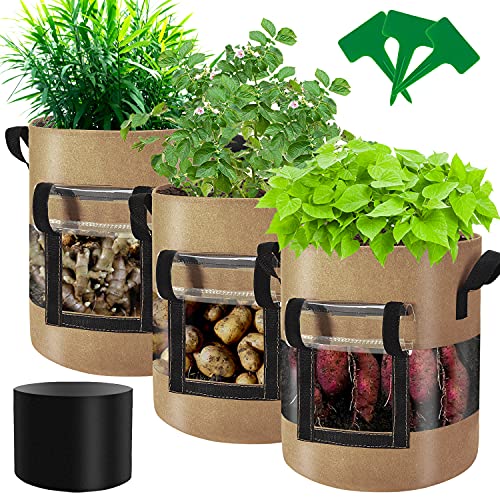
Potato Grow Bags,Potato Planters with Flap and Handles,Vegetables Garden Planting Bags for Onion,Fruits,Tomato,Carrot (10gallon-4pack)
Zucchini is one of the most delicious and versatile squashes out there. Once you try it, you will want more. You will want to grow it yourself asking questions such as; Does zucchini have seeds?, How do I propagate my zucchini?, How long will it take before I can enjoy my zucchini squash after planting? Let us discuss this topic in detail.
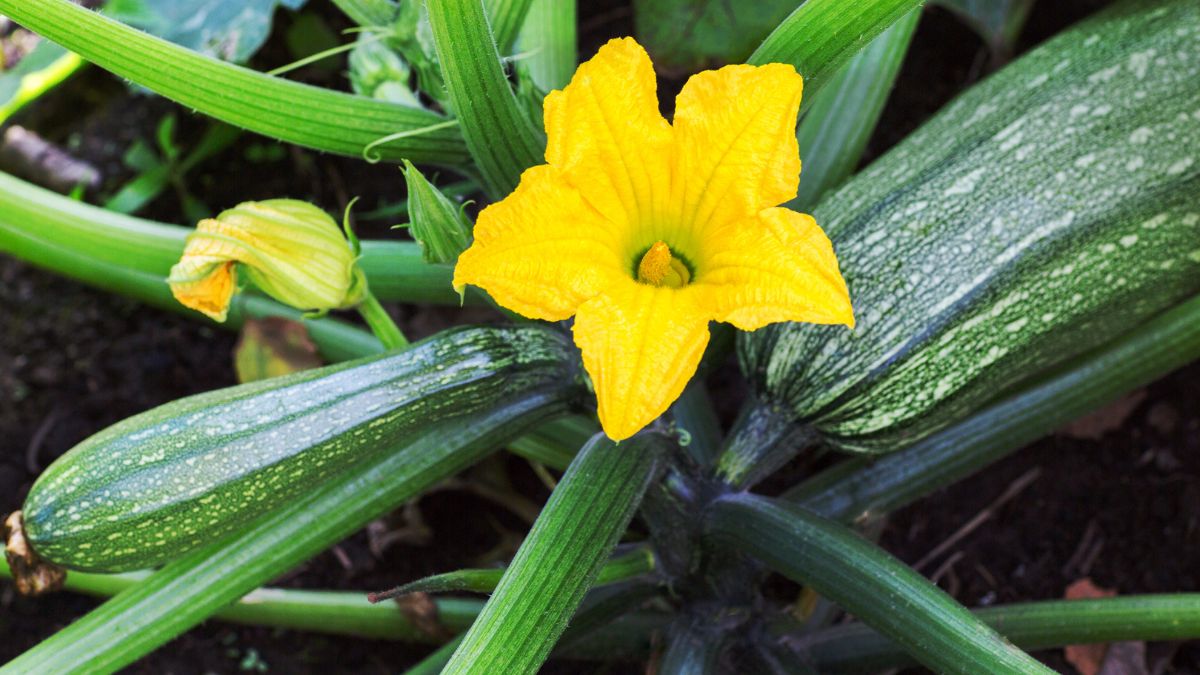
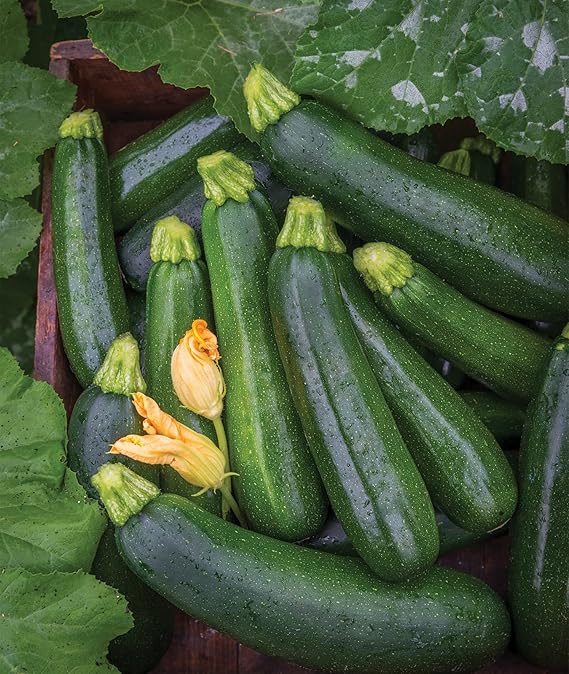
Zucchini, also referred to as courgette or baby marrow is a summer squash that is usually harvested while it is still immature, while its seeds and skin are still soft. They come in different colors such as the regular green, and the more unusual golden yellow and orange varieties. All of these are equally delicious if you ask me. Zucchini squashes can get up to about three feet in length. They are however harvested when they are about 6-10 inches long. Originally from America, these squashes are now grown worldwide and are used in many different dishes.
Does Zucchini Have Seeds?
Zucchini is propagated by seeds that are collected from larger squashes. Because zucchini for eating are harvested when they are still small and immature, the seeds appear very small and may seem insignificant. But if you want to grow more from your own crop, you will need to let some of your zucchini squash mature and then collect the seeds for the next growing season. You will then plant these in the soil to grow another crop, and keep this cycle going.
Types of zucchini
There are three different main types of zucchini;
The black beauty – is the most common type of zucchini squash that is found in most grocery stores and most commonly grown, that is the long green one,
The gourmet gold – is similar in taste, shape, and texture to the black beauty, except it has a golden yellow color, and finally
The globe zucchini – This one has a different overall appearance from the other two. It has a globe shape and grow up to eight inches in width. This ball shapes zucchini squash is usually prepared by stuffing it, and then cooking it with the stuffing. Simply scoop the seeds out and stuff them with whatever you may like. The seeds are also perfectly edible if you would like to eat them as well.
What Do Zucchini Seeds Look Like?
Zucchini seeds are small, usually yellow in color and have a flat appearance. They look very similar to pumpkin and the seeds of other squashes. You should therefore carefully label them if you have seeds of other squashes as well because they may get mixed up and it will be difficult for you to tell them apart.
Harvesting Zucchini Seeds – Step By Step
Knowing how to harvest zucchini seeds is important if you are going to keep and grow them. Here is how you do it. Step 1: Cut the zucchini open Because the skin of a mature zucchini squash may be hard, you will need a sharp knife to cut it open, and cut through it to open it up. Step 2: Scoop the seeds out Use a spoon to scoop the seeds out and separate them from the stringy flesh that surrounds them. Step 3: Ferment the seeds Put your seeds in a clean container, and put a bit of water to keep them moist. Close the container tightly and let the seeds sit in there for a few days. This process will help to clean them. Step 4: Clean the seeds After the fermentation process has completed, take your seeds out and rinse them so clean them. The flat, empty seeds will float to the top. These ones are not viable for planting, only keep the heavy ones that settle at the bottom. These are the ones that you will keep for planting. Step 5:Dry the seeds After cleaning, dry the seeds by spreading them in a single layer and placing them in a sunny spot to dry. You may need to turn them every now and then to make sure that they dry evenly. If there are any wet spots, your seeds might get moldy. Step 6: Store the seeds After the seeds have dried, carefully store the seeds in a container or envelope and label them so you do not lose them. Store them in a cool dry place until you need to use them.
How To Save Squash Seeds To Plant Next Year?
To save your squash seeds to plant for the next year, follow the step by step above to harvest, clean, and store them in a place where they will not be exposed to moisture which may rot them, or where they will not get pests attacking them. This will help save your squash until you can plant them the next growing season.
How to Start Zucchini Seeds
To start your zucchini seeds before planting, soak them in water at least 24 hours before planting. Soaking them in water will rehydrate them, which will help to speed up the germination process. The next day, plant your seeds in your prepared soil and water them. If you take good care of your seeds they will sprout into new zucchini seedlings that will grow and grow squashes that you will enjoy.
Conclusion – Does zucchini have seeds?
As you will have gathered from this article, yes zucchini squash have seeds that are used in propagating this lovely and nutritious vegetable. If you are unsure at first, of whether you will be able to identify the seeds, you can purchase seedlings to plant at first, and from your first harvest, you will start keeping your own seed by following the steps carefully outlined above to do so.
You will definitely not regret growing your own zucchini when you start enjoying the fruits of your labor. You can enjoy this healthy vegetable and can even share it with your pet dogs if you have any. Happy gardening! If you enjoyed reading this article and found it useful, please see free to share it with your family and friends.
White Wave Petunias are easy to grow and if afforded the right care and maintenance, you can look forward to outstanding results. They are consistent flowering plants that bloom throughout the season. These gorgeous plants are fast-growing with good uniformity and a good balance of mounding and spreading.
Petunias are sought-after plants as they are used to fill up planters, hanging baskets, and window boxes, and are great to enhance the look of your landscapes. Tolerating temperatures both hot and cold, the vines of these hardy plants grow over four feet long. Petunias grown in containers require regular fertilization and watering to maintain their stance.
Keep in mind that petunia seeds should not be started outside as they favor indoor temperatures. These plants also thrive in full sun with loose, rich, well-drained soil. For them to spread out and grow to their full potential, proper care and maintenance are required to get the best results. Learn more about the white wave petunias in the article below.
Do Wave Petunias Come In White?
Yes, wave petunias do come in white. The various types of these plants produce different colors that are a great asset to any indoor or outdoor garden. Wave petunias spread the most and can grow up to four feet across and six inches tall. This variety is available in pink, lilac, purple, red, and blue colors which are quite stunning.
Another lovely variety is the blue easy wave petunia, which also comes in white, shell pink, and red. They are simple to grow and work well as a cover for open garden spaces. These plants are heat resistant and add beauty to your garden while attracting hummingbirds.
White wave petunias have a unique trailing growth habit and are extremely prolific bloomers. They look great draped over the sides of containers and in raised beds in the summer season. The growth habit of a regular petunia is upright or bushy which is much different from the white wave variety.
How Do You Harvest Wave Petunia Seeds?
White-wave petunias blooms produce seeds in a seedpod which is located at the bottom of the flower. The seeds can be harvested when the plant is fully mature and fading. Additionally, you can also pinch the flowers to extend the bloom period. Alternatively, you can allow a few of them to die naturally to continue your seed harvesting endeavor.
Here are a few tips:
– When harvesting, ensure that you pinch the blooms at the base to remove them without damaging the plant. -Thereafter, leave them out in a shallow tray to dry completely. – After that, store the seeds in an airtight container for a few days. – After this time you will see that the pods will split open, releasing the petunia seeds. – The seeds can be stored in a cool, dry place if you’re not planting them immediately.
Note: Petunia seeds need a lot of light to grow because they are tiny. You should plant the seedlings about a foot apart when they have about three leaves. Use a container potting mix that will drain well if you’re planting in containers. Because petunias can withstand some heat, you shouldn’t have to worry about watering them frequently. Once a week, thorough watering should be enough unless there are prolonged periods of drought in your area. Remember to avoid shallow irrigation. This is because it will promote shallow roots.
Can You Save Seeds from Wave Petunias?
Yes, you can save seeds from white-wave petunias. To do this, you should begin by growing them in the appropriate conditions. This is because healthy petunia plants will produce blooms that are ideal for seed saving. You should also avoid soggy soils and excessive shade when growing these glorious bloomers.
This is because petunias prefer well-drained soil and direct sunlight. You can also pinch the flower tips back as they grow to encourage bushy growth. Below are a few ideas on how to save wave petunia seeds.
Seed Production
Near the end of the growing season, it is vital that you select healthy, disease-free petunias for seed production. Natural seeds
To allow seed pods to form naturally, stop deadheading your petunia plant. Keep in mind that when the bloom fades and dies off, the seed pod begins to form.
Finding the seedpod
Keep an eye on the flower as it perishes and the petals naturally fall off. During this time, it is advisable to not remove it from the plant. The seedpod is encased in the calyx, a bulbous structure at the base of the flower.
Maturity
Check on the calyx daily as it swells with developing seeds at which time it will turn from green to brown. Also, keep an eye out for signs of cracking. When the seedpod begins to crack, cut it off the stem as this is an indication that the seeds have reached full maturity. Any soft or damp pods should be discarded because they will cause mold which will flaw the seeds.
Drying seeds
Allow the seeds to dry out completely. You can spread them out to dry on a tray. Be sure to leave plenty of space between them for air circulation. Store the pods in a cool, dry place away from direct sunlight for about a week.
Testing for dryness
To test if the pods are dry, take some between your fingers and squeeze them. You will know if the seeds are dry if it is difficult to break. To release the tiny seeds into the bowl, squish the pod. Remove any husk and debris.
Storage
Place the seeds in an envelope or small paper bag when storing them. These seeds can be stored for up to 5 years in a cool, dry place.
Do Wave Petunias Come Back Every Year?
Although petunias are perennial plants, they are commonly grown as annuals because of their growth pattern. These plants will often survive and even bloom during the winter months in year-round warm climates. However, if the temperature becomes too low, it can reduce the time of their flowering period. If you find your white wave petunia wilting, here are a few things you can do to avoid this and keep them thriving.
Climatizing Petunias
If you live in a colder climate and want your petunias to grow back in the spring, keep them indoors during the winter.
Proper watering
If your wave petunia is drying out, the first thing you should do is make sure you’re giving them enough water. This is because they require frequent watering when grown in containers or in the ground.
White Wave Petunia Care
Reviewing the care you’ve been giving your plant is essential. Although petunias are easy to grow, one unintentional oversight can have a negative impact on how well they thrive. Their primary requirement is plenty of sunlight as they prefer at least six hours of direct light per day.
Fertilizing
Establishing a regular fertilizing schedule should help you remember when it’s time to feed your petunias. You should fertilize once every three weeks for regular, in-ground petunias, once a week for spreading types, and once every two weeks for container plants. Over-fertilizing could lead to pest and disease problems so ensure that you follow the proper directions.
Here’s a video that shows you how to plant the perfect wave petunias in hanging baskets.
Conclusion
White wave Petunias are easy to grow and maintain. It poses no special challenges as long as this plant is given the proper care it requires. These plants are commonly grown for their delicate, colorful flowers, pleasant scent, and long blooming season. They make great bedding plants and are also widely grown in containers.
Although watering once a week in most conditions is recommended, a fine spray mist applied to soil and foliage is advised to avoid water-logging of the soil, which can damage the roots. However, keep in mind that this will also depend heavily on the climate in your region.
Remember not to over-fertilize your white wave petunias to aid them in staying disease free, healthy, and happy. If you notice the plant leaves changing to a brown or yellow color, take heed because these are clear signs of over-fertilization. Overall, petunias are a great addition to any surrounding. Not only are they eye-catching, but they’re also great for very simple to grow and harvest. For information about growing petunias, here’s an informative link.
🌺 Petunia Growing Supplies
VIVOSUN 100pcs 4 Inch Planter Nursery Pots, Plastic Pots for Flower Seedling
If you’re this enthusiastic grower that would love to know an easy way to germinate seed faster, then this is it. It’s possible to germinate seeds without using seed starting mix, perlite, or even vermiculite. The secrete to this is by using paper towels and Ziploc bags. How to germinate seeds with paper towels will be discussed here.
When it comes to germinating seeds with a pepper towel, this is a soil-less method of starting plants. This detailed guide will enlighten you on how you can germinate seeds using a paper towel.
How To Germinate Seeds With Paper Towels – Guidelines To Follow
Take your paper towel or coffee filter and cut it to suit or fit your zip lock bag.
Step 2- Wet The Paper Bag
Using your water spray bottle, dampen the paper bag. However, ensure the paper bag isn’t overly wet or soggy.
Step 3- Place The Seeds On The Paper – How To Germinate Seeds With Paper Towels
The seeds should be scattered on the paper and give some space of about 2 inches between each seed. Then you should fold the other half over the seeds.
Step 4- Put It In A Zip Lock Bag
Try to open the zip lock bag by blowing it open. Then carefully put the paper towel into the zip lock bag and reseal the bag.
Step 5- Position The Bag In The Appropriate Place
The bag set up should be placed in an area that is out of direct sunlight and let it stay in a room temperature. This zip-lock bag serves as a mini greenhouse that retains heat and moisture. Germination of seeds should be noticed starting from 5 to 7 days.
Step 6- Transplanting
Once the seed has emerged, you can now transplant it. Take note that this germinated seed is very delicate so you need to take care when handling it and the main root is very delicate so avoid touching them if you can.
So, this sprouted seed needs to be manually transplanted into the soil or you can use another moisture-holding medium like vermiculite. You can use a tweezer on the body of the seed or the cotyledon when you want to move them into the damp soil.
When transplanting the sprouted seed, make sure you avoid pushing the seed into the soil with force. We recommend you create a hole in the soil at a recommended distance for the entire root. Then hold the sprouted seed in place and gently push the soil over it. Also, if the sprouted seed already has true leaves, make sure you allow the leaves remain above the soil.
So, in a couple of weeks, the seedlings should be ready to be planted outdoors once the outside weather has warmed up.
More Things To Note About Germinating Seeds With Paper Towel
A good sign your sprouted seed is ready to be transplanted is when the radical or the white part of the sprout is visible.
Use a good potting mix to begin transplanting. Also, ensure you are aware of the soil requirement for each type of seed planted. An ideal potting mix can have peat moss, coir, perlite, and compost. Then the ratio of the combination of this mix will depend on the kind of plant you’re growing.
Germinating seed with a paper towel can be a wise thing to do and here are some reasons you should consider using this method:
It can help determine the viability of the seed
If you aren’t sure how old your seed is and wonder if they are still viable, then using paper can help you determine if the seeds are still viable.
Helps with space management while germinating many seeds
Space is not an issue if you use the method of germinating with paper seed. There is no stress of using trays, seed starters shelving unit, or even aiming for a wall that is facing south. You only need a windowsill for this.
The benefit of witnessing how seeds germinate
Additionally, you get to see how a seed germinates which is a process that usually occurs underground. So, there won’t be any guesswork about which seed germinated successfully and you can easily select the best and fastest seed to plant.
Many seeds sprout faster in paper towels compared to when they are sown in the soil
When you grow most seeds in a paper towel, it can boost the germination rate and you get result faster compared to when seeds are grown in traditional soil. The controlled conditions such as the heat and moisture inside the plastic bag boost the germination rate of the seeds in just a few days.
The Kind Of Seeds That Can Be Germinated Using Paper Towel
The types of seeds ideal to be germinated using a paper towel include all types of vegetables, flowers, and herbs. But this paper towel method can be enjoyed when using it for seeds that a long time to sprout so you can see the benefit of fast growth.
For example, seeds that require a warm start like the Chile peppers are stubborn and can take up to three or even more to germinate.
Final Say – How To Germinate Seeds With Paper Towels
The method of using a paper towel to sprout seeds can be very beneficial to seeds that are especially stubborn and take a longer period to emerge. How to germinate seeds with paper towels has been explained in detail in this guide, so we hope this information has been of help to you.
FAQ’s
How do you sprout seeds on a paper towel?
To sprout seeds on a paper towel, start by wetting the paper towel and placing the seeds on the paper. Open a zip lock bag and gently place the setup inside and reseal it. Put the bag in a room temperature and you should begin to notice germination after 5 to 7 days.
Can you start seeds in a wet paper towel?
Yes, you can start seeds in a wet paper towel and this method is very fast and straightforward. This growing method is free of pathogens and it’s easy to control moisture content for excellent germination.
Do I need to soak seeds before planting?
It’s fine to soak seeds before planting and soaking seeds can even boost the germination rate. However, you can also leave the seed and allow it to germinate that way. Either way, the seed will sprout but soaking tends to increase the germination rate.
Can you germinate all seeds in paper towels?
It is possible for all the seeds in the paper towel to germinate given the fact that all the seeds are viable and in good condition.
Starting your own tomato from seeds at home can be a good way to save money. After all, most people would love to eat fresh fruits and vegetables made in the comfort of our homes. But do you know how to go about growing tomatoes from seeds? Is tomato easy to grow from seeds? How many tomato seeds per hole are ideal to be planted? We shall answer these questions and more here.
Tomatoes are juicy and delicious and they are used in different cooking. Tomatoes are easy to grow but when it comes to sowing their seeds, you need to plant their seeds correctly. This is where the question of how many tomato seeds should be planted in each hole.
Let’s look into planting tomato seeds. How many tomato seeds per hole will be discussed here and other related things so let’s begin.
How Many Tomato Seeds Per Hole?
It may be fine to put one seed of tomato per hole. However, putting an extra seed or even up to three can serve as a backup plan in case one of the seeds doesn’t sprout successfully. This maximizes the chance of your seed emerging. Looking at the seed germination rate we can understand the reason why more than one seed is advised to be sown.
Seed Germination Rate
Seed germination rates are the probabilities that a particular seed will emerge and grow into a plant. Different plant species have various germination rates. This implies that you should consider seed germination rate when you’re growing any seed.
Tomatoes for instance have a germination rate to be 75% which is fairly high. Therefore, if plant about 50 seeds, you should have about 37 of them germinate successfully. So, looking at this rate, it means that there is a one in four chance or 25% chance that the seed can fail to germinate.
Other growing factors such as the age of seed, temperature, and so on, can affect the rate at which the seeds germinate successfully.
Because each tomato seed has about 25% chance of failing, adding an extra seed can reduce the chance of both failing. So, with two tomato seeds, you have about 6.25% chance of both failings. This means you’ve further increased the germination rate.
So, when you sow three tomato seeds per hole, you’ve drastically reduced the chances of the seed failing to 1.56%.
However, we advise you don’t overcrowd the hole if you’re planting bigger varieties of tomatoes. Then if you’re short of tomato seeds, then two seeds should be fine.
If after sowing two seeds and both germinate, just pluck out the weak or shorter one and leave the strong one.
How Deep Should Tomato Seed Be Sown?
How many tomato seeds per hole have been answered. Now, we would like to know how deep tomato seeds should be sown.
Tomato seeds grown in containers should be sown half an inch deep into the soil. Make sure you don’t sow the seed deeper than this because it can make it hard for the seed to sprout successfully.
Watering Requirements For Tomato Seeds
Moisture is a crucial factor for the growth of tomato seeds together with nutrients. However, you need to avoid over-watering the seeds. Over-watering can cause the water to drain down the soil‘s nutrients. This can cause the germination rate to diminish.
The soil only needs to be moist for seed germination and you can make use of sprinkler to wet the soil. Water in the morning and before evening. But during the cold season, water only once then you can increase watering if the soil surface is dry.
Where Can Tomato Seeds Be Grown?
Tomato seeds need to be grown where they can get full or maximum sun exposure. Growing tomato seed in a container is a good idea depending on your climate. However, if your region is in the colder part, you should position the container with the tomato seeds on a windowsill for it to receive maximum sun exposure.
The container seed needs to be moist at all times and ensure the container has an adequate drainage hole to take out excess water. Also, ensure you provide the proper warm growing temperature for the seeds.
So, after the seeds have emerged into seedlings and the seedlings have attained at least 3 inches, they can be transplanted. You can transplant them into a bigger container or just transplant them outdoors in your backyard.
Once you’ve successfully transplanted the tomato seedlings in your backyard, it’s recommended to give them some support with a wooden stick alongside the plant. Alternatively, you can build iron or wooden mesh to support your plant. Doing this can further help prevent the end rot of tomatoes.
If you reside in a cold region, you need to protect your plant by covering them with polytunnel so that the growth of the tomato plan won’t be affected in an adverse way.
When To Plant Tomato Seeds
How Many Tomato Seeds Per Hole? We recommend you sow your tomato seeds around late February to middle March if you will be growing them indoors or in a greenhouse. Then if you wish to sow tomato seeds outdoors, you should sow them around late March to early April.
However, if you find yourself sowing tomato seeds indoors in the earlier part of the year, you need to ensure the plants are lined up against a window that is facing south.
Final Word
To boost the chance of your tomato seed germinating, you need to sow more than one seed per hole. How many tomato seeds per hole need to be gotten right and we have established that sowing at least two seeds can help your plant emerge successfully.
FAQ’s
Can you plant 2 tomato plants in the same hole?
It is not ideal to plant two tomato plants in the same hole because this can cause overcrowding which causes the root to tangle and reduce the growth. If you sowed two seeds in a hole and the two emerge successfully, simply pluck out the shorter or weaker one.
How many tomato seeds do you put in the ground?
We recommend you put at least two tomato seeds in the ground so that if one seed fails to grow, the second one can serve as a backup plan.
How many tomatoes can one seed grow?
One tomato seed can give rise to one tomato plant. it is important not to overcrowd your tomato plant so it can grow and flourish optimally.
Can I put multiple seeds in one hole?
Yes, you can put multiple seeds in one hole because this can further boost the chance of the seed emerging. However, if you’re growing a bigger variety of a plant, you should avoid overcrowding the hole with too many seeds.
It’s every grower’s wish to sow seed successfully and watch it sprout and grow to become a healthy plant. However, delay or unsuccessful germination may happen to any grower. Then we begin to ask: how long for seeds to germinate?
Different seeds need various growing conditions to successfully sprout. So, there are some conditions that favor the germination of different seeds. This is why you need to have a better understanding of what affects seed germination and how you can effectively help your seed germinate.
How long for seeds to germinate is what we will be discussing here. We will also discuss other things you need to know to help you with seed germination.
How Long For Seeds To Germinate?
It can be a good feeling when you plant your seeds because you would want to see the result of germination. However, when it comes to waiting for the seed to sprout it can make anyone anxious.
How long for seeds to germinate usually depends on the condition it was given. But generally speaking, it can take around 2 weeks for most seeds to germinate. While some other types of seeds can take a lesser duration.
Ideally, if you provided the seeds with the appropriate growing conditions, you should see seeds germinating within a month of sowing. So, if you don’t notice any within a month, then something must be wrong.
As we’ve mentioned, there are things that can affect how long seeds takes to germinate and they are:
1. Temperature
Temperature is one big factor that can enhance seed germination. This is why growers need to time their planting schedule according to seasonal changes to achieve optimal crop yield.
Temperature requirements can vary from seed to seed. For instance, some seeds may need to attain a temperature range of around 45 to 50 degrees Fahrenheit to germinate appropriately. But some other seeds may need higher temperatures such as 75 degrees Fahrenheit to sprout.
However, if you can’t provide this type of temperature range doesn’t mean your seeds won’t sprout. It just reduces the chances of seed germination.
2. Water – How Long For Seeds To Germinate
The addition of water helps trigger seed sprouting. When the seeds absorb water, it activates some enzymes that trigger the germination of the seeds. This is one major reason why seeds usually lay dormant during dry conditions.
The enzyme activated by water breaks down the food that is stored inside the seed and it is first used for energy to form and grow the root.
So, after the roots have emerged, the root gets the required moisture and nutrients needed from the soil and any stored material left in the seed to grow other parts of the plant.
3. Light
Light is another factor that helps seeds emerge. Specifically speaking, the red and white spectrum wavelength rays help trigger seed germination. Also, take note that the level of light required by different seeds varies greatly. Some specific seeds require full sun, while others may require shade.
When you purchase seeds, the seed packet should contain information or instructions that can assist you with the right light to provide the seeds to germinate. Also, you can find and research such information online.
4. The Seed Age
The age of the seed can be another determining factor for seed germination. For instance, when the seed is old, it usually proves difficult for it to sprout and this is caused by two reasons.
The first reason is that the casing of the seed may have turned hard which makes water absorption hard for the seed. Water needs to be absorbed by seeds for them to sprout adequately.
The second reason is that the food stored in the inner part of the seed casing can dry out. This makes the seed unusable even if plenty of water touches the seed. So, you can always check the seed expiration to avoid any frustration from trying to germinate plants from old seeds.
5. Oxygen – How Long For Seeds To Germinate
The absence of air or oxygen can reduce the chances of seed germination. So, some air is needed for seed to germinate.
6. The Structure Of The Soil
The structure of the soil that the seed will be growing in is also important. The soil should be a bit loose and have the adequate organic matter to ensure there are tiny air pockets where the seed can siphon energy from to germinate.
Here are some tricks you can try to help germinate your seeds faster:
Seed pre-soak
Pre-soaking of seeds is one good way of speeding seed germination. When the seed is soaked, it helps expose the embryo to moisture. This in turn assists in breaking through the shell causing the seed to sprout faster.
Nicking of seeds – How Long For Seeds To Germinate
This involves opening the hard, thick seed coat or seed jacket before sowing. This helps moisture reach the inside of the seed allowing the seed to emerge faster.
Seeds germination on paper towel
Germinating seeds on a paper towel can also boost seed germination.
Conclusion
How long for seeds to germinate can vary widely and this depends on some growth factors such as temperatures, water, light, and seed viability. So, make sure you provide your seed with the ideal growing conditions for better results.
FAQ’s
How do you make seeds germinate faster?
You can help your seeds germinate faster by presoaking them for 24 hours in water before sowing. Water or moisture helps activate the enzyme that triggers the germination of seed.
Can seeds germinate in a day?
There are some seed species that can germinate in a day. For instance, seeds that fall under cabbage family such as broccoli, kale, cauliflower, bok, and Choi, can sprout in a day. These seeds are some of the fastest germinating seeds.
How long does it take seeds to sprout indoors?
For seeds sown indoors in most cases, they tend to germinate in about 3 weeks. Just make sure you provide the seed with proper growing conditions.
What to do with seedlings after they sprout?
Once your seeds have sprouted and produced seedlings, it’s time to harden them off for outdoor conditions. Hardening seedlings helps prevent shock from transplanting. So, before you transplant your seedlings, ensure they have been hardened off to suit the outdoor conditions.
In this guide, we will learn how to propagate a fig tree and provide it with the right growing conditions that this plant requires.
A Fig tree is a large, deciduous tree. It grows best in full sun and well-drained soil. It can be propagated from seed, grafts, or cuttings.
The best time to plant a fig tree is during spring. This tree is drought tolerant but needs regular watering to survive.
If you are looking to buy a fig tree, we recommend you purchase one from a reputable nursery. Fig trees take at least 10 years to grow to maturity.
What To Consider When You Propagate a Fig Tree
Best Time To Propagate a Fig Tree: If you want to have a good quality fig tree, then it should be planted during spring. This is because fig trees need lots of sunlight and it also needs a good amount of water. The best time to plant a fig tree is from April to May. However, the fig trees can be planted throughout the year as they do not require winter dormancy.
Location For Propagating Fig Tree: The fig tree requires ample sunlight. Therefore, you need to place it where it gets direct sunlight. The best location for this tree is a sunny spot. You can either use a pot or directly plant this tree in the ground.
Watering And Feeding Fig Trees: A fig tree requires a lot of water. So, you need to make sure that you provide your fig tree with a sufficient amount of water. If you have an irrigation system, then you don’t need to worry about watering. But if you don’t have an irrigation system, then you should take care of watering your fig tree manually. You should provide your fig tree with enough amount of water at least twice a week.
Feeding Fig Tree: The fig tree is a deciduous tree which means it requires lots of nutrients. You need to feed your fig tree every month. You should add high-quality fertilizer to your soil.
The propagation of a fig tree is quite simple. You can either propagate your fig tree by seeds, cuttings or grafting. However, if you want to make the process easier, you can use a container that will help you to plant a fig tree without worrying about the root system.
How To Propagate Through Seeds
Seeds are used for direct seeding. You can sow the seeds directly in your garden or in a pot. This is the most popular method for propagating fig trees.
The seeds germinate best when the temperature is between 65 to 75 degrees F (18 to 24 degrees C). When you sow the seeds, you should place them in a soil mix with a high-nitrogen fertilizer. You can also use a mixture of compost and peat moss.
To get the right soil mix, you need to add organic matter to the soil, like compost and peat moss. Add four to six inches of the mixture of soil, compost and peat moss to the pot.
Make sure that the mixture is moistened thoroughly before sowing the seeds. If the soil is dry, then it will be difficult to germinate the seeds. When the seeds start sprouting, cover the seeds with a thin layer of mulch or a sheet of plastic to keep the seedlings warm. The best time to sow the seeds is during spring.
How To Propagate Through Cuttings
For this method, you will need a cutting from your tree. You can take cuttings from the branches that have a lot of leaves or from the branches that have no leaves.
To make sure that the branch has no leaves, you can remove all the leaves except the bud. Then, soak the cuttings in water for at least one hour.
Place the cuttings in a shallow tray filled with a rooting hormone. Make sure that the soil mix in the tray is moistened before placing the cuttings in it.
Place the tray inside a lighted area that has a temperature between 65 to 75 degrees F (18 to 24 degrees C). The best time to plant cuttings is during spring.
How To Propagate Through Grafting
For this method, you will need a branch with a lot of leaves from your fig tree. You can use a softwood branch that is not more than two inches in diameter. You will need a hardwood branch that is more than three inches in diameter.
After you remove all the leaves from the branches, soak them in water for at least one hour. Cut the branches at a 45-degree angle and remove the bark. You will need to remove all the wood from the branches so that they are just bare branches.
To do this, you can use a knife or a pair of pruners. Make sure that the branches are clean of any wood or other materials.
Then, insert the hardwood branch into the softwood branch. Make sure that the two branches are inserted deeply enough so that they are firmly held together. Wrap the roots of the softwood branch with aluminum foil.
Place the wrapped softwood branch in a shallow tray filled with a rooting hormone. Place the tray in a lighted area with a temperature between 65 to 75 degrees F (18 to 24 degrees C). The best time to plant grafts is during spring.
If you are looking to propagate a fig tree you can follow the above guide to help you propagate from seeds, cuttings or grafting. In a few years, you will enjoy figs from your own tree for the rest of your life.
FAQ’s
Can you grow a fig tree from a cutting?
Yes, it is possible to grow a fig tree from cuttings taken from the rootstock of an established tree. It is, however, important to use the right rootstock as it will determine the type of fig tree that you will grow. The rootstock determines the number of leaves and flowers on the tree, the length of the flowering season, the shape of the fruit, the colour of the fruit and the size of the fruit.
Can you root fig tree cuttings in water?
Yes, you can do this. You can either keep the cuttings in moist soil or in water. The best time to root fig tree cuttings is when they are dormant. Cuttings should be kept at a constant temperature of between 10-25°C and at a relative humidity of 50 – 80%.
When should fig trees be propagated?
Fig trees can be propagated at any time during the year. It is important to remember that figs have a very long flowering period, which means that they cannot be propagated all year round. During the summer months, fig tree cuttings should be taken from the rootstock of an established tree. In the autumn and winter, fig tree cuttings can be taken from dormant rootstocks of fig trees.
How long does it take for a fig tree cutting to root?
It can take anywhere from 3 months to 1 year. It depends on the age of the cutting, the size of the fruit, and the conditions of the rootstock.
Seeds require certain conditions to germinate. Conditions such as temperatures, humidity, water, soil, air, as well as light is what seeds require. But this is the question we would like to know: do seeds need light to germinate?
For seeds to grow appropriately, different rules or techniques work for different seeds. When it comes to the light requirement for seed germination, most seeds need light to germinate, but some don’t require light. Such seeds that sprout under light include lettuce, dill, celery, and petunias. Then examples of seeds that sprout under darkness include onions and pansies.
In this article, we will discuss why seeds need light to germinate and how much light is needed for seeds that need light, and many more. So, continue reading to get some knowledge on this.
Do Seeds Need Light To Germinate?
A good number of seeds do need light to germinate. It is a popular thought that seeds generally require light to sprout. After all, light is one crucial factor for most plants to grow. However, there are some seeds that will do well under little light or no light.
In some cases, sunlight tends to slow down the germination of some seeds. So, the seeds that need to germinate in the dark need to be covered with some soil. Then these types of seeds will be planted deep into the soil so they can be covered.
So, you should take note and get good info about the type of plant seed you’re growing when you decide to start your seeds indoors or outdoors.
What about Seedling, Do They Require Light To Develop?
After sprouting, almost all resulting seedlings surely need light to keep on growing. Light is required for all seedlings that have sprouted to root adequately else they can get leggy from reaching for the light.
However, you should know that the amount of light needed by various seedlings varies from plant to plant. The plants that need little light during their adult stage don’t need too much compared to those that enjoy full sun all through their life cycle. Exposing seedlings to excess sunshine can cause them to get scorched, wither, and even die.
Ways To Germinate Seeds That Require Light – Do Seeds Need Light To Germinate?
Here are the ways to provide light for seeds that need light to sprout:
So, when you’re working with seeds that require light for sprouting, you can grow them indoors in a growing try. Then provide the seeds with grow lights or simply face the set up in a sunny spot or north-facing window if this suits the region you reside.
Another way you can go about this is to simply sow the seeds directly in a thin layer on the soil if the soil is warm and it is sunny enough.
You can also do a greenhouse with direct sunshine during early spring as this can provide adequate light and heat for germination.
How To Sprout Seeds That Don’t Require Light
To germinate seeds that don’t need light, you can also sow them in trays. Then just to make sure they are in the dark, you should cover the tray in black plastic. Also, take note of the temperature when they are covered. The temperature needs to stay in the proper range for adequate germination.
Seeds That Germinates With Light – Do Seeds Need Light To Germinate?
Generally, the majority of vegetable seeds need light to germinate but we can’t list them all here. However, let’s look at some of these common plants that need light:
Carrots: a good example of vegetable that needs light to germinate is carrot. The seeds of carrots should be sprinkled on the soil surface and covered with a thin layer of soil or vermiculate for easy light penetration. The seeds should be planted in a row.
Lettuce: lettuce is another common example of vegetable that their seeds need light to sprout and grow into seedlings. If you’re sowing them outdoor in your garden, simply sprinkle them on the soil or vermiculate. Then the seeds should be slightly covered with a thin layer of soil or vermiculate so light can penetrate easily.
Rose: the plant seeds of rose need light to sprout. But you also need to maintain soil moisture at the appropriate level then you can see your seedlings sprout in about 6 weeks.
Seeds That Germinates In The Dark – Do Seeds Need Light To Germinate?
The plant seeds that thrive and germinate in the dark are mostly vegetable gardens with thick seed castings so they sprout under the dark covered in soil.
So, here are some examples of plant seeds that sprout in the dark:
Onion: Allium has its seeds to be big with thick seed casting. Their seeds will not emerge under the light. Therefore, starting onion seeds indoors is a good idea. They can be sown indoors under plastic. Then once they’ve germinated, you should remove the plastic cover and place them under the light.
Sunflower: This plant seed is best to be sown at a depth that is 3 times its diameter. They also do well in the dark under plastic covering for them to sprout. Then when the seeds begin to emerge, simply move them into direct light.
Calendula: Calendula is another plant seed that will germinate with darkness. So, cover the seeds using soil if sown outdoors and maintain moist soil.
Seeds That Will Sprout With Or Without Light
There are also other seeds that will sprout whether they are provided with light or not. Examples of such seeds include cucumber, tomato, eggplant, zinnia seeds, and so on.
Conclusion – Do Seeds Need Light To Germinate?
Do seeds night light to germinate has been answered in this post. Some plants need light for their seed to emerge or sprout while other seeds prefer darkness to sprout. There are even some seeds that just don’t care and will sprout even if they are provided with light or not.
FAQ’s
Do seeds germinate better in dark or light?
The fact is that various seeds have different requirements for light. Some seeds are inhibited by the prescience of light while other seeds need light to sprout. So, you need to know the type of light requirement the seeds you have needs.
Which seeds require light to germinate?
Some examples of seeds that will germinate under light include lettuce, carrots, rose, cucumbers, alyssum, cole crops, begonia, savory, coleus, and so on.
Why do seeds germinate better in the dark?
Some seed varieties germinate better in the dark because darkness enhances their germination. So, if these seeds are exposed to light, it can seriously slow down their germination.
Can seedlings get too much light?
Yes, seedlings can get too much light. Most seedlings are still fragile and some even need to be hardened off before they can be exposed to direct sunlight. So, excess light can scorch or damage the sprouted leaves.
When germinating seeds it’s important to know when to put light on germinated seeds to ensure they have the right amount at the proper time.
When planting seeds, it is very important to make sure that they germinate properly. When germinating seeds, it is important to know when to put light on them to ensure they have the right amount at the proper time. The following is a list of guidelines on when to put light on germinated seeds.
Guidelines On When To Put Light On Germinated Seeds
When putting light on germinated seeds indoors it is best to know exactly what to do and how to do it. Here are some guidelines to help you get started.
Put The Light On When Seeds Are Germinating
It is important to note that if you are growing seeds indoors in a warm climate, the temperature will most likely be too high for the seedlings to survive. If you are growing seeds in a warm climate, it may be best to put them under a grow light for two weeks and then switch to normal indoor lighting. However, if you are growing seeds in a cooler climate, it is best to put them under a grow light as soon as they have sprouted. Start seeds on the first day of germination. Germinated seeds should be placed in a moist environment with constant light.
Put The Light On Alternate Days – When To Put Light On Germinated Seeds
Keep the light on from the time that the seeds sprout until about 3 weeks after. After this time, you can remove the light for two weeks before switching it back on. You can either leave the light on for the entire two weeks or turn it off for the first few days. This will depend on how much light you have available. If you do not have enough light for the plants to get enough light, leave the light on and use a timer to turn it off at night. If you do not have a timer, just keep the light on until it’s time to turn it off.
Ensure You Have The Right Amount Of Light For Your Plants
You want them to get between 10-12 hours of sunlight every day. If you have an LED light, you should be able to get 10-12 hours of light per day with the minimum amount of light. If you have a fluorescent light, you should be able to get about 12-14 hours of light per day with the minimum amount of light.
Place The Light Where It Produces Enough Warmth For The Plant
Keep in mind that if the light is too bright, it can burn the leaves and cause problems. If you are using fluorescent light, be sure to place the light so that the light is shining directly onto the plant. It’s also important to ensure that the light is not too close to the plant. If it is too close, it can burn the leaves. You should also make sure that the plant has enough air space.
How To Grow Seeds Indoors – When To Put Light On Germinated Seeds
Seeds are ready to be planted when they have sprouted and are no longer hard to the touch. In warm climates, seeds should sprout in two weeks, while in colder climates they may take three weeks. You will know that they are ready to be planted when the seedlings have at least one true leaf. A true leaf is a leaf that has fully developed veins. The plant should also have at least two true leaves before you plant it in a container or in the ground.
You can check the progress of the seedlings by placing them under a grow light. If you see any white or yellow areas on the leaves, the seedlings are not ready yet. If the plants are not ready yet, you can let them continue to germinate for a few more days or until they are ready to be planted. If you have already started growing your seeds and need to change the light, just remove the old light and put the new one on.
Conclusion On When To Put Light On Germinated Seeds
You are now equipped with information on when to put light on germinated seeds and the guidelines to follow. This will help you grow your indoor plants better and manage the grow lights perfectly. Remember to also choose the right to grow lights for your indoor garden and the kind of plants that you are growing.
We hope this information is useful to you and we wish you all the best in your plant growing endeavors.
FAQ’s
What are the 3 stages of germination?
The three stages of germination are
Pre-germination. This stage is characterized by a period of dormancy in which the embryo is not ready to germinate. This stage may be extended for up to several months if necessary.
Germination. This is the stage at which the radicle emerges from the seed coat and starts to grow. The radicle is the first sign of germination. The germ tube may or may not emerge at this time.
Post-germination. This is the stage where the radicle has emerged and the growing embryo develops into a seedling. This stage may last for weeks, months, years or indefinitely.
What seeds require darkness to germinate?
All seeds need light to photosynthesize but they also need darkness to undergo germination.
What color light is best for germinating seeds?
Seeds prefer the blue spectrum of light as it helps to increase photosynthesis. It has been proven that blue light promotes more efficient conversion of light energy to chemical energy and therefore improves the growth of plants.
Can I use LED lights for seedlings?
Yes, but you will need to get an LED light that emits both red and blue light. LED lights are more effective than fluorescent lights because they emit very little heat.
It is possible to grow fig tree cuttings to form a new tree by using healthy cuttings from a mature tree.
Fig trees are important components of urban and rural landscapes, providing a variety of benefits including food, shelter, beauty, and wildlife habitat. There are many different varieties of fig trees available for planting, but all have the same basic characteristics.
They require full sun, good drainage, good air circulation, and lots of water. The majority of fig trees will be grown from seed, although in some cases this is not possible.
Growing Fig Tree Cuttings
Fig tree cuttings taken from a mature tree will generally produce a more vigorous plant. The fig tree is more likely to survive than cuttings taken from a dormant tree past the chance of frost. It is important to note that it is possible for a cutting to take root and grow into a new tree if the soil conditions are appropriate.
However, the cuttings will generally be slower to establish than when planted directly from the seed. It is also important to note that fig trees require well-drained soil, so if you are planting in a location that has poor drainage, it may be difficult to establish the trees successfully.
It is very important to keep the fig tree well-watered until it begins to produce fruit. Figs are one of the most sensitive fruits to over-watering. When young, fig trees should be deeply watered at least once a week.
If you are planning on taking cuttings from an established fig tree, it is best to wait until over winter, when the tree is dormant.
Cutting your own cuttings
There are several ways to take fig tree cuttings. The best way to take cuttings is to use a secateur or pruner to remove some of the lower growth and leave a small, sharp-edged cutting. It is best to take a cutting that is between 6 and 12 inches long from a branch 1/2-inch in diameter.
When taking cuttings, it is best to take cuttings from the lower part of the tree. Cut branches that are at least two to three years old.
Preparing your fig tree cuttings for planting
The cuttings should be wrapped in paper towels and placed in a plastic bag to provide a humid environment for two weeks. Though not necessary, the rooting hormone can be beneficial.
After about two weeks, plant the cuttings in pots filled with potting soil. Bury the cuttings so that half of each cutting is below soil level. Place the potted cuttings in indirect sun and keep the soil moist.
A little bit of sunlight can help the cuttings grow faster. However, they are more likely to die if exposed to direct sunlight. When planting your cuttings, you should water them regularly.
Be sure to water them deeply because it helps with their root development. In addition, you should transplant them after 2-3 months if the plants have grown enough roots.
When planting them, you should choose a location that receives plenty of light. When planting them, you should use well-draining soil.
To help them grow faster, you should water them frequently. You can do this by adding a small amount of water to their soil or directly spraying them. You can feed them with fertilizer when they are growing.
Use a high-nitrogen fertilizer every four weeks in the spring and summer if growing in a pot. This will help with their development. Most fig trees not grown in containers don’t need fertilizer.
You should avoid over-fertilizing your plants because it will reduce their ability to absorb nutrients. Instead, you should add some fertilizer when your plants need it.
Harvesting figs
Fig trees will produce fruits three to five years after planting them. It will require some patience to get some figs from your own tree. The figs will be ready for harvesting when the fruit starts to change color from green to purple or brown depending on the variety and be slightly soft to the touch.
Figs are harvested by hand. They must be picked before they turn ripe, so you can expect to have a large number of unripe fruits in the beginning.
You can let them mature and ripen on the tree. Figs are very perishable and can not be stored for long periods.
In Conclusion
The fig tree cuttings are one way to help you grow your own fig trees. It is considered easier than growing this tree from seed.
Do you want to try growing your fig tree? Get some good fig tree cuttings from your neighbor or friend and in 10 years you will be harvesting your own figs.
FAQs
When can I take cuttings from a fig tree?
Plant cuttings are taken from mature, healthy plants in order to propagate them for planting. Cuttings should be taken when the tree is dormant during the winter. The cuttings should be from trees two to three years old.
Can you root fig tree cuttings in water?
Cuttings can be soaked in wet paper towels. They can also be rooted using a ‘hardening off’ method, where the cuttings are put in a nursery pot and grown for a period of time until they are strong enough to be planted out.
How long does it take for fig cuttings to root?
Fig cuttings generally root in about two weeks. If you are planning to take cuttings from a young tree, then you will need to allow longer for the roots to develop.
Is it easy to root fig cuttings?
It is fairly straightforward to root fig cuttings. The key thing to remember is that the cutting must be dormant before it is rooted. If you have taken the cutting from an actively growing tree, then it won’t root. You can also use a hardening off method if you want to root the cuttings more quickly.
In this article, we will learn how to grow the pink spider lily and the perfect conditions to provide this plant so that it thrives.
The Pink Spider Lily also known as the Resurrection lily or “surprise lily,” is a popular plant among gardeners. It is a bulbous plant with large flowers. The flowers have an amazing fragrance and are bright pink.
These flowers are also known for their longevity. They bloom just when many other blossoms are fading, adding a late-season pop of beautiful color. These flowers have unique trumpet-shaped blooms.
This makes them very appealing to gardeners. They do not require a lot of space and are low maintenance. They require moderate water during the summer.
How To Grow The Pink Spider Lily
Tip #1: Bulb germination
Bulbs are usually the best way to start your Pink Spider Lily. This will ensure that you get a healthy plant with no problems. Plant the bulbs with 1/4 inch exposed above the soil. The soil should be organically rich and well-drained.
Plant the bulbs about six to nine inches apart. At maturity, they will grow to be 18 to 24 inches tall. In addition to planting in gardens, you can also grow them in pots.
Tip #2: Sun and watering needs
Your Pink Spider Lily should be planted in an area where it will get full sun to partial shade. They have moderate watering requirements, no more than one inch of water a week.
Tip #3: Blooming
The flowers will bloom from late summer to fall. They have a beautiful pink color with a very fragrant smell. The flowers will cluster atop tall stems.
Tip #4: Feeding your pink spider lily:
Pink Spider Lillies do not need fertilizer. Some people may choose to supplement the soil with organic fertilizer before planting, but it is not necessary in most cases.
You can transplant your lilies the first thing in spring or fall when the flowers begin to die back. Be sure to move them to an area where they will get full sun to partial shade with well-drained soil.
Use a trowel to carefully loosen the soil around the bulbs. Then, carefully slide the trowel underneath the bulbs and gently lift them from the soil. Separate the bulbs and remove any that are rotten.
Carefully move the bulbs to their new location and plant them at the same depth they were before. The bulbs can be sensitive when they are moved so they make take some time before they begin growing again.
Summary
The Pink Spider Lily is one of the lilies that are commonly grown by gardeners. They are easy to grow and bloom easily when provided with the right growing conditions. As you try to grow your own, have a happy time!
FAQs
What does the pink spider lily symbolize?
The pink spider lily symbolizes the purity of a woman and the innocence of a child. The flower is associated with the goddess Diana, who was worshipped in ancient times as the patroness of women and children. The flower’s name comes from the Latin word for “spider,” which is associated with the goddess.
Are pink spider lilies poisonous?
Pink Spider Lilies are poisonous if eaten. Their poison severity is low and can cause abdominal pain, salivation, shivering, nausea, vomiting, and diarrhea.
Is spider lily an indoor plant?
Yes, spider lily is both an indoor and outdoor plant. It benefits from full sun and should be placed in a sunny spot. However, it will still grow in semi-shade if given enough light.
Do spider lilies spread?
Spider lilies are perennial plants and do not spread. It is native toand Asia. It has an upright growth habit and grows to around 18-24 inches tall.
Although it’s quite easy to just walk into your local garden center and get a basil plant to grow right away: you can also try growing basil from seeds. How many basil seeds per pot should we be looking at if we are growing basil from seed? Let’s find out.
Basil is an excellent type of herb that is very useful. Growing basil from seed is pretty easy and doing this can even save you some cash. Basil also comes in different types such as sweet basil, dark opal basil, lemon basil, cinnamon basil, lime basil, giant leaf basil, and so on.
Growing and adding basil to your vegetable garden can be pretty beneficial. Basil is a very versatile plant that is used in our various dishes such as salads, sandwiches, pizza, soups, pasta, and so on. They are also useful in terms of medicinal use.
You can grow basil either from its plant or simply start from seed. How many basil seeds per pot are what we would like to discuss in this post. So, read further to get some knowledge on the appropriate number of basil seeds to sow per pot.
Growing Basil In Pot – How Many Basil Seeds Per Pot
Basil is easily grown in pots or containers and with some attention and extra effort, you can enjoy the result of fresh basil. All kinds of containers can work for basil to be grown in. just make sure you use a top-notch potting soil mix and ensure the container has adequate drainage.
How Many Basil Seeds Per Pot?
Ideally, you can sprinkle or sow around 5 to 8 basil seeds per pot or container. Use potting soil and make sure you moist the soil so it can remain a bit moist and make sure the soil isn’t soggy.
Also, the seeds of basil are usually started indoors with the pot placed on a warm windowsill or under a grow light.
You should begin to notice some sprouting after about a week of sowing seed.
Growing Basil From Seed – How Many Basil Seeds Per Pot
Starting basil plant from seed may sound new to you. But not to worry because this can go pretty easy for you if you do things the right way. Basil is also a fast-growing plant or herb that can germinate from seed in just about a week.
So let’s look into how we can properly grow basil from seeds:
Firstly, you should make sure the danger of frost has elapsed when you plan to grow basil. This is because basil plants are not cold-hardy. Hence, they are sensitive to frost or cold. Matter of fact, you can wait to move your potted basil outdoors garden after about 7 to 10 days of your estimated last frost in your area. This is because the outdoor conditions may still be unpredictable so you can be sure the cold weather is done.
Next, plant about 5 to 8 seeds for each pot, or some seeds should be sprinkled in a seed starter kit. Then cover the basil seeds with a fine layer of compost.
A top-quality potting soil or a seed starter mix should be used. Mist the soil to make sure the soil remains a little moist but not soggy.
Once you’ve sown your basil seeds, you should begin to see some sprouting in about a week.
Then when you begin to see a set of true leaves and not the first tiny seeding leaves, you should thin them down to one or two seedlings for each pot.
Also, note that starting basil indoors with your pots should either be done beside a window (a windowsill is appropriate) or with the help of a grow light. You can also do direct outdoor seeding by putting your potted plant in your outdoor garden so far there is no danger of frost.
Eventually, the young seedlings of basil grown from seeds are usually transplanted into the garden outdoors. And basil plants usually do well after transplanting. Just make sure they are protected from too much wind or sun for some days until the plant has adjusted enough.
Why You Should Consider Growing Basil From Seed
Even though it’s pretty easy and fast to just purchase basil seedlings from your local garden stores or even local farmers’ market. There are still some wonderful benefits to growing basil from seeds. Some of these benefits have been stated below.
Growing Basil From Seed Is Easy
Growing basil from seed is an easy thing to do and does not require any special skill or tools. All you need do is to get the right information on how to go about it and you should be good to go.
Cost-effective
When you decide to grow basil seeds, it becomes an easy way of saving some money because it is a budget-friendly plan.
Advantages Of Successive Planting
Around the middle of summer, it may be difficult to find a healthy basil seedling. But if you want a continuous supply of high-quality basil leaves, then you can benefit from this by planting by starting a couple of basil seeds in pots. You can even grow them indoors under grow light and always have a non-stop supply of basil leaves.
Conclusion On How Many Basil Seeds Per Pot
So, we can see that apart from growing basil from their plant or seedlings, we can see that growing basil from seed is another easy method. It doesn’t require any special knowledge or tools. How many basil seeds per pot have also been discussed in this article.
FAQ’s
How many basil seeds do I need to plant in a pot?
Ideally, you should plant about 5 to 8 basil seeds in one pot. You can commence your basil seeds indoors if the outdoor climate isn’t stable yet and you are not sure of the temperature outdoors.
Can you grow multiple basil plants in one pot?
It is possible to grow multiple basil plants in a single pot. However, it may be hard to maintain moisture when growing multiple basil plants in one container. So, it is recommended to use a very big pot if you plan on growing multiple basil plants in a single pot.
How much space do you need between basil seeds?
The ideal spacing between basil seeds should be about 2 to 3 seeds per inch in rows of 18 inches apart. However, a final spacing of basil can go around 4 to 8 inches apart for a healthier and fuller plant.
Begonias are hearty plants that can easily handle a little bit of neglect. They thrive in full sun and well-drained soil, but they also have fairly small needs for water and fertilizer.
The “how to grow wax begonias from seed” is a guide that will teach you how to plant begonia seeds. It also includes information on how to care for your begonia plants as they grow.
How do I grow begonia from seed?
A: Begonia seeds can be difficult to germinate, but they are easy to grow once they have sprouted. To start the process, soak the seeds in water for a few hours before planting them. Once planted, keep the soil moist and warm until the seedlings emerge from their seed pods.
Why won’t my begonias grow?
A: Begonia plants require a lot of sunlight to grow, and they need to be watered regularly. If you are not getting enough light in your home, or if the soil is too wet, your begonias may not be able to grow.
Do begonias do better in pots or in the ground?
A: I am not sure what you mean by better. If you are asking if they do better in pots or in the ground, then it depends on the type of begonia. Some begonias like to be grown in pots while others prefer to be planted in the ground.
The “where to buy begonia seeds” is a question that many people have asked. The answer is, you can buy them online or at your local garden center.
There are many ways to grow seeds without soil, some of which can be repeated over and over again. Some methods include simply sprinkling the seed on top of a glass jar filled with water or placing them directly in a dish full of potting mix.
Growing plants without soil is possible with the help of hydroponics. There are many different ways to do this, but one way that works well is by using rockwool. The “how to germinate seeds for hydroponics without rockwool” article will teach you how to grow your own plants without dirt.
What is the fastest way to germinate seeds?
A: The fastest way to germinate seeds is to place them in a moist, warm environment. This can be achieved by placing the seeds in a bowl of water or planting them into potting soil and then covering the container with plastic wrap.
How do you germinate seeds in a Ziplock bag?
A: You can germinate seeds in a Ziplock bag by placing the seed in moistened soil and covering it with plastic wrap. The moisture will help the seed to sprout, and the plastic wrap will keep the soil from drying out.
How do you grow vegetables in water without soil?
A: You can grow vegetables in water without soil by using a hydroponic system. This is a system that uses nutrient-rich water to feed the plants, rather than soil. Its also possible to use an aeroponic system, which uses air instead of water.
How do you grow celery indoors in water?
A: To grow celery indoors, you will need to use a hydroponic system. This is a method of growing plants without soil. Celery requires a lot of water and nutrients to grow, which can be provided by the hydroponic system.
How do you germinate seeds in a jar?
A: To germinate seeds, you will need to place them in a jar with moistened paper towels. Place the jar on a windowsill or near a window so that it gets plenty of sunlight. After about two weeks, the seeds should have sprouted and can be planted outside.
The “how to grow plants without soil” is a question that has been asked many times. The most common methods are to use hydroponics, aeroponics, and aquaponics.
Did you know that bulbs are actually just the stems of plants? Learn how to grow your own in this article.
When to plant tulip seeds is something that is difficult to answer. There are a few factors that should be taken into consideration when deciding when to plant them, such as the time of year, climate and soil conditions. Read more in detail here: when to plant tulip seeds.
How do you grow bulbs from seeds?
A: To grow bulbs, you will need to plant the seeds in a pot with soil. You can also plant them directly into the ground. After they have grown for a few weeks, you can cut off the tops of the plants and place them in your garden.
Bulbs plants are one of the easiest plants to grow from seeds. They can be planted in soil, or even a pot and then transplanted into the ground. The bulbs will take root in just about any type of soil. If you want to grow your bulbs indoors, you need to plant them in pots with soil that has been sterilized by boiling water for 10 minutes. Reference: bulbs plants examples.
Cucumbers are one of the most popular plants people grow in their gardens. Growing English cucumber seeds makes a great addition to your garden. They taste delicious and can be enjoyed in many different dishes.
If you are a lover of cucumbers then English cucumbers are a great variety to try. They are flavorful and are relatively easy to grow, which makes them great no matter your experience level as a gardener. They make a great addition to any garden and will be a new favorite.
English Cucumbers Vs Common Cucumbers
There are nearly 100 types of cucumbers, however, the most common varieties are slicing, pickling and English. These types vary by size, texture, appearance, and taste, with English being a favorite among many.
English cucumbers were created to be a more desirable version of the common cucumber. They have smoother skin, smaller seeds, and a less bitter taste.
English cucumbers also go by other names including seedless cucumber, burpless cucumber, hothouse cucumber, and European cucumber. They are long, thin, and straight in appearance with dark green skin. They can be twice as long as slicing cucumbers as they can grow to be 14 inches.
Unlike pickling cucumbers, they do not have bumps on their skin. They typically have a sweeter taste than common cucumbers and due to their thinner skins, they do not need to be peeled.
Growing English Cucumber Seeds
English cucumbers are a great variety to grow in your garden. You can grow them in pots or in your garden, depending on how much space you have. Growing them from seed can be a rewarding process, as you will be able to enjoy all the work you put into them.
Before you get planting your cucumbers, you will want to aerate the soil. Cucumbers do best in soil with a pH level between 6-7 that is rich in organic matter. You will also want to choose a location where they will receive full sun.
Plant your cucumber seeds in late March or early April, once temperatures reach at least 55-60 degrees Farenheit. Place your seeds six inches apart in rows that are 12-18 inches apart. Create small mounds of soil and place six to eight seeds in each mound.
You can also opt to grow them in a pot instead. Ideally, you will want a pot that has a depth of about one foot.
Moisten the soil after planting the seeds but do not soak it. Keep the soil moist for seven to 10 days after planting your seeds. Remove any weeds that sprout up where your seeds are planted.
Once your cucumbers begin to sprout, mulch your garden to help it maintain moisture. After around three to four weeks, the plants will begin to sprout their first set of leaves. Continue keeping the soil constantly moist until the leaves become fully developed and open up.
After around eight weeks of planting your seeds, the plant will likely begin to bloom. As the cucumbers begin to grow, you can use a stake, wire cage, or fence to prevent the cucumbers from being on the ground. This will help keep them away from excess moisture and insects.
As your cucumber plants begin to grow, you will only need to water them around once a week. Be sure to water them deeply and if the weather is hot you can water them more regularly.
If too many flowers appear, you can cut them off with scissors. This process is called thinning and will help the plant produce better quality cucumbers.
When your English cucumbers are around 12-14 inches long and medium green in color, they are ready to be harvested. At this point is when they will taste their best.
Burpless cucumbers are types of cucumbers that contain little to no cucurbitacin. Cucurbitacin is the compound in cucumbers that gives them a bitter taste and can cause indigestion. English cucumbers are also commonly known as burpless cucumbers.
English Cucumber Seeds Burpee
If you are looking for a good variety of English cucumber seeds, you can find them through the brand Burpee. The Burpee brand even has its own exclusive English cucumber called the Early Pride. They produce delicious cucumbers that are thick, crisp, and flavorful.
Growing Your Own English Cucumbers
English cucumbers are a great variety of cucumbers that you can grow in your own garden from seeds. You can grow them in a garden bed or a pot, depending on if you have a yard or live in an apartment. They will result in a slightly sweet, crunchy cucumber that is long and smooth.
Be sure to plant your English cucumbers somewhere where they will have full sun and soil rich in organic matter. They can benefit from having mulch and a stake, wire cage, or fence to help them grow and to keep moisture and bugs away.
Do you have any questions regarding growing English cucumber seeds? If so, please ask any questions regarding planting and growing English cucumbers in the comment section below.
FAQ’s
Can You Grow English Cucumbers from Seeds?
You can grow English cucumbers from seeds in a garden or in a pot. Plant them in late March or early April in area where they will get full sun.
The soil should be full of organic matter with a pH level of six to seven. For the first few weeks the soil will need to be moist. Once mature, cucumbers will only need to be watered approximately once a week.
What’s the Difference Between English Cucumbers and Regular Cucumbers?
English cucumbers are longer and smoother than regular cucumbers. They have a slightly sweeter taste along with smaller seeds and a crisp bite. Many people prefer them to regular cucumbers as they are less bitter.
What are English Cucumbers Good For?
English cucumbers are a versatile cucumber and are great for salads, sandwiches, soups and dips. They are also great for snacking on raw or even adding to your favorite side dishes.
To collect hellebore seeds, you first need to identify the type of plant that the seed came from. You can do this by examining and recording any unique physical characteristics in your location such as leaf shape, flower color or other leaves around it. After identifying what kind of plant is being growing near where you live, go out into the area and look for plants with distinctive features close enough to pick up a single seed at a time on paper towels which have been soaked in water. Dry them off once they are picked up so that they don’t germinate while still wet and place them inside an envelope labelled “hellebore” with all pertinent information written inside including date collected, site name (if possible) or GPS coordinates if not otherwise identified., The “how to sow hellebore seeds” is a process that can be done in two ways. One way is by collecting the seeds from dead plants and the other way is by sowing them directly into the ground.
How do hellebores multiply?
A: Hellebores are a type of perennial plant that grow from bulbs. They can reproduce either sexually or vegetatively. If they are grown in the wild, then they will reproduce sexually by producing seeds and spreading them around. If you want to grow hellebores in your garden, then youll need to propagate them vegetatively by dividing their clumps into smaller pieces.
Should you deadhead hellebores?
A: Deadheading is the process of removing spent flowers and foliage from a plant, usually done to promote new blooms. Hellebores are plants that do not produce flowers or fruit, so deadheading is not necessary for them. The “hellebore seeds from the plant” is a process that involves cutting off the flowers and leaving some of the stem on. The cuttings can be planted in damp soil and will grow into new plants. Watch This Video: