Container gardening is perfect for growing vegetables, herbs, and flowers in limited spaces like patios, balconies, or small yards. Growing in containers gives you control over soil quality, drainage, and plant placement while making gardening accessible to renters and urban gardeners. Our container gardening guides help you choose the right containers, select the best potting mix, and understand watering and fertilizing needs for potted plants. Learn which vegetables thrive in containers, how to maximize yields in small spaces, and tips for succession planting in pots. From tomatoes and peppers to herbs and salad greens, discover how to create a productive container garden that fits your space and lifestyle.
Fresh herbs at your fingertips—no backyard required. Whether you’re working with a tiny apartment or just want year-round access to basil and mint, indoor herb gardens are easier to set up than you might think. Here’s how to get started.
Why Grow Herbs Indoors?
Indoor herb gardens offer some serious perks:
Year-round harvesting regardless of weather
Save money on grocery store herbs (those plastic packages add up!)
Fresher flavor since you pick right before cooking
Air purification and a touch of green to brighten your space
Low maintenance compared to full vegetable gardens
Plus, there’s something satisfying about snipping fresh rosemary for your roast chicken instead of reaching for a dried jar.
6 Creative Setup Ideas
1. Classic Window Sill Garden
The simplest approach: line your sunniest window with small pots. South-facing windows work best. Use matching terra cotta pots for a clean look, or mix and match for character. Just ensure each pot has drainage holes.
2. Vertical Wall Planters
Short on counter space? Go vertical. Hanging pocket planters, wall-mounted rails, or even a repurposed shoe organizer can hold multiple herbs without eating up floor space. Perfect for kitchens where every inch counts.
3. Mason Jar Herb Garden
Mason jars look charming and work surprisingly well. Add a layer of pebbles at the bottom for drainage, fill with potting soil, and plant your herbs. Arrange them on a windowsill or mount the lids to a wooden board for a rustic wall display.
4. Tiered Stand Setup
A three-tier plant stand near a window gives you garden-style growing in a compact footprint. Rotate plants regularly so everyone gets equal light. This works great for renters who can’t drill into walls. For more on container gardening basics, check out our complete guide.
5. Hydroponic Systems
No soil, no mess. Countertop hydroponic systems like the Click & Grow Indoor Herb Garden Kit or iDOO Hydroponics Growing System handle lighting and watering automatically. Higher upfront cost, but nearly foolproof for beginners.
6. Repurposed Containers
Get creative with what you have—old tea tins, wooden crates, colanders, even coffee mugs. As long as you can add drainage (drill a few small holes in the bottom), almost anything works. Mismatched containers add personality.
Best Herbs for Indoor Growing
Not all herbs thrive indoors. Stick with these proven winners:
Basil – Loves warmth and light, grows fast
Mint – Nearly indestructible, but keep it contained or it’ll take over
Parsley – Tolerates lower light better than most
Chives – Compact and forgiving
Thyme – Drought-tolerant, great for beginners
Oregano – Thrives in containers
Cilantro – Prefers cooler temps, perfect for north-facing windows
Skip rosemary unless you have a very bright spot—it needs intense light to stay happy indoors. Our indoor gardening tips can help you choose the right herbs for your space.
Essential Growing Requirements
Light
Herbs need 6-8 hours of bright light daily. South-facing windows work best. If natural light is lacking, supplement with full-spectrum LED grow lights positioned 6-12 inches above your plants.
Watering
Most herbs prefer soil that’s slightly moist but never soggy. Water when the top inch feels dry. Overwatering kills more indoor herbs than anything else. Good drainage is non-negotiable.
Soil
Use a quality potting mix, not garden soil. Container mixes drain better and resist compaction. Add perlite if you tend to overwater—it improves drainage.
Temperature & Humidity
Most herbs are comfortable in the same temps you are: 60-70°F. Kitchens and bathrooms offer slightly higher humidity, which herbs appreciate. If your air is desert-dry, mist occasionally or use a pebble tray.
Common Mistakes to Avoid
Using decorative pots without drainage: That’s a recipe for root rot. Either drill holes or use cachepots (decorative outer pots with a plain nursery pot inside).
Crowding too many herbs together: Give each plant room to breathe. Packed pots compete for resources and increase disease risk.
Ignoring pests: Indoor herbs can still get aphids or spider mites. Check weekly and treat issues early with neem oil spray if needed. Learn more about organic pest control methods.
Never harvesting: Regular trimming keeps herbs bushy and productive. Don’t be shy—cutting encourages new growth.
Harvesting Your Herbs
Once your plants have at least six sets of leaves, start harvesting. Cut just above a leaf node (where leaves meet the stem) to promote bushier growth. Take no more than one-third of the plant at a time.
Morning harvests, right after dew dries, tend to have the strongest flavor. Use scissors for clean cuts—tearing damages stems and invites disease.
Final Thoughts
You don’t need a green thumb or fancy equipment to grow herbs indoors. Start small—pick three herbs you actually cook with, find them a bright spot, and water when needed. That’s 90% of the battle.
Your kitchen will smell better, your food will taste fresher, and you’ll save money on those overpriced grocery store herb packages. What’s not to love?
If you’re tight on space or just want an easier way to grow veggies, grow bags might be your new best friend. I’ve been using them for years now, and honestly? They’ve changed how I think about container gardening.
Let me walk you through why they work so well and which ones are worth your money in 2026.
Why Grow Bags Are Perfect for Vegetables
Grow bags solve problems that traditional pots just can’t. Here’s what makes them special:
Air pruning is the big one. When roots hit the breathable fabric walls, they naturally stop and branch out instead of circling endlessly like they do in plastic pots. This means healthier root systems and better nutrient uptake.
Drainage is foolproof. Overwatering is the #1 killer of container vegetables, but grow bags make it nearly impossible. Excess water drains right through the fabric.
They’re portable and storable. End of season? Fold them flat and toss them in the garage. Try doing that with a dozen terracotta pots.
Plus, roots stay cooler in summer. The breathable fabric prevents that heat buildup that can stress plants in black plastic containers.
Key Features to Look For
Material Quality
Not all grow bags are created equal. Look for 300g/m² felt fabric or thicker—anything lighter tends to break down after one season. Some premium options use BPA-free, food-safe materials, which matters if you’re growing edibles.
When in doubt, go bigger. Vegetables need room to spread their roots.
Handles Are Essential
Trust me on this—you want reinforced handles. Moving a 10-gallon bag full of wet soil without handles is a recipe for a thrown-out back. Double-stitched handles are worth the extra couple bucks.
Heavy-duty construction for serious growers. The extra-thick fabric holds up season after season, making them worth the slightly higher price.
How to Use Grow Bags Successfully
Fill with the Right Soil
Don’t skimp here. Regular garden soil compacts too much. Use a quality potting mix with good drainage—something with perlite or coconut coir works best.
Water More Frequently
The drainage that makes grow bags great also means they dry out faster than plastic pots. In summer, you might need to water daily, especially for bags in full sun.
Elevate for Better Drainage
Set your grow bags on bricks or a pallet. This prevents the bottom from staying soggy and extends the life of the bags.
Final Thoughts
After using grow bags for several seasons, I can’t imagine going back to traditional pots for most vegetables. The improved root health alone makes them worth it, and the portability is a game-changer if you need to move plants around for sun or weather.
If you’re new to container gardening, start with the VIVOSUN 5-pack. They’re affordable, reliable, and will give you a solid feel for whether grow bags work for your setup.
For serious vegetable growers, the Smart Pots or GeoPots are worth the investment. They’ll last years and produce healthier plants season after season.
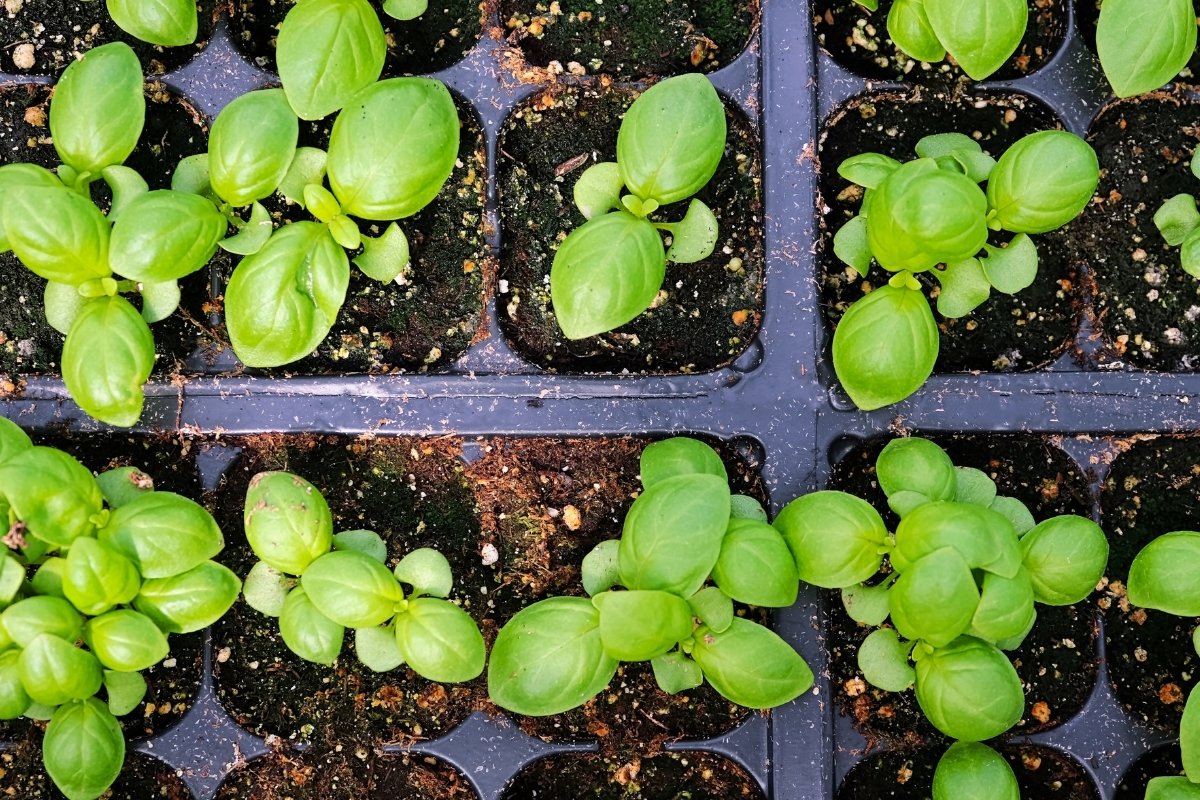
Fresh basil whenever you want it? Yes, please. Growing basil indoors isn’t complicated—you just need to give this Mediterranean herb what it craves: warmth, light, and a little attention. Here’s everything you need to keep basil thriving on your windowsill all year long.
## Best Basil Varieties for Indoor Growing
Not all basil is created equal when it comes to indoor growing. Some varieties adapt better to container life and lower light conditions than others.
**Top picks for indoors:**
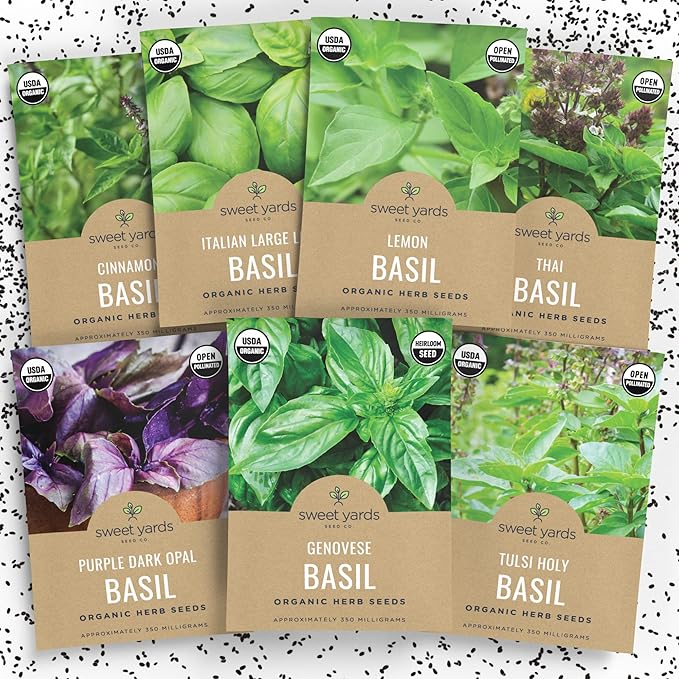
– **Genovese Basil** – The classic Italian variety. Compact enough for pots, big flavor for cooking. – **Greek Basil** – Naturally small and bushy with tiny leaves. Perfect for windowsills. – **Spicy Globe Basil** – Forms a neat little mound, ideal for small spaces. – **Thai Basil** – Hardier than sweet basil and handles indoor conditions well.
Avoid large-leaf varieties like Lettuce Leaf basil indoors—they need more space and light than most homes can provide.
## Light Requirements: The Make-or-Break Factor
Here’s the truth: basil is a sun worshipper. It needs 6-8 hours of direct light daily to really thrive. A south-facing window is your best bet during spring and summer.
### Natural Light
If you have a sunny window, great! Place your basil as close to the glass as possible. Rotate the pot every few days so growth stays even. In winter, even south-facing windows often don’t cut it—days are short, and light is weak.
### Grow Lights
This is where most indoor gardeners level up. A simple LED grow light changes everything:
– Position lights 4-6 inches above plants – Run them 12-14 hours daily – Full-spectrum LEDs work best for herbs
A basic $20-30 grow light setup pays for itself in fresh basil within weeks. No more leggy, struggling plants in winter.
## Soil, Water, and Temperature Needs
### Soil
Basil wants well-draining soil—soggy roots equal dead basil. Use a quality potting mix (not garden soil) and make sure your pot has drainage holes. A 6-inch pot works great for a single plant.
Adding perlite to your mix improves drainage even more. Basil also appreciates slightly acidic to neutral soil (pH 6.0-7.0).
### Watering
The golden rule: water when the top inch of soil feels dry. Stick your finger in—if it’s dry, water thoroughly until it drains from the bottom. If it’s still moist, wait.
Common mistakes: – **Overwatering** – Leads to root rot and yellow leaves – **Underwatering** – Causes wilting and bitter-tasting leaves
Most indoor basil needs water every 3-4 days, but this varies with humidity and temperature.
### Temperature
Basil loves warmth (65-80°F is ideal). Keep it away from: – Cold drafts from windows or doors – Air conditioning vents – Temperatures below 50°F
If your basil sits near a cold window in winter, move it back a few inches at night.
## Pruning for Bushy Growth
Want a full, bushy plant instead of a tall, spindly one? Pruning is your secret weapon.
**Start early:** Once your plant has 3 sets of leaves, pinch off the top set. This forces the plant to branch out sideways instead of shooting straight up.
**Keep pinching:** Every time a stem develops 6+ leaves, pinch it back to 2 leaves. More branches mean more leaves—and more basil for you.
**Remove flowers immediately:** When basil flowers, it stops producing flavorful leaves. The moment you see flower buds forming, pinch them off.
## Harvesting Without Killing the Plant
Here’s where many people go wrong—they strip leaves from the bottom or harvest randomly. Do it right, and your plant keeps producing for months.
**The right way to harvest:**
1. Always cut from the top, just above a leaf pair 2. Never remove more than 1/3 of the plant at once 3. Harvest regularly (weekly) to encourage new growth
Think of it like giving your plant a haircut. Each cut triggers two new stems to grow from below. Harvest often, and you’ll have more basil than you know what to do with.
## Keep That Basil Going
Growing basil indoors year-round comes down to three things: enough light (get a grow light if needed), proper watering (don’t drown it), and regular pruning (pinch those tops). Nail these basics, and you’ll never buy sad grocery store basil again. Your pasta, pizza, and caprese salads will thank you.
Container gardening is the perfect entry point for new gardeners and the only option for many apartment dwellers. With the right containers, soil, and plant choices, you can grow vegetables, herbs, and flowers on patios, balconies, and even windowsills.
Advantages of Container Gardening
Flexibility – Move plants to chase sunlight or protect from weather
Accessibility – Raised containers are easier on backs and knees
Control – Perfect soil conditions regardless of your native soil
Fewer pests – Elevated plants avoid many ground-dwelling pests
Extended season – Move containers indoors to extend the harvest
Choosing Containers
Size Matters
Bigger is almost always better. Larger containers hold more soil, retain moisture longer, and give roots room to grow. Minimum sizes:
Herbs: 6-8 inches deep
Lettuce/greens: 6-8 inches deep
Peppers: 12+ inches deep, 5 gallon minimum
Tomatoes: 18+ inches deep, 10+ gallon recommended
Root vegetables: 12-18 inches deep depending on variety
Materials
Terracotta: Classic look, breathable, but dries quickly and breaks in freezing temps
Plastic: Lightweight, affordable, retains moisture well
Fabric: Excellent drainage and aeration, promotes healthy roots
Ceramic: Attractive and heavy (stable), choose frost-proof varieties
Wood: Natural look, insulates roots, use rot-resistant varieties
Drainage is Essential
Every container must have drainage holes. No exceptions. Sitting in water kills roots faster than almost anything else.
Container Soil
Never use garden soil in containers – it compacts and drains poorly. Use quality potting mix designed for containers. Look for mixes containing:
Peat moss or coco coir for moisture retention
Perlite or vermiculite for drainage
Compost for nutrients
Best Plants for Containers
Vegetables
Tomatoes (especially patio/dwarf varieties)
Peppers (all types)
Lettuce and salad greens
Beans (bush varieties)
Cucumbers (compact varieties)
Eggplant
Radishes
Carrots (short varieties)
Herbs
Basil
Parsley
Cilantro
Mint (actually best in containers to contain spreading)
Chives
Rosemary
Thyme
Container Care Tips
Watering
Containers dry out faster than garden beds. Check daily in hot weather. Water until it runs from drainage holes. Consider self-watering containers or drip systems for convenience.
Fertilizing
Frequent watering leaches nutrients from containers. Feed regularly with liquid fertilizer or use slow-release granules at planting time.
Positioning
Most vegetables and herbs need 6-8 hours of direct sun. Track sun patterns before positioning permanent containers.
As an Amazon Associate, we earn from qualifying purchases.
Conclusion
Container gardening removes many barriers to growing your own food. Start with a few containers of easy crops like herbs and lettuce, then expand as you gain confidence.
🪴 Container Gardening Essentials
JERIA 12-Pack 5 Gallon, Vegetable/Flower/Plant Grow Bags, Aeration Fabric Pots with Handles (Black), Come with 12 Pcs Plant Labels
Limited outdoor space doesn’t mean you can’t have an abundant garden. Vertical gardening has become one of the hottest trends for 2026, allowing urban dwellers and apartment gardeners to grow more in less space. Here’s everything you need to know about growing up instead of out.
Why Vertical Gardening?
Vertical gardens maximize your growing area by utilizing walls, fences, and vertical structures. They’re perfect for balconies, patios, small yards, and even indoor spaces. Plus, vertical gardens can reduce pest problems and make harvesting easier.
Best Plants for Vertical Gardens
Vegetables
Tomatoes – Indeterminate varieties climb naturally with support
Pole beans – Perfect for trellises, produce heavily
Cucumbers – Grow vertically to save space and prevent rot
Peas – Natural climbers with delicate tendrils
Squash – Yes, even squash can grow vertically with sturdy support
Herbs
Basil – Thrives in vertical pocket gardens
Mint – Contains spreading roots when grown vertically
Thyme – Cascades beautifully from wall planters
Oregano – Low-maintenance vertical grower
Flowers
Petunias – Cascading varieties perfect for living walls
Nasturtiums – Edible flowers that climb or trail
Morning glories – Fast-growing annual climbers
Clematis – Perennial beauty for permanent structures
Vertical Garden Systems
1. Trellis Systems
The classic choice for climbing plants. Materials range from bamboo and wood to metal and plastic. A-frame trellises work great for beans and peas, while flat trellises suit tomatoes and cucumbers.
2. Living Wall Systems
Modular panels that attach to walls and hold individual plants in pockets or cells. Great for herbs, lettuce, and strawberries. These systems often include built-in irrigation.
3. Tower Gardens
Freestanding vertical planters that can hold 20-50 plants in a small footprint. Many use hydroponic or aeroponic systems for faster growth and higher yields.
4. Hanging Systems
Tiered hanging planters, gutter gardens, and repurposed pallets offer budget-friendly vertical options. Perfect for trailing plants and herbs.
5. Espalier
The art of training fruit trees to grow flat against walls or fences. Takes patience but produces beautiful, productive results.
Tips for Vertical Garden Success
Watering
Vertical gardens dry out faster than traditional beds. Consider drip irrigation or self-watering systems. Water from the top and let gravity do the work.
Soil and Nutrients
Use lightweight potting mix to reduce weight on structures. Vertical plants often need more frequent fertilizing since water flushes nutrients quickly.
Sunlight
Remember that vertical structures can cast shadows. Plan your layout so taller plants don’t block sun from shorter ones.
Weight Considerations
Wet soil is heavy. Ensure your wall, fence, or structure can support the weight of a fully watered garden.
As an Amazon Associate, we earn from qualifying purchases.
Conclusion
Vertical gardening opens up possibilities for growers of all experience levels and space constraints. Start small with a simple trellis or wall planter, then expand as you learn what works best for your conditions.
As someone who’s optimized cloud infrastructures and online gaming platforms, I’ve discovered that the same principles of efficiency apply brilliantly to gardening. Vertical gardening isn’t just a trend – it’s a strategic approach to maximizing limited space, much like designing a scalable software architecture.
The Architecture of Green Spaces
Imagine your garden as a complex system where every square inch matters. In Switzerland, where space can be as premium as our precision watches, vertical gardening has become more than a hobby – it’s a necessity.
Why Vertical Gardening Matters
Just like in tech, gardening is about intelligent design when considering Vertical Gardening:
Space Optimization: Reduce physical footprint by 60-70%
Resource Efficiency: Maximize sunlight and water distribution
Scalability: Expand growing capacity without additional ground space
Deployment Strategies for Urban Gardeners
Drawing from my experience in system design, here are implementation approaches that mirror software development principles:
Trellis Frameworks Think of trellises as the structure for your plant ecosystem. They provide structural support for climbing vegetables like:
We earn a commission if you make a purchase, at no additional cost to you.
03/14/2026 12:06 am GMT
Modular Planter Systems Similar to containerized applications, these units can be:
Independently managed
Easily reconfigured
Scaled up or down based on requirements
Hydroponic Vertical Setups The cloud computing of gardening – distributed, efficient, and remarkably scalable. Perfect for urban environments with limited soil access.
Hydroponic System, Growing System Kit 7 Bucket 5 Gallon Recirculating Deep Water Aquaculture
Hydroponic Growing Kit with Pump, Air Stone and Water Leveling Device for Indoor/Outdoor Leafy Ve…
Pros:
Efficient Growth: Ideal for indoor/outdoor leafy vegetables with fast, consistent growth.
Recirculating System: Maintains water and nutrient levels, reducing waste.
Complete Kit: Includes pump, air stone, and water leveling device, so no extra purchases needed.
Large Capacity: 7 buckets, each 5 gallons, offering a significant growing area.
Cons:
Setup Complexity: Some users may find initial assembly challenging.
Space Requirement: Requires a larger space due to its size
We earn a commission if you make a purchase, at no additional cost to you.
03/13/2026 08:04 pm GMT
Swiss-Inspired Precision
Living in Switzerland has taught me that precision matters – whether you’re designing a software system or a garden. My approach combines meticulous planning with adaptable execution.
Recommended Plant Selection
Herbs: Basil, mint, thyme
Leafy Greens: Lettuce, spinach
Compact Vegetables: Cherry tomatoes, peppers
Potential Challenges and Mitigation
Like any tech deployment, vertical gardens require strategic planning:
From my mountain biking adventures to my online gaming experience, I’ve learned that success comes from:
Starting small
Iterating quickly
Embracing continuous learning
Final Thoughts
Vertical gardening isn’t just about growing plants – it’s about reimagining space, embracing technology, and creating sustainable ecosystems in compact environments.
Pro Tip: Treat your vertical garden like a tech project. Plan, experiment, optimize, and most importantly – have fun with the process.
Stop reading. Start growing your vertical garden.
Vertical Gardening FAQ: Your Top Questions Answered
What is vertical gardening? Vertical gardening is a space-efficient gardening technique that involves growing plants vertically using suspended panels, trellises, or specialized structures, maximizing limited space by utilizing upward growth instead of traditional horizontal planting12.
What types of plants work best in vertical gardens? Ideal plants for vertical gardens include:
Climbing vegetables: Tomatoes, cucumbers, squash
Herbs: Basil, mint, thyme
Leafy greens: Lettuce, spinach
Compact fruiting plants: Strawberries, small peppers12
How much does a vertical garden cost to set up? Vertical garden setups can range from budget-friendly DIY options like recycled pallets (potentially free) to more sophisticated systems costing around $150. Costs vary based on complexity and materials used45.
Do vertical gardens require special maintenance? Vertical gardens need:
More frequent fertilization
Careful monitoring of water drainage
Regular checking of support structures
Occasional repositioning for optimal sunlight exposure2
Can vertical gardens be created in small apartments or urban spaces? Absolutely! Vertical gardens are perfect for:
Balconies
Patios
Indoor walls
Small terraces
Even windowsills
They’re an excellent solution for urban dwellers with limited gardening space34.Pro Tip: Start small, experiment, and don’t be afraid to get creative with your vertical gardening approach!
We earn a commission if you make a purchase, at no additional cost to you.
03/13/2026 05:02 pm GMT
Amazon Choice
SONKIR Soil pH Meter, MS02 3-in-1 Soil Moisture/Light/pH Tester Gardening Tool Kits for Plant Care, Great for Garden, Lawn, Farm, Indoor & Outdoor Use (Green)
$9.99
3 METERS IN ONE: Soil moisture level, Soil pH value and Sunlight level could be tested easily according to your need by switching the function button of this soil meter.
NO BATTERY NEEDED: Simply insert the meter into soil, wait few minutes, accurate test results will be displayed on the readout panel. No battery is needed.
The potato is one of the world’s most commonly grown, consumed, and versatile vegetables. Its ease of growth contributes to its popularity. Knowing how many potatoes will grow per plant is crucial to knowing how your plants will perform and to deciding how many you should plant to fulfill your needs. How many potatoes will grow per plant will depend on certain factors such as the type or variety of potatoes being grown, environmental conditions, and how well their growing needs are being met. Keep reading to know how many potato plants to plant to ensure that you harvest enough to last you and your family until the next growing season.
How Many Potatoes Per Plant?
How many potatoes per plant can you expect from your harvest? Under ideal growing conditions, the average number of potatoes a potato plant can produce per plant is between three and eight. Different varieties may produce fewer or more potatoes than others. The tubers’ sizes may also differ, ranging from small to extra large. If you want to provide for a family, about 40 potato plants may be sufficient for the year. If these plants all grow healthily until harvest, you should expect a harvest of around 125 pounds of potatoes.
How Many Potatoes Grow From One Potato Seed?
Seed potatoes vary significantly in size. A small-sized seed potato is planted whole, and a single potato can be produced per plant. However, Larger seed potatoes can be cut into halves or quarters, grown, and produced between two and four potato plants. Planting seed potatoes whole will usually produce more vigorous plants. It is, therefore, unnecessary to cut the seed potato unless it is huge. A single-seed potato that grows well will produce one plant, and this one plant will produce between 8 and 10 full-sized potatoes. In addition, each potato plant is likely to have a couple of smaller baby potatoes as well.
Do Different Potato Varieties Produce the Same Number of Potatoes Per Seed?
How many potatoes per plant seed can differ between different cultivars? To find out how many potatoes your particular variety will produce, read the plant descriptions on the packaging or the resources available online. However, the average yield per potato plant listed assumes that ideal growing conditions are met for that particular potato variety. If the conditions are not ideal, the plant may produce fewer potatoes or nothing at all.
Ideal Growing Conditions for Optimal Potato Yield
While different potato cultivars will have different specific environmental conditions for maximum yield, here are some things you can do to help ensure that you get optimal productivity out of your potatoes:
1. Planting distance
Potatoes are tubers that grow underground. Because of this, they need plenty of space to grow, so it is important to provide them with sufficient room. If potatoes are planted too closely, young tubers will not grow as well as you would expect them to, resulting in a poor yield. Another reason not to plant them too closely is that they will compete for nutrients, further negatively impacting their growth. Potato plants should be planted 12 -14 inches apart and have 3 feet between rows to achieve the best growth and optimum yield. If you plan to harvest your potatoes at the baby stage, however, you can plant them closer to each other, as they will require less space to grow. If you have adhered to this recommended planting distance, you should not have to worry about the possibility of them crowding up in the soil. They will adjust themselves and spread out as needed, provided the soil they are planted in is right. The plant roots and tubers will grow well.
2. Planting depth
How deep you plant your seed potatoes will have a massive impact on the eventual yield. Seed potatoes need to have enough soil covering them so that no part of the tuber is left exposed. If they do not get completely covered and are exposed to the sun, they will turn green due to the solanine in them. If these potatoes are consumed, they will cause solanine poisoning. Green potatoes should not be eaten and must be immediately discarded. This will lead to a loss of crop yield. The best depth to plant your potatoes is 4-6 inches. Start with this depth and hill them up as the plants continue to grow taller to keep them protected. You can hill your potatoes up by mounding the soil around them with a spade, hoe, or other implement that you have. Hill them up to within 2-3 inches of the plant foliage. Start hilling them when the plants have attained a height of 8-10 inches, and repeat the process when they get new growth of 8-10 inches. The process of hilling your plants will help to provide them with sufficient soil for adequate growth and expansion of tubers underground. The higher level of soil will also help to support the growing foliage on top of the ground. If your plants are not provided with enough soil, they will be exposed to the sun, which will diminish your crop yield.
3. Soil type
Potato tubers need to be planted in loose soil for them to grow well and expand underground. Using loose, soft, and well-draining soil will help to increase your potato yield. Potatoes require plenty of space to spread their roots and grow large potatoes. Growing potatoes in compacted soil will produce only small potatoes as they will struggle to push against the dirt to increase in size.
4. Soil fertility
Soil fertility is an important aspect of increasing your potato yield. Before your potatoes are planted, apply a suitable fertilizer to the soil. It is important to use a fertilizer that is specific for potatoes when you first plant them and mid-way through the season so that they get the boost of nutrients they need to produce as many potatoes as they can. Use a 5-10-10 fertilizer in the planting rows and carefully work it into the soil. Follow the instructions on the packaging container. You must also side-dress the potatoes with the same fertilizer before the first hilling.
5. Soil moisture
Potatoes need adequate, but not too much watering. Potatoes need about 1 to 2 inches of rain per week. If your area does not receive this amount of rain, you will need t give your potatoes supplemental water. Water your potatoes enough to saturate the soil up to the level of the roots and tubers. Water each time the first two inches of the soil feel dry. Going for long periods without watering or adequate water will lead to malformations of your potato tubers, which can lead to poor yields. This is because insufficient moisture will cause the potato tubers to grow slowly if they even grow at all. If you resumed watering your potatoes or got plenty of rain after a period of no rain, it will cause the tubers to grow rapidly and split or develop malformations. To get the best yield out of your potatoes, and get the best shapes, you will need to water them regularly during their growing season.
6. Pests
Pests can have a detrimental impact on your potato crop yield. Treat them as soon as you notice them before they have any significant damage to the plants. Insect pests such as the Colorado potato beetle can completely destroy the foliage of the plants. If this happens, the growth of tubers underground will stop because the plants will not have enough support. Eventually, you will have reduced yield and small potatoes.
7. Sunlight exposure
Like all other plants, potato plants require sunlight to carry out photosynthesis. Without sufficient sunlight, the growth of the plant will slow down and result in your potato yield is poor. Make sure you plant your potatoes in an area that receives at least 6 to 8 hours of direct sunlight each day, for the entire duration of the growing cycle. The plants can and will grow with less light, however, their growth will not be as good as it would be if they received more light. So to get the best growth, health, and ultimately good yield from your potatoes, provide them with plenty of sunlight.
8. Proper hilling
Hilling your potatoes at the time they are first planted, and one or two more times during their growing season will help improve crop yield. Hilling provides support for the growing plant foliage, which will force it to grow upwards toward the sunlight and consequently increase the growth of tubers.
9. Choosing the right potato variety
There are hundreds of potato varieties to choose from that are readily available from local seed stores and online shops. Before you choose the variety to grow. Do a bit of research around it to find out if it is suited to your climate, or if you will be able to provide it with the growing conditions it requires. It is also helpful to know information such as the length of the growing season, the amount of space they need for growth, specific uses of that particular potato, and as well as resistance or susceptibility to disease and parasites. Potato varieties such as Pontiac Red, Kennebec White, and Purple Majesty are all great varieties of potatoes that consistently produce high yields of potatoes. If you are you do not know much about potato varieties, you can begin by researching these three to see which one would be best suited to your environment.
10. Plant your potatoes at the right time
Potato plants have an ideal time that they should be planted to get the best chance of survival. You should plant them when the soil warms up to about 45 degrees Fahrenheit. In most areas, that would be about two weeks after the last frost date. While looking at the timing, it is also key to monitor the soil moisture content. If you have had a wet spring, wait a few weeks until the ground has dried up a bit. If the soil is too wet, it can cause the potato tubers to rot. If you have no choice but to plant potatoes earlier than this, look for the varieties that mature earlier, as they are better able to withstand cold conditions. You can plant these up to six weeks before the last first date.
How Many Potatoes Does a Potato Plant Produce?
Typically, a single potato plant will produce anywhere between 3 and 5 pounds of potatoes. This may be enough to feed a family of four people twice. Keep in mind, however, that different varieties of potatoes will produce different numbers of potatoes. In addition to this, the growing conditions such as sunlight, nutrient provision, adequate growing space, and a good irrigation schedule have to be maintained well to achieve optimum growth.
Can I Use Store-Bought Potatoes as Seeds?
Technically, yes. Store-bought potatoes can be used as seeds to grow potatoes. You will have figured this out when you left potatoes out for too long and they started sprouting. If you plant them in the ground during the right growing season, you should harvest some potatoes. However, potato growth experts advise against using shop potatoes as seeds. They recommend only using certified potatoes to plant in your garden. The reasons for this include that potato growers put sprout inhibitors to slow down the rate of budding when the potatoes are being shipped, and while they are at the store. This may cause the potatoes to grow weak or not produce any growth when planted. Another reason that you should not use shop potatoes as seeds is that they often contain a lot of microorganisms and diseases. These can easily spread to plants and completely destroy all other plants in your garden. Seed potatoes that are certified will come with a guarantee that they are free of any diseases or microorganisms that can destroy the potato and other crops. Certified seed potatoes are usually strong and healthy, and have a higher chance of having vigorous growth, producing large and strong potatoes, and ultimately a good yield.
How Do I Know That My Potatoes Are Growing
Because potatoes grow underground, it may be difficult, especially for new and inexperienced growers to be able to tell what stage their plants are at. It can be difficult to tell whether or not your potato tubers are growing. There are signs that you can look out for. Flowering is a great indicator that your potatoes have started growing. If you want to harvest your potatoes in the baby stage, you can go ahead and do so at this point. After the flowers have come and gone, the foliage at the top of the soil will die back. This is so that the plant will start directing its energy towards growing the tubers larger. If you want to harvest full-sized potatoes, you should do so after the plants have died back. Another way to know that your potatoes have matured is when the stems of the plants have started to go yellow and die off. This usually happens at the end of summer, or early in the fall. If you still want a bit of reassurance that your potatoes are ready to harvest, you can dig a small test spot and get a few tubers out to gauge if they are at your desired harvest size.
Quick Summary – How Many Potatoes Per Plant (and From ONE Seed)
Different varieties of potatoes will produce different amounts of potatoes at harvest time. You will need to read the information on the seed packaging to get an idea of how many potatoes per plant your particular variety will produce. Generally, with potatoes, however, if the plant is healthy, you can expect to dig up about five or six full-size potatoes per plant. Potato plants yield from five to 10 potatoes per plant depending on the variety, climate, and whether the growing conditions of the plants are met. Usually, a single potato plant produces anywhere between 3 and 5 pounds of potatoes. Knowing this can help you to plan how many plants to plant to you can have enough potatoes until the next growing season. Follow the guidelines and tips provided in this article to increase your potato plant harvest. Remember that a single plant has the potential to produce between three and four pounds of potatoes, and a single seed potato will produce above four or five plants. Start from there and then plan how many potato plants to plant for an adequate supply. We hope this article has given you all the information you need to know on how many potatoes per plant you can expect from your potato plant. Happy growing!
🥔 Potato Growing Essentials
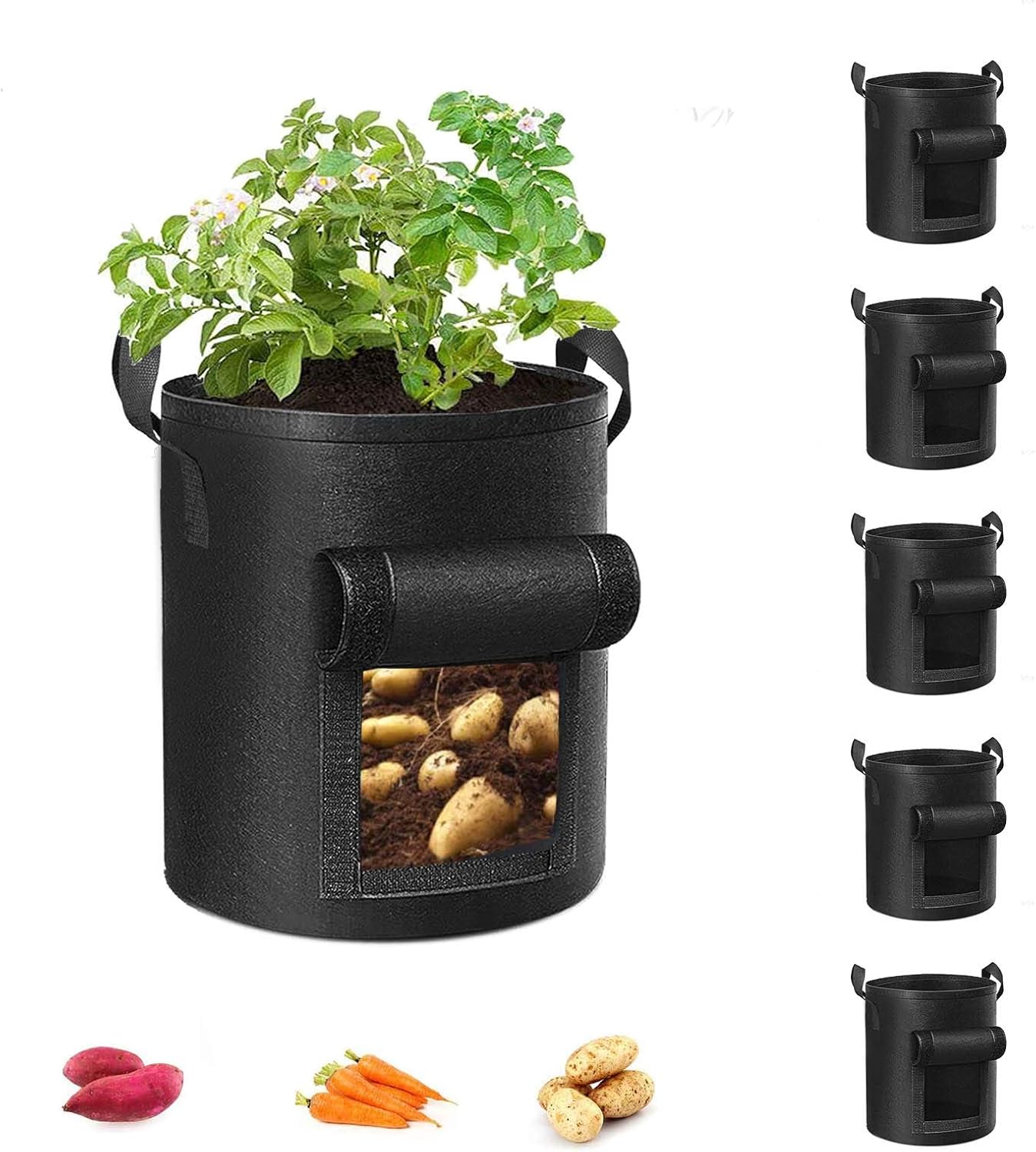
Potato Grow Bags,Potato Planters with Flap and Handles,Vegetables Garden Planting Bags for Onion,Fruits,Tomato,Carrot (10gallon-4pack)
Potatoes are some of the most versatile and commonly consumed foods around the world. There are so many ways in which this root vegetable can be prepared. But can you eat potato leaves in addition to the root? The harvested root of the potato plant is used for many culinary purposes such as making salads, chips, crisps, and many other dishes and snacks. It can even be ground into flour to make various baked goods. Keep reading to find out if the leaves of the potato plant are as versatile as the root.
What Are Potatoes?
Potatoes (Solanum tuberosum) are a perennial vegetable belonging to the Solanaceae or nightshade family. Native to the Americas, they were domesticated by Native Americans in multiple locations. Wild species of potatoes can be found in various areas of the United States and Chile. Potatoes have now been introduced and are cultivated in just about every continent in the world and are one of the world’s largest food crops. All the different types and species of potatoes make a delicious and nutritious addition to any diet. They are a great source of vitamins C and B6 and have twice as much potassium as those found in a banana. However, not all parts of the potato plants should be eaten. Just like other plants in the nightshade family such as tomatoes, eggplants, and peppers, some parts of the potato plant are poisonous if consumed. Vegetables in the nightshade family produce fruits that are healthy and safe for consumption, but other parts of the plants and their foliage may contain a high concentration of a compound called solanine that is toxic to humans and many animals.
Are Potato Leaves Edible?
The simple and straightforward answer is no! “Irish” potato leaves are not edible and should not be consumed at any cost. Generally, however, depending on the variety of potatoes you can and can not eat potato leaves. Irish potato leaves produce steroidal alkaloids, solanine, and chaconine. These toxic compounds can be present in high concentrations in the leaves of potatoes, which could be harmful if consumed by both animals and humans. Sweet potato leaves however are perfectly safe to eat. Solanine and chaconine are produced by plants as natural pesticides to protect themselves from insects devouring them. These two compounds, therefore, make the plants bitter tasting. This also helps the nightshade plants avoid being eaten by herbivores and various pathogens. Solanine is present in all parts of the potato plant, but it is more concentrated in the leaves and stems, which are the parts of the plants that have to do with photosynthesis. Some people are more sensitive to solanine and even a small amount can cause them to get sick. Children and small pets are also at a higher risk of solanine poisoning due to their small size. A concentration of 20mg of solanine per 100g of plant consumed can be toxic. Potato leaves are not and should not be used in the kitchen. Keeping them out of your kitchen will help you avoid accidental ingestion. If you eat any part of a potato and it tastes bitter, you need to stop immediately. That bitter taste could be an indication that there is solanine present. If you ever accidentally consume it accidentally, however, there is no need to panic. Just drink plenty of fluids to try and flush it out. Monitor your symptoms over time. If you continue to feel worse, contact a doctor immediately. Potato leaves should never be eaten
Can You Eat Potato Greens?
Are potato leaves poisonous? Can you eat them? Absolutely not. The only part of the potato plant that you should eat is the root. Any part of the potato that is or has a green color should by no means be eaten. If eaten, it can lead to serious health issues and even death due to solanine poisoning.
Are Potato Plants Poisonous?
The whole potato plant is not poisonous. There are only certain parts of the potato plant that are poisonous. Potato leaves and plant parts that are not the actual potato are not edible and can be poisonous. The leaves stem and any new shoots and buds of the potato plant contain high amounts of solanine. In addition to this, potato tubers (the actual potato) that have been exposed to sunlight for an extended period of time and turned green also contain high amounts of solanine and should not be eaten. The only part of the potato plant that is safe to eat is the underground tuber which has not been exposed to the sun and has no green color on it. If you have stored your potatoes and they start to sprout, you must remove the sprouts before eating them. As long as the potatoes have no green pigment, they should be perfectly fine to eat. If your stored potatoes have a small patch of green on the surface, you can simply trim it away and wash the potato and cook it. If you find that the flesh is also green, however, you should toss the whole potato. Another part of the potato plant that should not be eaten is the little fruit that the flowers produce. These fruits look like small tomatoes and may be confusing especially to small children. They should not be eaten because they are also poisonous. Animals should also be kept from eating any green parts of the potato plant. To keep your animals safe, fence off any areas where the plants are. Remove any leaves that fall onto the land where they may be accessed and consumed by livestock. If you suspect that an animal has eaten any poisonous part of the potato plant, immediately seek veterinary care, and with the proper treatment, the animal should be fine. Solanine poisoning rarely ever leads to death because you would have to eat extremely large quantities for it to have that effect. If you consume small quantities of solanine, here are some symptoms of poisoning that you may experience;
Gastrointestinal pain such as a burning sensation in the mouth and throat, pain in the abdomen, loose bowels, nausea, and vomiting.
Skin discomforts such as an itchy neck and overly sensitive skin
Headaches
Difficulty with breathing
Fatigue
Feeling weak
Weak or rapid pulse
Hallucinations
Delirium
Coma
and in rare cases, death
Never make the mistake of thinking that cooking will destroy solanine from potato plants because it does not. It does not matter whether the potato is raw or cooked, they’re both toxic. Any part of the potato plant that is green is not fit for consumption, and uncooked potato tubers are inedible even if they do not have a green color.
Solanine poisoning
Solanine poisoning is mostly displayed via gastrointestinal and neurological complications. Symptoms usually occur between 8 and 12 hours after ingestion of high-solanine foods. Some scientific studies have shown that there is a correlation between the consumption of potatoes that have late blight, which increases the levels of solanine and other glycoalkaloids, and the occurrence of congenital spina bifida. birth defect in humans. Although the mechanism of solanine poisoning is still to be well understood, it is best to avoid any vegetables that could potentially lead to poisoning.
Are Sweet Potato Leaves Edible?
Sweet potatoes (Ipomoea batatas) are often mistaken for nightshade because of the name similarity with potato, it might be tempting to think they are from the same family. Despite the name being similar, sweet potato does not belong to the nightshade or Solanaceae family and are not related to regular potatoes. Unlike potato leaves, sweet potato leaves are edible. They do not contain any solanine and are not toxic. The leaves can be eaten raw in salads or cooled and served as a side vegetable like spinach. They can also be added to stir-fries. Sweet potato leaves are a common ingredient in many Asian-style dishes. Sweet potato leaves are an excellent source of vitamins and minerals and therefore can be an excellent addition to your diet. They are rich in vitamins A, C, and B6, as well as manganese and potassium. The composition of these nutrients will depend on the variety of sweet potatoes.
Potato vs Sweet Potato Leaves
To avoid mistaking potato leaves for sweet potato leaves, it might be helpful to know how to clearly distinguish between the two by knowing their descriptions. Potato leaves have a smooth leaf edge compared to the serrated edge of regular leaves. The leaf has an oval shape and may have notches that separate large lobes. They have a dark green color and would be bitter if you tasted them. Sweet potato leaves on the other hand form a trailing vine. They are heart-shaped or have deep notches The leaves have a glossy green appearance that may also have a reddish tint. They have prominent veins that radiate from the base of the leaf. They can be medium to large in size and have a cordate or heart shape with pointed tips. Sweet potato leaves grow in an alternating pattern and may have multiple lobes, known as palmate, depending on the variety. The colors of sweet potato leaves can range from dark to yellow green, and purple, and they usually have a darker surface and be lighter on the underside of the leave. They glow on green, slender terms on creeping vines that can grow up to four meters in length. The top 10 cm of the leaves and stems are the most tender parts of the vine and are the most commonly consumed.
What to Do With Potato Leaves?
Since you cannot eat potato leaves, what can you do with them? One thing you can do with potato leaves is to compost them. Composted potato leaves can be an excellent source of nutrients to help enrich or improve the quality of your soil. If you decide to do this, be careful not to add too many of these leaves to your compost heap as they can cause the compost to become acidic. This would limit the number of plants you would be able to use your compost on. Another thing you can do with potato plant leaves is to simply throw them away. Throw them away in a place that your animals will not be able to reach, as this may lead to various health problems. If you can, dig a hole in the ground and bury the leaves in there. Just remember not to plant anything in that area that does not like acidic soil or it will not grow well and may even die.
Can You Get Poisoned By Touching Potato Leaves?
Since we have explained extensively the problems associated with potato leaf consumption and solanine poisoning, you may be wondering if it is possible to get poisoned by touching or handling them. There is no need to worry about this because handling potato foliage poses no risk to you or your pets. You would only get poisoned if you infested considerable amounts of the poisonous parts of the plant. You can safely handle or carry all the green parts of the potato plant without worrying about any possibility of poisoning.
Conclusion – Can You Eat Potato Leaves?
Potatoes are a popular and versatile vegetable that is consumed by all cultures throughout the world. This amazing vegetable however has certain parts of it that are not fit for consumption as they can lead to terrible health effects and even health if consumed in large enough quantities. The stems and leaves of potatoes, along with those of all the plants in the nightshade family should not be consumed by humans or animals. The solanine contained in them is toxic. This also goes for any potato tuber that may have a green pigment on its flesh. It should be gotten rid of or used for composting. You cannot destroy the solanine contained in potato greens by cooking. Under no circumstances should potato greens be consumed. Sweet potatoes are from a different family to “Irish potatoes”. Even though it might be easy to think they are related, sweet potato leaves can be safely consumed and actually have various health benefits. To avoid accidentally consuming poisonous potato leaves, learn how to distinguish between the two. You can read the guidelines provided in this article or use other resources to assist you in this regard. We hope this article has been of great help in improving your understanding of potato plants and their dangers. While the risk of death from solanine poisoning is quite low, it is better to be safe than sorry. In conclusion, avoid any green parts of the potato plant. Stay safe and happy gardening.
Homegrown potatoes are arguably better than anything you can buy at a supermarket. Growing them however can be a bit tricky if you are inexperienced. One of the key things with growing them at home is to know when to pick potatoes.
Knowing how to harvest and handle homegrown potatoes after harvest will help you to end up with the maximum possible harvest your garden can produce. You will also be able to store them for a long, even through the winter months. To get to know when to pick potatoes, keep reading.
The Potato Plant
Solanum tuberosum, commonly known as potato is one of the most commonly grown and consumed vegetables worldwide. It is a staple for many traditional dishes and is used to make many fast food dishes and snacks.
Potatoes are a cool-weather vegetable and can be grown as a winter crop in areas with a warm climate. They belong to the nightshade family of plants which also has peppers, tomatoes, and eggplants.
The potato plant has green leaves that grow on top of the soil and help you to see where your potatoes are planted. It also has a tuber, which is the enlarged underground portion, which we refer to as “the potato”. The tuber develops underground once the plants get to about 6-8 inches in height. This usually happens around 5-7 weeks after planting.
There are over 100 types of potatoes. They differ in skin and flesh colors, shapes, and sizes. Some of these are ideal for mashing, roasting, frying, and for making salads. Potatoes are also nutritious. The skin is especially nutrient-rich and provides u to 45% of an adult’s daily vitamin C and 18% potassium requirements.
Growing Potatoes
Potatoes will grow well as long as they are provided with the right growing conditions. They do well in most types of soils and will produce a lot of good potatoes for your harvest.
Grow potatoes in an area where they will receive at least 6 hours of direct sunlight. The soil should be fertile, loose, and well-draining. Refrain from using any hard or compacted soil as it will lead to disfigured potatoes and will make harvesting difficult when the time comes. You can improve the quality of the soil by adding compost, and soil amendments, and preparing the soil before planting.
The ideal soil pH for growing potatoes is acidic and should be between 5.8 and 6.5. The temperature should be 45 to 55 degrees Fahrenheit.
The best time to plant potatoes is in the spring 2 to 4 weeks before the frost day in your area. The temperatures should still be ideal at this time. If planted at the right time, you should expect to harvest them late in the summer and can store them through the fall and winter months.
Harvesting Potatoes
Harvesting potatoes can seem tricky, but it is pretty simple if you know what you are doing. Knowing when to pick potatoes is also key. They are best harvested on dry days as harvesting in the mud when it is raining may cause issues. Since you cannot see the tubers underground while you harvest, you need to be extremely careful not to puncture the tubers. If the soil is loose, it should be pretty easy to maneuver with your fingers, this will help you to avoid cutting on causing bruising on the skin of the potatoes.
Potatoes can tolerate light frost, but when the first hard frost is expected, it’s time to get out the shovels and start digging potatoes.
Knowing the right time to harvest potatoes and doing so will keep the vegetables from sitting too long in the ground, and will reduce the chances of attack by pathogens that target potatoes.
The size of your tubers should be about the size of a chicken egg or bigger when you harvest them. You can leave them to grow a bit more if you prefer. You should use a digging fork from around the edges and work your way into where your potatoes are planted. This should help loosen the soil without puncturing the potatoes. Once the soil has loosened, you can use your fingers to feel around and get the potatoes that you want out.
Here are some considerations to keep in mind when harvesting potatoes:
Toughen up your potatoes for storage before harvesting them, by limiting how much you water them after the middle of August.
Before harvesting your entire crop, dig up a small test hill to see how big or mature your plants are. The skin of mature potatoes will be thick and firmly attached to the potato flesh. Those that are still young will have thin skin that comes off the potato when gently rubbed.
If the soil is wet when you harvest the potatoes, let them air dry completely before storing them.
Check for any green pots on your harvested potatoes, if it is just superficial and can be trimmed off, the potatoes should be fine to keep. If the green goes deep into the flesh, throw away the potatoes as they may be poisonous.
Cure your potatoes before long-term storage. Do this by letting them sit in temperatures of 45 to 60 degrees Fahrenheit for about two weeks. This time will give the potatoes time to heal or harden any small cuts that may be present. You do not need to cure them if you are going to eat them right off the ground.
Store potatoes in a cool, dry, and dark place after harvesting. Too much light will turn them green, rendering them unsuitable for eating.
Store the potatoes that are damaged, diseased, or bruise-free to avoid any storage problems.
Store your potatoes in baskets, cardboard boxes, or crates with holes on the sides so the vegetables get enough ventilation to prevent rot.
Regularly check on your stored potatoes and remove any ones that may get damaged or start to rot before they infect the others.
When to Harvest Potatoes in Containers
Whether you are harvesting potatoes from the ground, grow bags, containers, or grow beds, the method to follow is the same. When to pick potatoes, and how exactly to do it, will be the same.
Once your potato plants start to flower, you know it is almost time to harvest. Wait for a bit, just until the flowers start to dry and drop off the plant. After this happens, the potatoes will remain tender for about 2-3 weeks.
If you prefer to pick your potatoes at this stage, keep in mind that you will need to eat them soon after harvest as they do not store well. They are delicious but have really thin skins that affect their shelf life.
To harvest larger, more mature potatoes, you should leave them for longer than this in the soil. Growing them in a potato grow bed will help you easily monitor the size of your potatoes.
The longer you intend to let your potatoes grow for, the more you will need to protect them from animals, children, and pets so they can grow and mature well.
Because potatoes can be damaged by frost, you should always harvest them just before the frost hits, whether they are mature or still in their baby stage.
How to Know When Potatoes Are Ready to Harvest
So how do you know the best time to pick potatoes? Knowing when to harvest potatoes can be quite easy. Once the potato tubers have started to set, they are ready to harvest. You will know that they have reached this stage when you notice them flowering.
To harvest baby potatoes, dig up potatoes just as the plants have started to flower. Wait until the tops of the vines have completely died to harvest full-size potatoes. This shows that the plant has now directed all of its energy into growing the tubers.
As you figure out when to pick potatoes, watch out for other symptoms of disease with the die-off of your plants, as not all browning and die-off are part of the plant’s natural cycle.
Potatoes can tolerate light frost, however, when the first hard frost is expected you should pull off the shovels and start digging potatoes. So you should harvest all your potatoes before the frost hits or you might lose your crop.
If you do not harvest your potatoes, you will create a perennial patch of potatoes. Potatoes left in the ground and not harvested will either grow new plants, or sprout and produce new plants in the spring of the following growth season. Which of these happens will depend on the climate where you live.
How to Store Potatoes
How you store your harvested potatoes depends on the size of your harvest and how long you intend to store them for. If you are harvesting potatoes to consume within a few days, storage should not be a concern as you can store them anywhere.
To store them for longer, however, you should find them some space in a cool place with temperatures of between 38 to 40 degrees Fahrenheit. If you store them in a warm place, they will be susceptible to diseases, decreasing their shelf life.
The storage space for potatoes also needs to have a humidity of about 80%, or the tubers will wither and dry out.
Make sure that the place is also not exposed to sunlight as this will cause the greening of the potatoes. Fresh air and ventilation are crucial for storing potatoes, airtight containers should not be used.
Never store potatoes with apples. The ethylene gas from apples will cause the potatoes to spoil.
Avoid storing potatoes in the fridge. This is because after potatoes are harvested, they convert starch to sugar depending on the temperature. They will do this if stored in the fridge, and the potatoes taste weird. Another reason is that storing potatoes in the fridge leads to an increase in the levels of acrylamide. This compound is produced when you cook potatoes at high temperatures. Acrylamide causes cancer in animals, so there is a good chance it might also be harmful to humans.
Depending on the variety, potatoes can last 4-6 months if stored well.
Conclusion – Know the Best Time to Pick Potatoes
Growing and harvesting potatoes at home is one of the most satisfying things to do. Digging them up makes for a fun activity that can be done with kids. Knowing when to pick potatoes and the best method to harvest will ensure that you get the best harvest and can store your potatoes well if you wish.
We hope you found this article on how to know the best time to pick potatoes informative and helpful.
Happy growing.
🥔 Potato Harvesting Tools
Potato Grow Bags,Potato Planters with Flap and Handles,Vegetables Garden Planting Bags for Onion,Fruits,Tomato,Carrot (10gallon-4pack)
We earn a commission if you make a purchase, at no additional cost to you.
Amazon Choice
SONKIR Soil pH Meter, MS02 3-in-1 Soil Moisture/Light/pH Tester Gardening Tool Kits for Plant Care, Great for Garden, Lawn, Farm, Indoor & Outdoor Use (Green)
$9.99
3 METERS IN ONE: Soil moisture level, Soil pH value and Sunlight level could be tested easily according to your need by switching the function button of this soil meter.
NO BATTERY NEEDED: Simply insert the meter into soil, wait few minutes, accurate test results will be displayed on the readout panel. No battery is needed.
Potash is derived from the word potassium and it is also referred to as fertilizer potassium. Potash is a natural element or a natural nutrient for both plants as well as human beings. How to make potash is what we would like to talk about.
This natural element is essential for plants as well as humans to get adequate nutrition to grow properly. Historically, potash has been used to make soap and glass. It has also been used as a drying agent in food and as an animal feed ingredient.
Even though potash is fairly easy to make, it can still require a little effort to know how to go about it. Now, in this article, we will give you a step-by-step guide on how to make potash, so keep on reading for some insight on this.
But before we look into how to make potash, let’s quickly look into some information on potash.
About Potash
Potash is also known as the potassium salt. It comes from an early production technique whereby potassium was leached from wood ashes. Then the resulting substance was then concentrated by evaporating the leachate in big iron pots (“pot-ash”).
So, in those days, potassium is usually extracted from the ashes of burnt wood. However, this practice is no longer used due to several environmental issues.
The very first patent in the US is potash. It was first patented in 1790 and it still remains an essential product today.
Potash is primarily used as an agricultural fertilizer and this is mainly because it is a great source of soluble potassium. This potassium is one of the main plant macronutrients alongside nitrogen and phosphorus (i.e. NPK).
This potash can be used in making soap and textiles softer. Potash can be used as a fertilizer to improve your garden soil nutrient. It can also be used in the prevention of plant diseases or you can use them as an insecticide by applying them to bugs directly.
Sources Where Potash Are Derived From
Since the old way of deriving potash is not safe and unreliable, where then does today’s potash come from? Here are two ways potash is sourced:
From Ancient Sea
A time came when an ancient sea dried up. Then the marine salt concentration on the resulting dry land left an abundant residue of minerals and this mineral included potash. This residue is found in the dead sea of Israel and it has produced valuable sources of potash with ICL. They are one of the world’s top producers of potash that sells over 4.5 million tons yearly.
Mining
Another source of potash fertilizer is from mining a variety of geological potassium salt deposits around the world. Now, these are then processed to take out impurities and then converted into a variety of fertilizers.
There is also another mining operation that occurs in Catalonia, Spain through its subsidiary, ICL Iberia Suria and Sallent (IBP).
How to Make Potash: Guide to Follow
Follow this procedure to learn how to make potash:
Step 1: Addition of water and nitrate
Use a measuring cup of 100 milliliters to measure water, then use another measuring cup to measure 40mg of nitrate. Then pour it into the cup.
Step 2: Stir completely
Pour the mixed solution above into a beaker and begin to stir slowly until it mixes completely.
Step 3: Get a hot pan to pour into
Use filter paper to sieve the solution and ensure there are no insoluble particles left. Then get a saucepan and pour the solution into it (water and nitrate). Then begin to heat it.
Step 4: Potassium chloride addition
Get 37 gms of potassium chloride and slowly pour it into the saucepan and begin stirring the solution until all is mixed. Make sure you maintain the heat at a medium temperature range and avoid boiling the solution. Then keep on stirring.
Step 5: Filter then freeze
After properly mixing the solution, get another filter paper and filter the solution into a freezer-safe container. Again, make sure no solid particles are left out.
Step 6: Crystallization
Once you’ve placed the solution into the freezer, crystallization will begin to form. Then you can take out the container from the freezer once you’ve noticed the total solution has turned completely crystal.
Step 7: Excess liquid should be drained out
You should drain out the extra liquid. So, in case you see some liquid residue at the bottom of the container, you should just drain out the extra liquid. This is to further ensure that no liquid is left and all you’ve got is crystal.
Step 8: Dry the crystal
Next, allow the crystal to dry for a while. Then once they are finally dried, the dried crystal can be applied to your plant as a potash fertilizer.
So, there you go. You can see how easy it can be to make potash fertilizer with the right knowledge.
Sources of Potash From Nature
There are some excellent sources of potash from nature, and they include:
The potash or potassium content present in each of the fertilizers mentioned above is pretty nutritious for plants no matter the source. However, the only difference between each of the fertilizers listed above is the element that follows the potassium compound.
You should also note that each of the added elements has its own function and acts differently when supplied to crops as fertilizers.
How to Make Potash From Wood Ashes
You can make your own potash in a range of ways. While you can buy it, it’s super easy to make yourself and you need very few products to make it happen. While wood ash is the most common type of ash to use, you can also use other plant ashes, such as ashes from vines, bean stalks, ferns, and thistles. For wood ash, the best wood ash to use is either from coniferous or deciduous trees.
This guide will make around 60g of potash. For this, you’ll need the following products:
400g of wood ash (either from coniferous or deciduous trees)
4L of drinking water
Now all you need to do is:
Add both the wood ash and drinking water to a pot and leave for around 10-12 hours. After this time, stir.
Next, you’ll need to use filter paper to filter the mixture. Alternatively, you can bring it to a boil in the pot it’s in.
Once you have a clear mixture, boil on medium heat and heat until the water has completely evaporated. You should stir often throughout. At this point, a powder should be left behind. This is your potash!
Store your potash in an airtight container in a cool, dry place for the best results.
What is the Ash Composition of Potassium Hydroxide?
This is simply the fancy name for potash. Wood ashes contain both potassium hydroxide and potassium carbonate. Because of the high amount of potassium and the use of ashes, this is how it gets the name potash.
Advantages of Potash
When it comes to potash, there are many advantages and reasons why you’ll want to add it to your garden. Let’s take a closer look.
Potash is a natural resource, as opposed to chemical fertilizers, which is one of the main appeals of the product
You can easily make this natural fertilizer yourself at home
If you do buy it, it’s much more affordable than other fertilizers
It’s easy to use on your plants
It’s considered a nontoxic product
It’s renewable, which means that it’s much better for the environment than say chemical fertilizers
Disadvantages of Potash
While there are many advantages of potash, like most things in life, it does come with some disadvantages and negative effects too. It can cause problems for both animals and people. Let’s take a closer look.
As the name suggests, it has a high amount of potassium. Unfortunately, if not used correctly, potassium can cause hyperkalemia. This simply means an abundance of potassium in your body. This can cause a range of problems to your body, and in the most extreme cases, can even cause death.
In terms of the problems it can cause with your plants, potash can either make your soil too alkaline or too acidic – yes, it can cause either! If you have too much acid in your soil, it may mean your plants don’t grow as well as they should. And if you have too much alkaline in your soil, they may simply cease to grow, period!
While there are a few disadvantages of potash, I believe the advantages far outweigh the negatives. Just be sure to use your potash correctly.
Final Thoughts: How to Make Potash
Potash is a type of fertilizer that is very useful when added to our garden crops and it can also be referred to as potassium.
Apart from adding them to our plants as fertilizers, there are also other uses for this substance. For instance, it can be used as a drying agent for food, it can be used for making soaps or glass, and you can also use it as animal feed.
In this article, we have given you a step-by-step guide on how you can make potash. So, we do hope we have been able to enlighten you on the question: of how to make potash.
Do you have any tips and tricks when it comes to making potash? If so, please feel free to let us know in the comments below. And remember, sharing is caring!
FAQs
How to make potash fertilizer?
As of today, potash fertilizer comes from either underground or solution mining. Using mining method, a variety of geological potassium salt deposits around the world is mined to derive potash fertilizer. Then from the bottom of the sea when dried up, the residue minerals left from the dried sea contains also potash.
How to make liquid potash fertilizer?
Banana peels with 3 eggshells should be dried. Then combine them with Epsom salt and grind the mixture into powder form. Add water into the powder. Shake and water your plants with this liquid potash.
How to make potash from wood ashes?
Burn some woods in an enclosed area. An extra tip is not making use of any tree branch as this will leave to become black ashes. Then make sure the woods burn to about 2 hours and you can have your potash.
How to make organic potash fertilizer?
You can make organic potash fertilizer from hardwood ashes, kelp meal, and green-sand. Making a homemade organic potash fertilizer reduces wastage and the best part is that it does not require measuring or mixing ingredients.
Recommended Products
Amazon Choice Seleciton
Handy Pantry 2 Lbs of Azomite – OMRI Organic Trace Mineral Soil Additive Fertilizer
$15.66
AZOMITE can improve plant and root system growth, crop yields, and quality as well as re-mineralize nutrient depleted soils
Brown spots on green beans may be something you might have experienced as a gardener. But do you know for sure what the reasons are for your beans to start changing color? This is what we are about to find out in this post.
Green bean is a type of common bean that comes from different cultivars. Green beans have different common names they go by and some of these names include snap beans, string beans, and French beans.
You can add green beans to any type of healthy diet, or almost any eating plan and this is thanks to their low-calorie and fat contents.
Green beans are also fairly easy to grow and they grow in either a bushy manner or a climbing manner. But some situations may arise that causes your green beans to turn brown and this can have you wondering what the cause is.
Let’s look into some of the reasons why your green beans may be turning brown and see if they are safe to eat.
Brown Spots on Green Beans: Why?
Looking at some of the major reasons why green beans turn brown, may be because the beans are not in their best state any longer.
When you begin to notice some brown spots on green beans, it usually means they are already getting old and stale. These green beans usually become mushy and they do not snap easily when broken into half. Therefore, this type of bean won’t be so fresh when you consume them.
However, this doesn’t mean they aren’t safe to eat. You can still eat them but you just won’t get that fresh taste. You can simply compare them to products or foods that are not spoiled but are simply past their peak of freshness.
If by any chance you come across this type of brown beans, you can simply make use of them in dishes that have bold flavors.
Note that both cooked green beans and raw green beans have the same shelf life and they can last up to a week in the fridge.
Here are a few ways you can tell your green beans have gone bad:
Color: As we have pointed out above, the color of the beans should be able to give the state of the green beans. Once you notice the green beans have begun fading in color and they turn very dark green or they turn brown, then it’s a sign they have started turning bad.
Smell: Once you perceive an unpleasant odor from your green beans, the beans may already have some bacterial growth. Hence, it is best to discard them.
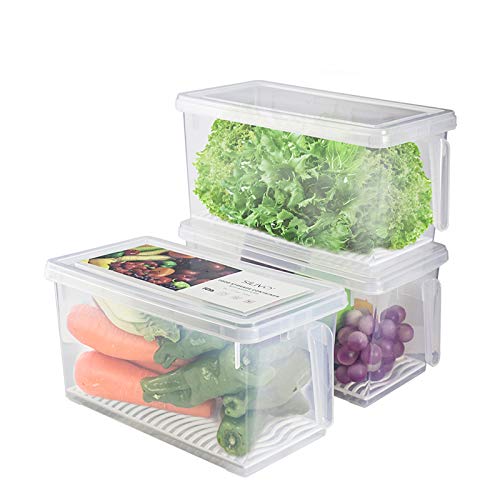
SILIVO Lettuce Keeper for Fridge(3 Pack)- 4.5L Vegetable Storage Containers for Refrigerator with Drain Tray Keep Fresh for Veggies and Salad
$19.98
Keep Produce Fresh Longer: Produce saver containers for refrigerator helps prevent spoilage, keep fruits and vegetables crisp and stay longer.
We earn a commission if you make a purchase, at no additional cost to you.
03/13/2026 03:05 pm GMT
Texture: Another way to tell if your green beans have started to go bad is to feel the texture. The texture of the green beans needs to be firm. Then when you snap or break the green bean, it should snap easily. Once you’ve started noticing that mushy, bendy, or limp look, the beans are probably getting old. It may not necessarily mean they are spoiled, but you just won’t enjoy that fresh taste of green beans.
Mold: You need to check for mold on your green beans to know if they are still in good condition to be eaten. When your green beans become moldy or slimy, it’s a sign that they are no longer fresh. So, you should throw them away.
Lasting Duration of Green Beans Outside the Fridge
Leaving your green beans on the counter outside for 2 days is fine because they can last up to 2 days outside the fridge.
All you need do is to keep these beans away from direct sources of sunlight like close to a window, or an area on the counter that receives direct sun.
Lasting Duration of Green Beans in the Fridge
If you store your green beans properly in the fridge, they should be able to last you up to a week and this is for both raw and cooked beans.
Just ensure you store them properly in the fridge. Use a container to put the green beans inside the fridge. Avoid tossing the green beans in the fridge so they don’t get wet or else they can go bad faster.
However, you should look out for any signs that the beans are turning bad such as brown spots or a mushy look.
Lasting Duration of Green Beans in the Freezer
You can store green beans for longer in the freezer. They can last up to 6 months when frozen. It will be easy for you to defrost them when you’re ready to use them. When you freeze green beans, you take pleasure in knowing that they will still taste as good as when you bought them.
So, if you want that longer storage duration for your green beans, you can store them in the freezer. However, if you just want to use your green beans for about a week, storing them in the fridge will be much easier.
How Can I Keep My Green Beans, Fresher, for Longer?
When you properly store your green beans, it will further help in prolonging their shelf life. For instance, it is recommended you don’t wash your green beans until you’re ready to use them. Once water touches the green beans, it can further speed up the spoiling process. Hence, the shelf life will be reduced.
Again, your unwashed green beans need to be stored in a plastic bag or container and stored in a vegetable drawer in the fridge.
Is It OK to Eat Green Beans With Brown Spots?
When it comes to deciding whether to eat green beans with brown spots, it all depends on how many brown spots there are. If the spots are few and far between, then it’s safe to say you can eat them without any problems. The only issue may be it may not taste as good! However, if the discoloration is significant and there are many spots, then it’s probably best to discard it to avoid any potential problems.
What Do Rotten Green Beans Look Like?
The easiest way to tell if green beans are rotten is by their appearance. Brown spots and discoloration is the easiest sign to see that your green beans are going, or have already gone rotten. Other signs may include limpness, sliminess, and misshapen.
When you’re looking at fresh green beans that have yet to be washed, they should look vibrant and bright. As well as this, they should be able to snap with ease. Instead, they may feel rubbery in texture, or even slimy.
If you’ve boiled your green beans and then place them back in the fridge, they’re likely to last longer, at around 5-7 days. However, if they start exhibiting any of the signs above before then, it may be best to discard them.
The same goes for frozen green beans. While freezing does massively increase the shelf life to around 6-8 months; they can still go bad. It may be easier to tell once they are defrosted. Keeping your green beans frozen is a great way to ensure they keep their snap.
As for canned green beans, they can last anywhere from an amazing three to five years. No matter what the best-by date is on the packaging, it’ll safely last well beyond that date. The only deterioration that may happen is mold, and an odor may eventually appear. If either of these things happens, it’s best to throw the can of green beans away.
My Green Beans Are Slimy – Why?
If your green beans are slimy, likely, they are already past the point of no return. You want your green beans to be crisp and snap easily; not limp and slimy. If you notice that only the ends are like this, simply slice them off and wash them under water. When cooking them, you should allow an extra 5-10 minutes to ensure the delicious texture you’re looking for.
How to Prevent Brown Spots on Green Beans When Growing?
Brown spots don’t just appear on green beans when harvested. They can occur while the green beans are growing, and this can be for a variety of reasons. But first, you need to determine why this is happening. Is your soil not wet enough, or too wet? Are there any insects around your green beans? Is your soil fertilized enough? These are questions you must ask before you can solve the issue.
To prevent brown spots, keep your green beans in ample sunlight, with the right amount of fertilizer. You should also ensure you’re watering your green beans daily and checking for any insects, such as aphids. As long as you’re following these guidelines, it’s unlikely your growing green beans will have brown spots.
Final Words: Brown Spots on Green Beans
Brown spots on green beans can be a sign of your beans turning bad. It usually implies that the beans have started deteriorating. But there are things you can do to prevent your beans from turning brown and losing their taste and we have listed them in this post. Do you have any tips or tricks when it comes to brown spots on green beans? If so, please feel free to let us know in the comments below. And remember, sharing is caring!
FAQs
Is Brown on green beans bad?
Usually, when you notice a brown color on your green beans, it often means that the beans have started losing their fresh taste. But they may still be safe to be consumed. Just make sure there is no mold and they are no slimy appearance on the beans.
How do you know if green beans are bad?
You can detect if your beans are bad once they are growing mold or looking slimy. If you perceive any unpleasant smell from your green beans then they may be bad. Also, once you snap the beans and they don’t break easily, it may be a sign they are bad.
Why are my green beans turning brown?
Green beans are inclined to turn brown when they are not properly stored. Once you leave them outside on the counter for instance for more than two days, they can turn brown.
How to prevent green beans from turning brown?
You can prevent green beans from turning brown by storing them properly. For instance, you can store them in the fridge for about a week. Your green beans can also be stored in the freezer for about 6 months.
🌱 Keep Your Green Beans Healthy
Prevent brown spots and grow healthy green beans with these products:
Finding the best tomato potting mix recipe can take time and effort. All gardeners believe they have the winning one! You’ll have to experiment with a few to get one that works in your garden.
Tomatoes are a popular crop to grow. They’re easy to maintain, and a healthy harvest is plentiful. You need to know what tomato plants need to thrive for a better chance at success. While suitable soil is essential, tomato plants have other needs too.
In this article, I share some valuable tips for growing tomato plants. You’ll also read about the best potting soil for tomatoes and which soil mix I suggest!
Tips For Growing Tomatoes In Containers
Tomatoes are a great addition to any salad or macaroni dish. We don’t all have large backyards to grow our tomatoes, so we often opt for the alternative: growing our tomatoes in containers.
Container growing isn’t complex, but small mistakes could be fatal to your plants. Luckily, there are a few tips and tricks that you can follow to ensure your tomatoes are healthy.
Pot Size: Tomatoes like their personal space since they have rather wide-spreading roots. The pot or container you choose should have enough room for the roots to grow fully.
If the pot isn’t large enough, the soil will retain too much moisture. Excess moisture can cause the roots to rot, which could be detrimental to the health of your tomatoes.
Keep The Leaves Dry: Small drops of moisture that accumulate on the leaves of your plant can cause some issues. Fungal growth on tomato leaves is a severe issue you don’t want to face.
Small Tomato Varieties: Stick to the smaller types when choosing tomatoes to grow. Only some tomato varieties are suited for small containers and will grow to their full potential.
There’s a wide variety of container tomatoes that you can choose from, including Roma, cherry, and grape tomatoes. These varieties may be small, but they carry a lot of fruit.
Potting Mix: You can make your own soil mix by sourcing the internet and local nurseries for a tomato potting mix recipe. There are also ready-made options available that you add to your containers.
The right mix should have the perfect balance of organic and inorganic materials. Some additions to your mix can include peat moss, sand, compost, and vermiculite.
Drainage Holes: Tomatoes do best when planted in containers with large drainage holes. Poor drainage can cause root rot and other problems.
Support: Tomato plants grow high and carry heavy fruits. If they don’t have sufficient support, the stems will start to lean towards one side. Provide some support for your plants by using a stick or trellis.
The Best Potting Soil For Tomatoes In Containers
Tomato plants are picky when it comes to their soil requirements. Someone at your local plant nursery should be able to advise you on the best mix and soil additives for tomatoes.
There are some conditions that the perfect soil should meet. The best potting soil for tomatoes in containers should possess the following qualities:
Loose and Airy: Tomatoes have a lot of roots that need fresh air. The nutrients need to reach the roots freely, and the water should drain quickly.
Water Retention: You should water your tomatoes every day. The soil should be able to hold some water, but it needs to drain fast enough, so it’s slightly dry when the next watering session takes place.
Potassium and Phosphorus: All plants need minerals and nutrients to thrive. The best soil for tomato plants contains enough potassium, phosphorus, and other necessary minerals.
pH Level: Tomatoes need a slightly acidic potting soil mix. An ideal pH level is between 6.2 and 6.8. They are hardy to any pH level between 5.5 and 7.5.
Clay Content: Clay can make a potting mix too hard and tight. Opt for a tomato soil mix with little to no clay because it causes too much water retention.
Sunlight: Tomatoes don’t like shade, and they thrive in well-lit areas. Your plants need at least 8 hours of indirect sunlight daily.
Perlite Or Vermiculite: Which Is Best For Tomatoes? – Tomato Potting Mix Recipe
Perlite or vermiculite for tomatoes? Well, the choice between these two depends on the gardener. However, they both have qualities that make them better suited for tomato plants.
Tomato Plant Requirements
Perlite
Vermiculite
Tomatoes need a slightly acidic pH level between 6.2 and 6.8.
Perlite has a neutral pH level between 7.0 and 7.5.
Vermiculite has a neutral pH level between 7.0 and 7.5.
Tomatoes need a soil mix that doesn’t hold too much water since it’s sensitive to root rot.
Perlite is known for its ability to drain very well.
Vermiculite holds a lot more water than perlite. It can hold up to 4 times more water than its weight.
The roots of tomato plants need enough aeration to absorb nutrients.
Perlite improves the aeration of most soil mixes.
There is less aeration in vermiculite mixes than in those containing perlite.
As you can see, choosing between perlite and vermiculture is a personal preference. Neither of them have the exact needs of tomato plants, however, both are still a good choice.
I suggest choosing perlite. It offers better drainage and aeration that’ll ensure your tomato plants stay healthier. If you want, you can also add both perlite and vermiculite to your tomato potting mix. Select a ratio that’ll serve your plants best.
Before You Go – Tomato Potting Mix Recipe
Growing tomatoes in containers is perfect if you have a small area to plant. If you encourage them to grow upward using a cage or trellis, you’ll get a lot of fruit in limited space. This crop is low maintenance and matures within 100 days.
Container gardening has one rule: pick the right soil! Without doing this, your chances of success decrease. Since the plant roots will have such a small space to develop, having suitable ground is essential. If you nail this, your tomato plants are likely to thrive.
I hope this article was helpful. If you have more questions about growing tomatoes, ask them in the comments!
Container gardening can take some calculations, especially if you’re working with a strict budget. You wouldn’t want to buy anything you don’t need. Knowing how much soil is needed for a 5-gallon pot can ensure you don’t have waste.
You’ll also need to determine how much fertilizer or water will keep plants in pots of this size thriving. The crop you choose to grow will also influence the soil, water, and fertilizer needs. These are just some factors you need to consider when container gardening.
In this article, I share how a 5-gallon pot looks, its capacity, and how much soil and water you’ll need for it.
5-Gallon Pot Size And Capacity
You can use a 5-gallon pot or container to grow various crops or flowers. You can even create a bonsai tree display to freshen your indoor areas. Here’s what you need to know about 5-gallon pots before purchasing one:
5-Gallon Pot Dimensions
The dimensions of 5-gallon pots differ. Some are wider, while others are deeper. Whether the bucket or container is round or squared also has an influence.
Round Pots: The average rounded 5-gallon pot is 12-15 inches tall and has a diameter of 10-12 inches.
Squared Pots: A squared 5-gallon bucket typically has a width of 9-11 inches and a lenght of 9 – 12 inches. Most are about 12 – 16 inches deep.
The mold used by manufacturers and the specific design of the pot are responsible for these variations.
5-Gallon Pot Capacity
A 5-gallon pot can produce enough fruit or veggies for one person, depending on what you plant. Some crops that grow great in containers and do well in pots of this size include:
Tomatoes: You can plant cherry or bush tomatoes in a 5-gallon pot. Don’t plant more than one plant per pot. If your plant is healthy, you can harvest about 300 cherry tomatoes and 10-30 pounds of bush tomatoes per season.
Eggplant: A 5-gallon pot can house only one eggplant at a time. You’ll harvest up to 15 eggplants from one tree.
Peppers: You can plant any pepper variety in a 5-gallon pot. Your crop yield will depend on the type you choose. Plant one or two pepper plants per container.
Cucumbers: Plant one cucumber per 5-gallon bucket. Use a trellis to help it grow upward.
Broccoli: You can grow one broccoli head in a 5-gallon pot. Continue to water your plant after the initial harvest – some plants produce another head.
Brussels Sprouts: One brussels sprout tree will fill a 5-gallon pot. If your plant gets heavy, stake it. You’ll harvest about five sprouts per week, adding up to more than 30 over the season.
How Much Soil Is Needed For A 5-Gallon Pot?
You’ll need about 0.7 cubic feet of soil to fill a 5-gallon pot. The type of soil you use, what you want to plant, and how it reacts to water will influence this amount.
If you’re planting crops, you won’t have to fill your pot all the way to the top. Before purchasing potting soil, be sure to research the crops you want to plant in your container garden. You might need less than 0.7 cubic feet per 5-gallon pot.
On average, you’ll require 2½ gallons of water for a 5-gallon pot filled with soil. This will vary depending on the crops you planted and how well your soil drains. Here’s what you’ll need for other sized pots:
1-gallon pot: ½ gallon of water
3-gallon pot: 1 ½ gallon of water
7-gallon pot: 3 ½ gallons of water
9-gallon pot: 4 ½ gallons of water
11-gallon pot: 5 ½ gallons of water
Using A 5-Gallon Terracotta Pot: What You Need To Know
Terracotta is a type of fired modeling clay used to create beautiful pots for gardens. You can use them indoors or out and plant flowers, fruits, or vegetables in them. Just take note:
Terracotta clay is porous and absorbs water. You’ll have to water your crops more often or give them more per session if you want them to grow successfully.
These pots are fragile. Place them in an area where you won’t move them.
Place your terracotta pots in shaded areas to keep them cool. If they dry out fast, they’ll absorb more water.
Plant crops that prefer dry soil like beans, corn, and eggplant.
Use terracotta pots when planting crops prone to developing root rot or soil diseases.
The Benefits Of Container Gardening – How Much Soil Is Needed For A 5-Gallon Pot?
Whether you plant your crops in 5-gallon pots, other containers, or a square-foot garden, there are many benefits to keeping your crops raised. Here are my favorites!
Space Saving: You’ll use less space when planting your crops in pots. It’s an ideal solution if you don’t have land or need to garden on a balcony.
Control: You’ll have more control over your soil, watering sessions, and plant needs when using a raised gardening method.
Portable: Planting in 5-gallon or bigger buckets allow you to move your garden around. This is extremely helpful, especially if you live in an area that gets hot days and cold nights.
Variety: Planting in buckets allow for more variety. You can grow one crop per container to ensure you grow something of everything without the different crops impacting one another.
Less Work: You won’t have as much maintenance work when planting in pots. There’ll be fewer weeds to pluck, and working with the crops in your containers won’t be as strenuous.
Final Words – How Much Soil Is Needed For A 5-Gallon Pot?
How Much Soil Is Needed For A 5-Gallon Pot? Gardening in a 5-gallon pot is practical and easy. You’ll use less soil and water and have a wider variety of crops. There are different designs and materials to choose from, so shop around until you find a pot that works for you!
I hope this article was helpful and a good read. If you have more questions about gardening in containers or different-sized pots, ask them in the comments.
Wondering What Size Pot Do Peppers Need? Here’s the info you’re looking for!
Peppers come in a wide variety. There are big ones, small ones, sweet ones, and spice ones. The type you choose greatly influences the pot you’ll need for it. Pepper plants need space for their roots to grow. Without healthy roots, your plants won’t produce great-tasting peppers!
In this article, I share how big peppers grow and how much space you need to give them. I explain how many peppers will typically fit in a pot and summarise my favorite varieties!
How Big Do Pepper Plants Get?
There isn’t an easy way to estimate the average size of a pepper plant. Some only grow about 20 inches tall, while others reach lengths of 6 feet! The smallest recorder tree was 6 inches, while the largest was 9 feet.
The pepper variety, where it’s planted, and how you care for your plant will determine how big it grows.
How Much Space Do Peppers Need To Grow?
Pepper varieties need different amounts of space to grow. When you plant them in the ground, keeping 18 to 24 inches between them is ideal. This will ensure each plant can branch out and none overshadows the other.
If you plant your pepper in a pot, keep to one plant per container, depending on how big it is.
How Many Pepper Plants Per Pot Is Enough?
The number of pepper plants you can plant per pot will depend on the variety you choose and how big the pot is. Typically, three pepper plants per pot is enough. If your peppers grow really tall, you’ll need to make room for support structures too.
When planting pepper varieties that get big, you should place support structures like wooden beams or tomato cages with them not long after you’ve planted the seedlings. This will ensure minimum damage and ultimate support.
The Best Pots For Pepper Plants
The smallest pepper variety needs a pot of at least 2 gallons or bigger. Look for one in the 10 – 12 inch rage width and 8 – 10 inch rage depth. Peppers need enough room to spread their roots, so if you’re planting more than one per container, ensure enough space between them so their roots won’t entangle.
While some pepper plants are miniature, they have big names in their niche. Here’s a list of the smallest and biggest peppers you’ll get:
Small Pepper Varieties – What Size Pot Do Peppers Need
Often referred to as dwarf peppers, these plants are easier to maintain and need less growing space. You can pop them on your windowsill and watch them rise faster than the bigger varieties could ever.
Larger pepper plants can add shade to your garden, pops of color, and even help keep the soil moist. They also help with pollination and attract bees that’ll benefit the rest of your garden.
When you’re planting bigger pepper varieties, space is an essential factor.
Pepper Variety
Plant Size
Ancho Magnifico Hot Peppers
Grows between 1 and 7 feet tall.
Semi Domesticated C.Praetermissum
Can reach height of 9 feet.
Chiltepin Pepper
Reaches a height between 3 and 10 feet.
How To Transplant Pepper Plants From Smaller Pots To Bigger Pots
What Size Pot Do Peppers Need? If the pot you’ve chosen for your pepper plant gets too small, or you need to transfer your nursery plants to bigger containers, transplant shock can occur.
To prevent this, ensure you water your plants thoroughly before transplanting them. Fill the new container with high-quality potting soil and a compost mix. Water this well before placing your plants in it.
Tip the small pot and knock it at the bottom. Doing this will help loosen the ground around the edges and prevent damage to the roots. Gently remove the pepper plant and its roots and place them in the bigger container. Press down lightly to ensure the plant sits firm.
To ensure the roots establish well, you should keep your pepper plant watered in its new pot. It might look droopy for the first few days but will settle after that.
Types Of Pepper Plants And Their Uses – What Size Pot Do Peppers Need?
There are many pepper varieties to grow, but here are some of my favorites:
Bell Peppers: These are red, green, and yellow. You can use them to add a sweet flavor to your dishes.
Poblano Peppers: Also known as anchos. These peppers are typically used in mild dishes.
Serrano Peppers: You can use these peppers for hot dishes. The smaller the pepper, the spicier it is.
Ginnie Peppers: These are also known as cayenne peppers and are used as the main ingredient in most chili powders.
African Red Devil Peppers: This pepper is popular for use in sauces.
When To Harvest Your Pepper Plants
Most peppers are ready for harvest at different stages. You’ll have to research the variety you’re planting to know when they’re ready to pick. Peppers are typically ready between 90 and 150 days from planting.
Peppers that are ready for harvest will stop growing and almost fall off their stems when you touch them. Their flesh will be firm yet soft.
In Ending – What Size Pot Do Peppers Need?
No matter which pepper variety you choose, you’ll have to pick a pot that can accommodate healthy roots. Your plants’ root system keeps them healthy and helps them produce an abundance of peppers. Besides the soil, water, and light, space has the greatest impact on healthy growth.
All peppers grow relatively easy. You’ll have your first harvest ready within 150 days. If your timing is right, you can plant more than once a season. Most pepper plants will produce 15 or more peppers at once.
I hope you enjoyed this article and that it was helpful. If you have more questions about pepper plants and their care, ask them in the comments.
If you nurture a rubber plant and you one day find out that there are spots on the leaves, then this may have you worried. Rubber plant spots on leaves can be a signal that something is wrong with your plant. But not too worry because we will be delving into how to fix rubber plant spots on leaves.
Rubber plant which is usually referred to as Ficus elastic is one lovely type of houseplant characterized by its dark and glossy leaves.
Rubber plant is a lovely plant so finding some spots (either brown or white spots) on the leaves can reduce its stunning look. Finding out the reason for this spot symptom on the leaves of the rubber plant is a good step to fixing this issue.
Rubber plant spots on leaves will be explored here so let’s simply look into this.
Rubber Plant Spots On Leaves: Which Part Of The Plant Is Affected?
The major part of rubber plant affected by these spots is the leaves. Rubber plant spots on leaves show dark brown patches and this is usually from the tip and edges of the leaves. Also, the cause of the brown spot can make these small spots begin to show on the center or close to the edges of the leaves.
Other part where the brown spot can show up is the base of the leaf and this is usually caused by pests and diseases attack. You may even notice some of these brown spots where the leaf meets the stem.
Once you notice any small brown spot on your rubber plant, you need to act fast. If you don’t tackle the issue on time, this brown spot can show up on the plant’s new leaves, stem, and shoots.
Rubber Plant Spots Causes, Symptoms, And Managements
Rubber plant spots on leaves can be caused by different issues such as Septotia leaf spot, rubber plant algae leaf spot, downy mildew, powdery mildew, the bacterial blight of ficus elastic, alternaria, and anthracnose.
Also, rubber plant spots can be caused by over-watering, poor drainage, root rot, nutrient deficiency, harsh weather like scorching sun and frost damage, low humidity, insect infestation, and fertilizer burn.
Let’s take a look at some details of this rubber plant spot on leaves:
1. Septoria Leaf Spot
Septoria leaf spots can cause brown spots on your rubber plant and this is caused when you leave your plant in a wet and humid condition for a long period. This spot is caused by a fungal disease and it exhibits this small, irregular, brown spot on both the top and undersides of the leaves.
Symptoms
Rubber plant spots on leaves caused by septoria can exhibit black or dark brown-edged lesions on the leaves. On the leaves, you can also notice this mold-like growth, and the leaves can look shrivel, blacken, and drop off.
Also, the leaves affected tend to change to yellow and brown and they will eventually wither and die.
Resolving The Situation
Once you’ve identified that your rubber plant spot is suffering from septoria leaf spot, it’s important you quarantine the affected plant immediately.
Trim off and destroy the diseased, drooped, or any dead parts of the leaves. Always, space out your houseplants so that there can be adequate air circulation.
You can spray your plant with a sulfur-based fungicide, captan, or copper-based fungicide.
Rubber plant spots on leaves can be caused by rubber plant algae leaf spots. This algae leaf spot is caused by a parasite known as Cephaleuros virescens and this parasite thrives in a humid and warm environment.
Symptoms
The symptoms noticed with these algae leaf spots is a small rough, mesh-like brown spot on the leaves of rubber plant. You may notice pale green, gray, or orange with this issue. Even if you notice that the spots are small, the spots can still expand and merge into bigger patches.
The good news is that algae leaf spot is not a fatal disease. Organic control methods can be used to resolve the situation.
Ensure you trim excess foliage, improve aeration, and space out your houseplants. When you’re watering, don’t splash water or water from the top of the plant. Instead, aim to water the base of the plant or you can use self-watering pots. Make sure you use well-draining, aerated, and fertile soil.
However, if the algae leaf spot is too severe, use a copper-base fungicide or Bordeaux mixture biweekly. Apply this until the algae leaf spot has been eliminated.
3. Downy Mildew
Downy mildew should not be confused with powdery mildew. This affects rubber plants and it mostly occurs in cool and humid conditions. This downy mildew disease is rarely seen during hot weather.
Symptoms
With this disease, you will notice colonies on the underside of your rubber plant leaves. So, you will notice spots covered with bluish-gray, purplish, whitish, or bluish cotton-like fungi.
Mildew spores begin to dig and lock into the leaf from underneath and the upper part of the leaves will look yellow or white. As time goes on, they tend to form a fuzzy coating on the leaves and more damage will result in brown spots on rubber plants.
Resolving The Situation
Once you’ve identified that your rubber plant is suffering from downy mildew, isolate the plant to prevent the spread of the disease.
Horticultural oil such as neem oil can be applied to the plant to prevent the spread and colonization of other leaves in the early stages. A copper-based fungicide should be used to tackle any colonies and spray once every seven to ten days.
Final Word
Rubber plant spots on leaves are usually a signal that something is wrong with your plant. So, you will need to act swiftly to prevent further damage when it comes to this issue.
FAQ’s
What causes brown spots on rubber plants?
Rubber plants brown spots on leaves are usually caused by over-watering, fertilizer burn, pest and diseases infestation, harsh weather, low humidity, and poor drainage.
Why does my rubber plant have white dots?
The tiny white dots seen on rubber plants are known as lithocysts and they are enlarged cells that have calcium carbonate crystals. Seeing these white dots is no issue and they are normal for rubber plants.
Should you cut off the brown leaves rubber plant?
These brown leaves are usually dead and dying leaves so you should remove any dead and dying leaves by pruning them. Doing this will help the plant grow healthier and into the shape you would like it to have.
What do brown spots on leaves mean?
Usually, brown spots on leaves signify that the plant is suffering from an issue that needs to be attended to. These brown spots n leaves can be caused by over-watering, under-watering, lack of humidity, and so on.
In this article, we will learn how to keep potted plants from falling over so they can grow upright and thrive.
Potted plants are an important part of your house decor, but they require a lot of care to keep them alive and healthy. They have to be watered, fed, and cared for to ensure that they do not suffer from a lack of nutrition. These plants can also fall over if the pots holding them are too big or if they are not secured properly.
So, How Do You Keep Them From Falling Over?
The most obvious way is to use pots with narrow bases. But this is not always possible, especially if you are using larger pots. However, you can easily keep them upright by using some of these tips.
Choose The Right Pot. The first thing you need to consider is the size of your potted plant. It’s best to buy a pot that is large enough to hold all the soil inside it. This will allow air to reach the roots of the plant and keep them healthy. But don’t go too small. If the pot is too small, the soil will be too dense and won’t allow proper air circulation.
Choose The Right Material. The material that you use to make the pot should also be chosen wisely. You want something that is durable and sturdy enough to withstand the weight of your plant. However, you also want to choose something that is attractive to look at. You can choose anything from clay pots to wooden or plastic ones. But when it comes to clay pots, they are known to be heavy and hard to clean.
Choose The Right Size. As mentioned above, the size of your pot should be big enough to accommodate the entire root system. But not too big. The pot should be big enough so that the plant does not become top-heavy. If the pot is too big, it will fall over easily.
Choose The Right Height. The height of your pot should also be chosen wisely. Your pot should be tall enough so that the soil does not come out of it. You can use a container with a lid or simply use a pot without a lid. You just need to make sure that the soil level is low enough so that it is not visible from the top.
You Can Also Use Support To Keep The Potted Plants Upright. Support like bamboo, trellis or stake can be used to hold potted plants in place and keep them upright. It is important to choose the right kind of support for your plants. They should be light and easy to use. You can also plant some houseplants in your garden. These plants will require less care and attention. They are easier to maintain and they have smaller needs. But, you need to make sure that you buy plants that will grow well in your area.
Caring For Potted Plants – How To Keep Potted Plants From Falling Over
Potted plants are great to have in our homes or offices and easy to care for. They require little space, you can easily move them around the house and they can be very decorative. However, just like other types of indoor plants, they need proper care and attention to keep them healthy and happy. The basics First things
First, you should know what kind of potting mix your plant is growing in. If you do not know, it is best to find out before starting to care for it. There are many different kinds of mixes available in the market today, each with its own benefits and disadvantages. The most common mix is a combination of peat moss and perlite. This type of mix is suitable for plants that require high humidity, as it retains moisture and helps prevent the roots from drying out.
Next, you will need to check the plant’s care label to see what the recommended amount of water is for its particular potting mix. Many potted plants are sold with a care label, so if you do not have one, just look for the first signs of dryness and watering. Watering is very important for your potted plants, as it helps the roots to grow and keep them healthy.
You should also be sure that your potted plant does not have root rot. If you notice any white or yellow spots on the roots, this could be a sign of root rot. It is important to remove these spots immediately, as they will eventually cause the plant to die. The best way to prevent this is by using a good potting mix that is rich in nutrients.
Finally, you will need to make sure that your potted plant has enough sunlight. Most plants require sunlight to grow and develop properly, and you may not be able to give your potted plant all the light it needs if it is in a small pot. This is why it is important to make sure that it has access to at least half an hour of direct sunlight every day. If you are having trouble getting the sunlight to reach the plant, you can use a large plant pot that allows more space for the roots to grow.
In Conclusion, How To Keep Potted Plants From Falling Over
This article will help you learn how to keep potted plants from falling over and take good care of them. All the best in your gardening journey.
FAQ’s
How do you anchor potted plants?
Most pots come with a plastic anchor attached to the side of the pot. This anchor is designed to help you in anchoring your plant when it’s growing. You need to make sure that the plant’s root ball is firmly planted in the soil, and this anchor will keep the pot from tipping over.
How do you keep potted plants upright?
Plants can be kept upright by using a pot that has a lip around the rim or an elevated pot stand. If the pot is on a flat surface, use a rubber band to secure the top of the pot to something like a chair back or a bookshelf.
How do you protect potted plants from strong winds?
A windbreak is usually needed if there’s a risk that a pot will tip over during a high-wind storm. For smaller pots, you can place them in a large saucer. For larger pots, you can secure them to the ground with an anchor.
How do you stabilize a plant stand?
If the plant stand is on a table, try putting some books under it to provide support. You can also add weights such as sandbags or concrete blocks to help stabilize it.
Are you interested in growing peonies in pots and want to know how to go about it? This article will help you not only learn how to grow peonies in pots but take good care of them.
Peonies are beautiful flowers that are very popular in the western world. They can be used for both indoor and outdoor gardening. Peonies have long been an essential part of our garden culture.
Basic Structure Of a Peony Flower
In many countries, the peony flower is cultivated as an ornamental plant. The beauty of this flower lies in its unique structure. The flowers are composed of three parts: the stamen, the petals, and the pistils.
Stamen
The stamen is responsible for making pollen. The pollen is necessary for the fertilization of the pistil, which will make a seed pod. The flower is known as a perfect flower because of the symmetrical arrangement of the petals.
Pistils
The pistils are located at the base of the ovary. They have two functions: the first one is to produce pollen, and the second one is to produce a capsule.
Petals
The petals are composed of two leaves that cover the pistil. They are arranged in two rows on top of each other. The outer row of petals is larger than the inner ones. The size of the petals is dependent on the variety of the plant.
Capsule
The capsule is the seedpod of the peony. It has two lobes. Each lobe contains one or more seeds.
So, now that you know what a peony flower looks like, let’s get started. We will learn how to grow peonies in pots.
Step 1: Prepare the potting soil
The first thing you need to do is to buy some potting soil. The best potting soil is a combination of peat moss and perlite. Peat moss is an organic material, which is made up of peat and humus. It has a high moisture retention rate. Perlite is a mineral product that has very small particles and is very lightweight. These two materials are combined together and make good potting soil. This type of soil has excellent drainage and it is also good for the roots.
Step 2: Plant your peonies’ seeds
Plant the peony in the prepared potting soil. Water well and wait until they have rooted.
You should use a pot with good drainage that is at least 20 inches deep and 20 inches wide. You will likely have to increase the size of your container every three to four years.
Step 3: Add some fertilizer
After they have rooted, you can start feeding them with a peony fertilizer. Peony fertilizers are formulated specifically for peonies. They have a rich supply of nitrogen, phosphorus, potassium, and calcium.
Keep watering the peonies until they start to flower.
Step 5: Take care of the peony after they flower
When they start to bloom, the peony needs more water and light. If the weather is too hot, you need to bring them inside.
Step 6: Enjoy your peonies
They are beautiful plants and you can enjoy their beautiful blooms for a long time.
Step 7: Re-pot your peonies
When they start to die, you can re-pot them into a new pot. It is very easy to do and you don’t need to be an expert gardener to re-pot your peonies indoors.
Caring For Growing Peonies in Pots
Peonies are one of the easiest plants to grow, and they don’t need much at all in terms of care once they’re established.
They prefer a sunny spot with good drainage, but they can take a fair amount of shade. They should get at least four hours of sunlight a day. In the summer they like it hot, and in the winter they like it cold.
You’ll want to water them weekly during the dry season, and monthly during the wet season. Use a soaker hose if you live in a humid area, or use an irrigation system with drip lines if you live in a very dry area.
You should water them thoroughly so that they’re completely soaked through, especially around the roots. Water the mature peonies about every week or every other week, though in hot weather they will need to be watered more frequently.
If your soil is a little on the clay side, you may need to add a bit of peat moss or other organic matter to make sure that they have enough moisture. You can also try to avoid watering during the day if possible since that tends to be when most plants get too much water.
Fertilize your potting soil twice a year, once at the beginning of spring and once midway during the growing season. When planting your peonies you can add compost manure or organic fertilizers.
If you plant them outside, you will need to fertilize them with a high phosphorus fertilizer. You can use the fertilizer for your garden and apply it around the plants.
It is recommended that you add one tablespoon of fertilizer for every gallon of water. The fertilizer should be added after the plants are planted and watered in. Once you have done this, you should water the plants regularly.
Make sure that you do not overwater the plants. This could cause the roots to rot. If you notice any signs of rot on the roots, remove the plant from the pot immediately.
Growing peonies in pots are possible for every gardener who wishes to grow these beauties. It takes time, patience and a good deal of care. But it can be done, and done well. Here are some tips for growing peonies in pots. Peonies are a favorite of many gardeners, but many of us have never grown them in pots before.
FAQ’s
Do peonies grow well in pots?
Yes. They will grow well in pots but the best time to pot them is during the spring. They like warm weather and do not like a very cold winter. Peony plants will not grow well in a house with temperatures below 50° F.
How do you look after potted peonies?
Potted peony should be watered regularly and fertilised every two months, or as required. They are best grown in full sun, but if you live in a cooler climate, they can be grown in partial shade.
Do peonies prefer sun or shade?
Peonies like sun, but will tolerate some shade.
Do peonies bloom the first year?
Peonies are perennial plants and will bloom the second year after being planted.
Repotting a snake plant may be necessary especially if they’ve outgrown their present container. You can even help boost the snake plant’s growth and help it flourish when you repot in the appropriate container size.
Even though snake plant is one easy type of houseplant to have, you should still take care of your snake plant. So, repotting is also part of caring for the plant. A snake plant that is overgrown in pot can cause rootbound. So, once your snake plant has grown heavy and is starting to explode out of its pot, then it’s time to repot.
Repotting a snake plant is easy to go by and we are all about this in this pot. So, let’s delve into everything you need to know about repotting snake plants.
Signs That Shows Your Snake Pot Needs Repotting
Repotting a snake plant should be done when it’s only necessary. Don’t repot when it’s not needed so you don’t stress the plant for anything.
So, let’s look at some signs to tell if your snake plant requires repotting:
· Water Drains Too Fast Out Of Drainage Holes When You Water
These signs show that whenever you water, the water drains fast without holding adequate water. Although snake plants can thrive with some neglect from water for some period, if the neglect is however extended, the plant will suffer.
These issues whereby water drains very fast can be a sign of soil problem. Soil can disintegrate and lose its structure as time goes on which can be due to root growth and constant watering. This issue results in the inability of the soil to retain water or even nutrients.
Another reason for rapid water draining from the pot can be because the root has overgrown the pot. So, the root takes most space and leaves little space for the soil. Hence, the soil becomes compacted that there’s little soil to hold the water.
When the root of snake plant begins to emerge from its container, it means repotting is necessary. This also applies to all houseplants. When this happens, it implies there is a root bound meaning the root has limited space to grow. Hence, this causes the root to come out of the base of the container.
Your snake plant shouldn’t be left in this condition because it can cause the plant to struggle to assimilate nutrients and water. This in turn causes stunted growth that can even put an end to the plant.
· Snake Plant With Several Pups – Repotting A Snake Plant
One interesting feature of snake plant is its ability to produce pups from its plant base. Pups are little snake plants that sprout from the soil that is close to the plant connected by a rhizome.
It’s fine to leave snake plant when it has just one or two pups. However, once the pups become many, it’s necessary to repot. The pups that have adequate roots can be cut off from the parent plant and repotted into a separate individual pot.
· Snake Plant Falling Off
Snake plant tends to grow in a tall manner with thick leaves and strong rhizomes. So, this makes the plant-heavy most time and causes the plant to fall over.
Repotting a snake plant will then be required in this situation especially if the plant has grown twice the size of the container.
When Is The Best Period To Repot Snake Plant?
Early spring or late winter is the best time to repot your snake plant. This is mainly because snake plant is in its dormancy period during winter. So, this is right before the plant’s active growing season which is spring.
Repotting A Snake Plant: Steps To Follow
Below are the steps to follow when repotting a snake plant:
Step 1: Obtain A New Bigger Or Spacious Pot
Repotting a snake plant when necessary will require a bigger pot. The new pot needs to be at least 2 to 4 inches bigger than the previous container. This can ensure there is adequate space for the snake plant you’re repotting.
Step 2: Plant Removal
Take the snake plant out of its container. Then loosen the potting mix that is found around the root balls.
Also, if there are many pups, you should cut the pups that have roots where the rhizomes are clearly visible. Then you can plant them in individual pots. But if the pups aren’t too many, you may leave them.
Put the snake plant to be repotted in the new container and add soil. In the process of adding new soil around your plant, pack the soil well to ensure there are no air pockets. Then fill up the soil into the container till you reach the point where there is an inch left from the top of the pot.
Step 4: Water And Provide Indirect Sun
After planting, water to encourage the roots to grow. Then position the newly potted plant in its spot where it can get bright indirect sunshine.
Step 5: Fertilization – Repotting A Snake Plant
If you plan to repot your snake plant in early spring or summer, adding fertilizer to boost its growth during its active season can go a long way.
Conclusion On Repotting A Snake Plant
Repotting a snake plant can be quite beneficial to the plant especially when the plant is due for repotting. It’s easy to go about repotting your snake plant and we have discussed this in this post.
FAQ’s
What soil should I use for a snake plant?
A well draining and aerated soil is what snake plants like and a light loamy soil is one good example. Snake plant tends to store water in their thick leaves so using soil that retains moisture isn’t advisable.
When should you repot a snake plant?
Once snake plant shows some signs it needs repotting, you should repot. Signs that your snake plant needs repotting include, roots growing out from the drainage holes, soil draining too fast, the plant becomes heavy and bends over, and too many pups.
What kind of pots do snake plants like?
Pots like terra cotta pots are great for snake plants because they allow soil dry out easily compared to plastic pots.
How do you repot an indoor snake plant?
Get a spacious container and get extra soil to add to the extra space. Then take out your snake plant and repot in the new container.
How to repot a snake plant is what we will be looking into in this post. Snake plants (Sansevieriatrifasciata) also known as the mothers-in-law’s tongues are perfect for beginner gardeners because of their durability and toughness.
It is a well-known antioxidant popular for its ability to remove toxin from the environment and purifies the air. They have a fascinating spiky leaf that makes an amazing sight in the home. They are amazing house care plants and not so difficult to nurture but once in a while, they need some repotting to keep them in shape and enhance proper growth and development.
This article will show you how and when it’s appropriate to repot your snake plants and also, the necessary things needed for the process.
Why Do You Need to Repot Your Snake Plant?
As earlier said, this plant is easy to grow but one can encounter some problems during the course of growing them and one of them is the need to repot the plant. Repotting a snake plant can be due to different reasons and a few of them includes:
1. Plant Growing From Drainage Holes
This isn’t relative to only snake plants all plants as a whole. The moment your plant starts growing from the drainage hole, it’s a sign that it doesn’t have anywhere else to grow thereby forcing its root out of the drainage hole in a bid to expand and grow. Leaving the plant in this pot will cause overcrowding and lead to its growth being stunted. As soon as you notice the root prowling out of the drainage hole, gather your repotting tools and get to work
2. Poor Drainage Pot
Once you discover that the drainage pattern of your plant pot is bad, the next course of action should be repotting the plant in a pot with better drainage. A plant pot that drains quickly when it gets water rather than retain and soak the soil will not yield a healthy plant. The snake plant can be without water but not for too long as it will be deprived of the needed nutrients to produce a healthy plant.
3. Cracked Pot – How To Repot A Snake Plant
In some conditions, the plant grows so big and huge which leads to the pot cracking. You can tell when a pot is about to crack when the base (rhizomes) are getting bigger and distorting the shape of the plant. The plant won’t be able to survive in a cracked pot if it eventually breaks because it will cause the moisture to escape really quickly.
This can cause the roots to spread its root outwards of the initial planting space. So, repotting should be done the moment you notice a cracked pot before it eventually breaks apart.
4. Change Of Look
At times, you might be willing to change the look of your plant pot into something more beautiful and attractive. It’s more like redecorating your space with a new pot collection. It’s advisable to get a pot slightly bigger than the former pot you’re using and gently drop your plant inside.
5. Plant Falling Over – How To Repot A Snake Plant
Another thing to look out for is when your plant pot keeps falling over; it’s a sign that the pot can no longer hold the weight of your plant so it calls for repotting.
You certainly will be needing a new pot for repotting. Snake plants do well in shallow pots than in deep pots as the plant’s rootstocks spread out instead of growing deeper. The deeper the pot, the more quantity of soil that will be needed.
When selecting your pot, you should consider the variety of your plant. The taller the plant, the larger the pot it will require and the smaller growth species and varieties thrive well in smaller pots. A low-profile plant pot with good drainage is also a factor that should be considered when sourcing for your plant pot and ensure it is 1-2 inches larger in width than the old pot
Materials
Plant pot
Soil mix (snake plants thrive well in a chunky soil mix that funnel/drains easily and also supplies air easily)
Worm compost
Succulent and cactus
Steps To Follow
Step 1 – Obtain Your Soil – How To Repot A Snake Plant
After getting all you need for the repotting, the next thing to do is to gather your soil mix and set it aside.
Step 2 – Take Out The Plant From The Pre-existing Pot
You loosen the plant from the old plant either by using a dull knife or by painstakingly watering the plant to help loosen the root of the plant so it can slide out easily and faster.
Once you turn the pot upside down, the root ball should slip out with your hand under it to support it from falling. If you discover the plant is still stuck after the thorough watering, hit the pot by the side to help loosen it.
Step 3 – Trimming
After getting the plant out, you can trim off the roots on the outside of the root ball that has gone soft or look like it’s rotting away. You also can cut through any large roots that is totaling encompass the root ball to avoid future cases of root bounding.
Step 4 – Set Up The Soil In The New Pot – How To Repot A Snake Plant
Once you’ve taken the plant out of the pot, measure out the soil mix that will be needed to raise the top of the root ball up to 1/4” to 2” beneath the surface of the new pot then pour in the soil mix into it. Note that the snake plant must maintain the same depth in the new pot just as it was in the old pot.
Step 5 – Additional Soil Mix When Required
After positioning the plant in the new pot, fill the sides in with additional soil mix.
Step 6 – Addition Of Compost
On the top, add a dense layer or your already set worm compost.
Step 7 – Water The Plant – How To Repot A Snake Plant
After that is done, return back to the well-situated growing spot. Don’t forget to carefully water the plant to help the potting media become proportionally moist.
How To Repot A Snake Plant: Conclusion
How to repot a snake plant is what this article has explained. We have also outlined some good reasons why you may need to repot your snake plant.
Ideally, a light loamy soil is what the snake plant needs because the soil drains properly and the required pH is between 5.5 to 7.0.
Do snake plants need deep pots?
Snake plant doesn’t really need a deep pot and this is mainly because their rhizome spreads out instead of growing deep.
Do snake plants like to be crowded?
Although snake plants may not mind being crowded in a pot, they will thrive well when you repot them, and eventually, repotting will be necessary. So, once the snake plant has overgrown its previous pot, repotting may be necessary.
Should you break up roots when repotting?
Normally, if you want to enhance good nutrient uptake, breaking up the root and trimming it may be required.
Although it’s quite easy to just walk into your local garden center and get a basil plant to grow right away: you can also try growing basil from seeds. How many basil seeds per pot should we be looking at if we are growing basil from seed? Let’s find out.
Basil is an excellent type of herb that is very useful. Growing basil from seed is pretty easy and doing this can even save you some cash. Basil also comes in different types such as sweet basil, dark opal basil, lemon basil, cinnamon basil, lime basil, giant leaf basil, and so on.
Growing and adding basil to your vegetable garden can be pretty beneficial. Basil is a very versatile plant that is used in our various dishes such as salads, sandwiches, pizza, soups, pasta, and so on. They are also useful in terms of medicinal use.
You can grow basil either from its plant or simply start from seed. How many basil seeds per pot are what we would like to discuss in this post. So, read further to get some knowledge on the appropriate number of basil seeds to sow per pot.
Growing Basil In Pot – How Many Basil Seeds Per Pot
Basil is easily grown in pots or containers and with some attention and extra effort, you can enjoy the result of fresh basil. All kinds of containers can work for basil to be grown in. just make sure you use a top-notch potting soil mix and ensure the container has adequate drainage.
How Many Basil Seeds Per Pot?
Ideally, you can sprinkle or sow around 5 to 8 basil seeds per pot or container. Use potting soil and make sure you moist the soil so it can remain a bit moist and make sure the soil isn’t soggy.
Also, the seeds of basil are usually started indoors with the pot placed on a warm windowsill or under a grow light.
You should begin to notice some sprouting after about a week of sowing seed.
Growing Basil From Seed – How Many Basil Seeds Per Pot
Starting basil plant from seed may sound new to you. But not to worry because this can go pretty easy for you if you do things the right way. Basil is also a fast-growing plant or herb that can germinate from seed in just about a week.
So let’s look into how we can properly grow basil from seeds:
Firstly, you should make sure the danger of frost has elapsed when you plan to grow basil. This is because basil plants are not cold-hardy. Hence, they are sensitive to frost or cold. Matter of fact, you can wait to move your potted basil outdoors garden after about 7 to 10 days of your estimated last frost in your area. This is because the outdoor conditions may still be unpredictable so you can be sure the cold weather is done.
Next, plant about 5 to 8 seeds for each pot, or some seeds should be sprinkled in a seed starter kit. Then cover the basil seeds with a fine layer of compost.
A top-quality potting soil or a seed starter mix should be used. Mist the soil to make sure the soil remains a little moist but not soggy.
Once you’ve sown your basil seeds, you should begin to see some sprouting in about a week.
Then when you begin to see a set of true leaves and not the first tiny seeding leaves, you should thin them down to one or two seedlings for each pot.
Also, note that starting basil indoors with your pots should either be done beside a window (a windowsill is appropriate) or with the help of a grow light. You can also do direct outdoor seeding by putting your potted plant in your outdoor garden so far there is no danger of frost.
Eventually, the young seedlings of basil grown from seeds are usually transplanted into the garden outdoors. And basil plants usually do well after transplanting. Just make sure they are protected from too much wind or sun for some days until the plant has adjusted enough.
Why You Should Consider Growing Basil From Seed
Even though it’s pretty easy and fast to just purchase basil seedlings from your local garden stores or even local farmers’ market. There are still some wonderful benefits to growing basil from seeds. Some of these benefits have been stated below.
Growing Basil From Seed Is Easy
Growing basil from seed is an easy thing to do and does not require any special skill or tools. All you need do is to get the right information on how to go about it and you should be good to go.
Cost-effective
When you decide to grow basil seeds, it becomes an easy way of saving some money because it is a budget-friendly plan.
Advantages Of Successive Planting
Around the middle of summer, it may be difficult to find a healthy basil seedling. But if you want a continuous supply of high-quality basil leaves, then you can benefit from this by planting by starting a couple of basil seeds in pots. You can even grow them indoors under grow light and always have a non-stop supply of basil leaves.
Conclusion On How Many Basil Seeds Per Pot
So, we can see that apart from growing basil from their plant or seedlings, we can see that growing basil from seed is another easy method. It doesn’t require any special knowledge or tools. How many basil seeds per pot have also been discussed in this article.
FAQ’s
How many basil seeds do I need to plant in a pot?
Ideally, you should plant about 5 to 8 basil seeds in one pot. You can commence your basil seeds indoors if the outdoor climate isn’t stable yet and you are not sure of the temperature outdoors.
Can you grow multiple basil plants in one pot?
It is possible to grow multiple basil plants in a single pot. However, it may be hard to maintain moisture when growing multiple basil plants in one container. So, it is recommended to use a very big pot if you plan on growing multiple basil plants in a single pot.
How much space do you need between basil seeds?
The ideal spacing between basil seeds should be about 2 to 3 seeds per inch in rows of 18 inches apart. However, a final spacing of basil can go around 4 to 8 inches apart for a healthier and fuller plant.
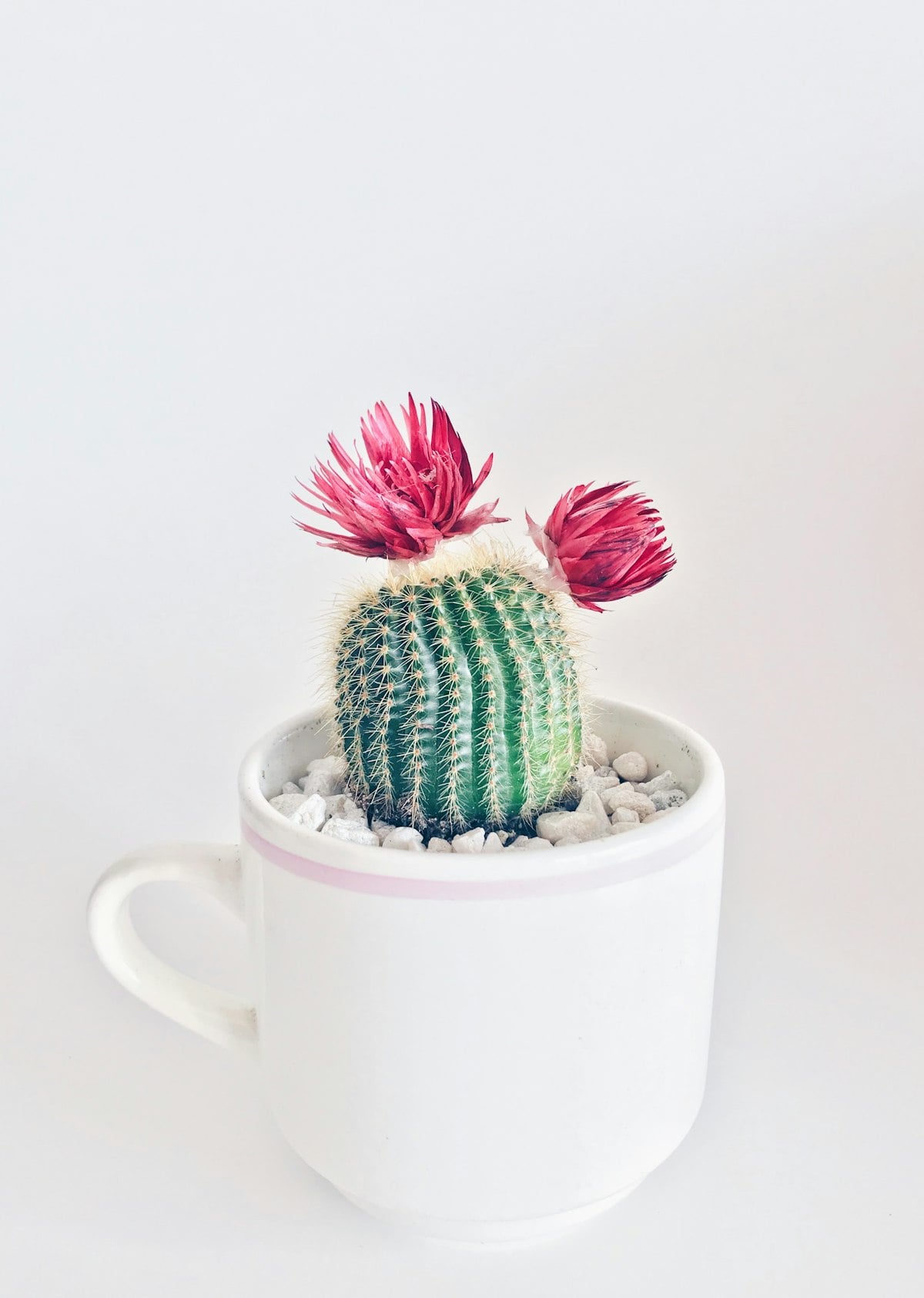
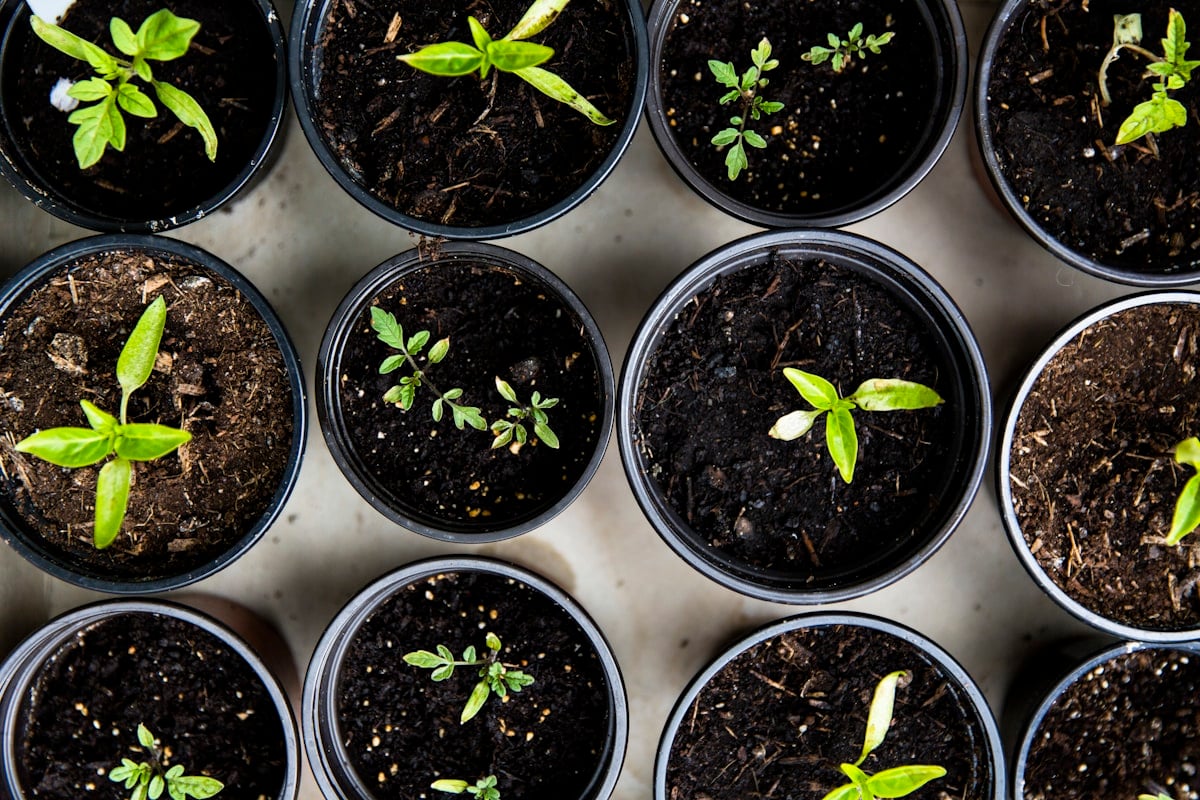
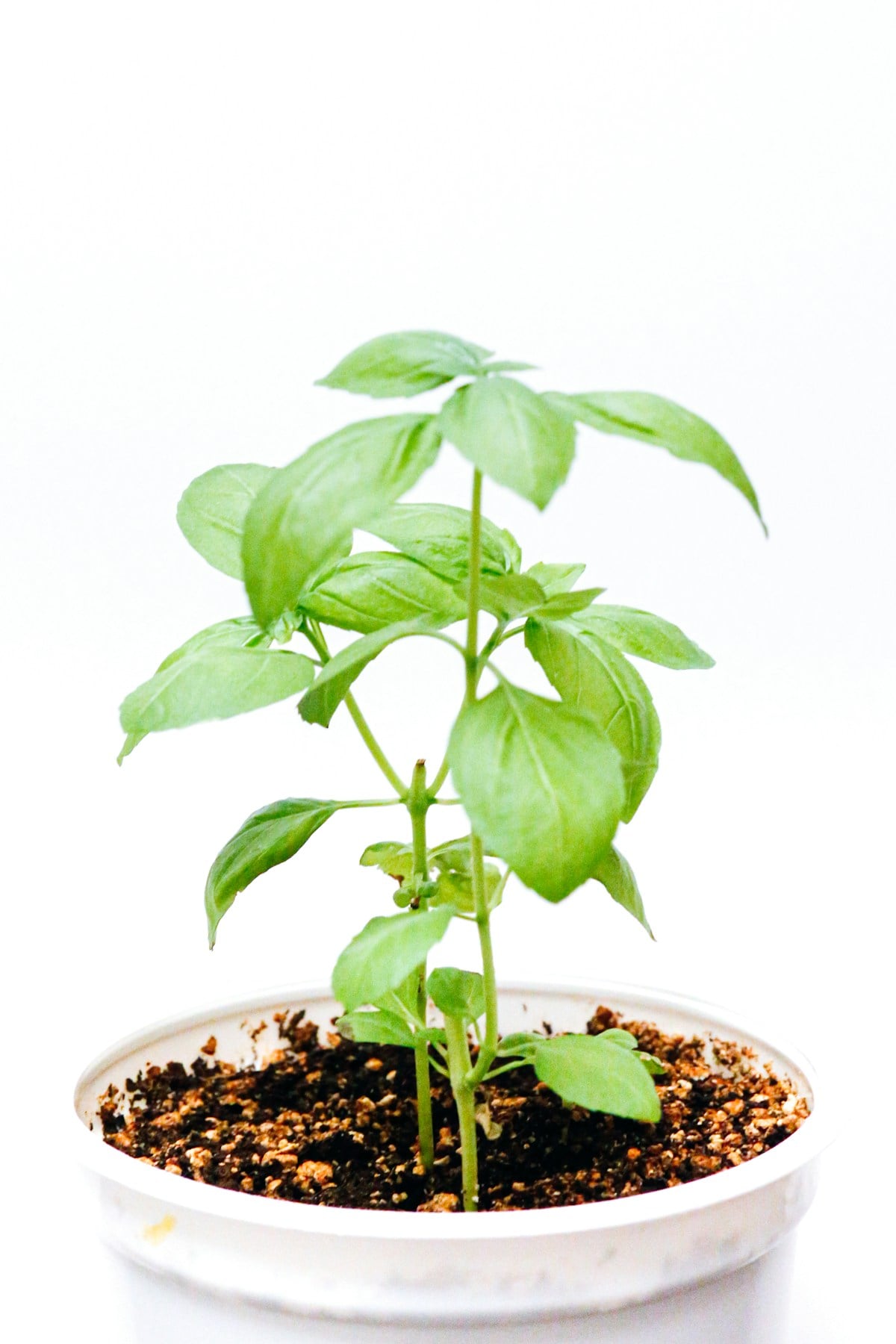
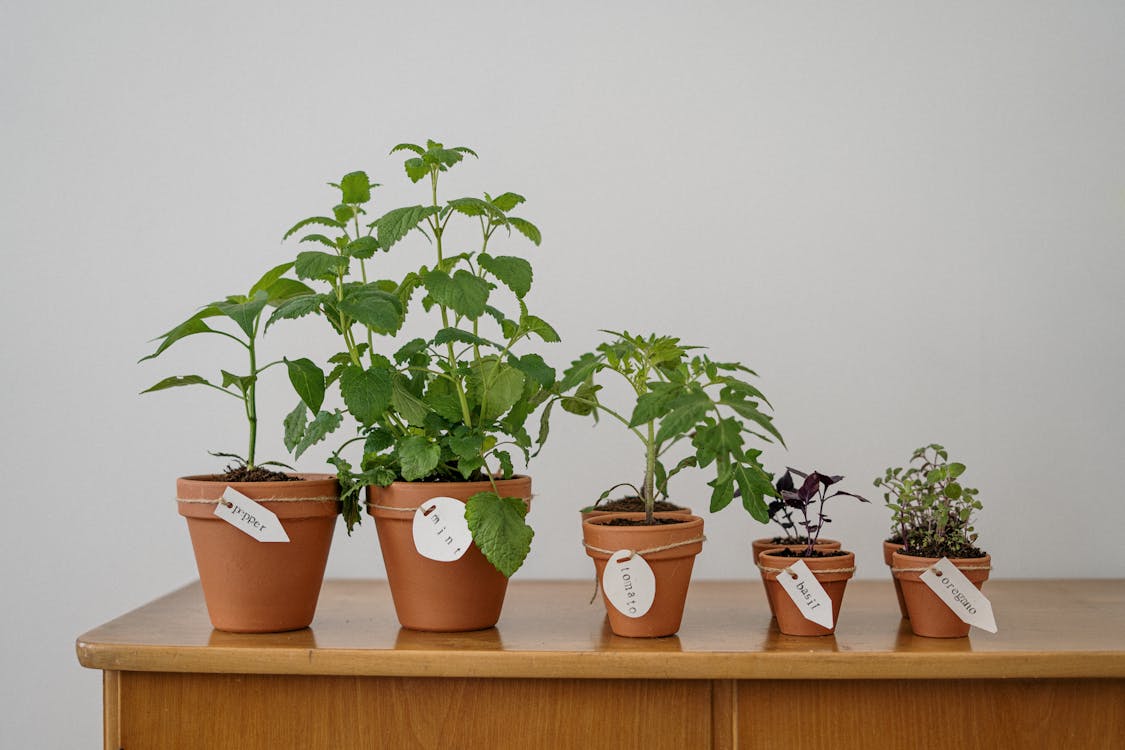
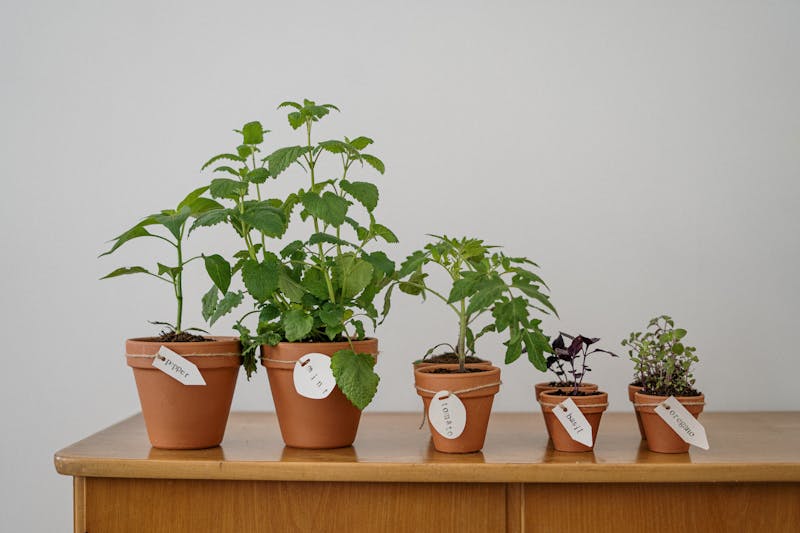
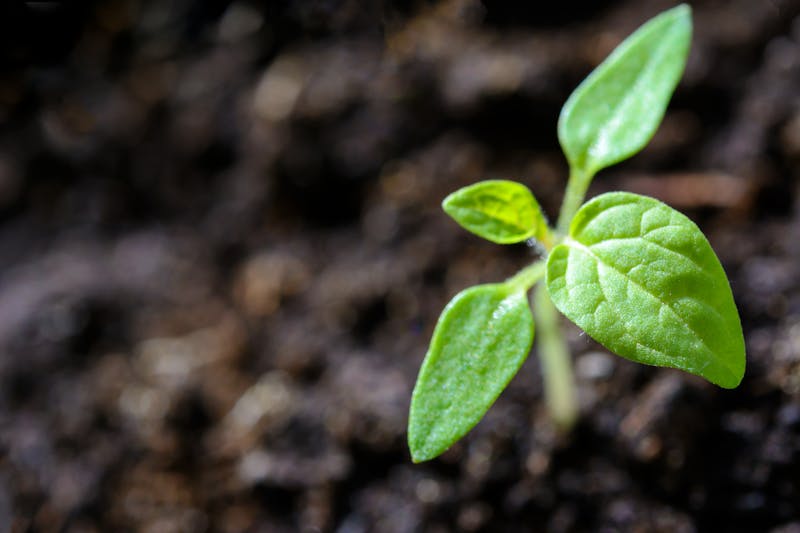

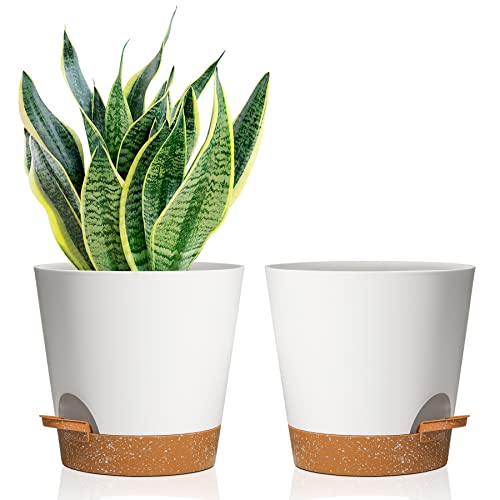
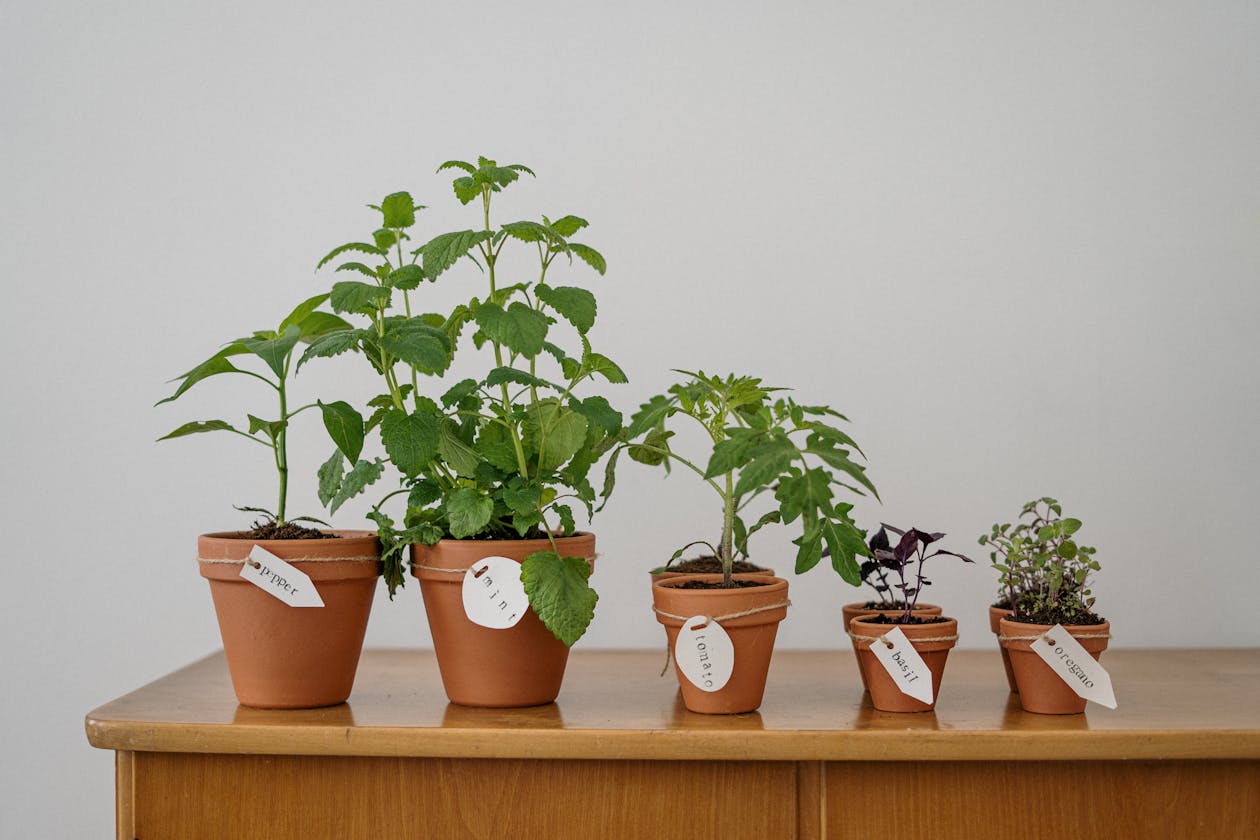
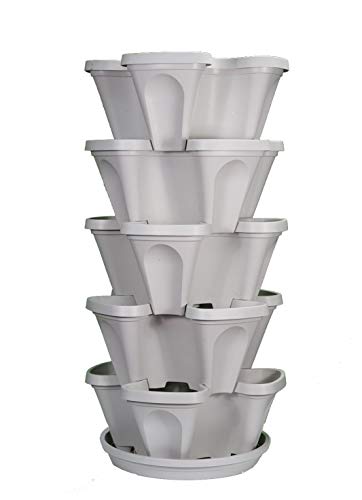

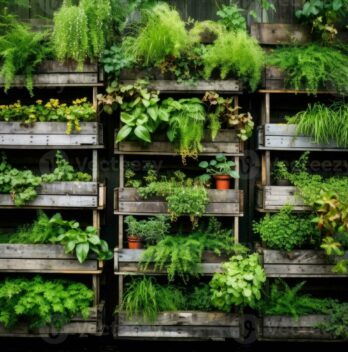
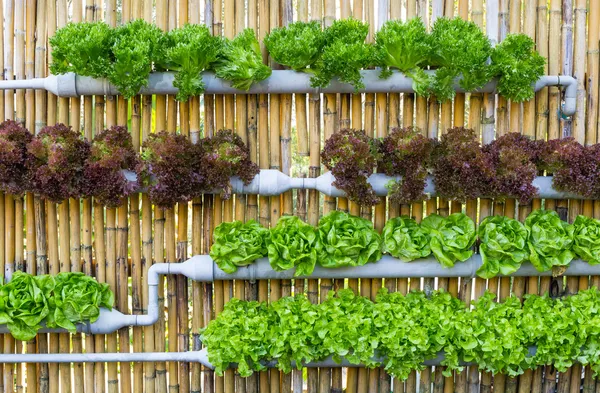

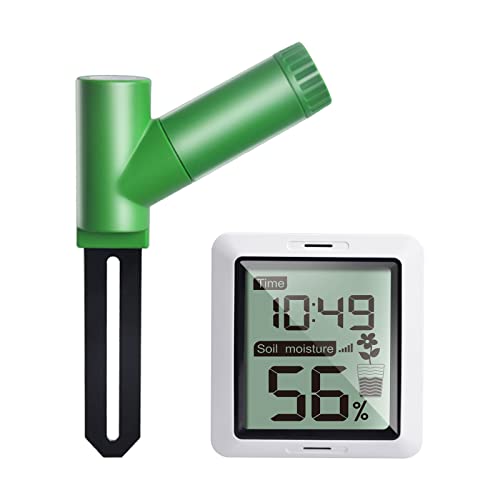


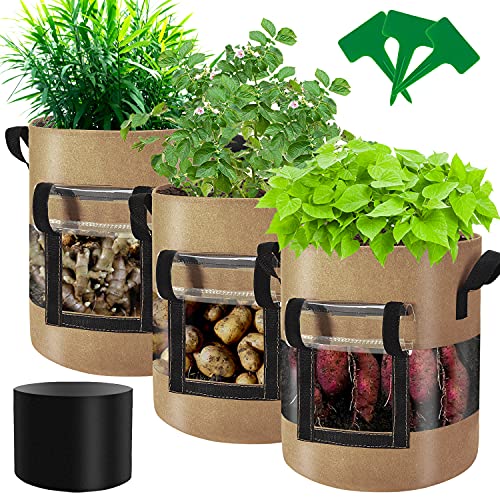
![Can You Eat Potato Leaves? [Potato Leaves Facts]](https://growertoday.com/wp-content/uploads/2023/04/Copia-de-Template-featured-image-6.jpg "Can You Eat Potato Leaves? [Potato Leaves Facts] 25")

![Know the Best Time to Pick Potatoes [Potato Harvest Time]](https://growertoday.com/wp-content/uploads/2023/03/Copia-de-Template-featured-image-3.jpg "Know the Best Time to Pick Potatoes [Potato Harvest Time] 27")