Fertilizer is essential when it comes to soil maintenance. The reason is that it helps make the important nutrients that are needed in the soil readily available. But you might be wondering if horse manure is good for vegetable gardens. Certainly, it is.
Maintaining healthy soil and nutritious soil is a good way of enhancing the growth and quality of your plants. Organic waste such as horse manure may sound stinky and unpleasant, but trust me; they can help you produce great yields.
Regardless of all these issues, horse manure is still one of the best but in its composted form. It’s certain that by now you’re already curious to know why horse manure is good for vegetable gardens. Let’s dive into more details about this information.
Is Horse Manure Good For Gardens?
Horse manure is often easily accessible in rural areas or you can obtain them from reputable suppliers. Hence, horse manure can indeed make a reasonable and inexpensive fertilizer. It’s even better if you’re not a fan of synthetic fertilizer as horse manure is purely natural.
Horse manure is one of the best options for your garden. It is rich in nitrogen, phosphorous, and potassium and these 3 nutrients are essential for the healthy growth of plants.
However, fresh horse manure shouldn’t be used right away but the composted form is better. Horses often have a hard time digesting what they eat.
Horse poop tends to have undigested organic components like grass, weed, and seeds in it. And this causes seaweeds to grow all over the garden when they use raw horse manure. This is why composting is recommended before use.
The process of making a compost pile is not an easy one but I promise you that your effort will be worth it in the end.
Horse Manure For Garden: Tips On Making Horse Manure Compost Pile
Composting is when naturally occurring microbes break down organic matter. Note that for horse manure to be finally called compost, it should look like a perfect soil-like material.
The idea is for it to have lots of roughage and a high level of nutrients. It will help make the soil in the best form with all the nutrients to aid plant growth and health.
Making Horse Manure Compost Pile
Firstly, note that what can make all this possible is heat. Heat is what can help make a pathogen, seed weed-free compost. A byproduct of composting is heated. Getting and maintaining the level of degree that can help achieve this is a major hassle here.
A temperature of 100 degrees should do the trick. This is definitely achievable with consistency and a lot of trial and error.
Heap Formation
The pile will be in form of a heap. The heap should have everything necessary in the right quantity To achieve a perfect result and also to arrive at an answer to if horse manure is good for vegetable gardens. Make sure the heap is big enough. Air should be made possible to get to the heart and then composting can circulate through the air. The high heat is usually in the heart. Some old netting can be used.
To get a well-shaped pile with a bigger heart, form two different rings of 2cm each. Make sure the floor is bare; don’t use any coverings on the floor. Microbes and worms will be able to make their way into the heap to do their continuous work of composting.
That being said, you can go ahead and fill one of the rings with horse manure and other needed materials. The height of the heap you’re making should be about a meter. Your horse manure should go in first.
Let this first layer be about 15cm and make the surface even. Use a hose to spray water on the pile if it is dry to make it moist but not wet. You don’t want the composting process to be slowed down and all your effort in vain. The main focus is for the big heat to accumulate in the heart of your pile. This can be achieved when everything goes well. Sprinkle a handful of the general-purpose fertilizer on your pile.
Nitrogen And Green Matter
Nitrogen is needed for effective composting but in moderation. Then the green matter is next to go in. The green matter must be about 50 percent of the heap.
Repeat the whole process but remember to check for moisture in the horse manure. You can increase microbes by sprinkling lime on your heap. It makes your compost less acidic.
Ventilation can be created by drilling about four holes in the middle with long sticks that can reach the base of the heap. Retain heat, and moisture and prevent rain from getting your heap soaked by using old clothing to cover your heap.
If this procedure outlined so far is being followed correctly, composting will begin and go on successfully.
Turn Your Compost
The compost needs to be turned in after 3 weeks. Transfer the heap into the second ring. Make sure the outer part is in the middle this time around. Water the heap if need be and repeat other procedures too. This way, composting will go around.
Is It Safe To Eat Vegetables Grown In Horse Manure
You might be wondering if it is safe to eat vegetables grown in horse manure. Remember the best way to use horse manure is to let it pass through the composting stage. By now, your question about knowing if horse manure is good for vegetable gardens should have been answered.
Using fresh horse manure straight away is very risky as it can burn your plants and it usually contains unwanted substances such as undigested grass, weed, seeds, and so on. Composting will also help the manure to undergo sterilization from unwanted microbes.
Therefore, the best thing is to let your horse manure go through the process of composting before use in your vegetable gardens.
Are you making use of manure tea from diluted horse poo as folia feed? If yes, avoid pouring them on plants that you’ll be harvesting to eat within a week. Ensure to wash consumable plants after harvest.
Can You Put Too Much Horse Manure In Your Garden?
Yes, it’s possible to apply too much horse manure in your garden. This may cause nitrate leaching. Therefore, always ensure you only match the application of horse manure to your crop’s demand.
What Is The Best Manure For A Vegetable Garden?
Horse manure remains one of the best for vegetable gardens but only in its composted form. Horse manure compost contains a high level of rich nutrients and roughage that looks like soil and blends well with soil.
It contributes to and improves the general well-being of the soil, vegetables, and garden generally.
How Do You Make Horse Dung Into Fertilizer Rust?
To successfully turn horse dung into fertilizer, build the optimum pile of dung that is three feet high. If the pile is too small, the heat you will need to apply will dissipate very quickly and will not reach the temperatures that you need to successfully compost.
Maintain constant airflow through your pile. This will help prevent odors, achieve high temperatures and complete the composting process in a short period.
Monitor the temperature and maintain it in the range of 50 – 100 °F. Increase the temperature gradually and then drop it to ambient over several weeks. Your temperatures should never exceed 160 °F as high temperatures may immobilize the microorganisms needed to carry out the decomposition process.
What Vegetables Do Not Like Horse Manure?
Vegetable root crops such as beets, carrots, radishes, and potatoes are particularly sensitive to adding horse manure. This is because it contains a high amount of nutrients that can burn plants if applied at high concentrations. Salad greens are another type of vegetable that can get burned or damaged by horse manure.
To avoid any negative impacts on your plants from using horse manure, make sure that it is well-composted or diluted with other materials that can tone down its potency.
How Long Does Fresh Horse Manure Take to Compost?
It takes about four to six weeks to turn raw stable waste into manure if you do it properly. It does however take some effort. To achieve this, you will need to maintain the right moisture content in your compost heap to provide the ideal environment for bacteria to carry out the composting. If you are not getting any rain and the pile is getting dry, spray it with a garden hose until the material is just damp and has the consistency of a wrung-out sponge. If you over-water by accident, simply add a heap of dried leaves to the pile.
Keep the heat up in the compost until it resembles dark brown garden soil. At this stage, it will be safe to use in your garden.
Be careful when compositing horse manure. Compost piles can easily catch on fire, so be careful to keep them away from buildings or any combustible materials.
How Much Nitrogen Does Horse Manure Have?
Undiluted horse manure contains low levels of nitrogen, about 1 to 2% dry weight. It supplies small amounts of nitrogen to the soil via a slow release. When the horse manure is mixed with woody bedding, for example, the resulting product will tie up nitrogen leading to a deficiency in the crop.
What is The pH of Composted Horse Manure?
Horse manure is not as acidic or alkaline as would be expected. The actual pH of the manure depends varies according to the diet of the horse but will be somewhere in the range between 6.6 and 7.5.
Manure from horses that are fed grain-based diets tends to be more acidic, while those fed a more hay-based diet will produce alkaline or neutral manure.
The manure can become more acidic or more basic depending on how it is composted. It will become more acidic if it is composted in an oxygen-rich environment. The opposite will be true for oxygen-poor environments.
Conclusion – Is Horse Manure Good For Vegetable Gardens
Is Horse Manure Good For Vegetable Gardens?
From the clear illustration in this article, your question about if horse manure is good for vegetable gardens must have been answered.
So, the knowledge about horse manure being good for planting when it’s in its composted form can be shared with other people for them to know.
FAQ’s
What is the best manure for a vegetable garden?
The best type of manure for vegetables is compost. This is a mixture of plant material, including both organic and inorganic matter. Compost is made by mixing your kitchen waste with a small amount of sawdust or straw, then adding a handful of leaves, grass clippings and other organic matter. The whole mix is then left to rot over time.
If you use too much, you’ll need to add more fertilizer later, but if you don’t use enough, the plant will need to work harder at absorbing nutrients from the soil. A few shovelfuls should be plenty to get started.
Is all horse manure good for vegetables?
It’s best to get your manure tested first. That way if you do have an issue you can treat it before using it. I wouldn’t put horse manure in the garden directly. You can buy a horse manure spreader to spread it on the lawn, but if you’re trying to grow food or flowers it’ll need to go into the compost pile. I would avoid putting anything organic into a compost pile or worm bin as they will contain pathogens and disease causing organisms. It’s best to get your manure tested first. That way if you do have an issue you can treat it before using it.
How long before you can use horse manure?
If you are using horse manure for your garden, you should wait at least six months before you can start sowing your seed. This is because horse manure has a high nitrogen content and will leach too much nitrogen from the soil if it is applied in the first few weeks of the growing season. This is true even if you don’t fertilise your garden with manure.
How should I apply horse manure for my garden?
If you are going to use manure as a fertilizer, then it’s not a problem. Just mix with your regular fertilizers and apply like you would any other fertilizer.
Manure can be applied as a natural fungicide. It is one of the best natural fungicides. You can make a compost tea with manure by mixing 1 part manure to 5 parts water. Apply this tea to plants and weeds. It will prevent most fungus problems.
What is the maximum amount of manure per square foot we should apply to the garden?
I would say 1 cubic yard of manure per 20 square feet (or one cubic yard per 100 square feet). This assumes the bed is 10 feet wide and the rows are 3 feet apart. You could also calculate it as 1 cubic yard per 25 square feet.
If you have an average of 10 square feet per row, that’s 10 times as much manure per row than per square foot. If you want to grow a lot of veggies, you’ll need more than 1 cubic yard of manure per 20 square feet or 25 square feet. I would guess that you’d need at least 3 cubic yards per 20 square feet or 4 cubic yards per 25 square feet, just to have enough nutrients in the soil for the veggies to grow well.
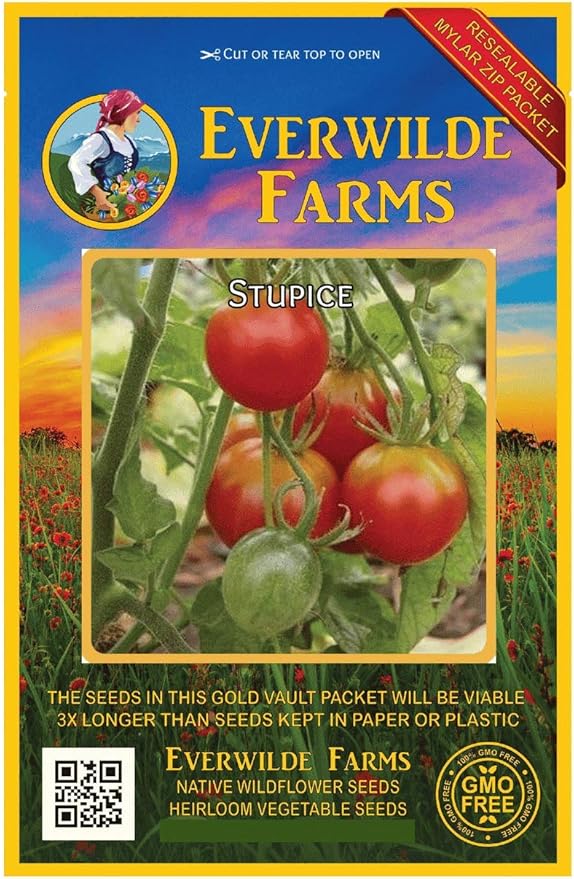
Let’s do some stupice tomato review. Tomatoes are cultivated extensively for their edible fruits and they have so many juicy varieties and stupice tomatoes are one amazing type.
It is an heirloom tomato that originates from Czechoslovakia which is now the Czech Republic. The seed was then introduced to North America in 1976. It is pretty easy to grow this type of tomato variety and amazingly; it is naturally diseased resistant.
If you plan on adding this stupice tomato variety to your garden, be rest assured you will be making a great decision as it offers so many wonderful benefits. So, let’s check out some reviews on stupice tomato for more details about them.
Interesting Facts About Stupice Tomatoes
The flavorful stupice tomatoes are one popular tomatoes variety that is loved by many. As we mentioned, it originated from Czechoslovakia which is now regarded as the Czech Republic.
Stupice tomatoes are plants that tend to grow vigorously to produce abundant yields. They can yield around 3 to 6 ounces of red juicy tomato fruit. Their fruits are borne in clusters of 5 or more. The yields of stupid tomatoes are pretty high and almost all the fruits produced are in perfect conditions.
Stupice tomatoes give this red and intense red color. It offers this richly tangy and sweet flavor. Stupice tomatoes also have good tolerance to cold. Open-pollinated plant.
It has a short growing season and it tends to mature very early. This amazing tomato variety is usually ready for harvest in just about 40 to 45 days from transplanting. Start seeds preferably indoors. However, you can still plant them outdoors so far you follow the right steps.
Some tomatoes are prone to cracking. But when it comes to stupice tomatoes, they are fairly resistant to cracking. This is especially favorable for people that have more drought periods in their regions. And if this drought period is followed by lots of rain.
This shows that no matter the prevailing weather conditions, stupice tomatoes may not really mind the situation. So, either hot or cold and rain or sunshine, this tomato variety will perform fairly well.
The height at which stupice tomatoes tend to grow is around 5 to 7 feet. They also tend to grow in a vining manner.
Are Stupice Tomatoes Determinate Or Indeterminate?
Stupice tomatoes are an indeterminate variety. This means they are vining plants that. Inclined to keep on extending in length all through their growing season.
Also, because they tend to keep growing in a vining manner, it is advisable to stake them or cage them. Do this at the planting period as the plants begin to get big and heavy with abundant fruits.
Stupice tomatoes are an heirloom variety and they are open-pollinated. Hence, they are not hybrid tomatoes. This also means they have never been cross-bred or they have not been cross-bred for a very long time (usually decades or even centuries).
It’s fairly easy growing this tomato variety so far you follow the right procedure. Here are some guidelines you can follow to successfully plant stupice tomatoes.
Step 1
Preferably, stupice tomatoes seeds should be commenced indoors. Plant seeds starting from 6 weeks before the last frost date. The temperature for starting seeds indoors should be around 75 to 80 degrees Fahrenheit.
Step 2
Each cell or pot should have about 2 or 3 seeds sown. Then once the seedlings have developed a third set of leaves or when they have attained a height of 2 to 2.5 inches, go ahead and transplant them to individual pots.
Transplant the individual pots of around 4 inches. Remember to thin to the strongest seedlings.
Furthermore, when transplanting seedlings to pots, we recommend you use a fresh potting mix. This is to prevent the introduction of any soil-borne disease.
You should also water regularly, especially in hot weather. Matter of fact, pots may require daily watering in very hot weather.
Step 3
Recommended is the application of fertilizer to the seedlings for 7 to 10 days. The fertilizer should be a liquid or water-soluble fertilizer. Then the fertilizer should be diluted to a quarter of the recommended measurement at the seedlings stage. This is to ensure your plant root system does not get burnt.
Step 4
Then once the last frost in your region has elapsed, you can transplant your seedlings outdoors. Make sure the nighttime temperature is around 55 degrees Fahrenheit. Also, ensure you gradually acclimate to outdoor conditions.
Plant spacing between rows should be around 24 to 36 inches.
Stupice tomatoes should be ready for harvest in merely 40 to 45 days from transplanting.
Also, you can harvest your juicy stupice tomato once you’ve seen the desired color of the tomato fruit. If you have green tomatoes, they can be ripened at a cool temperature when they are blemish-free. However, if they are very dark green tomatoes, they may not ripen totally.
Recap On Stupice Tomato Review
We have seen how stupice tomatoes are one lovable variety of tomatoes that is fairly easy to grow and can serve as a great addition to your garden.
Here is some recap on some of the things we mentioned about this flavorful tomato variety:
They are high-yielding plants. Inclined to produce around 3 to 6 ounces of red juicy tomato fruit. Their fruits are also borne in clusters of five or more.
It gives a red and intense color and the flavor is richly tangy and sweet.
They mature pretty early. Their maturity from transplanting is as fast as 40 to 45 days.
Stupice tomatoes are indeterminate tomato variety meaning they tend to grow in a vining manner. Hence, they often require staking or caging.
Stupice tomatoes usually grow as tall as 5 to 7 feet.
This plant variety is cold tolerance.
Start seeds indoors preferably for better results.
Use a fresh potting mix when transplanting seedlings to pots.
Some gardeners often wonder if reusing soil with roots is ideal. Plants may die off at the end of their growing season or they may die from inadequate care.
Discarding off an old soil with its root may be the ideal thing to do. But is there any chance that the old soil to still be viable for reuse?
Well, the answer will majorly depend on the type of garden you’re using. These types of gardens may be open gardens, raised bed gardens, or potted plants.
In this post, we will be discussing if it is proper for you to dispose of the soil any dead plant must have used, or if reusing the soil with roots is possible. So, let’s begin.
Is Reusing Your Old Soil With Roots Ideal?
It is certainly possible reusing your old soil that still has roots in them for your new plants. However, this will depend on some things. Like we mentioned, reusing your old soil with roots will mainly depend on if you’re using an open garden, a raised bed garden, or a potted pot.
Reusing Raised Bed and Open Garden Soil – When it comes to reusing old soil with roots in them, you can still leave the old roots in the soil. However, make sure the old plant did not die from diseases. But to be on good standing, try to look for spots that have vacant space in your open garden or raised bed. This is so the old roots will not be an issue for the new root system when they begin to emerge.
Potting Soil – Regarding reusing old soil with roots in potting soil, this is usually not an ideal thing to do. The best thing to do is to remove the old roots from the potting soil in your plant pot. This is done so the old roots don’t hinder the growth of the new plants. We don’t want to have issues with limited space so the new plant can have adequate space to grow its roots.
Can I Reuse Soil From A Dead Plant?
Questions such as can you reuse soil from a dead plant may come to different gardener’s minds. Or can you use old soil for new plants? The answer is pretty simple. It is very possible for you to reuse your old potting soil rather than toss it at the end of the season.
Plants dying or coming to an end is always a sad thing to experience as a gardener. When you must have carefully nurtured the plant, sometimes for a long time, then they just die all of a sudden. There are so many reasons why a plant may die off. But what tangible thing can you do with it especially if you do not wish to discard everything?
When it comes to the potting soil mix, it is possible to salvage the dead plant potting soil rather than you buying new potting soil. However, this old soil from the dead plant may contain some bacteria, fungi spores, and unwanted insects. Now we don’t want all these infecting our new plant. The good thing is that you can sterilize the soil in an oven to destroy these bacteria and fungi spores. Then you can have your soil almost as good as new.
Amazon’s Choice
FoxFarm Ocean Forest Potting Soil
$33.99
FoxFarm Ocean Forest Potting Soil is a nutrient-rich blend of aged forest products, bat guano, and earthworm castings, perfect for indoor and outdoor plants. Its pH-balanced formula promotes healthy growth, making it ideal for seedlings, transplants, and mature plants.
We earn a commission if you make a purchase, at no additional cost to you.
01/20/2026 11:01 pm GMT
You can as well make use of the old potting mix that way after salvaging it. All you need do is to mix it with new potting soil or compost to restore its organic content and this creates a better growing medium.
However, make sure you avoid reusing old soil from plants that died from diseases. Even if you sterilize the soil that died from diseases, viral organisms may still survive and infect the new plant you plan on growing the soil with.
We have established that it is ideal and advisable you sterilize your old soil especially when they are from dead plants. Generally, soil can harbor pests, diseases, and weed seeds. Hence, sterilizing your soil before planting is a good thing.
So far you didn’t notice any pests or diseases in your former plant, you can go ahead to reuse the soil. Just ensure you sterilize the soil so bacteria, fungi spores, insects, and weed seeds don’t come showing up after reusing the soil.
So, below are ways you can sterilize your old soil so you can safely use them for your new soil.
How To Sterilize Soil
Oven Sterilization
Put the soil to be sterilized in an oven-safe container covered with foil. Then bake at 180 to 200 degrees Fahrenheit for at least 30 minutes. Remove from oven and let it cool down and leave the foil in place until you’re ready to use the soil.
Microwave Sterilization
Put 2 pounds of damp soil in a polypropylene bag. Then put it inside your microwave and leave the top open for ventilation. The soil should be heated for 2 to 2 and half minutes on full power. Then close the bag and let it cool before you remove it.
Steam Sterilization
You can steam your old soil for at least 30 minutes until the temperature is 180 degrees Fahrenheit.
Once temperature drops and your plant begins to fade, that’s a sign to empty your potted container and put them away for the winter.
You may then wish to store and reuse your old potted plants. It may be even more tempting going for this option especially when you have lots of potted plants and purchasing new soil may be quite pricey.
It’s possible to store your potting soil at the end of the season and ensure they maintain their quality over winter and be safe to reuse.
So, to store your used soil over winter, do the following:
We recommend you sterilize your used soil first before storing it.
Then get a plastic storage tub and soak in water and bleach. This is to sterilize it to prevent bad organisms from harboring and infesting the soil. Wipe the container and allow it to dry.
The soil should then be poured directly into the storage tub and seal it tightly with its lid.
Then store the tub in a very dry spot.
FAQ’s
What can I do with old soil roots?
If you have a nice, healthy soil, you should be able to use the roots to build compost or mulch. If you don’t have a nice, healthy soil, it will take a lot of work to get it back on track, and you will need to purchase organic soil if you want to keep your plants growing well.
You can add it to the garden. The most important thing is that you don’t get it on your plants. I would recommend not using them at all. They are likely to be full of bacteria and other organisms that can make you sick.
If you want to use the soil for bricks, you can leave the roots in the soil.
How do you get compacted soil out of roots?
There are several methods for removing roots from the soil. The first one is to cut them off using a sharp knife.
If you do this, be careful not to injure the plant because it will send out new roots to replace the lost one. Another method is to use a small shovel or trowel and scrape away the roots with the tool. Another way to get rid of the roots is to cover the soil with sand and then water the plants until the sand becomes soft. After that, just lift the plant out of the sand and pull off the roots. If you have a large root mass, you can try to break it up by placing the root mass in a tub filled with water and rocks. This will help loosen the soil so you can remove it. When removing a root mass, be sure to leave at least two inches of healthy top growth. If you are removing a root mass from a tree, be careful not to injure the tree or it will die.
Shoul you sterilize soil?
We have been told that sterilizing soil is the key to growing healthy plants. Some people even go so far as to say that we should never add manure to our gardens because it will contaminate the soil and cause disease. My experience is that this is not true at all. In fact, I am not sure that it is possible to sterilize soil, and if you do try, you may end up doing more harm than good.
Can you use the soil from dead plants?
I don’t know about compost, but I can tell you that the answer is yes for growing plants. Plants need nutrients, and if you kill them and bury them in the ground they will take up the nutrients in the soil. You can take that soil and put it in your garden, though you might have to amend it a bit. I would suggest adding some compost to the soil when you’re ready to plant.
Conclusion On Reusing Soil With Roots
So, we have seen that it is possible to reuse old soil with roots in them. Just ensure the old plant did not harbor any pests and diseases.
Tomatoes are great a fruit that comes in so many varieties. Plum tomatoes and Roma tomatoes are two common varieties of tomatoes you can find. But is there really a difference between plum tomatoes vs Roma tomatoes? Let’s get some facts on this.
With so many different varieties of tomatoes available, having some insight into some of these tomato varieties will really go a long way. Getting to know their different features can even give you a better idea regarding how best to plant them, the best preparation methods for these tomato varieties, and so on.
In this article, we will be focusing on the differences between plum tomatoes vs Roma tomatoes. So, continue reading to gain some knowledge regarding this.
Roma vs Plum Tomato
So, regarding plum tomatoes vs Roma tomatoes, different questions may come to our minds. Questions such as: are Roma tomatoes similar to plum tomatoes? Do they have any tangible differences?
Well, the main difference between plum tomatoes vs Roma tomatoes is that Roma tomatoes are simply a type of plum tomato variety. Interesting right? Therefore, the plum tomato has different varieties and a Roma tomato is one of these varieties of plum tomato. This also means plum tomato has other varieties of tomatoes under which are different from Roma tomatoes. Roma tomatoes are just a popular type of plum tomato that falls under the plum tomato variety.
Again, we can say Roma tomato is a type of plum tomato. However, not all plum tomatoes can be regarded as Roma tomatoes. Because Roma tomatoes are one of the most popular varieties of plum tomatoes, Roma and plum tomatoes are usually used interchangeably at grocery stores as well as the produce market.
Now there are other types of plum tomatoes variety apart from the popular Roma tomatoes. So, some of them include Amish Paste, Big Mama, San Marzano, and Ropreco Paste. Therefore, comparing plum tomatoes and Roma tomatoes isn’t necessary because Roma is simply a type of plum variety.
To further get a better understanding of plum tomatoes vs Roma tomatoes, let’s look into each of these tomato varieties.
Plum tomatoes are a pretty popular type of tomatoes and a widely cultivated tomato variety in America as well as Europe. This plum tomato variety is used for specific purposes such as tomato paste or tomato sauce.
Rather than having a round shape like every other tomato, the plum tomato has this unique oval to a cylindrical shape. The fruit size of plum tomato also differs depending on the variety.
You can have big, medium, or large-sized plum tomatoes. However, small-sized plum tomatoes are the most commonly found in the market because of their easy usage. But you can still find large or medium-sized varieties in the market.
Also, the plum tomato has this very small variety that is similar to the size of a grape and it is often referred to as grape tomato.
Other types of plum tomato apart from Roma include Amish Paste, Big Mama, San Marzano, and Ropreco Paste. Roma and San Marzano tomatoes are the most common types of plum tomato varieties.
Plum tomato tends to be pretty soft and tender on the outside. Then the inner part of the plum tomato contains fewer seeds and fewer seed compartments (usually around 2 compartments). They also have less liquid; therefore their content tends to be more concentrated. All these features make them an excellent choice for paste.
Again, when it comes to sauce, the concentrated content or flavor tends to improve the flavor and mouthfeel of the sauce. Because the tomato maintains and holds its shape very well, it can do well when canned to use in the future.
Some Info About Roma Tomatoes
Roma tomato also referred to as Italian plum tomato is a kind of plum tomato variety. The major growing parts of this tomato variety are the United States, Mexico, and Australia.
Found in the market popularly. This tomato variety has a pear or egg shape and the plum tomato fruit can come in red and yellow colors.
They are one plum variety that is very easy to cook with. This is because of their lower seed content, lower water content, and firm texture. These features allow this tomato to be easy to create lovely, tasty sauces and pastes.
Just like every other tomato, Roma is canned and made into a sauce as a preservation method. This encourages the longer shelf life of tomatoes. The smaller seed size and fewer numbers of seeds also promote the canning process that offers to prolong the shelf life.
Furthermore, some of the Roma tomatoes have been genetically enhanced to be resistant to some common diseases. These common diseases include verticillium and fusarium wilt.
The question isn’t really a straightforward answer. As we’ve mentioned, both Roma and plum tomatoes can reasonably be regarded as the same tomatoes. All Roma tomatoes are under the plum tomato variety. However, not all plum tomatoes tend to be Roma tomatoes.
Therefore, plum tomato can come in different varieties and each of these tomato varieties has different sizes of tomatoes.
What Is The Difference Between Plum Tomatoes And Whole Tomatoes?
Plum tomatoes and whole tomatoes are quite similar. Plum tomatoes are basically whole tomatoes that are packed in the juice inside a can. These tomatoes have been peeled so they can remain skinless. However, all their seeds are still intact.
Conclusion
Tomatoes fruits no matter the varieties are pretty versatile and they are most loved in different recipes in so many homes. We have looked into plum tomatoes vs Roma tomatoes to know if there are any differences between these two
We’ve discovered that Roma tomatoes are actually under the category of plum tomatoes. Hence, Roma tomatoes are a type of plum tomato variety.
Roma tomatoes are one of the most popular types of plum tomato you can find. This makes these two names (Roma and plum) to be used interchangeably especially at the grocery store and produce market. But now we have a good idea about what Roma and plum tomatoes are.
Buttercup squash is a kind of kabocha winter squash that is an heirloom native to the Western Hemisphere. This type of squash is pretty tasty and versatile. However, cutting and preparing them may be quite intimidating. Hence, this brings us to the question: how do you peel a buttercup squash?
But once you’ve perfected how to prepare and peel a buttercup squash, then it’s time to continue enjoying the variety of buttercup squash.
So, if learning the easy way of preparing or peeling buttercup squash interests you, then let’s look right into this.
A Little About Buttercup Squash
Before we delve into how to peel a buttercup squash, let’s briefly look into some details about this squash.
Buttercup squash is a type of winter squash that often appears dark green and it is a variety of Marialva Cucurbita maxima. Take note not to confuse the buttercup squash with its cousin butternut squash.
This winter squash tends to weigh around 5 to 7 pounds each. It also has an average diameter of about 10 to 20 centimeters and a height of around 5 to 7 centimeters.
They tend to be round in shape and they grow with a very distinctive protruding ring around the lower end that is opposite the stem end. It’s been suggested that this squash has an upside-down acorn shape with an undersized cup.
As we mentioned, buttercup squash may seem daunting to prepare or peel. They tend to be dense and their outer part is very hard and thick and this majorly contributes to the difficulty in peeling them. This is why we will be tipping you on the easy and sure way how to peel or safely prepare buttercup squash.
Peeling buttercup squash can be difficult and very tricky and this is not usually necessary even when you plan on cooking them. Peeling butternut cups is not compulsory, you can leave the skin on while you cook them.
Another thing you can easily do is scoop out the flesh of this squash. Make use of a sharp and big heavy knife and gently split the buttercup squash into half lengthwise through the stem. Then with the help of a heavy spoon, scrape out the seeds and make sure you save the seeds to roast later. Then you can cook this squash according to the recipe you desire.
However, if you still wish to peel and cut your buttercup squash, start by piercing the skin of the buttercup squash all over using a knife or fork. Then microwave the buttercup squash for about 2 to 4 minutes or longer depending on the size.
Then allow the buttercup squash to cool down and you can begin peeling and cutting. After doing this, microwave again to soften and loosen the skin so that the skin can fall off more easily.
We earn a commission if you make a purchase, at no additional cost to you.
02/02/2026 08:03 am GMT
Is Eating The Skin Of A Buttercup Squash Ideal?
Basically, all squash is an edible fruit. However, edible does not mean you want to eat them. Some squash offers thin skin that is tasty and tender. Other types of squash on the other hand deliver a very tough shell that even when you cook them, tends to give this stringy and chewy bite that we prefer to avoid.
However, if you wish to eat the skin of your squash, you can, by all means, do so.
The Taste Of Buttercup Squash
The flavor of buttercup squash is sweet and nutty. The thin outer skin of this winter squash surrounds a sweet-flavored, slightly nutty orange-tasting flesh. This tends to be a fine-grained, creamy texture with a dense consistency.
The inner flesh is orange and sweet and it’s been said that the more intense the inner colors are, the more vitamin A it contains.
Buttercup squash tends to be slightly dry but this can be alleviated by steaming or baking. It can serve as a possible substitute for butternut squash, sweet potato, or delicata squash.
You can stuff buttercup squash and you can bake with it. You can as well microwave it and serve it in soups, casseroles, pumpkin pie, or simply as a side dish. Buttercup can as well be pureed to make a creamy soup.
Furthermore, the seeds are very useful in your cooking, so always remember to save the seeds of buttercup squash. You can roast the seeds just like with pumpkin seeds for a tasty snack.
This squash should be wrapped in plastic, refrigerated, and stored for several days. You can store cooked buttercup squash for 1 to 2 days when refrigerated. However, when you freeze this squash, it can be stored for 3 months approximately.
You can as well store your buttercup squash at room temperature (50 to 55 degrees) in a cool and dry place and it will last up to 3 to 6 months.
Health Benefits Of Buttercup Squash
Here are some great health benefits buttercup squash offers:
Carotenoid: just like every other winter squash, buttercup squash is a wonderful source of carotenoid and this is a nutrient that enhances night vision and eye health. Vision accuracy tends to decrease with age. Therefore, the elderly need to obtain adequate dietary carotenoids. Carotenoid also offers carotenoid property which also helps reduce the risk of cancer.
Vitamin C: vitamin C is another great nutrient buttercup squash is loaded with. This plays a crucial role in immune function and the prevention of diseases.
Vitamin A: buttercup squash also contains a good amount of vitamin A. Buttercup squash has an orange inner flesh color and it is said that the more intense the inner flesh color is, the more vitamin A it contains.
Potassium: this winter squash is as well loaded with potassium nutrients. This element helps lower blood pressure.
How Long Does it Take to Boil Buttercup Squash?
You can boil buttercup squash on the stove or in an instant pot. The time it takes to cook will depend on the size and shape of the squash and your desired tenderness level. Here are some general guidelines for boiling buttercup squash:
Stovetop:
Cut the squash into 1-2 inch cubes.
Place the cubes in a pot and add enough water to cover the squash.
Bring the water to a boil and reduce the heat to a simmer.
Cook the squash for 10-15 minutes or until it is tender. You can use a fork to poke the squash to test for doneness. If the fork easily pierces the flesh, the squash is done.
Drain the water from the pot and serve the squash.
If you prefer your squash to be softer, you may need to cook it for longer. On the other hand, if you like it firmer, you should cook it for a shorter period.
Instant Pot:
Cut the squash into 1-2 inch cubes.
Place the squash in the Instant Pot and add 1 cup of water.
Close the lid of the Instant Pot and set the valve to the sealing position.
Press the “Manual” or “Pressure Cook” button and set the cooking time to 5 minutes.
When the cooking time is up, allow the pressure to release naturally for 5 minutes, then use the quick-release method to remove any remaining pressure.
Carefully open the lid and test the squash for doneness. If the squash is not tender, you can cook it for an additional 1-2 minutes.
Drain any excess water from the Instant Pot and serve the squash.
How Long Do You Cook Buttercup Squash in The Oven?
If you want to cook butternut squash in the oven, follow these steps:
Preheat the oven to 375°F (190°C).
Cut the squash in half, scoop out the seeds, and place the halves cut-side down on a baking sheet lined with parchment paper.
Bake the squash for 30-40 minutes or until it is tender and easily pierced with a fork. If the squash is still firm, continue cooking and check for doneness every 5-10 minutes.
What to Do With Leftover Buttercup Squash?
You can use leftover squash in many delicious ways. Here are a few ideas:
Puree
You can puree the squash to use it as a base for soup. Add broth, spices, and other vegetables to create a creamy and flavorful soup.
Mash
You can use mashed squash as a topping for baked goods like bread, muffins, and scones.
Dice
If you dice your leftover squash, you can add it to stir-fries or pasta dishes for a pop of color and flavor!
Leftover squash can also make a great addition to salads and grain bowls when roasted. If you can’t use it immediately, you can freeze it in small portions. It will keep up to 5 days in the fridge and about 6 months in a freezer when properly sealed.
How To Can Buttercup Squash
Canning buttercup squash is quite a process. There are many different recipes you can follow. Here is a basic one:
The ingredients you’ll need are:
Fresh buttercup squash
Water
Salt (optional)
Canning jars with lids and rings
A large pot or canning kettle
A jar lifter or tongs
A canning funnel (optional)
Follow these instructions:
Wash the squash thoroughly and cut it into small pieces. Remove the seeds and any tough or fibrous parts.
Fill a large pot or canning kettle with water and bring it to a boil. Place the jars in the pot and sterilize them for 10 minutes. Remove the jars from the pot and set them aside to cool.
Bring water to a boil in a separate pot and add the squash pieces. Boil the squash for 5 minutes or until it is tender.
Drain the squash and pack it into the sterilized jars, leaving about 1 inch of headspace at the top. If you are using salt, add 1/2 teaspoon per quart jar or 1/4 teaspoon per pint jar.
Use a canning funnel (if available) to pour hot water over the squash in the jars, leaving 1 inch of headspace. Use a wooden or plastic utensil to remove any air bubbles.
Wipe the rims of the jars with a clean cloth and place the lids and rings on top. Tighten the rings until they are finger-tight.
Place the jars back in the pot or canning kettle and ensure they are covered by at least 1 inch of water. Bring the water to a boil and process the jars for 45 minutes (for quarts) or 35 minutes (for pints).
Use a jar lifter or tongs to carefully remove the jars from the pot and place them on a towel to cool. As the jars cool, you should hear a popping sound. This indicates that the lids have been sealed properly.
If you want to double-check that the jars have sealed, press down on the center of the lids. If the lids do not move, they are sealed. If the lids move or pop up, they are not sealed. Canned buttercup squash will keep in a cool, dark place for up to a year.
How To Peel A Buttercup Squash: Conclusion
Learning how to peel buttercup squash has been discussed in this guide. We have also looked into some other related things you need to know about this great-tasting winter squash.
FAQ’s
What is the easiest way to peel a buttercup squash?
I would suggest doing it the same way you’d peel a carrot, with a vegetable peeler. Cut the squash in half (or quarters if it is small) so that you can get to the inside more easily. Scrape out the seeds and cut the squash into manageable pieces. Then use the peeler to take off the skin in one continuous piece. I think this is the best method to get the skin off, and it doesn’t take a lot of time or effort.
What is the best way to store butternut squash?
Squashes are high in moisture content and should be used as soon as possible after purchase. If you want to store it for a while, the best way to store it is to bake it. That way, it retains moisture and nutrients. I’ve made a lot of roasted butternut squash dishes over the years, and they’re great reheated.
What happens if you refrigerate butternut squash?
It’s a great idea to freeze the butternut squash. If it’s well cooked, it will stay nice and firm for a long time. But don’t freeze the cooking liquid as it will separate from the butternut squash. Just drain the squash and pat it dry with paper towels. Place in a freezer bag or plastic container and store in the freezer for up to 6 months.
Can you eat the skin of a buttercup squash?
If you roast the squash, the skin becomes soft and can be eaten. If you boil the squash, the skin gets tough and is not edible. Buttercup squash is a great vegetable, and it’s also great roasted.
How long does buttercup squash keep?
Most winter squash can be stored in a cool dark place for up to three months.
How can you tell when a buttercup squash is ripe?
When it’s ripe, a buttercup squash will be full and soft. If it isn’t quite ready, the rind may be firm, but the inside will still be a bit hard. You can also tell by looking at the stem; if it’s green, it’s not quite ripe.
What is the best way to cook a buttercup squash?
Cut off the top of the squash and scoop out the seeds. If desired, peel the skin. Cut into halves or quarters and roast as directed in the recipe.
If you desire to have the best tomato yield, ensure to add calcium late in the fall or early spring. Where this is not possible, do so before you begin planting.
Calcium deficiency in tomatoes may result in root damage and an improper channeling of available nutrients. Where the soil is very acidic, adding a reasonable amount of calcium before planting tomatoes will go a long way to reduce this acidity.
Extra Note
Apart from these plants discussed above, there are a plethora of other plants with huge calcium requirements. Some of these plants include pepper, broccoli, brussels sprouts, cabbage, cauliflower, cherries, conifers, cotton, melons, grapes, peaches, and tobacco.
How Does Calcium Affect Plant Growth
One of the positive effects of calcium to plant is that it helps in building strong cell walls. This in turn helps keep the plant upright.
In addition, calcium application in the soil helps to counteract the effect of alkali salts and other organic acids. Adding calcium to the soil has the effect of giving your soil a vitamin.
Calcium also helps to ensure that a plant has good leaves and tissues. For stunted leaves, brown spots may also begin to appear along the edges and toward the center of the leaves.
Finally, calcium aids root growth and development.
Tips On How To Raise Calcium In Soil
Now, you’re aware that calcium may be present in the soil but not accessible to the plant. There may therefore be a need for you to raise the calcium in the soil and make it accessible to your plants.
You can do this by adding lime to the soil during autumn. Also, an addition of eggshells in your compost will aid the plant’s consumption of calcium. In a situation where you recognize a calcium-deficient plant, you may apply foliar to the plant.
All living plants need the three essential plant nutrients: nitrogen, phosphorus, and potassium. In addition to these, they also need other trace minerals that are important for their growth and development. One of these essential trace elements is calcium.
Calcium is important for strengthening plant cell walls and therefore plays an essential role in the health of basil plants. Since this element is important for basil plants, you might want to add it to your soil. Ways of doing this include growing the basil plants in egg shells or crushing and using them as a soil amendment.
Do Tomatillo Plants Need Calcium?
Tomatillo plants need calcium as it is important for fruit development. A calcium deficiency causes a condition known as blossom end rot. This happens when the flower end of the tomatillo fruit blackens and ends up rotten inside the husk. These sunken and dark cankers render the fruit inedible.
The primary cause of calcium deficiencies in tomatillo plant soils is the result of the unavailability of sufficient levels of calcium in the soil.
Other times, however, even when the soil has enough calcium for plant growth, which most soils do, signs of deficiency can still appear when the soil dries out too much. This happens because when the soil is dry, the plant cannot absorb nutrients.
Ways to avoid calcium deficiencies include adding calcium-rich fertilizer to the soil. Be careful, however, to not use synthetic ammonia-based fertilizers as they may cause a calcium lockup in the soil. It is best to use organic fertilizers and compost. Crushed egg shells are another good source of calcium for your tomatillo plants.
When you add these fertilizers, also pay careful attention to keeping the soil moist as the plants will be unable to uptake nutrients if the soil is dry.
Do Jalapeno Plants Need Calcium?
An insufficient supply of calcium to growing pepper plants can cause significant health problems when it comes to the ability of the plants to produce fruit. Peppers need calcium for the fruits to develop strong and thick walls. Calcium plays a vital role in the development of plant cells.
The cause of calcium deficiency in pepper plants is when there are insufficient minerals in the soil. This, however, is not the only cause. Sometimes calcium deficiency symptoms can develop when the plant starts to send calcium to the leaves instead of the fruit.
When a plant gets a lot of nitrogen, its leaves start to develop at a much faster rate. These rapidly growing leaves will then start competing for calcium with the fruits, and in most cases will outcompete the fruit.
A calcium deficiency will also occur in jalapeno plants if they go for a prolonged period without water. Water is essential for calcium uptake because calcium ions flow with water.
Do Raspberry Plants Need Calcium?
Mature raspberry leaves will display signs of chlorosis as a sign of calcium deficiency. These signs manifest as little white spots that are irregularly distributed on the leaf. A calcium deficiency may also delay the ripening of raspberry fruit.
A deficiency of calcium in raspberries is often caused by low mobility of nutrients in the soil and the plant. An ideal concentration of calcium in raspberry leaves should be 0.6-2.5%
The functions of calcium in raspberry plants are:
Improves structure, stability, and permeability of cell membranes
Regulation of enzyme systems
Responsible for the regulation of stomata, alongside potassium
Makes plants more resistant to biotic and abiotic stress
Proper development of leaves and fruit
Prevention of post-harvest decay
What Plants Don’t Like Calcium?
Calcium is vital for all plant life and an important regulator of plant development. Without this important nutrient, you will notice that your plant growth will be limited.
An excess of calcium in your garden soil will increase the pH, making the soil too alkaline. This alkalinity will affect the absorption of micronutrients that are available in the soil.
Plants that do not like high alkalinity in the soil will not like high levels of calcium.
How Do Plants Take Calcium Tablets?
Many people advise against using calcium tablets for plants. This is because there are other, more efficient methods of calcium application. One of the best methods of raising soil calcium is foliar feeding.
But if you do have to use calcium tablets, crushing and sprinkling them into the soil would be the best way to do it. Make sure you thoroughly water the soil after application so that the plants can efficiently take up the calcium through the roots.
Can Calcium Nitrate Burn Plants?
Calcium nitrate fertilizer is an excellent choice for vegetable growers, as it helps to produce larger, stronger, and faster-growing vegetables.
Calcium in calcium nitrate does not burn plants. Conversely, it helps to prevent leaf burn from other nutritional factors.
An excess of calcium in the plants may lead to calcium toxicity, which may prevent seed germination and hamper plant growth rates.
In plants such as kale, calcium deficiencies related to poor transportation under hot and humid conditions can lead to leaf burn. Using foliar spray with a calcium nitrate fertilizer can help reduce this leaf burn.
Conclusion On Plants That Need Calcium
While all plants and animals require calcium for their proper growth and development, some plants require it specially.
When planting this plant, you must pay attention to its calcium requirement. Making arrangements for this when preparing the soil will go a long way to improve yield.
FAQ’s
What plants benefit from calcium?
Some plants that benefit from calcium include pepper, tomatoes and eggplants. Calcium is a macronutrient that contributes to plant growth, development, and disease resistance. It is necessary for cell walls and chlorophyll synthesis. It is an important component of the cell membrane and helps maintain the structure of the cell wall. Calcium also serves as a signal molecule in the plant’s response to stress. Calcium ions help trigger the release of various substances from plant cells, such as hormones and enzymes, which then go on to influence the surrounding cells. This results in a chain reaction of reactions that can lead to defense mechanisms or to plant growth and development.
Is calcium good for plants?
Yes.it is. The role of calcium in plant growth and development is multifaceted. 1. Calcium helps maintain the structure of cell walls The presence of calcium in cell walls helps protect cells from breaking down. When calcium ions are removed from the cell wall, this causes the cell membrane to swell, leading to cellular lysis or death. Calcium is necessary for the formation of seeds. During seed development, calcium is transferred to the embryo, where it forms part of the seed coat. In the case of tomato fruit, calcium is transferred from the seed coat into the fruit flesh. Calcium is also important for the absorption of iron. Iron deficiency is a common problem for plants. Calcium is also essential for many enzymatic processes in plants.
How do you know if a plant needs calcium?
The amount of calcium required depends on the species of plant, the soil type and growing conditions. Calcium is needed in small amounts, so your plant may not show any visible signs of deficiency until you start adding calcium to the soil. There are three ways to test whether your plant is deficient in calcium. 1.The first way is to look at the soil pH. If the soil is too acidic (below 2. or alkaline (above 3., then the plants may be calcium-deficient. If the soil pH is in the middle, 4.0, then it is probably fine. Another way to tell if a plant needs calcium is to look for root damage or leaf yellowing. Roots are sensitive to calcium and a deficiency can cause the roots to wilt. Leaf yellowing indicates a deficiency in calcium because it affects photosynthesis. The third way to test for calcium deficiency is to check the leaves of the plant. If you find a white powdery substance on the surface of the leaves, then the plant may be deficient in calcium.
What is the fastest way to add calcium to soil?
There are a couple ways that are widely practiced. The most common is by using bone meal, which is a finely ground and processed bone. It’s usually sold as fertilizer and comes in bags with nitrogen, phosphorus, and potassium (NPK). Calcium comes in bags as well, but not always. There is also calcium carbonate, which is usually sold in bags with NPK.
Calcium carbonate is often used to make sure that you don’t have too much nitrogen or phosphorus in your soil, as it can compete with those elements for absorption. If you’re growing a food crop, like a salad mix, and need to add calcium, calcium carbonate would be the way to go. If you’re growing plants like alfalfa or clover, you would need to use bone meal.
If you desire to have the best tomato yield, ensure to add calcium late in the fall or early spring. Where this is not possible, do so before you begin planting.
Calcium deficiency in tomatoes may result in root damage and an improper channeling of available nutrients. Where the soil is very acidic, adding a reasonable amount of calcium before planting tomatoes will go a long way to reduce this acidity.
Extra Note
Apart from these plants discussed above, there are a plethora of other plants with huge calcium requirements. Some of these plants include pepper, broccoli, brussels sprouts, cabbage, cauliflower, cherries, conifers, cotton, melons, grapes, peaches, and tobacco.
How Does Calcium Affect Plant Growth
One of the positive effects of calcium to plant is that it helps in building strong cell walls. This in turn helps keep the plant upright.
In addition, calcium application in the soil helps to counteract the effect of alkali salts and other organic acids. Adding calcium to the soil has the effect of giving your soil a vitamin.
Calcium also helps to ensure that a plant has good leaves and tissues. For stunted leaves, brown spots may also begin to appear along the edges and toward the center of the leaves.
Finally, calcium aids root growth and development.
Tips On How To Raise Calcium In Soil
Now, you’re aware that calcium may be present in the soil but not accessible to the plant. There may therefore be a need for you to raise the calcium in the soil and make it accessible to your plants.
You can do this by adding lime to the soil during autumn. Also, an addition of eggshells in your compost will aid the plant’s consumption of calcium. In a situation where you recognize a calcium-deficient plant, you may apply foliar to the plant.
All living plants need the three essential plant nutrients: nitrogen, phosphorus, and potassium. In addition to these, they also need other trace minerals that are important for their growth and development. One of these essential trace elements is calcium.
Calcium is important for strengthening plant cell walls and therefore plays an essential role in the health of basil plants. Since this element is important for basil plants, you might want to add it to your soil. Ways of doing this include growing the basil plants in egg shells or crushing and using them as a soil amendment.
Do Tomatillo Plants Need Calcium?
Tomatillo plants need calcium as it is important for fruit development. A calcium deficiency causes a condition known as blossom end rot. This happens when the flower end of the tomatillo fruit blackens and ends up rotten inside the husk. These sunken and dark cankers render the fruit inedible.
The primary cause of calcium deficiencies in tomatillo plant soils is the result of the unavailability of sufficient levels of calcium in the soil.
Other times, however, even when the soil has enough calcium for plant growth, which most soils do, signs of deficiency can still appear when the soil dries out too much. This happens because when the soil is dry, the plant cannot absorb nutrients.
Ways to avoid calcium deficiencies include adding calcium-rich fertilizer to the soil. Be careful, however, to not use synthetic ammonia-based fertilizers as they may cause a calcium lockup in the soil. It is best to use organic fertilizers and compost. Crushed egg shells are another good source of calcium for your tomatillo plants.
When you add these fertilizers, also pay careful attention to keeping the soil moist as the plants will be unable to uptake nutrients if the soil is dry.
Do Jalapeno Plants Need Calcium?
An insufficient supply of calcium to growing pepper plants can cause significant health problems when it comes to the ability of the plants to produce fruit. Peppers need calcium for the fruits to develop strong and thick walls. Calcium plays a vital role in the development of plant cells.
The cause of calcium deficiency in pepper plants is when there are insufficient minerals in the soil. This, however, is not the only cause. Sometimes calcium deficiency symptoms can develop when the plant starts to send calcium to the leaves instead of the fruit.
When a plant gets a lot of nitrogen, its leaves start to develop at a much faster rate. These rapidly growing leaves will then start competing for calcium with the fruits, and in most cases will outcompete the fruit.
A calcium deficiency will also occur in jalapeno plants if they go for a prolonged period without water. Water is essential for calcium uptake because calcium ions flow with water.
Do Raspberry Plants Need Calcium?
Mature raspberry leaves will display signs of chlorosis as a sign of calcium deficiency. These signs manifest as little white spots that are irregularly distributed on the leaf. A calcium deficiency may also delay the ripening of raspberry fruit.
A deficiency of calcium in raspberries is often caused by low mobility of nutrients in the soil and the plant. An ideal concentration of calcium in raspberry leaves should be 0.6-2.5%
The functions of calcium in raspberry plants are:
Improves structure, stability, and permeability of cell membranes
Regulation of enzyme systems
Responsible for the regulation of stomata, alongside potassium
Makes plants more resistant to biotic and abiotic stress
Proper development of leaves and fruit
Prevention of post-harvest decay
What Plants Don’t Like Calcium?
Calcium is vital for all plant life and an important regulator of plant development. Without this important nutrient, you will notice that your plant growth will be limited.
An excess of calcium in your garden soil will increase the pH, making the soil too alkaline. This alkalinity will affect the absorption of micronutrients that are available in the soil.
Plants that do not like high alkalinity in the soil will not like high levels of calcium.
How Do Plants Take Calcium Tablets?
Many people advise against using calcium tablets for plants. This is because there are other, more efficient methods of calcium application. One of the best methods of raising soil calcium is foliar feeding.
But if you do have to use calcium tablets, crushing and sprinkling them into the soil would be the best way to do it. Make sure you thoroughly water the soil after application so that the plants can efficiently take up the calcium through the roots.
Can Calcium Nitrate Burn Plants?
Calcium nitrate fertilizer is an excellent choice for vegetable growers, as it helps to produce larger, stronger, and faster-growing vegetables.
Calcium in calcium nitrate does not burn plants. Conversely, it helps to prevent leaf burn from other nutritional factors.
An excess of calcium in the plants may lead to calcium toxicity, which may prevent seed germination and hamper plant growth rates.
In plants such as kale, calcium deficiencies related to poor transportation under hot and humid conditions can lead to leaf burn. Using foliar spray with a calcium nitrate fertilizer can help reduce this leaf burn.
Conclusion On Plants That Need Calcium
While all plants and animals require calcium for their proper growth and development, some plants require it specially.
When planting this plant, you must pay attention to its calcium requirement. Making arrangements for this when preparing the soil will go a long way to improve yield.
FAQ’s
What plants benefit from calcium?
Some plants that benefit from calcium include pepper, tomatoes and eggplants. Calcium is a macronutrient that contributes to plant growth, development, and disease resistance. It is necessary for cell walls and chlorophyll synthesis. It is an important component of the cell membrane and helps maintain the structure of the cell wall. Calcium also serves as a signal molecule in the plant’s response to stress. Calcium ions help trigger the release of various substances from plant cells, such as hormones and enzymes, which then go on to influence the surrounding cells. This results in a chain reaction of reactions that can lead to defense mechanisms or to plant growth and development.
Is calcium good for plants?
Yes.it is. The role of calcium in plant growth and development is multifaceted. 1. Calcium helps maintain the structure of cell walls The presence of calcium in cell walls helps protect cells from breaking down. When calcium ions are removed from the cell wall, this causes the cell membrane to swell, leading to cellular lysis or death. Calcium is necessary for the formation of seeds. During seed development, calcium is transferred to the embryo, where it forms part of the seed coat. In the case of tomato fruit, calcium is transferred from the seed coat into the fruit flesh. Calcium is also important for the absorption of iron. Iron deficiency is a common problem for plants. Calcium is also essential for many enzymatic processes in plants.
How do you know if a plant needs calcium?
The amount of calcium required depends on the species of plant, the soil type and growing conditions. Calcium is needed in small amounts, so your plant may not show any visible signs of deficiency until you start adding calcium to the soil. There are three ways to test whether your plant is deficient in calcium. 1.The first way is to look at the soil pH. If the soil is too acidic (below 2. or alkaline (above 3., then the plants may be calcium-deficient. If the soil pH is in the middle, 4.0, then it is probably fine. Another way to tell if a plant needs calcium is to look for root damage or leaf yellowing. Roots are sensitive to calcium and a deficiency can cause the roots to wilt. Leaf yellowing indicates a deficiency in calcium because it affects photosynthesis. The third way to test for calcium deficiency is to check the leaves of the plant. If you find a white powdery substance on the surface of the leaves, then the plant may be deficient in calcium.
What is the fastest way to add calcium to soil?
There are a couple ways that are widely practiced. The most common is by using bone meal, which is a finely ground and processed bone. It’s usually sold as fertilizer and comes in bags with nitrogen, phosphorus, and potassium (NPK). Calcium comes in bags as well, but not always. There is also calcium carbonate, which is usually sold in bags with NPK.
Calcium carbonate is often used to make sure that you don’t have too much nitrogen or phosphorus in your soil, as it can compete with those elements for absorption. If you’re growing a food crop, like a salad mix, and need to add calcium, calcium carbonate would be the way to go. If you’re growing plants like alfalfa or clover, you would need to use bone meal.
Citrus
Considered the most abundant mineral element by weight found in a citrus tree is calcium. This element makes up about 1% of a citrus tree’s dry weight. Calcium in citrus is concentrated in the leaves and is a major element for proper root development and functioning.
Where there is a calcium deficiency, root growth becomes severely restricted and easily prone to bacteria and fungi infections.
This plant essentially desires calcium for proper growth. For carrots, an insufficient supply of this element results in diseases such as cavity spots, sclerotinia, shading, et cetera in the plant.
Both carrots and potatoes require a huge amount of calcium in their roots. Apply directly to the root zone. This element allows the plant to have a steady uptake during the tendency of the growing season.
Lettuce
This is one vegetable that desires calcium in sufficient proportion. Lettuce production usually calls for about 100 to 150 ppm of calcium in their growth circle.
Very importantly, calcium required by lettuce is to be provided by water supplied to the soil as opposed to direct application. Incorporation of a calcium-nitrate-based fertilizer into the water used for watering the plant will greatly improve yield.
If you desire to have the best tomato yield, ensure to add calcium late in the fall or early spring. Where this is not possible, do so before you begin planting.
Calcium deficiency in tomatoes may result in root damage and an improper channeling of available nutrients. Where the soil is very acidic, adding a reasonable amount of calcium before planting tomatoes will go a long way to reduce this acidity.
Extra Note
Apart from these plants discussed above, there are a plethora of other plants with huge calcium requirements. Some of these plants include pepper, broccoli, brussels sprouts, cabbage, cauliflower, cherries, conifers, cotton, melons, grapes, peaches, and tobacco.
How Does Calcium Affect Plant Growth
One of the positive effects of calcium to plant is that it helps in building strong cell walls. This in turn helps keep the plant upright.
In addition, calcium application in the soil helps to counteract the effect of alkali salts and other organic acids. Adding calcium to the soil has the effect of giving your soil a vitamin.
Calcium also helps to ensure that a plant has good leaves and tissues. For stunted leaves, brown spots may also begin to appear along the edges and toward the center of the leaves.
Finally, calcium aids root growth and development.
Tips On How To Raise Calcium In Soil
Now, you’re aware that calcium may be present in the soil but not accessible to the plant. There may therefore be a need for you to raise the calcium in the soil and make it accessible to your plants.
You can do this by adding lime to the soil during autumn. Also, an addition of eggshells in your compost will aid the plant’s consumption of calcium. In a situation where you recognize a calcium-deficient plant, you may apply foliar to the plant.
All living plants need the three essential plant nutrients: nitrogen, phosphorus, and potassium. In addition to these, they also need other trace minerals that are important for their growth and development. One of these essential trace elements is calcium.
Calcium is important for strengthening plant cell walls and therefore plays an essential role in the health of basil plants. Since this element is important for basil plants, you might want to add it to your soil. Ways of doing this include growing the basil plants in egg shells or crushing and using them as a soil amendment.
Do Tomatillo Plants Need Calcium?
Tomatillo plants need calcium as it is important for fruit development. A calcium deficiency causes a condition known as blossom end rot. This happens when the flower end of the tomatillo fruit blackens and ends up rotten inside the husk. These sunken and dark cankers render the fruit inedible.
The primary cause of calcium deficiencies in tomatillo plant soils is the result of the unavailability of sufficient levels of calcium in the soil.
Other times, however, even when the soil has enough calcium for plant growth, which most soils do, signs of deficiency can still appear when the soil dries out too much. This happens because when the soil is dry, the plant cannot absorb nutrients.
Ways to avoid calcium deficiencies include adding calcium-rich fertilizer to the soil. Be careful, however, to not use synthetic ammonia-based fertilizers as they may cause a calcium lockup in the soil. It is best to use organic fertilizers and compost. Crushed egg shells are another good source of calcium for your tomatillo plants.
When you add these fertilizers, also pay careful attention to keeping the soil moist as the plants will be unable to uptake nutrients if the soil is dry.
Do Jalapeno Plants Need Calcium?
An insufficient supply of calcium to growing pepper plants can cause significant health problems when it comes to the ability of the plants to produce fruit. Peppers need calcium for the fruits to develop strong and thick walls. Calcium plays a vital role in the development of plant cells.
The cause of calcium deficiency in pepper plants is when there are insufficient minerals in the soil. This, however, is not the only cause. Sometimes calcium deficiency symptoms can develop when the plant starts to send calcium to the leaves instead of the fruit.
When a plant gets a lot of nitrogen, its leaves start to develop at a much faster rate. These rapidly growing leaves will then start competing for calcium with the fruits, and in most cases will outcompete the fruit.
A calcium deficiency will also occur in jalapeno plants if they go for a prolonged period without water. Water is essential for calcium uptake because calcium ions flow with water.
Do Raspberry Plants Need Calcium?
Mature raspberry leaves will display signs of chlorosis as a sign of calcium deficiency. These signs manifest as little white spots that are irregularly distributed on the leaf. A calcium deficiency may also delay the ripening of raspberry fruit.
A deficiency of calcium in raspberries is often caused by low mobility of nutrients in the soil and the plant. An ideal concentration of calcium in raspberry leaves should be 0.6-2.5%
The functions of calcium in raspberry plants are:
Improves structure, stability, and permeability of cell membranes
Regulation of enzyme systems
Responsible for the regulation of stomata, alongside potassium
Makes plants more resistant to biotic and abiotic stress
Proper development of leaves and fruit
Prevention of post-harvest decay
What Plants Don’t Like Calcium?
Calcium is vital for all plant life and an important regulator of plant development. Without this important nutrient, you will notice that your plant growth will be limited.
An excess of calcium in your garden soil will increase the pH, making the soil too alkaline. This alkalinity will affect the absorption of micronutrients that are available in the soil.
Plants that do not like high alkalinity in the soil will not like high levels of calcium.
How Do Plants Take Calcium Tablets?
Many people advise against using calcium tablets for plants. This is because there are other, more efficient methods of calcium application. One of the best methods of raising soil calcium is foliar feeding.
But if you do have to use calcium tablets, crushing and sprinkling them into the soil would be the best way to do it. Make sure you thoroughly water the soil after application so that the plants can efficiently take up the calcium through the roots.
Can Calcium Nitrate Burn Plants?
Calcium nitrate fertilizer is an excellent choice for vegetable growers, as it helps to produce larger, stronger, and faster-growing vegetables.
Calcium in calcium nitrate does not burn plants. Conversely, it helps to prevent leaf burn from other nutritional factors.
An excess of calcium in the plants may lead to calcium toxicity, which may prevent seed germination and hamper plant growth rates.
In plants such as kale, calcium deficiencies related to poor transportation under hot and humid conditions can lead to leaf burn. Using foliar spray with a calcium nitrate fertilizer can help reduce this leaf burn.
Conclusion On Plants That Need Calcium
While all plants and animals require calcium for their proper growth and development, some plants require it specially.
When planting this plant, you must pay attention to its calcium requirement. Making arrangements for this when preparing the soil will go a long way to improve yield.
FAQ’s
What plants benefit from calcium?
Some plants that benefit from calcium include pepper, tomatoes and eggplants. Calcium is a macronutrient that contributes to plant growth, development, and disease resistance. It is necessary for cell walls and chlorophyll synthesis. It is an important component of the cell membrane and helps maintain the structure of the cell wall. Calcium also serves as a signal molecule in the plant’s response to stress. Calcium ions help trigger the release of various substances from plant cells, such as hormones and enzymes, which then go on to influence the surrounding cells. This results in a chain reaction of reactions that can lead to defense mechanisms or to plant growth and development.
Is calcium good for plants?
Yes.it is. The role of calcium in plant growth and development is multifaceted. 1. Calcium helps maintain the structure of cell walls The presence of calcium in cell walls helps protect cells from breaking down. When calcium ions are removed from the cell wall, this causes the cell membrane to swell, leading to cellular lysis or death. Calcium is necessary for the formation of seeds. During seed development, calcium is transferred to the embryo, where it forms part of the seed coat. In the case of tomato fruit, calcium is transferred from the seed coat into the fruit flesh. Calcium is also important for the absorption of iron. Iron deficiency is a common problem for plants. Calcium is also essential for many enzymatic processes in plants.
How do you know if a plant needs calcium?
The amount of calcium required depends on the species of plant, the soil type and growing conditions. Calcium is needed in small amounts, so your plant may not show any visible signs of deficiency until you start adding calcium to the soil. There are three ways to test whether your plant is deficient in calcium. 1.The first way is to look at the soil pH. If the soil is too acidic (below 2. or alkaline (above 3., then the plants may be calcium-deficient. If the soil pH is in the middle, 4.0, then it is probably fine. Another way to tell if a plant needs calcium is to look for root damage or leaf yellowing. Roots are sensitive to calcium and a deficiency can cause the roots to wilt. Leaf yellowing indicates a deficiency in calcium because it affects photosynthesis. The third way to test for calcium deficiency is to check the leaves of the plant. If you find a white powdery substance on the surface of the leaves, then the plant may be deficient in calcium.
What is the fastest way to add calcium to soil?
There are a couple ways that are widely practiced. The most common is by using bone meal, which is a finely ground and processed bone. It’s usually sold as fertilizer and comes in bags with nitrogen, phosphorus, and potassium (NPK). Calcium comes in bags as well, but not always. There is also calcium carbonate, which is usually sold in bags with NPK.
Calcium carbonate is often used to make sure that you don’t have too much nitrogen or phosphorus in your soil, as it can compete with those elements for absorption. If you’re growing a food crop, like a salad mix, and need to add calcium, calcium carbonate would be the way to go. If you’re growing plants like alfalfa or clover, you would need to use bone meal.
All animals and humans require a reasonable amount of calcium to flourish. While you may eat plants and animals as a calcium source, this is not the case for plants. You may wonder how plants actually get calcium.
The secret is that soil microbes also need calcium, so they eat calcium compounds, converting them to a form plants can use. Knowing and providing the best calcium required by these microbes is the best way to optimize calcium for plants.
So, what plant really needs calcium? Although calcium is required by virtually all plants, some plants really need calcium in large proportion.
Knowing the calcium-loving plants will go a long way to aid soil preparation when planting such plants.
The following plants are especially responsive to calcium:
Apples
Calcium is essential to the growth of apples. This nutrient is required in large quantities from planting to harvesting to prevent premature senescence and the development of disorders such as bitter pit during storage.
The effectiveness of calcium provided to an apple farm is largely influenced by the quantity applied to a particular farm. The minimum amount of calcium chloride flakes or calcium nitrate prills that should be applied during a planting season is about 72kg to 110kg respectively.
Citrus
Considered the most abundant mineral element by weight found in a citrus tree is calcium. This element makes up about 1% of a citrus tree’s dry weight. Calcium in citrus is concentrated in the leaves and is a major element for proper root development and functioning.
Where there is a calcium deficiency, root growth becomes severely restricted and easily prone to bacteria and fungi infections.
This plant essentially desires calcium for proper growth. For carrots, an insufficient supply of this element results in diseases such as cavity spots, sclerotinia, shading, et cetera in the plant.
Both carrots and potatoes require a huge amount of calcium in their roots. Apply directly to the root zone. This element allows the plant to have a steady uptake during the tendency of the growing season.
Lettuce
This is one vegetable that desires calcium in sufficient proportion. Lettuce production usually calls for about 100 to 150 ppm of calcium in their growth circle.
Very importantly, calcium required by lettuce is to be provided by water supplied to the soil as opposed to direct application. Incorporation of a calcium-nitrate-based fertilizer into the water used for watering the plant will greatly improve yield.
If you desire to have the best tomato yield, ensure to add calcium late in the fall or early spring. Where this is not possible, do so before you begin planting.
Calcium deficiency in tomatoes may result in root damage and an improper channeling of available nutrients. Where the soil is very acidic, adding a reasonable amount of calcium before planting tomatoes will go a long way to reduce this acidity.
Extra Note
Apart from these plants discussed above, there are a plethora of other plants with huge calcium requirements. Some of these plants include pepper, broccoli, brussels sprouts, cabbage, cauliflower, cherries, conifers, cotton, melons, grapes, peaches, and tobacco.
How Does Calcium Affect Plant Growth
One of the positive effects of calcium to plant is that it helps in building strong cell walls. This in turn helps keep the plant upright.
In addition, calcium application in the soil helps to counteract the effect of alkali salts and other organic acids. Adding calcium to the soil has the effect of giving your soil a vitamin.
Calcium also helps to ensure that a plant has good leaves and tissues. For stunted leaves, brown spots may also begin to appear along the edges and toward the center of the leaves.
Finally, calcium aids root growth and development.
Tips On How To Raise Calcium In Soil
Now, you’re aware that calcium may be present in the soil but not accessible to the plant. There may therefore be a need for you to raise the calcium in the soil and make it accessible to your plants.
You can do this by adding lime to the soil during autumn. Also, an addition of eggshells in your compost will aid the plant’s consumption of calcium. In a situation where you recognize a calcium-deficient plant, you may apply foliar to the plant.
All living plants need the three essential plant nutrients: nitrogen, phosphorus, and potassium. In addition to these, they also need other trace minerals that are important for their growth and development. One of these essential trace elements is calcium.
Calcium is important for strengthening plant cell walls and therefore plays an essential role in the health of basil plants. Since this element is important for basil plants, you might want to add it to your soil. Ways of doing this include growing the basil plants in egg shells or crushing and using them as a soil amendment.
Do Tomatillo Plants Need Calcium?
Tomatillo plants need calcium as it is important for fruit development. A calcium deficiency causes a condition known as blossom end rot. This happens when the flower end of the tomatillo fruit blackens and ends up rotten inside the husk. These sunken and dark cankers render the fruit inedible.
The primary cause of calcium deficiencies in tomatillo plant soils is the result of the unavailability of sufficient levels of calcium in the soil.
Other times, however, even when the soil has enough calcium for plant growth, which most soils do, signs of deficiency can still appear when the soil dries out too much. This happens because when the soil is dry, the plant cannot absorb nutrients.
Ways to avoid calcium deficiencies include adding calcium-rich fertilizer to the soil. Be careful, however, to not use synthetic ammonia-based fertilizers as they may cause a calcium lockup in the soil. It is best to use organic fertilizers and compost. Crushed egg shells are another good source of calcium for your tomatillo plants.
When you add these fertilizers, also pay careful attention to keeping the soil moist as the plants will be unable to uptake nutrients if the soil is dry.
Do Jalapeno Plants Need Calcium?
An insufficient supply of calcium to growing pepper plants can cause significant health problems when it comes to the ability of the plants to produce fruit. Peppers need calcium for the fruits to develop strong and thick walls. Calcium plays a vital role in the development of plant cells.
The cause of calcium deficiency in pepper plants is when there are insufficient minerals in the soil. This, however, is not the only cause. Sometimes calcium deficiency symptoms can develop when the plant starts to send calcium to the leaves instead of the fruit.
When a plant gets a lot of nitrogen, its leaves start to develop at a much faster rate. These rapidly growing leaves will then start competing for calcium with the fruits, and in most cases will outcompete the fruit.
A calcium deficiency will also occur in jalapeno plants if they go for a prolonged period without water. Water is essential for calcium uptake because calcium ions flow with water.
Do Raspberry Plants Need Calcium?
Mature raspberry leaves will display signs of chlorosis as a sign of calcium deficiency. These signs manifest as little white spots that are irregularly distributed on the leaf. A calcium deficiency may also delay the ripening of raspberry fruit.
A deficiency of calcium in raspberries is often caused by low mobility of nutrients in the soil and the plant. An ideal concentration of calcium in raspberry leaves should be 0.6-2.5%
The functions of calcium in raspberry plants are:
Improves structure, stability, and permeability of cell membranes
Regulation of enzyme systems
Responsible for the regulation of stomata, alongside potassium
Makes plants more resistant to biotic and abiotic stress
Proper development of leaves and fruit
Prevention of post-harvest decay
What Plants Don’t Like Calcium?
Calcium is vital for all plant life and an important regulator of plant development. Without this important nutrient, you will notice that your plant growth will be limited.
An excess of calcium in your garden soil will increase the pH, making the soil too alkaline. This alkalinity will affect the absorption of micronutrients that are available in the soil.
Plants that do not like high alkalinity in the soil will not like high levels of calcium.
How Do Plants Take Calcium Tablets?
Many people advise against using calcium tablets for plants. This is because there are other, more efficient methods of calcium application. One of the best methods of raising soil calcium is foliar feeding.
But if you do have to use calcium tablets, crushing and sprinkling them into the soil would be the best way to do it. Make sure you thoroughly water the soil after application so that the plants can efficiently take up the calcium through the roots.
Can Calcium Nitrate Burn Plants?
Calcium nitrate fertilizer is an excellent choice for vegetable growers, as it helps to produce larger, stronger, and faster-growing vegetables.
Calcium in calcium nitrate does not burn plants. Conversely, it helps to prevent leaf burn from other nutritional factors.
An excess of calcium in the plants may lead to calcium toxicity, which may prevent seed germination and hamper plant growth rates.
In plants such as kale, calcium deficiencies related to poor transportation under hot and humid conditions can lead to leaf burn. Using foliar spray with a calcium nitrate fertilizer can help reduce this leaf burn.
Conclusion On Plants That Need Calcium
While all plants and animals require calcium for their proper growth and development, some plants require it specially.
When planting this plant, you must pay attention to its calcium requirement. Making arrangements for this when preparing the soil will go a long way to improve yield.
FAQ’s
What plants benefit from calcium?
Some plants that benefit from calcium include pepper, tomatoes and eggplants. Calcium is a macronutrient that contributes to plant growth, development, and disease resistance. It is necessary for cell walls and chlorophyll synthesis. It is an important component of the cell membrane and helps maintain the structure of the cell wall. Calcium also serves as a signal molecule in the plant’s response to stress. Calcium ions help trigger the release of various substances from plant cells, such as hormones and enzymes, which then go on to influence the surrounding cells. This results in a chain reaction of reactions that can lead to defense mechanisms or to plant growth and development.
Is calcium good for plants?
Yes.it is. The role of calcium in plant growth and development is multifaceted. 1. Calcium helps maintain the structure of cell walls The presence of calcium in cell walls helps protect cells from breaking down. When calcium ions are removed from the cell wall, this causes the cell membrane to swell, leading to cellular lysis or death. Calcium is necessary for the formation of seeds. During seed development, calcium is transferred to the embryo, where it forms part of the seed coat. In the case of tomato fruit, calcium is transferred from the seed coat into the fruit flesh. Calcium is also important for the absorption of iron. Iron deficiency is a common problem for plants. Calcium is also essential for many enzymatic processes in plants.
How do you know if a plant needs calcium?
The amount of calcium required depends on the species of plant, the soil type and growing conditions. Calcium is needed in small amounts, so your plant may not show any visible signs of deficiency until you start adding calcium to the soil. There are three ways to test whether your plant is deficient in calcium. 1.The first way is to look at the soil pH. If the soil is too acidic (below 2. or alkaline (above 3., then the plants may be calcium-deficient. If the soil pH is in the middle, 4.0, then it is probably fine. Another way to tell if a plant needs calcium is to look for root damage or leaf yellowing. Roots are sensitive to calcium and a deficiency can cause the roots to wilt. Leaf yellowing indicates a deficiency in calcium because it affects photosynthesis. The third way to test for calcium deficiency is to check the leaves of the plant. If you find a white powdery substance on the surface of the leaves, then the plant may be deficient in calcium.
What is the fastest way to add calcium to soil?
There are a couple ways that are widely practiced. The most common is by using bone meal, which is a finely ground and processed bone. It’s usually sold as fertilizer and comes in bags with nitrogen, phosphorus, and potassium (NPK). Calcium comes in bags as well, but not always. There is also calcium carbonate, which is usually sold in bags with NPK.
Calcium carbonate is often used to make sure that you don’t have too much nitrogen or phosphorus in your soil, as it can compete with those elements for absorption. If you’re growing a food crop, like a salad mix, and need to add calcium, calcium carbonate would be the way to go. If you’re growing plants like alfalfa or clover, you would need to use bone meal.
Most plants that need calcium will not be able to blossom optimally until they are provided with a sufficient amount of it. Different plants have different nutrient requirements and unless they are satisfied, growth will be stunted.
One of the key requirements that plants require for proper growth is calcium. An understanding of this will go a long way to influence the fertilizer applied. A fertilizer that adds nutrients that are not required by a plant is of little use.
This article explains what plants really require calcium for growth. The result you will obtain when you provide sufficient calcium to calcium-loving plants are also enumerated.
Although all of the plants discussed in this article may require calcium for growth, this requirement may differ. Some plants need more calcium than others.
Before we delve into plants that really need calcium to flourish, let’s discuss what calcium means as used in this article.
What Calcium Means For Plants
Calcium is very essential for virtually all living organisms, including plants.
Confused as to what calcium really meant. It is simply an alkaline material with wide distribution on the earth. According to research, calcium is the fifth most abundant element by mass.
Calcium is usually found in sedimentary rocks in the form of calcite, gypsum, and dolomite. Found in as many as 80 compounds. These may be referred to as calcium salts.
All animals and humans require a reasonable amount of calcium to flourish. While you may eat plants and animals as a calcium source, this is not the case for plants. You may wonder how plants actually get calcium.
The secret is that soil microbes also need calcium, so they eat calcium compounds, converting them to a form plants can use. Knowing and providing the best calcium required by these microbes is the best way to optimize calcium for plants.
So, what plant really needs calcium? Although calcium is required by virtually all plants, some plants really need calcium in large proportion.
Knowing the calcium-loving plants will go a long way to aid soil preparation when planting such plants.
The following plants are especially responsive to calcium:
Apples
Calcium is essential to the growth of apples. This nutrient is required in large quantities from planting to harvesting to prevent premature senescence and the development of disorders such as bitter pit during storage.
The effectiveness of calcium provided to an apple farm is largely influenced by the quantity applied to a particular farm. The minimum amount of calcium chloride flakes or calcium nitrate prills that should be applied during a planting season is about 72kg to 110kg respectively.
Citrus
Considered the most abundant mineral element by weight found in a citrus tree is calcium. This element makes up about 1% of a citrus tree’s dry weight. Calcium in citrus is concentrated in the leaves and is a major element for proper root development and functioning.
Where there is a calcium deficiency, root growth becomes severely restricted and easily prone to bacteria and fungi infections.
This plant essentially desires calcium for proper growth. For carrots, an insufficient supply of this element results in diseases such as cavity spots, sclerotinia, shading, et cetera in the plant.
Both carrots and potatoes require a huge amount of calcium in their roots. Apply directly to the root zone. This element allows the plant to have a steady uptake during the tendency of the growing season.
Lettuce
This is one vegetable that desires calcium in sufficient proportion. Lettuce production usually calls for about 100 to 150 ppm of calcium in their growth circle.
Very importantly, calcium required by lettuce is to be provided by water supplied to the soil as opposed to direct application. Incorporation of a calcium-nitrate-based fertilizer into the water used for watering the plant will greatly improve yield.
If you desire to have the best tomato yield, ensure to add calcium late in the fall or early spring. Where this is not possible, do so before you begin planting.
Calcium deficiency in tomatoes may result in root damage and an improper channeling of available nutrients. Where the soil is very acidic, adding a reasonable amount of calcium before planting tomatoes will go a long way to reduce this acidity.
Extra Note
Apart from these plants discussed above, there are a plethora of other plants with huge calcium requirements. Some of these plants include pepper, broccoli, brussels sprouts, cabbage, cauliflower, cherries, conifers, cotton, melons, grapes, peaches, and tobacco.
How Does Calcium Affect Plant Growth
One of the positive effects of calcium to plant is that it helps in building strong cell walls. This in turn helps keep the plant upright.
In addition, calcium application in the soil helps to counteract the effect of alkali salts and other organic acids. Adding calcium to the soil has the effect of giving your soil a vitamin.
Calcium also helps to ensure that a plant has good leaves and tissues. For stunted leaves, brown spots may also begin to appear along the edges and toward the center of the leaves.
Finally, calcium aids root growth and development.
Tips On How To Raise Calcium In Soil
Now, you’re aware that calcium may be present in the soil but not accessible to the plant. There may therefore be a need for you to raise the calcium in the soil and make it accessible to your plants.
You can do this by adding lime to the soil during autumn. Also, an addition of eggshells in your compost will aid the plant’s consumption of calcium. In a situation where you recognize a calcium-deficient plant, you may apply foliar to the plant.
All living plants need the three essential plant nutrients: nitrogen, phosphorus, and potassium. In addition to these, they also need other trace minerals that are important for their growth and development. One of these essential trace elements is calcium.
Calcium is important for strengthening plant cell walls and therefore plays an essential role in the health of basil plants. Since this element is important for basil plants, you might want to add it to your soil. Ways of doing this include growing the basil plants in egg shells or crushing and using them as a soil amendment.
Do Tomatillo Plants Need Calcium?
Tomatillo plants need calcium as it is important for fruit development. A calcium deficiency causes a condition known as blossom end rot. This happens when the flower end of the tomatillo fruit blackens and ends up rotten inside the husk. These sunken and dark cankers render the fruit inedible.
The primary cause of calcium deficiencies in tomatillo plant soils is the result of the unavailability of sufficient levels of calcium in the soil.
Other times, however, even when the soil has enough calcium for plant growth, which most soils do, signs of deficiency can still appear when the soil dries out too much. This happens because when the soil is dry, the plant cannot absorb nutrients.
Ways to avoid calcium deficiencies include adding calcium-rich fertilizer to the soil. Be careful, however, to not use synthetic ammonia-based fertilizers as they may cause a calcium lockup in the soil. It is best to use organic fertilizers and compost. Crushed egg shells are another good source of calcium for your tomatillo plants.
When you add these fertilizers, also pay careful attention to keeping the soil moist as the plants will be unable to uptake nutrients if the soil is dry.
Do Jalapeno Plants Need Calcium?
An insufficient supply of calcium to growing pepper plants can cause significant health problems when it comes to the ability of the plants to produce fruit. Peppers need calcium for the fruits to develop strong and thick walls. Calcium plays a vital role in the development of plant cells.
The cause of calcium deficiency in pepper plants is when there are insufficient minerals in the soil. This, however, is not the only cause. Sometimes calcium deficiency symptoms can develop when the plant starts to send calcium to the leaves instead of the fruit.
When a plant gets a lot of nitrogen, its leaves start to develop at a much faster rate. These rapidly growing leaves will then start competing for calcium with the fruits, and in most cases will outcompete the fruit.
A calcium deficiency will also occur in jalapeno plants if they go for a prolonged period without water. Water is essential for calcium uptake because calcium ions flow with water.
Do Raspberry Plants Need Calcium?
Mature raspberry leaves will display signs of chlorosis as a sign of calcium deficiency. These signs manifest as little white spots that are irregularly distributed on the leaf. A calcium deficiency may also delay the ripening of raspberry fruit.
A deficiency of calcium in raspberries is often caused by low mobility of nutrients in the soil and the plant. An ideal concentration of calcium in raspberry leaves should be 0.6-2.5%
The functions of calcium in raspberry plants are:
Improves structure, stability, and permeability of cell membranes
Regulation of enzyme systems
Responsible for the regulation of stomata, alongside potassium
Makes plants more resistant to biotic and abiotic stress
Proper development of leaves and fruit
Prevention of post-harvest decay
What Plants Don’t Like Calcium?
Calcium is vital for all plant life and an important regulator of plant development. Without this important nutrient, you will notice that your plant growth will be limited.
An excess of calcium in your garden soil will increase the pH, making the soil too alkaline. This alkalinity will affect the absorption of micronutrients that are available in the soil.
Plants that do not like high alkalinity in the soil will not like high levels of calcium.
How Do Plants Take Calcium Tablets?
Many people advise against using calcium tablets for plants. This is because there are other, more efficient methods of calcium application. One of the best methods of raising soil calcium is foliar feeding.
But if you do have to use calcium tablets, crushing and sprinkling them into the soil would be the best way to do it. Make sure you thoroughly water the soil after application so that the plants can efficiently take up the calcium through the roots.
Can Calcium Nitrate Burn Plants?
Calcium nitrate fertilizer is an excellent choice for vegetable growers, as it helps to produce larger, stronger, and faster-growing vegetables.
Calcium in calcium nitrate does not burn plants. Conversely, it helps to prevent leaf burn from other nutritional factors.
An excess of calcium in the plants may lead to calcium toxicity, which may prevent seed germination and hamper plant growth rates.
In plants such as kale, calcium deficiencies related to poor transportation under hot and humid conditions can lead to leaf burn. Using foliar spray with a calcium nitrate fertilizer can help reduce this leaf burn.
Conclusion On Plants That Need Calcium
While all plants and animals require calcium for their proper growth and development, some plants require it specially.
When planting this plant, you must pay attention to its calcium requirement. Making arrangements for this when preparing the soil will go a long way to improve yield.
FAQ’s
What plants benefit from calcium?
Some plants that benefit from calcium include pepper, tomatoes and eggplants. Calcium is a macronutrient that contributes to plant growth, development, and disease resistance. It is necessary for cell walls and chlorophyll synthesis. It is an important component of the cell membrane and helps maintain the structure of the cell wall. Calcium also serves as a signal molecule in the plant’s response to stress. Calcium ions help trigger the release of various substances from plant cells, such as hormones and enzymes, which then go on to influence the surrounding cells. This results in a chain reaction of reactions that can lead to defense mechanisms or to plant growth and development.
Is calcium good for plants?
Yes.it is. The role of calcium in plant growth and development is multifaceted. 1. Calcium helps maintain the structure of cell walls The presence of calcium in cell walls helps protect cells from breaking down. When calcium ions are removed from the cell wall, this causes the cell membrane to swell, leading to cellular lysis or death. Calcium is necessary for the formation of seeds. During seed development, calcium is transferred to the embryo, where it forms part of the seed coat. In the case of tomato fruit, calcium is transferred from the seed coat into the fruit flesh. Calcium is also important for the absorption of iron. Iron deficiency is a common problem for plants. Calcium is also essential for many enzymatic processes in plants.
How do you know if a plant needs calcium?
The amount of calcium required depends on the species of plant, the soil type and growing conditions. Calcium is needed in small amounts, so your plant may not show any visible signs of deficiency until you start adding calcium to the soil. There are three ways to test whether your plant is deficient in calcium. 1.The first way is to look at the soil pH. If the soil is too acidic (below 2. or alkaline (above 3., then the plants may be calcium-deficient. If the soil pH is in the middle, 4.0, then it is probably fine. Another way to tell if a plant needs calcium is to look for root damage or leaf yellowing. Roots are sensitive to calcium and a deficiency can cause the roots to wilt. Leaf yellowing indicates a deficiency in calcium because it affects photosynthesis. The third way to test for calcium deficiency is to check the leaves of the plant. If you find a white powdery substance on the surface of the leaves, then the plant may be deficient in calcium.
What is the fastest way to add calcium to soil?
There are a couple ways that are widely practiced. The most common is by using bone meal, which is a finely ground and processed bone. It’s usually sold as fertilizer and comes in bags with nitrogen, phosphorus, and potassium (NPK). Calcium comes in bags as well, but not always. There is also calcium carbonate, which is usually sold in bags with NPK.
Calcium carbonate is often used to make sure that you don’t have too much nitrogen or phosphorus in your soil, as it can compete with those elements for absorption. If you’re growing a food crop, like a salad mix, and need to add calcium, calcium carbonate would be the way to go. If you’re growing plants like alfalfa or clover, you would need to use bone meal.
Tomatoes being a juicy water-filled fruit indicate they will require proper watering. You can plant tomatoes in your outdoor garden, raised garden bed, or even containers. If you’re planting tomatoes in containers, one ideal way of supplying water to your container’s tomatoes is through drip irrigation.
Watering your tomato plant is a crucial step to take to achieve that thriving and healthy crop. If your tomato plant doesn’t receive adequate watering at the appropriate times, it can lead to plant stress that puts your plant at risk.
Growing tomato in a container is very easy and you can always enjoy a fruitful harvest. But you need to take extra measures to enjoy great results especially when it comes to watering these plants.
Therefore, let’s dive into one great way of supplying water to your tomato plants which is drip irrigation for tomatoes in containers.
The Need For Watering In Tomato Plants Containers
These juicy tomato fruits are composed of about 95% water. Hence, water is one major factor that contributes to their growth and development.
Planting tomatoes in your traditional outdoor garden may seem a bit easier for tomatoes to obtain water. For instance, your tomatoes can receive water from rain and other factors. It will even be easier for traditional outdoor tomatoes to reach down their roots to search for water.
However, when it comes to planting tomatoes in containers, extra effort to supply this juicy plant with water will be needed.
Therefore, installing that automated drip irrigation for your container’s tomatoes can make things easier when it comes to the plant’s watering needs.
Drip Irrigation Tomatoes
Now, let’s look into the tomato drip irrigation system. Installing drip irrigation for your tomatoes in containers is a great way of providing moisture to the plant. It is also an effective way of supplying fertilizer to your crops.
However, when it comes to making use of the drip irrigation for your container’s tomatoes, you need to ensure the installation is very efficient. You need to get the installation, maintenance, and operation right.
A correct and effective drip irrigation system should distribute water evenly to your tomato plants. This is usually done with the right timing or scheduling of watering sessions.
Drip Irrigation For Tomato Plants: Things To Consider For Proper Watering
The watering needs of your tomato plant will greatly depend on things like environmental weather. The hotness of the environment, how big the tomato plant is, and how windy should be some things to consider when setting the timer for your drip irrigation. Soil type is another thing to consider because different types of soil have their characteristics of absorbing, retaining, or draining water.
· Environmental temperatures
Temperature is one major factor to consider when planning the watering schedule for your drip irrigation tomatoes in your containers. Around the middle of summer, you may need to water your tomato plants at least once or even twice daily.
When the temperature is moderate, you can water twice or thrice weekly. During rainy seasons, if your tomato container is outdoors, you can reduce the watering needs to once weekly. Or simply water when needed.
· Soil type
Tomato plants prefer loose soil such as sandy soil with a mixture of clay texture and the addition of organic matter. However, tomatoes can still thrive in sandy clay soil.
So, regarding the soil type, clay soil tends to hold more water while sandy soil is loose and well-draining. Therefore, you should water less in clay soil and water more in sandy soil.
· Plant size
The size or how big your tomato plant is will also determine how much to run your drip irrigation for. Run the drip irrigation system into your tomato plant for plants less than 18 inches tall for 30 minutes every 3 days. Once the tomato plant begins to grow bigger, then you should increase the watering schedule.
Extra watering tips
Ensure the drip emitters are set directly to the soil direction to avoid wetting the leaves of the plant. This is to prevent fungal diseases usually caused by constant wet tomato leaves.
Additionally, ensure water gets deep into the container. If you water too little, it may just be the upper soil layers that receive moisture. Water needs to get deep into the root of the tomato plant.
One trick to ensuring water gets to the base of your root is to water until you see drains out of the container base.
What Happens When Tomatoes Don’t Get Adequate Water?
In all this, note that tomatoes are sensitive to both lack of moisture as well as excess moisture of the soil. When you overwater the tomato plants, it may lead to the drowning of the plant. Then under-watering could cause blossom end rot (the bottom of the plant changes to black).
When a tomato plant is deprived of water especially during the hot season, it can lead to plant stress thereby putting the plant at risk.
Also, you may notice an adverse effect such as tomato splitting on the vine from water inconsistency. This usually happens when there hasn’t been a proper water supply to the tomato plants for a long time. Then you probably water the tomato plant or heavy rain falls on the plant.
When this happens, the tomatoes tend to absorb excess water because it has been thirsty for a while. Then this causes the tomato fruit to split on the vine.
Watering is essential for good tomato growth. Water requirements for a tomato plant are affected by the size of the plant and the amount of sun it gets. The smaller, bushier varieties need more water than the tall varieties. You can also tell by how fast the soil is drying out. If the soil dries out too quickly, the plant will be stressed and not grow as well as it would if it got more water.
Water should be applied at least once a day in early spring and daily thereafter until fruit is ripe. Water that is applied at the rate of an inch per week is sufficient to assure adequate growth.
What is the best watering system for tomatoes?
Tomato plants are sensitive to wet soil, so it’s important to water regularly. There are a variety of methods to water tomatoes. You can use either drip irrigation or overhead sprinklers. The best tomato watering system should be one that will keep the soil moist without drowning the plants. Watering systems are used to provide a consistent water supply to your plants. Drip irrigation is a popular method because it uses less water than overhead sprinklers. It’s also good for small gardeners who want to conserve water. The most important thing when using a drip system is to make sure you have enough emitters to cover the area that needs to be watered. You can buy a kit that comes with everything you need. If you choose to use an overhead system, it’s best to use an automatic timer that will turn the system on and off automatically.
Should I water tomatoes every day?
You should only need to water your tomatoes every other day. If you water them more than every other day, they’ll likely have root rot. The reason for this is because you are essentially “over watering” your plants. Over watering causes the soil to become too wet. Soil that is too wet is difficult to drain, so the plant has a hard time getting rid of excess water.
What are the signs of over watering tomato plants?
The first sign is the leaves. Over watering will cause the leaves to wilt and fall off. The second sign is that the stems will start to rot and the plants will become leggy. This is an indication that the plant is not getting enough water. If you see these signs in your tomato plants, stop watering. Let the soil dry out for a day or two and then water again.
How can you tell if your tomatoes need water?
You can tell if your tomatoes need water by watching for wilting leaves, browning stems and the development of blossom end rot. If you are growing in a greenhouse, you can also look at the soil moisture content to see if it is too wet or dry.
Additional Say
It really makes things easy using drip irrigation for your tomatoes in your containers. All you need do is to schedule the watering plan and factor in some things such as temperatures, size of the plant, soil type, humidity, wind, and so on.
Make sure you don’t overwater or underwater your tomato plant. The water consistency must also be accurate. Then ensure the water circulates through the entire soil and make sure water gets to the root of the tomato plant.
Additionally, ensure your containers have good drainage holes at the base to allow excess water to pass through.