-

Spring Garden Prep Tips
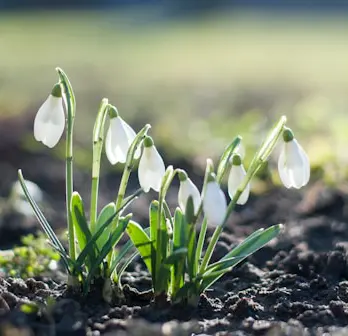
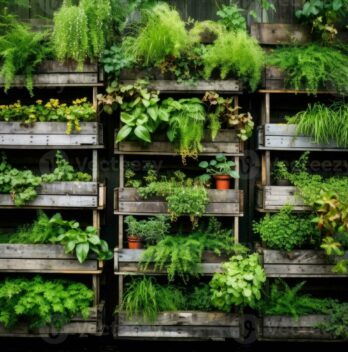
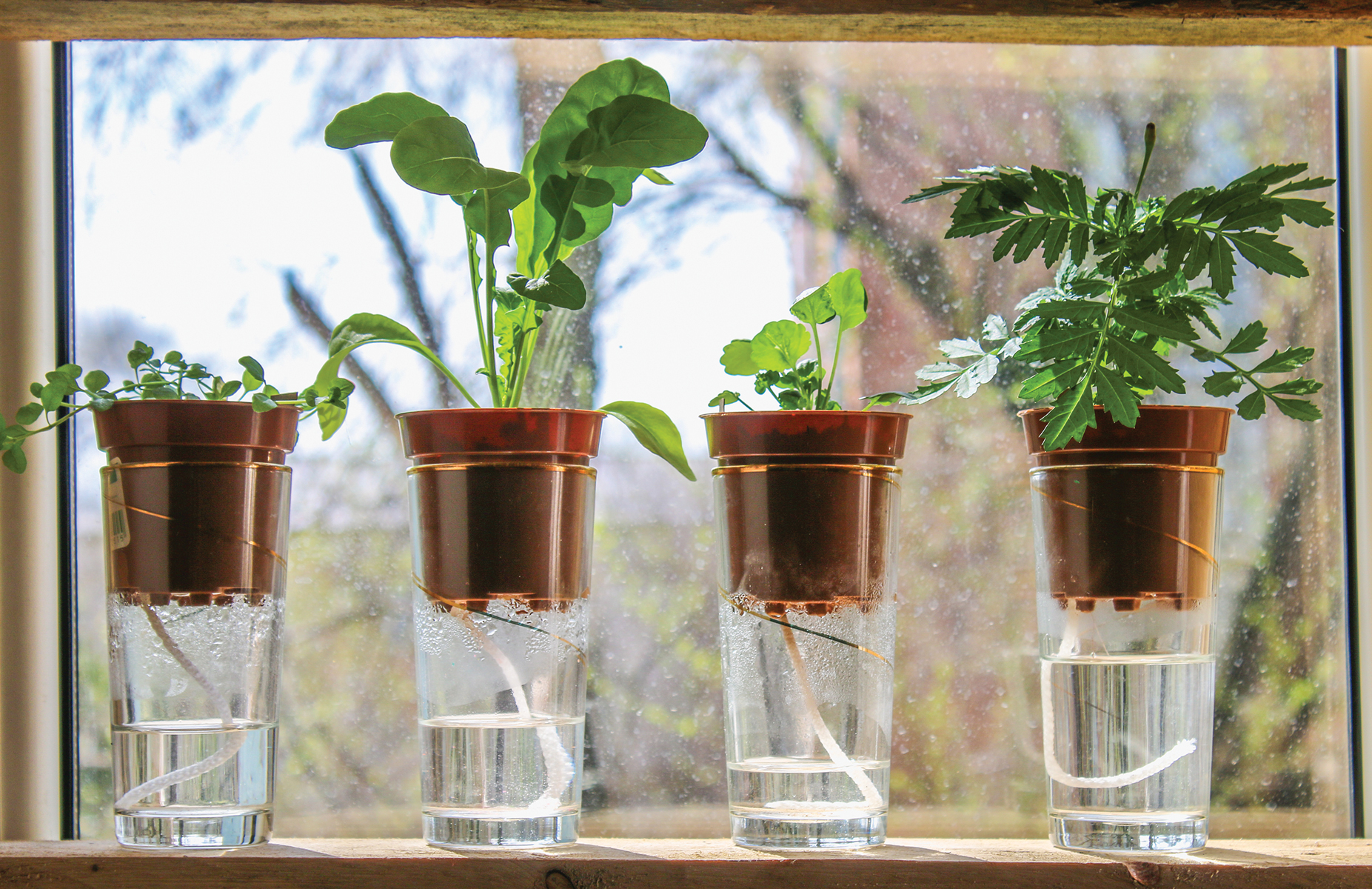
Spring is right around the corner. We had a fantastic sunny and warm day at the end of February, reminding me to prepare for Spring. As the clouds parted and the sun shone down on my humble garden, it was time to get to work and prepare for spring. Preparation is the key to a…
-

Best Bug Hotel Ideas
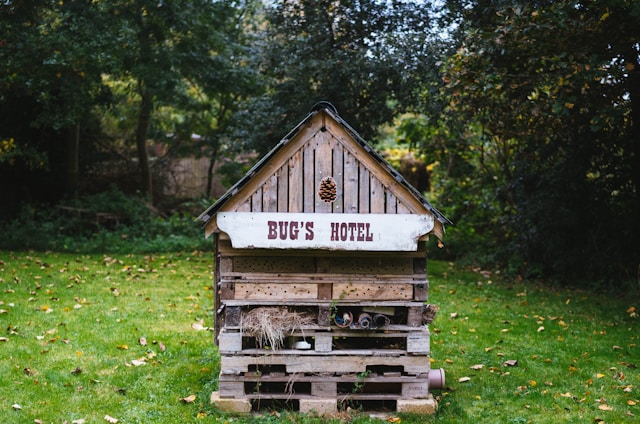
Discover the best bug hotel ideas to attract beneficial insects to your garden. Boost pollination and natural pest control with eco-friendly options.
-

Top 5 Best Indoor Plants for Your Home
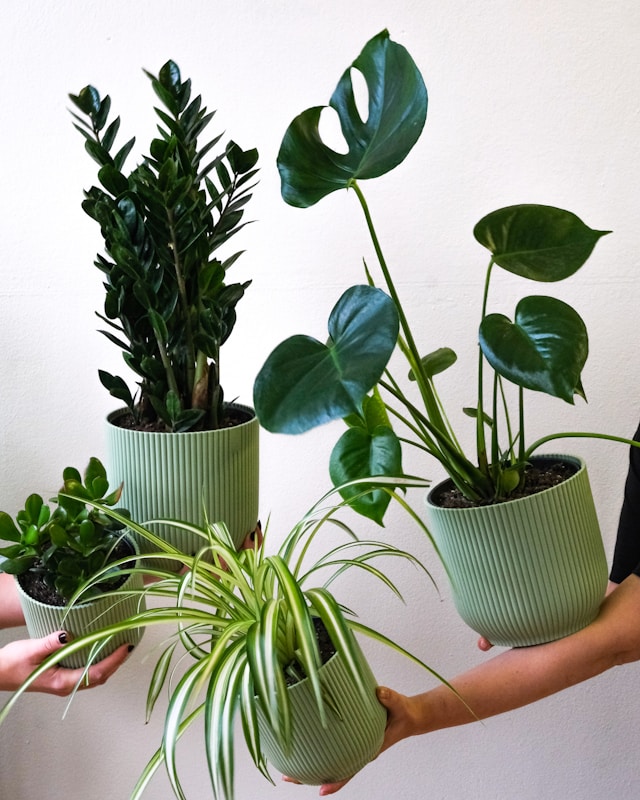
Discover the top 5 best indoor plants for low maintenance and air purification, including Snake Plant, Pothos, Spider Plant, Peace Lily, and ZZ Plant. Perfect for beginners!
-
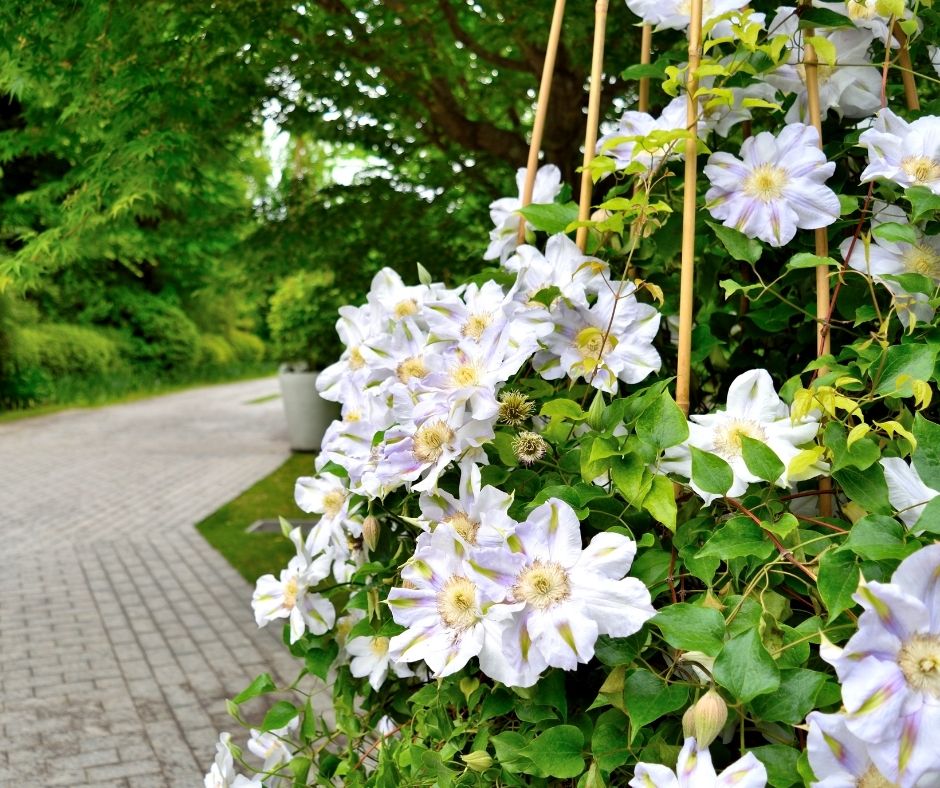
Clematis are a type of flower that flowers in the spring and summer. There is more than one species of clematis, which produce many different colors. They can be found growing wild around Europe, Asia and North America. Clematis is a flowering plant that blooms in the spring and summer. They can be found growing…
-
Clematis is a plant that flowers seasonally and are often in bloom during the months of June, July, August, September. It’s also used as an ornamental flower for bouquets or centerpieces. How long does it take Clematis to grow from seed? Clematis can be deadheaded to encourage new growth. How do I keep my clematis…
-
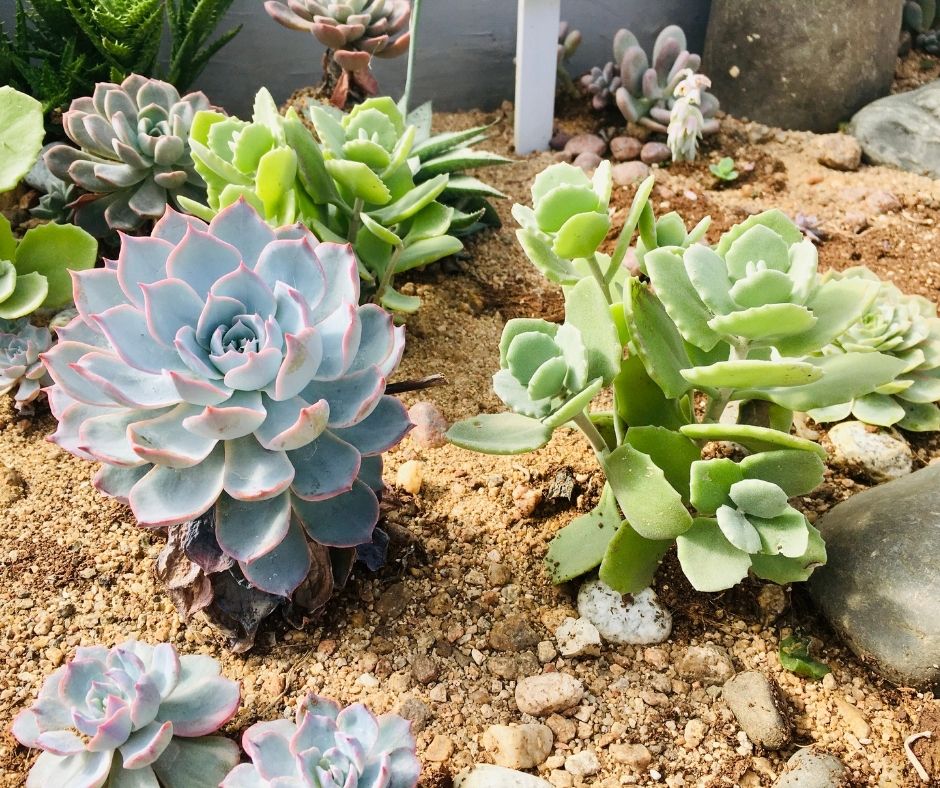
Cactus is a genus of plants found in the arid and semi-arid regions of North America, South America, Africa, and Asia. They grow as either shrubs or trees using their many branches to collect water from rainwater runoff. Cacti can be succulent or non-succulent depending on whether they store food internally for use during drought…
-
Artichokes are known for their elegant and distinctive leaves, which are veritably endearing to the eyes and aesthetic to the terrain. Artichokes are a wonder to the eyes. When to pick artichokes is what we will be discussing here. Picking artichokes comes with relative ease as you are only required to pay attention to a few…
-
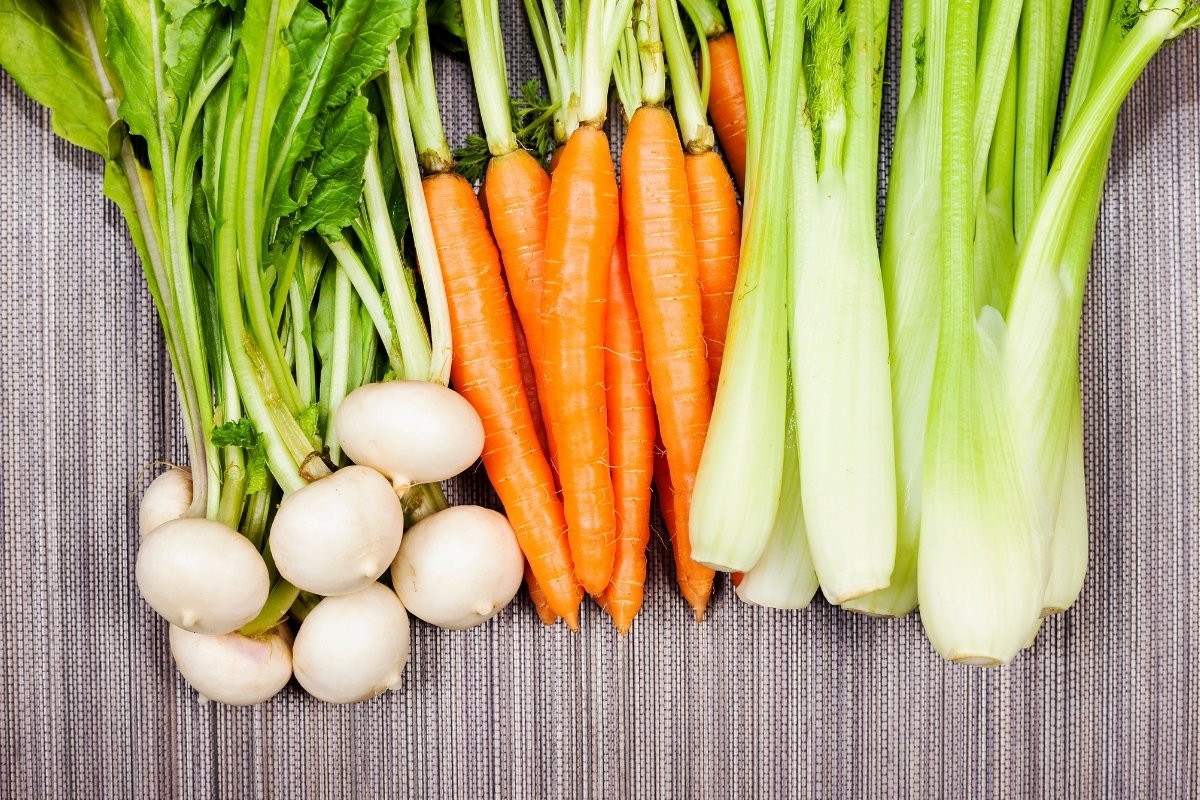
In this article, we will look at a list of cross-pollinating vegetables that you can grow and that works best for you. The majority of plants are not self-pollinating, which means they need to be pollinated by another plant. As well as the majority of vegetables are not self-pollinating and so require cross-pollination. This means…
-
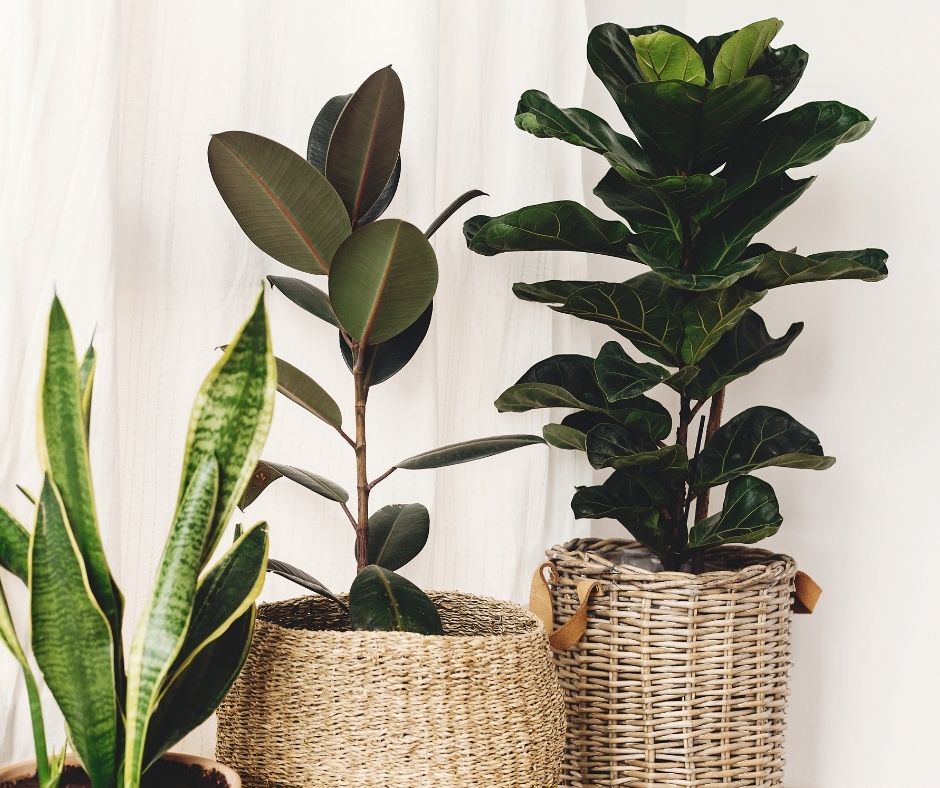
The best way to make a Fiddle-Leaf Fig branch grow out is by trimming it down. A branch needs plenty of room for nutrients and water, so you should take a few inches off the bottom third when cutting back. Then, work your way up from there in 1/4 inch increments until the top reaches…