Category: Tips & Guides

  • How to Grow Alfalfa Sprouts?

    How to Grow Alfalfa Sprouts?

    Alfalfa sprouts are usually seen on sandwiches, aisles, and in many salads. Most of us love sprouts too because they add flavor to dishes and come with nutritional benefits. I know you love them also.

    I have been moving away from commercial foods recently and trying to grow organic foods that I can harvest fresh off my garden. So while I was eating an alfalfa sandwich the other day, I asked myself if I could grow the sprouts myself. This prompted me to research how to grow alfalfa sprouts and compiled this piece.

    Here is How You Can Grow Alfalfa Sprouts at Home

    Alfalfa sprouts sprout within one week, and you can easily grow them in a tray or a jar. To begin, you have to find the alfalfa seeds. I buy them at a local food store, but you can also get them from feed stores or online shops.

    How to Grow Alfalfa Sprouts Using a Jar

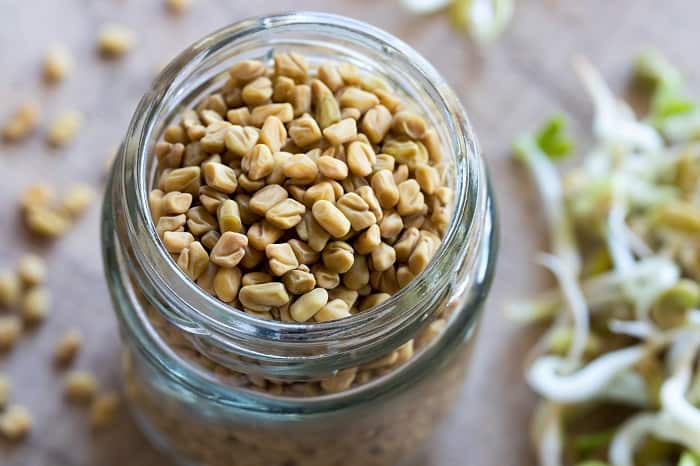
    Step 1: Measure one tablespoon of the alfalfa seeds

    A tablespoon of the sprouts will sprout about one and a half cups of alfalfa sprouts, which can serve a maximum of two meals.
    How to Grow Alfalfa Sprouts?

    Step 2: Sort and wash the seeds

    Sort out the healthy-looking seeds and rinse them using a mesh sieve or a piece of cheesecloth. Remember to make sure you only wash seeds you plan to sprout immediately.

    Step 3: Place the alfalfa seeds in a glass jar 

    Find a flat-sided quart jar; it works best since it can be laid on its side for better circulation.

    Step 4: Completely cover the seeds with about 2 inches of cold water

    Use a pantyhose or a cheesecloth to cover the jar and secure the cover with a rubber band. The cover will help to hold the seeds in the jar when draining the water.

    Step 5: Let the alfalfa seeds soak for at least half a day

    You should keep the jar in a dry and warm place.

    Step 6: Drain the water in the jar after twelve hours elapse

    Do not remove the covering cheesecloth since it will hold the seeds in the jar while you drain out the water.

    |

    Step 7: Rinse and drain the seeds

    Drain all the water from the jar to prevent the seeds from rotting.

    Step 8: Place the jar lying on its side in a dark place

    Closets and pantries are great locations since they provide ideal temperatures. Spread the seeds across the base of the jar.

    Step 9: Rinse the alfalfa seeds after every eight to twelve hours

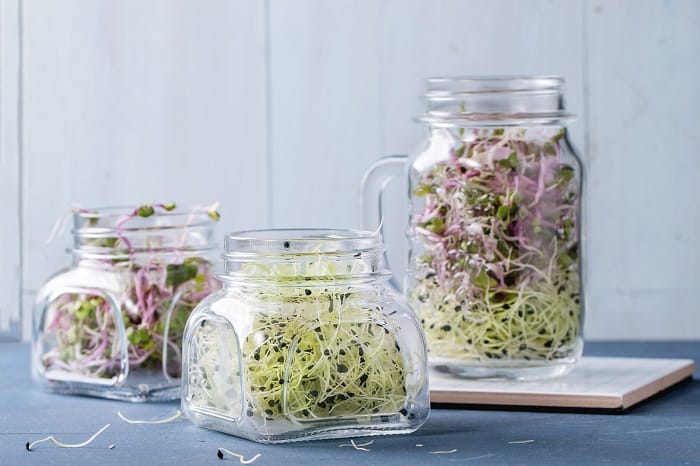
    Use lukewarm water to rinse the alfalfa seeds and completely drain the water each time. Repeat this step for four days until the seeds sprout to about two inches long.

    Step 10: Move the jar into a sunlit area

    Spread out the seeds on a dish or platter and place them close to a sunny window for fifteen minutes until the sprouts turn green. Sunlight activates enzymes, which make the sprouts healthy.

    Step 11: Store the sprouts in a refrigerator

    The cold temperatures slow down the sprouting for up to six days.
    How to Grow Alfalfa Sprouts?

    How to Grow Alfalfa Sprouts Using a Clay Tray

    Step 1: Measure one tablespoon of alfalfa seeds and store the remaining seeds a sealed plastic bag or in the original packaging bag.

    Step 2: Sort and rinse the seeds.  Sort out the seeds removing any discolored or damaged seed. Place the healthy seeds on a piece of cheesecloth and rinse them.

    Step 3: Place the seeds in a jar and soak them with two inches of cold water.  Make sure the seeds are completely covered with water then cover the jar with a cheesecloth bound by a rubber band.

    Step 4: Place the jar in a dark room and let the seeds soak for twelve hours.

    Step 5: Drain the seeds through the cheesecloth. You should drain out all the water to prevent rotting and rinse the seeds again using lukewarm water.

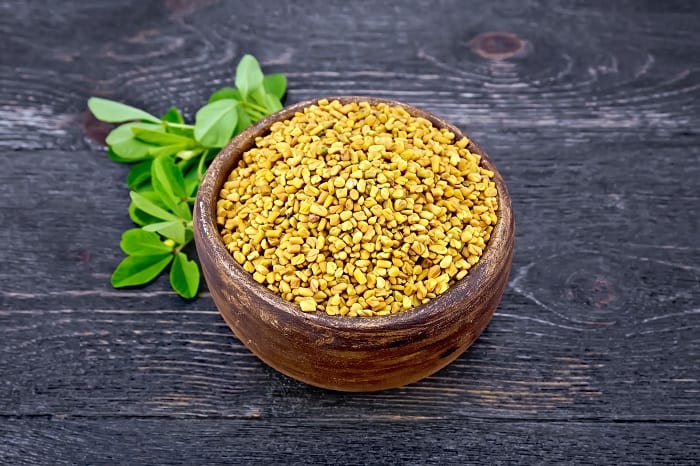
    Step 6: Spread the alfalfa seeds over the clay tray. You can use any type of clay tray, but if possible, use a tray with a red terra cotta. Spread the seeds to cover the base of the tray evenly.
    How to Grow Alfalfa Sprouts?

    Step 7: Place the tray on a bigger pan with water. The water in the pan should cover the tray halfway up, but make sure the water does not spill into the tray.

    Step 8: Place the pan and tray in a dark location and leave the seeds to sprout. The clay tray absorbs moisture from the pan that helps the seeds to sprout. I love this method since there is no need to rinse the seeds every few hours.

    Step 9: Refill the pan for four to five days. Check on the level of water in the pan and refill accordingly. The seeds will not sprout if the pan runs out of water for the seeds to absorb.

    Step 10: Place the tray in the sunlight when the sprouts reach two inches in length. Let the sprouts stay in the sunshine for about 15 minutes to activate essential enzymes. The sprouts are ready to eat when they turn green.

    Both processes yield fresh and organic sprouts. The method to use solely lies on your preference or interest.

    You can remove the hulls from the sprout if you like or leave them since they are also edible. Fresh sprouts taste the best, but if you plan to eat them later, you can store them in a dry plastic bag and refrigerate them.

    FAQ’s

    How long does it take to grow alfalfa sprouts?

    The answer depends on how you start your sprouts. If you buy a sprouting kit, it takes about five days for the seeds to sprout. If you grow them from seed, it will take four to six weeks. Which is the better way to grow sprouts? Both methods have their pros and cons. With the kit, there are no worries about soil conditions or temperature.

    You can purchase an inexpensive kit that usually comes with a sprouter, but you can also just put your sprouts in a glass jar with a lid. If you want to grow sprouts from seed, start them in an indoor potting soil. Sprinkle the seeds over the surface of the soil and place the pot in a warm location, such as a sunny window. Keep the sprouts moist, but don’t let the soil become too wet.

    You should see sprouts emerging after two weeks. The easiest way to keep your sprouts fresh is to store them in a plastic bag in the refrigerator. But if you live in a warm climate, you might want to take them outside. If you do, make sure you have some type of cover for the sprouts. A screen works well because it keeps out the bugs and wind. Sprouts are nutritious and packed with protein, fiber, vitamins, minerals and antioxidants. The nutrients in alfalfa sprouts are especially beneficial for children and pregnant women. Sprouts are also a good source of iron and zinc. They also contain calcium and magnesium. Alfalfa sprouts are high in antioxidants, which help prevent cancer and other diseases. A study by the University of Illinois found that alfalfa sprouts contained about 1.5 milligrams of the antioxidant glutathione per gram of sprout.

    Do I need to wash alfalfa sprouts?

    Do I need to wash alfalfa sprouts?

    Alfalfa sprouts are a great source of nutrients and fiber. The sprouts are harvested when the sprouts are still small, and have a tender texture. Alfalfa sprouts can be eaten raw or cooked. Sprouts should be kept in the refrigerator because they spoil easily. 

    Sprouts will lose their crispness if stored for too long, so it is recommended that you use them within 3-5 days of purchase. How to cook alfalfa sprouts? Alfalfa sprouts are a great source of protein and vitamins. To make sprouts, first rinse the sprouts under cold water.

    Then, drain the sprouts and cut them into halves or quarters. For a side dish, cook the sprouts in boiling water for about 1 minute or until tender. For a main dish, steam the sprouts in a steamer or on a wok-style pan with lid. You can also add some salt to enhance the flavor.

    What do you do with alfalfa sprouts?

    You can make a salad out of them, but that’s pretty much it. But if you think about it, alfalfa sprouts are pretty similar to lentils in that they don’t really have an established culinary identity in the U.S., and while both have a long history as an ingredient in Asian cuisine, they are mostly unknown here.

    Conclusion

    With the above steps, you can enjoy fresh alfalfa sprouts straight from your home. Both methods work well, and it all comes down to what equipment is available to you. I would recommend trays such as the hawos Terracotta Sprouter Clay Sprouting Pot if you are using the clay tray method, or you can try Ball Quart Jar with Silver Lid if you are using the jar method.

    Leave a comment if you have any questions and I will gladly respond.

  • How to Make Clones Root Grow Faster?

    How to Make Clones Root Grow Faster?

    It is always a good idea to grow your own vegetables. It is also an economical hobby as you never have to buy your veggies; with this, you can be sure if you are eating something that you know is well taken care of and groomed. More and more, people are into cloning plants. Whether you are a first-time grower or a more experienced gardener, plant cloning can be rewarding if you do it the right way. With this, it is important that you know how to make clones root grow faster.  

    Waiting for the fruit of your labor is exciting. If you are fond of growing your own veggies, then harvesting it will be your ultimate goal. Growing plants can be a great hobby, and it becomes even better when you see the fruit of your labor. Cloning can be beneficial to growers, and speeding up the growth of the plants can even be a better and satisfying hobby. But, before you put in your time and energy into it, you need to know first what cloning is. 

    What is Plant Cloning?

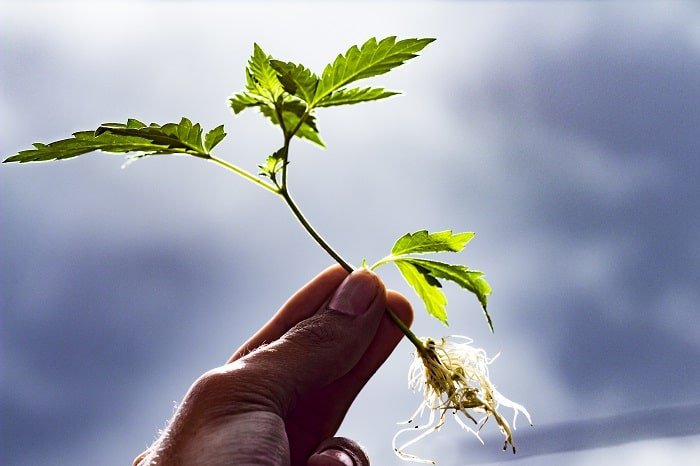
    Plant cloning is also known as asexual plant propagation. This is the method of getting a piece of the plant, like the stem or roots, and placing it in a suitable planting container or location with moist soil. This, then, allows the obtained part to grow as an independent plant. Aside from moist soil, you can also use coir, perlite, rock wool, and expanded clay pellets for your plant cloning base. 

    How to Make Clones Root Grow Faster?

    How to Clone Plants?

    It is just normal to be frustrated to wait for your clones to grow. Any gardener or vegetable grower would feel anxious waiting for results. Consequently, they would seek for ways to make the plants grow faster to allow them to harvest their products at the soonest possible time. But before all that, a gardener or a plant grower must choose a good plant to get the cuttings from. As they say, cloning from a good plant will yield more good plants. Here are sure-fire instructions to speed up clone roots growing. 

    • Prepare Needed Materials

    Getting the materials ready will make your cloning procedure faster to finish and hassle-free. You will need: 

    • Cloning tray with holes
    • Soil, rock wool, or clay pellets
    • Pair of scissors
    • Razorblade
    • Rooting powder or rooting gel
    • Mixing bowls
    • Spray bottles
    • Prepare your Cloning Tray

    You will need to make sure that your soil, pellets, or rock wool are moist enough. If you are using soil or rock wool, you just have to sprinkle water to it; then, place it inside the tray. But if you are using clay pellets, you still need to expand it by soaking in a bucket of water. Allow it to fully expand; then, squeeze out excess water. Finally, you can place it on the tray. 

    • Get Clones from the Mother Plant

    To make clones grow faster, you need to cut from the lower part of the plant; choose the part that is closest to the root. Also, choose the larger section of the plant. Keep in mind that small section or stems will take a longer time to grow. It is also better to get the part with some leaves, as the leaves can give more energy to the plant. In this step, you can use the razor blade to cut the large section of the plant at a 45-degree angle.  

    • Prepare the Cuttings for Planting

    The obtained cuttings from the mother plant should be first placed in a bucket of cold water; using such will prevent air bubbles from forming inside the cutting. Your cuttings should also be of the same length so that you can monitor which ones are growing faster. Once the cuttings are trimmed, you can dip it in rooting powder or gel; it is better if you could use both. Dip the cutting first into the gel; then, to the powder. Now, it is time to plant it in the cloning tray. Press down the cutting into your soil, rock wool, or clay pellets making sure that it is stable and will not fall out. 

    • Provide Needed Environment

    Ideally, you have to put the clones in a place that has moisture, warmth, and light. It will need 18 hours of light per day. You also have to make sure that the place is not too cold or too hot. Daily misting will also be needed to keep the tray moist. Misting prevents the plant from drowning. 

    How to Make Clones Root Grow Faster? 

    Now that you know the proper steps to plant and grow clone plants faster, it is best to get tips and tricks on how to make clone root grow in no time. 

    • Daily Care

    Plant cloning is a daily thing. To make sure that the clones grow faster, moisten the clone tray every day. Everyday misting will help keep the clone tray moist and provide needed water to the plant.  

    • Daily Monitoring

    Always check on the progress of your plants. See if the plants are already developing roots and leaves and if it is already getting bigger.  


    FAQ’s

    How long does it take for clones to grow roots?

    I’ve had several clones growing for a couple of weeks now and I’m curious if it will take longer for them to grow roots. They have been potted in a mix of perlite, vermiculite, and potting soil.

    How do you make clones grow bigger?

    The easiest way to clone plants is by cutting them with a clean knife. The cut must be as clean and sharp as possible, and the knife should be sterilized before use. Then, you place the cutting in a water-tight container such as a ziplock bag or other airtight container, and keep it on a warm surface. The warmth will speed up the growth of the cutting.

    You may want to place the cuttings on a heating pad, or even in an incubator.

    Can I put my plant clones straight into soil?

    The answer is Yes, you can. You do need to ensure that the plants are well watered when they arrive, but after that, they will need to be planted in a pot and placed in a place where they will get enough light.

    Can you clone from a leaf?

    The answer is yes. You can clone plants from leaves or other parts of the plant, but you have to take extra care. Most plants are propagated by seeds, which are small and easy to grow. But some plants are propagated by cuttings. Cuttings are small pieces of a plant that are cut from the parent plant. They are usually rooted in a rooting medium, such as soil or sand.

    Can you clone a plant too many times?

    My answer to that question is no. You can never clone a plant too many times. The reason for this is that every time you clone a plant you are creating a clone of that plant. Each cloned plant is identical to the original plant and they will grow into identical plants.

    This means that each one of those plants will be genetically identical to the original plant and so on.

    How do you keep clones healthy?

    You should always use a well-established, disease-free clone. Disease-free means that the plants have been through a quarantine process and have no diseases or pests. It is also important to follow your nursery’s standards for growing your plants. Starting seeds indoors can be a good option. You will need to invest in some pots and soil to begin with. The first year you can plant outside, and the second year, you can move your plants into larger pots.

    Growth 

    In case, you notice the plants developing roots and the stem becoming larger, you can then transfer it to its natural and new home. Remove the dome and transfer it to a larger pot. Place it in an environment where it can have natural light and a normal environment.  

    Plant cloning is more common these days, but the issue is that cloning takes a lot of time to grow and produce the fruits you want to see. The main idea of speeding up the growth of your clone plants is to start right. The instructions given will help even first-time growers to achieve faster growth for their clone plants. Once this is achieved, your next planting will be easier and hassle-free. If you find this article helpful, please feel free to share it with your friends and family, and let us enrich our world and provide people with good plants around. 

  • Starting A Compost Tumbler: Proper Composting Procedures

    Starting A Compost Tumbler: Proper Composting Procedures

    Composting can be an effective way to make use of kitchen waste and yard scrap. If you do the proper composting procedures, it can also provide garden soil with rich nutrients for plant growth. 

    You can either choose to start a compost pile or make use of a compost tumbler, it all depends on which one you prefer. While most gardeners are familiar with a compost pile, most will encounter some difficulties when starting a compost tumbler for the first time. 

    Fall into this category? 

    You can read up more about a compost tumbler and how to use one in the guide below. 

    What is a Compost Tumbler? 

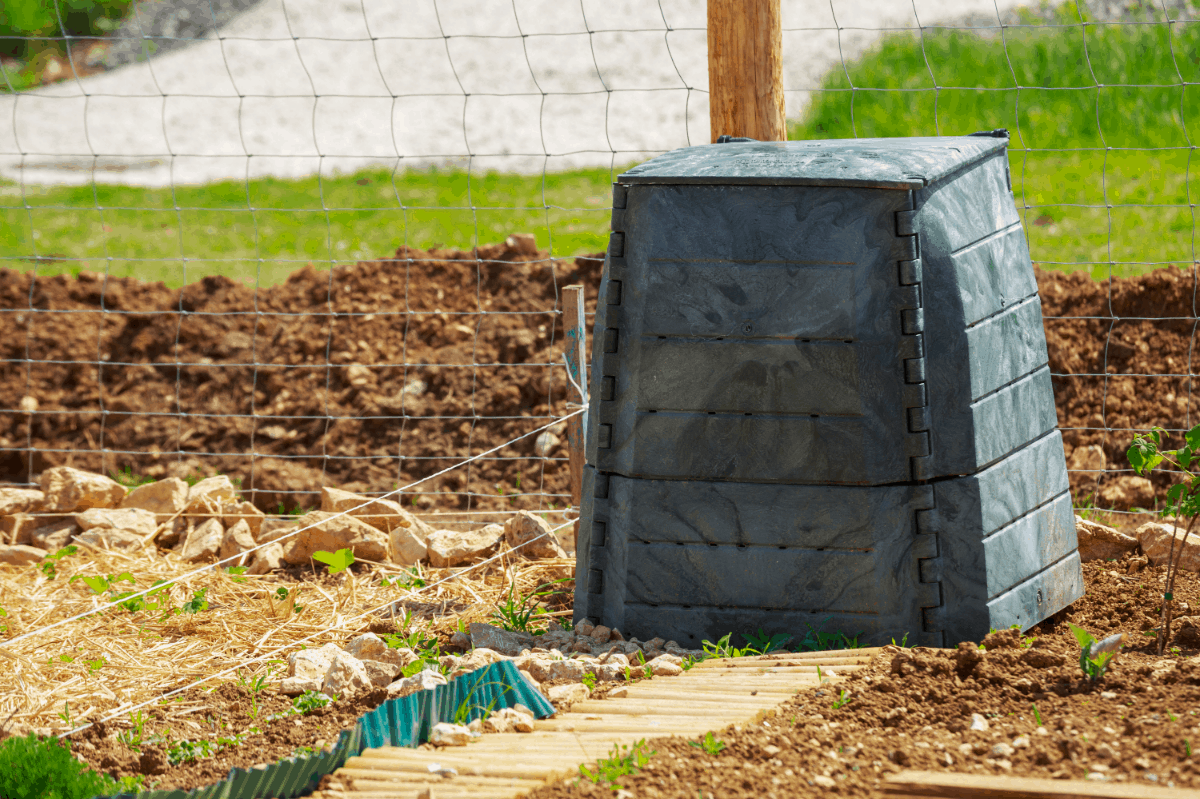
    A compost tumbler is a sealed container that makes composting simpler and faster. It helps to retain the heat needed for decomposition and also turns the organic materials in the box. 

    Most times, the containers are made from recycled plastic and adequately sealed, unlike compost bins.

    There are different types of compost tumblers, and they differ from one another based on their design. The sealed drum compost tumblers consist of few parts and are a much simpler model compared to the others. Some models have rollers on them, which makes it easy to move them around the garden. 

    Aerated drum compost tumblers are designed to provide the compost materials with all the oxygen required to speed up the process. You can also choose the dual-bin compost tumblers. Although they are more expensive, they produce compost faster than the others. 

    Starting a Compost Tumbler 

    The first thing you want to do once you decide on a starting a compost tumbler is to choose a suitable box for your garden. There are different types and designs of compost tumbler, so you want to look out for the one that best suits your garden. 

    • Choose a Compost Tumbler 

    You can check your local garden supply shop or browse online for a compost tumbler. You want to do your research and find the best compost tumbler for your garden. Find one that suits your needs and falls within your budget. 

    • Pick the Right Spot 

    Where you place your compost tumbler also determines how well it functions. You should set your compost tumbler in an area that is covered. It is best to reduce the amount of moisture that gets into the compost tumbler from outside. Place your bins under the tree or use a cover material to protect it from the elements. 

    Starting a Compost Tumbler Tips and Procedures


    • Use the Right Type of Organic Materials 

    Composting requires kitchen or yard waste as raw organic materials, so you have to make sure that they are readily available for your compost tumbler. 

    You need to put in the right type of compostable materials into the compost tumbler, and it is the only way for microbial activity to take place. Kitchen waste such as eggshell and vegetable scraps are suitable compost materials. Still, you also need to ensure that your papers and other dense documents are of the right size before adding them to your tumblers. 

    • Balance the Nitrogen and Carbon Materials

    You will have to balance the nitrogen and carbon materials in the compost tumbler if you want decomposition to take place. Most gardeners get it right up until this spot; they don’t know how to choose the right brown and green materials for their compost pile. 

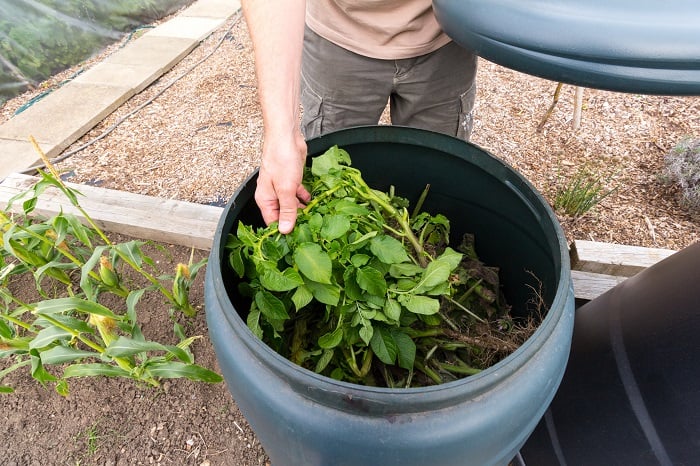
    You need to take note of all that you toss into the compost tumbler. It will be wrong to throw in anything that isn’t useful in the kitchen or around the home. The materials have to be rationed if you hope to get results soon enough. Ideally, the right mix should be a mixture of 75% brown materials and 25% green materials. Examples of brown carbon-rich materials include hay, sawdust, paper, and leaves. While green, nitrogen-rich materials provide a source of protein and include vegetable clippings, grass, coffee grounds, eggshell, and other kitchen scraps. 

    • Remove Dirt and Debris for Your Compost Tumbler. 

    Just because composting looks messy doesn’t mean it is alright to throw anything into the collection. You want to avoid adding anything that can contaminate your composting efforts. Keep your compost pile free from any materials such as toxic chemicals and anything that isn’t safe for your soil and plants. 

    Starting a Compost Tumbler Tips and Procedures

    • Compost in Batches for a Better Finished Compost

    A compost tumbler might work magic when it comes to preparing compost, but you should know that this can take anywhere from a few weeks to a month to finish. So you want to ensure that you are patient enough and not tempted to add in new materials.  Adding new elements to a compost pile that is already decaying will only increase the composting time. 

    If you intend to compost numerous materials, you can choose to buy a dual-bin compost tumbler or separate ones for your kitchen waste and yard scrap. 

    • Practice Proper Composting Process

    As a gardener, you need to know the right composting methods if you want to get the best from the process. The first thing you need to know is that after adding the materials into the compost tumbler, you may need to start the microbial activity on your own. While this can take place naturally, doing it will only speed up the composting process and time. 

    You can do this by adding in horse or cow manure and garden soil to your compost materials. 

    You will also be required to turn compost tumbler as often as three times a week. Although, it is much easier to rotate a compost tumbler than a compost pile.   All that is required is to hold the handle and spin the barrel continuously until you are satisfied; the materials are adequately mixed.  

    • Monitor the Composting Process 

    You will need to check up on your compost regularly. You need to keep tabs on the temperature level, moisture content, and the color and consistency of your compost materials. While this may sound difficult, all you need is a few hours a week spread between two or three days to check with your compost. 

    FAQ’s

    How do you make a compost tumbler?

    You do want to make sure that turn your compost pile. It is easy enough to do manually, but if you have the time and energy, you can make a tumbler composting machine. 

    I’ve had good luck with this tumbler setup. It’s not as fast as a composter, but it’s more convenient and works just fine for me.

    The procedure to make a tumbler composting machine is to first build a compost bin, and then assemble the tumbler.

    Start with an empty plastic trash can (the larger the better). Fill it to the brim with your garden waste. The larger the better because the waste will be less compacted. Place your garden waste in the tumbler and cover it with a lid.

    If you don’t have a lid, then use a plastic bag that is big enough to cover the tumbler. Check your compost every couple of days and turn it with a large spoon. I usually wait about a week before adding new ingredients to my compost bin. If you are using a metal tumbler, you may need to add some kind of binder to keep the waste from flying out of the container.

    What size of compost bin should I use?

    This really depends on what type of soil you have and how much garden waste you want to add. If you live in an area with sandy soil, then it’s best to go with a small bin. You’ll be able to use your bin more often and get more compost out of it. If you live in an area where you don’t have sandy soil, then go with a large bin.

    How often should I rotate my compost tumbler?

    Many composting experts recommend that you turn your compost tumbler at least twice a week. It’s important to remember that the material in your compost should be damp before turning. If it is dry, you will create heat and cause decomposition to be slower. If you have lots of green waste such as grass clippings or weeds, you may need to turn your compost more often.

    Should I put my compost tumbler in the sun?

    This is a good idea as it will make the decomposing process go faster, just remember that it will dry it out, so you do need to keep this under consideration.

    What should you not put in a compost tumbler?

    It’s true that some things, like meat and dairy products, should not be put into a tumbler. But it’s not always as simple as that as it really can come down to amounts that you put.

    Other things that you shouldn’t put in a tumbler include, fats, wood that has been treated with pesticides, disease or infected plants, charchoal and pet waste.

    Final Note

    Starting a compost tumbler is not all that difficult, especially if you know a little bit about composting. For first time gardeners, you will need to pass through the learning curve to become expert compost farmers. You can mix finished compost to your soil to improve its nutrients and enjoy its benefits.

    If you have a question or would like to contribute to the topic of starting a compost tumbler, feel free to do so in the comment section. We will love to hear from you.

  • Guiltless Gardening: How Much Gypsum Can You Add To Soil?

    Guiltless Gardening: How Much Gypsum Can You Add To Soil?

    Wondering how much gypsum can you add to soil? Most farmers and gardeners resort to using gypsum to salvage Alkali soils. Aside from it, home gardeners also faced hardpan types of soil or clay soil which is not suitable for plant growth. Gypsum for soil remedies this problem by breaking down compacted soil to allow good drainage and nutrient absorption, essential in plant growth. 

    However, applying too much gypsum in the soil may also mean eliminating essential nutrients from the soil such as aluminum, iron, and manganese. Removal of these nutrients may lead to poor plant growth. Therefore, it is vital to exactly know how much gypsum to add to the soil. 

    What is Gypsum?

    Before we go into the details as to how much gypsum can you add to the soil, let’s first discuss what is gypsum. Gypsum (CaSO4.2H20) is an evaporated naturally occurring mineral that is one of the excellent sources of calcium — an important nutrient for plant growth. It also works as a balancing element for soils and plants. It protects the soil from a nutrient deficiency or excess caused by heavy metal contamination and pH levels.

    How Much Gypsum Can You Add to Soil

    How Does Gypsum Help in Plant and Soil Health?

    Here are some of the benefits of using gypsum for our garden:

    1. It is a Good Source of Sulfur and Calcium. 

    Gypsum is a good source of calcium and sulfur which is essential for improved plant growth. As time passes, plants are having less amount of sulfur which is essential in plant nutrition and enhancing crop harvest. Even if the soil is not giving enough of it, thus applying gypsum will boost the amount of sulfur in the soil to provide to the plants. Calcium also helps speed up root growth thus allowing more nutrients to be absorbed by the plants. 

    2. Improves the Structure of the Soil

    The calcium in Gypsum improves flocculation or soil aggregation. Flocculation is vital to allow water and air movement and root growth in the soil. 

    3. Reduce Aluminum Toxicity

    Gypsum helps treat aluminum toxicity which often goes together with soil acidity in subsoils. With this, it allows deeper rooting of plants that proves to be beneficial to the crops. 

    4. Enhances Water Access

    Applying gypsum in the soil enhances the water permeation of the soil due to swelling clay and increased amounts of sodium, thus allowing water to have access and move in the soil making our crops go well. This also improves the chance of the crops surviving drought as it improves the structural properties of the soil that allows the positive soil-water relations to take place. 

    Read more about how to choose the Best Organic Weed and Feed Fertilizer for Your Garden

    Can it Cause Harm to Plants and Soil as Well?

    With incorrect use, gypsum can also cause damage to our gardens. It can wash out manganese, iron, and aluminum from the soil. The removal of these elements may contaminate the watershed areas and will have a detrimental effect on the growth of plants. 

    Is it Necessary to Apply Gypsum?

    Before you choose to apply gypsum in your garden, a soil analysis must be done to determine if it is really necessary to apply gypsum to your soil. Also, you must consider the type of soil you have in your garden. For instance, those living in coastal areas might need to apply gypsum to reduce the salt levels of their soil while those who have sandy soils must not do so to avoid excess calcium accumulation. Furthermore, in places where there are already low levels of sodium, applying gypsum may also deprive the soil of salt. 

    How Much Gypsum to Add to Soil? 

    As aforementioned, it is important to know how much gypsum can you add to your soil to avoid over-application which may cause detrimental effects on our soils and plants. For home gardeners like me, spread 40 pounds of granular grade gypsum per one thousand square feet of soil. One application will be sufficient for three years, and it can be applied at any time of the year. No worries, as gypsum is neutral and not toxic to animals and humans. 

    If you are planning to plant vegetables, shrubs, and flowers, then mix well 20 to 30 pounds of gypsum per thousand square feet into the soil and water.

    If you plan to apply gypsum in the presence of plantings, then a rate of 40 pounds per one thousand square feet should be used. Just spread the gypsum on the soil beds, and simply water it, no need to mix it into the soil. Same with home gardening, a single application will be enough for three years. 

    The rate of gypsum would also vary especially if there are high levels of sodium and magnesium in the soil that may cause scattering of the clay particles. You can ask for assistance to know the proper rate for such soils. 

    Just remember to apply gypsum as instructed on the label, watch the next video to learn how to apply gypsum to the soil.

    Will Gypsum Work Immediately after Application?

    Numerous factors will affect the effectiveness of gypsum in your soil one of which is the sodium levels in the soil, but the effects of gypsum will not eventually take place right after application. However, you will see a marked improvement in your soil with every growing season. Don’t expect that soils will be restored with just one application. 

    As soon as the calcium levels reach the optimum level of 75% base saturation, the structure of your soil will show great improvement, the development of your roots will speed up, and crop yields will increase. 

    Check these brands of gypsum for your soil:

    • Greenway Biotech– Gypsum Powder with Calcium Sulfate, is 100% water-soluble, improves soil drainage, and increases earthworms in the soil.
    • Down to Earth– Organic Garden Gypsum (Calcium Sulfate), is listed by the Organic Materials Review Institute (OMRI) for use in organic production and Registered Organic Input Material (CDFA).
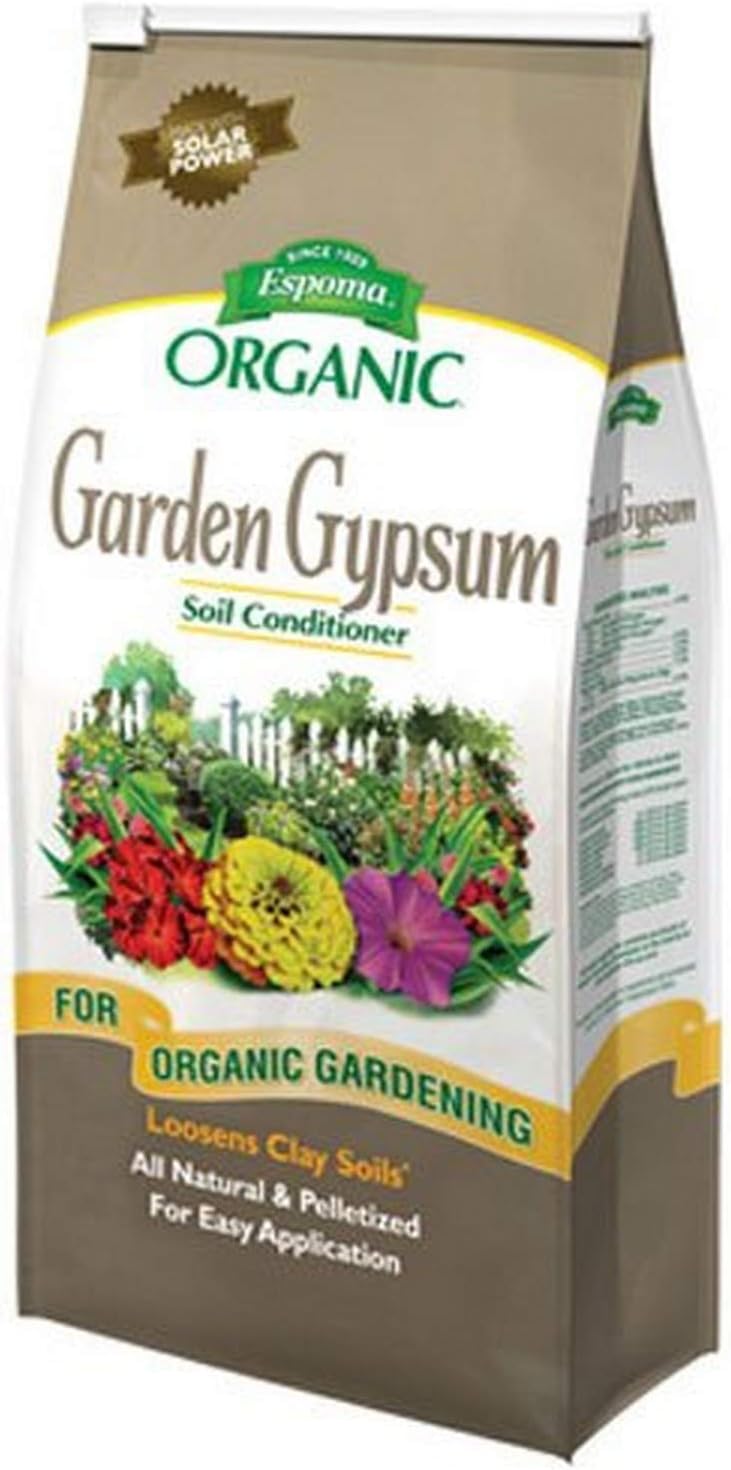
    • Espoma-GG6 Garden Gypsum Fertilizer, pelletized for easy application, helps cure turf burns from ice melters and pets and is suitable for organic gardening.
    61CSdGpDwVL. AC SL1500
    Espoma GG6 Garden Gypsum Fertilizer

    Is Gypsum Clay?

    Gypsum is not clay. It is more commonly known as calcium sulfate and occurs naturally. Clay, on the other hand, is made from silica, alumina, and magnesia. It’s soft and loose.

    Where to Buy Granulated Gypsum Soil Conditioner?

    You can buy granulated Gypsum to condition your soil at many plant nurseries. Stores specializing in agricultural goods and online outlets will likely stock it too. I suggest contacting the places you think are likely to sell it for price comparisons. You can then check online to see which route works best for you.

    How to Lower The pH in Soil with Gypsum?

    You can’t lower your soil pH with Gypsum. This mineral can only add calcium to your soil. However, if you have acidic soil, Gypsum can help your plants. It can encourage root development to ensure crops have an easier time growing in this soil type.

    Can You Use Garden Gypsum for Mushrooms?

    Agricultural Gypsum does wonders for mushrooms! It’s an excellent soil amendment if you want to increase your yield. You can use granulated or pelletized Gypsum. I suggest using Gypsum for every stage of mushroom cultivation.

    Can Gypsum Kill Grass?

    Gypsum has successfully been used as a soil amendment for lawns. If your soil contains clay or sodium, Gypsum can improve its quality.

    You can use Gypsum to reduce compaction, increase air circulation, and reduce drainage speed. If your soil contains sodium, Gypsum will help lawn roots grow healthier by ensuring moisture is kept in the ground.

    I suggest testing your soil before adding Gypsum. A pH test will help you understand what is already in your lawn soil so you don’t add too much Gypsum. Overusing this mineral can kill your lawn.

    How Do I Know If My Lawn Needs Gypsum?

    If your lawn needs Gypsum, you’ll see signs of salt damage or calcium deficiency. Grass grown in soil with high sodium levels can appear yellow and have burned spots. Without treatment, it will discolor to brown and then black. If your soil needs calcium, your lawn will have weak or stunted growth.

    Can You Put Gypsum and Grass Seed Down at The Same Time?

    You can sow grass seed directly after applying Gypsum. However, if you have clay soil, giving the Gypsum time to work would be best.

    Gypsum can take up to three months to break up clay soil. It’s a slow process, but the results are worth the wait! This mineral changes the soil structure. If you give it the time it needs, your soil will be left more fertile than before.

    Grass seeds need loamy soil to thrive. Loam soil drains well and is loose enough for grass roots to grow freely. It should also contain minerals and organic matter. Gypsum can make clay soil absorbent while ensuring it drains fast enough to prevent water buildup and root rot. The calcium it adds will also keep grassroots healthy.

    If you have heavy clay soil, the grass seeds won’t benefit when sown at the same time as Gypsum.

    How Much Gypsum To Add To Clay Soil

    The amount of gypsum to add to clay soil depends on the specific soil conditions and desired outcome. Generally, you should do a soil test before adding it.

    A standard recommendation is 10-20 pounds of gypsum per 100 square feet of soil. Two or three handfuls per square meter should be enough if you use powdered gypsum. You should work the gypsum to a depth of 6-12 inches into the soil. 

    How Long Does Gypsum Take To Work

    Gypsum typically takes several months to show results in improving soil structure. The exact time frame will depend on several factors, including soil type, climate conditions, and the application method. 

    You should apply gypsum in the fall and give it time to work through the winter. This will ensure the soil is ready for planting in the spring. Gypsum needs time to break down before it can work. 

    The Risks of Adding Too Much Gypsum In Soil

    Applying too much gypsum to soil can have negative impacts on plant growth. Some potential consequences of excessive amounts of gypsum include:

    Salt Buildup: Gypsum is a source of salt, and high levels of salt in soil can be toxic to plants.

    Altered Soil pH: Gypsum can have a liming effect on soil. This can increase pH levels, making it more alkaline. This can be harmful to plants that prefer more acidic soil.

    Reduced Nutrient Availability: Excessive gypsum application can tie up essential nutrients, like iron, making them less available to plants.

    Poor Root Development: High salt levels in soil can damage plant roots, leading to poor root development and reduced plant health.

    It’s important to follow recommended application rates for gypsum. Knowing how much gypsum to add to the soil and having the soil tested regularly to monitor changes in soil chemistry and nutrient availability is important if you want to find the perfect balance. 

    How Much Gypsum To Add To Lawn

    Adding gypsum to lawns is not straightforward. A common recommendation is to apply 40-50 pounds per 1,000 square feet of soil. 

    Established Lawn: Use about 10 pounds of gypsum per 150 square feet of soil. 

    New Lawns: Use 10 pounds of gypsum per 100 square feet of soil. 

    You should add gypsum in the spring and the fall. It’s important that you evenly distribute the gypsum and water it thoroughly after application. 

    Doing a soil test before adding gypsum is also recommended. This will help you determine the nutrient and pH levels to ensure you apply the right amount of gypsum. 

    What You Need to Know About Gypsum pH Levels

    Gypsum is a neutral salt with a pH of about 6.7. This is close to the neutral pH of 7.2-7.4 for most soils. 

    The pH of gypsum does not significantly impact soil pH. It has very low solubility in water and does not contribute significantly to soil acidity or alkalinity. 

    Gypsum works best when added to soils with high clay content. It can improve soil structure and enhance root growth. While it does not change the soil pH, it can help improve drainage, reduce soil compaction, and increase nutrient uptake by plants. 

    If you need to raise the pH of your soil, use limestone. Gypsum should not be used for this purpose but only as a fertilizer supplement to improve calcium and sulfate levels. 

    Conclusion – How Much Gypsum Can You Add To Soil

    Gypsum has been widely used to salvage alkali soils and improve soil structure. It only takes one application in three years, but it doesn’t show promising results right there and then. It takes several growing seasons to regain back the soil. However, studies have revealed that adding gypsum to soils didn’t show any effect on the pH, fertility, and permanent structure of the soil, yet you can still benefit from it if you have compacted soils or soils with calcium deficits or high levels of sodium. Before you consider applying gypsum as a soil remedy, a soil analysis must be conducted first. 

    If you have further questions about the topic, don’t hesitate to contact us or leave a comment below. 

    FAQ’s

    How do you add gypsum to the soil?

    To add gypsum to the soil in a small area, you can use a shovel to work the soil. If it’s a large area, make use of a fertilizer or broadcast spreader.  To an existing lawn or garden, position the garden spreader or a lawn spreader at the rate of 4 pounds to 100 square feet and spread gypsum evenly over the soil. As for bare or unplanted soil, use 2 to 3 pounds of gypsum per 100 square feet. 

    In addition, apply compost or organic mulch such as pine straws, leaves, etc, and mix with the gypsum while working it into the soil. Sprinkle some water on your lawn or garden to water the gypsum into the soil. 

    An important note before adding gypsum to the soil is to always know your soil status. Always do soil testing. 

    How long does gypsum take to break up clay?

    After you must have taken and watered in 2 or 3 handfuls per square meter of gypsum into your soil, the duration which gypsum can take to break up clay soil can take months. Therefore, it can take a long time before you can get its full effect. 

    Are gypsum and Lime the same thing?

    Both gypsum and lime are helpful soil amendments and can be used as calcium fertilizer suppliers. However, they serve a different purposes so they are not the same thing. 

    Lime can be used to elevate soil pH as it is more alkaline. On the other hand, gypsum can’t be used to increase soil pH therefore it is neutral and does not have any effect on soil pH. Gypsum is also a lot more soluble than lime. Gypsum as well as a great element applied to lawns that are close to arid or salty regions to stay protected from excess salt during winter.

    The lime compound can consist of oxide, carbonate, or hydroxide of calcium, while gypsum consists of calcium sulfate. 

    Also, gypsum and lime can both increase water porosity. But water porosity decreases with lime as pH increases: whereas with gypsum, water porosity can be improved at any pH. 

    How much gypsum can you add to soil of potted plants?

    The amount of gypsum to add to your potted plants should be about 2 or 3 handfuls. 

    If your soil lacks calcium, mix 2 or 3 handfuls of calcium in a gallon of water and add one or two cups to your plant. 

    When should you put Gypsum on your lawn?

    Usually, a lot of repair work done on lawns should be done in fall or spring and summer should be for maintenance and care of your lawn. 

    However, if you reside in the salty regions (coastal and arid regions), around winter, salt can accumulate around melted ice. This can give your lawn some undesirable yellow or brown patches which can damage your lawn.

    Therefore, we recommend you apply gypsum in late fall so that your lawn will journey beautifully in and out of winter. So if your area is a salty region, gypsum will protect your lawn by leaching the salts down the roots where they cannot harm your lawn. 


  • The Wonders of the Neem Oil Soil Drench Recipe

    The Wonders of the Neem Oil Soil Drench Recipe

    Every gardener faces the dilemma of pests lurking in their garden. While some of these insects are beneficial insects in the garden, others cause a headache for gardeners. Using the natural approach in getting rid of pests is not only economical but it is more effective and much safer, especially for the end-users, the consumers. One of the most common ways to eradicate pests naturally is by using neem oil soil drenches.

    There are different ways how to control pests in your garden. Some would choose the easiest way by using chemical pesticides to eradicate them, but most farmers would prefer the more natural way.  

    As a small-time gardener, I am inclined to know more about how to use neem oil on plants, and applying neem oil as an insecticide to the soil. Read along as we explore this topic. 

    What is Neem Oil?

    Neem oil is produced from neem seeds from the Azadirachta Indica tree, which is usually cultivated in Southeast Asia. Neem trees contain Azadirachtin, a compound that works as a growth inhibitor and appetite suppressor. Once consumed by pests, it causes them to starve and eventually die. In addition, the compound also inhibits the hormonal system of insects, preventing them from reproducing. 

    Neem Oil Soil Drench Recipe

    What are the Uses of Neem Oil?

    Neem oil gives a lot of beneficial effects including skin and hair care, joint stiffness, pain, wound healing, and so on. However, we’ll just focus on its valuable effects on plants. These are:


    • An Organic Way of Eradicating Pests


    This is the most common and effective way gardeners and farmers use to eradicate unwanted pests in their gardens and farms. It can either be used as a spray, neem cake, or soil drench. If used as a soil drench, then it will act as a systemic pesticide. It will not affect beneficial insects like bees or ladybugs because they will not eat the leaves treated with neem oil. Azadirachtin will be absorbed and distributed throughout the treated plant. Once the pests ingest any part of the treated plant, they will also take in the Azadirachtin compound. 


    • It Works as a Fertilizer


    Neem cake, which is composed of the de-oiled residue from neem kernels, acts as a soil amendment for gardens. The oil will also improve the efficacy of other fertilizers by inhibiting nitrification. Neem oil root drench can protect the plant’s roots and prevents root rot.


    • It Works as a Bactericide


    It prevents fire blight, a bacterial disease that makes plants appear wilt like they have been burned. To use neem oil in this case, spray it on trees when it is still in its dormant stage. 


    • It is a Fungicide


    Neem oil is also effective in killing fungi in plants. Spray the plants once a week with neem oil to kill the fungi then spray it every two weeks to stop them from coming back. 


    • It Protects Your Crops


    Aside from pesticide and insecticide effects, neem oil will also protect your garden from pests’ infestation. It keeps these unwanted foes from lurking again in your garden. Furthermore, insects will not be resistant to neem oil, meaning you can use it again and again either as a pesticide or as protection. It helps to control aphids, leafhoppers, mealybugs, mites, thrips, various kinds of beetles, horn flies, whiteflies, and many more.

    The neem oil extract can be applied to your skin to keep mosquitoes away but to be sure, try to apply a small amount of oil in your body first to see if you are sensitive to it. 


    Learn How To Mix Neem Oil For Plants And Its Application Process

    Why Should you Use the Neem Oil Soil Drench Recipe?

    Neem oil as a soil drench is the most effective and healthiest way to use it. Here are the reasons:


    • Systematic Insecticide


    As aforementioned, when you use neem oil insecticide on your soil, it works as a systemic insecticide which means that the neem oil will be absorbed by the plant roots and will be distributed throughout the plant. Once pests ingest any part of the treated plant, that fellow will face the detrimental effects of the neem oil.


    • Protects from Fungi and Bacteria


    Also, neem oil will protect the plant against fungal and bacterial contamination because of the compound Azadirachtin. 


    • Treat Root Rots


    Neem oil that is drenched in the soil will also help treat root rots naturally.


    • Eradicates Harmful Organisms while Keeping the Beneficial Ones


    Aside from that, it eradicates nematodes and other harmful soil organisms but safeguards the beneficial earthworms. 


    • It Doesn’t give a Detrimental Effect on Consumers, Wildlife, Pets, etc. 


    There is a small possibility that it will negatively impact humans, pets, and other wildlife by using neem oil as a spray. However, using neem oil as a soil drench will eliminate the tiny possibility as the oil is absorbed by the plant. 

    How to Prepare and Use the Neem Oil Soil Drench Recipe?

    To make the Neem oil soil drench recipe, here are the needed ingredients:

    1. 1 quart of warm water
    2. A teaspoon of cold-pressed Neem oil
    3. Liquid dish soap
    4. Container for your neem oil spray

    Mix the ingredients well. We all know that water and oil will not go together, so the liquid dish soap will emulsify the two to stabilize the mixture. Choose a dish soap that is not harsh on plants. It is important to note that you have to prepare the solution in a warm place or use warm water because neem oil will solidify in cooler temperatures. Also, do take note that warm water should be used and not hot, boiling water as it may destroy Azadirachtin.

    Our Pick
    Pure Neem Oil Concentrate
    $33.99

    Neem Bliss (32 Fl Oz) – Pure Neem Oil Concentrate – 100% Cold Pressed Neem Oil – All-Natural Neem Oil Concentrate – Pure Neem Oil Extract – Unrefined Neem Oil for Hair – Neem Seed Oil Concentrate

    We earn a commission if you make a purchase, at no additional cost to you.
    01/31/2026 08:29 pm GMT

    How To Apply Neem Oil To Soil

    Now, you already have with you a Neem oil spray recipe for your soil and plants. To use this as a drench, water the soil first. Then, saturate the mixture around the plant you want to treat. Use this once a week in your plants for pest control, and spray above and below the foliage. To keep these unwanted insects from lurking back in your plants, apply the recipe to drench your soil every two weeks. 

    Tips To Apply Neem Oil To Soil

    • Test on a small part of the plant first, if there are no negative effects in 24 hours, treat the whole plant.
    • Apply it outdoors at sunset and not in full sun to allow the oil to soak into the soil and plant.
    • Look for 100% pure Neem oil to make this drench soil recipe.
    • Store your neem oil spray out of direct light and avoid high temperatures.

    More Products for Your Garden with Neem Oil

    Can You Mix Neem Oil With Copper Fungicide?

    It is not recommended to mix neem oil with copper fungicide. These products are very different and how they’re used differs too. 

    Neem oil is a natural pesticide derived from neem tree seeds. You can use it to control various pests and diseases, including aphids, Japanese beetles, leafhoppers, mealybugs, nematodes, spider mites, thrips, and whiteflies. It’s also effective at killing fungal diseases like anthracnose, black spot, leaf spot, powdery mildew, and scab. 

    Copper fungicide is a synthetic product. You can control fungal diseases like anthracnose, black spot, downy mildew, fire blight, powdery mildew, and rust. 

    Mixing neem oil and copper fungicide can reduce the effectiveness of both. It could also create harmful byproducts. Neem oil is best used to treat existing issues, while copper fungicide is best for prevention. I suggest using each separately. Remember to follow the label instructions to ensure satisfactory results. 

    Can Neem Oil Be Mixed With Fungicide?

    You can mix neem oil and selected fungicides after establishing their compatibility. However, the practice is widely recommended. 

    If you want to try mixing neem oil with a fungicide, choose a dormant or delayed dormant spray. Test for compatibility by mixing a small amount at first. If the two products combine well without clumping, you can give them a go. 

    A better option, however, might be investing in a tripel-action product. Choose one that’s an insecticide, fungicide, and miticide in one. 

    Which Indoor Plants Don’t Like Neem Oil?

    Not all plants like neem oil. Some may be sensitive and damaged if you treat them with neem oil or products containing them. It’s essential to research each plant carefully before using this insecticide/fungicide on it. 

    You should avoid spraying neem oil on indoor plants with delicate or wispy leaves. This includes the iron-cross begonia, peacock plant, prayer plant, nerve plant, ti plant, china doll, inch plant, fatsia, people, palms, purple passion, aralia, and ferns. These plants may be damaged if treated with neem oil, and it is best to avoid using the product on them or to consult a professional before doing so.

    If growing herbs indoors, you should also avoid using neem oil on many of them. Herbs that don’t react favorably when neem oil is used on them include:

    • Basil
    • Thyme
    • Oregano
    • Dill
    • Caraway
    • Marjoram
    • Cilantro
    • Parsley

    Conclusion

    Using a neem oil soil drench recipe in the soil is one of the most efficient and beneficial ways of eradicating and keeping harmful pests in your garden. Aside from it, they also remove the tiny possibility of harmful effects on people, pets, and others. 

    Now that we are made aware of its beneficial effects and how easy it is to prepare and incorporate it into our soil, we can already start using it. May you have a healthier and pest-free garden from now on. 


    FAQ’s Neem Oil Soil Drench


    What bugs does neem oil kill?


    The organic neem oil pesticide kills or eliminates more than 200 species of bugs or insects. A couple of them are aphids, whiteflies, thrips, cabbage worms, gnats, roaches, termites, mites, scale, caterpillars, mealybugs, lice, leafhoppers, psyllids, etc. 


    However, note that neem oil insecticide will not kill bugs all bugs when sprayed alone. It will mostly kill bugs that eat the leaves of the plants you spray them with. 


    The special powerful organic ingredient azadirachtin can also repel and suffocate any harmful insect that feeds on your leaves. Therefore, beneficial insects like ladybugs are not harmed because they do not feed on leaves. 


    Neem oil will also halt any stage of the harmful insect. Be it eggs, larvae, or pupae thereby putting an end to the continuity of any harmful insects. They are as well effective in controlling nematodes and fungi disease issues. 


    What plants should you not use neem oil on?


    Even though neem oil is usually used for a couple of crops such as fruits, herbs, ornamental plants, and vegetables: they are however not suitable for some plants. Neem oil should not be used on seedlings, or plants that have been recently transplanted. 


    Ideally, you should not use neem oil on plants that can be stressed. Spraying neem oil on some plant foliage may be harmful, they may burn their leaves.  


    Do I need to rinse off neem oil?


    You do not necessarily need to rinse off neem oil. Neem oil when sprayed on plants will dry and when they dry they won’t smell bad if you are worried about the smell. 


    Even though neem oil is a purely organic insecticide, ensure you wash thoroughly water vegetables, and fruits sprayed with neem oil. 


    Always use neem oil when the sun is down to avoid leave burns. Also, use the right concentration mixture. If you probably made the mistake of spraying during a sunny day or used too much concentration, you can rinse it off so it won’t burn your leaves. 


    What if I use too much neem oil?


    Some plants may take heavy neem oil applications fine; however, using too much neem oil on other plants may be bad for them. Ideally, you should test a small part of your plant and monitor it for about 24 hours. 


    This way, you have an idea of how much to use in your garden to avoid too much application and leave burns. 


    Usually, the right amount used should be 2 to 4 teaspoons mixed with one gallon of water. However, you should check the label and follow instructions to know the right concentration usage. 


    How long does neem oil take to work?


    Neem oil may take some time to work effectively. It may even require a couple of reapplications to totally eliminate and control the harmful insect population. 


    Neem oil can last up from 3 to 22 days in the soil while in water it can last about 50 minutes to 4 days. Therefore, you can reapply based on this duration for effective results. 

  • How to Mix Compost into Soil?

    How to Mix Compost into Soil?

    If you want to get the best out of using compost on your soil, you want to ensure that you use rich compost, and mix it into your soil. While you can purchase ready-made compost for your garden, you have to know how to mix the compost into your soil bed; If you want to get the best results.  

    It is not all that difficult to use compost in the garden; If you are the gardener who loves to get handy, you should be just fine. 

    Before we get into the steps on how to add compost to the soil, let’s talk about the soil amendment and the different methods available. 

    Why Use Compost On Soil? 

    Plants need soil nutrients to survive. It doesn’t matter the nature of your garden, you want to ensure that nutrient is available in the soil. 

    In a bid to improve their yield, most gardeners seek out methods to improve the condition of their soil. One such method is composting.  It involves the breakdown of waste for use as manure for plants. The process might not be all that pretty, but it certainly has its benefits. As someone who practices zero waste, I too compost my kitchen waste. The benefits of composting are numerous, and you should consider it to reduce environmental waste. 

    Composting is safe for your garden plants, which is one of the reasons why I used them on my tomatoes and berries. You want to be careful not to use compost from human waste on your edible plants. You can use humanure on your lawn grass and flower plant, but use compost from kitchen waste in your garden. 

    It is what I do; I own a compost tumbler which I use in recycling kitchen and paper waste. 

    Other Soil Amendment Methods 

    Improving the condition of your soil will be something you need to do regularly as a responsible gardener. Composting is not the only way to improve soil nutrients. Other methods include the use of natural fertilizers, chemical fertilizers, peat moss, slake lime and the use of manure. 

    Whatever method you choose to stick to, ensure you apply them right to the soil. 

    So now you know why you need to amend your soil regularly, we can now get into the steps on how to mix compost into your soil. 

    How to Mix Compost into Soil?

    It doesn’t matter if you purchased your compost from the store, or you made them yourself, so long they are ready for use, you want to apply them the right way. You can do this by following the simple steps below. 

    Use Ready-Made Compost 

    You want to use only compost that has undergone complete decay. Making use of compost that hasn’t fully broken down has its consequences. You can identify ready-made compost by how it appears and smells. Check to see if it is 

    • smooth to the feel
    • Black or darkish brown 
    • smells like earth (not foul smelling)
    • crumbly too

    How to Mix Compost Into Soil

    Prepare the Garden 

    You want to prepare your soil bed for composting. Before adding compost to your plant soil, weed your garden, and ensure to keep pest and rodent preventive measures in place. You don’t want all your composting efforts to be in vain. 

    If you will be adding compost while seeding your pots, use a good quality potting soil from an organic source. 

    Mixing Compost 

    The best way to use compost in a potting system is to mix it with the soil. You should do this before adding in the potting soil. Mix the compost and soil in the ratio 1:3. So if you use 1kg compost, you will have to use 3kg potting soil to balance it out. 

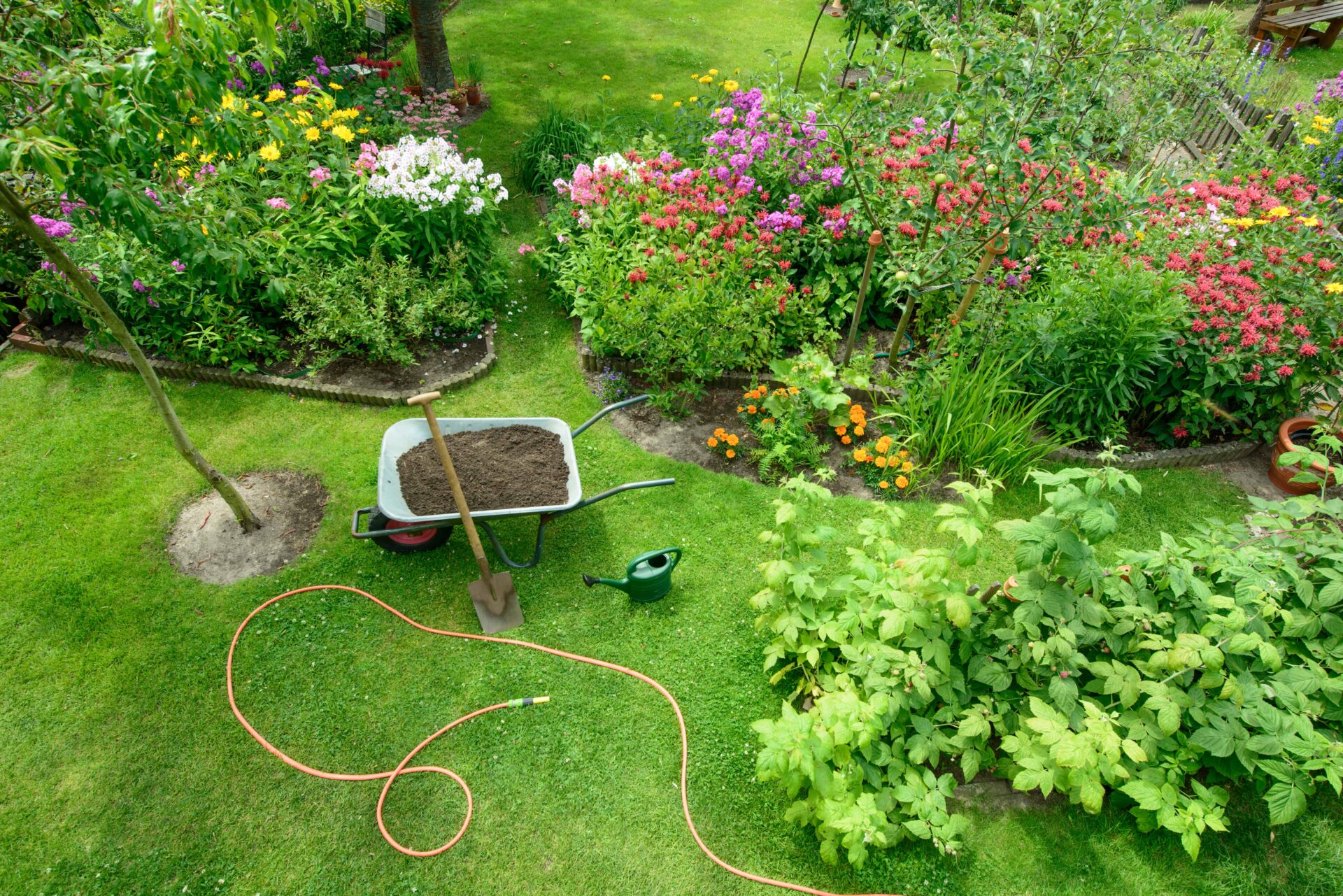
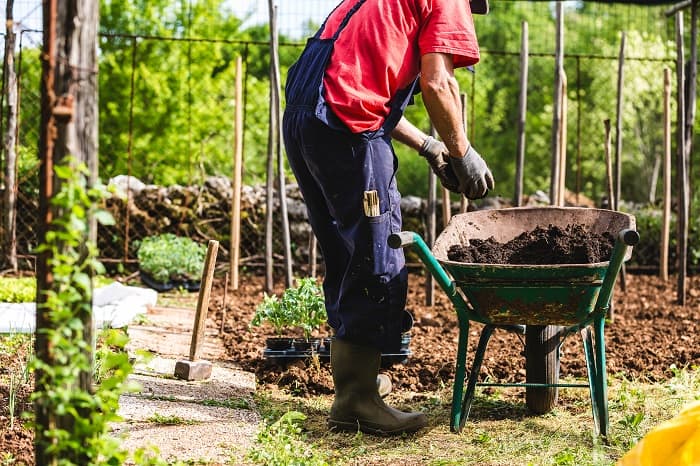
    You should do this in a large container. I make use of the barrow, and the first thing I do is to add the compost and the potting soil and mix with a garden fork. 

    Most potting soil contains a bit of compost in it already, so if you were going to apply directly to soil bed, you can save yourself the cost of buying potting soil. 

    You can always make your potting soil by mixing equal amount of:

    How to Mix Compost Into Soil

    Planting Seeds 

    It is easy to use compost when planting seeds in your garden bed. All you have to do is to plant it the way you normally would. It is slightly different when planting seeds in topsoil. You will need to till the ground and then add compost to the top layer before adding the seeds. 

    When transplanting seedlings to pot or soil, use compost and soil in the ratio of 1:2. Plants with already established roots would not have a hard time adjusting to the new environment. 

    On Established Plants 

    You can also use compost on already established plants. You will need to prepare the soil bed before adding compost. Shovel off a layer of the soil and replace it with compost. You don’t need to add any other ingredients to the mix. We only advise that you perform a soil test so you can be aware of the nutrients that are lacking in your soil. 

    How to Mix Compost Into Soil

    Extra Tips 

    The best time to add compost to your garden soil is in the morning before the sun is high in the sky. It should be the first thing you do before watering your garden. Use compost before planting season for a new plant, and at the onset of fruiting for an already existing plant. 

    You don’t have to make use of too much compost, but you want to get them in the right places. Close to the stem of the plant is good, and you want to till the surface to expose some roots when applying to grown plants. 

    Lastly, you need to make use of fully decayed compost in your garden. Remove any lump from the mixture and toss it in the compost bag. 

    Now that you know how to mix compost into the soil, you shouldn’t have a hard time feeding your plant all the nutrients they need. 

  • The Dos and Don’ts of Using Wood Ash in Your Compost

    The Dos and Don’ts of Using Wood Ash in Your Compost

    Composting is a great way to not only help the planet by reducing your waste but also to help your garden grow and thrive. There are a lot of things you can include in your compost, depending on what your diet is and what is your lifestyle. But there is one thing you may not have known you could include. Maybe you had been throwing it out all along! Today we are going to talk about charcoal ash and wood ashes in compost.

    Keep in mind that we are going to discuss the use of good quality hardwood ashes. That means, not coming from barbecue grills, cardboard, plywood, painted or pressure-treated woods, etc. These do not have any real agricultural use and should be discarded.

    What are Wood Ashes Made Of

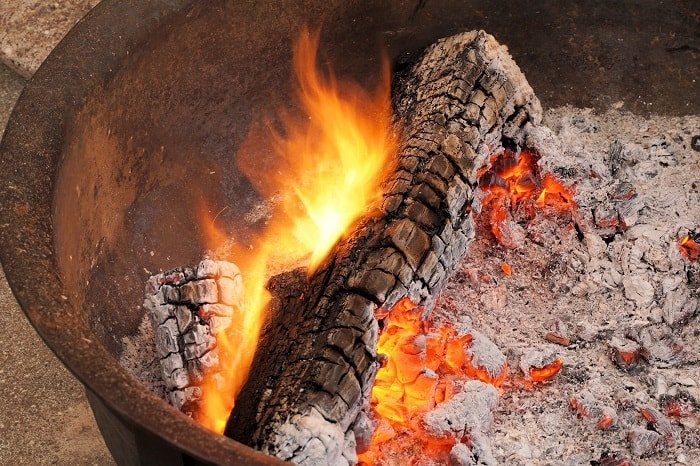
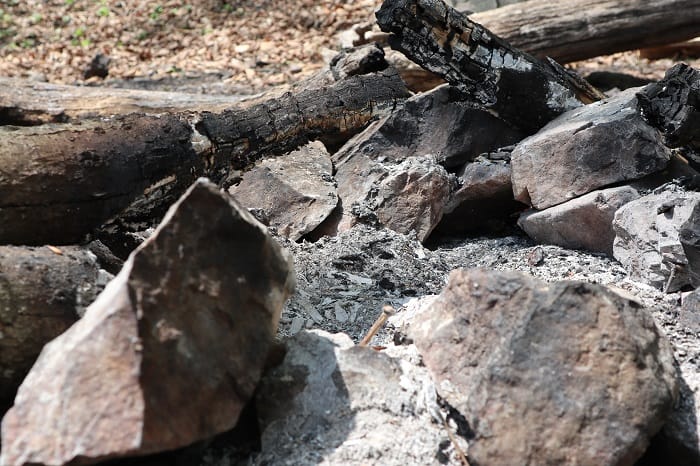
    Burning wood leaves two types of waste: ash and charcoal, on top of extra pieces of wood that have not burnt completely. Ash is the grey powder that is extra fine and delicate. Charcoal is the black remains. Together we will reference them as “wood ashes”.

    The Dos and Don’ts of Using Wood Ash in Your Compost

    Why Is it Good for Compost?

    Composition

    Wood ashes contain minerals that can help replenish the soil and improve its quality. They have a ton of phosphorus and potassium – specifically they are made up of 10% potassium and 1% phosphorus. If your soil is in need of these, then you are in luck!

    You will be also adding micronutrients, like iron, manganese, boron, copper, and zinc. All of these will make their way to your plants by the microbes present in your compost.

    Increased Surface Area and Oxygen Pockets

    Wood ashes are an incredible way of adding nutrient holding capacity to your compost. It is so porous that just 1 gram of charcoal has about 10% the surface area of a football field. 

    By adding it, you will include a lot of oxygen pockets into your compost, that means life for your beautiful microbes. This adsorption -referring to gas and not liquid- is great for your plants!

    Increasing the pH in your Compost

    Another great thing that wood ashes will do for your garden is increasing the pH of the soil. As they are composed of 25% calcium carbonate, the compost will turn more alkaline if you include them in it.

    If you have a lot of vegetable waste in your compost, which is very acidic, adding wood ash will neutralize that. Be mindful of your soil’s composition, though, and do not add too much of it if your soil is already alkaline enough.

    Usually, areas that experience regular heavy rainfall have highly acidic soils that can benefit from the addition of an alkaline element to balance that out in place of lime.

    Good quality wood ashes have half or even 2 thirds of the calcium carbonate that lime has and are just as effective in this purpose.

    Note that ideal soil pH is slightly acidic by nature. Swinging it very far in any direction will cause the soil to lock up on specific nutrients and we want it to have the widest range possible. In high concentrations, this could also inhibit plant growth.

    This also depends, however, on what plants you are growing. Some plants have very specific soil needs and you should adjust it depending on that.

    Although you should not directly apply it to your soil because of these possible issues, you could do use it as a repellent for slugs and snails. 

    How NOT to Use Wood Ashes in Your Garden

    First of all, do not use them in excess. Apart from turning your soil more alkaline, they can contain trace amount of heavy metals. This effect can be mitigated by keeping a healthy microbial environment in your compost and soil.

    Do not use them if your compost will go near acid-loving plants like blueberries or azaleas or newly planted seeds and seedlings. It can be detrimental.

    The Dos and Don’ts of Using Wood Ash in Your Compost

    FAQ’s

    Is it good to add wood ashes to compost?

    It’s perfectly fine. It will help break down the lignin and cellulose, and it will add phosphorous, potassium, sulfur and other nutrients that can be beneficial in a compost pile.

    You need to know what kind of ash you are talking about. The ash in question is a product made by heating wood with the intent of separating the lignin from the cellulose. It has been called “wood ash” or “biosolids.

    Wood ashes are commonly used as a soil amendment, but they may not be the best choice for garden compost. It’s possible to use wood ash as a soil conditioner, but not as a fertilizer. The wood ashes from a wood-burning stove are considered a waste product, and often end up in landfills or incinerators.

    It is also one of the most effective ways to increase your compost temperature without using heat. When composting, it is important to keep the compost pile as hot as possible. If you don’t have access to a wood stove or fireplace, a layer of ash in the center of your compost pile will help keep it hot.

    Wood ash is a very good mulch material. It helps to maintain the soil’s pH balance and retains moisture. Some gardeners use wood ash as fertilizer for their vegetable gardens, and some use it to help prevent weeds from growing in their lawns. Wood ash also makes a great soil amendment. You can spread it on your lawn or garden beds to keep your soil well-mulched and acidic.

    Is it hard?

    Anyone can recycle wood ash as an additive to your compost as it is easy to make a simple compost bin from an old wooden box or barrel. You will need to buy composting material such as shredded newspaper, grass clippings and leaves. Then you just need to mix these materials with the wood ash. The wood ash can be bought in bulk or in bags.

    What time of the year is best for it?

    The best time to add wood ash to your garden is during the autumn, as this is when it will have the greatest impact on your plants.

    How much wood ash should you put in a garden?

    When it comes to adding ash to your garden, there are two questions to answer: how much and when. Ash is very versatile in the garden, as it’s used for mulch, compost, soil conditioner, fertilizer, pest deterrent and more. You can add ash to any of these uses and still keep your garden healthy and beautiful.

    It’s not good for plants to have lots of nitrogen (ammonia) in the soil. Ammonia is toxic to many plants, and also has a bad odor, so it doesn’t really help them grow either. If you’re going to put wood ash in your garden, you’ll want to avoid using high-nitrogen fertilizers like ammonium sulfate or urea.

    The amount of wood ash you use depends on the size of your property. You want to apply enough ash to give your plants the nutrients they need, but not so much that you overload them with ash.

    Some Recommendations for Using Wood Ashes in Your Garden

    1 – We recommend you perform a pH test on your soil before considering adding any wood ashes to your compost. Bearing in mind this information, you should only add a small amount unless your soil is naturally acidic. If it already is alkaline, then avoid them.

    2 – Do not burn anything specifically to use the ashes as compost. The gases burning emits are harmful to the environment and therefore will counteract the good things you are doing for the soil. There are other great and easy ways to obtain organic compost.

    3 – If the weather is windy, avoid using wood ash as it can blow and scatter everywhere. And on that note, whenever handling it make sure to wear a face mask, eye protection, and gloves. Its alkaline nature can irritate your skin and its particles are easily inhaled.

    4 – Use a shovel or scoop to place the ashes into a bag in order to transport it. This way you can also keep some of it to use in the future if you do not need it right away. You could even give another friendly gardener some!

    5 – Do not add a whole heap of the ashes to the compost at once. Add it by layers and always put a brown layer on top of your ash. Also, make sure to turn it every time you add new items to keep it healthy.

    6 – This one is very important: You should only use ash that comes from untreated wood. This means that ash coming from items like cardboard, stained wood or other substances can contain harmful chemicals and are not beneficial for your garden.

    7 –  Also avoid using ash from black walnut trees. 

    8 – Do not mix the wood ash with nitrogen fertilizer. When combined, a reaction can occur that will release ammonia gas. It smells awful!

    What do you think? Have you been using wood ash correctly or not? Would you consider using it in the future? Post a picture of your beautiful garden below and tell us how wood ash helped your plants!