Category: Soil Amendments & Fertilizers

  • How Deep Do Tomato Roots Grow?

    How Deep Do Tomato Roots Grow?

    These types of soil are composed of loam and sand, with low clay content. These soils are good for growing root crops such as beans, carrots, and lettuce. The rich, organic matter in loam soil will help your tomatoes grow large and flavorful.

    Loam soil is great for holding moisture while still providing proper drainage. It works well for a variety of plants.

    Type 2: Sandy soils

    Sandy soils are made up of gritty textures including sand and gravel, often with high sand content. These soils are pracical for growing root vegetables and herbs native to the Mediterranean. Tomatoes can grow in sandy soil that is slightly acidic. 

    Type 3: Clay soils

    These types of soil are composed of very fine mineral particles, with high clay content. Clay soil provides tomatoes with important nutrients to grow strong and healthy. However, clay soil can be heavy so it is best to mix it with another type of soil.

    Type 4: Peat soils

    Peat soil is made from organic materials that have been decomposed. They are good for growing root crops such as parsnips, turnips, radishes, beetroot, carrots, and potatoes. Peat moss can be a particularly great option for growing tomatoes. 

    Vegetables Garden Planting Bags


    81blRra2fdL. AC SL1500


    Growing Tomatoes

    As we have seen above, tomato roots are deep and need at least two to three feet. They can be grown in a variety of soils including loam, peat, clay, and sand. Planting tomatoes requires proper soil preparation and spacing.

    This is especially true if you want to get a yield of 10-20 pounds per plant.  In this case, you need to make sure that your soil has plenty of nutrients for the plants to grow well and that there is ample space between each plant.

    We have some great tips on how to prepare the soil and planting depth for your tomatoes.

    • If you are having trouble with your soil, then you may need to add compost or topsoil to it.
    • You should also make sure that your soil is well-drained. This means that you should not have standing water in your planting area. If you are unsure if the soil is well-drained, then you can test it by putting a small bucket in your planting area. If water drains out of the bucket quickly, then your soil is good for planting. If it does not drain, then you should add more compost or topsoil to your planting area.
    • If you are planting in pots, then you will need to make sure that your pot is at least two feet deep.
    • If you are planting directly in the ground, then you will need to make sure that you are planting a full 2/3 of the plant underground. This depth will give your plants plenty of room to grow and get bigger.
    • You should also make sure that you use fertilizer on your plants. 
    • If you want to plant your tomatoes indoors, then you will need to make sure that you keep your plant area at a temperature of around 70 degrees Fahrenheit. 
    • You will also want to make sure that you water your plants thoroughly. Watering your plants thoroughly will help your plants to get bigger and produce more tomatoes.
    How deep should a raised garden bed be for tomatoes

    In Conclusion – How Deep Do Tomato Roots Grow?

    It is important to know deep do tomato roots grow before you get planting. The depth of tomato plants is generally between two to three feet. Different soils can be used and again even the type matters. 

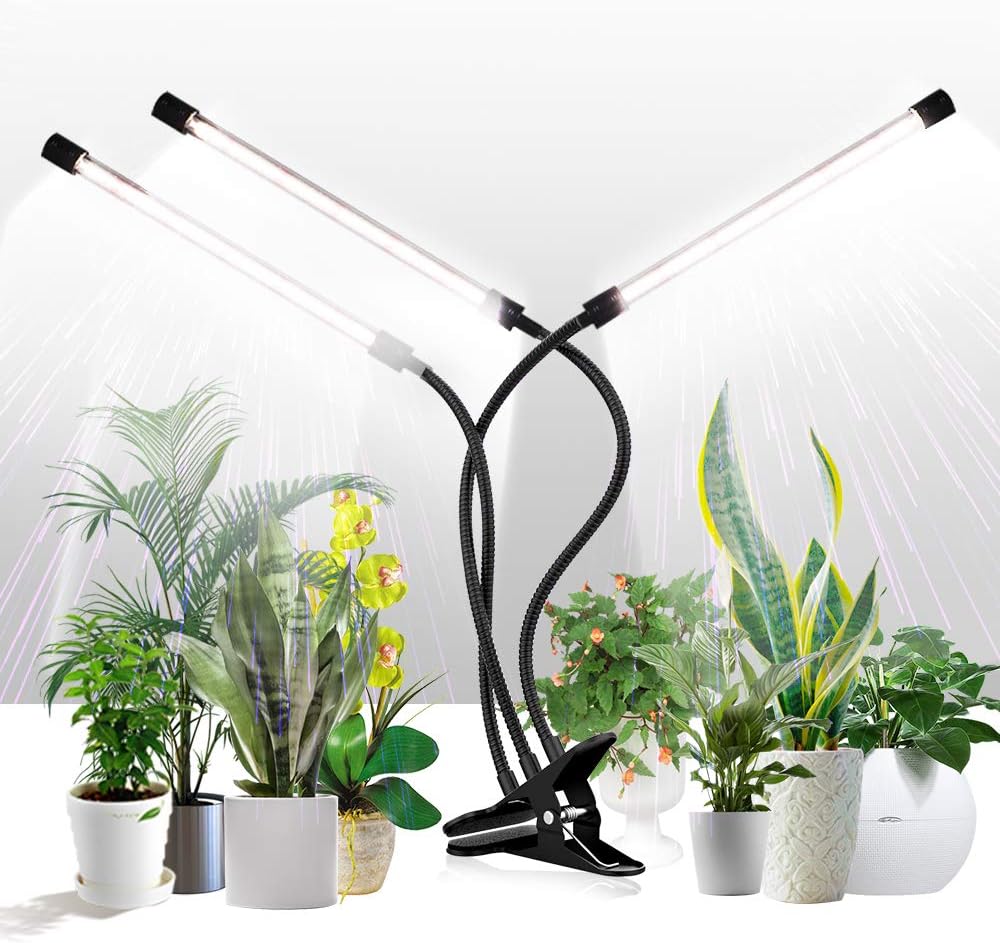
    Read more about Timber Grow Lights For Plants – Grow Light Info.

    FAQs

    How deep and wide do tomato roots grow?

    The roots can reach a depth of two to three feet, with lateral roots reaching up to two feet. In the field, they grow as a network of fine roots that are used to absorb water and nutrients from the soil.

    Is 12 inches deep enough for tomatoes?

    You should provide tomato plants with at least two to three feet of depth to provide them plenty of room to grow.

    How deep should a raised garden bed be for tomatoes?

    The depth of the raised garden bed should be at least 12 inches deep.

    How deep do cherry tomato roots grow?

    Cherry tomatoes roots will grow to be around two feet deep.

    If you are thinking of growing tomatoes, it is important to know just how deep do tomato roots grow to prepare your soil before planting.

    Tomatoes are a warm-season vegetable and like most plants, they need to be grown in the right type of soil to perform at their best.  This article will help you understand how deep your roots should be planted. This will help ensure that you prepare the correct soil for your tomato plants to grow in.

    You can use this information to ensure that you plant your tomatoes in the correct soil. In addition, you can also ensure that your plants are growing in the right way.

    How Deep Do Tomato Roots Grow?

    So, how deep do tomato roots grow? The depth of your roots depends on the type of soil you are planting in. 

    In most cases, tomato roots will grow between two to three feet. It is important to know just how deep you need to plant your tomato roots so that you can ensure that the soil is prepared correctly before planting.

    Here are some of the types of soil you can plant your tomatoes in.

    Type 1: Loam soils

    These types of soil are composed of loam and sand, with low clay content. These soils are good for growing root crops such as beans, carrots, and lettuce. The rich, organic matter in loam soil will help your tomatoes grow large and flavorful.

    Loam soil is great for holding moisture while still providing proper drainage. It works well for a variety of plants.

    Type 2: Sandy soils

    Sandy soils are made up of gritty textures including sand and gravel, often with high sand content. These soils are pracical for growing root vegetables and herbs native to the Mediterranean. Tomatoes can grow in sandy soil that is slightly acidic. 

    Type 3: Clay soils

    These types of soil are composed of very fine mineral particles, with high clay content. Clay soil provides tomatoes with important nutrients to grow strong and healthy. However, clay soil can be heavy so it is best to mix it with another type of soil.

    Type 4: Peat soils

    Peat soil is made from organic materials that have been decomposed. They are good for growing root crops such as parsnips, turnips, radishes, beetroot, carrots, and potatoes. Peat moss can be a particularly great option for growing tomatoes. 

    Vegetables Garden Planting Bags


    81blRra2fdL. AC SL1500


    Growing Tomatoes

    As we have seen above, tomato roots are deep and need at least two to three feet. They can be grown in a variety of soils including loam, peat, clay, and sand. Planting tomatoes requires proper soil preparation and spacing.

    This is especially true if you want to get a yield of 10-20 pounds per plant.  In this case, you need to make sure that your soil has plenty of nutrients for the plants to grow well and that there is ample space between each plant.

    We have some great tips on how to prepare the soil and planting depth for your tomatoes.

    • If you are having trouble with your soil, then you may need to add compost or topsoil to it.
    • You should also make sure that your soil is well-drained. This means that you should not have standing water in your planting area. If you are unsure if the soil is well-drained, then you can test it by putting a small bucket in your planting area. If water drains out of the bucket quickly, then your soil is good for planting. If it does not drain, then you should add more compost or topsoil to your planting area.
    • If you are planting in pots, then you will need to make sure that your pot is at least two feet deep.
    • If you are planting directly in the ground, then you will need to make sure that you are planting a full 2/3 of the plant underground. This depth will give your plants plenty of room to grow and get bigger.
    • You should also make sure that you use fertilizer on your plants. 
    • If you want to plant your tomatoes indoors, then you will need to make sure that you keep your plant area at a temperature of around 70 degrees Fahrenheit. 
    • You will also want to make sure that you water your plants thoroughly. Watering your plants thoroughly will help your plants to get bigger and produce more tomatoes.
    How deep should a raised garden bed be for tomatoes

    In Conclusion – How Deep Do Tomato Roots Grow?

    It is important to know deep do tomato roots grow before you get planting. The depth of tomato plants is generally between two to three feet. Different soils can be used and again even the type matters. 

    Read more about Timber Grow Lights For Plants – Grow Light Info.

    FAQs

    How deep and wide do tomato roots grow?

    The roots can reach a depth of two to three feet, with lateral roots reaching up to two feet. In the field, they grow as a network of fine roots that are used to absorb water and nutrients from the soil.

    Is 12 inches deep enough for tomatoes?

    You should provide tomato plants with at least two to three feet of depth to provide them plenty of room to grow.

    How deep should a raised garden bed be for tomatoes?

    The depth of the raised garden bed should be at least 12 inches deep.

    How deep do cherry tomato roots grow?

    Cherry tomatoes roots will grow to be around two feet deep.

  • How To Use Ph Up And Down In Hydroponics – The Perfect Adjustment

    How To Use Ph Up And Down In Hydroponics – The Perfect Adjustment

    When it comes to hydroponics, learning how to use pH up and down is essential to maintaining healthy plants throughout their growing process.

    The pH is one of the most important aspects to consider when growing your plants. It can be used to determine the overall health of the plants. If your water has a high pH, it can mean that you are having trouble keeping your roots healthy.

    There are many reasons why your pH may be off. Your tap water could have a higher pH than normal, which is due to the alkalinity of the water.

    What Does pH Mean?

    pH is a measure of acidity or alkalinity in an aqueous solution and can be expressed as a number from 0 to 14. A pH between 7 and 8 is considered neutral (or neither acidic nor alkaline). The lower the pH, the more acidic the solution is, and the higher the pH, the more alkaline the solution is.

    In hydroponics, you want your nutrient solution to be around 5 or 6 pH.  Your plants need the proper balance of nutrients and minerals to grow optimally. If the pH is too high or too low, it can lead to nutrient deficiencies and disease.

    How Do pH Up And Down In Hydroponics?

    1. Buying pH Up and Down

    Many gardening stores and online retailers sell a product called pH Up and Down. It features two bottles of liquid, one for increasing pH levels and one for decreasing pH levels. This product allows you to adjust the pH levels for your plants by adding base or acid.

    After testing your water or soil, you can add either a small amount of base or acid. Add just one drop at a time before you achieve your desired pH levels. Be sure to thoroughly read the instructions before using.

    2. The easiest way is to use a pH meter

    A pH meter is an easy-to-use, inexpensive tool that helps you determine the exact pH of your nutrient solution.  You simply add the meter to the water or soil you are testing and follow the instructions on the label. The meter will tell you the exact pH of the solution.

    You can find pH meters online, in superstores, and in most gardening centers. They are generally easy to use and efficient.

    3. Another option is to use an inexpensive aquarium pH controller

    These are available in stores or online. They are easy to use and work well for small systems. They come with a built-in pH meter. They not only monitor but also control the pH level of water.

    You will need to calibrate them every once in a while.  You can do this by adding some water with a known pH to the tank and then adding the controller.

    4. Another option is to use a soil pH indicator

    These are available at most garden centers or online. They are very cheap and work well for small systems. It works by inserting a small strips into the solution. 

    The strip will then indicate the pH level of your soil. The colors of the strip will indicate the pH level of your soil after testing.

    5. An even better option is to use an auto-pH controller

    An auto-pH controller is an automated pH correction system that automatically monitors and adjusts the pH in your solution. These controllers can be purchased from most hydroponic supply stores. They are very easy to use, require no maintenance, and will make sure you have a perfect pH in your solution every time.

    Amazon Choice
    SONKIR Soil pH Meter, MS02 3-in-1 Soil Moisture/Light/pH Tester Gardening Tool Kits for Plant Care, Great for Garden, Lawn, Farm, Indoor & Outdoor Use (Green)
    $9.99
    • 3 METERS IN ONE: Soil moisture level, Soil pH value and Sunlight level could be tested easily according to your need by switching the function button of this soil meter.
    • NO BATTERY NEEDED: Simply insert the meter into soil, wait few minutes, accurate test results will be displayed on the readout panel. No battery is needed.


    We earn a commission if you make a purchase, at no additional cost to you.
    03/03/2026 11:04 am GMT

    How Do I Keep My Hydroponic Plants Happy?

    Keep your plants healthy with proper nutrition.  Make sure you use a balanced fertilizer that has all the nutrients your plants need.  Use a good-quality liquid fertilizer that will not contain any harmful chemicals. The best way to ensure that your plants get the nutrients they need is to use a nutrient solution that has all the required nutrients in the proper balance.

    One of the most important parts of keeping your plants healthy is to make sure they have enough light.  If you are using a grow light, be sure to adjust it so that it shines on the plants evenly.  Many types of plants need direct, full light to grow at their maximum rate.

    It is also important to keep the hydroponic water temperature for your plants at 65 to 80°F.  If you are growing indoors, make sure that your lights are set on a timer so that the lights turn off and on automatically each day.

    Keep your plants healthy by adding fresh air.  Make sure to open the windows in your grow room as often as possible to provide plenty of fresh air.  If possible, most plants will also benefit from a few hours outside every day.

    In Summary – pH Up And Down

    The ph up and down in hydroponics as we have learned above is essential for the growth of these plants. Hydroponics being a sensitive method to grow plants fast requires the proper growing conditions otherwise the plants will fail.

    ph up and down solution

    FAQs

    How to use ph up and ph down?

    After testing your water or soil, you can add either a small amount of base or acid from your pH up and down kit. Add just one drop at a time before you achieve your desired pH levels. Be sure to thoroughly read the instructions before using pH up and down in your garden.

    What happens if you use ph up and down in the same water?

    In this case, the command ph up will be ignored and the ph down will be executed.

  • A Detailed Guide On What Type Of Fertilizer For Tomatoes

    A Detailed Guide On What Type Of Fertilizer For Tomatoes

    Tomato being a heavy feeder tells us that the plant is a hungry plant that likes to be fed with fertilizer for them to flourish. What type of fertilizer for tomatoes do you think is best considering the fact that tomato is a nutrient-loving plant?

    Tomatoes will thrive well when you supply them with lots of fertilizer or nutrients to grow throughout their season. No matter the type of fertilizer you use (organic or chemical), it can boost the growth and production of tomatoes by providing extra nutrients required for tomato plants to flourish.

    But the question we would like to know and discuss is what type of fertilizer for tomatoes is best? We would also discuss about the best type of fertilizer for container tomatoes.

    What Type Of Fertilizer For Tomatoes? The Ideal NPK Ratio

    When it comes to choosing the ideal fertilizer for tomato plants, go for a fertilizer that has a balanced ratio of the three main elements. These main elements include the regular NPK (nitrogen, phosphorous, and potassium). So, they should be balanced in a ratio such as 10-10-10.

    Alternatively, you can choose a fertilizer where the middle value (which is phosphorous) is greater than the first number (which is nitrogen). An example is a fertilizer ratio value of 2-3-1.

    What Type Of Fertilizer For Tomatoes? The Ideal NPK Ratio

    Click Here to Get Info About:

    What To Consider Before Deciding The Type Of Fertilizer To Use For Tomatoes

    But one important thing to note when considering what type of fertilizer for tomatoes is to know the status of your soil. Get to know the current nutrient content of your soil and you can know this by simply doing a soil test.

    After testing your soil, the result gotten will determine the type of fertilizer to use. For instance, if your soil is correctly balanced or high in nitrogen, a fertilizer that has a low value of nitrogen should be used. Then the phosphorus value should be higher. An example of this type of fertilizer is 5-10-5 or a 5-10-10 fertilizer mix.

    On the other hand, if the result of your soil test shows it lacks nitrogen or it is a low nitrogen, then a balanced fertilizer such as 8-8-8 or 10-10-10 should be used to prepare the soil of your tomato plant.

    However, if you don’t have the capacity to have a soil test, you can just assume the soil you have is balanced and make use of a higher value of phosphorous tomato plant fertilizer. But make sure the soil has not had any experience of a sickly tomato plant in the past or this may not interfere with your result.

    Another important thing to be aware of when it comes to fertilizing tomato plants is to avoid using too much nitrogen. The results of excess nitrogen supplied to tomato soil usually give rise to lush, green leaves, with very few tomatoes.

    Therefore, if you have experienced the problem stated above (very few tomato yield), then you can consider providing a bit more phosphorous to the plant rather than a balanced tomato fertilizer.

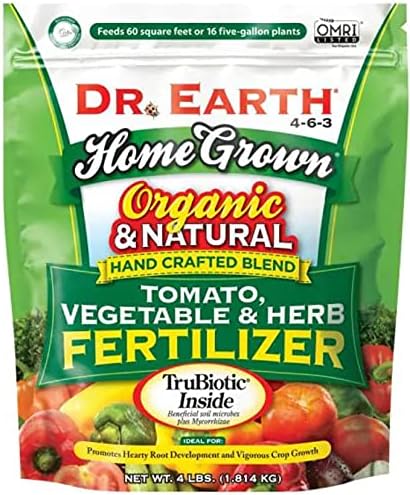
    Dr. Earth Organic 5 Tomato, Vegetable & Herb Fertilizer Poly Bag

    51OVz6TDz0L. AC

    Fertilizer For Tomatoes: The Nutrients Needed

    As we have mentioned, tomato requires 3 major nutrients and they are nitrogen, phosphorous, and potassium. The tomato plant also requires lots of other nutrients apart from the regular NPK as each of these nutrients serves some crucial tasks for plants.

    Let’s briefly look at some details on these major nutrients as well as some other nutrients:

    • Nitrogen: Supplying your tomato with nitrogen fertilizer is important and it will help maintain the leaves of the plant. However, when you use excess nitrogen, the resulting tomato plant usually gives rise to more leaves rather than more tomato fruits. Therefore, you may notice a bushy tomato plant and little tomato fruit yield when you use too much nitrogen.
    • Phosphorus: Another crucial fertilizer needed for the tomato to grow adequately is phosphorous. Phosphorous is required by your tomato plant for the growth of roots and fruits. This nutrient is an essential component for the first phase and last phase of the development of the tomato plant.
    • Potassium: Potassium assists your tomato plant to grow rapidly and produce flowers. It is these flowers that end up turning into fruits.

    So, apart from the major NPK nutrients, tomato plants also require other small nutrients and elements to grow and some of them include calcium, magnesium, zinc, boron, and so on. Let’s look briefly into some of these smaller nutrients.

    • Magnesium: magnesium helps your tomato plant to remain green and it can help enhance the quality of flowers and fruits of your tomato plant.
    • Calcium: calcium can help in producing strong tomato plants. This element will also help in proper root development and leaf development.
    • Boron and Zinc: both boron and zinc can assist in the flowering process and fruit ripening of your tomato plant.

    Best Fertilizer For Tomatoes In Pots – What Type Of Fertilizer For Tomatoes

    You can either use organic or chemical fertilizer for your potted tomato. But here are some nice homemade fertilizers you can use for your container tomatoes:

    1. Fertilizer Containing Nitrogen

    Corn gluten meal, rabbit poo, and manure are great organic homemade nitrogen-containing nutrients or fertilizers you can use for your potted tomato plant.

    1. Fertilizer Containing Phosphorous

    Human urine, kelp meal, sunflower seeds, soya beans, and pumpkin or squash seeds are good fertilizers that is phosphorous-containing that you can use for your potted tomato plant.

    Best Fertilizer For Tomatoes In Pots - What Type Of Fertilizer For Tomatoes
    1. Fertilizer Containing Potassium

    Fertilizer that contains potassium that you can use for your potted tomato plant includes wood ash, banana peels, potato peels, orange peels, sweet potato peels, and cucumber peels.

    Conclusion – What Type Of Fertilizer For Tomatoes

    Tomato plants are heavy feeders so it is important you supply them with some good fertilizer so you can enjoy optimal yield. What type of fertilizer for tomatoes has been discussed here and we have also mentioned some nice fertilizers to use for your potted tomato plants.

    FAQ’s

    What type of fertilizer is needed for tomatoes?

    The type of fertilizer needed by the tomato plant should be a balanced ratio fertilizer that has the three main elements which are nitrogen, phosphorous, and potassium (NPK). An example of a balanced fertilizer for tomatoes is 10-10-10.

    What can I use to fertilize my tomato plants?

    You can make use of a liquid type of fertilizer like compost or worm casting every 14 days to fertilize your tomato plant.

  • A Guide On How To Give Plants Calcium

    A Guide On How To Give Plants Calcium

    This guide will look at how to give plants calcium and how much fertilizer you should add to your plants as they grow.

    Calcium is an essential element for all plants, as it is important for growth and development in plants. In addition, calcium is also required for is required for structural roles in the cell wall and membranes. It is also involved in cell division.

    How To Give Plants Calcium?

    Calcium is an important nutrient for plants as it is often deficient in soil due to weathering and soil acidity. Calcium is also important for plant growth and development and is essential for seed germination, stem and root elongation, and flowering. The concentration of calcium in some soils is too low to support optimal plant growth.

    What is the best source of calcium for plants?

    Here are two ways how to give plants calcium:

    Cal-Mag

    Calcium can be added to your plants’ water through the use of a calcium product called Cal-Mag. It is highly fortified calcium, magnesium, and iron plant supplement that is designed to correct common deficiencies in the soil

    The amount of calcium released from Cal-Mag will depend on how much calcium is available in your soil, how much water you use in your garden, and the amount of calcium that your plants need. You can add Cal-Mag to your plants’ water by following the directions that come with the Cal-Mag. It is ideal for use on lettuce, tomatoes, peppers, fruit, and flowers. 

    A typical dose of Cal-Mag is one teaspoon with one gallon of water. Alternatively, you can add Cal-Mag to your soil or compost. The amount of calcium that needs to be added to the soil or compost will depend on how much calcium is available in the soil and what your plants need.

    Foliar feeding

    Calcium can also be added directly to the plant, in which case it is known as foliar feeding. This is a calcium compound that is applied directly to the leaves of the plant and is absorbed by the plant. The amount of calcium released from foliar feeds will depend on how much calcium is available in the soil, the amount of water used by your plants, and the amount of calcium that your plants need.

    You can apply foliar feeds either with a sprayer. Foliar feeds can be bought at nurseries, but they are also sold through some garden centers.

    Our Pick
    Kitsch Spray Bottle for Plants – Continuous Water Mister with Ultra Fine Mist
    $9.99

    Stylish and versatile water mister is perfect for your plants and garden.


    We earn a commission if you make a purchase, at no additional cost to you.
    03/03/2026 12:04 pm GMT

    How Do I Know If My Plants Are Getting Enough Calcium?

    If you have read the previous sections of this chapter, you will have already learned how to give plants calcium. There are two ways to check the calcium level in your soil:

    Calcium can be measured using a soil test kit. The kit will tell you the calcium level of your soil and the calcium level of your soil so that you can assess whether or not your plants are getting enough calcium.

    A soil test kit is only as accurate as the information that you give it. If you decide to use a soil test kit, then follow these steps:

    • Find a store that sells soil test kits that can test for calcium levels.
    • Buy one and take it home.
    • Take a few samples of your soil and carefully follow the directions.
    • Put the samples into the soil test kit.
    • Wait for the results.

    Once the results are out, review the calcium levels of the soil to see how much calcium your plants are getting. Soil test kits usually measure other nutrients in the soil as well.

    Be sure to research the calcium needs of your plants. The amount of calcium a plant needs can vary by the type of plant.

    Calcium is often included in fertilizers because it helps strengthen plant roots. This can help plants grow larger and healthier.

    If You Want To Fertilize Your Plants With Calcium, Follow These Steps:

    Choose a fertilizer that has high levels of calcium. Carefully follow the instructions on the fertilizer. If your plants do not seem to be growing as well, try adjusting the pH of the soil or adding more compost.

    Fertilizer is available in many different forms such as granular and liquid. Read the label on the package before purchasing as not every fertilizer can be used for every plant. Follow the directions on the package for use.

    Final Comments: How to Give Plants Calcium

    Calcium is an essential nutrient for healthy plant growth and it’s important to learn how to give plants calcium. Plants absorb calcium from the soil as they grow.

    When plants start to die or are stressed, calcium in the soil may be absorbed by the roots and translocated into the plants.  The amount of calcium available in your soil will determine how much is needed by the plants you are growing.

    Read more about How Much Water Do Peppers Need? 

    FAQs

    What is the best source of calcium for plants?

    Plants need calcium to develop and grow. It is an essential element for all plants for structural roles in the cell wall and membranes. It is also involved in cell division.

    How do I feed my plant’s calcium?

    Feeding your plants calcium is easy and can be done through fertilizer, a foliar spray or through foliar feeding. Calcium is a major component of the cell walls of leaf tissues, so when calcium is present in the cell, there are fewer spaces for pathogenic organisms to enter and cause disease. Calcium also has other benefits, such as increasing the rate of photosynthesis, improving fruit quality and increasing the rate of root growth.

    How do you fix calcium deficiency in plants?

    The best way to feed your plants calcium is through foliar feeding. You can use a foliar spray that contains calcium or foliar feeding with calcium-rich fertilizers.

    What can you add to the soil to increase calcium?

    There are many ways to improve calcium availability in the soil, including the use of lime and eggshells. If you have enough calcium in your soil, you won’t need to add more to your soil. However, if your soil is deficient in calcium, you can add it by using a foliar feeding solution containing calcium. You can also apply a calcium-rich fertilizer to your plants.

  • How Much Water Do Peppers Need? – Important Facts!

    How Much Water Do Peppers Need? – Important Facts!

    How much water do peppers need and how often should you water your pepper plants? It is important to know the growing requirements for peppers if you plan on having them in your garden.

    Peppers are a very popular garden plant.  They grow fast, are easy to grow, and taste great!  But when you start to look into the specifics of how to grow peppers, there is a lot of conflicting information. 

    The most common advice for growing peppers is to give them regular watering.  But how much water is that and what about the frequency?  Should you water them once a day, or twice?

    How Much Water Do Peppers Need? 

    When growing peppers, you want to give them regular water. There are a few factors that will influence how often you should water your peppers. They include weather, location, variety, and whether you are growing your pepper plant indoors or outdoors.

    You should water your peppers when the soil is dry.  Water the peppers about once to twice a week, providing about one to two inches of water a week. 

    When the weather is hot, you will need to water your pepper plants more often, such as two to three days a week. If you have been experiencing lots of rainy weather, then you will have to water your peppers less.

    Be careful not to over-water your pepper plants. Too much water can cause wilted leaves and rain rot. In addition, it may also cause sunburned fruit or may cause the leaves to drop.

    When you are ready to harvest, you should cut the peppers off at the stem. The size and color of the pepper will vary on the variety. 

    How often should a pepper plant be watered?

    Growing Peppers: How Much Water Do Peppers Need?

    Growing peppers is easy and most gardeners have been able to grow their peppers.  Here is a step-by-step guide to growing peppers.

    Step 1:  Choose an ideal location

    A sunny location with at least six hours of sunlight is best for growing peppers, but they can also be grown in partial shade.

    Step 2:  Choose the right soil

    Peppers need rich, well-drained soil with plenty of organic matter to provide nutrients and retain moisture. They can grow in all types of soils but do best in soils that are heavier and well-drained.

    Step 3:  Prepare the area

    Dig over the area to remove all weeds.  Ensure the soil is well aerated and has proper drainage.

    Step 4: Add compost

    Tsing compost to grow your peppers is important as it provides nutrients required for your plants.  Compost provides nitrogen, phosphorous, and potassium.

    Step 5:  Plant the seedlings

    Make sure that the seedlings are 12 to 18 inches apart, depending on the variety.  If you don’t have enough space to plant them, you can try to transplant them from another location. 

    It is recommended that the plants be transplanted when they are about three to four weeks old, when they begin to produce their third set of true leaves,  When planting, make sure that the seedlings are not touching each other and don’t crowd the roots.

    Step 6:  Water the seedlings

    They should be watered regularly until they get about 3-4 inches tall, every few days to daily. After this stage, you can stop watering them and let them dry out for about a week.  

    Step 7:  Fertilize your peppers

    Fertilize your peppers when first transplanting them and then again when they start to bloom. It is a good idea to use a 5-10-10 fertilizer. 

    Step 8:  Harvest your peppers

    When the peppers get to maturity, harvest them by cutting them off the stem. Store them at room temperature for a few days or in the fridge for around a week. 

    Amazon Choice Selection
    Watering Can 1 Gallon for Indoor Plants, Garden, Outdoor Plant House Flower, Gallon Large Long Spout with Sprinkler Head (Blue)
    $18.99
    We earn a commission if you make a purchase, at no additional cost to you.
    03/03/2026 05:04 am GMT

    The growth process of peppers is an easy one.  They can be susceptible to pests and diseases but are generally hardy plants to grow. Common pests include aphids, caterpillars, and hornworms.

    They eat the leaves, flowers, and fruits of the plants.  Aphids are small insects, which have green or brown bodies.

    Final Thoughts – How Much Water Do Peppers Need?

    The amount of water that peppers require is about one to two inches of water a week.  The best way to learn how much water do peppers need is to provide your peppers with water around once to twice a week. Peppers are easy to grow and give you a thriving crop if you provide the right growing conditions.

    If you harvest your peppers when they are fully mature, they can last longer and you can harvest more from the same plant.  Be careful not to damage the plant as you harvest the peppers or you will lose the rest of the harvests.  Use a sharp knife or a pair of scissors to cut the pepper from its plant instead of pulling it out.  Happy gardening!

    Read more about Do Zucchini Plants Climb And Require Support? 

    FAQs

    How often should a pepper plant be watered?

    If you have well-drained, loose soil, you should water your plants once to twice a week .

    If you live in a very hot climate, you might need to water more frequently than this. Watering can be done manually by hand or with a soaker hose.

    How do you know if you are overwatering pepper plants?

    The most obvious sign that your peppers are too wet is when they start to rot. If you don’t have a greenhouse or a patio covered area, you can also check your plants by looking at the bottom of the leaves.

    The leaves should be dark green and not droopy. You can also use your finger to gently feel the leaves. If the leaves feel soft and spongy, you need to water your plants more frequently.

    How much water do bell peppers need?

    Peppers need about one to two inches of water a week. They are one of the easiest plants to overwater. It is important to keep your pepper plant roots moist, but not soggy.

    The easiest way to tell if your peppers are getting enough water is to look at their leaves. If they are drooping, then you need to water your plants more frequently. It may take a few days for your peppers to show that they are getting enough water.

    How do I know if my peppers need fertilizer?

    Fertilizer is usually recommended for all types of peppers. When growing peppers, you should fertilize your plants when transplanting and again when they bloom. Peppers have a strong root system and will absorb nutrients from the soil if it is not fertilized.

    Fertilizers can help your peppers grow faster and produce larger fruits. You can use any type of fertilizer that you want as long as it contains nitrogen, phosphorus, and potassium.

    Do peppers need lots of water?

    Peppers generally only need one to two inches of water a week. If you water them too much, they may start to rot. Peppers also need a lot of sunlight to grow properly.

    During the day, your pepper plants will need at least six hours of sunlight to grow. If you have the right kind of soil and plenty of sunshine, growing peppers should be relatively easy. If you plant them in the fall, they will germinate quickly and will have time to grow before the weather gets cold.

  • Do Tomatoes Grow On Vines? – How They Grow

    Do Tomatoes Grow On Vines? – How They Grow

    Do tomatoes grow on vines?  In this article, we will look at tomatoes and how they grow.

    We know that tomatoes are a fruit and that they grow on vines. But what do you call a tomato plant? What does the word “vine” mean in this context? 

    A tomato plant is a type of plant with vines that produces tomatoes. This is why we can say “tomatoes grow on vines”.

    It is also called a vegetable plant because it grows food for humans to eat. Most varieties of tomato plants grow to be two to three feet tall. In this article, we will look at the question do tomatoes grow on vines.

    Do Tomatoes Grow On Vines?

    The short answer is yes! Tomatoes can grow on vines, with some varieties being commonly grown on trellises or poles.

    There are many types of tomato plants and they grow in different ways. We will look at the most common types of tomato plants and what they look like.

    Do tomatoes grow like a vine?

    Types Of Tomato Plants

    There are two main types of tomato plants: vine and bush. The two terms can be confusing because all tomatoes grow on vines.

    • A vine tomato plant is a type of tomato that grows tall and needs staking for support. Also known as indeterminate, they have much longer stem growth. Vine tomatoes grow all season long, continuing to grow until the weather begins to get cold.
    • A bush tomato plant is a type of tomato plant that is shorter than the vine tomato plant. Also known as determinate, they are a good choice for growing in containers. They tend to have thicker skins with fewer seeds and are a good choice for canning. They also have a shorter growing season than vine tomatoes.

    How Do You Grow Tomatoes? – Do Tomatoes Grow on Vines?

    Tomatoes grow best in full sun and in loose, well-drained soil. They need at least six hours of direct sunlight every day. Tomatoes grow best in temperatures between 65°F and 85°F.

    If you live in a cold climate, make sure your soil stays warm enough to grow tomatoes. You can also grow tomatoes in a greenhouse. This is a great option if you live in a very cold climate.

    In the fall, when the weather starts cooling down, it’s time to start thinking about getting your tomato plants ready for the winter. It’s not too early to get started on preparing your tomato plants for winter.

    You should water your plants regularly, but not too often. It is best to water tomato plants in the morning. They need about one to two inches of water a week.

    You should fertilize your tomato plants when you first plant them and then every three to four weeks throughout the growing season. You should use a fertilizer that has macronutrients such as nitrogen, phosphorous, and potassium. Avoid fertilizers that are fast-release and avoid high nitrogen.

    When you’re ready to harvest your tomatoes, gently twist the bottom of the tomato to remove it from the plant. You can also store them on the countertop for a few days or in the fridge for around a week.

    You can also freeze your tomatoes in plastic bags. To do this, wash the tomatoes thoroughly before freezing.

    Final Thoughts: Do Tomatoes Grow on Vines?

    So if you are growing vine tomatoes, it’s best to use support to keep them growing straight.  Do tomatoes grow on vines?  Yes, all tomatoes grow on vines and they can be broken into vine or bush categories.

    So what is the difference between the two?  Well, bush tomatoes grow well in pots, and vine tomatoes need a stake for support. Within the two categories, there are several different varieties. There are many uses for vine and bush tomatoes that you can enjoy using.

    Read more about How Long Does It Take For Lettuce To Grow?

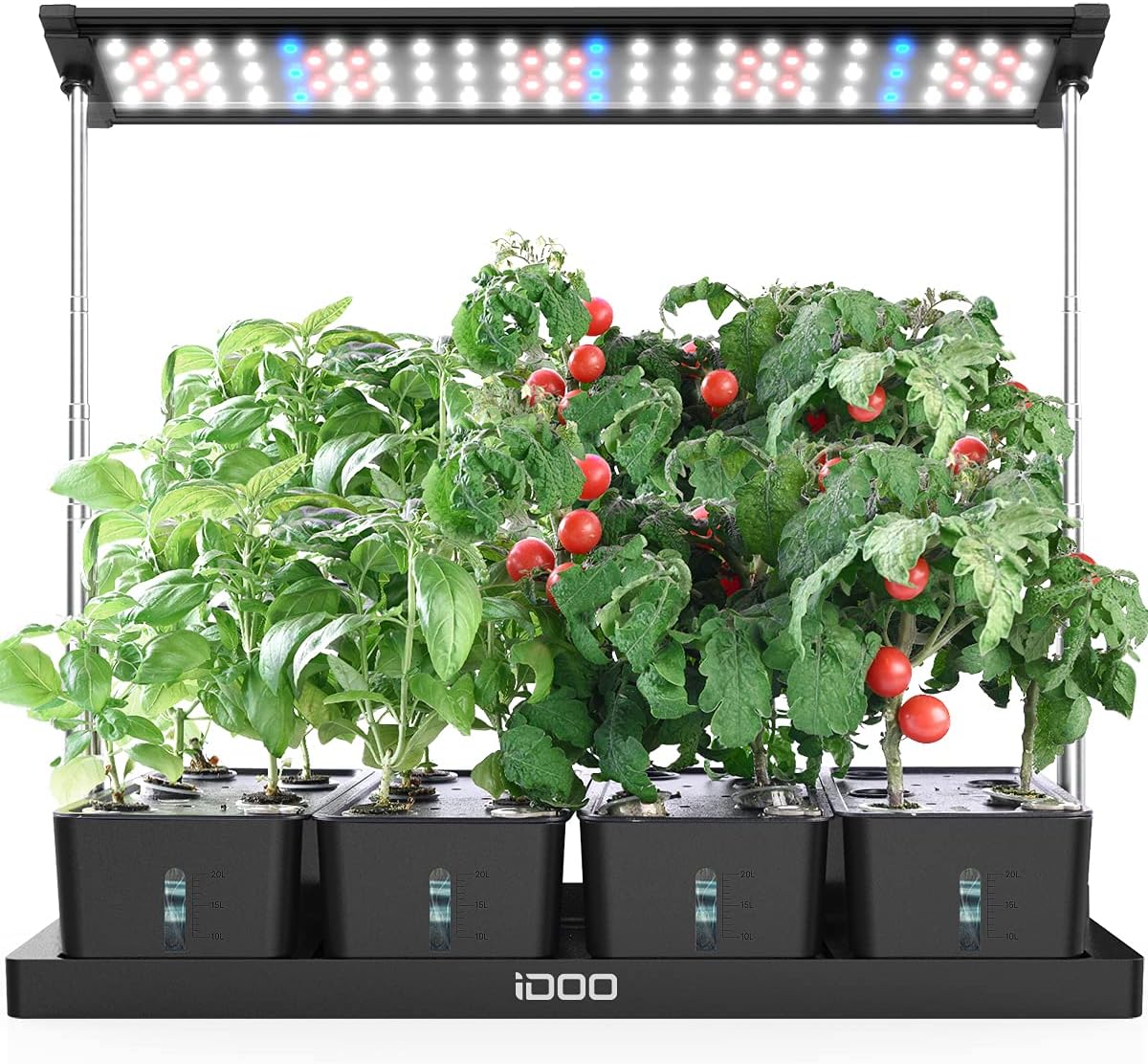
    iDOO 20 Pods Indoor Hydroponic Growing System with LED

    71 wiRTTJoL. AC SL1500

    FAQs

    Do tomatoes grow like a vine?

    Yes. Tomatoes are actually a type of climber that grows on a stem and has tendrils that help them grasp other objects. You can use a regular tomato cage that is designed to keep tomatoes from breaking the stems or their supports when they grow and mature.

    What’s the difference between vine tomatoes and regular tomatoes?

    Tomatoes grown for fresh market or home use, as opposed to processing, are called “vine” or “indeterminate” tomatoes because they can grow on a trellis or support. They are usually smaller in size than “determinate” tomatoes, which are grown for processing. The best-tasting tomatoes are generally the ones that have been harvested at a younger stage.

    If you pick your tomatoes too late, they will be less sweet and flavorful. Tomatoes that have started to turn yellow or purple are also not suitable for canning because they are beginning to lose their flavor.

    Do cherry tomatoes grow on vines?

    Cherrry tomatoes do grow on vines and can grow to become quite tall. Indeterminate cherry tomatoes can benefit from a tomato tower or a trellis to help them grow strong and produce a maximum yield.

  • How Long Does It Take For Lettuce To Grow? 

    How Long Does It Take For Lettuce To Grow? 

    Are you planning to grow lettuce? If so, you will want to know how long it take for lettuce to grow from seed to harvesting.

    Lettuce is a very popular vegetable around the world, and its popularity has grown tremendously over the past years. Lettuce is not only used as a food, but it also has many other uses.  Lettuce is used in many different ways and in many different cultures.

    Lettuce can be eaten raw or cooked.  There are many different types of lettuce, such as romaine, cos, butterhead, and others.  

    Most people enjoy fresh lettuce salad for lunch. It is also a common ingredient in a variety of different recipes. Lettuce is very easy to grow and does well in almost any kind of soil.

    What is the quickest lettuce to grow?

    Step-by-step Guide to Grow Lettuce

    Step 1:  Choose the planting season

    It is best to plant lettuce during the spring and summer months. It should be planted when the temperature and soil are both warm.

    Step 2:  Prepare the soil

    For optimum growth, it is best to plant lettuce in rich, well-drained soil in a sunny location.  The soil should not be too moist or dry.  It should be kept moderately moist so that the roots are not stressed.

    This is to help them grow quickly and develop into healthy plants.  When growing lettuce in the ground make sure the area is weed-free, has a good amount of organic matter, and any rocks and other hard objects in the soil are removed.

    Step 3:   Planting the seeds

    Seeds are best planted around 3/4 to 1” deep.  Make sure the seeds are planted evenly.  There should be at least two seeds per inch.

    The seeds should be planted in a shallow hole. If the soil is too wet, the roots of the lettuce will rot.

    Make sure that you don’t plant the seeds too deep because they will not germinate. Lettuce can be planted between two rows of other vegetables, such as beans or corn. This will help to keep the weeds out.

    Step 4:   Watering

    Water the soil and let it dry for several days.  Then water again, but make sure not to overwater.  If the soil is too wet, the lettuce will rot. 

    Lettuce needs around one to two inches of water a week during the growing season. Once the plants have been watered and the seeds have germinated, the plants should be spaced approximately three inches apart.

    Step 5:   Fertilizing

    When the plants are about two weeks old, you should start fertilizing them.  Make sure that you fertilize your plants in the early spring before the soil is too cold. 

    Use a nitrogen-rich fertilizer such as alfalfa meal, fish meal, balanced water-soluble fertilizer, granular fertilizer or composted manure. Make sure to apply it around the base of the plant, but don’t apply it too close to the stem or it will burn the plant.

    Step 6:   Harvesting

    You will know when to harvest the lettuce when it gets big and full of leaves.  Harvest your lettuce when the heads are full and this is in about 6 to 8 weeks.

    You should wait until you see that the head has turned green before harvesting it.  You can then use the harvested leaves to make salads or add them to sandwiches.  You can also plant your lettuce seeds indoors, in seed trays.

    This way, you will have a head of lettuce in the garden by early spring.  Make sure that the seedlings are not too big or else they may not survive.  You can also buy transplants from your local garden store.

    Types Of Lettuce

    There are many types of lettuce that you can grow and enjoy.  You can choose from iceberg, romaine, leaf, butterhead, bibb, crisphead, red leaf, green leaf, and stem lettuce. 

    The names are self-explanatory and it’s easy to tell which type is which. There are other types of lettuce, such as butterhead lettuce, iceberg lettuce, and romaine lettuce.

    Each variety has its own unique characteristics, but they are all part of the same family. There are a lot of other varieties of lettuce that you can plant and they all are delicious.

    Take-home – How Long Does It Take For Lettuce To Grow?

    How long does it take for lettuce to grow?  A good 6 to 8 weeks is the period lettuce takes to grow from seed to maturity. Lettuce can be planted anytime, however, the best time to plant is in spring.

    The longer you wait the better your lettuce will be.  Plant lettuce seeds in a large, deep hole and cover them with about an inch of soil. The seeds should be planted at a depth of about 4-6 inches.

    GHodec Grow Light for Indoor Plants

    61GafIocfCL. AC SL1000

    FAQs

    How long does it take for lettuce to grow from a seedling?

    Lettuce seeds germinate in 3–4 days, depending on the weather and soil conditions. The seedlings grow in about a week. Lettuce requires frequent watering to maintain its good growth and health. Watering also helps remove soil salts that accumulate in the lettuce plants.

    What is the quickest lettuce to grow?

    The quickest type of lettuce to grow is the romaine, iceberg, butterhead, or cos lettuce varieties. These types of lettuces are more sensitive to cold temperatures, so they need to be planted at the beginning of spring when the soil is warm enough to promote rapid growth.

    How long does lettuce take to flower?

    Lettuce takes about a month after maturity to flower. The flowers appear in early summer and continue to produce fruit until the fall. The lettuce plants should be cut back in the late fall to promote new growth for the following year.  Lettuce can be harvested at any stage of maturity. The young lettuce leaves are best picked when they have just reached full size. Lettuce grows quickly, so it is important to pick it up before it becomes too large. The first harvest should be about one month after the seeds were sown.

    How long is lettuce germination time?

    Lettuce seeds usually need at least 1 to 2  weeks to germinate and produce a plant. Seeds should be planted in moist soil with temperatures above 60F (15C). If temperatures drop below 55F (13C), seeds will not germinate.  Seeds should be planted when temperatures reach between 50 and 65F (10 and 18C). Germination takes place when the temperature of the soil rises above 60F (15C).

  • Top 9 Plants That Like High Phosphorus 

    Top 9 Plants That Like High Phosphorus 

    In this article, we have prepared a list of plants that like high phosphorus during their growth journey.

    Phosphorus is one of the major components of plant cell walls and it also serves as an energy source for plant metabolism. During its growth journey, the phosphorus in plants is used by the plant to build up their biomass. Phosphorus helps in the formation of carbohydrates and nucleic acids. When the plant grows, phosphorus is absorbed from the soil and transported through root cells to other parts of the plant.

    The Work Of Phosphorus In Plants

    Phosphorus is one of the important nutrients a plant needs to thrive. It is also an essential component for many processes like energy production, cell growth and maintenance, signal transduction, storage of energy, and as a structural component.

    Phosphorus is also an important element in the synthesis of nucleic acids, proteins, enzymes, coenzymes, and phospholipids.  Phosphorus is present in all living organisms. It is required by plants, bacteria, fungi, and animals.

    There are two different sources of phosphorus in the soil, including organic phosphorus and inorganic phosphorus.

    • Organic phosphorus is usually found in the form of phosphate.
    • Inorganic phosphorus is mostly in the form of calcium phosphate or calcium-magnesium phosphate.

    Plants use both sources of phosphorus to produce energy and maintain their metabolism. They use inorganic phosphorus for the synthesis of nucleic acids and proteins, while they use organic phosphorus to store energy.

    Phosphorus is essential to plant growth. It is the second most abundant element on Earth after oxygen. It is also a key component of DNA and RNA, a cofactor of many enzymes, a structural component of many cell membranes, and a major constituent of chlorophyll and chloroplast. Organic phosphorus is available to plants in the form of phosphates, phosphonates, phosphites, and phosphates. Phosphates are organic molecules that contain phosphorus. Phosphonates are similar to phosphates but contain a carbon group instead of a hydrogen group. Phosphites are organic molecules with two phosphorus atoms. They are similar to phosphonates, but they do not have a carbon group.

    Click Here to Get Info About:

    Top 9 Plants That Like High Phosphorus

    Here is a list of plants that like high phosphorus (phosphate) in the soil. This list includes not only vegetables but also ornamentals such as roses, ferns, and other houseplants. Some of these plants are good choices for the home garden because they can be grown in containers.

    As you look through this list, remember that there is no hard and fast rule about how much phosphorus your plant needs. Many different plants will grow well with differing amounts of phosphorus.  Even plants that like high phosphorus do not use the same amount.

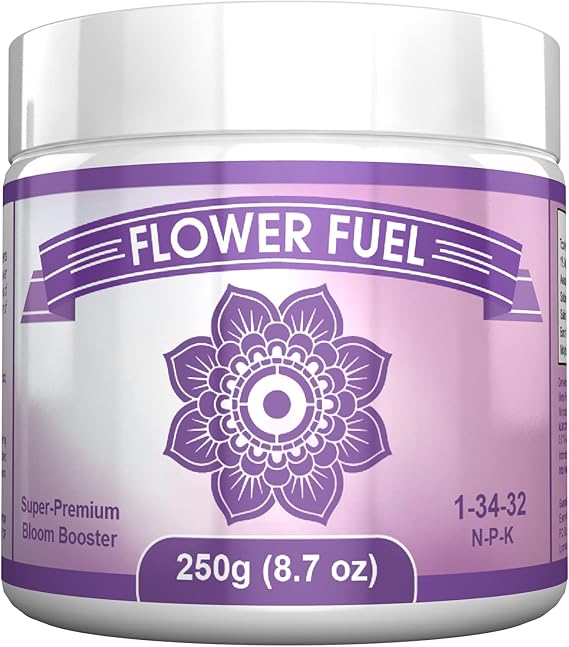
    Flower Fuel 1-34-32, 250g – The Best Bloom Booster for Bigger, Heavier Harvests (250g)

    71 BWy sBPL. AC SX679

    Brugmansia (Spider plant)

    This beautiful and popular tropical plant is very easy to grow and it has many uses. It can be used in a container or a garden. The plant blooms from May through October and it does best in a warm, sunny location. Brugmansia likes a lot of phosphorus in the soil so you can add up to 10 lbs of fertilizer per 1000 square feet of soil. You can get this plant at your local garden center or nursery.

    Aloe Vera

    Aloes are popular houseplants and they are great for containers. They have a strong, flexible root system that is ideal for growing in containers. They do best in areas that get a lot of suns. Most aloes need high levels of phosphorus in the soil to grow well.

    Hydrangea

    Hydrangeas are great houseplants for containers because they are easy to care for and they are long-lived. They also have a beautiful flower that attracts butterflies.  Hydrangeas like bright light and they prefer full sun. If you don’t have a lot of space in your yard, you can use them as an accent plant in a small garden area. Hydrangeas like to be watered regularly but not too often. You can get these plants at most garden centers or nurseries.

    Lemon

    Lemon is a very popular houseplant and it has many uses. It is a fast-growing plant and it likes lots of sunlight. It is best to place it in areas that get a lot of sunlight. The lemon tree likes phosphorus in the soil so you can add up to 10 lbs of fertilizer per 1000 square feet of soil.

    Plants That Like High Phosphorus - Lemon

    Solanum

    This is one of the most popular houseplants because it is easy to grow and it has many uses. It is a fast-growing plant that likes lots of sunlight and warm temperatures. You can grow this plant in a container or a garden.

    Mint

    Mint is a great houseplant for containers because it is easy to care for. It likes high levels of phosphorus in the soil so you can add as much as 10lbs in 1000 square feet of soil.

    Amaranthus

    Amaranthus are popular houseplants because they are easy to grow and they have many uses. They like bright light and they are easy to grow. They are very adaptable and they do well in many different types of soils. You can grow them in a container or a garden. You can buy amaranth seeds at your local garden center or nursery.

    Bromeliads

    Bromeliads are popular houseplants because they are easy to care for and they are beautiful. They have a large variety of colors and they can be found in many different shapes and sizes. Bromeliads are native to Central America but they are now found all over the world. You can buy bromeliad plants at your local garden center or nursery.

    Plants That Like High Phosphorus - Bromeliads

    Begonias

    Begonias are popular houseplants because they are easy to grow, they are pretty, and they have a wide variety of different types of flowers. They are native to South America but they are now found all over the world. You can buy begonia seeds at your local garden center or nursery.

    How to Determine Total Phosphorus in Soils?

    There are various commercial kits and equipment that you can purchase to test for or determine the total phosphorus content in the soil. These different kits have different methods that are used to test for phosphorus.

    One of the methods of soil total phosphorus determination works this way; a soil solution (of water and soil is made), allowed to sit for about 20 minutes to allow for proper mixing. After this, an aliquot of the solution is taken and reacted with sodium molybdate in an acid solution and aqueous hydrazine sulfate. The phosphorus concentration is determined by the blue color formed from this reaction. A spectrophotometer is then used to read the solution and give you a reading of the total phosphorus concentration

    How Do You Neutralize Phosphorus in Soil?

    Neutralizing phosphorus in the soil may be necessary as a means of correction if the phosphorus content gets higher than needed. High levels of phosphorus in the soil are usually a result of overfertilization or the addition of too much manure. This phenomenon is a problem because it will damage your plants and the phosphorus can also stay in the soil for a long period, creating long-term problems.

    Unfortunately, once there is a buildup of phosphorus in the soil, it is not much you can do to get rid of it. There are however measures that you can take to prevent further buildup. Here are some of the measures that you can take:

    • Avoid the addition of fertilizer or manure which may be high in phosphorus
    • Plant nitrogen fixing plants in the area that will only put back nitrogen in the soil and not phosphorus
    • If you have to use fertilizer, make sure that you use phosphorus-free fertilizer
    • Spray zinc and iron foliar spray on crops planted in soils with high phosphorus levels, as these plants require those minerals for their health
    • Employing these measures will help keep the phosphorus levels from increasing, and over time the levels will get lower in the soil.

    What Are The Pros and Cons of Having High Levels of Phosphorus in Soil From Added Fertilizers?

    Pros of high soil phosphorus levels:

    Sufficient phosphorus in the soil will help support efficient plant growth, resulting in thicker plant stalks, better crop quality, improved root growth, and earlier crop maturity

    Phosphorus helps improve the plants’ resistance to negative unfavorable conditions. It can improve the plants’ resistance to conditions such as frost and other conditions associated with winter.

    Cons of high soil phosphorus levels:

    High levels of phosphorus in the soil can reduce the plant’s ability to take up certain micronutrients such as iron and zinc even when they are available in sufficient quantities in the soil.

    Too much phosphorus can lead to an overgrowth of algae, resulting in eutrophication which will deplete oxygen levels and as a result hamper the growth of the plants.

    How Do You Replace Phosphorus in Soil?

    Depleted phosphorus in the soil can be replaced by putting manure, bonemeal, compost, and phosphorus-containing fertilizer into the soil. Add it to the soil 1-2 weeks before planting your crops and you will have the best results.

    What Plants Put Phosphorus Back Into The Soil?

    Plants such as comfrey, lupine, sweet clovers, nettle, or vetches accumulate phosphorus in their tissues. These plants can be harvested and used as manure to put back phosphorus into the soil.

    At What pH Range is Phosphorus in The Soil Available For Plant Uptake?

    A soil pH range of 6-7 is ideal for maximum phosphorus availability to plants.

    Does Animal Waste Remove Phosphorus From Soil?

    Animal manure naturally contains phosphorus in organic and inorganic forms. When it mineralizes, organic phosphorus becomes inorganic and becomes available to plants. Therefore, animal waste adds phosphorus to the soil.

    In summary

    The above list includes plants that like high phosphorus and do well with a lot of it in the soil. They have to be kept moist, but not wet whether growing in pots or the garden. They like to grow in shade and partial shade. A greenhouse is a great place for them. Some of these plants are perennial and some are annuals. There are hundreds of different varieties of plants that like high phosphorus, so choose carefully.

    FAQ’s

    What grows when phosphorus levels are too high?

    All the above plants thrive well when the soil has high levels of phosphorous.

    Is high phosphorus good for plants?

    Yes, high phosphorous is good for plants. It improves the quality of the plant’s roots and leaves. It also helps in the absorption of nutrients by the plant.

    Which vegetable plants need more phosphorus?

    Potatoes, corn, tomatoes, carrots and beans require a lot of phosphorus to grow well. They all need high amounts of phosphorus. Other vegetables like cabbage, cauliflower, broccoli, spinach and lettuce can get along with lower amounts of phosphorus.

    What is the fastest way to add phosphorus to the soil?

    You can add phosphorus to the soil by sprinkling it on top of the soil. This will be the fastest way to add phosphorus to your soil. Different vegetables require different amounts of phosphorus. You need to know how much phosphorus you need to grow a particular vegetable. To determine this amount, you have to know the number of leaves on a plant. For example, the number of leaves on a tomato plant is 6-10.

  • A Deeper Look Into What is Potash Good For

    A Deeper Look Into What is Potash Good For

    What is potash good for in gardening and where are you supposed to use plus what plants appreciate having it in their growth journey?

    Potash is also known as fertilizer potassium. The term for it comes from an early production technique in which potassium was leached from wood ashes. Then it would be concentrated by evaporating the leachate in large pots made of iron, leading to the name “pot-ash.” 

    While modern techniques are different, potash is still used today. It is most commonly used in agriculture to help plants grow and be healthy. It is a primary plant nutrient that is vital to the agricultural industry. 

    Potash is also used in many industrial processes such as paper making, glass making, and aluminum processing.  Let’s learn more about what is potash good for.

    What is Potash Good For?

    Potash is used as an agricultural fertilizer. As a fertilizer, potash increases the pH levels of soil. It is essential for synthesizing plant sugars and it is also responsible for the formulation and quality of crops.

    Potash increases water retention in plants. In addition, it influences the taste, texture, and nutritional value of many vegetables and fruits.

    Potash is important for plants because it helps with plant growth. It is important for plants to get potassium. This is because potassium is needed to help regulate the uptake of water.

    Potash is also important for the formation of chlorophyll. Chlorophyll is the pigment that gives leaves and flowers their green color.

    It can be used as a soil amendment to help make the soil more fertile.  You can add it to your soil before planting your seeds or growing your plants.

    The best time to add potash to your garden is from early spring to late summer. This will help your plants to absorb the nutrients from the potash. 

    Potash can also be used to improve the health of your garden by helping to provide potassium. Potash is beneficial to helping plants grow, so it is can be a good choice to add it to your soil before you plant your garden.

    Check Out A Quick Guide On Butternut Squash Spacing

    How Much Potash Can You Add To The Soil?

    It is important to make sure that you are using the right amount of potash. Too much potash can cause problems with root growth. It is also important to remember that different plants like different amounts of potash in their soil, some plants like a lot, others like little.

    In soil that who low potassium levels, add ¼ to 1/3 pound of potash for every 100 square feet. Be sure to till it into the root zone of the plant after adding it in.

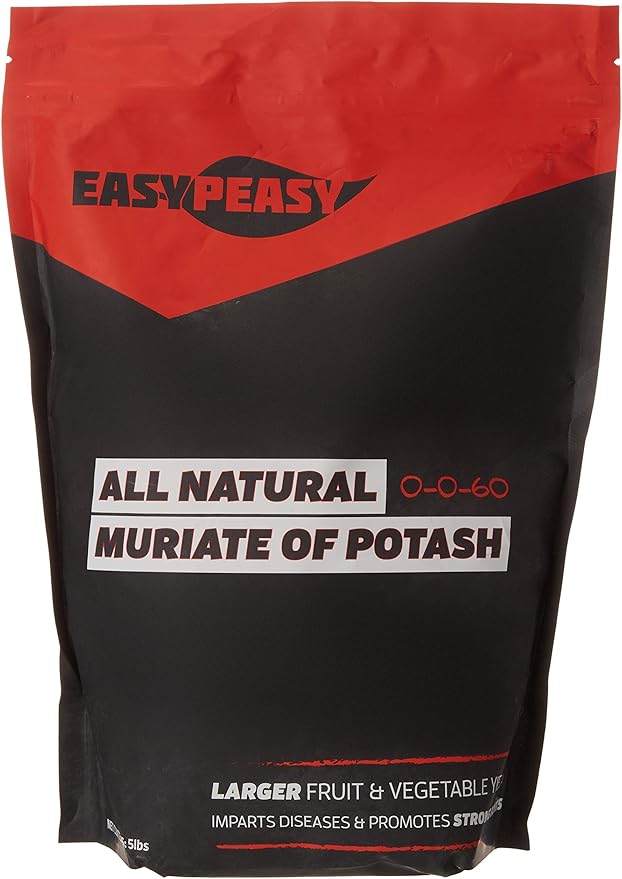
    Easy Peasy Plants All-Natural Muriate of Potash Granules – Potassium Fertilizer

    What is potash good for

    How To Increase Soil‘s Potassium

    You might be able to increase the soil‘s potash content by adding some compost. This should raise the potassium levels enough to meet your plants’ needs.

    If you are worried about your plants dying from lack of potash, try adding some fertilizer instead. You can use a general fertilizer such as 10-10-10 or something similar. Fertilizer will also contain nutrients that your plants need.

    If you are growing hydroponic tomatoes, be careful about adding too much potash, as most tomatoes need a balanced fertilizer or one high in phosphorus. Phosphorus helps them produce fruit, while nitrogen helps them grow.

    Before you plant your garden, you want to check the fertilizer requirements for your plants. This will ensure that they will get all the proper nutrients they need. It is also a good idea to do a soil test to see what the nutrient levels are like in your soil.

    How To Increase Soil's Potash

    In Conclusion – What Is Potash Good For?

    What is potash good for?  A whole lot of things!  Potash is used in making fertilizer, as well as making glass, paper,  and other products. 

    It is a very versatile product and is used by the food industry, agriculture, and even in glass or aluminum processing.  The use of potash has been around since ancient times. 

    FAQ

    Which plants benefit from potash?

    Root vegetables such as carrots, parsnips, peas and beans can benefit from potash. In addition, most fruit will appreciate potash as well.

    Is potash good for all plants?

    Not necessarily. Plants require a specific amount of potassium for their growth. If you add more than this amount, they will become too tall or weak, or their roots may grow too long.

    How often should you use potash?

    The amount of potash needed to achieve the desired effect depends on the plant and its growing conditions.  The amount of potash needed by your plant is best measured by using a soil test kit. The kit comes with a nutrient solution that you can use to check if your plant needs more potash or another nutrient.

    A soil test is also useful for knowing when to stop fertilizing. Some plants, such as vegetables, do not need much potash.

    The amount of potash they require is usually supplied by the fertilizer they are fed with. If you are unsure about what amount of potash your plant needs, it’s better to be safe than sorry.

  • The High Phosphorous Fertilizer – The King Of Gardening!

    The High Phosphorous Fertilizer – The King Of Gardening!

    A high phosphorous fertilizer is important in a plant’s growth. Phosphorus is one of the main three nutrients found in fertilizer.

    Phosphorus is essential for plant growth and development, and is also known as the ‘life-giving element’.  It is the second most abundant element in our body and the third most abundant element in the Earth’s crust.

    Phosphorus (P) is an essential macronutrient for plant growth, and it has been estimated that more than 95% of it comes from the soil.

    The Work Of Phosphorus

    Phosphorus plays a vital role in the growth of plants and is involved in many key metabolic processes. It can be stored in various forms within the plant, including the cell wall, storage proteins, and even as a phosphate salt.

    The main form of Phosphorus that is available to plants in soil is inorganic phosphorus (Pi).  This includes phosphates (HPO42-). Organic phosphorus (P2O5) can be found in the soil as a result of natural processes such as weathering and microbial activity. Phosphorus is one of the three primary nutrients required by plants: nitrogen, potassium, and phosphorus.

    The other source of Phosphorus in soils is organic phosphorus.  Soil contains inorganic and organic phosphates which are the most available form of P for plants.  Phosphate is found in most soils in both crystalline and amorphous forms.

    In the soil, phosphorous occurs mainly in the form of insoluble mineral phosphate (orthophosphate) in acid soils.  When soil pH increases, orthophosphate becomes less soluble and more available to plants.  However, when soil pH decreases, orthophosphate becomes more soluble and less available.

    Check Out How To Water A Garden

    Phosphorus In The Soil

    The total amount of phosphorus available to a crop depends on many factors, including:

    • Soil type (e.g., sandy or clay)
    • Soil pH
    • Soil texture (i.e., particle size distribution)
    • Soil organic matter content
    • Soil temperature
    • Soil moisture content
    • Available Phosphorous  in the soil
    • Available N and K in the soil
    • Excess P (if any) in the soil
    Phosphorous In The Soil

    Plants are able to take up phosphorus in three different forms:

    • Inorganic Phosphate (Pi). Plant roots have the ability to uptake Pi directly from soil solution or indirectly through transporters located on the root surface.
    • Organic Phosphates (e.g. phosphatides, phospholipids and nucleotides). Organic phosphates are more mobile within the plant cell than inorganic Pi.
    • Polyphosphate (polyP). The phosphate inorganic ion is then absorbed by the plant via the plasma membrane in the root hair zone and subsequently transported into the root cells by a process involving symplastic phloem transport.

    Read more about The 24000 BTU Air Conditioner

    The Best High Phosphorous Fertilizer For A Plant

    You must know that plants need phosphorus to grow. Phosphorus is an element that is found in soil and rocks. It is a nutrient needed by plants to make their cells strong.

    If a plant lacks phosphorus, its cells become weak and break easily. In order to ensure that your plants grow, they must be supplied with the right amount of phosphorus. Most annual plants will benefit from phosphorus.

    You will find many types of fertilizer on the market, but which one should you use? Well, here are some tips that will help you select the right fertilizer for your garden.

    Flower Fuel 1-34-32, 250g – The Best Bloom Booster for Bigger, Heavier Harvests

    71 BWy sBPL. AC SX569

    The high phosphorous fertilizer improves your garden by increasing plant size, leaf and fruit production.

    It is also used to prevent soil acidity and increase plant resistance against diseases and insects.

    Phosphorus is one of the most important nutrients that plants need. It is the main ingredient in the enzyme system that helps plant cells absorb and store nitrogen.

    Phosphorus has a vital role in the production of proteins, nucleic acids and chlorophyll.

    Some phosphorus fertilizers include phosphate rock, bone meal, blood meal, superphosphate and triple superphosphate. High phosphorous fertilizer is available in both liquid and dry forms.

    A phosphorus fertilizer contains phosphorus and calcium in the same molecule. However, when you use a phosphorus fertilizer, make sure you add enough lime (calcium) to neutralize the phosphorus. You can add calcium to your fertilizer by using a calcium-based fertilizer or liming the soil.

    Click For A Comparison Between Thai Basil Vs Basil

    Using A High Phosphorous Fertilizer

    Using a high phosphorous fertilizer is a good way to boost your vegetable garden’s output. In a vegetable garden, there are many different types of fertilizers that can be used to increase the growth of vegetables. These include organic fertilizers and chemical fertilizers.

    Using A High Phosphorous Fertilizer

    Organic fertilizers are composed of nutrients that come from natural sources. These nutrients include:

    • Nitrogen
    • Ammonium
    • Phosphorus
    • Sodium
    • Potassium
    • Magnesium
    • Calcium

    Chemical fertilizers are composed of nutrients like Nitrogen, Phosphorus, and Potassium that have been synthesized in a factory. The nutrient content is regulated by the government and used to label food as organic or not.

    Final Thoughts For High Phosphorus Fertilizer

    High phosphorous fertilizer is very essential as it provides your plants with a major nutrient that they need throughout their growing journey.  Phosphorus boosts your vegetable gardening up to 100%. But, you must use the right amount of fertilizer in order to achieve that.

    FAQ’s

    What fertilizer is high in phosphorus?

    Phosphorus (P) is an essential plant nutrient and can be found in many different forms, including monobasic and dibasic inorganic phosphate (Pi), polyphosphate (PolyP), and organophosphate (OP). Phosphorous is involved in all aspects of plant metabolism, including photosynthesis, cell wall formation, and respiration. The fertilizer that has high levels of phosphorous include Diammonium phosphate (DAP) (18% P2O5), Monoammonium phosphate (MAP) (15% P2O5), and triple superphosphate (TSP) (20% P2O5).

    What is an effective fertilizer?

    An effective fertilizer provides the necessary nutrients that your plants require to grow healthy and strong. An effective fertilizer also helps your plants to take up nutrients more quickly.

    What organic fertilizer is high in phosphorus?

    There are many different sources of phosphorus. In the soil, it is present as an organic compound called phosphatic. There are two main types of phosphatic fertilizer, phosphate, and phosphite. Phosphate fertilizers have a higher phosphorus content than phosphate fertilizers, but they are less stable. Phosphate fertilizers are usually applied in the form of phosphate rock.

    What homemade fertilizer is high in phosphorus?

    If you have a high concentration of phosphorous in your soil, it can be hard to grow plants. Most commercial fertilizers contain phosphorous as a component. But not all are created equal. To find out which homemade fertilizer is best for your plants and the specific needs of your garden, use our fertilizer calculator. How does organic matter affect the pH level in my garden soil?

    What organic soluble fertilizer is high in phosphorus?

    The most phosphorus-rich fertilizers are the slow-release granular products. These are available in a range of P2O5 levels. The higher the P2O5 level, the lower the nitrogen content of the fertilizer and the slower the release of phosphorus. If you’re looking for a product with a higher P2O5 level, choose one with lower nitrogen content.

  • Low Nitrogen Fertilizer

    Low Nitrogen Fertilizer

    Sometimes, gardeners prefer not to use fertilizers with high nitrogen if their garden soil already contains a high level of nitrogen. Low nitrogen fertilizer is what you need if your soil already contains nitrogen.

    So, before adding fertilizer to your garden, you should consider doing a soil test. This will help in knowing if what your soil needs are low or high nitrogen fertilizer.

    There are plants that do not require a high level of nitrogen such as plants that produce vegetables, fruits, and flowers. But for some other types of plants, the reverse is the case. These are plants that produce large foliage like lawn grass.

    When the level of nitrogen in the soil is high, the plants produce abundant foliage instead of much of the expected crops. But fertilizers with low levels of nitrogen, plants will be able to produce much of their fruits than leaves.

    Therefore, let’s take a look at how to identify and also know the benefits of low nitrogen fertilizer.

    Low Nitrogen Fertilizers: How To Know Fertilizers That Are Low In Nitrogen

    To identify a package of fertilizer that is low in nitrogen, take note of the three numbers on the package. Every fertilizer has three numbers indicated on it and these numbers signify the levels of the three nutrients in the fertilizer. The available nutrients in the fertilizer are represented by these three numbers.

    You will see the nutrients indication as N-P-K. “N” stands for nitrogen, “P” stands for phosphorus while “K” stands for potassium. A fertilizer with low nitrogen will have a low or zero the first number. This means that it’s either the nitrogen in the fertilizer is minimal or there’s none.

    Low Nitrogen Fertilizers - How To Know Fertilizers That Are Low In Nitrogen

    Let’s take for example a package with the indication “5-10-10”. This simply means Nitrogen is 5, Phosphorusis 10 while Potassium is 10. This package contains low nitrogen. But any package with an indication such as “0-10-10” means it contains no nitrogen.

    So, take note that apart from these three nutrient figures which are NPK, choose the one that suits your plant needs.

    Factors To Consider Before Using Fertilizer

    Before adding any type of fertilizer to your soil, be it low or high nitrogen fertilizer, there are factors you need to put into consideration.

    ·         Test The Soil

    Get your soil tested first in order to know the soil pH and nutrient levels. This will help in knowing the decision to make regarding any amendments in your garden. It helps in knowing what will be good to use to make your soil healthy and ready for planting.

    You can get your soil tested yourself by buying a do-it-yourself soil test kit. This can be bought online or from a garden center.

    Another way to get your soil tested is by taking a soil sample and sending it to the agricultural extension lab close to you. The lab will be able to advise you and give you some recommendations, on keeping your soil healthy, based on what you want to plant.

    Test The Soil

    ·         Stick To The Fertilizer Label Instructions

    Check for the instructions labeled on the fertilizer and follow them when you want to add fertilizer to your soil.

    Don’t add too much fertilizer to the soil early. It can cause fertilizer burn, thereby causing serious irreversible damage to your plants. Adding fertilizer to your soil should be a gradual process.

    ·         Overall Soil Health Is Important

    Look to achieve and maintain good overall soil health first. And then, every other thing like using fertilizer, compost, manure, and mulch can follow.

    Keeping your soil in good condition in regards to its texture, water retention, and microorganisms, is very important.

    Manure With Low Nitrogen

    Apart from using commercial fertilizers with a minimal level of nitrogen, there are natural types of soil nutrients that contain low nitrogen.

    A way to add organic material and other necessary nutrients to your garden soil without burning your plants is with low-nitrogen manure. But have it in mind that, it is not all manure that is being made in an equal manner. You should remember that every type of manure has a different level of nitrogen in it.

    Black Kow Composted Cow Manure 4 lb. Size

    810sH8R7KlL. AC SY879

    The level of nitrogen in manure is determined by the type of animal the manure is gotten from. And also, its water content.

    For example, chicken manure contains more nitrogen. For this reason, it will be hotter than that of a cow which can burn the plant. Typically, the nitrogen in chicken manure is 6% by weight and this also depends on the amount of water in it.

    Compost With Low Nitrogen

    Before you begin planting in your garden soil, it is a great idea to first prepare the soil by adding compost.

    This helps to provide nutrients and organic materials to your soil. When looking at the nitrogen content in compost, know that the level of nitrogen in the compost depends on all that is being added to the pile.

    Pile components such as grass clippings or cuttings from pruned plants are “greens” are high in nitrogen. But pile components like sawdust and straw or any other components are “browns” are high in carbon.

    All these components that are contained in the compost decompose gradually with the help of microorganisms.  E.g worms and bacteria in the soil. This way, there will be a gradual release of nutrients to your soil in a small dose.

    Bone Meal

    Bone meal contains is a soil additive that contains a low amount of nitrogen, but lots of calcium and phosphorus. If you want to add calcium or phosphorus to your soil without adding much nitrogen, you can opt for a bone meal.

    Reasons For The Use Of A Low Nitrogen Fertilizer

    Sometimes, a garden soil may contain a high level of nitrogen which can be as a result of adding high-nitrogen fertilizers to the soil improperly in time past. For this reason, it will be advisable to carry out a soil test. Also, get recommendations on the amount of nutrients to add to your soil.

    Too much nitrogen in the soil can lead to plants not producing as many flowers and fruits as they should. Hence, adding fertilizer with less amount of nitrogen can help encourage the plants to produce more flowers and fruits than leaves.

    Low Nitrogen Fertilizer: Conclusion

    With the help of this article, it’s certain you now understand the benefits, as well as everything about a low nitrogen fertilizer. You should have also learned about where and how to get them.

    FAQ’s

    What is a low nitrogen fertilizer?

    Low nitrogen fertilizer is any fertilizer package where the first number amongst the three nutrient numbers is low. For example, a package that has 5-10-10 on it which stands for NPK means that the amount of nitrogen in the fertilizer is low.

    Why is fertilizer with low nitrogen hard to find?

    This may be because most farmers may find it a bit hard to get all the necessary things they need to make low nitrogen fertilizer.

    Which fertilizer is low in nitrogen?

    A fertilizer that is low in nitrogen is the type that the first number in the ratio is low. All fertilizers come with 3 numbers as the ratio of the percentage of each of the nutrients available in them. The first number stands for nitrogen.
    To get a fertilizer with low nitrogen, look out for a package with a low first number.

    What is low nitrogen fertilizer good for?

    Low nitrogen fertilizer is good for encouraging plants to produce more flowers as well as fruits.

  • The Differences Between Greensand Vs Azomite

    The Differences Between Greensand Vs Azomite

    If you are an avid gardener, you might have looked into the benefits of using Greensand vs Azomite for your plants. As they are both naturally occurring substances, they are used to amend the soil, improving the conditions. They are both particularly popular to use with indoor plants.

    Both Greensand and Azomite have advantages and disadvantages for using for your garden. It is important to understand the differences between the two along with the pros and cons so you can decide which one is best for your gardening needs. Both substances can be great options to improve your plants as long as you know how to use them right.

    Greensand Vs Azomite

    Both Greensand and Azomite are substances that are used in potting mix, primarily for indoor plants though you can use them in outdoor gardens too. They help benefit the soil to help your plants grow strong and healthy.

    Greensand is a type of sand also known as sandstone that is greenish in color. It is rich in Potassium, Magnesium, Iron, and Silica and is a popular choice among organic gardeners. It offers great drainage and works well as a fertilizer.

    The main ingredient in Greensand is Glauconite, which gives it its green appearance. It is mined in New Jersey from oceanic sedimentary deposits. It has been used by gardeners for decades as a reliable fertilizer

    Greensand Vs Azomite

    Azomite comes from dust rocked that is mined in Utah. It is the most popular type of rock dust used in gardening. It is extracted from ancient volcanic ashes and it is one of the rarest minerals.

    Azomite contains a distinct combination and quality of crystalline minerals unlike any other mineral deposit in the world. It is mainly Silica, but it also contains Boron, Magnesium, Iron, Copper, Potassium, and Zinc. Known as the “A to Z of Minerals” it contains an excellent source of micronutrients plants can benefit from.

    Check Out A Guide On When To Pick Basil Leaves

    Benefits Of Greensand Vs Azomite

    There are many benefits that come with using Greensand for your plants. Since it is natural, it is safer to use than artificial fertilizer.

    Greensand works as a natural fertilizer for your plants and since it contains potash, it increases disease resistance in plants. It also adds a free-draining texture and the green color can look great with your plants. Greensand is also non-toxic, so it is safe to use around pets and children.

    Greensand is particularly great to use with clay and sandy soils. It can help loosen up clay while helping sandy soil better retain water. It can also enhance soil structure, increase root growth and improve the overall health of your plant.

    Down to Earth Organic Greensand Fertilizer, 5 lb

    81vgL+dJuPL. AC SY741

    Greensand is neutral on the pH scale and is great for providing your soil with essential nutrients. You can use it as a potting mix for indoor plants or for your outdoor garden as well. You can even use it on your lawn as well to improve grass growth and it is safe to use on sensitive plants.

    Cons Of Greensand Vs Azomite

    If you use too much Greensand, it will end up releasing the nutrients too slowly, not giving them the benefits that they need. Depending on where you live, Greensand can be hard to find and it can get a bit expensive.

    Benefits Of Azomite

    Azomite is packed full of many beneficial nutrients that plants need. It is natural, so it is safe to use for indoor and outdoor plants.

    Azomite can produce larger fruits and vegetables while also improving their taste. It promotes root growth while also improving depleted soil.

    Azomite provides 70 micronutrients, many more than traditional fertilizer does and it is safer to use. Though its pH is alkaline, it is safe to use on all types of soil.

    Though you can use Azomite with just about any plant, it is particularly great to use with vegetables and fruits. It increases the concentration of sugars and can produce healthier fruits and vegetables. Since it is nontoxic, it is safe to use around pets and children in your household.

    Cons Of Azomite Vs Greensand

    Since Azomite is rock dust, overexposure from excessive inhalation can lead to problems with your lungs. This, however, is true for all forms of dust. Depending on where you live, it may be hard to find at local garden centers and it can be pricey as well.

    Excellent Choices For Your Gardening Needs – Greensand Vs Azomite

    Both Greensand and Azomite come with many benefits that outweigh the negatives. Both can be very beneficial fertilizers for your garden and they are both natural and non-toxic, making them safe to use. Your gardens will see many benefits from using either of these natural fertilizers.

    Do you have any questions regarding Greensand vs Azomite? If so, please ask any questions in the comment section below regarding these two natural fertilizers for your plants.

    FAQ’S

    What is Greensand?

    Greensand is a type of sandstone that is greenish in appearance. It contains mainly Glauconite and is also full of many beneficial nutrients for your plants. It comes from oceanic sedimentary deposits and is mined in New Jersey.

    Greensand is non-toxic and is a great fertilizer to use for clay and sandy soil. You can use it for your indoor plants, outdoor garden and even your lawn.

    What Does Azomite Do for Plants?

    Azomite provides plants with 70 micronutrients that are beneficial for growth. It can help increase the yields of fruits and vegetables while also making them taste better.

    Azomite also promotes root growth while enhancing depleted soil. It is non-toxic and it is safe to use for all soil types.

    Greensand or Azomite, Which is Better?

    Greensand and Azomite both come with many benefits and can both be used as fertilizers for your plants. They are both safe to use and provide your plants with important nutrients to help them grow.

    Azomite releases its nutrients faster and contains more minerals than Greensand, making it the better option for some. It is especially great to use for growing fruits and vegetables. Greensand is still an excellent choice and it is particularly great for clay or sandy soil.

  • Best Mulch For Tomatoes and Peppers

    Best Mulch For Tomatoes and Peppers

    Tomatoes and peppers are among some of the most popular plants to grow in gardens. They are both generally easy to maintain and produce an abundance of fruit. If you are wanting to grow some in your garden, you will want to know the best mulch for tomatoes and peppers.

    Mulch can help provide your garden with the beneficial nutrients your plants need to grow. It can be a great addition to your garden to help your plants flourish. However, there are several varieties of mulch to choose from that it can be hard to know which is the right option for your garden.

    Benefits Of Mulch In Your Garden

    There are many benefits of having mulch in your garden. It is simple any material that covers the top of the soil and it can be organic or synthetic and inorganic materials. In addition to helping out your garden, mulch can also be good as well.

    Increase Nutrients

    The right mulch can increase the nutrients in your soil. As the mulch decomposes, it can improve the soil structure and provide beneficial nutrients to your plants. While improving the soil‘s structure, it can also improve the drainage of it as well.

    Reduces Weeds

    Weeds can be problematic for any garden, as they can take away water, light, and nutrients from the plants you are growing. By mulching your garden, you can help prevent weeds from popping up among your plants. In addition, weeds can be a sight sore in your garden as well.

    Helps Maintain Optimum Soil Temperature

    By adding a layer of mulch to the top of your soil, you can help maintain the optimum soil temperature. It can help create a barrier from the cold in winter and a barrier from the heat in summer. In addition, it can also protect roots from freeze damage and frost-heave as well.

    Reduce Soil Erosion

    Mulch helps reduce soil erosion as well as soil compaction. It can also improve the moisture level of soil, which can help plants from drying out too quickly.

    Reduce Soil Erosion

    Can Help Prevent Diseases

    Using mulch can help prevent diseases such as Blight. Blight is a soil-born disease that can be detrimental to tomato plants.

    Best Mulch For Tomatoes And Peppers: What Is the Best Mulch For Tomato Plants And Peppers

    Like many plants, both tomatoes and peppers can benefit from having mulch. Using mulch can help them grow healthy and strong, allowing for your plants to thrive and produce an abundance of fruit. Fortunately, there are several different types of mulches, both organic and synthetic, that your tomatoes and peppers can benefit from.

    Wood Mulch

    Wood mulch is one of the most popular types of mulch and can be a great option for both tomatoes and peppers. Bark chips or any fine wood mulch is a great option for your garden.

    Not only does it look nice, but it can be great for preventing weeds from growing and can help improve the soil structure to improve drainage. However, over time it can change the pH level of soil, so be sure to check it once every growing season.

    Compost

    Compost can be a great way to recycle organic matter while benefiting your garden. As one of the best mulch for peppers, it can provide a diverse healthy micro-life that can help improve the soil and provide beneficial nutrients.

    Black tea compost is one of the best options for peppers as well as tomatoes. It is rich in water-absorbing organic matter, while not being high in salt, which can help seeds germinate. Compost with coffee grounds can be a great option for tomato plants.

    Charlie’s Compost 10lb

    21nJo3l oPL. AC

    Grass Clippings

    If you use organic fertilizer on your lawn, grass clippings can be a great option for your tomatoes and peppers. Let your grass clippings dry out and then sprinkle them atop of your soil. The clippings will mat together to protect plants and help the soil retain heat when it is cold.

    Straw

    Straw is one of the best mulch options to use for tomato plants. It can easily spread atop the soil and will help prevent weeds while enhancing drainage and keeping the soil at an optimum temperature.

    Leaves

    Leaves make great mulch, particularly during the winter months. They provide great weed protection while also increasing soil retention. In addition, when they break down they provide beneficial nutrients to help the plants in your garden grow.

    Peat Moss

    Throughout the growing season, peat moss slowly decomposes, adding beneficial nutrients to your soil. However, be sure to water extra when first adding peat moss as it can retain a lot of soil.

    Peat Moss For Tomatoes and Peppers

    Plastic Mulch

    Black plastic mulch is commonly used among commercial tomato farmers. It helps retain heat and increases the production of the tomato plant. It must be put down in the spring and then later removed in the fall.

    Red plastic mulch is also another popular choice as it retains heat in the soil and increases the yield. In addition, it prevents soil erosion while retaining soil moisture, improving the growth of tomato and pepper plants.

    FAQs

    What is the best mulch for tomato plants?

    It depends on your situation. You have a number of factors to consider: How long do you expect the plant to live? How much time do you want to spend weeding? What are the temperatures likely to be? Are there other plants nearby that might be affected by weeds?

    Tomatoes are a warm-weather crop and should be mulched during the summer months. They don’t require a cold period like some other crops, so you don’t need to mulch them with straw or hay.

    Here’s what I’d recommend: Black plastic mulch is an excellent choice for tomatoes because it keeps weeds down while protecting the roots. It’s also biodegradable, which means it won’t harm the environment.

    The downside is that it’s not easy to dig through when you’re planting. So if you have a lot of space and want to save time and effort, then black plastic mulch is the way to go. It’s not the best option if you want to save money, though, because it can be expensive. Plastic mulch is made from polyethylene and can cost anywhere from $1 to $4 per square yard.

    You can use straw or hay to mulch your tomatoes. These options are inexpensive and work well. But they do take up space and require you to weed more often. You can buy hay or straw by the bale or in bulk at some gardening centers. Straw is usually cheaper than hay. 

    If you don’t have a lot of space, then you can mulch with wood chips. Wood chips are a good choice because they are inexpensive, they don’t take up a lot of space, and they also make your garden look great. They can also help keep weeds down because they decompose quickly. However, wood chips can get dirty and need to be cleaned regularly. Wood chips also make your soil compact, which can affect plant growth.

    Is cedar mulch good for tomato plants?

    It might work with your tomato plants. It will help with weed suppression. You can put it down around the base of the plant when you transplant, or you can wait until the plants are larger and more established.

    Also, it will protect your plants from drought, especially if you are in a dry area. And it will keep your soil cool.

    How should I mulch my tomato plants?

    There are a few ways to mulch your tomatoes. The easiest way is to cover the tops of your plants with leaves, grass clippings, or straw. This method will keep the soil moist and will prevent weeds from growing. It’s also easy to harvest the fruits, and if you’re growing them in containers, it makes for a nice display. You can also lay down sheets of plastic or newspaper in a crisscross pattern around the plants.

    No More Wondering What Is A Good Mulch For Tomatoes And Peppers

    Mulch can be very beneficial for tomato and pepper plants. It can help prevent soil erosion and weeds from growing while also improving the structure of the soil, providing important nutrients, and helping maintain the optimal temperature of the soil. By adding it to the surface of your soil you can improve the health and yield of the plants in your garden.

    Some of the best mulches to use for tomatoes and pepper include grass, wood mulch, straw, compost, leaves, peat moss, and plastic mulch. Each of these can help improve the soil, allowing your plants to thrive and increasing the yield of fruit. Both organic and non-organic/synthetic mulches can be a great option for your garden.

    Do you have any questions regarding the best mulch for tomatoes and peppers? If so, please ask any questions regarding mulch and growing peppers and tomatoes in the comment section down below.

  • The Best Fertilizer For Squash and Cucumbers

    The Best Fertilizer For Squash and Cucumbers

    The best fertilizer for squash and cucumbers is the one that provides these crops with the right nutrients throughout their growing season.

    Squash is a tasty and traditional addition to any garden bringing in a festive feel. Besides, they are more versatile in the kitchen – they can be turned into soups, grilled, or baked.

    They grow on gardens, containers either flat on the ground or supported on a trellis, and other strong supports. They are super cool both when cultivating and cooking.

    Squash is loved and popular among many people, but it can turn out bitter if grown under the wrong conditions.  Excessive drought, watering, or insufficient nutrients can cause the squash to turn bitter.

    To provide your squash with the right nutrients, you will need to fertilize your plants. Fertilizing your squash with the proper nutrients ensures the growth of a healthy and tasty crop.

    A high-quality fertilizer guarantees you bigger harvests and stronger roots. The nutrients in the fertilizers directly relate to the taste of your squash.  So let’s learn about the best fertilizers to use for squash and cucumbers.

    What Type Of Fertilizer For Squash And Cucumbers?

    Fertilizers for squash and cucumbers come in various types – liquid, granular, etc.  Let’s look at these types and learn their differences.

    Granular Fertilizer

    Granular is a dry fertilizer applied using a spreader.  It has many benefits, but one that outweighs the rest is that you get to see the actual fertilizer as you apply it. You can easily tell where you have applied and where you have not.

    Granular fertilizer is a slow-release fertilizer that feeds your squash and cucumber plants for a longer period.  You may only use this fertilizer once or twice a year.

    Unlike the slow-release fertilizers, the quick-release ones release nitrogen into the soil almost immediately after application.  The quick-release fertilizer is best used when you want to fix your soil immediately.

    Read more about:

    Liquid Fertilizer

    This fertilizer is in its concentrated form and needs to be diluted before application. It is easy to apply and is quickly absorbed into the soil. You can apply these fertilizers using a watering can, hose, or canister.

    A huge disadvantage of this type of fertilizer is that it gets washed away when applied during the rainy season.  Be sure to use it when there is no expected rain.

    Spikes

    This type of fertilizer comes in the shape of sticks.  It is a slow-release fertilizer; once applied, it will be released over time.  You apply it directly to the ground, and it is easy to use.  This fertilizer is best for gardening beginners, as they can easily use it.

    Jobe’s 5001T Houseplant Indoor Fertilizer Food Spikes, 50 Pack(2)

    81eCWO0N+6L. AC SX569

    Squash Fertilizer Requirements

    Now that you have the types in mind let’s see what all these fertilizer types best for squash and cucumber contain.  But before we even do so, it is essential first to understand the nutrient requirements for squash.

    Here is a list of nutrients that your squash plants require for strong growth:

    • Nitrogen.  This is the most critical and lacking nutrient in most garden soil. It is the one nutrient that helps plants grow the fastest.
    • Potassium.  This nutrient assists the plants by building a more disease and drought-resistant factor.
    • Phosphorous.  It helps stimulate root growth.
    • Magnesium.  This nutrient helps plants process sunlight better.
    • Hydrogen.  It is mostly found in water and is needed for the strong growth of your plants.
    • Sulfur. This nutrient provides protein to the plants making it the building block of life.
    • Other nutrients required for plant growth are iron, zinc, boron, copper, chlorine, and manganese.

    Having an understanding of the nutrients required and how they help the plant, it’s now time to buy the right fertilize for squash and cucumbers.

    The best fertilizer consists of Nitrogen, Phosphorous, and Potassium. Usually, a fertilizer will have 3 digits, such as 1-1-1.  The first digit represents Nitrogen, the second Phosphorous, and the third Potassium.

    Here is a list of fertilizer mixes that can help you, depending on your soil needs.

    • 1-1-1 It is an all-purpose fertilizer
    • 1-2-1 This fertilizer promotes root formation and strengthening.
    • 1-2-2 It promotes flowering and fruit growth.
    • 3-1-1 It promotes leaf growth
    Squash Fertilizer Requirements

    What Is The Best Fertilizer For Squash And Cucumbers?

    It is not easy to choose the best fertilizer just by looking at it.  However, there are a few qualities you should check out that include:

    Fertilizer Composition

    Generally, a deeper understanding of fertilizer composition is critical for productive gardening, especially fruits and vegetables.  The nutrients in the fertilizer you chose directly relate to the taste of your squash.

    A good fertilizer has 3 main ingredients – nitrogen, phosphorus, and potassium. Any fertilizer you buy must have 3 numbers representing these 3 ingredients.

    A good fertilizer for your squash needs to have a higher phosphorus content—for example, 4-6-4, with phosphorous being more than the other 2 ingredients. Phosphorus helps promote fruiting precisely what you want when growing squash.

    Organic Versus Inorganic

    Organic fertilizer is always better than inorganic, regardless of the plant you are growing. You can buy organic fertilizers from the nearest organic center.

    Organic fertilizers are all-natural and non-toxic to animals, but that doesn’t mean you allow your dogs or cats to ingest them. These fertilizers do not burn your crops or form a crust on your soil like the inorganic ones.

    Inorganic fertilizers are synthetic and contain a high percentage of chemicals.  When used correctly, they work well, nourishing your plants properly, but they harm the environment when misused.

    What Is The Best Homemade Fertilizer For Cucumbers

    What Is The Best Homemade Fertilizer For Cucumbers?

    Most gardeners recommend homemade fertilizer for cucumbers and other vegetables as it does not burn the plant’s roots. Among the many homemade fertilizers, we share this recipe with you. You can make yours from lime, bone meal, seed meal, and kelp meal.  You can source all of these ingredients from the nearest garden centers.

    Recipe For A Homemade Fertilizer

    Ingredients

    • 4 parts seed meal
    • ¼ part agricultural lime
    • 1 part bone meal, bat guano, rock phosphate
    • ¼ part gypsum
    • ½ or 1 part kelp meal
    • ¼ part dolomitic lime

    Mix all the above contents in a large container or bucket and fertilize your cucumbers.  Save any remaining mixture in a tightly closed container throughout the growing season.

    FAQ’s

    Is Epsom salt good for cucumber and squash plants?

    Yes, it’s fine to use Epsom salt when you want to give either of these two types of plants a real boost.

    When you apply it, make sure you don’t get any on the leaves, otherwise they’ll have a hard time absorbing nutrients from it. The reason why we use Epsom salt is that it’s a good soil conditioner. It helps the soil hold moisture longer and also holds in more nutrients (nitrogen).

    Epsom salt is a natural mineral-rich salt. It can be used to help keep cucumbers and other vegetables fresh. To keep cucumbers fresh, sprinkle them with salt and place them in a plastic bag or container with holes punched in the top. The salt will draw moisture from the cucumbers’ leaves, and prevent them from wilting.

    What is a good fertilizer for squash?

    Squash are sensitive to nitrogen, phosphorus and potassium fertilizers. To start with, most squash require a nitrogen-rich fertilizer such as urea or ammonium nitrate. If you don’t have any of these in your garden, then consider buying them from a local garden center. Most squash also need phosphorus and potassium (P/K), but only in small amounts. You can easily buy these at the same garden center that sells nitrogen.

    What is the best fertilizer for growing cucumbers?

    Cucumber plants are very sensitive and will benefit from a good fertilizer. The best fertilizer for growing cucumbers is compost. You can make your own with the following: 2 parts peat moss 1 part bark 1 part composted manure Mix and store in a plastic bag. You can also buy composted manure at your local farm supply store.

    There are two ways to fertilize your cucumber plants.

    Feed the plants regularly with a fertilizer that contains Nitrogen, Phosphorous and Potassium. This will help in the growth of the plant. It is recommended to use an organic fertilizer which will not harm the environment.

    Fertilize the soil before planting the seeds. A good way to do this is by adding compost.

    What should a homemade cucumber fertilizer include?

    A homemade cucumber fertilizer is a blend of compost, manure, and other organic materials. These materials are combined to create an excellent nutrient-rich soil amendment that will improve the growth of your cucumbers. You can make this cucumber fertilizer using a variety of different ingredients. This type of fertilizer is a great option if you don’t have access to a local organic farmer. The best type of fertilizer for growing cucumbers is made from cow manure and compost.

    What should a homemade squash fertilizer include?

    It depends on your goal. If you are looking for a fast growing, high yielding plant, then you will want to use a very high nitrogen fertilizer.

    If you are looking for a plant that will produce for many years, then use a more balanced fertilizer. The most common method for preparing compost for use as a fertilizer is to mix it with wood ash or sawdust.

    Final Thoughts

    The best fertilizer for squash and cucumbers will give you great rewards for your gardening.  You will have a great harvest that you are truly proud of because you have provided proper growing conditions for your squash.

  • All About Green Sand Soil Amendment

    All About Green Sand Soil Amendment

    Green sand soil amendment goes a long way in improving your soil in whatever USDA zone you are gardening from.

    Soil improvements are necessary for organically improving your soil by providing the required nutrients. The green sand soil supplement is necessary for improving the mineral content of your soil.

    This organic soil supplement is widely available at many organic and nursery centers and contains a high quantity of minerals giving the gritty mix of a greenish color its name.

    What Is The Green Sand Soil Amendment?

    Green sand is the bottom sediment deposit layer harvested from ancient ocean floors. Recently it has gone through a weathering process turning it into a fine sand texture. The greenish color the sand has comes from minerals such as iron ore and glauconite. These minerals come from rocks and are made up of particles of clay, mica, and other minerals.

    One of them is the most common green sand sold in the United States is called Jersey green sand. It comes from the state of New Jersey, in geological history, New Jersey was once underwater. When the water receded, it left marine sediment deposits data now mind and ride as green sand.

    New deposits have also been found in Kansas and East Texas. Many countries along the Mediterranean sea have deposits of the material as well as England.

    What Is The Green Sand Soil Amendment

    What Is Green Sand In Casting?

    This is the process that the green sand goes through from harvesting to packaging preparing it and getting it ready for gardeners to use in their farms.

    What Does Green Sand Do For Your Soil?

    Green sand provides a slow and gentle release of minerals protecting your plants from the classic root burn that fertilizers cause. Using this supplement as a soil conditioner provides a good source of potassium in a 0-0-3 ratio.

    It contains up to 30 different minerals which enrich the soil and are easy for plants to uptake. One of the biggest benefits of using green sand in your soil is the ability to break up hard soils like clay, allow oxygen into the soil and increase drainage. The exact amount of green sand to add to your soil will vary depending on what the manufacturer produces the compound. Some manufacturers add sand to the mixture to impact the strength of the product. The condition of your soil also dictates how much green sand fertilizers you need to use for maximum effectiveness.

    Why Is Green Sand Helpful?

    Green sand is a soil amendment that helps better the condition of your soil it works to loosen the soil and improve heavily compacted clay soil. Waste material goes down into the soil pushing heavy particles apart. It makes the soil lighter and provides room for roots to expand allowing air to circulate in the soil.

    Green sand is also an excellent conditioner for sandy soils. Sandy soil does not absorb water rubber it allows it to pass through living it dry. Sandy soil is good for drainage but it also means nutrients leach out. When added green sand absorbs up to 10 times the amount of water that regular sand absorbs. It is also an excellent soil for most plants as it does not allow waterlogging.

    Green sand also has important nutrients containing about 3% potassium and that mineral including magnesium calcium iron and phosphorus.

    Another benefit of adding green sand to your soil is mineralization. Your plants require minerals to help them respirate, expel waste, and take in nutrients. These tasks require small amounts of minerals to be present in the soil. Without these minerals, your plants will not be as healthy as they should be. Green sand helps improve the overall health of your soil.

    Read more about Is Horse Manure Good For Vegetable Gardens?

    How Much Green Sand Do I Add To My Soil?

    As a general rule mix 2 cups of green sand into the soil around each plant. For broadcast applications, use a ratio of 50 to 100 pounds per 1,000 feet of soil.

    Green sand is organically certified and the green color from the glauconite helps absorb the sun and warm the soil in the early spring.

    The gritty texture that the soil gas is able to soak up more moisture than the normal garden soil and conserve it for the plants’ roots.

    The best supplement is easy to use and gentle even for the most sensitive plants. Apply it in early spring either as a soil amendment or a good all-purpose fertilizer.

    Down to Earth Organic Greensand Fertilizer, 5 lb

    81vgL+dJuPL. AC SY741

    Can You Use Too Much Green Sand?

    If you are not sure how much green sand to add apply larger amounts of this supplement as a safe bet. Green sand does not burn your plants or over-fertilize them.

    Applying too much green sand will not give your plants an extra boost as it releases the nutrients slowly by slowly.

    Click here to Learn about:

    Where To Use Green Sand

    Green sand is not only used in your flower bed rather you can use it on your loan in farm pastures among your berry plantings or in your orchard.

    The ph level of green sand varies depending on where it was harvested and other influences in the soil. It varies from slightly alkaline to slightly acidic but it doesn’t dramatically alter your sales overall. This is because it is a slow-acting supplement.

    You can use green sand in the following ways:

    Starting Seed

    Mix green sand into your seedling mix to make it lighter. It is also good for plants that develop a taproot early and root crops like beets that are not transplanted. Mix 1 cup of green sand per gallon of seedling or starter mix.

    Where To Use Green Sand - Starting Seed

    House Plants

    Every time you have plants in your container you need to give them attention to the roots and ensure they have the right conditions they need to grow. Greens and helps the condition of the soil improve so that the roots can easily spread out. Add 4 tablespoons of green sand per gallon of potting soil and mix well this will help improve your house plants providing them with minerals that help make chlorophyll.

    Fruit Trees

    Sprinkle 2 cups of greens and into the soil around your fruit trees and spread it along the drip line to make it accessible to the roots. If you own a large orchard spread 50 lb of greens and 1000 square feet.

    Vegetable Gardens

    Application rates depend on the soil conditions full stop for example if you have a good foundation based on a soil test you will only need to supplement as a soil conditioner. Apply 25 lb per 1,000 square feet. If you have mineral deficiencies in phosphorus calcium magnesium or iron add green sand to help your soil long-term

    Yard

    Greens and helps improve your lawn loosening up compacted soil and adding nutrients. You can sprinkle it along with lawn seed in a new area or sprinkle directly onto your yard at a rate of 16 lb per 1000 square feet.

    Where To Use Green Sand - Yard

    Compost Pile

    Sprinkle a cup of green sand into your compost pile every time you add a green layer for use in the layering method. This supplement increases the nutrients in your pile and benefits your microbes.

    Any areas that show minerals deficiency. Apply green sand in any part of your garden that shows minerals deficiency. If you notice your plants suffering from chlorosis or lack of adequate chlorophyll save them by applying green sand. Green sand adds minerals to the soil and helps alleviate this deficiency.

    FAQs

    What does greensand do to soil?

    Greensand is the sand, silt and clay that is mixed in with the topsoil of the ground. It is a key ingredient for building healthy soil, and a great addition to your garden soil. The three main components of greensand are quartz (silica), iron oxide (ferric oxide) and manganese oxide (manganous oxide).

    How do I use greensand?

    The first thing you need to do is mix the greensand into your garden soil. Greensand should be added at a rate of one part greensand to four parts soil. You may add more or less depending on how much you want to apply. Greensand should be mixed into your soil before you plant seeds or seedlings.

    Greensand can be added to soil as part of an aggregate material (sand or gravel), or in dry form. The primary effect is that the soil becomes more stable and less prone to erosion.

    Is greensand toxic?

    It might be toxic to some crops.
    Greensand is a naturally occurring silicate mineral that comes from the soil and has been used as a fertilizer since ancient times. It can be found in most soils and is often added to them.
    Greensand is composed of silicon, oxygen, magnesium, aluminum, iron, and potassium. It’s used by farmers to grow crops.

    How does greensand work?

    The silicon in greensand helps plants grow. Plants use silicon to build cell walls and create new cells. Magnesium helps plants absorb nutrients. Aluminum helps make plants more resistant to disease. Iron helps plants use water and produce energy. Potassium helps plants produce proteins, carbohydrates, and fats.

    Can you use too much greensand?

    Green sand is very useful in growing plants.

    It contains all the necessary minerals and nutrients needed by the plant to grow. You can add as much as you want. However, if you don’t know the exact composition of the green sand you are using, you should add enough to give your plants the required amount of nutrients and minerals.

    What plants benefit from green sand?

    Green Sand is a natural fertilizer that can be used to grow a variety of plants. The sand has the nutrients that are necessary to provide food and moisture for the plants. The sand also has a high pH level, so it is very easy on the plants and will not burn them or harm them in any way. If you have ever had a problem with your soil being too acidic, then using green sand could help.
    Green sand is an organic material that absorbs nutrients, toxins and minerals from the water as it travels through the sand.
    It is also a form of mulch that helps to prevent soil erosion.

    Conclusion

    If you make green sand soil amendment a part of your garden you will only have good things to say about it. It is a useful soil conditioner that addresses a wide range of problems you face in your gardening journey.

    Add it to loosen heavy clay soils or bind sandy soils together. You will have no regrets!

  • Using Mushroom Soil For Gardens

    Using Mushroom Soil For Gardens

    Having good soil is important for any garden, no matter what you are growing. Fortunately, there are many different soils and fertilizers you can use for improving the soil in your garden. Using mushroom soil for gardens can be a great option to provide the nutrients your plants need to thrive.

    Though many people may not be familiar with mushroom soil, it can be a great option for many people. In fact, it is a suitable option for most gardens when it is properly used. Many people are even now beginning to make the switch to this practical and healthy option for their garden.

    What Is Mushroom Soil?

    Mushroom soil, also known as the spent mushroom substrate or mushroom compost, is a soil-like material that remains after a mushroom crop. It is the steam pasteurized, partially composted leftovers from mushroom growing media after the crop has been harvested.

    Mushroom soil can be used directly in garden beds or can be composted for an additional six to 12 months until it becomes odorless. It contains a variety of different ingredients, such as wheat straw, horse manure, hay, corn cobs, cottonseed hulls,  brewer’s grain, cocoa bean hulls, ground soybeans, seed meal, peat moss, and ground limestone. This helps give it plenty of beneficial nutrients to help mushrooms, and later other crops, grow successfully.

    In addition, it may also contain pesticide residue, along with grubs and other insects. Mushroom soil will vary slightly, depending on the location and what the farmer added to it. It is generally readily available, as you can find it at many gardening stores and it is affordable.

    Mushroom compost comes with many benefits including improving the water capacity, soil temperature, and microbial activity. In addition, it also improves the structure of soil while even amending clay-like soils over time.

    Mushroom soil is great for providing essential nutrients and also important micro-organisms to vegetable gardens,  along with perennials, trees, and shrubs. Oftentimes, the nutrients in it will contain 1-2% nitrogen, 0.2% phosphorus, and 1.3% potassium, though this will vary by each type.

    Read more about When To Fertilize Tomatoes Plants?

    What Is Mushroom Soil Good For?

    So, you may wonder, is mushroom soil good for gardens? Since mushroom soil is a slow-release, organic plant fertilizer, it is great for use in many vegetable and fruit gardens. In addition, you can even use it for perennials, shrubs, and trees as well.

    Mushroom soil should not be used to completely replace soil but should be mixed. A ratio of 75% soil and 25% mushroom compost is often a good mix for most gardens.

    Pasteurized Mushroom Substrate 5 LB Bag Made Perfectly to Field Capacity

    81JyoBkTgWL. AC SX569

    Mushroom soil is also particularly great for lawns. By adding it to newly seeded lawns, it will help the seeds germinate as they retain water. In addition, it can help prevent birds from eating your seeds.

    Since it does have a high salt level, it is not a good option for blueberries, cranberries, rhododendrons, azaleas, and camellias. However, in most cases, its other nutritional benefits outweigh its high salt content.

    Mushroom spent substrate that has been weathered for six months or more is particularly great for garden beds. Not only does it improve the structure of the soil, but it also provides important nutrients for growing plants.

    When fresh, mushroom compost can even work to prevent weeds from popping up, as it is dense. In addition, over time it can help amend clay soil, making it more usable.

    How To Use Mushroom Soil For Gardens

    Mushroom compost is often available at gardening centers. It is generally available as  SMC or SMS (stands for spent mushroom compost and spent mushroom substrate). It comes from mushroom farmers that have used the soil for growing their mushrooms and no longer have a use for it.

    You can use it for lawns, gardens, and potted plants, as it will help improve the soil. For gardens, you can top-dress with the compost or till it into the soil, around three to six inches deep. For potted plants, you can use it to make up to one-quarter of the volume of the soil in the container.

    How to Use Mushroom Soil For Gardens

    In addition, it is great for adding to newly seeded lawns. You can add it on top of the seeded lawns to achieve the most benefits from it.

    Mushroom compost also works great in a vermicomposter. After using it as worm bedding, it will create a rich fertilizer that is full of beneficial microorganisms, making it great to use for your soil.

    Is Mushroom Soil Good For Raised Beds?

    Yes, mushroom compost is a great addition to raised garden beds. You can top-dress the garden bed with the compost to help your plants receive the most benefits from it. As it breaks down, you can work it into the soil.

    Is Mushroom Soil The Same As Compost?

    Mushroom soil is commonly used as compost, as you don’t want to use only mushroom soil in your garden. You can continue to compost it over time, as it can benefit from composting for an additional six to 12 months.

    To help boost mushroom soil, you can add compost tea or regular compost. This will help restore microorganisms in the soil and help further break it down. In addition, you can also add it to your tumbler compost as well.

    Is Mushroom Soil the Same as Compost?

    FAQs

    When should you not use mushroom compost?

    Mushroom compost is good for any purpose. It is a great additive to a soil mix, as well as fertilizer for plants. The only time I would not use mushroom compost is when the compost is not hot enough (at least 160 degrees F) and/or contains large amounts of wet leaves or straw. If it’s not hot enough, the compost will not be able to kill bacteria and fungi that can make the compost unsafe.

    How does mushroom compost work?

    Mushroom compost is a mix of chopped or shredded plant matter, soil, and various nutrients. It can be used as an organic fertilizer to grow plants and garden vegetables.

    Mushroom compost can be made using many different ingredients, including wheat straw, sawdust, paper mulch, and chicken manure. The materials are mixed together and then moistened with water. This mixture is then spread out in a large container and left to rot. In about two weeks, the compost will have turned into a dark brown or black mixture. The compost can then be used to grow mushrooms. A mushroom farm uses a lot of mushroom compost, but you can make your own at home. If you use a combination of wheat straw, sawdust, and paper mulch, you can make a compost that’s very similar to what mushroom farmers use.

    I have had great success with mushroom compost. Use 2 parts soil to 1 part mushroom compost. Use it on both the surface and the bottom of the pot or container. Do not use the mushroom compost when it is wet.

    Why is it so beneficial for a garden?

    Mushroom compost is a natural and free way of fertilizing your garden. It contains beneficial microbes, fungi and bacteria that help in the breakdown of organic material into nutrients that are absorbed by plants. Benefits of Mushroom Compost: Mushrooms are very rich in vitamins and minerals. They contain vitamin B1, B2, B6, C, K, calcium, magnesium, potassium, phosphorus and iron.

    Mushroom compost is a natural, low-cost alternative to commercial fertilizer. It’s a great way to nourish your plants without the hassles of fertilizers.

    What do you use mushroom compost for?

    It depends on what you want to grow. If you have a lot of weeds and need to get rid of them, then you can mix it in with your soil. It is used to make soil healthy. If you have a garden with flowers and vegetables, you can use the compost to make the soil healthy. It will increase the amount of nutrients in the soil and make the soil more moist.

    Using Mushroom Soil for Gardens

    Mushroom soil comes from the crops of growing mushrooms and contains things such as wheat straw, horse manure, hay, corn cobs, cottonseed hulls,  brewer’s grain, cocoa bean hulls, ground soybeans, seed meal, peat moss, and ground limestone. However, it does vary by location, as different farmers may add different things to their mushrooms to help them grow.

    Mushroom soil can be used right away once mushrooms have been harvested, or it can be composted for another six to 12 months. It is great for use on lawns, garden beds, and potted plants, and you can find it at most gardening centers. It provides nutrients, helps the soil retain moisture, and improves the structure of the soil.

    Do you have any questions regarding how to use mushroom soil for gardens? If so, please ask any questions regarding mushroom soil and its uses in the comment section down below.

  • When To Fertilize Tomatoes Plants?

    When To Fertilize Tomatoes Plants?

    Tomatoes are one of the most popular plants for gardeners of all experience levels to grow. They are generally easy to maintain and often produce an abundance of fruit. However, before growing, you will want to know when to fertilize tomatoes plants.

    As for many plants, fertilizing tomatoes can help them to grow strong and plentiful. It can help ensure that your plant will produce plenty of fruit that is delicious. Fertilizing is something gardeners of all experience levels can do.

    Tips For Growing Tomato Plants

    When planting your tomato plant, wait for the temperature of the soil to be at least 60 to 65 degrees Fahrenheit. Plant them in an area where they will receive lots of sun, as tomato plants love the sun and will grow more fruit if grown in a sunny area. They can grow in a garden bed or in a medium to a large pot.

    Most tomato plants need about an inch of water a week in order to grow healthy. The best time to water your plants is in the morning, as they are more receptive to moisture at this time. They can also benefit greatly from a layer of mulch.

    Tips For Growing Tomato Plants

    The Best Time For Fertilizing Tomato Plants

    Another important part of growing tomatoes is fertilizing them. Tomato plants should be first fertilized when you first plant them in the garden. This will give them the boost they need to grow successfully.

    After fertilizing them upon planting them, you can wait to fertilize them until they begin to produce fruit. Once they start to grow fruit, add fertilizer every one to two weeks for as long as your tomato plant is still growing and producing fruit.

    Though seedlings will need fertilizer right away, it is often best to wait a bit for transplants. If you are transplanting tomato plants, it is ideal to let them grow a couple of weeks before fertilizing to allow them to adjust.

    Tomato plants need lots of nutrients in order to grow into healthy, producing plants. In most cases, soil on its own does not have enough nutrients to provide tomatoes with everything they need. This is why it is important to provide fertilizer for your plants.

    Click here to Learn About:

    What’s The Best Fertilizer To Put Around Tomato Plants?

    It is important to choose the right type of fertilizer for your tomato plants. Fortunately, there are a few different types of fertilizers you can use to help your plants grow. However, it is best to stay away from high nitrogen fertilizers, as they will cause abundant foliage growth but little to no fruit.

    Jobe’s 09026NA Plant Food Vegetables & Tomato, 4lbs

    When To Fertilize Tomatoes Plants

    There are three main types of fertilizer you can use: granule, liquid, and water-soluble. Though all three can work for tomato plants, the most common you will see are granule and liquid. Some people prefer liquid fertilizer for tomato plants as they can absorb it through their leaves and roots.

    If you have soil that is correctly balanced or has a higher amount of nitrogen, look for a mixed fertilizer that is 5-10-5 or a 5-10-10. This will contain higher levels of phosphorous and lower levels of nitrogen and potassium. When shopping, it is best to look for fertilizers specifically made for tomato plants.

    Organic fertilizer is another great option for your garden, as it is kid and pet safe. Though you can buy organic fertilizer, you can also make your own. Coffee grounds, eggshells, compost, manure, and fish emulsion all work as natural fertilizers for your garden.

    How Much Fertilizer Do Tomato Plants Need?

    When preparing your garden for planting, it is recommended to mix around three pounds of fertilizer into your soil. Then, till the soil to around a depth of 12 inches for the best growing results.

    While your tomato plant is growing, add approximately one to three tablespoons of fertilizer upon planting and then every couple of weeks as it is producing fruit. It is also a good idea to refer to the label on the bag to see how much they recommend per application.

    How Do You Apply Fertilizer To Tomatoes?

    To fertilize your tomato plant, push the mulch to the side if using. Then, sprinkle the fertilizer along the drip line of the plant, but not the plant itself.

    With a garden hand tool, gently work the fertilizer into the soil, but be careful not to penetrate the soil too deeply. Then water your tomato plant before covering it back up with mulch.

    When Should I Stop Fertilizing Tomatoes?

    In general, most people will continue to fertilize their tomato plant through the entirety of its growing cycle. Once it is producing fruit, it is a good idea to fertilize it every one to two weeks to help keep the plant healthy and produce fruit.

    Once the first frost hits, you can stop fertilizing your tomato plant, as it will not be producing fruit for much longer, if it will at all. When the first frost comes will depend on where you live, as in some places it will come much earlier than others.

    When Should I Stop Fertilizing Tomatoes

    FAQs

    How do you know when tomatoes need fertilizer?

    Tomatoes are easy to grow. They require lots of sun, a little water and a little TLC. But they need a lot of nutrients. Tomato plants are fairly easy to tell how much fertilizer they need.

    The problem with most tomato varieties is that they produce so much fruit, that the plant starts to struggle to keep up. This is exacerbated by heavy winds and/or watering. If you want to see if your plants need fertilizer, you can dig a hole, put a bucket in it, and add fertilizer. If there is no change, your plants don’t need any. You can also make a spray bottle with water, and spray it into the holes. This will help keep the plants healthy, but will not necessarily increase their size.

    How often should you fertilize tomatoes?

    You can fertilize tomatoes weekly, bi-weekly or monthly.

    What is the best way to fertilize a tomato plant?

    The short answer: use fish emulsion. Longer answer: Tomatoes are fairly simple plants, and the most important things you can do to grow them successfully is to make sure they have good soil and adequate light. They also like some fertilizer and compost, but it’s not as important as the other two. The main thing is that you feed them something that isn’t too high in nitrogen.

    There are many ways to fertilize a tomato plant. If you use the liquid fertilizer, dilute it with water before adding to your pot. Add it in small amounts. The goal is to keep the soil moist but not soggy. You can add it every few days until you get the desired results. Be sure to keep the plant watered.

    What is the best fertilizer to use so that you don’t have to apply so often?

    Most gardeners use a fertilizer with a phosphorus content of 6-8 percent. If you see yellow leaves, it means your plants are getting too much phosphorus. If you see green leaves, it means your plants are getting too little phosphorus. The best way to fix this problem is to increase the amount of phosphorus in the soil. You can do this by adding some phosphorus-rich compost or manure. Another way to correct the problem is to fertilize with a nitrogen-containing fertilizer. A lot of gardeners use 20-10-20. This fertilizer contains both nitrogen and phosphorus. Some gardeners even add a little potassium to the mix. Potassium is an important element for tomatoes. Potassium helps prevent blossom end rot and also promotes good fruit set. If your tomato plants are in need of a little more nitrogen, you can use a 10-10-10 fertilizer.

    When is the best time to apply fertilizer to tomato plants?

    The best time to fertilize your tomato plants is right after flowering.

    Growing A Healthy Plant With Fertilizer

    Fertilizer is an important part of growing a healthy tomato plant, so it is important to know when to fertilize tomatoes plants. Since most soil does not have rich enough nutrients for tomato plants, it is important to use fertilizer to provide all the proper nutrients. It is best to add it when first planting your seedling and then every one to two weeks while your plant is producing fruit.

    You can use granule, liquid, or water-soluble fertilizer in your garden. Just be sure to not use one that is too high in nitrogen, as you generally want to stick with an option of an NPK ratio of 5-10-5 or a 5-10-10, or something similar. Organic fertilizers are also a great option, as its safer and cheaper, as you can use such things as coffee grounds, eggshells, compost, manure, and fish emulsion.

    Do you have any questions regarding when to fertilize tomatoes plants? If so, please ask any questions regarding the process of fertilizing your tomato plants in the comment section down below.

  • Reusing Soil With Roots

    Reusing Soil With Roots

    Some gardeners often wonder if reusing soil with roots is ideal. Plants may die off at the end of their growing season or they may die from inadequate care.

    Discarding off an old soil with its root may be the ideal thing to do. But is there any chance that the old soil to still be viable for reuse?

    Well, the answer will majorly depend on the type of garden you’re using. These types of gardens may be open gardens, raised bed gardens, or potted plants.

    In this post, we will be discussing if it is proper for you to dispose of the soil any dead plant must have used, or if reusing the soil with roots is possible. So, let’s begin.

    Is Reusing Your Old Soil With Roots Ideal?

    It is certainly possible reusing your old soil that still has roots in them for your new plants. However, this will depend on some things. Like we mentioned, reusing your old soil with roots will mainly depend on if you’re using an open garden, a raised bed garden, or a potted pot.

    Is Reusing Your Old Soil With Roots Ideal
    • Reusing Raised Bed and Open Garden Soil – When it comes to reusing old soil with roots in them, you can still leave the old roots in the soil. However, make sure the old plant did not die from diseases. But to be on good standing, try to look for spots that have vacant space in your open garden or raised bed. This is so the old roots will not be an issue for the new root system when they begin to emerge.
    • Potting Soil – Regarding reusing old soil with roots in potting soil, this is usually not an ideal thing to do. The best thing to do is to remove the old roots from the potting soil in your plant pot. This is done so the old roots don’t hinder the growth of the new plants. We don’t want to have issues with limited space so the new plant can have adequate space to grow its roots.

    Can I Reuse Soil From A Dead Plant?

    Questions such as can you reuse soil from a dead plant may come to different gardener’s minds. Or can you use old soil for new plants? The answer is pretty simple. It is very possible for you to reuse your old potting soil rather than toss it at the end of the season.

    Plants dying or coming to an end is always a sad thing to experience as a gardener. When you must have carefully nurtured the plant, sometimes for a long time, then they just die all of a sudden. There are so many reasons why a plant may die off. But what tangible thing can you do with it especially if you do not wish to discard everything?

    When it comes to the potting soil mix, it is possible to salvage the dead plant potting soil rather than you buying new potting soil. However, this old soil from the dead plant may contain some bacteria, fungi spores, and unwanted insects. Now we don’t want all these infecting our new plant. The good thing is that you can sterilize the soil in an oven to destroy these bacteria and fungi spores. Then you can have your soil almost as good as new.

    Amazon’s Choice
    FoxFarm Ocean Forest Potting Soil
    $33.99

    FoxFarm Ocean Forest Potting Soil is a nutrient-rich blend of aged forest products, bat guano, and earthworm castings, perfect for indoor and outdoor plants. Its pH-balanced formula promotes healthy growth, making it ideal for seedlings, transplants, and mature plants.

    We earn a commission if you make a purchase, at no additional cost to you.
    02/28/2026 08:01 am GMT

    You can as well make use of the old potting mix that way after salvaging it. All you need do is to mix it with new potting soil or compost to restore its organic content and this creates a better growing medium.

    However, make sure you avoid reusing old soil from plants that died from diseases. Even if you sterilize the soil that died from diseases, viral organisms may still survive and infect the new plant you plan on growing the soil with.

    Check Out How To Peel A Buttercup Squash

    Soil Sterilization

    We have established that it is ideal and advisable you sterilize your old soil especially when they are from dead plants. Generally, soil can harbor pests, diseases, and weed seeds. Hence, sterilizing your soil before planting is a good thing.

    So far you didn’t notice any pests or diseases in your former plant, you can go ahead to reuse the soil. Just ensure you sterilize the soil so bacteria, fungi spores, insects, and weed seeds don’t come showing up after reusing the soil.

    So, below are ways you can sterilize your old soil so you can safely use them for your new soil.

    How To Sterilize Soil


    1. Oven Sterilization


    Put the soil to be sterilized in an oven-safe container covered with foil. Then bake at 180 to 200 degrees Fahrenheit for at least 30 minutes. Remove from oven and let it cool down and leave the foil in place until you’re ready to use the soil.


    1. Microwave Sterilization


    Put 2 pounds of damp soil in a polypropylene bag. Then put it inside your microwave and leave the top open for ventilation. The soil should be heated for 2 to 2 and half minutes on full power. Then close the bag and let it cool before you remove it.


    1. Steam Sterilization


    You can steam your old soil for at least 30 minutes until the temperature is 180 degrees Fahrenheit.

    Read more about Plum Tomatoes vs Roma Tomatoes

    Learn How To Store Used Potting Soil Over Winter

    Once temperature drops and your plant begins to fade, that’s a sign to empty your potted container and put them away for the winter.

    You may then wish to store and reuse your old potted plants. It may be even more tempting going for this option especially when you have lots of potted plants and purchasing new soil may be quite pricey.

    It’s possible to store your potting soil at the end of the season and ensure they maintain their quality over winter and be safe to reuse.

    So, to store your used soil over winter, do the following:

    • We recommend you sterilize your used soil first before storing it.
    • Then get a plastic storage tub and soak in water and bleach. This is to sterilize it to prevent bad organisms from harboring and infesting the soil. Wipe the container and allow it to dry.
    • The soil should then be poured directly into the storage tub and seal it tightly with its lid.
    • Then store the tub in a very dry spot.
    Learn How To Store Used Potting Soil Over Winter

    FAQ’s

    What can I do with old soil roots?

    If you have a nice, healthy soil, you should be able to use the roots to build compost or mulch. If you don’t have a nice, healthy soil, it will take a lot of work to get it back on track, and you will need to purchase organic soil if you want to keep your plants growing well.

    You can add it to the garden. The most important thing is that you don’t get it on your plants. I would recommend not using them at all. They are likely to be full of bacteria and other organisms that can make you sick.

    If you want to use the soil for bricks, you can leave the roots in the soil.

    How do you get compacted soil out of roots?

    There are several methods for removing roots from the soil. The first one is to cut them off using a sharp knife.

    If you do this, be careful not to injure the plant because it will send out new roots to replace the lost one. Another method is to use a small shovel or trowel and scrape away the roots with the tool. Another way to get rid of the roots is to cover the soil with sand and then water the plants until the sand becomes soft. After that, just lift the plant out of the sand and pull off the roots. If you have a large root mass, you can try to break it up by placing the root mass in a tub filled with water and rocks. This will help loosen the soil so you can remove it. When removing a root mass, be sure to leave at least two inches of healthy top growth. If you are removing a root mass from a tree, be careful not to injure the tree or it will die.

    Shoul you sterilize soil?

    We have been told that sterilizing soil is the key to growing healthy plants. Some people even go so far as to say that we should never add manure to our gardens because it will contaminate the soil and cause disease. My experience is that this is not true at all. In fact, I am not sure that it is possible to sterilize soil, and if you do try, you may end up doing more harm than good.

    Can you use the soil from dead plants?

    I don’t know about compost, but I can tell you that the answer is yes for growing plants. Plants need nutrients, and if you kill them and bury them in the ground they will take up the nutrients in the soil. You can take that soil and put it in your garden, though you might have to amend it a bit. I would suggest adding some compost to the soil when you’re ready to plant.

    Conclusion On Reusing Soil With Roots

    So, we have seen that it is possible to reuse old soil with roots in them. Just ensure the old plant did not harbor any pests and diseases.

  • Adding Nitrogen Supplements For Plants

    Adding Nitrogen Supplements For Plants

    Adding nitrogen supplements for plants is a sure way to enhance the essential macronutrients that your plants need to thrive.

    Nitrogen is one of the essential macronutrients that your plant needs to grow. Without it, your plans will stop growing and lose their beauty.

    Without a vital nitrogen source, you have plants suffer from slow growth, lack of color, and low yields. Eventually, poor nitrogen levels make your plans weak enough to succumb to diseases or pest infestations.

    Let’s figure out how to add nitrogen supplements for plants so you can get a bumper harvest from your favorite vegetables.

    Why Do Plants Need Nitrogen?

    Nitrogen is the primary fuel that plants need to grow. Its main purpose is to help plants grow big and maintain green foliage and stems. It is used in many processes in a plant, for example, to send the size proteins chlorophyll amino acids and enzymes.

    An excellent nitrogen source helps your plants grow big and strong, allowing them to set fruit easily.

    Signs That Show Deficiency Of Nitrogen

    Stunted growth. This is the number one sign that your plants do not have enough nitrogen. Sometimes it can be hard to pick up this sign if you are a new gardener or you don’t have healthier plans to compare to.

    Yellowing of the leaf color. The easiest way to spot nitrogen deficiency is by looking at the leaves and supporting any lightening or yellowing of the leaf color. This is called chlorosis. Nitrogen-deficient plants have leaves that take on a yellow-green or go full yellow if the levels are too low.

    How To Add Nitrogen Supplements For Plants

    Regular editions of nitrogen to your soil are essential for the health of your plants. Are some of the options you can try

    Add composted manure

    Animal waste is high in nitrogen. However, you cannot add it directly to your soil as it will burn your plants. The type of manure you vary in its hotness. You will need to compost it before adding it to your garden for at least 6 months. You can toss in food or garden waste when making your compost manure as long as they’re free from pests and diseases.

    Chicken, goat, or rabbit manure can be used in composting. Chicken manure is considered the hottest, so you must compost it first. Cow, goat, and rabbit manure is not as hot, and it would add them to your soil with the reduced chance of burning your crops. However, it is safer to compost it before adding it directly to your garden.

    It takes time for the manual to decompose and work its way well into the soil, so if you want the nutrients immediately, this is not your solution. However, it works best in the long term.

    Use green manure crop

    Using cover crops to fix your nitrogen deficiency is one of the ways to add nitrogen to your soil. The main difference between growing a green manure cover crop and planting legumes or beans is that a cover crop is not grown for harvest. You plant your green manure crop at the start of the season or in the off-season and leave it to grow.

    The disadvantage of using green covers is that removing them from the garden takes a long time and effort.

    Grow nitrogen-fixing plants

    Nitrogen-fixing plants mean they will add nitrogen to your soil as they grow. The two common ones are beans and legumes.  Instead of absorbing nitrogen from the soil, these plants fix the nutrients by adding them. Consider growing beans and legumes where your soil has shown signs of nitrogen deficiency. This is one reason that crop rotation helps in making your soil better.

    It is vital to understand that you should not fertilize the soil where you want to grow beans. This protects your soil from too much nitrogen.

    Mix coffee grounds with the soil

    Ground coffee can help you make your soil better. They are an excellent nitrogen source, and you can either add them to your compost pile or mix it directly into your soil. It takes time to break down and release the nutrients into the soil, so it cannot offer short-term help. However, it provides your long-term soil benefits and keeps iterated, improving the drainage.

    Use fish emulsion

    Fish emulsion is a nitrogen-rich fertilizer with a ratio of 5-1-1. This means that it provides nitrogen to your plants in the right quantity, avoiding burning them. One of the benefits of using fish emulsion is that it contains other macronutrients that benefit your plants, like sulfur, calcium, magnesium, sodium, and chlorine.

    You can buy fish emulsion as a concentrated form from most garden centers and mix it with water before application. The average ratio is 2 to 3 tablespoons of fish emulsion for every gallon of water. Pour it into the soil or spray the leaves of your plants.

    If you have a fish tank, don’t dump out the water.  This water is a free lite version of the fish emulsion as the fish poops in the water, and these droppings contain plenty of nitrogen. Use this water to water your plants, making the nutrients available immediately for the plants to use.

    Organic Wild Fish Fertilizer and Plant Supplement

    71d6sbdJMuL. SL1500

    Use mulch

    Mulching is an ideal way to add nitrogen into your soil is a long-term goal. Using grass clippings, lay them on your soil and leave them to decompose.  Once they do, they will reach nitrogen back into the soil.

    adding nitrogen to soil

    Buy an actual plant fertilizer

    Chemical fertilizers contain a good amount of nitrogen as well as organic ones. You can choose to add a plant fertilizer that has an NPK ratio of 10-10-10 or 20-20-20. The first number in this ratio indicates the amount of nitrogen in that fertilizer, so using one with a larger first number gives you a significant boost to your soil.

    However, chemical fertilizers fade away faster and can also burn your plans if you provide too much nitrogen at once. The organic ones are the best because they usually have lower numbers and take longer to be absorbed.

    FAQs

    Why is nitrogen important for plants?

    Nitrogen is the most important element for healthy plant growth. Plants need it to grow and thrive. A general rule of thumb is that if your soil is nutrient deficient, adding 10-15% nitrogen will bring it back to a healthy level. Most plants do better with high levels of nitrogen, but too much can cause leaf burn.

    How do I add nitrogen to my plants?

    If you have a small space, you may be able to add nitrogen directly to your plants without having to go through soil.

    Some commercial fertilizers contain nitrogen as well. If you have a large area or want to use soil, nitrogen can be added through the soil as well. You can buy nitrogen in liquid form at the garden center, but it is expensive and not very effective. It also takes a long time to break down in the soil. You can also add ammonium nitrate or urea, which are the two most common nitrogen sources. Urea is usually sold in powder form at the store, but you can also buy bags of liquid urea fertilizer. This is the quickest way to add nitrogen to the soil. Ammonium nitrate is more expensive than urea, but it breaks down faster and is safer to handle. There are many other types of nitrogen that you can use as well. You can even add a nitrogen source to your water.

    What are the most popular nitrogen fertilizers?

    There are many different types of nitrogen fertilizer available. The main two types are urea (N46. and ammonium nitrate (AN). They differ in how quickly they are released into the soil, and how fast the plant will use them. Ammonium Nitrate Ammonium nitrate is a slow-release fertilizer that increases the amount of N in the soil, making it available to the plants for a longer period of time. Ammonium nitrate is also called AN or ammonium nitrate fertilizer. It contains nitrogen, phosphorus, and potassium. The N content is usually from 10% to 50% and is sometimes called “nitrogen-rich” fertilizer. It is used for lawns and greenhouses. Ammonium nitrate can be applied at rates of 25 pounds per 1,000 square feet. Ammonium nitrate can be spread on the surface or incorporated into the soil by mixing with other fertilizers, compost, or soil amendments. Ammonium nitrate can be applied in liquid form, a dry granular form, or as an organic fertilizer. Fertilizing with ammonium nitrate will make more nitrogen available in the soil than if you just apply fertilizer without it. The amount of fertilizer you need depends on your climate, soil type, and crop type. It is also important to add phosphorus and potassium to the soil to balance the amount of nitrogen and phosphorus in the soil. Urea is a fast-release fertilizer that increases the amount of N in the soil for a short period of time. It has a higher N content than ammonium nitrate and is usually applied at rates of 12 to 20 pounds per 1,000 square feet. Urea is usually applied when the plants are actively growing.

    Conclusion

    Unlike other nutrients adding too many nitrogen supplements for plants at once can be problematic. You need to add a little at a time, ensuring that your soil has the right amount of nitrogen throughout. Using organic methods to add nitrogen levels to your ground is the best.

  • Is Nitrogen Organic Or Inorganic – A Deeper Look

    Is Nitrogen Organic Or Inorganic – A Deeper Look

    Is nitrogen organic or inorganic, and in what form is it available? Does compost or commercial inorganic fertilizers matter?

    Nitrogen is one of the most difficult nutrients to manage in crop production. Compost is known to contribute substantial nitrogen for crops.  However, it is challenging to synchronize its release from these materials as the plant demands.

    Careful management of organic nitrogen fertilizer is required to meet most crop requirements and avoid undesirable losses to the environment. We will therefore look at these two types of compounds and their uses.

    Is Nitrogen Organic Cause Inorganic – What Is Organic Nitrogen?

    Organic nitrogen can be described as nitrogen atoms that occur in organic compounds. Organic nitrogen is common in soils in the form of organic matter. This includes residues of decomposing anemometer plants and humus.

    These organic compounds contain nitrogen that incorporates into the organic matter during soil development. The organic matter in the soil depends on the temperature trends and long-term moisture contents.

    For example, cultivation decreases organic matter content in the soil due to the oxidation of these organic compounds. This leads to reducing the organic nitrogen for crop intake.

    Organic nitrogen plays an integral part in crop production and soil nitrogen cycling.

    What Is Inorganic Nitrogen?

    Inorganic nitrogen is the nitrogen atoms that occur in the inorganic compounds. Inorganic compounds do not contain hydrogen and carbon as essential components like organic compounds. Many other chemical elements make up the inorganic compounds.

    For example, nitrates and ammonium dominate the inorganic fraction of the soil.  These are the primary form that plants can take for their needs. The other forms of inorganic nitrogen in the soil are nitrites and nitrogen gas.

    The Differences Between Organic And Inorganic Nitrogen

    The significant difference between organic and inorganic nitrogen is that the inorganic forms of nitrogen occur in inorganic compounds, and organic nitrogen occurs in organic compounds.

    Organic nitrogen includes proteins, amino acids, nucleotides, and nitrogen bonds to residues animal matter and decomposing plant material.

    Inorganic nitrogen contains inorganic compounds nitrates, nitrites, ammonium, and nitrogen gas.

    Organic Sources

    Animal manure

    Waste from grass-eating animals is an excellent nitrogen source once it is well composted. Raw manure can burn your plants because the nitrogen is more volatile. Composting at a high temperature for an extended period could generate enough heat that kills weeds seeds available in the manure.

    Compost

    Compost manure contains all of the nutrients food for healthy plants. Although the exact required dosage depends on the material composted, this includes nitrogen. Compost manure is one of the best to improve and enrich the soil.

    Green manure

    Cover crops like peas, clovers, alfalfa, and other legumes are best in absorbing nitrogen from the air and releasing it into the soil. When you grow these cover crops in your garden, they improve your soil by the fact they are growing in it. Green cover crops at the end of the growing season provide you with a double dose of nutrients and natural compost. When the plant is in crop rotation in your vegetable garden, be sure to include the green manure over to the crop rotation.

    Soybean meal

    This is similar to cottonseed meal and is a slow-release source of nitrogen that comes from ground soybeans.

    Blood meal

    Blood meal comes from the waste of slaughterhouses. It is an essential source of nitrogen that burns your plant if over-applied. Do not apply blood meal to young seedlings, burning them to death.  However, as it is water-soluble you can mix it with water or apply it through the irrigation system.

    Cottonseed meal

    The best organic nitrogen source is slightly acidic but provides nitrogen in a slow-release form.

    Feather meal

    Chicken feather meal is specifically dried and formed into pellets that make it easy to use as granular fertilizer. Feather meal has an average release rate that helps the small break down proteins to make nitrogen available for the plant’s roots.

    Inorganic Sources

    Ammonium sulfate

    Ammonium sulfate is a soluble, readily available source of nitrogen and sulfur. It contains 21% nitrogen and 24% sulfur in its dry form. This fertilizer is suitable as a top dresser because it has a lower nitrogen volatilization risk than the surface-applied urea.

    Ammonium nitrate

    Ammonium nitrate is an odorless compound with 33 to 34% of nitrogen. This fertilizer can be applied on the surface or mixed into the soil. It contains ammonium that lowers the pH of the soil in case it’s too acidic. The ammonium and nitrate result in a reduced risk of volatilization compared to urea. The nitrate provides a direct source of nitrogen since it contains ammonium.

    Urea

    Urea is a highly soluble dry matter that you can use as a starter top-dress or broadcast. You can also use fertilizer mixes, either dry or liquid. This fertilizer has high levels of nitrogen to at least 45 to 46%. If you apply urea on the surface, you must mix it into the soil by tillage, watering, or rainfall.

    811aobKaL+L. SL1500

    Urea ammonium nitrate

    Urea ammonium nitrate is a soluble readily available nitrogen source with about 20 to 32% of nitrogen. It can be applied as a starter or broadcasted into already growing plants. When used, the UNA should be incorporated into the soil to avoid the volatilization of the area available in this fertilizer.

    Anhydrous ammonia

    This compound has the highest percentage of nitrogen of all the fertilizers. It contains 82% nitrogen and tends to be the cheapest nitrogen source ever. The best fertilizer is a high-pressure liquid that you can apply before or after seeding as long as you will not allow direct seed contact. Store Anhydrous ammonia under high pressure in specifically well-maintained equipment or facility well protected for safety reasons.

    Potassium nitrate

    It is also known as nitric acid and is considered a specialty fertilizer. It is either a white powder or colorless transparent crystal containing 40% nitrogen and 46% potassium. This fertilizer does not lower the pH of your soil.

    Diammonium phosphate

    DAP is a dry fertilizer that contains at least 18% nitrogen and 46% phosphates. After mixing into the soil, it releases free ammonia that may cause seed injury. To prevent such damage to your seed, limit band applications.

    Monoammonium phosphate

    This fertilizer contains readily available nitrogen sources at 11%,  phosphate at 52%, and sulfur at 1.5%. It is a dry, granular material applied alone or blended with other compounds such as potash. You can either broadcast, band use, or place it in the seed furrow. MAP is an excellent starter fertilizer that lowers the soil pH.

    Chilean nitrate

    Chilean nitrate is useful in organic and conventional farming estimated by the USDA/NOP in 2003. It has 16% nitrate and sodium.

    FAQs

    What is the difference between organic and inorganic nitrogen?

    There is a big difference between organic and inorganic nitrogen. Inorganic nitrogen is found in soil. Organic nitrogen is found in living organisms and their waste products. Plants take inorganic nitrogen from soil, then use it to produce amino acids that make up proteins and nucleic acids. Organic nitrogen also comes from dead plant and animal matter that decomposes in the soil.

    In some areas of the country, you will find a great deal of organic matter. The organic matter makes a great environment for the microorganisms that decompose the organic material into nitrates and other nutrients that can be taken up by plants. In other areas of the country, there is not much organic matter. This is why fertilizer companies add synthetic nitrogen fertilizers to the soil. They are inexpensive and easy to apply. A good rule of thumb is that if you want your plants to grow fast, you should use more synthetic nitrogen fertilizers than organic nitrogen fertilizers. However, if you want your plants to have more leaves, then you should use more organic nitrogen fertilizers.

    Can you use either on a lawn?

    If you have a lawn, you can fertilize it with both organic and inorganic fertilizer. You can fertilize your lawn with inorganic nitrogen by adding manure or commercial fertilizer to the soil. You can fertilize your lawn with organic nitrogen by adding composted manure, food scraps, or other organic material to the soil. How do you know if your lawn needs more nitrogen? There are several ways to check the health of your lawn. The first thing to look for is healthy green grass. If your lawn has a lot of brown grass, your lawn may be low on nitrogen. To test the pH of your lawn, use a pH meter.

    What is nitrogen good for in plants?

    Nitrogen is an essential component of proteins, DNA, and chlorophyll, and is therefore necessary for plant growth. Most soils contain varying amounts of nitrogen, but many areas of the country lack sufficient levels of nitrogen to support plant growth. Nitrogen is an important nutrient for crops like corn, soybeans, wheat, and alfalfa, as well as turf grasses, trees, and shrubs. Plants take up nitrogen from the air and from the soil in which they grow. Inorganic nitrogen is the chemical form of nitrogen that plants can use. Nitrogen applied to soil can be in the form of nitrate (NO3-) or ammonium (NH4+).

    How is nitrogen prepared?

    Nitrogen can be found in the atmosphere as nitrogen gas (N2. and nitrogen in aqueous solution as nitrate ions (NO3−) or nitrite ions (NO2−). Nitrogen that is present in the atmosphere is present in its elemental form. It is converted to an aqueous solution of nitrate or nitrite ions by bacteria, algae, fungi, and plants.

    Conclusion

    inorganic forms of nitrogen

    So is nitrogen organic or inorganic? Nitrogen is available in both organic and inorganic matter. Depending on your kind of gardening – organic or conventional,  it is your choice to go for the nitrogen you want. It is also essential to know the amount of nitrogen your plants are getting from a particular fertilizer.

    Read more about Adding Nitrogen Supplements For Plants.