Fresh herbs at your fingertips—no backyard required. Whether you’re working with a tiny apartment or just want year-round access to basil and mint, indoor herb gardens are easier to set up than you might think. Here’s how to get started.
Why Grow Herbs Indoors?
Indoor herb gardens offer some serious perks:
- Year-round harvesting regardless of weather
- Save money on grocery store herbs (those plastic packages add up!)
- Fresher flavor since you pick right before cooking
- Air purification and a touch of green to brighten your space
- Low maintenance compared to full vegetable gardens
Plus, there’s something satisfying about snipping fresh rosemary for your roast chicken instead of reaching for a dried jar.
6 Creative Setup Ideas
1. Classic Window Sill Garden
The simplest approach: line your sunniest window with small pots. South-facing windows work best. Use matching terra cotta pots for a clean look, or mix and match for character. Just ensure each pot has drainage holes.
2. Vertical Wall Planters
Short on counter space? Go vertical. Hanging pocket planters, wall-mounted rails, or even a repurposed shoe organizer can hold multiple herbs without eating up floor space. Perfect for kitchens where every inch counts.
3. Mason Jar Herb Garden
Mason jars look charming and work surprisingly well. Add a layer of pebbles at the bottom for drainage, fill with potting
4. Tiered Stand Setup
A three-tier plant stand near a window gives you garden-style growing in a compact footprint. Rotate plants regularly so everyone gets equal light. This works great for renters who can’t drill into walls. For more on container gardening basics, check out our complete guide.
5. Hydroponic Systems
No
6. Repurposed Containers
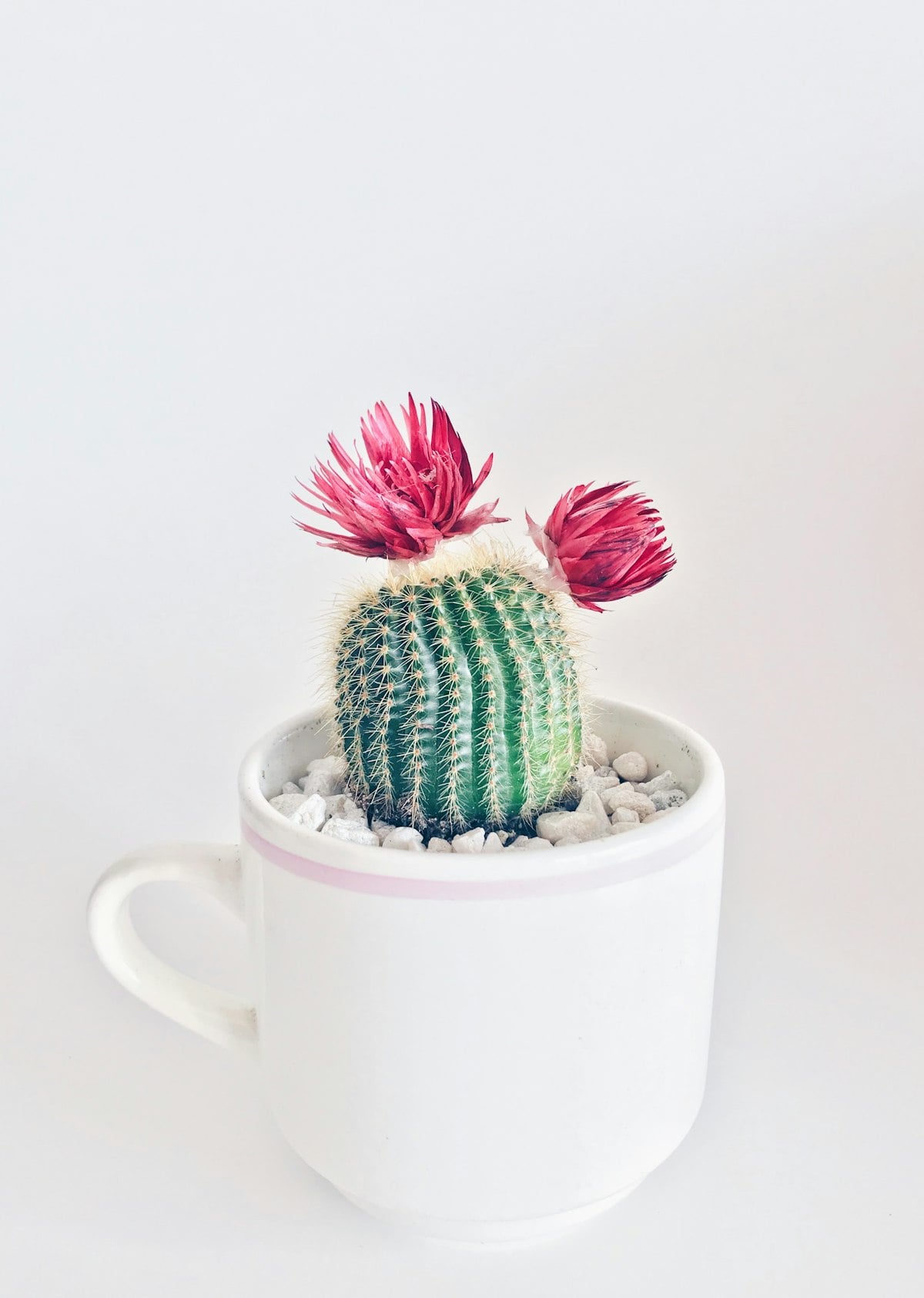
Get creative with what you have—old tea tins, wooden crates, colanders, even coffee mugs. As long as you can add drainage (drill a few small holes in the bottom), almost anything works. Mismatched containers add personality.
Best Herbs for Indoor Growing
Not all herbs thrive indoors. Stick with these proven winners:
- Basil – Loves warmth and light, grows fast
- Mint – Nearly indestructible, but keep it contained or it’ll take over
- Parsley – Tolerates lower light better than most
- Chives – Compact and forgiving
- Thyme – Drought-tolerant, great for beginners
- Oregano – Thrives in containers
- Cilantro – Prefers cooler temps, perfect for north-facing windows
Skip rosemary unless you have a very bright spot—it needs intense light to stay happy indoors. Our indoor gardening tips can help you choose the right herbs for your space.
Essential Growing Requirements
Light
Herbs need 6-8 hours of bright light daily. South-facing windows work best. If natural light is lacking, supplement with full-spectrum LED grow lights positioned 6-12 inches above your plants.
Watering
Most herbs prefer
Soil
Use a quality potting mix, not garden
Temperature & Humidity
Most herbs are comfortable in the same temps you are: 60-70°F. Kitchens and bathrooms offer slightly higher humidity, which herbs appreciate. If your air is desert-dry, mist occasionally or use a pebble tray.
Common Mistakes to Avoid
Using decorative pots without drainage: That’s a recipe for root rot. Either drill holes or use cachepots (decorative outer pots with a plain nursery pot inside).
Crowding too many herbs together: Give each plant room to breathe. Packed pots compete for resources and increase disease risk.
Ignoring pests: Indoor herbs can still get aphids or spider mites. Check weekly and treat issues early with neem oil spray if needed. Learn more about organic pest control methods.
Never harvesting: Regular trimming keeps herbs bushy and productive. Don’t be shy—cutting encourages new growth.
Harvesting Your Herbs
Once your plants have at least six sets of leaves, start harvesting. Cut just above a leaf node (where leaves meet the stem) to promote bushier growth. Take no more than one-third of the plant at a time.
Morning harvests, right after dew dries, tend to have the strongest flavor. Use scissors for clean cuts—tearing damages stems and invites disease.
Final Thoughts
You don’t need a green thumb or fancy equipment to grow herbs indoors. Start small—pick three herbs you actually cook with, find them a bright spot, and water when needed. That’s 90% of the battle.
Your kitchen will smell better, your food will taste fresher, and you’ll save money on those overpriced grocery store herb packages. What’s not to love?