Category: Tips & Guides

  • 10 Amazing Mosquito Repelling Plants

    10 Amazing Mosquito Repelling Plants

    Mosquitoes are really annoying. Not only that, but they can also cause certain allergic reactions and even carry a slew of diseases including malaria and dengue to name a few. To get rid of these pesky pests, most households will resort to the use of insect repellants and insecticides. However, they can end up being toxic to your household and surroundings. Fortunately, you can opt for a better and more effective alternative in the form of mosquito repelling plants. Without further ado, here are the 10 most effective mosquito repelling plants that can keep your house and garden mosquito-free.

    Plants Effective at Repelling Mosquitoes

    Citronella

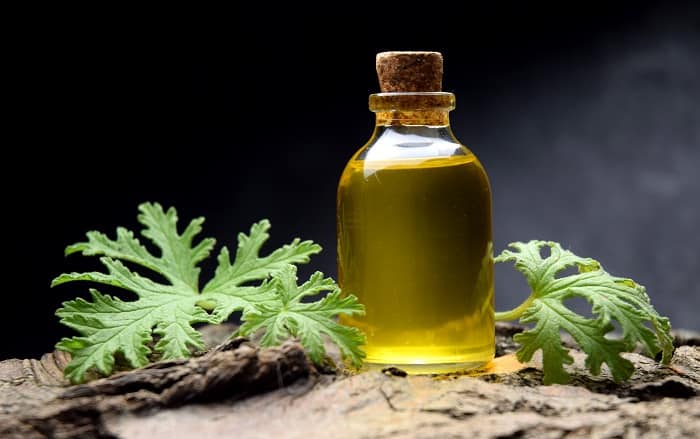
    If you’ve probably heard of this plant before, it’s mainly because it’s one of the most common ingredients that are added to a mosquito repellent. However, what most people didn’t know is that citronella is actually a plant!

    Basically, it is a perennial clumping grass that can be easily distinguished due to its strong aroma. Since the plant itself has an even stronger aroma than mosquito repellents that have it as its ingredient, then it certainly makes an excellent choice for a natural mosquito repellent in your garden or household.
    10 Amazing Mosquito Repelling Plants

    However, according to studies, it’s not really the plant itself that wards off insects. Rather, it is the oils that can be extracted from the plant. This doesn’t mean that you should keep this plant in your house, as you can actually crush its leaves to extract the oil which you can then apply to your skin to repel insects.

    Marigolds

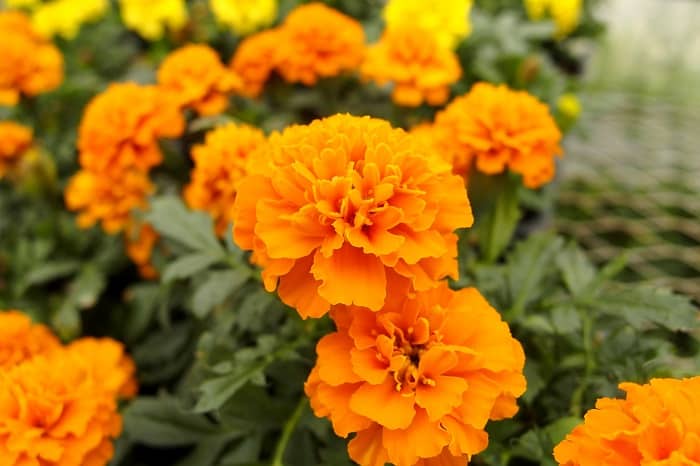
    Marigolds are annual flowers that can be distinguished by their yellow or orange color. They have that kind of scent that not everyone likes and the same goes for mosquitoes. They’re known to contain pyrethrum which is a common ingredient used in most insect repellents. 
    10 Amazing Mosquito Repelling Plants

    In spite of that, they have a light and citrusy taste which makes them great for use on salads or soups. The best thing about marigolds is that they’re very easy to grow. You simply have to place them in pots and make sure you place them near your patio to ward off mosquitoes, bugs, and insects.

    Pitcher Plant

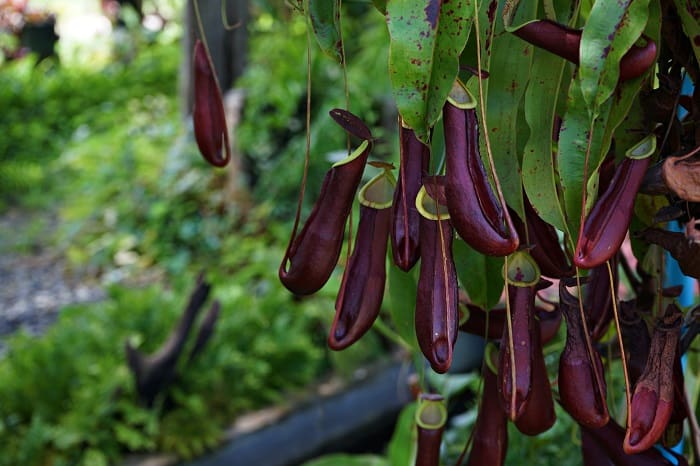
    Though it’s technically not a mosquito repelling plant, a pitcher plant can be effective in dealing with mosquitoes. Compared to the other plants on this list, it doesn’t really repel insects. Instead, it attracts them and eats them as nutrients. 
    10 Amazing Mosquito Repelling Plants

    Due to its pitcher-like shape, it can be an excellent addition to your garden or patio. Most homeowners tend to grow theirs in baskets that are hung hear the patio or porch.

    Peppermint

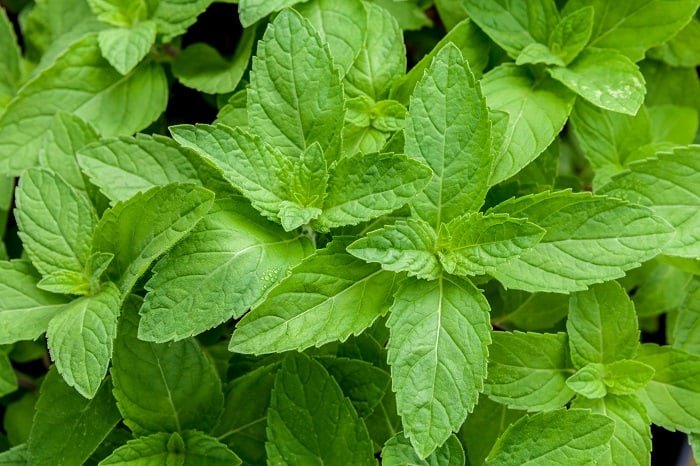
    The peppermint is a rapid grower which can quickly fill your garden if left unattended. However, it’s not as invasive compared to other plants that belong to the mint family. 
    10 Amazing Mosquito Repelling Plants
    peppermint

    It has that strong scent and taste that most bugs despise. Also, its oil is excellent not just for repelling mosquitoes but also for relieving the discomfort which is brought about by mosquito bites. All you have to do is simply rub the leaves onto your skin and wait for the effect to take place.

    However, since peppermints are rapid growers, you have to make sure to dig them up or cut them before they become uncontrollable.  

    Lemon Balm

    Discovered to have been used in the Western world as early as the middle ages, lemon balm is used for relieving stress, a natural sleeping aid, and a mild astringent. However, it’s also proven for its insect repellent properties as well. Belonging to the mint family, lemon balm is also a fast grower. Therefore, you’d want to contain it on a point unless you want it to grow uncontrollably in your garden. 

    10 Amazing Mosquito Repelling Plants

    Lemon balm is known to contain a compound which is known as citronella that has a similar effect to that of the citronella plant. Aside from that, it also has a lemony scent which is something that mosquitoes despise.

    Catnip

    If you have feline friends around the house, they’ll be glad to know that their favorite plant, the catnip, also works as an excellent mosquito repellent. According to a study which was conducted in 2010, researchers found that catnip is 10 times more effective in repelling insects compared to DEET.

    10 Amazing Mosquito Repelling Plants

    This is due to its compound nepetalactone which works as a mosquito repellent and cat attractant at the same time. This alongside other chemicals contained in catnip is more effective than DEET.

    Due to this, catnip is among the best choice of plants that are effective at repelling mosquitoes. Another good thing about this plant is that it’s relatively easy to grow and care for. However, it can be invasive if planted in your garden bed.

    Basil

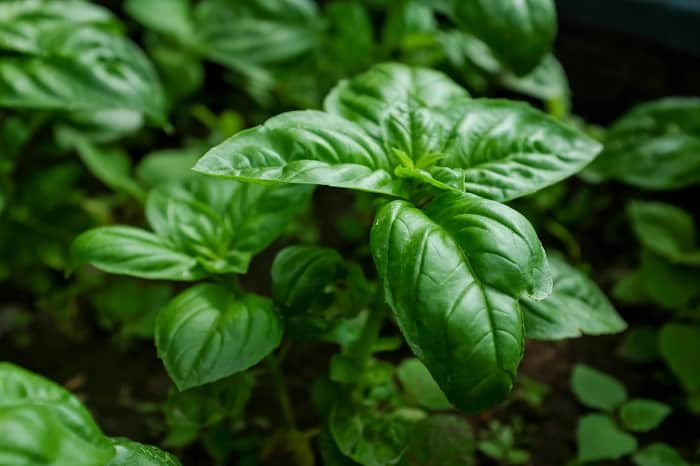
    Basil is one of those dual-purpose plants which can double as an effective mosquito repellent and cooking ingredient in one. The strong scent it gives off is quite offensive to pests not just limited to mosquitoes but flies and other insects as well. Since there are several varieties of basil, you can experiment and look for the ones which you like.
    10 Amazing Mosquito Repelling Plants

    To successfully plant basil in your garden, you have to make sure it’s placed in a spot where it can receive lots of sunlight and good drainage. You can also plant it in containers as long as the requirements are properly met.

    Rosemary

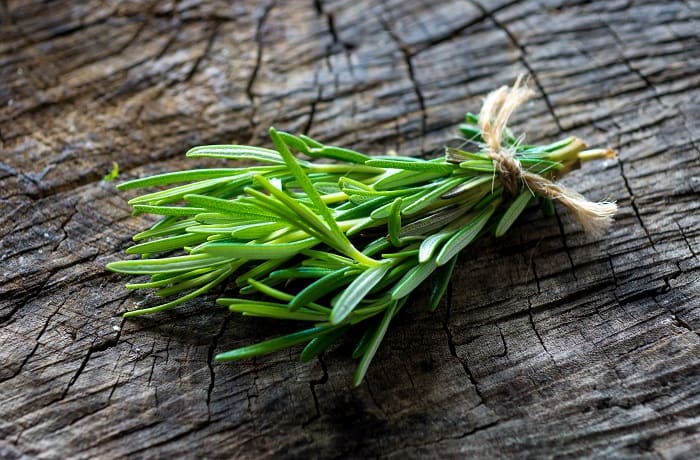
    Another wonderful plant with a dual purpose, rosemary is a flavorful and easy-to-grow plant that can also act as an effective mosquito repellent. However, make sure you place it in an area with enough space since it can grow quickly if left unattended.
    10 Amazing Mosquito Repelling Plants

    Aside from that, the plant’s pale-blue flowers can complement your garden and increase its overall aesthetic appeal. Moreover, it’s easy to grow as long as you can place it in a location where it can receive lots of sunlight as possible.

    Lavender

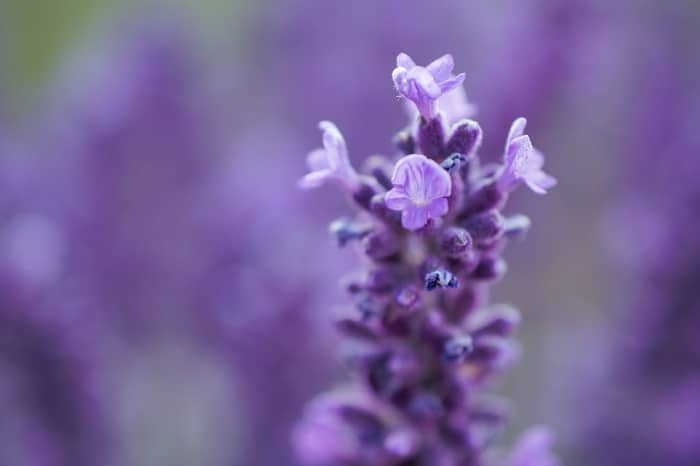
    Lavender has that calming aroma that can be quite offensive to mosquitoes and pests. By simply growing it indoors or in your flower bed, you can repel insects and other bugs without any problem.
    10 Amazing Mosquito Repelling Plants

    Pennyroyal

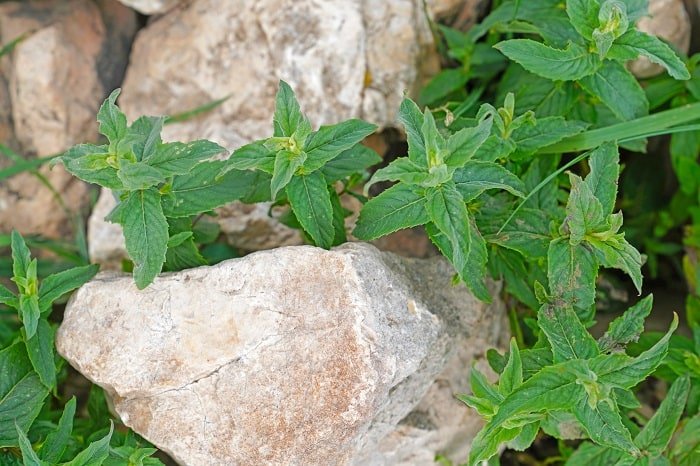
    Pennyroyal is a potent plant that can be quite effective in repelling mosquitoes and other pests including fleas, gnats, and ants. Aside from that, it also makes an excellent groundcover that can attract a wide variety of butterflies.
    10 Amazing Mosquito Repelling Plants

    If you’re struggling with not just mosquitoes but other insects in your house and garden as well, then you might want to consider placing pennyroyal in your surroundings. However, you have to take note that it can be quite toxic to animals and humans if too much of its oil is absorbed into the skin. Therefore, you have to take extra precautions when applying it.

    For extra protection against insects and mosquitoes, you’d want to crush some pennyroyal leaves and then place them inside your pocket. Its strong odor will be more than enough to repel them.

    How to Repel Mosquitoes with Plants

    Without a doubt, some botanical compounds found in a variety of plants can help repel mosquitoes. In most cases, however, they have to be extracted in order to be effective. 

    Certain plants contain chemicals that can work in three different ways to deal with mosquitoes. They can either:

    • Mask human scents
    • Repel mosquitoes
    • Contain compounds that can be toxic to insects

    |

    However, simply placing them in your landscape won’t be enough. Most of the time, you’ll have to extract their oils in order to maximize their full effect. Fortunately, it’s not really that hard to do. You can just crush the leaves in most cases or even burn certain parts for them to be effective.

    Other Alternatives to Repelling Mosquitoes

    Placing mosquito-repelling plants around your property might not be enough to solve the pesky mosquito problem you currently have. For that, you have to carry out other alternative solutions that will help you get rid of mosquitoes in your yard for good. They’re as follows:

    Remove Stagnant Water 

    Standing water can be an excellent breeding ground for mosquitoes. Therefore, you’d want to make sure that you clear any gutters of debris and check your barrels and discarded cans or pots for any water. Also, make sure you cover your trash cans and change the water in birdbaths regularly.

    Sprinkle Coffee Grounds

    You can also scatter coffee grounds in any area where you notice standing water present. If there are any mosquito eggs present, they will rise to the surface and die due to lack of oxygen.

    Install Insect-Repelling Lights

    Another excellent alternative for repelling mosquitoes and other insects is installing insect-repelling lights throughout the yard. LED lights and sodium lamps can be effective in dealing with those annoying pests. Though this will entail a bit of an investment, you’ll be able to benefit from a mosquito-free yard.

    Conclusion

    We all know how annoying mosquitoes can be. Apart from that, they can also bring about certain diseases such as malaria and dengue if left unattended. Fortunately, you can do away with them for good with the help of the mosquito repelling plants on this list.

    What other mosquito-repelling plants do you know? Are you currently using them in your yard? If so, please share with us how effective they are in dealing with your pest problems.

    Also, please pass the information to your friends. Thanks for reading!

    FAQs

    What plants keeps mosquitoes away naturally?

    There are a lot of things that keep mosquitoes away naturally. The best way to keep mosquitoes away is by using plants. There are certain plants that mosquitoes avoid because of their bitter taste. Some plants have been used for centuries and there are many more which are just becoming known. These natural plants repel mosquitoes by affecting their behavior and by keeping them away.

    These plants include dill, fennel, mint, rue, and parsley. Mosses Many mosses have strong anti-microbial properties, which may keep mosquitoes from breeding in their habitat. You can read more about this here. The bark of trees and shrubs also has anti-microbial properties, and will help keep mosquitoes away. I know that citronella oil works as a repellent for mosquitoes.

    If you are looking for plants to keep mosquitoes away, I recommend the following: – Marigolds, they repel bugs and are easy to grow.

    Nasturtiums, they are very effective against mosquitoes.

    Catnip, they are said to repel fleas.

    Chamomile, they repel ants and mosquitoes.

    Lavender, it is said to repel bees and insects.

    Aloe Vera, it is an aloe plant with many uses including being used as a natural mosquito repellent.

    Basil, it has a strong smell that can repel mosquitoes.

    Why do some plants repel mosquitoes?

    Plants are effective against mosquitoes because of the chemicals they produce. Plants create chemicals called allelochemicals that attract and deter pests. Mosquitoes don’t like the smell or taste of these chemicals and they will avoid plants that produce them. Many plants contain allelochemicals and some even make more than one. They have different effects on different pests and are usually most effective when used together.

    Sometimes it does depend on the species of mosquito, which is why it pays to undersand what plants work in what ways. 

    Is lavender a mosquito repellent?

    Lavender oil has been proven to repel mosquitoes and other insects. You can even make your own homemade mosquito repellent by adding lavender essential oil to the water in which you soak your feet.

    Do lemongrass plants repel mosquitoes?

    Yes, they do. It has been proven scientifically that when lemongrass plants are planted near your house or property, you can reduce the number of mosquitoes in your area by up to 50 percent. In addition, you can also protect yourself from the bites of mosquitoes if you are outside in an area where there are lemongrass plants nearby.
  • Everything You Need to Know Regarding Raised Garden Beds

    Everything You Need to Know Regarding Raised Garden Beds

    If you’re struggling with keeping your garden organized, then you might surely appreciate raised garden beds. After all, raised bed gardens allow you to maintain your plants with ease while keeping your garden orderly at the same time. 

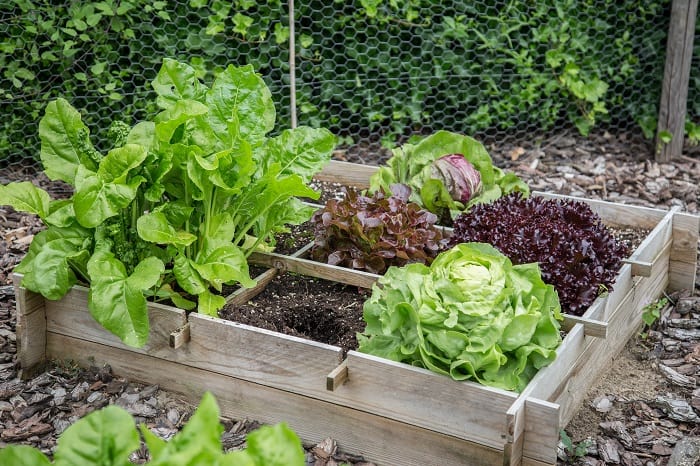
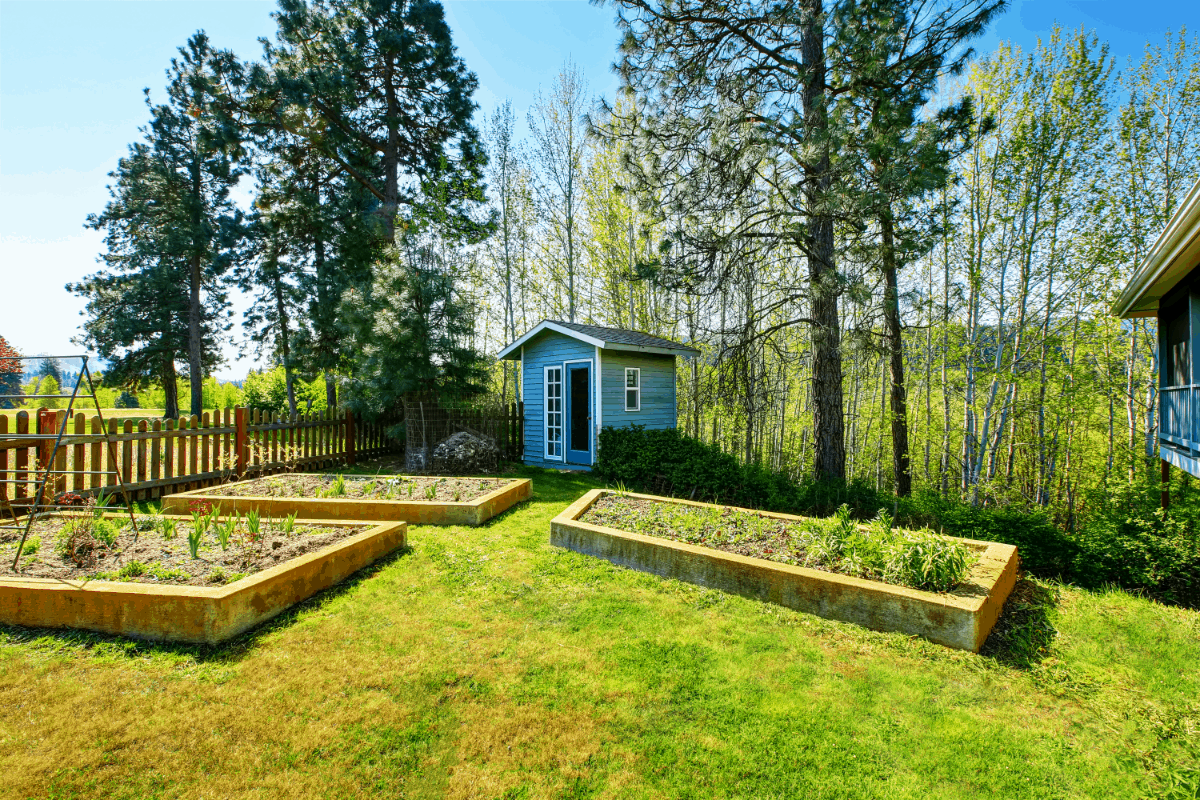
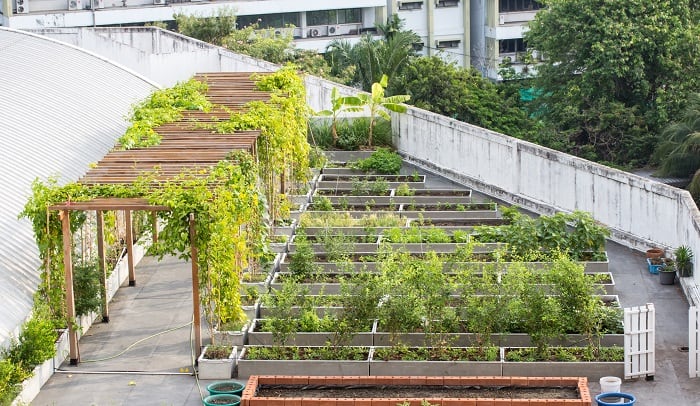
    In its simplest form, you can think of a raised bed as a flower box with no bottom. You don’t have to step inside the raised bed; instead, you do all the gardening work from its outer perimeter. With all the advantages it has, let us talk about what you should consider before you start building yours:

    Raised Garden Bed Considerations

    Size

    On average, raised beds normally span between 3-4 feet wide and 6-8 feet long. With this, you can reach into the bed with ease from the side to start planting your crops and removing weed without the need to step inside the garden. As a result, you’ll be avoiding the risk of compacting the soil

    Everything You Need to Know Regarding Raised Garden Beds

    Height is another important consideration. If you plan to place your raised bed on a flat, hard surface, then you’d have to make sure it is deep enough for your plants to root (this is especially true for root vegetables such as carrots and beets). 

    However, if it ended up too shallow, then the roots will reach down to the subsoil then hit a wall. Ideally, you’d want to go for at least 10 to 12 inches. 

    Read more about Spacing For Vegetables In Raised Beds

    Soil Type

    The amount of soil you need for your raised bed will actually depend on a few factors. To help you determine, you can instead use some soil calculators out there, such as this one from Gardener’s Supply.

    When it comes to the size of the soil, I would highly recommend using high-quality soil which you can afford for your garden. You can use a triple mix which you can buy from a local supplier then combine it with organic vegetable compost. You’d also want to leave a few as a reserve for your bed throughout the season.

    Location

    Location is a really important factor you should consider when building a raised bed garden. It doesn’t necessarily have to be in your backyard. You can either place it on your front yard or the driveway.

    However, if you have a slope, you’ll have to make some adjustments. You should also determine if the area drains well or not.

    |

    In order to make sure your plants can receive optimum health, you should place your raised garden bed in a location which can receive at least eight hours of sunlight exposure every day. Avoid placing it in a low, wet area where the soil can become soggy. Also, make sure the location has a hose nearby. Even before you place the raised garden bed in its permanent location, make sure you clean the area first by removing any grass or weed present. 

    Grass Removal

    One of the most common concerns gardeners face is proper grass removal. If you’ve tried cutting or removing sod, then you know how hard of a task that can be. However, an easy way that can help you get rid of grass is to outline the space then have it covered with cardboard then soil afterward.

    Using this method, the grass will simply break down, especially when done during the fall where everything will break down over the winter.

    Irrigation

    The last thing you want to consider when building a raised bed is irrigation. If you’re planning to set up a whole drip irrigation system, then you’d want to complete the process before finishing your raised bed. 

    This way, you can allow the hoses to run under pathways then adapt your raised bed around where the hose is attached to the irrigation system.

    Why You’d Want to Consider Raised Bed Gardening

    A lot of gardeners are starting to embrace the idea of raised bed gardening. In case you haven’t joined the trend yet, then here are some of the reasons that might convince you:

    Easy Maintenance

    With a raised bed, you can easily maintain your garden and tend your plants. This is because there’s no need to bend over as it’s basically elevated above the ground. This removes any strain on the back and knees which is common on traditional gardening.

    Also, there’s the fact that you can get creative when building your bed, allowing you to customize it however you want. You can even raise it to standing level if you want. You can also place wheels to make it mobile. Of course, there will be people who’ll point out that it’s actually a planter.

    However, it’s really just semantics. After all, raised beds don’t have bottoms. 

    Everything You Need to Know Regarding Raised Garden Beds

    Less Weeds

    Another thing that makes raised bed gardening appealing is the fact that you can reduce the total number of weeds in your garden. There are several reasons for this; however, it mostly has to do with the design.

    In case you’re somewhat confused, allow me to do a bit of explaining.

    When preparing a garden bed, you’ll start by cleaning the ground where it’s going to be placed. This would involve removing any weeds found on the topsoil. Ideally, you’d want to remove the rocks as well.

    Some gardeners choose to lay cardboard or newspapers under the garden bed in an effort to prevent weeds and grass from growing back. The best part is, since they are biodegradable, they will eventually decay and provide nutrients which the plants can use later on.

    After that, the garden bed is then filled with nutrient-rich soil. Due to its nice and loose nature, any weed or grass that grows can be pulled with ease. It will also limit the growth rate of weeds, thus allowing you to reduce the number of weeds that can grow in your garden.

    Improved Soil Drainage

    Another reason why you’d want to consider raised bed gardening is because it can help improve soil drainage. This is because the soil which is used on a raised bed is never stepped, hence preventing the possibility of compacting it. 

    Also, a raised garden bed will allow the water found in the soil to freely drain, allowing enough air to get to the roots of the plants. Keep in mind that excess or standing water can only end up choking your crops. 

    When deciding on a soil to use for your garden bed, make sure you go for one which is rich in nutrients and organic matter. Don’t go for potting soil as it can drain too quickly. Also, pay attention to the amount of manure you combine into your soil mixture. This is because it is high in nitrogen, and too much nitrogen can end up stunting the growth of your plants.

    Soil Erosion Prevention

    This is one major advantage of raised bed gardening which you shouldn’t take lightly. The act of preventing soil erosion with the use of a raised garden bed can actually be a major selling point, especially if you’re living in an area which receives a lot of rain.

    Most gardeners often have to deal with their soil being eroded due to rain, and this could mean a lot more work for them. There’s also the fact that buying high-quality soil can be quite expensive. Due to a raised garden bed’s design, you can prevent your precious soil from getting eroded during rains. 

    Aesthetically Pleasing

    This could be one of the major reasons why a lot of gardeners are starting to get in on the raised bed gardening trend! After all, raised beds are so cool and aesthetically pleasing. There’s the fact that you can use your creativity as well as imagination to create a custom design for your garden bed.

    There are also some gardeners who used raised garden beds as accents for their yards and gardens.

    What You Want to Plant

    Once you have set up your raised garden bed, you have the freedom to plant it with any type of vegetable you want. If you’re a fan of salad, you can choose to plant cherry tomatoes, lettuce, carrots, and cucumbers. Meanwhile, if you’re into cooking, you can plant peppers, potatoes, onions, and herbs.

    Gardening in a raised garden bed will be all about maximizing productivity. The challenge you should face is growing as many crops as possible without planting too many. After all, if you end up overcrowing the bed, your plants won’t be able to reach their full potential due to poor air circulation, nutrients, and water.

    You should also consider the growth habit of each plant you want to as it will affect the growth of the other plants in the same bed. For example, planting carrots alongside lettuce is okay. However, planting lettuce along with a cucumber could be a problem. 

    Everything You Need to Know Regarding Raised Garden Beds

    FAQ’s

    What plants can raised gardens be used for?

    Raised garden beds can be used for any type of plant, but they are most commonly used for vegetables. Raised garden beds can make gardening easier, as you don’t have to worry about your plants growing into your neighbors’ property. 

    If you’ve got a small space, raised beds can also be a great way to grow more food in a small area. You can even use them to grow flowers or herbs. Raised garden beds are easy to build, and it doesn’t take a lot of effort to create them.

    What are the advantages?

    They can be used anywhere. Raised garden beds can be used for any type of plant, but they are most commonly used for vegetables.

    Raised garden beds are easier to use and maintain than traditional garden beds, because they don’t require much effort. You just have to put the soil in and then add your plants, and that’s it! There is no need to dig holes or worry about the soil getting too wet or dry.

    They are more convenient Raised garden beds are more convenient than traditional garden beds because you don’t have to get your hands dirty when you’re planting your plants. You can plant and harvest in the same day, making it easy for you to grow your own food. You can also grow a variety of crops in the same bed without worrying about how they will grow together.

    They are cheaper Raised garden beds are cheaper than traditional garden beds. This is because you only need to buy a few materials instead of buying a whole lot of soil. You can even save money by using recycled materials to build them. You can also reuse old pots, which can be useful if you have a lot of them lying around.

    They are eco-friendly Raised garden beds are more eco-friendly than traditional garden beds, as they don’t use much water. If you use organic fertilizers, you won’t have to worry about the excess fertilizer ending up in the soil. You can even recycle used plastic pots and create a raised garden bed.

    What are some steps to make one yourself?

    Step 1 – Make the Raised Bed The first step to creating a raised garden bed is to cut the wood into pieces. The size of the bed will depend on your needs. If you have a small garden, you can make it as small as 8 feet by 8 feet.

    If you are planning to build a larger bed, make it as large as you can. I recommend that you use 8-10 ft. of lumber for each side of the bed. For example, if your garden is 12 ft. wide and 16 ft. long, then you will need 16 ft. of lumber for each side of the bed. It’s best to use two boards for each side of the bed. You will also need to cut 2-3 ft. of lumber for the front and back. You will need to cut the boards at 45 degrees. This allows you to create an arch effect in the bed. To make the bed, you will need to attach the boards together with screws. For this project, I recommend that you use 10 ft. of wood screws. For the front and back, you will need to cut a piece of wood so that it fits into the gap between the boards. Use a piece of wood that is 3/4″ thick. This will allow you to fasten the front and back of the raised garden bed together.

    Step 2 – Attach the Paving Stones The next step is to attach the paving stones to the bed. I prefer using concrete blocks for this purpose. They are inexpensive and easy to find. It’s best to use a cement block that is about 1/2 inch thick. It’s important that the cement blocks be flat on both sides. You can also use bricks or pavers instead of cement blocks. If you are using cement blocks, you will also need to cut some pieces of wood for the top of the bed. These should be about 1/2 inch thick. You will need to cut two boards for each side of the bed. This will allow you to attach the boards to the cement blocks. You will then need to attach the boards with screws. This is an easy project, but it takes some time.

    Step 3 – Plant Your Garden In this step, you will plant your garden. You will need to consider several factors when planting a garden. The first factor is the size of the garden. You want to make sure that you have enough room to place the garden. The second factor is the type of plants that you plan to grow. Some plants are better suited for certain environments than others. For example, I prefer to plant tomatoes and peppers in my garden. But if you are planning to plant flowers or herbs, you may need to use different types of plants. It’s best to start out by choosing a small number of plants. If you want to plant a larger garden, you can add more plants as you progress.

    Step 4 – Watering and Fertilizing You will want to water the plants at least once per week. If you live in an area with dry soil, you may want to add some compost to the bed. This will help to retain moisture. You will also need to fertilize the plants as needed.

    Conclusion

    With a raised garden bed, you can have an easier and more enjoyable means of gardening. You can benefit from its easy maintenance, aesthetic value, less weed issues, and possible erosion prevention.

    Are you planning to consider a raised garden bed? Maybe you already have one in your garden. What are your thoughts about it? Will you be able to harvest your crops successfully? Let us know in the comments.

    Also, don’t forget to share this information with your gardener friends. Thanks for reading!

  • What are the Benefits of Gardening?

    What are the Benefits of Gardening?

    If you are looking for a new hobby, one of the most rewarding and beneficial ones that you can do is gardening. Why? Well, as mentioned by a study posted on ScienceDirect, it has been found out that a wide range of health benefits can be observed here.

    Not convinced but are curious as to what these advantages are? Below are some of the benefits of gardening and why you should start making a garden shed today.

    Why Choose Gardening?

    Having a hobby is great as this allows us to relax, especially now that we’re in a very fast-paced society. When it comes to choosing gardening as a hobby, while it’s not always the first one to be chosen by people, it’s actually a good idea to do so. 

    This is because no matter what your situation is or where you’re located, you can always do gardening. In fact, with just a little bit of space, you can already make a small garden patch to start. Plus, learning it is engaging, making it a fun activity that you and your family can enjoy. 

    What are the Benefits of Gardening

    Gardening certainly has its disadvantages, and, sometimes, it can even frustrate us too. However, when you have a garden, and it starts growing, it’ll feel gratifying. 

    So, give it a try and just start small. Who knows, maybe you’ll end up making gardening as your way of living. 

    Benefits of Gardening

    We can never go wrong with gardening as its benefits are greater than its inconveniences. If you’re now convinced why starting a garden is great, below are some of its benefits that will all the more inspire you to start one today:

    Boosts Your Overall Health

    If you’re not a fan of the gym, then gardening is a great way to do light to moderate exercise. As you’re burning calories more, you are actually boosting your overall health and strengthening your heart. 

    In addition, you’re more likely to be happier as it also helps reduce anxiety and depression. The more active you become, the more enhanced your emotional wellbeing will be. 

    When gardening is done every day, you’ll see results. Besides, a garden is something that you should tend to consistently, so with this hobby, you’ll always find yourself becoming much more active and healthier. 

    Reduces Your Stress

    Another benefit of gardening is that it reduces stress. In a study, it was found out that gardening can actually lower your cortisol levels. So, people who are always stressed can find gardening soothing. 

    What are the Benefits of Gardening

    As stress can affect our health as well, reducing this is crucial when it comes to maintaining a good wellbeing. A small garden patch is already enough. Besides, if you’re a newbie, starting small is a better idea as a large patch might stress you out –this is the last thing we’d like to happen!

    Enhances Sleep

    This goes hand in hand with exercise. It has been known that exercise can help enhance your sleep quality. Because it helps reduce anxiety and depression, you’re much calmer, thus sleeping becomes easier for you. 

    Also, as light exercise has a positive effect on your circadian rhythm, your body clock is more attuned to your sleeping and exercise pattern, especially when you follow a consistent routine every day. 

    Teaches Responsibility and Discipline

    If you want to practice responsibility and discipline, then gardening is for you. As this is a hobby that requires time, effort, and care, you’ll need to be disciplined and responsible. 

    What are the Benefits of Gardening

    Tending the plants is not an easy task, and there may be days wherein you’ll not want to deal with it anymore. However, this is where character growth happens. Just take it as a challenge, and if you think you can’t handle a huge garden, start with a few pots and just increase them once you get the hang of it.

    Gives Confidence

    Once you’ve established a consistent routine and find a balance between work and your hobby, you’ll start seeing results. A garden that’s properly taken care of will grow and give you a bountiful harvest, giving you that boost in confidence.

    Who wouldn’t feel proud of such progress? A garden, especially one that gave you praise from people, will surely boost your confidence. 

    Saves Money

    The last thing on our list is that gardening actually saves money. One might think that this is an expensive hobby, and while this is true, it’s only at the beginning. 

    When you properly take care of your garden, especially if you have vegetables, you can actually save money by growing your own food. How cool is that? What’s more, you’re also eating natural foods, so it’s totally safe and healthier.  

    What are the Benefits of Gardening

    Ways to be an Effective Gardener

    Do Your Research

    Don’t stop learning as there are a lot of articles when it comes to gardening. Research is an important aspect of any hobby, especially when you’re new.

    Start by identifying what your goals are. Do you want to focus on flowering plants or vegetables? Identify what your needs are so that you’ll know what to research about. 

    Also, consistently doing your research will lead you to new gardening tips and fresh ideas, and you wouldn’t want to miss out on this one, right? 

    Plant Seeds that are in Season

    It’s a must that you plant seeds that are in season. In this way, you can benefit from them. Again, you can do this by researching. 

    If you want to plant certain vegetables, know when they’re abundant. This is because some vegetables thrive on certain atmosphere. You’ll want to only plant seeds that are in season so that you’ll not end up wasting your resources and actually benefit from it. 

    Don’t Use Low-Quality Potting Mix and Gardening Products

    One that thing your plants would hate is a low-quality potting mix. Now that you’re already planting, might as well use quality products, right?

    Use a potting mix with great reviews. Remember, your plants do not only need water for nourishment, but they also get their nutrients from the potting mix that you’re providing them. 

    What are the Benefits of Gardening

    Also, this goes for your other gardening products too. If you want to use fertilizer and insecticides, make sure that they are all organic. If you opt to use items at home, this is also an excellent move as they are much more natural. 

    Whatever route you’re going to take when it comes to your gardening products, always check the materials and ingredients being used in the products. You’d want what’s best for your plants, so give them quality products, and they’ll surely give you high yields.  

    Be Positive, Consistent, and Determined 

    Gardening takes time, so before you see great results, you’ll need to adopt a positive mindset in order to remain consistent and determined. Especially if you’re still a beginner, it’s only normal to feel frustrated. However, you’ll not gain anything when you stop right away. 

    Just don’t expect too much and do what you can. Even if you have little to no experience, with determination, you’ll learn as you go, so it’s always a win-win situation with gardening.  

    Differentiate Shade and Sun-Loving Plants

    Plants are unique as well, just like us humans. So, get to know them. In this way, you can provide the right living conditions for them. 

    There are certain plants that thrive more when they are under the shade. On the other hand, there are also plants that need more sun than shade. 

    As stated above, research is needed. Once you’ve already picked what you’re going to plant, learn as much as you can about them. You’ll be surprised how much information each plant has. 

    Provide Adequate Water and Proper Drainage System

    Lastly, it’s important that you give your plants enough water to grow and the right drainage system for them to thrive and not end up wilting. 

    What are the Benefits of Gardening

    If you have a consistent supply of water, your plants will be able to grow well. However, do note that some plants differ when it comes to how much their need for water is. Again, know what each plant’s preferences are. 

    Lastly, it’s important that you install a drainage system for each pot or patch. Note that some plants only need a little bit of water, so you can just opt for a watering spray. But for those that need one, you can put holes under the pots or make a canal for your patch.  

    FAQ’s

    Why does gardening make you happy?

    It keeps my mind busy and my body active. It gives me a sense of accomplishment and pride. It makes me feel good about myself and my environment. I find gardening therapeutic.

    It gives us something to do when we’re not doing much else. Gardening is a way to be productive in a passive way. We’re putting our time and energy into growing something that we can eat or drink, or use for fuel.

    What does gardening do for your body?

    Gardening is a great way to relax. When you get outside, you are exposed to the sun and fresh air, which helps you feel better and have a more positive attitude towards life. Plus, you can grow things that are delicious and nutritious. Gardening can be relaxing because it is a creative process. Gardening requires focus and attention. You have to put some time and effort into it.

    It reduces your blood pressure. You can find many studies about the benefits of gardening on the internet. It has been proven to help reduce coronary disease and colon cancer, just not name a few.

    Conclusion

    Gardening is definitely a great hobby to take. This is because it has quite a lot of benefits. If you’re contemplating about whether you’re going to start one soon or not, just give it a go. 

    After all, gardening is not that overwhelming as you can start small. Plus, once you get the hang of it, you’ll not want to stop it, making it one of the most rewarding activities that you can do during your free time.

    Did you enjoy reading the article? Comment what your thoughts and questions are. And if you have some gardening tips in mind, don’t hesitate to share them so that we’ll have a much greener and more abundant environment.