Category: Tips & Guides

  • How To Natural Homemade Root Hormone

    How To Natural Homemade Root Hormone

    Have you ever transplanted herbs or seedlings in your garden beds? Do you propagate plants from your garden? If you have, you must have noticed that some of the transplants and/or stem cuttings don’t stay alive after a few days. If you follow the instructions of this how-to post, you will achieve better transplants and a higher rate of survival of your cuttings through preparing and applying your homemade root hormone. 

    In my first gardening years, I started experimenting with plant propagation and transplants, without much success. My cuttings suddenly looked weak, then they languished, and finally wilted. Watering was no solution because the cuttings didn’t have a root system to absorb water or nutrients. Sooner or later I learned some homemade recipes to prepare rooting hormones. 

    Homemade Root Hormone Willow Water

    Willows are very special from which we can prepare a very good root hormone. New branches and leaves from these trees are packed with rooting hormones (from the auxin family). The Willow Water can be prepared in two simple ways, which only vary in the cooking tools, not in the ingredients. For this homemade root hormone, known as willow water, you will need:

    • A few branching tips of a well-identified Weeping Willow (or another tree from the Salix relatives), 
    • A big jar or container with a lid. 
    • Enough water to cover the willow branch-tips.

    Homemade Root Hormone Willow Water

    How To Prepare and Use Willow Water Root Hormone

    1. Collect some young willow branches with new and growing leaves. These branches are yellowish or have a light brownish appearance. 

    2. Remove the leaves off the branches (you may compost them).

    3. Cut the leftover branches in small stems, of about 1” (2.5 cm) long. 

    4. Put the branch pieces in the container and cover them with boiling water, just like you would make a very concentrated tea. Let it stand overnight. 

    5. Strain the willow tea, which now has become the willow water, and keep it in the container until you wish to use it. 

    6. To use, pour some of the Willow Water in a flask, add water, and put your cuttings in for a few hours (or overnight) so they can absorb the root hormones in it. Plant the cuttings and observe them for new growth signs in the next few days. 

    Alternative Procedure to Prepare the Willow Water

    There’s another way of preparing the Willow Water, but it takes a bit longer. Follow steps 1-3, put the willow pieces in a jar with water, close the lid. Let it soak for at least three days and proceed with steps 5 and 6. 

    Useful Tips to Preserve Your Willow Water

    The Willow Water can be saved in a jar for up to two months if kept in the fridge. Remember to label it appropriately (with the substance name and date of preparation).

    You may also find very deep and interesting info about the willow trees (Salix species) and a detailed procedure to prepare the willow water in Deep Green Permaculture

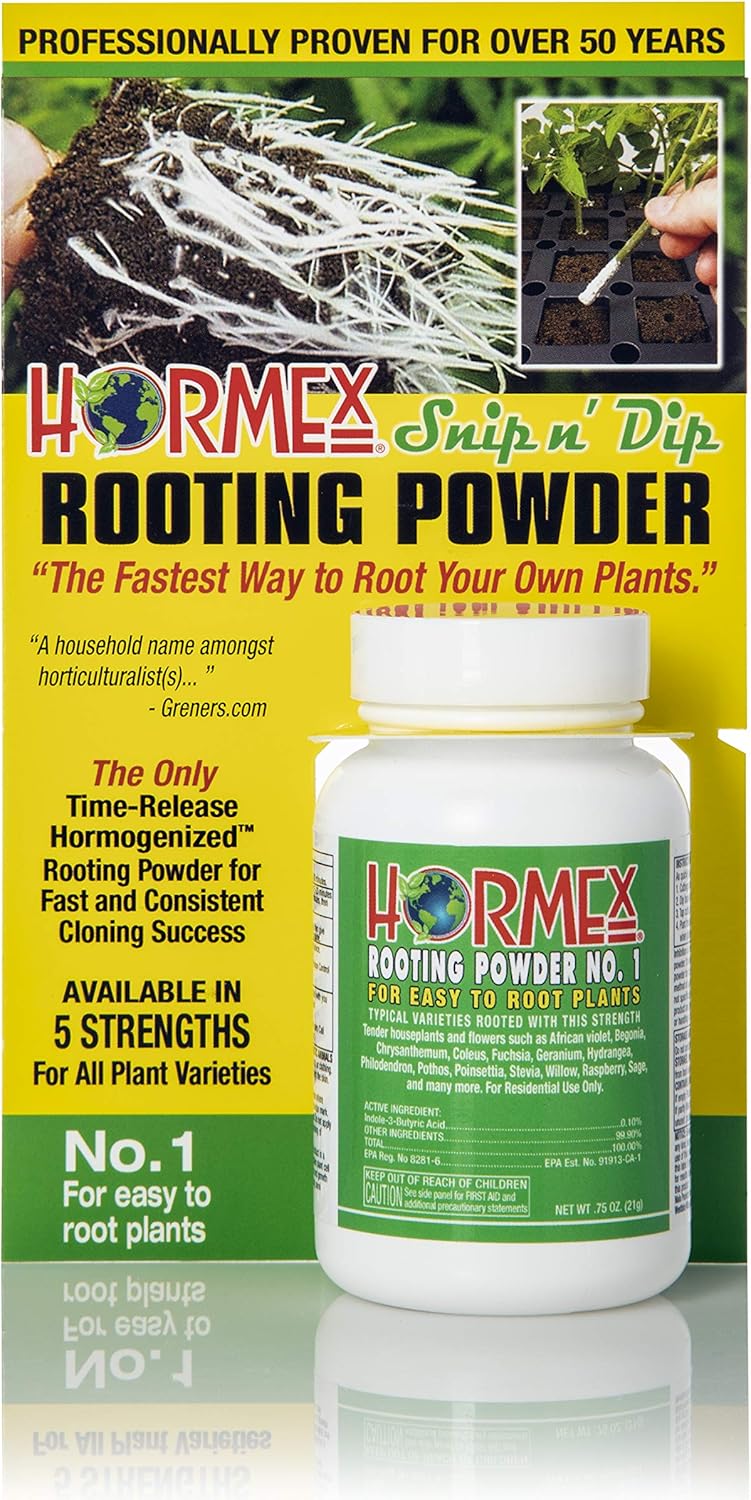
    In case you can’t get the ingredients for your homemade root hormone, or maybe you don’t have the time to prepare it, here is a small list of the best root hormones available for sale. These products are mostly organic extracts that have a strong growth effect on your plants’ roots.

    Useful Tips to Preserve Your Willow Water


    FAQs

    How can I make rooting hormone at home?

    Rooting hormone is made from the sap of a number of plants. The sap of the American Beech tree is often used, but there are others including the sap of the Japanese Beech (Fagus crenata) and the Sapwood Ash (Fraxinus excelsior). If you want to try making your own, then start by collecting some sap from the trees in question.

    Make sure that you clean the sap well before using it, because the plant sap can contain bacteria and fungi. Once you have collected the sap, you will need to boil it for several minutes, or until the bubbles stop rising. You can then strain the sap through a fine mesh strainer and let it cool. If you like, you can add some of this mixture to your garden soil, but this will probably make your plants more susceptible to attack from fungus and disease.

    What can I use instead of root hormone?

    The most common alternative is to use an organic fertilizer (such as compost) and then water thoroughly. The organic fertilizers have a lot of nutrients that will help the plant grow.

    What is a good amount of hormone for a plant?

    There isn’t an exact amount of hormones that is right for every plant. When you start with hormones, it’s best to keep a small amount on hand. As you gain experience, you’ll learn how much to add to the soil. Also, as you get more experienced, you’ll be able to tell if a plant needs more or less hormones.

    How can I increase my root growth naturally?

    If you have a pot with poor drainage, it can be difficult to grow plants that need water. You can use a piece of wood as a base to help the plant stay upright. If you have a large pot, then you will need to dig out the pot and add more drainage. It is important that you get the right soil for your plant. If you are not sure what type of soil to use, then you should get some advice from a gardener or nursery.

    Can sugar water help plants grow?

    Sugar water is a solution of sugar dissolved in water. Sugar water is made with sugar that has been dissolved in water. The sugar solution provides essential nutrients to the plants. It also attracts water to itself. These are the reasons why using sugar water can help plants grow. The sugar acts as a fertilizer. It encourages the plant to absorb more water and nutrients. It also improves the environment in which the plant is growing.  When the sugar water enters the roots of the plant it attracts water to itself.

    This leads to a higher level of hydration. When this happens the cell walls are also strengthened. This makes it easier for the plant to absorb nutrients from the soil. Sugar water also helps to improve the root environment. The root environment includes the air around the roots, the soil and the water. By improving the root environment it helps to improve the growth rate of the plant.  

    Conclusion

    I hope you try the Willow Water to improve the success rate of your cuttings in the garden and that you may also feel more confident in the process of plant propagation. Please tell me all about your experiences and if it works its wonders please share this post with your friends and gardening buddies. 

  • Where To Buy Sulfur Powder And How To Add It To The Soil

    Where To Buy Sulfur Powder And How To Add It To The Soil

    Every organic farmer who wants to improve their soil pH and add natural nutrients ought to know where to buy sulfur powder and how to add it to the soil.

    Sulfur powder is a natural pure element that comes as a yellow powder. It is one of the world’s oldest remedies for human ailments and for improving the soil for farming.

    Where to Buy Sulfur Powder?

    Most farmers wonder where to buy sulfur powder. It is common to find it in the most popular online markets by verified sellers.  Like other online shops, Amazon is one of the best stockists in the world.

    Sulfur Plant Fungicide, Organically Controls Rust, Leaf Spot and Powdery Mildew
    $21.99
    Buy Now
    We earn a commission if you make a purchase, at no additional cost to you.
    12/18/2025 11:03 am GMT

    Where Does Sulfur Powder Come From?

    It originates from volcanic emissions and ancient mined sulfur around volcanoes. Today, sulfur comes from a by-product of crude oil and gas processing. It is an essential element containing all living cells.

    How to Add It to the Soil

    This powder has many benefits to the soil; all farmers need to learn how to add it. Application for this powder depends on the type of soil you are working with. Below is a table showing how the sulfur powder should be distributed to lower the soil pH to 4.5.

    Sulfur powder needs to lower the pH of the soil (lb/acre)


    SOIL TYPE

    CURRENT pHCLAYLOAMSAND
    5.0175530800
    5.535010301600
    6.053015402300
    6.566020203030
    7.084025603800

    Advantages of Adding Sulfur Powder to The Soil

    This fantastic powder has many health benefits for the soil. They include:

    • Lowering the soil pH value.  The best soil pH ranges from 5.8 to 7.0. Some soils, especially in the limestone regions, may have a high pH of about 8.0 with 50% lime. Such soils lack essential minerals like iron, manganese, and zinc. The leafy plants growing in such soils may become yellow due to deficiencies. Adding sulfur powder to the soil solves these problems.
    • It is a great fungicide.  This powder controls fungus and mildew on leaves. It is best known to prevent mold, especially when applied before the fungus settles on the leaves. It works best when used on dry leaves.
    • It is best used as a pesticide. Sulfur powder is one of the oldest, best-known pesticides. It is best used in vegetables and fruits. It controls thrips and spider mites. One has to wear a protective mask when applying this powder.
    Advantages of Adding Sulfur Powder to the Soil

    • It offers essential nutrients to plants. Sulfur carries essential plant nutrients that include, Potassium, Nitrogen, and Phosphorous.  It also improves the soil and assists in fixing phosphorous and nitrogen.
    • Used as a snake repellant – Snakes do not like the smell of sulfur powder. It is one of the best repellants for your outdoor surroundings without killing them.
    • Used as an insect repellant on pets. Rubbing sulfur powder on pets eliminates chiggers, ticks, and other pests.

    Learn more about organic fertilizers like Kelp Meal.

    Where Do Plants Get Sulfur From?

    Sulfur is an essential micronutrient for the growth and development of plants. It is mostly absorbed by plants as sulfate from the soil. It is then translocated to plastids in the leaves, where it is then assimilated into organic products,

    Sulfur plays a vital role in plant photosynthesis, respiration, and the formation of cell membrane structures.  It originates from rocks and minerals released by water weathering, temperature changes, and chemical reactions. When exposed to air, sulfur combines with oxygen to form sulfate which is the form that is available to plants.

    Sulfur is stored in raw organic material and humus in most soils. Microorganisms in the soil work to decompose this organic matter, and in the process, the organic sulfur is converted to sulfate, the form in which plants can absorb it.

    Does Epsom Salt Add Sulfur to Soil?

    Epsom salt is magnesium sulfate, meaning it contains a form of sulfur.

    It is essential for plants as it helps their seeds germinate, makes the plants grow bushier, and produces more flowers. It can also help to improve chlorophyll production and deter insects and pests such as slugs and voles. Epsom salt may be a great addition to conventional fertilizer as it can supplement vital nutrients.

    The best way to use Epsom salt is to drench the soil with 1 tablespoon of Epsom salt solution for 1 gallon of water. Apply this solution to the soil after seeding to help keep the sulfur levels in the soil up.

    Another way to apply sulfur to the soil through Epsom salts is by sprinkling a cup on a seeded bed. This will significantly benefit your plants.

    Epsom salts also have the added benefit of adding another nutrient to the soil: magnesium. This can give your plants a boost, but it should only be used when there are deficiencies in the soil.

    How Long Does it Take For Sulfur to Lower Soil pH?

    One of the cheapest ways to lower the pH of the soil is to add sulfur. Bacteria in the soil transform sulfur into sulfuric acid, which reduces the soil pH.

    The application rate needs to be reduced by 2 points to about 2000 lb per square acre area.

    Using sulfur to lower soil pH is a slow process so large pH changes are unlikely to happen quickly. It may take up to years to see a noticeable change.

    A pH change may take about 2 to 3 months for a smaller area. Make sure you get the best quality Epsom salts to achieve this. Add sulfur this year to lower the pH for the following year or the next growing season. This will give the sulfur and bacteria in the soil enough time to react and produce their required results.

    When Do You Apply Sulfur to Soil?

    A spring application of sulfur usually works best. It is during this season that you will have the highest activity of bacteria that will transform sulfur to sulphuric acid, which will help lower the pH

    Because this is such a slow process, you may have to repeat the application over the years to get the best results.

    What Should Sulfur Levels Be in Soil?

    The critical limit of sulfur in the soil is approximately 7-15 ppm. Anything below this range may hamper plant growth and production.

    Take Away

    Finding one powder that takes care of so many problems like this one is not common. This one is beyond doubt!

    FAQs

    How do you add sulfur powder to soil?

    Sulfur (S) is an important mineral that’s often added to the soil. You can add it directly, or if you’re working with a large volume of soil, you can add it as a liquid or powder and then mix in the soil.

    You don’t need to add sulfur to the soil, but you can use it as a fertilizer. It is sold as a dry powder for use in garden and flower beds, and you mix it with water and water-soluble fertilizers to create a water-soluble product. It will be available at your local garden center or nursery.

    If you need to add sulfur to your soil, you need to find a source of elemental sulfur, or hydrogen sulfide.

    Sulfur is applied to the soil as a component of a sulfur-based fertilization program. The amount of sulfur applied to soil is determined by the type of soil and climate you are growing in.

    What is sulfur good for?

    Sulfur is a key ingredient of soil. It helps plants to absorb nutrients, and it also improves soil structure. Sulfur is found in many different sources such as soil, compost, gypsum, wood ash, seaweed, sulphate of lime, sulphate of magnesia and gypsum.

    Sulfur is an essential nutrient for plant growth and development. Plants require sulfate for the synthesis of many important compounds, such as amino acids, fatty acids, proteins, nucleic acids, chlorophyll, and vitamins.

    Sulfur is a mineral that can be added to your garden. It will increase the number of healthy plants and decrease the number of sick plants.

    If you are trying to boost your soil’s fertility, adding sulfur to your soil is an important step. Sulfur is a key component of the process that converts atmospheric nitrogen into plant-available nitrogen.

    Where can you buy powdered sulfur?

    Powdered sulfur is sold in chemical supply stores. It’s usually labeled “sulfur”, “sulfate” or “S”. The “powder” part of the label means it’s fine, and not a coarse rock powder. I’ve seen it in a couple of different grades, but I’d suggest the cheapest one that still gets the job done.

    You can use elemental sulfur (sulfuric acid) or sodium sulfate. These are sold in garden centers as “plant food”, or as “plant food pellets” (I have not seen them for sale under any other name). They are very cheap and easy to use.

    How much sulfur should I add to my soil?

    Plants have different needs for sulfur, and you need to test the soil in your garden and add the proper amount. There are different ways to measure sulfur. The most common way is to use the sulfate of potash method. This involves mixing up a little water with the soil.

    Sulfur is found in all soils but its availability is low because most plants cannot use it. Sulfur is also very mobile and can be carried out of the soil by water.

  • How Do You Water Aloe Vera Appropriately?

    How Do You Water Aloe Vera Appropriately?

    Aloe Vera is well-known worldwide for its medicinal and agricultural uses. It is a succulent plant, which means it can endure arid climates because of its ability to retain water in its engorged, jelly-like, and plump parts.

    Though it is known that aloe is a succulent, one of the most common dilemmas of people who want to grow the plant is knowing how often should you water aloe. It may be because an aloe plant is very easy to take care of, but one simple mistake can also kill this plant easily.

    If you’re planning to get aloe as an addition for your indoor plants at home or outdoors in your garden, please continue reading. I hope we can help you take better care of this plant through this article.

    How Do You Water Aloe?

    Though aloe vera is a succulent, they need water just like any other plants. But, watering an aloe may be tricky and may not be as easy as you think. Research proves that there are different watering needs for this plant.

    How Do You Water Aloe Vera Appropriately?

    Take note of the following important factors below to ensure that you are doing the appropriate irrigation for your aloe vera plants:

    • Depth – you should water aloe deeply and heavily, as it allows built up salts to seep through the soil. Succulent plants are sensitive to chemicals and minerals in water supplies.
    • Frequency – watering this plant needs to be constant enough to develop growth but not too often as it can drown your plant.
    • Type of Water – while we’re talking about water supplies, let me tell you that not all kinds of water can be good for aloe vera. Tap water can harm your plant, while filtered water is on the safer side. Some people even use distilled water if their aloe seems to be down and sickly.
    • Soil Moisture – irrigating your aloe plants cannot be based on your calendar, rather on its soil moisture. To keep it short, you will only need to water your aloe if the soil is thoroughly dry.

    How to Check Soil Moisture?

    Soil Moisture is one of the key points you need to remember in growing your aloe plant. So we have listed below some of the ways you can keep track of your plant’s soil moisture.

    How Do You Water Aloe Vera Appropriately?

    • Touch Test

    You can dig and put your fingers deep into the soil to touch and feel it. Check whether the soil is completely dry or if it still has moisture in it. Again, only water your aloe if the soil is thoroughly dry.

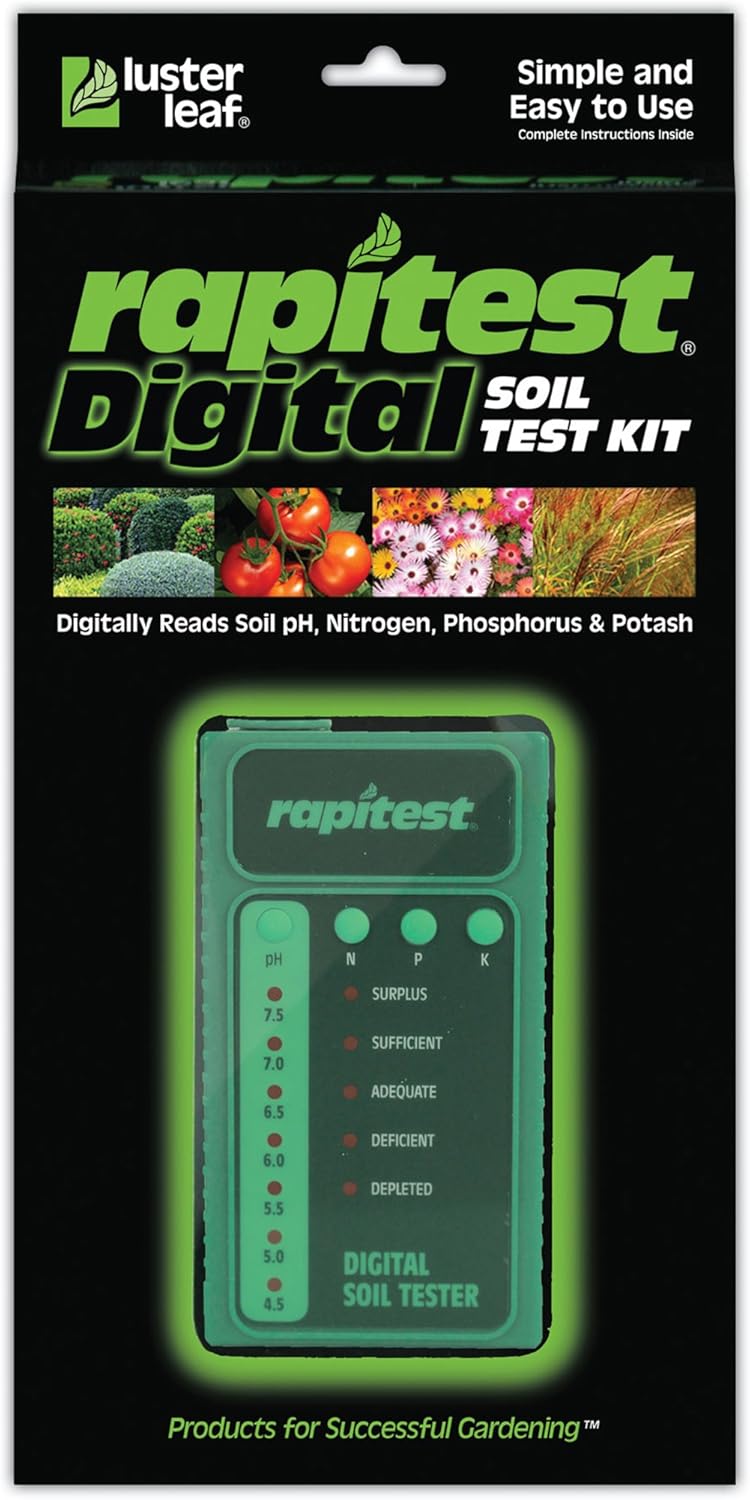
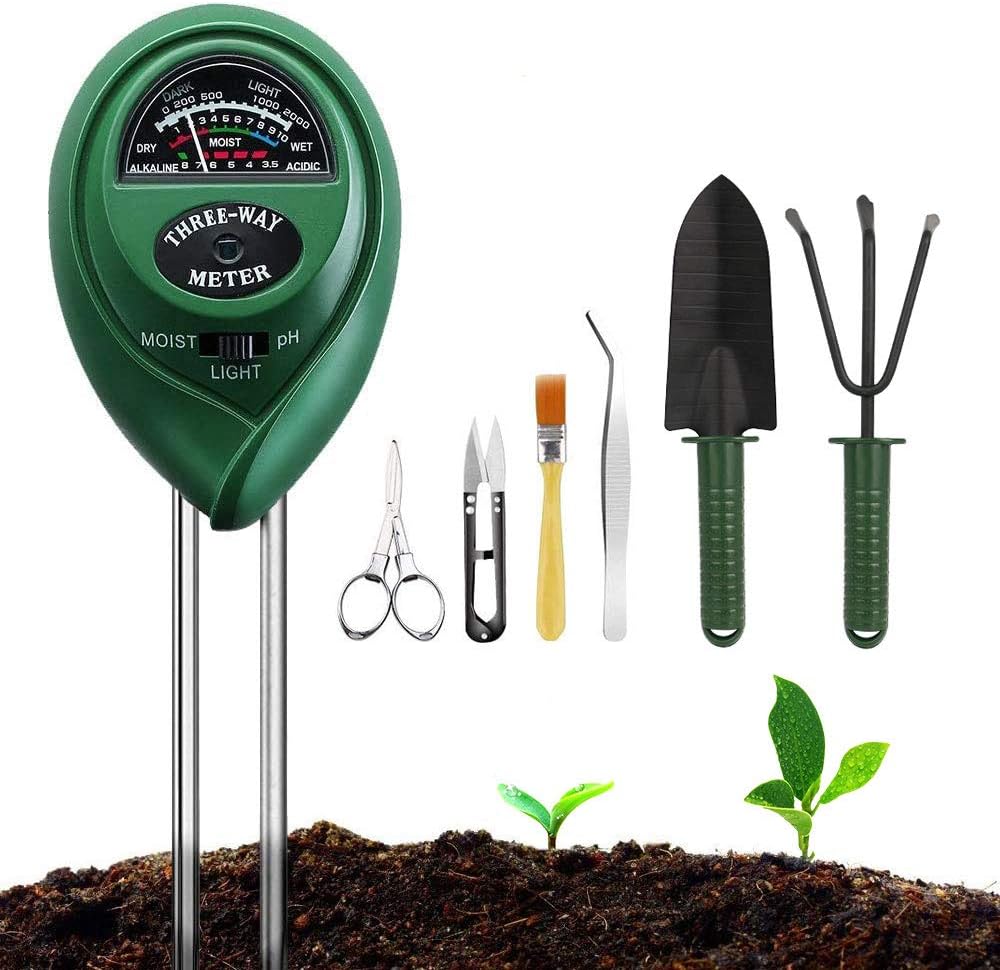
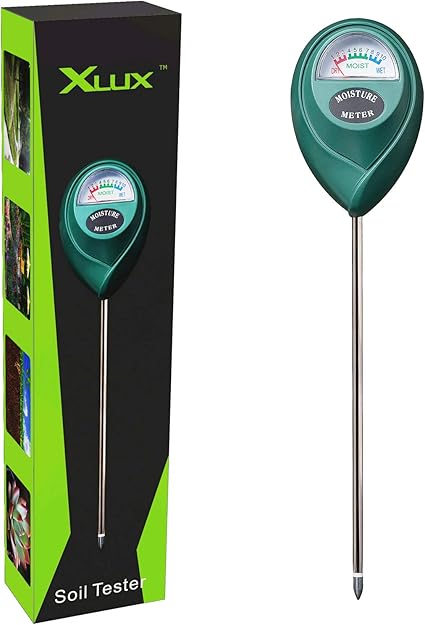
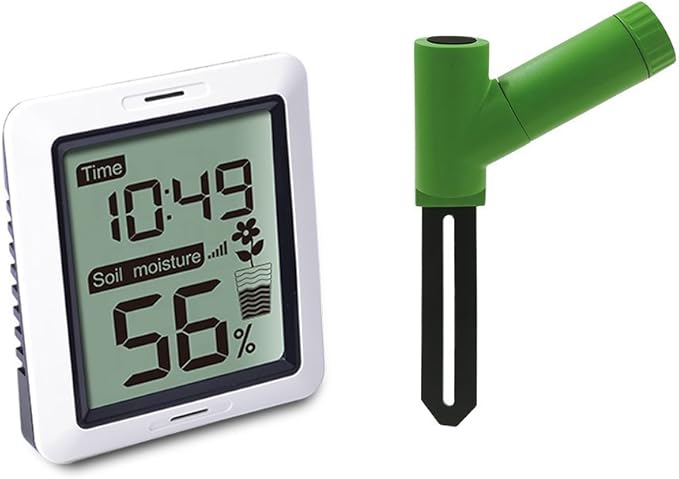
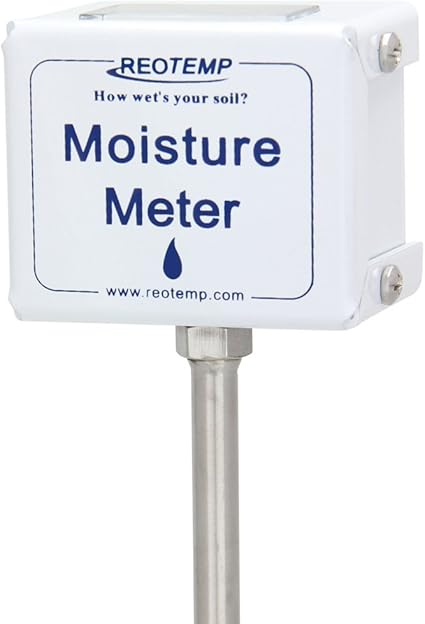
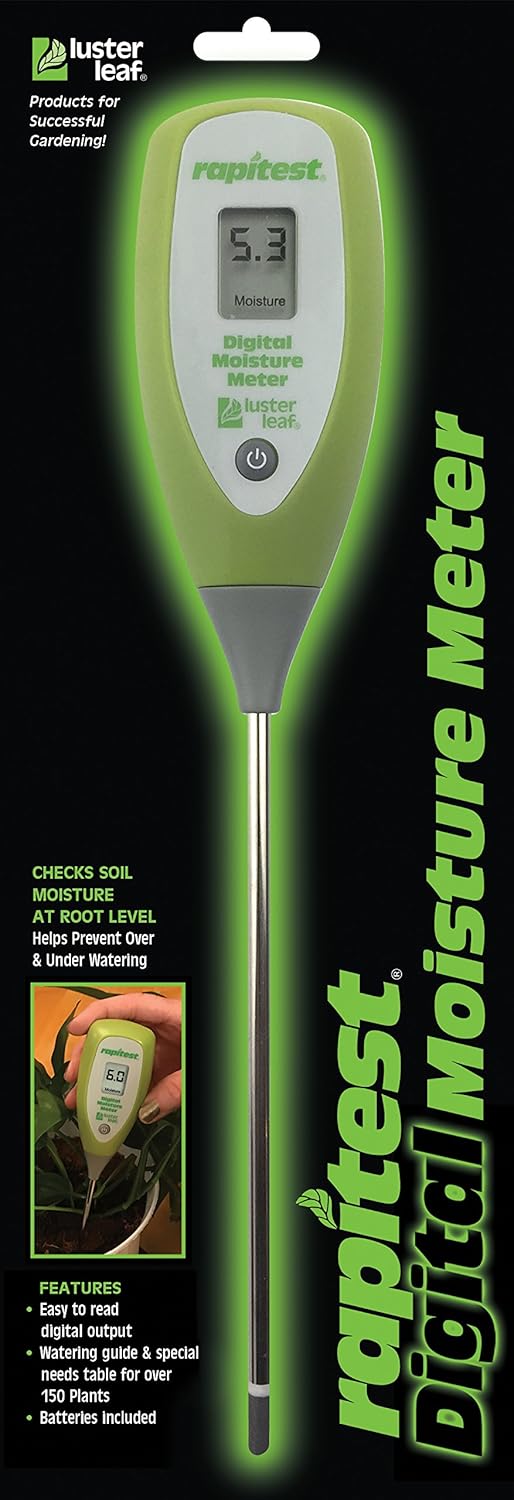
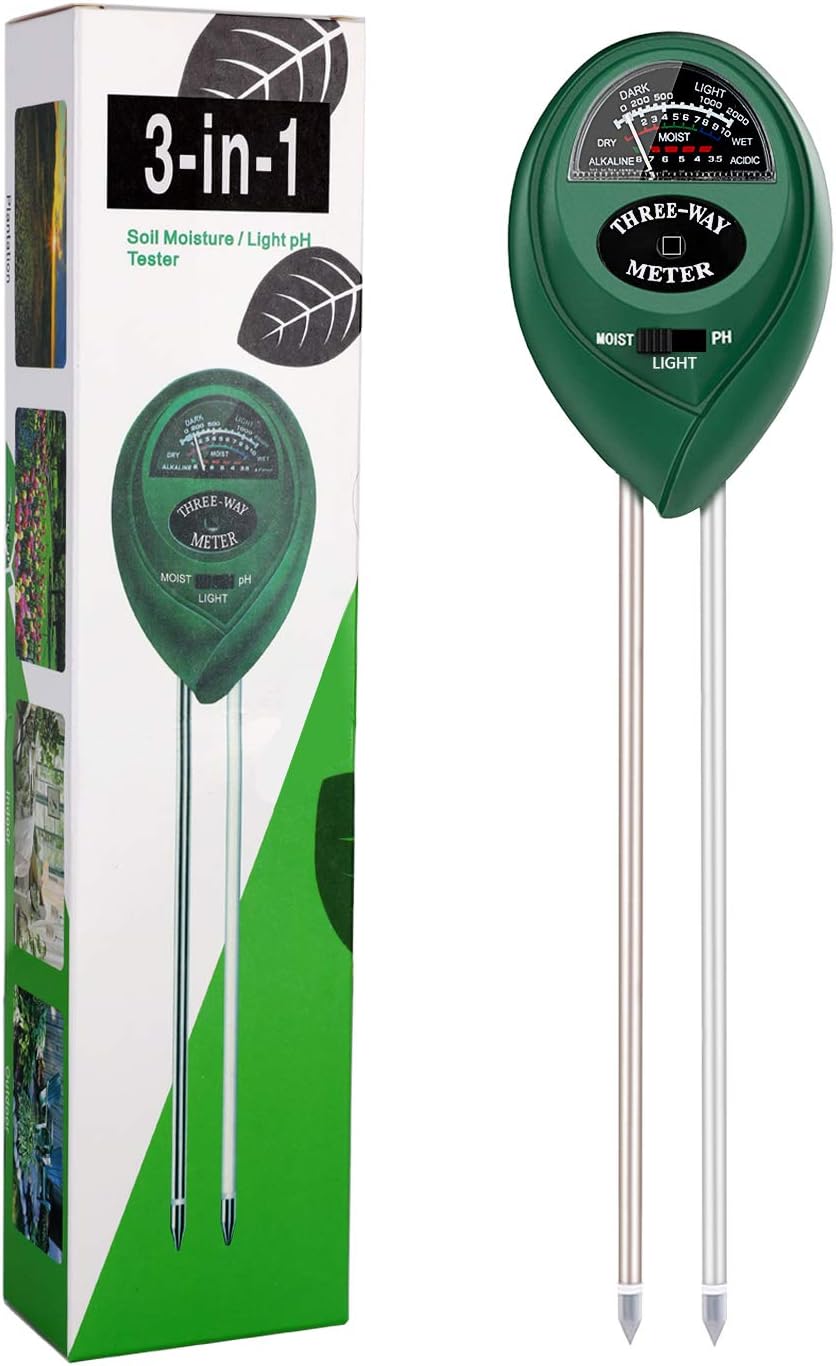
    • Soil Moisture Meter

    This video shows us how to use a soil moisture meter or sensor. There are a lot of soil moisture meters out in the market, so you don’t need to fret on where to find this item. 

    I checked out the best moisture meters to make things easier for you, and here are some that I can recommend:

    Kensizer 3-in-1 Soil Tester
    Gain Express Ph and Soil Moisture Meter
    VIVOSUN Soil Tester 3-in-1 Plant Soil Moisture Meter
    Sonkir pH Soil Moisture Meter
    Dr. Meter S10 Soil Moisture Sensor

    • Deciding by Weight

    You basically just need to lift your pot up right after you water it; then, after a few days, you can do the same thing and decide if it feels lighter than the last time you watered your aloe plant. If you want to be meticulous and accurate, you can even use a weighing scale, no one will judge you. But obviously, this method is not suitable for aloe plants that are not in pots. 

    What Are the Cases When Aloe Needs More Water?

    Different conditions cause your aloe vera to require various amounts of water during particular times.

    How Do You Water Aloe Vera Appropriately?

    • Pot size – more petite pots are more likely to dry out quicker than the others.
    • Weather – aloe plants in brighter/hotter conditions tend to use up more water because the soil definitely dries up more instantaneously. So obviously, you need to water your plants more frequently during summer and even more scarcely in winter.
    • Type of pot – terra cotta pots is the most recommended for aloe vera plants as it dries out faster than glazed ceramic, plastic, or anything that is not porous in the material.

    What Are the Common Problems in Growing Aloe Vera?

    Overwatering

    This the top most common mistake an aloe plant owner commits, especially for first-time plant owners. When you start seeing soggy, droopy leaves, that’s the first symptom that your aloe is overwatered.

    If left untreated, your plants may not recover, as it will definitely develop a mushy base or root rot that will eventually kill your aloe vera.

    Drainage Holes

    Selecting a pot with drainage holes is one of the most important things to remember when preparing to grow an aloe vera, whether indoors or outdoors. Waterlogged condition for your plant is a definite no-no, thus adding a drainage hole in your pot becomes a necessity.

    Excessive Sunlight

    Aloe vera needs lots of light but not direct sunlight. You can grow an aloe plant indoors, but it doesn’t mean that it’s a low light plant. Drooping and discoloration of leaves are usually caused by intense sunlight.

    Too Much Fertilizer

    This succulent does not really need fertilizing as much as other plants, but you can do so if you see that your plant needs more nourishment. Using fertilizers on aloe plants, especially liquid fertilizers, should only be done once a month. 

    Make sure to remember that you need to water your plant 12 hours before you administer the fertilizer. By the time you use it, just enough water is left to protect the roots of your plant from the strong chemical contents of your fertilizer.

    FAQ’s

    Do you water aloe from top or bottom?

    If you’re growing aloe for its medicinal properties, it’s a good idea to water your aloe plants from the bottom. Aloe plants use their roots to absorb nutrients, so if you water them from the top, they may be shorting out on nutrients.

    A healthy plant will usually have a few leaves hanging over the pot. Water in the morning and check the plants again at noon. If they are still looking healthy, you can add a little more water and check them again at dinner.

    How can I tell if my aloe vera needs water?

    Aloe vera is a succulent that grows in the tropics, and it’s one of the most popular plants at nurseries. It’s also very easy to grow.

    The plant requires moderate amounts of water, but it doesn’t need to be watered often.

    Aloe vera needs about an inch of water per week.

    Do aloe plants need direct sunlight?

    The Aloe plant needs plenty of sunlight.

    They prefer bright light and warm temperatures. You may want to provide some shade for the first few months, until your indoor plant grows strong enough to tolerate full sun. It can be grown indoors or outdoors, but it prefers a sunny location.

    How long can aloe vera go without water?

    Aloe vera can go for a few months without water, but it will start to wilt and turn brown. It is best to keep the plant in a cool environment (60-70 degrees Fahrenheit) with bright light (natural or fluorescent). Aloe vera plants also need indirect sunlight and should not be placed near windows. The plant needs regular watering, as it does not like sitting in water.

    Where is the best place to put an aloe vera plant?

    I would recommend putting it in a sunny window. It should get bright light, direct sun all day and indirect shade during the afternoon or evening. Aloe plants like warm temperatures. They don’t like very cold or very hot temperatures. They also like a humid environment.

    How do you make aloe vera grow bigger?

    It is possible to make aloe vera grow larger. It is also possible to grow it with a white flower and a green leafy plant. You can grow the plant indoors, but it will take a while. You can buy a seed kit that includes instructions for growing it. Some of these kits include an indoor light bulb.

    It is best to grow the plant in a pot or container. The more sunlight and water the plant gets, the better it will grow.

    Can I put my aloe plant outside in the summer?

    Aloe plants are known to be very hardy. They will do well outdoors all year long and can even survive a light frost. However, they like warm temperatures and should not be placed directly in the sun. You may place it where it gets morning sun and afternoon shade. It should receive direct sunlight during the day and at least half the shade of the sun at night.
    If you want it to be happy, you should take it inside. But you can’t make it grow without light. If you put it in a sunny spot, it will grow, but it won’t get much bigger than it is now.

    Conclusion

    There is no general answer or exact irrigation scheme for aloe plants. But, you do need to memorize the key component in growing this plant – water. Knowing when, how, and what to water your plant will help greatly in making your aloe vera survive.

    Feel free to comment below if you have additional information regarding the topic or if you have a better suggestion on how to take care of Aloe Vera.

  • How to Increase Humidity in Grow Tent

    How to Increase Humidity in Grow Tent

    Regardless if you’re a highly-skilled cultivator or just a hobbyist, growing crops can be a difficult task to achieve due to weather conditions, pest infestation, and weed growth that competes with your crops’ nutrients. Fortunately, this problem can be solved with the use of a grow tent.

    Given that each plant has its specific temperature, you need to be wary of controlling the desired temperature for your crops to grow. One common dilemma most beginners face is how to increase humidity in grow tent for plants that need enough moisture to grow healthily.

    What Is a Grow Tent?

    In order to understand the use of a grow tent, it’s practically important to know what it is. A grow tent is used as a preferred alternative in cultivating plants that are difficult to grow.

    Canva Greenhouse Garden e1575736393448

    It’s a transportable grow room that’s suitable for plants that are difficult to cultivate. Indoor plants, for instance, are suitable for grow tent since they’re highly sensitive to weather conditions. Moreover, a grow tent has built-in grow lights for your crops’ insulation which is essential for their growth.

    How Important Is a Grow Tent?

    There are specific crops that are difficult to grow due to their strict weather requirements. Depending on natural weather alone can be a challenging task as it may vary from time to time. Slight changes in the temperature can hinder the growth of some plants or cause them to deteriorate over time.

    Due to the instability of the weather outdoor, some growers seek healthy alternatives for their sensitive crops to grow no matter the weather may be outside. Having a grow tent in your household is more than enough to enclose your plants in one space and receive an equal distribution of the needed requirements like humidity.

    This item actually gives growers full control of the climate and lighting for the plants to ensure that they can grow healthily. With grow tent making indoor planting possible, more plants have reached their optimum growth – all thanks to the right amount of temperature and lighting set for indoor plants. 

    The Importance of Humidity in Plants

    Humidity greatly affects your plant’s growth in such a way that it prevents plants from experiencing water evaporation. Keeping the humidity in the environment high allows the stomata (the pores in a plant that absorb water vapor in the air and enable gas exchange) to be open, hence keeping the photosynthesis working by absorbing CO2.

    How to Increase Humidity in Grow Tent

    A low amount of water in plants will result in the closure of the stomata which stops the photosynthesis since CO2 is a requirement to keep the said process going. If photosynthesis stops, plants won’t be able to generate food.

    Keeping the stomata open is much significant than providing light for your plants.  Even under low light, photosynthesis will continue to occur as long as the stomata are open. However, enough source of light and open stomata can provide optimal photosynthesis.

    How to Increase Humidity in Grow Tents

    Learning the significance of humidity in plants, you should set an effective way for your plants to experience high humidity levels for optimal growth. Without enough humidity in the environment, this will negatively affect its growth as well as its development.

    You can increase the total humidity in grow tents through the following:

    Lowering the Extraction Fan Level

    Making use of a fan is important to allow proper circulation and distribution of air to the plants. There has to be an exchange between the air produced inside the grow tent and outside source to prevent microorganisms from lurking the place.

    Setting the fan level lower minimizes the air to dry quicker in contrast to a high setting. If ever you set the fan level higher, the plants nearby will absorb the vapor. Installing a humidifier can be a good option as well.

    Lowering the Temperature Inside the Grow Tent

    Decreasing the temperature inside the grow tent makes the air moist, hence providing a higher rate of water vapor for your plants to absorb. As a result, your plants won’t get dried up at all and will instead keep on producing energy through photosynthesis since the stomata are open.

    To achieve a low-temperature level inside the grow tent, set your heater lower or airconditioner higher. Another way to drop the temperature is lowering the power of the UV light used for your plants as the heat emitted from the light hastens water evaporation.

    As mentioned above, moisture is more significant than light for your plant, as the former will continuously open the stomata in your plant and absorb an adequate amount of CO2 for energy production.

    Provide Water Sources in the Area

    Placing water sources within the vicinity will increase water vapor levels aside from the moist air. There are several ways in providing water sources for your plants, hence making this process less concerning.

    The heat generated from the light will gradually evaporate the water which, in return, increases the humidity in the area.

    Add Large Plants Inside the Grow Tent

    Instead of seeing larger plants competing against the small ones in absorbing nutrients from the environment, they can instead help in the growth and development of younger plants in their own ways by emitting water vapor from their system.

    In addition, larger plants have larger stomata which means that more water vapor will be evaporated to the environment for smaller plants to absorb as well.

    Conclusion

    Cultivating plants can be a difficult and challenging task since you need to be wary of the weather condition, temperature levels, and even possible pest infestation that might eat your plants. Due to these types of problems, growers start considering grow tent as a better alternative to growing highly maintained plants.

    A grow tent allows you to take control over the temperature and overall condition of its environment which is an advantage when handling sensitive plants. To fully maximize your plant’s growth, it’s always best to increase the grow tent’s humidity. To achieve this, you need to lower the extraction fan, maintain proper temperature inside the tent, provide water sources, and place large plants inside. 

    FAQs

    Why is the humidity so low in my Grow Tent?

    A Grow Tent is basically a portable greenhouse and it comes with built-in lighting and heating facilities. You have a low relative humidity which means that there is not enough water vapor to be held within your air space. Humidity is the amount of water vapor in the air. Relative humidity is the ratio of the amount of water vapor in the air compared to the total amount of water vapor present. You can find the relative humidity using the hygrometer in your grow tent. A relative humidity of 50% or more is usually ideal for plant growth. Raising the humidity level in your Grow Tent is something that you should do at least once a week, as too low humidity levels can cause some plants to wilt.

    How can I raise the humidity in my plants using a humidifier?

    You can add a humidifier to your plant room to help raise the humidity level. The Grow Tent is designed to be used with a humidifier.

    The higher the humidity, the more water your plants will need. You can use a manual humidifier or automatic humidifier to raise the humidity. If you don’t have any extra space for a humidifier, you can also purchase a small, portable humidifier that you can take with you when you go outside.

    Humidifiers are good for raising the humidity, but they are not necessary. Some people say that using a humidifier doesn’t seem to make much difference. You can use a simple, inexpensive dehumidifier and place it on top of a radiator or underneath a fan to increase the air flow. Make sure that the radiator is not too close to your plants. You don’t want to heat up the air above your plants.

    It’s important to understand that your Grow Tent will not be able to get humid enough to prevent mold, mildew, or any of the other fungi and bacteria that thrive in a dry environment. This means you will need to increase the humidity in your tent when you are growing indoors.

    Use a humidifier with a water reservoir attached to it, as this will ensure that you never run out of water. You can use a ‘sponge’ humidifier to raise the humidity level in your Grow Tent. 

    If you use a sponge humidifier, then you must make sure that you add water regularly.

    You must also make sure that the water reservoir is clean and that the sponge is not blocked with dirt or mold. You must also remove any dead or dried up leaves from the sponge before adding more water to it.

    If you use a sponge humidifier, then you must replace it with a new one every two months.

    How can I raise the humidity in my plants without using a humidifier?

    You can try putting a towel in the Grow tent. This works, but it’s hard to keep track of it. I also tried spraying my plants with water from a spray bottle. This seems to work okay, but there is no way to control the amount that goes on the plants.

    Alternatively, you can spray water on the surface of the soil in your Grow Tent.

    Do not allow the Grow Tent to get too hot, and ensure that the temperature of the air inside your Grow Tent is set at 75°F.

  • How to Make the Best Premade Super Soil like Magic

    How to Make the Best Premade Super Soil like Magic

    Make the best premade super soil ever for your beautiful garden! The secret to a blooming plant begins with a good quality mixture of soil. You just have to use good soil to get a good outcome. Use bad quality soil and you’ll most likely end up with unyielding plants. So, let’s start by knowing how to create a super soil to end up growing super plants.

    It’s easy to buy ready-made soil mixes, but unfortunately, they usually cost more than making your own. Hence, why spend your money on dirt made by others when you can make your own best premade super soil right at the comforts of your home!

    Almost all plants bloom in fat fertile soil, and there is an easy way to make super soil for your plant containers using 3 basic ingredients: upper soil/topsoil, a mixture of decayed plants/compost, and moss that grows on wet (perlite) land/peat moss. The key to making a good super soil is to mix them all together at the right amounts.

    What are the Ingredients Needed

    The following are different recipes suggested by different successful gardeners and authors:

    This first recipe is complex and is composed of base ingredients, nutrients and minerals, and extras.

    Base materials

    How to Make the Best Premade Super Soil like Magic

    Nutrients and Minerals

    Extras

    • Vermicompost
    • Crop mix

    The Second Recipe is an alternative recipe for beginners.

    • 6 portions of soil– pulverize your own soil before adding it up for mixing.
    • 4 portions of compost- compost contain all the needed nutrients to feed your plants during summertime. Pure compost helps keep your plants alive during hot days and you need not water them that much. So, if you don’t have it, start making a pile now!
    • 1 portion of perlite/ peat moss- the unobstructed pores of perlite helps in both retaining water and draining water which also keeps the soil less heavy. This is just right for your plant containers! Plus, it has a pH of 7 which is considered as neutral; thus, it doesn’t disturb the pH level of the completed mixture. Though peat moss can be used instead of perlite, perlite is still the better choice.

    This recipe can be made in any amount as long as the proportions are just right. But if your soil is not that fertile for some reason, you can make some changes to the proportions and make your super soil work for you. 

    • If your soil is rich in clay, add one portion of granulated sand and one more portion of compost. 
    • If your soil is too sandy, replace the portion of perlite with one portion of compost.
    • Lastly, your plant containers should have an effective drainage to keep your plants breathing.

    If you are just at the beginning of your gardening journey, I suggest you follow the second recipe mentioned above, as it requires only lesser ingredients to complete the first good quality super soil you want to achieve. But if you’re an experienced gardener and you want the best, I suggest you follow the second recipe mentioned, as it goes down into details of the volume of ingredients needed to make the best-premade super soil!

    What are the Steps in Completing your Super Soil

    1. Choose the Right Container and Mixer

    A good container would be half the size of your plant’s drip line. Here are three choices of containers you can possibly use:

    • Fabric pot- is the standard pot for any type of plant growth.
    • Air pot- is designed with holes on its sides that allow roots to simply root out, which also at the same time allows you to prune the roots easily.
    • Bed- is usually used for larger growth of plants. It is wider compared to pots, and you can plant more than one plant using each one. 

    Also, you need to prepare your mixer; its size should depend on how much ingredients you are going to use. Any will work as long as it holds your ingredients and isn’t hard to work with. With the right approach, this should all go well. 

    2. Know the Volume of Soil Needed

    For your containers, convert your gallon measurements to cubic feet soil. Use the formula below to know how many cubic feet of the super soil is needed for your containers: No. of containers x gallons per container divided by 7.5 = cubic feet of soil

    This equation makes up for the overall volume of super soil you will make from the base materials you’re going to use.

    How to Make the Best Premade Super Soil like Magic

    3. Add Base Materials

    Base Materials

    • 15% of Compost
    • 15 % of Vermicompost- this ingredient is rich in nutrients, enhances porosity, and has lesser chances of carrying bacteria or viruses with it. Vermicompost/ Worm Castings are waste products produced by earthworms, or they are also known as worm poo. Make sure that the vermicompost that you have is of high quality if you plan to buy it from the market.
    • 30% of Peat Moss
    • 30% of Scoria- scoria is a complex-shaped igneous rock that improves porosity, penetrability, and aeration due to its huge surface area. Commonly, super soil recipes use perlite to improve porosity, but scoria is a better choice. Perlite doesn’t simulate the natural system of the soil, except for making more pores.
    • 10% Biochar- this char is created from carefully heating organic matter until it becomes black earth. With this ingredient, your soil will improve its porosity and CEC. Cation exchange capacity (CEC) allows the soil to hold on to important nutrients, and it also serves as a protection against soil acidification.

    Nutrients and Minerals

    • ½ cup/ cubic foot of Crustacean Mix- this mix is made up of grounded crustaceans such as crabs and shrimps. These creatures provide your soil with essential nutrients like magnesium, calcium, phosphorus, and nitrogen. 
    • ½ cup/ cubic foot of Neem Seed- this ingredient acts as an organic pesticide.
    • ½ cup/ cubic foot of Kelp- this grounded up seaweed wakes up plant hormones to improve resiliency and tolerance from diseases.
    • ½ cup/ cubic foot of Glacial Rock Dust- this is rich in micronutrients such as potassium, magnesium, calcium, and iron.
    • 1 cup/ cubic foot of Gypsum Dust- this dust contains a huge amount of sulfur and calcium, and also has a neutral pH.
    • 1 cup Basalt Dust per cubic foot- this ingredient is also rich in micronutrients; it also has paramagnetic properties.

    4. Mix All the Ingredients

    Pour everything into your mixer and use a hand tool that helps you mix your super soil until it gains consistency. It doesn’t have to be perfect as the ingredients will settle by itself after you place your plant.

    5. Test your Soils pH and Biology

    To make sure that it’s the best super soil, you should test its pH by using the right equipment. Or to make things easier, you can send it to a lab for evaluation by professionals.

    |

    6. Place your Plants in your Completed Super Soil

    Now it’s time to place your plant in the super soil. Thoroughly do this step to avoid unwanted troubles.

    7.  Add on the Extras

    • Add 1 cup per 4 square feet of Vermicompost. Place the castings in on the topsoil surface but don’t allow any worm to touch the stem or leaves of the plant!
    • Lastly, add mulch. Mulch decreases the evaporation of water in your soil. These include rice straw, barley, wheat, etc. 

    8. Mission Accomplished!

    Now that you have followed the right steps to achieve your super soil, you’re now ready to fill up your empty garden with beautiful and fast-growing plants!

    How to Make the Best Premade Super Soil like Magic

    FAQ’s

    Do cover crops help make the soil you start out with better?

    Yes, this is first thing I recommend is to plant cover crops.

    This will add nutrients and increase the diversity of life in your soil, which will result in a richer soil. What is a Cover Crop? Cover crops are plants that are planted between rows of vegetables or flowers to help keep weeds down, fertilize the soil and reduce erosion. There are many different types of cover crops, but the most common are grasses, legumes and clovers.

    The idea behind a cover crop is to maintain the health of the soil for the next season, but not necessarily to grow a harvestable crop. Some cover crops can be harvested for their leaves and stems (like clover), but most are planted with the intention of being left in the ground. Why do we need cover crops? Why not just plant something like tomatoes in a row or two and let it go? Well, there are a few reasons.

    What’s a great way to make super premed super soil?

    ’m a big believer in making your own soil. I love the feeling of working with soil and watching it grow. However, I also love to have a ready made soil mix that I can just add to my garden. I’ve had a good friend who is a farmer for over 20 years and he always makes his own soil mix.

    It’s an easy way to get started and you can customize it to your soil type. He calls it his “magic dirt” and I think it’s the best soil mix I’ve ever had. I was lucky enough to get a sample of this magic dirt and am so excited to share it with you!

    How to Make Your Own Magic Dirt First off, make sure you have all of your supplies ready. You’ll need:

    1. A bucket of potting soil or compost. This is what you’ll use to mix your magic dirt.

    2. 1/4 cup of bone meal. Bone meal is great for improving soil structure, improving nutrient levels and providing calcium.

    3. 2 cups of sand. Sand helps loosen soil and can be used as a filler in your mix if you don’t want to add too much potting soil.

    4. 1/4 cup of leaf mold. Leaf mold is soil that has decomposed leaves and other organic matter in it. It is great for building soil structure and adding nutrients.

    5. 1/2 cup of peat moss.

    6. Peat moss adds moisture retention, improves drainage and has other wonderful properties.

    7. 1/2 cup of compost. Compost is a great way to improve the fertility of your soil and add nutrients.

    8. A shovel. I suggest a wide blade shovel because it will help you scoop out the mix.

    9. Optional: A trowel or garden fork. You’ll be able to dig your garden beds with this.

    If you’re feeling lazy, you can just buy all of these materials at your local nursery or garden center. However, if you’re really looking to save money, you can buy a bag of potting soil and then add your own ingredients!

    Mixing Your Magic Dirt Mix

    Now that you have all of your ingredients, it’s time to mix your magic dirt. You’ll need to scoop up about 2 cups of soil from the bucket into a mixing bowl. Add your bone meal to the soil in the mixing bowl. I like to mix mine in with my fingers and then use my spoon to spread it around evenly. Then, add your sand. I use my hands and scoop it into the bowl. Next, add your leaf mold and compost. Mix these in with your hands as well.

    Finally, add your peat moss. You can mix this by hand as well. However, I find that using a spoon is more efficient. Scoop the peat moss into the mixing bowl and mix it in. Once the mix is completely mixed together, scoop it into your garden beds. You may want to wet the top of your beds before you add your magic dirt. This will help the dirt stick better. It also helps keep weeds from growing. After you’ve added your magic dirt to your beds, you’ll want to water the dirt well. Make sure that you water the dirt after you have watered your plants. The moisture in the soil will help the soil retain nutrients. Once the soil has had some time to settle, you can begin planting!

    Can you add nutrients to super soil?

    Short answer: Yes. Long answer: It depends. There are many ways to make a good soil. But if we are talking about super soil, then there is only one way, and that’s to use compost or manure. Both will provide the necessary nutrients and microbes needed to produce healthy plants.

    Tips in Making the Process Effective

    • Grow your Plants in Raised Beds. This type of container makes a good draining system, prevents soil from getting compact, reduces the growth of weeds, and protects your plants from pests. 
    • Plant Different Kinds of Crops. Planting different kinds of plants for different seasons helps in controlling known root diseases, improves soil fertility, and is a good defense system for weeds and pests. This technique needs planning; it is advisable to group your plants into four: beans, vegetables, fruits, and green leaves.

    Did you enjoy the tutorial? Well, I hope you did! The detailed step by step instructions I mentioned above are essential for you to make the best super soil you’ve always wanted to achieve. You just need due diligence to follow the instructions I provided, and in the end, all the efforts will be worth it.

    Please state your thoughts in the comments section below. Also, please like and share this article with family or friends who might be interested in pulling off the whole project.

  • How to Grow Alfalfa Sprouts?

    How to Grow Alfalfa Sprouts?

    Alfalfa sprouts are usually seen on sandwiches, aisles, and in many salads. Most of us love sprouts too because they add flavor to dishes and come with nutritional benefits. I know you love them also.

    I have been moving away from commercial foods recently and trying to grow organic foods that I can harvest fresh off my garden. So while I was eating an alfalfa sandwich the other day, I asked myself if I could grow the sprouts myself. This prompted me to research how to grow alfalfa sprouts and compiled this piece.

    Here is How You Can Grow Alfalfa Sprouts at Home

    Alfalfa sprouts sprout within one week, and you can easily grow them in a tray or a jar. To begin, you have to find the alfalfa seeds. I buy them at a local food store, but you can also get them from feed stores or online shops.

    How to Grow Alfalfa Sprouts Using a Jar

    Step 1: Measure one tablespoon of the alfalfa seeds

    A tablespoon of the sprouts will sprout about one and a half cups of alfalfa sprouts, which can serve a maximum of two meals.

    How to Grow Alfalfa Sprouts?

    Step 2: Sort and wash the seeds

    Sort out the healthy-looking seeds and rinse them using a mesh sieve or a piece of cheesecloth. Remember to make sure you only wash seeds you plan to sprout immediately.

    Step 3: Place the alfalfa seeds in a glass jar 

    Find a flat-sided quart jar; it works best since it can be laid on its side for better circulation.

    Step 4: Completely cover the seeds with about 2 inches of cold water

    Use a pantyhose or a cheesecloth to cover the jar and secure the cover with a rubber band. The cover will help to hold the seeds in the jar when draining the water.

    Step 5: Let the alfalfa seeds soak for at least half a day

    You should keep the jar in a dry and warm place.

    Step 6: Drain the water in the jar after twelve hours elapse

    Do not remove the covering cheesecloth since it will hold the seeds in the jar while you drain out the water.

    |

    Step 7: Rinse and drain the seeds

    Drain all the water from the jar to prevent the seeds from rotting.

    Step 8: Place the jar lying on its side in a dark place

    Closets and pantries are great locations since they provide ideal temperatures. Spread the seeds across the base of the jar.

    Step 9: Rinse the alfalfa seeds after every eight to twelve hours

    Use lukewarm water to rinse the alfalfa seeds and completely drain the water each time. Repeat this step for four days until the seeds sprout to about two inches long.

    Step 10: Move the jar into a sunlit area

    Spread out the seeds on a dish or platter and place them close to a sunny window for fifteen minutes until the sprouts turn green. Sunlight activates enzymes, which make the sprouts healthy.

    Step 11: Store the sprouts in a refrigerator

    The cold temperatures slow down the sprouting for up to six days.

    How to Grow Alfalfa Sprouts?

    How to Grow Alfalfa Sprouts Using a Clay Tray

    Step 1: Measure one tablespoon of alfalfa seeds and store the remaining seeds a sealed plastic bag or in the original packaging bag.

    Step 2: Sort and rinse the seeds.  Sort out the seeds removing any discolored or damaged seed. Place the healthy seeds on a piece of cheesecloth and rinse them.

    Step 3: Place the seeds in a jar and soak them with two inches of cold water.  Make sure the seeds are completely covered with water then cover the jar with a cheesecloth bound by a rubber band.

    Step 4: Place the jar in a dark room and let the seeds soak for twelve hours.

    Step 5: Drain the seeds through the cheesecloth. You should drain out all the water to prevent rotting and rinse the seeds again using lukewarm water.

    Step 6: Spread the alfalfa seeds over the clay tray. You can use any type of clay tray, but if possible, use a tray with a red terra cotta. Spread the seeds to cover the base of the tray evenly.

    How to Grow Alfalfa Sprouts?

    Step 7: Place the tray on a bigger pan with water. The water in the pan should cover the tray halfway up, but make sure the water does not spill into the tray.

    Step 8: Place the pan and tray in a dark location and leave the seeds to sprout. The clay tray absorbs moisture from the pan that helps the seeds to sprout. I love this method since there is no need to rinse the seeds every few hours.

    Step 9: Refill the pan for four to five days. Check on the level of water in the pan and refill accordingly. The seeds will not sprout if the pan runs out of water for the seeds to absorb.

    Step 10: Place the tray in the sunlight when the sprouts reach two inches in length. Let the sprouts stay in the sunshine for about 15 minutes to activate essential enzymes. The sprouts are ready to eat when they turn green.

    Both processes yield fresh and organic sprouts. The method to use solely lies on your preference or interest.

    You can remove the hulls from the sprout if you like or leave them since they are also edible. Fresh sprouts taste the best, but if you plan to eat them later, you can store them in a dry plastic bag and refrigerate them.

    FAQ’s

    How long does it take to grow alfalfa sprouts?

    The answer depends on how you start your sprouts. If you buy a sprouting kit, it takes about five days for the seeds to sprout. If you grow them from seed, it will take four to six weeks. Which is the better way to grow sprouts? Both methods have their pros and cons. With the kit, there are no worries about soil conditions or temperature.

    You can purchase an inexpensive kit that usually comes with a sprouter, but you can also just put your sprouts in a glass jar with a lid. If you want to grow sprouts from seed, start them in an indoor potting soil. Sprinkle the seeds over the surface of the soil and place the pot in a warm location, such as a sunny window. Keep the sprouts moist, but don’t let the soil become too wet.

    You should see sprouts emerging after two weeks. The easiest way to keep your sprouts fresh is to store them in a plastic bag in the refrigerator. But if you live in a warm climate, you might want to take them outside. If you do, make sure you have some type of cover for the sprouts. A screen works well because it keeps out the bugs and wind. Sprouts are nutritious and packed with protein, fiber, vitamins, minerals and antioxidants. The nutrients in alfalfa sprouts are especially beneficial for children and pregnant women. Sprouts are also a good source of iron and zinc. They also contain calcium and magnesium. Alfalfa sprouts are high in antioxidants, which help prevent cancer and other diseases. A study by the University of Illinois found that alfalfa sprouts contained about 1.5 milligrams of the antioxidant glutathione per gram of sprout.

    Do I need to wash alfalfa sprouts?

    Do I need to wash alfalfa sprouts?

    Alfalfa sprouts are a great source of nutrients and fiber. The sprouts are harvested when the sprouts are still small, and have a tender texture. Alfalfa sprouts can be eaten raw or cooked. Sprouts should be kept in the refrigerator because they spoil easily. 

    Sprouts will lose their crispness if stored for too long, so it is recommended that you use them within 3-5 days of purchase. How to cook alfalfa sprouts? Alfalfa sprouts are a great source of protein and vitamins. To make sprouts, first rinse the sprouts under cold water.

    Then, drain the sprouts and cut them into halves or quarters. For a side dish, cook the sprouts in boiling water for about 1 minute or until tender. For a main dish, steam the sprouts in a steamer or on a wok-style pan with lid. You can also add some salt to enhance the flavor.

    What do you do with alfalfa sprouts?

    You can make a salad out of them, but that’s pretty much it. But if you think about it, alfalfa sprouts are pretty similar to lentils in that they don’t really have an established culinary identity in the U.S., and while both have a long history as an ingredient in Asian cuisine, they are mostly unknown here.

    Conclusion

    With the above steps, you can enjoy fresh alfalfa sprouts straight from your home. Both methods work well, and it all comes down to what equipment is available to you. I would recommend trays such as the hawos Terracotta Sprouter Clay Sprouting Pot if you are using the clay tray method, or you can try Ball Quart Jar with Silver Lid if you are using the jar method.

    Leave a comment if you have any questions and I will gladly respond.

  • How to Make Clones Root Grow Faster?

    How to Make Clones Root Grow Faster?

    It is always a good idea to grow your own vegetables. It is also an economical hobby as you never have to buy your veggies; with this, you can be sure if you are eating something that you know is well taken care of and groomed. More and more, people are into cloning plants. Whether you are a first-time grower or a more experienced gardener, plant cloning can be rewarding if you do it the right way. With this, it is important that you know how to make clones root grow faster.  

    Waiting for the fruit of your labor is exciting. If you are fond of growing your own veggies, then harvesting it will be your ultimate goal. Growing plants can be a great hobby, and it becomes even better when you see the fruit of your labor. Cloning can be beneficial to growers, and speeding up the growth of the plants can even be a better and satisfying hobby. But, before you put in your time and energy into it, you need to know first what cloning is. 

    What is Plant Cloning?

    Plant cloning is also known as asexual plant propagation. This is the method of getting a piece of the plant, like the stem or roots, and placing it in a suitable planting container or location with moist soil. This, then, allows the obtained part to grow as an independent plant. Aside from moist soil, you can also use coir, perlite, rock wool, and expanded clay pellets for your plant cloning base. 

    How to Make Clones Root Grow Faster?

    How to Clone Plants?

    It is just normal to be frustrated to wait for your clones to grow. Any gardener or vegetable grower would feel anxious waiting for results. Consequently, they would seek for ways to make the plants grow faster to allow them to harvest their products at the soonest possible time. But before all that, a gardener or a plant grower must choose a good plant to get the cuttings from. As they say, cloning from a good plant will yield more good plants. Here are sure-fire instructions to speed up clone roots growing

    • Prepare Needed Materials

    Getting the materials ready will make your cloning procedure faster to finish and hassle-free. You will need: 

    • Cloning tray with holes
    • Soil, rock wool, or clay pellets
    • Pair of scissors
    • Razorblade
    • Rooting powder or rooting gel
    • Mixing bowls
    • Spray bottles
    • Prepare your Cloning Tray

    You will need to make sure that your soil, pellets, or rock wool are moist enough. If you are using soil or rock wool, you just have to sprinkle water to it; then, place it inside the tray. But if you are using clay pellets, you still need to expand it by soaking in a bucket of water. Allow it to fully expand; then, squeeze out excess water. Finally, you can place it on the tray. 

    • Get Clones from the Mother Plant

    To make clones grow faster, you need to cut from the lower part of the plant; choose the part that is closest to the root. Also, choose the larger section of the plant. Keep in mind that small section or stems will take a longer time to grow. It is also better to get the part with some leaves, as the leaves can give more energy to the plant. In this step, you can use the razor blade to cut the large section of the plant at a 45-degree angle.  

    • Prepare the Cuttings for Planting

    The obtained cuttings from the mother plant should be first placed in a bucket of cold water; using such will prevent air bubbles from forming inside the cutting. Your cuttings should also be of the same length so that you can monitor which ones are growing faster. Once the cuttings are trimmed, you can dip it in rooting powder or gel; it is better if you could use both. Dip the cutting first into the gel; then, to the powder. Now, it is time to plant it in the cloning tray. Press down the cutting into your soil, rock wool, or clay pellets making sure that it is stable and will not fall out. 

    • Provide Needed Environment

    Ideally, you have to put the clones in a place that has moisture, warmth, and light. It will need 18 hours of light per day. You also have to make sure that the place is not too cold or too hot. Daily misting will also be needed to keep the tray moist. Misting prevents the plant from drowning. 

    How to Make Clones Root Grow Faster? 

    Now that you know the proper steps to plant and grow clone plants faster, it is best to get tips and tricks on how to make clone root grow in no time. 

    • Daily Care

    Plant cloning is a daily thing. To make sure that the clones grow faster, moisten the clone tray every day. Everyday misting will help keep the clone tray moist and provide needed water to the plant.  

    • Daily Monitoring

    Always check on the progress of your plants. See if the plants are already developing roots and leaves and if it is already getting bigger.  


    FAQ’s

    How long does it take for clones to grow roots?

    I’ve had several clones growing for a couple of weeks now and I’m curious if it will take longer for them to grow roots. They have been potted in a mix of perlite, vermiculite, and potting soil.

    How do you make clones grow bigger?

    The easiest way to clone plants is by cutting them with a clean knife. The cut must be as clean and sharp as possible, and the knife should be sterilized before use. Then, you place the cutting in a water-tight container such as a ziplock bag or other airtight container, and keep it on a warm surface. The warmth will speed up the growth of the cutting.

    You may want to place the cuttings on a heating pad, or even in an incubator.

    Can I put my plant clones straight into soil?

    The answer is Yes, you can. You do need to ensure that the plants are well watered when they arrive, but after that, they will need to be planted in a pot and placed in a place where they will get enough light.

    Can you clone from a leaf?

    The answer is yes. You can clone plants from leaves or other parts of the plant, but you have to take extra care. Most plants are propagated by seeds, which are small and easy to grow. But some plants are propagated by cuttings. Cuttings are small pieces of a plant that are cut from the parent plant. They are usually rooted in a rooting medium, such as soil or sand.

    Can you clone a plant too many times?

    My answer to that question is no. You can never clone a plant too many times. The reason for this is that every time you clone a plant you are creating a clone of that plant. Each cloned plant is identical to the original plant and they will grow into identical plants.

    This means that each one of those plants will be genetically identical to the original plant and so on.

    How do you keep clones healthy?

    You should always use a well-established, disease-free clone. Disease-free means that the plants have been through a quarantine process and have no diseases or pests. It is also important to follow your nursery’s standards for growing your plants. Starting seeds indoors can be a good option. You will need to invest in some pots and soil to begin with. The first year you can plant outside, and the second year, you can move your plants into larger pots.

    Growth 

    In case, you notice the plants developing roots and the stem becoming larger, you can then transfer it to its natural and new home. Remove the dome and transfer it to a larger pot. Place it in an environment where it can have natural light and a normal environment.  

    Plant cloning is more common these days, but the issue is that cloning takes a lot of time to grow and produce the fruits you want to see. The main idea of speeding up the growth of your clone plants is to start right. The instructions given will help even first-time growers to achieve faster growth for their clone plants. Once this is achieved, your next planting will be easier and hassle-free. If you find this article helpful, please feel free to share it with your friends and family, and let us enrich our world and provide people with good plants around.