Category: Tips & Guides

  • Know How Many Tilapia Per Gallon For An Aquaponics System

    Know How Many Tilapia Per Gallon For An Aquaponics System

    Are you wondering how many tilapia can fit per gallon? We will let you know in this post. Tilapia is one of the best and most popular fish to raise in aquaponics in the United States, especially for beginners. It is a fast-growing fish, easy to grow, hardy, and highly adaptive to its environment.

    There have been many debates on how many gallons of water one can use for each tilapia. Well, this post is to enlighten you on how many tilapia per gallon of water you can stock in your aquaponics.

    How Many Tilapia Can Fit Per Gallon

    So the obvious question is: How many tilapia can fit per gallon of water? Well, you can fit one tilapia per gallon of water only if they are not grown fully.

    • By Inch – Ideally, the general consensus rule for any fish is that 1 inch of fish will fit 1 gallon of a water tank. Therefore, let’s say you have a 4 inches tilapia fish; each tilapia will then need around 4 gallons of water.
    • By Pounds – If you are measuring in pounds, then a pound of tilapia will fit 3 gallons of water. A tilapia that is fully grown will weigh around 1 pound. However, they can grow bigger and weigh more. Therefore, we can say 1 fully grown tilapia can fit 3 gallons of water or even 6 gallons of water.

    Recommended Tilapia Aquaponics Tank Size

    The tilapia aquaponics fish tank size recommended will solely depend on:

    • The number of tilapia fish you plan to stock in your aquaponics.
    • Also, the number of plants you wish to grow.

    What most people do is begin with a tank of no less than 500 liters. 500 liters will give you around 130 gallons of water. This should give you adequate room for about 20 to 40 grown tilapia, depending on the size of the fish.

    Another thing is to take into account the size of your plant beds. The more your plant beds are bigger, the more fish can fit in the very same 130 gallons of water tank.

    5 Major Tilapia Needs

    There are various species of tilapia and tilapia fish requirements are not so strenuous. Their basic needs include good water quality, food, light, oxygen, and adequate room to swim. Just provide your tilapia with these requirements and watch them grow healthy and faster.

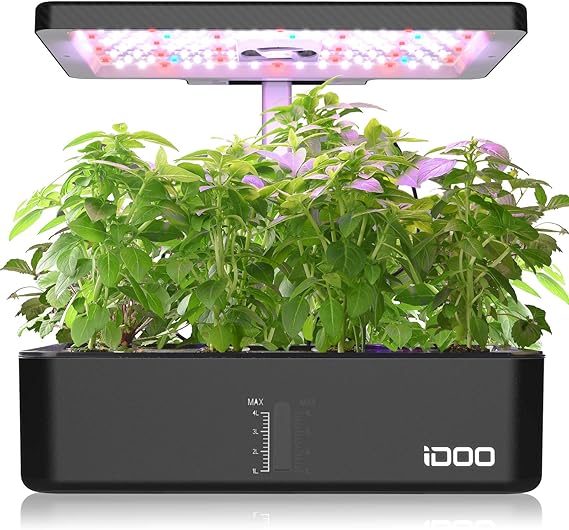
    ECO-Cycle Aquaponics Indoor Garden System with LED Light Upgrade

    61woRPTogRL. AC SL1000

    The beauty of tilapia farming is to comprehend each of these 5 needs. We have explained these requirements below:

    1. Clean water or good water quality- If you plan to consume your tilapia, you should provide your tilapia fish tank with clean water which you would drink yourself. If you can’t drink the water you are supplying your fish then it’s not worth giving them such water. Supply them with safe private clean water. If possible, purchase a water softener, a reverse osmosis system, or a nitrate remover. This way, you keep the water in a condition that your body can consume safely when you consume these fish.

    2. Oxygen – Your tilapia fish will need adequate aeration and water circulation. Make use of air pumps and water which will allow the water to have adequate oxygen to suit your aquatic animals.

    3. Food – Supply your tilapia fish with good food and as well avoid overfeeding and remove uneaten or wasted food. Remove the foods that are not eaten after about 30 minutes and make some adjustments to the next portion of food. This way, the uneaten or wasted foods do not rot inside the system to cause harm to your tilapia fish. Rotten foods can cause disease so you want to avoid such.

    Note that during the early stage of tilapia, they eat more than their body weight per day. However, as they grow, their food consumption reduces.

    5 Major Tilapia Needs

    4. Light – Tilapia requires adequate light to thrive. The deficiency of light will not allow them to move or even eat, and as such, they can die. Thus, provide your tilapia fish with light.

    5. Adequate room to swim – Though tilapia can withstand a crowded environment better than other species of fish, however, there is a limit to this. Too crowded tilapia fish can drain the shared oxygen supply rapidly. Oxygen deprivation in tilapia fish can cause stress and harm the organs and other sensitive parts of the fish.

    Check out Where to Buy Fish for Aquaponics

    FAQ’s

    How many tilapia can go in a 100 gallon tank?

    Tilapia are actually pretty easy to start with, but you should get them as adults. They will be a bit bigger when you get them. They need to eat, and they eat a lot. You want at least one male and one female. Males will fight for a harem of females, so you want to make sure you have at least one male and one female in your tank. You will also want to add a few more plants than that, but I’d say about 6-8 is a good number. The most important thing is to get a really good water conditioner like a Marineland, AquaClear, or similar product.

    Will tilapia reproduce in aquaponics?

    Tilapia can reproduce in an Aquaponic system. 

    You need to be careful not to over-stress them. The Tilapia will have the best chance of survival if you provide a large enough area for them to live and grow in. The more surface area they have to swim around in the tank, the better. Aquaponics is a combination of aquaculture and hydroponics. It has been around since the late 1950’s but was only recently rediscovered in the USA.

    Aquaponics uses a recirculating water system with a closed loop where the fish waste and other nutrients from the fish tanks are used to feed plants in the hydroponic beds. The plant wastes are then returned to the fish tank to be filtered and reused. It works great for small fish like tilapia but I would not recommend it for larger fish.

    How do you start an aquaponic system?

    The first step is to choose your fish. If you’re new to aquaponics, it’s a good idea to start with a simple system with just one fish, such as the European seabass (Dicentrarchus labrax). The European seabass is easy to keep and will provide nutrients for your plants. They’re also small enough to fit into a 4 litre tank. If you already have a fish tank, you can use it as an aquaponic system. In this case, you’ll need to find a way of transferring the fish waste from the tank into the growing bed. You could use a pump and a pipe or siphon to transfer the water. Or you could set up a filter system. You’ll need to find a way to clean the tank every day or two and change the water.

    How Many Tilapia Can I Put in a 50-gallon Tank?

    Tilapia fish are highly tolerant of sibling density. This means that they can withstand a lot of other fish in the tank at the same time. However, you have to remember that they do need quite a bit of space to swim around without bumping into each other and potentially getting damaged by rubbing against each other.

    Depending on the size of the fish, you can fit anywhere between 10 and 12 pounds of tilapia. To make sure that your fish are comfortable and have enough space to maneuver around the tank, work out the appropriate stocking density based on the size of your fish. 

    How Many Tilapia Can Go in a 55-gallon Tank?

    The general rule of thumb with stocking tilapia is that for every pound of tilapia you need three gallons of water. So before stoking your 55-gallon tank, determine the total weight of the fish you want to go into. From this weight, work out 3 gallons per pound to see how many you can fit in your tank.

    Also, remember that your tilapia will grow so you will need to make space provisions to allow them to still have sufficient space to grow, do not completely saturate the tank.  

    How Many Tilapia Can Be Raised in a 250-gallon Tank?

    The number of tilapia that you can grow in a 250-gallon depends on other factors as well. A 250-gallon tank is quite a substantial size tank so you can have a bit of fun with the fish in it. If you can ensure that you have sufficient aeration and an efficient biofiltration system, you can stock more fish and be secure that the filtration system will be able to handle the volume of waste that is generated by the fish.

    The maximum number of tilapia that can be raised in a 250-gallon tank, working on the three gallons for every pound rule of thumb is about 83 pounds of fish. You will obviously need to consider the size of your fish before confirming this number.

    How Many Tilapia in a 1000-gallon Tank?

    Sticking with the three gallons of water for every pound of tilapia, you can safely and efficiently keep and grow about 333 pounds of tilapia in a 1000-gallon tank. Because you have ample space in this tank, it may be wise and even make your tank look better if you put larger or mature tilapia. You will be able to enjoy your fish more because they are more visible, you could even get tilapia of different colors for that extra pop of color and vibrancy in your tank.

    How Many Tilapia Can I Put in a 275-gallon Tank?

    The maximum number of tilapia that you can keep in a 275-gallon tank is 91 pounds. Stocked at this density, your tilapia will have the best chance of survival and will grow efficiently without having to compete for space and resources with the other fish in the tank because they will all be sufficiently provided for. 

    How Many Tilapia in a 20-gallon Tank?

    How many tilapia you can put in a 20-gallon tank depends on what you intend to do with them. The maximum number you can keep depends on how much your fish weigh, just make sure that you keep it to 6 or fewer pounds in the tank. If you want your tilapia to grow more efficiently in this 20-gallon tank, stock them at a lower density and feed them more.

    How Many Tilapia Can You Have in a 200-gallon Tank?

    A 200-gallon tank can accommodate a maximum of 67 pounds of tilapia. With efficient oxygenation and filtration in the tank, your tilapia will be very happy.

    Final Say on How Many Tilapia Per Gallon

    Now, we know 1 inch of tilapia fish can fit per gallon of water. Also, a fully grown pound of tilapia can fit 3 to 6 gallons of water.

    Ensure you always keep an eye on the water quality frequently. Also, always monitor and adjust the quantity of food you supply your tilapia fish.

  • How Often Should You Water A Vegetable Garden

    How Often Should You Water A Vegetable Garden

    One essential aspect of growing a vegetable garden is watering. If you’re a gardener and you’re wondering how often you should water a vegetable garden, we will let you know in this post.

    Almost all vegetables consist mainly of water; as such, water is an essential element for its growth. Overwatering or under watering your vegetable garden can be detrimental to their growth. This is why you should know the adequate amount of water needed for your vegetable plant.

    Get To Know How Often You Should Water Your Vegetable Garden

    The rate at which you should water your vegetable garden will depend on your veggies’ watering needs. This is because crops vary in the quantity of water required.

    Type of Plant: larger veggies will require daily or more watering. On the other hand, smaller veggies will need less watering.

    Type of Root: even though most vegetables are shallow-rooted, you should know that shallow-rooted veggies will require more watering rather than deeply rooted veggies.

    Stage of Plant: young seedlings need to be watered frequently to thrive.

    Get to Know How often You Should Water Your Vegetable Garden

    Learn more about How to Clone a Plant with Water

    Gardening Tips To Know How Much To Water Your Vegetable Garden

    Generally, you should water your vegetable garden one to two inches per week. However, the amount of water you supply your vegetable garden will vary depending on some factors.

    Taking into account these factors will let you know how much influence they will have on your watering schedule. Also, comprehending these circumstances will make watering your vegetable garden less stressful.

    Factors to Consider When Watering Vegetable Gardens

    So below are the factors to consider when deciding on how often you water your vegetable garden:

    • Climate: your surrounding climate will determine how often you should water your vegetable garden. For instance, a hot or dry climate will need frequent watering. On the other hand, rainy seasons will require less watering. Watering lesser or more considering the climatic factor may increase the likelihood of overwatering or underwatering which will not be good for your vegetable plants.
    • Indoor Potted or Outdoor Vegetable Plants: another factor to consider when watering your vegetable plant is if you plant indoors or outdoors. Potted indoor plants will need less watering. Especially potted plants with no drainage hole as the soil in their container will hold more water. On the other hand, outdoor watering will depend on your surrounding climate

    • Quality and Type of Soil: the quality and type of soil is another factor to consider. You should also know the type of soil you have. If your soil is sandy, you will water more but not too much. While clay soil will need less watering because of its ability to hold water. Also, excellent quality soil will increase the chance of water holding capacity. A great way to enhance the quality of your soil is to apply compost or add mulch to your soil.
    • Variety or Type of Vegetable: you need to know the variety of your vegetable plants so you can determine how much watering is required. You should take into account the types of vegetables such as size, roots, etc.

    Ways of Watering Your Vegetable Garden

    Now that we’ve listed some factors to consider when watering, we can now proceed to list ways on how you should water a vegetable garden.

    • Water Deeply: water should be applied at least 5 to 6 inches into the soil. Your veggies should be watered 2 or 3 times weekly.
    • Make Use of a Drip Irrigation System: drip irrigation will allow you to set your timer and it allows you water-specific parts of your vegetable plants. You also know how much water goes into your vegetable garden. Therefore, it gives you total control of the total volume of water going into your vegetables.

    226FT Greenhouse Micro Drip Irrigation Kit Automatic Patio Misting Plant Watering System

    81oeG1Zo aL. AC SX569
    • Water Early in the Morning: watering your vegetable plants early morning is a good thing. This way, you don’t lose water due to evaporation during the days and your plant will have the chance of absorbing adequate water. However, if you’re unable to water early morning, another good option is to water at night or late afternoon. Just make sure the sun is down when watering.
    • Hand Watering: hand watering is a slow way of releasing water. Watering your veggies with a slow stream is better than a fast stream because it will prevent water runoff in your garden.

    FAQ’s

    Should I water vegetable garden every day?

    If you are growing vegetables in your garden, it is important to remember that your soil needs moisture. Too much or too little water will affect the health of your plants and their ability to produce fruit. If you plan to grow vegetables from seed, you should also remember to water them daily. The following are some guidelines for watering your garden: Use a rain gauge. Most rain gauges have a 1 inch or 2 inch tube that you can put into a bucket of water.

    When the gauge fills up, this tells you how much water fell on your yard during the past 24 hours. Watering your yard every day, whether it rains or not, is very important. It helps prevent weeds and keeps your soil from drying out too fast. If you use a rain gauge, keep an eye on it so that you don’t over water. This could cause problems with your garden. Try to use a rain gauge that can be easily read from a distance. If you live in a hot climate, it is important to water your garden when the temperature is above 80 degrees Fahrenheit.

    Can you overwater a vegetable garden?

    Yes, you can overwater a vegetable garden. It’s a bit of an art, and I would only recommend doing it with a good reason. You should never do it to just make the vegetables grow faster. The first thing you need to know is that it’s really hard to tell when your soil is wet or dry. Most people think that it’s only a problem when the water runs off the sides of the pots, but that’s not really true.

    If your plants are growing fine in the pots but they start to rot because their roots are too wet, then you have overwatered them. If you have a very small garden and you overwater all of your plants, then you might be able to tell if it’s getting too wet or not. However, if you have a big garden and you do this, it’s really hard to know how much water you’re giving your plants. If you have vegetable garden in raised beds, you can tell whether the soil is wet or dry right away. When you first put your raised bed together, you can fill it with some good composted soil. This will help keep the soil in the raised bed from becoming too wet. You can also add some sand to the bottom of the bed to help hold the soil together. The problem with raised beds is that it’s harder to water them. This is because when the rain comes, it runs right off of the sides of the raised bed and down into the ground.

    What is the best way to water a vegetable garden?

    Watering is not always an easy task, but it is necessary for healthy plants.

    The amount of water depends on the type of plant and its age. For example, if you have young plants, you should provide more water than older ones. If you want to grow vegetables in a container, then you should add a layer of pebbles to increase the water retention.

    The best way to water is to water deeply, especially when you are growing vegetables. You can also water every day or every two days. It depends on the type of plant and the amount of time it takes for them to grow. For example, if you have tomatoes, you should water them once every three days. First, remove any weeds from around the plants. Next, add some gravel to the bottom of the container. If the container has soil, then you can add it to the container.

    Final Note

    You should also observe your vegetable plants and soil as they can let you know if you are watering them adequately.

    For instance, if you notice your vegetable leaves are wilting, it’s a sign watering is needed. Also, you can check some inches deep into the soil to feel for dryness or moisture.

    Nevertheless, how often you water your vegetable garden is really easy to do if you simply follow our outlined tips.

  • Aloe Vera Stem Too Long? How To Fix It

    Aloe Vera Stem Too Long? How To Fix It

    Now, you might have an Aloe Vera poking out of its soil because the stem is pretty tall. If you are concerned that your Aloe Vera stem is too long, we will tell you what to do.

    Aloe vera plants are great for succulents both indoors and outdoors. They do well in containers, although you can also plant them directly into the soil.

    As your Aloe Vera plant grows more prominent, you might have to report one way or the other. You might even face the situation of a stem that is too long, and you might wonder what you can do. We will give you some steps on solving an Aloe Vera Stem too long, so let’s begin.

    What to Do if your Aloe Vera Stem too Long

    When your aloe vera stem becomes too heavy and long, it might begin to tip over. Even supporting it with a stick to help it stand upright might not work because it might be too heavy. There are a couple of things you can do to solve these issues.

    1.    Repotting Leggy Aloe Vera

    For a small potted that the Aloe Vera plant stem too long and shoots out below, you can simply add more soil to fill the pot. You can opt for this if you don’t want to repot. However, doing this will make your soil full to the brim. This can cause the soil to splash over when you water or when it rains.

    What to Do if your Aloe Vera Stem is too Long

    You can simply repot. We will teach you two ways to repot your aloe vera plants when the stems get too long.

    Method One – This method is for a small Aloe Vera plant.

    • The first step in repotting your aloe vera plant is to remove it from its container and expose the soil.
    • Gently take out all the soil.
    • Next, cut the roots you see coming out of the base as you remove the soil.
    • Place it back into the container (you can either use a new or the same old container).
    • Now, fill up the container with fresh soil. Never use the old soil.

    Method TwoThis other method is for medium-sized and bigger-sized aloe vera plants. It is also less disturbing to the root of your aloe vera plant.

    • Get a plastic container and make a big single round hole for drainage at the base of the plastic container. Ensure the hole at the base of the container is bigger than the stem size of your Aloe Vera plant. Now cut or slit the plastic container straight down at the side down to the bottom of the container drainage hole.
    • Make some holes, some little holes side by side, at the side where you slit the plastic container straight down. This tiny hole allows you to thread and seal the pot back after you are done repotting.
    • Now, take the cut container and wrap it around the bigger-sized potted Aloe Vera plant. Fit it on top of the more giant potted Aloe Vera plant and allow it to sit. Then, you can begin to thread upwards the cut holes you punctured so the plastic container can stay well.
    • When you are done threading the second container, fill it with soil. Nurture this structured aloe vera for about a month. After a month, the aloe vera plant will have developed adequate roots to support the upper container. You can now proceed to cut off and remove the second lower pot.


    2.    Repot Deeper

    Another method of repotting deeper is simply obtaining a deeper pot with some compost grains. The deeper pot will accommodate the length of the aloe vera stem. Fill up and bury your aloe vera plant with soil up to the first two or three leaves, depending on the length of your plant.

    You can cut off some leaves below the plant stem to bury the stem deeper into the pot.

    3.    Cut and Repot

    You can cut some parts of your Aloe Vera stem with a sharp knife and repot. Before repotting, allow the cut stem to dry out. It would be best if you also cut off or remove the lowest two leaves because when you bury your Aloe Vera plant, they will eventually rot off.

    Bonsai Succulent and Cactus Soil
    $15.80

    Jacks Gritty Mix #111 – Fast Draining Fights Root Rot Optimized pH (1/2 Gallon / 2 Dry Quarts) Check Amazon Price

    We earn a commission if you make a purchase, at no additional cost to you.
    12/18/2025 02:03 pm GMT

    How Long Are Aloe Plant Roots?

    Aloe Veras have a shallow root system. They don’t need deep soil. You can plant your Aloe Vera in pots with a depth of 17 inches or more.

    A wide container will work best. While these succulents don’t have deep roots, their roots grow outward. If you want a large aloe vera, you should plant it in a big pot.

    How Long Do Aloe Vera Plants Grow?

    Aloe Veras develop new leaves every 1 to 2 weeks. Under the right conditions, you’ll see growth every month. It will take about 4 years to reach maturity if your plant is just starting.

    Indoor Aloe Vera plants typically reach leaf lengths of 12 to 24 inches. Those grown outdoors in optimal light, soil, and moisture conditions can reach lengths averaging 3 feet!

    How Long Can an Aloe Plant Live Out of Soil?

    An Aloe plant is extremely tough. While opinions on how long it can live out of soil differ, these plants are known to grow without ground. Aloe Veras do well when grown hydroponically in pebbles and water.

    If you remove your Aloe Vera from the ground, most gardeners agree that it’ll live 1 – 2 days at room temperature before going bad. In more ideal temperatures, cutting can survive for weeks. One gardener claimed his Aloe cutting made it for almost a year!

    If you keep your Aloe Vera cuttings moist and ensure it gets sunlight, they’ll live. Many people grow them indoors without soil. This succulent has many purposes. Growing them hydroponically can enhance their quality.

    What Can I Do With Aloe Vera Stems?

    Aloe Vera stems have multiple uses. You can use the gel inside them to tackle various health issues. It’s also an excellent ingredient in beauty routines. Simply cut the leaves open and scoop the gel out with a spoon.

    You can use the gel on skin irritations or burn wounds. It works great for bug bites and sunburn too. If you keep the gel in your fridge, it’ll be soothing and cool when you apply it.

    The gel inside an Aloe Vera stem can make your hair feel more moisturized. Massage the gel into your hair and scalp once a month (or more) and let it sit for an hour. After you’ve rinsed your hair, it’ll feel much better! You can also make a face mask or apply the gel inside the Aloe Vera stem to your feet.

    Some people eat the Aloe Vera stems. The outer skin and gel inside are safe to consume. Ensure you thoroughly wash the skin before eating it. You can cook the Aloe Vera stems in boiling water to soften them or eat them raw.

    How Long Should I Leave Aloe Vera In Water?

    Aloe Vera is a drought-resistant succulent. You should never let it soak in water. This could lead to root rot and dying plants.

    You can keep cutting from your Aloe Vera plant without water for a day. If you plan to eat the cuttings, leave them in water for 10 – 20 minutes beforehand.

    Aloe Vera with too Long Stem Final Note

    After you have finished repotting, don’t water immediately. Wait a couple of days before watering. Allow the newly transplanted Aloe Vera to settle down in its container. This way, your plant will recover well from the stress transplanting.


    FAQ’s Aloe Vera Stem Too Long


    What do I do if my aloe plant is too tall?


    If your aloe vera plant is too tall,

    Repot it in a bigger pot. When aloe plants start to divulge or protrude outside their container, you can also cut or trim down the size by removing the protruding leaves. 


    Use a sharp knife to trim the aloe plant in two portions and replant the upper portion. Don’t worry; doing this won’t harm your aloe plant. They will grow back better than before. 


    You should also know that one of the many reasons your aloe plant is growing tall is that it might not get adequate light. Therefore, indoor aloe plants will mostly grow tall because they have to reach out to light by growing tall and leggy. So, to avoid this, ensure you supply your indoor aloe plant with good sunlight or you can

    feed them with grow light. 


    How do you grow aloe vera leaves thicker?

    You can grow aloe vera leaves thicker by simply supplying them with a good amount of sunlight. Your aloe vera leaves might not grow thicker because they aren’t getting much sunlight. 
    Another thing you can do to make your aloe vera plant thicker is to ensure the pot you are using is not too big for the size of the aloe plant. The pot must also be tight. All succulents love to be pot-bound in a tight spot. 

    Can you regrow aloe from a leaf?

    You can regrow aloe from a leaf. However, the best form of aloe propagation is from its pups or offsets, offering you a faster yield. 
    Do the following to grow an aloe leaf:

    Get a pot, preferably a terracotta pot. Add your potting soil mix and lay the cut aloe vera leaf flat on the soil
    Push the leaf into the soil just a bit. Allow some parts to be exposed so they can get sunlight. 
    Water your aloe vera leaf and soil. Water the soil when it gets dry to prevent it from drying out.
    You should begin to notice some sprouting after a few weeks. 

    Should you trim aloe plants?

    It is advisable to trim your aloe plant when it is fully and bountifully grown. Trimming your fully grown aloe plant will help remove impaired and unnecessary parts and

    encourage healthy aloe growth. 

    When trimming your aloe plants, always address the damaged leaves that are brown, dried, or dead. Always aim to trim a whole leaf at a time and refrain from cutting the leaves in half. After taking care of the bad leaves, you can then proceed to trim healthy leaves so your aloe plant can fit into the pot. 

    When should you repot an aloe plant?

    You should repot an aloe plant when they grow bigger and outgrow the pot they are in. Also, repot your aloe plant when they begin to grow pups. Using the root ball size, obtain a new pot that 2 or 3 times bigger than the root. 

  • How Long Do Succulents Take To Grow From Seeds?

    How Long Do Succulents Take To Grow From Seeds?

    Succulent are lovely plants with various colors and shapes. They are easy to maintain and they are awesome for decorating your home. It won’t be a bad idea if you tried an experiment growing succulents from seeds. Now, you might also want to know how long succulents take to grow from seeds. We will cover that in this guide.

    Growing succulents from seeds are exciting and pretty rewarding. You just need to have a little patience. With so many varieties of succulents, you get to experiment with various combinations with just a little amount of money.

    How Long Do Succulents Grow From Seeds

    There are some things to consider to determine how long succulents take to grow from seeds and they include:

    • Variety of seeds: how long succulents take to grow from seeds will depend on different varieties of the seeds obtained.
    • Germination period: each variety has its germination periods. Therefore make sure you are aware of the germination period before you purchase your seeds.
    • Temperature and sunlight: also, temperature and sunlight will determine how long your succulents take to grow from seeds.

    Depending on all these criteria listed, the period succulents may take to grow from seeds can be about 3 days to a few weeks. Others might even take as much as months to a year to grow.

    Therefore, it is essential you make some inquiries before purchasing your seeds. This way you can plan and look forward to the growing time: the reason being that you have to plan during the growing period. You have to monitor your plant closely to check the moisture, weather, and so on.

    Also, this will prevent you from taking them out from the soil too early to transplant if you are growing outdoors. If you choose a good variety and keep the conditions germination clean, you will start to notice the leaves making an appearance (sprouts).

    Easy Succulents Varieties To Grow From Seeds and Their Growing Period

    Here are a few examples of the easy varieties of succulents to grow and their growing period:

    1. Aloe Vera: Aloe Vera is one of the most popular and loved succulents. The seeds of Aloe Vera do sprout easily all you need is a clean and well-draining medium. You can grow them in a container indoors by creating controlled surroundings for your seedlings. You can also grow them outdoors if you live in a warm environment. Depending on the varieties you choose, it may take about 2 to 4 weeks for sprouting to emerge.

    Hoffman Organic Cactus and Succulent Soil Mix

    2. Jade: jade which is grown as a houseplant hardly flowers. However, when planted on the ground, you might be lucky to see a bloom of pink flowers during spring. The best time to sow your jade seed is during spring or summer. It can grow about 3 to 6 inches. Jade plants are slow growers and they can grow as slow as two inches in a year.

    3. Echeveria: it can take about 2 or 3 weeks for the seeds of echeveria to start emerging. However, they can also take months to germinate depending on the variety. So, in case you don’t notice any sprout immediately, no worries. Have some patience, it does take time. If you using a container, their seedlings can stay along time in the container until you’re ready to repot. You can transplant the seedlings to their containers once you notice about 3 or 5 growths of true leaves.

    4. Sedum: with the right conditions, the sedum succulent can take about 2 weeks to 4 weeks for germination to occur. The best period to sow sedum seed is in spring or summer. Once the seedlings have germinated enough, you can proceed to transplant them into individual pots.

    FAQ’s

    How do you grow succulents from seeds?

    Seeds are the most common method of propagation for succulents, and it is a very simple and rewarding process.
    Here’s the basic process: Take a small amount of seed, moisten it with water, and plant it in soil.
    You can germinate seeds indoors. They should be kept in a warm, dark place like a cupboard or closet with the door closed. If you have a windowsill with adequate light, it’s not necessary to keep the seeds in the dark.

    Succulents are plants that store water in their leaves, stems, or roots. The word “succulent” comes from Latin, meaning “sucking” or “gurgling”. The most common succulents are cacti and succulents, which are easily distinguished by the spiny nature of the plants. Cacti have spikes of spines, whereas succulents tend to have soft, fleshy leaves with a waxy coating. Some succulents have an “umbrella”-like growth pattern with multiple layers of leaves. There are many different types of succulents.

    How long does it take for succulents to fully grow?

    They should be growing very fast. It varies depending on the variety of course. For example, the one I use most often is called “Thea” and it is a medium sized plant. It is about 6 inches in height. You can expect it to grow at least 3-4 inches per month. That’s why I would recommend starting with smaller plants. They grow much faster.

    There’s no way to guarantee that your plants will grow faster, but there are some things you can do to help.
    Some common mistakes when growing succulents: not getting enough light, not watering often enough and planting the wrong type of succulent

    How do you grow succulents successfully?

    Evergreen succulents are very easy to grow. They require little water and are hardy plants. They are available in various sizes and sizes. They can be easily grown indoors or outdoors. Succulents are very popular among indoor gardeners because they are easy to grow and require little maintenance. They can survive in different conditions. Succulents can be divided into two groups: evergreen and deciduous. Evergreen succulents don’t lose their leaves even if they are cut off. On the other hand, deciduous succulents lose their leaves if they are cut off. You need to know which type of succulent you want to grow before starting your garden.

    If you want to grow succulents, you should first think about your climate. If you live in a cold country, you should choose cacti, aloe vera and agaves. If you live in a warm country, you should choose succulents that prefer warm climates. For example, if you want to grow aloe vera, you need to use a very different technique than if you want to grow aeonium or agave. You should also know that different types of succulents need different temperatures. Aloe vera and agave need temperatures between 18°C and 22°C during the day and between 15°C and 18°C at night. Succulents that are hardy plants don’t lose their leaves even if they are cut off.

    Succulent Seeds Additional Information

    All your succulent seeds will grow in the appropriate conditions. Bear in mind as you germinate succulent seeds; ensure you keep a sterile medium or soil mix to prevent your baby plants from diseases and death. The medium can be sterilized by microwaving it for about 3 minutes or so.

    Succulent Seeds Additional Information

    If you are making use of containers to grow your succulent seeds, they need to be sterilized also. The containers can be sterilized by cleaning them with alcohol or simply washing it with boiling water.

    Also, when your succulents are ready to be potted individually or changed into a bigger pot, ensure you do so gently. Succulents are pretty tender and they need to be handled delicately. You wouldn’t want to jeopardize and injure your succulents after all the hard work you must have put into them.

  • Low Light Succulents List

    Low Light Succulents List

    Do you know plants that are low light succulents? The space in your home might be limited for some extra house plants and you can’t display them where there is sunlight. You probably exhausted the number of windows where there is a shade to put your succulents.  Or perhaps there might not be enough sunlight in your area.

    Not too worry. We got a solution for you. Some succulents do well in low light and we will be giving you examples of these succulent plants. So read on to find out.

    Low Light Succulents

    Below are some examples of low light succulents that will do fine in whatever low light conditions they find themselves in:

    • The Snake Plant

    Snake plant, also known as the Mother-in-Law’s Tongue is one of the well-known succulents that can handle low light.

    This plant can handle the poorest management and it is regarded as indestructible! Snake plants can withstand low light to inconsistent watering, and so on. However, if you want them to keep looking buoyant and cheerful, you should give them adequate care.

    The snake plant
    • Aloe Vera

     Aloe Vera plant is also one famous houseplant. They do well in low light conditions. Their leaves are thick, fleshy, and green to bluish with some spines on their leaves’ edges. Its juicy thick leaves reserves adequate water thus, they can tolerate drought.

    • Schlumbergera or Holiday Cacti

    Schlumbergera also known as a holiday cactus is an epiphyte plant. The succulent cactus of this plant lives in a canopy tree.

    The holiday cacti cannot withstand too hot temperature and frost. Therefore, they fall under low light succulents. It is the absence of light that allows them to bloom beautifully. Examples of the holiday cacti include Christmas cacti, Thanksgiving cacti, and Easter cacti.

    • Rhipsalis

    Rhipsalis is an epiphyte, they grow on other plants and it’s from the cacti family. They are native to the rainforest.

    Rhipsalis can be a great addition to your low light succulents. They don’t do well in too hot climate or dry soil as their leaves can burn. It loves a cool or humid environment; therefore a bathroom is an ideal area to place it.

    Miracle-Gro Succulent Plant Food, 8 oz

    511c%2BU

    Check out A List of Quality but Cheapest LED Grow Lights Online

    • Sedum Morganianum

    The Sedum Morganianum, Burro’s tail is a type of succulent that will thrive in low light. Their stems are thick which full of water to withstand drought.

    • Haworthia, Zebra Cactus

    Harworthia also known as zebra cactus is another example of low light succulent. However, they can also do well in a warm, bright environment. They mostly grow under bushes therefore they can thrive in partial shade.

    One major downside of Haworthia is watering, especially when associated with lower light conditions. Therefore, take care so you don’t over-water.

    • Gasteria

    Gasteria is another great choice for indoor plants that do not require much light. It’s best to keep them away from direct sunlight. Too much exposure to direct sunlight can cause their green color to turn yellow.

    Also, they do not need too much watering as their leaves can store adequate water.

    Gasteria
    • Ponytail Palm

    Ponytail palm also known as Beaucarnea recurvata are succulents from the Agave family. Even though they require bright light, they can as well flourish in low lights.

    Succulent Light Conditions

    Nowadays, more people are participating in house gardening and succulents are most of these common houseplants.

    This is because succulents plants are easy to manage and they don’t need a lot of supervision. They can store adequate water, they are drought resistant, and don’t require regular watering like every other houseplant. They also have the ability to preserve nutrients in their leaves.

    The first image most people have of succulents is desert! But this is mostly not so for all succulents. Some varieties of succulents do well in deserts or dry conditions, while some can as well flourish in non-desert conditions.

    Take for example the epiphyte succulents such as the Christmas cactus. Christmas cactus grows on large trees with a big canopy over the Christmas cactus. This canopy usually causes the absence or reduction of light and even with such conditions, they still do well.

    Normally, most succulents flourish in vivid light or medium-light at least. Even though they are very adaptive, there are various groups of succulents that may begin to etiolate with lack of sunlight. Etiolate happens when plants extend in search of sunlight. This may cause your succulent body growth to look somehow.

    The good news is there are a couple of these succulents that can handle lower light situations as listed above.

    FAQ’s

    Are succulents OK in low light?

    Succulents are fine in low light situations, although some species will do better than others.

    Succulents such as aloe vera and agaves are quite happy growing in full sun, but they do best with moderate amounts of direct sunlight. A few succulents such as the cacti prefer direct sunlight, but many prefer to grow under trees or shrubs. This is because the plants want to be in the shade, so if you want to grow them near trees or shrubs, you need to make sure there’s enough light to keep them happy.

    Are there shade loving succulents?

    Shade loving succulents are those that do best in partial or complete shade. Most prefer the cool temperatures of afternoon shade and full sun is not a requirement. Many grow in light shade in the home, but are very happy to be out in the garden too. Some prefer the shade of large trees, some are happy with the shade of shrubs and others like the shelter of a rock wall.

    Many succulents are naturally adapted to drought tolerant conditions and will only flower when they have enough water. It’s important to keep these plants well watered during the summer months. Some are also hardy in USDA zone 8 and can survive temperatures of up to 45°F. The most popular species are Aloe vera, Sedum and Sempervivum. These are all hardy in USDA zones 8 through 11, and are often used as houseplants or in pots. Sedum is also a popular choice for container gardens. Here’s a list of some popular shade loving succulents that will do well in a variety of locations. Some are easy to grow, others need more attention, but if you give them the right conditions they will reward you with their beauty year after year.

    Can succulents survive without sun?

    Some succulents do very well in partial shade, but not all. For example, the commonly available ‘Jade Plant’ (Crassula ovata) will not tolerate shade and is probably best grown with some direct sunlight. Similarly, Cacti do not like full shade, but are happy with some sun. A good place to start looking for your specific plant is on the Succulent Society of America’s web site at http://www.succulent.org/.

    Can succulents survive in a windowless room?

    Succulents are like mini trees, so they will grow just fine in a windowless room (as long as they get enough light to survive), but you can’t mist them. You will need to water them daily. I would not recommend fertilizing them unless you know what you’re doing. They can be easily damaged by over-fertilization.

    Can succulents grow under fluorescent lights?

    Yes, they can. Fluorescent lights are a great option for people looking to grow plants in their home. They’re also easy to grow and maintain. The only downside is that you can’t leave them on for very long without burning your plants. If you’re growing under florescent lights, make sure to have your plants on a timer so you don’t burn them.

    Final Note

    Have in mind that not all succulents can tolerate low light. So be enlightened when you decide on choosing succulents for your home.

    With the points we have listed in this guide, we do hope you can make the right decision when it comes to picking low light succulent for your houseplants.

  • How To Propagate Succulents With Honey

    How To Propagate Succulents With Honey

    Succulent propagation is easy and fun. You just need to place your cuttings in the soil and watch it grow. Some ingredients can boost your propagated plants, and honey is one of these ingredients. Either you are propagating from a leaf or stems cuttings, we will teach you how to propagate succulents with honey.

    Honey is a great substance for plants especially succulents. It contains nutrients that enhance root growth, thus, can be used as a rooting hormone. Therefore, if you would like to propagate your succulents, you can definitely make use of honey as root growth hormones.

    So, let’s discuss how you can propagate succulents with honey.

    Honey as Rooting Hormone in Succulent Propagation

    Honey will encourage the root growth of your succulents. Honey is a natural substance. So if you are the one that does not like using a chemical substance on your plants, you can opt for honey as a natural rooting hormone.

    More so, honey is readily available and affordable which is even better. Honey has antibacterial and antifungal properties which will go along way for the cutting of your root.

    Examples of the easiest succulent to grow with honey as a rooting hormone are Aloe Vera plants, Jade plants, Echeveria, Zebra plants, Panda plants, Sedum, Graptoverias, etc.

    How to Propagate Succulents with Honey

    For you to multiply small succulent plants, propagation by stem cuttings or leaf cuttings is the best way.

    Now when it comes to propagating your cuttings, you can either use water or plant succulents directly into the soil. We recommend you plant directly into the soil. Propagating with a water-based medium may not be ideal, your succulent root may rot and not grow well and your plants may eventually die.

    Planting your succulents directly into the soil is a great way. However, it may take a longer time for your succulents to root. This is why using a root growth hormone such as honey will be helpful. Honey will hasten the development of your succulent roots and protect the rotting of the root.

    Propagating Succulents from Leaves and Cuttings

    Firstly, when propagating your succulents, select only the healthy-looking succulents. Also, avoid plants with damaged leaves or dehydration.

    Leaves Propagation: carefully remove a couple of leaves from the bottom of your succulent plant with your fingers. The entire leaves must come off. Do this by gently twisting the leaves back and forth till it comes off.

    Succulent Fertilizer by Perfect Plants – Light Rate

    61hhakUzSyL. AC SX425

    Read more about Scoria and Pumice: Pros and Cons for Succulent Growing

    Stem Cuttings Propagation: with stem cuttings propagation, make use of scissors or a sharp tool. Cut off then stem from the mother plant or you can cut an offset.

    After cutting, you will need to wait for some days for them to be dried out. Your cutting is like a cut and should be hardened till it forms a crustaceous covering. This covering is important to avoid cuttings infection.

    Applying Honey to Succulents

    Now, you can insert the open end of the dried out succulent into raw honey.

    Honey is an organic substance and you don’t have to worry about using chemicals on your succulent plants. It is an agent that will help stimulate the natural root hormones in your succulent cuttings.

    Honey will protect your developing propagated succulents from pathogens such as fungi and bacteria that may develop into root rot. Your propagated succulents will be kept safe till they grow stronger and bigger.

    Next thing is to find a tray with a drainage hole in the bottom and fill it with a cactus mix. Now lay the cuttings on the soil and make sure you don’t bury them. Ten you water your plant.

    Applying Honey to Succulents

    Watering is essential for rooting succulents. However, ensure you don’t water too much to prevent root rot. You can simply make use of a spray bottle to wet the soil sparingly. Only the topsoil needs to be wet and wet the topsoil whenever you see they are dry.

    Position the tray in indirect sunlight till plants begin to establish themselves. Avoid putting them in direct sunlight to prevent leaves burn.

    Have a lot of patients and you will begin to see small roots emerge in a few weeks. When you notice your plant’s roots have properly developed mature, you can slowly introduce them to direct sunlight. You can now transplant them into individual pots.

    Additional Information

    Even though there are other natural rooting hormones such as cinnamon and apple cider vinegar: honey can be your best option. Honey is affordable, easily accessible, and effective compared to other options.

    The main thing the rooting hormone does is to maximize the chance of rooting your succulents. However, you will need to add other factors to maximize the success of your succulent propagation.  These factors include good soil mix, choosing healthy succulents, well-draining pot, right watering, sunlight, and so on.

    FAQs

    Can you use honey to root succulents?

    Yes, you can use honey to root succulents! Honey is a great food for plants.

    It’s easy to work with and can be used in any potting mix.

    What are the benefits of using honey to root succulents? Succulents need a lot of water. They grow better in a humid environment, but some like to dry out. If they dry out too much, they will wilt and die. Honey can be used to add moisture to the soil or plant. It also adds nutrients and minerals to the soil, which helps keep the plants healthy.

    Honey is also a natural insect repellent and attracts beneficial insects to your garden. The ants that live around your house are a good example of this.

    What is the quickest way to propagate a succulent?

    If you want to grow your own plant from seed and have it thrive, there are three main methods: Sow the seed in a pot of soil with the correct light, temperature, and humidity levels, and leave it alone for a few months.

    After that, transplant the seedling to a larger pot and water it regularly. Eventually, the roots will grow out of the soil and into the soil. If you’re interested in growing your own plants, check out these articles about propagation. If you’re looking to buy plants, you can find them at many nurseries or online. Succulents are one of the easiest plants to propagate because they don’t need much care to grow. They like high temperatures and bright light, so you should be able to get them to thrive by giving them the right conditions.

    Is it better to propagate succulents in water or soil?

    You should propagate succulents in the same media that you want them to be potted up in later on. So in your case, if you want them to be potted in soil, then you should also propagate them in soil.

    The reason for this is that you are less likely to get any root rot issues when propagating them in soil. Another factor to consider is the pot size. If you are using small pots, then you may need to use soil as a medium because of the limited space inside the pot. But if you are using large pots, then you should probably just use water to propagate your succulents.

    Why are my succulents not propagating?

    If your succulents are not growing, they may be suffering from a lack of water. The best way to ensure that your plants receive the right amount of water is to use a rain gauge. You can also use a hydrometer or a rain gauge to check the amount of water in the soil. It’s important that you keep track of how much water your succulents need and how often they need to be watered.

    This will help them grow strong and healthy. Succulents require a lot of attention. They require plenty of sunlight and water.

  • Hydroponic Strawberries

    Hydroponic Strawberries

    Growing plants that produce fruits may not be quite easy with hydroponics, especially for beginners. This is so because of the required intensive work inputs and necessary maintenance.  However, that is not the case when it comes to growing strawberries with hydroponic.

    Strawberries cultivated in hydroponics do well and can yield abundant fruits all through the year. It is one of the easiest fruits one can grow with hydroponics. Let’s dive in and discuss some facts about growing strawberries with hydroponic.

    Hydroponic Strawberries

    Strawberry is a healthy food people love and the demand for it keeps increasing day by day. This is why farmers are designing various ways to meet market demands.

    A hydroponic farming system is one method you can use to cultivate strawberries fast and easy. For this reason, farmers prefer to cultivate their strawberry plants using hydroponics from runners.

    Growing Strawberries with Hydroponic

    One popular fruit to grow is the strawberries. Growing strawberries from their seeds with soil can take 2 to 3 years to mature. But when it comes to growing strawberries in hydroponics, it is fast and easy.

    The hydroponic system makes use of water solutions in which nutrients have been dissolved to grow plants. The method is fast, healthy, and will result in an abundant production of fruits.

    Getting Started: Growing Strawberries with Hydroponic

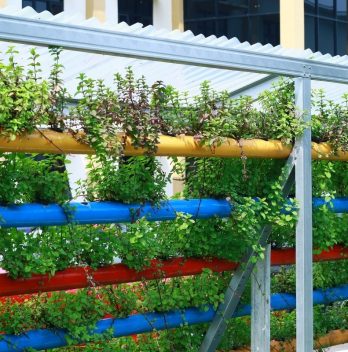
    Of course, the very first thing you need to do is to purchase a hydroponic system. You can either make use of a vertical hydroponic system or a hydroponic kit. However, a vertical hydroponic system will give you more space for growing and maximum yield.

    Procedures

    Next thing is to choose if you want to grow your strawberry from a seed or a young strawberry plant.

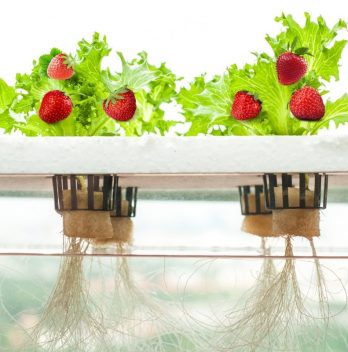
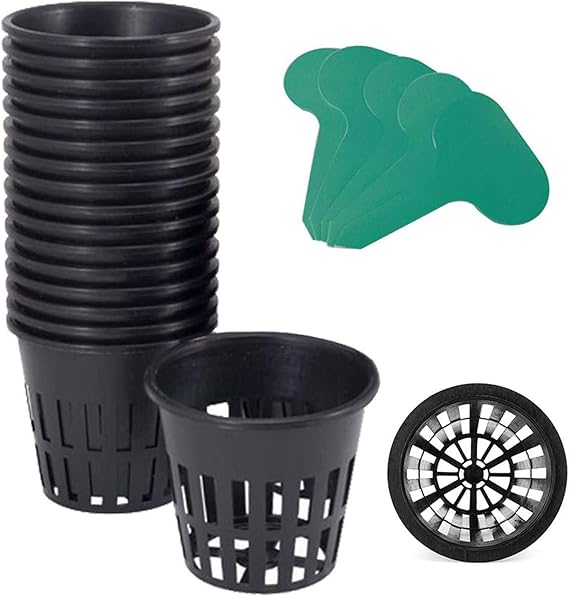
    The best way is to use a young strawberry plant and plant them in the net holes of your hydroponics system. You will need to rinse off the soil from the young strawberry plants and insert them into the net holes of the hydroponic system. Fill them with nutrient-rich water for hydroponics afterward.

    Large 5 Tier Vertical Garden Tower

    Hydroponic Strawberries - Vertical System

    Read about Vertical Hydroponics System

    Light Requirements

    Next, you want to feed your strawberry with some proper light and adequate temperature. It is essential you provide adequate light to your strawberry plants so they can flourish and grow well. The temperature strawberry plants like is around 65 to 80 degrees Fahrenheit. Feed your strawberry plant with 8 to 10 hours of light daily. If you decide to grow your plants in a greenhouse, then your strawberry plants can obtain their light naturally. However, if they will be grown indoors, grow light will be needed to feed your strawberry plant with the needed light.

    Quality of Water

    Another important thing is water quality. Since the main ingredient providing nutrients is in the water, ensure you make use of a water filter instead of tap water. This way, you reduce the risk of introducing impurities to your plant water.

    pH Range

    The pH levels of your nutrient-filled water should range between 5.8 to 6.2. Use a pH meter to know the status of your pH level.

    Growing Medium

    Now to the medium used. Although there are various mediums available to be used, we suggest you use a simple, affordable, and available medium like coco coir. Coco coir is inactive and won’t interfere with the pH or nutrient level of your strawberry plant.

    Pollination Requirements

    When it comes to pollination, it is a key concern and must be planned. Strawberry plants possess both male and female flowers. Pollination is different in the outdoor and indoor hydroponic systems of strawberries. Outdoor hydroponic strawberry pollination is done by wind and bees. On the other hand, indoor pollination is done artificially by using a fan or gently brushing your hands along the flowers of the strawberry plants.

    Pollination Requirements - Hydroponic Strawberries

    Benefits of Growing Strawberries with Hydroponics

    There are lots of benefits of growing strawberries with hydroponics. Here are a couple of these benefits:

    • The Soil-based Disease Reduced: since there is no soil used, there is no room for soil-based pests, microorganisms, or pathogens to thrive.
    • Reduction in Use of pesticides: the need for pesticides and insecticides spraying on your strawberries fruits are reduced. This way, you enjoy fresh and healthy fruit production.
    • Fast Growth and Plenty Yield: using a hydroponic system for strawberries gives a quick yield and abundant production all year round.

    FAQ’s

    Do strawberries do well in hydroponics?

    Yes, strawberries do well in hydroponics. The trick is to choose the right nutrients for your system. They have shallow roots and are very sensitive to nutrient deficiencies. When I grew them in a hydroponic system, I had to fertilize the plants every two weeks. 

    For example, you need a good source of phosphorus for healthy roots. You also need calcium and potassium, which are more available in nutrient solutions than in soil. Also, you want a good source of nitrogen. Strawberries have shallow roots that grow into the medium in which they’re planted. If you put them in a hydroponic system, you need to provide some type of medium in which to grow the roots. For example, you could use sand, perlite, or peat moss. 

    When can you give strawberries their nutrients in a hydroponic system?

    With a hydroponic system, you can provide all the nutrients that your plants need right from the start. For strawberries, you want a medium that will hold moisture and nutrients without getting soggy. Strawberries are shallow rooted, and they like a loose medium.

    This means that you can just sprinkle the medium over the strawberries. You don’t have to worry about keeping it evenly moist. If you’re using sand or perlite, you can make the medium by mixing the sand or perlite with enough water to get it to the consistency you want.

    How do you make sure they get enough nitrogen?

    There are three ways you can get nitrogen into the plant:

    1. Use a foliar spray,

    2. Feed your plants with a liquid fertilizer, or

    3. Grow the plant on a medium that contains nitrogen.

    A foliar spray is simply water with a small amount of fertilizer mixed in. The fertilizer will be absorbed by the leaves and then carried to the roots. Liquid fertilizers are similar to foliar sprays in that they provide nitrogen, phosphorus, and potassium. They also usually contain a little bit of iron and calcium as well.

    What are the most important nutrients?

    First, let’s talk about why you might want to grow strawberries in a hydroponic system. You need a good source of phosphorus for healthy roots.

    With a hydroponic system, you can get phosphorus right into the plant from the start. Second, you want a good source of potassium. Potassium is used to build strong cell walls in plants. If you don’t provide a good source of potassium, the plant will have weak cell walls. You can get potassium from the soil, but it’s not always available. You also need nitrogen. Nitrogen helps the plant make amino acids. These amino acids are needed to build proteins, which help the plant grow.

    Final Say

    Strawberry fruit is one of people’s favorite and it might not be so easy to cultivate. It can take a lot of time to produce results from seed. But with a hydroponic strawberry system, it has becomes so simple for farmers to cultivate and meet people’s demands.