Category: Tips & Guides

  • Best Flowers To Grow Hydroponically

    Best Flowers To Grow Hydroponically

    When we’re talking about the best flowers to grow hydroponically, there are various options to choose from and we will list them for you.

    Growing hydroponic flowers is one of the best methods to farm as you get faster growth, healthier plants with less disease, and a whole other benefit. Read on to know the best flowers to grow hydroponically.

    Best Hydroponics Flowers To Grow

    There are so many types of flowers that can be grown hydroponically. However, some are better than others. So, here are the best flowers to grow hydroponically and guidelines to growing these flowers:

    1. Orchids

    Orchids are one of the most loving flowers known and growing them in hydroponics is a perfect choice for any grower. With their irresistible gorgeous look, the orchid flower will mesmerize anyone in any ambiance you place them be it home, office, garden, etc. Now, these flowers come in thousands of species that you can choose from.

    Hydroponics Orchids

    Here are some tips for growing orchid with hydroponics successfully:

    • Orchid requires accurate lightening but not direct light. It is their roots that require good lightening as photosynthesis occurs in the root as well as their leaves.
    • It requires optimal air circulation to the root system so ensure you use grow media such as pebbles and the likes.
    • The recommended pH should be between 5.5 to 6.5. Also, temperature requirements are around 60 to 80 degrees Fahrenheit.
    1. Freesia

    The sweet-smelling and amazing-looking freesia flower is one of the best flowers to grow hydroponically. Freesia will bloom gracefully and can give rise to different colors such as purple, orange, yellow, white, and red.

    Here are some tips for growing freesia with hydroponics successfully:

    • The corm which is the bulb-like part of the freesia plant prefers to always stay dry. Thus, only the root touches the water nutrient solution.
    1. Carnations

    The carnation flowers are pretty and the most popular flowers grown in a hydroponics garden. They bloom so well and give a sweet-smelling fragrance that will give some bubbling spirit to your environment.

    Hydroponics Carnations

    Here are some tips to growing carnations with hydroponics successfully:

    • Drip systems such as the Dutch bucket system, ebb and flow, and deep water culture are the recommended type of hydroponics systems to grow carnations.
    • The hours of light requirements are not demanding. It is between 5 to 9 hours.
    • PH for nutrient solution should be 6.0. Also, the temperature required is moderate which is around 55 to 65 degrees Fahrenheit during the day and 40 to 45 degrees Fahrenheit during the night.
    1. Peace lilies

    Peace lilies are one of the easiest flowers to grow and care for in hydroponics. They are great for decorative houseplants.

    Here are some tips to growing peace lilies with hydroponics successfully:

    • Peace lilies do not like overwatering. Ensure only the root portion enters the water. Avoid the aerial body from touching the water.
    • Take note that peace lilies don’t like chlorine. Thus, ensure chlorinated water isn’t used in your hydroponic nutrient solution.
    • They can as well be grown successfully with the Kratky method.
    1. Amaryllis

    Amaryllis flowers are simply gorgeous. They come in varieties and cultivars for you to choose from. Amaryllis is usually grown as houseplants so they will be great options for your indoor hydroponic garden.

    AeroGarden Black Harvest Indoor Hydroponic Garden

    81DPs6WZXjL. AC SX569

    Here are some tips to growing amaryllis with hydroponics successfully:

    • Amaryllis bulbs are to remain dry always. Only their roots should enter into the hydroponic nutrient solution.
    • Amaryllis life stages should be comprehended well. Their dormant phase gives rise to the bulb. This is followed by the reproductive stage which has flowering and leaves. Then it is followed by the vegetative stage.
    • The ideal temperature for their reproductive stage is between 70 to 75 degrees Fahrenheit. While the ideal temperature for their vegetative stage should be between 50 to 55 degrees Fahrenheit.
    1. Dahlias

    Dahlias are beautiful flowers to grow hydroponically. They are similar to sunflowers, zinnia, and daisies. They bloom so vividly and elegantly giving your environment a feeling of love and perfection.

    FAQ’s

    Is growing flowers a popular route as far as hydroponics go?

    Yes it is- It is actually one of the healthiest way to grow flowers and ensure that you end up with the best results.

    Hydroponic gardening is a great way to grow flowers indoors and avoid all the hassles of potting soil. It’s also an ideal way to grow flowers in a small space. And if you have a greenhouse, it can be a great way to grow vegetables, herbs and flowers all year round.

    For example, if you live in an apartment, it may be difficult or even impossible to grow flowers outdoors. Or perhaps you’re just looking for a new hobby.

    Whatever the reason, growing flowers indoors can be a lot of fun. If you want to grow flowers indoors, you need to make sure that you have the right equipment. You’ll also need to make sure you have enough light for your plants. There are many different types of hydroponic systems available for growing plants indoors.

    What flowers are great for hydroponics?

    When it comes to growing hydroponic flowers, there are a variety of different options. If you want to grow the most amazing looking flowers in your garden, there are certain types that you can grow which will have a beautiful look and also yield a lot of delicious buds.

    If you’re just starting out with flowers in hydroponics, you can start with the following types of flowers:

    Tulips are one of the most popular types of flowering plants because they have beautiful flowers and can grow in almost any location. These are particularly great as they are a very adaptable flower.

    Orchids grow very well as long as they get enough light. And they are particularly popular as they come in many different species that you can change up in every growing season.

    Freesia is a wonderful option and beloved by those who love a wonderful blooming stage. If you want flowers that will keep you admiring them every step of the way, this is a great way to go.

    Other popular ones include Snapdragons, Sunflowers, Dill and Chamomile.

    Can roses grow hydroponically?

    It is a common misconception that roses do not do well in water. In fact, most rose varieties do very well in this environment and, with the right care, will flower abundantly.

    Don’t be dissuaded by the idea that roses are very hard to grow. They’re like a lot of other flowers, and as long as you attend to their various needs you’re sure to see wonders when their time comes to bloom.

    If you really want to make them as healthy as possible, you’re strongly encouraged to grow them inside a greenhouse. This way you can really control everything so that they don’t receive any damaging effects-

    Here are some tips to growing dahlias with hydroponics successfully:

    • Dahlias require you to space them appropriately in your hydroponics. You can plant them at least 12 inches apart.
    • Dahlias require optimal light for growth and blooming. Supply them with at least 8 hours of light per day.
    • They are warm-loving plants with temperatures between 60 to 72 degrees Fahrenheit. Their pH range from 6.5 to 7.5.
  • How To Do Vertical Farming At Home

    How To Do Vertical Farming At Home

    You can enjoy fresh veggies and other types of crops in the comfort of your home by venturing into vertical farming. This post will give you an easy guide on how to do vertical farming at home.

    Vertical farming is a type of farming system that involves growing crops in a stacked-up manner. So, if vertical farming interests you and you’re wondering how to do vertical farming at home, we will enlighten you in this post.

    What Is Vertical Farming System?

    A vertical farming system is a method of growing all types of crops in vertical layers. Plants are stacked up to save more space and this allows you to raise plants in a much closer space. It also encourages maximum utilization of very small space at the same time results in abundant yield.

    What Is Vertical Farming System

    How To Do Vertical Farming At Home

    How to do vertical farming at home is easy and we will put you through this. The first thing is to decide if you would be building a DIY system or if you’d purchase the complete supplies.

    However, there is a popular and easier vertical DIY system that will especially suit your home or kitchen. This type of vertical farming structure was designed by Belgian professor Willem Van Cottehem.

    This method makes use of transformed regular bottles into usable containers by stringing them together in a container rack. Also, all types of plants including young tree (will be transplanted after attaining optimal height) can be grown using this technique.

    The most interesting beneficial thing about this type of vertical system is that it doesn’t make use of electricity. Also, it is simply a low-cost, sturdy, and much simpler type of vertical farming.

    3 Tier Stackable Garden – Indoor / Outdoor Vertical Planter Set

    718oOpqBfBL. AC SY741

    Steps On Bottle Tower Vertical Home Farming

    Follow these steps to learn how to carefully set up the bottle tower garden and the materials required in building a bottle tower garden:

    Step 1

    So, obtain some plastic bottles of water. Stack up about 6 to 7 rows depending on your preference. Trim off the base of all the bottles resulting in two openings: the base and the funnel. Also, drill two holes close to the lid on the two sides. These holes will serve as drainage for draining excess water in the system.

    Step 2

    So, fill the bottle with a soil mix composed of local soil and compost or animal manure. Fill the bottle up and leave about an inch free at the base.

    Since the bottle will be stacked up line by line, the bottles at the bottom row of the vertical garden should have their lid or cover. A hole should be drilled into the cover. This bottle should stand at the bottom of the tower. So, the rest of the rows or layers should be stacked without the cover.

    Steps On Bottle Tower Vertical Home Farming

    Step 3

    All the bottles are attached to a wall or any kind of supporting structure. A binding wire is also used to hold or attach the bottles together.

    Then the upper part of the stacked bottle should be with a cover or lid. This will serve as a funnel for filling the bottle at the top of the tower. Water for example can be poured via the upper bottle and it will drip down into all the other bottles in the tower.

    Step 4

    Next, make a small window by cutting part of each bottle. You can decide to create two windows by cutting the upper and lower part of each bottle. So, it is through this window that seed, seedlings, or young plants are planted into.

    An extra tip to improve the dripping system from the funnel of the upper bottle put a little sand in the upper bottle funnel. Therefore, this sand in the upper funnel will serve as a filter as water goes down through the upper bottle funnel down other bottles.

    What To Grow In Vertical Indoor Farming at Home?

    There are various crops to be grown in vertical farming. You can grow all kinds of vegetables. However, you may be limited in growing bigger and taller plants as they may not accommodate them as they grow big. You can also grow various types of succulent plants.

    So, below are some examples of vegetables or fruits that can be grown in a vertical system:

    FAQ’s

    Is vertical farming worthwhile?

    Vertical farming is a growing trend in which plants are grown in a controlled environment that allows them to grow on a flat surface with little or no need for soil. As opposed to conventional, horizontal farming methods where crops are grown in rows and watered with sprinklers or drip irrigation, vertical farms use hydroponic systems and controlled lighting to provide all the nutrients required for optimal growth.

    While vertical farming has been around for decades, it’s only recently that more and more homes have adopted the concept. If you do it right, it is definitely worth the effort.

    It is accomplished by stacking multiple layers of plastic over trays filled with hydroponic nutrient solution. The plant roots grow through holes in the plastic, which allows the plants to receive all the nutrients they need. In a vertical farm, the layers of plastic are stacked on top of one another, creating a series of growing chambers that can be used for different types of crops.

    What’s a great system for home-use?

    Let’s take a closer look at the Grow Tower and see what makes it so great.

    Advantages of the Grow Tower

    1.You don’t need to worry about temperature, light, or any other aspect of growing plants. The Grow Tower allows you to grow any plant from seeds.

    2. It’s eco-friendly There are many benefits to growing your own food, but one of the biggest is sustainability. Growing your own food doesn’t use up a lot of resources, and it doesn’t require a lot of land. The Grow Tower is also an eco-friendly system. This means you can grow food in any environment. You don’t need a greenhouse, and you don’t need to buy fertilizer.

    3. It’s cost-efficient One of the most important aspects of growing your own food is cost-efficiency. The Grow Tower is one of the most cost-effective systems for growing plants. It can be used in any location, whether indoors or outdoors, and it costs less than traditional methods.

    4. It’s portable If you want to grow plants outside, but don’t have the space, the Grow Tower is the perfect solution. It’s modular, so you can create the height you need. You can add more modules to increase the height, and you can remove them when you’re finished. The Grow Tower can be moved from one place to another, and you can even take it on vacation. You won’t have to worry about bringing seeds or soil with you.

    5. It’s convenient One of the biggest advantages of the Grow Tower is that it’s convenient. You can grow plants anywhere, whether it’s in your backyard or on a boat. You don’t have to worry about where to grow them, and you don’t have to use a greenhouse. The Grow Tower also has an automatic watering system, so you don’t have to worry about watering.

    6. It’s customizable You can customize the Grow Tower to fit your needs.

    7. It’s incredibly easy to grow plants using the Grow Tower One of the biggest advantages of the Grow Tower is that it’s easy to use. It doesn’t require much space, and it doesn’t require any technical knowledge. All you need to do is add soil to the base, place the seeds on top, and water.

    Why is vertical farming great over soil in small homes?

    The vertical farming system allows plants to grow in a container that is completely submerged under water. This eliminates the need to use soil and the use of nutrients makes it possible to grow plants on a much smaller scale. These systems also allow you to grow food year round, which is why they are becoming so popular. Vertical farming systems are great for growing herbs and vegetables that are low maintenance. They also allow you to grow food without spending a lot of money.

    Vertical farming systems are great for small farms and urban settings. The only problem with these systems is that they are expensive. However, there are ways to cut down on your costs. First, you can make your own grow beds. You can either use PVC pipes or concrete blocks to make your beds. When you grow plants in containers, you will need to fill the containers with potting mix. You will also need a system to keep the water level constant. This can be done with a reservoir, which can hold up to one thousand gallons. If you want to make your own grow beds, you can build them into a greenhouse. For example, if you have a two car garage, you can put your grow bed into the lower part of the garage. Make sure you have a system to keep the water from leaking out. If you are going to use a grow bed, it is best to do it outside. If you are going to do it inside, you will need to build a frame that will hold the container in place. You will also need to make sure that the container is waterproof.

    Home Vertical Farming Closing Remark

    We do hope this article has enlightened you on how to do vertical farming at home? So, get farming in a vertical manner and enjoy maximum crop yield in a managed space.

  • Hydroponics Vs Soil Cost

    Hydroponics Vs Soil Cost

    Let’s compare hydroponic vs soil cost. Both hydroponics and soil garden has given us the options of growing plant successfully. However, we would like to know the difference in cost between hydroponic gardening and soil gardening.

    You might already be into any of these gardening (hydroponics or soil gardening) and you want to switch to either one. Or you may just want to start up either one, then it’s a great idea you know the difference so you can choose the one that suits you.

    So, let’s dive in and find out the difference in cost, setup, and other growing requirements between hydroponics and soil gardening.

    Hydroponics Vs Soil Cost

    Both hydroponic gardening and soil gardening have their advantages. Looking at the cost difference, hydroponic is a little costlier to start up than soil. However, growing with hydroponics will offer you more rapid growth, greater yield, and almost no soil-borne diseases compared to soil gardening.

    You also get access to a controlled environment such as weather and harsh conditions compared to growing in soil and lots of other benefits.

    Hydroponics Vs Soil Cost

    You should also note that once your setup is complete and your growing process kicks off and you begin harvesting a few grow cycles, you are sure to make up your initial investment.

    Even though soil gardening is cheaper, commencing hydroponics is not so hard and you can choose the type that suits your budget. The good news is as more people are venturing into hydroponics farming, hydroponic supplies are getting more affordable by the day.

    Growing In Hydroponics Vs Growing In Soil

    Growing With Soil

    The first thing to purchase when setting up a garden is obtaining the appropriate soil. Soil acts as a plant’s anchor and the nutrient required for the plant to flourish are present in the soil.

    Growing with soil will sure reward you with fresh yield. Just ensure you take care of all the necessary requirements such as nutrient fertilizer, watering scheme, pest control, and so on.

    Amazon’s Choice
    FoxFarm Ocean Forest Potting Soil
    $33.99

    FoxFarm Ocean Forest Potting Soil is a nutrient-rich blend of aged forest products, bat guano, and earthworm castings, perfect for indoor and outdoor plants. Its pH-balanced formula promotes healthy growth, making it ideal for seedlings, transplants, and mature plants.

    Check Amazon Price
    We earn a commission if you make a purchase, at no additional cost to you.
    12/26/2025 02:01 pm GMT

    Growing With Hydroponics

    Growing with hydroponics might sound complicated or bizarre especially for any novice. But it is really easy to go about it when you have the right knowledge. Growing with hydroponics involves raising plants in a water-based nutrient solution with an inert growing medium as the anchor for plants.

    Less Dirt And Soil-borne Diseases – With hydroponics, your crops will be grown more healthily. Also, there is no messing around in the dirt growing with hydroponics. Thus, they will be less likely to be predisposed to soil-borne disease because grow medium is used instead of soil. So, the use of pesticides is reduced greatly.

    Controlled Space – Another added advantage is that you can make use of any space either indoor or outdoor to grow with hydroponics. Soil-based plants will usually require adequate space for the plant to spread out. But with hydroponics, you can make use of little space and get the reward of abundant yield.

    No Weeding Required – Traditional soil will give you the stress of weed control. But with hydroponics, you don’t have to worry about weed troubles.

    Optimal Control – Optimal control is another benefit of growing with hydroponics. You get to control when and how your plants feed. There is also control over the plants’ environment compared to outdoor soil where you have to worry about weather and other harsh conditions. So, you have almost 80% control of your farm.

    Saves Water – Unlike traditional soil that requires watering every couple of days, hydroponic farming involves the recirculation of water. The water-based nutrient solution is reused to reduce water wastage. This nutrient solution is supplied directly to the plants’ root so your plants are supplied water as well as nutrient regularly.

    Rapid Growth And Abundant Yield – Hydroponic farming encourages faster growth. You also gain 5 times abundant yield or even or more compared to soil farming.

    FAQ’s

    How are hydroponics more costly than dealing with soil?

    There are a lot of different methods that people have used to grow plants indoors without using soil. The most common method that people use is called hydroponics. Determining whether the cost is worth it entails understanding everything that goes into it, and then comparing it to the necessities of growing plants in soil.

    Hydroponics uses an artificial nutrient solution that is pumped through the plant and is absorbed by the roots. There are many different ways to do hydroponics, but the most common is using a soilless medium and adding the nutrients to the medium. Some people prefer to use rockwool blocks, but they can also use other types of soilless media. They also use a light to simulate sunlight. It is possible to grow plants in this way with artificial light, but many people use sunlight as the source of energy for their plants. The most common nutrients that people use in hydroponic systems are nitrate, phosphate, and potassium.

    If you are new to gardening, then I would suggest that you start off with soil. The reason for this is that it is much easier to grow plants from seed than it is to grow them from cuttings or from seedlings. Once you have established yourself, then you can start thinking about the different ways of growing plants.This is very important when you want to keep costs down to a minimum. The last thing that you want is to waste your money making all sorts of amateurs mistakes.

    What do you need to use a medium instead of soil?

    This includes a wide variety of different products such as coco coir, peat moss, and vermiculite. Growing media is used to support the roots of your plants. This includes a wide variety of different products such as coco coir, peat moss, and vermiculite. Growing media is used to support the roots of your plants.

    Is the filter important for hydroponics?

    Yes. Air is essential for plant growth. Your hydroponic system needs to provide enough air to your plants. A fan is often used to provide this much needed air. Aeration is essential for plant growth. Your hydroponic system needs to provide enough air to your plants. A fan is often used to provide this much needed air. Filters. You should be able to find filters to clean your water, air, and nutrients in your hydroponic system. Filters are usually made from different materials including activated carbon, carbon cloth, and HEPA filters. You should be able to find filters to clean your water, air, and nutrients in your hydroponic system. Filters are usually made from different materials including activated carbon, carbon cloth, and HEPA filters.

    Why do people prefer hydroponics over soil?

    A hydroponic system is the best thing for growing plants indoors. If you don’t have access to a hydroponic system, then you should just use soil. Hydroponic systems are really only good for growing herbs and flowers, but they will give you much more control over your plant’s growth.

    Soil Vs Hydroponics Conclusion

    So, when it comes to hydroponics versus soil gardening cost, we agree that growing in traditional soil is cheaper.

    However, with so many benefits outlined growing hydroponically, I’m sure you would agree it’s worth growing with hydroponics rather than soil. But if you still choose to grow traditionally, it’s all good. The goal is to get results and fresh crops.

  • Plant Growth Under Different Colors Of Light

    Plant Growth Under Different Colors Of Light

    The effect of plant growth under different colors of the light spectrum plays a key role in how they flourish. As a grower, it is normal for you to want your plant to thrive beautifully, and supplying them with the appropriate colors of light is the way to go.

    This is why you need to know the impact different colors of light have on the growth of your plant. In this article, we will enlighten you on how the various colors of light affect the growth of plants. So, read on to find out.

    Plant Growth Under Different Colors Of Light

    The varying colors of light have a tangible implication on how rapidly or slow your plants will develop. All green plants require either natural sunlight or artificial light that will switch on the chlorophyll that prompts nutrient production. This is done through the process of photosynthesis.

    Light also plays a crucial part in the different growth stages of your plant’s life cycle. The energy from light is captured by the green pigment chlorophyll and this light is used to manufacture food for the use of plants.

    The production of this food enhances the growth of plants thereby generating more plant produce. Now, what we want to know is do all the different colors of light generate the same amount of yield for the growth of plants.

    Effect Of Plant Growth Under Different Colors Of Light

    The color of light has a different spectrum and plants will assimilate each color but in different amounts. The absorption rate will determine how plants will flourish under each color.

    Different colors of light come in different wavelengths and it is this wavelength that will determine how plants will take in colors of light. But have in mind that the more plants absorb light the more it boosts plants’ growth.

    Blue Light

    Blue light has a short wavelength and its energy potential is great. This light is known to enhance the growth of plants and it makes plants attain maturity more rapidly. It is particularly required during the early stage of the plant.

    Blue Light

    Blue light also assists in the manufacture of chlorophyll and it helps assimilates energy for the use of photosynthesis. They are great for germinating seeds or seedlings and young plants because plants will absorb a huge amount of blue light to grow. The blue light will also boost the growth of leaves, stems, and roots.

    How Does Red Light Affect Plant Growth?

    Red light has the longest wavelength when it comes to the color spectrum. It is great for plants’ growth but they are not so effective on their own.

    So, they need to be combined with other colors especially blue light to yield excellent results. Red light is required for flowering and the combination with blue is great for the vegetative phase. Red light also assists in the breakdown of chlorophyll thereby encouraging more light and energy assimilation for plant development.

    Far-Red Light

    We also have far-red light and it has a very low wavelength which is closer to the infrared wavelength. If you want abundant yield, far-red should be used. Far-red will help accelerate the growth process of the plant every time they go into the nighttime state.

    Roleadro Grow Light for Indoor Plants, T5 LED Grow Lights 3500K & Red Blue Full Spectrum

    81S%2Bp4serqL. AC SX569

    Violet Or Purple Light

    Violet with its short wavelength and higher amount of energy boosts the flavor and color of vegetables and fruits. This color will also boost the number of antioxidants present in plants.

    How Does Yellow Light Affect Plant Growth?

    Yellow light does not have much effect on plant growth and no significant plant benefits have been seen with yellow light.

    Greenlight

    Because plants are already green, green light is usually reflected by plants and thus does not have much effect on them. However, plants can assimilate just a little portion of green light for their photosynthesis process.

    Ultraviolet Light

    Ultraviolet light has been known to be detrimental to life forms, especially in too much dose. Therefore, the high intensity of UV light is as well detrimental to plant growth.

    Ultraviolet Light

    What Hormone Causes Plants to Grow Towards Light?

    The hormone that ensures plant cells elongate and grows toward the sun is auxin. When light conditions are normal, auxins spread throughout the plant. When there’s more shade, auxins break down and move to the sunnier side.

    Which Plants Can Grow in Artificial Light?

    All plants can grow under artificial light. Sunlight has the perfect balance of wavelengths plants need to thrive, but this can be closely created with grow lights. Low-light plants do well under artificial light. If you have the right light, your plants will stay healthy!

    Which Color of Light Bulb Would Be Least Useful for Growing Plants Indoors?

    The least effective artificial light bulb is green. Plants are already green thanks to the chlorophyll pigment in their leaves. They need the light of different colors to help them achieve their growth goals.

    You should use violet-blue grow lights for the best results. This color encourages chlorophyll absorption, helping plants photosynthesis and grow. Flowers are more likely to bud and bloom if you use red light.

    How Do You Grow Plants With UV Light?

    Growing plants with UV lights can be beneficial. UV lights can speed up germination and strengthen plants. You can use UV lights by hanging them over your plants and placing them at the sides of your grow room or tent.

    How Long Should I Leave My Plants Under Grow Lights?

    Plants typically need 14 – 18 hours of artificial light daily, depending on what you grow. A good rule of thumb is to keep plants under this amount of UV light if they need 6 – 8 hours of sunlight daily.

    How Far Should LED Grow Light Be From Plants?

    How far a LED grow light should be from a plant depends on its wattage. It’s best to keep 200-watt lights at least 12 inches from the top of your plants. Lights with an even higher wattage should be a minimum of 35 inches from the top of your plants.

    Exposing your plants to too much UV light can harm them. Your plant cells will damage, resulting in bleached leaves. If overexposure continues, your plant could die.

    It’s important not to misuse grow lights. Do enough research to ensure you know how it’ll affect your plants and how to properly use it.

    How Much Are Grow Lights for Plants?

    You should use at least 20 watts of grow lights per square foot of plants. To determine how much you need, divide your bulb wattage between 20. How much this amount of light will cost you depends on several factors. The brand, size, and type of light are a few.

    You can expect to pay about $15 for white 100-watt grow bulbs. A 100-watt lamp can cost up to $40. Colored lights typically cost more. The price range for a 200-watt white, blue, and red panel light starts at $50.

    I suggest shopping around and talking to a sales consultant at local stores selling grow lights. This will give you a better idea of what you need.

    Conclusion On Does The Color Of Light Affect Plants Growth

    We can now conclude that red and blue light has the most significant effect on plant growth.

    With that said, we hope you now have an understanding of plant growth under different colors of light. Ensure you are enlightened on how light intensity affects plants’ growth and yield.

    FAQs

    How does different colored light affect plant growth?

    Different colored lights can be used to control the growth of plants. Different types of lights are used to stimulate plant growth. They can be used indoors or outdoors. The lights can be used to control the growth of plants in a greenhouse, indoor garden, or outdoor garden. Colored lights are used to improve the growth of plants. The lights may be used to control the growth of plants indoors or outdoors.

    The lights may be used to control the growth of plants indoors or outdoors. A white light is used to stimulate growth. The light stimulates photosynthesis. A white light is also used for colorizing the plants. Red light stimulates growth and promotes root development. It also improves the production of chlorophyll. It also reduces the growth of harmful bacteria. Blue light is used to promote flowering. It also helps to regulate circadian rhythms. Yellow light increases the production of sugar in the plants. It also improves the production of chlorophyll. It also stimulates the growth of root hairs. Green light is used to promote plant growth. It also controls the growth of weeds and pests. It also stimulates the formation of chlorophyll. Green light is used to control the growth of weeds and pests. Orange light is used to promote root growth. Orange light is also used to stimulate the production of chlorophyll.

    What color light produces the most flowers?

    Plants grown under red light grow and bloom more quickly than plants grown under blue or green light, which means that they produce more flowers. In addition, plants grown under red light have a greater number of leaves. Plants grown under blue light grow and bloom slower than those grown under red light, but they produce fewer flowers.

    What should I consider when choosing a color light for my plants?

    Here is a list of things to consider when deciding on a plant light:

    What color of light do you want? What kind of plants do you have? Do you have a limited budget? How much time do you have to spend on your plants? Are you able to access the sun at any time during the day? (Many indoor plants like to have some direct sunlight, and some indirect light.) If you can’t get direct sunlight, what kind of artificial lighting is available to you? Do you have a window that can be opened to allow in light? Do you have plants that require high levels of light? (This can mean that you will need to use high-intensity lamps). If you have a large number of plants, how much space do you have for lights? Is it easy to move your plants around, and would you like to be able to move the lights with the plants?

  • Where To Buy Hydroponics Nutrient Solution

    Where To Buy Hydroponics Nutrient Solution

    Are you looking for where to buy hydroponics nutrient solutions for your garden? We will let you know in this post.

    Obtaining a standard hydroponic nutrient solution that will supply plants with all necessary nutrients is the goal of all growers. There are various places you can buy hydroponic nutrient solutions and we will you know in this post. So, read on to find out.

    What Is Hydroponic Nutrient Solution?

    The hydroponic nutrient solution is an essential constituent in the process of growing plants in hydroponics. It is a liquid composition that contains all the essential nutrients part required for the growth of plants.

    With hydroponic, it is easier to calculate or estimate the precise quantity of nutrients solution required for plant growth compared to soil.

    What Is Hydroponic Nutrient Solution

    Where To Buy Hydroponics Nutrient Solution

    1. Hydroponic Nutrient Sellers Available Locally: If you ask and look around your area, you should be able to find hydroponic nutrient sellers. You can also check at any hydroponic supplies stores.

    2. Reliable Online Store: You can also purchase a hydroponic nutrient solution from reputable online stores. Online store such as Amazon is a great place to begin your search as they contain various options from various manufacturers. They will deliver your hydroponic nutrient to your doorstep without the hassle of going out to search for one.

    3. Independent Garden Or Nursery Centers: You can as well extend your search towards independent garden centers or nursery stores near you.

    4. Big Box Stores: Another place you can buy hydroponic nutrient solutions is the big box stores such as Home Depot, Lowes, etc.

    Types Of Nutrients For Hydroponics Solution To Buy: Buying Criteria

    1. Liquid Or Powder Hydroponics Nutrient

    Hydroponic nutrients can come in either liquid form or powder form. Newbies and hobbyists usually prefer liquid nutrient solutions because they are already premixed. However, the liquid type is a bit expensive.

    General Hydroponics Flora Grow, Bloom, Micro Combo Fertilizer set

    718wK3MuSYL. SX522

    The powder type of hydroponic nutrient is the dry form and they are affordable. Their shelf life is also longer. Used by most commercial growers. This is because they are affordable and needed in bigger quantities. However, you need to be experienced when using this powdered form. This is because you will have to prepare the powder for each mineral. But if you want easy-to-use fertilizer, there are some pre-mixed powdered hydroponic nutrients you can purchase. Simply mix into water and use.

    1. Organic Or Synthetic Hydroponic Nutrient

    Even though most growers prefer everything organic, most hydroponic nutrients aren’t sold as organic. The only way to get organic hydroponic nutrients is to obtain the organic ingredients yourself such as fishbone, feather meal, blood meal, etc.

    Some hydroponic nutrient products might even term them organic but in the real sense, they aren’t 100% organic. So, synthetic hydroponic nutrient products are not such a bad idea. They have been used for growing all types of plants successfully.

    1. Multipurpose Made Or Only Made For Hydroponic

    You might have come across a nutrient termed multipurpose or all purpose-made. They claim they can be used for either soil or hydroponic garden. We won’t really recommend you go for such. You should go for products that are specially designed for hydroponic purposes if you want top-notch results.

    Applying Hydroponics Nutrients Solution

    Most manufacturers will instruct you to use the whole nutrient solution that comes with it. This is so you can run out of it and buy more. Try to avoid this and ensure you apply gradually.

    Start by applying about 50% or 70% portion then continue adjusting or adding more portion as required. Also, you should consider the stages of growth (vegetative, flowering, or fruiting stage). Supply your plants according to the stages they are.

    When you are done applying the hydroponic nutrient, ensure you measure the pH of the solution. They must fall in the appropriate hydroponic nutrient range which is 5.5 to 6.5. Also, keep an eye on any symptoms your plants show.

    FAQ’s

    What is the difference between a fertilizer and a nutrient?

    Fertilizers contain nutrients, but they also have a large amount of inert material. This material doesn’t contain any nutrients, so it doesn’t help your plants grow. The best way to use a fertilizer is to use it to top off a nutrient-rich soil, then water it in. After that, the fertilizer will slowly break down and release its nutrients into the soil over time.

    How do I know what type of nutrient solution to use?

    The first thing to do is determine if you want to use a liquid or solid nutrient solution. Liquid nutrients are much easier to use because they can be applied at the root level. For example, you could put a few tablespoons of a liquid fertilizer in a bucket, then apply it to the roots using a watering can.

    You can grow hydroponically with any nutrient solution. The main difference between hydroponics and soil gardening is the lack of contact between the roots and the soil. Soil contains nutrients that are drawn up into the roots through osmosis. This is what plants need to survive. In a hydroponic setup, the roots are not in contact with soil. Instead they have their own separate solution which is pumped in under pressure.

    This ensures that the roots receive the same amount of nutrients as they would in soil.

    Where can I find nutrients for hydroponics?

    You can find a large number of different nutrient solutions. You can find them in any good hydroponics store, as well as on the internet. In general you want a very concentrated nutrient solution that contains all the nutrients you need to grow plants. There are two types of nutrients, “macronutrients” and “micronutrients”. Macronutrients are the main components of the plant – like nitrogen, potassium, phosphorus and magnesium.

    These are the nutrients that plants need in order to grow. They must be mixed with water, which is pumped through the system. The nutrient solution is filtered before it flows into the growing tray. This is where your plants will absorb the nutrients that they need to grow.

    What is the best nutrient solution for hydroponic growth?

    When you’re growing plants in a soil-less environment, there are some things you need to know about nutrition. The first thing that comes to mind is the pH. The pH of your nutrient solution should be adjusted to 6.0 or slightly lower. This is because plants have a slightly acidic environment inside their cells. The second thing you need to know is that plants are carnivorous.

    You should also consider the different typed of solutions there are. For instance, some are designed for foliar feeding, while others are designed to be used with hydroponic systems. Foliar feeding refers to using nutrients directly on the leaves of a plant. This type of feeding is important if you want to grow your plants without any form of fertilizer. There are a few different types of foliar nutrients available. Each type is designed to be used by itself or with other types of nutrients.

    Hydroponic Nutrient Composition Requirements

    you can look to our suggested outlets on where to buy hydroponics nutrient solution. The general hydroponic nutrient solution must contain both micronutrients and macronutrients as they are necessary for plant growth. So, ensure you purchase the right type of hydroponic nutrient composition.

  • Can A Regular Light Bulb Help Plants Grow

    Lights are essential requirements for successful indoor hydroponics farming. If you’re wondering if a regular light bulb can help plants grow, we will let you know in this article.

    Compared to standard grow lights, regular grow lights are affordable and easily accessible. But do they have the same effect as the standard grow lights? Let’s find out.

    Can A Regular Light Bulb Help Plants Grow?

    The answer is yes, a regular light bulb can help plants grow, but in some cases, we would say no.

    Although regular light bulbs for plants do not produce a full light spectrum, they can still help supply light for indoor plant growth.

    A regular light bulb can help plants grown in small-scale gardens or houseplants. They are especially ideal for starting just a couple of plants.


    The most important thing when using a regular light bulb is ensuring your plants get enough light for growth. There are some signs that your plants will show if they are not receiving adequate light.

    Signs your plants will show include tall plants with weak stems, the green coloration of leaves may become lighter, and growth may be slow. If you notice these signs, it’s an indication that you need to provide your plants additional light or more substantial light.

    However, if you’re growing regular houseplants, any regular light bulb is fine.

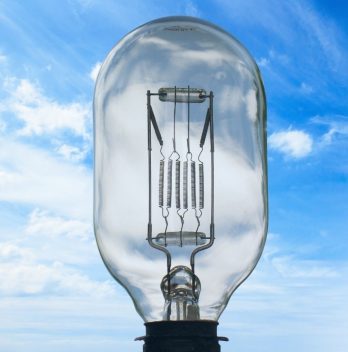
    1.    Regular Incandescent Light

    Incandescent bulbs have been around for ages and were the first designs to be invented. They work by the passage of light through their small strand of metal that lights up as electricity passes through them.

    Incandescent bulbs are regular light seen in most homes. Their power consumption is high, and the heat they emit is usually a large quantity of heat. This makes them inappropriate for fragile seedlings and, generally, most plants.

    regular light bulb for growing plants

    Can You Use Daylight LED Bulbs For Plants?

    The sun is the primary source of light for plants. They need this light for photosynthesis. Sometimes, there may not be sufficient light, especially for indoor-grown plants in places such as greenhouses. Anywhere between 35 and 55% of light can get lost and not utilized by the plants. So the best growers of plants know that even the sun could use some help.

    If insufficient light gets to the plants, they will get stunted and not grow optimally. Daylight LED bulbs for plants are the best way to supplement this light loss. Here are some of the added advantages of using daylight LED bulbs for plants:

    Regular Fluorescence Light Bulb For Plants
    • Producing bigger plants

    The added light intensity from the LED light will do a lot to boost photosynthesis, which will lead to bigger plants.

    • Healthier plants

    You can shape or direct the growth of your plants using LED lights. This means that you will not have to worry about hormones or chemical alterations. You will also not need to worry about using pesticides as the LED lights will naturally make your plants healthier. 

    • Environmental benefits

    Because LED lights produce less heat, indoor plants grown under LED lights use less water than those grown under conventional lights. This is good for water saving. The reduced need for pesticides due to the production of healthy plants will also positively impact the environment.

    Which Color Light Bulb Should Be Used to Support The Best Growth in Most Plants?

    Plants primarily use light from the red and blue spectra, readily available from the sun. They use the red light spectrum for budding and the blue for growing foliage. Full-spectrum growth lights are designed to provide this entire light spectrum, but you can purchase light bulbs with more specific light spectra.

    Regular fluorescent light bulbs provide light in the blue spectrum, and incandescent lights mainly provide the red light spectrum. Depending on your plants’ growth stage, you can select the appropriate color light bulb to best support your plants.

    2.    Regular Halogen Bulb

    The regular halogen bulbs are a close match with the incandescent bulb. However, they differ in the passage of their electrical current which is passed through a tungsten filament.

    They work by emitting more heat for less energy. However, they can’t produce efficient light for plants’ growth. They would have required about 29 watts (less than 11 of an incandescent bulb) to be more efficient for plants growing needs.

    R7S Long Lasting R7S Halogen Bulb
    $9.76

    The Rnyloas R7S 78MM Dimmable LED Bulb is a versatile and energy-efficient lighting solution for indoor and outdoor spaces. Designed to replace traditional halogen bulbs, it offers bright, flicker-free illumination with adjustable brightness to suit various needs, all while reducing energy consumption and lasting longer for increased cost savings.

    Check Amazon Price
    We earn a commission if you make a purchase, at no additional cost to you.
    09/10/2025 02:04 pm GMT

    3.    Regular Fluorescence Light Bulb For Plants

    Fluorescent light works with the passage of electricity along with mercury particles and is filtered by an outer bulb coating.

    The fluorescent light is one of the most appropriate regular lights that can be used to grow plants. They are affordable and more efficient. Unlike incandescent lamps, they do not consume too much power. Thus, they will reduce your cost. The heat they produce is also moderate for your plant’s growth.

    The regular fluorescent light bulb is found in most home,s and they will offer your plants the required light. All you need do is ensure the bulb’s color temperature is ideal for your plant’s growth. This is because plants require various color temperatures (measured in Kelvin) for various plant stages.

    However, to save yourself the stress of determining color temperatures, you can simply use a specialized fluorescent bulb for plant growing needs. This type of fluorescent bulb contains the required color temperatures your plants will need for their growth life cycle.

    Also, your regular fluorescent light bulbs are great for germinating seedlings. With fluorescent light bulbs, there’s no need to invest in extra growing light fixtures for your growing seedlings. Your growing seedlings require about 16 to 18 hours of light daily.

    Can You Use Daylight LED Bulbs For Plants?

    The sun is the primary source of light for plants. They need this light for photosynthesis. Sometimes, especially for indoor-grown plants in places such as greenhouses, there may not be sufficient light. Anywhere between 35 and 55% of light can get lost and not get utilized by the plants. So the best growers of plants know that even the sun could use some help.

    If there is insufficient light getting to the plants, they will get stunted and not grow optimally. Daylight LED bulbs for plants are the best way to supplement this loss of light. Here are some of the added advantages of using daylight LED bulbs for plants:

    • Producing bigger plants

    The added light intensity from the LED light will do a lot to boost photosynthesis, which will lead to bigger plants.

    • Healthier plants

    You can shape or direct the growth of your plants using LED lights. This means that you will not have to worry about hormones or chemical alterations. You will also not need to worry about using pesticides as the LED lights will naturally make your plants healthier. 

    • Environmental benefits

    Because LED lights produce less heat, indoor plants grown under LED lights use less water than those grown under conventional lights. This is good for water saving. The reduced need for pesticides due to healthy plants being produced will also have positive impacts on the environment.

    LED Grow Light
    $15.99

    Zyzykeji grow lights is Designed with 3 light tubes and 3 flexible goosenecks, auto timer function, 3 modes & 10 dimmable Levels, red, blue & white full spectrum grow light is the best choice for your plant growth.

    Buy from Amazon
    We earn a commission if you make a purchase, at no additional cost to you.
    12/26/2025 11:03 pm GMT

    How Do You Make a Heat Lamp For Plants?

    Heat lamps are one of the best inventions for gardeners out there. A heat lamp allows gardeners to grow and produce their plants indoors without starving them of the needed light.

    Heat lamps typically give plants the right light spectra to support growth and stimulate photosynthesis. 

    Using heat lamps allows gardeners to produce fruits and vegetables year-round without having to worry about the season. It also has the advantage of helping gardens produce plants for seeds to plant in the following seasons.

    There are two different ways of making a heat lamp for your plants if you are interested. The cheap and easy way to do it is with a grow bulb and some kind of a light fixture to install it.

    The other way is to get a fixture. This will work better than the bulb method, providing a broader spectrum of light over a large space.

    Which Color Light Bulb Should Be Used to Support The Best Growth in Most Plants?

    Plants primarily use light from the red and blue spectra, readily available from the sun. They use the red light spectrum for budding and the blue for growing foliage. Full-spectrum growth lights are designed to provide this entire light spectrum, but you can purchase light bulbs with more specific light spectra.

    Regular fluorescent light bulbs provide light in the blue spectrum, and incandescent lights mainly give the red light spectrum. Depending on your plant’s growth stage, you can select the color light bulb to best support your plants.

    Final words – Will A Regular Light Bulb Grow Plants?

    We can now see that a regular light bulb may help plants grow depending on the type used. Can a regular light bulb help plants grow? Sure but you should ensure you take note of your plants’ progress whenever you use these regular lights. The signs they indicate will tell you if you need to replace them or add a stronger grow light.

    FAQ’s

    Can plants photosynthesize with regular light bulbs?

    The answer is yes. Many examples of photosynthetic organisms, including plants, can use regular incandescent light bulbs and grow just fine. The main reason why these organisms can do so is because they have evolved to be able to use the spectrum of light that the bulb emits.

    Some microorganisms can even absorb some light from the bulbs. However, most organisms cannot use the light from the bulb and must instead absorb the energy from sunlight.

    Is it important to choose the right light?

    Yes! There are many different types of grow lights available. They are designed for specific purposes, such as growing flowering plants or producing vegetables, and can come in various shapes and sizes. Some grow lights are designed to be mounted directly onto the sides of a house or greenhouse and can be installed inside or outside. Some are designed to fit inside the ceiling of a building and are often known as “under-ceiling” lights.

    You can also find grow lights that you hang from the ceiling or that you hang on the side of your house. Some grow lights have a single light bulb, while others have multiple bulbs. The size of the grow light will determine how much light is needed to grow a plant.

    What is the difference between a grow light and a regular light bulb?

    Light bulbs illuminate areas of the home, office, or garden. Grow lights are used to light up plants. Grow lights are available in both incandescent and LED varieties. These lights are generally available in either grow light kits or grow lights. A grow light kit contains all the equipment needed to start a plant, while a grow light is an additional piece of equipment that helps with your plant’s growth.

    The use of grow lights has grown tremendously over the past decade. They are often used as supplemental lighting for indoor gardening. While grow lights can be used for any plant, they benefit plants that grow in soil. Grow lights come in many shapes and sizes, so knowing which size you will need before purchasing is essential.

    The shape of the grow light also affects how it will perform. Some grow lights have multiple lights, while others have just one or two. The number of lights also varies. Some grow lights have a built-in reflector, while others are without one. The reflector is needed to direct the light where it is required. The purpose of a grow light is to provide light for your plant. When choosing a grow light, it is essential to consider the type of plant you will be growing. You can choose between LED or incandescent.

  • Does Artificial Light Help Plants?

    Does Artificial Light Help Plants?

    If you’re finding it difficult to get sunlight especially during winter or there’s not enough sunlight entering your home, then you can go for artificial light. But the question is does artificial light really help plants grow?

    Light is essential for plants especially in the process of photosynthesis. Be it houseplants, indoor hydroponic garden, etc, various plants have various light intensity requirements as they all need light to grow.

    So, let’s get to know if artificial light does help plants grow as lightening is an important criterion in the growth process of a plant.

    Does Artificial Light Help Plants?

    It is pretty possible to make use of artificial plants to help plants grow even throughout their growth stages. Even though sunlight is the best type of light because it supplies all the perfect balance of wavelength required for the development of your plants, artificial light can also be helpful.

    Artificial lights are mainly helpful if most of the light directions in your home are low in natural lights. Except your plant is a low light requiring plants, you may need to make use of artificial light.

    However, one needs to understand the concept behind color temperature. This is because plants will make use of various colors of light in various ways. Learn more on color temperature here.

    Generally, plants will make use of blue light for the growth of leaves i.e. the vegetative phase. While for the flowering phase, plants will make use of a combination of blue and red light.

    Advantages Of Using Artificial Light For Indoor Plants

    The advantage your plants get to enjoy using artificial lights includes:

    • All Year Round: light will be supplied to your plants all year round. You don’t have to worry about changes in the season because artificial light will always be available for your plants’ growing needs.
    • Total Control: artificial lights offers you total control as to how much light you supply your plants. Depending on the type of plant and the amount of light intensity they require, you can modify or adjust the lighting to suit your plants’ needs. Thus, you have complete control over the growing process of your plants.
    • Position Your Plant Anywhere: unlike when you’re searching for natural lights in your home to position your plants, with artificial lights, you can position them anywhere. So, there’s no limitation of where to put your plants.

    Mosthink LED Plant Grow Light Strips Full Spectrum for Indoor Plants

    619Jd1A2G%2BL. AC SL1000

    Types Of Artificial Lighting For Plants

    Now, let’s take a look at some artificial lights that can help in the growing process of your plants.

    If you’re fully into indoor gardening such s hydroponics, you will need to obtain hanging tube fixtures that can be positioned on top of your plants. To make things much easier, simply go for grow light kits designed for this function that will include fixtures and reflectors.

    However, if you’re growing regular houseplants, simply make use of any type of light fixtures or lamps. Just ensure you select good bulbs and position these lights in a way that will help your plant grow.

    Artificial Lights

    So, here are some artificial lights you can find:

    • Incandescent Light: this type of artificial light is affordable and easily accessible. However, it usually generates lots of heat thus it’s should be positioned far from your plants.
    • Fluorescent Light: fluorescent light is one great artificial light you can find. It is affordable and appropriate for supplying light to various plants. Fluorescent light is especially great for houseplants and other plants. They emit moderate heat unlike incandescent light, thus they can be placed close to your plants without worrying about too much heat affecting them. Go for the cool white type as white light consists of a full wavelength spectrum.
    Types Of Artificial Lighting For Plants - Fluorescent Light
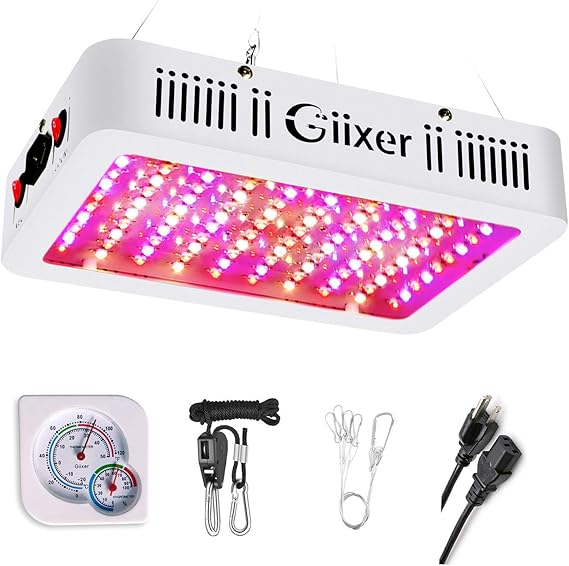
    • LED Lights: LED lights are one of the best artificial lights you can find. The lights they produce are energy efficient that will enhance the growth of your plants. Simply ensure your LED lights supply the red and blue lights required for the growth of plants.
    • Horticulture Grows Lights: These types of artificial light are packed with a full wavelength spectrum. They are especially great for enhancing plants that need to bloom. They usually come in tubes of fluorescent fixtures.

    FAQ’s

    Do artificial lights help plants grow?

    Plants use light for photosynthesis. Plants also use light for circadian rhythms and photoperiodism, which control their growth. There are two ways that artificial lighting can impact the growth of your plants. First, the light produced by a plant-growth lamp will cause them to grow more rapidly than they would if exposed to natural sunlight.

    Second, the light produced by a plant-growth lamp will cause them to flower and set seed earlier than if they were exposed to natural sunlight.

    Do plants grow better with artificial light or sunlight?

    Natural lighting is better for plants than artificial.
    Plants grow best when they have direct sunlight and indirect sunlight. They can also use fluorescent light,
    The light spectrum is important as well. Indirect sunlight is a mixture of all types of light. It’s the only type of light that can be used for growing plants indoors. Sunlight is composed of two major parts: visible light and ultraviolet light.
    It’s not harmful for plants to use fluorescent light, because plants absorb only the ultraviolet light and visible light components of the light spectrum. The infrared component of fluorescent light doesn’t affect plants.

    What artificial lights are good for plants?

    For indoor plants, artificial light is essential to a successful growing environment. Artificial lighting can provide the necessary light for photosynthesis, even when sunlight is too weak or absent to do so.
    The types of artificial lights that you can use depend on the species of plant you’re growing. Artificial light is the type of lighting used in commercial greenhouses and indoor gardens, and in some cases in hydroponics. It differs from natural sunlight in many ways.
    For example, it does not contain the ultraviolet radiation found in sunlight. This is important because plants require ultraviolet light in order to produce vitamin D, which helps them absorb calcium. It works by using an electric bulb to emit visible light that mimics the spectrum of sunlight. This light is then diffused by a white or yellow sheeting called a “grow dome.” This light is similar to the light that comes through your home windows. The grow dome also serves as a barrier to protect the plants from insects, birds, and other animals. The grow dome should be at least 3 feet tall and 6 feet across. The grow dome will also help you control the temperature. If you’re growing indoors, the temperature should be maintained between 65 degrees F and 75 degrees F.
    Fluorescent lighting has become a popular option for growing indoor plants because it is low in cost, long lasting, and produces less heat than incandescent lighting. Incandescent bulbs emit a large amount of heat. This heat is detrimental to plants, especially if they are placed too close to the bulb. The heat causes the temperature of the bulb to rise, which can be harmful to the plant’s roots. In addition to the heat, incandescent bulbs do not produce any light that is beneficial to plants. In contrast to incandescent lighting, fluorescent bulbs emit light in a narrow range of the spectrum. Plants only need a narrow spectrum of light in order to grow normally. Fluorescent bulbs are also a good option for growing plants that require lower light intensity.

    Plants And Artificial Light Conclusion

    So we can see that artificial light does help plants with their growing needs. If you’re having issues with getting access o natural light in your home, artificial light can always save your plants.