Category: Tips & Guides

  • How To Cross Breed Pepper Plants: Helpful Guidelines

    How To Cross Breed Pepper Plants: Helpful Guidelines

    Many known pepper varieties are grown worldwide by farmers. Crossbreeding pepper plants of different varieties is a fairly easy task. If you wish to know more about this, then read on to find out how to crossbreed pepper plants.

    With the appropriate knowledge, you can cross-breed two pepper varieties and generate a brand new desirable pepper offspring. Basically, people cross breed plants like pepper to generate a tasty, hot, or more aesthetically pleasing pepper hybrid.

    In this post, we will be sharing amazing details on how to successfully cross-breed pepper plants to yield a more desirable pepper plant. So, let’s begin.

    Cross Breeding Peppers

    It is the desire of every gardener to have a bountiful and worthy harvest at the end of the growing season. One way to achieve this is by selecting some of the best parent plants and cross-breeding them to achieve more desirable offspring.

    Crossbreeding pepper can become an easy and straightforward thing for you if you get the right knowledge. But also have in mind that crossbreeding takes time, dedication, and patience to get successful results.

    Cross Breeding Peppers

    When it comes to crossbreeding, the plants that are used in crossbreeding are referred to as the parent plants. Then the resulting pepper plant is regarded as the hybrid. Crossbreeding pepper plants implies that we interceding with the natural reproductive process of pepper plants.

    Pepper plants are cross-bred thanks to the anatomy of their flowers. The flowers are responsible for the production of seed-bearing fruits. On a single pepper plant, you will find both male and female reproductive parts. Hence, this allows for self-pollination.

    Important Note On How To Cross Breed Peppers

    Firstly, you need to understand that peppers are capable of self-pollination. Under normal conditions, pepper plants will self-pollinate once the flower has been fertilized by compactable pollen. A bee buzzing around plants, a rush of wind, or even an ant can initiate the process of self-pollination.

    It is important to prevent self-pollination from peppers since our goal is to crossbreed our desired traits. Therefore, we need to manipulate the pepper plant.

    • This brings us to the process of emasculation. Since we don’t want the parent plants to self-pollinate, we need to carefully remove some reproductive parts. The male reproductive part is removed from the maternal (mother) pepper flower plant. The maternal parts are left alone because they are chosen to bear fruit.
    Important Note On How To Cross Breed Peppers

    So, let’s further look into guidelines on how to crossbreed pepper plants.

    Guidelines On How To Cross Breed Pepper Plants

    Here are the guidelines on how to breed peppers the right way:

    1.    Grow The Parent’s Plants

    The main purpose of cross-breeding pepper is to combine two pepper varieties to produce the desired offspring. Therefore, obtain the seeds of the parent variety you wish to combine and grow them. Make sure the seeds are quality seeds to boost your chance of getting great results.

    2.    Locate The Flowers Before They Bloom To Emasculate Them

    As we’ve mentioned, this process is very important. So, finding the parent flowers before they bloom and when they’re about to bloom means they are mature enough. They can be identified easily by their green outer petals or unfurled sepals.

    3.    Cut Or Remove All Bloomed Flowers

    Cut down the bloom flowers to at least a quarter-inch down the stem and leave the unbloomed flowers. Ensure you use sharp scissors or tools and rub some alcohol on them and wear some new pair of latex gloves before you begin.

    Once you’re done, clean the scissors with methylated spirit and throw away the gloves. Wear new gloves and move to the next plant and do the same.

    Pepper Seeds 8 Varieties for Planting in Your Garden, Heirloom Seeds Starter Kit, Non-GMO

    816arUp7IKS. AC SX569

    4.    Reveal The Pistil Of The Unbloomed Flowers On One Of The Parent Pepper

    This is done by peeling away the unbloomed petals carefully with sterilized tweezers. Wear a pair of gloves when doing this. Once you’ve done this correctly, you will see several stamens.

    Once the stamen (male reproductive part) has been exposed, emasculate them with the help of small, sharp, and sterile scissors. The pistil (female reproductive part) is then exposed. Do not damage or touch this pistil as it will be responsible for bearing the resulting fruit.

    Discard the stamen you got from the first parent flower and tie small strings around the stem of the flower.

    5.    Second Flower Stamen Harvesting

    Move to the second pepper flower and wear a new pair of gloves. Just like you did to the first pepper plant, carefully harvest the stamen of the second flower.

    6.    Fertilize The First Pepper Plant Manually

    From the harvested stem of the second plant, cut the stamen open carefully with the help of a dissecting needle. Then with the help of the needle’s tip, go ahead and scoop out the pollen inside.

    Then apply the scooped pollen on the exposed pistil on the first pepper plant. Make sure the pollen is applied on the top part which is known as the stigma. Therefore, you have achieved manual pollination.

    7.    Observe The Manually Pollinated Flower

    Once you’ve accomplished the manual pollination, watch the plant closely. If the manual pollination was successful, in about 3 or 4 days, the ovary which is located below the pistil will start to swell. This is a good sign of successful pollination. However, if the ovary refuses to swell, it means it was unsuccessful. This is usually caused by damage of pistil during emasculation. This is why you should be extra careful when clipping the stamens.

    So, the successfully fertilized ovary will grow to become fruit. The resulting fruit and the seeds are referred to as a hybrid. So, if the fruits are exactly what you desired, their seeds can now be used to propagate your new crossbreed pepper plant species.

    How To Cross Breed Pepper Plants: Final Say

    Once you’ve successfully flowed our guiltiness on how to crossbreed pepper plants, cross-breeding your pepper variety should be easy. You can now make tastier or hotter pepper species than what is readily available in your region.

    Find more information about Jalapeno Plant Spacing

  • How To Know When A Pumpkin Is Ripe

    How To Know When A Pumpkin Is Ripe

    The big question on most farmers’ minds is how to know when a pumpkin is ripe or ready for harvest. Usually, the color is a good indicator of pumpkin ripeness and the color of most ripe pumpkins is usually orange. But they can as well come in other shades such as blue, white, grey, and even stripe colors.

    Pumpkin is from the family of Cucurbitaceae and they fall under winter squash. We have over 50 varieties of pumpkin. The round orange pumpkin is one of the most common or recognizable pumpkins.

    In this article, we will be sharing great tips on how to know when a pumpkin is ripe or ready for harvest. So, let’s get right into this.

    Some Info On Pumpkin

    Pumpkin is from the gourd family. Pumpkin is a smooth, round, and partially cultivar of winter squash. It has ribbed-like skin and the most common colors tend to be deep yellow to orange.

    It is a nutritious plump nutritious vegetable and it is loaded with great nutrients. Pumpkin has a low-calorie composition. It is as well loaded with vitamins and minerals and these nutrients are included in its seeds, leaves, and juice.

    Some Info On Pumpkin

    There are many ways to use pumpkins in our dishes. Pumpkin can be integrated into soups, salads, desserts, preserves, as well as a substitute for butter.

    Pumpkins are as well used in decorations such as Halloween decorations. They can also be pureed and baked in a pie or you can slow cook them to perfection in your favorite fall soup.

    How Do You Know When A Pumpkin Is Ripe: Helpful Tips

    Pumpkin offers many signs once they are ready for harvest. As long as you know what to watch out for, it’s pretty easy to know how to tell if pumpkin is ripe.

    So here are 5 signs on how to tell when pumpkins are ripe:

    1.    Right Time Of The Year

    Generally, most squash from different varieties takes about 3 to 4 months or even 5 months to attain maturity. This also depends on your climate, the growing conditions, and the variety planted.

    Therefore, the easy way to know when a pumpkin is ripe is by simply keeping a good watch and knowing how long it has been growing. You should compare the growing period to the days to maturity that are on your seed packet.

    Right Time Of The Year

    An important thing to note is that pumpkins can only tolerate light frost and will not get ripe after you’ve harvested them after they’ve been exposed to heavy frost. Therefore, before the frost in your area gets heavy, ensure you harvest all your pumpkin on time.

    Also, they shouldn’t be exposed to temperatures below 32 degrees Fahrenheit. You can simply pick your pumpkin early and allow them to get ripe indoors if your first killing frost is approaching.

    2.    Desired Color Change

    As a general rule, a change in the desired color is a good indicator your gourd is ripe and ready for harvest. Golden-orange is a sign of the fruit attaining maturity.

    Generally, an immature gourd tends to remain green. Therefore, it’s safe to say the pumpkin isn’t matured yet when it’s still green.

    However, there are times when a squash refuses to turn orange even after the stem has died off. If this is the case, the fruit can be ripened off the vine.

    3.    Hard To Puncture Rind With Fingernails

    To know when a pumpkin is ripe, the rind of your pumpkin should be hard and difficult to puncture with your fingernail. This is one of the most popular signs of squash attaining maturity.

    When you puncture the rind of the pumpkin and your fingernails create a small dent and the skin doesn’t puncture, that’s a good indicator your pumpkin is ready for harvest.

    Professional Pumpkin Carving Kit – Heavy Duty Stainless Steel Tools and Knives with Carrying Case (8 Pieces)

    917RLVFFdiL. AC SX679

    If you’re however growing pumpkin pie, harvesting should be done when the fruit rind is firm but not hard as a rock. This is important especially if you wish to make pies within the next week or you wish to roast and puree the flesh to store in the freezer.

    4.    Stem Turns Brown

    Once you notice the stem of your gourd becomes hard to touch instead of being slightly spongy, check the color of the stem. If the stem is beginning to dry out and turn brown, then the stem is dying. This means the supply to the plant is diminishing.

    However, you can still leave the gourd and allow the entire vine to die around your squash before harvesting them. but ensure this is before the first sign of frost.

    5.    A Hollow Sound Is Generated When You Knock The Rind

    Another method on how to know when a pumpkin is ripe is to gently knock the rind. When you hear a hollow thunk sound, then that’s an indication that it’s ready for harvest.

    How To Harvest Pumpkin

    We now know when a pumpkin is ripe and ready to be picked. Let’s now briefly look into how to harvest them.

    Use a clean sharp tool or knife to harvest pumpkin. Measure the stem at least 3 to 5 inches from the top of the fruit then cut the stem away from the vine.

    The part of the stem you’ve left on your fruit will actually keep o supplying the last residue of nutrients for your fruit. This means it will last long after you must have harvested them.

    It’s important you don’t carry the fruit by the stem as this isn’t a handle. If by any chance the stem breaks off, your fruit will immediately begin to rot. So, ensure you give some support to the sides and base while you carry your squash.

    FAQ’s

    How can you tell if a pumpkin is ripe?

    When it comes to growing pumpkins, you can choose from a wide variety of varieties. However, once you have selected your pumpkin, it is time to get ready for harvest. Once you begin the process of harvesting your pumpkin, you will want to know when it is time to cut it open. There are several methods that you can use to determine if your pumpkin is ripe.

    1. Check The Flesh Color

    One of the best ways to tell if your pumpkin is ripe is by checking its flesh color. Pumpkins with darker orange flesh tend to be sweeter than those with lighter flesh. If you are unsure about the color of your pumpkin, you can take a look at our article on how to choose the perfect pumpkin.

    2. Look For A Pumpkin’s Shape

    If you are going to be eating your pumpkin straight out of the ground, you may want to look for a pumpkin that has a round shape.

    3. Listen For Pumpkin Seeds

    If you have ever picked and eaten a fresh pumpkin, then you know how loud they can be when you crack them open. Pumpkin seeds, however, are much quieter. They are usually only audible if you are right next to the pumpkin when it is being picked.

    4. Check The Pumpkins’ Stem

    It is easy to tell if a pumpkin’s stem is hard or soft. If it is soft, it means that it is still growing and will not be ready for carving until the next fall. If it is hard, it means that the pumpkin is ready to be harvested. If you plan to carve your pumpkin, you should look for pumpkins with stems that are hard and have no cracks.

    What should you consider when picking a pumpkin at the store?

    If it had been picked too early it will be small and not ready to eat. If you wait too late, the pumpkin will have started to dry out and become tough. You can’t use a pumpkin that is too ripe or soft because it will just fall apart.

    Here are some tips to help you choose the perfect pumpkin for your recipe.

    The first thing you should do is look at the size of the pumpkin.

    It is always best to buy a pumpkin that is the same size as your dish. This way you will get the most use out of your ingredients and it will cook evenly. It is also important to note that pumpkins get bigger as they mature so make sure to check the size before you buy.

    If you want to cook the pumpkin in its skin, you may want to look for a smallish pumpkin. If you remove the skin, you can use any size pumpkin. It all depends on what you are cooking. The color If you like the color of the pumpkin, then that is great. However, if you don’t like the color, it doesn’t mean you shouldn’t buy it.

    What happens if you pick a pumpkin too early?

    They quite simply won’t last very long.

    Conclusion On How To Know When A Pumpkin Is Ripe

    It’s pretty fun growing and harvesting pumpkin. How to know when a pumpkin is ripe is also not difficult to determine. Kindly look through the helpful tips we’ve outlined for you and you can easily learn when the right time is to harvest your pumpkin.

  • Types Of Worms That Eat Tomato Plants

    Types Of Worms That Eat Tomato Plants

    If you are a gardener, you will want to know the types of worms that eat tomato plants. They are one of the most popular plants to grow as they are typically easy to maintain and often produce an abundance of tomatoes. However, they are not only popular among people but also worms as well.

    Worms will commonly eat the leaves, stems, flowers, and fruit of your tomato plant. This can be problematic for your plant, as they can destroy it. Fortunately, by identifying these types of worms you can then know how to keep them away.

    Species Of Worms That Eat Tomato Plants

    No gardener ever wants to see worms eating their tomatoes. It can be frustrating to see all the hard work that went into maintaining your garden ruined by a bunch of hungry insects. By identifying these species, you can help put a stop to their havoc.

    The most common types of tomato-eating worms include tomato hornworms, loopers, armyworms, and cutworms. These worm species can eat all parts of your tomato plant, which can completely destroy the plant. They can be a common problem that many gardeners have to deal with.

    Species Of Worms That Eat Tomato Plants

    These worms that you see on your tomato plants are actually either the larval stage of moths or caterpillars. They are generally brown or green in color, which lets them easily blend into your tomato plant. They can consume the leaves and other parts of tomatoes at a fast rate, so it is best to get rid of them as soon as you notice them.

    Tomato Hornworms

    There are two main types of hornworms, tomato hornworm, and tobacco hornworm. Both types like to eat tomatoes, tobacco, potatoes, eggplants, peppers, and other types of nightshade plants.

    Tomato hornworms are recognizable by their chevron stripes and black horn on the backside of their green bodies. They are the larvae form of the five-spotted hawkmoth. They are one of the most common types of worms you will see on your tomato plants.

    Though tobacco hornworms also have a green body, they have diagonal stripes and a red horn on their backside. They are the larvae form of the Carolina sphinx moth aka the Tobacco Hawk Moth.

    Tomato and tobacco worms both enjoy eating the leaves of tomato plants. They will eat the flesh of the leaf and leave behind the veins.

    Loopers

    The cabbage looper, or simply just the looper, eats a variety of fruits and vegetables including cabbage, tomatoes, beans, celery, lettuce, broccoli, and spinach. They are the caterpillar form of the Owlet moth.

    Monterey LG6150 Garden Insect Spray, Insecticide & Pesticide with Spinosad Concentrate

    81puQQBR1LL. AC SL1500

    These green caterpillars arch their back into a loop as they crawl, hence the name loopers. Oftentimes, the moth will lay their eggs on the underside of the tomato leaves or other vegetable leaves. Then, they will eat parts of the plant as they grow.

    Armyworms

    Armyworms come in many different types and are the larvae form of armyworm moths. They are very destructive and will eat a variety of different plants.

    Most of the time, armyworms will cause the most problems in the summertime. The most common type of armyworm is brown or gray, with the males having white spots whites.

    Female armyworm moths will lay their eggs on the underside of leaves. The larvae will then consume various parts of the plant.

    Cutworms

    Cutworms are one of the most problematic types of worms you can find in your garden. They are the larvae of Turnip moths or Large Yellow Underwing moths. They are generally green, yellow, gray, or brown in color, making it easy for them to camouflage in your garden.

    Cutworms will eat a variety of different plants, mostly eating the leaves, stems, and buds. They are called cutworms because they cut down young plants as they feed on their stems. They can cause lots of damage to gardens, so it is best to get rid of them as soon as you spot them.

    Cutworms

    While some cutworms will continue to eat the plant they cut down, others will move unto other plants to eat their stems. They can easily take out a whole row of young tomato plants in just a couple days’ time.

    How To Get Rid Of Worms On Your Tomato Plants

    Worms on tomato plants can wreak havoc in no time. They will not only target your tomatoes but likely other plants in your garden.

    If you notice worms on your tomato plants, you can carefully pick them off your plants while wearing gloves. Though it can be time-consuming, it is an easy and free way to get rid of your worm problem. Neem oil is also an easy solution to keep worms and other bugs off of your plants.

    Diatomaceous earth is another safe and effective way to rid your garden of unwanted bugs. Diatomaceous earth is made from the fossilized remains of small aquatic creatures known as diatoms. It works by dehydrating and drying out insects.

    Making your garden bird-friendly is another great way to keep bugs at bay. By putting out bird feeders and birdbaths, you will attract different species of birds. These birds will also eat the worms in your garden, helping out your plants.

    FAQs

    What are the worms that eat tomato plants?

    There is a huge number of insects that eats tomato plants. This includes lady beetles, mites, caterpillars, whiteflies, and more. Lady Beetles Lady beetles are probably the most common pest on tomato plants. They eat the leaves, which can cause the plant to wilt and die. If you notice the plant has wilted or has yellow leaves, it is best to pick it up and move it into a different location so it can recover.

    The worms that eats tomato plants are generally small, white and round. The worms may also be found in other parts of your garden such as the flower bed, vegetable garden or even on the lawn.

    There are worms that are actually called “tomato leaf miners”. These are small, soft bodied, white, worm like creatures. They are very tiny and are usually less than 1mm in length. The worms live in the soil surrounding your tomato plants. They come out of the ground and lay their eggs on the leaves of the tomato plant. When they hatch, the larvae begin to eat the leaves. This will eventually kill the plant.

    You should watch out for the caterpillars of the tomato hornworm moth, Manduca sexta. They’re a pest of all kinds of fruit and vegetable crops, including tomatoes, melons, peppers, eggplant, cucumbers, beans, squash, and more. The pest’s larvae are also known as “hornworms” because they have two horns on their head. 

    When should I start to be concerned?

    You should start to worry when they start to multiply and eat a lot- Then you will need to find out what is causing this. Insects and pests are common in the garden. A large variety of insects and pests exist that can cause harm to plants. There are many types of pest and insect problems in the garden. They include insects, such as caterpillars, aphids, mites, beetles and slugs; and diseases, such as mildew, rust, and viruses.

    What’s the biggest with dealing with a hornworm infestation?

    If they’re in your yard, they will eat plants and trees that you have planted or trees that were planted in your yard. They can also destroy your lawn.

    The main problem is that they can cause damage that is difficult to detect. If you are not aware of their presence, they could be causing serious damage to your yard before you know it. They may leave behind eggs that hatch into larvae.

    What plants repel hornworms?

    It is important to plant some plants that will help prevent hornworm damage.

    These include:

    Echinacea – Echinacea is known for its anti-bacterial properties and can help deter hornworms. It is also known to attract beneficial insects. Echinacea should be planted in full sun.

    In areas where there is lots of snow, echinacea should be planted in a warmer area in order to bloom earlier.

    Marigolds – Marigolds are effective at repelling hornworms. They can also deter other insects. Marigolds can be planted in the fall and in the spring as well. They do best when planted in full sun.

    Dill – Dills can be planted in the fall and in the spring. It has been shown to deter hornworms. It also helps attract bees and butterflies. You can plant dill in full sun. Dill will grow best if planted in a well-drained soil.

    Nasturtium – This plant has been known to repel hornworms.

    Keeping Worms Away From Your Garden

    There are various types of tomato worms that can damage and destroy your plants. The most common type of worms you will see on your tomatoes include loopers, armyworms, cutworms, and hornworms.

    Though these types of worms will mainly eat the leaves of your tomato plants, they will also eat the stems, flowers, and fruit as well. Fortunately, there are some simple solutions to keep these pesky bugs away.

    Diatomaceous earth and neem oil are simple and safe products you can add to your plants to keep bugs away. In addition, you can also make your garden more bird-friendly, as they will eat your bugs. You can even pick them off with your hands while wearing gloves.

    Do you have any questions regarding worms that eat tomato plants? If so, please ask any questions regarding the types of worms that eat tomatoes and how to keep them away.

  • Yellow Squash vs Zucchini

    Yellow Squash vs Zucchini

    Zucchini and yellow squash are both popular fruits, though culinary wise they are often referred to as vegetables by how they are prepared. However, many people don’t know the differences between yellow squash vs zucchini. Though they do share many similarities, they are also quite different.

    Zucchini and yellow squash are among some of the easier plants to grow. They make a great addition to your garden, no matter if you are an expert or beginner. There are also so many great dishes you can make with these two fruits.

    Yellow Squash Vs Zucchini

    Both yellow squash and zucchini are a type of summer squash. Though all zucchini is considered a type of squash, not all squash is zucchini.

    Squash refers to a type of plant species within the gourd family. There are two categories of squash: winter, and summer.

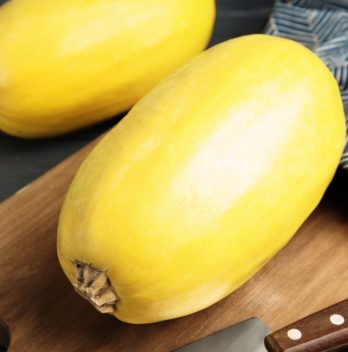
    Common winter squash includes butternut, spaghetti, and acorn squash. They have hard skins that are unedible and include tough seeds.

    There are several different types of summer squashes that come in many different shapes and sizes. They can be long, round, flat, straight, or tapered. Unlike winter squashes, they have soft, thin skin that is completely edible.

    Yellow Squash and Zucchini

    Summer squashes, including zucchini and yellow squash, can be eaten raw or cooked. They tend to have mild flavors that can even be slightly sweet. They can be eaten alone or incorporated into many other types of dishes, both sweet and savory.

    Due to their similar appearance, zucchini and yellow squash are often confused. Though they are similar in many ways, the two varieties of squash also differ. They can not always be used interchangeably due to their differences.

    Summer squash grows quickly and is often easy to maintain. They are packed full of many important nutrients, making them a very healthy addition to your diet. Other common varieties include Patty Pan, Cousa, and Zephyr squash.

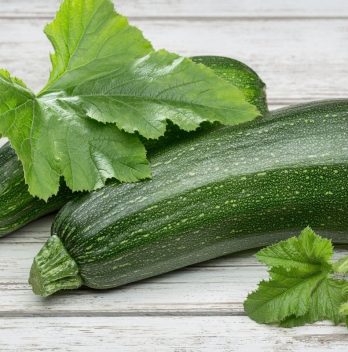
    Green Zucchini

    Green zucchini is the most recognizabletype of zucchini. It has a rich, deep green color with a long, sometimes tapered shape. The flesh is white and has a mild flavor that can be slightly sweet.

    It can generally be found all year round in grocery stores, but its peak season is in summer. Green zucchini has a soft, thin skin that you can eat or peel off, depending on your preference. You can eat it raw, fried, sauteed, grilled, roasted, and steamed.

    Green zucchini squash is also a popular addition to bread, cakes, cookies, and muffins. It provides baked goods with a wonderful moist texture without changing the flavor. You won’t be able to notice that zucchini was added to baked goods, however, you will be able to taste how delicious it makes them.

    It also tends to grow in abundance, which is why it is so great to add to your baked goods. It also makes amazing fritters, salads, pasta dishes, and much more. No matter how you prepare it, it is a great addition to have in your kitchen.

    Yellow Zucchini

    Yellow zucchini is not to be confused with yellow squash, as they are two different things. Sometimes called golden zucchini, it does not taper at the end like other summer squashes.

    Yellow zucchini also has soft, thin skin that you can eat or peel off if you like. It has white flesh and is typically slightly sweeter than green zucchini. Their cylindrical shape makes them ideal for spiralizing.

    Yellow Zucchinis can often be used interchangeably or with green zucchinis in recipes. They are great for baking, roasting, frying, pasta, sauteing, grilling, and steaming. They also taste delicious when eaten raw and are great for salads and other vegetable dishes.

    Survival Garden Seeds Zucchini & Squash Collection Seed Vault – Non-GMO Heirloom Seeds for Planting

    815t78D9v6S. AC SX569

    Yellow Squash

    Though both green and yellow zucchinis are squash, yellow squash is not a zucchini. Yellow squash comes in two different types, straight neck, and crookneck neck. Both varieties have fatter bottoms that then taper as the neck curves.

    The skin is thin and can be smooth or slightly bumpy, though no matter the texture, it is edible. Their flesh is a creamy white color and they tend to have larger seeds than other types of summer squash.

    Crookneck yellow squash, which is notable for its distinctive bent neck, tends to have waxier skin than the other type. It is generally harvested once it has a more mature crookneck in order for the optimum flavor and texture.

    Straightneck yellow squash tapers at the neck but does not curve. It is best when it is harvested at around six inches long or slightly shorter as this is when it will have its best flavor and texture.

    Summer squash tastes great when you roast, grill, fry, saute or steam it. It also tastes wonderful when it is added with zucchini and baked as a casserole. It has a mild flavor, but it is not as slightly sweet like zucchini is.

    Yellow Squash

    FAQs

    Are yellow squash and zucchini the same?

    No. The difference between them is that zucchini is a member of the Cucurbit family (squash and pumpkin), while yellow squash belongs to the summer squashes (such as the patty pan, and summer squash). Both of these vegetables can be used in many different dishes such as soups, stews, casseroles, and salads.

    They are both delicious and easy to grow. Zucchini is best eaten when it is young, as its flavor becomes more intense as it ages. Yellow squash can be eaten in a variety of ways, but its most popular method is grilling. Both of these vegetables are very low in calories and fat. If you are looking for ways to add variety to your diet, these two vegetables are a great choice.

    What nutrients do they have?

    Zucchini and yellow squash are high in fiber and potassium. These nutrients help regulate blood sugar levels and help prevent constipation. Zucchini and yellow squash are also great sources of vitamins C, A, B6, and K. It is important to get these nutrients in your diet because they will boost your energy and help you stay healthy. Try to eat them every day, but if you can’t find time, at least eat them several times a week.

    Zucchini and yellow squash are great low-calorie foods to eat while losing weight. They contain almost no fat and are low in calories. It is low in calories, has a high water content and contains a number of vitamins and minerals.

    They have a lot of fiber. Zucchini has much more of it than squash because it’s lower in carbs and higher in protein.

    If you are looking for something that will boost your immune system, squash is the way to go.

    Can you eat raw zucchini and yellow squash?

    Zucchini and yellow squash are among the most versatile vegetables on the planet. They can be grilled, fried, roasted, baked, boiled, sautéed, pureed into sauces, or chopped and added to soups.

    You can eat them raw or cooked (although some people are very allergic to it). I personally would not consume it as much as other veggies, as it has a high oxalic acid content, which can cause kidney stones.

    When is the best time to plant zucchini and yellow squash?

    The best time to plant zucchini and yellow squash depends on your climate. Planting in late fall or winter can give you a good crop in the spring. Zucchini and yellow squash plants grow best in warmer weather. They will be more productive when temperatures are above 60°F. In cooler temperatures, they tend to produce less fruit and have a shorter growing season.

    Zucchini plants are very sensitive to heat and drought. They need a lot of water during the summer months to keep from wilting.

    I would recommend you get some small, shallow pots or planter boxes and put your zucchini plants in them. They will grow a lot faster than in the ground.

    Understanding Summer Squashes: Knowing the Difference Between Zucchini vs Yellow Squash

    Both zucchini and yellow squash are a variety of summer squash. They are notable for their mild flavor and soft, thin skins, which differ from the winter varieties of squash. Both of them grow in abundance during the summer season and are full of many beneficial nutrients, making them a great addition to your garden.

    Zucchini can be either green or yellow. Both the green and yellow types can generally be used interchangeably, with the yellow type often being slightly sweeter. They are a great choice for using in both sweet and savory recipes, thanks to their mild flavors and moisture they bring to baked goods.

    Yellow squash can be either straight neck or crookneck. Both types have thin skin, that can be anywhere from smooth to slightly bumpy in texture. They tend to have larger seeds than other varieties of squash and are also great for cooking in many different savory dishes.

    Do you have any questions regarding the similarities and differences between yellow squash vs zucchini? If so, please ask any questions regarding these two popular varieties of summer squash in the comment section down below.

  • Making Soil More Acidic

    Making Soil More Acidic

    Good soil is one of the most important aspects of having a successful garden. Without good soil, your plants will struggle to grow and in some cases, they might not grow at all. Making soil more acidic can help certain plants not only grow but also strive.

    Based on local geography, soils mineral content varies, which in return affects its acidity or alkalinity levels in the soil. This is measured on a pH scale, which allows people to conveniently determine the acidity on their soil. Based on the plants you are growing, you can then research the pH levels they need and test the levels in your soil, adjusting them as needed.

    How To Test For Acidity

    Before starting your garden, it is best to test the acidity levels in your soil. Different plants need more acidic levels, whereas others don’t need much acidity at all. Fortunately, you can use a pH test to determine how acidic your soil is.

    The best time to test the acidity levels of your soil is in the fall. This will then give you plenty of time to adjust your soil if need be before you plant your garden.

    How To Test For Acidity

    When testing your soil, use a hand shovel to dig about four to six inches down to obtain a sample. Once you dig up a good chunk of soil, remove any rocks, sticks, and debris from the soil. In addition, you also want to break up any large clumps of soil.

    In a large bowl, add around one cup of soil along with enough water to make it into the mud. Then, add 1/2 cup of vinegar and stir it into your mud. If your mud begins to foam, fizz, or make bubbles, your soil is alkaline.

    If no bubbling occurs, repeat the process as you did above by making mud with one cup of soil. Then, add 1/2 cup of baking soda and stir it in your mud mixture. If the mud begins to fizz, bubble, or foam, your soil is acidic.

    Using A pH Testing Kit

    You can also test the soil using a soil pH testing kit. This will give you an exact number of acidic your soil is. The pH test works on a scale of 0-14.

    To use a pH testing kit, dig up soil from four to six inches down and remove any rocks and debris. Then, place one to three teaspoons of soil in a clean glass. Pour distilled water into the glass to the same level of the soil.

    Luster Leaf 1601 Rapitest Test Kit for Soil pH, Nitrogen, Phosphorous and Potash

    81lMIyoIrfL. AC SX569

    Shake the mixture well into it becomes well combined and then let it sit for 30 minutes. Then pour your soil sample through a coffee filter, collecting the water into a new clean glass. Be certain to get as much liquid out of it as you can.

    Then place the pH strip into the liquid you collected and leave it in their according to the package’s instructions. Once it has been in the water for as long as it needed to be, compare the color of the strip to the chart of the package.

    It is a good idea to repeat the process with samples from different parts of your garden. This will help you get a good idea of the average pH levels of the soil in your garden.

    Why Acidity Levels Matter

    Many plants thrive in acidic soil because the pH provides them with the nutrients they need to grow. In addition, pH levels in the soil also play a vital role in fertility. By having an ideal acidity level in your soil, the microbiological activity of the soil increases, which leads to improved soil nutrient recycling and release.

    The pH levels in soil also work to maximize the nutrients of N, P, and K that come from fertilizers. Many plants will do best with a pH level that is right in the middle of the scale, however, it does vary by species of plant.

    Why Acidity Levels Matter

    How To Make Soil More Acidic

    Fortunately, if your soil is not acidic enough for your plant’s needs, there are several ways you can increase the acidity levels. Before adjusting your soil‘s acidity, make sure to test multiple areas of your soil to find the average pH level of your garden.

    One of the easiest and most effective ways for how to increase soil acidity is by composting. Since compost is rich in organic matter, it makes your soil more acidic gradually over time, which creates the most benefits for your plants. In addition, it not only improves the structure of the soil but also creates additional benefits for plant growth.

    In addition, you can also use compost tea to increase acidity. Simply add one to two cups of your compost to one to two gallons of water. Allow it to sit for 48 hours, stirring regularly, then strain the compost and spray the liquid in your soil for fast-acting nutrients.

    You can also use organic mulch, coffee grounds, and peat moss to help increase the acidity levels in your soil. In addition, you can also buy soil acidifier at gardening and department stores that is not only easy to use but also effective at improving the pH levels in your garden. However, it can be more expensive than the other options.

    FAQs

    What increases the acidity in the soil?

    There are several factors that can affect soil acidity, for example:

    The amount of nitrogen in the soil. The higher the nitrogen content, the more acidic the soil will be. The type of soil. Soil with clay in it tends to be more acidic than soil with sand in it. Soil with a high calcium carbonate content (found in chalk) tends to be less acidic than soil with a lower calcium carbonate content.

    You will increase the acidity of soil if you use any type of chemical fertiliser. This has nothing to do with what kind of chemical it is or how much it contains, but rather whether you have used a nitrogen, phosphorus and potassium containing chemical or not. 

    How is acidity measured?

    Soil pH is measured on a scale from 0 to 14, where 2.0 is neutral, and below 3.0 is acidic and above 4.0 is alkaline.

    The most common way to test your soil for pH is with a soil testing kit, or with an inexpensive test kit that you can buy at the grocery store or hardware store. To determine if your soil is acidic or alkaline, you can do this with the following procedure:

    1. Fill a bucket with water, and mix in 2 teaspoons of salt per gallon of water.

    2. Stir the soil thoroughly with your hands, and then add it to the water.

    3. Allow the mixture to sit for 5 minutes, and then test the pH with a pH meter.

    4. Record the pH of your soil on a pH chart, and then calculate the percentage of acidity

    If the soil is more acidic than 5 percent, add 1 tablespoon of lime per quart of soil to increase the pH.

    If the soil is more acidic than 15 percent, add 1 teaspoon of sulfur per quart of soil to increase the pH.

    What should I do when my soil has too much acidity?

    You should add some neutralizing agent to the soil. One way to do this is to add lime. Lime is an alkaline compound, so it will neutralize the acidity of your soil.

    How do I fertilize acidic soil?

    The best way to fertilize acidic soils is to use a compost tea that has been produced from compost. The compost will have a high pH and therefore the compost tea will also be high in pH. This means that it will be good at neutralizing acidity.

    What is the most widely used way of making soil more acidic?

    There are a number of ways you can acidify your soil.

    Two of the most common: Lime and Wood Ashes. These are often recommended as “natural” methods for acidifying soils, but they should be used as little as possible as they are highly toxic.

    Lime is an inorganic source of calcium carbonate. The lime reacts with water and releases carbon dioxide gas (CO2).

    The benefits of adding lime are that it increases soil pH, improves drainage, and improves soil structure. It also helps to increase organic matter and nutrient content. The disadvantages are that it can cause high levels of soil salinity, and can be detrimental to some plant species (especially those that like a slightly alkaline soil). It should be noted that lime is not a fertilizer, but rather an acidifying agent.

    Improving Your Soil: Making Soil More Acidic

    Knowing how to make soil acidic can help improve the growth of the plants in your garden. It can provide your plants with the important nutrients they need in order to thrive.

    Before planting your garden, it is a good idea to test the pH levels of your soil in several places to determine if your soil needs more acidity. In addition, be sure to research the plants you are going to add to your garden to find out what pH levels those specific plants require.

    Compost is a great way to improve the acidity of your soil. In addition, you can also use compost tea, mulch, peat moss, and coffee to improve acidity. You can even buy soil acidifier from stores to help enhance your soil.

    Do you have any questions regarding making soil more acidic? If so, please ask any questions about acidic levels in soil in the comment section below.

  • How To Pick A Good Artichoke

    How To Pick A Good Artichoke

    Do you know how to pick a good artichoke? Artichokes are great-tasting vegetables but so many people have little knowledge on how to select a good artichoke. This veg may look a bit intimidating and odd, but they are actually quite easy to prepare.

    Artichoke can be pretty difficult to make. This is usually because of its poky and tightly packed leaves that may seem difficult to dive into. But once you’ve learned to properly cut or trim them and even prepare them, you get to enjoy the tender leaves and their great-tasting flavor.

    In this article, we will be looking at how to pick a good artichoke. We will also be looking at how to trim them properly and prepare them. So continue reading to gain some knowledge on how to choose artichokes and more.

    About Artichoke Plants

    Artichoke is an herbaceous perennial plant. They come from members of Asteraceae family and this family also includes thistles, sunflowers, and dandelions. Most people often think of thistles as prickly weeds, but artichoke has shown that not all weeds are insignificant.

    The majority of the commercial artichoke plant in the United States are grown in California and this is where the main artichoke harvest takes place. This is usually from March through June.

    About Artichoke Plants

    Artichokes may look intimidating and digging into those prickly packed leaves may even cause poked fingers. This may be really frustrating. However, if you don’t mind digging into those tightly packed leaves, you will be rewarded with a slightly tannic, extra nutty, and absolutely delicious outcome.

    Tips On How To Choose An Artichoke

    Here are some tips that will help you pick a good artichoke:

      • One obvious sign of a good artichoke is when they feel heavy in your hand. If you however don’t feel that heaviness or it feels very light, it may be that the artichoke has lost a lot of moisture. It may have also lost some water-soluble nutrients and even some flavor.

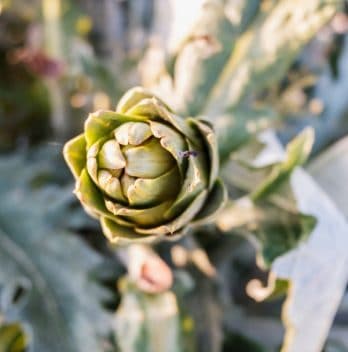
      • Another way to know how to pick a good artichoke is to scrutinize the shape. The thorny-packed leaves should be tight and hugging towards the center of the vegetable. Basically, the appearance should not be like a blooming succulent or flower.

      • Another point to note is that once the leaves are opening up from the center, then the artichoke has very likely been sitting out far too long or has become old.

      • Furthermore, the stem will look brown if was cut for just a few hours. However, the stem shouldn’t feel slimy or dry.

    Check out 4 Useful Tips to Help You Choose the Best Organic Seed Starting Mix

    Types Of Artichoke Plants

    Normally, there are two major types of artichoke and they are:

      • Globe artichoke: This type of artichoke is round, large, and globe-like. It is known as the originally improved artichoke and is sometimes referred to as French artichoke. They are about the size of a softball and pretty green. This artichoke variety tends to bud in the first year. They usually reach harvest early (as early; as 75 days).

      • Baby artichoke: the baby artichoke is about 2 to 3 inches long when they are fully matured.

    Types Of Artichoke Plants

    Other Types Of Artichoke:

      • Violetta artichoke: this artichoke variety is a heavy producer of side buds. It is an heirloom variety from Italy. It is characterized by its fascinating purple bud known for its tenderness. This artichoke variety produces elongated (about 3 inches) and 5 inches wide artichoke. Violetta artichoke needs only about 3 foot spacing between plants because it is a smaller plant.

      • Bog heart artichoke: this artichoke variety is a painless one with no prickly leaves. These are basically new varieties and they can handle warm weather. They can even be grown as an annual from seed. They can attain a length of 5 and a half inches.

      • Jerusalem artichoke: this is also known as sunchoke, sunroot, or wild sunflower. They tend to grow about 5 feet to over 9 feet. The part which is edible is a tuber part that looks like ginger root and they are around 3 to 4 inches long.

    Read more about the Difference Between Thai Basil And Regular Basil

    How To Properly Trim Artichoke

    To properly trim an artichoke isn’t so complicated. You just have to understand the process. It requires putting in some extra work after you must have harvested it so it becomes edible.

    Do the following to trim artichoke properly:

      • With a serrated knife, the top third layer of artichoke bud should be trimmed off.

      • Then take away the two outer layers of the leaves around the stem.

      • Next, make use of kitchen shears to trim the sharp tips off the remaining outer leaves.

      • Also, cut off the stem if you want the artichoke to sit flat. If not, just peel it off with a paring knife.

      • The peeled artichoke should be put in a bowl of lemon water. This is to maintain a fresh artichoke until you’re ready to stem.

    3 Pack Garden Pruning Shears Stainless Steel Blades Handheld Pruners Set with Gardening Gloves

    71rnsJKQ oL. AC SL1500

    Preparing Artichoke

    Some parts of the artichoke aren’t ideal or pleasant to eat. These unpleasant sides include the stem, the hard outer leaves, and the choke itself. The main focus for preparing artichoke is centered around removing the bits.

    The stem is quite wood. Therefore, cutting them off is the ideal thing to do. You can use your hands, paring knife, or a small-sized knife to remove the first or two outer layers of the leaves. But take note, this may be pretty daunting to peel as you dive into the layers.

    Then cut off the upper inch of the artichoke. This way, any remaining pointy heads will be removed and you have an opening to remove the artichoke. Then with the help of a melon baller or a spoon, take away any fuzzy filaments around the artichoke.

    Find out How To Trim Basil To Promote Growth

    Storing Artichoke

    To store artichoke, put them in a loosely wrapped plastic in the fridge. If the artichoke is fresh, it can last up to a week. But it’s best you use them as soon as possible to enjoy their freshness.

    FAQ’s

    What part of the artichoke do you eat?

    The artichoke is actually the edible flower bud of the globe artichoke (Cynara scolymus). The plant grows in a large head with many small greenish-yellow flowers. Each flower has five petals and a long stalk. The buds are the part of the plant used for cooking.

    Artichokes are members of the thistle family, which also includes sunflowers and chamomile.

    How do you know if an artichoke is ripe?

    It’s a question we’ve all asked ourselves, and there are two simple ways to tell. The first is that it should be firm and feel heavy for its size, with a nice, bright green color. A fresh one can be picked at any time of year. The second way to tell if an artichoke is ripe is to cut it in half and look at the bottom.

    If the leaves on the bottom are dry and papery, then it’s probably ready.

    It’s often hard to say. There is no single sign of ripeness. You can use your senses and look for the following signs: The leaves should be slightly brown (not green) The stems should be slightly brittle The center leaves should be closed, not open. The heart of the flower should be dark purple, not white or yellow. If you have access to a fresh market, then you can ask them.

    I always buy artichokes at the farmers market when they are in season. I usually try to buy them when they are the most colorful. But they also seem to have a different level of ripeness, depending on where they are from.

    They are not really easy to find fresh at a local market. Most of the artichokes that I buy are already cooked and they don’t last long in the fridge.

    Basically, what does a healthy artichoke look like?

    Well, it should have a bright green color, the leaves should be tightly closed, and the bottom of the stem should be firm and dark green. If you cut an artichoke in half, you’ll see the pale yellow inner part of the artichoke that is not edible.

    How do you store raw artichokes?

    I store raw artichokes in a bag of ice (or in the fridge) in the crisper drawer for up to two days.

    When you’re ready to use them, just trim off the stem and pull off the tough outer leaves. I’ve also found that they keep much longer if you cook them first and then store them as you would any other vegetable.

    How To Pick A Good Artichoke: Conclusion

    It’s really easy to know how to pick a good artichoke if you have the right knowledge. Simply look into the tips we gave on how to properly choose a good artichoke.

  • When Do You Harvest Romaine Lettuce?

    When Do You Harvest Romaine Lettuce?

    Romaine lettuce is one versatile and refreshingly crispy type of lettuce. But do you know when to harvest romaine lettuce?

    It is pretty easy to grow romaine lettuce so far you grow them in the right season. But when it comes to harvesting romaine lettuce, you need to know the basics. If you pick romaine lettuce too early or at the wrong time, you may get a woody and bitter-tasting lettuce rather than the tender ones.

    So here’s an easy guide on getting to know when to harvest your romaine lettuce.

    Some Info On Romaine Lettuce

    Romaine lettuce is a crunchy, sturdy, and elongated deep green leaves with great nutritional value. It also forms a closely packed head. This lettuce variety is refreshingly crispy and is popularly used as a base in salads.

    They are so sturdy that they can be held up to heat for grilling. Therefore, they are more tolerant to heat than any other lettuce variety. They will also remain crunchy and won’t wilt quickly especially in salads. Nowadays, romaine lettuce has become a grilling staple along with other vegetables.

    In North America, you can find romaine lettuce usually sold as hearts that the outer leaves have been conveniently taken out. Most of the romaine lettuce grown in the United States is grown in California.

    Some Info On Romaine Lettuce

    Although you may notice only one variety of romaine lettuce in the store, there are actually many cultivars of romaine. Some romaine lettuce tends to have a looser structure compared to the commonly closely packed head. While some have red or speckled leaves.

    Romaine lettuce tends to mature a little longer compared to other lettuce varieties. However, it isn’t necessary you wait until they attain their full size before you harvest them.

    When To Plant & Harvest Romaine Lettuce

    A lot of lettuce varieties can be picked in similar ways. But it helps to always know the right way of harvesting the particular type of lettuce variety you’re growing.

    Romaine lettuce thrives well in cool weather conditions. Therefore, they aren’t so great in hot weather because they can fade quickly.

    Just like any other lettuce variety, it’s ideal to plant romaine lettuce around early spring so you can get a late spring or early summer harvest. You can as well plant romaine lettuce at the end of summer to harvest them in fall.

    As we mentioned, romaine lettuce can take a long time to mature and this usually takes about 3 months. Again, you don’t have to wait till they attain full size to harvest them. However, if you wish to harvest full heads of romaine lettuce, you should keep in mind their long growing season.

    A lot of romaine lettuce variety can take about 65 to 75 days to form a full or matured head. Some cultivars however can take lesser (about 55 days) to attain maturity. Then a couple of other cultivars can take longer.

    Lettuce & Salad Greens Seed Vault – Non-GMO Vegetable Seeds for Outdoors or Indoors

    81NyrqPYhsL. AC SX569

    Plan your harvest time based on the particular variety if you want a whole head of romaine lettuce.  A fully or properly matured whole head romaine lettuce should have a fully formed head, be densely packed, and feel very firm.

    But if you don’t mind harvesting individual leaves or harvesting them before they attain maturity, you can begin picking them once they attain a few inches long. This is usually about a month after planting.

    So you can keep on harvesting romaine leaves until the plant fades. Or simply harvest moderately if you want your romaine lettuce to form head later in the season.

    Guidelines On How To Harvest Romaine Lettuce

    So how do you harvest romaine lettuce? Let’s look into this.

    1.    Harvesting Individual Leaves

    Harvesting individual romaine lettuce can offer you that cut and come again feeling. Just ensure you the outer leaves and leave the central leaves to continue growing. Also, avoid breaking the central stems. You can break the leaves at their base by snapping them or make use of a sharp tool to cut them off.

    Also, ensure you water them regularly especially when the weather is hot to promote new growth. Make sure you remain about 2 or 3 leaves so your lettuce plant has the energy to keep producing.

    However, when you notice your lettuce is preparing to enter seed, it’s best to harvest the whole head to prevent the romaine lettuce from turning bitter.

    One sign to know your lettuce is about to enter the bolting stage is an extra white lettuce sap.

    2.    Harvesting Whole Head Romaine Lettuce

    If you wish to harvest the whole head of romaine lettuce, you will need some patience. But it’s all worth it because you will be rewarded with a lot of crisp, fresh lettuce.

    Once the head has attained full size and they are firm, use a sharp tool to cut the base. We recommend you leave about 2 or 3 inches of the stem to encourage your plant to regrow and generate baby lettuce.

    To avoid bolting, harvest your romaine lettuce head promptly once they feel firm. Another way is to pull the plants out of the ground and trim off the roots. But it’s better to just cut off the heads to avoid disturbing the structure of your soil.

    Additionally, if you notice the lettuce has begun sending up a tall central stalk, that’s a sign of bolting preparation. Hence, it’s important you harvest your romaine lettuce at once to prevent bitter-tasting lettuce.

    Storing Romaine Lettuce

    First, wash your romaine lettuce under running water to remove dirt. Lettuce can be soaked in a salad spinner if you have one. The spinner basket should be inside the bowl then put the lettuce into the basket and fill with water. Once you’re ready to drain it, just lift the basket out and discard the dirty water.

    Storing Romaine Lettuce

    If you however don’t have a salad spinner, you should put your romaine lettuce leaves dry with paper towels. Then put your lettuce inside a container with a lid. Dampen some paper towels and put them on top of your romaine lettuce. Then close the container and put it in the fridge.

    FAQ’s

    When is Romaine lettuce ready to harvest?

    The harvesting of romaine lettuce is dependent on the varieties and growing conditions. The leaves are generally ready to be harvested when they reach a size of 6 to 8 inches in length, which is usually 10 to 14 days after planting. In some cases, depending on the variety, it may take up to two weeks longer.

    Can I eat romaine lettuce when it’s still growing?

    No. Romaine lettuce should be harvested before it reaches its full size. It’s best to harvest lettuce when it’s 6 to 8 inches in length, depending on the variety. Lettuce grows fastest when it is picked before it reaches its full size.

    It’s important to wait so that you get all the nutrients that it has to provide. It contains vitamin C, folate, potassium, iron, fiber, calcium, protein, vitamins A, B1, B2, B3, B5, B6, B9 and B12, omega-3 fatty acids, copper, magnesium and phosphorus.

    What should it look like when it’s ready?

    Romaine lettuce is a member of the butterhead family, which means that it has a thick, fibrous outer leaf called a rind. When you eat romaine lettuce, you are eating the core of the head and the leaves themselves. You don’t want to remove any of the leaves because they are where most of the nutrients are found.

    How do I store romaine lettuce?

    Romaine lettuce should be stored in the refrigerator for no longer than 5 days. The longer you store it, the more the lettuce will start to rot. After 3 days, wrap the leaves in plastic wrap and store them in a plastic bag. Romaine lettuce is very perishable and should not be kept out of the refrigerator longer than 3 days. It is best to use romaine lettuce immediately after purchasing it.

    Can you harvest them in the cold?

    No, this is why many people grow them indoors so that they can have them year-round-

    If you are looking to plant romaine lettuce seeds outdoors, you will want to start them around 10 weeks before your last frost date.

    Will romaine lettuce regrow after cutting?

    Romaine lettuce, which is also known as cos or iceberg lettuce, regrows quite well if it has been cut and stored properly.

    It will lose a little of its crispness and color over time, but it will still taste just fine. If you want to avoid this, simply store your romaine in the refrigerator instead.

    If you can stand to wait a little longer, though, it’s worth it! To make the most of this lettuce, keep it refrigerated until you need it.

    How do you cut it?

    To remove the leaves, first cut off the bottom of the lettuce. Then cut each leaf in half. Holding one half in your hand, cut along the outside edge of the leaf. Continue cutting off each leaf and placing it in your salad bowl. This will keep the leaves from rolling around and mixing together.

    Final Words

    When you can harvest your romaine lettuce mainly depends on if you want whole head lettuce or individual leaves. So, follow our guidelines on how to properly harvest your romaine lettuce.