Ever imagined if you can grow Cilantro from cuttings? One propagation method used for planting involves a process of trimming certain parts of the stem of a plant and then planting them in the soil to produce new plants.
The new plant cutting or stem of the mother plant which is trimmed from the mother plant to produce a new plant is referred to as cuttings. There is a difference between cuttings and clones.
While cuttings involve taking a part of the mother plant stem and planting to make a new plant, clones involve the use of roots. So, when what is taken from the mother plant is root as opposed to the stem, there is cloning.
This article answers the question of whether you can grow cilantro from cuttings. Where this is possible, all you need to know to do this successfully are properly discussed herein.
But it is imperative we know a little about cilantro before delving into whether it can be grown from cuttings. Now let’s first get into knowing about the Cilantro plant.
Things You Should Know About Cilantro
Cilantro is a plant with virtually every part being edible from the leaves to the seeds and even stems. It is mostly used for cooking and spicing up food.
According to some scholars, Cilantro refers to the leaves of the plant, while Coriander refers to the seeds. There is however agreement that both are highly nutritious and desired by our bodies.
Cilantro is notorious for its limitless health benefits. Some of the common benefits include ridding the body of heavy metals, protection against oxidative stress, reduction of anxiety, and improvement of sleep.
Cilantro is also known to help protect the body against cardiovascular diseases, settle digestive upset, prevent all forms of urinary tract infections, and even help fight against food poisoning to mention but a few.
Cilantro contains calories, fat, carbs, vitamins, potassium, manganese, and protein basically. To preserve cilantro, you will be required to dry the leaves and seeds, and when the seeds fall off from the leaves, both are to be separated.
Can I Grow Cilantro From Cuttings?
Now we have a fair grasp on what the cilantro plant is all about, let’s delve into growing cilantro from cuttings.
Although you can decide to start growing your cilantro by planting the seeds in your garden or plant container, this is not the only way to grow cilantro. You can also decide to grow cilantro from cuttings if you don’t wish to use seeds.
Now we know this is possible, let’s look into how it can really be done practically.
How To Grow Cilantro From Cuttings
Growing cilantro from cuttings involves a relatively easy procedure that can be readily learned by anyone and of course you. Follow this guide below if you wish to grow cilantro from cuttings:
Select a Healthy Stem from the Mother Plant: if you wish to grow cilantro from cutting, you must ensure to select a healthy stem for the plantation.
Cut Out a Stem from the Mother Plant: the next step involves cutting out stems from the mother plant. What is cut out is usually referred to as cuttings.
Put the Stem in Water: once you have cut out a few stems, insert same inside a bowl of water for a few days until you begin to notice some changes in the stem. Make sure you don’t deep the stem in too much water as this may damage the cutting. It is best to put the cutting in a transparent container that can be easily examined.
Refrigeration: If you are not interested in planting immediately, the cut-out stem may be stored in the refrigerator for some time until you are ready to plant.
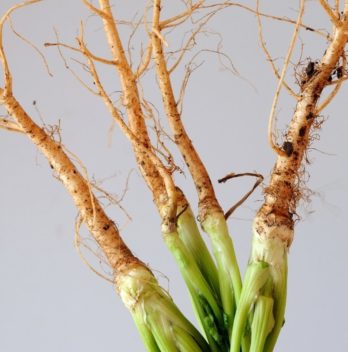
Remove the Stem from Water: The third step involves the removal of the stem from water. This should be done a few days after the stem was put in water and when the stem has begun to grow root. Once you begin to notice some roots on the stem, you can remove them from water.
Plant Stem: The fourth step involves the planting of the removed stem in the soil. Do this in well-prepared and tilled loam soil. After planting in the soil, steps must be taken to nurture the plant by weeding, manure application, and constant watering so that the plant can grow well.
Things To Note When Planting Cilantro
There are a few things that must be borne in mind when planting Cilantro for the best possible result to be actualized. Some of these things to note when growing cilantro include the following:
Planting Time: the best time to plant cilantro is during spring, after the last frost date, or in the fall. It is not advisable to plant cilantro in the summer heat. The plant will most likely bolt with a resulting bitter leaf.
Sunny Site: when planting, it is also best to consider a site where the plant will have access to sufficient sunlight. A sunny site will allow the cilantro to self-seed as it is supposed to. The warm weather usually aids the planting in quickly finishing its cycle and producing seeds.
Soil: the soil where cilantro seeds are to be planted ought to be soft, well-drained soil. A loamy soil should be used if you are expecting the best result.
Spacing: When planting cilantro, they should be spaced sufficiently to give room for blossoming. They should ideally be space 1-2 inches apart. For continued harvesting to be possible, it is best to sow the seeds at 3-weeks intervals.
Watering: cilantro performs well when the soil is moist. To achieve this, the plant ought to be watered regularly. Watering is more especially needed before the seeds germinate.
Fertilizer Application: during the growing season, the plant should be fertilized once or twice. Take care however not to over-fertilize the plant.
FAQ’s
Can you regrow store bought cilantro?
Yes, you can regrow cilantro from a bunch of leaves that you have cut off. You can regrow cilantro from cuttings in about 6 weeks. You need to start by collecting the stems from a bunch of fresh cilantro and put them in a jar with some water. You can leave the stems in there for about 24 hours, but make sure you change the water every day or so. When you’re done with that, drain the stems, put them in a pot, and fill it with some water. Let them soak overnight. In the morning, drain the stems and put them in a pot. Put the pot on the stove, turn the heat up to medium-high and bring the water to a boil. Once the water has come to a boil, lower the heat and simmer for 5 minutes. After 5 minutes, turn off the heat, let the cilantro sit in the water for 15 minutes, then drain the cilantro and spread it out on a cookie sheet to dry. Let it dry for a few days and then you can store it in an airtight container until you’re ready to plant it.
Cilantro (coriander) is one of the best herbs for your diet. It is an herb that is native to Mexico and has been used in Mexican cooking for centuries.
How do you grow cilantro?
Coriander is easy to grow and very forgiving. It’s unlikely to become spindly. If your plants are getting too tall, or if they’re struggling to grow, you might want to cut them back. In warmer climates, the plant doesn’t need much water until it starts to flower, but you’ll need to water it regularly. Keep it well-watered until it’s ready to bloom, then let it dry out for a few days before watering again.
What to do with cilantro after you harvest it?
The first thing you think of is a cilantro pesto. The fresh herb pairs well with tomatoes, garlic and olive oil, but what if you’re not into the strong flavor? I came up with this quick and easy cilantro pesto recipe after I had some leftover cilantro from a few weeks ago. It’s a great topping for tacos, burritos, quesadillas or enchiladas.
Cilantro tastes great in Mexican food. It’s also good in salad mixes, especially with tomatoes. The leaves can be tossed into salads or stirred into tomato-based soups and stews. And it’s tasty in marinades for fish and chicken. If you’re making salsa or a salsita, the stems are very flavorful as well. When the cilantro is ready to be harvested, snip off the stems at the base of the plant and tear the leaves off. Wash your hands after handling the cilantro. You can keep cilantro in a bowl of water or in the refrigerator, but it should be used within a few days.
How do you grow cilantro in a jar?
You can grow cilantro in a jar in a similar way as you would grow cilantro in a pot. You just need to be sure to use a glass jar, so that you don’t end up with cilantro in a plastic jar. And you need to water it a little bit less than you would normally. The reason is that cilantro doesn’t like to dry out. If you over-water it, it won’t grow as fast. But if you under-water it, it’ll stop growing. So just make sure you have enough room for the cilantro to grow, and then don’t let it get too dry.
Does cilantro need a lot of sun?
Cilantro is a leafy green herb. It should be planted where there is full sun and well-drained soil.
You can also plant cilantro in a container that has a saucer in the bottom to keep it from drying out. The best time to plant cilantro is after the last frost. It will flower and seed, but will not be ready to harvest until about 6 weeks later. If you are growing cilantro for your own use, you can cut off the leaves and save them in a glass of water in the fridge until you need them.
Can You Grow Cilantro From Cuttings: Conclusion
From the above, you can see it is very possible to grow cilantro from cuttings. The step involved is also quite easy.
Therefore, do well to follow the above steps to successfully grow cilantro from cuttings.
Cilantro can freeze only when exposed to high frosty temperatures if growing outside. Therefore, the prevailing atmospheric temperature outside determines your plants.
It is important to note that cilantro does not just freeze because it is planted outdoors. Instead, it freezes and dies when the climate exceeds the surviving capacity the plant can withstand. This process occurs during frosty cold temperatures when cilantro cannot withstand them.
Cilantro only freezes under ice-cold weather conditions, which mainly occurs when growing outdoors because they are exposed directly to severe cold conditions. When these temperatures drop drastically, cilantro is bound to freeze and die.
However, this shouldn’t discourage you from growing cilantro outdoors. A covering or a blanket for your garden can help preserve your plant’s life by preventing frosting from killing them. The covering for the blanket helps maintain the right temperature for a plant to grow.
Can Cilantro Withstand A Light Frost?
Cilantro can withstand a light frost. This is because cilantro is a frost-tolerant vegetable and thrives in a frosty environment. In addition, it does not die during winter like many other green vegetables.
However, the type of frost determines the survival of your cilantro plants. A light frost that occurs in temperatures 28 to 32 degrees Fahrenheit does not affect your cilantro plants. Cilantro does die due to a light frost. Frostbite lower than 28 degrees Fahrenheit is a hard frost and highly detrimental to your crop.
Cilantro cannot withstand such temperatures, especially when you have not provided any covering like gold frames, row covers, or low cold tunnels protecting them from severe cold weather conditions.
Under frosty conditions, the cilantro plant gets sweeter. This is because the cold weather causes them to convert their starches into sugar, making them taste sweeter.
What Temperature Does Cilantro Germinate?
Cilantro seeds can be hard to germinate. They are very susceptible to disease and fungal infections, which can interfere with sprouting. This is because the conditions for germination have to be just right. One of the most important factors that need to be just perfect for cilantro to germinate is temperature.
The germination rate of cilantro is naturally below 50%, but if you can ensure that other environmental conditions are optimal this rate can increase to about 70%.
The ideal temperature for cilantro seeds to germinate is in the range of 55 to 68 degrees Fahrenheit. Cilantro does not like cold temperatures and will definitely die and not germinate if exposed to freezing temperatures.
If you are germinating your cilantro in an indoor environment such as a greenhouse, can easily make sure that the temperature in the environment is up to standard. You can use heat lamps such as these, which are specifically formulated for seed germination.
If you have no access to a temperature-controlled area to germinate your cilantro seeds, you will need to germinate them in the summer or spring months when the temperatures are high enough. If you do it in the wrong season, you will not have any success, and therefore no crop.
Will Cilantro Grow Back After Bolting?
Unfortunately, once cilantro bolts it loses all its flavor and does not grow back. Trimming it by cutting off the white flowers will also not bring it back to life.
Let us discuss what bolting looks like so we can better understand this process. Bolting is the process when a plant produces flowers and goes to seed. This is a natural part of the plant’s life cycle and prepares for the following season by making seeds that can be planted. Some of the most common and fast-bolting plants alongside cilantro include basil, broccoli, lettuce, and Swiss chard.
When these plants start bolting, they start to produce and thick central stem and also start shooting out delicate little flowers (which are white in the case of cilantro) on the tip of the stem. Cilantro plants will grow very tall when bolting and will eventually turn yellow. At this point, the cilantro starts to get bitter and becomes inedible. The little ponds on the plant will develop into seeds, known as coriander.
Bolting signals the end of the life of your cilantro plant. To have a continual supply of this crop, you will need to plant your crops sequentially over time so that you always have a new crop coming up.
Bolting might seem like a disadvantage but it is actually good because it gives seeds to plant the next season. If you plant your cilantro sequentially, you will have a constant flow of seeds coming in and you will have the freedom to select the best ones ensuring further success for your future planting.
Conclusion
Unlike other green vegetables, cilantro does well under cooler temperatures. It is a cool-season plant that grows favorably in cold weather conditions due to its tolerant nature. It is however intolerant of freezing temperatures and will not germinate or grow well in these conditions.
Cilantro temperature tolerance outdoes many other vegetables because it withstands light frost temperature which actually helps it improve its life span.
Growing Cilantro requires some care, maintenance, and tolerance to the zone you are growing in and the sort of growing season have.
With adequate attention, you can enjoy prolonged and abundant harvests of rich, flavorful cilantro leaves. If some plants grow past you and go to seed, don’t despair. You can let them ripen into tasty coriander seeds or let them fall to earth and seed another set of cilantro plants.
FAQs
Is cilantro sensitive to frost?
Cilantro is fairly tolerant of cold weather. Cilantro can handle frost just fine. The problem with cilantro is that it grows best when you give it lots of water. If you’re planning to plant it in the fall, wait until spring before you put it out in the garden. You’ll have a better chance of having it grow well then. I’ve also heard that cilantro does not like to dry out. This is true as well. It won’t like to dry out as long as it is kept moist. I don’t think there is anything wrong with planting cilantro in the fall, but it’s best to wait until spring. It will still grow, but you won’t get as much from it. I would plant it early in the spring if you can, because it won’t grow as big or as well in the fall. Cilantro is a member of the mint family, but it’s more closely related to parsley. It’s often used as an herb and can be found in Mexican, Indian, Asian and Mediterranean cuisines. It’s also commonly used in Latin American dishes, including tacos and guacamole. Cilantro is known for its distinct flavor and is often used as an ingredient in cooking. When you add it to dishes, you’re adding a bit of spice to foods.
When can I put cilantro outside?
Cilantro likes heat, but can tolerate cooler temperatures, so the main thing you need to consider is when will it be cool enough for your plants.
You should try to get it started early (April-May) since it does well in summer and fall. But if you get it started in spring, you can plant in pots outside, and bring inside when it gets too hot. I am doing this right now. If it gets too warm, I’ll just bring it in. Cilantro is one of the easiest herbs to grow. The main thing to watch out for is that it doesn’t get too much heat, and doesn’t get cold temperatures, which will cause the leaves to curl.
What is the trick to growing cilantro?
It’s easy to grow and does well in a pot or hanging basket. It likes full sun, but can tolerate some shade. Cilantro can be grown in a pot on a sunny windowsill. I grow it year-round, but usually it’s too cold in the winter. You can grow it indoors in a houseplant container. Water it regularly. The plants are easy to propagate from seed, and if you get enough of them, they will multiply.
How often should I water cilantro?
You should water your cilantro once or twice a day.
Cilantro can freeze only when exposed to high frosty temperatures if growing outside. Therefore, the prevailing atmospheric temperature outside determines your plants.
It is important to note that cilantro does not just freeze because it is planted outdoors. Instead, it freezes and dies when the climate exceeds the surviving capacity the plant can withstand. This process occurs during frosty cold temperatures when cilantro cannot withstand them.
Cilantro only freezes under ice-cold weather conditions, which mainly occurs when growing outdoors because they are exposed directly to severe cold conditions. When these temperatures drop drastically, cilantro is bound to freeze and die.
However, this shouldn’t discourage you from growing cilantro outdoors. A covering or a blanket for your garden can help preserve your plant’s life by preventing frosting from killing them. The covering for the blanket helps maintain the right temperature for a plant to grow.
Can Cilantro Withstand A Light Frost?
Cilantro can withstand a light frost. This is because cilantro is a frost-tolerant vegetable and thrives in a frosty environment. In addition, it does not die during winter like many other green vegetables.
However, the type of frost determines the survival of your cilantro plants. A light frost that occurs in temperatures 28 to 32 degrees Fahrenheit does not affect your cilantro plants. Cilantro does die due to a light frost. Frostbite lower than 28 degrees Fahrenheit is a hard frost and highly detrimental to your crop.
Cilantro cannot withstand such temperatures, especially when you have not provided any covering like gold frames, row covers, or low cold tunnels protecting them from severe cold weather conditions.
Under frosty conditions, the cilantro plant gets sweeter. This is because the cold weather causes them to convert their starches into sugar, making them taste sweeter.
What Temperature Does Cilantro Germinate?
Cilantro seeds can be hard to germinate. They are very susceptible to disease and fungal infections, which can interfere with sprouting. This is because the conditions for germination have to be just right. One of the most important factors that need to be just perfect for cilantro to germinate is temperature.
The germination rate of cilantro is naturally below 50%, but if you can ensure that other environmental conditions are optimal this rate can increase to about 70%.
The ideal temperature for cilantro seeds to germinate is in the range of 55 to 68 degrees Fahrenheit. Cilantro does not like cold temperatures and will definitely die and not germinate if exposed to freezing temperatures.
If you are germinating your cilantro in an indoor environment such as a greenhouse, can easily make sure that the temperature in the environment is up to standard. You can use heat lamps such as these, which are specifically formulated for seed germination.
If you have no access to a temperature-controlled area to germinate your cilantro seeds, you will need to germinate them in the summer or spring months when the temperatures are high enough. If you do it in the wrong season, you will not have any success, and therefore no crop.
Will Cilantro Grow Back After Bolting?
Unfortunately, once cilantro bolts it loses all its flavor and does not grow back. Trimming it by cutting off the white flowers will also not bring it back to life.
Let us discuss what bolting looks like so we can better understand this process. Bolting is the process when a plant produces flowers and goes to seed. This is a natural part of the plant’s life cycle and prepares for the following season by making seeds that can be planted. Some of the most common and fast-bolting plants alongside cilantro include basil, broccoli, lettuce, and Swiss chard.
When these plants start bolting, they start to produce and thick central stem and also start shooting out delicate little flowers (which are white in the case of cilantro) on the tip of the stem. Cilantro plants will grow very tall when bolting and will eventually turn yellow. At this point, the cilantro starts to get bitter and becomes inedible. The little ponds on the plant will develop into seeds, known as coriander.
Bolting signals the end of the life of your cilantro plant. To have a continual supply of this crop, you will need to plant your crops sequentially over time so that you always have a new crop coming up.
Bolting might seem like a disadvantage but it is actually good because it gives seeds to plant the next season. If you plant your cilantro sequentially, you will have a constant flow of seeds coming in and you will have the freedom to select the best ones ensuring further success for your future planting.
Conclusion
Unlike other green vegetables, cilantro does well under cooler temperatures. It is a cool-season plant that grows favorably in cold weather conditions due to its tolerant nature. It is however intolerant of freezing temperatures and will not germinate or grow well in these conditions.
Cilantro temperature tolerance outdoes many other vegetables because it withstands light frost temperature which actually helps it improve its life span.
Growing Cilantro requires some care, maintenance, and tolerance to the zone you are growing in and the sort of growing season have.
With adequate attention, you can enjoy prolonged and abundant harvests of rich, flavorful cilantro leaves. If some plants grow past you and go to seed, don’t despair. You can let them ripen into tasty coriander seeds or let them fall to earth and seed another set of cilantro plants.
FAQs
Is cilantro sensitive to frost?
Cilantro is fairly tolerant of cold weather. Cilantro can handle frost just fine. The problem with cilantro is that it grows best when you give it lots of water. If you’re planning to plant it in the fall, wait until spring before you put it out in the garden. You’ll have a better chance of having it grow well then. I’ve also heard that cilantro does not like to dry out. This is true as well. It won’t like to dry out as long as it is kept moist. I don’t think there is anything wrong with planting cilantro in the fall, but it’s best to wait until spring. It will still grow, but you won’t get as much from it. I would plant it early in the spring if you can, because it won’t grow as big or as well in the fall. Cilantro is a member of the mint family, but it’s more closely related to parsley. It’s often used as an herb and can be found in Mexican, Indian, Asian and Mediterranean cuisines. It’s also commonly used in Latin American dishes, including tacos and guacamole. Cilantro is known for its distinct flavor and is often used as an ingredient in cooking. When you add it to dishes, you’re adding a bit of spice to foods.
When can I put cilantro outside?
Cilantro likes heat, but can tolerate cooler temperatures, so the main thing you need to consider is when will it be cool enough for your plants.
You should try to get it started early (April-May) since it does well in summer and fall. But if you get it started in spring, you can plant in pots outside, and bring inside when it gets too hot. I am doing this right now. If it gets too warm, I’ll just bring it in. Cilantro is one of the easiest herbs to grow. The main thing to watch out for is that it doesn’t get too much heat, and doesn’t get cold temperatures, which will cause the leaves to curl.
What is the trick to growing cilantro?
It’s easy to grow and does well in a pot or hanging basket. It likes full sun, but can tolerate some shade. Cilantro can be grown in a pot on a sunny windowsill. I grow it year-round, but usually it’s too cold in the winter. You can grow it indoors in a houseplant container. Water it regularly. The plants are easy to propagate from seed, and if you get enough of them, they will multiply.
How often should I water cilantro?
You should water your cilantro once or twice a day.
It cannot tolerate temperatures as low as 10 degrees Fahrenheit or higher than 85 degrees Fahrenheit. There are certain limitations to this peculiar plant when it comes to cold weather that you must know. They include:
Extreme cold temperature is detrimental to your cilantro plant. When the temperatures become too cold for plants, they lose their ability to grow well. This loss leads to the death of the plant.
Cilantro does not withstand temperatures that exceed 85 degrees Fahrenheit as the plant starts bolting. Bolting can result in a short harvest and the sprouting of seeds from the plant too early.
Cilantro does well during the winter as it happens to be its favorite growth temperature. That’s why this weather enhances the plant’s performance by ensuring faster growth and a longer lifespan.
It is best to cultivate cilantro during the winter growing season between April to May and September to October for better produce. However, it is essential to note that cilantro only withstands mild winter. If your area seems heavy in winter, the bone-freezing temperatures will only lead to the death of the plants.
Cilantro is a special kind of vegetable that does not grow like many others that belong to the green vegetable family.
The bottom line, cilantro can survive mild winter and do exceptionally well under such temperatures. Exposure to heavy winter temperatures is not favorable for cilantro growth and development.
Cilantro can freeze only when exposed to high frosty temperatures if growing outside. Therefore, the prevailing atmospheric temperature outside determines your plants.
It is important to note that cilantro does not just freeze because it is planted outdoors. Instead, it freezes and dies when the climate exceeds the surviving capacity the plant can withstand. This process occurs during frosty cold temperatures when cilantro cannot withstand them.
Cilantro only freezes under ice-cold weather conditions, which mainly occurs when growing outdoors because they are exposed directly to severe cold conditions. When these temperatures drop drastically, cilantro is bound to freeze and die.
However, this shouldn’t discourage you from growing cilantro outdoors. A covering or a blanket for your garden can help preserve your plant’s life by preventing frosting from killing them. The covering for the blanket helps maintain the right temperature for a plant to grow.
Can Cilantro Withstand A Light Frost?
Cilantro can withstand a light frost. This is because cilantro is a frost-tolerant vegetable and thrives in a frosty environment. In addition, it does not die during winter like many other green vegetables.
However, the type of frost determines the survival of your cilantro plants. A light frost that occurs in temperatures 28 to 32 degrees Fahrenheit does not affect your cilantro plants. Cilantro does die due to a light frost. Frostbite lower than 28 degrees Fahrenheit is a hard frost and highly detrimental to your crop.
Cilantro cannot withstand such temperatures, especially when you have not provided any covering like gold frames, row covers, or low cold tunnels protecting them from severe cold weather conditions.
Under frosty conditions, the cilantro plant gets sweeter. This is because the cold weather causes them to convert their starches into sugar, making them taste sweeter.
What Temperature Does Cilantro Germinate?
Cilantro seeds can be hard to germinate. They are very susceptible to disease and fungal infections, which can interfere with sprouting. This is because the conditions for germination have to be just right. One of the most important factors that need to be just perfect for cilantro to germinate is temperature.
The germination rate of cilantro is naturally below 50%, but if you can ensure that other environmental conditions are optimal this rate can increase to about 70%.
The ideal temperature for cilantro seeds to germinate is in the range of 55 to 68 degrees Fahrenheit. Cilantro does not like cold temperatures and will definitely die and not germinate if exposed to freezing temperatures.
If you are germinating your cilantro in an indoor environment such as a greenhouse, can easily make sure that the temperature in the environment is up to standard. You can use heat lamps such as these, which are specifically formulated for seed germination.
If you have no access to a temperature-controlled area to germinate your cilantro seeds, you will need to germinate them in the summer or spring months when the temperatures are high enough. If you do it in the wrong season, you will not have any success, and therefore no crop.
Will Cilantro Grow Back After Bolting?
Unfortunately, once cilantro bolts it loses all its flavor and does not grow back. Trimming it by cutting off the white flowers will also not bring it back to life.
Let us discuss what bolting looks like so we can better understand this process. Bolting is the process when a plant produces flowers and goes to seed. This is a natural part of the plant’s life cycle and prepares for the following season by making seeds that can be planted. Some of the most common and fast-bolting plants alongside cilantro include basil, broccoli, lettuce, and Swiss chard.
When these plants start bolting, they start to produce and thick central stem and also start shooting out delicate little flowers (which are white in the case of cilantro) on the tip of the stem. Cilantro plants will grow very tall when bolting and will eventually turn yellow. At this point, the cilantro starts to get bitter and becomes inedible. The little ponds on the plant will develop into seeds, known as coriander.
Bolting signals the end of the life of your cilantro plant. To have a continual supply of this crop, you will need to plant your crops sequentially over time so that you always have a new crop coming up.
Bolting might seem like a disadvantage but it is actually good because it gives seeds to plant the next season. If you plant your cilantro sequentially, you will have a constant flow of seeds coming in and you will have the freedom to select the best ones ensuring further success for your future planting.
Conclusion
Unlike other green vegetables, cilantro does well under cooler temperatures. It is a cool-season plant that grows favorably in cold weather conditions due to its tolerant nature. It is however intolerant of freezing temperatures and will not germinate or grow well in these conditions.
Cilantro temperature tolerance outdoes many other vegetables because it withstands light frost temperature which actually helps it improve its life span.
Growing Cilantro requires some care, maintenance, and tolerance to the zone you are growing in and the sort of growing season have.
With adequate attention, you can enjoy prolonged and abundant harvests of rich, flavorful cilantro leaves. If some plants grow past you and go to seed, don’t despair. You can let them ripen into tasty coriander seeds or let them fall to earth and seed another set of cilantro plants.
FAQs
Is cilantro sensitive to frost?
Cilantro is fairly tolerant of cold weather. Cilantro can handle frost just fine. The problem with cilantro is that it grows best when you give it lots of water. If you’re planning to plant it in the fall, wait until spring before you put it out in the garden. You’ll have a better chance of having it grow well then. I’ve also heard that cilantro does not like to dry out. This is true as well. It won’t like to dry out as long as it is kept moist. I don’t think there is anything wrong with planting cilantro in the fall, but it’s best to wait until spring. It will still grow, but you won’t get as much from it. I would plant it early in the spring if you can, because it won’t grow as big or as well in the fall. Cilantro is a member of the mint family, but it’s more closely related to parsley. It’s often used as an herb and can be found in Mexican, Indian, Asian and Mediterranean cuisines. It’s also commonly used in Latin American dishes, including tacos and guacamole. Cilantro is known for its distinct flavor and is often used as an ingredient in cooking. When you add it to dishes, you’re adding a bit of spice to foods.
When can I put cilantro outside?
Cilantro likes heat, but can tolerate cooler temperatures, so the main thing you need to consider is when will it be cool enough for your plants.
You should try to get it started early (April-May) since it does well in summer and fall. But if you get it started in spring, you can plant in pots outside, and bring inside when it gets too hot. I am doing this right now. If it gets too warm, I’ll just bring it in. Cilantro is one of the easiest herbs to grow. The main thing to watch out for is that it doesn’t get too much heat, and doesn’t get cold temperatures, which will cause the leaves to curl.
What is the trick to growing cilantro?
It’s easy to grow and does well in a pot or hanging basket. It likes full sun, but can tolerate some shade. Cilantro can be grown in a pot on a sunny windowsill. I grow it year-round, but usually it’s too cold in the winter. You can grow it indoors in a houseplant container. Water it regularly. The plants are easy to propagate from seed, and if you get enough of them, they will multiply.
How often should I water cilantro?
You should water your cilantro once or twice a day.
Set the seeds in soft well-loosened soil with compost added to grow your cilantro from seed. Set the seeds in January or February for a spring crop or a fall crop in September.
Cilantro is a cool-season crop, but that’s best to add cold to freezing temperatures. The cilantro temperature tolerance is high because they have a cold hardy nature. Cold weather conditions are the best for growing cilantro plants.
Cold weather enhances its plant’s lifespan by extending its greenish nature and leafiness so you can harvest from it for a more extended period. The cold weather also prevents it from bolting or blooming too early.
The cilantro plant needs cold weather for its overall effective growth and development as well as its survival lost their phone(?) it drives better in cold weather and hot and sunny weather.
The cold-hardy nature or temperature tolerance of cilantro makes it possible for you to survive in cold weather without wilting. The cold weather not only helps cilantro survive but it accelerates its growth rate while enhancing its longevity.
However, freezing temperatures can cause the death of this plant. Cilantro thrives at temperatures between 50 and 5 degrees Fahrenheit, the best weather for its growth.
It cannot tolerate temperatures as low as 10 degrees Fahrenheit or higher than 85 degrees Fahrenheit. There are certain limitations to this peculiar plant when it comes to cold weather that you must know. They include:
Extreme cold temperature is detrimental to your cilantro plant. When the temperatures become too cold for plants, they lose their ability to grow well. This loss leads to the death of the plant.
Cilantro does not withstand temperatures that exceed 85 degrees Fahrenheit as the plant starts bolting. Bolting can result in a short harvest and the sprouting of seeds from the plant too early.
Cilantro does well during the winter as it happens to be its favorite growth temperature. That’s why this weather enhances the plant’s performance by ensuring faster growth and a longer lifespan.
It is best to cultivate cilantro during the winter growing season between April to May and September to October for better produce. However, it is essential to note that cilantro only withstands mild winter. If your area seems heavy in winter, the bone-freezing temperatures will only lead to the death of the plants.
Cilantro is a special kind of vegetable that does not grow like many others that belong to the green vegetable family.
The bottom line, cilantro can survive mild winter and do exceptionally well under such temperatures. Exposure to heavy winter temperatures is not favorable for cilantro growth and development.
Cilantro can freeze only when exposed to high frosty temperatures if growing outside. Therefore, the prevailing atmospheric temperature outside determines your plants.
It is important to note that cilantro does not just freeze because it is planted outdoors. Instead, it freezes and dies when the climate exceeds the surviving capacity the plant can withstand. This process occurs during frosty cold temperatures when cilantro cannot withstand them.
Cilantro only freezes under ice-cold weather conditions, which mainly occurs when growing outdoors because they are exposed directly to severe cold conditions. When these temperatures drop drastically, cilantro is bound to freeze and die.
However, this shouldn’t discourage you from growing cilantro outdoors. A covering or a blanket for your garden can help preserve your plant’s life by preventing frosting from killing them. The covering for the blanket helps maintain the right temperature for a plant to grow.
Can Cilantro Withstand A Light Frost?
Cilantro can withstand a light frost. This is because cilantro is a frost-tolerant vegetable and thrives in a frosty environment. In addition, it does not die during winter like many other green vegetables.
However, the type of frost determines the survival of your cilantro plants. A light frost that occurs in temperatures 28 to 32 degrees Fahrenheit does not affect your cilantro plants. Cilantro does die due to a light frost. Frostbite lower than 28 degrees Fahrenheit is a hard frost and highly detrimental to your crop.
Cilantro cannot withstand such temperatures, especially when you have not provided any covering like gold frames, row covers, or low cold tunnels protecting them from severe cold weather conditions.
Under frosty conditions, the cilantro plant gets sweeter. This is because the cold weather causes them to convert their starches into sugar, making them taste sweeter.
What Temperature Does Cilantro Germinate?
Cilantro seeds can be hard to germinate. They are very susceptible to disease and fungal infections, which can interfere with sprouting. This is because the conditions for germination have to be just right. One of the most important factors that need to be just perfect for cilantro to germinate is temperature.
The germination rate of cilantro is naturally below 50%, but if you can ensure that other environmental conditions are optimal this rate can increase to about 70%.
The ideal temperature for cilantro seeds to germinate is in the range of 55 to 68 degrees Fahrenheit. Cilantro does not like cold temperatures and will definitely die and not germinate if exposed to freezing temperatures.
If you are germinating your cilantro in an indoor environment such as a greenhouse, can easily make sure that the temperature in the environment is up to standard. You can use heat lamps such as these, which are specifically formulated for seed germination.
If you have no access to a temperature-controlled area to germinate your cilantro seeds, you will need to germinate them in the summer or spring months when the temperatures are high enough. If you do it in the wrong season, you will not have any success, and therefore no crop.
Will Cilantro Grow Back After Bolting?
Unfortunately, once cilantro bolts it loses all its flavor and does not grow back. Trimming it by cutting off the white flowers will also not bring it back to life.
Let us discuss what bolting looks like so we can better understand this process. Bolting is the process when a plant produces flowers and goes to seed. This is a natural part of the plant’s life cycle and prepares for the following season by making seeds that can be planted. Some of the most common and fast-bolting plants alongside cilantro include basil, broccoli, lettuce, and Swiss chard.
When these plants start bolting, they start to produce and thick central stem and also start shooting out delicate little flowers (which are white in the case of cilantro) on the tip of the stem. Cilantro plants will grow very tall when bolting and will eventually turn yellow. At this point, the cilantro starts to get bitter and becomes inedible. The little ponds on the plant will develop into seeds, known as coriander.
Bolting signals the end of the life of your cilantro plant. To have a continual supply of this crop, you will need to plant your crops sequentially over time so that you always have a new crop coming up.
Bolting might seem like a disadvantage but it is actually good because it gives seeds to plant the next season. If you plant your cilantro sequentially, you will have a constant flow of seeds coming in and you will have the freedom to select the best ones ensuring further success for your future planting.
Conclusion
Unlike other green vegetables, cilantro does well under cooler temperatures. It is a cool-season plant that grows favorably in cold weather conditions due to its tolerant nature. It is however intolerant of freezing temperatures and will not germinate or grow well in these conditions.
Cilantro temperature tolerance outdoes many other vegetables because it withstands light frost temperature which actually helps it improve its life span.
Growing Cilantro requires some care, maintenance, and tolerance to the zone you are growing in and the sort of growing season have.
With adequate attention, you can enjoy prolonged and abundant harvests of rich, flavorful cilantro leaves. If some plants grow past you and go to seed, don’t despair. You can let them ripen into tasty coriander seeds or let them fall to earth and seed another set of cilantro plants.
FAQs
Is cilantro sensitive to frost?
Cilantro is fairly tolerant of cold weather. Cilantro can handle frost just fine. The problem with cilantro is that it grows best when you give it lots of water. If you’re planning to plant it in the fall, wait until spring before you put it out in the garden. You’ll have a better chance of having it grow well then. I’ve also heard that cilantro does not like to dry out. This is true as well. It won’t like to dry out as long as it is kept moist. I don’t think there is anything wrong with planting cilantro in the fall, but it’s best to wait until spring. It will still grow, but you won’t get as much from it. I would plant it early in the spring if you can, because it won’t grow as big or as well in the fall. Cilantro is a member of the mint family, but it’s more closely related to parsley. It’s often used as an herb and can be found in Mexican, Indian, Asian and Mediterranean cuisines. It’s also commonly used in Latin American dishes, including tacos and guacamole. Cilantro is known for its distinct flavor and is often used as an ingredient in cooking. When you add it to dishes, you’re adding a bit of spice to foods.
When can I put cilantro outside?
Cilantro likes heat, but can tolerate cooler temperatures, so the main thing you need to consider is when will it be cool enough for your plants.
You should try to get it started early (April-May) since it does well in summer and fall. But if you get it started in spring, you can plant in pots outside, and bring inside when it gets too hot. I am doing this right now. If it gets too warm, I’ll just bring it in. Cilantro is one of the easiest herbs to grow. The main thing to watch out for is that it doesn’t get too much heat, and doesn’t get cold temperatures, which will cause the leaves to curl.
What is the trick to growing cilantro?
It’s easy to grow and does well in a pot or hanging basket. It likes full sun, but can tolerate some shade. Cilantro can be grown in a pot on a sunny windowsill. I grow it year-round, but usually it’s too cold in the winter. You can grow it indoors in a houseplant container. Water it regularly. The plants are easy to propagate from seed, and if you get enough of them, they will multiply.
How often should I water cilantro?
You should water your cilantro once or twice a day.
It is vital to know the cilantro temperature tolerance when growing it to ensure you are providing the proper growing atmosphere.
Cilantro is a sharp and distinct flavored plant that adds a unique interest to many foods, especially Mexican cuisine. It is used to flavor salads, seafood, salsa, chicken, assorted sauces, and more. This herb is one of the most popular plants among gardeners and thrives in cooler climates.
It is easy to do, especially if you keep planting successions. This plant produces a good crop of cilantro, leaves, and coriander, the seeds used differently in cooking. Some varieties are grown for leaf production, while others are for seed production.
Cilantro Temperature Tolerance
Cilantro is a cool-season plant that thrives best in temperatures between 50 and 85 degrees Fahrenheit. Intolerance temperatures are as low as 10 degrees Fahrenheit, but it starts to bolt if the temperatures go higher than 85 degrees Fahrenheit.
The best time to grow cilantro in Texas is in February for an April harvest and September for a November harvest. Weekly plantings ensure you have a continuous surplus group.
Set the seeds in soft well-loosened soil with compost added to grow your cilantro from seed. Set the seeds in January or February for a spring crop or a fall crop in September.
Cilantro is a cool-season crop, but that’s best to add cold to freezing temperatures. The cilantro temperature tolerance is high because they have a cold hardy nature. Cold weather conditions are the best for growing cilantro plants.
Cold weather enhances its plant’s lifespan by extending its greenish nature and leafiness so you can harvest from it for a more extended period. The cold weather also prevents it from bolting or blooming too early.
The cilantro plant needs cold weather for its overall effective growth and development as well as its survival lost their phone(?) it drives better in cold weather and hot and sunny weather.
The cold-hardy nature or temperature tolerance of cilantro makes it possible for you to survive in cold weather without wilting. The cold weather not only helps cilantro survive but it accelerates its growth rate while enhancing its longevity.
However, freezing temperatures can cause the death of this plant. Cilantro thrives at temperatures between 50 and 5 degrees Fahrenheit, the best weather for its growth.
It cannot tolerate temperatures as low as 10 degrees Fahrenheit or higher than 85 degrees Fahrenheit. There are certain limitations to this peculiar plant when it comes to cold weather that you must know. They include:
Extreme cold temperature is detrimental to your cilantro plant. When the temperatures become too cold for plants, they lose their ability to grow well. This loss leads to the death of the plant.
Cilantro does not withstand temperatures that exceed 85 degrees Fahrenheit as the plant starts bolting. Bolting can result in a short harvest and the sprouting of seeds from the plant too early.
Cilantro does well during the winter as it happens to be its favorite growth temperature. That’s why this weather enhances the plant’s performance by ensuring faster growth and a longer lifespan.
It is best to cultivate cilantro during the winter growing season between April to May and September to October for better produce. However, it is essential to note that cilantro only withstands mild winter. If your area seems heavy in winter, the bone-freezing temperatures will only lead to the death of the plants.
Cilantro is a special kind of vegetable that does not grow like many others that belong to the green vegetable family.
The bottom line, cilantro can survive mild winter and do exceptionally well under such temperatures. Exposure to heavy winter temperatures is not favorable for cilantro growth and development.
Cilantro can freeze only when exposed to high frosty temperatures if growing outside. Therefore, the prevailing atmospheric temperature outside determines your plants.
It is important to note that cilantro does not just freeze because it is planted outdoors. Instead, it freezes and dies when the climate exceeds the surviving capacity the plant can withstand. This process occurs during frosty cold temperatures when cilantro cannot withstand them.
Cilantro only freezes under ice-cold weather conditions, which mainly occurs when growing outdoors because they are exposed directly to severe cold conditions. When these temperatures drop drastically, cilantro is bound to freeze and die.
However, this shouldn’t discourage you from growing cilantro outdoors. A covering or a blanket for your garden can help preserve your plant’s life by preventing frosting from killing them. The covering for the blanket helps maintain the right temperature for a plant to grow.
Can Cilantro Withstand A Light Frost?
Cilantro can withstand a light frost. This is because cilantro is a frost-tolerant vegetable and thrives in a frosty environment. In addition, it does not die during winter like many other green vegetables.
However, the type of frost determines the survival of your cilantro plants. A light frost that occurs in temperatures 28 to 32 degrees Fahrenheit does not affect your cilantro plants. Cilantro does die due to a light frost. Frostbite lower than 28 degrees Fahrenheit is a hard frost and highly detrimental to your crop.
Cilantro cannot withstand such temperatures, especially when you have not provided any covering like gold frames, row covers, or low cold tunnels protecting them from severe cold weather conditions.
Under frosty conditions, the cilantro plant gets sweeter. This is because the cold weather causes them to convert their starches into sugar, making them taste sweeter.
What Temperature Does Cilantro Germinate?
Cilantro seeds can be hard to germinate. They are very susceptible to disease and fungal infections, which can interfere with sprouting. This is because the conditions for germination have to be just right. One of the most important factors that need to be just perfect for cilantro to germinate is temperature.
The germination rate of cilantro is naturally below 50%, but if you can ensure that other environmental conditions are optimal this rate can increase to about 70%.
The ideal temperature for cilantro seeds to germinate is in the range of 55 to 68 degrees Fahrenheit. Cilantro does not like cold temperatures and will definitely die and not germinate if exposed to freezing temperatures.
If you are germinating your cilantro in an indoor environment such as a greenhouse, can easily make sure that the temperature in the environment is up to standard. You can use heat lamps such as these, which are specifically formulated for seed germination.
If you have no access to a temperature-controlled area to germinate your cilantro seeds, you will need to germinate them in the summer or spring months when the temperatures are high enough. If you do it in the wrong season, you will not have any success, and therefore no crop.
Will Cilantro Grow Back After Bolting?
Unfortunately, once cilantro bolts it loses all its flavor and does not grow back. Trimming it by cutting off the white flowers will also not bring it back to life.
Let us discuss what bolting looks like so we can better understand this process. Bolting is the process when a plant produces flowers and goes to seed. This is a natural part of the plant’s life cycle and prepares for the following season by making seeds that can be planted. Some of the most common and fast-bolting plants alongside cilantro include basil, broccoli, lettuce, and Swiss chard.
When these plants start bolting, they start to produce and thick central stem and also start shooting out delicate little flowers (which are white in the case of cilantro) on the tip of the stem. Cilantro plants will grow very tall when bolting and will eventually turn yellow. At this point, the cilantro starts to get bitter and becomes inedible. The little ponds on the plant will develop into seeds, known as coriander.
Bolting signals the end of the life of your cilantro plant. To have a continual supply of this crop, you will need to plant your crops sequentially over time so that you always have a new crop coming up.
Bolting might seem like a disadvantage but it is actually good because it gives seeds to plant the next season. If you plant your cilantro sequentially, you will have a constant flow of seeds coming in and you will have the freedom to select the best ones ensuring further success for your future planting.
Conclusion
Unlike other green vegetables, cilantro does well under cooler temperatures. It is a cool-season plant that grows favorably in cold weather conditions due to its tolerant nature. It is however intolerant of freezing temperatures and will not germinate or grow well in these conditions.
Cilantro temperature tolerance outdoes many other vegetables because it withstands light frost temperature which actually helps it improve its life span.
Growing Cilantro requires some care, maintenance, and tolerance to the zone you are growing in and the sort of growing season have.
With adequate attention, you can enjoy prolonged and abundant harvests of rich, flavorful cilantro leaves. If some plants grow past you and go to seed, don’t despair. You can let them ripen into tasty coriander seeds or let them fall to earth and seed another set of cilantro plants.
FAQs
Is cilantro sensitive to frost?
Cilantro is fairly tolerant of cold weather. Cilantro can handle frost just fine. The problem with cilantro is that it grows best when you give it lots of water. If you’re planning to plant it in the fall, wait until spring before you put it out in the garden. You’ll have a better chance of having it grow well then. I’ve also heard that cilantro does not like to dry out. This is true as well. It won’t like to dry out as long as it is kept moist. I don’t think there is anything wrong with planting cilantro in the fall, but it’s best to wait until spring. It will still grow, but you won’t get as much from it. I would plant it early in the spring if you can, because it won’t grow as big or as well in the fall. Cilantro is a member of the mint family, but it’s more closely related to parsley. It’s often used as an herb and can be found in Mexican, Indian, Asian and Mediterranean cuisines. It’s also commonly used in Latin American dishes, including tacos and guacamole. Cilantro is known for its distinct flavor and is often used as an ingredient in cooking. When you add it to dishes, you’re adding a bit of spice to foods.
When can I put cilantro outside?
Cilantro likes heat, but can tolerate cooler temperatures, so the main thing you need to consider is when will it be cool enough for your plants.
You should try to get it started early (April-May) since it does well in summer and fall. But if you get it started in spring, you can plant in pots outside, and bring inside when it gets too hot. I am doing this right now. If it gets too warm, I’ll just bring it in. Cilantro is one of the easiest herbs to grow. The main thing to watch out for is that it doesn’t get too much heat, and doesn’t get cold temperatures, which will cause the leaves to curl.
What is the trick to growing cilantro?
It’s easy to grow and does well in a pot or hanging basket. It likes full sun, but can tolerate some shade. Cilantro can be grown in a pot on a sunny windowsill. I grow it year-round, but usually it’s too cold in the winter. You can grow it indoors in a houseplant container. Water it regularly. The plants are easy to propagate from seed, and if you get enough of them, they will multiply.
How often should I water cilantro?
You should water your cilantro once or twice a day.
Spaghetti squash growing stages a simple and straight forward and any gardener who wants to grow their own can easily follow them.
Spaghetti squash is one of the most popular types of winter squash. It is a great pasta substitute, especially if you’re trying to eat healthier and add more vegetables to your diet. When pulled apart using a fork, the interior cooked spaghetti squash is noodle-like and stringy, mimicking pasta perfectly.
It has a mild flavor taste, especially when topped with garlic pesto or marinara sauce. It is straightforward to grow spaghetti squash as long as you have enough room in your garden.
Here, we will learn the different spaghetti squash growing stages you will need to follow when growing these plants.
What Is Spaghetti Squash?
Spaghetti squash or Cucurbita pepo is a type of winter squash. It is known for its hard rind and long shelf life. Other types of winter squash in the same class as spaghetti squash include butternut, acorn, delicata, and buttercup.
Winter squash has a reasonably long growing before it matures, and its fruits are harvested late in the growing season. The fruits will last for months if stored properly at room temperature in a cool, dry place.
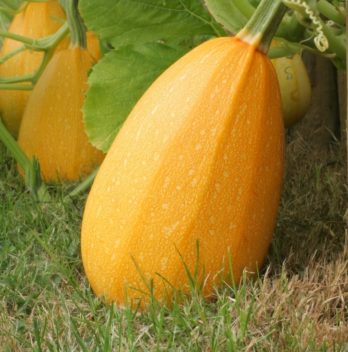
Unlike other winter varieties, Spaghetti squash does not have creamy and smooth flesh; instead, it’s stringy and unique. Its skin is smooth, producing a soft yellow color at maturity.
When you are growing your spaghetti squash, it is vital to know its growing stages so that you can cross-check your plans to see if they’re doing well. Let’s look at the stages of growing spaghetti squash.
Stage 1 – Starting Spaghetti Squash From Seed
To start your spaghetti squash seeds, you will need to wait for the warm climatic conditions to set in early spring. You will require a long growing season with one climatic condition that will include warmth when planting. That said, the spaghetti seeds should be sowed after the last frost date has passed.
Most gardeners have a standard way of starting their spaghetti squash seeds indoors as they wait for the frost date to pass and the soil to warm up.
If you start your seeds indoors, ensure you do so a month to the last frost date in your area. Your seedlings will germinate and at least get some leaves in a month. Use large containers when starting them indoors instead of small seed trays.
Put 3 to 4 seeds in each container that has the size of about 3 inches wide. Sow each seed at a depth of 1 inch under the soil. Place your pot’s location where it warms up to help with proper germination when sprouting.
Our Pick
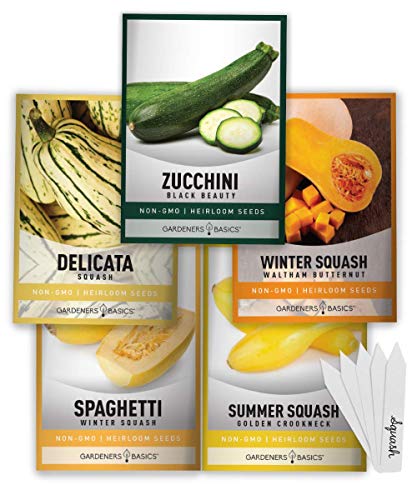
Squash Seeds for Planting 5 Individual Packets – Zucchini, Delicata, Butternut, Spaghetti and Golden Crookneck
$9.95
Gardeners Basics Squash Seeds for Your Non-GMO Heirloom Vegetable Garden
We earn a commission if you make a purchase, at no additional cost to you.
02/02/2026 04:04 am GMT
Stage 2 – Transplanting Your Spaghetti Squash Seedlings
After the frost is over, you will have to wait for at least 15 days to transplant your seedlings.
If you have cold weather conditions, you can lay back a black plastic on the ground of your garden to warm your soil before transplanting.
You may also consider growing spaghetti squash in hills or raised beds. You can grow your squash vertical to save you space, but spaghetti squash is not a good idea. The fruits of the spaghetti squash are not too big and don’t look good if you offer support to them on the vine when they’re hanging mid-air.
When you are ready to transplant, ensure that your soil is loose enough to take in a sibling and add some aged compost manure before planting. Squash labs soil has a good amount of nutrients as it is a heavy feeder.
Ensure the location that you are transplanting your spaghetti squash has full sun and space them at least 3 feet apart per hill. If you experience too much sun, it is advisable to provide them with at least 6 hours of sun and partial shade.
Stage 3 – Care And Maintenance When Growing Spaghetti Squash
Once you have planted your spaghetti squash seedlings, it is time to take care of them.
After the hot summer has passed, you will need to take off any new flowers produced by the squash vines. This is because there isn’t sufficient time for them to reach maturity, and the plant’s resources will be used in a better way to grow the squash that is already developed on the vine. By doing this, your squash will be growing in the complete season.
Provide good mulching or lids for your fruit to protect it from the rot that comes from being laid on the soil.
Keep your spaghetti plants well-watered and free from weeds as the leaves develop. Once the leaves are completely grown, they will start shading the soil surrounding them, eliminating the weeds without your help.
To help save your space, try to plant a variety of squash as a bush. Select the types that do well as a bush or vines, depending on the amount of space you have.
If you are growing your spaghetti squash in a large pot provided with at least five gallons of water every day for every plant.
Provide your spaghetti squash with a bit of feeding during the growing season to replenish any nutrients the soil may not be providing.
The most common pests that affect spaghetti squash are cucumber beetle and squash bugs. These are sufficiently big and can be taken of your plants using your hand immediately you spot them. Ensure that you check the lower and upper sides of the leaves, looking for pests.
Remove every weed as it commonly encourages mildew if the climatic conditions are damp. Mildew looks like white powder dust on the leaves and affects the development of your plant. Use fungicide sprays to help clear this mildew, and you can also prevent it by watering your squash plants at the soil base rather than sprinkling water leaves.
Your plant should be growing well at this stage.
Stage 4 – Harvesting Spaghetti Squash
Push your nails into the external skin to check if your spaghetti squash is ready for harvest. The skin of a spaghetti squash needs to be sufficiently tough to tolerate your fingernail full stop; if the skin is light and gets punctured quickly, your squash needs more time to grow.
Another indication to check is when vines start to wither. This sign shows that your spaghetti squash is ready for harvest.
Stage 5 – Storing Your Spaghetti Squash
You can store your spaghetti squash at room temperature where the weather conditions are dry. You can keep a whole squash in a refrigerator for 15 days before it starts to lose its texture.
Store your spaghetti squash away from moisture or any dampness if you want them to survive for months.
FAQs
How long does it take for spaghetti squash to grow?
It can take a while. Spaghetti squash can be grown from seed in about 90 days. The seeds are tiny, but it’s still easy to grow one. It does need the light of day and a warm temperature to grow well. In the fall, it can be stored in the fridge or freezer until the spring, when you can plant it again.
Is spaghetti squash easy to grow?
Spaghetti squash is a popular vegetable and is one of the easiest vegetables to grow at home and can be enjoyed as a delicious side dish or main course. Spaghetti squash likes to grow in warm, moist soil. It grows best in soil that has been amended with composted manure and other nutrients. Spaghetti squash also enjoys regular watering. Spaghetti squash seeds are often sold in seed starting trays. These trays contain small pockets of soil where the seeds can germinate and grow into seedlings. You can also purchase pre-germinated seeds. Spaghetti needs a lot of water. The squash will grow best when you water it about twice a week during the summer months.
Do spaghetti squash plants climb?
Spaghetti squash are not climbers, but if you cut the top off, the squash will continue to grow, just not develop a vine. The leaves will continue to grow, and you’ll need to keep harvesting the squash from the plant as it grows, or it will get too big. Spaghetti squash tend to have a “vines” that you can see from a distance. The vine is actually the stem of the fruit, and it has the seeds attached to it. It does not grow in a regular upright fashion, but rather grows horizontally.
Do spaghetti squash need full sun?
Spaghetti squash is a warm-season plant and needs at least 6 hours of direct sunlight per day. In the summer months, it will do fine with some shade, but in the spring and fall, it will do better with full sun. Squash grows best in average soil, but also will tolerate poor, sandy soil.
Does spaghetti squash do well in the winter?
Since spaghetti squash is not a true vegetable, it does not do well when the temperatures are too cold. They do well when the temperatures are above freezing, but they can freeze when the temperatures fall below that.
Why is my spaghetti squash not growing?
Spaghetti squash needs around 60 degrees to grow well, and your location may not be able to support this. If you’re in a warmer area, check your soil temperature before you plant. Also, check the bottom of your container – if it is getting too warm, it may be causing the squash to stop growing.You should be able to grow it inside or in a pot, so if you have a windowsill or balcony, put it there. If you don’t have that, put it on your windowsill. If you’re growing outside, your squash is going to need at least four hours of direct sunlight each day. Make sure that it is exposed to the sun and has a place to dry out during the day.
Also, it may be because of a fungal infection.
Conclusion
The above information shows the spaghetti squash growing stages you will need to look out for when growing your own. Squash has plenty of nutrients that our bodies require. And what better way to replenish our bodies and grow a bountiful crop of spaghetti squash and use it to better our health.
It is important to know how long does it take to grow squash before planting so you can prepare for harvesting, storing, and using.
Squash is one of the typical food rich in vitamin A. This is why growing squash is not only good for your eyes but also your overall health. From tender growing zucchini to sweet and dense butternut squash, it is easy to grow and adds immense richness to meals replacing high carb with low nutrient foods.
In this guide, we will look at how long does it take squash to grow and everything else about growing it at home.
How Long Does It Take To Grow Squash?
Winter Squash takes about 80 to 100 days to grow. This type of squash is allowed to mature on the vine, and you can store it for several months. Its skin is thicker and tougher to pierce or cut through.
Summer Squash takes around 55 to 65 days to mature. Summer squash, mostly Cucurbita pepo, are harvested prematurely before their skin hardens. It is best to harvest them when you can pierce the skin easily with a fingernail. When you think of summer squash, think zucchini and yellow squash.
Squash requires enough time to grow before you can harvest it; you will need to apply plenty of water and fertilizer to yield a good crop.
What Type Of Squash Do You Want To Grow?
Having seen how long does squash take to grow, you can choose the best squash variety according to your personal taste. You will also need to know what varieties thrive in your USDA hardiness zones. Before planting, you will also need to know if you’re growing a summer or winter squash. Here are some of the most commonly grown squash varieties you can choose from.
Acorn Squash
Acorn squash is an all-round variety that has a delicious taste. It can be eaten immediately after harvesting or after a month of curing. It is best when consumed within two to three months. Its yellow to orange flesh grows inside a deep green skin with small orange spots. This plant sprawls less than other vining varieties but still requires at least 2 to 3 feet to thrive. Acorn squash is excellent when stuffed with grains or vegetables or cooked in butter and maple syrup.
Buttercup
Buttercup can last up to 5 months after harvesting. It has a sweet potato texture and a delicious flavour. Once harvested, it requires at least one month of curing to bring out its best flavour. Its vines like to travel around, requiring plenty of space when growing. Buttercup squash is excellent when eaten mashed, moistened with water or milk, roasted, or added to warm winter soups.
Delicata
This lovely winter squash has creamy yellow skin with dappled green stripes. It has a mild flavour and works great for stuffing, steaming, or roasting. It takes up less space when growing in the garden than many larger varieties. Be sure to check if you’re growing a vining or a bush type because this variety comes in both.
Our Pick
Squash Seeds for Planting 5 Individual Packets – Zucchini, Delicata, Butternut, Spaghetti and Golden Crookneck
$9.95
Gardeners Basics Squash Seeds for Your Non-GMO Heirloom Vegetable Garden
We earn a commission if you make a purchase, at no additional cost to you.
02/02/2026 04:04 am GMT
Hubbard
Hubbard is a long-lasting squash variety that can last for 6 months? It is best eaten after one month of harvesting and curing. Hubbards are a beautiful addition to any garden producing fruits that range from pale blue-green to deep orange. Who bags come in various sizes, from a single serving baby variety to 40 pounds.
Spaghetti
The bright yellow spaghetti squash has grown its popularity over the last decade as a replacement for pasta. When this variety is baked, its flesh is easily shredded to look like spaghetti and tastes even better. This variety requires plenty of space to grow. It doesn’t last as long after harvesting, maybe about 2 to 3 months. However, if you can eat it right away, you will enjoy its delicious flavour.
Sugar Pumpkin
Sugar pumpkin variety is the best for making soups, pies and baking. Most people blame its size for being small, but its flavour is more prominent. It is best to harvest sugar pumpkin and eat it right away or keep it for 3 to 4 months to use in your Thanksgiving desserts.
Zucchini
Zucchini is a favourite to many gardeners, thanks to its high production and versatility in the kitchen. It needs a concentrated area of about 4 to 5 feet to thrive and requires enough spacing between 2 plants. 1 or 2 plants are enough since they produce all summer long. Zucchini can be enjoyed in curries, stir-frys, salads, or pasta dishes. It can also be grated into bread and cakes. Try out some of its colourful variety, like yellow zucchini, to spice up your garden.
Planting And Growing
Now that we know how long does it take for squash to grow, we can learn how to plant it.
When Is The Best Time To Plant Squash?
Squash has different seasons that favour them; both summer and winter squash are warm-weather plants. Before planting, wait until the soil temperature warms up to at least 60 degrees Fahrenheit before you can sew your seeds. This ensures that your seeds do not rot before they sprout.
You can also sow your seeds at least 2 to 4 weeks before the last frost date in a heated greenhouse. The same goes when transplanting seedlings. Don’t set them out until the weather has warmed up to 70 degrees Fahrenheit. Always check with your local extension agent for weather information in your region.
In general, squash plants require enough room to spread out. But the exact space depends on the precise variety or growing, whether it’s vining or bush. Consider the following recommendations for each variety.
For Bush varieties, space them at least 4 to 6 ft apart in rows and 15 to 20 inches a pot for plants.
For vining varieties, space them at least 6 to 12 feet apart for rows and 15 to 20 inches apart for plants. These are a favourite for many gardeners who also plant them in hills. Space your hills at least 6 to 8 ft apart.
FAQs
What month do you plant squash?
Squash are a warm season crop, and should be planted about 3 weeks after the last frost date in your area. For the most part you want to plant them as soon as the soil can be worked, usually around mid March.
However, if you live in an area with short growing season, it’s best to wait until closer to the end of April or early May. When you start planting, choose a sunny spot that has good drainage and is well-fertilized. Make sure to give the plants plenty of room to grow. You can plant in blocks, or just plant seeds directly into the garden bed. They will need to be watered regularly until they germinate. When the seeds germinate, you can either start them in seed flats or plant them directly into the garden bed.
How long does squash take to fully grow?
Squash are a summer squash, not a winter squash. If you want to harvest it in the fall, it will take about 50-60 days from planting time until harvest. Squash don’t really require a ton of work, you just have to make sure that you water them regularly and keep the weeds away so that they get enough sunlight. Squash plants can be grown from seed or from transplants. They are not very fussy about soil conditions, but do require plenty of sunlight, moisture, and good air circulation. Squash is an annual vegetable that needs to be started indoors in early spring. You can plant the seeds directly into the ground when temperatures begin to warm up.
How often do you water squash?
Squash plants like to have a good amount of moisture but not too much. Too much water can cause the leaves to look puckered and wrinkled, which is called “water burn.” If you live in a warm climate, you may find yourself watering your squash plant every other day. But in cooler climates, I recommend watering your squash plant once a week. It might take longer for your squash plant to produce fruit, but it will grow more evenly and it will keep producing fruit all summer long!
What can deter squash from growing?
Squash bugs. Squash bugs are a common pest of squash. They love to hide out in the foliage of squash plants, where they feast on the plant’s leaves. When they’re done feasting, they crawl off to find more leafy things to eat. When squash bugs are around, they can do a lot of damage. The damage they do can range from making your plants look unhealthy to killing the squash plants entirely. And the damage they do doesn’t stop there: they also carry disease. In fact, squash bugs have been known to spread diseases like powdery mildew and cucumber mosaic virus. So what should you do about squash bugs? Well, first, you can try to eliminate them before they cause any damage. Second, if you’re really concerned about squash bugs, you can spray your plants with a pesticide. Finally, you can get some natural methods of squash bug control that don’t involve pesticides.
What type of soil do you use for your squash?
You want to avoid using peat moss, perlite, or vermiculite in your potting mix because they’re porous and allow water to drain out. You can use a composted soil instead, but make sure to add some peat moss or vermiculite to help retain the moisture. And if you plan to grow your squash in a container, choose a soil that has been mixed with a few inches of sand.
Final Thoughts
When you are just starting out on growing squash, you will require some basic information like how long it takes to grow squash to know how to plan your garden. Basic knowledge in gardening will always lead to massive success.
Are there other names for zucchini that are popular and used when shopping for these vegetables across the world?
Zucchini is a super affordable vegetable that is a common ingredient in a wide variety of dishes, including savory dishes and desserts.
Unlike other kinds of vegetables, zucchini has no distinct flavor. Actually, it hardly has any taste except for super fresh ones that tend to be a little sweet. They tend to take whatever you cook them with flavors, which is why chefs and home cooks prefer making zucchini alongside other tasty foods.
The best zucchini to buy in your next grocery shopping is one that is slightly firm on the outside but soft on the inside.
The History Of Zucchini And Their Names
Zucchinis history originates from Central and South America who have indulged in it for over 7,000 years. It is believed that Italian immigrants brought it when they moved to the United States and cultivated it in abundance in California. Christopher Columbus, a renowned Italian explorer, also contributed to its growth by bringing zucchini seeds to Europe and other Mediterranean regions in his expeditions.
However, the kind of zucchini we eat today originated from Northern Italy in the 19th century. This enticing green vegetable is commonly used in modern dishes.
Other Names For Zucchini
Zucchini is a summer squash – this means it is harvested while immature, with its rind still tender and edible. Its color is dark green, light green, orange or deep yellow. Botanically zucchini is a fruit but it is treated as a vegetable in the culinary context. It is harvested when it’s about 25 cm long and prepared into savory meals.
Zucchini has several names attached to it. It is formally called the green Italian squash or courgette.
Another name for zucchini is courgette, the common term among the French and British English-speaking people. Zucchini is the common term used in American English-speaking countries.
Types Of Zucchini
Did you know that zucchini has several types? Let’s look at some of the major types of zucchini you can grow.
Black Beauty
Black beauty zucchini is one of the most popular varieties available in the market. This variety is known for its dark green, almost black color, and creamy white flesh on the inside. It is easy to grow and commonly used in soups, salads, gravies, etc.
It can quickly grow up to 12 to 24 inches and produces a lot of fruits. You can harvest the Black beauty within 50 days since sowing the seeds and enjoy it the best way you can.
Dunja Zucchini
Dunja zucchini is a variety that is widely sought after. It is straight with dark green and glossy skin. It is highly preferred by gardeners as it grows fast and can be harvested at around 50 days.
Gourmet Gold
Gourmet gold is a yellow zucchini that makes your dishes pop. Instead of growing the conventional green-colored zucchini, go for these sunny bright ones and win everyone’s heart.
This summertime variety has a typical old flavor associated with zucchini. It is set apart from other types by its look and color.
Most home cooks prefer to use gourmet gold while making zucchini frittata. This is because the yellow part of the vegetable mixes well with the frittata making it a unique squash. You can also throw in the yellow zucchini and green ones to create a contrast of color yet harmony in the dish.
Cocozella
Cocozella is similar to a cucumber in its shape size and color. You can distinguish it by its dark green streaks. Compared to other types of zucchini, cocozella is less watery and has delicious flavors.
When growing this type you need to be very careful not to have aced it too late as it will be too dry to release its amazing taste.
Round zucchini has a unique round shape but has the same flavor as the thin or long types of zucchini. If you are in the mood to make stuffed, baked, or roasted zucchini, always go for the round zucchini. The round zucchini is easy to cut with a knife and stuff it with appetizing filling.
Crookneck Squash
This variety is also referred to as yellow squash and is distinctive in its shape. It has a prominent curvy neck that narrows out at the top. This zucchini is mild in flavor and has bright yellow or pale green color combinations.
It is often confused with a similar-looking variety of zucchini the straight neck squash that happens to also be yellow in color. Unlike other zucchinis, this bright yellow squash needs to be harvested before it matures. Harvest them when they are less than 2 inches in diameter so that the skin doesn’t toughen up and become too mature to be eaten.
Gadzukes
This variety is a dark green Italian courgette that has a sweet and crisp flavor. Gadzukes is easy to grow and mature pretty fast. Its harvesting period ranges from 50 to 55 Days. You can use this zucchini in different kinds of dishes like a casserole, pasta, patties, salad, rolls, etc.
Pattypan Squash
Pattypan squash does not only come in striking yellow color. You can find this in cream, light green, light, or dark green hues. These adorable looking zucchinis vary in size from small to medium or large size.
Just like the round zucchini, the pattypan squash can also be stuffed grilled or roasted. Some of the best recipes you can try with Pattypan squash stuffed casserole roasted with garlic and herbs and Pattypan carpaccio.
Conclusion
Having looked at other names for zucchini, we now know that whether you refer to it as courgette or zucchini, it is the same thing.
Zucchinis are common in many home gardens, supermarkets, and grocery stores around the country. Growing them is easy and making some shells dishes is even easier.
There is no reason whatsoever for not growing your own. They will feed your family and share them with friends and neighbors due to their plenty crop. There is always a recipe to make with this vegetable.
Would you advise what is eating my broccoli leaves as I have noticed big holes on the leaves but cannot see what insect is eating them?
Broccoli is one of the most beautiful plants to grow. Every gardener experiences a good feeling when you head out to your garden in the morning and see big broccoli heads growing. It gets even better when these heads are ready for harvest, and you finally get to enjoy the fruits of your labor.
However, one thing can make you lose all this beauty. You might notice holes in broccoli leaves that are caused by an insect. But what kind of insect? Don’t worry about it; we will talk about the list of insects and how you can protect your broccoli from these devastating pests.
So What Is Eating My Broccoli Leaves?
If you notice something is eating your broccoli leaves or heads, please note that you have an insect problem.
Cabbage moths are one of the most common broccoli pests that make big holes in the leaves. There are also other insects like flea beetles, diamondback moths, etc., that feast on your broccoli leaves.
Common Pests Eating Your Broccoli Leaves
There are a few pests that love to munch on your broccoli leaves that we will look at. Not only do they eat broccoli leaves that they also eat other crops like cabbage, Brussel sprouts, etc. These veggies are best grown in raised beds or gardens, making them highly susceptible to certain pests.
The most common pests that love to eat your broccoli leaves include:
Flea Beetles
Flea beetles look like a cross between a flea and a small black beetle. Flea beetles are easy to identify because they leave behind many small holes on the broccoli leaves that look like they were caused by buckshot. They also jump like fleas making the traditional pick and squish method highly effective in destroying them.
You cannot control flea beetles. However, if left unchecked, they infest in large numbers on a young plant and can cause premature death of your plant. Severe damage from these beatles causes your plants to get stunted growth and cannot flower or fruit.
Prevention Methods
Clean your Garden after a Crop. Flea beetles can overwinter in the ground in the rotting plant debris. It is essential to clean your garden well when the growing season is over.
Use Sterilized Soil. Plant your seeds or seedlings in sterilized soil for extra protection when growing your broccoli.
Use Floating Row Covers. Try using floating row covers as a barrier to protect your young broccoli plants because they are more vulnerable.
Use Trap Crops. Trap crops act as a sacrificial offering that flea beetles eat, preventing your actual crop from damage. To protect your broccoli leaves, you can use other plants like marigolds.
Use a Thick Mulch. Covering the ground with thick mulch prevents the flea beetles from reaching the surface.
Use Organic Insecticides. You can use neem oil or diatomaceous to prevent infestations. Other insecticides will also work but will need frequent reapplication.
Cabbage moths are a significant enemy of the broccoli plant. Have you seen giant white moths flying around the leaves of your broccoli? Maybe you love them because they look pretty, thinking they are some beneficial pollinators. In an actual sense, these are not moths, neither are they beneficial pollinators. They are butterflies fluttering around your broccoli and laying legs underneath the leaves, about 300 to 400 eggs, to be exact.
These eggs are tiny but will eventually hatch into green caterpillars that grow big and fat, courtesy of your nutritious broccoli leaves. These caterpillars feed ravenously on your broccoli plant’s inner and outer leaves, the actual florets, and broccoli head.
Preventing Cabbage Moths
Use the Traditional Method of Hand-picking. The gruesome pick and squish technique is the conventional way of dealing with this insect infestation. Hand-pick all the caterpillars you can see and squish them or throw them in a bucket full of soapy water. This method is helpful if you only have a few plants.
Use an nsecticide. If you have a large garden, it will be better to use an insecticide. Choose an effective and organic insecticide that has naturally occurring bacteria effectively killing cabbage moth caterpillars.
Use Row Covers. If you don’t want to spend time squishing bugs or spraying insecticides, try using row covers. This method requires covering your rows, preventing them from moths flying over them and laying eggs. It requires the least effort and still works to keep off the caterpillars.
Freshly hatched diamondback moth larvae eat your broccoli leaf in both upper and lower parts. When the lover matures, it leaves large red holes with irregular edges on the lower sides of the leaf.
When young, the larvae can be green and turn brown once they mature. When disturbed, the mature larvae drop from the leaf on a silken line like a spider’s web.
Prevention
Apply organic insecticide. Use organic insecticide early morning or late afternoon to avoid the sun’s UV rays breaking down the bacteria.
Use parasitic stingless wasps. These will use the diamondback moth larva as a host; as a result, killing them. It’s a great way to prevent infestation without the use of an insecticide.
FAQs
How do I keep bugs off my broccoli?
If you are able to get your hands on a commercial product called “Stinger,” which is a mixture of several insecticides and fungicides, it will most likely kill the insects.
In our area, we use a combination of neem oil and “Stinger” spray to keep the black flies from infesting our broccoli. We also put out water-filled milk jugs around the garden, which attract the adult black flies. We usually put one in each corner of the garden and they also help to control the number of aphids on the broccoli plants.
How do you protect broccoli?
When it comes to protecting your broccoli, there are two main types of protection: physical and biological. These two types of protection are used to control a wide variety of pests and diseases. Physical protection involves things like sprays, netting, and traps. Biological control involves using natural predators and parasites to control pest populations. So, the best way to protect your broccoli is to use both types of protection. The main problem with broccoli is that it’s a biennial plant. This means it has to flower and set seed before it can produce more broccoli. In other words, broccoli has to go through two growing seasons before it produces broccoli.
Broccoli is very susceptible to cold weather. I would recommend that you try and protect it by tying it up in a large, clean garbage bag.
What do you spray on broccoli plants?
Broccoli is very sensitive to insects. The best way to keep it bug free is to cover the plants with a floating row cover as soon as they are planted. Once they are about 6 inches tall, pull off the cover and plant in a permanent location. You can also use neem oil (also known as “oil of lemon” or “oil of citronella”) as a general pest deterrent.
What is eating my broccoli heads?
The broccoli can be eaten by birds. Birds will eat the stems of plants to help them get their own food. They will also eat the flowers of plants. If the broccoli heads are growing in a vegetable garden where there is competition for nutrients from other plants, you may be seeing what looks like the birds have been eating your broccoli. You may want to look for a bird feeder that is specifically made for the area you live in, so that you can prevent your bird problems from getting worse. Broccoli is also susceptible to pests and diseases. It can be attacked by aphids, which are tiny insects that suck the juice out of the plant’s leaves.
They are often found on the underside of the leaves. They can cause damage to broccoli leaves, stems and buds, and they can make the plants appear sick. There is a natural pesticide that can be sprayed on broccoli plants that is safe for the environment, but you would need to apply it yourself. You can also use insecticidal soap. Broccoli is susceptible to fungal diseases as well, such as downy mildew. Downy mildew starts as a white or grey mold, and it will spread quickly through the leaves. You can treat the problem with fungicides, but you need to be careful not to kill your plants, as they are good for you. The best thing you can do is take care of your plants by watering them, making sure that they get enough light, and keeping the soil around them free of weeds and other competing plants.
Conclusion
I could tell something was eating my broccoli leaves, and with the above information, I now know what is eating them and how to protect my plants.
If you are growing broccoli, make it a habit to keep an eye on their leaves early to get rid of these pests immediately they strike quickly. The earlier you notice them, the easier it becomes to eliminate them before they destroy most of your crop.
Broccoli carries a ton of nutritional benefits with plenty of fiber, plus potassium and even some protein. It is an excellent source of Vitamin K and Calcium, two vital nutrients for maintaining strong, healthy bones. It also contains a good amount of phosphorus, zinc, and Vitamins A and C necessary for healthy bones as well.
Butternut squash is one of the most popular varieties of squash. Typically, it is grown in gardens as it is rather large in size. However, with the right steps, you can grow butternut squash in a container.
With the use of bush cultivators, butternut squash can be planted in raised garden beds or large containers. Though it does take some work, it can be a great option if you are limited in the space you have to grow plants.
About Butternut Squash
Butternut squash is a variety of winter squash that is grown on vines. It has an oblong shape with hard skin that, unlike summer squash, is not edible. Its skin is tan-yellow to light orange in color, with bright orange flesh.
When it is ripe, butternut squash turns increasingly deep orange, in addition to becoming sweeter and richer. It is a good source of fiber, vitamin C, vitamin A, magnesium, and potassium. Though botanically it is a fruit, culinarily it is a vegetable.
Butternut squash has many uses in the culinary world. It is popular to use for soups, casseroles, bread, pies, and muffins. In addition, it is also great for roasting, stuffing, sauteing, and grilling.
Due to its hardy skin, butternut squash will last for about two to three months after harvesting. It is best to store winter squash of all varieties in a cool, dry environment. It has a sweet taste that is slightly nutty as well.
Generally, butternut squash is not grown in containers, as it tends to require a lot of space. However, with the right steps, you can successfully grow it in small spaces, such as pots and raised garden beds. This is particularly ideal for those who have small yards or live in an apartment.
Growing In Large Containers
Butternut squash can be grown in large containers, but they should be at least 24 inches in diameter and at least 12 inches deep. In some cases, they may even outgrow a container of this size.
When choosing a container, you will want one that has good drainage. Oftentimes, you will want to drill large holes in the bottom of the pot to ensure it will have a proper drainage system. It is often a good idea to cover the bottom of the pot with a few inches of small gravel and then cover it with mesh.
You should use soil that is well-drained and rich. Ideally, it should be sandy loamy soil which is slightly acidic, anywhere from 5.8 to 6.5 Ph. To help make your soil richer, you can add compost, organic mulch, and coffee grounds.
Check the soil around two to three times a week and water when the soil is dry a couple of inches down. On average, it will need around two to three inches of water a week. Be sure that your butternut squash is getting at least six to seven hours of sunlight a day.
Best Varieties Of Butternut Squash To Grow in Pots
When trying to decide what all to grow in your small garden, look for smaller bush varieties. Bush varieties are not only more compact, but they also produce more fruit in a shorter amount of time when compared to vining varieties. These are the butternut squash varieties you want to look out for when planting in a pot.
Burpee’s Butterbush
Burpee’s Butterbush squash grows vines that are around three to four feet long and produces fruit that is about 1.5 pounds in weight. They have pale, creamy-colored skin and flesh that is sweet, rich, and coppery red in color.
Each Butterbush plant will produce around three to six fruits. They are known to be a particularly tasty variety of butternut squash. It is great for making pie, as well as roasting, grilling, and sauteing.
The Ponca variety of butternut squash produces a personal-sized fruit. They are only around six to eight inches in length with beige-colored skin and light orange flesh. They have a small seed cavity, which is ideal for using as much flesh as possible.
Ponca has a pronounced sweet nutty flavor. It is particularly great for roasting and making soups too.
Most butternut squashes take around one to seven days to germinate. After that, it takes around 90-110 days for bush varieties of butternut squash to reach maturity.
You can plant your seeds direct into the large pot or plant them in a small pot and then transplant them. They will be ready to transplant when they are around two to three inches tall. When you go to transplant them, be sure to dig a hole that is at least two to three inches deep in your large container.
Wait to plant your butternut squash until the soil is at least 70 degrees Fahrenheit. You can plant them in spring or early summer, being sure to do your best to wait till after the final frost.
FAQ’s
How much room does butternut squash need to grow?
It needs a lot of room. If you look at the root structure, you’ll see that it’s a huge mass of tangled roots and stems with only one or two leaves. They are very deep rooted, so they have to be well-watered to survive. The soil should be loose and sandy, so the roots can spread out. You want lots of air space between the plants for the roots to spread out. You can plant them in large containers, but they won’t grow as big. If you have a large garden or container, you can plant them in pairs and they will grow very quickly. They will also spread out more than in a pot, so they can fill in a larger area.
Can squash plants be grown in containers?
In general, I’d say it’s certainly possible. I’ve grown several Squashes successfully in a large plastic trash can for years, and they do fine. I have also had success with small containers as well. When you’re ready to plant, use potting soil. Add some compost if you have it. And then plant the Squash seeds into the pot. Water them well, and keep them moist but not wet. Once they start sprouting, give them a little bit of light. As long as you water well and keep the soil moist, it’s possible.
Do butternut squash need a trellis?
It depends on how big the squash are. If they are quite small and not very heavy, you can plant them in the ground. In this case, they won’t need any support. But if they are large, they may need to be supported so that they don’t grow too big and fall over. You can grow this vegetable in a container, and the trellis you can use to support your plants is any old length of string or twine. If you want to make your own trellis, just pick up a few 2x4s and attach them together with wire. You can also do the same thing with some stakes and twine. The key is to make sure they are wide enough to allow the vines to get their full length, but not so wide that they won’t be able to bend around the stakes. You’ll have to decide how high you want it to grow. I’ve seen people who have plants up to 6′ tall. It’s a great way to use your yard. Just don’t let it outgrow your trellis.
Are butternut squash easy to grow?
They are easy to grow from seeds. Butternut squash are a member of the gourd family. They have large seeds, and can be stored for quite a while after being harvested. Butternut squash are native to North America. They are a heavy feeder, meaning they require more fertilizer than other crops. They also need more space to grow.
Knowing How To Grow Butternut Squash In A Container
Whether you live in an apartment or simply just have a small yard, you can grow butternut squash in containers. It produces a delicious fruit that goes well in many different dishes.
Be certain that your container is at least 24 inches in diameter and at least 12 inches deep. In some cases, you may need to get a big container for your squash plant. You also want to make sure the pot has good drainage, the soil is rich and well-drained as well, along with the squash getting at least six hours of sunlight.
When growing a butternut squash in a pot, you want to stick with bush varieties. Bush varieties are not only more compact, but they are also able to produce more fruit in a shorter amount of time. Some of the best bush varieties to plant in a container include Burpee’s Butterbush and Ponca.
Do you have any questions regarding how to grow butternut squash in a container? If so, please ask any questions regarding how to grow butternut squash in containers and the best varieties to do so in the comment section below.