Category: Tips & Guides

  • A Complete Guide To Growing Lettuce From Seed

    A Complete Guide To Growing Lettuce From Seed

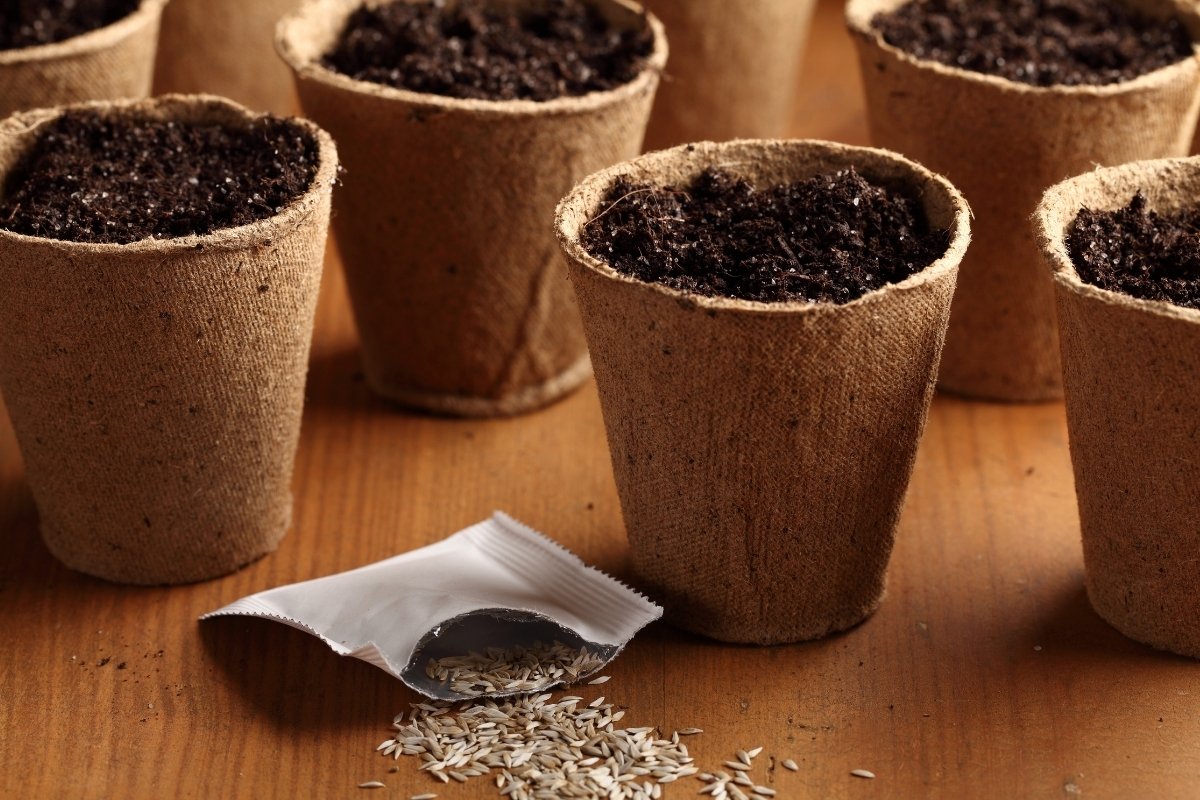
    Growing lettuce from seed is an easy and fun activity to do with your young ones and later enjoy its good harvest.

    Although growing lettuce is incredibly easy, there are some important factors to consider when growing it. Lettuce requires quite a lot of sunlight to grow properly, so if you live in low-light areas then growing lettuce may not be for you.

    Also, growing salad greens like this will require more nutrients than their head-forming counterparts (it takes up to 20 days for them to form heads). If you plan on growing your vegetables over the summer or winter, make sure that you prepare the soil beforehand!

    Step By Step Guide To Growing Lettuce From Seed Indoors

    As you will see below, how to start growing lettuce from seed is easy and fast.

    • Step 1: Germinate

    To germinate lettuce seeds, you will need a growing medium. Any sterile growing mix is suitable for growing lettuce from seed, although there are specific growing mixes available at your local garden center.

    • Step 2:  Give them some space!

    Fill the growing tray with the growing mix and level it out slightly before sowing your seeds evenly across the surface of the growing medium. It’s important to note that a single pickling cucumber plant requires 100 square feet of space!

    • Step 3: Keep an eye on them

    Cover them in a thin layer of fine compost or vermiculite and give them a good misting over with some water. Keep an eye on them throughout the first few weeks as young lettuce plants appreciate moist soil conditions – do not let their roots dry out.

    • Step 4:  Ready to transplant?

    During the growing period, ensure the growing conditions are right for your plants. You will find that your young plants will rapidly germinate and start growing. Within a few weeks, they will have developed their first set of leaves and be ready to transplant into another growing container or module tray for a longer growing cycle.

    You can choose to grow your seedlings indoors in this case. However, if you do not have enough space on your windowsill, it’s best to move them outside so long as the weather is starting to turn warm again.

    You may wish to cover your seedling with some shade netting overnight. This is a good idea until they get used to being outdoors if you’ve been growing them indoors for a while – particularly during cold winter.

    Read more about Growing Romaine Lettuce In Container

    Growing Lettuce From Seed Outdoors

    You’ll need to prepare the growing area by spading and preparing the soil with some sand beforehand – don’t forget it will require a lot of nutrients!

    Hoe the surface until it has turned to fine soil and level it with your hand or rake and transplant your growing plants. Ensure that your growing containers are at least eight inches deep so that they have enough room to develop their roots.

    Growing Lettuce From Seed Outdoors

    Once planted, water them well and wait for those tender little green shoots to appear above ground. Make sure you keep an eye on them if there’s any possibility of frost as cold weather may cause them to “bolt” (run-up like a flower) rather than grow into a mature plant.

    Once the weather starts to warm up, you will have lovely green leaves growing in no time! Harvest your lettuce when it is large enough and enjoy it with some tasty dressing or dip. I like to add nuts or dried fruit for an extra taste sensation.

    Well, that’s about it – growing lettuce from seed requires very little work and attention – excellent if you’re busy but still want something productive growing on your windowsill. Enjoy!

    Check Out How To Grow Salad Bowl Lettuce In Containers

    What Is The Right Temperature For Growing Lettuce From Seed In A Greenhouse?

    When growing your lettuce inside a greenhouse, ensure your plants have the right temperatures.

    At night, when growing lettuce from seed in a greenhouse, the temperature should be at least +5°C (41°F). If the temperature goes lower than +5°C (41°F) outdoors, then you should consider bringing your growing tray with growing plants under the shelter. During the day, temperatures in the greenhouse should be at least +18°C (64.4°F).

    Overall, the temperatures in the greenhouse should range between 20-30°C (68-86°F). However, growing lettuce from seed can withstand higher temperatures up to 35°C (95°F).

    Seed Needs, Lettuce Lovers Seed Collection (8 Individual Packets) Non-GMO Seeds

    91c14JGXJEL. AC SX569

    What Type Of Fertilizer Does Growing Lettuce From Seed Require?

    When growing your lettuce indoors you don’t need any additional fertilizers for growing. However, when planting your young plants outside you should consider fertilizing them with an organic liquid fertilizer such as fish emulsion or seaweed extract plus bonemeal. When growing indoors and outdoors use only half the recommended dosage that is read on the package.

    Growing Lettuce From Seeds In Containers

    Growing lettuce from indoor starts requires very little time.  Plants will need a minimum of four hours of full sun per day outside and twelve hours per day inside.

    You will need containers that are around eight inches deep if you’re planting them outdoors or about five inches if growing them indoors. Black plastic pots are best as they absorb the maximum amount of light and heat (perfect for plants like lettuce and tomatoes).

    Plant your seeds about 1/8 inch deep into moist potting soil in either small individual pots or one large container that measures approximately eight inches deep. Keep the growing medium moist but not wet at all times to ensure your success with these fast-growing plants.

    Growing Lettuce From Seeds In Containers

    Conclusion On Growing Lettuce From Seed

    Growing lettuce indoors is nice if you don’t have the space outside or you can grow them all year round inside where it’s warm without worrying about cold temperatures (for growing plants only after they are mature enough).

    FAQ’s

    What temperature is fit for growing lettuce in the greenhouse?

    Growing lettuce in the greenhouse requires a growing temperature of +5°C (41°F) at night and a minimum growing temperature of +18°C (64.4°F) during the day.

    How do you grow lettuce seeds indoors?

    You should start growing lettuce indoors early in the growing season. Plant your growing seeds about 1/8 inch deep into moist potting soil in either small individual pots or one large container that measures approximately 5 inches deep. Keep the growing medium moist but not wet at all times to ensure your success with these fast-growing plants.

    How do you grow lettuce from seed outdoors?

    Growing lettuce outside is very easy, however, growing indoors is a little different from growing outdoors. Start by sowing the seeds indoors to transplant outdoors after the danger of frost has passed and the soil has warmed up.

    Plant your seedlings in a prepared growing garden bed, spacing them 12-24 inches apart (30.5-61cm). Ensure you water your lettuce once a day in the morning when there is no chance of rain in the forecast.

    How do you grow lettuce from seed?

    Growing lettuce from growing seed requires very little effort – you don’t need any special growing techniques! Ensure to sow your seeds at the right growing season and feed them with organic liquid fertilizer if growing them outdoors. Whether you are growing lettuce indoors or outdoors, on your window sill or in the greenhouse, timely sowing of seeds is critical.

  • All About LED Grow Light Distance Chart

    All About LED Grow Light Distance Chart

    An LED grow light distance chart is essential to help every gardener determine how much light the plants receive from grow lights.

    During the winter months, many LED grow lights enthusiasts use panels closer than their usual distances for an extended period to ensure successful growth indoors under limited natural sun exposure. Although this technique does work, LED plant lights should only be used closer for limited periods and not left on plants 24/7.

    A single LED lamp tends to dissipate its energy in all directions, thus creating a sphere of light around the actual lamp itself.  Therefore, if positioned too close (over 2-3″/5-7 cm)to the top of the plant canopy, these lamps can scorch or burn leaves and flowers.

    The LED grow light distance chart is the most useful resource for finding out how far your garden lighting should be from plants.

    The LED Grow Light Distance Chart

    This is determined by various factors that include measurements, dimensions, and other variables essential for determining how far you can place light.

    Another factor that determines LED grow light distance is the wattage of each lamp you are using.  Lamps with high wattage (100 watts +) will need to be placed further away than lower wattage lamps so as not to damage sensitive the garden foliage.

    The LED Grow Light Distance Chart

    How To Use The LED Grow Light Distance Chart

    This is a very simple exercise that will let you know how far away your plants are from your LED lamps so that they receive the optimum amount of light without being burnt by an excess of heat.

    Simply place one or two LED garden lamps on the floor at equal distances between each other, then look up at the top interior side of your canopy, which is where the grow light fixture should be hanging.

    Then measure the distance between LED lights and your plant, but make sure you use a tape measure as this will ensure consistency of the measurements taken.

    After which you should check against the LED grow light distance chart to determine whether or not you are within range of your garden lamps.

    Read about The Differences Between Greensand Vs Azomite

    The LED Grow Light Distance Calculator

    Found on most LED lighting manufacturers’ sites, they can tell you how far away from the plants your grow bulbs need to be so that they do not burn them. This is essential if you want to avoid scorching or burning of the foliage.

    To calculate how far your plants are from the LED bulb, follow these steps:

    • Measure the distance between LED grow light and plant so that you can use that as your X measurement in the grow light distance formula.
    • Next, measure the distance of the LED panel to the plant up top near the hood, which is where the garden lights should be placed according to this grow light chart.
    • Now take those amounts of inches (or cm’s) and divide them by two (in case there are two bulbs on your LED panel).

    LEOTER Grow Light for Indoor Plants – 80 LED Lamps, Full Spectrum & Red Blue Spectrum

    For example: If your LED lamp is 36 inches away from your plant..  divide 36 by 2; now you will have 18 inches. .  Then look at the LED grow light distance chart below to determine if it is too close or not.

    Don’t forget your LED grow light calculator to determine the plant distance!

    This LED grow light distance chart will ensure that your plants receive enough light, especially during winter months when there is limited sun exposure outdoors.

    Using LED lights for growing vegetation indoors does have its advantages, but only if they are positioned at the right distances away from plants to avoid scorching of the leaves and flowers.

    Check Out What Does An Artichoke Plant Look Like?

    The LED Grow Light Distance Chart Seedlings

    This is one of many LED grow light distance charts that focus on the lights for young seedlings.

    One of the LED grow light distance charts helps you identify how far your grow lights are from your plants.

    There are plenty of factors that go into the correct measurements needed for each plant in your indoor garden.  This makes it essential that you have an LED grow light distance chart seedlings at all times so that you can ensure optimum growth conditions leading up to outdoor harvesting.

    The ability to utilize the LED grow light distance chart seedlings is something many grow light enthusiasts will find extremely useful.

    Full-spectrum LED Grow Light Distance Chart

    The full spectrum LED grow light distance chart provides you with detailed information on these lights so that you can place them correctly in your garden.

    If your LED grow light is too far away, your plants will not receive enough light to photosynthesize, while a light placed too close can cause the burning of leaves.

    This is why it’s important to know how far away to keep LED lamps from the plants, while at the same time receiving just enough full-spectrum lights for proper growth conditions.

    There are plenty of factors that go into measuring LED plant lights correctly, with many gardening companies making LED grow light distance charts for this purpose.

    For example, make sure you are using a tape measure when taking measurements between LED lamps and your plants, as this will ensure consistency of LED grow measurements.

    Most LED grow light distance charts focus on the lamps for garden plants specifically.  However, some of these charts provide detailed information that can be useful to anyone wanting to know the distance of the correct light between their grow lights and the plants.

    Click here to learn about Grow Room Cost Calculator

    The 600W LED Grow Light Distance Chart

    This 600W LED grow light distance chart 600w is one of many LED grow light distance charts that can be found online.

    Many gardening enthusiasts find the 600W LED grow light distance chart useful for this reason, it can provide detailed information that has been collected over time by experienced LED gardeners.

    The 600W LED Grow Light Distance Chart

    While many LED light distance charts provide grow measurements in inches, the plant height can vary quite a bit when these lights are involved. For this reason, make sure you know the exact height of the LED lamps when using the 600w grow light distance chart led to getting accurate readings.

    Most gardeners will find that their plants need less than 18 inches in distance from LED lighting within the first few weeks following germination.  During flowering and vegetation periods, most indoor plants will require over 10 inches of space between an LED lamp and a plant for best results.

    Final Thoughts

    The LED grow light distance chart is a tool that every grow light enthusiast should have available to use even as gardening becomes more popular. Knowing the correct wattage and how far away you should place LED lamps from the plants will ensure optimum conditions for your garden.

    You can take measurements either with a tape measure or ruler when using an LED grow light distance chart.  This information will be useful if you’re planning on growing indoor plants.

    FAQ’s

    How far should plants be from LED grow lights?

    Most LED light distance charts will advise you to keep the lamps at least 2-4 inches away from plants, with 18-24 inches being optimal.

    How far away should LED grow lights be from seedlings?

    Most LED grow lights distance charts Recommend that the garden plants under 2-3 inches be kept at least 3-4 inches away from the growing lights.

    How far apart should grow lights be from each other?

    On average, most growers will want to leave about 6 inches between LED lights during vegetation periods (with the exception of flowering periods, which usually require more space).

  • Do You Know How To Cut Cilantro? – Learn With Our Step-by-step Guide

    Do You Know How To Cut Cilantro? – Learn With Our Step-by-step Guide

    Do you know how to cut cilantro or a guide on how to do it correctly will help you get some tips?

    Cilantro is not only used in cooking but it is also considered a herb. Cilantro or coriander leaves are popular in many parts of the world and most especially in Asia and Europe.

    Coriander is often seen in Asian dishes such as Vietnamese, Thai, Indian, and Chinese meals because this herb brings out the best flavors when combined with other ingredients.

    Since cilantro grows fast and can easily be propagated by breaking apart clumps into smaller sections that contain one stem and several leaves, it can be grown in a home garden.

    Both the leaves and stems of the cilantro plant are edible. The leaves are soft and tender, whereas the stems are fibrous and more flavorful.

    How To Cut Cilantro From Plants?

    If you want to know how to cut cilantro without killing the plant, here’s how:

    Step 1: Select a stem on the periphery of the clump and cut it off using sharp kitchen shears. Cutting at this stage will remove only the stem and some leaves but not all. This method helps you harvest cilantro several times.

    Step 2: After removing one stem, use your fingers to separate the remaining stems so you can find how to cut cilantro from a plant with ease. If there are no other stems visible anywhere in your garden, be sure to check again as they might still be hidden underneath larger leaves.

    How To Cut Cilantro From The Garden?

    Now that you know how to cut cilantro from plants, let’s learn how to correctly cut your cilantro leaves from the garden. Here is a step-by-step guide:

    Step 1: Hold a stem firmly in one hand and a clean pair of scissors in the other.

    Step 2: Cut cilantro stems right above a leaf node to retain most of your plants. A leaf node is where leaves are attached to the stem. Removing leaves below this area will seriously affect how to cut cilantro from the garden because it can disturb its growth pattern plus you’re left with shortened stems that won’t be as strong. 

    Step 3: Cut off your cilantro stems with a single clean cut to ensure you don’t damage the plant. Whatever you do, never cut your cilantro in a zigzag manner because this will tear the stem open and expose it to air which encourages its tissue to dry up.

    Follow this how-to cut cilantro guide correctly and your garden will always be full of culinary delights!

    Click here for A Guide To Growing Black Beauty Zucchini

    How To Cut Cilantro Leaves In The Kitchen

    Once you have harvested your cilantro, it’s time to learn how to cut cilantro leaves in the kitchen. Follow these steps to get it done easily:

    Step 1: Start by washing your hands. Always handle your food with clean hands.

    Step 2: Start pulling off the large outer leaves from the stems. Be sure to tear the leaves off instead of cutting with a knife.

    Step 3: Once you have enough leaves pulled off, wash them with clean water to get off dirt and insects if any.

    Joyoldelf Gourmet Herb Scissors Set

    614FZtCO6tL. AC SX569

    Step 4. Roll these leaves upholding them between your first three fingers. Place them flat on your cutting board and hold them firmly so they won’t move. Hold your knife with a comfortable grip, keeping it in one position. Slowly slice the how-to-cut cilantro leaves length.

    Step 5: Cut these leaves into thin strips by holding your knife at an angle, about 30 degrees against the leafy pile. The thicker part of the cilantro leaves should be placed on top while the narrow end should be facing down towards your cutting board for stability.

    Now you know how to cut your cilantro and get them ready to garnish your food.

    Read more about How Does An Artichoke Grow?

    How Long Does Cilantro Last After Harvesting?

    Now that you know how to cut cilantro, you need to know that proper storage is important after harvesting.

    Store your cut cilantro in a glass of water by covering it with a plastic bag and placing it on your refrigerator’s top shelf. Remember that cilantro tends to wilt fast so it’s best you only harvest what you need currently. If you want them to stay longer, you can also freeze the cilantro leaves inside baggies for up to six months.

    If you’re cutting fresh cilantro leaves from your garden, don’t leave it out at room temperature even if it’s only one stem – never leave any food uncovered especially with how long cilantro lasts.

    How Long Does Cilantro Last After Harvesting

    Conclusion – How To Cut Cilantro

    After harvesting cilantro from your garden, always store them properly in the fridge. Cut the cilantro stems or leaves with a single clean cut to ensure you get perfect results every time.

    Cilantro is a companion to every chef, as it has both health and medicinal properties that most people use. It can be used fresh or dry.

    When used fresh, it has a very different taste than when it is dried. Fresh coriander leaves are an essential ingredient in many Asian dishes and American foods as well as Middle Eastern dishes.

    Coriander has many health benefits which include its ability in helping to control diabetes. It also helps ease muscle pain and detoxifies the body when used topically or orally. In addition, it also lowers blood cholesterol levels, boosts good bacteria in your gut, and helps with digestion.

    Happy gardening everyone!

    FAQ’s

    What part of cilantro do you cut?

    There are many parts of cilantro you can cut. Different parts of how to cut cilantro can be used for different recipes.
    Shallot – the white part that grows below the green leaves.

    Green onion – the longest green stalk minus roots.

    Root – it’s actually how to cut cilantro from the plant so you have to dig up the plant first before harvesting this part.

    Do you use the stems of cilantro?

    Yes, cilantro stems are edible too. However, how to cut cilantro stems is not always efficient because it takes a lot of time and effort before you can make all those leaves come out.

  • Growing Black Beauty Zucchini – Important Facts

    Growing Black Beauty Zucchini – Important Facts

    A guide to growing black beauty zucchini is essential to gardeners who would love to grow this scrumptious vegetable.

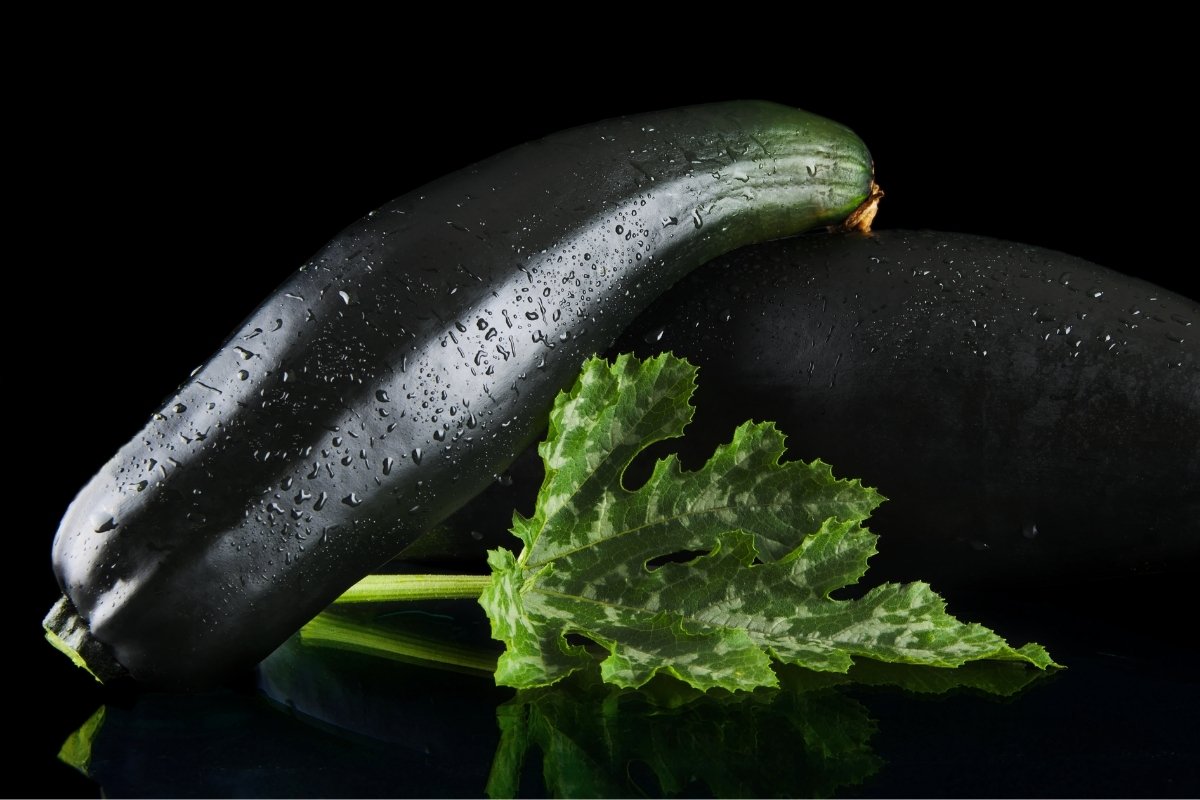
    Black Beauty zucchini is the classic dark green, straight, thin-necked summer squash. It was introduced by W. Atlee Burpee in 1902 and quickly became popular because of its productivity, good flavor, smooth texture, and long shelf life. This vegetable produces well even under less-than-perfect growing conditions.

    However, you do not have to stick to tradition if you don’t want to. The bright yellow or gold flowers are edible as well as the young leaves which are added to salads.

    Growing Black Beauty Zucchini

    This plant is easy to grow if you know some tips and tricks. Here are several tricks that should be able to help you grow it.

    • Starting Seeds. You may start black beauties indoors before transplanting them outside after all danger of frost has passed. If you transplant them in the fall, black beauty zucchini will provide a steady supply of tender, dark green squash in your home garden until frost.
    • Ideal Planting Location. Black beauty zucchini thrives in the warm weather, so you should plant it in a location that is exposed to full sunlight and is sheltered from cold winds.
    • Mulching. You should also use black plastic mulches around young plants to help them grow well by retaining more of the soil‘s warmth and moisture.
    Growing Black Beauty Zucchini
    • Watering. Water black beauties regularly during the growing season because summer squash needs regular watering especially after it starts flowering or fruiting. You can check whether your black beauty zucchini needs watering by sticking your finger in the soil up to your first knuckle and feeling whether the soil feels dry.
    • Fertilizing. You should use black beauty zucchini fertilizer when planting black beauties and once every two weeks until it starts fruiting. While black beauties do not need much nitrogen, they still require nutrients such as potassium and phosphorus to grow well.

    For the best flavor, harvest black beauty zucchinis when they are young. They can be enjoyed raw or cooked and they will also freeze well.

    Read more about How Does An Artichoke Grow?

    How Often To Feed Black Beauty Zucchini?

    Black beauties are heavy feeders so make certain that they receive regular applications of liquid fertilizer throughout their growing season.

    Black beauty zucchinis need ample nitrogen to develop their dark green foliage. Organic vegetable gardeners may want to plant black beauty zucchini along with green beans or peas because they fix nitrogen in the soil.

    You can also nourish black beauties by mulching around them with compost or aged animal manure. The best fertilizer to use on these plants is the one providing nitrogen and potassium in low amounts. Organic fertilizer is also good for black beauty zucchini. Feed your plants at least once every two weeks with black beauty zucchini fertilizer.

    FoxFarm Liquid Nutrient Trio Soil Formula: Big Bloom, Grow Big, Tiger Bloom

    714api VhHL. AC SX569

    How Long Does It Take Black Beauty Zucchini To Grow?

    Black beauties are very fast-growing summer squash.  Their maturity time depends on how often you water them and fertilize them as black beauties need more moisture than most vegetables.

    They can be harvested in about 55-60 days after planting black beauty zucchini seeds or transplants. If you start black beauties indoors early enough and give them ideal growing conditions, they will be ready for harvest 50-55 days after planting.

    Check Out The Differences Between Greensand Vs Azomite

    When To Harvest Black Beauty Zucchini

    Black beauty zucchini is ready when it reaches six to eight inches long and two inches in diameter. It is best to harvest them when they are under eight inches as this is when they have the best flavor.

    Harvest them when the skin is glossy black with white stripes or solid black. Use them within two or three days after picking for the best flavor and texture, before they become seedy and coarse.

    Once black beauty zucchini starts producing fruit, you should harvest them several times a week. Black beauties produce abundant crops of high-quality summer squash over a long period.

    When To Harvest Black Beauty Zucchini

    When picking black beauties, cut them off with a sharp knife or pruning shears while leaving 1/2 inch of stem attached. Alternatively, just twist off black beauties while supporting their weight in your hand – similar to handling a ripe melon. Harvesting these fruits carefully will keep them fresh longer which is essential if you want to use them for longer.

    How Big of a Pot Do You Need For Black Beauty Zucchini?

    Did you know you can also grow your black beauty zucchini in pots? Ideally, you should use a container that measures at least eight inches deep. Black beauty zucchini is a very productive black summer squash that doesn’t need much space and can be grown in large pots.

    You can grow black beauties in small pots 3-4 feet wide. These vegetables are extremely easy to grow and produce lots of nutritious black summer squash.

    Fill the pot with a good quality soil or cactus mix, mixed with 30 percent fine sand and 10 percent composted manure to ensure optimum drainage.

    Start fertilizing these plants every two weeks from planting until you start seeing the fruit forming. Use black plastic mulch to help them retain soil moisture and warm the plants up earlier. Water black beauties regularly during the growing season to provide adequate moisture.

    Conclusion On Black Beauty Zucchini

    If you are interested in growing black beauty zucchini, we hope you find the guide above useful. Have you grown this plant before and have tricks up your sleeve you would like to share with us? If so, please share any tricks for growing black beauty zucchini in the comments.

    FAQ’s

    Is Black Beauty zucchini a bush or vine?

    Black summer squash is an annual, warm-season vegetable grown for its tender black fruit. They are vining black zucchini plants that can grow up to 6 feet tall x 3 feet wide black zucchini bush. Vines are not very suitable for container growing black beauty zucchini, but this one can still get decent production in pots.

    How much space does Black Beauty zucchini need?

    Black zucchini squash plants are vines that can spread up to 6 feet – meaning it’s not too big. You can also successfully grow them in pots.

    How much water does black beauty zucchini need?

    Black beauties need regular watering to help them fruit well because their fruits are particularly sensitive to drought. Water black beauty zucchini deeply, soaking them until the top 8 inches or so of soil are quite moist.  However, don’t let them sit in wet soil black winter squash because this will rot them.

  • How Does An Artichoke Grow?

    How Does An Artichoke Grow?

    Artichokes are a popular and versatile vegetable.  However, due to their unusual appearance, you may wonder, how does an artichoke grow? Though they may take some experience, they are great vegetables to grow in your garden.

    Artichokes are packed full of health benefits. There are many different tasty ways you can prepare them to enjoy. They are a great vegetable that you can grow in your own home garden with the right experience.

    How To Grow Artichokes

    Artichoke plants are a type of herbaceous perennials that are part of the Asteraceae family. This group of plants includes thistles, dandelions, and sunflowers.

    Artichokes are short-lived perennials when grown in warmer climates but in cooler regions, they are grown as annuals. They are grown for their unique edible flower buds, which people harvest before the flowers open.

    How To Grow Artichokes

    Originally, artichokes are from the Mediterranian area. They are still mainly grown here today, but they are also grown commercially in other areas too such as California.

    Though commercially they are mainly grown in California, home gardeners grow them all over. However, they’re very large plants so you will need to have plenty of space.

    How Does An Artichoke Grow?

    Artichokes are commonly described as architectural plants, due to their tall, branching build. They have big, silvery-green leaves that can be prickly and thick stems large flower buds. The buds are the part of the plant we eat and a healthy plant will produce around six to nine buds.

    You can grow them without the worry of animals eating them, because very few do. They can be harvested at will, but the unique plants and textural leaves will add an interesting look throughout the season. Despite not being grown commercially in many areas, they can grow well in most regions.

    At maturity, artichokes can be three to six feet tall and four to five feet wide. If you grow them at home, you need to have a large garden with plenty of space. Place them four to six feet apart in rows and place the rows six to eight feet apart to make growing and watering easier.

    Proper Growing Conditions – How Does An Artichoke Grow

    Depending on the climate, artichokes will be planted at different times of the year. If grown in cooler climates as annuals, they should be planted in the spring. In warmer climates, they can grow as perennials and can be planted as seeds in late spring or as young plants in mid-fall.

    Artichokes can grow in zones 7-11. They need soil that is well-drained, light, and fertile. You should be certain to plant your artichokes in an area where they can receive full sun.

    Ideally, the pH level of the soil should be slightly alkaline. Artichokes prefer warmer, drier weather, which is why they thrive in California and the Mediterranean. If you grow them as a perennial, you will want mild winters and cool, moist summers.

    Watering And Fertilizer

    Artichokes do best with a balanced vegetable plant food fertilizer that is applied every two weeks during the growing season. They should be watered one to three times a week. This will allow the plant to develop a strong root system while keeping the buds fleshy and tender.

    Burpee Organic Blood Meal Fertilizer | Add to Potting Soil

    61vM2KsOMcL. AC SX569

    Varieties

    There are a few different varieties of artichokes. Some of the most common varieties include Big Heart, Green Globe, Imperial Star, Purple of Romagna, and Violetto. Green Globe tends to be one of the most popular varieties.

    How To Trim An Artichoke

    Though it can be tricky at first, trimming an artichoke is a pretty straightforward process once you get the hang of it. After harvesting, it requires a few steps to get them to the point where you can eat them.

    To begin, cut off the top third of the artichoke bud using a serrated knife. Next, remove the outer two layers of leaves that are around the stem. Then, you will use kitchen scissors to trim off any sharp tips remaining on the outer leaf.

    Peel the stem off the artichoke. If you don’t plan on using the artichoke right away, you can place it in a bowl with lemon water to keep it fresh until you are ready to use it.

    Common Ways To Prepare Artichokes

    You can cook artichokes in many different ways including steaming, baking, grilling, braising, or stuffing. Steaming is often the most popular way to cook artichokes as it is the easiest.

    Artichokes also taste great in dips, salads, soups, stew, and hash. They come with many health benefits including being low in fat and rich in fiber, antioxidants, vitamins, and minerals.

    Common Ways To Prepare Artichokes

    Growing Your Own Artichokes

    Artichokes are a versatile and healthy vegetable that you can grow in your own garden with the proper room and knowledge. They can grow in zones 7-11 and need full sun along with well-drained, light, fertile soil.

    Do you have any questions regarding how does an artichoke grow? If so, please ask any questions relating to growing artichokes in the comment section below.

    FAQ’s

    How Long Does it Take to Grow an Artichoke?

    Most artichokes take around 85-100 days to reach harvest once planted. The center of the bud matures the fastest, followed by the sides of the bud.

    How Much Water Does it Take to Grow an Artichoke?

    Artichokes should be watered thoroughly one to three times a week. This will allow the roots to grow strong and allow the buds to become tender and fleshy. During production season, they will need about 15 inches of water in order to be healthy.

    Are Artichokes Easy to Grow?

    Artichokes are not particularly hard to grow, but most importantly you need plenty of space to grow them. Most intermediate and advanced gardeners have no problem growing them with the right knowledge. In order to enjoy a bountiful harvest, you need proper planting, watering and pruning.

    How Tall Does an Artichoke Plant Grow?

    Artichoke plants can grow to be as tall as three to six tall. They can be as wide as four to five feet.

    Due to their large size, you need to have plenty of room in your garden to grow artichokes. You should plant them four to six feet apart in rows and the rows should be six to eight feet apart to make growing and watering easier.

  • The Differences Between Greensand Vs Azomite

    The Differences Between Greensand Vs Azomite

    If you are an avid gardener, you might have looked into the benefits of using Greensand vs Azomite for your plants. As they are both naturally occurring substances, they are used to amend the soil, improving the conditions. They are both particularly popular to use with indoor plants.

    Both Greensand and Azomite have advantages and disadvantages for using for your garden. It is important to understand the differences between the two along with the pros and cons so you can decide which one is best for your gardening needs. Both substances can be great options to improve your plants as long as you know how to use them right.

    Greensand Vs Azomite

    Both Greensand and Azomite are substances that are used in potting mix, primarily for indoor plants though you can use them in outdoor gardens too. They help benefit the soil to help your plants grow strong and healthy.

    Greensand is a type of sand also known as sandstone that is greenish in color. It is rich in Potassium, Magnesium, Iron, and Silica and is a popular choice among organic gardeners. It offers great drainage and works well as a fertilizer.

    The main ingredient in Greensand is Glauconite, which gives it its green appearance. It is mined in New Jersey from oceanic sedimentary deposits. It has been used by gardeners for decades as a reliable fertilizer

    Greensand Vs Azomite

    Azomite comes from dust rocked that is mined in Utah. It is the most popular type of rock dust used in gardening. It is extracted from ancient volcanic ashes and it is one of the rarest minerals.

    Azomite contains a distinct combination and quality of crystalline minerals unlike any other mineral deposit in the world. It is mainly Silica, but it also contains Boron, Magnesium, Iron, Copper, Potassium, and Zinc. Known as the “A to Z of Minerals” it contains an excellent source of micronutrients plants can benefit from.

    Check Out A Guide On When To Pick Basil Leaves

    Benefits Of Greensand Vs Azomite

    There are many benefits that come with using Greensand for your plants. Since it is natural, it is safer to use than artificial fertilizer.

    Greensand works as a natural fertilizer for your plants and since it contains potash, it increases disease resistance in plants. It also adds a free-draining texture and the green color can look great with your plants. Greensand is also non-toxic, so it is safe to use around pets and children.

    Greensand is particularly great to use with clay and sandy soils. It can help loosen up clay while helping sandy soil better retain water. It can also enhance soil structure, increase root growth and improve the overall health of your plant.

    Down to Earth Organic Greensand Fertilizer, 5 lb

    81vgL+dJuPL. AC SY741

    Greensand is neutral on the pH scale and is great for providing your soil with essential nutrients. You can use it as a potting mix for indoor plants or for your outdoor garden as well. You can even use it on your lawn as well to improve grass growth and it is safe to use on sensitive plants.

    Cons Of Greensand Vs Azomite

    If you use too much Greensand, it will end up releasing the nutrients too slowly, not giving them the benefits that they need. Depending on where you live, Greensand can be hard to find and it can get a bit expensive.

    Benefits Of Azomite

    Azomite is packed full of many beneficial nutrients that plants need. It is natural, so it is safe to use for indoor and outdoor plants.

    Azomite can produce larger fruits and vegetables while also improving their taste. It promotes root growth while also improving depleted soil.

    Azomite provides 70 micronutrients, many more than traditional fertilizer does and it is safer to use. Though its pH is alkaline, it is safe to use on all types of soil.

    Though you can use Azomite with just about any plant, it is particularly great to use with vegetables and fruits. It increases the concentration of sugars and can produce healthier fruits and vegetables. Since it is nontoxic, it is safe to use around pets and children in your household.

    Cons Of Azomite Vs Greensand

    Since Azomite is rock dust, overexposure from excessive inhalation can lead to problems with your lungs. This, however, is true for all forms of dust. Depending on where you live, it may be hard to find at local garden centers and it can be pricey as well.

    Excellent Choices For Your Gardening Needs – Greensand Vs Azomite

    Both Greensand and Azomite come with many benefits that outweigh the negatives. Both can be very beneficial fertilizers for your garden and they are both natural and non-toxic, making them safe to use. Your gardens will see many benefits from using either of these natural fertilizers.

    Do you have any questions regarding Greensand vs Azomite? If so, please ask any questions in the comment section below regarding these two natural fertilizers for your plants.

    FAQ’S

    What is Greensand?

    Greensand is a type of sandstone that is greenish in appearance. It contains mainly Glauconite and is also full of many beneficial nutrients for your plants. It comes from oceanic sedimentary deposits and is mined in New Jersey.

    Greensand is non-toxic and is a great fertilizer to use for clay and sandy soil. You can use it for your indoor plants, outdoor garden and even your lawn.

    What Does Azomite Do for Plants?

    Azomite provides plants with 70 micronutrients that are beneficial for growth. It can help increase the yields of fruits and vegetables while also making them taste better.

    Azomite also promotes root growth while enhancing depleted soil. It is non-toxic and it is safe to use for all soil types.

    Greensand or Azomite, Which is Better?

    Greensand and Azomite both come with many benefits and can both be used as fertilizers for your plants. They are both safe to use and provide your plants with important nutrients to help them grow.

    Azomite releases its nutrients faster and contains more minerals than Greensand, making it the better option for some. It is especially great to use for growing fruits and vegetables. Greensand is still an excellent choice and it is particularly great for clay or sandy soil.

  • Can You Eat Cross Pollinated Squash? Yes Or No?

    Can You Eat Cross Pollinated Squash? Yes Or No?

    Can you eat cross-pollinated squash? This is one common question that some growers would like to know and we will answer this in this post. We have different types of squash and they come from the family of Cucurbitaceae plants. Squash examples include zucchini, pumpkins, guard, and the like.

    Squash is a type of fruit that has seeds in its internal part and they are derived from a flowering plant of plants.

    Cross-pollination happens when two separate plants exchange their pollen grains and pistil to give rise to a new variety that has the characteristic of the two parent plants. Now cross-pollination can occur between different types of squash variety.

    It is possible for different squash varieties that are planted close to each other to cross-pollinate even when that is not our intention in the first place. Can you eat cross-pollinated squash? Is cross-pollinated edible the question we would like to know?

    So, this article will give you the answer to your troubling questions about if you can eat cross-pollinated squash.

    Are Cross Pollinated Squash Edible Or Consumable?

    Can you eat cross-pollinated squash? The straight-up answer is that cross-pollinated squash is mostly inedible. It isn’t a good thing to consume cross-pollinated squash. The reason is that they contain a large amount of cucurbitacin. Consuming cross-pollinated squash may simply be toxic to your health.

    Now the normal squash contains a reasonable amount of cucurbitacin which is safe for consumption. However, the high concentration of cucurbitacin tends to taste very bitter.

    Are Cross Pollinated Squash Edible Or Consumable

    Squash Cross-Pollination

    From what we mentioned above, cross-pollination occurs by exchanging male and female gametes between two separate plants to produce offspring. Cross-pollination does occur among squash. If you plant two same or different squash varieties, they may cross-pollinate with each other to yield new offspring.

    Cross-pollination can occur in squashes and pumpkins. All these species can cross-pollinate with each other.

    Check Out A Guide On When To Pick Basil Leaves

    Seed Saving From Squash

    It is pretty rewarding to save seeds from your garden. However, you need to be careful of the type of seed being saved particularly if they have been cross-pollinated. If the seeds of cross-pollinated offspring of squash are saved and planted the following year, it may give rise to a totally different plant that is inedible.

    Although, not all types of squash are compactable to cross-pollinate. Below we have listed some categories of squash that tend to cross-pollinate with each other.

    What Squash Will Cross Pollinate With Other Squash?

    As we have mentioned, different squash can cross-pollinate with each other. The following squashes from each group can cross-pollinate with each other.

    • Zucchini, acorn, delicata, pattypan, yellow crookneck, and spaghetti squash. Pumpkins and gourds can also cross-pollinate with these groups of squash.
    • Buttercup, butternut, Hubbard, and turban squash.

    All these plants can be easily cross-pollinated by insects. Their separate male and female flower increase the chances of the female flower becoming fertilized with different pollen grains from a different variety of species or the same species. These combinations of plants may end up yielding inedible fruits.

    Read more about What Does An Artichoke Plant Look Like?

    Why Cross Pollinated Squash Tends To Be Toxic?

    Normally, the plants of the Cucurbitaceae family are meant to produce a toxic compound which is cucurbitacin. This toxic compound usually acts as a natural defense against insects.

    This cucurbitacin toxic compound is present in wild squash, cucumbers, as well as other cucurbits in a substantial amounts. So, because of the large amount of cucurbitacin compound in the wild, these types of squash and cucumbers tend to taste very bitter.

    However, the domesticated variety often contains a very little amount of this compound that isn’t harmful to humans when consumed. Also, the domesticated squash variety that is grown in the garden and the ones purchased from the stores usually have a less bitter taste. And this is due to the varying amount of bitter compound.

    But some factors can cause this bitter and toxic compound to increase its concentration in squash. They are; other product that has been cross-pollinated with wild plants and some types of stress during their growth (stress like lack of water or poor fertilization).

    Our Pick
    Squash Seeds for Planting 5 Individual Packets – Zucchini, Delicata, Butternut, Spaghetti and Golden Crookneck
    $9.95

    Gardeners Basics Squash Seeds for Your Non-GMO Heirloom Vegetable Garden

    Check Amazon Price
    We earn a commission if you make a purchase, at no additional cost to you.
    12/18/2025 08:03 am GMT

    Therefore, if you come across any squash such as zucchini, pattypan, acorn squash, and the like, and you didn’t plant them in your garden, you should definitely avoid them. Even consuming a small amount of this type of cross-pollinated squash can be pretty toxic to your health.

    Click Here to Learn How Much Bone Meal Per Tomato Plant?

    Can Insect Pollinating Bees Cross Pollinate Squash?

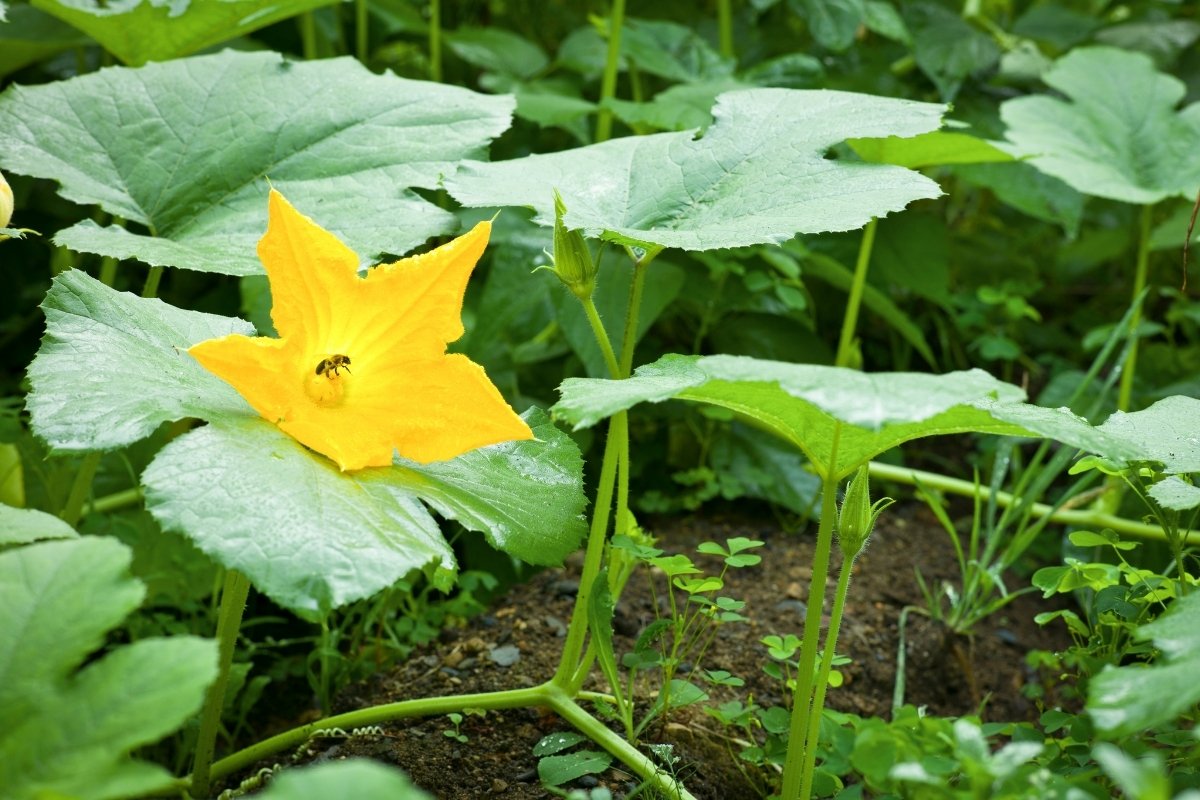
    Squash are insect-pollinated plants. Hence bees can cross-pollinate squash. You may even be growing just one type of squash variety in your garden, bees can simply collect a different pollen grain from your neighborhood and cross-pollinate it with yours. Then this gives rise to new offspring.

    As we said, you should totally avoid any type of squash you didn’t plant in your garden. They are simply toxic squash and should be removed from your garden.

    How To Avoid Cross-Pollinated Squash In Your Garden

    If you wish to avoid cross-pollination between squashes, do the following;

    • It is required you separate them by a good distance of one and a half to a mile.
    • Additionally, you can build some barriers to drastically reduce the chances of pollinators cross-pollinating your plants. Large barriers such as thick standing trees, a hill, large buildings, and so on may help slow down pollinators from around your neighborhood.
    • Furthermore, you can cage or net your entire plants. Or you can simply tape new male and female flowers as they begin to form (i.e. right before they open). But this method usually requires hand pollination of flowers once they are ready to pollinate.
    How To Avoid Cross Pollinated Squash In Your Garden

    Can Cantaloupe Cross-Pollinate With Zucchini?

    It’s unlikely that cantaloupe will cross-pollinate with zucchini. The female flower of each crop will only be fertilized with pollen from the same species. Cantaloupe and zucchini are both members of the Cucurbitaceae family. As a result, these fruits can cross-pollinate. However, the natural occurrence is rare. 

    Cross-pollination occurs when one plant’s pollen is transferred to another’s stigma. This results in fertilization and the production of seeds. Bees and other critters are responsible for this. It can happen when these insects visit flowers on both plants and transfer pollen from one to the other. Cross-pollination can also occur when pollen is carried by the wind or when humans inadvertently transfer pollen from one plant to another by handling the flowers or plants.

    You can separate the plants if you are worried about cross-pollination between your cantaloupe and zucchini crops. Plant them in different areas of your garden or use physical barriers like netting screens to separate them. Alternatively, choose cantaloupe and zucchini varieties that aren’t prone to cross-pollination. 

    How Do You Cross-Pollinate Zucchini?

    To cross-pollinate zucchini, you can follow these steps:

    1. Identify the male and female flowers on the zucchini plant. Male flowers have a thin stem on the plant’s main branches. Female flowers have a small, immature zucchini at the base of the flower and are located on the main stem or branches of the plant.
    2. Gently remove the petals from a male flower to expose the stamen, which is the pollen-producing part of the flower.
    3. Use a small paintbrush or cotton swab to gently dab the stamen on the stigma of a female flower. The stigma is the sticky, receptive part of the female flower that receives the pollen.
    4. Repeat this process with multiple female flowers to ensure cross-pollination.

    It’s important to know that zucchini plants can also self-pollinate. This means they can produce fruit without cross-pollination. However, cross-pollinating can help improve the genetic diversity of the plant and may result in stronger, healthier plants and fruit.

    There are several reasons to consider cross-pollinating your zucchini plants. These include:

    Improves Genetic Diversity

    Cross-pollination introduces new genetic material into the plant, which can result in offspring with traits that are different from those of their parents. This can lead to plants that are more resistant to diseases and pests and that are better adapted to their environment.

    Increased Fruit Production

    Cross-pollination can lead to more flowers and fruit, as the plant’s genetics may be more favorable for fruit production.

    Improved Fruit Quality

    Cross-pollination can result in improved size, shape, and flavor, as well as longer shelf life.

    Increased Seed Viability

    Cross-pollination can result in seeds that are more viable and able to germinate and grow into healthy plants.

    Whether you leave your zucchini plants to self-pollinate or offer a helping hand is up to you. Although cross-pollination has added benefits, it can be tricky to master. 

    Conclusion

    So, we have answered the question; can you eat cross-pollinated squash? Hence, if you encounter a cross-pollinated squash, it is very likely they contain a huge amount of the toxic compound cucurbitacin.

    So, do well to avoid eating them so you don’t experience serious illness as a result of consuming them.

    FAQ’s

    Are Cross Pollinated Squash Edible?

    No. Cross pollinated squashes aren’t edible. Because they contain a large amount of cucurbitacin.

    What Squash Will Cross Pollinate?

    Zucchini, acorn, delicata, patty pan, yellow crookneck, and spaghetti squash are squashes that can cross pollinate each other.

    Can Bees Cross Pollinate Squash?

    Yes. Bees can pollinate squash because squash are insect pollinated plants.