Category: Tips & Guides

  • Planting Lettuce Seeds

    Planting Lettuce Seeds

    Planting lettuce seeds can be easy for you if you’ve got the right knowledge. Lettuce is a great addition to one’s stock of vegetable garden at home because of its health benefits.

    Hence there comes the importance of attaching them to having them in your kitchen. It’s a crop that likes the cool weather, hence it’s better to plant your lettuce seeds during spring and fall.

    Growing lettuce from seeds to becoming a full crop is known to be one of the easiest. Lettuce seeds grow very fast, in fact, you can start harvesting the baby greens within a month of planting.

    But on average, they take up to 40 to 50 days to mature. The types that are larger or that produce head needs more time to get to maturity. This should be between 60 to 80 days.

    Growing lettuce is beneficial. That is why having them in your garden will provide you with fresh homegrown organic greens for months. So let’s take a look at the process of planting lettuce seeds.

    Different Types Of Lettuce Seeds To Plant

    The lettuce seeds come in varieties that you can choose from. You can find them on seed racks and catalogs, just choose the one that is suits your preference and your regional climate.

    The leaf lettuce still remains the best because of how fast it grows. It also gives you the privilege of having a steady supply of luscious greens for weeks. Let’s look further into the various types of lettuce seeds.

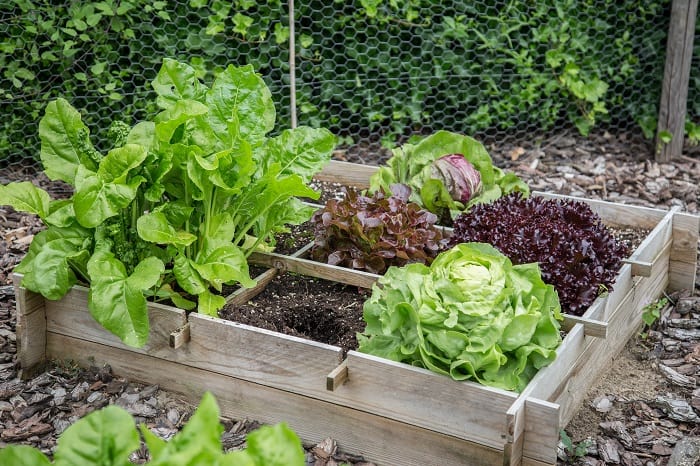
    • Oakleaf: The oakleaf lettuce can be grown as leaf lettuce and can be continuously harvested while growing. It is better to start harvesting it because the plants will produce full-sized heads when they are left to mature. Depending on the variety the leaves can be either red or green and also take the form of oak leaves.
    • Looseleaf: The looseleaf is one of the types of lettuce that can be grown easily. It also grows very fast as it only takes between 5 to 6 weeks to produce large loose heads.
    Different Types Of Lettuce Seeds To Plant - Looseleaf
    • Butterhead: Also called Boston or Bibb, produces beautiful heads with loose soft crisp leaves. The butterhead has varieties that can be grown in regions with high temperatures, suitably during summer. It also has varieties that can be grown in cold regions, suitable for winter.
    • Iceberg: Also known as crisphead lettuce is not an easy variety to grow but you can be lucky with it.
    • Romaine: The romaine lettuce produces tightly closed heads. This variety is known to be an important ingredient in making Caesar salad.
    • Summer Crisp: The summer crisp type is also known as Batavia lettuces. This type looks so much like the loose-leaf type while growing. They begin to produce lovely rounded heads as they grow to maturity. The summer crisp has varieties that can be grown in regions with high temperatures, preferably during summer.

    Planting Lettuce Seeds

    Lettuce is a type of crop that thrives in cool weather. Hence, the best time to grow lettuce is during spring and fall. In temperatures as low as 40 F, your lettuce seeds will germinate.

    But the best temperature for growing and germination is from 60 F and 65 F. To get a successful outcome at growing lettuce, start by choosing a location that gets up to six to eight hours of sunlight. You can also grow your lettuce in a shady spot but must get three to four hours of sun.

    AeroGarden Mixed Romaine Lettuce Seed Pod Kit

    Planting Lettuce Seeds

    But if there’s not enough sunlight, it will be advisable to plant looseleaf varieties. This is because they grow more quickly than the varieties that produce heads. The next thing should be to mix in one or two inches of compost in your garden bed. You may also mix in organic fertilizer with slow release.

    Growing lettuce in containers is also a great idea. This is because the plant has a shallow root system. Lettuce can be grown in pots, baskets, window boxes, or fabric planters. Using any type of container that is four to six inches deep with holes for drainage is also fine.

    In order to be able to harvest your crop early, get plastic or fabric-covered mini tunnels to cover your garden beds. This way, you can trap in solar energy. It can also help to protect your plants from low temperatures and frost during early spring or fall.

    Methods For Planting Lettuce Seeds

    Lettuce seeds can be planted in two ways. They are:

    • Direct Sowing Lettuce Seeds

    This involves directly planting lettuce seeds in garden beds or containers. For direct planting of varieties of seeds of lettuce that produce heads in rows, give the seeds space of two inches apart. This should depend on the varieties you’re planting though.

    Endeavor not to plant the seeds deep down in the soil, remember they need the sunlight to sprout. Go ahead and pour a little amount of soil on your seeds. You can begin thinning when your seedlings are growing well.

    • Transplanting Lettuce Seedlings

    This on the other hand entails transplanting lettuce seedlings that were started indoors or bought from a garden center. You can start by transplanting your seedlings into your garden beds or containers in a grid form. Endeavor to give space of at least ten inches between each seedling.

    If you’re transplanting multicolored varieties, you can bring creativity to play by arranging the colors to form a checkerboard pattern.

    Remember to take note of the specific spacing instructions on the packet of the seeds you bought. Hence, if you’re transplanting in rows, depending on how mature in size of each variety is, give your seedlings space of ten to twelve inches each. And then space the rows by twelve to eighteen inches.

    Check Out The High Phosphorous Fertilizer – King Of Gardening

    Spacing Your Lettuce Plants

    Start thinning your lettuce seedlings once they begin to grow well. Doing this will allow the plants enough space for them to produce good-sized heads when they mature. The ideal spacing should be ten to twelve inches but you can still check the seed packet for specific spacing instructions for each variety.

    If you’re growing baby lettuce, make the spacing between each plant a bit closer at about six to eight inches because of the formation of heads. Romaine lettuce can be grown successfully with this method as this type of lettuce produces tight heads.

    Spacing Your Lettuce Plants

    Conclusion On Planting Lettuce Seeds

    Now that you know a lot about planting lettuce seeds, you can go ahead and enjoy several weeks of luscious, tender, and mild-tasting lettuce from your garden.

    FAQ’s

    How long from planting seeds to picking lettuce?

    Lettuce seeds grow very fast and you can start harvesting your crops as early as possible, depending on the variety you have. The baby can be harvested within a month of planting but for them to mature they take up to 40 to 50 days. But the types that produce heads need more time to get to full maturity which is between 60 to 80 days.

    When to start planting lettuce seeds?

    You can start planting lettuce seeds in spring and fall. Lettuce seeds will definitely germinate in temperatures as low as 40 F. But the best temperatures for planting and growing lettuce seeds are between 60 F and 65 F.

    How many planting seeds yield one lettuce?

    For seed sown directly into the soil, you should have about 10 seeds per foot.

    Can lettuce seeds be planted directly in the ground?

    Sowing lettuce seed directly on the ground is ideal. Sometimes, transplanting lettuce seedlings might not be easy because the seedlings are quite fragile.

  • The High Phosphorous Fertilizer – The King Of Gardening!

    The High Phosphorous Fertilizer – The King Of Gardening!

    A high phosphorous fertilizer is important in a plant’s growth. Phosphorus is one of the main three nutrients found in fertilizer.

    Phosphorus is essential for plant growth and development, and is also known as the ‘life-giving element’.  It is the second most abundant element in our body and the third most abundant element in the Earth’s crust.

    Phosphorus (P) is an essential macronutrient for plant growth, and it has been estimated that more than 95% of it comes from the soil.

    The Work Of Phosphorus

    Phosphorus plays a vital role in the growth of plants and is involved in many key metabolic processes. It can be stored in various forms within the plant, including the cell wall, storage proteins, and even as a phosphate salt.

    The main form of Phosphorus that is available to plants in soil is inorganic phosphorus (Pi).  This includes phosphates (HPO42-). Organic phosphorus (P2O5) can be found in the soil as a result of natural processes such as weathering and microbial activity. Phosphorus is one of the three primary nutrients required by plants: nitrogen, potassium, and phosphorus.

    The other source of Phosphorus in soils is organic phosphorus.  Soil contains inorganic and organic phosphates which are the most available form of P for plants.  Phosphate is found in most soils in both crystalline and amorphous forms.

    In the soil, phosphorous occurs mainly in the form of insoluble mineral phosphate (orthophosphate) in acid soils.  When soil pH increases, orthophosphate becomes less soluble and more available to plants.  However, when soil pH decreases, orthophosphate becomes more soluble and less available.

    Check Out How To Water A Garden

    Phosphorus In The Soil

    The total amount of phosphorus available to a crop depends on many factors, including:

    • Soil type (e.g., sandy or clay)
    • Soil pH
    • Soil texture (i.e., particle size distribution)
    • Soil organic matter content
    • Soil temperature
    • Soil moisture content
    • Available Phosphorous  in the soil
    • Available N and K in the soil
    • Excess P (if any) in the soil
    Phosphorous In The Soil

    Plants are able to take up phosphorus in three different forms:

    • Inorganic Phosphate (Pi). Plant roots have the ability to uptake Pi directly from soil solution or indirectly through transporters located on the root surface.
    • Organic Phosphates (e.g. phosphatides, phospholipids and nucleotides). Organic phosphates are more mobile within the plant cell than inorganic Pi.
    • Polyphosphate (polyP). The phosphate inorganic ion is then absorbed by the plant via the plasma membrane in the root hair zone and subsequently transported into the root cells by a process involving symplastic phloem transport.

    Read more about The 24000 BTU Air Conditioner

    The Best High Phosphorous Fertilizer For A Plant

    You must know that plants need phosphorus to grow. Phosphorus is an element that is found in soil and rocks. It is a nutrient needed by plants to make their cells strong.

    If a plant lacks phosphorus, its cells become weak and break easily. In order to ensure that your plants grow, they must be supplied with the right amount of phosphorus. Most annual plants will benefit from phosphorus.

    You will find many types of fertilizer on the market, but which one should you use? Well, here are some tips that will help you select the right fertilizer for your garden.

    Flower Fuel 1-34-32, 250g – The Best Bloom Booster for Bigger, Heavier Harvests

    71 BWy sBPL. AC SX569

    The high phosphorous fertilizer improves your garden by increasing plant size, leaf and fruit production.

    It is also used to prevent soil acidity and increase plant resistance against diseases and insects.

    Phosphorus is one of the most important nutrients that plants need. It is the main ingredient in the enzyme system that helps plant cells absorb and store nitrogen.

    Phosphorus has a vital role in the production of proteins, nucleic acids and chlorophyll.

    Some phosphorus fertilizers include phosphate rock, bone meal, blood meal, superphosphate and triple superphosphate. High phosphorous fertilizer is available in both liquid and dry forms.

    A phosphorus fertilizer contains phosphorus and calcium in the same molecule. However, when you use a phosphorus fertilizer, make sure you add enough lime (calcium) to neutralize the phosphorus. You can add calcium to your fertilizer by using a calcium-based fertilizer or liming the soil.

    Click For A Comparison Between Thai Basil Vs Basil

    Using A High Phosphorous Fertilizer

    Using a high phosphorous fertilizer is a good way to boost your vegetable garden’s output. In a vegetable garden, there are many different types of fertilizers that can be used to increase the growth of vegetables. These include organic fertilizers and chemical fertilizers.

    Using A High Phosphorous Fertilizer

    Organic fertilizers are composed of nutrients that come from natural sources. These nutrients include:

    • Nitrogen
    • Ammonium
    • Phosphorus
    • Sodium
    • Potassium
    • Magnesium
    • Calcium

    Chemical fertilizers are composed of nutrients like Nitrogen, Phosphorus, and Potassium that have been synthesized in a factory. The nutrient content is regulated by the government and used to label food as organic or not.

    Final Thoughts For High Phosphorus Fertilizer

    High phosphorous fertilizer is very essential as it provides your plants with a major nutrient that they need throughout their growing journey.  Phosphorus boosts your vegetable gardening up to 100%. But, you must use the right amount of fertilizer in order to achieve that.

    FAQ’s

    What fertilizer is high in phosphorus?

    Phosphorus (P) is an essential plant nutrient and can be found in many different forms, including monobasic and dibasic inorganic phosphate (Pi), polyphosphate (PolyP), and organophosphate (OP). Phosphorous is involved in all aspects of plant metabolism, including photosynthesis, cell wall formation, and respiration. The fertilizer that has high levels of phosphorous include Diammonium phosphate (DAP) (18% P2O5), Monoammonium phosphate (MAP) (15% P2O5), and triple superphosphate (TSP) (20% P2O5).

    What is an effective fertilizer?

    An effective fertilizer provides the necessary nutrients that your plants require to grow healthy and strong. An effective fertilizer also helps your plants to take up nutrients more quickly.

    What organic fertilizer is high in phosphorus?

    There are many different sources of phosphorus. In the soil, it is present as an organic compound called phosphatic. There are two main types of phosphatic fertilizer, phosphate, and phosphite. Phosphate fertilizers have a higher phosphorus content than phosphate fertilizers, but they are less stable. Phosphate fertilizers are usually applied in the form of phosphate rock.

    What homemade fertilizer is high in phosphorus?

    If you have a high concentration of phosphorous in your soil, it can be hard to grow plants. Most commercial fertilizers contain phosphorous as a component. But not all are created equal. To find out which homemade fertilizer is best for your plants and the specific needs of your garden, use our fertilizer calculator. How does organic matter affect the pH level in my garden soil?

    What organic soluble fertilizer is high in phosphorus?

    The most phosphorus-rich fertilizers are the slow-release granular products. These are available in a range of P2O5 levels. The higher the P2O5 level, the lower the nitrogen content of the fertilizer and the slower the release of phosphorus. If you’re looking for a product with a higher P2O5 level, choose one with lower nitrogen content.

  • How To Grow Tomatoes From Seeds

    How To Grow Tomatoes From Seeds

    Tomatoes are one of the best plants to grow in your garden, no matter your experience level. Knowing how to grow tomatoes from seeds is beneficial to know when starting your garden. Though some people may buy mature tomato plants, tomato seeds are also a great option for many gardeners.

    Tomatoes are generally easy to grow and produce an abundance of fruit. Fortunately, there are many great dishes you can use fresh tomatoes or you can make them into sauces as well. They can be great to grow whether you have a yard with a garden or grow them in a container on your balcony.

    How To Grow Tomatoes From Seeds

    Tomatoes are a great plant to grow in your garden as they grow well in most warmer climates. Though you can buy mature plants to plant right into your garden or a container, you can also grow them straight from seeds.

    Though growing tomatoes from seeds can seem intimidating if you have never done it before, it is quite straightforward with the right knowledge. Growing from seeds also gives you more variety in the type of tomato you grow.

    Decide On Your Seeds – How To Grow Tomatoes From Seeds

    Before you get planting, you want to decide on your seeds. Some varieties of tomatoes are more ideal for certain recipes than others are.

    Also, be sure you have the right room for the variety you want to grow. Determinate tomatoes grow to around three feet tall, making them the best choice for containers. On the other hand, indeterminate tomatoes grow to be very large, up to six feet tall, making them a better choice for garden beds.

    Plant Your Seeds In Small Containers

    Once you have selected your type of tomato, you will want to plant it indoors in small containers. You can use yogurt cups or egg cartons, as long as they have holes for drainage poked in them.

    Use a seed-starting mix as soil to encourage root growth. Fill your containers up with the mix and use a spray bottle to water the soil until it is moist.

    Plant your seeds around 1/8-inch deep in your soil, placing two to three seeds per container. Gently firm over the seeds with soil to ensure sufficient contact with the soil. You can then cover the containers loosely with plastic wrap to keep the moisture in.

    VIVOSUN 100pcs 4 Inch Planter Nursery Pots, Plastic Pots for Flower Seedling

    How To Grow Tomatoes From Seeds

    Keep your seeds in a warm location, which is around 70-80 degrees Farenheit. You can place your containers on a heat mat to help keep them warm enough. At this point, you do not need to worry about having your plants in sunlight.

    The seeds will generally start to sprout within 1-2 weeks. Once your tomato plants begin to sprout, you can move them to an area with sunlight or use artificial light. You can also remove the plastic wrap at this point.

    When leaves begin to appear, you will want to transfer them to a larger pot that is around 16 ounces. You will want to make sure to keep the soil moist.

    Transplant Your Plants – How To Grow Tomatoes From Seeds

    As your tomatoes continue to grow, you can begin to introduce them to the outdoors. Place them outside for a few hours and bring them inside whenever temperatures fall below 50 degrees Farenheit. Repeat this process for around 10-14 degrees Fahrenheit.

    Around two weeks after the last frost or when soil temperatures are at least 60 degrees Fahrenheit, you can transplant your tomatoes into your garden. Plant them in an area where they will get at least six to eight hours of sun a day. Allow around two to three of space between tomato plants to give them plenty of room.

    Transplant Your Plants

    Tomato Care

    Before planting your tomatoes, mix compost into the soil. The soil should be loose and well-draining. Around five weeks after transplanting your tomato plants, add mulch to help the soil retain moisture.

    Use organic fertilizer or tomato fertilizer every two weeks to ensure your tomatoes are getting enough nutrients. Avoid using fast-release fertilizers and avoid high-nitrogen fertilizers on your tomatoes.

    Water your tomato plants in the morning so they have plenty of moisture throughout the day when it gets hot. Water generously the first few days after transplanting your tomatoes. Your tomato plants will need around two inches of water a week.

    Taller varieties can benefit from stakes or cages. This will help prevent fruit from developing on the ground and help the plant stay upright.

    How To Grow Tomatoes From Seeds – Harvesting

    Tomatoes are ready to harvest when they are firm and bright red in color or the color they are supposed to be, depending on the variety. Leave them on the vine for as long as possible for the best results.

    Harvesting Tomatoes

    Growing Your Own Tomatoes

    Growing your own tomatoes from seeds is easier than you may think. In addition, growing them from seeds gives you more options of varieties to grow.

    Do you have any questions regarding how to grow tomatoes from seeds? If so, please ask any questions regarding growing tomato plants in the comment section.

    FAQ’s

    How to Grow Tomatoes From Seeds From Fresh Tomatoes?

    To plant seeds from a fresh tomato, soak the seeds in water for 14 hours. Then, dry your fresh seeds with a paper towel and plant them within seven days of soaking.

    How to Grow Cherry Tomatoes From Seeds?

    Plant your cherry tomato seeds in a small container with drainage and moisten the soil well. Keep the containers in a warm spot indoors for around six to eight weeks before the last frost. When the temperature of the soil is at least 60 degrees, you can then plant your cherry tomatoes outside.

    How to Grow Tomatoes in Pots from Seeds?

    Start your tomato seeds out in small containers such as yogurt cups or egg cartons. Keep the soil moist and the plants warm. Once leaves begin to appear and the temperature outside is at least 60 degrees Farenheit, you can transfer your plants to a pot.

    How Long Does it Take for Tomatoes to Grow from Seeds?

    In general, it will take around 6-8 weeks for seeds to become seedlings. Once they become seedlings, it will take around 50-100 days for tomatoes to fully mature to harvest.

  • When To Plant Peppers

    When To Plant Peppers

    Peppers are one of the most popular plants people grow in their gardens. Knowing when to plant peppers is important to ensure you get the best possible crop. There are many different great varieties of peppers you can grow, each that are delicious.

    No matter your experience as a gardener, you can grow peppers with the right knowledge. They are one of the easier plants to grow and they often produce a good-sized harvest. From red bell to jalapeno, there are some tasty options you can grow at home.

    When To Plant Peppers

    Whether you grow them in your garden or a container, peppers make great plants to grow. Though they can grow in many different areas, they do best in warm weather.

    There are many great varieties of sweet and hot peppers that you can grow. You can eat peppers raw or cooked, as they taste great both ways. They are great for stuffing, casseroles, grilling, salads, and much more.

    Since peppers need warmth to grow, most people start growing them indoors before planting them outdoors. In most cases, growers will sow their pepper seeds in late winter or early spring indoors. Peppers will need about 8-10 weeks before the last frost date from sowing to transplanting until you can move them outside.

    When To Plant Peppers Outside

    Sow the seeds into pots or trays, at least one inch apart. It is best to begin growing them with a temperature around 70 degrees Farenheit.

    Once nighttime temperatures are consistently above 55 degrees Farenheit at night, you can transplant your pepper plants outside. Peppers will thrive in daytime temperatures of 70 to 85 degrees Farenheit.

    Plant your peppers around 16 to 24 inches apart. Be sure to plant them in areas where they get at least six to eight hours of sun as peppers do best in full sun. You can plant them in garden beds or containers that are at least are at least 1.5 gallons in size.

    Pepper Care – When To Plant Peppers

    Pepper plants need around one inch of water a week. You should allow the soil to almost dry up between waterings. On average, you will need to water them one to three times a week.

    Pepper plants do best in slightly acidic to neutral soil. The soil should be sandy loam soil that has plenty of organic matter and drains well.

    When the plants begin to produce flower buds, you can use a liquid feed high in potassium on a regular basis. Tomato fertilizer can be a great option for your pepper plants. After the first peppers grow, you can switch to using a low-nitrogen fertilizer.

    General Hydroponics FloraMicro 5-0-1, Use with FloraBloom & FloraGro

    61DRZxzL mL. AC SX569

    Be sure to weed carefully around your peppers, being sure not to disturb their roots. If necessary, you can use cages or stakes to support your plants.

    Though pepper plants strive in warm weather, they can struggle if the temperatures get too hot. If you are experiencing a heatwave, it may be a good idea to move your peppers back inside for a bit.

    Best Peppers To Grow

    There are many tasty varieties of peppers you can grow. You can go with the mild taste of sweet peppers or spice it up with hot peppers.

    Bell

    Bell peppers are one of the most popular types of peppers to grow. They are versatile, as you can prepare them in many different ways. These large sweet peppers can be red, yellow, orange, or green.

    Bell peppers are great as you can stuff, grill, saute or eat them raw. Their delicious flavor goes well in a variety of dishes.

    Poblano – When To Plant Peppers

    Poblanos are mild chili peppers that are green in color. They are large in size and make a great pepper for stuffing. In addition, they are also great for roasting and sauteing.

    Thai – When To Plant Peppers

    Thai peppers are a type of hot pepper, making them great for adding some spice to your meal. They are particularly popular in Asian cuisine. They are smaller in size and can be green or red when ripe.

    Jalapeno

    Jalapenos are one of the most popular types of hot peppers. They taste great on tacos, burgers, wraps and sandwiches. They tend to mature faster than most hot peppers, making them particularly great for gardeners up north.

    Habanero – When To Plant Peppers

    Habaneros are a spicy hot pepper with just a slightly sweet kick to them. They are orange at maturity and are relatively small in size. They are great in salsas, salads, and spicy dishes.

    Banana

    Banana peppers are medium-sized mild chili peppers with a mild tangy taste. They are typically bright yellow in color and are great on sandwiches, salads, and pizzas. They also taste great when they are pickled.

    Banana peppers

    Growing Your Own Peppers

    Peppers make great plants to grow, no matter your experience level in gardening. You can opt for sweet peppers or hot peppers, depending on your preference.

    Plant your pepper seeds 8-10 weeks before the last frost inside and once temperatures reach 55-60 degrees overnight, you can plant them outside. Be sure to water them one to three times a week and plant them in full sun. The soil should be sandy loam soil that is well-drained and use should use liquid feed high in potassium regularly when the flowers bloom.

    Do you have any questions regarding when to plant peppers? If so, please ask any questions regarding growing peppers in the comment section.

    FAQ’s

    When to Plant Peppers Outside?

    You should plant peppers outside when the overnight temperature has consistently been 55-60 degrees Fahrenheit or warmer. You will want to plant them after the last frost as they strive in warm temperatures.

    When to Plant Green Peppers?

    Plant green pepper seeds indoors 8-10 weeks before the last frost. Then, when overnight temperatures reach at least 55-60 degrees Farenheit, you can plant them outside. Plant green peppers 18-24 inches apart.

    When to Plant Banana Peppers?

    Plant your banana pepper seeds around eight weeks before that last frost. Plant them two weeks after your last frost or when overnight temperatures are around 55-60 degrees Fahrenheit or warmer.

    When to Plant Hot Peppers?

    Plant hot peppers 8-12 weeks indoors before the last frost. Once the overnight temperatures have risen to 60 degrees or warmer, you can plant them outside.

  • How Much Water Does Basil Need? – Gardening Secret Revealed!

    How Much Water Does Basil Need? – Gardening Secret Revealed!

    How much water does basil need is a question asked by most gardeners who want to grow this herb for their personal use.

    Basil is a perennial herb that grows from the root system. It needs full sunlight, lots of moisture, and a warm temperature to grow. It has a long life span, which means you can grow it all year round.

    You can start the seed indoors or outdoors. Basil is easy to grow and is one of the best herbs to grow in a pot. You can grow it in pots and grow it in the ground. The most important thing to know about basil is that it needs a lot of water, more than any other herb.

    So How Much Water Does Basil Need?

    Before you get planting, you will want to know how much water does basil need. In order to have a healthy basil plant, you need to provide adequate amounts of water. 

    The soil should be kept moist but not saturated. You should use a timer to make sure your basil gets enough water. You can also keep the soil dry by watering once or twice a week.

    Watering frequency for basil: Watering every 3-4 days to once a week is the best way to ensure your basil stays healthy. On hot, sunny summer days, you will generally want to water your basil plant daily.

    How much water does basil need? The amount of water your basil needs depends on the weather, the season, and your basil variety. In most cases, basil will need an inch of water a week.

    So How Much Water Does Basil Need

    The best time to water your basil is when it’s just starting to grow. In summer and autumn, basil grows in the shade, which means it gets less sunlight and therefore needs less water. If you live in a hot climate, you may want to water your basil in the morning or evening to prevent wilting and heat stress.

    If you are worried about over-watering your basil, check the soil’s moisture content. The soil should be slightly moist, but it should not be soggy by any means.

    Water your basil when it’s actively growing, but not when it’s dormant. It’s best to water your basil when it’s just started to grow, but it can be watered any time of the day.

    Dangers Of Over-watering Basil – How Much Water Does Basil Need?

    Over-watering is dangerous to basil as it kills it. When a basil plant is over-watered, it can develop yellow, droopy leaves.

    When watering your basil, make sure to water only the base of the plant. If you have a large pot, you can fill it up to the rim and then continue to water until it runs out.

    It is generally best not to water from the top, as it can be too much for this plant. It is best to water from the base and not above the leaves. Too much moisture on the leaves can potentially cause disease and fungus growth and not allow enough water to get to the roots.

    The water has to travel through the leaves and get into the stem before it reaches the roots. If the leaves are dry, then the plant doesn’t need water.

    Blumat Automatic Watering System for 5 Plants (Starter Kit)| Fully Automatic Drip Irrigation Kit

    61r+42ztj3L. AC SX569

    If you have a large pot, you can water it until water runs out of the drainage holes. You should only water your basil when the soil is dry to the touch.

    So if you have a big pot, fill it up to the rim. If it is not full, then you need to keep watering until it is. Then let it dry out and leave it for a few days.

    Over-watering will cause the leaves to turn yellow and drop off.  If you don’t water your basil often enough, it will wilt. Wilting might lead to death if you don’t save your plant early.

    Check Out A Guide To Growing Cucumbers In Containers

    The Best Schedule For Watering Basil

    In a small amount of time, you can grow herbs that will provide your family with delicious fresh food, medicine, and even beauty. You can grow herbs indoors or out, in containers, raised beds, or on a patio.

    To grow these herbs it’s important to have a watering schedule. If you water regularly your plants will grow well. When your plants are young they need more frequent watering than when they’re older.

    The best time to water is just after sunrise. Watering in the evening or night can cause the leaves to get too wet and the plant will stop growing. You should water your plants every day.

    If you wait until the soil gets dry, you can water the plant with a spray bottle. Herbs are very easy to grow and can be grown indoors in pots on a sunny windowsill or outside in the garden.

    Summary Of How Much Water Does Basil Need

    So how much water does basil need?  Basil is one of those plants that will actually grow better with a good amount of water. The reason is that basil is a tropical plant and it needs lots of water. However, when it does not get enough water, it will start to wilt.

    FAQ’s

    How much water and sun does basil need?

    Basil will grow anywhere from a minimum of 10 to 20 inches tall. It does best in full sun, but it can tolerate some shade. It is drought-tolerant and thrives in most soils.

    How much water does basil need per day?

    The amount of water basil needs will depend on a variety of factors, including the weather and growing conditions. However, a general rule of thumb is that basil requires about one-half to one-third the amount of water that tomatoes do. To grow healthy basil plants, keep an eye out for signs of stress such as wilting, yellowing leaves and brown tips on the leaves.

    How much water and sun does an indoor basil plant need?

    Indoor Basil plants are very easy to grow, but they do require a lot of light. You can get a good plant by placing it in a bright window with a south-facing aspect. In cooler northern climates, you can also provide heat by using a warm room or heated mat (in summer). The ideal temperature for your indoor basil plant is around 75°F.

    How much water does basil need in liters to survive?

    Basil will tolerate low water conditions and will grow even better in poor drainage. It prefers slightly moist soil but will tolerate dry conditions for a limited time. What are the ideal temperatures for growing basil? Basil prefers warm weather with lots of sun, and will not tolerate cool weather. It can be grown indoors in a greenhouse or in a heated bed outdoors.

  • A Guide To Growing Cucumbers In Containers

    A Guide To Growing Cucumbers In Containers

    Any cucumber lovers in the house?  Growing cucumbers in containers is possible and easy and provides you with fresh cucumbers.

    Cucumbers are very popular in Australia as a summer fruit, and there is a huge range of different types, shapes, and sizes of cucumbers. Most people grow them for eating fresh or as part of salads and sandwiches, but there are many other ways of using them.

    So what if you want to grow your own cucumbers? There are several reasons why this is a good idea.

    • Firstly, the price of cucumbers is increasing, so it makes sense to grow your own.
    • Secondly, cucumbers are one of the easiest vegetables to grow from seed in a greenhouse.
    • Thirdly, cucumbers are very easy to grow in containers. Cucumbers are also very easy to grow in pots or baskets and can be used as decorative plants or to provide shade for other plants.

    Growing Cucumbers In Containers Successfully  – A Step By Step Guide

    There is no doubt that growing cucumber plants in containers is the most popular way to grow these vegetables. But, when it comes to growing cucumbers in containers you will need to take into account a number of things before deciding whether to go ahead with this process.

    There are two ways to grow cucumbers indoors: in raised beds and in containers. Raised beds are great if you have a lot of space, but they can also be expensive and difficult to keep clean. Containers are easy to use, inexpensive, and require less space.

    If you decide to grow cucumbers in containers, you’ll need a few things. You’ll need a container, a potting mix, and fertilizer.

    Find A Good Container That Suit Your Needs

    There are many different types of containers that can be used for growing cucumbers. The size of the container you choose depends on how much space you have available. A large container will hold more plants than a smaller one. You can choose between plastic or glass. Glass containers are easier to keep clean, but plastic is more durable and won’t break if the container is dropped. When choosing a potting mix, it’s important to pick one that has enough nutrients for your plants. You’ll also need a fertilizer that is specifically designed for your plants.

    Get Your Potting Mix Ready – Growing Cucumbers In Containers

    You’ll need to buy a potting mix that contains nutrients. This type of soil is specially made to grow vegetables. It’s easy to make at home using ordinary garden soil. You can also buy a commercial potting mix, which is similar to garden soil, but with added nutrients and other additives. It will cost more money than homemade potting mix. When you’re choosing a potting mix, you’ll want to look for one that is free of chemicals. If you live in an area where there is heavy rainfall, it’s best to avoid using a potting mix that contains fertilizer. This can cause your plants to rot.

    Plant Your Cucumber Seeds Or Seedlings

    Cucumbers are easy to grow from seed. To get started, the first plant the seeds on a sunny windowsill. You should start the seeds indoors about three weeks before you plan to transplant them into the pots or garden. Cucumbers need full sun, so keep this in mind when you decide where you want to plant your seeds. If you live in an area with a hot, humid climate, protect your cucumber plants from direct sunlight.

    Sow Right Seeds – Cucumber Seed Collection for Planting – Non-GMO Heirloom Seeds

    81KFjIGOj1L. AC SX569

    Plant your seeds or seedlings. As soon as your plants have two sets of true leaves, you can begin to plant them into the ground. You can plant your cucumbers as soon as the weather is warm enough and the soil is moist. If you’re planting seeds, sow them directly into the ground. If you’re planting seedlings, be sure to choose a site that has plenty of room for them to grow. Space your plants about 2 inches (5 cm) apart.

    Watering Your Plants Or Seeds

    Water your seeds or seedlings daily. Water your seeds or seedlings daily. This will encourage them to grow roots. Watering daily also helps prevent the growth of fungus. When you water, don’t let your seeds or seedlings sit in water for too long. Remove any excess water with a paper towel before letting the plants dry out. Keep your cucumber plants watered. You’ll need to keep your cucumber plants watered. Don’t let the soil become dry around your cucumber plants.

    When growing cucumbers in containers, you should mist your plants every other day. This will encourage them to grow strong roots. Cucumbers like moist soil, so make sure that your container is never completely dry.

    To help your plants grow, apply a layer of mulch around them. Cucumbers like moist soil, so make sure that your container is never completely dry.

    Fertilize Your Plants – Growing Cucumbers In Containers

    Fertilize your cucumber plants when they start to flower. Cucumbers are heavy feeders. To help them grow, feed your plants with a general-purpose fertilizer that has a high nitrogen content.

    Growing cucumbers in containers - Fertilize Your Plants

    Use A Trellis To Support Your Cucumber Plants

    Trellis are great for growing cucumbers in containers vertically. Trellis allows you to train the vines to grow straight up. The trellis also helps the vines stay strong. To help prevent weeds, cover the bottom of the trellis with a piece of plastic.

    Summary Of Growing Cucumbers In Containers

    Growing cucumbers in containers as we have seen takes some work but the rewards are great.  For cucumber lovers, you know how it feels to have that fresh crunchy cucumber for your salad. Cucumbers are a type of summer vegetable and they are a very easy crop to grow in containers.

    FAQ’s

    Do cucumbers grow well in pots?

    Yes, they can. Cucumbers are easy to grow and the fruit should not need a lot of water as they grow in the soil.

    How deep should a container be for cucumbers?

    The ideal depth is 1.5 times the width of the cucumber, or about 2 cm (1 inch). This will allow the cucumber to breathe and not sit too deep in the water and cause it to rot. If you are growing your own cucumbers in soil or sand, you can place them at a depth that is deeper than this.

    Do container cucumbers need a trellis?

    Container cucumbers are usually grown in the open, but if you have room for a small trellis, it is possible to grow them in cages on this. The trellis is used to keep the plants upright and to provide additional support for the plant.

  • A Guide On Growing Bell Peppers in Pots

    A Guide On Growing Bell Peppers in Pots

    Growing bell peppers in pots is easy and produce an attractive harvest of a good crop. in addition, it will encourage you as a gardener to grow more peppers.

    Bell peppers are the most common and most popular of all the different types of peppers, especially among adults.  The reason for this popularity is because they are versatile.  You can use them in many different ways in salads, soups, appetizers, as a side dish, and even as a topping for meat.

    A well-kept secret about growing bell peppers in pots is that they can be grown in the same way as other vegetables such as tomatoes.  So if you are looking for a good harvest of this fruit, but don’t have a garden, then you might want to consider growing bell peppers in pots. This guide will help you grow bell peppers in pots successfully.

    How To Grow Bell Peppers in Pots Successfully

    The first step to growing bell peppers in pots is to select the right variety. There are many different kinds of bell peppers, each with its own unique flavor and color.  If you are growing your bell peppers from seed, you should select a variety that produces small, round, and smooth fruit.

    You can also choose a variety that is mild in taste, like the “Sweet Banana”, or you can choose one that is spicy, like the “Crimson Cayenne”.  You can even choose a variety that is both sweet and spicy, like the “Thai Hot”.

    If you are new to growing peppers in pots, then you will want to start with some general information first. The first thing you will need to do is decide whether you want to grow hot or sweet peppers.

    Hot peppers are more pungent, while sweet peppers are milder and sweeter.  Both types can be used for a variety of different purposes. For example, you can use hot peppers to make salsa, as a topping for meat, or even as a salad dressing.

    Sweet peppers are best when they are used for making sauces, jams, and jellies. You can use the seeds of the pepper you are growing to make your own salsa, or you can also save the seeds and plant them next year.  

    The same method applies to growing bell peppers in pots. You can grow them in either a hot or sweet pepper variety.

    Once you have selected the right variety, you should start planting your seeds at least two weeks before your last frost date.  In fact, if you have a greenhouse, then you should start your seeds indoors a month before your last frost date.  This will give your plants a head start on growing.

    Check Out A Guide On Pepper Plant Spacing

    Choose a Good-sized Pot and Potting Soil

    The pot size should be at least six inches high, and preferably taller than the tallest plant you plan on growing in it. The best way to do it is to choose a pot that has a wide bottom and is shallow enough so that the water can drain easily.

    Another important consideration when choosing a pot is what soil you will be using.  If you are using a potting mix, then you should only use one type of soil

    If you are using organic soil, then you can mix a couple of different types of soils together.  You may even want to use a fertilizer that is specifically designed for growing peppers.

    WONDER SOIL Organic Potting Soil | Ready to Plant Coco Coir Fully Loaded with Nutrients

    Growing bell peppers in pots

    Once you have chosen the right sized pot and soil, then you need to decide how big your plants will get.  Once your bell pepper plant is mature, you want to make sure to use a pot that is 10 to 12 inches wide and 10 to 12 inches tall.

    You should also make sure that the soil in the pot is loose and rich.  If the soil is too dense, it will be difficult for the roots to grow. 

    In order to grow bell peppers in pots successfully, you need to keep the soil moist at all times.  This is especially important during the first few weeks of the plant growing.

    Set a Watering Schedule

    Once the plant has grown a little bit, you can gradually reduce the watering schedule. The most common mistake that beginners tend to make when growing bell peppers is to give them too much water.  By doing so, they often end up with weak, spindly stems. 

    When this happens, the pepper cannot get enough nutrition from the soil and the plant will eventually die. When the soil dries out, it will be difficult for the pepper to grow.

    To prevent this, keep your pepper plant in a spot where it receives ample sunlight. Water it every two or three days. After about three months, you should notice the stem of the pepper starting to get stronger.

    At this point, you can start reducing the frequency of watering. You should water your plant with about one to two inches of water every week.  This will prevent the stem from getting too dry and allow the plant to continue growing properly.

    Set A Watering Schedule

    Growing Bell Peppers in Pots – Harvesting

    When the pepper is ripe, it will start to look a little bit like a small tomato. You may notice a few black spots on the pepper’s skin.

    The pepper should be firm and have good color. If the pepper is too young, it will still be green and the pepper will be hard. It is best to harvest when the pepper is mature and the pepper has a good color.

    Final Thoughts On Growing Peppers in Pots

    Growing bell peppers in pots indoors or growing bell peppers in pots outside can be a great way to grow peppers for your use. The plants will grow fast and you won’t have to worry about watering them. You can also plant different varieties of peppers in your pots and give each one its own space.

    Growing peppers in pots will help you save space in your garden. Go on and start your bell pepper potted garden.  And while at it have some mad fun!

    FAQ’s

    Do bell peppers grow well in pots?

    Yes, bell peppers will grow in almost any pot. They are a very forgiving plant and will even grow in a pot if the bottom is slightly wet. You can also put bell pepper on a window sill or on the ground.

    Do bell peppers need sun or shade?

    Bell peppers like most vegetables will do better in a bright, well-lit position. They also do best if they get a good amount of sunlight. If you have a shady area, place the pepper plants in the shadier part of that area to help them grow and avoid sunburn.