Category: Tips & Guides

  • 5 Reasons Why Every Gardener Needs A Weed Remover Tool

    5 Reasons Why Every Gardener Needs A Weed Remover Tool

    Every gardener needs to have a weed remover tool to help remove all the weeds that come up in your garden.

    When you’re gardening, it’s not only about growing beautiful plants and vegetables. There are other things you need to worry about. You need to grow healthy plants, but you also need to keep them from getting overtaken by weeds.

    If you want to grow healthy and strong plants, then you need to remove weeds. It’s important to keep your garden weed-free because weeds will take over your garden very fast.

    When you let weeds grow, they can destroy your plants or your entire vegetable garden.   The reason why you need a weed remover tool is that weeds are everywhere and the earlier you get help to eliminate them the better.  They grow fast and they grow out of control very easily.

    If you don’t have a weed remover tool, then you’re going to be stuck with weeds all the time. You’ll spend more time dealing with weeds than you’ll spend planting your vegetables and herbs. So, before you start gardening, it’s important that you get yourself a weed remover tool.

    What Is A Weed Remover Tool?

    A weed remover tool is an item that you use to remove weeds from your garden. They are also known as “weed eaters” or “weed pullers”. These tools are usually made out of steel or plastic. They have different shapes and sizes, but they all serve the same purpose: to keep your garden weed-free.

    There are many types of weed removers out there and each one has its own advantages and disadvantages. Some of them are cheap and they don’t last very long, others are expensive, but they are much more durable. You can find a lot of different types of weed removers on the market, and that’s why you need to know what kind you want to buy.

    What Is A Weed Remover Tool

    Click Here to Get Info About:

    Most Popular Types Of Weed Removers

    Electric Weed Removers

    If you want to get an electric weed remover, then you should look into getting a weed eater.  This is the best choice for any gardener because it does the job very fast. You can use this tool to remove weeds from your garden very quickly. 

    Small Weed Eater

    These weed eaters usually have a small engine. They are great for small gardens and small spaces. They are also easy to maneuver and they are great for removing smaller weeds.

    Large Weed Eater

    If you’re looking for a larger weed eater, then you should consider getting a large weed eater. It’s much more powerful than the small weed eaters, and it can get rid of bigger weeds. It’s perfect for bigger spaces, and it usually costs more than the small weed eater.

    Gas Weed Removers

    If you want a gas weed remover, then you should look into getting a weed puller. These are usually used to remove small weeds, and they are usually not very powerful. They’re usually very affordable, but they won’t last very long.

    So, if you want to keep your garden weed-free, then you should consider getting one of these weed removers. They will help you to remove all the weeds from your garden very easily.

    Weed Torch Propane Burner,Blow Torch

    51q0o2jSJUL. AC SL1500

    Why Do You Need A Weed Remover?

    As we have seen above, a weed remover tool is ideal to help you remove weeds from your garden with ease.  So why should every gardener own one?

    1. Because it’s Very Helpful to Keep your Garden Free of Weeds.  A weed remover can be used to clean up the weeds that have been planted in your garden.

    2. Because it Helps Remove Weeds even from Hard-to-reach Areas.  A weed remover can be used to remove weeds from your flower bed and other hard-to-reach places.  It’s easier to use a weed remover in hard-to-reach areas than to try to pull them out by hand.

    3. Because it’s Very Easy to Use.  A weed remover is very easy to use.  You simply pick up the weed remover and press it against the weeds, that’s all there is to it.  The weed remover will remove the weeds from your garden in a matter of seconds.

    4. Because it’s Reusable.  A weed remover can be used over and over again.  You don’t have to buy a new weed remover every time you want to remove weeds.

    5. Because it’s Eco-friendly.  The weed remover you purchase is environmentally friendly.  You won’t have to worry about harming the environment when you use the weed remover.  Instead of using chemicals to eliminate weeds, it’s best to use a weed remover tool.

    In Conclusion

    There are many different types of weed removal tools available in the market.  Some are expensive, while others are affordable. 

    A weed puller that is not strong enough will not be able to do its job properly.  So, you need to ensure that the weed puller you are using is the right one for your specific needs.  Make sure that you know how to use it, and you can have a great time in the garden.

    FAQ’s

    How do you make a weed removal tool?

    Most weed removal tools are manufactured by companies that are known to produce excellent gardening tools.  You can use the DIY method to make your own at home following tutorials from the internet.

    How do you remove deep root weeds?

    When weeding in clay soil, we should consider using a digging stick or trowel to break the roots of the weeds.  It is easy to remove small weeds with these tools. 

    Weeds have different root systems and the weeds that grow close together may have their roots intertwined.  If you are using a hand trowel, you can dig down several inches and break the roots of the weeds with the trowel.  This will leave some of the weed roots intact, which makes it easier to pull out.

    Which is the best weed puller?

    Weed Pullers are made by different manufacturers such as Weed-Eater, Weed Puller, etc.  These tools are designed for different purposes, and they are very effective for removing different kinds of weeds. 

    There are various types of weed pullers, and it depends on the type of weed you are trying to remove.  If you need to remove smaller weeds, then you should use a small weed puller.  For larger weeds, you should use a larger weed puller. 

    You should also take care of the size of your weed puller.  A larger weed puller will be more powerful, and it will pull up more weeds.  But, if you are using a small weed puller, it will not be able to pull up as much weeds.  So, you need to choose the right size for your specific purpose.

    How do you put weed in a weeder?

    It is a simple process to use the weeder as the manufacturer has directed and get the weed in it.  Read the manual that comes with the tool before use.

  • When To Put Light On Germinated Seeds 

    When To Put Light On Germinated Seeds 

    When germinating seeds it’s important to know when to put light on germinated seeds to ensure they have the right amount at the proper time.

    When planting seeds, it is very important to make sure that they germinate properly. When germinating seeds, it is important to know when to put light on them to ensure they have the right amount at the proper time.  The following is a list of guidelines on when to put light on germinated seeds.

    Guidelines On When To Put Light On Germinated Seeds

    When putting light on germinated seeds indoors it is best to know exactly what to do and how to do it.  Here are some guidelines to help you get started.

    Put The Light On When Seeds Are Germinating

    It is important to note that if you are growing seeds indoors in a warm climate, the temperature will most likely be too high for the seedlings to survive.  If you are growing seeds in a warm climate, it may be best to put them under a grow light for two weeks and then switch to normal indoor lighting.  However, if you are growing seeds in a cooler climate, it is best to put them under a grow light as soon as they have sprouted.  Start seeds on the first day of germination.  Germinated seeds should be placed in a moist environment with constant light.

    Put The Light On Alternate Days – When To Put Light On Germinated Seeds 

    Keep the light on from the time that the seeds sprout until about 3 weeks after.  After this time, you can remove the light for two weeks before switching it back on.  You can either leave the light on for the entire two weeks or turn it off for the first few days.  This will depend on how much light you have available.  If you do not have enough light for the plants to get enough light, leave the light on and use a timer to turn it off at night.  If you do not have a timer, just keep the light on until it’s time to turn it off.

    Ensure You Have The Right Amount Of Light For Your Plants

    You want them to get between 10-12 hours of sunlight every day. If you have an LED light, you should be able to get 10-12 hours of light per day with the minimum amount of light.   If you have a fluorescent light, you should be able to get about 12-14 hours of light per day with the minimum amount of light.

    LED Grow Lights for Indoor Plants – JUEYINGBAILI 80W Full Spectrum Plant Lights

    When To Put Light On Germinated Seeds 

    Place The Light Where It Produces Enough Warmth For The Plant

    Keep in mind that if the light is too bright, it can burn the leaves and cause problems.  If you are using fluorescent light, be sure to place the light so that the light is shining directly onto the plant. It’s also important to ensure that the light is not too close to the plant. If it is too close, it can burn the leaves.  You should also make sure that the plant has enough air space.

    How To Grow Seeds Indoors – When To Put Light On Germinated Seeds 

    Seeds are ready to be planted when they have sprouted and are no longer hard to the touch.  In warm climates, seeds should sprout in two weeks, while in colder climates they may take three weeks.  You will know that they are ready to be planted when the seedlings have at least one true leaf.  A true leaf is a leaf that has fully developed veins.  The plant should also have at least two true leaves before you plant it in a container or in the ground.

    You can check the progress of the seedlings by placing them under a grow light.  If you see any white or yellow areas on the leaves, the seedlings are not ready yet.  If the plants are not ready yet, you can let them continue to germinate for a few more days or until they are ready to be planted.  If you have already started growing your seeds and need to change the light, just remove the old light and put the new one on.

    How To Grow Seeds Indoors

    Conclusion On When To Put Light On Germinated Seeds 

    You are now equipped with information on when to put light on germinated seeds and the guidelines to follow.  This will help you grow your indoor plants better and manage the grow lights perfectly. Remember to also choose the right to grow lights for your indoor garden and the kind of plants that you are growing.

    We hope this information is useful to you and we wish you all the best in your plant growing endeavors.

    FAQ’s

    What are the 3 stages of germination?

    The three stages of germination are

    Pre-germination. This stage is characterized by a period of dormancy in which the embryo is not ready to germinate. This stage may be extended for up to several months if necessary.

    Germination. This is the stage at which the radicle emerges from the seed coat and starts to grow. The radicle is the first sign of germination. The germ tube may or may not emerge at this time.

    Post-germination. This is the stage where the radicle has emerged and the growing embryo develops into a seedling. This stage may last for weeks, months, years or indefinitely.

    What seeds require darkness to germinate?

    All seeds need light to photosynthesize but they also need darkness to undergo germination.

    What color light is best for germinating seeds?

    Seeds prefer the blue spectrum of light as it helps to increase photosynthesis. It has been proven that blue light promotes more efficient conversion of light energy to chemical energy and therefore improves the growth of plants.

    Can I use LED lights for seedlings?

    Yes, but you will need to get an LED light that emits both red and blue light. LED lights are more effective than fluorescent lights because they emit very little heat.

  • 3 Insightful Ways On How To Propagate Philodendron

    3 Insightful Ways On How To Propagate Philodendron

    How to propagate philodendron can be as easy as snapping off a few stems or roots. It’s pretty easy to propagate philodendron plants and in no time you should already have new plants and expand your collections. You can even share with friends so they can also grow their philodendron.

    Philodendron is a popular classic houseplant that is known for its amazing looks. This is why the houseplant is used in different indoor spaces such as homes and offices.

    Philodendron comes in different species and cultivars that come in various sizes, shapes, and colors. This lovely houseplant doesn’t really require tedious maintenance and they can even grow in harsh conditions.

    Apart from its aesthetic feature, philodendron also serves as a purifier as they have been shown to be effective in reducing air pollution.

    So, with these different great features, the philodendron plant offers, it is only logical for anyone to keep having more of this beneficial plant. Propagation is a good way of expanding your philodendron collections and the plant is easy to propagate. How to propagate philodendron is what we will be discussing here, so let’s begin.

    How To Propagate Philodendron

    Growing more of the stunning philodendron doesn’t have to cost so much or even take much of your time. They are pretty easy to propagate through stem cutting and you can enjoy more philodendron plants in your collections.

    1.    Propagation From Stem Cuttings Or Tip Cuttings

    An easy way to root philodendron is from stem cuttings or root cuttings and this can be done either in a small container of potting soil or in a cup of water. However, if you wish to achieve a stronger root system, you can simply root the cuttings in damp peat moss or perlite.

    • To propagate philodendron with stem cutting, cut out a stem and cut it into many 2 to 3 inches portions. Ensure each portion has at least two nodes.
    • Then to propagate philodendron using stem cuttings, simply cut the tip of the vine of the stem. Cut it in a way that the new at the tips are still present and at least one node on the stem is also present.

    So, if you would like to root your cuttings in water, insert the cuttings in a vase with water and ensure at least one node is under the surface of the water. Then put this set up in a spot that is warm so it can root.

    Alternatively, you can sip the basal end of the cutting into a rooting hormone and then dip it into a damp potting medium. Ensure at least a node is under the surface of the medium. Now cover the pots using plastic then put the set up in a spot with indirect bright light.

    To achieve optimal root formation, your soil temperature should be around 70 to 75 degrees Fahrenheit. Then the soil should be kept soil but not over-watered. Once the roots have formed properly, you can then transplant them into their individual pots.

    Read more about Is a Mushroom a Producer or What Can It Be Called?

    2.    Propagation By Dividing Philodendron

    Another propagation method for philodendrons is by dividing a philodendron that is overgrown or matured. This can be achieved usually because each section already has an established root system. Therefore, it is easy for new growth to emerge faster.

    So, to begin the process of dividing the matured philodendron, simply water the plant so it can get good moisture. We recommend you loosen the soil in the morning before you proceed to divide the roots.

    When you do the above, it tends to make things easier and your philodendron can get adequate moisture in order to survive the stress of transplanting.

    rePotme Houseplant and Tropical Classic Potting Soil Mix – Mini Bag

    How To Propagate Philodendron

    Go further and take out the plant from the container and pull the roots gently into two or more sections. Ensure each section contains at least one shoot.

    Then repot the main plant you have in the original container. Then go further and make plans for the divided sets you’ve set aside and plant them in a new potting soil.

    Check Out How To Harvest Kale So It Keeps Growing

    3.    Air Layering – How To Propagate Philodendron

    Once you notice your philodendron drooping, these types are good options for air layering. Choose one section of the stem then take out the leaves 3 to 4 inches above and below the leaf node.

    With the help of a blunt knife that has been sterilized, cut half-inch slit in the stem of the plant. Aim to angle the cut upwards so that it gets to the center of the stem. However, the stem shouldn’t be cut off.

    By placing a toothpick into the slit, it ensures the slit is held open and the ends stick out on either side of the stem. Doing this will prevent the wound from healing. You should also brush the cut with rooting hormone just to encourage better root formation.

    Using a plastic wrap to cover the cut, the cut should also be wrapped with a big handful of long-grain sphagnum peat moss. Further secure the plastic and peat moss in place using tape, string, or foil.

    So, look closely for new root formations inside the plastic. Then the new plant should be cut out from the main stem when the bag is filled with new roots. Now plant the resulting new plant in the soil.

    Air Layering Philodendron

    Conclusion On How To Propagate Philodendron

    Philodendron been an amazing and stunning plant can have growers longing to have more of this plant in their garden. So, propagation is one way to multiply the number of philodendron plants you have.

    How to propagate philodendron can be an easy thing for you if you’re properly enlightened on how to go about this. We have outlined 3 insightful ways on how you can go about propagating the amazing philodendron plant.

    FAQ’s

    What is the name of the purple perennial?

    One lovely classically beautiful perennial is regarded as garden phlox and it has these purple varieties of phlox such as flame blue or blue paradise.

    What is the longest blooming perennial?

    There are many long blooming perennials and some top the leading ones are Moonbeam tickseed, Russian Sage, Autumn Joy Stonecrop, Coneflowers, and so on.

    What is the hardiest perennial flower?

    Examples of some of the most hardiest perennial flowers include Clematis, Black-eyed Susans, Peony, and Daylily.

    What are the tall weeds with purple flowers called?

    The tall weeds with purple flowers are known as henbit and it is a winter annual weed that usually shows up every year.

  • How To Harvest Kale So It Keeps Growing

    How To Harvest Kale So It Keeps Growing

    One easy and nutritious vegetable to grow is kale. Now, if you’re a newbie that wishes to grow kale, then you should get to know how you can properly harvest this veggie to maximize your harvest. How to harvest kale so it keeps growing is what we will be looking into in this article.

    The tender leafy green of kale plants is a resilient frost-friendly green that is loved by many growers. Many of us would love to keep our kale plants in our garden for as long as possible so that we can enjoy that cut and come again.

    Apart from the easy growth of kale plants, the plant also offers amazing health benefits. So, you can enjoy nutrients such as vitamin A, vitamin C, vitamin K, and folate, and it is also loaded with lots of antioxidants.

    How to harvest kale so it keeps growing is easy to achieve and we will be giving amazing tips on how to go about it.

    When To Harvest Kale

    The leaves of kale can be harvested in two different ways. You can harvest the matured kale leaves or baby kale leaves.

    However, when you want to harvest either of this kale (baby or matured kale), know that there are different periods in which they can be harvested.  But when you’re harvesting both baby kale and matured kale, you should harvest them the same way so you can continue enjoying the cut and come again feel.

    • Matured kales green are usually ready for picking in about 60 days after planting. You can identify a healthy matured kale when you notice the plant has more than ten leaves. Then you will also see some tiny leaves in the center of kale plants which are surrounded by larger leaves.
    • If you wish to pick baby kale greens, they should be ready for harvesting in about 25 to 30 days of seed sowing.

    The ideal harvest period for kale green is once in the later stages of spring or early summer. Then the second round of harvest usually comes again during autumn.

    Avoid leaving your kale plant too long before harvesting. This is mainly because kale usually becomes large as they grow old and they may change color and fall off. But if this happens probably because you missed harvesting on time, you can just pick out the bad leaves and your plant can keep growing for you to enjoy the continuous harvest.

    Read more about 3 Major Ways How To Propagate Thyme

    How To Harvest Kale So It Keeps Growing

    To harvest kale, you can simply use your fingers to snap kale plants or you can use clean and sharp gardening tools.

    So, to enjoy a continuous harvest of your kale green, follow these steps on how you can properly harvest kale:

    • Kale leaves need to be removed from the outermost parts then you work your way to the inner part as you pick the bigger and lower leaves from the plant’s layer.
    • Make sure you pick the leaves one by one and make sure you leave the central leaves with the central bud that you see on the plant. Doing this will ensure will make sure your plant produces more leaves.
    • In the process of harvesting, ensure discolored leaves are taken out so that new growth and healthy leaves can be encouraged. It is usually a week or even less than a week for the new set of leaves to appear.

    Sow Right Seeds – Kale Seed Collection for Planting – Non-GMO Heirloom

    How To Harvest Kale So It Keeps Growing

    So, when next you’re harvesting your kale greens, ensure you keep these above tips in mind and you can continue to enjoy that cut and come again feeling.

    How Many Times Can One Cut Kale Greens?

    There is no number of times you can harvest kale because you can harvest them over and over again. So far you keep to the rules of maintaining a healthy plant and you don’t damage the central bud, then you can keep growing and harvesting kale greens.

    However, you need to know that the kale plant is a biennial plant. This implies that even if there isn’t any limit to harvesting them, you will still need to replace your plant every two years.

    You may experience your kale green always looking healthy but there are times your kale may look wilted or even limped. When you notice these unappealing looks, it may be an indication that the plant is dead. You may still be able to revive kale dead plant after its two years have elapsed. But the best thing to do in this situation is just to replace the plant with a new one.

    Learn more about Growing Microgreens Hydroponically – Step By Step

    Storing Kale Greens

    So, to properly store kale leaves that are freshly picked, simply wash all the leaves and then blot them dry using a cloth. Ensure the entire leaves are intact and put them in a resealable plastic bag with a paper towel. This way, the leaves won’t get slimy or soggy.

    If you will be refrigerating kale greens using the above-mentioned tip, you can store kale leaves for up to two weeks.

    Storing Kale Greens

    Conclusion On How To Harvest Kale So It Keeps Growing

    The super nutritious kale greens are a wonderful veggie to grow and their versatility makes them easy to be used (in cooking) in different ways.

    With the great characteristics this superfood offers, it is lonely logical for growers to want always to have this veggie every time. This is why you need to know how to get that cut and come again experience with kale.

    How to harvest kale so it keeps growing has been discussed in this post and we hope you have gained some insight on this.

    FAQ’s

    Does kale keep growing after you pick it?

    Yes, it is possible for kale to keep growing after you’ve picked it. But to achieve this continuous growth, you need to harvest this green the right way. Maintain a healthy kale plant and avoid damaging the central bud and your kale will keep growing.

    How long will kale continue to grow?

    Ideally, kale is a biennial plant that will continue to grow for 2 years. But it is still possible to be able to revive kale plant after its 2 years growth span. But it is better to just replace the plant after two years.

    How do you harvest kale without killing it?

    To harvest your kale greens without killing the plant, simply ensure you avoid picking or damaging the terminal bud.

    What does kale look like when it’s ready to harvest?

    You can determine your kale is ready for harvest when the plant has attained a height of about 12 inches. Also, once the leaves are around the size of your hand or even bigger, then they are ready to be picked.

  • 3 Major Ways For How To Propagate Thyme

    3 Major Ways For How To Propagate Thyme

    How many ways do you know how to propagate thyme that you can share with us?  We will list the different ways you can use it and add any we might not include.

    What is Thyme?

    Thyme is a medicinal herb, popular for its culinary uses. It is also used in the treatment of colds, skin problems, and digestive issues. It is a popular herb in cooking and can be added to teas.

    The leaves and flowers are the parts of the plant that are most commonly used. The leaves have a distinctively strong and aromatic flavor.

    Let’s look at different ways how to propagate thyme.

    What month do you plant thyme seeds

    Propagation Methods – How To Propagate Thyme

    Seed

    The seeds are the most common form of propagation, but they are slow-growing. The germination process can take up to 14 to 28 days.  They can be planted outdoors as soon as the soil has been properly prepared.

    The seeds can be germinated on a windowsill. Seeds need to be planted about 1/4 inch deep in moist but well-drained soil.

    Division

    This method is used to create new plants from an existing plant.  It is often done in the spring. Carefully dig up the whole plant and then gently break the plant into sections. You will generally get three to four divisions and be sure each section has healthy roots. 

    It can be beneficial to cut off some of the bottom leaves. Plant each of the segments into different containers and keep them in there until they grow roots and leaves. Then, transplant them to your garden or leave them in the container. 

    Cuttings

    This is another method of propagating thyme.  This method is commonly used to start new plants from cuttings taken from mature plants. It is best done in spring and fall. 

    Carefully cut the sprig on the stem where the leaves attach. After making a clean, strip about two inches off the sprig.  Cut the tip of the spring at a 45-degree angle and dip it in growth hormone if possible.
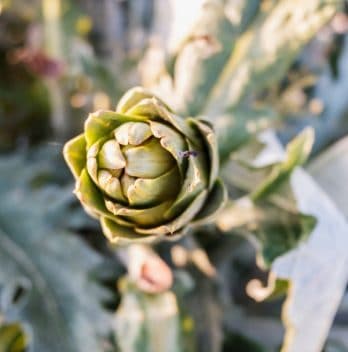
    If using growth hormone, you can put the cutting in well-draining potting soil. If not, place the thyme in a cup of water for three to four weeks with two inches of bare stem fully submerged. Once roots begin to grow, you can transfer the plant to potting soil.

    Plant Root Growing Box Kit – 20 Pcs

    71P5pjhhAaL. AC SL1500

    Growing Thyme – Characteristics

    • Thyme is generally hardy in USDA zones 5-9. However, thyme can struggle in hot summers.
    • It is best to plant it in spring when the threat of frost has passed. Thyme will tolerate drought well, but you should water it regularly during dry periods.
    • Thyme generally grows six to 12 inches tall. To grow your own thyme, simply purchase seeds at a local nursery or garden center.
    • Thyme loves the sun so you should plant it in an area where it gets full sun. If growing indoors, place it on a sunny windowsill.
    • Thyme is easy to grow and can be started indoors or in pots. Your thyme should be planted at least three feet apart.
    • If you live in a cold climate, mulch around your thyme plants with straw to protect them from frost. Thyme is a hardy perennial and will return every year. It can be left outside in the winter as it will grow leaves again in spring. 

    Benefits Of Growing Thyme

    • It is a favorite herb for cooking and can be used as a natural insect repellent.
    • It is also beneficial for the skin because it contains thymol, which has antibiotic properties.
    • You can use thyme for cooking, tea, and soap.

    Herbal remedies:

    • Thyme is used in many herbal remedies for different ailments. Here are some of the most common uses for thyme:
    • Thyme helps to relieve stomachaches. 
    • Thyme tea is a natural treatment for colds. Boil two cups of water, add one teaspoon of thyme, and steep for 10 minutes. Strain out the herbs and serve.
    • Thyme is used as an insect repellent. Sprinkle thyme around your house to keep insects away.
    • You can also use thyme to make soap. 
    • You can also use thyme to help cleanse the skin. Just be careful as some people may be sensitive to using thyme on their skin.

    In Conclusion – How To Propagate Thyme

    Knowing how to propagate thyme allows you to enjoy the many benefits of this herb.  It is possible to propagate by seed, cuttings or division. It is often best to propagate by seed.

    This method has the least amount of problems and is the easiest way to grow thyme. Cuttings are the second option.

    It is more difficult to establish a cuttings culture than it is for seed. In the case of thyme, it can be propagated from seed or cuttings.

    FAQs

    Is thyme easy to grow from seed?

    Yes, thyme is easy to grow from seed. In fact, it is a very popular herb garden plant, and many people grow it in their gardens because it is a good low-maintenance herb to grow in a pot or in the ground. You can buy thyme plants from your local nursery or garden center, or you can grow your own from seed.

    Should I soak thyme seeds before planting?

    You don’t need to soak thyme seeds before planting them. Just plant the seeds directly into your garden soil and they will germinate within a few days.

    How long does it take to grow thyme from seed to harvest?

    Thyme can be grown from seed in two to three months. However, if you want to harvest some leaves or flowers sooner, you can use cuttings from mature plants to start new thyme plants.

    What month do you plant thyme seeds?

    If you are growing thyme for culinary purposes, you should plant your seeds in spring, after the threat of the last frost has passed.

  • 10 Things You Need To Know When Growing Philodendron Giganteum 

    10 Things You Need To Know When Growing Philodendron Giganteum 

    If you are a new gardener and want to grow philodendron giganteum, here are some important things you need to know.

    What Is Philodendron Giganteum?

    Philodendron giganteum is a fast-growing, tropical plant that can be used as a houseplant or indoor garden plant. It is commonly known as the ‘Jade Vine’ and ‘Philodendron’. This plant is also called ‘Climbing Philodendron’ and ‘Spider Plant’, which is also a good name for it. It is a perennial plant that grows from a thick taproot, with fibrous roots.

    It can grow up to 10 feet tall. It has glossy, leathery leaves that are about 12 inches long and 2 inches wide. The leaves turn an amazing color of green when they are young, but turn an amazing jade green when they mature. The stems are extremely flexible, and the leaves are very durable.

    Planting:

    There are two ways to start your philodendron, either you buy a plant or grow it yourself. If you are buying one, you need to know the size and the pot that it will be in. You can also choose between indoor or outdoor plants.

    Outdoor philodendrons should be planted in a large pot and kept in full sun. Indoor philodendrons are better suited for small spaces.

    More Things About Philodendron Giganteum

    When growing philodendron giganteum, there are a few important things you should know.  They include:

    • The size of the plant will determine the size of the pot that it needs.

    The plant itself is a slow grower and will not grow any larger than the pot in which it is grown, but will continue to grow until it outgrows the pot.

    • As long as the plant has plenty of light and proper humidity, it should grow at a steady rate.

    It is important to keep the plant watered regularly. You can also fertilize the plant with a liquid fertilizer.

    • Philodendron giganteum is best grown in a sunny location, and it requires a warm temperature. 

    You can place the plant in a room that stays warm throughout the year, and it will be happy.

    Farmlyn Creek Coco Fiber Substrate

    71Z3FowNfwL. AC SL1500
    • Philodendron giganteum is most likely to be found growing in a greenhouse or on the terrace of a house.

    They like bright, indirect light and are very sensitive to changes in temperature.  It is possible to grow them outside, but they will need to be kept indoors during the winter months.

    • Philodendron giganteum has been known to cause problems when growing in the garden.

    The leaves of the plant have been known to wilt and die.  The leaves will sometimes become brown and brittle.

    • You can plant the Philodendron giganteum in the ground or in pots.

    This plant should be watered regularly.  The best way to water it is to fill the pot with water and alow it to seep into the soil slowly until it has had enough to escape through the drainage holes.

    • If you are going to grow your philodendron outside, you will need to make sure that the temperature stays above fifty degrees.

    This is very important because when the temperature is below fifty degrees, it is possible that the leaves of the plant will wilt and die.

    • This plant will grow best in bright, indirect light.

    It will also do well in a room that stays warm throughout the year.  The plant will not like to be in direct sunlight all day, so if you want to keep it in the house, you will have to keep it away from the windows.

    • This plant is toxic to animals and humans and is known to induce adverse effects when consumed.

    Some effects include – swelling and burning of lips, tongue, mouth, and throat.  It also causes severe stomach discomfort when swallowed. Philodendron also causes skin irritation when handled with bare skin.  Therefore, use gloves every time you want to handle this plant.

    • Philodendron is not resistant to press and diseases but is only affected by a few of them.

    It is easily propagated from cuttings or seeds.  Seeds should be soaked in water overnight before planting.

    10 Things You Need To Know When Growing Philodendron Giganteum 

    In Conclusion

    Philodendron giganteum is an interesting plant to grow.  It has a good relationship with most gardeners who term it as a go-to plant when you want a plant that does well indoors and outdoors.

    It has a great look that many people love. The only drawback of this plant is that it will need a lot of light, but not direct sunlight especially when grown outside in the summer months. To balance the two, can be difficult for some gardeners.

    Learning this trick will elevate your knowledge of growing this plant.  If you are interested in learning more about this plant, there is a lot of information available.  Try it today and you won’t be disappointed.

    FAQs

    Is philodendron giganteum fast growing?

    Yes, it is a very fast-growing plant. It will grow in 3-4 months from seed to flowering and blooming.  Philodendron giganteum has proven itself to be one of the easiest plants to grow. The large leaves are very forgiving when they get out of shape.

    Is philodendron giganteum a climber?

    No, philodendron giganteum is not a climber.  It is an epiphyte or air plant.

    How much light does a philodendron giganteum need?

    Philodendron giganteum grows best in full sun to part shade.  In the tropics, it will grow in partial shade as long as the temperature stays above 70 degrees Fahrenheit.  It will do better in bright areas in the winter than in shady areas.

    What is a pink princess philodendron?

    The pink princess philodendron (Philodendron chacei) is a popular philodendron because of its unique color.  It is easy to grow and has large flowers with a pink color that are very attractive to butterflies.  The pink princess philodendron also has a very unique growth habit. It starts out as a vine and then eventually it begins to form roots.  The plant will not become a climber until it has been in the soil for a while and it will only grow about 1-2 feet tall.  It can be grown in hanging baskets or other pots.

  • Can You Use Fig Tree Cuttings To Grow A New Tree? 

    Can You Use Fig Tree Cuttings To Grow A New Tree? 

    It is possible to grow fig tree cuttings to form a new tree by using healthy cuttings from a mature tree.

    Fig trees are important components of urban and rural landscapes, providing a variety of benefits including food, shelter, beauty, and wildlife habitat. There are many different varieties of fig trees available for planting, but all have the same basic characteristics.

    They require full sun, good drainage, good air circulation, and lots of water. The majority of fig trees will be grown from seed, although in some cases this is not possible.

    Growing Fig Tree Cuttings

    Fig tree cuttings taken from a mature tree will generally produce a more vigorous plant. The fig tree is more likely to survive than cuttings taken from a dormant tree past the chance of frost. It is important to note that it is possible for a cutting to take root and grow into a new tree if the soil conditions are appropriate.

    However, the cuttings will generally be slower to establish than when planted directly from the seed. It is also important to note that fig trees require well-drained soil, so if you are planting in a location that has poor drainage, it may be difficult to establish the trees successfully.

    It is very important to keep the fig tree well-watered until it begins to produce fruit. Figs are one of the most sensitive fruits to over-watering. When young, fig trees should be deeply watered at least once a week.

    If you are planning on taking cuttings from an established fig tree, it is best to wait until over winter, when the tree is dormant.

    When can I take cuttings from a fig tree

    Cutting your own cuttings

    There are several ways to take fig tree cuttings. The best way to take cuttings is to use a secateur or pruner to remove some of the lower growth and leave a small, sharp-edged cutting. It is best to take a cutting that is between 6 and 12 inches long from a branch 1/2-inch in diameter.

    When taking cuttings, it is best to take cuttings from the lower part of the tree. Cut branches that are at least two to three years old.

    Preparing your fig tree cuttings for planting

    The cuttings should be wrapped in paper towels and placed in a plastic bag to provide a humid environment for two weeks. Though not necessary, the rooting hormone can be beneficial. 

    After about two weeks, plant the cuttings in pots filled with potting soil.  Bury the cuttings so that half of each cutting is below soil level. Place the potted cuttings in indirect sun and keep the soil moist.

    A little bit of sunlight can help the cuttings grow faster.  However, they are more likely to die if exposed to direct sunlight. When planting your cuttings, you should water them regularly.

    Be sure to water them deeply because it helps with their root development. In addition, you should transplant them after 2-3 months if the plants have grown enough roots.

    6 Pack Plant Rooting Grow Box

    617qwmXH7pL. AC SL1200

    Transplanting them

    When planting them, you should choose a location that receives plenty of light.  When planting them, you should use well-draining soil.

    To help them grow faster, you should water them frequently.  You can do this by adding a small amount of water to their soil or directly spraying them.  You can feed them with fertilizer when they are growing.

    Use a high-nitrogen fertilizer every four weeks in the spring and summer if growing in a pot.  This will help with their development.  Most fig trees not grown in containers don’t need fertilizer. 

    You should avoid over-fertilizing your plants because it will reduce their ability to absorb nutrients.  Instead, you should add some fertilizer when your plants need it.

    Harvesting figs

    Fig trees will produce fruits three to five years after planting them.  It will require some patience to get some figs from your own tree. The figs will be ready for harvesting when the fruit starts to change color from green to purple or brown depending on the variety and be slightly soft to the touch.

    Figs are harvested by hand. They must be picked before they turn ripe, so you can expect to have a large number of unripe fruits in the beginning.

    You can let them mature and ripen on the tree. Figs are very perishable and can not be stored for long periods.

    In Conclusion

    The fig tree cuttings are one way to help you grow your own fig trees.  It is considered easier than growing this tree from seed. 

    Do you want to try growing your fig tree?  Get some good fig tree cuttings from your neighbor or friend and in 10 years you will be harvesting your own figs.

    FAQs

    When can I take cuttings from a fig tree?

    Plant cuttings are taken from mature, healthy plants in order to propagate them for planting. Cuttings should be taken when the tree is dormant during the winter. The cuttings should be from trees two to three years old.

    Can you root fig tree cuttings in water?

    Cuttings can be soaked in wet paper towels. They can also be rooted using a ‘hardening off’ method, where the cuttings are put in a nursery pot and grown for a period of time until they are strong enough to be planted out.

    How long does it take for fig cuttings to root?

    Fig cuttings generally root in about two weeks. If you are planning to take cuttings from a young tree, then you will need to allow longer for the roots to develop.

    Is it easy to root fig cuttings?

    It is fairly straightforward to root fig cuttings. The key thing to remember is that the cutting must be dormant before it is rooted. If you have taken the cutting from an actively growing tree, then it won’t root. You can also use a hardening off method if you want to root the cuttings more quickly.