Category: Soils & Plant Nutrients

  • Mushroom Compost: Where to Buy and How to Use 

    Mushroom Compost: Where to Buy and How to Use 

    There are a lot of materials you can use in composting. They can include green vegetables and old newspaper. You can also source for high-quality compost for your garden by purchasing mushroom compost. 

    Mushroom composts are waste products derived from the industrial production of mushrooms. These mushroom composts mainly consist of organic matter such as horse dung, wheat straw, ground chalk, and dried blood. Mushroom compost can provide your plants with adequate nutrients to support healthy growth. 

    When composted properly, mushrooms can provide your soil with 0.7% Nitrogen, 0.3% Potassium, 0.3% phosphorus, and other trace elements. Mushroom compost acts as a quality soil conditioner and can be used to add nutrients to mineral-deficient soils. 

    When shopping for mushroom compost to use in your garden, you want to ensure that you check that the pesticide content is low. When mushroom compost is produced in the industry, chemicals are often added to treat the straw and to ward off gnat and other insects from the decaying matter. For the best mushroom compost, you want to ensure that there are no chemical compounds added to the mix to avoid contamination of your plants. 

    Before you can truly understand how to use mushroom compost, you need to first familiarize yourself with what mushroom compost is. 

    What is Mushroom Compost?

    Mushroom compost can simply be identified as a compost material that is made from mushrooms. They are available for purchase from organic soil markets where they are often referred to as mushroom soil. It contains rich amounts of nutrients like Phosphorus, Nitrogen, and Potassium. Three key minerals that your soil needs to support healthy plant growth and development. 

    Before you go shopping for mushroom compost, you need to know that there are various types of mushroom compost available in the market. While all of them are made from mushrooms, they each undergo a slightly different kind of manufacturing process that affects the quality of the resulting compost. 

    The different types of mushroom compost include: 

    • Mushroom Substrate

    The mushroom substrate is the common type of mushroom compost you can find. The process of manufacturing mushroom substrate usually involves making use of a medium that includes a mix of ingredients. The ingredients used in the substrate can be a mix of chicken or horse manure and gypsum or wheat straw. Other ingredients can be used as a substrate, but these are the most commonly used. 

    The production process usually begins with the addition of large bales of wheat straw to cool water and leaving it to soak for 5 to 10 minutes. Once the straws are completely moist, it is then cut into tiny pieces by the help of a chipper. The manufacturer then blends the gypsum and manure together, and then slowly includes the chipped straw into the mix. The resulting mixture is now kept in hot compost piles and left for 2 to 3 weeks. For the best result, the piles will have to be turned and watered regularly to speed up the decomposition process. After the wheat seeds have died off from the excess heat, the piles are then transferred into rows and left out for a few more weeks to further compost. 

    The compost pile will be ready for pasteurizing once the piles appear brownish in color. The reason for pasteurizing is to kill any weed seed or bacteria that are left in the compost. The resulting compost is clean and ready for use in growing mushrooms. 

    • Spent Mushroom Substrate

    Spent mushroom substrates are the type of mushroom compost you purchase from mushroom farms. They are termed “spent” because they are no longer fit for use in growing mushrooms but can be recycled by adding it to a compost pile. 

    Compared to the mushroom substrate, these types of mushroom compost are low in nutrients and can only be used in amending soil nutrients. They are often used as lawn conditioners to improve the quality of the soil. The straw content in spent mushroom substrates is a good organic material that helps improve the water retention of the soil. This makes it a good addition to a raised bed medium or planting mix. 

    Mushroom Compost How to Use and Where to Buy

    You are likely to find mushrooms growing in your garden when you make use of spent mushroom substrates. I strongly advise not to eat the mushrooms you find in your garden (as a result of spent mushroom substrate) so as to avoid consuming any chemical compound that might have been added to the mix. Carefully remove any mushroom as soon as they appear to prevent them from reaching maturity. 

    • Substitute Mushroom Compost

    Other materials can be used in mushroom compost. But before they are added, they are pasteurized to kill off all the bacteria that can encourage the growth of mold. Some of the popular materials used in substitute mushroom composting include coffee grounds. This is because it is readily available and can be purchased for use in a home-base mushroom growing setup. You can purchase coffee grounds for free from commercial coffee shops depending on your area. 

    Mushroom Compost How to Use and Where to Buy

    Other materials that are used as a mushroom compost base include horse or chicken manure, coconut coir, peat moss, soybean meal, and hardwood dust. Once these materials are broken down, they can provide your soil with organic matter that can improve nutrient availability for healthy plant growth. 

    Uses of Mushroom Compost

    You can use mushroom compost on your plant soil as:

    • A slow-release fertilizer to neutralize acidic soil
    • Added to clay soil to improve water retention. 
    • Fresh manure compost can be used as mulch for your plant root. 
    • A dresser for the top of your lawns to prevent the growth of weed. 
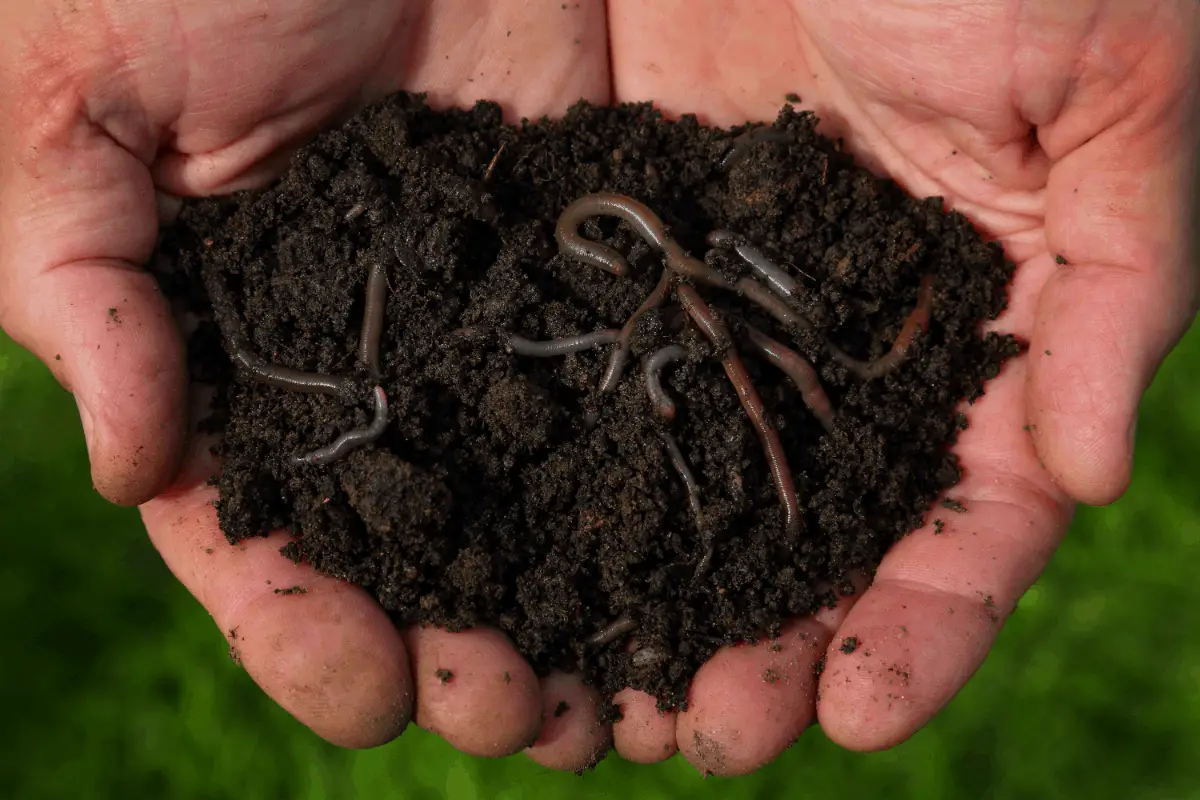
    • Mushroom compost can be used in vermicomposting as a worm bed
    • It can be added to a tumbler composter to speed up the decomposition process. 

    FAQ’s

    How do you use mushroom compost?

    Mushroom compost has been known to increase the health and vitality of plants. This compost will naturally fertilize and stimulate the growth of plants. It also helps to improve soil structure and texture. The nutrient content of compost is very high, making it an effective source of nutrition for your plants. Mushroom compost is a rich and natural fertilizer that is easy to use. It is available in liquid, granular, or pellet form. It is safe for use on any type of plant, whether indoor or outdoor.

    Mushroom compost can be used on a wide variety of plants.

    You can apply it directly to your garden or use it as a mulch for your houseplants. Compost can be used around your houseplants and shrubs. It will help to keep your plants healthy, and it will prevent disease. It is also great for the lawn, and you can use it to fertilize your lawn. It can be used to water your garden plants as well.

    Mushroom compost is a natural and organic fertilizer that can be used to enhance the growth of your plants. Compost is made from the decayed matter of food scraps, leaves, grass clippings and garden trimmings. It contains many nutrients, including nitrogen, phosphorus, potassium, magnesium, calcium, sulfur, copper, zinc and manganese. What are the benefits of using mushroom compost? Mushroom compost has been known to increase the health and vitality of plants. This compost will naturally fertilize and stimulate the growth of plants. It also helps to improve soil structure and texture. The nutrient content of compost is very high, making it an effective source of nutrition for your plants. Mushroom compost is a rich and natural fertilizer that is easy to use. It is available in liquid, granular, or pellet form. It is safe for use on any type of plant, whether indoor or outdoor. It can be used to water your garden plants as well.

    What is better cow manure or mushroom compost?

    Mushroom compost is a great thing to use for your garden, as it contains many beneficial microbes. However, I’d stick with cow manure, as it contains less nitrogen and more phosphorus than mushroom compost (although that isn’t a deal breaker in my opinion). I’ve had a few different kinds of cow manure compost and all have worked well for me.

    Can I grow vegetables in straight mushroom compost?

    Yes, you can! If your compost is well-made and has a good balance of nitrogen, phosphorus, and potassium, it should be fine. You may need to add some fertilizer (i.e. fish or blood meal) if you don’t have adequate levels. If the compost is not nutrient-rich, you’ll need to fertilize it. You can use fish, blood meal, or any other fertilizer you like.

    Where to Buy Mushroom Compost

    You can purchase mushroom compost from mushroom manufacturing industries and farms or in big box stores like Home Depot or Lowes.

    They are also available for purchase online for use in soil amendment. You can also make your own mushroom compost at home following simple methods we have outlined above. 

    Do you use mushroom compost in your garden? What materials do you use in composting? 

  • Can you Use Orange Peels in Composting?

    Can you Use Orange Peels in Composting?

    In the past, it was believed that orange peels shouldn’t be included in compost bins. This was due to the belief that the addition of orange peels could scare off bugs, worms, and other organisms that encourage composting. 

    If you are wondering if you can compost orange peels, then you are not alone. We have been asked this question by some of our readers who are interested in knowing some of the things that can be included in the compost pile

    Can You Compost Orange Peels?

    To answer the question, yes! You can add orange peels to your compost. Not only orange peels, but citrus peels are also equally good green materials to include in your compost mix.

    Citrus peels are rich in nitrogen and can easily speed up the activity of microorganisms when included in your compost. Lemon peels, lime peels, grape, and other citrus peels can be tossed into your compost pile for use as a nutrient for your plants. 

    Orange peels aren’t just good for use in the garden for composting; they can also serve other purposes and shouldn’t be thrown away as trash. But you must know that we don’t advise you to use orange peels in vermicomposting. This is because worms actually don’t like the smell of citrus and often avoid compost piles with citrus peels in them.

    When vermicomposting, you need the worms to eat off the scraps in your pile and worms don’t eat orange peels; this is why you want to avoid it in worm composting. But for traditional composting, you can add fresh orange peels without worries. 

    Can you Use Orange Peels in Composting Things you can Compost With

    How to Compost with Orange Peels

    1. Add the orange peels in small pieces

    Citrus peels are rich in nutrients such as phosphorus, potassium, and nitrogen. Before adding orange peels to your compost, you will need to ensure that you cut or trim them into smaller pieces to speed up the rate of decomposition. Adding large orange peels to your compost can slow down the rate of composting. This is because it takes a longer time for large materials to get broken down by bacteria. 

    Learn How To Make a Homemade Compost Catalyst

    2. Mix an equal ratio of green and brown materials

    You can add freshly cut orange peels or already decomposing peels to your compost pile. When including orange peels in your compost, you want to ensure that there is an equal ratio of green and brown materials in your compost pile. 

    Orange peels are examples of rich green materials you can include in your compost bin. In addition, you can include grass clippings, vegetables, and other fruit peels and remnants to boost the nitrogen, phosphorus, and potassium content of your compost. You should also check that the materials are properly placed and not tightly compacted to allow the free flow of oxygen within the pile. When there is not enough ventilation in your compost pile, it can result in the buildup of moisture which can cause your compost to smell. 

    Check these 5 Best Urban Compost Tumblers

    3. Keep your compost with proper ventilation and temperature

    There are also claims that adding citrus peels to your compost can encourage the growth of Penicillium mold. But other factors make us doubt this possibility. This is because there when you follow good composting practices, your compost pile will be occasionally hot which would not encourage the growth of Penicillium mold. The molds do better in cooler environments and wouldn’t grow in a hot compost pile. 

    The only time you will find mold on your citrus peels is if there is not enough heat in the pile. Keep your compost bin in areas where it can get direct sunlight and proper ventilation. 


    71z%2BDDF YSL. AC SL1429
    Outdoor Tumbling Composter, 37 gallon

    Other Things You Can Do with Orange Peels in Your Garden 

    Apart from being a rich source of nutrients for composting, orange peels can also serve other purposes in your garden. We are happy to inform you that you can also use orange peels for 

    As an Insect Repellant When Working in Your Garden

    You can rub orange peels on your skin to ward off mosquitoes when you are busy in your garden. Mosquitoes are indeed a big issue in the garden. While they might not do much damage to your plants, they can make your time in the garden a little unbearable. With the help of orange peels, you can make a quick insect repellant that can serve as a remedy against mosquito bites before going into your garden. 

    Use Orange Peels as an Organic Pesticide 

    Orange peels can also be used as an organic pesticide in the garden. They are particularly potent against pests such as whitefly and aphid. To make your home-made pesticide using orange peels, simply 

    • Add a few slices of orange peels into three cups of water and boil for 15 minutes. 
    • Turn off the heat and allow the orange peels to steep in the water for another 15 minutes. 
    • Once the water is cool, take out the orange peels and transfer the liquid into a spray bottle. 
    • You can now use the spray on garden pests to keep them out of your garden. 

    Use Orange Peels to Freshen Your Compost

    You can also include fresh orange peels in your compost to reduce the smell. You want to ensure that you also balance out by adding some brown materials too to the pile. Throw in a few pieces of newspaper to keep things intact. 

    Can you Use Orange Peels in Composting Things you can Compost With

    Can You Compost Citrus?

    You can safely compost citrus fruits like oranges, lemons, and limes. But you should only use them in moderation. 

    Citrus fruits are acidic and can lower the pH of your compost pile. This can, in turn, slow down the decomposition process and make it more difficult for beneficial microorganisms to thrive. 

    Here are a few things to keep in mind when composting citrus fruits:

    Avoid Composting Citrus Peels: Citrus peels can take a long time to decompose and may attract pests. It’s best to keep them out of your compost pile. 

    Cut Them Up: If you cut citrus fruits into small pieces, the decomposition process will be sped up. 

    Monitor The pH Levels: Keep a close eye on the pH level of your compost pile. If it becomes too acidic, add lime or wood ash to neutralize it. 

    Can Worms Eat Orange Peels

    Worms can eat orange peels, but it isn’t the best food choice for them. Orange peels lack sufficient nitrogen and may not provide worms with the necessary nutrients for optimal growth. 

    Orange peels are also acidic and can lower the pH of your compost pile. These conditions can make it challenging for worms to thrive. 

    Worms thrive in a neutral pH environment, so if you use worm composting (vermicomposting), it’s best to avoid adding too many citrus peels. You should also monitor the pH of the bedding materials and the composting environment to prevent acidity. 

    Are Orange Peels Good For Plants

    Orange peels can be good for plants, but you always have to use them in moderation. Since orange peels are so acidic, it can lower soil pH too much. When this happens, it’s difficult for plants to absorb nutrients. 

    However, orange peels are rich in calcium, potassium, and magnesium. Here’s how you can use them in your garden to benefit your plants:

    Composting: You can add orange peels to your compost pile. They will break down and add nutrients to the soil

    Mulch: Orange peels make a great mulch around acid-loving plants like blueberries, raspberries, and azaleas. 

    Fertilizer: You can dry and grind orange peels to make a granular natural fertilizer for your plants. 

    Pest Control: Orange peels deter pests like ants and aphids. 

    Conclusion

    You can add orange peels to your compost to add more nitrogen to the mix. We only suggest that you make use of orange peels in traditional composting and not in vermicomposting (worm composting). Apart from orange peels, you can also add other citrus peels to your compost pile. It is important that you cut the peels into smaller pieces before adding them to your compost bin. 

  • Why do Compost Bins Smell? Good Composting 

    Why do Compost Bins Smell? Good Composting 

    Why do compost bins smell? Is it possible to reduce the smell that emanates from your compost bin? 

    Yes! With the right composting practice, you can keep your compost bins from stinking like a decomposing animal. 

    While composting is a good gardening practice, a compost pile can very much turn your garden to a smelly yard; something every responsible gardener tries to avoid. Composting is a simple practice that can be as easy as taking out the trash. But it can be a whole lot difficult when the pile begins to stink and is almost impossible to keep the stink down. 

    You can compost almost anything that comes out of your kitchen. Leftover vegetables, fruits, food pieces, decomposing food, grass clippings, and any other thing you feel can be used as nutrients for your plants. 

    Most of the things we throw into the compost bin or pile will eventually begin to decay after a few days (or weeks). Once decay sets in, the compost pile begins to give off a pungent smell due to the activities of the micro-organism that builds up inside the pile. 

    While you can’t stop the activity of the micro-organisms, you can control the amount of stench that comes out of your compost. 

    Before I share with you a few good composting practices, let us first take a look at some of the reasons why your compost bin is giving off a strong stench. 

    The Compost is Too Compacted

    When you pack your compost too tightly, it can make it difficult for air to circulate around the pile. Without enough oxygen in the pile, it becomes difficult for the micro-organisms to perform their function – which is to break down the compost. Without air, the bacteria cannot populate to speed up decomposition. The bacterium that is left in the pile begins to give off a foul smell that results in a smelly backyard or garden. 

    You need the microbes to settle properly into the compost pile so you need to ensure they have enough room to stay in. For your compost to be properly ventilated, you will need to ensure that you place it in an area where it can get enough ventilation. Avoid keeping the compost in a shady or damp area. Also, you want to ensure that there is enough space between piles to allow air to circulate. Too much of dense materials on top of each other will make it difficult for air to enter into the heart of things. 

    You can use a rake or pitchfork to turn the compost pile regularly to free up things inside the pile. This also helps to expose the bottom of the pile to some fresh air. This helps to reduce the smell when performed regularly. 

    Wet Compost Smells the Worst 

    When there is too much water in your compost, it can cause the pile to smell. More than when your compost is dry. For your compost to decay properly, it will have to be left outdoors under the sun, rain, and wind. These are three elements that are important for composting to take place. However, when there is an excess of any of the elements, it can affect the procedure negatively. 

    Too much water in your compost will make it difficult for the bacteria to get to work, and cause your backyard to smell. To drain excess water from your compost, you will need to keep it in an area where it can get direct access to sunlight. You should make it a habit of turning the compost pile once a week. This can help to circulate air and heat around the pile to keep the stench down. 

    Wrong Composting Materials

    |

    Another reason why your compost smells so bad is because there are materials in the pile that aren’t supposed to be in there. Materials such as dairy products, meats, animal fat, and oils are not supposed to be a part of your compost pile. 

    The best rule to follow when placing materials in your compost pile is to make use of plant-based materials. This can seriously keep your compost bins from smelling. It also keeps dogs, cats, raccoons, and other rodents from sniffing out your compost bin. 

    Not Balancing the Greens and Browns 

    One of the best composting practices you need to follow to ensure your compost is rich is to use the right ratio of green and brown materials. Green materials are rich in nitrogen and include green leafy vegetables, and grass clippings; while the brown materials are rich in carbon and include straws and shredded newspaper. 

    When the green material in your compost is more than the browns, your compost smells like ammonia. This is a sign that you need to include more shredded newspaper, brown leaves, straw, and pine needles, to balance things out. 

    Layer your materials evenly, and don’t forget to use a rake to turn the compost once a week to allow for air and heat to get circulated around the pile. 

    FAQ’s

    Can compost bins smell?

    Compost bins can stink. This is a fact. The reason for the smell is that there are some bacteria in the bin that feed on the carbon and nitrogen in the food waste. The waste produces a gas, called methane, which smells of rotting meat. It also produces ammonia which can cause a skin rash and eye irritation. What should you do if you find your compost bin stinking? The best thing to do is to seal the compost bin with a lid. This will stop the air getting into the bin and it will help keep the smell down. If you don’t have a lid, try putting some charcoal in the bottom of the bin. This will help absorb the methane gas before it gets into the atmosphere.

    What do they smell like?

    The smell of compost is often compared to that of a flower garden, and for good reason. The essential oils released by plants during decomposition are very strong, and the same goes for compost. However, the odor is usually not noticeable until it gets going.

    Most compost bins should smell like a mixture of decaying leaves, grass clippings and soil. If it smells different, there is likely something wrong with your bin. If the bin smells like a combination of rotten eggs and ammonia, you might have a problem with too much nitrogen in the mix.

    Ammonia is a byproduct of decomposition that has a pungent odor. If you have too much nitrogen in your compost, you will likely see lots of green algae growing.

    What determines the strength of the stink?

    You may be wondering what the smell is that emanates from your bin. There are many factors that can affect the smell of your compost, and this can range from how much food you throw into the bin to how the temperature of the bin is set.

    The type of compost bin you use, what you are composting and how long you have left your compost to decompose are also important factors.

    How do I control the smell in my compost bin?

    The first you can try is to get some air circulation. The easiest way to do this is to use a fan. I have one that runs on a small electric motor, and it makes a great breeze.

    It takes up very little space and only needs to be plugged in when you use it. You can also try turning the pile occasionally, which helps to aerate it as well. You may have read that a number of people use borax in their compost bins. It is widely available and inexpensive and you may even find it at your local garden centre. Borax is an alkaline compound and will raise the pH of your compost.

    How to Keep Compost From Smelling

    A smelly compost pile can ruin anyone’s day. Luckily, you can do a few things to prevent this from happening to yours. Here are some tips you can follow to create rich, healthy soil for your garden without a foul smell:

    1. Use a mixture of brown and green materials in your compost pile. Brown materials like dry leaves and straw provide carbon. Green materials like grass clippings and kitchen scraps provide nitrogen. A balance of these will prevent odors. 
    2. Keep your compost pile moist, but do not overwater it. If the pile is too dry, it may not decompose properly. This could lead to a bad smell. If it’s too wet, the compost can become anaerobic. This can also lead to unpleasant odors. 
    3. Turn your compost pile regularly. Aerating the pile helps oxygenate it and prevent odors from developing. You can turn the pile with a compost aerator or use a pitchfork. Keeping your compost pile in a well-ventilated area will also help. 
    4. Always add a layer of soil, finished compost, or other organic matter to the top of your compost heap. Doing this will help speed up the decomposition process and can prevent odors. 
    5. Never add meat, dairy, or oily foods to your compost pile. These types of food can attract pests and cause a pile to smell. 

    Compost Odour Control: What to Do If Your Compost Heap Smells

    There are several ways to control odors in a compost pile:

    Maintain a Balance: If you have more green or brown material in your compost pile, add more of the one lacking. 

    Use a Compost Activator or Inoculant: An activator or inoculant can introduce beneficial microorganisms to your compost pile. These can break down the organic matter and reduce odors. 

    Cover Your Compost Pile: Cover your compost heap with a tarp or other cover to help retain moisture and heat. This will speed up decomposition and reduce odors. 

    What to Do If Your Compost Smells Like Ammonia

    If your compost heap smells like ammonia, it may indicate that your pile is too wet and has become anaerobic. Anaerobic conditions cause the breakdown of organic matter to produce ammonia as a byproduct. 

    Here are a few things you can do to fix this problem:

    Add dry materials: Mixing dry materials like leaves and straw into your compost heap can help absorb the excess moisture and improve the smell. 

    Add Lime: Adding a small amount of lime (calcium carbonate) to your compost pile can help neutralize the ammonia and reduce the smell. 

    Add Fresh Air: Aerating your compost pile will allow fresh air to circulate. This will improve oxygenation and reduce anaerobic conditions. 

    Compost Too Wet and Smells: How to Fix It

    If your compost is too wet and has a smell, there are a few things you can do to fix this problem:

    1. Start by monitoring the drainage of your compost pile. Ensure the pile is on a well-draining surface and that any water collecting around the base can drain away. 
    2. Turn the pile to improve oxygenation and distribute the moisture evenly. 
    3. Check the moisture level regularly to ensure your compost pile is moist but not soggy.
    4. Add dry materials to absorb excess moisture.

    By following these steps, you can remedy a too-wet and smelly compost pile to create rich, organic matter. 

    Lack of Microorganisms

    Like we mentioned earlier, your compost needs the right population of microorganisms for breakdown to take place. When the population isn’t enough to support decay, the compost pile won’t heat up and begins to give off a foul stench. 

    You can support the growth of microorganisms in your compost by placing the compost bin on the ground. You can also speed things up by introducing organic soil or fresh compost to your bin. This will lead to the speedy formation of microorganisms and leads to a quick decomposition of your compost. 

    With the right composting practice, your compost pile shouldn’t smell. This you can encourage by simply 

    • Ensuring that the compost isn’t compacted. 
    • Keep the compost in an area where it can get direct access to sun, rain, and air. 
    • Place your compost bin on the ground.
    • Use the right composting materials.
    • Balance the ratio of green and brown materials in the composting pile. 
    • Use a lid to cover your compost bin when it rains heavily. 

    How do you keep your compost from smelling? We will like to hear from you in the comment section. 

  • Lowe’s Compost Bags Review 2019 – Amazing Product for Composting

    Lowe’s Compost Bags Review 2019 – Amazing Product for Composting

    It was only recently that I realized the importance of strong compost bags. My last bunch of bags couldn’t hold all the compost waste that I had from my garden. I’m sure this is a problem a lot of you have experienced as well. Luckily, I found a possible solution to weak paper bags that I’d like to try out – the 30-gallon heavy-duty compost bags lowes.  

    Things You Need to Consider When Buying Compost Bags

    Back then, I switched my plastic bags with biodegradable compost bags. It was only at that time that I realized the importance of being eco-friendly. Also, I liked the fact that paper bags can be decomposed along with the contents. 

    Of course, I had an issue with the durability of mainstream compost bags. A lot of them tore easily, resulting in all of the contents falling over. My garden, in particular, has a lot of wet sticks, dry twigs, plant matter, and leaves. Combine all of those and you’ll get some pretty heavy compost. With that, you need to be very meticulous when choosing the right compost bags. Here are a few things to consider:

    • Durability (being tear-resistant)
    • Size
    • Support
    • Foldability
    • Weight Capacity
    • Number of products in a pack

    I would say that this is the ideal product for those who want to go green and get rid of plastics. For those who are more traditional and prefer plastic bags, this product might not be that attractive. 

    Lowe’s 30 Gallon Heavy Duty Compost Bag

    From researching what I should take into consideration when buying a compost bag, I came across one product that pretty much covers all of the criteria that I listed above. Lowe’s is a pretty well-known brand and can be pretty comparable to Biobags in terms of quality.

    91iGLUYtQtL. SL1500

    My favorite aspect of this bag is that it is completely durable and tear-resistant. The main pain point that I mentioned above was that most compost bags break easily. This bag, in particular, solves that main pain point of mine. Even though it is made out of paper, it doesn’t tear easily unlike other brown paper compost bags. 

    Here are a few pros and cons that I have discovered about the product. This allows us to get a more objective view of it:

    Pros

    • The bottom is completely tear-resistant
    • Can stand on its own
    • Size as big as garbage cans
    • Can take 30-gallons of weight

    Cons

    • On the pricey side
    • Not so sturdy at the top
    • Not flexible

    Features and Benefits

    Going deeper, let’s take a look at the features and benefits that you can take advantage. We’ll list them down here:

    • Durability and Strength

    The main reason that I mentioned was that it was strong. The main reason for this is most likely because of its double-walled craft paper. There are two layers of paper surrounding the bag, making it good for storing both wet and dry compost. 

    Lowe's Compost Bags Reviews 2019 – Amazing Product for Gardeners

    • Upright Standing

    It was built to the shape of a perfect rectangle enabling it to stand perfectly upright when you put it on the ground. Most paper bags can’t stand upright and would most likely topple over if you add too many things inside. This one doesn’t though because the bottom area is extremely sturdy. The extra weight found at the bottom along with its symmetrical shape allows it to stand without much trouble. I find this a very convenient feature that ensures that my compost doesn’t fall over. 

    • Size and Spaciousness

    Another thing that you’ll notice is that it’s a pretty big sized bag. In fact, it is a 30 gallon-sized bag. However, you may want to take note of the dimensions as you might think that it is bigger than it really is. The dimensions of the product are at 16 x 12 x 2.1 inches with a weight capacity of 30 gallons. These dimensions are pretty impressive anyway, so you can put in a lot of compost inside. 

    Lowe's Compost Bags Reviews 2019 – Amazing Product for Gardeners

    Alternatives to the Main Product

    Just to give you a clearer picture of this product, I’d like to also mention a couple of alternatives that are pretty comparable to this product. You can find them below:

    The Home Depot compost bag is very similar to our main product being able to take 30-gallons of weight and is pretty much the same size. It can also stand by itself like Lowe’s product. While it can take dry material, it does have a hard time taking wet material if you keep it inside for too long. 

    71%2BLkZYtCbL. SL1500

    Duro Bags is also a pretty good brand that has pretty much the same standing as Lowe’s. Like Lowe’s, it is able to stand upright, making it convenient for gardeners to keep at the side. One of the best things about this product is that it is covered with wet strength additives, allowing it to take about 50 pounds of weight. That’s 20 pounds more than Lowe’s paper bag. However, I have seen that customers still prefer the durability of Lowe’s. 

    71pjJSrFeOL. SL1500

    The last on the list is the Biobag 33-Gallon compost bag. Biobag is one of the market leaders in the compost bags market, so it’s no surprise that it made the list of good alternatives. I could say that Biobag’s durability can match or maybe even slightly better than Lowe’s. It can be used for any kind of compost whether wet or dry. In fact, it has a leak-proof feature, allowing you to put a lot of wet compost inside without anything dripping out. Of course, it is more expensive than Lowe’s but can take 33 gallons of weight. 

    71pb s8aaWL. SL1500

    FAQ’s

    Do Lowe’s Compost Bags work?

    Lowe’s Home Improvement has a new product called the “Compost Bags”. They claim that these bags are a great way to reduce waste and keep your yard clean. You can use them to collect leaves and other yard debris, to store mulch or garden compost, to protect plants from rain and sun and to catch bugs and worms.

    Lowe’s has announced that they will be discontinuing the use of plastic bags in favor of compostable bags, so you would imagine that they would invest a lot of resources in making sure that they work.

    Yes, the compost bags work! I have used them for years to make my own compost. And I am very pleased with the results. The bag itself is a great product and easy to use. I would recommend them to anyone who wants to make their own compost. They are very affordable. What are they made of? The bag is made of recycled plastic bottles. It is a very strong and durable bag.

    I would highly recommend this product. I have been using a large compost bag for a few years now. The bag is easy to use, I just put in a bunch of wood chips (or whatever you like) and cover it up with dirt. After a month or so, I turn the pile over and let the worms eat away at it. Then I use it as mulch. Works great!

    What are they made of?

    The bag is made of recycled plastic bottles. It is a very strong and durable bag.

    The only problem is that they can be hard to use when I need to transport a large load of organic material.

    The bins are lined with a plastic or metal liner and have a lid that goes on top.

    Is it worth it?

    These compostable bags come in a variety of sizes. It’s not just the bags either, they also come with their own bin. They are very popular and are considered to be the go-to brand for many compost interested people.

    I use the medium size ones for my kitchen scraps. The bags are very well made and the lid is nice and tight. They seem to hold a lot of material, but not too much. 

    For many people the price was just too high and it’s hard to justify buying them, particulary for those who already had a good compost bin.

    Are they sold internationally?

    Their bags are sold in the UK and online, as well as at major retail stores, such as John Lewis, Homebase, Argos and Poundland. They have a wide variety of compost bags for sale, including compost bins, green waste bags and multi-purpose compost bags.

    Conclusion

    I would really recommend that you click here to check out this product if you’re a gardener. It helps you have an eco-friendlier garden while giving you the benefit of a strong and durable bag. At the same time, you get a big sized bag that can take a lot of weight.

  • Roots Organic Soil 707: Benefits and How to Use

    Roots Organic Soil 707: Benefits and How to Use

    The Roots Organic Soil 707 is one of the best organic soils you can use in your garden. The soil mix contains minerals such as peat, perlite, coco, and other organic materials that help to stimulate plant growth. 

    When it comes to choosing a suitable potting soil for your garden, you cannot be too careful. Your goal as a responsible gardener is to provide your plants with the right materials it needs to grow. This includes making sure that the soil is packed with the right minerals and nutrients to support healthy growth

    In this article, we will be reviewing the Roots Organic Soil 707 where you will learn about all the many benefits and why it is popular among organic farmers and gardeners. 

    What Is Roots Organic Soil 707?

    The Roots Organic Soil 707 is an organic soil for plants packed in a ready to use 20 gallon potting bag. The formula 707 from Roots Organic was designed to be able to hold water making it suitable for large container gardening. The organic ingredients in the mix are completely approved by authorities (CDFA) for use in certified organic agriculture. Some of the main ingredients include coarse peat moss, bat guano, worm castings, fishbone meal, kelp meal, and soybean meal. 

    The soil is packed in bags that make it easy for you to use. All you need to do is to plant your seeds directly into the bag. You can also use it for potting in containers by drilling a drainage hole in the container and place the soil bag directly inside the container. 

    71nnVrGv46L. SL1200


    For plants to grow healthy roots and stem, they need the right nutrients. With the Roots Organic Soil 707, you can provide your plant soil with the right soil conditions for it to grow. You can also use the 707 soil to revive soils that are deficient in nutrients. 

    Organic VS Non-organic Soil Type

    There is a lot of controversy among gardeners when it comes to the best type of soil to use for potting. It all depends on your choice of ingredients, but as a grower with a few years of experience using both organic and non-organic soil and fertilizers on my plants, I will always advise gardeners to use organic soils and fertilizers on their plants. This is because organic fertilizers and soils are made from completely natural ingredients that are eco-friendly. This makes them great for your health and the environment.  Some other differences between organic and non-organic soil type you need to be aware of includes: 

    1. Organic soil contains materials with a carbon content from living or dead matter; while non-organic soil in most cases is made from chemical compounds. Non-organic soils are made from man-made materials that have been re-engineered to support plant growth. 

    2. Non-organic soils are cheaper compared to organic soil.

    3. Organic soils have different pH levels while non-organic soils have a neutral pH level. 

    4. Organic soils have a tendency to contain contaminants. This is due to the fact that the ingredients in the soil are completely organic and susceptible to impurities. But you wouldn’t get many contaminants in non-organic soils as they do not undergo molecular changes. 

    5. Organic soils come in specific blends that are manufactured for separate plants whereas non-organic soil types are suited for all soil types and plants. 

    6. Non-organic soil makes use of recycled products such as Styrofoam to support aeration; while organic soil makes use of pure natural methods to supply plant roots with the right amount of oxygen it needs to grow. 

    7. Lastly, we support the use of organic potting soil because unlike non-organic soil, it is completely free from toxic chemicals that could endanger your life and the environment. 

    Roots Organic Soil 707: Benefits and How to Use

    Benefits of Roots Organic Soil 707

    Some of the reasons why we encourage the use of Roots Organic Soil 707 is because 

    1. The soil was designed specifically to encourage the speedy growth of plants. When you make use of this potting soil in your garden, you do not need to worry much about regular fertilizer application. This is because the product is already formulated with the nutrients needed by plants to grow healthy. 

    2. The ingredients in the mix include compost, perlite, coarse peat, worm castings, pumice, feather meal, soybean meal, kelp meal, bone meal, fishbone meal, and coco fiber. These are all the nutrients your seeds need to grow healthy leaves and fruits. 

    3. The soil is packed in a 20 gallon grow bag that is ready to use without difficulty. All you need to do is to trim the top of the bag and plant your seed directly into the bag or transplant into a larger container. 

    4. There are no traces of chemical compounds in the soil; making it completely free from toxic materials that can endanger your health and environment. 

    5. The soil can be used for a variety of plants that require a slightly acidic pH level to grow healthily. 


    How to Use the Roots Organic Soil 707

    Like we have mentioned earlier, you can easily make use of the soil without breaking much sweat. The soil is packed in a bag that you can plant your seeds in temporarily before repotting them in a container. You can also plant directly to a container by drilling a hole to allow drainage of excess water. You will also have to make use of more soil; as you will have to fill the container properly until it is full.

    You can purchase Roots Organic Soil 707 on Amazon.

    Roots Organic Soil 707: Benefits and How to Use

    Other Alternatives to Roots Organic Soil 707

     This is a completely organic potting soil that is packed with nutrients and minerals to support healthy plant growth. It is also easy to use and can be adjusted for a variety of plants. 

    This is another quality potting soil mix you can use for your plants without much stress. All you have to do is water regularly and apply fertilizers from time to time. 

    Finding the right potting soil for your plant shouldn’t be a problem. With the Roots Organic Soil 707 you can provide your seeds with the right nutrients it needs to grow. 

    Which potting soil do you use in your garden? We will like to hear from you. 

    FAQ’s

    What is the pH of roots organic soil?

    The pH of roots organic soil can vary from 5 to 6.5 for soil gardens. If you would like to adjust pH, the adjustment should be done earlier before applying root organic to your plant. 

    If the soil is dry, you can water a little and leave it for some minutes before applying root organic to your plants.

    Is Roots organic really organic?

    Root organic is purely made from excellent qualities of organic ingredients. It is a ready to use coco fiber for your potting soil needs. The elements of root organic especially consist of are purely blended organic ingredients and some include worm casting, peat moss, Bat Guano, fishbone meal, feather meal, green sand, soybean meal, kelp meal, and many more.

    It has also been mixed with the appropriate percentage of pumice and perlite. Root organic is basically used for soil amendments such as enhancing water holding capacity, good drainage, and good root system. Your plant will also experience exceptional growth with root organic. It is also great for a soilless garden. 

    Roots organic soil 707 vs. fox farm ocean forest

    Both root organic soil 707 and fox farm forest is great, they are basically almost the same. However, root organic soil will give a better result for your plants providing them a healthy, faster, with fewer plant issues. 

    Root organic is perfect for all types of plants including clones and seedlings. It retains more water than fox farm ocean forest would. This is because Fox farm ocean forest is a bit sandy. Therefore it does not hold as much water as root organic soil does. 

    Fox Farm Ocean is usually known for its great advantage to cannabis growers. However, it’s a matter of preference. Know and choose what works best for your plant type. 

  • Organic Solution Premium Worm Castings: Natural Nutrient for Plants 

    Organic Solution Premium Worm Castings: Natural Nutrient for Plants 

    One of the many problems growers and gardeners face is the pest issue in their gardens. While this problem can quickly be taken care of with the right insecticide or pesticide, it can be quite tricky to ensure that there are enough nutrients in the soil for plants to grow. For plants to grow healthy, there must be enough nutrients in the soil. When soil nutrients are deficient, the best action you can take as a responsible gardener is to use organic feed to boost the nutrients in your soil or grow bed. 

    In this article, we will review the Organic Solution Premium Worm Casting and find out why it is so popular among gardeners and farmers who use it to improve their soil. Before we begin our review, we will look at some of the things you need to look out for when shopping for organic plant feed. 

    Before You Buy Fertilizer for Your Garden

    Fertilizers play a significant role in improving plant growth. They are able to achieve this by adjusting the nutrients in the soil to support the development of plants even when they ordinarily cannot due to nutrient deficiency in the soil. However, when shopping for a fertilizer to use on your garden, you must get it right by purchasing the right product that will give you the best possible results. You don’t want to spend money on a product that won’t get you the desired result. Before you buy a fertilizer for your plant, it is essential that you. 


    • Check that Your Garden is Truly in Need of Additional Nutrients. 


    You can do this by using a soil test kit to check which nutrients your soil is lacking. You want to look out for nitrogen, phosphorus, and potassium minerals. Plants need these minerals in the right proportion, so you want to check to see that they are evenly balanced or know how much quantity is required and of which. 

    Organic Solution Premium Worm Castings Natural Nutrient for Plants 


    • Ensure the Fertilizer is Appropriate for the Plant You Want to Use it on.


    The fertilizer you choose to buy must be a good fit for the plant you intend to use it for. There are fertilizers made explicitly for use on fruits, flowers, lawns, vegetables, and other types of plants. So you want to make sure that you settle for the right one to be certain of getting the right results. 


    • Know How Much Fertilizer You Need 


    You also need to know how much fertilizer your plant needs. You can do this by measuring your garden with tape and checking against the product package for how much fertilizer you will need to apply to your land size. 


    • Organic Fertilizers Are Better for Plants and Environment


    You must also know that not all fertilizers are good for your plant and the environment. It is best that you use only organic products on your farm. This is because they are completely devoid of chemicals that may harm your soil and the ecosystem. 

    |

    Organic Solution Premium Worm Casting

    Organic Solution Premium Worm Casting is a quality organic plant nutrient produced in the USA. Made from pure California castings, this premium product from Organic Solution is an effective solution for treating nutrient deficiency in plant. In addition to adding nutrient to the soil, they also help to support healthy growth of plants. The whole process begins with the acquisition of clean, composted horse manures that are added to vegetable waste, coffee grounds, cocopeat, and crustacean seashells. Also, regional rock dust, humates and kelp meal are equally added to help fortify the mix. 

    What Are Worm Castings?

    Worm castings are a type of organic fertilizer that is made from earthworms. They are also referred to as vermicast and they provide plant soil with a natural source of nutrient. They are mainly earthworm waste that helps to enhance the soil they are added on. They contain all the required nutrients for plant growth and are a great and cheap way to treat soil nutrient deficiency. 

    Organic Solution Premium Worm Castings: Natural Nutrients for Plants

    Benefits of Organic Solution Premium Worm Casting 

    Some of the reasons why this organic fertilizer is common among farmers are:

    Made from Organic Matter 

    The Organic Solution Premium Worm Castings are made completely from organic matter, including earthworms, crustacean seashells, and vegetable waste. 

    Helps to Promote Water Retention 

    Adding this fertilizer to your soil helps to promote water retention, which is good for plant roots. This can greatly improve the nutrient availability in the soil and ensure that nutrients are easily absorbed by plant roots. It also helps to reduce water loss, especially in hot weather conditions. 

    Promotes Plant Growth

    Adding vermicast to your soil is a natural way to promote healthy plant growth. They also help to reduce the burning of plant due to too much application of fertilizer. Too much of earthworm poo to your soil will not affect your plants in any way. 

    Suitable for all Plant Types 

    Another reason why we love the Organic Solution Premium Worm Casting is because it can be used on all types of soil. You can add it to your pot or aquaponic system to improve plant growth. You can apply it as a side dressing, top dressing or simply use by working directly into the soil|

    How to Use on Your Garden 

    Once you have measured the area of your garden and noted how much fertilizer is required, you can simply apply the Organic Solution Premium Worm Casting directly into the soil with a trowel or your hands. For use in pots, you can apply it as a top or side dressing for a better and quicker result. 

    Wiggle Worm 100% Pure Organic Worm Castings Fertilizer, 30-Pounds – Improves Soil Fertility and Aeration for Houseplants, Vegetables, Gardens, and More OMRI-Listed and Mineral-Dense
    $33.97
    Check Amazon Price
    We earn a commission if you make a purchase, at no additional cost to you.
    12/15/2025 07:03 am GMT

    Other Alternatives 

    Some other alternatives to the Organic Solution Premium Worm Casting are 

    • BiotaMax Plant/Soil Probiotic

    It contains beneficial bacteria and fungi that can help to repair soil and promote the healthy growth of plants.  

      It is made from organic materials that help plants to grow healthy roots and stems.


      What are worm castings?

      Worm castings are created by the worms as they live in the soil and feed on the decaying organic matter. Worm castings are rich in nutrients that help the soil retain moisture and improve the texture of the soil. They are rich in organic matter and also contain a good amount of nitrogen, phosphorous, potassium, calcium, magnesium, sulfur, copper, zinc, iron and manganese. They also contain a lot of micro-organisms that help to improve the health of the plants.

      Can worm castings be used on all plants?

      Yes, as long as the worm castings are not too hot or dry. If you have a large area to apply them to, then you can also use them as a fertilizer for the plants. However, when you apply the worm castings, it is important to use them in moderation and not too much at once. If you do that, then you can avoid any potential problems. It is recommended that you use the worm castings about every three weeks.

      What are the benefits of using worm castings?

      Worm castings have many benefits. They help to make the soil fertile and retain moisture. They also make the soil structure firm. Worm castings improve the growth rate and also the overall appearance of the plants. Worm castings help to enhance the nutrient content of the plants. They also help to make the roots strong and healthy. It is recommended that you apply worm castings to your garden as they are rich in nutrients.

      How do you use organic worm castings?

      Worm castings are one of the most useful and valuable by-products of a composting system. These castings have many uses from a fertilizer to a soil amendment. Worm castings are also known as vermicompost or vermiculture.
      Worm castings are the poop that comes out of your worms when they are done decomposing a piece of food. They are mostly made up of protein, fat, fiber, and minerals like iron, calcium, and phosphorus. They can be used in the garden to add nutrients to your soil or compost pile. You can also use them to feed your chickens or fish. Worm castings are not safe for humans to eat.

      Can you use worm castings and fertilizer at the same time?

      Yes, worm castings and fertilizer are safe to use together. Worm castings help the soil’s micro-organisms to break down organic matter in the soil, making it easier for the fertilizer to work. The castings also add organic matter to the soil, which is another benefit of using castings.


    • The Ultimate List of Things You can Compost

      The Ultimate List of Things You can Compost

      You must apply fertilizer to your garden occasionally. You will also need fertilizer to use on your lawn, farm, and aquaponic system. Many farmers are aware that not all fertilizers are safe for use on their plants, but some of us do know that starting a compost makes our life much easier. Let us tell you about the things you can compost in the following paragraphs.

      When shopping to add nutrients to your soil, you need to be on the lookout for organic sources that contain the right nutrients to support the healthy growth and development of your plant. One such healthy nutrient source for the plant is compost. In this article, we will be talking about how to use compost, things you can compost, and compostable items. But before we get started, let us first take a quick look at some of the benefits of composting just in case you are contemplating whether to compost or not. 

      Benefits of Composting 

      • One of the foremost benefits of composting is that it helps to support the production of beneficial microorganisms such as fungi and bacteria which aids in the breakdown of organic matter leading to the formation of humus. This is a material filled with nutrients that can lead to the growth of healthy plants in your garden. 
      • Using compost in your garden will reduce your dependency on chemical fertilizers. This also saves you the problems associated with the use of chemical fertilizers such as exposure to toxins and environmental pollution. 
      • Compost helps to reduce carbon and methane emissions from your soil
      • It also helps to provide your soil with nutrients that support growth. This makes it a good solution to the problem of soil nutrient deficiency. 
      • Composting also helps to reduce the buildup of waste in landfills. This is because many of the materials that are often disposed of can be kept for use as an organic manure for plants. 
      • Composting is a cheap source of providing nutrients for your plants. You get to save money on manure and fertilizer once you decide to compost. 
      • Composting also helps to encourage soil water retention. This reduces the effect of erosion and also stops the depletion of the nutrients present in the soil

      The Basics of Composting 

      The basic thing you need to know about composting is that there are three ingredients required for the process to take place and they are:

      Water 

      Water helps to provide the moisture needed for decomposition to take place. Water helps in the breakdown of the organic waste that leads to the formation of humus. 

      Green materials 

      Green materials are the organic waste products that form the compost. They can include vegetable waste, fruit, coffee grounds, and other organic materials. Greens also provide a natural nitrogen source that is needed for composting to take place. 

      Brown materials 

      Brown materials are also ingredients that make up compost. They include twigs, dead leaves, and branches. They are the main source of carbon for the entire pile. 

      Having identified the three important ingredients for compost, you need to also know that you will need to add equal amounts of green and brown materials when piling up your compost. You will need to pile the materials up in alternate layers of brown and green. You can either build your compost indoors or use an outdoor space at the back of your home or side of your farm. 

      Items You Can and Can’t Compost With 

      We have compiled a list of all the available things you can use when piling up your compost. Some of the materials mentioned here will not be acceptable to some of us due to the fear that these ingredients may support the emergence of pests in your garden or home. Considering that this is an extensive list, we are certain that you will be able to find the right material to compost with. 

      Green materials suitable for composting 

      Greens are the best source of nitrogen to compost and they are needed in large quantities when building your compost pile. Here are some of the best sources of nitrogen for compost :

      • Cooked plain rice
      • Cooked plain pasta
      • Seaweed
      • Cornhusk
      • Stale bread
      • Corn cobs
      • Dead plants (ensure they are not diseased)
      • Dead flower heads
      • Fresh leaves 
      • Fruit peels
      • Vegetable peels
      • Coffee grounds
      • Trims from houseplants
      • Grass clippings
      • Melon rinds
      • Citrus rinds
      • Tea bags/leaves
      • Broccoli stalks
      • Eggshells 
      • Old herbs and spices 
      How to Compost and Compostable Items

      Brown materials suitable for composting 

      Browns provide your compost with the carbon needed to support aeration within the compost. They also help to improve the structure of your compost once decomposition begins. Some of the best browns you can add to your compost pile include:

      • Straw 
      • Shredded office papers 
      • Shredded newspapers
      • Pinecones 
      • Raffia
      • Bird nests 
      • Used napkins 
      • Excelsior 
      • Toilet paper 
      • Fall leaves 
      • Beddings from rabbits, hamsters, and guinea pigs
      • Sawdust (use only dust obtained from wood that hasn’t been treated)
      • Brown paper bags
      • Wood chips 
      How to Compost and Compostable Items

      Some people often add fat, dairy and meat to their compost but we left those out in our list of ingredients because you will need to be extremely cautious when using such items. You can speed up the rate of compost by ensuring that you add equal amounts of brown and green to the mix. But if you notice that your compost is not decomposing as fast as it should, you will need to add more green materials to jack things up. 

      Things you can’t compost with 

      Some people often make the mistake of including the materials mentioned below as part of their compost items.

      • Walnuts
      • Glass
      • Greasy foods boxes such as empty pizza box
      • Plastic 
      • Wrapping paper made from metal
      • Dead plants that contain diseases
      • Cooking oil 
      • Toothpaste 
      • Haircare products 

      While they might cut across like a domestic waste product, these materials have no benefit to your compost as they cannot decompose even when they are left in the pile for an extended period. You want to make use of materials that are easily broken down once decomposition begins.  

      Indoor Composting 

      You will need to make use of a bin when preparing your compost indoors. This bin you can easily purchase from your local gardening supply store or hardware store. When using a compost bin indoors, you will need to be extra careful to ensure that you don’t encourage the outbreak of rodents or pests inside your home. You will need to tend to your pile regularly and your compost should be ready in less than six weeks. 

      Kitchen Compost Bin

      61UDgSnN9TL. AC SL1500

      Composting Outside Your Home 

      The best place for you to compost outside your home is at the back of the house or the side of your farm. There are several ways you can prepare your compost pile, but you need to make sure that whichever method you use, the three main ingredients need to be in place namely greens, browns, and water. You will also require some gardening tools to make things easier and they include machetes, shovels, pitchforks, and water hoses.

      When preparing your compost at the back of your house, you will need to:

      1. Keep the pile in a dry place that is close to a source of water
      2. Shred all large brown or green materials into smaller pieces before they are added you the pile. 
      3. Moisten dry materials before adding them to your compost. 
      4. After piling up the compost materials, you will need to add vegetable waste and fruits at the bottom of the pile to speed up the decomposition rate. 
      5. Cover the compost to encourage the buildup of heat inside it. 
      6. Keep the entire compost moist by watering it occasionally using a spray hose or allowing it to get wet under the rain. 

      Your compost should be ready for use after 2 months but this can take more than a year depending on the compost material used. You can find all this material in your kitchen or around the house. You should make use of waste obtained from your home. You can also make use of waste products obtained from your neighbor’s bin or go looking for compostable materials around your neighborhood. 

      When keeping a compost pile close to the house, you need to take extra care to ensure that it does not encourage the emergence of insects and pests in your garden or home. A good way to handle this will be to purchase an organic pesticide or insecticide that can neutralize insects and pests while also keeping you safe from toxins that can endanger your health or plant health. 

      Final Words

      With the materials mentioned above, you should be able to determine which items to use when next you are planning your compost pile. Have you tried making your compost before and how did you go about it? We will like to hear from you in the comment section. 

      FAQ’s

      What kind of things can you put in a compost?

      Composting is a great way to manage your household’s food scraps and other organic waste. It’s also an effective way to help the environment, because it breaks down all that food and yard waste into nutrient-rich soil. Here are some guidelines for what to compost and how to do it right.

      The best compost is made up of a balanced combination of kitchen and yard wastes. These include fruits and vegetables, leaves, straw, grass clippings, paper products, and other organic materials.

      Generally speaking it should be a mixture of any kind of food waste, yard clippings, and kitchen scraps. These include things like eggshells, apple cores, banana peels, broccoli stalks, carrot tops, cabbage leaves, citrus rinds, etc.

      What should the compost look like?

      The first thing that you should ask yourself is what type of compost do you want to make. There are a number of different things that can go into compost. The more diverse the ingredients, the better the end product.

      The compost should be dark and rich in nutrients. If you don’t have access to a lot of yard waste, try to source food scraps from a local farm or food co-op.

      Is there a limit?

      There’s not really any limit on what you can use in a compost pile, but there are some things that you should avoid. Some of these are pretty obvious, while others are more subtle.

      What should I avoid throwing in the comport?

      Avoiding Ingredients That Are Too High in Nitrogen

      One of the biggest problems with using compost is that it tends to attract lots of hungry insects. This is particularly true if you’re using manure or other organic materials. While the composting process will reduce the nitrogen content, the nitrogen left in the compost will still be available to the bugs. Nitrogen is one of the most important nutrients for plants.

      Plants need a certain amount of nitrogen in order to grow. In compost, the nitrogen can be found in either protein or nitrates. If you have access to some nitrogen-rich material like manure or blood meal, you may want to consider adding it to your compost. However, be careful because adding too much nitrogen can make your compost smell bad and attract pests. In fact, the EPA has a list of materials that are high in nitrogen. Many of these materials are listed as “hazardous waste” and should not be added to a compost pile.

      What’s the problem with manure in compost?

      The main problem with using composted manure is that it is often very hot. When the compost is ready for use, it should be at least 60°F. If it is too hot, you may end up with a compost pile that smells bad and attracts pests. If you want to use composted manure, you will need to add some carbon to help cool it down. Carbon helps keep the nitrogen from reacting with the oxygen and creating an unpleasant odor. You can add either dry leaves, grass clippings, or sawdust to your compost pile. These materials also help keep the compost cooler. You should also add a small amount of gypsum to your compost pile.