Category: Soils & Plant Nutrients

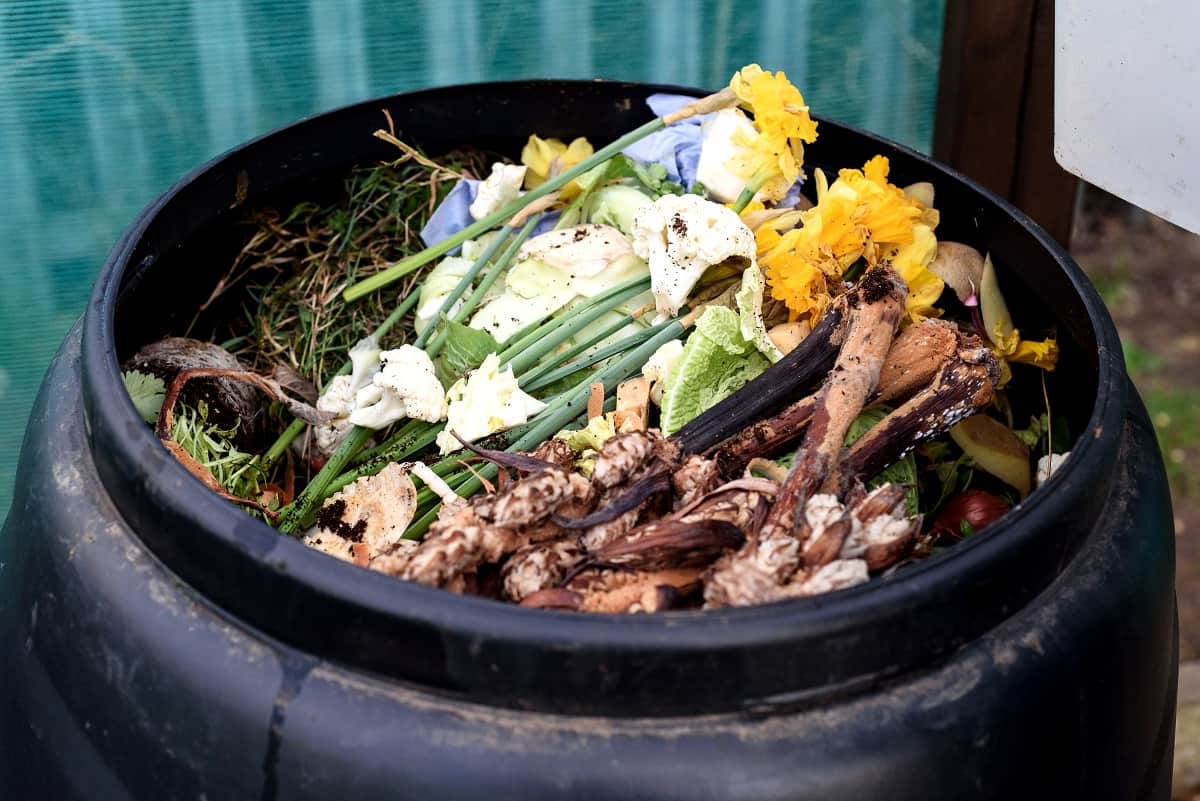
  • Organic Materials: Can Meats Be Composted?

    Organic Materials: Can Meats Be Composted?

    The process of composting refers to the idea of placing organic materials on the soil to serve as fertilizers for the plants. Approximately 30% of the total organic materials are being thrown away, and instead of disposing it directly on the trash bin, it’s better to compose it to minimize trashes filling up the landfills – where it releases methane, a hazardous greenhouse gas.

    Can you compost meat?’ is a debatable question commonly asked by the people. This material once composted, however, shares a bit of pros and cons.

    Composting Basics

    Composting is a relatively easy process with simple organic materials needed. The basic materials necessary are the browns composing of twigs, branches and dried leaves, greens, such as grass and vegetable and fruit waste, and water to help breakdown the solid organic materials.

    Brown material emits carbon, green provides nitrogen, and water gives off moisture to help start the entire process. 

    |

    The Importance of Composting

    As mentioned, composting serves as plant fertilizers and minimizes trash. These benefits are often overlooked by the people as they prefer to use commercial fertilizers (with toxic chemicals) rather than the natural composts which they can easily create using organic and raw materials.

    Composting versus Commercial Fertilizers

    Commercial fertilizers, though not all, are mixed with non-organic chemicals which can be toxic to the environment. Nitrogen-based fertilizers, for instance, can be detrimental to the environment, as it is frequently known to pollute water. As a result, it becomes a potential threat to various species, including humans.

    On the other hand, composting is a natural alternative in providing fertilizer to plants. Although the process is slower and messier, the aftermath is safer for the environment.

    Releasing Greenhouse Gas

    Organic materials placed in the landfills release methane, one of the listed greenhouse gases. Greenhouse effect, as caused by these gases, is an exchange between radiations coming in and out, which warms the Earth’s surface.

    As long as these gases, which are responsible for the greenhouse effect, are in the right proportion, the amount of heat emitted is literally safe enough to preserve life. However, once produced in excess, this becomes an environmental problem by drastically changing the climate.

    |

    As the majority of the population practice disposing of organic materials directly in the landfill, the amount of methane produced in addition to other greenhouse gases from other sources exceeds the Earth’s threshold; thus, giving off a negative effect to the environment.

    Therefore, utilizing organic materials as fertilizers lessens the release of greenhouse gas, which in turn, minimizes the greenhouse effect.

    Composting Meat

    Meat is often off-listed in the composting process. Albeit, it is viable to compost meat for the reason that it is organic in nature. The process, however, shares its own pros and cons.

    The Advantage of Composing Meat

    Just as disposing of other materials, getting rid of meat through composting can minimize trashes from excessively piling up in the landfill. However, the process can be tedious in contrast to other materials.

    Deciding to compost meat products to lessen waste production in your household may require you to turn the compost frequently. It should also be continually done until the interior part of the pile to ensure that it’s completely composted.

    The Disadvantages of Composing Meat

    Apparently, the amount of disadvantages exceeds the advantage of composting meat products, apart from its hassle and meticulous process. 

    Introduction of Pests and Other Animals

    Knowing that meat products are one of the most sellable for consumption, unwanted guests or pests start to infiltrate the area where you decide to compost the meat product. Apart from pests, other animals, including dogs and cats (especially stray ones), will also start to consume the product if left in the open.

    Not only will this mess up the area, but this also serves as a potential threat to spreading diseases.

    Organic Materials: Can Meats Be Composted?

    Potential Carrier of Pathogens

    Aside from inviting pests and animals in your space, improper composting of meat can also cause serious problems by culturing bacteria. Bacteria are known to cause certain diseases acquired through water, air, improper cooked food, and so on. As a result, this may lead to the spread of bacterial diseases in the area.

    If your compost pile isn’t hot enough, several bacteria won’t stop spreading through the product. One commonly isolated pathogen, Escherichia coli, can continue to live up to two years.

    Produces Putrid Smell

    Given that bacteria start to infiltrate the meat product, meat products unexposed to high temperatures start releasing foul smell, which can be irritating or even nauseating.

    Cooked meat, in comparison to raw meat, tends to breakdown faster and produces lesser foul smell. Just like green products, meat is also rich in nitrogen – a component necessary in composting.

    |

    Commercially Composting Meat

    After the concise discussion about the positive and negative points about meat composting, it’s still possible to continue practicing the aforementioned as a way to minimize waste in the landfill and also utilize a more natural way of providing fertilizers for the plants.

    Certain compost facilities are readily available to dispose of meat and blood products. They process the products in such a way that it becomes safe to use on specific crops such as tree farms, winter wheat, corn, and hay. Unfortunately, this engineered product isn’t applicable for home gardening.

    FAQ’s

    Can you compost chicken manure?

    You can use chicken manure. Some say yes, some say no. I would try it first in a small area first. You will be amazed at how much chicken manure smells, so you may not want to use it in the main garden. Chicken manure is rich in nutrients and works well as a soil amendment. It contains nitrogen, phosphorus and potassium (NPK), all of which are beneficial to the soil. It also contains some trace elements like zinc and copper. 

    You have to be careful though. Remember that it can contaminate your soil if you’re not careful. The chicken’s waste contains a lot of nitrogen, which is a key element in plant growth. If you add chicken manure to your garden or compost pile, you’re adding too much nitrogen to the mixture.

    Will it attract unwanted animal visitors?

    Some say that it’s not a good idea to mix meat and bone into your compost pile. It will attract vermin like rats and mice. You can add some wood ash or other non-compostable materials to the mix to help deter animals. You can also add other food scraps to the mix to help reduce odors.

    Can You Compost Meat?

    Going back to the original question, meat is an organic material capable of the composting process due to a high amount of nitrogen present. However, unlike other organic materials, meat requires a much tedious process with frequent monitoring to avoid pests and pathogens.

    Deciding to compost meat will require you to do it in a minimal amount and under high temperature with intense monitoring and turning of the pile to ensure that it’s safely composted.

    Organic Materials Can Meats Be Composted

    Can you compost chicken manure?

    You can use chicken manure. Some say yes, some say no. I would try it first in a small area first. You will be amazed at how much chicken manure smells, so you may not want to use it in the main garden. Chicken manure is rich in nutrients and works well as a soil amendment. It contains nitrogen, phosphorus and potassium (NPK), all of which are beneficial to the soil. It also contains some trace elements like zinc and copper. 

    You have to be careful though. Remember that it can contaminate your soil if you’re not careful. The chicken’s waste contains a lot of nitrogen, which is a key element in plant growth. If you add chicken manure to your garden or compost pile, you’re adding too much nitrogen to the mixture.

    Will it attract unwanted animal visitors?

    Some say that it’s not a good idea to mix meat and bone into your compost pile. It will attract vermin like rats and mice. You can add some wood ash or other non-compostable materials to the mix to help deter animals. You can also add other food scraps to the mix to help reduce odors.

    Conclusion

    Composition refers to organic materials placed on the soil to serve as a plant fertilizer and as a way to reduce waste. Meat products, labeled under organic materials, are also viable for compost due to nitrogen present. The process is done in a much specific manner by composting only minimal chunks of meat at a high temperature. Also, it should be continually turned for proper breakdown.

    If you have other methods in composting meat products apart from what’s mentioned above and if you know other advantages of composting meat, don’t hesitate to share your bright ideas below.

  • Can You Compost Cardboard and How To?

    Can You Compost Cardboard and How To?

    Are you planning to start a compost pile? If you are, then you are in the right place. Do we know you might be wondering which materials are compostable? This is why in this guide; we will be discussing how you can compost cardboard papers.

    Not all materials are safe to add to a compost pile. Kitchen waste such as vegetables and other green materials can be composted for use in improving your garden soil. without wasting more time, let’s find out how best to use cardboard in a compost pile.

    Why Compost Cardboard?

    Adding cardboard to your compost is a good way to provide nutrients for your garden plants. It is also a good way for you to reduce paper waste in your home. So if you happen to have a backyard garden, you can toss those empty paper cartons into a compost bin.

    Can you Compost Cardboard and How To?

    Cardboard and empty paper packages are some of the materials that are piling up in landfills. Using them to make compost is a great way to reduce environmental waste and protect the environment. There are different types of cardboard paper so you want to note which one you are adding to your compost.

    Can You Compost Cardboard?

    Yes, you can. It doesn’t matter the type of paper; you can include it in your compost bin. Cereal boxes, empty delivery packages, cartons, and other cardboard materials can be composted with the right practice.

    Cardboard papers coated with other materials such as wax may be difficult to compost. This is why you need to ensure that your cardboard paper is safe to be included in a compost bin.

    Adding Cardboard to Compost

    Cardboard paper is a good way to improve the carbon-to-nitrogen content of your compost pile. When adding cardboard papers to a compost heap, you want to avoid adding the colored ones. This is because they usually contain other additives that may not be safe for your compost pile.

    Brown or plain colored cardboard papers are the best to use in composting. You also want to ensure that they are shredded before adding them to your compost. This makes it easier for it to decompose quickly. Without measures such as this to speed up the compost time, it can take more than a year for your pile to be ready for use.

    Can you Compost Cardboard and How To?

    Speeding the Compost Time

    One of the problems of composting is that it can take a long time for the compost pile to be ready. Without the right compost practice, many of the materials in your compost pile will not undergo any decomposition. So how then can you speed up things and get your compost pile to ready as soon as possible?

    You can achieve this by:

    Ensuring Materials Are Properly Sized

    Before adding your cardboard paper and other materials to your compost pile, you want to ensure that you do your best to shred them. you can make use of a shredder or use scissors to resize your papers. This is important as large size materials take a longer time to turn to organic matter.

    Also, when the compost materials are properly sized, it makes it easy for the microbial activities to begin. A small sized compost pile gets heated up quickly compared to a large one. So you want to take note of this important tip.

    Turn It Regularly

    In addition to ensuring the materials are properly sized, you want to also turn the pile regularly. This is because oxygen is required for microbial activity to take place. And the only way you can do this is to turn the pile manually. You can do this with a rake or a garden fork if you are worried about getting your hand soiled.

    Can you Compost Cardboard and How To

    Poke the garden fork into the materials and try to spread them uniformly. Get the materials at the bottom to the top of the pile. You should do this one a week or twice. This should make it easy for the pile to be aerated and compost quickly.

    Maintain a Balanced Ratio

    A good compost pile should consist of the right amount of green and brown materials. The carbon to nitrogen ratio should be kept at 20:1. Materials that are rich in carbon that you can add to your compost pile include shredded paper, straws, sawdust, wood chips, and corn stalks. While examples of nitrogen-rich materials include kitchen waste, grass clippings, garden weed, and even coffee grounds.

    Water It Regularly

    Your compost pile needs to be kept moist for microbial activity to take place. This means that you will need to add water to it regularly. You don’t need to soak your compost pile in water. Sprinkle water on the materials regularly as often as you turn it.

    Use the Right Bin Size

    A common mistake most people make when composting is using the wrong size of the compost bin. You should ensure that the materials you add to the bin fit properly. You shouldn’t use a large bin to compost small materials. This is because it takes more time for the materials in the bin to get heated, this slows down the rate of decomposition.

    |

    You can purchase a compost bin or use any type of bin that is available to you. But whichever one you choose, you want to ensure that it has a lid and is perfectly sized.

    Other Uses of Cardboard Paper in the Garden

    Apart from composting, you can also use cardboard paper in:

    Mulching

    You can use cardboard paper to mulch your garden. This helps to prevent the outbreak of weeds and diseases. It also helps to improve the condition of the soil. you can add cardboard paper as a side dressing or directly to the surface of your soil.

    Trench Lining System

    Cardboard paper can also be used to build a trench lining system in your garden. These trenches help to retain water for thirsty plants and make nutrients available for plant roots.   

    FAQ’s

    How do you break down cardboard for compost?

    The first thing to do is to cut the cardboard into manageable pieces. You can either use scissors, a knife or a pair of wire cutters. The other option is to use a cardboard shredder that will shred the cardboard into tiny pieces. It is recommended to use a paper shredder, but if you don’t have one, you can use a cardboard shredder.

    When cutting the cardboard, you should try to avoid cutting it into long strips because these strips will be harder to break down. After the cardboard has been broken down, you can add it to your compost bin. Make sure that the cardboard gets mixed in with all the other yard trimmings and leaves.

    How long does it take for cardboard to decompose in a garden?

    Cardboard will decompose fairly quickly in soil. I have seen cardboard boxes disintegrate into small pieces over the course of about 3 weeks. A more recent (2011. study found that cardboard will decompose in soil within 1 year.   Decomposition rates of cardboard in soil vary with temperature, moisture, and time. Soil type also has an effect.

    In general, decomposition rates increase with soil temperatures above 50°F, but decrease at lower temperatures. The rate of decomposition also depends on the amount of oxygen available. The higher the oxygen content, the faster the rate of decomposition. As a rule, decomposition is faster in warmer environments, but it can occur in cooler environments if there are high concentrations of carbon dioxide or oxygen.

    Do pizza boxes go in compost?

    There are many different types of pizza boxes out there. The best ones are made from recycled materials such as paper or cardboard. They are also called “biodegradable” or “compostable.” These boxes will decompose in a compost pile. The ones that have a plastic bottom or are made from styrofoam will not decompose in a compost pile and can be recycled. Many stores sell pizza boxes made from these materials.

    Can I put shredded newspaper in my compost bin?

    This is a no-no. Composting with newspaper will create lots of odor and attract bugs that will eat the newspaper and your compost. 

    Can you compost paper towels?

    The answer is yes, but there are a few things to keep in mind. In general, paper products made from recycled fiber can be composted if they are free of food, medicine, or other substances that might contaminate the composting process. In addition, paper products should not contain additives that could make them difficult to compost.

    Can I put cereal boxes in compost?

    Yes you can put cereal boxes and other containers into your compost bin. You will need to add them to your regular pile or compost pile, and make sure that the bin is not too hot or wet at any time. The best way to do this is to put the boxes on top of your pile. You can also use the box as a cover over the pile, but this will keep the pile from drying out.

    Conclusion

    Cardboard paper is a good compost material you can add to your bin. You want to remember to shred them into tiny pieces and use only plain one sin your compost pile.

    have you made a compost pile before? What are the materials you used? We will like to hear from you in the comment section. 

  • How Much Compost Is Needed For A Lawn?

    How Much Compost Is Needed For A Lawn?

    Adding compost to your lawn helps support your soil’s conditions. It is designed for anyone who wants to support the health of their lawn or garden in an eco-friendly way.

    Compost is beneficial, but what exactly is it? In simple terms, compost is an organic matter that has decayed, and this includes rotten vegetables, old leaves, fruit peels, and leftover food or grass clippings. The decayed organic matter helps amend the soil and add organisms that are beneficial to it. 

    Being a natural supporter of a healthy environment, adding compost to my lawn is only a logical choice. In order to manage lawns, a lot of activity such as mowing and raking takes place. Because of this, the soil compacts and this depletes bacteria, organisms, and fungi. These organisms are essential in feeding and supporting the plant. I also kept asking myself how much compost do I need for my lawn and this lead me to do research.

    How Much Compost Do You Need?

    To determine the number of cubic yards of compost to apply on your lawn, you need to use a compost calculator as seen in this video. Simply enter the dimension of the area and the desired depth to determine the amount of compost you need. 

    Begin by working out the size of the area that you need to spread the compost in square inches. After that, calculate how many cubic inches of compost is required by multiplying the size of the area by the required depth. This is important since different uses need varying depths of compost.

    How Much Compost is Needed for a Lawn?

    The general rule is to apply a depth of ¼ to ½ inch when applying compost on existing lawn and 1 to 2 inches depth when amending the soil. If you are applying compost to flower or vegetable gardens, use 1 to 3 inches and ¼ to ½ inch if you are using it as mulch.

    Once you have this figure, convert it in cubic yards. Since a cubic yard has 46,646 cubic inches, divide your answer with this figure in order to determine how much cubic yards of compost you will need. Compost is usually sold in cubic yards. 

    For instance, if you are planning to apply 4-inches depth of compost to a 20ft x 20ft area, you can calculate the cubic yard of compost through these steps:

    Step 1: Determine the Area in Square Inches that you Need to Cover

    Since 20ft is equivalent to 240 inches, that would mean that 240 inches multiplied by 240 inches is equivalent to 57,600 square inches.

    Step 2: Multiply the size of the area by depth to get the cubic inches of compost needed

    Using the same figures, you multiply 57,600 square inches by 4 to get 230,400 cubic inches.

    Step 3: Convert the result to cubic yards by dividing it by 46,656

    After that, you then divide 230,400 cubic inches by 46,656. This will give you a result of 4.94 cubic yards of compost.

    In this case, you will need to order 5 cubic yards of compost to apply to your lawn. 

    How Much Compost is Needed for a Lawn?

    If you are having a difficult time establishing how much compost you need, Rodale encyclopedia would be a good place to start. Rodale’s Encyclopedia suggests that you make your order based on the average amount per square foot. For instance, 1000 square feet of lawn would need 200 pounds of compost.

    Why Use Compost?

    Now that you know how much compost you need for your lawn, it’s time to talk about its benefits which are as follows:

    • Acts as a Natural Organic Fertilizer

    If you don’t have enough money to buy fertilizer, compost is a good alternative. Compost acts as an organic fertilizer to help improve soil aeration and retain nutrients like nitrogen, potassium, and phosphorous. Instead of throwing organic waste like food scraps in the trash bin, I usually save them in my compost bin and use them to make compost for my lawn.

    • Prevents Soil Compaction

    Lawns are likely to be compacted due to mowing, foot traffic, vehicle traffic, and many more. This makes it hard for plants and grass to thrive. When compost is added, it breaks down the soil to create a favorable environment for grassroots to bloom. 

    How Much Compost is Needed for a Lawn?

    • Supports the Environment

    One of the natural ways that most gardeners use to care for their lawn is by adding compost. A good compost pile comprises of food scraps, plant materials, and green plant materials. All these ingredients contribute to giving you a healthy garden. 

    Also, adding compost to your lawn before the winter season is very important as it will provide your soil with adequate energy to help endure the cold season. 

    • Maintains Microorganisms

    Microorganisms are extremely beneficial for soil health and plant growth. Compost is packed with microorganisms like bacteria and fungi which fix nitrogen in the soil and provide nutrients for the plants. It also sustains these beneficial microorganisms by feeding them.

    Applying Compost

    After knowing how much compost you need, then you should buy enough to cover your entire lawn. Make sure to use an aerating tool to aerate the surface. Aeration helps speed up decomposition and reduces odors. For this process, you can use a shovel or pitchfork to lift and turn the contents over. 

    After aerating, spread the compost manually using a shovel. For my lawn, I prefer adding compost on the perimeter first then scatter the rest on the lawn. If your lawn is large, I recommend using a topdressing machine. You can get it from organic lawn care companies. However, if your lawn is small, you should use a foot press to do the work. 

    Compost topdressing is done to revitalize your existing lawn and involves spreading ¼ inch of compost. For a new lawn, ¼ inch of compost applied as top dressing will help maintain the soil’s moisture. Keep in mind, however, that topdressing is only effective when the soil is first aerated before applying compost. 

    FAQ’s

    How much compost do I need for top dressing lawn?

    In a typical yard, about 4-5 inches of compost should be spread out on the lawn and left to sit for about a month. This will give it time to settle in and break down, then you can rake it into the lawn. If your yard is very sandy, you may want to add more compost. 

    Will grass grow in just compost?

    It is possible to grow grass in compost. It takes some experimentation, but the key is to keep the compost moist. The best method is to mix some soil with compost and then water it down until the compost becomes wet. You can also use a sprinkler to water the mix. After a few weeks, you can cut back on watering and let the grass grow.

    Can you use too much compost?

    Composting is one of the most effective ways to reduce waste and save money, but you might think that there’s a limit to how much compost you can make. While it’s possible to have too much compost, it’s not as simple as piling up your compost bin and hoping for the best.

    It depends on what kind of compost you’re making, but the basic rule is: The more materials you add to your compost, the faster it will break down. This means that if you add less than three cubic metres of compostable material to your bin per year, you’ll need to increase the amount of time you wait before adding any new material. For example, if you wait six months between additions, then you can add five cubic metres of material. If you wait eight months, then you can add seven cubic metres.

    How do I spread compost to my lawn?

    If you are a gardener, then you already know that it is important to have a well-balanced garden with healthy soil. Having the right amount of organic matter in your soil will help to support plants and keep your soil healthy. Organic matter helps to maintain moisture levels and nutrient content in your soil. One way to add organic matter to your soil is by spreading compost around the base of your plants.

    You can use a spreader. What is a spreader? A spreader is a tool used to distribute compost, fertilizers and other soil amendments around the base of your plants. They are usually made from stainless steel or plastic with a large capacity, so you can spread large amounts of compost or other soil amendments on your garden beds. Stainless steel spreaders  are heavy duty tools that can be used to spread a wide variety of materials. Stainless steel spreaders can withstand a lot of wear and tear and will last for many years. They can be used to spread mulch, fertilizer, compost, soil amendments, and more. Some models also have wheels that make it easy to move them around your garden. Plastic spreaders are lighter than stainless steel spreaders and are easier to maneuver around your garden.

    Conclusion

    Compost is a soil enhancer that will rejuvenate your lawn and promote healthy plant growth. Before adding compost to your lawn, we recommend doing a soil test in order to understand your soil’s PH. This will give you an idea of how you need to correct any problems with the soil pH. If your soil pH is low, adding compost will correct it to the right PH. 

    Do you have any questions with regard to applying the right amount of compost for your lawn? Kindly leave a comment below, and we’ll make sure to answer it as soon as possible.

  • Will Mushroom Compost Burn Plants?

    Will Mushroom Compost Burn Plants?

    There are a lot of concerns with using mushroom compost in the garden. This is because it contains salt. This is the reason why most gardeners ask the question will mushroom compost burn my plants?

    Like I said earlier, mushroom compost contains a great deal of salt which could harm your plant when used in excess. So then how can you safely use mushroom compost? In this article, we will be discussing mushroom compost, the pros and cons, and the best method in adding it to your garden plant.

    Without wasting much time, let us dive right in.

    What is Mushroom Compost?

    Often time when you purchase mushroom compost from the store, it reads mushroom soil or feed. This makes a lot of people to believe that it consists mainly of mushroom. But this is not entirely true.

    There are different types of mushroom compost and they are

    Mushroom Substrate

    Mushroom compost is often referred to as the mushroom substrate. This is the medium in which mushrooms are growing. Industrially, a mushroom substrate is made from a mix of manure, gypsum, and wheat straw. In most cases, chicken or horse manure is commonly used since it is readily available.

    To produce mushroom substrate in large quantities, the manufacturer begins by soaking large bales of straw in water. Once the straw is soaked and spongy like, it is chopped into fine pieces by passing it through a chipper or using other methods.

    The gypsum and manure are blended. This is to ensure they mix properly before the straw is then added into the mix. Once ready, the mixture of the gypsum, manure, and straw is then left on a hot compost pile to begin the composting process.

    To ensure that the materials mix properly and compost together, the pile is watered and turned regularly. When done properly, this process can take as fast as 2 weeks.

    Find more information about Best Oyster Mushroom Substrate

    Spent Mushroom

    This type of mushroom compost is low in nutrients compared to the substrate. This is because the spent mushroom is usually used as a recycled compost from the remains of mushroom farming.

    Although the Nitrogen content in this mushroom compost is low, it can be used as a conditioner to improve the soil in your garden. Spent mushroom can be used to improve the soil conditions of your lawn. It can also be added to a raised bed or planting mix to improve water retention.

    Will Mushroom Compost Burn Plants?

    In most cases, when you add mushroom compost to your soil, you notice yellowish colorations on the leaves which is referred to as burning. The truth is that there are a lot of things you need to consider before adding mushroom compost to your plants’ soil.

    You need to note the nutrients that are deficient in your soil. Mushroom compost is alkaline; this means that it will be deficient in some nutrients that your plants need.

    Will Mushroom Compost Burn Plants

    You may need to perform a soil test to determine which nutrients your soil desperately needs. This makes it easy to determine whether you need a mushroom compost or you will be better off with a fertilizer.

    Adding too much mushroom compost with a high salt content can cause your plant to burn. This is why you need to consider the soil test before adding compost or fertilizer to your garden.

    Salt Content in Mushroom Compost

    Mushroom compost contains a lot of salt. This is mostly due to the presence of high levels of sodium in the gypsum and manure. In a recent study, samples of mushroom compost were collected for analysis. And it was discovered that they contained low levels of sodium.

    When the soil is high in sodium, it can cause problems with water retention by the plant root. It can also affect the structure of the soil, which is why you want to carry out a soil test before adding mushroom compost.

    The salt content of mushroom compost depends on how the compost was manufactured. Most manufacturers mix their mushroom compost with nutrient-rich soil. This helps to balance out the deficient nitrogen and also reduce the salt content.

    How to Use Mushroom Compost?

    When applied to your soil properly, mushroom compost can provide nutrients for your soil, improve the water retention and drainage properties, and also work miracles for your soil texture.

    You want to ensure that you take precautionary measures before adding mushroom compost to your soil. This way, you don’t have to worry whether the mushroom compost will burn your plants.

    Some of the things you need to do to prevent your soil form burning are  

    • Ensure that you perform a soil test to determine the nutrients that are deficient in your garden soil.
    • Use mushroom compost with relatively low sodium content. This way, you are certain that your plants won’t be affected by the excess salt that is present in most mushroom compost.
    • Use mushroom compost sparingly in your garden. You can add them at intervals instead of using too much on your garden at once. This prevents excess nutrient and salt deposits in your garden.
    • Use mushroom compost as a mulch and work it gradually into your soil to amend it. You should use not more than 3 inches of mushroom compost to prevent the growth of weed.
    • You also need to be careful to avoid chemicals in your organic mushroom compost. This you can easily do by making your mushroom compost at home or getting from a trusted source.
    • It is best to avoid using mushroom compost on seedlings, young plants, and plants that are sensitive to salt. This includes azaleas and blueberries.

    FAQ’s

    How does mushroom compost help with plants?

    Mushroom compost is one of the most useful composts available. But, just like any compost, it can be misused. Here are some things to keep in mind when using mushroom compost. Mushroom compost is a fantastic way to add nitrogen to your garden. It is also a great way to add mushrooms to your garden! I just recently read an article that mentioned using mushroom compost as a weed suppressant in your lawn.

    However, when you’re using mushroom compost, it is important to understand the difference between a mushroom compost and mushroom spawn. Mushroom spawn is the mycelium, or vegetative body of the mushroom.

    Does mushroom compost burn plants?

    No, mushroom compost will NOT burn your plants. It will only burn you!So make sure to wash your hands after handling it.

    However, if you are making compost with wood and straw, there is a risk that the heat from the decomposition process may burn your plants. This can be avoided by using only fresh, clean materials, including leaves, grass clippings and weeds. If you are making compost with wood or straw, always use them in a way that minimizes the risk of burning plants.

    What’s the salt content of mushroom compost?

    The salt content of mushroom compost varies. If you want to know what kind of salt you are adding, you can always look at the label or ask your supplier. I would recommend that you add no more than a tablespoon of salt per cup of compost, and preferably not any at all.

    How do I choose a good mushroom compost?

    Mushroom compost is a mixture of chopped mushroom stalks and leaves that is used as a soil amendment. It is usually sold in bags or containers that contain between four and ten pounds. There are also liquid mushroom compost products that can be mixed with water or applied directly to the soil. When you buy mushroom compost, make sure it contains the following three ingredients: mushroom stalks, chopped leaves and sawdust.

    How do you test the toxicity of mushroom compost?

    There are a number of ways to test for the toxicity of a mushroom compost:

    Peat – The easiest way to test is to put the compost in water and see if it dissolves. Peat should dissolve quickly, while some other types of compost might take longer. If it doesn’t dissolve quickly, then it may be poisonous. If you don’t know whether your compost is peat or not, try putting it in water and seeing if it dissolves. If it does, then it is probably peat. The easiest way to test is to put the compost in water and see if it dissolves. Peat should dissolve quickly, while some other types of compost might take longer. If it doesn’t dissolve quickly, then it may be poisonous. If you don’t know whether your compost is peat or not, try putting it in water and seeing if it dissolves. If it does, then it is probably peat.

    A pH test – Some fungi have been found to make your compost more acidic than normal. This can be a problem for plants if they have a hard time acclimating to an acidic soil. Some fungi have been found to make your compost more acidic than normal. This can be a problem for plants if they have a hard time acclimating to an acidic soil.

    A soil test – Soil tests are good for checking the general health of your soil, but they are not very helpful when trying to determine whether your compost is toxic or not. Soil tests are good for checking the general health of your soil, but they are not very helpful when trying to determine whether your compost is toxic or not.

    Petri dish – The easiest way is to take a sample and put it in a petri dish with a bit of water and some bacteria. Bacteria will eat away at the compost and tell you how poisonous it is. 

    Testing your compost for toxicity is not necessary if you use a mushroom compost that has been tested and found to be non-toxic.

    Take Away

    Mushroom compost is a good way to improve your plant yield. When used properly, it can provide your soil with all the right conditions to promote healthy growth.

    However, you want to be careful to source your compost from organic farms and use it sparingly if it has high salt content. This way, you can be certain that the mushroom compost will not burn your plants.

    How do you use mushroom compost in your garden? We will like to hear from you.

  • How Can You Compost Egg Shells?

    How Can You Compost Egg Shells?

    Eggshells have a lot of benefits in the garden. What most people don’t know is that instead of tossing broken eggshells into the trash can, it can be collected for use in keeping pests away from the garden and in making compost.

    How can you compost eggshells? A lot of readers have asked this question in the past which is why we decided to come up with this detailed, yet concise guide to help you out.

    Although they may be brittle and crack easily, eggshells take a long while to decompose without the right conditions.

    Adding eggshells to your soil is a good way to improve the soil‘s calcium content. They are also a rich source of potassium, magnesium, and sodium. This makes them a good addition to any soil, which is the reason why many gardeners go through the stress of composting it.

    With the right methods, you can compost eggshells with ease. All you need to do is to ensure that they are dried and mixed with the right amount of green and brown materials to speed up the process.

    How to Compost Eggshells

    There isn’t any science behind the breakdown of eggshells. Let’s not forget that they are tough and would certainly remain in the same state if not properly processed.

    The best way to add eggshells to a compost pile is to first wash them and then dry them out in the sun. once dried, you can then grind it into a fine powder. This makes it easy for it to be broken down by the micro-organisms in the soil or compost pile.

    Washing the eggshell is important to kill the salmonella bacteria that might be left behind from the chicken. Drying the eggshell before grinding is also important to ensure they compost quickly.

    You can also choose to wet the powdered eggshell before adding it to a compost pile. This speeds up the activity of the bacteria needed to begin the decomposition process.

    It is impossible to determine how quickly the eggshells will decompose. But if you ensure that other factors are in place, you should be able to see results in a few months.

    Adding Eggshells to Soil

    You can add eggshells directly to the soil to improve the nutrient content. Yes! Eggshells can be used as fertilizer to improve your garden soil. However, you must process it into the powder form before adding it.

    When the soil is deficient in calcium, it causes the ends of the plant to rot. This can be easily avoided by working powdered eggshells directly into the soil.

    Acidic soils breakdown eggshells faster compared to other soil types. This is not to say that it cannot be added to soil with a different pH.

    It is best to work the powdered eggshell into the soil. This you can do with a trowel, or garden fork. This makes it possible for the soil to easily absorb the nutrients.

    |

    Apart from use as fertilizer, eggshells are also helpful in aerating the soil. When the soil lack oxygen, it can also affect the ability of the soil to retain water. This can lead to plant death and reduced yield.

    Eggshells also help to improve the structure of your soil. This is something you should be particular about especially if you want to improve on your plant yield.

    They provide you with a natural way to improve your soil nutrient and texture without the use of toxic chemicals. This is another reason why it is commonly used in the garden by organic farmers.

    Other Uses of Eggshell

    Apart from composting, there are other ways you can use eggshells in the garden. And they include:

    Mulch

    Eggshells can be used in mulching roses, vegetables, and other tree plants to provide extra nutrients. You would have to grind them into powder first before adding them as a side dressing to your plants.

    The best time to use eggshells in mulching plants is immediately the growing season commences. This is the period when the soil needs calcium the most to support the growing plants.

    |

    Snail Repellant

    Eggshells are also useful in repelling snails and cutworms from your garden. To use eggshells as snail repellants, you don’t need to grind them into a fine powder.

    All you need is to crush them into small pieces and spread them around the plants that are been destroyed by pests.

    You can use eggshells as a pest deterrent on plants that attract snails the most such as tomatoes, peppers, broccoli, and cabbage.

    Reduce Disease Infection

    Since a deficiency in calcium can result in the rotten of leaves and stunted growth, including eggshells in your soil can be a great way to prevent disease to your plants.

    Infections are some of the common problems that reduce your garden yield. Ensuring that your soil doesn’t suffer from any nutrient deficiency is a good way to improve your garden yield.

    Food for Birds

    If you raise poultry in your farm or backyard, then you can also collect your eggshell to add to their diet.

    They are particularly a rich source of calcium to female birds after they lay their eggs. This is why most wild birds consume the shells after they hatch.

    Before using eggshells as bird food, you will have to crush them into small pieces and include other seeds to spice things up.

    How Can You Compost Egg Shells


    FAQs

    How do you prepare egg shells for compost?

    I would soak them in a solution of water and vinegar for an hour or two. This will remove any ammonia from the shells and make the shells easier to break up into smaller pieces when they start to decompose. The vinegar will also help to speed up the decomposition process. You can use white vinegar or cider vinegar, which is a little more acidic than other types of vinegar, so it will break down faster.

    If you have access to a source of heat such as an outdoor stove or fire pit, you can also heat the shells for a few minutes, but this isn’t necessary. The main thing to remember is that eggs are very porous, so if they aren’t broken up before adding them to the compost pile, they can hold moisture inside of them and make the compost pile too wet.
    Also you can compost your eggshells by adding a little bit of chicken manure to the mix.You can also try to add some old hay or straw to help the compost break down. It’s best to not use too much at once or it can get smelly.

    Should eggshells be washed before composting?

    The shell of an egg is like a hard, porous, mineralized cell wall. In order to make a good compost, you need to break down that cell wall. When you wash the shells, you remove the cell walls, which is what makes them bad for composting.

    Eggshells are an excellent source of calcium, which is vital for building strong bones and teeth. They also contain trace amounts of phosphorus, magnesium, and potassium. If you have access to a compost pile or a worm bin, eggshells can make a great addition. The high calcium content makes them ideal for building healthy soil.

    How long do eggshells take to compost?

    Eggshells are a good compost ingredient, but they don’t take very long to break down. You can compost eggshells in a regular compost bin, provided that you don’t have an active worm farm. Worm farms require special composting bins, which can be difficult to find. You can also use a regular compost pile with no worms. Worms eat the eggshells and the eggshells eventually break down. Worms are attracted to eggshells because they contain nitrogen and phosphorous, which are nutrients that the worms need.

    Eggshells may take a few months to break down, but they’ll break down if you add them to your compost. When you add eggshells to your compost bin, be sure to add them in a thick layer. This will help keep them separate from other materials. If you add eggshells to a worm farm, make sure you remove the eggshells after a few days. Worms can eat through eggshells, so it’s best not to leave them in for too long.

    When you compost your eggshells, make sure you use them right away. Eggshells should not be left on the kitchen counter or in a cupboard for too long. They have a high moisture content and will attract pests. If you want to keep your eggshells for a while, put them in an airtight container.


    Take Away

    Now that you know how to compost eggshells, you shouldn’t have a problem improving the yield of your garden by using leftover eggshells.

    Remember that before adding them to your compost or soil, you need to first ensure they are washed and dried properly. Afterward, you can then grind them into a fine powder before working it into your garden soil.

    It takes a while for eggshells to fully breakdown. But you can easily speed things up by ensuring that you balance the ratio of green and brown materials in the compost pile.

    You should also ensure that you turn the pile regularly to ensure all parts of the bin gets enough light and moisture.

    Have you tried adding eggshells to your compost or garden? We will like to hear from you.

  • 5 of the Best Urban Compost Tumblers

    5 of the Best Urban Compost Tumblers

    Adding an excellent quality compost in your garden can actually provide you with a slew of benefits. After all, composting is relatively easy, and it’s for this reason why a lot of gardeners do it in several ways.

    In this article, we’ll talk about the best urban compost tumblers on the market. Whether you are a newbie gardener or a veteran, you can surely appreciate the convenience and efficiency given by such composters. Having this handy tool saves you a lot of time and effort. Say goodbye to the manual work and say hello to ease and convenience.

    How to Choose the Right Compost Tumbler

    Before we talk about the various compost tumblers on the market, let us first consider the things you should watch out for when shopping one. They’re as follows:

    Your Method of Composting

    The first thing you should consider is how you compost. This is really important as it can help you determine the design of your composter. For example, if you plan on adding materials on a regular basis, you would want to go for a dual-chamber version.

    However, if you only choose a single chamber compost tumbler, you’ll have to open it to add new material every now and then.

    |

    Where You’ll Be Placing Your Composter

    Another thing to consider is the location you plan to place your composter. If you plan to place yours in an area with a steep slope, then you should go for a compost tumbler that comes with a broad base.

    Also, composters can easily attract pests such as rats and foxes. Therefore, you should make sure that it’s placed in an area where it can be kept shut. You’d also want to consider the weather condition in your area. If you leave in a hot climate, the composting process will be complete a lot faster. 

    On the other hand, if you live in a cold climate, you’re better off going for a composter with a black finish to help it absorb the sun’s rays and hasten the composting process.

    Ease of Assembly

    Compost tumblers will vary when it comes to their ease of assembly. Some composters on the market come in ready-made setups without any assembly required. However, some would require two persons to set up.

    For this, you’d want to check customer reviews to find out if a composter’s instructions are easy to follow and how long it took them to assemble theirs.

    Why Use a Compost Tumbler

    Most people opt for compost tumblers because they’ve seen them from commercials promising quick and easy composting. Though it’s true as long as the optimal conditions are met, such conditions can be hard to come by. Therefore, why should you consider getting a compost tumbler instead of using other composters? 

    They Allow Easier Heat Management

    The lack of heat can be a major problem for composting, especially during the winter season. Though a typical composter can provide some sort of insulation, compost tumblers can be transferred inside a shed during cold weathers, allowing it to function normally as it would during hot weathers.

    Also, since they’re enclosed, they can heat up readily during hotter weather and even maintain such heat for a long time, effectively killing off any pathogens or weeds that might be present.

    They Provide Protection from Animals

    When composting, you’ll regularly see raccoons, deers, or any animals invade the compost pile in search for food. However, since compost tumblers are designed to be fully enclosed, you can keep your compost protected from such animals.

    They Look Organized

    Lastly, compost tumblers have the benefit of appearing well-organized. As opposed to the traditional compost pile, tumblers can be secured in a specific spot hidden out of plain sight. This can help keep your area clean without all those messy decomposing materials.

    5 of the Best Urban Compost Tumblers

    5 of the Best Urban Compost Tumblers

    Envirocycle Mini Composting Tumbler Bin

    This composting tumbler bin from Envirocycle is perhaps the most appealing compost tumbler on the market as of now. It comes in either black or pink and is capable of holding a maximum capacity of 17 or 35 US gallons. It generates both liquid and solid compost. It’s highly durable and highly innovative.

    It’s made of durable, BPA, and rust-free materials, making it an excellent option if you’re looking for a compost tumbler to last for years. It’s compact enough to fit both rural and urban settings. Its design is also classic which makes it look good whatever your home design is.

    Pros:

    • Attractive design in black and pink colors
    • Rust-free and UV-resistant material
    • No assembly required

    Cons:

    • A bit too expensive compared to other products on this list

    717JN9DeWbL. SL1280

    EJWOX Dual Rotating Compost Bin

    Owing to its larger size, the EJWOX composter is capable of holding up to 43 gallons of composting material. It has a black chamber which makes it useful for absorbing heat from the sun. Thus dual chamber compost bin is ideal for continuous composting. Its aeration system mixes the compost and allows the required airflow. It also has great tumbler design that turns axis on for balanced and smooth rotation. Its easy slide doors are also a huge plus. 

    Moreover, the doors can close up tightly to prevent animals from accessing the contents. It’s also watertight, so you shouldn’t have to worry about water entering the composter and sogging up the contents.

    Pros:

    • Comes in a dual-chamber design
    • Made of powder-coated steel frame
    • Features an aeration system for a more efficient composting

    Cons:

    • Due to its extra capacity, it will be a lot heavier to transfer when full

    51t7aKiDZ0L. SL1000

    HOTFROG Tumbling Composter

    The Hot Frog composter by FCMP Outdoor is a dual body tumbling composter which comes in a round shape and tumbling design to make the entire process of adding scraps or removing compost a lot quicker and easier. It’s very easy to use which makes it perfect for beginners. It has 2 composter bodies which promote consistent flow of healthy and rich compost. Its aeration system is also excellent. Since this is a tumbling composter, the aeration level is far greater than the standard models.

    It comes with a total capacity of 37 gallons for the two compartments. Also, since it’s made of BPA-free materials, there is no need to worry about chemicals leaching into your compost. Finally, it’s highly durable, so you can trust that it stands the test of time.

    Pros:

    • Easy to use thanks to its large openings and removable doors
    • Made of BPA-free and UV-inhibited materials
    • Comes in a tumbling design for easy mixing 

    Cons:

    • Takes a while to fully assemble

    61nv%2BcV3apL. SL1200

    Algreen Terra Tumbling Composter

    The Algreen is one of the few compost tumblers that have an excellent capacity, a dual-chamber design, and durable construction at a moderate price tag. It comes with a sliding access door which allows you to add items and remove compost with ease. It has convenient grip handles, durable center axle, rodent-proof design, and more. It’s easy to assemble and can tackle 2 batches at once.  

    It can hold a maximum load of up to 56 gallons and comes with a center axle which allows you to tumble the compost in a quick and efficient manner.

    Pros:

    • Pretty large capacity of 56 gallons
    • Comes with a sliding access door

    Cons:

    • Not as durable as the other compost tumblers on this list

    51LDSGB84hL. SL1024

    YIMBY Tumbling Composter

    Another excellent product from FCMP Outdoor, the YIMBY composter is a dual-chamber compost tumbler which comes with 8 sides. It features a huge removable door to allow quick access to the compost and adding materials with ease. No more manual digging and mixing of compost. This model gets the job done fast and easy. It has an excellent aeration system as well. 

    It can hold up to 37 gallons of materials and is very easy to use and assemble. Even beginners can figure it out outright. Also, its deep fins on the side make it easy to turn during the composting process. Its contact safe and won’t degrade when exposed to direct sunlight. Finally, its construction is durable, so it really is a worthwhile investment that lasts.

    Pros:

    • Easy to use even for beginners
    • Quick access to the compost with its removable door
    • Features excellent aeration with its aeration holes

    Cons:

    • Emptying its contents can be a bit complicated

    71z%2BDDF YSL. SL1429

    FAQs

    Which compost tumbler is the best?

    If you’re looking for the best compost tumbler, you’ll want to consider the following factors: Size There’s no such thing as a bad size for a compost tumbler. Smaller ones are more portable and easier to use . Larger ones have larger openings that let air get into the composting process.

    You should be able to fill it with some compost material and have plenty of space left over. Material The material you choose will depend on how much compost you want to make. Wood has a natural ability to absorb moisture and rot, so it won’t last long if you’re using it to store compost. Plastic and metal are both durable, but plastic can easily break or crack when exposed to heat or moisture. Metal is also very heavy, which makes it difficult to move around. Cost Most compost tumblers are priced between $20 and $30, though there are some that cost as much as $300. You can usually find a good deal on one at your local hardware store.

    Are compost tumblers worth it?

    A compost tumbler is a good way to turn garden waste into compost. You place the material inside, cover it with a lid, and let it decompose for weeks or even months. Then, you scoop out the finished compost and use it. Tumblers work best if you’re looking for a way to create compost that has a rich, earthy smell and a dark, brown color. Some people also like to add worms to their compost pile, but this isn’t necessary

    The basic principle behind a compost tumbler is that it has a series of compartments that allow for a slow, aerobic breakdown of the compost material. You place the compost in the container, cover it with a lid, and let the material decompose for weeks or even months. Then, you scoop the compost out and use it. How do they work? Compost tumblers don’t actually rot the compost; instead, they let oxygen into the pile and encourage microbial activity. This process creates heat that speeds up the decomposition of organic matter. If you’re looking for something to help you turn your garden waste into compost, then a compost tumbler is the best way to go. How do I know if my compost is ready? You should be able to smell the finished compost. It may not smell like roses, but it should have a pleasant earthy scent. You can also check the color of the compost by mixing it with some water. The water should run clear, and the compost should be a light brown color. You can also test the compost’s pH level. If it’s high enough (6.5 or lower), then the compost is ready to use. If it’s too acidic, you can add some lime to neutralize it. 

    What is a good size compost tumbler?

    There are lots of different sizes available, but if you’re doing a lot of composting, I’d recommend getting a bigger one. The larger the container, the more air it will hold and the better your compost will turn out. For a large pile (100+ lbs), a larger container is ideal. If you’re doing only small amounts at a time, smaller containers work just fine.

    However,, you need a minimum of 4 cubic feet to be effective. Anything smaller will not have enough oxygen in the system to produce a good compost.

    Conclusion

    Of the products reviewed above, the best among the best would be the mini composting tumbler from Envirocycle. Its design makes it very easy to load and unload the contents. Aside from that, you can easily transport it with ease – you don’t even need a wheelbarrow or bucket to do that! When it comes to choosing compost tumblers, choose one that suits your needs and budget. It’s now easy to spot the best deals online. Just do your homework in looking for the right product for you.

    Do you know of any other compost tumblers on the market? If so, please leave a comment below so we can check it out.

  • Gypsum Soil Amendment: Is Gypsum Good for Soil? 

    Gypsum Soil Amendment: Is Gypsum Good for Soil? 

    If you’ve been planning to use gypsum for soil amendment, you may be wondering if it is the right option for your garden. The fact is that gypsum has a lot of application in the garden, and can equally be useful in amending clay soil. We encourage you to stick around till the end of this article, as we will be sharing a few details about gypsum and how you can use it in soil amendment.

    What is Gypsum?

    Gypsum is the naturally occurring mineral referred to as calcium sulfate dihydrate. It is used mainly as a fertilizer and also in the making of drywall, plaster, and blackboard. There are varieties of the mineral that is also used in making sculptural works of art. It appears colorless but can also be defined as yellow, pink, tan, gray, brown, blue, or red, due to the presence of impurities.

    Gypsum Soil Amendment: Is Gypsum Good for Soil? 

    In the garden, gypsum can serve a lot of purposes. It can be used as a soil conditioner that can be used in loosening clay soil. This it does by removing the excess sodium that is present in the soil and introducing sodium into the mix. But before you go adding gypsum to your garden soil, there are steps you need to follow. We will discuss more that later in the article.

    Uses of Gypsum in the Garden 

    We use gypsum mainly in our garden to plant vegetables in the heavy clay subsoil we have at our backyard. It made it easy for us to till the soil once we apply the mineral before planting season. It has helped to save us the stress and cost of hiring labor to prepare the land for us.

    It has also helped to improve the outcome of our crops resulting in better yield and more profit. Which is what you will be interested in if you are a commercial farmer says Bob who wrote us from Nevada.

    Gypsum can be the solution to your clay soil problem. It can be applied directly to the surface of your soil to loosen it and improve the condition of the soil. But you need to be aware that even with the best application practices, it can take up to three years for it to take full effect.

    You can also use gypsum to recover damaged soil. Take, for example, you have a soil that has been compacted by heavy machinery, and is no longer useful in growing plants. By simply applying gypsum over it, you can improve the condition and make it workable again.

    Gypsum is a readily available and cheap option for soil improvement. It is also easy to spread and use in whatever part of the garden that needs conditioning.

    Nutrients Contained in Gypsum

    Before you make use of gypsum for soil amendment, it is only right that you find out its nutritional value to your soil. Gypsum is mainly sold for gardening as a dry powder so it can be easily applied. The major nutrients in the gypsum powder are sulfur and calcium. Plants need both minerals to be present in the soil for healthy growth and development.

    Calcium is useful to plants as it helps in the transportation of nutrients within the plant and in building thick cell walls. Deficiency in calcium will result in yellowing of leaves and reduced plant growth.

    |

    Sulfur is useful in the production of oil and protein in both plants and seeds. It also helps in the healthy development of the plant until maturity. Deficiency in sulfur also results in the coloration of leaves.

    Using Gypsum for Soil Amendment

    Before you use gypsum in your garden, you must carry out a soil test to determine the nutrient condition of the soil. Gypsum reduces the level of salt in the soil which makes it suitable for use in arid and coastal regions. You shouldn’t use gypsum in sandy soil as it usually doesn’t have much effect on it. A better option will be manure of compost to improve sandy soil.

    You will need to perform the test so as you can determine the sulfur and calcium content. If the result shows that they are in abundance, it will be pointless to include more in the form of gypsum.

    You also need to be aware that you shouldn’t add gypsum to soil with organic matter content of over 10 percent. You also shouldn’t add it to your soil to improve the fertility, pH, or structure if you follow organic farming principles.

    Since soil compaction has a negative side effect on the soil, in terms of moisture retention, percolation, soil composition, root growth, and tilt. Adding gypsum to the soil will be a good way to loosen the soil. You shouldn’t make use of gypsum alone on nutrient-deficient soil and expect to improve the soil fertility. Gypsum should be applied in preparing the soil for planting season.

    The effect of gypsum on the soil is short-lived. But with regular application, it can help to soften the soil and make it suitable for plowing and sowing.

    Other Alternatives to Gypsum

    There are other alternative methods you can use in your garden if you are not comfortable with gypsum. But it doesn’t matter which method you choose, you should be on the lookout for options that can help in improving drainage, increase moisture retention and aeration, reduce crusting of the soil surface, and promote soil aggregation.

    You can make use of any of the following alternatives instead of gypsum

    • Compost
    • Lawn clippings
    • Autumn leaves
    • Manure
    • Organic mulch
    • Cover crops

    Gypsum Soil Amendment: Is Gypsum Good for Soil? 

    FAQ’s

    Can you add too much gypsum to soil?

    Yes, you can.

    Gypsum is also commonly added to soil to improve the ability of the soil to hold water.

    There is a point where adding too much gypsum will actually hurt your plants. If you add too much gypsum, it will pull water from the roots and lead to the root rot that everyone has been trying to avoid for years.

    Here are some things you can do to prevent this problem:

    If you have a high-water table, make sure you don’t have any puddles around the plants. You can also use a moisture meter to check the soil. Make sure you are watering your plants during the day when they need it the most. You can test the soil moisture by using a water bucket.

    What does gypsum do for soil?

    Gypsum is a mineral that occurs naturally in the earth’s crust. It occurs as white to yellowish-white clay minerals and as crystalline rock.

    Gypsum is a very common component of soils. It is also used in many agricultural products such as fertilizer, lime and cement. It has many uses in agriculture. It is used as a soil conditioner and as a slow release fertilizer.

    Can you apply gypsum and fertilizer together?

    You can apply gypsum and fertilizer at the same time, but it’s best to wait a few days or a week before you apply them. Fertilizer contains nitrogen (N) and phosphorus (P), which are the two main nutrients for plants to use. Nitrogen helps increase the size of your plants and make them grow faster.

    The problem is that if you use a liquid fertilizer, it will soak into the ground before the gypsum hardens so the gypsum doesn’t really stick to anything. The best way is to mix the liquid fertilizer with a good amount of sand and then apply it in a thick layer over your grass.

    It depends on what you are using for your fertilizer. If you are using a water soluble fertilizer, then you can apply them together. If you are using a fertilizer with a slow release agent (such as nitrogen) you can apply them at the same time, but you will need to apply the fertilizer at a later date to avoid running out of nitrogen before the grass has time to use it.

    When should you apply gypsum to soil?

    The only time you should apply gypsum to soil is when it is already dry. This includes all soil that has not been wet for a period of at least 72 hours. Gypsum can be applied in either liquid or dry form, and will work best when applied in a powder form.

    Conclusion

    Gypsum doesn’t contain any plant nutrient but composes mainly of calcium and sulfur. It isn’t a good choice of fertilizer for your soil but can be used as a simple method to loosen clay soil and soften the subsoil.

    For amending nutrient deficiency in the soil, you will need to carry out a soil test to determine the mineral content of the soil before adding gypsum. This is because you don’t want to use gypsum on your soil if there is already enough sulfur and calcium.

    Which method do you use in improving the fertility of your soil? Have you used gypsum in your garden before? We will like to hear from you in the comment section.