Category: Soils & Plant Nutrients

  • What Are The Cedar Mulch Pros And Cons?

    What Are The Cedar Mulch Pros And Cons?

    Understanding the cedar mulch pros and cons is an added advantage for farmers who intend to use it for mulching purposes.

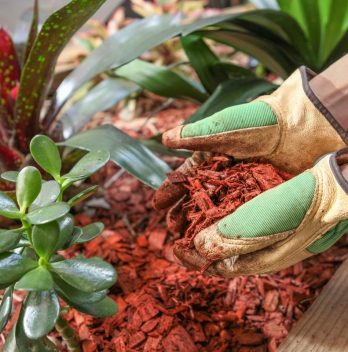
    Cedar mulch is a natural product that adds beauty and charm to your garden. It comes from the waste material of the cedar tree. Cedar trees are majestic trees whose origin comes from the Himalayas and the Mediterranean basin.

    These trees grow fast and straight making both the wood and mulch obtained renewable. The mulch is one of the favorites of many farmers due to its many benefits.

    What Exactly Is Cedar Mulch?

    Cedar mulch comes from shavings and clippings of the bark of the cedar trees. It is a by-product of the wood industry from these commonly sought trees. It is used by farmers to cover the gardens and keep the soil moist.

    What exactly is Cedar Mulch

    This mulch has an insect repellant effect on the soil that keeps insects away from your garden. The natural color for cedar mulch is reddish-brown. This mulch can be used in its natural state or dyed for aesthetic purposes. If dyed; it turns to black, dark brown, yellowish, or red. That makes it more decorative when used in flower beds and gardens.

    What Are Cedar Mulch Pros And Cons?

    Each type of mulch comes with its advantages and disadvantages. This makes a huge difference in your garden. Mulch has qualities and drawbacks that are obvious.

    Cedar is well known for some outstanding qualities that are an added advantage to your garden. Here are some of those qualities.

    Cedar Mulch Pros And Benefits

    Is an insect repellant. This is one reason why most gardeners use it. Insects do not like the smell of cedar mulch so they stay away from it. That means they stay away from your garden too.

    Lasts longer. Compared to other organic mulches like pine mulch, bark, and straw, it stays longer. Cedar mulch is known to last for years once you put it in your garden.

    Has a beautiful natural color.  A warm reddish-brown hue is what you get or you choose to color it for an aesthetic purpose which is beautiful too.

    Is generally a great ground cover. This is a key quality in choosing the type of mulch you want to use.

    100% Natural Cedar Wood Chips | Mulch 

    Read  more about Gypsum Soil Amendment

    Cedar Mulch Cons In Garden

    Let’s be clear here, cedar mulch is not 100% perfect. It has its downsides and it’s best when you know them before you plan on using it.

    Expensive: This mulch costs more than the average mulch.

    Repels pollinators and beneficial insects. This is the flip side of the pest control quality of cedar mulch. It affects the ecosystem negatively! Don’t use it if you are planting fruit trees or want your plants to produce flowers.

    Releases acetic acid which negatively affects your plants. This only occurs if the mulch has not received enough oxygen when it was stored after production.

    Loses colorfast. If you chose it because it was attractive, note that the color will fade off fast.

    Has a strong scent. Most people find it nice because it is natural while others find it unpleasant.


    FAQs

    Are there advantages to cedar mulch?

    You can use it in your vegetable garden and you’ll fin it holds moisture well and doesn’t burn easily. It also has a long life and will not rot.

    It seems like it would be a great option for the hot weather but I’m not sure if it’s a good idea for the colder temperatures that we have in the winter. 

    Does cedar mulch hurt plants?

    No. Cedar mulch is not harmful to plants, but it may harm insects such as ants. You could use cedar mulch in beds or borders, but if you are trying to protect plants from pests and other animals, it may be harmful to insects such as ants.

    Which is better cedar or hardwood mulch?

    Hardwoods and softwoods are both good choices, and you’ll find that they can be used interchangeably in many cases.

    Cedar is not recommended as a mulch because it has a tendency to attract insects, and if the mulch gets wet, it can rot. However, if you’re using cedar to help prevent soil from drying out, it’s fine. It also helps to protect the trees against disease and pests.

    Does cedar mulch have chemicals?

    Cedar mulch does not have any chemicals in it. It is natural and is made from the wood of cedar trees. However, there are some potential risks. The biggest problem is that cedar mulch is very porous and will allow water to seep through, which can cause rot.
    If you want to mulch with cedar, you’ll need to apply a barrier, like a plastic film.

    Which is better pine or cedar mulch?

    Cedar has a tendency to dry out much faster, especially if it isn’t properly mulched.

    It’s also more expensive. Pine mulch doesn’t rot as fast, but it can be harder to work with and get under your plants.

    Is it OK to put cedar mulch in a vegetable garden?

    It’s OK, but cedar mulch is not as good as other mulches for growing vegetables. Cedar is a good wood for building because it has a natural insecticide and does not rot. Cedar mulch also holds moisture well and is good for keeping the soil cool. However, cedar mulch is not the best mulch for growing vegetables because it tends to be a bit acidic.

    This means that it will not be as good a fertilizer or a mulch for vegetables as other types of mulch. If you are putting cedar mulch on top of the soil in your vegetable garden, you should put some other mulch on top of that. You could use straw or leaves, for example, instead of cedar mulch. If you do decide to use cedar mulch, you need to make sure that you are using it in a way that is safe for your plants and safe for the environment. When you use cedar mulch, you can be sure that you are not adding any harmful chemicals to the soil. In addition, you are also reducing the amount of greenhouse gases that your plants produce. One way to use cedar mulch is to put a layer of it around the outside of your garden. This will help to keep insects away from your vegetables. The cedar mulch will also help to prevent weeds from growing in your garden.

    This means that it will not be as good a fertilizer or a mulch for vegetables as other types of mulch. If you are putting cedar mulch on top of the soil in your vegetable garden, you should put some other mulch on top of that. You could use straw or leaves, for example, instead of cedar mulch. If you do decide to use cedar mulch, you need to make sure that you are using it in a way that is safe for your plants and safe for the environment. When you use cedar mulch, you can be sure that you are not adding any harmful chemicals to the soil. In addition, you are also reducing the amount of greenhouse gases that your plants produce. One way to use cedar mulch is to put a layer of it around the outside of your garden. This will help to keep insects away from your vegetables. The cedar mulch will also help to prevent weeds from growing in your garden.


    Conclusion

    Cedar mulch pros and cons help you determine early enough what type of mulch to choose for your garden. Even with the consideration of the plants to grow!

  • How To Make Compost-Tea Without A Pump

    How To Make Compost-Tea Without A Pump

    A fantastic and very simple way to feed your garden soil and plants is Compost-Tea. Have you heard about this special brew? Compost-tea can be used as a mild liquid fertilizer or plant booster, it also helps the plants deal with small pest issues. And, guess what? Compost tea has been used by farmers for a long time ago. The early Egyptians, Romans, and Greeks brewed it to fertilize their crops. Keep reading to know more about how to make compost tea without a pump.

    A Quick Guide to Make Compost Tea Recipe

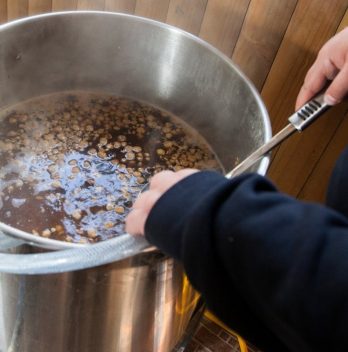
    Compost-tea is in a sort of a way, an infusion of a bag of compost in pure water. As simple as it sounds, it’s in practice very simple too. The procedure goes like this:

    1. Get (or recycle and sew up) a cloth or mesh bag, 
    2. Fill it with mature compost
    3. Put the compost mesh bag in a bucket of water for a few hours, 
    4. Stir a bit for a few times, and… there you go. 

    Compost-tea is good for the soil and your loved plants because it has a high content of organic matter and holds living colonies of healthy bacteria and fungi. These microbes are in constant dynamics with plant roots systems (rhizosphere), preparing the food for them to absorb it better. Healthy microbes in the soil are like the chefs of plants. 

    There are two simple procedures to apply the compost-tea, one is fast and requires very little materials or tools. The other way is a bit more complicated to set up and requires diverse tubing and an air pump (similar to the ones used in aquarium set-ups). Let me tell you more about the simple method to achieve a quick & homemade liquid fertilizer. To know everything you would possibly want to learn about compost-tea, visit Rob Avis’ article on Compost-teas and Extracts.

    How To Apply The Compost-Tea

    Compost-tea has proved to benefit the soil’s nutrition and therefore the plants that grow on it, but in comparison, it’s way simpler to apply it than solid compost itself. After you prepared your compost-tea, the steps to apply it are: 

    1. Strain the bigger particles with a sieve or strainer. You can also try with an old piece of cloth (T-shirts are great, so are socks or meshy tights). 
    2. Dilute the compost-tea in a 1:4 ratio: 1 part of the compost-tea and 4 parts of rainwater or chlorine-free water. 
    3. To apply the diluted compost-tea, you may carefully pour directly to the soil or spray your plants leaves early in the morning or late in the afternoon. 
    4. Repeat frequently, maybe once a week or once every fortnight for the first months. After that, space applications to once every three or four months.

    How To Apply The Compost-Tea

    Read more about Is Mushroom Compost Good for a Vegetable Garden?

    Conclusions 

    Compost-tea is truly a great and easy liquid multipurpose fertilizer that can be prepared a moment before the application. It is rich in beneficial microorganisms that help nurture the soil and the plants that grow of it. 

    In case you are an experienced Compost-Tea brewer, I recommend you try the procedure with an active aerator (air pump). Deanna Cat has a great article about aerobic (with air) compost-tea brewing at her blog Homestead & Chill. 

    If you liked this small how-to post about compost-tea, please share it and comment, we love your feedback. 

  • Best Mycorrhizal Products In The Market Today

    Best Mycorrhizal Products In The Market Today

    Undoubtedly, the best mycorrhizal products play an important role in plant growth-enhancing the roots, which are a major part of plant development. These fungi help enhance the soil! Which in return provides the roots with better access to air (oxygen) and water.

    Mycorrhizal fungi are common in all types of soil where plants grow. They grow a large root network throughout the soil and associate with the root system to create a greater association with plants.

    Mycorrhizal fungi do not plant roots. They behave similarly to plant roots. Like roots, they burrow into the soil to collect nutrients and water for the plants. To sustain the fungi, the plants’ leaves send sugars to them as food.

    Given that this excellent association is natural adding more mycorrhizal fungi to the soil is essential. These beneficial fungi occur naturally in the soil, but you must introduce them to the seedlings in the hydroponic systems or starter plugs.

    Types of the Best Mycorrhizal Products

    There are two groups of mycorrhizal fungi – ectomycorrhizal and endomycorrhizal fungi.

    The Ectomycorrhizal Fungus

    This fungus develops on the exterior of the root cells. Ectomycorrhizae are found in natural environments, mainly in trees or forest ecosystems. They form visible reproductive mushroom-like structures at the feet of the trees they inhabit. This fungus grows between root cells without penetrating them. It is symbiotic with spruces, pines, and most hardwood trees like oak, willow, and beech.

    The Ectomycorrhizal Fungus

    The Endomycorrhizal Fungus

    This fungus penetrates plant cells where direct metabolic exchanges occur. It colonizes shrubs and most herbaceous plants without forming visible structures. In the endomycorrhizal fungi class, arbuscular mycorrhizal is the most prevalent in soils. Its name comes from the structures it forms in the plant root cell: the arbuscular. Arbuscules are finely branched root structures. They form within a cell and serve as a metabolic exchange between the fungus and the plant.

    Other types of mycorrhizal fungi only exist in nature and are given to specific families of plants. These types are unavailable in commercial products; you can only get them in nature. They include the Orchids, Ericoid, and Arbutoid (the ericaceous family).

    Read more about How to make a homemade Root Hormone

    Benefits of Using the Best Mycorrhizal Products

    • Encourages vigorous root development
    • Produces healthy plants
    • Increases plant establishment rate during transplanting
    • Reduces transplanting shock
    • Enhances flowering and fruiting
    • Improves yields and crop quality
    • It helps maintain soil quality and nutrient cycling
    • Increases the soil’s tolerance to salinity
    • Reduce disease occurrence

    Best Mycorrhizal Products in the Market Today

    Now that we have understood some facts about fungi, let’s check out some of the best products on the market.

    Xtreme Gardening, Mykos Pure Mycorrhizal Inoculant 

    Mykos mycorrhizal is an organic and natural fungus. It creates a sponge-like mass highly beneficial to the soil. It helps it collect and store water and nutrients while increasing both intakes. This fungus is a species of the arbuscular mycorrhizal fungi class.

    Mykos is a fast-growing beneficial fungus that does not contain any other microbes like the ectomycorrhizae of Trichoderma. This fungus breaks down, cycles, and retains nutrients. It also provides a front-line defense against ecological stresses. Once administered, Mykos will continue to grow and become an extension of the roots. It does this while administering better sustainability and efficiency. The larger and healthier the root system, the more yields the plants produce.

    Pros

    • It helps new plants absorb transplanting shock
    • Stimulates new root growth
    • Increases root mass, resulting in more nutrients and moisture absorption
    • Transports nutrients over large distances and delivers them directly into the root cell
    • Protects your plants from heat stress and drought
    • It keeps harmful pathogens from reaching the roots
    • Improves soil structure of sandy and clay soil
    • Creates strong roots fast

    Cons

    • Individual plants can connect with other plants through the mycorrhizal network. Even where it’s unwanted, it connects and shares nutrients, water, and sugars.
    Trifecta – Mycorrhizal Fungi for Soil, Root Stimulator for Plants
    $19.95

    Ultra Concentrated Mycorrhizae for Plants Strong Roots & Living Soil, Trifecta Myco Supreme Plant Root Stimulator for Tree, Rose and Flowers

    Check Amazon Price
    We earn a commission if you make a purchase, at no additional cost to you.
    12/19/2025 07:02 pm GMT

    Myco Bliss Powder – Highly Concentrated Mycorrhizae

    This fungus is essential to soil life! It is vital to establish a secondary root system to help with nutrient intake. This fungus is for one-in-a-lifetime use and does not need topping up again. Use it while planting to help improve plant establishment, natural vigor, flowering, and fruiting.

    Pros

    • Grows secondary roots systems fast
    • Improves uptake of water and nutrients
    • One treatment lasts a lifetime, making it affordable to use
    • Helps with replant problem
    • Restores almost dead trees with a lifetime vigor
    • Reduces Fertilizer Dependency

    Cons

    • Works best on trees, not plants and vegetables
    Highly Concentrated Mycorrhizae for Plants, Potting Soil, Indoor Plants, Outdoor Plants, & Houseplants
    $24.99

    Myco Bliss Powder (1lb) –  5 Strain Mycorrhizal Inoculant with 1,000 Propagules per Gram 

    Check Amazon Price
    We earn a commission if you make a purchase, at no additional cost to you.
    12/19/2025 12:04 pm GMT

    Root naturally Endomycorrhizal

    This is a granular mycorrhizal that consists of 4 species of endomycorrhizal fungi. These are Glomus intraradices, G. etunicatum, G. mosseae, and G. aggregatum. Almost 85% of world plant species form a symbiotic relationship with fungi including trees and vegetables. The fungus increases the effectiveness of rooting in plants. This supports the plant growth, tolerance, and vigor of any ecological extremes. The mycorrhizal propagules promote plant quality and crop performance with their rooting ability.

    Pros

    • Supports faster plant establishment
    • Accesses water beyond the root zone and delivers to the plant’s vascular network
    • Absorbs and delivers nutrients to the roots
    • Improves soil nutrients use
    • Improves root biomass
    • Absorbs and transports soil moisture from beyond the root zone to the plant’s roots
    • Improves stress tolerance

    Cons

    • It is only useful to common plants and vegetables but not trees
    Root Naturally – Endo Mycorrhizae
    $10.99
    Pros:
    • Granular
    • Packaged in easy scoop white jar
    • 4 Species Endo-Mycorrhizae (Glomus intraradices, G. mosseae, G. aggregatum, G. etunicatum)
    • 60,000 Propagules/lb
    Check Amazon Price
    We earn a commission if you make a purchase, at no additional cost to you.
    12/19/2025 11:05 am GMT

    What Plants Need Mycorrhizal Fungi?

    Several plants benefit from mycorrhizal fungi. These include:

    Trees

    Oak, pine, and spruce tree species can benefit from mycorrhizal fungi. It can help them extract nutrients and water from the ground by fusing with their roots. 

    Shrubs

    Blueberry, rhododendron, and azalea shrubs are some of those that benefit from this fungi. It can help shrubs obtain more root power and increase their tolerance to environmental stresses. 

    Vegetable Crops

    Carrots, peppers, onions, potatoes, and herbs can benefit from mycorrhizal fungi. It can help increase vegetable resistance against diseases and ensure they get more nutrients from the soil

    Is Mycorrhizal Fungi The Same as Rooting Hormone?

    Mycorrhizal fungi and rooting hormones are two different things. However, both can be used to help plants thrive. 

    Rooting hormones are applied to the cut ends of plants. It helps them develop roots more quickly. You can use a rooting hormone to increase your success rate when propagating plants. Contrarily, mycorrhizal fungi are applied to the soil around the plant roots. It helps plants absorb water and nutrients and withstand drought and disease. 

    Where Can I Buy Mycorrhizal Fungi Near Me?

    There are several places you can buy mycorrhizal fungi. Here are some suggestions:

    Local Garden Centers

    Nurseries and garden centers carry a variety of gardening supplies. Most stock mycorrhizal fungi. You can visit a garden center near you and ask the staff if mycorrhizal fungi are available for purchase.

    Online Retailers

    Many online retailers specialize in gardening supplies. Others stock it as part of their general inventory. You can search for retailers near you or those that deliver in your area. 

    Specialty Stores

    You may find mycorrhizal fungi for sale at specialty stores focusing on organic or sustainable gardening supplies. These stores may be more likely to carry a variety of products, including mycorrhizal fungi.

    Manufacturers

    Going directly to manufacturers is another option. You might find one that sells to the public. Many companies that produce mycorrhizal fungi have websites that allow you to purchase their products online.

    How Often Should I Apply Mycorrhizal Fungi?

    Many factors influence how often you’ll need to apply mycorrhizal fungi to your soil. Here are a few things to keep in mind: 

    Follow The Manufacturer’s Instructions

    You should also look at the specific instructions provided by the product manufacturer. These instructions will provide the most accurate guidance on how often to apply the mycorrhizal fungi.

    Apply Mycorrhizal Fungi at Planting Time

    Mycorrhizal fungi are typically most effective when applied to young plants or at the time of planting. This allows the fungi to establish a relationship with the plant’s roots and help the plant absorb water and nutrients more efficiently.

    Reapply Mycorrhizal Fungi As Needed

    If you use mycorrhizal fungi to help establish new plants or improve plant health, you may need to reapply the product regularly. The specific frequency will depend on the needs of your plants and the particular product you are using.

    What Can I Use Instead of Mycorrhizal Fungi?

    If you do not want to use mycorrhizal fungi or can not find any, you can use compost, fertilizers, or animal manure. These alternatives can provide many benefits to your plants. However, they may not benefit your plants as mycorrhizal fungi can. You should determine your specific needs and choose an alternative based thereon. 

    What Eats Mycorrhizal Fungi?

    Mycorrhizal fungi can be damaged or destroyed. You should avoid chemical pesticides and limit physical disturbances. Excessive moisture or dryness can also damage the fungi. Taking steps to protect and preserve the mycorrhizal fungi in your soil will help ensure that it benefits your plants. 

    How to Breed Mycorrhizal Fungi

    Breeding mycorrhizal fungi can be a complex process that requires specialized knowledge and expertise. If you are interested in breeding these fungi, I suggest seeking guidance from a professional in the field. Alternatively, you can keep these steps in mind: 

    1. The first step in breeding mycorrhizal fungi is to isolate individual strains. You can do this by using surface sterilization or culturing techniques. 
    2. Once you have isolated particular strains, you can select specific traits. Good traits include their ability to colonize the roots of individual plant species or withstand certain environmental conditions. 
    3. Next, you need to cross-breed your selected strains to create new fungi with the desired traits. 
    4. You should test the resulting mycorrhizal fungi strains to ensure their effectiveness. 
    5. If your resulting strains are effective, you can mass-produce them for personal use or sale. 

    Conclusion

    Roots are very important to a plant. They anchor the plant in place, resisting the forces of nature like wind and running water. They take in oxygen, water, and nutrients from the soil for the plant to bloom. Roots are also good for the soil! When it rains, the roots hold the soil in place so that it is not washed away. Healthy roots mean healthy soils and healthy plants as well! Now you know an affordable way to grow a healthy root structure that will cause your plants to thrive!  Go ahead and excel in your farming!

  • A Complete List Of Where To Buy Pumice For Gardening

    A Complete List Of Where To Buy Pumice For Gardening

    Organic farmers have been looking for places where to buy pumice for gardening that comes in different sizes. Besides your local stockist, it is critical to see who can deliver pumice to your doorstep.

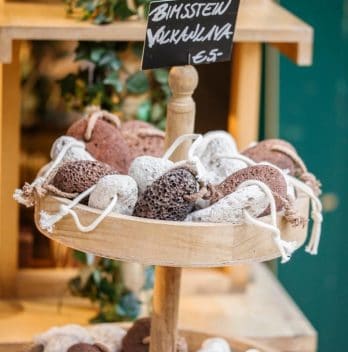
    Pumice is a volcanic rock that provides excellent soil conditioning and improvement. It helps keep nutrients and increase aeration in the soil because of its porous.

    It is possible to buy your pumice from the comfort of your home through the online stores. Look at all the options below and see where you can find it easily.

    Where To Buy Pumice For Gardening

    Pumice For Plants Companies

    Generalpumiceproducts.com. This is an all American company based in Southern California. They have mastered the sourcing and selling of environmentally friendly pumice. Their promise is to offer the best pumice from their sources. They have two mines in Olancha California. Each bag of pumice that they sell is mined and packaged on-site. Head over to their site and place your orders.

    71U%2BWaRWEvL. AC SL1500

    Pumicestore.com. Hess Pumice is a company located in Idaho. It mines and processes pumice to be used in various applications. They are a lead supplier of pumice. Pumice store offers different grades of pumice that match your garden needs. They offer different stone sized bags ranging from 5 to 100 pounds.

    Bulk apothecary.com. They began as Brick and Mortar Company in 2010. And have since expanded to pumice stone and other products. They stand out for their exceptional customer service, great quality, and low prices. Before you order, you can also check reviews from past customers.

    Read more about Scoria and Pumice Pros and Cons for Succulent Growing

    Ecommerce Stores Where To Buy Pumice For Gardening

    Amazon.com. Being the largest retailer in the world, Amazon offers a wide selection of goods. The wide selection means it’s possible to find a variety of one item in different prices and sizes. Pumice is such an item! You can scroll through and select this product from different sellers. An Amazon Prime account gives you an added advantage of free 2-day shipping. Before you place your order, it’s possible to read reviews from other buyers. The competitive pricing and wide selection make it a great platform to order from.

    Etsy.com. Independent sellers across the globe can sell their products on Etsy. Gardening is not left out in this e-commerce site. You can browse through the gardening category and find pumice sellers. Many sellers offer free shipping with your purchase. It comes in different sizes, content composition, and price. Check Etsy to see if any seller has the right pumice you need.

    Ecommerce Stores Where To Buy Pumice For Gardening

    Wayfair.com. This e-commerce store has many supplies stocking home décor and gardening products. To qualify for the free shipping, you can order goods over $35 and get them shipped to you at no cost.

    Build a soil.com.  They specialize in a variety of organic fertilizers. Their pumice stone does not as much variety as other sellers. But they sell a high-quality blend that increases soil health. They offer free shipping on about 37 pounds of weight free shipping.

    Recommended Products- Pumice for Gardening

    Conclusion

    Pumice is an amazingly versatile stone! In these modern days, it’s getting many uses thus more customers. You now know where to order when you need pumice for your various needs.

  • What Is Azomite And How To Use It In Gardening

    What Is Azomite And How To Use It In Gardening

    Most farmers do not have a proper understanding of what azomite is and how to use it in gardening, especially if they practice organic farming.

    The continuous propagation and leaching effects of water deplete the essential minerals and micro-nutrients from the soils. Such soils remain weak and cannot support the production of fruits and vegetables.

    Azomite minerals contain micronutrients that supplement the soil. It also balances the minerals needed for growth and overall productivity. Constant use of this mineral rejuvenates your soil, renewing its potency.

    What is Azomite?

    Azomite is a naturally mined mineral product that is ready to use. It’s a unique rock that comes from a mine in central Utah. Azomite requires no mixing or special preparation before use. It is derived from volcano ash that spewed out millions of years ago. The “What is Azomite” question is now answered, but for more clarification, see the video below.

    What is Azomite Video: Azomite Organic Growing Explained.

    Azomite contains the widest range of minerals of all rock dust in the world. It provides plants with 70% essential elements, including magnesium, calcium, potassium, and silicon, which are necessary for plant growth.

    Facts About Azomite Fertilizer

    • It’s a natural mineral – 100% natural with no fillers or additives
    • Does not contain any harmful elements
    • Requires no special preparation before use
    • It’s odorless – very friendly to use
    • Does not restrict water penetration or aeration
    • Is easily broken down and absorbed into the soil
    • Does not burn plants

    How To Use Azomite For Plants

    Azomite should accompany compost, manures, hummus, or other fertilizers. It provides additional nitrogen, potassium, and phosphorous. It can either be lightly turned into the soil surface or applied in the row when planting.

    Azomite Application Rate

    • When Planting: Use ¼ cup per plant. For larger areas, apply 44 lb per acre based on rows that are approximately 18” apart with 12” apart.
    • For House Plants: Use 1 teaspoon per 2-inch pot with potting soil before planting. Use 1 teaspoon in a 1-gallon watering can quarterly.
    • For Gardens: Apply 1 lb per 25 root feet or 10 lbs per 100 square feet by watering or top dressing. If planting in rows, mix into the soil along the rows at a rate of 1 lb per 25 ft of row. If using an established bed, sprinkle around each plant.
    How To Use Azomite For Plants
    What is Azomite
    • For Trees: Apply 1 to 5 lbs each, depending on the tree size. For grapes, roses, and shrubs, use 1 lb per plant, spread it around the root zone, and rake it.
    • New Lawns: use 5 lb per 1000 square feet.
    • Established Lawns: use 3 lbs per 100 square feet. Apply once per year in spring or fall, broadcasting evenly and watering it.
    • When Transplanting Seedlings: Add 1-3 tablespoons per seedling

    Where to Buy Azomite

    Getting the right azomite is essential.  Beat the quacks by buying from the company or finding sellers on Amazon. Be sure to get the right product in its purest form for excellent results.

    Amazon Choice Seleciton
    Down to Earth Organic White Azomite Powder for Improving Plant Growth 0-0-0.2, 1 lb
    $9.99

    AZOMITE can improve plant and root system growth, crop yields, and quality as well as re-mineralize nutrient depleted soils

    Check Amazon Price
    We earn a commission if you make a purchase, at no additional cost to you.
    12/20/2025 08:04 am GMT

    FAQs What is Azomite, and how is it used in the garden?

    How Often Should I Apply Azomite?

    The type of plants you are growing, and the specific soil conditions will determine how often you should apply Azomite to the ground. Generally, Azomite is a slow-release fertilizer. You should apply it once or twice a year. If you use Azomite as a soil amendment, you can apply it at planting time or mix it into the soil before planting. If you are using Azomite as a fertilizer, you can apply it according to the instructions on the product label.

    It is important not to overapply Azomite. This can lead to excess nutrients in the soil and potentially harm your plants. If you are unsure how often to apply Azomite, consult a local gardening expert or the product manufacturer for more specific advice.

    How Long Does it Take for Azomite to Work?

    The amount of time it takes for Azomite to affect your plants will depend on a variety of factors. These include the type of plants you are growing and your specific soil conditions. Because Azomite is a slow-release fertilizer, it can take several weeks to months for plants to show improved growth and health.

    If you use Azomite as a soil amendment, you may see immediate effects like an improved soil structure and increased water retention. Other benefits will only become apparent over time. It is essential to be patient.

    What Color is Azomite?

    Azomite is a mineral product composed of minerals and trace elements. It is typically light brown or tan in color and has a granular or powdery texture. Depending on the specific minerals and trace elements it contains, azomite can also sometimes have a reddish or orange tint.

    Generally, the color of Azomite is not important. Trace elements and minerals benefit plants.

    What is The pH of Azomite?

    The pH of Azomite is not a fixed value. It can vary depending on the specific minerals and trace elements that it contains. Generally, Azomite is considered t be neutral to slightly alkaline. Its pH can range from
    6.5 to 8.0.

    The soil in which you are applying Azomite is a more important factor to consider. This will affect the availability of nutrients to plants.

    Does Azomite Have Iron in It?

    Azomite does not contain iron as a standalone ingredient, but it may have small amounts of it as a trace element. Iron is an essential nutrient for plant growth and is required in tiny quantities to produce chlorophyll and ensure the proper functioning of enzymes.

    While Azomite does not contain large amounts of iron, it can still help plants grow and thrive with the trace amounts it has. Additionally, the other minerals and trace elements present in Azomite can help improve the soil‘s overall health, which can support the uptake of iron by the plants.

    Does Azomite Expire?

    Azomite does not have an expiration date. It is a natural mineral product that does not spoil or go bad over time. The minerals and trace elements in it do not break down or lose their effectiveness over time.

    However, Azomite may lose some potency if it is stored improperly or exposed to extreme conditions such as very high temperatures or prolonged exposure to moisture. It is generally best to keep Azomite in a cool, dry place and to use it within a few years of purchase to ensure that it is at its full potency.

    If you are unsure whether your Azomite is still effective, you can consult the manufacturer or a local gardening expert for more information.

    How Much Azomite is Needed Per Cubic Foot of Soil?

    The amount of Azomite you should use per cubic foot of soil will depend on the specific plants you are growing and the conditions of your soil. Generally, it is recommended that you use 1 – 2 cups f Azomite per cubic foot of soil.

    However, this is just a general guideline. You may need to adjust the amount of Azomite you use based on the specific needs of your plants and soil. It is also essential to follow the product label instructions and avoid overapplying Azomite. Doing this can lead to excess nutrients in the ground and potentially harm your plants.

    What is Azomite and how is it used in gardening?

    Azomite is a natural mineral product used as a soil amendment to provide essential trace elements for plant health.

    What are the benefits of using Azomite in soil?

    Azomite improves soil fertility, enhances plant growth, and supports stronger roots by supplying 70+ trace minerals.

    How do you apply Azomite to plants?

    You can apply Azomite by sprinkling it on the soil or mixing it with water as a foliar spray.

    Is Azomite safe for organic gardening?

    Yes, Azomite is OMRI-listed and approved for organic gardening.

    What nutrients are found in Azomite?

    Azomite provides minerals like calcium, magnesium, potassium, and iron.

    How much Azomite should I add to my soil?

    Typically, you apply 1 to 2 pounds of Azomite per 10 square feet for gardens or ½ to 1 pound per inch of pot diameter for potted plants.

    Can Azomite improve crop yield?

    Azomite can improve crop yield by enhancing nutrient availability and plant health, resulting in more robust growth.

    Is Azomite the same as rock dust?

    Azomite is a type of rock dust, but it’s unique because it originates from volcanic ash deposits, making it rich in trace minerals.

    Conclusion

    Nature has a way of healing itself if we give it that chance. Volcanic eruptions are dangerous, especially to those living around the area, but what a blessing in disguise to get the volcanic ash to feed the soil and plants in return! What is Azomite has been answered and now you know how to apply it to your organic garden.

  • How Long To Compost Chicken Manure And Make It Garden – Ready

    How Long To Compost Chicken Manure And Make It Garden – Ready

    How long to compost chicken manure before use is still one of the commonly asked questions by farmers who rear chicken and use its manure as fertilizer.

    Chickens are generous enough to give us eggs and manure. We concentrate on the eggs and forget the manure. We can’t allow the manure to continue accumulating in the coop without using it in our vegetable gardens.

    Manure in the coop attracts rodents and flies. It also breeds a harmful environment for your chickens. That’s why you need to clean the coop, remove the manure, and compost it before using it in the garden.

    How Long To Compost Chicken Manure?

    Chicken manure takes time to mature well. This time depends on the conditions under which the manure is composted. It takes between 6 to 9 months on average for chicken compost manure to ready for use. Although after 9 months the manure is ready for use, some farmers opt to wait for up to 12 months before using it.

    How Long To Compost Chicken Manure

    To speed the process, you can use a compost catalyst, check a homemade catalyst recipe here.

    Composting Chicken Manure Like a Pro

    There are steps to follow when composting chicken manure. These steps ensure that you get the best results within the right time frame. Follow us as we take you through the step by step process.

    Step 1: Collect chicken manure and used bedding. Chicken farmers use sawdust, shavings, dry leaves, or straw as dry bedding for chicken. The used bedding should be collected together with the manure and put into the compost bin.

    Step 2: Use the right proportions. Combine the right ratio of used bedding and manure each time to form a pile. Since farmers use different bedding, it important to follow the rule of 1 part brown and 2 parts green. Yet, because the chicken manure is so high in nitrogen, you can use 1:1 or 2:1 mixture.

    Step 3: Use a hot compost recipe. When you combine the right ratio of used bedding and manure, you can now add moisture. Water is the best form of moisture that works as a catalyst. Heating is a very important step as it destroys pathogens.

    The compost pile must heat up to 130-150 degrees F and maintain the same temperature for 3 days. Keep the temperature in check using a compost temperature gauge. Temperatures above 160 degrees F can kill the beneficial microorganisms and slow the process.

    Step 4: Repeat the heating process. After three days of heating, allow your manure to start cooling. Turn the pile every few weeks to get air into the pile and repeat the heating process every time you turn the pile.

    Step 5: Let it cure. Once you are satisfied with the heating and cooling of the entire compost, cover it. Let it cure for about 6 to 9 months on average. If you are uncertain how well your chicken manure has composted, you can give it about 3 more months to cure. It’s ready when most material is dark, sweet-smelling, and crumbly.

    When it’s ready for use, spread the composted chicken manure on the garden. It produces excellent results for your vegetables to grow in.

    Read more about the key components in making the best compost for tomatoes

    Conclusion

    Although it takes too much time and work to compost the chicken manure; its benefits outweigh the work. To get this black gold, keep digging!

  • Top Soil Vs Compost- What’s The Difference & What’s Best To Use?

    Top Soil Vs Compost- What’s The Difference & What’s Best To Use?

    Almost all gardening advice gives great tips on both compost and topsoil use but not everybody understands the difference between topsoil vs compost.

    Are you struggling to grow plants in poor soil? Is your garden full of clay or sandy soil that you want to replace? If so, you must be looking for ways to improve your garden by either using compost or buying topsoil.

    We all know that getting the right soil is by ensuring it has the right nutrients to make the plants thrive. So what happens when the soil is poor?

    We have put together information that you need to know what to use when your soil is not in its best state.

    The Differences between Top Soil vs. Compost

    What is topsoil? Topsoil is a layer of soil out of which your plants grow. It is relatively shallow. Depending on where it’s found, it contains organic matter and nutrients for your plants.

    What is compost? Compost is a soil-enriching nutrient that comes from food scraps, dried leaves peelings, eggshells, cardboard, paper, etc. These materials are mixed together in a heap outside or a compost bin and left to decompose. Once well rotten, the mixture is good for the soil and used as manure.

    Differences to Help you Choose between the Two

    Compost Topsoil
    Full of nutrients to enrich your garden Great for creating new gardens
    Doubles up as mulch Great for leveling out a lawn
    Saves landfills Helps eliminate weed
    Needs space to prepare it Have to buy if you can’t access it from other farmers
    Takes time to prepare and get ready Certain soils may come with contaminants

    What is Best to Use Top Soil vs Compost?

    Compost and topsoil are very similar to each other. It is very hard for farmers to distinguish between these two mediums. Adding a layer of topsoil or compost to your garden soil helps add important nutrients to depleted soils. Both equally help improve the overall quality of your current soil. There are many benefits to adding them to your soil because they bring in the nutrients required.

    What is Best to Use Top Soil vs Compost?

    Each of these two has special benefits to the soil and it’s hard to choose one over the other.  The best advice is to keep them both as they serve the soil differently. No one can replace the other!

    • The topsoil retains the soil structure and holds moisture far longer than the compost. It is also relatively affordable to buy.
    • The compost has more organic matter that the soil requires. The best part of the compost is how it releases its nutrients slowly. Therefore it’s used for an extended period of time.

    Where to Buy Compost?

    If you don’t have the time to make your own compost, the easiest way to buy compost is online, I have put together a list of products you may try:

    • Charlie’s Compost– it is made of chicken manure, corn stalks, straw, forest products, hay, clay, and beneficial microbe inoculants.
    • Wiggle Worm Worm Castings– is an all-purpose natural fertilizer and contains rich proportions of water-soluble nutrients.
    • Wakefield Biochar– biochar made of wood and compost blended with Mycorrhizal Fungi.
    • Fishnure– fish manure compost, it is an organic fertilizer and soil conditioning. The carbon source used to create the proper carbon to nitrogen ratio for this compost is oat straw.

    Where to Buy Compost?

    Conclusion

    Ever had 2 pieces of valuable items that you want to choose one over the other. How easy was that decision? Which one did you choose and which one did you not? Do you think you made a wise choice to let one go? Was it wise to keep them both? Now you know, 2 valuables do not compete in the same category! They only go hand in hand!