Category: Soils & Plant Nutrients

  • How To Make Mushroom Compost

    How To Make Mushroom Compost

    One prolific ingredient to add to your soil to boost garden growth is mushroom composts. We will be enlightening you on how to make mushroom compost so you can grow your plants the best way.

    Applying compost to your garden soil enhances soil texture, drainage, and supplies adequate nutrients to your soil. As mulch covering, compost will regulate weed as well as retain soil water keeping the soil moist during dry conditions.

    A combination of mushroom compost is an awesome soil builder that can help your plant flourish. Wouldn’t it be great to be able to make mushroom compost on your own? Of course! It is even easier to make if you grow mushrooms in your garden. The procedure is pretty easy and we will teach you how.

    Mushroom Compost

    Mushroom composts are made from the soil which was used to grow mushrooms. After you much have harvested your mushrooms, you can now proceed to make some mushroom composts for your garden soil. It is an organic fertilizer that will be released gradually into the soil of your garden.

    Mushroom composts comprise mixed peat, straw, gypsum, and other poultry manure. These are most of the common elements used; however, it may contain other elements.

    Steps on How to Make Mushroom Compost

    Mushroom composts are easy to make. Just follow these steps on how to make mushroom compost and have yourself some mushroom composts for your garden.

    Compost Ingredients Used

    The ingredients used for making mushroom composts include:

    • Wheat straw.
    • Gypsum.
    • Water.
    • Poultry manure (chicken, cow, or horse manure).
    • Mushroom garden soil.

    Procedure

    Step 1

    The first thing you need to do is to sprinkle the wheat straw with some water. Make sure the wheat straw should not be too wet or too dry. Then mix the straw with poultry manure, gypsum, soil, and mushroom bacteria.

    Step 2

    Allow the mushroom compost mixture to sit for a period of weeks so it can heat up. This can take up to two months. During this period, some chemical reactions will take place. Naturally occurring fungi and bacteria will visit the scene and react with the poultry manure and straw. They will eventually break down all the ingredients.

    Step 3

    As composting continues for some weeks, you must monitor the compost pile frequently. This is because the temperature of the mixture continues to raise therefore, always water and mix frequently. The temperature can rise above 80 degrees Celsius which is too hot. Ensure the temperature remains at 140 degrees Fahrenheit.

    Mushroom Compost Organic Brands 8 Pound Bag

    How to Make Mushroom Compost - Orchid

    Step 4

    While composting continues, pasteurization also takes place to sterilize and eliminates any harmful bacteria, pathogen, pests, and weeds.  When pasteurization is completed, the compost will have to cool down before applying it to your garden soil.

    You now have a clean pile of abundant brown chocolate compost. You can now apply the readymade mushroom compost. Ensure you mix mushroom compost well into your garden soil when applying to give you an awesome result.

    The video below describes mushroom compost is commercially produced.

    Benefits of Using Mushroom Compost to Your Garden Soil

    Let’s take a look at a couple of benefits of using mushroom composts on your garden soil:

    • Mushroom composts are a very affordable fertilizer you can invest in or make.
    • You can add mushroom compost gardening soil to your fruits, vegetables, flowers, and herbs. It will enrich your crops to flourish well.
    • If you need a soil additive to improve the water retention in your soil, you can make use of mushroom compost. Mushroom composts will absorb enough water and retain it in your soil to be made available when needed. As such, your soil never dries out.
    • Applying mushroom compost will provide your plant with some great natural ingredients.
    • Used as garden mulch coverings.
    • It can also be used as soil amendments for your lawns.
    • Mushroom compost comprises of nitrogen needed for plants and foliage growth.
    • Mushroom compost will supply the right amount of nutrients without being nutrient-dense.
    Benefits of Using Mushroom Compost to Your Garden Soil

    FAQ’s

    Is mushroom compost any good?

    Mushroom compost is a blend of nitrogen and carbon rich materials that are added to the soil to encourage fungal growth. This is done in order to create more food for soil microorganisms and plants, which will help increase plant growth and health. Mushroom compost can be purchased at most garden centres and nurseries, however, it is more cost effective to make your own.

    How do you make mushroom compost?

     Mushroom compost is different to other composts. It contains plenty of carbon (in the form of decaying plant material), which is why it’s good for growing mushrooms. However, it also contains small amounts of nitrogen, which is needed for the mushrooms to grow.

    The best way to make compost is to mix it in a bucket. You don’t want to do this in a plastic bucket, as the plastic may leach into the compost. Instead, use a metal or wooden bucket that you can wash out and reuse. Start by mixing one part of dry compost with three parts of water. When you’re making mushroom compost, add one part of wood chips or sawdust to two parts of the dry compost. Mix everything together with a spade or fork. The wood chips or sawdust will help to give your compost structure, so you don’t want to add too much. Too much structure will prevent the compost from drying out. After adding the wood chips or sawdust, stir it all together with your hands. When mixing, keep the material moving, so that the compost is mixed evenly. The more you mix, the better your compost will be. Make sure you mix in as much air as possible. How should I store it? Ideally, you should store your compost in a shed or other dry location, where it will stay dry and warm. A shed will also help to keep the compost safe from mice and rats. It should also be kept well ventilated.

    How do you apply it as fertilizer?

    If you plan to use it as a fertilizer for your soil, then you should not add any wood chips. A: Mushroom compost will contain some nutrients (especially nitrogen) and a lot of organic material. It may also contain some weed seeds, so you’ll want to remove them before adding the compost to the soil. Wood chips are not an effective source of nitrogen, and they can harbor weed seeds. Instead of adding wood chips, you might consider adding a nitrogen-rich manure (such as rabbit, chicken, horse, or fish manure). You’ll also want to add a small amount of sand to improve drainage. The present invention relates to a method of fabricating a semiconductor device.

    How should I store it?

    Ideally, you should store your compost in a shed or other dry location, where it will stay dry and warm. A shed will also help to keep the compost safe from mice and rats. It should also be kept well ventilated.

    More Information

    Even though you can apply mushroom composts any period of the year, the most appropriate period to do so is during spring or fall.

    Also, note that mushroom composts cannot be used as soil replacement. Therefore, it can’t be used on its own for planting.

    For its water holding capacity, only apply the right amount of compost manure to your soil. This way, the water holding capacity does not water-log your soil. Soil waterlogging can cause root rotting and fungal infection.

  • Is Gypsum A Good Fertilizer?

    Is Gypsum A Good Fertilizer?

    Being a Gardner, there is a lot of work to be done when it comes to having a fruitful healthy garden. Fertilizing your plant is one good step to improving garden results, and there are various fertilizers you can use. So if you are wondering if gypsum will be a good fertilizer for your garden, we will let you know in this guide.

    Certainly, Gypsum is a Good Fertilizer

    Apart from other garden fertilizers, gypsum is a good fertilizing ingredient for the growth of your garden. Gypsum has been used as soil amendments as well as soil fertilizer for over 200 years. Gypsum is a great source of fertilizer that will improve the yield of your crops.

    Certainly, Gypsum is a Good Fertilizer

    Benefits of Applying Gypsum as a Fertilizer

    Gypsum is applied to the soil to improve soil conditions. Here are some benefits of applying gypsum as a fertilizer to your soil:

    1.    A great Source of Calcium

    Calcium is vital as it helps with plant growth, especially for roots and shoots support. Deficiency of calcium in your plant can cause weak stem, stagnant or dead buds, weak roots, dropping of flowers, and abnormal patches of fruit colors. Gypsum contains 21 percent calcium essential for your plant structure. Calcium provided by gypsum prevents end rot in tomato plants, watermelons, peanuts, and apples.

    2.    More Efficient than Limestone

    Gypsum is also preferably to limestone which some gardeners use as a calcium source. Limestone is not water-soluble like gypsum. Also, limestone might not get into the soil where it’s needed most. However, with water, gypsum will dissolve well into the soil and move quickly right where it’s needed.

    3.    Does not Affect Soil pH

    Gypsum does not have any effect on the pH of any soil. It is a natural mineral that neither adds nor removes minerals already existing in the soil.

    4.    Excellent Source of Sulfur

    Sulfur is a vital nutrient for protein synthesis in plants. Gypsum application ensures sulfur is provided to your soil. The sulfur in gypsum is readily available for immediate use. Unlike elemental sulfur which is unavailable to plants and requires soil bacteria to oxidize sulfur for availability.

    5.    Amends Soil Compaction

    Heavy clay soil is one big headache for farmers because of its tightly packed soil that can make work difficult. When gypsum is added to heavy clay soil, it will amend soil compaction and increase soil aeration. It will improve the soil structure increasing water porosity, nutrient penetration, and better root development.

    6.    Amends Damages from Salt and Pet Urine

    Coastal or arid areas where salt meets the melted snow during winter can cause damages to your garden crops or lawns. The good thing is adding gypsum to your soil will help neutralize the effect of this salt damages as well as repair them. Gypsum is also a good pet urine neutralizer.

    Gypsum Application as a Fertilizer

    Naturally occurring minerals are contained in gypsum which is vital for your crops to flourish. Be it vegetables, flowers, trees, shrubs, or turfs, gypsum application will work wonders on your garden or lawn. Gypsum is harmless, therefore, it’s safe for usage around humans, pets, and crops.

    Gypsum comes in different forms such as granular, pelleted, and pulverized. The exact form of gypsum you may require will be based on the manner you decide to apply it to your garden or lawn.

    Forms of Gypsum Fertilizer

    Here are the various forms of gypsum:

    • Pelleted Gypsum: Pelleted gypsum is fast-acting. They have low dust formula which is easy to work with any fertilizer spreader.
    • Granular Gypsum: Granular gypsum is a slower release formula and low dust. Granular gypsum can be spread freely and easily and it works with any fertilizer spreader.
    • Pulverized Gypsum: Pulverized gypsum is a perfect form of gypsum that will deliver extended-release. It performs better in broadcast or drop-style spreader device for powder.

    Down to Earth Organic Garden Gypsum Calcium Sulfate

    51kfpT2enTL. AC

    The quantity of gypsum you will require for your garden or lawn will solely depend on how you intend to use it: it will also depend on the status and conditions of your soil. This is why we suggest you perform soil analysis to be sure that the application of gypsum is favorable to your plants.

    For instance, if the compacted clay soil in your area is high, you will require a bigger level of gypsum to give you the desired outcome and vice versa.

    Also, ensure you water deeply the gypsum into your soil right where the gypsum is needed.

    FAQ’s

    Should I use gypsum as a fertilizer?

    Gypsum is an excellent fertilizer for most plants. It’s very rich in phosphorous, which is needed by all plants.

    The only drawback is that gypsum tends to be somewhat acidic and may make your soil too acid for certain plants. This can be mitigated with the use of lime, which should be applied in conjunction with gypsum. In fact, gypsum and lime are often used together as a soil-conditioning mixture. 

    Gypsum is pretty inert.

    Gypsum has been used for weed control for over a century and it works by creating a barrier to stop seedlings from emerging. It also discourages the growth of roots. You’ll find it used in many gardening books on how to control weeds in vegetable gardens. Gypsum is a common ingredient in fertilizers and if you do some research you’ll find that it’s used in many commercial fertilizers. I’ve been using it for years to control weeds in my garden and it really works well.

    The only thing you need to watch out for when using it is that it can make the soil too dry, but that shouldn’t be a problem since it’s mainly used as a mulch.

    Gypsum should be added to pots after you’ve watered them. If your soil is too wet you might want to add some dry material like vermiculite or perlite. These will help to dry out the soil and allow for more air circulation. 

    Can you put gypsum around plants?

    Gypsum is a mineral. You can’t put it around plants, because it’s too heavy for them to support.

    It can be sprayed on plants, but it is not a good insecticide.

    Can you mix gypsum and fertilizer together?

    Yes, it can cause problems. Mixing fertilizer and gypsum is not a good idea. It’s better to buy one or the other. Fertilizer alone does not have enough nutrients for the plants and gypsum is very slow to break down and release the nutrients. I think that you should use gypsum on your lawn first. You can use fertilizer as a top dressing after it has been applied to the lawn.

    What are the benefits?

    The benefits of using gypsum to improve your garden are numerous. It is inexpensive, easy to use, and has many other uses. It improves soil structure Gypsum adds strength to soil by creating a strong surface layer. This prevents water from soaking into the soil too deeply. In addition, the water that does get into the soil is more evenly distributed, which helps prevent erosion. This makes it easier for plants to absorb nutrients and water, making them grow healthier. It eliminates salt build-up When you apply gypsum to your soil, it will absorb any excess salt that is present in the soil.

    Conclusion

    With the above information, it’s safe to conclude that gypsum is a good fertilizer for your vegetables, trees, shrubs, flowers, and turfs. Gypsum is a harmless fertilizer and it will supply your plants with some beneficial nutrients to make your plant grow healthy.

  • Gypsum For Lawns

    Gypsum For Lawns

    Gypsum application is a great idea if you want to improve your lawn’s health. For this reason, choosing the most appropriate gypsum for your lawn is fundamental.

    When you apply gypsum to your lawn, it will rectify most of your lawn problems. It will bring your lawn back to life and improve your turf’s growth.

    We will discuss more of why gypsum is needed for your lawn, some of its benefits, and recommend some gypsum you can apply to your lawn.

    Why You Need Gypsum for Your Lawns

    If you are particular about giving your lawn that beautiful green look, you will need gypsum.

    You need gypsum for your lawn, especially during the winter months. When the cold, snowy winter approaches and your area is salty (especially coastal and arid regions), salt tends to gather up near the melted ice, giving your turf unpleasant patches, which can damage your lawn.

    However, applying gypsum to your lawn will help it survive winter and emerge from it flourishing.

    Why You Need Gypsum for Your Lawns

    Gypsum will control this salt by making it leach away into the subsoil. The salt will be leached below the roots of your lawn. Therefore, the root of your lawn remains harmless.

    With gypsum application, much water will be needed to help the leaching process.

    Gypsum not only removes excess salt, but it also replaces salt with calcium in the soil. As such, there will be a great deal of improvement in the soil structure of your lawn.

    What is Gypsum

    Gypsum is a naturally occurring mineral of calcium sulfate dihydrate (CaSO₄·2H₂O). Due to its beneficial properties, it’s widely used in construction, agriculture, and various industries.

    Common Uses of Gypsum:

    1. Construction: Gypsum is a key component of drywall or plasterboard, often called sheetrock. It’s also used in plaster and cement to control setting times.
    2. Soil Amendment: In agriculture, gypsum improves soil structure and drainage. It helps to break up compacted soil, especially in clay-heavy soils and provides essential nutrients like calcium and sulfur.
    3. Gardening: Gardeners often use gypsum to improve soil quality, reduce compaction, and prevent salt buildup, particularly in regions with hard or saline soils.
    4. Industrial Applications: It’s used as an additive in the production of fertilizers, ceramics, and even some food processing.

    Gypsum is valued for its versatility, making it applicable across various fields.

    Benefits of Applying Gypsum to Your Lawns

    There are other benefits you get to enjoy using gypsum for your lawns. Just take a look at some benefits of feeding your lawn with gypsum:

    • Reduces Coil Compaction: if the soil in your area is compact, especially clay soil, gypsum will greatly help the soil. Gypsum will help diminish the compaction of soil, which in turn opens up the pours in your soil. This helps increase the condition of soil aeration in your lawn. Now, your lawn will enjoy that full, thick, beautiful turf look!
    • Neutralizer for Pet Urine: most homeowners with pets suffer from pets urinating on their lawns. Pet urine is not healthy for your lawn. It can cause yellow patches on your lawn, and they may not recover, making it unpleasant to the eyes. The good news is gypsum can serve as a neutralizer for pet urine, solving the problem of yellow spotting on your lawn. It is a harmless neutralizer and safe for humans, pets, turf, soil, and plants.    


    Recommended Gypsum For Your Lawns

    Below are some recommended gypsum for your lawns:

    Gypsum Powder – Purest and Soluble Houseplant Food Fertilizer

    We suggest Gypsum Powder from Supply Solutions gypsum soil conditioner as one of the gypsums you can apply to your lawn as it is a great valued product in comparison to cometitors. It serves as a good neutralizer from pets’ urine, which can burn your lawn. Gypsum Powder from Supply Solutions soil conditioner will also neutralize burns caused by salt spread in melted ice.

    Another advantage of the Epsoma gypsum soil conditioner is that it helps breaks up those compact heavy and clay soils. With this, the soil in your lawn will thrive better with good air circulation.

    Pros

    • Neutralizer for pet urine.
    • Improves heavy clay soils rapidly.

    Cons

    • If enough water is not added to leach away salt, the product might not work well.
    Amazon Choice Selection
    Gypsum Powder – Purest and Soluble Houseplant Food Fertilizer
    $52.53

    For Indoor Plants, Outdoor, Lawn, Vegetables – Indoor Plant Nutrients, Improve Plant Growth (50 P…

    Check Amazon Price
    We earn a commission if you make a purchase, at no additional cost to you.
    12/18/2025 01:03 pm GMT

    The Andersons NutraSoft OP Pelletized Gypsum

    The Andersons NutrSoft OP Pelletized gypsum will benefit your lawn and work very fast! It will help break up those thick soils, making the turf’s roots easier to work through and receiving more air circulation.

    The Pennington gypsum will work wonders on your lawn, making them grow green and healthy.

    Pros

    • Quickly disperses and dissolves into the soil after irrigation
    • Faster and more effective than traditional gypsum products

    Cons

    • None that we could find yet.
    Amazon Choice Select
    The Andersons NutraSoft OP Pelletized Gypsum
    $32.22

    6,600 sq ft 40 lb Bag

    Check Amazon Price
    We earn a commission if you make a purchase, at no additional cost to you.
    12/18/2025 02:04 pm GMT

    Earth Science Fast Acting Gypsum

    Earth Science Gypsum is a type of pelleted gypsum that will boost the growth of your lawn, make your turf green and attractive, and help repair salt-damaged soils from pets or roads.

    It will also help loosen and improve tightly packed heavy and clay soil. Your soil becomes well-aerated, and it is easier for the roots to work through during gypsum application.

    Pros

    • Neutralizes salt de-icing from winter.
    • Loosens clay and compact soils to promote growth.
    • Safe for Pets and Children

    Cons

    • Lots of water is needed for the leaching process.
    Earth Science Fast Acting Gypsum
    $21.95

    Soil Conditioner Adds Calcium, Repairs Salt Damage & Root Growth with Nutri-Bond Runoff R…

    Check Amazon Price
    We earn a commission if you make a purchase, at no additional cost to you.
    12/18/2025 01:04 pm GMT

    How do you apply gypsum to your lawn?

    Applying gypsum to a lawn is a simple way to improve soil quality, particularly in clay or compacted soils, and to add essential nutrients like calcium and sulfur. Here’s a step-by-step guide on how to apply gypsum to your lawn:

    Step 1: Test Your Soil

    Before applying gypsum, it’s important to test your soil to determine whether it needs it. A soil test can reveal whether your soil has a calcium deficiency or high sodium content, both of which gypsum can help correct.

    Garden Tutor Soil pH Test Kit (3.5-9 Range) | 100 Soil pH Tester Strips – Test Soil Acidity and Alkalinity of Garden Lawn Grass Flower Vegetable Compost Indoor and Outdoor Plants
    $13.98
    Check Amazon Price
    We earn a commission if you make a purchase, at no additional cost to you.
    12/18/2025 01:03 pm GMT

    Step 2: Choose the Right Type of Gypsum

    Gypsum comes in various forms, including:

    • Powdered: Easy to spread but can be dusty.
    • Granular or Pelleted: Easier to handle and spread, especially for large lawns.

    Step 3: Calculate the Application Rate

    For most lawns, apply gypsum at 20 to 50 pounds per 1,000 square feet. Check the packaging for specific recommendations for your lawn’s needs, as the rate may vary based on soil conditions.

    Step 4: Spread the Gypsum

    • Manual Spreading: Use a handheld or broadcast spreader to distribute the gypsum evenly.
    • Mechanical Spreader: A mechanical spreader will make the task easier and ensure even coverage for larger areas.

    Step 5: Water the Lawn

    After spreading gypsum, water the lawn thoroughly to help the gypsum penetrate the soil. This also activates the gypsum, allowing it to start improving soil structure and supplying nutrients.

    Step 6: Reapply if Needed

    You may need to reapply gypsum once or twice a year for heavily compacted soils. Regular applications can help prevent soil compaction and improve overall lawn health.

    By following these steps, you’ll enhance soil structure and promote a healthier, more vibrant lawn.

    By now, you should know why applying gypsum to your lawns is a great thing to do! You can apply gypsum to your lawn at any period of the year. However, you should read instructions to know the best application time that will suit your lawn. You can apply gypsum to your lawn two or three times a year.


    FAQ


    What does it help with when you apply gypsum to a lawn? 

    Gypsum is used for a number of purposes, in this case it would be applied to the top layer of soil to raise it’s water holding capacity and improve its aeration. It may also be applied to lawns with clay soils to provide a base for grass seed to establish itself. This can be done as an overlay or through injection. The injectable forms are preferred because they’re more likely to penetrate the soil and allow the grass to establish itself.

    Gypsum is used in a number of ways to improve the appearance and health of lawns, shrubs, trees, and other plants. Gypsum’s major benefit comes from its ability to absorb and hold water, helping to keep your soil and surrounding environment moist.

    It stops weeds, keeps the grass from drying out.

    Gypsum is the active ingredient in many “weed-and-feed” products. You spread it on the lawn, and it helps prevent weed seeds from germinating. It’s also very good at getting rid of existing weeds. I’ve used it several times on my lawn, and I like how it works. It’s not toxic, and it doesn’t harm your lawn or the environment.

    I think the idea is to apply it in the fall before a winter freeze. Then it will hold moisture better and protect the grass from freezing. 

    When should I apply gypsum to my lawn? 

    I use it at the beginning of the growing season and then again when it gets hot. My lawn is very thick so I don’t think it will be a problem. It does get compacted a little bit but I just rake it back down. I like it because I can see where I’m applying it and I don’t need to water it as often. I use gypsum at the beginning of the season and then apply a couple of weeks later.

    Will it hurt my plants?

    No. It can actually be beneficial to your plants, but some types of plants do not like gypsum and will not tolerate it.

    Where is the best place in the lawn to add gypsum?

    The best place for gypsum is where the lawn has lots of grass, as the salt in the gypsum will encourage the grass to grow. That will also improve the look of your lawn, and save you money on fertilizer.

  • The Best Soil Test Kit – Foundation For Healthy Plants

    The Best Soil Test Kit – Foundation For Healthy Plants

    Did you know finding the best soil test kit is a big challenge especially if you don’t know the different types that the market stocks? 

    As a gardener, it is very important to have good quality soil. Quality soil is the foundation for all successful gardening. Good soil means that it has the right pH level for your plants. Depending on what you are growing, your soil’s pH levels vary. Some plants like it acidic while others are alkaline. 

    The best way to ensure that your soil is perfect for any plant you grow is to use a test kit. The best soil test kits will give you detailed information about your soil and what it needs to improve it. 

    What is a Soil Test Kit?

    A soil test kit tests your soil and provides you with a solution to your issue. Soil test kits are different with each testing a different element of the soil. These test kits include: 

    The most common one is a pH test kit. This kit tests and analyzes the nutrient content of your soil showing the deficiencies. It also allows you to make adjustments using fertilizer or other healthy nutrients.

    Other soil test kits will tell you about the different components found in the soil. Elements like Nitrogen and Potassium plus their quantities are analyzed and shown. 

    Another test kit measures the moisture content of the soil. This is important to plants that need specific amounts of water. 

    What Does the Best Soil Test Kit Test the Soil for?

    There is an endless amount of things you can test your soil for. But some are more important than others. The most important soil tests for most homeowners are as follows: 

    The pH levels – These levels run from 0 to 14. 7 is neutral, anything below 7 is acidic and above 7 is alkaline. 5.5 to 7 is a good range for most plants. 

    • (N) Nitrogen 
    • (K)Potassium 
    • (P)Phosphorous
    • Soil moisture 

    There are many other nutrient tests that you can undertake. The above are the most important ones that you will need. 

    Advantages of Using a Soil Test Kit

    There are many advantages why you should test your soil. Here is a sneak peek at a few of the advantages.

    Advantages of Using a Soil Test Kit
    • Know what nutrient is deficient and perfect it. When you test your soil, you will know what your soil is missing and add the right products to perfect it. With the perfect soil, your plants can grow well and produce more. 
    • Maintain healthy soils. Healthy soils are ideal for the growth and production of your plants. By testing the soils you confirm if they are well-formed with the 3 most critical nutrients – NPK. Your soil should also be moist, soft, and well-aerated helping the roots to feed the plant well. 
    • Eliminates all guesswork in gardening. Every time you see plants grow slowly; you wonder what the problem could be. You may try to add fertilizers or water them more times or add compost manure. While all these efforts are excellent, they could mislead you to think you have given your plants what they need. Using the test kits eliminates all guesswork out of gardening. And make it easy for you to know what the main problem is. 

    Types of Soil Test Kits

    • Mail-in – This is one of the most precise soil test kits. It requires you to collect a sample and mail it to a lab for testing. These test kits provide the most detailed results. It can take a week or more to get these results. 
    • Probe – A probe soil test is easy to carry out at home and get your results instantly. This test demands you insert a metal probe into the soil to get instant results of your soil. These test kits reveal the soil’s pH value, moisture levels, and sunlight intensity. This test kit is the least precise among the rest. 
    • Slurry – Slurry soil test kits are a little involving. Take some soil sample, mix it with distilled water, add a reagent, and then dip the test strip into the slurry to get your results. These kits test the soil’s pH, Nitrogen, Phosphorous, and Potash. These tests need more work than the probe test kits and, they are a little more precise.
    Types of Soil Test Kits

    Recommended Best Soil Test Kit

    This comprehensive testing kit list shows some of the top kits that you can choose. They test the soils for macronutrients and micronutrients. This makes the gardening journey easy and more accurate. 

    LUSTER LEAF 1601 Rapid Test Kit for soil pH, Nitrogen, Phosphorous, and Potassium

    LUSTER LEAF kit provides quick results that you get from the comfort of your home. The kit contains several tests that you can use to test your soil in different parts of your property. You need together to use distilled water with this kit. This kit will give you immediate pH results and nutrient levels.

    The kit comes with various soil amendment suggestions and detailed suggestions for plant nutrient intake. Everything is well color-coded to avoid any mix-up making it easy to use. This kit is perfect for homeowners and farmers. It is advisable to use it to check the soil before planting. This helps to determine the right fertilizers to use during the growing season. 

    Pros 

    • Low price 
    • Easy to use 
    • Multiple tests included 

    Cons 

    • Not very detailed to help solve serious problems 
    81lMIyoIrfL. AC SL1500

    WHITETAIL Institute laboratory Soil Test Kit

    The WHITETAIL Kit is designed specifically for soils used for producing garden beds. If you plan on growing your fruits and vegetables, consider using this great kit. This kit tests the soil pH and organic materials so that you can get an understanding of what your soil consists of. 

    You need to mail your specimens to the lab for final results. Expect the results to come within a week via the mail or email. 

    Pros 

    • Easy to use 
    • Fast results turnaround
    • Great for soil amendments

    Cons 

    • Must pay to main in results 
    • Only one test per kit 
    • Not made for lawns

    SOILKIT Soil test kit

    SOILKIT tests the soil for pH, NPK, and other select micronutrients to provide a detailed analysis of the fertilizers required. This test kit is best for both lawns and gardens.

    You will need to mail your soil samples and the results should reach you in about a week. The results come with detailed descriptions of the area tested. They also include the possible help that the vegetation around the area can receive. 

    Pros 

    • Helps with easy soil problems 
    • Easy to use with fast results 
    • Easy to follow prescription based on results

    Cons 

    • You only can test one area at a time
    71hGvYSw9LL. AC SL1500

    BLUEBAB PENPH Ph Fully Waterproof Pocket Tester

    BLUEBAB is the best tool to measure the soil’s temperature and pH. It is the best option if you need help with managing the growth of your plants, checking the nutrient uptake, and the plant health of your plants. It uses a battery and comes with a backlit LCD. Best kit for sprouting plants. 

    Pros 

    • Easy to use 
    • Long-lasting 
    • Compact and handy

    Cons

    • It is not durable 
    61hPRhS5z8L. AC SL1500

    LUSTERLEAF 1605 Rapitest Digital Soil Tester

    LUSTER LEAF is a digital soil tester that is a simple and economical soil test kit that is easy to use and maintain. This kit is designed with ease of use in mind so that everyone can use it. Push the button to get your results in seconds.

    This kit can also be used by beginners who are starting their soil testing journey. It allows you to perform over 25 tests and covers about 450 plants. 

    Pros

    • Long-lasting 
    • Simple and easy to use 
    • Accurate

    Cons

    • Its readings are not as accurate as other testers
    • May need to buy and add test chemicals
    81zzEi6OvNL. AC SL1500

    G TASTE Soil Moisture Meter, 3 in 1 Sunlight and soil pH tester

    The 3 in 1 soil test kit comes with other handy tools needed for your home garden. It comes in 7 pieces of Bonsai tools. 

    They are: 

    • 1 piece folding scissors, 
    • 1stainless steel tweezers, 
    • 1 pruning scissors,
    • 2 wooden spades. 
    • 1 wooden rake, 
    • 1 wooden cleaning brush 

    This kit is analog; it doesn’t use either batteries or charge. Features a firm build that is attractive. It is easy to use even for beginners who are learning how to use the soil kit tester. Designed to work in any condition and space indoors and outdoors. 

    Pros 

    • Easy to use and handy
    • Useful both indoors and outdoors
    • Nice design
    • Affordable 
    • Comes with other necessary garden tools 

    Cons

    • Not very precise
    61fSH0tAJbL. AC SL1000
     

    FAQs

    What makes a soil test kit great?

    Soil tests are an easy way to determine your soil health and fertility levels, as well as give you information about what your plants need to grow optimally.

    To find out which soil test kit is best for your needs, look at the features and benefits of each soil test kit. Each soil test kit has different features and benefits, so you need to carefully review the information provided before making a final decision. Keep Learning The most popular soil test kit is called a multi-test kit. This kit comes with several different tests that can be used to determine the quality of your soil.

    There are many soil test kits available on the market. The most important aspect is that they should be accurate. Accuracy means that you can trust the results and not waste your time testing again. If your soil is of poor quality, the soil test kit will not be able to detect it, so it’s essential to have one that is accurate.

    You can get an accurate reading with a moisture meter, but it is much more difficult to use and requires more experience than a soil tester. A soil tester will give you a pretty good idea of what type of soil you are dealing with. In general, if your soil is sandy (sandy loam, clay loam, silty sand) then you can probably get away with a soil tester.

    There are many different types of soil testers that can be used to test your soil. The type of soil you are testing will determine which one is best for you. Some people use a soil tester when they want to test their soil for organic matter content. They use this information to determine what plants and crops to grow. Others may want to know what kind of nutrients are in their soil. They use this information to determine what plants and crops to plant.

    There are some people who want to see if they have enough minerals or nutrients in their soil. When you are purchasing your soil tester, you need to decide what you want to test. There are two types of soil testers that are available. These are the soil pH tester and the soil nutrient tester. The soil pH tester is used to test the pH of your soil.

    A soil test kit is a device used to determine the chemical composition of the soil. It is usually used for testing pH and other chemicals such as nitrogen, phosphorus, magnesium, potassium, sulfur, calcium and other trace elements. Most soil test kits contain a sample tube which you need to add your soil sample and then a reagent solution, which will react with the soil sample to produce an indication of its chemical composition.

    Is an Electricity-Based Soil Tester the best option?

    There are two types of soil testers, the ones that use electricity and those that use light. Electricity-based soil testers emit a high frequency of radio waves that bounce off of the particles in the soil and measure how much energy is returned to the receiver. Light-based soil testers emit light and measure the amount of light reflected back to the receiver. 

    For soil testing, your best bet is to go with an electricity-based soil tester as it’s important to be able to test for electrical conductivity. You need a soil tester that will give you accurate results and not just read the voltage.

    An electricity-based soil tester is a device that can help you determine which soil conditions are best for growing your plants. The process involves applying a certain voltage across the soil and measuring the current. It’s important to note that there are different types of soil testers. The idea is that the electrical conductivity of the soil varies with different conditions. For example, sandy soil has high electrical conductivity. When soil is saturated, it’s like a sponge and has low electrical conductivity.

    The most popular soil tester is called a “Wet/Dry Meter” or simply a “Wet/Dry Meter” (see our article on How to Buy a Wet/Dry Meter). These are popular because they are easy to use and inexpensive.

    What are the best soil kits?

    Rapitest Premium Soil Test Kit

    Luster Leaf 1605 Rapitest Digital Soil Test Kit

    Soil Savvy Soil Test Kit

    Conclusion

    Plants need enough amount of water, light, and air. Above it all, they need the soil to thrive. Soil test kits were invented to help keep the soil in check. That’s why it is vital to choose the best soil test kit. Whether you buy off the counter or from an online shop you need to be sure you are getting one with the best features. Both mail-in and probe are easy to use and perfect for learning about your soil health. Why wait until you have any problems with your soil when you can use these kits to correct them before they destroy your plants. Choose a test that will sort out your problems. 

  • A Step By Step Guide On How To Sterilize Potting Soil

    A Step By Step Guide On How To Sterilize Potting Soil

    Those who enjoy gardening and growing indoor plants need to learn how to sterilize potting soil to destroy all the bugs and pathogens.

    Sterilized and clean soil will do a lot of good for your plants. Using the same potting soil repeatedly can lead to a buildup of fungal spores, weed seeds, harmful pathogens, and garden pests. If you opt to reuse the same soil instead of replenishing it, it would be best to sterilize it often. This leaves you with clean uncontaminated growing soil for your plants.

    Why Should You Sterilize Potting Soil?

    Sterilizing potting soil is very important! Soil contains harmful bacteria, pathogens, and fungi that harms or kills the plants. Insects and larvae may also be present causing harm to plants. Store-bought soil that claims to be sterilized cannot be trusted. It may be contaminated through bag punctures, mishandling, shelf life, or other elements.

    Why Should You Sterilize Potting Soil

    How to Sterilize Potting Soil

    Sterilizing your potting soil is easy and beneficial to plants. You only need a few household items and about 45 minutes to complete the process.

    Materials Required

    • Large roasting pan or a baking sheet
    • Oven
    • Aluminum foil
    • Meat thermometer
    • Mixing spoon
    • Fertile soil
    • Water

    Black Gold 1311002 8-Quart Seedling Mix

    how to sterilize potting soil - fertile soil

    Read more about Gypsum Soil Amendment

    Steps to Follow when Sterilizing Potting Soil

    • Prepare your soil for sterilization. The soil must be moist enough to be able to compact into a ball. But it should crumble when pressure is removed. This is done by packing a ball of soil between your hands and adding a little water. Mix until you get the right consistency.
    • Place the soil into the roasting pan or baking sheet. Evenly distribute it in the pan and break any soil lumps available. Keep the soil under 4 inches deep and do not fill the edges of the pan. Cover the pan or sheet tightly with a foil. The foil must be tight and secure to prevent moisture loss and the soil burns. Make a hole in the center of the foil large enough for the meat thermometer to fit in through it.
    • Start the sterilization process. Set the oven at a low temperature and Place the tray inside. The temperature for sterilization should be 180 degrees Fahrenheit. Temperatures above this may cause burning. Burning the soil changes the chemical composition of the soil. The burnt soil will cause harm to plants. Allow the soil to burn for about 30 minutes at a steady temperature. You must pay close attention to temperature fluctuation to avoid using too high or too low heat.

    • Cool your use before using it. After baking for 30 minutes, remove the soil from the oven and let it sit until it reaches room temperature. To allow heat to escape, carefully lift the corner of the foil. Be very careful as you do this as the escaping steam will be very hot and can cause burns.
    • Use your soil. Once the soil has cooled down and removed from the pan, go ahead and place it in the pot. Remember to sterilize your growing pots too so that they do not infect the new soil. Plant your seeds no deeper than 4 times the diameter of the seed. Water the sterilized soil with a mister to avoid flooding it. Place the soil and the sown seeds into a cool room, avoid direct sunlight until germination.

    Conclusion

    Sterilizing potting soil indoors will bring a repulsive odor that is awful and smells earthy. Some people can tolerate it while others cannot and might be allergic to the odor. Before sterilizing your soil, open your windows and turn on a fan. The odor will not linger for long if the indoor air is circulating with the outdoor fresh air.

    FAQs

    What shouldn’t use to sterilize soil?

    I’ve tried bleach, I used a little bleach to clean up some moldy soil (which had been sitting in a bag for a long time) and then put it in my garden, and it seemed fine. I used one cup of bleach in three gallons of water. It smelled like rotten eggs for a couple days and I had to throw out all of my plants. I would never use bleach again.

    I’ve tried soaking it in ammonia, but it didn’t do much.  But I don’t think it’s necessary or recommended. 

    What does work?

    The easiest way to sterilize soil is to use a heat gun. This is actually a form of pasteurization, which is much faster than using steam or steam heat. The pasteurization process takes about 3 minutes to achieve a kill of all bacteria, while it would take days for a slow-acting sterilant like ethylene oxide to kill all of them. So, you can kill 99% of the bacteria in 3 minutes. It can be used to kill all kinds of bacteria and fungi. You can also use chemicals, which are usually toxic and will kill the organisms that you want to keep. The most common chemicals for this are chlorinated hydrocarbons. They have a low toxicity and are easy to use. A third option is to use physical methods such as digging up the soil and moving it to another location. Rubbing alcohol can be used as a disinfectant and also as a solvent to get rid of stubborn soil-based disease. Make sure you do not use it in any area with soil that has been previously treated with a fungicide, as it will react with the active ingredient and make the soil unusable. Hydrogen peroxide is another option. A better option would be to use an autoclave, which is a pressurized chamber that kills bacteria, viruses, fungi, and other pathogens.

    Why sterilize soil?

    Soil contains living organisms.

    These organisms include bacteria, fungi, mites, nematodes, protozoa, and viruses. The presence of these organisms in soil is often considered undesirable. For instance, bacteria can cause disease or spoilage in food products.

    What’s the kind of mold that I should be worried about?

    I’m not sure if you’re aware, but there are two types of mold: “black” and “white”. Black mold is toxic and may cause illness. White mold is not. You can easily tell the difference by looking at the mold, it will be white for “healthy” mold. If the mold is black, it’s probably toxic and you should throw it away.

  • What Is Coconut Coir & Recommended Products

    What Is Coconut Coir & Recommended Products

    In the past decade, high-quality horticultural coconut coir has become popular as a growing medium for greenhouses and hydroponics farmers. 

    If you love gardening or hydroponics, now is the time to consider using coco coir for your plants. The correct pronunciation or coir is coy-er according to the Cambridge dictionary.  

    What Is Coconut Coir? 

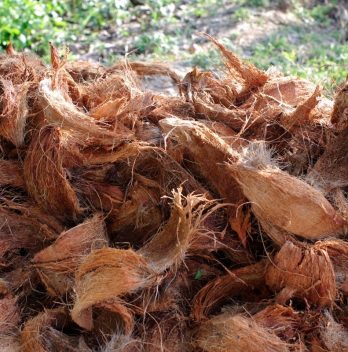
    Coir is the fibrous husk and dust that make up the outer layer of a ripe coconut. This part is least seen as it is removed before the fruits arrive in the market. But it is available as a soilless growing medium.  

    Coconut coir is common in India and Sri Lanka. These are areas where the Cocos Nucifera coconut palm grows in plenty. The growing medium can either work alone or mixed with another material. This material is perlite.

    Why Use Coconut Coir? 

    In hydroponics and pot gardening, coir is a substitute for peat moss. It is a renewable resource with a more neutral pH. It helps manage the nutrients in the hydroponics systems. Coir decomposes slower than peat moss releasing its nutrients in a slow economic way. This is one of the greatest benefits of using coir in hydroponics because the nutrient solution has a huge impact on growing success.  

    Types Of Coco Coir 

    Every time you buy coconut coir, you are buying three types mixed – the fiber, pith, and coco chips. These three together provide a powerful growing medium very healthy to plant growth.

    1. Coco pith or coco peat is the fine ground coconut or pear moss. It’s absorbent and fine with small particles. It must age well before it goes to the farm. 
    2. Coco fiber is not very absorbent and adds air pockets into the growing medium. These air pockets provide oxygen to the root zone. This fiber breaks down fast with the air pockets decreasing over time. 
    3. Coco chips are a hybrid between the coco fiber and coco peat. They are large pieces that create air pockets and absorb the water well. It helps keep your plants well hydrated. 
    Types of Coconut Coir 

    The coconut coir must be a mixture of these three types to achieve the best results. 

    Find more information about How To Use Coconut Coir In Gardening

    Where To Buy Coco Coir- Recommended Products

    Here are a few of the best-recommended products.

    CANNA Coco Brick 

    CANNA is one of the top coconut coir providers. This company monitors the production of their coir to ensure it is well dried, aged, and flushed of all salts. They package their coir in 40L expandable bricks. You will have to rehydrate the medium after receiving it.

    61W4lRLqWRL. AC SL1500

    FOXFARM FX14100 Coco Loco

    Fox is also a top coir provider. Just like CANNA they track their product to ensure it is well dried, flushed out salts, and aged before packaging it. FOXFARM packages their product in a 2 cu ft. expanded bag. 

    81ldkquPJ1L. AC SL1200

    General Hydroponics COCOTEK Coco Growing Media

    COCOTEK consists of all three types of compressed media. It has low levels of sodium and one of the best for first-time growers. This is a cheaper option compared to CANNA and FOX FARM. It is packaged in 5kgs with a decent mix of coco fibers and pith. 

    61Gb2Td2ZDL. AC SL1024

    FAQs

    What is coconut coir good for?

    Coconut coir, also known as coco coir, is a natural material that can be used in a variety of ways. It is made up of the fibres of coconut shells and is used in many different industries, including in agriculture, horticulture, and forestry. For example, coconut coir is used as a soil amendment to improve soil structure and nutrient levels. This helps to create fertile soil and increases crop yield.

    It’s a natural and organic alternative to plastic mulch, which can be harmful to both plants and animals. Coconut coir is made from the stalks of the coconut palm tree. It’s a renewable resource that is naturally occurring in tropical climates.

    The production of coconut coir is highly labour intensive, as the coconut fibres need to be removed from the coconut shell before they can be processed into coconut coir. The majority of coconut coir is produced in India and Indonesia. In recent years, production has increased significantly, with India alone producing about 80,000 tonnes of coconut coir per year. Coconut coir is primarily used in agricultural applications such as soil amendment and organic fertiliser. It is also used in horticultural applications such as garden mulch, ornamental plant pots, and as a growing medium for houseplants. It is also used in forestry applications such as tree planting, and it is commonly known as coconut fibre or coco fibre. Coconut coir benefits The benefits of coconut coir are numerous. Nutrients Coconut coir is an excellent source of potassium, magnesium, phosphorous, and calcium.

    How is it used?

    The stalks are cut, dried and shredded into fine pieces. The shredded coconut is then mixed with water to create a thick, clay-like mixture. This mixture is then spread over the ground as mulch to help with soil building, prevent weeds and retain moisture.

    Why Is Coconut Coir So Great?

    It is considered to be a highly efficient organic growing medium, which improves soil quality and reduces the need for chemicals. The fibres have many beneficial uses in horticulture, including as a mulch and for growing houseplants.

    The main benefits of using coconut coir for plants include:

    improving soil structure, reducing disease, improving water retention, reducing weed growth, reducing the need for chemical fertilisers, enhancing the appearance of plants, increased yields and pest control.

    Coconut coir can be used to make a wide range of different products and there are many ways to use it. It is a very versatile material, so you can easily adapt its uses for whatever purpose you wish.

    Are there different types of coconut coir?

    Coconut coir is actually a byproduct of coconut oil processing. It’s similar to chaff or straw, and can be used as mulch or composted.

    There are many different types of coconut coir, and most of them are made from the husks of mature coconuts. Coconut husk is a material that has been used for centuries in making a variety of products.


    Conclusion

    Whether you choose to use this media in hydroponic or in containers, by itself or mixed with other media, the coconut coir works magic. It plays a key role in providing an ideal growing environment for your plants. 

  • Is Purely Organic Lawn Food The Best Lawn Fertilizer?

    Is Purely Organic Lawn Food The Best Lawn Fertilizer?

    Many homeowners are frustrated by unsatisfactory results from substandard lawn food products and many wonder leave if purely organic lawn food does work.

    Ask every homeowner and they will tell you the lawn is as important as any other parts of the home. Everyone dreams of a fuller, greener lawn! This is made possible by feeding fertilizers that can help you maintain your lawn with ease.

    Purely organic lawn food is made up of all-natural ingredients that don’t contain any harmful chemicals. There are many great organic fertilizers in the market today. To find the right one, you first need to understand how they work and what kind of results to expect.

    Why Use Purely Organic Lawn Food?

    Let’s be clear, organic fertilizer has a lot of benefits for both you and your home. Let’s unmask these benefits:

    • Adds organic matter to the soil
    • Naturally increases the nutrient exchange
    • Helps the soil maintain better moisture levels and attract a bigger earthworm population
    • Lasts long in the soil, therefore, no need to keep adding more
    • Allows plants to get everything they need without being over-stimulated
    • Releases nutrients slowly at a pace that makes your grass grow slowly
    • Gives you breaks from mowing often
    • They do not contain any dangerous chemicals
    Why Use Purely Organic Lawn Food on your lawn

    Which Works Better Between Purely Organic Lawn Food And Chemical Lawn Fertilizers?

    First, understand that both organic and chemical lawn fertilizers give you results. How do you determine what works best for your lawn? Here are a few ways to tell the differences:

    • Application – Organic fertilizers come in pellet form. The application is easy but can take a while. Applying too much organic fertilizer does not harm your plants. Chemical fertilizers come in liquid form and are easy to apply. Too much of it burns your lawns causing brown spots.
    • Nutrient release. An organic fertilizer releases its nutrients at a rate that plants can absorb. Because of this advantage, it requires fewer applications. Chemical fertilizers offer a short-term solution providing a quick burst of nutrients. The quick burst of nutrients makes the grass grow fast requiring mowing regularly.
    • Soil quality. Organic fertilizer is better for soil. It provides natural microorganisms and bacteria that help create a well-balanced eco-system for plant growth. Chemical fertilizers don’t add anything beneficial to the soil, they actually decrease fertility.

    An In-depth Review Of Purely Organic Lawn Food

    Purely organic lawn food is made using organic ingredients like distillers grains and soy. It is safe to use and delivers outstanding results. It is formulated to provide the nutrients that the lawn needs to become lush and green. All over the country, customers swear by this organic lawn food due to its potency.

    This fertilizer contains non-synthetic phosphorous with a 10-0-2 parts composition. Its entire formula consists of natural nutrients required for the healthy growth and maintenance of grass.

    Purely organic lawn foods have been used for a long time to maintain sports fields and keep them lush. The results have been satisfying! This fertilizer keeps grass thick and green throughout the year without any traces of scorch.

    71lx9aDYO L. AC SX569

    Application

    It has antimicrobial properties that foster the overall health of gardens and yards. The manufacturer recommends four applications in any given season for better results. The application process of purely organic lawn food.

    There are two ways on how to carry out the application process. You can either choose the traditional way or use your hands to spread the fertilizer on the lawn.

    Using your hands – this method is tedious especially when dealing with large yards. It also results in the uneven distribution of the fertilizer. This leads to strange growth patterns due to uneven distribution.

    Using the traditional method means you use a spreader. You can either use a rotary or a dropped tool. Using a spreader saves time and gives you an even distribution of the fertilizer. You might need a specific purely organic lawn food distributor. It is possible to find recommendations from the manufacturer’s website.

    A 25-pound bag can cover up to 5,000 square feet of turf making it quite cheap. Be sure to water your lawn as soon as you apply the fertilizer. It is essential to ensure the yard stays moist always four days after application. This enhances the proper infiltration of the fertilizer into the soil. It also boosts the root growth and development of the grass.

    Read more about Is Nitrogen Organic Or Inorganic? – A Deeper Look

    Is Purely Organic Lawn Fertilizer Safe for Humans?

    Yes, purely organic lawn food is safe for humans and pets! This is because the product contains natural ingredients only. It does not harm you or your pets when you come into contact with it. It does not carry a burning effect thus the application is possible as many times as possible without harming the grass. But, it should not be consumed and should be kept away from children and pets.

    Is Purely Organic Lawn Food Safe for Humans

    The Pros and Cons of Using Purely Organic Fertilizer

    Let us look at the advantages and disadvantages of using this organic product

    Pros

    • It is very economical
    • Does not scorch the grass
    • It is affordable yet effective compared to other natural fertilizers
    • Contains 100% non-synthetic phosphorous
    • Has a pleasant odor thanks to 0% manure content
    • Does not have a limited number of applications or seasons
    • Family and pet friendly
    • Meets the municipality restrictions on Phosphate use

    Cons

    • Its packaging is quite bulky at 25 pounds

    Purely Organic Lawn Food Vs Other Natural Fertilizers

    It is important to compare this product with other organic products and see the differences. That way you make an informed decision when choosing your product. Below is a comparison of the purely organic lawn food against well-known brands:

    Safer Brand Lawn Restore

    This natural food covers 5000 square feet of lawn. It is safe for use with humans and pets, and you can walk on it immediately after application.

    It contains a natural mixture of natural ingredients safe for children and pets. This product has an NPK of 9-0-2, and you can use it during any season. It should not dry on its own but needs water immediately after application. Do not mow the lawns for two weeks following the application. This fertilizer is best applied to freshly cut grass.

    Amazon Choice Selection
    Safer Brand Lawn Restore Natural Lawn Fertilizer
    $34.49

    Non-Burning Fertilizer – 9-0-2 NPK – Covers up to 5,000 Sq Ft

    Check Amazon Price
    We earn a commission if you make a purchase, at no additional cost to you.
    12/18/2025 03:02 pm GMT

    This product though safe around children and pets.

    Most users highly recommend this lawn food, but others reject it for its bad smell, like that of chicken poop. If you can put up with the smell, then you can go ahead and use it.

    Pros

    • Is safe for children and pets
    • Contains natural ingredients
    • Suitable for any grass type
    • Is not limited to the time of the year it can be applied
    • No country restriction

    Cons

    • Contains unpleasant smell during application and watering

    Dr. Earth High Nitrogen All Purpose Fertilizer 5-0-2

    This lawn fertilizer will cover an area of around 4400 square feet. It has an NPK ration of 9-0-5. It contains natural ingredients that include fish meal, kelp flour, and alfalfa meal. Dr. Earth also contains beneficial soil microbes and mycorrhizae. This is a soil fungus known for improving plant root systems.

    This fertilizer is safe for humans and pets and can be used as an all-purpose fertilizer. The application can happen at any time of the year and offers long-term improvements. It has a fishy smell that lingers for a while after application.

    Dr. Earth High Nitrogen All Purpose Fertilizer 5-0-2
    $48.92
    Check Amazon Price
    We earn a commission if you make a purchase, at no additional cost to you.
    12/18/2025 04:01 pm GMT

    Pros

    • Suitable for application all year round
    • Safe for children and pets
    • Contains natural ingredients

    Cons

    • Contains animal derivatives, it could be unsuitable for vegans
    • It has a fish odor which is not attractive to users 

    Espoma ELF 20 20 Pound Organic All season lawn food

    This organic fertilizer has an NPK ration of 18-0-3. It has very high levels of Nitrogen that improves the green growth of plants. It is an all-natural fertilizer safe for children and pets. The ingredients include feather meal and poultry manure.

    It contains extra Iron which helps the lawn achieve a deeper green color. The results are noticeable a few days after application with long-lasting results. The biggest complaint about this lawn fertilizer is the fact that it has a distinctive foul odor. Because it is primarily made from chicken manure, the smell is expected. Some users find the smell unbearable while others accept it.

    Espoma Lawn Food for All Seasons. Rich in Natural Organics 15-0-5
    $42.07

    20 lbs. covers up to 6,000 square feet. Bio-tone formula with Slow Release Nitrogen and Non-Stain…

    Check Amazon Price
    We earn a commission if you make a purchase, at no additional cost to you.
    12/18/2025 02:04 pm GMT

    Pros

    • Made from natural ingredients
    • Safe for children and pets
    • Suitable for use all year round

    Cons

    FAQ’s

    Is Purely organic lawn food the safest?

    Yes.

    Purely organic lawn food, or POOL, is a very effective, natural and healthy lawn fertilizer. It contains all the nutrients your grass needs to grow and be healthy. When it comes to organic lawn food, there are two main types: POOL that is only organic and does not contain any synthetic fertilizers, pesticides or herbicides POOL that is both organic and non-toxic to pets and wildlife.

    Purely organic lawn food is the most complete organic lawn feed available. Purely organic lawn food contains all the nutrients and minerals your lawn needs to grow healthy.

    Conclusion

    The safety and natural state of this purely organic lawn food are what make it a favorite among the many customers who use it.  There is no denying it has gained an overwhelming victory for its outstanding good effects.  You can choose to taste the goodness by using it to nourish your lawn.