Category: Soils & Plant Nutrients

  • Green Bean Inoculant

    Green Bean Inoculant

    You may have heard a lot about green bean inoculant and you may be wondering how important this is to the growth of your green bean plant. But what exactly is inoculant? What role does it play and why should we consider using one for our green beans or peas?

    Green beans, black beans, peas, and so on are all members of the legume (Fabaceae) family. These legumes are well known for their aid in fixing nitrogen into the soil.

    This article will go over what you need to know about green bean inoculant and other related info. So, read on to gain some knowledge.

    What Is An Inoculant?

    An inoculant is a type of bacteria or fungus that is often applied or added to the soil through the process of coating bean seed or pea seed. Known as beans or peas boosters.

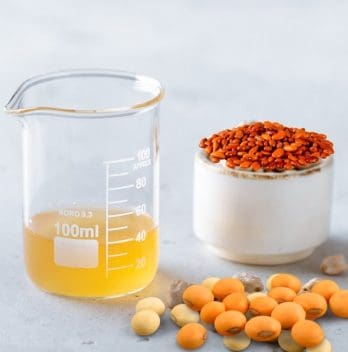
    Usually, the inoculants often come in powder but you may also come across liquid inoculants.

    What Is An Inoculant

    Inoculants & Nitrogen Fixing Bacteria

    Plants require nitrogen to make amino acids which is a building block for protein and other plant components. Ideally, we have 78% of nitrogen gas in the atmosphere. But the problem is that nitrogen is in the gas form and plants can’t use or assimilate this.

    The bacteria such as Rhizobium will work with the root system of peas and beans by creating nodes along with their roots. These nodes are responsible for fixing nitrogen gas and will change the nitrogen gas into a usable form for plant use.

    Normally, the roots nodules of legumes such as beans and peas already contain Rhizobium bacteria. Hence, they already have the ability to fix nitrogen from the atmosphere. So you may wonder if you really need to inoculate your green bean seed.

    It may not be necessary to inoculate your green beans seeds. However, when you apply inoculants to their seeds, it makes sure the correct type of bacteria that is specific to that legume is available to the plant when they germinate.

    Another important note you should always remember is that once you’ve been growing and producing beans in your garden, you really don’t need inoculants. This is because these bacteria are already living and thriving in your soil even after you’ve planted and harvested.

    Mycorrhizal Inoculant by DYNOMYCO – High Performing Strains – Concentrated Formula

    71WReKcyYmL. AC SX522

    Seed Inoculants

    Inoculating seeds involves coating or covering the seed surface with nitrogen-fixing bacteria such as Rhizobium or Bradyrhizobium. Inoculating seeds with nitrogen-fixing bacteria is always done prior to planting.

    Inoculant For Green Bean And Peas

    There are many bacteria used in inoculation. The bacteria often used for inoculating legumes like beans are Rhizobium bacteria. Rhizobium is also a pea inoculant. Therefore, the Rhizobium bacteria will only work for peas and beans and can’t be used for any other types of plants.

    Another kind of nitrogen-fixing bacteria is Acetobacter, and this is isolated from sugarcane stem and root.  Another type is Bradyrhizobium japonicum and this is used in inoculating soybean for fixing nitrogen.

    How To Use Inoculant On Green Bean & Pea

    It’s pretty easy inoculating your green bean and pea seeds. Simply purchase your legume inoculant from your local nursery store or online. But take note that some legume seeds may have already been coated with an inoculant. So ensure you know the type of legume seed you have.

    Always make sure you have the correct inoculant specific to the type of legume you will be planting. There are different inoculants specific to different plants. So, whenever you purchase inoculants, ensure you read the package to know the type of plant it will be treating.

    Also look at the expiry date to ascertain the inoculant is still viable. Inoculants often come in fine, black powder sealed in a plastic bag. However, you may come across some liquid inoculants.

    So, to inoculate seeds, plant your green bean or pea into the planting hole. Then put a good amount of inoculant into the hole with the legume seed. Done inoculating your legume seeds, cover the seed hole with soil.

    Importance Of Inoculation

    Here are the benefits you stand to gain when you use inoculants on your green beans or peas:

    1. Normally, Rhizobium bacteria are present in many soils. But inoculating your legume seeds will ensure the correct or specific strain of bacteria required by that legume is present in the soil.
    2. Seed inoculation will offer your legume plant stronger and bigger yields. It will also give you a healthy plant.
    3. Inoculants make nitrogen more readily available for plants use.
    4. Once, you’ve inoculated and planted a legume crop on a particular soil, there will be sufficient availability of the specific bacteria you’ve inoculated. This is because the bacteria will live and thrive in the soil so far they have an adequate supply of food. This means you should constantly till your soil and incorporate compost and green matter back into the soil.
    Importance Of Inoculation

    What does inoculate mean when it comes to green beans?

    If you are a gardener, you may be wondering whether you should inoculate your green beans. It is possible that you have never heard of this term, and if so, here’s what you need to know.

    If you are not familiar with the term, “inoculating” means introducing beneficial microorganisms into a plant. This can be done in two ways: by planting seeds that have been treated with beneficial microbes, or by spraying the seeds with a solution that contains these microbes. You may already have seen sprout bags with seeds that have been treated with beneficial microbes. These seeds can be purchased online and at some garden centers. However, if you are just starting to grow your own green beans, you will need to purchase untreated seeds.

    How do you Inoculate Green Beans?

    There are many ways to inoculate your green beans. Some of the simplest include sprinkling a solution of beneficial microbes on the seed before planting it in the soil. However, you may want to consider using an alternative method if you are planning to plant several types of seeds at the same time.

    If you are growing several different varieties of seeds, you might want to inoculate each variety separately. A few alternatives to sprinkling the seed with a solution of beneficial microbes include soaking the seeds in a solution of beneficial microbes, spraying the seed with a solution of beneficial microbes, or soaking the seed in a solution of beneficial microbes and then drying it.

    Sprinkling a Solution of Beneficial Microbes on Seeds

    Sprinkling seeds with a solution of beneficial microbes is probably the simplest way to inoculate seeds for your green beans. Sprinkle the seeds on the soil surface before planting them. You can use a bottle or other container to hold the beneficial microbes. The easiest type of beneficial microbes to use for this application are those that are sold as “seed inoculants”. These are simply solutions that contain beneficial microbes that are meant to be applied to seeds. However, if you have difficulty finding these types of beneficial microbes, you may be able to find another solution.

    Some people use liquid kelp extract, a product called “Kelp Green Bean Starter”, or a product called “Green Bean Booster”. There are also many companies that sell products that contain beneficial microbes. Some of these include the following: BioGro Organic Gardening Supply Company (OGSC)

    Soil Food Store Earthworms

    Bio-Gro Mycorrhizae

    Microbe Inoculant Solutions

    What are beneficial microbes for spraying seeds?

    You can spray seeds with a solution of beneficial microbes by using an atomizer. If you do not have an atomizer, you can buy one online. You can use a spray bottle, but you will need to shake it well before you use it. You can use a spray bottle without shaking, but you will need to shake it well to ensure that the solution is mixed evenly throughout the bottle. How to Inoculate Your Green Beans with Liquid Kelp Extract You can soak seeds in a solution of beneficial microbes by using kelp extract. You can purchase liquid kelp extract online and at some garden centers.

    Additional Note On Green Bean Inoculant

    Nitrogen is required by plants to make amino acid that is used to as a building block for proteins. Required for other essential components. Green bean and pea inoculant is an excellent way of supplying usable nitrogen into your soil.

    However, not using inoculants on your legumes will not stop them from producing good yields. Matter of fact, many gardeners have grown legumes successfully without inoculating their seeds. This is because the bacteria for inoculating most plants are usually present in the soil.

    Also, the garden that leguminous plants such as beans and pea have already been planted on may already have a good supply of Rhizobium in the soil. So it won’t be necessary to inoculate the soil.

    Inoculants are simply boosters. Their work is to give you stronger and bigger yields. Therefore, if you want a larger and greater yield from your peas and beans, then you can use this inoculant. Also, if you have never grown leguminous crops such as beans and pea in your garden, inoculating the soil may be pretty beneficial.

  • How To Increase Calcium In Soil

    How To Increase Calcium In Soil

    Just as calcium is needed in humans to build strong bones and teeth, it is also essential in plants, especially for rigid cell walls. So, let’s talk about how to increase calcium in the soil.

    One secondary macronutrient required by plant soil is calcium. Even though calcium isn’t needed in quantities as the general nitrogen, potassium, and phosphorus (NPK) are needed: calcium is still essential for the optimal growth of a plant.

    Calcium is important for the proper development of plants and any deficiencies of calcium in the plant can cause stunted or weak growth. Therefore, proper supply of calcium in the soil is essential for optimal development. So let’s dive in and learn how to increase calcium in the soil.

    Importance Of Calcium In Soil

    Of the many important minerals in the soil, calcium is one of them. Here is some of the importance of calcium in soil:

    • Calcium assists in keeping the plant upright. Hence it plays a crucial role in soil structure.
    • Calcium is required for plant support and it is required for building a strong cell wall and cell membrane.
    • It also provides transport for other materials.
    • Calcium helps with better water penetration.
    • Calcium also helps lowers salinity levels in the soil.

    Deficiency Of Calcium

    The deficiency of calcium can cause some adverse effects in plants and they include:

    • Blossoms and buds may begin to shed prematurely.
    • Plant tip burns.
    • Blossom end rot.
    • Improper levels of calcium in the soil can also cause the shelf life of some fruits such as tomatoes and cantaloupes to reduce drastically.
    • Calcium deficiency may even lead to the death of a plant.

    Add Calcium To Soil

    Calcium is usually added to soil to increase calcium levels or prevent calcium deficiency. Deficiency in calcium in the soil is easily solved through appropriate nutrition or through calcium supplements for plants. Supplying the soil with good quality calcium sources will assist in mitigating calcium deficiencies.

    How To Increase Calcium In Soil

    The first thing to determine if your soil is low in calcium is to do soil testing. Soil testing will let you have an idea of the amount to add to increase calcium in the soil. If you’ve already begun planting, you can also notice low calcium levels by noticing any deficiency in your plant. So here are ways on how to increase calcium in soil:

    1.    Soil Additives

    If you plan on using soil additives to add calcium to your soil, it’s advisable you test your soil pH. When you do this, it will help you determine the type of soil additive to use. The two most common soil additives used are gypsum and lime.

    Down to Earth Organic Garden Gypsum Calcium Sulfate, 5 lb

    81209FW0o5L. AC SY679

    You can purchase these at any garden, lawn, or home improvement store. You can as well obtain them from Amazon.

    To maintain the soil pH levels the same way they are while adding calcium, then you should make use of gypsum. However, if the pH needs to be increased, lime addition is recommended.

    2.    Addition Of Eggshell To Soil

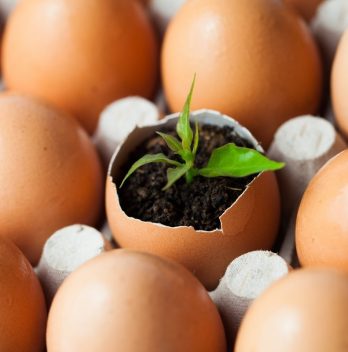
    The eggshell contains adequate calcium that many types of plants can benefit from. Therefore, you can apply some eggshells to the soil. But before adding eggshells to the soil, put the eggshell in an empty container for a few days then add them to your soil.

    Ensure the eggshells are as dry as possible so store them in a coffee tin or storage container. After doing this and they have dried, grind them in a blender or food processor. Since they are dried, it should be easy for the eggshell to grind up easily.

    The ground eggshell should have a similar consistency as coffee grounds or flower grounds. If then eggshells are blended to a finer consistency, it will be easier for the soil to absorb the calcium in them.

    Make use of your hands or tilling machine to mix the eggshell powder into the soil. Do this at least a week before you begin to plant. This is to ensure the soil is in peak growing condition.

    However, if you’ve already started planting, just spread the blended eggshell carefully around your plants’ soil.

    Addition Of Eggshell To Soil

    Once you’ve done this, ensure you keep a close eye on the growth of your plant. You can always add more eggshell powder several weeks later depending on the progress your plant exhibits.

    Absorption of calcium in the blended eggshells can take as long as 6 to 12 months for certain plants. So if you notice your plants are already growing pretty well, it may not be necessary to add extra eggshell powder.

    3.    Bone Meal

    Bone meal is a high phosphate fertilizer and can be used o increase calcium in the soil. it is slow releasing and less soluble. The bone meal should be used for soil that requires raising its pH moderately.

    4.    Epsom Salts

    Epsom salt is also known as magnesium sulfate. Adding Epsom salt is a great way of increasing the calcium levels in the soil.

    5.    Foliar Spray

    Foliar spray commercially sold is the fastest solution for serious calcium deficiency. This is because the plants will assimilate the nutrient more easily through leaves and roots. Foliar spray can also be made at home from using chamomile or seaweed.

    Too Much Calcium In Soil

    Calcium may also be in excess in the soil. Once there’s excess calcium in your soil, your soil pH tends to increase meaning the soil becomes too alkaline. This may lead to disturbance in ion balance.

    So, always ensure you add the right amount of calcium required to your soil. Always do appropriate soil testing to have an idea of the right quantity of calcium to add to your soil.

    Too Much Calcium In Soil

    FAQ’s

    How do you fix calcium deficiency in soil?

    The most effective way to fix calcium deficiency in soil is to add gypsum, according to the University of California, Berkeley. Gypsum can be used as a fertilizer and is available at many gardening centers and nurseries. Keep Learning Calcium deficiency in soil can cause plants to wilt, and it can also cause problems such as stunted growth.

    Gypsum is one of the best ways to help with this problem. Gypsum is a type of rock that contains calcium sulfate. This chemical compound helps to make the soil more alkaline (meaning the pH is higher than 7). Gypsum is usually added to soil at a rate of about 1 pound per 100 square feet. To add this amount of gypsum to your garden, you will need to use a shovel or pickaxe. Dig a hole in the soil that is at least 2 inches deep and spread the gypsum out. It may be mixed with compost to make it easier for the plants to absorb the nutrients from the soil. Be sure to spread the gypsum evenly around the area you are working in. Some people put the gypsum on top of the soil, but this may not work as well.

    What does help calcium help plants with?

    Calcium is a macronutrient and is needed for growth and development. Calcium is used in the construction of cell walls, for example.

    Calcium also helps to protect plants against cold, drought, pests, diseases and fertilizers. A well-balanced nutrition program for your plants will include calcium as well as other nutrients such as phosphorus, nitrogen, sulfur, magnesium, boron, zinc and iron.

    Calcium is used in fertilizers as an effective way to increase yield, promote root health and help plants grow in acidic soils.

    Why do I need to be careful with calcium in soil?

    Calcium is typically used to promote growth, and in high concentrations it can be toxic. For this reason, you need to know how much calcium your soil has before you start adding fertilizer. Calcium can be added to the soil as a liquid or in solid form. The type of calcium that’s available will depend on where it comes from, how it was applied and when it was applied. For example, when calcium is applied as a liquid, it will leach out of the soil very quickly and may not remain in the soil long enough to provide any benefit.

    How much calcium should garden plants get?

    You want to have a plant-based diet that contains no more than 10 percent of its calories from fat, which translates to less than 3 grams of fat per day for an adult. The best way to determine how much calcium your plants are getting is to look at the label on the fertilizer or soil amendment that you’re using.

    How To Increase Calcium In Soil: Conclusion

    There are many ways on how to increase calcium in the soil and we’ve listed some for you. Test your soil to know if they require calcium addition. Also, when adding calcium to your soil, ensure you add the appropriate quantity so your plant can enjoy successful growth.

  • Bush Cucumber

    Bush Cucumber

    Cucumber comes in hundreds of varieties for growers to choose from and it’s known for its pickling and slicing use. If you’re interested in trying out some bush cucumber variety, then we’ve got you covered here.

    Cucumber plants are easy to grow and they can be grown in the ground, raised beds, containers, or even hydroponic systems. They are one of the most beloved homegrown vegetable plants.

    Not all cucumbers are the same and there are so many cucumber varieties to choose from. Selecting which kind of cucumber variety is one step to growing cucumber successfully.

    Cucumber plants grow in two ways and they are bush and vining. For the purpose of this article, we will be focusing more on bush cucumber varieties. So, read on to learn more on this.

    Cucumbers Plants

    Cucumber plants are easy plants that can be grown or added to your vegetable garden. Cucumbers originate from India and they have a cousin known as bitter melon which is still a staple as of today.

    Cucumbers have been cultivated for over 3,000 years and they are known as one of the oldest crops to be grown in a controlled surrounding.

    Cucumbers Plants

    Generally, cucumbers can be divided into 3 categories which are slicing cucumbers, pickling cucumbers, and seedless cucumbers.

    • Slicing cucumbers are thick-skinned smooth types of cucumbers and are used for slicing and eating fresh. They are long and tender and non-bitter skin. Hence, they are the sweet type.
    • Pickling cucumbers are short cucumbers with blocky and bumpy skin used for pickling.
    • Lastly, we have the seedless cucumbers also known as burpless cucumbers.

    Looking for Easy to Grow Plants? Click here:

    Cucumber Bush

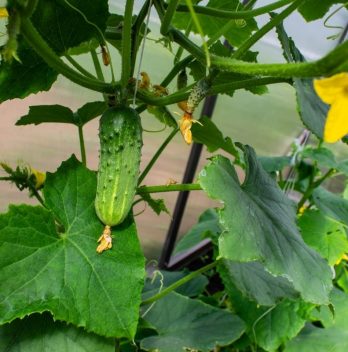
    Cucumber usually grows in two forms which are vining and bushy. Bush cucumber (Cucumis sativus) has been bred to occupy only a short space with very short vines and has been made to produce an abundant result. Therefore, the variety of bush cucumber allows you to plant them in a small space while enjoying plenty of yields.

    Bush Type Cucumbers

    The majority of the bush cucumbers only need about 2 to 3 square feet per plant. Their requirements are almost the same as vining cucumber type and they will mature in about the same period.

    Bush-type cultivars include pickle bush, bush champion, salad bush, parks bush whopper, and space-master.

    Bush Type Cucumbers

    Planting Bush Cucumber

    Planting cucumber requires fertile soil and they will grow rapidly so far they get constant watering and warmth. Most of the cucumbers variety available in nursery gardens is vining plants. So ensure you search for the word ‘bush’ in the seed pack or somewhere.

    You can plant bush cucumber variety in both containers and a small garden.

    Planting In-Ground

    Select a planting site with full sun as cucumber requires warmth and lots of light. Once the danger of frost has passed, turn over your soil with a shovel or spade. Create a long row of soil and space them 2 feet apart. Leaf compost or aged manure should be dug in using one part compost to every 10 part soil.

    If you’re making use of heavy clay soil, one part of sand should be dug into every 5 part soil. This will ensure the mixture is rich and light enough for fragile bush cucumber plants to root.

    Soil temperature should be measured with a soil meter and measure deep into the soil. The aim for an ideal soil temperature should be around 60 degrees Fahrenheit. Then you can plant your seed or seedlings. Any temperature below 60 degrees Fahrenheit will not encourage seed germination or seedling growth.

    Next, insert one bush cucumber seed in each hole and cover it with about a quarter-inch of soil.

    Spacemaster Cucumber Seeds, 100 Heirloom Seeds Per Packet, Non GMO Seeds

    61d9NlhaAvL. AC SX522

    Alternative Planting Method

    Another way is to dig 4 inches holes with a trowel then slowly bring out the seedlings you’ve purchased from the nursery containers.

    Ensure the soil around the roots remains intact. Then put a seedling in each hole and cover it up with soil around the plant. Ensure you don’t press them too much because they’re fragile. Make sure you water the seeds or seedlings consistently.

    The seedlings of the bush cucumber should be thinned once they’ve grown four true leaves or once they attain a length of 6 inches. Remember to continue watering.

    Ensure you water daily if the weather is hot and the soil dries out quickly. However, if the soil still holds some moisture, you can water every 2 to 3 days. The watering should be deep into the soil. Once the plant starts to flower or bloom, feed with a balanced garden fertilizer.

    Container Planting

    You can also grow bush cucumber in a container or pot. Select a container or pot of about 12 inches in diameter with drainage holes. The container should be filled with potting soil mix.

    Then 3 bush cucumber seeds or 3 bush cucumber seedlings should be planted in the container soil and water daily. Once the plant germinates thin one or two plants once they have four true leaves. Side dress the plants with a liquid time-released balanced fertilizer. Always water consistently.

    Benefits Of Growing Bush Cucumber Variety

    Here are the benefits of growing bush cucumber variety:

    • If you’re short of garden space then bush cucumbers variety will be ideal for you.
    • They are perfect for container gardening.
    • With their small bushy size, they will give rise to plenty of yield. They will also not overwhelm your garden with too much cucumber than you can handle.
    • Bush cucumber variety is ideal for gardeners that don’t want to go through the stress of bumper crop or unusually large crops production.

    FAQ’s

    What are bush cucumbers?

    Bush cucumbers (Cucumis anguria) are a member of the Cucurbitaceae family, which also includes melons, gourds and squash. It is closely related to watermelons, but differs in that it is a herbaceous perennial plant rather than a woody shrub. It has long been cultivated for its edible fruits, known as cucumbers, which are used in salads and sandwiches, pickles, and even as a cooking ingredient.

    The plant is an herbaceous perennial growing from a taproot, with a thick, woody stem up to tall and in diameter. The leaves are arranged alternately along the stem, each with a broad, heart-shaped blade long and wide, and are covered in a thick, soft, white down. Small white flowers form on the upper part of the stem, between the leaves. The fruit is a long cylinder about long with four or five seeds. The flowers appear in early spring and the fruits ripen from late summer to autumn. It is native to the Indian subcontinent and China, and has also become naturalised in Florida, Texas and California.

    It has long been cultivated for its edible fruits, known as cucumbers, which are used in salads and sandwiches, pickles, and even as a cooking ingredient.

    What varieties are bush cucumbers?

    ush cucumbers are also called summer cukes, pickling cukes and pickle cukes. They are sometimes referred to as Japanese cucumbers, but that is a misnomer. Pickle cukes are very small (1/8 – 1/4 inch) and have a thinner skin than most other cucumber varieties. They are a type of bush cucumber and are often grown for pickling purposes.

    Will bush cucumbers climb?

    bush cucumbers (Lepidosperma) can climb. They do this by means of their long, thin tendrils, which are very sensitive to touch and also have a strong grip. When a bush cucumber climbs it extends its tendrils in all directions, then bends them back at an angle of 45 degrees and attaches them to the nearest support. The tendrils then spread again, and so on.

    How big does a bush cucumber get?

    The Bush Cucumber is the largest member of the cucurbit family and can grow up to 30cm in length. The leaves are heart-shaped, with five leaflets and a tapering point, and the flowers are yellow and funnel shaped.

    How are they eaten?

    They are most commonly eaten raw, pickled or used as a garnish. A lot of people toss them into salads as part of a healthy vegetarian meal.

    Additional Say

    Bush cucumbers are ready for harvest in about 40 to 70 days from planting. Harvesting depends on the size you want and how you plan to use them.

    The bush cucumber plant is a great cucumber variety to grow if you are bothered about space and you want maximum production. So, you can always enjoy growing bush cucumber variety for your gardening pleasure.

  • How Far Apart To Plant Green Peppers

    How Far Apart To Plant Green Peppers

    Peppers can serve as a great addition to your garden. Be it green, red, yellow, etc, pepper are all awesome source of vitamin C, vitamin A, and other minerals. But do you know how far apart to plant your green peppers?

    It is crucial you get the spacing for your peppers right as this is one determining factor to their final yield. Optimal air circulation is required by peppers for their fruit development hence, the need for proper spacing. Any space limitation could negatively affect the growth of your pepper because this can cause oxygen competition.

    Therefore, let’s look into how far apart to plant green peppers for maximum yield.

    Pepper Plant

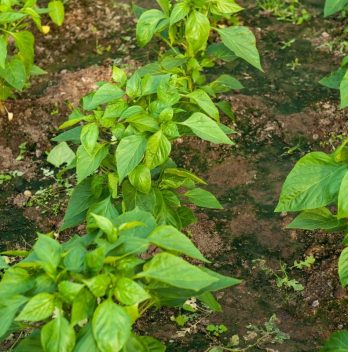
    Pepper is a warm-season crop that comes in various colors, shapes, and flavors. The pepper plants have so much versatility that you can simply select which variety to grow such as small bell pepper, hot peppers, bell peppers, etc.

    Even with the versatility of the plant peppers, there is not really much difference in their seedling and planting requirements. The growing requirements for all pepper varieties are pretty similar and this makes them an easy plant to grow.

    Pepper Plant

    Growing Peppers

    The growing requirements for green pepper are not so complicated, the most important thing is to get their plant spacing correctly. Therefore, all pepper growers should always know how far apart to plant any pepper, be it green, red, and yellow peppers.

    Pepper loves warm weather which is why they are growing beautifully in most Texas areas. However, peppers can be grown in both indoor hydroponics and outdoor traditional garden successfully.

    Guidelines On How Far Apart To Plant Green Peppers

    How far apart to plant your green peppers will solely depend on these factors: distance between rows, the distance between plants, and distance from other peppers variety.

    1.    Distance Between Rows

    First, you should know that planting peppers in rows are not compulsory. You can decide to plant your peppers in other manners. In fact, some gardeners may prefer planting peppers in grid patterns, checkerboards, square feet, and so on. What matters is the result.

    Row planting just enables you to move around your plants easily. Thus, you can conveniently move around to check your crops, and weeding and harvesting will be made easy.

    But if you decide to plant your peppers in rows, the row spacing should be around 24 to 36 inches. This distance will conveniently allow your pepper to germinate to its full potential and grow maximum branches and fruits.

    In a square foot garden, each pepper is planted 12 inches apart. The distance apart does not affect their pollinating process because pepper plants are self-pollinating.  Therefore, they don’t require close spacing for pollination to occur.

    2.    Distance Between Plants

    The distance between pepper plants in the same rows should be about 18 to 24 inches. This plant spacing will allow maximum air circulation as well as reduce nutrient competition between plants.

    3.    Spacing Between Other Pepper Varieties

    If you will be planting different types of pepper varieties, you should consider the distance between one type of pepper to another type. This way, you can avoid hybrid creation due to cross-pollination.

    Bees or any insects can convey pollen grains from one pepper species to another thereby resulting in hybrid pepper. This can affect and alter the resulting fruits of the plant pepper and their offspring.

    For instance, planting bell pepper close to hot pepper may result in the hybrid of both peppers. Therefore, you may end up having a hot-tasting bell pepper.

    So, to avoid this, it’s advisable not to plant different pepper species in the same garden. Plant your various peppers species in different raised beds. Another way to grow your various peppers species is to plant separate vegetables between them.

    Heirloom Pepper Seed Variety Pack | 8 Hot & Sweet Peppers For Planting

    71Z7hXpYH3S. AC SX522

    How To Grow Peppers

    Follow these guidelines to learn how to grow your green pepper the right way:

    1.    Seed Planting

    The first thing you should know when it comes to planting peppers is that they love warm surroundings. Therefore, you should allow the soil to warm up to at least 65 degrees Fahrenheit before planting. Grow your plant where they can receive full sun.

    You can start your seed germination indoors or simply sow seeds directly into the soil. Seedlings should be planted about 3 weeks after the last frost has elapsed.

    2.    Stake Your Pepper

    Peppers will grow very huge so they will benefit from stake or cage for support. Therefore, we recommend you tie your growing plant to stakes so they can remain upright. Don’t wait until your plants are big before staking them or they might end up damaged. Stake each plant while they are still young.

    3.    Fertilizer Application

    Your green pepper will need fertilization. If you’re making use of manure, we recommend using chicken manure. Once your pepper begins to flower, supply them with a balanced organic fertilizer in ratio 3:1:5 every 4 weeks. Pepper doesn’t require too much nitrogen because excess nitrogen will promote leaf growth rather than fruiting.

    fertilizing Pepper Plant

    4.    Watering

    Too much watering is not required in pepper plants because overwatering can cause root rot. Avoid watering the pepper plant but water their roots.

    5.    Weeding And Pest Control

    Always weed your pepper garden regularly. Also, the pest can be controlled with organic solutions or chemicals.

    Green peppers are fairly pest-free. However, you may have issues with fruit flies. You can use water mixed with soap and spray any aphids you see on your green pepper plants.

    6.    Fruit Production

    You should begin to see fruit production after 11 weeks of transplanting. You will enjoy fruits production for many months up until winter begins. Make sure you don’t leave your pepper fruits on the plant for too long as this can slow down flower production.

    How Far Apart To Plant Green Peppers

    FAQ’s

    How close together can you plant peppers?

    Peppers are one of the most important crops grown in the United States, and they’re also one of the most variable. Some grow fast and big, but others grow slowly and small. The peppers we eat come from a wide variety of different types that have been bred for specific characteristics, but we don’t know exactly how much genetic variation exists among all these varieties.

    There’s no hard and fast rule. If you’re planning on growing them for fruit, the distance between rows should be about 3 times the width of a pepper seedling. That means in your case you want to plant at least 30 cm between each row.

    Can I plant bell peppers next to tomatoes?

    Yes. Bell peppers are a cool-weather crop and like other warm-season vegetables such as beans, lettuce and onions, they will do better if planted close to tomatoes. The two plants should be no more than 6 inches apart, but you can plant them closer if you like. Bell peppers can also be grown in containers or on a trellis, where they will be a little more forgiving of poor soil conditions.

    Can I plant peppers in the same spot every year?

    You could plant two varieties of pepper at a time. When you have one that is done flowering, pull it out and plant another. There’s nothing wrong with planting peppers in the same spot every year. It’s just that they are not going to be as big or as productive as if you planted them in different locations.

    Can peppers and cucumbers be planted together?

    Peppers and cucumbers are not compatible plants, but if you really want to plant them together you can do so. If you have a large garden, you can have both growing at the same time in different areas of the garden. Both plants can grow up to 10 feet tall, so you need to be sure that they do not come into contact with each other. You can also try planting them in a greenhouse.

    Do peppers need a trellis?

    Peppers (Capsicum annuum) are very happy growing on the ground, as long as you give them some room to spread out. They will need a trellis for support, if they’re growing too close together, or if they’re growing too tall. If your plants are not too far apart, they might be fine on the ground. You might be able to let them grow as is, or you could use a trellis to keep them upright, and still let them grow where they like.

    How tall do pepper plants get?

    Peppers are pretty easy to grow, and will grow up to 5 feet if you keep them fed and watered. The key is that they need good soil and plenty of light.

    You can easily grow your own peppers on a sunny patio or balcony. They’re one of the easiest vegetables to grow from seed. You can grow peppers in a pot or in the ground. You’ll want a warm, sunny spot for peppers, and you’ll need to water them regularly. If you choose to plant them in the ground, you’ll want to plant them in a protected area away from frost.

    Conclusion On How Far Apart To Plant Green Peppers

    Pepper needs to be spaced appropriately so they can receive adequate air circulation. Appropriate spacing will also reduce nutrient competition among plants.

    Generally, how far apart to plant green peppers will depend on the distance between the plant rows and the distance between each plant. Follow our guidelines on how to space your pepper plant the right way for maximum yield.

  • Italian Long Hot Pepper Plants

    Italian Long Hot Pepper Plants

    One popular pepper that is fried and eaten in Italian cuisine is the Italian long hot pepper plants. These peppers have now become so popular in the United States dishes because of their versatility. They are also common used as essential staples in most cooking even all around the world.

    These Italian long hot peppers are loved by many because of their added spicy flavor and the rich and complex look it gives any dish.

    If you’re looking to grow hot peppers, then the Italian long pepper plant will be an amazing addition to your pepper and vegetable garden.

    What Are Italian Long Hot Pepper Plants?

    Italian long hot pepper (Capsicum annuum) is also known as Italian long hot chili peppers, Italian frying peppers, cubanelle peppers, Italian roster peppers, and long hot peppers.

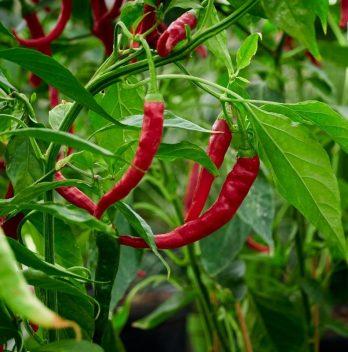
    Italian long hot pepper plants have their fruit as elongated, curved, slender, and straight pods. They will grow typically around 6 to 8 inches long and are slightly wrinkled and mostly curvy. The shape of this Italian pepper fruit may look awkward but hey, that’s what makes them so special.

    What Are Italian Roaster Pepper Used For?

    Even though they are known as hot long peppers, their spice is mild. They have that distinctive flavor that will leave your dish tasting great. Now when you roast them, they will give you that smoky sweetness that you will never forget.

    They will ripe from green to red and green is their young phase, while bright red is their matured phase. They can be used either as green or red for cooking. These Italian peppers are ideal for stuffed long hot peppers, sandwiches, grilling, hoagies, pizza, and so on. So they are perfect for both frying and slicing.

    The Italian roaster peppers can as well be added to pasta, sauces, marinades, and salsa in chopped and puree forms.

    If you’re adding them to meals when cooking, they will be entirely incorporated including their skin and seeds. Because of their mild spicy and sweet tasting flavor, they can be used in large amounts for salads and appetizers.

    However, because of their slender body and inner walls, they don’t have adequate space or capacity to withstand fillings.

    Tips On How To Grow Italian Long Hot Pepper Seeds

    Seed Sowing

    Plant when the soil and weather is warm. About 3 seeds of the Italian long hot pepper should be sown a quarter-inch deep into the soil. Ensure you use a well-draining soil mix. You can use a soil mix of equal part of sphagnum peat moss, perlite, and compost. Then work the soil properly.

    If you wish, you can divide your garden in rows of shallow planting furrows with a garden hoe. Space your plant about 24 inches between plant rows. The furrow dept should be around 4 inches into the soil. Each plant’s distance should be about 18 inches.

    Tips On How To Grow Italian Long Hot Pepper Seeds - Seed Sowing

    The seeds can be germinated indoors and transplanted outdoors. If you’re sowing seeds outdoors, the seeds should be spaced evenly and appropriately to allow air circulation.

    Watering

    As your plant grows, water the plant root directly. You need to retain an evenly moist soil. more watering is required during hot seasons, and less watering around spring months or raining periods. However, avoid overwatering to prevent root rot.

    Supply With Full Sun

    You should plant in an area where there is the full sun because this pepper loves warm conditions. Supply your long pepper with at least 6 hours of direct sunlight. The ideal temperatures should be around 70 to 75 degrees Fahrenheit. The best germinating temperatures for peppers are around 80 to 85 degrees Fahrenheit. But this may be hard to achieve except you’re growing with a germinating heating pad.

    Once the seeds have sprouted, move and transplant them outdoors. Do this when the average temperature around the night period is around 55 degrees warm. Also, ensure your planting site receives with full sun.

    Soil Mulching

    Mulch your soil to prevent weeds and maintain moisture. You should apply about 2 to 4-inch layer of mulch around your plant soil. if you notice any weed, ensure you take them out.

    MOTHER EARTH Coco Plus Perlite Mix – Provides Strong Aeration & Drainage

    81lHl YK lL. AC SY741

    Support

    Your pepper will require supports as they grow. So drive a stake into the ground a couple of inches from your plant stem. Begin staking when your pepper has grown a bit and reached its young stage.

    Fertilization

    Once they begin to flower, they will need fertilization to produce optimally. Use a complete fertilizer containing NPK (nitrogen, phosphorous, and potassium) of ratio 5:10:10. The nitrogen value should be low because too much nitrogen can cause excess leaf growth rather than flowering or fruiting.

    Growth And Harvesting

    The long hot pepper seeds will yield pepper fruits of 6 to 8 inches long. At this stage, they are already ripe.

    The Italian long hot pepper plants will take about 60 to 70 days to attain maturity. The plant will begin producing its hot pepper fruits by first turning yellow-green then orange, and finally, bright red when it’s fully ripe. You can either harvest them they are plump green or matured bright red. When harvesting, cut the stem and don’t pull the plant to prevent injuring the plant.

    Growth And Harvesting Italian Long Hot Pepper

    We also recommend you wear a pair of gloves to protect your hands from this hot pepper. You can as well put on some goggles to protect your eyes if need be. Wash your hands appropriately after picking your peppers.

    Harvesting should be done every 2 to 3 days to promote continuous or more flower and pepper production.

    FAQ’s

    Is it worthwhile growing Italian Long Hot Peppers?

    Growing the Italian long hot peppers is a great way to get your hands dirty and learn a lot of things. They are easy to grow in your home garden and they will provide you with some delicious food and wonderful aromas.

    The first thing you need to know when you start growing these plants is that there are different types of peppers, and they are classified according to their size, shape and color. Some are grown for their fruit, while others have a more ornamental value.

    How do you grow Italian long hot peppers?

    If you want to grow hot peppers, then you should keep in mind that they need a certain amount of light and heat, as well as water. Soil The first thing you should think about when it comes to growing your own hot peppers is the type of soil that you will use. Hot peppers like the soil to be rich in minerals and nutrients. It is important to use good quality soil because some soils can cause the roots of the plants to rot. You should also try to avoid using heavy, clay soils, as they can cause the peppers to not grow properly. Water Hot peppers need a lot of water to grow, and they do not like to dry out. It is important that you water the plants regularly. They usually need around four inches of water per week. If the soil is not moist enough, then you can also add a little bit of fertilizer to the soil. Light Most hot peppers like a light source that has high temperatures and low humidity. The plants will produce better fruit when the temperature stays around 80 degrees Fahrenheit and the humidity level is around 50%. You should also make sure that the area where the pepper plants are growing does not get too much direct sunlight.

    What should I do if I don’t have experience growing peppers?

    When growing your own peppers, you may want to start with a pepper that is easy to grow, such as the sweet peppers, which have a long shelf life and do not need any special care. However, you may want to try some of the hotter peppers if you like spicy foods. A good way to start your garden is to plant seeds. Plant them in a pot and keep them in a warm, sunny location. This will help the seeds germinate faster. You can also buy a few plants at a nursery. These plants are already started and will not need to be planted in a pot. When you are ready to plant, make sure you select a place that has good drainage. If you live in an area where there is a lot of water, then you will have to make sure that the soil drains well.

    Conclusion On Italian Long Hot Pepper Plants

    The Italian long hot pepper plants will produce thin hot pepper for your culinary needs. They are so easy to grow indoors hydroponically or in your traditional outdoor garden and they won’t give you much stress. All you need do is to supply them with good sunlight.

  • Aeroponics Nutrient Solution Recipe

    Aeroponics Nutrient Solution Recipe

    If you’re wondering what the aeroponics nutrient solution recipe entails, then we’ve got all you need to know here. Aeroponic is an environmentally friendly way of growing plants.  It is just like a hydroponics system but plants here are literally grown in the air and the nutrient here are been misted over the plants.

    Aeroponics gardening makes use of a special way of feeding plants and the nutrient solution supplies the nutrient for the plant’s development.

    In this article, we will be discussing more on aeroponics nutrient solution recipes, how aeroponics works, and many more. So, continue reading to gain some knowledge.

    Aeroponic Farming System

    Just like hydroponics, aeroponics farming makes use of growing plants in a soilless environment. The plant roots are suspended in the air thus; this brings about the name ‘Aeroponic.’

    The aeroponic system is quite similar to the hydroponic system. However, the difference is the way nutrients and environmental conditions are delivered and controlled.

    Aeroponic Farming System

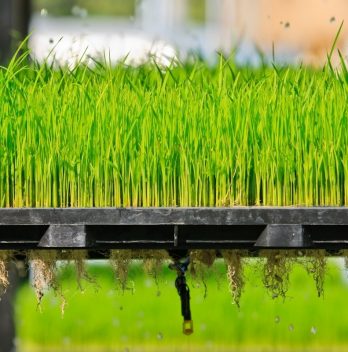
    In an aeroponics system, plants are cultivated in a closed space and the roots are sprayed or misted with a nutrient solution every given interval.

    Various plants such as vegetables, green, etc, can be grown in the aeroponic system and they will offer you bountiful yields.

    Aeroponics Nutrients

    The nutrient supplied in aeroponic plants is organic liquids and they include nitrogen, phosphorous, potassium, and so on. Easily assimilated by plants because they are in pure form. Therefore, nutrient absorption is faster and simpler.

    Aeroponics Nutrient Solution Recipe

    Growing various plants in aeroponics means you should be able to supply all the required materials needed for your plants to grow adequately. Part of the things to be provided is a nutrient solution.

    Different stages of plants require specific nutrient regimes. The nutrient solution you will be providing should have a complete structure of primary nutrients, secondary nutrients, and macro and micronutrients. All of these nutrients must be in the right proportion according to what your various plants require.

    AeroGarden Liquid Nutrients (1 Liter)

    The primary nutrient includes nitrogen, phosphorous, and potassium.

    The secondary nutrient includes magnesium, calcium, and sulfur.

    Macronutrients include iron, zinc, copper, boron, molybdenum, chloride, manganese, and so on.

    The correct pH is one determining factor in their absorption. So, let’s take a look at the ideal pH for the aeroponics nutrient solution.

    Ideal PH For Aeroponic Nutrient Solution

    Ideally, most plants will absorb nutrients efficiently when the pH is slightly acidic. While some other plants may prefer a bit of an acidic pH range. The most important thing is for you to have good information about the type of plant you will be growing.

    How Aeroponics Works

    The Aeroponics system utilizes a sprinkling method of feeding plants and plant roots are suspended in the air.

    The system has small nozzles which are made up of tiny sprinkler heads. This generates the mist for a short period.  Set the sprinkler to sprinkle nutrient solution every 10 or 15 minutes per day. This misting will engulf the plant roots where it hangs long enough for some of this nutrient to be assimilated.

    Once the mist stops, some of the nutrient solutions drip off to give the plant root a chance to receive oxygen. So they use this brief moment to take in oxygen until the next round of misting continues.

    Advantages Of Aeroponics

    You stand to gain lots of things growing with aeroponics. Below are some benefits of the aeroponic system:

    • Less Space With Abundant Yield: aeroponics farming offers you the ability to grow various plants in a limited space. You also enjoy bountiful yield in that little space. Achieve abundant yield in a limited space with a vertical garden.
    • No Nutrient Run-off: because the nutrients are usually in an enclosed space, nutrient run-off is reduced.
    • All Year Round Production: aeroponics makes use of soilless techniques and plants are grown indoors. Therefore, all environmental conditions such as sunlight, temperature, nutrients, etc, are controlled. It gives you total control whereby you can even predict crop timing and grow quality plants. This means no weather or climate change or disturbance and all your plants get to grow all year round. Thus, you enjoy all-year-round food production.
    • Safer And Environmentally Friendly: growing with aeroponics is very environment friendly and your plants are safe from contamination. This is because your setup is in an enclosed environment, thus protecting and eliminating any possible pollution. Therefore, it reduces the likelihood of using any type of herbicides or pesticides thereby offering you a more organic farm product.
    • Efficiency: the efficiency of the aeroponics system is 3 or more times greater than outdoor traditional farming. The design of an aeroponic system is to maximize the growth and production of plants.

    Downsides To Aeroponics

    Even though aeroponics offers lots of benefits one can’t resist, there are still some downsides to them.

    You need a bit of skill to run an aeroponics system efficiently. Take, for instance, the nutrient solution concentration. You need to sustain the nutrient concentration with accurate parameters. Any little malfunction can put your entire plant at risk.

    Downsides To Aeroponics

    Also, you need to ensure the misters always work at the specified time and they must not stop. If they stop for any reason like a power outage, your plants’ roots will dry out quickly. Now this will be bad for your plant if this happens.

    Another drawback is that your misters may suffer clogging from mineral deposits in water solutions. But to avoid this, ensure you clean your misters regularly.

    How Much is Hydroponic Nutrient Solution?

    The cost of hydroponic nutrient solutions can vary widely. Some brands have small bottles that cost around $10 to $20, while larger containers can cost upwards of $100 or more. When shopping for hydroponic nutrient solutions, you should remember that the cost can vary based on the specific nutrients it contains and the form it sells (e.g., liquid, powder, or tablets).

    It’s a good idea to compare prices from different manufacturers and retailers to find the best deal. You’ll also need to factor in the cost of other supplies and equipment, such as grow lights, a growing medium, and a container or system for the plants to grow in.

    What Nutrients For Hydroponic Vegetables?

    Hydroponic vegetables typically need a balanced nutrient solution that provides all the essential nutrients plants require to grow and thrive. These essential nutrients include:

    Nitrogen (N): necessary for leaf and stem growth

    Phosphorus (P): essential for root development and flowering

    Potassium (K): important for overall plant health and disease resistance

    Calcium (Ca): essential for cell division and the development of strong roots and stems

    Magnesium (Mg): necessary for chlorophyll synthesis and the proper functioning of enzymes

    Sulfur (S): important for the production of proteins and enzymes

    In addition to these primary nutrients, plants require trace elements like iron, zinc, copper, and manganese to support their growth and development. Most hydroponic nutrient solutions are formulated to provide all of these nutrients in the correct proportions. However, following the manufacturer’s instructions for mixing and applying the solution is important to ensure that your plants get the nutrients they need.

    How Do You Test for Hydroponic Nutrients?

    There are several ways to test for the presence and concentration of nutrients in a hydroponic solution. Try one of these methods!

    Conductivity Meter: This device measures the nutrient solution’s electrical conductivity (EC). The higher an EC value, the more nutrients are present. Low EC values can indicate a deficiency. 

    pH Meter: The pH of a nutrient solution can affect the availability of specific nutrients to plants. Most hydroponic plants prefer a slightly acidic pH range of 5.5 to 6.5. It is essential to regularly test the pH of the nutrient solution to ensure it falls within this range.

    Nutrient Testing Kits: These kits typically come with test tubes, reagents, and instructions for performing a series of chemical reactions to determine the presence and concentration of specific nutrients in a solution.

    You should regularly test the nutrient solution to ensure that your plants get the nutrients they need in the correct proportions. If you notice any deficiencies or imbalances, you may need to adjust the concentration of the nutrient solution or add supplements to correct the problem.

    What Are The Best Organic Hydroponic Nutrients?

    Several organic hydroponic nutrients can help your plants thrive. Some of the best are:

    Bone Meal

    Using bone meal in its liquid form is best for a hydroponic system. This organic fertilizer is an excellent calcium, nitrogen, and phosphorus source. However, there is a slight learning curve. Not all plants prefer a protein-rich supplement, and you’ll have to experiment with quantity to see what your plants prefer. 

    Guano

    This fertilizer consists mainly of insect and bat remains. It decomposes and builds up in a layer on the surface of caves from where it is extracted. Guano, especially bat guano, is extremely powerful. If your hydroponic plants need calcium and phosphorus, guano is a good choice. It also has significant amounts of potassium and nitrogen. 

    Blood Meal

    A mixture of blood meal and water makes a potent hydroponic fertilizer. Blood meal contains the essential nutrient nitrogen. Hydroponic plants need nitrogen for proper cell division and growth. 

    How Do You Mix Hydroponic Nutrients A and B?

    The specific instructions for mixing hydroponic nutrients A and B will depend on the particular product you are using. Here are some general steps for guidance:

    1. Determine the volume of nutrient solution you need. This will depend on the size of your hydroponic system and the number of plants you are growing. Most nutrient solutions come with mixing instructions that guide how much of each product to use based on the volume of water you are using.
    2. Gather your supplies. In addition to nutrient solutions A and B, you’ll need a clean container to mix the solution. A measuring cup or scale to measure will help you measure the nutrients. Use a clean spoon or fork to stir the solution. 
    3. Begin by adding the water. Fill your mixing container with the appropriate volume of clean, pH-balanced water.
    4. Add nutrient solution A. Follow the manufacturer’s instructions for the amount of nutrient solution A you need to add to the water. Pour the solution into the water and stir to mix it thoroughly.
    5. Add nutrient solution B. Follow the same steps you did for nutrient solution A.
    6. Test the solution. Use a conductivity or pH meter to test the nutrient solution to ensure it is within the recommended range for your plants. If necessary, adjust the concentration of the solution by adding more of one of the nutrients or pH-adjusting solution.

    It’s important to carefully follow the manufacturer’s instructions for mixing the nutrient solution to ensure that your plants get the right balance of nutrients. Different plants have different nutrient requirements, so it’s a good idea to research the specific needs of your plants and adjust the nutrient solution accordingly.

    How Long Can You Store Hydroponic Nutrients?

    Hydroponic nutrients don’t go bad, but they do lose effectiveness. The shelf life of hydroponic nutrients varies depending on the specific product and how it is stored. 

    Generally, you can store hydroponic nutrients in a cool, dry place away from direct sunlight for several years before seeing a decrease in effectiveness. Pick products with an expiration date far off and check the storing instructions provided by the manufacturer. 

    Final Say On Aeroponics Nutrient Solution Recipe

    The Aeroponics system is a great way of farming and there are lots of benefits to this system. They are quite similar to hydroponic techniques; however, there are a few differences between them.

    Supplying your aeroponics plants with the appropriate nutrient solution recipe is crucial to their growth. Also, various plants of different stages require various nutrient regimes. Therefore, ensure you have good information on the type of plant you’re growing. Also, obtain the right nutrient amount for your plant growing needs.

    FAQ’s

    How do you make nutrient water for aeroponics?

    You have to get a nutrient solution. There are many brands available from hydroponic supply stores, but you can also buy one that is specifically designed for aeroponics. The general principle is the same as any other hydroponic solution, so I’ll focus on the differences between the two types. Aeroponic solutions use water as the carrier fluid instead of air.

    It’s not quite as simple as that, though, because it must be treated differently than regular nutrient solutions. For instance, the amount of oxygen in aeroponics is very important. It’s necessary for the plant to grow well, and there is a range of concentrations within which plants can survive. Water with too little oxygen will be stagnant and won’t move around the roots. Too much oxygen will cause stress to the roots and leaves. Aeroponic nutrient solutions are typically more concentrated than regular solutions. A typical aeroponic solution will have a 10:1 ratio of water to nutrients, while a standard hydroponic solution will be closer to a 1:1 ratio. That means the amount of liquid you need to use in an aeroponic system is less than the amount required by a regular system. Aeroponic nutrient solutions also have a different formula than regular hydroponic solutions.

    What is the best nutrients for aeroponics?

    Aeroponic nutrient solutions are a mix of fertilizers, chelates, and micronutrients that are fed to plants through an air mist. Aeroponics is a form of hydroponic gardening that can be used with either soil or rockwool media. The aeroponics nutrient solution feeds the plant with nutrients and oxygen, while avoiding contact with dirt and water, which are both needed by soil-based plants.

    Nitrogen is one of the most important elements to be considered when building your own aeroponic nutrient solution. Nitrogen comes in two forms: Inorganic Nitrogen – Inorganic nitrogen is the most common type of nitrogen used in aeroponic systems. It comes in the form of ammonium nitrate and urea.

    Is aeroponics better than aquaponics?

    Aeroponics and aquaponics are two ways of growing plants in water. Aquaponics seems like a better way to grow plants, so I wanted to learn more about it.

    Aeroponics is a way to grow plants using air instead of soil. There are many types of Aeroponics systems, but the most common ones are called “vertical farms.” These are towers that hold the water, and a misting system that sprays nutrient-rich water on the plants as they grow. The water is recirculated through the tower. How Does Aeroponics Work? This is how it works: The plants are grown in trays, which contain holes that allow air to flow through the soil. The plants use this air as oxygen, and also absorb the nutrients. This means they don’t need soil, just water.

    What are the benefits of aeroponics?

    Aeroponics is a system that is used to grow plants in water. Aeroponic systems use the same principles as hydroponics, but instead of using soil to hold water and nutrients, it uses air to do so. The benefits of aeroponics over hydroponics are numerous. Aeroponics is more efficient than hydroponics because it uses far less water than hydroponics. A hydroponics system requires about 40 gallons of water per week. An aeroponics system only requires about 8 gallons of water per week. The use of air to hold nutrients means that there is no need for soil. This reduces the risk of mold, mildew and other contaminates. In fact, an aeroponics system can be run with very little maintenance. Hydroponic systems require regular cleaning. This includes the use of soaps, cleaners and a lot of time to keep the system clean.

  • Too Much Potassium In Plants

    Too Much Potassium In Plants

    Supplying your plants the appropriate level of potassium is beneficial to their growth. A bit of extra potassium isn’t too bad; however, too much potassium in plants can be pretty detrimental to them.

    This is why you need to know the amount of potassium needed by plants. You also need to know how to reduce potassium in soil whenever there’s an issue of excess addition in order to save your plants.

    So, let’s dive in and talk about problems caused by too much potassium, how to solve excess potassium in the plants’ soil, the benefits of potassium in the soil, and more.

    Potassium Soil

    A soil that has a healthy amount of potassium will experience plant flourishing. It is an important nutrient component required for the optimal growth of plants. Potassium is a macronutrient and it is the third value in the NPK (Nitrogen, Phosphorous, and Potassium) ratio.

    Potassium helps with photosynthesis and will enhance the rigidity of plants and also helps with disease resistance. It will also help with the drought or stress that your plant may experience.

    Potassium should be supplied in the correct amount and a little extra amount may be fine. But when it gets too much, it will lead to issues that will cause nutrient deficiency.

    Generally, the right quantity of potassium level should range from 40 to 80 ppm.

    Too Much Potassium In Plants Soil

    When potassium in plants becomes too much, it interrupts the absorption of vital nutrients such as magnesium, calcium, nitrogen, and so on. This in turn will lead to a deficiency in nutrients which will be a risk to your plants’ development.

    The first signs you will notice when there is excess potassium present in the soil is:

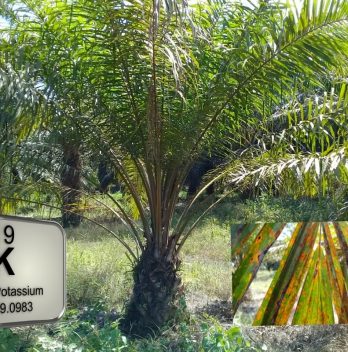
    • The leave veins may begin to show a red color patch.
    • The older growth of the lower stem will start to experience yellowing of foliage and the rest of the leaves remain light green.

    To detect or confirm excess potassium in your plant soil, simply have your soil tested. This is the only accurate way of confirming excess potassium in plants. Garden testing kits can be used to test excess potassium in soil and they can be purchased at your local garden or nursery center.

    Luster Leaf 1601 Rapitest® Soil Test Kit

    51Ftsdj9ZCL. SY445

    How To Lower Potassium In Soil

    The following things can be done to relieve the presence of excess potassium in plant soil:

    • Dilute With Water Addition: Loosen the soil with a shovel and add water to dilute and remove excess potassium in the soil. After doing this, let the soil dry totally and repeat the flushing process two or three times more.
    • Use Low Potassium Fertilizer Contents: When you are purchasing your fertilizer, the products you’re buying have the main macronutrients listed out. These main macronutrients include nitrogen (N), phosphorus (P), and potassium (K). So, to decrease potassium in plant soil, go for products that contain a low amount or zero amount of potassium (K). Note that in this case, your plant will do well without potassium.
    • Plant Cover Crops: Cover crops of legumes can also help as they will increase nitrogen fixation. This will only boost the nitrogen level without increasing potassium or phosphorus level.
    • Use Organic Manure: The ratio of NPK in organic fertilizers is usually low. Chicken manure for example has an NPK of 4:3:3. The nutrients in manure also decompose slowly which can reduce potassium build-up.
    • Remove Rocks or Stones: Rocks contain minerals such as mica and feldspar rich in potassium. Therefore, separate and remove as many stones or rocks as possible to prevent them from releasing their minerals into the soil.
    • Mix Crushed Eggshells With Soil: If you are making use of a small area, mix and dig in mussel shells or broken eggshells into the soil. This can assist in balancing nutrients in the soil. Wood ash or soft phosphate can also be added to the soil to improve calcium rather than potassium.
    Potassium Soil

    Preventive Measure

    Constant monitoring or testing your soil can help detect early if there is any excess nutrient in the soil. If your soil tests enough or high potassium level, you should refrain from adding more fertilizers that may contain potassium.

    Another thing you can do if you already have enough potassium levels in your soil is to always choose nutrient products low in potassium.

    Benefits Of Potassium In Plants

    The macronutrient potassium (in the right quantity) is essential to plants in many ways and growers rely on potassium for healthy crop production. Below are the benefits of potassium in plants:

    • In plants, the movement of nutrients, water, and carbohydrates is connected with potassium.
    • Potassium will help enhance the size and quality of vegetables and fruits. Thus, it is essential for edible foods.
    • It is used as a regular fertilizer scheme in lawns, gardens, and orchards. It also enhances the blooming of roses and other flowering plants and enhances strong stems and developed flowers.
    • The plant cell that controls water is regulated by potassium. Potassium will as well aid some enzymes in a plant cell.
    • Deficiency in potassium will cause plants to be unable to convert nutrients into nutrients required by roots, leaves, and fruits.
    • Potassium will also assist plants in water usage and it will help with drought or stress experienced by your plants. Thus, saving your plants from diseases and heat stress.
    • Enzymes activation in plants requires potassium and it helps with the production of starch, protein, as well as ATP. ATP production helps regulate the rate of photosynthesis.
    Benefits Of Potassium In Plants

    FAQ’s

    What are the effects of too much potassium in plants?

    Potassium is a mineral, one of the most common minerals in the Earth’s crust. It is an essential part of plant life, and all living things need it to grow. Plants absorb it through their roots and use it to make plant cells function properly. Some plants take up potassium in quantities far greater than other plants, but they can’t store it in their cells like other plants. So what happens when these plants take up too much potassium?

    So what happens when these plants take up too much potassium? They grow more slowly, or not at all.

    What are the symptoms of potassium in plants?

    Potassium is a mineral that is necessary for plant growth, according to the University of Maryland Extension. Potassium helps control the size of the plant, maintain healthy and strong roots, increase resistance against stress, and create energy reserves. Keep Learning The level of potassium in the soil is the first thing that needs to be considered when planning to grow plants.

    Plants that are deficient in potassium will have leaf yellowing, wilting or other signs of illness. Potassium is also a component of chlorophyll, which is what makes plants green.

    How do you fix too much potassium in soil?

    The most common way to correct this is to apply a slow release fertilizer that will be available for a longer period of time. In the case of potassium, I use something like Potashite which is a slow release fertilizer that releases potassium at a rate of about 0.5 lbs per 1000 sq. ft. over a 3 year period. Another option is to add wood ash to your soil.

    Wood ash contains potassium, magnesium, calcium and phosphorous. I would recommend adding a small amount at first until you see how much it grows, then add more if you need it. The amount that you need will depend on the size of the plant.

    Conclusion On Too Much Potassium In Plants

    There is no disputing the importance of potassium in the development of plants generally. However, you need to be aware of the right amount to supply your plant soil. Too much potassium in plant’s soil can be pretty detrimental to their growth.

    Ensure you always test your soil with the right testing tools especially when you want to apply your NPK fertilizer. When you notice you have a high level of potassium, you should make use of fertilizer with a low or zero potassium ratio.