Category: Soils & Plant Nutrients

  • The Best Roots Organic Soil

    The Best Roots Organic Soil

    Finding the right organic soil for your plant or garden can be a tedious task for any farmer; this is because you can be truly certain of the organic matter that is contained in the soil. Also, most growers find it difficult to find the right organic soil that can work well with the type of plant they grow. In this article, we will be reviewing some of the best roots organic soil that is available for purchase. Before I let you in on the list, I will like to share with you some vital information about organic soil and its benefit to plant roots. 

    What is Organic Soil

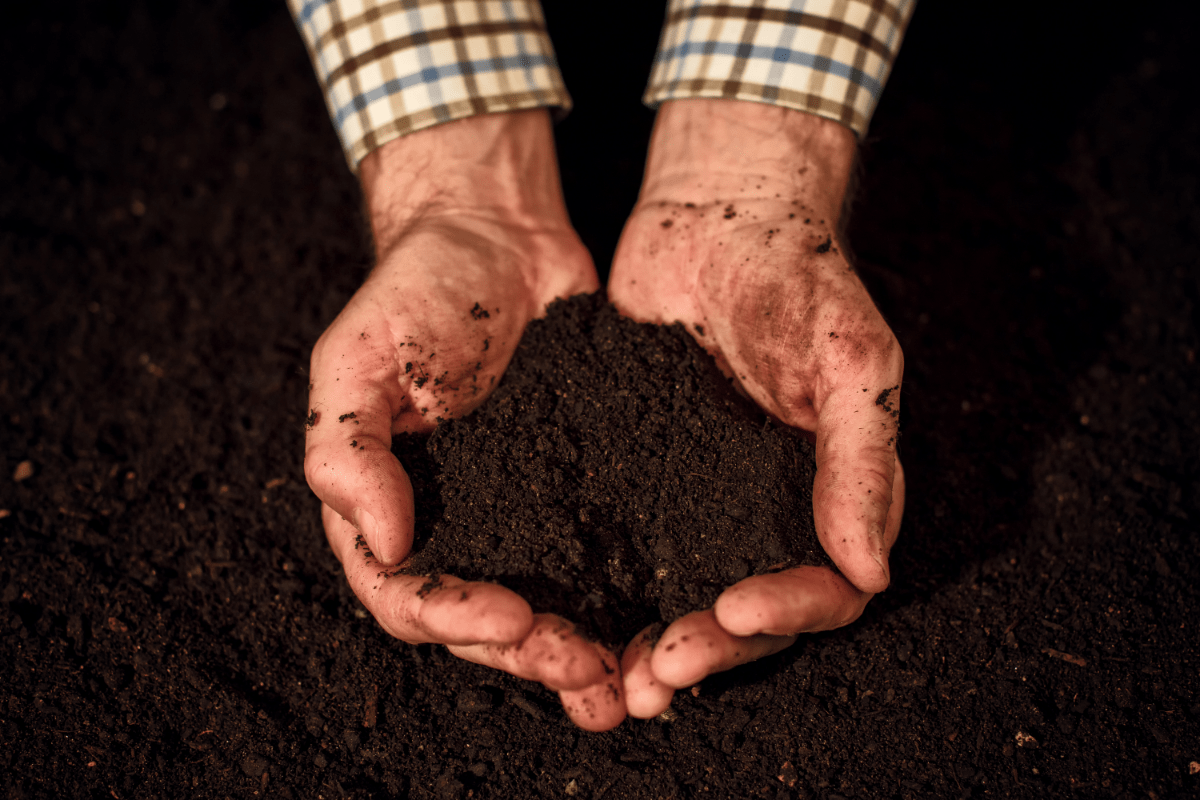
    Organic soils are engineered to contain organic matter that is packed with minerals and nutrients that are beneficial to the growth and development of plants. Simply put, organic soil is derived from living matter. This living matter consists mainly of decaying worms, microorganisms, insects, plant materials, and many other components. 
    the best root organics soil review

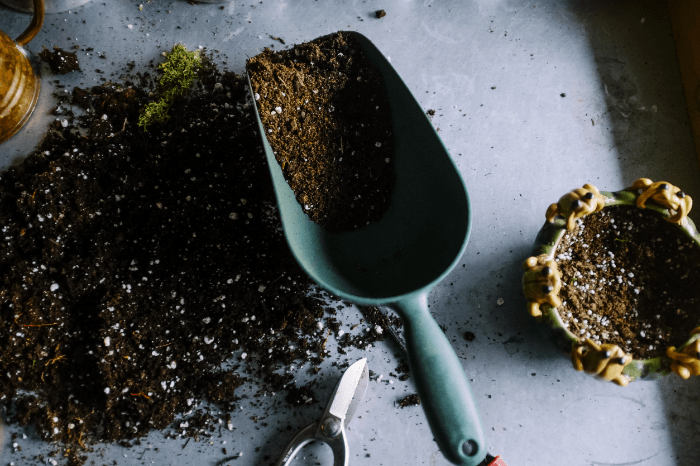
    Most farmers make use of compost, manure, and mulch to add nutrients to soils that are deficient in minerals required by plant roots. It is important to amend the soil when making preparations for planting. This is important in order to improve the nutrient content of the soil before putting in the seed or transplanting. 

    What Constitutes an Organic Soil

    Before you make use of organic soil in your pot or garden, you need to be wary of what goes into the soil so as not to compromise the health of your plants and seeds. The main components in an ideal organic soil are:

    • Compost 

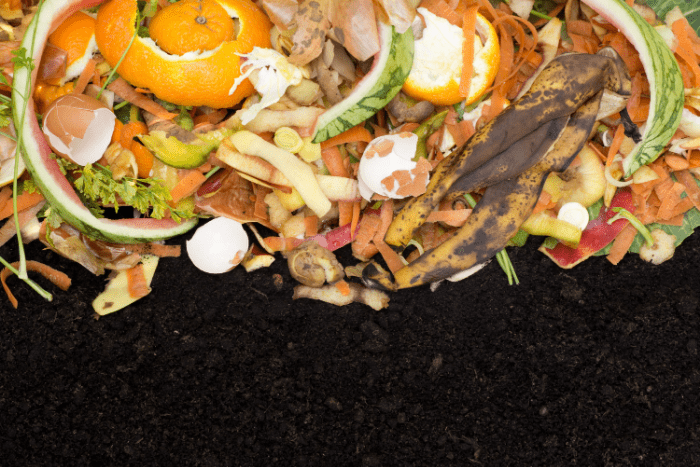
    Compost contains decaying matters which could include leaves, flowers, and other food scraps from the vegetative origin. Adding compost to a nutrient deficient soil is a great way to improve its quality and yield when it’s time to harvest the plant. The slow decay process of compost ensures the release of nutrients at a steady rate the roots can easily absorb. When adding compost to acidic soil, you will need to balance it by using lime or calcium to improve the pH. But in the case of alkaline soil, you need to add any calcium derivative as the compost will take care of balancing the pH level of the soil

    • Mulch 

    This is also similar to compost but the difference is that it is made from decaying leaves, wood chips and/or bark. You can find a variety of mulch depending on the smell, color, and texture. Mulch helps the soil to retain moisture and also provides it with the required nutrients to improve plant growth. Just like compost, mulch also releases nutrients into the soil at a slow rate that can easily be absorbed by plant roots. 

    • Manure 

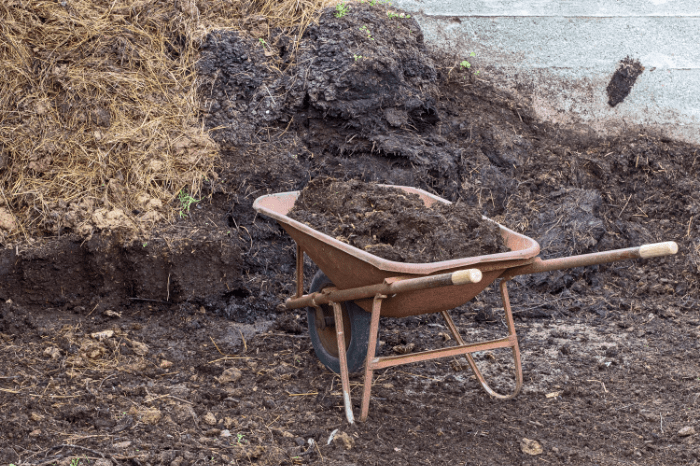
    Many organic soils contain manure which is usually decayed animal excrement. They are applied to soil to serve as fertilizers that boost the nutrients in the soil. Adding manure to a nutrient deficient soil is a great way to improve the viability of the soil and improve plant yield. 

    |

    Benefits of Organic Soil

    The organic matter contained in organic soil is beneficial to both the soil and plant as they:

    • Supply Nutrients

    Adding organic soil to a nutrient deficient soil helps to provide minerals and nutrients that help the plant to grow. This will improve the foliage production leading to more healthy fruits, flowers, and leaves. 

    • Retain Moisture 

    Organic soil rich in mulch helps to improve the soil water-holding capacity. This makes it possible for the roots to get direct access to moisture needed to improve growth and development. 

    • Improves Soil Structure

    Adding organic matter to soil helps to improve the soil structure. The presence of organic matter causes the soil to form clumps which help to improve permeability, water absorption, and retention. 

    The Best Organic Soil for Plant 

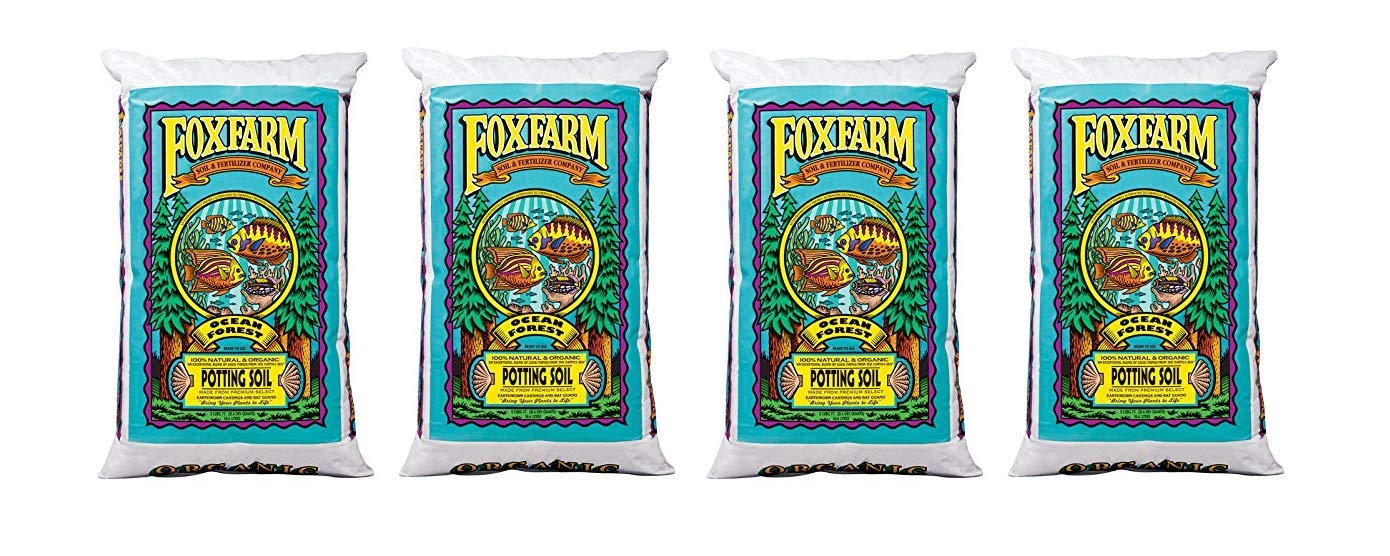
    1. FoxFarm Ocean Forest Potting Soil
    71OhIPDUb4L. SL1390

    This organic soil is perfect for use right from the bag as all the work has been done by the manufacturers. The pH of the fertilizer has been adjusted to between 6.3 and 6.8 to make it easy for the root to absorb the fertilizer. It contains organic matter such as bat guano, earthworm castings, and other micronutrients. This dirt works wonders in soil suffering from nutrient deficiency and will help to improve the plant growth in no time. 

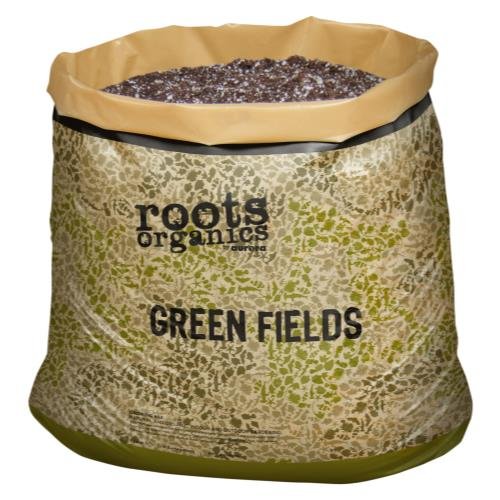
    2. Roots Organic

    This coco fiber-based organic soil is packed with the highest quality coco fiber and contains other organic matter such as bat guano, fishbone meal, earthworm castings, feather meal, mycorrhizae, green sand, humic acid, soybean meal, glacial rock dust, and many other ingredients. The Roots Organics potting soil helps to improve soil nutrient content which encourages the growth of healthier plants leading to better yield. 

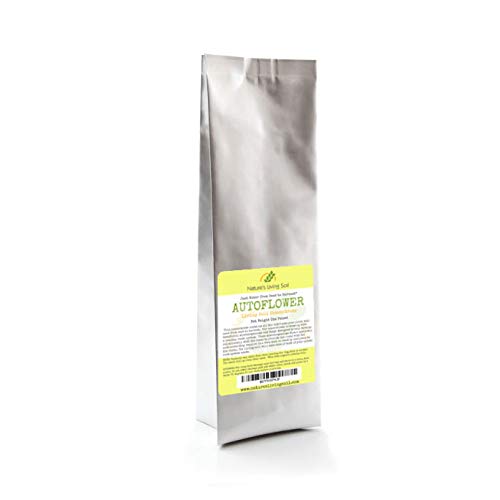
             3. Nature’s Living Soil Super Soil Organic Concentrate 
    312N0BchZML

    This organic soil from Natures’ living Soil contains organic matter that will improve the nutrient content in deficient soil. The ingredients include bat guano, blood meal, fishbone meal, kelp meal, Epsom salt, azomite, dolomite lime, alfalfa meal, coconut water powder among many others. The organic soil can be used in growing flowers, vegetables, and even for use on seedlings. 

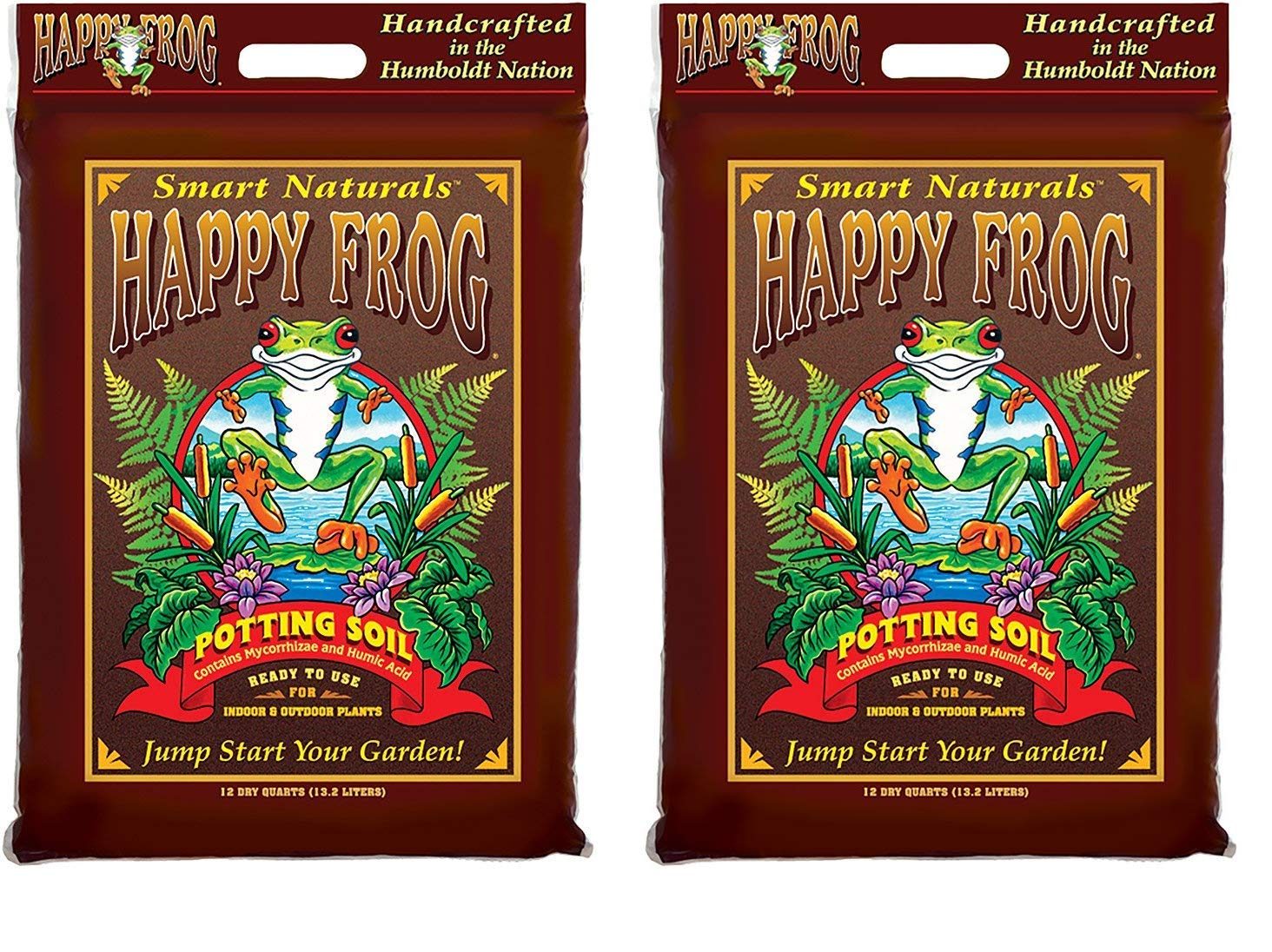
             4. FoxFarm Happy Frog Potting Soil 

    81AYSUUIqhL. SL1464

    Another quality product from FoxFarm, this organic soil is rich in nutrients that improve the growth and health of plants in your garden. The soil is packed with a combination of organic matter such as mycorrhizal fungal and other soil microbes which act together to adjust the soil pH, improve the development of soil structure, enhance flower and fruit production and increase plant yield. 

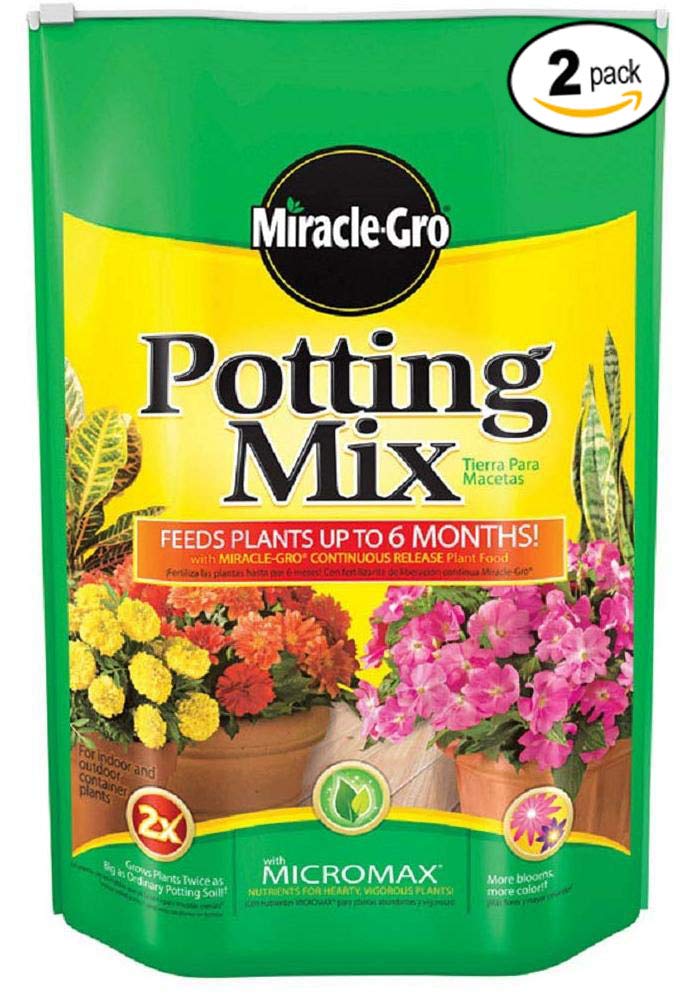
             5. Miracle-Gro Potting Soil

    61aJvRBUyJL. SL1001

    Unlike traditional garden soil, the Miracle-Gro potting soil has the tendency to expand. When using the soil in a pot or container, you will need to add water until the soil fully expands and fills the container. It has the ability to hold more water than normal planting soil making it a great buy for gardens that suffer from nutrient deficiency. You can use this potting soil to grow healthy herbs, veggies, and Cole crops. 

    Organic soil is a good way to improve the quality and yield of your plant especially when you notice that the soil is deficient in nutrients. Organic soil also works well with organic fertilizers so you want to avoid using any form of chemical for your plants as they can be harmful to your plant and the environment. 

    If you would like help on how to use organic soil on your farm or have any further questions, you can let us know in the comment section.

    FAQ’s

    Is organic soil good for plants?

    Soil and gardening Organic gardening means gardening without using chemical fertilisers and pesticides. There are a number of different kinds of organic gardening, but they all have something in common – they try to mimic nature, in order to create a healthy and balanced environment for plants. This is where soil comes into the picture. Soil is the key to healthy plants and flowers. It is a living thing which helps to nourish the plants and provide them with the minerals they need. If you are interested in gardening, then you know how important soil is. Soil is full of things like worms, bacteria and fungi that help to keep your plants healthy and happy.

    What is the difference between organic soil and regular soil?

    Organic is better. According to the National Organic Program, organic farms use no synthetic pesticides, herbicides or fungicides on their crops.
    Organic soil is not treated with chemicals that kill beneficial soil organisms. As a result, organic soils have a richer supply of nutrients than chemically treated soils.
    Organic soil is a product of nature, but when it has been contaminated with chemicals, it is no longer organic. Soil is composed of mostly sand, clay, silt, and organic matter. There are many types of organic matter, including humus, leaf mold, compost, and peat moss. The key thing to understand about organic matter is that it is alive. When you dig into your garden bed, you’ll see that the top layer of soil is darker than the bottom because the organic matter is higher there. As the organic matter decays, it releases nutrients back into the soil. That is how organic matter keeps your soil healthy.

    Does organic soil have fertilizer?

    Organic soil has a lot of organic matter which can take up nitrogen and phosphorous from compost or manure.
    In most cases the organic matter will be able to take up nutrients before the compost or manure is completely broken down. If you want to get more specific you can go through a lab and test the soil to see how much nitrogen, phosphorus, potassium, etc. is available.
    Organic matter is an effective fertilizer. However, if your organic matter is not decomposed, it is not really fertilizer, but just some kind of compost.

    How do you use organic soil?

    The process is a little complicated, but the main idea is to enrich your garden with a rich and healthy soil. You can do this by adding composted manure or by using other organic matter. Organic matter is made up of dead organic material that has decayed into nutrients.

    These nutrients are then able to be taken up by plants. Soil is made up of three basic components: sand, clay, and organic matter. Organic matter is made up of living and dead organisms. It includes both animal and plant remains. This means that you can use the composted manure from your animals or any other type of organic matter. Compost is a mixture of plant and animal waste that has been allowed to decompose in a controlled environment. You can add it directly to the soil or compost it before applying it to the soil. The amount of organic matter that you add to your soil is known as the “bulk density” of your soil. This will vary depending on the type of soil you have, but a good rule of thumb is to add at least 2-3 inches (5-7cm) of organic matter for every square foot .

  • 4 Simple Ways to Feed Your Plants: Roots Organic Nutrients Feeding schedule

    4 Simple Ways to Feed Your Plants: Roots Organic Nutrients Feeding schedule

    Food plays a major role in our lives, we all need to eat regularly to stay healthy and alive. To ensure that food is readily available to eat, we have to grow fresh food to meet the huge demands in our local area and across the world. 

    The sustenance of man depends largely on its ability to produce food; this is why farming is an important part of our survival. Many organic farmers find it difficult to increase their yield due to problems from pest or simply because they lack the knowledge of the kind of organic nutrients that is best for the plant root. With a feeding chart, you can adopt a feeding schedule that will help ensure that your plant root remains fed with a constant supply of organic nutrients to support growth. 

    Best Way to Improve Your Plant Growth 

    Just as humans need food to stay healthy, so also plants require the right nutrients for them to grow. The first step you need to take when preparing for seedlings for a healthy harvest is to grow them in the right soil. The right kind of soil that plants require for healthy grown is one that contains organisms that help to provide the plant with the right kind of food they require. When there is enough organic matter in your plant soil, it becomes easy for the roots to have direct access to the nutrients that are required to support healthy growth and development. 

    4 Simple Ways to Feed Your Garden the Right Organic Nutrients

    The excrement from the living organisms present in the soil help to provide the nourishment for plant roots rooms which is then transported to the stem and leaves where it is needed to promote healthy maturity. 

    The best feeding practice is to focus on feeding the soil the plants grow in and not the leaves or other parts of the tree. When you feed the soil directly, you help to improve your plant’s ability to resist the effect of pests and diseases. 

    Why You Need a Chart and Schedule for Feeding Your Plant 

    A detailed meal plan helps us to adhere to a diet routine. This could involve eating a type of food at a given time. This type of discipline helps us to stay in shape and avoid eating what we aren’t supposed to eat and when we are not meant to. This simple strategy can work too with your plants and can very well improve their yield and resistance to plants and disease. There are specific periods in a plant’s lifecycle when it requires a certain type of supplement (especially during the early stages and certain weather conditions) to help improves its ability to withstand the elements such as drought and wilting. 

    |

    The chart and feeding schedule needs to be ready as soon as you begin the planting of the seedlings so as you can begin to monitor the administering of supplements and know when the next one is due.  With the help of root organic nutrients feeding schedule or roots organic feeding chart, you can also breakdown the feeding ratios for your plant over a period of time. 

    Best Ways to Feed Your Plant Root with Organic Nutrients 

    Are you wondering how you can provide your plant with organic nutrients that can lead to more improved growth without spending much? You can find 4 of the best ingredients you can feed your plants below 

    1. Compost

    Fresh compost acts as a conditioner for your plants. In addition to being readily available, it is a highly effective way to provide your plant with vitality and nourishment. Compost usually consists of vegetable waste, humus, and other organic matters that have decayed which all act together for the benefit of the soil and plant growth.  Compost also serves as a natural pesticide for the soil and also in erosion control. 

    4 Simple Ways to Feed Your Garden the Right Organic Nutrients

    When structuring your feeding chart and schedule, you need to include periods when compost will be added to the plant root. This can be done as soon as the rainy season sets in, to help reduce the depletion of minerals from the surface of the soil

    2. Liquid Fertilizer 

    Liquid fertilizers are great to use as foliar feeds and also for the plant roots. They are a quick way to add nutrients to your plants as they can easily be absorbed by plants due to their solubility. You can schedule liquid fertilizer application for periods when the plant is suffering from nutrient deficiency. You will need to dilute the product and use them first thing in the morning or towards the evening when the sun is coming down. 

    You can find simple home-made liquid fertilizers like comfrey tea and worm wee to use in place of expensive products that may contain a few chemicals that could harm your plant and the environment. 

    3. Rotten Manure 

    Rotten manure can also serves as a great organic feed for your plant’s root. You want to ensure that they are properly decomposed to enable the complete breakdown of the nutrients before it is used in the garden. Freshly collected excrement from animals such as cow, horse, and sheep can be kept in a bag and left unused for a month or two until they are safe for use on your plants. 

    4 Simple Ways to Feed Your Garden the Right Organic Nutrients

    4. Blood and Bone or Organic Fertilizers 

    Blood and bone are slow-release fertilizers which help to provide your plant root with nutrients on the long term. They provide nutrients for both the plants and organisms in the soil which enables them to stay healthy and improve growth and resistance to adverse weather conditions, pests and diseases. 

    You can add blood and bone to your plant soil to improve the foliage leading to the growth of healthy vegetables, fruits, and flowers all throughout the plant. 

    Few Tricks on Applying Fertilizers to Your Plant 

    When using fertilizers such as the ones mentioned above, you need to ensure that you:

    • Use fertilizers from organic sources as many of the regular products contain chemicals that can harm your garden and the environment. Look out for a certification badge when shopping for a new product. 
    • Ensure that the soil is properly loosened with the aid of a garden fork and water the soil deeply before adding fertilizers to the soil. This ensures that the minerals get the root quickly for speedy transport to other parts of the plant. 
    • Stick to the application rates indicated by the product manufacture so you can be certain of getting the best result. 

    You need to be conscious about how much fertilizer you use on your plant as too much can lead to plant toxicity. Remember also to make use of a root organic nutrient feeding schedule and chart so as to be certain that you are not overdoing things or not doing enough. 

    Let us know in the comment section if you have any questions or would like to make a contribution. You can also share this article with others if you find it interesting. 

    FAQs

    How should I use Roots Organic nutrients?

    You can feed organic roots in a number of ways. One way is to simply buy them and plant them in the garden. They will grow quite nicely for many years, if the soil is not too poor. If you have access to a commercial nursery, they often sell organic roots.

    I use the Roots organic nutrients like any other. I mix the recommended amount with water in a spray bottle.

    I spray it on the top of my plants every week.

    What are the different nutrients that you need to be aware of?

    Nutrients in the soil are called’macro’ and’micro’ nutrients. Macro nutrients are the elements that can be seen, such as phosphorus (P), nitrogen (N) potassium (K), magnesium (Mg) etc. Micro nutrients are the elements that cannot be seen with the naked eye such as iron (Fe), copper (Cu), manganese (Mn) and zinc (Zn).

    What nutrients are used in Roots organic soil?

    I’d say that it’s a mix of composted manure, composted manure with some other materials added, and maybe some other things as well. It’s a fairly standard product for growing food.

    How often should I use Roots Organics?

    Roots Organics uses the highest quality, organic ingredients and is formulated to be used daily. The product contains no synthetic ingredients and is free of artificial colors, flavors or preservatives. It also contains no sodium, gluten or soy. The product is free of artificial colors, flavors, preservatives and sodium.

    The average number of times per month that a user accesses Roots Organics is 2.7 times per month, with 3.0 being the median.

    How should I chart my feeding schedule?

    You need to start out by understanding what your plants are and what their nutritional needs are. Not all plants feed the same and it is for this reason that you should make sure that you don’t overfeed them or the opposite, underfeed them.

    This can be accompomplished quite easily by looking on the internet or consulting a gardening book.

    Some plants will need to be feed every week, others mor often. The important thing is to adhere to a schedule once yo have it established. If you don’t you’ll run the danger of sticking the plants and, especially if you’re. growing vegetables, that the ultimate results will be less than ideal.

    When it comes to Root Organic nutrients, a good resource is the website of the product, as they have a close relationship with gardeners. You can also check out forums to see what kinds of results people have had in the past.