Category: Plants

  • Can You Eat Cross Pollinated Squash? Yes Or No?

    Can You Eat Cross Pollinated Squash? Yes Or No?

    Can you eat cross-pollinated squash? This is one common question that some growers would like to know and we will answer this in this post. We have different types of squash and they come from the family of Cucurbitaceae plants. Squash examples include zucchini, pumpkins, guard, and the like.

    Squash is a type of fruit that has seeds in its internal part and they are derived from a flowering plant of plants.

    Cross-pollination happens when two separate plants exchange their pollen grains and pistil to give rise to a new variety that has the characteristic of the two parent plants. Now cross-pollination can occur between different types of squash variety.

    It is possible for different squash varieties that are planted close to each other to cross-pollinate even when that is not our intention in the first place. Can you eat cross-pollinated squash? Is cross-pollinated edible the question we would like to know?

    So, this article will give you the answer to your troubling questions about if you can eat cross-pollinated squash.

    Are Cross Pollinated Squash Edible Or Consumable?

    Can you eat cross-pollinated squash? The straight-up answer is that cross-pollinated squash is mostly inedible. It isn’t a good thing to consume cross-pollinated squash. The reason is that they contain a large amount of cucurbitacin. Consuming cross-pollinated squash may simply be toxic to your health.

    Now the normal squash contains a reasonable amount of cucurbitacin which is safe for consumption. However, the high concentration of cucurbitacin tends to taste very bitter.

    Are Cross Pollinated Squash Edible Or Consumable

    Squash Cross-Pollination

    From what we mentioned above, cross-pollination occurs by exchanging male and female gametes between two separate plants to produce offspring. Cross-pollination does occur among squash. If you plant two same or different squash varieties, they may cross-pollinate with each other to yield new offspring.

    Cross-pollination can occur in squashes and pumpkins. All these species can cross-pollinate with each other.

    Check Out A Guide On When To Pick Basil Leaves

    Seed Saving From Squash

    It is pretty rewarding to save seeds from your garden. However, you need to be careful of the type of seed being saved particularly if they have been cross-pollinated. If the seeds of cross-pollinated offspring of squash are saved and planted the following year, it may give rise to a totally different plant that is inedible.

    Although, not all types of squash are compactable to cross-pollinate. Below we have listed some categories of squash that tend to cross-pollinate with each other.

    What Squash Will Cross Pollinate With Other Squash?

    As we have mentioned, different squash can cross-pollinate with each other. The following squashes from each group can cross-pollinate with each other.

    • Zucchini, acorn, delicata, pattypan, yellow crookneck, and spaghetti squash. Pumpkins and gourds can also cross-pollinate with these groups of squash.
    • Buttercup, butternut, Hubbard, and turban squash.

    All these plants can be easily cross-pollinated by insects. Their separate male and female flower increase the chances of the female flower becoming fertilized with different pollen grains from a different variety of species or the same species. These combinations of plants may end up yielding inedible fruits.

    Read more about What Does An Artichoke Plant Look Like?

    Why Cross Pollinated Squash Tends To Be Toxic?

    Normally, the plants of the Cucurbitaceae family are meant to produce a toxic compound which is cucurbitacin. This toxic compound usually acts as a natural defense against insects.

    This cucurbitacin toxic compound is present in wild squash, cucumbers, as well as other cucurbits in a substantial amounts. So, because of the large amount of cucurbitacin compound in the wild, these types of squash and cucumbers tend to taste very bitter.

    However, the domesticated variety often contains a very little amount of this compound that isn’t harmful to humans when consumed. Also, the domesticated squash variety that is grown in the garden and the ones purchased from the stores usually have a less bitter taste. And this is due to the varying amount of bitter compound.

    But some factors can cause this bitter and toxic compound to increase its concentration in squash. They are; other product that has been cross-pollinated with wild plants and some types of stress during their growth (stress like lack of water or poor fertilization).

    Our Pick
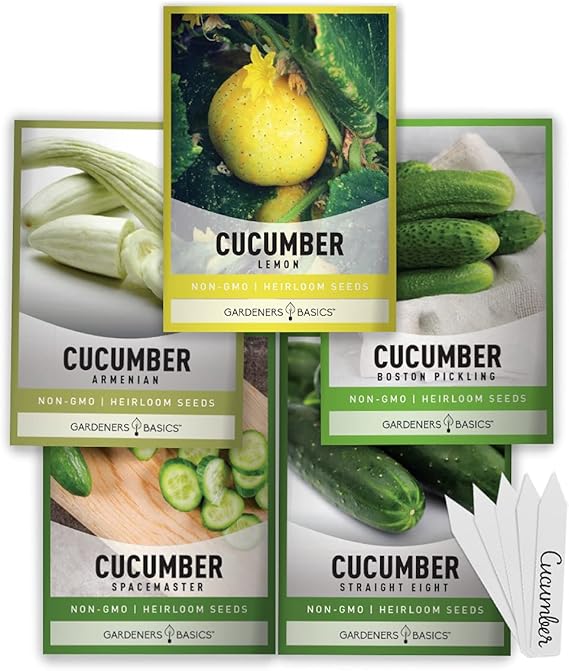
    Squash Seeds for Planting 5 Individual Packets – Zucchini, Delicata, Butternut, Spaghetti and Golden Crookneck
    $9.95

    Gardeners Basics Squash Seeds for Your Non-GMO Heirloom Vegetable Garden

    Check Amazon Price
    We earn a commission if you make a purchase, at no additional cost to you.
    12/20/2025 10:03 am GMT

    Therefore, if you come across any squash such as zucchini, pattypan, acorn squash, and the like, and you didn’t plant them in your garden, you should definitely avoid them. Even consuming a small amount of this type of cross-pollinated squash can be pretty toxic to your health.

    Click Here to Learn How Much Bone Meal Per Tomato Plant?

    Can Insect Pollinating Bees Cross Pollinate Squash?

    Squash are insect-pollinated plants. Hence bees can cross-pollinate squash. You may even be growing just one type of squash variety in your garden, bees can simply collect a different pollen grain from your neighborhood and cross-pollinate it with yours. Then this gives rise to new offspring.

    As we said, you should totally avoid any type of squash you didn’t plant in your garden. They are simply toxic squash and should be removed from your garden.

    How To Avoid Cross-Pollinated Squash In Your Garden

    If you wish to avoid cross-pollination between squashes, do the following;

    • It is required you separate them by a good distance of one and a half to a mile.
    • Additionally, you can build some barriers to drastically reduce the chances of pollinators cross-pollinating your plants. Large barriers such as thick standing trees, a hill, large buildings, and so on may help slow down pollinators from around your neighborhood.
    • Furthermore, you can cage or net your entire plants. Or you can simply tape new male and female flowers as they begin to form (i.e. right before they open). But this method usually requires hand pollination of flowers once they are ready to pollinate.
    How To Avoid Cross Pollinated Squash In Your Garden

    Can Cantaloupe Cross-Pollinate With Zucchini?

    It’s unlikely that cantaloupe will cross-pollinate with zucchini. The female flower of each crop will only be fertilized with pollen from the same species. Cantaloupe and zucchini are both members of the Cucurbitaceae family. As a result, these fruits can cross-pollinate. However, the natural occurrence is rare. 

    Cross-pollination occurs when one plant’s pollen is transferred to another’s stigma. This results in fertilization and the production of seeds. Bees and other critters are responsible for this. It can happen when these insects visit flowers on both plants and transfer pollen from one to the other. Cross-pollination can also occur when pollen is carried by the wind or when humans inadvertently transfer pollen from one plant to another by handling the flowers or plants.

    You can separate the plants if you are worried about cross-pollination between your cantaloupe and zucchini crops. Plant them in different areas of your garden or use physical barriers like netting screens to separate them. Alternatively, choose cantaloupe and zucchini varieties that aren’t prone to cross-pollination. 

    How Do You Cross-Pollinate Zucchini?

    To cross-pollinate zucchini, you can follow these steps:

    1. Identify the male and female flowers on the zucchini plant. Male flowers have a thin stem on the plant’s main branches. Female flowers have a small, immature zucchini at the base of the flower and are located on the main stem or branches of the plant.
    2. Gently remove the petals from a male flower to expose the stamen, which is the pollen-producing part of the flower.
    3. Use a small paintbrush or cotton swab to gently dab the stamen on the stigma of a female flower. The stigma is the sticky, receptive part of the female flower that receives the pollen.
    4. Repeat this process with multiple female flowers to ensure cross-pollination.

    It’s important to know that zucchini plants can also self-pollinate. This means they can produce fruit without cross-pollination. However, cross-pollinating can help improve the genetic diversity of the plant and may result in stronger, healthier plants and fruit.

    There are several reasons to consider cross-pollinating your zucchini plants. These include:

    Improves Genetic Diversity

    Cross-pollination introduces new genetic material into the plant, which can result in offspring with traits that are different from those of their parents. This can lead to plants that are more resistant to diseases and pests and that are better adapted to their environment.

    Increased Fruit Production

    Cross-pollination can lead to more flowers and fruit, as the plant’s genetics may be more favorable for fruit production.

    Improved Fruit Quality

    Cross-pollination can result in improved size, shape, and flavor, as well as longer shelf life.

    Increased Seed Viability

    Cross-pollination can result in seeds that are more viable and able to germinate and grow into healthy plants.

    Whether you leave your zucchini plants to self-pollinate or offer a helping hand is up to you. Although cross-pollination has added benefits, it can be tricky to master. 

    Conclusion

    So, we have answered the question; can you eat cross-pollinated squash? Hence, if you encounter a cross-pollinated squash, it is very likely they contain a huge amount of the toxic compound cucurbitacin.

    So, do well to avoid eating them so you don’t experience serious illness as a result of consuming them.

    FAQ’s

    Are Cross Pollinated Squash Edible?

    No. Cross pollinated squashes aren’t edible. Because they contain a large amount of cucurbitacin.

    What Squash Will Cross Pollinate?

    Zucchini, acorn, delicata, patty pan, yellow crookneck, and spaghetti squash are squashes that can cross pollinate each other.

    Can Bees Cross Pollinate Squash?

    Yes. Bees can pollinate squash because squash are insect pollinated plants.

  • The Easiest Guide On When To Pick Basil Leaves

    The Easiest Guide On When To Pick Basil Leaves

    This guide on when to pick basil leaves will help you discover the right time to pick these herbs when growing them at home.

    Basil is a type of herb that is found in the Mediterranean region. It is from the plant family called Lamiaceae, which makes it closely related to other herbs such as mint and sage.

    When growing basil at home, you can use the leaves for cooking purposes or just for aesthetic appeal. When harvesting your leaves from this herb, it is important that you only harvest when your leaves are vibrant in color and when they have a nice smell.

    When To Pick Basil Leaves

    Knowing when to pick basil leaves is important to get the best flavor possible. The right time to pick basil leaves is when they are a deeper green in color and when they have a distinct smell. It is advised that you do not pick basil when it is flowering as this will stop the growth of the plant.

    Helpful tips when trying to determine when to harvest your leaves from the basil.

    • The best time to harvest basil is when the plant has turned around its development cycle so it can now create new flowers. You can identify when this happens by looking at the stem where the new sprouts grow from. Once these sprouts have started growing, it’s a sign that harvesting will help promote more leaves to grow.  Pick young leaves off your plants for aesthetic purposes
    When To Pick Basil Leaves
    • If you just want beautiful-looking leaves on your crops for selling purposes, then picking young leaves when they are smaller and when they have a nice green color will help you achieve this.
    • On the other hand, if you want to harvest basil when it is fully mature then allow the plant to grow until it has started producing flowers. Once these flowers start appearing, you can pick them and use them as garnishes or in various recipes for their distinct taste and smell.

    Read more about How Much Bone Meal Per Tomato Plant?

    When is Basil Ready For Harvest? – When to Pick Basil Leaves

    If you are growing basil for cooking purposes, when is it ready to harvest?  It takes about 50 days from planting for basil to be ready for harvesting.

    Basil seeds can take a few weeks to germinate so when growing seedlings, you will have to wait about 8-9 weeks before harvesting them. The basil plant will be ready to harvest when it is about six to eight inches tall.

    Another method that people use when harvesting basil is when the leaves are just starting to branch out. Harvesting basil at an early stage means that you don’t have to wait for too long before your crop is ready to be harvested. You can either pick off individual leaves or cut down the entire stem of the plant if it’s grown big enough.

    Indoor Herb Garden Starter Kit – Certified USDA Organic Non GMO

    When To Pick Basil Leaves

    How To Pick Basil Leaves So it Keeps Growing

    When to pick basil is now clear. But how to harvest basil so it keeps growing more is still a question to many gardeners.

    When harvesting basil leaves, choose to pluck the leaves from the top part of the basil stem. This is the part of this plant that is most flavorful.

    If you can see flowers developing on the stems, then leave some leaves on there. Note that even if this looks like new growth on the stems, it is still not ready for harvest.

    If you want to preserve your basil for several weeks, then using stem cuttings will help you achieve this. Harvest the basil when there are flowers on your plants. Then, put the stem and put it in water until new growth emerges from the stems.

    You can use some kind of rooting hormone when doing this method to get the best results when growing new basil plants.

    Remember when harvesting basil leaves, don’t forget to pick the stems off your plant. In addition, also make sure you don’t break or cut these too close to your main stem when doing so. This will only cause the plant to lose stability and when this happens, it will no longer produce new shoots when harvested.

    What Leaves To Pick Off Basil When Harvesting?

    It is not only important to know when to pick basil leaves, but also what leaves to pick. You can pick basil leaves when they are young and when they have a nice green color. 

    When the plant has flowers starting to grow on its stems, it’s best not to remove them so you can harvest basil for longer periods. This will help preserve some of your plants when growing new ones.

    Harvesting the leaves both when they are young and mature helps the basil plant to continue growing.

    Take-Home On When To Pick Basil Leaves

    When to pick basil leaves is now clear among other essential details. As long as the plant has both flowers on its stems when harvesting, it will keep growing new shoots when you harvest the leaves properly.

    If you notice the leaves starting to branch out when harvesting, this means that your plant can continue growing more even as you harvest. You can harvest basil from your plant for a long period without exhausting it if you had provided it with the right growing nutrients.

    You will also need to carefully pick the leaves without damaging the plant so that it continues to produce more leaves for days to come.

    FAQ’s

    Do basil leaves grow back after you pick them?

    Yes, the leaves will grow back when you harvest them when they are young and when they have a nice green color.

    Where should I cut my basil?

    If you are cutting the entire plant when harvesting, then cut it close to the main stem so that you don’t damage it.

    When should you pinch basil?

    Basil should be pinched when the plant is just starting to grow in readiness for harvesting.

    How do you pick basil leaves so it keeps growing?

    When harvesting basil, pluck the leaves from the top part of the plant when they have a nice green color. Make sure you don’t break or cut these too close to your main stem when doing so. Harvesting the leaves when they are young and when they have a nice green color helps the basil plant to continue growing when harvesting.

  • Growing Lettuces In Pots – 7 Useful Care Tips!

    Growing Lettuces In Pots – 7 Useful Care Tips!

    Growing lettuces in pots is possible if you currently don’t have a garden to grow them in. It comes with several advantages and is a great option for gardeners of all skill levels.

    Lettuce is an all-time favorite crunchy vegetable that we all love in our salads, burgers, sandwiches, and everything in between. Lettuce is one of the easiest vegetables to grow. Anyone can successfully grow this plant whether in the garden or in containers.

    Growing Lettuces In Pots

    Can lettuces be grown in pots? Yes, it is possible to grow lettuce in containers. You can grow them indoors during wintertime or when the climate conditions are not favorable for growing them outside.

    Planting lettuce in containers is straightforward. Simply add your potting mix to the container of your choice and leave a few inches from the top of the growing medium to allow for your plants to develop.

    Growing Lettuces In Pots

    You can plant at least one to two lettuce plants per pot for maximum productivity. Ideally, your pot should be at least six to twelve inches in diameter.

    From sowing seeds to harvest, this plant takes about one month to mature. Once mature, the leaves are ready for harvesting by simply pinching the leaves.

    Lettuce leaves are full of nutritional benefits as they contain potassium, iron, calcium, and vitamins A, B6, and C.

    Read more About What Does An Artichoke Plant Look Like?

    How Deep Do Containers Need To Be For Lettuce?

    Growing lettuce in pots requires good drainage and a well-draining growing medium. To provide the perfect growing conditions that this plant needs, you can create a beautiful garden by growing lettuces in containers.

    Start by adding soil into your container followed by an inch layer of coarse sand or gravel then finishing by adding the growing medium. Loose, well-drained soil with plenty of organic matter, such as compost and peat, works as the best growing medium for lettuce. The growing medium should be moist but not wet and you can add fertilizers when planting your lettuce plants.

    Growing lettuces in pots requires deep containers that have a depth of at least 8 inches to accommodate growing lettuce plants. Their width can be about 8 inches as well, but it is up to you to choose the width you like. You can use plastic, clay, or wooden pots depending on the kind of look you are going for in your garden.

    Ensure that your pots have holes in the lower side for proper drainage. Excess water after watering your lettuce plants can cause root rot if they stay stagnant for too long.

    3 Tier Stackable Garden – Indoor / Outdoor Vertical Planter Set

    718oOpqBfBL. AC SY741

    Care Tips for Potted Lettuce

    Growing lettuces in pots will need you to provide them with good that includes;

    Tip #1: Provide full sun exposure, at least six hours daily

    You should, however, protect your growing lettuce from overheating as this can cause slow growth and spoil the leaves.

    Tip #2: Provide a well-draining growing medium

    Your growing medium must be able to hold the right amount of moisture so that your growing lettuce can take advantage of it. Do not overwater them, but at the same time do not allow the growing medium to dry out completely.

    Ensure your pots have good drainage. Since lettuce plants need a moist growing medium, excess water tends to accumulate in their pots and starts rotting their roots if not drained properly. Provide holes at the bottom side of the container for proper drainage.

    Tip #3: Consistent watering

    Keep the growing medium moist but not soggy or wet to encourage deep root growth. You can monitor its moisture by sticking your finger into the growing medium. If it feels dry then you should water them again.

    Consistent Watering Lettuces in Pots

    Tip #4: Fertilize it

    Add your fertilizer when you plant them to encourage faster growth. If you are growing them in containers, it is best during a liquid fertilizer every week during the first month. You can also use organic manure to fertilize your growing medium before planting your lettuce. Organic manure has more nutrients than a regular growth medium.

    Tip #5: Avoid temperature shock

    If you are growing your lettuce in containers outdoors during springtime, avoid exposing them to temperature shock. If the light conditions change from sunny to cloudy, ensure that they have quick access to shade by moving their pots accordingly.

    Tip #6: Protect them from disease

    If growing lettuce outdoors, avoid placing them too close to other plants because this can lead to disease issues such as mildew.

    Tip #7: Harvest when ready

    This is one of the best parts because you get to enjoy fresh homegrown lettuce leaves! The harvesting technique depends on which type you are growing (head or leaf) but generally it involves cutting off mature leaves by slicing them off with a sharp knife.

    You’ve finished growing your lettuces! Now it is time to eat them up… But remember… they need to be washed before eating because lettuces contain natural protection mechanisms against predators that function even if picked. It is recommended not to wash them too much though, but just enough for any dust or debris off the leaves. Once clean they’re ready for consumption! Bon Appetit!

    Lettuce growing in pots is a great way to have fresh lettuce year-round, even when growing seasons are not so favorable for growing outside.

    You can easily grow lettuce in pots with the tips provided above, but you will need to pay more attention to keeping its growing medium moist. Without this consistency of maintaining medium moisture, your lettuce may suffer from root rot or other issues that can lead to poor growth.

    Conclusion

    Growing lettuces in pots are quite simple and provide many benefits and the luxury of growing almost anywhere without worrying about pests or diseases that may affect your garden.

    You can easily move them outside when the growing season starts or bring them inside when growing seasons end – thus extending your growing season. With good lighting and proper moisture growing lettuce in pots is easy!

    FAQ’S

    How do you keep potted lettuce alive?

    You can ensure growing lettuce in pots by having consistent moisture in a growing medium. Water them when the growing medium is dry so the growing lettuce has the water it needs to survive.

    Does lettuce need full sun?

    Lettuce growing in pots requires partial sun. The partial sun generally means a few hours of indirect sunlight per day. If growing your lettuce indoors, be sure to use a window sill that receives bright light throughout the day.

    How do you harvest lettuce so it keeps growing?

    You can harvest growing lettuces by cutting off leaves that are ready for eating. If growing in pots, be sure to take care not to harm growing lettuce roots/medium when harvesting, as the growing lettuce is likely potted.

  • What Does An Artichoke Plant Look Like?

    What Does An Artichoke Plant Look Like?

    What does an artichoke plant look like and what features does it have that will cause you to identify it easily?

    Artichokes are a much-loved delicacy that most Americans love to eat. However, what many do not know is that it takes a lot of time and commitment to grow your artichokes. It can take up to 85-100 days for artichokes to be ready to harvest. But once mature, it will produce what looks like a big purple and green center bud with little yellow flowers.

    It takes at least one year before what comes out of that bud is edible. However, it takes even longer than that if you want really large artichokes!

    What Does An Artichoke Plant Look Like?

    How do you identify an artichoke plant? Identifying an artichoke plant is easy because of its very unique look.

    An artichoke plant starts as a baby bud and grows into what looks like a large green bush with spiky leaves. When fully grown, the center of the plant will have what looks like a big purple bud with little yellow flowers on it.

    An Artichoke Plant Looks Like

    When this flower bud blossoms, something might come out of it that looks like an artichoke! If you leave the baby buds on the plant, what you will be left with is what looks like a purple and green center.

    It can take up to one year before what comes out of that bud is edible. However, you will need to wait longer than that if you want really large artichokes!

    How Long Does It Take To Grow An Artichoke?

    If you intend to grow your artichokes, don’t be shocked if they take too long to grow. The total growing time for artichokes can be up to 180 days.

    When started from seed, how long does it take for artichokes to germinate? It takes at least 10 to 21 days to germinate.

    Once germinated, give them some time to grow some more before transplanting them. It can take up to 60 days until they are ready to be planted outside.

    Transplant them at least two weeks after the last frost date has passed and the soil has warmed up. Once transplanted, artichokes will take about one year. Most artichoke plants are ready to harvest within 80-100 days. If you want to grow really large artichokes, it will take even longer!

    Seed Needs, Green Globe Artichoke (Cynaria scolymus) Twin Pack of 30 Seeds Each Non-GMO

    What Does An Artichoke Plant Look Like

    How Many Artichokes Do You Get From One Plant?

    How many artichokes you get from one plant varies by the time your artichoke plant starts producing buds? There’s a chance that what comes out of the artichoke flower is a tiny thing no bigger than a broccolini. It can take up to three years for this size to grow.

    However, if you want something in between, maybe the size of a regular store-bought one. The number also depends on how long it takes the plant to grow what looks like a big purple bud with little yellow flowers.

    A full-grown artichoke plant produces at least 10 to 20 mature artichokes for a period of two to three weeks during the artichoke flower’s blooming period.

    So bottom line, the number of mature artichokes you can get from one plant varies.

    For example, you could get as many as five to ten if the plant takes less than 20 months. However, most artichoke plants provide six to nine buds per plant.

    Some artichoke plants will produce smaller buds that are more numerous. This will happen if it takes less than 10 months to grow the big purple bud with little yellow flowers.

    Final Thoughts On What Does An Artichoke Plant Look Like

    So what does an artichoke plant look like? Once you identify what does an artichoke plant look like, you can also learn how long it takes to grow this plant.  These flower-like edible buds are beautiful to look at as you await them to grow to maturity. Though a much-loved delicacy, artichokes take a long time to grow, however, they are worth the wait.

    So next time you think of growing your artichokes, be patient enough to allow them to grow to maturity. When you practice patience, you will surely enjoy a good crop from the sumptuous artichokes.

    Want to share recipes that you can make from artichokes so we also get to try them? Let us know in the comments below.

    FAQ’S

    Where can you buy an artichoke plant?

    You can buy a young artichoke plant from your local nursery. It’s also possible to purchase a young artichoke plant that looks like it has a big purple bud with little yellow flowers from online nurseries.

    What does an artichoke plant look like?

    The best way to tell what an artichoke plant looks like is by its leaves. They look similar to what you’ll find on an asparagus plant because they are fern-like and delicate looking. Another way that you can identify what an artichoke plant looks like is the center of the bud – it is purple and green.

    What do artichokes look like when they bloom?

    One way to tell what looks like what an artichoke flower looks like is by the sounds they make. When you touch them, they sound similar to how silk feels when you rub your hands against them. 

  • Grow Room Cost Calculator

    Grow Room Cost Calculator

    Do you have a grow room where different sizes of plants are grown in a controlled environment? If the answer is yes. Then a grow room cost calculator is important for proper planning. So, let’s discuss grow room cost calculator.

    A typical or a commercial grow root setup is fast becoming a thing in the United State. Electricity will surely be required in your grow room. So, calculating the cost of electricity for your grow room and other things to be used is essential so you can understand how to run your system and so you don’t go out of budget.

    It may be pretty confusing calculating the cost of electricity that your grow will consume. But with the right knowledge, you can work your way around it.

    So, this is why we would be discussing grow room cost calculator so you can plan your indoor garden properly.

    How Much Would A Grow Room Cost?

    The cost of your grow room usually depends on some factors. You need to factor in all the equipment and supplies to determine the cost you will be using inside your grow room. But you can read below to have a brief idea of the cost of a grow room.

    How Much Would A Grow Room Cost

    How Much Does It Cost To Start A Growing Operation?

    Before you begin making serious plans to start a grow room operation, you need to ask yourself how much the cost for a grow room operation is. It is a very crucial question so you can make proper plans.

    Answering this question may not be so easy or straightforward, but we would give you some clue as to the estimated cost so you can be enlightened on this.

    Now when it comes to estimating the cost of grow-room operation, there are some things or factors that need to be considered when establishing the operation cost.

    Factors such as light, temperature, ventilation, irrigation, climate control, and so on should be considered. This is because all these things need to be artificially controlled.

    However, an average estimate for a grow room cost operation for a large-scale operation is around 42 dollars per square foot. But this estimated cost can vary in many ways and this depends on the type of facilities and cultivation methods.

    Take for example; when we are referring to the start-up cost per square foot for a greenhouse, it is around 50 dollars. Then for an indoor grow room cost on the other hand is around 75 dollars per square foot. But outdoor cultivation is the least expensive at around 10 dollars per square foot.

    But let’s generally look into more details on some factors that can determine the cost of grow room so that you can make proper plans.

    How Much Does It Cost To Start A Growing Operation

    Grow Room Cost Calculator: Some Factor To Determine Cost

    • Light

    Grow lights are essential for an indoor room cost calculator. So, when it comes to grow-light. We have two most common types and they are light-emitting diodes (LED) and high-intensity discharge (HID). LED grow lights usually cost more while HID is moderately priced.

    However, HID grow light emits lots of heat and can increase the cost of your climate control. LED on the other hand doesn’t generate too much heat. They only tend to be more expensive. However, LED grow light may consume more electricity thereby making you save more money eventually.

    • Climate Control And Temperature

    You need to have an upper hand regarding the climate control of your grow room. This is because climate control tends to have a good impact on the well-being and profit of your plants. This is particularly important when it comes to temperature. Air circulation and humidity are also other climate conditions to factor in.

    Therefore, you should put things in place such as fans, air conditioners, and so on.

    • Irrigation

    Even hand watering can be used in your grow room; making use of an ideal irrigation system will make things much easier for you. Also, the ideal irrigation system will deliver the appropriate amount of water to each of your plants.

    VIVOSUN 48” x 48” x 80” Hydroponic Mylar Grow Tent with Observation Window

    Grow Room Electricity Calculator

    Grow room cost calculator can be estimated using the formula:  Cost of electricity x Number of hours x Watts/ 1000) = Total cost

    So, let’s look into each part of the equation above to determine how to get our values for the equation.

    • Cost Of Electricity

    The cost of electricity is mainly what you pay for your electricity and this is mostly found in your electricity bill. The cost of electricity is measured in kWh.

    • Number Of Hours

    You will need to run your electrical appliance in your grow room. This needs to be estimated.

    For instance, most growers like to keep their grow light on for about 18 hours. Then switch the grow light off for about 12 hours just to give the plant some rest. This is to achieve a light and dark phase for your plants.

    On the other hand, some growers can opt to keep their grow lights all through 24 hours every day because it helps speed up the vegetative phase.

    • Watts

    With the different electrical appliances, you have in your grow room, they all will draw some number of watts from the wall. These electrical appliances include grow-light, rotating fans, exhaust, and so on. All these electrical appliance wattage needs to be calculated. Grow room cost calculator needs their values to estimate the cost of your grow room.

    So, after obtaining all these listed above values, you can input them into the equation. Then divide it by 1000 just to convert the number of watts to KiloWatts (kW).

    Number Of Hours

    Do Grow Lights Use A Lot Of Electricity?

    The electricity used by your grow light usually depends on the type of grow light used. The most common grow light known to indoor growers are light-emitting diodes (LED) and high-intensity discharge (HID).

    Even though LED grow lights are usually more expensive than HID, LED grow light usually consumes lesser wattage compared to HID grow lights.  LED also offers bright light with lesser wattage. HID on the other hand consumes more wattage and doesn’t give much brightness,

    Grow Light Cost Calculator – Additional Say

    You can calculate your grow light cost by knowing the amount of time you will be running your grow light. You should note that different stages of the plant phase (vegetative, flowering, and fruiting) require different light duration.

    Then figure out the actual wattage your grow light consumes from the wall to determine the grow light cost.

    FAQs

    How Much Would A Grow Room Cost?

    The cost of your grow room usually depends on some factors. You need to factor in all the equipment and supplies to determine the cost you will be using inside your grow room. But you can read below to have a brief idea of the cost of a grow room.

    How Much Does It Cost To Start A Growing Operation?

    Before you begin making serious plans to start a grow room operation, you need to ask yourself how much the cost for a grow room operation is. It is a very crucial question so you can make proper plans.
    Answering this question may not be so easy or straightforward, but we would give you some clue as to the estimated cost so you can be enlightened on this.
    Now when it comes to estimating the cost of grow room operation, there are some things or factors that need to be considered when establishing the operation cost.
    Factors such as light, temperature, ventilation, irrigation, climate control, and so on should be considered. This is because all these things need to be artificially controlled.
    However, an average estimate for a grow room cost operation for a large-scale operation is around 42 dollars per square foot. But this estimated cost can vary in many ways and this depends on the type of facilities and cultivation methods.
    Take for example; when we are referring to the start-up cost per square foot for a greenhouse, it is around 50 dollars. Then for an indoor grow room cost on the other hand is around 75 dollars per square foot. But outdoor cultivation is the least expensive at around 10 dollars per square foot.
    But let’s generally look into more details on some factors that can determine the cost of grow room so that you can make proper plans;

    Do Grow Lights Use A Lot Of Electricity?

    The electricity used by your grow light usually depends on the type of grow light used. The most common grow light known to indoor growers are light emitting diodes (LED) and high intensity discharge (HID).
    Even though LED grow lights are usually more expensive than HID, LED grow light usually consumes lesser wattage compared to HID grow lights. LED also offers bright light with lesser wattage. HID on the other hand consumes more wattage and doesn’t give much brightness,

  • How Far Apart To Plant Bush Beans

    How Far Apart To Plant Bush Beans

    How far apart to plant bush beans is one question that may be on your mind as a grower. Beans are common staples we make use of in our various dishes and bush beans are one nice tasting beans variety. When it comes to growing bush beans it is pretty easy to grow particularly in a square foot garden.

    Ideally, beans are of two types which are bush beans and pole beans and their differences mainly refer to their growing style. Then other several beans varieties come from these two types of beans.

    When growing bush beans, they are inclined to spread wide as this is their growing style. They usually don’t require support, unlike pole beans.  But when it comes to their plant spacing, what is the ideal spacing for bush beans?

    In this post, we will be discussing the question; of how far apart to plant bush beans. Now let’s get into this.

    How Far Apart To Plant Bush Beans; Bush Bean Spacing

    We know bush beans variety tends to grow by spreading. But what is the appropriate spacing for bush beans?

    Even though bush beans plant grows in a compacted manner, you still need to space them appropriately for them to grow optimally and flourish.

    How Far Apart To Plant Bush Beans; Bush Bean Spacing

    So, when it comes to the spacing of bush beans, below is the spacing rule you should follow;

    • Seed Spacing; When you’re ready to sow the bush bean seed, you should sow seeds about 3 inches apart. The seed should also be sown about one inch deep into the soil.
    • Row Spacing; When it comes to the row spacing of bush beans, your plants should be spaced 18 to 24 inches apart.
    • Container Spacing; For container spacing, the bush bean seeds should be spaced around 3 inches apart and at most 2 inches from the side of the container or pot.

    Additionally, you can always check the seed package instructions for the appropriate plant spacing for your bush beans.

    How Wide Do Bush Beans Grow?

    The rate at which bush beans tend to spread wide will mainly depend on the type of bush bean variety. Some bush bean variety and their width spacing are;

    • Contender – The contender bush bean that is heat-resistant is inclined to grow about 18 to 30 inches tall and wide. You can harvest your pods in around 55 days. They are resistant to the common mosaic virus (BCMV).
    • Provider – This is a type of vigorous compact bush beans. They can grow up to 18 inches in height and they can spread to about 10 inches wide. Their root system is pretty strong. Harvesting of the provider beans should be ready in around 50 to 60 days. Provider beans variety is not only resistant to the common mosaic virus (BCMV), it is also resistant to powdery mildew and downy mildew.

    Survival Garden Seeds – Provider Bush Bean Seed for Planting

    71Hpy9np ML. AC SL1500
    • Blue Lake 274 – This type of bush bean variety tends to grow 15 to 20 inches tall and spread to about10 inches wide. This makes them ideal for growing in pots or containers and also garden beds. The crop should be ready for harvest in around 50 to 70 days. The blue lake 274 is one popular type of bush bean that is determinate. It is a very high-yielding bush bean variety. These beans are resistant to the common mosaic virus (BCMV).

    How Many Bush Beans Are In A Square Foot Garden?

    Because bush beans tend to grow in a compacted or spreading manner, one can grow them in a small space and still get abundant yield. So, when it comes to a square foot garden, you can actually plant about 9 bush beans per square foot garden.

    How Do Bush Beans Grow Successfully?

    It is quite easy and straightforward to grow bush beans. It is crucial you provide your bush beans with optimal growing conditions to achieve great results.

    So, below are some tips you can follow to successfully grow bush beans:

    ·         Soil

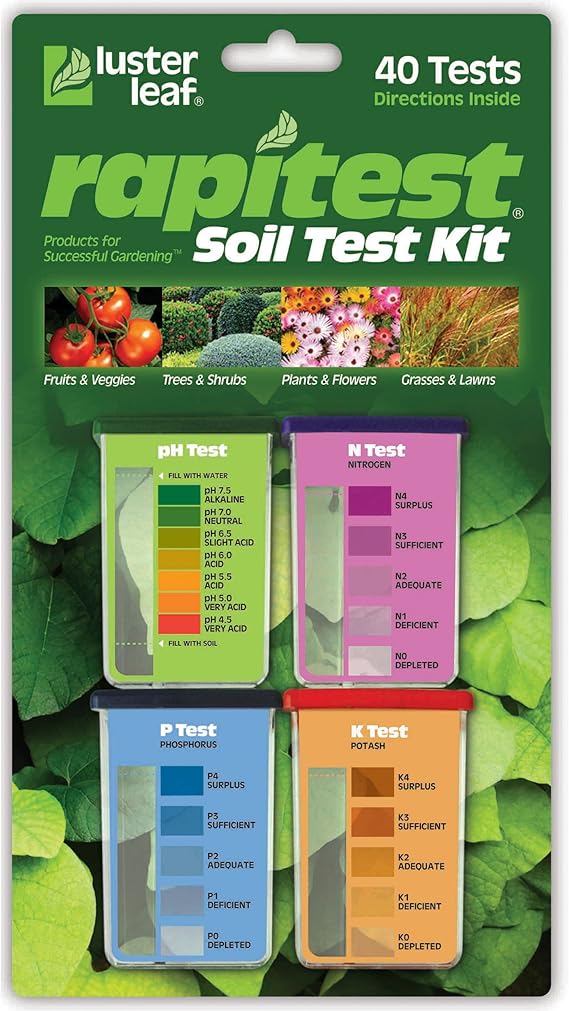
    The bush bean tends to flourish well in clay or silt loam soil that is neutral or sparingly acidic with a pH of around 6 to 7. Therefore, we recommend you perform a soil test for your garden soil to find out the soil pH. Alternatively, you can make use of pH test strips and do the soil test yourself.

    ·         Sunlight

    Bush bean plant will thrive well under full sun supply. Ideally, between 6 to 8 hours of direct sun supply daily would be great.  However, bush beans can still survive or tolerate some shade. But if you want a vigorous and more productive outcome, then you should provide them with full sunlight.

    ·         Fertilizer – How Far Apart To Plant Bush Beans

    Fertilizer application may be quite tricky. This is because legumes such as beans don’t need too much nitrogen supply. They tend to make or fix nitrogen from the air. If you add excess nitrogen to the plant, it will enhance leafy growth rather than pod production. Hence, a fertilizer that is heavy in nitrogen should be avoided for bush beans.

    You can use organic compost, worm casting, sheep manure, and so on to supply your bush bean plant with extra organic matter.

    ·         Climate

    The ideal temperature to grow bush beans successfully with a great outcome is around 65 to 85 degrees Fahrenheit.

    For germination to proceed successfully, the soil temperature must be around 70 to 80 degrees Fahrenheit. However, once the soil drops below 80 degrees Fahrenheit when you’re sowing your seeds, the seeds may rot in the ground even before they have the chance to germinate.

    Therefore, if the weather in your area is cool, do well to wait until the temperature warms up before sowing your seeds.

    ·         Watering

    Bush beans need good drainage and they also require constant moisture. Hence, maintain moist soil and not waterlogged or soggy soil.

    How Do Bush Beans Grow Successfully - Watering

    How Far Apart To Plant Bush Beans: Final Thoughts

    Bush beans are great vegetables to add to your garden collections and you will enjoy lots of benefits from them. They are easy to grow and they offer abundant harvest.

    How far apart to plant bush beans is an important factor to put into consideration so you can enjoy the full growing benefits this plant has to offer.  We have talked about the spacing of bush beans in this post so do well to follow our guidelines on this.

    FAQs

    How Wide Do Bush Beans Grow?

    The rate at which bush beans tend to spread wide will mainly depend on the type of bush bean variety. Some bush bean variety and their width spacing are;
    • Contender; the contender bush bean that is heat-resistant is inclined to grow about 18 to 30 inches tall and wide. You can harvest your pods in around 55 days. They are resistant to the common mosaic virus (BCMV).
    • Provider; this is a type of vigorous compact bush beans. They can grow up to 18 inches in height and they can spread to about 10 inches wide. Their root system is pretty strong. Harvesting of the provider beans should be ready in around 50 to 60 days. Provider beans variety is not only resistant to the common mosaic virus (BCMV), it is also resistant to powdery mildew and downy mildew.
    • Blue lake 274; this type of bush bean variety tends to grow 15 to 20 inches tall and spread to about10 inches wide. This makes them ideal for growing in pots or containers and also garden beds. The crop should be ready for harvest in around 50 to 70 days. The blue lake 274 is one popular type of bush bean that is determinate. It is a very high-yielding bush bean variety. These beans are resistant to the common mosaic virus (BCMV).

    How Many Bush Beans Are In A Square Foot Garden?

    Because bush beans tend to grow in a compacted or spreading manner, one can grow them in a small space and still get abundant yield. So, when it comes to a square foot garden, you can actually plant about 9 bush beans per square foot garden.

    How Do Bush Beans Grow Successfully?

    It is quite easy and straightforward to grow bush beans. It is crucial you provide your bush beans with optimal growing conditions to achieve great results.
    So, below are some tips you can follow to successfully grow bush beans:
    • Soil
    The bush bean tends to flourish well in clay or silt loam soil that is neutral or sparingly acidic with a pH of around 6 to 7. Therefore, we recommend you perform a soil test for your garden soil to find out the soil pH. Alternatively, you can make use of pH test strips and do the soil test yourself.
    • Sunlight
    Bush bean plant will thrive well under full sun supply. Ideally, between 6 to 8 hours of direct sun supply daily would be great. However, bush beans can still survive or tolerate some shade. But if you want a vigorous and more productive outcome, then you should provide them with full sunlight.
    • Fertilizer
    Fertilizer application may be quite tricky. This is because legumes such as beans don’t need too much nitrogen supply. They tend to make or fix nitrogen from the air. If you add excess nitrogen to the plant, it will enhance leafy growth rather than pod production. Hence, a fertilizer that is heavy in nitrogen should be avoided for bush beans.
    You can use organic compost, worm casting, sheep manure, and so on to supply your bush bean plant with extra organic matter.
    • Climate
    The ideal temperature to grow bush beans successfully with a great outcome is around 65 to 85 degrees Fahrenheit.
    For germination to proceed successfully, the soil temperature must be around 70 to 80 degrees Fahrenheit. However, once the soil drops below 80 degrees Fahrenheit when you’re sowing your seeds, the seeds may rot in the ground even before they have the chance to germinate.
    Therefore, if the weather in your area is cool, do well to wait until the temperature warms up before sowing your seeds.
    • Watering
    Bush beans need good drainage and they also require constant moisture. Hence, maintain moist soil and not waterlogged or soggy soil.

  • When To Plant Bush Beans

    When To Plant Bush Beans

    When to plant bush beans is what we will be looking into in this post. The green beans belong to the family of species called Phaseolus vulgaris that is also known as “common beans”. The many types of green beans have two different ways of growing which are “bush” or “pole.”

    It’s the style of growth that distinguishes bush beans from pole beans. In this article, when to plant bush beans will be discussed extensively.

    Bush beans are the type of bean crop that a beginning gardener can grow for a first-time trial. It is so because it is easier to grow. It is easier to maintain because it doesn’t require trellising.

    The best time to start planting bush beans is during early spring which is after the last frost date in your area. This is because bush beans are warm-season crops. They thrive well under full sun.

    Let’s take a further look into the step-by-step process of sowing. When to plant bush beans is also discussed here.

    Bush Beans Plant

    As their name implies, bush beans grow in a bush way, usually up to 2 feet tall. They don’t take up much space to grow. Bush beans plant doesn’t need trellis support to grow.

    That is why bush beans are one of the best bean crops for beginning gardeners to try out. The most common bush bean varieties are contender, burgundy, and blue lake.

    Bush Beans Plant

    Plant only during the right season which is after the last spring frost date. Planting when the temperature is lower and when the soil is moist will cause the seeds not to germinate. This will eventually cause the seeds to rot.

    Planting Bush Beans: When To Plant Bush Beans

    The best time to begin planting bush beans is when the ambient and soil temperature is between 65 to 85 degrees Fahrenheit. So. begin planting once the temperature and planting conditions are favorable.

    Also bear in mind the variety and the time it will take for the fruits to mature. Given that the last plantation produces fruits and matures before the first date of frost. But the bush beans take up to 50 to 55 days to produce.

    So, to plant bush beans:

    1. Choose a Right Spot – Choose a spot in your garden that faces direct sunlight for at least 6 to 7 hours daily. Bush beans thrive well under full sunlight.
    2. Prepare to Start Planting in your Garden – Make sure the soil is rich in loam and organic matter. The soil should be like a shaft and not compacted. This will encourage draining and aeration.
    3. Sow the Seeds – For planting in the same spot, plant the seeds one inch deep into the soil. Give them space of 3 inches apart. Also, give about 18 inches of space in the case of planting more rows. This gives the plant enough space to grow well. Don’t compact the soil when covering the seed. Cover the seed with soil lightly.

    1. Water the Seeds – After planting, water your planted seeds lightly. This will help nourish your seed and give it a head start for growth.
    2. Thinning the Plants – Thin your plants once you see at least two leaves sprout. Use garden shears to thin them. Endeavor to make sure each of the plants is 6 inches apart. Then watch your bean grow.

    Growing Bush Beans: Tips To Successful Growth

    Below are tips to grow your bush beans successfully;

    ·         Weeding – When To Plant Bush Beans

    Don’t give weed any chance around your bush beans. Do this by removing weeds growing around your bush beans immediately you see any. Control weeds around your bush beans by putting mulch on the soil around the plant.

    Adding mulch to the soil also helps to retain moisture in the soil. Remember the roots are shallow but mulch helps to keep them cool.

    ·         Watering

    Growing bush beans requires keeping the soil moist evenly. Bush beans will stop flowering if you don’t water them when necessary. Water the plants with two to three inches of water every week.

    Don’t sprinkle water on the leaves but rather water the plants at the base of your plants that have been infected with powdery mildew. It is also advisable to water you’re soil early in the morning. The sun will dry out the soil before it gets cooler at night.

    Raindrip R560DP Automatic Watering Kit for Container and Hanging Baskets

    When To Plant Bush Beans

    ·         Don’t Use Nitrogen Fertilizers

    Nitrogen-rich fertilizers are a no-no for bush beans. This is because bush beans add nitrogen from the air to the soil naturally. Using nitrogen-rich fertilizer will only make your plants grow more leaves and lesser bean pods.

    ·         Avoid Pests

    Avoid pests around your bush beans by picking the insects when you see any. Spraying them with a hose is also another alternative.

    Many types of pests target bush beans a lot. These are pests like Mexican bean beetles, aphids, and spider mites. Use non-abrasive pesticides like insecticidal soaps if the pests keep coming.

    How Late Can You Plant Bush Beans

    Actually, bush beans are one of the best types of green beans to plant if you’re considering planting beans late. The green beans stand as the best choice for late planting. This is because the green beans have varieties with a short maturity date.

    Bush beans can be planted in midsummer with a good harvest, depending on the date to maturity chosen. Also, put into consideration the declining amount of sunlight on a daily as it gets to fall.

    How Late Can You Plant Bush Beans

    There are usually no issues of shorter days during mid-summer. But as the late planting season progresses, the day length starts to retrogress. Ideally, it takes 75 days till the first real threat of frost in your zone to have a successful late planting of beans.

    Also, there are a lot of bush beans varieties that will mature around 60 days. Really tasty ones actually. Just make sure, according to the variety, you choose a date that is based on the average first frost date in your zone for your late planting.

    Can You Plant Bush Beans In Winter?

    From the above, we can answer the question of if you can plant bush beans in winter. Bearing in mind that bush beans are warm-season crops and cold-sensitive. Bush beans rarely germinate as quickly expected during temperatures below 60 degrees Fahrenheit.

    In most cases during frost, the bush bean seeds will rot before getting any chance to germinate.

    Do You Soak Bush Beans Before Planting?

    Lastly, you might have this question in mind “Do you soak bush beans before planting?”  No, it’s not ideal to soak bush beans before planting them.

    It ruins their chances of germination because the seeds get starved of oxygen while being soaked in water. This damages the embryos of the seeds.

    Do You Soak Bush Beans Before Planting

    Conclusion On When To Plant Bush Beans

    When to plant bush beans has been discussed in this article and we hope this information has helped enlighten you about this.

    FAQs

    How late can you plant bush beans?

    Actually, bush beans are one of the best types of green beans to plant if you’re considering planting beans late. The green beans stand as the best choice for late planting. This is because the green beans have varieties with a short maturity date.

    Bush beans can be planted in midsummer with a good harvest, depending on the date to maturity chosen. Also, put into consideration the declining amount of sunlight on a daily as it gets to fall.

    There are usually no issues of shorter days during mid-summer. But as the late planting season progresses, the day length starts to retrogress. Ideally, it takes 75 days till the first real threat of frost in your zone to have a successful late planting of beans.

    Also, there are a lot of bush beans varieties that will mature around 60 days. Really tasty ones actually. Just make sure, according to the variety, you choose a date that is based on the average first frost date in your zone for your late planting.

    Can you plant bush beans in winter?

    From the above, we can answer the question of if you can plant bush beans in winter. Bearing in mind that bush beans are warm-season crops and cold-sensitive. Bush beans rarely germinate as quickly expected during temperatures below 60 degrees Fahrenheit.

    In most cases during frost, the bush bean seeds will rot before getting any chance to germinate.

    Do you soak bush beans before planting?

    Lastly, you might have this question in mind “Do you soak bush beans before planting?” No, it’s not ideal to soak bush beans before planting them.

    It ruins their chances of germination because the seeds get starved of oxygen while being soaked in water. This damages the embryos of the seeds.