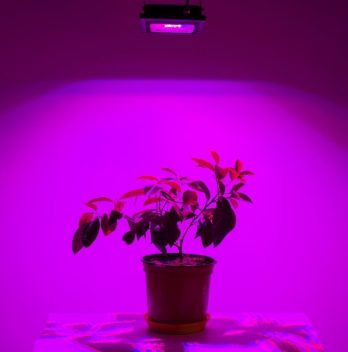
Do pepper plants come back every year? Let’s get the answers to that here. Pepper is both classified as a fruit and a vegetable according to botany and culinary definitions.
It’s a great feeling to plant, grow, nurture, and then begin to harvest your vegetables. What is more tempting is wishing you could keep your healthy vegetables growing year after year. This applies to most pepper farmers, as the plant is a slow grower, which makes it desirable to want it to keep growing.
It will be nice if pepper plants do grow back every year. If you live in a region where the winter is not so serious, you can definitely give it a thought. The thing is, in most parts of North America and any other place where the winter is really serious, pepper plants won’t be able to survive if they are left outside.
The best thing is to bring your pepper plants indoors and provide them with the best indoor care, especially if they are the potted indoor variety.
Keep reading to get more answers to the question: Do pepper plants come back every year? You will also get some tips for keeping your pepper growing year after year.
Do Pepper Plants Come Back Every Year?
Normally, all kinds of pepper are grown as annuals by most growers. Pepper is sown, grown, picked, and then thrown into the compost heap when the season ends.
But the truth of the matter is that pepper plants are perennials, and if you grow them and give them in the appropriate conditions, they can grow every year.
Ideal Conditions to Help Pepper Grow Back Every Year
As we mentioned, pepper plants can grow every year if you provide them with good conditions. So, let’s take a look at how to be successful at growing peppers in any type of climatic condition.
1. The growing temperature
Peppers are perennials that can come back in the spring after being dormant in the previous season. This will be surprising to many North American gardeners. Peppers are mostly grown as annuals in the United States and most temperate regions in other parts of the world.
This is because the plant will die when temperatures dip low, especially during low winter temperatures and shorter days. Peppers can’t survive the cold winter let alone when it’s freezing cold.
In fact, during a temperature as low as 55 degrees Fahrenheit and below, it will be a waste of time sowing seeds directly into the soil. The seeds won’t even germinate at all. And this will also have you wondering if pepper plants really do grow back every year.
You can, however, proffer a solution of laying down black plastic mulch or other non-treated mulch to keep the soil temperature warm with a heating pad.
2. Soil and fertilizer type
The ideal soil for growing peppers successfully is slightly acidic soil with pH levels of 6.5-7. Before transplanting seedlings, endeavor to break the soil up. This will help get their roots established.
Breaking up the soil before transplanting, will also drain well, as well as retain moisture. The best type of fertilizer for peppers is compost. You can as well conduct a soil test before adding fertilizer to the soil.
For example, if the test shows that the soil is lacking in phosphorus, a fertilizer with phosphorus can be added to the soil. Otherwise, if the reverse is the case, there will be no need to add phosphorus to the soil. Another thing is that you need to be cautious when adding nitrogen to the soil as too much nitrogen can make the plant produce large foliage.
For a successfully grown pepper plant, full sunlight of about six to eight hours must be available to the plants. Or rather, provide a grow light and make sure the soil temperature is constantly around 80 degrees Fahrenheit if you’re starting your pepper seeds indoors.
Pepper plants also need constant thorough moisture. This can be achieved by not letting the soil become dry. You can encourage healthy root development by watering deeply. Too much watering may not be required during rainy seasons.
And if you’re growing your pepper plants in sandy soil, watering will be needed more frequently. This is because, unlike loam or clay, sand cannot retain moisture.
4. Prepare your plants before overwintering
It is better to plant your pepper in pots or portable raised beds if you’re planning to save them for another year.
You can also re-transplant mature plants that were planted directly in the ground. However, re-transplanting pepper plants may lead to damaging the plants’ roots badly if you’re not careful.
5. Move pepper plants indoors
Peppers can’t tolerate frost; hence the temperature doesn’t need to become freezing cold before they begin to die off. When the temperature constantly dips low to around 55-65 degrees Fahrenheit, move them indoors.
It doesn’t even have to be inside the house. It could be a secluded spot or covered place that can shield the plants from the chilly temperatures.
So, when the sunlight your plants usually receive per day doesn’t stay constant at six to eight hours anymore, it indicates that your pepper plants should be moved indoors.
Also, when you move them indoors during frost, you can use a heating pad under your pot to provide heat.
There are cold-resistant pepper varieties, early maturers, and those that can adapt to many conditions.
So, choosing any of these types of varieties will also help increase your chances of being successful at overwintering and growing back every year. Gardeners in the northern region will love the idea of planting these varieties, especially in regions where they have short growing seasons.
There are also cold-tolerant varieties that can tolerate both cold and heat. You will also get to enjoy most of the cold-tolerant varieties because they are either mild or sweet.
So, examples of cold-tolerant pepper varieties are Ratund, Highlander, Chile peppers, Carmen, Ace, and Obriy.
Do Capsicum Plants Regrow?
You may be curious as to whether capsicum plants regrow, like other types of peppers. And the simple answer is: yes they do. It just requires both time and cares to ensure their regrowth. Let’s take a closer look at some top tips to ensure they make it through the winter.
As soon as you notice the temperatures plummeting, you should place some hay bales around your plants, and ensure the plants are the same height.
You’ll also need to remove any peppers from the plants too. At this point, you can cover the plants and bales with a layer of glass.
When the frost is predicted, you may also want to cover it with a sheet, for an extra layer of protection.
Check that your soil is moist enough, and water when needed.
Once the weather begins to warm up, you can remove the glass, and then remove the hay bales once Spring hits. At this point, your capsicum is ready to regrow!
How Long Will a Pepper Plant Live?
When it comes to pepper plants, a range of factors can affect how long they’ll live. However, the average life span is around 3-5 years.
Some factors you’ll need to consider when extending the life of your pepper plant are as follows:
Environment. The environment is the main factor. The more consistent the environment, the more likely your pepper plant will have a longer life. In fact, pepper plants have been known to last up to ten years when cared for adequately indoors. Your plants can last many years if grown outdoors too. However, you need to ensure they’re overwintered. If not, they will likely die before the next growing season.
Plant species. Some species of pepper will survive longer than others, as it’s just part of their nature. For example, Rocoto and Manzano peppers are both varieties that have a long life expectancy.
How Tall Do Pepper Plants Grow?
Unfortunately, there is no set height that your pepper plants will grow, because it all depends on the variety of pepper that you’re growing. For example, some may grow to only 20 inches in height, whereas others can grow up to 6 feet in height. It’s important to research the type of pepper you’re choosing to grow before you plant it.
How to Overwinter Pepper Plants
If you’re looking for a quick guide to overwinter pepper plants, then look no further. Let’s take a closer look.
Add soil to your new pot; around 1-2 inches.
Bring your pepper plant indoors and remove any remaining peppers. You’ll also need to prune the plant.
Remove all leaves from your plant, as well as the root ball.
Use scissors to trim the roots and then place them in your fresh soil.
Water thoroughly and place in a warm area, where the sunlight reaches.
Monitor and prune weekly until the growing season comes around.
When to Overwinter Peppers
The best time to start overwintering peppers is before the first frost. You should never let the temperature of your pepper plants go below freezing, as they are unlikely to survive.
Will Pepper Plants Come Back After Winter?
Yes. As long as extra precautions and care are taken with your pepper plants, they absolutely can come back after winter. And are likely to give you peppers for years to come!
Conclusion: Do Pepper Plants Come Back?
To conclude answer your question; do pepper plants come back? Be rest assured that even if pepper plants are grown as annuals in most regions, you can successfully grow them as perennials.
Do you have any tips or tricks when it comes to ensuring that your pepper plants come back every year? If so, please feel free to let us know in the comments below. And remember, sharing is caring!
FAQs
How do I save pepper plants for next year?
You can save your pepper for the next year by supplying adequate growing conditions to your pepper plants. Pepper is naturally a perennial crop so it’s possible to grow them for the following year.
How many years can pepper plants live?
The duration pepper plant can live is between 1.5 years to 3 years. So, this shows that pepper plants are perennials if you provide them with the right growing conditions to live through another year.
Will pepper plants come back after winter?
If you expose your pepper plant to chilly temperatures, they may not survive. So, your pepper plant may not come back after winter. This is why you need to shelter your pepper plant if you want them to overwinter.
You can soak beans before planting and make the germination process faster, which can sometimes be derailed by external factors.
Why pay more for green beans when you can grow your own? It is one of the easiest ways to save money if you have a garden. If you saved some seeds from last year’s harvest, you don’t need to buy new seeds as you can use the same ones to plant a new crop.
One of the easiest ways to guarantee germination for your green beans is to germinate them in water. When kept moist for several days, the outer shell cracks open and begins to sprout without having to push through any soil or planting matter in the process.
Soaking seeds in water increases your germination rate and reduces potential diseases that prevent the seeds from proper germination.
Which Seeds Are Appropriate for Soaking?
Seeds with hard coats are the best for soaking. They include beans, peas, pumpkins, squash, corn, etc. Smaller seeds like carrots, lettuce, radishes, and the like are hard to soak and don’t need it at all.
But do you know you can soak your flower seeds before sowing? For example, sunflower, sweetpea, lupine, and nasturtium take to soaking very well.
How to Soak Beans Before Planting
This is an easy process. However, the three ways you can do it are as follows:
Option 1. Put the seeds in a shallow bowl and cover them with water. Leave them for several days, observing them daily until you see them sprouting. Once they are fully sprouted they are all ready for planting.
Option 2. Soak in an acidic environment by adding a tablespoon of coffee or a few drops of kitchen vinegar. The idea is to create conditions where the seeds first get warm and dump to germinate. The acidic environment creates the warmth that the seeds need to germinate quickly.
Option 3. Use a wet paper towel or napkin for germinating your green bean seeds. Wet your paper towel with water but don’t make it too wet. Lay the paper towel on a clean surface and spread a single layer of seeds, leaving enough room between them and around the edges. Fold the other half of the towel over or lay another towel on top of the seeds. Secure the borders to ensure no seed falls out and set them aside. Place the wrapped seeds into a Ziploc bag or a jar and tightly shut them to hold in moisture and keep them in a warm area out of direct sunlight. Check for sprouting after five days by opening the paper towels likely and peeking in without unwrapping all of the seeds. If they haven’t germinated yet, reseal the bag and leave them for a few more days.
How Long to Soak Bean Seeds Before Planting?
Soak your seeds long enough for them to swell but not too long before they begin to turn sour and rot. Overnight is a reasonable amount of time, although many sources recommend 8 to 12 hours and no more than 24 hours.
Too much soaking will cause the seeds to start decomposing. If you use boiling water, the soaking time decreases. Most people swear by using warm water and soaking at bedtime and removing them first thing in the morning. Hard seeds like beans benefit from scarification before soaking, but be careful not to puncture the seed completely.
Other Considerations: Soak Beans Before Planting
Don’t soak your seeds the night before rain is expected but wait until the forecast promises a good planting season. This helps you be able to get into the garden and not compact the soil too much. You don’t want to hold onto seeds you already germinated; instead, you want to immediately get them in the ground.
Remember, just because you soaked your seeds doesn’t mean you will not need to water them as soon as you plant them. Your seeds will only hold the right amount of moisture around the seed, not around the soil. They will need more water around the soil to necessitate their growth.
For those who use damp paper towels for germinating the seeds, be delicate with the seeds when moving them to the garden or the pot to avoid breaking the stem or root. Don’t worry if the shoot is on its side; gravity will help it find its way down or up.
Saving Green Bean Seeds – Step by Step
So to be able to plant your seeds, you will need to have saved them from the previous harvest. Saving green bean seeds is easy; all you have to do is follow a few steps.
Select a few healthy plants you would want to save the seeds from until the final harvest. Select the first plants to produce mature beans, tall and robust with dark green leaves with a high number of pods.
Step 2: Mark the seed-grown plants and wait
To ensure you don’t destroy your harvest early, you can try tying something around them. Let the pods grow to maturity before you harvest them.
Step 3: Pick the dried-out pods
Please wait until the pods turn completely brown before you harvest them. There should be no green on them at all. You will know the seeds are ripe when you shake the pods and hear the rattle of beans moving around inside. Squeeze the pods, and they should be crunchy to the touch, then you know they are ready to pick.
Step 4: Remove the seeds from the pods
Once you harvest the dry beans, remove them from the pods safely without damaging the seeds. Examine every seed, saving only the perfect ones. Throw away any seed eaten by insects, wrinkled, or has a different color from the rest of them.
Place the seeds on a paper towel to air dry for several days and finally, store them in a clean, dry container that is labeled waiting for the next season to plant them.
How to Germinate Beans Fast
You may be wondering what the quickest way to germinate beans is. While many beans can be germinated both indoors and outdoors, I find it best to do it inside, where you have control over all factors. When they’re ready to grow outdoors, they can be transplanted outside with ease.
Some quick germination methods for beans are:
Method #1. Place seeds in a bowl and cover with water. Leave in a warm, dry place and check daily. After a few days, your beans should begin to sprout.
Method #2. Grab a seed and try to fill each hole with potting soil. Add seeds to the soil and keep on a heat mat.
Method #3. Grab a paper towel and soak it in water. Rinse the towel until it’s moist, but not dripping. On one side of the towel, add the seeds and then fold the other half of the paper towel over the top. Add the towel to a plastic bag and keep it at room temperature, out of direct sunlight.
It’s important to keep the conditions as ideal as possible during germination, as this is the most important time of a plant’s life. Some key factors you should consider are:
Warm environment. Germination is sped up by a warm environment, so using grow lights, a heat mat, or even the use of a greenhouse will aid your germination.
Weather. It’s best to plant seeds when the soil is at its warmest, which is often during the day. Some say that it’s best to soak your seeds in warm water, and then place them in warm soil, around late morning.
What Do Green Beans Look Like When They Sprout?
You may be curious as to what green beans look like when they sprout. Green beans go through four stages in their life, and they look different in each one. Let’s take a closer look.
The first stage is the seed. This is what it starts as, and what needs to be planted for your seed to grow.
The second stage is germination. This stage is sometimes also known as sprouting. This means that the roots of the plant are beginning to form. At this point, they’ll be loops start to form in the soil. They’re usually firm and thick.
The third stage is growth. This is the stage where your beans will really start to take shape. You’ll often notice that the leaves at the bottom are the largest; this is to ensure the plant can absorb everything it needs to thrive. At this point, you should also see the beginnings of a small plant.
The final stage is flowering. With plants such as green beans, you can expect them to flower after around two months. At this time, you may notice that wildlife such as insects and birds are interested in your plants.
Can I Plant Fresh Green Bean Seeds?
It’s not recommended to use fresh green bean seeds for your planting, but instead, it’s best to leave them on the plant until they start to change in color and rattle when shaken. This is likely to take a few extra weeks, but it’s the best way to do this. Once you’ve harvested them, take them out from the pods and leave them inside for a few weeks. Once ready to plant, shell them.
Final Thoughts: Soak Beans Before Planting
To soak green beans before planting couldn’t be easier! You can also save yourself some good-quality seeds from your green beans. Don’t shy away from keeping your seeds, especially if you notice the variety you’re growing is excellent.
Do you have any tips or tricks when it comes to soaking beans before planting? If so, please feel free to let us know in the comments below. And remember, sharing is caring!
FAQs
Do green beans need to be soaked before planting?
Green beans are one of the easiest vegetables to grow, but they do have a few quirks. They require a long growing season, but if you have a greenhouse, or can plant them early in your garden, they will produce well.
Yes. Green beans must be soaked in a solution of water and potassium nitrate for at least 6 hours, up to 24 hours. Potassium nitrate is available at your local garden center. This step will help the bean seeds to germinate more quickly, as well as make them more resistant to disease.
If the instructions say to soak them for 24 hours, then they are probably just referring to an old-fashioned method of planting.
Newer methods call for rinsing the beans to get rid of any excess dirt and sand, and then planting them right away. I don’t think soaking for 24 hours is necessary. If you soak beans in a solution of water and salt, it helps prevent bean disease. There are two diseases that can affect beans. The most common is Fusarium wilt, which occurs when the soil is too wet and cool and the roots have no air circulation. Soaking the beans in a solution of water and salt is supposed to kill off any spores that might be on the beans when they are planted. The other type of bean disease is Phythophthora root rot. This occurs when the soil is too dry and hot, with no air circulation. Soaking beans in a solution of water and salt also kills off any spores that might be on the beans when they are planted.
How do you soak green beans?
Soaking beans is very easy. Just place the seeds in a bowl and cover them with water. Let the seeds soak for at least 8 hours or up to 12 hours depending on your beans. After they are soaked, drain the seeds and place them in a mesh bag (or paper towel) in a warm place where they will germinate. You want the temperature to be around 80 degrees Fahrenheit. The ideal temperature for germination is between 70-80 degrees.
The seeds need light but not direct sunlight. If you put the seeds in direct sunlight, they may get scorched. Keep the seeds out of the fridge or freezer because this can stop the germination process.
How do you dry green bean seeds for planting?
Depends on how much seed and the climate you live in. It is not necessary to dry them completely. They will germinate more easily if they are moist, but not soaking wet. If your seeds are damp or wet, you can place them on a cookie sheet and put it in an oven on the lowest setting, about 200 degrees F for an hour or two. This will dry them out just enough so they will sprout.
How much bone meal per tomato plant? This article will help you determine how much bone meal you should give per tomato plant and how to effectively use bone meal for tomatoes.
Tomatoes are heavy feeders and require a lot of nutrients. Bone meal is one of the easiest ways to give an extra boost to your tomato’s health and growth. Let’s take a closer look at using bone meal for tomatoes.
Bone Meal Nutrition Facts
Bone meal made from animal bones is rich in phosphorus, calcium, and nitrogen. It can be used as fertilizer for tomato plants. Both fresh and dried bone meals are available on the market; however, make sure that you buy organic bone meals without any chemical fertilizers or fillers added.
Fresh bone meal contains a high amount of water (moisture) which can cause problems if not removed before storage. The dried form provides more nutrient content than the fresh form because it has fewer moisture contents; thus, making it easy to store for a long time without spoiling.
One tablespoon of bone meal provides seven grams of phosphorus and nine grams of calcium, which equals 13% of the recommended daily value (RDA) for phosphorus and 18% RDA for calcium.
Bone meal supplies important nutrients that help encourage health in plants because it contains both phosphorus and calcium. The ratio between these two minerals can affect how each nutrient contributes to your plants’ overall health. Using too much phosphorus can cause growth problems, especially for seedlings. Excessive phosphorus can stunt a plant’s root growth and interfere with how well a plant absorbs other nutrients.
Bone meal is an organic fertilizer that contains a high amount of calcium, an essential nutrient for promoting strong cell wall development in new blossoms and fruits. Calcium also helps fruit to mature properly after harvest.
You should use bone meal as soon as possible after opening the package because the moisture from the soil or environment may cause it to become moldy or change color over time.
Is Bone Meal Good for Tomatoes?
Bone meal is good for tomato plants. It contains a high amount of calcium that helps in fruit formation. It contains nitrogen and phosphorus which are required by plants to produce chlorophyll while the growing stage and calcium during the fruiting stage.
Please note: you can add bone meal directly to the soil without any preparation or cooking process. However, if you want it cooked before adding it to the soil, you can add it to the compost because raw bone meal contains a high amount of ammonia that can burn roots once mixed with soil.
Now that we know the benefits of this organic fertilizer to tomatoes, how much bone meal per tomato plant?
Use 3 pounds of fresh or 1 pound of dried bone meals for 100 square feet of garden space. For example, how much bone meal per 10 tomato plants? You will need 1/2 pound of bone meal per tomato plant.
Can You Add Too Much Bone Meal?
It is possible to add too much bone meal and hurt your crops. Do not add too much bone meal to the soil because it will cause phytotoxicity in tomato plants. Excess amounts of nitrogen contained in it can damage leaves and slow down fruit formation or growth.
You should avoid adding more than 0.25% nitrogen level to the soil because even if it contains plenty of phosphorus, calcium, magnesium, zinc, copper, sulfur, and other nutrients, an excess amount of nitrogen will burn the roots after absorption by the soil.
Bone Meal for Tomatoes Benefits
Ways to use bone meal for tomato plants:
To boost the health of tomato plants, you can give it every week during the first couple of months of growth. You can also use it as transplanting fertilizer or seedling fertilizers at half the rate of how much you would give to mature plants later on. Bone meal works well for this purpose because it is rich in phosphorus which helps with root formation and healthier stem structure.
Bone meal gives a calcium source that is beneficial for both humans and soil microbes. Calcium accelerates the decomposition speed of dead materials, thus increasing nutrient availability to growing tomatoes faster than compost alone. Organic matter content also improves due to the presence of calcium in bone meal.
Can You Add Bone Meal After Planting?
Bone meal can be added after planting tomatoes if it is dry. However, do not add bone meal to the soil until you are ready to transplant seedlings into them because tomato plants cannot grow properly when nitrogen levels are too high. Especially for seeds that have just emerged, adding too much bone meal will result in yellow leaves or stunted growth.
If you want to use bone meal for tomatoes as fertilizer, it is better to mix organic fertilizers with soil before planting tomatoes.
Bone meal can be used with other organic fertilizers. For example, blood meal, cottonseed meal, and kelp extracts. This combination will provide essential nutrients needed by growing tomatoes. If bone meal is added directly into the garden or container without mixing with other ingredients first, soil microbes may not be able to absorb them properly which can lead to loss of nutrients in time.
Bone meal works best when mixed with compost piles because they allow microbes to break down the materials slowly over time.
You should always water your tomato plants after adding any kind of fertilizers into the soil because soluble nitrogen releases quickly into roots which affects how well it absorbs water. Watering your plants first will allow them to take up the nutrients gradually without getting too much nitrogen.
Using Sugar, Epsom Salt, and Bone Meal for Tomatoes
You may be wondering how else you can use bone meal for your tomatoes. I’ve found that the use of bone meal, along with sugar and Epsom salt works very well. These three are a good trio because the sugar adds sweetness to your tomatoes, the Epsom salts add both sulfur and magnesium and the bone meal adds phosphorus.
To plant your tomatoes, you’ll need to make a hole larger than you usually would for your tomatoes. Then you’ll need to add a cup of bone meal and a cup of sugar, along with a reasonable amount of mulch. Mix them and place them in your hole, evenly distributing them in the soil.
Carefully place your tomato plant into the soil; be sure to bury it reasonably deep. Once planted, add around a cup of Epsom salts on top and mix them into the top of your soil using your hands. Finally, water your tomato plants with a good amount of water – and your tomatoes are ready to go.
Disadvantages of Bone Meal
We’ve already looked at the benefits of using bone meal for your tomato plants, but you may be wondering if there are any disadvantages. While there aren’t too many negatives, there are a few that you may want to be aware of. Let’s take a closer look.
You can only use bone meal in soils below 7 on the pH scale. This may not be ideal. However, a good alternative is rock phosphate, which we’ll be taking a look at later in this article.
If you’re looking for a quick fix, then this probably isn’t the best choice for you, as it’s a fertilizing choice that releases slowly.
If used too much, overfertilization can occur. If this happens, problems may arise for your tomato plants such as yellowing leaves. It can also lead to deficiencies in other nutrients, like zinc and iron.
If not used correctly, the smell can attract unwanted wildlife. However, as long as it’s adequately mixed in, this should not be a problem.
Bone meal is only a good source of phosphorus, so you’ll need to use other fertilizers too, to ensure your tomato plants are receiving all of the nutrients they need.
Rock Phosphate vs Bone Meal
Earlier, we mentioned rock phosphate, which is a great alternative to bone meal, if you’d prefer. However, there are quite a few differences between the two. Let’s take an in-depth look at the two.
They’re similar in that they both contain phosphorus. However, that is where the similarities start and end. The differences between the two are that for the short supply of phosphorus, bone meal is best, whereas, for a long-term supply, phosphorus is best, as it’s slower.
Another main difference between the two is the price. Bone meal starts at around $13 per lb, whereas rock phosphate starts at around $30 per lb. So if you’re looking for a more affordable option, it’s best to use bone meal.
Rock phosphate works best on flowers and other leafy plants, whereas bone meal works best on rooted plants, such as carrots and onions. However, you can choose to use both together, if you’d prefer – and reap the benefits of both.
Final Thoughts: Bone Meal for Tomatoes
Bone meal for tomatoes is beneficial in most cases. Adding too much nitrogen to the soil will hurt plants, although you can add it if your plants are mature enough. You should only use bone meal after preparing the soil with compost or manure and not mix it directly into planting holes.
It s evident that bone meal provides your tomatoes with plenty of benefits like boosting up the nutrient content of the soil, by adding calcium source which creates healthier stem structure and roots.
FAQs
How should you mix bone meals for best results?
You should not mix it directly with planting holes because adding too much phosphorus can affect how healthy tomatoes grow even if they are combined with other organic fertilizers. Therefore, it is better to prepare compost piles or manure before mixing into the soil or using as transplant fertilizer after seeds have germinated and grown some roots.
When should I start fertilizing my tomato plants?
Bone meal should be added to the soil when the first set of tomatoes starts growing. Wait until your plant is about 6 – 8 inches tall before adding bone meal fertilizer. If you add it too early, it will affect how healthy or how tall they grow.
🍅 Tomato Growing Supplies
Fox Farm Liquid Nutrient Trio Soil Formula – Big Bloom, Grow Big, Tiger Bloom Pint Size (Pack of 3)
We earn a commission if you make a purchase, at no additional cost to you.
05/15/2026 06:00 pm GMT
Amazon’s Choice
FoxFarm Ocean Forest Potting Soil
$35.86
FoxFarm Ocean Forest Potting Soil is a nutrient-rich blend of aged forest products, bat guano, and earthworm castings, perfect for indoor and outdoor plants. Its pH-balanced formula promotes healthy growth, making it ideal for seedlings, transplants, and mature plants.
Tomato plants can be prone to a bunch of unimaginable problems or diseases capable of taking a toll on the entire crop. The good news is that you can avoid the various problems or diseases that tomato plants tend to be susceptible to. This is why we will be looking into disease resistant tomatoes.
There are over 60 different diseases tomato plants are inclined to catch. With so many unpleasant diseases tomatoes tend to be prone to, it is only right you select the best varieties that can be resistant to most of these various tomato-related diseases.
Diseases-resistant tomatoes have been selected and bred for years to resist some common diseases they tend to be vulnerable to. So, let’s look into the list of disease-resistant tomatoes we can go for when planning on growing our juicy tomatoes.
Selecting Disease Resistant Tomatoes
Even though you can take some measures to manage these diseases such as crop rotations, drip irrigation, sterilization of garden tools, and so on, all these will only control these issues to a limited range. The key to decreasing the issue of tomato disease relies mainly on choosing disease-resistant tomatoes.
The selection of disease-resistant tomatoes has helped a lot in reducing the risk of tomatoes being vulnerable to different diseases. However, this does not guarantee the total immunity of tomatoes to all kinds of diseases. Of all these diseases resistant varieties, no single tomato variety resistant to all diseases has been developed yet. For this reason, when choosing tomato disease-resistant varieties, we recommend you select the ones applicable to your garden.
For instance, a particular tomato breed may thrive or flourish in your garden. On the other hand, this same tomato variety may end up catching a tomato-related disease from another gardener two states away. Therefore, if verticillium wilt or tobacco mosaic virus was once a problem in your garden region in the past years, it is only ideal to choose the tomato variety resistant to this disease.
Disease Resistant Tomatoes
Each variety of tomato resistance is mainly resistant to some or most tomato diseases. However, they aren’t resistant to all types of tomato-related diseases.
When you purchase your disease-resistant tomato seeds varieties, the seed packets or seed labeling often has some abbreviations. These abbreviations or letters mark the disease-resistant variety for that specific tomato breed. Therefore, it’s important to read these abbreviations right so you can know which varieties you are purchasing.
Understanding codes for disease resistant tomatoes
Here is a list of some of the most common disease-resistant tomato variety codes you may find and their meaning:
Apart from these codes, other codes such as HR or IR may as well be written next to the codes. HR means High Resistance and IR means Intermediate Resistance.
Multiple letters seen in a tomato disease-resistant variety name means the tomato is resistant to more than one disease.
So now that we have an idea of some codes you may come across, let’s look at an example. If you come across a seed labeled VFNT, it simply means that the seed has been bred to resist verticillium wilt, fusarium wilt, nematode, and tobacco mosaic virus.
In all this, keep in mind that the label you find on the seed package is simply an indicator. The performance of a specific tomato variety will depend on various factors such as rainfall, soil content, environment, and plant care.
Choosing the Right Tomato Breed for Your Garden
A type of tomato variety may thrive well in your garden and this same variety may not do well for someone else in another state.
This is majorly due to different climates and different soil that produce different patterns for the same tomato variety. Even those regions with slight variations in climate (temperature, rainfall, and air quality) can still cause the same tomato variety to flourish differently for different regions.
For instance, Septoria leaf spot and early blight are tomato-related diseases that tend to progress or thrive in humid regions such as the eastern United States. Therefore, if you live in these regions, it would be wise to select tomato varieties that are resistant to early blight and Septoria leaf spots.
Guidelines for Choosing Tomato Breed
The guidelines below will assist you further on how to find out and select which tomato variety best suits your region:
Recognize the vulnerability your region tends to face – The first important step is to discern which tomato diseases are common in your region. You can do some findings by asking your local nursery owner or having a chat with your local gardeners. You can also put a call through to your local extension office to know which tomato diseases are frequently recorded by local gardeners.
Understand resistant code on the seed package – It’s also important you learn what codes are written on the seed package. We’ve given you some tips above to understand codes you may find on the seed package.
Choose the best that suits your region – At the end of it all, ensure you choose the best tomato variety that suits your region.
Which Tomato Breed is the Hardiest?
Here is a list of some of the best tomato varieties resistant you can go for:
Bush big boy
Bush early girl
Sweet tangerine
Fourth of July
Big beef
Celebrity
Umamin
Super tasty
Big daddy
Summer girl
All of these varieties will resist the most common tomato diseases. That includes nematode, verticillium, fusarium, and tobacco mosaic virus.
Additional Say on Disease Resistant Tomatoes
Knowing a great list of tomato-resistant varieties isn’t just enough. Even after you’ve purchased a hardy tomato breed that can sufficiently avoid these diseases, you need to also imbibe some measures so your plant can flourish.
Here are some preventive measures to take:
Crop rotation.
If you’ve worked on any diseased plant, ensure you disinfect your gardening tools.
Water at the base of the plant.
Maintain moisture conditions and avoid wet and humid conditions that may entertain diseases.
Mulch your soil.
Tomato Seeds Resistant to Blight
Before we look at varieties that are resistant to blight, we must first identify what blight is. You may know blight better as late blight, tomato blight, or potato blight. It unfortunately can cause catastrophic problems for your tomatoes. It’s a fungal disease that will quickly lead tomatoes to rot and die. The more humid the environment, the more likely this is to happen.
Some of the most common seeds resistant to blight are as follows:
Blush beefsteak F1. It’s sweet and juicy, which is unusual for a beefsteak tomato. This tomato usually fruits between July and October, and the best thing about it is that it’s incredibly resistant to blight.
Crimson cherry F1. A sweet but tangy tomato that’s small in size. It’s best at preventing late and early blight. It has an outstanding yield and will continue to fruit until the first frost begins.
Crimson plum F1. If you’re looking to make an incredible Bolognese or ragu, this is the tomato choice for you. It doesn’t contain many seeds and has a rich flavor. This tomato usually fruits between July and October.
Crimson crush F1. Flavorful and fantastic tasting. Even if other plants have blight, the Crimson Crush is hardy enough to not be affected.
Fusarium Wilt Resistant Tomato Varieties
If you’re looking for tomato varieties that are resistant to fusarium wilt, then look no further! You should try one of the following options:
Porterhouse
Sungold
Yellow Pear
Big Daddy
Rutgers
Summer Girl
Super Sauce
Bacterial Wilt Resistant Tomato Varieties
If you’re looking for tomato varieties that are resistant to bacterial wilt, then look no further! You should try one of the following options:
Tropic Bay
Venus
Neptune
Saturn
Kewalo
Disease Resistant Heirloom Tomatoes
If you’re looking for heirloom tomato varieties that are disease resistant, there are many to choose from. Let’s take a closer look at some of the best.
Cherokee Purple: resistant to bacterial speck, fusarium wilt 1, 2, and 3, tomato spotted wilt virus, verticillium wilt, and root-knot nematode
Black Velvet F1: disorder resistant
Caiman F1: resistant to fusarium wilt 1 and 2, tobacco mosaic virus, verticillium wilt, tomato spotted wilt virus, tomato leaf mold, and root-knot nematode
Fargo Yellow Pear: disorder resistant
Delicious: disorder resistant
Damsel F1: resistant to root-knot nematode, late blight, and verticillium wilt
Aosta Valley: resistant to early and late blight
Green Zebra: resistant to Septoria leaf spot and late blight
Legend: resistant to late blight
Chocolate Sprinkles: resistant to fusarium wilt 1, fusarium crown rot, tobacco mosaic virus, and root-knot nematode
Garden Peach: resistant to late blight
Cauralina F1: resistant to fusarium wilt, fusarium crown root, and tomato mosaic virus
Italian Heirloom: resistant to late blight
Marglobe: resistant to fusarium wilt 1 and 2
Chiapas: resistant to early and late blight, and Septoria leaf spot
Mt. Gold: resistant to fusarium wilt 1 and 2
Grandma’s Pick F1: resistant to verticillium wilt, root-knot nematode, and fusarium wilt 1
New Yorker: resistant to verticillium wilt
Mt. Rouge: resistant to root-knot nematode and late blight
Marbonne F1: resistant to tomato mosaic virus and fusarium wilt
Conclusion
I hope this post has helped you to identify the best disease-resistant tomatoes, as well as how best to find the right variety for you. It’s getting easier and easier to grow disease-resistant tomatoes; just be sure to check the abbreviations on any tomato seeds that you buy. Do you have any tips or tricks when it comes to disease-resistant tomatoes? If so, please feel free to let us know in the comments below. And remember, sharing is caring!
FAQs
Which tomato variety is resistant to blight?
Mountain Magic F1 (Medium) is resistant to blight.
If you see symptoms of bacterial blight on your tomato plants, remove them by cutting the stems at the base of the plant. Make sure to wash your hands after removing the infected parts so you don’t spread the bacteria around. If you see the bacteria on the leaves, you can spray them with a mixture of water and bleach to kill the bacteria.
Which tomato variety is resistant to bacterial wilt?
The best known varieties are “Green Zebras” and “Roma”. There are also a number of hybrids that have been bred for this resistance.
If you see any signs of Verticillium wilt, you should remove the plants from the soil as soon as possible to prevent further damage. If you are unable to remove the plants from the ground, you can treat the soil with a fungicide such as copper or sulfur to prevent the disease from spreading.
Are cherry tomatoes disease resistant?
Cherry tomatoes are a great choice for any gardener looking to add a little variety to their vegetable garden. Liike most other types of tomatoes, cherry tomatoes are susceptible to various diseases.
However, they are resistant to a wide variety of diseases, and in some cases the resistance is due to the plant’s own immune system.
Are heirloom tomatoes disease-resistant?
Heirloom tomatoes are not resistant to the major diseases that affect tomato crops, but they can be used as a food source when combined with other plants and insects that provide natural pest control. The best way to prevent diseases is by growing tomatoes in a healthy garden environment that includes annuals and perennials, mulching, regular watering and harvesting regularly.
How do you know if bacteria is wilting of tomatoes?
The first thing to check is whether or not the plant has any signs of disease. There are a number of ways to tell. One of the most reliable is the color of the tomato. If it’s dark green, it’s probably ok. If it’s light green, it may be starting to decay. If it’s yellow or brown, it’s most likely too far gone. Another way is to press your thumb on the stem of the tomato and see how it feels. If it’s waxy, it’s ok. If it’s dry and hard, it’s dead. You can look at the underside of the leaves. If the leaves have turned yellow, this is a sign of bacterial wilt.
What is the hardiest tomato plant?
A tomato plant can be grown in almost any location, but it’s important to choose a site that offers the proper amount of sunlight. Tomatoes are a warm-weather crop, so they need lots of sun. They also like plenty of water, so make sure that you water regularly and give the leaves a good soaking once or twice a week. If you have a big enough garden space, tomatoes are the perfect addition to any vegetable garden. There are many varieties of tomatoes, and many are very different in hardiness. We have found that the most hardy tomato is
Tomato worms are one common pest that bothers tomato plants and they can ruin your plants. They may look fierce and dangerous, but do tomato hornworms bite?
The huge green tomato worm can grow up to 4 or 5 inches long and they are one of the longest types of caterpillar. There is nothing more devastating than finding tomato worms in your garden feeding on your sweet tomato fruits.
The fact that the tomato worm has a stinger-like horn shape, some may be scared of them. So, if you’ve got tomato worms in your garden and you’re wondering if they bite then you should read on to know the answer to this. We will also discuss what you can do to get rid of these troubling worms.
What Are Tomato Worms?
Tomato worms, also known as hornworms are huge caterpillars that have a tail that looks like a horn. They love to chew on tomatoes, meaning tomato is their favorite food. They not only enjoy fruits, but they can also feed on plant leaves as well as their stems. These worms will eat plant leaves and can render your plant leafless.
Tomato worms will as well feast on other plant’s fruits such as eggplant, pepper, potato, and tobacco plants.
Do Tomato Hornworms Bite?
Even though these worms may look scary and savage, they are not stingers. Therefore tomato worms do not bite. They are harmless to humans and you can even pick them up off your plants anytime you sight them.
Where Do Tomato Worms Come From?
Tomato worms come from eggs laid by the adult moth. These moths are huge heavy-bodied insects that have narrow front wings. They are gray-brown and can have yellow spots on their abdomen.
Life cycle
The tomato worm life cycle begins as eggs are laid by the adult moths. These eggs are laid by the female after mating around summer and the eggs are laid on the host such as tomato, pepper, eggplant, etc. The eggs are oval and smooth with a light green color.
Next, the eggs hatch into caterpillars and the caterpillars are the worms that begin to feed and grow. The caterpillars can feed up until late summer or early fall.
Once they begin to feed and grow, in about 3 to 4 weeks, they become matured green caterpillars. This matured caterpillar will drop from the plants they are feeding into the soil and burrow into the soil. In the soil, they will change or transform into pupae. The pupae will stay in the soil and thrive through winter.
After surviving through winter, the pupae will emerge as adult moths during spring. Then the moths start another generation around mid-summer by depositing their eggs on their host plant.
Identifying Caterpillar on Tomato Plant
The tomato worm caterpillars may be hard to notice because they are green and can blend with your green plants. But once you notice any caterpillar of about 4 to 5 inches of green color and horn-like shape on your plant, then that’s a sign of tomato worm infestation. You need to act fast. If you delay any longer, they will continue to spread causing even bigger problems.
They are capable of devouring your plant leaves and causing serious damage a night. Once they grow bigger and older, they consume more and more. Those fully matured tomato caterpillars can consume a lot at that stage.
So, because of their green camouflaging color, you may not notice them on time. However, you should look closely and also look for droppings and follow the trail.
You can as well identify these worms with black lights. Once it gets dark, scrutinize your plant with the black lights. Tomato worms usually come out in the dark to feed and they will glow in the dark.
Let’s take a look at some control measures we can take to mitigate the situation.
Controlling Tomato Worms
There are various methods of getting rid of tomato worms and they include:
Handpicking
Tomato worms will not bite you so you can simply handpick them when you notice them in your garden. This process may take a while, but it’s totally worth it as you will be saving your plants.
After handpicking them, you can simply drop them in hot soapy water to kill them. You can as well feed them to your chicken or any birds if you raise them.
Spray the plant with soap and water
Another natural way to get rid of these worms is to spray them with liquid dish soap mixed with water. Spray your entire plant and worms until they are all covered. Doing this should eliminate them without causing any havoc to your plants.
Bacillus Thuringiensis (BT)
If the two natural methods we mentioned above don’t work, you can go for natural pesticides. It is safe to use on your plant and also safe for humans. Bacillus thuringiensis is a natural bacteria found in soil. The worm consumes these bacteria and its digestive system becomes paralyzed and it will eventually die.
Beneficial insects can as well be used to control tomato worms. However, they can only work for a small population. Examples of these beneficial insects are ladybugs, lacewings, paper wasps, and so on. You can obtain these beneficial insects online or from your local garden stores.
Chemical insecticides
Chemical insecticides can be used to control these worms. However, they may not be safe for your organic garden. Notwithstanding, there are good options such as sevin insecticides which are non-systematic. This means they will not penetrate plant tissues and you can simply wash them off after their job is done.
Signs of Tomato Worms Infestation
When you begin to notice your plant leaves having holes or becoming wilted, then you need to have a close inspection of your plant.
You may also notice droppings of these worms on your tomato leaves or the ground. Also, if there are any green caterpillars around your plants, that may be a sign of tomato worm infestation.
Are Tomato Worms Poisonous?
Now that we know that tomato worms do not bite humans, you may be wondering if they are poisonous. You can safely touch tomato hornworms without being concerned about them biting, stinging, or being poisonous. However, you should never ingest these worms. If they are ingested, they may be toxic as tomatoes are part of the nightshade family and these worms remove the toxins from the plant. It’s important to seek medical advice if this happens.
What is the Best Tomato Worm Killer?
When killing tomato hornworms, it’s best to use a low-risk pesticide. There are many low-risk pesticides you can use. But some of my personal favorites are Spinosad, insecticidal soap, or Bacillus thuringiensis. Let’s take a closer look at all three.
Spinosad. It’s derived from a natural microorganism. Can kill tomato hornworms through contact, or ingestion. However, ingestion is the most effective. You’ll notice the effects within one to two weeks. Be sure you keep a watchful eye on it until it’s dried, as it can be harmful to bees.
Insecticidal soap. This doesn’t need to be ingested; contact is enough, but it must be direct. It’s effective against hornworms and what’s great about this is that it isn’t harmful to good insects.
Bacillus Thuringiensis. A bacteria that derive from the soil. Contact is not enough for this pesticide, it must be consumed by the tomato hornworms. The younger the caterpillars, the more effective this method will be. This method is ideal if you’re looking to protect bees and insects.
Can a Tomato Hornworm Sting?
If you take a close look at the tomato hornworm, they are quite terrifying. They look as though they could be dangerous, but as well as not being poisonous, and not being able to bite, they also can not sting you. Apart from being harmful to your garden, they can’t cause any damage to humans whatsoever! They’re nowhere near as scary as they first appear.
Can Bearded Dragons Eat Hornworms?
Bearded dragons have a very versatile diet, and you may be wondering if you can feed them hornworms. And the answer is, absolutely. However, it’s best to buy the hornworms from a reputable store. Hornworms are used as food for many reptiles besides bearded dragons, such as geckos and chameleons.
Hornworms are easy for your bearded dragons to digest, as well as being a great source of calcium and hydration.
Are Tomato Hornworms Poisonous to Dogs?
We’ve mentioned that tomato hornworms can cause problems if ingested by humans, and the same can be said if ingested by your pets. Tomato hornworms can be poisonous to your dogs, so it’s important to seek veterinary advice if you think your dog has swallowed any.
Conclusion: Do Tomato Hornworms Bite?
Tomato worms may look fierce and dangerous but they do not bite humans. However, the damage they will do to your plants can be very serious. Ensure you monitor your plants closely, especially their favorite plants which are tomato, pepper, eggplants, and tobacco plants.
I hope this post has helped to answer the question: “do tomato hornworms bite?” and given you an idea of how to prevent and control them if you do manage to get an infestation. While they can be a nuisance to your garden, it’s a super easy problem to resolve. Do you have any tips and tricks when it comes to removing hornworms? If so, please feel free to let us know in the comments below. And remember, sharing is caring!
FAQs
Do hornworms bite humans?
Hornworms are not harmful to humans. However, they can cause damage to plants. The eggs and larvae are very destructive. They eat grass, soil, and roots. They can also kill plants.
A hornworm may bite if it feels threatened or cornered. They also may bite if they are hungry. If they are hungry, they may be trying to feed on the roots of a plant.
The most common cause of a hornworm bite is in the spring. The adults are out looking for food and the young ones are out looking for mates.
Are green hornworms poisonous?
Some people think that the green hornworm is poisonous because it tastes bad, and they won’t eat it. Others think that the green hornworm is poisonous because it has a very hard exoskeleton which doesn’t easily break down in the stomach. But, they are not.
Where do tomato hornworms go during the day?
Tomato hornworm caterpillars are active during the day, and they may be feeding on leaves or other parts of plants. If you find a large number of them, try to see where they are hiding. Look for places where they might have access to foliage and leaves. You can also check under shrubs and trees for signs of feeding. Hornworms will leave a silken web on their food source. You can also look for frass, or insect droppings.
Tomato hornworms (Manduca sexta) are large, dark-colored caterpillars with a horn on their head and antennae. They feed on the leaves of tomatoes and other nightshade plants like eggplant and peppers. Hornworm larvae chew holes in plant leaves to feed on sap and then pupate. When they emerge as adults, they’ll feed on foliage until they reach maturity.
How do you prevent tomato worms?
Tomato worms are not a problem for everyone. I can’t say that I have ever had problems with them, but when I did, I didn’t know what to do about it. So I want to share some tips on how to get rid of tomato worms in your garden. Tomato Worms – What are they? A common pest for tomatoes, the tomato worm is a small insect, which can be up to 2 inches long. They are most often seen in the garden when the temperatures are warm and humid. You may see them crawling around the base of plants, or laying eggs in the soil. How do you get rid of them? The best way to prevent tomato worm damage is to pick off any infested leaves, and destroy the eggs in the soil. Another good method is to grow plants in containers, so that you can take them out of the garden if they begin to appear. If you do need to control these pests, the easiest solution is to use a systemic pesticide. These products work by killing the pest from the roots down, which will help reduce any future problems. This is one of the best ways to prevent tomato worms, and many other plant pests.
Unusual things may occur with your cucumber plants such as them turning round. Then you begin to wonder: Why do I have a round cucumber?
This is due to them noticing an unusual growth pattern of cucumbers. Instead of the familiar long protruding shape of a cucumber, the cucumbers turn out to be deformed and round in shape.
Most times, it could be due to external influences such as water, light, heat, nutrients, pests, and diseases, as well as pollination. And sometimes, it might be the type of variety that was planted.
Although, cucumbers are a very fast-growing plant, such that, they can start producing fruits and can be harvested within six weeks after planting, with all things being equal. If you put the right things into practice, getting a successful result of long green juicy cucumbers is possible.
Let’s get more answers to your question: why do I have a round cucumber?
Round Cucumber Varieties
Different varieties of cucumbers come in different shapes and sizes. Apart from the regular long thin green cucumbers, which can be up to 8 inches in length and 2 inches in diameter, there are other types.
There is the fat and dwarf type of cucumbers. Their lengths are usually about 5 to 6 inches. And there are also round types of cucumbers too. So it happens that cucumbers can take different types of forms due to their variety.
Why Are Your Cucumbers Round?
Sometimes, you get to your garden or even at the grocery store and you see cucumbers with unusual shapes, unlike the regular long thin ones.
This keeps you bothered because you’ve put in the work to grow your cucumber plants. You are also in the expectation of harvesting the type of cucumbers you want.
Let’s take a look at the reasons why cucumbers become round and deformed.
1. Shortage of nutrients
A situation whereby there’s a shortage of nutrients available to cucumbers can be unpleasant to the plants. This can lead to the cucumber becoming round, stout, or short. And then you keep wondering and asking; why do I have a round cucumber?
Cucumbers require lots of nutrients while growing. Before planting your cucumber, prepare the soil first by mixing compost and organic mulch in the soil. Do this a few weeks ahead of planting your cucumbers.
This will help in making the necessary nutrients available for the plants. However, you can first add little or no fertilizer to the soil if it’s fertile. Once you notice a kind of abnormal growth or unusual changes in your cucumbers, like yellowing, get a fertilizer with an NPK of 5-5-10.
The plants need lots of phosphorus, potassium, and even more, nitrogen to be healthy again.
Water in the right proportion is a necessity for cucumber plants for healthy growth. This means not watering your cucumber plants well can affect the growth of the cucumbers. This will result in a low harvest and deformed cucumbers.
Lack of water also leads to wilting of the plants in the sun due to dehydration. The solution is for you to water your plants once or twice every week, depending on the condition of the soil, if it’s wet or not.
Make sure you always check for soil dryness to know when it needs watering.
Water the plants more if it is dry. This way, they get to have enough water for themselves but endeavor not to over-water the plants.
Another factor that can affect the looks of cucumbers is the environment where they are being planted. The soil for growing cucumbers must be well-draining. This helps to foster the aeration, draining, and circulation of water in the soil.
Another factor to look out for is the temperature. If the temperature is below 50 degrees Fahrenheit and no form of light is available to the plants, their growth will be stunted. Furthermore, a high temperature of around 95 degrees Fahrenheit and above is a no-no for these plants. This will reduce pollination, thereby resulting in lower plant yield, fruit size, shape, and quality.
4. Poor pollination – Why are my cucumbers round?
The main cause that can be attributed to underdeveloped or deformed cucumbers is pollination. The cucumbers won’t develop well or will have stunted growth if the flowers are not pollinated fully. On the same plant, there are cucumber cultivars with male and female flowers.
To transfer the pollen in them, they need pollinators. Hence, the lack of pollinators like bees, hummingbirds, and butterflies, in the garden, may lead to the ineffectiveness of the pollination process. To have more pollinators come to your cucumber garden, grow plants that have much pollen and nectar.
Furthermore, adopt more natural and eco-friendly methods of preventing the rampaging of pests in your garden. Like handpicking, shielding, and setting traps. Do this instead of the use of pesticides. This is because pesticides will kill the pollinating insects also.
Tips for Growing Better and Healthy Cucumbers
The following cucumber growing tips will help you in growing healthy cucumbers and harvesting quality cucumbers in your garden:
You can start your cucumbers with seeds indoors. Start them indoors three to four weeks ahead of the time you will be transplanting them into the ground.
Make sure the temperature of the soil is above 70 degrees Fahrenheit before you transplant the seedlings directly or plant the seeds in the ground.
If you’re planting the seeds directly, plant the seeds with a space of at least 36 inches apart.
Cucumber plants prefer loose well-draining soil. Hence, don’t choose a location with hard soil and small planting space.
The best soil to plant your cucumbers in is light and lovely sandy soil.
For clay soil, mix peat or compost in the soil for better soil.
Add more compost to the soil once you notice the appearance of new shoots. This helps the buds to grow more.
The habitat where your cucumber plants are grown must have good drainage. This will help the plants not to get rotten because the surrounding won’t get waterlogged. Hence, water gets to drain quickly.
Types of Round Cucumber
Many cucumbers actually grow round, so if you’re growing these varieties and notice that they’re growing round in shape – it simply means you’re looking after them as they should be, and they’re thriving! Let’s take a closer look at some of the most popular varieties.
Lemon cucumber
You may be wondering what does a lemon cucumber look like? And these cucumbers get their name because they simply look like lemons! Their scientific name is Cucumis sativus and they’re a fast-growing cucumber. When full-sized, they’re around 2-3 inches in length. While they are small, they are absolutely delicious! They are mild in taste and work well in a salad. What’s great about lemon cucumbers is that not only are they lemon shaped, but they’re also yellow too!
It’s important to plant your lemon cucumbers in a place where they have full sun. They need full sun to thrive. They do best in temperatures between 60-90F. As well as this, they’ll need around an inch of water per week to keep the soil moist. It’s important to keep the routine of watering your plants, so as not to stress your cucumbers.
The pH of the soil should be between 6.5-7.0 and if cared for, will reach maturity in around 60 days.
Apple crystal cucumber
The scientific name for this cucumber is Cucumis sativus and they’re a fast-growing cucumber. When full-sized, they’re around 3 inches in length. It gets its name because once grown, it looks just like a green apple; in shape and color. It’s a sweet variety that works well in dishes such as salads.
This cucumber needs around 6-8 hours of sunlight per day to thrive. They do best in temperatures above 60F. They’ll need watering 2-3 times a week.
The pH of the soil should be around 6.5-7.0, and if cared for, will reach maturity in around 60-70 days.
Mandurian round cucumber
The scientific name for this cucumber is Cucumis melo and they’re a fast-growing cucumber. When full-sized, they’re around 2 inches in length. It is often mistaken for a small watermelon! And this variety is another great addition to salad dishes.
This cucumber needs around 6-8 hours of sunlight per day to thrive. They do best in temperatures around 85F. They’ll need watering around once a week. However, you’ll need to increase this in hotter months.
The pH of the soil should be around 5.6-7, and if cared for, will reach maturity in around 65-80 days.
Maroon cucumber
The scientific name for this cucumber is Cucumis anguria and they’re a fast-growing cucumber. When full-sized, they’re around 2 inches in length. It’s usually pale green, is mild in flavor, and works well in dishes such as salad.
This cucumber needs full sun to thrive and soil should be kept moist at all times. The temperature should be kept between 60-90F.
The pH of the soil should be slightly acidic, and if cared for, will reach maturity in around 60-65 days.
Cucamelon
The scientific name for this cucumber is Melothria scabra and they’re a fast-growing cucumber. When full-sized, they’re around an inch in length. They’re quite bitter, which is quite unusual for a cucumber!
This cucumber needs full sun to thrive and be sure to give at least one inch of water per week. The temperature should be around 78F.
The pH of the soil should be slightly acidic, and if cared for, will reach maturity in 65-75 days.
Conclusion: Round Cucumbers
At this point, it is certain that you already have an answer to the question: why do I have a round cucumber?
With the tips mentioned above on how to improve the unpleasant state of cucumbers, you should now be able to get the best results out of your quest of planting cucumbers. Do you have any of your tips and tricks when it comes to round cucumbers? If so, please feel free to let us know in the comments below. And remember, sharing is caring!
FAQs
Are round cucumber edible
If the cucumber is not the variety that is round in shape, then it is not edible. When cucumbers grow into a round deformed shape, it means they are not healthy and they are low in quality. Hence may not be a good idea to eat them.
What causes curved cucumber
Deformity in the development of cucumbers is a result of factors like ineffective pollination process, shortage of nutrients, lack of water, and many others.
Why are my cucumbers yellow and round
A number of factors can lead to your cucumbers being yellow and round but the main cause for it is poor pollination. This is when there are not many pollinators in your cucumber garden. Pollinators help to affect the process of pollination and fertilization of the pollen in the male and female flowers. Other factors like overwatering, lack of nutrients available to the plants, and others can lead to cucumbers becoming yellow and round.
Lunchbox sweet peppers plants tend to yield brightly colored miniature peppers. You can as well choose the color of fruit you want by harvesting them at different times.
You can harvest them when they are green, yellow, or orange, or you can just wait for them to become red. They grow to an average length of 6 inches. Lunchbox sweet peppers are the perfect choice for gardens that have limited space or container gardens.
These sweet peppers are great for making various dishes and they taste so great when they are fried.
5. Carmen Sweet Pepper
Carmen sweet pepper is an elongated type of sweet pepper, about 6 inches long. It is an Italian bull’s horn pepper variety that tastes so great especially when fried. Carmen sweet pepper will also change from green to red as they mature.
6. Sweet Chocolate Sweet Pepper
This type of bell pepper variety has its fruit colored like chocolate and it has a very sweet taste. During the early maturing stage of the sweet chocolate pepper, the fruit turns dark brown on the outside and deep red on the inside once they are fully matured.
The sweet chocolate sweet pepper will work great in raw salads as well as roasted dishes.
7. Candy Apple Bell Pepper
The candy apple bell pepper is another great-tasting sweet pepper variety. It has a bulky mass fruit that is about 5 inches and it attains maturity in about 70 days.
8. Gourmet Sweet Pepper
Gourmet sweet pepper is another bell pepper that is characterized by its thick wall and blocky shape. Its appearance is charming and it has bright orange skin and juicy flesh that has a sweet and fruity flavor. They are about 3 inches wide and 5 inches long.
When to Pick Carmen Italian Sweet Pepper?
You may be curious as to when is best to pick the Carmen Italian sweet pepper. With this type of pepper, it’s best to wait until it’s a vibrant red color. The more vibrant the pepper is, the sweeter the taste will be. If you prefer your sweet peppers slightly less sweet, then you can pick them whilst they’re green and they’ll be completely safe to eat.
Bell Pepper Cultivars
There are many bell pepper cultivars that we haven’t yet taken a look at. Here are some other varieties of popular bell peppers, which, of course, will be sweet.
Antebellum. This is a type of bell pepper that is most often dark green. It takes around 73-75 days to reach maturity. It has a high resistance to the mosaic virus.
Bayonet. This is a type of bell pepper that ranges from green to red. It takes a medium amount of time to reach maturity. It has a high resistance to the mosaic virus.
Blitz. This is a type of bell pepper that ranges from light green to red. It takes around 70-75 to reach maturity, once it has been transplanted. It has a high resistance to the mosaic virus.
Garfield. This is a type of bell pepper that ranges from green to orange in color. It grows best in the main growing season. It’s known for its bright orange color and its exceptionally large fruit. It has a high resistance to the mosaic virus.
Galileo. This is a type of bell pepper that ranges from dark green to red. It takes around 70 days to reach maturity.
Are Mini Sweet Peppers the Same as Bell Peppers?
You may be wondering if the mini sweet peppers you see in grocery stores are the same as regular bell peppers. The simple answer is: no. The mini sweet peppers are, of course, significantly smaller in size. As well as the size difference, they are usually much sweeter and much more flavorful than bell peppers. However, just like bell peppers, they come in a range of colors and shapes.
What Are Jingle Bell Peppers?
You may have heard of Jingle Bell peppers, as they’re a popular cultivar for sweet bell peppers. They’re a fast grower and only take around 55 days until they reach maturity and are ready to harvest. These are small peppers that are vibrant red. They’re only around 2 inches in length and just 1.5 inches in width. You can harvest Jingle Bell peppers when they’re green, but they will not be as sweet as you’re likely wanting them to be.
Nutrition of Red Bell Peppers
You may be wondering what the nutrition is when it comes to the sweetest bell pepper. Each cup of chopped, raw, red bell pepper contains the following:
calories: 39
fat: 0.5g
sodium: 6mg
carbohydrates: 9g
fiber: 3.1g
sugar: 6.3g
protein: 1.5g
potassium: 315mg
vitamin c: 190mg
As you can probably tell from the nutritional information, red bell peppers are bursting with both sweetness and goodness.
Final Say: Which Bell Pepper is the Sweetest?
Bell peppers come in different colors such as green, yellow, orange, purple, red, and so on. These peppers can be picked early to derive colorful fruits. But once the majority of these bell peppers are left on the vine to mature, they tend to become red.
So, when it comes to which bell pepper is the sweetest, we have concluded that the red bell pepper takes the lead. Do you have any other answer as to which bell pepper is the sweetest? If so, please feel free to let us know in the comments below. And remember, sharing is caring!
FAQs
How do you pick the sweetest bell pepper?
This is a question I am often asked by friends and family when it comes to peppers. Most people are familiar with bell peppers, but not all know the difference between sweet and hot peppers. Sweet peppers are grown for their delicious flavor, not heat, so the hotter the pepper, the less sweet it will be.
Sweet peppers are typically available year round and can be found in most grocery stores. There are hundreds of varieties of sweet peppers available, including different colors, shapes, sizes, and flavors. They are most commonly found in two categories: yellow and green. Yellow bell peppers are sweeter and milder than green bell peppers. They have a richer flavor and tend to be more tender. Green bell peppers, on the other hand, have a spicy flavor and tend to be crispier. They are generally more popular because they are easier to find in stores. Sweet Bell Peppers peak during the summer months. Some of my favorite sweet peppers include: Anaheims, Maui Kaimoas, Poblanos, and Serranos. Sweet peppers are grown for their delicious flavor, not heat, so the hotter the pepper, the less sweet it will be.
Which is sweeter yellow or orange bell pepper?
There are so many choices: yellow, green, red, orange, purple, and striped.
When it comes to the color of the bell pepper, people have a hard time choosing between these two. Yellow Bell Peppers are the ones that are considered to be the most sweet. They are used to make sauces and soups, especially in Mexico. The flesh can be peeled easily and is usually crunchy.
In addition to being sweet, yellow bell peppers are also high in vitamin A, C, and K. They are low in calories and fat, but have a moderate amount of sodium. Red Bell Pepper These red bell peppers are considered to be spicy. They are used to make sauces and soups, especially in India.
Which bell peppers are the best for cooking?
When you buy bell peppers, you can find them in a variety of colors, shapes, and sizes. Some are round, some are long and skinny, some are shaped like stars, some have stripes, and some are heart-shaped. Some bell peppers are sweet, some are spicy, some are mild, and some are hot. The best way to figure out which bell peppers are the best for cooking is by looking at their size.
For example, the “small green” bell peppers tend to be sweeter and milder than “large” peppers. I generally find that the smaller peppers have a longer cooking time. I’d also suggest using bell peppers that have been picked fresh from the garden – not ones that have been sitting around in the fridge for a long time.
Lunchbox sweet peppers plants tend to yield brightly colored miniature peppers. You can as well choose the color of fruit you want by harvesting them at different times.
You can harvest them when they are green, yellow, or orange, or you can just wait for them to become red. They grow to an average length of 6 inches. Lunchbox sweet peppers are the perfect choice for gardens that have limited space or container gardens.
These sweet peppers are great for making various dishes and they taste so great when they are fried.
5. Carmen Sweet Pepper
Carmen sweet pepper is an elongated type of sweet pepper, about 6 inches long. It is an Italian bull’s horn pepper variety that tastes so great especially when fried. Carmen sweet pepper will also change from green to red as they mature.
6. Sweet Chocolate Sweet Pepper
This type of bell pepper variety has its fruit colored like chocolate and it has a very sweet taste. During the early maturing stage of the sweet chocolate pepper, the fruit turns dark brown on the outside and deep red on the inside once they are fully matured.
The sweet chocolate sweet pepper will work great in raw salads as well as roasted dishes.
7. Candy Apple Bell Pepper
The candy apple bell pepper is another great-tasting sweet pepper variety. It has a bulky mass fruit that is about 5 inches and it attains maturity in about 70 days.
8. Gourmet Sweet Pepper
Gourmet sweet pepper is another bell pepper that is characterized by its thick wall and blocky shape. Its appearance is charming and it has bright orange skin and juicy flesh that has a sweet and fruity flavor. They are about 3 inches wide and 5 inches long.
When to Pick Carmen Italian Sweet Pepper?
You may be curious as to when is best to pick the Carmen Italian sweet pepper. With this type of pepper, it’s best to wait until it’s a vibrant red color. The more vibrant the pepper is, the sweeter the taste will be. If you prefer your sweet peppers slightly less sweet, then you can pick them whilst they’re green and they’ll be completely safe to eat.
Bell Pepper Cultivars
There are many bell pepper cultivars that we haven’t yet taken a look at. Here are some other varieties of popular bell peppers, which, of course, will be sweet.
Antebellum. This is a type of bell pepper that is most often dark green. It takes around 73-75 days to reach maturity. It has a high resistance to the mosaic virus.
Bayonet. This is a type of bell pepper that ranges from green to red. It takes a medium amount of time to reach maturity. It has a high resistance to the mosaic virus.
Blitz. This is a type of bell pepper that ranges from light green to red. It takes around 70-75 to reach maturity, once it has been transplanted. It has a high resistance to the mosaic virus.
Garfield. This is a type of bell pepper that ranges from green to orange in color. It grows best in the main growing season. It’s known for its bright orange color and its exceptionally large fruit. It has a high resistance to the mosaic virus.
Galileo. This is a type of bell pepper that ranges from dark green to red. It takes around 70 days to reach maturity.
Are Mini Sweet Peppers the Same as Bell Peppers?
You may be wondering if the mini sweet peppers you see in grocery stores are the same as regular bell peppers. The simple answer is: no. The mini sweet peppers are, of course, significantly smaller in size. As well as the size difference, they are usually much sweeter and much more flavorful than bell peppers. However, just like bell peppers, they come in a range of colors and shapes.
What Are Jingle Bell Peppers?
You may have heard of Jingle Bell peppers, as they’re a popular cultivar for sweet bell peppers. They’re a fast grower and only take around 55 days until they reach maturity and are ready to harvest. These are small peppers that are vibrant red. They’re only around 2 inches in length and just 1.5 inches in width. You can harvest Jingle Bell peppers when they’re green, but they will not be as sweet as you’re likely wanting them to be.
Nutrition of Red Bell Peppers
You may be wondering what the nutrition is when it comes to the sweetest bell pepper. Each cup of chopped, raw, red bell pepper contains the following:
calories: 39
fat: 0.5g
sodium: 6mg
carbohydrates: 9g
fiber: 3.1g
sugar: 6.3g
protein: 1.5g
potassium: 315mg
vitamin c: 190mg
As you can probably tell from the nutritional information, red bell peppers are bursting with both sweetness and goodness.
Final Say: Which Bell Pepper is the Sweetest?
Bell peppers come in different colors such as green, yellow, orange, purple, red, and so on. These peppers can be picked early to derive colorful fruits. But once the majority of these bell peppers are left on the vine to mature, they tend to become red.
So, when it comes to which bell pepper is the sweetest, we have concluded that the red bell pepper takes the lead. Do you have any other answer as to which bell pepper is the sweetest? If so, please feel free to let us know in the comments below. And remember, sharing is caring!
FAQs
How do you pick the sweetest bell pepper?
This is a question I am often asked by friends and family when it comes to peppers. Most people are familiar with bell peppers, but not all know the difference between sweet and hot peppers. Sweet peppers are grown for their delicious flavor, not heat, so the hotter the pepper, the less sweet it will be.
Sweet peppers are typically available year round and can be found in most grocery stores. There are hundreds of varieties of sweet peppers available, including different colors, shapes, sizes, and flavors. They are most commonly found in two categories: yellow and green. Yellow bell peppers are sweeter and milder than green bell peppers. They have a richer flavor and tend to be more tender. Green bell peppers, on the other hand, have a spicy flavor and tend to be crispier. They are generally more popular because they are easier to find in stores. Sweet Bell Peppers peak during the summer months. Some of my favorite sweet peppers include: Anaheims, Maui Kaimoas, Poblanos, and Serranos. Sweet peppers are grown for their delicious flavor, not heat, so the hotter the pepper, the less sweet it will be.
Which is sweeter yellow or orange bell pepper?
There are so many choices: yellow, green, red, orange, purple, and striped.
When it comes to the color of the bell pepper, people have a hard time choosing between these two. Yellow Bell Peppers are the ones that are considered to be the most sweet. They are used to make sauces and soups, especially in Mexico. The flesh can be peeled easily and is usually crunchy.
In addition to being sweet, yellow bell peppers are also high in vitamin A, C, and K. They are low in calories and fat, but have a moderate amount of sodium. Red Bell Pepper These red bell peppers are considered to be spicy. They are used to make sauces and soups, especially in India.
Which bell peppers are the best for cooking?
When you buy bell peppers, you can find them in a variety of colors, shapes, and sizes. Some are round, some are long and skinny, some are shaped like stars, some have stripes, and some are heart-shaped. Some bell peppers are sweet, some are spicy, some are mild, and some are hot. The best way to figure out which bell peppers are the best for cooking is by looking at their size.
For example, the “small green” bell peppers tend to be sweeter and milder than “large” peppers. I generally find that the smaller peppers have a longer cooking time. I’d also suggest using bell peppers that have been picked fresh from the garden – not ones that have been sitting around in the fridge for a long time.
They are a kind of pepper plant that will yield different colors of fruits such as green, yellow, orange, purple, white, and red. All the structures and shapes of these different colors of peppers tend to be similar no matter their colors.
Bell peppers are native to Central America, South America, and Mexico. However, China is the world’s biggest producer and distributor of this pepper. Summer’s peak through September is one of the best periods you can find these peppers from farmers around you.
These sweet peppers can be enjoyed plain, without a veggie dip, or you can simply cook them in your meal. You can as well stuff bell peppers filled with ground beef, garlic, tomatoes, and onion.
Bell peppers are as well loaded with great vitamins such as vitamin A, vitamin C, potassium, fiber, and so on.
So, which bell pepper is the sweetest? As bell pepper matures on the plant, the color changes from green, yellow, orange, and then to red. Green pepper tends to be more vegetal tasting and it features a bitter flavor. Orange and yellow bell peppers are sweeter.
However, red bell pepper is the sweetest because red bell pepper has been allowed to mature properly on the vine.
Types of Sweet Peppers
As we mentioned, bell peppers are also regarded as sweet peppers. There are many types of sweet pepper but let’s look into some of the types of sweet pepper varieties:
1. Sweet California Wonder Bell Pepper
The California wonder pepper is a variety of sweet bell pepper. This type of pepper is one of the gardener’s most loved sweet pepper varieties. This pepper variety yields a mass of blocky 4 inches of bell pepper fruit.
Sweet California Wonder peppers are garden standard peppers. Their seeds can be obtained in garden centers as well as gardening websites. They can be incorporated into your various dishes in many ways. They are mostly enjoyed as stuffed peppers and are perfect for salads and salsa.
2. Cabernet Sweet Bell Pepper
The cabernet sweet bell pepper is elongated, about 8 inches long. As this bell pepper variety matures, it changes from a glossy green to red fruit. They have a very pleasant and sweet taste. The cabernet sweet bell pepper plant is resistant to the tobacco mosaic virus.
3. Cupid Sweet Pepper
Another great-tasting bell pepper variety is the cupid sweet pepper. You can harvest these peppers in about 55 days if you prefer the green fruit. If you however prefer them red and mature, you should harvest them 75 days after planting.
Lunchbox sweet peppers plants tend to yield brightly colored miniature peppers. You can as well choose the color of fruit you want by harvesting them at different times.
You can harvest them when they are green, yellow, or orange, or you can just wait for them to become red. They grow to an average length of 6 inches. Lunchbox sweet peppers are the perfect choice for gardens that have limited space or container gardens.
These sweet peppers are great for making various dishes and they taste so great when they are fried.
5. Carmen Sweet Pepper
Carmen sweet pepper is an elongated type of sweet pepper, about 6 inches long. It is an Italian bull’s horn pepper variety that tastes so great especially when fried. Carmen sweet pepper will also change from green to red as they mature.
6. Sweet Chocolate Sweet Pepper
This type of bell pepper variety has its fruit colored like chocolate and it has a very sweet taste. During the early maturing stage of the sweet chocolate pepper, the fruit turns dark brown on the outside and deep red on the inside once they are fully matured.
The sweet chocolate sweet pepper will work great in raw salads as well as roasted dishes.
7. Candy Apple Bell Pepper
The candy apple bell pepper is another great-tasting sweet pepper variety. It has a bulky mass fruit that is about 5 inches and it attains maturity in about 70 days.
8. Gourmet Sweet Pepper
Gourmet sweet pepper is another bell pepper that is characterized by its thick wall and blocky shape. Its appearance is charming and it has bright orange skin and juicy flesh that has a sweet and fruity flavor. They are about 3 inches wide and 5 inches long.
When to Pick Carmen Italian Sweet Pepper?
You may be curious as to when is best to pick the Carmen Italian sweet pepper. With this type of pepper, it’s best to wait until it’s a vibrant red color. The more vibrant the pepper is, the sweeter the taste will be. If you prefer your sweet peppers slightly less sweet, then you can pick them whilst they’re green and they’ll be completely safe to eat.
Bell Pepper Cultivars
There are many bell pepper cultivars that we haven’t yet taken a look at. Here are some other varieties of popular bell peppers, which, of course, will be sweet.
Antebellum. This is a type of bell pepper that is most often dark green. It takes around 73-75 days to reach maturity. It has a high resistance to the mosaic virus.
Bayonet. This is a type of bell pepper that ranges from green to red. It takes a medium amount of time to reach maturity. It has a high resistance to the mosaic virus.
Blitz. This is a type of bell pepper that ranges from light green to red. It takes around 70-75 to reach maturity, once it has been transplanted. It has a high resistance to the mosaic virus.
Garfield. This is a type of bell pepper that ranges from green to orange in color. It grows best in the main growing season. It’s known for its bright orange color and its exceptionally large fruit. It has a high resistance to the mosaic virus.
Galileo. This is a type of bell pepper that ranges from dark green to red. It takes around 70 days to reach maturity.
Are Mini Sweet Peppers the Same as Bell Peppers?
You may be wondering if the mini sweet peppers you see in grocery stores are the same as regular bell peppers. The simple answer is: no. The mini sweet peppers are, of course, significantly smaller in size. As well as the size difference, they are usually much sweeter and much more flavorful than bell peppers. However, just like bell peppers, they come in a range of colors and shapes.
What Are Jingle Bell Peppers?
You may have heard of Jingle Bell peppers, as they’re a popular cultivar for sweet bell peppers. They’re a fast grower and only take around 55 days until they reach maturity and are ready to harvest. These are small peppers that are vibrant red. They’re only around 2 inches in length and just 1.5 inches in width. You can harvest Jingle Bell peppers when they’re green, but they will not be as sweet as you’re likely wanting them to be.
Nutrition of Red Bell Peppers
You may be wondering what the nutrition is when it comes to the sweetest bell pepper. Each cup of chopped, raw, red bell pepper contains the following:
calories: 39
fat: 0.5g
sodium: 6mg
carbohydrates: 9g
fiber: 3.1g
sugar: 6.3g
protein: 1.5g
potassium: 315mg
vitamin c: 190mg
As you can probably tell from the nutritional information, red bell peppers are bursting with both sweetness and goodness.
Final Say: Which Bell Pepper is the Sweetest?
Bell peppers come in different colors such as green, yellow, orange, purple, red, and so on. These peppers can be picked early to derive colorful fruits. But once the majority of these bell peppers are left on the vine to mature, they tend to become red.
So, when it comes to which bell pepper is the sweetest, we have concluded that the red bell pepper takes the lead. Do you have any other answer as to which bell pepper is the sweetest? If so, please feel free to let us know in the comments below. And remember, sharing is caring!
FAQs
How do you pick the sweetest bell pepper?
This is a question I am often asked by friends and family when it comes to peppers. Most people are familiar with bell peppers, but not all know the difference between sweet and hot peppers. Sweet peppers are grown for their delicious flavor, not heat, so the hotter the pepper, the less sweet it will be.
Sweet peppers are typically available year round and can be found in most grocery stores. There are hundreds of varieties of sweet peppers available, including different colors, shapes, sizes, and flavors. They are most commonly found in two categories: yellow and green. Yellow bell peppers are sweeter and milder than green bell peppers. They have a richer flavor and tend to be more tender. Green bell peppers, on the other hand, have a spicy flavor and tend to be crispier. They are generally more popular because they are easier to find in stores. Sweet Bell Peppers peak during the summer months. Some of my favorite sweet peppers include: Anaheims, Maui Kaimoas, Poblanos, and Serranos. Sweet peppers are grown for their delicious flavor, not heat, so the hotter the pepper, the less sweet it will be.
Which is sweeter yellow or orange bell pepper?
There are so many choices: yellow, green, red, orange, purple, and striped.
When it comes to the color of the bell pepper, people have a hard time choosing between these two. Yellow Bell Peppers are the ones that are considered to be the most sweet. They are used to make sauces and soups, especially in Mexico. The flesh can be peeled easily and is usually crunchy.
In addition to being sweet, yellow bell peppers are also high in vitamin A, C, and K. They are low in calories and fat, but have a moderate amount of sodium. Red Bell Pepper These red bell peppers are considered to be spicy. They are used to make sauces and soups, especially in India.
Which bell peppers are the best for cooking?
When you buy bell peppers, you can find them in a variety of colors, shapes, and sizes. Some are round, some are long and skinny, some are shaped like stars, some have stripes, and some are heart-shaped. Some bell peppers are sweet, some are spicy, some are mild, and some are hot. The best way to figure out which bell peppers are the best for cooking is by looking at their size.
For example, the “small green” bell peppers tend to be sweeter and milder than “large” peppers. I generally find that the smaller peppers have a longer cooking time. I’d also suggest using bell peppers that have been picked fresh from the garden – not ones that have been sitting around in the fridge for a long time.
Bell peppers come in different varieties as well as colors. We have green bell pepper, yellow bell pepper, orange bell pepper, and red bell peppers. But which bell pepper is the sweetest? Let’s take a closer look.
The bell pepper comes in so many various colors, they can practically be considered a rainbow. This pepper is casually classified as a vegetable because of its versatile role in culinary relations. However, in the world of farming, peppers are generally categorized as fruits.
Bell peppers have been incorporated into our various dishes as they make delicious and colorful additions to our different meals. But what we would like to know is which bell pepper is the sweetest among all the varieties and colors are known. So, let’s get right into this.
Information on Bell Peppers
Bell pepper is a type of fruit cultivar in the group of species Capsicum annuum and they belong to the nightshade family. Bell peppers are also called sweet peppers.
Even though they are from the Capsicum species, they are the only species of Capsicum that does not produce capsaicin. Capsaicin is a chemical present in most peppers and it is responsible for their spiciness. However, bell pepper types don’t have this capsicum species. Therefore, bell peppers are regarded as sweet peppers because they tend to be sweet and not spicy.
They are a kind of pepper plant that will yield different colors of fruits such as green, yellow, orange, purple, white, and red. All the structures and shapes of these different colors of peppers tend to be similar no matter their colors.
Bell peppers are native to Central America, South America, and Mexico. However, China is the world’s biggest producer and distributor of this pepper. Summer’s peak through September is one of the best periods you can find these peppers from farmers around you.
These sweet peppers can be enjoyed plain, without a veggie dip, or you can simply cook them in your meal. You can as well stuff bell peppers filled with ground beef, garlic, tomatoes, and onion.
Bell peppers are as well loaded with great vitamins such as vitamin A, vitamin C, potassium, fiber, and so on.
So, which bell pepper is the sweetest? As bell pepper matures on the plant, the color changes from green, yellow, orange, and then to red. Green pepper tends to be more vegetal tasting and it features a bitter flavor. Orange and yellow bell peppers are sweeter.
However, red bell pepper is the sweetest because red bell pepper has been allowed to mature properly on the vine.
Types of Sweet Peppers
As we mentioned, bell peppers are also regarded as sweet peppers. There are many types of sweet pepper but let’s look into some of the types of sweet pepper varieties:
1. Sweet California Wonder Bell Pepper
The California wonder pepper is a variety of sweet bell pepper. This type of pepper is one of the gardener’s most loved sweet pepper varieties. This pepper variety yields a mass of blocky 4 inches of bell pepper fruit.
Sweet California Wonder peppers are garden standard peppers. Their seeds can be obtained in garden centers as well as gardening websites. They can be incorporated into your various dishes in many ways. They are mostly enjoyed as stuffed peppers and are perfect for salads and salsa.
2. Cabernet Sweet Bell Pepper
The cabernet sweet bell pepper is elongated, about 8 inches long. As this bell pepper variety matures, it changes from a glossy green to red fruit. They have a very pleasant and sweet taste. The cabernet sweet bell pepper plant is resistant to the tobacco mosaic virus.
3. Cupid Sweet Pepper
Another great-tasting bell pepper variety is the cupid sweet pepper. You can harvest these peppers in about 55 days if you prefer the green fruit. If you however prefer them red and mature, you should harvest them 75 days after planting.
Lunchbox sweet peppers plants tend to yield brightly colored miniature peppers. You can as well choose the color of fruit you want by harvesting them at different times.
You can harvest them when they are green, yellow, or orange, or you can just wait for them to become red. They grow to an average length of 6 inches. Lunchbox sweet peppers are the perfect choice for gardens that have limited space or container gardens.
These sweet peppers are great for making various dishes and they taste so great when they are fried.
5. Carmen Sweet Pepper
Carmen sweet pepper is an elongated type of sweet pepper, about 6 inches long. It is an Italian bull’s horn pepper variety that tastes so great especially when fried. Carmen sweet pepper will also change from green to red as they mature.
6. Sweet Chocolate Sweet Pepper
This type of bell pepper variety has its fruit colored like chocolate and it has a very sweet taste. During the early maturing stage of the sweet chocolate pepper, the fruit turns dark brown on the outside and deep red on the inside once they are fully matured.
The sweet chocolate sweet pepper will work great in raw salads as well as roasted dishes.
7. Candy Apple Bell Pepper
The candy apple bell pepper is another great-tasting sweet pepper variety. It has a bulky mass fruit that is about 5 inches and it attains maturity in about 70 days.
8. Gourmet Sweet Pepper
Gourmet sweet pepper is another bell pepper that is characterized by its thick wall and blocky shape. Its appearance is charming and it has bright orange skin and juicy flesh that has a sweet and fruity flavor. They are about 3 inches wide and 5 inches long.
When to Pick Carmen Italian Sweet Pepper?
You may be curious as to when is best to pick the Carmen Italian sweet pepper. With this type of pepper, it’s best to wait until it’s a vibrant red color. The more vibrant the pepper is, the sweeter the taste will be. If you prefer your sweet peppers slightly less sweet, then you can pick them whilst they’re green and they’ll be completely safe to eat.
Bell Pepper Cultivars
There are many bell pepper cultivars that we haven’t yet taken a look at. Here are some other varieties of popular bell peppers, which, of course, will be sweet.
Antebellum. This is a type of bell pepper that is most often dark green. It takes around 73-75 days to reach maturity. It has a high resistance to the mosaic virus.
Bayonet. This is a type of bell pepper that ranges from green to red. It takes a medium amount of time to reach maturity. It has a high resistance to the mosaic virus.
Blitz. This is a type of bell pepper that ranges from light green to red. It takes around 70-75 to reach maturity, once it has been transplanted. It has a high resistance to the mosaic virus.
Garfield. This is a type of bell pepper that ranges from green to orange in color. It grows best in the main growing season. It’s known for its bright orange color and its exceptionally large fruit. It has a high resistance to the mosaic virus.
Galileo. This is a type of bell pepper that ranges from dark green to red. It takes around 70 days to reach maturity.
Are Mini Sweet Peppers the Same as Bell Peppers?
You may be wondering if the mini sweet peppers you see in grocery stores are the same as regular bell peppers. The simple answer is: no. The mini sweet peppers are, of course, significantly smaller in size. As well as the size difference, they are usually much sweeter and much more flavorful than bell peppers. However, just like bell peppers, they come in a range of colors and shapes.
What Are Jingle Bell Peppers?
You may have heard of Jingle Bell peppers, as they’re a popular cultivar for sweet bell peppers. They’re a fast grower and only take around 55 days until they reach maturity and are ready to harvest. These are small peppers that are vibrant red. They’re only around 2 inches in length and just 1.5 inches in width. You can harvest Jingle Bell peppers when they’re green, but they will not be as sweet as you’re likely wanting them to be.
Nutrition of Red Bell Peppers
You may be wondering what the nutrition is when it comes to the sweetest bell pepper. Each cup of chopped, raw, red bell pepper contains the following:
calories: 39
fat: 0.5g
sodium: 6mg
carbohydrates: 9g
fiber: 3.1g
sugar: 6.3g
protein: 1.5g
potassium: 315mg
vitamin c: 190mg
As you can probably tell from the nutritional information, red bell peppers are bursting with both sweetness and goodness.
Final Say: Which Bell Pepper is the Sweetest?
Bell peppers come in different colors such as green, yellow, orange, purple, red, and so on. These peppers can be picked early to derive colorful fruits. But once the majority of these bell peppers are left on the vine to mature, they tend to become red.
So, when it comes to which bell pepper is the sweetest, we have concluded that the red bell pepper takes the lead. Do you have any other answer as to which bell pepper is the sweetest? If so, please feel free to let us know in the comments below. And remember, sharing is caring!
FAQs
How do you pick the sweetest bell pepper?
This is a question I am often asked by friends and family when it comes to peppers. Most people are familiar with bell peppers, but not all know the difference between sweet and hot peppers. Sweet peppers are grown for their delicious flavor, not heat, so the hotter the pepper, the less sweet it will be.
Sweet peppers are typically available year round and can be found in most grocery stores. There are hundreds of varieties of sweet peppers available, including different colors, shapes, sizes, and flavors. They are most commonly found in two categories: yellow and green. Yellow bell peppers are sweeter and milder than green bell peppers. They have a richer flavor and tend to be more tender. Green bell peppers, on the other hand, have a spicy flavor and tend to be crispier. They are generally more popular because they are easier to find in stores. Sweet Bell Peppers peak during the summer months. Some of my favorite sweet peppers include: Anaheims, Maui Kaimoas, Poblanos, and Serranos. Sweet peppers are grown for their delicious flavor, not heat, so the hotter the pepper, the less sweet it will be.
Which is sweeter yellow or orange bell pepper?
There are so many choices: yellow, green, red, orange, purple, and striped.
When it comes to the color of the bell pepper, people have a hard time choosing between these two. Yellow Bell Peppers are the ones that are considered to be the most sweet. They are used to make sauces and soups, especially in Mexico. The flesh can be peeled easily and is usually crunchy.
In addition to being sweet, yellow bell peppers are also high in vitamin A, C, and K. They are low in calories and fat, but have a moderate amount of sodium. Red Bell Pepper These red bell peppers are considered to be spicy. They are used to make sauces and soups, especially in India.
Which bell peppers are the best for cooking?
When you buy bell peppers, you can find them in a variety of colors, shapes, and sizes. Some are round, some are long and skinny, some are shaped like stars, some have stripes, and some are heart-shaped. Some bell peppers are sweet, some are spicy, some are mild, and some are hot. The best way to figure out which bell peppers are the best for cooking is by looking at their size.
For example, the “small green” bell peppers tend to be sweeter and milder than “large” peppers. I generally find that the smaller peppers have a longer cooking time. I’d also suggest using bell peppers that have been picked fresh from the garden – not ones that have been sitting around in the fridge for a long time.
If you notice the leaves turning yellow during the flowering of your plant life cycle it could be a warning sign. Your plants’ leaves may begin to turn yellow for a couple of reasons and we will be discussing this in this post.
When the yellowing of leaves occurs, it is usually something mild that can be fixed easily. You must get to the root of the cause and confer solutions to fix the problem.
This guide will assist you on how to fix the cause of leaves turning yellow during flowering and ways of preventing future occurrences. So, let’s begin.
Leaves Turning Yellow During Flowering
Firstly, when you notice your leave turning yellow towards the end or during their late flowering stage, you should know there’s usually no cause for alarm.
It’s a good indicator that your plants have received adequate nutrients for blooming. Thus, your flowers will invest all their energy and resources in flower production during the final or late weeks. This process is called senescence and it means the yellowing and dying of plants leave naturally.
When you’re certain senescence is what you have, you should refrain from doing anything such as washing off your soil or growing medium. Flushing your plant system will only make matters worse as there was no issue in the first instance. All you need do is sit back and get ready for harvest.
Reasons for Leaves Turning Yellow During Flowering Stage
Generally, when your leaves start to turn yellow, it’s usually caused by a lack or loss of chlorophyll and this is known as chlorosis. When this occurs during the plants’ early flowering phase or anytime during the vegetative phase, it may signify an underlying issue that needs to be resolved.
Below are some of the reasons why you may have yellowing leaves during the flowering stage of your plants:
1. Nutrient deficiency
When one or more nutrients are deficient (especially macronutrients), there will be yellowing of leaves during the flowering stage. Also, an excess quantity of nutrients may cause leaves to turn yellow but this is in rare cases.
To solve the situation, ensure you provide your plants with the correct nutrient scheme and balance the pH for nutrient uptake.
2. Lack of nitrogen
For instance, when you notice the lower part of leaves turns yellow, it may be due to a lack of nitrogen. However, note that in some cases, nitrogen deficiency may not mean an insufficient supply of nitrogen to your plant.
It may signify your pH values are not correct and incorrect pH values can cause specific nutrients to unabsorbable by plant roots. Thus, this can cause nitrogen deficiency.
To fix the issue, check your nutrient scheme to know if there is the right nitrogen amount. If the nitrogen amount is correct, ensure your pH is balanced for optimal nutrient absorption.
3. Temperature
Fluctuating temperatures can cause leaves to turn yellow during flowering especially when the temperature falls out of desired range. The ideal temperature for the day cycle is 80 degrees Fahrenheit while for the night cycle is 60 degrees Fahrenheit.
These temperature ranges must not drop or exceed these values. If it drops or exceeds for more than a day, yellowing of leaves may occur.
4. Light burn and inadequate light
Another culprit is growing light burns. When the grow light is too strong and emits too much heat it can burn the leaves. This in turn will cause the leaves to turn yellow.
To fix the situation, position your grow light a little further from your plants. Also, if your grow lights are dimmable, dim them.
On the other hand, inadequate light can predispose your leaves to turn yellow. This is because they are not receiving enough light in their growing stage. So, ensure your plants receive good light quality for optimal growth.
Inappropriate pH values can cause the leaves to turn yellow during the flowering stage. All nutrients need a particular pH range to adequately be absorbed by plant roots. If the range falls out, there will be a nutrient lockout.
This is solved by ensuring the nutrient pH does not fall out of range. Thus, you need to always monitor the pH range with the right pH meters.
6. Over-watering or under watering
Both over-watering and under-watering can cause leaves to turn yellow during flowering. Over-watering will cause root clogging thereby restricting oxygen flow around the plant roots. This can encourage bad microorganisms and pathogens.
When you notice the dropping of leaves and yellowing of leaves, then it’s likely caused by over-watering.
Solve this issue by watering your plant less. Also, if you have any issues with water drainage, you should resolve the problem so your plant root can breathe easily.
Underwatering can as well cause the yellowing of leaves. If you notice wilted leaves and your plant looking stressed, that may be a sign of under-watering. Solve the issue by watering your plants adequately.
7. Pests
A pest infestation can as well cause the yellowing of leaves during the flowering stage. This is why you should ensure your grow tent is sealed appropriately. Also, ensure you scrutinize any clones or new plants you bring into your indoor garden for pests.
Scrutinize your grow area and plants for any crawling or flying insects. If you notice any, implement means of getting rid of them.
Additionally, keep a good and clean growing space. Avoid over-watering or making a mess around your grow space as this can invite pest infestations.
Should I Remove Yellow Leaves During Flowering?
You may be wondering if it’s best to remove the yellowing leaves during flowering. This is not recommended before you identify the cause of the problem; particularly if your plant is young. If you’ve identified the problem, then you can simply remove the yellow flowers. However, if this is happening near the final weeks of flowering, your plant is simply experiencing senescence and the yellow flowers will likely fall off on their own.
Which Leaves to Remove During Flowering?
If you’re unsure which leaves to remove, simply tackle your pruning the same way you would with veggies. If there are any particularly large leaves or leaves that are looking as though they’re dying, simply pinch them to remove them. However, it’s best not to do this too often; every few weeks or so is best.
Tips of Leaves Turning Yellow During Flowering: Why?
If you’ve noticed that just the tips of your leaves are turning yellow during flowering, there may be a few reasons for this. When flowering occurs, the majority of the energy that the plants receive will be directed to the flowers, rather than the leaves. Because of this, you may notice that the first thing to turn yellow is the tips of the leaves.
Another reason could be due to a lack of nutrients. For example, if your plant is deficient in potassium, the tips will turn yellow, while the rest of the leaf remains green. It could also mean that your plant is deficient in iron. When this happens, yellow veins will appear on the tip of your leaves.
Top Leaves Yellowing Flowering: Why?
If your top leaves are yellowing during flowering, this can be for a few reasons. Let’s take a look at some of the most common reasons.
Root problems. Your plant roots can be damaged for many reasons, including root rot. When there’s a problem with your roots, this impacts the entire plant. This can then lead to a lack of nutrients and eventually, your leaves turning yellow. To check your roots, simply pull your plant out carefully and take a look. They should look white and yellow. However, if they have an off smell and are dark in color, it’s likely that it’s rotten and should be discarded.
Deficiency in nutrients. Depending on what your plant is deficient in, will depend on which part of the leaves are yellowing. For example, if your plant is deficient in nitrogen, it will be yellow all over, starting with the oldest leaves. If your plant is deficient in potassium, the edges of the leaves will first turn yellow, but the inside will be green. If your plant is deficient in magnesium, the yellowing will be patchy and veiny. If your plant is deficient in iron, the yellowing will affect the veins and tips of the leaves first. And finally, if your plant is deficient in sulfur, you’ll know for sure because the yellowing will happen to the new leaves first.
Watering. If you water your plants too much, your roots will drown and will be unable to receive what it needs to thrive, resulting in yellow leaves. If you water your plants too little, your plants can’t absorb the nutrients it needs, and the leaves will turn yellow. This is why it’s important to use well-draining soil.
Soil pH. Most plants do best with a pH of 6.0-7.0. However, you should always check depending on which plant you’re growing, as this can differ slightly from plant to plant. However, if the pH is off from what it should be, your plants will struggle to thrive and the leaves turning yellow will be the first sign of this.
Conclusion: Leaves Turning Yellow During Flowering
When it comes to leaves turning yellow during flowering, most of the time it won’t be anything too serious. However, in other cases, they may signify a serious situation. Whichever the case may be, ensure you are enlightened on determining the situation and how and when to act.
If the leaves turning yellow during flowering happens at the later stage of flowering, it may not mean any issue at all. However, if it happens during the early flowering stage or even during the vegetative stage, it usually signifies an issue that needs to be fixed.
Do you have any tips or tricks when it comes to leaves turning yellow during flowering? If so, please feel free to let us know in the comments below. And remember, sharing is caring!
FAQs
Why are the leaves yellowing during flowering?
The first thing that you need to understand is that this can happen for a number of reasons, so you shouldn’t automatically suppose that it is because of a single factor.
It is usually being caused by a lack of chlorophyll in the leaves.
I’ve seen this in a number of perennials (Iris, Vinca, Echinacea) and it’s been puzzling me for a while. The plants are usually in full flower, but the leaves are yellowing. Is this a sign of stress? I don’t think so because it happens before the plant is stressed by drought or heat or anything else. It’s just happening when the flowers are blooming.
This is a very common problem with many plants, especially when flowering. You can try to correct the problem by using fertilizer during the summer months. It is also common for many plants to start blooming too early, or flowering too late. This may also be due to over watering, or under watering. I know that when I have a lot of blooms on my garden, I water more often than I need to. When I have few blooms, I water less often.
You could be seeing a condition called “flower drop.” That’s what happens when the plant’s energy is used up in the production of flowers. The leaves turn yellow because they’re getting less light.
What are questions that I can ask to determine if my plants should be happy?
1. Is the plant getting enough light?
2. Does the soil have enough nutrients?
3. Are there any diseases or pests in the garden?
4. Are there any pests or diseases on your houseplants?
5. How often is the plant watered?
6. How much light does the plant get?
7. Do you fertilize? If so, how much?
8. Do you have too much or too little water?
9. What are you feeding your plants?
10. Are you giving your plants enough light?
How do I know if it’s leaf burn?
If the leaves have been yellowing for a week or more, and there are no signs of insects or disease, the cause is probably leaf burn. It is common with many plants and can be caused by any number of things. The most common causes are too much water or fertilizer, or exposure to high temperatures (like direct sunlight). Burned leaves may show up as yellowing, wilting, or even spotting on the surface of the leaves. In some cases, it may be best to remove the plant from the affected area and repot it in fresh soil. If this is the case, you may want to use a pot that drains well. Yellowing of leaves is also sometimes seen in plants that have not received enough light. The leaves may look a little scorched, and the plant may seem to be “dying” right before your eyes. But the yellowing will only last a few days.
What are the most obvious causes?
The problem could be that the plant doesn’t have enough fertilizer or nutrients, or that the plant isn’t getting enough water. You might want to try fertilizing in the fall. If it doesn’t help, you can also try planting a plant that grows better in a warmer climate.
There are different types of string beans you can grow and enjoy amazing recipes from them despite their differences.
Did you know that green beans, string beans, snap beans, and wax beans are all but the same thing? The slight differences they have are mainly in shape or color that separates one type from another.
All of these green beans are interchangeable in recipes, with each standing out in its delicacy. Some beans have a bit more texture and are chewy, while others are smooth and cook quickly. Bigger beans like Romanos take longer to cook than skinnier beans like haricot verts.
With this information in mind, feel free to grow different types of string beans in your garden, mixing them around for a better crop.
Green beans or string beans are easy to grow from seed and do well almost in every area of the US. You can choose from many varieties, but you need to be aware of the care and maintenance of a particular type requires.
Fun Facts About Types of String Beans
There are over 500 cultivars of green beans, and some of them are not even green in color. You can grow purple, red, streaked, or white string beans if that’s what strikes your passion. However, the beans inside the pod will always be green.
Many years ago, green beans originated in the Andes, which is now Peru. Columbus brought them to the new world in 1493.
The strings were bred out of string beans in 1894, with almost all varieties being stringless today.
Green beans are nitrogen fixers meaning the plants give nitrogen into the soil. This eliminates the need to add nitrogen fertilizers before planting the next crop.
The US produces 60% of commercially grown green beans; primarily produced in States like Michigan, Wisconsin, and Illinois.
Green beans contain carotenoids associated with red veggies and oranges. They are also rich in Vitamin C and full of fiber and protein.
The first bush bean was drawn in 1542 by a German doctor interested in plants’ medicinal properties.
For the longest time, native Americans planted beans together with corn and squash, calling them the three sisters. Corn was planted first, followed by beans to help support the bean bushes, which in turn provided nitrogen for the corn. Squash was later planted to provide shade and help retain water.
Purple string beans are a purple version of the classic green beans. Once cooked, they lose their purple color. If you want to preserve as much color as possible, you can consider them for recipes or lightly steam them and dip them in ice water.
Green beans
Green beans are long, rounded, and green in color. Heirloom varieties still have a favorite strain running down the sides. However, most varieties today have been bred out of the strings. Steamed green beans are delicious with a sprinkle of salt and a put of butter. You can also turn them into pickles and enjoy them for prolonged seasons.
Romano beans or flat beans or Italian green beans
Romano beans are wide and flat with a good flavor. The smaller ones tend to be more tender, while the larger ones have developed beans inside. Romano beans require a little more cooking than other pole beans, but they also have more flavor. Try braising your Romano beans to bring out the nutty, sweet flavor.
Fillet beans or haricot verts or French green beans
These beans are skinny and delicate. They are green in color, but yellow varieties are also available. Most gardeners consider haricot verts the best green beans because they cook fast and are tasty. Most people like to blanch them quickly and use them in salads.
Long beans
Also known as yard-long beans, they are entirely different from most green beans. They are extraordinary in length, similar in flavor, and lean on green beans mainly in the way they are cooked. These long beans can grow between 12 and 18 inches long, retaining the best flavor and tender texture.
Wax beans
Wax beans look like green beans except for their yellow coloring. You can use them in any dish as you would green beans if you’re not affected by their color. Remember that the color of the final dish will be different.
Caring For Types of String Beans
String beans require plenty of sun and tolerate different soil conditions. They do not require fertilizers because of their ability to draw nitrogen into the soil. However, like most vegetables, they benefit from organic compost manure.
If you plant your string beans from seed, ensure that the danger of frost has already passed to protect your seats from dying. Keep the soil moist until the seedlings appear, then you can allow your soil to dry in between waterings. Once your beans flower and pods begin to grow, soak them in water during the summer season to prevent mildew from forming.
Pick your pods when they are smaller without any beans inside. If you allow them to grow any more significantly, they will be tough. Carefully use your two hands when picking the pods so that you don’t damage the plant. Harvest every few days to keep new flowers and beans growing.
Different Cuts of Green Beans
There are many different cuts of green beans. However, the most popular cut is French-cut green beans. However, to cut them this way, you need to familiarize yourself with the preparation and technique. Let’s take a closer look.
For loose green beans, the best way to do this is to prepare a bowl with water and 1/4 cup of baking soda. Mix well and add your loose green beans. Leave for around 10-15 minutes and then remove your green beans, and leave them to dry. Once dry, cut off the string on each side of the beans.
For bagged green beans, shake your bag and cut the bag and beans, and rotate a few times. Then wash them using the method above.
If you don’t have a bean cutter to French cut your beans you’ll need to do this a different way to ensure they’re even in size. Use the slicer blade of your blender to cut the beans, and pass them through gently. As well as looking great visually, it helps them cook quicker and taste better.
How Many Types of Green Beans Are There?
When it comes to green beans, you may be wondering how many different types there are. There are actually over 130 varieties! They all taste and grow slightly differently. Let’s take a closer look at some of the common favorites we’ve not already looked at in detail.
Tendergreen. A particularly easy green bean to grow produces many beans. It’s an heirloom bean, that grows tender pods that are versatile. They can be kept fresh or frozen.
Contender. Quite a strong-tasting green bean, that tends to grow reasonably quickly too. Can be kept fresh, canned, or frozen.
Kentucky Wonder. A sweet bean will take around 65 days to grow. This is a type of pole bean and you need a trellis to grow this effectively.
Kentucky Blue. This pole bean also needs a trellis to grow. Another sweet green bean, that has a great flavor.
Rattlesnake. This bean has an almost purple hue. They like to grow in humid climates and have an intense sweet flavor.
Scarlet Runner. Another bean is almost purple. A type of pole bean that needs to be grown on a trellis. This bean plant doubles up as an ornamental plant.
Blue Lake. A common bean that can either be grown on a trellis or as a bush bean. This is a versatile bean, that makes for a great side. The pods are sweet in flavor.
Royal Burgundy. As the name suggests, another purple in the color bean. A bush bean that doesn’t need a trellis to grow. These beans love the sun and need at least 8 hours a day.
Do Beans Need a Trellis?
If you’re wondering whether your beans need a trellis to grow, some types do. It all depends on whether you’re growing bush green beans, or pole green beans. Let’s take a closer look at the two.
Bush beans only grow to around two feet tall, because of this, they do not need any vertical support. However, pole beans can grow up to a staggering fifteen feet tall! For this reason, they need a trellis to grow effectively.
They both take a similar amount of time to grow, with pole beans just taking slightly longer. Bush beans are low maintenance, while pole beans need slightly more care and attention.
Final Thoughts
Sadly, the many types of string beans might be obsolete, with many people preferring the stringless varieties. Whether you enjoy the string beans or the stringless, keeping the bean’s culture thriving is essential. Every person in this whole wide world can attest to the beauty of enjoying some type of string beans in their meal.
There you are, go ahead and get busy growing any type of string beans that you like. Try growing one type at a time or grow them mixed depending on the ones you want. In addition, don’t forget to share your produce once it matures, as it will be overwhelmingly good.
Happy gardening to you all hardworking gardeners!
FAQs
What’s the history of string beans?
The answer to this question has to do with the history of the string bean. The history of the string bean can be traced back to China. In the early 1900s, the Chinese had developed a method of growing the string bean in a way that made them grow in long strings that were easy to pick and eat. By the mid-1900s, the United States and other countries were growing these string beans in their own fields and were selling them to customers. This is how the string bean came into existence. It wasn’t until the 1950s and 1960s that the first American farmers grew these string beans. Today, they are grown all over the United States as well as Canada and other countries. The first American farmer who started growing the string bean was named John R. Boudreaux. He grew the string beans in his garden and sold them to local farmers markets and to customers. Eventually, he started a company called the Louisiana Bean Company that was based in New Orleans.
What are the different types of string beans?
String beans are also known as asparagus peas. There are many types of these green vegetables.
There are many different kinds of string beans, some that are used as a vegetable and others that are cooked into sauces and soups. There are green string beans and purple string beans. There are string beans that are white, green, purple or yellow. And then there are string beans that are used for other purposes like the string bean sprouts which are a type of bean that is eaten raw.
What are they good for?
They are good for people who want to lose weight. They contain high amount of fiber and protein which helps to keep you full. They help in maintaining your healthy weight. You can eat them raw or boiled.
What are the best string beans to plant?
The best string bean to grow is probably the runner bean. This is a hardy, bush-type bean that grows to about 1 foot in height and produces large pods, some of which are more than 5 inches long. You can also use pole beans as a string bean. These are vines that grow up to 20 feet long, produce pods in bunches along the vine, and usually only grow to 1 foot high. Pole beans do well in containers.
4. The philodendron red moon can be kept in a wide variety of environments, including indoors and outdoors. However, it does need sunlight to thrive but should be kept in areas with dappled sunlight as direct full sun can cause damage. The red moon is a popular plant in the home because of its striking appearance.
5. The philodendron red moon can grow in well-drained, peat moss, and sphagnum moss-based soil. The plant has an extensive root system and benefits from soil rich in organic matter. It should be watered when the top two inches of soil are dry. It also does not like sudden temperature changes, so it is best to keep it indoors during the winter months.
6. As with most houseplants, the philodendron red moon will be affected by many pests and diseases. When infested with pests such as aphids, spider mites, or whiteflies, the plant can be harmed. It is important to keep the soil moist and clean to avoid these problems. Be careful as the plant is susceptible to bacterial leaf spots and root rot.
7. The philodendron red moon is sensitive to direct bright sunlight. Too much sun can damage the leaves of the plant. Though it grows best in dappled sunlight, it also grows well in bright, indirect sunlight and afternoon shade.
8. The philodendron red moon does not require fertilizers. However, it can benefit from an occasional fertilizer, such as three times a year. This can help boost the plant’s growth.
9. The philodendron red moon can be maintained using regular watering and dappled sunlight. It will need to be repotted every two to three years. This will allow the roots to grow deeper and help prevent the plant from getting too crowded.
10. The philodendron red moon has several uses in the home and garden. They are grown for their striking appearance, beautiful foliage, and ability to keep their leaves green and healthy all year long. When grown indoors they can be used as houseplants, but when grown outdoors they make an ideal ground cover. They also make a great addition to the garden, as they add color and texture.
Now we’ve looked at the Philodendron Red Moon, let’s take a closer look at the Philodendron Red Sun. This plant is also part of the Araceae family. It’s an ornamental plant that’s relatively easy to care for. The leaves are typically red and yellow. They should be kept away from direct sun, but indirect light is ideal. It’s important to keep the soil moist, but not overwatered.
Philodendron Yellow Flame vs Red Moon
Next is the Philodendron Yellow Flame. This plant is a rare find and it’s very expensive to buy. The leaves are huge and yellow. The Yellow Flame is a climber that requires little care and works great as a houseplant. They do best in warm, or at least, humid, conditions. The soil should be kept moist, but not soggy. The leaves need sunlight, but indirect as best, as you want to avoid scorching.
Philodendron Fertilizer Ratio
You may be wondering what the best fertilizer is to use for Philodendron. Typically, a 20:20:20 fertilizer works best. However, it’s always best to research the specific variety of Philodendrons that you’re growing.
Red Philodendron Varieties
There are many red varieties of Philodendron that we haven’t already looked at. Let’s take a closer look at some of our red favorites.
Philodendron Black Cardinal. While the leaves of this plant eventually turn black, they start as a light bronze color. The flowers themselves will be a deep red color. You’ll need to ensure this plant has enough CalMag as it is prone to being deficient in both. It’s important to grow in moist soil.
Philodendron Green Congo. While the leaves eventually turn green, as the name suggests, they do start as bright red. This plant is native to South America. It’s the perfect indoor houseplant that will blow your mind.
Philodendron Burle Marx. If you’re looking for a plant that’s easy to look out for, then look no further. It grows between two to four feet and is an ideal houseplant. When it flowers, they’ll be small and white. The colors can be red, green, or even silver or gold.
Philodendron Martianum. You may know this plant better as the Flask Philodendron and it comes from Brazil. The flowers will be both white and deep red. The spikes can reach up to three feet! This plant can grow quite large so it must have ample space to grow.
Philodendron Red Congo. You may know this better as the Rojo Congo; a popular, exotic hybrid plant. This is a fast-growing Philodendron that has dark red leaves. It grows to around four feet in height and width and makes for the ideal houseplant. While the leaves will start as green, they will eventually turn red, and then back to green again. It should also sprout one red flower too.
Take Home
The philodendron red moon is a rare plant that is grown by dedicated gardeners. It is best to start from a seedling as it will grow fast and easily. If you don’t have this plant yet, it’s time to get yourself one!
Do you have any interesting facts about this much-loved plant? If so, please feel free to let me know in the comments below. And remember, sharing is caring!
FAQs
How can you tell if a philodendron is a red moon?
The leaf color of the red moon philodendron varies from green to reddish with red stems.
How much light does a red philodendron need?
The red moon philodendron can benefit from dappled sunlight or afternoon shade. It will do fine in the shade, too. Avoid direct sunlight in the heat of the day.
How do you take care of a red moon philodendron?
This philodendron does not require a lot of care. You can water it when the soil is dry, but don’t overwater. The plant also thrives in moist to moderately moist conditions.
Is philodendron red heart rare?
Philodendron red heart is a rare cultivar with the color of the leaves and stems making a beautiful addition to any home.
The philodendron red moon is a rare but loved plant that most gardeners love to grow indoors or outdoors. This is a tropical plant that grows in warm, moist rainforests. It is part of the ornamental Philodendron variety. Let’s take a closer look at the plant and some interesting facts.
Description of the Philodendron Red Moon
The philodendron red moon is a tropical plant that grows to be about three feet tall. It can be grown indoors or outdoors.
This plant does best with bright, dappled sunlight and likes mildly moist soil. It should be grown in temperatures between 60 to 80 degrees Fahrenheit. The humidity levels should be kept above 60 percent for the best growth results.
It can be grown in both indoor and outdoor pots. The plant is sensitive to frost and can be damaged by cold temperatures.
Appearance
The philodendron red moon is a tropical plant that has beautiful green and red leaves with red stems.
Propagation
This is a tropical plant that is easy to grow from cuttings. It can be propagated by taking cuttings from the stems or by starting with a cutting and growing it in soil.
It can also be propagated from seed. Growing from seed can be difficult, however, because of its long dormancy period.
1. It is a fast-growing plant that should be grown in a warm environment.
2. The philodendron red moon is a stunning indoor houseplant.
3. The philodendron red moon is a tropical plant that grows best at temperatures between 60-80 degrees Fahrenheit. In areas with colder temperatures, the philodendron red moon will not grow as well.
4. The philodendron red moon can be kept in a wide variety of environments, including indoors and outdoors. However, it does need sunlight to thrive but should be kept in areas with dappled sunlight as direct full sun can cause damage. The red moon is a popular plant in the home because of its striking appearance.
5. The philodendron red moon can grow in well-drained, peat moss, and sphagnum moss-based soil. The plant has an extensive root system and benefits from soil rich in organic matter. It should be watered when the top two inches of soil are dry. It also does not like sudden temperature changes, so it is best to keep it indoors during the winter months.
6. As with most houseplants, the philodendron red moon will be affected by many pests and diseases. When infested with pests such as aphids, spider mites, or whiteflies, the plant can be harmed. It is important to keep the soil moist and clean to avoid these problems. Be careful as the plant is susceptible to bacterial leaf spots and root rot.
7. The philodendron red moon is sensitive to direct bright sunlight. Too much sun can damage the leaves of the plant. Though it grows best in dappled sunlight, it also grows well in bright, indirect sunlight and afternoon shade.
8. The philodendron red moon does not require fertilizers. However, it can benefit from an occasional fertilizer, such as three times a year. This can help boost the plant’s growth.
9. The philodendron red moon can be maintained using regular watering and dappled sunlight. It will need to be repotted every two to three years. This will allow the roots to grow deeper and help prevent the plant from getting too crowded.
10. The philodendron red moon has several uses in the home and garden. They are grown for their striking appearance, beautiful foliage, and ability to keep their leaves green and healthy all year long. When grown indoors they can be used as houseplants, but when grown outdoors they make an ideal ground cover. They also make a great addition to the garden, as they add color and texture.
Now we’ve looked at the Philodendron Red Moon, let’s take a closer look at the Philodendron Red Sun. This plant is also part of the Araceae family. It’s an ornamental plant that’s relatively easy to care for. The leaves are typically red and yellow. They should be kept away from direct sun, but indirect light is ideal. It’s important to keep the soil moist, but not overwatered.
Philodendron Yellow Flame vs Red Moon
Next is the Philodendron Yellow Flame. This plant is a rare find and it’s very expensive to buy. The leaves are huge and yellow. The Yellow Flame is a climber that requires little care and works great as a houseplant. They do best in warm, or at least, humid, conditions. The soil should be kept moist, but not soggy. The leaves need sunlight, but indirect as best, as you want to avoid scorching.
Philodendron Fertilizer Ratio
You may be wondering what the best fertilizer is to use for Philodendron. Typically, a 20:20:20 fertilizer works best. However, it’s always best to research the specific variety of Philodendrons that you’re growing.
Red Philodendron Varieties
There are many red varieties of Philodendron that we haven’t already looked at. Let’s take a closer look at some of our red favorites.
Philodendron Black Cardinal. While the leaves of this plant eventually turn black, they start as a light bronze color. The flowers themselves will be a deep red color. You’ll need to ensure this plant has enough CalMag as it is prone to being deficient in both. It’s important to grow in moist soil.
Philodendron Green Congo. While the leaves eventually turn green, as the name suggests, they do start as bright red. This plant is native to South America. It’s the perfect indoor houseplant that will blow your mind.
Philodendron Burle Marx. If you’re looking for a plant that’s easy to look out for, then look no further. It grows between two to four feet and is an ideal houseplant. When it flowers, they’ll be small and white. The colors can be red, green, or even silver or gold.
Philodendron Martianum. You may know this plant better as the Flask Philodendron and it comes from Brazil. The flowers will be both white and deep red. The spikes can reach up to three feet! This plant can grow quite large so it must have ample space to grow.
Philodendron Red Congo. You may know this better as the Rojo Congo; a popular, exotic hybrid plant. This is a fast-growing Philodendron that has dark red leaves. It grows to around four feet in height and width and makes for the ideal houseplant. While the leaves will start as green, they will eventually turn red, and then back to green again. It should also sprout one red flower too.
Take Home
The philodendron red moon is a rare plant that is grown by dedicated gardeners. It is best to start from a seedling as it will grow fast and easily. If you don’t have this plant yet, it’s time to get yourself one!
Do you have any interesting facts about this much-loved plant? If so, please feel free to let me know in the comments below. And remember, sharing is caring!
FAQs
How can you tell if a philodendron is a red moon?
The leaf color of the red moon philodendron varies from green to reddish with red stems.
How much light does a red philodendron need?
The red moon philodendron can benefit from dappled sunlight or afternoon shade. It will do fine in the shade, too. Avoid direct sunlight in the heat of the day.
How do you take care of a red moon philodendron?
This philodendron does not require a lot of care. You can water it when the soil is dry, but don’t overwater. The plant also thrives in moist to moderately moist conditions.
Is philodendron red heart rare?
Philodendron red heart is a rare cultivar with the color of the leaves and stems making a beautiful addition to any home.
Polka dot plant leggy is one common issue faced when growing this lovely plant. So, if you’re experiencing this issue and you’re wondering how to fix it then you’ve come to the right place because we will explore everything about polka dot plant turning leggy.
The Polka dot plant is one charming plant that is loved because of its radiant colors. The foliage of this lovely plant is characterized by this specked polka-dotted look. The variegated color can come in pink, red, or white marked with splashes of dark green.
However, when this cheerful plant starts to turn leggy, it tends to spoil its beauty so this causes some concern. Polka dot plant leggy troubleshooting will be explored in this post so let’s delve in.
Polka Dot Plant Leggy – What Does This Situation Mean?
Polka dot plant leggy is caused by the stem of your plant growing longer than it should be. Therefore, the plant becomes outstretched and this kind of situation can cause the plant to fall over and grow fewer leaves. This creates an untidy and unappealing look for a polka-dot plant.
Plants such as polka dot tend to become leggier as they grow old. But take note that this isn’t because the plant is unhappy, but the aesthetic beauty is reduced.
Let’s dive in further and see the reason why the polka dot plant turns leggy.
Reasons: Polka Dot Plant Turning Leggy and Possible Solutions
The cheerful polka dot plant can grow leggy due to a few different reasons:
1. Poor lighting
One major reason for polka dot plant turning leggy is poor lighting or lack of light. Once the lighting system is poor, the stem will begin to stretch trying to reach out to any light. Polka dot plant leggy results in a weak and thin stem and it usually contains lesser leaves.
Lack of light reduces the ability of the plant to photosynthesize. This causes the plant to save some energy and reach the closest source of light by quickly producing emergency growth.
Solution: Provide bright indirect light to all parts of polka dot plants that are indoors. We recommend you position your plant near a window that will provide morning sun to the plant. However, if there isn’t a bright spot to put your polka dot plant, an artificial grow light can do the job fine.
2. Over-fertilization
Excess fertilization of the polka dot plant can result in the production of fast growth but limp and weak growth. This also results in a yellowy-green color. Then it may be accompanied by the leaves on the base of the plant becoming yellow, turning brown, and then dying off.
Even though the polka plant really needs feeding just to maintain its outstanding and luscious foliage; excess feeding can cause different growth issues. This can be more serious if the nitrogen content is on the high side. It can cause different growth issues such as weak stem and leggy growth.
Nitrogen does indeed help polka dot plants produce new cell growth, especially leaf and stem so it is crucial for the survival of the plant. However, when it gets too much, it can cause your plant to grow rapidly causing a leggy appearance.
Solution: Make sure you provide the right amount of fertilization to your polka dot plant. Ideally, we recommend you fertilize your polka dot plant once a month during its growing season (usually summer or spring). Then fertilization should be ceased during winter. These plants are fast growers so you can do diluted houseplant fertilization. A little compost addition can be added just to boost its nutrient.
3. Unsuitable pot size
Not using the right size of pot can cause the polka dot plant to turn leggy. If the pot size is too big, you may end up having a leggy plant. The plant will grow rapidly just to fill up the available space in the container. So, the bigger the space, the leggier your polka-dot plant gets.
Solution: If you have an oversized issue, it’s best to repot the plant into a smaller pot. Then after you must have repotted into the appropriate pot size, you will further need to prune your plant as it grows.
4. Watering
The watering requirement of polka dots needs to be met. If you over-water or under-water the polka dot plant, it can result in the leggy plant. The soil of the polka dot needs to be a bit damp but not soggy.
Solution: Water the polka dot plant only when the top soil (about half or one inch) feels dry. When watering, make sure you water well.
Polka dot plants are inclined to grow taller and leggier as they grow old or mature. If you leave the plant to grow naturally, it will eventually produce flower spikes. Although flowering may seem interesting, we recommend you don’t allow the plant to flower because it can die off once it has finished flowering. The blooms of polka dots aren’t as charming as the foliage.
Solution: Cultivate the act of pruning your polka dot regularly to prevent or hold them off from flowering.
6. Temperature – Polka dot plant leggy
Because the polka dot originates from warm environments such as tropical areas, it likes a warm environment. Again, polka dots are fast growers; especially if you provide them with the right growing conditions. We don’t want fast growth because this can cause leggy growth.
Solution: Adjusting the temperature by reducing it to slow down the growth helps prevent leggy growth. This won’t affect the growing plant. So, keep the plant at room temperature between 65 to 70 degrees.
Polka Dot Plant Leaves Falling Off
If you notice that the leaves are falling off of your polka dot plant, then we’re here to help you identify the reasons and what to do to potentially save your polka dot plant. Let’s take a closer look.
Overwatering. If you overwater your plants, this is the most common reason for leaves falling off of any plant. Overwatering can lead to your plants becoming weak and soft, therefore depriving them of the nutrients it needs to thrive. If this happens, try pruning your plant and removing any unwanted roots.
Underwatering. If you don’t water your plants enough, the leaves will become parched, and eventually, the leaves will become crispy and begin to fall off.
Dry Soil. Watering your soil is also important to your plant’s health. If you don’t, the soil will become dry and the leaves will start to shed.
Natural Shedding. Sometimes, plants do just shed their leaves. This is a natural process of your polka dot plant maturing and aging naturally. The leaves lowest on your plants will start to shed first. It should be around 1-2 leaves every few months or so. If they’re falling more often than this, it’s not natural and is a problem that you’ll need to tackle, by finding the source of the issue.
Polka Dot Plant Indoor Care
When looking after your polka dot plant indoors, there are a few ways you can ensure that your plant thrives. Here are a few of our top tops.
Light. Ensure your polka dot plant isn’t in direct light and this will cause your plant to fade. It should be bright, but not in direct sunlight.
Location. A windowsill is a great spot for your polka-dot plant. Not only is it warm, but it doesn’t receive too much sunlight, typically; which is ideal.
Keep Away From Pets. The polka dot plant is toxic to pets, so it’s important to keep it out of reach to keep them safe.
Season. Polka dot plants are great as they can be grown throughout any season, at any time of the year. This is why it’s the ideal houseplant.
Water. Only water when the top layer of soil is dry. Keep an eye on the plant for any signs that it needs watering.
Polka Dot Plant Problems
There can be many problems that will arise if you don’t look after your polka dot plant correctly. Let’s take a closer look.
Loss of Pattern. This will happen if your polka dot plant is not receiving enough light. Your plant may turn completely uniform in color.
Weak Stem. Your polka-dot plant stem should be firm, but if overwatered, it will become limp and weak.
Shedding Leaves. Unless it’s only a few leaves over a few months, this is usually a sign that your polka-dot plant is dying.
Shriveling. This means that your plant is thirsty and will fast become dehydrated if not regularly watered when needed.
Brown Spots. Whether these spots appear at the tips of the leaves, or leaves turn entirely brown. This is a sure sign your polka-dot plant needs extra care and attention.
Conclusion – Polka Dot Plant Leggy
Polka dot plant leggy troubleshooting has been discussed here so if you find your polka dot growing leggy, we hope our guide can help you resolve the situation. Do you have any tips or tricks to do when your polka dot plant grows leggy? If so, please feel free to let us know in the comments below. And remember, sharing is caring!
FAQs
How do you prune leggy plants?
You can prune a leggy plant by shortening the stems and branches by cutting back to just the leaf node. In the process of totally removing large stems, ensure you cut close to the main stem as possible or all the way to the bottom of the plant.
Can you prune a polka dot plant?
You can certainly prune your polka dot plant and this can help maintain a clean and healthy-looking plant. Pruning can be done at any time of the year but it’s best to avoid pruning during winter because this can affect the growth.
How do I make my polka dot plant Fuller?
If you want to encourage fuller growth for your polka dot plant, try to pinch back the tip of the stem from time to time all through its growing season.
What does it mean when a plant is leggy?
A leggy plant means the plant has grown a very long stem with just a few leaves on its top. Usually, it is a plant that needs to reach for light that grows leggy.
One common issue indoor growers wrestle with heat. Ensuring your grow tents remain cool is of great importance so your plants can successfully make it to harvest time. So, we will be giving you the best tips on how to cool grow tents. Fortunately, there are various things you can do to manage heat and ensure your grow tent is kept cool. So, by the end of this article, you should be able to know how to maintain a cool grow tent for the optimal growth of your plant.
Tips on How to Cool Grow Tent
You must keep your grow tent cool and prevent building up excess heat. Too much heat can cause your plant to burn or even damage some of your growing equipment. Depending on the extent of heat you’re managing or the size of grow tent you have, you may require one or several methods to keep your grow tent cool. Therefore, ensure you take into account the extent of heat you’re handling to know the approach to take in solving the situation. However, even if the heat issue you have is not so big, we recommend you integrate more than one method for effective results. So, below are some of the best tips on how to cool grow tent:
1. Use an air conditioner
One easy and fast way to cool your grow tent is to use an air conditioner. If you’re using a small tent, you can use one small air conditioner. It can be placed outside, close to your small grow tent in the same room you placed your tent. However, if you’re using a bigger tent, you will require a bigger air conditioner. The only downside to this is that an air conditioner may cost you more electricity usage especially if your growing on a large scale. But all in all, using an air conditioner to cool your grow tent is one of the best and most effective methods you can go for.
2. Inline and exhaust fans
Another great method of cooling grow room tent is by making use of a combination of inline and exhaust fans. This will cycle in and out of the air in your tent. These fans work by bringing in fresh air into the grow tent and this is done by an inline fan. While the exhaust fan moves the inside air, which is usually hot, outside the grow tent.
3. Change your grow light to LED
If you continue to have heat problems in your grow tent, you may want to check the type of grow light you’re using. Some grow lights such as household CFL, HID, HPS, etc, produce more heat. Switching to grow light that will produce heat lesser heat (such as LED, fluorescent grow light, etc) may be required. These grow lights will even save you energy as they consume less power and are more effective for growing plants. However, if you plan to stick with other types of grow light that emits more heat, you will have to put in extra work to manage the excess heat.
4. Use oscillating fans
Ensure you set up fans inside your grow tent. If you’re using a small tent, one or two portable oscillating fans are enough. If you however have a bigger tent, you will require several oscillating fans to cool down your grow tents. As you’re planning to purchase your grow light, always add fans to these plans. The wattage of your grow light will determine how many fans to use. Higher grow light wattage will require more fans and vice versa.
5. Proper ventilation of tents
Generally, your grow tent should have proper ventilation such as inlet and outlet vents. Not just that, your grow tent should also have regular vents which may have layers of mesh covering that allow airflow. The combination of inlet and exhaust fans with these vents makes it more effective.
6. Proper ventilation for grow lights
Grow light with proper vent allows cool air to be passed across the grow light during operation. We recommend you always go for grow light that has vents on all sides. Set up the necessary fans towards your grow light vent to allow the passage of cool air across the grow light.
How to Heat Up Grow Tent
As well as cooling down your grow tent, you may also want to know how to heat your grow tent. Here are some easy ways to ensure your grow tent remains warm enough during the colder seasons.
Location. Try moving your grow tent inside to another room, or changing the ventilation. Doing one of these options will instantly provide warmth for your grow tent.
Use More Light. An easy way to get warmth is to add more light. As long as the light is evenly spread throughout your grow tent, this is a sensible option.
Heater. Heaters are only effective in smaller rooms as they don’t release too much heat. But if you have a small grow tent, this would be ideal.
Lower Your Fans. If you use your fans less often than usual, it’ll be warmer than usual. You could also install a thermostat in your grow tent, but this isn’t often recommended.
Air Diffuser. Create your own air diffuser by using ducting and running it around your grow tent.
How to Add AC to Grow Tent
The easiest way to add AC to your grow tent is to use a portable or small air conditioning unit. If you use one of these, you can simply wheel it into your grow tent. This is ideal if you don’t want to spend time installing AC units.
Best Small AC for Grow Tent
There’s a huge selection of portable AC units to use for your grow tent. However, I’ve found that some work far better than others in grow tents. Here are two of my favorites. The first is the Serene Life SLPAC10 Portable Air Conditioner. It can be used as an AC unit, fan, or dehumidifier. It can cover around 500 feet and has a voltage capacity of 120V. It works best in a 5×9 grow tent. It is known for being quite a noisy AC unit, so if you’re sleeping or working near your grow tent, this unit may not be ideal. However, it’s great at reducing humidity and controlling the temperature in the tent. The second is the Black & Decker BPACT12WT Portable Air Conditioner. It can be used as an AC unit, fan, or dehumidifier. It can cover around 500 feet and has a voltage capacity of 110V. It works best in an 8×8 grow tent. Much like the first, it is known for being noisy; but unfortunately, I’ve found this the case with most AC units. However, it’s easy to use and maintain; as well as great at controlling humidity.
DIY AC for Grow Tent
You can even make your own AC for your grow tent. To do this, you’ll need to put in time and effort and have varying equipment. For this, you’ll need the following equipment:
ducting
drill
hose
fan
bucket
cooling pads
water pump
Now all you need to do is:
Drilling. Grab your 5-gallon bucket and fill it with 2 gallons of water. Make a mark where the water reaches and drill holes just above the line you’ve marked. Only make as many holes as you can without damaging the bucket.
Cooling Pads. Cut your cooling pads to size. Around 33″x13″ is ideal. Glue together.
Hose. Connect your house by using tubing to fit the size of your pump. Make holes every 1-2 inches.
Water Pump. Use a 12V water pump and connect the hose to check it works adequately. Cover your 5-gallon bucket with a lid.
Fan. Use a 12V fan; the lower the better, as this continually be running. You can place the fan beneath the lid.
Add Ducting. Place your DIY AC unit outside the tent and add ducting to insert into the entrance of your tent.
Final Thoughts: How to Cool Grow Tent
With that said, we do hope you have learned some tips on how to keep your grow tent cool. Remember, for an effective result; ensure you go for more than one option or technique we listed above. Do you have any tips or tricks for cooling down a grow tent? If so, please feel free to let us know in the comments below. And remember, sharing is caring!
FAQs
How hot is too hot in grow tent?
The question of whether or not there’s a limit to how hot a grow tent should be has been discussed on this site many times. The problem is that the answer is different for everyone, depending on their tolerance level and what kind of grow they’re doing. I’ve seen some grow tents that are so hot that you can barely walk into them.
I’ve read that the heat should be between 55-65 degrees, but there are other sources that say that the heat should be around 50-55 degrees.
How do I keep my grow tent cool?
If you were growing outside you wouldn’t have to worry about keeping your plants cool. If your plants were outside they would naturally cool the air down in their leaves.
However, in a growe tent you do need to take precautions. There are a couple of ways you can keep your grow tent cool. You can use an AC unit to cool the room, or you can use fans to circulate the air in the room. The best way to keep your grow tent cool is to use an AC unit. A properly sized AC unit will keep your grow room cool enough for you to be comfortable in the room and keep it cool enough for your plants to thrive.
It is not always easy to find the right grow tent that will suit your needs, and this affects the way that heat is dispersed throughout the inside. Many growers end up with a grow tent that does not fit their needs or they end up having to spend money on something that is not a good investment. When selecting a grow tent you should consider the following: Size You want to make sure that you purchase a grow tent that is the correct size for your needs. It is a good idea to get a grow tent that is the same size as your current grow tent.
How do I know if my plants are too cold?
Cold temperatures can cause damage to some plants. Plants that are too cold are less likely to bloom, grow and develop healthy buds and leaves. You can tell if your plant is too cold by the way it looks, whether or not its leaves are wilting and the color of the soil.
Using the best fertilizer for green beans when growing the plant will no doubt greatly improve the yield.
The importance of fertilizers in the place of plant growth cannot be emphasized enough. These supplemental nutrients help plant yield. This is why we would be looking into some fertilizers needed by your green bean to thrive.
Green beans are one loved vegetable amongst other plants. They are very nutritious and easy to grow if you gain the right knowledge about them.
In this post, we will be looking at some of the best fertilizers for green beans. So, continue reading to gain some knowledge about this.
Brief About Green Beans Vegetable
Before we delve into fertilizers for green beans, let’s discuss some things that you should know about green beans and the nutrient requirement of green beans.
Green beans which are also known as string beans or snap beans are green vegetables with huge nutritional benefits. There are over 130 varieties of green beans in the world presently.
Green beans are of two varieties namely bush bean and pole bean. This variety majorly distinguishes them based on their growing styles.
Bush beans are inclined to grow compactly and usually don’t require support. They are therefore perfect to be grown in raised beds as well as in a garden with little space. Their growth height is usually around 12 to 24 inches tall.
Pole beans on the other hand are inclined to grow in a vining manner and will usually require support such as a trellis or cage. The growing height of pole beans can be as tall as 6 feet or more.
Green beans are also loaded with great nutrients. It has a high amount of Chlorophyll, which can greatly help reduce the chances of having cancer. For women of childbearing age, green beans are a great method of improving fertility.
Apart from the above, green beans have some other wonderful health benefits such as reducing the risk of obesity, diabetes, heart disease, and mortality generally. Green beans contain calories, fat, carbohydrate, sugar, protein, calcium, iron, etc.
Fertilizer for Beans
Generally, bean plants are not so demanding when it comes to fertilization requirements. This is because they are legumes and they basically fix nutrients such as nitrogen. Therefore, they are capable of supplying some of their nitrogen usually. So, all you need may just be a 3 to 4 inches layer of work in compost.
However, if you have less fertile soil or they lack just one crucial nutrient, your green bean plant may not flourish well.
Do a soil test to determine the status so you can know if there are any deficiencies in essential nutrients.
Homemade fertilization of green beans can be derived using organic materials such as fish emulsion, compost tea, as well as other organic fertilizers.
Bean Fertilizer
Here are some major fertilizers that tend to increase the growth rate of beans:
Phosphorous – Best fertilizer for green beans
Phosphorus is one essential nutrient bean plants need to majorly develop a good root system. But as we have mentioned earlier, beans are not heavily nutrient-requiring. Therefore, you can simply use a 3 inches layer of compost to enhance the growth of your green bean plant.
But in the case where your garden soil test result shows that phosphorous is insufficient or lacking, you can use a 5-10-10 fertilizer. You can optionally make use of 1 pound of bone meal per 100 square feet to achieve moderate nutrient feeding.
Potassium
Potassium is another nutrient that can help green beans to grow efficiently. It is like a supporting nutrient in the growth of beans.
Although potassium doesn’t really offer a major effect on the stem or growth like nitrogen and phosphorus would, potassium will still help in keeping beans healthy. This will therefore encourage or support the growth of the green beans.
A moderate supply or feeding of compost is fine to supply the needed potassium for green beans.
However, if the soil tests in your garden show very low or infertile potassium, you should make use of 5-10-10 fertilizers. Alternatively, you can make use of 10 pounds of ground granite or 10 pounds of greensand per square foot.
Is nitrogen needed in beans?
The very first fertilizers any gardener would think of when it comes to the growth of the plant is nitrogen fertilizers. However, when it comes to legumes such as beans, these plants are nitrogen fixers.
Hence, they are capable of fixing nitrogen into the soil and this nitrogen is gotten from the air.
Therefore, avoid supplying your green beans with fertilizer rich in nitrogen because this can hurt your plant. Excess nitrogen can result in excess stem and leaf growth and offer you little or small beans.
Growing Green Beans
Green beans are very easy to grow. They are warm-loving crops that should be planted when the danger of frost has elapsed in your zone.
The ideal growing temperatures for green beans range from 65 degrees Fahrenheit to 85 degrees Fahrenheit. For that successful seed germination, the temperature of your soil should be around 55 degrees Fahrenheit.
So, once you’ve planted your green beans, monitor your beans to notice any signs of nutrient deficiencies.
One sign of low nitrogen level is expressed by slow growth and pale green or yellow leaves. You can help the plant by spraying a balanced liquid spray on the green bean plant. This will supply direct nutrients to the plants rather than the soil first.
Best Branded Fertilizers for Green Beans
There are many branded fertilizers you can use for your green beans, but I’ve found that some are far better than others. Let’s take a closer look at some of our personal favorites.
Miracle-Gro All Purpose Plant Food. This is usually the most popular fertilizer to use on your green beans. It’s an all-around favorite and Miracle-Gro is one of the most trusted brands when it comes to gardening. You can use this fertilizer every few weeks on your green beans and you’ll quickly see the effect. This fertilizer is 24-8-16.
Old Farmer’s Almanac Fertilizer. This fertilizer is completely organic and made just for veggies, such as green beans. It helps both growth and root structure. This fertilizer is 8-4-8.
Osmocote Vegetable Plant Food. Easy to use and can be used for both perennials and veggies, such as green beans. It helps both root structure and plant growth. This fertilizer is 15-9-12.
Miracle-Gro Shake ‘n’ Feed. As mentioned, you can’t go wrong with Miracle-Gro, as it’s such a well-trusted and loved brand. It contains a range of micronutrients, as well as calcium. This fertilizer is 8-2-12.
Jobe’s Organic Vegetable Fertilizer. This product is absolutely ideal for green beans. It has a range of benefits besides producing tasty green beans, such as helping the soil and warding away any unwanted pests and diseases. As well as this, it’s also organic. This fertilizer is 2-7-4.
Dr. Earth Organic Fertilizer. Another great choice for any green bean enthusiast. It’s non-GMO, bursting with goodness and microbes, and even pro-biotics. This fertilizer is 4-6-3.
Best Fertilizer Without Nitrogen
Low nitrogen or nitrogen-free options are important when working with green beans. Some of the best options to use are:
bone meal
wood chips
potash
wood ash
cow manure
kelp meal
seaweed fertilizer
Best Liquid Fertilizer for Beans
The best liquid fertilizer for green beans is without a doubt Miracle-Gro All Purpose Plant Food. It’s a 24-8-16 fertilizer and is a multi-use fertilizer that can be used for any of your gardening needs. Just simply use your liquid fertilizer every few weeks to start seeing top results.
pH for Green Beans
The soil pH when growing green beans is very important. It should be kept anywhere from 6-6.5. This means that the soil should just be a little acidic. If this need isn’t met, it’s unlikely that your green beans will thrive and will likely have stunted growth.
If you test your soil and notice your soil is too acidic, you’ll need to add something alkaline, such as powdered lime to neutralize the soil. The more acidic your soil is, the more powdered lime you’ll have to add to reach the correct pH of 6-6.5.
If you test your soil and notice your soil is too alkaline, you’ll need to add something acidic, such as sulfur. The more alkaline your soil is, the more sulfur you’ll have to add to reach the correct pH of 6-6.5.
Conclusion on Best Fertilizer for Green Beans
The basis of what you need to know about the best fertilizer for growing green beans has been covered in this guide. To attain the best possible result, ensure you first test your soil to determine any nutrient deficiency. Then supply your green beans plant with the appropriate fertilizer.
So, anytime you need to grow green beans, consider any of the above fertilizers mentioned to help boost your plant yield. Be careful when applying to make sure you are applying the proper way.
Do you have any tips or tricks for choosing the best fertilizer for green beans? If so, please feel free to let us know in the comments below. And remember, sharing is caring!
I’ve grown green beans successfully in the past using the following mix: 20-30% Nitrogen (N) 40-50% Phosphorus (P) 10-15% Potassium (K) The only thing I can think of that would help is to add some sulfur. If you have any, use it, as sulfur is an essential nutrient for plants. The best time to plant green beans is from mid-May to early June. You can start seeds indoors or buy plants ready to be transplanted.
How often do you fertilize green beans?
You should fertilize your green beans when they are 4 to 6 inches tall, because that’s when they start to produce seeds. Use a fertilizer that has a low phosphorus-to-nitrogen ratio. This will allow your plants to focus on making seeds instead of growing roots. You should also try to keep the phosphorus-to-nitrogen ratio around 1:3 or 1:5. If you live in an area where your soil is acidic, then you should fertilize your green beans with a compound called lime. Lime is a form of limestone that has been treated with sulfur. In general, fertilize our beans once a week.
What nutrients do green beans need to grow?
Nitrogen, phosphorus and potassium are the three main nutrients for growth of plants. Green beans are easy to grow, and they grow well even in average soil. They prefer full sun, but will tolerate partial shade. They can be grown year-round in most climates, but if you live in a cold climate, it is best to start them indoors in late winter or early spring.
How do I grow green beans?
Seeding green beans is easy. They like to be planted about one inch deep and three inches apart. They also like to be fertilized at planting time with compost, manure or a general purpose fertilizer. As soon as they have sprouted, thin the plants to two inches apart. Water them frequently, especially during the first few weeks. If you are growing green beans in containers, keep them watered until they are tall enough to handle their own weight. In the fall, you can harvest your beans and store them for winter eating.
How can I increase the yield of my green beans?
The yield of your green bean crop is directly related to the amount of sunlight that reaches the plant during its growth period. During the early stages of growth, the plant needs to grow quickly, and therefore must be able to capture as much light as possible. The more light it can capture, the bigger it will get. As a result, your plants will be larger and the yields will be greater. Also, the quality of your green bean crop is directly related to the soil conditions in which the plants are growing. The more nutrients that are available to the plant, the better the quality will be.
Ever wondered: are beefsteak tomatoes determinate or indeterminate? Let’s look into this. The bulky meaty beefsteak tomato fruit is one loved tomato variety that can be a great addition to your home garden.
One common classification you may come across on the label of a tomato plant or a tomato seed packet is indeterminate or determinate. What these two terms are majorly talking about is the growing style of the tomato plant.
So, regarding the beefsteak tomato, most people would like to know if this tomato variety is determinate or indeterminate so they can select the appropriate tomato for their garden. Not to worry because we will be enlightening you by looking more into this.
About Beefsteak Tomato Plant
Beefsteak tomatoes are huge, bulky, meaty, and juicy tomato variety and it is botanically named Solanum Lycopersicum.
They are one of the largest types of tomato in terms of weight. They can weigh up to a pound or even more. Their color ranges from vibrant red to pink, and then orange. The majority of beefsteak tomatoes have a smooth shape but we can also have ribbed varieties such as Coustralee and Red Ponderosa.
Beefsteak has this classic tomato flavor and with their different varieties, they can offer a different sweet taste.
This tomato plant tends to grow up to 6 feet tall and their late-maturing plant will yield an abundant harvest around 85 days after planting. The size of the beefsteak tomato variety makes it a perfect choice for summer sandwiches or sliced snacks with a sprinkle of sea salt.
Are Beefsteak Tomatoes Determinate or Indeterminate?
So the question we would like to know is: are beefsteak tomatoes determinate or indeterminate? The answer is beefsteak tomato variety is primarily indeterminate.
But let’s further look into what determinate and indeterminate tomatoes are to understand their characteristics.
Determinate tomato
Determinate tomato growth is mostly fixed. They will grow and mature to a fixed size and their growth will cease once and they will produce their fruits all at once. But they are still highly productive.
Therefore, they have a limited growth pattern. This makes them perfect for container gardening or for planting in areas with limited growing space.
The majority of determinate tomato varieties tend to grow about 4 to 5 feet long. They are also regarded as a bush-type variety because of their small and compact size. Hence, they usually do not require support or staking, or a cage.
Indeterminate tomato: Is beefsteak tomato determinate or indeterminate?
Beefsteak tomatoes are indeterminate. Indeterminate tomatoes on the other hand tend to grow in a vining manner. They will continue to grow and yield fruits throughout their growing season. So their growth won’t cease until frost kills them.
This tomato plant variety can also grow in a bulky shrub manner. Therefore, indeterminate tomatoes usually need staking or caging.
They really don’t have a particular growing length. But we can roughly say they can grow up to 3 feet long in a place that has a short growing season. They can also grow more than 6 feet long in an area with a long growing season.
The majority of beefsteak tomato variety often takes up to 85 days to attain maturity and harvest. This is usually unachievable in most parts of the United States. Therefore, we recommend you begin your seedlings indoors.
Seedlings should be commenced indoors about 6 to 8 weeks before your region’s first frost of spring. They should be ready for transplanting by this time. Around March is usually the best time to plant beefsteak tomatoes indoors.
Seeds should be sown in flats and you should continue to care for them until they attain a height of at least 8 inches. Make sure you harden off the seedlings before you transplant them.
Once it’s time to transplant, select a sunny spot and a properly draining garden bed. Supply beefsteak tomato plants with direct sunlight of at least 8 hours or even more daily. Also, ensure no shadows are cast from any nearby trees or buildings.
Remember before planting, you should work in compost or other organic amendments into the soil. You should also integrate a starter fertilizer just to get your little plants off to a good start.
There should be adequate spacing to encourage good air circulation. Spacing should be around 19 to 36 inches apart. Beefsteak tomato usually requires lots of spacing as well as training and support.
Caring For Beefsteak Tomato
One major part of caring for beefsteak tomatoes as they grow is staking. Staking is important to train your plant the right way or else they will begin to bend towards the ground.
Ensure you minimize weed growth by removing unwanted weeds and mulch between the rows. You will also be conserving moisture by doing this.
Apply fertilizer every 3 weeks.
Water is about 1 to 2 inches deep per week.
You should know that all beefsteak tomato varieties are susceptible to pests and diseases. Therefore, we encourage you to always monitor your plant so you can identify and solve the problems as soon as you notice them.
Prune your plants appropriately once they begin to grow. Ensure you trim off any sucker, leaves, as well as stems just below the first branch that has fruits or clusters. This will keep leaves off the ground and doing this can reduce the chances of disease and pests. This should be done weekly all through their growing season and make sure the plant doesn’t grow more than one or two main stems. Doing this will make the plant grow easier with a trellis and will encourage better branching.
Why Are My Beefsteak Tomatoes Small?
Unfortunately, beefsteak tomatoes growing on the small side is one of the most common problems that occur when growing them. This can happen for a range of reasons, including lack of water, pests, disease – and so much more! These reasons can then cause stunted growth. Let’s take a closer look.
Wrong variety. It may be that you’ve done nothing wrong at all and that you have simply purchased the wrong seeds. If this is the case, they’ll definitely be on the smaller side if they’re not beefsteak tomatoes!
Lack of water. Tomatoes are very thirsty plants and they need plenty of water to keep them moist and juicy. So much so, that the top 4-6 inches of water need to be kept moist at all times. It’s also best to water in the morning.
Root problems. When transplanting your tomatoes to a garden, root problems can occur if you do not do this gently enough. The roots of beefsteak tomatoes are very prone to breaking, so as long as you’re careful, this shouldn’t happen.
Not enough sunlight. Tomatoes need lots of direct sunlight, to thrive. If you plant them in shade, or somewhere that doesn’t receive much light, this is sure to stunt the growth and end with smaller tomatoes.
Too much fertilizer. While small amounts of fertilizer will help your tomatoes to thrive, too much can have the complete opposite effect. Not only can it stunt growth, but it can also change the flavor too! Using a low-nitrogen fertilizer is ideal.
Suckers. Too many suckers can cause the growth of your tomatoes to slow down rapidly. This is why it’s best to remove as many as you can from your tomato plant to encourage plump tomatoes.
Heat. The temperature of your environment is very important when it comes to beefsteak tomatoes. The hotter it is, the less likely they are to survive. If it is particularly hot, just ensure your tomatoes are kept watered and offer them adequate shade.
Beefsteak Tomato Sprouts – How Long Does It Take?
You may be wondering how long it will take for your beefsteak tomatoes to sprout from a seedling. If cared for correctly, you’ll notice signs of sprouting from around 5-10 days after planting.
Beefsteak Tomato Plant Flowering – How Long Does It Take?
You may be wondering how long it will take for your beefsteak tomatoes to flower. The truth is, it all comes down to the variety that you’re growing. However, it can be anywhere from 20-60 days. The general rule of thumb is that the larger the variety, the longer they’ll take to flower.
Beefsteak Tomato Varieties
There are over 50 different varieties of beefsteak tomatoes. Ranging from orange in color, to pink, to deep red. However, some are tastier than others. Let’s take a look at my top 6.
Orange Wellington Hybrid. This type of beefsteak tomato is medium in size and doesn’t have many seeds at all. They’re bright in color but have a sweet flavor profile. What I love about this type is that they can last all season, in all types of weather; when cared for correctly.
Delicious. Bursting with flavor, but it has quite a traditional taste. It’s not too sweet and it’s not too acidic. Perfect for slicing and it should go without saying – absolutely delicious!
Cherokee Purple. The perfect combination of sweet, yet smoky. As the name suggests, this tomato is extremely dark in color. They are large and extremely tasty.
Big Pink Hybrid. This type of tomato is medium in size and as the name suggests, is a blush pink color. It’s slightly sweet in flavor.
Darkstar Hybrid. These can come in a range of colors but are on the smaller side of beefsteak tomatoes. It’s a rich tomato flavor but doesn’t have much acidity.
Brandywine Pink. If you’re a fan of sweet tomatoes, this is the variety for you. This is known as one of the sweetest, if not the sweetest, beefsteak tomatoes.
Conclusion: Are Beefsteak Tomatoes Determinate or Indeterminate?
So, we have concluded that the beefsteak tomato is an indeterminate plant variety and not a determinate variety. Indeterminate tomato variety tends to grow in a vining manner and they will keep growing and yielding fruits all through their growing season.
Do you have any other useful facts about beefsteak tomatoes? If so, please feel free to let us know in the comments below. And remember, sharing is caring!
FAQs
How do I know if I have determinate or indeterminate tomatoes?
Tomatoes are an easy-to-grow plant that can be grown indoors or out. Some varieties are determinate, which means they grow to a certain size, while others are indeterminate, which means they continue growing until the plants are harvested.
A determinate tomato is a small, round tomato. Indeterminate tomatoes are larger, and they keep growing for many years. Indeterminate tomatoes tend to be more popular in warm climates. They are also more prone to fungal diseases than determinate tomatoes. Determinate tomatoes need to be transplanted at least twice a year. Determinate tomatoes are generally considered to have fewer diseases than indeterminate tomatoes.
Determinate tomatoes are usually less expensive than indeterminate tomatoes.
Can you tell which kind a tomato is by looking at it?
You can’t tell by looking at a tomato plant if it is determinate or indeterminate. It is determined by the number of nodes on the stem. Indeterminate means that the plant will keep growing, producing more leaves, until it reaches a certain size. Determinate means that the plant will stop growing once it reaches a certain size. The main difference between the two types of tomatoes is the time to maturity. Indeterminate tomatoes will take longer to mature than determinate ones, so they are more productive over the long run. Beefsteaks are determinate, so they don’t keep growing. Indeterminate tomatoes will produce for several weeks and then stop producing. Determinate tomatoes will only produce for a few days.
Are beefsteak tomatoes determinate or indeterminate?
The answer is that they are indeterminate, and there are many reasons for this. First of all, the tomato plant does not have a single determinate fruit in the usual sense of the word. Instead, it produces a variable number of fruit, which can be anywhere from 1 to about 20 or 30 depending on the variety.
Are beefsteak tomatoes easy to grow?
Beefsteak tomatoes are easy to grow and can be harvested at the end of summer. They are a good choice for beginners because they are hardy, long-lasting and have a compact growing season. In addition, they are easy to grow and maintain, and they are available at most grocery stores.
Beefsteak tomatoes are the largest tomato that can be grown in the home garden, and they have a compact growing season. Their fruits are usually harvested when they are ripe and red, and they do not require much care to produce large amounts of fruit. They are a good choice for beginning gardeners because they are relatively easy to grow, and they are available at most grocery stores.
In general, you can plant beefsteak tomatoes in late spring or early fall. You can also plant them in the fall if your soil is still cool enough. If your soil is too warm, you may get more heat stress.
Cilantro is a popular ingredient in many savory dishes. In addition, it is also great to grow if you have your own garden, as it is best picked fresh. However, if you cook with it you will want to know how to tell if cilantro is bad.
Whether in tacos, salsa, or salad, cilantro brings a wonderful flavor addition. It is a versatile herb that pairs nicely in many different dishes. However, it is perishable, so it is important that you properly store your cilantro to keep it fresh for as long as possible.
What is Cilantro?
Cilantro, also known as coriander, Chinese parsley, or dhania, is an annual herb that is part of the family Apiaceae. Though all parts of the plant are edible, the leaves and seeds, which are dried up to make spice, are the most commonly used parts.
To many, cilantro has a tart, lemon/lime type of taste. However, for about 25% of people, it will taste like dish soap. This is because some people have a variation in a group of olfactory-receptor genes, which leads them to experience the soapy-flavored aldehydes in cilantro leaves.
Cilantro is commonly used for chutneys, salads, salsa, and guacamole. In addition, it is a popular garnish for soup, fish, and meat.
The seeds are also used as both whole dried and ground. By heating the seeds, the aroma, and flavor heighten. As a spice, it is used in garam masala and Indian curries, German sausages, beer, and pickling as well.
Cilantro also has many health benefits as well. It can help with your digestive health and is even beneficial for your skin. This unique herb can also help with pain, inflammation, and anti-fungal properties.
How Long Does Cilantro Last?
Fresh, raw cilantro will last for about seven to 10 days in the fridge. Since it is highly perishable, it will only last for a few hours at room temperature after you pick it up. You will want to know how to tell if cilantro is bad to know how long it lasts.
If it is too warm for too long, it will begin to wilt and dry up, making it undesirable to eat.
How to Properly Store it
Since cilantro is sensitive, you want to properly store it to ensure that it will stay fresh for as long as possible. Once you bring your cilantro home from the store, remove the rubber band that holds them together.
The best way to store your cilantro is to fill a glass with an inch of water. Then, place your cilantro in the glass of water and lightly cover it with a plastic bag to maintain freshness.
The best place to store it is in the crisper drawer or on the middle shelf of your fridge. You want to keep it in one of the coolest areas of your fridge to maintain freshness. You can also store it in a produce bag as well in your fridge.
Though washing your cilantro before using it is important, you want to wait to wash it until you are ready to use it. Excess moisture can cause it to go bad quickly and will lead it to become inedible.
How to Tell if the Cilantro in Your Fridge Has Gone Bad
If you cook regularly, it is important to know how to tell if cilantro is bad. If your cilantro is soft and becomes discolored, it is no longer good.
In addition, if you notice an off-smell or taste, it is best to just disregard it. If you notice any mold or it feels slimy, throw it out right away, bad cilantro is not safe to eat.
Can you freeze it?
You can freeze cilantro, which is a great way to prevent throwing out any extra before it goes bad. To freeze, start by washing it, then trim and chop it. After that, make sure to thoroughly dry it to remove any moisture.
Once dry, you can place the leaves in a Ziploc bag, removing as much air as possible. Then, place the bag in your freezer and use it as needed. Your cilantro will last for around three to four months in the fridge.
In addition, you can also freeze your cilantro in cubes as well. To do this, add the cilantro to your blender with water and olive oil to create a thick paste. Then, place the paste in ice cube trays and freeze them.
Once they are frozen, add your cubes to a plastic bag and return them to the freezer for up to six months. Then, you can use them for curries, soups, and other dishes as well.
How to Grow Cilantro
The best time to plant cilantro is in cool weather, such as early spring. It does best in loose soil, with good drainage where it has full sun. You can grow it in your garden or a planter, just be sure not to plant it too close to taller plants that will take away its sunlight.
Plant the seeds one to two inches apart and about 1/4 to 1/2 an inch deep for best results. Keep the soil moist, but not soggy; about one inch of water a week. Cilantro will do best in temperatures between 60-70 degrees.
Knowing How Long is Cilantro Good For
Once you pick it, cilantro will not last long at room temperature. Fresh, raw cilantro will only last for a few hours at room temperature. In the fridge, you can keep it for up to seven to 10 days, or in the freezer for up to four to six months.
The best way to keep your cilantro is in a jar with about an inch of water. Then cover the top loosely with a plastic bag to help keep them crisp and excess moisture out. You can also keep it in a produce bag in the crisper drawer of your fridge.
To freeze it, keep it in a Ziploc bag or blend it with olive oil or water to make a paste. Both of these options will keep well in the freezer and are easy to use.
Signs to Look Out for When Cilantro Has Gone Bad
You may be wondering what the key signs to look out for are when you’re trying to see if your fresh cilantro is still safe to eat. There are a few ways you can test this. Let’s take a closer look.
Appearance. One of the easiest ways is to look at your cilantro simply. Your cilantro should be green in color when it’s at its freshest. However, if you notice that your cilantro has a yellow tinge or even a slightly brown tinge, it means it’s on its way to going bad or is already bad. As well as this, if you notice any black spots, or spots of mold, they should be discarded immediately. Your cilantro may also become floppy, and limp when it’s starting to go bad.
Smell. Another good way of checking is to simply smell your cilantro. It should smell leafy and earthy; but mild. However, if it has a sour smell, it’s likely it’s already gone bad and you should discard it.
Taste. If it’s passed the first two tests and you’re still unsure, try a small amount of cilantro. If it doesn’t have much flavor, then discard it, just to be safe. Cilantro loses flavor over time, so the more flavorful it is, the fresher it is.
What Do Black Spots on Cilantro Mean?
If you notice black spots on your cilantro, then you should discard it right away. This usually means that your cilantro has a bacterial leaf infection. You could become quite ill if you decide to eat cilantro with black or brown spots.
What Happens if You Eat Bad Cilantro?
If you eat bad cilantro, you’ll likely be ill; depending on how much you eat. You may experience gastrointestinal symptoms such as sickness and abdominal pain. The following bacteria can be found on herbs like cilantro: E. coli, listeria, and salmonella. All of these can be very dangerous, so it’s best to avoid bad cilantro, when possible.
What to Do With Cilantro Before It Goes Bad?
If you notice that your cilantro has past its peak freshness, you may be wondering what to do with it. With any leftover cilantro, why not try using it in one of the following:
as seasoning or flavoring
in breakfasts, such as eggs
salsa topping
taco topping
salad dressing
in smoothies
on top of rice
Does Dried Cilantro Go Bad?
Dried cilantro lasts significantly longer than fresh cilantro. However, it does still deteriorate. Depending on your storage method, it can last anywhere from 1-3 years.
How to Dry Cilantro
You may be wondering how to dry your cilantro. I’ve found that the easiest way to do this is in the oven. To do this at home, all you’ll need to do is:
Preheat oven to 300F and wash and completely dry your cilantro, in preparation.
Grab a baking sheet and spray lightly with nonstick cooking spray. Add the leaves to your prepared baking sheet, and spread them apart.
Place in the center of your preheated oven and dehydrate for around 20-30 minutes. The leaves should be completely crisp and dry.
Leave to cool and then crush your leaves and add them to an airtight jar. Keep in a cool, dry place and use within a year.
Conclusion
I hope this post has helped to answer the question: of how to tell if cilantro has gone bad, and given you the warning signs to look out for. Do you have any tips or tricks for knowing if cilantro is bad? If so, let us know. And remember, sharing is caring!
Do you have any questions regarding how to tell if cilantro is bad? If so, please ask any questions about how to store this herb in the comment section below.
FAQs
How can you tell if cilantro has gone bad?
The best way to figure it out is by taste.
If it tastes good, then it’s good. If it tastes bad, then it’s bad. A few weeks ago, I got a call from a friend who wanted some good quality cilantro for her salad. She wanted to make sure she had some good cilantro, because she knew that some of the cilantro she was getting was a little on the stale side. So she called me and asked me what she should do. I told her that the best thing to do is to eat it. So she did. And her salad was delicious. So in this case, she found out that it wasn’t the cilantro that was bad, it was the salad. And that’s the way you find out if your herbs are bad or not.
What do I do if my cilantro tuns black when I chop it?
I’ve seen this before. It’s usually caused by too much heat or a too long drying time.
In either case, it’s better to just throw out the bunch and buy a new one.
It’s called oxidation, and can happen when you cut the cilantro in the sun or on a hot surface. You can minimize the amount of this happening if you put the bunch in the fridge for a few hours after you’ve cut it.
Should I buy organic cilantro?
Yes, cilantro is an herb that you want to buy organically. It is known to have antibiotic resistance so it is best to buy organic.
How does bad cilantro smell?
When it’s not a pleasant one. The smell is so strong and pungent, that you can almost imagine it being used as an insect repellent. And it’s not just the smell that makes bad cilantro bad; it’s also the taste.
Can I eat cilantro with brown spots?
The answer to your question is: it depends.
The brown spots are actually dead leaves that have fallen onto the cilantro plant.
Can I eat limp cilantro?
Yes, but it’s not the same as fresh. Use fresh, and it’ll taste better.
It’s considered “very low risk” for food poisoning because it has a high water content.
How long does cilantro last in the fridge?
The general rule is that it will keep for a week or two if you remove the stems and leave the leaves. You can freeze it and it should be ok for about 6 months. If you store it in the refrigerator, it will go bad faster than if you store it in the freezer.
The plant aloe vera is one type of houseplant commonly found in most homes. Aloe vera is characterized by its fleshy leave that looks triangular and the color can range from light to dark green. But are you aware that some plants have a good resemblance to aloe vera? Plants that look like aloe vera will be highlighted here in case you’re looking for a substitute for aloe vera.
Other types of plants share some good resemblance with aloe and this characteristic similar appearance includes the leaves and the flowers.
The plant agave is one common example of a plant that looks like aloe vera. It is a stemless plant that is perennial. The leaves of the agave plant look big and fleshy just like aloe plants. Agave plant leaves can be broadened or narrowed to form a dense root rosette. Then the end of the leaves forms a sharp point and most species of agave have bent or straight spines on their edges just like aloe vera. The plant agave usually comes in various colors such as green, gray, or blue-green.
Additionally, agave plant has fibrous roots and this allows them to attach themselves to rocks or trees. So, this allows them to create their support system for growing vertically high above the ground level.
Caring for agave plants is almost the same as caring for aloe plants. So, just like aloe vera, the plant is hardy and can be grown indoors easily.
The maguey plant is another succulent that looks like a cactus plant due to the thorny edges on the foliage. So, most people may think this is a cactus that looks like an aloe vera plant.
This plant is related to agave plants. Maguey plants can grow and attain a height of up to 20 feet depending on their variety. Therefore, this plant may look like a different species altogether. Maguey plant leaves look broad and long just like aloe plants.
Maguey is a good choice for houseplants and a west-facing window suits them because they are a low-light-tolerating plant. This plant also doesn’t need to be watered too much because over-watering can lead to root rot.
3. Haworthia
Another great substitute for the aloe plant is the haworthia plant. The plant is also pretty easy to grow indoors due to their light and water requirements that are easy to meet.
Haworthia shares the same family classification as the aloe vera plant. Similar to aloe plants, the foliage of haworthia grows in a rosette pattern and emerges from the stem axis of the plant. Haworthia plant has foliage with white bands that looks raided on the surface and this is why the haworthia is regarded as a zebra plant.
Gasteria is a type of succulent with fleshy leaves that are arranged in a rosette form. The foliage of gasteria is long and they have this rough texture. They may also possess some colors and markings depending on the species.
The succulent of gasteria grows up to twelve inches or more and it has green-gray leaves with a tiny bit of orange hue. The flowers of gasteria can range from pink to yellow and they usually bloom during the fall months. The blooms gasteria produces are almost the same as that of aloe vera and haworthia. So, these are similar-looking plants suitable to be grown indoors.
Also, gasteria succulents are less sensitive to climate conditions. Hence, the plant can’t tolerate extreme temperatures and they don’t demand too much water like aloe would.
5. Yucca
Another plant that looks like aloe vera is yucca and they are related to agaves. But there is a bit of a difference in the leaves and shapes. The plant yucca also has this rosette foliage form that is sword-shaped and known to be tough. Yucca has this whitish bloom that grows at the upper part of its stem in big terminal panicles.
6. Snake plant
Snake plant is one popular houseplant that looks a bit like aloe vera. The plant is characterized by dark green, lance-shaped leaves that form a dense rosette pattern when grown in a pot or container.
Snake plants can attain a height of about 4 feet and this depends on how the plant is bred. Also, the darker stripes and borders on the leaves can differ greatly.
7. Young pineapple plant
Before the plant pineapple bears fruit, the young plant pineapple can easily be confused with the aloe vera plant. The foliage of young pineapple resembles the ones seen on aloe vera leaves, and also just like in gasteria plant leaves or yucca leaves.
Similar to other plants listed above, their leaves are in a rosette pattern with sharp spines along the edges to protect the plant as well as the fruit.
Unlike the lengthy oval-shaped leaves of most succulent plants, the young pineapple leaves tend to be more rounded. They also have these pointed tips rather than straight ends as you would find on most other plants you will find in this family classification.
Aloe Type Succulents
When it comes to types of aloe plants, there are actually over 500 species! But I thought I’d share some facts about some of my top 10 choices when it comes to aloe succulents. Let’s take a closer look.
Aloe Broomii. You’ll see this type of plant often as it’s a very common ornamental plant. They work best outdoors in a gravel or rock-type environment. They have light green leaves and wildlife such as birds will enjoy this plant.
Aloe Crosby’s Prolific. This is essentially a mini aloe. It usually has orange or red flowers and is ideal for a flower bed.
Aloe Ferox. You may know this succulent better than cape aloe. This plant contains the gel you’ll so often see in products such as after-sun and skincare. It’ll be brown and have orange flowers.
Aloe Cameronii. In fall, it turns a deep red color, which is why it’s so well-loved. You may know it better than red aloe.
Aloe Barbadensis Miller. Another common type is the Barbadensis Miller. It has yellow flowers and contains the gel that soothes products such as after-sun. This is known to help wounds such as burns heal more quickly.
Aloe Petricola. You may know this type of aloe better than stone aloe. It’s grown from the winter but usually peaks in the summer months. It requires little attention and can grow in many environments. It’s bright in color, which is the main attraction of this plant.
Aloe marlothii. This plant can grow up to 5 feet tall. The leaves are usually a dark red color, whereas the flowers are much lighter, such as red or orange.
Aloe Hereroensis. You may know this plant better than sand aloe. This plant is ideal to use in flower beds. It has red flowers, but dark red spines.
Aloe Rubroviolacea. This plant is known better as Arabian aloe. It gets its name because it’s such a hardy plant and can do well in dry conditions. You can use this plant in many places, such as flower beds and gardens. This type of aloe can last throughout the year and will change color depending on the season.
Aloe ciliaris. An ideal houseplant, but can also be kept outside too. One of the main perks of this plant is that it can grow quickly. It blooms during cooler months and has orange flowers.
Aloe Vera Plant vs Agave
While the aloe vera plant and the agave plant look very similar, there are actually a few differences between the two; and they are definitely not the same. One of the main differences is size. Aloe is usually much smaller than agave. As well as this, aloe leaves contain the beneficial gel we use for skincare products, whereas the agave plant doesn’t.
Conclusion: Plants That Look Like Aloe Vera
Plants that look like aloe vera are nice for substitution. However, you may not get the medicinal or beneficial use aloe vera plant provides. But you can still get some similar growing conditions as aloe plants.
Do you know of any other plants that look like aloe vera? If so, please feel free to let me know in the comments below. And remember, sharing is caring!
FAQs
Is my plant Agave or aloe?
Even though agave and aloe look similar, you can still determine if your plant is agave or aloe by looking at the differences. Agave is characterized to have bigger and spinier leaves compared to aloe. Agave plants have their spines to be very sharp whereas aloe plant spines are often soft to feel.
Is Agave the same as aloe?
Agave and aloe plants may look quite similar, but there are some differences between them. For instance, agave is usually bigger and possesses sharp spines on their leaves. Then aloe vera leaves on the other hand are serrated but not so sharp.
What plant looks like aloe vera but isn’t?
There are several plants that look like aloe vera but they are actually not aloe. Some of these plants include maguey, agave, yucca, haworthia, gasteria succulent, and young pineapple plant.
Is Yucca an aloe plant?
Yucca is often mistaken to be an aloe plant but it isn’t an aloe plant. Yucca plants have this leaf texture with some smooth edge on each side so this gives yucca plants a similar look to those found on the base of the leaves of aloe plants.
When starting out growing various plants indoors, different questions may pop into your mind. Questions such as “how many plants can I grow per 1000 watt light?”.
Every grower wants to maximize their yield after all the hard work they put into their indoor garden. Providing your indoor plants with light is very essential for their development. High-pressure sodium (HPS) lights have been in existence for almost 50 years, and are some of the most widely used grow lights. They have been providing light energy for indoor plants growing needs.
Now, you must get the right plant coverage for the particular bulb wattage you have. This is why we are going to be looking at how many plants you can grow per 1000 watt light. We will also be looking at other grow light plant coverage for 1000w. So, read on to find out.
How Many Plants for an a1000-Wattt HPS?
The light wattage will decide how much area or the coverage area you can light up. So, for how many plants for a 1000 watt HPS bulb? The answer should be around 5 by 5-foot or 25 square feet.
Even though everyone has their methods, it all boils down to what method works for you. Some growers have boasted of growing about 6 to 9 plants using 1000-watt HPS. Some even grow smaller plants while using the SCROG and SOG techniques to manage space.
How Many Plants per 1000 Watt Light?
Various grow lights will have a coverage capacity depending on their wattage. Let’s take a look at some 1000-watt to grow lights and their plants’ coverage capacity:
· 1000 watt LED grow light plant coverage capacity
A 1000-watt LED grows light plant coverage capacity will also be around 5 by 5 feet or 25 square feet area. You should also take note of the quality of the LED to-grow light you’re using as some lights are more efficient than others. Different brands will offer different benefits to your plants.
Another important thing to understand is what is actually meant by a 1000-watt LED. The meaning of a 1000-watt LED is referred to as the equivalent of a 1000-watt HID light. The only difference is that this LED light consumes less than 1000 watts of light.
We have what we call LED actual wattage and labeled wattage. The labeled wattage of the LED growth light is written in bold words by the manufacturer. The actual wattage is the actual amount of power the LED light draws and it’s not usually up to the labeled value.
For instance, a 1000-watt LED grows light actually wattage maybe around 500 to 700 watts but will give you an output that almost equals a 1000-watt HID. You can find the actual LED wattage value if you dig through the manufacturer’s manual.
Thus, this shows that LED grgrowthights are more efficient by offering you more benefits while saving you power consumption. So, the coverage area of LED actual wattage of 500 to 700 will also be a 5 by 5-foot area.
· 1000 watts for other HID grow light plant coverage
We have looked at how many plants for a 1000 watt HPS will be. So, let’s discuss other 1000 watt HID bulb plant coverage (such as CMH and MH).
The difference between HID light coverage and LED light coverage is not so much. 1000 HID watt coverage offers roughly a close range of coverage area the only difference is the HID reflector used.
Umbrella reflectors for instance will offer you a big light coverage area. However, the light intensity will not be so great. Other focused reflectors such as a hood will offer you a smaller coverage area with more light intensity.
Taking a look at the types of HID bulbs we have, here is their plant coverage capacity:
Ceramic Metal Halide (CMH): even though 1000-watt CMH bulbs may be scarce (the common watt seen is 315w), the ones that are actually 1000 watts will have plant coverage of about 5 by 5 feet area.
Metal Halide (MH): for a metal halide bulb, the plant coverage is about 7 by 7 area feet for vegetative growth. While for the flowering phase, the coverage area is about 5 by 5 feet. However, we recommend not using a metal halide bulb for the flowering phase. You should rather use HPS grow light if you want big buds and yields.
How Many Plants per Light: Factors to Consider
Now, talking generally about the number of plants to be grown per grow light, we would say 1 to 8 plants. Make sure you don’t grow more than this number so you don’t limit your yields.
Following the right number of plants to grow per plant will give your plants a good chance to flourish thereby resulting in good yields. However, if you grow more than 8 plants using a single grow light, your plants won’t receive adequate light and space to grow.
Here are other factors to consider when deciding how many plants to be used using each grow light:
Power of grow light
You should also note that the power of your grow light will also be another determinant of how many plants you can grow using that light.
Condition of grow space
Another factor to consider when deciding how many plants to grow per light is the condition of your grow space. If your grow space already a bit receives natural light, then a not-so-strong grow light will be fine. You can even place your grow light higher to increase the coverage area.
Plant growth stage
The stage your plant is in will also have a determining fafactor inour choice of grow light. Some flowering plants require high light intensity, thus, a 5 by 5 feet coverage area should be ideal for 1000 watt light. On the other hand, vegetative plants such as lettuce can allow you to hang your light higher for larger coverage. You can use a coverage area of 7 by 7 feet for plants in their vegetative stage of growth.
1000 Watt HPS Grow Light Coverage
HPS grow lights are ideal for use in grow tents, large grow rooms, and greenhouses. 1000-watt HPS grow lights are the most powerful grow lights and have a wide coverage area of up to 49 square feet.
A 1000-watt HPS grow will effectively cover a growing area of 36 square feet. The difference between the maximum coverage area and effective coverage area is dependent on the depth and height of the plants you are growing. The denser the plants, the lower the coverage area your grow light will have.
Unlike other grow lights such as LED, HPS grow lights generate heat. So regardless of the growing area you are using the lights on, they must be mounted farther from the plants to avoid burning them.
Depending on the plants you are growing, you can mount an HPS grow light anywhere between 6 to 24 inches from the plant canopy. Make sure you do sufficient research on your plants so that you can create the ideal growing conditions for them and not burn them with grow lights. You will also need to set up an efficient ventilation system to help keep the humidity conditions right.
To even further improve your plant growth potential, you can set up your HPS grow lights with timers and light rails. The timers will help you keep the plants in a consistent light schedule. The lights will turn on and off at the same time every day. Light rails will help you to move the light fixtures along rows to ensure that all the plants get an equal amount of light in the entire growing area.
To get the best efficiency out of HPS grow lights, they should be replaced every 14 months.
LED Equivalent to 1000 Watt HPS
LED lights can be used in place of HPS. Due to the difference in the designs of these lights, however, there will be differences in the wattage replacements of these two lights.
LEDs are designed to have a lower energy consumption compared to HPS. Because of this, LEDs will have a lower wattage.
If you are looking for an LED equivalent to 1000-watt HPS, a 300-Watt LED High Bay is a good choice. Or you can replace a 1000-Watt Metal Halide Shoebox with a 300-Watt LED Shoebox. They can deliver the right amount of light required, last longer, and have reduced energy consumption.
Because of the differences in the equivalencies, it may not be best to base your decision on grow light wattage. Instead, you can use the number of lumens your plants need. Once you understand that, it becomes easy to find a replacement.
1000w DE HPS Distance From Plants
The distance at which you should place the grow light from the plants depends on the strength or intensity of the light. The stronger the light, the further you will need to hang them from the plants.
Because a 1000W DE HPS is quite a strong light, you should hang it at least 15 inches away. And if it is even stronger, place it further away but do not go farther than 30 inches. If you place the lights too far above the plants, they will love vitality.
A 1000w light produces a lot of light so you will need to err on the side of caution with this one. If your plants are starting to burn, you will notice the leaves starting to bleach. Some strains of plants will bleach easier or faster than others. So place your grow lights at an appropriate distance from your canopy to avoid heat stress. If you are using this light in a grow tent or a well-reflective light, you will not have much of a problem with this
Conclusion – How Many Plants Can I Grow per 1000 Watt Light?
Now, we have answered the question “how many plants can I grow per 1000 watt light?”, you should be well on your way to comfortable and confidently purchasing the best grow lights for your plants. Keep all considerations such as the density of the plants, grow light area, the distance between plants and light, and the height of your plants when purchasing a grow light. This way you will be guaranteed to get the best out of your grow lights while avoiding issues such as leaf burn.
So, we hope this post has been able to enlighten you on deciding your plant grow light coverage.
FAQs
How much area does a 1000 Watt HPS cover?
It isn’t set in stone, but the amount that it covers is thought to be around 49 square feet.
The best way to calculate how much area you will be heating with a HPS is by looking at the Watts. The power rating of your HPS (1000W) is divided by the number of hours in a day and the number of days in a year. If you are heating with a HPS for 24 hours a day 365 days a year, the area you are covering is about 1.5 acres.
The more you put distance between the light and the walls and ceiling the less wasted energy you will have.
How many plants can I grow with 1000 Watt HPS?
The answer is that it depends on how much light you are using, how much space you have and what your plants require. For instance, let’s say you have a 10′ x 20′ growing area. If you only use 4″ of light, you can grow about 15 plants.
This means you would need 2 bulbs to cover this area. But if you were to use 8″ of light, you could grow 50+ plants in this space. So, you could easily grow up to 200 plants with 8″ of light and a 1000 watt HPS bulb. Let’s take this one step further. Say you have a 2000 watt HPS, you could grow 500+ plants in this space. So the bottom line is you can grow just as many plants with a 1000 watt HPS as you can with a 2000 watt HPS.
So, it gets a bit tricky. The first thing you need to determine is how much light you will need. The number of plants you can grow will depend on the amount of light you have available.
How far should 1000 Watt HPS be from plants?
You should be at least one meter away. But, if you want to go further, go ahead.
What LED is equivalent to a 1000w HPS?
Black Dog PhytoMAX-2 could be easily considered an equivalent. The only issue is thet they are very expensive, and for this reason very few people go for them.
How much does it cost to run 1000 watt HPS?
You can get a 1000Watt HPS for $0.90/hour. However, you will need to do some research to find the right model and wattage, as well as getting a supply voltage of around 110V. I would recommend finding a manufacturer like Noctua or CLC or XSPC that makes HPS units for your particular requirements and then order online.
Selecting the best Kelvin for growing plants LED for your plants’ growing needs is one essential factor in an indoor garden. As we know, grow lights mimic the light provided by natural sunlight and this must be done in the presence of the correct light temperatures.
Your plants will flourish when they are exposed to the appropriate light temperatures so this is why you must ensure that you get it right. So, if you are wondering how to go about the best light temperature for your growing plants, we’ve got you covered.
1500W LED Grow Light with Bloom and Veg Switch,Yehsence Triple-Chips (15W LED) LED Plant Growing Lamp Full Spectrum with Daisy Chained Design for Professional Greenhouse Hydroponic Indoor Plants
We earn a commission if you make a purchase, at no additional cost to you.
We are all about easy indoor gardening. So, by the end of this article, you should have an idea of the right color temperature for each of your plant growth stages and more.
What is a Grow Light Color Temp?
Grow light color temperature is the accurate light spectrum provided by a grow light and is required for each plant growth stage. It is a means of showing the appearance of the light which is supplied by a light bulb. It is essential for a grow light to contain the necessary spectrum so a plant can grow healthily and adequately.
Light is known as electromagnetic energy which is measured in wavelength. This wavelength can be seen in various visible light colors waves that vary from red, blue, and yellow, to green. Blue and red light are the colors mostly absorbed by plants for the photosynthesis process.
The color of light supplied by a particular grow light is known as color temperature and is measured in Kelvin (K). The Kelvin has a scale that ranges from 1,000 (warm or red) to 10,000 (cool or blue).
Kelvin color temperature scale
Grow light Kelvin rating or scale is a measurement of color temperature and it’s used to explain how different light temperature appears. Practically every light that comes with bulbs will be associated with Kelvin color temperature.
The Kelvin scale figures at the lower end offer hues of red. While on the other end, the Kelvin scale where the figure goes higher, it offers hues of blue.
Spectrums with low Kelvin ratings (around 2000K to 3000K) are also described as warm, while those with higher ratings (5000K or higher) are often referred to as cool.
Take, for instance, blue light is essential for vegetative growth. On the other hand, red light is required for the flowering stage and fruit production. Therefore, the color temperature will assist in deciding the best light temperature for your plant’s growing needs.
Plants contain various pigments they use in absorbing or reflecting certain light wavelengths. These pigments are used in the process of photosynthesis whereby plants make use of light energy to produce their food.
So, let’s take a look at two (chlorophyll and carotenoid) of these pigments involved in photosynthesis:
Chlorophyll: the green pigment contained in plants that allows them to manufacture their food is chlorophyll. It is the most abundant pigment found in plants, and chlorophyll A is responsible for the absorption of light energy.
Carotenoid: the second most important pigment is the carotenoid. Carotenoids also help plants take in light energy, which in turn, transfers the energy to chlorophyll.
The Best Grow Light Color Temperature For Growing Plants
Choosing the right color temperature for the various stages of your plants can be determined by the values on the Kelvin scale.
Also, different grow lights are configured in various ways. Some grow lights offer a full spectrum for your plants and will not require you to switch lights for different plant stages. Examples of such grow lights are LED lights.
While some grow lights are not configured to be full spectrum. Thus, you will be required to switch these lights as your plant enters its different growth stages. Examples of such grow lights are traditional lights such as fluorescent, HID, and so on.
Most of the LED grow lights have been we have in the market are configured with full spectrum. Therefore, you can use the same light for all your plant growth stages. The only thing you need to do is position the LED to grow lights distance to your plants’ canopy appropriately as they enter different growth stages.
So, let’s look at the required or best light temperature for your growing plants in their different growth stages:
1. Best kelvin for seedlings and clones
The best color temperature for seedlings and clones is the blue spectrum. If you’re using the traditional grow lights, choose daylight bulbs that fall on the higher end of the Kelvin scale. Use 5,000 and above Kelvin figure bulbs for your seedlings.
We recommend you use fluorescent bulbs for seedlings and clones because they don’t produce too much heat. The clone and seedling stages are the most fragile, and therefore need to be handled with care.
Other traditional lights such as the HID may also be used for your seedlings and clones. However, they produce a lot of heat. So you need to be extremely careful so they don’t burn your fragile plants.
2. Best kelvin for the vegetative stage for rowing plants
The vegetative stage of a plant also requires blue lights which are at the higher end of the Kelvin scale. Just like seedlings and clones, vegetative growth should use bulbs ranging from 5,000 to 7,500 on the Kelvin scale. However, the lighting needs to be more intense for vegetative growth.
3. Flowering and fruiting stage for growing plants
For the flowering and fruiting stage, your plant will require the red light spectrum which is at the lower end of the Kelvin scale. This light spectrum will encourage flowering, blooming, and fruiting.
Use light bulbs that range from 2,000 to 3,000 Kelvin values. HID lights such as high-pressure sodium (HPS) offer more of this red light spectrum. You can also use the LED full light spectrum for all plant stages.
Is Warm Light Good for Plants?
When shopping for grow lights, you will notice that they are labeled with numbers such as 2700K or 4000K. These numbers refer to the relative warmth or coolness of the light on the color spectrum. The higher the number, the cooler the light.
The growth of plant foliage is usually best around 6500k. However, they still need a period of warmer light of around 3000K to produce flowers, and eventually fruit.
So is warm light good for plants? The answer to this question depends on what you ultimately want to produce with your plants. If your goal is to produce seedlings, leafy green vegetables, or root crops, you need higher spectrum bulbs, which are the cooler light colors. But if you want to produce flowers, such as in the case with marijuana, or any other fruiting plants such as cucumbers, tomatoes, peppers, and lemons, you will require warm light which is in the lower spectrum. Warm white light is better and stronger on the red end of the spectrum.
Because lights require different lights for the different growth stages, it might be best if it gets a full spectrum LED, so you will not have to worry about switching lights as your plant progress.
3000K vs 5000K Grow Light
Both the 3000K and 5000K grow lights are in the white light spectrum. The difference is that 3000K is a warm white, whereas 5000K is a cool white.
A 3000K grow light bulb produces a soft white light which can also appear yellowish. One of the best uses for this light is in the bedroom as it gives a relaxing mood. For plants, a 3000K grow light is required for flowering, and thus fruit. 3000K is more efficient for flowering when counting grams per watt.
A 5000K grow light is ideal for plants in the vegetative stage of growth. The big advantage of this grow light is that it will help your plants to produce tighter internodes which will give you a more balanced distribution of light over the colas later.
Plant Light Requirements Chart
Different plants have different light requirements. Light is required by plants to produce chlorophyll for energy through photosynthesis. If they do not receive enough light, they will end up weak and pale. If a plant is overwatered, its roots will not grow enough to absorb the moisture.
To determine how much light your plant is receiving in the environment it is, there is a simple test you can use called the shadow test. This works especially well for indoor plants. Follow these steps to do so:
Get a large, blank piece of paper.
At the brightest time of the day, place the paper vertically and facing the light source, at the precise height and location you would like to place your plant.
Place your hand a few inches away from the paper.
Use the Light Requirement Chart (below) to determine the type of lighting that your plant will be receiving
Conclusion – The Best Kelvin for Growing Plants LED
This article has shown us that light temperatures are essential for plant development. It has also shown that there are suitable Kelvin ranges for the different growth stages that plants go through. It is important to make sure that you stick to the relevant Kelvins at the appropriate growth stage to get the best out of your grow lights and your plants.
Using the right Kelvin for your growing plants will also help you save costs. We hope this information will be of great help to you and your plants on your growing journey.
Happy growing!
FAQs
Is Warm light or cool light better for plants?
In the case of growing houseplants, you should be aiming to use cool light. Cool light comes from a combination of the sun and air conditioning. The sun produces light that is predominantly yellow-orange, with a very slight blue tinge, and the air conditioning adds red and far-red wavelengths.
Cool light is best for plants because it mimics sunlight, which they need to grow. The sun produces both warm light and cool light. Warm light is a combination of both blue and yellow wavelengths. Q: Do you know how to grow indoor plants in winter? A: Yes. You can grow houseplants i
Is 5000 Kelvin good for plants?
Yes, 5000K is enough for most plants. But don’t use 5000K as the maximum. You can get some plants that flower really well under 2000K, such as geraniums and some begonias. There are many other plants that need a higher light spectrum. If you want to grow plants indoors, then your best bet is to set your LED to about 5500K, but not at full power. If you do this, then you can turn the lights off for 4-8 hours at night, which will give you enough light to get by without turning on the lights. Then you’ll have a nice light spectrum in the middle of the day.
Will LED lights help plants grow?
One of the biggest questions that people have about growing plants indoors is whether it’s possible to grow plants in an LED light. The short answer is yes, you can, but there are some things to consider before you make the switch.
It’s not as simple as just putting a plant in an LED light and leaving it there all day, because not all LEDs produce the same amount of light. A lot depends on the type of LED bulb used, the wattage and the number of bulbs used. There’s also the matter of how far away your plants are from the bulbs.
Does regular LED light help plants grow?
These lights have different wavelengths that affect plant growth. Red light stimulates photosynthesis. Blue light promotes cell division. White light is a mixture of red and blue. Now, we can use all three colors together to create the spectrum of light. There are many types of LED lights. The most common type is the LED strip. It has red, blue, and white LEDs. We can also put them in groups. For example, we can use a single red LED on one side of the plant and a single white LED on the other. This will make it easier to grow plants.
Let’s guide you on how to make the best DIY hydroponics nutrients recipe. The nutrient solution is an essential component in hydroponic farming. Providing the appropriate nutrient mixture in the right proportion will enhance the growth and yield of your crops.
Usually, most hydroponic growers purchase nutrient solutions from commercial sellers. It will interest you to know that making your homemade hydroponics nutrients recipe is affordable and possible to make with the right knowledge.
Why Make Your Own DIY Hydroponics Nutrients Recipe?
Even though most growers prefer to buy premixed nutrients because they don’t want the stress of calculating the ratios of nutrients required, there are benefits to making your nutrient solution.
The most rewarding advantage you get from making your hydroponics nutrients recipe is that you get to cut down on your expenses. Making your own nutrients can also be a fun thing to do. You would be amazed to know you’ve been buying these commercially made nutrients at high prices when most of the ingredients used are very affordable and easily obtainable.
Now if it interests you to grow plants for a long duration or you’re growing on a large scale, commercial nutrient purchase may not be beneficial to you. Preparing your own formula may be the best way to go. So, if you’re wondering how best to make a DIY hydroponics nutrients recipe, we will guide you into this.
The combination of nutrients and water makes up a hydroponic nutrient solution. Before we look into the nutrient recipe, let us look at the important nutrient elements hydroponic plants require to grow successfully.
Nutrient elements required for making hydroponic nutrients solution
For hydroponic plants to grow adequately, they require both macronutrients and micronutrients present in their nutrient solutions.
Macronutrients
Macronutrients are higher concentrated elements required by plants to grow appropriately. They include magnesium, carbon, calcium, nitrogen, hydrogen, sulfur, oxygen, phosphorous, and potassium.
AeroGarden Harvest Elite – Indoor Garden with LED Grow Light
We earn a commission if you make a purchase, at no additional cost to you.
06/07/2026 03:04 am GMT
Nitrogen and sulfur nutrient elements will assist in the production of protein and amino acids for your plant. Potassium and magnesium will produce sugar and starch. While phosphorus is required for plant growth and photosynthesis, and calcium is also required for growth. The production of chlorophyll requires magnesium and nitrogen.
All these elements must be contained in your hydroponic nutrients solution or else it will be rendered futile.
Micronutrients
Plants also need micronutrients or trace elements in small amounts to develop. Ensure they are present in your homemade hydroponics nutrients recipe so your plants can thrive well. Micronutrients required by hydroponic plants are zinc, boron, cobalt, copper, manganese, iron, chlorine, and molybdenum.
Recipe On How to Make Hydroponic Solution at Home
All types of plants flourish with the presence of both macronutrients and micronutrients. However, the concentrations of these nutrients will vary depending on the type of plants and growth stages. They can be in vegetative, flowering, or fruiting stages.
Guidelines for making macronutrients recipe
Obtain the base of your fertilizer. The base includes nutrient elements such as sulfur, calcium, phosphorous, nitrogen, and so on. They usually come in form of salts and they are mixed with water to form a solution.
These are the amounts of salts you should use for your homemade hydroponics nutrient recipe:
4.5 tablespoons of calcium nitrate
4 tablespoons of potassium nitrate
4 tablespoons of magnesium sulfate, calcium carbonate, and magnesium carbonate
10 gallons of water
Instructions:
Ensure you use clean or filtered water.
To your 10 gallons of water, add two tablespoons of salt to each gallon of water.
Ensure you mix or add one tablespoon of salt at a time.
As you mix the solution, the salts will break down their nutrient elements to make them available to your plants.
Guidelines for adding/preparing micronutrients recipe
Instructions:
Using a different container, measure 1 quart of water and add 0.25 tablespoons of boric acid as well as 0.1 tablespoons of manganese chloride. Ensure you stir the mixture adequately.
After mixing, pour half a cup of this mixture and add it into the macronutrient solution.
Now get a different container and add 1 quart of water and mix 0.5 tablespoons of chelated iron.
Then add 3/5 cups of this mixture into the already made macronutrient solutions.
Tips for DIY Organic Hydroponic Nutrients Solution
One of the biggest reasons why people are intimidated by hydroponics is because of the daunting task of having to deal with nutrients. Getting the balance of nutrient balance may seem like a monumental task that can only be done by experts or robots. Store-bought hydroponic nutrients can also be quite pricey. This leaves people wondering if they can be able to sustain nutrient provision to their systems.
There is however a way to avoid all these issues. Here, we are going to show you how you can make your own DIY hydroponic nutrients.
Hydroponics can be organic as well. If you want to have an organic hydroponics system, you can achieve it as long as you refrain from using any chemicals, pesticides, and artificial fertilizers. You can obtain all-natural products from things like manure and plant matter.
The advantage of having an organic system is that you produce better-looking crops, the crops taste and smell better, as well as have better nutritional value.
Some of the most common organic fertilizers that are used for hydroponic nutrients include:
Manure based
Fish meal
Gypsum based
Bone meal
Guano
Blood meal
Compost based
Plant-based
These materials can be mixed and matched depending on the system that you are using and the requirements of the crops that you are growing.
A basic NPK proportion of 15-15-15 is mostly used by many hydroponic gardeners. Many other macronutrients and micronutrients such as calcium, sulfur, copper, boron, zinc, iron, and manganese are also necessary.
While there are all these options available to make hydroponic nutrients, in some cases it might be best to avoid substances like manure because of the risk of bacterial contamination. Another issue with these kinds of substances is that they can cause other problems such as clogging of pipes.
The best organic fertilizer for your hydroponics system ultimately depends on the system and crops you are growing. With that said, there are many possibilities once you get the hang of it.
Once you have decided on the materials you are going to use for your DIY hydroponic nutrient solution, these are the materials you will need to mix everything all together before incorporating it into your hydroponics system:
When making your nutrient solution, it is important to monitor the EC and pH as they are essential to water quality parameters. The pH affects the ability of the plants to absorb essential elements from the nutrient solution. Most plants prefer acidic conditions in the pH range between 5.8 and 6.5, you should ensure that you’re solution stays within this range. Make pH adjustments to your system as necessary during the growth of your plants. You can make use of pH up and down to adjust the pH accordingly.
Simple Hydroponics Nutrients
It is easy to make your own, natural fertilizer for hydroponics as we have demonstrated above. It is also possible to make your formula with readily available components. You can do this by using normal hydroponics fertilizer or making your own.
A simple way to make hydroponic nutrients is to purchase some water-soluble fertilizer. Good ones are 20-20-20 or 24-8-16 (NPK), which are available from nurseries, garden supply stores, and even online stores such as Amazon. When purchasing these commercial nutrients, make sure you get the ones that have micronutrients included.
Add two teaspoons of this fertilizer per gallon of water and mix very well. Add one teaspoon of magnesium sulfate (Epsom salts) per gallon. After mixing these, thoroughly stir the mixture and ensure that everything is well incorporated. And then it is ready for use.
Cheap Hydroponics Nutrients
If you have ever owned a hydroponics system or looking into having and running one, you will know how expensive pre-made hydroponic nutrient mixes are very expensive. If you are running a small system that has not yet reached optimum production, you may find yourself making a loss from having to purchase nutrients.
Here are some cheap hydroponics nutrients for you to try out:
Formula #1
This formula will work for a 5-gallon container of nutrient solution. This solution works best for non-recirculating and small systems, such as DWC and raft systems:
Masterblend Tomato 4-18-38: 10 g
Calcium Nitrate 15.5-0-0: 10 g
Epsom Salt: 5 g
While using this formula, if you notice any deficiencies in your plants, you should use a supplementary formula for extra nutrition.
Formula #2
This nutrient mix needs a few more components but it is a very easy mix. Once mixed, add 10 g of the mixture for each gallon of water in your system:
Potassium nitrate: 255g
Calcium Phosphate: 198g
Magnesium Sulfate: 170g
Powdered Ammonium Sulfate: 43g
Monocalcium Phosphate: 113g
Iron Sulfate: 1/2 teaspoon
This mixture is highly concentrated, so make sure to wear protective clothing to avoid skin and eye irritations.
Formula #3
This 2 ingredient solution is quite cheap and very easy to make:
Seaweed (Kelp): 6oz
Epsom Salts: 5 teaspoons – 1 teaspoon per gallon of water
Wrap your seaweed in cheesecloth and tie it with twine. Add 5 gallons of water into a bucket and add the seaweed bag. Leave this mix outside in the sun for 5 days. Afterward, add 5 teaspoons of Epsom salts. You can either add this entire mixture into your hydroponics tank or in small increments.
DIY Hydroponic Nutrients From Compost
These are the steps to follow if you want to make your own nutrients from compost:
Place a gallon of compost into a 5-gallon bucket
Fill the bucket with water and stir well
Continuously aerate the mixture with an aquarium air pump
Let the mixture sit out of direct sunlight for up to 3 days. Make sure to stir the mixture every day
Pour the liquid through a strainer to filter out the solids. The resulting liquid can then be used as fertilizer
Conclusion
We hope this article has provided you with all you needed to know about DIY hydroponics nutrients. There are many different components you can use to make your hydroponics nutrients, depending on your system and the plant species in the system. We hope the information in this article will help you to become more confident with your next DIY hydroponics nutrient solution.
FAQs
What’s a decent
In the process of making the solution, there are many different methods and processes that can be used to make the solution. The solution can either be made with or without the use of nutrients. If you want to make a nutrient-free solution, it is important to know the amount of water that your plants need to survive.
To make an organic hydroponic solution, you will need some nutrients. You can use a commercial product like Gro-Lite or you can make your own solution. The problem with making the solution is that it requires a lot of time and work. The other problem is that you will end up using a lot of chemicals that will pollute the environment. If you have been growing plants organically for a long time, then you should be familiar with this method. There are many products available on the market that are designed to be used as organic fertilizers. When making the solution, you need to add the fertilizer into the distilled water.
You can use a regular 5 gallon bucket for your hydroponic system. Next, you will need something to use as a nutrient solution. This could be a combination of water, water soluble fertilizer, and some Epsom salt. I usually use 1/4 cup of Epsom salt, 1/2 cup of water soluble fertilizer, and 1 quart of water.
What are the common nutrients for hydroponics?
There are a lot of different types of nutrients available, but I’ve found that the most commonly used ones are:
There are certain nutrients that will work for all plants, such as nitrogen, phosphorous, potassium and magnesium. Others are best suited for specific plant families. For example, copper is known to be good for ferns, while manganese is best for flowering plants. Some of these are also more common than others, so it’s important to know what types of nutrients are most commonly used for each plant family. For instance, in a hydroponic system you wouldn’t use manganese for flowering plants because it can have an effect on the colour of the flowers.
There are certain nutrients that will not work for all plants, and will actually have the opposite effect to what you want. For example, sulphur is known to be harmful to ferns and algae, while some flowering plants need potassium in order to flower. Some other nutrients are very specific and can only be used for a certain type of plant, such as calcium, which is only useful for ferns and cacti. Some of these are also more common than others, so it’s important to know what types of nutrients are most commonly used for each plant family.
What type of fertilizer should you use for a hydroponic solution?
Make sure that the fertilizer you use has all of the elements that you want in your solution. When you add too much nitrogen into the solution, you will have more of a root zone which will slow down the growth of the plant. If you want to make your own hydroponic solution, you should know what nutrients to add. When you start growing plants, you will need to fertilize them once every 2 to 3 weeks.
The red and blue light are a great combination and they are needed as your plant matures. They are especially required for both the vegetative and flowering stages. This red and blue light combination enhances the production of more leaves and crops.
Violet Or Purple Light
Violet light or purple light is an additional light that your plants can benefit from. These colors have the shortest wavelength and high energy which enables the plant to be able to absorb them well. The light energy in the violet color results in a sweet aroma, and great plant color, and is a flavor booster in vegetables and fruits.
Therefore, you can use this light at any stage of a plant to boost its color and improve its taste. Violet light will also enhance the number of antioxidants in a plant.
Greenlight
The effect of green light on plant growth is not so significant. The reason is that most plants are already green in color and thus will reflect green rather than absorb it.
Yellow Light
Yellow light does not have much effect on the growth of a plant. It is just like green lights which are difficult for plants to absorb.
Ultraviolet Light
Ultraviolet light is known to be harmful to humans. So, just as ultraviolet light is harmful to humans, high exposure is also bad for plants. Your plants will develop with little exposure to ultraviolet light.
How Do You Use Grow Lights For Outdoor Plants?
Light is an absolute necessity for any and every plant, and adequate light is a must for the efficient growth and production of any plant.
Sunlight is the natural and most used source of light for plants. However, sometimes plants even when planted outside may not be able to receive the adequate amount of sunlight that they require to grow. This could be for example, when plants are planted or grow under taller trees or a canopy of trees. It may also be if plants are in an area of a garden that receives short hours of sunlight exposure.
The use of grow lights outdoors is not very common but can be a good way to give plants supplemental light to help improve growth and productivity.
There are several considerations to keep in mind if you are going to use grow lights outdoors;
Because these lights will be outside where they will be exposed to environmental conditions such as rain and winds, make sure you get waterproof and secure the lights properly to prevent them from blowing away.
Be careful to position the lights in a place where they won’t get interference from other plants, shade, etc.
Remember that you do not need to have to grow lights on at all times, put them on a timer so that your plants only get the light that they need. This will also help you save money.
What Plants Don’t Like Grow Lights?
Most plants need light (whether natural or artificial) to grow efficiently. This applies to both indoor and outdoor plants. Most plants would die without getting a bit of light exposure.
There are however certain plants that do well without light and are mostly planted as indoor plants, or in areas that do not have a lot of sunlight. These plants would be good for a beginner who is starting out or still learning how to take care of plants.
Here are some of these plants;
Bromeliad (Bromeliaceae)
Chinese Evergreen (Aglaonema)
Cast Iron Plant (Aspidistra elatior)
Dracaena (Dracaena)
Dumb Cane (Dieffenbachia)
English Ivy (Hedera helix)
Peace Lily (Spathiphyllum)
How Do You Put Grow Lights on Indoor Plants?
The best place to position grow lights on indoor plants is directly above the plants. This is so that the plants can grow upright.
If the lights are placed, for example on the side of the plant, it will lean towards it to “follow” the light which is not ideal. Placing the grow light on top of the plants will help ensure an even distribution of light to the plants. This is the best way to put grow lights on indoor plants.
How Long Should I Leave My Plants Under Grow Lights?
Grow lights do not need to be on all the time. The idea with them is that they should replicate the light conditions that would be provided by sunlight. They aim to create a similar day and night cycle as the natural one.
The length of time you should leave your grow lights on depends on how light-hungry your plants are. So do a bit of research to find out how much light your plant needs for optimum growth and health. Generally grow lights are left on for anywhere between 8-10 hours a day
How Far Should LED Grow Light Be From Plants?
The distance between LED grow lights and plants depends on the intensity of the light. For LEDs of 200 watts should be placed between 12-20 inches, and those of high wattage like 1000 watts should be placed 36-46 inches from the top of the plant.
Does a Plant Grow Faster in Sunlight or Artificial Light?
A plant would grow faster under artificial light than in sunlight. This is because artificial light can be adjusted to best suit the needs of the plant at that specific time, and therefore help to improve the growth and production of that plant.
Why Is Green Light Bad For Plant Growth?
Some studies suggest that green light makes plants behave as if they’re growing in poor environments that have a lot of shade. This could be the cause of plants having stunted growth and development if this green light is used on them.
Green light is reflected by plants, which is why they appear green. And because this green light is reflected, plants absorb very little of it. Because of this, it is thought to have minimal to no use for plant growth, particularly in the processes of photomorphogenesis and photosynthesis.
The role of green light for plant growth is yet to be widely explored as there are no definitive studies on its importance.
Full spectrum LED lights include green light, it is however unclear how useful it is for stimulating growth.
– The topic has yet to be widely studied. While full-spectrum LED lights include green light, it’s unclear how useful green light is for stimulating plant growth.
Currently, many growers use green LEDs to check their plants for things such as pest infestations or damage during the dark cycle of plant growth. Greenlight mimics shade or moonlight, so these lights can be used without interfering with the plant’s cycle.
How Does Blue Light Affect Plant Growth?
Blue light is referred to as radiation and has wavelengths between 400 and 500 nm. This wavelength is in the visible spectrum and has high energy which greatly affects photosynthesis, plant growth, and flowering.
Blue light is not as efficient as other lights in the electromagnetic energy wavelength, it is however still necessary for the growth of plants.
Another important function of blue light is regulating the plant stomata. Stomata are the pores in the dermis or skin of the leaves and stems of plants, which are important for gas exchange. These pores open and close, allowing the intake of carbon dioxide and the release of oxygen. As this process is essential for photosynthesis, it makes blue light necessary.
The shorter wavelength of blue light makes it very important in the processes that increase vitamin levels in plants, the quality, as well as overall plant health. Used in conjunction with red light, blue light can serve as a regulator for plant flowering.
How Does Yellow Light Affect Plant Growth?
Yellow light by itself plays a trivial role in photosynthesis and therefore plant growth or flowering, it is, however, useful in combination with other colors.
Much of the yellow light is reflected together with the green light. Because of this, placing a plant under yellow light will stunt its growth and development. If seedlings are given yellow or orange light alone, they will not be able to create carbohydrates, and so will not grow well or thrive.
In one study, however, yellow light has been found to have a positive impact on bioactive flavonoid accumulation in some herbs. This could mean that it just has not been studied enough and its effects are not well understood yet.
What Color Makes Plants Grow Faster?
Having discussed in detail all these different colors and their roles in plant growth, you are now probably wondering what the best color for plants that will affect their growth is. Simply put, the best color is a combination of red and blue light. Red light helps to increase plant biomass. The blue light on the other hand controls the flow of chloroplasts in the cells, which is responsible for oxygen transmission and also regulates the stomata opening
Blue light is ideal for the early plant stage such as seedlings. As your plant matures, the red and blue light colors are combinations excellent for your plants’ growth. That is why red-blue grow light combinations are popular on the market.
Does The Color Of Light Affect Plant Growth? – Final Say
The colors of light contribute a lot during different growth stages in a plant’s life cycle. Knowing what color grow lights to purchase, and which to use for each growth stage, as well as knowing which colors to avoid is absolutely crucial to the success of your plants.
The extensive information provided in this article will set you well on the path to success with this subject. If you go to a store and are still unsure, ask the light expert at the shop so that you can be more confident with your purchase.
The most important point to remember is that a combination of blue and red light is best for plants, colors such as green and yellow however are not ideal. Full spectrum growth lights are sold with the whole light spectrum, as the light suggests, and you will never go wrong with them.
Happy gardening.
FAQ’s
How does the color of light affect plant growth?
The most important factor in determining plant growth is sunlight. Plants need light to grow. However, the quality of light that they receive has a huge impact on their growth. Light is made up of electromagnetic radiation. The wavelength or color of light determines the color of light. For example, red light (in the visible spectrum) is longer than blue light (in the visible spectrum), which is why many plants absorb it in heaps.
The color of light affects all life on Earth. Light is composed of electromagnetic radiation, including visible light, ultraviolet light, and infrared light. These wavelengths of light are absorbed by plant chlorophyll, which helps plants process sunlight and produce energy. When light is in the blue-green range, it is called blue light. When light is in the red-orange range, it is called red light. When light is in the green range, it is called green light.
When light is in the yellow-orange range, it is called yellow light. When light is in the violet range, it is called violet light.
How does color of light affect photosynthesis?
Color of light affects photosynthesis in a plant. Green and red light stimulate the plant to grow more. Blue light stimulates the plant to grow less. If the plant is not exposed to blue light, it will grow more than if it is exposed to blue light.
What color of light is most effective for plant growth?
The answer to this question depends on the type of plant and its position in the light spectrum. Plants use light to manufacture energy from the sun’s rays, and they use light to make the food they need for survival. The light color that a plant needs is determined by its specific needs for growth and development.
Which plant uses blue light to grow more?
The answer is the plant fern. The plant fern is a small green plant that grows in moist soil. It is very similar to a plant called moss.
What color light is best for germination?
You can use any type of high intensity lighting you want, but the light spectrum emitted by your bulbs matters.
High-pressure sodium bulbs emit more blue light than other types of bulbs. This makes them effective at germination but not so good for later development. Halogen bulbs emit a lot of red and yellow light, which is useful for later growth but may not be effective for germination.
The red and blue light are a great combination and they are needed as your plant matures. They are especially required for both the vegetative and flowering stages. This red and blue light combination enhances the production of more leaves and crops.
Violet Or Purple Light
Violet light or purple light is an additional light that your plants can benefit from. These colors have the shortest wavelength and high energy which enables the plant to be able to absorb them well. The light energy in the violet color results in a sweet aroma, and great plant color, and is a flavor booster in vegetables and fruits.
Therefore, you can use this light at any stage of a plant to boost its color and improve its taste. Violet light will also enhance the number of antioxidants in a plant.
Greenlight
The effect of green light on plant growth is not so significant. The reason is that most plants are already green in color and thus will reflect green rather than absorb it.
Yellow Light
Yellow light does not have much effect on the growth of a plant. It is just like green lights which are difficult for plants to absorb.
Ultraviolet Light
Ultraviolet light is known to be harmful to humans. So, just as ultraviolet light is harmful to humans, high exposure is also bad for plants. Your plants will develop with little exposure to ultraviolet light.
How Do You Use Grow Lights For Outdoor Plants?
Light is an absolute necessity for any and every plant, and adequate light is a must for the efficient growth and production of any plant.
Sunlight is the natural and most used source of light for plants. However, sometimes plants even when planted outside may not be able to receive the adequate amount of sunlight that they require to grow. This could be for example, when plants are planted or grow under taller trees or a canopy of trees. It may also be if plants are in an area of a garden that receives short hours of sunlight exposure.
The use of grow lights outdoors is not very common but can be a good way to give plants supplemental light to help improve growth and productivity.
There are several considerations to keep in mind if you are going to use grow lights outdoors;
Because these lights will be outside where they will be exposed to environmental conditions such as rain and winds, make sure you get waterproof and secure the lights properly to prevent them from blowing away.
Be careful to position the lights in a place where they won’t get interference from other plants, shade, etc.
Remember that you do not need to have to grow lights on at all times, put them on a timer so that your plants only get the light that they need. This will also help you save money.
What Plants Don’t Like Grow Lights?
Most plants need light (whether natural or artificial) to grow efficiently. This applies to both indoor and outdoor plants. Most plants would die without getting a bit of light exposure.
There are however certain plants that do well without light and are mostly planted as indoor plants, or in areas that do not have a lot of sunlight. These plants would be good for a beginner who is starting out or still learning how to take care of plants.
Here are some of these plants;
Bromeliad (Bromeliaceae)
Chinese Evergreen (Aglaonema)
Cast Iron Plant (Aspidistra elatior)
Dracaena (Dracaena)
Dumb Cane (Dieffenbachia)
English Ivy (Hedera helix)
Peace Lily (Spathiphyllum)
How Do You Put Grow Lights on Indoor Plants?
The best place to position grow lights on indoor plants is directly above the plants. This is so that the plants can grow upright.
If the lights are placed, for example on the side of the plant, it will lean towards it to “follow” the light which is not ideal. Placing the grow light on top of the plants will help ensure an even distribution of light to the plants. This is the best way to put grow lights on indoor plants.
How Long Should I Leave My Plants Under Grow Lights?
Grow lights do not need to be on all the time. The idea with them is that they should replicate the light conditions that would be provided by sunlight. They aim to create a similar day and night cycle as the natural one.
The length of time you should leave your grow lights on depends on how light-hungry your plants are. So do a bit of research to find out how much light your plant needs for optimum growth and health. Generally grow lights are left on for anywhere between 8-10 hours a day
How Far Should LED Grow Light Be From Plants?
The distance between LED grow lights and plants depends on the intensity of the light. For LEDs of 200 watts should be placed between 12-20 inches, and those of high wattage like 1000 watts should be placed 36-46 inches from the top of the plant.
Does a Plant Grow Faster in Sunlight or Artificial Light?
A plant would grow faster under artificial light than in sunlight. This is because artificial light can be adjusted to best suit the needs of the plant at that specific time, and therefore help to improve the growth and production of that plant.
Why Is Green Light Bad For Plant Growth?
Some studies suggest that green light makes plants behave as if they’re growing in poor environments that have a lot of shade. This could be the cause of plants having stunted growth and development if this green light is used on them.
Green light is reflected by plants, which is why they appear green. And because this green light is reflected, plants absorb very little of it. Because of this, it is thought to have minimal to no use for plant growth, particularly in the processes of photomorphogenesis and photosynthesis.
The role of green light for plant growth is yet to be widely explored as there are no definitive studies on its importance.
Full spectrum LED lights include green light, it is however unclear how useful it is for stimulating growth.
– The topic has yet to be widely studied. While full-spectrum LED lights include green light, it’s unclear how useful green light is for stimulating plant growth.
Currently, many growers use green LEDs to check their plants for things such as pest infestations or damage during the dark cycle of plant growth. Greenlight mimics shade or moonlight, so these lights can be used without interfering with the plant’s cycle.
How Does Blue Light Affect Plant Growth?
Blue light is referred to as radiation and has wavelengths between 400 and 500 nm. This wavelength is in the visible spectrum and has high energy which greatly affects photosynthesis, plant growth, and flowering.
Blue light is not as efficient as other lights in the electromagnetic energy wavelength, it is however still necessary for the growth of plants.
Another important function of blue light is regulating the plant stomata. Stomata are the pores in the dermis or skin of the leaves and stems of plants, which are important for gas exchange. These pores open and close, allowing the intake of carbon dioxide and the release of oxygen. As this process is essential for photosynthesis, it makes blue light necessary.
The shorter wavelength of blue light makes it very important in the processes that increase vitamin levels in plants, the quality, as well as overall plant health. Used in conjunction with red light, blue light can serve as a regulator for plant flowering.
How Does Yellow Light Affect Plant Growth?
Yellow light by itself plays a trivial role in photosynthesis and therefore plant growth or flowering, it is, however, useful in combination with other colors.
Much of the yellow light is reflected together with the green light. Because of this, placing a plant under yellow light will stunt its growth and development. If seedlings are given yellow or orange light alone, they will not be able to create carbohydrates, and so will not grow well or thrive.
In one study, however, yellow light has been found to have a positive impact on bioactive flavonoid accumulation in some herbs. This could mean that it just has not been studied enough and its effects are not well understood yet.
What Color Makes Plants Grow Faster?
Having discussed in detail all these different colors and their roles in plant growth, you are now probably wondering what the best color for plants that will affect their growth is. Simply put, the best color is a combination of red and blue light. Red light helps to increase plant biomass. The blue light on the other hand controls the flow of chloroplasts in the cells, which is responsible for oxygen transmission and also regulates the stomata opening
Blue light is ideal for the early plant stage such as seedlings. As your plant matures, the red and blue light colors are combinations excellent for your plants’ growth. That is why red-blue grow light combinations are popular on the market.
Does The Color Of Light Affect Plant Growth? – Final Say
The colors of light contribute a lot during different growth stages in a plant’s life cycle. Knowing what color grow lights to purchase, and which to use for each growth stage, as well as knowing which colors to avoid is absolutely crucial to the success of your plants.
The extensive information provided in this article will set you well on the path to success with this subject. If you go to a store and are still unsure, ask the light expert at the shop so that you can be more confident with your purchase.
The most important point to remember is that a combination of blue and red light is best for plants, colors such as green and yellow however are not ideal. Full spectrum growth lights are sold with the whole light spectrum, as the light suggests, and you will never go wrong with them.
Happy gardening.
FAQ’s
How does the color of light affect plant growth?
The most important factor in determining plant growth is sunlight. Plants need light to grow. However, the quality of light that they receive has a huge impact on their growth. Light is made up of electromagnetic radiation. The wavelength or color of light determines the color of light. For example, red light (in the visible spectrum) is longer than blue light (in the visible spectrum), which is why many plants absorb it in heaps.
The color of light affects all life on Earth. Light is composed of electromagnetic radiation, including visible light, ultraviolet light, and infrared light. These wavelengths of light are absorbed by plant chlorophyll, which helps plants process sunlight and produce energy. When light is in the blue-green range, it is called blue light. When light is in the red-orange range, it is called red light. When light is in the green range, it is called green light.
When light is in the yellow-orange range, it is called yellow light. When light is in the violet range, it is called violet light.
How does color of light affect photosynthesis?
Color of light affects photosynthesis in a plant. Green and red light stimulate the plant to grow more. Blue light stimulates the plant to grow less. If the plant is not exposed to blue light, it will grow more than if it is exposed to blue light.
What color of light is most effective for plant growth?
The answer to this question depends on the type of plant and its position in the light spectrum. Plants use light to manufacture energy from the sun’s rays, and they use light to make the food they need for survival. The light color that a plant needs is determined by its specific needs for growth and development.
Which plant uses blue light to grow more?
The answer is the plant fern. The plant fern is a small green plant that grows in moist soil. It is very similar to a plant called moss.
What color light is best for germination?
You can use any type of high intensity lighting you want, but the light spectrum emitted by your bulbs matters.
High-pressure sodium bulbs emit more blue light than other types of bulbs. This makes them effective at germination but not so good for later development. Halogen bulbs emit a lot of red and yellow light, which is useful for later growth but may not be effective for germination.
The red and blue light are a great combination and they are needed as your plant matures. They are especially required for both the vegetative and flowering stages. This red and blue light combination enhances the production of more leaves and crops.
Violet Or Purple Light
Violet light or purple light is an additional light that your plants can benefit from. These colors have the shortest wavelength and high energy which enables the plant to be able to absorb them well. The light energy in the violet color results in a sweet aroma, and great plant color, and is a flavor booster in vegetables and fruits.
Therefore, you can use this light at any stage of a plant to boost its color and improve its taste. Violet light will also enhance the number of antioxidants in a plant.
Greenlight
The effect of green light on plant growth is not so significant. The reason is that most plants are already green in color and thus will reflect green rather than absorb it.
Yellow Light
Yellow light does not have much effect on the growth of a plant. It is just like green lights which are difficult for plants to absorb.
Ultraviolet Light
Ultraviolet light is known to be harmful to humans. So, just as ultraviolet light is harmful to humans, high exposure is also bad for plants. Your plants will develop with little exposure to ultraviolet light.
How Do You Use Grow Lights For Outdoor Plants?
Light is an absolute necessity for any and every plant, and adequate light is a must for the efficient growth and production of any plant.
Sunlight is the natural and most used source of light for plants. However, sometimes plants even when planted outside may not be able to receive the adequate amount of sunlight that they require to grow. This could be for example, when plants are planted or grow under taller trees or a canopy of trees. It may also be if plants are in an area of a garden that receives short hours of sunlight exposure.
The use of grow lights outdoors is not very common but can be a good way to give plants supplemental light to help improve growth and productivity.
There are several considerations to keep in mind if you are going to use grow lights outdoors;
Because these lights will be outside where they will be exposed to environmental conditions such as rain and winds, make sure you get waterproof and secure the lights properly to prevent them from blowing away.
Be careful to position the lights in a place where they won’t get interference from other plants, shade, etc.
Remember that you do not need to have to grow lights on at all times, put them on a timer so that your plants only get the light that they need. This will also help you save money.
What Plants Don’t Like Grow Lights?
Most plants need light (whether natural or artificial) to grow efficiently. This applies to both indoor and outdoor plants. Most plants would die without getting a bit of light exposure.
There are however certain plants that do well without light and are mostly planted as indoor plants, or in areas that do not have a lot of sunlight. These plants would be good for a beginner who is starting out or still learning how to take care of plants.
Here are some of these plants;
Bromeliad (Bromeliaceae)
Chinese Evergreen (Aglaonema)
Cast Iron Plant (Aspidistra elatior)
Dracaena (Dracaena)
Dumb Cane (Dieffenbachia)
English Ivy (Hedera helix)
Peace Lily (Spathiphyllum)
How Do You Put Grow Lights on Indoor Plants?
The best place to position grow lights on indoor plants is directly above the plants. This is so that the plants can grow upright.
If the lights are placed, for example on the side of the plant, it will lean towards it to “follow” the light which is not ideal. Placing the grow light on top of the plants will help ensure an even distribution of light to the plants. This is the best way to put grow lights on indoor plants.
How Long Should I Leave My Plants Under Grow Lights?
Grow lights do not need to be on all the time. The idea with them is that they should replicate the light conditions that would be provided by sunlight. They aim to create a similar day and night cycle as the natural one.
The length of time you should leave your grow lights on depends on how light-hungry your plants are. So do a bit of research to find out how much light your plant needs for optimum growth and health. Generally grow lights are left on for anywhere between 8-10 hours a day
How Far Should LED Grow Light Be From Plants?
The distance between LED grow lights and plants depends on the intensity of the light. For LEDs of 200 watts should be placed between 12-20 inches, and those of high wattage like 1000 watts should be placed 36-46 inches from the top of the plant.
Does a Plant Grow Faster in Sunlight or Artificial Light?
A plant would grow faster under artificial light than in sunlight. This is because artificial light can be adjusted to best suit the needs of the plant at that specific time, and therefore help to improve the growth and production of that plant.
Why Is Green Light Bad For Plant Growth?
Some studies suggest that green light makes plants behave as if they’re growing in poor environments that have a lot of shade. This could be the cause of plants having stunted growth and development if this green light is used on them.
Green light is reflected by plants, which is why they appear green. And because this green light is reflected, plants absorb very little of it. Because of this, it is thought to have minimal to no use for plant growth, particularly in the processes of photomorphogenesis and photosynthesis.
The role of green light for plant growth is yet to be widely explored as there are no definitive studies on its importance.
Full spectrum LED lights include green light, it is however unclear how useful it is for stimulating growth.
– The topic has yet to be widely studied. While full-spectrum LED lights include green light, it’s unclear how useful green light is for stimulating plant growth.
Currently, many growers use green LEDs to check their plants for things such as pest infestations or damage during the dark cycle of plant growth. Greenlight mimics shade or moonlight, so these lights can be used without interfering with the plant’s cycle.
How Does Blue Light Affect Plant Growth?
Blue light is referred to as radiation and has wavelengths between 400 and 500 nm. This wavelength is in the visible spectrum and has high energy which greatly affects photosynthesis, plant growth, and flowering.
Blue light is not as efficient as other lights in the electromagnetic energy wavelength, it is however still necessary for the growth of plants.
Another important function of blue light is regulating the plant stomata. Stomata are the pores in the dermis or skin of the leaves and stems of plants, which are important for gas exchange. These pores open and close, allowing the intake of carbon dioxide and the release of oxygen. As this process is essential for photosynthesis, it makes blue light necessary.
The shorter wavelength of blue light makes it very important in the processes that increase vitamin levels in plants, the quality, as well as overall plant health. Used in conjunction with red light, blue light can serve as a regulator for plant flowering.
How Does Yellow Light Affect Plant Growth?
Yellow light by itself plays a trivial role in photosynthesis and therefore plant growth or flowering, it is, however, useful in combination with other colors.
Much of the yellow light is reflected together with the green light. Because of this, placing a plant under yellow light will stunt its growth and development. If seedlings are given yellow or orange light alone, they will not be able to create carbohydrates, and so will not grow well or thrive.
In one study, however, yellow light has been found to have a positive impact on bioactive flavonoid accumulation in some herbs. This could mean that it just has not been studied enough and its effects are not well understood yet.
What Color Makes Plants Grow Faster?
Having discussed in detail all these different colors and their roles in plant growth, you are now probably wondering what the best color for plants that will affect their growth is. Simply put, the best color is a combination of red and blue light. Red light helps to increase plant biomass. The blue light on the other hand controls the flow of chloroplasts in the cells, which is responsible for oxygen transmission and also regulates the stomata opening
Blue light is ideal for the early plant stage such as seedlings. As your plant matures, the red and blue light colors are combinations excellent for your plants’ growth. That is why red-blue grow light combinations are popular on the market.
Does The Color Of Light Affect Plant Growth? – Final Say
The colors of light contribute a lot during different growth stages in a plant’s life cycle. Knowing what color grow lights to purchase, and which to use for each growth stage, as well as knowing which colors to avoid is absolutely crucial to the success of your plants.
The extensive information provided in this article will set you well on the path to success with this subject. If you go to a store and are still unsure, ask the light expert at the shop so that you can be more confident with your purchase.
The most important point to remember is that a combination of blue and red light is best for plants, colors such as green and yellow however are not ideal. Full spectrum growth lights are sold with the whole light spectrum, as the light suggests, and you will never go wrong with them.
Happy gardening.
FAQ’s
How does the color of light affect plant growth?
The most important factor in determining plant growth is sunlight. Plants need light to grow. However, the quality of light that they receive has a huge impact on their growth. Light is made up of electromagnetic radiation. The wavelength or color of light determines the color of light. For example, red light (in the visible spectrum) is longer than blue light (in the visible spectrum), which is why many plants absorb it in heaps.
The color of light affects all life on Earth. Light is composed of electromagnetic radiation, including visible light, ultraviolet light, and infrared light. These wavelengths of light are absorbed by plant chlorophyll, which helps plants process sunlight and produce energy. When light is in the blue-green range, it is called blue light. When light is in the red-orange range, it is called red light. When light is in the green range, it is called green light.
When light is in the yellow-orange range, it is called yellow light. When light is in the violet range, it is called violet light.
How does color of light affect photosynthesis?
Color of light affects photosynthesis in a plant. Green and red light stimulate the plant to grow more. Blue light stimulates the plant to grow less. If the plant is not exposed to blue light, it will grow more than if it is exposed to blue light.
What color of light is most effective for plant growth?
The answer to this question depends on the type of plant and its position in the light spectrum. Plants use light to manufacture energy from the sun’s rays, and they use light to make the food they need for survival. The light color that a plant needs is determined by its specific needs for growth and development.
Which plant uses blue light to grow more?
The answer is the plant fern. The plant fern is a small green plant that grows in moist soil. It is very similar to a plant called moss.
What color light is best for germination?
You can use any type of high intensity lighting you want, but the light spectrum emitted by your bulbs matters.
High-pressure sodium bulbs emit more blue light than other types of bulbs. This makes them effective at germination but not so good for later development. Halogen bulbs emit a lot of red and yellow light, which is useful for later growth but may not be effective for germination.
Different Color Grow Lights And Their Functions
Blue, red, green, yellow, and a couple of other light colors are essential in the plant’s life cycle. Let’s take a look at some of these colors and how they will affect the growth of your plant:
Blue Light
Blue light has a short wavelength and high energy in the color spectrum which makes it easy for plants to absorb it. It is very important for the early plant stage such as seedlings and some seeds may not germinate if this blue light is not present. This is the light to be used when your plants are beginning to sprout.
Blue light is easily assimilated by plants which they convert to energy to attain maturity faster. A blue light will also enhance the quantity of chlorophyll that is produced by your plant.
Red Light
Red light has a long wavelength therefore their energy level is not so great for plants. Now, red light is usually very effective on plants when combined with other light colors such as blue. The combination is ideal for mature plants that may be undergoing phases such as the flowering phase.
The red and blue light are a great combination and they are needed as your plant matures. They are especially required for both the vegetative and flowering stages. This red and blue light combination enhances the production of more leaves and crops.
Violet Or Purple Light
Violet light or purple light is an additional light that your plants can benefit from. These colors have the shortest wavelength and high energy which enables the plant to be able to absorb them well. The light energy in the violet color results in a sweet aroma, and great plant color, and is a flavor booster in vegetables and fruits.
Therefore, you can use this light at any stage of a plant to boost its color and improve its taste. Violet light will also enhance the number of antioxidants in a plant.
Greenlight
The effect of green light on plant growth is not so significant. The reason is that most plants are already green in color and thus will reflect green rather than absorb it.
Yellow Light
Yellow light does not have much effect on the growth of a plant. It is just like green lights which are difficult for plants to absorb.
Ultraviolet Light
Ultraviolet light is known to be harmful to humans. So, just as ultraviolet light is harmful to humans, high exposure is also bad for plants. Your plants will develop with little exposure to ultraviolet light.
How Do You Use Grow Lights For Outdoor Plants?
Light is an absolute necessity for any and every plant, and adequate light is a must for the efficient growth and production of any plant.
Sunlight is the natural and most used source of light for plants. However, sometimes plants even when planted outside may not be able to receive the adequate amount of sunlight that they require to grow. This could be for example, when plants are planted or grow under taller trees or a canopy of trees. It may also be if plants are in an area of a garden that receives short hours of sunlight exposure.
The use of grow lights outdoors is not very common but can be a good way to give plants supplemental light to help improve growth and productivity.
There are several considerations to keep in mind if you are going to use grow lights outdoors;
Because these lights will be outside where they will be exposed to environmental conditions such as rain and winds, make sure you get waterproof and secure the lights properly to prevent them from blowing away.
Be careful to position the lights in a place where they won’t get interference from other plants, shade, etc.
Remember that you do not need to have to grow lights on at all times, put them on a timer so that your plants only get the light that they need. This will also help you save money.
What Plants Don’t Like Grow Lights?
Most plants need light (whether natural or artificial) to grow efficiently. This applies to both indoor and outdoor plants. Most plants would die without getting a bit of light exposure.
There are however certain plants that do well without light and are mostly planted as indoor plants, or in areas that do not have a lot of sunlight. These plants would be good for a beginner who is starting out or still learning how to take care of plants.
Here are some of these plants;
Bromeliad (Bromeliaceae)
Chinese Evergreen (Aglaonema)
Cast Iron Plant (Aspidistra elatior)
Dracaena (Dracaena)
Dumb Cane (Dieffenbachia)
English Ivy (Hedera helix)
Peace Lily (Spathiphyllum)
How Do You Put Grow Lights on Indoor Plants?
The best place to position grow lights on indoor plants is directly above the plants. This is so that the plants can grow upright.
If the lights are placed, for example on the side of the plant, it will lean towards it to “follow” the light which is not ideal. Placing the grow light on top of the plants will help ensure an even distribution of light to the plants. This is the best way to put grow lights on indoor plants.
How Long Should I Leave My Plants Under Grow Lights?
Grow lights do not need to be on all the time. The idea with them is that they should replicate the light conditions that would be provided by sunlight. They aim to create a similar day and night cycle as the natural one.
The length of time you should leave your grow lights on depends on how light-hungry your plants are. So do a bit of research to find out how much light your plant needs for optimum growth and health. Generally grow lights are left on for anywhere between 8-10 hours a day
How Far Should LED Grow Light Be From Plants?
The distance between LED grow lights and plants depends on the intensity of the light. For LEDs of 200 watts should be placed between 12-20 inches, and those of high wattage like 1000 watts should be placed 36-46 inches from the top of the plant.
Does a Plant Grow Faster in Sunlight or Artificial Light?
A plant would grow faster under artificial light than in sunlight. This is because artificial light can be adjusted to best suit the needs of the plant at that specific time, and therefore help to improve the growth and production of that plant.
Why Is Green Light Bad For Plant Growth?
Some studies suggest that green light makes plants behave as if they’re growing in poor environments that have a lot of shade. This could be the cause of plants having stunted growth and development if this green light is used on them.
Green light is reflected by plants, which is why they appear green. And because this green light is reflected, plants absorb very little of it. Because of this, it is thought to have minimal to no use for plant growth, particularly in the processes of photomorphogenesis and photosynthesis.
The role of green light for plant growth is yet to be widely explored as there are no definitive studies on its importance.
Full spectrum LED lights include green light, it is however unclear how useful it is for stimulating growth.
– The topic has yet to be widely studied. While full-spectrum LED lights include green light, it’s unclear how useful green light is for stimulating plant growth.
Currently, many growers use green LEDs to check their plants for things such as pest infestations or damage during the dark cycle of plant growth. Greenlight mimics shade or moonlight, so these lights can be used without interfering with the plant’s cycle.
How Does Blue Light Affect Plant Growth?
Blue light is referred to as radiation and has wavelengths between 400 and 500 nm. This wavelength is in the visible spectrum and has high energy which greatly affects photosynthesis, plant growth, and flowering.
Blue light is not as efficient as other lights in the electromagnetic energy wavelength, it is however still necessary for the growth of plants.
Another important function of blue light is regulating the plant stomata. Stomata are the pores in the dermis or skin of the leaves and stems of plants, which are important for gas exchange. These pores open and close, allowing the intake of carbon dioxide and the release of oxygen. As this process is essential for photosynthesis, it makes blue light necessary.
The shorter wavelength of blue light makes it very important in the processes that increase vitamin levels in plants, the quality, as well as overall plant health. Used in conjunction with red light, blue light can serve as a regulator for plant flowering.
How Does Yellow Light Affect Plant Growth?
Yellow light by itself plays a trivial role in photosynthesis and therefore plant growth or flowering, it is, however, useful in combination with other colors.
Much of the yellow light is reflected together with the green light. Because of this, placing a plant under yellow light will stunt its growth and development. If seedlings are given yellow or orange light alone, they will not be able to create carbohydrates, and so will not grow well or thrive.
In one study, however, yellow light has been found to have a positive impact on bioactive flavonoid accumulation in some herbs. This could mean that it just has not been studied enough and its effects are not well understood yet.
What Color Makes Plants Grow Faster?
Having discussed in detail all these different colors and their roles in plant growth, you are now probably wondering what the best color for plants that will affect their growth is. Simply put, the best color is a combination of red and blue light. Red light helps to increase plant biomass. The blue light on the other hand controls the flow of chloroplasts in the cells, which is responsible for oxygen transmission and also regulates the stomata opening
Blue light is ideal for the early plant stage such as seedlings. As your plant matures, the red and blue light colors are combinations excellent for your plants’ growth. That is why red-blue grow light combinations are popular on the market.
Does The Color Of Light Affect Plant Growth? – Final Say
The colors of light contribute a lot during different growth stages in a plant’s life cycle. Knowing what color grow lights to purchase, and which to use for each growth stage, as well as knowing which colors to avoid is absolutely crucial to the success of your plants.
The extensive information provided in this article will set you well on the path to success with this subject. If you go to a store and are still unsure, ask the light expert at the shop so that you can be more confident with your purchase.
The most important point to remember is that a combination of blue and red light is best for plants, colors such as green and yellow however are not ideal. Full spectrum growth lights are sold with the whole light spectrum, as the light suggests, and you will never go wrong with them.
Happy gardening.
FAQ’s
How does the color of light affect plant growth?
The most important factor in determining plant growth is sunlight. Plants need light to grow. However, the quality of light that they receive has a huge impact on their growth. Light is made up of electromagnetic radiation. The wavelength or color of light determines the color of light. For example, red light (in the visible spectrum) is longer than blue light (in the visible spectrum), which is why many plants absorb it in heaps.
The color of light affects all life on Earth. Light is composed of electromagnetic radiation, including visible light, ultraviolet light, and infrared light. These wavelengths of light are absorbed by plant chlorophyll, which helps plants process sunlight and produce energy. When light is in the blue-green range, it is called blue light. When light is in the red-orange range, it is called red light. When light is in the green range, it is called green light.
When light is in the yellow-orange range, it is called yellow light. When light is in the violet range, it is called violet light.
How does color of light affect photosynthesis?
Color of light affects photosynthesis in a plant. Green and red light stimulate the plant to grow more. Blue light stimulates the plant to grow less. If the plant is not exposed to blue light, it will grow more than if it is exposed to blue light.
What color of light is most effective for plant growth?
The answer to this question depends on the type of plant and its position in the light spectrum. Plants use light to manufacture energy from the sun’s rays, and they use light to make the food they need for survival. The light color that a plant needs is determined by its specific needs for growth and development.
Which plant uses blue light to grow more?
The answer is the plant fern. The plant fern is a small green plant that grows in moist soil. It is very similar to a plant called moss.
What color light is best for germination?
You can use any type of high intensity lighting you want, but the light spectrum emitted by your bulbs matters.
High-pressure sodium bulbs emit more blue light than other types of bulbs. This makes them effective at germination but not so good for later development. Halogen bulbs emit a lot of red and yellow light, which is useful for later growth but may not be effective for germination.
A commonly asked question among growers is; “does the color of light affect plant growth?” The answer is yes! Light color sure affects plant growth and we will be discussing why this is so.
Light is one crucial factor required for the optimal growth of plants. It is important for the reaction and activities that go on in your plants, which are required for their proper development. The color of light affects the growth and productivity of plants in many ways and we will be discussing this in more detail.
How Does The Color Of Light Affect Plant Growth?
The light that your grow light emits comes in different spectra for use towards your plants’ growth. The color of grow light you supply your plant will not only affect your plants’ growth but will also determine the result of their development.
The process of photosynthesis where plants make their food requires the use of light. Also, chlorophyll is responsible for the green pigmentation of leaves and stems. It requires light to transform carbon dioxide into food and this is done by the energy provided by light.
Different Color Grow Lights And Their Functions
Blue, red, green, yellow, and a couple of other light colors are essential in the plant’s life cycle. Let’s take a look at some of these colors and how they will affect the growth of your plant:
Blue Light
Blue light has a short wavelength and high energy in the color spectrum which makes it easy for plants to absorb it. It is very important for the early plant stage such as seedlings and some seeds may not germinate if this blue light is not present. This is the light to be used when your plants are beginning to sprout.
Blue light is easily assimilated by plants which they convert to energy to attain maturity faster. A blue light will also enhance the quantity of chlorophyll that is produced by your plant.
Red Light
Red light has a long wavelength therefore their energy level is not so great for plants. Now, red light is usually very effective on plants when combined with other light colors such as blue. The combination is ideal for mature plants that may be undergoing phases such as the flowering phase.
The red and blue light are a great combination and they are needed as your plant matures. They are especially required for both the vegetative and flowering stages. This red and blue light combination enhances the production of more leaves and crops.
Violet Or Purple Light
Violet light or purple light is an additional light that your plants can benefit from. These colors have the shortest wavelength and high energy which enables the plant to be able to absorb them well. The light energy in the violet color results in a sweet aroma, and great plant color, and is a flavor booster in vegetables and fruits.
Therefore, you can use this light at any stage of a plant to boost its color and improve its taste. Violet light will also enhance the number of antioxidants in a plant.
Greenlight
The effect of green light on plant growth is not so significant. The reason is that most plants are already green in color and thus will reflect green rather than absorb it.
Yellow Light
Yellow light does not have much effect on the growth of a plant. It is just like green lights which are difficult for plants to absorb.
Ultraviolet Light
Ultraviolet light is known to be harmful to humans. So, just as ultraviolet light is harmful to humans, high exposure is also bad for plants. Your plants will develop with little exposure to ultraviolet light.
How Do You Use Grow Lights For Outdoor Plants?
Light is an absolute necessity for any and every plant, and adequate light is a must for the efficient growth and production of any plant.
Sunlight is the natural and most used source of light for plants. However, sometimes plants even when planted outside may not be able to receive the adequate amount of sunlight that they require to grow. This could be for example, when plants are planted or grow under taller trees or a canopy of trees. It may also be if plants are in an area of a garden that receives short hours of sunlight exposure.
The use of grow lights outdoors is not very common but can be a good way to give plants supplemental light to help improve growth and productivity.
There are several considerations to keep in mind if you are going to use grow lights outdoors;
Because these lights will be outside where they will be exposed to environmental conditions such as rain and winds, make sure you get waterproof and secure the lights properly to prevent them from blowing away.
Be careful to position the lights in a place where they won’t get interference from other plants, shade, etc.
Remember that you do not need to have to grow lights on at all times, put them on a timer so that your plants only get the light that they need. This will also help you save money.
What Plants Don’t Like Grow Lights?
Most plants need light (whether natural or artificial) to grow efficiently. This applies to both indoor and outdoor plants. Most plants would die without getting a bit of light exposure.
There are however certain plants that do well without light and are mostly planted as indoor plants, or in areas that do not have a lot of sunlight. These plants would be good for a beginner who is starting out or still learning how to take care of plants.
Here are some of these plants;
Bromeliad (Bromeliaceae)
Chinese Evergreen (Aglaonema)
Cast Iron Plant (Aspidistra elatior)
Dracaena (Dracaena)
Dumb Cane (Dieffenbachia)
English Ivy (Hedera helix)
Peace Lily (Spathiphyllum)
How Do You Put Grow Lights on Indoor Plants?
The best place to position grow lights on indoor plants is directly above the plants. This is so that the plants can grow upright.
If the lights are placed, for example on the side of the plant, it will lean towards it to “follow” the light which is not ideal. Placing the grow light on top of the plants will help ensure an even distribution of light to the plants. This is the best way to put grow lights on indoor plants.
How Long Should I Leave My Plants Under Grow Lights?
Grow lights do not need to be on all the time. The idea with them is that they should replicate the light conditions that would be provided by sunlight. They aim to create a similar day and night cycle as the natural one.
The length of time you should leave your grow lights on depends on how light-hungry your plants are. So do a bit of research to find out how much light your plant needs for optimum growth and health. Generally grow lights are left on for anywhere between 8-10 hours a day
How Far Should LED Grow Light Be From Plants?
The distance between LED grow lights and plants depends on the intensity of the light. For LEDs of 200 watts should be placed between 12-20 inches, and those of high wattage like 1000 watts should be placed 36-46 inches from the top of the plant.
Does a Plant Grow Faster in Sunlight or Artificial Light?
A plant would grow faster under artificial light than in sunlight. This is because artificial light can be adjusted to best suit the needs of the plant at that specific time, and therefore help to improve the growth and production of that plant.
Why Is Green Light Bad For Plant Growth?
Some studies suggest that green light makes plants behave as if they’re growing in poor environments that have a lot of shade. This could be the cause of plants having stunted growth and development if this green light is used on them.
Green light is reflected by plants, which is why they appear green. And because this green light is reflected, plants absorb very little of it. Because of this, it is thought to have minimal to no use for plant growth, particularly in the processes of photomorphogenesis and photosynthesis.
The role of green light for plant growth is yet to be widely explored as there are no definitive studies on its importance.
Full spectrum LED lights include green light, it is however unclear how useful it is for stimulating growth.
– The topic has yet to be widely studied. While full-spectrum LED lights include green light, it’s unclear how useful green light is for stimulating plant growth.
Currently, many growers use green LEDs to check their plants for things such as pest infestations or damage during the dark cycle of plant growth. Greenlight mimics shade or moonlight, so these lights can be used without interfering with the plant’s cycle.
How Does Blue Light Affect Plant Growth?
Blue light is referred to as radiation and has wavelengths between 400 and 500 nm. This wavelength is in the visible spectrum and has high energy which greatly affects photosynthesis, plant growth, and flowering.
Blue light is not as efficient as other lights in the electromagnetic energy wavelength, it is however still necessary for the growth of plants.
Another important function of blue light is regulating the plant stomata. Stomata are the pores in the dermis or skin of the leaves and stems of plants, which are important for gas exchange. These pores open and close, allowing the intake of carbon dioxide and the release of oxygen. As this process is essential for photosynthesis, it makes blue light necessary.
The shorter wavelength of blue light makes it very important in the processes that increase vitamin levels in plants, the quality, as well as overall plant health. Used in conjunction with red light, blue light can serve as a regulator for plant flowering.
How Does Yellow Light Affect Plant Growth?
Yellow light by itself plays a trivial role in photosynthesis and therefore plant growth or flowering, it is, however, useful in combination with other colors.
Much of the yellow light is reflected together with the green light. Because of this, placing a plant under yellow light will stunt its growth and development. If seedlings are given yellow or orange light alone, they will not be able to create carbohydrates, and so will not grow well or thrive.
In one study, however, yellow light has been found to have a positive impact on bioactive flavonoid accumulation in some herbs. This could mean that it just has not been studied enough and its effects are not well understood yet.
What Color Makes Plants Grow Faster?
Having discussed in detail all these different colors and their roles in plant growth, you are now probably wondering what the best color for plants that will affect their growth is. Simply put, the best color is a combination of red and blue light. Red light helps to increase plant biomass. The blue light on the other hand controls the flow of chloroplasts in the cells, which is responsible for oxygen transmission and also regulates the stomata opening
Blue light is ideal for the early plant stage such as seedlings. As your plant matures, the red and blue light colors are combinations excellent for your plants’ growth. That is why red-blue grow light combinations are popular on the market.
Does The Color Of Light Affect Plant Growth? – Final Say
The colors of light contribute a lot during different growth stages in a plant’s life cycle. Knowing what color grow lights to purchase, and which to use for each growth stage, as well as knowing which colors to avoid is absolutely crucial to the success of your plants.
The extensive information provided in this article will set you well on the path to success with this subject. If you go to a store and are still unsure, ask the light expert at the shop so that you can be more confident with your purchase.
The most important point to remember is that a combination of blue and red light is best for plants, colors such as green and yellow however are not ideal. Full spectrum growth lights are sold with the whole light spectrum, as the light suggests, and you will never go wrong with them.
Happy gardening.
FAQ’s
How does the color of light affect plant growth?
The most important factor in determining plant growth is sunlight. Plants need light to grow. However, the quality of light that they receive has a huge impact on their growth. Light is made up of electromagnetic radiation. The wavelength or color of light determines the color of light. For example, red light (in the visible spectrum) is longer than blue light (in the visible spectrum), which is why many plants absorb it in heaps.
The color of light affects all life on Earth. Light is composed of electromagnetic radiation, including visible light, ultraviolet light, and infrared light. These wavelengths of light are absorbed by plant chlorophyll, which helps plants process sunlight and produce energy. When light is in the blue-green range, it is called blue light. When light is in the red-orange range, it is called red light. When light is in the green range, it is called green light.
When light is in the yellow-orange range, it is called yellow light. When light is in the violet range, it is called violet light.
How does color of light affect photosynthesis?
Color of light affects photosynthesis in a plant. Green and red light stimulate the plant to grow more. Blue light stimulates the plant to grow less. If the plant is not exposed to blue light, it will grow more than if it is exposed to blue light.
What color of light is most effective for plant growth?
The answer to this question depends on the type of plant and its position in the light spectrum. Plants use light to manufacture energy from the sun’s rays, and they use light to make the food they need for survival. The light color that a plant needs is determined by its specific needs for growth and development.
Which plant uses blue light to grow more?
The answer is the plant fern. The plant fern is a small green plant that grows in moist soil. It is very similar to a plant called moss.
What color light is best for germination?
You can use any type of high intensity lighting you want, but the light spectrum emitted by your bulbs matters.
High-pressure sodium bulbs emit more blue light than other types of bulbs. This makes them effective at germination but not so good for later development. Halogen bulbs emit a lot of red and yellow light, which is useful for later growth but may not be effective for germination.


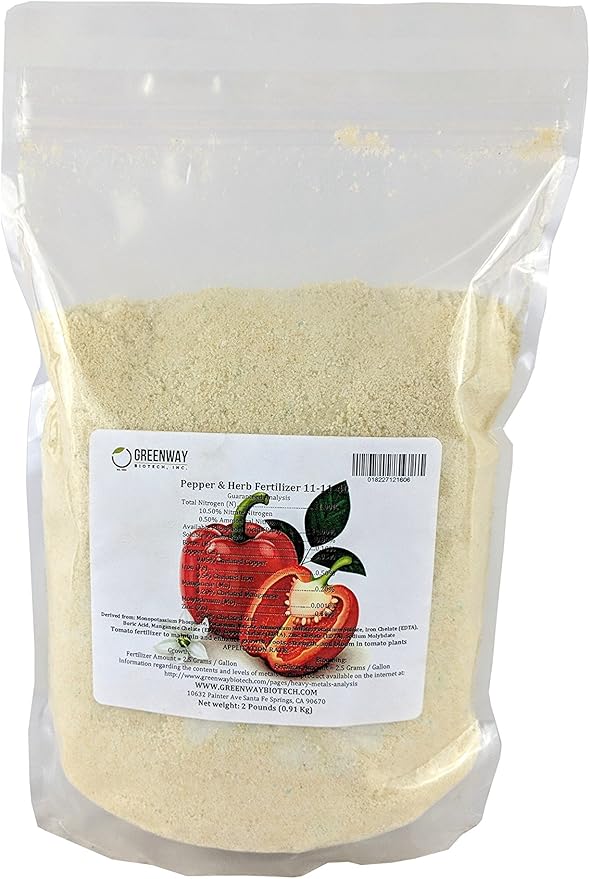


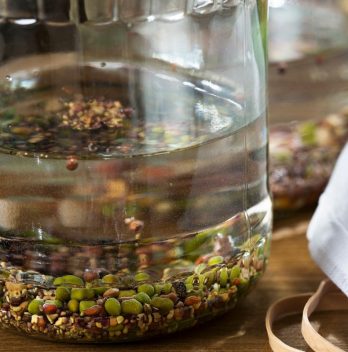


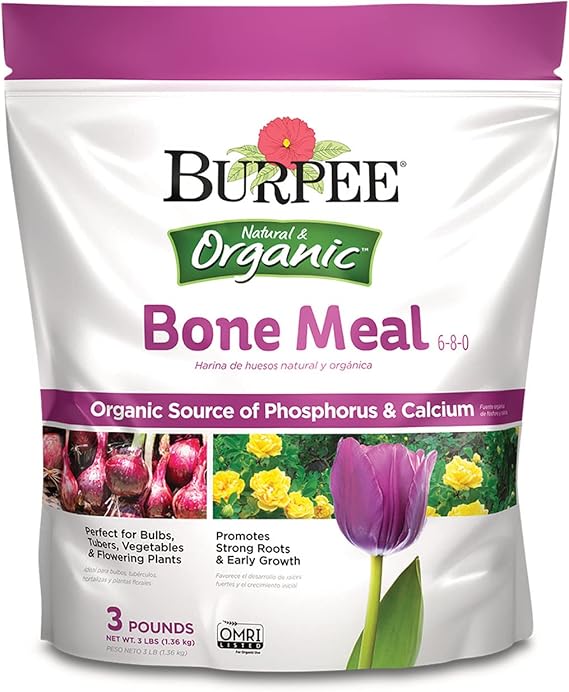


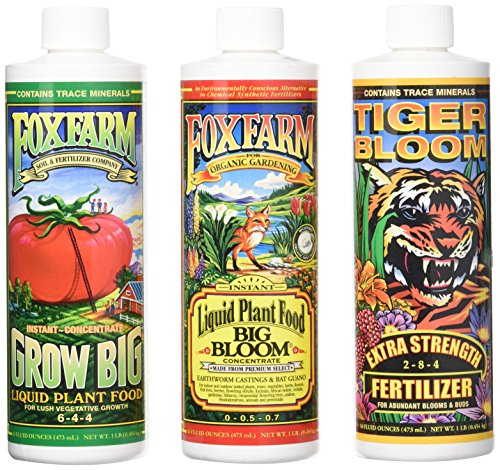

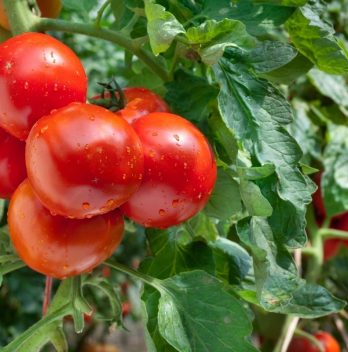

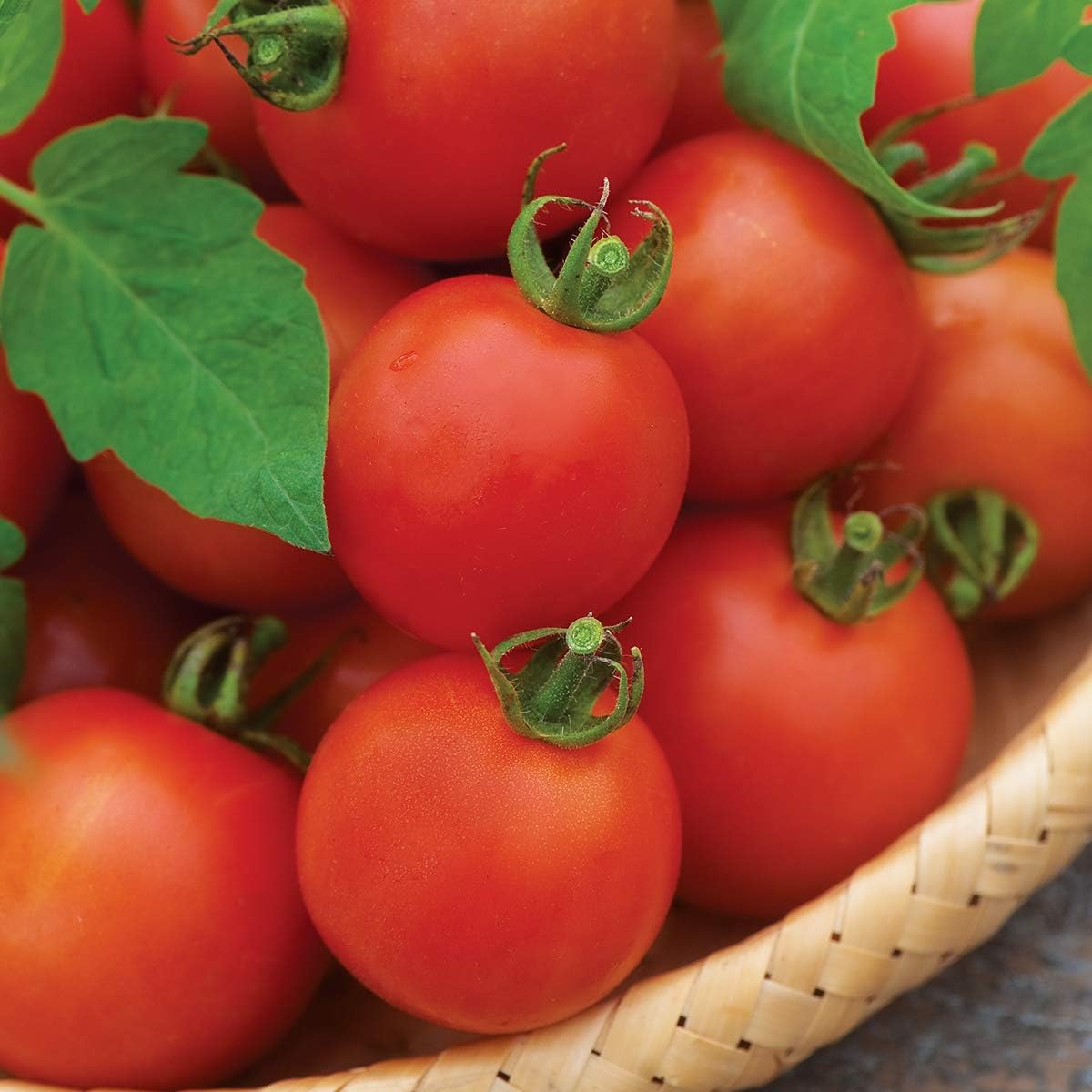


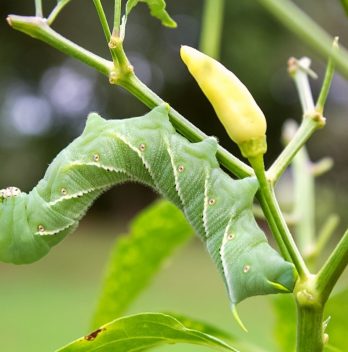

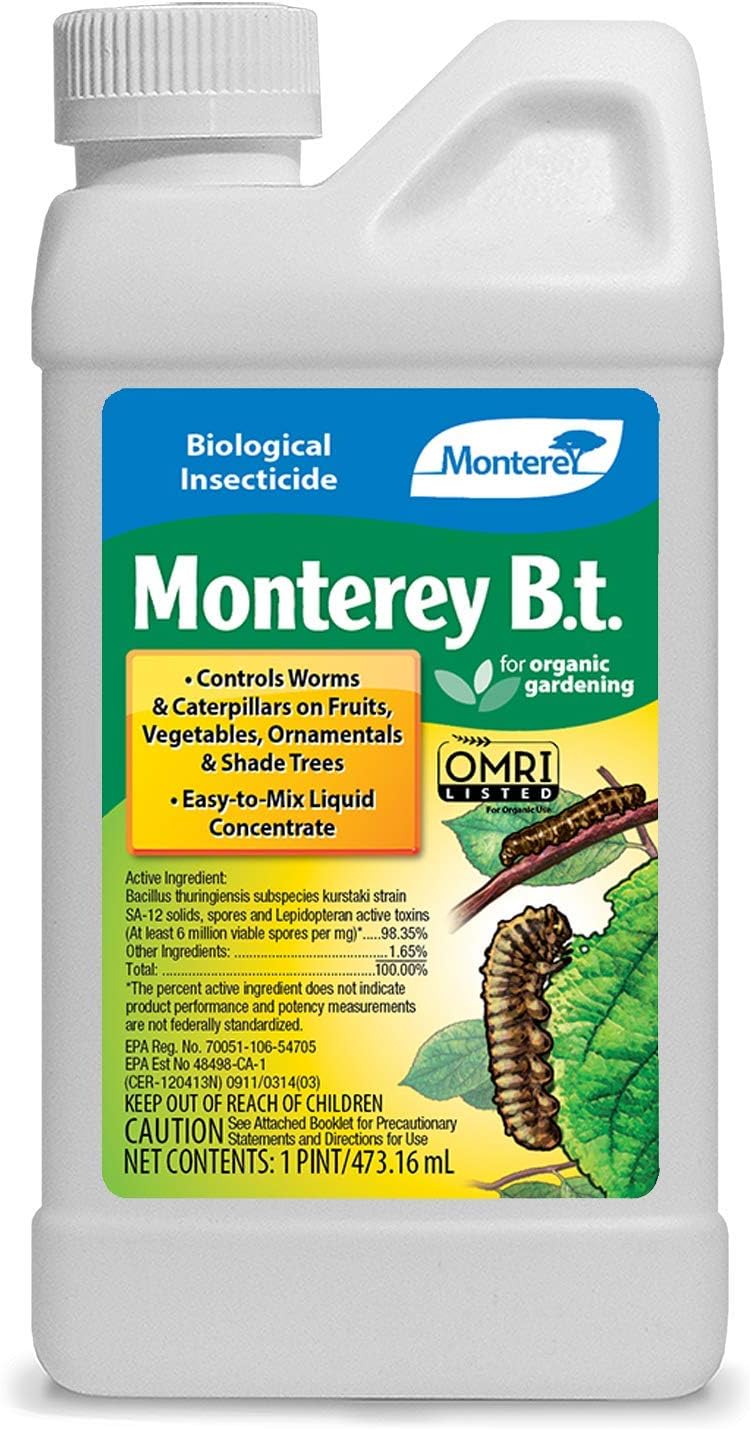


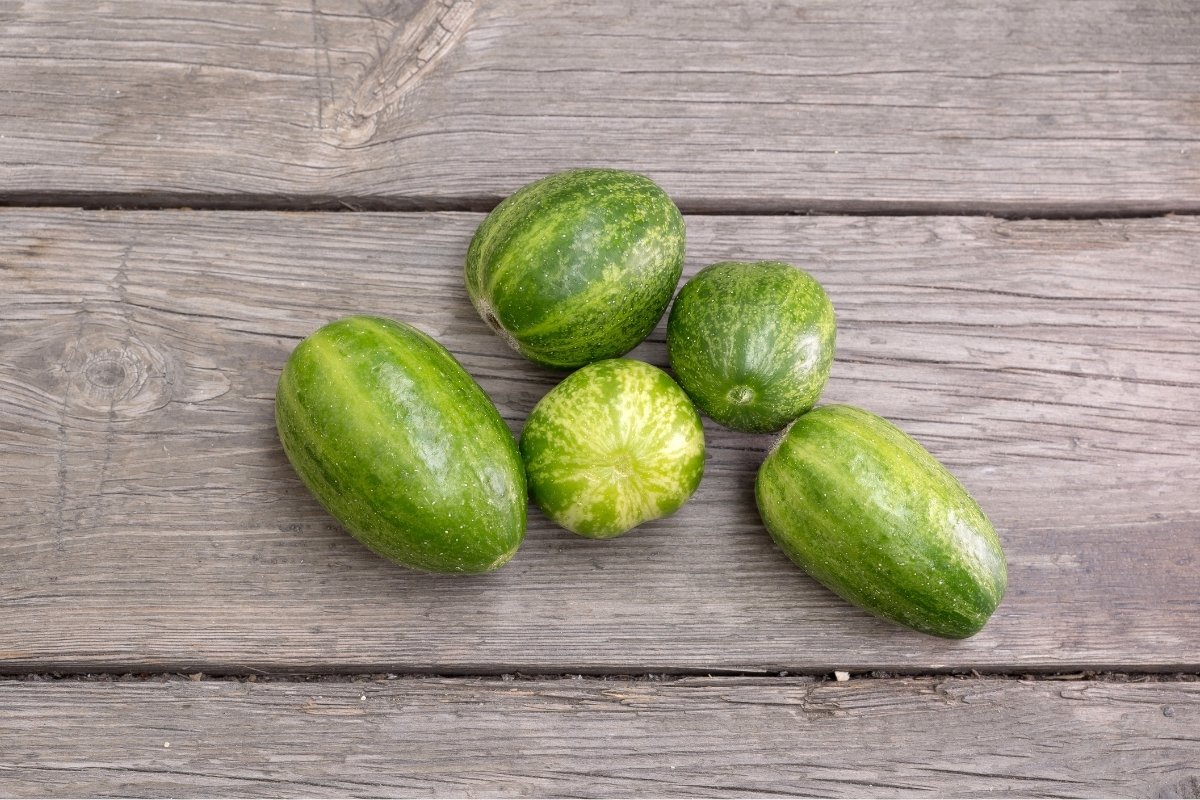

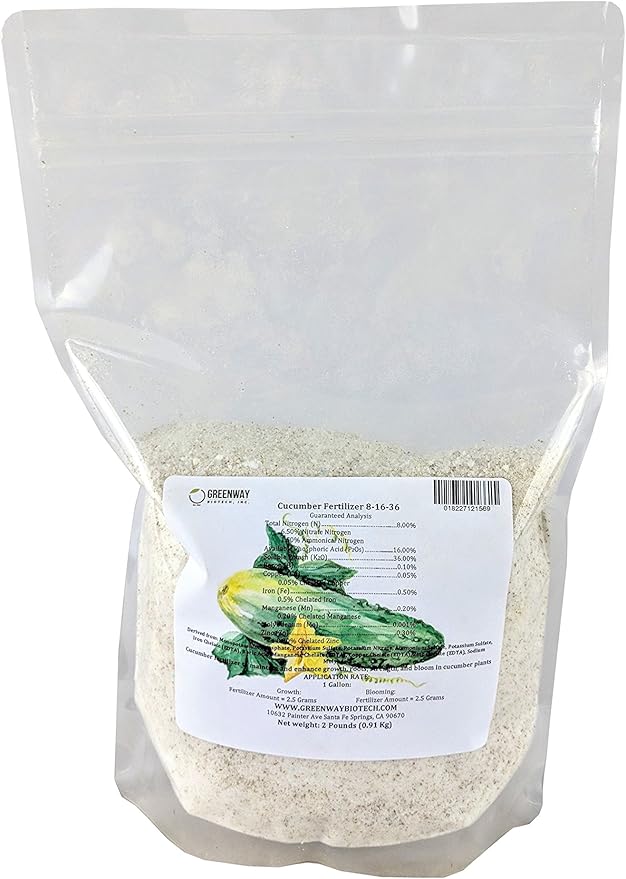


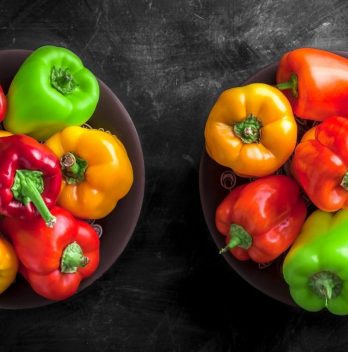


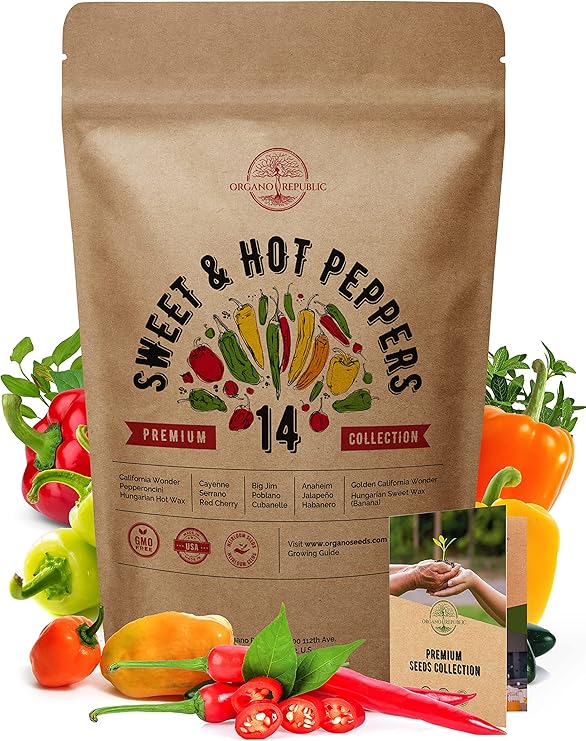
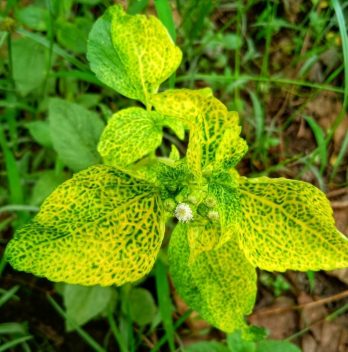

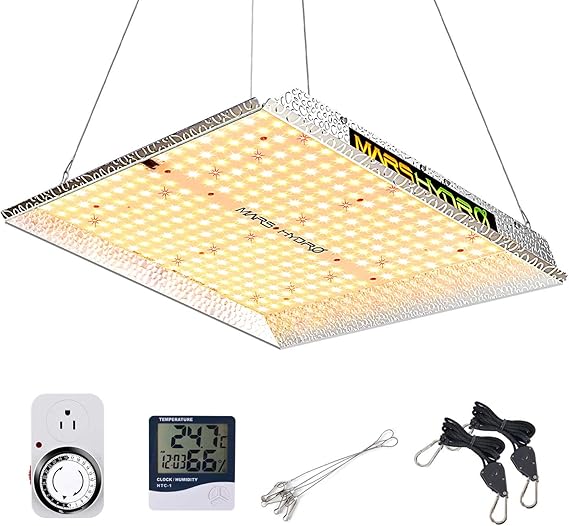

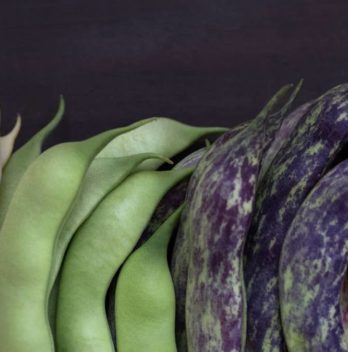
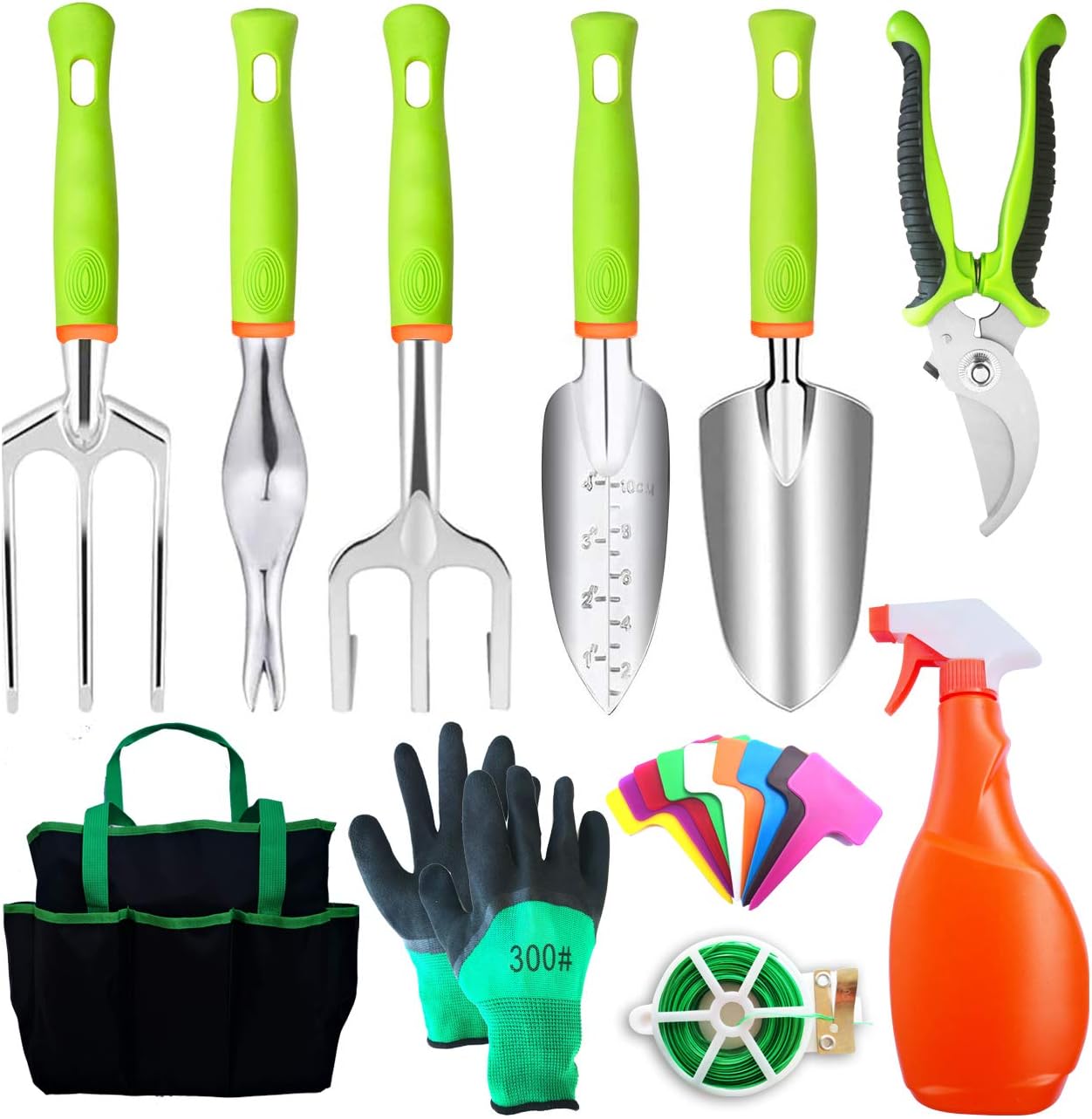


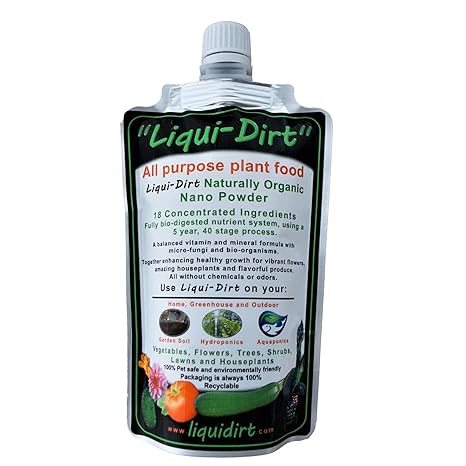





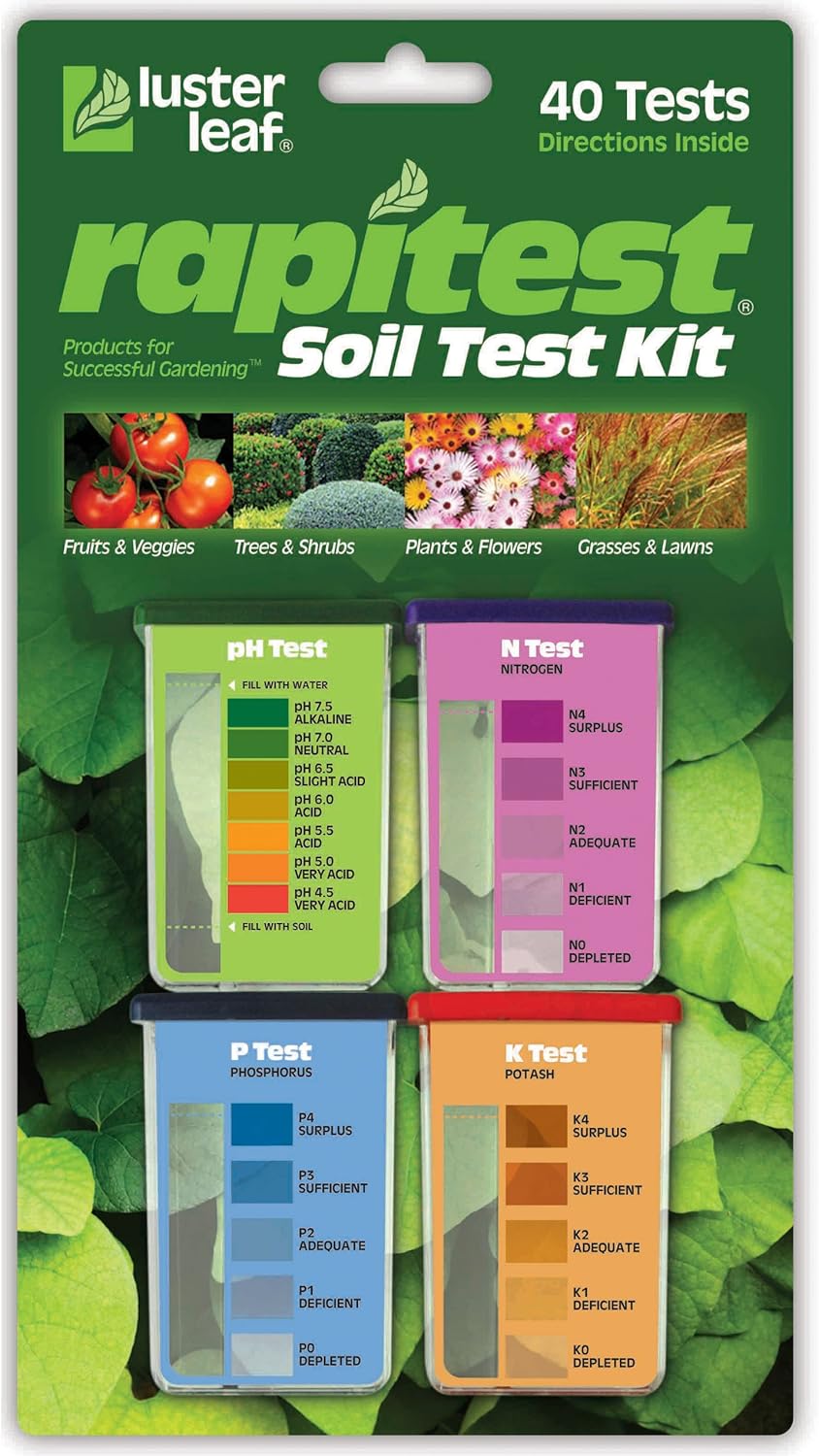


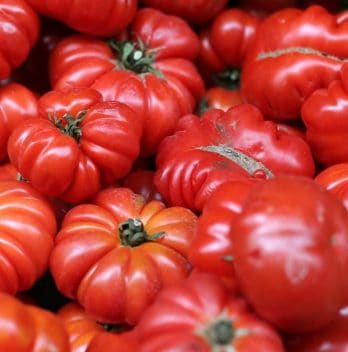






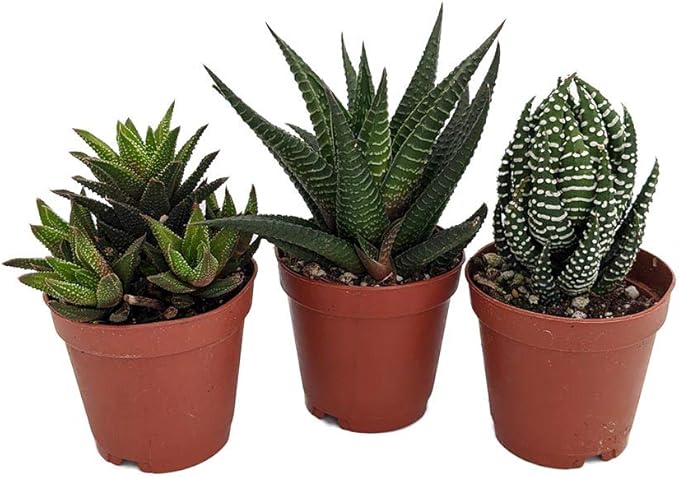

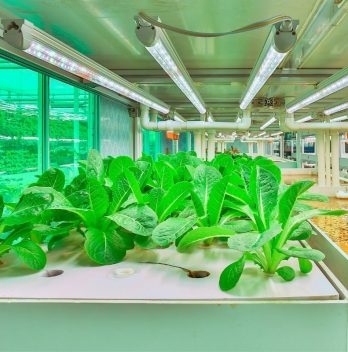

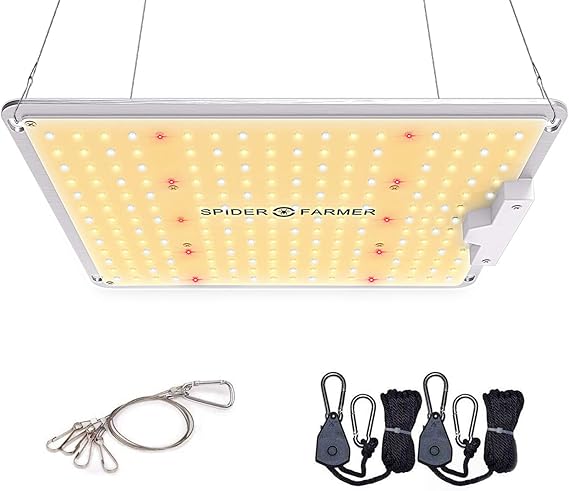


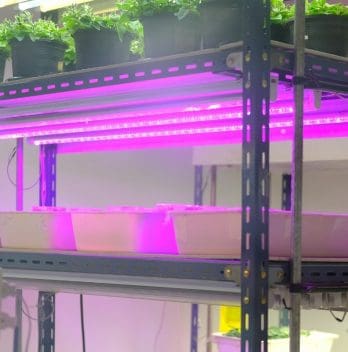


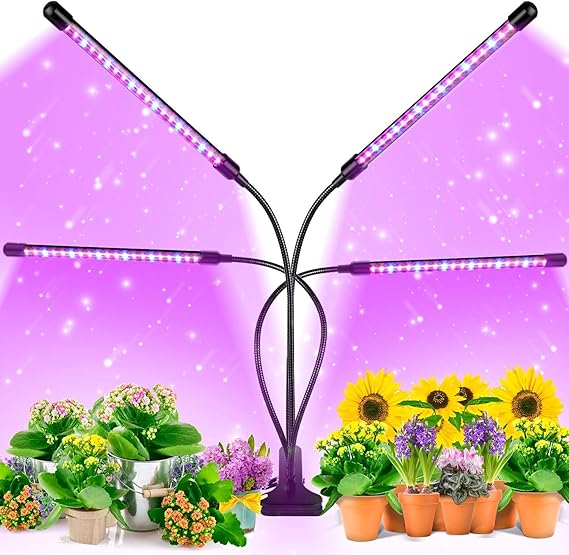


![DIY Hydroponics Nutrients [The Best Recipe]](https://growertoday.com/wp-content/uploads/2021/06/Homemade-Hydroponics-Nutrients-Recipe-348x352.jpg "DIY Hydroponics Nutrients [The Best Recipe] 94")