Category: Plants

  • Do Zucchini Plants Climb And Require Support? 

    Do Zucchini Plants Climb And Require Support? 

    Do zucchini plants climb and require support as they grow? It is important to provide these plants with all the proper care they need in order to yield the best results.

    It is important to keep zucchini plants in a warm environment and moist, but not soggy. The best location for the plant is sunny or in partial shade. If the soil is too wet, the plants will be spindly and weak, and may even die.

    Do Zucchini Plants Climb and Require Support?

    You are correct that Zucchini plants will climb if given the opportunity. However, you don’t need to provide any support, though providing support can be beneficial. Zucchini plants will not grow vertically if given no support, only horizontally.

    If you want your zucchini to grow vertically, you need to provide some form of support.  Most gardeners use a trellis to do this. The trellis should be set up at least two feet above the ground.

    The trellis should be strong enough that it doesn’t break when your zucchini plants start to grow. The trellis should be set up in an area that receives full sunlight. If you are unsure how tall your trellis needs to be, you can measure it with a tape measure or yardstick.

    Your zucchini plants will climb up the trellis and will continue to grow until they reach the top of the trellis. At that point, your zucchini plants will continue to grow vertically, but will no longer climb.

    How do I make my zucchini climb?

    What Is The Difference Between A Zucchini And Summer Squash?

    Though all types of zucchinis are summer squash, not all summer squashes are zucchinis. Here are some carachteristics:

    • Zucchini is a variety of summer squash.
    • The size of a zucchini varies depending on the variety. Some zucchini varieties may grow as long as 10 inches.
    • Summer squashes are generally not the most flavorful, but they are versatile.
    • You can serve summer squashes raw in salads or cook them in a variety of ways, from stir-fry to grilling.
    • Zucchini is generally available year-round and is often less expensive than other summer squashes. 
    • Both yellow squash and zucchini are part of the same family.
    • The color of a squash varies depending on the variety. Some varieties have white flesh and others have yellow flesh. Generally, the more yellow the flesh of the squash, the sweeter it will taste.
    • Zucchini plants grow quickly and can produce large amounts of fruit in a short period.
    • You can eat zucchini straight out of the garden or you can enjoy it baked, cooked, or pickled.
    • Zucchini is a cool-season vegetable that can be grown in areas with mild winters.
    • Zucchini is a low-maintenance, easy to grow, and versatile vegetable.

    BetyBedy 5 x 15FT Trellis Netting

    71toiZOuezL. AC SL1500

    Growing Zucchini Plants From Seed

    Growing zucchini from seed is a great way to start your own vegetable garden. You can choose to plant seeds directly into your garden or you can plant them in containers before moving them to your garden. Many prefer to start their plants in containers because the container method also allows you to move your plants around and plant them in different areas of the garden.

    Starting zucchini from seed will give you the best results if you plant the seeds directly in the garden and don’t transplant them. When planting outside, make sure the soil is at least 60 degrees Farenheit.

    Starting the seeds

    Zucchini seeds need to be planted into the ground when they are fully dry. Start by preparing the planting site by raking the area smoothly. This will make it easier for the seeds to settle into the soil.

    Planting

    The planting hole should be about three times as wide as the seed, and one inch deep. It should be slightly deeper than the seed so that the roots can easily develop. Use a trowel to dig the planting hole.

    The soil

    The soil should be loose and well-drained. If the soil is compacted or hard, you should add more organic matter before planting. When planting seeds, try to plant them in rows or in groups. If your garden has a raised bed, you can create raised beds by putting in cinder blocks, bricks, or pavers.

    Spacing

    Make sure that the seeds are evenly spaced. Planting them too close together will reduce the amount of space between each seed. Cover the seeds with a thin layer of fine soil. If you have small seeds, you may want to cover them with a seedling starter mix. This is a mixture of peat moss, vermiculite, perlite, and other organic materials.

    Watering

    Water your seeds thoroughly. The seeds need to be moist but not dripping wet. When you water the seeds, you’re helping them to germinate. Once planted, water your seedlings often to ensure they don’t dry up.

    Take-home: Do Zucchini Plants Climb and Require Support?

    So do zucchini plants climb?  Yes, some zucchini plants do climb especially when they are provided with a place to climb.  However, if it does not get a place to climb on, it can still grow and bear fruits without support. So you can still plant and harvest the fruits from them.

    Read more about Do Tomatoes Grow On Vines?

    FAQs

    How do I make my zucchini climb?

    If you want your zucchini to climb, you need to make sure it gets plenty of water. Zucchinis love moisture and will grow best in a container that is kept slightly damp. The soil should be moist but not soggy. In this way, the plant can keep the roots in the top half of the pot and the leaves in the bottom half.

    Do I need a trellis for the zucchini?

    You might need a trellis if you have a large zucchini that needs to be trained up to a vertical position. A trellis is also recommended for growing cucumbers and melons.

    Is there a vining zucchini?

    Yes, there are several varieties that have been bred specifically for growing in containers. These include “Eureka”, “Sunshine” and “Lemon”. They are usually available from nurseries or garden centers.

    Can I grow zucchini upright?

    Yes, if you want to try growing it vertically. This is usually done by using a trellis or growing it up a stake. If you do this, make sure the stake or trellis is at least 6 feet tall so the plant can get enough light.

  • Do Tomatoes Grow On Vines? – How They Grow

    Do Tomatoes Grow On Vines? – How They Grow

    Do tomatoes grow on vines?  In this article, we will look at tomatoes and how they grow.

    We know that tomatoes are a fruit and that they grow on vines. But what do you call a tomato plant? What does the word “vine” mean in this context? 

    A tomato plant is a type of plant with vines that produces tomatoes. This is why we can say “tomatoes grow on vines”.

    It is also called a vegetable plant because it grows food for humans to eat. Most varieties of tomato plants grow to be two to three feet tall. In this article, we will look at the question do tomatoes grow on vines.

    Do Tomatoes Grow On Vines?

    The short answer is yes! Tomatoes can grow on vines, with some varieties being commonly grown on trellises or poles.

    There are many types of tomato plants and they grow in different ways. We will look at the most common types of tomato plants and what they look like.

    Do tomatoes grow like a vine?

    Types Of Tomato Plants

    There are two main types of tomato plants: vine and bush. The two terms can be confusing because all tomatoes grow on vines.

    • A vine tomato plant is a type of tomato that grows tall and needs staking for support. Also known as indeterminate, they have much longer stem growth. Vine tomatoes grow all season long, continuing to grow until the weather begins to get cold.
    • A bush tomato plant is a type of tomato plant that is shorter than the vine tomato plant. Also known as determinate, they are a good choice for growing in containers. They tend to have thicker skins with fewer seeds and are a good choice for canning. They also have a shorter growing season than vine tomatoes.

    How Do You Grow Tomatoes? – Do Tomatoes Grow on Vines?

    Tomatoes grow best in full sun and in loose, well-drained soil. They need at least six hours of direct sunlight every day. Tomatoes grow best in temperatures between 65°F and 85°F.

    If you live in a cold climate, make sure your soil stays warm enough to grow tomatoes. You can also grow tomatoes in a greenhouse. This is a great option if you live in a very cold climate.

    In the fall, when the weather starts cooling down, it’s time to start thinking about getting your tomato plants ready for the winter. It’s not too early to get started on preparing your tomato plants for winter.

    You should water your plants regularly, but not too often. It is best to water tomato plants in the morning. They need about one to two inches of water a week.

    You should fertilize your tomato plants when you first plant them and then every three to four weeks throughout the growing season. You should use a fertilizer that has macronutrients such as nitrogen, phosphorous, and potassium. Avoid fertilizers that are fast-release and avoid high nitrogen.

    When you’re ready to harvest your tomatoes, gently twist the bottom of the tomato to remove it from the plant. You can also store them on the countertop for a few days or in the fridge for around a week.

    You can also freeze your tomatoes in plastic bags. To do this, wash the tomatoes thoroughly before freezing.

    Final Thoughts: Do Tomatoes Grow on Vines?

    So if you are growing vine tomatoes, it’s best to use support to keep them growing straight.  Do tomatoes grow on vines?  Yes, all tomatoes grow on vines and they can be broken into vine or bush categories.

    So what is the difference between the two?  Well, bush tomatoes grow well in pots, and vine tomatoes need a stake for support. Within the two categories, there are several different varieties. There are many uses for vine and bush tomatoes that you can enjoy using.

    Read more about How Long Does It Take For Lettuce To Grow?

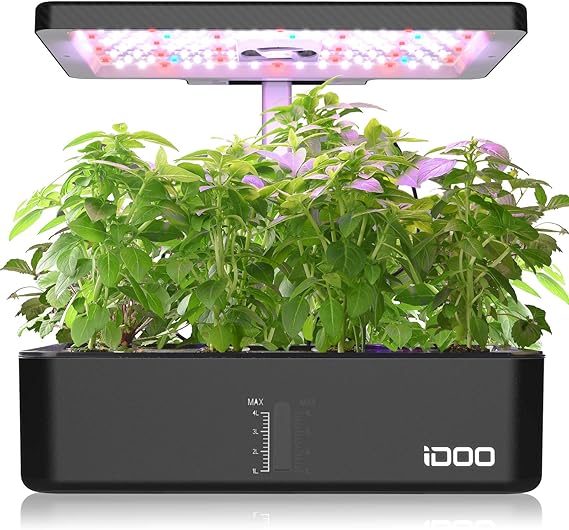
    iDOO 20 Pods Indoor Hydroponic Growing System with LED

    71 wiRTTJoL. AC SL1500

    FAQs

    Do tomatoes grow like a vine?

    Yes. Tomatoes are actually a type of climber that grows on a stem and has tendrils that help them grasp other objects. You can use a regular tomato cage that is designed to keep tomatoes from breaking the stems or their supports when they grow and mature.

    What’s the difference between vine tomatoes and regular tomatoes?

    Tomatoes grown for fresh market or home use, as opposed to processing, are called “vine” or “indeterminate” tomatoes because they can grow on a trellis or support. They are usually smaller in size than “determinate” tomatoes, which are grown for processing. The best-tasting tomatoes are generally the ones that have been harvested at a younger stage.

    If you pick your tomatoes too late, they will be less sweet and flavorful. Tomatoes that have started to turn yellow or purple are also not suitable for canning because they are beginning to lose their flavor.

    Do cherry tomatoes grow on vines?

    Cherrry tomatoes do grow on vines and can grow to become quite tall. Indeterminate cherry tomatoes can benefit from a tomato tower or a trellis to help them grow strong and produce a maximum yield.

  • How Long Does It Take For Lettuce To Grow? 

    How Long Does It Take For Lettuce To Grow? 

    Are you planning to grow lettuce? If so, you will want to know how long it take for lettuce to grow from seed to harvesting.

    Lettuce is a very popular vegetable around the world, and its popularity has grown tremendously over the past years. Lettuce is not only used as a food, but it also has many other uses.  Lettuce is used in many different ways and in many different cultures.

    Lettuce can be eaten raw or cooked.  There are many different types of lettuce, such as romaine, cos, butterhead, and others.  

    Most people enjoy fresh lettuce salad for lunch. It is also a common ingredient in a variety of different recipes. Lettuce is very easy to grow and does well in almost any kind of soil.

    What is the quickest lettuce to grow?

    Step-by-step Guide to Grow Lettuce

    Step 1:  Choose the planting season

    It is best to plant lettuce during the spring and summer months. It should be planted when the temperature and soil are both warm.

    Step 2:  Prepare the soil

    For optimum growth, it is best to plant lettuce in rich, well-drained soil in a sunny location.  The soil should not be too moist or dry.  It should be kept moderately moist so that the roots are not stressed.

    This is to help them grow quickly and develop into healthy plants.  When growing lettuce in the ground make sure the area is weed-free, has a good amount of organic matter, and any rocks and other hard objects in the soil are removed.

    Step 3:   Planting the seeds

    Seeds are best planted around 3/4 to 1” deep.  Make sure the seeds are planted evenly.  There should be at least two seeds per inch.

    The seeds should be planted in a shallow hole. If the soil is too wet, the roots of the lettuce will rot.

    Make sure that you don’t plant the seeds too deep because they will not germinate. Lettuce can be planted between two rows of other vegetables, such as beans or corn. This will help to keep the weeds out.

    Step 4:   Watering

    Water the soil and let it dry for several days.  Then water again, but make sure not to overwater.  If the soil is too wet, the lettuce will rot. 

    Lettuce needs around one to two inches of water a week during the growing season. Once the plants have been watered and the seeds have germinated, the plants should be spaced approximately three inches apart.

    Step 5:   Fertilizing

    When the plants are about two weeks old, you should start fertilizing them.  Make sure that you fertilize your plants in the early spring before the soil is too cold. 

    Use a nitrogen-rich fertilizer such as alfalfa meal, fish meal, balanced water-soluble fertilizer, granular fertilizer or composted manure. Make sure to apply it around the base of the plant, but don’t apply it too close to the stem or it will burn the plant.

    Step 6:   Harvesting

    You will know when to harvest the lettuce when it gets big and full of leaves.  Harvest your lettuce when the heads are full and this is in about 6 to 8 weeks.

    You should wait until you see that the head has turned green before harvesting it.  You can then use the harvested leaves to make salads or add them to sandwiches.  You can also plant your lettuce seeds indoors, in seed trays.

    This way, you will have a head of lettuce in the garden by early spring.  Make sure that the seedlings are not too big or else they may not survive.  You can also buy transplants from your local garden store.

    Types Of Lettuce

    There are many types of lettuce that you can grow and enjoy.  You can choose from iceberg, romaine, leaf, butterhead, bibb, crisphead, red leaf, green leaf, and stem lettuce. 

    The names are self-explanatory and it’s easy to tell which type is which. There are other types of lettuce, such as butterhead lettuce, iceberg lettuce, and romaine lettuce.

    Each variety has its own unique characteristics, but they are all part of the same family. There are a lot of other varieties of lettuce that you can plant and they all are delicious.

    Take-home – How Long Does It Take For Lettuce To Grow?

    How long does it take for lettuce to grow?  A good 6 to 8 weeks is the period lettuce takes to grow from seed to maturity. Lettuce can be planted anytime, however, the best time to plant is in spring.

    The longer you wait the better your lettuce will be.  Plant lettuce seeds in a large, deep hole and cover them with about an inch of soil. The seeds should be planted at a depth of about 4-6 inches.

    GHodec Grow Light for Indoor Plants

    61GafIocfCL. AC SL1000

    FAQs

    How long does it take for lettuce to grow from a seedling?

    Lettuce seeds germinate in 3–4 days, depending on the weather and soil conditions. The seedlings grow in about a week. Lettuce requires frequent watering to maintain its good growth and health. Watering also helps remove soil salts that accumulate in the lettuce plants.

    What is the quickest lettuce to grow?

    The quickest type of lettuce to grow is the romaine, iceberg, butterhead, or cos lettuce varieties. These types of lettuces are more sensitive to cold temperatures, so they need to be planted at the beginning of spring when the soil is warm enough to promote rapid growth.

    How long does lettuce take to flower?

    Lettuce takes about a month after maturity to flower. The flowers appear in early summer and continue to produce fruit until the fall. The lettuce plants should be cut back in the late fall to promote new growth for the following year.  Lettuce can be harvested at any stage of maturity. The young lettuce leaves are best picked when they have just reached full size. Lettuce grows quickly, so it is important to pick it up before it becomes too large. The first harvest should be about one month after the seeds were sown.

    How long is lettuce germination time?

    Lettuce seeds usually need at least 1 to 2  weeks to germinate and produce a plant. Seeds should be planted in moist soil with temperatures above 60F (15C). If temperatures drop below 55F (13C), seeds will not germinate.  Seeds should be planted when temperatures reach between 50 and 65F (10 and 18C). Germination takes place when the temperature of the soil rises above 60F (15C).

  • Long Beans Vs Green Beans – Distinguishing These Beans

    Long Beans Vs Green Beans – Distinguishing These Beans

    Long beans vs green beans are what we will be discussing today. Beans generally are a type of staple food that is used in many traditional dishes all over the world.

    Beans are cooked in many different ways and they can be boiled, fried, baked, and so on. They are considered a vegetable and beans are highly nutritious. This vegetable has high fiber and starch contents and beans are a great source of dietary fiber and nutrients like potassium and folate.

    Now when we talk about beans generally, beans have many varieties. So, long beans and green beans are a type of beans variety. Long beans vs green beans are what we will be looking at in this post. So, read on for more insight on the differences between these two bean varieties.

    But before we look into the difference between long beans and green beans, let’s briefly discuss what long beans vs green beans are.

    Really Long Green Beans – What Are They?

    Long beans are a really long bean and it is a type of beans that is also referred to as yardlong beans, pea beans, Chinese long beans, long-podded cowpea, snake beans,  Chinese long bean, and bora. Long beans or yardlong beans aren’t just called yard beans for nothing. They are capable of growing up to a yard.

    This bean is a longtime or ancient vegetable and they have different wild varieties that grow in tropical Africa.

    Long green beans have this extraordinary length and they appear to be overgrown in nature just like every other bean, they are from the family of legumes. This bean can be as long as 12 to 30 inches and from pale green to dark green and this can vary depending on the variety.

    Really Long Green Beans - What Are They

    Long Beans Health Benefits

    These beans have minimal calorie content therefore it is great for those that are on a diet plan. Long beans are also loaded with good vitamins such as vitamin A and C. it is rich in dietary fiber that can aid in bowel movements in a healthy way so they can help resolve constipation.

    Again, because it is a green bean vegetable, it may help in the role of fighting cancer and may even slow down aging.

    The flavor of this distinctive long bean is very pronounced and they give this sharp beany taste. However, they are not so sweet as green beans.

    This long bean can be briefly steamed, stir-fried, or braised. They can also hold up very well when they are added to stew. When you want to cook long beans, try to cut them into about 1 to 2 inches.

    If you want the best flavor and tender texture of long beans, we recommend you go for the ones that are around 12 and 18 inches in length. Anything longer than this can prove to be tougher in texture.

    Green Beans

    Green is another type of bean that is common and it is the young fruit of different cultivars of the common beans. This bean can be referred to as string beans, snap beans, and French beans. This type of beans is also a leguminous plant. The yellow version of this bean is referred to as wax bean and there is also the purple variety.

    Growers of this green bean usually harvest them while the bean is still in their pod right before they have the chance to mature.

    Tri Color Bush Bean Seed Collection for Planting – Non-GMO Heirloom Seeds to Plant

    816MAD6fC S. AC SL1500

    Green Beans Health Benefits

    This green bean is a wonderful source of vitamin A, C, and K. It is loaded with folic acid and fiber and you can benefit from a decent amount of calcium present in the green bean. Antioxidants are present in green beans and this aids in enhancing your immune system.

    Then green bean is important for the production of collagen and they can assist in protecting your skin from oxidative stress.

    Also, consuming vegetables such as green beans can help minimize the risk of different adverse health conditions. Different studies have suggested that when you consume more plant foods like green beans; it can help with certain health conditions such as diabetes, heart diseases, obesity, and so on.

    Pregnant women can also benefit from green beans and women of child-bearing age can have their fertility boosted with green beans.

    Additionally, vegetables such as green beans can promote a healthy complexion, increased energy, as well an overall lower weight.

    Difference Between Long Beans And Green Beans

    Even though long beans and green beans are from the same family of legumes, there are still some slight differences between them. Long beans vs green beans are what we will be discussing below.

    • Taste: The taste of green beans and long beans are a bit similar but green beans still have a better taste compared to long beans.
    • Texture: Green bean and long bean may taste similar. But they have this distinctive texture. Green beans for instance taste palatable when steamed or boiled. Long beans on the other hand usually become waterlogged and bland when treated with water.
    • Heat tolerance: Unlike green beans, long beans can also stand up to the heat of a stir-fry and a low long heat of a stew better as they will maintain their crunchiness.

    Can Green Bean Be Substituted With Long Beans?

    Even though long beans and green bans look somewhat different, you can still substitute them with each other if you can’t find one of them. So, this means that long beans can do what regular green beans can.

    Long Beans Vs Green Beans: Conclusion

    Both long beans and green beans are wonderful vegetables we can add to our various dishes. Long beans vs green beans have been explained in this post if you want to know the differences.

    FAQ’s

    Can you substitute green beans for long beans?

    Yes, it is possible to substitute green beans for long beans because long beans or yard bean can do what regular green bean does. So, you can enjoy either one of them by substituting them in your various cooking.

    Do Chinese long beans taste like green beans?

    Long beans may taste a bit similar to green beans, but you will still notice some differences in their taste. Chinese long beans tend to have this distinctive flavor and this beany taste. Also, Chinese long beans are not as great tasting as the green bean is.

  • Zucchini Plant Not Producing: 4 Common Reasons?

    Zucchini Plant Not Producing: 4 Common Reasons?

    Fruit is usually the result of a flower but when the flower refuses to yield fruit even with some blooms it becomes a worrying situation. Zucchini plant not producing fruit can have any gardener worried. After all, it is our goal to have a successful yield whenever we plant.

    This summer squash vegetable usually grows beautifully during warm temperatures and they don’t really like frost or chilly temperatures.

    Even though zucchini can be quite easy to grow, growers may still face some challenges. It can be pretty frustrating when you’ve planted and had hopes for your vegetable to give rise to fruit then it refuses to produce.

    Zucchini plant not producing fruit or producing less fruit may be caused by different reasons. We will be looking into some of these reasons and suggest things you can do to resolve the situation if possible.

    Understanding Zucchini’s Mode Of Reproduction

    Before we look into why zucchini may not be producing fruits, let’s first look into the reproductive mechanism of the zucchini plant.

    Just like every other squash plant, the zucchini plant is a monoecious plant. This implies that the plant zucchini has both male and female flowers separately on the same plant. The reproductive part of a plant is present in the flowers of the plant.

    Understanding Zucchini’s Mode Of Reproduction

    Zucchini Plant Not Producing: 4 Common Reasons

    Naturally, fruit production precedes flower so when your zucchini plant does not give rise to fruits after blooming, then something may be wrong. Below are 5 common reasons your zucchini plant may not be producing.

    1.    Young Plant With Only Male Flowers

    As we have explained above, the flower of zucchini is monoecious and tends to produce both male and female flowers on a plant.  However, it may happen that the young plants of zucchini give rise to only male flowers and no female flowers.

    Usually, during the early growing season of zucchini, this squash plant often gives rise to more male flowers than female flowers. So, this may hinder the production of fruit because both the male flower and female flower are required for fertilization to produce fruit.

    Therefore, don’t be surprised if you notice your zucchini plant producing only makes flowers for the first couple of weeks and you see no fruit set. So, if your zucchini plant is still at its young stage, not to worry because it will set fruit later.

    2.    Pollination Not Successful – Zucchini Plant Not Producing

    Honeybees are the major pollinators responsible for transferring pollen grain from the flower of the male zucchini to the female flower. When these pollen grains are successfully transferred, the process will lead to fertilization and result in fruit formation.

    So, bees are important for pollination to be successful and if there is a little population of bees in your area, pollination may be poor and this can lead to little or no fruit production.

    If this is the issue in your area, then you can help the situation by doing self-pollination. This can be done by locating the pollen that looks like yellow dust and dabbing the middle of a male flower using a small paintbrush. Then dab the same paint brush you used on the make flower again on the female flower.

    Alternatively, just pinch off the male flower and take out the petals. Then lightly dab the center into the center or stigma of the zucchini female flower.

    If you will be hand pollinating your zucchini flowers, we recommend you do this early in the morning. This is because the flowers of squash usually open early and only last for a day.

    3.    Hot Weather – Zucchini Plant Not Producing

    When the weather becomes too hot, it can cause unsuccessful pollination of the zucchini flowers. This is because too high a temperature reduces the germination of pollen grains. Hence, this can give rise to incomplete pollination of the zucchini female flower thereby resulting in fruit not setting the way it should.

    Once the temperature during the day is over 90 degrees Fahrenheit and the temperature during the night is more than 75 degrees Fahrenheit, this can depreciate the flower of zucchini. It can cause the zucchini plant to begin to drop fruit even before they get the chance of developing.

    However, during this very hot period, you can help the zucchini plant by watering the plant frequently so the soil does not dry out quickly.

    Sow Right Seeds – Zucchini Squash Seed Collection for Planting Non-GMO Heirloom Packet

    81zRDfzKlDL. AC SX679

    4.    Over-watering

    If you over-water your plant and your plant becomes soggy, it may result in the developing fruit becoming rotten. Hence, this can cause the zucchini plant not to produce adequately.

    How To Further Help Zucchini Plant To Produce

    We have listed some reasons why your zucchini plant may not be producing fruits. Let’s further discuss other things you can do to help your zucchini plant to reproduce:

    • Water When Needed – Zucchini Plant Not Producing

    It is important to water your zucchini, especially during the hot season so your soil doesn’t dry out. Also, zucchini usually requires more watering during their fruiting stage. However, make sure you don’t over-water your plant because it can lead to the rotting of fruit.

    Check Out How Deep To Plant Lettuce- The Ideal Planting Depth

    • Fertilize

    You can further boost the chance of your zucchini plant giving rise to fruit by fertilizing your plant. Nitrogen fertilizer should be supplied to the soil at the rate of half cup of 46-0-0 fertilizer or at the rate of 1 cup of 2-3-3 fertilizer per 25-foot row. This should be done during their midseason when the plant has grown fully.

    How To Further Help Zucchini Plant To Produce

    Conclusion On Zucchini Plant Not Producing

    Zucchini plant not producing fruits can be pretty discouraging for any gardener. If you’re experiencing this, there are some reasons why this is so and we have listed them in this post. We have also suggested some things you can do to help the situation.

    FAQ’s

    Why are my zucchini plants not producing?

    Your zucchini plants may not be producing due to some reasons. Some of these reasons can be because of unsuccessful pollination because of absence or few bee pollinators, hot weather, and young plant that has only male flowers.

    Why is my zucchini plant flowering but not producing fruit?

    If your zucchini plant is producing flowers alone but yielding fruits, it may be because there are not enough honeybees o pollinate your flowers.

    Why does my zucchini have only male flowers?

    If your zucchini flowers are producing only male flowers, then it is likely because they are still in their young stage. Once the zucchini plant grows, you should begin to have female flowers as well.

    How do I know if my zucchini is pollinated?

    You should know your zucchini is pollinated once you notice a bright green and your squash growing longer by the day.

  • How Deep To Plant Lettuce- The Ideal Planting Depth

    How Deep To Plant Lettuce- The Ideal Planting Depth

    One of the most widely planted vegetables commonly grown in the US is usually lettuce. They are so easy to grow and you don’t need the experience to grow them. How deep to plant lettuce is what this article will give you information on.

    Lettuce is a cool-season crop so they flourish well during spring and fall. Lettuce seeds are easily sown directly into the soil as soon as the ground soil can be worked on.

    It may please you to know that lettuce grows rapidly and it can take only a month from seed planting for baby greens to be harvested. So, you can just add lettuce to your vegetable garden as you will be enjoying lettuce and even save some money instead of going to the grocery store to shop for lettuce.

    How deep to plant lettuce is the information you will get here. So, let’s get some details on the ideal lettuce planting depth.

    How Deep To Plant Lettuce

    The dept that is ideal to plant lettuce seed is around 1/8 to ¼ of an inch deep. It is important you don’t sow lettuce seeds too deep. This is because lettuce seed requires light to germinate so, if the seed is too deep, light may not penetrate the seeds and this may lead to unsuccessful lettuce seed germination. Also, make sure you sow the seeds of lettuce when the soil is not frozen.

    Additionally, to successfully sow lettuce seed, you will need a well-tilled seedbed. Note that stones and large clods of dirt can slow down seed germination. So ensure the seedbed is clear of any obstacles such as these.

    How Deep To Plant Lettuce

    Starting Lettuce Seeds – How Deep To Plant Lettuce

    You can start your lettuce seeds either indoors and then transplant or sow them directly in the garden. How deep to sow your lettuce seeds should be 5mm (1/4”). Or you can plant them where there will be all-around moisture in the soil which is the topmost layer of the soil.

    Because the baby lettuce is usually ready for harvesting while it’s immature, it should be planted densely. Unlike other types of lettuce seeds that don’t really need covering as they are usually planted right at the surface, you should plant pelleted seeds 1cm (1/2”) deep.

    Your pelleted seeds need to be all-around moist when planted newly. Water it more than the way you would have watered the conventional seed variety. However, leaving the soil to dry out will only make the pelleting material suck water from and cause dehydration for the seed.

    This is because the pellet material is clay. This action will lead to a more unpleasant situation which is unequal or lower sprouting. So, give space between thin loose leaf varieties to about 20-25cm.

    As for the heading lettuce varieties, give space of about 30cm between them. Give space of about 45-90cm between rows, for all types of varieties. Also, harvesting can be made easier if baby leaf lettuce seeds are planted by each other in rows that are narrow.

    Tips On Growing Lettuce

    The best soil to grow lettuce in is the type that is well-draining and also high in organic matter. Ideally, the soil pH for growing lettuce must be between 6.0-6.5.

    Before planting your lettuce, say 3 weeks, endeavor to mix compost and lime into the soil. Once it’s 2 or 3 days to transplanting, reduce watering and also move your lettuce plants outdoors.

    This will help harden off the seedlings before transplanting and it will prevent shock transplant. So, this way premature bolting and transplant shock can be avoided.

    While you’re growing lettuce, you should be aware of some growing requirements for a smooth growth. Here are some more tips to help you with growing lettuce.

    Check Out Can Compost Worms Survive Winter?

    • Water Appropriately – How Deep To Plant Lettuce

    Watering lettuce has to be done in an intentional way that will encourage more leaf growth so you can have the “cut and come again.” So, watering should be light, consistent, and frequent. Aim for a moist soil and avoid soggy soil.

    Again, you can just supply the roots of lettuce water and also splash cool water on the leaves, especially during hot days. This is to maintain a happy and refreshed lettuce during hot days.

    Blumat Classic Plant Watering Stakes | Indoor or Outdoor | Automatic Drip Irrigation (6 Pack)

    61alXba2T7L. AC SL1181
    • Soil – How Deep To Plant Lettuce

    The soil you will be using to grow lettuce must be well0drianing. This is so water doesn’t soak up in the root.

    • Cover Or Shade Lettuce When Needed

    During the hot season, you can use row covers to shade the leaves. You can also mulch to maintain a cool root.

    Read more about Do Pepper Plants Grow Back Every Year?

    Growing Lettuce In Container – How Deep To Plant Lettuce

    Lettuce can also be planted in containers easily and you can either do this by direct sowing or transplanting.

    To sow lettuce seed in containers, choose a good soil and before planting, make sure you add half a tablespoon of time-releasing fertilizer per gallon of soil.

    If you will be transplanting lettuce in containers, bury the transplant quarter inch or 0.5 cm deep than they would have been in an outdoor garden. Then ensure the spacing is about 6 to 12 inches apart. However, you can plant lettuce leaf a bit closer than the head type.

    Also, the type of lettuce variety you choose for container growing can go a long way. For instance, some recommended varieties are the Black Seeded Thompson and red or green oak leaf types.

    Loose-leaf lettuce varieties are better used for container growing rather than head lettuce.

    Growing Lettuce In Container

    How Deep To Plant Lettuce: Final Say

    So, we have seen the ideal depth to plant lettuce from the explanation above. So, lettuce doesn’t need to be planted too deep so they can have access to light as it is crucial for their seed to develop.

    FAQ’s

    How shallow can you plant lettuce?

    Lettuce does not need to be planted too deep because their seeds need to reach out to the light to germinate properly. So, plant lettuce seed about a quarter to half inch deep.

    Can you plant lettuce too deep?

    It is not ideal to plant lettuce seeds too deep. This can hinder the seeds from getting access to light which they need to properly germinate. If they are planted too deep, it may result in weak and feeble seedlings. Planting lettuce too deep may even fail to germinate.

    How deep to plant lettuce seeds?

    Ideally, the seeds of lettuce should be planted about half an inch deep to a quarter inch deep. This implies that lettuce seeds do well in shallow spots.

  • Get To Know How Many Basil Seeds Per Pot

    Get To Know How Many Basil Seeds Per Pot

    Although it’s quite easy to just walk into your local garden center and get a basil plant to grow right away: you can also try growing basil from seeds. How many basil seeds per pot should we be looking at if we are growing basil from seed? Let’s find out.

    Basil is an excellent type of herb that is very useful. Growing basil from seed is pretty easy and doing this can even save you some cash. Basil also comes in different types such as sweet basil, dark opal basil, lemon basil, cinnamon basil, lime basil, giant leaf basil, and so on.

    Growing and adding basil to your vegetable garden can be pretty beneficial. Basil is a very versatile plant that is used in our various dishes such as salads, sandwiches, pizza, soups, pasta, and so on. They are also useful in terms of medicinal use.

    You can grow basil either from its plant or simply start from seed. How many basil seeds per pot are what we would like to discuss in this post. So, read further to get some knowledge on the appropriate number of basil seeds to sow per pot.

    Growing Basil In Pot – How Many Basil Seeds Per Pot

    Basil is easily grown in pots or containers and with some attention and extra effort, you can enjoy the result of fresh basil. All kinds of containers can work for basil to be grown in. just make sure you use a top-notch potting soil mix and ensure the container has adequate drainage.

    How Many Basil Seeds Per Pot?

    Ideally, you can sprinkle or sow around 5 to 8 basil seeds per pot or container. Use potting soil and make sure you moist the soil so it can remain a bit moist and make sure the soil isn’t soggy.

    Also, the seeds of basil are usually started indoors with the pot placed on a warm windowsill or under a grow light.

    You should begin to notice some sprouting after about a week of sowing seed.

    Click Here to Get More Info About:

    Growing Basil From Seed – How Many Basil Seeds Per Pot

    Starting basil plant from seed may sound new to you. But not to worry because this can go pretty easy for you if you do things the right way. Basil is also a fast-growing plant or herb that can germinate from seed in just about a week.

    So let’s look into how we can properly grow basil from seeds:

    • Firstly, you should make sure the danger of frost has elapsed when you plan to grow basil. This is because basil plants are not cold-hardy. Hence, they are sensitive to frost or cold. Matter of fact, you can wait to move your potted basil outdoors garden after about 7 to 10 days of your estimated last frost in your area. This is because the outdoor conditions may still be unpredictable so you can be sure the cold weather is done.
    • Next, plant about 5 to 8 seeds for each pot, or some seeds should be sprinkled in a seed starter kit. Then cover the basil seeds with a fine layer of compost.
    • A top-quality potting soil or a seed starter mix should be used. Mist the soil to make sure the soil remains a little moist but not soggy.

    Organic Basil Seeds Variety Pack – 7 Unique Packets of Non-GMO USDA Certified Organic Pure

    How Many Basil Seeds Per Pot
    • Once you’ve sown your basil seeds, you should begin to see some sprouting in about a week.
    • Then when you begin to see a set of true leaves and not the first tiny seeding leaves, you should thin them down to one or two seedlings for each pot.
    • Also, note that starting basil indoors with your pots should either be done beside a window (a windowsill is appropriate) or with the help of a grow light. You can also do direct outdoor seeding by putting your potted plant in your outdoor garden so far there is no danger of frost.
    • Eventually, the young seedlings of basil grown from seeds are usually transplanted into the garden outdoors. And basil plants usually do well after transplanting. Just make sure they are protected from too much wind or sun for some days until the plant has adjusted enough.

    Why You Should Consider Growing Basil From Seed

    Even though it’s pretty easy and fast to just purchase basil seedlings from your local garden stores or even local farmers’ market. There are still some wonderful benefits to growing basil from seeds. Some of these benefits have been stated below.

    • Growing Basil From Seed Is Easy

    Growing basil from seed is an easy thing to do and does not require any special skill or tools. All you need do is to get the right information on how to go about it and you should be good to go.

    • Cost-effective

    When you decide to grow basil seeds, it becomes an easy way of saving some money because it is a budget-friendly plan.

    Why You Should Consider Growing Basil From Seed
    • Advantages Of Successive Planting

    Around the middle of summer, it may be difficult to find a healthy basil seedling. But if you want a continuous supply of high-quality basil leaves, then you can benefit from this by planting by starting a couple of basil seeds in pots. You can even grow them indoors under grow light and always have a non-stop supply of basil leaves.

    Conclusion On How Many Basil Seeds Per Pot

    So, we can see that apart from growing basil from their plant or seedlings, we can see that growing basil from seed is another easy method. It doesn’t require any special knowledge or tools. How many basil seeds per pot have also been discussed in this article.

    FAQ’s

    How many basil seeds do I need to plant in a pot?

    Ideally, you should plant about 5 to 8 basil seeds in one pot. You can commence your basil seeds indoors if the outdoor climate isn’t stable yet and you are not sure of the temperature outdoors.

    Can you grow multiple basil plants in one pot?

    It is possible to grow multiple basil plants in a single pot. However, it may be hard to maintain moisture when growing multiple basil plants in one container. So, it is recommended to use a very big pot if you plan on growing multiple basil plants in a single pot.

    How much space do you need between basil seeds?

    The ideal spacing between basil seeds should be about 2 to 3 seeds per inch in rows of 18 inches apart. However, a final spacing of basil can go around 4 to 8 inches apart for a healthier and fuller plant.