Category: Plants

  • What is The Bleeding Heart Flower Meaning? 

    What is The Bleeding Heart Flower Meaning? 

    Do you know the bleeding heart flower meaning and what it stands for?  Let’s learn all about it.

    A bleeding heart flower is a kind of lovely plant that belongs to the family of Papaveraceae.  It is a flowering plant that has pink, red, or white flowers. 

    The plant is known as a perennial plant, which means that it will live for many years after it is planted.  It prefers rich and moist soil that is slightly acidic or neutral.  It can be found in many different parts of the world.

    What is The Bleeding Heart Flower Meaning?

    Bleeding heart flowers are native to Asia and North America and can grow in Zones 2-9.  It is also a popular gift for Valentine’s Day.  A bleeding heart flower has several meanings depending on the culture. 

    Bleeding heart flowers represent passionate love and romance. In some eastern cultures, they symbolize a broken heart. Other cultures see the flower as a symbol of compassion.

    The name of this flower comes from the fact that it looks like a heart when you look at it from the side.  In some cultures, it is believed to be an aphrodisiac.  This means that it makes you feel good in bed.

    Bleeding Heart Flower Meaning? Some people believe that the red color on the flower comes from the blood of Jesus Christ.  In addition, it represents the crucifixion of Jesus Christ and Mary’s love for him.

    What is The Blooming Time For Bleeding Heart Flower?

    The blooming time of the bleeding heart flowers varies from one place to another.  They are usually spring blooming plants and will continue to bloom through summer until it becomes too hot for them.

    You can also buy this flower from a nursery or garden center. The bleeding heart flower has been used as an ornamental plant in many countries.

    How long does the bleeding heart flower bloom?

    The flowering period of a bleeding heart is approximately six to eight weeks. The exact bloom time will depend on the individual plant and how hot the weather is. 

    Tips To Grow Bleeding Heart Flower

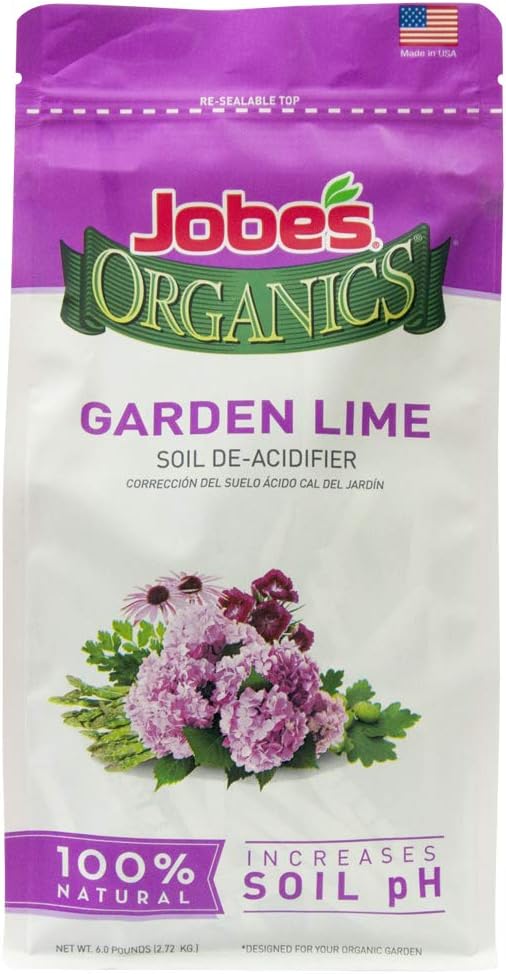
    Tip #1. This flower needs good soil with a pH level between 6 and 6.5.  You need to add organic matter like compost to the soil

    Tip #2. Bleeding heart flowers grow best in partial shade and should be kept well-watered during the summer.

    Tip #3. They need at least one inch of water and often need more water when the weather gets too hot.

    Tip #4. If the weather is too hot, you can put some plants in pots and put them in a shady place. 

    Tip #5. The best time to plant them is early spring when the threat of frost has passed.

    Fringed Bleeding Heart Plant Seeds (Dicentra Eximia) 10+Seeds

    Bleeding Heart Flower Meaning

    When you plant the bleeding heart flower, make sure that you don’t water it too much.  It does not appreciate too much water as it makes it rot.

    This flower also needs sunlight to grow and bloom.  It has a large root system, so you need to plant it deep. 

    Click Here to Get Info About:

    Care and Maintenance For Bleeding Heart Flower

    After planting the bleeding heart flower, you should water as needed until the soil is moist with about one inch of water a week.  If the weather is very dry, you can water it more often.

    Keep the soil moist but not wet.  You can use a sprinkler or you can use a hose to water it.  You can prune your bleeding heart flower once during early to midsummer. 

    You can cut it back by a few inches.  You can also take off some leaves to make the plant look better.  You should make sure that you don’t damage the roots when you do this.

    This flower blooms best in the spring.  You can use an organic fertilizer to feed your bleeding heart flower once a year.  The fertilizer should be added at the base of the stem, but make sure that you use a fertilizer that is safe for your plants.

    Care And Maintenance For Bleeding Heart Flower

    In Conclusion – Bleeding Heart Flower Meaning

    The bleeding heart flower meaning is something most people look up. In this article, we have explored some of these meanings. The first meaning is the one we have discussed above – that is love.  This flower is commonly due to its heart-shaped flowers.

    This flower can also mean that you want to show your love and affection to someone else but can also mean a broken heart. This is why people often use this flower on Valentine’s Day. This flower is meant to be shared with another person.

    FAQ

    What is the bleeding heart plant used for?

    The bleeding heart plant is common for ornamental purposes and grows in most areas where the owner portrays a certain beauty.  

    Is bleeding heart edible?

    No, this plant is not edible.  It’s used for ornamental gardening. 

    Can you touch bleeding hearts?

    Yes, you can touch bleeding hearts flowers but you have to be very careful not to destroy them or make them drop to the ground and die.

    What colors do bleeding hearts come in?

    The flowers come in a range of colors that include pink, red, or white, flowers.

  • An In-Depth Study On Alocasia Sumo 

    An In-Depth Study On Alocasia Sumo 

    In this article, we will look at alocasia sumo, what type of plant it is, where it grows and the requirements it needs to thrive.

    Alocasia Sumo is a herbaceous perennial plant in the family Araceae that can grow 10 feet tall or taller. It is an ornamental plant that makes a beautiful focal point in your home or garden. Also known as Elephant Ear, it has large green-burgundy leaves. 

    Alocasia Sumo is a rare, new cross of Alocasia Purple Cloak and Alocasia Portora.  It will need to be repotted once the plant has filled the pot, which is generally every two years to keep it healthy. 

    It grows best in well-drained soil with a good amount of organic matter.  Alocasia Sumo will not tolerate any wet conditions, as this can cause rot.  It does do best in an area with bright, indirect sunlight.

    Alocasia Sumo has a lot of foliage and thrives in temperatures between 65-75 degrees Fahrenheit with high humidity.  Though it does best in bright, indirect sunlight, it will also grow in partial shade. 

    The Alocasia Sumo is a great plant to grow indoors. It can also be grown outdoors in the right environment as it is deer and rabbit resistant. It is winter hardy in USDA zones 8-11.

    Growing Alocasia Sumo

    Alocasia plants are native to tropical and subtropical regions of Asia and eastern Australia. It is a genus of 80 species of tuberous, herbaceous perennials. 

    Alocasia Sumo plants are generally easy to care for and can be very rewarding to grow. However, the plant does not do well in cold weather or in areas indoors where it will get cold drafts. It should be watered when the top two inches of soil are dry.

    Growing Alocasia Sumo

    Click Here to Get Info About:

    Is Alocasia Sumo Edible?

    Alocasia Sumo is toxic to humans and animals, so it should not be eaten. Since the plant contains calcium oxalate crystals, it will irritate the mouth and esophagus if consumed. If you eat Alocasia Sumo, you may experience excessive drooling, swelling of the mouth, and vomiting. 

    Alocasia is often planted in pots or tubs and then transplanted outside once the plants have been established. There are several varieties of alocasia that are available today, including Alocasia Amazonica, Alocasia Micholitziana, Alocasia Reginula, and Alocasia Infernalis.

    Tropical Plants and How to Love Them

    Cultivation

    Alocasia plants are easy to grow from seed pods and can be started in pots or tubs indoors or outdoors. Pots with good drainage are best for growing Alocasia.  If the soil is too wet and there is no drainage then this can cause serious problems for your plant.

    When repotting Alocasia, it is best to remove the plant from its original container and then transplant it into a new container.  The original container should be discarded or used for another purpose.

    To ensure proper drainage, adding a layer of sphagnum moss or peat moss between the soil and the roots can be beneficial.  After repotting, water your Alocasia plant.

    Alocasia plants can be fertilized regularly with a  fertilizer like 10-10-10.  Fertilizer should generally be applied every other month during the growing season.

    Repotting is usually done in early spring before the growing season begins. Be sure to always choose a pot with good drainage. Your new pot should be at least two inches larger than your last one. 

    In Conclusion – Alocasia Sumo

    The Alocasia Sumo is a plant that many gardeners love to grow.  It is easy to grow, and it produces beautiful foliage.

    It should be grown in well-draining soil in an area where it will get bright indirect sunlight.  You should fertilize it every other month during the growing season in most cases. 

    Alocasia Sumo is a great plant to grow indoors but be careful as it is toxic to people and pets.  It is a great addition to any garden.

    FAQs

    How big do Alocasia grow?

    Alocasia can easily grow to reach 10 feet tall or taller. These upward-pointing, dark green-burgundy leaves are huge and grow up to 4 feet long and at 2.5 feet wide.

    What is the largest Alocasia?

    Hotta, the largest Alocasia species as its leaves can reach nearly 20 feet long and be more than nine feet wide across the lamina.

    How do you take care of Alocasia sumo?

    The Sumo variety needs adequate water and nutrients to keep it growing. It requires little attention and can be grown in a pot or in the ground. It needs well draining soil and should be watered when the top two inches of soil are dry.

    Can Alocasia be grown indoors?

    Yes, Alocasia can be grown indoors. Keep the soil moist and the temperature at around 65 to 75 degrees Farenheit.

  • How Long Does It Take For Zucchini To Grow?

    How Long Does It Take For Zucchini To Grow?

    Zucchini is a prolific and versatile plant that is easy to grow, easy to harvest, and it is great to be used for cooking. How long does it take for zucchini to grow is the question we would like to answer.

    Getting to know the duration it takes for zucchini to grow will further help us to plan how we want our zucchini to mature. Although the fruit of zucchini can be eaten at any stage of maturity, the plant usually tastes great in its young and tender stage.

    Zucchini tends to grow very fast that one day you can see the fruit grow just as small as 3 inches. Then the next night the fruit can practically grow to become as big as a foot and a half. So, this is why you need to know the growth period of zucchini.

    How long does it take for zucchini to grow will be answered in this post, so continue reading for some insight on this.

    How Long Does It Take For Zucchini To Grow?

    Zucchini which is a summer squash plant is a fast-growing vegetable and it can take about 45 to 55 days for it to grow when you plant them from seeds.

    When you know how long it takes for zucchini to grow, the information can help you plan how you want your zucchini to mature.

    Once zucchini has bloomed, the plant can change to produce fruit that is even ready to be harvested in as little as 4 to 8 days. The fruit zucchini plant produces grows very fast and in abundance and the fruit can grow up to an inch daily.

    When To Harvest Zucchini

    The ideal period to harvest zucchini is when the fruit has attained a height of 5 to 8 inches. You may also harvest zucchini that are smaller around 2 to 4 inches and these are baby zucchinis.

    Also, you will know zucchini is ready to be harvested when the fruit is firm and dark green and sometimes yellow or white (depending on the variety).

    However, once you notice the fruit has started feeling mushy, the fruit is usually rotten and need to be thrown away.

    How Zucchini Can Be Harvested Properly

    There is a proper way to harvest zucchini that can help you get only the best zucchini and continuous yield. To achieve this, you need to do two things.

    Pick Them Early – How Long Does It Take For Zucchini To Grow?

    First, always pick zucchini when they’re still young because young zucchini taste better when you pick them young. But when you linger in harvesting zucchini a little longer, it can result in an overly large, tasteless, and sometimes bitter fruit.

    Once zucchini attains the height of about 5 inches to 7 inches, you can begin to harvest your regular zucchini. Zucchini can be harvested at any period without harming the plant.

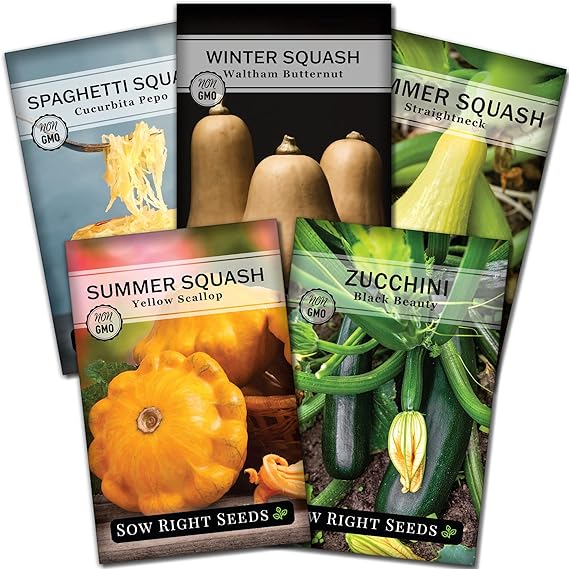
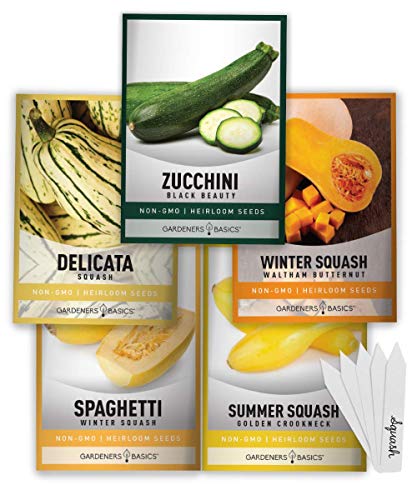
    Sow Right Seeds – Zucchini Squash Seed Collection for Planting

    How Long Does It Take For Zucchini To Grow?

    If you wish to harvest zucchini when they are smaller, it’s very possible and a good thing. Smaller zucchini are known as baby zucchini and they are around the size of 2 inches to 4 inches long. These baby zucchinis are even most restaurants and farmer’s market favorites.

    Baby zucchinis are most favored because of their mild, sweet, and attractive appearance.

    Click Here to Get Info About:

    Pick Them Often

    Picking zucchini regularly can help hasten the yield as well as boost the production of the plant. So, ensure you pick zucchini frequently and you can keep on enjoying great yields.

    However, if you notice that you have too many zucchini productions than you can use or handle, just leave a few of the fruits on the vine. This can slow down the production of fruits.

    Harvesting Zucchini – How Long Does It Take For Zucchini To Grow?

    So, to harvest zucchini squash the right way, make sure you avoid abrupt pulling of the fruit. This can damage the plant because the leaves and stems are pretty fragile. You need to cut the fruit from the plant at the stem.

    Another thing to note is that zucchini has this broad leaves that can make it difficult or you to find fruits. Large or overgrown fruits may even be hiding behind these broad leaves that you may not notice on time.

    Harvesting Zucchini

    This is why you need to properly scrutinize under and in-between the leaves of your zucchini plants while you’re harvesting. But while you’re doing this, you should be careful so you don’t injure the fragile leaves and stem of the zucchini plant.

    Read more about:

    Storing Zucchini

    So, once you’re done harvesting your tasty zucchini squash, you need to know how to store them properly particularly if you aren’t ready to use them right away.

    So, you don’t need to wash the fruit of zucchini after harvesting if you want to store them and you can store them in a perforated or open plastic bag. They can be stored this way for up to a week.

    Alternatively, you can simply freeze the fruit for later use. You can do this in some ways. You can shred or slice the unpeeled zucchini, drain it, then gently squeeze it to take out excess moisture. Then put the frozen zucchini fruit in sealed quart-size freezer bags and freeze them flat this way, they can be stacked inside the freezer.

    Shredding the zucchini is done because the final result is usually zucchini bread or fried zucchini cakes.

    The fruits can as well be washed, dried, and sliced into about one-inch cubes and then frozen using a freezer bag. You should also know that when you freeze zucchinis, they can last up to 3 months.

    Storing Zucchini

    Conclusion – How Long Does It Take For Zucchini To Grow?

    Zucchini is an excellent type of vegetable that many people love because it is easy to grow and produces great yields. How long does it take for zucchini to grow has been answered in this educating post and many more. So, we hope you’ve been enlightened about the duration of zucchini growth.

    FAQ’s

    How long does it take for a zucchini to grow after flowering?

    Zucchini squash tends to grow fast and it takes about 4 to 8 days after flowering for zucchini fruits to appear and be ready for harvest.

    How long do zucchini plants live for?

    Because zucchini plants fall under annual plants, they will only live for one growing season. This is between 0 and 150 days and this mainly depends on your location, growing conditions, and variety of zucchini.

    How long does it take zucchini to sprout?

    When you plant the seeds of zucchini, they tend to sprout around 1 to 2 weeks. Then they can be planted once they have many true leaves.

  • All You Need To Know About Caring For Begonia Julau

    All You Need To Know About Caring For Begonia Julau

    Begonia julau is a very rare plant that looks stunning and it can be a great addition to decorating your indoor space collection. This lovely plant is a hybrid which is from the family of begonia.

    This type of houseplant is characterized by their round dark leaves that feature pointed pink ends. The leaves of begonia julau look butterfly-shaped and the plant leaves are sometimes mistaken to be flowers because of the pink pattern of its leaves.

    But when it comes to taking care of this lovely houseplant, you need to do it the right way so that you can continue to enjoy its beauty. It is a gorgeous plant that you should consider having and we will be sharing all you need to know about caring for this charming plant in this guide.

    Begonia Julau Description

    The plant is one attractive houseplant that can add beauty to your indoor space. The plant is characterized by this rare pink pattern on the leaves that add elegance to your home. It may even look like the pink dots on the leaves were painted.

    Its leaves are shaped like butterfly wings or angel wings which is why they are also regarded as the ‘angel wing begonia’ or ‘butterfly begonia.’

    The name of the plant begonia was derived from where it was discovered. And the plant begonia julau was discovered first in the city of Julau in Malaysia.

    Is It Easy To Care For Begonia Julau Plant?

    Other types of houseplant may seem easy to care for. But when it comes to begonia julau, caring for this plant may seem a little tactical.

    It tends to be delicate in nature, so you need to properly take care of this plant. Caring for begonia julau may seem tricky, especially for beginners. The deal behind this tricky reason is usually because of the water and light care. This is why you need to provide optimal care and good attention for begonia julau so you can always enjoy the beauty of the plant.

    Check Out Prayer Plant Problems And Possible Remedies

    Caring For Begonia Julau

    1.    Watering Requirement

    One common challenge that some growers face with growing and caring for begonia julau is the watering regime.

    The crucial thing to take note of is that this plant thrives in slightly moist soil. One good way to determine if the plant needs to be watered is to check if the upper soil layer is a bit dry before you proceed to water your plant.

    However, waiting until the top soil is a little dry may seem tricky and if you extend the period of this dryness, it can lead to droopy leaves and this is mostly because the leaves lack water to remain healthy.

    But another important thing to take note of is to avoid over-watering the plant. Overwatered can predispose the plant to root rot.

    2.    Light Requirement

    The light supplied in the natural habitat of begonia julau is partially shaded where this plant is found in the jungle. Hence, this restricts begonia julau from direct sunshine.
    So, for this reason, the plant will flourish when supplied with bright indirect sunshine. When begonia julau is grown indoors, it is recommended you position them in a south-facing window. However, if you have difficulty supplying adequate light for the plant, you can always use artificial grow lights.

    Grow Light with Stand, FRENAN Grow Lights for Indoor Plants with Red Blue Spectrum

    81Jjy77TYJL. AC SX569

    Also, take note that this plant won’t thrive well if adequate indirect sunshine isn’t provided to the plant. You should begin to notice drooping of leaves in response to the deficiency in sunlight.

    3.    Climate

    This charming plant can be grown under USDA hardiness zone 9 to10. However, you should take note that this plant isn’t frost-friendly so colder zones won’t favor the begonia julau plant.

    Therefore, if you wish to grow begonia julau and your region is in the colder parts, it is recommended you grow this plant indoors where you can easily provide adequate indoor conditions for the plant.

    4.    Soil

    The ideal soil to use is well draining potting compost and the soil needs to be a bit moist. However, don’t allow the soil to be overly wet.

    You can further help with the soil drainage by mixing the soil with perlite, sand or grit then add a layer of charcoal. Pebbles can also with soil drainage.

    Also, when you use soil rich in nutrients and you water the soil the appropriate way, it can further reduce or prevent root rot and ward off pest infestation.

    5.    Fertilization Requirements

    Begonia julau doesn’t really require too much fertilization as the plant can do well with minimal fertilization. Therefore, it is important you don’t over-fertilize the plant. A naturally rich potting soil will do just fine for the plant because most potting soil comes with some nutrients.

    6.    Temperature

    Because begonia julau thrives in a warm environment, an ideal temperature of around 60 to 85 degrees Fahrenheit is great.

    Caring For Begonia Julau - Temperature

    7.    Humidity

    This lovely plant flourishes under high humidity of around 60%. Your begonia julau should mostly be in a place with lots of moist air. Some ideal spots are the kitchen and bathrooms.

    Alternatively, you can use a pebble water tray or use a humidifier and this can further help your plant meet its needs.

    Begonia Julau- Recap

    Begonia julau is a stunning plant with incredible features that can add elegance to your indoor decorations. The plant needs to be taken care of properly so you can continue to enjoy its beauty of the plant.

    How to properly take care of begonia julau has been discussed in this insightful guide and we hope this information will be of great help to you.

    FAQ’s

    Which begonia is the easiest?

    One of the easiest begonias to grow is cane begonia. They are characterized by clusters of red, pink, or white flowers that tend to open during spring and summer.

    What is the best medium for begonias?

    The best medium to grow begonia is a well draining soilless planting medium. Because the plant is prone to root and stem rot, the medium needs to be well draining. You can a use an equal part of peat moss, vermiculite, and perlite.

    Are begonias for sun or shade?

    Shade is ideal for begonias but they can also benefit from a bit of sunshine. Just ensure the sunlight you will be exposing the plant to isn’t too harsh and direct.

    Which begonias are toxic?

    It is been said that every member of the family of begoniaceae is slightly toxic. However, the parts of the plant that are more toxic are the rhizomes, roots, and tubers.

  • Prayer Plant Problems And Possible Remedies

    Prayer Plant Problems And Possible Remedies

    Prayer plant problems can arise in different ways and we will look into that here. The prayer plant is prominent for its leaves that fold and close, in the form of praying hands, at night. This is why it is called the “prayer plant” otherwise known as the Maranta leuconeura.

    It is commonly raised as a house plant by gardeners and in fact, the Texas A&M University confirms it to be one of the best house plants for indoor gardening. Prayer plant problems however are something that can’t be totally avoided.

    Prayer plant can grow up to 2 feet, depending on the cultivar you’ve planted. Also, it sets white flowers. These flowers are set against the foliage.

    In order to enjoy this plant for years, you should try to keep it healthy and safe from issues. Hence, let’s take a look at some prayer plant problems as well as possible solutions.

    Prayer Plant Problems

    Leaves curling up or turning brown due to overwatering, yellowing leaves, change in climate, stress due to repotting or bad soil drainage are all part of maranta problems.

    With proper care, yellow leaf problem, which is well known to happen to prayer plants, can be resolved. Too much light, under-watering, or an environment with low humidity can cause the problem of brown tips on prayer plants.

    Let’s take a look at these problems one after the other in the remaining part of this article. Possible solutions to these issues pertaining to the roots and foliage section of the prayer plant will be proffered also.

    Prayer Plant Problems

    Problems Pertaining To Prayer Plant And Possible Remedies

    Below is the list of possible issues that can occur in the prayer plant and possible solutions as well;

    1.    Low Moisture Pn Prayer Plant

    Low humidity in the house leads to low moistness in prayer plants which creates issues for prayer plants. This is because a high to medium damp habitat is the type of environment this plant can thrive in and not that with low humidity.

    The solution is to change the spot or get a small-sized container, water it and then put it close to the prayer plant. Doing this will help increase the presence of humidity and moistness all around your prayer plant making indoors conducive for it to survive.

    2.    Fungal Infections In Prayer Plant – Prayer Plant Problems

    Leaf spot diseases are the result of fungi infection, especially Dreschslera and other types of fungi like exserohilum spp. Water sports like the size of a pinhead that are either yellow, brown, or purple dapple patches, may be seen on the leaves.

    Such happens due to over irrigated water and the entire droplets of water remaining on the leaves longer than usual. This over wet foliage poses a lot of threats to leaves thereby, resulting in leaf reduction.

    The solution is for you to not water the leaves too much but rather the root section. You can use fungicide chlorothalonil which is commonly used, for conventional methods, in tackling the fungal problem. However, you have to be cautious when watering the plant at the end in order not to water it too much.

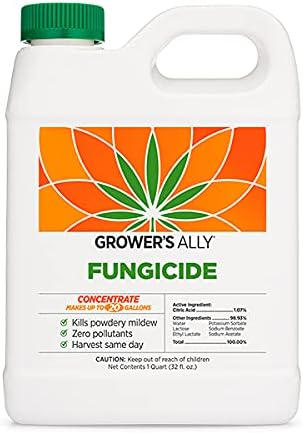
    Earth’s Ally Disease Control Concentrate for Plants | Fungicide Treatment for Powdery Mildew, Blight, Black Spot, Fungus

    Prayer Plant Problems

    3.    Chlorosis – Prayer Plant Problems

    This is a type of prayer plant problem that causes the plant leaves to wilt due to the low amount of iron in the potting soil. This issue also results in poor growth, foliage color not so pronounced, and many other possible reasons.

    It also causes new leaves to become yellow. Experiencing this can only mean your plant soil’s pH levels are not right. The solution is to first use a pH testing kit to check for the soil’s pH if it is higher than the value of 5.9. If it is, then it means the iron in the soil is low.

    Contacting your nearest plant care expert for help will go a long way. However, if you’ve bought a good potting mix, you won’t be having many problems with this.

    4.    Unbearable Light Conditions

    Prayer plants only need indirect sunlight as a source of light. But anything other than this, like keeping them in a spot where there’s excess heat or sun, will make them get burned out. It may also cause yellowing tips on the foliage.

    Excessive sunlight poses a threat to the leaves thereby creating an in-conducive environment for the prayer plants to survive.

    5.    Yellowing Leaves On Prayer Plants

    Excess watering, Cold climate, High Humidity, low nutrient, bad potting mix, and many more are mostly the major culprit of prayer plant leaves turning yellow.

    Other culprits are Fungal infection, the infestation of pests, and iron deficiency. The solution is caring for your prayer plant well and also adjusting its watering schedule.

    6.    Too Much Watering – Prayer Plant Problems

    Excess watering is mostly the reason for prayer plant leaves turning yellow. In fact, planting in good soil and the right pot with good draining holes may not guarantee the best condition if you’re over-watering your prayer plant.

    How often you water your prayer plant may take a toll on your plants for a long space of time without any schedule but have watered the plant too much every other day. If you want to water your prayer plant, check the top of the soil first for dryness and then stick your finger inside the soil up to 2 inches to know if it’s wet. However, if it is wet, postpone watering till the next day. If it is dry, you should water it right away.

    But there’s an exception for those living in hot regions. However, people living in regions with temperatures below 50 degrees Fahrenheit should avoid over-watering their prayer plant.

    Conclusion On Prayer Plant Problems

    The prayer plant is an interesting plant that any houseplant collector would love to have. But issues may arise with this fascinating plant. Prayer plant problems can occur but don’t fret because most times, the issue can be resolved if handled on time and the right way.

    FAQ’s

    What am I doing wrong with my Prayer Plant?

    If you aren’t properly taking care of your prayer plant, then issues may arise. Inappropriate watering, low humidity, too much fertilizer application, excess sun exposure, and so on are things that you may be doing wrong.

    How do you revive a dying Prayer Plant?

    To revive prayer plant from issues like over-watering, take out dead leaves and allows the soil dry out totally. Then you can spray the plant with pesticides and water when the soil is completely dried.

    Why are the leaves on my Prayer Plant turning brown?

    The leaves on your prayer plant may be turning yellow due to moisture stress and this may be from either over-watering or under-watering.

    How often should you water a Prayer Plant?

    Once you notice the first inch or two inches deep of the soil has become dried, it’s time to water your prayer plant. You can do 3 to 5 times in a week watering during summer, but always check the moisture status of your soil before watering.

  • How To Propagate an Umbrella Plant – 3 Easy Methods

    How To Propagate an Umbrella Plant – 3 Easy Methods

    The following is a guide on how to propagate an umbrella plant with ease as long as you provide it with the right growing conditions.

    There are different ways how to propagate umbrellas, one of them is through seed propagation and another one is through air layering or better still cuttings.

    How To Propagate an Umbrella Plant

    Method #1: Seed propagation

    This method is very easy, all that you have to do is to remove the seeds, then soak the seeds with hot water and then plant them in light potting soil.

    To propagate an umbrella plant from seeds, you will want to prepare a germination tray with light soil. Before planting the seeds, soak them in hot water for 12 hours to improve germination.

    How To Propagate Umbrella Plant By Seed

    Plant medium-sized seeds in the soil at a depth twice their size. Water lightly to keep the soil moist but not soggy.

    The container should be placed in an area where it will receive bright light, but not direct light from the sun. Maintain temperatures between 75 to 86 degrees Fahrenheit to best help the seeds grow. Germination takes around two to three months and you should transplant your plants when they reach one to two inches in height.

    Click Here to Get Info About:

    Method #2: Cuttings

    It is the easiest way of propagating the umbrella plant because all that you have to do is to take a cut of a leaf and begin growing it in a new pot.

    The umbrella plant can also be propagated through cuttings.  This method is used to propagate new plants from the cuttings of the plants that are already grown in the garden.  Cuttings should be taken from healthy, well-developed shoots that are at least two leaves thick. 

    The length of the cutting should be at least four to six inches long.  Cuttings should be planted in a pot filled with good quality soil.

    The plant can also be propagated through grafting.  The grafting technique is used to propagate the plant by grafting the scion onto the rootstock.  The rootstocks of the umbrella plant should be healthy and vigorous in order to support the growth of the scion.

    It is recommended to remove the bark from the rootstock using a sharp knife.  The cut should be made about two inches from the root at an angle.  After this, the cut should be rubbed with a piece of cloth dipped in water.  The cut should then be firmly pressed against the rootstock with the help of forceps.

    Method #3: Through Air Layering

    Air layering is a unique method for propagating an umbrella plant that can be very effective. This method creates a new plant while it is still attached to the original plant.

    To propagate with air layering you need:

    • sphagnum moss
    • a sheet of clear plastic
    • tape
    • rooting hormone powder

    How to do it?

    1. Start by removing the leaves from a three to a four-inch section of the plant stem.
    2. Carefully peel the outer bark from the cleared area to reveal the white section of the stem directly under the bark known as the cambium layer.
    3. Dust the area with a small amount of rooting hormone.
    4. Wrap the area with moist sphagnum moss, being sure to cover the entire area of the exposed stem portion.
    5. Then, wrap the moss with clear plastic and seal it with tape in order to create a humid environment.

    The air layering process will take about four to five months, but it will in a perfect clone of your existing plant. Once you notice the exposed end of the stem starting to grow, check to see if roots are growing where you cut the stem. Once healthy roots have formed, it is safe to cut the new plant from the original umbrella plant.

    By creating a humid environment, you can speed up the propagation process. The roots will begin to grow right out of the sphagnum moss.

    Once the plastic covering is full of roots:

    1. Carefully cut the stem at a point directly below the root ball.
    2. Then, carefully transplant your new plant into a container.

    Tips:

    • It is recommended that the newly planted umbrella plants are placed in a warm, sunny location.
    • Plants should be watered regularly in order to promote their growth.  I
    • f the plants are in a shady location, it is recommended that they should be protected from direct sunlight using a sunshade.
    • The leaves should be carefully inspected for any pests or diseases before they are distributed to the new plants. 
    • The new plants should be checked regularly for any pest or disease.
    • In order to ensure proper germination of the seeds, the seeds should be kept moist by adding water to the tray. 
    • Seeds can also be sown directly in the garden.

    Bonide BND925 – Bontone II Rooting Powder, Hormone Root Fertilizer 1.25 Oz

    How To Propagate Umbrella Plant

    Diseases That Affect Umbrella Plants

    There are several diseases that affect the umbrella plant.  These include powdery mildew, spider mites, scale insect, and fungal diseases.  These diseases can cause damage to the leaves, flowers, stems, or roots of the plants. 

    The plants can also be infected by other diseases such as viruses, bacteria, and nematodes.  These diseases can also lead to the death of plants.

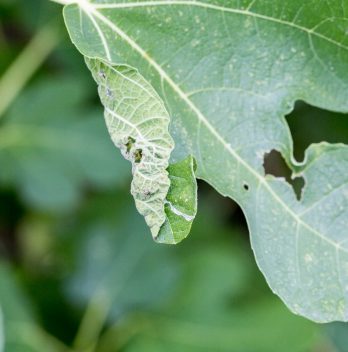
    Powdery mildew is caused by a type of fungus called Erysiphe graminis.  It is a major disease that affects many types of plants, including the Umbrella plant. It is a fungal disease that affects the leaves of plants and causes white spots. 

    It is a problematic disease for the production of vegetables because it can cause the death of plants. The powdery mildew spores are spread through the air.  They are very small and are easily blown away by the wind. 

    They can also be spread from infected to healthy plants.  Spores can also be spread from infected plants to other plants.  When the spores land on the leaves of the plants they enter the plant.

    In Summary – How To Propagate an Umbrella Plant

    The above guide will help you learn how to propagate an umbrella plant from cuttings, seeds, or by air layering. How will you choose to propagate your umbrella plant?

    FAQ’s

    How do you take cuttings from an umbrella plant?

    You can take cuttings from your own plants or buy some from nurseries and garden centres. Take cuttings in late spring when the plants are dormant. Cut the stems off close to the crown with a sharp knife. Trim away all the leaves and soft growths, and then insert the cut end into moist soil.

    How do you propagate umbrella plants from stems?

    Take cuttings in late spring when the plants are dormant. Cut the stems off close to the crown with a sharp knife. Trim away all the leaves and soft growths, and then insert the cut end into moist soil.

    How do you root an umbrella plant in water?

    You can take cuttings from your own plants or from those you find at nurseries and garden centres. Take cuttings in late spring when the plants are dormant.

    Cut the stems off close to the crown with a sharp knife. Trim away all the leaves and soft growths, and then insert the cut end into a glass of water.

    Where do you cut an umbrella plant?

    Take cuttings in late spring when the plants are dormant. Cut the stems off close to the crown with a sharp knife. Trim away all the leaves and soft growths, and then insert the cut end into moist soil.

  • How To Keep Indoor Plants Warm in Winter

    How To Keep Indoor Plants Warm in Winter

    Summer will not endure forever, despite how hot and humid it is. And if you’re like millions of other gardeners, you know how you feel about your plant babies. You adore them and find it difficult to say goodbye at the end of the season! Protecting your plants from unexpected cold snaps or early frosts might help you extend the growing season.

    That isn’t to say you can’t squeeze a few more weeks out of your garden. If you suspect an early frost or a harsh freeze is on the way, apps like Accuweather can help. You can take several things to give some insulation, which may help your plants survive a bit longer. There’s always a risk when we talk about nature—but they’re worth trying. And believe us when we say there’s always more to learn about gardening! 

    Here are some ideas for keeping indoor plants warm during the winter:

    1. Reduce your watering and use warm water for your plants.

    Most houseplants lie dormant during the fall and winter months, even if your plants are indoors. Less light implies less growth, which means less water and fertilizer. It may also mean less feeding for your indoor plants in the winter.

    As per standard watering guidelines, water only when dry an inch or two below the surface. Make sure your plants don’t sit in water for long periods. It can create root rot, fungus, mold, and other problems. If you notice yellow leaves or moldy soil, you should reduce your water. You may wish to water your plants in the winter with warm water. It is preferable to water plants in the winter. It helps them grow faster and larger and keeps them warm.

    Most houseplant owners follow a weekly watering schedule. You may want to stick to it for consistency’s sake and avoid breaking the rhythm. But, reduce the amount of water you offer by 25 to 50 percent on your weekly watering days. 

    2. Give them plenty of light.

    We all need light, and it’s challenging to get enough of it when the days are as short as they are now. Plants, like people, need light to thrive, even indoor plants. During the winter, homes receive a limited quantity of light. If your house does not face the appropriate direction, you may only get light in specific rooms and windows. 

    Prepare to transfer your plants near windows and light-filled locations during the winter. For optimal light, make sure the windows are clean both inside and out. Make sure to remove any dust accumulated on the leaves to absorb the light more effectively. Almost any houseplant benefits from the winter sun.

    If you don’t have any bright windows, artificial lighting can undoubtedly help. If you don’t have enough window space in the winter, use a grow lamp to augment your plants’ light needs.

    White Red LEDs for Indoor Plants

    61pUrl7WK L. AC SL1000

    3. Increase humidity.

    When it comes to the health of your houseplants, humidity is a significant factor. Most houseplants are from tropical locations, ranging from 77% to 88%. They are also grown under ideal humidity levels in nurseries. 

    But, when you bring the same plants home, you will expose them to a frigid air conditioner. Doing so may continually suck away moisture. If it’s winter, your heating system is drying up the air, which is bad for your houseplants.

    Low moisture does not suit tropical plants. Imagine doing your best to care for them by reading their needs and marking the calendar for watering schedules. But you may still end up with dry, limp leaves. Humidity conditions in your home can contribute to your indoor plants‘ poor appearance. Here are some of the best ways to increase room’s humidity for your indoor plants.

    plants' light needs

    4. Keep your indoor plants clean.

    Dust on houseplant leaves can clog pores and harbor pests. So it’s critical to clean foliage regularly. Additionally, permanently remove damaged and diseased leaves. They can carry illnesses or pests. 

    Dust smooth-leaved plants with a brush before spraying with water. Instead of spraying or washing hairy plants or cactus, use a brush. Pinch out the stems at the base of the plant to remove damaged, yellowing leaves. Insects prefer to hide in the dust on the leaves, making it challenging to discover them. Your plant is more vulnerable in the winter because it falls into dormancy. It prevents it from growing out of bug damage.

    Put your plants in the bathtub every couple of weeks and give them a gentle shower with a handheld sprayer. You can also wipe the dust and filth off with a moist towel. Keeping the leaves clean allows them to perform photosynthesis more efficiently.

    5. Reduce plant fertilizers.

    Fertilizing your indoor plant is essential for healthy, bushy growth. Should you fertilize your indoor plants during the fall and winter dormant seasons? Will fertilizing our plants during the dormant season benefit them, or will it harm them?

    Most houseplants develop in the spring and summer and go dormant in the winter. So, it would help if you didn’t fertilize them. Fertilizing your plants in the winter can cause a variety of issues. It can have an impact on their general health. It would be best to only fertilize indoor plants in the spring and summer.

    Fertilization is essential for plant health. But, excessive fertilization or fertilization at the wrong time of year might cause various issues with your plant.

    Before adding fertilizer, check your soil for nutrient deficiencies. Use a soil test kit to determine the levels of phosphorus, nitrogen, and potassium and the pH of the soil.

    6. Keep an eye on the temperature. 

    Most plants prefer temperatures between 65 and 75 degrees Fahrenheit and above 50 degrees Fahrenheit at night. Keep your plants away from cold drafts and sources of heat like radiators, ovens, fireplaces, and electronic devices. 

    Temperature fluctuations can kill houseplants just as quickly as continuous heat or cold spells.

    Final Word

    Now you know more about how to keep indoor plants warm in winter!

    During the winter, your houseplants will be vulnerable to life-threatening threats. Several winter stress factors can influence indoor plants. Check temperature fluctuations from afternoon heat to evening chill. Dry air and short days restrict the quantity of light they receive. Changing the way you care for your houseplants is the key to keeping them warm during the winter.