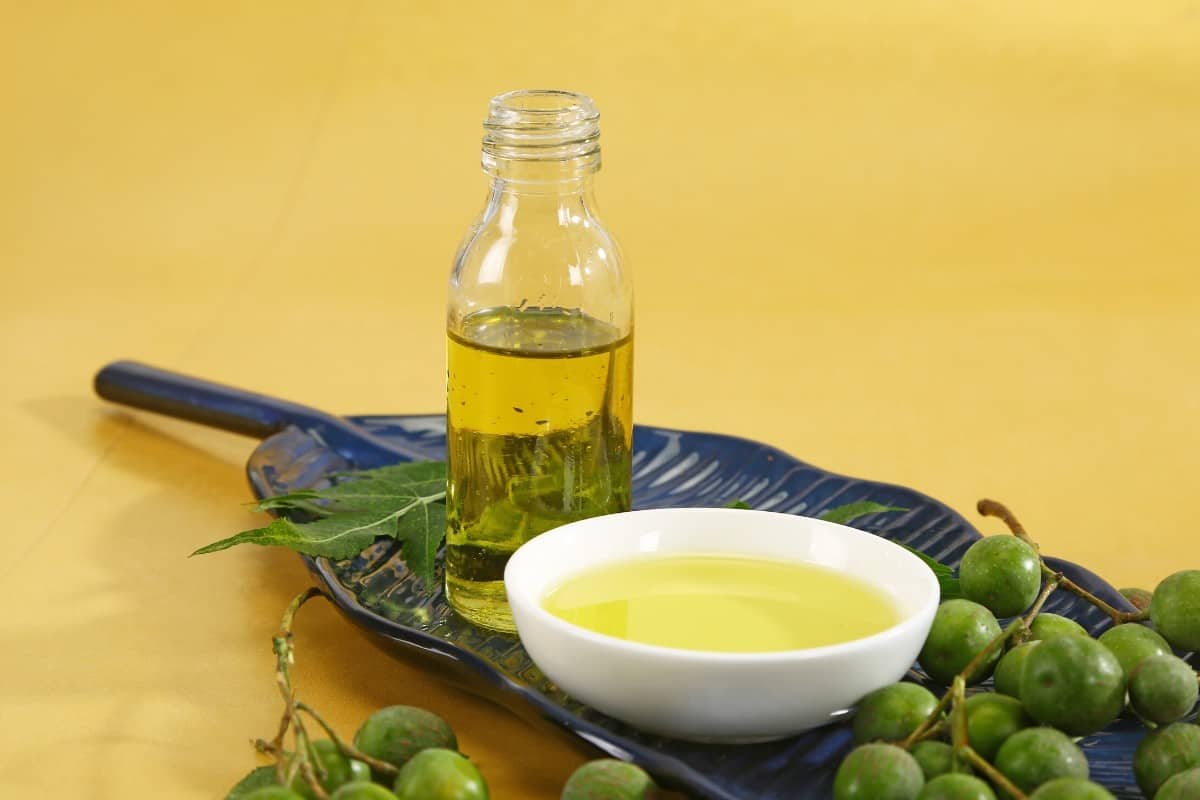
Category: Organic Pest Control

  • Types Of Worms That Eat Tomato Plants

    Types Of Worms That Eat Tomato Plants

    If you are a gardener, you will want to know the types of worms that eat tomato plants. They are one of the most popular plants to grow as they are typically easy to maintain and often produce an abundance of tomatoes. However, they are not only popular among people but also worms as well.

    Worms will commonly eat the leaves, stems, flowers, and fruit of your tomato plant. This can be problematic for your plant, as they can destroy it. Fortunately, by identifying these types of worms you can then know how to keep them away.

    Species Of Worms That Eat Tomato Plants

    No gardener ever wants to see worms eating their tomatoes. It can be frustrating to see all the hard work that went into maintaining your garden ruined by a bunch of hungry insects. By identifying these species, you can help put a stop to their havoc.

    The most common types of tomato-eating worms include tomato hornworms, loopers, armyworms, and cutworms. These worm species can eat all parts of your tomato plant, which can completely destroy the plant. They can be a common problem that many gardeners have to deal with.

    Species Of Worms That Eat Tomato Plants

    These worms that you see on your tomato plants are actually either the larval stage of moths or caterpillars. They are generally brown or green in color, which lets them easily blend into your tomato plant. They can consume the leaves and other parts of tomatoes at a fast rate, so it is best to get rid of them as soon as you notice them.

    Tomato Hornworms

    There are two main types of hornworms, tomato hornworm, and tobacco hornworm. Both types like to eat tomatoes, tobacco, potatoes, eggplants, peppers, and other types of nightshade plants.

    Tomato hornworms are recognizable by their chevron stripes and black horn on the backside of their green bodies. They are the larvae form of the five-spotted hawkmoth. They are one of the most common types of worms you will see on your tomato plants.

    Though tobacco hornworms also have a green body, they have diagonal stripes and a red horn on their backside. They are the larvae form of the Carolina sphinx moth aka the Tobacco Hawk Moth.

    Tomato and tobacco worms both enjoy eating the leaves of tomato plants. They will eat the flesh of the leaf and leave behind the veins.

    Loopers

    The cabbage looper, or simply just the looper, eats a variety of fruits and vegetables including cabbage, tomatoes, beans, celery, lettuce, broccoli, and spinach. They are the caterpillar form of the Owlet moth.

    Monterey LG6150 Garden Insect Spray, Insecticide & Pesticide with Spinosad Concentrate

    81puQQBR1LL. AC SL1500

    These green caterpillars arch their back into a loop as they crawl, hence the name loopers. Oftentimes, the moth will lay their eggs on the underside of the tomato leaves or other vegetable leaves. Then, they will eat parts of the plant as they grow.

    Armyworms

    Armyworms come in many different types and are the larvae form of armyworm moths. They are very destructive and will eat a variety of different plants.

    Most of the time, armyworms will cause the most problems in the summertime. The most common type of armyworm is brown or gray, with the males having white spots whites.

    Female armyworm moths will lay their eggs on the underside of leaves. The larvae will then consume various parts of the plant.

    Cutworms

    Cutworms are one of the most problematic types of worms you can find in your garden. They are the larvae of Turnip moths or Large Yellow Underwing moths. They are generally green, yellow, gray, or brown in color, making it easy for them to camouflage in your garden.

    Cutworms will eat a variety of different plants, mostly eating the leaves, stems, and buds. They are called cutworms because they cut down young plants as they feed on their stems. They can cause lots of damage to gardens, so it is best to get rid of them as soon as you spot them.

    Cutworms

    While some cutworms will continue to eat the plant they cut down, others will move unto other plants to eat their stems. They can easily take out a whole row of young tomato plants in just a couple days’ time.

    How To Get Rid Of Worms On Your Tomato Plants

    Worms on tomato plants can wreak havoc in no time. They will not only target your tomatoes but likely other plants in your garden.

    If you notice worms on your tomato plants, you can carefully pick them off your plants while wearing gloves. Though it can be time-consuming, it is an easy and free way to get rid of your worm problem. Neem oil is also an easy solution to keep worms and other bugs off of your plants.

    Diatomaceous earth is another safe and effective way to rid your garden of unwanted bugs. Diatomaceous earth is made from the fossilized remains of small aquatic creatures known as diatoms. It works by dehydrating and drying out insects.

    Making your garden bird-friendly is another great way to keep bugs at bay. By putting out bird feeders and birdbaths, you will attract different species of birds. These birds will also eat the worms in your garden, helping out your plants.

    FAQs

    What are the worms that eat tomato plants?

    There is a huge number of insects that eats tomato plants. This includes lady beetles, mites, caterpillars, whiteflies, and more. Lady Beetles Lady beetles are probably the most common pest on tomato plants. They eat the leaves, which can cause the plant to wilt and die. If you notice the plant has wilted or has yellow leaves, it is best to pick it up and move it into a different location so it can recover.

    The worms that eats tomato plants are generally small, white and round. The worms may also be found in other parts of your garden such as the flower bed, vegetable garden or even on the lawn.

    There are worms that are actually called “tomato leaf miners”. These are small, soft bodied, white, worm like creatures. They are very tiny and are usually less than 1mm in length. The worms live in the soil surrounding your tomato plants. They come out of the ground and lay their eggs on the leaves of the tomato plant. When they hatch, the larvae begin to eat the leaves. This will eventually kill the plant.

    You should watch out for the caterpillars of the tomato hornworm moth, Manduca sexta. They’re a pest of all kinds of fruit and vegetable crops, including tomatoes, melons, peppers, eggplant, cucumbers, beans, squash, and more. The pest’s larvae are also known as “hornworms” because they have two horns on their head. 

    When should I start to be concerned?

    You should start to worry when they start to multiply and eat a lot- Then you will need to find out what is causing this. Insects and pests are common in the garden. A large variety of insects and pests exist that can cause harm to plants. There are many types of pest and insect problems in the garden. They include insects, such as caterpillars, aphids, mites, beetles and slugs; and diseases, such as mildew, rust, and viruses.

    What’s the biggest with dealing with a hornworm infestation?

    If they’re in your yard, they will eat plants and trees that you have planted or trees that were planted in your yard. They can also destroy your lawn.

    The main problem is that they can cause damage that is difficult to detect. If you are not aware of their presence, they could be causing serious damage to your yard before you know it. They may leave behind eggs that hatch into larvae.

    What plants repel hornworms?

    It is important to plant some plants that will help prevent hornworm damage.

    These include:

    Echinacea – Echinacea is known for its anti-bacterial properties and can help deter hornworms. It is also known to attract beneficial insects. Echinacea should be planted in full sun.

    In areas where there is lots of snow, echinacea should be planted in a warmer area in order to bloom earlier.

    Marigolds – Marigolds are effective at repelling hornworms. They can also deter other insects. Marigolds can be planted in the fall and in the spring as well. They do best when planted in full sun.

    Dill – Dills can be planted in the fall and in the spring. It has been shown to deter hornworms. It also helps attract bees and butterflies. You can plant dill in full sun. Dill will grow best if planted in a well-drained soil.

    Nasturtium – This plant has been known to repel hornworms.

    Keeping Worms Away From Your Garden

    There are various types of tomato worms that can damage and destroy your plants. The most common type of worms you will see on your tomatoes include loopers, armyworms, cutworms, and hornworms.

    Though these types of worms will mainly eat the leaves of your tomato plants, they will also eat the stems, flowers, and fruit as well. Fortunately, there are some simple solutions to keep these pesky bugs away.

    Diatomaceous earth and neem oil are simple and safe products you can add to your plants to keep bugs away. In addition, you can also make your garden more bird-friendly, as they will eat your bugs. You can even pick them off with your hands while wearing gloves.

    Do you have any questions regarding worms that eat tomato plants? If so, please ask any questions regarding the types of worms that eat tomatoes and how to keep them away.

  • Killing Fungus Gnats In Hydroponics

    Killing Fungus Gnats In Hydroponics

    One of the most common annoying pests that can frustrate your hydroponic garden is fungus gnats. If you are looking for solutions to killing fungus gnats in your hydroponics garden, we have the answer for you here.

    These repugnant pests are usually seen flying around hydroponic gardens be it in an indoor garden, houseplants, or greenhouse. They can reproduce so rapidly and the females are capable of laying up to a thousand eggs. They are also known as fungus gnats because they can infect your plants with fungal disease.

    Both the adult gnats and their larvae are perilous to the health of your plants. Therefore, getting rid of these troublesome flies is crucial to avoid infestation of your garden.

    What are Fungus Gnats

    Fungus gnats are flying pests that can infect your garden with fungal infection. A female gnat can lay hundreds of eggs at a time and they love to lay eggs in damp or algae environments. They can be found flying and walking about on your grow medium and the base of your plants.

    Adult fungus gnats will lay eggs that will cause havoc to your garden. It is their larvae that will feast on your plant roots system and eat away and exposing your plant root to pathogens. Gnat larvae will chew deep into your plant root in turn cause stunted growth, loss of foliage, and discoloration of leaves.

    Fungus gnats are common pests to plants such as cucumbers, peppers, mushrooms, wheat, clover, lettuce, soybeans, alfalfa, Potato, and corn.

    A garden that is seriously infested with gnats will display symptoms of nutrient deficiency because the root system has been impaired.

    Killing Fungus Gnats In Hydroponics

    Taking control of the situation is very important when your garden starts to experience fungus gnat invasion. So, here are the various methods you can use in killing fungus gnats in your hydroponics garden:

    Biological Method Of Killing Gnats

    • Hydrogen Peroxide: an effective way in killing fungus gnats in your hydroponics garden is to use 3 percent hydrogen peroxide. Dilute 3 percent hydrogen peroxide with water. Make use of 2 tablespoons for one gallon. We recommend you start by using a little portion for the first one or two weeks then increase the portion afterward. Even though hydrogen peroxide is very effective, it can burn your plants. Therefore, use them with care. However, we recommend you other methods before you settle for hydrogen peroxide. If other methods fail, then you can try using them.
    • Commercial Products: there are several commercial products to use to killing fungus gnats in your hydroponics garden. They are pretty effective just make sure you follow instructions and your hydroponic garden will be good to go.

    Bonide (BND951) – Systemic House Plant Insect Control, 0.22% Imidacloprid

    712Je 7cwhL. AC SY879

    Natural Method Of Killing Fungus Gnats

    • Sticky traps: sticky traps can be used to catch and kill fungus gnats. If you can kill them, you have the chance of preventing them from laying eggs, thus reducing hydroponic garden infestation.
    • Vinegar: put some vinegar inside a jar. Fungus gnats are usually attracted to the sweet-smelling vinegar. You can cover the vinegar jar with a thin cover and puncture a hole or two. They will fly through the jar holes to reach the sweet-smelling vinegar and eventually drown.

    Preventing Fungus Gnats Problems In Hydroponics

    Preventing the future occurrence of fungus gnats will go a long way to keeping your hydroponic garden healthy. Here are the ways you can prevent fungus gnat infestation:

    • Shut all doors and windows in your hydroponic garden. Fungus gnats can gain access to your indoor hydroponic garden by simply flying in through your windows or doors.
    • Double-check any new plants (be it clones or transplanted plants) you may want to introduce to your hydroponics garden. A single fungus gnat eggs infected plant can wreak havoc to your hydroponic garden.
    • Between watering, allow the upper part of your plant to dry out before you water again. Therefore, you should maintain a dry environment at the top part of your growing medium. This will discourage fungus gnats from laying their eggs as they like damp areas.
    • Remove any access to fungus gnat food source by getting rid of any dead plant matter or algae.
    Preventing Fungus Gnats Problems in Hydroponics

    FAQ’s

    How do you kill fungus gnats in DWC?

    The best way to kill the gnats is to spray them with a solution of bleach and water. I have been using a solution of one part bleach, three parts water for years, but recently started adding a few drops of dish soap as well.

    How do you keep gnats out of hydroponics?

    The only thing you need is something to cover the top of the tank with. If you have a larger tank you can use a fan to blow the air out the sides. I have used a “gnat trap” on my last two grow’s. It is a piece of plastic tubing about 3 inches in diameter. It’s placed at the bottom of the tank.

    Where do fungus gnats come from?

    Fungus gnats (Diptera: Tephritidae) are common pests of flowers, crops, and trees in many parts of the world. They are among the most common insects found on plants. The most common species are the European red mite (Panonychus ulmi), the American red mite (Panonychus citri), and the Asian citrus psyllid (Diaphorina citri).

    These three species are considered to be the most important insect pests of citrus fruit. All species of fungus gnats are blood-sucking parasites of living plants. Females lay their eggs in the soil or on decaying organic matter near plant roots, and larvae emerge as adults in two to four weeks. Adults feed on a variety of plants, including trees, fruit, and vegetables. They can be difficult to control because they are often very abundant in infested areas and will breed rapidly under favorable conditions. A wide range of pesticides may be used to control these pests. Commonly used products include insecticides such as organophosphates, carbamates, pyrethroids, and chlorinated hydrocarbons.

    How do I know if my plants have fungus gnats?

    Many people don’t realize that the common housefly is a fungus gnat, which has a similar appearance. Here’s a great way to find out: If you see flies buzzing around your garden or in your home, then it’s probably a fungus gnat. In fact, many people are more familiar with this pest than they are with the housefly. They’re small and brown, and they have two long legs. And most importantly, they bite!

    Here’s another fun fact: The housefly will eat fungus gnats. When you see them flying around your garden, you can usually hear them chirping. But you’ll also notice that the housefly is more attracted to fungus gnats than it is to other insects. This means that when you see the housefly fluttering around your garden, it’s probably trying to help out by eating fungus gnats!

    How do you get rid of fungus gnats naturally?

    You can try using sprays and traps to bleach and alcohol. What really works to spray a diluted mixture of soap and water. It kills them before they have a chance to reproduce.

    Additional Information

    It is pretty common to have fungus gnats issues among hydroponic growers. Therefore, the key to beating this problem is to act fast as they can be easily controlled.

    The victim that suffers from fungus gnat is mostly indoor gardeners, be it home or greenhouse. Outdoor garden fungus gnat issues are usually controlled by seasonal weather changes and natural predators that feed on them.

    Ensure you follow our preventive measure tips to avoid fungus gnat infestation in your hydroponic garden.

  • Neem Oil Fungicide

    Neem Oil Fungicide

    If you are struggling to mitigate fungal disease in your garden, one sure solution is neem oil fungicide. Apart from the pesticide job that neem oil does, it can also work as a fungicide and miticide. Therefore, neem oil works three in one!  Amazing, right?

    Fungi Disease

    It can be pretty disturbing when fungi invade your plants. The majority of plant diseases are caused by fungi. You must act fast when you spot any fungi activities in your garden before they spread uncontrollably.

    Signs of Fungal Infestation

    The first step to battling this fungal disease is to identify the presence of a fungal infestation. Fungal infestation can affect any plant. Here are the signs to look at for when it comes to fungal infestation.

    • White Mold: white mold, a fungi infestation, caused by sclerotinia begins to form on your plant leaves and also cause stem rot. It can eventually lead to plant death.
    • Powdery Mildew: fungal infestation will cause powdery mildew on your plant leaves.
    • Stem Rust: the stem of your plant begins to rust with a fungal infestation.
    • Leaf Yellowing and Rust: the leaves start to rust, especially corn leaves. Also, you may notice your plant leaves start to turn yellow. Sometimes your plant leaves may have some brown spot.
    • Seedling: your plant seedlings start to dampen.
    • Berries: you may notice some bird-eye spot on your berries.

    Neem oil as Fungicides Treatments

    When you have confirmed fungal infestation in your garden, you can now opt for neem oil as a treatment. Neem oil is an organic fungicide treatment safe for treating fungal infestation as well as protection against subsequent infection.

    Neem oil treatment is non-toxic and can be applied to a fruit tree, leaves, stem, and soil.

    Fungi Disease

    Apply neem oil every 7 to 14 days as a preventive measure against fungi disease. To effectively treat fungal disease already present, spray neem oil on the affected plant on a 7-day schedule. Do this until the fungal disease is eliminated.

    Spray neem oil fungicides in the evening time or early morning only. Avoid spraying neem oil during the hot periods to prevent the burning of leaves.

    Recommended Neem Oil Fungicide

    We recommend these neem oil fungicides for your plant:

    Garden Safe HG-83179 Neem Oil Extract Concentrate

    Garden Safe, a component of neem oil, is a three-in-one product (fungicide, insecticide, and pesticide). It is a safe measure for treating and controlling different fungal diseases such as powdery mildew, white mold, leaf and stem rust, bird-eye spot, tip blight, and so on.

    Simply mix concentrated garden-safe neem oil with water and spray your plants. Make sure you read the label and follow the instructions for accurate results.

    Garden-safe neem oil can be applied to flowers, roses, houseplants, and ornamental trees. It can also be applied to vegetables, fruits, and shrubs. With Garden Safe, you can assist your plants and help them grow safely and healthy throughout the growing season.

    It can also be used as a dormant spray, protecting your plants throughout the season.

    Amazon Choice Selection
    Garden Safe Neem Oil Extract Concentrate
    $11.56

    For Organic Gardening, Fungicide, Insecticide, Miticide, Neem Oil For Plants, 10 fl Ounce

    Check Amazon Price
    We earn a commission if you make a purchase, at no additional cost to you.
    12/13/2025 07:06 am GMT

    Monterey Neem Oil Insecticide, Miticide and Fungicide Ready to Use Spray

    Another 3 in 1 neem oil is the Monterey neem oil. There is no need to mix it. It is ready to use; all you need to do is spray Monterey on your plant.

    Monterey is formulated to prevent and control all kinds of fungi diseases, insects, and mites.

    It works well on houseplants, flowers, roses, vegetables, fruits, shrubs, and trees.

    Monterey Neem Oil Insecticide, Miticide and Fungicide Ready to Use Spray
    $14.99

    Controls Black Spot, Powdery Mildew, Rust, Need…

    Check Amazon Price
    We earn a commission if you make a purchase, at no additional cost to you.
    12/13/2025 11:03 am GMT

    Pure Zuprime Neem Oil for Plants

    Pure Neem Zuprime pure neem oil concentrate offers effective fungicide control on houseplants, flowers, trees, and shrubs.

    Apply 3ml to 7ml of neem organic pure oil per quart of water inside a spray bottle and spray your plant. Spray neem oil organic early in the morning or late in the evening to avoid burning the leaves. Ensure you always read the instructions on the label for accurate results.

    Neem oil organics can also serve as a dormant spray by protecting your plants throughout the seasons.

    Pure Zuprime Neem Oil for Plants – Organic Neem Oil Spray for Plants
    $11.39

    100% Cold Pressed Neem Oil, All-Natural Neem Oil Concentrate Leaf Polish for Plants, Pure Neem Oi…

    Check Amazon Price
    We earn a commission if you make a purchase, at no additional cost to you.
    12/13/2025 10:04 am GMT

    Neem Oil as a Fertilizer: Benefits for Your Garden

    While neem oil is primarily known for its pest-repellent properties, it can also offer benefits as a natural fertilizer. Neem oil is rich in nutrients that improve soil health and plant growth. Here are some key advantages of using neem oil as a fertilizer:

    1. Rich in Nutrients: Neem oil contains nitrogen, phosphorus, potassium, and micronutrients that are essential for plant growth. These nutrients support healthier roots, stronger stems, and increased foliage.
    2. Improves Soil Health: When neem oil breaks down, it enriches the soil with organic matter. This improves soil structure, boosts moisture retention, and promotes beneficial microbial activity, which enhances overall plant health.
    3. Natural Pest Control: One of neem oil’s unique advantages is its dual role. It acts as a fertilizer while also deterring harmful pests like aphids, spider mites, and whiteflies. This reduces the need for chemical pesticides and keeps your garden healthy.
    4. Slow-Release Properties: Neem oil breaks down slowly, releasing nutrients over time. This provides a steady supply of nutrition to your plants, reducing the need for frequent fertilization.
    5. Safe for the Environment: Being organic and biodegradable, neem oil is eco-friendly and safe to use around pets, children, and beneficial insects like bees and ladybugs.

    Neem Oil as a Mosquito Repellent

    In addition to its uses in gardening, neem oil is an effective natural mosquito repellent. Its strong odor and active compounds make it an eco-friendly alternative to chemical repellents. Here’s how neem oil helps keep mosquitoes at bay:

    1. Natural Insect Repellent: Neem oil contains compounds like azadirachtin, which disrupt mosquitoes’ lifecycles. It repels adult mosquitoes and prevents larvae from developing, reducing their population over time.
    2. Safe for Skin: Neem oil can be applied to the skin when mixed with a carrier oil, such as coconut or olive oil. When used, it creates a protective barrier that mosquitoes dislike, making it a natural alternative to DEET-based products.
    3. Long-Lasting Protection: Unlike chemical repellents, neem oil provides durable protection without harmful side effects. It can be reapplied as needed, making it ideal for outdoor activities.
    4. Environmentally Friendly: Neem oil is biodegradable and non-toxic, making it safe for use around pets, plants, and the environment. It doesn’t pollute water sources or harm beneficial insects.

    Using neem oil as a mosquito repellent allows you to enjoy outdoor spaces without worrying about harmful chemicals or constant mosquito bites.

    Let’s take a look at some of what we discussed above:

    • Neem oil fungicide is a safe organic treatment for various fungal diseases in plants.
    • Applying neem oil on all food plants is safe.
    • Neem oil works amazingly as an all-purpose insecticide repellant, mite repellent, as well as fungicide treatment.
    • You can also make use of neem oil as a dormant spray which will protect your plant all through the seasons.
    • Apply neem oil 7 to 14 days as a preventive fungicide, for control measure; apply on a 7 days schedule.

    By using neem oil in your garden, you not only nourish your plants but also protect them from pests in an environmentally responsible way.

    FAQ: Neem Oil Fungicide

    1. What is neem oil used for in gardening?
    Neem oil is used as a fungicide, insecticide, and miticide. It helps combat fungal diseases like powdery mildew and prevents pest infestations.

    2. Is neem oil safe for edible plants?
    Yes, neem oil is safe for vegetables, fruits, and herbs. Just ensure proper dilution and wash produce before consuming.

    3. Can neem oil burn plants?
    Neem oil can cause leaf burn if applied in direct sunlight or excessive amounts. Apply in the early morning or evening.

    4. How often should neem oil be applied?
    For pest prevention, apply neem oil every 7-14 days. For active issues, use it weekly.

    5. How does neem oil work as a fungicide?
    Neem oil disrupts fungal growth by interfering with spore germination, effectively controlling the spread of diseases like rust, black spot, and mildew.

  • When To Spray Neem Oil On Fruit Trees

    When To Spray Neem Oil On Fruit Trees

    You can achieve a pest-free garden or lawn with the use of neem oils. Most especially, you can use or spray neem oil on your fruit trees and protect your fruits from pests.

    Neem oil is a substantial organic component applied to pest infestations and they won’t harm your plants. For an accurate and effective neem oil result, you need to know when to spray neem oil on your fruit trees at the appropriate time.

    If you’re a gardener and you have varieties of fruits in your garden, you will surely need neem oils to protect your crops.  Be it pear, peach, apple, plum, cherries, nectarine trees, etc, the natural neem oil pesticides will be of great use to them.

    In the next paragraphs, we’ll let you know when to spray neem oil on fruit trees.

    When is the Best Time to Spray Neem Oil on Fruit Trees

    Fruit trees are more susceptible to aphids, spider mites, caterpillars, ants, powdery mildew, and so on. Neem oil which is derived from neem seed is an effective solution for controlling these pest problems.

    When is the Best Time to Spray Neem Oil on Fruit Trees

    Neem oil mixture is best sprayed on your fruit trees in the evening or very early in the morning. This way, the helpful insects are not affected by the direct spraying (even though neem oil is harmless to beneficial insects).

    We also recommend you spray your fruit trees with neem oil when your trees are dormant. Also, it’s not advisable to spray neem oil in the hot sun as it may cause leaf damage.

    How to Apply and Spray Neem Oil

    You will need to dilute neem oil so it does not damage your leaves. Don’t use them concentrated even though they are natural and organic. Two tablespoons of neem oil should be mixed per gallon of water, and four tablespoons of neem oil should be mixed with 2 gallons of water, and so on. A pump sprayer is used to apply neem oil mixture on fruit trees.

    As a preventative measure, you can spray a 70 percent neem oil mixture once every 7 to 14 days. However, if used to control the already infested pest area, neem oil should be sprayed every 7 days to control all leaves eating insects.


    Neem oil is biodegradable; therefore, you can re-apply neem oil on your fruit tree after a rainfall.


    Pure Petra Neem Oil, 100% Cold Pressed, Ultra High Azadirachtin Content

    71NmRAAoV2L. AC SL1500

    Why You Need to Spray Neem Oil on Your Fruit Trees: Uses of Neem Oil

    Neem oil composition is mainly targeted to eliminate specific pests. Let’s take a look at some of the reasons you need to make use of neem oil in your garden:

    • Serve as a Repellant: azadirachtin which is one of the key components in neem oil serves as an insect repellent. It will repel the feeding activities of insects on your fruit trees. Nematodes feedings on your fruit trees will also be disrupted and reduced.
    • Disrupt the Life Cycle of Insects: Spraying neem oil on your garden will disrupt the life cycle of any insect development. It will as well impede the hormonal system of insects thereby rendering it difficult for insects to develop or even lays eggs.
    • Kills Insects: some constituents of neem oil can kill insects rendering them harmless to your fruit trees.
    • It does not Harm Beneficial Insects: beneficial insects such as bee pollinators, earthworms, lady beetles, birds, etc, remain unharmed when you spray your fruit trees with neem oil.
    • Great for Lawn: neem oil is also great for your lawn. Most especially, you can apply neem oil to eliminate lawn grubs activities which can be pretty destructive to your lawn.
    • Great for Indoor Plants and Safe for your House: neem oil is as well safe for indoor plants. If for instance, your indoor plants are suffering from aphid’s infestation, you can spray a mixture of neem oil to control aphids. They are safe to spray indoors. You don’t have to worry about hurting you, your kids, your pets, or your livestock.
    • Safe for a Greenhouse: aphids, mites, and whiteflies tend to invade greenhouse environments. However, spraying neem oil on your greenhouse plants will help get rid of these harmful insects.
    • Fungicides: neem oil can also serve as fungicide.


    What Tree Does Neem Oil Come From?

    Neem oil is from India. The trees that produce it are in South Asia and Africa too. This tree is called the Azadirachta Indica. Neem oil is a vegetable oil pressed from kernels. 

    To produce neem oil, the seeds on the Azadirachta tree are broken to separate the kernels. Industrial pressed, then press the kernels to extract oil. 

    Can You Spray Neem Oil on Avocado Trees?

    Avocado trees can become victims to fungi and sucking insects. These can spread all over your tree and severely damage them. A natural solution is neem oil. You can spray neem oil on avocado trees to ensure the insects and fungi disappear. 

    Use 2 oz of neem oil per gallon of water. You can spray this mixture on the surface of your avo tree every week for 3 weeks. Another helpful mix includes 1 1/3T of neem oil, dish soap, and water. Use enough dish soap to break up the oil. Spay this onto your avo trees once or twice a month. 

    How to Use Neem Oil for Mango Tree? 

    Neem oil is good for mango trees. It’s especially effective at keeping aphids and mango hoppers at bay. Neem oil also helps prevent black spots, leaf spots, scabs, and rust leaf spot. 

    The best way to use neem oil on mango trees is by spraying. You can use a solution of neem oil and water. Spray this onto your mango trees at least once a month. A ratio of 2 tablespoons per gallon of water is adequate. 

    How Much Neem Oil Do I Spray?

    Most trees and plants don’t need a neem oil spray more than once every two weeks. A solution of about 15 ml of neem oil to one gallon of water is good to start with. If you notice that this isn’t effective, add another 15 ml. 

    Is Neem Oil and Tea Tree Oil The Same Thing?

    Neem oil and tea tree oil are not the same things. Each has benefits that the other can’t offer. Here’s what each can do:

    Neem Oil: This vegetable oil can kill insects, including aphids, leafhoppers, thrips, fungus gnats, and whiteflies. It can also prevent and eradicate fungal diseases. Some of the most common are black spots, scabs, and leaf spots. 

    Tea Tree Oil: This natural insecticide will keep pests away. It’s also antimicrobial and has antifungal properties. You can rub tea tree oil into your tree or spray it on the leaves. 

    What Plants Should Not Be Sprayed With Neem Oil?

    Neem oil isn’t suitable for all plants. Herbs like basil, cilantro, dill, and thyme could damage if you spray them with neem oil. Leafy crops like lettuce and spinach are also sensitive. Neem oil can cause foliage burns and leave you with an inedible harvest. 

    While some other leafy plants can tolerate neem oil, you need to take special care. I suggest spraying a few drops on one leaf and waiting a few days to see how it reacts. If no damage appears, you’ll know it’s safe. 

    Conclusion

    Be it an orchard or just a couple of fruit trees that you’ve got in your garden: you can take advantage of neem oil solution to control harmful insects in your garden. Apply neem oil mixture only when the sun is down to prevent your leaves from burning from the heat.

    Spraying neem oil mixture on your fruit trees from time to time will give your plants healthy improvements, free from pests and fungal diseases.

    So, give your crops a healthy growth style with neem oil!

    FAQ’s

    When is the best time to apply neem oil to my fruit trees?

    The best time to apply neem oil to your fruit trees is when they are dormant. It is recommended to apply neem oil twice a year, in the spring and fall. Can neem oil be sprayed on fruit trees in the summer? Yes, neem oil can be sprayed on fruit trees during the summer months.

    However, it is important to use neem oil with care because if you spray it too much you can kill the fruit trees. In addition to neem oil, you can also use other natural treatments to control apple tree borers. If you see a sign of apple tree borers in your orchard, here are some natural remedies that you can use to prevent their infestation: Use Neem Oil on Apple Trees Neem oil is one of the most effective and natural ways to control apple tree borers. You can apply neem oil to the trunk of the apple tree using a paintbrush.

    How often do you need to spray neem oil on fruit trees?

    This is a difficult question. I’m going to offer several options, and I hope that one of them will be useful to you.

    You could spray every week, but then you’ll need to do it in the morning when the dew is off. If you wait until the evening, you might not have enough time to get the dew off. You could spray at night. But, then you’ll have to make sure that the dew isn’t on the plants when you go to spray. And, if you don’t spray as soon as the dew is off, you could have a cloudy night, and that will mean no good spraying.

    Is it a good idea to use a timer?

    I would suggest that you get a timer that you can set for 20 minutes, and set it so that it’s set to start at dusk, and that it will shut off after 20 minutes. This way, you can spray when the dew is off, and you’ll be ready to go when the sun comes up. It might take a couple of weeks of testing to get it just right.

    Can neem oil be sprayed directly on fruit?

    Neem oil is more effective in the long term, and can be used year-round. You can apply neem oil to your fruit at any time before harvesting, but it is not usually necessary.

  • How To Mix Neem Oil For Plants And Its Application Process

    How To Mix Neem Oil For Plants And Its Application Process

    Learning the key steps of how to mix neem oil for plant use is a huge advantage in allowing nature to cure its own problems.

    Neem Tree is one of the plants that show great versatility in combating plant pests. In India, it’s country of origin, has a sacred tree status. This is due to its beneficial ingredients in traditional Ayurvedic medicine.

    Neem oil is a prized ingredient used in traditional and modern remedies. The insecticide properties of Neem oil make it a natural supporter of the garden. Simply summed up, neem oil is nature’s gift from plants to plants!

    How to Mix Neem Oil for Plants

    To make full use of neem Oil, it is vital to learn how to mix it for your plants. When making your own neem insect repellent spray you are free to adjust the concentration. This depends on the purpose and situation. There are no hard rules set in stone for this, only friendly guidelines.

    Neem Oil Mixture for Insect Repellent Spray

    To make 1 liter or 1 quart of 0.5% dilution of neem plant spray you need:

    If you want to make a bigger batch, multiply these quantities by the number of liters you want to increase.

    If you need a more concentrated repellent spray, multiply both Neem oil and the amount of non-toxic soap used.

    To Make 20 liters or 4 gallons of a 1% Solution of neem Garden Spray you Need:

    • 200 ml or 6.5 oz neem oil
    • 20 liters or 4 gallons of water
    • 30 ml or 5 tbsps of insecticidal soap

    If you have trouble trying to dissolve the oil, use more detergent.

    Neem Oil Mixture for Insect Repellent Spray

    Important Points to Note when Mixing Neem Oil Spray:

    • Use pure, high-quality, organic cold-pressed oil
    • Use warm water if possible
    • If making a large batch, first premix the ingredients in a small amount of water. Then pour into a big container with the rest of the water and mix well.
    • Always mix warm water with soap first
    • Slowly add the oil while stirring vigorously
    • Fill the mixture in your sprayer
    • Keep shaking the mixture while spraying
    • This mixture should be used within 8 hours after mixing

    How to Apply Neem Oil Mixture on Plants

    1. Spray this solution only on the leaves. Pests hide on the underside of the leaf, so drench the leaf with the spray. Neem is also good for the soil so don’t worry if you drench the soil too.

    2. Always exercise caution when spraying this solution. Before applying it generously, test it on a small area first and watch for adverse effects for a day. If the plant does not get a negative reaction in 24 hours, go ahead and spray the entire area.

    3. Do not spray neem oil when the weather is either too hot or cold.

    4. Use Neem oil spray as often as your plants need it. Once per week is a good measure and spraying it often will work as a preventative measure.

    How to Apply Neem Oil Mixture on Plants

    How Do You Apply Neem Oil to Cucumber Plants?

    Neem oil is an excellent insect repellent that works amazingly on cucumbers and other plants from the same family as cucumbers. It is used to deter insects such as cucumber beetles, aphids, and zucchini bug infestation.

    The best way to apply neem oil to cucumber plants is to make a mix of water, dish soap, and neem oil and mix evenly. Add neem oil at a ratio of 2-3 tablespoons per gallon of water. This will create a soapy solution that you will then spray onto parts of your cucumber plant. You can spray this mix on both the top and bottom parts of the leaves.

    For the best results, repeat the application every 1-10 days until you see signs that the mixture is working.

    How Do You Apply Neem Oil to a Jade Plant?

    Neem oil application is one of the best and most popular ways to get rid of spider mites on a jade plant. This common and non-toxic product is recommended by almost every experienced gardener.

    These are the steps that you should follow if you are going to use neem oil on a jade plant:

    • add 1 and a half teaspoons of neem oil and 1 teaspoon of liquid dish soap to 1 liter of slightly warm water. Mix this mixture well well to make sure that the oil is evenly dissolved.
    • Before applying this mixture to the entire plant, first, test it on a small section of a leaf to see if it does not been it. Once you have ascertained that it causes no damage, you can go ahead and spray the entire plant.
    • Spray the jade plant with the neem oil mixture. Make sure that you get to all the crevices on the top and bottom of the leaves, and ensure they are all evenly coated.
    • Repeat this process every week until all the pests are no longer visible and you are satisfied with the results.

    Which Brand Of Neem Oil is Best For Plants?

    There are different brands of neem on the market. It is therefore important to know which brands are legit and which are not. One way to go about this is to look for reviews given by other people on the products before you purchase them, especially if you buy the products online. Another way is trial and error. This is unfortunate, but if you cannot know from the experiences of others, you will have to find out on your own. Here we give you a bit of help by providing you with a list of the best 5 neem oil brands that are reliable and work well for plants;

    1. Neem oil ready-to-use fungicide from Safer
    2. Harris Brand cold-pressed neem oil
    3. Ready to use neem oil from Bonide
    4. Neem Organics neem oil
    5. Cold-pressed neem oil from Plantonix

    Remember that regardless of the brand of neem oil you for your plants, it works best if diluted. Full-strength neem oil may damage your plant leaves especially if the plants are young or stressed. Even though this is a natural oil, be careful when using it.

    How Do You Dilute Neem Oil For Indoor Plants?

    The way to dilute neem oil for indoor plants is as follows:

    • Mix 1 and a half teaspoons of concentrated neem oil of your choice with 1 teaspoon of liquid dish soap and 1 liter of water
    • Put this mixture in a spray bottle and mix it well
    • Test the mixture on a small portion of a plant leaf before spraying it on an entire plant to make sure that it does not damage the plant.

    How Often to Water Plants With Neem Oil?

    So how often should you water plants that have been treated with neem oil? Well, the plants being treated will need to be watered as needed. Water them a bit more regularly if they have a severe infestation.

    Which Indoor Plants Don’t Like Neem Oil?

    Neem oil must not be used on herbs such as basil, caraway, cilantro, dill, marjoram, oregano, parsley, or thyme. These herbs have fine, delicate leaves which may burn and get damaged. Treating plants such as arugula, lettuce, peas, and spinach should do with care as they are also susceptible to burn.

    What Plants Can Be Sprayed With Neem Oil?

    Neem oil is safe to use on most plants. These include potatoes, cucumbers, and most house plants that are used for decoration.

    Conclusion

    Whoever thought that plants can be medicine to their fellow plants? We all thought plants are food and medicine for humans. Shock is, nature can heal nature! All our complicated knowledge is challenged by simple nature!

    FAQs

    Is applying neem oil worthwhile when it comes to plants?

    Yes. Neem oil is a natural plant extract that has been used by Ayurvedic practitioners for thousands of years. It is one of the most powerful insecticides available, and can help control a wide range of pests. Neem oil can be used topically or in soil or foliar sprays.

    What is it made of? Neem oil is a mixture of more than 30 different compounds called azadirachtins. These are all derived from the neem tree (Azadirachta indica), which is native to India, Pakistan and Bangladesh. The most potent of these compounds is azadirachtin A. Other azadirachtins have varying levels of potency. The neem tree produces a milky white sap when cut. This is the source of neem oil. The sap is dried and pressed into oil.

    How do you apply neem oil on plants?

    You can apply it with a sprayer, but for best results, I prefer the liquid form. You just mist the plants regularly, and as needed. I use this method on my roses, citrus, and potted plants. I usually spray in the morning, before I water. This way the neem is diluted with rainwater and doesn’t splash around too much when I water.

    I have used neem oil as a foliar spray. I also had good results when I sprayed it onto the roots of my tomato plants. My experience has been that neem oil is best used on young seedlings or plants that have just germinated.

    How much neem oil do I mix with water for plants?

    Neem oil can be mixed with water, but how much you use depends on the amount of plant disease and insect problems you are trying to solve. For example, you may find that using a one-to-one dilution works well for your problem. However, if you are having an especially bad infestation of ants, you may need to make a stronger mixture.

    The following ratios have been used successfully in our garden:

    •1 gallon of neem oil to 1 gallon of water = 1 part neem oil to 9 parts water

    •1 gallon of neem oil to 1 gallon of water = 10 parts neem oil to 90 parts water

    •1 gallon of neem oil to 1 gallon of water = 100 parts neem oil to 100 parts water

    When mixing neem oil, the more concentrated the mixture, the better it will be at killing bugs and keeping them away. If you are mixing up a small quantity of neem oil, I recommend using a funnel. However, if you are mixing up a large quantity, it is best to use a sprayer.

    Where can I find neem oil?

    You can buy neem oil in the health food section of the grocery store. You can also order it online.

  • The Wonders of the Neem Oil Soil Drench Recipe

    The Wonders of the Neem Oil Soil Drench Recipe

    Every gardener faces the dilemma of pests lurking in their garden. While some of these insects are beneficial insects in the garden, others cause a headache for gardeners. Using the natural approach in getting rid of pests is not only economical but it is more effective and much safer, especially for the end-users, the consumers. One of the most common ways to eradicate pests naturally is by using neem oil soil drenches.

    There are different ways how to control pests in your garden. Some would choose the easiest way by using chemical pesticides to eradicate them, but most farmers would prefer the more natural way.  

    As a small-time gardener, I am inclined to know more about how to use neem oil on plants, and applying neem oil as an insecticide to the soil. Read along as we explore this topic. 

    What is Neem Oil?

    Neem oil is produced from neem seeds from the Azadirachta Indica tree, which is usually cultivated in Southeast Asia. Neem trees contain Azadirachtin, a compound that works as a growth inhibitor and appetite suppressor. Once consumed by pests, it causes them to starve and eventually die. In addition, the compound also inhibits the hormonal system of insects, preventing them from reproducing. 

    Neem Oil Soil Drench Recipe

    What are the Uses of Neem Oil?

    Neem oil gives a lot of beneficial effects including skin and hair care, joint stiffness, pain, wound healing, and so on. However, we’ll just focus on its valuable effects on plants. These are:


    • An Organic Way of Eradicating Pests


    This is the most common and effective way gardeners and farmers use to eradicate unwanted pests in their gardens and farms. It can either be used as a spray, neem cake, or soil drench. If used as a soil drench, then it will act as a systemic pesticide. It will not affect beneficial insects like bees or ladybugs because they will not eat the leaves treated with neem oil. Azadirachtin will be absorbed and distributed throughout the treated plant. Once the pests ingest any part of the treated plant, they will also take in the Azadirachtin compound. 


    • It Works as a Fertilizer


    Neem cake, which is composed of the de-oiled residue from neem kernels, acts as a soil amendment for gardens. The oil will also improve the efficacy of other fertilizers by inhibiting nitrification. Neem oil root drench can protect the plant’s roots and prevents root rot.


    • It Works as a Bactericide


    It prevents fire blight, a bacterial disease that makes plants appear wilt like they have been burned. To use neem oil in this case, spray it on trees when it is still in its dormant stage. 


    • It is a Fungicide


    Neem oil is also effective in killing fungi in plants. Spray the plants once a week with neem oil to kill the fungi then spray it every two weeks to stop them from coming back. 


    • It Protects Your Crops


    Aside from pesticide and insecticide effects, neem oil will also protect your garden from pests’ infestation. It keeps these unwanted foes from lurking again in your garden. Furthermore, insects will not be resistant to neem oil, meaning you can use it again and again either as a pesticide or as protection. It helps to control aphids, leafhoppers, mealybugs, mites, thrips, various kinds of beetles, horn flies, whiteflies, and many more.

    The neem oil extract can be applied to your skin to keep mosquitoes away but to be sure, try to apply a small amount of oil in your body first to see if you are sensitive to it. 


    Learn How To Mix Neem Oil For Plants And Its Application Process

    Why Should you Use the Neem Oil Soil Drench Recipe?

    Neem oil as a soil drench is the most effective and healthiest way to use it. Here are the reasons:


    • Systematic Insecticide


    As aforementioned, when you use neem oil insecticide on your soil, it works as a systemic insecticide which means that the neem oil will be absorbed by the plant roots and will be distributed throughout the plant. Once pests ingest any part of the treated plant, that fellow will face the detrimental effects of the neem oil.


    • Protects from Fungi and Bacteria


    Also, neem oil will protect the plant against fungal and bacterial contamination because of the compound Azadirachtin. 


    • Treat Root Rots


    Neem oil that is drenched in the soil will also help treat root rots naturally.


    • Eradicates Harmful Organisms while Keeping the Beneficial Ones


    Aside from that, it eradicates nematodes and other harmful soil organisms but safeguards the beneficial earthworms. 


    • It Doesn’t give a Detrimental Effect on Consumers, Wildlife, Pets, etc. 


    There is a small possibility that it will negatively impact humans, pets, and other wildlife by using neem oil as a spray. However, using neem oil as a soil drench will eliminate the tiny possibility as the oil is absorbed by the plant. 

    How to Prepare and Use the Neem Oil Soil Drench Recipe?

    To make the Neem oil soil drench recipe, here are the needed ingredients:

    1. 1 quart of warm water
    2. A teaspoon of cold-pressed Neem oil
    3. Liquid dish soap
    4. Container for your neem oil spray

    Mix the ingredients well. We all know that water and oil will not go together, so the liquid dish soap will emulsify the two to stabilize the mixture. Choose a dish soap that is not harsh on plants. It is important to note that you have to prepare the solution in a warm place or use warm water because neem oil will solidify in cooler temperatures. Also, do take note that warm water should be used and not hot, boiling water as it may destroy Azadirachtin.

    Our Pick
    Pure Neem Oil Concentrate
    $33.99

    Neem Bliss (32 Fl Oz) – Pure Neem Oil Concentrate – 100% Cold Pressed Neem Oil – All-Natural Neem Oil Concentrate – Pure Neem Oil Extract – Unrefined Neem Oil for Hair – Neem Seed Oil Concentrate

    Check Amazon
    We earn a commission if you make a purchase, at no additional cost to you.
    12/13/2025 09:02 pm GMT

    How To Apply Neem Oil To Soil

    Now, you already have with you a Neem oil spray recipe for your soil and plants. To use this as a drench, water the soil first. Then, saturate the mixture around the plant you want to treat. Use this once a week in your plants for pest control, and spray above and below the foliage. To keep these unwanted insects from lurking back in your plants, apply the recipe to drench your soil every two weeks. 

    Tips To Apply Neem Oil To Soil

    • Test on a small part of the plant first, if there are no negative effects in 24 hours, treat the whole plant.
    • Apply it outdoors at sunset and not in full sun to allow the oil to soak into the soil and plant.
    • Look for 100% pure Neem oil to make this drench soil recipe.
    • Store your neem oil spray out of direct light and avoid high temperatures.

    More Products for Your Garden with Neem Oil

    Can You Mix Neem Oil With Copper Fungicide?

    It is not recommended to mix neem oil with copper fungicide. These products are very different and how they’re used differs too. 

    Neem oil is a natural pesticide derived from neem tree seeds. You can use it to control various pests and diseases, including aphids, Japanese beetles, leafhoppers, mealybugs, nematodes, spider mites, thrips, and whiteflies. It’s also effective at killing fungal diseases like anthracnose, black spot, leaf spot, powdery mildew, and scab. 

    Copper fungicide is a synthetic product. You can control fungal diseases like anthracnose, black spot, downy mildew, fire blight, powdery mildew, and rust. 

    Mixing neem oil and copper fungicide can reduce the effectiveness of both. It could also create harmful byproducts. Neem oil is best used to treat existing issues, while copper fungicide is best for prevention. I suggest using each separately. Remember to follow the label instructions to ensure satisfactory results. 

    Can Neem Oil Be Mixed With Fungicide?

    You can mix neem oil and selected fungicides after establishing their compatibility. However, the practice is widely recommended. 

    If you want to try mixing neem oil with a fungicide, choose a dormant or delayed dormant spray. Test for compatibility by mixing a small amount at first. If the two products combine well without clumping, you can give them a go. 

    A better option, however, might be investing in a tripel-action product. Choose one that’s an insecticide, fungicide, and miticide in one. 

    Which Indoor Plants Don’t Like Neem Oil?

    Not all plants like neem oil. Some may be sensitive and damaged if you treat them with neem oil or products containing them. It’s essential to research each plant carefully before using this insecticide/fungicide on it. 

    You should avoid spraying neem oil on indoor plants with delicate or wispy leaves. This includes the iron-cross begonia, peacock plant, prayer plant, nerve plant, ti plant, china doll, inch plant, fatsia, people, palms, purple passion, aralia, and ferns. These plants may be damaged if treated with neem oil, and it is best to avoid using the product on them or to consult a professional before doing so.

    If growing herbs indoors, you should also avoid using neem oil on many of them. Herbs that don’t react favorably when neem oil is used on them include:

    • Basil
    • Thyme
    • Oregano
    • Dill
    • Caraway
    • Marjoram
    • Cilantro
    • Parsley

    Conclusion

    Using a neem oil soil drench recipe in the soil is one of the most efficient and beneficial ways of eradicating and keeping harmful pests in your garden. Aside from it, they also remove the tiny possibility of harmful effects on people, pets, and others. 

    Now that we are made aware of its beneficial effects and how easy it is to prepare and incorporate it into our soil, we can already start using it. May you have a healthier and pest-free garden from now on. 


    FAQ’s Neem Oil Soil Drench


    What bugs does neem oil kill?


    The organic neem oil pesticide kills or eliminates more than 200 species of bugs or insects. A couple of them are aphids, whiteflies, thrips, cabbage worms, gnats, roaches, termites, mites, scale, caterpillars, mealybugs, lice, leafhoppers, psyllids, etc. 


    However, note that neem oil insecticide will not kill bugs all bugs when sprayed alone. It will mostly kill bugs that eat the leaves of the plants you spray them with. 


    The special powerful organic ingredient azadirachtin can also repel and suffocate any harmful insect that feeds on your leaves. Therefore, beneficial insects like ladybugs are not harmed because they do not feed on leaves. 


    Neem oil will also halt any stage of the harmful insect. Be it eggs, larvae, or pupae thereby putting an end to the continuity of any harmful insects. They are as well effective in controlling nematodes and fungi disease issues. 


    What plants should you not use neem oil on?


    Even though neem oil is usually used for a couple of crops such as fruits, herbs, ornamental plants, and vegetables: they are however not suitable for some plants. Neem oil should not be used on seedlings, or plants that have been recently transplanted. 


    Ideally, you should not use neem oil on plants that can be stressed. Spraying neem oil on some plant foliage may be harmful, they may burn their leaves.  


    Do I need to rinse off neem oil?


    You do not necessarily need to rinse off neem oil. Neem oil when sprayed on plants will dry and when they dry they won’t smell bad if you are worried about the smell. 


    Even though neem oil is a purely organic insecticide, ensure you wash thoroughly water vegetables, and fruits sprayed with neem oil. 


    Always use neem oil when the sun is down to avoid leave burns. Also, use the right concentration mixture. If you probably made the mistake of spraying during a sunny day or used too much concentration, you can rinse it off so it won’t burn your leaves. 


    What if I use too much neem oil?


    Some plants may take heavy neem oil applications fine; however, using too much neem oil on other plants may be bad for them. Ideally, you should test a small part of your plant and monitor it for about 24 hours. 


    This way, you have an idea of how much to use in your garden to avoid too much application and leave burns. 


    Usually, the right amount used should be 2 to 4 teaspoons mixed with one gallon of water. However, you should check the label and follow instructions to know the right concentration usage. 


    How long does neem oil take to work?


    Neem oil may take some time to work effectively. It may even require a couple of reapplications to totally eliminate and control the harmful insect population. 


    Neem oil can last up from 3 to 22 days in the soil while in water it can last about 50 minutes to 4 days. Therefore, you can reapply based on this duration for effective results. 

  • Amazing Natural Insect Pest Control Methods that Works

    Amazing Natural Insect Pest Control Methods that Works

    I understand how annoying it can be to have pests take up residence inside our very own property. Not only do they put a damper on the joy and serenity we get from our houses and garden, but they also make our living space a bit messier than it actually is.

    To put an end to those pesky critters within your property, without harming your pets, family, and the environment, opting for a natural control method is important. That said, let us explore the best natural insect pest control methods you can use.

    Natural Pest Control Solutions

    Since there’s more than just one type of insect, a particular pest control solution might not necessarily work for all pests. Hence, it’s a good idea to use a combination of either two or more of these solutions to get rid of pests for good. They’re as follows:

    Amazing Natural Insect Pest Control Methods that Works
    Colorado beetle on green potatoes

    Diatomaceous Earth

    As one of the most popular options for natural pest control, Diatomaceous Earth (DE for short) is a powder which is made of the remains of diatoms. DE is proven to be safe for use on both humans and animals. This means that you don’t have to worry about any harmful effects it might induce in your household when using it for pest control.

    Particularly, DE is effective for dealing with fleas, roaches, ants, and other crawling bugs and insects. The only thing you should keep in mind is to avoid inhaling it as it can irritate your lungs. 

    Amazing Natural Insect Pest Control Methods that Works

    To use DE for pest control, you simply have to sprinkle it on areas where you notice a pest infestation. Additionally, you can apply it on crevices where bugs and pests are more likely to hide or on newly hatched larvae to prevent them from hatching.

    Garlic

    If you think the use of garlic is limited to just the kitchen, then you’d be in for a surprise. Due to its pungent aroma, it can act as a natural and effective repellent to various insects, mosquitoes in particular. Aside from that, it also works as an effective deterrent to Colorado potato beetles. 

    To use, you just have to grind a few cloves of garlic with water to make a spray. After that, simply spray it on areas where insects tend to frequent. Alternatively, you can apply it on your skin to offer protection against fleas, flies, and mosquitoes.

    Neem Oil

    The oil which is extracted from the neem tree seeds can also be used as a powerful and effective insecticide. Since it’s capable of eliminating various insects at all stages, including spider mites, it’s considered a great and natural pest control solution for gardeners. Apart from that, it only has a number of amazing benefits for growing plants.

    That said, if you have a garden full of plants, then you can surely benefit from the pest control benefits that neem oil can give you. Besides its effectiveness, it’s also safe, non-toxic, and biodegradable, making it a perfect choice for getting rid of pests without harming the environment and your household.

    Amazing Natural Insect Pest Control Methods that Works

    Peppermint

    If your garden or ceiling is plagued by spiders and cobwebs, then you’d want to opt for a peppermint spray. In particular, peppermint is highly effective in dealing with spiders. This is due to the chemical compounds which are found in peppermint namely alcohol, terpene, and menthol which are all-natural fumigants. Additionally, according to a PubMed article, menthol is highly effective in repelling mosquitoes.

    To use, you just have to mix a small amount of peppermint oil with water. After that, simply spray the solution to cobwebs and other areas with a pest infestation. Apart from being non-toxic and environment-friendly, peppermint also has a pleasant aroma which you will surely love.

    Tomato Leaf

    Now, this might sound like a new concept, but it’s actually a proven and tested method used by a number of homeowners. Owing to tomato being part of the nightshade family, it has alkaloids such as “tomatine” which is highly effective in dealing with aphids and other insects.

    Amazing Natural Insect Pest Control Methods that Works

    To make a spray out of a tomato leaf, you just have to chop 2 cups of fresh leaves and mix it with 1 quart of water. Allow it to steep overnight then spray onto problem areas the next day.

    Apple Cider Vinegar

    If you’re tired and annoyed of seeing fruit flies flying around your kitchen, then you can get rid of them by using apple cider vinegar. To do so, you will have to create a fruit fly trap using a bottle or container with a funnel-shaped top. 

    After that, fill the bottle with apple cider (you can also use vinegar mixed with chopped apple). On the other hand, you can also create a vinegar spray and apply it to your plants. However, you have to be careful when using such a solution to certain plants as its acidic nature might end up damaging them. 

    When applied, it will help you get rid of insects such as ants, slugs, moths, flies, and more. 

    Boric Acid

    Despite being an acid, boric acid is actually fairly safe to use around kids and pets. However, you have to use it properly for it to be effective. If used properly, it will help you get rid of roaches which are known carriers of pathogens which can make your entire family sick due to food contamination.

    Boric acid works by disrupting the stomachs of the insects when ingested, thereby resulting in negative changes in their nervous system. It can also effectively stop the growth of molds. As a natural pest control, it works best when applied in small amounts, mainly along crevices and cracks where insects frequent.

    Cinnamon

    If you’re tired of seeing ants frequently marching around your house, then you can take care of them for good by using cinnamon. It works by disrupting the ants’ sense of smell and suffocating them. While it’s not a quick solution, it is non-toxic and can be used safely around kids and pets.

    However, for this natural pest control method to be effective, you have to use a high concentration of cinnamon oil, and it should be placed in areas where ants commonly visit. You also want to apply it during dry weather for it to be extremely effective.

    Ladybugs

    This might seem like an odd addition to this list. After all, ladybugs are insects. However, what sets them apart from other insects is that they are a good example of beneficial insects and one that you can use as a natural pest control method.

    Amazing Natural Insect Pest Control Methods that Works
    Ladybug eating moth eggs on asparagus

    Compared to pests which focus their attention on plants, ladybugs focus their attention on other bugs. In fact, they use them as their food source. Due to this, adding ladybugs into your garden can be an excellent choice for controlling pest infestation the natural way.

    The best thing is, you can buy them from various online retailers at very affordable rates. Just make sure that you provide them with a nearby water source to prevent them from leaving your garden.

    Alternative Pest Control Methods

    Fortunately, natural pest control isn’t just limited to using certain solutions and sprays to get rid of insects in your property. In fact, you can achieve natural pest control by simply implementing various techniques such as the following:

    Opt for Resistant Plant Species

    If you’re a green thumb, you can surely benefit from having resistant plant species in your garden. There are certain plant species which are known to have a high resistant to disease and even pest infestation. Ideally, you want to check the labels and seed packets in your local gardening shop.

    By doing so, you will be able to prevent the rapid spread of diseases or pests which can damage specific plants.

    Remove Plant Debris

    Pest insects have a tendency to take shelter in dead leaves and other plant debris. In order to prevent this from happening, you have to make sure you clear any plant debris in your garden. This can be as simple as turning the soil during fall to expose pests to outdoor elements.

    Allow Beneficial Insects to Take Up Residence

    Ladybugs are just one of the few beneficial insects which can do your garden more good than harm. As such, you have to encourage various beneficial insects to live in your garden to get rid of pests. To do so, you can start by planting plants which offer pollen and nectar.

    A lot of beneficial insects get attracted to plants like fennel, lemon balm, and spearmint.

    |

    Keep Your House Clean

    Perhaps the most basic but sometimes overlooked method for natural pest control is keeping your house clean. This can be done by cleaning every nook and cranny throughout your property and making sure that the trash is emptied on a regular basis.

    Also, you want to make sure that any empty barrels or containers don’t have any stagnant water as they can be a perfect breeding ground for mosquitoes. Also, avoid leaving unfinished foods everywhere as ants can easily find them. Lastly, make sure that you keep your yard free of any dry leaves or trim any shrubs or overgrown plants present.

    FAQs

    What works as a natural pest control?

    There are many types of insects that can be considered natural pests. These include flies, spiders, ants, wasps, bees, and termites. The best way to control these pests is by employing the use of a natural pest control product. You can find them in your local store or online at Amazon. There are many options for natural pest control products and each one is effective.

    Natural pest control products have been around for a long time. For example, you can use essential oils as natural pest control products. These are some of the best options for natural pest control because they are all-natural and very effective. Some of the most effective essential oils are citronella, lavender, peppermint, tea tree oil, and eucalyptus. They are also easy to use.

    You can simply rub them on your plants and they will kill insects without harming your plants. Another option for natural pest control is using homemade sprays. This is a very simple method. All you need is water, dish soap, or detergent, and your favorite essential oil. If you don’t have an essential oil, you can use a mixture of these things instead. Simply put a few drops of the essential oil in a spray bottle and add a few drops of water.

    Spray the mixture on your plants to repel pests.

    Why should I avoid using pesticides?

    If you have an insect problem in your garden, you should probably try to avoid using pesticides. These chemicals may harm your plants or other animals in your garden. It is important that you only use pesticide when necessary. You should not spray any pesticide near your house or around any food sources. It is also important to note that many pesticides are toxic to humans as well as the environment. If you are having a difficult time with insects, try to contact a professional pest control service.

    What insect works as a natural pest control?

    Insects are considered to be the most common and efficient means of pest control, especially in areas where chemical pesticides are not allowed. They do not leave behind poisons in the environment that can harm humans and wildlife. However, there are certain insects that are considered to be pests.

    There are many insects that can be used to control pests in the garden. The first thing you should know is that there are two types of pest control: biological and chemical. Biological control means that an insect will naturally eat or bite a pest. The insect becomes a predator and eats the pest. For example, lady bugs and praying mantids are predators.

    Some of them can be harmful to humans, while others are beneficial to us.

    Ladybugs are very beneficial insects.

    They are the best natural pest control because it eats aphids, mites and other pests that carry pathogens. . The ladybug (or ladybird) is native to the United States. It’s a carnivorous beetle that hunts for prey. They eat aphids, thrips, mites, mealybugs and other pests. Ladybugs are also beneficial for the garden.

    They also protect the plants from diseases.

    Mealybug, scale insects, aphids, and whiteflies are all pests that can be controlled by natural means.

    How do I control my garden pest organically?

    Organic gardening is the best and safest way to keep your garden pest-free. It doesn’t matter how big or small your garden is, you can use organic gardening techniques to keep pests at bay.

    It’s important to know which pests are going to affect your plants in your garden. You may not want to control all of them because some may do good to your plants. However, knowing which ones to avoid can be a lifesaver.

    The right plants are essential for the survival of your garden. If you don’t choose the right plants, you will have a lot of work on your hands when it comes to pest control.

    There is no doubt that each plant variety has its own pest resistance. Some plants are more susceptible to certain pests than others. Knowing this is important when you are choosing the right plants for your garden.

    It is never too early to get informed about pest control in your garden. You can start by reading articles or books about pest control and how to protect your plants from them. This way, you will know what to expect and how to prevent them from causing problems.

    When Possible One of the best ways to protect your garden against pests is to use bait plants.

    This type of plant has a repellent that prevents pests from eating it. You can use them in your vegetable gardens or fruit trees.

    It is important to keep an eye on your garden so you can identify any pest that is causing problems. If you find pests in your garden, you should immediately remove them so they will not cause problems for your other plants.

    You should avoid keeping pests near your plants because they can easily spread diseases to your crops. They may also damage your plants and cause them to wilt.

    Conclusion

    As you can see, it’s not that hard to get rid of pests in your property. Additionally, this can be done by using natural methods instead of relying on toxic and chemical-based pesticides. By referring to the list above, you will be able to get rid of pests in your property for good.

    Do you know of any natural insect pest control method which we might have missed? Don’t hesitate to leave a comment below. Thanks for reading!