Category: Organic Food

  • How Deep Do Tomato Roots Grow?

    How Deep Do Tomato Roots Grow?

    These types of soil are composed of loam and sand, with low clay content. These soils are good for growing root crops such as beans, carrots, and lettuce. The rich, organic matter in loam soil will help your tomatoes grow large and flavorful.

    Loam soil is great for holding moisture while still providing proper drainage. It works well for a variety of plants.

    Type 2: Sandy soils

    Sandy soils are made up of gritty textures including sand and gravel, often with high sand content. These soils are pracical for growing root vegetables and herbs native to the Mediterranean. Tomatoes can grow in sandy soil that is slightly acidic. 

    Type 3: Clay soils

    These types of soil are composed of very fine mineral particles, with high clay content. Clay soil provides tomatoes with important nutrients to grow strong and healthy. However, clay soil can be heavy so it is best to mix it with another type of soil.

    Type 4: Peat soils

    Peat soil is made from organic materials that have been decomposed. They are good for growing root crops such as parsnips, turnips, radishes, beetroot, carrots, and potatoes. Peat moss can be a particularly great option for growing tomatoes. 

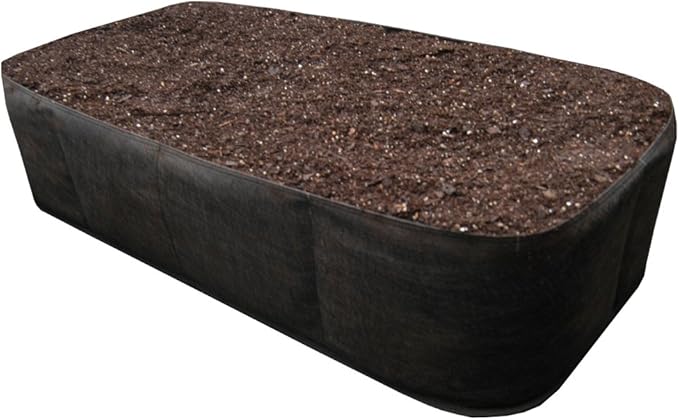
    Vegetables Garden Planting Bags


    81blRra2fdL. AC SL1500


    Growing Tomatoes

    As we have seen above, tomato roots are deep and need at least two to three feet. They can be grown in a variety of soils including loam, peat, clay, and sand. Planting tomatoes requires proper soil preparation and spacing.

    This is especially true if you want to get a yield of 10-20 pounds per plant.  In this case, you need to make sure that your soil has plenty of nutrients for the plants to grow well and that there is ample space between each plant.

    We have some great tips on how to prepare the soil and planting depth for your tomatoes.

    • If you are having trouble with your soil, then you may need to add compost or topsoil to it.
    • You should also make sure that your soil is well-drained. This means that you should not have standing water in your planting area. If you are unsure if the soil is well-drained, then you can test it by putting a small bucket in your planting area. If water drains out of the bucket quickly, then your soil is good for planting. If it does not drain, then you should add more compost or topsoil to your planting area.
    • If you are planting in pots, then you will need to make sure that your pot is at least two feet deep.
    • If you are planting directly in the ground, then you will need to make sure that you are planting a full 2/3 of the plant underground. This depth will give your plants plenty of room to grow and get bigger.
    • You should also make sure that you use fertilizer on your plants. 
    • If you want to plant your tomatoes indoors, then you will need to make sure that you keep your plant area at a temperature of around 70 degrees Fahrenheit. 
    • You will also want to make sure that you water your plants thoroughly. Watering your plants thoroughly will help your plants to get bigger and produce more tomatoes.
    How deep should a raised garden bed be for tomatoes

    In Conclusion – How Deep Do Tomato Roots Grow?

    It is important to know deep do tomato roots grow before you get planting. The depth of tomato plants is generally between two to three feet. Different soils can be used and again even the type matters. 

    Read more about Timber Grow Lights For Plants – Grow Light Info.

    FAQs

    How deep and wide do tomato roots grow?

    The roots can reach a depth of two to three feet, with lateral roots reaching up to two feet. In the field, they grow as a network of fine roots that are used to absorb water and nutrients from the soil.

    Is 12 inches deep enough for tomatoes?

    You should provide tomato plants with at least two to three feet of depth to provide them plenty of room to grow.

    How deep should a raised garden bed be for tomatoes?

    The depth of the raised garden bed should be at least 12 inches deep.

    How deep do cherry tomato roots grow?

    Cherry tomatoes roots will grow to be around two feet deep.

    If you are thinking of growing tomatoes, it is important to know just how deep do tomato roots grow to prepare your soil before planting.

    Tomatoes are a warm-season vegetable and like most plants, they need to be grown in the right type of soil to perform at their best.  This article will help you understand how deep your roots should be planted. This will help ensure that you prepare the correct soil for your tomato plants to grow in.

    You can use this information to ensure that you plant your tomatoes in the correct soil. In addition, you can also ensure that your plants are growing in the right way.

    How Deep Do Tomato Roots Grow?

    So, how deep do tomato roots grow? The depth of your roots depends on the type of soil you are planting in. 

    In most cases, tomato roots will grow between two to three feet. It is important to know just how deep you need to plant your tomato roots so that you can ensure that the soil is prepared correctly before planting.

    Here are some of the types of soil you can plant your tomatoes in.

    Type 1: Loam soils

    These types of soil are composed of loam and sand, with low clay content. These soils are good for growing root crops such as beans, carrots, and lettuce. The rich, organic matter in loam soil will help your tomatoes grow large and flavorful.

    Loam soil is great for holding moisture while still providing proper drainage. It works well for a variety of plants.

    Type 2: Sandy soils

    Sandy soils are made up of gritty textures including sand and gravel, often with high sand content. These soils are pracical for growing root vegetables and herbs native to the Mediterranean. Tomatoes can grow in sandy soil that is slightly acidic. 

    Type 3: Clay soils

    These types of soil are composed of very fine mineral particles, with high clay content. Clay soil provides tomatoes with important nutrients to grow strong and healthy. However, clay soil can be heavy so it is best to mix it with another type of soil.

    Type 4: Peat soils

    Peat soil is made from organic materials that have been decomposed. They are good for growing root crops such as parsnips, turnips, radishes, beetroot, carrots, and potatoes. Peat moss can be a particularly great option for growing tomatoes. 

    Vegetables Garden Planting Bags


    81blRra2fdL. AC SL1500


    Growing Tomatoes

    As we have seen above, tomato roots are deep and need at least two to three feet. They can be grown in a variety of soils including loam, peat, clay, and sand. Planting tomatoes requires proper soil preparation and spacing.

    This is especially true if you want to get a yield of 10-20 pounds per plant.  In this case, you need to make sure that your soil has plenty of nutrients for the plants to grow well and that there is ample space between each plant.

    We have some great tips on how to prepare the soil and planting depth for your tomatoes.

    • If you are having trouble with your soil, then you may need to add compost or topsoil to it.
    • You should also make sure that your soil is well-drained. This means that you should not have standing water in your planting area. If you are unsure if the soil is well-drained, then you can test it by putting a small bucket in your planting area. If water drains out of the bucket quickly, then your soil is good for planting. If it does not drain, then you should add more compost or topsoil to your planting area.
    • If you are planting in pots, then you will need to make sure that your pot is at least two feet deep.
    • If you are planting directly in the ground, then you will need to make sure that you are planting a full 2/3 of the plant underground. This depth will give your plants plenty of room to grow and get bigger.
    • You should also make sure that you use fertilizer on your plants. 
    • If you want to plant your tomatoes indoors, then you will need to make sure that you keep your plant area at a temperature of around 70 degrees Fahrenheit. 
    • You will also want to make sure that you water your plants thoroughly. Watering your plants thoroughly will help your plants to get bigger and produce more tomatoes.
    How deep should a raised garden bed be for tomatoes

    In Conclusion – How Deep Do Tomato Roots Grow?

    It is important to know deep do tomato roots grow before you get planting. The depth of tomato plants is generally between two to three feet. Different soils can be used and again even the type matters. 

    Read more about Timber Grow Lights For Plants – Grow Light Info.

    FAQs

    How deep and wide do tomato roots grow?

    The roots can reach a depth of two to three feet, with lateral roots reaching up to two feet. In the field, they grow as a network of fine roots that are used to absorb water and nutrients from the soil.

    Is 12 inches deep enough for tomatoes?

    You should provide tomato plants with at least two to three feet of depth to provide them plenty of room to grow.

    How deep should a raised garden bed be for tomatoes?

    The depth of the raised garden bed should be at least 12 inches deep.

    How deep do cherry tomato roots grow?

    Cherry tomatoes roots will grow to be around two feet deep.

  • Major Reasons For Yellow Leaves On Tomato Plants In Containers

    Major Reasons For Yellow Leaves On Tomato Plants In Containers

    Tomato plants are pretty easy to grow and you can even grow them in containers. But not everything tends to go rosy when it comes to growing plants generally. Yellow leaves on tomato plants in containers are one of those issues that any gardener can experience when it comes to growing tomatoes.

    When it comes to growing tomato plants in containers, there are some things you need to do right so you can have a smooth and successful growth of your tomato plant. If you fail to properly take care of the tomato plant, it can stand the risk of giving rise to leaves that changes to yellow.

    Different reasons can be responsible for why your tomato plant is turning yellow. Yellow leaves on tomato plants in containers may be a natural cause that doesn’t need too much worrying about. However, it may also mean something serious.

    Whichever situation this plant may be, we will be looking into the reasons why your tomato plant may be turning yellow. We will also look into how to resolve the issues if possible.

    Yellow Leaves On Tomato Plants In Containers: The Major Reasons

    So, below are some of the major reasons why your tomato plants in containers may be turning yellow. We have also looked at how you can fix the situation.

    1.    Overwatering

    One common reason why your tomato potted leaves may be changing colors to yellow is if they have been overwatered.

    Plants in pots have their limit to spreading their roots in the soil to draw moisture required by the plant. So, this may cause some growers to continue watering their tomato plant because tomato needs a good amount of water to thrive.

    However, when the watering is in excess, it can drown the roots of the plant. This may cause oxygen, nutrient, as well as moisture to be limited in their movements from the soil through the roots of the plant.

    Hence, this results in stunted growth and yellowing of leaves. So, when there is too much moisture in your potted tomato plant, it can cause humid conditions that usually attract fungal diseases. Then the tomato roots will begin to rot and begin to turn brown or brown then it can give a soggy texture.

    Solution

    It is important you avoid over-watering in the first place. So, when you want to water, ensure you check the moisture level to know if watering is needed. An easy test is to dip your finger into 1 to 2 inches of the soil then water only if your finger is dry. Also, ensure there are enough drainage holes for easy flow of water.

    However, if you already have rotten rot from over-watering your tomato plant, it is necessary you take the plant out of the potting soil. Then trim the dead, soggy, and black roots and leave out the healthy white roots.

    So, you should re-pot in a fresh batch of potting soil using a sterilized pot.

    2.    Under-Watering – Yellow Leaves On Tomato Plants In Containers

    Alternatively, under-watering your potted tomato can lead to the yellowing of leaves. This is because the plant isn’t receiving adequate water. Hence, the lack of water can result in a lack of nutrients and oxygen from the roots to the leaves.

    B SEPOR Automatic Plant Waterer Terracotta Self Watering Spikes Drippers Irrigation System

    Yellow Leaves On Tomato Plants In Containers

    Solution

    Under-watering can be solved easily and what you need to do is simply water the plant as needed. You can make it a habit to check your container tomato plant every day in the morning to see if the soil is dry.

    Do an easy moisture check by dipping your finger into 1 or 2 inches of the soil. Then if you see your finger looks dry, it is an indication that your potted tomato plant needs watering.

    3.    Sunlight Deprivation

    When your tomato plant isn’t receiving enough sunlight it can show signs of yellowing of leaves. The plant tomato requires full sunlight to thrive and a duration of around 6 to hours of daily sunlight is required.

    Lack of sunlight can cause your potted tomato plant to struggle to produce nutrients through photosynthesis thereby turning the color of your leaves to yellow.

    Solution

    Ensure your potted plant isn’t growing near a shade or ensure there are no obstructions around your plant that can block sunlight. Also, when it is required you can adjust or move your container tomato to a spot it can receive adequate sunlight.

    4.    Inadequate Nutrients Or Lack Of Nutrients

    Just like other vegetable plants, tomatoes are also heavy feeders. Therefore, a sufficient amount of nutrients needs to be supplied to your plant. Else, the leaves can begin to turn yellow.

    Inadequate Nutrients Or Lack Of Nutrients

    Solution – Yellow Leaves On Tomato Plants In Containers

    So, adding compost to your potting soil when you prepare it can be beneficial to your tomato plant. A slow-releasing fertilizer that is high in nitrogen can also be used. This fertilizer will release the required nutrients into your potting soil whenever you water your plant.

    The nitrogen-rich fertilizer you have been supplying your tomato plant should then be reduced once the tomato plant has matured. If not, the nitrogen will keep encouraging leaves to grow and you have more leaves rather than tomato fruits.

    Therefore, switch to a low nitrogen fertilizer once the plant has matured and use higher potassium. Doing this will help boost the container tomato plant to develop flowers that will end up producing tomato fruits.

    Conclusion – Yellow Leaves On Tomato Plants In Containers

    Yellow leaves on tomato plants in containers can be a result of different things and we have listed some of them from the above. We have also helped you figure out some possible solutions when you experience any of the listed effects on your tomatoes plant.

    FAQ’s

    How to stop yellow leaves on tomato plants in containers

    You can stop yellow leaves on your tomato plants in containers by first determining the cause of the yellowing of leaves. Then you can find the solution according to what you have figured out.

    Why are my potted tomatoes leaves turning yellow?

    Your potted tomato plants may be turning yellow due to different reasons. Some of these reasons can include over-watering, under-watering, lack of sunlight, inadequate nutrients, over-fertilization, or poor potting soil.

    How do you fix yellow leaves on tomato plants?

    The first thing to do when it comes to resolving or fixing the yellowing of tomato leaves is to figure out what the cause of the problem is. Once, you’ve determined the issue, you can proceed to fix your tomato plant by facing the problem they have.

    Should I remove yellow leaves from tomato plant?

    You can decide to remove the yellow leaves you may notice on your tomato plants. But generally, when the plant has attained a height of 12 to 18 inches, you can remove any yellow leaves.

  • Peppers Rotting On Plant – Causes And Solutions

    Peppers Rotting On Plant – Causes And Solutions

    Peppers rotting on plant can be frustrating, especially after putting all that time and energy into planting and then waiting to harvest healthy ripe fruits.

    The rotting of the bottom of peppers is caused by a condition called blossom end rot. When your plant has blossom end rot, it only means that there are not enough nutrients in the soil or the pH is not balanced.

    Knowing the symptoms and causes of blossom end rot in pepper will equip you with the knowledge of preventing any future occurrence of rotting.

    According to the University of Tennessee, the reason for blossom end rot is a lack of calcium or not enough moisture in the soil. Enough soil moisture is important for pepper plants in order for easy absorption of calcium.

    As we all know calcium is responsible for the growth of healthy bones in humans, it also helps in maintaining a healthy plant. However, there are solutions that you can proffer to the issue of peppers rotting on plants. This will help restore their health and capacity to continue producing healthy fruits. So, kindly read further.

    Pepper Rotting On Plant: What Causes Blossom End Rot?

    Blossom end rot usually causes the appearance of dark spots at the bottom part or side of peppers. As we have mentioned, blossom end rot is caused by the deficiency of calcium in the plant. This condition takes place when the fruits of the plant don’t have healthy skin.

    This is as a result of the inaccessibility of the calcium in the plant when fruits are being produced. Hence, the condition of the plant root rot occurs. The fruits will find it hard to develop new and healthy skin if the calcium contained in the plant is not made available when fruits are being produced.

    As a result of this, patches of dark brown, gray, or black begin to form on each fruit at the blossom end. This happens mostly during cool weather when there’s a high rate of moisture fluctuations.

    Pepper Rotting On Plant: What Causes Blossom End Rot

    As the vegetable grows, new skin forms at the bottom of the fruit, which is where blossom end rot starts.

    Sometimes, the problem might not be about your soil needing more calcium even if it is known that the issue is the plant being low on calcium. The availability of calcium in the pepper plant is very important as it is needed for the formation of the pepper fruit cell walls.

    There are implications of the lack of calcium in the pepper plant. Or when the growth of the fruit is way too fast making it difficult for the supply of enough calcium by the plant.

    Hence, rotting will begin at the blossom end of the pepper fruit as the walls of the cell are already dying.

    Getting calcium from the soil and constantly making calcium available for the healthy production of the fruits may be the real problem. Although, solving the problem of peppers rotting on plants will be trickier because of this type of situation.

    Whichever way, it’s better to begin proffering a possible solution early in order to help your plants recover.

    Preventing Your Pepper Fruits From Rotting On The Plant

    Your first mindset and action is to not allow blossom end rot to surface at all. It’s better to prevent it from occurring right from the onset. Chances of preventing the occurrence of a blossom end rot can be increased with the help of the following tips.

    1. Avoid watering your pepper plants less often.
    2. Avoid watering your pepper plants more than necessary to prevent blossom end rot.
    3. Make use of proper fertilizer in the right amounts for your plants
    4. Another thing to do is to reduce the amount of nitrogen in the fertilizer for your plant when it starts producing fruits. This is because nitrogen will make your plants grow more leaves rather than produce fruits.
    5. Prune older leaves and leaf branches on pepper plants.
    6. Before planting each year, mix crushed eggshells in the soil to increase calcium. Oftentimes, blossom end rot may not be due to low calcium in the soil.

    FoxFarm Liquid Nutrient Trio Soil Formula: Big Bloom, Grow Big, Tiger Bloom

    Peppers Rotting On Plant

    Solution To Peppers Rotting On Plant

    If you don’t begin the process of curing blossom end rot quickly, your chances of getting a great healthy harvest from your planting period will be slim. So, get to the action quickly once you see dark bottom ends on your peppers.

    1.    Pruning Too Much Foliage – Peppers Rotting On Plant

    Like its being explained earlier on, the supply of calcium, other than availability, is what blossom end is all about. Hence, making sure calcium becomes available to your fruits during their developing period is important.

    Pruning too many leaves from your pepper plants can be adopted. Foliage, even during stressful conditions, thrives with transpiring water.

    When you prune excess leaves away from around your pepper plants regularly, the leaves on your plant reduce. This way, more water will be channeled towards the production of more fruits.

    Check Out A Detailed Guide On What Type Of Fertilizer For Tomatoes

    2.    Even Moisture Is Important

    The total well-being of your plants can be determined by the level of moisture in your plant. Your plants will become stressed due to inconsistent moisture by getting dried out then getting watered and later becoming dried out again. So, moisture in the soil must be maintained at all times.

    3.    Helping The Plants To Absorb More Calcium – Peppers Rotting On Plant

    Come to think of it, the fact that the deficiency in calcium is the cause of blossom end rot doesn’t mean that the calcium needed is not in the soil. Oftentimes, it may be that it is the plants that are in need of the calcium present in the soil but can’t get access to it. So, you can adopt means of making this element available to the plants and easy to be absorbed by the plant.

    Conclusion On Peppers Rotting On Plant

    In conclusion, to help fix the situation of peppers rotting on plants, you can choose from the previously listed guidelines on how to help plants absorb calcium. It is certain that this article will be very helpful.

    FAQ’s

    Why are my hot peppers rotting before they ripen?

    Your hot peppers may be rotting before they have the chance to get ripen if they have a low supply of calcium and this condition is referred to as blossom end rot.

    Can you eat peppers with blossom end rot?

    It is still safe to eat peppers with blossom end rot because it is not a bacterial problem. All you need do is to cut away the affected parts of the fruit and eat the remaining part.

    What causes rotten spots on bell peppers?

    The rotten spots noticed on bell peppers are known as blossom end rot and it is mostly caused by calcium deficiency.

    How do you know when a bell pepper has gone bad?

    You can know your bell pepper has gone bad if you see things such as softness or large sunken spots. If you also notice the bell pepper has begun to rot and grow mold, then it has gone bad.

  • A Detailed Guide On What Type Of Fertilizer For Tomatoes

    A Detailed Guide On What Type Of Fertilizer For Tomatoes

    Tomato being a heavy feeder tells us that the plant is a hungry plant that likes to be fed with fertilizer for them to flourish. What type of fertilizer for tomatoes do you think is best considering the fact that tomato is a nutrient-loving plant?

    Tomatoes will thrive well when you supply them with lots of fertilizer or nutrients to grow throughout their season. No matter the type of fertilizer you use (organic or chemical), it can boost the growth and production of tomatoes by providing extra nutrients required for tomato plants to flourish.

    But the question we would like to know and discuss is what type of fertilizer for tomatoes is best? We would also discuss about the best type of fertilizer for container tomatoes.

    What Type Of Fertilizer For Tomatoes? The Ideal NPK Ratio

    When it comes to choosing the ideal fertilizer for tomato plants, go for a fertilizer that has a balanced ratio of the three main elements. These main elements include the regular NPK (nitrogen, phosphorous, and potassium). So, they should be balanced in a ratio such as 10-10-10.

    Alternatively, you can choose a fertilizer where the middle value (which is phosphorous) is greater than the first number (which is nitrogen). An example is a fertilizer ratio value of 2-3-1.

    What Type Of Fertilizer For Tomatoes? The Ideal NPK Ratio

    Click Here to Get Info About:

    What To Consider Before Deciding The Type Of Fertilizer To Use For Tomatoes

    But one important thing to note when considering what type of fertilizer for tomatoes is to know the status of your soil. Get to know the current nutrient content of your soil and you can know this by simply doing a soil test.

    After testing your soil, the result gotten will determine the type of fertilizer to use. For instance, if your soil is correctly balanced or high in nitrogen, a fertilizer that has a low value of nitrogen should be used. Then the phosphorus value should be higher. An example of this type of fertilizer is 5-10-5 or a 5-10-10 fertilizer mix.

    On the other hand, if the result of your soil test shows it lacks nitrogen or it is a low nitrogen, then a balanced fertilizer such as 8-8-8 or 10-10-10 should be used to prepare the soil of your tomato plant.

    However, if you don’t have the capacity to have a soil test, you can just assume the soil you have is balanced and make use of a higher value of phosphorous tomato plant fertilizer. But make sure the soil has not had any experience of a sickly tomato plant in the past or this may not interfere with your result.

    Another important thing to be aware of when it comes to fertilizing tomato plants is to avoid using too much nitrogen. The results of excess nitrogen supplied to tomato soil usually give rise to lush, green leaves, with very few tomatoes.

    Therefore, if you have experienced the problem stated above (very few tomato yield), then you can consider providing a bit more phosphorous to the plant rather than a balanced tomato fertilizer.

    Dr. Earth Organic 5 Tomato, Vegetable & Herb Fertilizer Poly Bag

    51OVz6TDz0L. AC

    Fertilizer For Tomatoes: The Nutrients Needed

    As we have mentioned, tomato requires 3 major nutrients and they are nitrogen, phosphorous, and potassium. The tomato plant also requires lots of other nutrients apart from the regular NPK as each of these nutrients serves some crucial tasks for plants.

    Let’s briefly look at some details on these major nutrients as well as some other nutrients:

    • Nitrogen: Supplying your tomato with nitrogen fertilizer is important and it will help maintain the leaves of the plant. However, when you use excess nitrogen, the resulting tomato plant usually gives rise to more leaves rather than more tomato fruits. Therefore, you may notice a bushy tomato plant and little tomato fruit yield when you use too much nitrogen.
    • Phosphorus: Another crucial fertilizer needed for the tomato to grow adequately is phosphorous. Phosphorous is required by your tomato plant for the growth of roots and fruits. This nutrient is an essential component for the first phase and last phase of the development of the tomato plant.
    • Potassium: Potassium assists your tomato plant to grow rapidly and produce flowers. It is these flowers that end up turning into fruits.

    So, apart from the major NPK nutrients, tomato plants also require other small nutrients and elements to grow and some of them include calcium, magnesium, zinc, boron, and so on. Let’s look briefly into some of these smaller nutrients.

    • Magnesium: magnesium helps your tomato plant to remain green and it can help enhance the quality of flowers and fruits of your tomato plant.
    • Calcium: calcium can help in producing strong tomato plants. This element will also help in proper root development and leaf development.
    • Boron and Zinc: both boron and zinc can assist in the flowering process and fruit ripening of your tomato plant.

    Best Fertilizer For Tomatoes In Pots – What Type Of Fertilizer For Tomatoes

    You can either use organic or chemical fertilizer for your potted tomato. But here are some nice homemade fertilizers you can use for your container tomatoes:

    1. Fertilizer Containing Nitrogen

    Corn gluten meal, rabbit poo, and manure are great organic homemade nitrogen-containing nutrients or fertilizers you can use for your potted tomato plant.

    1. Fertilizer Containing Phosphorous

    Human urine, kelp meal, sunflower seeds, soya beans, and pumpkin or squash seeds are good fertilizers that is phosphorous-containing that you can use for your potted tomato plant.

    Best Fertilizer For Tomatoes In Pots - What Type Of Fertilizer For Tomatoes
    1. Fertilizer Containing Potassium

    Fertilizer that contains potassium that you can use for your potted tomato plant includes wood ash, banana peels, potato peels, orange peels, sweet potato peels, and cucumber peels.

    Conclusion – What Type Of Fertilizer For Tomatoes

    Tomato plants are heavy feeders so it is important you supply them with some good fertilizer so you can enjoy optimal yield. What type of fertilizer for tomatoes has been discussed here and we have also mentioned some nice fertilizers to use for your potted tomato plants.

    FAQ’s

    What type of fertilizer is needed for tomatoes?

    The type of fertilizer needed by the tomato plant should be a balanced ratio fertilizer that has the three main elements which are nitrogen, phosphorous, and potassium (NPK). An example of a balanced fertilizer for tomatoes is 10-10-10.

    What can I use to fertilize my tomato plants?

    You can make use of a liquid type of fertilizer like compost or worm casting every 14 days to fertilize your tomato plant.

  • How Much Water Do Peppers Need? – Important Facts!

    How Much Water Do Peppers Need? – Important Facts!

    How much water do peppers need and how often should you water your pepper plants? It is important to know the growing requirements for peppers if you plan on having them in your garden.

    Peppers are a very popular garden plant.  They grow fast, are easy to grow, and taste great!  But when you start to look into the specifics of how to grow peppers, there is a lot of conflicting information. 

    The most common advice for growing peppers is to give them regular watering.  But how much water is that and what about the frequency?  Should you water them once a day, or twice?

    How Much Water Do Peppers Need? 

    When growing peppers, you want to give them regular water. There are a few factors that will influence how often you should water your peppers. They include weather, location, variety, and whether you are growing your pepper plant indoors or outdoors.

    You should water your peppers when the soil is dry.  Water the peppers about once to twice a week, providing about one to two inches of water a week. 

    When the weather is hot, you will need to water your pepper plants more often, such as two to three days a week. If you have been experiencing lots of rainy weather, then you will have to water your peppers less.

    Be careful not to over-water your pepper plants. Too much water can cause wilted leaves and rain rot. In addition, it may also cause sunburned fruit or may cause the leaves to drop.

    When you are ready to harvest, you should cut the peppers off at the stem. The size and color of the pepper will vary on the variety. 

    How often should a pepper plant be watered?

    Growing Peppers: How Much Water Do Peppers Need?

    Growing peppers is easy and most gardeners have been able to grow their peppers.  Here is a step-by-step guide to growing peppers.

    Step 1:  Choose an ideal location

    A sunny location with at least six hours of sunlight is best for growing peppers, but they can also be grown in partial shade.

    Step 2:  Choose the right soil

    Peppers need rich, well-drained soil with plenty of organic matter to provide nutrients and retain moisture. They can grow in all types of soils but do best in soils that are heavier and well-drained.

    Step 3:  Prepare the area

    Dig over the area to remove all weeds.  Ensure the soil is well aerated and has proper drainage.

    Step 4: Add compost

    Tsing compost to grow your peppers is important as it provides nutrients required for your plants.  Compost provides nitrogen, phosphorous, and potassium.

    Step 5:  Plant the seedlings

    Make sure that the seedlings are 12 to 18 inches apart, depending on the variety.  If you don’t have enough space to plant them, you can try to transplant them from another location. 

    It is recommended that the plants be transplanted when they are about three to four weeks old, when they begin to produce their third set of true leaves,  When planting, make sure that the seedlings are not touching each other and don’t crowd the roots.

    Step 6:  Water the seedlings

    They should be watered regularly until they get about 3-4 inches tall, every few days to daily. After this stage, you can stop watering them and let them dry out for about a week.  

    Step 7:  Fertilize your peppers

    Fertilize your peppers when first transplanting them and then again when they start to bloom. It is a good idea to use a 5-10-10 fertilizer. 

    Step 8:  Harvest your peppers

    When the peppers get to maturity, harvest them by cutting them off the stem. Store them at room temperature for a few days or in the fridge for around a week. 

    Amazon Choice Selection
    Watering Can 1 Gallon for Indoor Plants, Garden, Outdoor Plant House Flower, Gallon Large Long Spout with Sprinkler Head (Blue)
    $18.99
    Check Amazon Price
    We earn a commission if you make a purchase, at no additional cost to you.
    12/07/2025 07:04 pm GMT

    The growth process of peppers is an easy one.  They can be susceptible to pests and diseases but are generally hardy plants to grow. Common pests include aphids, caterpillars, and hornworms.

    They eat the leaves, flowers, and fruits of the plants.  Aphids are small insects, which have green or brown bodies.

    Final Thoughts – How Much Water Do Peppers Need?

    The amount of water that peppers require is about one to two inches of water a week.  The best way to learn how much water do peppers need is to provide your peppers with water around once to twice a week. Peppers are easy to grow and give you a thriving crop if you provide the right growing conditions.

    If you harvest your peppers when they are fully mature, they can last longer and you can harvest more from the same plant.  Be careful not to damage the plant as you harvest the peppers or you will lose the rest of the harvests.  Use a sharp knife or a pair of scissors to cut the pepper from its plant instead of pulling it out.  Happy gardening!

    Read more about Do Zucchini Plants Climb And Require Support? 

    FAQs

    How often should a pepper plant be watered?

    If you have well-drained, loose soil, you should water your plants once to twice a week .

    If you live in a very hot climate, you might need to water more frequently than this. Watering can be done manually by hand or with a soaker hose.

    How do you know if you are overwatering pepper plants?

    The most obvious sign that your peppers are too wet is when they start to rot. If you don’t have a greenhouse or a patio covered area, you can also check your plants by looking at the bottom of the leaves.

    The leaves should be dark green and not droopy. You can also use your finger to gently feel the leaves. If the leaves feel soft and spongy, you need to water your plants more frequently.

    How much water do bell peppers need?

    Peppers need about one to two inches of water a week. They are one of the easiest plants to overwater. It is important to keep your pepper plant roots moist, but not soggy.

    The easiest way to tell if your peppers are getting enough water is to look at their leaves. If they are drooping, then you need to water your plants more frequently. It may take a few days for your peppers to show that they are getting enough water.

    How do I know if my peppers need fertilizer?

    Fertilizer is usually recommended for all types of peppers. When growing peppers, you should fertilize your plants when transplanting and again when they bloom. Peppers have a strong root system and will absorb nutrients from the soil if it is not fertilized.

    Fertilizers can help your peppers grow faster and produce larger fruits. You can use any type of fertilizer that you want as long as it contains nitrogen, phosphorus, and potassium.

    Do peppers need lots of water?

    Peppers generally only need one to two inches of water a week. If you water them too much, they may start to rot. Peppers also need a lot of sunlight to grow properly.

    During the day, your pepper plants will need at least six hours of sunlight to grow. If you have the right kind of soil and plenty of sunshine, growing peppers should be relatively easy. If you plant them in the fall, they will germinate quickly and will have time to grow before the weather gets cold.

  • Do Zucchini Plants Climb And Require Support? 

    Do Zucchini Plants Climb And Require Support? 

    Do zucchini plants climb and require support as they grow? It is important to provide these plants with all the proper care they need in order to yield the best results.

    It is important to keep zucchini plants in a warm environment and moist, but not soggy. The best location for the plant is sunny or in partial shade. If the soil is too wet, the plants will be spindly and weak, and may even die.

    Do Zucchini Plants Climb and Require Support?

    You are correct that Zucchini plants will climb if given the opportunity. However, you don’t need to provide any support, though providing support can be beneficial. Zucchini plants will not grow vertically if given no support, only horizontally.

    If you want your zucchini to grow vertically, you need to provide some form of support.  Most gardeners use a trellis to do this. The trellis should be set up at least two feet above the ground.

    The trellis should be strong enough that it doesn’t break when your zucchini plants start to grow. The trellis should be set up in an area that receives full sunlight. If you are unsure how tall your trellis needs to be, you can measure it with a tape measure or yardstick.

    Your zucchini plants will climb up the trellis and will continue to grow until they reach the top of the trellis. At that point, your zucchini plants will continue to grow vertically, but will no longer climb.

    How do I make my zucchini climb?

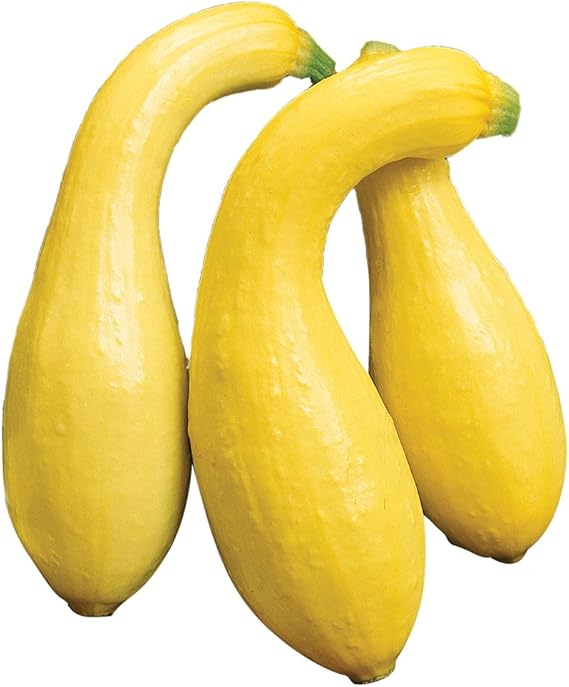
    What Is The Difference Between A Zucchini And Summer Squash?

    Though all types of zucchinis are summer squash, not all summer squashes are zucchinis. Here are some carachteristics:

    • Zucchini is a variety of summer squash.
    • The size of a zucchini varies depending on the variety. Some zucchini varieties may grow as long as 10 inches.
    • Summer squashes are generally not the most flavorful, but they are versatile.
    • You can serve summer squashes raw in salads or cook them in a variety of ways, from stir-fry to grilling.
    • Zucchini is generally available year-round and is often less expensive than other summer squashes. 
    • Both yellow squash and zucchini are part of the same family.
    • The color of a squash varies depending on the variety. Some varieties have white flesh and others have yellow flesh. Generally, the more yellow the flesh of the squash, the sweeter it will taste.
    • Zucchini plants grow quickly and can produce large amounts of fruit in a short period.
    • You can eat zucchini straight out of the garden or you can enjoy it baked, cooked, or pickled.
    • Zucchini is a cool-season vegetable that can be grown in areas with mild winters.
    • Zucchini is a low-maintenance, easy to grow, and versatile vegetable.

    BetyBedy 5 x 15FT Trellis Netting

    71toiZOuezL. AC SL1500

    Growing Zucchini Plants From Seed

    Growing zucchini from seed is a great way to start your own vegetable garden. You can choose to plant seeds directly into your garden or you can plant them in containers before moving them to your garden. Many prefer to start their plants in containers because the container method also allows you to move your plants around and plant them in different areas of the garden.

    Starting zucchini from seed will give you the best results if you plant the seeds directly in the garden and don’t transplant them. When planting outside, make sure the soil is at least 60 degrees Farenheit.

    Starting the seeds

    Zucchini seeds need to be planted into the ground when they are fully dry. Start by preparing the planting site by raking the area smoothly. This will make it easier for the seeds to settle into the soil.

    Planting

    The planting hole should be about three times as wide as the seed, and one inch deep. It should be slightly deeper than the seed so that the roots can easily develop. Use a trowel to dig the planting hole.

    The soil

    The soil should be loose and well-drained. If the soil is compacted or hard, you should add more organic matter before planting. When planting seeds, try to plant them in rows or in groups. If your garden has a raised bed, you can create raised beds by putting in cinder blocks, bricks, or pavers.

    Spacing

    Make sure that the seeds are evenly spaced. Planting them too close together will reduce the amount of space between each seed. Cover the seeds with a thin layer of fine soil. If you have small seeds, you may want to cover them with a seedling starter mix. This is a mixture of peat moss, vermiculite, perlite, and other organic materials.

    Watering

    Water your seeds thoroughly. The seeds need to be moist but not dripping wet. When you water the seeds, you’re helping them to germinate. Once planted, water your seedlings often to ensure they don’t dry up.

    Take-home: Do Zucchini Plants Climb and Require Support?

    So do zucchini plants climb?  Yes, some zucchini plants do climb especially when they are provided with a place to climb.  However, if it does not get a place to climb on, it can still grow and bear fruits without support. So you can still plant and harvest the fruits from them.

    Read more about Do Tomatoes Grow On Vines?

    FAQs

    How do I make my zucchini climb?

    If you want your zucchini to climb, you need to make sure it gets plenty of water. Zucchinis love moisture and will grow best in a container that is kept slightly damp. The soil should be moist but not soggy. In this way, the plant can keep the roots in the top half of the pot and the leaves in the bottom half.

    Do I need a trellis for the zucchini?

    You might need a trellis if you have a large zucchini that needs to be trained up to a vertical position. A trellis is also recommended for growing cucumbers and melons.

    Is there a vining zucchini?

    Yes, there are several varieties that have been bred specifically for growing in containers. These include “Eureka”, “Sunshine” and “Lemon”. They are usually available from nurseries or garden centers.

    Can I grow zucchini upright?

    Yes, if you want to try growing it vertically. This is usually done by using a trellis or growing it up a stake. If you do this, make sure the stake or trellis is at least 6 feet tall so the plant can get enough light.

  • Do Tomatoes Grow On Vines? – How They Grow

    Do Tomatoes Grow On Vines? – How They Grow

    Do tomatoes grow on vines?  In this article, we will look at tomatoes and how they grow.

    We know that tomatoes are a fruit and that they grow on vines. But what do you call a tomato plant? What does the word “vine” mean in this context? 

    A tomato plant is a type of plant with vines that produces tomatoes. This is why we can say “tomatoes grow on vines”.

    It is also called a vegetable plant because it grows food for humans to eat. Most varieties of tomato plants grow to be two to three feet tall. In this article, we will look at the question do tomatoes grow on vines.

    Do Tomatoes Grow On Vines?

    The short answer is yes! Tomatoes can grow on vines, with some varieties being commonly grown on trellises or poles.

    There are many types of tomato plants and they grow in different ways. We will look at the most common types of tomato plants and what they look like.

    Do tomatoes grow like a vine?

    Types Of Tomato Plants

    There are two main types of tomato plants: vine and bush. The two terms can be confusing because all tomatoes grow on vines.

    • A vine tomato plant is a type of tomato that grows tall and needs staking for support. Also known as indeterminate, they have much longer stem growth. Vine tomatoes grow all season long, continuing to grow until the weather begins to get cold.
    • A bush tomato plant is a type of tomato plant that is shorter than the vine tomato plant. Also known as determinate, they are a good choice for growing in containers. They tend to have thicker skins with fewer seeds and are a good choice for canning. They also have a shorter growing season than vine tomatoes.

    How Do You Grow Tomatoes? – Do Tomatoes Grow on Vines?

    Tomatoes grow best in full sun and in loose, well-drained soil. They need at least six hours of direct sunlight every day. Tomatoes grow best in temperatures between 65°F and 85°F.

    If you live in a cold climate, make sure your soil stays warm enough to grow tomatoes. You can also grow tomatoes in a greenhouse. This is a great option if you live in a very cold climate.

    In the fall, when the weather starts cooling down, it’s time to start thinking about getting your tomato plants ready for the winter. It’s not too early to get started on preparing your tomato plants for winter.

    You should water your plants regularly, but not too often. It is best to water tomato plants in the morning. They need about one to two inches of water a week.

    You should fertilize your tomato plants when you first plant them and then every three to four weeks throughout the growing season. You should use a fertilizer that has macronutrients such as nitrogen, phosphorous, and potassium. Avoid fertilizers that are fast-release and avoid high nitrogen.

    When you’re ready to harvest your tomatoes, gently twist the bottom of the tomato to remove it from the plant. You can also store them on the countertop for a few days or in the fridge for around a week.

    You can also freeze your tomatoes in plastic bags. To do this, wash the tomatoes thoroughly before freezing.

    Final Thoughts: Do Tomatoes Grow on Vines?

    So if you are growing vine tomatoes, it’s best to use support to keep them growing straight.  Do tomatoes grow on vines?  Yes, all tomatoes grow on vines and they can be broken into vine or bush categories.

    So what is the difference between the two?  Well, bush tomatoes grow well in pots, and vine tomatoes need a stake for support. Within the two categories, there are several different varieties. There are many uses for vine and bush tomatoes that you can enjoy using.

    Read more about How Long Does It Take For Lettuce To Grow?

    iDOO 20 Pods Indoor Hydroponic Growing System with LED

    71 wiRTTJoL. AC SL1500

    FAQs

    Do tomatoes grow like a vine?

    Yes. Tomatoes are actually a type of climber that grows on a stem and has tendrils that help them grasp other objects. You can use a regular tomato cage that is designed to keep tomatoes from breaking the stems or their supports when they grow and mature.

    What’s the difference between vine tomatoes and regular tomatoes?

    Tomatoes grown for fresh market or home use, as opposed to processing, are called “vine” or “indeterminate” tomatoes because they can grow on a trellis or support. They are usually smaller in size than “determinate” tomatoes, which are grown for processing. The best-tasting tomatoes are generally the ones that have been harvested at a younger stage.

    If you pick your tomatoes too late, they will be less sweet and flavorful. Tomatoes that have started to turn yellow or purple are also not suitable for canning because they are beginning to lose their flavor.

    Do cherry tomatoes grow on vines?

    Cherrry tomatoes do grow on vines and can grow to become quite tall. Indeterminate cherry tomatoes can benefit from a tomato tower or a trellis to help them grow strong and produce a maximum yield.